

-
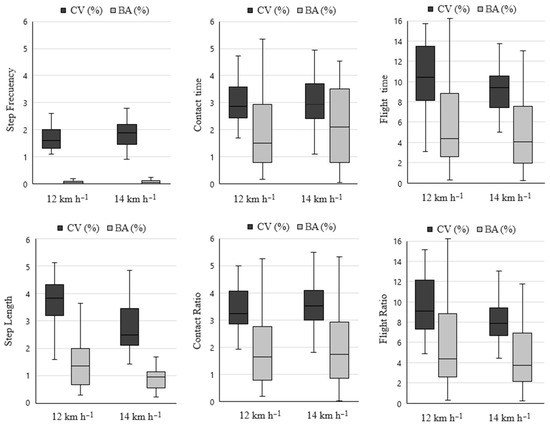
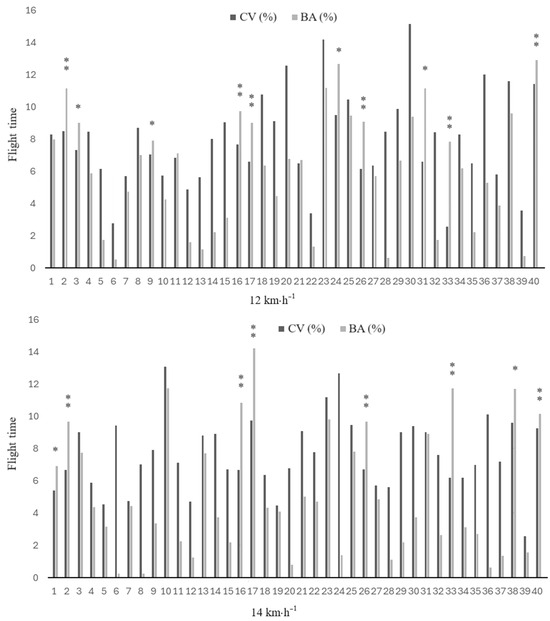
Open Water Swimming: Swimmers Kinematical and Neuromuscular Characterization in 5 km -
Mapping 50 Years of Sport Psychology–Performance Meta-Analyses: A PRISMA-ScR Scoping Review -
Risk Factors and Prevention of Musculoskeletal Injuries in Adolescent and Adult High-Performance Tennis Players: A Systematic Review -
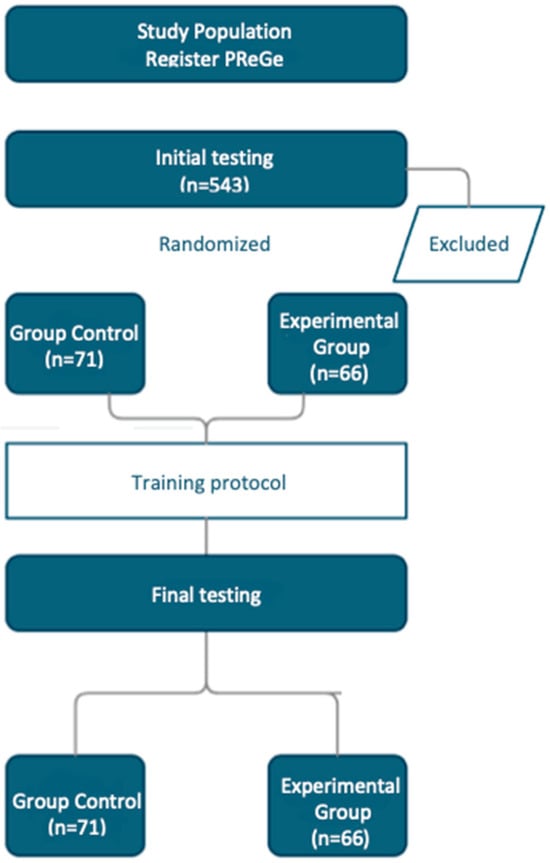
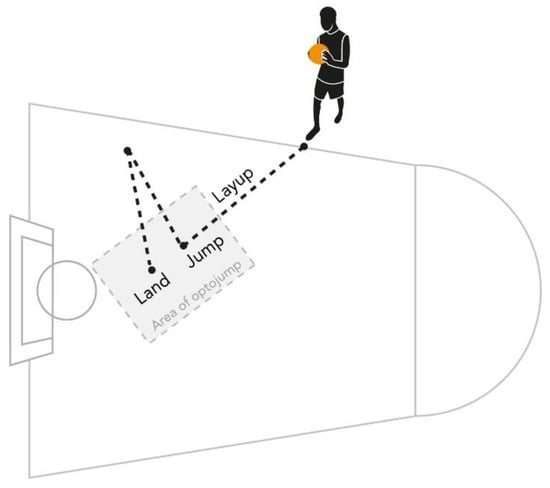
Comparison of the Core Training and Mobility Training Effects on Basketball Athletic Performance in Young Players: A Comparative Experimental Study -
Post-Exercise Recovery Modalities in Male and Female Soccer Players of All Ages and Competitive Levels: A Systematic Review
Journal Description
Sports
Sports
is an international, peer-reviewed, open access journal published monthly online by MDPI. The Strength and Conditioning Society (SCS), European Sport Nutrition Society (ESNS) and European Network of Sport Education (ENSE) are affiliated with Sports and their members receive discounts on the article processing charges.
- Open Access— free for readers, with article processing charges (APC) paid by authors or their institutions.
- High Visibility: indexed within Scopus, ESCI (Web of Science), PubMed, PMC, and other databases.
- Journal Rank: JCR - Q1 (Sport Sciences) / CiteScore - Q2 (Physical Therapy, Sports Therapy and Rehabilitation)
- Rapid Publication: manuscripts are peer-reviewed and a first decision is provided to authors approximately 19.9 days after submission; acceptance to publication is undertaken in 5.5 days (median values for papers published in this journal in the second half of 2025).
- Recognition of Reviewers: reviewers who provide timely, thorough peer-review reports receive vouchers entitling them to a discount on the APC of their next publication in any MDPI journal, in appreciation of the work done.
Impact Factor:
2.9 (2024);
5-Year Impact Factor:
3.3 (2024)
Latest Articles
Psychosocial and Body Image Variations in Professional Dancers: A Prospective Longitudinal Observational Study
Sports 2026, 14(3), 99; https://doi.org/10.3390/sports14030099 (registering DOI) - 3 Mar 2026
Abstract
Introduction: Psychosocial functioning and body image are key dimensions of mental well-being and performance. Among professional dancers, competitive environments, aesthetic demands, and physical–emotional overload contribute to increased anxiety, stress, and mood disturbances, potentially impairing performance and heightening injury risk. Objective: To investigate longitudinal
[...] Read more.
Introduction: Psychosocial functioning and body image are key dimensions of mental well-being and performance. Among professional dancers, competitive environments, aesthetic demands, and physical–emotional overload contribute to increased anxiety, stress, and mood disturbances, potentially impairing performance and heightening injury risk. Objective: To investigate longitudinal variations in psychosocial and emotional indicators among professional dancers throughout a season of rehearsals and performances. Methods: Thirteen dancers (9 women and 4 men) from a professional company were assessed across eight time points using the Brunel Mood Scale (BRUMS), State–Trait Anxiety Inventory (STAI-State), Recovery–Stress Questionnaire for Athletes (REST-Q 76 Sport), and Body Shape Questionnaire (BSQ). Data was analyzed using repeated-measures ANOVA with Bonferroni post hoc tests (p < 0.05). Results: Negative mood dimensions progressively increased (p < 0.01; η2p = 0.46, large), while vigor decreased (p = 0.03; η2p = 0.29, medium), indicating an inversion of the typical “iceberg” profile. Overall stress levels increased (p = 0.02; g = 0.53, power = 0.81) and perceived recovery declined (p = 0.04; g = 0.41, power = 0.78). State anxiety rose consistently (p < 0.01; η2p = 0.42), and body dissatisfaction, assessed via the BSQ, increased from “no concern” to “high concern” classifications (p = 0.03; g = 0.59, power = 0.84). Conclusions: Overall, the findings indicating a longitudinal pattern of increased psychometric strain indicators, inferred exclusively from psychometric trends, and conceptually consistent with a possible imbalance between perceived demands and perceived recovery, rather than reflecting objectively measured workload or recovery processes.
Full article
(This article belongs to the Special Issue The Role of Sports and Exercise in Disease Prevention, Health Promotion, and Injury Rehabilitation)
►
Show Figures
Open AccessSystematic Review
Neuromuscular Characteristics of Female Futsal Players: A Systematic Review
by
Catarina Marques, Miguel Rebelo, João Serrano and Hélder Fonseca
Sports 2026, 14(3), 98; https://doi.org/10.3390/sports14030098 (registering DOI) - 3 Mar 2026
Abstract
►▼
Show Figures
Background: This systematic review aimed to analyze and synthesize the available evidence on the neuromuscular profile of female futsal players. Methods: The review was conducted in accordance with PRISMA guidelines and registered with PROSPERO (CRD420251055503). PubMed, Scopus and SPORTDiscus databases were searched until
[...] Read more.
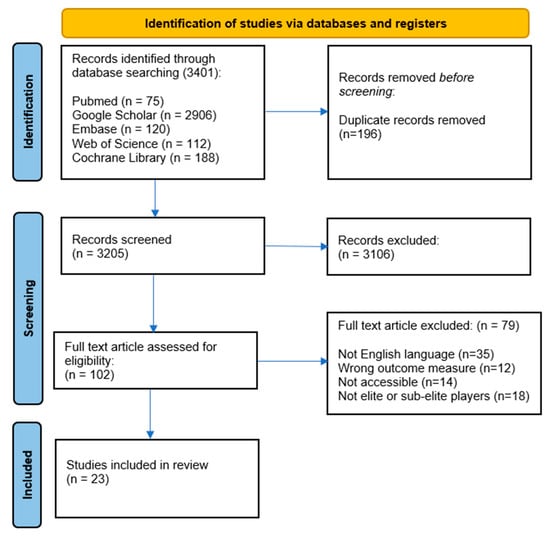
Background: This systematic review aimed to analyze and synthesize the available evidence on the neuromuscular profile of female futsal players. Methods: The review was conducted in accordance with PRISMA guidelines and registered with PROSPERO (CRD420251055503). PubMed, Scopus and SPORTDiscus databases were searched until May 2025. The eligibility criteria were defined using the PECOS strategy. The methodological quality of the included studies was evaluated using the Downs and Black modified version. Results: Twenty-three studies were included, covering a total of 433 female players between the ages of 12 and 27. Muscle strength was assessed mainly using an isokinetic dynamometer, jumping ability using the countermovement jump and squat jump, sprinting using the 10 m, 20 m and 30 m tests and agility and change of direction (CoD) using the Illinois agility test. Elite players generally showed a better performance in agility and CoD tests compared to lower-level players. Conclusions: This review provides a comprehensive overview of the neuromuscular profile of female futsal players and highlights trends related to the competitive level. These findings may support evidence-based practices for performance evaluation, training and injury prevention. More studies are needed to standardize methods and understand differences between competitive levels.
Full article

Figure 1
Open AccessArticle
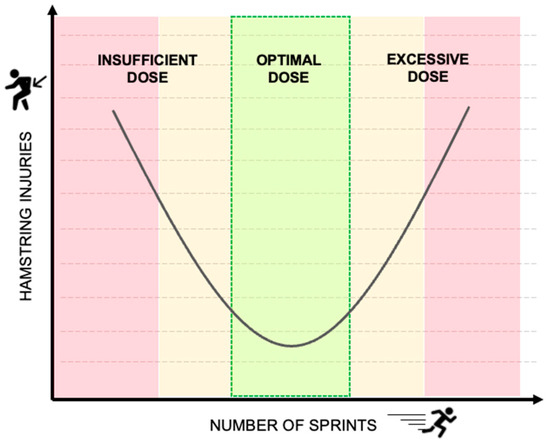
Effects of Between-Sprint Running Intensity on Repeated-Sprint Performance in Professional Soccer Players
by
Gregory Bizas, Ilias Smilios, Pierros Thomakos and Gregory C. Bogdanis
Sports 2026, 14(3), 97; https://doi.org/10.3390/sports14030097 (registering DOI) - 3 Mar 2026
Abstract
►▼
Show Figures
This study examined the effects of two different intensities of running between repeated sprints and compared them with passive recovery. Thirteen professional soccer players performed two sets of six 30 m sprints on three randomly assigned occasions. A 5 min passive rest period
[...] Read more.
This study examined the effects of two different intensities of running between repeated sprints and compared them with passive recovery. Thirteen professional soccer players performed two sets of six 30 m sprints on three randomly assigned occasions. A 5 min passive rest period separated the two sets, while sprints were interspersed with either passive standing, running at 95% of the first lactate threshold (MOD) and running at maximum aerobic speed (HIGH). Performance decrements were greater in HIGH than MOD at the last sprint in both sets (set 1: 5.8 ± 4.2% vs. 2.6 ± 3.2%, p = 0.07; set 2: 9.1 ± 4.5% vs. 4.0 ± 6.1%, p = 0.016). Acceleration (0–15 m) was more affected than maximal-speed running (15–30 m) (condition × sprint interaction: p < 0.001). Mean and peak heart rate were higher in both running conditions than passive (p < 0.05), with no difference between MOD and HIGH. Blood lactate showed a significant set × condition interaction (p < 0.001), peaking at 13.6 ± 2.7 mmol·L−1 in HIGH, while blood lactate responses to passive and MOD were similar and peaked after the second set of sprints (10.7 ± 2.1 and 11.5 ± 2.8 mmol·L−1, respectively). Between-sprint running intensity markedly influenced fatigue development during repeated-sprint exercise. The HIGH condition elicited greater metabolic strain and performance decrements than MOD or passive conditions. Within the present protocol, passive standing was associated with smaller decrements in repeated-sprint performance despite high heart rate and blood lactate responses.
Full article

Figure 1
Open AccessArticle
The Influence of Menstrual Cycle Phase and Urinary Incontinence on Potential ACL Injury Risk Factors with a Focus on Hip Strength and Postural Control in Elite Female Team Sport Athletes: A Pilot Study
by
Elisabeth Maria Kirschbaum, Roxane Windisch, Katrin Heyde, Richard Hunger and Kirsten Legerlotz
Sports 2026, 14(3), 96; https://doi.org/10.3390/sports14030096 (registering DOI) - 3 Mar 2026
Abstract
To improve understanding of anterior cruciate ligament (ACL) injuries, this study investigated the effect of menstrual cycle (MC) phase on ACL injury risk factors in elite female team sport athletes with and without urinary incontinence (UI). Additionally, associations between endogenous sex hormones, MC-related
[...] Read more.
To improve understanding of anterior cruciate ligament (ACL) injuries, this study investigated the effect of menstrual cycle (MC) phase on ACL injury risk factors in elite female team sport athletes with and without urinary incontinence (UI). Additionally, associations between endogenous sex hormones, MC-related symptoms, and these risk factors were investigated. Ten elite female athletes (24.2 ± 3.6 years, BMI 23.2 ± 1.3 kg/m2, 10.9 ± 1.8 training hours/week) completed three testing sessions across three MC phases, determined using the three-step method. Assessments included static and dynamic postural control and hip strength. Mixed-model ANOVA and canonical correlation analyses evaluated the effects of MC phase, UI, hormones, and performance. A significant interaction between MC phase and UI was observed for single-leg sway area with eyes closed (p = 0.036), and UI was associated with a higher hip adduction:abduction ratio (p = 0.037). No further significant interaction between UI and MC phase was observed. Moreover, hormones explained 16.5% of the variance in risk factors, while subjective symptoms explained 24.5%. Lower progesterone was associated with higher symptoms, lower estradiol and progesterone with reduced strength and poorer postural control, and higher testosterone with greater strength. Although limited by its pilot design, menstrual symptoms, more than MC phases, may influence performance and injury risk, supporting the potential value of systematic symptoms monitoring.
Full article
(This article belongs to the Special Issue Women's Special Issue Series: Sports)
►▼
Show Figures

Figure 1
Open AccessArticle
Prevalence and Clinical Patterns of Piriformis Syndrome Among Actively Competing and Retired Elite Hockey Players
by
Caleb Neal, Timothy Gelatt and Milan Toma
Sports 2026, 14(3), 95; https://doi.org/10.3390/sports14030095 (registering DOI) - 3 Mar 2026
Abstract
►▼
Show Figures
Piriformis syndrome, a neuromuscular disorder caused by sciatic nerve compression by the piriformis muscle, remains understudied in athletic populations despite anecdotal reports of elevated prevalence in hockey players. This study investigated the prevalence of piriformis syndrome symptoms and potential risk factors in actively
[...] Read more.
Piriformis syndrome, a neuromuscular disorder caused by sciatic nerve compression by the piriformis muscle, remains understudied in athletic populations despite anecdotal reports of elevated prevalence in hockey players. This study investigated the prevalence of piriformis syndrome symptoms and potential risk factors in actively competing (current) and retired (former) high-level hockey players. A cross-sectional survey was conducted among 67 actively competing and retired professional, collegiate, and junior hockey players (58 males, 9 females; mean age 25.6 ± 4.0 years; mean playing experience 17.8 ± 3.7 years). Active playing status was defined as currently participating in organized competitive hockey at any level, while retired status was defined as having ceased competitive participation for at least one season. The survey instrument was based on a validated clinical assessment scoring system, consisting of 12 questions assessing piriformis syndrome-related symptoms. Participants were classified as “high score” (≥6 affirmative responses) or “low score” (<6 responses). Multiple linear regression analysis was used to evaluate associations between demographic variables (age, playing status, years played, competitive level) and total symptom scores. Overall, 25.4% (n = 17) of participants met criteria for high symptom burden, with sitting-induced buttock pain being the most prevalent specific symptom (40.3%). Mean total score was 4.8 ± 1.8 (range 2–10). Multiple regression analysis revealed no statistically significant associations between piriformis syndrome scores and any demographic variable (overall model: = 0.065, p = 0.374). Retired players showed a non-significant trend toward higher scores compared to actively competing players ( = −1.388, 95% CI: −2.793 to 0.018, p = 0.053). No correlations were observed with age (r = −0.045, p = 0.719), years played (r = −0.054, p = 0.666), or competitive level (p = 0.666). In conclusion, this study revealed substantial piriformis syndrome symptom burden (25.4%) in high-level hockey players without significant demographic associations.
Full article

Figure 1
Open AccessArticle
Acute Effects of Beetroot Supplementation on Resistance Exercise Performance in Physically Active Men
by
Maitê Yorioka Rodrigues, Monica Yuri Takito, Gabriel Albanese Kafouri, Rebeca Soares Pires, Felipe Gasperini Mello, Reza Zare, Sthefano Ventura Hernandez, Katie M. Heinrich and Emerson Franchini
Sports 2026, 14(3), 94; https://doi.org/10.3390/sports14030094 (registering DOI) - 2 Mar 2026
Abstract
The objective of this study was to investigate the effect of nitrate (NO3−) supplementation on exercise performance in multiple sets of bench press (BP) and leg press (LP) at 80% of one-repetition maximum (1RM), to determine whether it would be
[...] Read more.
The objective of this study was to investigate the effect of nitrate (NO3−) supplementation on exercise performance in multiple sets of bench press (BP) and leg press (LP) at 80% of one-repetition maximum (1RM), to determine whether it would be beneficial towards the number of repetitions to failure (RTF). A total of 18 trained male subjects (25 ± 3 years old) completed two sessions of repeated number of maximum repetition (NMR) tests in BP and LP to assess RTF, power output, heart rate (HR), rating of perceived exertion (RPE) 2 h after NO3− or placebo intake. Comparisons between dependent variables were conducted using a two-factor analysis of variance (ANOVA) with repeated measures, examining the factors of condition and sets. The results for RTF showed only a main effect of set for BP and LP. No significant differences were found between conditions for total RTF. Our results showed that the NO3− supplementation had no significant effect on RTF, mean power, peak power, HR, and RPE when compared to placebo conditions. Results demonstrated that for physically active male individuals with experience in strength training, NO3− supplementation did not affect strength endurance performance.
Full article
(This article belongs to the Special Issue Strategies to Improve Modifiable Factors of Athletic Success)
►▼
Show Figures

Figure 1
Open AccessReview
Do Long-Haul Travel and Jet Lag Affect Athletes’ Physiological, Humoral and Performance Outcomes? A Systematic Narrative Review
by
António Benito, Giorjines Boppre, André Lopes, Diogo Cruz, Daniel Moreira-Gonçalves, David Bruce Pyne, Liliana C. Baptista and Rodrigo Zacca
Sports 2026, 14(3), 93; https://doi.org/10.3390/sports14030093 (registering DOI) - 2 Mar 2026
Abstract
Background: Long-haul travel and jet lag can disrupt athletes’ circadian, physiological, and performance systems, potentially impairing competition outcomes. This review aimed to study the effects of long-haul travel on athletes’ health and performance, differentiate travel fatigue from jet lag, and review mitigation
[...] Read more.
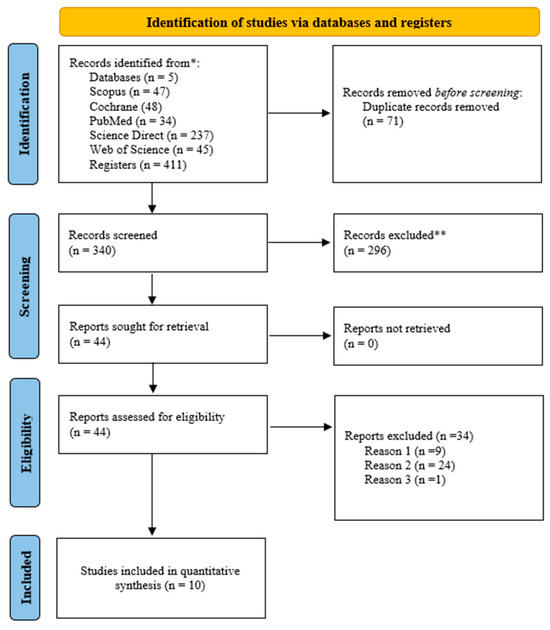
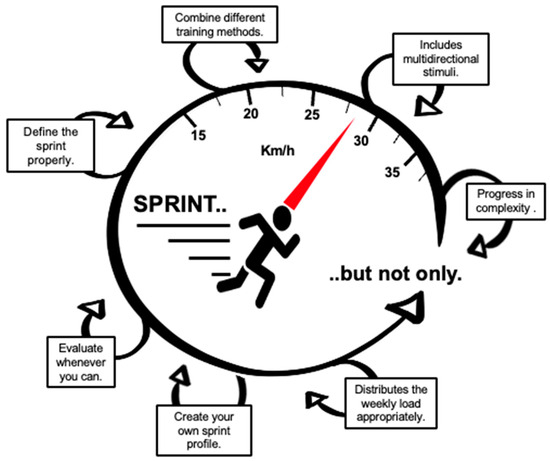
Background: Long-haul travel and jet lag can disrupt athletes’ circadian, physiological, and performance systems, potentially impairing competition outcomes. This review aimed to study the effects of long-haul travel on athletes’ health and performance, differentiate travel fatigue from jet lag, and review mitigation strategies. Methods: A systematic narrative review was conducted following PRISMA 2020 guidelines. PubMed, Scopus, and Web of Science were searched for studies on jet lag, travel fatigue, and long-haul travel in athletes. Eligibility included studies reporting physiological, hemodynamic, or performance outcomes in athletes of any level and sex. Data were extracted on travel characteristics, interventions, physiological and performance markers, and risk of bias. Results: Overall, 284 records were identified, with 89 studies included. Travel directions were equally distributed between eastward and westward journeys, crossing 1–12 time zones. Interventions to mitigate travel effects were reported in 17 studies, primarily melatonin, caffeine, and light exposure. Common physiological changes included sleep disturbances (n = 36), body temperature alterations (n = 18), blood pressure changes, hormonal shifts (n = 9), heart rate variability (n = 4), and immune alterations (n = 4). Travel effects comprised fatigue (n = 25), sleep changes (n = 21), decreased physical performance (n = 18), mood changes (n = 15), and cognitive impairments (n = 9). Physical performance outcomes included anaerobic power (n = 18), strength (n = 14), velocity (n = 12), aerobic capacity (n = 10), coordination (n = 8), and reaction time (n = 7). Risk of bias was low in 49%, moderate in 17%, and high in 34% of studies. Conclusions: Long-haul travel negatively affects multiple physiological and performance domains in athletes, including sleep, hormonal balance, autonomic function, and physical performance. The magnitude of these effects seems to be influenced by travel direction, number of time zones crossed, and individual susceptibility. Eastward travel is generally associated with stronger circadian disruption and impaired aerobic capacity, coordination, and technical performance, whereas westward travel often induces greater fatigue and adversely affects team-sport outcomes. Monitoring key markers such as heart rate variability, sleep, and cortisol, combined with personalized strategies including circadian management, sleep hygiene, nutrition, recovery interventions, and training load adjustments, is essential to mitigate travel-related impairments and optimize performance.
Full article
(This article belongs to the Collection Human Physiology in Exercise, Health and Sports Performance)
►▼
Show Figures

Figure 1
Open AccessArticle
Architectural and Functional Adaptations to Eccentric Training in Adolescent Volleyball Players: A Randomized Controlled Trial
by
Seda Gözener Canbülbül and Bayram Ufuk Şakul
Sports 2026, 14(3), 92; https://doi.org/10.3390/sports14030092 (registering DOI) - 2 Mar 2026
Abstract
Eccentric exercise is widely used to enhance muscle strength and performance, yet its specific effects on muscle architecture and functional outcomes in adolescent athletes remain insufficiently explored. This randomized controlled trial examined the effects of an eight-week eccentric heel-drop program on triceps surae
[...] Read more.
Eccentric exercise is widely used to enhance muscle strength and performance, yet its specific effects on muscle architecture and functional outcomes in adolescent athletes remain insufficiently explored. This randomized controlled trial examined the effects of an eight-week eccentric heel-drop program on triceps surae architecture, strength, and jump performance in adolescent female volleyball players. Twenty-six athletes were randomized to an exercise group (n = 14) or control group (n = 12). The exercise group performed supervised heel-drops three times weekly, while controls continued regular training. Ultrasound assessed the muscle thickness, fascicle length, and pennation angle of the gastrocnemius medialis, gastrocnemius lateralis, and soleus. Strength was measured via dynamometry, and vertical jumps (squat, countermovement, block, attack) were evaluated. The exercise group showed significant increases in gastrocnemius medialis muscle thickness (p = 0.03) and fascicle length (p = 0.002), with no changes in other muscles. While both groups improved strength, no between-group differences emerged. However, the exercise group demonstrated significant improvements in squat, block, and attack jump performance (p < 0.05). Consequently, eccentric plantar flexor training elicited muscle-specific architectural adaptations and improved sport-specific jump performance. Progressive eccentric heel-drop exercises serve as an effective addition to youth conditioning programs to enhance structural and functional outcomes.
Full article
(This article belongs to the Special Issue Strength Training and Muscular Adaptation: Implications for Health and Performance)
►▼
Show Figures

Figure 1
Open AccessArticle
Evaluating the Reliability and Validity of Predictive Anthropometric Equations for Estimating Fat Mass, Lean Mass and the Role of Maturity Offset in Lean Mass Prediction Within Professional, Academy Soccer Players from the United Kingdom
by
Elena Efstathiou, Laura J. Wilson, Brent Dickinson and Christopher Curtis
Sports 2026, 14(3), 91; https://doi.org/10.3390/sports14030091 (registering DOI) - 2 Mar 2026
Abstract
The reliability and validity of anthropometric equations remain uncertain in young athletes experiencing biological maturation. This study assessed the reliability and validity of anthropometric equations against dual-energy X-ray absorptiometry (DXA)-derived fat mass (FM) and lean mass (LM) values and examined the influence of
[...] Read more.
The reliability and validity of anthropometric equations remain uncertain in young athletes experiencing biological maturation. This study assessed the reliability and validity of anthropometric equations against dual-energy X-ray absorptiometry (DXA)-derived fat mass (FM) and lean mass (LM) values and examined the influence of maturity offset within academy soccer players. Twenty-five male academy soccer players (age: 18.6 ± 0.8 years, height: 182.7 cm ± 5.9 cm, BM: 79.3 kg ± 7.6 kg) completed skinfold and DXA assessments. FM and LM were estimated using commonly adopted anthropometric equations. Reliability and validity were assessed. Linear regression examined the influence of maturity offset. Acceptable agreement for the equations of Wilmore & Behnke and Oliver et al. for LM and FM was observed (FM; ICC: 0.858–0.891, CV%: 8.1–8.8 ± 4.6–6.4, LoA: 2.62–3.06 to −1.33–−1.62, ES: 0.27–0.47, Z = −2.257–−3.150; LM: ICC: 0.886–0.905, CV%: 2.9–3.3 ± 1.3, LoA: 5.17–5.62 to 0.54–0.78, ES: 0.42–0.48, both p < 0.001). Bland–Altman inspection showed mean bias and wide LoA for all equations. Maturity offset modestly predicted LM for all equations. Observed anthropometric equations have limited validity vs. DXA-derived FM and LM in academy soccer players. Maturity offset warrants consideration for maturity-sensitive, population-specific equations to avoid systematic errors.
Full article
(This article belongs to the Special Issue Strength and Conditioning: Enhancing Athletic Performance and Promoting Health)
►▼
Show Figures

Figure 1
Open AccessArticle
Effects of Caffeine on Voluntary Force Estimation During Isometric Exercises
by
Ester Jiménez-Ormeño, Verónica Giráldez-Costas, Beatriz Lara-López, María Menchén-Rubio and Carlos Ruiz-Moreno
Sports 2026, 14(3), 90; https://doi.org/10.3390/sports14030090 (registering DOI) - 2 Mar 2026
Abstract
Background: Caffeine is widely used as an ergogenic aid to enhance strength performance; however, its effects on perceptual accuracy during submaximal force regulation remain unclear, particularly in multi-joint isometric tasks. This study examined whether caffeine ingestion influences maximal isometric force production and the
[...] Read more.
Background: Caffeine is widely used as an ergogenic aid to enhance strength performance; however, its effects on perceptual accuracy during submaximal force regulation remain unclear, particularly in multi-joint isometric tasks. This study examined whether caffeine ingestion influences maximal isometric force production and the accuracy of voluntary submaximal force estimation during complex isometric exercises. Methods: Seventeen recreationally trained participants completed a randomized, double-blind, placebo-controlled crossover study. Participants ingested either caffeine (4 mg·kg−1 body mass) or a placebo before performing an isometric squat test (ISqT) and an isometric mid-thigh pull test (IMTP). Maximal voluntary contractions were assessed, followed by freely estimated submaximal efforts at 50% and 75% of perceived maximal force. Relative peak force and discrepancies between prescribed and exerted force (estimation error) were analyzed, with discrepancies calculated as the difference between exerted force and the prescribed target intensity. Results: Caffeine ingestion did not significantly affect relative peak force during maximal isometric efforts nor improve the accuracy of voluntary submaximal force estimation. Regardless of supplementation conditions, participants consistently misestimated submaximal efforts, tending to overproduce force, particularly at lower intensities. The IMTP showed a closer approximation to prescribed submaximal targets than the ISqT. Conclusions: Ingesting 4 mg·kg−1 of caffeine does not enhance maximal isometric force output or perceptual accuracy during voluntary submaximal force regulation in multi-joint isometric tasks. Prescribing isometric intensity based solely on perceived effort may therefore be unreliable under these specific testing conditions, particularly at lower intensities.
Full article
(This article belongs to the Special Issue Sport, Metabolism and Nutrition: Promoting Human Performance and Health)
►▼
Show Figures

Figure 1
Open AccessArticle
Differences in Physical Performance and Body Composition Between National and Non-National Youth Female Handball Players
by
Bálint István Ruppert, Richárd Bauer, Bálint Kilvinger, Árpád Petrov, István Barthalos, László Suszter, Csaba Ökrös, Ottó Vincze, Antonio Ferraz, Zoltán Alföldi and Ferenc Ihász
Sports 2026, 14(3), 89; https://doi.org/10.3390/sports14030089 - 27 Feb 2026
Abstract
►▼
Show Figures
Performance differences between female youth handball players selected for national teams and non-selected peers are often linked to strength, speed, and power. This study aimed to compare the conditioning capacities and body composition of national and non-national youth handball players. The sample included
[...] Read more.
Performance differences between female youth handball players selected for national teams and non-selected peers are often linked to strength, speed, and power. This study aimed to compare the conditioning capacities and body composition of national and non-national youth handball players. The sample included 36 female players (17.13 ± 1.75 years), 18 national and 18 position-matched non-national players. Anthropometry, sprint and change in direction ability, vertical jump, upper- and lower-body strength, aerobic capacity, and body composition were assessed using standard tests and bioimpedance analysis. For normally distributed variables, an independent-samples t-test was applied, while for variables that did not meet the normality assumptions, the Mann–Whitney U test was used. Cohen’s d was used to assess effect size. National team players showed significantly greater jump height (p < 0.001, d = 1.408), higher relative peak power (p < 0.001, d = 1.644), and faster 20 m sprint times (p = 0.004, d = −1.037). No significant differences were found in body composition or the other measured parameters, although a moderate Yo-Yo IRL1 effect size suggests a potential practical advantage in aerobic capacity for national team players. These results indicate that explosive power and linear speed are key discriminators for youth national-team selection.
Full article

Figure 1
Open AccessArticle
Fitness Adaptations to a Combined Strength and Aerobic Training Program During the Transition Period in Young Soccer Players
by
Yiannis Michailidis, Andreas Stafylidis, Athanasios Mandroukas, Konstantinos Georgiadis, Georgios Karamousalidis, Georgios Antoniou, Angelos E. Kyranoudis, Eleni Semaltianou, Vasilios Mittas and Thomas I. Metaxas
Sports 2026, 14(3), 88; https://doi.org/10.3390/sports14030088 - 26 Feb 2026
Abstract
The annual soccer training cycle consists of preparatory, competitive, and transition periods. The transition phase is usually characterized by a decrease in training volume, which may lead to detraining and declines in physical fitness. The aim of this study was to examine the
[...] Read more.
The annual soccer training cycle consists of preparatory, competitive, and transition periods. The transition phase is usually characterized by a decrease in training volume, which may lead to detraining and declines in physical fitness. The aim of this study was to examine the effects of a structured transitional training program on anthropometric characteristics, aerobic capacity, and jumping performance in young soccer players. Twenty-three under-17 players participated in the study and, following a two-week period of training cessation, completed a three-week program that included aerobic training three times per week (continuous and interval running sessions) and strength progressive resistance training twice per week. Pre- and post-intervention measurements were analyzed using paired-samples t-tests, with statistical significance set at p < 0.05. The results revealed significant reductions in body fat percentage (p = 0.016, d = 0.547), body fat mass (p = 0.018, d = 0.535), and resting systolic blood pressure (p = 0.024, d = 0.507). Additionally, time to reach the anaerobic threshold (p = 0.022, d = −0.515) and movement speed at the anaerobic threshold (p = 0.029, d = −0.487) significantly increased. No significant changes were observed in the remaining variables. These findings indicate that a three-week transition-period training program combining structured aerobic running drills with progressive resistance training can induce favorable adaptations in selected anthropometric and physiological parameters in youth soccer players. However, the lack of a control group should be considered when interpreting the magnitude of the program’s effects.
Full article
(This article belongs to the Special Issue Enhancing Health Through Physical Activity and Sports Science: Innovations in Applied Research)
►▼
Show Figures

Figure 1
Open AccessArticle
Prevalence and Predictors of Musculoskeletal Pain in Recreational Resistance Trainers: Associations with Age, Gender, and Training History
by
Dimitar Shabanliyski, Denise Soares, Karim Abbady and Suat Kasap
Sports 2026, 14(3), 87; https://doi.org/10.3390/sports14030087 - 26 Feb 2026
Abstract
Recreational weightlifting has become increasingly popular in Kuwait, yet limited data exist regarding musculoskeletal pain (MSP) associated with it. This study aimed to assess the prevalence and anatomical distribution of MSP among recreational resistance trainers (RRTs) in Kuwait and to examine pain patterns
[...] Read more.
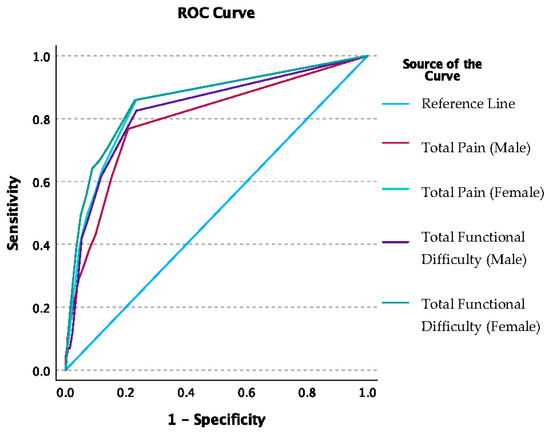
Recreational weightlifting has become increasingly popular in Kuwait, yet limited data exist regarding musculoskeletal pain (MSP) associated with it. This study aimed to assess the prevalence and anatomical distribution of MSP among recreational resistance trainers (RRTs) in Kuwait and to examine pain patterns according to gender, age, and training history. A total of 642 RRTs (304 males and 341 females) who practiced resistance training for at least 6 months 2 times a week were surveyed using the Nordic Musculoskeletal Questionnaire (NMQ) through face-to-face interviews. MSP prevalence over the previous 12 months was analyzed by anatomical region, and binary logistic regression was applied to investigate predictors of low back pain (LBP). The results indicated a high prevalence of MSP, particularly in the lower back and shoulders, with increased reports among older participants and those with longer training histories. Logistic regression analysis revealed that age and years of practice were significant predictors of LBP, while female gender was associated with higher odds of reporting symptoms. These findings highlight the substantial burden of MSP among RRTs in Kuwait and underscore the importance of targeted preventive strategies, including training supervision, technique optimization, and age-specific interventions, to reduce injury risk and promote long-term musculoskeletal health.
Full article
(This article belongs to the Special Issue Fostering Sport for a Healthy Life)
►▼
Show Figures

Figure 1
Open AccessArticle
Physical and Competitive Environments and Their Influence on Developmental Experiences in Youth Basketball: A Mixed-Methods Study
by
Alexandra Folle, Larissa Fernanda Porto Maciel, Mariana Klauck Beirith, Sandy Dorian Isla Alcoser and Sergio José Ibáñez
Sports 2026, 14(3), 86; https://doi.org/10.3390/sports14030086 - 25 Feb 2026
Abstract
►▼
Show Figures
Physical and competitive environments play an important role in shaping athletes’ psychological development, motivation, and long-term engagement in sport. Guided by the Personal Assets Framework, this study examined basketball athletes’ perceptions of the quality of facilities and material resources across developmental stages and
[...] Read more.
Physical and competitive environments play an important role in shaping athletes’ psychological development, motivation, and long-term engagement in sport. Guided by the Personal Assets Framework, this study examined basketball athletes’ perceptions of the quality of facilities and material resources across developmental stages and explored how these environments influenced developmental experiences and continuity in youth sport. A mixed-methods sequential explanatory design was employed. Quantitative data were collected from Brazilian basketball athletes aged 18–19 years (n = 141), followed by semi-structured interviews with 24 athletes. Distributional differences were explored using Kruskal–Wallis tests and associations using chi-square tests, while qualitative data were analysed through thematic analysis. Results indicated that both public and private gyms were commonly used practice settings; however, private facilities were consistently perceived as offering superior structural conditions and material resources, particularly from early adolescence onward. Although physical environments were largely perceived as non-limiting during childhood, their influence on psychological development, motivation, and perceived developmental opportunities became progressively more salient with age. Overall, the findings highlight the importance of adequate physical and competitive environments as key contextual components of athlete development, suggesting that long-term participation in youth sport is strongly influenced by the contexts in which athletes are embedded.
Full article

Figure 1
Open AccessArticle
Recovery-Targeted Supplemental Oxygen Enhances Performance and Attenuates Perceived Fatigue During Subsequent High-Intensity Swimming
by
Joshua A. Kidwell, Trent Yamamoto, Aidan Flanagan, Vishruth Shatagopam, Kyle J. Hetherton, Keegan Slomba, August Blatney, Jillian Smith, Eric V. Neufeld and Brett A. Dolezal
Sports 2026, 14(3), 85; https://doi.org/10.3390/sports14030085 (registering DOI) - 24 Feb 2026
Abstract
High-intensity aquatic sports require athletes to repeatedly produce near-maximal efforts under conditions of constrained ventilation and limited recovery between bouts, placing substantial importance on recovery efficiency. While supplemental oxygen has been proposed as a recovery-targeted strategy to support repeated high-intensity performance, its acute
[...] Read more.
High-intensity aquatic sports require athletes to repeatedly produce near-maximal efforts under conditions of constrained ventilation and limited recovery between bouts, placing substantial importance on recovery efficiency. While supplemental oxygen has been proposed as a recovery-targeted strategy to support repeated high-intensity performance, its acute effects in aquatic athletes remain poorly characterized. The purpose of this study was to examine whether brief inhalation of supplemental oxygen during recovery following a maximal swim effort influences subsequent swimming performance and perceived exertion in trained aquatic athletes. Eighteen collegiate-aged male aquatic athletes completed a randomized, placebo-controlled, within-subject crossover protocol. Each condition consisted of a maximal 100-yard (91.44 m) swim followed by a standardized recovery period that included a five second inhalation of either 98% supplemental oxygen or ambient air delivered via an identical portable device, prior to a maximal 50-yard (45.72 m) freestyle sprint. Sprint performance was significantly faster following oxygen-assisted recovery compared with placebo, and perceived exertion was significantly reduced at the post-exercise time point, with no differences observed prior to exercise or mid-protocol. These findings suggest that brief, recovery-targeted hyperoxia may enhance repeated high-intensity swimming performance while attenuating post-exercise perceived exertion in trained aquatic athletes.
Full article
(This article belongs to the Special Issue Muscle Metabolism, Fatigue and Recovery During Exercise Training)
►▼
Show Figures

Figure 1
Open AccessArticle
Lower-Limb Neuromuscular Profiles from Force Plate Testing During Elite Women’s Basketball National Team Camps: A Retrospective Comparison by Final Roster Status
by
Hiroki Ogata, Kazuya Yamazaki, Tomohiro Usui, Kotaro Shinchi, Katsuya Ikeda, Frederick James Henderson and Daichi Yamashita
Sports 2026, 14(2), 84; https://doi.org/10.3390/sports14020084 - 15 Feb 2026
Abstract
This study compared force plate-derived lower-limb strength and power metrics between selected and non-selected female basketball players for major international competitions. Thirty-two female players attending the final national team camps for the 2022 World Cup and the 2024 Olympic Games completed isometric mid-thigh
[...] Read more.
This study compared force plate-derived lower-limb strength and power metrics between selected and non-selected female basketball players for major international competitions. Thirty-two female players attending the final national team camps for the 2022 World Cup and the 2024 Olympic Games completed isometric mid-thigh pull (IMTP) and countermovement jump (CMJ) testing on dual force plates (1000 Hz). IMTP peak force, rate of force development (RFD) over 0–200 and 0–250 ms, CMJ height, and phase-specific kinetic variables were compared between roster (n = 14) and non-roster (n = 18) players. Eleven roster players had previous World Cup/Olympic experience (1.5 ± 1.2 selections across all 14 players), whereas non-roster players had none. The roster group was older than the non-roster group (26.8 ± 4.2 vs. 22.3 ± 3.1 years, p = 0.002); therefore, between-group comparisons were adjusted for age and playing position using analyses of covariance (ANCOVAs). After adjustment, no between-group differences were observed in IMTP- or CMJ-derived performance outcomes (all p ≥ 0.12; partial η2 = 0.00–0.09). Therefore, in this elite cohort, roster status did not reflect force plate metrics but may reflect factors beyond these tests, including age and prior international experience.
Full article
Open AccessArticle
Accuracy of Voluntary Force Modulation During the Isometric Mid-Thigh Pull
by
S. Alexander Long, Olivia Vadas, Stephanie Balint, Michael H. Stone and Christopher B. Taber
Sports 2026, 14(2), 83; https://doi.org/10.3390/sports14020083 - 14 Feb 2026
Abstract
►▼
Show Figures
The purpose of this study was to investigate voluntary force modulation accuracy during the isometric mid-thigh pull (IMTP) and to investigate biological sex and relative strength as factors relating to error. Strength-trained males (n = 18) and females (n = 18) completed ascending
[...] Read more.
The purpose of this study was to investigate voluntary force modulation accuracy during the isometric mid-thigh pull (IMTP) and to investigate biological sex and relative strength as factors relating to error. Strength-trained males (n = 18) and females (n = 18) completed ascending (ASC) (25%, 50%, 75%) or descending (DESC) (75%, 50%, 25%) submaximal testing followed by maximal testing. Subjects rested before completing the opposite submaximal testing sequence. External feedback was not provided during testing. Measured and intended (INT) forces were analyzed with two-way repeated-measures ANOVAs with within- (ASC, DESC, and INT) and between-subject factors (male or female). Independent-samples t-tests analyzed differences in error between males and females. Pearson correlations were calculated to investigate associations between relative strength and error. Statistically significant differences were observed between INT and measured force at every intensity (p < 0.05); however, differences in error were not significant between males and females (p > 0.05). Statistically non-significant small relationships were observed between relative strength and error (p > 0.05). Subjects demonstrate error in force modulation during the IMTP, with the greatest error occurring at lower relative intensity. However, these results indicate that biological sex and relative strength may not influence force modulation accuracy.
Full article

Figure 1
Open AccessArticle
Chronic Self-Myofascial Release in Road Cyclists: Effects on Cardiorespiratory Capacity, Metabolism, and Mechanical Power
by
Doris Posch, Markus Antretter, Martin Burtscher and Martin Faulhaber
Sports 2026, 14(2), 82; https://doi.org/10.3390/sports14020082 - 13 Feb 2026
Abstract
Background: Foam rolling is a popular self-myofascial release (SMR) technique, yet empirical evidence regarding its long-term impact on cycling endurance remains inconclusive. This study investigated the effects of chronic SMR on cardiorespiratory capacity, metabolic kinetics, and mechanical performance in road cyclists. Methods
[...] Read more.
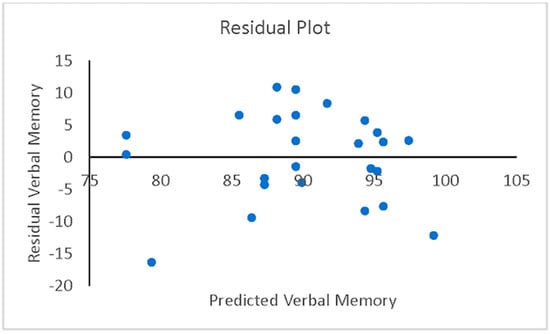
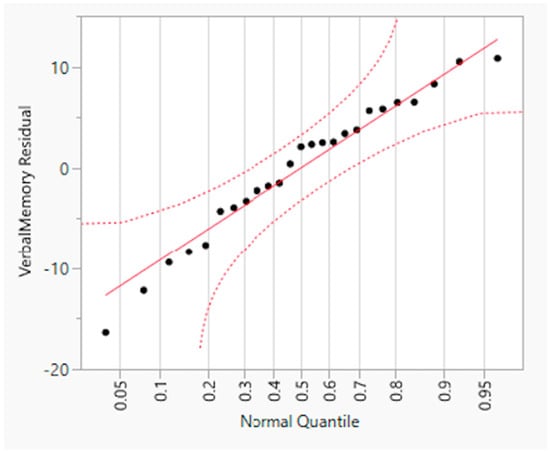
Background: Foam rolling is a popular self-myofascial release (SMR) technique, yet empirical evidence regarding its long-term impact on cycling endurance remains inconclusive. This study investigated the effects of chronic SMR on cardiorespiratory capacity, metabolic kinetics, and mechanical performance in road cyclists. Methods: We conducted a six-month randomized controlled trial (RCT) with 32 male recreational cyclists. Both an intervention group (IG) and a control group (CG) followed a standardized training protocol. The IG additionally applied a Blackroll® foam roller immediately after cycling training sessions. Outcomes included maximum oxygen uptake (VO2max), submaximal heart rate, lactate slope, and relative mechanical power (W/kg) at aerobic and anaerobic thresholds. Data were analyzed using linear mixed-effects models (LMM), with age included as a fixed-effect covariate to control for baseline imbalances between groups. Effect sizes were determined via marginal and conditional R2. Additionally, model robustness was verified through Shapiro–Wilk tests and Q–Q plots of conditional residuals. Results: No significant effects were observed for VO2max or submaximal heart rate. In contrast the IG demonstrated significant improvements in metabolic kinetics, evidenced by a reduced lactate slope (p = 0.004). Furthermore, foam rolling yielded a statistically significant positive effect on relative mechanical performance at both the aerobic (p = 0.031) and anaerobic (p = 0.007) lactate thresholds. Sensitivity analyses confirmed that these effects were independent of the age difference between groups. Conclusions: Foam rolling did not enhance all endurance-related variables but showed positive effects on metabolic kinetics and mechanical performance. While it did not shift systemic cardiorespiratory limits, SMR appeared to optimize performance through improved metabolic economy and mechanical efficiency, suggesting it is a valuable supplemental tool for recovery and long-term performance maintenance in cycling.
Full article
(This article belongs to the Special Issue Muscle Metabolism, Fatigue and Recovery During Exercise Training)
►▼
Show Figures

Figure 1
Open AccessArticle
Development and Validation of a Perception, Attitude, and Practice of Physical Activity to Support Personalized Physical Activity Promotion Among U.S. Older Adults
by
Oluwaseun Adeyemi, Dowin Boatright and Joshua Chodosh
Sports 2026, 14(2), 81; https://doi.org/10.3390/sports14020081 - 13 Feb 2026
Abstract
►▼
Show Figures
Background: This cross-sectional study aimed to develop and validate measures of perceptions, attitudes, and practices to support physical activity among older adults. Method: We enrolled online 310 community-dwelling U.S. older adults and 11 content experts. Using the Knowledge, Attitudes, and Practices framework, we
[...] Read more.
Background: This cross-sectional study aimed to develop and validate measures of perceptions, attitudes, and practices to support physical activity among older adults. Method: We enrolled online 310 community-dwelling U.S. older adults and 11 content experts. Using the Knowledge, Attitudes, and Practices framework, we developed 14, seven, and nine items for the Perceived Physical Activity Benefits Scale (PBAS), Attitudes toward Physical Activity Scale (APAS), and Physical Activity Practice Scale (PAPS), respectively. We generated derivation and replication samples using a 30:70 simple random split. Content validity and item analyses were performed on the full sample, followed by exploratory factor analysis (EFA) and confirmatory factor analysis (CFA) for derivation and replication samples, respectively. Results: Item-level content validity indices for the PBAS, APAS, and PAPS were 0.96, 0.94, and 0.95, respectively. Also, the internal consistencies for the PBAS, APAS, and PAPS were 0.92, 0.77, and 0.91, respectively. Our EFA identified two subscale constructs for each measure, with good subscale reliability. CFA fit index ranges for the PBAS, APAS, and PAPS were 0.90–0.94, 0.97–0.99, and 0.95–0.97. Conclusions: The PBAS, APAS, and PAPS are reliable and valid instruments for assessing perceptions, attitudes, and practices related to physical activity among older adults.
Full article

Figure 1
Open AccessArticle
The Effects of a Sport-Based Training Program on Reaction Time and Fine Motor Coordination in Children with Autism Spectrum Disorder: A Pilot Study
by
Fabiana Laurenti, Valentina Presta, Michela Compiani, Gianni Zobbi, Barbara Ilari, Maria Pia Picchi, Eugenia Maré, Federica Severini, Alessandro Guarnieri, Salvatore Mazzei, Orsola di Martino, Giulia Pozzi, Giancarlo Condello and Giuliana Gobbi
Sports 2026, 14(2), 80; https://doi.org/10.3390/sports14020080 - 11 Feb 2026
Abstract
Background: Children with autism spectrum disorders (ASD) are generally less involved in physical activity and sport. Therefore, the present pilot study aimed at determining the effect of a sport-based training program on motor coordination development and functioning in children with ASD. Methods: Twenty
[...] Read more.
Background: Children with autism spectrum disorders (ASD) are generally less involved in physical activity and sport. Therefore, the present pilot study aimed at determining the effect of a sport-based training program on motor coordination development and functioning in children with ASD. Methods: Twenty children with ASD (age: 8.7 ± 1.6 years, 5 females) were included in a sport-based training program for 6 months. Participants were free to select their own sport discipline. Before and after the program, reaction time was evaluated using a simple (by identifying the targeted stimulus) and a complex (by discriminating the targeted stimulus among confounding signals) reactive test, while fine and gross motor coordination was assessed by transferring pennies, jumping in place (same sides synchronized), tapping feet and fingers (same side synchronized), and the Flamingo test. Results: The analysis showed a significant reduction (p = 0.016, d = 0.16) in complex reactive test (pre: 15.8 ± 14.8 s; post: 13.6 ± 11.1 s) and a significant improvement in transferring pennies test (pre: 6.3 ± 3.4 pt.; post: 7.8 ± 3.8 pt.; p = 0.034, d = 0.42). Furthermore, two of the low-functioning children, who did not perform any motor test before the program, were able to complete both reactive tests and transferring pennies test. No significant differences emerged for the remaining tests. Conclusions: A sport-based extra-curricular program improved reaction time and fine motor coordination in children with ASD. The complex reactive and transferring pennies tests were particularly effective in detecting changes, even in low-functioning children. These findings support the promotion of diverse physical activities to aid physical and cognitive development.
Full article
(This article belongs to the Special Issue Sport-Specific Testing and Training Methods in Youth: 2nd Edition)
►▼
Show Figures

Figure 1
Journal Menu
► ▼ Journal Menu-
- Sports Home
- Aims & Scope
- Editorial Board
- Reviewer Board
- Topical Advisory Panel
- Instructions for Authors
- Special Issues
- Topics
- Topical Collections
- Article Processing Charge
- Indexing & Archiving
- Editor’s Choice Articles
- Most Cited & Viewed
- Journal Statistics
- Journal History
- Journal Awards
- Society Collaborations
- Editorial Office
Journal Browser
► ▼ Journal BrowserHighly Accessed Articles
Latest Books
E-Mail Alert
News
Topics
Topic in
Biomechanics, JFMK, Sensors, Sports
Current Perspectives and Future Directions in Sports Biomechanics
Topic Editors: Pedro Forte, Rafael Peixoto, Luís BranquinhoDeadline: 25 May 2026
Topic in
Education Sciences, Sports
Sustainability-Oriented Learning in Physical Education and Health (PEH)
Topic Editors: Suzanne Lundvall, Andreas FröbergDeadline: 15 June 2026
Topic in
Applied Sciences, Brain Sciences, JFMK, Nutrients, Sports
Exercise and Nutrition for Physical Performance, Mental Health and General Well-Being
Topic Editors: Gian Mario Migliaccio, Luca RussoDeadline: 12 July 2026
Topic in
Biology, Brain Sciences, Sports, Biomechanics, JFMK, Physiologia
The Mechanics of Movement: Biomechanics in Sports Performance
Topic Editors: Mario Bernardo-Filho, Danúbia Da Cunha De Sá-Caputo, Redha TaiarDeadline: 31 July 2026
Special Issues
Special Issue in
Sports
Muscle Metabolism, Fatigue and Recovery During Exercise Training
Guest Editor: Eric SobolewskiDeadline: 5 March 2026
Special Issue in
Sports
Enhancing Health Through Physical Activity and Sports Science: Innovations in Applied Research
Guest Editors: Cristina Ioana Alexe, Dan Iulian AlexeDeadline: 20 March 2026
Special Issue in
Sports
Effects of Physical Education, Exercise, and Sports Interventions on Children and Adolescent Cognition and Academic Achievement
Guest Editors: Luis Lopes, Gabriela Ferreira, Rute Santos, Eduarda Sousa-SáDeadline: 31 March 2026
Special Issue in
Sports
Monitoring Hematological and Biochemical Markers in Exercise Programs: From Health Optimization to Performance Enhancement
Guest Editors: Ricardo Manuel Pires Ferraz, Sílvia Raquel Monteiro MartinsDeadline: 31 March 2026
Topical Collections
Topical Collection in
Sports
Human Physiology in Exercise, Health and Sports Performance
Collection Editors: Rodrigo Zacca, Robin Pla, Roberto Baldassarre