
Skip Content
You are currently on the new version of our website. Access the old version .

Photonics

Photonics is an international, scientific, peer-reviewed, open access journal on the science and technology of optics and photonics, published monthly online by MDPI.

All Articles (6,159)

Multi-channel common-aperture optical systems, which excel at simultaneous multi-spectral information acquisition, are widely used for image fusion. However, complex systems for long-distance multi-band detection suffer from difficulties in assembly and adjustment and light vignetting. To resolve this, the paper proposes a modular design method that splits the optical path into independent modules: the common-aperture optical path adopts an off-axis reflective beam-shrinking structure to extend the focal length and ensure 100% light input, compared with coaxial multi-channel common-aperture systems. The relay optical path of each spectral channel uses a continuous zoom design for smooth detection–recognition switching. Based on the method, a three-channel common-aperture system is developed integrating visible light (VIS), short-wave infrared (SWIR), and mid-wave infrared (MWIR). The modulation transfer function (MTF) and wavefront distribution of the common-aperture optical path approach the diffraction limit. After integration with the relay optical paths, the system, without global optimization, can achieve the following performance: the root mean square (RMS) across the full field of view (FOV) at different focal lengths for each channel is smaller than the detector pixel size (3.45 μm for VIS, 15 μm for SWIR/MWIR); the MTF exceeds 0.2 at the cutoff frequency. Subsequently, the results of the tolerance analysis verify the feasibility of the design for each module and the advantage of the modular layout in the assembly and adjustment of the system. Finally, the paper discusses the influence of parallel plates on the wavefront distortion of the system and proposes optimization thinking using freeform surfaces. The design results of the study validate the feasibility of the modular layout in simplifying the design and assembly of multi-channel common-aperture optical systems.
6 February 2026

Modular optical path layout of the three-channel common-aperture optical system. Block (a) shows the common-aperture optical path; block (b) shows the beam-splitting components; block (c) shows the exit pupil of front optical path/the entrance pupil of relay optical path; block (d) shows the VIS relay optical path; block (e) shows the SWIR relay optical path; and block (f) shows the MWIR relay optical path.

The mechanism of charge partitioning during Coulomb explosion, especially via charge-asymmetric dissociation (CAD) pathways, remains a key question in strong-field molecular dynamics. We present an experimental and theoretical study of CAD in the heteronuclear diatomic molecule iodine bromide (IBr) driven by 800 nm femtosecond laser pulses. Using dc-sliced ion velocity map imaging, we measured the kinetic energy releases of fragment ions Ip+ (p = 1–4) and Brq+ (q = 1–3), observing both charge-symmetric (CSD) and charge-asymmetric (CAD) dissociation channels. A unified model combining charge-resonance-enhanced ionization (CREI) with a classical over-the-barrier (COB) picture is introduced, which accounts quantitatively for the observed channels. The findings reveal the correlated electron–nuclear dynamics in IBr during Coulomb explosion, advance the understanding of strong-field dissociation in heteronuclear systems, and contribute to the analysis of ultrafast charge transfer in molecules.

6 February 2026

Time-of-flight (TOF) mass spectrum of IBr under strong-field irradiation. The spectrum, resulting from interaction with 75 fs, 800 nm laser pulses at 2.7 × 10¹⁴ W/cm2, is dominated by atomic fragment ions Ip+ (p = 1–4) and Brq+ (q = 1–3). The negligible signal of the parent ion IBr+ underscores the prevalence of efficient dissociative ionization pathways.

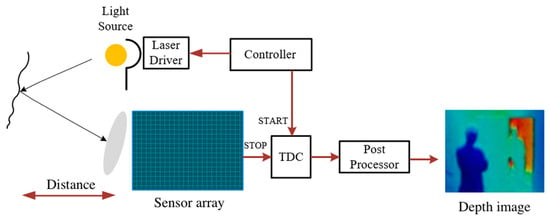
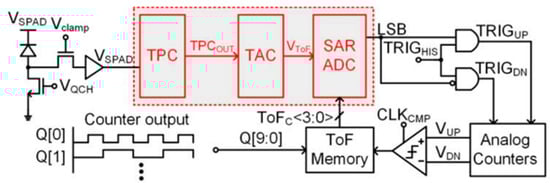
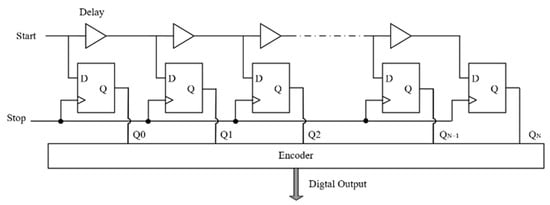
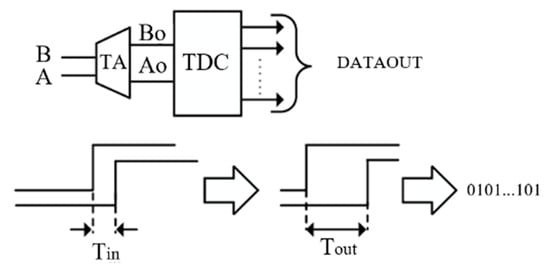
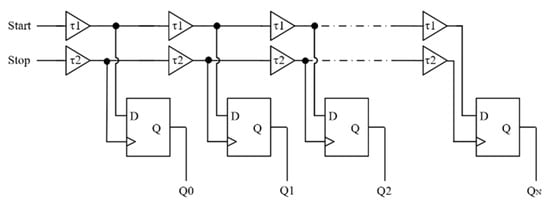
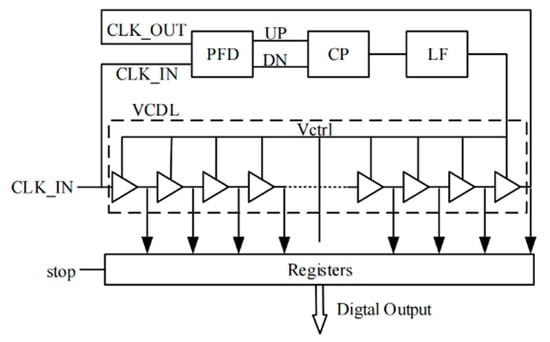
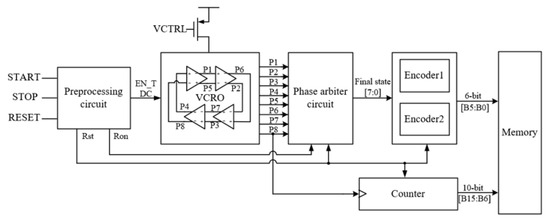
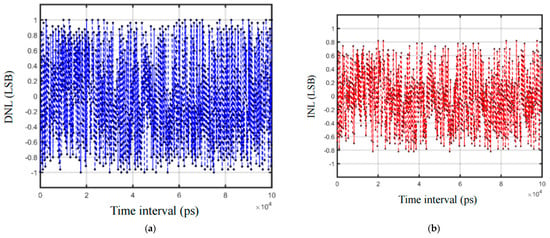
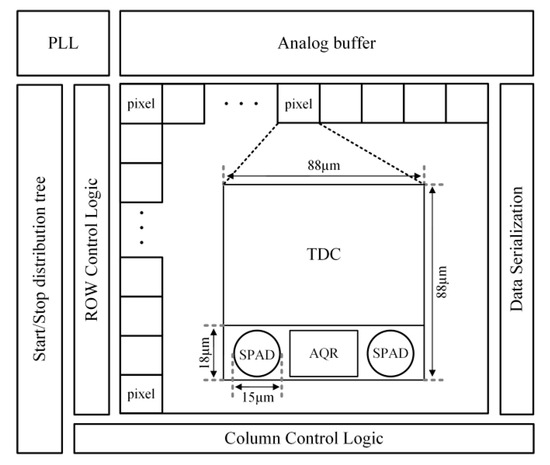
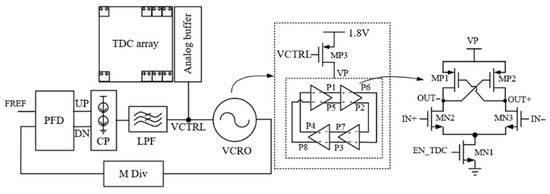
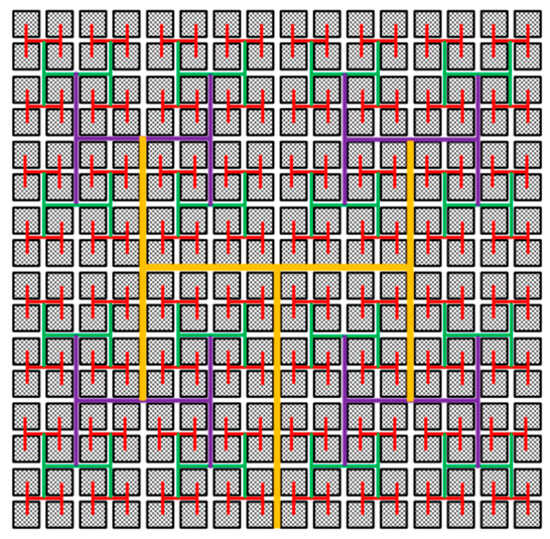
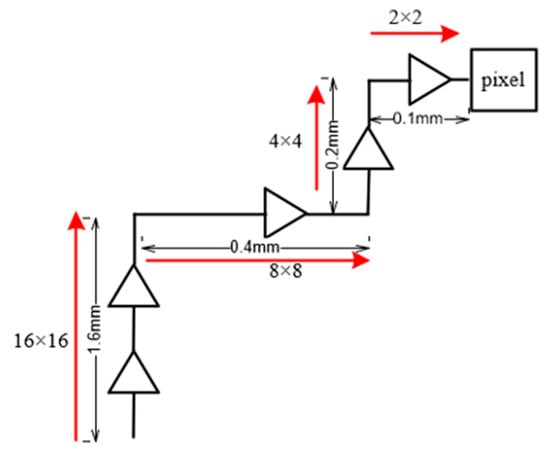
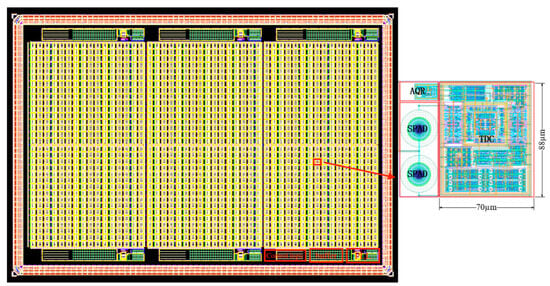
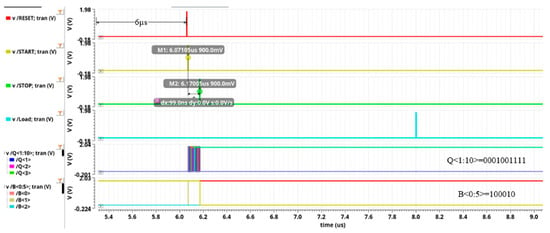
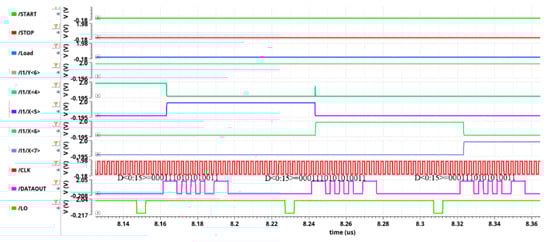
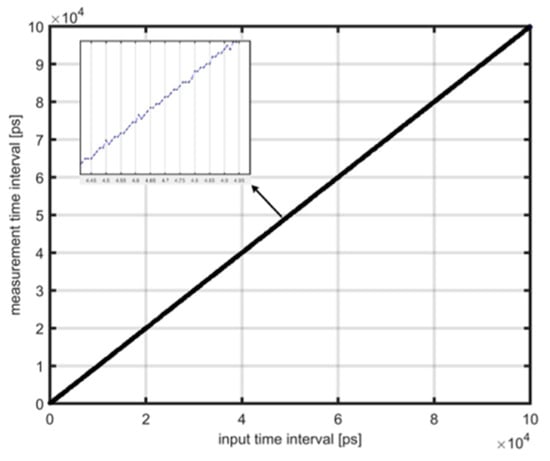
As the mainstream technology solution for deep imaging LiDAR, dToF measurement has been widely applied in emerging fields such as environmental perception and obstacle recognition, 3D terrain reconstruction, real-time motion capture, and drone obstacle avoidance navigation due to its advantages of high resolution, long-range detection capability, and high sensitivity. In order to adapt to functional applications in different scenarios, the resolution of TDC needs to be adjustable and can work normally in different environments. In view of this, this article studies the pixel array and TDC circuit in the chip and locks a voltage-controlled ring oscillator (VCRO) with the same structure as the pixel to a fixed frequency through a PLL structure. Then copy the control voltage of the locked VCRO to the control terminal of the TDC in each pixel. In an ideal situation, this control voltage can make the oscillation frequency of VCRO within the pixel consistent with the locking frequency of VCRO within the PLL, and insensitive to changes in PVT. This study developed a module expandable 16 × 16-pixel array dToF sensor chip based on TDC architecture using CMOS technology. Finally, six configurable 16 × 16-pixel subarrays were integrated and constructed into a 32 × 48 large-scale dToF sensor chip through modular splicing. The top-level layout design was completed using SMIC 180 nm technology, with a layout area of 5285 µm × 3669 µm. Post-simulation verification showed that, under the testing conditions of a 400 MHz system clock and a 33.3 kHz frame rate, the dToF chip system performance indicators were: time measurement resolution of 156 ps, DNL < 1 LSB, INL < 0.85 LSB, and absolute ranging accuracy better than 2.5 cm.

6 February 2026

Photon detection system.

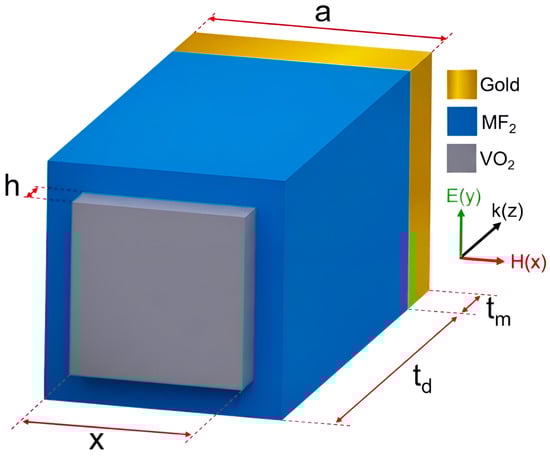
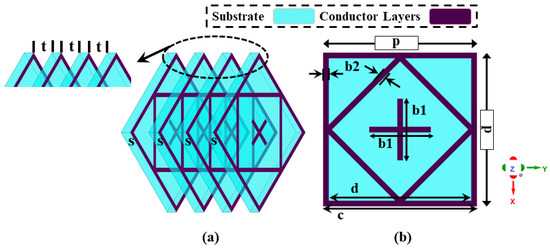
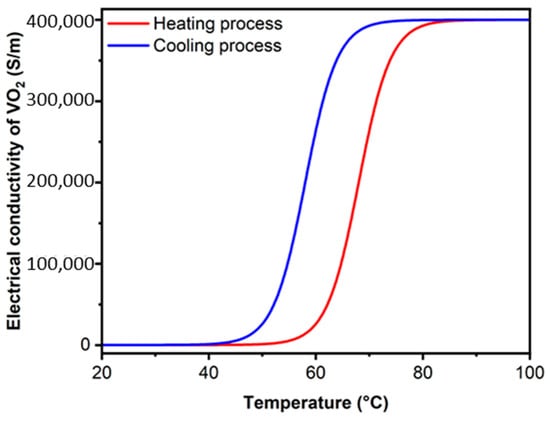
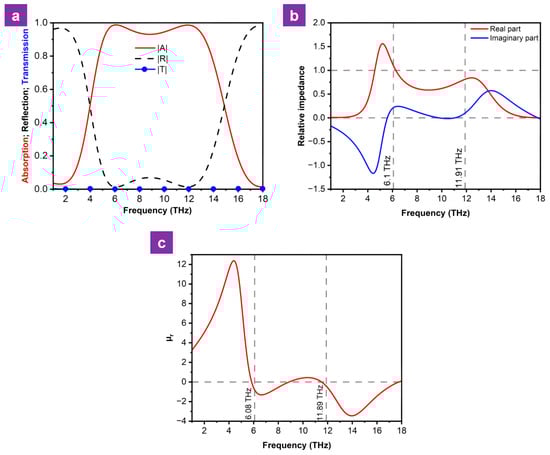
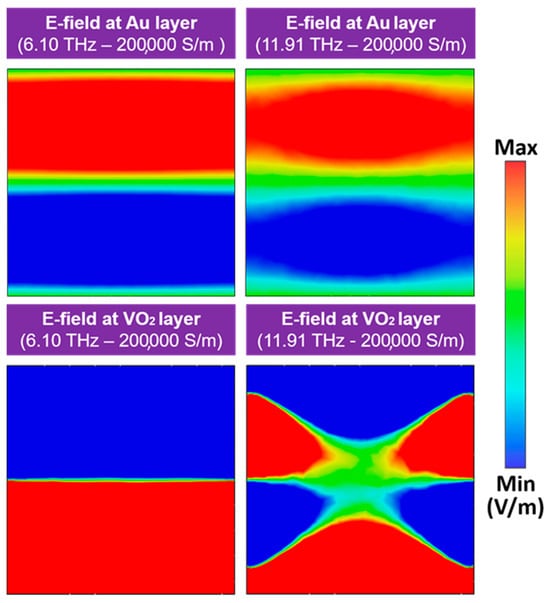
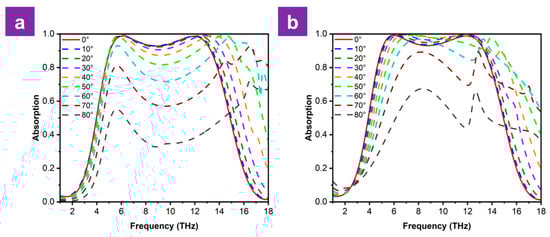
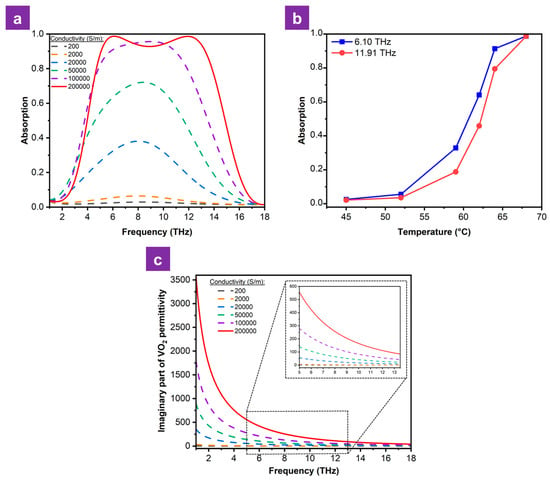
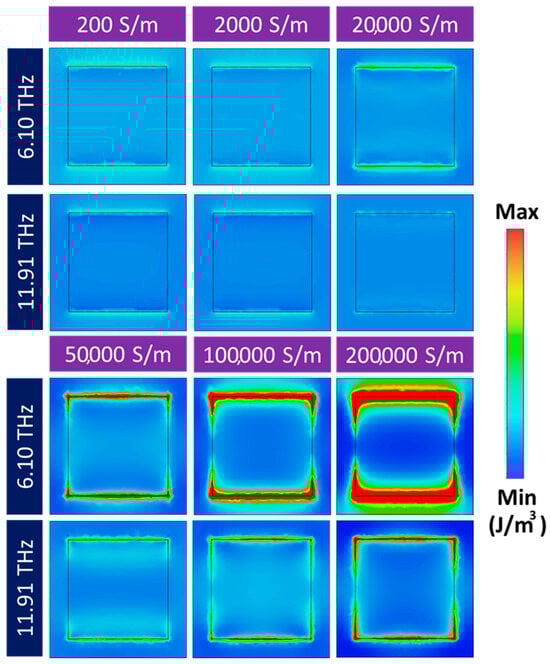
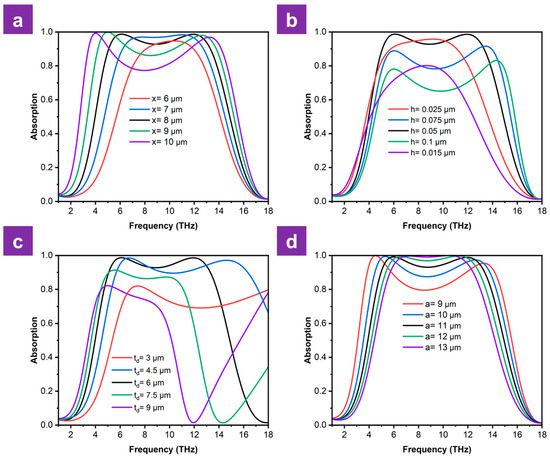
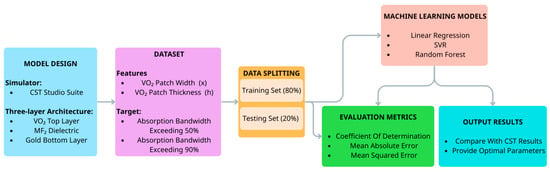
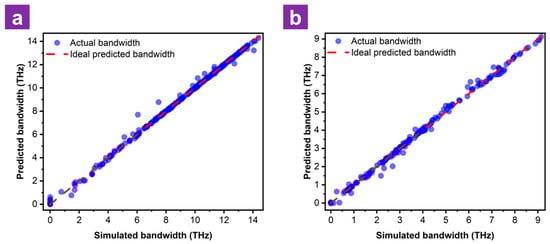
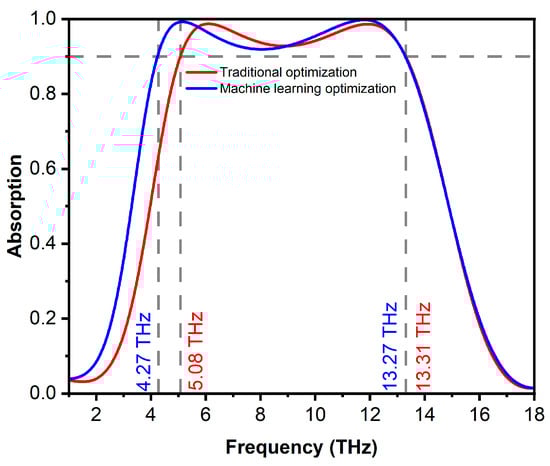
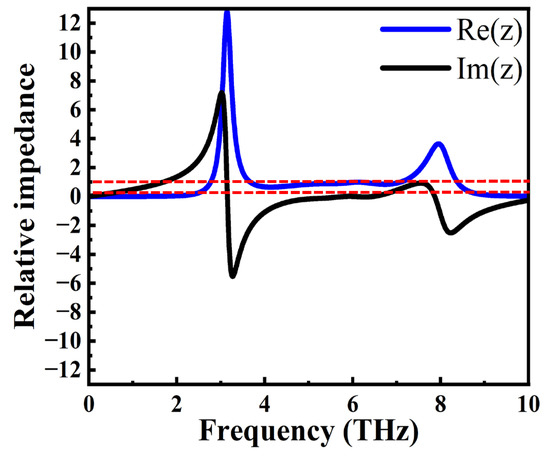
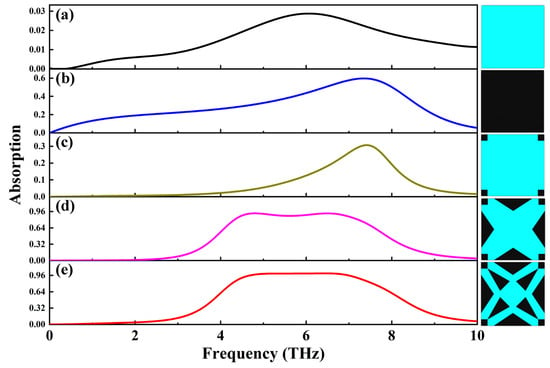
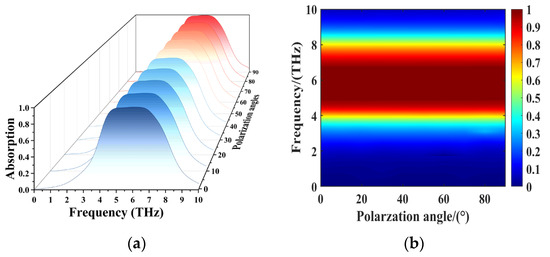
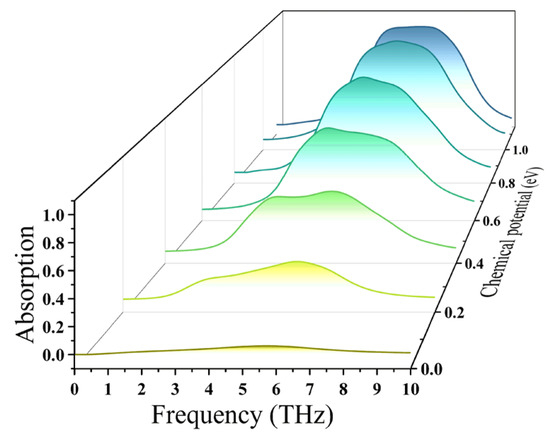
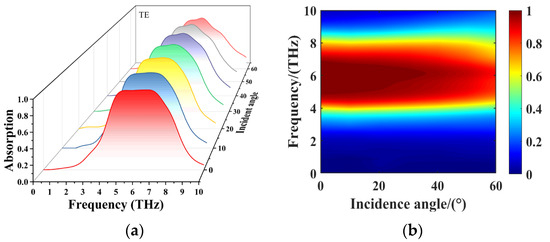
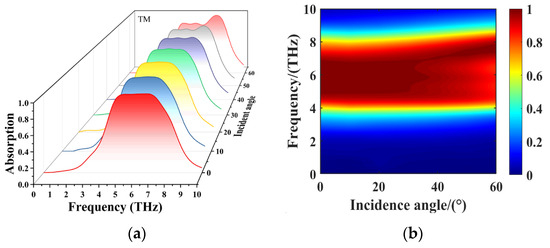
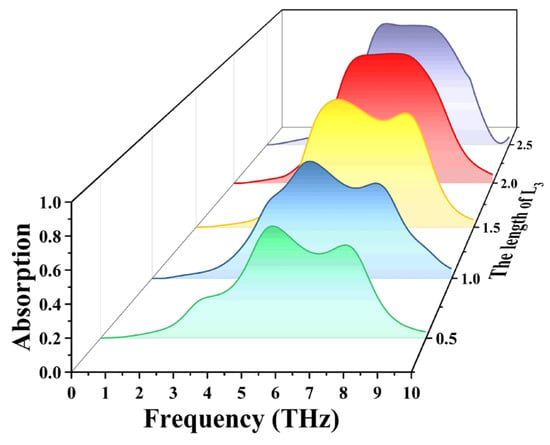
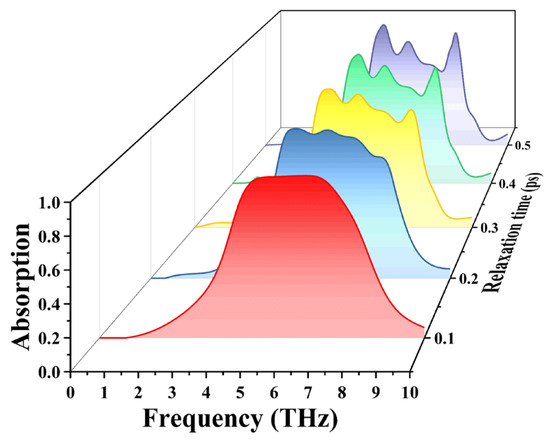
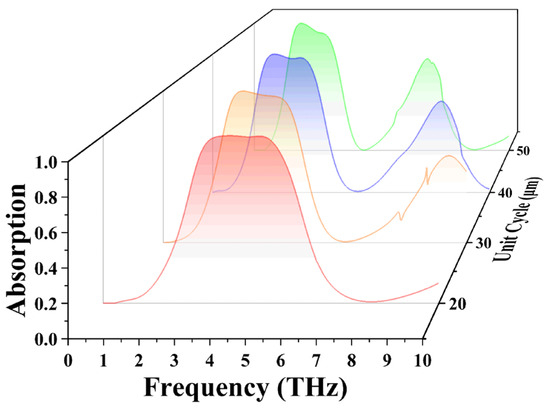
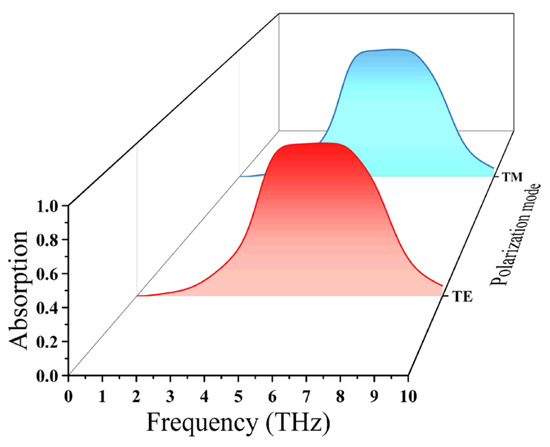
This paper introduces a vanadium dioxide-integrated broadband metamaterial absorber designed for the terahertz frequency range. The simulation results for the proposed structure demonstrate a wide 90% absorption bandwidth of 8.23 THz, corresponding to a fractional bandwidth of 89.5%. By leveraging the phase-transition properties of VO2, the absorber demonstrated dynamic adjustability by modulating the absorption from 3% to 98.74%. The absorption mechanism was analyzed through the impedance matching theory and electromagnetic field distributions, confirming the role of magnetic resonance and interference. Furthermore, machine learning algorithms, specifically Linear Regression, Support Vector Regression, and Random Forest (RF), were applied to accelerate the design process and optimize the structural parameters. Among these, the RF model demonstrated superior prediction accuracy. The machine learning-assisted optimization successfully extended the effective absorption bandwidth to 9 THz, representing an improvement by 9.4% compared to the traditional optimization methods. These results validate the efficacy of combining electromagnetic simulation with data-driven techniques for advanced metamaterial design.

6 February 2026

3D schematic of the metamaterial structure with directions of the magnetic field, electric field, and wave vector.

News & Conferences

Issues

Open for Submission

Editor's Choice

Reprints of Collections

Editorial Board Members' Collection Series
Reprint

Editorial Board Members' Collection Series

Nonlinear Photonics
Editors: Luigi Sirleto, François Sanchez
Laser as a Detection
Reprint

Laser as a Detection

From Spectral Imaging to LiDAR for Remote Sensing Applications
Editors: Jianfeng Chen, Ming Zhao, He Tian

Get Alerted

Add your email address to receive forthcoming issues of this journal.

XFacebookLinkedIn
Photonics - ISSN 2304-6732