-
Organoids: Promoting Innovation in Organoid Technology for Basic Research and Therapeutic Applications -
Organoids as a Tool for Assessing Drinking Water Safety and Guidelines Relevance -
Combining Proteomics and Organoid Research to Unravel the Multifunctional Complexity of Kidney Physiology Enhances the Need for Controlled Organoid Maturation
Journal Description
Organoids
Organoids
is an international, peer-reviewed, open access journal on all aspects of organoids published quarterly online by MDPI.
- Open Access— free for readers, with article processing charges (APC) paid by authors or their institutions.
- High Visibility: indexed within ESCI (Web of Science), Scopus, and many other databases.
- Rapid Publication: manuscripts are peer-reviewed and a first decision is provided to authors approximately 27.8 days after submission; acceptance to publication is undertaken in 3.2 days (median values for papers published in this journal in the second half of 2025).
- Recognition of Reviewers: APC discount vouchers, optional signed peer review, and reviewer names published annually in the journal.
- Organoids is a companion journal of Cells.
Latest Articles
Xenograft-Derived Human Breast Cancer Organoids Can Form Chimeras with Host Mouse Mammary Epithelial Cells Which Promote Tumor Cell Proliferation
Organoids 2026, 5(1), 6; https://doi.org/10.3390/organoids5010006 - 6 Feb 2026
Abstract
►
Show Figures
Breast cancer progression and treatment responsiveness are significantly influenced by the tumor microenvironment. Therefore, transplantation into the mammary fat pad is widely employed to establish a mouse xenograft model of breast cancer. This study reports chimeric organoids derived from breast cancer xenografts composed
[...] Read more.
Breast cancer progression and treatment responsiveness are significantly influenced by the tumor microenvironment. Therefore, transplantation into the mammary fat pad is widely employed to establish a mouse xenograft model of breast cancer. This study reports chimeric organoids derived from breast cancer xenografts composed of human and mouse cells. During passaging of an organoid line derived from breast cancer xenografts, characteristic cell clusters composed of smaller cells were observed. Immunostaining with a mouse-specific antibody revealed that the smaller cells were mouse cells composed of luminal- and basal-like cells. Chimeric organoids were observed in four of the six xenograft-derived organoid lines. Organoids composed solely of human cells rapidly diminished after passaging, with chimeric and mouse-cell-only organoids becoming predominant. When human breast cancer cells were co-cultured with mouse mammary epithelial cells, chimeras were frequently observed. The PCNA positivity rate in breast cancer cells within chimeras was higher than that in breast cancer cells within organoids composed solely of human cells. These findings indicate that xenograft-derived breast cancer organoids frequently contain mouse cells and that mouse mammary epithelial cells promote the proliferation of human breast cancer cells.
Full article
Open AccessArticle
High-Throughput Analysis of 3D Cell Culture Oxygen Consumption Using Sensor Arrays: A Novel Platform for Hypoxia/Normoxia Research
by
Christoph Grün, Cordula Nies, Magdalena Klesen, Enja Schwarz, Jonah ter Haseborg, Cornelius Dettmer, Christian Beyer, Larissa Funk and Eric Gottwald
Organoids 2026, 5(1), 5; https://doi.org/10.3390/organoids5010005 - 6 Feb 2026
Abstract
►▼
Show Figures
Precise control and measurement of the cellular microenvironment, particularly oxygen concentration, are crucial for developing physiologically relevant in vitro models. However, current methods often lack the spatial resolution and throughput needed to investigate complex, oxygen-dependent biological mechanisms in 3D cell cultures. Here, we
[...] Read more.
Precise control and measurement of the cellular microenvironment, particularly oxygen concentration, are crucial for developing physiologically relevant in vitro models. However, current methods often lack the spatial resolution and throughput needed to investigate complex, oxygen-dependent biological mechanisms in 3D cell cultures. Here, we present an advanced platform based on microcavity arrays featuring integrated, ratiometric oxygen sensors, so-called SensoSpheres. A unique bevel design at the cavity entrance enables the non-invasive, real-time measurement of pericellular oxygen concentration and oxygen gradients. We established protocols for generating spheroids from various cell lines (e.g., HepG2, HeLa) and characterized their metabolic responses under precisely controlled hypoxic, normoxic, and hyperoxic conditions. Using a dose–response assay, we demonstrate the platform’s sensitivity in capturing distinct metabolic shifts in response to acetaminophen and cisplatin. Furthermore, we introduce the Oxygen Consumption Recovery Rate (OCRR) as a novel parameter to quantify cellular resilience after exposure to toxic compounds such as cisplatin and acetaminophen. This high-throughput-compatible platform represents a significant methodological advancement, enabling detailed studies of oxygen-dependent cellular processes, drug toxicity, and metabolic adaptation. Its potential for integration into microfluidic systems paves the way for more sophisticated organ-on-chip models, ultimately improving the predictive power of preclinical research.
Full article

Figure 1
Open AccessArticle
A Fully Annotated Hepatoblastoma Tumoroid Biobank Details Treatment-Induced Evolution and Clonal Dynamics in Paediatric Cancer Patients
by
Gijs J. F. van Son, Femke C. A. S. Ringnalda, Markus J. van Roosmalen, Thomas A. Kluiver, Quinty Hansen, Evelien Duiker, Marius C. van den Heuvel, Vincent E. de Meijer, Ruben H. de Kleine, Ronald R. de Krijger, József Zsiros, Weng Chuan Peng, Ruben van Boxtel, Marc van de Wetering, Karin Sanders and Hans Clevers
Organoids 2026, 5(1), 4; https://doi.org/10.3390/organoids5010004 - 18 Jan 2026
Abstract
►▼
Show Figures
Hepatoblastoma (HB) is a paediatric liver malignancy arising from hepatic precursor cells, with >90% of cases harbouring a mutation in exon 3 of CTNNB1. We present a fully genetically characterised HB tumour organoid (tumoroid) biobank, which allows for in vitro studies of
[...] Read more.
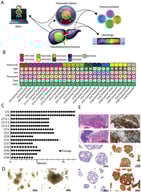
Hepatoblastoma (HB) is a paediatric liver malignancy arising from hepatic precursor cells, with >90% of cases harbouring a mutation in exon 3 of CTNNB1. We present a fully genetically characterised HB tumour organoid (tumoroid) biobank, which allows for in vitro studies of disease progression and clonal dynamics in vitro. We established a biobank of 14 tumoroid lines from 9 different patients. Tumours and tumoroids were characterised by whole genome sequencing (WGS) and histology, revealing strong concordance in cell morphology and β-catenin staining. In tumour—tumoroid pairs, identical pathogenic CTNNB1 variants were found, alongside shared copy number alterations (CNAs) and mutations. Variant allele frequency (VAF) was consistently higher in tumoroids, indicating increased tumour purity in vitro. In addition to CTNNB1, we frequently observed ARID1A alterations (single-nucleotide variants [SNVs] or CNAs in 56% of patients), and MYC gains as described previously. In paired pre- and post-treatment samples, we observed a clear increase in mutational load, attributed to a chemotherapy signature. Notably, from one patient, we analysed 4 tumour samples (3 post-treatment) with 4 matching tumoroid lines, all carrying a novel BCL6 mutation and loss of ARID1A. Mutational profiles varied across samples from different locations, suggesting intratumoral heterogeneity and clonal selection during tumoroid derivation. Taken together, this biobank allows detailed analysis of HB tumour biology, including treatment-induced progression and clonal dynamics across temporally and spatially distinct samples.
Full article

Figure 1
Open AccessArticle
Synergistic Overexpression of Sox9, TGFβ1, and Col II Induces Functional Chondrogenesis in hUC-MSCs Using a 3D Culture Approach
by
Shumaila Khalid, Sobia Ekram, Faiza Ramzan, Asmat Salim and Irfan Khan
Organoids 2026, 5(1), 3; https://doi.org/10.3390/organoids5010003 - 14 Jan 2026
Abstract
►▼
Show Figures
Human umbilical cord-derived mesenchymal stem cells (hUC-MSCs) possess the potential for chondrogenic differentiation, offering a promising alternative source for cartilage regeneration. To address the limited availability and expansion capacity of autologous chondrocytes, we investigated the effect of co-overexpression of Sox9, TGFβ1, and type
[...] Read more.
Human umbilical cord-derived mesenchymal stem cells (hUC-MSCs) possess the potential for chondrogenic differentiation, offering a promising alternative source for cartilage regeneration. To address the limited availability and expansion capacity of autologous chondrocytes, we investigated the effect of co-overexpression of Sox9, TGFβ1, and type II collagen (Col II) on the chondrogenic differentiation of hUC-MSCs using both 2D and 3D pellet culture systems. Following transfection, the cells exhibited a chondrocyte-like morphology and a marked downregulation of the stemness marker Stro-1. After 21 days in a 3D pellet culture system, the cells formed cartilage-like tissue characterized by the strong expression of chondrocyte-specific genes (Sox9, TGFβ1, Col II, Aggrecan) along with the significant secretion of sulfated glycosaminoglycans (sGaGs). These effects were attributed to enhanced cell–cell contact and extracellular matrix interactions promoted by the 3D environment. Our findings suggest that genetically modified hUC-MSCs cultured in a 3D pellet system represent a robust in vitro model for cartilage regeneration, with potential applications in transplantation and drug toxicity screening.
Full article

Figure 1
Open AccessReview
Decellularized Extracellular Matrix for Organoids Development and 3D Bioprinting
by
Elena Gkantzou, Alexandro Rodríguez-Rojas, Aleksandra Chmielewska, Barbara Pratscher, Surina Surina, Patricia Freund and Iwan A. Burgener
Organoids 2026, 5(1), 2; https://doi.org/10.3390/organoids5010002 - 8 Jan 2026
Abstract
►▼
Show Figures
Organoids are three-dimensional multicellular structures that mimic key aspects of native tissues consisting ideal tools to study organ development and pathophysiology when incorporated in customized bioscaffolds. In vivo, the extracellular matrix (ECM) maintains tissue integrity and regulates cell adhesion, migration, differentiation, and survival
[...] Read more.
Organoids are three-dimensional multicellular structures that mimic key aspects of native tissues consisting ideal tools to study organ development and pathophysiology when incorporated in customized bioscaffolds. In vivo, the extracellular matrix (ECM) maintains tissue integrity and regulates cell adhesion, migration, differentiation, and survival through biochemical and mechanical signals. Tissue-derived decellularized extracellular matrix (dECM) can preserve organ-specific biochemical signals and cell-adhesive motifs, creating a bioactive environment that supports physiologically relevant organoid growth. 3D bioprinting technology marks a transformative phase in organoid research by enhancing the structural and functional complexity of organoid models and expanding their application in pharmacology and regenerative medicine. These systems enhance tissue modeling and drug testing while adhering to the principles of animal replacement, reduction, and refining (3Rs) in research. Remaining challenges include donor variability, limited mechanical stability, and the lack of standardized decellularization protocols that can be addressed by adopting quality and safety metrics. The combination of dECM-based biomaterials and 3D bioprinting holds great potential for the development of human-relevant, customizable, and ethically sound in vitro models for regenerative medicine and personalized therapies. In this review, we discuss the latest (2021–2025) developments in applying extracellular matrix bioprinting techniques to organoid technology, presenting examples for the most commonly referenced organoid types.
Full article

Graphical abstract
Open AccessArticle
Permeability of the Blood–Brain Barrier (BBB) to Nanoparticles, Bacteria and Phages Studied in BBB Organoids Under Normoxic and Hypoxic Conditions In Vitro
by
Kathrin Kostka-Wirtz, Nataniel Białas, Ivanna Kostina and Matthias Epple
Organoids 2026, 5(1), 1; https://doi.org/10.3390/organoids5010001 - 2 Jan 2026
Abstract
►▼
Show Figures
Organoids consisting of primary human cells, i.e., astrocytes, pericytes, and endothelial cells, form a functional blood–brain barrier (BBB) in vitro. The ability of FITC-dextran (70 kDa), calcium phosphate nanoparticles (100 nm), Escherichia coli bacteria (2 µm), and MS2 coliphages (27 nm, a model
[...] Read more.
Organoids consisting of primary human cells, i.e., astrocytes, pericytes, and endothelial cells, form a functional blood–brain barrier (BBB) in vitro. The ability of FITC-dextran (70 kDa), calcium phosphate nanoparticles (100 nm), Escherichia coli bacteria (2 µm), and MS2 coliphages (27 nm, a model for viruses) to penetrate the BBB under normoxic and hypoxic conditions (2.5% oxygen) for up to 12 days was assessed by fluorescence microscopy and confocal laser scanning microscopy. All agents were fluorescently labeled to trace them inside the organoids. Under normoxia, FITC-dextran, calcium phosphate nanoparticles, E. coli bacteria and MS2 coliphages did not penetrate the BBB. However, oxygen deficiency (hypoxia) triggered the penetration of the BBB by FITC-dextran and E. coli cells. This was underscored by a strong hypoxic center inside the organoids that developed in the presence of E. coli bacteria.
Full article

Graphical abstract
Open AccessEditorial
Organoids: Promoting Innovation in Organoid Technology for Basic Research and Therapeutic Applications
by
Süleyman Ergün and Philipp Wörsdörfer
Organoids 2025, 4(4), 33; https://doi.org/10.3390/organoids4040033 - 8 Dec 2025
Abstract
►▼
Show Figures
Over the past decade, organoids representing a wide range of tissues have been developed, with increasing efforts to enhance their complexity, maturity, and resemblance to the corresponding native organs [...]
Full article

Figure 1
Open AccessArticle
Evaluation of a Gene Expression-Based Machine Learning Classifier to Discriminate Normal from Cancer Gastric Organoids
by
Daniel Skubleny, Hasnaien Ahmed, Sebastiao N. Martins-Filho, David Ross McLean, Daniel E. Schiller and Gina R. Rayat
Organoids 2025, 4(4), 32; https://doi.org/10.3390/organoids4040032 - 5 Dec 2025
Abstract
►▼
Show Figures
Three-dimensional cell model systems such as tumour organoids allow for in vitro modelling of self-organized tissue with functional and histologic similarity to in vivo tissue. However, there is a need for standard protocols and techniques to confirm the presence of cancer within organoids
[...] Read more.
Three-dimensional cell model systems such as tumour organoids allow for in vitro modelling of self-organized tissue with functional and histologic similarity to in vivo tissue. However, there is a need for standard protocols and techniques to confirm the presence of cancer within organoids derived from tumour tissue. The aim of this study was to assess the utility of a Nanostring gene expression-based machine learning classifier to determine the presence of cancer or normal organoids in cultures developed from both benign and cancerous stomach biopsies. A prospective cohort of normal and cancer stomach biopsies were collected from 2019 to 2022. Tissue specimens were processed for formalin-fixed paraffin-embedding (FFPE) and a subset of specimens were established in organoid cultures. Specimens were labelled as normal or cancer according to analysis of the FFPE tissue by two pathologists. The gene expression in FFPE and organoid tissue was measured using a 107 gene Nanostring codeset and normalized using the Removal of Unwanted Variation III algorithm. Our machine learning model was developed using five-fold nested cross-validation to classify normal or cancer gastric tissue from publicly available Asian Cancer Research Group (ACRG) gene expression data. The models were externally validated using the Cancer Genome Atlas (TCGA), as well as our own FFPE and organoid gene expression data. A total of 60 samples were collected, including 38 cancer FFPE specimens, 5 normal FFPE specimens, 12 cancer organoids, and 5 normal organoids. The optimal model design used a Least Absolute Shrinkage and Selection Operator model for feature selection and an ElasticNet model for classification, yielding area under the curve (AUC) values of 0.99 [95% CI: 0.99–1], 0.90 [95% CI: 0.87–0.93], and 0.79 [95% CI: 0.74–0.84] for ACRG (internal test), FFPE, and organoid (external test) data, respectively. The performance of our final model on external data achieved AUC values of 0.99 [95% CI: 0.98–1], 0.94 [95% CI: 0.86–1], and 0.85 [95% CI: 0.63–1] for TCGA, FFPE, and organoid specimens, respectively. Using a public database to create a machine learning model in combination with a Nanostring gene expression assay allows us to allocate organoids and their paired whole tissue samples. This platform yielded reasonable accuracy for FFPE and organoid specimens, with the former being more accurate. This study re-affirms that although organoids are a high-fidelity model, there are still limitations in validating the recapitulation of cancer in vitro.
Full article

Figure 1
Open AccessReview
Organoids as a Tool for Assessing Drinking Water Safety and Guidelines Relevance
by
Roberto Coppo and Edoardo Bertone
Organoids 2025, 4(4), 31; https://doi.org/10.3390/organoids4040031 - 4 Dec 2025
Abstract
►▼
Show Figures
Ensuring access to safe drinking water is a fundamental public health priority, yet the growing diversity of contaminants demands more human-relevant toxicity assessment frameworks. Conventional models based on immortalized cell lines or sentinel species, while informative, lack the tissue complexity and inter-individual variability
[...] Read more.
Ensuring access to safe drinking water is a fundamental public health priority, yet the growing diversity of contaminants demands more human-relevant toxicity assessment frameworks. Conventional models based on immortalized cell lines or sentinel species, while informative, lack the tissue complexity and inter-individual variability required to capture realistic human responses. Organoids, three-dimensional epithelial structures derived from adult or pluripotent stem cells, retain the genomic, histological, and functional characteristics of their original tissue, enabling assessment of contaminant-induced toxicity, short-term peak exposures, and inter-donor variability within a single system. This study examined whether current international drinking water guidelines remain protective or if recent organoid-based findings reveal toxicity at differing concentrations. Comparative synthesis indicates that per- and polyfluoroalkyl substances (PFAS) often display organoid toxicity at concentrations above current thresholds, suggesting conservative guidelines, whereas most metals are properly regulated. However, some metals exhibit toxicity at concentrations that include levels below guideline values, highlighting the need for further investigation. Emerging contaminants, including pesticides, nanoparticles, microplastics, and endocrine disruptors, induce adverse effects at environmentally relevant concentrations, despite limited or absent regulatory limits. Integrating organoid-based toxicology with high-frequency monitoring and dynamic exposure modeling could refine water quality guidelines and support adaptive regulatory frameworks that better reflect real-world exposure patterns and human diversity.
Full article

Figure 1
Open AccessReview
AI-Enhanced Patient-Derived Cancer Organoids: Integrating Machine Learning for Precision Oncology
by
Elisa Heinzelmann and Francesco Piraino
Organoids 2025, 4(4), 30; https://doi.org/10.3390/organoids4040030 - 3 Dec 2025
Cited by 1
Abstract
►▼
Show Figures
Cancer remains a leading cause of mortality worldwide. Patient-derived organoids (PDOs) are three-dimensional (3D) cultures that recapitulate tumor histology, genetics, and cellular heterogeneity, providing physiologically relevant preclinical models. Integrating PDOs with artificial intelligence (AI) and machine learning (ML) enables scalable analysis of high-dimensional
[...] Read more.
Cancer remains a leading cause of mortality worldwide. Patient-derived organoids (PDOs) are three-dimensional (3D) cultures that recapitulate tumor histology, genetics, and cellular heterogeneity, providing physiologically relevant preclinical models. Integrating PDOs with artificial intelligence (AI) and machine learning (ML) enables scalable analysis of high-dimensional datasets, including imaging, transcriptomics, proteomics, and pharmacological readouts. These approaches support prediction of drug sensitivity, biomarker discovery, and patient stratification. Recent advances—such as deep learning (DL), transfer learning, federated learning, and self-supervised learning—enhance phenotypic profiling, cross-institutional model training, and translational prediction. In this review, we summarize the current state of AI-driven PDO research, highlighting methodological approaches, preclinical and clinical applications, challenges, and emerging trends. We also propose strategies for standardization, validation, and multi-modal integration to accelerate patient-specific therapeutic strategies.
Full article

Graphical abstract
Open AccessCommentary
Organoid Intelligence: Can We Separate Intelligent Behavior from an Intelligent Being?
by
Daniel Montoya
Organoids 2025, 4(4), 29; https://doi.org/10.3390/organoids4040029 - 18 Nov 2025
Abstract
As brain organoids and organoid-based computational models grow in complexity, they increasingly exhibit electrophysiological patterns consistent with plasticity and information processing. This article explores a central question at the intersection of neuroscience, synthetic biology, and philosophy of mind: Can intelligent behavior be meaningfully
[...] Read more.
As brain organoids and organoid-based computational models grow in complexity, they increasingly exhibit electrophysiological patterns consistent with plasticity and information processing. This article explores a central question at the intersection of neuroscience, synthetic biology, and philosophy of mind: Can intelligent behavior be meaningfully separated from an intelligent being? In other words, can adaptive, goal-directed behavior exist independently of subjective awareness—a question that challenges conventional definitions of cognition and consciousness. Drawing from neuroscience, artificial intelligence, and philosophy, I propose a tiered framework based on neural complexity and environmental responsiveness. This includes a simple level analysis and a context-sensitive benchmark for evaluating intelligence in organoid systems without presupposing sentience. Ethical and ontological implications are also addressed, particularly the risk of anthropomorphizing synthetic cognition and the importance of developing context-aware definitions of intelligence. By distinguishing functional sophistication from subjective experience, the framework aims to guide responsible scientific inquiry while clarifying the boundaries of synthetic cognition.
Full article
(This article belongs to the Special Issue Advances in Organoid Technology: Bridging the Gap between Research and Therapy)
Open AccessReview
Combining Proteomics and Organoid Research to Unravel the Multifunctional Complexity of Kidney Physiology Enhances the Need for Controlled Organoid Maturation
by
Kathrin Groeneveld and Ralf Mrowka
Organoids 2025, 4(4), 28; https://doi.org/10.3390/organoids4040028 - 14 Nov 2025
Cited by 1
Abstract
This review aims to highlight how the study of kidney organoids combined with proteomic analysis can deepen our understanding of renal physiology and disease. Proteomics quantifies proteins in a sample, allowing us to determine which proteins are present, how abundant they are, and
[...] Read more.
This review aims to highlight how the study of kidney organoids combined with proteomic analysis can deepen our understanding of renal physiology and disease. Proteomics quantifies proteins in a sample, allowing us to determine which proteins are present, how abundant they are, and how they are modified. These data may reveal the pathways that are active in the kidney organoids and how they change in disease, helping to pinpoint candidate biomarkers. Kidney organoids are three-dimensional structures derived from induced pluripotent stem cells (iPS) that recapitulate many architectural and functional features of the adult organ. Because they can be generated in large numbers under defined conditions, organoids provide a promising platform for testing how genetic mutations, environmental stresses, or drugs affect kidney development and pathology. When proteomic profiles are obtained from mature organoids, researchers can directly link protein-level changes to phenotypic outcomes observed in the model. This integration makes it possible to map disease-related networks at the molecular level and to assess the impact of therapeutic interventions in a system that more closely resembles human kidney tissue than traditional cell lines. A current limitation is that many kidney organoids do not reach the full maturation seen in vivo; they often lack complete segmental differentiation and the functional robustness of adult nephrons. Improving the maturation state of organoids will be essential for accurately modeling chronic kidney diseases and for translating findings into clinically relevant therapies.
Full article
(This article belongs to the Special Issue Advances in Organoid Technology: Bridging the Gap between Research and Therapy)
►▼
Show Figures

Figure 1
Open AccessArticle
Improved Differentiation of Human Retinal Organoids Producing Mature Photoreceptors with Budding Calyceal Process-like Structure and Usher Protein Expression
by
Tokiyoshi Matsushita, Takahiro Matsuyama, Takayuki Kawasaki and Fumiaki Uchiumi
Organoids 2025, 4(4), 27; https://doi.org/10.3390/organoids4040027 - 6 Nov 2025
Abstract
Human retinal organoids derived from pluripotent stem cells represent a robust in vitro model for investigating retinal development and disease mechanisms of retinal disorders. However, achieving structural maturation that faithfully recapitulates the intricate architecture of photoreceptors within a feasible and cost-efficient culture timeframe
[...] Read more.
Human retinal organoids derived from pluripotent stem cells represent a robust in vitro model for investigating retinal development and disease mechanisms of retinal disorders. However, achieving structural maturation that faithfully recapitulates the intricate architecture of photoreceptors within a feasible and cost-efficient culture timeframe remains a significant challenge. Here, we present an optimized differentiation protocol that enables the generation of retinal organoids exhibiting advanced photoreceptor maturation within 140 days. Photoreceptors in the retinal organoids displayed compartmentalized architecture, including distinct inner and outer segments and connecting cilia. Notably, we observed the emergence of budding calyceal process-like structures—a feature not previously emphasized in photoreceptors derived from pluripotent stem cells. These results suggest that our protocol may promote advanced photoreceptor maturation within a relatively shortened culture period. Thus, this method could serve as a useful model for investigating retinal development and related pathologies, building upon previous protocols.
Full article
(This article belongs to the Special Issue The Current Applications and Potential of Stem Cell-Derived Organoids)
►▼
Show Figures

Figure 1
Open AccessReview
Integrating 3D Bioprinting with Organoid Technology-Based Breast Cancer Models for Drug Evaluation
by
Arvind Kumar Shukla, Sandhya Shukla, Raj Kumar Mongre, Adarsha Mahendra Upadhyay, Govindhan Thiruppathi, Chandra Dhar Shukla, Shuktika Mishra and Sayan Deb Dutta
Organoids 2025, 4(4), 26; https://doi.org/10.3390/organoids4040026 - 5 Nov 2025
Abstract
Breast cancer remains one of the leading causes of cancer morbidity and mortality among women worldwide. Conventional two-dimensional (2D) cell culture models and animal studies often fail to accurately recapitulate the complex tumor microenvironment and heterogeneous nature of breast cancer. Recent advancements in
[...] Read more.
Breast cancer remains one of the leading causes of cancer morbidity and mortality among women worldwide. Conventional two-dimensional (2D) cell culture models and animal studies often fail to accurately recapitulate the complex tumor microenvironment and heterogeneous nature of breast cancer. Recent advancements in tissue engineering have enabled the development of more physiologically relevant models using three-dimensional (3D) bioprinting and organoid technology. This study focuses on integrating 3D bioprinting with patient-derived organoid models to replicate breast cancer tissue architecture, cellular heterogeneity, and tumor-stroma interactions. Utilizing biomimetic bioinks and customized bioprinting protocols, we successfully fabricated breast cancer tissue constructs embedded with stromal and immune components. These engineered models demonstrated high fidelity in mimicking in vivo tumor pathophysiology, including angiogenesis, epithelial–mesenchymal transition, and extracellular matrix remodeling. Furthermore, the platform allowed for high-throughput drug screening and evaluation of therapeutic responses, revealing differential sensitivities to chemotherapeutics and targeted therapies. Our findings highlight the potential of bioprinted organoid models as powerful tools for personalized medicine, enabling more predictive and reliable cancer research and drug development.
Full article
(This article belongs to the Special Issue Advances in Organoid Technology: Bridging the Gap between Research and Therapy)
►▼
Show Figures

Figure 1
Open AccessArticle
Dysregulated Intestinal Nutrient Absorption in Obesity Is Associated with Altered Chromatin Accessibility
by
Dilhana S. Badurdeen, Zhen Li, Jeong-Heon Lee, Tao Ma, Aditya Vijay Bhagwate, Rachel Latanich, Arjit Dogiparthi, Tamas Ordog, Olga Kovbasnjuk, Vivek Kumbhari and Jennifer Foulke-Abel
Organoids 2025, 4(4), 25; https://doi.org/10.3390/organoids4040025 - 8 Oct 2025
Abstract
►▼
Show Figures
Obesity is an epidemic with myriad health effects, but little is understood regarding individual obese phenotypes and how they may respond to therapy. Epigenetic changes associated with obesity have been detected in blood, liver, pancreas, and adipose tissues. Previous work using human organoids
[...] Read more.
Obesity is an epidemic with myriad health effects, but little is understood regarding individual obese phenotypes and how they may respond to therapy. Epigenetic changes associated with obesity have been detected in blood, liver, pancreas, and adipose tissues. Previous work using human organoids found that dietary glucose hyperabsorption is a steadfast trait in cultures derived from some obese subjects, but detailed transcriptional or epigenomic features of the intestinal epithelia associated with this persistent phenotype are unknown. This study evaluated differentially expressed genes and relative chromatin accessibility in intestinal organoids established from donors classified as non-obese, obese, or obese hyperabsorptive by body mass index and glucose transport assays. Transcriptomic analysis indicated that obese hyperabsorptive subject organoids have significantly upregulated dietary nutrient absorption transcripts and downregulated type I interferon targets. Chromatin accessibility and transcription factor footprinting predicted that enhanced HNF4G binding may promote the obese hyperabsorption phenotype. Quantitative RT-PCR assessment in organoids representing a larger subject cohort suggested that intestinal epithelial expression of CUBN, GIP, SLC5A11, and SLC2A5 were highly correlated with hyperabsorption. Thus, the obese hyperabsorption phenotype was characterized by transcriptional changes that support increased nutrient uptake by intestinal epithelia, potentially driven by differentially accessible chromatin. Recognizing unique intestinal phenotypes in obesity provides a new perspective in considering therapeutic targets and options with which to manage the disease.
Full article

Figure 1
Open AccessArticle
Development of a Trophoblast Organoid Resource in a Translational Primate Model
by
Brady M. Wessel, Jenna N. Castro, Henry F. Harrison, Brian P. Scottoline, Margaret C. Wilcox, Maureen K. Baldwin and Victoria H. J. Roberts
Organoids 2025, 4(4), 24; https://doi.org/10.3390/organoids4040024 - 8 Oct 2025
Cited by 1
Abstract
►▼
Show Figures
First-trimester placental development comprises many critical yet understudied cellular events that determine pregnancy outcomes. Improper placentation leads to a host of health issues that not only impact the fetal period but also influence later-life offspring health. Thus, an experimental paradigm for studying early
[...] Read more.
First-trimester placental development comprises many critical yet understudied cellular events that determine pregnancy outcomes. Improper placentation leads to a host of health issues that not only impact the fetal period but also influence later-life offspring health. Thus, an experimental paradigm for studying early placental development is necessary and has spurred the development of new in vitro models. Organoid model systems are three-dimensional structures comprising multiple differentiated cell types that originate from a progenitor population. Trophoblasts are the progenitor cells that serve as the proliferative base for the differentiation and maintenance of the placenta. Due to research constraints, experimental studies on the causal mechanisms underlying pathological pregnancies cannot readily be performed in human subjects. The nonhuman primate (NHP) offers a solution to this problem as it circumvents the limitations of human pregnancy sampling. Importantly, NHPs share many developmental features of human pregnancy, including placenta type and a similar fetal growth trajectory, making longitudinal pregnancy studies feasible and relevant. Since perturbations made in vivo can be validated in vitro, an NHP model of early pregnancy would facilitate mechanistic studies of pregnancy disorders. Herein, we describe the methodology for the establishment of a first-trimester NHP placenta trophoblast organoid model system.
Full article

Graphical abstract
Open AccessReview
Organoids as Next-Generation Models for Tumor Heterogeneity, Personalized Therapy, and Cancer Research: Advancements, Applications, and Future Directions
by
Ayush Madan, Ramandeep Saini, Nainci Dhiman, Shu-Hui Juan and Mantosh Kumar Satapathy
Organoids 2025, 4(4), 23; https://doi.org/10.3390/organoids4040023 - 8 Oct 2025
Cited by 4
Abstract
►▼
Show Figures
Organoid technology has emerged as a revolutionary tool in cancer research, offering physiologically accurate, three-dimensional models that preserve the histoarchitecture, genetic stability, and phenotypic complexity of primary tumors. These self-organizing structures, derived from adult stem cells, induced pluripotent stem cells, or patient tumor
[...] Read more.
Organoid technology has emerged as a revolutionary tool in cancer research, offering physiologically accurate, three-dimensional models that preserve the histoarchitecture, genetic stability, and phenotypic complexity of primary tumors. These self-organizing structures, derived from adult stem cells, induced pluripotent stem cells, or patient tumor biopsies, recapitulate critical aspects of tumor heterogeneity, clonal evolution, and microenvironmental interactions. Organoids serve as powerful systems for modeling tumor progression, assessing drug sensitivity and resistance, and guiding precision oncology strategies. Recent innovations have extended organoid capabilities beyond static culture systems. Integration with microfluidic organoid-on-chip platforms, high-throughput CRISPR-based functional genomics, and AI-driven phenotypic analytics has enhanced mechanistic insight and translational relevance. Co-culture systems incorporating immune, stromal, and endothelial components now permit dynamic modeling of tumor–host interactions, immunotherapeutic responses, and metastatic behavior. Comparative analyses with conventional platforms, 2D monolayers, spheroids, and patient-derived xenografts emphasize the superior fidelity and clinical potential of organoids. Despite these advances, several challenges remain, such as protocol variability, incomplete recapitulation of systemic physiology, and limitations in scalability, standardization, and regulatory alignment. Addressing these gaps with unified workflows, synthetic matrices, vascularized and innervated co-cultures, and GMP-compliant manufacturing will be crucial for clinical integration. Proactive engagement with regulatory frameworks and ethical guidelines will be pivotal to ensuring safe, responsible, and equitable clinical translation. With the convergence of bioengineering, multi-omics, and computational modeling, organoids are poised to become indispensable tools in next-generation oncology, driving mechanistic discovery, predictive diagnostics, and personalized therapy optimization.
Full article

Figure 1
Open AccessArticle
The Cell of Origin Defines the Transcriptional Program of APC-Transformed Organoids
by
Aleksandar B. Kirov, Veerle Lammers, Arezo Torang, Jan Koster and Jan Paul Medema
Organoids 2025, 4(4), 22; https://doi.org/10.3390/organoids4040022 - 30 Sep 2025
Abstract
►▼
Show Figures
In many cancers, tumorigenesis is determined in part by the cell type in the tissue that transforms, which has been called the cell of origin. In intestinal cancer, previous observations suggested that transformation can occur from both stem cells and more differentiated cells;
[...] Read more.
In many cancers, tumorigenesis is determined in part by the cell type in the tissue that transforms, which has been called the cell of origin. In intestinal cancer, previous observations suggested that transformation can occur from both stem cells and more differentiated cells; in the latter case, this is provided that NF-kB is activated and apoptosis is blocked. However, whether these distinct transformation trajectories yield similar types of cancer remains unresolved. In this study the effect of APC loss within different cellular backgrounds was analyzed. Transformation of either stem-like cells or secretory-like cells, as defined by CD24 or c-KIT expression, by deleting the APC function in organoids in vitro, led to WNT-independent growth of organoids in both cellular populations. Importantly, transformed cultures derived from secretory-like cells had significantly distinct gene expression profiles as compared to the more stem cell-derived (CD44high cells) APC mutant cultures and in fact preserved a level of gene expression that relates back to their original cell lineage. Our data highlights the influence of different cellular backgrounds on the initiation of intestinal cancer and suggests that the cell of origin could be a defining factor in colorectal cancer heterogeneity.
Full article

Figure 1
Open AccessArticle
Air–Liquid-Interface-Differentiated Human Nose Epithelium: The Benchmark Culture Model for SARS-CoV-2 Infection
by
Sarah L. Harbach, Bang M. Tran, Abderrahman Hachani, Samantha Leigh Grimley, Damian F. J. Purcell, Georgia Deliyannis, Joseph Torresi, Julie L. McAuley and Elizabeth Vincan
Organoids 2025, 4(3), 21; https://doi.org/10.3390/organoids4030021 - 18 Sep 2025
Abstract
COVID-19 has triggered the rapid adoption of human organoid-based tissue culture models to overcome the limitations of the commonly used Vero cell line that did not fully recapitulate SARS-CoV-2 infection of human tissues. As the primary site of SARS-CoV-2 infection, the human nasal
[...] Read more.
COVID-19 has triggered the rapid adoption of human organoid-based tissue culture models to overcome the limitations of the commonly used Vero cell line that did not fully recapitulate SARS-CoV-2 infection of human tissues. As the primary site of SARS-CoV-2 infection, the human nasal epithelium (HNE) cultivated in vitro and differentiated at air–liquid interface (ALI) is an ideal model to study infection processes and for testing anti-viral antibodies and drugs. However, the need for primary basal cells to establish the ALI-HNE limits the scalability of this model system. To try and bypass this bottleneck, we devised an ALI-differentiated form of the human adenocarcinoma cell line Calu-3, reported to model most aspects of authentic SARS-CoV-2 infection, including viral entry. The ALI-Calu-3 were tested for infection by a panel of SARS-CoV-2 variants, including ancestral (VIC01) and early pandemic lineages (VIC2089, Beta, Delta), and Omicron subvariants (BA2.75, BA4, BA5, XBB1.5). All tested lineages infected the ALI-HNE. In stark contrast, infection of the ALI-Calu-3 by Omicron subvariants BA4 and XBB1.5 was reduced. These data support the use of ALI-Calu-3 as a complementary, intermediary model for most but not all SARS-CoV-2 lineages, and places the ALI-HNE as the benchmark culture model for SARS-CoV-2 infection.
Full article
(This article belongs to the Special Issue Advances in Organoid Technology: Bridging the Gap between Research and Therapy)
►▼
Show Figures

Figure 1
Open AccessReview
Breaking and Remaking: Using Organoids to Model Gastric Tissue Damage and Repair
by
Nikki Liddelow, Jie Yu Tan and Dustin J. Flanagan
Organoids 2025, 4(3), 20; https://doi.org/10.3390/organoids4030020 - 5 Sep 2025
Abstract
The stomach epithelium is a highly dynamic tissue that undergoes continuous self-renewal and responds robustly to injury through tightly regulated repair processes. Organoids have emerged as powerful tools for modelling gastrointestinal biology. This review focuses on the capacity of gastric organoids to model
[...] Read more.
The stomach epithelium is a highly dynamic tissue that undergoes continuous self-renewal and responds robustly to injury through tightly regulated repair processes. Organoids have emerged as powerful tools for modelling gastrointestinal biology. This review focuses on the capacity of gastric organoids to model epithelial homeostasis, injury and repair in the stomach. We examine how organoid systems recapitulate key features of in vivo gastric architecture and stem cell dynamics, enabling detailed interrogation of lineage specification, proliferative hierarchies and regional identity. Gastric organoids have proven particularly useful for studying how environmental factors, such as Helicobacter pylori infection or inflammatory cytokines, disrupt epithelial equilibrium and drive metaplastic transformation. Furthermore, we discuss the emerging use of injury-mimicking conditions, co-cultures and bioengineered platforms to model regeneration and inflammatory responses in vitro. While organoids offer unparalleled accessibility and experimental manipulation, they remain limited by the absence of critical niche components such as immune, stromal and neural elements. Nevertheless, advances in multi-cellular and spatially resolved organoid models are closing this gap, making them increasingly relevant for disease modelling and regenerative medicine. Overall, gastric organoids represent a transformative approach to dissecting the cellular and molecular underpinnings of stomach homeostasis and repair.
Full article
(This article belongs to the Special Issue Advances in Organoid Technology: Bridging the Gap between Research and Therapy)
►▼
Show Figures

Figure 1
Highly Accessed Articles
Latest Books
E-Mail Alert
News
Topics
Topic in
Biomolecules, Cancers, Cells, Organoids, Current Oncology
Advances in Glioblastoma: From Biology to Therapeutics
Topic Editors: Javier S. Castresana, Miguel IdoateDeadline: 31 March 2026
Topic in
Cells, JCM, Organoids, JMP
Novel Discoveries in Oncology 2nd Edition
Topic Editors: Michela Campolo, Giovanna Casili, Alessia Filippone, Marika LanzaDeadline: 20 June 2026
Topic in
CIMB, IJMS, JCDD, Organoids, Biomedicines
Molecular and Cellular Mechanisms of Heart Disease
Topic Editors: Pasi Tavi, Ebru Arioglu-InanDeadline: 31 December 2026
Special Issues
Special Issue in
Organoids
Advances in Organoid Technology: Bridging the Gap between Research and Therapy
Guest Editors: Elizabeth Vincan, Ramanuj DasGupta, Somponnat Sampattavanich, Joao FerreiraDeadline: 15 May 2026
Special Issue in
Organoids
Modeling Lung Regeneration and Injury Responses Using Organoids and Engineered Niches
Guest Editor: Tristan FrumDeadline: 31 May 2026
Special Issue in
Organoids
Organs-on-Chips and Organoids: From Disease Modeling to Advanced Therapeutics
Guest Editor: Gautam MahajanDeadline: 30 June 2026