


Journal Description
Non-Coding RNA
Non-Coding RNA
is an international, peer-reviewed, open access journal on non-coding RNA research dealing with elucidating the structure, function and biology of regulatory non-coding RNAs, and published bimonthly online by MDPI.
- Open Access— free for readers, with article processing charges (APC) paid by authors or their institutions.
- High Visibility: indexed within Scopus, ESCI (Web of Science), PubMed, PMC, CAPlus / SciFinder, and other databases.
- Journal Rank: JCR - Q2 (Genetics and Heredity) / CiteScore - Q1 (Genetics)
- Rapid Publication: manuscripts are peer-reviewed and a first decision is provided to authors approximately 34.5 days after submission; acceptance to publication is undertaken in 3.9 days (median values for papers published in this journal in the second half of 2025).
- Recognition of Reviewers: reviewers who provide timely, thorough peer-review reports receive vouchers entitling them to a discount on the APC of their next publication in any MDPI journal, in appreciation of the work done.
Impact Factor:
3.0 (2024);
5-Year Impact Factor:
4.2 (2024)
Latest Articles
Computational Analysis of Telomerase RNA Evolution in Caenorhabditis Species
Non-Coding RNA 2026, 12(1), 6; https://doi.org/10.3390/ncrna12010006 - 11 Feb 2026
Abstract
Background/Objectives: The telomerase RNA (TR) is an indispensable part of the telomerase protein complex responsible for telomere elongation in most eukaryotic species. Although the telomere terminal repeat sequence (TTAGGC)n in Caenorhabditis elegans has been known for years, a telomerase RNA gene was
[...] Read more.
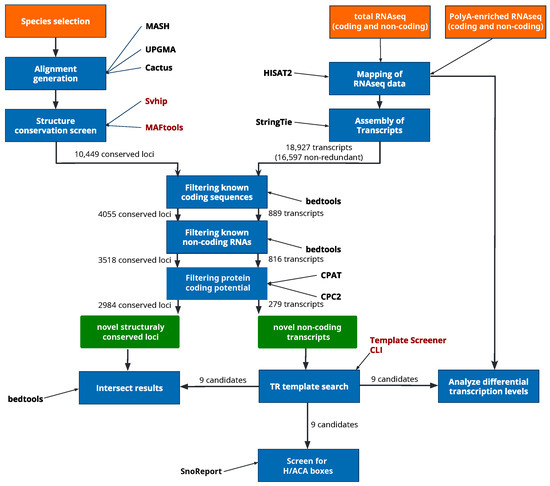
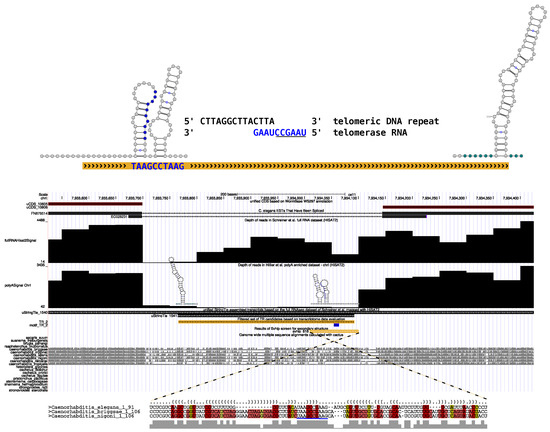
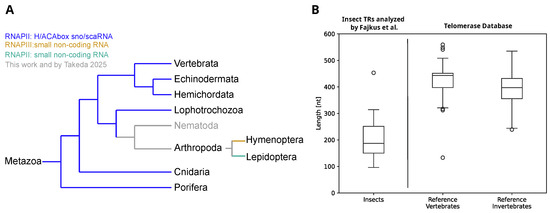
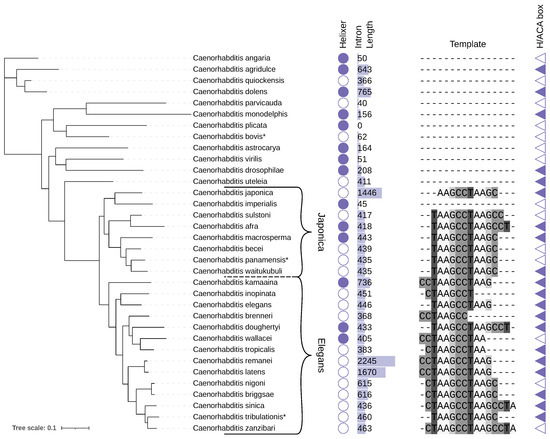
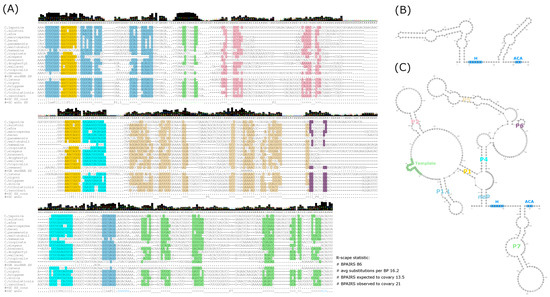
Background/Objectives: The telomerase RNA (TR) is an indispensable part of the telomerase protein complex responsible for telomere elongation in most eukaryotic species. Although the telomere terminal repeat sequence (TTAGGC)n in Caenorhabditis elegans has been known for years, a telomerase RNA gene was not identified in the entire phylum of Nematoda until recently. Methods: In this exploratory study, we employ a combination of different approaches to identify likely telomerase RNA candidates among putative non-coding transcripts. Results: A detailed analysis of our prime candidate shows compelling evidence that it encodes the missing RNA element of the telomerase complex, which is notably located in an intron of the coding gene nmy-2. Using nmy-2 homologs in other nematodes as anchors, we annotate the conserved TR gene in 21 Caenorhabditis species. We furthermore show that the intronic localization of the TR gene is conserved in two distinct branching groups of the Caenorhabditis phylogeny and demonstrate that this property likely emerged from a single point of origin. Conclusions: While the intronic TR represents a very interesting evolutionary adaption that seems to have been successful in the Elegans and Japonica groups, the question regarding the macroscopic nematode TR evolution remains.
Full article
(This article belongs to the Section Evolution of Non-Coding RNA)
►
Show Figures
Open AccessArticle
Extracellular Small RNAs in Human Milk: Molecular Profiles, Stability and Fragment-Specific Responses in Cell-Based Assays
by
Clara Claus, Carla Borini Etichetti, Bruno Costa, Julieta B. Grosso, Juan Pablo Tosar, Uciel Chorostecki and Silvana V. Spinelli
Non-Coding RNA 2026, 12(1), 5; https://doi.org/10.3390/ncrna12010005 - 9 Feb 2026
Abstract
Background/Objectives: Human milk is a complex biological fluid containing not only macro- and micronutrients but also diverse bioactive molecules, including extracellular RNAs. Although RNA has been detected in milk for decades, only a subset of RNA species has been characterized in detail, and
[...] Read more.
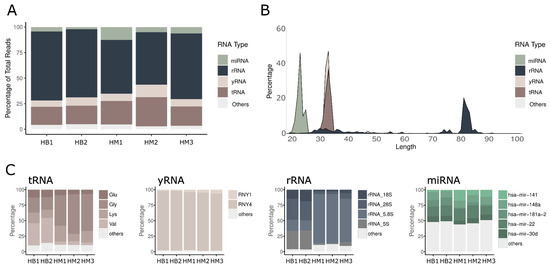
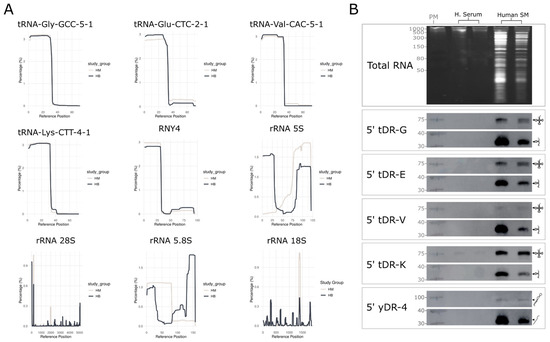
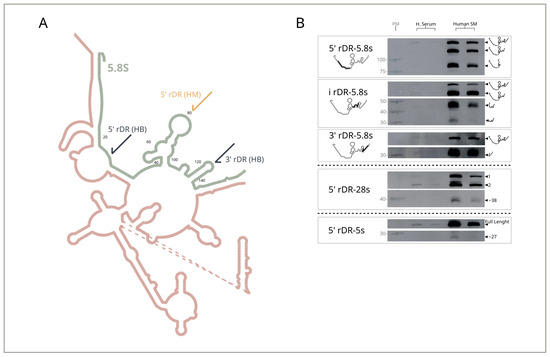
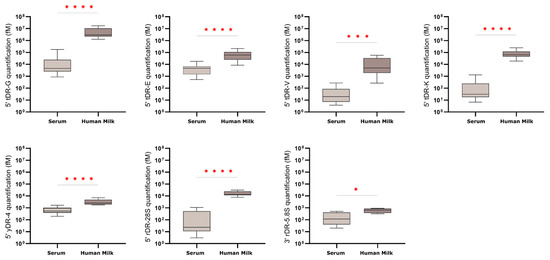
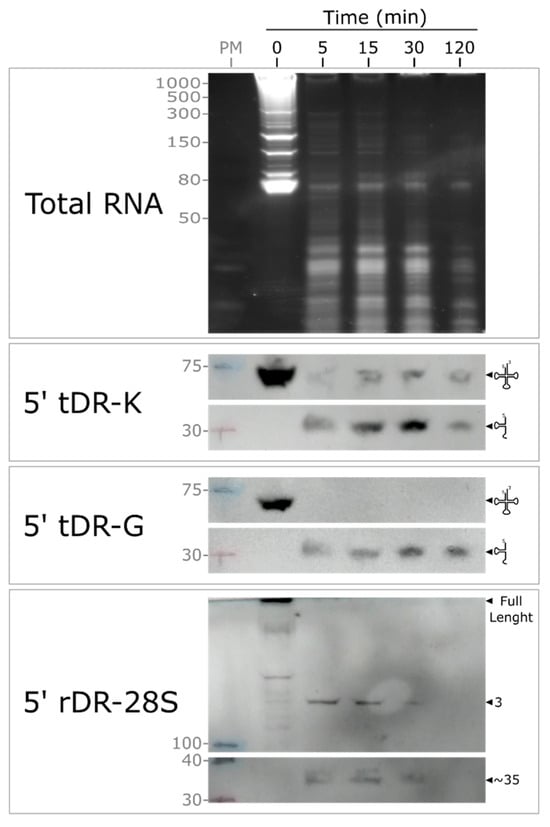
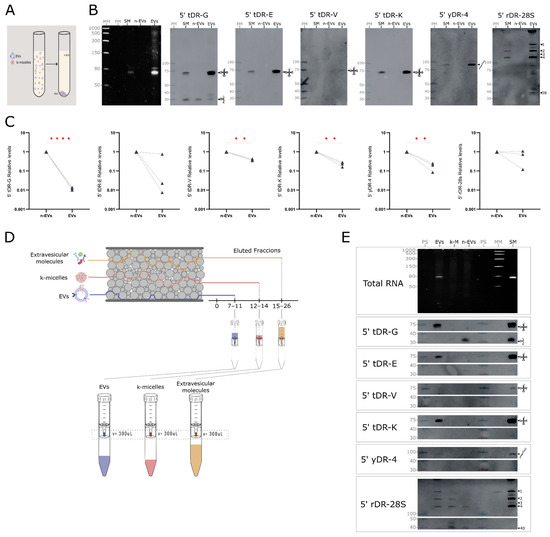
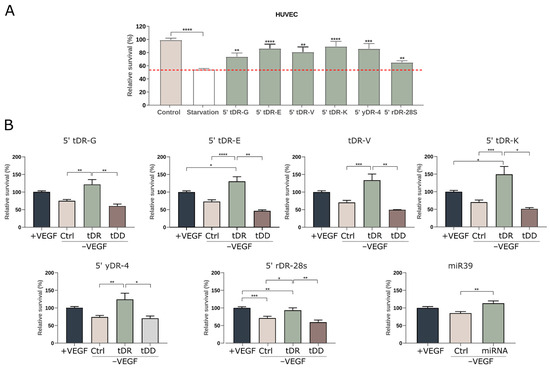
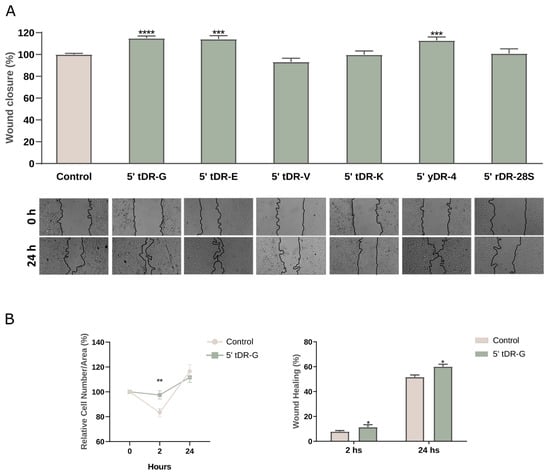
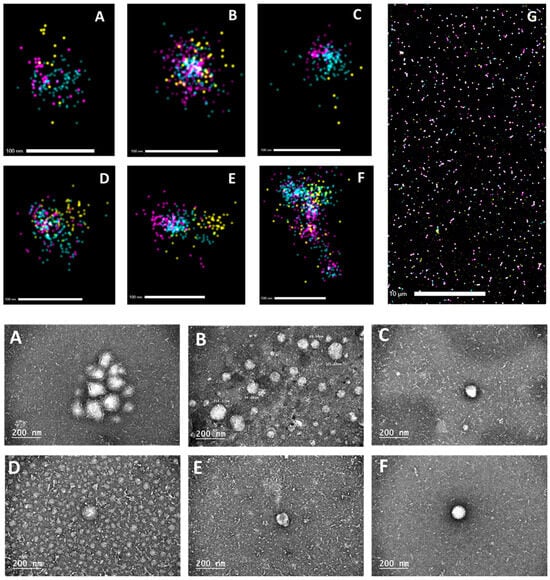
Background/Objectives: Human milk is a complex biological fluid containing not only macro- and micronutrients but also diverse bioactive molecules, including extracellular RNAs. Although RNA has been detected in milk for decades, only a subset of RNA species has been characterized in detail, and abundant families such as tRNA-, yRNA-, and rRNA-derived fragments remain underexplored. This study aimed to define the composition, fragmentation patterns, stability, and exploratory functional activity of these highly abundant RNAs in human milk. Methods: We performed small RNA sequencing on skim milk samples and analyzed the resulting profiles in comparison with publicly available milk and biofluid datasets. RNA stability assays, Northern blotting, and RT-qPCR were conducted to validate RNA abundance and degradation kinetics. Extracellular vesicles (EVs) and non-vesicular fractions were analyzed to determine the subcellular distribution of RNA species. Exploratory functional assays using synthetic RNA fragments were carried out to assess their ability to modulate cellular responses in vitro. Results: Human milk was found to be highly enriched in small RNA fragments derived from tRNA, yRNA, and rRNA, dominated by a limited set of discrete sequences. These profiles were highly reproducible across independent datasets and distinct biofluids. Orthologal validation assays confirmed their abundance and stability, with RNA levels exceeding those of serum by over two orders of magnitude. Full-length transcripts were enriched in EVs, whereas shorter fragments predominated in the non-vesicular fraction. Synthetic milk-derived exRNAs showed detectable pro-survival activity under stress conditions in vitro. Conclusions: This study reveals that human milk carries a limited set of highly abundant stable sRNA molecules, primarily derived from tRNAs, yRNAs, and rRNAs. These findings provide new insights into the RNA cargo of human milk and offer preliminary evidence that selected sRNA fragments can modulate cellular stress responses in in vitro models.
Full article
(This article belongs to the Section Small Non-Coding RNA)
►▼
Show Figures

Figure 1
Open AccessReview
Mechanisms at the Intersection of lncRNA and m6A Biology
by
Samuel J. Gonzalez, Edgardo Linares, Allison M. Porman Swain and Aaron M. Johnson
Non-Coding RNA 2026, 12(1), 4; https://doi.org/10.3390/ncrna12010004 - 31 Jan 2026
Abstract
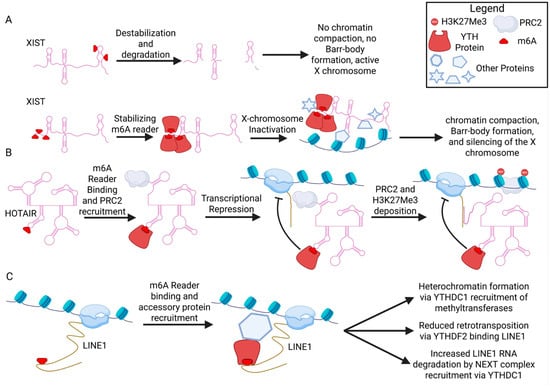
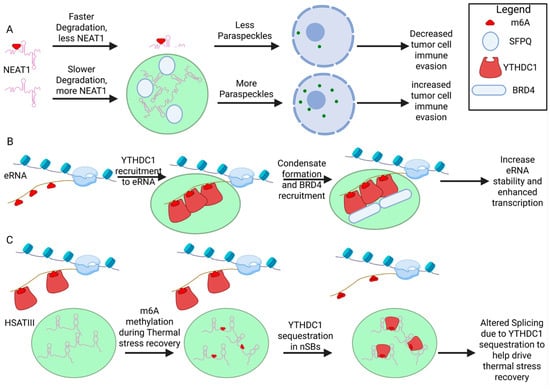
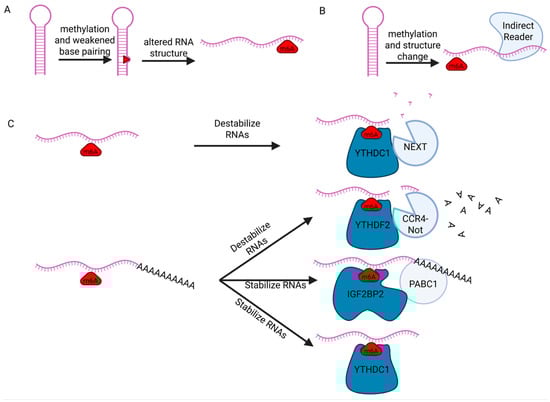
This review provides a thorough survey of long noncoding RNAs that bear the RNA modification N6-methyladenosine (m6A) and current work to understand the resulting mechanistic and biological consequences. We give an overview of lncRNA and m6A biology first, describing the writers, erasers, and
[...] Read more.
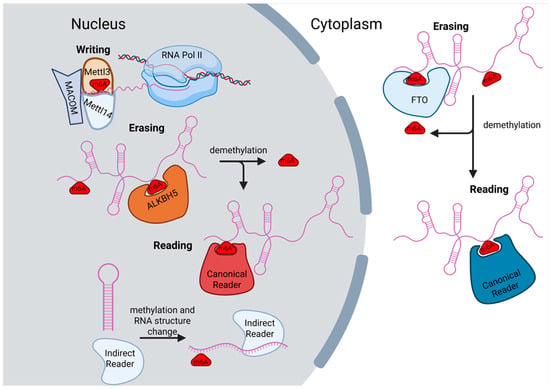
This review provides a thorough survey of long noncoding RNAs that bear the RNA modification N6-methyladenosine (m6A) and current work to understand the resulting mechanistic and biological consequences. We give an overview of lncRNA and m6A biology first, describing the writers, erasers, and readers of m6A and their targeting of lncRNAs. Next, we give an in-depth review of the field of nuclear lncRNAs that regulate chromatin and their regulation via m6A. We then describe the growing appreciation of liquid–liquid phase separation properties in lncRNA and m6A biology. Finally, we cover examples of cytoplasmic lncRNAs regulated by m6A. Overall, this review aims to emphasize how epitranscriptomics influences noncoding RNA mechanisms to provide additional layers of regulation, integrated into downstream biological processes.
Full article
(This article belongs to the Section Long Non-Coding RNA)
►▼
Show Figures

Figure 1
Open AccessArticle
Hypercholesterolemia Impairs the Expression of Angiogenic MicroRNAs in Extracellular Vesicles Within Ischemic Skeletal Muscles
by
Nozha Raguema, Sylvie Dussault, Kevin Sawaya, Michel Desjarlais, Eric Boilard, Sylvain Chemtob and Alain Rivard
Non-Coding RNA 2026, 12(1), 3; https://doi.org/10.3390/ncrna12010003 - 26 Jan 2026
Abstract
►▼
Show Figures
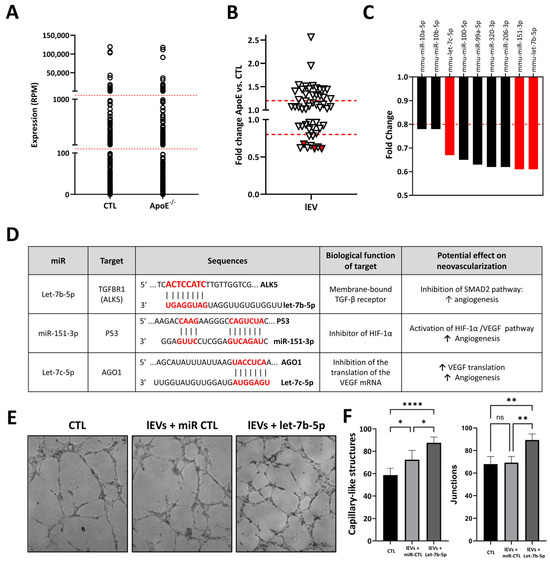
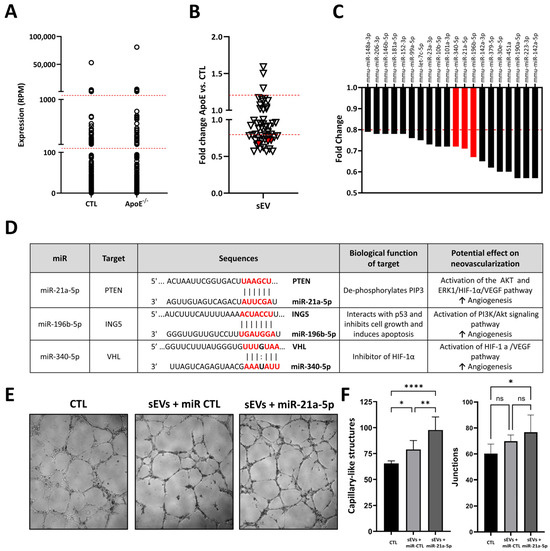
Background/Objectives: In severe peripheral artery disease (PAD) with limb ischemia, hypercholesterolemia (HC) is associated with impaired neovascularization. Extracellular vesicles (EVs) are present within ischemic muscles, and they contain microRNAs (miRs) involved in several biological functions, including angiogenesis and neovascularization. Methods: We
[...] Read more.
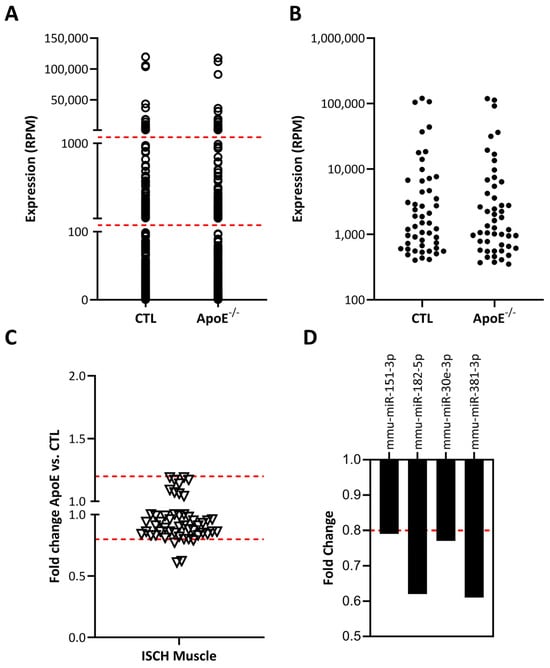
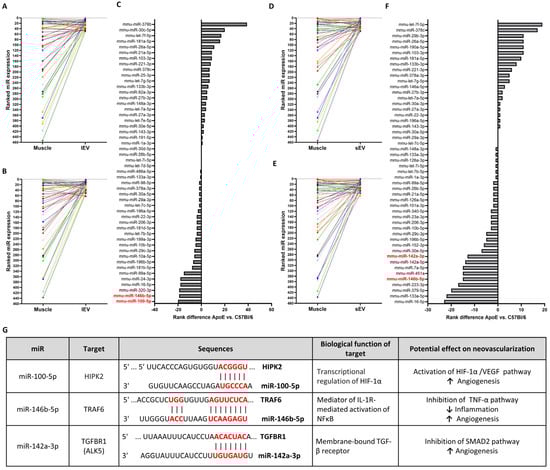
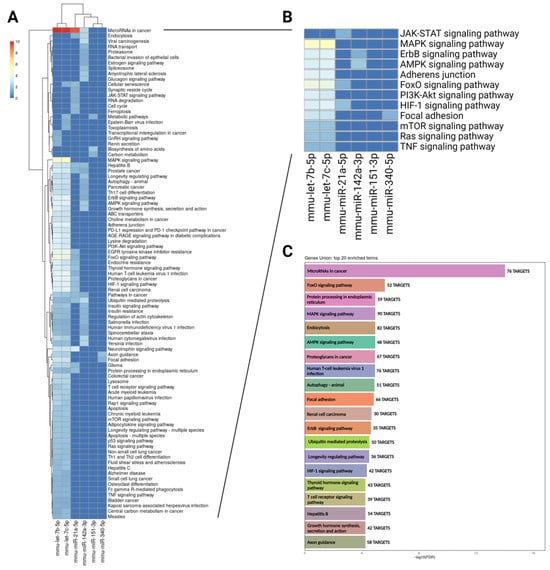
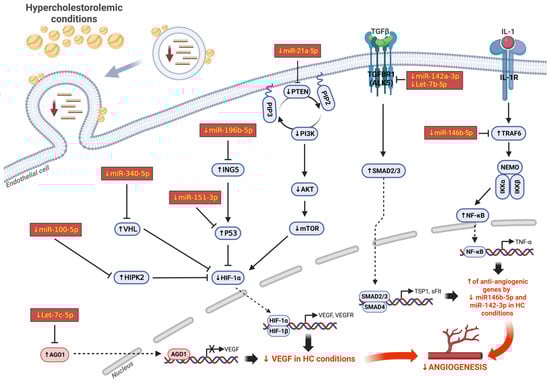
Background/Objectives: In severe peripheral artery disease (PAD) with limb ischemia, hypercholesterolemia (HC) is associated with impaired neovascularization. Extracellular vesicles (EVs) are present within ischemic muscles, and they contain microRNAs (miRs) involved in several biological functions, including angiogenesis and neovascularization. Methods: We used a mouse model of PAD and compared the response to hindlimb ischemia in hypercholesterolemic ApoE−/− vs. normocholesterolemic mice. Next-generation sequencing (NGS) was used to perform full miR expression profiling in ischemic skeletal muscles and in EVs of varying sizes—large EVs (lEVs) and small EVs (sEVs)—within these muscles. Results: We identified several miRs with potential pro-angiogenic effects (angiomiRs) that are reduced by HC in lEVs (Let-7b-5p, miR-151-3p, Let-7c-5p) or sEVs (miR-21a-5p, miR-196b-5p, miR-340-5p). As proof of principle, we showed that the overexpression of Let-7b-5p in lEVs, or miR-21a-5p in sEVs, can significantly increase the angiogenic capacity of these EVs in vitro. HC also impaired the enrichment of specific angiomiRs in lEVs (miR-100-5p), sEVs (miR-142a-3p), or in both lEVs and sEVs (miR-146b-5p). In silico approaches, including the prediction of miR targets, pathway unions, and gene unions, identified the resulting predictive effects of HC-modulated miRs in EVs on processes with key roles in the modulation of angiogenesis and neovascularization, such as the regulation of the actin cytoskeleton and focal adhesion and the HIF-1, MAPK, AMPK, and PI3K-Akt signaling pathways. Conclusions: Our results constitute an important first step towards the identification of specific miRs that could be targeted to improve EV angiogenic function in hypercholesterolemic conditions and reduce tissue ischemia in patients with severe PAD.
Full article

Figure 1
Open AccessReview
The Role of microRNAs as Potential Biomarkers in Diffuse Large B-Cell Lymphoma
by
Eirini Panteli, Epameinondas Koumpis, Vasileios Georgoulis, Georgios Petros Barakos, Evangelos Kolettas, Panagiotis Kanavaros, Alexandra Papoudou-Bai and Eleftheria Hatzimichael
Non-Coding RNA 2026, 12(1), 2; https://doi.org/10.3390/ncrna12010002 - 7 Jan 2026
Abstract
►▼
Show Figures
Diffuse large B-cell lymphoma (DLBCL) is the most common and clinically aggressive subtype of non-Hodgkin lymphoma (NHL). While novel therapies such as rituximab and polatuzumab vedotin have led to improved outcomes, approximately 35% of patients eventually develop relapsed or refractory disease. MicroRNAs (miRNAs),
[...] Read more.
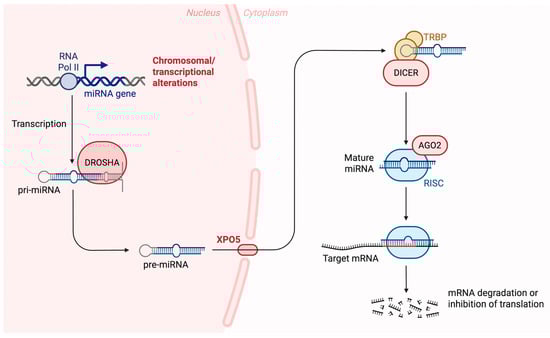
Diffuse large B-cell lymphoma (DLBCL) is the most common and clinically aggressive subtype of non-Hodgkin lymphoma (NHL). While novel therapies such as rituximab and polatuzumab vedotin have led to improved outcomes, approximately 35% of patients eventually develop relapsed or refractory disease. MicroRNAs (miRNAs), a class of endogenous single-stranded RNAs approximately 22 nucleotides in length, play a pivotal role in the regulation of gene expression at the post-transcriptional level through interactions with complementary target RNAs and contribute significantly to the development, progression, and treatment response of DLBCL. Oncogenic miRNAs, such as miR-155, miR-21, and the miR-17–92 cluster, promote proliferation, survival, immune evasion, and therapy resistance by modulating pathways including PI3K/AKT, NF-κB, and MYC. Conversely, tumor-suppressive miRNAs such as miR-34a, miR-144, miR-181a, and miR-124-3p inhibit oncogene activity and enhance apoptosis, with their loss often associated with adverse outcomes. Among these, miR-155 and miR-21 are particularly well studied, playing central roles in both tumor progression and remodeling of the tumor microenvironment. This review summarizes current evidence on the biological and clinical relevance of miRNAs in DLBCL, emphasizing their diagnostic and prognostic potential.
Full article

Figure 1
Open AccessArticle
Functional and Molecular Characterization of Extracellular Vesicles Enriched in Exosomes Released by Bone Marrow Mesenchymal Stromal Cells Exposed to IFNγ in Combination with Autophagy Modulators Tamoxifen or Chloroquine
by
Vladimir Beljanski, Maria J. Moreno Hollweg, Renee Potens, Tanner Blaylock, Andres B. Irausquin, Nikhila Paleati and Lubov Nathanson
Non-Coding RNA 2026, 12(1), 1; https://doi.org/10.3390/ncrna12010001 - 24 Dec 2025
Abstract
►▼
Show Figures
Background/Objectives: Bone marrow mesenchymal stromal cells (MSCs) are therapeutic cells that adopt an immunomodulatory phenotype when exposed to pro-inflammatory cytokines. Recent research efforts uncovered that many therapeutic benefits of MSCs can be attributed to the secretion of extracellular vesicles (EVs) such as
[...] Read more.
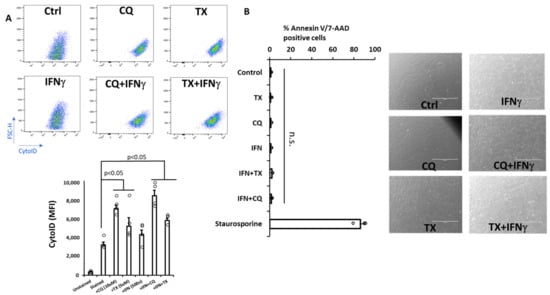
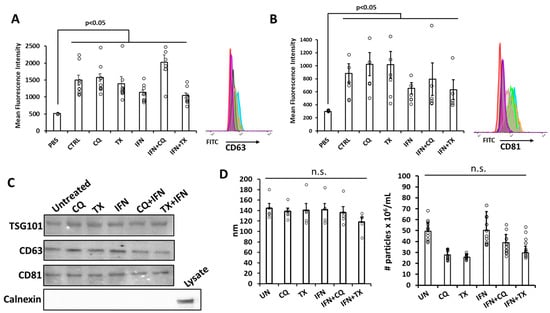
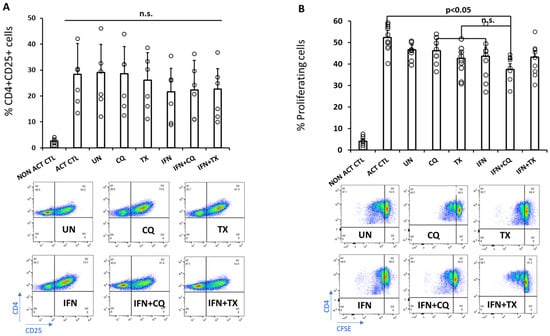
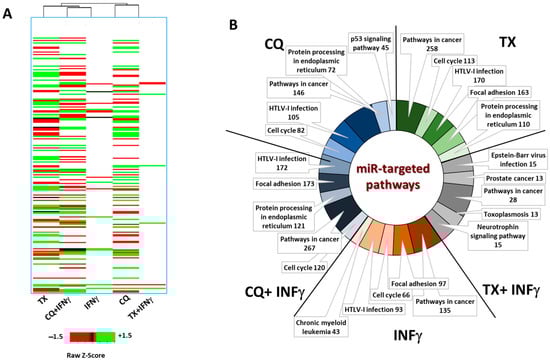
Background/Objectives: Bone marrow mesenchymal stromal cells (MSCs) are therapeutic cells that adopt an immunomodulatory phenotype when exposed to pro-inflammatory cytokines. Recent research efforts uncovered that many therapeutic benefits of MSCs can be attributed to the secretion of extracellular vesicles (EVs) such as exosomes, small membrane vesicles of endocytic origin present in the cellular secretome. EVs’ formation and release are impacted by the autophagy pathway, which recycles proteins and organelles via lysosomal degradation. Methods: To evaluate how modulation of autophagy affects properties of MSC EVs enriched in exosomes under pro-inflammatory conditions, we treated the cells with either tamoxifen (TX) or chloroquine (CQ), two drugs known to stimulate or inhibit autophagy, respectively, together with IFNγ. MSC EVs enriched in exosomes were then purified from serum-free media, and their immunoregulatory properties were evaluated ex vivo using activated CD4 T cells; small RNA sequencing was also conducted to determine EVs’ microRNA content. Results: Our data indicate that MSCs treated with CQ + IFNγ yield EVs that possess somewhat higher capacity to decrease T cell proliferation compared to other EVs. Small RNA sequencing revealed that, although similar microRNAs were found in EVs isolated from all treated cells, the treatments exerted more effect on the levels of multiple microRNAs that are known to regulate either cancer or inflammation-related biological pathways in target cells. Conclusions: Overall, we conclude that the co-treatment of MSCs with TX or CQ in the presence of pro-inflammatory cytokine IFNγ has the potential to modulate microRNA content of EVs, potentially affecting biological properties of such EVs and their effect on target cells.
Full article

Figure 1
Open AccessArticle
Transposable Element-Derived miR-28-5p and miR-708-5p: Exploring Potential Roles in Lung Cancer
by
Sergiu Chira, Cornelia Braicu, Stefan Strilciuc, George A. Calin and Ioana Berindan-Neagoe
Non-Coding RNA 2025, 11(6), 81; https://doi.org/10.3390/ncrna11060081 - 18 Dec 2025
Abstract
►▼
Show Figures
Background: Transposable elements are normally silenced by epigenetic mechanisms; however, during malignant transformation, epigenetic alterations enable transposons to produce functional molecules like miRNAs. Among these, LINE-2 (L2) elements can generate miRNAs capable of regulating key genes, including tumor suppressors. Two L2-derived miRNAs, miR-28
[...] Read more.
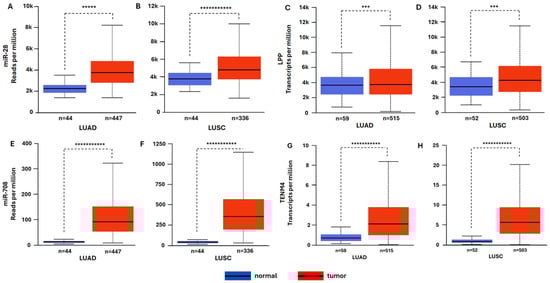
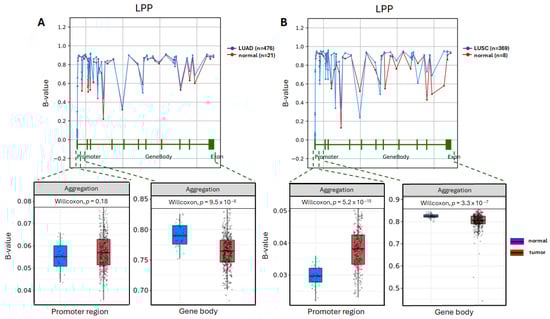
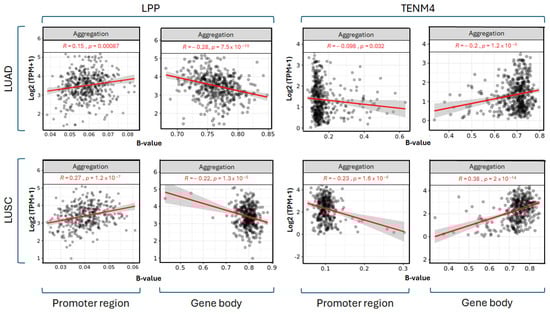
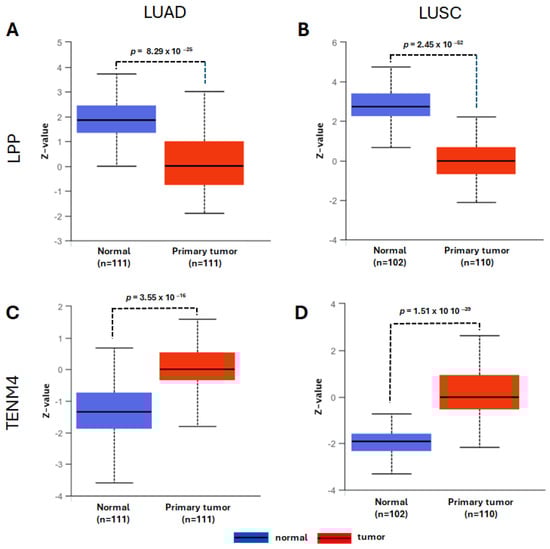
Background: Transposable elements are normally silenced by epigenetic mechanisms; however, during malignant transformation, epigenetic alterations enable transposons to produce functional molecules like miRNAs. Among these, LINE-2 (L2) elements can generate miRNAs capable of regulating key genes, including tumor suppressors. Two L2-derived miRNAs, miR-28 and miR-708, have been linked to lung cancer, yet the mechanisms underlying their dysregulation remain poorly understood. Our study reveals how genomic context contributes to aberrant gene expression through comprehensive bioinformatic analyses. Methods: Using bioinformatics analysis, we evaluated the expression of miR-28 and miR-708 in lung adenocarcinoma (LUAD) and lung squamous cell carcinoma (LUSC) datasets from TCGA. Further, we assessed the expression and methylation status of miR-28 and miR-708 host genes, LPP and TENM4, respectively, using computational tools. Finaly, we searched for potential candidate tumor suppressor genes targeted by miR-28 and miR-708, which are downregulated in LUAD and LUSC. Results: We found that intragenic L2-derived miR-28 and miR-708 are significantly upregulated in LUAD and LUSC. While TENM4 gene also displays a marked increase in expression in LUAD and LUSC, in tumor versus normal tissue, this difference is less obvious for the LPP gene. We suggest that such dysregulations in expression might be linked to specific methylation patterns of their genomic locations. Furthermore, we emphasize that miR-28 and miR-708 might contribute to lung cancer pathogenesis by targeting key tumor suppressor genes. Conclusions: Alterations in the methylation status of L2-miRNAs genomic loci might result in elevated levels of miRNAs and subsequent targeting of tumor suppressor genes with potential implications in lung cancer pathogenesis.
Full article

Figure 1
Open AccessReview
MicroRNAs in Breast Cancer Bone Metastasis Formation and Progression: An Overview on Recent Progress in This Research Field
by
Margherita Puppo
Non-Coding RNA 2025, 11(6), 80; https://doi.org/10.3390/ncrna11060080 - 18 Dec 2025
Abstract
Bone metastasis is a common and severe complication in advanced stages of breast cancer (BC) that is characterised by limited treatment options and poor patient prognosis. MicroRNAs (miRNAs) are a large class of regulatory small non-coding RNAs (ncRNAs) expressed by cells. Moreover, miRNAs
[...] Read more.
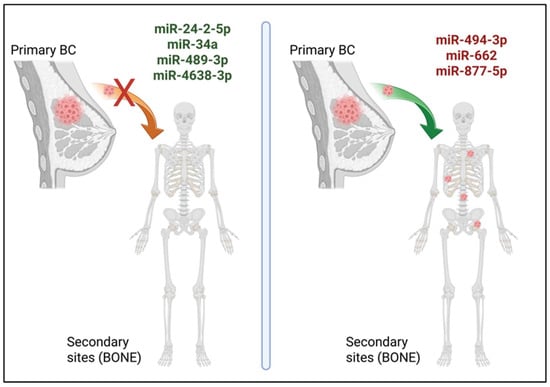
Bone metastasis is a common and severe complication in advanced stages of breast cancer (BC) that is characterised by limited treatment options and poor patient prognosis. MicroRNAs (miRNAs) are a large class of regulatory small non-coding RNAs (ncRNAs) expressed by cells. Moreover, miRNAs can be released by cells into the blood and lymphatic streams, acting as distant cell-to-cell communicators. Of note, miRNAs have pivotal roles in the metastatic progression of BC to bone. This review summarises the most recent findings on miRNAs and their mRNA targets in driving BC bone metastasis. Furthermore, the potential clinical uses of miRNAs as future therapeutic targets/agents or biomarkers for BC bone metastasis are discussed.
Full article
(This article belongs to the Section Small Non-Coding RNA)
►▼
Show Figures

Figure 1

Open AccessReview
CARINH, an Interferon-Induced LncRNA in Cancer and Inflammation
by
Morgane Gourvest and Coen van Solingen
Non-Coding RNA 2025, 11(6), 79; https://doi.org/10.3390/ncrna11060079 - 21 Nov 2025
Abstract
►▼
Show Figures
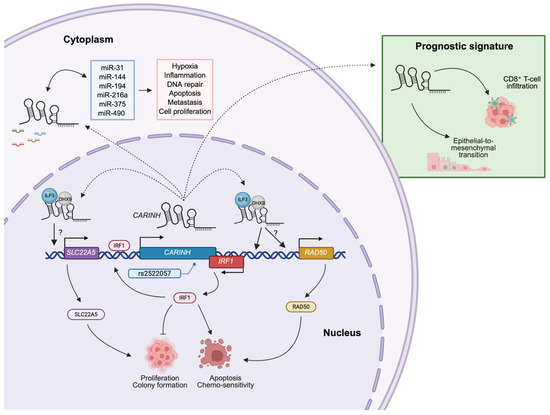
CARINH is an intriguing long noncoding RNA whose unique regulatory functions intersect the seemingly distinct processes of innate immunity and cancer development. Notably, CARINH is conserved across species, offering powerful experimental models for uncovering its mechanistic roles and physiological functions across diverse biological
[...] Read more.
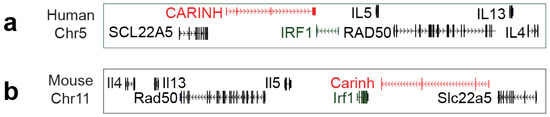
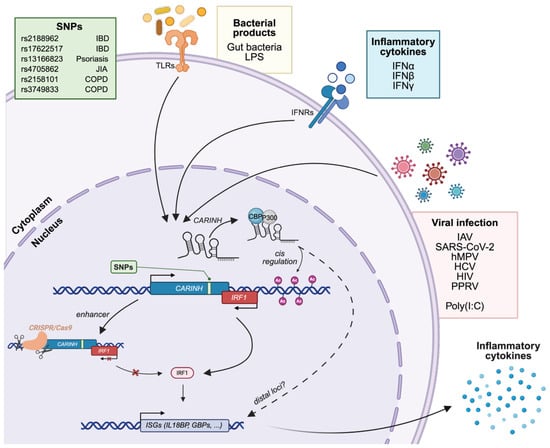
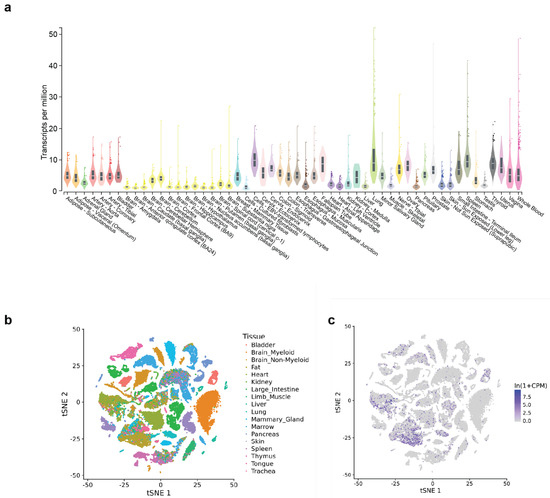
CARINH is an intriguing long noncoding RNA whose unique regulatory functions intersect the seemingly distinct processes of innate immunity and cancer development. Notably, CARINH is conserved across species, offering powerful experimental models for uncovering its mechanistic roles and physiological functions across diverse biological contexts. Stimulated by interferons and viral infections, CARINH stands out as a key player in the body’s antiviral defense mechanisms. Additionally, its dysregulation has been implicated in autoimmune disorders such as psoriasis, asthma, and inflammatory bowel disease, underscoring its broader role in maintaining immune homeostasis. Furthermore, alterations in CARINH expression have been connected to cancer progression, highlighting its dual role in immune response and tumor suppression. In this review, we delve into CARINH’s pivotal function in modulating interferon responses and influencing cancer development, with a focus on the molecular pathways that regulate its expression and contribute to its diverse roles. Understanding these pathways is crucial for evaluating CARINH’s significance as a biomarker and therapeutic target, potentially leading to groundbreaking advancements in medical research and treatment strategies.
Full article

Figure 1
Open AccessReview
miRNA and Its Implications in the Treatment Resistance in Breast Cancer—Narrative Review of What Do We Know So Far
by
Isabela Anda Komporaly, Adelina Silvana Gheorghe, Lidia Anca Kajanto, Elena Adriana Iovănescu, Bogdan Georgescu, Raluca Ioana Mihăilă, Andreea Mihaela Radu, Daniela Luminița Zob, Mara Mădălina Mihai, Mihai Teodor Georgescu and Dana Lucia Stănculeanu
Non-Coding RNA 2025, 11(6), 78; https://doi.org/10.3390/ncrna11060078 - 18 Nov 2025
Abstract
Breast cancer remains a leading cause of cancer-related mortality worldwide, with treatment resistance and tumor heterogeneity posing major clinical challenges. MicroRNAs (miRNAs), small non-coding RNAs regulating gene expression, have emerged as key players in breast cancer biology, influencing tumor initiation, progression, and therapy
[...] Read more.
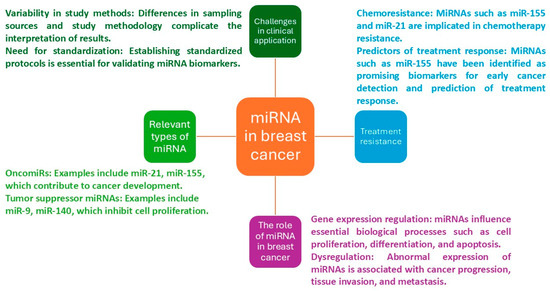
Breast cancer remains a leading cause of cancer-related mortality worldwide, with treatment resistance and tumor heterogeneity posing major clinical challenges. MicroRNAs (miRNAs), small non-coding RNAs regulating gene expression, have emerged as key players in breast cancer biology, influencing tumor initiation, progression, and therapy resistance. This narrative review synthesizes recent evidence on the involvement of miRNAs in breast cancer subtypes and their impact on treatment response. Notably, miR-155, miR-503, and miR-21 have shown potential as non-invasive biomarkers and modulators of pathways such as PI3K-Akt, MAPK, and TNF signaling. Additionally, exosomal miRNAs may reflect chemoresistance profiles and predict pathological response to neoadjuvant therapy. Emerging data also support the use of specific miRNAs to sensitize tumors to radiotherapy or modulate immune checkpoints like PD-L1 in triple-negative breast cancer. However, challenges persist regarding standardization, sample types, and study heterogeneity. Further translational research is needed to validate miRNA signatures and their utility in guiding personalized treatment. By highlighting mechanistic insights and potential clinical applications, this review aims to contribute to the ongoing efforts of integrating miRNAs into precision oncology for breast cancer.
Full article
(This article belongs to the Special Issue Non-coding RNA as Biomarker in Cancer)
►▼
Show Figures

Figure 1
Open AccessReview
Prolonged Survival with Dieting for Improved Autophagy
by
Akari Fukumoto, Moeka Nakashima and Satoru Matsuda
Non-Coding RNA 2025, 11(6), 77; https://doi.org/10.3390/ncrna11060077 - 4 Nov 2025
Abstract
Food is a crucial component affecting the health of individuals, which may have the potential to expand lifespan. It has been shown that a long lifespan may be related to fine-tuned autophagy. In general, suitable autophagy could play a significant role in the
[...] Read more.
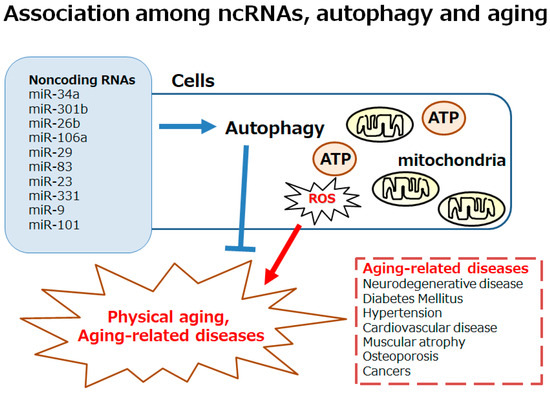
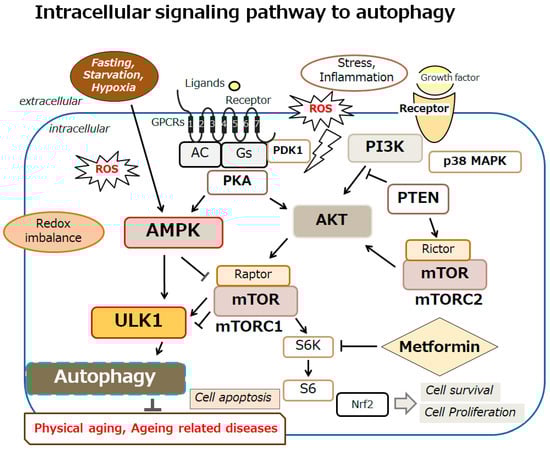
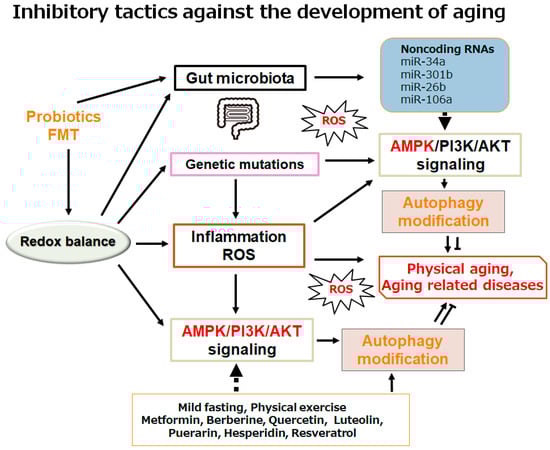
Food is a crucial component affecting the health of individuals, which may have the potential to expand lifespan. It has been shown that a long lifespan may be related to fine-tuned autophagy. In general, suitable autophagy could play a significant role in the anti-aging biological exertion of the host. AMPK, a member of serine and threonine kinases, could play vital roles within the autophagy signaling pathway in various cells. In addition, alterations in the kinase activity of AMPK have been shown to be connected to several pathologies of aging-related diseases. Therefore, autophagy could control the lifespan-related homeostasis within the host from cells to a body via the modification of AMPK. The design of the diet and/or nutrition targeting the AMPK would be a possibility to expand the lifespan. Some analyses of the molecular biology underlying the autophagy suggest that supplementation of accurate nutraceuticals, as well as dietary restriction, mild fasting, and/or appropriate physical exercise, could modulate AMPK signaling, which may be advantageous for life extension with the alteration of autophagy. Remarkably, it has been revealed that several non-coding RNAs (ncRNAs) might also play significant roles in the regulation of autophagy. In addition, the production of some ncRNAs may be associated with the alteration of gut microbiota with certain diets. Therefore, the modulation of AMPK action with ncRNAs through choosing the relevant diet could be a therapeutic tactic for promoting longevity, which is also accompanied by a reduced risk for several aging-related diseases.
Full article
(This article belongs to the Special Issue Non-coding RNAs in Stem Cell Differentiation and Disease)
►▼
Show Figures

Figure 1

Open AccessArticle
Evaluation of Expression and Clinicopathological Relevance of Small Nucleolar RNAs (snoRNAs) in Invasive Breast Cancer
by
Luděk Záveský, Eva Jandáková, Vít Weinberger, Luboš Minář, Radovan Turyna, Adéla Tefr Faridová, Veronika Hanzíková and Ondřej Slanař
Non-Coding RNA 2025, 11(6), 76; https://doi.org/10.3390/ncrna11060076 - 31 Oct 2025
Abstract
Background/Objectives: Breast cancer is a leading cause of cancer-related mortality among women worldwide. Small nucleolar RNAs (snoRNAs) represent a class of non-coding RNAs with potential as novel biomarkers applicable to improve diagnostic and prognostic applications. Methods: We performed a comprehensive evaluation of the
[...] Read more.
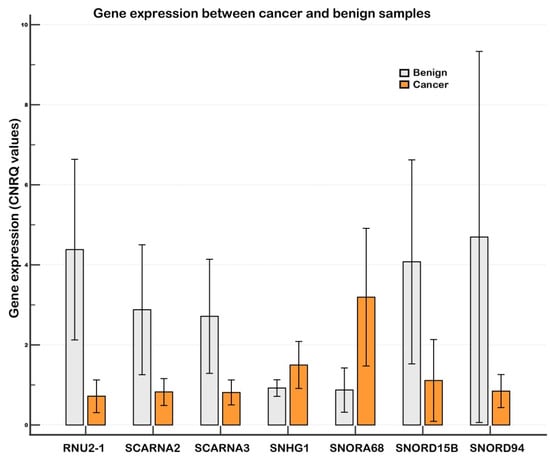
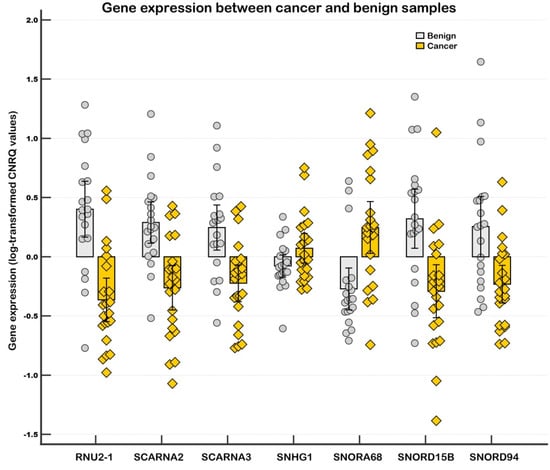
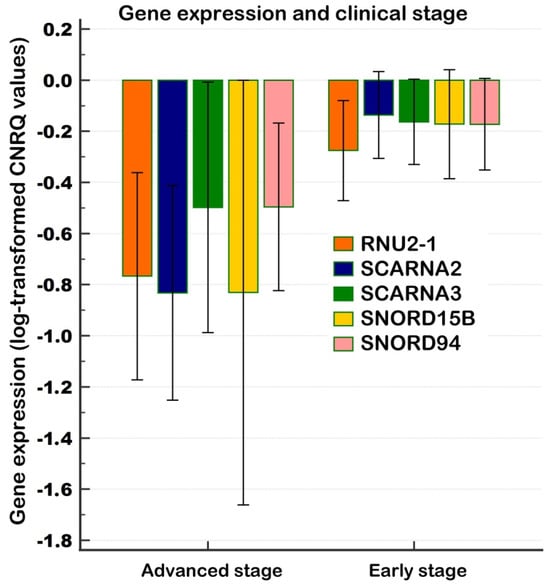
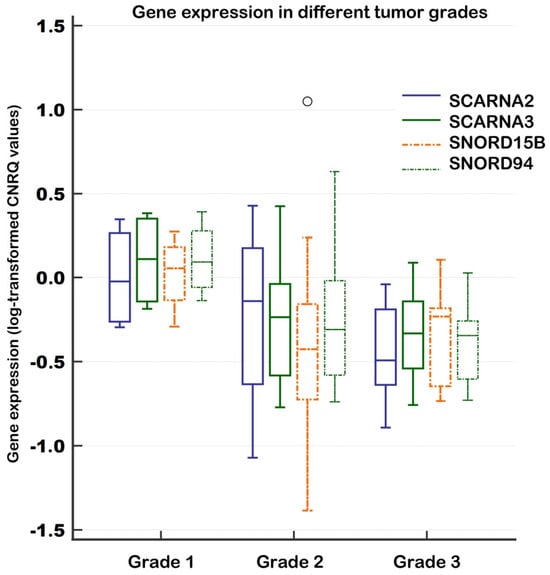
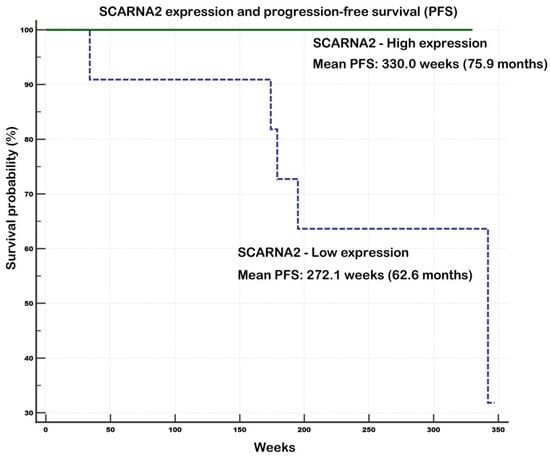
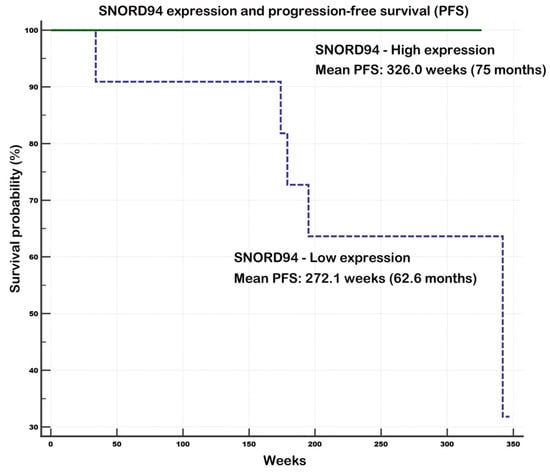
Background/Objectives: Breast cancer is a leading cause of cancer-related mortality among women worldwide. Small nucleolar RNAs (snoRNAs) represent a class of non-coding RNAs with potential as novel biomarkers applicable to improve diagnostic and prognostic applications. Methods: We performed a comprehensive evaluation of the snoRNA-related gene expression by qPCR using benign and tumor tissue samples associated with invasive breast carcinomas of no special type (NST). Selected candidate snoRNAs, i.e., SCARNA2, SCARNA3, SNORD15B, SNORD94, SNORA68, and SNHG1, along with RNU2-1 snRNA, were further validated and their associations with clinicopathological parameters were examined. External datasets and plasma samples were used for additional validation. Results: SCARNA2 was identified as the most promising snoRNA biomarker candidate, showing a positive association with better progression-free survival (PFS) in our data (13.3-month survival difference between low- and high-expression groups) and with both PFS and overall survival in external RNA-seq datasets. SNORD94, SNORD15B, SCARNA3, and RNU2-1 snRNA were also indicated as putative tumor suppressors. SNORD94 was associated with better progression-free survival (PFS) in our data as well (12.4-month survival difference between low- and high expression groups). Greater downregulation in the low-expression tumor subgroup compared to benign samples further supports the prognostic potential of SCARNA2 and SNORD94. Evidence for SNHG1 and SNORA68 as putative oncogenes was less conclusive. Conclusions: Several small nucleolar RNAs were found to be dysregulated in breast cancer specimens, supporting their further evaluation as potential biomarkers. In particular, SCARNA2, SNORD94, SNORD15B, SCARNA3, and RNU2-1 snRNA merit further investigation to determine their clinical relevance and biological roles in breast cancer.
Full article
(This article belongs to the Special Issue Non-coding RNA as Biomarker in Cancer)
►▼
Show Figures

Figure 1

Open AccessEditorial
The Non-Coding RNA Journal Club: Highlights on Recent Papers—14
by
El Cheima Mhamedi, Florent Hubé, Suresh K. Alahari, Francisco J. Enguita, Barbara Pardini, Mark W. Feinberg, Laura Poliseno, Beshoy Armanios, Jing Jin, Xiao-Bo Zhong, Nikolaos Sideris, Salih Bayraktar, Leandro Castellano, Gaetano Santulli, Stanislovas S. Jankauskas, Will S. Plewa, Simon J. Conn, Ling Yang, Patrick K. T. Shiu, Abhishek Kaushik, Alexander Serganov, Massimo Gentile, Giuseppe Viglietto, Nicola Amodio, Tijana Mitić and Andrea Caporaliadd
Show full author list
remove
Hide full author list
Non-Coding RNA 2025, 11(6), 75; https://doi.org/10.3390/ncrna11060075 - 31 Oct 2025
Abstract
The field of non-coding RNA research is advancing at a breathtaking pace, continually uncovering new layers of regulatory complexity and functional diversity [...]
Full article
Open AccessArticle
The Chromosome 19 microRNA Cluster Facilitates Cancer Stemness in Hepatocellular Carcinoma
by
Marian T. Underwood, Varsha Devarapalli, Goodwin G. Jinesh, John H. Lockhart, Marco Napoli, Nino Mtchedlidze, Elsa R. Flores and Andrew S. Brohl
Non-Coding RNA 2025, 11(6), 74; https://doi.org/10.3390/ncrna11060074 - 29 Oct 2025
Abstract
►▼
Show Figures
Background/Objectives: Hepatocellular carcinoma (HCC) is one of the world’s deadliest cancers; however, the mechanisms that contribute to its aggressiveness are poorly understood. In the recent literature, overexpression of the Chromosome 19 MicroRNA Cluster (C19MC) has been associated with an aggressive phenotype and unfavorable
[...] Read more.
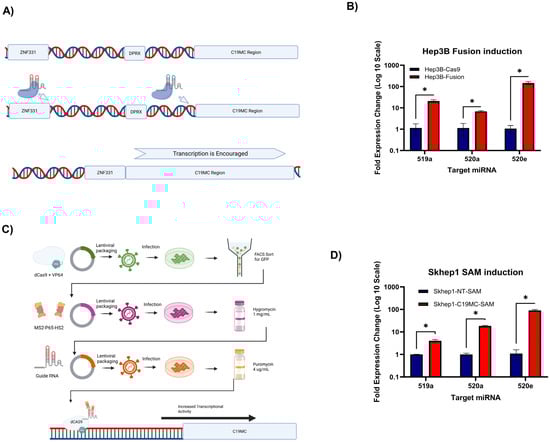
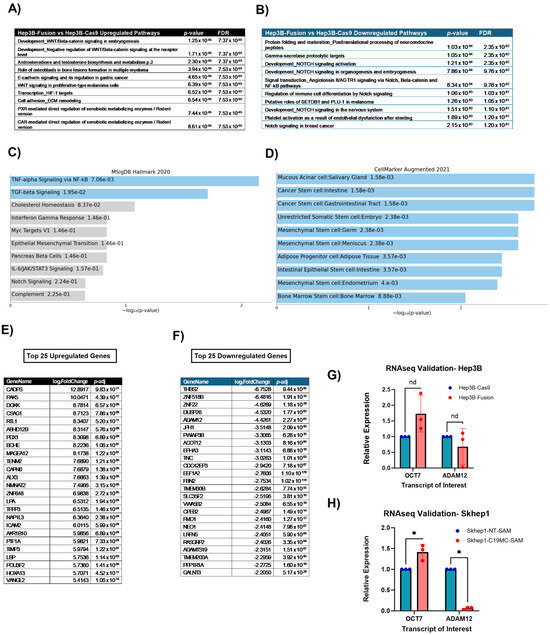
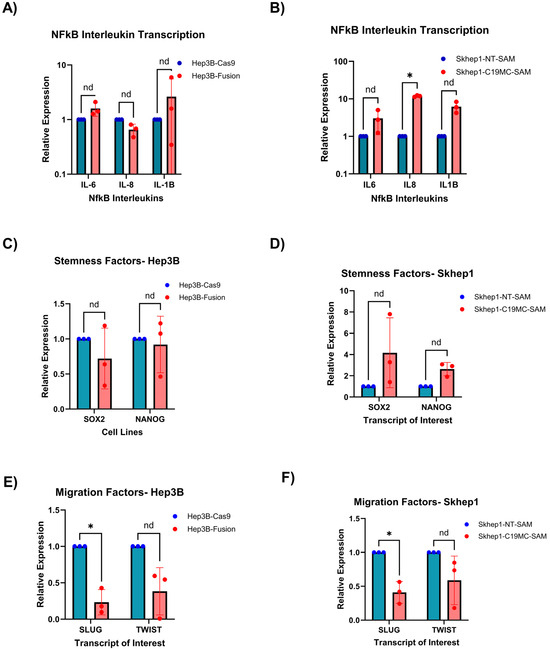
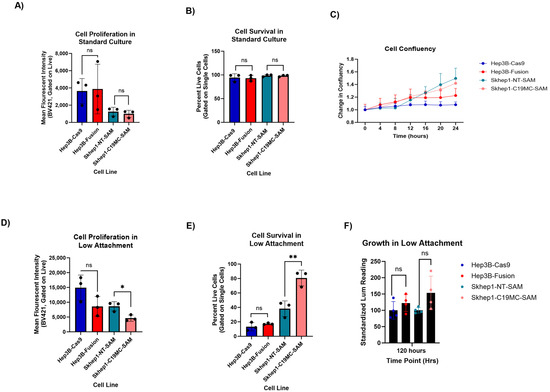
Background/Objectives: Hepatocellular carcinoma (HCC) is one of the world’s deadliest cancers; however, the mechanisms that contribute to its aggressiveness are poorly understood. In the recent literature, overexpression of the Chromosome 19 MicroRNA Cluster (C19MC) has been associated with an aggressive phenotype and unfavorable prognosis in HCC. However, the molecular consequences of C19MC overexpression in HCC remain poorly understood. Methods: Here, we created a constitutive C19MC-overexpressing HCC model and used two different CRISPR-engineered C19MC-overexpressing HCC models to analyze phenotype and transcriptomic changes. Results: We observed that C19MC overexpression induces cancer stem cell (CSC) phenotypic features in vitro and analyzed transcriptomic changes in genes correlating with stemness, such as NFκB and EMT. Conclusions: C19MC induces changes in HCC that are consistent with stemness and aggression, which provides a better understanding of why C19MC could be a biomarker of poor prognosis.
Full article

Figure 1
Open AccessPerspective
Exploring microRNAs, One Cell at a Time
by
Jessica Kreutz, Tijana Mitić and Andrea Caporali
Non-Coding RNA 2025, 11(6), 73; https://doi.org/10.3390/ncrna11060073 - 22 Oct 2025
Cited by 1
Abstract
►▼
Show Figures
The emergence of single-cell sequencing and computational analysis has dramatically improved our understanding of cellular diversity and gene expression dynamics. The rapid advancement of high-throughput omics technologies has led to an exponential growth in biological data. However, many gene regulatory processes at the
[...] Read more.
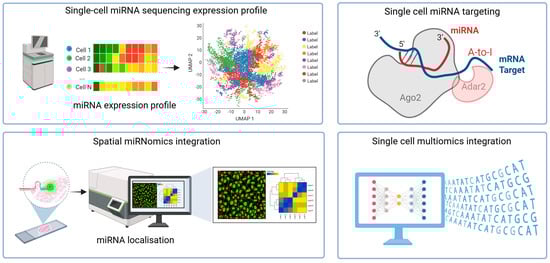
The emergence of single-cell sequencing and computational analysis has dramatically improved our understanding of cellular diversity and gene expression dynamics. The rapid advancement of high-throughput omics technologies has led to an exponential growth in biological data. However, many gene regulatory processes at the single-cell level remain underexplored, especially those regulated by post-transcriptional mechanisms involving microRNAs (miRNAs). miRNAs are essential regulators of gene expression, affecting cellular functions in both normal and disease states. Recent innovations, such as single-cell gene expression profiling and bioinformatic analysis, have enabled comprehensive studies that uncover previously hidden miRNA profiles. In this context, we present experimental tools and computational methods for analysing cell-specific miRNA abundance and investigating their mechanisms. These approaches are expected to reveal the complex nature of miRNA biology and, more broadly, enhance our understanding of life sciences and diseases.
Full article

Figure 1
Open AccessReview
Identification and Functions of lncRNAs in Fungi
by
Javier Avalos, Adrián Perera-Bonaño and M. Carmen Limón
Non-Coding RNA 2025, 11(5), 72; https://doi.org/10.3390/ncrna11050072 - 7 Oct 2025
Abstract
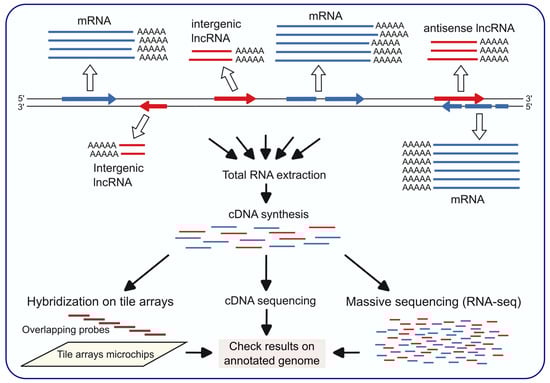
Long noncoding RNAs (lncRNAs) are transcripts generated by polymerase II, therefore subject to 5′ capping and 3′ polyadenylation, categorized as such when they are at least 200 nt in size and lack coding function. The lncRNAs were initially interpreted as spurious transcription products,
[...] Read more.
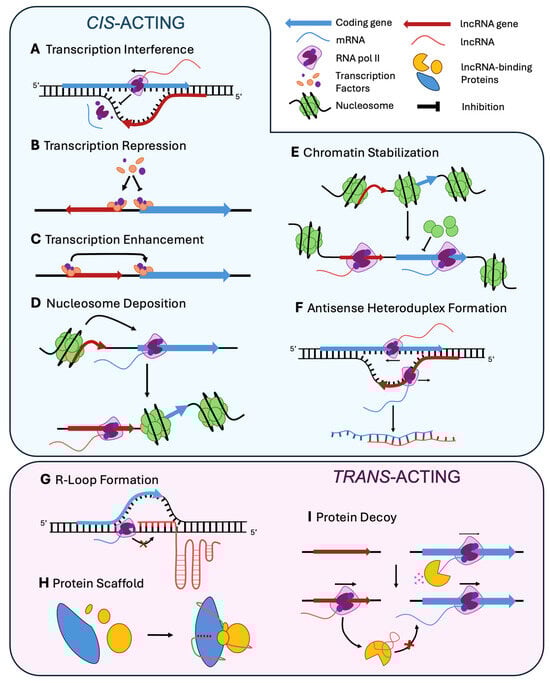
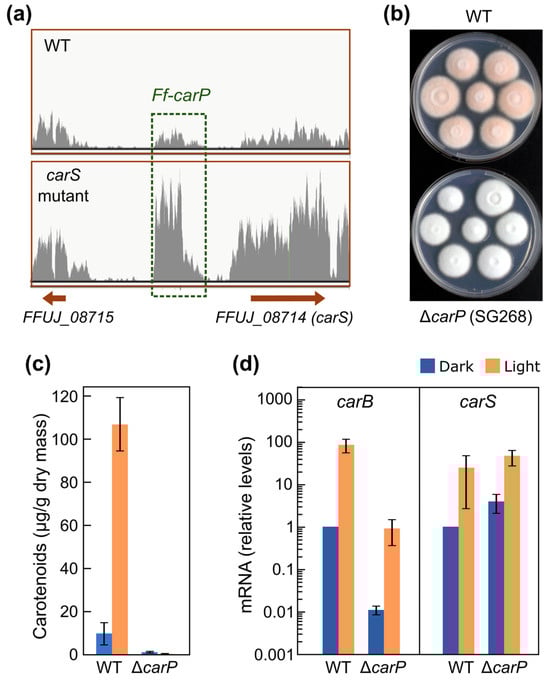
Long noncoding RNAs (lncRNAs) are transcripts generated by polymerase II, therefore subject to 5′ capping and 3′ polyadenylation, categorized as such when they are at least 200 nt in size and lack coding function. The lncRNAs were initially interpreted as spurious transcription products, but over the last two decades an increasing amount of evidence has accumulated for regulatory functions. They are found in all taxonomic groups, including bacteria, archaea, fungi, animals and plants. In fungi, global analyses anticipate their presence in higher numbers than initially expected considering the simplicity of these organisms. Except for the numerous studies performed in budding and fission yeast, relatively few lncRNAs have been investigated in sufficient detail in the rest of the fungi, but their number has increased steadily in recent years. The lncRNAs can be transcribed from intergenic regions or coincide totally or partially with protein-coding genes, in which case they are most frequently antisense transcripts. Their regulatory functions can be performed by a wide variety of mechanisms, both in cis on neighboring genes and in trans on distant genes or on proteins. Among the most frequent mechanisms are interference on the transcription of neighboring genes and generation of epigenetic modifications in the environment of target genes. Here, we review the most representative cases of global analyses of the presence of lncRNAs in fungal transcriptomes and describe the lncRNAs that have received more detailed attention.
Full article
(This article belongs to the Section Long Non-Coding RNA)
►▼
Show Figures

Figure 1

Open AccessReview
microRNA Biomarkers in Paediatric Infection Diagnostics—Bridging the Gap Between Evidence and Clinical Application: A Scoping Review
by
Oenone Rodgers, Anna De Beer and Thomas Waterfield
Non-Coding RNA 2025, 11(5), 71; https://doi.org/10.3390/ncrna11050071 - 24 Sep 2025
Cited by 1
Abstract
Background: Distinguishing between bacterial and viral infections in children remains a significant challenge for clinicians. Traditional biomarkers have limited utility, often leading to antibiotic overprescription due to clinician uncertainty. With rising antimicrobial resistance, novel biomarkers are needed to improve diagnosis. This scoping review
[...] Read more.
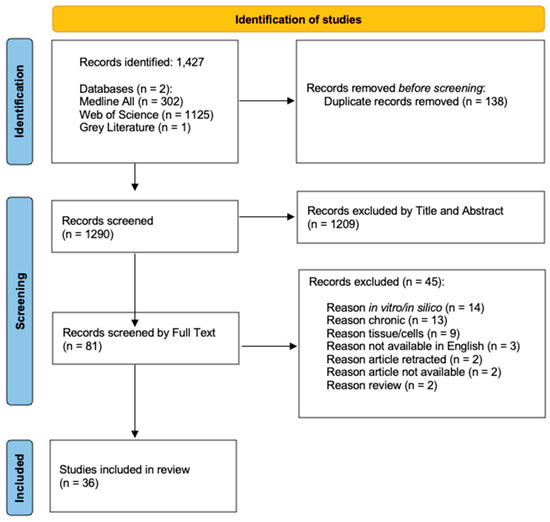
Background: Distinguishing between bacterial and viral infections in children remains a significant challenge for clinicians. Traditional biomarkers have limited utility, often leading to antibiotic overprescription due to clinician uncertainty. With rising antimicrobial resistance, novel biomarkers are needed to improve diagnosis. This scoping review examines current host miRNA biomarkers for acute bacterial and viral infections in children (0–18), focusing on study methods, diagnostic metrics, and research gaps to support clinical translation. Results: Of the 1147 articles identified, 36 studies were included. Notably, 72.2% of the studies originated from Asia, and the distribution across the paediatric age groups was relatively even. A total of 17 miRNAs were validated in at least two independent studies. Three miRNAs, hsa-miR-182-5p, hsa-miR-363-3p, and hsa-miR-206, were consistently associated with bacterial infection in children. Meanwhile, nine miRNAs were associated with viral infections: hsa-miR-155, hsa-miR-29a-3p, hsa-miR-155-5p, hsa-miR-150-5p, hsa-miR-140-3p, hsa-miR-142-3p, hsa-miR-149-3p, hsa-miR-210-3p, and hsa-miR-34a-5p. Across the 12 studies reporting diagnostic accuracy metrics, miRNA biomarkers exhibited a sensitivity ranging from 70% to 100%, and a specificity ranging from 72% to 100%. The area under the curve across the studies demonstrated a range from 0.62 to 0.99. Conclusions: This scoping review highlights the potential of miRNA targets for diagnosing paediatric infections when studied rigorously. However, clinical translation is limited by poor adherence to STARD guidelines, lack of robust diagnostic metrics, and study heterogeneity. Many studies were set up with a case–control design, a design that, while highlighting differences, is more likely to identify non-specific biomarkers rather than those that are useful for novel clinical diagnostics.
Full article
(This article belongs to the Section Detection and Biomarkers of Non-Coding RNA)
►▼
Show Figures

Figure 1
Open AccessReview
Role of Non-Coding RNAs in Acute Myeloid Leukemia
by
Shailendra S. Maurya, Sarita Maurya and Sumit K. Chaturvedi
Non-Coding RNA 2025, 11(5), 70; https://doi.org/10.3390/ncrna11050070 - 19 Sep 2025
Cited by 1
Abstract
Acute myeloid leukemia (AML) is a highly heterogeneous disease, with significantly higher incidence and fatality rates in the elderly. Even with recent decades of research progress in AML, the exact etiology of this deadly disease is still not fully understood, with recent advancements
[...] Read more.
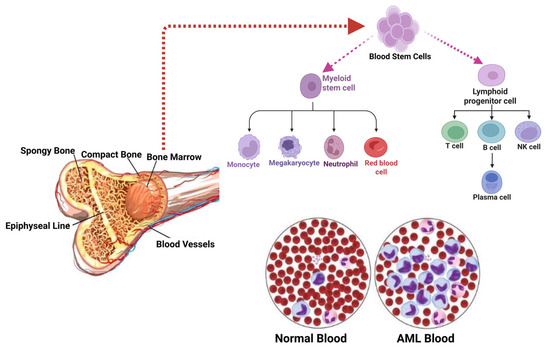
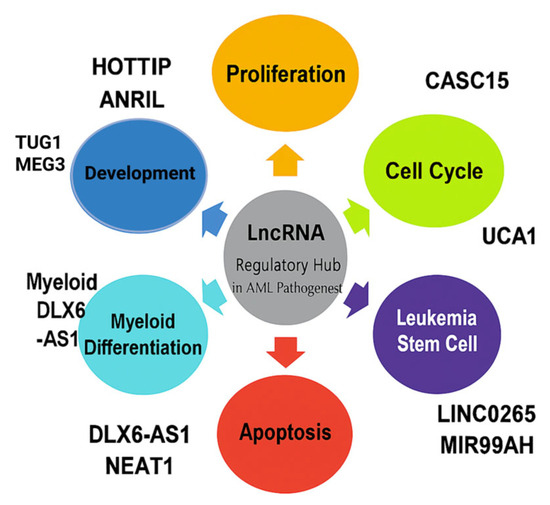
Acute myeloid leukemia (AML) is a highly heterogeneous disease, with significantly higher incidence and fatality rates in the elderly. Even with recent decades of research progress in AML, the exact etiology of this deadly disease is still not fully understood, with recent advancements in sequencing technologies highlighting the role of a growing number of non-coding RNAs (ncRNAs) that are intimately associated with AML leukemogenesis. These ncRNAs have been found to have a significant role in leukemia-related cellular processes such as cell division, proliferation, and death. A few of these non-coding RNAs exhibit potential as prognostic biomarkers. The three main groups of ncRNAs that contribute unique activities, especially in cancer, are microRNAs (miRNAs), long non-coding RNAs (lncRNAs), and circular RNAs (circRNAs). Their existence or altered expression levels frequently offer vital information on the diagnosis, course of treatment, and follow-up of cancer patients. The identification of ncRNAs has opened up new avenues for the diagnosis, prognosis, and therapy of acute myeloid leukemia. In order to provide a clear understanding of the significant influence that lncRNAs have on prognostic predictions and diagnostic accuracy in AML, this review aims to provide a comprehensive and insightful understanding of how these molecules actively participate in the complex landscape of the disease.
Full article
(This article belongs to the Section Long Non-Coding RNA)
►▼
Show Figures

Figure 1

Open AccessReview
Long Non-Coding RNAs in Psoriasis: A Comprehensive Review of Expression Profiles, Mechanistic Insights, Genetic Associations, and Their Clinical Implications
by
Judit Danis and Márta Széll
Non-Coding RNA 2025, 11(5), 69; https://doi.org/10.3390/ncrna11050069 - 19 Sep 2025
Cited by 1
Abstract
►▼
Show Figures
Psoriasis is a chronic inflammatory skin disorder affecting approximately 2% of the global population, characterized by abnormal keratinocyte proliferation and dysregulated immune responses. This review examines the emerging role of long non-coding RNAs (lncRNAs) in psoriasis pathogenesis, highlighting their significance as regulatory molecules
[...] Read more.
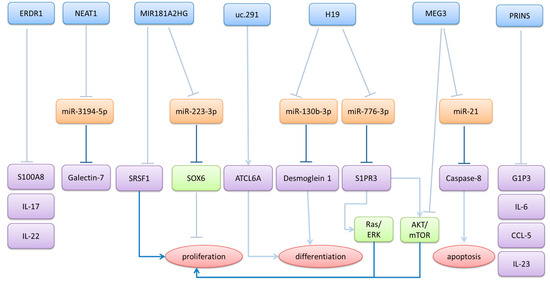
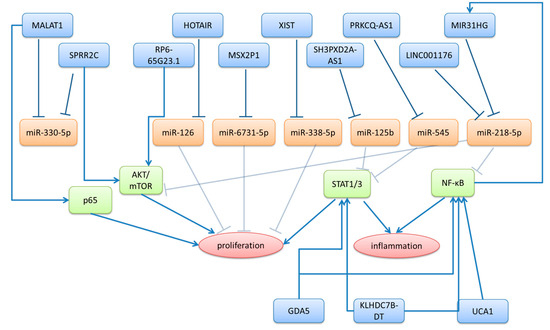
Psoriasis is a chronic inflammatory skin disorder affecting approximately 2% of the global population, characterized by abnormal keratinocyte proliferation and dysregulated immune responses. This review examines the emerging role of long non-coding RNAs (lncRNAs) in psoriasis pathogenesis, highlighting their significance as regulatory molecules in disease initiation, progression, and chronicity. LncRNAs demonstrate distinct expression patterns in psoriatic lesions, with upregulated transcripts such as MALAT1, XIST, MIR31HG, and HOTAIR promoting keratinocyte hyperproliferation, inhibiting apoptosis, and amplifying inflammatory cascades through mechanisms including microRNA sponging and transcription factor modulation. These molecules primarily target key signaling pathways including NF-κB, STAT3, and PI3K/AKT. Conversely, downregulated lncRNAs like NEAT1, MEG3, and PRINS normally function as tumor suppressor molecules that maintain epidermal homeostasis through pro-apoptotic and anti-inflammatory mechanisms. Their reduced expression contributes to the pathological hyperproliferative phenotype characteristic of psoriatic skin. Importantly, genetic variants within lncRNA loci have been identified as significant contributors to psoriasis susceptibility and treatment responses across different populations. Single- nucleotide polymorphisms in genes such as TRAF3IP2-AS1, HOTAIR, and CDKN2B-AS1 demonstrate population-specific associations with disease risk and therapeutic outcomes, suggesting their potential utility as pharmacogenomic markers. The complex regulatory networks involving lncRNAs provide new insights into psoriasis pathogenesis and offer promising avenues for personalized treatment strategies. Integration of lncRNA profiling into clinical practice may enhance our understanding of disease heterogeneity and improve therapeutic outcomes for psoriatic patients.
Full article

Figure 1
Open AccessReview
Chromatin-Associated RNAs Regulate Gene Expression and Chromatin Structure
by
Bingning Xie and Ann Dean
Non-Coding RNA 2025, 11(5), 68; https://doi.org/10.3390/ncrna11050068 - 12 Sep 2025
Abstract
►▼
Show Figures
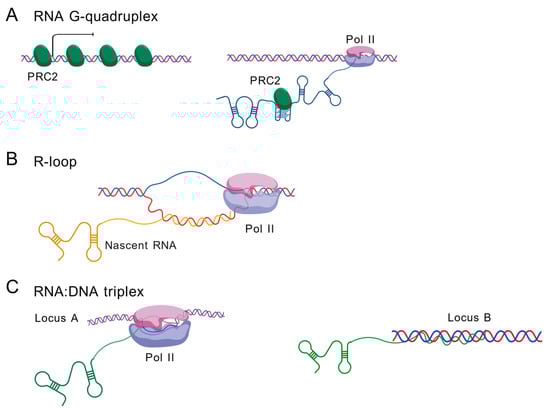
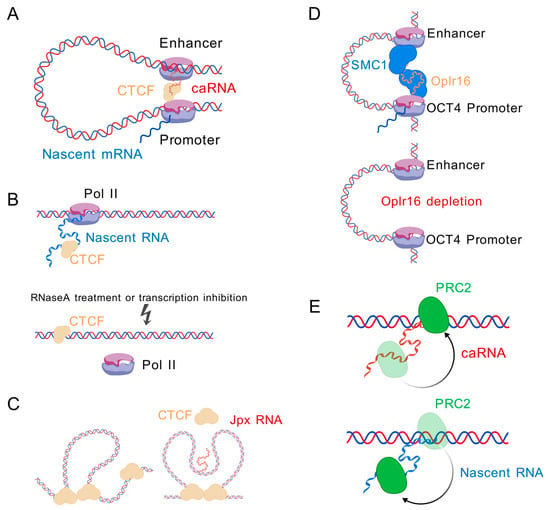
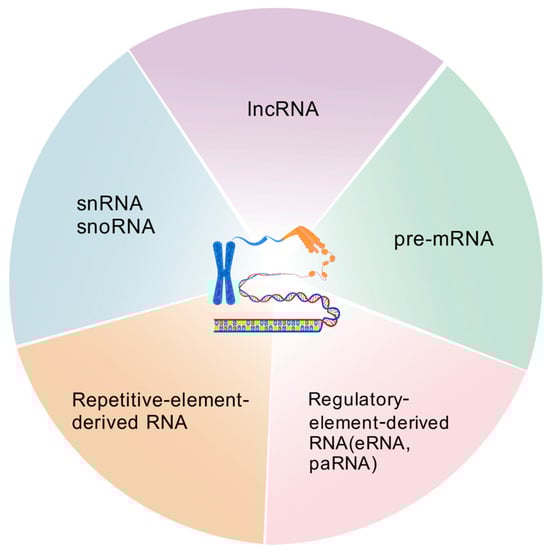
Inside the eukaryotic nucleus, various RNAs are associated with chromatin. These include protein-coding pre-mRNA and different types of non-coding RNAs that are referred to as chromatin-associated RNAs (caRNAs). Recent studies have revealed the important roles of these caRNAs in regulating gene expression and
[...] Read more.
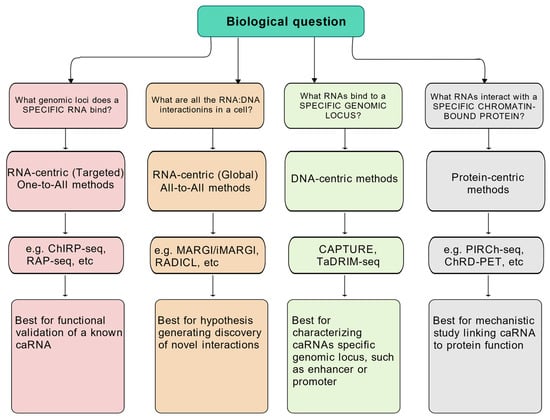
Inside the eukaryotic nucleus, various RNAs are associated with chromatin. These include protein-coding pre-mRNA and different types of non-coding RNAs that are referred to as chromatin-associated RNAs (caRNAs). Recent studies have revealed the important roles of these caRNAs in regulating gene expression and chromatin interactions. In this review, we discuss the recent advances in understanding caRNAs. We first focus on their mode of action, then we summarize the methods used to detect caRNAs and categorize them into three classes: RNA-centric, DNA-centric and protein-centric. Finally, we turn to the proteins that mediate their functions.
Full article

Figure 1
Highly Accessed Articles
Latest Books
E-Mail Alert
News
Topics
Conferences
Special Issues
Special Issue in
ncRNA
Non-Coding RNA: 10th Anniversary
Guest Editor: George A. CalinDeadline: 31 March 2026
Special Issue in
ncRNA
Women’s Special Issue Series: Worldwide Advances in Non-Coding RNA Research
Guest Editors: Ling Yang, Barbara PardiniDeadline: 30 June 2026
Special Issue in
ncRNA
ncRNAs in Human Diseases and Therapeutics
Guest Editors: Sujay Paul, Neil RenwickDeadline: 20 October 2026
Topical Collections
Topical Collection in
ncRNA
Regulatory RNAs in Cardiovascular Development and Disease
Collection Editors: Yvan Devaux, Francisco J. Enguita, Andrea Caporali
Topical Collection in
ncRNA
The Non-Coding RNA Journal Club: Highlights on Recent Papers
Collection Editor: George A. Calin
Topical Collection in
ncRNA
Non-Coding RNAs, COVID-19, and Long-COVID
Collection Editors: Gaetano Santulli, Jessica Gambardella