
Journal Menu
► ▼ Journal Menu-
- Metals Home
- Aims & Scope
- Editorial Board
- Reviewer Board
- Topical Advisory Panel
- Photography Exhibition
- Instructions for Authors
- Special Issues
- Topics
- Sections
- Article Processing Charge
- Indexing & Archiving
- Editor’s Choice Articles
- Most Cited & Viewed
- Journal Statistics
- Journal History
- Journal Awards
- Society Collaborations
- Conferences
- Editorial Office
Journal Browser
► ▼ Journal BrowserNeed Help?
Announcements
12 June 2024
Metals Receives an Increased CiteScore of 4.9
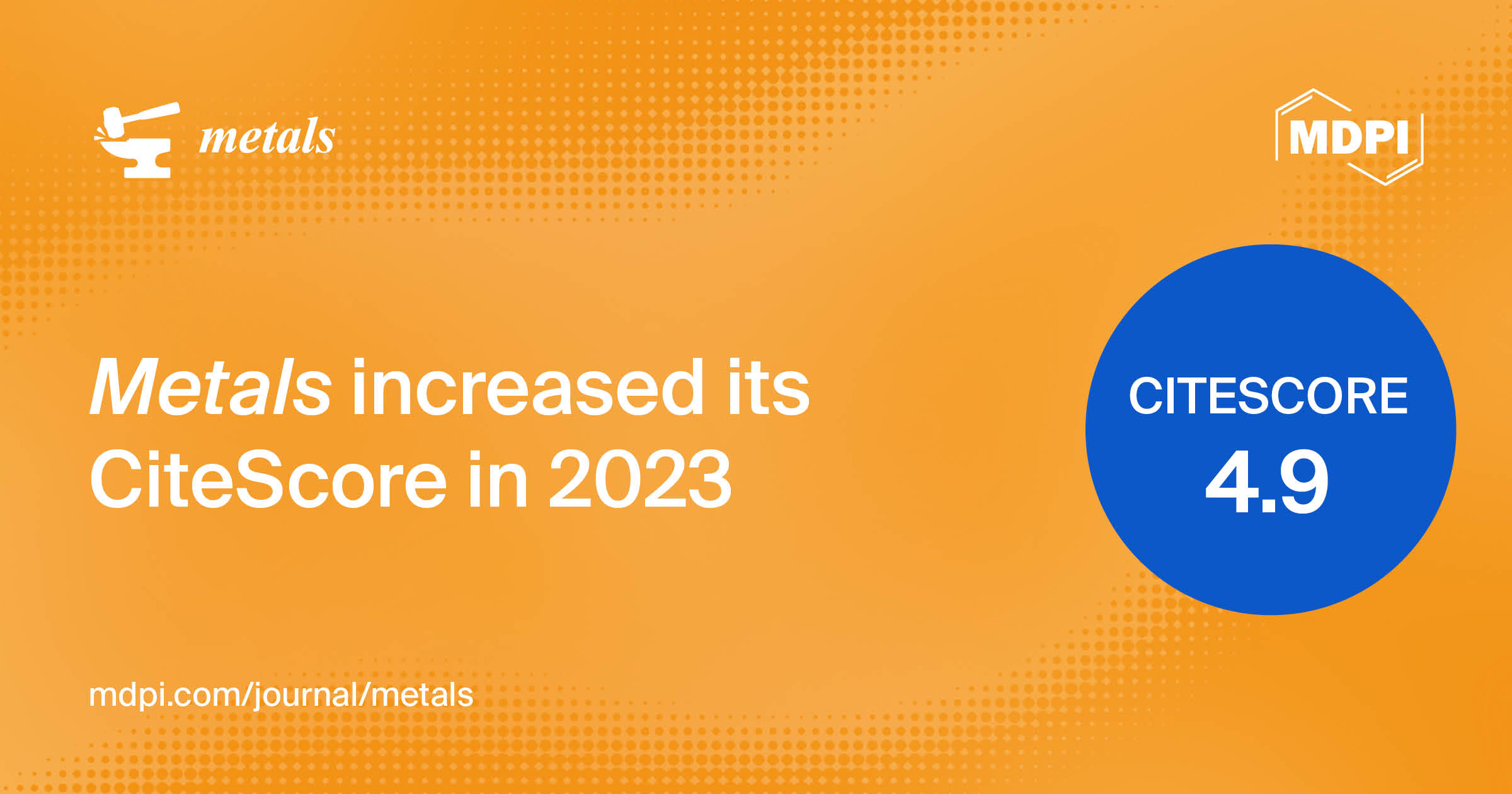
We are pleased to inform you that Metals (ISSN: 2075-4701) has received a heightened CiteScore of 4.9.
CiteScore provides transparent metrics that enable well-informed publishing strategies, library collection development, and the benchmarking of journal performance. It is now a standard citation metric alongside SNIP and SJR that gives an up-to-date view of a journal’s impact.
The 2023 CiteScore provides an assessment of the scientific influence of journals in the 2020 to 2023 period.
This is a reflection of the excellent performance, support, and dedication of all journal editors, reviewers, authors, and readers.
Metals’ CiteScore ranks as follows:
- Q1 (41 out of 176) in the “Metals and Alloys” category;
- Q2 (194 out of 463) in the “General Materials Science” category.
For more journal statistics, please visit https://www.mdpi.com/journal/metals/stats.
Thank you to everyone who has contributed to the journal.
Metals Editorial Office
7 June 2024
MDPI Calls for Greater Open Access to Science for Ocean Protection
On UNESCO’s 2024 Oceans Day, MDPI encourages the scientific community to increase the accessibility of ocean research to accelerate ocean conservation.
Basel, Switzerland, June 7, 2024: MDPI, a leading open access (OA) publisher, is proud to announce its active support for World Oceans Day 2024, celebrated under UNESCO’s Ocean Decade framework. MDPI’s CEO, Stefan Tochev hopes that “the latest ocean research can be made freely accessible to help empower scientists and communities at large to save our oceans,” under UNESCO’s Ocean Decade until 2030.
Open Access: A Catalyst for Ocean Action
MDPI’s presence at the UNESCO Ocean Decade Conference 2024 highlights our unwavering commitment to using OA to advance ocean science, support research communities, and promote sustainable ocean management.
"Our involvement in the UNESCO Ocean Decade Conference underscores MDPI's commitment to the underfunded Ocean SDG. By promoting OA to scientific articles and books on SDGs, we aim to inspire critical actions," said Tochev. "Our initiatives, like the World Sustainability Award and Emerging Sustainability Award, further demonstrate our dedication to advancing sustainability.”
Showcasing MDPI’s Contributions to Ocean Research
Over the past three years, MDPI has published 30,000 papers focused on ocean research and related topics. Key MDPI journals contributing to this body of work include:
- Journal of Marine Science and Engineering (4.9k papers)
- Remote Sensing (2.6k papers)
- Sustainability (2k papers)
- International Journal of Molecular Sciences (IJMS) (1.7k papers)
- Marine Drugs (1.5k papers)
- Water (1.5k papers)
These publications highlight MDPI’s contributions to ocean science, reinforcing our role in the broader sustainability agenda by promoting blue innovation and economy.
Additionally, MDPI has launched Oceans, an international, peer-reviewed forum specifically aimed at publishing studies related to all branches of oceanography with an emphasis on the functioning of the ocean and the sustainable use of its resources and ecosystem services.
Affirming MDPI’s Commitment to Ocean Science
MDPI’s commitment to OA is pivotal in addressing critical global challenges, from climate change to ocean sustainability. Our efforts resonate with Outcome 4 of the UNESCO Ocean Decade action roadmap: an accessible ocean with open and equitable access to data, information, technology, and innovation. By aligning with UNESCO’s goals, MDPI continues to contribute to shaping a sustainable future for our oceans, reinforcing our position as a forward-thinking publisher dedicated to environmental stewardship and scientific excellence.
For more information, contact Rui Duarte at [email protected] or +41764313242.
About MDPI
A pioneer in scholarly, open access publishing, MDPI has supported academic communities since 1996. MDPI is leading the transition to open science by making more research free and accessible to everyone. Over 3.5 million researchers have entrusted MDPI with publishing their scientific discoveries. MDPI’s editorial process is bolstered by a network of dedicated reviewers, a team of over 6000 professional, well-trained staff members, and an in-house article submission platform that was designed to ensure efficient processes within its 430 fully open access titles.
5 June 2024
MDPI Sets a New Benchmark for Publishing Excellence
95% of authors rate MDPI’s publication process as excellent or good, setting a new benchmark in scientific publishing – reveals 2023 Annual Report.
Basel, Switzerland, June 4, 2024: MDPI, the leading open access (OA) publisher, proudly announces the release of its 2023 Annual Report, detailing remarkable achievements and reaffirming its leadership in advancing OA publishing. In 2023, MDPI received 655,065 submissions, of which 285,244 articles were published. The company now commands a 17% market share in gold open access articles, with a median publication time of six weeks.
Stefan Tochev, MDPI's CEO, stated, "As a pioneer in open access publishing, MDPI has long been a game-changer in the scholarly community, serving millions of authors around the world to ensure the latest research is freely available. Reflecting on our incredible journey at MDPI, 2023 has been marked by growth in paper submissions, ambitious projects and initiatives aimed at improving our internal processes and delivering top-notch services to our scientists."
MDPI's 2023 Annual Report highlights several key achievements:
- 17% market share in gold open access articles across all disciplines.
- Record satisfaction rates: 95% of authors, 82% of reviewers, and 85% of guest editors.
- Enhanced editorial standards and feedback processes.
- Increased reach and impact with 54 new MDPI journal inclusions in Scopus, 29 in Web of Science, and 77 in DOAJ.
MDPI’s unwavering commitment to advancing OA has transformed the landscape of scholarly publishing, making high-quality research freely accessible to the global scientific community. The continuous improvement in our editorial standards and feedback processes underscores MDPI’s dedication to ensuring academic integrity and excellence.
Global Reach and Collaboration
MDPI’s global footprint continues to expand, with authors from diverse regions: 37% from Asia/Pacific, 36% from Europe, 15% from the Americas, and 12% from other parts of the world. The company’s fully OA platform attracted nearly 14 million monthly visitors in 2023, reflecting its widespread influence in the scientific community.
Commitment to Partnerships
With over 800 institutional partners, MDPI continues to demonstrate its dedication to providing reliable and collaborative publishing services. The introduction of a transparent flat-fee model highlights MDPI's ongoing efforts to enhance affordability and support to the academic community. For more details read our 2023 Annual Report.
For more information, contact Rui Duarte at [email protected] or +41764313242.
About MDPI
A pioneer in scholarly, open access publishing, MDPI has supported academic communities since 1996. MDPI is leading the transition to open science by making more research free and accessible to everyone. Over 3.5 million researchers have entrusted MDPI with publishing their scientific discoveries. MDPI’s editorial process is bolstered by a network of dedicated reviewers, a team of over 6000 professional, well-trained staff members, and an in-house article submission platform that was designed to ensure efficient processes within its 430 fully open access titles.
4 June 2024
MDPI Insights: The CEO's Letter #12 - First Term as CEO, Tu Youyou Award, Books Report

Welcome to the MDPI Insights: The CEO's Letter.
In these monthly letters, I will showcase two key aspects of our work at MDPI: our commitment to empowering researchers and our determination to facilitating open scientific exchange.
Opening Thoughts

Renewed Term as CEO of MDPI
I released the first CEO Letter at the end of June 2023, reflecting on my first month as CEO. Looking back at the first release, I’m pleased to see a marked consistency of content – from talking about open access (OA) and highlighting the great work being done at MDPI, to bringing together the science community with our conferences and building relations with our editorial board members and our industry as a whole.
For example, in the first letter, I highlighted our meeting with Dr. Eric O. Freed, the founding and current Editor-in-Chief (EiC) of our journal Viruses. Meeting with Eric is a pleasure, as he has a strong commitment and clear vision for the journal.
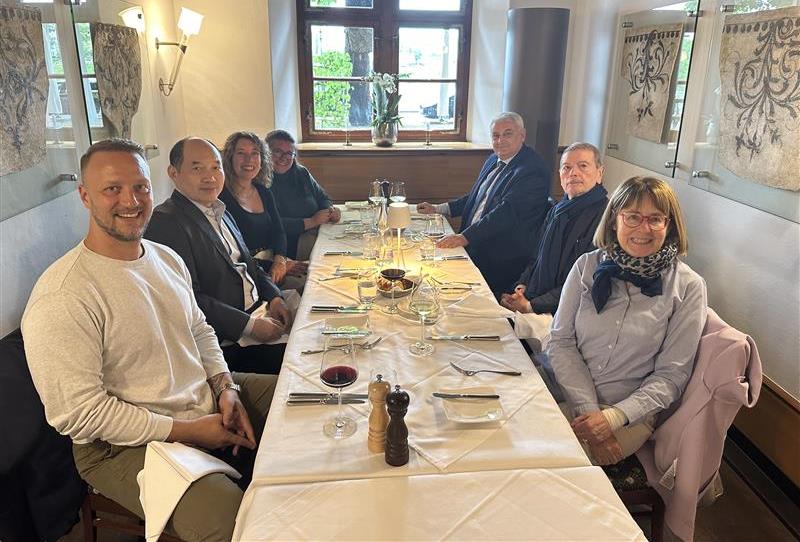
On 21 May, 2024 we met with EiC Prof. Dr. Antonino Carbone, and Section EiC Prof. Dr. Alberto Signore (pictured on the left), of our journal Hemato (tracked for Impact Factor, and indexed in Scopus), showing our continued and active collaboration with our chief editors to develop the visions for the journal. Over the course of the day, we gathered feedback and gained an understanding of the journal's expectations and focus on strategic growth.
Reflections on my first year as CEO: achievements and initiatives
During my first year as CEO, there have been many remarkable moments, including a strong focus on bringing people together, focusing on company communications and performance.
According to a recent study of 3,400 people across 10 countries, “Managers impact employees’ mental health (69%) more than doctors (51%) or therapists (41%) — and even the same as a partner (69%).” This is an important topic for me, and perhaps that’s why I place a high value on management culture due to its tangible impact on people’s lives.
When I joined MDPI, I created a weekly meet-up for the Corporate Marketing department and their team leads. On the final Thursday of every month, we hold a Global Marketing meet-up to present projects, share knowledge, and conduct training. For years, I’ve maintained the tradition of ending each of our monthly global calls with a group photo to boost morale, motivation, and productivity, and to finish on a positive note.
In keeping with this, when I stepped into the role of CEO, I launched a bi-weekly management meeting, chairing over 20 MDPI Management Team meetings in my first year. These sessions provide an opportunity for managers to present their team’s work, focusing on their achievements and the challenges they face, while at the same time creating space for sharing knowledge.
“I firmly believe that OA is the future of publishing”
I co-organized and co-led the 2023 MDPI Strategy Management meeting this past October, from which we established an Executive Task Force that meets monthly to prioritize projects aimed at building MDPI into the world’s most trusted publisher. To achieve our goals, we as managers need to maintain collaborative communication and connect to the bigger picture.
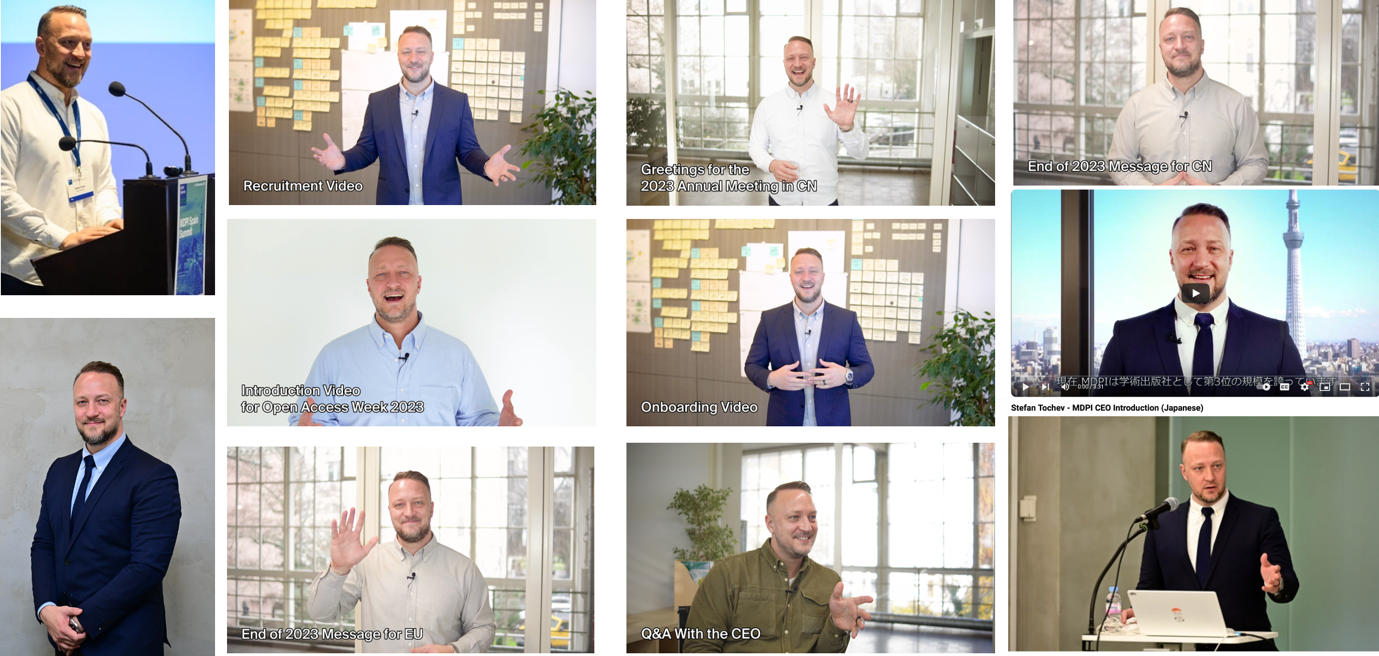
As CEO, I focused on leadership communication by publishing 12 CEO Letters, one for each month of my tenure, to share more about MDPI news and achievements. I also produced ten videos to help further communicate our message.
I was happy to attend eight publishing and conference events, including STM in Frankfurt and Washington, APE, and R2R, and facilitate critical company meetings with Elsevier, Web of Science, ResearchGate, DOAJ, and others. It was a pleasure to meet and have discussions with key organizations and governing bodies such as CAS in China and ANVUR in Italy.
The best part was the opportunity to visit seven MDPI offices across Europe and Asia-Pacific, meeting with local managers and colleagues and supporting them in person. As part of this, I conducted training sessions while continuing to lead the Corporate Marketing department.
Looking ahead
My goal for my second year as CEO is to continue building on the initiatives from the past, including leadership communications, public relations, educational marketing, and company culture, while representing MDPI to the best of my ability. Additionally, I have a few new projects I hope to launch that I believe will be valuable to MDPI and the industry at large.
I firmly believe that OA is the future of publishing, and I am grateful to be in a position to advocate for this belief as part of MDPI, the world's leading open access publisher.
Thank you to our staff and industry friends for your genuine support in this role.
Impactful Research
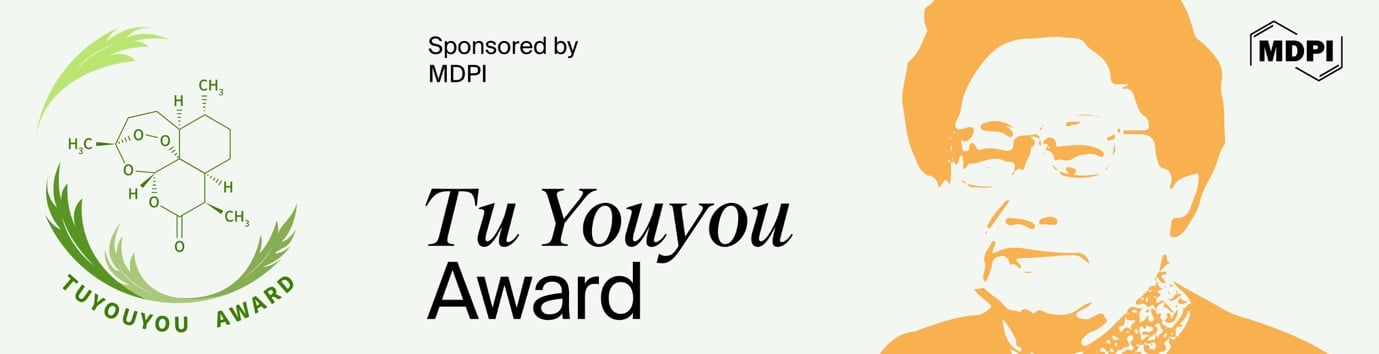
Nominations Open for the Prestigious Tu Youyou Award 2024
I am pleased to share that MDPI has opened nominations for the 2024 Tu Youyou Award, a prestigious recognition established in honour of Professor Tu Youyou, Nobel Laureate, whose work has significantly transformed the global fight against malaria.
The Tu Youyou Award offers CHF 100,000
In 2015, Professor Tu Youyou was awarded the Nobel Prize in Physiology or Medicine for her discovery of artemisinin, significantly reducing mortality rates from malaria and shaping global health policies. Artemisinin-based combination therapies (ACTs) are now the standard treatment endorsed by the World Health Organization (WHO), saving countless lives, especially in regions heavily burdened by malaria.
MDPI Special Issue
To mark Professor Tu’s 80th birthday in 2009, MDPI’s journal Molecules issued a Special Issue focusing on her contributions to medical research. Recognizing her continuous contribution, MDPI created the Tu Youyou Award in 2016 to honour outstanding achievements in natural products and medicinal chemistry.
The deadline for nominations is 31 December 2024
Nominations are open to scientists excelling in natural products and medicinal chemistry. Eligible nominators include academic institutes, universities, and societies. The deadline for nominations is 31 December 2024, with the winners to be announced on 30 April 2025. The Tu Youyou Award offers CHF 100,000, split equally among the winners.
MDPI encourages the academic community to nominate individuals who have demonstrated excellence and innovation in line with Professor Tu’s legacy. This award not only honours individual achievement but also encourages further scientific exploration and discovery in critical areas of medicine.
This award embodies our deep commitment to groundbreaking research that drives societal progress and celebrates the legacy of one of the greatest medical innovators of our time.
Inside MDPI
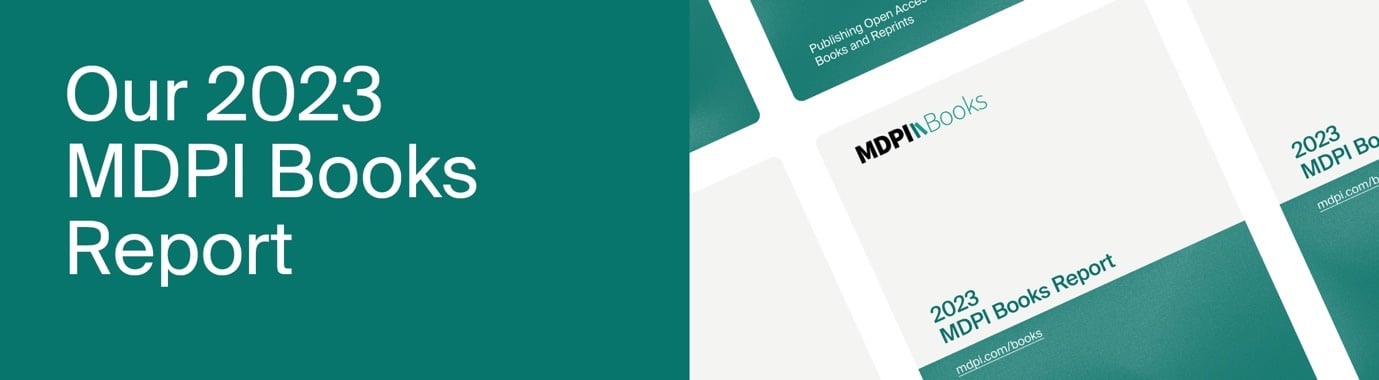
2023 MDPI Books Report
In past CEO letters, I have highlighted our publishing process and the impactful peer-reviewed articles that represent the core output of scholarly publishing. However, scholarly books are another pillar of publishing that MDPI also services, which our core audience may not be fully aware of. In this section, I highlight the 2023 MDPI Books report, released by our MDPI Books team in May 2024.
Download the 2023 MDPI Books Report
In the report, you will find a summary of MDPI Books’ 10th anniversary, the books indexed in the Web of Science Book Citation Index, our market outreach, and our outlook for 2024.
MDPI Books celebrated its 10th anniversary in 2023
MDPI Books published its first OA Reprint, “From the Renaissance to the Modern World,” in 2013. Over the past ten years, MDPI Books has seen a significant increase in both the volume and nature of published Reprints. As of December 2023, our catalogue includes a total of 7,369 Reprints, with 1,811 of them added in 2023 alone. MDPI Books includes monographs, book series, edited books and reprints of special issues and topical collections, among other book types.
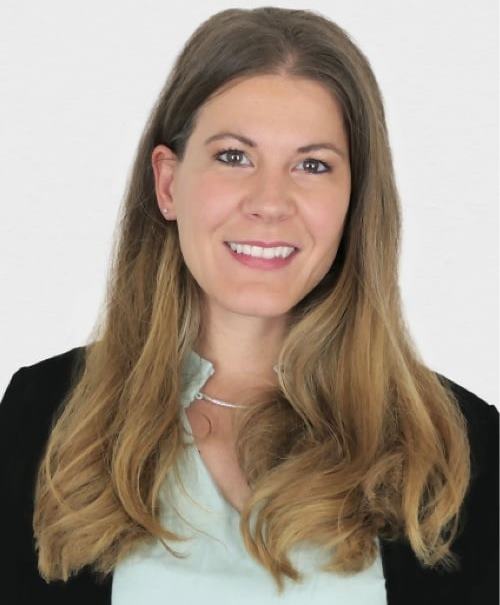
We’re also celebrating the 10-year MDPI anniversary of Laura Wagner, Head of MDPI Books.
Laura Wagner (Head of Books Division)
Laura holds a Bachelor’s degree in Art History and History from the University of Basel. After her studies, she started her career at an art gallery in Basel.
Since joining MDPI in 2014, Laura has held several roles within the company. This included editorial work, development of reprint and book services, and the temporary management of the journal Arts.
Currently Laura holds the role of Head of Books Division and is in charge of the development and strategic direction of MDPI Books.
MDPI Books indexed in Web of Science Book Citation Index
Another milestone in 2023 was the indexing of four book titles in the Web of Science Book Citation Index. The indexing of our open access books is crucial for their reach and accessibility, ensuring higher visibility within the open science community.
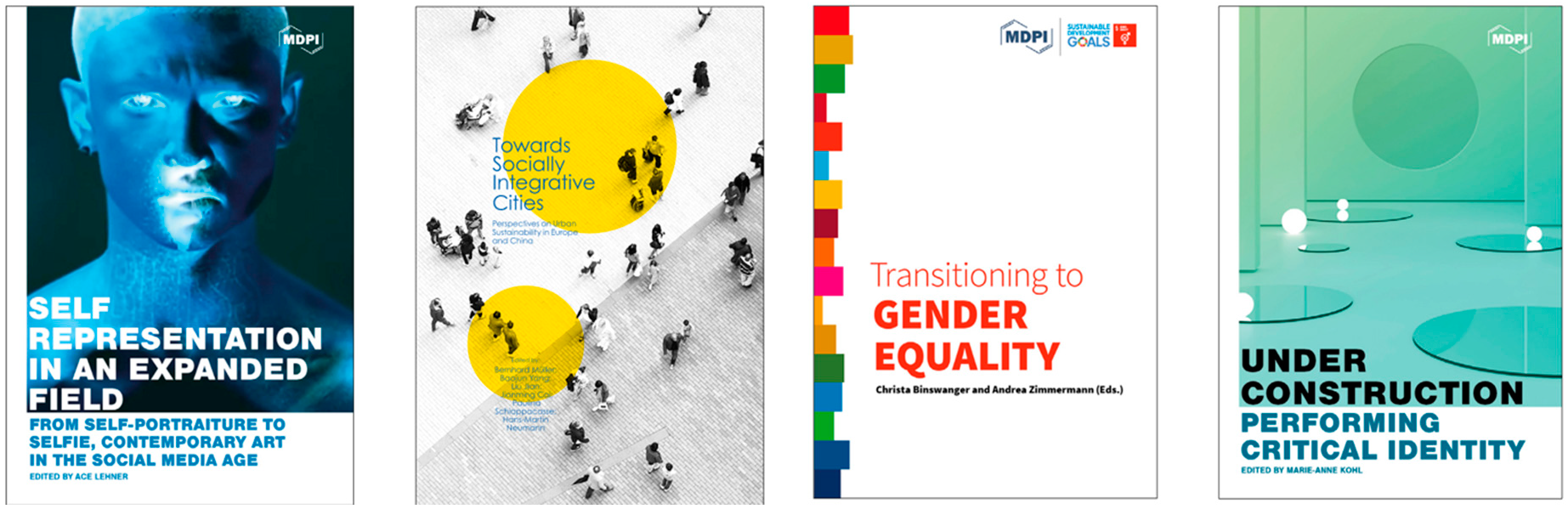
- Self-Representation in an Expanded Field: From Self-Portraiture to Selfie, Contemporary Art in the Social Media Age by editor Ace Lehner
- Towards Socially Integrative Cities: Perspectives on Urban Sustainability in Europe and China by editors Bernhard Müller, Jian Liu, Jianming Cai, Paulina Schiappacasse, Hans-Martin Neumann, and Baojun Yang
- Transitioning to Gender Equality by editors Christa Binswanger and Andrea Zimmermann
- Under Construction: Performing Critical Identity by editor Marie-Anne Kohl
If you would like to learn more about MDPI Books, please visit: www.mdpi.com/books
If you are thinking of writing or editing a book, you can submit your proposal at www.mdpi.com/books/publish-with-us, or email us at [email protected].
Coming Together for Science
Polymers 2024 – Polymers for a Safe and Sustainable Future
Our conference team successfully managed the Polymers 2024 – Polymers for a Safe and Sustainable Future international conference which took place from 28–31 May 2024 in Athens, Greece. The conference was chaired by Prof. Dr. Dimitrios Bikiaris and Prof. Dr. Konstantinos Triantafyllidis from the Aristotle University of Thessaloniki, Greece, and Dr. Ioanna Deligkiozi from AXIA Innovation, Germany. In total, the conference had 259 accepted abstracts and over 300 attendees from 22 different countries.
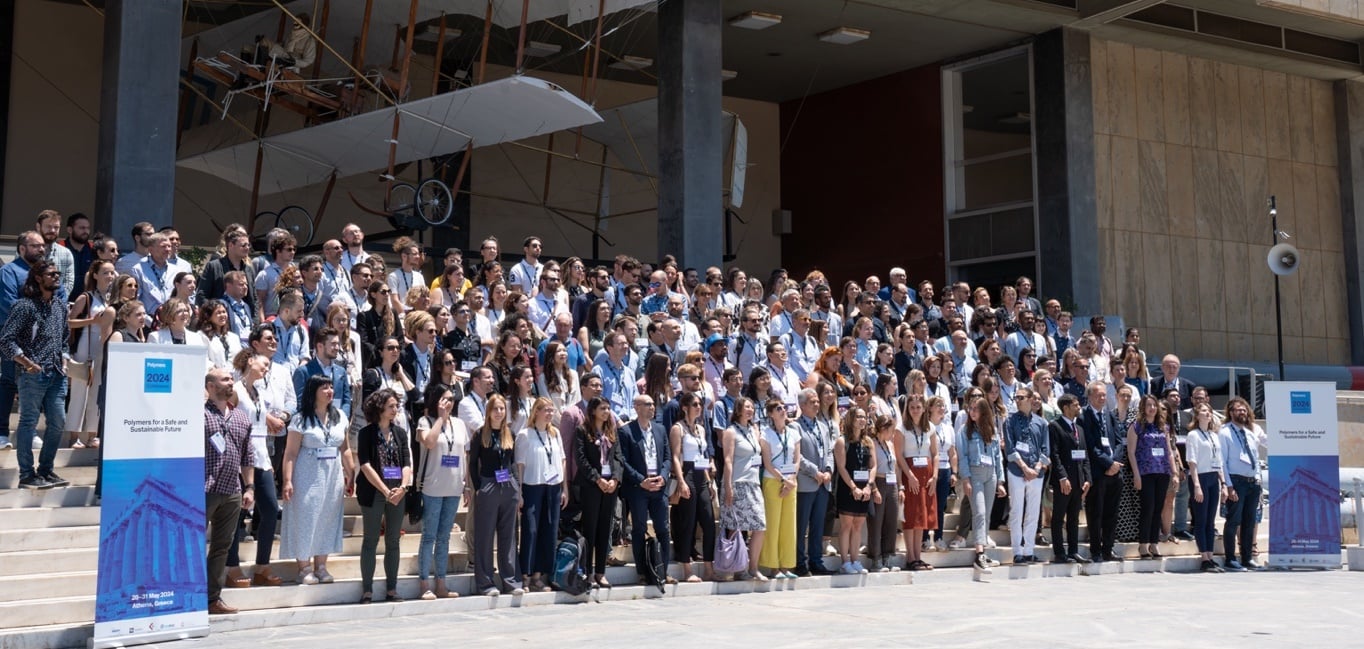
The conference featured three keynote speakers and 12 invited speakers, including esteemed scholars from Europe, Asia, Africa, and Canada. It included 60 selected talks and 189 posters, chosen by the 24 members of the Scientific Committee along with the three Conference Chairs. The event explored the latest scientific advancements and innovations in polymer science, focusing on creating safe, sustainable, and environmentally friendly materials. Emphasizing green polymer chemistry and the use of bioresources, the conference promoted the synthesis of biobased and biodegradable polymers.
The conference featured esteemed scholars from Europe, Asia, Africa, and Canada
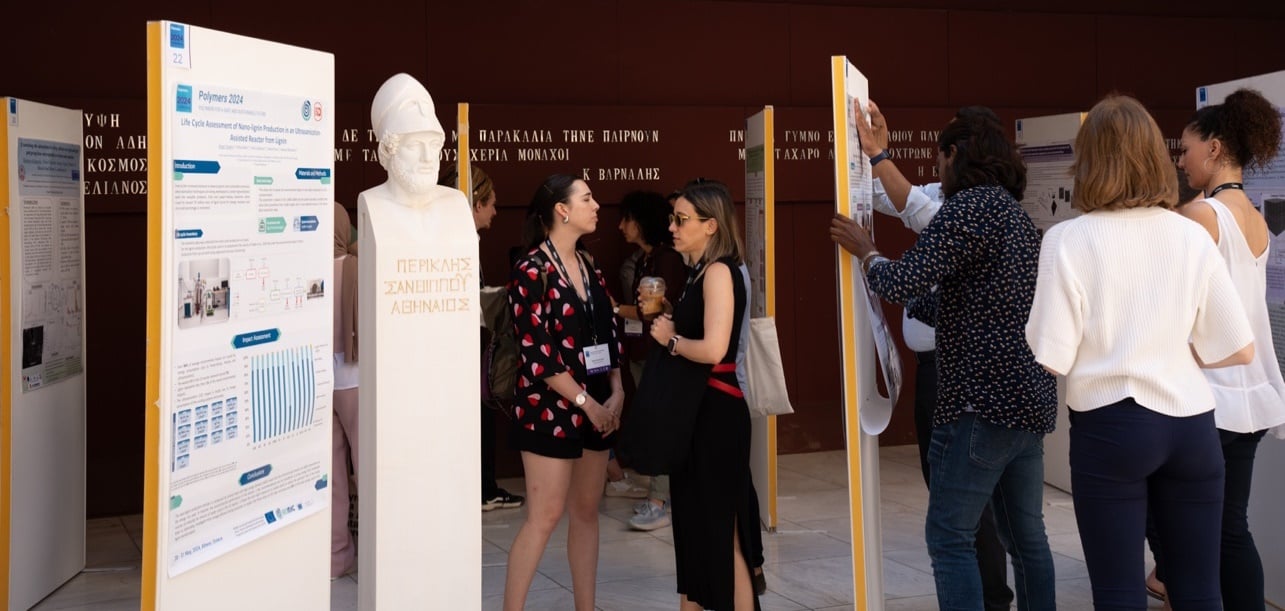
Conference awards
The conference also presented three awards: two sponsored by the journal Polymers – The Best Poster Award (€500) and the Best Oral Presentation Award (€600) – and one sponsored by Ossila, the Best Student Poster Award (€500).
Thank you to our 16 sponsors, three partnering societies (Hellenic Polymer Society, European Polymer Federation, and North American Thermal Analysis Society [NATAS]) and eight media partners.
Upcoming in-person event
1–4 August, 2024
The 1st International Conference on AI Sensors & The 10th International Symposium on Sensor Science
Location: Singapore
The AI Sensors 2024 Conference will unite innovators and experts in the realms of sensors, sensing technology, and artificial intelligence.
Find more upcoming MDPI events here.
Closing Thoughts
3rd World Forum Principles of Scientific Publications
I’m pleased to share that MDPI sponsored and attended the 3rd World Forum on Principles of Scientific Publications, which took place from 22–24 May in Malaga, Spain. The event brought together academic professionals and leading researchers to discuss critical topics in the realm of publishing and research. Presentation topics included Open Science, AI in Publishing, Predatory Journals, Fake Publications, Challenges for Non-native English Speakers, and more.
“It was great to see strong support from MDPI authors in the audience”
MDPI presentations
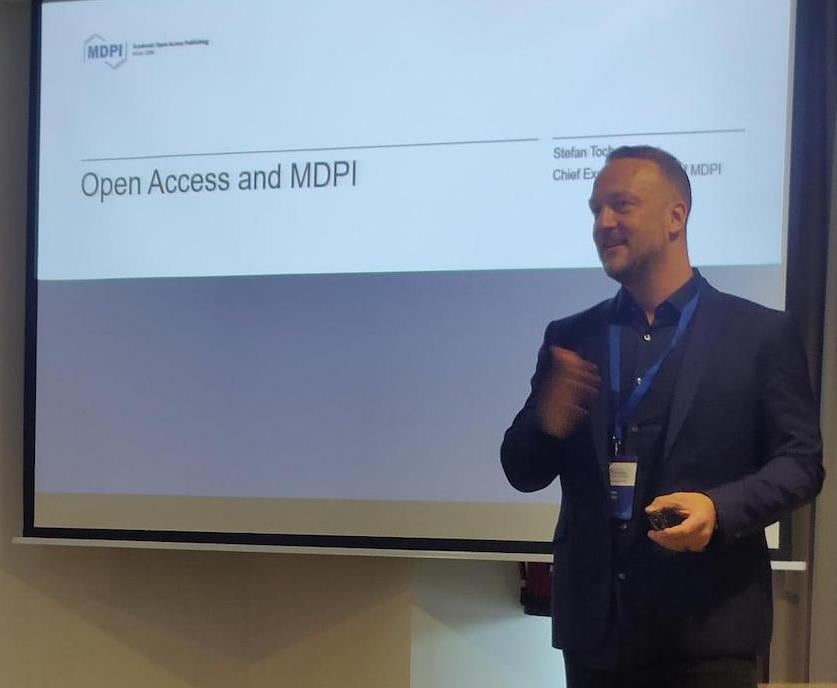
Stefan Tochev (CEO, MDPI) presenting at the 3rd World Forum Principles of Scientific Publications
I had the privilege of attending and presenting at the event, along with my colleague Dr. Enric Sayas (Business Analyst, MDPI) from our Barcelona office, who explored the ethical concerns and opportunities brought by AI in publishing.
I took the opportunity to present on Open Science, the benefits of Open Access, and MDPI’s performance, operations, and investment in ethics. Special thanks to Evan Escamilla (Project Manager, MDPI Books) and Facundo Santomé (Sr. Marketing Manager, MDPI) who also joined the conference.
It was great to see strong support from MDPI authors in the audience who shared their positive experiences publishing with us. Their story reflects the experience of the vast majority of authors who choose to work with MDPI.
We also encountered some conservative views on OA, which created an opportunity for open discussion aimed at addressing concerns about OA and MDPI. Engaging in such discussions is important, as scepticism sometimes arises from misinformation or from a misunderstanding of who we are and how we operate. When we engage in open and honest discussion, we tend to see people getting a better understanding of MDPI, which helps address any misconceptions they may have had.
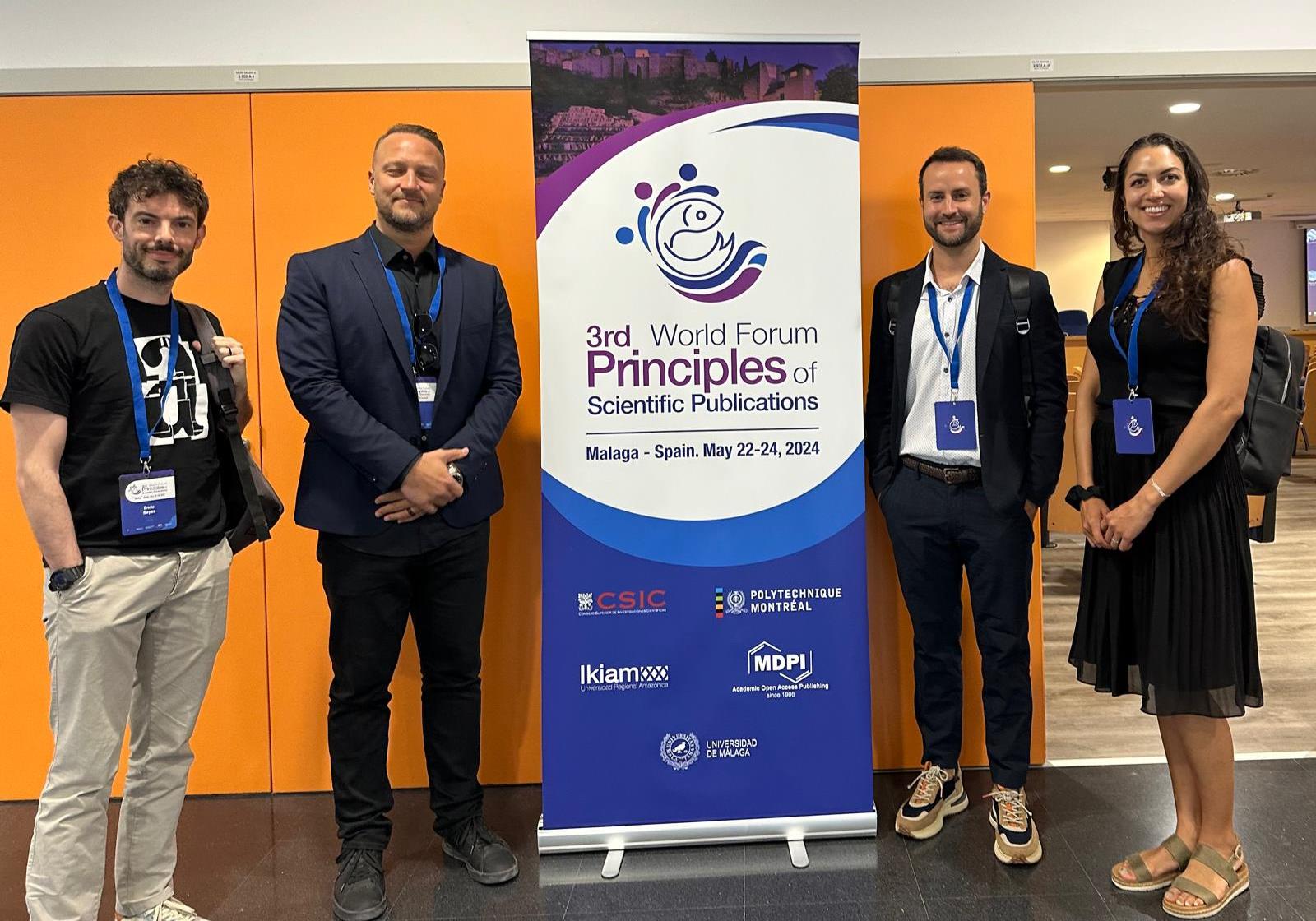
Left to right: Dr. Enric Sayas (Business Analyst, MDPI), Stefan Tochev (CEO, MDPI), Facundo Santomé (Sr. Marketing Manager, MDPI), and Evan Escamilla (Project Manager, MDPI Books) at 3rd World Forum Principles of Scientific Publications
Chief Executive Officer
MDPI AG
23 May 2024
Metals | Top 10 Highly Cited Papers in 2022 in the Section “Metal Failure Analysis”
The “Metal Failure Analysis” Section of Metals (ISSN: 2075-4701) covers a broad field of failure processes. The main issue in these processes is related to the correlation of failure with the structure and microstructure of metals and metal welds with their specific properties. Three main issues are related to metal failure analysis:
- The first issue involves the prediction of failure based on the structural and microstructural characterization of metals, alloys, and their welds;
- The second issue concerns the rehabilitation of metals, alloys, and their welds;
- The third issue is the industrialization of the failure monitoring and metal rehabilitation process.
As all articles published in our journal are in an open access format, you have free and unlimited access to the full texts. We welcome you to read the top ten selected papers published in 2022 listed below:
“Analysis of Fatigue Strength of L-PBF AlSi10Mg with Different Surface Post-Processes: Effect of Residual Stresses”
by Francesco Sausto, Christian Tezzele and Stefano Beretta
Metals 2022, 12(6), 898; https://doi.org/10.3390/met12060898
Available online: https://www.mdpi.com/2075-4701/12/6/898
“Influence of Deposition Strategies on Residual Stress in Wire + Arc Additive Manufactured Titanium Ti-6Al-4V”
by Bilal Ahmad, Xiang Zhang, Hua Guo, Michael E. Fitzpatrick, Leonor MacHado Santos Carvalho Neto and Stewart Williams
Metals 2022, 12(2), 253; https://doi.org/10.3390/met12020253
Available online: https://www.mdpi.com/2075-4701/12/2/253
“Selection of Higher Order Lamb Wave Mode for Assessment of Pipeline Corrosion”
by Donatas Cirtautas, Vykintas Samaitis, Liudas Mažeika, Renaldas Raišutis and Egidijus Žukauskas
Metals 2022, 12(3), 503; https://doi.org/10.3390/met12030503
Available online: https://www.mdpi.com/2075-4701/12/3/503
“Using Plane Strain Compression Test to Evaluate the Mechanical Behavior of Magnesium Processed by HPT”
by Amanda P. Carvalho, Leonardo M. Reis, Ravel P. R. P. Pinheiro, Pedro Henrique R. Pereira, Terence G. Langdon and Roberto B. Figueiredo
Metals 2022, 12(1), 125; https://doi.org/10.3390/met12010125
Available online: https://www.mdpi.com/2075-4701/12/1/125
“Low Cycle Fatigue Performance of Additively Processed and Heat-Treated Ti-6Al-7Nb Alloy for Biomedical Applications”
by Maxwell Hein, David Kokalj, Nelson Filipe Lopes Dias, Dominic Stangier, Hilke Oltmanns, Sudipta Pramanik, Manfred Kietzmann, Kay-Peter Hoyer, Jessica Meißner, Wolfgang Tillmann et al.
Metals 2022, 12(1), 122; https://doi.org/10.3390/met12010122
Available online: https://www.mdpi.com/2075-4701/12/1/122
“Research of Resistance of Selected Materials to Abrasive Wear to Increase the Ploughshare Lifetime”
by Monika Vargova, Miroslava Tavodova, Katarina Monkova and Miroslav Dzupon
Metals 2022, 12(6), 940; https://doi.org/10.3390/met12060940
Available online: https://www.mdpi.com/2075-4701/12/6/940
“Machinable Leaded and Eco-Friendly Brass Alloys for High Performance Manufacturing Processes: A Critical Review”
by Paul Stavroulakis, Anagnostis I. Toulfatzis, George A. Pantazopoulos and Alkiviadis S. Paipetis
Metals 2022, 12(2), 246; https://doi.org/10.3390/met12020246
Available online: https://www.mdpi.com/2075-4701/12/2/246
“Effect of Mechanical Properties of Rail and Wheel on Wear and Rolling Contact Fatigue”
by Jung-Won Seo, Hyun-Moo Hur and Seok-Jin Kwon
Metals 2022, 12(4), 630; https://doi.org/10.3390/met12040630
Available online: https://www.mdpi.com/2075-4701/12/4/630
“Long-Term in Vitro Corrosion of Biodegradable WE43 Magnesium Alloy in DMEM”
by Julia Nachtsheim, Jaka Burja, Songyun Ma and Bernd Markert
Metals 2022, 12(12), 2062; https://doi.org/10.3390/met12122062
Available online: https://www.mdpi.com/2075-4701/12/12/2062
“Comparison of SP, SMAT, SMRT, LSP, and UNSM Based on Treatment Effects on the Fatigue Properties of Metals in the HCF and VHCF Regimes”
by Rui Chen, Hongqian Xue and Bin Li
Metals 2022, 12(4), 642; https://doi.org/10.3390/met12040642
Available online: https://www.mdpi.com/2075-4701/12/4/642
23 May 2024
Transfer Service in MDPI
We are pleased to announce MDPI’s Transfer Service.
This service provides a convenient method of transferring your manuscript file, along with any reviewer comments, to another journal within our publishing portfolio.
We are committed to helping authors find the right home for their research, and we will provide authors with guidance and technical support through all stages of the transfer process. Authors will be able to choose to transfer in the following two situations:
1. Select alternative journals on submission.
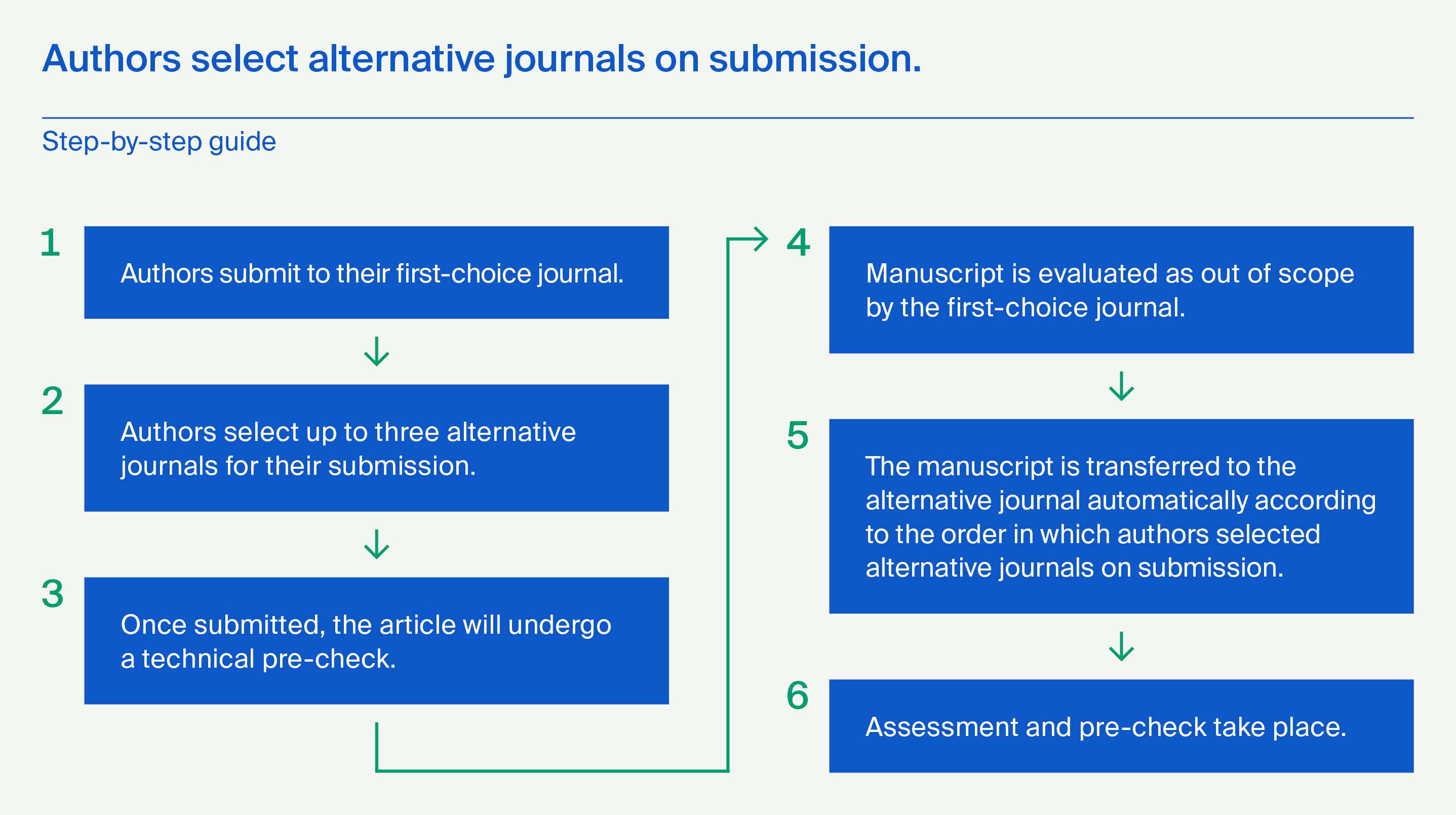
2. Authors are encouraged to transfer manuscripts to other MDPI journals.
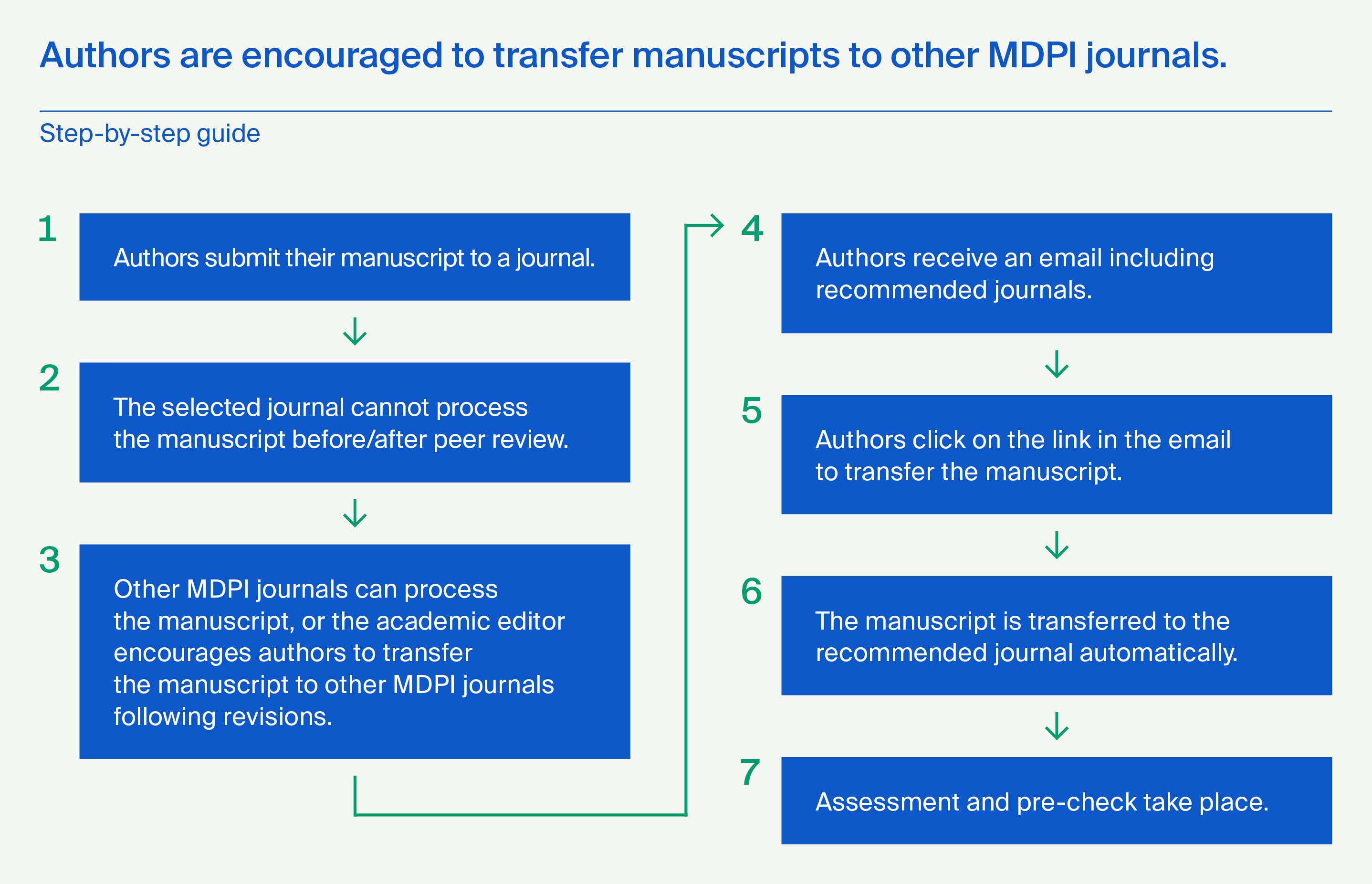
More details about the Transfer Service can be found at the following link:
17 May 2024
Tu Youyou Award—Open for Nominations
In acknowledgment of the groundbreaking achievements of Professor Tu Youyou, the Nobel laureate credited with the discovery of artemisinin, MDPI is proud to announce the Tu Youyou Award. This award, inaugurated in 2016, seeks to honor scholars who excel in the fields of natural products chemistry and medicinal chemistry.
Prize:
- CHF 100,000 in total (If there is more than one winner, the prize will be divided equally amongst the winners);
- An award medal for each winner.
Who should be nominated?
- Scientists with outstanding achievements and contributions in the fields of natural products chemistry and medicinal chemistry.
Who can submit a nomination?
- Academic research institutes
- Universities
- Academic societies
Any personal nominations are not accepted.
How do I submit a nomination?
Candidates’ institutional affiliations need to submit their nominations for final candidates to the Tu Youyou Award Team directly by email after internal screening, and each institution can only nominate a maximum of two candidates for each edition of the Tu Youyou Award. Please note that the nominations cannot be modified once they are submitted and confirmed by the Tu Youyou Award Team.
Required nomination materials:
Nomination Form (Download)
Schedule:
Nomination deadline: 31 December 2024;
Winner announcement: 30 April 2025.
Contact:
Tu Youyou Award Team ([email protected])
More information can be found on the Tu Youyou Award official website. For any inquiries, do not hesitate to contact the Tu Youyou Award Team.
16 May 2024
MDPI Romania Author Training Academic Events in April
MDPI Romania sponsored four events over the month of April, contributing author training sessions to each event.
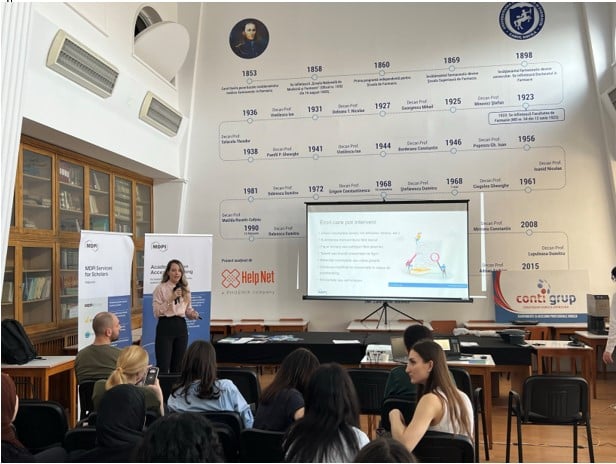
The NutriSciLabs 2024 conference was held at the Carol Davila University of Medicine and Pharmacy on 12 April 2024. Organized by the Association of Students from the Faculty of Pharmacy Studies, the conference aimed to enhance students’ academic writing and research skills, and bolster their confidence in participating in the academic world. Ioana Paunescu, journal relations specialist for MDPI Romania, led the training session. Paunescu first outlined MDPI’s history and core values, then explained academic writing techniques, ethics, and similarity percentages. The presentation covered the entire editorial process, highlighting the amount of attention paid to details throughout manuscript processing. Paunescu also discussed common errors that authors make while writing, and how to avoid such errors.
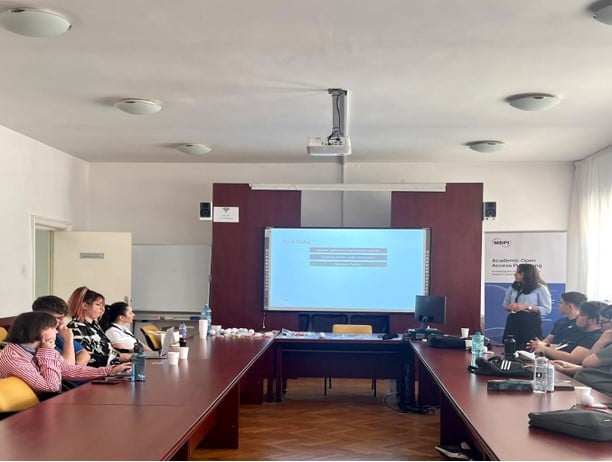
On 13 April 2024, the NextGEN 2.0 Student Conference took place at the Babes-Bolyai University of Cluj-Napoca. NextGen Healthcare organized this event with the university’s European Students’ Society to discuss European and international current affairs. MDPI Romania contributed an author training session called Steps of the Publication Process. Irina Codruta Zaharia, journal relations specialist, began the session with a general introduction of MDPI before diving into different article types, different layout formats, possible journals to submit to, the MDPI submission checklist, and the MDPI editorial process. By explaining the fundamentals of writing and publishing academic papers, Zaharia imparted valuable industry knowledge to the curious minds present. Participants were eager to engage with Zaharia in the subsequent Q&A session.
Celebrating its 20th anniversary this year, the International Conference “Students for Students” has long been a gathering place for undergraduate and postgraduate students of all nationalities to present their work and exchange ideas with each other. This year’s conference was held on 18 April 2024, with MDPI Romania contributing an author training session called The World of Open Access. Key speakers included Dr. Norbert Kiss from MDPI Romania and Prof. Dragos Horvath from Strasbourg University. Dr. Kiss discussed the history of open access, differences between open access publishing and traditional publishing, and implications for open access in the future. Attendees expressed keen interest in the subject, approaching Dr. Kiss with questions about academic publishing as well as his career trajectory.
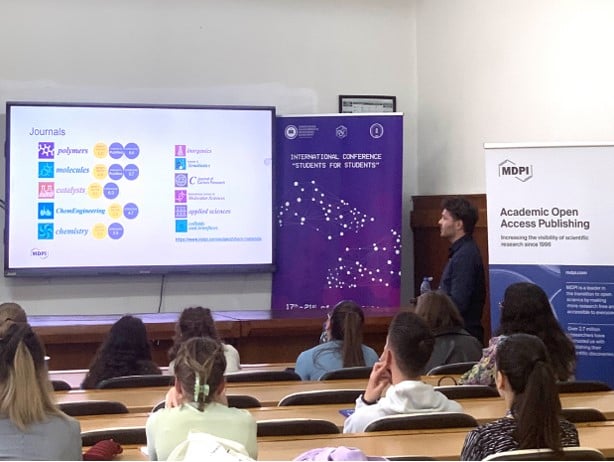
Most recently, on 26 April 2024, MDPI Romania sponsored the National Symposium of Students from Geology and Geophysics Faculties. The AAPG Students Chapter at the Babes-Bolyai University organized this event as an opportunity for geology students from all Romanian universities to present their work and confer with other researchers. Dr. Kiss gave his lecture The World of Open Access at this event as well.
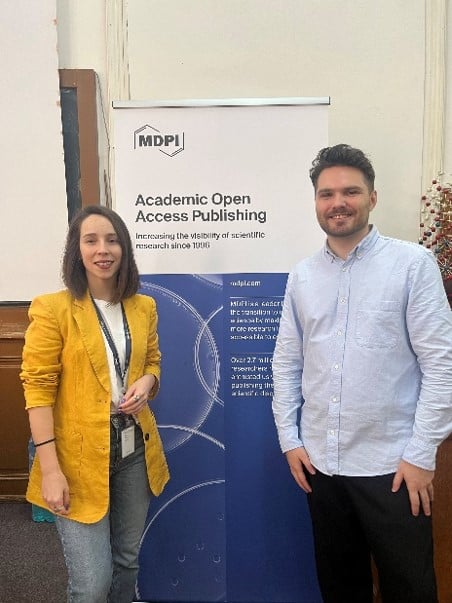
MDPI is thankful to all the participants, speakers, and organizers who attended these events. Through their enthusiasm and dedication, these events were great successes.
2 May 2024
MDPI Insights: The CEO's Letter #11 – 2023 Annual Report, MDPI Awards, STM
Welcome to the MDPI Insights: The CEO's Letter.
In these monthly letters, I will showcase two key aspects of our work at MDPI: our commitment to empowering researchers and our determination to facilitating open scientific exchange.
Opening Thoughts
2023 Annual Report
This is an exciting time of year at MDPI, as we have just released our annual report 2023, recapping the past year and sharing the progress and changes that took place during it.
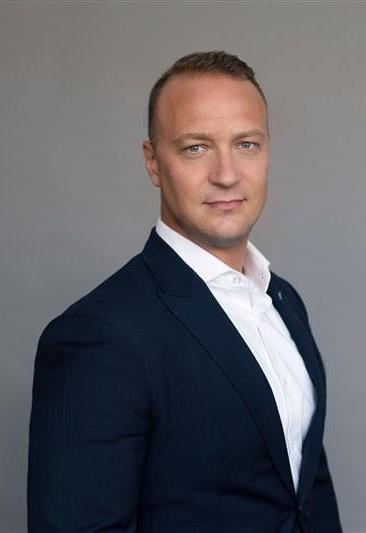
Stefan Tochev (CEO, MDPI)
Reflecting on 2023, I can't help but think of the changes that have occurred not only at MDPI but also within our industry as a whole. In light of this, I’m reminded that change is the only constant, and that for a publishing enterprise that has experienced rapid growth, adapting to change becomes not only a necessity but also a catalyst for sustained success.
Looking back on the significant ground we covered in 2023, I am pleased to report that the year was marked by a rise in paper submissions, along with a range of initiatives aimed at improving our internal processes and delivering top services to our scientists.
2023 Top-line MDPI Numbers
An important priority for 2023 was to strengthen our editorial policies. Despite a notable increase in the number of papers submitted from 603,000 to 655,000 (+8.6%), there was a decrease in the number of papers published from 303,000 to 285,000 (-5.9%), consistent with the overall trend in the scholarly publishing market. MDPI’s market share in gold open access articles published reached 17% in 2023 (according to Dimensions data).
2023 Open Access Numbers
For over two decades, MDPI has been at the forefront of reshaping the academic publishing landscape, with OA surpassing subscription-based publishing in 2020. This trajectory is deeply rooted in our history and reflects our unwavering commitment to, and vision for, an open future. This momentum continued in 2023, with 39% of the 4.16 million articles and reviews published as gold full-OA, 15% as gold hybrid-OA, 8% as bronze-OA, and 3% as green-OA, relative to 35% behind a paywall. In terms of gold OA (full or hybrid) articles and reviews published, MDPI leads the way in terms of total articles published in 2023.
MDPI is the trusted and preferred OA publisher for the scholarly community
However, in 2023, we saw a downward trend in publication numbers compared to 2022. This trend was also seen in total OA publications. While the number of submissions increased, the decline in MDPI publications can be attributed to several factors, such as improved scrutiny in our peer-review process, including the evaluation of content scope and higher rejection rates, and a post-pandemic decrease in research related to COVID-19 papers.
Download 2023 MDPI Annual Report.
Access 2023 Digital Report.
Impactful Research

Recognizing Scholars – MDPI Awards
MDPI is committed to empowering young researchers as they embark on their careers. In 2023, our journals hosted a total of 400 awards, receiving 8,839 applications and nominations. The evaluation committees selected 959 winners, with the total budget for these awards amounting to CHF 546,500.
For more information about MDPI awards, applications, and winners, please click here
The following awards recognize scholars and the impact of their research, including Young Investigator Awards, Best PhD Thesis Awards, and Travel Awards for junior researchers.
MDPI Awards – The following awards require an application or a nomination.
Young Investigator Award (CHF 1000–2000 for each winner)
This award acknowledges the achievements of young investigators in research areas relevant to the journal’s scope. Candidates must have received their PhD no more than 10 years prior to the award announcement date and must be nominated.
Best PhD Thesis Award (CHF 500–800 for each winner)
This award recognizes young scholars who have completed outstanding PhD theses in research areas relevant to the journal’s scope. It aims to encourage them to continue their excellent work and make further contributions to their field.
Travel Award (CHF 500–800 for each winner)
This award encourages junior scientists to present their latest research at academic conferences relevant to the journal’s scope, thereby increasing their impact.
Distinguished Scholars
Additionally, 220 awards were granted to the most distinguished authors and reviewers in our journals through Best Paper Awards and Outstanding Reviewer Awards. The following awards are selected by the editorial staff of the journal and do not require an application or a nomination. They exemplify the excellent contributions made by our authors, reviewers, and editors.
These awards exemplify the excellent contributions made by our authors, reviewers, and editors
Best Paper Award (CHF 200–500 for each winner)
This award is granted annually to highlight publications of high quality, scientific significance, and extensive influence.
Outstanding Reviewer Award (CHF 500 for partial winners)
This award is given annually to recognize reviewers who generously contribute their time to reviewing papers and demonstrate thoroughness, professionalism, and timeliness in their reviews.
MDPI also offers awards for specific topics in various research fields:
Carbon Neutrality Award (CHF 500–800 for each winner)
Sponsored by MDPI journal Sustainability, this award recognizes applicants who have made exceptional academic or societal contributions to carbon neutrality, either in general or in relation to a specific carbon-neutrality-related issue.
Intelligent Manufacturing Award (CHF 500–800 for each winner)
Administered by MDPI journal Machines, this award is presented to an individual who has made outstanding academic or societal contributions to the field of intelligent manufacturing.
Granted: World Sustainability Awards
Inside MDPI
MDPI Opens Office in Seoul, Korea and Appoints Claude Seo as Office Manager
As CEO of the world’s leading OA publisher, I am pleased to announce the official opening of our Korean branch office. With this addition, MDPI now operates 21 offices in 12 countries worldwide, improving on our position as a truly global publisher. This expansion represents more than just an increase in our physical footprint; it is a pivotal step in our ongoing commitment to making scientific knowledge more accessible across the globe.
MDPI now operates 21 offices in 12 countries worldwide, improving on our position as a truly global publisher
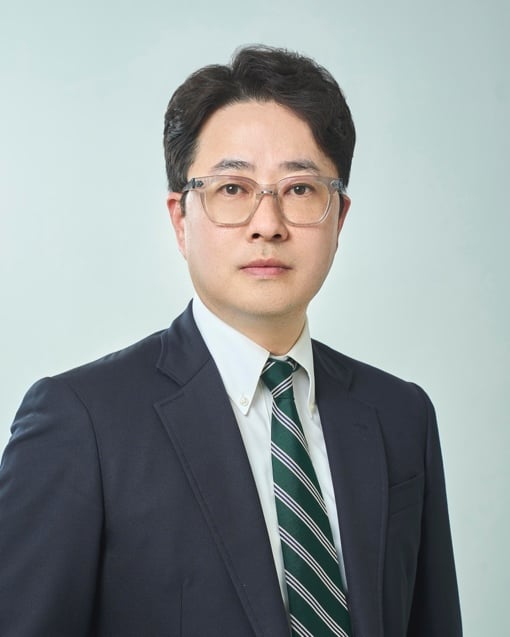
Claude Seo (MDPI Korea Office Manager, Seoul)
Claude Seo, who has over 15 years of experience in the academic publishing industry, has been appointed as the Office Manager of the Seoul office. The launch of our Seoul office allows us to better support the Korean scientific community and to further promote the publication of OA journals in the region.
Reflecting on his role, Claude shared that he is:
“Delighted to have been entrusted with this position within MDPI, the no. 1 scholarly OA publisher. As we establish our presence in Korea, we are dedicated to integrating ourselves into the local community and contributing to its vibrant culture. Our commitment goes beyond business growth; it is about creating a more informed and innovative society by embracing and promoting diversity within the scientific community.”
Sungkyunkwan University Joins MDPI’s Institutional Open Access Program
Additionally, I am pleased to share that Sungkyunkwan University has joined MDPI’s Institutional Open Access Program (IOAP). This program offers free access to MDP’s online submission system for institutions and provides APC discounts to affiliated authors. Thirteen major Korean universities, including Sungkyunkwan University, Kyunghee University, Chung-Ang University, and the Catholic University of Korea, have adopted IOAP in Korea.
Learn more about MDPI’s collaboration in Korea in my previous CEO Letter, in which I recap our visit to Seoul, South Korea.
Coming Together for Science
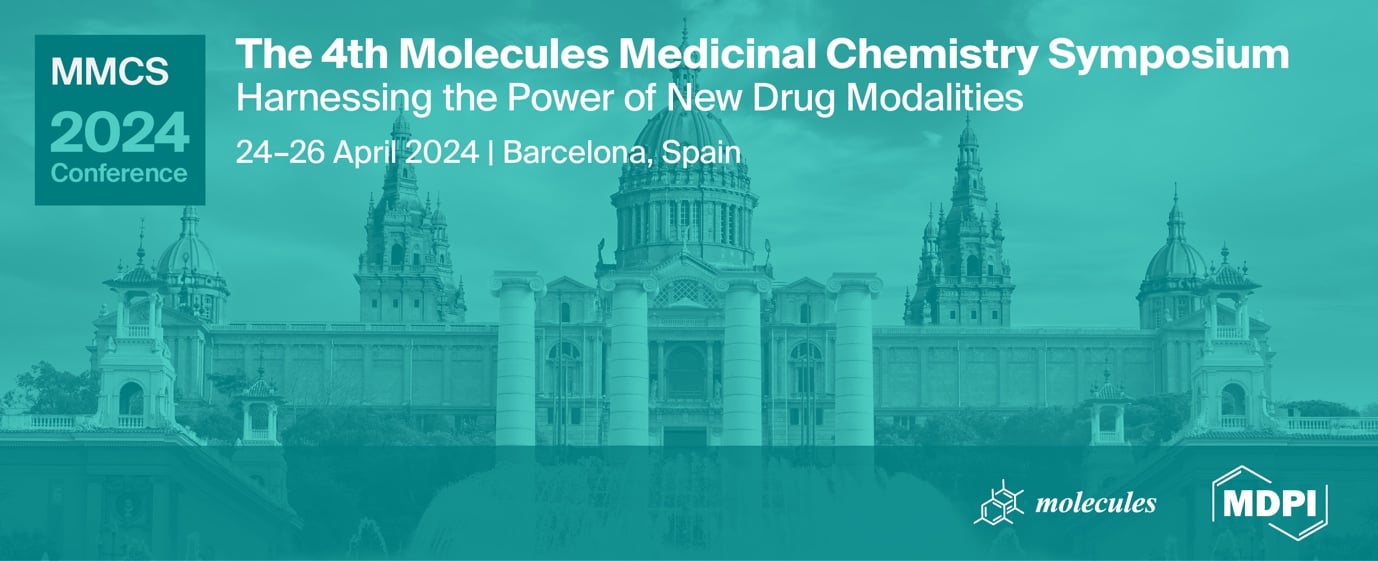
4th MMCS: Harnessing the Power of New Drug Modalities
Our conference team successfully managed the 4th Molecules Medicinal Chemistry Symposium, held from 24–26 April in Barcelona, Spain. It was chaired by Prof. Dr. Diego Muñoz-Torrero from the Institute of Biomedicine (IBUB), University of Barcelona, Spain, and Prof. Dr. Simona Collina from the University of Pavia, Italy. In total, there were 84 accepted abstracts and 102 conference attendees from 22 different countries.
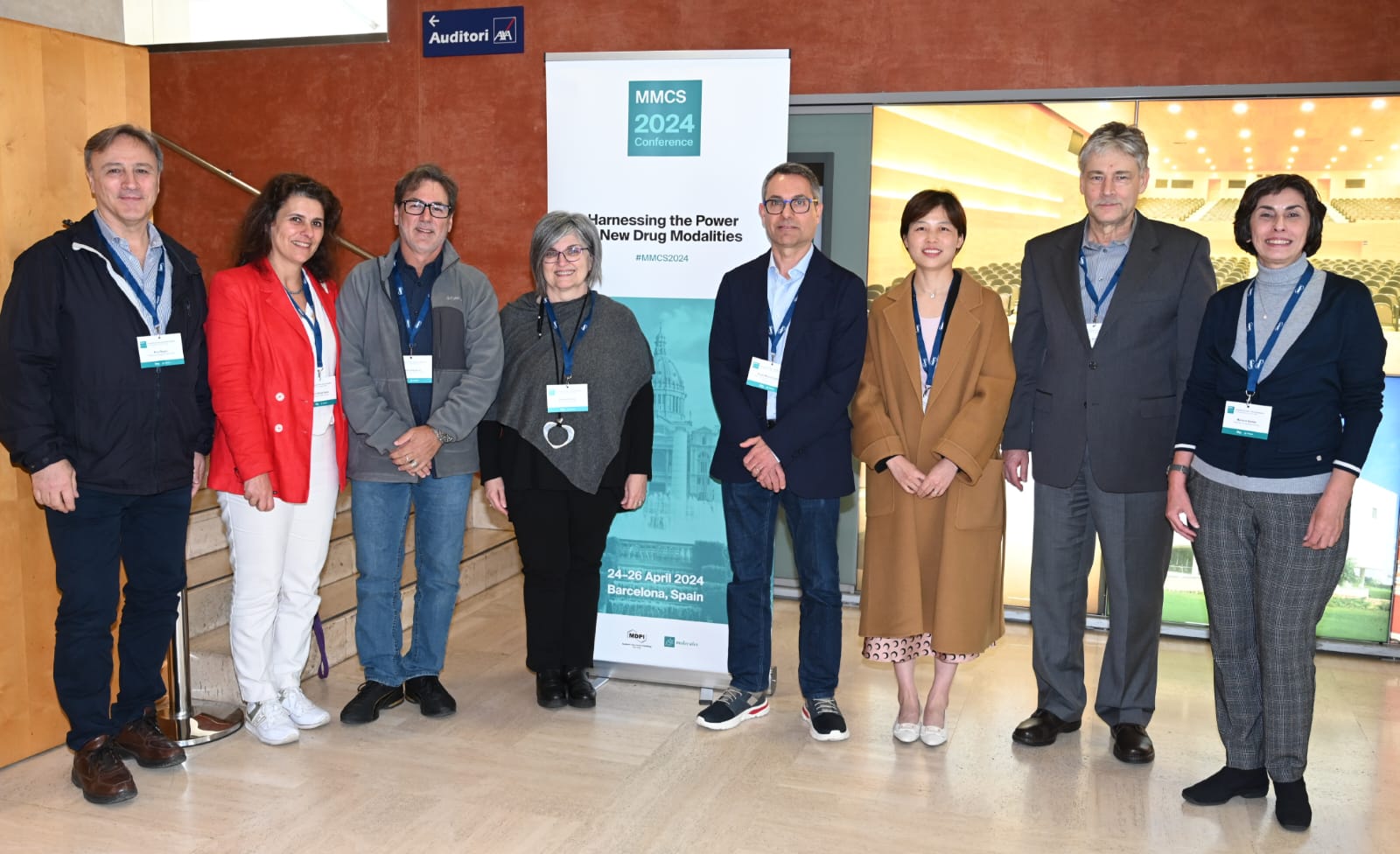
From left to right: Prof. Dr. Rino Ragno (Scientific Committee), Dr. Maria Emilia Sousa (Scientific Committee), Prof. Dr. Claudio Viegas Jr. (Scientific Committee), Prof. Dr. Simona Collina (Chair), Prof. Dr. Diego Muñoz-Torrero (Chair), Alvina Wu (Managing Editor, MDPI), Prof. Dr. Roman Dembinski (Scientific Committee), Prof. Dr. Mariana Spetea (Scientific Committee).
The event comprised 12 Invited Speakers, 35 Selected Talks, 10 Flash Poster Presentations, and 39 Posters. The overarching topic of the conference was the impact of the emergence of new drug modalities on drug discovery, with thematic sessions covering topics such as photoactivatable drugs, candidates targeting RNA and epigenetic targets, covalent modifiers, and the development of new anti-cancer agents, among other medicinal chemistry projects.
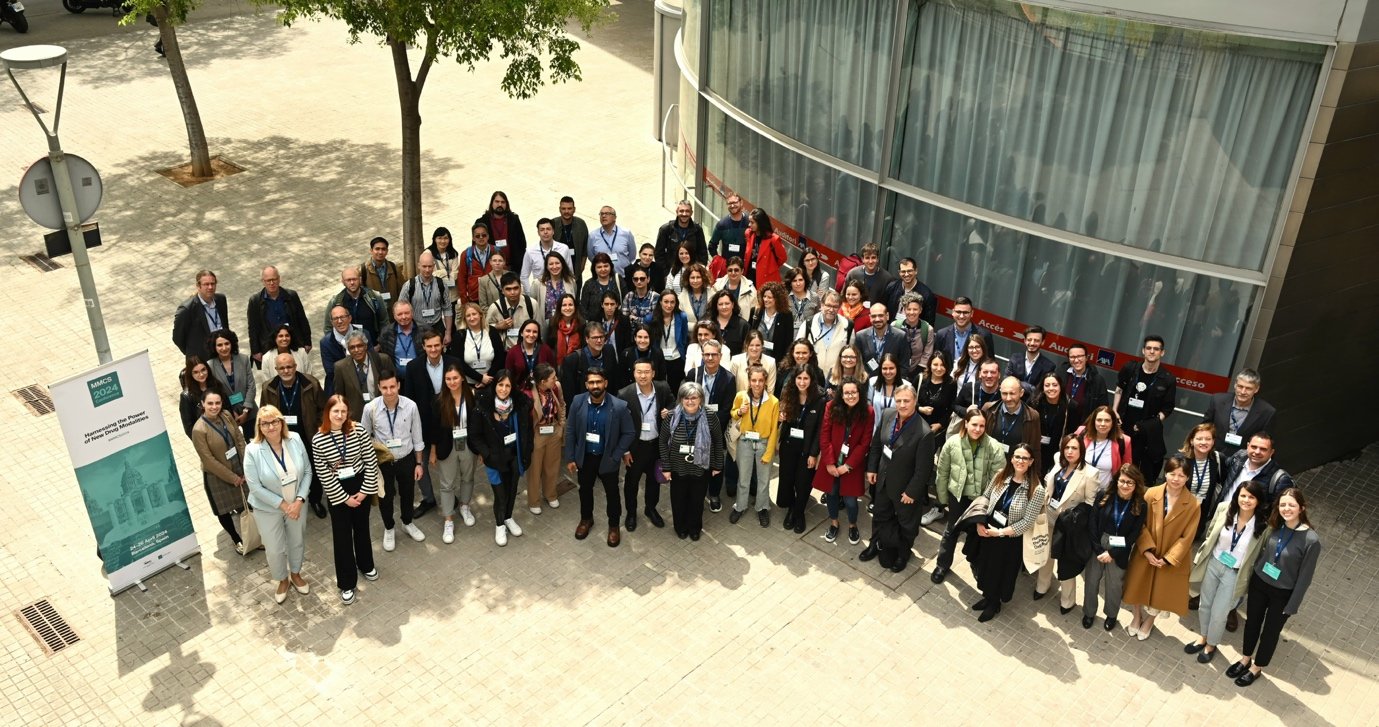
We are pleased to have received feedback from attendees highlighting the professional approach of the conference chairs and participants, the high quality of the talks, and the overall outstanding organization on the part of the MDPI conference team.
Thank you to the conference sponsors, Fluorochem and IBUB, and to our partnering societies, The Spanish Society for Biochemistry and Molecular Biology (SEBBM), and the Spanish Society of Medicinal Chemistry (SEQT).
Upcoming In-Person Event
28–31 May, 2024
Polymers 2024 – Polymers for a Safe and Sustainable Future
Location: Athens, Greece
Conference Chairs: Prof. Dr. Dimitrios Bikiaris, Prof. Dr. Konstantinos Triantafyllidis, Dr. Ioanna Deligkiozi
We look forward to welcoming experts Prof. Damià Barceló, Prof. Minna Hakkareinen, and Prof. Armando J. D. Silvestre to this event.
Find more upcoming MDPI events here.
Organize Your Event with MDPI’s Sciforum
Sciforum is MDPI’s platform dedicated to the organization of scientific events. In line with our mission to promote science, Sciforum supports scholars, societies, research networks, and universities at all stages of organizing in-person events, virtual events and webinars. Our platforms are efficient, user-friendly, and cost-effective. We handle all steps related to event management. Contact us for details.
Closing Thoughts
A Report from the Future – STM US Annual Conference 2024
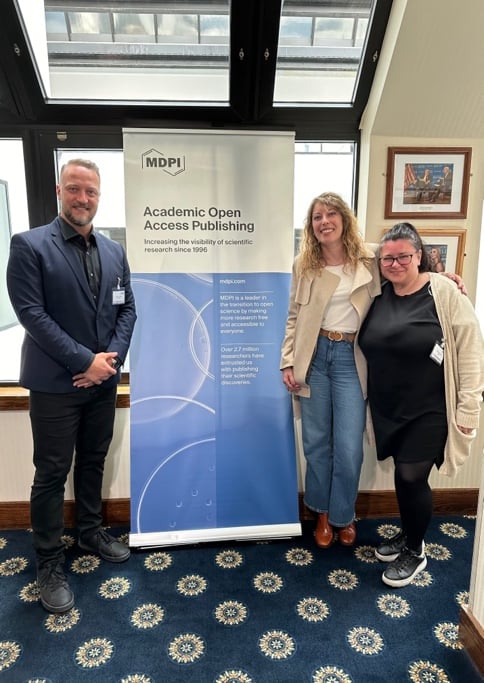
Stefan Tochev (CEO, MDPI), Dr. Giulia Stefenelli and Dr. Ioana Craciun from MDPI’s Scientific Office Board.
MDPI has for a long time been a sponsor of the STM Annual Conferences, held yearly in the US and Frankfurt, and is a trusted partner and supporter of the STM organization. While I have attended the Frankfurt conference for the past three years, this was my first time visiting the Washington, DC session, and I am glad I did.
Although it was a brief trip, I greatly appreciated the opportunity to attend in the company of my colleagues Dr. Giulia Stefenelli and Dr. Ioana Craciun from MDPI’s Scientific Office Board. They always help map some of the new industry trends against MDPI’s operational framework and guidelines. It’s a great group for kicking ideas back and forth on what we can apply at MDPI.
In my experience, STM never fails to deliver. It’s always a great conference for reconnecting with fellow publishers, industry friends, and vendors. As usual, STM this year curated a diverse range of speakers and panels, who proferred valuable knowledge and insights from outside our industry, delivering thought-provoking insights into our field. An example of this was the ‘Trust Panel’ session, which included Alan Schiffres (Managing Director, InfoLinx), who shared a number of the learnings about fraud and risk management from his 40 years in financial services, to help address some of the challenges we are currently facing in the area of publishing integrity.
Launch of STM Trends 2028 Panel
I particularly enjoyed the ‘Launch of STM Trends 2028 Panel’, which presented a report focused on the integration of humans and machines in scholarly publishing. The session highlighted themes such as AI, digitization, and the evolving research ecosystem. The report envisions a future where technology blurs the lines between human and machine involvement in research processes, with significant implications for trust, reputation, and equity. While this presents opportunities for connectivity and knowledge dissemination, it also poses challenges such as disinformation, fragmentation, and geopolitical tensions. We must rely on a wise combination of technology and human agency to navigate this complex landscape and will have to carefully examine its potential impacts on communication and scholarly publishing.
MDPI has joined the STM Integrity Hub. Click here to learn more.
While every presenter brought their own knowledge and personal touch, I was particularly pleased to encounter new speakers such as Heather Whitney (Research Assistant Professor, Radiology, University of Chicago) and Igor Grossmann (Professor of Psychology, University of Waterloo, Canada). Having studied Sociology at the University of Guelph, I have a soft spot for fellow social scientists from Canada, and I was very impressed by Igor’s presentation on ‘The Social Scientist: A View from the Future’ and his participation in the panel session ‘The Future Beyond the Article,’ which was one of my favourites from the conference, given the diversity of perspectives from the panel speakers.
Memorial Park in Washington, DC

On a personal note, this was my first-time visiting Washington, DC, and I’m glad we took an afternoon to visit the Memorial Park, with its incredible monuments to figures ranging from Martin Luther King, Jr. to Abraham Lincoln. The magnitude of the monuments is deeply impressive. I particularly appreciated the Thomas Jefferson memorial and the following quote, which I think speaks to the importance of change and adaptation. It’s something we can apply not only in our industry but also in our personal lives.
"I am not an advocate for frequent changes in laws and constitutions, but laws and institutions must go hand in hand with the progress of the human mind. As that becomes more developed, more enlightened, as new discoveries are made, new truths discovered and manners and opinions change, with the change of circumstances, institutions must advance also to keep pace with the times. We might as well require a man to wear still the coat which fitted him when a boy as a civilized society to remain ever under the regimen of their barbarous ancestors."
– Excerpted from a letter to Samuel Kercheval, July 12, 1816.
Chief Executive Officer
MDPI AG
30 April 2024
MDPI Opens Office in Seoul, Korea and Appoints Claude Seo as Office Manager
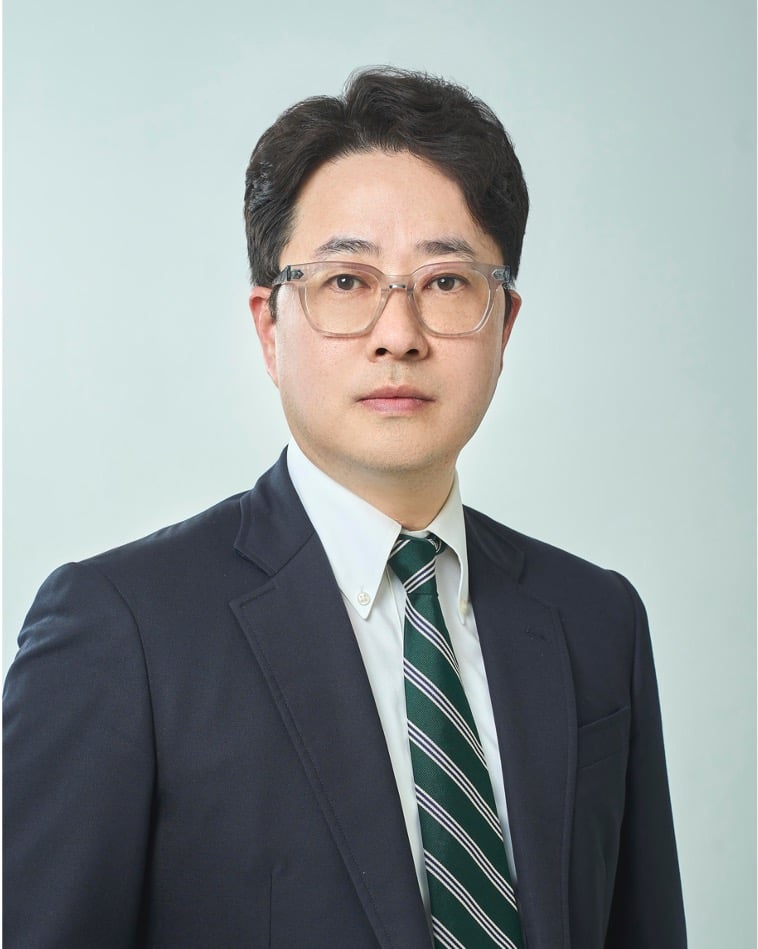
MDPI, the leading Open Access (OA) publisher, announced on Monday that it opened its Korean branch office on 29th April 2024. With this addition, MDPI now operates 21 offices in 12 countries worldwide. Claude Seo, with over 20 years of experience in the academic journal publishing industry, including Nature Publishing Group (NPG), has been appointed as the Office Manager of the Seoul office.
With the establishment of a Seoul office, MDPI aims to actively support Korea scientific communities to further promote the publication of OA journals in the region. As of the end of 2023, Korea ranked sixth worldwide in both submissions and publications of MDPI research papers. MDPI is the number one OA publisher in Korea.
Sungkyunkwan University Joins MDPI’s Institutional Open Access Program
In addition, MDPI announced that Sungkyunkwan University joined MDPI’s Institutional Open Access Program (IOAP). This program offers free access to MDPI online submission system for the institutions and APC discounts to affiliated authors. Thirteen major Korean universities, including Sungkyunkwan University, Kyung Hee University, Chung-Ang University and Catholic University of Korea, have adopted IOAP in Korea.
OA aims to break down barriers that have traditionally restricted access to science, ensuring that knowledge is available to all, regardless of financial situation or institutional affiliations. Authors, academia, and scientific communities are rapidly moving toward OA. MDPI has been at the forefront of reshaping the academic publishing landscape, with OA surpassing subscription-based publishing in 2020.
MDPI CEO Visits Seoul, Korea
In March, Stefan Tochev, Chief Executive Officer (CEO) of MDPI, visited Korea and met with various stakeholders including government agencies, research and academic institutions, universities. During his visit, Stefan highlighted that MDPI continues to pave the way for a world where science is accessible to all, supporting a global community of inclusive innovation and collaborative solutions.
Stefan expressed excitement about the new venture, stating, "Today marks a significant milestone for MDPI as we celebrate the opening of our new office in Seoul, Korea. This expansion is more than just an increase in our physical footprint, it is a pivotal step in our ongoing commitment to making scientific knowledge more accessible, participatory, and inclusive across the globe."
Claude Seo, reflecting on his new role, commented, "I am delighted to have been offered this position of trust within MDPI, the no. 1 scholarly OA publisher. As we establish our presence in Korea, we are dedicated to integrating into the local community and contributing to its vibrant culture. Our commitment goes beyond business growth; it is about creating a more informed and innovative society by embracing and promoting diversity within the scientific community.”
For further inquiries, please contact our Seoul office directly.
About MDPI
A pioneer in scholarly, open access publishing, MDPI has supported academic communities since 1996. MDPI is leading the transition to open science by making more research free and accessible to everyone. Over 3.3 million researchers have entrusted MDPI with publishing their scientific discoveries. MDPI’s editorial process is bolstered by a network of dedicated reviewers, a team of 6000 diligent, well-trained staff members, and an in-house article submission platform that was designed to ensure efficient processes within its 430 fully OA titles.
22 April 2024
Metals | Top 10 Highly Cited Papers in 2022 in the Section “Entropic Alloys and Meta-Metals”
The “Entropic Alloys and Meta-Metals” Section of Metals (ISSN: 2075-4701) covers the field of transition and rare metal extraction, purification, deformation, physical and mechanical behaviors, characterization, shaping, modeling, materials design, and medium- and high-entropy alloys. The “Entropic Alloys and Meta-Metals” Section aims to foster a better understanding of microstructural design and control, including the opportunities that the nanoscale field offers, allowing competition with other forming technologies in the development of high-performance materials for applications where extreme conditions are expected.
As all the articles published in our journal are in an open access format, you have free and unlimited access to the full texts. We welcome you to read the top ten selected papers published in 2022 listed below:
“Cryogenic-Mechanical Properties and Applications of Multiple-Basis-Element Alloys”
by Kaixuan Cui, Peter K. Liaw and Yong Zhang
Metals 2022, 12(12), 2075; https://doi.org/10.3390/met12122075
Available online: https://www.mdpi.com/2075-4701/12/12/2075
“Anisotropic Elastic and Thermal Properties of M2InX (M = Ti, Zr and X = C, N) Phases: A First-Principles Calculation”
by Bo Li, Yonghua Duan, Mingjun Peng, Li Shen and Huarong Qi
Metals 2022, 12(7), 1111; https://doi.org/10.3390/met12071111
Available online: https://www.mdpi.com/2075-4701/12/7/1111
“An Overview of Highly Porous Titanium Processed via Metal Injection Molding in Combination with the Space Holder Method”
by Francisco Cavilha Neto, Mauricio Vitor Giaretton, Guilherme Oliveira Neves, Claudio Aguilar, Marcelo Tramontin Souza, Cristiano Binder and Aloísio Nelmo Klein
Metals 2022, 12(5), 783; https://doi.org/10.3390/met12050783
Available online: https://www.mdpi.com/2075-4701/12/5/783
“Compositional Dependence of Magnetocrystalline Anisotropy in Fe-, Co-, and Cu-Alloyed Ni-Mn-Ga”
by Michal Rameš, Vít Kopecký and Oleg Heczko
Metals 2022, 12(1), 133; https://doi.org/10.3390/met12010133
Available online: https://www.mdpi.com/2075-4701/12/1/133
“First-Principles Study on the Elastic Mechanical Properties and Anisotropies of Gold–Copper Intermetallic Compounds”
by Jian Wang, Hongbo Qin, Junfu Chen, Daoguo Yang and Guoqi Zhang
Metals 2022, 12(6), 959; https://doi.org/10.3390/met12060959
Available online: https://www.mdpi.com/2075-4701/12/6/959
“Rejuvenation-to-Relaxation Transition Induced by Elastostatic Compression and Its Effect on Deformation Behavior in a Zr-Based Bulk Metallic Glass”
by Jingxian Cui, Qiang Luo, Siyi Di, Zhengguo Zhang and Baolong Shen
Metals 2022, 12(2), 282; https://doi.org/10.3390/met12020282
Available online: https://www.mdpi.com/2075-4701/12/2/282
“Thermal Stability of Microstructure of High-Entropy Alloys Based on Refractory Metals Hf, Nb, Ta, Ti, V, and Zr”
by Tomáš Vlasák, Jakub Čížek, Oksana Melikhova, František Lukáč, Dalibor Preisler, Miloš Janeček, Petr Harcuba, Mariia Zimina and Ondřej Srba
Metals 2022, 12(3), 394; https://doi.org/10.3390/met12030394
Available online: https://www.mdpi.com/2075-4701/12/3/394
“Recent Advances in Magnetostrictive Tb-Dy-Fe Alloys”
by Zijing Yang, Jiheng Li, Zhiguang Zhou, Jiaxin Gong, Xiaoqian Bao and Xuexu Gao
Metals 2022, 12(2), 341; https://doi.org/10.3390/met12020341
Available online: https://www.mdpi.com/2075-4701/12/2/341
“Study on the Surface Modification of Nanostructured Ti Alloys and Coarse-Grained Ti Alloys”
by Hsuan-Kai Lin, Yi-Hong Cheng, Guan-Yuan Li, Ying-Chi Chen, Piotr Bazarnik, Jessica Muzy, Yi Huang and Terence G. Langdon
Metals 2022, 12(6), 948; https://doi.org/10.3390/met12060948
Available online: https://www.mdpi.com/2075-4701/12/6/948
“Characterizing Changes in Grain Growth, Mechanical Properties, and Transformation Properties in Differently Sintered and Annealed Binder-Jet 3D Printed 14M Ni–Mn–Ga Magnetic Shape Memory Alloys”
by Aaron Acierno, Amir Mostafaei, Jakub Toman, Katerina Kimes, Mirko Boin, Robert C. Wimpory, Ville Laitinen, Andrey Saren, Kari Ullakko and Markus Chmielus
Metals 2022, 12(5), 724; https://doi.org/10.3390/met12050724
Available online: https://www.mdpi.com/2075-4701/12/5/724
15 April 2024
Meet Us at the 12th World Biomaterials Congress (WBC 2024), 26–31 May 2024, Daegu, Korea
MDPI will attend the 12th World Biomaterials Congress (WBC 2024) as an exhibitor. We invite researchers from different backgrounds to visit and share their latest ideas with us.
The WBC is a large-scale academic conference supported by the IUSBSE, a global association in the field of biomaterials. The 12th World Biomaterials Congress will attract more than 4,000 participants from all over the world. Participating experts can gather and share the latest information and knowledge in the diverse areas within biomaterials research.
The following MDPI journals will be represented at the conference:
- Bioengineering;
- International Journal of Molecular Sciences;
- Journal of Functional Biomaterials;
- Applied Biosciences;
- Journal of Cardiovascular Development and Disease;
- Materials;
- Current Issues in Molecular Biology;
- Cosmetics;
- Fibers;
- Metals.
If you are planning to attend the above conference, please do not hesitate to start an online conversation with us. Our delegates look forward to meeting you in person and answering any questions you may have. For more information about the conference, please visit the following website: https://www.wbc2024.com/.
2 April 2024
MDPI Insights: The CEO's Letter #10 - South Korea, IWD, U2A, Japan
Welcome to the MDPI Insights: The CEO's Letter.
In these monthly letters, I will showcase two key aspects of our work at MDPI: our commitment to empowering researchers and our determination to facilitating open scientific exchange.
Opening Thoughts
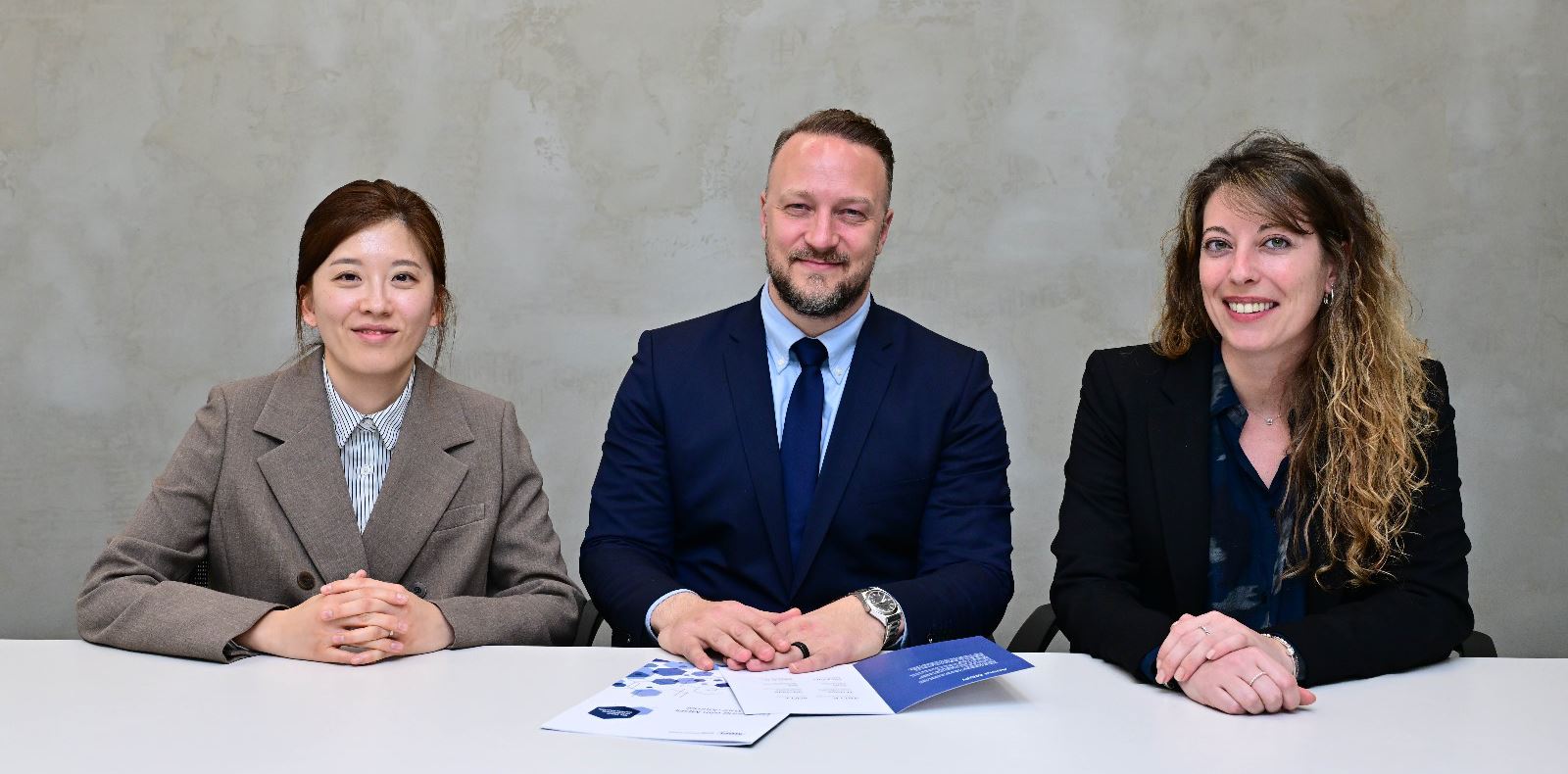
Left to right: Dr. Jisuk Kang (Scientific Officer, MDPI), Stefan Tochev (CEO, MDPI), and Dr. Giulia Stefenelli (Chair of Scientific Office Board, MDPI), during media meetings at Prain Agency office in Seoul, South Korea.
Visit to Seoul, South Korea
During my recent visit to South Korea, I had the privilege of meeting various stakeholders, including representatives of government, research institutions, and academia, to understand their needs and communicate MDPI’s commitment to accessible science. Accompanied by my colleagues Dr. Giulia Stefenelli and Dr. Jisuk Kang, I engaged with the Korean scientific community, which is increasingly embracing open access (OA).
As the leading OA publisher in South Korea, MDPI is trusted by local authors and in 2023 enjoyed an approximately 30% share of the OA market. South Korea ranks sixth globally for MDPI in terms of research papers submitted and published.
MDPI and South Korea by Numbers
As at 30 March, over 76,000 MDPI articles have been authored by individuals affiliated with Korean institutions. We have over 1,800 active editorial board members (EBMs) from South Korea, with more than 880 EBMs having an H-index between 26 and 50, including 10 serving as Chief Editors.
“South Korea is the sixth-largest contributor to our total publications”
Over the past five years (2019–2023), nearly 120,000 authors affiliated with South Korean institutes have published with MDPI. Specifically in 2023, we received approximately 25,000 submissions from South Korean authors, publishing close to 13,000 articles, resulting in a rejection rate of 47.4%, which is not far below MDPI’s overall rejection rate of 56.4% in 2023.
Institutional Partnerships with South Korea
I am pleased to share that MDPI has more than 825 institutional partnerships worldwide, with 12 in South Korea, including Kyunghee University, Chung-Ang University, and Inha University, among others.
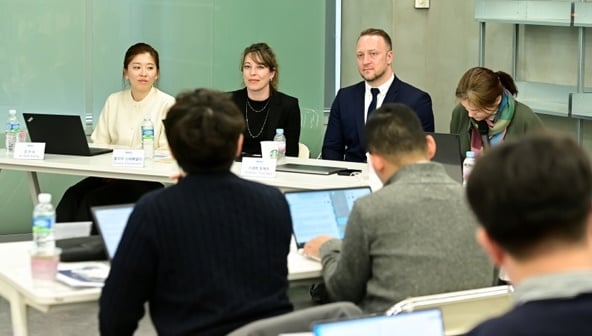
Left to right: Dr. Jisuk Kang (Scientific Officer, MDPI), Dr. Giulia Stefenelli (Chair of Scientific Office Board, MDPI), and Stefan Tochev (CEO, MDPI) fielding media questions at Prain PR Agency office in Seoul, South Korea.
Over the past three years (2021–2023), we have had some of the most prestigious academic universities ranked among the top 10 Korean institutions publishing with MDPI. Seoul National University had the highest number of publications with MDPI during those three years, publishing nearly 6,000 papers. Universities such as Korea University and Yonsei University also rank among the top 10 Korean institutions publishing with MDPI.
MDPI Hosts Seminar for Academia and Media
As the world’s leading OA publisher, MDPI is actively democratizing science. This is reflected in the seminars we hosted on 21 March to address questions about our editorial processes and ethical standards. The visit garnered media coverage, reflecting our mission to providing high-quality services and fostering open dialogue in the community.
“MDPI is actively democratizing science”
MDPI in the News
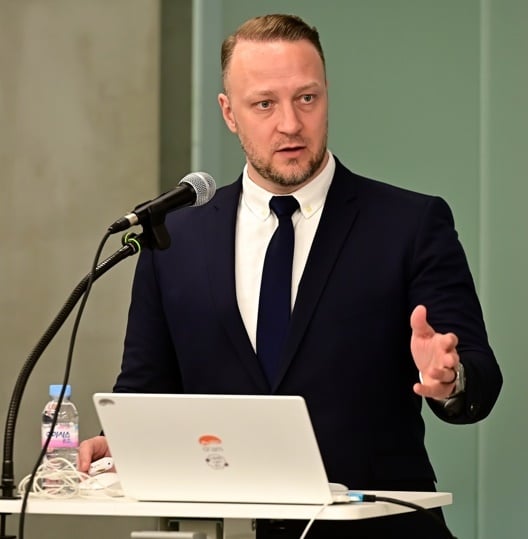
Stefan Tochev (CEO, MDPI) leading a seminar on OA and MDPI at Prain PR Agency office in Seoul, South Korea.
Media coverage generated by our visit to Seoul included the following stories:
“Open access is an unstoppable trend…it will lead the development of the knowledge ecosystem.”
I greatly appreciate the contributions of everyone who took the time to meet with us, share their stories, and hold us accountable for continuing to provide high-quality publishing services while identifying areas for improvement. I am also excited to announce that we have opened an MDPI office in Seoul and will release a press release on MDPI.com, with details, by the end April 2024. The purpose of the office is to establish a local presence to connect with and support the South Korean academic community through institutional partnerships, conferences, author workshops, stakeholder communications, and more.
Impactful Research

Featured Articles on Women’s Leadership and Healthcare
In celebration of International Women’s Day (8 March 2024), MDPI curated a collection of research articles on various topics, including women’s leadership, reproductive health, preventive healthcare, and a selection of articles from our journal Women.
Women’s Leadership
- Women Entrepreneurship and Sustainable Development: Bibliometric Analysis and Emerging Research Trends
Sustainability 2022, 14, 9160. https://doi.org/10.3390/su14159160 - Refugee Women Business Mentors: New Evidence for Women’s Empowerment
Sustainability 2022, 14, 9154. https://doi.org/10.3390/su14159154 - Women and Leadership in Higher Education: A Systematic Review
Soc. Sci. 2023, 12, 555. https://doi.org/10.3390/socsci12100555 - Understanding Needs and Potentials for Gender-Balanced Empowerment and Leadership in Climate Change Adaptation and Mitigation in Africa
Sustainability 2022, 14, 9410. https://doi.org/10.3390/su14159410 - Challenges Women Experience in Leadership Careers: An Integrative Review
Merits 2023, 3, 366-389. https://doi.org/10.3390/merits3020021
Women’s Reproductive Health
- Recreational Female Athletes’ Understanding of and Perceived Impact of the Menstrual Cycle on Physical Performance, Mood, and Sleeping Behaviour
Women 2023, 3, 445-456. https://doi.org/10.3390/women3030034 - Difficulties in Adaptation of the Mother and Newborn via Cesarean Section versus Natural Birth—A Narrative Review
Life 2023, 13, 300. https://doi.org/10.3390/life13020300 - The Main Theories on the Pathogenesis of Endometriosis
Int. J. Mol. Sci. 2023, 24, 4254. https://doi.org/10.3390/ijms24054254
Women’s Preventive Healthcare
- Insulin Metabolism in Polycystic Ovary Syndrome: Secretion, Signaling, and Clearance
Int. J. Mol. Sci. 2023, 24, 3140. https://doi.org/10.3390/ijms24043140 - Assessing Barriers Encountered by Women in Cervical Cancer Screening and Follow-Up Care in Urban Bolivia, Cochabamba
Healthcare 2022, 10, 1604. https://doi.org/10.3390/healthcare10091604 - Updates on HPV Vaccination
Diagnostics 2023, 13, 243. https://doi.org/10.3390/diagnostics13020243
Featured Articles in MDPI Journal Women
Below are a few articles from Women, our journal focused on women’s health, the social determinants of health, and the healthcare system that serves women. The aim of Women is to encourage academics to publish their experimental and theoretical results in detail, to aid reproducibility, and in an engaging style, to aid comprehensibility.
- Premenstrual Syndrome and Exercise: A Narrative Review
Women 2023, 3, 348-364. https://doi.org/10.3390/women3020026 - Increasing Awareness of the Human Papillomavirus (HPV) Vaccine for Women 18–45 Years of Age
Women 2023, 3, 365-373. https://doi.org/10.3390/women3030027 - Addressing Women’s Needs with Human Immunodeficiency Virus (HIV) and Enhancing the Visibility of Pharmacists in the Public Health Arena
Women 2022, 2, 346-352. https://doi.org/10.3390/women2040032
Inside MDPI

Championing Women’s Healthcare and Access to Healthcare Information
MDPI colleagues from our offices joined in celebrating #IWD2024. In doing so, we emphasized key missions that encompass:
- Empowering women to assume leadership and decision-making roles in both business and science.
- Helping women and girls make informed decisions about their health.
- Recruiting and developing female talent and fostering inclusive workplace environments.
“We are thrilled to recognize the accomplishments of women scientists”
I am proud to see our colleagues enthusiastically supporting the International Women’s Day call to ‘Inspire Inclusion!’ The heart-hands in the collage below symbolize our appreciation of the achievements of women researchers and the recognition of the trailblazers who have courageously made a mark on societies past and present.
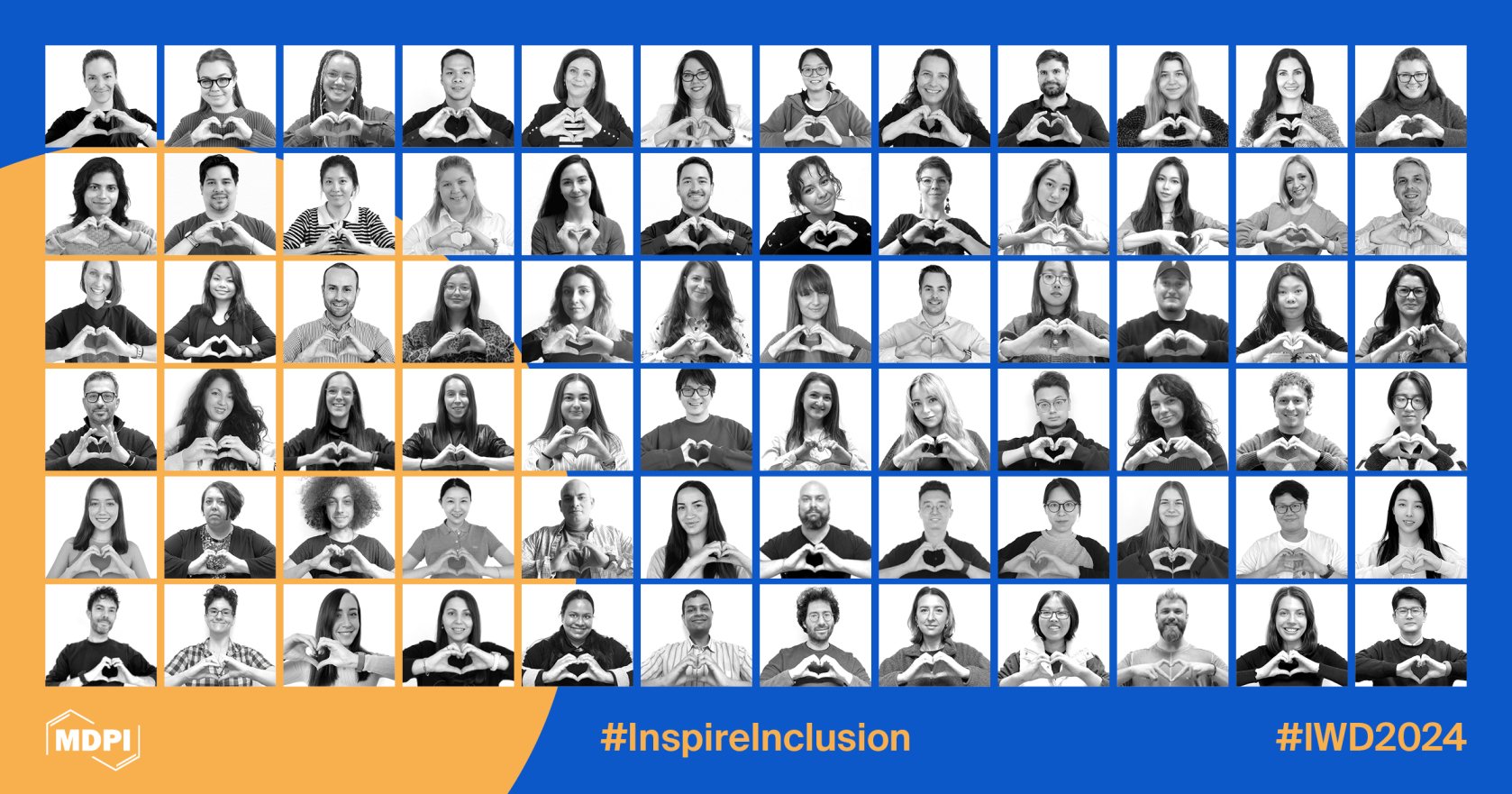
We are thrilled to recognize the accomplishments of women scientists through our many MDPI awards and by highlighting success stories. As inspirational figures, female scientists are paving the way for the next generation of women aspiring to pursue careers in engineering, life sciences, computing, and various other STEM fields.
“I consider myself lucky because I work with incredibly talented women who inspire me every day.”
– Dr. Alessandra Pasut, Winner of MDPI's ‘Biology 2023 Young Investigator Award’
“It’s really important to find a supportive and enabling environment in which to do your science; it would have a big impact on you as a person and on your scientific outputs.”
– Dr. Rhea Longley, Winner of the ‘Pathogens 2023 Young Investigator Award’
Open-access publishing, in particular, allows early-career women researchers to share their work more widely, potentially attracting mentorship opportunities and collaborations. This support is crucial for career development and advancement.
Coming Together for Science
MDPI Joins United2Act in Collective Fight to Stop Paper Mills
In my February 2024 CEO Letter, I highlighted some of our recent initiatives aimed at bolstering our commitment to research integrity, including joining the STM Integrity Hub and expanding our Research Integrity and Publication Ethics team (RIPE). Continuing our efforts in coming together for science, I am pleased to share our participation in the United2Act initiative.
The text below is taken from our official announcement:
United2Act represents an international group of stakeholders in the publishing industry committed to addressing the collective challenge posed to research integrity by paper mills.
Scientists and academic publishers have increasingly noted the alarming proliferation of paper mills, recognized as fraudulent entities seeking to manipulate the publication process for financial profit. These entities engage in fraudulent practices such as falsifying or fabricating data, selling co-authorship of fake papers, manipulating peer review, and including inappropriate citations. These actions pose a significant threat to the integrity of the scholarly record, prompting widespread concern among those involved in the academic community.
MDPI has been actively contributing to combat the undermining of the scientific record. Our editors employ a set of tools to detect potential ethical breaches within a manuscript and to tackle the issue of fake papers.
United2Act’s consensus statement is the outcome of a virtual summit held in May 2023. It involved the participation of research bodies, publishers, researchers/sleuths, universities, and publishing infrastructure from 15 countries and resulted in a Consensus Statement outlining five key areas of action for all stakeholders:
- Education and awareness
- Improve post-publication corrections
- Facilitate and organise research on paper mills
- Enable the development of trust markers
- Facilitate dialogue between stakeholders
MDPI is committed to promoting transparency and integrity in scholarly publishing and is continuing to work closely with the scientific community toward this goal.
Closing Thoughts
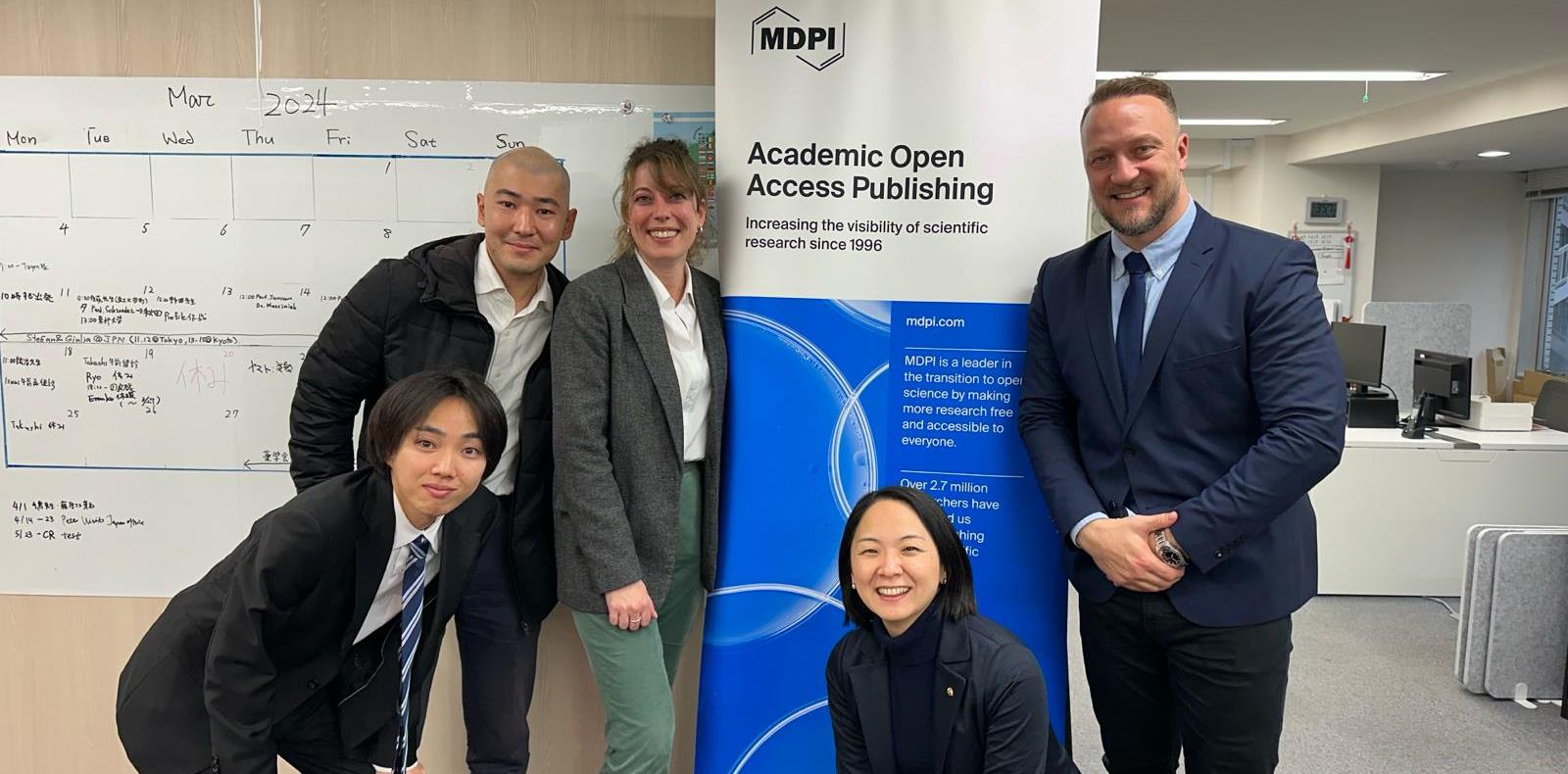
Left to right: Ryo Hirayama (Marketing Specialist, MDPI), Takashi Sasabe (Marketing Specialist, MDPI), Dr. Giulia Stefenelli (Chair of Scientific Office Board, MDPI), Dr. Izumi Yamamoto (Marketing Manager, MDPI), and Stefan Tochev (CEO, MDPI), at MDPI’s office in Tokyo, Japan.
Visit to Tokyo and Kyoto, Japan
In March, I had the opportunity to visit our Tokyo office and engage with stakeholders in Tokyo and Kyoto. During the visit, I also recorded a video message to welcome Japanese scholars working with MDPI and to highlight our operations in Japan.
We held meetings with Editors-in-Chief, librarians, scholars, and external consultants to gather feedback on our efforts to enhance our reputation and explore additional steps we can take in that direction. Japan's rich cultural heritage, characterized by tradition, respect, and formality, provided valuable insights into meeting the publishing needs specific to Japan.
Japan’s Open Access statistics
Over the years, we have seen a shift from subscription-only to gold OA publishing in Japan, despite the lack of an official mandate. Here are some statistics:
- 2012: 68% of articles were subscription-only, 6% were green Open Access, and 8% were gold Open Access.
- 2016: 55% of articles were subscription-only, 6% were green Open Access, and 20% were gold Open Access.
- 2022: 43% of articles were subscription-only, 7% were green Open Access, and 39% were gold Open Access.
To learn more about the history of OA in Japan as well as about future trends, please read this blog post.
“Japan is the ninth-largest contributor to our total publications”
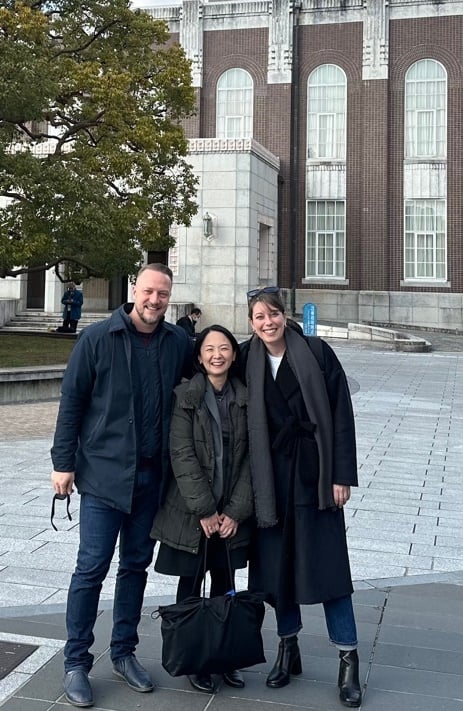
Left to right: Stefan Tochev (CEO, MDPI), Dr. Izumi Yamamoto (Marketing Manager, MDPI), and Dr. Giulia Stefenelli (Chair of Scientific Office Board, MDPI) visiting Kyoto University in Kyoto, Japan.
MDPI and Japan by Numbers
As at 1 April, over 50,000 MDPI articles have been authored by scholars affiliated with Japanese institutions, making the country the ninth-largest contributor to our total publications. Over the past three years (2020–2023), nearly 90,000 authors affiliated with Japanese institutes have published with MDPI, and we have collaborated with over 4,600 Guest Editors from Japan.
In 2023, we published over 8,200 papers from authors associated with Japanese institutions. MDPI collaborates with 41 institutional partnerships in Japan, including the University of Tokyo, Hokkaido University, and Nagoya University. We have over 2,100 active EBMs from Japan, more than 1,050 EBMs having an H-index between 26 and 50, including 13 serving as Editors-in-Chief.
General Feedback – a side note
A general takeaway from our discussions with stakeholders from around the world is that negative perceptions of MDPI often stem from misinformation, misconceptions, or misunderstandings about MDPI and our practices. While we acknowledge our mistakes and work diligently to address them, maintaining a strong editorial procedure and robust peer-review process, I find that educating stakeholders about our how we do what we do and our ongoing improvements tends to help shift opinions.
That said, we recognize the importance of addressing individual concerns. We take feedback seriously and are continuously working to get better while not compromising the core principles that millions of authors appreciate about MDPI.
Chief Executive Officer
MDPI AG
20 March 2024
Meet Us Online at the 2nd International Electronic Conference on Metals (IECME 2025), 5–7 May 2025
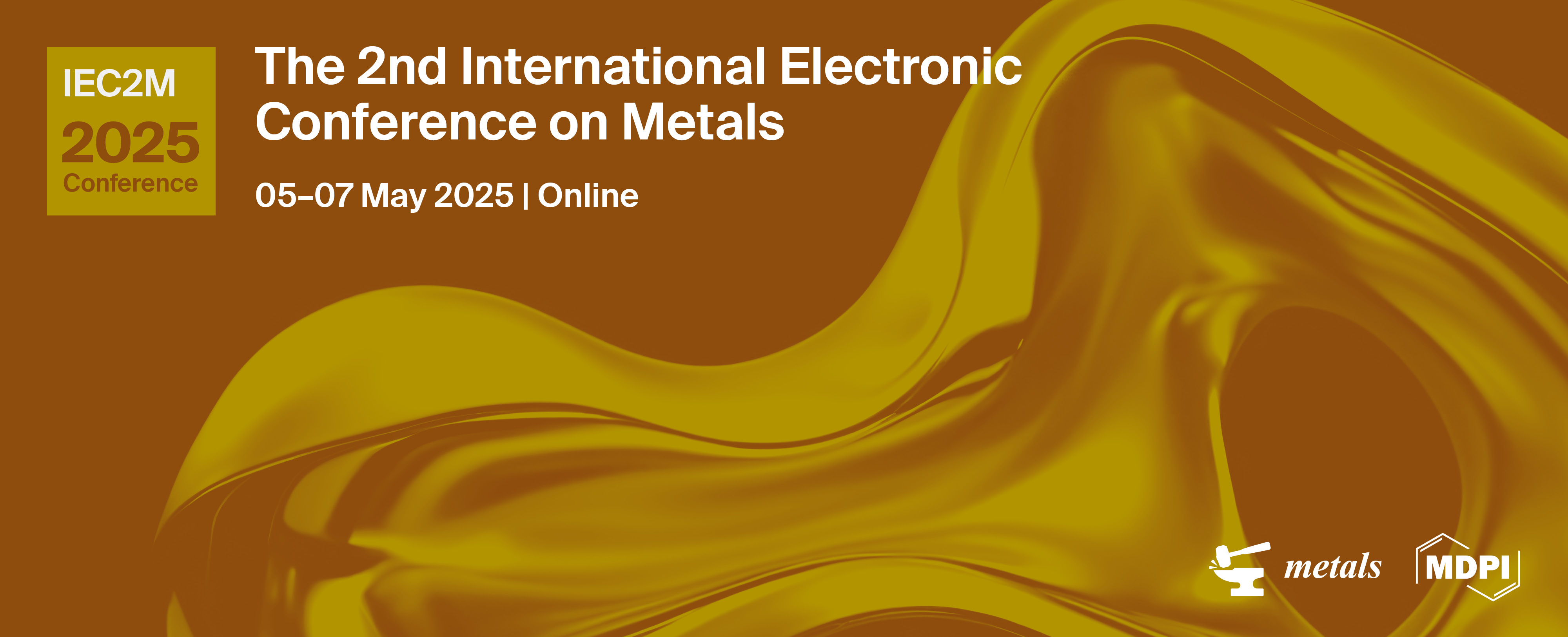
It is our pleasure to invite you to the 2nd International Electronic Conference on Metals, which will be hosted online from 5 to 7 May 2025, Central European Summer Time. IECME 2025 will be free of charge for presenters and visitors.
As a pillar technology that supports the development of modern society, metallurgy plays a crucial role in addressing major societal challenges. IECME 2025 will enable you to share and discuss your most recent research findings with a global, vibrant community of scientists and engineers in the field.
Conference Sessions:
S1. “Experiment, Computation, AI and Machine Learning on Metals”;
S2. “Metallic Materials Chemistry”;
S3. “Microstructure of Metals and Alloys”;
S4. “Entropic Alloys and Meta-Metals”;
S5. “Metallic Functional/ Electronics Materials”;
S6. “Additive Manufacturing”;
S7. “Corrosion, Wear and Protection”;
S8. “Metallic Materials Processing”;
S9. “Metallic Materials for Biomedical Applications”.
Conference Chairs:
- Dongyang Li, Department of Chemical and Materials Engineering, University of Alberta, Edmonton, Alberta, Canada;
- Yung C. Shin, School of Mechanical Engineering, Purdue University, West Lafayette, IN, USA.
Important Deadlines:
Deadline for abstract submission: 17 January 2025.
Abstract acceptance notification: 17 February 2025.
Registration deadline: 28 April 2025.
Guide for Authors:
To submit your abstract, please click here.
To register for the event, please click here.
Note: We only accept abstracts for this conference. To publish a conference proceedings paper for free and to submit a full manuscript to Metals (ISSN: 2075-4701, Impact Factor: 2.9), please refer to the “Publication Opportunities” section of the “Instructions for Authors” using the following link:
https://sciforum.net/event/IECME2025?subscribe§ion=#instructions.
Best Oral Presentation Award and Best Poster Award:
There will be six winners selected for these awards. Each winner will receive a certificate and CHF 200.
For any inquiries, please contact [email protected].
We look forward to seeing you at the event.
20 March 2024
Interview with Dr. Giulia Stornelli—Winner of the Metals 2023 Best Ph.D. Thesis Award
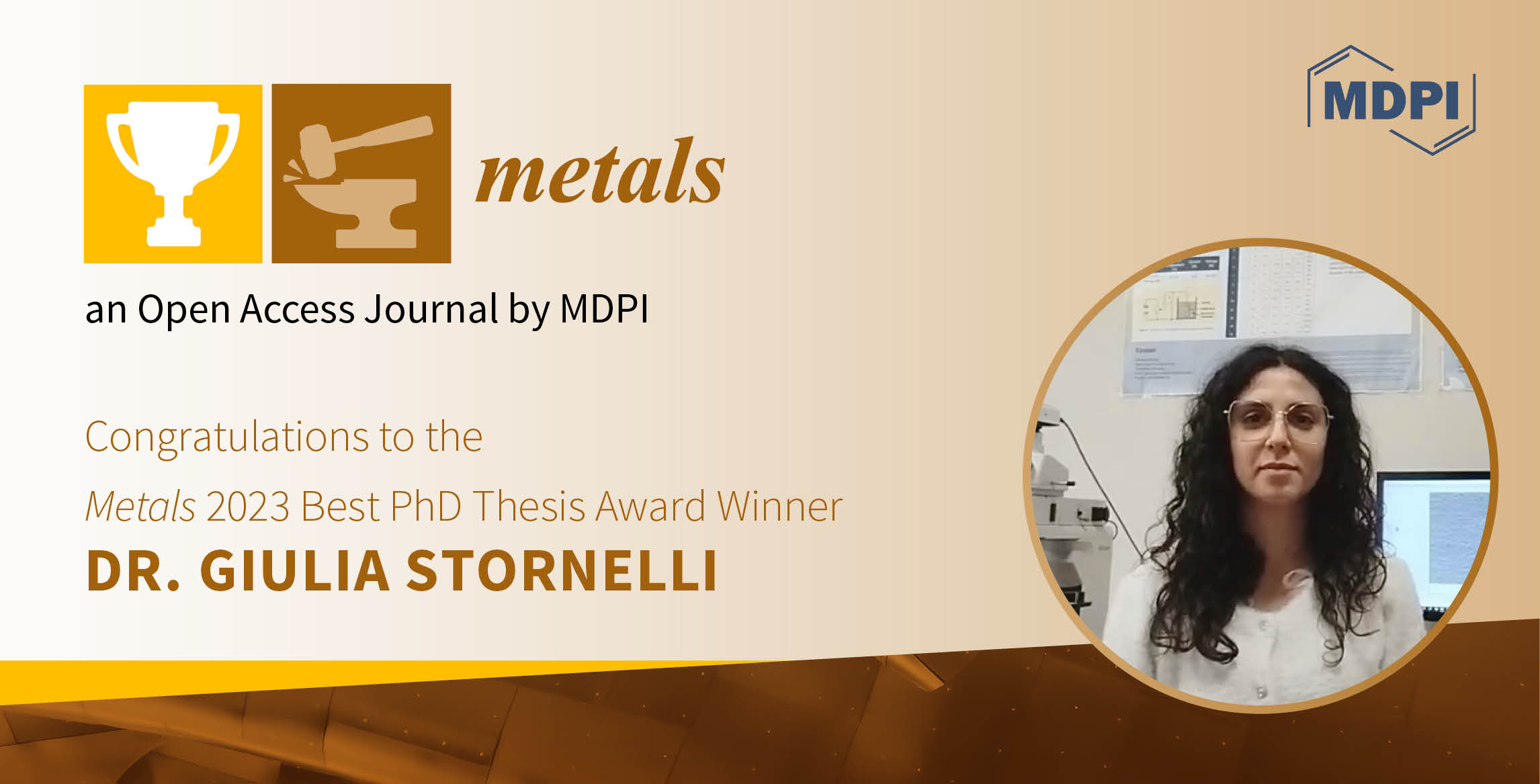
We wish to congratulate Dr. Giulia Stornelli on winning the Metals 2023 Best Ph.D. Thesis Award. Dr. Giulia Stornelli received her master’s degree in mechanical engineering from the University of Roma Tre (Rome, Italy) in 2018 and her Ph.D. degree in industrial engineering from the University of Roma Tor Vergata (Rome, Italy) in 2023 under the supervision of Prof. Roberto Montanari and Prof. Andrea Di Schino. She is currently a Research Fellow in Metallurgy in the Engineering Department of the University of Perugia, Italy.
Interests: Additive manufacturing; innovative steel; non-conventional welding process
The following is an interview with Dr. Giulia Stornelli:
1. Could you briefly introduce yourself to the readers?
I am a young researcher with a strong passion for metallurgy. My field of research includes the study and optimization of steels and their production processes for the energy sector, but I am also involved in research programs concerning light alloys. During my Ph.D. studies, my research focused on the optimization of a thermo-mechanical process for the structural application of steel in nuclear fusion plants. In fact, the 2023 Best Ph.D. Thesis Award that I received concerned my Ph.D. thesis entitled “Novel Thermo-Mechanical Treatments on EUROFER97 Steel for Nuclear Fusion Application”. I am an active reviewer for many scientific journals. In addition, I also serve as a Guest Editor and Editorial Board Member for qualified scientific journals. I have also given numerous oral presentations at international conferences.
2. What is your current research and why did you choose this research field?
I am still working on EUROFER97 steel to improve its resistance to neutron radiation at low temperatures. In addition, a field that has fascinated me more and more over the years concerns additive manufacturing and its huge potential, especially in terms of its ability to promote the development of innovative alloys that would otherwise not be processable with conventional technologies. One topic of interest is the study of FeSi magnetic steels with a high Si content for the production of high-efficiency ferromagnetic cores via additive manufacturing.
3. Which research topics do you think will be of particular interest to the research community in the coming years?
I believe that energy efficiency is a topic of particular interest that will accompany us for the next few years. In particular, the development of metal alloys for extreme environments in the energy sector represents a challenge in the metallurgical sector. Furthermore, I believe that additive manufacturing processes represent the link between old and new production technologies.
4. What qualities do you think young scientists need?
Passion is necessary, as well as perseverance and discipline, a desire to learn and a strong adaptability for teamwork. However, the chance to work in a collaborative team is key to personal and professional growth.
5. If you have the opportunity, will you actively apply to attend academic conferences? What do you think you can learn from participating in conferences that you cannot from working in a lab?
I believe that participation in academic conferences is of considerable importance for the scientific growth of a young researcher. Active discussion with professors, researchers, technicians and experts of other research institutes and companies promotes curiosity for innovation and investigation.
I am very honored to receive this award and acknowledge the judging panel. Furthermore, I also want to express my appreciation and gratitude to my supervisors, Prof. Roberto Montanari and Prof. Andrea Di Schino, for their continuous support and encouragement of all my research activities.
4 March 2024
MDPI Insights: The CEO's Letter #9 - Romania, Research Integrity, Viruses
Welcome to the MDPI Insights: The CEO's Letter.
In these monthly letters, I will showcase two key aspects of our work at MDPI: our commitment to empowering researchers and our determination to facilitating open scientific exchange.
Opening Thoughts
Reka Kovacs (Deputy Office Manager, MDPI), Stefan Tochev (CEO, MDPI), and Sandra Ana Spatariu (Office Manager, MDPI) at the MDPI office in Cluj, Romania.
MDPI’s Impact on Romania
In February, I visited our office in Cluj, Romania. I worked closely with our senior office managers and various teams, including the departments of training, marketing and conferences, as well as our journal relationship specialists, reviewing our service to the local scholarly community. During the visit, I also met with representatives from Babes-Bolyai University and the Technical University of Cluj-Napoca. Our multifunctional Romanian office plays an important role in supporting our collaborations with the local market as well as helping to meet MDPI’s overall business needs.
Feedback and strategy meeting with a group of MDPI’s Journal Relationship Specialists at the MDPI office in Cluj, Romania.
With 22,436 articles, Romania ranks as a top 20 contributing country to MDPI’s total number of papers published as at 28 February 2024. This highlights the importance of our collaboration with Romanian-affiliated authors and the growing opportunity to support their publishing needs. MDPI is one of the few academic publishers with a significant presence in Romania, boasting over 360 colleagues across our offices in Bucharest and Cluj. We are also proud to hire colleagues from local institutions to launch their careers within publishing.
Romania ranks as a top 20 contributing country.
The Numbers: 2019–2023
MDPI has seen a healthy increase in submissions from Romanian authors over the past three years, from 8,439 in 2021 to 11,866 by end of 2023, with most submissions going to journals such as Sustainability, Medicina, Diagnostics, IJMS, Applied Sciences, and JCM. From 2019 to 2023, MDPI published articles from 32,145 authors affiliated with Romanian institutions. Over those years, we have worked with Romanian Guest Editors on nearly 3,000 occasions to support their Special Issue and Topical collections.
With more than 300 Editorial Board Members from Romania, 34 appear on the board of Mathematics, 27 on Materials, 19 on Polymers, 18 on Coatings, and 16 on Molecules, while three serve as Section Editors-in-Chief (SEiC) on our journals Coatings (3.4 IF, 4.6 Citescore), Magnetochemistry (2.7 IF, 3.5 Citescore), and Chemosensors (4.2 IF, 3.9 Citescore).
Institutional Open Access Programs
Our commitment to working with institutions is evident in Romania, where we have established eight Institutional Open Access Programs (IOAP) with esteemed institutions such as the University of Bucharest, the University of Medicine and Pharmacy Cluj-Napoca, and most recently the National Institute for Laser, Plasma and Radiation Physics.
Our growth and presence in Romania are a true testament.
We also have IOAP agreements with Babes-Bolyai University and the Technical University of Cluj-Napoca, where I had the opportunity to meet senior stakeholders during my visit. Below are a few photos capturing our meeting with Prof. Radu Silaghi-Dumitrescu (Head of Faculty of Chemistry, Babes-Bolyai University) at the MDPI office in Cluj, Romania, along with a photo from our meeting with Vice Deans Nicoleta Cobarzan, Nicoleta Ilies, and Hoda Gavril, from the faculty of Civil Engineering at the Technical University of Cluj, Romania.
Our growth and presence in Romania are a true testament to the service we provide to the scholarly community and the relationships we foster in that region. We look forward to continuing to support Romanian scholars and institutions by providing a valuable and trusted experience with MDPI, the leader in open access publishing.
Impactful Research

MDPI Joins the STM Integrity Hub
MDPI has long been a supporter and partner of STM, with our involvement ranging from sponsoring and attending events to helping organize event programs. By joining the STM Integrity Hub, we aim to further our commitment to STM initiatives aimed at safeguarding the integrity of science.
“We are pleased to welcome MDPI as the 35th organisation participating in the Hub. This expansion is critical, as every new member enhances our capacity to prevent fraudulent submissions from entering the academic record.”
Joris van Rossum, Director of Research Integrity, STM
MDPI operates in full alignment with STM Integrity Hub's values of shared data and experiences. We strongly believe in collaboration and open exchange for the purposes of creating a holistic approach to support research integrity at MDPI itself and across the entire academic publishing industry. The Integrity Hub is an excellent example of how publishers can come together to jointly address industry-wide challenges related to research integrity, such as manuscripts that breach research integrity standards and paper-mills.
I look forward to our Research Integrity and Publication Ethics Team (RIPE) team immersing themselves in this initiative, exchanging information, best practices, and tools for the benefit of the entire scholarly ecosystem. We believe that ethical publishing standards should be implemented across the board, and we aim to be rigorous in our approach, addressing research integrity issues and improving the impact of published research.
Inside MDPI
MDPI Expands Research Integrity and Publication Ethics Team (RIPE)
In addition to external collaborations and joint initiatives aimed at further strengthening our commitment to research integrity, we are also enhancing our internal efforts. This includes improving our processes and guidelines and expanding our teams and departments to ensure quality assurance throughout our publishing process.
We are pleased to announce the expansion of our Research Integrity and Publication Ethics Team (RIPE) at MDPI. The RIPE team has recently welcomed new colleagues, each bringing unique skills and a personal commitment to prioritize ethical considerations in all our work.
The demand for research integrity and high ethical standards in academic publishing is steadily rising across our industry. Our expanded RIPE team will work to enhance and align our practices with industry best practices, ensuring excellence in research integrity and publication ethics.
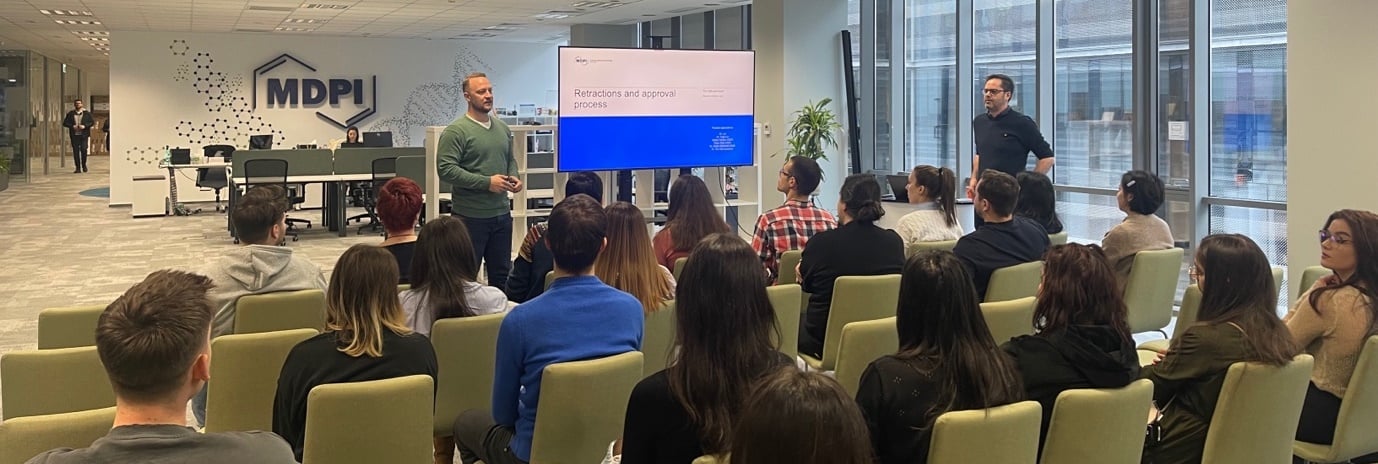
Stefan Tochev (CEO, MDPI) introduces Dr. Tim Tait-Jamieson (Research Integrity Lead, MDPI) for his presentation on MDPI’s Retraction and Approval Process to a group of Journal Relationship Specialists at the MDPI office in Cluj, Romania: “The demand for research integrity and publication ethics is steadily rising across our industry.”
Introducing our Research Integrity and Publication Ethics Team
Led by Dr. Tim Tait-Jamieson (Research Integrity Lead), the RIPE team comprises Dr. Ivana Resanovic (Research Integrity Manager), Dr. Lavinia Rogojina (Research Integrity Manager), Ms. Diana Apodaritei (Research Integrity Specialist), Dr. Zoltan Mihaly (Research Integrity Specialist), Mr. Aleksandar Đukić (Research Integrity Specialist), Ms. Ana Stankovic (Research Integrity Specialist), and Ms. Anna Pena (Publication Ethics Assistant).
Please click here to access everything that you need to know about MDPI’s Research and Publication Ethics.
With this span of complementary roles, the RIPE team collaborates directly with journal editorial teams and works closely with various departments, including our Scientific Office Board and our Journal Relationship Specialists. The team’s primary objectives are to help prevent issues regarding research integrity and publication ethics during peer review, uphold MDPI’s ethics policies, adhere to industry standards, and resolve publication ethics and research integrity issues and complaints.
Quality Updates to Special Issues Oversight
At MDPI, we are committed to reviewing policies pertaining to the quality of research. In this blog post, Shaheena Patel (Communications Associate, MDPI), outlines two recent updates to MDPI journal processes. These updates pertain to Special Issue (SI) quality guidelines, in line with criteria provided by COPE and DOAJ. Alongside the SI updates, details regarding the new minor corrections policy introduced in 2024 are provided in the blog.
The two updates we implemented include greater oversight and the verification of Guest Editor credentials. These guidelines require that Editors-in-Chief (EiCs) and Editorial Board Members (EBMs) take responsibility for overseeing SIs.
PS. Thank you, James Butcher, for featuring this up in your 67th issue of the Journalogy newsletter.
Read more:
Coming Together for Science
Viruses 2024 – A World of Viruses
I am pleased to share the success of our MDPI conference Viruses 2024 – A World of Viruses, held 14-16 February, in Barcelona. With 240 registrations, this event brought together top scientists, researchers, and industry experts from 40 countries to share their findings on the latest developments in viral pathogenesis and immune responses.
Attendees gathered for the 5th edition of the Viruses’ conference, where we hosted influential keynote speeches from Nobel Prize laureate Dr. Charles M. Rice and ‘Distinguished Senior Virologist’ Prof. Luis Enjuanes, along with 14 invited speakers, 47 selected speakers, and nine flash poster presenters, to discuss the most significant issues in virology today.
Recap on the #Viruses2024 Conference
Take a look at the key moments from MDPI’s Viruses event and please join us in commemorating a gathering for global knowledge and cooperation. A heartfelt thank-you to all attendees; their passion and engagement played a crucial role in making this event an engaging success!
Below are calls to action from the keynote speakers encouraging collaboration and communication:
“There’s never been a better time than now to really take the power that we have both in terms of basic research and also in biotech and pharma to develop antiviral agents.” - Dr. Charles M. Rice, The Rockefeller University, New York, USA
“The collaboration between labs is absolutely essential. Improving initial detection and improving communication is a must for all of us working in science.” - Prof. Dr. Luis Enjuanes, National Center of Biotechnology (CNB-CSIC), Madrid, Spain
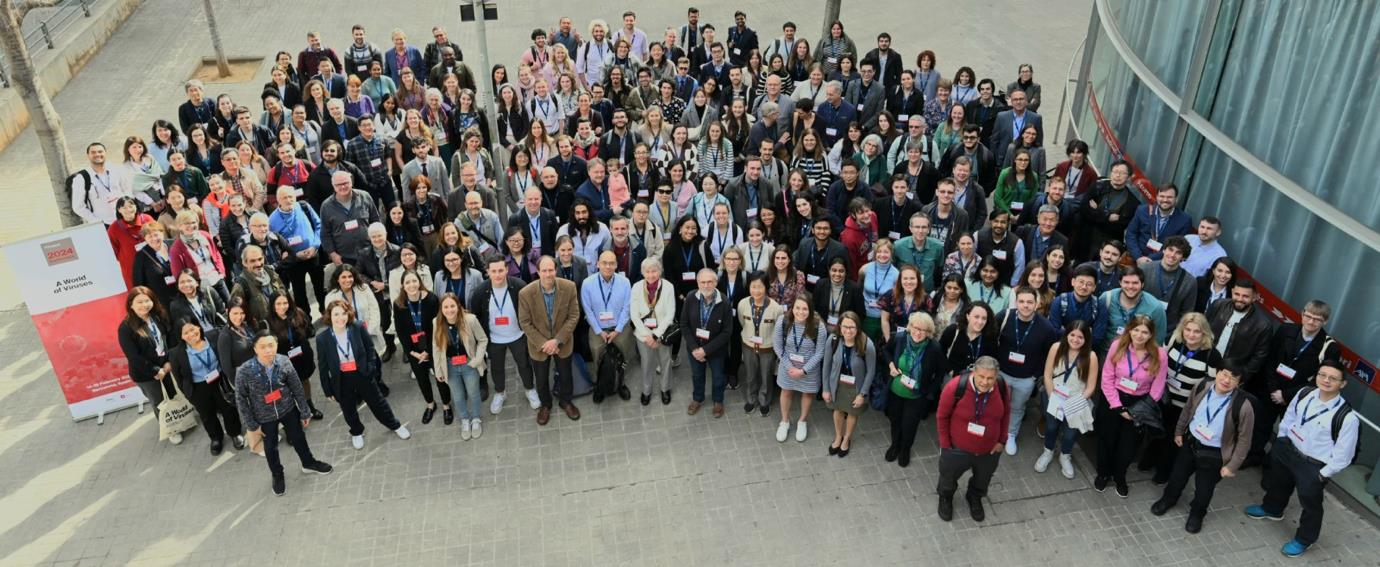
Our thanks go to our sponsors and partnering societies, our Viruses journal and editorial team, our Barcelona colleagues, and the social media, conference and other MDPI teams for making this event a memorable occasion. View the event gallery here.
Upcoming In-Person Event
24–26 April, 2024
4th MMCS – Harnessing the Power of New Drug Modalities
Location: Barcelona, Spain
Esteemed speakers at MMCS 2024 include Prof. Arun K. Ghosh, the mind behind the Darunavir molecule, and Prof. Paul Brennan, CSO of Alzheimer's Research UK Oxford Drug Discovery Institute.
Find more upcoming MDPI events here.
Organize Your Event with MDPI’s Sciforum
Sciforum is MDPI’s platform dedicated to the organization of scientific events. In line with our mission to promote science, Sciforum supports scholars, societies, research networks, and universities at all stages of organizing in-person events, virtual events and webinars. Our platforms are efficient, user-friendly, and cost-effective. We handle all steps related to event management. Contact us for details.
Closing Thoughts

Researcher to Reader (R2R) Conference
From 20–21 February 2024, I had the pleasure of attending the Researcher to Reader (R2R) conference in London, which MDPI has proudly sponsored over the years. The conference programme offered a variety of session formats, including workshops, panel discussions, debates, interviews, presentations, and lightning talks, with opportunities to discuss relevant topics.
We take pride in supporting the scientific community, bringing researchers across the world together to network, exchange ideas and share the latest in science and publishing. In 2023, MDPI invested close to 2 million CHF in sponsoring over 2,000 scientific and publishing-related conferences worldwide.
R2R Peer Review Innovations Workshop
I found the R2R conference to be engaging, with the workshops being particularly enjoyable. My colleague Giulia Stefenelli (Chair of Scientific Office Board) and I participated in the “Peer Review Innovations” workshop, which spanned four sessions over the two days. These sessions explored the future of peer review and how we can improve the peer review process for everyone involved. Notably, the large majority of attendees expressed their opinion that peer review, as currently practiced, requires significant improvement. Together, we collaborated on potential immediate and long-term improvements and innovative processes, aiming to create an ecosystem beneficial to all stakeholders by strengthening submission systems with the aim of reducing threats and making authors more responsible for their work. We also discussed the opportunity for academic institutions to better scrutinize the quality of the work produced and submitted to journals.
Our group comprised publishers, software providers, librarians, and more, bringing diverse perspectives to the discussions. These interactions were relevant to MDPI’s ongoing conversations, providing insights to our efforts. The session also made me appreciate that MDPI is doing well, as the group discussions included the subject of various quality checks that we have already embedded in our processes, ensuring that we keep abreast of industry standards.
The need for an optimized system to incentivize the activities of editors and reviewers was also a focus of discussion, as well as the support that reviewers need from publishers via the provision of strong reports through fixed forms, questionnaires and training.
At MDPI, we are currently auditing our reviewer program to improve reviewer recognition, guidelines, and methods for identifying suitable reviewers, while maintaining our commitment to quality and timeliness.
Congratulations to Mark Carden, Conference Director, and the R2R team for organizing a productive and successful event. PS: The break times were greatly appreciated as well!
Chief Executive Officer
MDPI AG
29 February 2024
Meet Us at TMS 2024 Annual Meeting & Exhibition, 3–7 March 2024, Orlando, Florida, USA
A range of MDPI journals will be attending the TMS 2024 Annual Meeting & Exhibition from 3 to 7 March 2024, at the Hyatt Regency Orlando, Orlando, Florida, USA.
The TMS Annual Meeting & Exhibition brings together more than 4,000 engineers, scientists, business leaders, and other professionals in the fields of minerals, metals, and materials for a comprehensive, cross-disciplinary exchange of technical knowledge.
The following MDPI journals will be represented:
If you are attending this conference, please feel free to drop by our booth and start a conversation with us. We look forward to meeting you in person and answering any questions that you may have. For more information about the conference, please visit https://www.tms.org/TMS2024/Home/, or contact the Materials Editorial Office at [email protected] or the Metals Editorial Office at [email protected].
1 February 2024
Acknowledgment of the Reviewers of Metals in 2023
In recognizing the exceptional efforts of our reviewers in 2023, we express our sincere gratitude for upholding the high standards of Metals. Their commitment ensured the rigorous peer review that is integral to quality academic publishing.
In 2023, Metals received 6172 review reports, from 1120 reviewers. This past year, we worked with reviewers from 79 countries and regions, reflecting the diversity in our collaboration with research communities. Their dedication shapes scholarly discourse and advances global research. The editorial team expresses gratitude for the vital role played by each reviewer in the Metals family throughout 2023, and we look forward to their continued support in 2024.
The following are the reviewers who have consented to show their names:
| A. Raja Annamalai | Leonardo Iannucci |
| A. Rajesh Kannan | Leonid Gurevich |
| Aase Reyes | Leonid Kustov |
| Abba Abubakar | Leonid Perelomov |
| Abdollah Bahador | Lequien Florence |
| Abdul Ghaffar | Leszek Łatka |
| Abdul Malik | Leszek Zaraska |
| Abdullah Alshammari | Lewis Gladius |
| Abdulnaser M. Alshoaibi | Liana Anicai |
| Abhishek Ghosh | Liangyu Chen |
| A-Cheng Wang | Libor Trsko |
| Adam Cwudziński | Lijesh Koottaparambil |
| Adam Grajcar | Liliya Frolova |
| Adan Ramirez-Lopez | Lin Feng Ng |
| Adinel Gavrus | Liqing Chen |
| Adrian Brügger | Ljubica Milovic |
| Adriana Urda | Lokesh Koodlur Sannegowda |
| Agnieszka Kochmanska | Long Ma |
| Agnieszka Łukiewska | Longyun Xu |
| Ahmad Mostafa | Lotfi Bessais |
| Ahmed K. Sakr | Ľuboš Kaščák |
| Ahmed Maamoun | Ľuboslav Straka |
| Ahmed Shaker | Luca Esposito |
| Ahmed Shash | Lucia Knapcikova |
| Ahmet Güral | Lucia Nasi |
| Airat Kiiamov | Lucio Nobile |
| Aisha H. Al-Moubaraki | Lucjan Sniezek |
| Aiyuan Ma | Ludmila Rudi |
| Akhil Khajuria | Luigi Calabrese |
| Alaa Abd-Elnaiem | Luigi De Napoli |
| Alberto Monsalve | Luís Bernardo |
| Alejandro Pereira Domínguez | Luis Jorda-Bordehore |
| Aleksander Kuprin | Luis Manuel Guerra da Rosa |
| Aleksandr Bulaev | Luis Miguel Rivera Gavidia |
| Aleksey Vedyagin | Luiz Henrique De Almeida |
| Alena Pribulová | Lukasz Bohdal |
| Alessandro Cavallo | Luzheng Chen |
| Alessia Serena Perna | M. Anthony Xavior |
| Alexander Alexandrovich Gromov | Madhav Baral |
| Alexander Baker | Magdalena Lungu |
| Alexander Balitskii | Magdalena Regel-Rosocka |
| Alexander Churyumov | Magdy Ibrahim |
| Alexander Eliseev | Mahendra Kumar Samal |
| Alexander Kamantsev | Mahmood M. Shokrieh |
| Alexander Korsunsky | Mahmoud Ebrahimi |
| Alexander Molnar | Majid Baniassadi |
| Alexander Morchenko | Majid Naseri |
| Alexander Vakhrushev | Majid Vaseghi |
| Alexandr Kasikov | Malgorzata Kąc |
| Alexandr Shtertser | Malik Adeel Umer |
| Alexandre Emelyanenko | Mallaiah Manjaiah |
| Alexandre Zakharov | Man Seung Lee |
| Alexey Beskopylny | Manfred Sager |
| Alexey L. Glazov | Manish Sinha |
| Alexey Prosviryakov | Manjunath Patel Gowdru Chandrashekarappa |
| Alexey Redkov | Manuel F. M. Costa |
| Alexey Shekhovtsov | Manuel Toscano |
| Alexey Vereschaka | Manuela De Maddis |
| Alexis Kermanidis | Marcelin Benchea |
| Alfredo Flores | Marcella Bini |
| Ali Arab | Marcin Gołąbczak |
| Ali Asghar Javidparvar | Marcin Graba |
| Ali Atta | Marcin Madej |
| Ali Ercetin | Marcin Stawarz |
| Ali Günen | Marcio de Godoy |
| Ali Salem | Marco Civera |
| Aliakbar Emdadi | Marco Girolami |
| Alicia Ares | Marco Morra |
| Alireza Akhavan-Safar | Marek Kocik |
| Alireza Moradkhani | Marek Pagáč |
| Alireza Ostadrahimi | Marek Wojnicki |
| Amilton Barbosa Botelho Junior | Maria Agustina Guitar |
| Amin Ebrahimi | Maria Elisa Tata |
| Amir Hussain Idrisi | Maria Luisa Grilli |
| Amir M. Yousefi | Mária Mihaliková |
| Amir R. Masoodi | Maria Narykova |
| Amirhossein Moghanian | Maria Taxiarchou |
| Amitava Mandal | Maria Teresa de Miguel |
| Amlan Kar | Mariana Domnica Stanciu |
| Amlana Panda | Marianna Marciszko-Wiąckowska |
| Ammar A. Melaibari | Marie Kvapilova |
| Ana Beltran | Marina Kovaleva |
| Ana Paula Betencourt Martins Amaro | Marinela Panayotova |
| Ana Pilipović | Marioara Avram |
| Anastasia Frolkova | Marioara Nicoleta Filimon |
| André Dubois | Mariola Saternus |
| Andrea Angelastro | Mariusz Jaśniok |
| Andrea Di Schino | Markus Härtel |
| Andrea Gilioli | Marlenne Gómez-Ramírez |
| Andrea Sili | Martin Andritschky |
| Andrea Tridello | Martin Heilmaier |
| Andreas Koster | Martin Truchly |
| Andrei Klyndyuk | Martina Laubertova |
| Andrei Potapov | Marzena Mitoraj-Królikowska |
| Andrei Shishkin | Masakazu Kobayashi |
| Andrew Gryguc | Masatoshi Takahashi |
| Andrew Ruggiero | Masoud Nazarian-Samani |
| Andrey Filippov | Masoud Tahani |
| Andrey I. Dmitriev | Masoumeh Ghalkhani |
| Andrey Kirsankin | Massimiliano Avalle |
| Andrey M. Litnovsky | Massimo Lorusso |
| Andrey Markin | Matej Pašák |
| Andrey Medvedev | Matteo Strozzi |
| Andrey N. Dmitriev | Matthias Schmidtchen |
| Andrey V. Koltygin | Maxim Grishin |
| Andrey Vasilev | Mehdi Safari |
| Andrii Kondratiev | Mehdi Shahraki |
| Andrii Koveria | Michael Fleck |
| Andriy Burbelko | Michael Ojovan |
| Andrzej Kiełbus | Michael Regev |
| Andrzej Kudelski | Michele Benedetti |
| Andrzej Łukaszewicz | Miguel Castro-Colin |
| Andrzej Matras | Miguel Lorenzo-Fernandez |
| Andrzej Miszczyk | Mihai Tarcolea |
| Andrzej Panas | Mikhail Lobanov |
| Andrzej Stefanik | Mikhail Petrzhik |
| Andrzej Trytek | Mikolaj Bernasowski |
| Aneta Bartkowska | Milan Radovanovic |
| Aneta Łukaszek-Sołek | Minglei Qu |
| Ang Zhang | Minho O |
| Angelo Ferlazzo | Miquel Casafont |
| Angelos Markopoulos | Mir Saman Safavi |
| Anil Kumar | Mirko Karakašić |
| Anna Churakova | Miroslav Frost |
| Anna Gancarczyk | Mirosław Bonek |
| Anna Janina Dolata | Mirosław Szala |
| Anna Knitter-Piątkowska | Mirosław Tupaj |
| Anna Maria Szekeres | Mohamed Abdel-Hamed |
| Anna Nocivin | Mohamed Adam |
| Anna Przybył | Mohamed Afifi |
| Anna Rabajczyk | Mohamed Ali |
| Annalisa Paolone | Mohamed El-Nagar |
| Anton Volkov | Mohamed F. Cheira |
| Antoni Roca | Mohamed K. Korrany Hassan |
| Antonietta Lo Conte | Mohamed Mohamed Zaky Ahmed |
| Antonije Onjia | Mohamed Mostafa |
| Antonina Karlina | Mohamed S.A. Darwish |
| Antonio Formisano | Mohamed Salaheldeen |
| Antonio Miotello | Mohamed Tahooon |
| Antonio Piccininni | Mohammad Ali Mohtadi Bonab |
| Arkadeb Mukhopadhyay | Mohammad Asaduzzaman Chowdhury |
| Arno Schindlmayr | Mohammad Mehdi Kasaei |
| Artem Bogdanov | Mohammad Reza Khalesi |
| Artem Marchenkov | Mohammad Sadegh Mohebbi |
| Artem Okulov | Mohammad Sayem Mozumder |
| Artur Czupryński | Mohammad-Ali Lotfollahi-Yaghin |
| Artūras Žalga | Mohammadmehdi Shahzamanian |
| Arturo Juárez Hernández | Mohammed Abdellah |
| Asad Ullah | Mohammed Zikry |
| Ashish Srivastava | Mohsen Mesbah |
| Attila Csík | Mohsen Mhadhbi |
| Augusto Cannone Falchetto | Mohsen Reihanian |
| Avinash Lakshmikanthan | Mojtaba Karamimoghadam |
| Ayman Elsayed | Mondher Wali |
| Ayo Olofinjana | Monica Florescu |
| Azizollah Khormali | Montse Vilaseca |
| Babak Shalchi Amirkhiz | Moon-Jo Kim |
| Barbara Ruffino | Morteza Alizadeh |
| Barbara Tora | Moses Solomon |
| Bartłomiej Ambrożkiewicz | Moslem Paidar |
| Bassiouny Saleh | Moslem Tayyebi |
| Beata Leszczyńska-Madej | Moustafa Fouda |
| Beata Smyrak | Muhammad Firdaus Mohd Nazeri |
| Belén Díaz | Muhammad Younas |
| Benjaram Reddy | Murali Cheepu |
| Bernd Kleimt | Murat Demiral |
| Bernhard J. Hoenders | Murni Sarian |
| Bibhu Prasad Sahu | Mustafa Günay |
| Bilal Ahmad | Nadezhda Dudova |
| Binguo Fu | Nadezhda Zhuk |
| Biserka Runje | Nagaraj Nandihalli |
| Björn Wiese | Naoya Tada |
| Blaza Stojanović | Nariman Enikeev |
| Bogdan Istrate | Natalia S. Martynenko |
| Bogdan Tutunaru | Nataliya Kazantseva |
| Bogdan Vasyliv | Nataliya Sakharova (University of Coimbra) |
| Boglárka Maróti | Nataliya Shaburova (South Ural State University) |
| Boris Khina | Nataliya V. Yurkevich |
| Bożena Gajdzik | Natividad Antón |
| Bożena Szczucka-Lasota | Nebojša Nikolić |
| Bozhidar Stefanov | Neha Sardana |
| Branimir Grgur | Nguyen Trong Dung |
| Branislav Buľko | Nikita Martyushev |
| Branislav Marković | Nikita Stepanov |
| Brian Wisner | Nikolay Charykov |
| Bruno Alho | Nikolay Doynov |
| Burak Dikici | Nitin Saini |
| Cai Chen | Nobufumi Ueshima |
| Camelia Cerbu | Noe Cheung |
| Carlos Alexandre Dos Santos | Oana Dragos-Pinzaru |
| Carlos G. Garay Reyes | Ojo Olatunji |
| Carlos Roberto Grandini | Oleg Khyzhun |
| Carlos Rovere | Oleg Shlyakhtin |
| Catalin Pruncu | Oleh Berezsky |
| Cesare Grazioli | Oleksandr Roik |
| Cezar Comanescu | Olga Kudryashova |
| Changheui Jang | Olga Tkacheva |
| Chansun Shin | Olga Yakovtseva |
| Chao Chen | Olga Zinovieva |
| Chao Xie | Olha Zvirko |
| Charalampos Sarafidis | Olufunmilayo Joseph |
| Charikleia Prochaska | Omar Dagdag |
| Chen Li | Onur Güler |
| Chenchen Yuan | Oscar Jaime Restrepo Baena |
| Cheng Gu | Óscar Martín |
| Chih-Chun Hsieh | Oscar Zambrano |
| Chongjun Wu | Ovidiu Nemes |
| Christian Tantardini | Pablo Álvarez Alonso |
| Christopher DiGiovanni | Palani Elumalai |
| Chu Yee Khor | Panagiotis Angelopoulos |
| Chul Kyu Jin | Panagiotis Kyratsis |
| Chun Guo | Panagiotis Stavropoulos |
| Chunfeng Hu | Paola Deplano |
| Chung-Wei Yang | Paolo E. Santangelo |
| Chunlin He | Paraskevi Lampropoulou |
| Concepcio Segui | Paresh Pradhan |
| Costica Bejinariu | Pasquale Cavaliere |
| Cristiano Fragassa | Pathapalli Venkateshwar Reddy |
| Cristie Luis Kugelmeier | Patricia Jovičević-Klug |
| Csaba Balázsi | Patrik Petroušek |
| Damian Gogolewski | Paulo M. S. T. De Castro |
| Daniel Kytyr | Pavan Hiremath |
| Daniel M. Kamiński | Pavel Banerjee |
| Daniel Tobola | Pavel Bazhin |
| Daniela Varrica | Pavel Grudinsky |
| Danilo D’Angela | Pavel Lejček |
| Danko Ćorić | Pavel Loginov |
| Dariusz Fydrych | Pavel Zhanal |
| Dariusz Oleszak | Paweł Kossakowski |
| Dariusz Rozumek | Paweł Ostachowski |
| Dariusz Zientara | Pawel Wieczorek |
| Darko Landek | Paweł Zmarzły |
| Daudi Waryoba | Pekka Taskinen |
| David Alique Amor | Penchal Matli |
| David Hernandez Figueirido | Peng Han |
| David Holec | Pengfei Li |
| David Wheeler | Peter Futas |
| Davide Ciceri | Peter Majeric |
| Davide Mombelli | Peter Richardson |
| Davood Rahmatabadi | Peter Rodič |
| Dawei Zhao | Peter Rusinov |
| Dawid Kutyla | Petlovanyi Mykhailo |
| Debdulal Das | Petr Lichý |
| Delia Patroi | Petra Maier |
| Denis Benasciutti | Petrescu Lucian |
| Denis Pankratov | Petros Tsakiridis |
| Denis Rogozhnikov | Philip Eisenlohr |
| Denis Valuev | Philipp Niederhofer |
| Denise Espinosa | Philippe Van Bogaert |
| Denise-Penelope Kontoni | Piotr Knyziak |
| Dervis Ozkan | Piotr Kurylo |
| Devarajan Balaji | Piotr Szota |
| Deyanira Ángeles-Beltrán | Pratik Murkute |
| Dharmakkon Pukazhselvan | Priyaranjan Samal |
| Di Feng | Pruet Kowitwarangkul |
| Di Yun | Przemysław Podulka |
| Diego Correa | Przemysław Snopiński |
| Dimitrios Lampakis | Przemysław Strzelecki |
| Dina Dudina | Pura Alfonso |
| Diogo Neto | Qi Yang |
| Dipen Kumar Rajak | Qiang Wang |
| Dmitriy V. Makarov | Qianqian Wang |
| Dmitry Kharitonov | Qinghang Wang |
| Dmitry Lychagin | Qinghua Wang |
| Dmitry Pavlovich Ilyashenko | Qingshan Dong |
| Dmitry Wainstein | Qizhou Cai |
| Dominika Święch | Radhey Shyam Jangid |
| Domnina Razus | Radionova Liudmila |
| Dong Wang | Radosław Jasiński |
| Dongdong Zhu | Radu Comaneci |
| Donghyun Kim | Radu Stefanoiu |
| Dong-Won Jung | Rafael Kakitani |
| Dragan Marinkovic | Rafal Szukiewicz |
| Dragan Rajnovic | Raffaella Sesana |
| Drazan Kozak | Rajashekhara Shabadi |
| Dumitru Mitrica | Rajeshkumar Lakshminarasimhan |
| Edouard Rivière-Lorphèvre | Rajib Kalsar |
| Eduardo Nobrega | Rajwali Khan |
| Edyta Kardas | Rajyashree Sundaram |
| Egidijus Griskonis | Ramakrishna Pramod |
| Ehab AlShamaileh | Raman Kumar |
| Ehsan Arshid | Ramesh Kumar Garg |
| Ehsan Ghassemali | Ramesh Singh |
| Ehsan Mohammadi Zahrani | Rami Suleiman |
| Ekaterina Stepanova | Ramin Hashemi |
| Elena Filonova | Ramin Raiszadeh |
| Elena P. Ryklina | Rastko Vasilić |
| Elena Panchenko | Raul Carrillo-Pedroza |
| Elena Scutelnicu | Raul Figueroa |
| Elena Torskaya | Ravichandran Manickam |
| Eli Grigorova | Raymundo Case |
| Elias Sakellis | Razvan Udroiu |
| Eligiusz Postek | Regina Fuchs-Godec |
| Elvira Oñorbe | Remigiusz Kowalik |
| Emanuela Sgreccia | Ren-Kae Shiue |
| Emanuele Vincenzo Arcieri | Reza Alebrahim |
| Emil Spišák | Rezwanul Haque |
| Emilie Widemann | Riadh Neffati |
| Enrico Babilio | Riaz Muhammad |
| Enrico Troiani | Ricardo Branco |
| Enrique Cuan-Urquizo | Ricardo Carbas |
| Eric Lui | Ricardo Souto |
| Ernst Gamsjäger | Richard Turner |
| Eskandar Keshavarz Alamdari | Ridvan Yamanoglu |
| Eugenijus Gaizauskas | Rimma Lapovok |
| Evgenia Kuleshova | Rizwan Abdul Rahman Rashid |
| Evgenii Vasilev | Roach Michael |
| Evgeny Prusov | Robbie McDonald |
| Fábio Fernandes | Róbert Bidulský |
| Fabio Giudice | Robert Kosturek |
| Fábio Simões | Robert Panowicz |
| Fabrizio Murgia | Robert Ulewicz |
| Facundo Almeraya-Calderón | Roberto Montanari |
| Faisal Qayyum | Roberto Nascimbene |
| Fani Stergioudi | Rodica-Cristina Voicu |
| Fatih Erdemir | Roman Čička |
| Fatih Uzun | Roman Marsalek |
| Fausto Tucci | Roman Savrai |
| Fedor F. Klimashin | Roman Šturm |
| Fehmi Nair | Rongshan Qin |
| Ference Gillemot | Rony Mia |
| Fernando Simões | Rosario García-Giménez |
| Fernando Ventura Antunes | Roumen Petrov |
| Flavio Colmati | Rubén del Olmo |
| Florentina Golgovici | Rui Amaral |
| Florina Branzoi | Rui Martinho |
| Franc Zupanic | Ruiliang Liu |
| Francesca Borgioli | Ruipeng Guo |
| Francesca Cirisano | Ruiqing Hou |
| Francesco Tavanti | Ruitao Qu |
| Francisco Javier Trujillo Vilches | Ruslan Barkov |
| Francisco-Javier Ayaso | Ruslan Karimbaev |
| François Ropital | Ryszard Cierpiszewski |
| Frantisek Chmelik | S. M. Anas |
| Franz Demmel | Saeid Lotfian |
| Franz-Georg Simon | Saito Tetsuji |
| Fu Sun | Sake Wang |
| Fulvio Siciliano | Sakshum Khanna |
| Gabriel Ababei | Saman Hosseinpour |
| Gabriela Badea | Samuel Rodrigues |
| Gabriele Maria Fortunato | Sandro Turchetta |
| Gaetano Giunta | Sanjeev Kumar |
| Galina E. Abrosimova | Sanjin Kršćanski |
| Gennady Poletaev | Sanjoy Paul |
| Gennaro Salvatore Ponticelli | Sanwu Wang |
| George Pantazopoulos | Sarabjeet Sidhu |
| Gerald Knapp | Sathish Kumar Palaniappan |
| Gerhard Eggert | Saulius Vasarevičius |
| Gian Pietro De Gaudenzi | Sebastian Balos |
| Giangiacomo Minak | Sebastian Lech |
| Gilbert Bellanger | Seongwoo Woo |
| Giorgio Luciano | Sepideh Aliasghari |
| Giovanni Consolati | Sergei Alexandrov |
| Giovanni Maizza | Sergei Mileiko |
| Girolamo Costanza | Sergei Osipov |
| Giulia Fioravanti | Sergei Popov |
| Giulia Stornelli | Sergey Anikeev |
| Giuliano Angella | Sergey Belenov |
| Giulio Timelli | Sergey Fortuna |
| Giuseppe Barbieri | Sergey Mironov |
| Giuseppe Pintaude | Sergey Razorenov |
| Giusy Terracciano | Sergey Sinebryukhov |
| Gorazd Lojen | Sergey V. Mitrokhin |
| Grigory S. Dyakonov | Sergey Zelepugin |
| Grzegorz Adamek | Sergey Zharkov |
| Grzegorz Golański | Sethupathi Velmurugan |
| Grzegorz Karwasz | Shahir Mohd Yusuf |
| Grzegorz Smola | Shahzad Ahmad |
| Grzegorz Stradomski | Shaik Gouse Peera |
| Guang Xu | Shalini Mohanty |
| Guangqiang Li | Shamil Mukhtarov |
| Guocai Tian | Shang Wang |
| Guosheng Sun | Shashanka Rajendrachari |
| Guosong Wu | Shengli An |
| Guoyan Zhou | Sherwan Mohammed Najm |
| György Thalmaier | Shibghatullah Muhammady |
| Halit Türkmen | Shimaa El-Hadad |
| Hamid Khoshdast | Shmuel Samuha |
| Hamid M. Sedighi | Shoaib Sarfraz |
| Hamid Reza Rezaei Ashtiani | Shouwen Shi |
| Haneen Daoud | Shuhao Liu |
| Hao Wu (Guangzhou Maritime University) | Shun Lu |
| Hao Wu (Nanjing Tech University) | Sikandar Khan |
| Hardy Mohrbacher | Silvie Brožová |
| Hashem Mousavi-Anijdan | Simona Liliana Iconaru |
| HeeJin Jang | Sławomir Kąc |
| Heinz Palkowski | Sławomir Poskrobko |
| Helena Vasconcelos | Slobodan Mitrovic |
| Henri Nguyen-Thi | Sohail Mohammed |
| Henrik Saxen | Soheil Ghadami |
| Henryk Kania | Sokkalingam Rathinavelu |
| Herwig Mayer | Somasundaram Murugan |
| Hesam Pouraliakbar | Sonja Jozić |
| Hiroaki Abe | Špiro Ivošević |
| Hirohiko Arai | Stanislav Ferdov |
| Hiroyuki Kokawa | Stanislav Olegovich Rogachev |
| Hongbin Lu | Stefano Caporali |
| Hongfeng Xie | Stefano Frangini |
| Hongwang Fu | Stefano Mauro |
| Horacio Martínez | Stefano Sgobba |
| Hossein Besharatloo | Stephanus Du Preez |
| Hossein Eivaz Mohammadloo | Stephen Worrall |
| Hossein Minouei | Steve Policastro |
| Hossein Nassiraei | Subhendu Chakraborty |
| Hu Zhang | Sugn-Ju Park |
| Hussam Alghamdi | Sukeharu Nomoto |
| Iban Vicario | Sunil Pathak |
| Ibrahim Alp | Supriyo Ghosh |
| Ibrahim Olanrewaju Alade | Susanne Michelic |
| Igor Gorbachev | Sushant Rawal |
| Igor Smolin | Suzana Jakovljević |
| Ilaria Cacciotti | Suzana Velickovic |
| Ildiko Peter | Svitlana Nahirniak |
| Ioan Petean | Syed Hussain Imran Jaffery |
| Ion-Dragos Utu | Szymon Malinowski |
| Iosif Vasile Nemoianu | Tadeusz Mikolajczyk |
| Irene Buj-Corral | Taha Bakhshpoori |
| Irina I. Buchinskaya | Tamerlan Magkoev |
| Ismael Baierle | Tatjana Volkov-Husovic |
| Ismael Matino | Tayyab Subhani |
| Ismat Ali | Tengfei Han |
| Isolda Costa | Teresa Annunziata Branca |
| Istvan Rajta | Thiebaud Richeton |
| Iulian Riposan | Thirumalai Kumaran Sundaresan |
| Ivan Galvão | Thomas Echterhof |
| Ivan Goncharov | Thomas Lampke |
| Ivan Nikolaevich Erdakov | Thuat Trinh |
| Ivan Pelevin | Tibor Kvačkaj |
| Ivaskevich Lyubomir | Tilo Zienert |
| Ivica Boko | Tobias Hemsel |
| Ivo Černý | Todor Todorov |
| Ivona Černičková | Tomasz Czujko |
| Jacek Górka | Tomasz Goryczka |
| Jacek Hoffman | Tomasz Rozwadowski |
| Jacek Pieprzyca | Tomasz Rybicki |
| Jacek Pietraszek | Tomasz Ślęzak |
| Jacek Sawicki | Tomasz Trzepieciński |
| Jacques Huot | Tomasz Węgrzyn |
| Jae Nam Kim | Tomasz Wróbel |
| Jae Won Jeong | Toshimasa Yoshiie |
| Jaharah A.Ghani | Toyohisa Fujita |
| Jaime Lazaro Nebreda | Tuan Zaharinie |
| Jakub Měsíček | Tullio Monetta |
| James Thomas | Tuncay Yalcinkaya |
| Jan Edelmann | Tushar Sonar |
| Janina Adamus | Uday Bagale |
| Janne Juoksukangas | Ulises Páramo-García |
| János Lukács | Usama Umer |
| Janusz Kluczynski | Václav Píštěk |
| Janusz Krawczyk | Vadim Sufiiarov |
| Janusz Torzewski | Vagheesan Senthilkumar |
| Jarmila Trpčevská | Valentina Marascu |
| Jasmina Grbovic Novakovic | Valeriy Dudko |
| Javier Manrique | Valery Chebanenko |
| Javier Signorelli | Van Thao Le |
| Jayavelu Udaya Prakash | Varvara Romanova |
| Jayesh Patel | Vasily Efremenko |
| Jeongsoo Sohn | Verena Psyk |
| Jerzy Gęga | Veronica Manescu (Paltanea) |
| Jerzy Michalski | Viacheslav Bazhenov |
| Jerzy Winczek | Víctor H. Baltazar-Hernández |
| Jesus Gonzalez-Trejo | Victor Hugo Morelos |
| Jesus Porcayo-Calderon | Victor Komarov |
| Jeyaseelan Chandradass | Victor Parra Sanchez |
| Jian Peng | Vijay Santhiyagu Joseph |
| Jianfeng Wang | Viktor Shapovalov |
| Jianguang Liu | Vincent Demers |
| Jianqiang Wang | Vineet Kumar |
| Jianwen Liu | Vinothkumar Sivalingam |
| Jianwen Yu | Vipin Sharma |
| Jibing Chen | Vitali Dorosenko |
| Jie Zhou | Vitor Anes |
| Jijo Christudasjustus | Vladimir Brigida |
| Jin Yang | Vladimír Chmelko |
| Jincheng Wang | Vladimir Popov Jr. |
| Jing Wang | Vladimir Sanin |
| Jinlong Liu | Vladimir Sarychev |
| Jintamai Suwanprateeb | Vladimir Sokolovskiy |
| Jinyou Zheng | Vladimir Tsepelev |
| Jiří Matějíček | Volkan Kılıçlı |
| Jitendra Katiyar | Volodymyr Hutsaylyuk |
| Jiun-Ren Hwang | Volodymyr Shatokha |
| Jiusheng Li | Volodymyr Vira |
| Joan Torrens Serra | Vsevolod Razumovskiy |
| Joanna Kończyk | Vyacheslav Protsenko |
| João Delgado | Wael Z. Tawfik |
| Johann Petit | Waleed Ahmed |
| John Campbell | Wei Ren |
| John D. Clayton | Wei Zhang (Chinese Academy of Sciences) |
| Jonathan castillo | Wei Zhang (Nanjing Tech University) |
| Jonathan Parker | Wenwu Xu |
| Jörg Hildebrand | Wenxue Qian |
| Jorge Daniel Carlier | Weslei Ambrós |
| Jorge Roberto Vargas Garcia | Willey Yun Hsien Liew |
| José A. Orosa | Witold K. Krajewski |
| José Costa | Władysław Zalecki |
| José Guadalupe Chacón | Wojciech Borek |
| Jose Taha-Tijerina | Wojciech Tarasiuk |
| Jose Valdemar Fernandes | Wolfgang Hornfeck |
| Joseba Mendiguren | Xian Wu |
| Jozef Mascenik | Xiang Zhang |
| Juan Alvarez-Idaboy | Xiangchen Meng |
| Juan Carlos Pereira Falcon | Xiaogang Hu |
| Juan Galán-Díaz | Xiaoke Li |
| Juan Menendez-Aguado | Xiaoliang Liang |
| Judit Telegdi | Xiaoliang Liu |
| Juergen Jakumeit | Xin Wang |
| Julfikar Haider | Xiuqing Li |
| Jun Long Lim | Xuedao Shu |
| Jung Woo Sohn | Xuelin Wang |
| Junlian Wang | Yan Beygelzimer |
| Junsheng Wang | Yanshan Lou |
| Kai Sellschopp | Yao Koutsawa |
| Kalidass Suresh | Yaroslav Erisov |
| kamel Touileb | Yarub Al-Douri |
| Kamil Gareev | Yevgen Gorash |
| Kamran Asemi | Yilong Dai |
| Kapil Gangwar | Yiran Wang |
| Kari Mäntyjärvi | Yitao Chen |
| Karim Mynbaev | Yixuan Feng |
| Karol Frydrych | Yo Tomota |
| Karol Szalowski | Yongqiang Wang |
| Katarzyna Falkowicz | Yong-Sik Ahn |
| Katarzyna Nowinska | Yongzhe Li |
| Katarzyna Ochromowicz | Yoshikazu Mantani |
| Katarzyna Tandecka | Young Sik Kim |
| Kati Raju | Young-Min Kim |
| Katia Vutova | Yuanchao Pei |
| Kausik Mukhopadhyay | Yufan Zhou |
| Kazem Reza Kashyzadeh | Yufeng Sun |
| Kazumasa Kawasaki | Yulei Du |
| Ke Cao | Yulia Gorshkova |
| Ke Zhang | Yulia Kondratenko |
| Ken-ichi Fukumoto | Yulia Zhukova |
| Kenneth Han | Yuliya N. Bespalko |
| Khaled Ragab | Yuqi Jin |
| Kinga Korniejenko | Yuri Zhuravlev |
| Kishore Debnath | Yury Gamin |
| Koh-ichi Sugimoto | Yuta Matsushima |
| Konrad Laber | Zacharias Viskadourakis |
| Konstantin Rozanov | Zaneta Mierzejewska |
| Konstantinos P. Baxevanakis | Zaneta Swiatkowska-Warkocka |
| Kris Hectors | Zbigniew Brytan |
| Krishna Chaitanya Pitike | Zbigniew Oksiuta |
| Kristian Mathis | Zbigniew Pater |
| Krzysztof Ciecieląg | Zbigniew Pozorski |
| Krzysztof Górecki | Zeljko Skoko |
| Krzysztof Matus | Zeyi Tan |
| Krzysztof Żak | Zhanzhan Tang |
| Kun Liu | Zhengzhi Zhao |
| Kun Yang | Zhenlong Peng |
| Kunio Hayakawa | Zhenqiang Wang |
| Ladislav Kalvoda | Zhichao Liu |
| Lassi Klemettinen | Zhifeng Wang |
| Laszlo Kotai | Zhixin Zhan |
| László TÓTH | Zhong Wu |
| Laura Bulgariu | zhongmei Gao |
| Le Chang | Zhongmin Xiao |
| Lei Guo | Žiga Gosar |
| Leonarda Francesca Liotta | Ziheng Wu |
31 January 2024
MDPI Insights: The CEO's Letter #8 - Altmetric and Flat Fee Agreement
Welcome to the MDPI Insights: The CEO's Letter.
In these monthly letters, I will showcase two key aspects of our work at MDPI: our commitment to empowering researchers and our determination to facilitating open scientific exchange.
Opening Thoughts

MDPI and Digital Science Meeting
At MDPI, we are committed to providing our authors with the essential tools to publish, promote, and track their research. In line with this commitment, we have established a longstanding collaboration with Digital Science, a company specializing in research data and analytical insights for the research community. Our collaboration integrates their Altmetric tool, offering us and our authors the ability to track a variety of sources that monitor and report attention surrounding publications.
As part of our collaboration, we recently hosted Cathy Holland, Director of Global Publisher Business Development, and Helen Cooke, Managing Director of Publisher Sales, from Digital Science, at our MDPI headquarters in Basel, Switzerland.
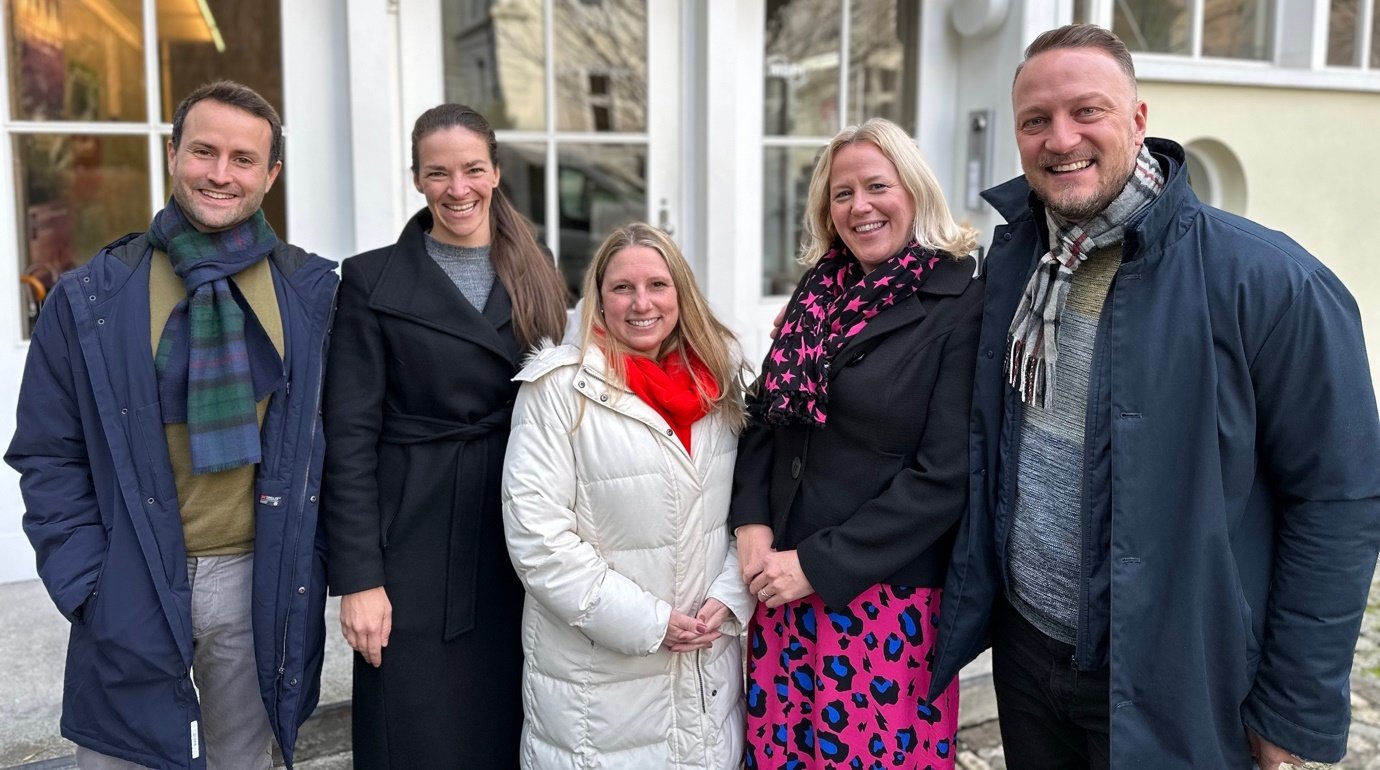
Left to right: Facundo Santomé (Senior Marketing Manager, MDPI), Constanze Shelhorn (Indexing Manager, MDPI), Cathy Holland (Director of Global Publisher Business Development, Digital Science), Helen Cooke (Managing Director of Publisher Sales, Digital Science), and Stefan Tochev (CEO, MDPI) in front of MDPI headquarters in Basel, Switzerland.
During our meeting, we discussed MDPI’s publishing philosophy and explored further avenues for collaboration. We look forward to continuing our partnership with Digital Science, aiming to improve our services yet further and meet the needs of our authors more closely than ever.
What is Altmetric?
You will notice that MDPI articles feature an Altmetric score, a colourful doughnut capturing the score in the upper right corner of the article page. This score represents ‘alternative metrics,’ as distinct from traditional metrics such as Impact Factor, CiteScore, and Scimago Journal Rank.
Altmetrics complement traditional citation-based metrics by capturing online discussions related to a specific research topic. By analyzing both sets of data, we can obtain a comprehensive understanding of the attention a particular research output receives and the sources in which it is mentioned.
“Almetric provides visual insights into where research is being discussed”
Sources Tracked by Altmetric
Altmetric badge showing the Altmetric score and colour-coded mention sources.
Altmetric monitors various sources, categorizing them into segments such as policy documents, peer reviews, Wikipedia, news and blogs, and social media, among other sources. Each category is identifiable by a specific colour.
The Altmetric badge provides visual insights into where the research is being discussed. A more colourful badge indicates broader mentions across multiple platforms. Such tracking enables us to gauge the extent of an article’s online dissemination, noting that increased visibility may correlate with higher citation rates.
Read more:
Impactful Research

Ten High-Altmetric Articles Published by MDPI
As at 30 January 2024, Altmetric has tracked 670,500 MDPI research outputs from MDPI, resulting in over 4.3 million mentions. This includes over 71,894 mentions in policy and patents and 294,714 mentions in news and blogs, with some achieving an Altmetric score as high as 28,754.
So, what is a good Altmetric score? There are various ways to put this score into context. You can find out more about the score in context and how to evaluate your work by this means.
Here are ten MDPI papers ranking in the top 5% of all research outputs scored by Altmetric.
|
|
“Accuracy in Wrist-Worn, Sensor-Based Measurements of Heart Rate and Energy Expenditure in a Diverse Cohort” J. Pers. Med. 2017, 7(2), 3; https://doi.org/10.3390/jpm7020003 Altmetric page: https://mdpi.altmetric.com/details/20477344 Altmetric shows that this article appeared in 253 news stories from 209 outlets including Forbes, BBC, and Fox News. |
|
|
“Daylight Saving Time and Acute Myocardial Infarction: A Meta-Analysis” J. Clin. Med. 2019, 8(3), 404; https://doi.org/10.3390/jcm8030404 Altmetric page: https://mdpi.altmetric.com/details/57654628 Altmetric shows that this article appeared in 295 news stories from 207 outlets including Forbes, The Atlantic, and New York Times. |
|
|
“The Preliminary Analysis of Cave Lion Cubs Panthera spelaea (Goldfuss, 1810) from the Permafrost of Siberia” Quaternary 2021, 4(3), 24; https://doi.org/10.3390/quat4030024 Altmetric page: https://mdpi.altmetric.com/details/111086701 Altmetric shows that this article appeared in 182 news stories from 134 outlets including CBC News, CNN, and National Geographic. |
|
|
“Not the Cat’s Meow? The Impact of Posing with Cats on Female Perceptions of Male Dateability” Animals 2020, 10(6), 1007; https://doi.org/10.3390/ani10061007 Altmetric page: https://mdpi.altmetric.com/details/83796184 Altmetric shows that this article appeared in 124 news stories from 98 outlets including VICE, CNN and The Guardian. |
|
|
“Behaviour and Welfare Impacts of Releasing Elephants from Overnight Tethers: A Zimbabwean Case Study” Animals 2022, 12(15), 1933; https://doi.org/10.3390/ani12151933 Altmetric page: https://mdpi.altmetric.com/details/133463915 Altmetric shows that this article appeared in 192 news stories from 186 outlets. |
How do I use altmetrics?
Altmetric Explorer provides a detailed step-by-step guide and instruction video for first-time users of the tool. The guide includes useful diagrams that make it easy to get started.
Sharing Research Online
For research to be tracked across different sources, Altmetric needs a research output with a persistent identifier: a DOI, ISBN, PubMed ID, handle ID, etc. When sharing research, it is important to include a link to the original research output.
|
|
“An Update on Eukaryotic Viruses Revived from Ancient Permafrost” Viruses 2023, 15(2), 564; https://doi.org/10.3390/v15020564 Altmetric page: https://mdpi.altmetric.com/details/142929875 Altmetric shows that this article appeared in 250 news stories from 180 outlets including CTV, Fox News, and CNN. |
|
|
“The Global Problem of Insufficient Sleep and Its Serious Public Health Implications” Healthcare 2019, 7(1), 1; https://doi.org/10.3390/healthcare7010001 Altmetric page: https://mdpi.altmetric.com/details/53406248 Altmetric shows that this article appeared in 252 news stories from 168 outlets including BBC, Harvard Business Review, and Forbes. |
|
|
“A Detailed Review Study on Potential Effects of Microplastics and Additives of Concern on Human Health” Int. J. Environ. Res. Public Health 2020, 17(4), 1212; https://doi.org/10.3390/ijerph17041212 Altmetric page: https://mdpi.altmetric.com/details/86529137 Altmetric shows that this article appeared in 197 news stories from 150 outlets including BBC, The Tribune, and World Economic Forum. |
|
|
“An Empirical Study of Chronic Diseases in the United States: A Visual Analytics Approach to Public Health” Int. J. Environ. Res. Public Health 2018, 15(3), 431; https://doi.org/10.3390/ijerph15030431 Altmetric page: https://mdpi.altmetric.com/details/34714141 Altmetric shows that this article appeared in 232 news stories from 149 outlets including Forbes, New York Times, and Harvard Business Review. |
|
|
“Garden Scraps: Agonistic Interactions between Hedgehogs and Sympatric Mammals in Urban Gardens” Animals 2023, 13(4), 590; https://doi.org/10.3390/ani13040590 Altmetric page: https://mdpi.altmetric.com/details/142934305 Altmetric shows that this article appeared in 172 news stories from 168 outlets including BBC. |
Inside MDPI
MDPI Annual Meeting Celebrations in China
On Thursday 25 January, over 1,300 MDPI colleagues from our two offices in Beijing gathered to kick off MDPI’s traditional ‘Annual Meetings.’ These celebrations take place in MDPI’s offices across China, including Dalian, Tianjin, Wuhan, and Nanjing.
The evenings include performances, informative talks and presentations, awards, and entertainment, providing an ideal platform to recognize our colleagues, celebrate their achievements, and set our sights on the future.
“It is essential that we stay connected and share best practices”
I sent a video congratulating everyone on their work and sharing our vision of building MDPI into the most trusted OA publisher, highlighting the roles each of us has to play in achieving that goal.
Unfortunately I could not join in person, but you may recall my recent trip, when I visited our offices in Beijing and Wuhan, which I look forward to visiting again this year.
Although our headquarters are in Basel, Switzerland, and we are expanding throughout Europe and North America, the majority of MDPI’s workforce is in China and throughout the Asia-Pacific region, including offices in Singapore, Thailand, Japan, and newly opened office in South Korea. It is essential that as a global organization, we stay connected and share best practices in order to grow collectively and continue providing the exceptional service to our authors.
The Annual Meeting is a moment to reflect and enjoy the year’s hard work and dedication.
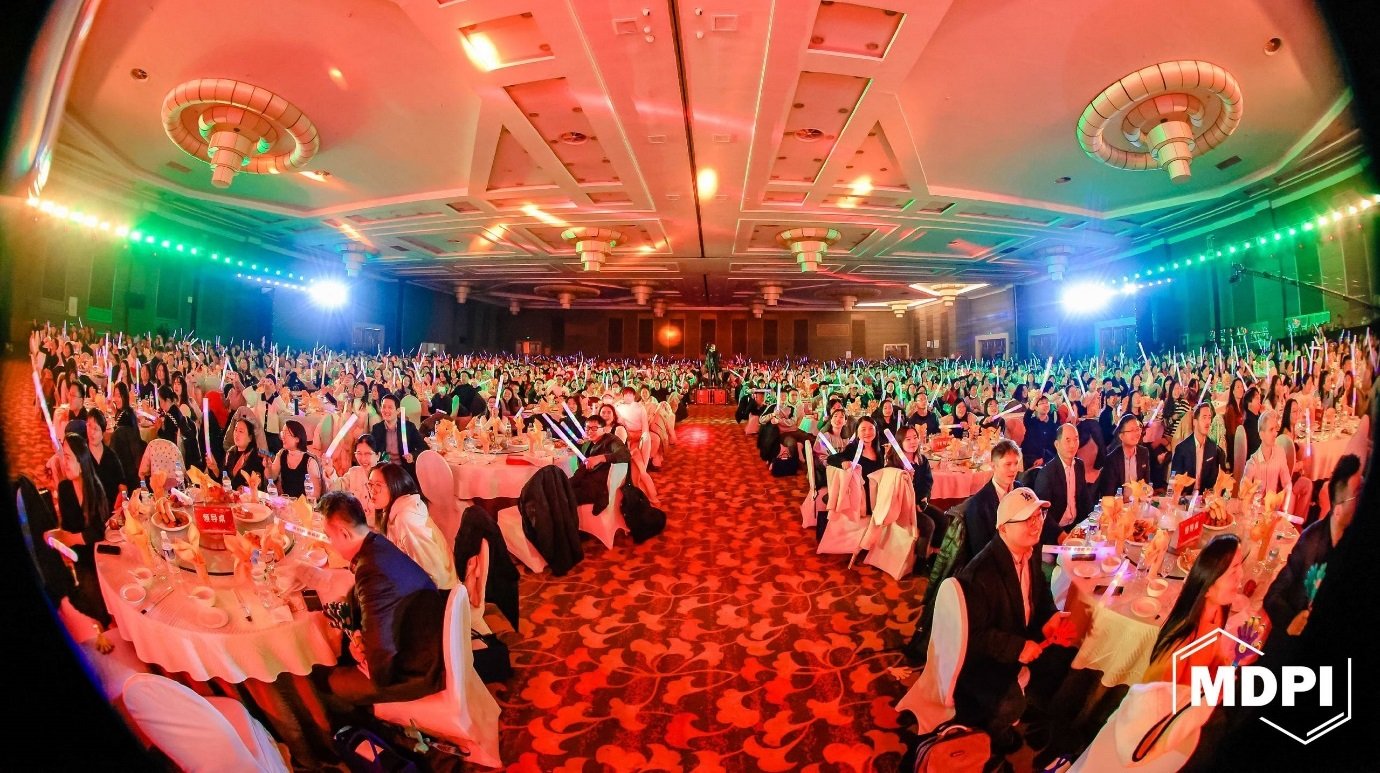
I extend our best wishes to all for the Chinese New Year (Xīnnián kuàilè)!
Coming Together for Science
MDPI and TU Delft Adopt Flat Fee Model in Extended Partnership
We are excited to announce a renewed three-year partnership with Delft University of Technology (TU Delft) in the Netherlands. This collaboration introduces a fixed lump-sum fee, covering publishing costs from 2024 to 2026.
“This initiative reflects our dedication to transparent and inclusive publishing”
TU Delft-affiliated authors will enjoy cost-free publishing in any MDPI journal during this period, aligning with our commitment to removing barriers for open access publishing. The agreement supports Plan S compliance and facilitates a seamless publishing process for TU Delft corresponding authors. This initiative reflects our dedication to transparent and inclusive publishing, providing stability and predictability both for authors and for institutions.
For further details on our Institutional Open Access Program (IOAP), please contact us.
Benefits to MDPI’s IOAP
At MDPI we have a long tradition of partnerships, including our Institutional Open Access Program (IOAP). IOAP supports institutions through simplification, access, transparency, APC discounts, and institutional repository deposits. The program simplifies administrative processes, offers central payment, and allows easy opting in and out. Participants gain free access to Susy, MDPI’s online submission system, with extensive article metadata and exportable data. APC discounts and Book Processing Charge discounts are available for affiliated authors. Automated deposits to institutional repositories and streamlined matching of papers to IOAP participants enhance the overall experience.
For further information, see our IOAP FAQ.
Closing Thoughts

Reflections on the 2024 APE Conference
MDPI was proud to co-sponsor the Academic Publishing in Europe (APE) 2024 Conference that took place in Berlin, Germany, from 9–10 January 2024.
The conference theme, ‘Keep the Conversation Going!’, explored the evolving landscape of scholarly communication. APE is one of the key conferences I make a point to attend each year. January offers a valuable opportunity to engage with new contacts, reconnect with familiar faces, and participate in impactful discussions and presentations among professionals, scholars, and practitioners in the field.
“It's fascinating to see how other publishers are leveraging AI”
Highlights
Some of the standout panels for me include: the role of the UN Sustainable Development Goals (SDGs) within the publishing industry. It was encouraging to hear the current status quo, though I was eager also to learn about the exciting projects planned for 2024 and beyond. These will allow us to track progress in subsequent years. At MDPI, we remain committed to promoting Open–Access (OA) content on SDGs through scientific articles and books. Furthermore, we extend our commitment to sustainability by financially supporting researchers through initiatives such as the World Sustainability Award and the Emerging Sustainability Leader Award, as well as waiving the APC for feature papers on each SDG.
In recent years, discussions on AI have become increasingly prominent at such conferences. It’s fascinating to see how other publishers are leveraging AI to meet the evolving needs of their audiences while at the same time using it to safeguard the scientific process. Other engaging panels that I enjoyed included updates on transformation beyond transformative agreements, the principles of lean change, incentive structures related to research integrity, and the panel on reviewer incentives.
“We can share best practices and lessons learned”
Incorporating MDPI’s Insights into Conferences
I must confess that I sometimes feel overlooked when MDPI is not invited to participate in crucial industry discussions. As the leading open access publisher and the third-largest publisher overall, we possess extensive experience in many of these areas and can offer valuable contributions to these discussions. We can share best practices, lessons learned, and our thinking about future trajectories. For instance, in panels discussing reviewer incentives, at MDPI we offer a discount voucher to reviewers for future submissions, reflecting our commitment to fostering a robust peer review process. In 2022 alone, MDPI collected over 1.4 million peer review reports, informing the decision-making processes of our editors. Given our expertise in these areas, it would be natural to include MDPI in such discussions. I therefore extend an invitation to future conference organizers to consider MDPI for speaking engagements and collaborative opportunities.
Chief Executive Officer
MDPI AG
2 January 2024
MDPI Insights: The CEO’s Letter #7 - Nobel Laureates Entrust MDPI with Their Research
Welcome to the MDPI Insights: The CEO's Letter.
In these monthly letters, I will showcase two key aspects of our work at MDPI: our commitment to empowering researchers and our determination to facilitating open scientific exchange.
Opening Thoughts
Nobel Prize Laureates Entrust MDPI with Their Research
The Nobel Prize stands as a hallmark of distinction, honouring ground-breaking research across disciplines. Annually, the Nobel Prizes are awarded in six categories: Physics, Chemistry, Medicine or Physiology, Literature, Peace, and Economic Sciences.
Through the years, renowned scholars have entrusted MDPI with their work. As at December 2023, 26 Nobel laureates have contributed to more than 75 articles across 25 MDPI journals, including: Antibiotics, Applied Sciences, Biology, Biomedicines, Cancers, Catalysts, Cells, Crystals, Entropy, Games, IJMS, Life, Materials, Micromachines, Molecules, Pharmaceuticals, Pharmaceutics, Photonics, Quantum Beam Science, Remote Sensing, Sensors, Solids, Universe, Vaccines, and Viruses.
The best of the best trust us with their work.
Nobel Prize Laureates Who Have Published with MDPI
We are proud to list the names of Pierre Agostini, Hiroshi Amano, Werner Arber, Aaron Ciechanover, Robert H. Grubbs, Oliver Hart, Gerard ‘t Hooft, Michael Houghton, Harald zur Hausen, Katalin Karikó, Jean-Marie Lehn, Gérard Mourou, Ferid Murad, Shuji Nakamura, William Nordhaus, Kostya S. Novoselov, Giorgio Parisi, Charles M. Rice, Alvin E. Roth, Donna Strickland, K. Barry Sharpless, George F. Smoot, Anne L’Huillier, Drew Weissman, Kurt Wüthrich, Ada Yonath.
The privilege of hosting such contributors resonates deeply with our editorial teams. For instance, in this interview, the Editor-in-Chief (EiC) of Universe speaks on the significance of publishing a paper by Nobel laureate Gerard ’t Hooft within the journal.
2023 Nobel Prize Winners Published by MDPI
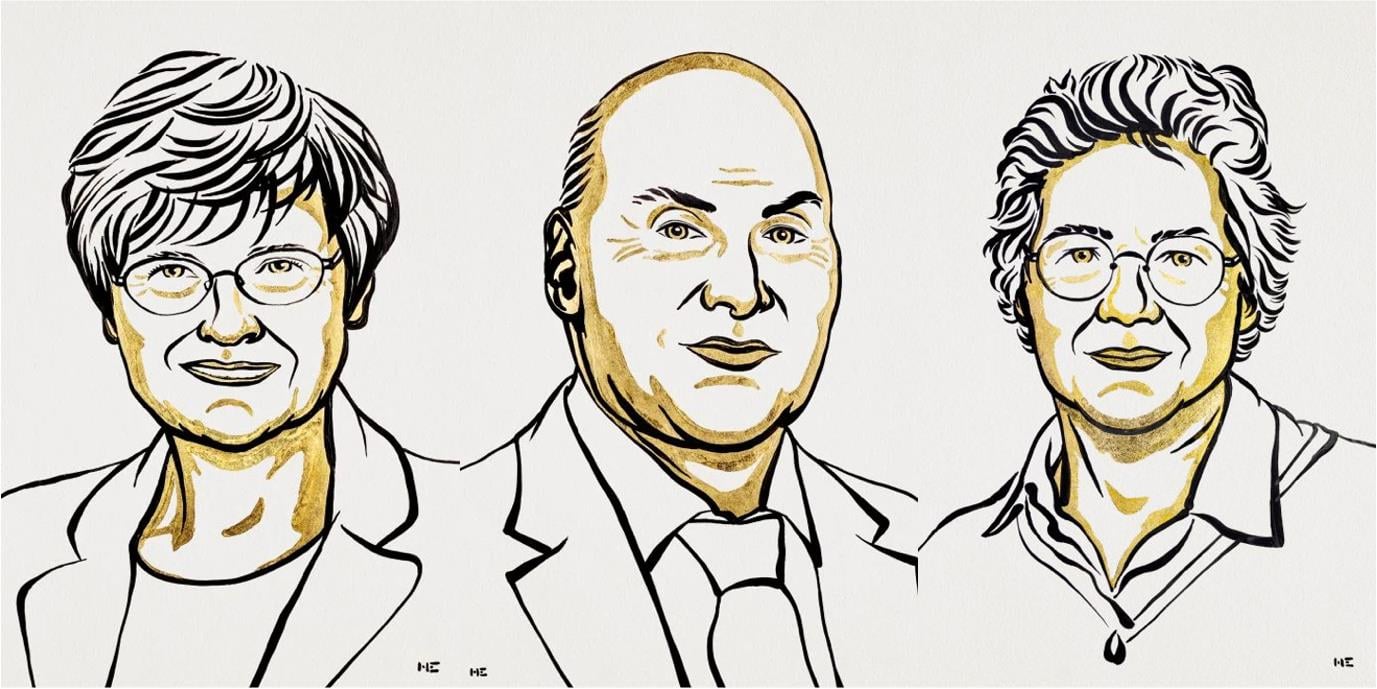
Nobel Prize Winners, 2023: Katalin Karikó, Drew Weissman, Anne L’Huillier (Ill. Niklas Elmehed © Nobel Prize Outreach)
Three laureates from the 2023 Nobel Prize cohort have trusted MDPI as their publishing platform. Notably, in a 2022 Pharmaceutics paper, molecular biologist Katalin Karikó and her team presented a methodology for evaluating mRNA capping efficiency, pivotal for therapeutic applications. Pharmaceutics had previously dedicated a Special Issue to “mRNA Therapeutics: A Themed Issue in Honor of Professor Katalin Karikó”, spotlighting ten articles from August 2021 to February 2022.
In the journal Vaccines, Professor Drew Weissman, collaborating with scholars from Pennsylvania University and George Mason University, contributed an influential review titled “Nanomaterial Delivery Systems for mRNA Vaccines”. His collaborative efforts spanned five papers across MDPI journals between 2021 and 2023.
Furthermore, Anne L'Huillier of Lund University, only the fifth female recipient of the Physics Prize, co-authored an article in Applied Sciences focusing on "Advanced EUV and X-Ray Optics". Similarly, Pierre Agostini, an Emeritus Professor from Ohio State University, co-authored an article featured in the special issue "Attosecond Science and Technology: Principles and Applications".
We extend heartfelt congratulations to all Nobel Prize laureates and express sincere gratitude for their confidence in MDPI as a platform for their scholarly contributions.
Read more:
Impactful Research

MDPI Journals Newly Indexed in 2023
The aim of indexing is to enhance the quality and credibility of published research, ensuring that researchers access the most credible resources available. While the principle behind citation indexing is straightforward, it remains one of the most dependable methods for tracking an idea's evolution across various scientific disciplines.
Throughout the year, MDPI works to expand the reach of our publications across premier multidisciplinary databases like Web of Science, Scopus, EBSCO, and ProQuest. This initiative is spearheaded by MDPI's Indexing team, under the leadership of Dr. Constanze Schelhorn.
In 2023, MDPI achieved 54 new acceptances in Scopus, 29 in Web of Science, 52 in EBSCO, and 83 in DOAJ: Directory of Open Access Journals.
The team prioritizes ensuring that our journals feature in numerous specialized databases, including PMC, PubMed, MEDLINE, Inspec, CAS, and FSTA, among others. Currently, MDPI collaborates with over 65 renowned international databases, consistently enhancing our database affiliations annually.
MDPI’s journals are indexed in all major global databases.
Furthermore, we collaborate with universities and government organizations to list our journals in country-specific ranking lists and relevant institutional repositories. This ensures compliance with requirements often set by funders or institutions for authors to publish in specific journals.
Web of Science Adds 24 MDPI Journals to Emerging Sources Citation Index (ESCI)
Clarivate recently analysed MDPI’s new journals, resulting in 24 journals, mainly established in 2020, being added to the ESCI in November and December 2023. Additionally, five journals passed this assessment earlier in the year. For a complete list of our journals in Web of Science, refer here. Journals in the ESCI meet 24 quality criteria, ensuring editorial rigor. They may be considered for inclusion in broader indices like the Science Citation Index Expanded (SCIE), the Social Sciences Citation Index (SSCI), or the Arts and Humanities Citation Index (AHCI), based on four impact criteria.
Read more:
Inside MDPI
MDPI Appoints New Chief Operating Officer (COO)

Alistair Freeland returned to MDPI and assumed the role of Chief Operating Officer in November 2023, a position he previously held from 2013 to 2019. He succeeds Dr. Yu Lin, who will remain a member of MDPI’s Board of Directors, overseeing significant financial decisions for the company. I would like to express my sincere thanks to Dr. Yu Lin for his service as COO.
Alistair brings extensive experience not only in scholarly publishing but also in technology and business management. Prior to rejoining MDPI, he was associated with SIX Group, the entity responsible for Switzerland's financial market infrastructure. There, he played a pivotal role in developing the blockchain-based platform SDX (SIX Digital Exchange), which has gained traction among major Swiss banks and the Swiss National Bank.
As COO, Alistair will collaborate with the MDPI management team to improve the practices and services we offer to scholarly communities. I am pleased to welcome Alistair back to MDPI and look forward to his contributions going forward.
Coming Together for Science

MDPI’s 2024 In-Person Academic Events Schedule
MDPI's Conference Team is dedicated to organizing and hosting in-person academic events across Europe, Asia-Pacific, and North America. We recognize conferences as invaluable platforms for scientific collaboration, scholarly exchange, discussions on contemporary topics, networking, and forging collaborations.
Here's a glimpse of the notable events we currently have scheduled for 2024:
|
|
14–16 February, 2024 |
|
|
24–26 April, 2024 |
|
|
28–31 May, 2024 |
|
|
1–4 August, 2024 |
Upcoming events with details to be announced:
- September 2024, Materials 2024 – Basel, Switzerland
- 19–21 September 2024, International Conference on Nanomaterials Sciences 2024 – Beijing, China
- October 2024, ncRNA 2024 – Basel, Switzerland
- November 2024, Pharmaceuticals 2024 – Barcelona, Spain
- 22–26 November 2024, International Conference on Science of Electronics – Wuhan, China
- Stay tuned for more details on the Sustainable Publishing Forum 2024.
Click here for all upcoming MDPI events.
Organize Your Event with MDPI’s Sciforum
Sciforum is MDPI’s platform dedicated to the organization of scientific events. In line with our mission to promote science, Sciforum supports scholars, societies, research networks, and universities at all stages of organizing in-person events, virtual events and webinars. Our platforms are efficient, user-friendly, and cost-effective. We handle all steps related to event management. Contact us for details.
Closing Thoughts

Reflecting on 2023 and Looking Ahead to 2024
As we approach 2024, I reflect on the incredible journey we’ve had together at MDPI this year. The past 12 months have been marked by ambitious projects and initiatives to improve our internal processes, and a commitment to continue delivering top-notch services to our stakeholders. I’d like to thank each and every one of our staff members for contributing to the positive experiences our stakeholders have reported in our surveys. Your dedication to speed, efficiency, and effective communication with our stakeholders is very much recognized and appreciated.
Becoming a stronger organisation
While we have encountered challenges in 2023, it’s important to understand that these are a part of our growth process. Difficulties provide us with opportunities to reflect, address problems at their roots, and ultimately evolve into a stronger organization. Our stakeholders expect us to overcome tough times, and it’s an expectation that we have for ourselves.
I extend my sincere appreciation to every MDPI employee, from our editorial office and IT department to marketing, indexing, IOAP, societies, Scientific Office board, products, production, conferences, finance, operations, admin, and beyond. To our newest team members, a warm welcome; to our longstanding colleagues, your dedication is invaluable.
“I am committed to taking MDPI to a new level of excellence.”
Interacting with many of you during my visits to our offices and representing MDPI at external events has been a personal highlight. I am deeply grateful to Dr. Lin for entrusting me with the role of CEO of MDPI. Looking forward, I am committed to working closely with our management team to lead MDPI and take it to a new level of excellence, aiming to establish it as the most trusted publisher in open access worldwide. This is a collective endeavour, with each of us shaping MDPI’s reputation. I therefore encourage us to take pride in our work, as it represents not only our craft but also MDPI as a whole.
Accountability and communication
As we look forward to 2024, there’s a lot to be excited about. Together, we’ll navigate challenges, seize growth opportunities, and refine our practices. To solidify MDPI’s position as the premier open access publisher globally, we must bolster accountability, improve stakeholder communication, share MDPI’s best practices, champion the open access philosophy, and educate stakeholders about our mission, methodologies, and motivations.
Thank you for engaging with the CEO Letter over the past six months of 2023. I will continue to release this newsletter as a method of sharing the great work being done at MDPI. Please feel free to connect directly with any insights or questions.
Here’s to a joyous and prosperous 2024!
Chief Executive Officer
MDPI AG
30 November 2023
MDPI Insights: The CEO’s Letter #6 - MDPI Spain Summit and ResearchGate
Welcome to the MDPI Insights: The CEO's Letter.
In these monthly letters, I will showcase two key aspects of our work at MDPI: our commitment to empowering researchers and our determination to facilitating open scientific exchange.
Opening Thoughts

MDPI Spain Summit
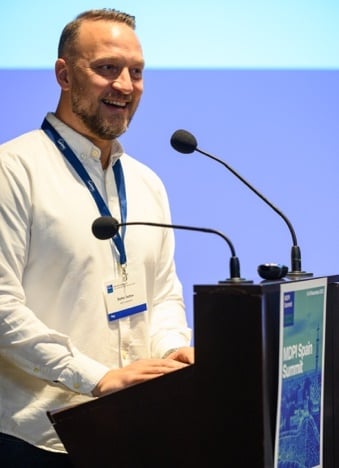
Stefan Tochev (CEO, MDPI) gives the opening speech at the MDPI Spain Summit.
On Friday 10 November 2023 I was in Barcelona, Spain, to deliver the opening presentation and participate in a panel at MDPI’s Spain Summit, a two-day event, inspired by our salon events in China.
With 16 Editors-in-Chief (EiCs) and 20 Editorial Board Members (EBMs) in attendance, the event, organized by our conference team and Barcelona office, featured presentations on open access (OA), MDPI, and publishing market trends in Spain.
The event provided a great opportunity to engage with stakeholders from various MDPI journals, including Nutrients, Vaccines, Buildings, IJMS, and others. We were able to gather feedback and have open conversations around manuscript quality, the peer-review process, and journal development, as well as accreditation agencies.
The main objective of this Summit was to bring together Editors representing MDPI journals across various disciplines within Spanish universities and research centers, primarily from the Barcelona area. The aim was to facilitate an open and fruitful discussion regarding the development of their journals, the future of OA in Spain, and to provide meaningful interactions and networking opportunities.
Connecting with Editorial Board Members
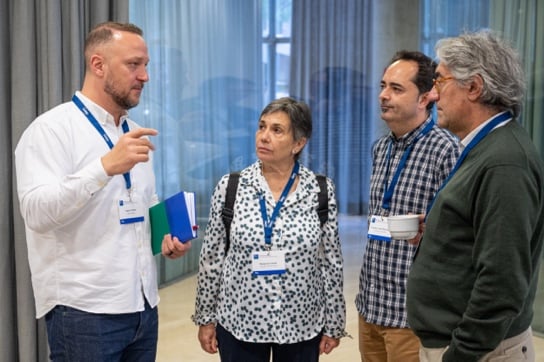
Stefan Tochev in conversation with Summit participants: "Our EBMs are passionate about the journals they serve."
Interacting with our EBMs in person provides a valuable opportunity to show how important it is to us to connect with them, hear their perspectives on their journals and learn more about their own experience collaborating with MDPI.
From my conversations, it was clear that our EBMs are passionate about the journals they serve. I know the advice they provide may sometimes involve just small tweaks, but these can lead to important improvements. As the saying goes, small hinges swing open big doors.
As at November 2023, MDPI has over 6,300 EBMs affiliated with Spanish institutions, with more than 30 of them serving as EiCs or section EiCs. Furthermore, over 68,000 Spanish scholars have contributed as reviewers in MDPI journals.
Open Access in Spain
In 2023, Spain implemented legislation mandating immediate OA for all publicly funded research, aligning with the EU’s Plan S initiative to expedite the transition to OA. The Spanish government also approved a four-year, €23.8 million annual budget for the first national OA strategy, aiming to make publicly funded research freely accessible upon publication. This strategy aims to strengthen the quality and transparency of research in Spain, and to help promote movement towards a digital, low-carbon economy.
For further details of Spain's OA policy and the history of government mandates, click here.
Spain has already seen a notable decline in subscription-only articles, decreasing by 62% over a 10-year period, while gold OA increased by 42%. Green OA slightly decreased, suggesting a shift towards publishing in gold OA journals rather than traditional subscription-based ones. Here are some statistics from Scopus.
A big thank-you to the various MDPI teams, including our conference team and the Barcelona office, for organizing this very successful event!
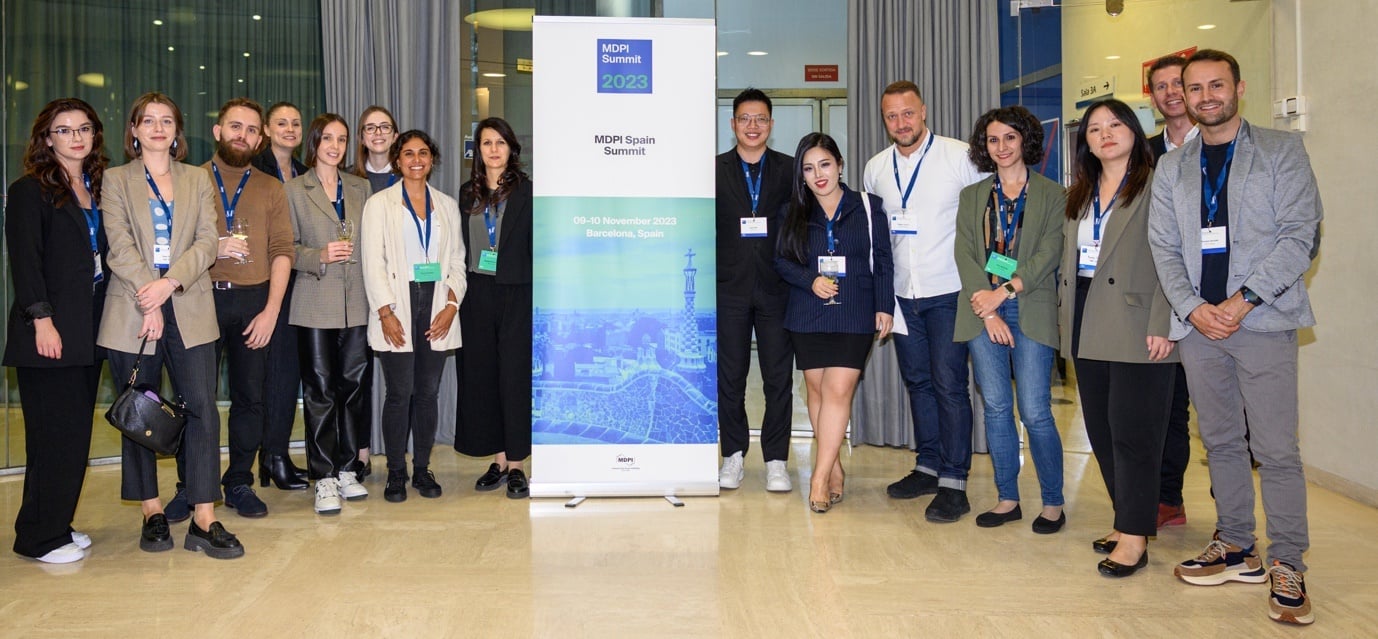
MDPI colleagues from various offices gathered to host and support the first MDPI Spain Summit, in Barcelona, Spain.
I think this type of gathering has the potential to become an annual event in various locations. For example, Manchester could be an option, as we have over 30 EiCs and over 3,000 EBMs in the UK, a top market for MDPI that publishes high-quality research.
Impactful Research

769 Editorial Board Members of MDPI Journals Recognized as Highly Cited Researchers in 2023
Congratulations to our 769 Editorial Board Members from 40 countries/territories who have been awarded Highly Cited Researcher status for 2023 by Clarivate. This recognition is based on their outstanding scientific research contributions and significant influence in various fields, as evidenced by Web of Science data.
Click here to view the full list of 769 Editorial Board Members.
Clarivate's Highly Cited ResearchersTM list identifies individuals with exceptional impact in scientific and social science domains over the past decade. Their papers rank in the top 1% of citations in 21 fields analysed in ‘Essential Science Indicators,’ showcasing their substantial influence.
This year, 7,125 Highly Cited Researcher 2023 designations were issued to 6,849 individuals from 67 countries, representing just 1 in 1,000 researchers worldwide.
These researchers demonstrate exceptional influence, representing a small fraction of contributors pushing the boundaries of knowledge, contributing to global well-being, sustainability, and security.
Congratulations to these scholars for their remarkable achievement: we are honoured to have them on board with our journals!
Inside MDPI
Corporate Marketing and Communications Strategy Session

Members of MDPI’s Corporate Marketing & Communications team.
For the past few years, I have led the Corporate Marketing & Communications department in our annual strategy session.
This typically involves 2–3 days of focused sessions covering key topics including budgeting, hiring targets, campaign reviews, and planning for the upcoming year, department strategy, and structure.
We are constantly exploring ways to optimize the Corporate Marketing & Communications department to support MDPI’s primary objectives and better convey the MDPI story while serving the scholarly community.
The strategy session also serves as a team-building activity, during which the team voted on bowling!
Strategy Session
In this strategy session, we looked at how to align our teams in order to better streamline our content with our campaigns, build a dedicated marketing team to strategically support our core MDPI products, expand our communications teams and functionalities to focus on company-critical campaigns and press releases, align our new brand design system with our marketing initiatives, set up a community and engagement team to support various teams with their outreach and communication efforts, and increase our use of data in the evaluation of campaign performance.
To grow in these areas, we will be hiring for various positions, including those of Public Relations Manager, Communications Manager, Internal Communications Manager, Campaign Manager, Marketing Associate, and Editorial Engagement Manager.
I am grateful for the way our Corporate Marketing & Communications department has grown and gelled over the years, and I look forward to supporting the department teams and their ideas for the future.
Coming Together for Science

ResearchGate and MDPI Partner to Boost the Visibility of Open Access Content through Journal Home
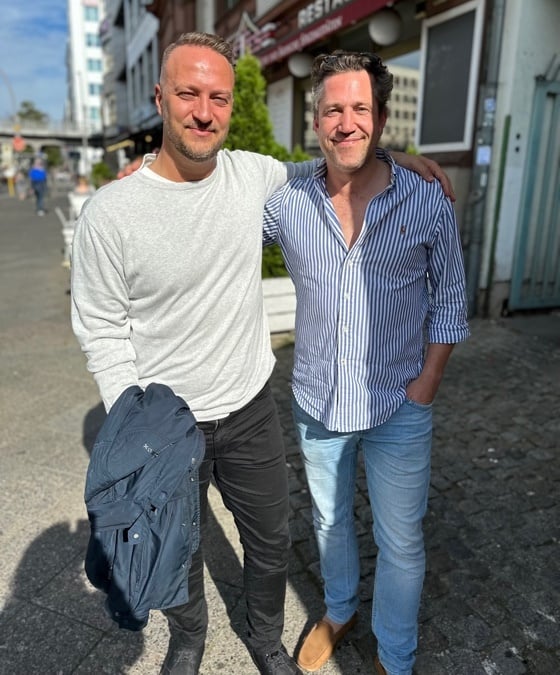
Stefan Tochev (CEO, MDPI) and Sören Hofmayer (Co-Founder and Chief Strategy Officer, ResearchGate) meet in Berlin, Germany to take their ongoing discussion further.
When I assumed the role of CEO at MDPI, my primary focus was to initiate the building of essential partnerships and collaborations within our industry. After all, I am a firm believer in achieving our goals by helping others achieve theirs and focusing on co-opetition wherever there is an opportunity. I first touched on the notion of co-opetition in MDPI Insights: The CEO's Letter #3, particularly when discussing collaborations with Elsevier.
In light of this, Sören Hofmayer (Co-Founder and Chief Strategy Officer at ResearchGate) and I connected recently to continue a discussion that had been ongoing for months. I was quickly brought up to speed and felt there was an opportunity for MDPI journals to pilot the Journal Home service that ResearchGate had launched. This would provide a new way for MDPI to engage with authors and readers and amplify the visibility of our journals.
While I receive many offers and opportunities for discussions with vendors, I am a firm believer that timing is everything, and in this case, the time for us is now. Sören and I met in person during my recent visit to Berlin and decided to proceed with piloting ten MDPI journals with the Journal Home service.
The press release below provides further details.
Press Release: Berlin (Germany) and Basel (Switzerland), 15 November 2023
ResearchGate, the professional network for researchers, and MDPI, the largest open access publisher in the world and a pioneer in open access publishing, today announced a partnership that will see ten of MDPI’s open access journals benefit from an enhanced presence on ResearchGate through its innovative Journal Home offering.
This new partnership will expand the reach and visibility of MDPI’s participating flagship journals with ResearchGate’s highly relevant community of more than 25 million researchers globally.
Around 210,000 version-of-record articles from these 10 titles will be readily available on ResearchGate, including the full archive material and all new articles as they are published. These journals also benefit from enhanced brand visibility, with dedicated journal profiles, prominent representation on all associated article pages and all relevant touchpoints across the ResearchGate network – keeping the journals top-of-mind with their reader and author audiences. All articles covered by the new partnership will automatically be added to the authors’ publication records in ResearchGate. This not only reduces MDPI authors’ needs for direct management but also offers them valuable insights into the impact of their work, including data about readership and citations.
Closing Thoughts

November is Men’s Health Awareness Month

Stefan Tochev (CEO, MDPI) listening to music as he writes at a coffee shop in Basel, Switzerland.
November is dedicated to raising awareness of various men’s health issues. I have been fortunate to have positive male role models in my life, and I strive to share my experiences with others.
I used to take part in Movember, growing my moustache throughout November to raise awareness and funds and to help “change the face of men’s health.” With male family and friends impacted by physical and mental health issues, I have recently become more interested in men’s overall well-being.
Men often face stigma involving the perceived need always to be strong and have things figured out. Recently, I’ve had meaningful conversations with male friends and colleagues about issues we rarely discuss, and it was a positive experience.
Various factors impact men’s health and well-being, all too easily leading to risky health behaviours including a lack of health awareness, poor health education, and negative, culturally induced, behaviour patterns in our work and personal lives. I hope we can break down these barriers in our work environment.
Healthy men help build healthy families and a healthy society
Men are less likely than women to seek help with their physical and mental health struggles. This is a reminder to prioritize your overall well-being. I hope that as men, we will continue to open up to one another, becoming vulnerable in order to share what we are going through. By sharing and by supporting each other, we can learn and grow together. You are not alone, and when you fall, you can still get up and stand tall.
From one broski to another, you are loved and appreciated. I hope this mindset carries into December and beyond.
Mindfulness
Our content team recently released a handful of articles on mindfulness, a practice that I believe provides a good opportunity for stress release and self-reflection:
Chief Executive Officer
MDPI AG
29 November 2023
Interview with Dr. Sebastian Feliu Jr.—Winner of the Metals 2022 Best Paper Award

All papers published in 2020 and 2021 in Metals (ISSN: 2075-4701) were considered for the award. After a thorough evaluation of the originality and significance of the papers, citations, and downloads, the winner was selected.
Review:
“Electrochemical Impedance Spectroscopy for the Measurement of the Corrosion Rate of Magnesium Alloys: Brief Review and Challenges”
by Feliu Sebastián, Jr.
Metals 2020, 10(6), 775; https://doi.org/10.3390/met10060775
Dr. Sebastian Feliu Jr. is a tenured scientist within the ECORR research group at the National Center of Metallurgical Research (CENIM), Madrid. He earned his Ph.D. in metallurgy with the highest distinction, “apto cum laude”, from the Complutense University in Spain in 1990. Additionally, he conducted post-doctoral research within the Surface and Interface Group at the University of Surrey, UK. He has participated in 17 research projects and has published 87 articles in the Web of Science of Thomson Reuters, 14 articles not included in the ISI Web of Knowledge, and 8 chapters in books. His publications have been ISI-cited over 2440 times (6 papers with over 100 citations and 13 papers with over 50 citations), with an h-index of 25. Throughout his career, Dr. Feliu Jr. has been actively involved in research in the field of metallurgy and corrosion science. His research interests in this area mainly include an understanding of the corrosion mechanisms of various structural metals and the factors that affect their corrosion, which is considered one of the key factors limiting, or even preventing, their use under real-life service conditions. Such an understanding is also essential for the widespread application of materials in aggressive environments (especially environments containing H2O and Cl‒).
1. Could you give us a brief introduction about yourself to our readers?
I graduated with an honors degree in metallurgy from the Faculty of Chemistry at the Complutense University of Madrid in 1987. My main interests are in the field of corrosion, largely due to my interesting and fruitful conversations with Prof. S. Feliu, my father. In 1988, I was awarded a Ph.D. scholarship funded by the Spanish National Research Council (CSIC). In 1990, I completed my doctoral thesis under the direction of Professors Manuel Morcillo and Jose Maria Bastidas in the Department of Corrosion at CENIM. My Ph.D. was primarily focused on the use of impedance measurements to obtain information about the effect of the replacement of a fraction of zinc with a Fe2P extender on the anti-corrosive properties of zinc-rich coatings. Following my Ph.D., I joined the group of Prof. James Castle at the University of Surrey, England, in 1991, as an honorary research fellow, where I used X-ray photoelectron spectroscopy (XPS) to examine the influence of the atmosphere on the chemical damage to polypropylene during the process of abrasion, focusing, in particular, on the chemical composition of the surface during the process of abrasion. I was promoted to tenured scientist at CENIM in 1995. I remain in this role at present. My research interests include three lines of investigation within corrosion research. The first is the study, by means of surface analysis techniques, of the corrosion mechanisms of technological materials, including galvanized steels and aluminum and magnesium alloys. The objective of this line of research, using the XPS technique, has been to try to establish relationships between the chemical composition of the outermost surfaces of the materials and their resistance to corrosion. The second is the study of the corrosion mechanisms of Mg–Al alloys. The objective is to use EIS, XPS, gravimetric, and hydrogen evolution measurements to understand and assess the protective nature of the native oxide films and the corrosion layers formed on the surfaces of different Mg–Al alloys and environments. The third is the study, by electrochemical methods, of the corrosion mechanisms of technological materials. One of the objectives of this line of research is the study of the possibilities offered by the EIS technique to determine the corrosion rates of Mg alloys. In particular, the resistance and electrical capacity parameters of the materials are relevant in terms of studying their behavior.
2. What is your current area of research and why did you choose this research field?
From a technological point of view, the establishment of reliable corrosion rate values is an essential step for the estimation of the service life of structures based on materials, the comparative evaluation of the durability of different alloys, and the control of the effectiveness of protective methods. In recent years, despite the obvious practical interest in electrochemical methods to determine the corrosion rates of Mg–Al alloys, some aspects have not yet been sufficiently clarified. Numerous studies conclude that the electrochemical estimations for Mg and its alloys are unreliable and tend to underestimate the actual corrosion rates by several orders of magnitude. A recent paper stated that the issue of the accurate measurement of Mg alloys’ corrosion rates using electrochemical methods is one of the three greatest challenges in the context of the corrosion of Mg. However, the accurate assessment of the corrosion rates of Mg and Mg alloys by electrochemical methods remains a complex subject that is under active debate within the research community. As such, one of the main objectives of my current research is to confirm the utility of the EIS technique for the reliable corrosion rate estimation of Mg alloys and to study the factors affecting it, attempting to improve the reliability of the experimental results by devising better study designs. Another distinct objective of my current research is to study the composition, structure, and protective properties of the nano-layers formed on the outer surfaces of Mg–Al alloys in contact with the atmosphere or on the surfaces of the corrosion product layers formed in contact with different corrosive environments, with the aim of identifying possible relationships with the alloy’s corrosion behavior.
3. Which research topics do you think will be of particular interest to the research community in the coming years?
At present, the corrosion of metallic materials remains a major technological and economic challenge because the service lifetime of these materials is often limited by their stability or durability in more extreme environments. The field of corrosion research is dynamic and ever evolving, with ongoing efforts to develop new materials, techniques, and strategies to mitigate or prevent corrosion. Although it is difficult to predict the future, some research topics that have been of interest to the corrosion research community in recent years are likely to continue to be important in the coming years. The development of cost-effective, environmentally friendly materials with superior resistance to corrosion, such as corrosion-resistant alloys, protective coatings, and composites, is the main challenge. A novel research topic consists of using advanced computational tools, such as thermochemical computation and experimental databases, to design new materials by maximizing their resistance to corrosion, molecular dynamics simulations to study the corrosion protection mechanisms of inhibitors, and finite element analysis to establish models of failure. Another ongoing topic is the search for environmentally friendly and sustainable corrosion protection methods, including inhibitors and superhydrophobic or self-healing composite coatings, as well as the recycling of materials and reducing the environmental impact of corrosion prevention measures. From a basic corrosion research point of view, the implementation of sophisticated surface analysis techniques in universities and research centers has led to considerable progress in the understanding of the metallic surface chemistry, structure, and properties at the nanometer level, and, in combination with electrochemical methods, they will lead to an improved understanding of corrosion mechanisms. Emerging new technologies, such as renewable energy systems, electric vehicles, and advanced manufacturing processes, will accelerate progress in corrosion research. Fortunately, there are many other corrosion topics to be addressed by future research.
4. What appealed to you about the journal that made you want to submit your paper? What benefits do you think authors can gain when publishing their articles in Metals?
The journal Metals is interdisciplinary and covers a broad range of research topics, such as metallurgy, materials science, and corrosion. My work is primarily within the field of corrosion, which fits within the scope of the journal. Metals has a large audience that includes academic researchers and professionals in the field of metallurgy and materials science, and it benefits the authors through its visibility and recognition within the research community and industry. The journal’s impact factor is also attractive. Journals with a high impact factor often receive more attention and citations, which enhances the visibility and impact of the research. In addition, I value the rigor and transparency of the peer-review process at Metals. In my opinion, a rigorous, constructive, and fair peer-review process is essential in maintaining the quality and credibility of the research published. Metals offers open access publication, which makes the research freely accessible to a larger audience, maximizing the dissemination of the published work. Additionally, Metals aligns with the principles of accessibility and transparency, which are highly valued by several state agencies for scientific research and technological development agencies (such as the National Research Council (CSIC)). I chose this journal due to the rapid processes in the review and publication of original work, especially regarding the rapid sharing of published work with different research groups. The expertise and reputation of the editors and board members in my field are another factor. Moreover, the efficiency of all of the administrative staff results in the highly effective management of manuscripts. Metals also has an international readership and authorship, which ensures the wider distribution of research and collaboration within the scientific community. Finally, the ethical and professional publishing standards of Metals, such as transparency in authorship, conflicts of interest, and ethical guidelines, encouraged me to submit my work to the journal.
5. We are an open access journal. How do you think open access impacts authors?
Open access has significant impacts on authors, providing several benefits, advantages, and opportunities. Open access journals make research freely available to anyone with an Internet connection, democratizing knowledge and enabling authors to reach a global audience. The broader accessibility increases the impact and visibility of authors' work, making it easier for researchers, students, professionals, policymakers, and interested citizens worldwide to access and read their research. This can lead to increased opportunities for interdisciplinary collaboration among scientists and outreach. On the other hand, studies have shown that open access articles tend to receive more citations than articles published in traditional, subscription-based journals. This increased visibility can lead to greater recognition and impact of the author's research. Moreover, open access accelerates the rapid dissemination of research findings. Authors can share their work more quickly, contributing to the acceleration of knowledge, dissemination, and discovery. Open access research is often easier to find and share. Authors can connect with other researchers in their field more readily, fostering collaboration and networking opportunities. Open access journals often have transparent and ethical publishing practices, emphasizing author rights, attributions, and clear licensing terms. Authors may appreciate the ethical standards upheld by open access publications. Many funding agencies and institutions require researchers to publish their work in open access formats to ensure that publicly funded research is accessible to the public. Complying with these requirements is easier when publishing in open access journals. Finally, open access publications frequently provide authors with statistics and metrics about the readership and impact of their work, allowing authors to track how their research is being used and cited.
6. As the winner of this award, is there anything you would like to express or anyone you would like to thank the most?
First, I would like to express the most heartfelt gratitude to my father, Prof. Sebastian Feliu Matas. He instilled in me a passion for corrosion science and was a continuous source of support, inspiration, and guidance throughout my scientific career. Some of his ideas were influential in the preparation of the award-winning manuscript. I would also like to thank Professors Manuel Morcillo and Jose Maria Bastidas, my thesis directors, who introduced me to the field of corrosion and impedance and helped me through my early career. I would like to thank Dr. Juan Carlos Galvan and Prof. Lucien Veleva for the fruitful exchange of ideas about the application of electrochemical methods to corrosion studies. Prof. Angel Pardo, who aroused my interest in the corrosion behavior of magnesium, is also acknowledged. I would also like to extend my gratitude to my Ph.D. students for their enthusiasm and insatiable curiosity. I am also grateful to the members of the ECORR group for their collaboration and friendship. Additionally, I thank the Department of Surface Engineering, Corrosion and Durability of CENIM; in many ways, this award is a recognition of the work of my colleagues. Furthermore, I wish to express my gratitude to CENIM and CSIC, which provided me with the economic support, resources, and facilities necessary for my research.
Furthermore, I wish to express my deepest gratitude to the selection committee and the editorial team of Metals for this award. This recognition is highly appreciated and will act as a stimulus for my scientific career in corrosion research.
Finally, I would like to thank my family members for their continuous affection, support, and comprehension, especially my mother, Maria Teresa.
You can find more information about Metals Awards at the following link: https://www.mdpi.com/journal/metals/awards. To request further information, please contact the Metals Editorial Office at [email protected].
Metals Editorial Office
21 November 2023
769 Editorial Board Members of MDPI Journals Achieve Highly Cited Researcher Recognition in 2023

We extend our sincere congratulations to the 769 Editorial Board Members of our journals – from 40 different countries/territories – who have been recognized as Highly Cited Researchers for the year 2023 by Clarivate. They are being recognized for their high-quality scientific research achievements and outstanding contributions to their professional fields, as indicated by Web of Science data.
Clarivate's annual list of Highly Cited ResearchersTM identifies the most highly cited scientists for the past decade who stand out for their significant and broad influence in various scientific and social science domains. Their impactful papers are among the top 1 per cent in the citation distribution of one or more of 21 fields analyzed in the "Essential Science Indicators", distinguishing them as hugely influential among their peers.
This year, 7,125 Highly Cited Researcher 2023 designations were issued to 6,849 individuals from 67 countries, representing just 1 in 1,000 researchers worldwide.
This means that these researchers have demonstrated an incredible level of significant and broad influence in their chosen field or fields over the last decade. They represent a small fraction of the researcher population whose contributions disproportionately push the boundaries of knowledge, enhancing global well-being, sustainability, and security.
Congratulations to the scholars for their noteworthy achievement – we are honored to have them on board with our journals!
|
Abate, Antonio |
Jaiswal, Amit K. |
Shen, Zexiang |
1 November 2023
MDPI Insights: The CEO’s Letter #5 - OA Week, UK, and Strategy
Welcome to the MDPI Insights: The CEO's Letter.
In these monthly letters, I will showcase two key aspects of our work at MDPI: our commitment to empowering researchers and our determination to facilitating open scientific exchange.
Opening Thoughts

Open Access Week 2023 – the Global Drive to Open Continues
As the world's largest open-access (OA) publisher, we believe that unrestricted access to research findings is the cornerstone of transparency, efficiency, and quality control across scientific disciplines. At MDPI, we provide free, immediate access to scientific papers, empowering scientists to examine, validate, replicate, and build upon existing results. This minimizes redundancy, optimizes resources, and fosters innovative approaches.
International OA Week, held from 23 to 29 October 2023, provided a unique opportunity to link the global movement toward open sharing and open science with the progress of policy changes at the local level. Our mission, during OA Week and all the year round, is to offer educational resources highlighting the benefits of open-access publishing. The MDPI Blog is a valuable resource for information on open access and open science.
Core principles of OA publishing
Accessibility, transparency, and collaboration are core principles of OA publishing. OA aims to break down barriers that have traditionally restricted research access, ensuring that knowledge is available to all, regardless of financial situation or institutional affiliations. Our commitment to diverse pathways for OA publishing worldwide includes discounts for researchers. You can learn more about how MDPI supports scientific communities here.
One of the key strengths of OA publishing is its ability to facilitate interdisciplinary research. By removing paywalls and promoting knowledge-sharing across disciplines, OA encourages collaboration and innovation. Researchers from various fields can access and build upon each others’ work, fostering a holistic approach to addressing complex global challenges.
OA holds the potential to democratize knowledge, advance science, and drive positive societal change.
Policy driving change
Governments, institutions, and funding agencies have recognized the transformative potential of OA and have implemented policies to promote it. These policies often require publicly funded research to be made openly accessible, accelerating the growth of OA repositories and journals. Check out our spotlights on OA policies in the US, EU and China.
OA publishing is continuously evolving, with community-driven models and technologies shaping its future. Initiatives such as “Plan S” and “cOAlition S” promote OA publishing from the perspective of national funders, requiring grantees to publish their research openly. A new policy announced by the US administration last year mandates that, with effect from January 2026, all US federally funded research should be freely and immediately available after publication.
Additionally, preprint servers such as MDPI's Preprints.org, which allow researchers to share their findings before formal peer review, have gained popularity, enhancing the speed at which new knowledge is disseminated. The rise of blockchain technology is also being explored to ensure transparency and authenticity in scholarly publishing.
For more than two decades, OA publishing has been revolutionizing academic publishing by promoting accessibility, transparency, and collaboration. Its support for interdisciplinary research, evolving policies, and innovative practices all contribute to its growing influence in the global research community. As OA continues to expand, it holds the potential to democratize knowledge, advance science, and drive positive societal change.
MDPI is proud to lead the transition to open access.
Read more:
Impactful Research

Spotlight on Smart Cities
Smart cities will serve as a cornerstone for future human development. Their implementation will help us tackle many of the significant challenges we are facing – climate change, ageing populations, waste management, public safety, travel, and so on. Recognising the importance of this multifaceted field, MDPI launched the inaugural issue of Smart Cities in 2018 to provide an advanced forum for research into smart technology and society. Here we take a look at how this journal has developed, and its impact in this exciting field.
As at 30 October, 2023, Smart Cities has published 421 papers and has an Impact Factor of 6.4. It also has a CiteScore of 8.5, and more than one quarter of its published papers – 124 – have been cited 10 times or more.
Highly cited papers in Smart Cities
Below are several highly cited papers recently published in Smart Cities. Citation metrics are current as at 31 October 2023.
1. “Introducing the “15-Minute City”: Sustainability, Resilience and Place Identity in Future Post-Pandemic Cities”
Authors: Carlos Moreno, Zaheer Allam, Didier Chabaud, Catherine Gall and Florent Pratlong
Smart Cities 2021, 4(1), 93-111; https://doi.org/10.3390/smartcities4010006
Citations: Crossref (338), Scopus (366), Web of Science (270), Google Scholar (710)
The paper discusses the socio-economic impacts of the COVID-19 on cities, including increasing inequalities and rising unemployment. It introduces the concept of the "15-Minute City," a form of "chrono-urbanism," as a response to the challenges posed by the pandemic.
2. “A Review on Electric Vehicles: Technologies and Challenges”
Authors: Julio A. Sanguesa, Vicente Torres-Sanz, Piedad Garrido, Francisco J. Martinez and Johann M. Marquez-Barja
Smart Cities 2021, 4(1), 372-404; https://doi.org/10.3390/smartcities4010022
Citations: Crossref (359), Scopus (363), Web of Science (268), Google Scholar (558)
This paper provides an overview of the progress in Electric Vehicles (EVs), focusing on battery technology, charging methods, and emerging research challenges. It also analyzes the global EV market and its future outlook.
3. “IoT in Smart Cities: A Survey of Technologies, Practices and Challenges”
Authors: Abbas Shah Syed, Daniel Sierra-Sosa, Anup Kumar and Adel Elmaghraby
Smart Cities 2021, 4(2), 429-475; https://doi.org/10.3390/smartcities4020024
Citations: Crossref (121), Scopus (151), Web of Science (91), Google Scholar (215)
This paper gives an overview of the Internet of Things (IoT) in the context of Smart Cities, discussing the fundamental components, technologies, architectures, networking technologies, and artificial algorithms that underpin IoT-based Smart City systems.
4. “Artificial Intelligence Techniques in Smart Grid: A Survey”
Authors: Olufemi A. Omitaomu and Haoran Niu
Smart Cities 2021, 4(2), 548-568; https://doi.org/10.3390/smartcities4020029
Citations: Crossref (76), Scopus (94), Web of Science (57), Google Scholar (120)
This survey paper reviews the utilization of artificial intelligence (AI) techniques in the context of the smart grid. It covers various applications of AI in load forecasting, power grid stability assessment, fault detection, and security issues in the smart grid and power systems.
5. “The Metaverse as a Virtual Form of Smart Cities: Opportunities and Challenges for Environmental, Economic, and Social Sustainability in Urban Futures”
Authors: Zaheer Allam, Ayyoob Sharifi, Simon Elias Bibri, David Sydney Jones and John Krogstie
Smart Cities 2022, 5(3), 771-801; https://doi.org/10.3390/smartcities5030040
Citations: Crossref (72), Scopus (75), Web of Science (43), Google Scholar (176)
This paper discusses the concept of the Metaverse, a virtual world introduced by Meta (formerly Facebook), and its potential impact on urban life. It explores how emerging technologies such as AI, Big Data, IoT, and Digital Twins could reshape urban design and services in the context of the Metaverse.
Testimonial
“It was indeed a great and pleasant experience with MDPI regarding our recent publication. The submission process was very straightforward and less time-consuming than the norm. The review process was very fast compared to many other open access journals, which is praiseworthy. The support from the Editorial Office during the revision process was highly useful as well. We look forward to publishing with MDPI in the future, and I will most definitely recommend MDPI to my colleagues and collaborators.” – Dr. Luís Rosa, University of Minho
Article in Smart Cities: Mobile Networks and Internet of Things Infrastructures to Characterize Smart Human Mobility
Inside MDPI
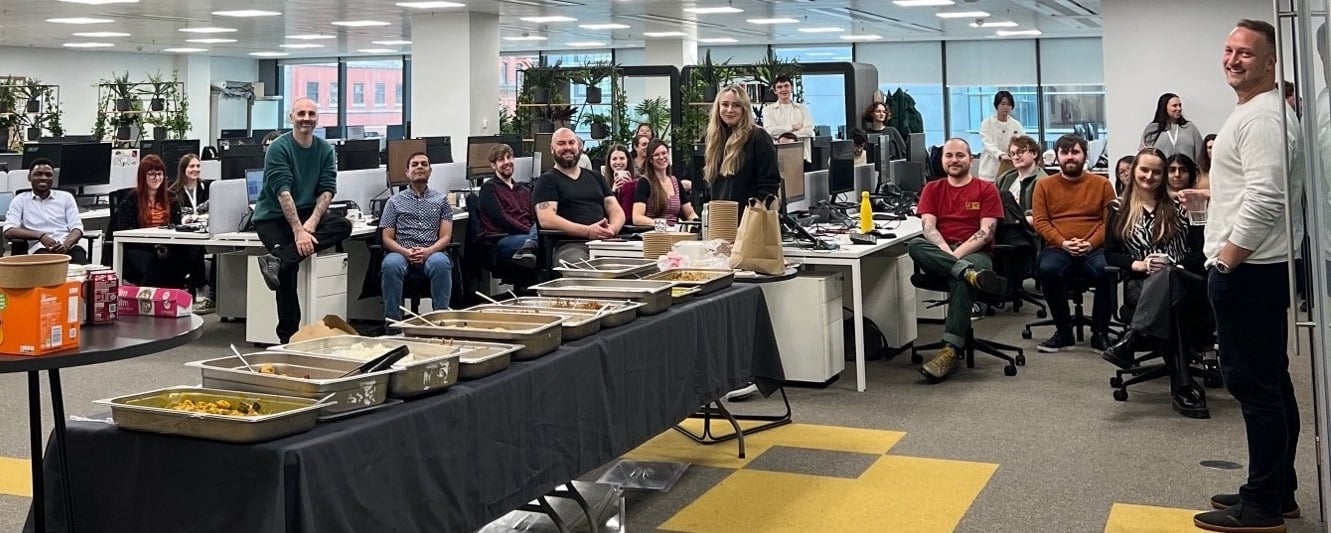
MDPI Manchester office, UK Visit

Allie Shi (Editorial Director, MDPI), Stefan Tochev (CEO, MDPI), Jamie Anderson (Manchester Office Manager, MDPI), Michael O’Sullivan (Senior Scientific Officer, MDPI), Hushneara Akhtar, and Becky Castellon (IOAP Team Lead, MDPI), dining out in Manchester, UK.
In October, I visited MDPI’s new office in Manchester. During the visit, I connected with our English Editing (EE) managers, Scientific Officer, members of the Editorial team, the Marketing team, and IOAP Team Lead.
Our Manchester office focuses primarily on EE services and provides local support for the UK market. Additionally, we regularly visit Editorial Board members and participate in local conferences.
I would like to thank Jamie Anderson, Manchester Office Manager, and her team, for their deep commitment to our Manchester staff and to MDPI’s impact on the UK market.
The UK by numbers
The UK is a hub for the world’s top universities, making it a key market for MDPI and the publishing world in general. It is home to two of the top-five-ranked universities globally, 11 in the top 100, and 15 in the top 200.
As a result, the UK plays a key role in MDPI’s global market. As at October 2023, it ranks as the seventh-largest contributor to the total number of papers published by MDPI. We have 3,500 Editorial Board members affiliated with UK institutions, including 34 serving as Editors-in-Chief (EiCs). Our commitment to collaboration with institutions is evident in the UK, where we have successfully established some 60 Institutional Open Access Program (IOAP) agreements with esteemed institutions, such as the University of Oxford, the University of Cambridge, Imperial College London, the University of Edinburgh, and more.
According to InCites Dataset + ESCI for the period 2018–2022, as at October 2023, nearly 65% of UK papers are now published as OA. Just over 10% of total OA publications are by UK authors. UK papers are known for their high quality, with an average of 11 citations per paper. Furthermore, 2.16% of UK papers are in the top 1% of cited papers, and 14.61% are in the top 10% of cited papers, showcasing their impact.
We are currently hiring EEs in various locations worldwide.
English Editing at MDPI
Our English Editing (EE) department consists of two main branches, Quality Control and Learning and Development, reflecting our priorities. We are continuously enhancing the quality of our English Editing services and have raised the relevant standards, which now extend to company-wide communications. English editors participate in international interviews, conduct English assessments, and provide colleagues with presentations on ways to improve their use of written and spoken English.
While expanding, the EE department has proactively refocused its efforts on the quality of our work and how the English Editing department can benefit the company more broadly. We currently have approximately 140 full-time English Editors based across five offices worldwide, supplemented by over 700 freelance English editors.
Our Manchester office serves as the hub for the EE Department, with EE Managers situated there, except for Kurtis Jackson, who serves as the Head of EE and is located in our Basel office. Manchester EEs play a critical role in establishing and developing EE teams in our other offices, overseeing management and recruitment. The EE department plays a vital role in MDPI’s operations, as it is the department that touches every published paper. If this work interests you, I encourage you to explore our available EE positions, whether you are seeking full-time or freelance opportunities.
Testimonials
“MDPI provides an excellent service compared to any other previously used services. It delivers fast and high-quality results but at an affordable price.” – Ardha Apriyanto, University of Potsdam
“In my role as a professor, I consider that MDPI Author Services offer an excellent quality in the editing of Western academic writing while maintaining the required standards of clarity, precision and rigor. Additionally, delivery times are fast compared to other available services.” – Jesus Insuasti, University of Nariño
Read more:
Coming Together for Science

STM and Frankfurt Book Fair
Attending STM
MDPI has been a proud sponsor of the STM Conference for several years. The STM Conference is a dynamic event featuring interactive sessions, expert panellists, idea-sharing, and ample networking opportunities. On 16 October, the event kicked off with arrival drinks, sponsored by MDPI, followed by a welcoming dinner, providing a great chance to connect and network with industry professionals. The following day was filled with speakers, sessions, and further opportunities to connect. STM exemplifies the collaborative spirit of the scientific community, with session topics including achieving open, visible, and impactful research at scale; maintaining research integrity in a rapidly changing world; and exploring the impact of ever-evolving technology in the scholarly community.
Meeting with Web of Science
On a personal note, one of the highlights of STM was a candid and productive conversation with Nandita Quaderi, Editor-in-Chief and SVP at Web of Science. During our discussion, we talked about MDPI, Web of Science, the IJERPH delisting, and ways of moving forward. This open conversation aimed at fostering better collaboration for the future.
“We discussed ways to improve our communication and collaboration.”
I appreciated our frank discussion and felt that Nandita wholeheartedly supports open access. She also expressed her appreciation for the monthly CEO Letter, which she sees as a way to add personality to the MDPI brand and provide insight into the great work we do at MDPI. While we highlighted the positives, we also discussed ways to improve our communication and collaboration moving forward. This meeting alone made the trip worthwhile, and I hope Nandita doesn’t mind my sharing that she found our chat to be “the most honest and constructive discussion” she’s had with someone from MDPI in recent years.
75th Frankfurt Book Fair
Jelena Milojevic (Book Editor, MDPI), Jovana Dubajic (Book Editor, MDPI), Evan Escamilla (Project Manager, MDPI), Laura Wagner (Head of Books, MDPI), and Jenny Knowles (Commissioning Editor, MDPI), at the Frankfurt Book Fair in Frankfurt am Main, Germany.
For the 75th time, the Frankfurter Buchmesse opened its doors in October to celebrate exciting stories and their authors. If you haven’t yet had the chance to visit the Frankfurt Book Fair, I highly recommend it. It’s the largest book fair in the world, attracting thousands of visitors from around the globe. This is the place to gain valuable industry insights from top-class publishing professionals, connect with publishers directly, and learn about the latest trends in publishing.
MDPI Books
Our Books team was also present at the Frankfurt Book Fair, networking and learning from various panels. Did you know that our MDPI Books department publishes OA Books?
The book publishing program includes monographs, book series, edited books and reprints of special issues and topical collections, among other book types.
If you have a book proposal you would like to discuss, please feel free to contact our Books team to understand the benefits and methods of publishing your next book with the OA model.
Closing Thoughts

MDPI Strategy Meeting
As the newly appointed CEO, this is my first year leading the MDPI Senior Management Strategy session. I saw it as an opportunity to explore what MDPI has the potential to become in the next five years. Guided by the vision of its founder and President, Dr. Shu-kun Lin, the company has accomplished remarkable feats over the past 27 years and currently holds the position as the world’s third-largest academic publisher, following Springer Nature and Elsevier.
Our primary objective is to build upon the milestones of the past decades and consolidate MDPI’s position as well-established publishing brand. The two-day meeting emphasized the importance of communicating MDPI’s values more actively via its brand and adopting a straightforward yet impactful approach to managing MDPI as a mature academic publisher.
“Our primary objective is to consolidate MDPI’s position as well-established publishing brand”
As the world’s number one open-access publisher, MDPI has long been a game-changer in the scholarly community, serving millions of authors. The challenge in being a trailblazer is the need to continuously improve and at the same time explore the next blue-ocean strategy, while also maintaining the smooth operation of the business. Our collection model, featuring guest-curated thematic topics in the form of Special Issues, has disrupted the industry. Other publishers closely study us and attempt to replicate our models. The future of this collection model is something we are actively addressing – while, of course, looking ahead to what comes next!
Chief Executive Officer
MDPI AG
19 October 2023
Open Access Week 2023 – the Global Drive to Open Continues

MDPI has been a strong proponent of the open access publishing model right from the beginning. As one of the pioneering fully open access publishers, we firmly believe that unrestricted access to research findings forms the foundation for better transparency, efficiency, and quality control across all scientific disciplines.
In December 2022, we reached a significant milestone by surpassing one million articles published. That is one million articles freely available to all, to circulate and build upon!
Offering free and immediate access to scientific papers empowers scientists to examine, validate, replicate, and expand upon existing results. This not only helps prevent redundancy and optimizes how resources are used but also paves the way for innovative new approaches.
The International Open Access Week takes place from 23 to 29 October 2023, providing a unique opportunity to connect the global movement towards open sharing and open science with the progress of policy transformations at the local level.
Our goal, during Open Access Week as well as throughout the year, is to offer resources for educating people about the benefits of open access publishing. The MDPI Blog offers a wealth of information around open access and open science.
Promoting the values of accessibility, transparency, and collaboration
Open access publishing embodies the fundamental values of democratizing knowledge and fostering global accessibility. It aims to break down barriers that have traditionally limited access to scholarly work, ensuring that knowledge is available to all, regardless of their financial or institutional affiliations.
Discounts are part of our commitment to ensuring there are diverse pathways to Open Access publishing for researchers worldwide. MDPI supports scientific communities in several different ways.
One of the key strengths of open access publishing lies in its ability to facilitate interdisciplinary research. By removing paywalls and promoting the sharing of knowledge across disciplines, OA encourages collaboration and innovation. Researchers from diverse fields can access and build upon each other's work, fostering a holistic approach to addressing complex global challenges.
Funders' policies are getting aligned with open science
Governments, institutions, and funding agencies have recognized the transformative potential of open access and have implemented policies to promote it. These policies often mandate that publicly funded research should be made openly accessible. Such initiatives have accelerated the growth of open access repositories and journals, reinforcing the commitment to open access principles. Check our spotlights on OA policies in the US, EU and China.
Open access publishing is continually evolving, with innovative and community-driven models and technologies shaping its future. Initiatives like "Plan S" and "cOAlition S" promote the adoption of OA publishing from the national funders’ perspective by requiring grantees to publish their research openly. A new policy announced by the US administration last year requires that, as of January 2026, all US federally funded research be made freely and immediately available after publication.
Additionally, preprint servers such as MDPI's Preprints.org, which allow researchers to share their findings before formal peer review, have gained popularity, enhancing the speed at which new knowledge is disseminated. The rise of blockchain technology is also being explored to ensure transparency and authenticity in scholarly publishing.
For more than twenty years, open access scholarly publishing has been revolutionizing academia by promoting the values of accessibility, transparency, and collaboration. Its support for interdisciplinary research, evolving policies, and innovative practices all contribute to its growing influence in the global research community. As open access continues to expand, it holds the potential to democratize knowledge, advance science, and drive positive societal change.
MDPI is proud to be a leader in the transition to open access.
16 October 2023
Metals | Top 10 Highly Cited Papers in 2021 in the Section “Extractive Metallurgy”
The “Extractive Metallurgy” Section of Metals (ISSN: 2075-4701) covers the field of metal production and focuses on a deeper understanding of the extraction of metals from primary raw materials (concentrates, mining and mineral processing waste) and the recovery of metals from secondary raw materials (scrap, end-of-life products, industrial waste and intermediates) through recycling. This Section also covers not only processes based on reaction chemistry, but also special metallurgy processes, e.g., physical refining.
As all the articles published in our journal are in an open access format, you have free and unlimited access to the full texts. We welcome you to read the top ten selected papers published in 2021 listed below:
“Water Electrolysis for the Production of Hydrogen to Be Employed in the Ironmaking and Steelmaking Industry”
by Pasquale Daniele Cavaliere, Angelo Perrone and Alessio Silvello
Metals 2021, 11(11), 1816; https://doi.org/10.3390/met11111816
Available online: https://www.mdpi.com/2075-4701/11/11/1816
“Improved Metallurgical Effect of Tundish through a Novel Induction Heating Channel for Multistrand Casting”
by Haiyan Tang, Kaimin Wang, Xiaosong Li, Jinwen Liu and Jiaquan Zhang
Metals 2021, 11(7), 1075; https://doi.org/10.3390/met11071075
Available online: https://www.mdpi.com/2075-4701/11/7/1075
“Combined Effects of EMBr and SEMS on Melt Flow and Solidification in a Thin Slab Continuous Caster”
by Changjun Wang, Zhongqiu Liu and Baokuan Li
Metals 2021, 11(6), 948; https://doi.org/10.3390/met11060948
Available online: https://www.mdpi.com/2075-4701/11/6/948
“Influence of Bio-Coal Properties on Carbonization and Bio-Coke Reactivity”
by Asmaa A. El-Tawil, Bo Björkman, Maria Lundgren, Astrid Robles and Lena Sundqvist Ökvist
Metals 2021, 11(11), 1752; https://doi.org/10.3390/met11111752
Available online: https://www.mdpi.com/2075-4701/11/11/1752
“Flotation of Seafloor Massive Sulfide Ores: Combination of Surface Cleaning and Deactivation of Lead-Activated Sphalerite to Improve the Separation Efficiency of Chalcopyrite and Sphalerite”
by Kosei Aikawa, Mayumi Ito, Atsuhiro Kusano, Ilhwan Park, Tatsuya Oki, Tatsuru Takahashi, Hisatoshi Furuya and Naoki Hiroyoshi
Metals 2021, 11(2), 253; https://doi.org/10.3390/met11020253
Available online: https://www.mdpi.com/2075-4701/11/2/253
“Extraction of the Rare Element Vanadium from Vanadium-Containing Materials by Chlorination Method: A Critical Review”
by Shiyuan Liu, Weihua Xue and Lijun Wang
Metals 2021, 11(8), 1301; https://doi.org/10.3390/met11081301
Available online: https://www.mdpi.com/2075-4701/11/8/1301
“High- and Ultra-High-Purity Aluminum, a Review on Technical Production Methodologies”
by Danilo C. Curtolo, Neng Xiong, Semiramis Friedrich and Bernd Friedrich
Metals 2021, 11(9), 1407; https://doi.org/10.3390/met11091407
Available online: https://www.mdpi.com/2075-4701/11/9/1407
“Hydrometallurgical Recycling Process for Mobile Phone Printed Circuit Boards Using Ozone”
by Silvie Brožová, Magdalena Lisińska, Mariola Saternus, Bernadeta Gajda, Gražyna Simha Martynková and Aleš Slíva
Metals 2021, 11(5), 820; https://doi.org/10.3390/met11050820
Available online: https://www.mdpi.com/2075-4701/11/5/820
“Leaching Kinetics of Rare Earth Elements in Phosphoric Acid from Phosphate Rock”
by Zhili Li, Zhihao Xie, Jie Deng, Dongsheng He, Hengqin Zhao and Huan Liang
Metals 2021, 11(2), 239; https://doi.org/10.3390/met11020239
Available online: https://www.mdpi.com/2075-4701/11/2/239
“Hydrometallurgical Recovery of Cu and Zn from a Complex Sulfide Mineral by Fe3+/H2SO4 Leaching in the Presence of Carbon-Based Materials”
by María Luisa Álvarez, José Manuel Fidalgo, Gabriel Gascó and Ana Méndez
Metals 2021, 11(2), 286; https://doi.org/10.3390/met11020286
Available online: https://www.mdpi.com/2075-4701/11/2/286
2 October 2023
MDPI Insights: The CEO’s Letter #4 - MDPI Presence in China
Welcome to the MDPI Insights: The CEO's Letter.
In these monthly letters, I will showcase two key aspects of our work at MDPI: our commitment to empowering researchers and our determination to facilitating open scientific exchange.
Opening Thoughts
Open Access in China
It is Saturday, 23 September, and I have just returned from an unforgettable 12-day trip to China, visiting our main offices in Beijing and Wuhan. In the wake of a packed and very enjoyable agenda of internal and external meetings, I would like to use this edition of the CEO Letter to showcase how MDPI supports the scholarly community in China.
Coincidentally, Jack McKenna, Communications Associate from MDPI’s corporate content team, has just released a blog article discussing China’s open access (OA) policy. It is a timely read, providing a concise overview of the development of the OA movement in China and reflecting on its future. I shall draw some content from Jack’s piece and use this edition of the CEO Letter to highlight the various ways in which MDPI is involved in this market. And it would be remiss of me not to include some pictures and highlights from my travels!
Open Access Policy in China
As per Jack’s post, in 2020, China became the world’s leading producer of research articles. Today, China is experiencing a “substantial growth rate in OA [Open Access] publication”. This growth is supported by the State’s commitment to research & development and its policy “requiring the promotion of open science”.
Over the past two decades, there have been gradual developments in China’s OA framework, with repositories and platforms being developed in a consistent manner. Currently, key institutions across China – including the National Science Library, the National Science and Technology Library, and the Natural Science Foundation of China – support OA. The State aims to establish consistent policies across government agencies – a framework for a more encompassing embrace of OA across institutions.
In China, the number of subscription-only articles decreased by nearly 30% over the 10-year period of 2011–2021, while gold OA increased by 22%. Between 2017 and 2020 alone, China published 800,921 academic papers in an OA format.
In 2023, as the leading publisher of academic research, China is pursuing “self-reliance”. Therefore, the State will be establishing consistent policies across government agencies, including those related to OA. Additionally, it will want to ensure that Chinese people can access the research that is supported by Chinese funding and produced by Chinese academics. For this reason, “Open Access is a matter of priority in China”.
MDPI Offices in China
While the history of MDPI begins in Basel, Switzerland, the story of MDPI’s founder is very much rooted in China. Dr. Shu-kun Lin, Founder and President of MDPI, graduated with a BSc from Wuhan University in 1982. He also studied physical chemistry at the Lanzhou Institute of Chemical Physics, Chinese Academy of Sciences (1982–1986; MSc in 1985), and at the University of Louisville, USA (1987–1989). Dr. Lin completed his doctorate in organic chemistry at the Swiss Federal Institute of Technology (ETH-Zürich) in 1992.
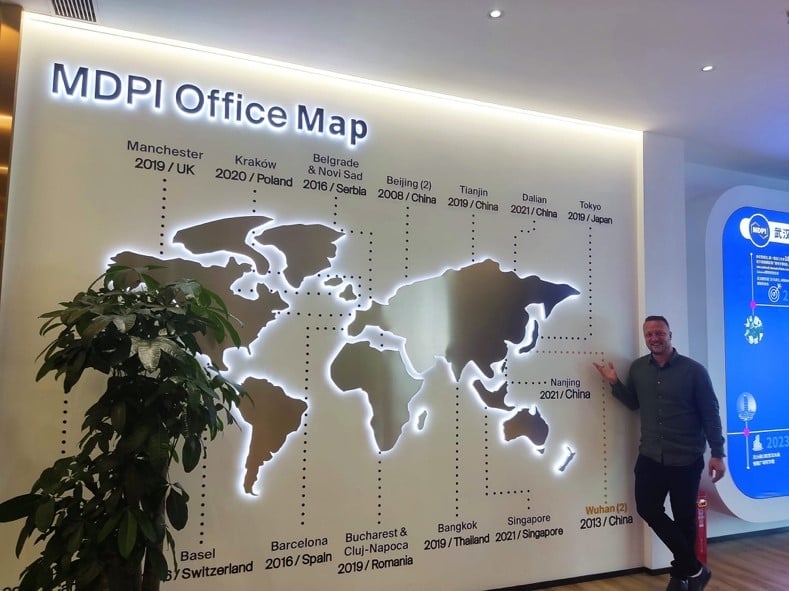
Stefan Tochev (CEO, MDPI) at MDPI’s Wuhan office.
In 2002, MDPI’s Basel headquarters moved to Matthäusstrasse 11, 4052 Basel, and Dr. Lin opened an editorial office in Qingdao, China, which launched the journal Marine Drugs in the following year. Below is a list of MDPI’s current offices in China and their respective dates of inauguration:
- 2008: Beijing (Tongzhou, Haidian)
- 2013: Wuhan (Hankou, Guanggu)
- 2019: Tianjin
- 2021: Dalian
- 2021: Nanjing
Our Strength is in Our People
With over 6,000 MDPI staff, across 20 offices in 11 countries, MDPI is able to offer authors responsive and efficient round-the-clock support, enabling a rapid publication process.
In my experience, stakeholders are genuinely surprised when they realize the extent of our global operations. My response is to reiterate that our people are our strength. This is why we have fast and efficient processes and top-notch responsiveness. Our global presence ensures that your manuscript is constantly attended to, rather than sitting on someone’s desk. We prioritize our authors’ needs and act quickly to move things through the various stages of publication. MDPI is built on speed, convenience, and competence, which I believe are core pillars for success in any industry. We continually strive to improve our systems and processes on the basis of these core strengths. We literally have over 6,000 staff worldwide dedicated to serving your needs. It’s not magic: it’s people; it’s real.
Impactful Research
MDPI Awards
To support the academic community, and especially young researchers, and also to enhance communication among scientists, MDPI journals offer various awards in specific fields. We serve the scientific community by funding research to facilitate the development of sustainable global solutions through our annual World Sustainability Award and Emerging Sustainability Leader Award.
In 2022, MDPI made awards totalling over US$1 million in recognition and support of researchers worldwide.
Across our journal catalogue, we have granted over 2,000 awards to recognize and support researchers from all disciplines. Since 2016, these awards have served as a source of recognition, acknowledging the impact of research by heightening the influence of talented individuals. The award types mainly include the Young Investigator Award, the Best PhD Thesis Award, the Best Paper Award, and the Outstanding Reviewer Award.
To learn more about MDPI Awards and to find out which are currently available, please click here.
MDPI Awards to Scholars from China
Since 2021, there have been 23 Best Paper Awards granted to authors affiliated with Chinese institutions, identifying their papers as having high-quality scientific impact. A total of 45 Chinese scholars have received awards such as the Young Investigator Award, the Best PhD Thesis Award, the Outstanding Reviewer Award, and the Tu Youyou Award, among others. Prizes for these awards include MDPI grants for paid publications, totalling over CHF 70,000 for scholars affiliated with Chinese institutions.
MDPI’s Tu Youyou Award
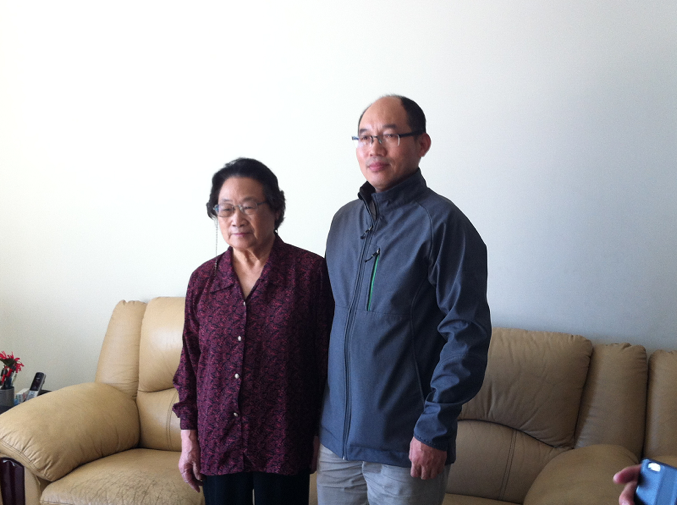
Prof. Tu Youyou (left), Dr. Shu-Kun Lin (President, MDPI).
In 2015, Professor Tu Youyou was awarded the Nobel Prize in Physiology or Medicine “for her discoveries concerning a novel therapy against Malaria.” In order to commemorate Professor Tu’s contributions to human health and to promote the passion and spirit conveyed by her experiences, MDPI in 2016 established the ‘Tu Youyou Award’, which runs biennially to recognize outstanding scholars dedicated to the research of natural products and medicinal chemistry.
The 2022 Tu Youyou Award was granted to Prof. Dr. Xiaoguang Lei of Peking University. Click here to access the interview with the winner.
2015 Nobel Prize for Medicine Awarded to Professor Youyou Tu
Professor Tu’s work was celebrated in a Special Issue from Molecules on the occasion of her 80th birthday. The Special Issue: 'Artemisinin (Qinghaosu): Commemorative Issue in Honor of Professor Youyou Tu on the Occasion of her 80th Anniversary” was created five years before she won the Nobel Prize, highlighting the visibility MDPI provides researchers and their work.
Highly Cited Articles by Chinese Scholars Published in MDPI
Click here to access the most cited MDPI papers published by scholars affiliated with Chinese institutions. This list presents the most influential research from the more than 287,000 MDPI papers published by Chinese scholars. With over 9 million total citations, I encourage you to maximize your visibility and impact by publishing with MDPI, the number one most cited open access publisher.
Read more:
- Tu Youyou Award
- World Sustainability Awards
- Available Awards
Inside MDPI
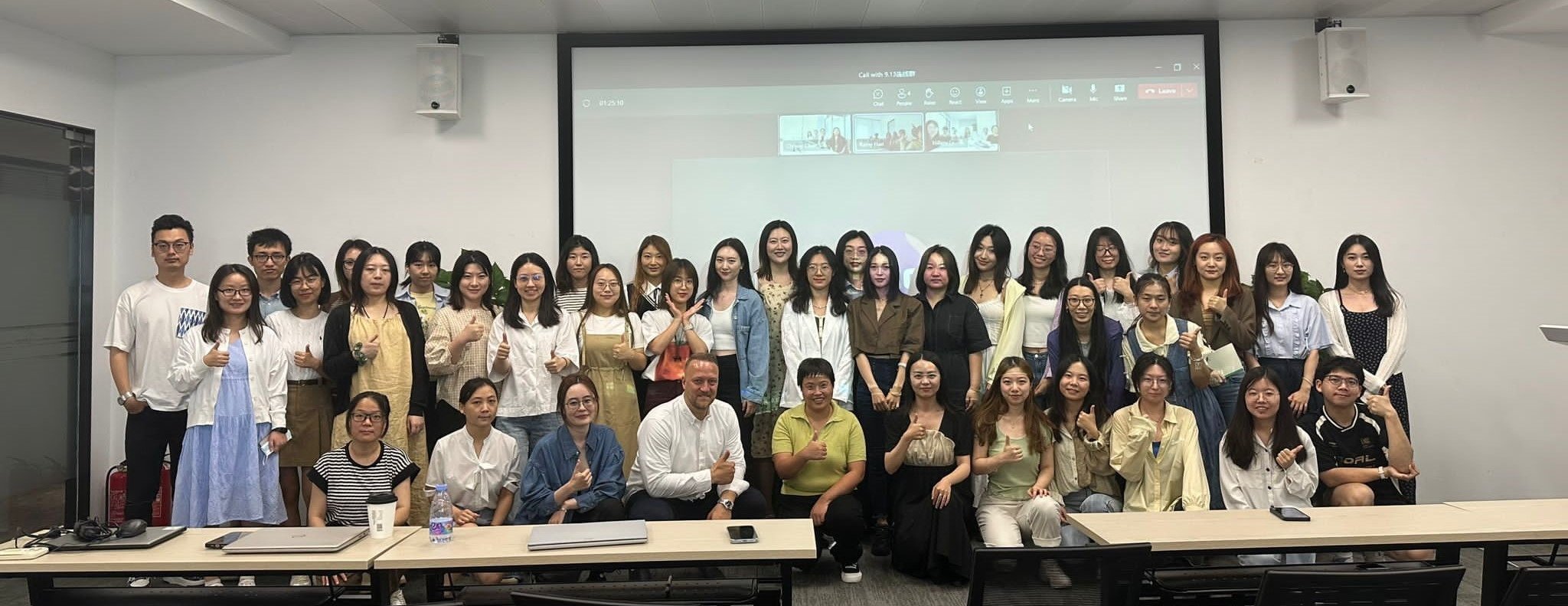 Stefan Tochev (CEO, MDPI) with the Beijing Marketing team.
Marketing Department in China
During my visit to our offices in Beijing and Wuhan, I had the opportunity to meet with, and to present to, our local marketing teams. These teams are responsible for various journal-related and corporate promotional activities, including newsletters, conferences, seminars, author training, journal awards, content creation, digital marketing, and social media.
I was pleased by the ambition and curiosity of our marketing colleagues. They showed a strong desire to collaborate and acquire knowledge and tactics to effectively market and promote MDPI-journal-related activities. I presented some of the principles and objectives that we apply in the Corporate Marketing and Communications department, and used the opportunity to strengthen our collaborative communications across offices.
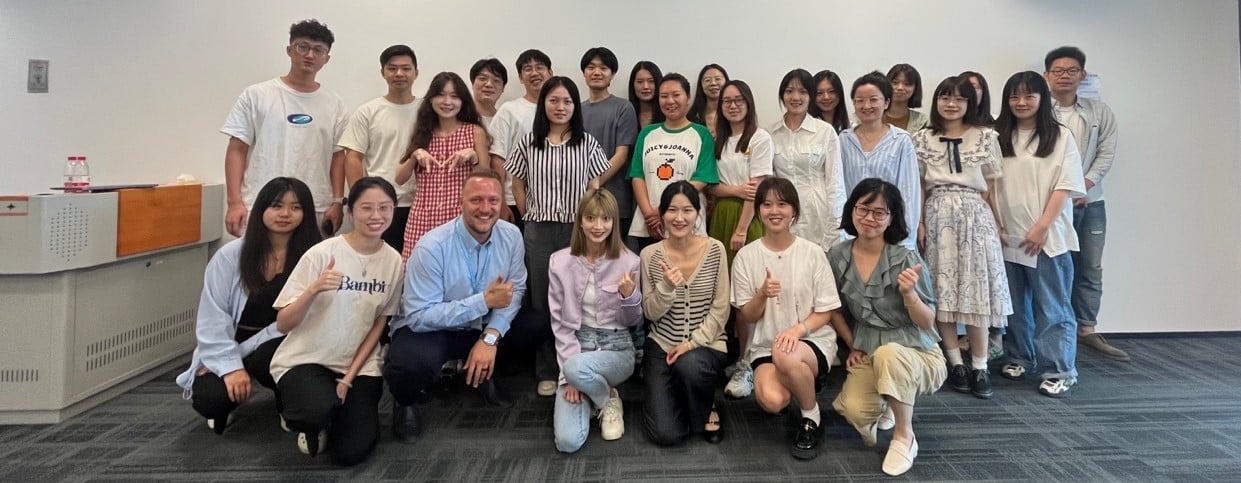 Stefan Tochev (CEO, MDPI) with the Wuhan Marketing team.
Coming Together for Science

Collaborations, Scholarships and Meetings
MDPI maintains partnerships with nearly 190 learned societies and over 800 institutions and consortia, helping to facilitate the transition to OA publishing. Our commitment to working with institutions is evident in China, where we have successfully established over 35 Institutional Open Access Programs (IOAP) with esteemed institutions such as the Tsinghua University, Huazhong University of Science and Technology, and Shanghai Jiao Tong University.
Our institutional partnerships, waiver programs, and article processing cost discounts create diverse pathways to OA publishing for researchers worldwide.
Scholarships in China
Since 2021, several MDPI journals (Sensors, Photonics, Coatings, Materials, Energies, and Journal of Fungi) have funded full scholarships for four Master’s and five Ph.D. projects in China. These scholarships align with Tianjin University, Wuhan University of Technology, Central South University, the Chinese Academy of Sciences, and the China University of Petroleum (Beijing).
Meeting with the Society of Chinese University Journals (CUJS)
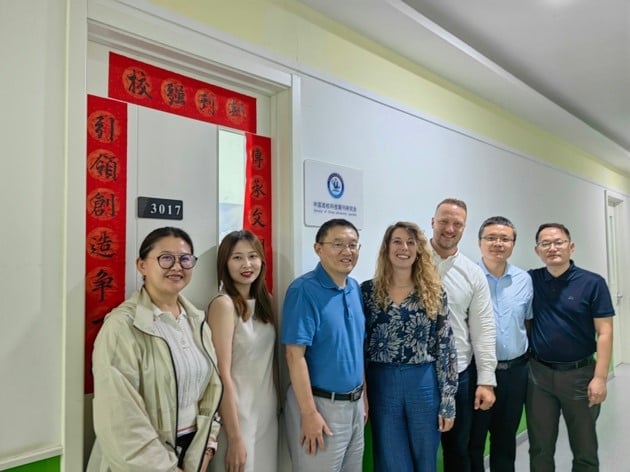
Prof. Tieming Zhang (President of CUJS, centre) and MDPI colleagues at CUJS office.
I am pleased to have participated in some highly productive meetings during my visit to China, including one with the Society of Chinese University Journals (CUJS). The meeting involved Prof. Tieming Zhang (President of CUJS), Assoc. Prof. Xin Zhang (Vice President and Secretary General), and Dr. Fei Gao (Executive Member of CUJS). Alongside my colleagues Dr. Guoshi Liu, Dr. Giulia Stefenelli, and Anita Sun, I represented MDPI and held an open discussion to address any questions regarding OA and MDPI.
We discussed several methods for collaboration, including a workshop on the future of peer review, MDPI sponsoring a funding grant for early-career researchers, and transitioning journals from diamond to gold OA. I am thankful for the opportunity to have met our colleagues at CUJS in person and feel very confident about our future collaborations in support of OA publishing in China.
MDPI hosts free academic seminars, author training sessions, and academic conferences as part of its commitment to enrich and support the scholarly community. CUJS often stages academic events (e.g., conferences, editor training, and editor competitions), and I believe there are great opportunities for CUJS and MDPI to collaborate accordingly.
Meeting with National Science Library, Chinese Academy of Sciences (NSLC)
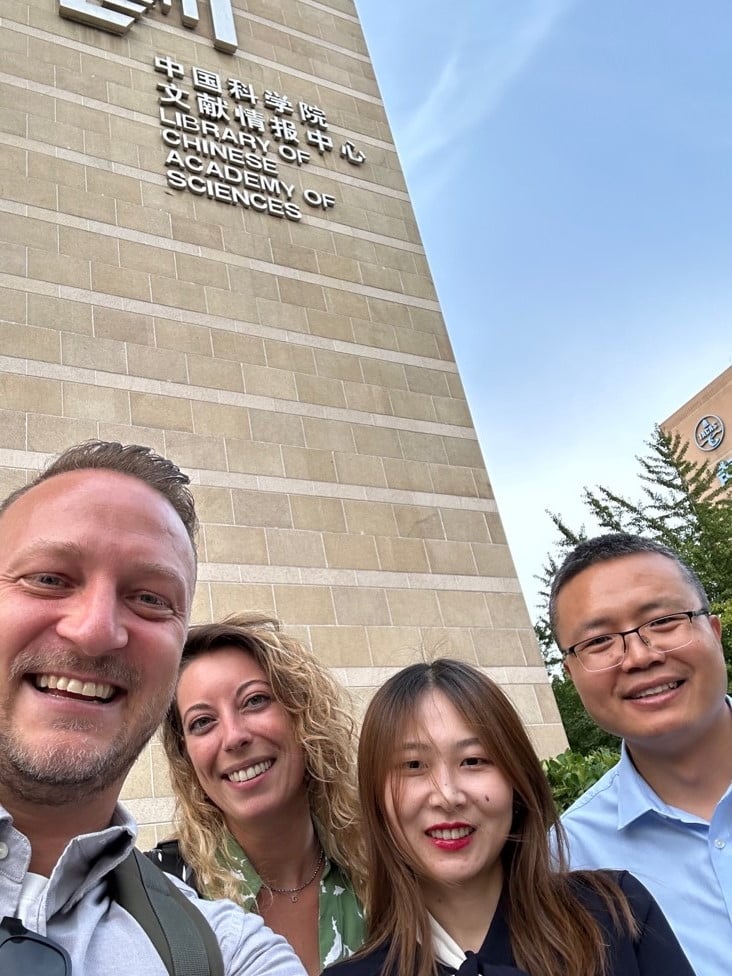
Stefan Tochev (CEO, MDPI), Dr. Giulia Stefenelli (Chair of Scientific Officers, MDPI), Anita Sun (PR Manager, MDPI) and Dr. Guoshi Liu (Managing Director, MDPI) at the National Science Library, Chinese Academy of Sciences.
We also visited the NSLC Director, Xiwen Liu, and colleagues Ying Jin, Zhesi Shen, and Sichao Tong. Following our introductions, we gave a presentation on the history and editorial process at MDPI, discussing specific details related to MDPI’s business and data. We highlighted the status of our IOAP collaborations in China and the makeup of our author base, specifically in China, and drew attention to the fact that MDPI has published research by authors from every country in the world. We then discussed the design indicators, calculation methods and implementation purposes of the ‘Early Warning Journal List’ and how we can have open communication to provide any data regarding MDPI journals. I am pleased to report that we reached a consensus on future communications, and am grateful to NSLC for hosting us in their offices.
In-person meetings with stakeholders provide an invaluable opportunity to communicate what MDPI is about and the various ways in which we serve the scholarly community. While digital marketing and online communication are essential, they are no replacement for the understanding and trust that come about through in-person interactions.
The Numbers
As at September 2023, China holds the largest position in MDPI’s global market, ranking as the largest contributor to the total number of papers published by MDPI.
At this point in time, there were more than 847,000 China mainland scholars who have published with MDPI, 51 of whom are Section-Editors-in-Chief (SEiC) of MDPI journals, with seven serving as Editors-in-Chief (EiCs) for journals such as Air, Big Data and Cognitive Computing, Blockchains, Future, Nanoenergy Advances, and Targets.
Our growth and presence in China are a true testament to the service we provide to the scholarly community, and to the relationships we foster through collaborative activities. We look forward to continuing to support the growth of the scholarly community in China, providing a valuable and trusted experience with MDPI.
Closing Thoughts
Final Reflections on our MDPI Offices in Beijing and Wuhan

Stefan Tochev (CEO, MDPI), Dr. Constanze Schelhorn (Indexing Manager, MDPI), Jiale Shang (Admin, Tongzhou, MDPI) at Beijing Capital International Airport, Beijing.
I spent approximately two weeks visiting some of our offices in China, and the first word that comes to mind when describing my experience is ‘hospitality.’ My colleagues and I were met with enthusiasm and delight at the airport by the Tongzhou Admin team (thank you, Jiale Shang, and thank you, Eric Wang, for keeping us organized on this trip!) and were taken care of with great attention. From hotels to transportation, dinners, and meetings, our stay was catered for perfectly.
Perhaps this is where MDPI’s focus on customers and service originates. At our core, we are a service company that provides a publishing platform for its authors. It’s therefore no surprise that authors consistently rate their experience with MDPI very highly.
95% of submitting authors rate their overall experience with the MDPI publication process as Excellent or Good (Springer Nature report 90%).
91% of submitting authors rate their overall experience with the MDPI peer review process as Excellent or Good.
Speed/Efficiency and Editorial Relationship are two key reasons underlying this high satisfaction score. ‘Editorial Relationship’ can be further explored, but in the past month, the most commonly noted aspects were the professionalism, kindness, availability, communicativeness, and personalized assistance provided by our editorial staff throughout the process. These attributes are at the core of our work across all our offices and continents.
Hospitality and Service
Just as our Chinese colleagues strove to keep us engaged by showing us the city sights (thank you, Thea Pan, and Jason Wu from the Wuhan Marketing team!) and sharing a variety of wonderful meals, our editorial staff are committed to serving our authors throughout their publishing journey. Our aim is to place the author at the centre of everything we do, eager to welcome our ‘guests’ and provide them with a pleasant publishing experience.
I asked my colleague Francis Wu (Senior Publisher, Wuhan office) where this hospitality originates. He responded that it is part of Chinese culture. I reflected long and deep on this answer. China is a vast country, and when visitors arrive, hosts want to ensure they feel welcomed and taken care of in order to maximize their time and visit. I can’t think of a better analogy for how I would want our authors to feel when they visit MDPI for their publishing needs. A company culture that prioritizes service, something that goes beyond products and productivity, and focuses on the overall experience. Over 6,000 people, across all MDPI offices, are ready, willing and able to go the extra mile for their colleagues and their customers. This is something I am truly proud of.
Chief Executive Officer
MDPI AG
21 September 2023
Dr. John D. Clayton Appointed Section Editor-in-Chief of Section “Crystallography and Applications of Metallic Materials” in Metals
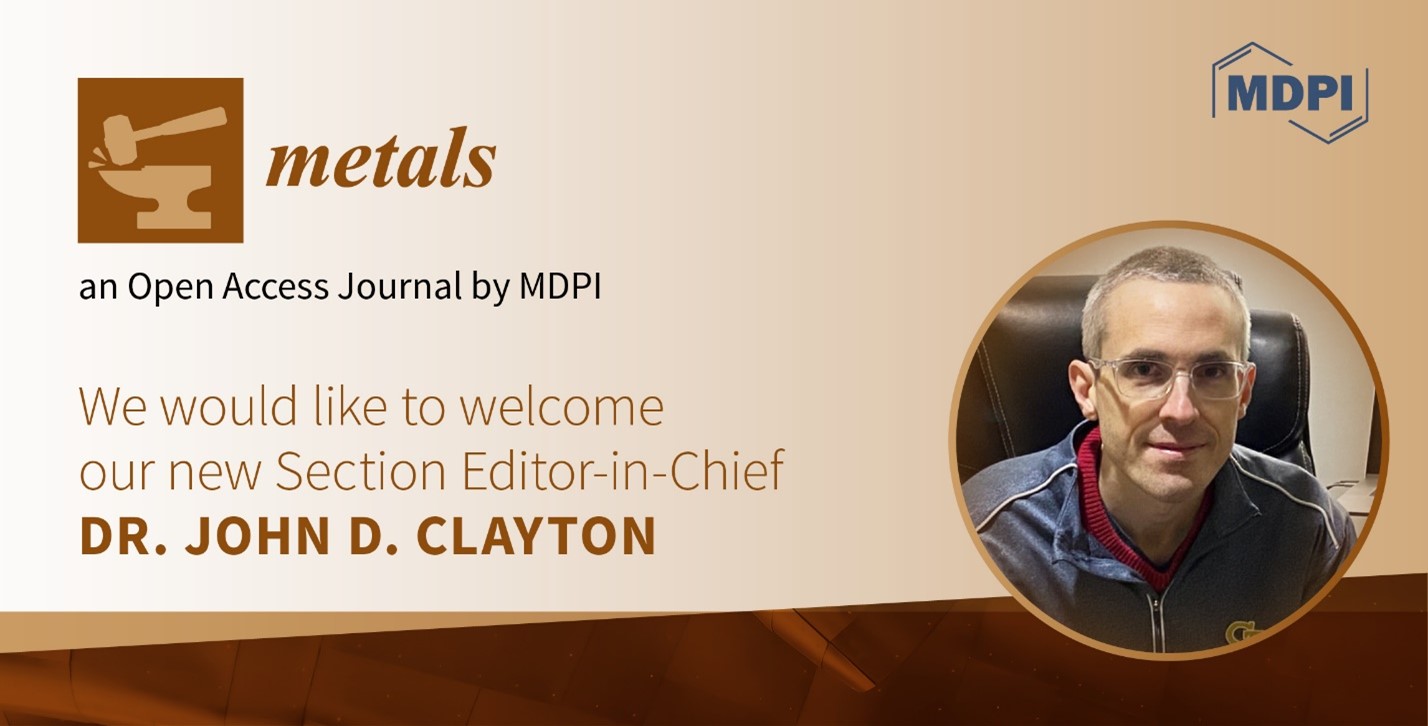
We are pleased to announce the appointment of Dr. John D. Clayton (DEVCOM Army Research Laboratory) as Section Editor-in-Chief of “Crystallography and Applications of Metallic Materials” in Metals (ISSN: 2075-4701). The main research focus of this Section is on the magnetic and optical properties, among others, of metallic materials. Interested scholars are encouraged to join us by sending their CV to the Metals Editorial Office ([email protected]).
Name: Dr. John D. Clayton
Affiliation: Impact Physics Branch, Terminal Effects Division, DEVCOM Army Research Laboratory, Aberdeen, MD 21005 USA
Interests: continuum mechanics, crystallography, elasticity, plasticity, fracture, dislocations, shock physics, computational materials science, applied mathematics, differential geometry
Dr. John D. Clayton received his Ph.D. from the Georgia Institute of Technology (Atlanta, GA, USA) in December 2002. He has been a staff scientist at DEVCOM ARL since 2023, where he presently serves as a Team Leader and Lab Fellow. Dr. Clayton’s record of peer-reviewed external publications (102 refereed journals, 41 sole-authored papers) spans topics in theoretical mechanics, mathematical physics, differential geometry, scientific computing, materials science, and the broader engineering sciences. Dr. Clayton has published three sole-authored books—Nonlinear Mechanics of Crystals (Springer, 2011), Differential Geometry and Kinematics of Continua (World Scientific, 2014), and Nonlinear Elastic and Inelastic Models for Shock Compression of Crystalline Solids (Springer, 2019). His research record also includes six book chapters, 98 government reports, and invited presentations at universities and conferences on four continents. He has served on the editorial boards of seven academic journals, currently including Metals (Section Editor), Mathematics and Mechanics of Solids, and Scientific Reports (Nature). Dr. Clayton was a member of the teaching faculty at the University of Maryland, College Park (2015–2019), where he held a graduate course on finite element analysis. Dr. Clayton was elected a Fellow of the American Society of Mechanical Engineers (ASME) in 2017 for seminal contributions to solid mechanics. Other honors include the Excellence in Federal Career Award (Silver Medalist 2016), the Civilian Service Commendation Medal (2020), the ARL Award for Science (2022), the ARL Award for Seminal Work (2020), twice ARL Publication of the Year (2011, 2017), and five ARL Director’s Research Initiative Awards (2005, 2006, 2010, 2013, 2014). He was elected an ARL Fellow in 2016 and elected ARL Fellows Co-Chair for 2021–2022. He has twice lectured by invitation at Oberwolfach Mathematics Institute in Germany. Dr. Clayton served as a visiting research faculty member while on a long-term sabbatical in the spring of 2016 at the Courant Institute of Mathematical Sciences in New York City, followed by a second sabbatical in the fall of 2016 as a visiting faculty at Columbia University, where he gave invited seminars on Finsler differential geometry in solid mechanics at both institutions.
The following is a short Q&A with Dr. John D. Clayton, who shared his vision for the journal with us, as well as his views on his research area and open access publishing:
1. What appealed to you about the journal that made you want to take the role as its Section Editor-in-Chief?
I believe that by assuming the role of Section Editor-in-Chief, I can enable a quality forum to advance the understanding of the behavior of crystalline metallic materials among the international academic and industrial research communities. I have nearly 25 years of experience in research and publishing on mechanics of materials, with many contributions in crystalline metals. I also accepted this role to honor and continue the legacy of the former Section Editor-in-Chief, Professor Ronald W. Armstrong of the University of Maryland. Professor Armstrong was an exceptional scholar and collaborator, with a prolific research career spanning over 60 years. As Section Editor-in-Chief, he established a friendly community of researchers to share and debate new ideas and to re-evaluate old ideas. Though retired from the University, Professor Armstrong remained very active with journal activities until just before his passing.
2. What is your vision for the journal?
My vision is for the Metals journal to become more entrenched as one of the most highly regarded journals among the scientific community for interdisciplinary research on topics of metallurgy, materials science, and solid mechanics. I hope to see the journal continue to make headway in scholarly content and impact. I hope to see the journal continue to offer rapid review and article processing schedules to keep pace with the latest research developments. However, it is also essential that high standards of technical quality and equitable peer review be maintained.
3. What does the future of this field of research look like?
I believe that more interdisciplinary studies will emerge in the field of metals and metallic materials, to include crystallography, in the future. These may combine authors from mixed backgrounds in traditional metallurgy, manufacturing science, mechanics, thermodynamics, composite materials, and broader materials sciences. With the advent of new materials processing methods such as additive manufacturing, metallic materials with exotic structures will continue to emerge. Studies of synthesis, characterization, and modeling of the physical properties of these advanced materials will accompany the novel processing developments. Open data sharing will facilitate advancements in analysis tools that require large data depositories, for example, computational algorithms and software using machine learning and artificial intelligence. These tools, in turn, should facilitate more materials design and discovery.
4. What do you think of the development of open access in the publishing field?
I believe open access is a promising route for the future of scientific publishing. Open access articles can be viewed throughout the world, irrespective of the finances or geographic origin of the host organization of the reader. This enables the transfer of knowledge to and from a much larger scientific community than traditional subscription-based models. Researchers from less privileged societies, as well as independent researchers for whom paid journal subscriptions are not feasible, benefit from open access. Furthermore, progress of the entire community improves from the diverse ideas and contributions of a worldwide audience enabled by open access research. The drawback, as most are aware, is the publication cost, which ultimately must always be paid somehow to ensure a high-quality journal product, and it is usually borne by the authors. This model is prohibitive in some cases for the submission process.
We wish Dr. John D. Clayton every success in his new position, and we look forward to his contributions to the journal.
11 September 2023
Recruiting Editorial Board Members for the Section “Computation and Simulation on Metals” of Metals

The Section “Computation and Simulation on Metals” of Metals (ISSN: 2075-4701) is recruiting Editorial Board Members. The Section Editor-in-Chief is Prof. Dr. Xing-Qiu Chen from the Chinese Academy of Sciences in China.
You can check out the existing Editorial Board Members by visiting the following link: https://www.mdpi.com/journal/metals/sectioneditors/computation_simulation_metals.
The main responsibilities of Section Editorial Board Members are as follows:
- Pre-screening and taking decisions on new submissions related to their journal Section;
- Helping to edit a Special Issue on a topic related to their Section (or supervising Special Issues related to your research field);
- Providing input or feedback regarding journal policies;
- Helping to promote the journal among their peers or at conferences;
- Attending Board Meetings to suggest journal development strategies;
- Reviewing manuscripts.
The benefits of becoming a Section Editorial Board Member include the following:
- The opportunity to publish one paper, free of charge, per year in Metals, as well as receiving discounts for papers invited from your scientific network;
- A certificate recognizing you as a Section Editorial Board Member of Metals;
- Metals may offer sponsorship for conferences organized by you as well as offer you travel grants when attending related conferences;
- The term of Section Editorial Board Members is two years, after which they may be reappointed or have the chance to be selected as the Section Editor-in-Chief or Section Associate Editor.
For more information about this Section and publishing in Metals, please see the Section’s webpage:
https://www.mdpi.com/journal/metals/sections/computation_simulation_metals.
To apply for this position, recommend potential candidates, or request further information, please contact Ms. Sunny He ([email protected]).
Metals Editorial Office
6 September 2023
Metals | Recruiting Editorial Board Members for Section “Welding and Joining”
The Section “Welding and Joining” of Metals (ISSN: 2075-4701) is recruiting Editorial Board Members. The Section Editor-in-Chief of the journal Metals is Prof. Dr. Wei Zhou from the Nanyang Technological University in Singapore. You can check out the existing Editorial Board Members by visiting the following link: https://www.mdpi.com/journal/metals/sectioneditors/welding_joining.
The main responsibilities of Section Editorial Board Members are as follows:
- Pre-screening and taking decisions on new submissions related to their journal Section;
- Helping to edit a Special Issue on a topic related to their Section (or supervising Special Issues related to your research field);
- Providing input or feedback regarding journal policies;
- Helping to promote the journal among their peers or at conferences;
- Attending Board Meetings to suggest journal development strategies;
- Reviewing manuscripts.
The benefits of becoming a Section Editorial Board Member include the following:
- The opportunity to publish one paper, free of charge, per year in Metals, as well as receiving discounts for papers invited from your scientific network;
- A certificate recognizing you as a Section Editorial Board Member of Metals;
- Metals may offer sponsorship for conferences organized by you as well as offer you travel grants when attending related conferences;
- The term of Section Editorial Board Members is two years, after which they may be reappointed or have the chance to be selected as the Section Editor-in-Chief or Section Associate Editor.
For more information about this Section and publishing in Metals, please see the Section’s webpage:
https://www.mdpi.com/journal/metals/sections/welding_joining.
To apply for this position, recommend potential candidates, or request further information, please contact Ms. Sunny He ([email protected]) from the Metals Editorial Office.
6 September 2023
Recap of Awards Granted to Scholars in 2022
MDPI is committed to supporting the academic community, nurturing talent and advancing science. Awards are an important part of the research landscape and play a vital role in helping academics gain recognition, especially young researchers as they embark on new research avenues.
In 2022, our journals presented a total number of 394 Awards, including Travel Awards, Young Investigator Awards, Best PhD Thesis Awards, Best Paper Awards, and Outstanding Reviewer Awards, with several winners announced for some of the awards. The total prize sum amounted to just under 580,000 Swiss francs (CHF), or approximately 650,000 US dollars. Overall, more than 720 scholars were awarded.
The majority of the awards were dedicated to young researchers in relatively early stages of their careers. This encompassed 66 of the afore-mentioned Travel Awards, 60 Young Investigator Awards, supporting research projects and conference attendance, as well as 51 Best PhD Thesis Awards. Additionally, 113 Best Paper Awards were given by our journals. The selection committees were entrusted with identifying the most impactful and novel research and review articles published in their journal within a given year.
MDPI will continue its support and recognition for the academic community moving forward, sponsoring new awards across disciplines. To learn more about all the awardees and their research projects in your field of study, please visit the following pages:
To explore more MDPI awards, please click here.
30 August 2023
MDPI Insights: The CEO’s Letter #3 - Sustainability and Co-opetition
Welcome to the MDPI Insights: The CEO's Letter.
In these monthly letters, I will showcase two key aspects of our work at MDPI: our commitment to empowering researchers and our determination to facilitating open scientific exchange.
Opening Thoughts

Our Commitment to Sustainability
As a pioneer in academic open access publishing since 1996, MDPI has always been dedicated to facilitating scientific exchange across all disciplines. Our approach to open science is guided by principles such as Open Access (OA), Timeliness and Efficiency, Simplicity, High-Quality Service, Flexibility, and a commitment to Sustainability. This commitment involves preserving published papers for the long term and supporting the future of science through partnerships, sponsorships, and awards.
In this edition of the CEO Letter, I will delve into MDPI’s various sustainability initiatives. As a leader in OA publishing, we are able to provide the public with a significant amount of environment-related content at no cost.
MDPI and the Sustainable Development Goals (SDGs)
In 2020, the SDG Publishers Compact was launched to accelerate implementation of the SDGs by promoting content that informs, develops, and inspires action. MDPI joined this initiative in 2021 and subsequently launched the MDPI SDG Hub in 2022, offering free access to recent research within the scope of each of the 17 SDGs. We also support authors from underrepresented communities by waiving publication charges for selected SDG-related papers. Detailed sustainability practices and supported publications are available in the report under each Goal page.
“More than 80% of MDPI articles and reviews published in 2022 relate to the Sustainable Development Goals.” [source: InCites, Accessed on 21.08.2023]
As at August 2023, MDPI boasts 14 journals dedicated to sustainability-related topics. Our first journal in this area, Sustainability, has published over 29,000 articles on the SDGs, accumulating over 240,000 citations (source: InCites, as at 1 January 2023). These journals serve as vital platforms for researchers to share insights and address environmental challenges. In addition:
MDPI journals specializing in sustainability-related topics:
- 2009: Sustainability
- 2012: Resources
- 2013: Climate
- 2014: Environments
- 2016: Recycling
- 2019: Clean Technologies
- 2020: Sustainable Chemistry
- 2021: Wind, Biomass, Conservation, Pollutants, Solar
- 2022: Waste, Microplastics
Read more:
Impactful Research

Highly Cited Articles in Sustainability
In 2022, content published in Sustainability and indexed in Journal Citation Reports (JCR) received nearly 190,000 citations. This highlights the fact that Sustainability publishes highly cited research articles related to environmental sciences and SDG-related topics such as climate action.
We are pleased to share that Sustainability received a 2022 CiteScore of 5.8, marking a 16% increase from the 2021 metric. Specifically, the CiteScore positions Sustainability as follows: Q1 (27 out of 163) in the “Environmental Science (miscellaneous)” category, and Q1 (101 out of 779) in the “Geography Planning and Development” category. For additional journal statistics, please visit here.
“Sustainability received a 2022 CiteScore of 5.8”
While MDPI journals such as Climate and Atmosphere have a distinct focus on atmosphere pollution and its impact on climate processes, journals like Sustainability, Environments, Water, Remote Sensing, and IJERPH publish content related to climate change. These journals have published over 32,300 articles related to SDG 13: Climate Action.
Highly Cited Papers in Sustainability
Below are several highly cited papers published in Sustainability over the past three years. Citation metrics are current as at 15 August 2023.
1. “A Global Assessment: Can Renewable Energy Replace Fossil Fuels by 2050?”Authors: Jerry L. Holechek, Hatim M. E. Geli, Mohammed N. Sawalhah, and Raul Valdez
Sustainability 2022, 14(8), 4792; https://doi.org/10.3390/su14084792
Citations: Crossref (97), Scopus (91), Web of Science (82), Google Scholar (125)
This paper addresses one of the most significant challenges of climate change – achieving Net Zero Carbon by 2050. The meta-analysis suggests that while difficult, this transition is possible through the concerted application of pathways, lifestyle changes, and global cooperation.
2. “Anxiety and the Ecological Crisis: An Analysis of Eco-Anxiety and Climate Anxiety”Author: Panu Pihkala
Sustainability 2020, 12(19), 7836; https://doi.org/10.3390/su12197836
Citations: Crossref (144), Scopus (121), Web of Science (159), Google Scholar (382)
This paper has received substantial media attention, including coverage by The Guardian, BBC, Vice, and CNBC. An interview with Dr. Panu Pihkala, a leading interdisciplinary researcher on the topic, can be found on MDPI’s podcast: Insight Faster, Episode 1.
3. “Impact of Climate Change on Agriculture and Its Mitigation Strategies: A Review”Authors: Gurdeep Singh Malhi, Manpreet Kaur, and Prashant Kaushik
Sustainability 2021, 13(3), 1318; https://doi.org/10.3390/su13031318
Citations: Crossref (207), Scopus (221), Web of Science (186), Google Scholar (355)
This paper reviews literature on climate change, addressing its causes, future projections, impact on agriculture, including plant physiology, growth, productivity, pest infestation, and the economic implications of mitigation strategies.
4. “Impacts of Plastic Pollution on Ecosystem Services, Sustainable Development Goals, and Need to Focus on Circular Economy and Policy Interventions”Authors: Rakesh Kumar, Anurag Verma, Arkajyoti Shome, Rama Sinha, Srishti Sinha, Prakash Kumar Jha, Ritesh Kumar, Pawan Kumar, Shubham, Shreyas Das, Prabhakar Sharma, and P. V. Vara Prasad
Sustainability 2021, 13(17), 9963; https://doi.org/10.3390/su13179963
Citations: Crossref (134), Scopus (136), Web of Science (113), Google Scholar (184)
This review aims to assess the adverse effects of plastic pollution on ecosystems, link the management of plastic with the SDGs, and propose policy measures using transdisciplinary approaches. Empowering communities to reduce plastic use is crucial. Addressing global plastic pollution is a priority.
Sustainability is an international, cross-disciplinary, open access journal that explores environmental, cultural, economic, and social sustainability of human beings. It provides a forward-looking platform for research on sustainability and sustainable development, and is published semi-monthly online by MDPI. Sustainability is affiliated with The Canadian Urban Transit Research & Innovation Consortium (CUTRIC) and The International Council for Research and Innovation in Building and Construction (CIB).
Read more:
- Testimonials: See what our editors and authors say about Sustainability.
Inside MDPI
President of Ireland Authors Editorial in MDPI Journal Sustainability
It’s a very special occasion when the president of a country takes the initiative to write an editorial for a journal. Michael D. Higgins, President of the Republic of Ireland, has contributed his insights to a forthcoming Special Issue in Sustainability:
This Special Issue, focusing on “making sustainable development happen” at grassroots levels, allows for perspectives from, and on, the major world faiths, exploring how challenges have been conceptualised and addressed, in addition to case studies of faith-based sustainability initiatives in practice.
The experience of faith institutions and communities in translating theological and moral commitments to sustainable development into action is now a topic we must examine with urgency; one on which I am so glad this Special Issue focuses.
As President of Ireland, I very much support this Special Issue of Sustainability. It is my great hope that the contents of the papers contained herein will assist in making sustainable development happen at grassroots levels across the world so that we can cooperate together, people of faith and of none, to ensure a just, inclusive and sustainable future for all on our fragile planet.
Read the completed editorial here:
Special Issue “Faith and Sustainable Development: Exploring Practice, Progress and Challenges among Faith Communities and Institutions”: Foreword by the President of Ireland
Author: Michael D. Higgins
Sustainability 2023, 15(12), 9683; https://doi.org/10.3390/su15129683
Coming Together for Science

The World Sustainability Forum 2023
The World Sustainability Forum (WSF) is a biennial MDPI event focused on sustainability. WSF 2023 marks the tenth anniversary of the conference series, taking place on 14 September. For the first time, the event will be hosted as a 24-hour conference across three locations – Singapore, Basel in Switzerland, and Toronto in Canada – alongside virtual streaming.
This unique format allows us to span three time zones, providing live coverage of critical sustainability-related topics throughout the day:
- The Singapore Hub, chaired by Professor Horn Mun Cheah and Associate Professor Renee Tan, will explore “Sustainability for Social and Community Impact”.
- The Basel Hub, chaired by Prof. Dr. Anet Režek Jambrak and Dr. Lela Mélon, will delve into “Sustainability in the industry, and at university and corporate settings”.
- The Toronto Hub, led by Dr. Umberto Berardi, will discuss “The Sustainable Built Environment”.
MDPI Sustainability Foundation: Recognizing Excellence in Sustainability Research
The MDPI Sustainability Foundation supports researchers through two sustainability-focused awards:
- The World Sustainability Award, amounting to USD 100,000, is given to senior researchers.
- The Emerging Sustainability Leader Award, valued at USD 20,000, sponsored by the journal Sustainability, is presented to early-career researchers.
The winners of the Sustainability Foundation will be formally awarded during the WSF2023 on 14 September. Interviews with the award winners and finalists are available below.
2023 World Sustainability Award Winners
Interviews with 2023 Emerging Sustainability Leader Award Finalists
- Dr. Bahareh Kamranzad
- Dr. Youjin Kim
- Dr. Julia Lohmann
As a hybrid event, WSF23 provides scholars with the option to attend in person at one of the conference sites or, for a more sustainable approach, virtually. All sessions will be recorded and archived for future access. Registration is open until 3 September 2023, with in-person and virtual tickets available here.
Read more:
Closing Thoughts
“Co-opetition”: Collaboration Plus Healthy Competition – A Visit to Elsevier
I firmly believe in fostering collaboration and at the same time promoting healthy competition within the academic publishing industry. The market offers ample room for publishers and related companies to provide valuable services and products that enrich the academic community. While MDPI is recognized for its efficient and streamlined processes –thanks to our over 6,000 colleagues, in-house tools, and initiatives that support the author journey – our ethos has always involved learning from and collaborating with other organizations.
MDPI’s Interaction with Elsevier
In January 2023, I had a brief conversation with Judy Verses, President of Global Academic and Government Markets at Elsevier, following her participation in a panel discussion at the Academic Publishers Europe event in Berlin. One of the highlights for me was Judy’s insight into the impact of research, particularly her emphasis on the role of collaboration, including policy and showing the impact of research to influence on funding decisions.
“Such collaborations drive forward-looking strategies to elevate our support for the scholarly community”
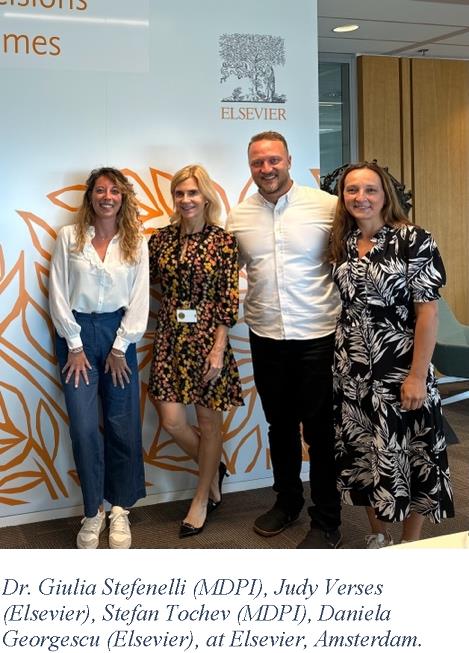
Judy and I resumed our discussion in August, when I visited Elsevier's office to review current projects, such as our recent agreement with Science Direct and the continued indexing of MDPI journals in Scopus (indexing database owned by Elsevier). We also explored possible opportunities for the future, including a potential collaboration to expand MDPI’s Scilit data infrastructure. This endeavour aims to aggregate and provide access to scholarly metadata encompassing journal articles, conference papers, books, preprints, and more. While these discussions are ongoing, the underlying principle remains that such collaborations drive forward-looking strategies to elevate our services and support for the scholarly community.
It was great that Judy and I acknowledged the merits of 'co-opetition,' a concept based of the belief that fostering cooperation alongside healthy competition can lead to shared advancements for both individual companies and the industry at large.
‘Fully OA’ Organizations Dedicated to Open Access
MDPI proudly aligns with the ‘Fully OA’ group, a collaborative initiative comprising nine organizations dedicated to Open Access. Our monthly meetings, including an OASPA representative, serve as platforms to share non-confidential information, resources, and projects. These gatherings also facilitate discussions on topics relevant to fully OA organizations. Occasionally, joint actions spring from these interactions, such as collaborative blog posts on pertinent subjects and joint statements, such as a recent response to the House Appropriations Committee.
This display of cooperation among competing entities forms a strategic alliance focused on nurturing the best interests of the OA publishing model.
As I wrap up this third edition of the CEO Letter, I encourage you to seize opportunities for collaboration and contribute to advancing our shared academic culture. As the African proverb has it, “If you want to go fast, go alone; if you want to go far, go together.”
Chief Executive Officer
MDPI AG
28 August 2023
Metals | Top 10 Highly Cited Papers in 2021 in the Section “Entropic Alloys and Meta-Metals”
The “Entropic Alloys and Meta-Metals” Section of Metals (ISSN: 2075-4701) covers the fields of transition and rare metal extraction, purification, deformation, physical and mechanical behaviors, characterization, shaping, modeling, materials design, and medium- and high-entropy alloys.
As all the articles published in our journal are in an open access format, you have free and unlimited access to the full text. We welcome you to read the top ten selected papers published in 2021 listed below:
“Review of Recent Research on AlCoCrFeNi High-Entropy Alloy”
by Marzena Tokarewicz and Małgorzata Grądzka-Dahlke
Metals 2021, 11(8), 1302; https://doi.org/10.3390/met11081302
Available online: https://www.mdpi.com/2075-4701/11/8/1302
“Grain Boundary Diffusion Sources and Their Coating Methods for Nd-Fe-B Permanent Magnets”
by Jiayi He, Jiali Cao, Zhigao Yu, Wenyue Song, Hongya Yu, Mozaffar Hussain and Zhongwu Liu
Metals 2021, 11(9), 1434; https://doi.org/10.3390/met11091434
Available online: https://www.mdpi.com/2075-4701/11/9/1434
“Novel Co-Cu-Based Immiscible Medium-Entropy Alloys with Promising Mechanical Properties”
by Sujung Son, Jongun Moon, Hyeonseok Kwon, Peyman Asghari Rad, Hidemi Kato and Hyoung Seop Kim
Metals 2021, 11(2), 238; https://doi.org/10.3390/met11020238
Available online: https://www.mdpi.com/2075-4701/11/2/238
“On the Microstructure and Properties of the Nb-23Ti-5Si-5Al-5Hf-5V-2Cr-2Sn (at.%) Silicide-Based Alloy—RM(Nb)IC”
by Nikos Vellios, Paul Keating and Panos Tsakiropoulos
Metals 2021, 11(11), 1868; https://doi.org/10.3390/met11111868
Available online: https://www.mdpi.com/2075-4701/11/11/1868
“Full Variation of Site Substitution in Ni-Mn-Ga by Ferromagnetic Transition Metals”
by Vít Kopecký, Michal Rameš, Petr Veřtát, Ross H. Colman and Oleg Heczko
Metals 2021, 11(6), 850; https://doi.org/10.3390/met11060850
Available online: https://www.mdpi.com/2075-4701/11/6/850
“An Investigation of the Miscibility Gap Controlling Phase Formation in Refractory Metal High Entropy Superalloys via the Ti-Nb-Zr Constituent System”
by Tamsin E. Whitfield, George J. Wise, Ed J. Pickering, Howard J. Stone and Nicholas G. Jones
Metals 2021, 11(8), 1244; https://doi.org/10.3390/met11081244
Available online: https://www.mdpi.com/2075-4701/11/8/1244
“Manipulation of Microstructure and Mechanical Properties in N-Doped CoCrFeMnNi High-Entropy Alloys”
by Jing Zhang, Kook Noh Yoon, Min Seok Kim, Heh Sang Ahn, Ji Young Kim, Wook Ha Ryu and Eun Soo Park
Metals 2021, 11(9), 1487; https://doi.org/10.3390/met11091487
Available online: https://www.mdpi.com/2075-4701/11/9/1487
“Neutron Scattering as a Powerful Tool to Investigate Magnetic Shape Memory Alloys: A Review”
by Natalia A. Río-López, Patricia Lázpita, Daniel Salazar, Viktor I. Petrenko, Fernando Plazaola, Volodymyr Chernenko and Jose M. Porro
Metals 2021, 11(5), 829; https://doi.org/10.3390/met11050829
Available online: https://www.mdpi.com/2075-4701/11/5/829
“Effects of La on Thermal Stability, Phase Formation and Magnetic Properties of Fe–Co–Ni–Si–B–La High Entropy Alloys”
by Jiaming Li, Jianliang Zuo and Hongya Yu
Metals 2021, 11(12), 1907; https://doi.org/10.3390/met11121907
Available online: https://www.mdpi.com/2075-4701/11/12/1907
“External-Field-Induced Phase Transformation and Associated Properties in a Ni50Mn34Fe3In13 Metamagnetic Shape Memory Wire”
by Zhen Chen, Daoyong Cong, Shilei Li, Yin Zhang, Shaohui Li, Yuxian Cao, Shengwei Li, Chao Song, Yang Ren and Yandong Wang
Metals 2021, 11(2), 309; https://doi.org/10.3390/met11020309
Available online: https://www.mdpi.com/2075-4701/11/2/309
18 August 2023
Meet Us at the 74th Annual Meeting of the International Society of Electrochemistry, 3–8 September 2023, Lyon, France
MDPI will be attending the 74th Annual Meeting of the International Society of Electrochemistry, hosted by the International Society of Electrochemistry (ISE), which will be held by the International Society of Electrochemistry from 3 to 8 September 2023, in Lyon, France. France has a strong history of electrochemistry research and has a large number of ISE members in the country, and the ISE has hosted this congress on several previous occasions: Lyon in 1982; Paris in 1997, which was the occasion of a joint meeting with the ECS; and, more recently, in Nice in 2010. Thus, after more than 40 years, the congress returns to Lyon. About 1,800 participants have registered from all regions of the world. Thus, this congress will provide an opportunity for electrochemists in Lyon to participate in fruitful discussions in an atmosphere of friendly exchange.
The following MDPI journals will be represented:
- Coatings;
- Molecules;
- Energies;
- Materials;
- Biosensors;
- Batteries;
- Liquids;
- Crystals;
- Solids;
- Electrochem;
- Sensors;
- Metals.
If you plan on attending this conference, please feel free to stop by our booth (#09) and start a conversation with us. Our delegates look forward to meeting you in person and answering any questions that you may have. For more information about the conference, please visit the following link: https://annual74.ise-online.org/index.php.
17 August 2023
MDPI’s 2022 Young Investigator Awards in Chemistry and Materials Science—Winners Announced
MDPI’s Young Investigator Awards recognize promising junior researchers, acknowledge their contributions, and enhance communication among scientists. We are proud to present the winners for the year 2022 in chemistry and materials science. The winners were selected by the journals’ Award Evaluation Committee.
We warmly congratulate the awarded young investigators for their outstanding contributions. MDPI will continue to provide support and recognition for the academic community.
- Mattia Biesuz, University of Trento, Italy
- Yonggang Yao, Huazhong University of Science and Technology, China
- Cesar de la Fuente-Nunez, University of Pennsylvania, USA
- Liang Huang, Huazhong University of Science and Technology, China
- Aiping Chen, Center for Integrated Nanotechnologies (CINT), USA
- Leonardo Ricotti, BioRobotics Institute of Scuola Superiore Sant’Anna (SSSA), Italy
About MDPI Awards:
In order to reward the academic community, especially young researchers, and enhance communication among scientists, MDPI journals regularly offer various awards to researchers in specific fields. These awards, serving as a source of inspiration and recognition, help raise the influence of talented individuals who have been credited with outstanding achievements and are making a significant contribution to the advancement of their fields.
To see more MDPI awards, click here.
17 August 2023
MDPI’s 2022 Travel Awards in Chemistry and Materials Science—Winners Announced
We are proud to recognize the winners of MDPI’s 2022 Travel Awards in chemistry and materials science for their outstanding presentations and present them with the prize.
MDPI journals regularly offer travel awards to encourage junior scientists to present their latest research at academic conferences in specific fields, which helps increase their influence.
The winners mentioned below were carefully selected by the journal editors based on an outline of their research and the work to be presented at an academic conference.
We would like to warmly congratulate the winners of the 2022 Travel Awards and wish them the greatest success with their future research endeavors. MDPI will continue to enhance communication among scientists.
- Shiva Mohajernia, University of Siegen, Germany
- Maria Antonietta Casulli, Sophia University Yotsuya Campus, Japan
Gels:
- Lan Xiao, Queensland University of Technology, Australia
- Danila Merino, Smart Materials Group of the Italian Institute of Technology, Italy
- Elena Blundo, University of Rome, Italy
- Arun Kumar, Institute for Microelectronics and Microsystems, Italy
- Elena Blundo, Sapienza University of Rome, Italy
- Tonni Agustiono Kurniawan, Universiti Teknologi Malaysia, Malaysia
About MDPI Awards:
In order to reward the academic community, especially young researchers, and enhance communication among scientists, MDPI journals regularly offer various awards to researchers in specific fields. These awards, serving as a source of inspiration and recognition, help raise the influence of talented individuals who have been credited with outstanding achievements and are making a significant contribution to the advancement of their fields.
To see more MDPI awards, click here.
17 August 2023
MDPI’s 2022 Outstanding Reviewer Awards in Chemistry and Materials Science—Winners Announced
In order to acknowledge our reviewers, who so generously dedicate their time to reviewing papers and demonstrate diligence, professionalism, and timeliness when reviewing manuscripts, MDPI journals regularly offer outstanding reviewer awards to scholars who participate in the peer-review process.
We are proud to recognize the winners for the 2022 Outstanding Reviewer Awards in chemistry and materials science for their outstanding contributions among the extensive competition.
We would like to take this opportunity to congratulate all the winners on their achievements. MDPI will continue to provide support and recognition for the academic community.
- Aleksandr S. Kazachenko, Institute of Chemistry and Chemical Technology Siberian Branch of Russian Academy of Science, Russia
- Ionut Banu, University Politehnica of Bucharest, Romania
- Shahid Zaman, Southern University of Science and Technology, China
- Rahat Javaid, Fukushima Renewable Energy Institute, Japan
- Anca Mazare, Friedrich-Alexander University, Germany
- Costica Bejinariu, Gheorghe Asachi Technical University of Iasi, Romania
- Aref Abbasi Moud, University of British Columbia, Canada
- Amit Kenny, Shamoon College of Engineering, Ashdod, Israel
Gels:
- Bapan Pramanik, Ben-Gurion University of the Negev, Israel
- Mutian Hua, University of California, USA
JFB:
- Elisa Boanini, University of Bologna, Italy
- Alexander Sobolev, Ariel University, Israel
- Anca Mazare, Friedrich Alexander University of Erlangen Nurnberg, Germany
- László Almásy, Centre for Energy Research, Hungary
- Valerio Belardi, University of Rome Tor Vergata, Italy
- Wenbin Zhou, Imperial College London, UK
- Piotr A. Gauden, Nicholas Copernicus University, Poland
- Moustafa Darwish, Tanta University, Egypt
- Wolfgang Löser, Leibniz Institute for Solid State and Materials Research (IFW), Germany
- Weimin Wang, Shandong University, China
- Gueorgui Gueorguiev, Linköping University, Sweden
- Tsung-Rong Kuo, Taipei Medical University, China
- Kisan Chhetri, Jeonbuk National University, Republic of Korea
- Yiwen Li, Sichuan University, China
- Saulius Grigalevicius, Kaunas University of Technology, Lithuania
- Mirela-Fernanda Zaltariov, “Petru Poni” Institute of Macromolecular Chemistry, Romania
- Narsimha Mamidi, University of Wisconsin-Madison, USA
- Nikolaos Politakos, University of the Basque Country, Spain
- Balawanthrao Jadhav, South Dakota State University, USA
- Łukasz Dąbrowski, Bydgoszcz University of Science and Technology, Poland
- Sidi Zhu, Nanjing University of Science and Technology, China
About MDPI Awards:
In order to reward the academic community, especially young researchers, and enhance communication among scientists, MDPI journals regularly offer various awards to researchers in specific fields. These awards, serving as a source of inspiration and recognition, help raise the influence of talented individuals who have been credited with outstanding achievements and are making a significant contribution to the advancement of their fields.
For more MDPI awards, click here.
17 August 2023
MDPI’s 2022 Best PhD Thesis Awards in Chemistry and Materials Science—Winners Announced
MDPI’s Best PhD Thesis Awards are presented to recognize the young scholars who are judged to have completed the most outstanding PhD thesis in their field of research, and to encourage them to continue their outstanding work and further contribution to their field.
We would like to warmly congratulate the winners of the 2022 Best PhD Thesis Awards and wish them success with their future research endeavors. MDPI will continue to enhance communication among scientists.
- “Metal Nanoparticle Carbon Nanocomposites to Produce Electrochemical Devices for Environmental Water Monitoring”
by Wenchao Duan, Institut de Ciència de Materials de Barcelona (ICMAB-CSIC) and Instituto de Microelectrónica de Barcelona (IMB-CNM-CSIC), Spain
- “Modeling and Design of a Phononic Crystal with Piezoelectric Defects for Broadband Energy Localization and Harvesting”
by Soo-Ho Jo, Department of Mechanical Engineering at Seoul National University, South Korea
- “A Decision-Support Framework for Smart and Sustainable Reverse Logistics Network Design”
by Xu Sun, The Arctic University of Norway, Norway
- “Polymer Drug Carriers for Immuno-Oncotherapy”
by Marina Rodrigues Tavares, Institute of Macromolecular Chemistry of the Czech Academy of Sciences, Czech Republic
- “Design and Fabrication of Advanced Materials Obtained from Hemp Fibers and Sustainable Polymers”
by Gianluca Viscusi, Department of Industrial Engineering-University of Salerno, Italy
- “Ultrafast Processes in Perylene and Rubrene Systems: Singlet Fission, Excimer Formation and Charge Transfer”
by Wenjun Ni, Dalian University of Technology, China
- “Computational and Experimental Thermo-Mechanics of Metal Additive Manufacturing: Stress, Warpage, Cracks and Properties”
by Xufei Lu, Technical University of Catalonia (UPC), Spain
- “Development of Modern Sample Preparation Techniques Utilizing Novel Materials Combined with Chromatographic and Spectrometric Methods for the Determination of Environmental Pollutants in Food and Environmental Samples”
by Natalia Manousi, Aristotle University of Thessaloniki, Greece
- “Studying Protein Function with Fluorescent Nanoantennas”
by Scott G. Harroun, University of Montreal, Canada
- “Predictive Modelling of Ultrafast Hot Carrier Dynamics and Nonlinear Photothermal Phenomena in Designer Nanophotonic Structures”
by Andrea Schirato, Politecnico di Milano, Italy
- “Studying Protein Function with Fluorescent Nanoantennas”
by Scott G. Harroun, Université de Montréal / Polytechnique Montréal, Canada
- “Formation, Modification and New Applications of Orderly Structured Titanium Oxide Nanostructures”
by Simonas Ramanavicius, State Research Institute Center for Physical Sciences and Technology, Lithuania
- “Electrochemical Routes for Upgrading Carbon-based Greenhouse Gases”
by Aditya Prajapati, Lawrence Livermore National Laboratory, USA
About MDPI Awards:
In order to reward the academic community, especially young researchers, and enhance communication among scientists, MDPI journals regularly offer various awards to researchers in specific fields. These awards, serving as a source of inspiration and recognition, help raise the influence of talented individuals who have been credited with outstanding achievements and are making a significant contribution to the advancement of their fields.
To see more MDPI awards, click here.
17 August 2023
MDPI’s Best Paper Awards in Chemistry and Materials Sciences—Winners Announced in 2022
The purpose of our best paper awards is to promote and recognize the most impactful contributions published within MDPI journals.
The editors of each journal have carefully selected reviews and research papers through a rigorous judging process based on criteria such as the scientific merit, overall impact and the quality of presentation of the papers published in the journal.
We are honored to present the winners announced in 2022 in chemistry and materials science, who were selected among an extensive competition, and congratulate the authors for their outstanding scientific publications. MDPI will continue to provide support and recognition for the academic community.
C:
- “Biochar and Energy Production: Valorizing Swine Manure through Coupling Co-Digestion and Pyrolysis”
by Rubén González, Judith González, José G. Rosas, Richard Smith and Xiomar Gómez
C 2020, 6(2), 43; https://doi.org/10.3390/c6020043
- “Introduction to Plasma Electrolytic Oxidation—An Overview of the Process and Applications”
by Frank Simchen, Maximilian Sieber, Alexander Kopp and Thomas Lampke
Coatings 2020, 10(7), 628; https://doi.org/10.3390/coatings10070628
- “First Insights into Photocatalytic Degradation of HDPE and LDPE Microplastics by a Mesoporous N–TiO2 Coating: Effect of Size and Shape of Microplastics”
by Brenda Estefanía Llorente-García, Juan Manuel Hernández-López, Antonio Alberto Zaldívar-Cadena, Cristina Siligardi and Erika Iveth Cedillo-González
Coatings 2020, 10(7), 658; https://doi.org/10.3390/coatings10070658
- “U-Jacketing Applications of Fiber-Reinforced Polymers in Reinforced Concrete T-Beams against Shear—Tests and Design”
by Constantin E. Chalioris, Adamantis G. Zapris and Chris G. Karayannis
Fibers 2020, 8(2), 13; https://doi.org/10.3390/fib8020013
- “Laser Sources Based on Rare-Earth Ion Doped Tellurite Glass Fibers and Microspheres”
by Elena A. Anashkina
Fibers 2020, 8(5), 30; https://doi.org/10.3390/fib8050030
- “Magnetic Materials and Systems: Domain Structure Visualization and Other Characterization Techniques for Application in Materials Science and Biomedicine”
by Roberto Nisticò, Federico Cesano and Francesca Garello
Inorganics 2020, 8(1), 6; https://doi.org/10.3390/inorganics8010006
- “Magnetic Composite Submicron Carriers with Structure-Dependent MRI Contrast”
by Anastasiia A. Kozlova, Sergey V. German, Vsevolod S. Atkin, Victor V. Zyev, Maxwell A. Astle, Daniil N. Bratashov, Yulia I. Svenskaya and Dmitry A. Gorin
Inorganics 2020, 8(2), 11; https://doi.org/10.3390/inorganics8020011
- “A Partial Anion Disorder in SrVO2H Induced by Biaxial Tensile Strain”
by Morito Namba, Hiroshi Takatsu, Wataru Yoshimune, Aurélien Daniel, Shoichi Itoh, Takahito Terashima and Hiroshi Kageyama
Inorganics 2020, 8(4), 26; https://doi.org/10.3390/inorganics8040026
- “Magnetic Nanoparticle Systems for Nanomedicine—A Materials Science Perspective”
by Vlad Socoliuc, Davide Peddis, Viktor I. Petrenko, Mikhail V. Avdeev, Daniela Susan-Resiga, Tamas Szabó, Rodica Turcu, Etelka Tombácz and Ladislau Vékás
Magnetochemistry 2020, 6(1), 2; https://doi.org/10.3390/magnetochemistry6010002
- “Magnetite (Fe3O4) Nanoparticles in Biomedical Application: From Synthesis to Surface Functionalisation”
by Lokesh Srinath Ganapathe, Mohd Ambri Mohamed, Rozan Mohamad Yunus and Dilla Duryha Berhanuddin
Magnetochemistry 2020, 6(4), 68; https://doi.org/10.3390/magnetochemistry6040068
- “Saturation of Specific Absorption Rate for Soft and Hard Spinel Ferrite Nanoparticles Synthesized by Polyol Process”
by Cristian Iacovita, Gabriela Fabiola Stiufiuc, Roxana Dudric, Nicoleta Vedeanu, Romulus Tetean, Rares Ionut Stiufiuc and Constantin Mihai Lucaciu
Magnetochemistry 2020, 6(2), 23; https://doi.org/10.3390/magnetochemistry6020023
- “False Chirality, Absolute Enantioselection and CP Violation: Pierre Curie’s Legacy”
by Laurence D. Barron
Magnetochemistry 2020, 6(1), 5; https://doi.org/10.3390/magnetochemistry6010005
- “A Broadband Tunable Terahertz Metamaterial Absorber Based on Single-Layer Complementary Gammadion-Shaped Graphene”
by Fu Chen, Yongzhi Cheng and Hui Luo
Materials 2020, 13(4), 860; https://doi.org/10.3390/ma13040860
- “3-D Printed Protective Equipment during COVID-19 Pandemic”
by Christian Wesemann, Stefano Pieralli, Tobias Fretwurs, Julian Nold, Katja Nelson, Rainer Schmelzeisen, Elmar Hellwig and Benedikt Christopher Spies
Materials 2020, 13(8), 1997; https://doi.org/10.3390/ma13081997
- “On the Vibrations and Stability of Moving Viscoelastic Axially Functionally Graded Nanobeams”
by Ali Shariati, Dong won Jun, Hamid Mohammad-Sedighi, Krzysztof Kamil Żur, Mostafa Habibi and Maryam Safa
Materials 2020, 13(7), 1707; https://doi.org/10.3390/ma13071707
- “Brief History of Early Lithium Battery Development”
by Mogalahalli V. Reddy, Alain Mauger, Christian M. Julien, Andrea Paolella and Karim Zaghib
Materials, 2020, 13(8), 1884; https://doi.org/10.3390/ma13081884
- “Face Masks and Respirators in the Fight Against the COVID-19 Pandemic: A Review of Current Materials, Advances and Future Perspectives”
by Kris O’Dowd, Keerthi M. Nair, Parnia Forouzandeh, Snehamol Mathew, Jamie Gran, Ruth Moran, John Bartlet, Jerry Bird and Suresh C. Pillai
Materials 2020, 13(15), 3363; https://doi.org/10.3390/ma13153363
- “Recent Trends in the Use of Pectin from Agro-Waste Residues as a Natural-Based Biopolymer for Food Packaging Applications”
by Cristina Mellinas, Marina Ramos, Alfonso Jiménez and María Carmen Garrigós
Materials 2020, 13(3), 673; https://doi.org/10.3390/ma13030673
- “Membrane Technologies in Wastewater Treatment: A Review”
by Elorm Obotey Ezugbe and Sudesh Rathilal
Membranes 2020, 10(5), 89; https://doi.org/10.3390/membranes10050089
- “Development of Hydrophilic PVDF Membrane Using Vapour Induced Phase Separation Method for Produced Water Treatment”
by Muhammad Roil Bilad, Normi Izati Mat Nawi, Min Chean Ho, Norazanita Shamsuddin, Thanitporn Narkkun, Kajornsak Faungnawakij and Asim Laeeq Khan
Membranes 2020, 10(6), 121; https://doi.org/10.3390/membranes10060121
- “Polymeric Nanoparticles: Production, Characterization, Toxicology and Ecotoxicology”
by Aleksandra Zielińska, Filipa Carreiró, Ana M. Oliveira, Andreia Neves, Bárbara Pires, D. Nagasamy Venkatesh, Alessandra Durazzo, Massimo Lucarini, Piotr Eder, Amélia M. Silva et al.
Molecules 2020, 25(16), 3731; https://doi.org/10.3390/molecules25163731
- “Nanomaterials for Wound Dressings: An Up-to-Date Overview”
by Alexandra Elena Stoica, Cristina Chircov and Alexandru Mihai Grumezescu
Molecules 2020, 25(11), 2699; https://doi.org/10.3390/molecules25112699
- “PROTACs and Building Blocks: The 2D Chemical Space in Very Early Drug Discovery”
by Giuseppe Ermondi, Diego Garcia-Jimenez and Giulia Caron
Molecules 2021, 26(3), 672; https://doi.org/10.3390/molecules26030672
- “LncMirNet: Predicting LncRNA–miRNA Interaction Based on Deep Learning of Ribonucleic Acid Sequences”
by Sen Yang, Yan Wang, Yu Lin, Dan Shao, Kai He and Lan Huang
Molecules 2020, 25(19), 4372; https://doi.org/10.3390/molecules25194372
- “Merging Ligand-Based and Structure-Based Methods in Drug Discovery: An Overview of Combined Virtual Screening Approaches”
by Javier Vázquez, Manel López, Enric Gibert, Enric Herrero and F. Javier Luque
Molecules 2020, 25(20), 4723; https://doi.org/10.3390/molecules25204723
- “The Protective Role of Butyrate against Obesity and Obesity-Related Diseases”
by Serena Coppola, Carmen Avagliano, Antonio Calignano and Roberto Berni Canani
Molecules 2021, 26(3), 682; https://doi.org/10.3390/molecules26030682
- “Cyanogenic Glycoside Analysis in American Elderberry”
by Michael K. Appenteng, Ritter Krueger, Mitch C. Johnson, Harrison Ingold, Richard Bell, Andrew L. Thomas and C. Michael Greenlief
Molecules 2021, 26(5), 1384; https://doi.org/10.3390/molecules26051384
- “Amygdalin: Toxicity, Anticancer Activity and Analytical Procedures for Its Determination in Plant Seeds”
by Ewa Jaszczak-Wilke, Żaneta Polkowska, Marek Koprowski, Krzysztof Owsianik, Alyson E. Mitchell and Piotr Bałczewski
Molecules 2021, 26(8), 2253; https://doi.org/10.3390/molecules26082253
- “Perfect Dual-Band Absorber Based on Plasmonic Effect with the Cross-Hair/Nanorod Combination”
by Yuan-Fong Chou Chau, Chung-Ting Chou Chao, Hung Ji Huang, Muhammad Raziq Rahimi Kooh, N. T. R. N. Kumara, Chee Ming Lim and Hai-Pang Chiang
Nanomaterials 2020, 10(3), 493; https://doi.org/10.3390/nano10030493
- “Titanium Dioxide Nanoparticles: Prospects and Applications in Medicine”
by Daniel Ziental, Beata Czarczynska-Goslinska, Dariusz T. Mlynarczyk, Arleta Glowacka-Sobotta, Beata Stanisz, Tomasz Goslinski and Lukasz Sobotta
Nanomaterials 2020, 10(2), 387; https://doi.org/10.3390/nano10020387
- “High Quality Factor, High Sensitivity Metamaterial Graphene—Perfect Absorber Based on Critical Coupling Theory and Impedance Matching”
by Chunlian Cen, Zeqiang Chen, Danyang Xu, Liying Jiang, Xifang Chen, Zao Yi, Pinghui Wu, Gongfa Li and Yougen Yi
Nanomaterials 2020, 10(1), 95; https://doi.org/10.3390/nano10010095
- “An Overview of Micro- and Nanoemulsions as Vehicles for Essential Oils: Formulation, Preparation and Stability”
by Lucia Pavoni, Diego Romano Perinelli, Giulia Bonacucina, Marco Cespi and Giovanni Filippo Palmieri
Nanomaterials 2020, 10(1), 135; https://doi.org/10.3390/nano10010135
- “Making Nd3+ a Sensitive Luminescent Thermometer for Physiological Temperatures—An Account of Pitfalls in Boltzmann Thermometry”
by Markus Suta, Željka Antić, Vesna Ðorđević, Sanja Kuzman, Miroslav D. Dramićanin and Andries Meijerink
Nanomaterials 2020, 10(3), 543; https://doi.org/10.3390/nano10030543
- “Metal-Based Nanoparticles as Antimicrobial Agents: An Overview”
by Elena Sánchez-López, Daniela Gomes, Gerard Esteruelas, Lorena Bonilla, Ana Laura Lopez-Machado, Ruth Galindo, Amanda Cano, Marta Espina, Miren Ettcheto, Antoni Camins et al.
Nanomaterials 2020, 10(2), 292; https://doi.org/10.3390/nano10020292
- “Core–Shell Eudragit S100 Nanofibers Prepared via Triaxial Electrospinning to Provide a Colon-Targeted Extended Drug Release”
by Yanfei Ding, Cheng Dou, Shuyue Chang, Zhengming Xie, Deng-Guang Yu, Yanan Liu and Jun Shao
Polymers 2020, 12(9), 2034; https://doi.org/10.3390/polym12092034
- “The Inhibition Property and Mechanism of a Novel Low Molecular Weight Zwitterionic Copolymer for Improving Wellbore Stability”
by Weichao Du, Michal Slaný, Xiangyun Wang, Gang Chen and Jie Zhang
Polymers 2020, 12(3), 708; https://doi.org/10.3390/polym12030708
- “Solid Polymer Electrolytes with Flexible Framework of SiO2 Nanofibers for Highly Safe Solid Lithium Batteries”
by Jin Cui, Zehao Zhou, Mengyang Jia, Xin Chen, Chuan Shi, Ning Zhao and Xiangxin Guo
Polymers 2020, 12(6), 1324; https://doi.org/10.3390/polym12061324
- “Conducting Polymers in the Design of Biosensors and Biofuel Cells”
by Simonas Ramanavicius and Arunas Ramanavicius
Polymers 2021, 13(1), 49; https://doi.org/10.3390/polym13010049
About MDPI Awards:
In order to reward the academic community, especially young researchers, and enhance communication among scientists, MDPI journals regularly offer various awards to researchers in specific fields. These awards, serving as a source of inspiration and recognition, help raise the influence of talented individuals who have been credited with outstanding achievements and are making a significant contribution to the advancement of their fields.
To see more MDPI awards, click here.
16 August 2023
Recruiting Editorial Board Members for Metals
Metals (ISSN: 2075-4701) is currently recruiting prominent scholars from around the world to join our Editorial Board. Metals is an international, peer-reviewed, open access journal published monthly online by MDPI. The Portuguese Society of Materials (SPM) and the Spanish Materials Society (SOCIEMAT) are affiliated with Metals, and their members receive a discount on the article processing charges.
You can find some notable features of the journal below:
- High Visibility: indexed within Scopus, SCIE (Web of Science), Inspec, CAPlus / SciFinder, and other databases;
- Rapid Publication: manuscripts are peer-reviewed, and a first decision is provided to authors approximately 15 days after submission; acceptance to publication is undertaken in 2.7 days (median values for papers published in this journal in the first half of 2023);
- Recognition of Reviewers: reviewers who provide timely, thorough peer-review reports receive vouchers entitling them to a discount on the APC of their next publication in any MDPI journal, in appreciation of the work done.
Companion journals for Metals include Compounds and Alloys.
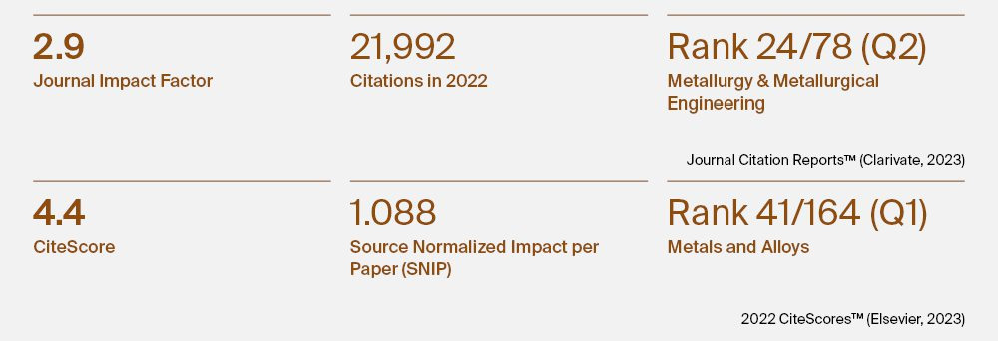
The primary responsibilities of Editorial Board Members are as follows:
- Pre-screening and making decisions on manuscripts related to their research interests;
- Setting up at least one Special Issue during their term, on a topic related to their research interests (or supervising Special Issues related to their research field);
- Providing input or feedback regarding journal policies;
- Helping to promote the journal among their peers or at conferences;
- Attending Editorial Board meetings to suggest journal development strategies;
- Reviewing manuscripts.
The benefits of becoming an Editorial Board Member include the following:
- The opportunity to publish one paper, free of charge, per year in Metals, as well as receiving discounts for papers invited from your scientific network;
- A certificate recognizing you as an Editorial Board Member of Metals;
- Metals may offer sponsorship for conferences organized by you as well as offer you travel grants when attending related conferences;
- The term of Editorial Board Members is two years, after which they may be reappointed or have the chance to be selected as Section Editor-in-Chief or Section Associate Editor.
The application criteria for becoming an Editorial Board Member include the following:
- Have a Ph.D.;
- Have knowledge and experience in editing international journals;
- Have published a certain number of research results with academic influence in related fields.
To apply for this position (in one of our Sections), please contact the Metals Editorial Office ([email protected]) with the following two files attached:
- A full academic CV;
- A short cover letter that details your interest and enthusiasm for the position.
If you have potential candidates to recommend or need further information, we would be truly grateful if you could contact us via email. Your valuable assistance would be highly appreciated. We look forward to hearing from you.
Metals Editorial Office
11 August 2023
Meet Us at the 18th International Conference on Molecule-Based Magnets (ICMM2023), 10–14 September 2023, Nanjing, China
Conference: 18th International Conference on Molecule-Based Magnets (ICMM2023)
Date: 10–14 September 2023
Location: Nanjing, China
MDPI will be attending ICMM 2023 as an exhibitor. We welcome researchers from different backgrounds to visit and share their latest ideas with us.
ICMM is a grand ceremony for all researchers working in related areas all over the world, and is the largest conference covering all topics in molecule-based magnets. The topics that will be covered at the conference will include molecular nanomagnets, spin-crossover materials, long-range ordering magnets, multifunctional and/or switchable materials, nanostructured magnetic materials, molecular spintronics, and devices, as well as other hot topics related to molecule-based magnetism. The conference is organized by the State Key Laboratory of Coordination Chemistry and the School of Chemistry and Chemical Engineering, Nanjing University.
The following MDPI journals will be represented:
- Magnetochemistry;
- Chemistry;
- Crystals;
- Inorganics;
- Magnetism;
- Materials;
- Metals;
- Molecules;
- Physics;
- Quantum Reports;
- Symmetry.
If you are planning to attend this conference, please do not hesitate to start an online conversation with us. Our delegates look forward to meeting you in person and answering any questions that you may have. For more information about the conference, please visit the following website: https://icmm2023.nju.edu.cn/.
2 August 2023
Metals | A Tribute to Prof. Dr. Ronald William Armstrong
It is with deep sorrow that we announce the passing of Prof. Dr. Ronald William Armstrong, the Section Editor-in-Chief of Metals, in May 2023.
In 2020, Prof. Dr. Armstrong demonstrated his exceptional organizational skills by successfully managing a Special Issue for the journal Metals (ISSN: 2075-4701) and subsequently publishing a Special Issue book. Recognizing his profound enthusiasm and strong academic background, we invited him to join the Editorial Board later that year. In 2022, Metals established a new Section entitled "Crystallography and Applications of Metallic Materials", and in recognition of his expertise and dedication, Prof. Dr. Armstrong was promoted to the position of Section Editor-in-Chief.
Throughout his tenure as Section Editor-in-Chief, Prof. Dr. Armstrong worked closely with the editorial members and staff, providing invaluable guidance and fostering the growth and development of the journal. He was an unwavering pillar of strength for Metals, and we were privileged to have him serve in such a prominent role. We extend our deepest gratitude for the contributions he made to the journal, and his legacy will be preserved within the journal.
Prof. Dr. Armstrong was Professor Emeritus at the Department of Mechanical Engineering, University of Maryland, College Park, USA, and an internationally renowned materials scientist with collaborating research partners in all corners of the world on the strength of materials, poly-crystal structures, and temperature and strain influences on mechanical properties. Celebrated for his witty poems and dry humor, Prof. Dr. Armstrong had just completed editing two books and was actively working on a third while publishing additional research papers at the time of his passing. Prior to joining the faculty at Maryland, Prof. Dr. Armstrong was a tenured professor at Brown University, USA.
He was also a Life Member of Clare Hall at the University of Cambridge, England. With his beloved wife, Mary Ann, and daughters, Lisa and Lori, Prof. Dr. Armstrong traveled the world with stints living in New Zealand, Australia, and England, while pursuing his lifelong passion for fly fishing.
Prof. Dr. Armstrong’s clever wordsmithing and loving affection are already so greatly missed, along with his smile that showed more joy than most receive in a whole lifetime and his congenial winks that he employed often to tell us: he knows the secret and now we do too.
We wish to express our deepest condolences to his family, friends, and colleagues.
27 July 2023
MDPI Insights: The CEO’s Letter #2 - Open Peer-Review and IJERPH
Welcome to the MDPI Insights: The CEO's Letter.
In these monthly letters, I will showcase two key aspects of our work at MDPI: our commitment to empowering researchers and our determination to facilitating open scientific exchange.
Opening Thoughts

Open Peer Review Reports
Continuing the topic of openness from my inaugural monthly CEO letter, in these Opening Thoughts, I highlight the growth and importance of open peer-review reports at MDPI. Open peer reports align with the principles of open science, making the publishing process more transparent and facilitating rigorous peer review.
MDPI journals operate an open peer-review option by default, allowing authors to publish review reports and author responses (often referred to as open reports) together with the published paper. Publishing the reviewer reports and author responses together with the article provides greater transparency and trust for readers, as this allows them to track the editorial decision-making process. Open peer-review also encourages reviewers and editors to provide high-quality comments, as these will be made public if the article is accepted for publication.
Start and Growth of Open Peer Review at MDPI
The MDPI journal Life was a pioneer in offering this opportunity to its authors in 2014. The first MDPI article with peer-review reports openly published was a review by the Nobel Laureate Werner Arber, in which the review reports were published as supplementary material. By 2018, open peer-review was available across all MDPI journals. As such, MDPI authors have embraced the open peer-review model, providing a steady increase in the number of MDPI articles. As of 2023, approximately one-third (34.0%) of MDPI articles were published with open review reports.
As at July 2023, the percentage of MDPI articles published with open peer review has increased to 36.2% of the total papers published in 2023 so far, indicating ongoing growth in adoption.
Open peer review continues to play a critical role in the assessment of the peer-review process in Life. For further insights, please see the recent editorial by Dr. Pabulo Henrique Rampelotto, the former Editor-in-Chief of Life, who spearheaded the implementation of the open peer-review process.
Benefits of Open Peer Review
The benefits of open peer review include increased transparency, trust and constructive feedback. To promote open communication further and increase the robustness of the peer-review process, we encourage reviewers to sign their reports so that their name appears on the review report (this process is referred to as open identity). The default option is for reviewers to remain anonymous; however, by signing the reports, reviewers receive direct credit for their contribution to the peer-review process and show their commitment towards open science.
As the leading open access publisher, MDPI remains committed to promoting open peer-review and encourages authors to choose this approach. Our goal is to provide a rigorous and transparent peer-review process that benefits the scientific community, and we believe that open peer-review is a vital step in fostering openness and collaboration in scientific communication.
Impactful Research
MDPI Papers Cited in the News – IJERPH edition
Every month, our corporate marketing team compiles data from Altmetrics to create a list of MDPI papers that have been cited in the news. This list continues to grow as renowned news outlets regularly reference research published by MDPI in their articles.
During 2022, a total of 111,965 MDPI research papers were mentioned in prominent news outlets such as National Geographic, The Washington Post, Forbes, The Guardian, the BBC, CNN, Time, and Harvard Business Review.
Highly Cited Journal Publications
IJERPH, known for publishing impactful research, received the most news mentions among all MDPI journals in 2022, based on Altmetrics data:
- International Journal of Environmental Research and Public Health: 3509 mentions
- Nutrients: 2698 mentions
- International Journal of Molecular Sciences: 1701 mentions
- Journal of Clinical Medicine: 1131 mentions
- Viruses: 1111 mentions
These numbers show the recognition and impact of the articles published in IJERPH. For a more detailed view of the journal’s most cited and viewed papers, you can visit here. In total, IJERPH has garnered over 28,000 mentions in prominent news outlets, and as at July 2023, an impressive count of over 17,000 papers cited 10 times or more. These figures highlight the impactful contribution of IJERPH publications to the scientific community.
Example of Recent Mentions
During May and June 2023, a noteworthy selection of articles from IJERPH was cited in news articles, including:
The Washington Post: “Bringing nature inside can improve your health. Here’s how to do it.”
IJERPH paper: “Physiological Benefits of Viewing Nature: A Systematic Review of Indoor Experiments”
Harvard Business Review: “How to Take Better Breaks at Work, According to Research”
IJERPH paper: “Canine-Assisted Therapy Improves Well-Being in Nurses”
National Geographic: “Lyme disease is spreading fast—but a vaccine may be on the way”
IJERPH paper: “Range Expansion of Tick Disease Vectors in North America: Implications for Spread of Tick-Borne Disease”
Inside MDPI

MDPI Develops an Artificial Intelligence Tool to Enhance the Peer-Review Process
At MDPI, we believe that rigorous peer-review is the corner-stone of high-quality academic publishing. We are grateful to the scholars who generously dedicate their time to peer-review articles submitted to MDPI journals. Their contributions are invaluable to the advancement of science.
Peer-review is a critical part of the publication process, ensuring that MDPI upholds the highest quality standards for the papers we publish. Every manuscript submitted to our journals undergoes a comprehensive peer-review process conducted by subject-matter experts.
To further enhance our peer-review process, our Data Analytics team has developed an Artificial Intelligence (AI) tool designed to support the selection of reviewers. This proprietary tool utilizes Natural Language Processing (NLP), a specially designed AI language model, to extract information from the title and abstract of submitted papers. It then searches our database for similar manuscripts and suggests potential reviewers based on this analysis. Integrated with MDPI's submission system (SuSy), the AI tool cross-references the suggested candidates with our reviewer database to verify their invitation status and availability.
The goal of this tool is to provide better targeted peer-review invitations, reducing the number of emails sent for each paper and increasing the efficiency of our editorial staff.
In the near future, our Data Analytics team plans to deploy similar AI projects to improve other critical aspects of our services, offering an enhanced experience to our authors and readers.
Click here to learn about MDPI’s review process, including procedures, responsibilities, and benefits.
Read more:
Coming Together for Science
The Future of IJERPH

On 5 July 2023, Prof. Dr. Paul B. Tchounwou, the founding Editor-in-Chief of IJERPH, along with five Section Editors in Chief (Prof. Dr. Germán Vicente-Rodríguez, Prof. Dr. Karl Goodkin, Prof. Dr. William A. Toscano, Prof. Dr. Jimmy T. Efird, and Prof. Dr. William Douglas Evans), gathered in Basel to discuss the future of the journal. The meeting provided an opportunity to address the recent decision by The Web of Science to delist IJERPH due to the journal failing the Content Relevance criterion, and propose best strategies that will ensure high scientific rigor as well as a clear scope and aim of IJERPH, going forward.
While the delisting is disappointing for IJERPH, as well as for our authors, academic editors, and the entire scientific community supporting our journal, we see it as an opportunity to reflect and prepare for the future direction of the journal.
Since its launch in 2004, IJERPH’s vision and mission have evolved to be more complete and comprehensive in engaging scientific communities. In light of this, we will refresh the journal’s aims and scope, ensuring they align with the organic expansion of IJERPH. Additionally, we will restructure the journal sections into broader categories, encouraging collaborative research and transdisciplinary approaches for authors. This is designed to foster collaboration and knowledge exchange among diverse fields, contributing to a holistic understanding of health promotion and disease prevention. We are confident that these next steps will enhance the scientific strength and societal impact of our journal.
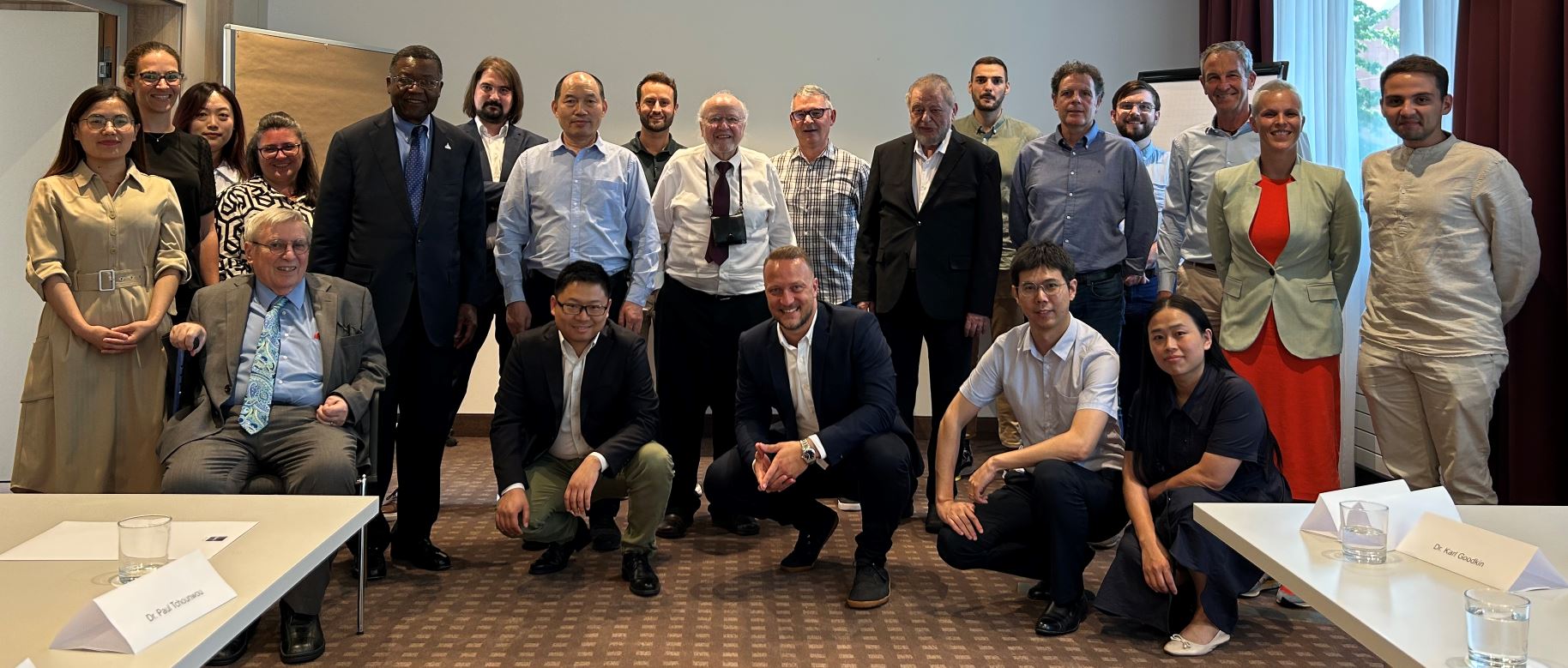
Journal Achievements
In addition to the productive discussions, we took the time to celebrate some of the remarkable achievements of IJERPH, which I highlight below:
- Founded by Prof. Dr. Paul B. Tchounwou in 2004
- Indexed in PubMed in 2008
- Received its first Impact Factor in 2012
- Published its 5000th paper in 2017
- Over 60,000 papers published as at June 30, 2023
- 131,628,173 paper views in 2018–2022
- Over 28,000 mentions in prominent news outlets
- 17,000 papers cited 10 times or more as at June 30, 2023
- No.1 journal in the 2022 Google Scholar Metrics in the category of Public Health
- Awarded several editions of Young Investigator Awards, Travel Awards, and Outstanding Reviewer Awards since 2018.
These achievements showcase the journal’s significant contributions to the field and its impact on global health. We are proud of the exceptional work accomplished by the IJERPH team and look forward to building upon this success in the years to come.
Closing Thoughts
MDPI’s Impact in Spain
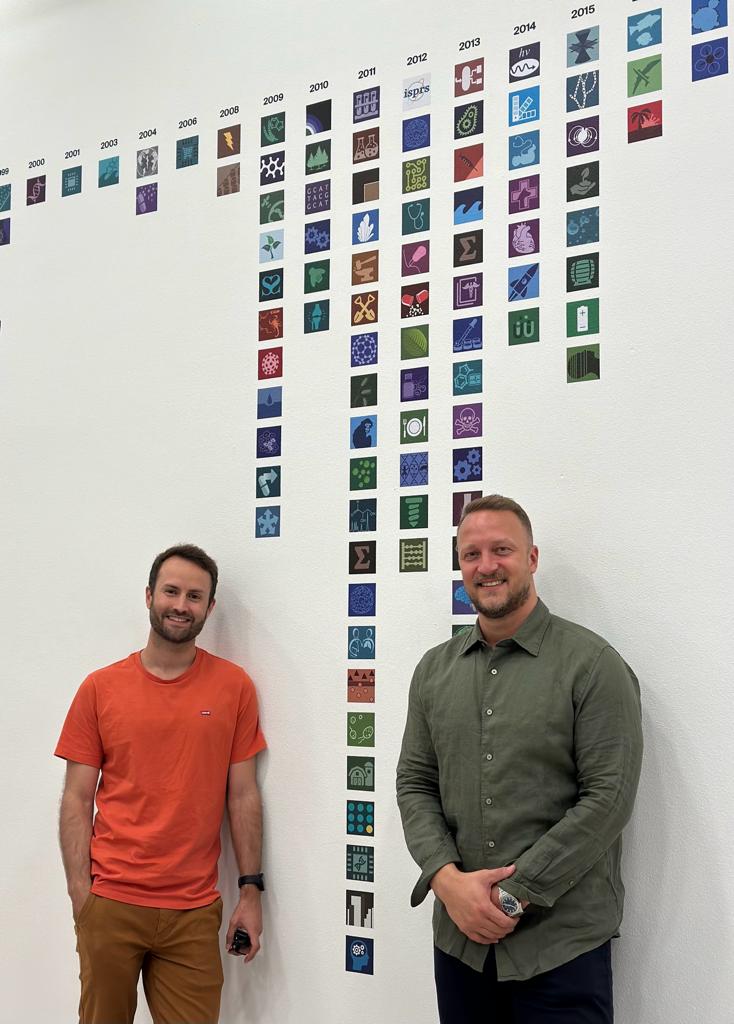
During the past month, I had the opportunity to visit our new office building in Barcelona, where I met with our local colleagues to discuss the ways we serve the scholarly community, particularly in Spain. The multi-functional office plays a vital role in supporting various business needs, including editorial, design, conference management, data analytics, journal relationship management, publishing partnerships, and collaborations with societies.
Spain holds a significant position in MDPI’s global market, ranking as the fourth-largest contributor to the total number of papers published by MDPI as at July 2023, ranking next to Italy, the USA, and China, with Germany completing the top five.
The Numbers
Out of the 1,680,000 total MDPI articles published as at 25 July, almost 80,000 articles are contributed by Spanish authors, representing nearly 40,000 unique authors affiliated with Spanish institutions. Remarkably, over 6,300 of these authors hold editorial board member (EBM) positions within MDPI journals, with 30 of them serving as Editors-in-Chief (EiCs).
Our commitment to working with institutions is very evident in Spain, where we have successfully established over 40 Institutional Open Access Programs (IOAP) with esteemed institutions such as the University of Barcelona, the Autonomous University of Barcelona, Pompeu Fabra University, the University of Navarre, and Complutense University of Madrid.
Over the past five years, we have successfully organized eight in-person conferences in Barcelona, attracting over 1,150 registrations, with two forthcoming events scheduled for 2024. Barcelona's excellent connectivity to international airports makes it easily accessible to participants from around the world. Its welcoming atmosphere provides us with the perfect environment for knowledge-sharing, networking, and contributing to the local economy.
Our growth and presence in Spain are a true testament to the incredible service we provide to the scholarly community and the relationships we foster through responsive and collaborative communication. We look forward to continuing to support Spanish scholars, providing them a valuable and trusted experience with MDPI, the leader in open access publishing.
Testimonials
I close this letter as I did in the first edition, by sharing testimonials from our stakeholders. Here are a few IJERPH testimonials from a Spanish guest editor and an author:
Guest Editor
“I want to thank the kindness, attention and professionalism of the MDPI team throughout the editorial process of the Special Issue. I believe that it is a very professional and quality editorial process.”
- Professor Víctor Arufe-Giráldez, University of A Coruña
Special Issue in International Journal of Environmental Research and Public Health: Physical Activity in Childhood and Adolescence
Special Issue in International Journal of Environmental Research and Public Health: Physical Education: Present and Future
__
Author
“I want to thank the rigor of the revisions made to the manuscripts to improve their quality, the support to the authors for the editor assignment system they have and the follow-up they carry out, for the speed in answering and in carrying out the entire process of the revision, and for doing all this at an affordable price.”
- Dr. María Paz García-Caro, University of Granada
Article in International Journal of Environmental Research and Public Health: Factors Associated with Suicide Attempts and Suicides in the General Population of Andalusia (Spain)
Chief Executive Officer
MDPI AG
11 July 2023
Obituary—Prof. Dr. Ronald W. Armstrong

With sadness, we regret to inform you about the passing of Prof. Dr. Ronald W. Armstrong, Editorial Board Member and Guest Editor of Crystals and Metals. We are grateful for his many contributions to the journals and the legacy his research has left in the academic world.
Prof. Dr. Ronald W. Armstrong was a Professor Emeritus at the Department of Mechanical Engineering, A. James Clark School of Engineering, University of Maryland, College Park, MD, USA. He received his Ph.D. degree from Carnegie Mellon University in 1958, and he finished his postdoctoral studies at Leeds University, UK, in 1959. His work focused on dislocation mechanics, constitutive equations, Hall–Petch relations, Zerilli–Armstrong equations, microstructural stereology, high-rate metal deformations, ductile–brittle transition behaviors, and X-ray diffraction imaging.
His work was recognized with a significant number of honors and awards:
- AIME Robert Lansing Hardy Gold Medal for 1962;
- Senior Fulbright–Hays Fellow, New Zealand, 1974;
- NATO Advanced Study Institute Lecturer, England, 1979, and Crete, 1985;
- Who's Who in America, 1982‑89;
- Liaison Scientist, Office of Naval Research‑London, UK, 1982‑1984 and 1991;
- Visiting Research Fellow, now Life Member, Clare Hall, Univ. Cambridge, UK, 1984;
- Symposium in Honor of Professor Ronald W. Armstrong, Dynamic Deformation;
- Constitutive Modeling, Grain Size, and Other Effects, TMS 2003, 132nd Annual Meeting and Exhibition, 3/2-6/2003, San Diego, CA; see Metall. Mater. Trans. A, 35A, 2545-2745 (2004);
- DYMAT John Rinehart Award, 2015;
- Invited to present/publish more than 50 technical papers in symposia, published in more than 400 technical journal and symposium publications.
We wish to express our deepest condolences to his family and colleagues.
Crystals and Metals Editorial Offices
11 July 2023
MDPI’s Newly Launched Journals in June 2023
With the first issue released in June 2023, five new MDPI journals disseminating multi-disciplinary science are due to launch, which will cover the subjects of medicine & pharmacology, biology and physical sciences.
The newly launched journals will be overseen by professional Editorial Board Members and Editors to ensure an accurate and rapid publication, rigorous peer review and broad visibility.
Please feel free to browse and discover more about the new journals below.
| Journal | Founding Editor-in-Chief | Journal topics (selected) |
 |
Prof. Dr. Jun Ma, Peking University, China| Editorial | view inaugural issue | growth and development; diet and nutrients; school health promotion policies and practices; child health and care; adolescent health and wellbeing | view journal scope | submit an article |
 |
Prof. Dr. Bernd Rehm, Griffith University, Australia | Editorial | view inaugural issue | DNA and gene synthesis; synthetic transcription factors; protein engineering; viral engineering; metabolic engineering | view journal scope | submit an article |
 |
Prof. Dr. Varsha Gandhi, University of Texas MD Anderson Cancer Center, USA | Editorial | view inaugural issue | lymphatics; cancers associated with lymphocytes and lymphoblasts; lymphatic tissues; lymphoma; lymphoid leukemia | view journal scope | submit an article |
 |
Dr. Bradley Turner, University of Melbourne, Australia | Editorial | view inaugural issue | multiple sclerosis; amyotrophic lateral sclerosis; primary lateral sclerosis; atherosclerosis; systemic sclerosis | view journal scope | submit an article |
 |
Prof. Dr. Clemens Burda, Case Western Reserve University, USA | Editorial | view inaugural issue | Gamma ray, X-ray, and UV–Vis spectroscopies; NIR/mid-infrared/Raman spectroscopy; microwave and THz spectroscopy; high-resolution gas-phase atomic, molecular, and cluster spectroscopy; MS, NMR, and EPR spectroscopy | view journal scope | submit an article |
We wish to thank everyone who has supported the development of open access publishing. You are welcome to submit an application to the New Journal Committee ([email protected]) if you would like to create more new journals.
3 July 2023
MDPI Insights: The CEO's Letter #1 - Open Access and Impactful Research
Welcome to the MDPI Insights: The CEO's Letter.
In these monthly letters, I will showcase two key aspects of our work at MDPI: our commitment to empowering researchers and our determination to facilitating open scientific exchange.
Opening Thoughts
The Future is Open, and MDPI is Leading the Way
I strongly believe in a future that embraces openness, where open source, open information, and open access (OA) take center stage. This belief that led me to join MDPI in 2020, and I am honored to have recently been appointed as Chief Executive Officer (CEO). In this capacity, and operating in close liaison with Dr. Lin and MDPI’s senior management, I shall work to build on Dr. Lin’s achievements of the past quarter-century. In this role, I will focus on communication initiatives to promote MDPI's remarkable work and continue to build our company as a trusted leader in OA publishing. For over two decades, MDPI has been at the forefront of reshaping the academic publishing landscape, with OA surpassing subscription-based publishing in 2020. This trajectory is deeply rooted in our history and reflects our unwavering commitment and vision for an open future.
1 Million Published Articles
2023 began with a remarkable achievement for MDPI, as we became the first OA publisher to reach the milestone of 1 million published articles. This represents 2.7 million unique authors who have trusted us with their work, or about a third of all researchers worldwide. As the world's most cited OA publisher, we are proud in sharing these significant milestones.
Our mission remains unchanged: to make science open and accessible to all. We understand the importance of knowledge access, empowering researchers to stay at the forefront of a rapidly changing world. Our diverse range of journals covers a wide spectrum of disciplines, offering cutting-edge insights, trusted tools, and crucial knowledge to address global challenges.
Liberating Science
As the world’s leading OA publisher, MDPI is actively liberating science. We are committed to eliminating the frustrations researchers and the general public face when accessing information, ensuring it is not locked behind paywalls. We firmly believe that everyone has a right to information, and our commitment to open access publishing drives our work.
In this inaugural edition of Insights: The CEO's Letter, I draw inspiration from the upcoming 20th anniversary of the Berlin Declaration on Open Access. Its stated mission reminds us that true impact is achieved when knowledge is widely and readily available to society:
"Our mission of disseminating knowledge is only half complete if the information is not made widely and readily available to society”
Impactful Research

MDPI Publishes Impactful Research: Recognized by Leading Indexing Databases
MDPI journals are indexed in every single top database in the world.
As of June 2023, we have 214 journals indexed within Web of Science, 223 indexed within Scopus, 87 indexed within PubMed and PMC, and 17 indexed within MEDLINE, and these numbers increase every month. We constantly strive to expand the coverage of our journals within leading multi-disciplinary and scope-specific databases, resulting in an incredibly broad range of journals that are indexed within a variety of databases. MDPI has active relationships with approximately 65 well-known databases around the world, and we continue to expand our portfolio every year so that your work can be found, cited, and referenced with ease.
Continued Growth of MDPI Journals
The 2022 Scopus and Web of Science journal citation metrics were officially released in June, and I am pleased to report that 31 MDPI journals received their first CiteScore, taking the total number of journals with a CiteScore to 216. The number of MDPI journals receiving an Impact Factor (IF) also continues to grow with 111 receiving their first, by being covered in the ESCI, bringing our total number of journals with an IF to 208 of which 41 journals received an IF above 4.0. Looking at 2022 CiteScores in the Scopus database, 80% of MDPI journals have a score that ranks them in Q1 or Q2 in at least one subject category.
Publishing impactful science would not be possible without all of our authors, editors and reviewers. Thank you for your contribution and continued support! Together we share the latest scientific insights faster and ensure that your work is accessible to all.
Read more
Inside MDPI

Preprints.org: Clarivate adds the Preprint Citation Index to the Web of Science
At MDPI, we are dedicated to driving the advancement of science. Through our initiative, Preprints.org, researchers can publish their work and gain valuable feedback from the broader research community, ensuring rapid progress in their respective fields. This is particularly crucial during times of health and climate challenges, where timely dissemination of findings is essential.
Increased Visibility for Preprints
I am pleased to share that Clarivate recognizes the significance of preprints and has taken a crucial step to enhance their visibility. Clarivate has added the Preprint Citation Index to the Web of Science, encompassing preprints published not only on Preprints.org but also on other reputable repositories.
Looking ahead, the future of preprints appears promising, bolstered by the recent indexing announcement from the Web of Science. As a result, preprints will receive increased visibility, serving as a valuable resource for staying informed about the latest research developments.
Read more
What are Preprints?
The Pros and Cons of Preprints
Preprints and COVID-19
Preprints—The Future of Open Access Publishing?
Coming Together for Science
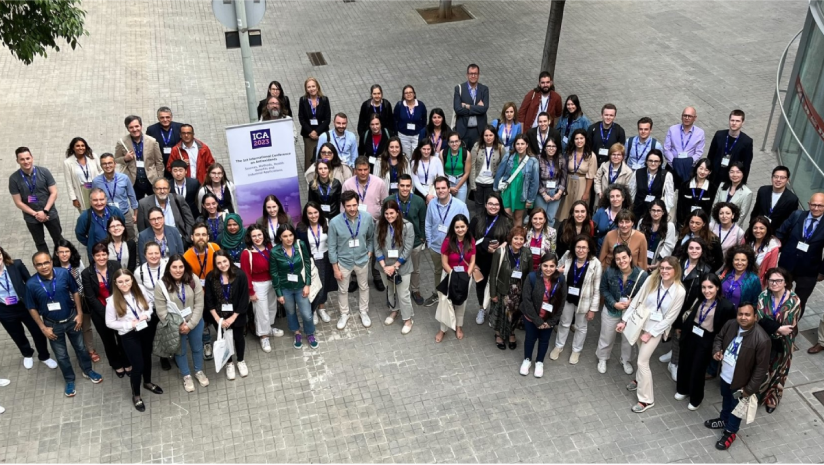
The First International Conference on Antioxidants: Sources, Methods, Health Benefits and Industrial Applications
In this edition of ‘Coming Together for Science,’ I am pleased to highlight the First International Conference on Antioxidants organized by our conference team in the beautiful city of Barcelona, Spain. The conference attracted over 130 attendees, who engaged in 42 talks, and 89 poster presentations spread across several sessions.
Working Together
Under the leadership of Prof. Dr. Alessandra Napolitano (Department of Chemical Sciences, University of Naples ‘Federico II’, Naples, Italy) and Prof. Dr. Rosa M. Lamuela Raventos (Department of Nutrition, Food Sciences and Gastronomy, University of Barcelona, Spain) as chairs, and supported by the committee members, 10 invited keynote speakers, poster presenters, and all the attendees, this dedicated group of academics came together to discuss the natural sources, methodologies, health benefits, and industrial applications of antioxidants.
Especially noteworthy is the positive feedback received from attendees, with 94% rating the overall organization of the conference as good or excellent. I particularly love the picture above, capturing the gathering of some of the participants. You can browse through more photos in the event gallery located here.
Managing Events With Sciforum
If you are considering hosting your own academic event, I highly recommend checking out Sciforum, MDPI's event management platform. Sciforum simplifies the entire process, making it easy to host your own event by allowing you to focus on what really matters: Science!
Read more
Closing Thoughts
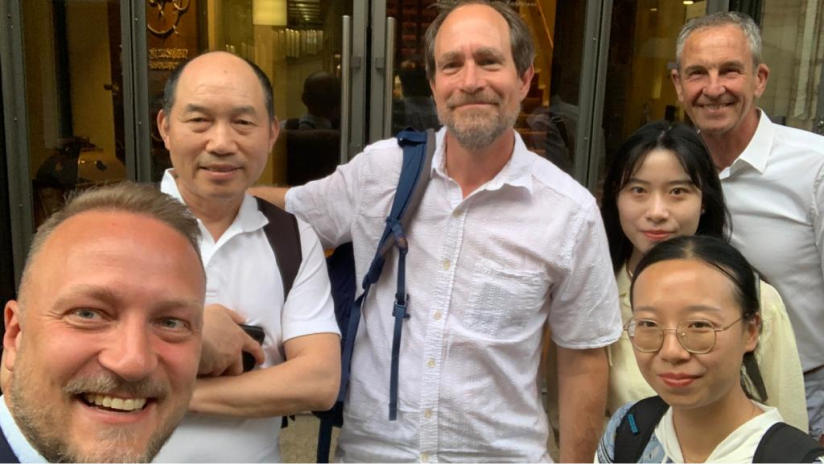 Stefan Tochev, Dr. Shu-Kun Lin, Dr. Eric O. Freed, Peter Roth, Wynne Wang, Allison Yang
Viruses and Editorial Quality: Acknowledging the Dedication of our Viruses Journal Team
During a June meeting with Dr. Eric O. Freed, the founding and current Editor-in-Chief of our journal Viruses, I was reminded of the exceptional dedication of our editorial board. Meeting with Eric is a pleasure, as he has a strong commitment and clear vision for the journal. Over the course of two days, we gained a deep understanding of the journal’s expectations and focus on strategic growth, editorial board representation, and engagement.
I am pleased to share that Viruses holds a CiteScore of 7.1 (an increase of 7.57% versus the 2021 metric) and an Impact Factor of 4.7. You can view the journal statistics here. Viruses publishes highly cited papers, and is indexed in renowned databases such as Scopus, SCIE (Web of Science), PubMed, and others, and maintains affiliations with prestigious societies. Moreover, the Viruses team has recently announced an exciting upcoming event titled ‘Viruses 2024 – A World of Viruses,’ scheduled to take place in Barcelona, Spain, from 14–16 February 2024.
Testimonials
If you notice my enthusiasm regarding our editorial service, it’s because the surveys and testimonials we receive speak volumes about the experiences of our authors, reviewers, and guest editors who collaborate with MDPI. The purpose of these letters is to highlight the exceptional work that we do and the experiences we create for the scholars – thus, let me end with this testimonial from an author:
“It was a great pleasure to publish in Viruses Special Issue [Emerging Viruses in Aquaculture]. The submission process was easy. Guest editors were very helpful and provided all the guidance and support as needed. The handling of the manuscript by the Editorial Team was very fast, efficient, and professional. The reviewer’s comments were insightful, and the publication processes were remarkably rapid.”
– Ms. Magdalena Stachnik, Państwowy Instytut Weterynaryjny | PIWet
Article in Viruses: Emerging Viral Pathogens in Sturgeon Aquaculture in Poland: Focus on Herpesviruses and Mimivirus Detection
Chief Executive Officer
MDPI AG
28 June 2023
2022 Impact Factors for MDPI Journals
The 2022 citation metrics have been released in the Journal Citation Reports (JCR), and we’re pleased to announce the following results for MDPI journals:
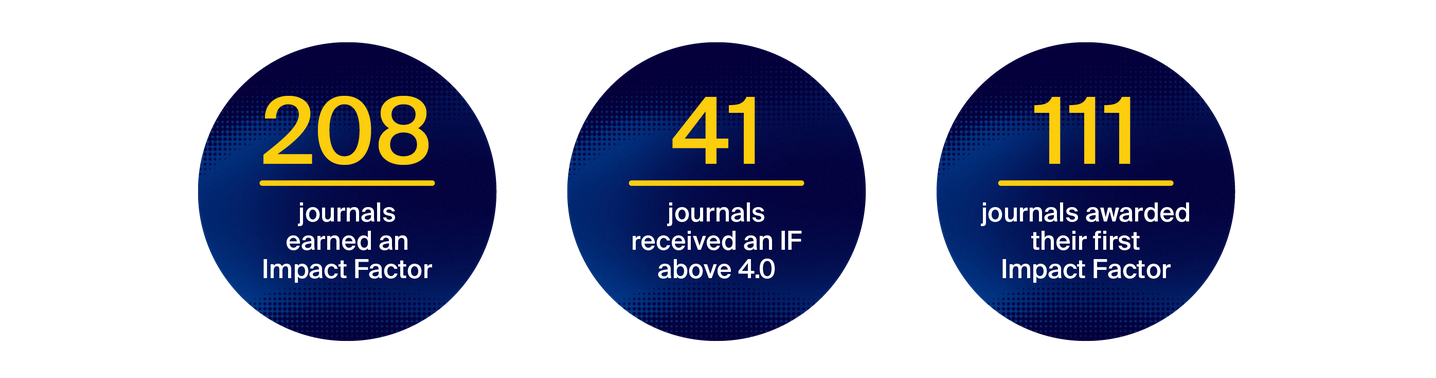
We are thrilled to announce that 90% of our ranked MDPI journals, specifically 86 out of 96 (captured in the table below), are performing above average in Q1 or Q2. This year, Clarivate has expanded its Impact Factor (IF) awards to include journals in the Emerging Sources Citation Index (ESCI) and the Arts and Humanities Citation Index (AHCI), providing greater transparency for the full set of journals indexed in the Web of Science Core Collection. As a result, 111 of MDPI journals have received their first IF in 2023, with 37 journals surpassing an IF of 3.0. In total, 208 MDPI journals have been honored with an IF.
Clarivate explains that by "expanding the coverage but holding to highly selective standards, the [Impact Factor] is now a reliable indicator of trustworthiness, as well as a measure of scholarly impact, at the journal level."
Please visit our blog post where we discuss the release of the latest citation metrics with our Indexing Manager, Dr. Constanze Schelhorn, to find out what's different this time around and how to make use of different metrics available.
| Journal | Impact Factor | Rank Quartile | Category |
| Vaccines | 7.8 | Q1 | Immunology |
| Medicine, Research & Experimental | |||
| Antioxidants | 7.0 | Q1 | Food Science & Technology |
| Biochemistry & Molecular Biology | |||
| Chemistry, Medicinal | |||
| Cells | 6.0 | Q2 | Cell Biology |
| Nutrients | 5.9 | Q1 | Nutrition & Dietetics |
| International Journal of Molecular Sciences | 5.6 | Q1 | Biochemistry & Molecular Biology |
| Q2 | Chemistry, Multidisciplinary | ||
| Journal of Theoretical and Applied Electronic Commerce Research | 5.6 | Q2 | Business |
| Biomolecules | 5.5 | Q1 | Biochemistry & Molecular Biology |
| Biosensors | 5.4 | Q1 | Chemistry, Analytical |
| Instruments & Instrumentation | |||
| Q2 | Nanoscience & Nanotechnology | ||
| Fractal and Fractional | 5.4 | Q1 | Mathematics, Interdisciplinary Applications |
| Marine Drugs | 5.4 | Q1 | Chemistry, Medicinal |
| Pharmacology & Pharmacy | |||
| Pharmaceutics | 5.4 | Q1 | Pharmacology & Pharmacy |
| Nanomaterials | 5.3 | Q1 | Physics, Applied |
| Q2 | Chemistry, Multidisciplinary | ||
| Materials Science, Multidisciplinary | |||
| Nanoscience & Nanotechnology | |||
| Cancers | 5.2 | Q2 | Oncology |
| Foods | 5.2 | Q1 | Food Science & Technology |
| Polymers | 5.0 | Q1 | Polymer Science |
| Remote Sensing | 5.0 | Q1 | Geosciences, Multidisciplinary |
| Q2 | Remote Sensing | ||
| Imaging Science & Photographic Technology | |||
| Environmental Sciences | |||
| Antibiotics | 4.8 | Q1 | Pharmacology & Pharmacy |
| Q2 | Infectious Diseases | ||
| Drones | 4.8 | Q2 | Remote Sensing |
| Journal of Functional Biomaterials | 4.8 | Q2 | Engineering, Biomedical |
| Materials Science, Biomaterials | |||
| Biomedicines | 4.7 | Q1 | Pharmacology & Pharmacy |
| Q2 | Biochemistry & Molecular Biology | ||
| Medicine, Research & Experimental | |||
| Journal of Fungi | 4.7 | Q2 | Mycology |
| Microbiology | |||
| Viruses | 4.7 | Q2 | Virology |
| Bioengineering | 4.6 | Q2 | Engineering, Biomedical |
| Gels | 4.6 | Q1 | Polymer Science |
| Molecules | 4.6 | Q2 | Chemistry, Multidisciplinary |
| Biochemistry & Molecular Biology | |||
| Pharmaceuticals | 4.6 | Q2 | Pharmacology & Pharmacy |
| Chemistry, Medicinal | |||
| Toxics | 4.6 | Q1 | Toxicology |
| Q2 | Environmental Sciences | ||
| Biomimetics | 4.5 | Q1 | Engineering, Multidisciplinary |
| Q2 | Materials Science, Biomaterials | ||
| Microorganisms | 4.5 | Q2 | Microbiology |
| Plants | 4.5 | Q1 | Plant Sciences |
| Biology | 4.2 | Q2 | Biology |
| Chemosensors | 4.2 | Q2 | Instruments & Instrumentation |
| Chemistry, Analytical | |||
| Electrochemistry | |||
| Membranes | 4.2 | Q2 | Engineering, Chemical |
| Materials Science, Multidisciplinary | |||
| Chemistry, Physical | |||
| Polymer Science | |||
| Toxins | 4.2 | Q1 | Toxicology |
| Q2 | Food Science & Technology | ||
| Metabolites | 4.2 | Q2 | Biochemistry & Molecular Biology |
| Batteries | 4.0 | Q2 | Electrochemistry |
| Materials Science, Multidisciplinary | |||
| Q3 | Energy & Fuels | ||
| Catalysts | 3.9 | Q2 | Chemistry, Physical |
| Journal of Clinical Medicine | 3.9 | Q2 | Medicine, General & Internal |
| Land | 3.9 | Q2 | Environmental Studies |
| Sensors | 3.9 | Q2 | Instruments & Instrumentation |
| Chemistry, Analytical | |||
| Engineering, Electrical & Electronic | |||
| Sustainability | 3.9 | Q2 | Environmental Sciences (SCIE) |
| Environmental Studies (SSCI) | |||
| Q3 | Green & Sustainable Science & Technology (SCIE) | ||
| Green & Sustainable Science & Technology (SSCI) | |||
| Buildings | 3.8 | Q2 | Construction & Building Technology |
| Engineering, Civil | |||
| Agronomy | 3.7 | Q1 | Agronomy |
| Q2 | Plant Sciences | ||
| Fermentation | 3.7 | Q2 | Biotechnology & Applied Microbiology |
| Pathogens | 3.7 | Q2 | Microbiology |
| Agriculture | 3.6 | Q1 | Agronomy |
| Diagnostics | 3.6 | Q2 | Medicine, General & Internal |
| Genes | 3.5 | Q2 | Genetics & Heredity |
| Journal of Intelligence | 3.5 | Q2 | Psychology, Multidisciplinary |
| Lubricants | 3.5 | Q2 | Engineering, Mechanical |
| Processes | 3.5 | Q2 | Engineering, Chemical |
| Coatings | 3.4 | Q2 | Materials Science, Coatings & Films |
| Physics, Applied | |||
| Q3 | Materials Science, Multidisciplinary | ||
| ISPRS International Journal of Geo-Information | 3.4 | Q2 | Geography, Physical |
| Q3 | Computer Science, Information Systems | ||
| Remote Sensing | |||
| Materials | 3.4 | Q2 | Metallurgy & Metallurgical Engineering |
| Physics, Applied | |||
| Physics, Condensed Matter | |||
| Q3 | Materials Science, Multidisciplinary | ||
| Chemistry, Physical | |||
| Micromachines | 3.4 | Q2 | Instruments & Instrumentation |
| Physics, Applied | |||
| Chemistry, Analytical | |||
| Q3 | Nanoscience & Nanotechnology | ||
| Water | 3.4 | Q2 | Water Resources |
| Environmental Sciences | |||
| Brain Sciences | 3.3 | Q3 | Neurosciences |
| Energies | 3.2 | Q3 | Energy & Fuels |
| Fire | 3.2 | Q1 | Forestry |
| Q2 | Ecology | ||
| Life | 3.2 | Q2 | Biology |
| Current Issues in Molecular Biology | 3.1 | Q3 | Biochemistry & Molecular Biology |
| Horticulturae | 3.1 | Q1 | Horticulture |
| Animals | 3.0 | Q1 | Agriculture, Dairy & Animal Science |
| Veterinary Sciences | |||
| Insects | 3.0 | Q1 | Entomology |
| Atmosphere | 2.9 | Q3 | Meteorology & Atmospheric Sciences |
| Environmental Sciences | |||
| Electronics | 2.9 | Q2 | Engineering, Electrical & Electronic |
| Physics, Applied | |||
| Q3 | Computer Science, Information Systems | ||
| Forests | 2.9 | Q1 | Forestry |
| Inorganics | 2.9 | Q2 | Chemistry, Inorganic & Nuclear |
| Journal of Marine Science and Engineering | 2.9 | Q1 | Engineering, Marine |
| Q2 | Oceanography | ||
| Engineering, Ocean | |||
| Metals | 2.9 | Q2 | Metallurgy & Metallurgical Engineering |
| Q3 | Materials Science, Multidisciplinary | ||
| Tropical Medicine and Infectious Disease | 2.9 | Q2 | Tropical Medicine |
| Parasitology | |||
| Q3 | Infectious Diseases | ||
| Universe | 2.9 | Q2 | Astronomy & Astrophysics |
| Physics, Particles & Fields | |||
| Healthcare | 2.8 | Q2 | Health Policy & Services (SSCI) |
| Q3 | Health Care Sciences & Services (SCIE) | ||
| Applied Sciences | 2.7 | Q2 | Engineering, Multidisciplinary |
| Physics, Applied | |||
| Q3 | Chemistry, Multidisciplinary | ||
| Materials Science, Multidisciplinary | |||
| Crystals | 2.7 | Q2 | Crystallography |
| Q3 | Materials Science, Multidisciplinary | ||
| Entropy | 2.7 | Q2 | Physics, Multidisciplinary |
| Magnetochemistry | 2.7 | Q2 | Chemistry, Inorganic & Nuclear |
| Q3 | Chemistry, Physical | ||
| Materials Science, Multidisciplinary | |||
| Symmetry | 2.7 | Q2 | Multidisciplinary Sciences |
| Actuators | 2.6 | Q2 | Instruments & Instrumentation |
| Engineering, Mechanical | |||
| Aerospace | 2.6 | Q1 | Engineering, Aerospace |
| Behavioral Sciences | 2.6 | Q2 | Psychology, Multidisciplinary |
| Current Oncology | 2.6 | Q3 | Oncology |
| Machines | 2.6 | Q2 | Engineering, Mechanical |
| Q3 | Engineering, Electrical & Electronic | ||
| Medicina | 2.6 | Q3 | Medicine, General & Internal |
| Separations | 2.6 | Q3 | Chemistry, Analytical |
| Minerals | 2.5 | Q2 | Mining & Mineral Processing |
| Mineralogy | |||
| Geochemistry & Geophysics | |||
| Children | 2.4 | Q2 | Pediatrics |
| Diversity | 2.4 | Q2 | Biodiversity Conservation |
| Q3 | Ecology | ||
| Journal of Cardiovascular Development and Disease | 2.4 | Q3 | Cardiac & Cardiovascular Systems |
| Mathematics | 2.4 | Q1 | Mathematics |
| Photonics | 2.4 | Q3 | Optics |
| Veterinary Sciences | 2.4 | Q1 | Veterinary Sciences |
| Fishes | 2.3 | Q2 | Marine & Freshwater Biology |
| Fisheries | |||
| Axioms | 2.0 | Q2 | Mathematics, Applied |
| Systems | 1.9 | Q2 | Social Sciences, Interdisciplinary |
| Tomography | 1.9 | Q3 | Radiology, Nuclear Medicine & Medical Imaging |
Note: The Journal of Personalized Medicine's Impact Factor was omitted in the original release and will be assigned separately. Please find the data on the journal webpage in due course.
Source: 2022 Journal Impact Factors, Journal Citation Reports TM (Clarivate, 2023)
27 June 2023
Meet Us at the International Conference on Processing & Manufacturing of Advanced Materials: Processing, Fabrication, Properties, Applications, 2–7 July 2023, Vienna, Austria

The International Conference on Processing & Manufacturing of Advanced Materials: Processing, Fabrication, Properties, Applications (THERMEC’2023) is the twelfth international conference on the advanced materials series built upon the proven concept and continues the tradition of its eleven predecessors: Japan (1988), Australia (1997), USA (2000), Spain (2003), Vancouver, Canada (2006), Berlin, Germany (2009), Quebec City, Canada (2011), Las Vegas, USA (2013), Graz, Austria (2016), Paris, France (2018) and Virtual Conference in June 2021.
MDPI will be attending the event as an exhibitor, and we welcome researchers from different backgrounds to visit and share their latest ideas with us.
We are looking forward to meeting you at our booth #35, where you can find more information about the MDPI journals attending the conference:
Our representatives Igor Matic and Teodora Stepanov are eager to answer your questions and address any inquiries you may have.
24 June 2023
Metals Receives an Increased CiteScore of 4.4
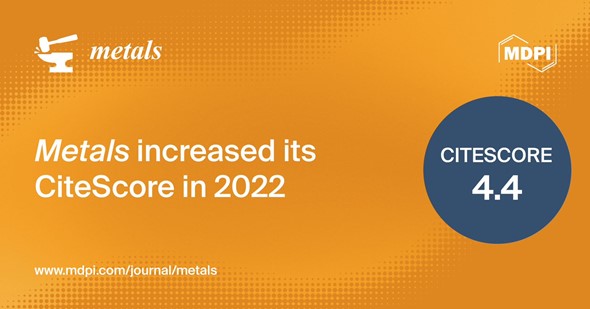
We are delighted to inform you that Metals (ISSN: 2075-4701) has received an updated CiteScore of 4.4, an increase of 16% compared with the 2021 metric. The 2022 CiteScore™ was released recently, which assessed the scientific influence of journals in the 2019–2022 period.
Metals’ CiteScore ranks as follows:
- Q1 (41 out of 164 journals) in the "Metals and Alloys" category;
- Q2 (206 out of 453 journals) in the "General Materials Science" category.
For more journal statistics, please visit https://www.mdpi.com/journal/metals/stats.
Excellent performance is inseparable from the support and dedication of all journal editors, reviewers, authors, and readers. We would like to take this opportunity to thank all of you who have contributed to the journal.
17 May 2023
Metals Webinar | Nano-Alloys, Held on 25 May 2023

On 25 May 2023, MDPI and the journal Metals (ISSN: 2075-4701) organized the webinar Nano-Alloys. The webinar focused on the recent advances in the study of the properties and applications of nano-alloy materials, in addition to their opportunities and challenges.
Nano-alloy is a broad term used to describe a nanoparticle made of two or more metallic chemical elements. The research field of nano-alloys is growing along many fronts, ranging from theory and synthesis, analysis, and characterization to applications in catalysis, materials science, optics, electronics, and magnetics. The expected impact of nano-alloys on current and future technology and on society is comparable to that of metals in the history of civilization. At the bulk scale, interest in alloys arises since they have different physical and chemical properties compared to their individual constitutive elements. In addition to this composition dependence, they are on the nanoscale and have three additional knobs of freedom, i.e., size, morphology, and segregation/ordering, playing a major role in the properties of the nano-alloy. In this context, this webinar will focus on recent advances in the study of the properties and applications of nano-alloy materials, in addition to their opportunities and challenges.
You can watch the recorded webinar below:
Webinar Chair and Keynote Speakers:
- Prof. Dr. Gregory Guisbiers, Department of Physics & Astronomy, University of Arkansas at Little Rock, USA;
- Prof. Dr. Miguel Jose-Yacaman, Department of Applied Physics & Materials Science, Northern Arizona University, USA;
- Prof. Konstantin Neyman, ICREA, University of Barcelona, Spain;
- Prof. Dr. Vincenzo Amendola, Department of Chemical Sciences, University of Padova, Italy.
10 May 2023
Interview with Prof. Dr. Weimin Wang—Winner of the Metals 2022 Outstanding Reviewer Award
We are pleased to announce the winners of the Metals 2022 Outstanding Reviewer Award. The Metals Editorial Board and editorial team would like to gratefully acknowledge the time and energy dedicated by reviewers in checking the manuscripts submitted to Metals. It is due to their efforts that the high quality of the journal and quick turnaround are maintained.
There are two winners this year, Dr. Wolfgang Löser and Prof. Dr. Weimin Wang, and here is a short interview with Prof. Dr. Weimin Wang.
Photograph for SEM test
Prof. Dr. Weimin Wang is a professor at the College of Materials Science and Engineering and Key Laboratory of Liquid–Solid Structural Evolution and Processing of Materials, Shandong University, China. His research interests include glassy alloys, computation science in materials and electrochemistry in metals. He has published 150 papers in international journals.
1. What is your current research and why did you choose this research field?My current research focuses on Fe-based and Al-based glassy alloys. The project includes the effect of pulse laser processing on crystallization and corrosion resistance of Fe-based glassy alloys, the effects of DC Joule heating on corrosion resistance and magnetic anisotropy of Fe78Si9B13 amorphous alloys, effects of the stress field on the structure and properties of Al86Ni9La5 amorphous alloy, and the structural, magnetic anisotropy and crystallization behavior after external field treatments of Fe-based amorphous alloys. This work tried to discover the external fields of glassy alloys and tried to search for some new strategies to improve their functional properties.
My work also involves the electrochemical behavior of Fe-based glassy alloy in alkaline solution and the effect of magnetic field on its corrosion resistance, insight into the backbone structure and corrosion properties of Al-Ni-RE amorphous alloys on solute elements addition, and the effects of cooling rate and solution concentration on corrosion resistance of Fe-based amorphous alloys. These works mainly use electrochemical analysis and try to discover new methods for passivating metallic alloys.
In short, the microstructure and properties of metallic alloys are my interests.
2. Which research topics do you think are of particular interest to the research community in the coming years?
(1) Magnetic materials. With the continuous development of the power electronics industry, the trend of miniaturization, integration, and high efficiency has put forward higher requirements for the soft magnetic properties of magnetic materials. Traditional soft magnetic materials, such as silicon steel and ferrite, cannot combine low-loss characteristics at high frequencies with high saturation magnetic induction. New amorphous and nanocrystalline soft magnetic materials, as a newly emerging metal material in recent years, have become an ideal choice for preparing a new generation of high frequency and high-efficiency motor materials due to their unique comprehensive soft magnetic properties such as high resistivity, low coercivity, high saturation magnetic susceptibility, and corrosion resistance.
(2) Metallic powders. The powder metallurgy industry has developed rapidly, and the production of metal powders has increased year by year. With the advantages of low cost, high degree of freedom of alloy composition, fast cooling rate, large-scale production, and excellent comprehensive powder performance, atomization has been able to account for over 80% of the current total powder production. It is one of the ideal processes for preparing fine amorphous powders.
(3) High entropy alloys. Traditional alloy design concepts combine one or two primary elements with secondary elements to produce many combinations. Related work has reached the bottleneck period. In the pursuit of alloys with special microstructure and properties such as high strength, new design concepts such as high entropy alloys (HEAs) have emerged. It is usually composed of at least 5 main elements, each of which has an atomic content of 5 to 35 at%. High entropy alloys have simple random solid solutions rather than ordered and/or intermetallic compound phases, such as disordered face-centered cubic (fcc, A1), disordered body-centered cubic (bcc, A2), ordered fcc (L12), ordered bcc (B2), and hexagonal close-packed (hcp, A3). It has unique properties different from traditional alloys: high strength and hardness, unique magnetism, superior corrosion and oxidation resistance, super high fatigue strength, good tribological properties, good high temperature softening and creep resistance, excellent radiation resistance, high thermal stability, and superior low-temperature mechanical properties.
3. Have you ever encountered any difficulties while conducting research? How did you overcome them?
The first difficulty is the shortage of funding. Just after defending my Ph.D. degree, I obtained a position at my university where I finished my Ph.D. degree. I am lucky because I have not had to join the job market and apply for positions by mailing my CV. But the funding is difficult for me to reach. I remember that the starting support of our university is only RMB 10,000, and a new computer costs half of that. Since then, I have had to apply for various government foundations and try to contact companies.
During this difficult time, I applied for a post-doctoral program at Nanjing University and Humboldt Foundation in Germany. After that, I obtained funding from the NSFC committee and other departments. However, the second difficulty arises in my research life.
The second one is how to work with graduate students. Firstly, the number of students is not enough. In some years, I do not have even one student entering my group. Every fall, I am worried about newcomers. In addition, after new students join my group, how to work with them is not easy to answer.
In short, the difficulties also bring much happiness to my life.
4. What qualities do you think young scientists need?Young scientists should first have a good theoretical foundation, and their university and postgraduate study is of great importance. Mathematics, physical concepts, and computation coding are very important for exploring detailed projects.
At the same time, they should have good communication skills with their colleagues and students. When entering the workplace, knowing how to obtain effective information from friends, partners, colleagues, and peers and improving their academic level is very important.
In addition, a kind of persistence and perseverance help develop an academic style; this growth is very important, but it is very difficult.
5. Since Metals is an open access journal, how do you think open access impacts the authors?Open access (OA) journals have an increasing tendency for advanced publishing groups because they are quick, highly efficient, broadly spreadable, and of large volume. OA has many positive impacts on the authors: its quickness, authors can get efficient feedback from the referees and adjust their research routines on time. For my students, the quick and high-level reviewing comments are very helpful for the next work. As we know, the length of time that it takes for a student to undergo a Ph.D. is three years, which is not that long and is mixed with other things. A quick response from the OA journal is needed for Ph.D. candidates.
The large volume is also advanced. In China, the volume of postgraduate students is increasing every year, and many universities require publishing records. Hence, the supply and demand are matching the increasing speed.
There is also a shortage of OA journals. Sometimes they focus on the profits rather than the quality. Such phenomena are adjusted by the self-cleaning characteristics of academic society.
19 April 2023
Interview with Dr. João Pedro Oliveira—Winner of Metals 2023 Young Investigator Award
We are pleased to announce that the winner of the Metals 2023 Young Investigator Award—Dr. João Pedro Oliveira.
Dr. João Pedro Oliveira is an assistant professor at the Department of Materials Science at Universidade NOVA de Lisboa, Caparica, Portugal. Dr. Oliveira’s research interests focus on using advanced manufacturing technologies (welding and additive manufacturing) and advanced characterization techniques (such as SEM, TEM, and synchrotron X-ray diffraction) to link the microstructural characteristics of processed metals with their functional and thermomechanical behavior. Dr. Oliveira received his Ph.D. in 2016 and has an outstanding publication record. The impact of his research group can be measured by the number and scholarly impact of their publications, as reflected by a Scopus H-index of 43. He is regarded as an influential and promising contributor to the field of materials science and engineering. As a single applicant, Dr. Oliveira was also able to attract significant funding for research. Moreover, he is the principal investigator and coordinator of the ongoing European project on wire and arc additive manufacturing that has received EUR 1.7 million in funding. This is an outstanding achievement in today’s competitive environment.
Please join us in congratulating Dr. João Pedro Oliveira for his outstanding achievements.
We would like to thank the award committee for their excellent work in the difficult task of selecting a winner from such a large number of excellent candidates. We would also like to thank all the nominees from various fields for their participation. We will continue to reward young scientists with the Young Investigator Award and wish them every success in their careers.
The following is a short Q&A with Dr. João Pedro Oliveira:
1. Could you briefly introduce yourself to our readers?My name is João Pedro Oliveira, and I am currently working as an assistant professor of materials science at Universidade NOVA de Lisboa, Portugal. I completed my Ph.D. on laser welding of shape memory alloys at NOVA in 2016 with Professor Braz Fernandes and Professor Rosa Miranda, where I spent a part of my time at the University of Waterloo, Canada, with Professor Norman Zhou. Then I moved to Ohio State University, USA, to work with Professor Antonio Ramirez as a postdoctoral researcher. Finally, I moved back to NOVA to be a faculty member there.
In my free time, I enjoy running a lot, especially in the mountains, and spending time with my family.
2. What is your current research and why did you choose this research field?
I started conducting research on the welding of shape memory alloys because I won a scholarship. I was immediately hooked because of the unusual properties of these materials. I then proceeded to a Ph.D. on this topic and was able to make my own path on evaluating the weldability and processability of novel shape memory alloys. My research interests in terms of materials selection have always been based on how interesting (or weird) the materials are. That is why my focus is on shape memory and high entropy alloys, because the alloy classes are so different from conventional engineering alloys. I am also very fond of using synchrotron radiation as a unique way to probe the microstructure and properties of my materials, so synchrotron-related data are often found in my work.
The field of welding and additive manufacturing appears because I like to be involved in a lab and try some processing myself when I have some spare time.
3. Have you ever encountered any difficulties while conducting research? How did you overcome them?
As a Ph.D. student, I did not have all the facilities for both processing and advanced characterization that I required to perform in-depth work. I overcame this by looking for potential collaborations. This worked out very well and some of these collaborators are now even my personal friends. There were times during my Ph.D. where I would be very frustrated because my first paper was not approved or accepted by editors. I was 2 years into my Ph.D. and had not published any papers. That was tough. However, a little over a year after my Ph.D. defense, I had by then published more than 10 papers, several of which were in leading journals. So, the takeaway is that publishing takes time. I had spent a lot of time trying to perfect my writing and communication skills and this helped me a lot in getting published. Now, publishing a large number of papers is no longer a standard. The quality of the papers published is indeed the key factor by which Ph.D. students should be evaluated on.
That being said, sometimes it is better to have fewer papers but more in-depth discussions, rather than breaking a potential good work into several low impact ones.
4. What qualities do you think young scientists need?
Ph.D. students must be curious. Why does "this" work and how can we explain "this" that we are observing? Can we formulate some hypothesis and validate it? If yes, can we transmit this information to others in a clear and easy way?
Ph.D. students should also try to find their own path. Sometimes this may take more support from their supervisor, and sometimes this is not really needed. A healthy and open student–supervisor relationship is also fundamental. Sometimes, Ph.D. students struggle in silence, especially if they are away from home, and some words of comfort or an opportunity to vent can make the difference between good or bad mental health.
More importantly, from time to time, stop and enjoy the ride. This will likely be the time in your life where you can follow your research (or other) interests in a low-pressure environment.
5. Can you briefly describe the key to a happy laboratory life?
I think my lab is quite happy. We are a multicultural group (students from Portugal, Brazil, China, and India) and I make sure that they work together whenever suitable. This allows them to gain more knowledge of adjacent topics that may be useful for them. I also try to have them collaborate with other labs and even visit them. Aside from giving them exposure to other work environments, it also shows them that no matter where, there are always good and bad factors in a research environment.
6. As the winner of this award, is there something you want to express, or someone to thank most?
This award is only possible because research is a team effort in most cases. So, I have to thank my students and colleagues for putting in the time when we are doing experimental work and writing papers. Special acknowledgements to my wife Susana for supporting me as well.
3 April 2023
Interview with Dr. Xufei Lu—Winner of the Metals 2022 Best Ph.D. Thesis Award
We are pleased to announce the winner of the Metals 2022 Best Ph.D. Thesis Award. This award is for a Ph.D. student or recently qualified researcher who has produced a highly anticipated thesis with impressive academic potential.
The award has been granted to the following thesis:
“Computational and experimental thermo-mechanics of metal additive manufacturing: stress, warpage, cracks and properties” by Xufei Lu, Technical University of Catalonia (UPC), Spain.
The winner will receive CHF 800, a certificate, and a chance to publish a paper free of charge after peer review in Metals in 2023.
We congratulate Dr. Xufei Lu on his accomplishments. We would like to take this opportunity to thank all the applicants for submitting their exceptional theses and the Award Committee for voting, and supporting this award.
Dr. Xufei Lu is an accomplished post-doctoral researcher at the International Centre for Numerical Methods in Engineering (CIMNE), Polytechnical University of Catalonia, located in Spain. He completed his master's degree in materials science and engineering at Northwestern Polytechnical University in China from 2016 to 2019, and later went on to pursue his Ph.D. in structural analysis at UPC. Dr. Lu successfully defended his thesis with a mark of Excellent Cum Laude in 2022. Dr. Lu's research focus is metallic additive manufacturing (AM), also known as 3D printing, and he has been studying this area since 2016. His research interests in AM cover a wide range of topics. Dr. Lu specializes in the numerical simulation of thermo-microstructural–mechanical evolution during the AM of metallic materials, especially the formation mechanisms of residual stresses, part warpages, and cracks for metal AM, as well as the corresponding control strategies. He has also studied the design and optimization of microstructures and macro geometric structures of AM builds and substrates for fabricating high-quality AM parts. Dr. Lu has published over 30 papers in reputed international journals, which have received more than 800 citations. He has also been a reviewer for prestigious international journals such as Additive Manufacturing, Materials & Design, Additive Manufacturing Letters, Journal of Thermal Stresses, and 3D Printing and Additive Manufacturing.
The following is an interview with Dr. Xufei Lu:
1. What’s your current research and why did you choose this research field?
My current research is on the numerical simulation of thermal–metallurgical–mechanical behavior during the additive manufacturing processes of metallic materials.
Additive manufacturing (AM) is a rapidly growing area of manufacturing that allows for the creation of complex shapes and geometries that would be difficult or impossible to achieve with traditional manufacturing methods. In AM, a digital model of the object to be printed is created, and this is then sliced into thin layers. The printer then builds up the object by depositing material layer by layer until the entire object is complete. The materials used in AM can include plastics, metals, ceramics, and composites. Applications of AM include prototyping, tooling, and end-use parts in a range of industries, including aerospace, automotive, healthcare, and consumer goods. AM is becoming popular in industry due to its advantages including:
Design flexibility: AM allows for complex geometries and designs that were previously impossible with traditional manufacturing techniques. This means that engineers and designers can create parts that are more lightweight, efficient, and customized to the application.
Faster prototyping: AM can quickly produce prototypes of new parts or products, allowing engineers and designers to test and refine their designs more quickly and efficiently.
Reduced waste: Traditional manufacturing techniques often produce a significant amount of waste; however, AM can reduce waste by only using the necessary amount of material to create a part.
Lower costs for small production runs: AM can be more cost-effective for producing small batches of parts, as it eliminates the need for expensive tooling or molds.
Improved supply chain efficiency: AM can be used to produce parts on demand, reducing the need for large inventories, and streamlining the supply chain.
Hence, I chose this field as my study topic.
2. Have you ever encountered any difficulties when conducting research? How did you overcome them?
For sure. It is very common to experience failure when conducting research, such as technical challenges, time constraints, and unexpected results. My solutions are collaborating with other researchers, seeking help from mentors or colleagues, staying persistent, thinking creatively, and adapting to changes.
3. What qualities do you think young scientists need?
I think young scientists need to develop the following qualities:
Curiosity: Young scientists should have a strong desire to learn and explore new ideas, concepts, and technologies.
Creativity: The ability to think outside the box and come up with innovative solutions is critical for scientific breakthroughs.
Persistence: Science often involves setbacks and failures, and young scientists must be persistent in the face of challenges.
Strong work ethic: Successful scientists are typically hardworking and committed to their research.
Effective communication skills: Good communication skills are essential for sharing research findings, collaborating with other scientists, and securing funding.
Adaptability: The ability to adapt to new situations and work effectively in a variety of settings is important for scientists who work on interdisciplinary teams or in different laboratory environments.
Attention to detail: Science often involves complex data sets, and young scientists must be able to pay attention to details and ensure accuracy in their work.
Open-mindedness: Young scientists should be open to constructive criticism and new ideas, and be willing to revise their hypotheses or approaches if necessary.
Passion: Lastly, a passion for science is essential for a successful career in research. A love of discovery and the pursuit of knowledge can drive young scientists to make significant contributions to their fields.
4. As Metals is an Open Access journal, how do you think Open Access impacts the authors?
I think Open Access publishing has a significant impact on authors, as follows:
Increased visibility and impact: Open Access publishing makes research articles easily accessible to a global audience, increasing the visibility and reach of the research. As a result, it can lead to greater citation rates and impact on the research field.
Greater dissemination of research: Open Access publishing enables authors to reach a wider audience without the restrictions of subscription-based journals. The research can be accessed by anyone, including researchers, academics, policymakers, practitioners, and the general public, leading to the greater dissemination of research findings.
More opportunities for collaboration: Open Access publishing can facilitate collaboration between researchers from different disciplines and institutions, leading to a more significant exchange of knowledge and ideas.
Better compliance with funding agency requirements: Many funding agencies now require grantees to publish their research in Open Access journals, making it easier for authors to comply with these requirements.
In summary, Open Access publishing provides authors with a range of benefits, including greater visibility, dissemination, collaboration, and compliance with funding agency requirements, among others.
5. Would you like to share your experience with the journal Metals and why you decided to apply for the Best Ph.D. Thesis Award?
Metals is a prestigious international journal dedicated to publishing high-quality scientific research and technology development related to all kinds of metals. The journal provides a forum for publishing papers that advance the in-depth understanding of the relationship between processing, structure, and properties or functions of metals. As an author, I have found Metals to be an ideal platform to publish my research work, and I am proud to say that I have published three papers in this esteemed journal.
I frequently browse the Metals webpage to read interesting publications and stay up to date with the latest research in the field. When I discovered the opportunity to apply for the award, I decided to submit my work for consideration. Winning the award came as a pleasant surprise to me, and I am grateful for the recognition of my work by Metals.
6. As the winner of this award, is there something you want to express, or someone to thank most?
I would like to express my sincere gratitude to my supervisors Prof. Michele Chiumenti and Prof. Miguel Cerverafor, for the trust they put in me since the beginning and for their insightful guidance and full support. My supervisors gave me the freedom and all the support needed during my master’s degree and doctoral studies. Their knowledge and passion for science drove me beyond my limits and made the completion of this project possible.
I also want to thank my colleagues for their help and strong support during the whole research process.
Lastly, I would like to express my heartfelt gratitude to the Metals journal for awarding me the Metals 2022 Best Ph.D. Thesis Award. It is a great honor to be recognized for my hard work and dedication to this field of research.
31 March 2023
Meet Us at the 7th Conference on New Energy and New Chemical Materials Cum National Symposium on Energy Conversion and Storage Materials, 7–9 April 2023, Wuhan, China
Conference: The 7th Conference on New Energy and New Chemical Materials Cum National Symposium on Energy Conversion and Storage Materials
Date: 7–9 April 2023
Place: Wuhan, China
Materials (ISSN: 1996-1944) will be attending the 7th Conference on New Energy and New Chemical Materials Cum National Symposium on Energy Conversion and Storage Materials as an exhibitor from 7 to 9 April 2023, in Wuhan, China.
The 7th Conference on New Energy and New Chemical Materials Cum National Symposium on Energy Conversion and Storage Materials is an important academic conference in the field of new energy materials and devices research in China. It has been successfully held six times in Xiamen, Suzhou, Dalian, Zhengzhou, and twice in Xi'an. The conference will focus on academic exchanges and discussions on secondary batteries, supercapacitors, fuel cells and electrocatalysis, advanced energy storage materials and technologies, anode and cathode materials, and other energy storage technologies from the academic and application fields. The conference will bring together famous domestic experts, scholars, and enterprise technicians to discuss the future development prospects and directions of new energy materials and devices research.
The following MDPI journals will be represented:
- Materials;
- Metals;
- Catalysts;
- Nanomaterials;
- Batteries;
- Electrochem;
- Electronic Materials;
- Crystals.
Please do not hesitate to reach out if you plan on attending this conference. Our delegates look forward to meeting you in person and answering any questions you might have.
For more information about the conference, please visit the following website: http://www.zgclzk.org.cn/col.jsp?id=141.
13 March 2023
MDPI’s Newly Launched Journals in December 2022
As a leading open access publisher, MDPI provides scholars with a high-quality and rich academic exchange platform by continuously expanding into new and exciting research areas.
In December 2022, MDPI launched five new journals, covering multiple subjects such as life sciences, biology, medicine and pharmacology, social sciences and humanities. These new journals are being edited by established scholars across the world.
|
Journal |
Founding Editor-in-Chief |
Journal Topics (Selected) |
|
|
Prof. Dr. Fabio Gresta, University of Messina, Italy| Editorial | view inaugural issue |
grass/forage/turf production; grassland management; pasture monitoring; grazing and livestock; grass agro-ecosystems| view journal scope | submit an article |
|
|
Prof. Dr. Christos G. Athanassiou, University of Thessaly, Greece| Editorial | view inaugural issue |
pesticides; fungicides; herbicides; fertilizers; soil conditioners| view journal scope | submit an article |
|
|
Prof. Dr. Stephen H. Safe, Texas A&M University, USA| Editorial | view inaugural issue |
receptor structure; receptor function; receptor signaling; receptor expression and regulation; receptor interactions with drugs| view journal scope | submit an article |
|
|
Dr. Jean Jacques Vanden Eynde, University of Mons-UMONS, Belgium| Editorial | view inaugural issue |
drug discovery; medicinal chemistry; preclinical and clinical research; marketed drugs; intellectual property and regulatory affairs| view journal scope | submit an article |
|
|
Prof. Dr. Heather Kanuka, University of Alberta, Canada| Editorial | view inaugural issue |
higher education; tertiary education; policy and practice in higher education; educational leadership in higher education; educational administration and management in higher education| view journal scope | submit an article |



If you are interested in creating more open access journals with us to publish cutting-edge research, please send your journal proposal application to [email protected].
7 March 2023
Displaying Co-Authors’ Email Addresses on the Webpage of Published Papers
MDPI is pleased to announce that we now display the co-authors’ email addresses in addition to the corresponding author’s email address on the webpage of published papers, protected by Captcha. For more information about this change, please visit the journal’s instructions for authors page.
We believe this change will facilitate academic discussions and advance our cause of open science and research. The corresponding authors are responsible for communicating with their co-authors and indicating in our system (https://susy.mdpi.com/) if co-authors would prefer for their email addresses not to be displayed.
16 February 2023
Increasing Visibility for Preprints.org – Clarivate adds the Preprint Citation Index to the Web of Science
On 9 February 2023, Clarivate, a global leader in providing trusted insights and analytics, added the Preprint Citation Index to the Web of Science platform, streamlining the research process by allowing researchers to locate and link to preprints alongside other trusted content in the database.
The Preprint Citation Index will act as a bridge to connect cutting-edge preprints with peer-reviewed journal articles published within the Web of Science Core Collection. Alerts can be easily set to monitor new research across several repositories and authors will also be able to include preprints on their Web of Science Research Profile to more accurately display their various research outputs.
As of its launch, the Preprint Citation Index will provide nearly two million preprints from various repositories, including MDPI’s own Preprints.org.
MDPI's Preprints Platform – Preprints.org
To advance Open Science and the fast dissemination of research, MDPI offers researchers a free multidisciplinary preprint platform. Preprints.org accepts submissions from all research areas and offers authors high visibility, permanent archiving, article-level Metrics and immediately citable content by assigning a Digital Object Identifier (DOI) to all preprints.
During submission to any MDPI journal, authors have the option to share their research as a preprint. After an initial screening, the manuscript is available online in 48 hours or less. Once online, preprints can be downloaded, shared, commented on, and cited, providing authors maximum visibility.
We invite you to join the ranks of the over 100k researchers using Preprints.org and share your research.
For more information, please visit Preprints.org.
9 February 2023
Meet Us at the Fourth International Conference on Energy Storage Materials, 13–16 April 2023, Shenzhen, China
Conference: The Fourth International Conference on Energy Storage Materials
Date: 13–16 April 2023
MDPI will be attending the Fourth International Conference on Energy Storage Materials as the exhibitor. With the theme of advanced energy storage materials and energy storage devices, this seminar invites well-known scholars and industry professionals from around the world to discuss the latest research progress and industrial development status and trends in advanced energy storage materials and devices from academic and industrial perspectives in order to promote the application process of energy storage materials and energy storage devices. The conference is held annually.
The following MDPI journals will be represented:
- Batteries;
- Energies;
- Sustainability;
- Materials;
- Electronics;
- Nanomaterials;
- Inorganics;
- Crystals;
- AppliedChem;
- Membranes;
- Electrochem;
- Applied Sciences;
- Metals;
- Molecules.
If you are attending this conference, please feel free to start a conversation with us at our booth: #9. Our delegates look forward to meeting you in person and answering any questions that you may have. For more information about the conference, please visit http://www.icensm.ac.cn/eindex.html.
13 January 2023
Prof. Dr. Victorino Franco Appointed Section Editor-in-Chief of Section "Metallic Functional Materials" in Metals

We are pleased to announce that Prof. Dr. Victorino Franco has been appointed Section Editor-in-Chief of Section “Metallic Functional Materials” in Metals (ISSN: 2075-4701).
Affiliation: Department of Condensed Matter Physics, University of Seville, 41080 Seville, Spain
Interests: magnetic materials for energy applications; soft magnetic materials; thermomagnetic phase transitions; caloric effects; functional high-entropy alloys; additive manufacturing
Prof. Dr. Victorino Franco is a Full Professor at the Condensed Matter Physics Department of the University of Seville, Spain. His current research interests focus on magnetic materials for energy applications, including soft-magnetic materials, magnetocaloric materials, and functional high entropy alloys. He was a recipient of the Young Scientist Award from the Royal Physical Society of Spain in 2000 and the Royal Order of Chivalry of Seville in 2005 and was named IEEE Magnetics Society Distinguished Lecturer in 2019. He served as Chair of the Spain Chapter of the IEEE Magnetics Society, Chair of the Magnetic Materials Committee of the Minerals, Metals and Materials Society (TMS), and is currently the President of the Spanish Magnetism Club (CEMAG). Prof. Dr. Franco is an author of more than 200 international peer-reviewed publications that have received more than 10,000 citations and has an h-index of 47.
The following is a short Q&A with Prof. Dr. Victorino Franco, who shared his vision for the journal with us, as well as his views of the research area and Open Access publishing:
1. What appealed to you about the journal that made you want to take the role as its Section Editor-in-Chief?Many journals in material science are classified by dimensionality, with a strong focus on nanomaterials and 2D materials nowadays, by the type of application in which the material will be used, like structural, optical, magnetic, etc. or they are simply too broad and encompass all the possible materials. What attracts me to Metals is that it is relatively focused on one specific type of material, avoiding the content becoming too dispersed, while it allows studies to analyze these materials from multiple perspectives. At the same time, dividing the journal into sections is a way to further classify the publications and cater to the appropriate audience without losing the necessary interactions between the different properties of metallic materials.
2. What is your vision for the journal?
There is a strong competition among journals to be ranked among the top in the different categories. Those covering very hot topics would probably make it to the top while that area of research lasts. This strategy leads to the fragmentation of the content, separating specific areas from other connected topics. Metals, as mentioned above, has the possibility of including a full breadth of properties within its umbrella, ranging from structural properties, such as the outstanding characteristics of high-entropy alloys, to functional applications; from experimental synthesis and characterization of materials’ properties to the simulation of the feasible (micro)structures and the associated functionality. This journal should continue to be an archival publication with high publication standards, where the most relevant characteristics of metals are studied, often in a multi-property and multidisciplinary way. Functionality is deeply linked to microstructure, processing, and composition, and this interrelation is of the utmost importance. Papers that simply list properties, unless they are the best in class, usually do not help the advancement of science and technology; those which explain why the response is like that, even if there are better properties published for other compositions, might pave the way for the improvement of the material. These articles are more appealing to me.
3. What does the future of this field of research look like?
Metallic materials are used in all aspects of our lives. From the staple that binds several pages together, to the structure of many buildings and civil infrastructures; from the magnets that attach the same papers to the door of the refrigerator, to the active magnetocaloric materials that will replace the operation principle of these devices, just to mention a few cases. For functional materials, their applicability is usually not only due to the property that provides the functionality, but it is also strongly connected to secondary properties, such as chemical stability, mechanical characteristics, thermal response, sustainability of the production method, etc. This multi-property approach will gain further relevance as we move towards a more environmentally friendly, sustainable way of life.
4. What do you think of the development of Open Access in the publishing field?
Changes in paradigm always imply some debate and, in some cases, even resistance from those who were key players before the change. When finances are involved, the discussion gets more intense. Authors were used to the situation in which their institutions pay hefty subscription fees to be able to read publications from colleagues. Nowadays, with Open Access in place, institutions (in some cases, the authors themselves) have to pay for publishing their content. Research funds are scarce and difficult to obtain (I know very few researchers, if any, that claim that they have too much research money); therefore, dedicating part of those funds to publishing is counterintuitive. At the same time, we have to realize that many of those funds are from public sources, and the results should be available for the advancement of the society at large, which supports the Open Access approach. But publishing is a service provided by private companies or independent organizations, meaning that someone should pay for those costs. Being a researcher myself, scavenging for any possible funding source to support the work and salaries of my team and to make it grow, I strongly believe that a part of those costs should be borne by the institutions, because they will use those publications to be able to appear in significant positions of institutional rankings.
A separate problem is the misconception that requesting payment for publishing (after the paper is accepted through a rigorous peer review process) directly implies that there is a lack of ethics in the process. I strongly disagree with that distorted view. I have been on a number of editorial boards and played the role of guest editor of both Open Access and traditional journals, and the procedures for publication are equally strict. Many researchers are unaware of the existence of the Committee on Publication Ethics (COPE), which is “committed to educating and supporting editors, publishers and those involved in publication ethics with the aim of moving the culture of publishing towards one where ethical practices become a normal part of the publishing culture”. Similarly, the Open Access Scholarly Publishing Association (OASPA) focuses on ensuring a diverse, vibrant, and healthy Open Access community. Being a member of COPE and OASPA, as MDPI is, comes with strict scrutiny of ethical standards and warrants that the publisher and the journal are reliable sources of scientific content.
In short, Open Access seems to be the path to the future, being even requested by funding agencies. Some of the dust of the change of paradigm should settle down in the near future, such as who pays for publications and the removal of unethical publishers just in search for revenue that gives a bad image to the Open Access approach.
We wish Prof. Dr. Victorino Franco every success in his new position, and we look forward to his contributions to the journal.
22 December 2022
Special Issue Mentor Program
We are pleased to announce the launch of a new initiative—the MDPI Special Issue Mentor Program.
This program will enable early career researchers (who must hold a Ph.D. in a related field) to experience editing a Special Issue in MDPI journals, under the mentorship of our experienced Editorial Board Members or other experienced scientists. The mentor program will provide an excellent opportunity for early career scientists to gain editorial experience, and to cultivate their ability to edit scientific research.
The mentee’s responsibilities include:
- Proposing a Special Issue title and assisting the mentor in preparing a summary (around 200–400 words) and 3–10 keywords describing the background, importance, and goal of the Issue;
- Writing a brief promotion plan for the Special Issue;
- Preparing a list of scholars who may be interested in the Issue and personally e-mailing invitations on behalf of Guest Editors;
- Writing an editorial for the online Special Issue together with the mentor.
The mentor’s responsibilities include:
- Conducting a final check before the Special Issue is published online;
- Performing editorial control of the Special Issue and quality control of the publications, both of which must be carried out in a timely manner;
- Providing suggestions to younger scholars if they have any doubts or concerns regarding submissions;
- Organizing video calls with young scholars and the Editorial Office regularly to discuss problems and improvement suggestions for the Special Issue;
- Making and submitting decisions regarding submissions with the assistance of mentees.
Certificates and awards:
After the Special Issue closes, the Editorial Office will provide official certificates for all the mentors and early career researchers.
If you are interested in this opportunity, please send your Special Issue proposal to the Editorial Office of a journal you choose, and we will discuss the process (i.e., mentor collaboration, Special Issue topic feasibility analysis, etc.) in further detail. The full list of MDPI journals is as follows: https://www.mdpi.com/about/journals.
In addition to the new Special Issue Mentor Program, we will continue to welcome all Special Issue proposals focusing on hot research topics.
22 December 2022
Metals 2021 Highly Cited Paper Awards—Winners Announced

It is our pleasure to announce the five winners of the Metals 2021 Highly Cited Paper Award, which recognizes the most cited papers published in Metals (ISSN: 2075-4701) from 1 January 2019 to 31 December 2020. The papers selected for this award were assessed by the Metals Award Committee, led by the Editor-in-Chief, Prof. Dr. Hugo F. Lopez. The recipients of the Metals 2021 Highly Cited Paper Award are as follows:
First Prize (CHF 800 and a certificate)
“A Review of the Serrated-Flow Phenomenon and Its Role in the Deformation Behavior of High-Entropy Alloys”
by Jamieson Brechtl, Shuying Chen, Chanho Lee, Yunzhu Shi, Rui Feng, Xie Xie, David Hamblin, Anne M. Coleman, Bradley Straka, Hugh Shortt et al.
Metals 2020, 10(8), 1101; https://doi.org/10.3390/met10081101
Available online: https://www.mdpi.com/2075-4701/10/8/1101
Winning Article Introduction
High-entropy alloys (HEAs) are a novel class of alloys that have many desirable properties. The serrated flow that occurs in high-entropy alloys during mechanical deformation is an important phenomenon since it can lead to significant changes in the microstructure of the alloy. In this article, we review the recent findings on the serration behavior in a variety of high-entropy alloys. Relationships among the serrated flow behavior, composition, microstructure, and testing condition are explored. Importantly, the mechanical-testing type (compression/tension), testing temperature, applied strain rate, and serration type for certain high-entropy alloys are summarized. The literature reveals that the serrated flow can be affected by experimental conditions such as the strain rate and test temperature. Furthermore, this type of phenomenon has been successfully modeled and analyzed, using several different types of analytical methods, including the mean-field theory formalism and the complexity-analysis technique. Importantly, the results of the analyses show that the serrated flow in HEAs consists of complex dynamical behavior. It is anticipated that this review will provide some useful and clarifying information regarding the serrated-flow mechanisms in this material system. Finally, suggestions for future research directions in this field are proposed, such as the effects of irradiation, additives (such as C and Al), the presence of nanoparticles, and twinning on the serrated flow behavior in HEAs.
Acceptance Speech from the Authors:
We are extremely grateful to MDPI for having been selected to receive the “Highly Cited Paper Award” as it is an honor for our work to be recognized in this way. We would also like to thank our team members since winning this award would not have been possible without their exceptional efforts. Our team hopes that this work will be both an inspiration as well as a source of knowledge for years to come. Lastly, we will also continue to push the boundaries of the field of serrated plastic flow.
Second Prize (CHF 500 and a certificate)
1. “Recent Development in Beta Titanium Alloys for Biomedical Applications”
by Liang-Yu Chen, Yu-Wei Cui and Lai-Chang Zhang
Metals 2020, 10(9), 1139; https://doi.org/10.3390/met10091139
Available online: https://www.mdpi.com/2075-4701/10/9/1139
Winning Article Introduction
Beta-type titanium (Ti) alloys, which primarily consist of beta phase with a body-centered cubic structure, have attracted a lot of attention as novel biomedical materials in the past decades owing to their low elastic moduli and good biocompatibility compared with the other Ti alloys. This article provides a broad and extensive review of beta-type Ti alloys in terms of alloy design, preparation methods, mechanical properties, corrosion behavior, and biocompatibility. As reviewed, beta-type Ti alloys have lower elastic moduli, better corrosion behavior, and higher biocompatibility compared with other types of Ti alloys. Additive manufacturing technologies give the opportunity for further controlling the elastic moduli of beta-type Ti alloys by producing lattice structures. Hence, beta-type Ti alloys are suitable for use as implant materials. However, due to their inert characteristics, the bioactivity of beta-type Ti alloys needs to be improved.
Acceptance Speech from the Authors:
We are very grateful to have been selected to receive the “Highly Cited Paper Award” from MDPI. Thank you all so much for being here to share this occasion. We are so honored to have our work recognized by MDPI. It means so much to us that the work we are so passionate about resonates with others. We would also like to thank our group members and our family for their support throughout the writing of this article. Lastly, thanks to Jiangsu University of Science and Technology and Edith Cowan University for recognizing us. We hope that this recognition of our work can serve as an inspiration to others in the field. We will continue our efforts in the field of biomedical titanium alloys and look forward to bringing positive changes to biomedical titanium alloys for many years to come. We are humbled and appreciative.
2. “3D Printing of Highly Pure Copper”
by Thang Q. Tran, Amutha Chinnappan, Jeremy Kong Yoong Lee, Nguyen Huu Loc, Long T. Tran, Gengjie Wang, Vishnu Vijay Kumar, W. A. D. M. Jayathilaka, Dongxiao Ji, Mrityunjay Doddamani et al.
Metals 2019, 9(7), 756; https://doi.org/10.3390/met9070756
Available online: https://www.mdpi.com/2075-4701/9/7/756
Winning Article Introduction
Copper has been widely used in many applications due to its outstanding properties such as malleability, high corrosion resistance, and excellent electrical and thermal conductivities. While 3D printing can offer many advantages from layer-by-layer fabrication, the 3D printing of highly pure copper is still challenging due to the thermal issues caused by copper’s high conductivity. This paper presents a comprehensive review of recent work on 3D printing technology of highly pure copper over the past few years, including Selective Laser Melting (SLM), Electron Beam Melting (EBM), Binder Jetting (BJ) and Ultrasonic Additive Manufacturing (UAM). Additionally, the advantages, challenges, and performance of the copper parts fabricated by each method have been identified and compared.
In particular, direct SLM requires higher energy power than EBM to heat the copper powder to its melting point for part fabrication owing to the issue of low energy absorption of pure copper with conventional lasers. Due to rapid melting/solidification of copper powder, the copper parts fabricated by both direct SLM and EBM have many issues in the full melting process, such as thermal residual stresses and thermally induced deformation. These issues are not severe for the indirect SLM, BJ and UAM processes as their printing temperatures are much lower (below 50% of copper’s melting temperature). Both indirect SLM and BJ need quite low power to fabricate green parts, but post processing such as green part curing, debinding, and sintering are required to achieve the final metal parts. Additionally, their final sintered parts usually have low density and high porosity, which require further post processing to obtain fully dense structures. The UAM can produce fully dense parts without post processing but high power is required to process pure copper due to material hardening and oxidation issues. Regarding printed parts’ properties, EBM can fabricate copper parts with the best value of relative density (99.95%), electrical conductivity (102% IACS), tensile strength (177 MPa), and thermal conductivity (411.89 W/mK). In contrast, copper parts from indirect SLM have the poorest performance with a relative density of 84.8% and strength of only 8 MPa.
The potential applications of the 3D printed copper parts in thermal management systems, heat exchange devices, RF cathodes, and induction heat coils have been demonstrated in the paper. In the near future, the 3D printing of pure copper will most likely grow further to address all the current issues of the printing methods while exploring more potential applications of the printed copper parts. New 3D printers equipped with a green laser source have been developed to overcome the low absorption of pure copper to conventional laser sources and component damages. The technical issues and the optimized process of 3D printing highly conductive copper components can be addressed more effectively to open up new industrial fields of application such as in mobility, electronics, robotics, hydraulics, medicine and aerospace.
Acceptance Speech from the Authors:
We are honored to accept the Metals “Highly Cited Paper Award 2021”. This award is fantastic recognition and encourages our researchers and scientists to publish more impactful research work on metal-related research areas. In recent years, 3D printing has been growing rapidly and has become one of the key manufacturing technologies in the 4th industrial revolution. It is also considered more sustainable than conventional manufacturing processes and is therefore suitable for lowering the carbon footprint of manufactured products. As one of the highly cited papers last year, we believe that our review paper on “3D Printing of Highly Pure Copper” has contributed remarkably to scientific research and technology development in additive manufacturing fields.
We would like to express our special thanks to the Editorial Office Board of Metals for selecting our paper. In addition, we are extremely grateful to those who nominated and supported us. We are also thankful to the Lloyd’s Register Foundation, our collaborators at the University of Cambridge and Texas A&M University, as well as the research team who have made incredible contributions to this paper. The teams from different universities, institutes, and countries have been working very hard to deliver such impactful work. This is a fantastic award that strengthens our team’s passion for science during this challenging period.
Third Prize (CHF 300 and a certificate)
1. “Wire and Arc Additive Manufacturing of Aluminum Components”
by Markus Köhler, Sierk Fiebig, Jonas Hensel and Klaus Dilger
Metals 2019, 9(5), 608; https://doi.org/10.3390/met9050608
Available online: https://www.mdpi.com/2075-4701/9/5/608
Winning Article Introduction
Since their introduction, additive manufacturing (AM) processes gained growing interest for customizable fabrication of metal components in both research and industrial applications. Thereby, the wire and arc additive manufacturing provides an emerging technology for the near net-shape additive manufacturing of large structures with complex geometry as well as the customization of semi-finished components (incremental manufacturing), using cost efficient production resources such as arc welding technology and wire materials. In this context, the presented experimental study aimed to describe the basic effects of the welding process on the buildup accuracy and material properties for the wire arc additive manufacturing of aluminum components.
Experiments were carried out comparing two different aluminum alloys, Al-4047 and Al-5356. Due to the layer-by-layer material deposition, process conditions such as energy input, arc characteristics, and material composition result in a different processability during the manufacturing process and were considered within the scope of this study. Therefore, linear wall samples were manufactured under variation of the filler wire composition and analyzed in terms of surface finishing, hardness, and residual stress. Furthermore, the mechanical properties were determined in different building directions using tensile testing.
In conclusion, the results from the experimental studies have shown that the accuracy and deposition properties during WAAM depend on the material composition. Thereby, a wide solidification range of the aluminum alloy is more suitable for uniform deposition. In addition, it was found that the arc length and pulse energy result in higher dynamic forces during droplet transition, thus affecting the deposition accuracy and surface finish appearance. The mechanical properties showed dependencies on the direction of loading with regard to the deposition direction. Samples taken vertically to the deposition direction resulted in a significant loss of elongation. Furthermore, the material properties were found to be evenly distributed over the thin-walled component.
Acceptance Speech from the Authors:
We are very pleased that various researchers, contributing to the field of additive manufacturing with metals, have cited our work and that we could contribute to improving the significance of Metals.
2. “Mechanical and Microstructural Characterization of TIG Welded Dissimilar Joints between 304L Austenitic Stainless Steel and Incoloy 800HT Nickel Alloy”
by Grzegorz Rogalski, Aleksandra Świerczyńska, Michał Landowski and Dariusz Fydrych
Metals 2020, 10(5), 559; https://doi.org/10.3390/met10050559
Available online: https://www.mdpi.com/2075-4701/10/5/559
Winning Article Introduction
This article presents the results of experimental tests on the quality of dissimilar welded joints between 304L austenitic stainless steel and 800HT nickel alloy. TIG butt welded joints of 7.47 mm tubes were subjected to non-destructive testing (visual, penetrant and radiographic), destructive testing (static tensile test, bending test, and microhardness measurements) and structure observations (macro- and microscopic examinations, SEM, element distribution characteristics). Non-destructive tests and metallographic examinations showed that the welded joints meet the acceptance criteria for B level in accordance with the EN ISO 13919–1 standard. Significant differences were found in the morphologies of the zones between the weld and the base materials: type A fusion boundary from the side of the Incoloy 800HT alloy and type B fusion boundary in the zone: weld–304L steel. These results were confirmed by image analyses obtained on a confocal microscope. During microstructural analysis no precipitates were found that could reduce the corrosion resistance of the joints. The high quality of the joints was also confirmed by the results of the destructive tests. The tensile strength of the welded joints was higher than the joined materials (Incoloy 800HT) and a 180° bending angle was obtained confirming the high plasticity of the joints. As a consequence of structural changes caused by the influence of the welding thermal cycle microhardness reached the highest values in the weld, the lowest in HAZ from the 304L austenitic stainless-steel side. The presented procedure can be used for TIG welding of 304L–800HT nickel alloy dissimilar welded joints with the use of S Ni 6082 nickel filler metal.
Acceptance Speech from the Authors:
The authors would like to thank the employees of the Secespol Sp. z o.o. from Nowy Dwór Gdański for their help in preparing materials for welding; the technical staff from the Faculty of Mechanical Engineering of Gdańsk University of Technology for technical assistance; and Dariusz Karubin, Ryszard Buza, and Dr. Michał Dobrzyński for consultations during the analysis of the observation results at confocal microscopy. In addition, we would like to thank the editors of the Metals journal for their professionalism and for carrying out the publishing process in short time.
14 December 2022
"Thanks a Million!" – One Million Articles Published in MDPI Journals
MDPI has just become the first open access (OA) publisher to reach the milestone of one million articles published. That is one million articles freely available to all, to circulate and build upon! We are proud to share this special moment with the global scientific community.
This landmark has been reached thanks to the immeasurable support of more than 600,000 expert reviewers, 66,000 editorial board members and 6700 hard-working colleagues across MDPI’s global offices.
Within more than 25 years of publishing, our journals received 2.1 million manuscripts and generated 4.6 million peer review reports to get to one million papers published.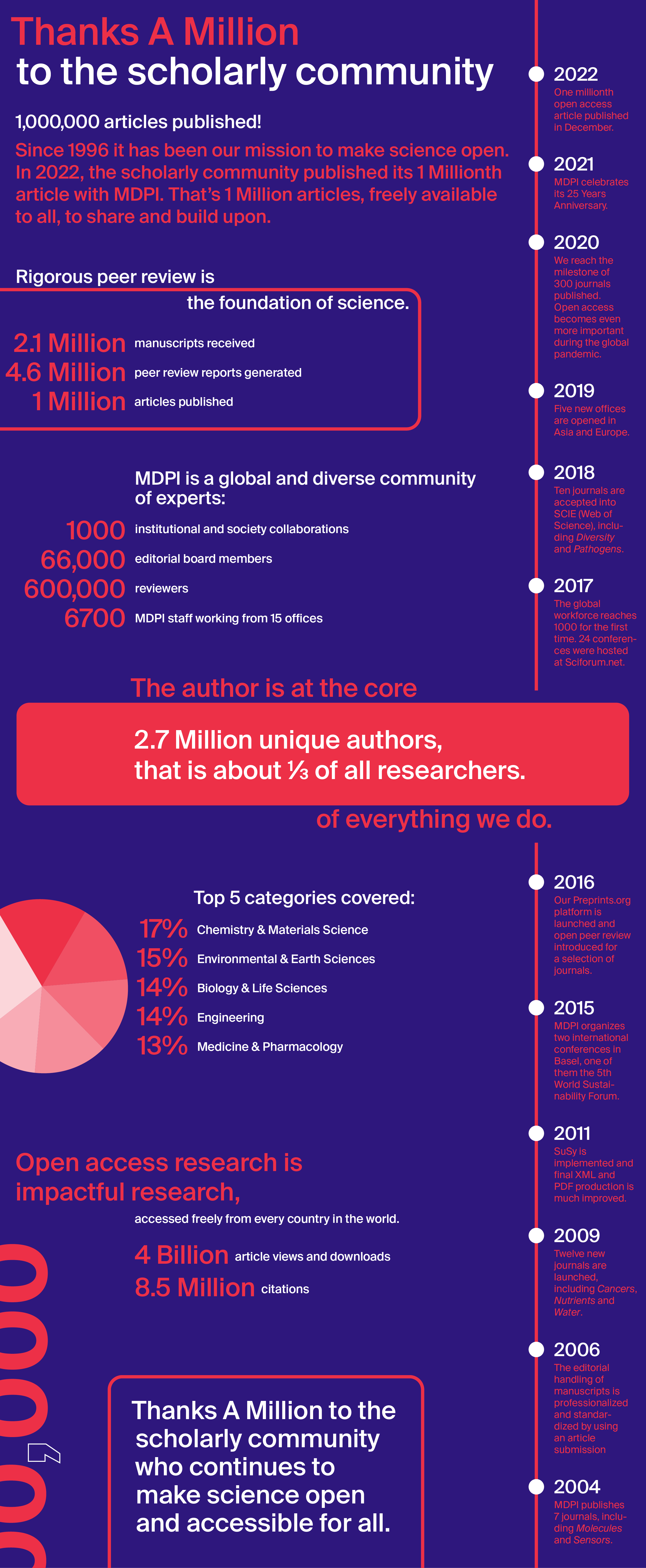
Reaching the milestone of one million articles published reinforces our mission to remove any existing barriers and to make scientific research accessible to all. Since its inception, MDPI’s goal has been to create reliable processes to make science open. This is a path towards facilitating the dissemination of novel insights in scientific communities.
Regular feedback from authors and reviewers shows that our service is greatly appreciated and needed. At the same time, the feedback helps us identify areas for further improvement.
As it stands, a significant share of published research findings remain closed access. More than half of the content published with the most well-known legacy publishers stays behind a paywall, and that is not including articles published in hybrid OA journals, or made available months or years after publication.
A new policy announced by the US administration in August 2022 requires that, as of January 2026, all US federally funded research be made freely and immediately available after publication. While the new policy does not mandate articles be published under an open access license, it is aligned with the open access movement in removing all barriers to research. Similarly, some of the most advanced research institutions in the world intend to have all funded research articles published in open access by 2025.
MDPI is proud to be the leading agent of the transition to open access.
"Thanks a Million" to all the contributors!
8 December 2022
MDPI Sustainability Foundation: New Look and Nominations for the 2023 Sustainability Awards Now Open
We are pleased to announce that the website of the MDPI Sustainability Foundation has been revamped! For the past couple of months, our UX UI team and front-end developers have been working hard to launch the website in time for the opening of the Sustainability Awards nominations.
The website is not the only thing that has had a remodeling. Indeed, the format of the Emerging Sustainability Leader Award (ESLA) has been updated. ESLA is now a competition open to individual researchers or start-ups founded by researchers under the age of 35. Nominee applications will go through 2 rounds of selection until the final 3 are decided. The finalists will then be invited to give pitch presentations during the Award Ceremony to win either first place (10,000 USD) or runner-up (2 x 5000 USD).
The World Sustainability Award, on the other hand, remains the same: a total prize money of 100,000 USD is up for grabs by senior individual researchers or groups of researchers from the international research community.
Nominations for both the World Sustainability Award and the Emerging Sustainability Leader award are now open! Check out our new website for more information on how to nominate.
1 December 2022
Editorial Board Members from Metals Featured in the 2022 Highly Cited Researchers List Published by Clarivate
Recently, Clarivate™ revealed its 2022 list of Highly Cited Researchers™—individuals at universities, research institutes and commercial organizations.
The scientists who were selected into this year’s list of Highly Cited Researchers have published highly cited papers in the 11-year period from January 2011 to December 2021, with citation frequency in the top 1% of academic subjects and the same year of publication in the Web of ScienceTM database. Based on Web of Science Citation data, 6,938 researchers from across the globe who have demonstrated a disproportionate level of significant and broad influence in their chosen field or fields over the last decade have been awarded Highly Cited Researcher 2022 designations. The list is truly global, spanning 69 countries or regions and spread across a diverse range of research sciences and social sciences.
According to statistics, 5 members of the Editorial Board of Metals (ISSN: 2075-4701) have been selected into the list of Highly Cited Researchers of Clarivate in 2022. They are being recognized for their high-quality scientific research achievements and outstanding contributions to professional fields. The Metals journal office sincerely congratulates all elected Editorial Board Members and hopes that they continue to have an academically productive relationship with the journal.
| Name | Affiliation |
| Prof. Dr. Chunsheng Wang | University of Maryland College Park, United States |
| Prof. Dr. Guozhao Fang | Central South University, China |
| Prof. Dr. Peter K. Liaw | University of Tennessee System, United States |
| Prof. Dr. Yonggang Yao | Huazhong University of Science and Technology, China |
| Prof. Dr. Xiaoqing Pan | University of California Irvine, United States |
28 September 2022
Peer Review Week 2022 – Research Integrity: Creating and Supporting Trust in Research
Peer Review Week began 19 September 2022 under the theme of “Research Integrity: Creating and Supporting Trust in Research”. Through various blog articles, podcast, and webinar, we discussed this crucial subject throughout the week, celebrating the essential role peer review plays in maintaining research quality.
To begin, we held a Webinar on the topic. Professor Peter W. Choate and Dr. Emmanuel Obeng-Gyasi joined Dr. Ioana Craciun, one of MDPI’s scientific officers, for an in-depth discussion.
We invite you to view the event recording:
During the week, the MDPI Blog in a series articles highlighted how good Peer Review safeguards research integrity. The following topics were covered:
- Peer Review Week 2022
- Research Integrity
- What We’ve Learned About Peer Review Reports
- 4 Steps to the Perfect Peer Review Report
- How to Write the Perfect Peer Review Report: An Interview
- Inviting Great Peer Reviewers
In a new edition of Insight Faster, an MDPI podcast, we were delighted to talk to the co-chairs of the Peer Review Week committee, Jayashree Rajagopalan (Senior Manager of Global Community Engagement for CACTUS) and Danielle Padula (Head of Marketing and Community Development at Scholastica) to get their take on this year’s event and its related topics.
You can find the Podcast here.
We hope you enjoy the contents!
27 September 2022
Prof. Dr. Ronald W. Armstrong Appointed Section Editor-in-Chief of Section “Crystallography and Applications of Metallic Materials” in Metals
We are pleased to announce that Prof. Dr. Ronald W. Armstrong has been appointed Section Editor-in-Chief of the Section “Crystallography and Applications of Metallic Materials” in Metals (ISSN: 2075-4701).

Name: Prof. Dr. Ronald W. Armstrong
Affiliation: Department of Mechanical Engineering, A. James Clark School of Engineering, University of Maryland, College Park, MD 20742, USA
Interests: dislocation mechanics; constitutive equations; Hall–Petch relations; Zerilli–Armstrong equations; microstructural stereology; high-rate metal deformations; ductile–brittle transition behaviors; X-ray diffraction imaging
We would like to wish him a warm welcome, and we look forward to our Section reaching more milestones under his leadership.
22 September 2022
Metals | New Section “Metallic Functional Materials” Established
In order to specifically develop different research areas and attract more high-quality papers, we are pleased to announce the addition of the new Section “Metallic Functional Materials” to Metals (ISSN: 2075-4701), which intends to cover all of the disciplines of the field of materials science.
The new Section “Metallic Functional Materials” is recruiting Editorial Board Members.
The main responsibilities of Section Editorial Board Members are as follows:
- Providing scientific supervision for the Section;
- Inviting distinguished scientists to join the Editorial Board;
- Suggesting hot topics for Special Issues;
- Making decisions about the suitability of a paper to enter the peer-review process and about its acceptance at the end of the process;
- Promoting the Section, recommending international conference cooperation, and assisting this Section in holding physical/electronic conferences;
- Providing feedback and suggesting improvements to the journal.
For more information about this Section, or publishing in Metals, please see the Section’s webpage:
https://www.mdpi.com/journal/metals/sections/metallic_functional_materials.
To apply for joining the Section Editorial Board, recommend potential candidates, or request further information, please contact the Metals Editorial Office at [email protected], or Ms. Josie Li at [email protected].
21 July 2022
Metals | The Section “Transition Metals and Rare Metals” Has Been Officially Renamed “Entropic Alloys and Meta-Metals”
Taking under consideration the Section Editor-in-Chief Prof. Dr. Yong Zhang’s proposal for Section development, the Section “Transition Metals and Rare Metals” will henceforth be known as “Entropic Alloys and Meta-Metals”. For more details, please click here.
Name: Prof. Dr. Yong Zhang
Affiliation: Beijing Advanced Innovation Center of Materials Genome Engineering, State Key Laboratory for Advanced Metals and Materials, University of Science and Technology Beijing, 30 XueyuanRoad, Beijing 100083, China
Interests: High-entropy and amorphous alloys; serration and noise in materials; metamaterials
We look forward to Section reaching more milestones under his leadership.
21 July 2022
Dr. Jianqiang Wang Appointed Associate Editor of Metals
We are pleased to announce that Dr. Jianqiang Wang has been appointed Associate Editor of Metals (ISSN: 2075-4701).
Name: Dr. Jianqiang Wang
Position: Associate Editor
Affiliation: Inst Met Res, Chinese Academy of Sciences, Shenyang 110016, China
Interests: Metallic glasses; coatings; powder metallurgy; additive manufacturing; corrosion; mechanical properties
For the full list of Metal’s Editorial Board Members visit the following link: https://www.mdpi.com/journal/metals/editors.
We would like to wish him a warm welcome and we look forward to his contribution to the continued success of Metals.
21 July 2022
Metals | Two New Sections Established
In order to further develop different research areas and manage the journal more professionally, we are pleased to announce that our journal Metals (ISSN: 2075-4701) has established the following two sections:
- “Metal Matrix Composites” (https://www.mdpi.com/journal/metals/sections/metal_matrix_composites);
- “Crystallography and Applications of Metallic Materials” (https://www.mdpi.com/journal/metals/sections/crystallography_applications_metallic_materials).
Additionally, we are currently seeking Section Editorial Board Members and accepting applications for editorial positions for these two Sections, with the opportunity to be promoted to Section Editor-in-Chief.
The main responsibilities of Section Editorial Board Members are as follows:
- Pre-screening and making decisions on new submissions related to the journal Section;
- Helping to edit a Special Issue on a topic related to the Section (or supervising Special Issues related to your research field);
- Providing input or feedback regarding journal policies;
- Helping to promote the journal among peers or at conferences;
- Attending Board Meetings to suggest journal development strategies:
- Reviewing manuscripts.
Please send your application, or any questions, to the Metals Editorial Office ([email protected]).
7 July 2022
Meet Us at the International Conference of Non-Ferrous Materials 2022, 15–17 July 2022, Nanning, China

Conference: International Conference of Non-Ferrous Materials 2022
Date: 15–17 July 2022
Place: Nanning, China
Booth: #A5
Materials (ISSN: 1996-1944) and Metals (ISSN: 2075-4701) will be attending the International Conference of Non-Ferrous Materials 2022 as exhibitors from 15 to 17 July in Nanning, China.
The International Conference of Non-Ferrous Materials is an important academic conference in the field of non-ferrous materials, sponsored by the Nonferrous Metals Society of China and co-organized by universities, research institutes, and enterprises engaged in the non-ferrous metal industry. It is held once a year. The meeting objectives are for China to be engaged in non-ferrous metal materials science research, the development and industrialization of experts, scholars, professors, and scientific as well as technical workers, the management of the relevant government department leaders, entrepreneurs, and other relevant personnel to build a communication platform, share the latest research results of materials, achieve the purpose of promoting each other, improving together, and, additionally, to improve the status and role of new materials in China's national economy and social development.
The following MDPI journals will be represented:
- Materials;
- Metals;
- Technologies;
- QuBS;
- JMMP;
- Alloys.
Please do not hesitate to reach out if you plan on attending this conference. Our delegates look forward to meeting you in person and answering any questions that you might have.
For more information about the conference, please visit the following website: https://www.huiyi-123.com/article/278-179.html.
28 June 2022
2021 Impact Factors - Released
The 2021 citation metrics have been released in the Journal Citation Reports (JCR), and we’re pleased to announce the following results for MDPI journals:

| Journal | Impact Factor | Rank | Category |
| Antioxidants | 7.675 | Q1 | Food Science & Technology |
| Biochemistry & Molecular Biology | |||
| Chemistry, Medicinal | |||
| Cells | 7.666 | Q2 | Cell Biology |
| Nutrients | 6.706 | Q1 | Nutrition & Dietetics |
| Cancers | 6.575 | Q1 | Oncology |
| Pharmaceutics | 6.525 | Q1 | Pharmacology & Pharmacy |
| International Journal of Molecular Sciences | 6.208 | Q1 | Biochemistry & Molecular Biology |
| Q2 | Chemistry, Multidisciplinary | ||
| Marine Drugs | 6.085 | Q1 | Chemistry, Medicinal |
| Pharmacology & Pharmacy | |||
| Biomolecules | 6.064 | Q2 | Biochemistry & Molecular Biology |
| Batteries * | 5.938 | Q2 | Electrochemistry |
| Energy & Fuels | |||
| Materials Science, Multidisciplinary | |||
| Viruses | 5.818 | Q2 | Virology |
| Biosensors | 5.743 | Q1 | Chemistry, Analytical |
| Instruments & Instrumentation | |||
| Q2 | Nanoscience & Nanotechnology | ||
| Journal of Fungi | 5.724 | Q1 | Mycology |
| Q2 | Microbiology | ||
| Nanomaterials | 5.719 | Q1 | Physics, Applied |
| Q2 | Chemistry, Multidisciplinary | ||
| Materials Science, Multidisciplinary | |||
| Nanoscience & Nanotechnology | |||
| Metabolites | 5.581 | Q2 | Biochemistry & Molecular Biology |
| Foods | 5.561 | Q1 | Food Science & Technology |
| Drones * | 5.532 | Q2 | Remote Sensing |
| Remote Sensing | 5.349 | Q1 | Geosciences, Multidisciplinary |
| Imaging Science & Photographic Technology | |||
| Q2 | Remote Sensing | ||
| Environmental Sciences | |||
| Journal of Theoretical and Applied Electronic Commerce Research | 5.318 | Q2 | Business |
| Antibiotics | 5.222 | Q1 | Pharmacology & Pharmacy |
| Q2 | Infectious Diseases | ||
| Pharmaceuticals | 5.215 | Q1 | Pharmacology & Pharmacy |
| Q2 | Chemistry, Medicinal | ||
| Biology | 5.168 | Q1 | Biology |
| Fermentation | 5.123 | Q2 | Biotechnology & Applied Microbiology |
| Toxins | 5.075 | Q1 | Toxicology |
| Q2 | Food Science & Technology | ||
| Bioengineering * | 5.046 | Q2 | Engineering, Biomedical |
| Polymers | 4.967 | Q1 | Polymer Science |
| Journal of Clinical Medicine | 4.964 | Q2 | Medicine, General & Internal |
| Vaccines | 4.961 | Q2 | Immunology |
| Medicine, Research & Experimental | |||
| Molecules | 4.927 | Q2 | Chemistry, Multidisciplinary |
| Biochemistry & Molecular Biology | |||
| Microorganisms | 4.926 | Q2 | Microbiology |
| Journal of Functional Biomaterials * | 4.901 | Q2 | Engineering, Biomedical |
| Materials Science, Biomaterials | |||
| Biomedicines | 4.757 | Q2 | Medicine, Research & Experimental |
| Pharmacology & Pharmacy | |||
| Biochemistry & Molecular Biology | |||
| Plants | 4.658 | Q1 | Plant Sciences |
| International Journal of Environmental Research and Public Health | 4.614 | Q1 | Public, Environmental & Occupational Health (SSCI) |
| Q2 | Public, Environmental & Occupational Health (SCIE) | ||
| Environmental Sciences (SCIE) | |||
| Membranes | 4.562 | Q1 | Polymer Science |
| Q2 | Engineering, Chemical | ||
| Materials Science, Multidisciplinary | |||
| Chemistry, Physical | |||
| Pathogens | 4.531 | Q2 | Microbiology |
| Catalysts | 4.501 | Q2 | Chemistry, Physical |
| Toxics | 4.472 | Q2 | Toxicology |
| Environmental Sciences | |||
| Gels | 4.432 | Q1 | Polymer Science |
| Journal of Cardiovascular Development and Disease | 4.415 | Q2 | Cardiac & Cardiovascular Systems |
| Chemosensors | 4.229 | Q1 | Instruments & Instrumentation |
| Q2 | Chemistry, Analytical | ||
| Q3 | Electrochemistry | ||
| Genes | 4.141 | Q2 | Genetics & Heredity |
| Diagnostics | 3.992 | Q2 | Medicine, General & Internal |
| Agronomy | 3.949 | Q1 | Agronomy |
| Plant Sciences | |||
| Land | 3.905 | Q2 | Environmental Studies |
| Sustainability | 3.889 | Q2 | Environmental Sciences (SCIE) |
| Environmental Studies (SSCI) | |||
| Q3 | Green & Sustainable Science & Technology (SCIE) | ||
| Q4 | Green & Sustainable Science & Technology (SSCI) | ||
| Sensors | 3.847 | Q2 | Instruments & Instrumentation |
| Chemistry, Analytical | |||
| Engineering, Electrical & Electronic | |||
| Materials | 3.748 | Q1 | Metallurgy & Metallurgical Engineering |
| Q2 | Physics, Applied | ||
| Physics, Condensed Matter | |||
| Q3 | Materials Science, Multidisciplinary | ||
| Chemistry, Physical | |||
| Biomimetics * | 3.743 | Q2 | Engineering, Multidisciplinary |
| Q3 | Materials Science, Biomaterials | ||
| Tropical Medicine and Infectious Disease * | 3.711 | Q1 | Tropical Medicine |
| Q2 | Parasitology | ||
| Q3 | Infectious Diseases | ||
| Lubricants * | 3.584 | Q2 | Engineering, Mechanical |
| Fractal and Fractional | 3.577 | Q1 | Mathematics, Interdisciplinary Applications |
| Water | 3.530 | Q2 | Water Resources |
| Q3 | Environmental Sciences | ||
| Micromachines | 3.523 | Q2 | Instruments & Instrumentation |
| Physics, Applied | |||
| Chemistry, Analytical | |||
| Q3 | Nanoscience & Nanotechnology | ||
| Journal of Personalized Medicine | 3.508 | Q2 | Medicine, General & Internal |
| Health Care Sciences & Services | |||
| Agriculture | 3.408 | Q1 | Agronomy |
| Processes | 3.352 | Q2 | Engineering, Chemical |
| Separations | 3.344 | Q2 | Chemistry, Analytical |
| Magnetochemistry | 3.336 | Q2 | Chemistry, Inorganic & Nuclear |
| Q3 | Chemistry, Physical | ||
| Materials Science, Multidisciplinary | |||
| Brain Sciences | 3.333 | Q3 | Neurosciences |
| Buildings | 3.324 | Q2 | Construction & Building Technology |
| Engineering, Civil | |||
| Forests | 3.282 | Q1 | Forestry |
| Energies | 3.252 | Q3 | Energy & Fuels |
| Life | 3.251 | Q2 | Biology |
| Coatings | 3.236 | Q2 | Materials Science, Coatings & Films |
| Physics, Applied | |||
| Q3 | Materials Science, Multidisciplinary | ||
| Animals | 3.231 | Q1 | Agriculture, Dairy & Animal Science |
| Veterinary Sciences | |||
| Journal of Intelligence * | 3.176 | Q2 | Psychology, Multidisciplinary |
| Fishes | 3.170 | Q1 | Marine & Freshwater Biology |
| Q2 | Fisheries | ||
| Healthcare | 3.160 | Q2 | Health Policy & Services (SSCI) |
| Health Care Sciences & Services (SCIE) | |||
| Inorganics * | 3.149 | Q2 | Chemistry, Inorganic & Nuclear |
| Insects | 3.139 | Q1 | Entomology |
| Atmosphere | 3.110 | Q3 | Meteorology & Atmospheric Sciences |
| Environmental Sciences | |||
| Current Oncology | 3.109 | Q3 | Oncology |
| ISPRS International Journal of Geo-Information | 3.099 | Q2 | Geography, Physical |
| Q3 | Computer Science, Information Systems | ||
| Remote Sensing | |||
| Diversity | 3.029 | Q2 | Biodiversity Conservation |
| Ecology | |||
| Tomography | 3.000 | Q3 | Radiology, Nuclear Medicine & Medical Imaging |
| Current Issues in Molecular Biology | 2.976 | Q3 | Biochemistry & Molecular Biology |
| Medicina | 2.948 | Q3 | Medicine, General & Internal |
| Symmetry | 2.940 | Q2 | Multidisciplinary Sciences |
| Horticulturae | 2.923 | Q1 | Horticulture |
| Machines | 2.899 | Q2 | Engineering, Mechanical |
| Engineering, Electrical & Electronic | |||
| Systems * | 2.895 | Q2 | Social Sciences, Interdisciplinary |
| Applied Sciences | 2.838 | Q2 | Engineering, Multidisciplinary |
| Physics, Applied | |||
| Q3 | Chemistry, Multidisciplinary | ||
| Materials Science, Multidisciplinary | |||
| Children | 2.835 | Q2 | Pediatrics |
| Minerals | 2.818 | Q2 | Mining & Mineral Processing |
| Mineralogy | |||
| Geochemistry & Geophysics | |||
| Universe | 2.813 | Q2 | Astronomy & Astrophysics |
| Q3 | Physics, Particles & Fields | ||
| Journal of Marine Science and Engineering | 2.744 | Q1 | Engineering, Marine |
| Q2 | Oceanography | ||
| Engineering, Ocean | |||
| Entropy | 2.738 | Q2 | Physics, Multidisciplinary |
| Fire * | 2.726 | Q2 | Forestry |
| Q3 | Ecology | ||
| Metals | 2.695 | Q2 | Metallurgy & Metallurgical Engineering |
| Q3 | Materials Science, Multidisciplinary | ||
| Electronics | 2.690 | Q3 | Engineering, Electrical & Electronic |
| Computer Science, Information Systems | |||
| Physics, Applied | |||
| Crystals | 2.670 | Q2 | Crystallography |
| Q3 | Materials Science, Multidisciplinary | ||
| Aerospace | 2.660 | Q1 | Engineering, Aerospace |
| Mathematics | 2.592 | Q1 | Mathematics |
| Photonics | 2.536 | Q3 | Optics |
| Actuators | 2.523 | Q2 | Instruments & Instrumentation |
| Q3 | Engineering, Mechanical | ||
| Veterinary Sciences | 2.518 | Q2 | Veterinary Sciences |
| Behavioral Sciences * | 2.286 | Q3 | Psychology, Multidisciplinary |
| Axioms * | 1.824 | Q2 | Mathematics, Applied |
For more information on Impact Factors and what it means to index academic journals, please visit our related blog posts.
* Journals given their first Impact Factor in 2022
Source: 2021 Journal Impact Factors, Journal Citation Reports TM (Clarivate, 2022)
27 June 2022
MDPI’s 2021 Young Investigator Awards in “Chemistry & Materials Sciences”—Winners Announced
MDPI’s Young Investigator Awards recognize promising junior researchers, acknowledge their contributions, and enhance communication among scientists. We are proud to present the winners for the year 2021 in the “Chemistry & Materials Sciences” category. The winners were selected by the journals’ editors.
We warmly congratulate the awarded Young Investigators for their outstanding contributions.
MDPI will continue to provide support and recognition to the academic community.
- Marta Mohedano, Complutense University of Madrid-UCM, Spain
- Edoardo Baldini, Massachusetts Institute of Technology, USA
- Mauro Perfetti, University of Florence, Italy
- Xu Hou, Xiamen University, China
- Biplab Maji, Indian Institute of Science Education and Research Kolkata, India
- Andres Castellanos-Gomez, Instituto de Ciencia de los Materiales de Madrid, Spain
- Takuya Isono, Hokkaido University, Japan
- Panbo Liu, Northwestern Polytechnical University, China
27 June 2022
MDPI’s 2021 Outstanding Reviewer Awards in “Chemistry & Materials Sciences”—Winners Announced
In order to acknowledge our reviewers, who so generously dedicate their time to reviewing papers and demonstrate diligence, professionalism, and timeliness when reviewing manuscripts, MDPI journals regularly offer outstanding reviewer awards to scholars who participate in the peer-review process.
We are proud to recognize the winners for the year 2021 in the “Chemistry & Materials Sciences” category for their outstanding contributions among extensive competition by presenting them with the Outstanding Reviewer Award.
We would like to take this opportunity to congratulate all the winners on their achievement.
MDPI will continue to provide support and recognition to the academic community.
- Rahat Javaid, Fukushima Renewable Energy Institute, Japan
- Georgios Bampos, University of Patras, Greece
- Esmail Doustkhah, National Institute for Materials Science (NIMS), Japan
- Pawan Kumar, University of Alberta, Canada
- Lorenzo Sorace, Università degli Studi di Firenze, Italy
- Khaled Giasin, University of Portsmouth, UK
- Oldrich Sucharda, VSB-Technical University of Ostrava, Czech Republic
- Danil Pimenov, South Ural State University, Russia
- Marián Palcut, Slovak University of Technology in Bratislava, Slovakia
- Khaled Giasin, University of Portsmouth, UK
- Catalin Pruncu, University of Strathclyde, UK
- Jacek Tomków, Gdańsk University of Technology, Poland
- Alexander Yu Churyumov, National University of Science and Technology (MISiS), Russia
- Hesam Pouraliakbar, Chungnam National University, South Korea
- George Kenanakis, Foundation for Research and Technology-Hellas, Greece
- Goshtasp Cheraghian, Technische Universität Braunschweig, Germany
- Oana Cadar, Research Institute for Analytical Instrumentation, Romania
- Sawsan A. Zaitone, Suez Canal University, Saudi Arabia
- Lucia Baldino, University of Salerno Via Giovanni Paolo II, Fisciano (SA) Italy
- Gyorgy Szekely, University of Manchester, UK
- Bin Jiang, Northeast Agricultural University, China
- Haibao Lu, Harbin Institute of Technology, China
27 June 2022
MDPI’s 2021 Best Paper Awards in “Chemistry & Materials Sciences”—Winners Announced
The purpose of our Best Paper Awards is to promote and recognize the most impactful contributions published within MDPI journals.
The editors of each journal carefully selected reviews and research papers through a rigorous judging process based on criteria such as the scientific merit, overall impact, and the quality of presentation of the papers published in the journal last year.
We are honored to present the winners in the “Chemistry & Materials Sciences” category, who were selected amongst the extensive competition, and congratulate the authors for their outstanding scientific publications.
MDPI will continue to provide support and recognition to the academic community.
C — Journal of Carbon Research:
- “Activated Carbons Derived from High-Temperature Pyrolysis of Lignocellulosic Biomass”
by Cristian I. Contescu, Shiba P. Adhikari, Nidia C. Gallego, Neal D. Evans and Bryan E. Biss
C 2018, 4(3), 51; doi:10.3390/c4030051
- “Hydrogen Oxidation on Ni-Based Electrocatalysts: The Effect of Metal Doping”
by Elena S. Davydova, Jérémie Zaffran, Kapil Dhaka, Maytal Caspary Toroker and Dario R. Dekel
Catalysts 2018, 8(10), 454; doi:10.3390/catal8100454 - “Photocatalytic Hydrogen Production: Role of Sacrificial Reagents on the Activity of Oxide, Carbon, and Sulfide Catalysts”
by Vignesh Kumaravel, Muhammad Danyal Imam, Ahmed Badreldin, Rama Krishna Chava, Jeong Yeon Do, Misook Kang and Ahmed Abdel-Wahab
Catalysts 2019, 9(3), 276; doi:10.3390/catal9030276 - “A General Overview of Support Materials for Enzyme Immobilization: Characteristics, Properties, Practical Utility”
by Jakub Zdarta, Anne S. Meyer, Teofil Jesionowski and Manuel Pinelo
Catalysts 2018, 8(2), 92; doi:10.3390/catal8020092 - “Mechanistic Insights into Photodegradation of Organic Dyes Using Heterostructure Photocatalysts”
by Yi-Hsuan Chiu, Tso-Fu Mark Chang, Chun-Yi Chen, Masato Sone and Yung-Jung Hsu
Catalysts 2019, 9(5), 430; doi:10.3390/catal9050430
- “Chemical Preparation Routes and Lowering the Sintering Temperature of Ceramics”
by Philippe Colomban
Ceramics 2020, 3(3), 312–339; doi:10.3390/ceramics3030029
- “State of the Art in Directed Energy Deposition: From Additive Manufacturing to Materials Design”
by Adrita Dass and Atieh Moridi
Coatings 2019, 9(7), 418; doi:10.3390/coatings9070418 - “Encapsulation of Organic and Perovskite Solar Cells: A Review”
by Ashraf Uddin, Mushfika Baishakhi Upama, Haimang Yi and Leiping Duan
Coatings 2019, 9(2), 65; doi:10.3390/coatings9020065 - “Poly (Lactic Acid)/Thermoplastic Starch Films: Effect of Cardoon Seed Epoxidized Oil on Their Chemicophysical, Mechanical, and Barrier Properties”
by Rosa Turco, Rodrigo Ortega-Toro, Riccardo Tesser, Salvatore Mallardo, Sofia Collazo-Bigliardi, Amparo Chiralt Boix, Mario Malinconico, Massimo Rippa, Martino Di Serio and Gabriella Santagata
Coatings 2019, 9(9), 574; doi:10.3390/coatings9090574 - “Physical and Morphological Characterization of Chitosan/Montmorillonite Films Incorporated with Ginger Essential Oil”
by Victor Gomes Lauriano Souza, João Ricardo Afonso Pires, Carolina Rodrigues, Patricia Freitas Rodrigues, Andréia Lopes, Rui Jorge Silva, Jorge Caldeira, Maria Paula Duarte, Francisco Braz Fernandes, Isabel Maria Coelhoso and Ana Luisa Fernando
Coatings 2019, 9(11), 700; doi:10.3390/coatings9110700 - “Application and Evaluation of a Pectin-Based Edible Coating Process for Quality Change Kinetics and Shelf-Life Extension of Lime Fruit (Citrus aurantifolium)”
by Neda Maftoonazad and Hosahalli S. Ramaswamy
Coatings 2019, 9(5), 285; doi:10.3390/coatings9050285
- “Crystal and Magnetic Structures in Layered, Transition Metal Dihalides and Trihalides”
by Michael A. McGuire
Crystals 2017, 7(5), 121; doi:10.3390/cryst7050121 - “σ-Hole Interactions: Perspectives and Misconceptions”
by Peter Politzer and Jane S. Murray
Crystals 2017, 7(7), 212; doi:10.3390/cryst7070212 - “σ-Hole Interactions of Covalently-Bonded Nitrogen, Phosphorus and Arsenic: A Survey of Crystal Structures”
by Peter Politzer, Jane S. Murray, Goran V. Janjić and Snežana D. Zarić
Crystals 2014, 4(1), 12-31; doi:10.3390/cryst4010012 - “Epitaxial Graphene on SiC: A Review of Growth and Characterization”
by Gholam Reza Yazdi, Tihomir Iakimov and Rositsa Yakimova
Crystals 2016, 6(5), 53; doi:10.3390/cryst6050053
- “A Clock Transition in the Cr7Mn Molecular Nanomagnet”
by Charles A. Collett, Kai-Isaak Ellers, Nicholas Russo, Kevin R. Kittilstved, Grigore A. Timco, Richard E. P. Winpenny and Jonathan R. Friedman
Magnetochemistry 2019, 5(1), 4; doi:10.3390/magnetochemistry5010004 - “A Series of Field-Induced Single-Ion Magnets Based on the Seven-Coordinate Co(II) Complexes with the Pentadentate (N3O2) H2dapsc Ligand”
by Vyacheslav A. Kopotkov, Denis V. Korchagin, Valentina D. Sasnovskaya, Ildar F. Gilmutdinov and Eduard B. Yagubskii
Magnetochemistry 2019, 5(4), 58; doi:10.3390/magnetochemistry5040058 - “Magnetic Janus Particles for Static and Dynamic (Bio)Sensing”
by Susana Campuzano, Maria Gamella, Verónica Serafín, María Pedrero, Paloma Yáñez-Sedeño and José Manuel Pingarrón
Magnetochemistry 2019, 5(3), 47; doi:10.3390/magnetochemistry5030047
- “Composite Membranes for High Temperature PEM Fuel Cells and Electrolysers: A Critical Review”
by Xinwei Sun, Stian Christopher Simonsen, Truls Norby and Athanasios Chatzitakis
Membranes 2019, 9(7), 83; doi:10.3390/membranes9070083
- “Transport Characteristics of Fujifilm Ion-Exchange Membranes as Compared to Homogeneous Membranes AMX and CMX and to Heterogeneous Membranes MK-40 and MA-41”
by Veronika Sarapulova, Inna Shkorkina, Semyon Mareev, Natalia Pismenskaya, Natalia Kononenko, Christian Larchet, Lasaad Dammak and Victor Nikonenko
Membranes 2019, 9(7), 84; doi:10.3390/membranes9070084
- “Nanomaterials for the Removal of Heavy Metals from Wastewater”
by Jinyue Yang, Baohong Hou, Jingkang Wang, Beiqian Tian, Jingtao Bi, Na Wang, Xin Li and Xin Huang
Nanomaterials 2019, 9(3), 424; doi:10.3390/nano9030424 - “Injectable Alginate-Peptide Composite Hydrogel as a Scaffold for Bone Tissue Regeneration”
Moumita Ghosh, Michal Halperin-Sternfeld, Itzhak Grinberg and Lihi Adler-Abramovich
Nanomaterials 2019, 9(4), 497; doi:10.3390/nano9040497 - “Carbon Dots and Graphene Quantum Dots in Electrochemical Biosensing”
by Susana Campuzano, Paloma Yáñez-Sedeño and José M. Pingarrón
Nanomaterials 2019, 9(4), 634; doi:10.3390/nano9040634 - “A Smart Nanovector for Cancer Targeted Drug Delivery Based on Graphene Quantum Dots”
by Daniela Iannazzo, Alessandro Pistone, Consuelo Celesti, Claudia Triolo, Salvatore Patané, Salvatore V. Giofré, Roberto Romeo, Ida Ziccarelli, Raffaella Mancuso, Bartolo Gabriele, Giuseppa Visalli, Alessio Facciolà and Angela Di Pietro
Nanomaterials 2019, 9(2), 282; doi:10.3390/nano9020282 - “Evolution of Wearable Devices with Real-Time Disease Monitoring for Personalized Healthcare”
by Kyeonghye Guk, Gaon Han, Jaewoo Lim, Keunwon Jeong, Taejoon Kang, Eun-Kyung Lim and Juyeon Jung
Nanomaterials 2019, 9(6), 813; doi:10.3390/nano9060813 - “An Ultra-High-Energy Density Supercapacitor; Fabrication Based on Thiolfunctionalized Graphene”
by Janardhanan. R. Rani, Ranjith Thangavel, Se-I Oh, Yun Sung Lee and Jae-Hyung Jang
Nanomaterials 2019, 9(2), 148; doi:10.3390/nano9020148
- “The Relationships between the Working Fluids, Process Characteristics and Products from the Modified Coaxial Electrospinning of Zein”
by Menglong Wang, Tao Hai, Zhangbin Feng, Deng-Guang Yu, Yaoyao Yang and SW Annie Bligh
Polymers 2019, 11(8), 1287; doi:10.3390/polym11081287 - “Design of Controlled Release System for Paracetamol Based on Modified Lignin”
by Mahboubeh Pishnamazi, Hamid Hafizi, Saeed Shirazian, Mario Culebras, Gavin M. Walker and Maurice N. Collins
Polymers 2019, 11(6), 1059; doi:10.3390/polym11061059 - “Additive Manufacturing of PLA-Based Composites Using Fused Filament Fabrication: Effect of Graphene Nanoplatelet Reinforcement on Mechanical Properties, Dimensional Accuracy and Texture”
by Miguel Ángel Caminero, Jesús Miguel Chacón, Eustaquio García-Plaza, Pedro José Núñez, José María Reverte and Jean Paul Becar
Polymers 2019, 11(5), 799; doi:10.3390/polym11050799 - “Fiber-Reinforced Polymer Composites: Manufacturing, Properties, and Applications”
by Miguel Ángel Caminero, Jesús Miguel Chacón, ,Eustaquio García-Plaza, Pedro José Núñez, José María Reverte and Jean Paul Becar
Polymers 2019, 11(10), 1667; doi:10.3390/polym11101667
27 June 2022
MDPI’s 2021 Travel Awards in “Chemistry & Materials Sciences”—Winners Announced
We are proud to recognize the winners of MDPI’s 2021 Travel Awards in the “Chemistry & Materials Sciences” category for their outstanding presentations.
MDPI journals regularly offer travel awards to encourage talented junior scientists to present their latest research at academic conferences in specific fields, which helps to increase their influence.
The winners mentioned below were carefully selected by the journal editors based on an outline of their research and the work to be presented at an academic conference.
We would like to warmly congratulate the winners of Travel Awards for the year 2021 and wish them the greatest success with their future research endeavors.
MDPI will continue to enhance communication among scientists.
- Gaojun Mao, Paul Scherrer Institute, Switzerland
- Lidia Bofill Herrera, University of Barcelona, Spain
Gels:
- Demetra Giuri, University of Bologna, Italy
- Martina Genta, Imperial College London, UK
Journal of Functional Biomaterials:
- Anushree Seth, Washington University, USA
- Fabio Ferreira, University of Coimbra, Portugal
- Giulia Serrano, University of Florence, Italy
- Giulia Fredi, University of Trento, Italy
- Mattia Biesuz, Czech Academy of Science, Czech Republic
- Adriana Eres-Castellanos, Spanish National Center for Metallurgical Research, Spain
- Pavel Shurkin, National University of Science and Technology, Russia
- Aleksandrs Leitis, École polytechnique fédérale de Lausanne, France
- Ekaterina Kolesova, ITMO, Russia
- Christoph Gstoettner, Leiden University Medical Center, the Netherlands
9 June 2022
2021 CiteScores - Released
The 2021 citation metrics have been officially released in Scopus!
We are pleased to announce that 182 MDPI journals are included, of which:
● 21 journals received their first CiteScore.
● 85% of journals increased their CiteScore from 2020.
● 155 journals (85%) ranked above average, in at least one category.
The following 65 MDPI journals (36%) ranked among the top 25% of journals, in at least one category:
|
Journal |
CiteScore |
Quartile |
Category |
|
10.1 |
Q1 |
Genetics |
|
|
10.0 |
Q1 |
Biomedical Engineering |
|
|
8.1 |
Q1 |
Pharmacology, Toxicology and Pharmaceutics (miscellaneous) |
|
|
7.9 |
Q1 |
Electrical and Electronic Engineering |
|
|
7.9 |
Q1 |
Nutrition and Dietetics |
|
|
7.4 |
Q1 |
General Earth and Planetary Sciences |
|
|
7.2 |
Q1 |
Computer Science Applications |
|
|
6.9 |
Q1 |
Inorganic Chemistry |
|
|
6.9 |
Q1 |
Computer Networks and Communications |
|
|
6.7 |
Q1 |
General Biochemistry, Genetics and Molecular Biology |
|
|
6.6 |
Q1 |
General Chemical Engineering |
|
|
6.6 |
Q1 |
Health, Toxicology and Mutagenesis |
|
|
6.6 |
Q1 |
Infectious Diseases |
|
|
6.5 |
Q1 |
Food Science |
|
|
6.5 |
Q1 |
Civil and Structural Engineering |
|
|
6.4 |
Q1 |
Nature and Landscape Conservation |
|
|
6.4 |
Q1 |
Instrumentation |
|
|
6.1 |
Q1 |
Management Information Systems |
|
|
5.9 |
Q1 |
Chemistry (miscellaneous) |
|
|
5.7 |
Q1 |
Polymers and Plastics |
|
|
5.6 |
Q1 |
Engineering (miscellaneous) |
|
|
5.5 |
Q1 |
General Environmental Science |
|
|
5.5 |
Q1 |
Urban Studies |
|
|
5.4 |
Q2 |
Computer Networks and Communications |
|
|
5.3 |
Q1 |
Food Science |
|
|
5.3 |
Q1 |
Plant Science |
|
|
5.2 |
Q1 |
Ecology, Evolution, Behavior and Systematics |
|
|
5.2 |
Q1 |
General Engineering |
|
|
Journal of Open Innovation: Technology, Market, and Complexity |
5.1 |
Q1 |
Development |
|
5.0 |
Q1 |
Chemistry (miscellaneous) |
|
|
5.0 |
Q1 |
Control and Optimization |
|
|
5.0 |
Q1 |
Geography, Planning and Development |
|
|
5.0 |
Q1 |
Geography, Planning and Development |
|
|
4.9 |
Q1 |
Forestry |
|
|
4.9 |
Q1 |
Control and Optimization |
|
|
4.9 |
Q1 |
Soil Science |
|
|
4.8 |
Q1 |
General Earth and Planetary Sciences |
|
|
4.8 |
Q1 |
Mechanical Engineering |
|
|
4.8 |
Q1 |
Public Health, Environmental and Occupational Health |
|
|
4.8 |
Q1 |
Geography, Planning and Development |
|
|
International Journal of Environmental Research and Public Health |
4.5 |
Q1 |
Public Health, Environmental and Occupational Health |
|
4.5 |
Q1 |
Physical Therapy, Sports Therapy and Rehabilitation |
|
|
4.4 |
Q1 |
Mathematical Physics |
|
|
4.4 |
Q1 |
General Medicine |
|
|
4.3 |
Q1 |
General Mathematics |
|
|
4.2 |
Q1 |
Surgery |
|
|
4.1 |
Q1 |
Health Professions (miscellaneous) |
|
|
4.1 |
Q1 |
Plant Science |
|
|
4.0 |
Q1 |
General Engineering |
|
|
4.0 |
Q1 |
Forestry |
|
|
4.0 |
Q1 |
Education |
|
|
3.9 |
Q1 |
General Pharmacology, Toxicology and Pharmaceutics |
|
|
3.9 |
Q1 |
Applied Mathematics |
|
|
3.8 |
Q1 |
Development |
|
|
3.8 |
Q1 |
Architecture |
|
|
3.8 |
Q1 |
Metals and Alloys |
|
|
3.5 |
Q1 |
Communication |
|
|
3.4 |
Q1 |
General Social Sciences |
|
|
2.9 |
Q1 |
General Mathematics |
|
|
2.8 |
Q1 |
Analysis |
|
|
2.7 |
Q1 |
General Veterinary |
|
|
2.6 |
Q1 |
Algebra and Number Theory |
|
|
1.8 |
Q1 |
Conservation |
|
|
1.0 |
Q1 |
Religious Studies |
|
|
0.9 |
Q1 |
Philosophy |
Source: 2021 CiteScores™ (Elsevier)
9 June 2022
Metals | Special Issue Mentor Program
We are pleased to announce a new development project of Metals (ISSN: 2075-4701)—Special Issue Mentor Program.
We seek cooperating opportunities with early career scientists to help them to develop Special Issues, experience the role of an academic editor, and establish more academic interactions under the mentorship of mature or renowned scientists.
We will provide the following services for this new development project:
- A Special Issue in your field of expertise in Metals and a Guest Editor certificate;
- Guidance from experienced scientists from Metals;
- More editorial experience in an SCIE journal to enrich your research career;
- A platform to collect papers on the topic of your interest;
- A platform for in-depth exchange and interaction between young scientists and their global peers;
- Promotional opportunities to expand your academic influence via webinars to publicize your latest scientific research activities and achievements;
- Opportunities for excellent young scientists to join our Topical Advisory Panel Board and Editorial Board and grow together with Metals.
If you are interested in this opportunity, please send your Special Issue proposal to the Metals Editorial Office ([email protected]) or submit the proposal at the following link: https://www.mdpi.com/journalproposal/sendproposalspecialissue/metals. We will then discuss our potential collaboration and how the process works in detail.
In addition, Metals continues to welcome Special Issue proposals based on hot and advanced research topics.
14 March 2022
Recruiting Editorial Board Members for the “Transition Metals and Rare Metals” Section of Metals
The “Transition Metals and Rare Metals” Section of Metals (ISSN: 2075-4701) is recruiting Editorial Board Members. You can check the existing Editorial Board Members by visiting the following link: https://www.mdpi.com/journal/metals/sectioneditors/transition_metals_rare_metals.
The main responsibilities of the Section Editorial Board Members are as follows:
- Providing scientific supervision for the Section;
- Inviting distinguished scientists to join the Editorial Board;
- Suggesting hot topics for Special Issues;
- Making decisions about the suitability of a paper to enter the peer-review process and about its acceptance at the end of the process;
- Promoting the Section, recommending international conference cooperation, and assisting this Section in holding physical/electronic conferences;
- Providing feedback and suggesting improvements to the journal.
This Section of Metals covers the field of transition and rare metal extraction, purification, deformation, physical and mechanical behaviors, characterization, shaping, modeling, materials design, and medium and high entropy alloys. The “Transition Metals and Rare Metals” Section of Metals aims to foster a better understanding of microstructural design and control, including the opportunities that the nanoscale field offers, allowing competition with other forming technologies in the development of high-performance materials for applications where extreme conditions are expected. High-entropy or strong-entropy materials containing transition metals and rare metals are considered, as well as metal matrix composites, hard metals, and tailored microstructural materials. Full-density metals, porous metals, foams, powders (0-D), fibers (1-D), films and coatings (2-D), and bulk (3-D) metal-containing materials are also considered.
The Section will cover any technology that can produce and tailor metallic alloys (including atomizing, mechanical alloying, granulation or agglomeration techniques, chemical processes, etc.), conventional powder metallurgy technologies, such as press and sintering, special methods of assisted sintering (liquid phase sintering, microwave sintering, field assisted sintering), metal injection molding, and technologies that provide full-density materials (hot pressing, hot isostatic pressing, powder extrusion, sinter forging, etc.). Technologies related to 0-D, 1-D, 2-D, and 3-D metals and alloys and metal-containing materials will also be covered in the Section.
For more information about this Section and publishing in Metals, please see the Section’s webpage: https://www.mdpi.com/journal/metals/sections/transition_metals_rare_metals.
To apply for this position, recommend potential candidates, or request further information, please contact the Metals Editorial Office ([email protected]).
24 February 2022
Metals | Recruiting Editorial Board Members for Section “Welding and Joining”
The Section “Welding and Joining” of Metals (ISSN: 2075-4701) is recruiting Editorial Board Members. You can check out the existing Editorial Board Members by visiting the following link: https://www.mdpi.com/journal/metals/sectioneditors/welding_joining.
The main responsibilities of Section Editorial Board Members are as follows:
- Pre-screening and making decisions on new submissions related to the journal Section;
- Helping to edit a Special Issue on a topic related to the Section (or supervising Special Issues related to your research field);
- Providing input or feedback regarding journal policies;
- Helping to promote the journal among peers or at conferences;
- Attending Board Meetings to suggest journal development strategies:
- Reviewing manuscripts.
For more information about this Section and publishing in Metals, please see the Section’s webpage: https://www.mdpi.com/journal/metals/sections/welding_joining.
To apply for this position, recommend potential candidates, or request further information, please contact Ms. Sunny He ([email protected]) from the Metals Editorial Office.
7 January 2022
Meet Us Virtually at the Topic Workshop | Scientific Advances in STEM, 12 January 2022
MDPI would like to invite all recognized experts in their field to attend our Topic Workshop | Scientific Advances in STEM. The aim of this workshop is to provide a platform for scholars in disciplines related to science and engineering to discuss and contribute to the advancement of these fields.
Webinar: Topic Workshop | Scientific Advances in STEM
Date: 12/1/2022
Time: 9:30 a.m. (CET)
Register in advance for this webinar here.
After registering, you will receive a confirmation email containing information on how to join the workshop. The number of participants in the live session is limited, but the recording will be made available shortly afterwards. Registrations with academic institutional email addresses will be prioritized.
Workshop Chairperson:
- Ana María Beltrán Custodio, University of Seville (US)
Dr. Ana M. Beltrán has a Ph.D. in material science and is currently an Associate Professor of Material Science at the University of Seville (Spain). Her scientific interests include the characterization of different materials, both at a macroscale (concerning the mechanical properties of biomaterials) and at a nanoscale, through transmission electron microscopy (structural and compositional analysis of bio-nanostructures, semiconductor, and catalysts) to understand their behavior. She has been the Guest Editor of Special Issues for the journal Metals, and she also contributed to MDPI’s first multidisciplinary topic involving the journals Metals, Polymers, Foods, Sustainability, and Sensors, from which a book was published. She is currently involved in the running of a second multidisciplinary topic entitled “Scientific Advances in STEM: Synergies to Achieve Success”.
Workshop Speakers:
- Frank Jörg Clemens, Empa Swiss Federal Laboratories for Materials Science and Technology Überlandstrasse
Dr. Frank Clemens is a Group Leader (Smart Ceramic Processing) at the Laboratory for High Performance Ceramics at Empa, Swiss Federal Laboratories for Material Science and Technology, Switzerland. His scientific and applied research belongs to the thermoplastic processing of powder-based sensors, actuators, and structural materials. His group focuses on national and international projects in this field, and he works with physicists, chemists, material scientists, and engineers to investigate activation energies on different processing steps. In addition, he has also developed new strategies for the processing of functional ceramics and soft sensor materials and structures. Since 2003, he has been a lecturer at ETH Zurich (Switzerland), and between 2010 and 2021, he was a lecturer at ZHAW (Switzerland). He has more than 150 peer-reviewed articles and patents.
- Dr. Carlos Bengoechea, Chemical Engineering Department, University of Sevilla, Seville, Spain
Prof. Dr. Carlos Bengoechea is an Associate Professor at the University of Seville, Spain, where he teaches different courses, such as Chemical Engineering or Polymeric Materials. He has wide experience in the development of applications (e.g., plastics, emulsions) that add value to by-products of the industry (e.g., soy protein, porcine plasma). Currently, he is supervising an R&D project on green superabsorbent materials for personal care applications using different by-products.
We are pleased to provide this excellent opportunity to all the brilliant researchers to propose and develop new approaches, exchange perspectives, and encourage new lines of research.
To find out more about the speakers and the program, please visit https://sciforum.net/event/SASTEM. We hope you can join us for this event.
Shun Li
MDPI Guest Editor Club
Conference Secretariat
20 December 2021
Recruiting Editorial Board Members for Metals

We would like to invite active scientific researchers to become involved in our journal Metals (ISSN: 2075-4701; IF: 2.351; ranking: 24/80 (Q2) in Metallurgy & Metallurgical Engineering) as an Editorial Board Member. Our Editor in Chief is Prof. Dr. Hugo F. Lopez, from the University of Wisconsin-Milwaukee, Milwaukee, WI, USA. You can see the existing Editorial Board Members by visiting the following link: https://www.mdpi.com/journal/metals/editors.
If you are interested, wish to recommend potential candidates, or wish to request further information, please contact our Editorial Office ([email protected]).
16 December 2021
Welcoming New Editorial Board Members and Advisory Board Member of Metals
It is our great pleasure to welcome the following eminent researchers, who have recently joined the Editorial Board of Metals (ISSN: 2075-4701): Prof. Dr. José Luis Sánchez Llazamares, from Instituto Potosino de Investigación Científica y Tecnológica, Mexico, and Prof. Dr. Lin Liu, from Huazhong University of Science and Technology, China.
In addition, Prof. Dr. Chunsheng Wang from the University of Maryland, MD, USA, who was previously an Editorial Board Member of Metals, has been promoted to the position of an Advisory Board Member.
We look forward to our future collaboration!
25 November 2021
Metals | Congratulations to our Editorial Board Member Prof. Dr. Weihong Zhang
Metals Editorial Board Member Prof. Dr. Weihong Zhang was elected as an academician after the "Announcement on the Announcement of the List of Elected Academicians of the Chinese Academy of Sciences in 2021", made by the Chinese Academy of Sciences.
Name: Prof. Dr. Weihong Zhang
Affiliation: State IJR Center of Aerospace Design and Additive Manufacturing, Northwestern Polytechnical University, Xi'an 710072, Shaanxi, China
Interests: optimization; advanced manufacturing; smart materials and structures
On behalf of all academic editors, the Metals Editorial Office would like to extend our congratulations to him!
22 November 2021
722 MDPI Editorial Board Members Receiving "2021 Highly Cited Researchers" Distinction
It is our great honor to congratulate the Editorial Board Members and Editors in MDPI's journals who have been distinguished as 2021 Highly Cited Researchers by Clarivate, according to Web of Science data. We herewith express our gratitude for the immense impact the named researchers continue to make on scientific progress and on our journals' development.
Clarivate's annual list of Highly Cited ResearchersTM identifies the most highly cited scientists for the past decade. Their impactful papers are among the top 1 per cent in the citation distribution of one or more of 22 fields analyzed in the "Essential Science Indicators", distinguishing them as hugely influential among their peers.
| Abate, Antonio Abatzoglou, John T. Abbaszadeh, Mostafa Acharya, U. Rajendra Acharya, Viral V. Agarwal, Ravi P. Ahn, Myung-Ju Airoldi, Laura Ali, Imran Allakhverdiev, Suleyman I. Aluko, Rotimi E. Anasori, Babak Andersson, Dan I. Andes, David Anker, Stefan D. Apergis, Nicholas Ariga, Katsuhiko Arqub, Omar Abu Aschner, Michael Assaraf, Yehuda G. Astruc, Didier Atala, Anthony Atanasov, Atanas G. Atangana, Abdon Bahram, Mohammad Bakris, George L. Balandin, Alexander A. Baleanu, Dumitru Balsamo, Gianpaolo Bando, Yoshio Banks, William A. Bansal-Travers, Maansi Barba, Francisco J. Barros, Lillian Basit, Abdul W. Baskonus, Haci Mehmet Bassetti, Matteo Battino, Maurizio Bell, Jordana T. Bellomo, Nicola Benediktsson, Jon Atli Benelli, Giovanni Benjakul, Soottawat Bhatnagar, Amit Biddle, Stuart J. H. Biondi, Antonio Biondi-Zoccai, Giuseppe Bjarnsholt, Thomas Blaabjerg, Frede Blaschke, Thomas Blay, Jean-Yves Blumwald, Eduardo Blunt, John W. Boffetta, Paolo Bogers, Marcel Bonomo, Robert A. Bowman, David M.J.S. Boyer, Cyrille Brestic, Marian Brevik, Eric C. Buhalis, Dimitrios Burdick, Jason A. Byrd, John C. Cabeza, Luisa F. Cai, Xingjuan Cai, Jianchao Calhoun, Vince D. Calin, George Cao, Jinde Cao, Guozhong Carvalho, Andre F. Castellanos-Gomez, Andres Cerqueira, Miguel Ângelo Parente Ribeiro Chang, Jo-Shu Chang, Chih-Hao Chastin, Sebastien Chau, Kwok-wing Chemat, Farid Chen, Xiaobo Chen, YangQuan Chen, Jianmin Chen, Chaoji Chen, Min Chen, Qi Chen, Jun Chen, Xi Chen, Peng Chen, Yulin Chen, Bo Chen, Chen Chen, Zhi-Gang Chen, Wei-Hsin Chen, Gang Chen, Yongsheng Chen, Xiang Chen, Yimin Chen, Runsheng Chen, Lidong Chen, Shaowei Chen, Qian Chen, Yu Chen, Shuangming Chiclana, Francisco Cho, Sun Young Choi, Wonyong Chowdhary, Anuradha Choyke, Peter L. Cichocki, Andrzej Corella, Dolores Corma, Avelino Cortes, Javier Cortes, Jorge Costanza, Robert Crommie, Michael F. Cui, Yi Cui, Haiying Cui, Qinghua Cummings, Kenneth Michael Dai, Shifeng Dai, Sheng Daiber, Andreas Davis, Steven J. Dawson, Ted M. de la Fuente-Nunez, Cesar Decker, Eric Andrew Dekel, Avishai Demaria, Marco Deng, Yong Deng, Xiangzheng DePinho, Ronald A. Desneux, Nicolas Dimopoulos, Meletios-Athanasios Ding, Aijun Dionysiou, Dionysios D. Dokmeci, Mehmet Remzi Dolgui, Alexandre Dong, Fan Dou, Shi Xue Dou, Letian Du, Qian Du, Bo Dube, Shanta Rishi Dufresne, Alain Dummer, Reinhard Dupont, Didier Edwards, David Elaissari, Abdelhamid Elhoseny, Mohamed Ellahi, Rahmat Ellis, Erle C. ElMasry, Gamal Esteller, Manel Estévez, Mario Fabbro, Doriano Facchetti, Antonio Fan, Zhanxi Fang, Chuanglin Fasano, Alessio Fečkan, Michal Felser, Claudia Feng, Liangzhu Fensholt, Rasmus Ferdinandy, Péter Fernandez-Lafuente, Roberto Ferreira, Isabel C. F. R. Filippi, Massimo Fisher, Helen Fortino, Giancarlo Fosso Wamba, Samuel Franceschi, Claudio Fujita, Hamido Fujita, Masayuki Gai, Francesco Gaisford, Simon Galanakis, Charis M. Galluzzi, Lorenzo Galvano, Fabio Gan, Ren-You Gan, Lihua Gandomi, Amir H. Gao, Bin Gao, Feng Gao, Minrui Gao, Huijun Gao, Wei Gao, Huile Garbe, Claus Garcia, Hermenegildo Gasbarrini, Antonio Gasco, Laura Gautret, Philippe Geng, Yong Gerdts, Gunnar Geschwind, Daniel H. Ghadimi, Noradin Ghaffari, Roozbeh Ghamisi, Pedram Giampieri, Francesca Glick, Bernard R. Gnant, Michael Goel, Ajay Gogotsi, Yury Goldewijk, Kees Klein Gong, Jinlong Gong, Yongji Govindan, Kannan Granato, Daniel Grancini, Giulia Green, Douglas R. Grosso, Giuseppe Gu, Ke Guan, Cao Guastella, Adam J. Guerrero, Josep M. Gui, Guan Guizani, Mohsen Guo, Zaiping Gupta, Rangan Gutzmer, Ralf Haase, Dagmar Habibi-Yangjeh, Aziz Hagemann, Stefan Hagger, Martin Hamblin, Michael R. Hammoudeh, Shawkat Han, Heesup Hanes, Justin Harrison, Roy M. Hartung, Hans-Peter Hasanuzzaman, Mirza He, Jr-Hau He, Hongwen He, Jiaqing He, Debiao Henseler, Jörg Herrera, Francisco Herrera-Viedma, Enrique Hetz, Claudio Ho Kim, Jung Holmes, Elaine Hossain, Ekram Hsueh, Po-Ren Hu, Xiaosong Hu, Wenbin Huang, Jianping Huang, Hongwei Huang, Yu Huang, Jianying Huang, Peng Huang, Baibiao Huang, Shaoming Hubacek, Klaus |
Iqbal, Hafiz M. N. |
Saad, Fred |
The full list of 2021 Highly Cited Researchers can be accessed at the following webpage in the Web of ScienceTM https://recognition.webofscience.com/awards/highly-cited/2021/.
--- Highly Cited Researchers (HCR) is a Clarivate product.
16 November 2021
Topical Advisory Panel Established to Support Editorial Board
Academic editors play a crucial role in leading our journals and ensuring that each article undergoes a robust and timely peer-review. With the launch of Topics this year and addition of Topic Editors to our family of academic editors, we decided it would be a good time to restructure our academic boards, thus providing more clarity and support for each role. MDPI is pleased to announce the launch of a new position—Topical Advisory Panel Member, that will replace the previous position of Topics Board Member. The Topical Advisory Panel will be comprised of early career researchers eager to gain experience in editorial work.
The main responsibility of the new members of the Topical Advisory Panel is to regularly provide support to Guest Editors, Topic Editors, and Section Board Members. The responsibilities of the Topical Advisory Panel are available here: https://www.mdpi.com/editors.
Each year, the members’ performances are evaluated, and outstanding members are promoted to the Editorial Board by the Editor-in-Chief.
To qualify as a Topical Advisory Panel Member, applicants must:
- Have expertise and experience in the field related to the journal;
- Have received a Ph.D. in the last 10 years, approximately;
- Have at least 6-8 published papers in the last 5 years as first author or corresponding author;
- Currently hold an independent research position in academia or a government institute.
If you are interested in this role, please contact the editorial office by email.
We look forward to hearing from you soon.
25 October 2021
Open Access Week 2021 | It Matters How We Open Knowledge: Building Structural Equity, 25–31 October
Founded in 1996, MDPI was one of the first fully Open Access publisher. Over 25 years MDPI has grown to become the largest Open Access publisher globally, publishing over 160,000 articles across more than 350 journals in 2020. At the core, MDPI was founded in response to a pressing need of fast publication and inclusion. The scholar was set at the centre of the publication process for the first time. Acting as a service provider, rather than a product provider, MDPI exists to help scientists achive their objective to disseminate research results. At MDPI, we believe scientists deserve a better service from the publishing world.
The International Open Access Week (Open Access Week), founded by the SPARC (the Scholarly Publishing and Academic Resources Coalition) Alliance and student partners in 2008, has been successfully running for 13 years. As an advocate and pioneer of open access publishing, MDPI actively responds to the call of International Open Access Week. This year’s theme of “It Matters How We Open Knowledge: Building Structural Equity” highlights the Recommendation’s call for equitable participation from all authors and readers.
For the last 25 years, MDPI has been committed to disseminating open research. Here is a video showing MDPI’s Commitment to Equity, Inclusion and Diversity for More than 25 Years.
International Open Access Week is an important opportunity to catalyze new conversations, create connections across and between communities that can facilitate this co-design, and advance progress in the building of more equitable foundations for opening knowledge—discussions and actions that need to be continued, year in and year out. MDPI has always aimed to provide professional and efficient publishing services to scholars around the world.
Our mission is to make scientific research accessible to everyone; this year, we interview and hold discussions with open science ambassadors on how to build an equal and inclusive environment for open science. Academic editors help us collaborate with more institutions to advocate for open access ideas.
Besides this, our scientific community is a key driver of our success and MDPI’s remarkable growth. Despite the pandemic, we have prepared online conferences and workshops to gather scholars from different communities.
The Basel Sustainable Publishing online forum provides an equal opportunity for stakeholders and researchers from multi-cultural environments to exchange ideas and eliminate barriers to participation.

Conference date: 25 October 2021, online
Conference website: https://bspf2021.sciforum.net/
Main topics: MDPI discusses the current dilemma of open access science from various perspectives such as governments, libraries, and publishers, and related measures on how to change the status quo of discrimination from a global perspective.
We aim to support equality, inclusion, diversity, and accessibility in scholarly communications. We collaborate with universities and key laboratories and have scholarly communications with researchers, teachers, and students on open access workshops.

- 25 October 2021
Energies journal and Institute of Mechanics, Chinese Academy of Sciences
- 28 October 2021
Machines journal and State Key Laboratory of Traction Power, Southwest Jiaotong University
- 29 October 2021
Processes journal and Beijing Institute of Technology
- 29 October 2021
Coatings journal and Wuhan University of Technology
MDPI is committed to providing open access and high-quality publishing services for scholars and promoting rapid dissemination of academic achievements. We hope to promote the practices and policies of open access publishing and diversify the dissemination of academic achievements.
23 September 2021
2020 MDPI Top Reviewer Award—Winners Announced
Rigorous peer-review is the cornerstone of high-quality academic publishing. Over 369,916 scholars served as reviewers for MDPI journals in 2020. We are extremely appreciative of all those who made a contribution to the editorial process in this capacity. At the beginning of every year, journal editorial offices publish a list of all reviewers’ names to express our gratitude. In addition, this year, the MDPI Top Reviewer Award was announced, to recognize the very best reviewers for their expertise and dedication, and their high-quality, and timely review reports. We are pleased to announce the following winners of the 2020 MDPI Top Reviewer Award:
- Adriana Burlea-Schiopoiu;
- Alban Kuriqi;
- Álvaro González-Vila;
- Alessandro Alaimo;
- Alexey Beskopylny;
- Alexander Yu Churyumov;
- Alberto Fernández-Isabel;
- Andrea Mastinu;
- Antonios N. Papadopoulos;
- Anton Rassõlkin;
- Antonio Humberto Hamad Minervino;
- Arkadiusz Matwijczuk;
- Artur Słomka;
- Baojie He;
- Bartłomiej Potaniec;
- Bojan Đurin;
- Camilo Arturo Rodriguez Diaz;
- Carmelo Maria Musarella;
- Chiachung Chen;
- Chiman Kwan;
- Cristian Busu;
- Danil Pimenov;
- Dan-Cristian Dabija;
- Delfín Ortega-Sánchez;
- Demetrio Antonio Zema;
- Denis Butusov;
- Elena Lucchi;
- Gaurab Dutta;
- Livia Anastasiu;
- M. R. Safaei.
For more information about how to become a reviewer of MDPI journals, please see: www.mdpi.com/reviewers.
22 September 2021
MDPI Joins SDG Publishers Compact
UN's 17 Sustainable Development Goals (SDGs) are the blueprint to achieve a better and more sustainable future for all. In 2020 the SDG Publishers Compact was launched, aimed to inspire publishers and accelerate progress to achieve the 17 goals by 2030. Members of the programme are committed to support the publication of materials that will promote and inspire actions towards SDGs.
MDPI is an eager advocate of SDGs and has already been supporting the programme by creating Special Issues and publishing a series of books on SDGs prior to joining the Compact in 2021. MDPI's Sustainability Foundation initiated the World Sustainability Awards in 2016. We fully support UN's goals to promote sustainable actions that make the world a better place for all and, as part of its commitment, we will focus our actions on SDG10: Reduced Inequalities whilst promoting all 17 SDGs. For more details, please visit the programme’s website: https://www.un.org/sustainabledevelopment/sdg-publishers-compact/.
Joining this initiative was a unanimous decision. MDPI has in its core values the dissemination of science for all, breaking the wall between research access and under-represented members of the scientific community and the general population. To support this initiative further and continue to support under-represented scientists, MDPI will take a series of actions that will be announced once ready.
The first action MDPI takes is to nominate Dr. Liliane Auwerter as the coordinator of the programme. Dr. Auwerter studied Environmental Process Technology (UTFPR, Brazil), obtained her MSc degree in Water and Environmental Engineering (University of Surrey, UK) and in 2020 completed her PhD in self-healing low-friction materials for water transport (Imperial College London, UK), always focusing on diverse scientific projects that would potentially bring sustainability to industrial processes. As a student in Brazil, she engaged in volunteering activities focused on environmental education and took part in the Millennial Development Goals meetings held at the university.
For more information, please contact:
Dr. Liliane Auwerter
Scientific Officer
[email protected]
17 September 2021
Welcoming New Editorial Board Members of Metals
We are excited to welcome the following recognized researchers, who recently joined the Editorial Board of Metals:
Prof. Dr. Junpin Lin;
Prof. Dr. Huijun Li;
Prof. Dr. Zhijian Peng;
Prof. Dr. Salima Bouvier;
Prof. Dr. Alexios P. Douvalis;
Prof. Dr. Namhyun Kang;
Dr. Caterina Zanella;
Prof. Dr. Anil Mahapatro;
Dr. Liangfeng Huang;
Prof. Dr. Jianghua Chen;
Dr. Cuiwei Du;
Prof. Dr. Yong Yang;
Prof. Dr. Angelo Fernando Padilha;
Prof. Dr. Ruslan Z. Valiev;
Prof. Dr. Chang Woo Lee;
Prof. Dr. Xiangdong Gao;
Prof. Dr. Andre Paulo Tschiptschin;
Prof. Dr. Sean R. Agnew;
Dr. Ruslan R. Balokhonov;
Dr. Frank Stein;
Prof. Dr. Guosong Wu;
Dr. Michael Störmer;
Dr. Xiangyuan (Carl) Cui;
Prof. Dr. Peng Wang;
Prof. Dr. Sungmo Moon.
31 August 2021
Recruiting Editorial Board Members for the Section “Computation and Simulation on Metals” of Metals
The Section “Computation and Simulation on Metals” of Metals (ISSN: 2075-4701) is recruiting Editorial Board Members. The Section Editor-in-Chief is Prof. Dr. Xing-Qiu Chen from the Chinese Academy of Sciences. You can check out the existing Editorial Board Members by visiting the following link: https://www.mdpi.com/journal/metals/sectioneditors/computation_simulation_metals.
The main responsibilities of the Section Editorial Board Members are as follows:
- Providing scientific supervision for the Section;
- Inviting distinguished scientists to join the Editorial Board;
- Suggesting hot topics for Special Issues;
- Making decisions about the suitability of a paper to enter the peer review process and about its acceptance at the end of the process;
- Promoting this Section, recommending international conference cooperation, and assisting this Section in holding physical/electronic conferences;
- Providing feedback and suggesting improvements for the journal.
For more information about this Section and publishing in Metals, please see the Section’s webpage:
https://www.mdpi.com/journal/metals/sections/computation_simulation_metals.
To apply for this position, recommend potential candidates, or request further information, please contact Mr. Humphrey Wu ([email protected]) from the Metals Editorial Office.
18 August 2021
Recruiting Editorial Board Members for the Section “Additive Manufacturing” of Metals
The Section “Additive Manufacturing” of Metals is recruiting Editorial Board Members. You can check out the existing Editorial Board Members by visiting the following link:
https://www.mdpi.com/journal/metals/sections/additive_manufacturing.
The main responsibilities of the Section Editorial Board Members are as follows:
- Providing scientific supervision for the Section;
- Inviting distinguished scientists to join the Editorial Board;
- Suggesting hot topics for Special Issues;
- Making decisions about the suitability of a paper to enter the peer review process and about its acceptance at the end of the process;
- Promoting this Section, recommending international conference cooperation, and assisting this Section in holding physical/electronic conferences;
- Providing feedback and suggesting improvements for the journal.
This Section of Metals covers the field of additive manufacturing, focusing on the innovative nature of additive manufacturing and its broad applications. The scope of this Section covers the following aspects:
- Metals and alloys additive manufacturing;
- Thermal and mechanical modeling related to additive manufacturing;
- Additive manufacturing processes;
- Effects of additive manufacturing leading to metals/alloys and metallic objects;
- Applications of additive manufacturing.
For more information about this Section and publishing in Metals, please see the Section’s webpage: https://www.mdpi.com/journal/metals/sections/additive_manufacturing.
To apply for this position, recommend potential candidates, or request further information, please contact Ms. Maggie Guo ([email protected]), the Section Managing Editor.
3 August 2021
Announcement on Japanese Consumption Tax (JCT)
This serves to announce to our valued authors based in Japan that value-added tax, or consumption tax will now be imposed on article processing fees and other service fees for all papers submitted, or resubmitted (assigned new paper IDs), effective from 15 August 2021. The change is in accordance with the Japanese "Act for Partial Revision of the Income Tax Act and Other Acts" (Act No. 9 of 2015), which includes a revision of consumption taxation on cross-border supplies of services such as digital content distribution.
For additional information from the National Tax Agency please see here ("Cross-border supplies of electronic services").
Contact: Setsuko Nishihara, MDPI Tokyo
2 August 2021
Recruiting Editorial Board Members for the Section “Biobased and Biodegradable Metals” of Metals

The Section “Biobased and Biodegradable Metals” of Metals is recruiting Editorial Board Members. You can check out the existing Editorial Board Members by visiting the following link:
https://www.mdpi.com/journal/metals/sections/biobased_biodegradable_metals.
The main responsibilities of the Section Editorial Board Members are as follows:
- Providing scientific supervision for the Section;
- Inviting distinguished scientists to join the Editorial Board;
- Suggesting hot topics for Special Issues;
- Making decisions about the suitability of a paper to enter the peer review process and about its acceptance at the end of the process;
- Promoting this Section, recommending international conference cooperation, and assisting this Section in holding physical/electronic conferences;
- Providing feedback and suggesting improvements for the journal.
This Section of Metals covers the broad field of biomaterials, focusing on recent biomedical materials, to provide a summary of the latest results in the development and production of modern biomedical materials used in contemporary medicine and dentistry. Biomedical alloys are designed to take a form that can direct, through interactions with living systems, the course of any therapeutic or diagnostic procedure. Metals are currently used for medical devices, and over 70% of medical implants consist of metals, of which over 90% are orthopedic implants. Despite many metallic medical devices being in use today, they are predominantly made up of only a few metals. In this sense, in recent decades, metallic alloys have been used in the biomedical field due to their low elastic modulus, good fatigue strength and formability, and corrosion resistance. In this Section of Metals, we intend to gather the main research results from various areas related to the development, processing, and use of metallic alloys for biomedical applications. Topics of interest comprise the design and processing of biomedical alloys, titanium-based alloys, zirconium-based alloys, biodegradable alloys, porous alloys, mechanical properties of biomedical alloys, corrosion resistance of biomedical alloys, the biocompatibility of biomedical alloys, and characterization techniques.
For more information about this Section and publishing in Metals, please see the Section’s webpage:
https://www.mdpi.com/journal/metals/sections/biobased_biodegradable_metals.
To apply for this position, recommend potential candidates, or request further information, please contact Mr. Humphrey Wu ([email protected]) at the Metals Editorial Office.
23 July 2021
Recruiting Editorial Board Members for the Section “Powder Metallurgy” of Metals
The Section “Powder Metallurgy” of Metals is recruiting Editorial Board Members. You can check the existing Editorial Board Members by visiting the following link:
https://www.mdpi.com/journal/metals/sectioneditors/powder_metallurgy.
The main responsibilities of the Section Editorial Board Members are as follows:
- Providing scientific supervision for the Section;
- Inviting distinguished scientists to join the Editorial Board;
- Suggesting hot topics for Special Issues;
- Making decisions about the suitability of a paper to enter the peer-review process and about its acceptance at the end of the process;
- Promoting this Section, recommending international conference cooperation, and assisting this Section in holding physical/electronic conferences;
- Providing feedback and suggesting improvements for the journal.
This Section of Metals covers the field of powder metallurgy, focusing on a wider understanding of powder development, characterization, shaping, modeling, and powder metallurgy materials. Powder metallurgy allows for a better microstructural design and control, including the opportunities that the nanoscale field offers, allowing competition with other forming technologies in the development of high-performance materials for applications where extreme conditions can be expected. All metallic materials are considered, as well as metal matrix composites, hard metals, and tailored microstructural materials. Full-density materials, porous materials, and foams developed through specific routes of powder metallurgy are also considered.
The Section will cover any technology that can produce and tailor metallic powders (including atomizing, mechanical alloying, granulation or agglomeration techniques, chemical processes, etc.), conventional powder metallurgy technologies, such as press and sintering, special methods of assisted sintering (liquid phase sintering, microwave sintering, field assisted sintering), metal injection molding, and technologies that provide full-density materials (hot pressing, hot isostatic pressing, powder extrusion, sinter forging, etc.). Powder-based methods for developing materials by additive manufacturing will also be covered in the Section.
For more information about this Section and publishing in Metals, please see the Section’s webpage: https://www.mdpi.com/journal/metals/sections/powder_metallurgy.
To apply for this position, recommend potential candidates, or request further information, please contact Ms. Lyra Xing ([email protected]), the Section Managing Editor.
22 July 2021
Recruiting Editorial Board Members for the Section “Corrosion and Protection” of Metals
The Section “Corrosion and Protection” of Metals is recruiting Editorial Board Members. You can check the existing Editorial Board Members by visiting the following link:
https://www.mdpi.com/journal/metals/sectioneditors/corrosion_protection.
The main responsibilities of the Section Editorial Board Members are as follows:
- Providing scientific supervision for the Section;
- Inviting distinguished scientists to join the Editorial Board;
- Suggesting hot topics for Special Issues;
- Making decisions about the suitability of a paper to enter the peer-review process and about its acceptance at the end of the process;
- Promoting this Section, recommending international conference cooperation, and assisting this Section in holding physical/electronic conferences;
- Providing feedback and suggesting improvements for the journal.
This Section of Metals covers the degradation of materials via corrosion and the methods and mechanisms to protect them. It focuses on the corrosion phenomenon, including advanced mechanisms, efficient testing techniques and the main influencing factors, and finding the most suitable procedures to avoid or slow down its propagation, such as coatings, inhibitors or cathodic protection, among others.
For more information about this Section and publishing in Metals, please see the Section’s webpage: https://www.mdpi.com/journal/metals/sections/corrosion_protection.
To apply for this position, recommend potential candidates, or request further information, please contact Ms. Betty Jin ([email protected]) from the Metals Editorial Office.
19 July 2021
Recruiting Editorial Board Members for the Section “Extractive Metallurgy” of Metals
The Section “Extractive Metallurgy” of Metals is recruiting Editorial Board Members. You can check the existing Editorial Board Members by visiting the following link:
https://www.mdpi.com/journal/metals/sectioneditors/hydrometallurgy_pyrometallurgy.
The main responsibilities of the Section Editorial Board Members are as follows:
- Providing scientific supervision for the Section;
- Inviting distinguished scientists to join the Editorial Board;
- Suggesting hot topics for Special Issues;
- Taking decisions about the suitability of a paper to enter the peer-review process and about its acceptance at the end of the process;
- Promoting this Section, recommending international conference cooperation, and assisting this Section in holding physical/electronic conferences;
- Providing feedback and suggesting improvements for the journal.
This Section of Metals covers the broad field of metal production and focuses on a deeper understanding of the routes and mechanisms for the extraction of metals from primary raw materials (concentrates, mining, and mineral processing waste) and the recovery of metals from secondary raw materials (scrap, end-of-life products, industrial waste, intermediates) through recycling. The Section also covers not only processes based on reaction chemistries but also processes from the field of special metallurgy, e.g., physical refining.
For more information about this Section and publishing in Metals, please see the Section’s webpage: https://www.mdpi.com/journal/metals/sections/hydrometallurgy_pyrometallurgy.
To apply for this position, recommend potential candidates, or request further information, please contact Mr. Toliver Guo ([email protected]) at the Metals Editorial Office.
14 July 2021
Recruiting Editorial Board Members for the Section “Metal Failure Analysis” of Metals
The Section “Metal Failure Analysis” of Metals is recruiting Editorial Board Members. You can check the existing Editorial Board Members by visiting the following link:
https://www.mdpi.com/journal/metals/sectioneditors/metal_failure_analysis.
The main responsibilities of the Section Editorial Board Members are as follows:
- Provide scientific supervision for the Section;
- Invite distinguished scientists to join the Editorial Board;
- Suggest hot topics for Special Issues;
- Make decisions about the suitability of a paper to enter the peer-review process and about its acceptance at the end of the process;
- Promote this Section, recommend international conference cooperation, and assist in holding physical/electronic conferences;
- Provide feedback and suggest improvements for the journal.
This Section of Metals covers the broad field of failure processes. The main focus of this Section is related to the correlation of failure with the structure and the microstructure of metals and metal welds with their properties.
For more information about this Section, or publishing in Metals, please see the Section’s webpage:
https://www.mdpi.com/journal/metals/sections/metal_failure_analysis.
To apply for this position, recommend potential candidates, or request further information, please contact Mrs. Sammi Meng ([email protected]) from the Metals Editorial Office.
30 June 2021
2020 Impact Factors - Released
The 2020 citation metrics have been officially released in the Journal Citation Reports (JCR)!
We are pleased to announce that 85 MDPI journals are included, of which:
- 10 journals received their first impact factor
- 96% of journals increased their impact factor from 2019
- 32 journals (38%) ranked among the top 25% of journals, in at least one category
| Journal | Impact Factor | Rank | Category |
| Cancers | 6.639 | Q1 | • Oncology |
| Cells | 6.600 | Q2 | • Cell Biology |
| Pharmaceutics | 6.321 | Q1 | • Pharmacology & Pharmacy |
| Antioxidants | 6.313 | Q1 | • Food Science & Technology |
| • Biochemistry & Molecular Biology | |||
| • Chemistry, Medicinal | |||
| Biomedicines | 6.081 | Q1 | • Medicine, Research & Experimental |
| • Pharmacology & Pharmacy | |||
| • Biochemistry & Molecular Biology | |||
| International Journal of Molecular Sciences | 5.924 | Q1 | • Biochemistry & Molecular Biology |
| Q2 | • Chemistry, Multidisciplinary | ||
| Pharmaceuticals | 5.863 | Q1 | • Pharmacology & Pharmacy |
| • Chemistry, Medicinal | |||
| Journal of Fungi | 5.816 | Q1 | • Mycology |
| • Microbiology | |||
| Nutrients | 5.719 | Q1 | • Nutrition & Dietetics |
| Biosensors | 5.519 | Q1 | • Chemistry, Analytical |
| • Instruments & Instrumentation | |||
| Q2 | • Nanoscience & Nanotechnology | ||
| Marine Drugs | 5.118 | Q1 | • Chemistry, Medicinal |
| • Pharmacology & Pharmacy | |||
| Biology | 5.079 | Q1 | • Biology |
| Nanomaterials | 5.076 | Q1 | • Physics, Applied |
| Q2 | • Chemistry, Multidisciplinary | ||
| • Materials Science, Multidisciplinary | |||
| • Nanoscience & Nanotechnology | |||
| Viruses | 5.048 | Q2 | • Virology |
| Journal of Personalized Medicine | 4.945 | Q1 | • Medicine, General & Internal |
| • Health Care Sciences & Services | |||
| Metabolites | 4.932 | Q2 | • Biochemistry & Molecular Biology |
| Biomolecules | 4.879 | Q2 | • Biochemistry & Molecular Biology |
| Remote Sensing | 4.848 | Q1 | • Geosciences, Multidisciplinary |
| Q2 | • Remote Sensing | ||
| • Imaging Science & Photographic Technology | |||
| • Environmental Sciences | |||
| Gels * | 4.702 | Q1 | • Polymer Science |
| Antibiotics | 4.639 | Q2 | • Infectious Diseases |
| • Pharmacology & Pharmacy | |||
| Toxins | 4.546 | Q1 | • Toxicology |
| • Food Science & Technology | |||
| Vaccines | 4.422 | Q2 | • Immunology |
| • Medicine, Research & Experimental | |||
| Molecules | 4.412 | Q2 | • Chemistry, Multidisciplinary |
| • Biochemistry & Molecular Biology | |||
| Foods | 4.350 | Q2 | • Food Science & Technology |
| Polymers | 4.329 | Q1 | • Polymer Science |
| Journal of Clinical Medicine | 4.242 | Q1 | • Medicine, General & Internal |
| Toxics | 4.146 | Q2 | • Toxicology |
| • Environmental Sciences | |||
| Catalysts | 4.146 | Q2 | • Chemistry, Physical |
| Microorganisms | 4.128 | Q2 | • Microbiology |
| Membranes | 4.106 | Q1 | • Polymer Science |
| Q2 | • Engineering, Chemical | ||
| • Materials Science, Multidisciplinary | |||
| • Chemistry, Physical | |||
| Genes | 4.096 | Q2 | • Genetics & Heredity |
| Fermentation * | 3.975 | Q2 | • Biotechnology & Applied Microbiology |
| Journal of Cardiovascular Development and Disease * | 3.948 | Q2 | • Cardiac & Cardiovascular Systems |
| Plants | 3.935 | Q1 | • Plant Sciences |
| Life | 3.817 | Q2 | • Biology |
| Diagnostics | 3.706 | Q2 | • Medicine, General & Internal |
| Current Oncology | 3.677 | Q3 | • Oncology |
| Materials | 3.623 | Q1 | • Metallurgy & Metallurgical Engineering |
| Q2 | • Materials Science, Multidisciplinary | ||
| • Chemistry, Physical | |||
| • Physics, Applied | |||
| • Physics, Condensed Matter | |||
| Sensors | 3.576 | Q1 | • Instruments & Instrumentation |
| Q2 | • Chemistry, Analytical | ||
| • Engineering, Electrical & Electronic | |||
| Pathogens | 3.492 | Q2 | • Microbiology |
| Agronomy | 3.417 | Q1 | • Agronomy |
| • Plant Sciences | |||
| Chemosensors | 3.398 | Q2 | • Instruments & Instrumentation |
| • Chemistry, Analytical | |||
| Q3 | • Electrochemistry | ||
| Land | 3.398 | Q2 | • Environmental Studies |
| Brain Sciences | 3.394 | Q3 | • Neurosciences |
| International Journal of Environmental Research and Public Health | 3.390 | Q1 | • Public, Environmental & Occupational Health (SSCI) |
| Q2 | • Public, Environmental & Occupational Health (SCIE) | ||
| • Environmental Sciences (SCIE) | |||
| Tomography | 3.358 | Q2 | • Radiology, Nuclear Medicine & Medical Imaging |
| Fractal and Fractional * | 3.313 | Q1 | • Mathematics, Interdisciplinary Applications |
| Sustainability | 3.251 | Q2 | • Environmental Sciences (SCIE) |
| • Environmental Studies (SSCI) | |||
| Q3 | • Green & Sustainable Science & Technology (SCIE) | ||
| • Green & Sustainable Science & Technology (SSCI) | |||
| Water | 3.103 | Q2 | • Water Resources |
| • Environmental Sciences | |||
| Journal of Theoretical and Applied Electronic Commerce Research | 3.049 | Q3 | • Business |
| Energies | 3.004 | Q3 | • Energy & Fuels |
| Agriculture | 2.925 | Q1 | • Agronomy |
| ISPRS International Journal of Geo-Information | 2.899 | Q2 | • Geography, Physical |
| • Computer Science, Information Systems | |||
| Q3 | • Remote Sensing | ||
| Micromachines | 2.891 | Q2 | • Instruments & Instrumentation |
| • Physics, Applied | |||
| Q3 | • Chemistry, Analytical | ||
| • Nanoscience & Nanotechnology | |||
| Coatings | 2.881 | Q2 | • Materials Science, Coatings & Films |
| • Physics, Applied | |||
| Q3 | • Materials Science, Multidisciplinary | ||
| Children | 2.863 | Q2 | • Pediatrics |
| Processes | 2.847 | Q3 | • Engineering, Chemical |
| Separations | 2.777 | Q3 | • Chemistry, Analytical |
| Insects | 2.769 | Q1 | • Entomology |
| Animals | 2.752 | Q1 | • Agriculture, Dairy & Animal Science |
| • Veterinary Sciences | |||
| Symmetry | 2.713 | Q2 | • Multidisciplinary Sciences |
| Atmosphere | 2.686 | Q3 | • Meteorology & Atmospheric Sciences |
| • Environmental Sciences | |||
| Applied Sciences | 2.679 | Q2 | • Engineering, Multidisciplinary |
| • Physics, Applied | |||
| Q3 | • Chemistry, Multidisciplinary | ||
| • Materials Science, Multidisciplinary | |||
| Photonics | 2.676 | Q2 | • Optics |
| Buildings * | 2.648 | Q2 | • Construction & Building Technology |
| • Engineering, Civil | |||
| Healthcare | 2.645 | Q2 | • Health Policy & Services (SSCI) |
| Q3 | • Health Care Sciences & Services (SCIE) | ||
| Minerals | 2.644 | Q2 | • Mining & Mineral Processing |
| • Mineralogy | |||
| • Geochemistry & Geophysics | |||
| Forests | 2.634 | Q1 | • Forestry |
| Crystals | 2.589 | Q2 | • Crystallography |
| Q3 | • Materials Science, Multidisciplinary | ||
| Entropy | 2.524 | Q2 | • Physics, Multidisciplinary |
| Diversity | 2.465 | Q2 | • Biodiversity Conservation |
| Q3 | • Ecology | ||
| Journal of Marine Science and Engineering | 2.458 | Q2 | • Oceanography |
| • Engineering, Marine | |||
| • Engineering, Ocean | |||
| Medicina | 2.430 | Q2 | • Medicine, General & Internal |
| Machines * | 2.428 | Q2 | • Engineering, Mechanical |
| Q3 | • Engineering, Electrical & Electronic | ||
| Electronics | 2.397 | Q3 | • Engineering, Electrical & Electronic |
| • Computer Science, Information Systems | |||
| • Physics, Applied | |||
| Fishes * | 2.385 | Q2 | • Fisheries |
| • Marine & Freshwater Biology | |||
| Metals | 2.351 | Q2 | • Metallurgy & Metallurgical Engineering |
| Q3 | • Materials Science, Multidisciplinary | ||
| Horticulturae * | 2.331 | Q1 | • Horticulture |
| Veterinary Sciences * | 2.304 | Q1 | • Veterinary Sciences |
| Universe | 2.278 | Q3 | • Physics, Particles & Fields |
| • Astronomy & Astrophysics | |||
| Mathematics | 2.258 | Q1 | • Mathematics |
| Magnetochemistry | 2.193 | Q3 | • Chemistry, Inorganic & Nuclear |
| • Chemistry, Physical | |||
| • Materials Science, Multidisciplinary | |||
| Current Issues in Molecular Biology | 2.081 | Q4 | • Biochemistry & Molecular Biology |
| Actuators | 1.994 | Q3 | • Instruments & Instrumentation |
| • Engineering, Mechanical | |||
| Aerospace * | 1.659 | Q2 | • Engineering, Aerospace |
* Journals given their first Impact Factor in 2021
Source: 2020 Journal Impact Factors, Journal Citation Reports ® (Clarivate, 2021)
22 June 2021
Metals | Welcoming New Editorial Board Members
We are excited to welcome the following recognized researchers, who recently joined the Editorial Board of Metals:
Dr. Steffen Neumeier;
Prof. Dr. Yulong Li;
Prof. Dr. Qiuming Peng;
Prof. Dr. Daniela Sachs;
Dr. Kazunori Sato;
Prof. Dr. Russell Goodall;
Prof. Dr. Liang Huang;
Dr. Jong-Taek Yeom;
Prof. Dr. Ilya Okulov;
Dr. Alexander Kauffmann;
Prof. Dr. Svea Mayer;
Prof. Dr. Zhang Erlin;
Dr. Atef Saad Hamada;
Dr. Leandro Bolzoni;
Prof. Dr. Fahe Cao;
Dr. Sebastian Feliú Jr.;
Prof. Dr. Helmi Attia;
Prof. Dr. Rességuier Thibaut;
Prof. Dr. Rodolphe Bolot;
Prof. Dr. Kenta Yamanaka;
Prof. Igor Yadroitsev;
Prof. Dr. Alfonso Paoletti;
Prof. Dr. Jer-Ren Yang;
Dr. Huaiyu Shao;
Prof. Dr. Noel Jakse;
Prof. Dr. Ehsan Toyserkani;
Dr. Juan Creus;
Dr. Karsten Kunze;
Prof. Dr. Shoujin Sun;
Prof. Dr. Varvara Romanova;
Prof. Dr. Sergey N. Grigoriev;
Prof. Dr. Janez Grum;
Prof. Dr. Alberto Moreira Jorge Junior;
Prof. Dr. Biao Chen;
Dr. Frank Czerwinski;
Prof. Dong-Woo Suh;
Prof. Dr. Andrea Di Schino;
Prof. Dr. Hardy Mohrbacher;
Prof. Dr. Antoni Roca;
Prof. Dr. João Pedro Oliveira;
Prof. Dr. Frank Liou;
Prof. Dr. Frantisek Chmelik;
Dr. Thorsten Michler;
Dr. Norbert Hort;
Prof. Dr. Xudong Qian;
Prof. Dr. Noé Cheung;
Dr. Thorsten Michler;
Prof. Dr. Ruidi Li;
Prof. Dr. Lucien Veleva;
Dr. Lingfeng He;
Prof. Dr. Tomáš Prošek;
Prof. Dr. Alexander L. Kalamkarov;
Prof. Dr. Hauke Springer;
Prof. Dr. Fumihiro Ashida;
Prof. Dr. Mohsen Asle Zaeem;
Prof. Young-Rae Cho.
28 April 2021
Book Builder—Compile a Customized E-Book from Your Favorite MDPI Open Access Content
MDPI Books recently released Book Builder, a new online tool to conveniently arrange, design and produce an eBook from any content published in MDPI journals. Book Builder offers two functions: on the one hand (1) Selections, available to every registered user of MDPI; on the other hand (2) Special Issue Reprints, which can be used exclusively by Guest Editors of Special Issues.
Selections
In just a matter of a few clicks, all users are now able to assemble books from MDPI articles and receive instantaneous feedback in the form of a fully produced and compiled book (PDF), which can be downloaded or ordered as print copy. Selections can include any paper published with MDPI, picking and combining content from different journals and special issues.
This way, the user may for example choose to compile an ebook focusing around a particular topic, or assemble articles from a group of others.
We invite you to make yourself familiar with the new tool! The Book Builder can be found here: https://www.mdpi.com/books/book_builder.
Special Issue Reprints
The Book Builder allows Guest Editors of MDPI journals to create a reprint from a successfully completed Special Issue or Topical Collection in book format. If you are a Guest Editor for an MDPI journal, you can use the new tool to create an PDF document which includes all articles published in the Special Issue as well as a book cover and table of contents.
For Special Issues containing a minimum of 5 articles, the Guest Editor can request its publication on the MDPI Book platform. Published reprints are assigned an ISBN and DOI.
In addition to the PDF copy of the Reprint Book, as a token of our gratitude, MDPI offers every Guest Editor one (1) complimentary print copy (via print-on-demand). All contributors benefit from a discount on orders of any additional print copies, to share with colleagues or libraries or others.

Why choose MDPI Books?
In line with our organization's values, MDPI Books publishes all content in open access, promoting the exchange of ideas and knowledge in a globalized world. MDPI Books encompasses all the benefits of open access—high availability and visibility, as well as wide and rapid dissemination. MDPI Books are distributed under the terms and conditions of the Creative Commons Attribution License, meaning as an author you retain the copyright for your work. In addition, with MDPI Books you can complement the digital version of your work with a high-quality printed counterpart.
If you are interested in editing a book volume or series, or have a monograph manuscript to be considered for publication, please submit your proposal online and look at our Information for Authors.
Contact: Laura Wagner, MDPI Books Manager (email)
15 April 2021
MDPI Celebrates Company Milestone With 25th Anniversary Page
"We exist to help scientists achieve their own objectives"

In June of this year, MDPI will celebrate the 25th anniversary of its foundation. To mark this significant milestone, we have created a 25th Anniversary page on our website that evokes the development of our company over the past quarter-century.
MDPI has been a pioneer of Open Access publishing ever since the concept was first created.
In a wide-ranging interview, our CEO Delia Mihaila reflects on the company’s 25th anniversary and its contribution to the world of scientific publishing.
Delia considers how MDPI has evolved since starting life in 1996 as a visionary ‘project’ run out of an apartment in Basel, Switzerland, by Dr. Shu-Kun Lin. A chemist who was passionate about the long-term preservation of rare chemical sample, Dr. Lin was determined to help scholars publish their findings as quickly as possible and make their research results available to as wide a readership as possible worldwide. That determination remains unchanged 25 years later.
Today, MDPI is an international organization with over 4,000 employees based on three continents and in ten countries, and ranks among the world's top four academic publishers.
MDPI's mission is to accelerate access to new scientific research, delivering insight faster for researchers worldwide. Read more here about the company's remarkable success story and what the Open Access publishing model can offer the global scientific community.
10 March 2021
Journal Selector: Helping to Find the Right MDPI Journal for Your Article

At MDPI, we strive to make your online publication process seamless and efficient. To achieve this, our team is continuously developing tools and features to make the user experience useful and convenient.
As the number of academic papers continues to grow, so does the need to analyze and work with them on a large scale. This prompted us to design a new feature aimed at helping researchers find journals that are relevant to their publication by matching their abstract topic. In this regard, we designed a similarity model that automatically identifies the most suitable academic journals for your paper.
We are pleased to introduce Journal Selector, a new feature that measures similarity in academic contexts. By simply entering the title and/or abstract into our Journal Selector, the author will see a list of the most related scientific journals published by MDPI. This method helps authors select the correct journals for their papers, highlighting the time of publication and citability.
The methodology is known as representation learning, where words are represented as vectors in hyperspace. Representation helps us differentiate between different concepts within articles, and in turn, helps us identify similarities between them.
We used an advanced machine learning model to better capture the semantic meanings of words. This helps the algorithm make better predictions by leveraging scientific text representation. In turn, this ensures high precision, helping authors decide which journal they should submit their paper to.
The goal is to support authors to publish their work in the most suitable journal for their research, as fast as possible, accelerating their career progress.
Contact: Andrea Perlato, Head of Data Analytics, MDPI (email)
22 December 2020
Metals | Welcoming New Editorial Board Members
We are excited to welcome the following recognized researchers, who recently joined the Editorial Board of Metals:
|
Prof. Sunghyuk Park |
|
Prof. Dr. Myungchang Kang |
|
Prof. Lara Righi |
|
Prof. Lauri Holappa |
|
Prof. Dr. Man Seung Lee |
|
Prof. Dr. Aitzol Lamíkiz |
|
Prof. Dr. Alan Luo |
|
Prof. Pavel Lejček |
|
Prof. Javier Segurado |
|
Prof. Dr. Pasquale Cavaliere |
|
Assoc. Prof. Pavel Korzhavyi |
|
Prof. Junwei Qiao |
|
Prof. Dr. Yonggang Yao |
|
Prof. Hong Yong Sohn |
|
Prof. Wangyu Hu |
|
Prof. Dr. Di Zhang |
|
Prof. Dr. Qingsong Wei |
|
Prof. Dr. Jinshan Li |
|
Prof. Dr. Xiancheng Zhang |
|
Prof. Dr. Pyuck-Pa Choi |
|
Prof. Dr. Fantao Kong |
|
Prof. Giovanni Principi |
|
Prof. Dr. Qudong Wang |
|
Prof. Dongyang Li |
|
Prof. Guozhao Fang |
|
Prof. Dr. Jakub Čížek |
|
Prof. Dr. Xiaoqing Pan |
|
Prof. Dr. Yugui Zheng |
|
Prof. Dr. Kewei Gao |
|
Dr. Suveen Mathaudhu |
|
Prof. Dr. Qi-Jie Zhai |
|
Dr. Nikolaos Michailidis |
|
Prof. Dr. Imre Bakonyi |
|
Prof. Dr. Dmitri Molodov |
|
Prof. Dr. Bo Song |
|
Prof. Dr. Chunfeng Hu |
|
Prof. Dr. Mauro Giovannini |
|
Prof. Boris B. Straumal |
|
Prof. Sadahiro Tsurekawa |
|
Dr. Kamyar Shirvanimoghaddam |
|
Prof. Dr. Jose Miguel Molina Jordá |
|
Prof. Cemal Basaran |
22 December 2020
Welcoming New Section Editor-in-Chiefs
22 December 2020
Metals Reaches the 5,000 Articles Milestone
15 December 2020
MDPI adopts C4DISC principles to improve diversity and inclusion in scholarly communications
MDPI is proud to adopt the principles of the Coalition for Diversity & Inclusion in Scholarly Communications (C4DISC) to support building equity, inclusion, diversity, and accessibility in scholarly communications.
The C4DISC represents organizations and individuals working in scholarly communications and is focused on addressing issues of diversity and inclusion within the publishing industry.

MDPI’s Managing Editors encourage the Editors-in-Chief and Associate Editors to appoint diverse expert Editorial Boards. This is also reflective in our multi-national and inclusive workplace. We are proud to create equal opportunities without regard to gender, ethnicity, geographic location, sexual orientation, age, disability, political beliefs, religion, or socio-economic status. There is no place for discrimination in our workplace and editors of MDPI journals are to uphold these principles in high regard.
Representatives from C4DISC meet monthly, and have started to implement initiatives to shed light and improve on the lack of diversity in scholarly communications. Some of the initiatives include developing a joint statement of principles; conducting market research; providing training resources, best practices, toolkits, and documentation for our collective memberships; and establishing outreach programs, curricula, events, and publications.
The Coalition is committed to:
- eliminating barriers to participation, extending equitable opportunities across all stakeholders, and ensuring that our practices and policies promote equitable treatment and do not allow, condone, or result in discrimination;
- creating and maintaining an environment that respects diverse traditions, heritages, and experiences;
- promoting diversity in all staff, volunteers, and audiences, including full participation in programs, policy formulation, and decision-making;
- raising awareness about career opportunities in our industries to groups who are currently underrepresented in the workforce;
- supporting our members in achieving diversity and inclusion within their organizations.
14 December 2020
Article Layout and Templates Revised for Future Volumes
At MDPI we have slightly revised the layout for articles to be published in the 2021 Volume, starting at the end of December 2020. As of today, the article templates available for download on ‘Instructions for Authors’ pages have been updated.
The most noticeable change can be found on the first page of the article, where a left-hand column has been created to include the following front matter elements: (i) the recommended citation style for the article, (ii) the publishing history, (iii) as well as the Creative Commons Attribution license used (iv) a standard note regarding affiliations. At the same time, the extra spacing on the left means the authors’ affiliations are now more clearly set apart than before. Other front matter key elements such as journal logo, article type, article title, authors, abstract and keywords remain unchanged.
The blank column on the left runs through all pages in an article; as a result, the main text is slightly more condensed, which improve reader friendliness for smaller screens. Small figures/tables are aligned on the left with standard indenture, while large figures/tables are centered and covering the full width of the page. The revised layout was applied in the article pictured below, to serve as an example:
1) Information is displayed in the left information bar.
2) In the main text, there is a blank column on the left.
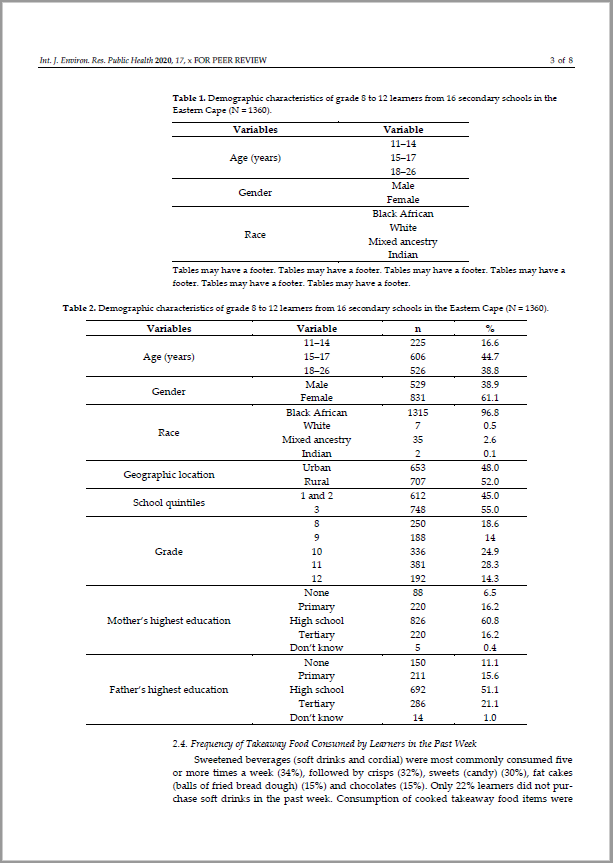
3) Small tables/figures are aligned on the left, large tables/figures are centered.
11 December 2020
2020 "Highly Cited Researchers" on MDPI Journal's Editorial Boards
We are pleased to acknowledge that many academic editors who have made an impact on MDPI journals as editorial board members, editors-in-chief, or section editors, are recognized as 2020 Highly Cited Researchers by Clarivate.
Highly Cited Researchers highlights the top 1% of researchers, by citations, in one or more of the 22 fields used in Clarivate Analytics Essential Science Indicators. We offer our congratulations to 279 academic editors of MDPI journals who were recognized as the most influential scholars in their fields in 2020.
Adams, Dave Agarwal, Ravi P. Ahn, Choon Ki Ahn, Myung-Ju Albrecht, Randy A. Andersson, Dan I. Anker, Stefan D. Apergis, Nicholas Ariga, Katsuhiko Artaxo, Paulo Balsamo, Gianpaolo Barba, Francisco J. Benediktsson, Jon Atli Benelli, Giovanni Bhatnagar, Amit Bialystok, Ellen Blaabjerg, Frede Blay, Jean-Yves Bogers, Marcel Bolton, Declan J. Boyer, Cyrille Brocca, Luca Bruix, Jordi Buhalis, Dimitrios Burdick, Jason A. Byrd, John C. Cabeza, Luisa F. Cabrerizo-Lorite, Francisco Javier Cai, Jianchao Calhoun, Vince D. Cantu, Robert C. Cerqueira, Miguel Chang, Jo-Shu Chau, Kwok-wing Chemat, Farid Chen, Jianmin Chen, Jun Chen, Min Chen, Shaowei Chen, Wei Chen, Wei-Hsin Chen, Xiaofeng Chen, Yangkang Chen, Zhi-Gang Chiclana, Francisco Corella, Dolores Cortes, Javier Cortes, Jorge Cummings, Kenneth Michael Dai, Shifeng Decker, Eric A. DePinho, Ronald A. Dimopoulos, Meletios-Athanasios Dincer, Ibrahim Du, Yihong Dupont, Didier Edwards, David Ellahi, Rahmat Ellis, Erle C. ElMasry, Gamal Esteller, Manel Estruch, Ramón Fang, Chuanglin Fasano, Alessio Fernandez-Lafuente, Roberto Ferreira, Isabel Fortino, Giancarlo Galluzzi, Lorenzo Galvano, Fabio Gandomi, Amir H. Gandomi, Amir H. Gao, Bin Gao, Feng Gao, Wei Garbe, Claus García, Hermenegildo Geschwind, Daniel H. Giampieri, Francesca Giralt, Sergio A. Glanz, Karen Goldewijk, Kees Klein Gössling, Stefan Govindan, Kannan Granato, Daniel Grosso, Giuseppe Grosso, Giuseppe Guerrero, Josep M. Haase, Dagmar Hagger, Martin S. Hamblin, Michael R. Han, Heesup Jankovic, Joseph Janotti, Anderson |
Jiang, Hai-Long Kalaji, Hazem M. Kalantar-Zadeh, Kourosh Kaner, Richard B. Karimi, Hamid Reza Kataoka, Kazunori Keesstra, Saskia Kepp, Oliver Kerminen, Veli-Matti Keyzers, Robert A. Khademhosseini, Ali Khan, Nafees A. Kim, Ki-Hyun Klemeš, Jiří Jaromír Klenk, Hans-Peter Konopleva, Marina Y. Krammer, Florian Krebs, Frederik C. Kroemer, Guido Kudo, Masatoshi Kurths, Juergen Kurzrock, Razelle Kuznetsov, Nikolay V. Kyrpides, Nikos C. La Vecchia, Carlo Lai, Yuekun Lam, James Lancellotti, Patrizio Lee, Sangmoon Leung, Victor C. M. Li, Jinghong Li, Yurui Lindahl, José M. Merigó Lip, Gregory Y. H. Loh, Xian Jun Long, Hualou Lund, Henrik Luo, Jingshan Luque, Rafael Lyons, Timothy W. Ma, Jun Ma, Wen-Xiu Ma, Yanming Maeda, Keisuke Makarova, Kira Mantovani, Alberto Martín-Belloso, Olga Martinoia, Enrico Marzband, Mousa Masclaux-Daubresse, Celine Masson, Patrick Mateos, María Victoria Mathiesen, Brian Vad Matyjaszewski, Krzysztof McArthur, Grant A. McCauley, Darren Medlock, Jolyon M. Melero, Ignacio Mezzetti, Bruno Miroshnichenko, Andrey E. Moran, Daniel Mueller, Lukas A. Mueller-Roeber, Bernd Naushad, Mu Nemeroff, Charles B. Nieto, Juan J. O'Donnell, Colm Ogino, Shuji Olabi, Abdul-Ghani O'Regan, Donal Orsini, Nicola Oswald, Isabelle P. Ozcan, Aydogan Pahl-Wostl, Claudia Pang, Huan Payne, James E. Peng, Shushi Perc, Matjaz Perez-Alvarez, Jose Angel Piquero, Alex R. Ploss, Alexander Postolache, Mihai Pradhan, Biswajeet Prinsep, Michele R. Qian, Dong Qu, Xiaogang Reiter, Russel J. Riahi, Keywan Richter, Andreas Rignot, Eric Robert, Caroline Ros, Emilio Rosell, Rafael |
Rosen, Marc A. |
The full list of 2020 Highly Cited Researchers can be accessed on https://recognition.webofsciencegroup.com/awards/highly-cited/2020/
--- Highly Cited Researchers (HCR) is a Clarivate product.
27 November 2020
Meet Us at 2020 MRS Fall Meeting—Virtual
MDPI will be attending 2020 MRS Fall Meeting & Exhibit, to be held in virtual form from 27 November to 4 December 2020.
This conference is the key forum to present research to an interdisciplinary and international audience. It represents a window to the future of materials science and offers an opportunity for researchers—from students and postdoctoral fellows, to Nobel and Kavli Prize Laureates—to exchange technical information and connect with colleagues.
The following MDPI journals will be represented:
If you are attending this conference, please feel free to start an online conversation with us. Our delegates look forward to meeting you in person and answer any questions you may have. For more information about the conference and our virtual booth, please visit: http://ii070.cn/Qi9MrG
28 October 2020
The 1st International Electronic Conference on Metallurgy and Metals (IEC2M 2021)
We are delighted to invite you to join the 1st International Electronic Conference on Metallurgy and Metals (IEC2M 2021). I hope you will agree to take part in this conference, which will enable you to share and discuss your most recent research findings with the vibrant worldwide community of scientists and technologists in the field.
IEC2M 2021 will revolutionize dissemination in the field with “MDPI Sciforum” for sharing research in an online environment that will preserve the same standards and structure as expected of traditional conferences but will be more inclusive by breaking the cost and time barriers that prevent participation in international conferences.
IEC2M 2021 will make your presentation accessible to hundreds of researchers worldwide, with the active engagement of the audience in question and answer sessions and discussion groups that will take place online. I hope you will join us in presenting your work and taking part in this thriving online experience.
Submitted abstracts will be reviewed by the conference committee. The authors of accepted contributions will be invited to produce an extended abstract for the conference proceedings along with a slide presentation of their work. Following the conference, outstanding contributions will be invited to be submitted for publication in Metals.
This conference will address a variety of research topics, which reflect some of the current areas of focus. These are organized into 8 sessions, and include:
- Topic A: Hydrometallurgy/Pyrometallurgy;
- Topic B: Powder Metallurgy
- Topic C: Corrosion and Protection
- Topic D: Biobased and Biodegradable Metals
- Topic E: Metal Forming
- Topic F: Additive Manufacturing
- Topic G: Metal Failure
- Topic H: Metal Recycling.
Important Dates
- Abstract Deadline: 7 December 2020
- Abstract Acceptance Notification Deadline: 17 December 2020
- Full Paper Submission Deadline: 7 February 2021
- Conference Date: 22 February-7 March 2021
- Awards Announcement: 22 April 2021
Please do not hesitate to contact us if you have questions.
We look forward to welcoming you at this exciting meeting online.
26 October 2020
Meet us at the China Materials Conference and Exhibition 2020, Qingdao, Shandong, China, November 19–21, 2020
MDPI will be attending the China Materials Conference and Exhibition 2020, Qingdao, Shandong, China, November 19–21, 2020.
CMC's 19th annual meeting is the premier venue for the presentation in the field of materials sciences, where one can learn from experts, forge collaborations with peers, explore new tools and technologies, and advance their career.
The purpose of the conference is to build an exchange platform for experts, scholars, professors, scientific and technological workers, relevant government management departments and leaders, entrepreneurs, and related personnel, engaged in the scientific research, development, and industrialization of new materials in China to exchange and share the latest materials research achievements, in order to achieve the purpose of mutual promotion and common improvement.
There are many outstanding people in the committee of the meeting, such as Professor Boyun Huang and Academician Lian Zhou of the Chinese Academy of Engineering, Professor Bingbo Wei of the Chinese Academy of Sciences, etc. The following MDPI journals will be represented:
- Coatings (leading journal);
- Materials;
- Crystals;
- Energies;
- Molecules;
- Metals;
- Nanomaterials;
- Polymers.
- Actuators
- Sustainability
- Membranes
- Technologies
- Gels
- ASI
If you are also attending this conference, please feel free to stop by our booth (Booth C13). Our delegates look forward to meeting you in person to answer any questions you may have. For more information about the conference, please visit: http://cmc2020.medcon.net.cn/cn/web/index/
5 September 2020
Metals 2019 Highly Cited Paper Award Winner Announcement
It is our great pleasure to announce the winners of Metals 2019 Highly Cited Paper Award to recognize the most highly cited paper in the past three years. The prize started in the middle of 2020 and it has been awarded three winners.
There papers have been selected for this award assessed by the Editorial Office of Metals from the papers published in 2017 and 2018. The paper citation data are based on citations in Web of Science in 2019.
1st Prize (with 42 citations)
Corrosion-Resistant High-Entropy Alloys: A Review
Yunzhu Shi, Bin Yang, and Peter K. Liaw
Metals 2017, 7, 42; doi:10.3390/met7020043
Available online: https://www.mdpi.com/2075-4701/7/2/43
“The paper ‘Corrosion-Resistant High-Entropy Alloys: A Review’ summarizes the investigation of the corrosion characteristics of high-entropy alloys (HEAs) during the last decade. The corrosion resistance of HEAs in various aqueous environments and the corrosion behavior of HEAs coatings are presented. Furthermore, the possible directions of future work regarding the corrosion study of HEAs are suggested.
It was a very pleasant experience to publish the present work with the cooperation of Metals. Hopefully, more and more influential articles will be published in Metals in the future.”
2nd Prize (with 22 citations)
The Prospects of Zinc as a Structural Material for Biodegradable Implants—A Review Paper
Galit Katarivas Levy, Jeremy Goldman, and Eli Aghion
Metals 2017, 7, 402; doi:10.3390/met7100402
Available online: https://www.mdpi.com/2075-4701/7/10/402
“The past several years has seen rapid growth in research and development of zinc-based medical devices due to its biological and biodegradability properties that match the human body. Zn is one of the most abundant essential elements in the human body, playing essential roles in human health. Additionally, zinc overcomes many limitations inherent to iron and magnesium, both pure and alloyed. This paper provides an extensive literature review on the current research progress for zinc and the development of zinc-based alloys. We comprehensively summarized and compared between pure zinc and the currently researched zinc alloys in aspects such as biocompatibility, corrosion behavior and mechanical properties. We highlighted the important role of zinc in the human body, along with the side-effects of zinc deficiency and excess and we broadly discussed the degradation model of zinc in the physiological environment as a result of the corrosion process.
We appreciate being able to work with a high quality professional team at Metals, who rapidly moved us through the review and proof correction process.”
3rd Prize (with 18 citations)
A Review of Metastable Beta Titanium Alloys
Prakash Kolli and Arun Devaraj
Metals 2018, 8, 506; doi:10.3390/met8070506
Available online: https://www.mdpi.com/2075-4701/8/7/506
“In this article, we provide a broad and extensive review of beta titanium alloys. Beta titanium alloys are an important class of alloys that have found use in demanding applications such as aircraft structures and engines, and orthopedic and orthodontic implants. The advantages of these alloys include their high strength, good corrosion resistance, excellent biocompatibility, and ease of fabrication compared to other high performance alloys. The ease of fabrication, which is due to their lower beta transus temperature, provides these alloys with an advantage compared to other Ti alloy classes. The authors would like to thank the Metals journal for the excellent experience during the editorial and publication process.”
These three outstanding papers are valuable contributions to Metals. On behalf of the Editorial Board and Editorial Office, we would like to congratulate these three teams for their excellent work. In recognition of their accomplishment, the first prize team will be granted 600 CHF, the second prize team will be granted 400 CHF, and the third prize team will be granted 300 CHF.
9 July 2020
Open Access Agreement Between Jisc Collections and MDPI
We are delighted to announce the establishment of our Open Access agreement with Jisc Collections, which will allow UK institutions to benefit from access to article processing charge (APC) discounts and streamlined payment workflows.
All institutions participating in the agreement will also gain access to the MDPI online submission system where they can find full article metadata and pricing information for easy identification and additional transparency.
Eligible authors affiliated with the participating institutions are prompted to choose the corresponding Institutional Open Access Program (IOAP) when they submit an article via our online submission system.

About Jisc
Jisc's vision is for the UK to be the most digitally advanced education and research nation in the world. At its heart is the super-fast national research and education network, Janet, with built-in cyber security protection. Jisc also provides technology solutions for its members (colleges, universities and research centres) and customers (public sector bodies), helps members save time and money by negotiating sector-wide deals and provides advice and practical assistance on digital technology. Jisc is funded by the UK higher and further education and research funding bodies and member institutions.
For more information, contact [email protected].
About MDPI
MDPI is a publisher of fully peer-reviewed, Open Access journals with a focus on thorough and rapid editorial processing. Its aim is to ensure that high-quality research is verified and made available to the research community as quickly as possible. MDPI stands at the forefront of the Open Access movement, having launched its first online journal Molecules in 1996. Today, MDPI is a leader in Open Access publishing with over 250 journals across all research disciplines, and all content published under a Creative Commons Attribution License (CC BY).
For any questions about this agreement, please contact the MDPI IOAP team at [email protected].
13 May 2020
COVID-19 Academic Resources Center

Since 1996, MDPI has been committed to supporting the research community by providing the latest research freely available and making relevant and useful research available as quickly as possible. The world is current experiencing a pandemic of COVID-19, and researchers are working extremely hard to understand it and find a cure.
The values MDPI holds strongly are particularly important at the moment, and we will continue to publish relevant, peer-reviewed research as quickly as possible in open access format. This means that it will immediately be available for researchers, health professionals, and the general public to read, distribute, and reuse. We believe that scientific advancements will be crucial to overcoming this pandemic, and will do everything we can to support researchers working looking for solutions.
COVID-19 Academic Resources Center contains a variety of information related to COVID-19 available from MDPI, including journal articles, special issues, and preprints, among others.
For more information, please visit: https://www.mdpi.com/covid-19
9 April 2020
Free Open Platforms to Support Academics During the COVID-19 Pandemic
As a leading Open Access publisher, MDPI is committed to fostering open scientific exchange in all forms across all disciplines. Due to the outbreak of COVID-19, many researchers have to stay at home and many academic conferences have been cancelled or postponed. In light of these changes, MDPI has adopted numerous initiatives that may help accelerate scientific exchange and provide support to the academics during this period.
Scholarly Community—Encyclopedia
Encyclopedia is an online reference created and curated by active scholars. It aims to highlight the latest research results as well as providing benchmark information for researchers and the general public interested in accurate and advanced knowledge on specific topics.
Comprehensive and Free Literature Database—Scilit
Scilit is a comprehensive, free database for scientists that uses a new method to collate data and index scientific material. Our crawlers extract the latest data from CrossRef and PubMed on a daily basis. This means that newly published articles are immediately added to Scilit.
Display Academic Achievements—SciProfiles
SciProfiles is an innovative social network for researchers and scholars that is developed by MDPI. In line with our broad mission, the purpose of SciProfiles is to accelerate discovery and innovation by facilitating immediate access to research results and providing opportunities for academic networking.
Organize and Participate in Conferences Online—Sciforum
Sciforum is an event planning platform that supports open science by offering the opportunity to host and participate in academic conferences. It provides an environment for scholarly exchange, discussion of topics of current interest, building of networks, and establishing collaborations.
Post Early Versions of Research Outputs—Preprints
Preprints is a platform dedicated to making early versions of research outputs permanently available and citable. We post original research articles and comprehensive reviews, and papers can be updated by authors at any time. Content on Preprints is not peer-reviewed, and feedback can be received from readers.
***
MDPI remains committed to open science and open data and has signed a statement, along with more than thirty scholarly publishers, showing our intention to facilitate sharing of new research findings as early on as possible. The initiative sees publishers collectively removing barriers to new research, in the face of a global healthcare crisis.
25 March 2020
MDPI Comment on the COVID-19 Virus
The world is currently suffering from a global pandemic of the corona virus COVID-19. MDPI expresses its sympathies for all of those affected by the virus and stands in solidarity with medical staff and researchers treating patients and searching for scientific solutions.
MDPI has previously published papers covering corona viruses in addition to new papers on the current outbreak, see all papers here. In particular, Viruses has published a number of Special Issues and papers on the topic (see here, here, and here) as well as a forthcoming Special Issue.
Alongside journal articles, MDPI has been a strong supporter of preprints, which are increasingly being used to rapidly disseminate the latest research, and we run the preprint server Preprints.org. Our database of research articles, Scilit, is free to use and covers all publishers including preprint servers. New papers are often in search results within hours of publication and users can set up alerts for new papers.
Our main priority during this period has been the health and safety of staff, and we continue to allow staff to work at home and closely monitor the situation in all locations in which we work. Despite the restrictions, we continue to provide a full publication service and, by close collaboration with our editorial boards and making use our in-house teams, ensure that there are no unnecessary delays in publishing vital research. Fast and open publication has always been at the core of MDPI values and is now more important than ever.
We hope that a solution to the current situation will emerge soon. In the meantime, we will do our best to continue communicating vital research in all fields.
18 March 2020
MDPI Co-Signed Position Statement on Transformative Agreements
The advantages of the open access model of scientific publishing are being increasingly recognized in the scientific community. It allows new scientific evidence to be accessed from the moment of publication for free by anyone around the globe, boosting the impact of new research. In response, many funders, libraries and universities have been adopting new principles to accelerate the transition to open access.
Recently, “transformative agreements” have been negotiated between traditional publishers and various institutions. While increasing the number of open access papers, these agreements lack binding commitments to a full transition to open access, their conditions vary across different regions, and access is still limited for many users.
MDPI is a co-signatory of the recent position statement raising concerns about potential downsides of transformative agreements and how they may delay a full transition to open access. The statement highlights that these models “risk perpetuating current limitations on access, transparency and market competitiveness, while simultaneously facilitating excessive charges on the public purse”.
As a pioneering open access journal publisher, MDPI is the first to promote the importance of science being made available to everyone. Our peer-reviewed journals, covering diverse academic disciplines, are fully accessible to the public free of charge under a Creative Commons Attribution License (CC BY). This is why, along with other open access publishers, MDPI is a proud signatory of the position paper and is committed to contributing to the replacement of weak transitional agreements with “agreements with publishers that are already fully committed to open science and who offer full, immediate and transparent Open Access”.
Read the position paper here
16 March 2020
Encyclopedia Outstanding Contributor Awards 2020 - Open for Application
We are pleased to announce that Encyclopedia will be awarding five Outstanding Contributor Awards for researchers in 2020. The nominations and applications will be assessed by an Evaluation Committee consisting of senior scholars from the Encyclopedia Editorial Board.
Prize for Winners
- An official certificate;
- A cash award of 500 CHF or an MDPI discount voucher of 800 CHF.
Application Deadline
31 December, 2020 (Please send your application email with a list of all entries you contributed to our office before the deadline: [email protected])
Candidate Requirements
- Have a Ph.D. degree;
- Have more than three qualified entries published in Encyclopedia in 2020.
Evaluation Standards
- Number of entries published in Encyclopedia in 2020;
- Quality of entries online (including length, figure quality, and novelty);
- Impact of entries (including the number of likes, discussion contents, views, and downloads).
If you are a researcher and have not yet contribute entries to Encyclopedia, please do not miss this chance to highlight your research results.
18 December 2019
Meet Us at TMS 2020 in San Diego, CA, USA, 23–27 February 2020

MDPI will be attending the 149th TMS 2020 on minerals, metals, and materials in San Diego, CA, USA, 23–27 February 2020. An Editorial Board Member meeting of Metals will take place during this event. We warmly welcome you join and share your publishing experience with us.
TMS2020 will present more than 85 symposia planned by all five TMS technical divisions and covering a broad range of topics related to minerals, metals, and materials science and engineering. The event will draw more than 4000 attendees and feature four full days of technical programming.
The following MDPI journals will be represented:
Journal of Manufacturing and Materials Processing
If you are also attending this conference, please feel free to stop by our booth (Booth #726). Our delegates look forward to meeting you in person to answer any questions you may have. For more information about the conference, please visit: https://www.tms.org/TMS2020.
11 October 2019
Introducing SciProfiles, an Academic Social Network
MDPI is pleased to announce the release of SciProfiles, its social network platform for researchers and scholars.
The purpose of SciProfiles is aligned with MDPI’s broad mission to accelerate discovery and innovation by facilitating immediate access to research results and to serve scholars and communities by providing opportunities for academic networking.

SciProfiles also ambitions to serve as a sustainable, transparent and community-driven research evaluation system aligned with the DORA principles (https://sfdora.org/). Through their scientific profiles, academics can highlight their contribution to research communities, and measure their impact on their field, beyond publication numbers and impact factors. SciProfiles is currently a beta version and will enrich to give researchers the possibility to highlight all of their contributions to science and their scientific communities as authors, reviewers, editors, conference organizers, conference panelists, conference keynote speakers, or even as lecturers or student mentors at their University.
The classic components of popular community social networks, including follower/following, classical metrics, endorsements and recommendations (https://www.mdpi.com/about/announcements/1690), comments (https://www.mdpi.com/about/announcements/1397) are or will be very soon highlighted in SciProfiles as open science contributions.
To help increase the impact and visibility of articles and their authors to an appropriate audience, the platform offers a NewsFeed that includes recommendations of relevant content based on interests, publication history, saved searches or colleagues’ recommendations.
SciProfiles’ avatars are now being integrated on several MDPI platforms, meaning that you will directly access researchers’ profiles from any of the MDPI platforms:
MDPI's journal publishing website: www.mdpi.com
MDPI's conference hosting and management website: www.sciforum.net
MDPI's pre-print website : www.preprints.org
MDPI's knowledge sharing website : www.encyclopedia.pub
MDPI's books store: www.mdpi.com/books
MDPI's literature database : www.scilit.net
SciProfiles aims to serve scientific communities at large. It can be embedded into third-party websites and also welcomes integration of data from third-parties.
Dr. Shu-Kun Lin: https://sciprofiles.com/profile/2
Dr. Franck Vazquez: https://sciprofiles.com/profile/FranckVazquez
Dr. Martyn Rittman: https://sciprofiles.com/profile/martynrittman
2 October 2019
Winners of the 2019 MDPI Writing Prize
We are delighted to announce the winners of the 2019 MDPI Writing Prize. Entrants were asked to write on the theme "Judging research: How should research and researchers be evaluated and rewarded?" We received a large number of excellent essays from PhD students and postdocs, and the process of shortlisting and choosing winners was not an easy one. The winners demonstrated excellent writing skills alongside interesting and thought-provoking ideas.

As last year, we will begin the process of collating all entries into a book that will be available in open access format. Alongside promoting good writing skills, we see the prize as a way to promote the voices of early career researchers within broader debates and policy discussions.
Congratulations to all of the participants and especially the winners. The winners are:
1st Prize (500 CHF):
Albin Nilsson (National Centre for Nuclear Research, Warsaw, Poland)
[Read here]
2nd Prize (250 CHF):
Qi Zhang (Shandong University, Jinan, China)
[Read here]
Igor Ogashawara (Indiana University, Indianapolis, US)
[Read here]
3rd Prize (100 CHF):
Margaret Sivapragasam (Universiti Teknologi Petronas, Perak, Malaysia)
[Read here]
Arvind Sharma (The University of Queensland, Gatton, Australia)
[Read here]
Jose Flores-Guerrero (University Medical Center Groningen, Groningen, The Netherlands)
[Read here]
The MDPI Writing Prize is an annual award supported by MDPI Author Services, which provides services including language editing, reformatting, plagiarism checks, and image editing.
20 September 2019
MDPI Now Gives Scholars the Possibility to Endorse and Recommend Articles

MDPI is pleased to announce the release of a new functionality giving the possibility for researchers and scholars to endorse, and formally recommend articles to their colleagues.
MDPI was an early signatory of the San Francisco Declaration on Research Assessment (https://sfdora.org/read/) which calls for improvement in how quality and impact of scholarly research outputs are evaluated, especially in moving beyond journal-based citation metrics (journal Impact Factor, Scopus Citescore, etc.).
MDPI supports the establishment of article-level impact metrics, including citations, views, downloads, and Altmetric scores. These measures serve as an impact indicator for research articles on a case–by-case basis, assessing paper on its own merit. However, these metrics are also subjective and can give a biased picture of the article impact: they do not directly reflect the quality or the intrinsic scientific value of the article.
In our view, community engagement with publications based on community-driven metrics can help to overcome this limitation. We have therefore launched an option for scholars to endorse articles, indicating their own assessment of its content and making a recommendation to their community. This follows our implementation of the open source Hypothesis commenting tool, which has been available for all articles published by MDPI for over a year (https://www.mdpi.com/about/announcements/1397). Both endorsement and commenting are available for all previously published and forthcoming MDPI articles.
In addition to potentially serving as a sustainable solution to article assessment, endorsements will help scientific communities to identify the most relevant articles, independently of the journal in which it was published.
The code for the endorsing functionality, which relies on DOIs and ORCIDs, will be made available on GitHub with an open source license.
Dr. Shu-Kun Lin, President and Founder
Dr. Franck Vazquez, Chief Scientific Officer
Dr. Martyn Rittman, Publishing Director
11 September 2019
Create an Entry in Encyclopedia to Get a 100 CHF Voucher in Publishing in MDPI Journals
Encyclopedia is a free online reference created and curated by active scholars. It aims to highlight the latest research results as well as provide a comprehensive record of scientific development. If you have any suggestions or questions, please feel free to contact us via [email protected].

6 August 2019
Preprints Reaches 10,000 Posted Articles Milestone
We are pleased to announce that Preprints has passed the milestone of 10,000 posted preprints. We are delighted to have reached this after just over three years of operation. Our congratulations and thanks go to our authors and advisory board who have supported growth of the platform and been crucial to its operation.
You can find further details at https://www.preprints.org/announcement/show/37.
2 August 2019
DeepGreen Partnering with Publishers and Universities in Distributing Open Access Content to Institutional Repositories
Last week, the DeepGreen initiative in Germany started into an advanced test phase with the publishing partners S. Karger AG, SAGE Publishing, MDPI, Frontiers and De Gruyter, as well as 27 universities from all over Germany, from Hamburg University of Applied Sciences to University of Konstanz.
DeepGreen aims at lowering the barriers for open access publishing by automatically delivering metadata and full text publications from participating publishers to authorized repositories at German universities.
In preparation for a later live operation, the advanced test phase serves to gain experience with extensive data deliveries from publishers and also handling different repository software (including OPUS4, DSpace, EPrints, MyCoRe). DeepGreen thereby acts as a sophisticated platform, receiving articles published by authors affiliated with German universities and depositing these articles to respective university repositories, based on the affiliation metadata. For more information about DeepGreen: https://deepgreen.kobv.de
Karger AG has been a close cooperation partner of the DeepGreen consortium since 2016. S. Karger has more than 80 subscription-based and around 20 open access journals covering a wide spectrum in health science. DeepGreen will assign S. Karger articles to authorized institutions on the legal basis of German alliance and national licenses.
SAGE Publishing was founded by Sara Miller McCune in 1965 to support the dissemination of usable knowledge and educate a global community. SAGE publishes more than 1,000 journals and over 600 new books each year, spanning a wide range of subject areas. Our growing selection of library products includes archives, data, case studies and video. SAGE remains majority owned by our founder and after her lifetime will become owned by a charitable trust that secures the company’s continued independence. Principal offices are located in Los Angeles, London, New Delhi, Singapore, Washington DC and Melbourne. SAGE Publishing has been a close cooperation partner of DeepGreen since 2016.
MDPI is a scientific open access publisher and has been a partner of DeepGreen since 2017. MDPI comprises 205 peer-reviewed journals of various disciplines. All articles are published under a CC-BY license and are freely available without embargo period.
Frontiers is a scientific open access publisher with 61 journals of over 600 academic disciplines. All articles are peer-reviewed and published freely available under CC-BY license.
De Gruyter is an academic publisher with more than 700 subscription-based and open access journals of 29 disciplines. Articles provided by De Gruyter will be assigned to institutions with German alliance and national licenses.
There is promising communication with other publishers.
DeepGreen is funded by the German Research Foundation (DFG) and the consortium comprises six institutions: the Cooperative Library Network Berlin-Brandenburg, Bavarian State Library, Bavarian Library Network, University Library of the Technische Universität Berlin, University Library of Erlangen-Nuremberg and the Helmholtz Open Science Coordination Office at the GFZ German Research Centre for Geosciences.
If you would like to know in more detail which institutions take part in the advanced test phase of DeepGreen, you can find more information here.
17 July 2019
First Basel Sustainable Publishing Forum
The University of Basel and the MDPI Sustainability Foundation are organizing the First Basel Sustainable Publishing Forum on 9th September 2019.
The aim of this event is to provide background and perspectives on Plan S to Learned Societies, which have to make well-informed decisions to transition their journals to Open Access (OA).
The BSPF will bring together several representatives of Learned societies, Plan S architects as well as representatives from various publishers and publishing platforms. After getting the big picture from cOAlition S, panel discussions will allow to better understand the diverse challenges that Learned societies are facing to transition their journals to OA as well as to identify sustainable, implementable and scalable solutions for successful Open Access transition.
For program details and registration, please follow the link below:
https://sciforum.net/conference/SustainableSolutionsToOpenAccess
20 June 2019
Metals Receiving 2018 Updated Impact Factor of 2.259
We are pleased to inform that Metals received an updated Journal Impact Factor of 2.259 in the recent release of the Journal Citation Reports®. The journal's 5-Year Impact Factor is 2.371. Metals now ranks 18/76 (Q1) in the category 'Metallurgy & Metallurgical Engineering' and 148/293 (Q3) in the category 'Materials Science, Multidisciplinary.'
Evolution of Impact Factor, Citations and Publications for Metals:

Source: data according to Journal Citation Reports®, 2018 release, a Clarivate Analytics product.
19 June 2019
Meet Us at EUROMAT 2019 in Stockholm, Sweden, 1–5 September

MDPI will be attending the European Congress and Exhibition on Advanced Materials and Processes (EUROMAT 2019) in Stockholm, Sweden on 1–5 September 2019.
EUROMAT is the premier international congress in the field of materials science and technology in Europe. The visions of EUROMAT2019 are to:
- Facilitate a programme where academia, research institutes and industry can meet and exchange ideas and provide information on the latest scientific development in
- Promote involvement of top universities and researchers in materials science including special contribution from large scale facilities like MAXIV in Lund
- Demonstrate efficient knowledge transfer between research and its application through the active involvement of research institutes in Sweden like RISE and Swerea
The following MDPI journals will be represented:
Materials
Metals
Catalysts
Nanomaterials
Processes
Polymers
Molecules
JFB
Sustainability
Coatings
Inorganics
If you are also attending this conference, please feel free to stop by our booth (#BrB1) in Norra Latin - The Marble Vault. Our delegates look forward to meeting you in person to answer any questions you may have. For more information about the conference, please visit: https://euromat2019.fems.eu/.
13 June 2019
Meet Us at ICCM 22 in Melbourne, Australia, 11–16 August 2019

MDPI will be attending the 22nd International Conference on Composites Materials (ICCM 22) in Melbourne, Australia on 11–16 August 2019.
ICCM is the premier international conference in the field of composite materials, and covers polymer matrix composites, metal matrix composites, ceramic matrix composites, natural fibre composites, fibre metal laminates, fibres and resins and all the other classes of composites.
The conference theme for the ICCM 22 is “Advanced Composites: Research to Impact”, with the objective of exploring the latest research into composite materials and how they will be used in the future covering multiple applications including aerospace, construction, wind energy, automotive, electronics and so on.
The following MDPI journals will be represented:
If you are also attending this conference, please feel free to stop by our booth (#08). Our delegates look forward to meeting you in person to answer any questions you may have. For more information about the conference, please visit: https://iccm22.com/.
28 May 2019
Meet us at the 8th World Hydrogen Technologies Convention (WHTC 2019) in Tokyo, Japan
MDPI will attend WHTC 2019 in Tokyo, Japan from 2–7 June 2019.
The World Hydrogen Technologies Convention, consisting of an exhibition and various sessions, is one of the most authoritative international conferences related to hydrogen technologies. WHTC 2019 aims to provide a forum for scientific, industrial, governmental, and general audiences from all over the world to gather together and present their most recent research findings, and to offer a stimulating atmosphere to discuss and exchange ideas on frontier research topics and future possibilities in hydrogen energy technologies through oral / poster presentations and technology exhibitions. This conference will be a place for the sharing and exchange of information on hydrogen-related technologies and policies and also for deepening international cooperation while discussing the future of a low carbon society.
Our representatives will be exhibiting the open access journals Energies, Catalysts, Processes, Safety, Metals, Applied Sciences, and ChemEngineering.
If you will also be in attendance, please stop by our booth. Our delegates look forward to meeting you in person and to answering any questions you may have regarding open access publishing or our journals. For more information about this conference, please visit http://whtc2019.jp/index.html.
2 April 2019
The Portuguese Society of Materials (SPM) is Now an Affiliated Society Member of Materials and Metals
In December 2018, the Portuguese Society of Materials (SPM) chose to become affiliated to Materials and Metals. As part of this collaboration, all members of the society enjoy a discount on the article processing charges (APC) when submitting articles to Materials and Metals.

The Portuguese Society of Materials (SPM) is an association of technical and scientific nature, nonprofit, endowed with legal personality and is governed by its own statutes and general regulations. SPM wants to disseminate around the world what is best made in Portugal regarding Science and Technology of Materials. They work to create a network of contacts worldwide to provide exchange of experiences and knowledge.
SPM works to help introducing new concepts for the use of Materials which are economically attractive and sustainable for future generations. They believe that knowledge is the key.
They work to encourage the active participation of all members of the community of Materials, and strengthen the link between universities, research centers, business and industry, and thereby add value and open new opportunities.
SPM is a professional organization whose functions are highly relevant to the scope of Materials and Metals. We look forward to collaborating with SPM and publishing state-of-the-art research from its members in this field.
20 March 2019
Fostering Open Access Publishing Worldwide: New IOAP Participants in February and March 2019
We are pleased to welcome more universities from Poland, Italy, Germany, Brazil and other parts of the world to MDPI's Institutional Open Access Program (IOAP). A warm welcome to the institutions listed below, who have joined the Program in February and March this year.
Authors affiliated with these institutions can now enjoy a discount on the APC for papers accepted for publication in any MDPI journal. If you would like to learn more about our program, please visit: https://www.mdpi.com/about/ioap or email us at [email protected].
5 March 2019
MDPI Joins Jisc’s Publications Router Service
We are delighted to announce our participation in Jisc’s Publication Router project, as of March 2019.
Publications Router is a Jisc service that automatically sends notifications about research articles to institutions' systems such as their repositories or CRISs, since May 2015. Through this agreement, MDPI will provide Jisc with daily feeds and information regarding published articles, which will be gathered by their system and delivered to institutions also registered to this service. Nearly all of our articles are published within 15 days of acceptance, so institutions will receive them quite promptly.
The feed will include the full text of the published version of record, with no embargo, so the articles can be exposed immediately for public view. They are accompanied by rich metadata, including confirmation of the immediate CC BY licence, minimising the need for any manual intervention or checking.
For more information about Publications Router, you may contact Jisc’s central helpdesk at [email protected]. For any queries about MDPI’s institutional agreements and collaborations, you may get in touch with MDPI’s Institutional Engagement team at [email protected], which would be very happy to hear from further UK institutions.
1 February 2019
2018 MDPI Top Reviewer Award—Winners Announced
Rigorous peer-review is the cornerstone of high quality academic publishing. Over 97,000 scholars served as reviewers for MDPI journals in 2018. We are extremely appreciative of all those who made a contribution to the editorial process in this capacity. At the beginning of every year, journal editorial offices publish a list all reviewers’ names to express our gratitude. In addition, this year the “MDPI Top Reviewer Awards” are announced, to recognize the very best reviewers for their expertise, dedication, high quality, and timely review reports. We are pleased to announce the following winners of the 2018 MDPI Top Reviewer Awards:
- Ali Behnood
- Andrea Pezzuolo
- Angela Gorgoglione
- Anna D'Auria
- Antonio D'Andrea
- Azhar Abbas
- Bogdan Zagajewski
- Chunhui Chen
- Dominika Głąbska
- Dominika Guzek
- Dragan Pamucar
- Francisco J. G. Silva
- Frank Li
- Gianluca Serafini
- Gyorgy Szekely
- Haozhi Pan
- Helvi Heinonen-Tanski
- José Manuel Gómez-Soberón
- Kathy Lewis
- Klara Kosova
- Luis N. López De Lacalle
- M. Z. Naser
- Malwina Tytła
- Masoume Amirkhani
- Matteo Ghidelli
- Moretti Laura
- Petra Schneider
- Roberto Cerchione
- Spyros Papaefthymiou
- Ştefan Cristian Gherghina
24 January 2019
JAMS Journals: A Low-Cost Publishing Platform

Since 2010, MDPI has run its own online submission system. More recently, we have made the software, with accompanying publishing services, available to other publishers as JAMS (Journal and Article Management System). We are now delighted to announce the launch of JAMS Journals, a standardized platform for operating open access journals at low cost.
JAMS Journals provides a comprehensive service, including a shared submission website, journal websites hosted at a URL provided by the publisher, and a full production service. There is a small setup fee and the cost for each published paper is just a few hundred Swiss francs.
The platform demonstrates that running an open access journal can be straightforward and affordable. The JAMS Journals platform is suitable for
- small publishers or groups of scholars looking to launch their own journal;
- existing publishers or societies seeking to explore open access options;
- publishers looking to convert an existing subscription journal to open access.
JAMS journals launches with two journals from Canadian-based publisher Etcetera Publications:
- Canadian Journal of Pesticides & Pest Management (http://www.cjppm.ca)
- Nanotechnology in Agriculture, Food & Environment (http://www.nanoafe.ca)
Dr AJ Al-Rajab (President of Etcetera Publications) comments:
“In the past few months, we were working on our project to launch new open access scientific journals in the field of agricultural and environmental sciences. We decided to go with JAMS for this venture because of the high quality of their services, reasonable prices, professionalism and easy communication. Our portfolio is expected to grow rapidly during 2019 to include more titles covering different areas in agriculture and environment. MDPI earned already our complete satisfaction and we are looking for a long term cooperation.”
Alongside the new platform, we continue to provide flexible, tailored journal management solutions for existing publishers. For any questions or to request a quotation, contact Dr. Constanze Schelhorn ([email protected]).
24 January 2019
Popularity of Preprints Continues to Grow

2018 was a great year for preprints, with increasing numbers of authors looking to make their papers available online before peer review. Along with other preprint servers, our platform Preprints.org saw an increase in the uptake from authors, and more than double the number of announced papers compared to 2017. In fact, we recently passed two important milestones: 8000 preprints online and 30,000 authors.
We believe that the whole research community has the opportunity to benefit from work being available online as early as possible. We thank and congratulate our authors for supporting us to make this goal a reality.
In 2019, we will be looking carefully at how to provide better value for authors, maintain efficiency while growing in size, and make sure we remain well-connected with the research community.
If you want to participate, you can consider screening preprints or joining our advisory board. And, of course, posting your own work.
9 January 2019
Open Access Agreement between the Austrian Academic Library Consortium (KEMÖ), the Austrian Science Fund (FWF), and MDPI
We are delighted to announce the establishment of our national Open Access agreement with the Austrian Academic Library Consortium (KEMÖ) and the Austrian Science Fund (FWF). Through this national agreement, the Austrian institutions listed below as well as FWF will cover the Article Processing Charges (APC) of manuscripts published by eligible corresponding or funded authors in MDPI journals as long as central funds are available.
All participating institutions have gained access to the MDPI online submission system where they can find full article metadata and pricing information as well as Funder and Grant ID details for easy identification and additional transparency. At the same time eligible authors are benefited from an APC discount which comes at no cost for the institutions.
Eligible corresponding authors affiliated with the participating institutions are prompted to choose the corresponding Institutional Open Access Program (IOAP) when they submit an article via our online submission system. The program will be selected automatically if authors submit their papers using their institutional email address. To claim their discount, FWF funded authors should choose the particular funder and add their Grant ID upon online submission of their manuscript. The institutions will then crosscheck the information and confirm the APC funding.
Eligible authors that have their APC covered by their institution or funder are advised to include the following sentence in their acknowledgments: "Open Access Funding by the [name of the institution/funder]".
The full text of the agreement is openly available online at: http://doi.org/10.5281/zenodo.2536007
For any questions about the agreement, please contact the KEMÖ Consortium at [email protected], FWF at [email protected], or the MDPI IOAP team at [email protected].
The Austrian institutions participating in this agreement are:
- Austrian Science Fund (FWF)
- University for Continuing Education Krems
- University of Applied Sciences BFI Vienna
- University of Applied Sciences Upper Austria
- University of Applied Sciences Technikum Wien
- Vorarlberg University of Applied Sciences
- International Institute for Applied Systems Analysis (IIASA)
- Institute of Science and Technology Austria
- MCI Management Center Innsbruck
- University of Graz
- University of Linz
- University of Salzburg
- Graz University of Technology
- TU Wien
- University of Veterinary Medicine Vienna
- University of Vienna
This is our first collective agreement with a national library consortium, while the individual institutions around the world participating in our IOAP are now more than 500 - see details here: https://www.mdpi.com/about/ioap. We would be mostly interested in discussing about possible collaborations with other consortia, funders, and institutions in our mutual efforts to accelerate Open Access.
2 January 2019
Encyclopedia—the Scholarly Community Encyclopedia

We are pleased to announce the new platform Encyclopedia, which is an online reference created and curated by active scholars. It aims to highlight the latest research results as well as providing benchmark information for researchers and the general public interested in accurate and advanced knowledge on specific topics.
We encourage authors of review articles to quote and adapt the content of their published papers to create Encyclopedia entries. You can create completely new entries on topics in which you have knowledge and expertise. There is no limit on the topics or research fields. All of science and the humanities are included. Each entry will be published directly after submission.
We also have prepared a DOI application function in Encyclopedia. Once a DOI application is approved, the entry website will announce the DOI number and a pdf version with DOI information will be automatically created.
We look forward to your contributions and hope you will make use of this service. Find more about the service at: https://encyclopedia.pub/
15 November 2018
Meet Us at the TMS 2019 Annual Meeting and Exhibition at San Antonio, TX, USA, 10–14 March 2019

Our colleagues and editors will be attending the TMS 2019 Annual Meeting and Exhibition, to be held in San Antonio, TX, USA, 10–14 March 2019. The following MDPI journals will be represented:
If you are also attending this conference, please feel free to stop by our booth (#137). Our delegates look forward to meeting you in person and answering any questions you may have.
The TMS meeting will bring together more than 4,000 engineers, scientists, and other professionals in the materials field for a comprehensive, cross-disciplinary exchange of technical knowledge leading to solutions in the workplace and in society. For more information about the conference, please visit https://www.tms.org/tms2019.
30 October 2018
Institutional Open Access Agreement between Bill and Melinda Gates Foundation and MDPI

We are delighted to announce that the Bill and Melinda Gates Foundation (BMGF) is now a participant of our Institutional Open Access Program (IOAP). Authors funded by the BMGF can enjoy discounts on the APC, while the funder covers the costs of eligible articles centrally. BMGF also has access to the MDPI online submission system where they can find full article metadata and pricing information as well as Grant ID details for easy identification and additional transparency.
We hope that funded authors find the programme beneficial and we are happy to offer our IOAP to other funders that need a streamlined workflow of compliance checking and APC coverage.
To claim their discount, BMGF funded authors should choose the particular funder and add their Grant ID upon online submission of their manuscript.
For any questions about the BMGF agreement, please contact the funder at [email protected] or the MDPI IOAP team at [email protected].
2 October 2018
MDPI Welcomes Plan S
Recently, it was announced that a group of European funders supported 10 principles that will help to expand open access, known as Plan S. MDPI warmly welcomes this move as a step towards achieving more open and accessible communication of research across all disciplines. Some aspects remain to be clarified, however the details given so far match the aims and values that MDPI has held over the past two decades.

We believe that open access publishers should be active participants in discussions around Plan S, particularly regarding potential new business models and practical aspects of implementation. MDPI supports APCs as a transparent unit of payment for article publishing, however we are committed to exploring other measures and recently signed the Jussieu Call. Sustainability is a key value for MDPI, and future funding models should have at their heart the sustainability of knowledge and research dissemination. Plan S provides an opportunity for funders and publishers to directly discuss funding of open access journals in ways that are beneficial to all parties involved.
5 September 2018
Meet Us at MRS Fall Meeting in Boston, USA, 25–30 November 2018
MDPI will be attending 2018 MRS Fall Meeting & Exhibit, to be held in Boston, USA, 25–30 November 2018.
This conference is the key forum to present research to an interdisciplinary and international audience. It provides a window on the future of materials science and offers an opportunity for researchers—from students and postdoctoral fellows, to Nobel and Kavli Prize Laureates—to exchange technical information and network with colleagues.
The following MDPI journals will be represented:
- Materials
- Polymers
- Energies
- Nanomaterials
- Metals
- Journal of Functional Biomaterials (JFB)
- Processes
- Sensors
- Sustainability
- C
- Journal of Manufacturing and Materials Processing (JMMP)
- Biomimetics
- Methods and Protocols (MPs)
If you are also attending this conference, please feel free to stop by our booth (Booth #123). Our delegates look forward to meeting you in person to answer any questions you may have. For more information about the conference, please visit: https://www.mrs.org/fall2018
30 August 2018
MDPI establishes Open Access agreement with Qatar National Library
We are happy to announce the establishment of an Open Access (OA) agreement with Qatar National Library (QNL). QNL is committed to supporting and helping Qatar authors publish OA at no cost. Through this national agreement, QNL will cover the Article Processing Charges (APC) of manuscripts published by Qatar-based corresponding authors in MDPI journals.
Eligible corresponding authors affiliated with Qatar research centers and universities are prompted to choose QNL as part of our Institutional Open Access Program (IOAP) when they submit an article via our online submission system. The program will be selected automatically if authors submit their papers using their institutional email and/or a computer registered with the institution’s IP range. QNL will then crosscheck the information and confirm the APC funding.
Qatar authors that have their APC covered by QNL are advised to include the following sentence in their acknowledgments: "The publication of this article was funded by Qatar National Library".
For more information, please visit Open Access at QNL or email the QNL Open Access team at [email protected].
26 June 2018
2017 Impact Factor Released for Metals: 1.704

We are pleased to inform that Metals received an updated Journal Impact Factor of 1.704 in the June 2018 release of the Journal Citation Reports®. The journal's 5-Year Impact Factor is 1.899. Metals now ranks 23/75 (Q2) in the category 'Metallurgy & Metallurgical Engineering' and 169/285 (Q3) in the category 'Materials Science, Multidisciplinary.'
Overview of Citation Metrics:
- Journal Impact Factor, 2 yrs (2017): 1.704
- 5-Year Impact Factor (2017): 1.899
- CiteScore, 3 yrs (Scopus): 1.87
- SJR Scimago Journal Rank 2017 (SJR): 0.550
- Source Normalized Impact 2017 (SNIP): 0.955
Evolution of Impact Factor, Citations and Publications for Metals:
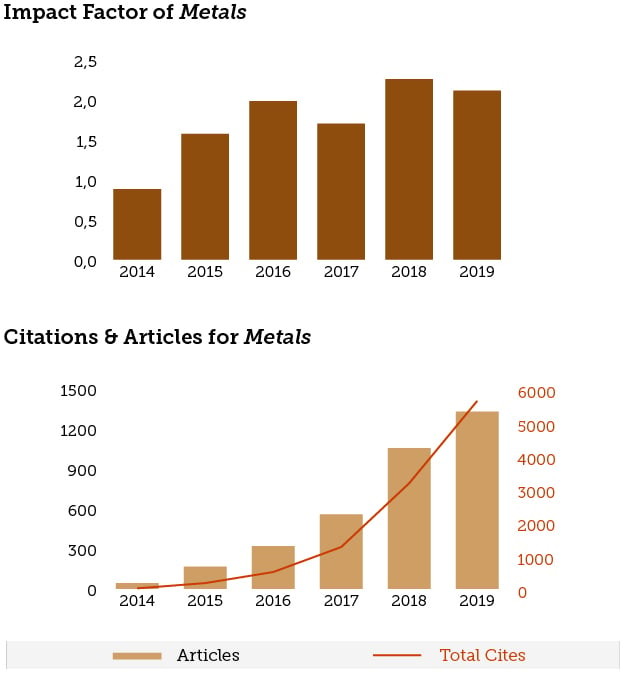
1 June 2018
Metals 2017 CiteScore™ Announced - 1.87
We are pleased to report Metals received a CiteScore of 1.87 for 2017. The metric reflects citation activity in 2017 in Scopus for papers published in the period 2014‒2016.
For the full details in the current CiteScore release, please see the journal's Source profile. To check the full list of MDPI journals receiving CiteScores, please see here.
31 May 2018
2017 CiteScore™ Metrics Released
The 2017 CiteScore™ data is available now, based on citation data in the Scopus® database. The current CiteScore reflects citation activity in 2017 for articles published in 2014‒2016. Please note that the list below includes journals assigned a CiteScore in this year’s release. For a full list of journals indexed in Scopus, please see our journal list.
Thirteen of our journals received a CiteScore which is in the top 10% of the distribution in at least one of the categories (marked with * in the table below), while a further 32 journals exhibit scores that are in the first quartile of the respective categories.
To access the full data for MDPI journals, please see here. More data can also be found in SJR Scimago Journal & Country Rank.
Unlike CiteScores and the widely used Journal Impact Factors, the Source Normalized Impact per Paper (SNIP) metrics are normalized in order to correct for differences in citation practices between scientific fields. Therefore, the SNIP allows direct comparison between journals specialized in different fields.
According to 2017 data, MDPI publishes six journals with an average citation impact, or SNIP, in excess of 1.500. These journals are Biomolecules, Cancers, Journal of Clinical Medicine (JCM), Marine Drugs, Remote Sensing and Sensors (see the last column in the table below).
CiteScore Data for MDPI Journals
| Journal | Rank (Quartile) |
Category | Link | CiteScore 2017 | 2016 |
2015 |
SNIP 2017 |
| Aerospace | 43/116 (Q2) | • Aerospace Engineering | Link | 1.23 | - | - | 1.152 |
| Agriculture | 69/309 (Q1) 91/398 (Q1) 78/255 (Q2) |
• Agronomy and Crop Science • Plant Science • Food Science |
Link | 1.93 | - | - | 1.133 |
| Agronomy | 46/309 (Q1) | • Agronomy and Crop Science | Link | 2.38 | - | - | 1.115 |
| Algorithms | 22/46 (Q2) 61/125 (Q2) 60/107 (Q3) 64/114 (Q3) |
• Numerical Analysis • Computational Mathematics • Computational Theory and Mathematics • Theoretical Computer Science |
Link | 1.03 | 1.15 | 1.07 | 0.749 |
| Animals | 12/154 (Q1) * 48/367 (Q1) |
• General Veterinary • Animal Science and Zoology |
Link | 2.02 | 1.46 | 1.66 | 1.099 |
| Antibiotics | 6/68 (Q1) * 62/263 (Q1) 55/230 (Q1) 31/108 (Q2) 47/134 (Q2) 139/398 (Q2) |
• General Pharmacology, Toxicology and Pharmaceutics • Infectious Diseases • Pharmacology (medical) • Microbiology (medical) • Microbiology • Biochemistry |
Link | 2.85 | 1.65 | - | 0.975 |
| Antibodies | 43/143 (Q2) 61/164 (Q2) 85/189 (Q2) |
• Drug Discovery • Immunology and Allergy • Immunology |
Link | 2.85 | - | - | 0.844 |
| Antioxidants | 23/119 (Q1) 35/169 (Q2) 100/398 (Q2) 119/367 (Q2) 102/264 (Q2) |
• Clinical Biochemistry • Physiology • Biochemistry • Molecular Biology • Cell Biology |
Link | 3.42 | - | - | 1.361 |
| Applied Sciences | 48/270 (Q1) 15/66 (Q1) 31/116 (Q2) 18/53 (Q2) 151/434 (Q2) 186/535 (Q2) |
• General Engineering • Fluid Flow and Transfer Processes • Instrumentation • Process Chemistry and Technology • General Materials Science • Computer Science Applications |
Link | 1.90 | - | - | 0.801 |
| Biology | 12/177 (Q1)* 32/186 (Q1) 10/40 (Q1) |
• General Agricultural and Biological Sciences • General Biochemistry, Genetics and Molecular Biology • General Immunology and Microbiology |
Link | 3.48 | 3.02 | 2.78 | 0.961 |
| Biomolecules | 31/398 (Q1) * 41/367 (Q1) |
• Biochemistry • Molecular Biology |
Link | 5.72 | 1.67 | 3.08 | 1.542 |
| Biosensors | 20/119 (Q1) | • Clinical Biochemistry | Link | 3.59 | 2.83 | 2.37 | 1.122 |
| Brain Sciences | 47/111 (Q2) | • General Neuroscience | Link | 2.56 | - | - | 0.695 |
| Cancers | 26/323 (Q1) * 23/191 (Q1) |
• Oncology • Cancer Research |
Link | 5.82 | 5.02 | 4.07 | 1.567 |
| Catalysts | 32/151 (Q1) 21/46 (Q2) |
• Physical and Theoretical Chemistry • Catalysis |
Link | 3.23 | 3.44 | 3.45 | 0.954 |
| Crystals | 76/272 (Q2) 140/434 (Q2) 127/398 (Q2) 26/64 (Q2) |
• General Chemical Engineering • General Materials Science • Condensed Matter Physics • Inorganic Chemistry |
Link | 1.97 | 1.89 | 1.47 | 0.745 |
| Diagnostics | 49/119 (Q2) | • Clinical Biochemistry | Link | 2.43 | - | - | 0.788 |
| Diversity | 30/124 (Q1) 14/52 (Q2) 83/306 (Q2) 11/29 (Q2) |
• Nature and Landscape Conservation • Agricultural and Biological Sciences (miscellaneous) • Ecology • Ecological Modelling |
Link | 2.15 | 2.03 | 1.96 | 1.300 |
| Electronics | 109/644 (Q1) 26/148 (Q1) 42/224 (Q1) 50/259 (Q1) 23/96 (Q1) |
• Electrical and Electronic Engineering • Hardware and Architecture • Control and Systems Engineering • Computer Networks and Communications • Signal Processing |
Link | 2.97 | - | - | 1.227 |
| Energies | 6/73 (Q1) * 31/192 (Q1) 103/644 (Q1) 4/16 (Q1) 47/140 (Q2) |
• Control and Optimization • Energy Engineering and Power Technology • Electrical and Electronic Engineering • Energy (miscellaneous) • Renewable Energy, Sustainability and the Environment |
Link | 3.11 | 2.50 | 2.87 | 1.340 |
| Entropy | 35/202 (Q1) | • General Physics and Astronomy | Link | 2.41 | 1.87 | 1.99 | 1.189 |
| Forests | 17/129 (Q1) | • Forestry | Link | 2.31 | 2.06 | 1.76 | 0.990 |
| Future Internet | 132/259 (Q3) | • Computer Networks and Communications | Link | 1.25 | - | - | - |
| Games | 132/187 (Q3) 78/110 (Q3) 305/418 (Q3) |
• Statistics and Probability • Statistics, Probability and Uncertainty • Applied Mathematics |
Link | 0.61 | 0.87 | 0.57 | 1.038 |
| Genes | 21/91 (Q1) 74/311 (Q1) |
• Genetics (clinical) • Genetics |
Link | 3.49 | 3.62 | 3.18 | 0.374 |
| Geosciences | 32/182 (Q1) |
• General Earth and Planetary Sciences | Link | 1.97 | 1.67 | 1.29 | 0.856 |
| Information | 143/251 (Q3) | • Information Systems | Link | 1.16 | 0.78 | 0.94 | 1.146 |
| Insects | 27/135 (Q1) | • Insect Science | Link | 1.85 | 1.81 | 1.38 | 0.719 |
| International Journal of Environmental Research and Public Health (IJERPH) | 80/478 (Q1) 34/106 (Q2) |
• Public Health, Environmental and Occupational Health • Health, Toxicology and Mutagenesis |
Link | 2.41 | 2.38 | 2.42 | 0.931 |
| International Journal of Molecular Sciences (IJMS) | 7/69 (Q1) * 61/535 (Q1) 20/163 (Q1) 9/64 (Q1) 26/151 (Q1) 89/367 (Q2) 17/46 (Q2) |
• Spectroscopy • Computer Science Applications • Organic Chemistry • Inorganic Chemistry • Physical and Theoretical Chemistry • Molecular Biology • Catalysis |
Link | 3.86 | 3.73 | 3.37 | 0.998 |
| ISPRS International Journal of Geo-Information (IJGI) | 79/605 (Q1) 22/82 (Q2) 13/36 (Q2) |
• Geography, Planning and Development • Earth and Planetary Sciences (miscellaneous) • Computers in Earth Sciences |
Link | 2.10 | 1.62 | 1.52 | 1.062 |
| Journal of Clinical Medicine (JCM) | 10/841 (Q1) * | • General Medicine | Link | 7.07 | - | - | 1.535 |
| Journal of Functional Biomaterials (JFB) | 43/199 (Q1) 23/77 (Q2) |
• Biomedical Engineering • Biomaterials |
Link | 3.47 | - | - | 1.344 |
| Journal of Low Po- wer Electronics and Applications (JLPEA) |
301/644 (Q2) | • Electrical and Electronic Engineering | Link | 1.12 | 0.98 | 0.83 | 0.367 |
| Journal of Personalized Medicine (JPM) | 54/189 (Q2) | • Medicine (miscellaneous) | Link | 2.61 | - | - | 0.944 |
| Land | 50/124 (Q2) 129/306 (Q2) 36/65 (Q3) |
• Nature and Landscape Conservation • Ecology • Global and Planetary Change |
Link | 1.44 | - | - | 0.658 |
| Life | 4/94 (Q1) * 70/561 (Q1) 40/186 (Q1) 20/80 (Q2) |
• Palaeontology • Ecology, Evolution, Behavior and Systematics • General Biochemistry, Genetics and Molecular Biology • Space and Planetary Science |
Link | 3.16 | 2.95 | 1.68 | 0.935 |
| Marine Drugs | 17/146 (Q1) | • Drug Discovery | Link | 4.58 | 3.83 | 3.66 | 1.537 |
| Materials | 83/434 (Q1) | • General Materials Science | Link | 3.02 | 3.26 | 3.11 | 1.285 |
| Membranes | 5/18 (Q2) 15/53 (Q2) 4/10 (Q2) |
• Chemical Engineering (miscellaneous) • Process Chemistry and Technology • Filtration and Separation |
Link | 2.69 | 2.19 | 2.95 | 0.880 |
| Metabolites | 47/209 (Q1) 103/398 (Q2) 127/367 (Q2) |
• Endocrinology, Diabetes and Metabolism • Biochemistry • Molecular Biology |
Link | 3.35 | - | - | 0.925 |
| Metals | 155/434 (Q2) | • General Materials Science | Link | 1.87 | - | - | 0.955 |
| Micromachines | 105/554 (Q1) 154/644 (Q1) 64/224 (Q2) |
• Mechanical Engineering • Electrical and Electronic Engineering • Control and Systems Engineering |
Link | 2.31 | 1.83 | 1.78 | 0.987 |
| Minerals | 33/175 (Q1) 45/208 (Q1) |
• Geotechnical Engineering and Engineering Geology • Geology |
Link | 2.21 | 2.13 | 1.77 | 1.149 |
| Molecules | 4/25 (Q1) 25/172 (Q1) 18/104 (Q1) 31/163 (Q1) 30/151 (Q1) 31/146 (Q1) 55/160 (Q2) |
• Chemistry (miscellaneous) • Pharmaceutical Science • Analytical Chemistry • Organic Chemistry • Physical and Theoretical Chemistry • Drug Discovery • Molecular Medicine |
Link | 3.27 | 3.09 | 2.65 | 1.146 |
| Nutrients | 11/255 (Q1) * 9/112 (Q1) * |
• Food Science • Nutrition and Dietetics |
Link | 4.35 | 4.29 | 4.07 | 1.403 |
| Pathogens | 38/263 (Q1) 20/108 (Q1) 9/40 (Q1) 40/164 (Q1) 110/367 (Q2) |
• Infectious Diseases • Microbiology (medical) • General Immunology and Microbiology • Immunology and Allergy • Molecular Biology |
Link | 3.52 | - | - | 1.166 |
| Pharmaceuticals | 14/172 (Q1) * 33/160 (Q1) |
• Pharmaceutical Science • Molecular Medicine |
Link | 4.12 | 4.90 | 3.64 | 1.370 |
| Pharmaceutics | 21/172 (Q1) | • Pharmaceutical Science | Link | 3.68 | 3.83 | 2.68 | 1.092 |
| Photonics | 30/116 (Q1) 80/270 (Q2) 53/160 (Q2) |
• Instrumentation • Radiology Nuclear Medicine and Imaging • Atomic and Molecular Physics, and Optics |
Link | 1.96 | - | - | 0.817 |
| Plants | 73/561 (Q1) 48/389 (Q1) 44/306 (Q1) |
• Ecology, Evolution, Behavior and Systematics • Plant Science • Ecology |
Link | 3.13 | - | - | 0.969 |
| Polymers | 17/142 (Q1) 63/359 (Q1) |
• Polymers and Plastics • General Chemistry |
Link | 3.30 | 3.74 | 3.37 | 1.213 |
| Religions | 26/389 (Q1) * | • Religious Studies | Link | 0.56 | - | - | 0.676 |
| Remote Sensing | 13/182 (Q1) * | • General Earth and Planetary Sciences | Link | 4.03 | 3.56 | 3.76 | 1.559 |
| Resources | 19/142 (Q1) 39/261 (Q1) |
• Nature and Landscape Conservation • Management, Monitoring, Policy and Law |
Link | 2.69 | - | - | 1.387 |
| Scientia Pharmaceutica | 92/172 (Q3) | • Pharmaceutical Science | Link | 0.86 | - | - | 0.513 |
| Sensors | 9/116 (Q1) * 25/160 (Q1) 100/644 (Q1) 19/104 (Q1) 113/398 (Q2) |
• Instrumentation • Atomic and Molecular Physics, and Optics • Electrical and Electronic Engineering • Analytical Chemistry • Biochemistry |
Link | 3.23 | 2.78 | 2.21 | 1.550 |
| Social Sciences | 81/213 (Q2) | • General Social Sciences | Link | 0.60 | - | - | 0.445 |
| Sustainability | 61/605 (Q1) * 55/261 (Q1) 60/140 (Q2) |
• Geography, Planning and Development • Management, Monitoring, Policy and Law • Renewable Energy, Sustainability and the Environment |
Link | 2.37 | 1.96 | 1.78 | 1.030 |
| Symmetry | 44/327 (Q1) 17/45 (Q2) 16/40 (Q2) 14/25 (Q2) |
• General Mathematics • Computer Science (miscellaneous) • Physics and Astronomy (miscellaneous) • Chemistry (miscellaneous) |
Link | 1.32 | 1.12 | 0.95 | 0.802 |
| Toxins | 18/106 (Q1) 21/111 (Q1) |
• Health, Toxicology and Mutagenesis • Toxicology |
Link | 3.32 | 3.34 | 3.76 | 1.136 |
| Vaccines | 5/230 (Q1) * 13/263 (Q1) * 18/302 (Q1) * 11/146 (Q1) * 32/189 (Q1) |
• Pharmacology (medical) • Infectious Diseases • Pharmacology • Drug Discovery • Immunology |
Link | 4.88 | 1.23 | 3.76 | 1.255 |
| Viruses | 29/263 (Q1) 16/68 (Q1) |
• Virology • Infectious Diseases |
Link | 3.88 | 3.60 | 3.74 | 1.130 |
| Water | 66/605 (Q1) 37/191 (Q1) 43/199 (Q1) 193/398 (Q2) |
• Geography, Planning and Development • Water Science and Technology • Aquatic Science • Biochemistry |
Link | 2.29 | 2.05 | 1.96 | 1.007 |
22 May 2018
Meet US at the Annual ISE Meeting in Bologna, Italy (2–7 September 2018)
MDPI will be attending the 69th Annual Meeting of the International Society of Electrochemistry, to be held in Bologna, Italy, 2–7 September 2018.
To mark the continuity between academic culture and technological progress, the scientific theme of the meeting is Electrochemistry from Knowledge to Innovation. Fundamental aspects of analytical, molecular, physical and bioelectrochemistry will be discussed, as well as their applications to (nano)materials science, energy, environment and biomedicine.
The following MDPI journals will be represented at the Meeting:
If you are also attending this conference, please feel free to stop by our booth (Booth #9). Our delegates look forward to meeting you in person to answer any questions you may have. For more information about the conference, please visit: http://annual69.ise-online.org/.
30 April 2018
Winners of the First MDPI Writing Prize
We are pleased to announce the results of the first MDPI Writing Prize. We received a large number of entries from across the globe on the theme of “The Global Benefits of Open Research”. It was a pleasure to read so many original, well-researched and well-presented ideas, and the final choice was not an easy one. We are pleased to announce that the winners are as follows:
1st prize (500 CHF, Swiss knife and certificate)
Edmond Sanganyado, Shantou University, China
2nd prizes (250 CHF, Swiss knife and certificate)
Kamala T. Rajahgopal, Asia e University, Malaysia
Yin Zhixuan, Qingdao University of Technology, China
3rd prizes (100 CHF, Swiss knife and certificate)
Alexandra Ticea, Carol Davila University of Medicine and Pharmacy, Romania
Ankur Sarker, University of Virginia, USA
Daniel Attoye, United Arab Emirates University, UAE
Congratulations to all of them! The winning entries can be downloaded by clicking on the names above. A compilation of all entries will soon be available as an open access book.
The writing prize is sponsored by the MDPI English editing service.
23 March 2018
Check for Updates: A New Function in the Article PDF Version

At MDPI, we always want to keep you up to date. Even for already published articles, some corrections or minor changes may occur. To prevent you from missing any updates, from now on you will be able to access the latest version of any manuscript by clicking on the “check for updates” logo that you can find in the PDF file, even if you have saved the file on your computer.
13 March 2018
MDPI Becoming a Member of UKSG
We are proud to announce that MDPI is now a member of UKSG, the UK´s largest scholarly communications community. Through UKSG, different stakeholders share their knowledge and experience in order to improve the knowledge and information environment for researchers. UKSG´s members include universities, publishers, content providers, intermediaries, and other similar organisations. Members participate in discussions and events on issues around scholarly communications.
The UKSG Annual Conference and Exhibition is a flagship initiative from the UKSG and one of the most stimulating events in the scholarly communications calendar. It is held annually and attracts a large number of delegates. More information is available at https://www.uksg.org/events/annualconference
MDPI is delighted to be a part of this active community and we look forward to making our own contribution. We will continue to support organisations and initiatives that boost collaboration and vision within scholarly communication.
More information about UKSG can be found at https://www.uksg.org/. The full membership list is available at: https://www.uksg.org/members.
12 March 2018
Meet Us at the 2018 E-MRS Spring Meeting and Exhibit in Strasbourg, France, 18–22 June 2018

MDPI will be attending the 2018 E-MRS Spring Meeting and Exhibit. The conference is a plenary session to provide an international forum for discussing recent advances in the field of materials science. It will consist of 29 parallel symposia with invited speakers, oral and poster presentations. Representatives of the following open access journals will attend:
Applied Sciences
Biomimetics
Clean Technologies
Coatings
Journal of Manufacturing and Materials Processing (JMMP)
Materials
Metals
Nanomaterials
Polymers
Processes
Quantum Beam Science (QuBS)
1 February 2018
MDPI Signed the San Francisco Declaration on Research Assessment (DORA)
The DORA initiative addresses the need for advanced approaches in the evaluation and measurement of the quality of scientific research outputs. It is a worldwide initiative covering all scholarly disciplines. MDPI proudly joins a list of more than 400 organizations around the world which support DORA’s recommendations for improving the way the quality of research results is evaluated.
More info can be found at http://www.ascb.org/dora/
25 January 2018
Meet Us at the ACS National Meeting & Exposition in New Orleans, USA, 18–22 March 2018

We will be attending the 255th ACS National Meeting & Exposition. It is an interdisciplinary forum open to anyone with an interest in Chemistry and the related disciplines. Representatives of the following open access journals will attend:
Agronomy
Applied Sciences
Beverages
Biomimetics
Biosensors
C
Catalysts
ChemEngineering
Chemosensors
Coatings
Energies
Environments
Fibers
Foods
Gels
Inorganics
Journal of Marine Science and Engineering (JMSE)
Lubricants
Materials
Mathematics
Metals
Molecules
Nanomaterials
Polymers
Processes
Resources
Safety
Sensors
Separations
Sustainability
Symmetry
Toxins
Water
If you are also attending this conference, please feel free to stop by our booth (Booth #640). Our delegates look forward to meeting you in person to answer any questions you may have. For more information about the conference, please visit: https://www.acs.org/content/acs/en/meetings/national-meeting.html?sc=home_meetings_170818_mtg_NO18_od
4 January 2018
Meet Us at the 2018 MRS Spring Meeting in Phoenix, AZ, USA
We will be attending the 2018 MRS Spring Meeting, which will be held in Phoenix, AZ, USA, 2 to 6 April 2018, representing the following open access journals:
Materials
Metals
Nanomaterials
Polymers
Coatings
Journal of Functional Biomaterials (JFB)
Quantum Beam Science (QuBS)
Biomimetics
Please come along to our booth to chat with our delegates about our journals. Our delegates will also answer any questions about online publishing and our journals. We look forward to meeting you in person in Phoenix!
For more information on the conference, please visit:
http://www.mrs.org/spring2018
19 December 2017
Announcing the MDPI English Writing Prize
The competition is still open until end of March! Please check out the banner for more details: https://mdpi-res.com/data/english-prize.pdf
15 December 2017
UCL Press Adopts the MDPI Editorial Platform JAMS

We are delighted to announce that UCL Press has adopted MDPI's Journal Article & Management System, JAMS, including production services. JAMS is a modular, integrated editorial platform for academic publishers. It offers flexibility, ease-of-use, and is a fully integrated solution for the end-to-end management of scholarly journals. JAMS is based on the software used to publish MDPI’s portfolio of journals.
Ian Caswell, UCL Press Journals Manager, says he is "excited to see UCL Press and MDPI partner together to implement the JAMS submission system for all UCL Press journals. The system offered a flexible, efficient and straightforward solution for our processes from author submission to ready for publication. I am grateful for the valuable experience and support MDPI have offered and look forward to developing our programme with an effective submission system in place.” Dr Martyn Rittman, MDPI’s Publishing Services Manager, adds, “We are proud to support one of the UK’s premier university presses in their publishing operation. This is an excellent way for us at MDPI to share our experience and knowledge, and benefit the research community beyond our own journals.”
JAMS combines services that are kept separate for many publishers. The entire editorial process, production and invoicing (e.g. for open access article processing charges) are fully integrated into a single platform. This allows for efficient, fast manuscript processing. For further information about JAMS, see https://www.mdpi.com/publishing_services.
7 December 2017
Meet Us at the TMS 2018 Annual Meeting & Exhibition in Phoenix
We will be attending the 147th TMS Annual Meeting & Exhibition, which will be held in Phoenix, Arizona, USA, March 11–15, 2018, representing the following open access journals:
Metals
Materials
Coatings
Applied Sciences
Energies
Minerals
Fibers
JFB
Please come along to our booth (#322) to talk with our delegates about online publishing and our journals. We look forward to meeting you in person in Phoenix!
For more information on the conference, please visit:
http://www.tms.org/tms2018
23 November 2017
New Participants in the Institutional Open Access Program (IOAP)
We are pleased to welcome new participants to MDPI's Institutional Open Access Program (IOAP), designed to help institutions manage the transition to the Open Access publishing model. Researchers affiliated with participating universites benefit from a 10% discount on the Article Processing Charges (APC) for any paper published in an MDPI journal, while the participating library or university incurs no basic fee for participating in the program.
The IOAP set of free services, provided by MDPI to institutions that sign up, include:- No fee for participants and no obligation to prolong after the initial 12 months. The participants may withdraw from the programme at any time, and we will also keep it free for the library for as long as they continue in the programme.
- Authors affiliated with the university will receive a 10% discount on the APC.
- The institution is granted free access to the MDPI submission system and can receive free alerts of new submissions to our journals.
- By default, authors from the institution will continue to be invoiced directly unless the institution opts for central billing.
- Auto-archiving of papers into the institutions´ repository as long as it supports SWORD 1.3.
More details about the programme and a list of our current participant institutions can be found at: https://www.mdpi.com/about/ioap
Institutions which are interested to participate may do so online at: https://www.mdpi.com/ioap-form
The following North American universities have signed up to the IOAP program recently:
Connecticut College, USA
Emory University, USA
Florida International University, USA
Johns Hopkins University, USA
Mississippi State University, USA
Northeastern University, USA
Rice University, USA
University of Ontario Institute of Technology, Canada
University of Rhode Island, USA
University of Texas Southwestern Medical Center, USA
University of Toronto, Canada
University of Windsor, Canada
University of Wisconsin–Madison, USA
Wellesley College, USA
West Virginia University, USA
Many prestigious institutions from Europe and Asia have joined as well:
Asia Pacific University of Technology & Innovation, Malaysia
Czech Technical University in Prague, Czech Republic
Gdansk University of Technology, Poland
Martin-Luther-Universität Halle-Wittenberg, Germany
National Chung Hsing University, Taiwan
Newcastle University, UK
Northumbria University, UK
Southwest University, China
Technical University of Crete, Greece
University Malaya, Malaysia
University of Antwerp, Belgium
University of Cyprus, Cyprus
University of Manchester, UK
University of Reading, UK
University of Sussex, UK
University of Warwick, UK
West Pomeranian University of Technology Szczecin, Poland
We offer a warm welcome to the new participants!
10 November 2017
Available Journal Awards at MDPI
In order to reward the academic community, especially young researchers, and enhance communication among scientists, MDPI journals regularly offer various awards to researchers in specific fields, for example, Young Investigator Awards, Travel Awards, Best Paper Awards, and Best Poster Awards, etc. The awardees range from PhD students to junior scientists.
Currently, the following 44 awards given by MDPI journals are accepting applications. Please click on the award title below to check whether you are eligible for it and start the application process.
|
Subject |
Journal |
Award |
Intended Awardee |
|
Biology & Life Sciences |
Animals |
PhD students or postdoctoral researchers |
|
|
Antioxidants |
Postdoctoral researchers or PhD students |
||
|
Biology |
PhD or postdoctoral fellows |
||
|
Forests |
Postdocs or PhD students |
||
|
International Journal of Molecular Sciences (IJMS) |
Ground-breaking contribution in the fields of Molecular Biology, and Molecular Pathology |
||
|
Journal of Fungi (JoF) |
Travel Awards 2018 |
PhD graduate students, and postdoctoral fellows |
|
|
Life |
Travel Award 2018 |
PhD students or postdoctoral fellows |
|
|
Metabolites |
PhD students |
||
|
Pharmaceuticals |
PhD students |
||
|
Toxins |
Postdoctoral fellows |
||
|
Viruses |
Viruses 2018 participants |
||
|
Viruses |
Viruses 2018 participants |
||
|
Water |
2018 Young Investigator Award |
Young investigators |
|
|
Chemistry & Materials Science |
Biomimetics
|
Graduate Student or Postdoctoral Trainee / Research Associate |
|
|
Catalysts |
PhD students |
||
|
Chemosensors |
PhD or postdoctoral fellows |
||
|
Entropy |
Young investigators |
||
|
Fibers |
2018 Travel award |
Postdocs or PhD students |
|
|
Magnetochemistry |
Postdocs |
||
|
Materials |
PhD or postdoctoral fellows |
||
|
Metals |
PhD or postdoctoral fellows |
||
|
Minerals |
PhD or postdoctoral fellows |
||
|
Sensors |
Travel Award 2018 |
PhD or postdoctoral fellows |
|
|
Sensors |
Sensors' reviewers in 2017 |
||
|
Sensors |
Young investigators |
||
|
Technologies |
PhD students |
||
|
Computer Science & Mathematics |
Multimodal Technologies and Interaction (MTI) |
Postdoctoral researchers or PhD students |
|
|
ISPRS International Journal of Geo-Information(IJGI) |
Postdocs |
||
|
Journal of Sensor and Actuator Networks (JSAN) |
Postdoctoral fellows and PhD students |
||
|
Journal of Imaging |
Postdoctoral fellows and PhD students |
||
|
Engineering |
Actuators |
PhD or postdoctoral fellows |
|
|
Remote Sensing |
Authors |
||
|
Machines |
PhD or postdoctoral fellows |
||
|
Micromachines |
PhD or postdoctoral fellows |
||
|
Fluids |
Postdoctoral fellows and PhD students |
||
|
ChemEngineering |
Postdoctoral researchers and PhD students |
||
|
Environmental & Earth Sciences |
Diversity |
Travel Awards 2018 |
Postdoctoral fellows |
|
International Journal of Environmental Research and Public Health (IJERPH) |
Authors who submit from 1 Nov 2017 to 31 Oct 2018 |
||
|
Resources |
Postdocs or PhD students |
||
|
Geosciences |
Postdoctoral fellows and PhD students |
||
|
Physical Sciences & Astronomy |
Galaxies |
Ph.D. students, postdoctoral fellows, or lecturers in cosmology or galaxies physics |
|
|
Applied Science |
Postdocs |
||
|
Medicine & Pharmacology; Public Health & Healthcare |
Journal of Clinical Medicine (JCM) |
PhD or postdoctoral fellows |
|
|
Medicines |
Postdocs |
7 November 2017
MDPI has signed the Jussieu Call for Open Science and Bibliodiversity
The Jussieu Call aims to develop and implement alternative models to meet the aims of open science while promoting bibliodiversity. In particular it wishes to promote new business models for funding open access publication. It was drafted on the Jussieu campus in Paris by a group of French researchers and scientific publishing professionals.
MDPI supports scholarly communities and initiatives that innovate and further promote Open Access publishing. There is a need to explore different frameworks to fund open access in ways that ensure that excessive funds are not diverted from research towards publishing. Many fair funding models already exist, and they can be further developed and extended. These include institutional support, library contributions or subsidies, premium services, participatory funding, etc. For this reason, MDPI has signed up to the Jussieu call and welcomes its aims.
More information can be found at http://jussieucall.org/ (archived here)
6 October 2017
Dr. Franck Vazquez, MDPI CEO, Interviewed by Scholarly Kitchen
The Society for Scholarly Publishing’s popular blog about topics in academic publishing, Scholarly Kitchen, recently interviewed MDPI’s CEO, Dr. Franck Vazquez. He shared some thoughts and information on the past and future of MDPI and open access publishing in general:
“In the long run, we aim to anchor MDPI in research communities. We recently developed and launched the preprint platform Preprints, revamped our free-to-use conference hosting platform Sciforum, and are working on other projects, such as Scilit, our bibliographic database.”
Read the full interview here.
19 September 2017
Meet Us at the 2017 MRS Fall Meeting in Boston
We will be attending the 2017 MRS Fall Meeting which will be held in Boston, Massachusetts, from November 26–December 1, 2017, and representing the following open access journals:
Materials
Nanomaterials
Energies
Metals
Applied Sciences
Crystals
Minerals
Journal of Functional Biomaterials
Coatings
Robotics
Biosensors
Chemosensors
Polymers
Bioengineering
Please come along to our booth (booth number: #122) to chat with our delegates about our journals and hear about our travel awards offered to Postdocs and PhD students. Our delegates will also answer any questions about online publishing and our journals. We look forward to meeting you in person in Boston!
For more information on the conference, please visit:
www.mrs.org/fall2017
19 September 2017
A Warm Welcome to the New IOAP Participants
We are delighted to have welcomed 24 new participants to our Institutional Open Access Programme (IOAP) since the beginning of September this year. These are University libraries and Research Institutions located around the world; from the USA and Canada to the UK, and from Norway and Spain to Greece. Well respected Universities, such as the University of Denver, the University of Colorado Boulder, and the University of Arizona in the US, have signed up, while their researchers can now benefit from a 10% discount on the Article Processing Charges (APC) for any papers they publish in MDPI journals, at no cost for the library or the University.
We are more than happy to see the Open Access movement growing stronger and wider every day and we appreciate the vital role which librarians, repository managers, and other scholarly communications professionals play in the field. Our communication with and service to this community is, therefore, one of our principal priorities. The IOAP is our way to support academic and scientific Institutions as well as their scholars in managing, administrating, and publishing research in an Open Access world.
The IOAP set of free services, provided by MDPI to institutions that sign up, include:
- No fee for participants and no obligation to prolong after the initial 12 months. The participants may withdraw from the programme at any time, and we will also keep it free for the library for as long as they continue in the programme.
- Authors affiliated with the university will receive a discount on the article processing charge (APC).
- The institution is granted free access to the MDPI submission system and can receive free alerts of new submissions to our journals.
- By default, authors from the institution will continue to be invoiced directly unless the institution opts for central billing.
- Auto-archiving of papers into the institutions´ repository as long as it supports SWORD 1.3.
More details about the programme and a list of our current participant institutions can be found at: https://www.mdpi.com/about/ioap
Institutions which are interested to participate may do so online at: https://www.mdpi.com/ioap-form
The full list of the Institutions that signed up in September is as follows:
- University of Denver, USA
- University of Colorado Boulder, USA
- University of Arizona, USA
- Institute of Metrology of Bosnia and Herzegovina, Bosnia and Herzegovina
- Middlebury College, USA
- Touro College, USA
- University of New Orleans, USA
- University of Leicester, UK
- Indiana University-Purdue University Indianapolis, USA
- University of Strathclyde, UK
- Cranfield University, UK
- Hope College, USA
- Oregon State University, USA
- Drew University, USA
- Swansea University, UK
- University of South Florida, USA
- University of Georgia, USA
- Arizona State University, USA
- University of Southern Mississippi, USA
- Université du Québec à Chicoutimi, Canada
- Grinnell College, USA
- Norwegian University of Science and Technology, Norway
- University of Patras, Greece
- Public University of Navarre, Spain
23 June 2017
Congratulations for Publishing the 100,000th Peer-Reviewed Article
Congratulations to the authors Javier Monroy and Javier Gonzalez-Jimenez from Universidad de Malaga, Spain, Victor Hernandez-Bennets, Han Fan and Achim Lilienthal from Örebro University, Sweden for publishing the 100,000th peer-reviewed article.
The article is published in the Chemical Sensors section of Sensors.
GADEN: A 3D Gas Dispersion Simulator for Mobile Robot Olfaction in Realistic Environments
Evermore pressing environmental concerns have led global actors and decision-makers to search for stricter emission monitoring approaches. As part of novel monitoring systems, robots with gas and environmental sensors are a promising solution. However, validation of such robotic inspectors is expensive, time consuming, and plagued by repeatability issues. In this article, we present GADEN (the short form for Gas Dispersion Simulator for Mobile Robot Olfaction in Realistic Environments), which combines gas dispersion and robotics simulation in a common framework. Developed under the widely used Robot Operating System (ROS), GADEN enables validation of sensing strategies with gas dispersion being simulated using computational fluid dynamics and filament dispersion theory. GADEN allows simulating complex, realistic, 3D environments for reproducible testing of robotic gas sensing algorithms. Through qualitative and quantitative evaluations, we show that GADEN is a versatile and user-friendly evaluation tool and emphasize its enormous potential for the mobile robot olfaction community.
Read the full article here: https://www.mdpi.com/1424-8220/17/7/1479/htm
14 June 2017
2016 Impact Factor Released for Metals – 1.984
Metals now ranks 13/74 (Q1) in the category ‘Metallurgy & Metallurgical Engineering’ and 127/275 (Q2) in the category ‘Materials, Multidisciplinary’. It is the highest ranking metallurgical Open Access journal in SCIE.
Evolution of Impact Factor, Citations and Publications for Metals:
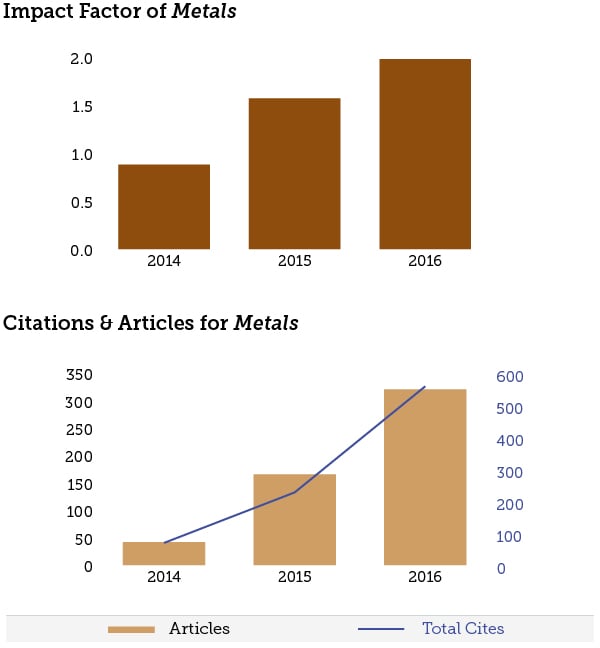
6 June 2017
CiteScore™ Metrics Released for Scopus Journals
The CiteScore, the new citation metric for journals covered in the Scopus® database, was released on 1 June 2017, reflecting the citation activity in 2016 for articles published during the three previous years. Please note that the list below does not contain all MDPI journals covered in Scopus. For the CiteScore to serve as a reliable metric at least three volumes of articles need to be indexed in Scopus; journals which have not met this criterion have been omitted here.
Ten MDPI journals received a CiteScore which is in the Top 10% of scores in at least one of the categories, while a further 21 journals exhibit scores that are in the first quartile of the respective categories.
CiteScore Data for MDPI Journals
| Journal | Rank | Category | Link | CiteScore 2016 | 2015 |
2014 |
| Algorithms | 44/112 (Q2) 49/111 (Q2) 19/42 (Q2) 52/113 (Q2) |
• Numerical Analysis • Computational Mathematics • Computational Theory and Mathematics • Theoretical Computer Science |
Link | 1.15 | 1.07 | 1.06 |
| Animals | 69/343 (Q1) 21/146 (Q1) |
• Animal Science and Zoology • General Veterinary |
Link | 1.46 | 1.66 | 0.74 |
| Biology | 13/92 (Q1) 34/81 (Q1) 10/75 (Q1) |
• General Agricultural and Biological Sciences • General Biochemistry, Gene- tics and Molecular Biology • General Immunology and Microbiology |
Link | 3.02 | 2.78 | 1.74 |
| Biomolecules | 234/382 (Q3) 260/353 (Q3) |
• Biochemistry • Molecular Biology |
Link | 1.67 | 3.08 | 1.00 |
| Biosensors | 36/118 (Q2) 209/2156 (Q1) |
• Clinical Biochemistry • General Medicine |
Link | 2.83 | 2.37 | 2.04 |
| Cancers | 29/196 (Q1) 27/321 (Q1) |
• Cancer Research • Oncology |
Link | 5.02 | 4.07 | 2.31 |
| Catalysts | 18/44 (Q2) 27/144 (Q1) |
• Catalysis • Physical and Theoretical Chemistry |
Link | 3.44 | 3.45 | 2.17 |
| Crystals | 70/270 (Q2) 25/64 (Q2) 118/398 (Q2) 131/424 (Q2) |
• General Chemical Engineering • Inorganic Chemistry • Condensed Matter Physics • General Materials Science |
Link | 1.89 | 1.47 | 1.03 |
| Diversity | 10/41 (Q1) 9/25 (Q2) 76/291 (Q2) 24/109 (Q1) |
• Agricultural and Biological Sciences (miscellaneous) • Ecological Modelling • Ecology • Nature and Landscape Conservation |
Link | 2.03 | 1.96 | 1.82 |
| Energies | - | - | Link | 2.50 | 2.87 | 2.66 |
| Entropy | 51/198 (Q2) | • General Physics and Astronomy | Link | 1.87 | 1.99 | 1.69 |
| Forests | 17/127 (Q1) | • Forestry | Link | 2.06 | 1.76 | 1.84 |
| Games | 204/398 (Q3) 83/181 (Q2) 48/105 (Q2) |
• Applied Mathematics • Statistics and Probability • Statistics, Probability and Uncertainty |
Link | 0.87 | 0.57 | 0.64 |
| Genes | 62/300 (Q1) 18/90 (Q1) |
• Genetics • Genetics (clinical) |
Link | 3.62 | 3.18 | 1.33 |
| Geosciences | 36/169 (Q1) |
• General Earth and Planetary Sciences | Link | 1.67 | 1.29 | 1.13 |
| Information | 156/237 (Q3) | • Information Systems | Link | 0.78 | 0.94 | 0.74 |
| Insects | 28/131 (Q1) | • Insect Science | Link | 1.81 | 1.38 | 1.23 |
| International Journal of Environmental Research and Public Health (IJERPH) | 67/446 (Q1) 31/102 (Q2) |
• Public Health, Environmental and Occupational Health • Health, Toxicology and Mutagenesis |
Link | 2.38 | 2.42 | 2.47 |
| International Journal of Molecular Sciences (IJMS) | 23/157 (Q1) 8/64 (Q1) 90/353 (Q1) 22/144 (Q1) 16/44 (Q1) 8/62 (Q1) |
• Organic Chemistry • Inorganic Chemistry • Molecular Biology • Physical and Theoretical Chemistry • Catalysis • Spectroscopy |
Link | 3.73 | 3.37 | 3.06 |
| ISPRS International Journal of Geo-Information | 12/29 (Q2) 28/79 (Q2) 96/587 (Q1) |
• Computers in Earth Sciences • Earth and Planetary Sciences (miscellaneous) • Geography, Planning and Development |
Link | 1.62 | 1.52 | - |
| Journal of Low Power Electronic Applications (JLPEA) | 301/645 (Q2) | • Electrical and Electronic Engineering | Link | 0.98 | 0.83 | 0.83 |
| Life | 65/525 (Q1) 36/186 (Q1) 5/92 (Q1) 20/80 (Q2) |
• Ecology, Evolution, Behavior and Systematics • General Biochemistry, Gene- tics and Molecular Biology • Palaeontology • Space and Planetary Science |
Link | 2.95 | 1.68 | 1.20 |
| Marine Drugs | 18/145 (Q1) | • Drug Discovery | Link | 3.83 | 3.66 | 3.59 |
| Materials | 63/424 (Q1) | • General Materials Science | Link | 3.26 | 3.11 | 2.69 |
| Membranes | 103/424 (Q1) | • Materials Science | Link | 2.19 | 2.95 | 2.42 |
| Micromachines | 173/645 (Q2) 69/211 (Q2) 113/526 (Q1) |
• Electrical and Electronic Engineering • Control and Systems Engineering • Mechanical Engineering |
Link | 1.83 | 1.78 | 2.10 |
| Minerals | 45/206 (Q1) 29/167 (Q1) |
• Geology • Geotechnical Engineering and Engineering Geology |
Link | 2.13 | 1.77 | - |
| Molecules | 32/157 (Q1) | • Organic Chemistry | Link | 3.09 | 2.65 | 2.62 |
| Nutrients | 12/247 (Q1) | • Food Science | Link | 4.29 | 4.07 | 3.78 |
| Pharmaceuticals | 8/168 (Q1) 21/158 (Q1) |
• Pharmaceutical Science • Molecular Medicine |
Link | 4.90 | 3.64 | 1.92 |
| Pharmaceutics | 19/168 (Q1) | • Pharmaceutical Science | Link | 3.83 | 2.68 | 2.46 |
| Polymers | 13/138 (Q1) 44/354 (Q1) |
• Polymers and Plastics • General Chemistry |
Link | 3.74 | 3.37 | 4.10 |
| Remote Sensing | 13/169 (Q1) | • General Earth and Planetary Sciences | Link | 3.56 | 3.76 | 3.23 |
| Sensors | 25/96 (Q2) 25/159 (Q1) 124/382 (Q2) 103/645 (Q1) |
• Analytical Chemistry • Atomic and Molecular Physics, and Optics • Biochemistry • Electrical and Electronic Engineering |
Link | 2.78 | 2.21 | 2.40 |
| Sustainability | 49/129 (Q2) 68/587 (Q1) 56/236 (Q1) |
• Renewable Energy, Sustai-nability and the Environment • Geography, Planning and Development • Management, Monitoring, Policy and Law |
Link | 1.96 | 1.78 | 1.52 |
| Symmetry | 17/42 (Q2) 49/111 (Q2) |
• Numerical Analysis • Computational Mathematics |
Link | 1.12 | 0.95 | 1.02 |
| Toxins | 16/102 (Q1) 16/108 (Q1) |
• Health, Toxicology and Mutagenesis • Toxicology |
Link | 3.34 | 3.76 | 2.85 |
| Vaccines | 146/184 (Q4) 151/250 (Q3) 93/145 (Q3) 186/299 (Q3) 130/232 (Q3) |
• Immunology • Infectious Diseases • Drug Discovery • Pharmacology • Pharmacology (medical) |
Link | 1.23 | 3.76 | 2.85 |
| Viruses | 15/68 (Q1) 34/250 (Q1) |
• Virology • Infectious Diseases |
Link | 3.60 | 3.74 | 3.80 |
| Water | 33/184 (Q1) 48/195 (Q1) 62/587 (Q1) 198/382 (Q3) |
• Water Science and Technology • Aquatic Science • Geography, Planning and Development • Biochemistry |
Link | 2.05 | 1.96 | 1.45 |
23 May 2017
Meet Us at 25th North American Meeting of the Catalysis Society
We will be attending the 25th North American Meeting (NAM) of the Catalysis Society, which takes place June 4-9, 2017, representing the following open access journals:
Please come along to our stand, booth number #211, to talk to our delegates about our journals and travel awards you could apply. We also would like to invite you to our ‘Meet and Greet’ session at 12:00 pm on 7th June! Catalysts Professor Keith Hohn, the Editor-in-Chief of Catalysts, and the Editorial Board Member Professor Calvin Bartholomew will be there to answer your questions about the Open Access publishing.
Food and refreshments will be provided and we look forward to meeting you in person to answer your questions.
Conference address:
MDPI booth - number #211
25th North American Meeting of the Catalysis Society
June 4-9, 2017
Hyatt Regency Hotel and Convention Center, Denver, Colorado, USA
For more information on the conference, please visit
http://www.nam25.org/
17 May 2017
Three New Institutional Memberships Established
We are pleased to announce that the Goethe University of Frankfurt, the Technical University of Hamburg (TU Hamburg-Harburg), as well as the Humboldt University of Berlin, in Germany, have joined MDPI's institutional membership program: Primary authors from these instititions will benefit from a 10% discount on the article processing charges.
Additional details can be found on our institutional membership page.
4 May 2017
MDPI Supports the Initiative for Open Citations (I4OC)
As an open access publisher, we are keen to support openness and transparency in the research process. Citation data is very important for assessing the value of individual papers and the contribution of researchers. As such, we support the recently launched Initiative for Open Citations (I4OC). The initiative recognizes that citations should be freely available and machine-readable. By doing so, authors gain the maximum benefit from having their work cited.
MDPI now uploads citation data with metadata uploaded to Crossref when registering digital object identifiers (DOIs) for published papers. We are delighted to take this step to support a truly open research environment.
2 May 2017
Publons Peer Review Academy Goes Live
Getting high quality review reports is critical for any journal’s editorial process. At MDPI we have put in place several measures to motivate reviewers and reward them for their work. We are proud of the quality of reviewer reports we receive and grateful for the hours put in by active researchers from across the globe.
Reviewers of MDPI’s largest journals can get recognition via Publons, a website dedicated to rewarding peer reviewers. They have now taken this one step further and launched the Publons Reviewer Academy to help train reviewers to provide useful feedback. Through the academy, researchers can be trained and tutored in various aspects of how to provide structured feedback that will be of genuine help to editors and authors. We support this initiative and recommend it to potential MDPI reviewers, especially early career researchers. See the Publons announcement for further information.
More information on reviewing for MDPI, including how to volunteer as a reviewer, can be found here.
24 April 2017
Two New Institutional Memberships Established
We are pleased to announce that the following universities have joined MDPI's institutional membership program: Trinity University, San Antonio, Texas, USA and the University of New South Wales (UNSW), Sydney, Australia. Primary authors from these instititions will benefit from a 10% discount on the article processing charges.
Additional details can be found on our institutional membership page.
30 March 2017
Credit for Preprints Comments via Publons
Preprints.org is a platform run by MDPI that allows authors to make early versions of manuscripts available before peer review has been completed.
One of the major benefits of putting a preprint online is to get feedback before journal submission. Until now, however, the feedback has been on a voluntary basis. Preprints is delighted to be the first preprint server to collaborate with Publons to acknowledge substantial comments as reviews and give commentators the opportunity to receive credit for their efforts.
When you add a comment to any article, there is a check box to click for it to appear on Publons. If you have already linked your account it will be passed on automatically. If you don't already have a Publons account, you will be contacted soon afterwards with instructions on how to create one.
We appreciate the enthusiasm and cooperation of Publons in this project and expect it to be of great benefit to authors and commenters alike.

20 March 2017
MDPI 2016 Annual Report Released
We are pleased to announce that our annual report for the year 2016 has now been published.
It contains information regarding company and journal performance, conferences and other publishing services that we provided throughout 2016.
To read the report in full or download a copy, please click here.
16 March 2017
Meet MDPI at the 253rd American Chemical Society National Meeting & Exposition
MDPI will be attending the 253rd American Chemical Society National Meeting & Exposition, which takes place 2–6 April 2017, representing the following open access journals:
Molecules
Materials
Energies
Nanomaterials
Catalysts
Applied Sciences
Batteries
Coatings
Metals
Magnetochemistry
Marine Drugs
Processes
Pharmaceuticals
Symmetry
If you are planning to attend, please visit our booth (Number 1618) to talk to our delegates about our journals and open access publishing. Also feel free to attend our ‘Meet and Greet’ session at 12:30pm on 3 April with Dr. Derek J. McPhee, the Editor-in-Chief of our journal Molecules. Food and refreshments will be provided.
Conference address:
MDPI - Booth 1618
253rd American Chemical Society National Meeting & Exposition
The Moscone Center, 747 Howard Street
San Francisco, CA 94103
USA
15 March 2017
Our 100,000th Article Could be Yours!
After the 20th anniversary of MDPI in 2016, we will reach another milestone this year and will publish the 100,000th peer-reviewed article in one of our 170+ open access journals.
We would like you to be part of this great achievement and so are offering to publish the 100,000th accepted paper free of charge.
To be in with a chance, select a journal in one of our 10 scientific subject areas and submit your paper.
Access the live tracker on published articles here.
3 March 2017
1000 Preprints Online
We are delighted that Preprints now has 1000 papers online since its launch on 3 May 2016.
For more information, see the editorial here.
9 February 2017
Minister and State Secretaries Visit MDPI Office at STP, Belgrade, Serbia
Earlier this week the Science Technology Park in Belgrade, Serbia was visited by Swiss Secretary of State Dr. Mauro Dell’Ambrogio, as well as Serbian Minister of Public Administration and Local Self-Government Ana Brnabic, State Secretary Dr. Vladimir Popovic and Mayor of Belgrade Mr. Siniša Mali.
During the visit to the STP they had a short presentation from MDPI’s CEO Dr. Franck Vazquez and IT Manager Mr. Miloš Čučulović, and further discussed important issues such as Open Access and Open education. Dr. Dell'Ambrogio said he was impressed with the potential for development and ideas for business.
For more information please see:
http://bit.ly/2kpIu7k and http://bit.ly/2kpUQfz
7 February 2017
The 6th World Sustainability Forum: Final Press Release
Basel, 29 January 2017
The 6th World Sustainability Forum #WSF2017SA: African universities critical to achieving the Sustainable Development Goals
Jeffrey and Sonia Sachs win first World Sustainability Award.
Universities need to take the lead in solving the greatest challenges the world faces today, particularly in Africa. They need to do this not only through education – teaching the next generation to think critically and creatively to find sustainable solutions – but also through research that cuts across a range of disciplines. To ensure these solutions are implemented, they need to partner with the private sector and with government.
This was the key message from the 6th World Sustainability Forum (WSF2017), which took place in Cape Town on 27 and 28 January 2017. Sponsored by MDPI and the journal Sustainability under the patronage of the Universities of the Western Cape (UWC), Cape Town (UCT), University of Basel and the National Research Foundation (NRF) of South Africa, the conference was attended by key national and international speakers, including world-leading economist Professor Jeffrey D. Sachs, senior United Nations (UN) advisor and director of the Earth Institute at Columbia University.
The WSF is an annual sustainability conference which addresses research in a range of areas related to sustainable development and sustainability globally. This was the first WSF to take place on the African continent. Discussions at the 2017 conference were driven by the 17 sustainable development goals (SDGs) adopted as part of the 2030 Agenda for Sustainable Development by the UN in September 2015.
Achieving the SDGs “is the moonshot for our generation,” said Sachs. “Like the moonshot [moon landing] of the 1960s, these are tough, bold and achievable objectives.”
“This is a nasty, tough world we live in, and our world agrees on very little. So when 193 governments agree on something, that is important. And when they agree on something as important as sustainable development, that is really something for us to grab hold of – that is a lifeline.”
There was agreement at the WSF that the SDGs are particularly important for Africa, and that African universities in particular have a role to play in achieving them.
Said Professor Tyrone Pretorius, vice-chancellor of UWC: “The quest for sustainable development can only be met through education. Universities today are the oil that fuels the knowledge economy.”
As part of the drive to develop academic capacity to provide the knowledge needed to meet the SDGs, WSF2017 was preceded by the 1st Postgraduate Forum on Sustainability. “A series of workshops for postgraduate education linked to WSF are important, in order to equip postgraduates with the skills necessary to promote sustainability,” said Professor Thandi Mgwebi, director for research at UWC. A second postgraduate forum will take place alongside the WSF2018 in Beijing.
This capacity development is particularly critical to Africa. Said Sachs: “African universities need to do research to find solutions to Africa’s development challenges, because no other university will.”
The UN set a target of achieving the SDGs by 2030: “I regard this as the breakthrough period to end extreme poverty on the continent,” said Sachs, “and for Africa to become one of the most dynamic centres of the world economy.”
It is a critical time for South African universities, said Professor Mamokgethi Phakeng, deputy vice-chancellor for research and internationalisation at UCT: “Higher education is at a crossroads, and there is much polarisation. We need to think carefully about how this sustainable development agenda is owned by all so that it is inclusionary.”
There was also strong emphasis on public–private partnerships – for universities, business and government to work together to achieve the goals.
Said Professor Francis Petersen, deputy vice-chancellor at UCT and vice-chancellor designate at the University of the Free State: “Business sustainability has become critical, because there is increasing demand and complexity of demand on business from the natural, social and economic environment. Sustainability cannot be a standalone issue, divorced from business as usual. Sustainability needs to be embedded into business.”
Environmental crises and climate change was also high on the WSF agenda. In his keynote address, Sachs noted the irreversibility of the climate- and environmental-related challenges.
“If we don’t get our act together, we lose the chance of safety,” he said.
Said Professor Mark New, pro vice-chancellor and director of the African Climate and Development Initiative at UCT: “We have a fundamental challenge in responding to climate change, and we must go further than just putting a plaster on a wound. We need to address the deep structural issues, to move from our current model of development into climate-compatible development.”
“This requires researchers to find the evidence for the correct development pathways to take, and then support the ability of policymakers at all levels to enable the shift to climate-compatible development planning.”
Said Dr. Aldo Stroebel, executive director of international relations and cooperation at the NRF, in closing: “We have seen over the past two days an urgency towards the next step of thinking, that critical type of framework that we all must engage with, not only from an academic perspective, but further up into the policy environment and into rural-based environments where one can clearly see the links and effectiveness of the work.”
World Sustainability Awards
The first World Sustainability Award and the first Emerging Sustainability Leader Awards were presented by Prof. Thandi Mgwebi, Director of Research at UWC, and Dr. Franck Vazquez, CEO of MDPI, during the ceremony on 27 January 2017 as part of the gala dinner of the 6th World Sustainability Forum in South Africa.after day one of proceedings of the 2017 World Sustainability Forum South Africa.
Professor Jeffrey D. Sachs and Dr. Sonia Ehrlich Sachs are the joint recipients of the first World Sustainability Award. Jeffrey Sachs is a world-renowned economist and senior United Nations (UN) advisor and director of the Earth Institute at Columbia University. Sonia Sachs is a paediatrician and public health specialist, and director of the Health Centre at the Centre for Sustainable Development, also at Columbia University.
The joint recipients of the first Emerging Sustainability Leader Award are Dr. Esther Ngumbi and Dr. Xiaosong Hu. Esther Ngumbi is a postdoctoral researcher at Auburn University in Alabama USA and serves as a 2015 Clinton Global University Mentor for agriculture. Xiaosong Hu is a professor at the Chongqing University in China and specialises in automotive control systems and mechanical engineering.
The World Sustainability Award and the Emerging Sustainability Leader Awards are funded to encourage new initiatives and developments in sustainability with the ultimate aim of fostering the transition to sustainable practices and societies.
The World Sustainability Award is funded by the MDPI Sustainability Foundation, and included a monetary prize of USD 100,000 to Jeffrey and Sonia Sachs. The Emerging Sustainability Leader Award is funded by the journal Sustainability, awarded to researchers under 40, and included a monetary prize of USD10,000.
Issued jointly by: UCT Global Strategy and Visibility, Research Office, UWC Communications & Media and MDPI AG
Conference photos are free available at: https://sciforum.net/conference/wsf-6/page/175 Photo credit: Matthias Burkhalter
|
Carla Bernardo |
Luthando Tyhalibongo |
Matthias Burkhalter |
31 January 2017
Three New Institutional Memberships Established
We are pleased to announce that the Chalmers University of Technology, Sweden, the University of Manitoba, Canada and the Technical University of Cartagena, Spain, have joined MDPI's institutional membership program: Primary authors from these institutions will benefit from a 10% discount on the article processing charges.
Additional details can be found on our institutional membership page.


27 January 2017
6th World Sustainability Forum under way in South Africa
The 6th World Sustainability Forum is currently being held at the Cape Sun Hotel until 28 January 2017.
The Forum will showcase the work of internationally renowned researchers and include more than 150 presentations. During the conference dinner, the World Sustainability Award, associated with a US$ 100,000 prize, will be announced, as well as the Emerging Sustainability Leader Award, associated with a US$ 10,000 prize. The prizes are sponsored by the MDPI Sustainability Foundation and Sustainability, an academic open access journal by MDPI.
Here are some pictures from the forum so far:
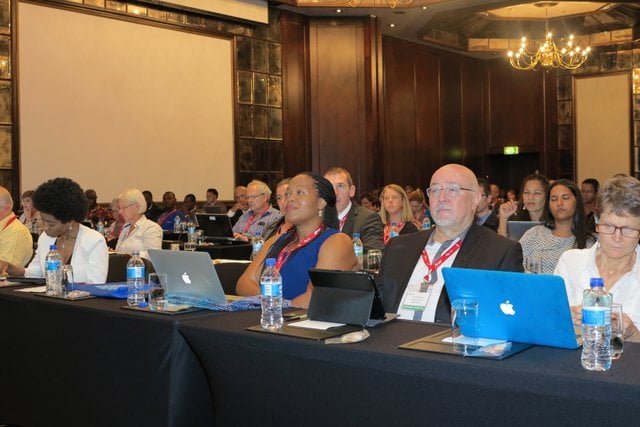
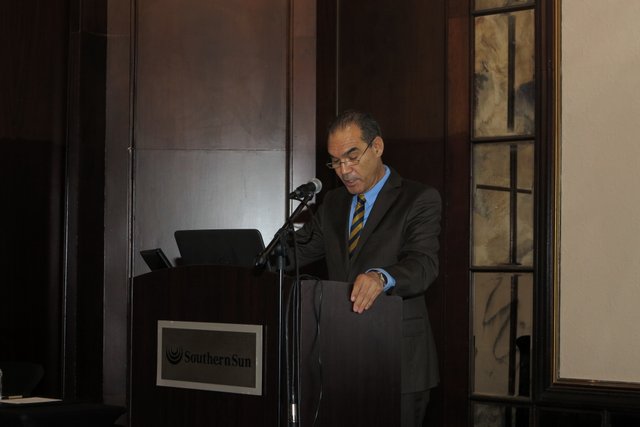
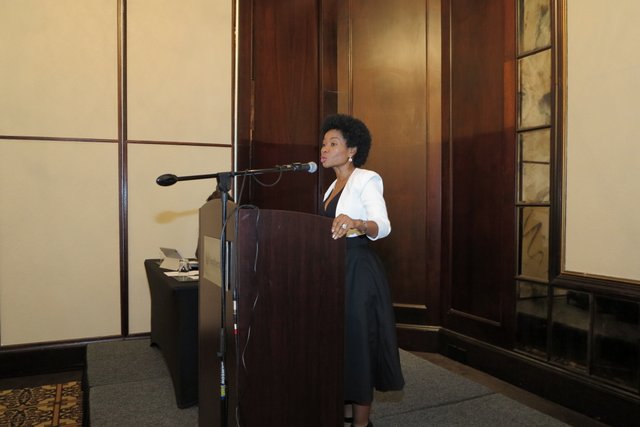
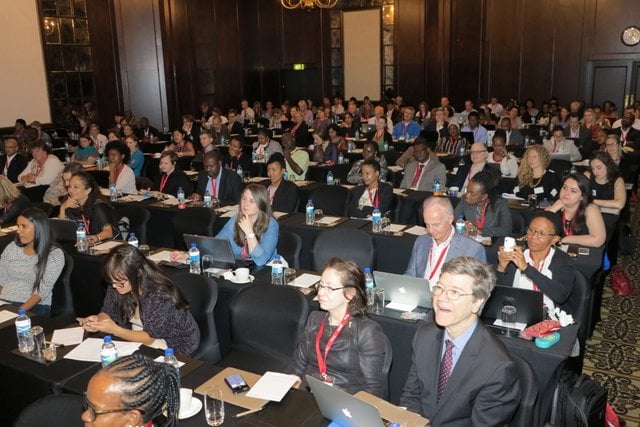
To see the full WSF2017 program and schedule, please see here: https://sciforum.net/conference/wsf-6/page/schedule
19 January 2017
Cape Town to Host the 6th World Sustainability Forum
Cape Town will host the 6th World Sustainability Forum at the Cape Sun Hotel on 27 and 28 January 2017. This prominent event, held for the first time in Africa, will include many illustrious South African and international experts, such as Her Excellency Graça Machel (Sustainable Development Advocate for the United Nations, Mozambique), Joyene Isaacs (HoD Agriculture Western Cape Government), Jeffrey Sachs (Columbia University, USA), Max Bergman (SRaM, University of Basel), Mark New (Pro Vice-Chancellor, University of Cape Town), Frans Swanepoel (FutureAfrica, University of Pretoria) and Francis Petersen (Vice-Chancellor-designate, University of the Free State). The Forum will provide a stage for national and international debates on sustainability in South Africa, the African continent, and about international perspectives on sustainability. It brings together researchers and representatives from government and the business sector to discuss a wide-ranging set of issues associated with sustainability, including food security, water and energy scarcity, mining, poverty reduction, climate change, and urbanisation.
The next few decades will be marked by profound changes in the relationships between global economics, national societies, and the environment. We have entered what some call the Anthropocene, an age in which human activity dominates the climate and the environment. These changes will have numerous consequences on societies around the globe. South Africa and Africa will play a central role, for better or worse, in creating opportunities and risks during these changing times as Africa is profoundly influencing and being influenced by global developments.
The adoption of the 17 United Nations Sustainable Development Goals and the 2030 Agenda for Sustainable Development in September 2015 was accompanied by what insiders considered an optimism they have not experienced in relation to UN resolutions before. The relative efficiency in the drafting, the lack of trenches between East and West, or between North and South, and the unanimity of support of the 193 countries speak volumes. In stark contrast, sustainability seems to go against a changing economic and political tide, where waves of nationalism and protectionism from some of the most powerful countries risk the wellbeing of the rest of the world. The 6th World Sustainability Forum will enable fruitful exchanges, which sensitise South African and international communities to the global urgency and specifics of sustainability.
The Forum will showcase the work of internationally renowned researchers and include more than 150 presentations. During the conference dinner, the World Sustainability Award, associated with a US$ 100 000 prize, will be announced, as well as the Emerging Sustainability Leader Award, associated with a US$ 10 000 prize. The prizes are sponsored by the MDPI Sustainability Foundation and Sustainability, an academic open access journal by MDPI. The World Sustainability Forum is preceded by the Postgraduate Forum on Sustainability, which will introduce more than 100 young scholars from South Africa and the African continent to sustainability research. Both events are organized and sponsored by the University of Cape Town, the University of the Western Cape, the University of Basel, MDPI, and by the National Research Foundation of South Africa.
Contacts:
Scientific Matters: Prof Manfred Max Bergman, Social Research and Methodology Group (SRaM), University of Basel, Switzerland; Email: [email protected]
Press Accreditation and General Enquiries: Mr Matthias Burkhalter, MDPI AG, Basel, Switzerland; Email: [email protected]; Tel. +41 61 683 77 34
Follow us on Twitter

#WSF2017SA
6 January 2017
MDPI Supports the OA2020 Initiative
MDPI is now a proud supporter of the OA2020 Initiative.
Open Access 2020 is an international initiative that aims to induce the swift, smooth and scholarly-oriented transformation of today’s scholarly journals from subscription to open access publishing.
MDPI is participating in the upcoming Berlin13 conference in March 2017, where we are contributing to the initiative by aiding in the design of the roadmap which will make OA the default publishing model.
For more information please see here.
5 January 2017
Three New Institutional Memberships Established
We are pleased to announce that the University of Texas at Arlington, USA, the Harbin Institute of Technology, China and TU Darmstadt, Germany, have joined MDPI's institutional membership program: Primary authors from these institutions will benefit from a 10% discount on the article processing charges.
Additional details can be found on our institutional membership page.



22 December 2016
Two New Institutional Memberships Established
We are pleased to announce that the Otto-von-Guericke-Universität Magdeburg, Germany and the University of California, Berkeley, USA, have joined MDPI's institutional membership program: Primary authors from these instititions will benefit from a 10% discount on the article processing charges.
Additional details can be found on our institutional membership page.

19 December 2016
MDPI and Wellcome Trust Compliance

The Wellcome Trust has, for a number of years, required that the results of its funded projects are published in open access format. Recently it announced criteria that publishers must fulfil for publication fees to be paid by the Trust. MDPI is pleased to have been added to the list of compliant publishers.
Only publishers who have confirmed their compliance by 16 December 2016 will be eligible to receive payment of APCs by the Wellcome Trust as of 1 April 2017. For more information on the criteria and a full list of publishers that meet them, see here.
13 December 2016
Meet MDPI at the 2016 AGU Fall Meeting
 MDPI is currently attending the 2016 AGU Fall Meeting (12–16 December, 2016)
If you are also attending the conference, please feel free to stop by our booth (Booth #1147) and meet the representative editors.
Conference details:
2016 AGU Fall Meeting
12–16 December 2016
Moscone Center
747 Howard St
San Francisco, CA 94103, USA
8 December 2016
Three New Institutional Memberships Established
We are pleased to announce that Purdue University, USA, the Universitat Politécnica de Valencia, Spain and the Queensland University of Technology, Australia, have joined MDPI's institutional membership program: Primary authors from these instititions will benefit from a 10% discount on the article processing charges.
Additional details can be found on our institutional membership page.

16 November 2016
World Sustainability Award - Final Extension
The deadline for the World Sustainability Award has been extended for one last time! You now have one more month to nominate an individual researcher, group or project! The final deadline for nominations will be December 15, 2016.
For full details, please visit here.
11 November 2016
Three New Institutional Memberships Established
We are pleased to announce that the University of Minnesota, USA, the Universidad Politécnica de Madrid, Spain and Shanghai Jiao Tong University, China, have joined MDPI's institutional membership program: Primary authors from these instititions will benefit from a 10% discount on the article processing charges.
Additional details can be found on our institutional membership page.


4 November 2016
MDPI Joins the United Nations Global Compact
MDPI has become a member of the United Nations Global Compact to support corporate sustainability and have committed ourselves to the ten principles associated with the Compact.
Sustainability has always been at the core of MDPI’s values, starting with the collection and preservation of rare chemical samples that started in 1996 and led to the first journal, Molecules. Sustainability has become one of our flagship journals and we have supported and organized several conferences and events based on Sustainability, including the upcoming 6th World Sustainability Forum. As a global enterprise, we see it as our duty to promote responsible practices that will ensure a bright future for our planet. Given this, the choice to join the Global Compact was an easy one and we will do our utmost to fully implement it.
3 November 2016
MDPI Now a Member of SPARC Europe
We are delighted to announce that MDPI has become a member of SPARC Europe, an organization that works for open scholarship in Europe, including support of open access publication.
As one of the few publishers to join SPARC Europe to date, MDPI looks forward to making a contribution that puts open scholarship on a positive and sustainable path. We fully support the goals of open scholarship that allow the largest number of people possible to benefit from work of researchers in all disciplines. We hope that our membership will enable us to work with other stakeholders to find the best possible solution.
2 November 2016
World Sustainability Award Deadline Extension
The deadline for the World Sustainability Award has been extended! You now have until November 15, 2016 to nominate an individual researcher, group or project!
For full details, please visit here.
 .
.
26 October 2016
Four New Institutional Memberships Established
We are pleased to announce that the Wuppertal Institut, Germany, the University of Girona, Spain and Central South University and Huazhong University of Science and Technology, China, have joined MDPI's institutional membership program: Primary authors from these instititions will benefit from a 10% discount on the article processing charges.
Additional details can be found on our institutional membership page.


24 October 2016
International Open Access Week 2016

Meet us during International Open Access Week 2016! We will be presenting at various locations in Europe and China.
To get involved and for full details see the complete list of events organised by MDPI here.
18 October 2016
Institutional Membership established with Universitat Pompeu Fabra, Spain and Aalto University, Finland
We are pleased to announce that the Universitat Pompeu Fabra, Spain and Aalto University, Finland, have joined MDPI's institutional membership program: Primary authors from these universities will benefit from a 10% discount on the article processing charges.
Additional details can be found on our institutional membership page.

12 October 2016
Institutional Membership Established with Iowa State University and the University of North Texas, USA
We are pleased to announce that the Iowa State University and the University of North Texas, USA, have joined MDPI's institutional membership program: Primary authors from these universities will benefit from a 10% discount on the article processing charges.
Additional details can be found on our institutional membership page.

7 October 2016
MDPI at Open Access Days in Munich, 10-11 October 2016
Meet MDPI during the Open Access Days held from 10-11 October 2016 at Ludwig Maximilian University of Munich, Germany.
The two-day event will feature experts from the open access sector, scientists from all disciplines, publishing representatives and supporters of scientific research and communication from libraries as well as research institutes and funding institutions. Join us!
For more information about the event and to see the program, visit the event webpage.

7 October 2016
Institutional Membership Established with the University of Sevilla and the University of Alicante, Spain
We are pleased to announce that the University of Sevilla and the University of Alicante, Spain have joined MDPI's institutional membership program: Primary authors from these universities will benefit from a 10% discount on the article processing charges.
Additional details can be found on our institutional membership page.
29 September 2016
Institutional Membership Established with the University of Delaware
We are pleased to announce that the University of Delaware, USA, has joined MDPI's institutional membership program: Primary authors from this university will benefit from a 10% discount on the article processing charges.
Additional details can be found on our institutional membership page.
19 September 2016
Peer Review Week 2016
As an open access publisher indebted to the work of our peer reviewers, we are proud to support Peer Review Week 2016. As part of the week's activities and to celebrate this year's theme "Recognition for Review", MDPI will host two webinars that anyone can join.
These webinars will explore the role and value of reviewers and the recognition they receive from a publishers perspective, with examples from MDPI's experience in publishing nearly 80,000 peer reviewed papers, along with evidence from reviewer surveys. It will also touch upon potential changes in how review is carried out and tips for early career researchers who want to be involved in the review process.
Details and links to join can be found below:
Wednesday September 21, 08:00 (CEST)
Friday September 23, 16:00 (CEST)
For more information about all the activites taking place, please visit the Peer Review Week website.
6 September 2016
Institutional Membership established with Kansas State University and Northwestern University, USA
We are pleased to announce that Kansas State University and Northwestern Universty, USE, have joined MDPI's institutional membership program: Primary authors from these universities will benefit from a 10% discount on the article processing charges.
Additional details can be found on our institutional membership page.


5 September 2016
Institutional Membership Established with University College Cork
We are pleased to announce that University College Cork, Ireland, has joined MDPI's institutional membership program: Primary authors from this university will benefit from a 10% discount on the article processing charges.
Additional details can be found on our institutional membership page.
22 August 2016
MDPI New Office Location

We are pleased to announce that MDPI has now moved to a new permanent address:
MDPI AG
St. Alban Anlage 66
CH-4052 Basel
Postfach, CH-4020 Basel
Switzerland
Telephone and fax numbers remain unchanged.
10 August 2016
Institutional Membership established with the University of Texas at Austin, USA, the Wroclaw University of Science and Technology, Poland and the University of Granada and the Compultense University of Madrid, Spain
We are pleased to announce that the following institutions have joined MDPI's institutional membership program in August 2016:
- University of Texas at Austin, USA
- Wroclaw University of Science and Technology, Poland
- University of Granada, Spain
- Compultense University of Madrid, Spain
Authors affiliated with these institutions will benefit from a 10% discount on the article processing charges.
Additional details can be found on our institutional membership page.

18 July 2016
Institutional Membership established with Louisiana State University and Florida State University, USA, Royal College of Surgeons, Ireland, University of Rostock, Germany, AGH University of Science and Technology, Poland and Southeast University, China
We are pleased to announce that the following institutions have joined MDPI's institutional membership program in July 2016:
- Louisiana State University, USA
- Florida State University, USA
- Royal College of Surgeons, Ireland
- University of Rostock, Germany
- AGH University of Science and Technology, Poland
- Southeast University, China
Authors affiliated with these institutions will benefit from a 10% discount on the article processing charges.
Additional details can be found on our institutional membership page.

12 July 2016
MDPI Moving to New Office Location in Basel (Switzerland) in August 2016
As of 20 August 2016, MDPI's new address in Basel will be:
MDPI AG
St. Alban-Anlage 66
CH-4052 Basel
Switzerland
Telephone and fax numbers remain unchanged.
St. Alban-Anlage 66 was built from 1947 to 1948 and initially the home of the "Bühler AG", a book printing business.

For more information about this building, see: https://www.mdpi.com/about/headquarters
21 June 2016
"Behind the Scenes of Academic Publishing—A Publisher's Perspective" - MDPI's Lecture at the University of Basel

From the 15-16 September, 2016, MDPI will run a course on Academic Publishing at the University of Basel.
In this two day workshop, MDPI will look in detail at the role performed by academic journal publishers and how they interact with academics. Ethical dimensions, what happens when problems occur and how the publisher coordinates all aspects of the submission process will also be covered.
For more detailed information about the program, trainers and registration please visit the course webpage.
14 June 2016
2015 Impact Factors Released
We are pleased to report the 2015 Journal Impact Factors in the latest Journal Citation Reports® Science Edition, published by Thomson Reuters in June 2016. Twenty out of 25 journals have seen an increase in their Impact Factor and two journals (Crystals and IJGI) received a first Impact Factor. Coatings was recently added to SCIE and will receive its first Impact Factor in next year’s JCR.
Updated Impact Factors for Journals in the Science Citation Index Expanded (SCIE)
| Journal | 2015 Impact Factor | Details | Category Rank |
| Applied Sciences | 1.726 | Link | 83/163 (Q3) in ‘Chemistry, Multidisciplinary’; 129/271 (Q2) in ‘Materials Science, Multidisciplinary’; 64/145 (Q2) in ‘Physics, Applied’ |
| Atmosphere | 1.221 | Link | 66/84 (Q4) in ‘Meteorology & Atmospheric Sciences’ |
| Catalysts | 2.964 | Link | 53/144 (Q2) in ‘Chemistry, Physical’ |
| Energies | 2.077 | Link | 43/88 (Q2) in ‘Energy & Fuels’ |
| Entropy | 1.743 | Link | 25/79 (Q2) in ‘Physics, Multidisciplinary’ |
| Forests | 1.583 | Link | 19/66 (Q2) in ‘Forestry’ |
| Genes | 3.242 | Link | 60/165 (Q2) in ‘Genetics & Heredity’ |
| International Journal of Environmental Research and Public Health (IJERPH) | 2.035 | Link | 101/225 (Q2) in ‘Environmental Sciences’ |
| International Journal of Molecular Sciences (IJMS) | 3.257 | Link | 110/289 (Q2) in ‘Biochemistry & Molecular Biology’; 51/163 (Q2) in ‘Chemistry, Multidisciplinary’ |
| Marine Drugs | 3.345 | Link | 13/59 (Q1) in ‘Chemistry, Medicinal’ |
| Materials | 2.728 | Link | 63/271 (Q1) in ‘Materials Science, Multidisciplinary’ |
| Metals | 1.574 | Link | 18/73 (Q1) in ‘Metallurgy & Metallurgical Engineering’; 145/271 (Q3) in ‘Materials Science, Multidisciplinary’ |
| Micromachines | 1.295 | Link | 30/56 (Q3) in ‘Instruments & Instrumentation’ 63/83 (Q4) in ‘Nanoscience & Nanotechnology’ |
| Minerals | 1.468 | Link | 9/21 (Q2) in ‘Mining & Mineral Processing; 14/29 (Q2) in ‘Mineralogy’ |
| Molecules | 2.465 | Link | 24/59 (Q2) in ‘Chemistry, Organic’ |
| Nanomaterials | 2.690 | Link | 64/271 (Q1) in ‘Materials Science, Multidisciplinary’; 36/83 (Q2) in ‘Nanoscience & Nanotechnology’ |
| Nutrients | 3.759 | Link | 16/78 (Q1) in ‘Nutrition & Dietetics’ |
| Polymers | 2.944 | Link | 20/85 (Q1) in ‘Polymer Science’ |
| Remote Sensing | 3.036 | Link | 5/28 (Q1) in ‘Remote Sensing’ |
| Sensors | 2.033 | Link | 36/75 (Q2) in ‘Chemistry, Analytical’; 16/27 (Q3) in ‘Electrochemistry’; 12/56 (Q1) in ‘Instruments & Instrumentation’ |
| Sustainability | 1.343 | Link | 146/225 (Q3) in ‘Environmental Sciences’; 22/29 (Q4) in ‘Green & Sustainable Science & Technology’ |
| Symmetry | 0.841 | Link | 31/63 (Q2) in ‘Multidisciplinary Sciences’ |
| Toxins | 3.571 | Link | 16/89 (Q1) in ‘Toxicology’ |
| Viruses | 3.042 | Link | 14/33 (Q2) in ‘Virology’ |
| Water | 1.687 | Link | 33/85 (Q2) in ‘Water Resources’ |
Journals with First Impact Factors
| Journal | 2015 Impact Factor | Details | Category Rank |
| Crystals | 2.075 | Link | 13/26 (Q2) in ‘Crystallography’ |
| ISPRS International Journal of Geo-Information | 0.651 | Link | 45/49 (Q4) in ‘Geography, Physical’; 26/28 (Q4) in ‘Remote Sensing’. |
14 June 2016
2015 Impact Factor Released for Metals – 1.574
We are pleased to inform you that the new Impact Factor of Metals has been released. According to the Journal Citation Reports®, published by Thomson Reuters in June 2016, the new Impact Factor is 1.574, and the 5-Year Impact Factor is 1.495. Compared to last year, the Impact Factor has increased by 78 percent (see figures below).
Metals now ranks 145/271 (Q3) in the category ‘Materials, Multidisciplinary’ and 18/73 (Q1) in the category ‘Metallurgy & Metallurgical Engineering’. It is the highest ranking metallurgical Open Access journal in SCIE.
Evolution of Impact Factor, Citations and Publications for Metals:
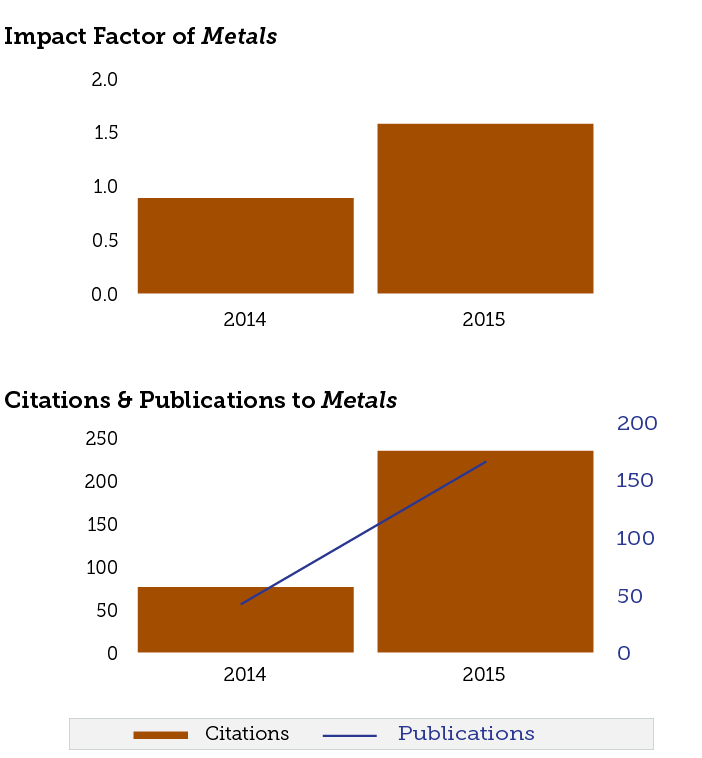
26 May 2016
Institutional Membership established with University of Bremen, Germany, Koç University, Turkey, IIASA, Austria and Jilin University and Kunming Institute of Botany, CAS, China
We are pleased to announce that the following institutions have joined MDPI's institutional membership program in May 2016:
- Unversity of Bremen, Germany
- Koç University, Turkey
- International Institute for Applied Systems Analysis (IIASA), Austria
- Jilin University, China
- Kunming Institute of Botany, Chinese Academy of Sciences, China
Authors affiliated with these institutions will benefit from a 10% discount on the article processing charges.
Additional details can be found on our institutional membership page.

23 May 2016
Institutional Membership Established with the KTH Royal Institute of Technology, Sweden and the South China University of Technology, Beijing University of Technology and Southern Medical University, China
We are pleased to announce that the following institutions have joined MDPI's institutional membership program in April and May 2016:
- KTH Royal Institute of Technology, Sweden
- South China University of Technology, China
- Beijing University of Technology, China
- Southern Medical University, China
Authors affiliated with these institutions will benefit from a 10% discount on the article processing charges.
Additional details can be found on our institutional membership page.
29 April 2016
Metals 2016 Travel Award
We are pleased to announce that another MDPI journal is offering an award to encourage junior researchers.
Metals is currently accepting applications and nominations for one Travel Award to sponsor a PhD student/Postdoc to attend a conference between July 2016 and June 2017. Find more information about the award and how to apply here.
26 April 2016
New Section on www.mdpi.com - Latest Books
You may have noticed a new section that is now visible on our home page. This section is called "Latest Books" and showcases recent publications from MDPI Books, our book publishing service.
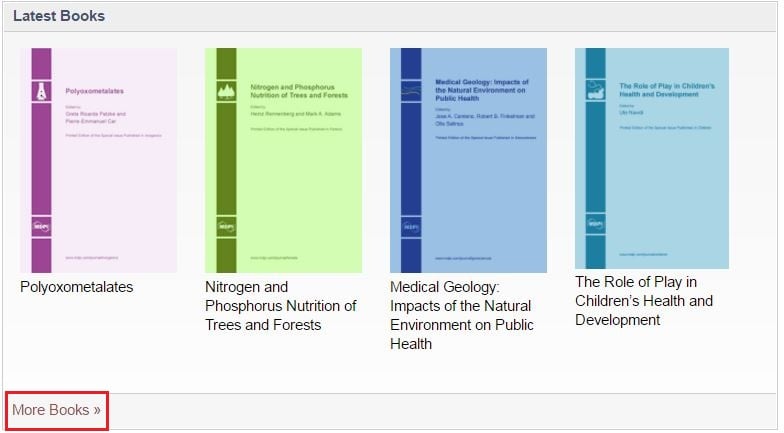
By clicking on the hyperlink "More Books" you will be taken to the MDPI Books Home Page. There you will find more information about the service, as well as the "Recent Publications" list.
Clicking on any of the book images in this list will take you to detailed information about that book (shown below). Here you can also download a PDF version of the book, or order a hardcover printed copy.
For further information about the MDPI Books service, please visit the webpage or contact [email protected].
31 March 2016
Axioms, Behavioral Sciences, Photonics, Separations and Toxics added to the Emerging Sources Citation Index in Web of Science
We are pleased to announce that the journals Axioms, Behavioral Sciences, Photonics, Separations and Toxics were recently accepted for inclusion in the newly launched Emerging Sources Citation Index (ESCI) in Web of Science.
ESCI serves to highlight promising journals which are still under consideration for the Science Citation Index Expanded (SCIE) or the Social Sciences Citation Index (SSCI).
The Emerging Sources Citation Index (ESCI), Science Citation Index Expanded (SCIE), Social Sciences Citation Index
(SSCI), and Web of Science™ (WoS) are Thomson Reuters products.






30 March 2016
Institutional Membership established with the University of Winchester, UK, Silesian University of Technology, Poland and Beijing Jiaotong University and Zhejiang University, China
We are pleased to announce that the University of Winchester, UK, the Silesian University of Technology, Poland and Beijing Jiaotong University and Zhejiang University, China, have joined our Institutional Membership program. Primary authors from these universities will benefit from a 10% discount on article processing charges.
Additional details can be found on our institutional membership page.

24 March 2016
New Editorial Office in Barcelona, Spain
We are excited to announce the opening of our new editorial office in Barcelona, Spain. The launch team is led by a Senior Editor and comprises further staff holding doctoral degrees with several years of research experience. The new editorial team will help us to get closer to European research communities and progress Sciforum, the platform to support the scientific community via conference hosting and other functions. They will also help spread the word about Open Access and meet academics at scientific events.
We are in the process of hiring more doctoral and masters graduates to join the editorial team and welcome applications via [email protected]. For contact details about the office, see our contact page.
22 February 2016
Membership Established with the Max Planck Society
We are pleased to announce that the Max Planck Digital Library (MPDL) has signed an agreement with MDPI to support authors associated with the Max Planck Society (Max-Planck-Gesellschaft). As of 22 February 2016, corresponding authors will receive full funding from the MPDL for articles published in MDPI journals, with a 10% discount applied to the Article Processing Charges. Additional details can be found at our institutional membership page.
Founded in 1948, The Max Planck Society is one of Germany’s leading research organizations, and is currently made up of 83 institutes conducting basic research in natural sciences, life sciences, social sciences and humanities. 18 Nobel laureates have emerged from its ranks of scientists and the society has more than 15,000 publications in scientific journals each year.
5 February 2016
Institutional Membership Extension: Wageningen University, CSIC, University of Zürich, ETH Zürich, University of Tübingen and Osnabrück University
We are pleased to announce that Wageningen University, the Netherlands, the Spanish National Research Council (CSIC), Spain, the University of Zürich and ETH Zürich, Switzerland, and the University of Tübingen and Osnabrück University, Germany, have not only renewed their institutional memberships with MDPI after two years of successful cooperation, but have also increased the reduction of the article processing charges (APCs) for affiliated authors to 25%.
Additional details can be found on our institutional membership page.

5 February 2016
Institutional Membership established with Brock University, Canada and the University of Pisa, Italy
We are pleased to announce that Brock University, Cananda, and the University of Pisa, Italy, have joined MDPI's institutional membership program: Primary authors from these universities will benefit from a 10% discount on the article processing charges as of 01 February 2016.
Additional details can be found on our institutional membership page.

25 January 2016
MDPI Sponsors diss:kurs with the University of Basel
MDPI is pleased to announce its newly established sponsorship of diss:kurs, an event coordinated by the University of Basel to support their doctorate program. For more information about the event and how to register, please visit the diss:kurs webpage.
7 January 2016
New Institutional Memberships Established with Tsinghua University, the Chinese Society of Micro-Nano Technology, Ruhr University Bochum and the University of Ulm
We are pleased to announce that the following institutions have joined MDPI's institutional membership program as of 1 January 2016:
- Tsinghua University, China
- Chinese Society of Micro-Nano Technology (CSMNT)
- Ruhr University Bochum, Germany
- University of Ulm, Germany
Authors affiliated with these institutions will benefit from a 10% discount on the article processing charges.
Additional details can be found on our institutional membership page.

5 January 2016
Safety, Fermentation, C-Journal of Carbon Research, Magnetochemistry, Batteries and Horticulturae Released Their First Issue in December 2015
We are pleased to announce that MDPI's open access journals Safety, Journal of Imaging, Fermentation, C-Journal of Carbon Research, Magnetochemistry, Batteries and Horticulturae released their first issue at the end of December 2015.





17 December 2015
Institutional Membership Extension: University of Bern, Switzerland
We are pleased to announce that the University of Bern, Switzerland has not only renewed their institutional membership with MDPI after two years of successful cooperation, but also increased the reduction of the article processing charges (APCs) for affiliated authors to 25%.
17 December 2015
Institutional Membership with the University of Ulm and Helmholtz Zentrum Munich
We are pleased to announce that University of Ulm, Germany and Helmholtz Zentrum Munich, Germany has joined MDPI's institutional membership program:
Primary authors from the University of Ulm and Helmholtz Zentrum Munich will benefit from a 10% discount on the article processing charges as of 1 January 2016. Additional details can be found on our institutional membership page.


9 December 2015
Membership Established with the Virginia Polytechnic Institute and State University (Virginia Tech)
We are pleased to announce that Virginia Tech has joined MDPI's institutional membership program. Authors from Virginia Tech will benefit from a 10% discount on the article processing charges as of 1 December 2015. Additional details can be found on our institutional membership page.
1 December 2015
Membership Established with the Technical University of Denmark and the University of North Florida
We are pleased to announce that the following universities have joined MDPI's institutional membership program:
- Technical University of Denmark (as of 1 November 2015)
- University of North Florida, USA (as of 15 November 2015)
Primary authors from the Technical University of Denmark and the University of North Florida will benefit from a 10% discount on the article processing charges.
Additional details can be found on our institutional membership page.
2 October 2015
Membership Established with the University of Freiburg and the University of Regensburg
We are pleased to announce that the following universities have joined MDPI's institutional membership program:
University of Freiburg, Germany
University of Regensburg, Germany
Primary authors from the University of Freiburg and the University of Regensburg will benefit from a 10% discount on the article processing charges as of 1 October 2015 and 1 November 2015.
Additional details can be found on our institutional membership page.
19 June 2015
Metals (ISSN 2075-4701) Receives First Impact Factor – 0.883
We are pleased to report the first Impact Factor for Metals for 2014. According to the 2015 Journal Citation Reports® Science Edition, published in June 2015 by Thomson Reuters, the first Impact Factor for Metals is 0.883.
Metals enters the ranking in the categories ‘Metallurgy & Metallurgical Engineering’ (SCIE) placed 31 out of 74 (Q2) and ‘Materials Science, Multidisciplinary’ (SCIE) placed 192 out of 259 (Q3).