Journal Description
Marine Drugs
Marine Drugs
is an international, peer-reviewed, open access journal on the research, development, and production of biologically and therapeutically active compounds from the sea, published monthly online by MDPI. The Australia New Zealand Marine Biotechnology Society (ANZMBS) is affiliated with Marine Drugs and its members receive discounts on the article processing charges.
- Open Access— free for readers, with article processing charges (APC) paid by authors or their institutions.
- High Visibility: indexed within Scopus, SCIE (Web of Science), PubMed, MEDLINE, PMC, Embase, PubAg, MarinLit, AGRIS, and other databases.
- Journal Rank: JCR - Q1 (Pharmacology and Pharmacy) / CiteScore - Q1 (Pharmacology, Toxicology and Pharmaceutics (miscellaneous))
- Rapid Publication: manuscripts are peer-reviewed and a first decision is provided to authors approximately 13.6 days after submission; acceptance to publication is undertaken in 1.9 days (median values for papers published in this journal in the second half of 2025).
- Recognition of Reviewers: reviewers who provide timely, thorough peer-review reports receive vouchers entitling them to a discount on the APC of their next publication in any MDPI journal, in appreciation of the work done.
- Journal Clusters-Pharmaceutical Science: Scientia Pharmaceutica, Marine Drugs, Pharmaceuticals, Pharmaceutics, Pharmacy, Future Pharmacology, Pharmacoepidemiology, Drugs and Drug Candidates and Journal of Pharmaceutical and BioTech Industry.
Impact Factor:
5.4 (2024);
5-Year Impact Factor:
5.6 (2024)
Latest Articles
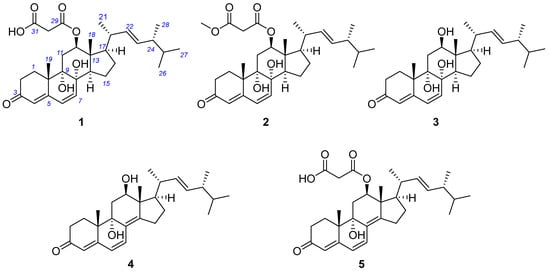
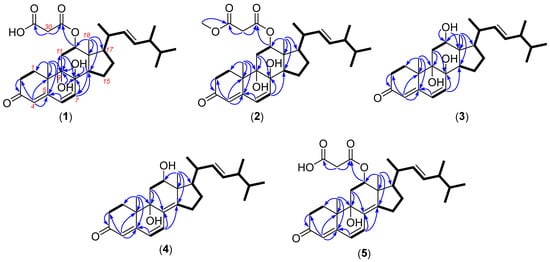
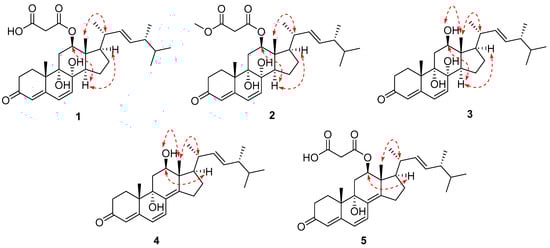
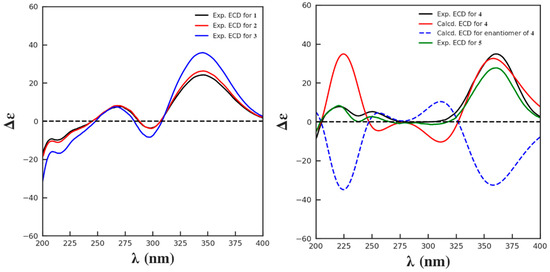
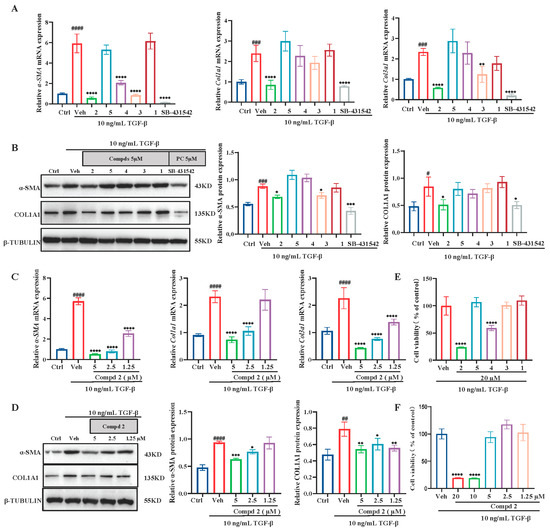
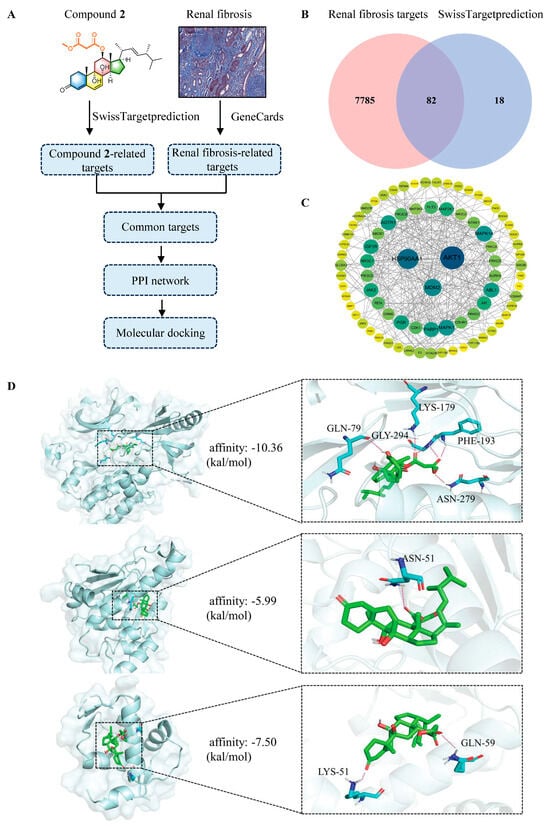
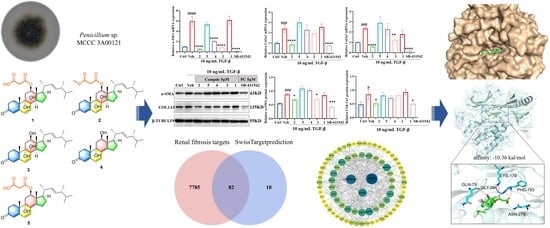
Chrysogenones A–E: Malonyl-Modified Ergosterone Derivatives from Deep-Sea-Derived Penicillium sp. MCCC 3A00121 as Inhibitors of Renal Fibroblast Activation
Mar. Drugs 2026, 24(3), 121; https://doi.org/10.3390/md24030121 - 23 Mar 2026
Abstract
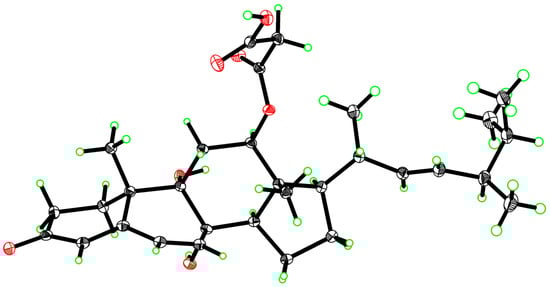
Five previously undescribed steroids, chrysogenones A–E (1–5), were isolated from the deep-sea-derived Penicillium sp. MCCC 3A00121. Their chemical structures were unambiguously established through comprehensive spectroscopic analyses, density functional theory (DFT)-based electronic circular dichroism (ECD) calculations, and X-ray crystallography. Chrysogenones
[...] Read more.
Five previously undescribed steroids, chrysogenones A–E (1–5), were isolated from the deep-sea-derived Penicillium sp. MCCC 3A00121. Their chemical structures were unambiguously established through comprehensive spectroscopic analyses, density functional theory (DFT)-based electronic circular dichroism (ECD) calculations, and X-ray crystallography. Chrysogenones represent a class of oxidatively modified ergosterone-type derivatives, with 1, 2, and 5 featuring an uncommon malonyl substitution at C-12 of the ergosterone skeleton. Biologically, 1–5 exhibited varying degrees of inhibitory activity against renal fibrosis, as evidenced by the downregulation of the key fibrotic markers α-smooth muscle actin (α-SMA) and collagen I (COL1A1). Among them, chrysogenone B (2) emerged as the most promising candidate, demonstrating superior potency and pronounced inhibition of activated NRK-49F cell proliferation. Integrated network pharmacology analysis and molecular docking studies further suggested that the anti-renal fibrotic effects of compound 2 may be mediated through its interaction with putative molecular targets, including AKT1, HSP90AA1, and MDM2.
Full article
(This article belongs to the Special Issue From Marine Natural Products to Marine Bioproducts)
►
Show Figures
Open AccessArticle
Impact of Pretreatment Degree and Enzyme Type on the Production of Radical Scavenging and Antiproliferative Peptides from Starfish
by
Naveen Kumar Vate, Elahe Sharifi, Alessandro Coppola, Eleonora Montuori, Ingrid Undeland, Donatella de Pascale, Daniela Coppola and Mehdi Abdollahi
Mar. Drugs 2026, 24(3), 120; https://doi.org/10.3390/md24030120 - 23 Mar 2026
Abstract
Enzymatic hydrolysis is one of the effective methods used to obtain the bioactive peptides from marine resources. This study aimed to evaluate effect of the enzyme type (Food Pro PNL (FP), Corolase8000 (C8), and Corolase7089 (C7)) and biomass pretreatment level (whole starfish (SF),
[...] Read more.
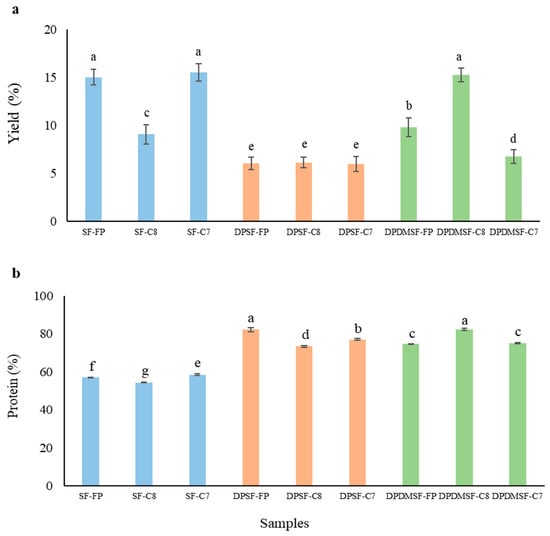
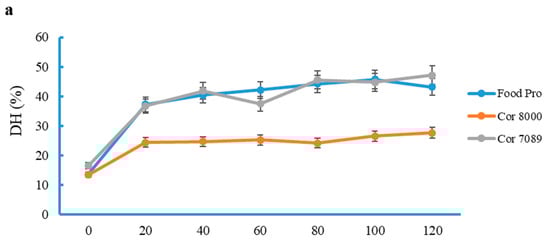
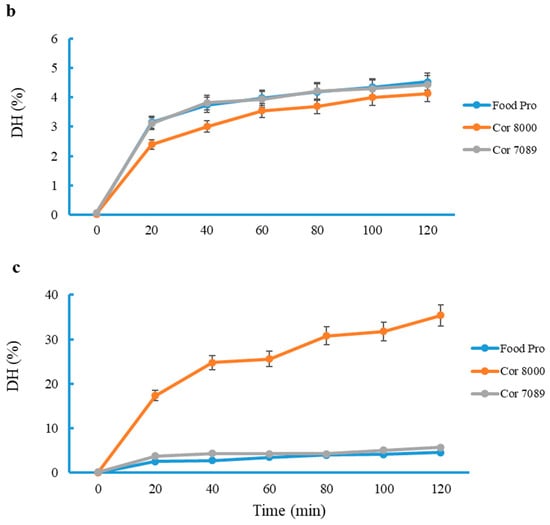
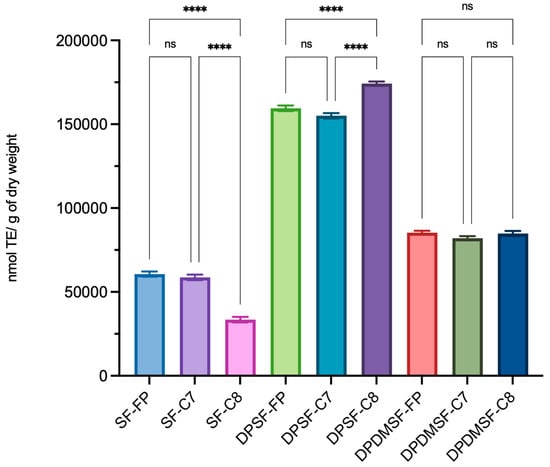
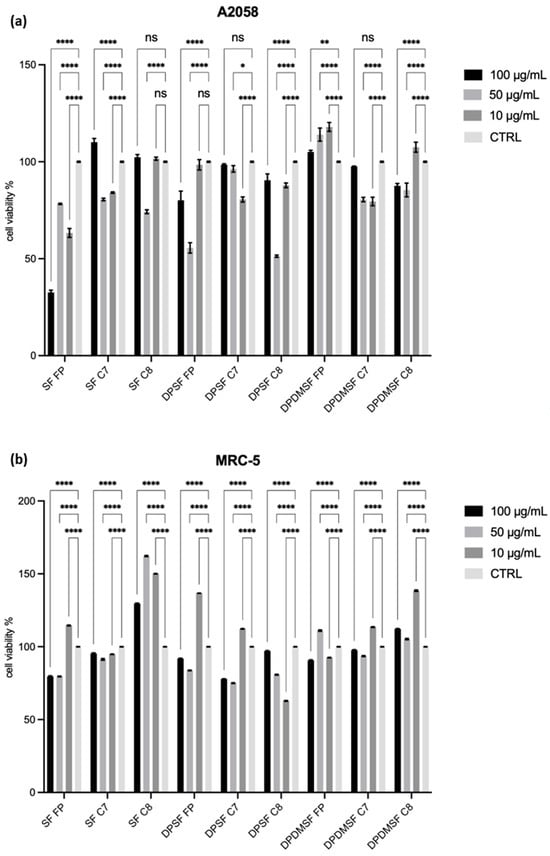
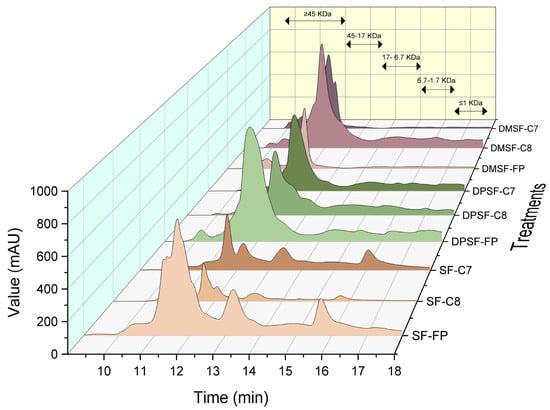
Enzymatic hydrolysis is one of the effective methods used to obtain the bioactive peptides from marine resources. This study aimed to evaluate effect of the enzyme type (Food Pro PNL (FP), Corolase8000 (C8), and Corolase7089 (C7)) and biomass pretreatment level (whole starfish (SF), deproteinized (DPSF) as well as deproteinized and demineralized starfish (DPDMSF)) on the hydrolysate yield, degree of hydrolysis (DH), generated peptides’ molecular weight (MW), and in vitro radical scavenging and antiproliferative effects. Regardless of the enzyme used, deproteinization reduced the hydrolysate yield (<8% dw/ww) and DH (<5%), but also adding demineralization, in combination with C8, resulted in an equal yield (15%) and DH (>40%) to SF. However, the protein content of hydrolysates from DPSF and DPDMSF was higher than that prepared from SF. C8 was not effective in hydrolyzing SF but was the only effective enzyme in hydrolyzing DPDMSF. The peptides’ MW distribution strongly depended on the pretreatment and enzyme type, mostly ranging from 17 to 70 kDa. Glycine content was higher in hydrolysates from DPSF and DMDPSF, indicating their collagenous nature. Hydrolysates from DPSF, rich in collagenous peptides, showed medium MW but the highest radical scavenging activity. Only SF-FP hydrolysate, rich in non-collagenous peptides, showed antiproliferative activity against melanoma cancer cells. Overall, the findings demonstrate that upstream biomass pretreatment and enzyme selection directly govern the yield and bioactivity of starfish protein hydrolysates, providing a rational basis for designing starfish protein hydrolysates with targeted functional properties.
Full article
(This article belongs to the Special Issue Marine Bioactive Peptides: Structure, Function, and Therapeutic Potential, 5th Edition)
►▼
Show Figures

Figure 1
Open AccessArticle
A λ-Carrageenan-Enriched Sulfated Galactan from Gigartina radula Attenuates Atopic Dermatitis via Coordinated Anti-Inflammatory and Immunomodulatory Mechanisms
by
Kexin Du, Shuo Liang, Zijing Wu, Yujing Wang, Pengcheng Gao, Wei Han, Youjing Lv, Guangli Yu and Guoyun Li
Mar. Drugs 2026, 24(3), 119; https://doi.org/10.3390/md24030119 - 22 Mar 2026
Abstract
Atopic dermatitis (AD) is a chronic, relapsing inflammatory skin disease driven by immune dysregulation and epidermal barrier dysfunction. Current therapeutic options are often limited by safety concerns or suboptimal tolerability. In this study, we isolated and structurally characterized GRB-H—a λ-carrageenan-enriched sulfated hybrid galactan
[...] Read more.
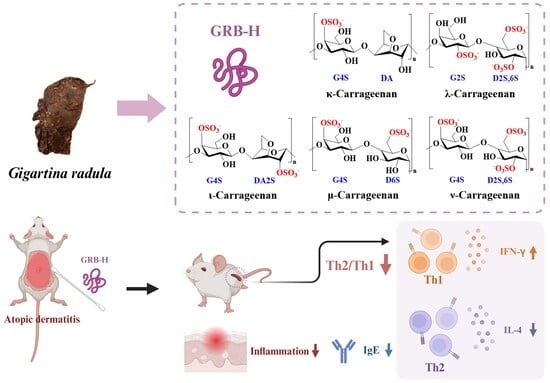
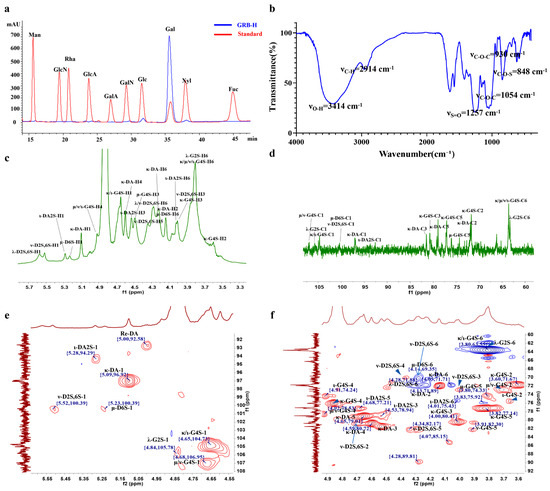
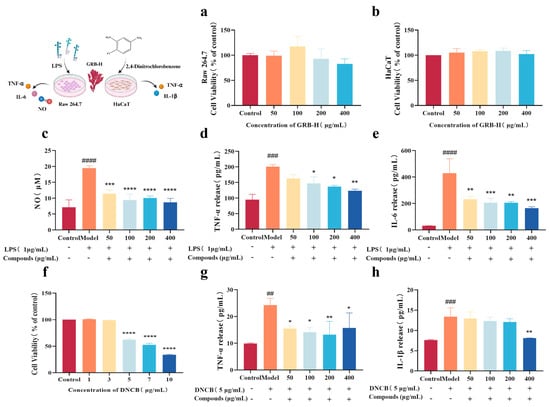
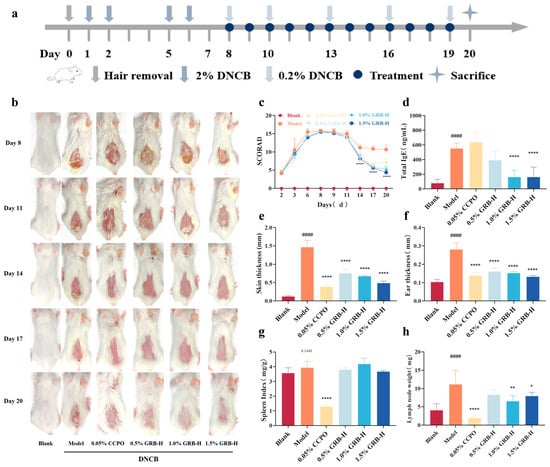
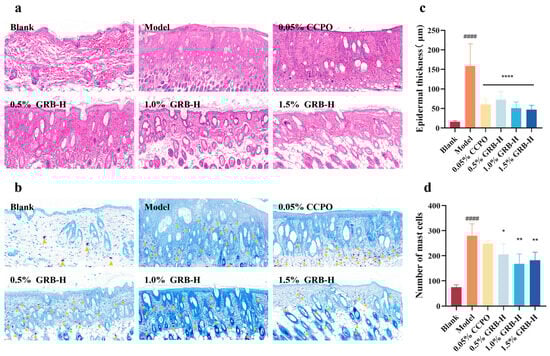
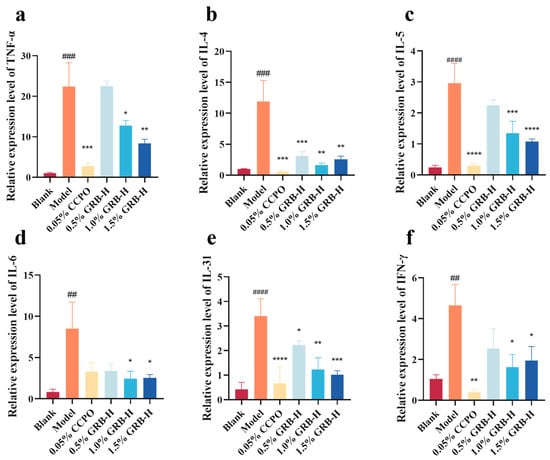
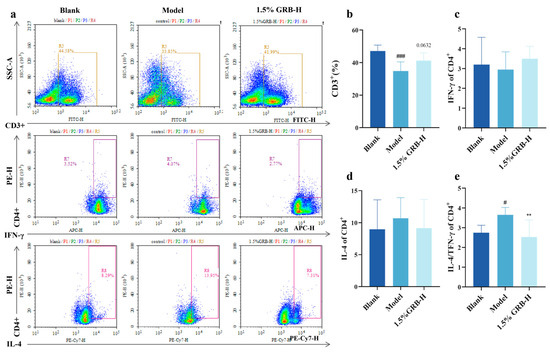
Atopic dermatitis (AD) is a chronic, relapsing inflammatory skin disease driven by immune dysregulation and epidermal barrier dysfunction. Current therapeutic options are often limited by safety concerns or suboptimal tolerability. In this study, we isolated and structurally characterized GRB-H—a λ-carrageenan-enriched sulfated hybrid galactan from the marine red alga Gigartina radula—as a complex polysaccharide containing κ-, ι-, μ-, ν-, and λ-carrageenan structural units, and systematically evaluated its anti-AD potential using both in vitro and in vivo models. In vitro, GRB-H significantly suppressed lipopolysaccharide (LPS)-induced nitric oxide (NO), tumor necrosis factor-α (TNF-α), and interleukin-6 (IL-6) in RAW 264.7 macrophages, and reduced 2,4-dinitrochlorobenzene (DNCB)-evoked TNF-α and IL-1β expression in HaCaT keratinocytes. In a DNCB-induced murine model of AD, topical application of GRB-H markedly ameliorated skin inflammation, epidermal hyperplasia, and dermal immune cell infiltration. GRB-H treatment lowered total serum immunoglobulin E (IgE) levels, restored the imbalanced Th1/Th2 cell ratio in the spleen, and downregulated the mRNA expression of key inflammatory cytokines—including TNF-α, IL-4, IL-5, IL-31, and interferon-γ (IFN-γ)—in lesional skin. Collectively, these findings demonstrate that GRB-H alleviates AD symptoms through coordinated local anti-inflammatory and systemic immunomodulatory actions, highlighting its promise as a marine-derived candidate for the topical management of AD.
Full article
(This article belongs to the Section Marine Pharmacology)
►▼
Show Figures

Graphical abstract
Open AccessArticle
Biophysical Characterization of a Carotenoprotein from Marine Sponge Tedania ignis Reveals Pigment-Dependent Stability and Antibiotic Interactions
by
Philippe Lima Duarte, Paulo Anderson Paiva Martins, Jéssica de Assis Duarte, Manoel Ferreira da Costa Filho, Ellen Araújo Malveira, Celso Shiniti Nagano, Alexandre Holanda Sampaio, Edson Holanda Teixeira, Rômulo Farias Carneiro and Mayron Alves de Vasconcelos
Mar. Drugs 2026, 24(3), 118; https://doi.org/10.3390/md24030118 - 21 Mar 2026
Abstract
Carotenoproteins from marine sponges represent an underexplored class of pigment–protein complexes with distinctive structural and functional properties. Here, we report the isolation and biophysical characterization of a blue carotenoprotein from the sponge Tedania ignis, termed Ti-CP. The protein was purified and shown
[...] Read more.
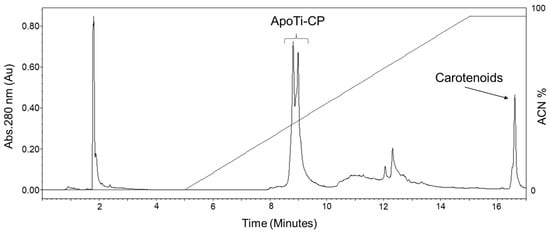
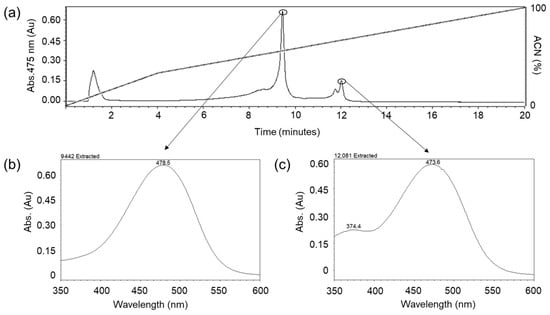
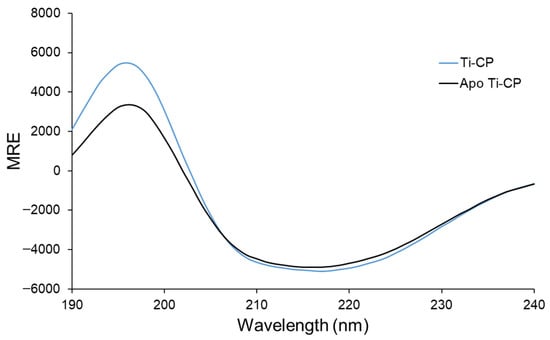
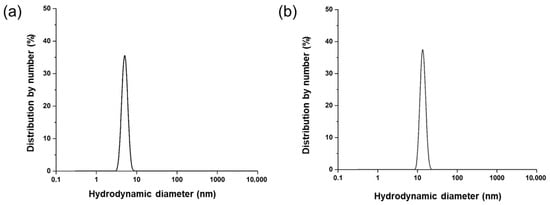
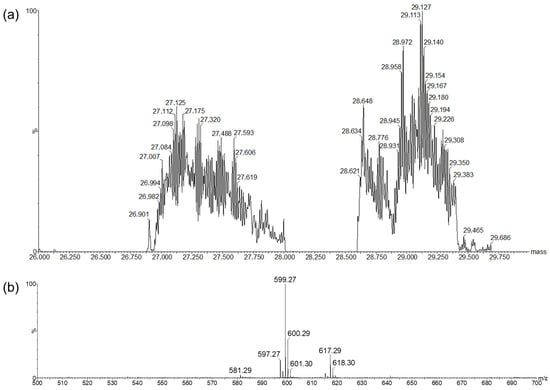
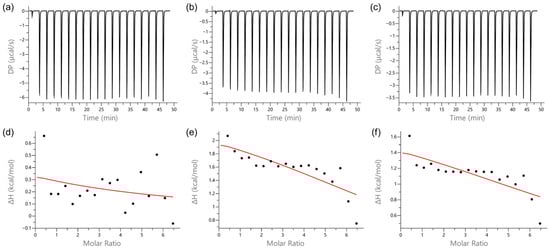
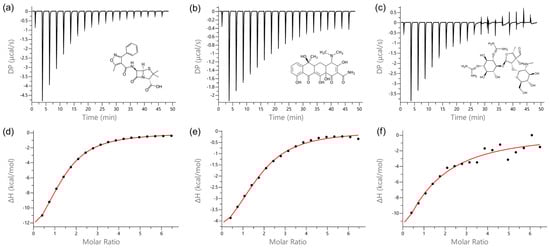
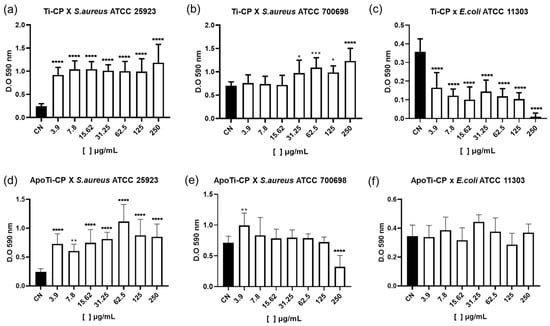
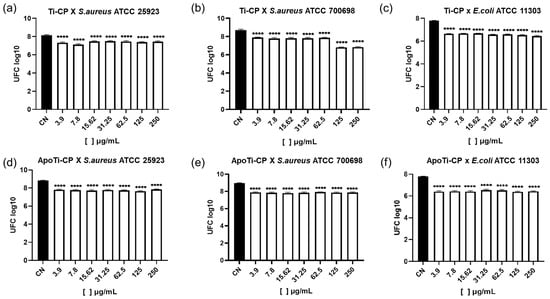
Carotenoproteins from marine sponges represent an underexplored class of pigment–protein complexes with distinctive structural and functional properties. Here, we report the isolation and biophysical characterization of a blue carotenoprotein from the sponge Tedania ignis, termed Ti-CP. The protein was purified and shown to consist of two closely related isoforms with molecular masses of approximately 27–29 kDa. Reverse-phase chromatography enabled separation of the apoprotein (ApoTi-CP) and its associated carotenoids, which were identified as oxygenated carotenoids consistent with astaxanthin and mytiloxanthin. Circular dichroism analysis revealed that both Ti-CP and ApoTi-CP are dominated by β-sheet secondary structure and display highly similar conformational profiles. In contrast, dynamic light scattering demonstrated that carotenoid binding is critical for protein stability, as the native form exhibited a compact and monodisperse organization, whereas ApoTi-CP showed pronounced aggregation. Isothermal titration calorimetry revealed that Ti-CP, but not ApoTi-CP, interacts with tetracycline, oxacillin, and streptomycin, indicating that pigment-mediated stabilization modulates ligand binding. Both Ti-CP and ApoTi-CP reduced bacterial viability and biofilm formation in a strain-dependent manner and enhanced antibiotic activity, including synergistic effects against resistant bacteria. Together, these results provide a comprehensive description of a previously uncharacterized sponge carotenoprotein and highlight the dual role of carotenoids in structural stabilization and antimicrobial modulation, reinforcing the biotechnological relevance of marine pigment–protein complexes.
Full article
(This article belongs to the Section Marine Chemoecology for Drug Discovery)
►▼
Show Figures

Figure 1
Open AccessArticle
Chlokamycins B–D: Chlorohydrin-Containing Polycyclic Tetramate Macrolactams with Cytotoxic Activity from the Marine Sponge-Derived Streptomyces xiamenensis 1310KO-148
by
Min Ah Lee, Jong Soon Kang, Joo-Hee Kwon, Jeong-Wook Yang, Hwa-Sun Lee, Chang-Su Heo and Hee Jae Shin
Mar. Drugs 2026, 24(3), 117; https://doi.org/10.3390/md24030117 - 21 Mar 2026
Abstract
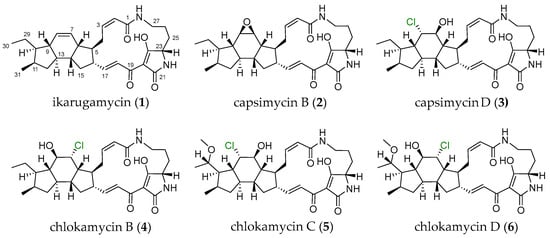
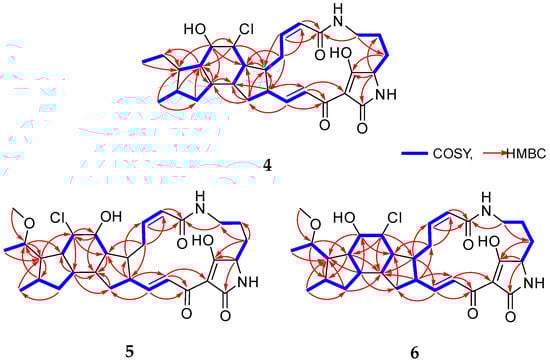
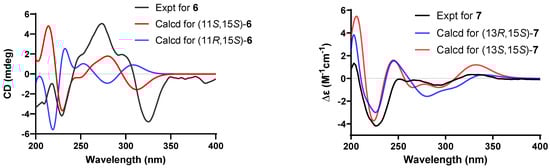
Chemical investigation of the marine sponge-derived Streptomyces xiamenensis 1310KO-148 afforded six polycyclic tetramate macrolactams (PTMs), including three known compounds (1–3) and three previously undescribed chlorohydrin-containing analogues, chlokamycins B–D (4–6). Their planar structures were elucidated by
[...] Read more.
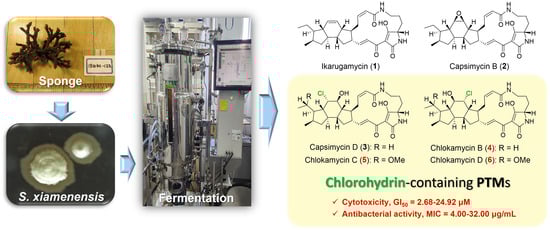
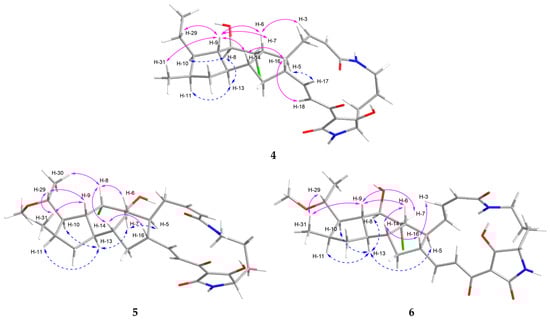
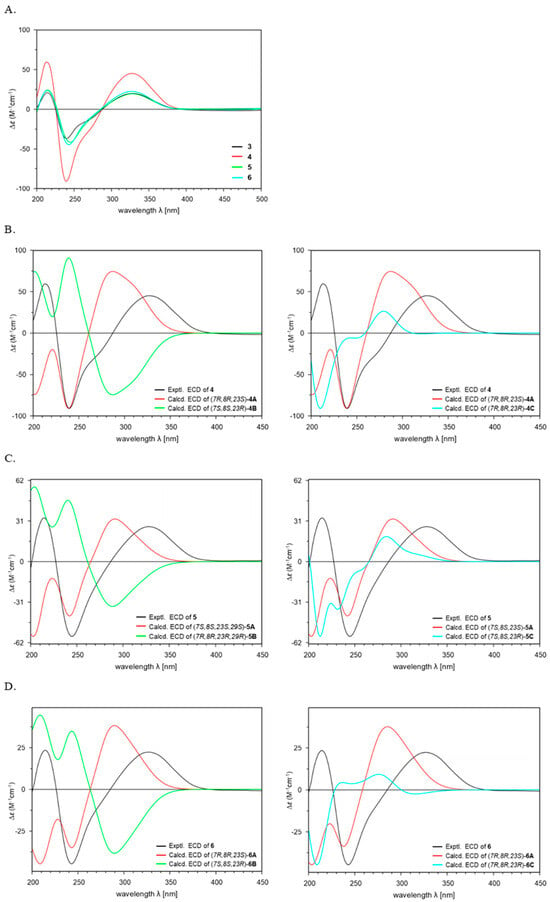
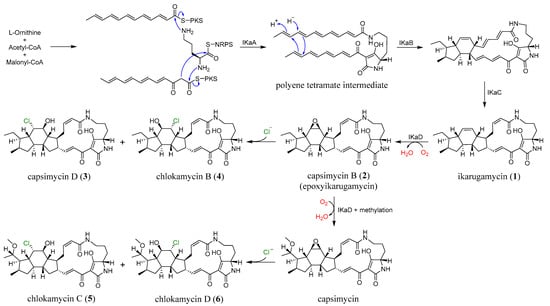
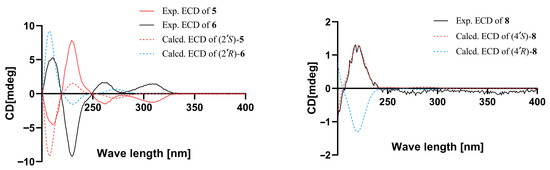
Chemical investigation of the marine sponge-derived Streptomyces xiamenensis 1310KO-148 afforded six polycyclic tetramate macrolactams (PTMs), including three known compounds (1–3) and three previously undescribed chlorohydrin-containing analogues, chlokamycins B–D (4–6). Their planar structures were elucidated by extensive analysis of 1D and 2D NMR spectra and HR-ESIMS data, while the relative configurations were assigned using NOESY correlations. The absolute configurations were further confirmed by electronic circular dichroism (ECD) calculations. Compounds 3–6 exhibited significant cytotoxic activity against 14 human cancer cell lines (GI50 = 2.68–24.92 μM) and antibacterial activity against Staphylococcus aureus (MIC = 16.00–32.00 μg/mL) and Micrococcus luteus (MIC = 4.00–32.00 μg/mL) among six tested bacterial strains.
Full article
(This article belongs to the Special Issue Bioactive Secondary Metabolites from Marine Fungi and Actinomycetes)
►▼
Show Figures

Graphical abstract
Open AccessReview
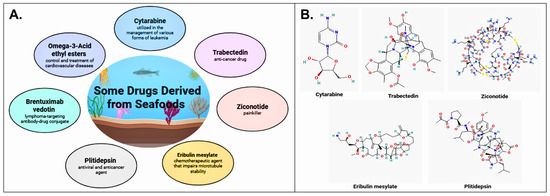
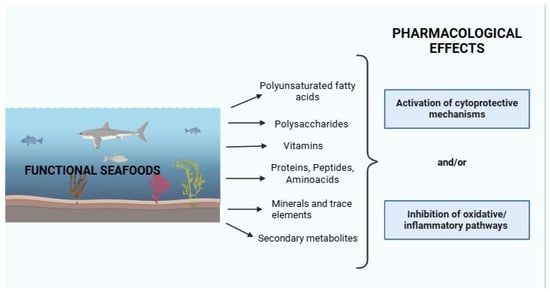
Marine Bioactive Compounds from Functional Seafoods: Pharmacological Mechanisms and Health Applications
by
Sena Davran Bulut, Naciye Yaktubay Döndaş, Senanur Koçhan, Beyza Nur Arslan, Mehmet Ali Tamer, Mirsade Osmani, Safa Baraketi, Khaoula Khwaldia, Ziye Zhang, Hacı Ali Döndaş, Tuba Esatbeyoglu, Panagiota Katikou and Fatih Ozogul
Mar. Drugs 2026, 24(3), 116; https://doi.org/10.3390/md24030116 - 20 Mar 2026
Abstract
Functional seafoods derived from marine organisms, including fish, shellfish and algae, are gaining increasing attention due to their high content of bioactive compounds, such as omega-3 fatty acids, peptides, polysaccharides and antioxidants, which provide health benefits beyond basic nutrition. These marine-derived compounds exhibit
[...] Read more.
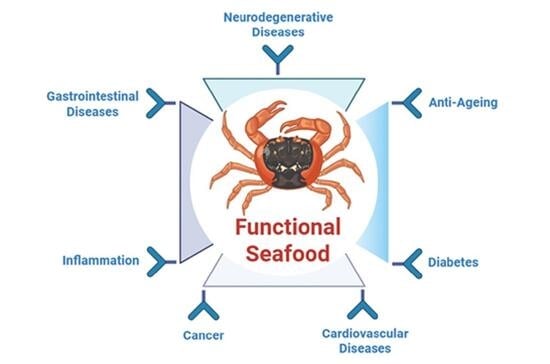
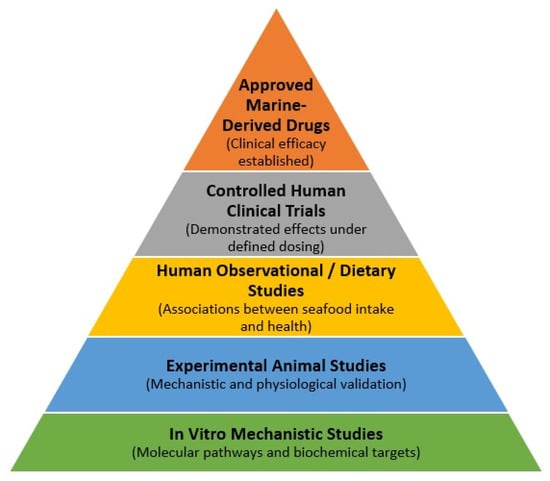
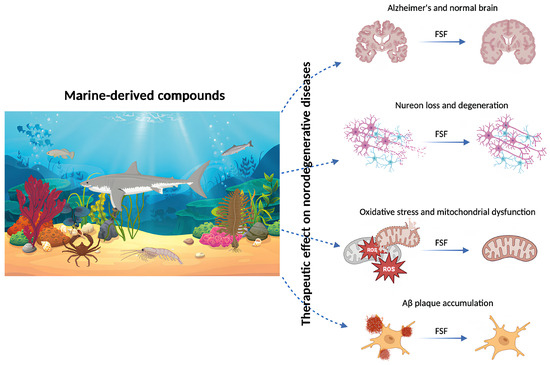
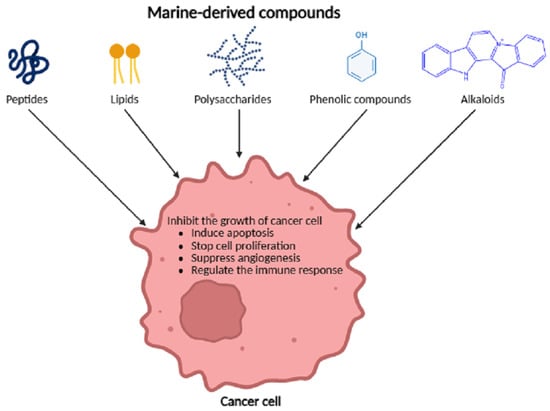
Functional seafoods derived from marine organisms, including fish, shellfish and algae, are gaining increasing attention due to their high content of bioactive compounds, such as omega-3 fatty acids, peptides, polysaccharides and antioxidants, which provide health benefits beyond basic nutrition. These marine-derived compounds exhibit a wide range of biological activities and have been investigated for their potential roles in the prevention and management of chronic diseases, including cardiovascular, neurodegenerative, cancer and gastrointestinal disorders. Their effects are largely mediated through anti-inflammatory, antioxidant and immunomodulatory mechanisms. Advances in biotechnology, including genetic engineering and improved extraction of bioactive compounds, have enhanced the nutritional quality and pharmacological relevance of functional seafoods. At the same time, sustainable aquaculture practices are being developed to reduce environmental impacts. Nevertheless, challenges such as regulatory inconsistencies, scalability issues and limited understanding of bioavailability and long-term effects still persist. These constraints should be considered when interpreting mechanistic and efficacy findings presented across different study designs and exposure conditions. Future perspectives highlight innovations in precision aquaculture, waste valorisation and traceability as key strategies to improve sustainability and strengthen consumer trust. This review summarizes current knowledge on functional seafoods, with emphasis on pharmacological mechanisms, clinical applications and the need for interdisciplinary research to optimize their health benefits and commercial potential.
Full article
(This article belongs to the Section Marine-Derived Ingredients for Drugs, Cosmeceuticals and Nutraceuticals)
►▼
Show Figures

Graphical abstract
Open AccessArticle
Identification of an Unpredicted GAG-PUL in Roseihalotalea indica gen. nov. sp. nov. TK19036T and Characterization of Novel GAG-Lyases with Unique Substrate Specificities
by
Zheng Fu, Defang Wu, Shunqin You, Kai Tang, Runying Zeng and Zhuhua Chan
Mar. Drugs 2026, 24(3), 115; https://doi.org/10.3390/md24030115 - 20 Mar 2026
Abstract
Glycosaminoglycans (GAGs) and their degrading enzymes have extensive applications and biotechnology and medicine, and play a crucial role in the recycling of organic matter in oceans. In this study, a potential GAG utilization gene cluster was identified in the genome of a novel
[...] Read more.
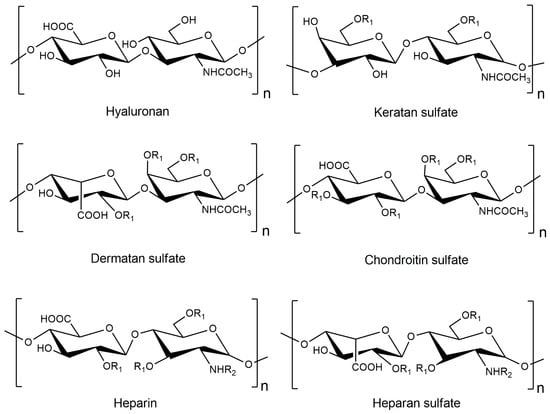
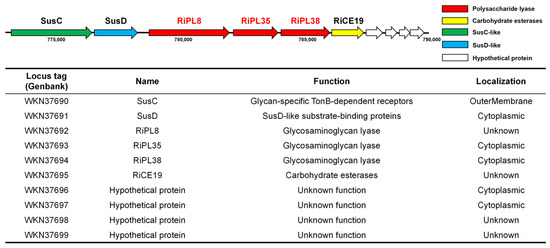
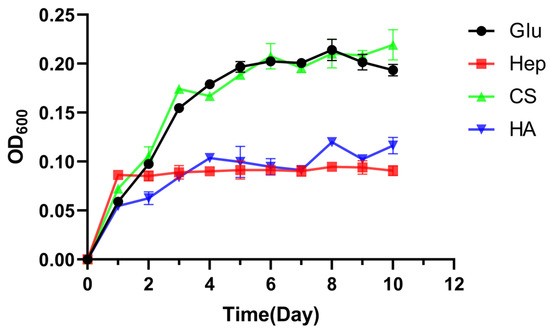
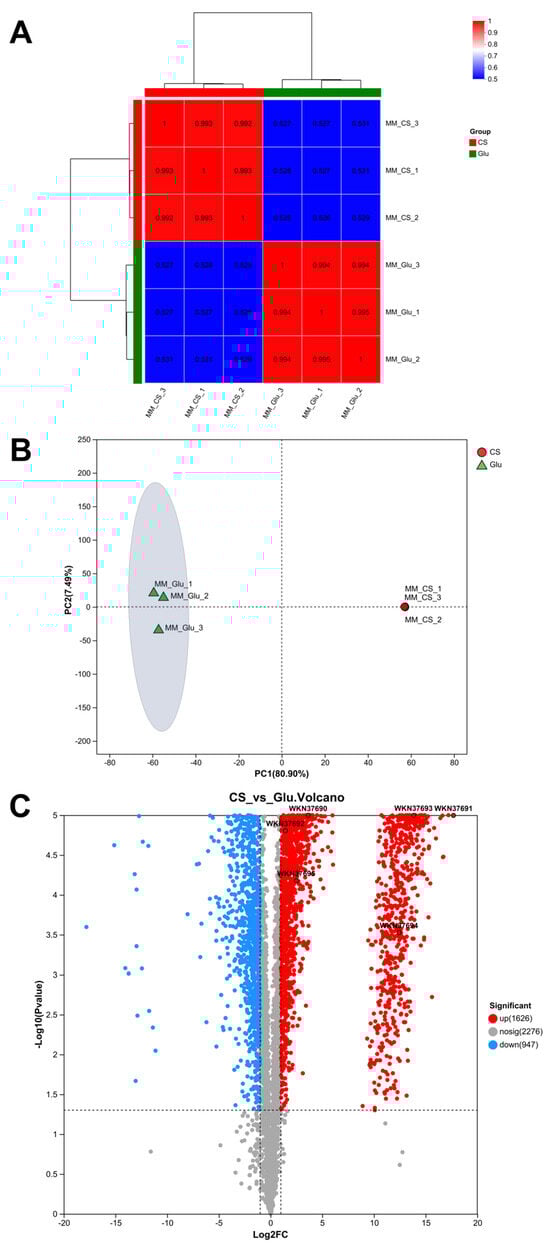
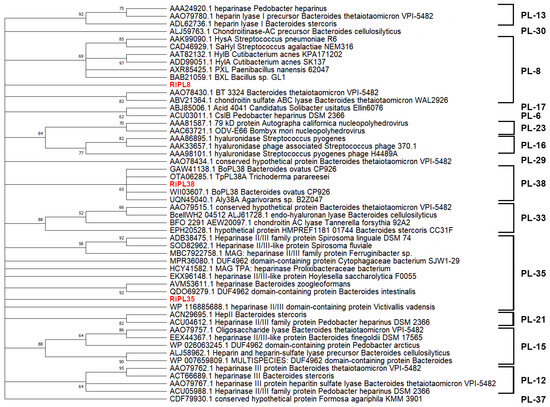
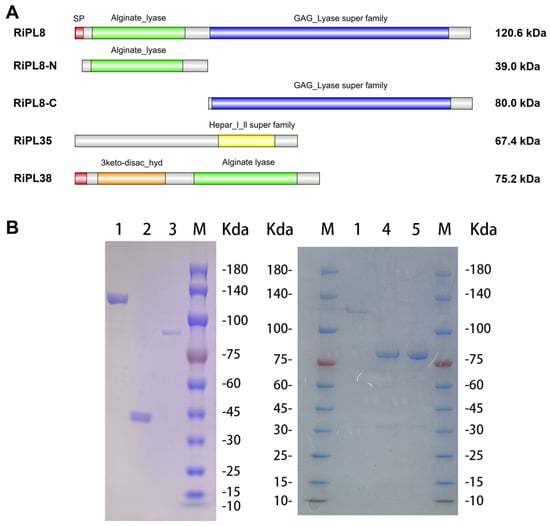
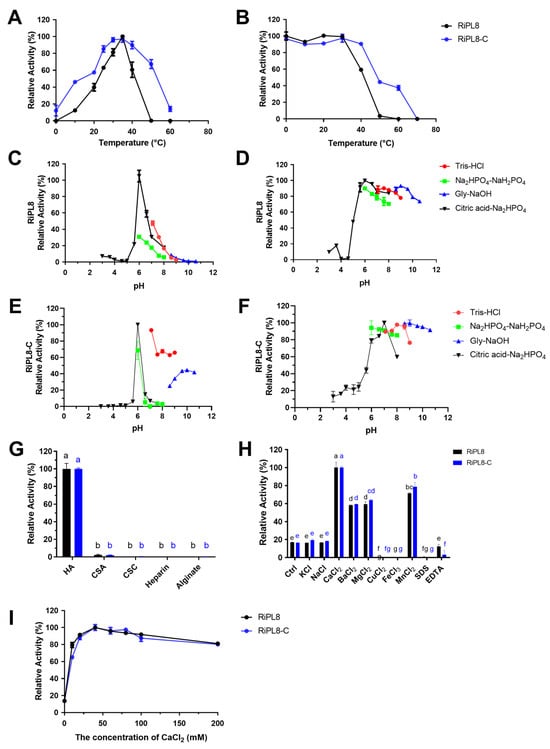
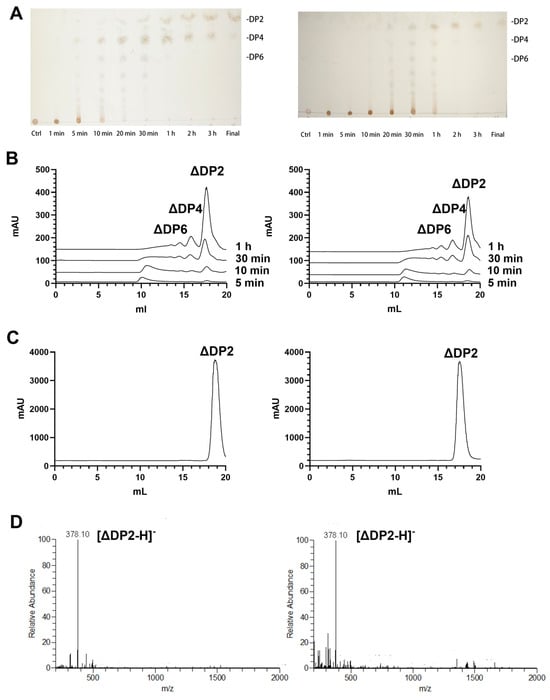
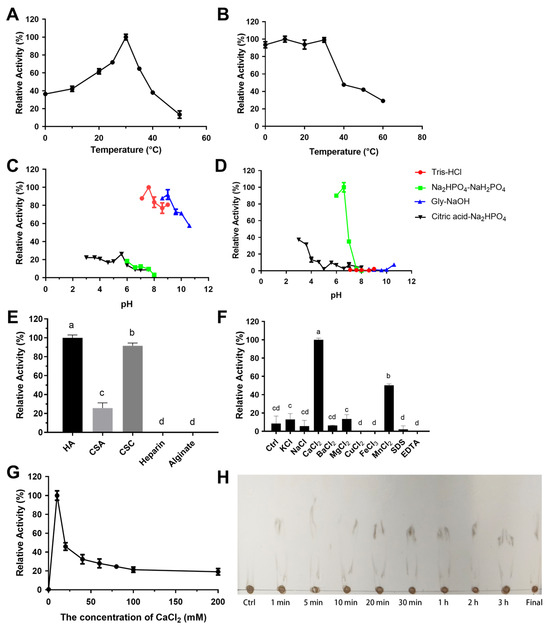
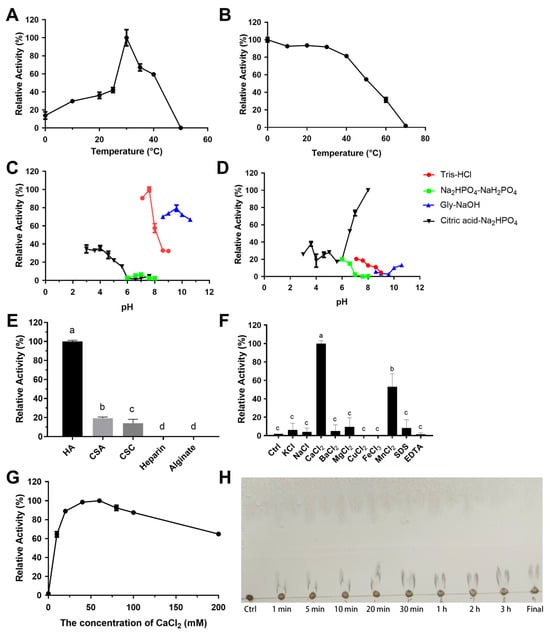
Glycosaminoglycans (GAGs) and their degrading enzymes have extensive applications and biotechnology and medicine, and play a crucial role in the recycling of organic matter in oceans. In this study, a potential GAG utilization gene cluster was identified in the genome of a novel marine Bacteroidetes, Roseihalotalea indica gen. nov. sp. nov. TK19036T, through sole carbon source cultivation and differential proteomic analysis. Multiple GAG-lyases within this locus were purified and characterized. RiPL8 comprises a functionally unknown N-terminal domain and a catalytic C-terminal domain, exhibiting specificity for degrading hyaluronic acid (HA). The activity of RiPL35 is sensitive to Ca2+ ion concentration with an optimum at 10 mM. RiPL38 is the first reported member of the PL38 family capable of degrading HA and chondroitin sulfate (CS). In summary, our study reveals Roseihalotalea indica gen. nov. sp. nov. TK19036T harbors an unpredicted GAG degradation gene cluster, and the encoded GAG-lyases exhibit distinct substrate specificities compared to the host organism.
Full article
(This article belongs to the Special Issue Enzymes Derived from Marine Sources)
►▼
Show Figures

Figure 1
Open AccessArticle
Effects of Different Culture Conditions on the Synthesis and Distribution of Polyunsaturated Fatty Acids (EPA and ARA) in Porphyridium purpureum
by
Tao Li, Bingqi Xu, Yiyang Wu, Liang Wei, Hualian Wu, Houbo Wu, Wenzhou Xiang and Jin Xu
Mar. Drugs 2026, 24(3), 114; https://doi.org/10.3390/md24030114 - 19 Mar 2026
Abstract
The arachidonic acid (C20:4 ω6, ARA) and eicosapentaenoic acid (C20:5 ω3, EPA) from Porphyridium purpureum endow this microalga with potential utilization value, but their distribution patterns remain poorly understood. In this study, a nitrogen concentration, a phosphorus concentration, light intensity and salinity were
[...] Read more.
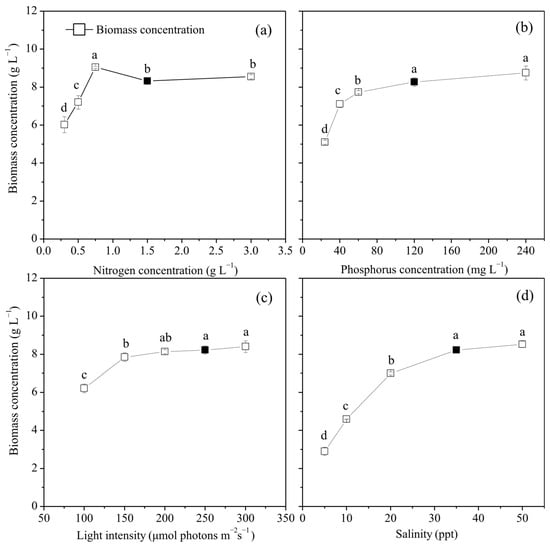
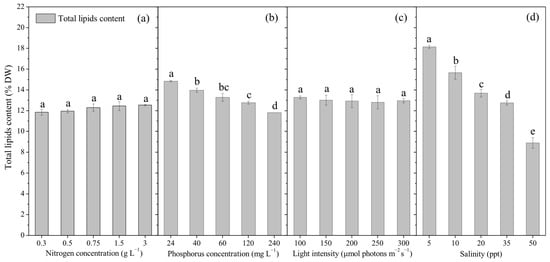
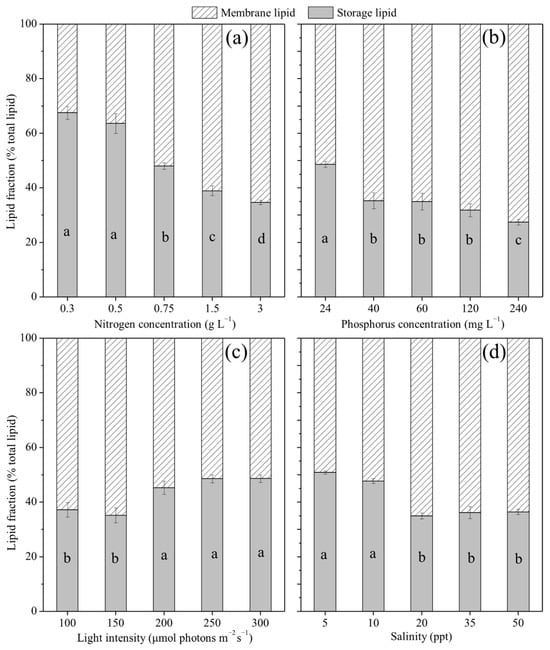
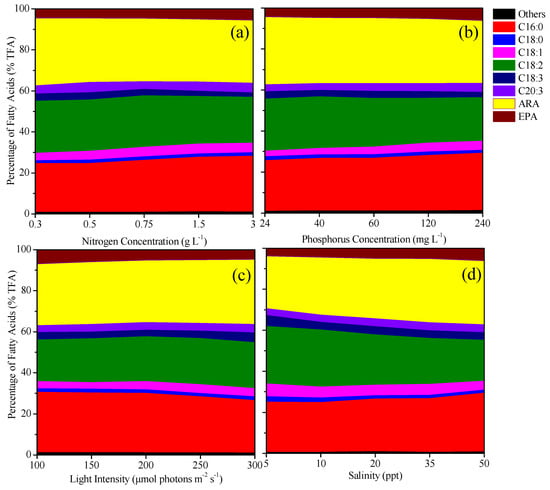
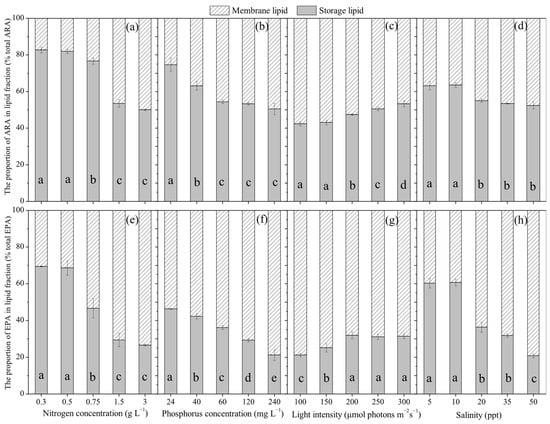
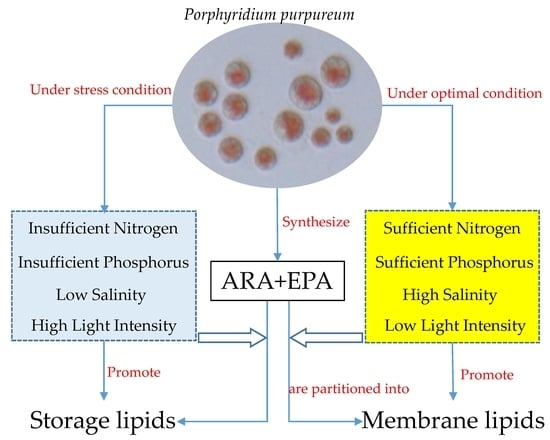
The arachidonic acid (C20:4 ω6, ARA) and eicosapentaenoic acid (C20:5 ω3, EPA) from Porphyridium purpureum endow this microalga with potential utilization value, but their distribution patterns remain poorly understood. In this study, a nitrogen concentration, a phosphorus concentration, light intensity and salinity were applied to investigate the synthesis and distribution patterns of EPA and ARA in P. purpureum by measuring growth, lipid content, lipid fractions, fatty acid composition, and the levels of EPA and ARA in storage lipids and membrane lipids. The results show that the optimal conditions for biomass accumulation were a nitrogen concentration of 0.75 g L−1, a phosphorus concentration of 240 mg L−1, a light intensity of 250–300 μmol photons m−2 s−1 and a salinity of 50 ppt. Reducing the phosphorus concentration and increasing salinity enhanced the total lipid content, whereas changes in nitrogen concentration and light intensity had minimal effects on total lipid content. Low nitrogen concentration, low phosphorus concentration and high light intensity favored ARA synthesis, whereas the opposite conditions promoted EPA synthesis. Culture conditions could alter the distribution of ARA and EPA between storage lipids and membrane lipids. Increasing the nitrogen concentration, phosphorus concentration and salinity, as well as reducing light intensity, promoted the distribution of ARA and EPA in membrane lipids. Conversely, the opposite conditions enhanced their distribution in storage lipids. In conclusion, the synthesis and distribution of EPA and ARA in P. purpureum are influenced by culture conditions. To improve the yield of ARA and EPA, P. purpureum should be cultivated under nutrient-sufficient conditions.
Full article
(This article belongs to the Special Issue Innovations in Marine Algal Biotechnology: From Bioprocessing to Applications)
►▼
Show Figures

Graphical abstract
Open AccessReview
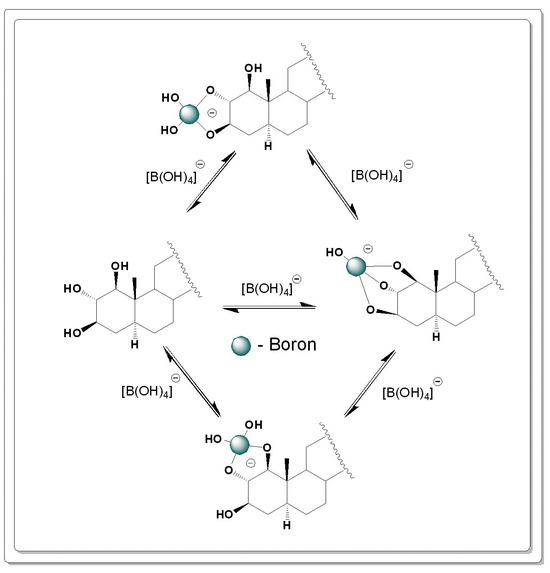
Life with Boron: Steroid Architecture and the Chemistry of Marine Boronosteroids
by
Valery M. Dembitsky, Alexander O. Terent’ev, Sergey V. Baranin and Romulus I. Scorei
Mar. Drugs 2026, 24(3), 113; https://doi.org/10.3390/md24030113 - 19 Mar 2026
Abstract
Marine invertebrates produce a remarkable diversity of polyhydroxylated steroids and secosteroids whose structural features—particularly vicinal (1,2-)diols, 1,3-diols, and clustered hydroxyl arrays—make them well suited for coordination with boron species. In the marine environment, where boron is abundant, chemically stable, and predominantly present as
[...] Read more.
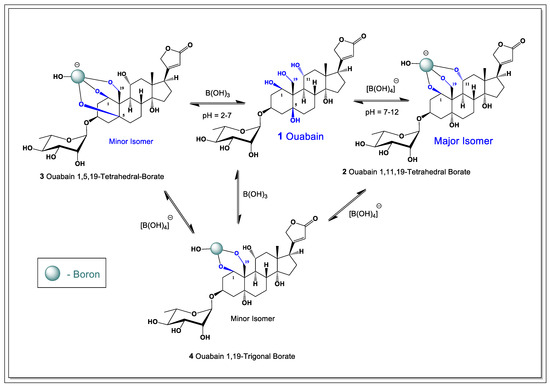
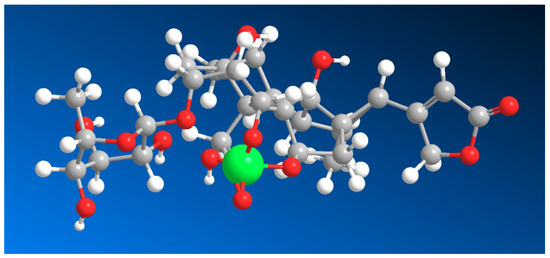
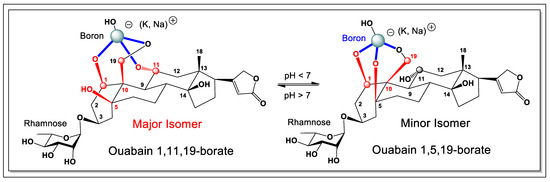
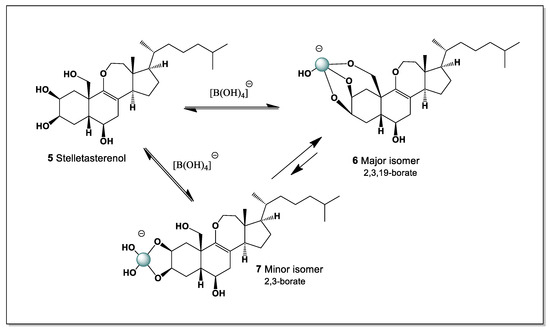
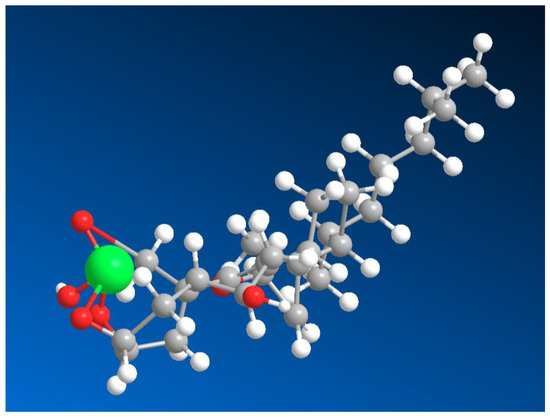
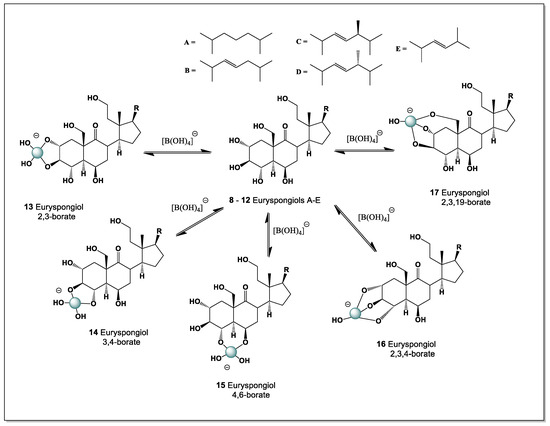
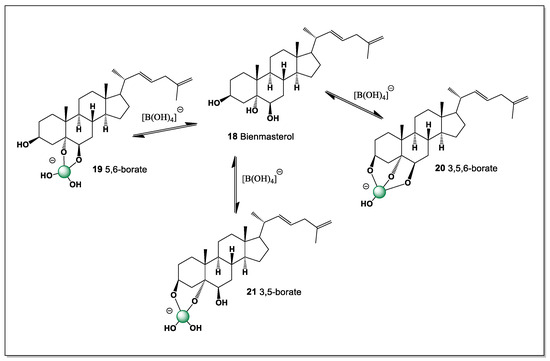
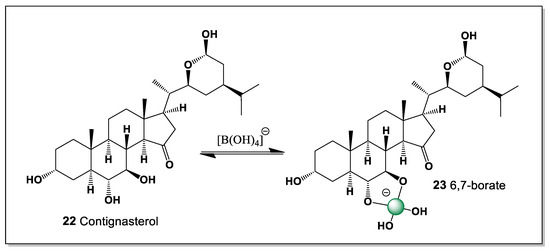
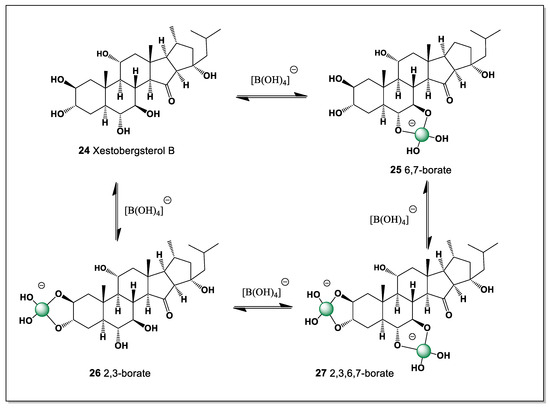
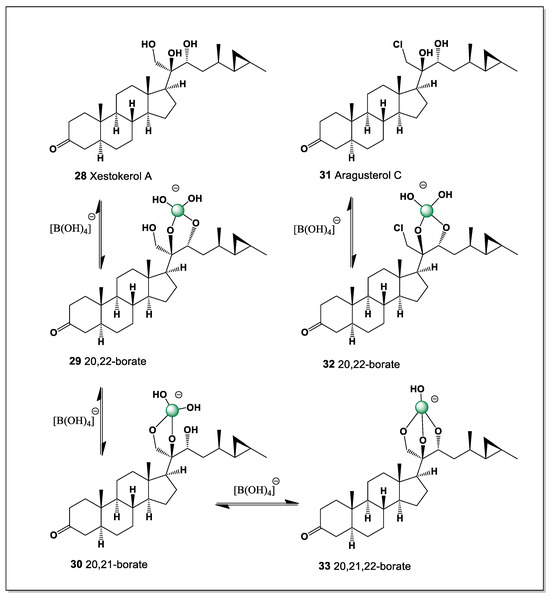
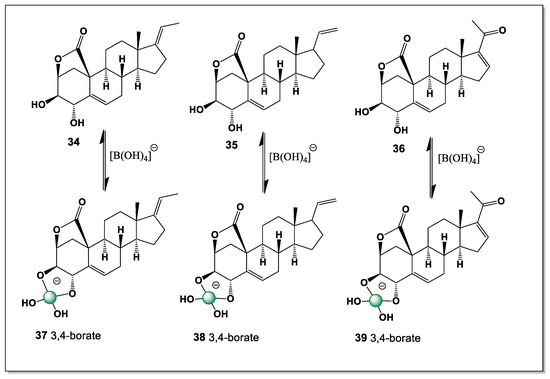
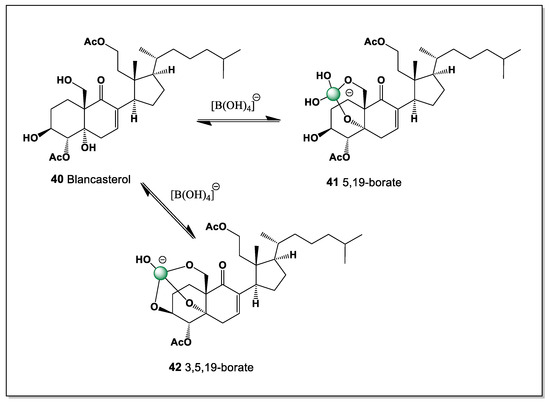
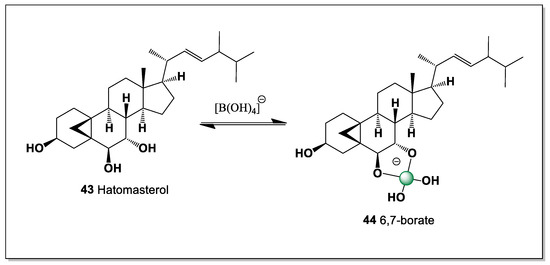
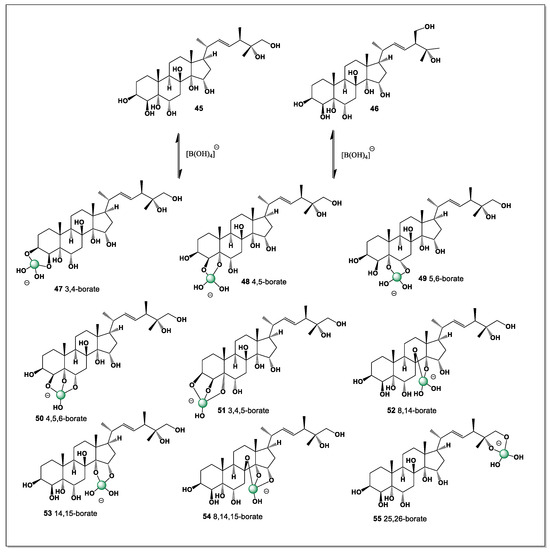
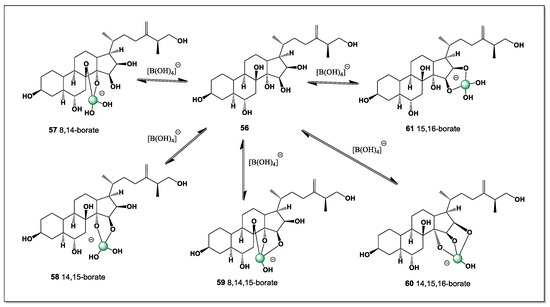
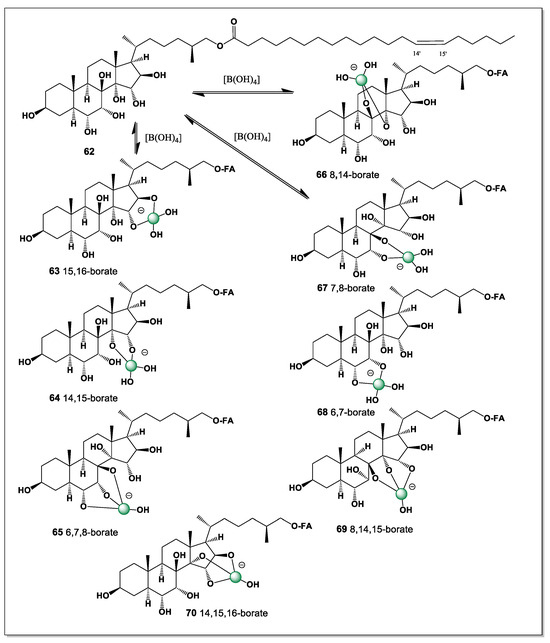
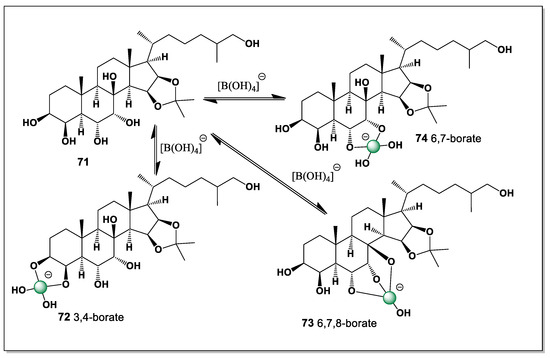
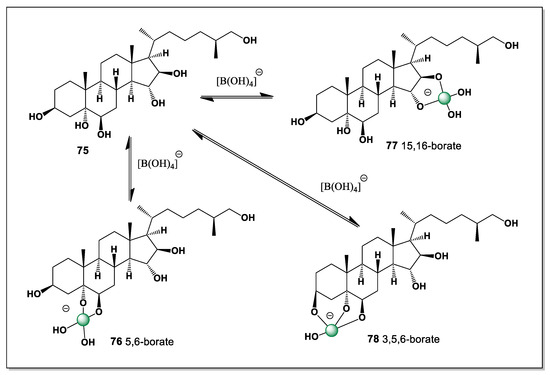
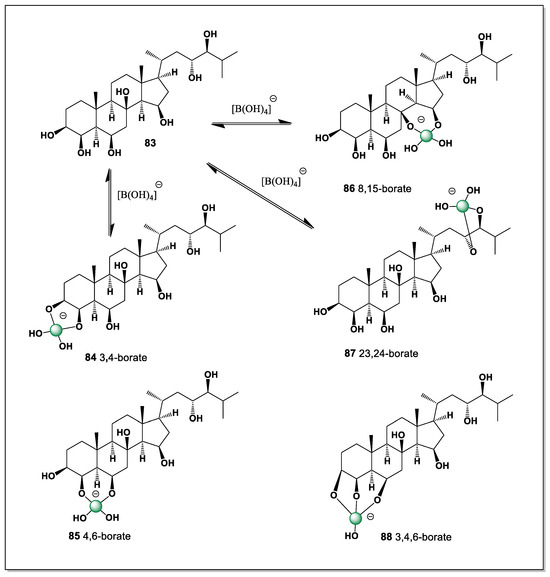
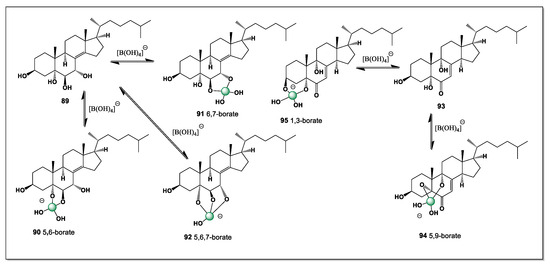
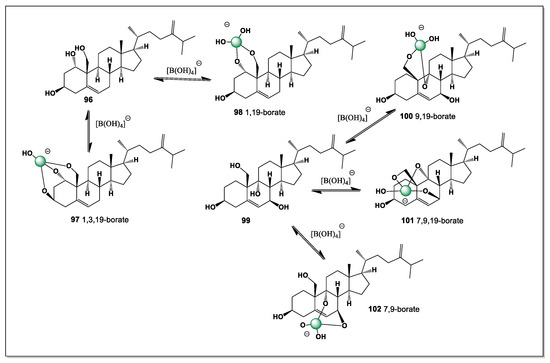
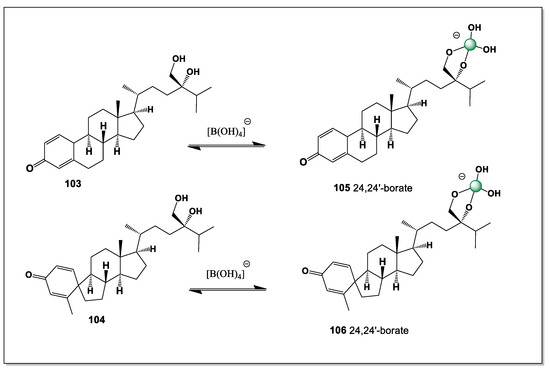
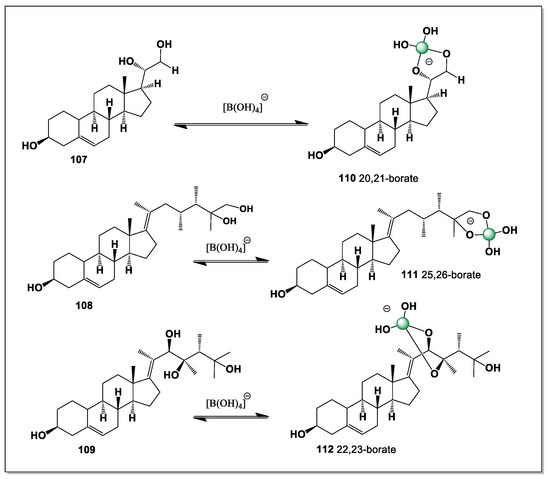
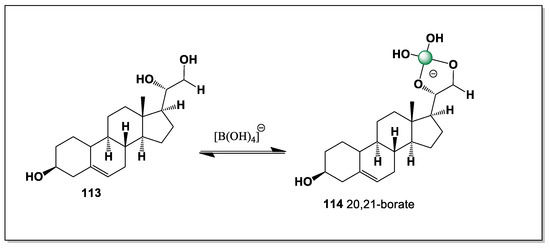
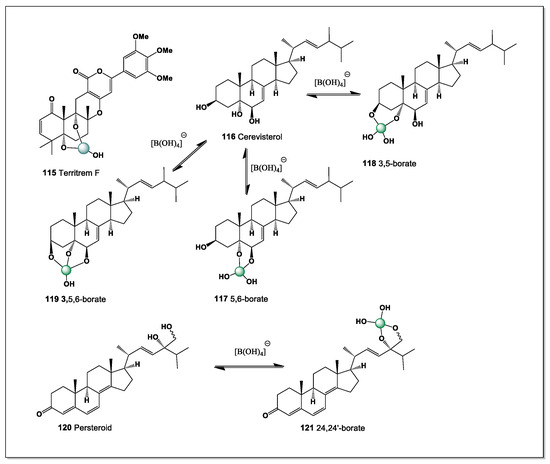
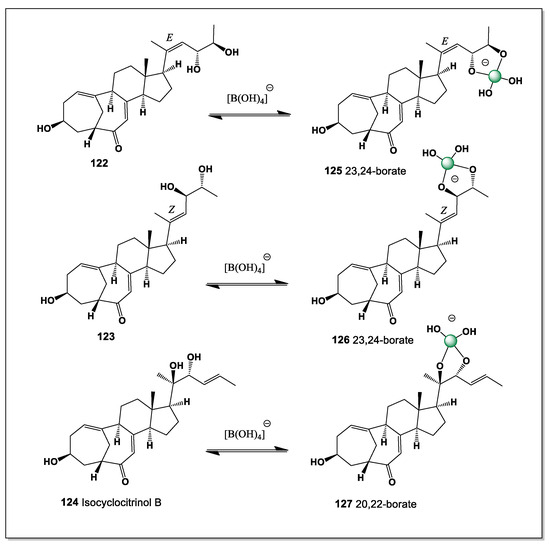
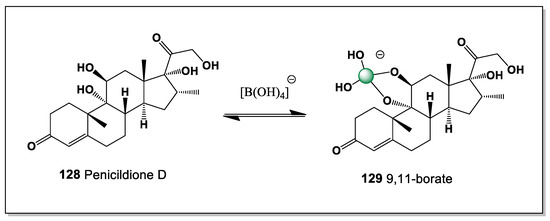
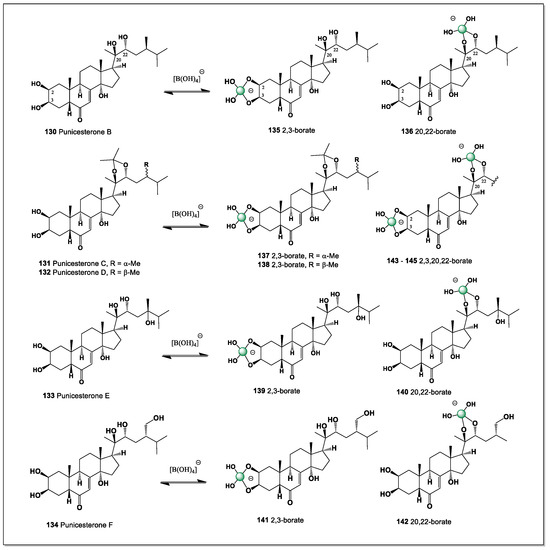
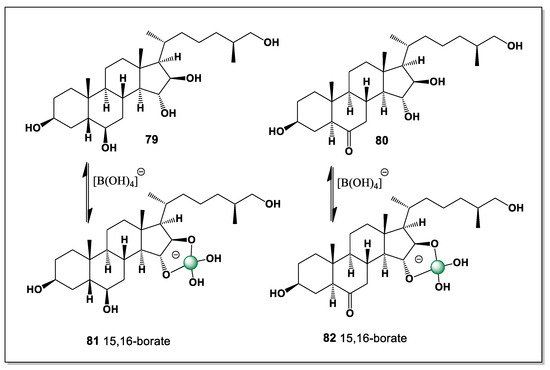
Marine invertebrates produce a remarkable diversity of polyhydroxylated steroids and secosteroids whose structural features—particularly vicinal (1,2-)diols, 1,3-diols, and clustered hydroxyl arrays—make them well suited for coordination with boron species. In the marine environment, where boron is abundant, chemically stable, and predominantly present as borate under mildly alkaline conditions, such interactions are not only plausible but may be widespread. This review examines the chemistry of boron–steroid complexation in marine systems, emphasizing how rigid steroidal frameworks preorganize diol motifs to form reversible yet stable borate esters under environmentally relevant conditions. We discuss how polyhydroxy steroids may exist in dynamic equilibria between free and boron-bound forms, with speciation governed by pH, boron concentration, and local microenvironmental factors rather than enzymatic control. Boron complexation can modulate key physicochemical properties, including solubility, conformation, and membrane affinity, thereby influencing the biological activity of marine steroids without covalent modification of the carbon framework. By integrating examples from sponges, echinoderms, and corals together with well-characterized model polyols, this review highlights boron complexation as an underrecognized but potentially important factor influencing the structure, function, and bioactivity of marine steroid metabolites.
Full article
(This article belongs to the Section Structural Studies on Marine Natural Products)
►▼
Show Figures

Graphical abstract
Open AccessArticle
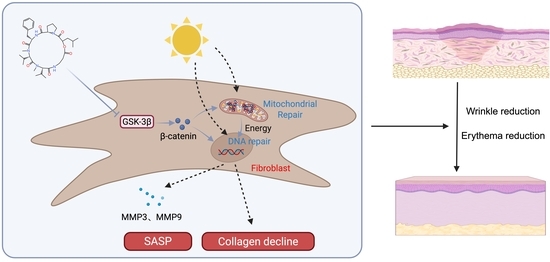
Isaridin E Protects Against UVB-Induced Photoaging by Activating Wnt/β-Catenin Signaling Pathway and Alleviating Mitochondrial Dysfunction
by
Yaosheng Liu, Weizhen Li, Zeen Yang, Hui Long, Sufen Cai, Changjie Sun, Yu Xiong, Yunqi Zhang, Yumei Liu, Guangpu Luo, Senhua Chen and Tie Zhao
Mar. Drugs 2026, 24(3), 112; https://doi.org/10.3390/md24030112 - 18 Mar 2026
Abstract
Mitochondrial dysfunction is a major contributor to skin photoaging. Activation of the Wnt/β-catenin pathway, a key regulator of developmental processes, can improve mitochondrial abnormalities associated with pathology. Therefore, the Wnt/β-catenin pathway emerges as a key therapeutic target in the context of photoaging. Isaridin
[...] Read more.
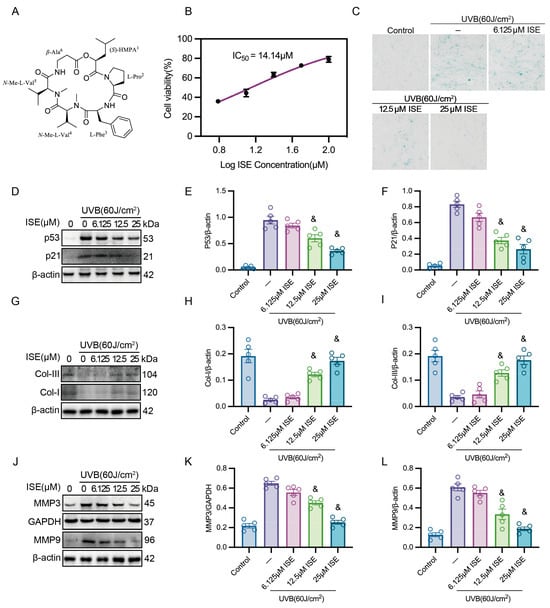
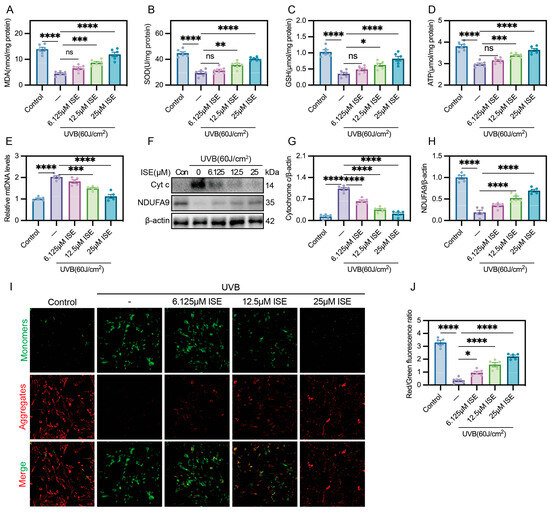
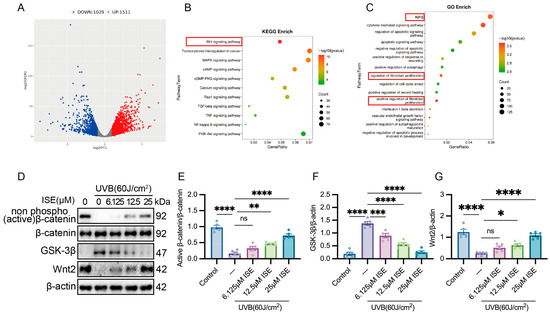
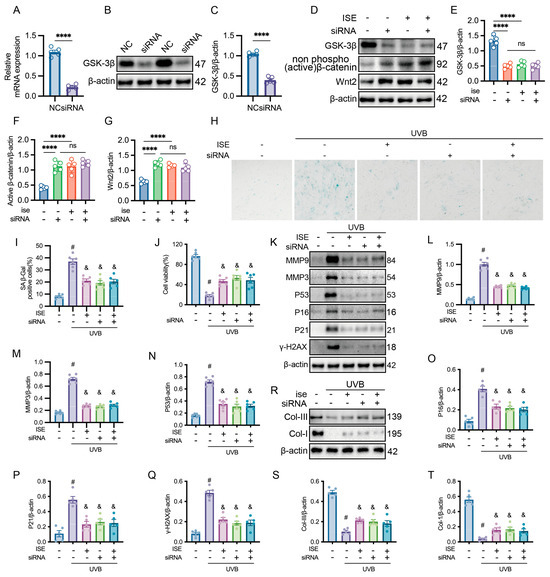
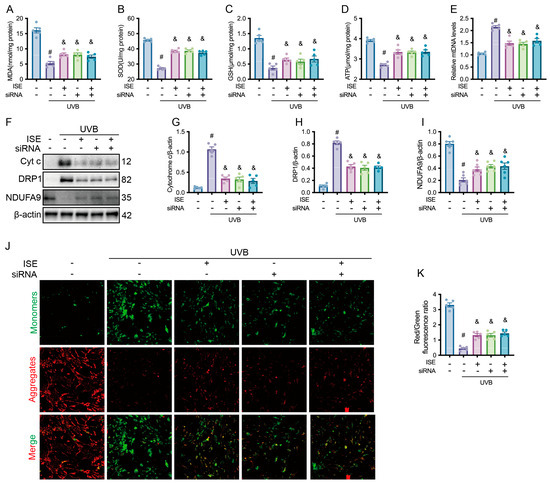
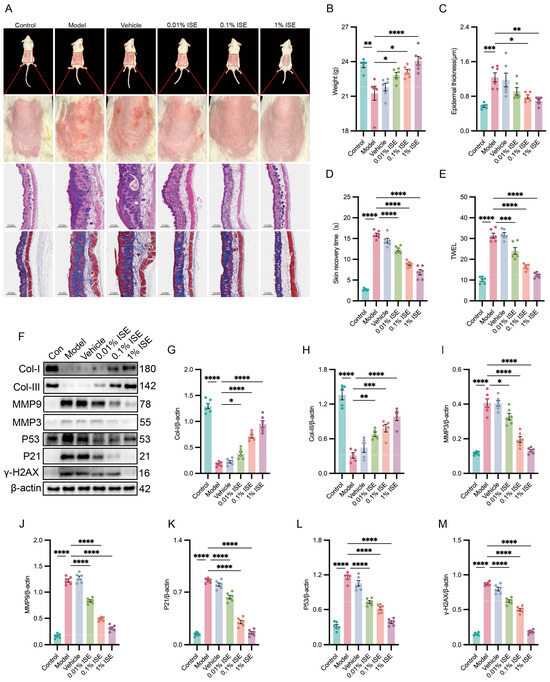
Mitochondrial dysfunction is a major contributor to skin photoaging. Activation of the Wnt/β-catenin pathway, a key regulator of developmental processes, can improve mitochondrial abnormalities associated with pathology. Therefore, the Wnt/β-catenin pathway emerges as a key therapeutic target in the context of photoaging. Isaridin E (ISE), a marine-derived natural product with a novel structure, exhibits potent antiplatelet and anti-inflammatory activities. We sought to examine the anti-senescence effects of ISE on fibroblasts in photoaged skin. In vitro, ISE improved UVB-induced fibroblast damage in a dose-dependent manner, restoring cell viability, reducing β-galactosidase accumulation, and suppressing SASP factor production. In a photoaging mouse model, ISE markedly decreased skin thickness, increased dermal collagen expression, and reduced SASP levels in skin tissues. ISE significantly improved fibroblast energy production deficits and mitochondrial dysfunction. RNA sequencing and Western blotting demonstrated that UVB irradiation significantly suppressed Wnt/β-catenin signaling activity, whereas ISE dose-dependently restored pathway activation. Using GSK-3β-targeted siRNA, we showed that the anti-photoaging effects of ISE are mediated via the Wnt/β-catenin pathway. ISE appears to counteract photoaging by enhancing Wnt/β-catenin activity and improving mitochondrial function.
Full article
(This article belongs to the Special Issue Marine Compounds as Cosmetic Ingredients)
►▼
Show Figures

Graphical abstract
Open AccessArticle
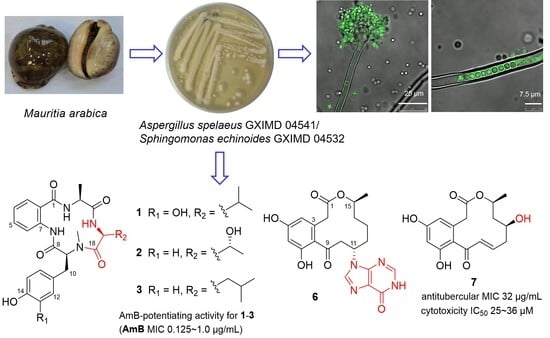
New Cyclopeptides and Curvularins from Marine-Derived Fungal-Bacterial Symbiont Aspergillus spelaeus GXIMD 04541/Sphingomonas echinoides GXIMD 04532
by
Fei-Hua Yao, Jie Yang, Xiao-Yan Li, Shu-Fen Xu, Kai Liu, Zhen-Zhou Tang, Wei-Hui Li, Yong-Hong Liu, Xiang-Xi Yi and Cheng-Hai Gao
Mar. Drugs 2026, 24(3), 111; https://doi.org/10.3390/md24030111 - 15 Mar 2026
Abstract
Three new cyclic tetrapeptides (nectriatidels A-C, 1–3), two new curvularin analogs (6 and 7), and four known compounds (4 and 5, 8 and 9) were isolated from the marine-derived fungal-bacterial symbiont Aspergillus spelaeus GXIMD 04541/
[...] Read more.
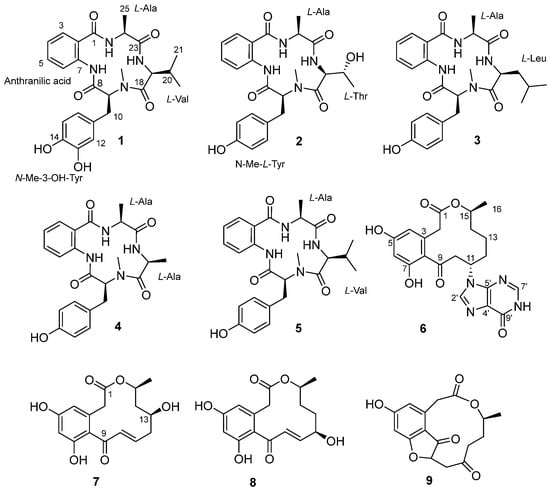
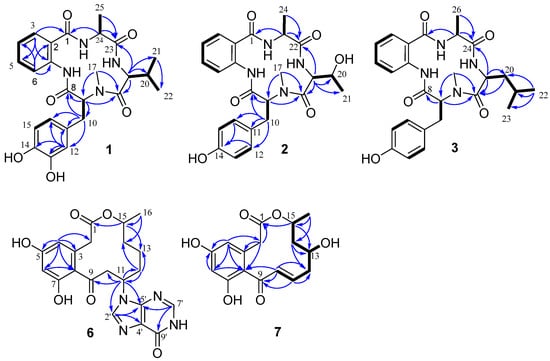
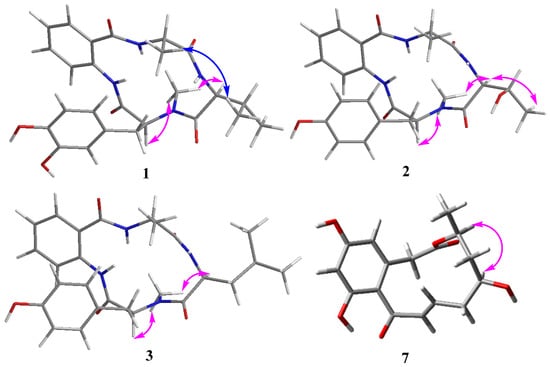
Three new cyclic tetrapeptides (nectriatidels A-C, 1–3), two new curvularin analogs (6 and 7), and four known compounds (4 and 5, 8 and 9) were isolated from the marine-derived fungal-bacterial symbiont Aspergillus spelaeus GXIMD 04541/Sphingomonas echinoides GXIMD 04532, which was obtained from Mauritia arabica in shallow coastal waters. Their structures were elucidated through NMR spectroscopy and HRESIMS, and their absolute configurations were determined by Marfey’s method and quantum chemical calculations. Compounds 1–5 showed moderate amphotericin B (AmB)-potentiating activity against Candida albicans. Compounds 7 and 8 exhibited significant activities against Mycobacterium tuberculosis, with MIC values of 32 and 16 μg/mL, respectively. Additionally, compounds 7 and 8 exhibited moderate cytotoxicity against human colorectal cancer cell lines DLD-1 and SW480, with IC50 values of 25~36 μM. Whole-genome sequencing of A. spelaeus revealed a 35.91 Mb assembly encoding 106 biosynthetic gene clusters (BGCs). antiSMASH analysis revealed that 79 of these BGCs (74.5%) displayed no significant similarity to known pathways in the MIBiG database, which is dominated by hybrid clusters, terpene, T1PKS, NRPS, and NRPS-like types. Genomic analysis identified the putative biosynthetic gene clusters for these metabolites and confirmed the fungal host as the predominant producer.
Full article
(This article belongs to the Special Issue Bioactivities of Coastal Organism-Derived Marine Natural Products)
►▼
Show Figures

Graphical abstract
Open AccessReview
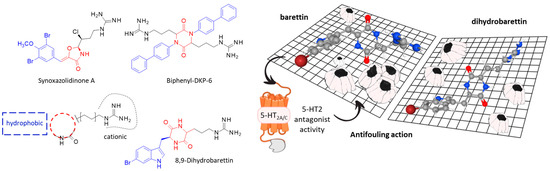
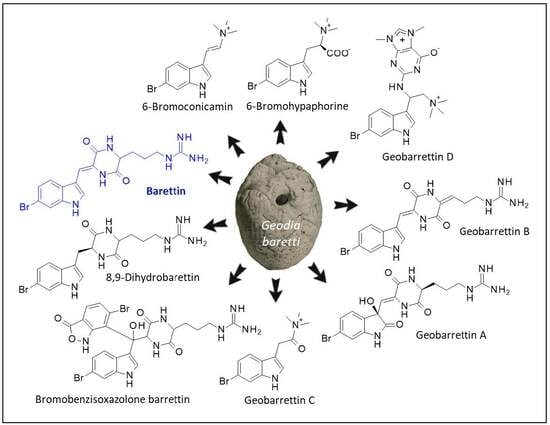
The Chemistry and Pharmacology of the Alkaloid Barettin and Its Analogues from the Marine Sponge Geodia barretti: Progress and Perspectives
by
Christian Bailly
Mar. Drugs 2026, 24(3), 110; https://doi.org/10.3390/md24030110 - 13 Mar 2026
Abstract
The cold-water siliceous sponge Geodia barretti, largely present in the North Atlantic Ocean, notably around Scandinavian costs, plays important roles in carbon and silicon cycling in the deep-sea. The demosponge provides a reservoir for numerous microorganisms. Bioactive natural products have been isolated
[...] Read more.
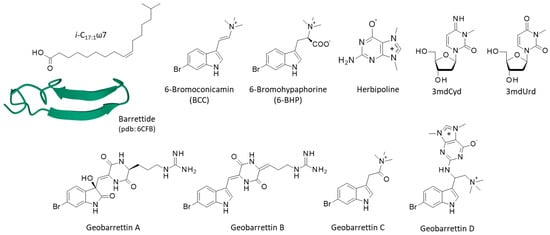
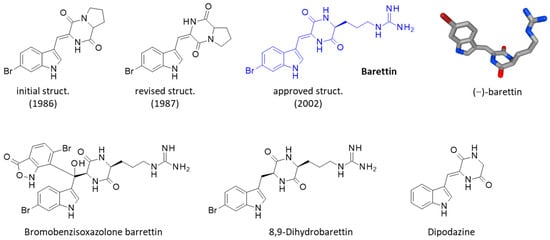
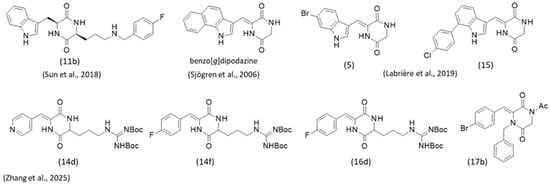
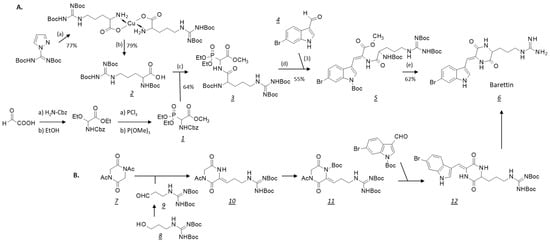
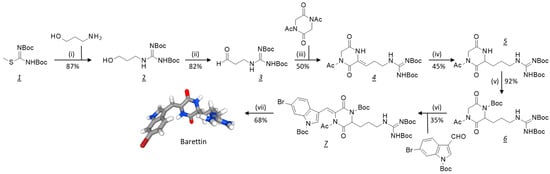
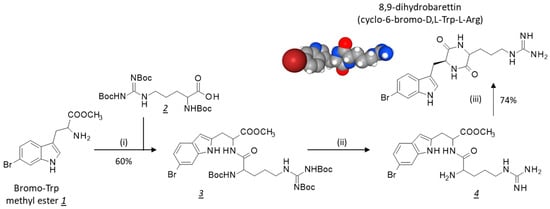
The cold-water siliceous sponge Geodia barretti, largely present in the North Atlantic Ocean, notably around Scandinavian costs, plays important roles in carbon and silicon cycling in the deep-sea. The demosponge provides a reservoir for numerous microorganisms. Bioactive natural products have been isolated from this sponge, in particular the indole alkaloid barettin discovered forty years ago. Barettin and analogues, notably 8,9-dihydrobarettin, 8,9-dihydro-8-hydroxybarrettin, bromobenzisoxalone barettin, and geobarrettins A-B, contribute to the maintenance of the sponge stability and security (anti-fouling) and the regulation of its microbial environment. The four indole alkaloids 6-bromo-8-hydroxyconicamin, 6-bromoconicamin, and geobarrettin C-D are also implicated in the defense of the sponge against physical and biochemical aggressions. Altogether, these ten natural products are essential to the sponge life. The present review presents a survey of the chemistry and biology associated with Geodia barretti. The pharmacological properties of (dihydro)barettin, notably their antioxidant and anti-inflammatory properties, are discussed, as well as the synthetic processes set up to produce these diketopiperazine derivatives. Their molecular targets and mechanism of action are also discussed. The review takes the sponge G. barretti from the depths of knowledge and brings barettin and analogues to the surface, with the hope of guiding future research in this field.
Full article
(This article belongs to the Section Marine Pharmacology)
►▼
Show Figures

Graphical abstract
Open AccessArticle
Isolation, Characterization and Biological Evaluation of Collagen from Rhizostoma pulmo Jellyfish from the Sea of Azov for Biomedical Applications
by
Oleg Kit, Sergey Golovin, Evgeniya Kirichenko, Alina Sereda, Yulia Gordeeva, Evgeniy Sadyrin, Andrey Nikolaev, Pavel Antipov, Aleksandr Logvinov, Maria Kaplya, Magomed Abdulkadyrov and Stanislav Rodkin
Mar. Drugs 2026, 24(3), 109; https://doi.org/10.3390/md24030109 - 13 Mar 2026
Abstract
Collagen is a major extracellular-matrix protein widely used in regenerative medicine, yet conventional terrestrial sources raise biosafety and acceptability concerns, motivating the search for marine alternatives. This study evaluates the jellyfish Rhizostoma pulmo (R. pulmo) from the Azov Sea as a
[...] Read more.
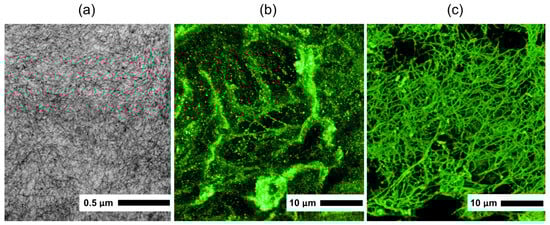
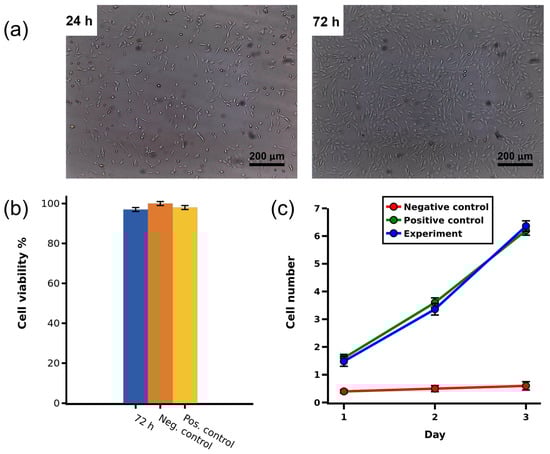
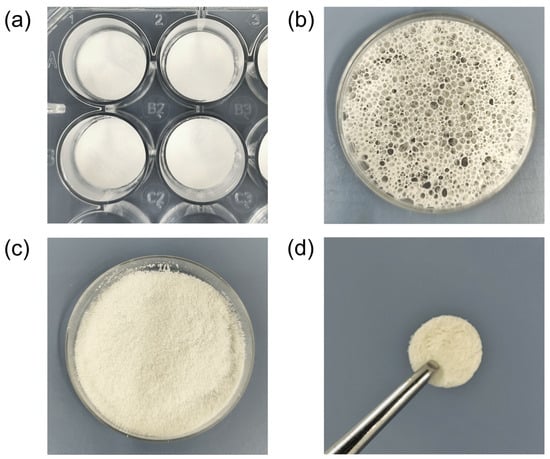
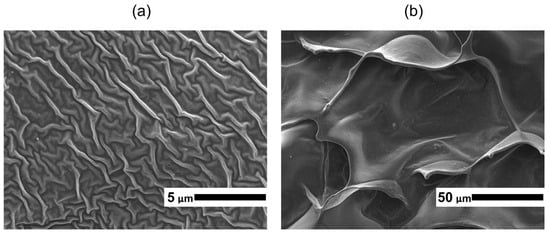
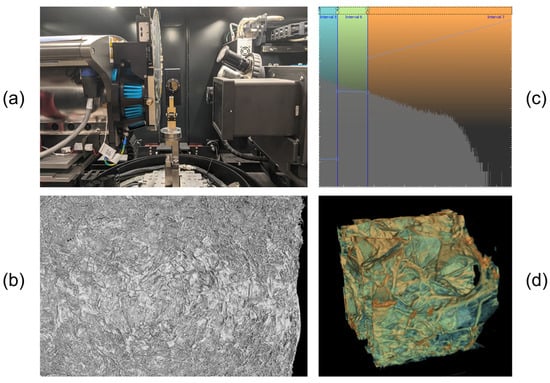
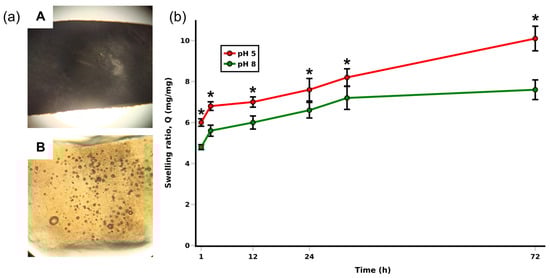
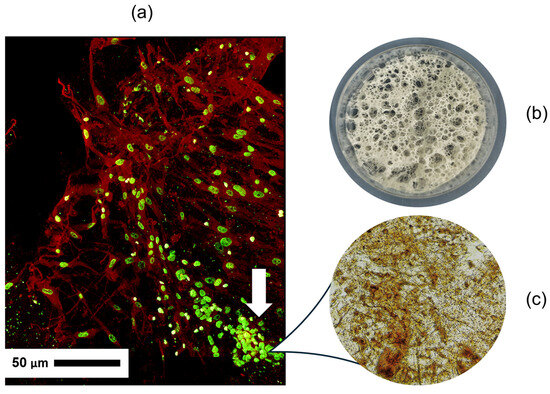
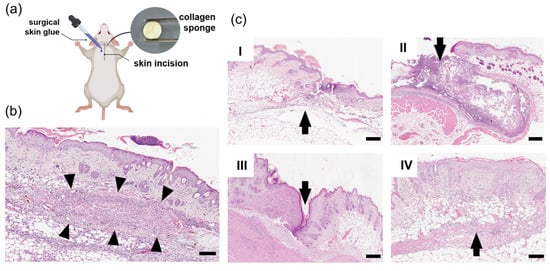
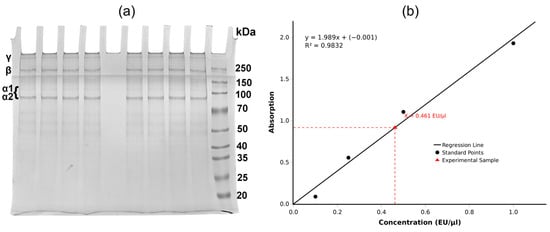
Collagen is a major extracellular-matrix protein widely used in regenerative medicine, yet conventional terrestrial sources raise biosafety and acceptability concerns, motivating the search for marine alternatives. This study evaluates the jellyfish Rhizostoma pulmo (R. pulmo) from the Azov Sea as a sustainable collagen source and assesses its suitability for biomedical materials. Acid-soluble collagen was extracted using 0.5 M acetic acid and purified by salt precipitation and dialysis, followed by physicochemical/structural characterization (sodium dodecyl sulfate–polyacrylamide gel electrophoresis (SDS–PAGE), Limulus amebocyte lysate (LAL) endotoxin testing, transmission electron microscopy (TEM), and immunofluorescence with type I collagen antibodies) and biological evaluation in vitro (3-(4,5-dimethylthiazol-2-yl)-2,5-diphenyltetrazolium bromide (MTT) cytotoxicity on MRC5 fibroblasts; adhesion and proliferation assays on HeLa cells). The extracted collagen showed a high yield (~26.2%), a type I-like electrophoretic profile with α-, β-, and γ-components, fibrillar ultrastructure by TEM, and positive type I collagen immunoreactivity; endotoxin levels were low (0.461 EU/µL), and no cytotoxicity was detected under the tested conditions. Porous collagen sponges/scaffolds were fabricated by lyophilization, displaying interconnected pores with an average size of ~80 µm and pH-dependent swelling, and they supported 3D cell growth and tumor-cell dissemination in an in vitro breast carcinoma scaffold model. Overall, Azov Sea R. pulmo collagen demonstrates promising structural quality, low endotoxin burden, and cytocompatibility, supporting its potential as a marine biomaterial for sponge/scaffold-based tissue engineering and wound-related applications.
Full article
(This article belongs to the Special Issue Jellyfish-Derived Compounds)
►▼
Show Figures

Figure 1
Open AccessArticle
Novel Marine Fungus-Derived Mycophenolic Acids That Inhibit Acute Myeloid Leukemia Cell Proliferation
by
Guangli Deng, Wu Ruan, Qun Li, Qingyun Peng, Yunan Liu, Lingbin Lin, Yuan Li, Qianqian Shen, Yangrong Zhao, Junfeng Wang, Yi Chen and Ming-Wei Wang
Mar. Drugs 2026, 24(3), 108; https://doi.org/10.3390/md24030108 - 13 Mar 2026
Abstract
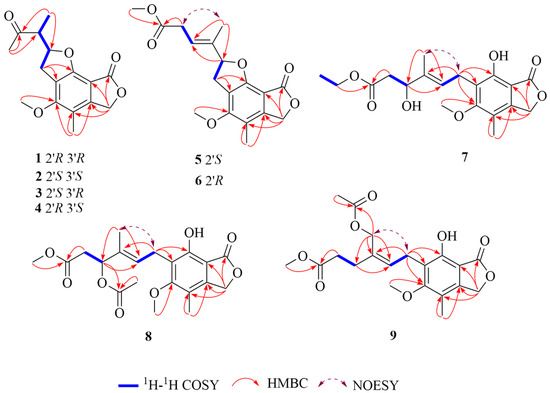
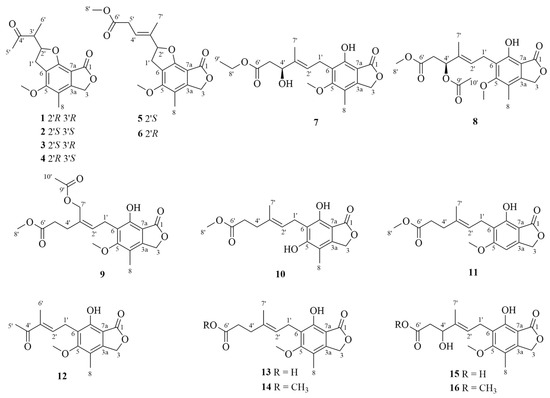
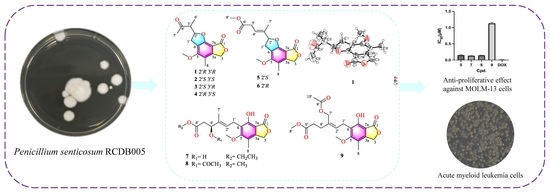
Nine new mycophenolic acid derivatives, penicacids O–W (1–9), two first-time reported natural products (10, 11), and five known compounds (12–16), were isolated from a marine-derived fungus Penicillium senticosum RCDB005 found in a
[...] Read more.
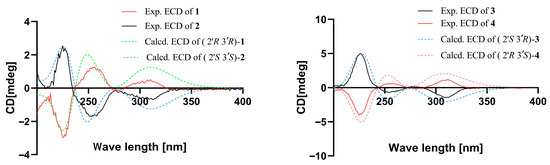
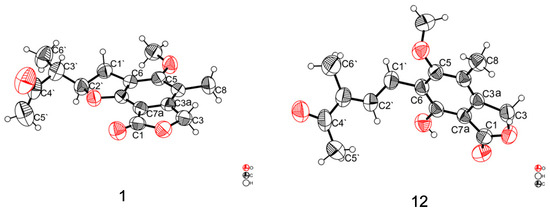
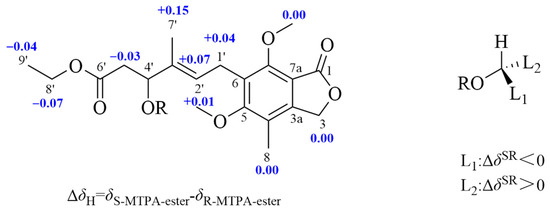
Nine new mycophenolic acid derivatives, penicacids O–W (1–9), two first-time reported natural products (10, 11), and five known compounds (12–16), were isolated from a marine-derived fungus Penicillium senticosum RCDB005 found in a South China Sea sediment sample. Their structures were determined using NMR, HRESIMS, and optical rotatory dispersion (ORD) spectra, electronic circular dichroism (ECD) calculations, X-ray crystallography, and modified Mosher’s methods. Eight of these compounds were evaluated for anti-proliferative effects against nine human cancer cell lines and the IC50 values ranged from nM to μM levels. Compounds 5, 7–9 showed potent inhibition activity against MOLM-13 acute myeloid leukemia cells with IC50 values between 0.13 and 1.13 μM.
Full article
(This article belongs to the Special Issue Bioactive Secondary Metabolites from Marine Fungi and Actinomycetes)
►▼
Show Figures

Graphical abstract
Open AccessArticle
Microalgal Exosome-like Nanovesicles from Nannochloropsis oculata Attenuate Melanogenesis Through Tyrosinase Inhibition in B16-F10 Melanoma Cells
by
Liangquan Xie, Chaoxuan Wu, Weilin Du, Jiaying Chen, Zijie He, Tingting Li, Chuangye Yang, Yuewen Deng and Zhe Zheng
Mar. Drugs 2026, 24(3), 107; https://doi.org/10.3390/md24030107 - 12 Mar 2026
Abstract
As primary producers in aquatic ecosystems, microalgae function not only as a natural source of nourishment for several economically important aquatic species but also as reservoirs of bioactive molecules. Microalgae can secrete exosome-like nanoparticles that transport functional biomolecules, such as proteins and nucleic
[...] Read more.
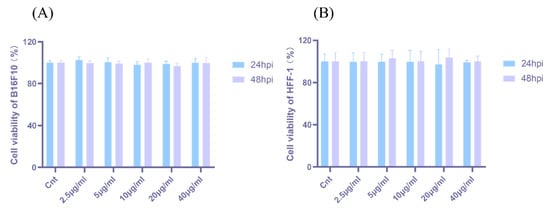
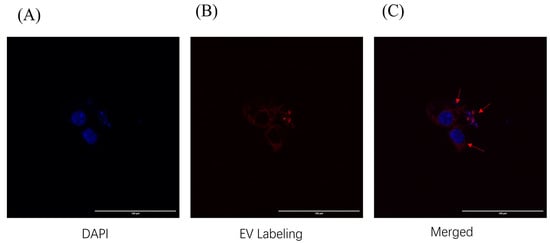
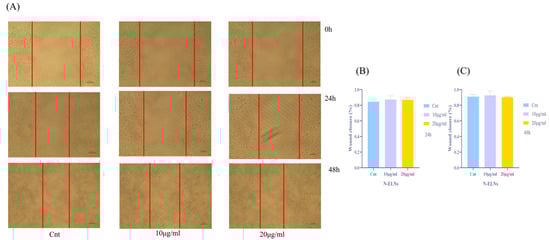
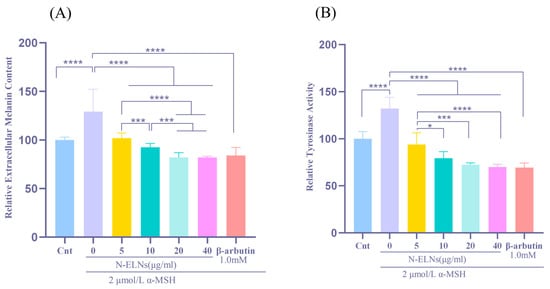
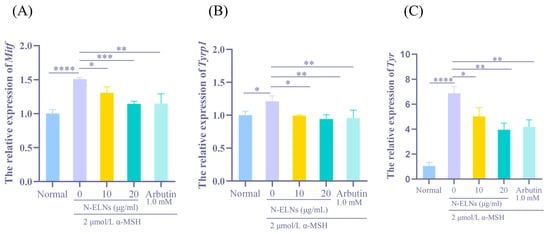
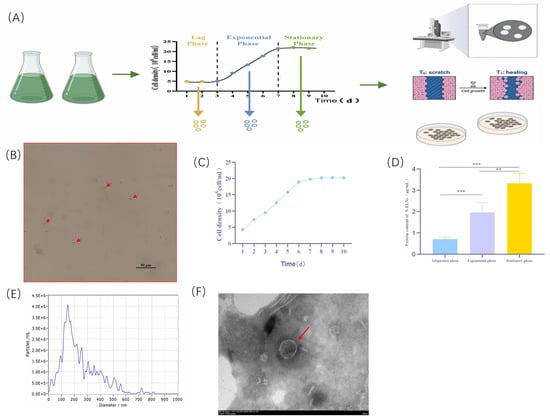
As primary producers in aquatic ecosystems, microalgae function not only as a natural source of nourishment for several economically important aquatic species but also as reservoirs of bioactive molecules. Microalgae can secrete exosome-like nanoparticles that transport functional biomolecules, such as proteins and nucleic acids, into the extracellular milieu, thereby mediating intercellular signaling and eliciting ecological or biomedical responses. Although plant-derived exosome-like nanoparticles have attracted attention for their utility in drug delivery and dermatology, the functional properties of microalgae-derived nanoparticles—particularly from species extensively applied in aquaculture—remain inadequately characterized. In this study, exosome-like nanovesicles were isolated from Nannochloropsis oculata (N-ELNs), a microalgal species widely used in aquaculture, and their skin-whitening potential was evaluated using the B16-F10 mouse melanoma cell model. The highest N-ELN yield was observed during the adaptation, exponential, and stationary growth phases. Uptake analyses confirmed the efficient internalization of N-ELNs by B16-F10 cells. Cell counting kit-8 assays indicated that N-ELNs exhibited no cytotoxic effects on melanoma cells or normal human dermal fibroblasts (HFF-1). Scratch wound healing assays revealed that N-ELNs exerted no significant effect on cellular migration. In B16-F10 cells, N-ELNs suppressed tyrosinase activity by downregulating Mitf and its downstream genes Tyr and Tyrp1, resulting in a substantial reduction in melanin synthesis (p < 0.05). The inhibitory effects of N-ELNs on melanin production, tyrosinase activity, and gene expression of Tyr, Tyrp1, and Mitf were comparable to those of the positive control, arbutin. Collectively, these findings suggest that N. oculata exhibits promising skin-whitening properties, providing a novel perspective for clinical applications and supporting the high-value utilization of the microalgae aquaculture industry.
Full article
(This article belongs to the Special Issue Algae-Powered Skincare: Innovations in Marine-Derived Cosmeceuticals)
►▼
Show Figures

Figure 1
Open AccessArticle
Screening and Evaluation of Chassis Cells for Heterologous Biosynthesis of Gas Vesicles as Ultrasound Contrast Agents
by
Qiuxia Fu, Kezhi Yu, Yuanyuan Wang, Chenxing Liu, Wei Liu, Wenze Ou, Wei Sun and Fei Yan
Mar. Drugs 2026, 24(3), 106; https://doi.org/10.3390/md24030106 - 11 Mar 2026
Abstract
Gas vesicles (GVs) are hollow protein nanostructures derived from microorganisms and show significant potential for ultrasound imaging applications. However, the direct production of gas vesicles (GVs) from their native hosts faces several limitations: poor contrast imaging performance, insufficient yield, and high costs associated
[...] Read more.
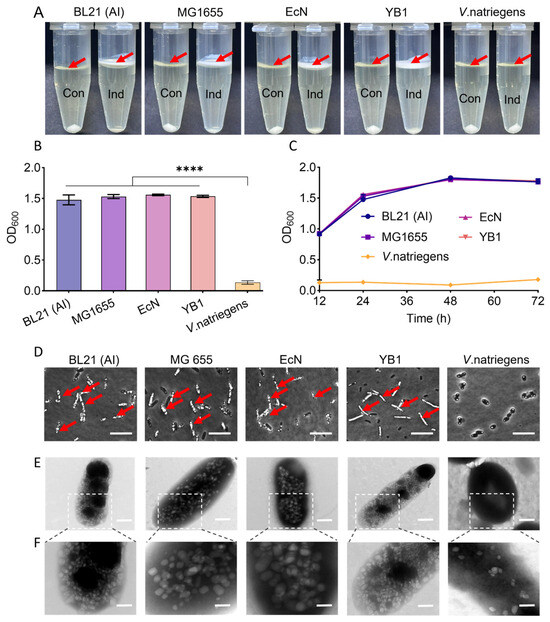
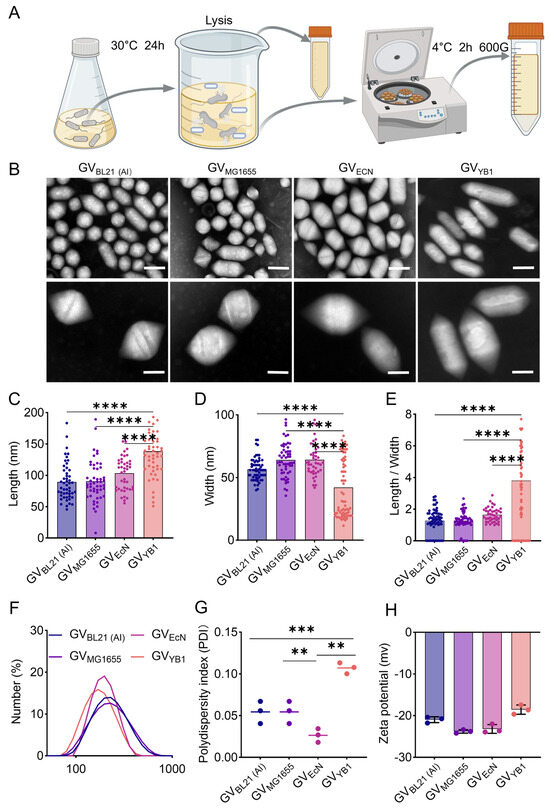
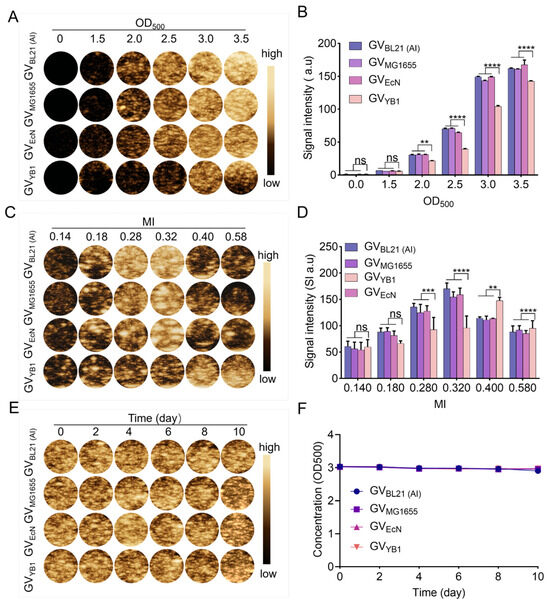
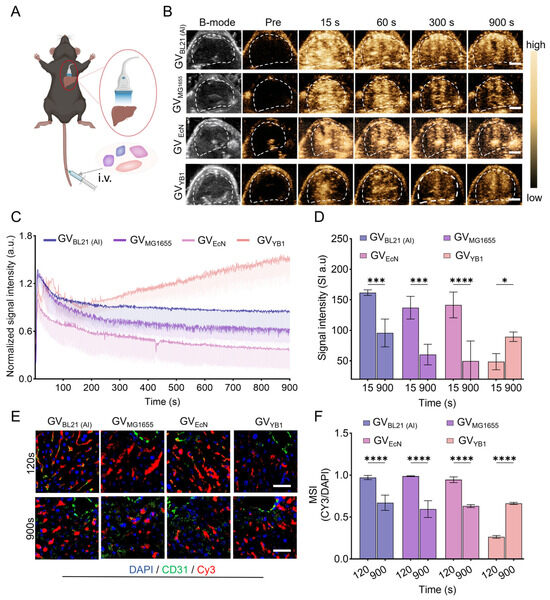
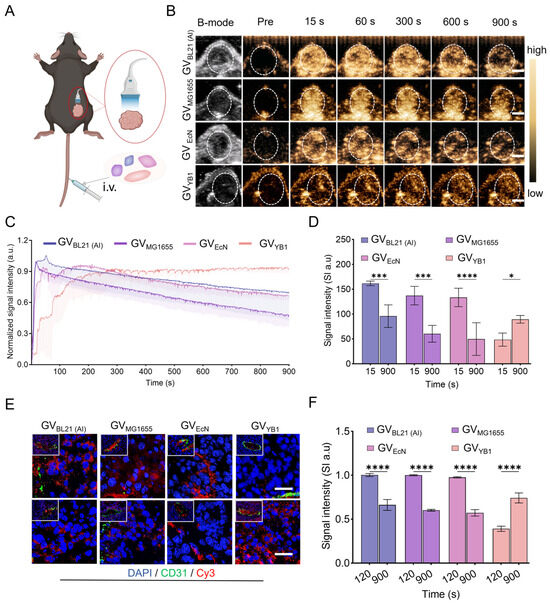
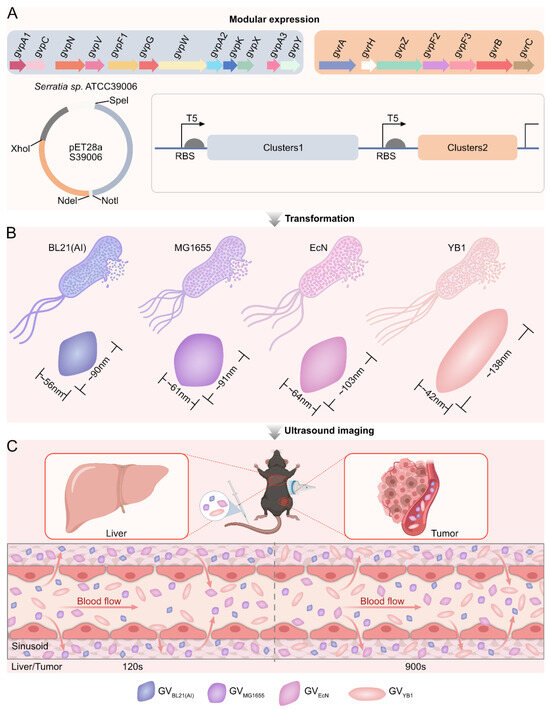
Gas vesicles (GVs) are hollow protein nanostructures derived from microorganisms and show significant potential for ultrasound imaging applications. However, the direct production of gas vesicles (GVs) from their native hosts faces several limitations: poor contrast imaging performance, insufficient yield, and high costs associated with extraction and purification. These challenges heavily hinder their clinical translation and application. The heterologous expression of GV genes varies significantly among different chassis strains due to their distinct intracellular environments, which ultimately affects GV performance and yield. Therefore, it is crucial to select an appropriate chassis cell that can produce GVs with excellent imaging performance. In this study, the GV gene cluster from Serratia sp. ATCC 39006 was heterologously expressed in five different bacterial chassis strains: Escherichia coli BL21 (AI), Escherichia coli K-12 MG1655, Escherichia coli Nissle 1917, Salmonella YB1, and Vibrio natriegens. By systematically comparing the yield, particle morphology, and ultrasound imaging performance of GVs produced by these strains, we elucidated the impact of chassis cells on GV synthesis and function. This work provides experimental evidence and theoretical support for screening robust GV-producing strains and facilitates future biomedical applications of GVs.
Full article
(This article belongs to the Section Marine Biotechnology Related to Drug Discovery or Production)
►▼
Show Figures

Figure 1
Open AccessArticle
Exploration of Carotenoid-Producing Microorganisms from the Kuril-Kamchatka Trench and Their Antioxidant Potential
by
Guan-Yuan Zhang, Xue-Gong Li, Hai-Rong Fang, Jin-Wei Gao and Wei-Jia Zhang
Mar. Drugs 2026, 24(3), 105; https://doi.org/10.3390/md24030105 - 11 Mar 2026
Abstract
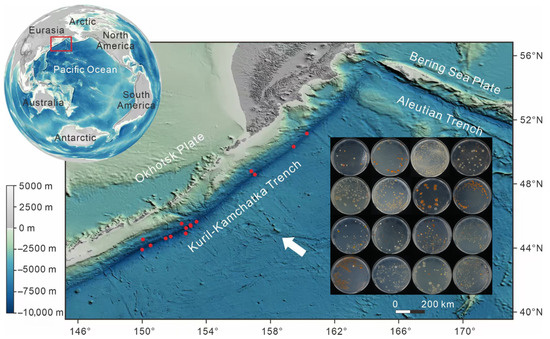
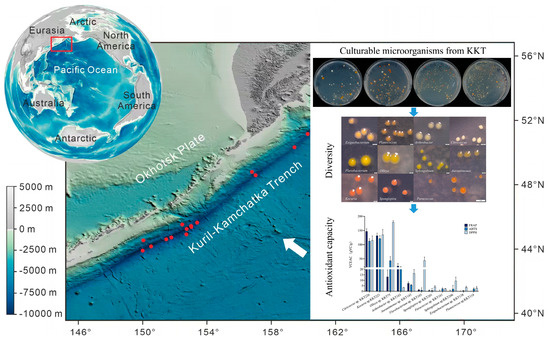
Despite its extreme conditions, the hadal environment harbors abundant but largely underexplored microbial resources. In this study, samples from the Kuril-Kamchatka Trench (KKT) were enriched at low temperature using R2A and 2216E media. Carotenoid-producing microorganisms (CPMs) were isolated from approximately one-third of the
[...] Read more.
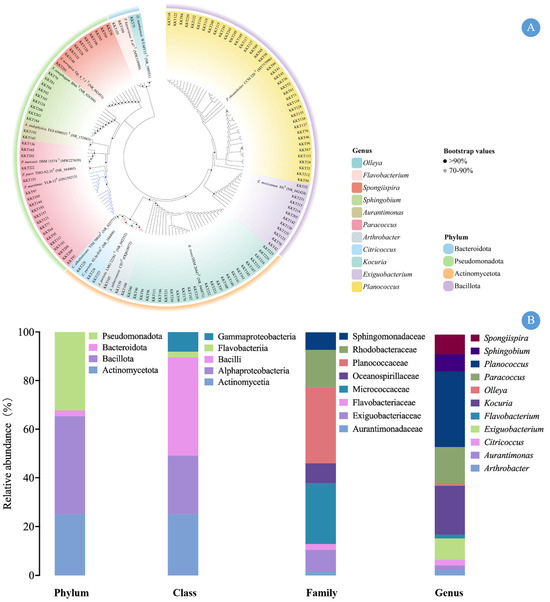
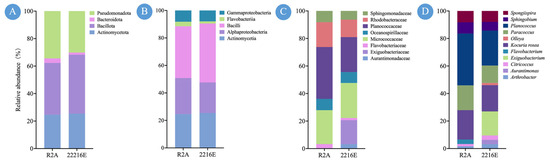
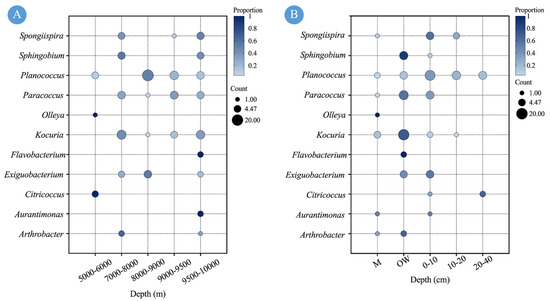
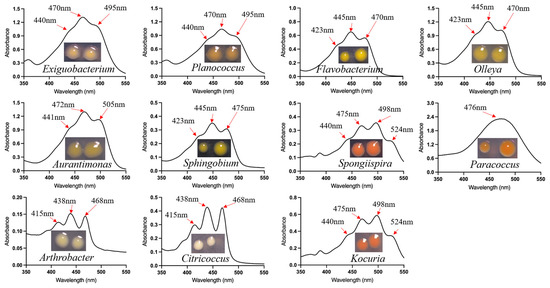
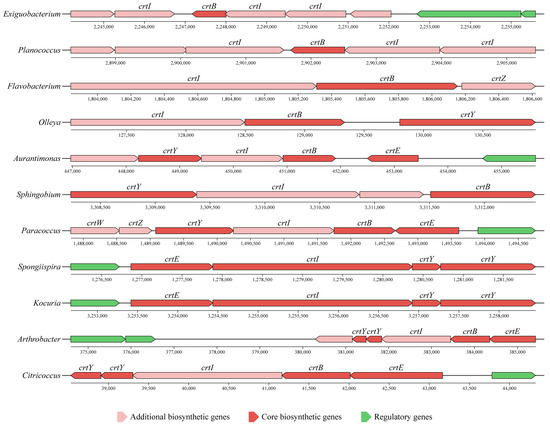
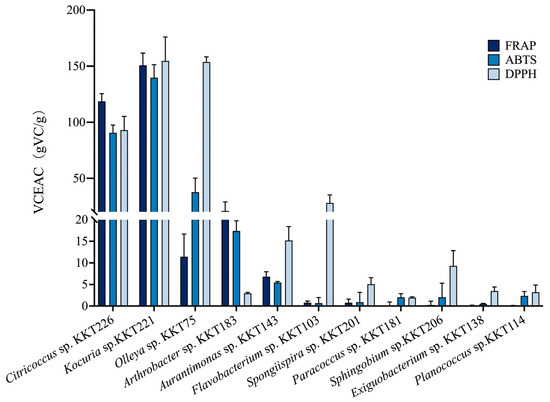
Despite its extreme conditions, the hadal environment harbors abundant but largely underexplored microbial resources. In this study, samples from the Kuril-Kamchatka Trench (KKT) were enriched at low temperature using R2A and 2216E media. Carotenoid-producing microorganisms (CPMs) were isolated from approximately one-third of the samples, yielding a total of 124 isolated strains spanning 4 phyla and 11 genera. Planococcus, Kocuria, Paracoccus, and Exiguobacterium collectively accounted for 75.8% of the isolates. The choice of culture medium significantly influenced CPM diversity at the family and genus levels, though not at the phylum or class level. Water depth, sample type, and sediment layer also significantly affected CPM community structure. Carotenoid spectral profiles correlated with phylogenetic lineage, and closer phylogenetic relationships corresponded to greater similarity in carotenoid biosynthesis gene clusters. Antioxidant assays (FRAP, ABTS, DPPH) demonstrated strong total antioxidant and radical scavenging capacities in carotenoid extracts from Citricoccus, Kocuria, Arthrobacter, and Olleya. Scavenging activity toward ABTS or DPPH radicals varied significantly among genera, suggesting genus-specific antioxidant mechanisms. These findings highlight the hadal zone as a promising reservoir of diverse CPMs and a valuable source of novel carotenoids and antioxidant-producing strains with potential biotechnological applications.
Full article
(This article belongs to the Special Issue Marine Extremophiles and Their Metabolites)
►▼
Show Figures

Graphical abstract
Open AccessArticle
Halamphora sp. Reduces Inflammation in LPS-Stimulated Human Malignant Melanoma and Immortalized Keratinocytes Influencing TNF-α Release
by
Eleonora Montuori, Espen Holst Hansen, Calum J. McMullen, Katja Rietdorf, Carlos Almeida, Antera Martel Quintana, Assunta Saide and Chiara Lauritano
Mar. Drugs 2026, 24(3), 104; https://doi.org/10.3390/md24030104 - 10 Mar 2026
Abstract
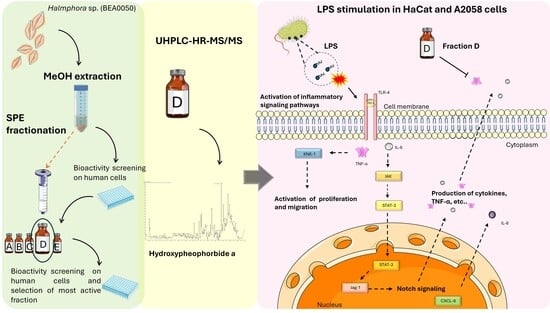
Malignant melanoma is skin cancer arising from genetically altered melanocytes. Recently, a complex relationship between melanoma and chronic inflammation has been highlighted, representing an excellent condition for tumor development. Microalgae have been shown to be a promising source of bioactive compounds for drug
[...] Read more.
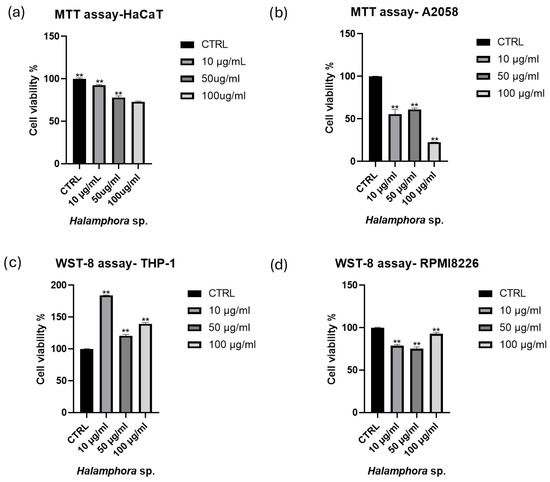
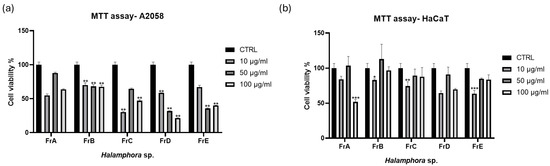
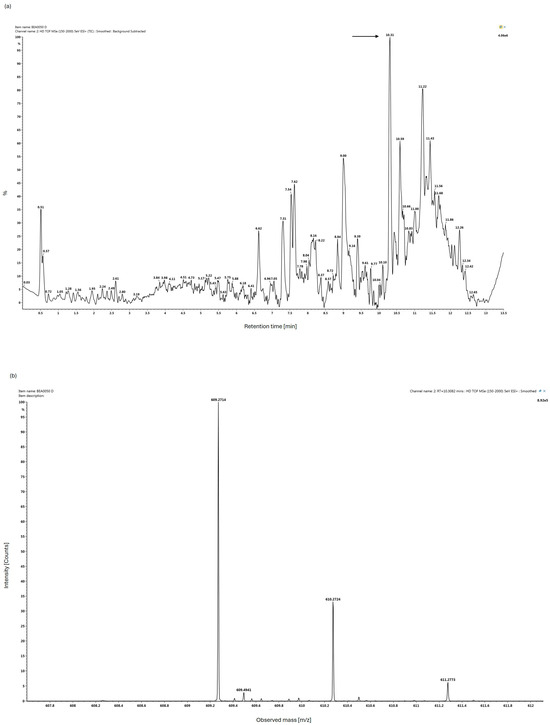
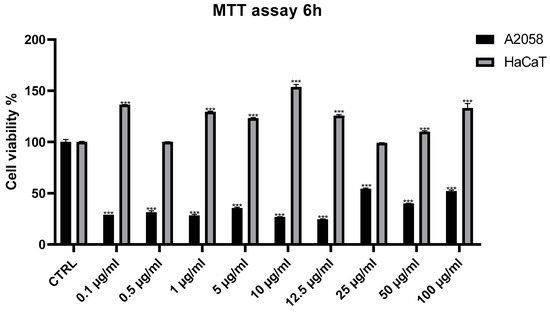
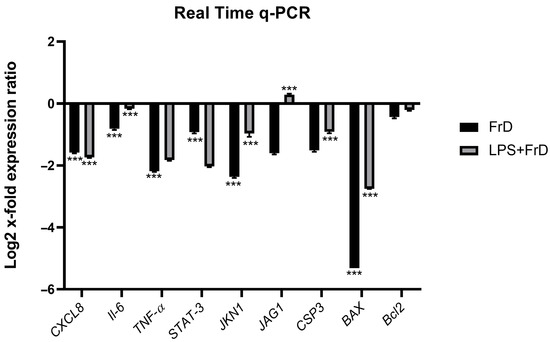
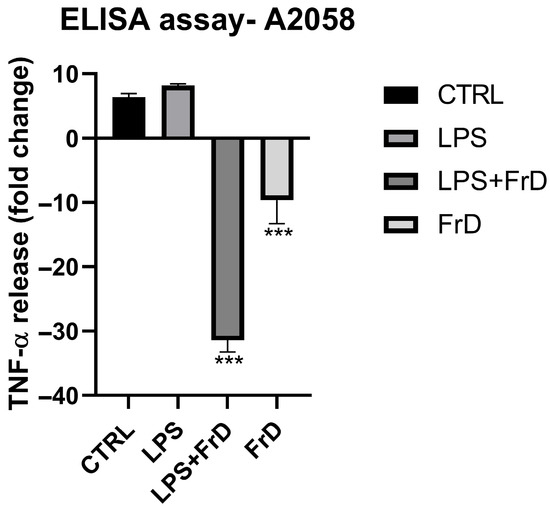
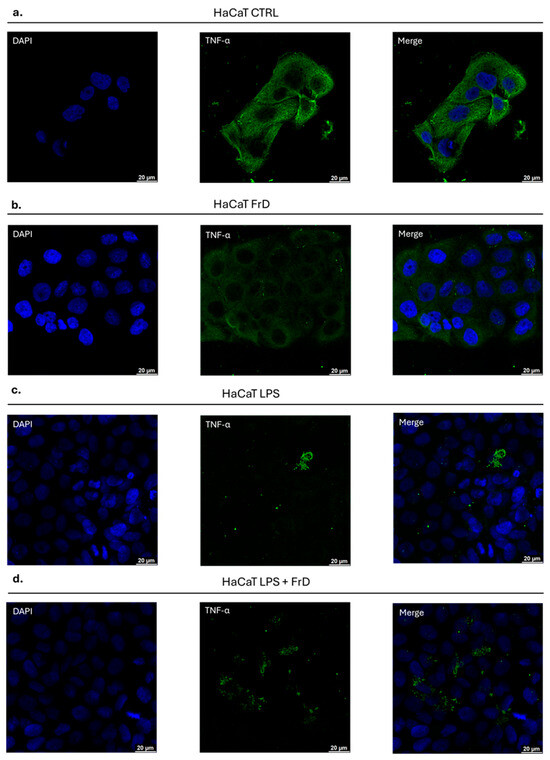
Malignant melanoma is skin cancer arising from genetically altered melanocytes. Recently, a complex relationship between melanoma and chronic inflammation has been highlighted, representing an excellent condition for tumor development. Microalgae have been shown to be a promising source of bioactive compounds for drug discovery. In this study, we investigated Halamphora sp. (BEA0050) to identify possible compounds with immunomodulatory activity. The most active fraction (fraction D) showed anti-inflammatory activity against human melanoma cancer cells (A2058) stimulated using lipopolysaccharide (LPS) to induce an inflammatory phenotype. Chemical profiling of the bioactive fraction using chromatography and high-resolution mass spectrometry (UHPLC-HR-MS) revealed hydroxypheophorbide a, a breakdown product of chlorophyll a. In order to investigate the mechanism of action, the TNF-α release was detected through ELISA sandwich assays in A2058 cells and through confocal microscopy in LPS-stimulated HaCaT cells. Gene expression of principal pro-inflammatory cytokines and pathways was detected through real-time PCR, which showed the down-regulation of the inflammatory pathway in LPS-induced A2058 and HaCaT cells treated with 12.5 µg/mL of fraction D. This study reports for the first time the anti-melanoma and anti-inflammatory activities of Halamphora sp., identifying protein mediators and highlighting its biotechnological potential.
Full article
(This article belongs to the Special Issue Marine Anti-Inflammatory and Antioxidant Agents, 5th Edition)
►▼
Show Figures

Graphical abstract
Open AccessArticle
Targeted Inactivation of an α/β Hydrolase Gene Enables Discovery of Heterodimeric Nenestatins
by
Wenzheng Wei, Xiaodong Jiang, Yiguang Zhu, Wenjun Zhang, Chunfang Yang, Qingbo Zhang and Changsheng Zhang
Mar. Drugs 2026, 24(3), 103; https://doi.org/10.3390/md24030103 - 8 Mar 2026
Abstract
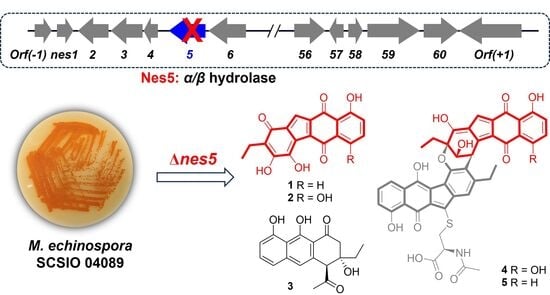
Nenestatins (NENs) belong to benzo[b]fluorene-containing atypical angucyclines, a structurally diverse class of microbial natural products. Bioinformatic analysis of the NEN biosynthetic gene cluster (nes BGC) from the deep-sea sediment-derived Micromonospora echinospora SCSIO 04089 implicated Nes5 as an α/β hydrolase. The
[...] Read more.
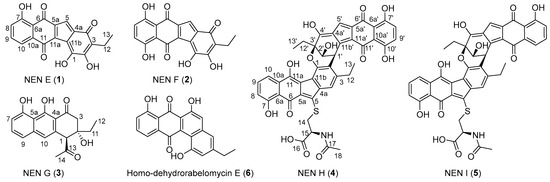
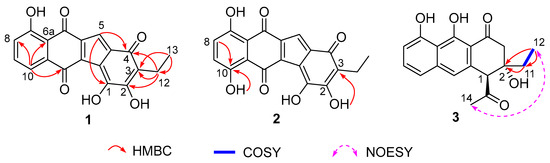
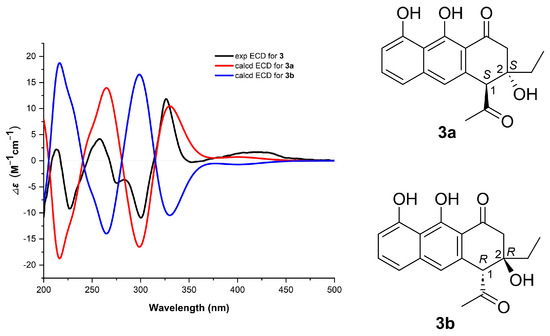
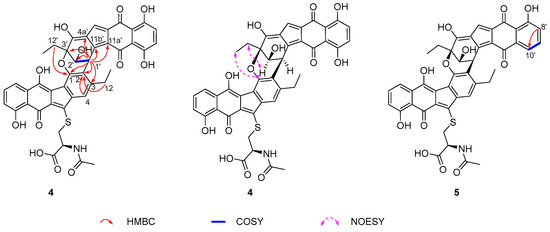
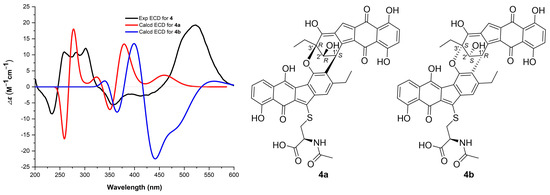
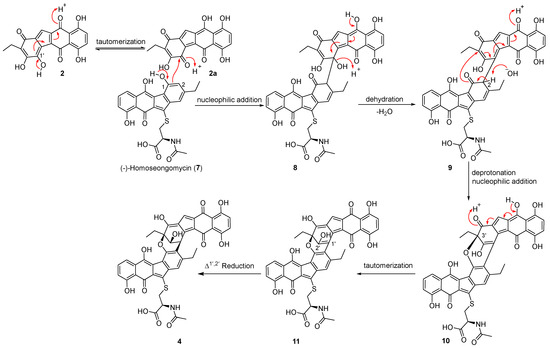
Nenestatins (NENs) belong to benzo[b]fluorene-containing atypical angucyclines, a structurally diverse class of microbial natural products. Bioinformatic analysis of the NEN biosynthetic gene cluster (nes BGC) from the deep-sea sediment-derived Micromonospora echinospora SCSIO 04089 implicated Nes5 as an α/β hydrolase. The targeted inactivation of the nes5 gene led to the accumulation of five new analogs, NENs E–I (1–5), together with the known monomer homo-dehydrorabelomycin E (6). Their structures were elucidated by comprehensive spectroscopic analysis and electronic circular dichroism calculations. Notably, both NEN A and NEN B were absent in the Δnes5 mutant, indicating that Nes5 is essential for their biosynthesis; however, the exact function of Nes5 requires further exploration.
Full article
(This article belongs to the Section Marine Pharmacology)
►▼
Show Figures

Graphical abstract
Open AccessReview
Marine Lectins in Innate Immune Modulation: Mechanistic Insights, Signaling Pathways, and a Cross-Taxa Evidence Landscape
by
Chang-Eui Hong and Su-Yun Lyu
Mar. Drugs 2026, 24(3), 102; https://doi.org/10.3390/md24030102 - 6 Mar 2026
Abstract
Marine lectins function as pattern recognition receptors in innate immunity through carbohydrate-binding mechanisms. However, mechanistic evidence detailing intracellular signaling cascades (e.g., MAPK/NF-κB/JAK-STAT activation linked to defined cytokine outputs) remains taxonomically uneven. Bivalve mollusks—particularly the Mytilectin family—represent the most extensively characterized group, whereas lectins
[...] Read more.
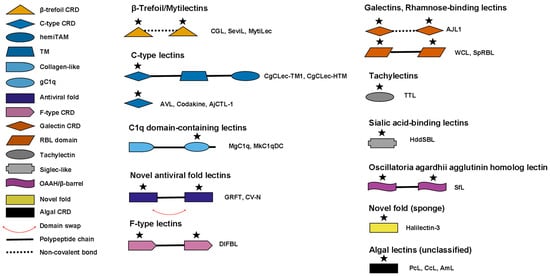
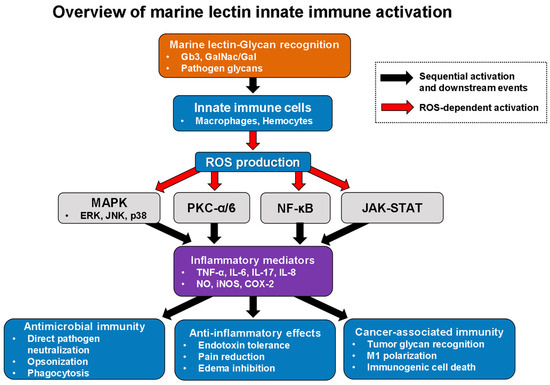
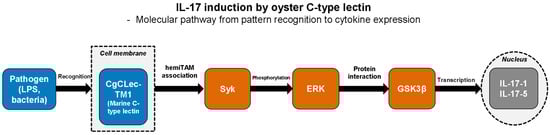
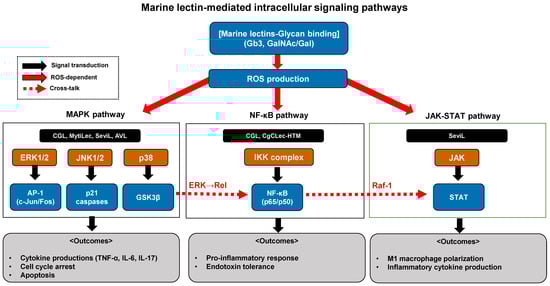
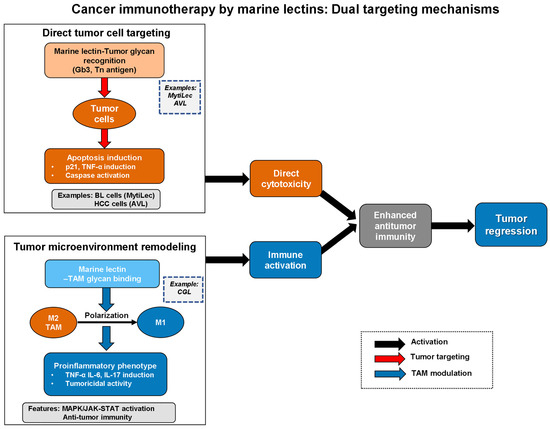
Marine lectins function as pattern recognition receptors in innate immunity through carbohydrate-binding mechanisms. However, mechanistic evidence detailing intracellular signaling cascades (e.g., MAPK/NF-κB/JAK-STAT activation linked to defined cytokine outputs) remains taxonomically uneven. Bivalve mollusks—particularly the Mytilectin family—represent the most extensively characterized group, whereas lectins from other marine phyla (echinoderms, cnidarians, fish, algae) have been studied primarily for structural and glycan-binding properties alongside phenotypic antimicrobial outcomes. Signaling-level resolution in native immune-cell contexts, while present in some cases, remains comparatively limited. This review synthesizes mechanistic insights dominated by bivalve-derived lectins, while integrating cross-taxa comparisons at evidence-supported levels. Specific bivalve lectins induce macrophage activation and pro-inflammatory cytokine production through reactive oxygen species-dependent activation of key signaling pathways including MAPK, NF-κB, and JAK-STAT cascades. These lectins exhibit context-dependent properties, promoting inflammatory responses in resting cells while inducing endotoxin tolerance in pre-activated macrophages through epigenetic reprogramming. Functional outcomes include broad-spectrum antiviral activity through viral envelope glycoprotein binding, anti-inflammatory effects in pain models, and cancer-associated immune responses through tumor glycan recognition and macrophage polarization. Critical gaps include uncharacterized effects on adaptive immunity, limited understanding of dendritic cell and natural killer cell interactions, and incomplete evaluation of cancer immunotherapy potential. Future research should prioritize mechanistic characterization of marine lectin-based immunotherapeutics.
Full article
(This article belongs to the Section Marine Pharmacology)
►▼
Show Figures

Figure 1
Journal Menu
► ▼ Journal Menu-
- Marine Drugs Home
- Aims & Scope
- Editorial Board
- Reviewer Board
- Instructions for Authors
- Special Issues
- Topics
- Sections & Collections
- Article Processing Charge
- Indexing & Archiving
- Editor’s Choice Articles
- Most Cited & Viewed
- Journal Statistics
- Journal History
- Journal Awards
- Society Collaborations
- Conferences
- Editorial Office
Journal Browser
► ▼ Journal Browser-
arrow_forward_ios
Forthcoming issue
arrow_forward_ios Current issue - Vol. 24 (2026)
- Vol. 23 (2025)
- Vol. 22 (2024)
- Vol. 21 (2023)
- Vol. 20 (2022)
- Vol. 19 (2021)
- Vol. 18 (2020)
- Vol. 17 (2019)
- Vol. 16 (2018)
- Vol. 15 (2017)
- Vol. 14 (2016)
- Vol. 13 (2015)
- Vol. 12 (2014)
- Vol. 11 (2013)
- Vol. 10 (2012)
- Vol. 9 (2011)
- Vol. 8 (2010)
- Vol. 7 (2009)
- Vol. 6 (2008)
- Vol. 5 (2007)
- Vol. 4 (2006)
- Vol. 3 (2005)
- Vol. 2 (2004)
- Vol. 1 (2003)
Highly Accessed Articles
Latest Books
E-Mail Alert
News
Topics
Topic in
Applied Biosciences, Applied Sciences, Fermentation, Marine Drugs, Microorganisms, Phycology
Microalgae: Current Trends in Basic Research and Applications
Topic Editors: Nhuan Nghiem, Tae Hyun KimDeadline: 31 March 2026
Topic in
Applied Biosciences, Applied Microbiology, Fermentation, Marine Drugs, Microorganisms
Microbial Cell Factories for Natural Products
Topic Editors: Carlos Barreiro, Ana Ibáñez, José L. BarredoDeadline: 31 May 2026
Topic in
Marine Drugs, Water, Microorganisms, Applied Sciences, BioTech, Foods, Chemistry
Microalgae-Based Technologies for Wastewater Treatment, Resource Recovery, and High-Value Bioproducts
Topic Editors: Yuansheng Hu, Hui Chen, Liqin Sun, Zhongliang SunDeadline: 30 September 2026
Topic in
Dietetics, Foods, Marine Drugs, Nutrients, Oceans, Phycology
Microalgae-Based Foods and Ingredients: Innovative Processing, Sensory Quality, and Functional Applications
Topic Editors: Haohao Wu, Xiaojin Song, Han Sun, Adewale Olusegun Obadina, Wenhui GuDeadline: 12 March 2027
Conferences
Special Issues
Special Issue in
Marine Drugs
Innovative Marine Nanomaterials in Targeted Drug Delivery
Guest Editors: Ioanna Pitterou, Anastasia DetsiDeadline: 31 March 2026
Special Issue in
Marine Drugs
Microalgae Cultures and Their Value in Nutraceutical/Cosmetic Industry
Guest Editor: Christos ChatzidoukasDeadline: 31 March 2026
Special Issue in
Marine Drugs
Advances in Research on Fucoidan: Potential as Drug and Functional Food
Guest Editors: Dineth Pramuditha Nagahawatta, Nisansala LiyanageDeadline: 31 March 2026
Special Issue in
Marine Drugs
Proteomic Studies for the Identification and Characterization of Marine Bioactive Molecules, 2nd Edition
Guest Editor: Nedeljka RosicDeadline: 31 March 2026
Topical Collections
Topical Collection in
Marine Drugs
Bioactive Compounds from Marine Plankton
Collection Editor: Georg Pohnert
Topical Collection in
Marine Drugs
Bioactive Compounds from Marine Invertebrates
Collection Editor: Kirsten Benkendorff
Topical Collection in
Marine Drugs
Microalgal Active Biomolecules
Collection Editor: Cédric Delattre