Journal Description
Limnological Review
Limnological Review
is an international, peer-reviewed, open access journal that covers all different subdisciplines of freshwater science, published quarterly online by MDPI (from Volume 22, Issue 1 - 2023). The Polish Limnological Society is affiliated with Limnological Review and its members receive discounts on article processing charges.
- Open Access— free for readers, with article processing charges (APC) paid by authors or their institutions.
- High Visibility: indexed within Scopus, GeoRef, Inspec, CAPlus / SciFinder, and other databases.
- Rapid Publication: manuscripts are peer-reviewed and a first decision is provided to authors approximately 23.3 days after submission; acceptance to publication is undertaken in 8.1 days (median values for papers published in this journal in the second half of 2025).
- Testimonials: See what our editors and authors say about Limnological Review.
- Recognition of Reviewers: APC discount vouchers, optional signed peer review, and reviewer names published annually in the journal.
- Journal Clusters of Water Resources: Water, Journal of Marine Science and Engineering, Hydrology, Resources, Oceans, Limnological Review, Coasts.
Latest Articles
Hematological Values of Two Species of Amazonian Caimans, Caiman crocodilus and Melanosuchus niger
Limnol. Rev. 2026, 26(1), 4; https://doi.org/10.3390/limnolrev26010004 - 6 Feb 2026
Abstract
►
Show Figures
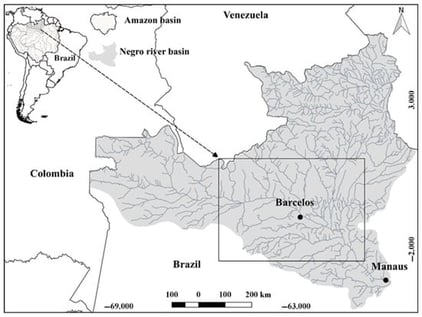
Determining hematological values is essential to provide baseline health and condition data. We evaluated the hematological parameters of free-living individuals of Caiman crocodilus and Melanosuchus niger from the middle Negro River region of Brazil. We captured 18 C. crocodilus and 16 M. niger
[...] Read more.
Determining hematological values is essential to provide baseline health and condition data. We evaluated the hematological parameters of free-living individuals of Caiman crocodilus and Melanosuchus niger from the middle Negro River region of Brazil. We captured 18 C. crocodilus and 16 M. niger. Blood was drawn using syringes containing 10% EDTA, and blood parameters were determined as previously described. The analyzed erythrocyte parameters were similar across the species, demonstrating that, despite their different sizes, they share similar strategies for oxygen absorption and transport in the blood. In the morphological analysis of blood cells, erythrocytes, erythroblasts, thrombocytes, lymphocytes, neutrophils, azurophils, heterophils, and basophils were found, and, in the quantification of leukocytes and thrombocytes, it was noted that lymphocytes are the central cells in the blood of the Amazonian caiman. In the plasma metabolite results, no significant differences were observed between glucose and total protein levels. Key physiological parameters were established to assess the health of C. crocodilus and M. niger, enabling the application of this information to sustainable captive production programs and helping to reduce pressure on wild populations.
Full article
Open AccessArticle
First Record of the Invasive Species Melanoides tuberculata (Müller, 1774) (Gastropoda: Thiaridae) in a Tourist Waterfall Complex in the State of Maranhão, Brazil
by
Guilherme Silva Miranda, João Gustavo Mendes Rodrigues, Thamirys Borges Galdino, Marcia Regina da Silva Costa, Rafael Costa Leite and Thiago Ferreira Soares
Limnol. Rev. 2026, 26(1), 3; https://doi.org/10.3390/limnolrev26010003 - 6 Feb 2026
Abstract
►▼
Show Figures
Melanoides tuberculata is one of the world’s main invasive snail species; therefore, mapping its occurrence is essential for predicting its dispersion patterns and proposing control measures. This study aimed to map the occurrence of M. tuberculata and its associated parasites in a tourist
[...] Read more.
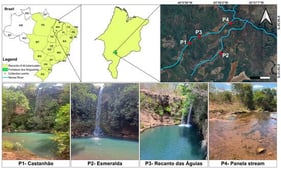
Melanoides tuberculata is one of the world’s main invasive snail species; therefore, mapping its occurrence is essential for predicting its dispersion patterns and proposing control measures. This study aimed to map the occurrence of M. tuberculata and its associated parasites in a tourist waterfall complex located in Fortaleza dos Nogueiras, Southern Maranhão, Brazil. We collected snails over three months (July, August, and September 2025) in the Castanhão, Esmeralda, and Recanto das Águias waterfalls, and in the Panela stream, to estimate their reproductive stage and to assess the presence of parasites. We demonstrated for the first time the occurrence of M. tuberculata at all evaluated collection points. Morphological data of the shells suggested that the M. tuberculata populations were in the initial phase of their reproductive cycle; however, some specimens showed a complete reproductive stage. Additionally, we found M. tuberculata infected with trematode larvae that resembled the Gymnocephalus-type cercariae in the Castanhão waterfall and Panela stream. Therefore, we updated the distribution of M. tuberculata in Brazil and discussed the possible environmental and public health impacts of this species in the study area.
Full article

Figure 1
Open AccessArticle
Fish Communities and Management Challenges in Three Ageing Tropical Reservoirs in Southwestern Nigeria
by
Olumide Temitope Julius, Francesco Zangaro, Roberto Massaro, Marco Rainò, Francesca Marcucci, Armando Cazzetta, Franca Sangiorgio, John Bunmi Olasunkanmi, Valeria Specchia, Oluwafemi Ojo Julius, Mahallelah Shauer, Alberto Basset and Maurizio Pinna
Limnol. Rev. 2026, 26(1), 2; https://doi.org/10.3390/limnolrev26010002 - 4 Jan 2026
Abstract
►▼
Show Figures
Three ageing reservoirs in Ekiti State, Nigeria (Ureje constructed in 1958, Egbe in 1982, and Ero in 1989), were comparatively assessed to evaluate fish assemblages and their conservation relevance. Despite the absence of formal fisheries governance, all three reservoirs supported temporally stable fish
[...] Read more.
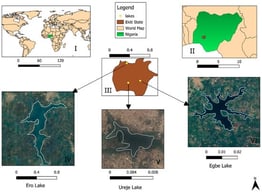
Three ageing reservoirs in Ekiti State, Nigeria (Ureje constructed in 1958, Egbe in 1982, and Ero in 1989), were comparatively assessed to evaluate fish assemblages and their conservation relevance. Despite the absence of formal fisheries governance, all three reservoirs supported temporally stable fish communities with low overall diversity. A core assemblage of six species dominated across sites, while species richness increased from seven species in the small urban Ureje reservoir to nine species in the larger and more rural Ero reservoir. Four native species that have become locally scarce in surrounding river systems (Heterotis niloticus, Parachanna obscura, Hepsetus odoe, and Hyperopisus bebe) persisted at low but consistent abundance. Aquatic environmental variables remained within suitable limits for freshwater fishes, and trophic structure appeared intact across the reservoirs. Catch density was substantially higher in the urban reservoir compared to the rural systems, reflecting spatial differences in fishing intensity. Overall, the findings demonstrate that small tropical reservoirs can function as important freshwater habitats that sustain fish biodiversity and fisheries production in modified landscapes.
Full article

Figure 1
Open AccessArticle
Assessment of Changes in the Size Structure of Ichthyofauna Based on Hydroacoustic Studies, and the Possibility of Assessing Changes in the Ecological State of Lakes on the Example of Lake Dejguny
by
Andrzej Hutorowicz
Limnol. Rev. 2026, 26(1), 1; https://doi.org/10.3390/limnolrev26010001 - 30 Dec 2025
Abstract
►▼
Show Figures
The ecological status of lakes based on ichthyofauna, as defined by the Water Framework Directive, is assessed using intercalibrated methods. However, the methods adopted (in Poland, the Lake Fish Index LFI-EN method, based on results of one-off fishing with multi-mesh gillnets) are labor-intensive
[...] Read more.
The ecological status of lakes based on ichthyofauna, as defined by the Water Framework Directive, is assessed using intercalibrated methods. However, the methods adopted (in Poland, the Lake Fish Index LFI-EN method, based on results of one-off fishing with multi-mesh gillnets) are labor-intensive and do not allow for frequent repeat testing. Therefore, the concept of a simple model describing changes in the relative number of single traces in the vertical profile (according to the TS target strength distribution) in a lake is presented, as well as an index (the sum of deviations from such a model), enabling quantification of the similarity of TS distributions in lakes with this model. Preliminary analyses were conducted on acoustic data collected in Lake Dejguny. This lake—the condition of which could be estimated based on historical data using the relationships between LFI and the degree of lake eutrophication (expressed by Carlson’s TSI)—was assessed as having a good status in 2006, whereas in 2021, (based on LFI-EN) it had a moderate status. The study tested the TS distribution model, calculated as the arithmetic mean of the relative number of single traces in 2 m-thick layers. It was also shown that the proposed indicator can effectively signal deterioration of ecological status—the sum of the absolute values of the TS distribution deviations in 2021 (moderate status) from the model was more than seven times greater than the sum of the deviations of the distributions from which the model was built (good status). The obtained results confirmed the hypothesis about the possibility of determining a characteristic distribution of single traces in the vertical profile when the lake was classified as being in good condition.
Full article

Figure 1
Open AccessArticle
Do Urban Trout Streams Have Higher Fish Community Diversity and Taxa Richness but Reduced Biotic Integrity Compared to Their Rural Counterparts? A Pilot Study
by
Neal D. Mundahl
Limnol. Rev. 2025, 25(4), 55; https://doi.org/10.3390/limnolrev25040055 - 9 Dec 2025
Abstract
Urban streams are subjected to a variety of impacts from stormwater runoff, channelization, routing through culverts, and highly modified riparian zones, all of which can have negative effects on stream habitats and resident fish communities. Coldwater trout streams in urban areas may be
[...] Read more.
Urban streams are subjected to a variety of impacts from stormwater runoff, channelization, routing through culverts, and highly modified riparian zones, all of which can have negative effects on stream habitats and resident fish communities. Coldwater trout streams in urban areas may be especially impacted due to their normally low fish diversity and the higher intolerance of those species to such factors as stream temperature, dissolved oxygen concentrations, and water chemistry. Fish communities were examined at two sites in each of four coldwater trout streams in southeastern Minnesota USA: one site within the residential/commercial areas of a city and one site outside of the city limits in rural (agricultural) areas. Fish were surveyed (all fish counted and identified) in representative 150 to 200 m sections at each stream site with a backpack electrofisher. Data were used to produce Simpson and Shannon diversity indices, taxa richness values, a coldwater index of biotic integrity (IBI) score and rating for each site, and an NMDS plot using fish communities to compare between urban and rural stream sections. Overall, fish representing 17 different species and 11 families were found at the sites examined. Brown trout (Salmo trutta) comprised 65% of the total catch and was the only species collected at every site. Average fish species richness was nearly three times higher at urban sites than at rural sites, and Simpson and Shannon diversities were also significantly (four to five times) higher at urban compared to rural sites. However, coldwater IBI scores were significantly higher at rural (average = 93, good rating) than at urban (average score = 59, a fair rating) sites, indicating better coldwater biotic integrity in rural stream sections. A NMDS plot indicated that fish communities at urban sites were more similar to one another than they were to rural site communities; separation between urban and rural sites was largely influenced by species exclusive to urban sites. Reduced biotic integrity and altered fish community composition in urban streams likely resulted from a combination of factors including modified stream habitat and hydrology, warmer water temperatures, and urban runoff.
Full article
(This article belongs to the Special Issue Functional Ecology of Urban Streams)
►▼
Show Figures

Figure 1
Open AccessArticle
Steroid Hormone Pollution and Life History Strategies of Freshwater Planarians and Snails in a Mesocosm Experiment
by
Marcin Weselak and Anita Kaliszewicz
Limnol. Rev. 2025, 25(4), 54; https://doi.org/10.3390/limnolrev25040054 - 14 Nov 2025
Abstract
►▼
Show Figures
The problem of steroid hormones in the aquatic environment remains a current global research topic. These substances have a strong impact on biological processes, contributing to reductions in the populations of numerous fish and amphibian species. The impact of steroid hormones, especially the
[...] Read more.
The problem of steroid hormones in the aquatic environment remains a current global research topic. These substances have a strong impact on biological processes, contributing to reductions in the populations of numerous fish and amphibian species. The impact of steroid hormones, especially the third-generation progestogens, on aquatic invertebrates is poorly understood. We aimed to determine whether desogestrel, progestogen of low androgenic activity, affects the reproduction and growth of the following freshwater invertebrates: snails of the species Melanoides tuberculata and the planarian Dugesia sp. We also tried to estimate the threshold concentrations of this substance at which significant changes in both the behavior and reproductive activity of the studied organisms are observed. In the mesocosm experiment, we performed three treatments with the following different concentrations of desogestrel: control 0 ng/L, medium 10 ng/L, and high 100 ng/L. The high hormone concentration significantly reduced the reproduction of both snails and planarians, despite their different life history strategies, compared to the control. Both planarians and snails showed a significantly lower abundance in the high concentration compared to the 10 ng/L treatment, indicating a threshold concentration > 10 ng/L. The impacts of steroid hormone pollution on aquatic organisms and the need for further research are discussed.
Full article

Figure 1
Open AccessCommunication
Long-Term Eutrophication in Mesotrophic–Eutrophic Lake Kawaguchi, Japan, Based on Observations of the Horizontal Distribution of Profundal Chironomid Larvae and Oligochaetes
by
Kimio Hirabayashi and Masaaki Takeda
Limnol. Rev. 2025, 25(4), 53; https://doi.org/10.3390/limnolrev25040053 - 1 Nov 2025
Abstract
Many researchers have used the species composition, relative abundance and distribution pattern of profundal benthic macroinvertebrate communities in particular, especially chironomid fauna, as indicators of the trophic state and pollution of lakes. In addition, compared with previous benthic macroinvertebrate data, it is expected
[...] Read more.
Many researchers have used the species composition, relative abundance and distribution pattern of profundal benthic macroinvertebrate communities in particular, especially chironomid fauna, as indicators of the trophic state and pollution of lakes. In addition, compared with previous benthic macroinvertebrate data, it is expected that the process of eutrophication/oligotrophication of lakes can also be traced. Benthic macroinvertebrate distribution was studied in Lake Kawaguchi, Japan (maximum depth 16.1 m; mean depth 9.3 m), on 7 March 2025. The benthic animals identified were aquatic oligochaetes, chironomid larvae, shellfish and others. Differences among environmental factors and zoobenthos densities and rank correlation were analyzed using a non-parametric test. The mean density of oligochaetes, which was the dominant group, was 2457 ± 1247 individuals/m2, followed by chironomid larvae at 816 ± 391 individuals/m2. The larvae of Propsilocerus akamusi were the most abundant species at 669 ± 358 individuals/m2, followed by Chironomus plumosus at 109 ± 114 individuals/m2. Other chironomids (38 ± 75 individuals/m2) were also captured. Benthic communities were collected at all sites, but each taxa had its own characteristics. Oligochaetes and C. plumosus were widely distributed throughout the lake, whereas the distribution of P. akamusi was skewed toward the western part of the lake. In comparison with previous studies, P. akamusi larvae were now found to be the most abundant chironomid species in this lake, accounting for an increased percentage of the chironomid community, while C. plumosus larvae had decreased in recent years. In addition, the higher levels of organic matter in the upper sediment layer of the lake suggest ongoing eutrophication. Previous studies classified Lake Kawaguchi as mesotrophic–eutrophic, but reconsideration of this classification is warranted given the above findings. We suggest that this lake be ranked as a eutrophic lake (chlorophyll-a concentration; ca. 0.05 mg/L) based on a long-term investigation of the changes in chironomid fauna.
Full article
(This article belongs to the Special Issue Trends in the Trophic State of Freshwater Ecosystems)
►▼
Show Figures

Figure 1
Open AccessArticle
Perceptions of Four Rural Communities Regarding the Largest Hydropower Project in Ecuador: The Case of Coca Codo Sinclair
by
Sebastian Naranjo-Silva, Diego Javier Punina-Guerrero and Edwin Angel Jacome-Dominguez
Limnol. Rev. 2025, 25(4), 52; https://doi.org/10.3390/limnolrev25040052 - 1 Nov 2025
Abstract
►▼
Show Figures
The global transition towards renewable energy production has increased the demand for new and more flexible hydropower operations. Although hydropower is generally considered environmentally friendly, it can cause environmental and social impacts. As the biggest and most representative hydropower project in Ecuador, the
[...] Read more.
The global transition towards renewable energy production has increased the demand for new and more flexible hydropower operations. Although hydropower is generally considered environmentally friendly, it can cause environmental and social impacts. As the biggest and most representative hydropower project in Ecuador, the Coca Codo Sinclair hydropower project (CCSHP) provides a relevant case of water use competition between local communities and the country’s development. In this study, perspectives of four communities near the CCSHP were analyzed through a survey with 183 responses collected in 52 days through door-to-door household visits in two upstream and two downstream towns. The analysis highlights that limited community participation in project design and insufficient communication strategies have undermined public acceptance, despite government promotion of its national benefits. Survey results reveal that 79% of respondents expressed negative perceptions, primarily about environmental change, displacement, and lack of compensation, while only 15% expressed positive views. It is important to note that the communities had no role in selecting the project location, and their involvement was limited, particularly regarding transportation, environmental changes, and the loss of local species. These findings suggest that project managers should strengthen dialogue with local communities and design participatory mechanisms that can improve trust and long-term project acceptance.
Full article

Graphical abstract
Open AccessArticle
Holistic Ecosystem Assessment of the Mangalia–Limanu Coastal Lake (Black Sea, Romania)
by
Ana Bianca Pavel, Catalina Gavrila, Irina Catianis, Gabriel Iordache, Florina Radulescu, Adrian Teaca and Laura Dutu
Limnol. Rev. 2025, 25(4), 51; https://doi.org/10.3390/limnolrev25040051 - 23 Oct 2025
Abstract
►▼
Show Figures
The Mangalia–Limanu coastal lake system, located in southeastern Romania along the Black Sea, represents a transitional aquatic environment shaped by the interplay between freshwater and marine influences. This study provides an integrated assessment of its physicochemical water parameters, sedimentological and geochemical properties, and
[...] Read more.
The Mangalia–Limanu coastal lake system, located in southeastern Romania along the Black Sea, represents a transitional aquatic environment shaped by the interplay between freshwater and marine influences. This study provides an integrated assessment of its physicochemical water parameters, sedimentological and geochemical properties, and benthic macroinvertebrate communities, aiming to evaluate its current ecological status and environmental dynamics. Field measurements using a multiparameter sonde revealed a predominantly freshwater to oligohaline system with moderate spatial heterogeneity. DO levels frequently reached supersaturation (>180%), coupled with high pH (~9.1), indicating intense daytime photosynthetic activity. Conductivity, TDS, and salinity increased longitudinally toward the port water area, while nitrate concentrations showed stronger signals upstream. Sediments were dominated by organic matter (18–88%), with lower carbonate (3–53%) and siliciclastic (8–49%) contents. Organic-rich deposits prevailed in the western-central sector, where reduced hydrodynamics and submerged vegetation favor autochthonous organic accumulation, whereas the eastern sector, exposed to marine action, showed more siliciclastic-rich substrates. Geochemical analyses revealed localized exceedances of Cr, Ni, Cu, Zn, and Pb regulatory thresholds (Order 161/2006), suggesting potential contamination hotspots. Benthic communities included 26 taxa, dominated by polychaetas, gammarids, and gastropods, with moderate diversity (H′ < 2). The results highlight a system under moderate anthropogenic pressure but retaining transitional lagoon characteristics, emphasizing the need for continued ecological monitoring and integrated management measures.
Full article

Figure 1
Open AccessReview
Management of Water Resources in South Africa: A Systematic Review
by
Landry S. Omalanga and Ednah K. Onyari
Limnol. Rev. 2025, 25(4), 50; https://doi.org/10.3390/limnolrev25040050 - 16 Oct 2025
Abstract
►▼
Show Figures
Water is a vital resource for human survival, economic development, and environmental sustainability. It is essential to agriculture, energy production, public health, and biodiversity preservation. Efficient water management is even more important in areas that are prone to scarcity. This paper presents a
[...] Read more.
Water is a vital resource for human survival, economic development, and environmental sustainability. It is essential to agriculture, energy production, public health, and biodiversity preservation. Efficient water management is even more important in areas that are prone to scarcity. This paper presents a systematic review of the management of water resources in South Africa, a country characterized by significant water scarcity challenges compounded by its socio-economic and ecological needs. South Africa’s limited freshwater resources are under extreme stress due to its semi-arid climate, unequal rainfall distribution, expanding population, and industrial needs. The nation’s water security has also been made more difficult by historical injustices, climatic fluctuations, and decaying infrastructure. Through a systematic review of 60 scholarly articles published between 2011 and 2025 in the Web of Science database, this study discusses the historical context of water management in South Africa, including the legacy of apartheid-era policies and their impact on access to water. It also examines current management practices, governance structures involving national and local authorities, the role of key institutions such as the Department of Water and Sanitation (DWS), climate change impact on water availability, population growth and urbanization, inequality and access, and challenges in South Africa’s water resources management (WRM). In particular, this review highlights the integration of scientific water quality and biostability assessment into the Integrated Water Resources Management (IWRM) framework in order to produce actionable insights that enhance resilience, sustainability, and equity in WRM. Furthermore, it explores future strategies for sustainable WRM, emphasizing the importance of IWRM, community participation, technological innovation, and climate change adaptation. Through this comprehensive analysis, the paper aims to contribute to a deeper understanding of the complexities and opportunities in ensuring water security for all South Africans.
Full article

Figure 1
Open AccessArticle
Studies of Volatile Organic Compounds Emission from Bottom Sediments of Mid–Forest Eutrophic Lake with the Use of Proton Transfer Reaction Mass Spectrometry
by
Józef Antonowicz and Tomasz Wróblewski
Limnol. Rev. 2025, 25(4), 49; https://doi.org/10.3390/limnolrev25040049 - 14 Oct 2025
Abstract
In 2023, studies were conducted on volatile organic compounds (VOCs) emitted from the bottom sediments of the mid-forest eutrophic lake. Lake Łętowskie is located in northern Poland and covers an area of 402 hectares. It is part of the “Łętowskie Lake and the
[...] Read more.
In 2023, studies were conducted on volatile organic compounds (VOCs) emitted from the bottom sediments of the mid-forest eutrophic lake. Lake Łętowskie is located in northern Poland and covers an area of 402 hectares. It is part of the “Łętowskie Lake and the vicinity of Kępice” Protected Landscape Area. Bottom sediment samples were collected from five sites located on the lake. The study sites differed in shoreline development: forest, agricultural land, and the central part of the lake. The emissions from the bottom sediment to the atmosphere of 20 volatile organic compounds were measured in the samples using a proton transfer reaction mass spectrometer (PTR-MS). This analytical technique enables the detection and determination of concentrations of volatile organic compounds characterized by proton affinity greater than that of water. The VOC data obtained showed different characteristics for study sites bordering forests and agricultural areas, which was supported by statistical analysis. The VOC data obtained from Lake Łętowskie were compared with results from neighboring lakes, demonstrating similarities to those observed in a lake with a forest catchment area.
Full article
(This article belongs to the Special Issue Trends in the Trophic State of Freshwater Ecosystems)
►▼
Show Figures

Figure 1
Open AccessArticle
Consequences of the Construction of a Small Dam on the Water Quality of an Urban Stream in Southeastern Brazil
by
Lucas Galli do Rosário, Ricardo Hideo Taniwaki and Luis César Schiesari
Limnol. Rev. 2025, 25(4), 48; https://doi.org/10.3390/limnolrev25040048 - 5 Oct 2025
Abstract
The growth of the human population, combined with climate change, has made the provisioning of water resources to human populations one of the greatest challenges of recent decades. One commonly adopted solution has been the construction of small dams and reservoirs close to
[...] Read more.
The growth of the human population, combined with climate change, has made the provisioning of water resources to human populations one of the greatest challenges of recent decades. One commonly adopted solution has been the construction of small dams and reservoirs close to urban settlements. However, concerns have arisen that, despite their small size, small dams may have environmental impacts similar to those known for large dams. The severe water crisis observed between 2014 and 2015 led to the multiplication of small dams in southeastern Brazil, such as the one built on the Fetá stream at the Capivari River basin in the municipality of Louveira. This study aimed to contribute to the assessment of the impacts of small dam construction on water quality by monitoring basic parameters and nutrients during the filling and stabilization period of the Fetá reservoir. As expected, the interruption of water flow and the increase in water residence time led to increases in temperature, pH, electrical conductivity, dissolved oxygen and concentrations of dissolved carbon and nitrogen, as well as a reduction in turbidity. Consistent with the shallow depth of the water column, neither thermal nor chemical stratification was observed. Nevertheless, the water quality of surface and bottom layers was markedly different. Over time, water volume and water quality tended to stabilize. This research clearly demonstrates that small dams and reservoirs cause qualitatively similar environmental impacts to those of large-scale dams and reservoirs worldwide.
Full article
(This article belongs to the Special Issue Functional Ecology of Urban Streams)
►▼
Show Figures

Figure 1
Open AccessArticle
Surface Water Treatment with Carica papaya-Based Coagulants: A Natural and Sustainable Solution
by
Guillermo Díaz-Martínez, Ricardo Navarro-Amador, José Luis Sánchez-Salas and Deborah Xanat Flores-Cervantes
Limnol. Rev. 2025, 25(4), 47; https://doi.org/10.3390/limnolrev25040047 - 4 Oct 2025
Abstract
►▼
Show Figures
Access to clean water remains a global challenge, particularly in areas where populations rely on surface water. These water sources must be treated. Coagulation with chemicals causes environmental problems and adverse effects on human health. Natural coagulants obtained from papaya (Carica papaya
[...] Read more.
Access to clean water remains a global challenge, particularly in areas where populations rely on surface water. These water sources must be treated. Coagulation with chemicals causes environmental problems and adverse effects on human health. Natural coagulants obtained from papaya (Carica papaya) waste are presented as an alternative that is safe for human health, non-polluting, and biodegradable. The effectiveness of these natural coagulants is compared to that of aluminum sulfate using jar tests and synthetic and natural surface water, with statistical tools to model treatment processes. All coagulants have competitive results, reaching turbidity remotion levels above 90%. However, in equivalent tested ranges, natural coagulants require lower dosages and perform better with high initial water turbidity due to their polymeric bridging mechanisms and adsorption processes through the action of their functional groups, as detected by FTIR analysis. Additional testing with contaminated water from the Valsequillo dam confirms the use of these coagulants to treat water, with papaya seed coagulant yielding the best results and requiring lower doses, making it a competitive alternative. It can be concluded that papaya-based coagulants obtained from waste can be used as an eco-friendly alternative to aluminum sulfate in physicochemical treatments to purify surface water for human consumption.
Full article

Figure 1
Open AccessArticle
Microplastics in Sediments of the Littoral Zone and Beach of Lake Baikal
by
Anastasia Solodkova, Sofya Biritskaya, Artem Guliguev, Diana Rechile, Yana Ermolaeva, Arina Lavnikova, Dmitry Golubets, Alyona Slepchenko, Ivan Kodatenko, Alexander Bashkircev, Natalia Kulbachnaya, Darya Kondratieva, Anna Solomka, Dmitry Karnaukhov and Eugene Silow
Limnol. Rev. 2025, 25(4), 46; https://doi.org/10.3390/limnolrev25040046 - 24 Sep 2025
Cited by 2
Abstract
►▼
Show Figures
Most studies on microplastic pollution in aquatic ecosystems have focused on the quantitative and qualitative assessment of particles in surface waters. However, the highest concentrations and accumulation of microplastic particles are observed in bottom sediments. The aim of this study was to determine
[...] Read more.
Most studies on microplastic pollution in aquatic ecosystems have focused on the quantitative and qualitative assessment of particles in surface waters. However, the highest concentrations and accumulation of microplastic particles are observed in bottom sediments. The aim of this study was to determine the concentrations of microplastic particles of different morphology in sediments in the beach and littoral zones of Lake Baikal. This study is the first in relation to Lake Baikal to focus specifically on the analysis of microplastic particles in bottom sediments. The results of the study showed that the registered values of concentration of microplastic particles do not exceed the average values for lakes around the world. The predominant type of particles in both the littoral zone and the beach is microplastic fibers. An exception is observed only for one of the locations. This exception is related to the permanent mooring of vessels in this place. Analysis of the types of artificial polymers showed that the microplastic fibers were represented by polyester, and the fragments were represented by alkyd resin (66%), polyvinyl alcohol (32%) and polyvinyl chloride (2%). Shown for the first time in this study, the presence of large numbers of microplastic particles with rare types of artificial polymers suggests that these particles may be under-reported in other studies. The underestimation of particles may be due either to the selection of sampling locations located far from heavily contaminated areas, or to the fragility of these polymers. Although the harm of these types of polymers has not yet been confirmed, the large number of these particles in local areas of lakes should be taken into account. This is due to the large number of organisms, which is usually characteristic of littoral areas, including Lake Baikal, with its diversity of fauna and flora.
Full article

Figure 1
Open AccessArticle
Phytoplankton Sampling: When the Method Shapes the Message
by
Diego Frau
Limnol. Rev. 2025, 25(3), 45; https://doi.org/10.3390/limnolrev25030045 - 18 Sep 2025
Cited by 1
Abstract
►▼
Show Figures
Different sampling techniques were evaluated to assess potential differences in species richness and the abundances of phytoplankton across several lowland aquatic environments. Five sampling methods were used, including a bucket, narrow- and wide-mouth bottles, a 10 µm plankton net, and a vertical Van
[...] Read more.
Different sampling techniques were evaluated to assess potential differences in species richness and the abundances of phytoplankton across several lowland aquatic environments. Five sampling methods were used, including a bucket, narrow- and wide-mouth bottles, a 10 µm plankton net, and a vertical Van Dorn bottle. These sampling methods were applied in subtropical streams, shallow lakes, and rivers. The results were compared using a two-way ANOVA to evaluate differences in total density by considering the morphological group and major phytoplankton phyla. Similarity analyses (SIMPER) and a permutational multivariate analysis of variance (PERMANOVA) were performed to compare the relative abundances of the species. The results showed, in general (except with Cyanophyta, Chrysophyta, and colonies—coenobia), significant differences in the effect of the sampling method but without interaction with the kind of environment. Particularly, the plankton net always reported lower density estimations, with the bucket having the highest values and the wide–narrow bottle methods having similar values. SIMPER and PERMANOVA indicated differences, especially with the plankton net and the other methods, particularly the bucket. These findings suggest that the sampling method can influence species counts and registration in subtropical water ecosystems, highlighting the need for standardized procedures across countries to obtain comparable and reliable results.
Full article

Graphical abstract
Open AccessArticle
Machine Learning-Enhanced Monitoring and Assessment of Urban Drinking Water Quality in North Bhubaneswar, Odisha, India
by
Kshyana Prava Samal, Rakesh Ranjan Thakur, Alok Kumar Panda, Debabrata Nandi, Alok Kumar Pati, Kumarjeeb Pegu and Bojan Đurin
Limnol. Rev. 2025, 25(3), 44; https://doi.org/10.3390/limnolrev25030044 - 12 Sep 2025
Abstract
►▼
Show Figures
Access to clean drinking water is crucial for any region’s social and economic growth. However, rapid urbanization and industrialization have significantly deteriorated water quality, posing severe pollution threats from domestic, agricultural, and industrial sources. This study presents an innovative framework for assessing water
[...] Read more.
Access to clean drinking water is crucial for any region’s social and economic growth. However, rapid urbanization and industrialization have significantly deteriorated water quality, posing severe pollution threats from domestic, agricultural, and industrial sources. This study presents an innovative framework for assessing water quality in North Bhubaneswar, integrating the Water Quality Index (WQI) with statistical analysis, geospatial technologies, and machine learning models. The WQI, calculated using the Weighted Arithmetic Index method, provides a single composite value representing overall water quality based on several key physicochemical parameters. To evaluate potable water quality across 21 wards in the northern zone, several key parameters were monitored, including pH, electrical conductivity (EC), dissolved oxygen (DO), hardness, chloride, total dissolved solids (TDSs), and biochemical oxygen demand (BOD). The Weighted Arithmetic WQI method was employed to determine overall water quality, which ranged from excellent to good. Furthermore, Principal Component Analysis (PCA) revealed a strong positive correlation (r > 0.6) between pH, conductivity, hardness, and alkalinity. To enhance the accuracy and reliability of water quality assessment, multiple machine learning models Logistic Regression (LR), Decision Tree (DT), Random Forest (RF), Support Vector Machine (SVM), K-Nearest Neighbors (KNN), and Naïve Bayes (NB) were applied to classify water quality based on these parameters. Among them, the Decision Tree (DT) and Random Forest (RF) models demonstrated the highest precision (91.8% and 92.7%, respectively) and overall accuracy (91.7%), making them the most effective in predicting water quality and integrating WQI, machine learning, and statistics to analyze water quality. The study emphasizes the importance of continuous water quality monitoring and offers data-driven recommendations to ensure sustainable access to clean drinking water in North Bhubaneswar.
Full article

Figure 1
Open AccessArticle
Estimating Lake–Groundwater Exchange Using Hourly Water Level Fluctuations in Central Florida
by
Cortney Cameron
Limnol. Rev. 2025, 25(3), 43; https://doi.org/10.3390/limnolrev25030043 - 11 Sep 2025
Abstract
►▼
Show Figures
With mounting anthropogenic pressures on groundwater supplies, practical methods for quantifying lake–groundwater exchange are critical for water resources management. This is particularly important in karst environments where surface–groundwater connectivity is often high. The White method uses nighttime water level fluctuations to estimate groundwater
[...] Read more.
With mounting anthropogenic pressures on groundwater supplies, practical methods for quantifying lake–groundwater exchange are critical for water resources management. This is particularly important in karst environments where surface–groundwater connectivity is often high. The White method uses nighttime water level fluctuations to estimate groundwater flux. While the White method has been applied to flooded wetlands, published lake applications are rare. This study evaluated a modified White method for estimating leakage at 28 karst lakes in Florida. The method was modified to include evaporation correction, with both nighttime and all-day approaches evaluated. Using the nighttime correction approach, average annual groundwater flux (leakage) ranged from −2.4 to +1.9 m/y, with a mean of −0.5 m/y (negative indicates lake outflow). Without nighttime evaporation correction, leakage estimates would be erroneous by an average of −0.7 m/y. The results showed no significant difference from 138 leakage values compiled from previous studies that used diverse methods. The modified White method requires special attention to evaporation, filtering criteria, and hydrogeologic context. Overall, the method provides a useful complementary approach to other methods for estimating long-term annual lake–groundwater exchange with comparatively minimal data requirements.
Full article

Figure 1
Open AccessReview
Transforming Waste into Value: The Role of Physicochemical Treatments in Circular Water Management
by
Jesús Barrera-Rojas, Carlos Vladimir Muro-Medina, Hasbleidy Palacios-Hinestroza, Valentín Flores-Payán, Daryl Rafael Osuna-Laveaga and Belkis Sulbarán-Rangel
Limnol. Rev. 2025, 25(3), 42; https://doi.org/10.3390/limnolrev25030042 - 11 Sep 2025
Cited by 2
Abstract
►▼
Show Figures
The growing global population and increasing water demand have intensified the urgency for efficient wastewater treatment strategies to address environmental pollution and water scarcity. Physicochemical treatment technologies remain among the most widely implemented solutions due to their high removal efficiency, operational simplicity, and
[...] Read more.
The growing global population and increasing water demand have intensified the urgency for efficient wastewater treatment strategies to address environmental pollution and water scarcity. Physicochemical treatment technologies remain among the most widely implemented solutions due to their high removal efficiency, operational simplicity, and relatively low cost. These processes effectively target a broad spectrum of contaminants—including suspended solids, heavy metals, recalcitrant organic compounds, and high salinity—through unit operations such as coagulation, flocculation, adsorption, and filtration. Nevertheless, they often generate concentrated waste streams that present significant disposal and environmental challenges. Applying these technologies within a circular economy framework enables wastewater reuse, resource recovery, and a reduced environmental impact. Circular strategies enable the recovery and reuse of water, energy, and materials, converting waste into valuable resources. Treated water can be safely reused, while by-products such as biogas and nutrients (e.g., phosphorus, nitrogen, and organic carbon) can be recovered and reintegrated into agricultural and industrial processes. Furthermore, advanced methods such as membrane separation and electrochemical treatments allow for the selective recovery of high-value metals. This review analyzes key physicochemical technologies for wastewater treatment and evaluates their integration into circular economy models, with a focus on waste valorization, resource recovery, and environmental impact reduction. By adopting circular approaches, wastewater treatment systems can enhance sustainability, improve economic performance, and contribute to achieving the global water and sanitation target.
Full article

Figure 1
Open AccessReview
Status and Trends of Saline Lake Research in British Columbia, Canada
by
Markus Heinrichs
Limnol. Rev. 2025, 25(3), 41; https://doi.org/10.3390/limnolrev25030041 - 30 Aug 2025
Abstract
►▼
Show Figures
Saline lakes are distinct, understudied aquatic ecosystems, particularly those that are hydrologically isolated from marine environments. In British Columbia (BC), Canada, the scope and trajectory of scientific research on these systems remain largely undocumented. To address this gap, a meta-analysis was conducted of
[...] Read more.
Saline lakes are distinct, understudied aquatic ecosystems, particularly those that are hydrologically isolated from marine environments. In British Columbia (BC), Canada, the scope and trajectory of scientific research on these systems remain largely undocumented. To address this gap, a meta-analysis was conducted of peer-reviewed scholarly articles focusing on both coastal and inland saline lakes to identify the primary research themes and assess temporal trends in scientific inquiry. The coastal meromictic lakes Sakinaw and Powell were included because of their retention of relict marine waters. Thematic areas of research spanned a diverse array of disciplines, including paleolimnology, neolimnology, halophilic insect and plant ecology, microbial diversity, and functional genomics, as well as astrobiology as analog environments for extraterrestrial life. Temporal analysis revealed variable research intensity across disciplines: the number of paleolimnological training sets has declined, whereas microbial genomics and astrobiological analog investigations have increased. Among inland saline lakes, Mahoney Lake, Pavilion Lake, and various saline lakes within the Cariboo region emerged as key sites of ecological and geochemical interest. This synthesis highlights both the ecological significance and scientific potential of BC’s saline lakes while underscoring the need for more systematic and interdisciplinary research to better understand their roles in broader environmental and evolutionary contexts.
Full article

Figure 1
Open AccessCorrection
Correction: Kirvel et al. Evaluation of Efficiency of a Finned Corrugation Basin in Inclined Basin-Type Solar Stills in Regulating the Water Supply of the CaspiCement Plant. Limnol. Rev. 2024, 24, 150–163
by
Ivan Kirvel, Ainur Zhidebayeva, Lyailim Taizhanova, Ainazhan Aitimova, Samal Syrlybekkyzy, Akmaral Serikbayeva, Kamshat Jumasheva and Symbat Koibakova
Limnol. Rev. 2025, 25(3), 40; https://doi.org/10.3390/limnolrev25030040 - 29 Aug 2025
Abstract
The following reference was retracted, and therefore its citation was removed from this manuscript [...]
Full article
Highly Accessed Articles
Latest Books
E-Mail Alert
News
Topics
Topic in
Environments, Geosciences, Hydrology, Water, Biosphere, Limnological Review
Geological Processes: A Key to Understand Water Quality Issues
Topic Editors: Weiying Feng, Hao WangDeadline: 20 March 2026
Topic in
Agriculture, Hydrology, Land, Sustainability, Toxics, Water, Limnological Review
Water-Soil Pollution Control and Environmental Management
Topic Editors: Yunhui Zhang, Xubo Gao, Hong Liu, Qili Hu, Liting Hao, Antonije Onjia, Md Galal UddinDeadline: 31 March 2026
Topic in
Energies, Hydrology, Land, Limnological Review, Water
Research on River Engineering, 2nd Edition
Topic Editors: Vlassios Hrissanthou, Mike Spiliotis, Konstantinos KaffasDeadline: 30 April 2026
Topic in
Energies, Hydrology, JMSE, Remote Sensing, Water, Limnological Review
Application of Smart Technologies in Water Resources Management, 2nd Edition
Topic Editors: Elias Dimitriou, Joaquim SousaDeadline: 30 November 2026
Special Issues
Special Issue in
Limnological Review
Freshwater Microbiology and Public Health
Guest Editor: Akebe Luther King AbiaDeadline: 30 June 2026