


Skip Content
You are currently on the new version of our website. Access the old version .

Journal of Zoological and Botanical Gardens

Journal of Zoological and Botanical Gardens is an international, peer-reviewed, open access journal on the intersection of fauna and flora conservation, published quarterly online by MDPI. 
The World Association of Zoos and Aquariums (WAZA) is affiliated with JZBG and its members receive discounts on the article processing charges.

All Articles (298)

Assessing Welfare in Ex Situ Lowland Tapirs Through Activity Patterns and Machine Learning

  • Paw O. F. Christensen,
  • Mads H. Clausen and
  • Cino Pertoldi
  • + 8 authors

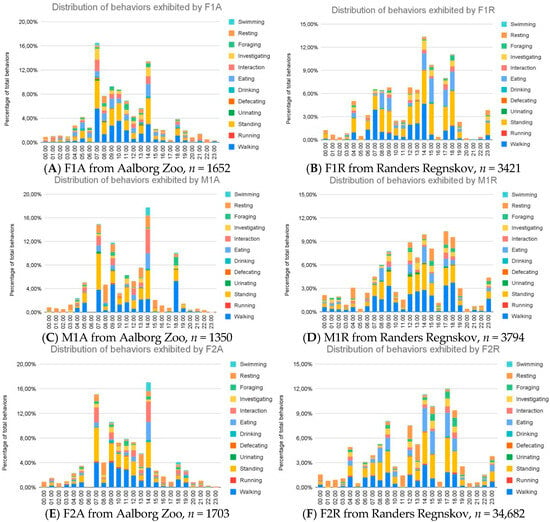
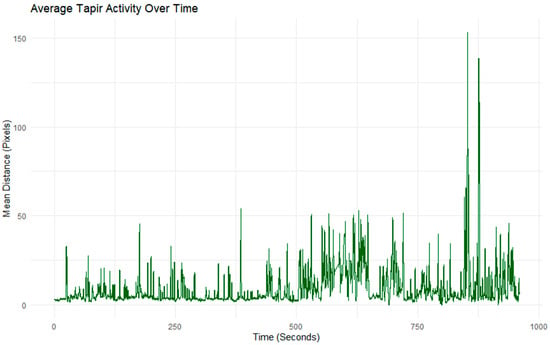
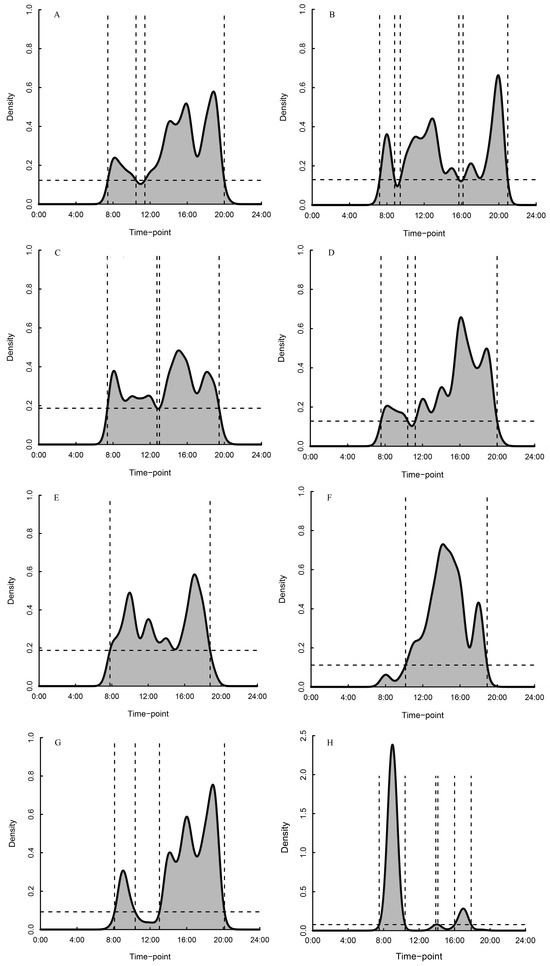
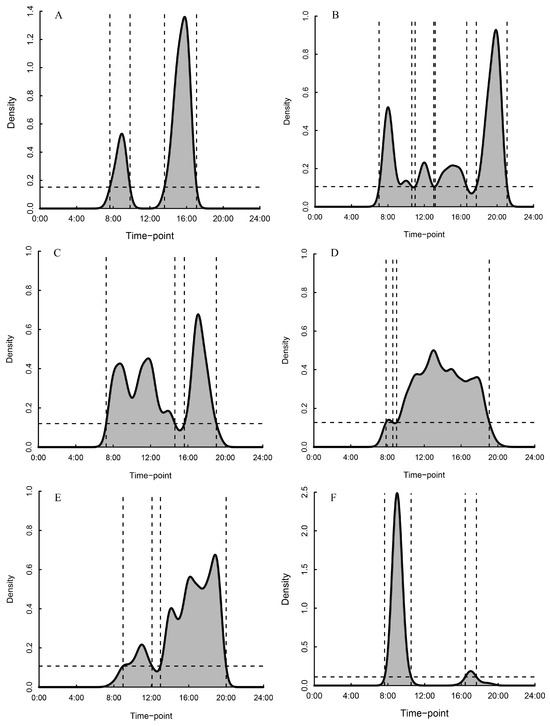
This study evaluates activity patterns and determines optimal observation periods for assessing the welfare of lowland tapirs (Tapirus terrestris L.) housed in the following two Danish zoological institutions: Aalborg Zoo and Randers Regnskov. The objectives were to identify the most efficient time window for welfare assessments, determine whether machine learning (ML) could support behavioral evaluations by providing automated estimates of activity, and examine whether automated pose-based tracking could serve as a proxy for manual ethogram observations. Behavioral data were collected using standardized ethograms from wildlife camera footage recorded over 72 h. Lowland tapirs were generally more active during daytime, with individuals at Aalborg Zoo showing peak activity between 07:00 and 14:00, while those at Randers Regnskov were most active between 12:00 and 18:00. Activity patterns differed between institutions, with Aalborg individuals displaying concentrated activity peaks and Randers individuals showing more evenly distributed activity. A preliminary ML analysis using the pose-estimation tool SLEAP demonstrated that movement-based activity estimates closely matched manually coded data, suggesting that automated tracking may offer an efficient and non-invasive tool for welfare monitoring. The findings highlight the potential for integrating automated analysis into routine welfare assessments of zoo-housed animals.

3 February 2026

(A–F): Percentage of behaviors of lowland tapirs from Aalborg Zoo and Randers Regnskov over the three-day study period, displayed over a 24 h period. The y-axis shows the percentage of behaviors observed in the hour. The x-axis represents the time of day in hours.
  • Brief Report
  • Open Access

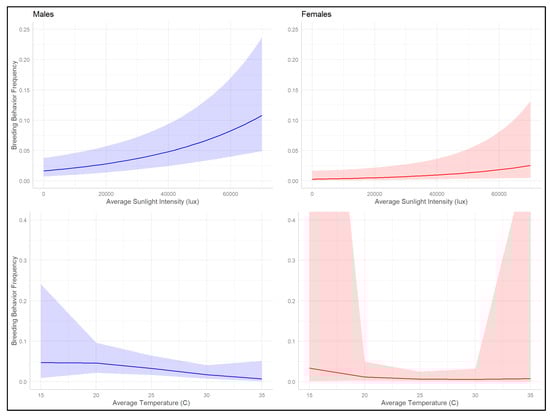
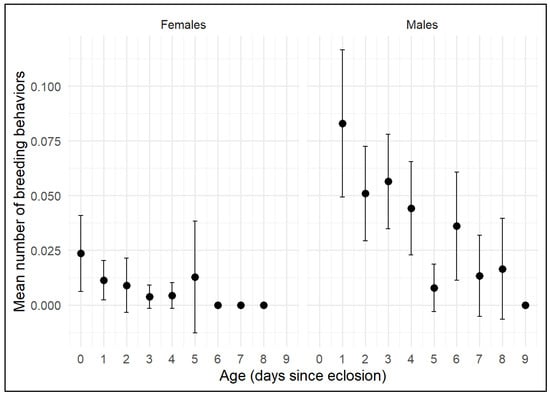
The Poweshiek skipperling Oarisma poweshiek (Parker, 1870) (Lepidoptera: Hesperiidae) is an endangered prairie obligate butterfly native to the north central United States and southern Canada. Conservation efforts for this species rely on ex situ approaches for population augmentation and reintroductions. As such, improving our understanding of the behaviors of Poweshiek skipperlings and maximizing their reproductive output in an ex situ setting are critical for the success of associated conservation initiatives. In this study, we examined the frequency of breeding behaviors exhibited by Poweshiek skipperlings in relation to various environmental factors: sunlight intensity (measured in lux), ambient temperature, and age. Sunlight intensity was a significant predictor of breeding behavior frequency, but we did not detect an effect of ambient temperature on breeding behavior. We also documented a generally negative relationship between age and breeding behavior frequency for both sexes. The results of our study underscore the importance of natural sunlight in encouraging breeding behaviors in an ex situ conservation environment. Ex situ observations also can help identify environmental conditions that promote high levels of Poweshiek skipperling activity, which could be used to optimize the timing of in situ population surveys.

2 February 2026

Effect plots with confidence intervals representing the estimated relationships between sunlight intensity and breeding behavior frequency (top row), and temperature and breeding behavior frequency (bottom row), for males (left column) and females (right column). Sunlight intensity was a significant predictor of breeding behavior frequency for males and females, while ambient temperature was not a significant predictor of breeding behavior frequency for either sex.

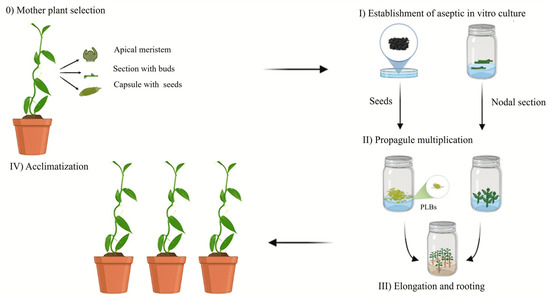
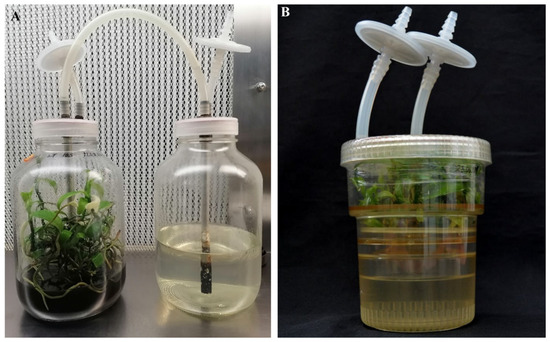
Vanilla planifolia is an endangered orchid of significant commercial relevance, primarily valued for the natural vanillin derived from its cured fruits. However, its global production faces critical threats due to its limited genetic variability and high susceptibility to phytopathogens, particularly vanilla wilt caused by Fusarium oxysporum f. sp. vanillae. This review synthesizes the recent advances in plant biotechnology, evaluating the efficacy of in vitro culture systems, plant growth regulators, and the implementation of semi-automated temporary immersion systems, as compared to traditional semisolid methods. Emphasis is placed on the pivotal role of physical factors, such as LED lighting, and the symbiotic associations with orchid mycorrhizal fungi to enhance plant growth and vigor. By synthesizing advanced in vitro regeneration protocols, this study establishes a strategic guide for the mass production of high-quality disease-free plantlets. Finally, the impact of these biotechnological tools on ex situ conservation at institutions such as the Clavijero Botanical Garden is discussed, aiming to support the sustainability of the vanilla industry and preserve Mexico’s biological heritage.

31 January 2026
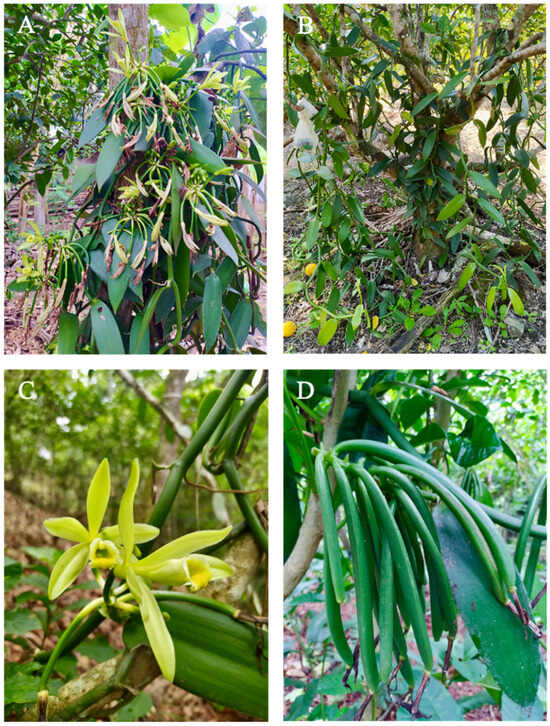
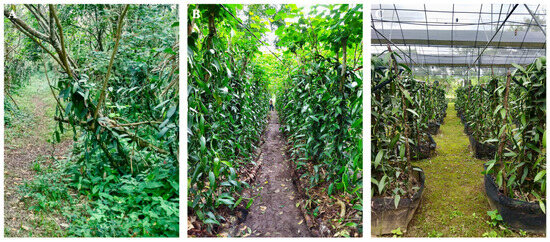
Morphological characteristics and cultivation systems of Vanilla planifolia Andrews. (A) Adult specimen exhibiting a monopodial climbing habit during the reproductive stage, showing racemose inflorescences and developing pods. (B) Plant established in a traditional or semi-intensive cultivation system, utilizing a citrus tree (Citrus sp.) as a phorophyte or living tutor for support and growth. (C) Detail of the yellowish-green flowers, displaying the modified labellum characteristic of this orchid species. (D) Fleshy cylindrical fruits (pods) in an advanced stage of maturity, reaching lengths of up to 25 cm prior to harvest, which typically occurs 6 to 9 months after pollination. Photos courtesy of David Moreno.

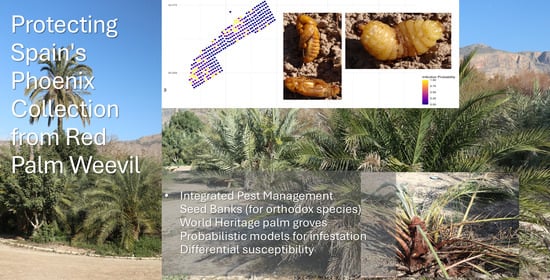
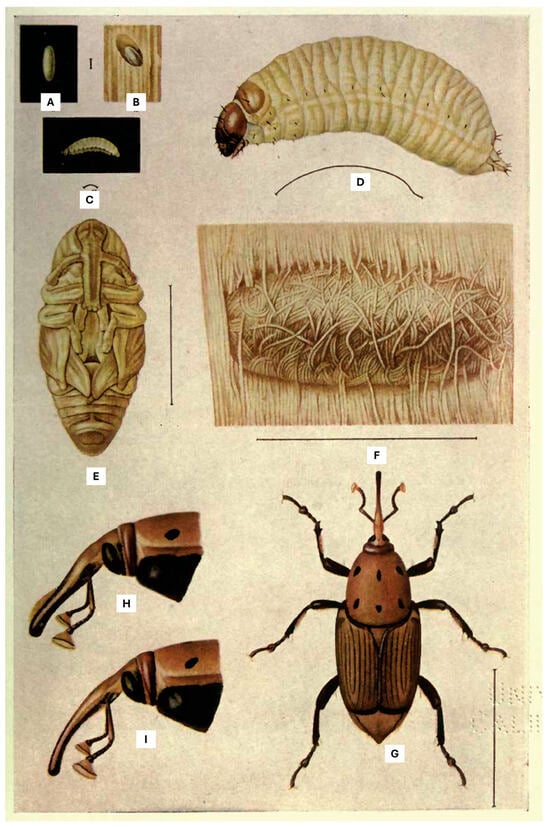
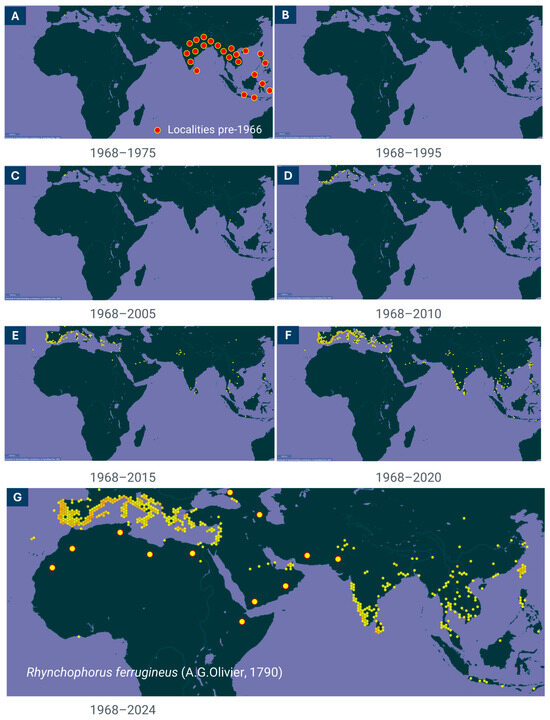
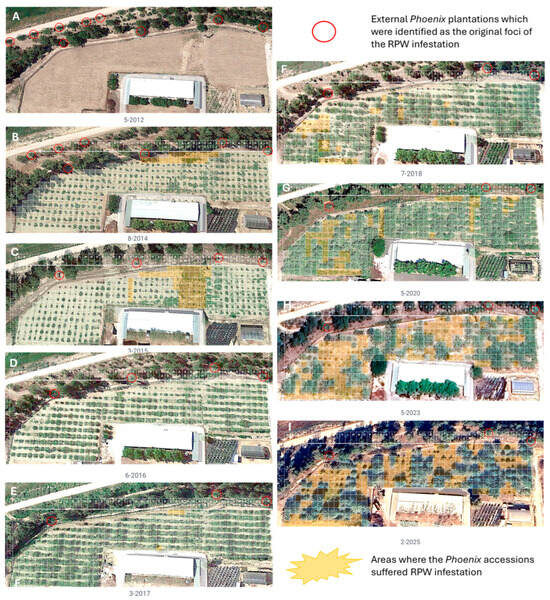
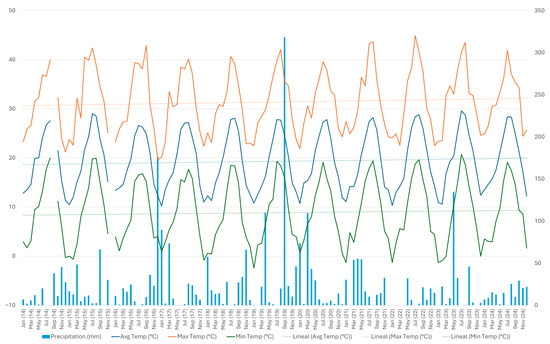
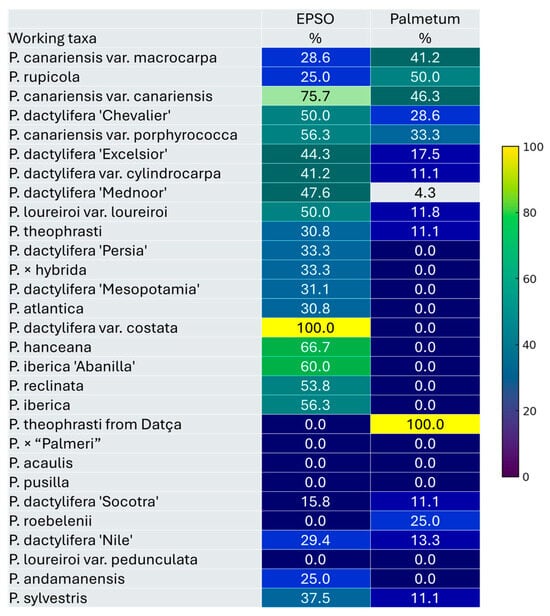
The invasive red palm weevil (Rhynchophorus ferrugineus, RPW) poses a severe threat to heritage palm collections across the Mediterranean Region, necessitating robust protection strategies. This study addresses the urgent challenge of safeguarding the Spanish Phoenix Collection at Miguel Hernandez University (EPSO) and the Orihuela Palmetum by analyzing the efficacy of applied Integrated Pest Management (IPM) strategies over a ten-year period (2014–2024). Monitoring and treatment protocols included targeted chemical, biological, and cultural controls, and were benchmarked against infestation progression data, climatic trends, and comparative case studies from Murcia, Elche, Nice, and Palermo. Results indicate that a proactive, multi-component IPM strategy, especially when coupled with probabilistic risk models, can significantly improve survival and recovery indicators in Phoenix taxa, although species-specific susceptibility to RPW was a major differentiating factor. Comparative analysis reveals common regional patterns in R. ferrugineus management but underscores the critical need for collection-specific, resource-sensitive protocols for high-value heritage plants, demonstrating that evidence-based best practices and coordinated monitoring are essential for effective heritage palm conservation amid continuous pest pressure.

29 January 2026

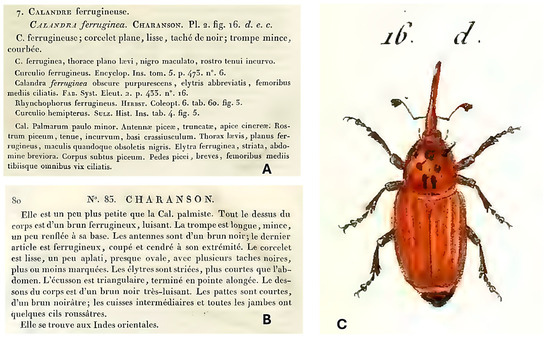
Description and image of Rhynchophorus ferrugineus. (A). Page 79 of the 5th volume of the Entomologie (Entomology) by A.G. Olivier in 1807 [2]. (B). Page 80 of the 5th volume of the Entomologie by A.G. Olivier in 1807 [2]. (C). Plate 2 corresponding to the 83rd genus (Charanson) in the 8th volume of the Entomologie by A.G. Olivier in 1808 [3].

News & Conferences

Issues

Open for Submission

Editor's Choice

Reprints of Collections

The Long-Standing Problem of Parasitic Diseases in Zoo Animals
Reprint

The Long-Standing Problem of Parasitic Diseases in Zoo Animals

Current Challenges and Searching for Solutions
Editors: Mariana Panayotova-Pencheva

Get Alerted

Add your email address to receive forthcoming issues of this journal.

XFacebookLinkedIn
J. Zool. Bot. Gard. - ISSN 2673-5636