

- Systematic Review

Micro- and Nanoplastics as a Potential Risk Factor for Stroke: A Systematic Review
- Jakub Kufel,
- Miłosz Korbaś and
- Adam Mitręga
- + 4 authors
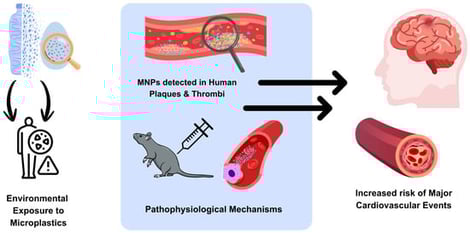
Environmental pollution with micro- and nanoplastics (MNPs) is an escalating global health concern. Despite growing evidence of MNPs’ presence in the human body, their impact on cerebrovascular diseases remains poorly understood. This study aimed to systematically assess the presence of MNPs in the vascular system and their association with the risk and progression of stroke. A systematic review was conducted in accordance with PRISMA 2020 guidelines and registered in PROSPERO (CRD420251272759). PubMed, Scopus, Web of Science, and Embase databases were searched for original research articles published in the last 10 years. Five studies were included (2 human observational, 3 animal in vivo), comprising 287 patients and rodent models. Methodological quality was assessed using ROBINS-E and SYRCLE’s RoB tools. The analysis confirmed the presence of MNPs, particularly polyethylene and polyvinyl chloride, in key human pathological structures, including carotid atherosclerotic plaques and stroke thrombi. Notably, the presence of MNPs in plaques was associated with a 4.5-fold increase in the risk of major cardiovascular events and death. Animal model studies provided a biological rationale for these observations, demonstrating that MNP exposure may lead to microembolization in cerebral circulation, blood–brain barrier disruption, and exacerbated ischemic injury. Importantly, MNP burden may reflect cumulative environmental exposure and vascular disease severity rather than a direct causal factor in stroke pathogenesis. Nevertheless, MNPs may still represent a novel, modifiable risk factor for stroke through their association with adverse vascular outcomes. Available evidence confirms their accumulation in the cardiovascular system and suggests an association with adverse clinical outcomes. Due to the limited number of studies, further standardized research on larger populations is required to establish whether a causal relationship exists.
14 February 2026