

Journal Description
Journal of Functional Morphology and Kinesiology
is a peer-reviewed, open access journal on functional morphology and kinesiology research dealing with the analysis of structure, function, development, and evolution of cells and tissues of the musculoskeletal system and the whole body related to the movement exercise-based approach, published quarterly online by MDPI.
- Open Access— free for readers, with article processing charges (APC) paid by authors or their institutions.
- High Visibility: indexed within ESCI (Web of Science), Scopus, PubMed, PMC, FSTA, and other databases.
- Journal Rank: JCR - Q2 (Sport Sciences) / CiteScore - Q2 (Physical Therapy, Sports Therapy and Rehabilitation)
- Rapid Publication: manuscripts are peer-reviewed and a first decision is provided to authors approximately 22.5 days after submission; acceptance to publication is undertaken in 2.4 days (median values for papers published in this journal in the second half of 2025).
- Recognition of Reviewers: reviewers who provide timely, thorough peer-review reports receive vouchers entitling them to a discount on the APC of their next publication in any MDPI journal, in appreciation of the work done.
Impact Factor:
2.5 (2024)
Latest Articles
Assessment of Static Balance with and Without Cognitive Dual Task in Children with Haemophilia: A Cross-Sectional Study
J. Funct. Morphol. Kinesiol. 2026, 11(1), 67; https://doi.org/10.3390/jfmk11010067 - 6 Feb 2026
Abstract
Background: Balance is an essential motor skill that enables individuals to maintain a stable posture and perform daily activities safely. Dual-task assessments are widely used to evaluate the integration of motor and cognitive functions in paediatric populations, but their effects on postural control
[...] Read more.
Background: Balance is an essential motor skill that enables individuals to maintain a stable posture and perform daily activities safely. Dual-task assessments are widely used to evaluate the integration of motor and cognitive functions in paediatric populations, but their effects on postural control in children with haemophilia (CwH) remain poorly understood. The objective was to analyse and compare static balance performance under single-task and cognitive dual-task conditions between CwH and age-matched healthy controls (HC). Methods: This comparative cross-sectional study included 34 CwH and 32 HC aged 8–12 years. Balance was assessed using the Wii Balance Board® under six conditions: bipedal, bipedal with cognitive task, and dominant and non-dominant unipedal (with and without cognitive task). Primary outcome variables included overall stability index, total velocity, and sway area. Physical activity habits were also recorded in both groups with an ad hoc questionnaire. Among CwH, joint health was measured with the Haemophilia Joint Health Score (v2.0), and joint effusion/synovial hypertrophy was evaluated by ultrasound. Results: CwH showed significantly poorer performance in all variables, primarily under unipedal dominant/non-dominant dual-task conditions (p < 0.05) with percentage differences ranging from approximately 15% to over 60%. CwH reported lower-intensity and shorter-duration physical activity than HC. Conclusions: CwH demonstrates impaired balance, especially under unipedal and cognitive demands. Assessment of balance alongside dual-task performance may help detect subtle deficits not captured by only static balance assessment. These findings may suggest the incorporation of dual-task training into balance training programmes for this population.
Full article
(This article belongs to the Section Kinesiology and Biomechanics)
Open AccessReview
Prevalence and Risk of Carpal Tunnel Syndrome in Parkinson’s Disease: A Systematic Review and Meta-Analysis
by
Amir N. Attia, Kareem Wael Raafat, Mohamed R. Ezz, Ehab Naser Sabry, Mariam M. Mohammed, Ahmed M. Amin, Mohamed S. Syed, George M. Pamboris, Spyridon Plakias, Frederic Viseux and Ismail A. Ibrahim
J. Funct. Morphol. Kinesiol. 2026, 11(1), 66; https://doi.org/10.3390/jfmk11010066 - 2 Feb 2026
Abstract
Background: Parkinson’s disease (PD) is a progressive neurodegenerative disorder characterised by motor and non-motor symptoms. Several studies have reported varying prevalence of Carpal Tunnel Syndrome (CTS) among individuals with PD. Objective: This study aimed to estimate the pooled prevalence of CTS
[...] Read more.
Background: Parkinson’s disease (PD) is a progressive neurodegenerative disorder characterised by motor and non-motor symptoms. Several studies have reported varying prevalence of Carpal Tunnel Syndrome (CTS) among individuals with PD. Objective: This study aimed to estimate the pooled prevalence of CTS in people with PD and explore any potential association between the two conditions. Methods: This systematic review and meta-analysis was conducted and reported in accordance with the PRISMA 2020 guidelines. A systematic search was performed across PubMed, the Cochrane Central Register of Controlled Trials (CENTRAL), Web of Science (WoS), Scopus, and EMBASE from inception to April 2024. Studies reporting CTS prevalence data in individuals with PD were included. Methodological quality was assessed using the National Institutes of Health (NIH) quality assessment tool. Pooled prevalence estimates were calculated using a random-effects model. Risk difference (RD) and risk ratio (RR) were calculated to assess the association between PD and CTS compared with control groups. Results: A total of 7 studies involving 411 participants (343 with PD and 68 controls) met the inclusion criteria, with 679 wrists assessed. The pooled prevalence of CTS in PD was estimated at 15% (95% CI: 0.07–0.28) with significant heterogeneity (p < 0.001, I2 = 91%). The RD was 10% (95% CI: 0.04–0.16, p = 0.002), with low heterogeneity (p = 0.29, I2 = 19%). The RR of CTS in PD compared with controls was 3.31 (95% CI: 0.60–18.42, p = 0.17), with moderate heterogeneity (p = 0.13, I2 = 52%). Conclusions: This meta-analysis provides preliminary pooled estimates indicating a potentially increased prevalence of carpal tunnel syndrome in individuals with PD. Although the findings suggest a possible association, clinicians should maintain increased vigilance for CTS symptoms in patients with PD presenting with upper-limb sensory or motor complaints. From a biomechanical and functional perspective, these findings highlight the importance of routine upper-limb screening and the implementation of rehabilitation strategies targeting hand use, dexterity, and sensorimotor control within physiotherapy practice. Further high-quality studies with larger, well-characterised samples are required to confirm this relationship and clarify its clinical and functional implications.
Full article
(This article belongs to the Special Issue Biomechanical Properties of Muscle and Tendon in Neurological Conditions)
Open AccessReview
The Validity of Bioelectrical Impedance Analysis Compared to a Four-Compartment Model in Healthy Adults: A Systematic Review
by
Christopher J. Oliver, Luke Del Vecchio, Michelle Minehan, Mike Climstein, Nedeljka Rosic, Stephen Myers and Grant Tinsley
J. Funct. Morphol. Kinesiol. 2026, 11(1), 65; https://doi.org/10.3390/jfmk11010065 - 31 Jan 2026
Abstract
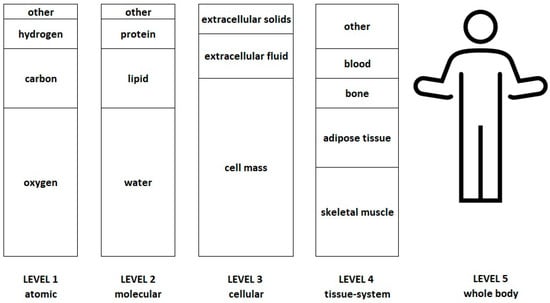
Background: The four-compartment (4C) model is a criterion method for evaluating body composition tools like bioelectrical impedance analysis (BIA). This systematic review assessed the clinical equivalence of BIA devices compared to the 4C model and explored limitations in using the 4C model as
[...] Read more.
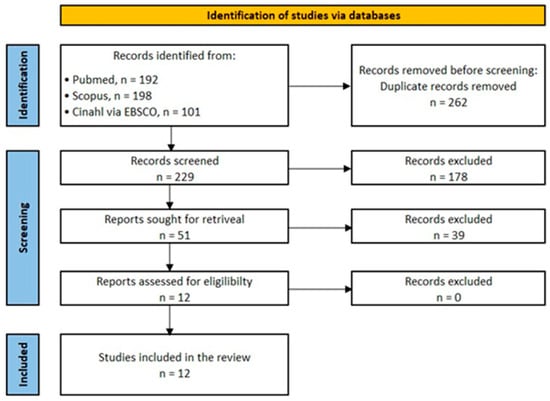
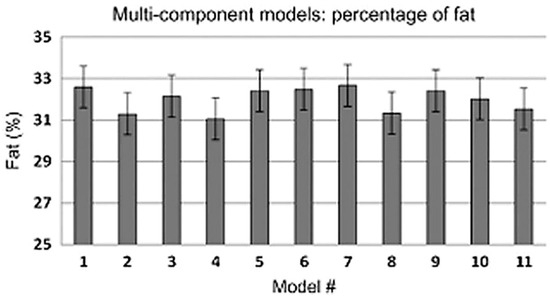
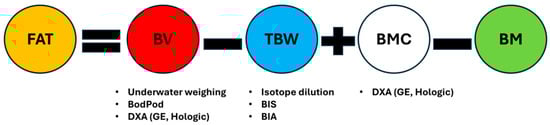
Background: The four-compartment (4C) model is a criterion method for evaluating body composition tools like bioelectrical impedance analysis (BIA). This systematic review assessed the clinical equivalence of BIA devices compared to the 4C model and explored limitations in using the 4C model as a criterion method. Methods: Twelve cross-sectional and baseline longitudinal studies involving healthy, weight-stable, non-athlete, non-pregnant adults were included. The primary outcome was a Bland–Altman analysis, with bias, limits of agreement, and proportional bias extracted from each paper. The study quality was evaluated using the AXIS tool. Due to the high variability across studies, a meta-analysis was not performed. Results: BIA devices generally performed poorly against the 4C model estimates of percentage body fat and fat-free mass. Across the 12 studies, mean bias for percentage body fat between BIA and the 4C model ranged from −3.5% to +4.4%, with limits of agreement typically spanning 15 to 20 percentage points. For fat-free mass, mean bias ranged from −3.9 kg to +1.8 kg, with limits of agreement often exceeding ±6 kg. These wide limits indicate non-equivalence at the individual level despite small mean differences. Differences in both BIA device design and variations in 4C methodology across studies may have contributed to these discrepancies. Conclusions: BIA estimates of percentage body fat and fat-free mass were overall not equivalent to the 4C model. Alternative criterion methods, such as MRI, and use of raw BIA data are recommended. Standardization of BIA devices is also needed for improved clinical and research use.
Full article
(This article belongs to the Section Kinesiology and Biomechanics)
►▼
Show Figures

Figure 1
Open AccessArticle
Influence of Body Position Changes on Diaphragmatic Excursion Assessed by Ultrasonography in a Healthy Population
by
Leonardo Arzayus-Patiño, Jorge Enrique Daza-Arana, Santiago Vásquez Cartagena, Carolina Villamizar, Juan Meléndez Diaz and Diego Fernando Muñoz-Escudero
J. Funct. Morphol. Kinesiol. 2026, 11(1), 64; https://doi.org/10.3390/jfmk11010064 - 31 Jan 2026
Abstract
Background: The diaphragm is the primary respiratory muscle, and its proper function is essential for efficient breathing. Respiratory muscle weakness is a common complication that can hinder the withdrawal of mechanical ventilation. This weakness not only negatively affects patients’ quality of life but
[...] Read more.
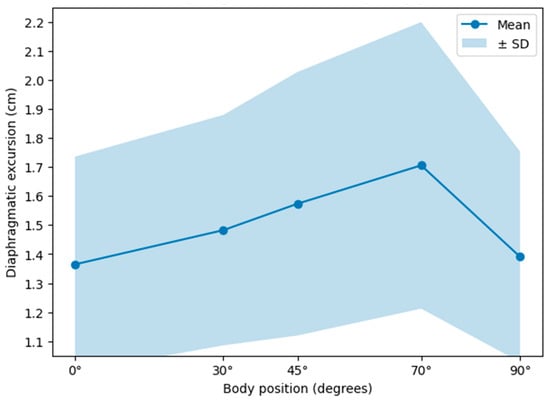
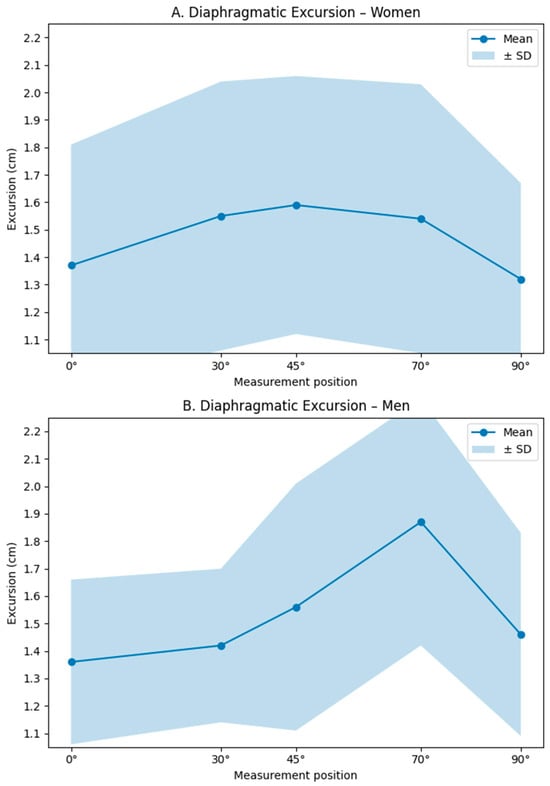
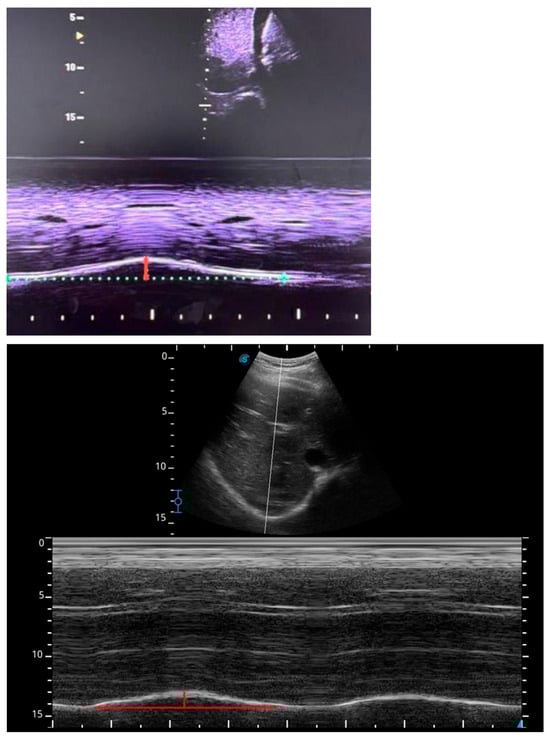
Background: The diaphragm is the primary respiratory muscle, and its proper function is essential for efficient breathing. Respiratory muscle weakness is a common complication that can hinder the withdrawal of mechanical ventilation. This weakness not only negatively affects patients’ quality of life but also represents an economic challenge for healthcare systems, as it significantly increases medical costs due to prolonged hospitalization and the need for additional procedures to manage associated complications. Ultrasonography has emerged as a precise technique for assessing diaphragmatic function through measurements such as diaphragmatic excursion and thickening fraction, with the right hemidiaphragm being the most suitable for evaluation. However, several studies have shown that diaphragmatic ultrasound measurements vary considerably in both healthy individuals and patients, mainly due to the lack of standardization of body position during assessment. Therefore, it is necessary to investigate how patient posture influences diaphragmatic ultrasound measurements in order to standardize protocols, improve diagnostic accuracy, and support reliable clinical decision-making. We employed ultrasonography to determine the influence of changes in body position on diaphragmatic excursion in a healthy population from the city of Cali. Methods: A descriptive cross-sectional study was conducted in 36 healthy adults aged 18 to 65 years, distributed into sex and age groups. Diaphragmatic excursion was assessed using a 3.5–5 MHz ultrasound transducer. Participants were evaluated in five body positions: supine at 0°, and head-of-bed inclinations of 30°, 45°, 70°, and 90°. Results: A progressive increase in diaphragmatic excursion was observed from the supine position (0°) up to 70° inclination. The 70° inclination showed the greatest diaphragmatic mobility as measured by ultrasonography. This finding suggests the existence of an optimal intermediate position in which biomechanical conditions and intra-abdominal pressure allow more efficient diaphragmatic contraction. Conclusions: The results of this study demonstrate that changes in body position significantly influence diaphragmatic excursion in healthy individuals, with a trunk inclination of 70° yielding the greatest diaphragmatic mobility. These findings support the importance of considering body posture as a key determinant in the functional assessment of the diaphragm using ultrasonography.
Full article
(This article belongs to the Section Functional Anatomy and Musculoskeletal System)
►▼
Show Figures

Figure 1
Open AccessArticle
Cross-Education Effects After Submaximal and Supramaximal Accentuated Eccentric Loading on Lean Mass and Function in Women
by
Sergio Maroto-Izquierdo, Miguel Lauría-Martínez, Kayvan Khoramipour, Irati Jauregui-Fajardo, Paula Redondo-Delgado, José Antonio de Paz and David García-López
J. Funct. Morphol. Kinesiol. 2026, 11(1), 63; https://doi.org/10.3390/jfmk11010063 - 31 Jan 2026
Abstract
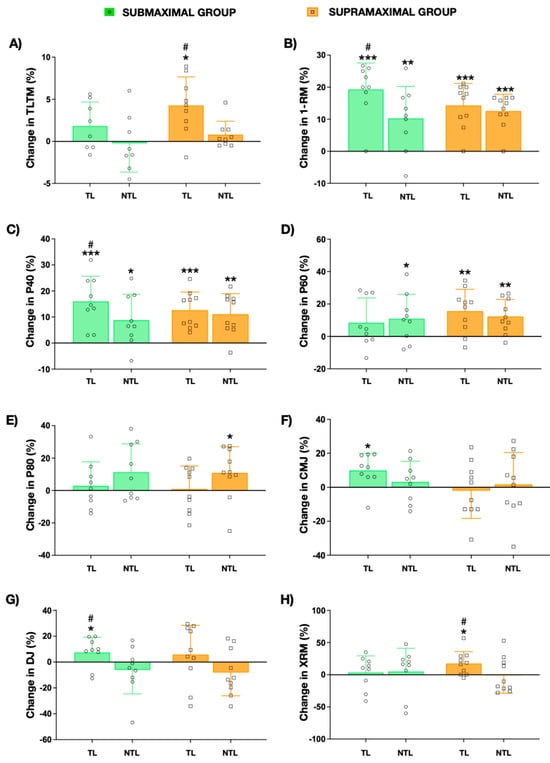
Objective: This study compared the effects of submaximal and supramaximal accentuated eccentric loading (AEL) on lean mass and function in the trained (TL) and contralateral non-trained (NTL) legs of women. Methods: Twenty recreationally trained women were randomly assigned to submaximal (90% 1-RM) or
[...] Read more.
Objective: This study compared the effects of submaximal and supramaximal accentuated eccentric loading (AEL) on lean mass and function in the trained (TL) and contralateral non-trained (NTL) legs of women. Methods: Twenty recreationally trained women were randomly assigned to submaximal (90% 1-RM) or supramaximal (120% 1-RM) AEL leg press training (2/week, 10 weeks, 4 sets of 8 repetitions) with 30% 1-RM concentric loading. Total thigh lean mass (TTLM), unilateral leg press 1-RM, mechanical power at 40% (P40), 60% (P60), and 80% (P80) of 1-RM, unilateral countermovement (CMJ) and drop jump (DJ) height, and muscle endurance (XRM) were assessed for each leg before and after intervention. Results: Regarding the TL, the submaximal group showed significant (p < 0.05) increases in 1-RM, P40, CMJ, and DJ, while the supramaximal group showed increased TTLM, 1-RM, P40, P60, and XRM. No significant differences were observed between groups. In the NTL, both groups showed significant increases in 1-RM and P40. Additionally, the submaximal group demonstrated improvements in P60, while the supramaximal group showed significant increases in both P60 and P80, and in TTLM. TL and NTL changes correlated significantly for 1-RM, CMJ, and TTLM. However, TL and NTL changes differed significantly for 1-RM and P40 in the submaximal group and for TTLM in the supramaximal group. Conclusions: Submaximal and supramaximal AEL resulted in similar neuromuscular improvements in both TL and NTL in women. Supramaximal loading provided additional benefits in mechanical power lean mass, while submaximal loading improved explosive performance. Supramaximal loading may not be necessary for active women.
Full article
(This article belongs to the Section Kinesiology and Biomechanics)
►▼
Show Figures

Figure 1
Open AccessReview
Functional Design and Clinical Implications of Modern Soccer Footwear: A Comprehensive Narrative Review
by
Andrea Demeco, Nicola Marotta, Marco Megna, Andrea Racinelli, Bruno Pansera, Antonio Frizziero, Ilona Yosypchuk, Stefano Palermi, Marco Vecchiato, Ennio Lopresti, Alessandro de Sire and Antonio Ammendolia
J. Funct. Morphol. Kinesiol. 2026, 11(1), 62; https://doi.org/10.3390/jfmk11010062 - 30 Jan 2026
Abstract
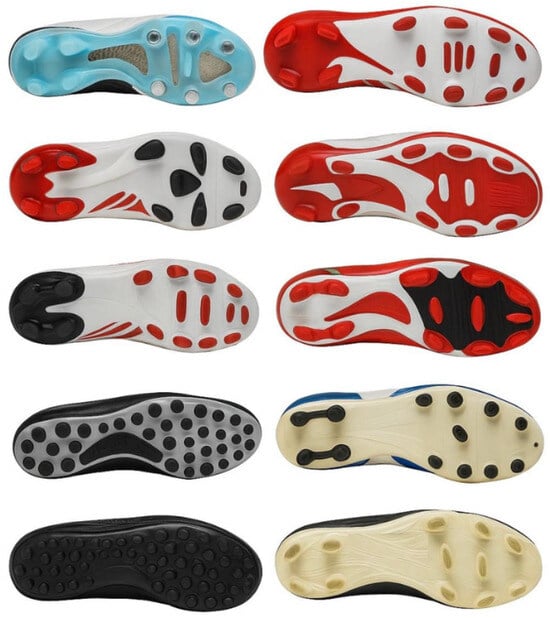
Soccer is the most widely practiced sport globally, but is also associated with a high incidence of lower limb injuries. Among multiple risk factors, soccer footwear represents a crucial biomechanical interface affecting traction, proprioception, and joint loading. This narrative review aims to explore
[...] Read more.
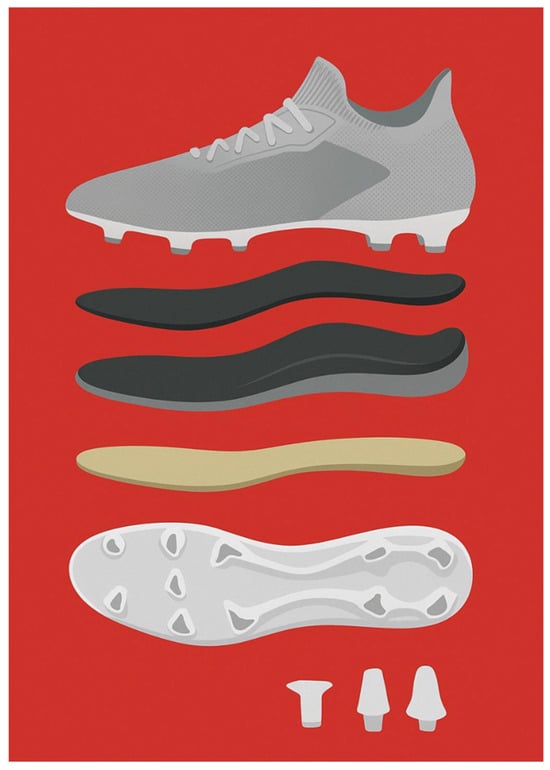
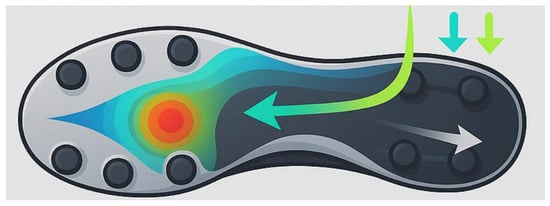
Soccer is the most widely practiced sport globally, but is also associated with a high incidence of lower limb injuries. Among multiple risk factors, soccer footwear represents a crucial biomechanical interface affecting traction, proprioception, and joint loading. This narrative review aims to explore how each component of modern soccer footwear impacts performance and injury risk, with a focus on evidence-based functional customization. A comprehensive narrative review of available literature was conducted across PubMed, Scopus, and Web of Science, integrating biomechanical, clinical, and materials science studies. We included studies concerning the structures composing soccer technical footwear. Conical studs were associated with reduced rotational stiffness and lower joint torque, while bladed studs enhanced linear traction but increased ACL strain risk. Upper materials, such as knitted fabrics and engineered mesh, improve proprioception and thermal regulation but show trade-offs in durability and protection. Soleplate stiffness influenced load distribution and performance: increased stiffness improves sprinting but compromises multidirectional agility. Fatigue and proprioception were modulated by insole and soleplate synergy. Soccer footwear should be seen as a clinical and performance tool requiring evidence-based customization. Advances in material technology, 4D foot scanning, and plantar pressure mapping enable functional matching between footwear and athlete characteristics. Translating these insights into player-specific footwear designs may reduce injury rates and enhance on-field performance.
Full article
(This article belongs to the Collection Advances in Rehabilitation and Injury Management)
►▼
Show Figures

Figure 1
Open AccessArticle
EXcellence and PERformance in Track and Field (EXPERT)—A Mixed-Longitudinal Study on Growth, Biological Maturation, Performance, and Health in Young Athletes: Baseline Results (Part 2)
by
Teresa Ribeiro, José Maia, Filipe Conceição, Adam Baxter-Jones, Eduardo Guimarães, Olga Vasconcelos, Cláudia Dias, Carla Santos, Ana Paulo, Pedro Aleixo, Pedro Pinto, Diogo Teixeira, Sérgio Ramos, Luís Miguel Massuça and Sara Pereira
J. Funct. Morphol. Kinesiol. 2026, 11(1), 61; https://doi.org/10.3390/jfmk11010061 - 30 Jan 2026
Abstract
Background: The athletic potential of young athletes is shaped by individual and environmental factors. Objectives: This study examines the physical growth, body composition, biological maturation, motivation, perseverance, physical performance and contextual factors of young male and female track and field athletes.
[...] Read more.
Background: The athletic potential of young athletes is shaped by individual and environmental factors. Objectives: This study examines the physical growth, body composition, biological maturation, motivation, perseverance, physical performance and contextual factors of young male and female track and field athletes. Methods: A total of 425 (224 girls) track and field athletes were recruited and divided into five age cohorts (10, 11, 12, 13, and 14 years respectively). Measurements were assessed across (i) individual (anthropometry, body composition, biological maturation, motivation, and perseverance), (ii) performance (motor performance), and (iii) club context domains. Data analysis used descriptive statistics for clubs’ characteristics, a two-factor ANOVA for anthropometry, body composition, biological maturation, and performance and an ANCOVA for motivation and perseverance. All analyses used STATA 18.0. Results: Sex-related differences were identified in physical growth, maturation, psychological, and performance variables during adolescence. Girls reached their peak height velocity (PHV) around 12 years of age, compared to 14 years in boys. At all ages (except at age 11), girls had higher body fat, and at age 12 were taller and outperformed boys in right-handgrip strength and in sprint (30 m and 40 m). From age 13 years onwards, boys became taller, with greater leg length, greater fat-free mass, and superior results (p < 0.05) in most performance tests. Psychologically, girls reported higher levels of interest–enjoyment, effort–importance, relatedness, and perceived choice; no sex differences were found in perseverance. The clubs involved were of small size, with developing, yet qualified, coaches, with limited support staff and infrastructure. Conclusions: Clear sex differences in physical growth, psychological, and performance variables emerged during adolescence, and were related in part to earlier maturation in girls. Further, there was variation in clubs’ infrastructure and staff that may potentially influence track and field athletes’ growth and development.
Full article
(This article belongs to the Special Issue Health and Performance Through Sports at All Ages: 4th Edition)
Open AccessArticle
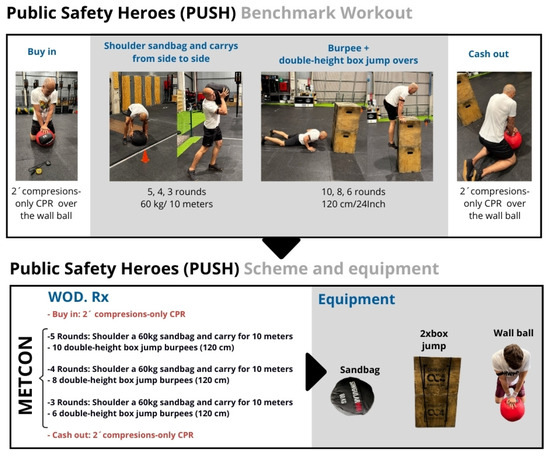
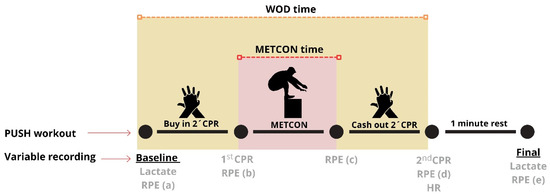
Public Safety Heroes (PUSH) Workout: Task-Specific High-Intensity Functional Training for Emergency Readiness in Fire and Police—Proof of Concept
by
Roberto Barcala-Furelos, Fernando Zarzosa-Alonso, Martín Otero-Agra, Felipe Fernández-Méndez and Alejandra Alonso-Calvete
J. Funct. Morphol. Kinesiol. 2026, 11(1), 60; https://doi.org/10.3390/jfmk11010060 - 30 Jan 2026
Abstract
Objectives: Public safety personnel, such as police and firefighters, face high physical demands during emergencies, including compressions-only cardiopulmonary resuscitation (CPR) under fatigue. This study aimed to evaluate a High-Intensity Functional Training (HIFT) program, the Public Safety Heroes Workout (PUSH), designed to enhance
[...] Read more.
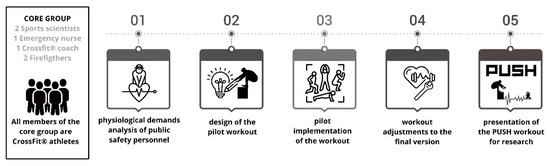
Objectives: Public safety personnel, such as police and firefighters, face high physical demands during emergencies, including compressions-only cardiopulmonary resuscitation (CPR) under fatigue. This study aimed to evaluate a High-Intensity Functional Training (HIFT) program, the Public Safety Heroes Workout (PUSH), designed to enhance emergency readiness. Methods: Fifteen active-duty public safety officers participated in a pilot study. The PUSH workout included tasks like sandbag carries and burpee box jumps, interspersed with chest compressions (CC). Physiological responses, including lactate levels, heart rate, and Compressions-only CPR quality, were measured. Results: The PUSH workout induced significant metabolic stress, with lactate levels rising from 2.2 to 14.8 mmol·L−1. Heart rates peaked at 170 bpm, indicating high cardiovascular demand. Compressions-only CPR quality remained high, with firefighters outperforming police in compression rate. Conclusions: The PUSH workout effectively simulates the physical demands of emergency situations, enhancing readiness and compressions-only CPR performance under fatigue. This training model could be applied to other first responders and CrossFit® athletes.
Full article
(This article belongs to the Special Issue Tactical Athlete Health and Performance, 2nd Edition)
►▼
Show Figures

Figure 1
Open AccessReview
The Effect of Joint Mobilization and Manipulation on Proprioception: Systematic Review with Limited Meta-Analysis
by
Stelios Hadjisavvas, Irene-Chrysovalanto Themistocleous, Michalis A. Efstathiou, Elena Papamichael, Christina Michailidou and Manos Stefanakis
J. Funct. Morphol. Kinesiol. 2026, 11(1), 59; https://doi.org/10.3390/jfmk11010059 - 29 Jan 2026
Abstract
Background: Proprioceptive deficits, commonly quantified as joint position sense error (JPSE), are frequently reported in musculoskeletal conditions. Articular manual therapy may influence afferent input and sensorimotor integration. This review synthesised the effects of joint mobilization and/or high-velocity low-amplitude (HVLA) thrust manipulation on quantitative
[...] Read more.
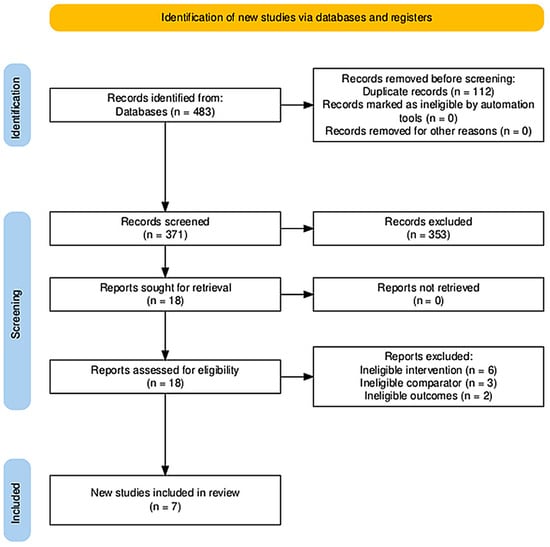
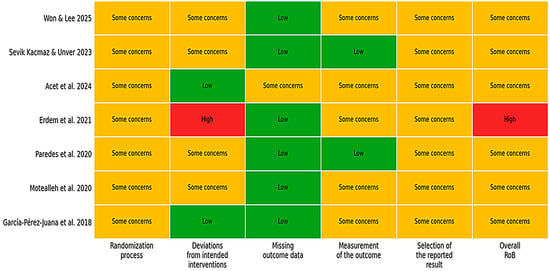
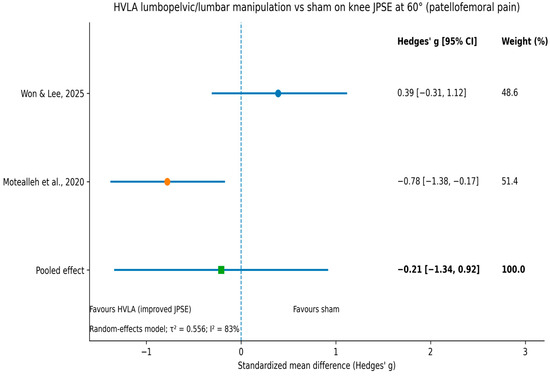
Background: Proprioceptive deficits, commonly quantified as joint position sense error (JPSE), are frequently reported in musculoskeletal conditions. Articular manual therapy may influence afferent input and sensorimotor integration. This review synthesised the effects of joint mobilization and/or high-velocity low-amplitude (HVLA) thrust manipulation on quantitative proprioception outcomes in humans. Methods: PubMed, Scopus, CINAHL, and MEDLINE Complete were searched (from inception to November 2025) for randomized or sham-controlled trials assessing proprioception after eligible articular manual therapy. Searches were limited to English-language publications. Risk of bias was assessed using Risk of Bias 2 (RoB 2). Random-effects meta-analysis (Hedges’ g) was conducted when outcomes and time points were comparable; pooling was possible for only one outcome/time-point comparison. Certainty of evidence was assessed using GRADE. Results: Database searches yielded 483 records; after duplicate removal, 371 records were screened. Eighteen full-text articles were assessed for eligibility, of which 11 were excluded, resulting in seven randomized clinical trials (2018–2025; total n = 350) evaluating spinal or peripheral mobilization/manipulation. No eligible randomized or sham-controlled trials meeting the prespecified criteria were identified before 2018. In chronic mechanical neck pain, cervical thrust manipulation improved cervical JPSE versus sham with large partial eta-squared effects (η2p = 0.23–0.36). Cervical mobilization improved left rotation JPSE (4.15 → 1.65° vs. 4.01→3.74°). In patellofemoral pain, lumbopelvic manipulation produced immediate reductions in knee JPSE at 60° (6.58 → 4.48° vs. 5.91 → 6.05°). Only one outcome/time-point was suitable for meta-analysis (knee JPSE at 60° flexion in patellofemoral pain; two trials), showing no statistically significant pooled effect (Hedges’ g = −0.21, 95% CI −1.36 to 0.94; I2 ≈ 83%). Remaining outcomes could not be pooled due to heterogeneity and incompatible reporting. Conclusions: Evidence from seven randomized trials indicates that articular manual therapy (mobilization and/or HVLA thrust manipulation) can improve quantitative proprioceptive outcomes immediately post-intervention, particularly JPSE in neck and patellofemoral pain; however, effects are condition- and outcome-specific, and confidence is limited by heterogeneity and the predominance of narrative synthesis with sparse poolable data. Future adequately powered trials should standardize proprioception protocols, include longer follow-up, and report data to enable robust meta-analysis.
Full article
(This article belongs to the Special Issue Basis of Applied Kinesiology, Innovations and Clinical Applications in Musculoskeletal Health, 2nd Edition)
►▼
Show Figures

Figure 1
Open AccessArticle
Interrelationships and Shared Variance Among Three Field-Based Performance Tests in Competitive Youth Soccer Players
by
Andrew D. Fields, Matthew A. Mohammadnabi, Oleg A. Sinelnikov and Michael R. Esco
J. Funct. Morphol. Kinesiol. 2026, 11(1), 58; https://doi.org/10.3390/jfmk11010058 - 29 Jan 2026
Abstract
Objectives: Field-based testing is commonly used to evaluate key physical qualities related to soccer performance. However, limited research has examined the degree of shared variance among measures of aerobic capacity, change of direction (COD), and explosive power in youth athletes. This study investigated
[...] Read more.
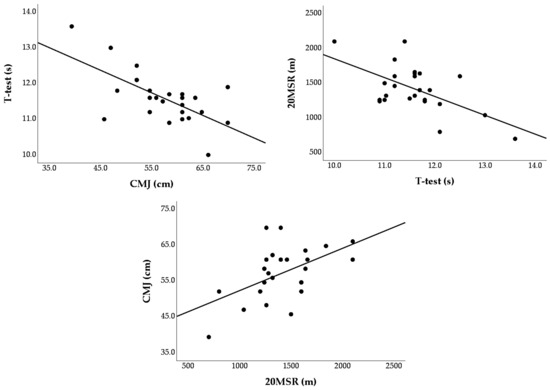
Objectives: Field-based testing is commonly used to evaluate key physical qualities related to soccer performance. However, limited research has examined the degree of shared variance among measures of aerobic capacity, change of direction (COD), and explosive power in youth athletes. This study investigated the relationships between the 20 m shuttle run (20MSR), T-test (TT), and vertical countermovement jump (CMJ) to determine their unique and overlapping contributions to each other’s performance in competitive youth soccer players. Methods: Twenty-five competitive male youth soccer players (13.7 ± 0.8 years) completed standardized assessments of TT, CMJ, and 20MSR during pre-season evaluations. Pearson correlations and hierarchical multiple regression analyses were used to examine associations and independent variance explained among the performance measures. Results: Large, significant correlations were observed between TT and CMJ (r = −0.65, p < 0.001), TT and 20MSR (r = −0.59, p < 0.001), and CMJ and 20MSR (r = 0.53, p = 0.007). CMJ explained 42.3% of TT variance, whereas adding 20MSR did not significantly improve model fit (ΔR2 = 0.087, p = 0.062). Across models, aerobic capacity did not contribute significant unique variance beyond neuromuscular performance. Conclusions: COD and lower-body power share a common physiological foundation in youth soccer athletes, while aerobic capacity represents a distinct performance domain. When field tests are administered under applied conditions typical of youth soccer environments, TT and CMJ demonstrate substantial shared variance, whereas 20MSR remains largely independent. Therefore, the findings support the continued use of multi-modal testing batteries in practice.
Full article
(This article belongs to the Special Issue Efficiency in Kinesiology: Innovative Approaches in Enhancing Motor Skills for Athletic Performance, 4th Edition)
►▼
Show Figures

Figure 1
Open AccessArticle
Flexibility in Wrestlers, Taekwondoists, and Non-Athletes During the Developmental Ages: The Effects of Sport, Age, and Sex
by
Vassilis Gerodimos, Nikolaos Tsiakaras and Konstantina Karatrantou
J. Funct. Morphol. Kinesiol. 2026, 11(1), 57; https://doi.org/10.3390/jfmk11010057 - 29 Jan 2026
Abstract
Objectives: Flexibility may be influenced by several factors, including age, sex, and physical activity or sport. This study simultaneously investigated the effect of sport (wrestling vs. taekwondo vs. no participation in sports activities), age (children vs. adolescents), and sex (boys vs. girls) on
[...] Read more.
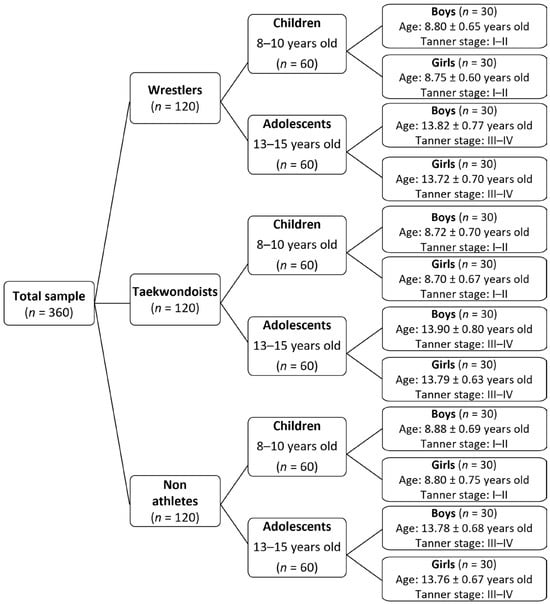
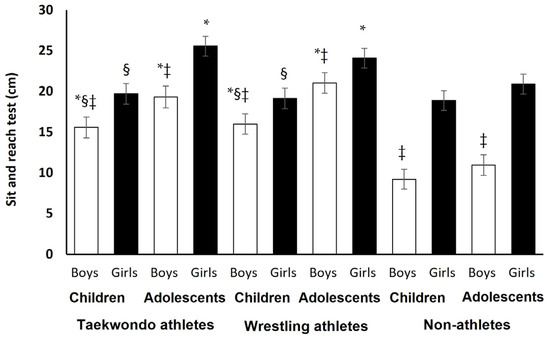
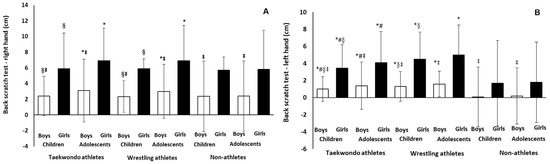
Objectives: Flexibility may be influenced by several factors, including age, sex, and physical activity or sport. This study simultaneously investigated the effect of sport (wrestling vs. taekwondo vs. no participation in sports activities), age (children vs. adolescents), and sex (boys vs. girls) on lower and upper body flexibility during the developmental ages. Methods: A total of 120 wrestlers, 120 taekwondoists, and 120 non-athletes (60 boys: 30 children and 30 adolescents; 60 girls: 30 children and 30 adolescents, per group) participated in the present study and performed two flexibility tests (sit and reach, back scratch). Results: ANOVAs and ANCOVAs (using anthropometric characteristics as covariates) analyses showed greater (p = 0.000–0.005) flexibility values in wrestlers and taekwondoists than non-athletes (except for the sit and reach in children girls, and flexibility of the right hand in children boys and girls, where no differences were observed). However, no differences (p = 0.672–0.992) were presented between wrestlers and taekwondoists (except for the flexibility of the left hand, where wrestlers showed greater values). Within the wrestlers and taekwondoists groups, children exhibited lower (p = 0.01–0.04) values than adolescents; while, in non-athletes, no age-related differences were observed (p = 0.263–0.995). Additionally, girls demonstrated higher values than boys, and the right hand demonstrated higher flexibility values than the left hand (p = 0.000–0.04). The difference between hands was greater (p = 0.000–0.01) in non-athletes (69.14–96.22%) vs. athletes (23.73–58.85%), taekwondoists (41.01–58.85%) vs. wrestlers (23.73–47%), and boys (44.68–96.22%) vs. girls (23.73–70.44%). Conclusions: It seems that engaging in wrestling and taekwondo sports affects the growth pattern of flexibility in boys and girls during the developmental ages.
Full article
(This article belongs to the Section Physical Exercise for Health Promotion)
►▼
Show Figures

Figure 1
Open AccessEditorial
Special Issue “Advances in Kinanthropometry: Techniques and Applications in Sports and Health”
by
Stefania Toselli, Natascia Rinaldo and Luciana Zaccagni
J. Funct. Morphol. Kinesiol. 2026, 11(1), 56; https://doi.org/10.3390/jfmk11010056 - 29 Jan 2026
Abstract
The field of kinanthropometry has developed substantially over recent years, reflecting the growing interest in understanding human structure, function, and performance through methods that capture the multidimensional nature of growth, training, health, and aging [...]
Full article
(This article belongs to the Special Issue Advances in Kinanthropometry: Techniques and Applications in Sports and Health)
Open AccessArticle
Measuring Muscle Post-Exercise Oxygen Consumption in Individuals with a Family History of Diabetes
by
Kevin K. McCully, Olivia Kachappilly, Charlotte Flame and Abheeraj Jain
J. Funct. Morphol. Kinesiol. 2026, 11(1), 55; https://doi.org/10.3390/jfmk11010055 - 29 Jan 2026
Abstract
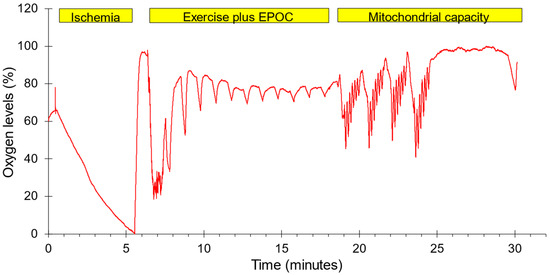
Background: Post-exercise oxygen consumption (EPOC) contributes to the health benefits of exercise, and changes in EPOC may play a role in the development of diabetes. Near-infrared spectroscopy (NIRS) is a tool used to evaluate muscle metabolism. This study used a novel NIRS-based method
[...] Read more.
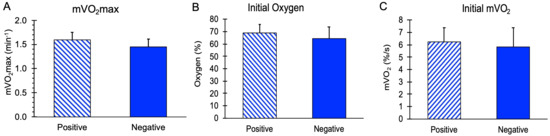
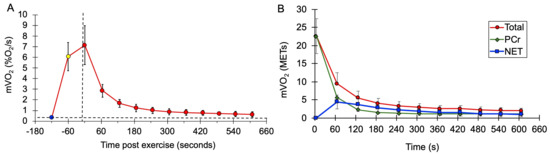
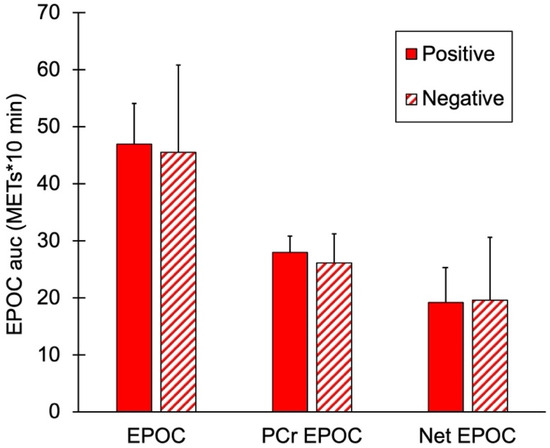
Background: Post-exercise oxygen consumption (EPOC) contributes to the health benefits of exercise, and changes in EPOC may play a role in the development of diabetes. Near-infrared spectroscopy (NIRS) is a tool used to evaluate muscle metabolism. This study used a novel NIRS-based method of measuring EPOC in the forearm muscles of young adults with and without a family history of diabetes. Methods: Fourteen female adults with and without an immediate family history of diabetes were tested. A two-group, one-day design was used with three protocols: ischemic reperfusion, EPOC, and mitochondrial capacity. Muscle oxygen levels were measured with NIRS in the forearm. Blood flow was assessed as the initial reperfusion rate following 5 min of ischemia. EPOC was measured after 60 s of rapid wrist curls with a 2.3 kg weight, followed by measurements every minute for 10 min. Muscle mitochondrial capacity (mVO2max) was determined from the recovery rate of muscle metabolism after 30 s of electrical stimulation. EPOC was calculated as the area under the curve of oxygen consumption over 10 min after exercise, subtracting the phosphocreatine contribution calculated from mVO2max. Group comparisons were made using t-tests with significance at p < 0.05. Results: mVO2max was not different between those with a positive (1.60 ± 0.15 min−1) and those with a negative family history (1.45 ± 0.17 min−1), p = 0.11. Net EPOC was not different between those with a positive (20.0 ± 7.2 O2·s) and those with a negative (19.6 ± 11.3 O2·s) family history, p = 0.94. Conclusions: Muscle EPOC minus PCr was calculated after a short, intense bout of exercise. No differences were found in the mitochondrial capacity or EPOC between young healthy individuals with and without a family history of diabetes. This study presents the use of EPOC to evaluate muscle metabolism in populations at risk for diabetes and other related disorders.
Full article
(This article belongs to the Section Functional Anatomy and Musculoskeletal System)
►▼
Show Figures

Figure 1
Open AccessArticle
The Influence of Training with an Evaluation Mask on Physiological Adaptations in a Recreational Athlete
by
Marko Kunac, Petar Šušnjara and Danijela Kuna
J. Funct. Morphol. Kinesiol. 2026, 11(1), 54; https://doi.org/10.3390/jfmk11010054 - 27 Jan 2026
Abstract
Background: Innovative training strategies aimed at improving physiological efficiency are of growing interest in kinesiology and sports performance. Elevation training masks (ETMs) offer a practical means of inducing hypoxia-like stress. However, evidence of their effectiveness in recreationally active populations remains limited. This pilot
[...] Read more.
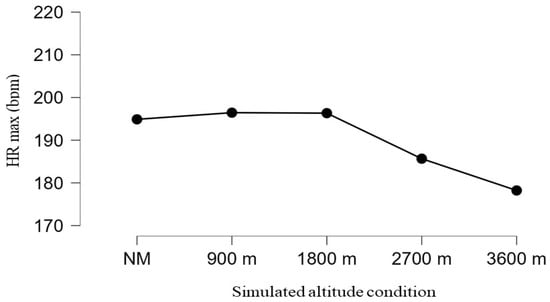
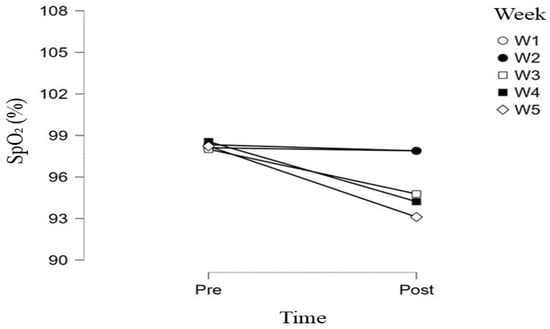
Background: Innovative training strategies aimed at improving physiological efficiency are of growing interest in kinesiology and sports performance. Elevation training masks (ETMs) offer a practical means of inducing hypoxia-like stress. However, evidence of their effectiveness in recreationally active populations remains limited. This pilot study examined the efficiency of a five-week progressive ETM protocol combined with high-intensity interval training (HIIT) in eliciting physiological, hematological, and body-composition adaptations relevant to endurance performance. Methods: Nine recreationally active men completed a five-week intervention consisting of three treadmill-based sessions per week: one weekly incremental Conconi test and two structured aerobic–anaerobic HIIT sessions performed with an ETM. Mask resistance was progressively increased to simulate altitudes of approximately 900–3600 m. Hematological variables (erythrocytes, hemoglobin, hematocrit, erythrocyte indices, leukocytes, and platelets), body composition, maximal heart rate (HRmax), and peripheral oxygen saturation (SpO2) were assessed pre- and post intervention. Data were analyzed using paired-sample t-tests and repeated-measures ANOVA, with effect sizes reported (Cohen’s d, ω2). Results: A significant main effect of time on SpO2 was observed (F(1, 8) = 130.61, p < 0.001, ω2 = 0.69), along with a significant effect of training week (F(4, 32) = 17.41, p < 0.001, ω2 = 0.43), and a significant Time × Week interaction (F(4, 32) = 15.20, p < 0.001, ω2 = 0.42), indicating progressively greater post-exercise oxygen desaturation with increasing simulated altitude. Significant post-intervention increases were found in erythrocyte count, hemoglobin concentration, and hematocrit (p ≤ 0.009, d = 1.15–1.55), alongside increases in mean corpuscular volume and mean corpuscular hemoglobin. Platelet count increased significantly (p = 0.001, d = 1.68), while leukocyte values remained unchanged (p > 0.05). Body mass index (p = 0.049, d = 0.77) and body fat percentage (p = 0.012, d = 1.08) decreased following the intervention. HRmax tended to be lower at higher simulated altitudes. Conclusions: A five-week progressive ETM-HIIT protocol efficiently induced hematological and body-composition adaptations associated with improved oxygen transport and metabolic efficiency in recreationally active men. These findings support ETM-based training as an accessible strategy for enhancing physiological efficiency in endurance-oriented kinesiology practice, warranting confirmation in larger randomized controlled studies.
Full article
(This article belongs to the Special Issue Efficiency in Kinesiology: Innovative Approaches in Enhancing Motor Skills for Athletic Performance, 4th Edition)
►▼
Show Figures

Figure 1
Open AccessArticle
Kinematic and Kinetic Adaptations to Step Cadence Modulation During Walking in Healthy Adults
by
Joan Lluch Fruns, Maria Cristina Manzanares-Céspedes, Laura Pérez-Palma and Carles Vergés Salas
J. Funct. Morphol. Kinesiol. 2026, 11(1), 53; https://doi.org/10.3390/jfmk11010053 - 26 Jan 2026
Abstract
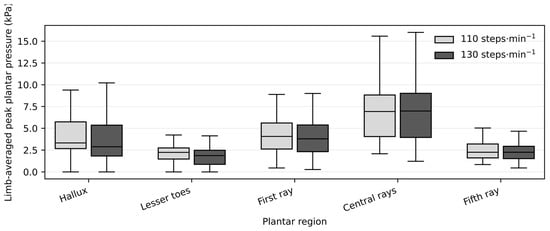
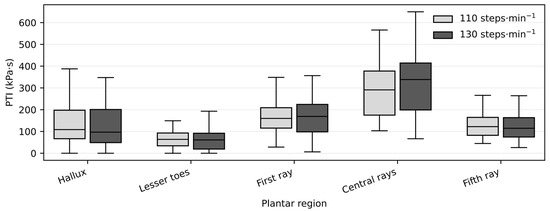
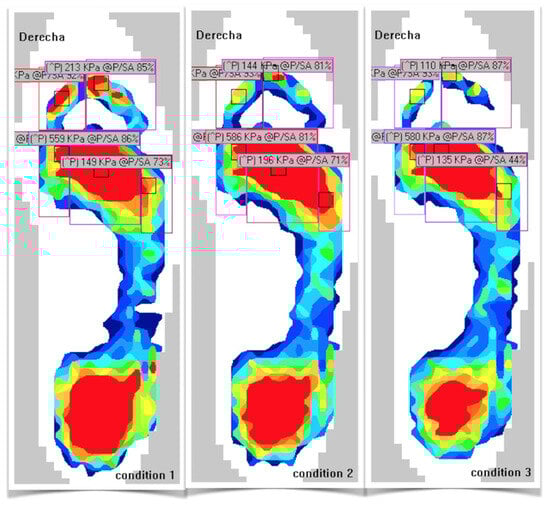
Background: Walking cadence is commonly adjusted in sport and rehabilitation, yet its effects on spatiotemporal gait parameters and regional plantar pressure distribution under controlled speed conditions remain incompletely characterized. Therefore, this study aimed to determine whether imposed cadence increases at a constant walking
[...] Read more.
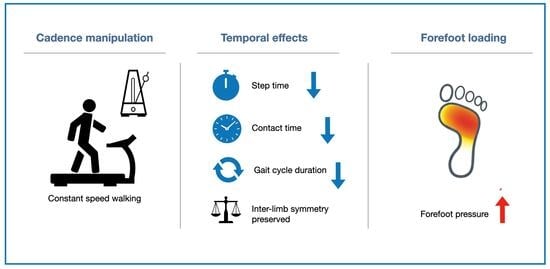
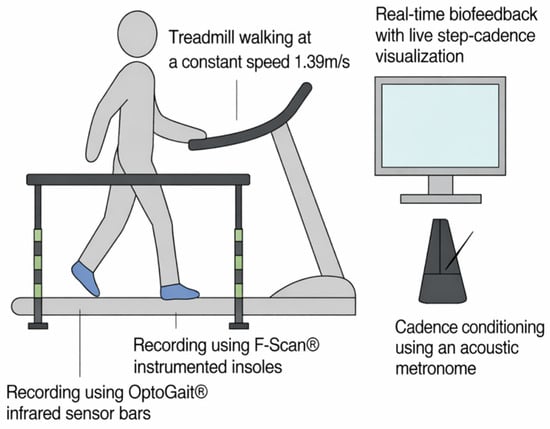
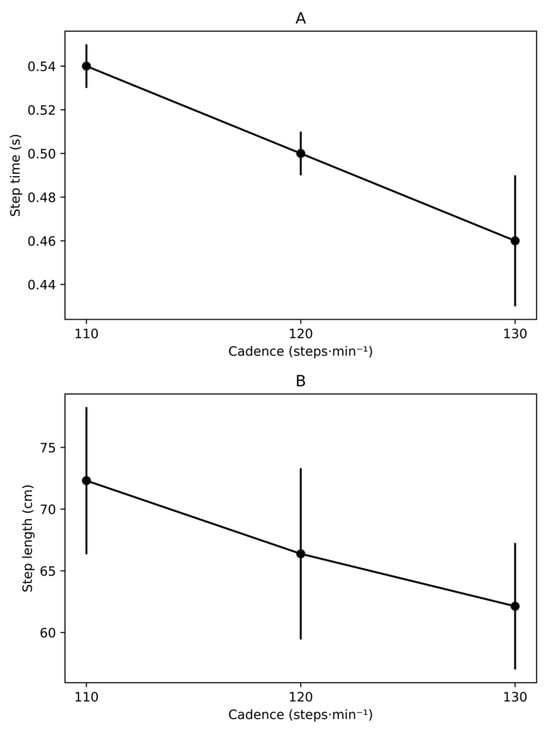
Background: Walking cadence is commonly adjusted in sport and rehabilitation, yet its effects on spatiotemporal gait parameters and regional plantar pressure distribution under controlled speed conditions remain incompletely characterized. Therefore, this study aimed to determine whether imposed cadence increases at a constant walking speed would (i) systematically reduce temporal gait parameters while preserving inter-limb symmetry and (ii) be associated with region-specific increases in forefoot plantar loading, representing the primary novel contribution of this work. Methods: Fifty-two adults walked at three imposed cadences (110, 120, 130 steps·min−1) while maintaining a fixed treadmill speed of 1.39 m·s−1 via auditory biofeedback. Spatiotemporal parameters were recorded with an OptoGait system, and plantar pressure distribution was measured using in-shoe pressure insoles. Normally distributed variables were analyzed using repeated-measures ANOVA, whereas plantar pressure metrics were assessed using the Friedman test, followed by Wilcoxon signed-rank post-hoc comparisons with false discovery rate (FDR) correction. Associations between temporal parameters and plantar loading metrics (peak pressure, pressure–time integral) were examined using Spearman’s rank correlation with FDR correction (α = 0.05). Results: Increasing cadence produced progressive reductions in gait cycle duration (~8–10%), contact time (~7–8%), and step time (all p < 0.01), while inter-limb symmetry indices remained below 2% across conditions. Peak plantar pressure increased significantly in several forefoot regions with increasing cadence (all p_FDR < 0.05), whereas changes in the first ray were less consistent across conditions. Regional forefoot pressure–time integral also increased modestly with higher cadence (p_FDR < 0.01). Spearman’s correlations revealed moderate negative associations between temporal gait parameters and global plantar loading metrics (ρ = −0.38 to −0.46, all p_FDR < 0.05). Conclusions: At a constant walking speed, increasing cadence systematically shortens temporal gait components and is associated with small but consistent region-specific increases in forefoot plantar loading. These findings highlight cadence as a key temporal constraint shaping plantar loading patterns during steady-state walking and support the existence of concurrent temporal–mechanical adaptations.
Full article
(This article belongs to the Special Issue Posture, Balance, and Gait: Assessment Techniques and Rehabilitation Strategies—2nd Edition)
►▼
Show Figures

Graphical abstract
Open AccessExpression of Concern
Expression of Concern: Mandroukas et al. Surface Electromyographic Activity of the Rectus Abdominis and External Oblique during Isometric and Dynamic Exercises. J. Funct. Morphol. Kinesiol. 2022, 7, 67
by
Journal of Functional Morphology and Kinesiology Editorial Office
J. Funct. Morphol. Kinesiol. 2026, 11(1), 52; https://doi.org/10.3390/jfmk11010052 - 26 Jan 2026
Abstract
With this notice, the Journal of Functional Morphology and Kinesiology Editorial Office alerts the readers to concerns related to this article [...]
Full article
(This article belongs to the Section Physical Exercise for Health Promotion)
Open AccessExpression of Concern
Expression of Concern: Mandroukas et al. Muscle Strength and Joint Range of Motion of the Spine and Lower Extremities in Female Prepubertal Elite Rhythmic and Artistic Gymnasts. J. Funct. Morphol. Kinesiol. 2023, 8, 153
by
Journal of Functional Morphology and Kinesiology Editorial Office
J. Funct. Morphol. Kinesiol. 2026, 11(1), 51; https://doi.org/10.3390/jfmk11010051 - 26 Jan 2026
Abstract
With this notice, the Journal of Functional Morphology and Kinesiology Editorial Office alerts the readers to concerns related to this article [...]
Full article
(This article belongs to the Section Kinesiology and Biomechanics)
Open AccessExpression of Concern
Expression of Concern: Mandroukas et al. Muscle Strength and Hamstrings to Quadriceps Ratio in Young Soccer Players: A Cross-Sectional Study. J. Funct. Morphol. Kinesiol. 2023, 8, 70
by
Journal of Functional Morphology and Kinesiology Editorial Office
J. Funct. Morphol. Kinesiol. 2026, 11(1), 50; https://doi.org/10.3390/jfmk11010050 - 26 Jan 2026
Abstract
With this notice, the Journal of Functional Morphology and Kinesiology Editorial Office alerts the readers to concerns related to this article [...]
Full article
(This article belongs to the Section Functional Anatomy and Musculoskeletal System)
Open AccessEditorial
Special Issue “Role of Exercises in Musculoskeletal Disorders—7th Edition”
by
Giuseppe Musumeci
J. Funct. Morphol. Kinesiol. 2026, 11(1), 49; https://doi.org/10.3390/jfmk11010049 - 23 Jan 2026
Abstract
The seventh edition of the Special Issue “Role of Exercises in Musculoskeletal Disorders” further clarifies how exercise interventions can lead to measurable benefits across various musculoskeletal conditions, ages, and care settings [...]
Full article
(This article belongs to the Special Issue Role of Exercises in Musculoskeletal Disorders—7th Edition)
Open AccessArticle
Effect of HIIT Training Modality in People with Pre-Diabetes
by
Talia Tene, Raynier Zambrano-Villacres, Cristina Isabel Puruncajas-Rodríguez, Daniel Tettamanti Miranda, Mónica Cristina Tello-Moreno, Angela Priscila Campos-Moposita, Stalin Javier Caiza Lema, Martha Montalvan and Richard Tene-Fernandez
J. Funct. Morphol. Kinesiol. 2026, 11(1), 48; https://doi.org/10.3390/jfmk11010048 - 22 Jan 2026
Abstract
Objectives: Prediabetes is characterized by elevated blood glucose levels associated with insulin resistance, increasing the risk of progression to type 2 diabetes mellitus (T2DM) and cardiovascular disease. High-intensity interval training (HIIT) has emerged as an effective non-pharmacological strategy to improve insulin sensitivity
[...] Read more.
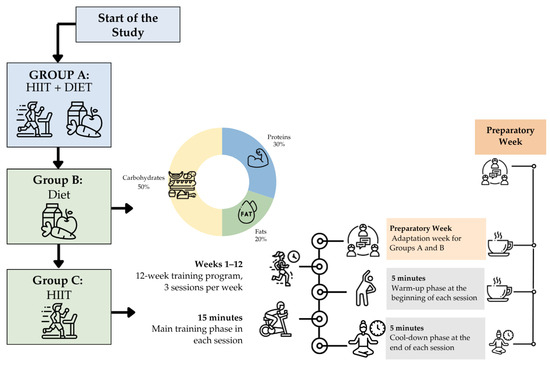
Objectives: Prediabetes is characterized by elevated blood glucose levels associated with insulin resistance, increasing the risk of progression to type 2 diabetes mellitus (T2DM) and cardiovascular disease. High-intensity interval training (HIIT) has emerged as an effective non-pharmacological strategy to improve insulin sensitivity and cardiorespiratory fitness. This study aimed to analyze the effects of HIIT alone or combined with a hypocaloric diet on metabolic and cardiorespiratory parameters in individuals with prediabetes. Methods: A controlled, longitudinal, single-blind intervention study enrolled 68 adults with prediabetes (mean age 42.22–46.60 years; 73.5% women) and randomized them to HIIT plus hypocaloric diet (n = 23), HIIT only (n = 23), or hypocaloric diet only (n = 22) for 13 weeks, with pre/post assessments of glucose, VO2max, blood pressure, FINDRISC. Results: Significant post-intervention differences were observed among groups in body mass index (p = 0.049), VO2max (p < 0.001), fasting glucose (p < 0.001), systolic blood pressure (p < 0.001), and diabetes risk (p = 0.038), with the greatest improvements consistently observed in Group A. In Group A, fasting glucose decreased from 111.94 to 91.28 mg/dL (−20.66 mg/dL; −18.5%), VO2max increased from 21.27 to 24.02 mL·kg−1·min−1 (+2.75; +12.9%), and systolic blood pressure decreased from 163.56 to 150.13 mmHg (−13.43 mmHg; −8.2%). No significant between-group differences were found for body weight (p = 0.271) or waist circumference (p = 0.174). Conclusions: HIIT combined with a hypocaloric diet is an effective and safe strategy for managing prediabetes, producing superior improvements in cardiorespiratory fitness, glycemic control, and reduction in diabetes risk compared with either intervention alone.
Full article
(This article belongs to the Section Physical Exercise for Health Promotion)
►▼
Show Figures

Figure 1
Highly Accessed Articles
Latest Books
E-Mail Alert
News
Topics
Topic in
Biomechanics, JFMK, Sports
Concurrent Strength and Endurance Training
Topic Editors: Alejandro Pérez-Castilla, Manuel A. Rodríguez PérezDeadline: 28 February 2026
Topic in
Antioxidants, IJMS, JFMK, Life, Physiologia
Skeletal Muscle Adaptations to Oxidative Stress
Topic Editors: Guglielmo Duranti, Zsolt RadakDeadline: 30 April 2026
Topic in
Biomechanics, JFMK, Sensors, Sports
Current Perspectives and Future Directions in Sports Biomechanics
Topic Editors: Pedro Forte, Rafael Peixoto, Luís BranquinhoDeadline: 25 May 2026
Topic in
JFMK, Medicina, Therapeutics, Healthcare, JCM, Rheumato
New Trends in Physiotherapy Care: Improvements in Functionality, Pain Management, and Quality of Life
Topic Editors: Carlos Bernal-Utrera, Ernesto Anarte-Lazo, Juan José González GerezDeadline: 30 June 2026
Special Issues
Special Issue in
JFMK
Improving Cardiovascular Health Through Physical Activity and Exercise
Guest Editors: Asterios Deligiannis, Evangelia KouidiDeadline: 28 February 2026
Special Issue in
JFMK
Effects of Exercise Training on Cardiovascular Risks Factors in Primary and Secondary Prevention
Guest Editor: Giuseppe CaminitiDeadline: 28 February 2026
Special Issue in
JFMK
Sports Nutrition and Body Composition
Guest Editor: Masaharu KagawaDeadline: 28 February 2026
Special Issue in
JFMK
Postural and Neuromuscular Mechanisms in Balance and Postural Re-Education: Technological and Clinical Advances
Guest Editors: Giuseppe Messina, Donatella Di CorradoDeadline: 28 February 2026
Topical Collections
Topical Collection in
JFMK
Feature Papers in Journal of Functional Morphology and KinesiologyCollection Editor: Giuseppe Musumeci
Topical Collection in
JFMK
Advances in Rehabilitation and Injury Management
Collection Editor: Andrea Demeco