Journal Description
ISPRS International Journal of Geo-Information
(IJGI) is an international, peer-reviewed, open access journal on geo-information, published monthly online. It is the official journal of the International Society for Photogrammetry and Remote Sensing (ISPRS). Society members receive discounts on the article processing charges.
- Open Access— free for readers, with article processing charges (APC) paid by authors or their institutions.
- High Visibility: indexed within Scopus, SCIE (Web of Science), GeoRef, PubAg, dblp, Astrophysics Data System, Inspec, and other databases.
- Journal Rank: JCR - Q2 (Geography, Physical) / CiteScore - Q1 (Earth and Planetary Sciences (miscellaneous))
- Rapid Publication: manuscripts are peer-reviewed and a first decision is provided to authors approximately 33.1 days after submission; acceptance to publication is undertaken in 2.7 days (median values for papers published in this journal in the second half of 2025).
- Rejection Rate: a rejection rate of 74% in 2025.
- Recognition of Reviewers: reviewers who provide timely, thorough peer-review reports receive vouchers entitling them to a discount on the APC of their next publication in any MDPI journal, in appreciation of the work done.
Impact Factor:
2.8 (2024);
5-Year Impact Factor:
3.3 (2024)
Latest Articles
Enhancing Alarm Localization in Multi-Window Map Interfaces with Spatialized Auditory Cues: An Eye-Tracking Study
ISPRS Int. J. Geo-Inf. 2026, 15(2), 69; https://doi.org/10.3390/ijgi15020069 - 6 Feb 2026
Abstract
►
Show Figures
Modern geo-information platforms commonly adopt multi-window map interfaces that integrate heterogeneous data, such as dynamic maps and live camera feeds. These interfaces impose high cognitive load and slow spatial event detection. Operators must rapidly locate the source of visual alarms, a task often
[...] Read more.
Modern geo-information platforms commonly adopt multi-window map interfaces that integrate heterogeneous data, such as dynamic maps and live camera feeds. These interfaces impose high cognitive load and slow spatial event detection. Operators must rapidly locate the source of visual alarms, a task often leading to delays under high visual workload. To address this challenge, this study investigated whether spatialized auditory cues can improve alarm localization in such complex monitoring interfaces. A controlled experiment with 24 participants used a within-subjects design to test factors of auditory spatial cueing (none, binaural, monaural), display dynamics (dynamic, static), and interface complexity (4, 8, 12 panes). Behavioral and eye-tracking data measured detection accuracy, efficiency, and gaze patterns. Results showed that dynamic displays and high interface complexity impaired performance, indicating increased cognitive load. In contrast, monaural lateralized auditory alarms substantially improved detection efficiency and mitigated visual overload. Interaction analyses revealed that binaural cues reduced the performance costs of dynamic displays, whereas monaural cues compensated for high-density layouts. These findings demonstrate that spatialized auditory alarms effectively support spatiotemporal situational awareness and improve operator performance in high-load geo-surveillance systems. The study offers empirical and practical implications for designing cognitively ergonomic, multimodal interfaces that move beyond purely visual alarm designs.
Full article
Open AccessArticle
HD Maps for Autonomous Vehicles: Implications for Cartographic Theory and Practice
by
Dariusz Gotlib, Georg Gartner and Krzysztof Miksa
ISPRS Int. J. Geo-Inf. 2026, 15(2), 68; https://doi.org/10.3390/ijgi15020068 - 4 Feb 2026
Abstract
High-Definition (HD) Maps have become a cornerstone of autonomous vehicle (AV) technology, enabling precise localization, perception, and decision-making. Despite their increasing prominence in the automotive and geospatial industries, HD Maps remain underexplored in the field of cartography. There are many studies and publications
[...] Read more.
High-Definition (HD) Maps have become a cornerstone of autonomous vehicle (AV) technology, enabling precise localization, perception, and decision-making. Despite their increasing prominence in the automotive and geospatial industries, HD Maps remain underexplored in the field of cartography. There are many studies and publications on HD Maps, but only a few of them directly address their links with cartography. Therefore, the research presented in this article focuses on this issue, filling an existing research gap. This paper examines the origins, technical characteristics, and conceptual frameworks of HD Maps, drawing on both the established literature and conceptual reflections. The results highlight that an extension of traditional cartographic definitions needs to be considered in order to encompass the concept of HD Maps as dynamic, machine-oriented infrastructures. By placing HD Maps as an important element in the development of cartography, the authors note both the prospect of a broader application of cartographic theory and the potential contribution of cartographers to the further development of HD Maps, as well as a potential paradigm shift toward the era of “maps for machines”.
Full article
Open AccessArticle
Extracting Duckweed/Algal Bloom-Type Black–Odorous Waters from Remote Sensing Images Based on SwinTf-Unet Model
by
Jingtao Sun, Chenyang Li and Lijun Zhang
ISPRS Int. J. Geo-Inf. 2026, 15(2), 67; https://doi.org/10.3390/ijgi15020067 - 3 Feb 2026
Abstract
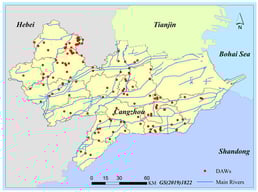
Duckweed/algal bloom-type black–odorous waters (DAWs) exhibit composite optical properties of vegetation and pollution, posing intractable remote sensing identification challenges in complex environments. Current methods suffer from three critical limitations: a misclassification rate exceeding 25% due to spectral confusion with artificial green covers, an
[...] Read more.
Duckweed/algal bloom-type black–odorous waters (DAWs) exhibit composite optical properties of vegetation and pollution, posing intractable remote sensing identification challenges in complex environments. Current methods suffer from three critical limitations: a misclassification rate exceeding 25% due to spectral confusion with artificial green covers, an 18.7% false-negative rate for small patches (stemming from the imbalance between CNNs and Transformers), and insufficient feature dimensionality to characterize the dual properties of DAWs. To address these gaps, this study proposes a novel method that integrates the ASGICTVS feature set with a customized SwinTf-Unet model. The ASGICTVS feature set combines vegetation-sensitive metrics, optical water quality indicators, and visual features. The SwinTf-Unet model utilizes an optimized 4 × 4 window, an embedded feature fusion module, and an adaptive shifted window stride to balance global context capture and local detail reconstruction. Experiments on 21,104 GF-2 satellite samples demonstrate that the method achieves 87.50% precision, 88.41% recall, an 85.32% F1-score, and an 83.46% Intersection over Union (IoU), outperforming DeepLabV3+ by 14.56 percentage points in the IoU. With an inference time of 0.87 s per 512 × 512-pixel image and a stable performance across cross-regional datasets (IoU: 82.1–85.3%), it exhibits strong efficiency and generalization. This study resolves DAW spectral confusion, enables high-precision segmentation, and establishes a standardized feature threshold system, providing reliable technical support for large-scale automated DAW monitoring and regional water environment management.
Full article
(This article belongs to the Topic Advances in Earth Observation Technologies to Support Water-Related Sustainable Development Goals (SDGs))
►▼
Show Figures

Figure 1
Open AccessArticle
Day–Night All-Sky Scene Classification with an Attention-Enhanced EfficientNet
by
Wuttichai Boonpook, Peerapong Torteeka, Kritanai Torsri, Daroonwan Kamthonkiat, Yumin Tan, Asamaporn Sitthi, Patcharin Kamsing, Chomchanok Arunplod, Utane Sawangwit, Thanachot Ngamcharoensuktavorn and Kijnaphat Suksod
ISPRS Int. J. Geo-Inf. 2026, 15(2), 66; https://doi.org/10.3390/ijgi15020066 - 3 Feb 2026
Abstract
All-sky cameras provide continuous hemispherical observations essential for atmospheric monitoring and observatory operations; however, automated classification of sky conditions in tropical environments remains challenging due to strong illumination variability, atmospheric scattering, and overlapping thin-cloud structures. This study proposes EfficientNet-Attention-SPP Multi-scale Network (EASMNet), a
[...] Read more.
All-sky cameras provide continuous hemispherical observations essential for atmospheric monitoring and observatory operations; however, automated classification of sky conditions in tropical environments remains challenging due to strong illumination variability, atmospheric scattering, and overlapping thin-cloud structures. This study proposes EfficientNet-Attention-SPP Multi-scale Network (EASMNet), a physics-aware deep learning framework for robust all-sky scene classification using hemispherical imagery acquired at the Thai National Observatory. The proposed architecture integrates Squeeze-and-Excitation (SE) blocks for radiometric channel stabilization, the Convolutional Block Attention Module (CBAM) for spatial–semantic refinement, and Spatial Pyramid Pooling (SPP) for hemispherical multi-scale context aggregation within a fully fine-tuned EfficientNetB7 backbone, forming a domain-aware atmospheric representation framework. A large-scale dataset comprising 122,660 RGB images across 13 day–night sky-scene categories was curated, capturing diverse tropical atmospheric conditions including humidity, haze, illumination transitions, and sensor noise. Extensive experimental evaluations demonstrate that the EASMNet achieves 93% overall accuracy, outperforming representative convolutional (VGG16, ResNet50, DenseNet121) and transformer-based architectures (Swin Transformer, Vision Transformer). Ablation analyses confirm the complementary contributions of hierarchical attention and multi-scale aggregation, while class-wise evaluation yields F1-scores exceeding 0.95 for visually distinctive categories such as Day Humid, Night Clear Sky, and Night Noise. Residual errors are primarily confined to physically transitional and low-contrast atmospheric regimes. These results validate the EASMNet as a reliable, interpretable, and computationally feasible framework for real-time observatory dome automation, astronomical scheduling, and continuous atmospheric monitoring, and provide a scalable foundation for autonomous sky-observation systems deployable across diverse climatic regions.
Full article
(This article belongs to the Topic Advances in Sensor Data Fusion and AI for Environmental Monitoring)
►▼
Show Figures

Figure 1
Open AccessArticle
CAE-RBNN: An Uncertainty-Aware Model of Island NDVI Prediction
by
Zheng Xiang, Cunjin Xue, Ziyue Ma, Qingrui Liu and Zhi Li
ISPRS Int. J. Geo-Inf. 2026, 15(2), 65; https://doi.org/10.3390/ijgi15020065 - 3 Feb 2026
Abstract
The unique geographical isolation and climate sensitivity of island ecosystems make them valuable for ecological research. The Normalized Difference Vegetation Index (NDVI) is an important indicator when monitoring and evaluating these systems, and its prediction has become a key research focus. However, island
[...] Read more.
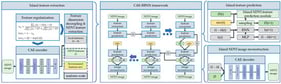
The unique geographical isolation and climate sensitivity of island ecosystems make them valuable for ecological research. The Normalized Difference Vegetation Index (NDVI) is an important indicator when monitoring and evaluating these systems, and its prediction has become a key research focus. However, island NDVI prediction remains uncertain due to a limited understanding of vegetation growth and insufficient high-quality data. Deterministic models fail to capture or quantify such uncertainty, often leading to overfitting. To address this issue, this study proposes an uncertainty prediction model for the island NDVI within a coding–prediction–decoding framework, referred to as a Convolutional Autoencoder–Regularized Bayesian Neural Network (CAE-RBNN). The model integrates a convolutional autoencoder with feature regularization to extract latent NDVI features, aiming to reconcile spatial scale disparities with environmental data, while a Bayesian Neural Network (BNN) quantifies uncertainty arising from limited samples and an incomplete understanding of the process. Finally, Monte Carlo sampling and SHAP analysis evaluate model performance, quantify predictive uncertainty, and enhance interpretability. Experiments on six islands in the Xisha archipelago demonstrate that CAE-RBNN outperforms the Convolutional Neural Network–Recurrent Neural Network (CNN-RNN), the Convolutional Recurrent Neural Network (ConvRNN), Convolutional Long Short-Term Memory (ConvLSTM), and Random Forest (RF). Among them, CAE-RBNN reduces the MAE and MSE of the single-time-step prediction task by 8.40% and 10.69%, respectively, compared with the suboptimal model and decreases them by 16.31% and 22.57%, respectively, in the continuous prediction task. More importantly, it effectively quantifies the uncertainty of different driving forces, thereby improving the reliability of island NDVI predictions influenced by the environment.
Full article
(This article belongs to the Topic Advances in Multi-Scale Geographic Environmental Monitoring: Ecosystem Differences and Multi-Scale Comparisons)
►▼
Show Figures

Figure 1
Open AccessArticle
Relationships Between Spatial Metrics and Forest Landscape Beauty Across Viewing Distance Zones: Implications for Forest Management in Ino Town, Japan
by
Xinrui Zheng and Norimasa Takayama
ISPRS Int. J. Geo-Inf. 2026, 15(2), 64; https://doi.org/10.3390/ijgi15020064 - 2 Feb 2026
Abstract
To develop targeted forest management strategies, management staff must understand the statistical relationships between forest aesthetic values and landscape metrics across specified distance ranges. However, as the existing studies based on distance-zone theory have failed to isolate the impacts of landscape features in
[...] Read more.
To develop targeted forest management strategies, management staff must understand the statistical relationships between forest aesthetic values and landscape metrics across specified distance ranges. However, as the existing studies based on distance-zone theory have failed to isolate the impacts of landscape features in different zones, their practical applicability to forest management is limited. The present study aims to clarify the different effects of landscape elements on the modeling of forest scenic beauty. To this end, the relevant features are divided into near (0–400 m), middle (400 m–2.5 km), and far (2.5–5 km) zones. A regression analysis stratified by viewing zones confirmed the dominant role of the near zone and revealed different influences of individual landscape elements across the viewing zones. The landscape patterns identified through a cluster analysis, together with pattern-specific regression models, further clarified different explanatory powers of the landscape elements under different conditions, highlighting the elements that should be prioritized to enhance aesthetic value. These findings refine the existing theories and clarify how landscape elements influence aesthetic value across different viewing zones, highlighting the importance of distance-specific landscape element management.
Full article
(This article belongs to the Special Issue Spatial Data Science and Knowledge Discovery)
►▼
Show Figures

Figure 1
Open AccessArticle
Spatial Equity of Children’s Extracurricular Activity Facilities Under Government–Market Dual Provision Systems: Evidence from Tianjin
by
Jiehui Geng, Peng Zeng, Jinxuan Li, Xiaotong Ren and Liangwa Cai
ISPRS Int. J. Geo-Inf. 2026, 15(2), 63; https://doi.org/10.3390/ijgi15020063 - 1 Feb 2026
Abstract
Ensuring equitable and inclusive access to children’s extracurricular activity facilities represents a profound manifestation of educational equity and is crucial for promoting children’s holistic development and societal sustainability. However, the underlying spatial mechanisms shaping their equity remain insufficiently explored. Using Tianjin’s central urban
[...] Read more.
Ensuring equitable and inclusive access to children’s extracurricular activity facilities represents a profound manifestation of educational equity and is crucial for promoting children’s holistic development and societal sustainability. However, the underlying spatial mechanisms shaping their equity remain insufficiently explored. Using Tianjin’s central urban area as a case study, this study examines the spatial accessibility and equity of such facilities under dual government–market provision systems. The multi-mode Huff two-step floating catchment area model (MM-Huff-2SFCA) was employed to assess accessibility across walking, e-bike, public transport, and private car modes, integrating facility quality, household preference, and time-based distance decay. Equity was further evaluated using Lorenz curves and Gini coefficients across multiple spatial scales, while geographically weighted regression (GWR) identified spatial heterogeneity in factors such as child population density, transport infrastructure, household economic status, and basic education coverage. Results indicate that macro-level spatial balance masks substantial micro-scale inequities, particularly among transport-disadvantaged groups. Government and market systems exhibit contrasting spatial logics, forming a compensation–complementarity pattern across urban space. These findings underscore the need for refined and differentiated governance in extracurricular activity facilities planning, integrating spatial planning, transport accessibility, and social equity to advance child-friendly urban development and equitable public service provision.
Full article
(This article belongs to the Special Issue Spatial Information for Improved Living Spaces)
►▼
Show Figures

Figure 1
Open AccessArticle
Multi-Scale Space Syntax Analysis of Hybrid Urban Street Networks for Accessibility and Mobility Efficiency: The Case of Mandalay in Myanmar
by
Thwe Thwe Lay Maw and Ducksu Seo
ISPRS Int. J. Geo-Inf. 2026, 15(2), 62; https://doi.org/10.3390/ijgi15020062 - 31 Jan 2026
Abstract
Street layout has a significant effect on accessibility and intelligibility, which ultimately affects navigation and movement efficiency. While previous research has examined planned and unplanned street patterns, most studies focus on single-scale analyses or isolated typologies, limiting understanding of how hybrid networks function
[...] Read more.
Street layout has a significant effect on accessibility and intelligibility, which ultimately affects navigation and movement efficiency. While previous research has examined planned and unplanned street patterns, most studies focus on single-scale analyses or isolated typologies, limiting understanding of how hybrid networks function across multiple spatial levels. Addressing this gap, this study investigates the effects of hybrid planned and organically evolved street layouts on spatial accessibility in Mandalay, Myanmar. The research employs space syntax analysis to assess the citywide, township-level, and micro-scale networks through measures of angular integration, choice, axial connectivity, and intelligibility. Using the Four-Point Star Model to identify Mandalay’s distinct spatial features, a global accessibility assessment compares it to 50 other cities. The results show that grid-based layouts with central townships exhibit the highest integration and connectivity, while organic and fragmented networks, particularly in Amarapura, reduce spatial coherence and accessibility. Micro-scale analysis indicates that hybrid layouts with cul-de-sacs and distorted grids can improve accessibility when they connect effectively with secondary roads. By analysing street networks across multiple spatial scales, this research presents significant implications for efficient accessibility and transport planning in mixed-pattern cities.
Full article
(This article belongs to the Special Issue Spatial Data Science and Knowledge Discovery)
►▼
Show Figures

Figure 1
Open AccessArticle
Efficient Four-Level LOD Simplification for Single- and Multi-Mesh 3D Scenes Towards Scalable BIM/GIS/Digital Twin Integration
by
Siyuan Sun, Lin Su, Xukun Yang, Chunyu Qi, Xinyu Liu, Licheng Pan and Qilin Zhang
ISPRS Int. J. Geo-Inf. 2026, 15(2), 61; https://doi.org/10.3390/ijgi15020061 - 30 Jan 2026
Abstract
Efficient level-of-detail (LOD) management is crucial for handling large-scale 3D meshes in BIM, GIS, and digital twin applications. In practice, both individual models and complex multi-mesh scenes require multi-resolution representations. Yet two practical issues persist: (i) simplification rates are often fixed a priori,
[...] Read more.
Efficient level-of-detail (LOD) management is crucial for handling large-scale 3D meshes in BIM, GIS, and digital twin applications. In practice, both individual models and complex multi-mesh scenes require multi-resolution representations. Yet two practical issues persist: (i) simplification rates are often fixed a priori, lacking principled guidance and yielding suboptimal fidelity–cost trade-offs; and (ii) after a scene-level target is set, workflows commonly impose a uniform rate on all models, which is ill-suited to heterogeneous geometry and produces uneven visual quality. This paper presents an automatic approach that constructs a cumulative edge collapse loss curve using a QEM (Quadric Error Metrics)-based process. Shape analysis of this curve defines four representative LOD targets, and an automated procedure then determines their corresponding simplification rates. The method is first developed for individual meshes and then extended to multi-mesh scenes, assigning model-specific rates that satisfy a prescribed scene-level reduction while maintaining visual consistency. Experiments on complex engineering datasets show higher fidelity than uniform-rate baselines, especially at high reductions. The approach provides a practical, automated framework for object- and scene-level LOD generation.
Full article
(This article belongs to the Topic The Geography of Digital Twin: Concepts, Architectures, Modeling, AI and Applications)
►▼
Show Figures

Figure 1
Open AccessArticle
Visual Localization Algorithm with Dynamic Point Removal Based on Multi-Modal Information Association
by
Jing Ni, Boyang Gao, Hongyuan Zhu, Minkun Zhao and Xiaoxiong Liu
ISPRS Int. J. Geo-Inf. 2026, 15(2), 60; https://doi.org/10.3390/ijgi15020060 - 30 Jan 2026
Abstract
To enhance the autonomous navigation capability of intelligent agents in complex environments, this paper presents a visual localization algorithm for dynamic scenes that leverages multi-source information fusion. The proposed approach is built upon an odometry framework integrating LiDAR, camera, and IMU data, and
[...] Read more.
To enhance the autonomous navigation capability of intelligent agents in complex environments, this paper presents a visual localization algorithm for dynamic scenes that leverages multi-source information fusion. The proposed approach is built upon an odometry framework integrating LiDAR, camera, and IMU data, and incorporates the YOLOv8 model to extract semantic information from images, which is then fused with laser point cloud data. We design a dynamic point removal method based on multi-modal association, which links 2D image masks to 3D point cloud regions, applies Euclidean clustering to differentiate static and dynamic points, and subsequently employs PnP-RANSAC to eliminate any remaining undetected dynamic points. This process yields a robust localization algorithm for dynamic environments. Experimental results on datasets featuring dynamic objects and a custom-built hardware platform demonstrate that the proposed dynamic point removal method significantly improves both the robustness and accuracy of the visual localization system. These findings confirm the feasibility and effectiveness of our system, showcasing its capabilities in precise positioning and autonomous navigation in complex environments.
Full article
(This article belongs to the Topic Advances in Sensor Data Fusion and AI for Environmental Monitoring)
►▼
Show Figures

Figure 1
Open AccessArticle
Analysis of Using Machine Learning Application Possibilities for the Detection and Classification of Topographic Objects
by
Katarzyna Kryzia, Aleksandra Radziejowska, Justyna Adamczyk and Dominik Kryzia
ISPRS Int. J. Geo-Inf. 2026, 15(2), 59; https://doi.org/10.3390/ijgi15020059 - 27 Jan 2026
Abstract
►▼
Show Figures
The growing availability of spatial data from remote sensing, laser scanning (LiDAR), and photogrammetric techniques stimulates the dynamic development of methods for the automatic detection and classification of topographic objects. In recent years, both classical machine learning (ML) algorithms and deep learning (DL)
[...] Read more.
The growing availability of spatial data from remote sensing, laser scanning (LiDAR), and photogrammetric techniques stimulates the dynamic development of methods for the automatic detection and classification of topographic objects. In recent years, both classical machine learning (ML) algorithms and deep learning (DL) methods have found wide application in the analysis of large and complex data sets. Despite significant achievements, literature on the subject remains scattered, and a comprehensive review that systematically compares algorithm classes with respect to data modality, performance, and application context is still needed. The aim of this article is to provide a critical analysis of the current state of research on the use of ML and DL algorithms in the detection and classification of topographic objects. The theoretical foundations of selected methods, their applications to various data sources, and the accuracy and computational requirements reported in the literature are presented. Attention is paid to comparing classical ML algorithms (including SVM, RF, KNN) with modern deep architectures (CNN, U-Net, ResNet), with respect to different data types such as satellite imagery, aerial orthophotos, and LiDAR point clouds, indicating their effectiveness in the context of cartographic and elevation data. The article also discusses the main challenges related to data availability, model interpretability, and computational costs, and points to promising directions for further research. The summary of the results shows that DL methods are frequently reported to achieve several to over ten percentage points higher segmentation and classification accuracy than classical ML approaches, depending on data type and object complexity, particularly in the analysis of raster data and LiDAR point clouds. The conclusions emphasize the practical significance of these methods for spatial planning, infrastructure monitoring, and environmental management, as well as their potential in the automation of topographic analysis.
Full article

Figure 1
Open AccessCorrection
Correction: Cheng et al. Population Distribution Forecasting Based on the Fusion of Spatiotemporal Basic and External Features: A Case Study of Lujiazui Financial District. ISPRS Int. J. Geo-Inf. 2024, 13, 395
by
Xianzhou Cheng, Xiaoming Wang and Renhe Jiang
ISPRS Int. J. Geo-Inf. 2026, 15(2), 58; https://doi.org/10.3390/ijgi15020058 - 27 Jan 2026
Abstract
In the original publication [...]
Full article
(This article belongs to the Special Issue Unlocking the Power of Geospatial Data: Semantic Information Extraction, Ontology Engineering, and Deep Learning for Knowledge Discovery)
Open AccessArticle
Spatial and Temporal Analysis of Climatic Zones in Kazakhstan Using Google Earth Engine
by
Kalamkas Yessimkhanova and Mátyás Gede
ISPRS Int. J. Geo-Inf. 2026, 15(2), 57; https://doi.org/10.3390/ijgi15020057 - 26 Jan 2026
Abstract
Kazakhstan, located in Central Asia, is experiencing faster warming than the global trend, making it an important region regarding the study of how climate change is affecting climatic zones. This research aims to identify projected shifts in Köppen–Geiger climate zones under high-emission Shared
[...] Read more.
Kazakhstan, located in Central Asia, is experiencing faster warming than the global trend, making it an important region regarding the study of how climate change is affecting climatic zones. This research aims to identify projected shifts in Köppen–Geiger climate zones under high-emission Shared Socioeconomic Pathway (SSP) 5-8.5 climate scenarios. The Köppen–Geiger climate classification system is a practical tool that effectively captures climate types based on just two variables: temperature and precipitation. Monthly temperature and precipitation data from Climatic Research Unit (CRU,) ERA5-Land, and Coupled Model Intercomparison Project Phase 6 (CMIP6) ensembles from 1951 to 2100 were used to generate climatic zone maps. CMIP6 models were evaluated against meteorological station data and ERA5-Land, with bias metrics used to identify the best-performing models for temperature and precipitation in Kazakhstan. Based on these results, two inter-model datasets were developed and used to generate Köppen–Geiger climate maps for high-emission scenarios for the 2061–2100 time period. This research resulted in two key outcomes. First, to facilitate this analysis, a Google Earth Engine (GEE) application was developed as an open accessible tool for dynamic visualization of Köppen–Geiger climate maps. Second, projected maps based on CMIP6 SSP5-8.5 scenario projections indicate that southern Kazakhstan may shift to BSh (Hot Semi-Arid) and Csa (Mediterranean) climates, and the southwest region of the country is projected to shift to a BWh (Hot Desert) climate. These projected Köppen–Geiger climate maps contributed to climate adaptation efforts by identifying regions at risk of desertification and aridification. This study provides a comprehensive analysis of climate zone transformations in Kazakhstan and offers a practical scalable geovisualization tool for monitoring climate change impacts. This allows users easy access to climate-related information and insights into data processing procedures.
Full article
(This article belongs to the Special Issue Cartography and Geovisual Analytics)
►▼
Show Figures

Figure 1
Open AccessArticle
Understanding the Internal Structure of Daily Activity Space from Anchor Regions: Evidence from Long-Time-Series Mobile Signaling Data
by
Xueyao Luo, Wenjia Zhang, Yanwei Chai and Jingxue Xie
ISPRS Int. J. Geo-Inf. 2026, 15(2), 56; https://doi.org/10.3390/ijgi15020056 - 26 Jan 2026
Abstract
Activity space represents the spatiotemporal interaction between individuals and their environment. While most studies measure potential activity space using short-term data, few have defined or measured its actual internal structure. This study introduces “anchor regions” as the core areas where daily activities are
[...] Read more.
Activity space represents the spatiotemporal interaction between individuals and their environment. While most studies measure potential activity space using short-term data, few have defined or measured its actual internal structure. This study introduces “anchor regions” as the core areas where daily activities are concentrated, and conceptualizes the structure of an individual’s activity space by incorporating the concept of regular locations, anchor regions, potential regular activity space, and potential activity space. Using three months of mobile signaling data from 10,848 residents in Shenzhen, we detected anchor regions via a weighted density-based spatial clustering for applications with noise (DBSCAN) method and categorized individuals into six typical activity space structures based on a rule-based taxonomy. We also figured out the intra- and inter-anchor region mobility pattern of each type. Our results show the following: (1) A total of 80% of activities and 87% of time are concentrated in just 26% of locations, forming anchor regions—with 95% of individuals having no more than five such regions. (2) The total area of anchor regions is merely 0.1% of the potential activity space. (3) Six typical structures of activity space are derived with different combinations of several functional anchor regions, including home, weekday anchors, and daily activity anchors. (4) The spatial patterns of the six types are different, while intra-anchor region mobilities dominate daily movement in all six types. This study provides a region-based, instead of a point-based, perspective interpretation of the anchor points theory, helping to better understand the regularities and internal structure of human activity space. Our conceptual framework and methodology have the potential to help urban and transportation planning practice and policy making.
Full article
(This article belongs to the Special Issue Spatial Data Science and Knowledge Discovery)
►▼
Show Figures

Figure 1
Open AccessArticle
A Novel Analytical Framework for Modeling Crime Spatial Patterns Using Composite Urban Environmental Factors
by
Yongzhi Wang, Daqian Liu, Jing Gan and Xinyu Lai
ISPRS Int. J. Geo-Inf. 2026, 15(2), 55; https://doi.org/10.3390/ijgi15020055 - 26 Jan 2026
Abstract
►▼
Show Figures
The urban physical environment is composed of multiple elements that collectively influence the spatial pattern of crime. Existing research has predominantly focused on the relationship between individual types of facilities and crime, yet there remains a gap in comprehensively examining the integrated effects
[...] Read more.
The urban physical environment is composed of multiple elements that collectively influence the spatial pattern of crime. Existing research has predominantly focused on the relationship between individual types of facilities and crime, yet there remains a gap in comprehensively examining the integrated effects of the urban physical environment. This study, taking 87 police precincts in the central city of Changchun as units of analysis, innovatively constructs an integrated “Factor Analysis–Negative Binomial Regression” framework. First, factor analysis is applied to reduce the dimensionality of 14 categories of Points of Interest (POI) data, extracting three comprehensive factors that characterize the macro-level functional structure of the city: the “Business and Economic Activities Factor,” the “Residential, Educational, and Transportation Factor,” and the “Leisure and Entertainment Factor.” This approach effectively addresses the issue of multicollinearity among variables and uncovers the underlying macro-level functional factors. Subsequently, a negative binomial regression model is employed to analyze the impact of each factor on crime counts. The results indicate that: (1) The spatial distribution of urban crime is markedly heterogeneous and is systematically driven by the urban functional structure; (2) Both the “Business and Economic Activities Factor” and the “Leisure and Entertainment Factor” exhibit significant positive effects on crime, with each unit increase in their scores associated with an approximately 20% increase in the relative risk of crime; (3) The influence of the “Residential, Educational, and Transportation Factor” is not significant. Collectively, the findings demonstrate that shifting the perspective from “micro-level facilities” to “macro-level functional dimensions” can provide deeper insights into the fundamental formative mechanisms underlying the spatial pattern of crime.
Full article

Figure 1
Open AccessArticle
An Integrated GIS–AHP–Sensitivity Analysis Framework for Electric Vehicle Charging Station Site Suitability in Qatar
by
Sarra Ouerghi, Ranya Elsheikh, Hajar Amini and Sheikha Aldosari
ISPRS Int. J. Geo-Inf. 2026, 15(2), 54; https://doi.org/10.3390/ijgi15020054 - 25 Jan 2026
Abstract
►▼
Show Figures
This study presents a robust framework for optimizing the site selection of Electric Vehicle Charging Stations (EVCS) in Qatar by integrating a Geographic Information System (GIS) with a Multi-Criteria Decision-Making (MCDM) model. The core innovation lies in the enhancement of the conventional Analytic
[...] Read more.
This study presents a robust framework for optimizing the site selection of Electric Vehicle Charging Stations (EVCS) in Qatar by integrating a Geographic Information System (GIS) with a Multi-Criteria Decision-Making (MCDM) model. The core innovation lies in the enhancement of the conventional Analytic Hierarchy Process (AHP) with a Removal Sensitivity Analysis (RSA). This unique integration moves beyond traditional, subjective expert-based weighting by introducing a transparent, data-driven methodology to quantify the influence of each criterion and generate objective weights. The Analytic Hierarchy Process (AHP) was used to evaluate fourteen criteria related to accessibility, economic and environmental factors that influence EVCS site suitability. To enhance robustness and minimize subjectivity, a Removal Sensitivity Analysis (RSA) was applied to quantify the influence of each criterion and generate objective, data-driven weights. The results reveal that accessibility factors, particularly proximity to road networks and parking areas exert the highest influence, while environmental variables such as slope, CO concentration, and green areas have moderate but spatially significant impacts. The integration of AHP and RSA produced a more balanced and environmentally credible suitability map, reducing overestimation of urban sites and promoting sustainable spatial planning. Environmentally, the proposed framework supports Qatar’s transition toward low-carbon mobility by encouraging the expansion of clean electric transport infrastructure, reducing greenhouse gas emissions, and improving urban air quality. The findings contribute to achieving the objectives of Qatar National Vision 2030 and align with global efforts to mitigate climate change through sustainable transportation development.
Full article

Figure 1
Open AccessArticle
A Spatial Statistics Methodology for Inspector Allocation Against Fare Evasion
by
Susana Freiria and Nuno Sousa
ISPRS Int. J. Geo-Inf. 2026, 15(2), 53; https://doi.org/10.3390/ijgi15020053 - 24 Jan 2026
Abstract
This article discusses public transport fare evasion from the point of view of the relations between inspection actions and detected evasion, with the aim of improving the efficacy of the former. By applying spatial statistics methods to a large dataset from Lisbon, Portugal,
[...] Read more.
This article discusses public transport fare evasion from the point of view of the relations between inspection actions and detected evasion, with the aim of improving the efficacy of the former. By applying spatial statistics methods to a large dataset from Lisbon, Portugal, namely, entropy-based local bivariate relationships (LBR) and geographically weighted regression (GWR), it is shown that the two variables are associated in a widespread manner throughout the city, mostly in a linear way. Mapping out marginal gains from inspection actions then shows where they detect the most evaders, allowing transport companies to relocate their inspector teams in a more effective manner. Results for Lisbon show that gains in effectiveness of circa 50% can be obtained, mostly by moving some inspector teams from the centre of the city to the periphery during daytime. The methodology requires only inspection/detection databases, which transport companies usually have, making it a valuable, practical tool to combat fare evasion.
Full article
(This article belongs to the Special Issue Spatial Data Science and Knowledge Discovery)
►▼
Show Figures

Figure 1
Open AccessArticle
BD-GNN: Integrating Spatial and Administrative Boundaries in Property Valuation Using Graph Neural Networks
by
Jetana Somkamnueng and Kitsana Waiyamai
ISPRS Int. J. Geo-Inf. 2026, 15(2), 52; https://doi.org/10.3390/ijgi15020052 - 23 Jan 2026
Abstract
GNN approaches to property valuation typically rely on spatial proximity, assuming that nearby properties exhibit similar price patterns. In practice, this assumption often fails as neighborhood and administrative boundaries create sharp price discontinuities, a form of spatial heterophily. This study proposes a Boundary-Aware
[...] Read more.
GNN approaches to property valuation typically rely on spatial proximity, assuming that nearby properties exhibit similar price patterns. In practice, this assumption often fails as neighborhood and administrative boundaries create sharp price discontinuities, a form of spatial heterophily. This study proposes a Boundary-Aware Dual-Path Graph Neural Network (BD-GNN), a heterophily-oriented GNN specifically designed for continuous regression tasks. The model uses a dual and adaptive message passing design, separating inter- and intra-boundary pathways and combining them through a learnable gating parameter . This allows it to capture boundary effects while preserving spatial continuity. Experiments conducted on three structurally contrasting housing datasets, namely Bangkok, King County (USA), and Singapore, demonstrate consistent performance improvements over strong baselines. The proposed BD-GNN reduces MAPE by 7.9%, 4.4%, and 4.5% and increases by 3.2%, 0.7%, and 5.0% for the respective datasets. Beyond predictive performance, provides a clear picture of how spatial and administrative factors interact across urban scales. GNN Explainer provides local interpretability by showing which neighbors and features shape each prediction. BD-GNN bridges predictive accuracy and structural insight, offering a practical, interpretable framework for applications such as property valuation, taxation, mortgage risk assessment, and urban planning.
Full article
(This article belongs to the Topic Geospatial AI: Systems, Model, Methods, and Applications)
►▼
Show Figures

Figure 1
Open AccessReview
An Operational Ethical Framework for GeoAI: A PRISMA-Based Systematic Review of International Policy and Scholarly Literature
by
Suhong Yoo
ISPRS Int. J. Geo-Inf. 2026, 15(1), 51; https://doi.org/10.3390/ijgi15010051 - 22 Jan 2026
Abstract
This study proposes a systematic framework for establishing ethical guidelines for GeoAI (Geospatial Artificial Intelligence), which integrates AI with spatial data science, GIS, and remote sensing. While general AI ethics have advanced through the OECD, UNESCO, and the EU AI Act, ethical standards
[...] Read more.
This study proposes a systematic framework for establishing ethical guidelines for GeoAI (Geospatial Artificial Intelligence), which integrates AI with spatial data science, GIS, and remote sensing. While general AI ethics have advanced through the OECD, UNESCO, and the EU AI Act, ethical standards tailored to GeoAI remain underdeveloped. Geospatial information exhibits unique characteristics, spatiality, contextuality, and spatial autocorrelation—and consequently entails distinct risks such as geo-privacy, spatial fairness and bias, data provenance and quality, and misuse prevention related to mapping and surveillance. Following PRISMA 2020, a systematic review of 32 recent international policy documents and peer-reviewed articles was conducted; through content analysis with intercoder reliability verification (Krippendorff’s α ≥ 0.76), GeoAI ethical principles were extracted and normalized. The analysis identified twelve ethical axes—Geo-privacy, Data Provenance and Quality, Spatial Fairness and Bias, Transparency, Accountability and Auditability, Safety (Security and Robustness), Human Oversight and Human-in-the-Loop, Public Benefit and Sustainability, Participation and Stakeholder Engagement, Lifecycle Governance, Misuse Prevention, and Inclusion and Accessibility—each accompanied by an operational guideline. These axes together form a practical framework that integrates universal AI ethics principles with spatially specific risks inherent in GeoAI and specifies actionable assessment points across the GeoAI lifecycle. The framework is intended for direct use as checklists and governance artifacts (e.g., model/data cards) and as procurement and audit criteria in academic, policy, and administrative settings.
Full article
Open AccessArticle
Construction of Ultra-Wideband Virtual Reference Station and Research on High-Precision Indoor Trustworthy Positioning Method
by
Yinzhi Zhao, Jingui Zou, Bing Xie, Jingwen Wu, Zhennan Zhou and Gege Huang
ISPRS Int. J. Geo-Inf. 2026, 15(1), 50; https://doi.org/10.3390/ijgi15010050 - 22 Jan 2026
Abstract
With the development of the Internet of Things (IoT) and smart industry, the demand for high-precision indoor positioning is becoming increasingly urgent. Ultra-ideband (UWB) technology has become a research hotspot due to its centimeter-level ranging accuracy, good penetration, and high multipath resolution. However,
[...] Read more.
With the development of the Internet of Things (IoT) and smart industry, the demand for high-precision indoor positioning is becoming increasingly urgent. Ultra-ideband (UWB) technology has become a research hotspot due to its centimeter-level ranging accuracy, good penetration, and high multipath resolution. However, in complex environments, it still faces problems such as high cost of anchor node layout, gross errors in observation data, and difficulty in eliminating systematic errors such as electronic time delay. To address the aforementioned problems, this paper proposes a comprehensive UWB indoor positioning scheme. By constructing virtual reference stations to enhance the observation network, the geometric structure is optimized and the dependence on physical anchors is reduced. Combined with a gross error elimination method under short-baseline constraints and a double-difference positioning model including virtual observations, it systematically suppresses systematic errors such as electronic delay. Additionally, a quality control strategy with velocity constraints is introduced to improve trajectory smoothness and reliability. Static experimental results show that the proposed double-difference model can effectively eliminate systematic errors. For example, the positioning deviation in the Xdirection is reduced from approximately 2.88 cm to 0.84 cm, while the positioning accuracy in the Ydirection slightly decreases. Overall, the positioning accuracy is improved. The gross error elimination method achieves an identification efficiency of over 85% and an accuracy of higher than 99%, providing high-quality observation data for subsequent calculations. Dynamic experimental results show that the positioning trajectory after geometric enhancement of virtual reference stations and velocity-constrained quality control is highly consistent with the reference trajectory, with significantly improved trajectory smoothness and reliability. In summary, this study constructs a complete technical chain from data preprocessing to result quality control, effectively improving the accuracy and robustness of UWB positioning in complex indoor environments, and exhibits promising engineering application potential.
Full article
(This article belongs to the Special Issue Indoor Mobile Mapping and Location-Based Knowledge Services)
►▼
Show Figures

Figure 1
Journal Menu
► ▼ Journal Menu-
- IJGI Home
- Aims & Scope
- Editorial Board
- Reviewer Board
- Topical Advisory Panel
- Instructions for Authors
- Special Issues
- Topics
- Topical Collections
- Article Processing Charge
- Indexing & Archiving
- Editor’s Choice Articles
- Most Cited & Viewed
- Journal Statistics
- Journal History
- Journal Awards
- Society Collaborations
- Conferences
- Editorial Office
Journal Browser
► ▼ Journal BrowserHighly Accessed Articles
Latest Books
E-Mail Alert
News
6 November 2025
MDPI Launches the Michele Parrinello Award for Pioneering Contributions in Computational Physical Science
6 February 2026
Acknowledgment to the Reviewers of ISPRS International Journal of Geo-Information in 2025
Topics
Topic in
Earth, GeoHazards, IJGI, Land, Remote Sensing, Smart Cities, Infrastructures, Automation
Machine Learning and Big Data Analytics for Natural Disaster Reduction and Resilience
Topic Editors: Isam Shahrour, Marwan Alheib, Anna Brdulak, Fadi Comair, Carlo Giglio, Xiongyao Xie, Yasin Fahjan, Salah ZidiDeadline: 31 March 2026
Topic in
Architecture, Buildings, Infrastructures, Sensors, Sustainability, IJGI, Automation
Innovative Horizons: Digital Technologies in Modern Construction and Infrastructure
Topic Editors: Zhen Lei, Ala Suliman, Hexu LiuDeadline: 30 May 2026
Topic in
AI, Applied Sciences, Electronics, J. Imaging, Sensors, IJGI
State-of-the-Art Object Detection, Tracking, and Recognition Techniques
Topic Editors: Mang Ye, Jingwen Ye, Cuiqun ChenDeadline: 30 June 2026
Topic in
Algorithms, Data, Earth, Geosciences, Mathematics, Land, Water, IJGI
Applications of Algorithms in Risk Assessment and Evaluation
Topic Editors: Yiding Bao, Qiang WeiDeadline: 31 July 2026
Conferences
Special Issues
Special Issue in
IJGI
Indoor Mobile Mapping and Location-Based Knowledge Services
Guest Editors: Eliseo Clementini, Zhiyong ZhouDeadline: 30 June 2026
Special Issue in
IJGI
HealthScape: Intersections of Health, Environment, and GIS&T (2nd Edition)
Guest Editors: Lan Mu, Jue YangDeadline: 30 June 2026
Special Issue in
IJGI
Spatial Data Science and Knowledge Discovery
Guest Editors: Jingzhong Li, Dev Raj Paudyal, Binbin LuDeadline: 30 June 2026
Special Issue in
IJGI
Testing the Quality of GeoAI-Generated Data for VGI Mapping
Guest Editors: James D. Carswell, Lasith NiroshanDeadline: 30 June 2026