



Skip Content
You are currently on the new version of our website. Access the old version .

Hydrogen

Hydrogen is an international, peer-reviewed, open access journal on all aspects of hydrogen, published quarterly online by MDPI.

All Articles (328)

Proton Exchange Membrane Fuel Cells (PEMFCs) are highly valued for their zero emissions, low noise, and environmentally friendly characteristics. However, they face substantial difficulties when starting up in low-temperature conditions. Coolant-assisted heating is usually more effective than other methods because of its fast speed, high heat transfer efficiency, and simple structure. This study developed a three-dimensional multiphase non-isothermal PEMFC cold start model with coolant-assisted heating. Key parameters, including heat consumption rate, coolant flow rate, load current slope, initial membrane water content, catalyst layer porosity, and gas diffusion layer porosity, were selected as optimization variables. A Convolutional Neural Network–Attention Mechanism–Bidirectional Long Short-Term Memory Neural Network (CAB-Net) was employed as a surrogate model to predict the ice volume fraction during the cold start process. The CAB-Net model was further integrated with the Lexicographic Ordered Whale Optimization Algorithm (LO-WOA) to identify the optimal combination of parameters. The optimization aimed to minimize the maximum ice volume fraction (MIVF) in the Cathode Catalyst Layer (CCL) and reduce the energy consumption required to reach this fraction. The optimization results revealed that, compared to the baseline model (MIVF = 0.4519, energy consumption = 0.77264 J), the MIVF was reduced to 0.1471, representing a 67.45% decrease, while energy consumption was reduced to 0.70299 J, achieving a 9.01% decrease. The results underscore the efficacy of the proposed strategy in enhancing cold start performance under low-temperature conditions.

6 February 2026

Flowchart of the cold start optimization scheme for PEMFC.

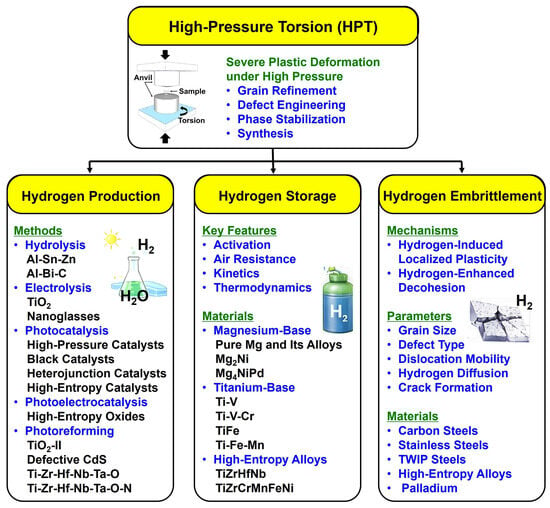
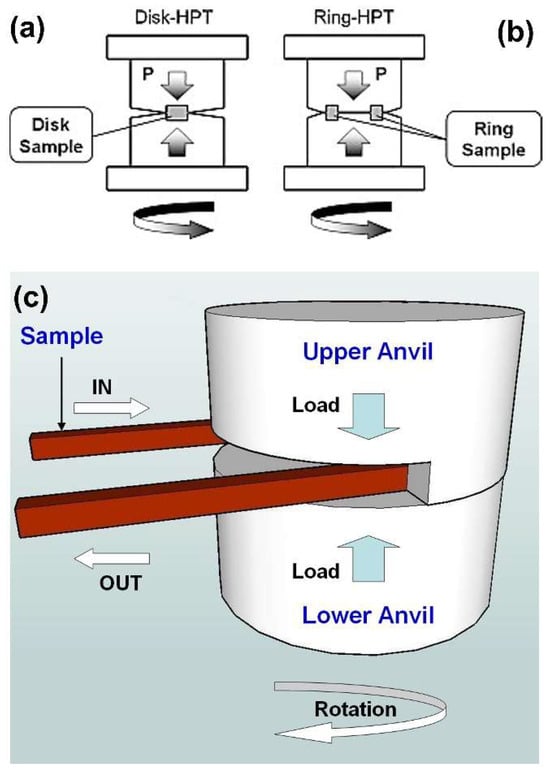
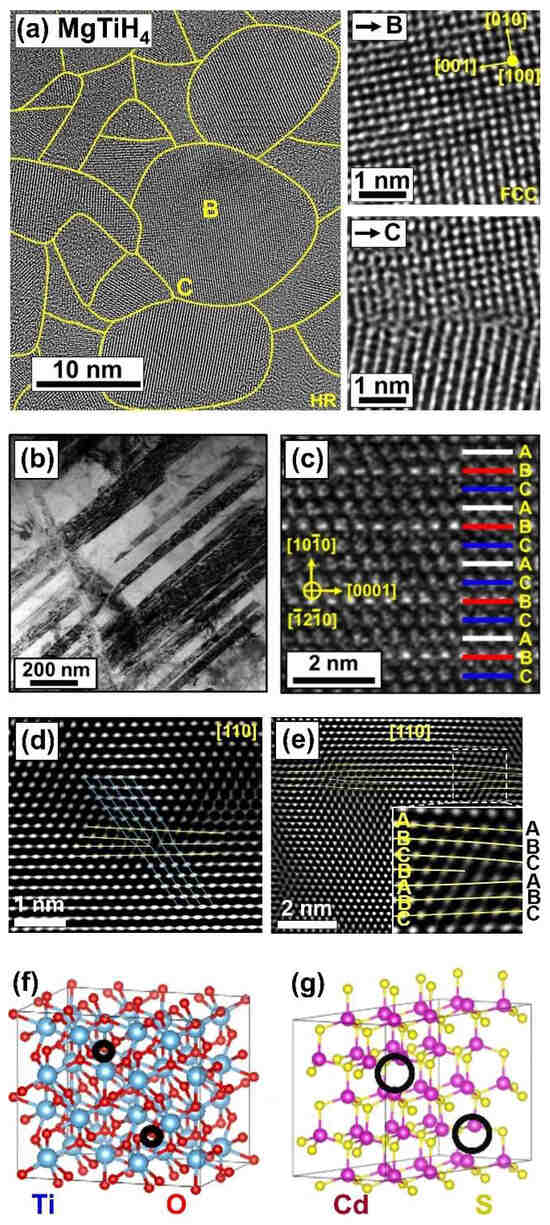
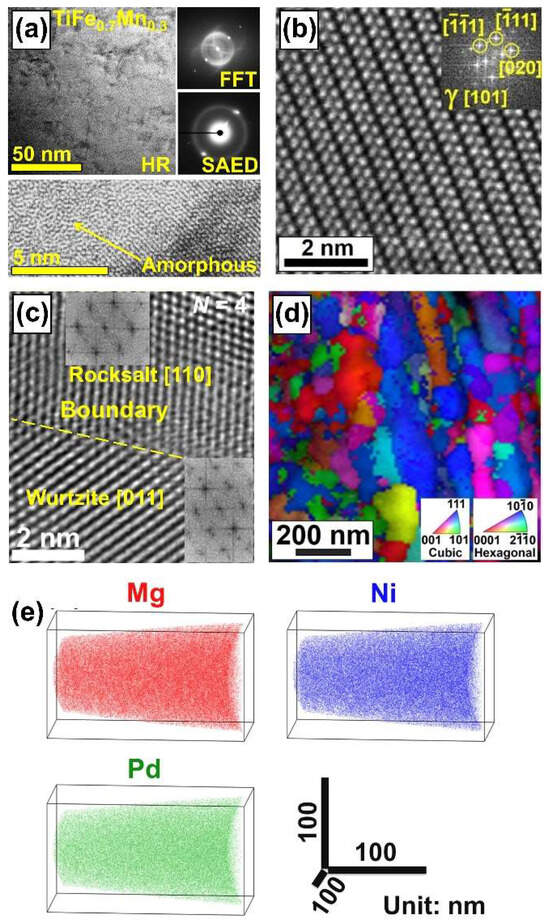
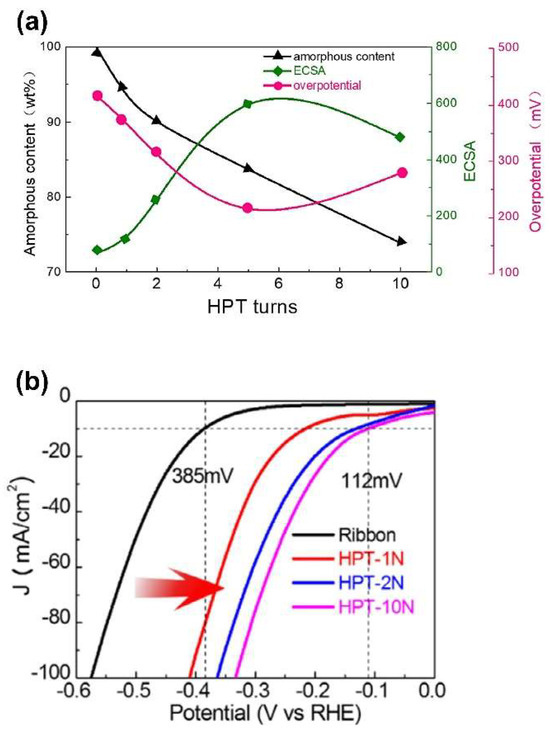
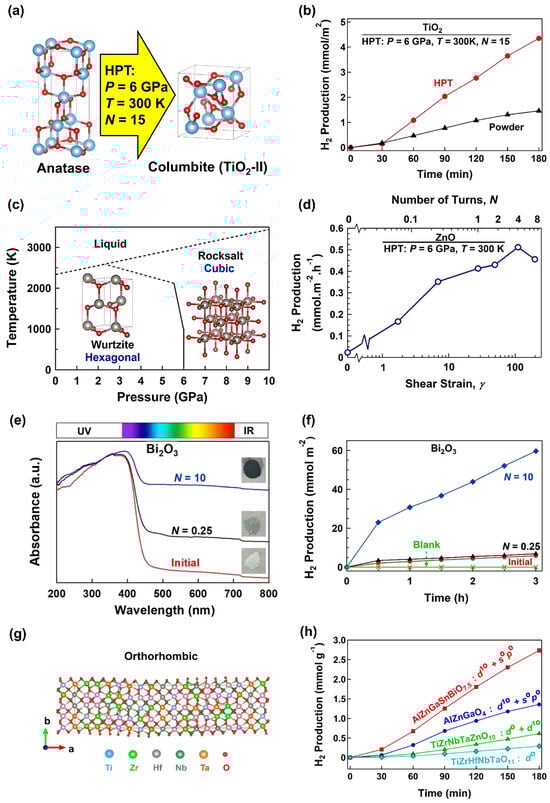
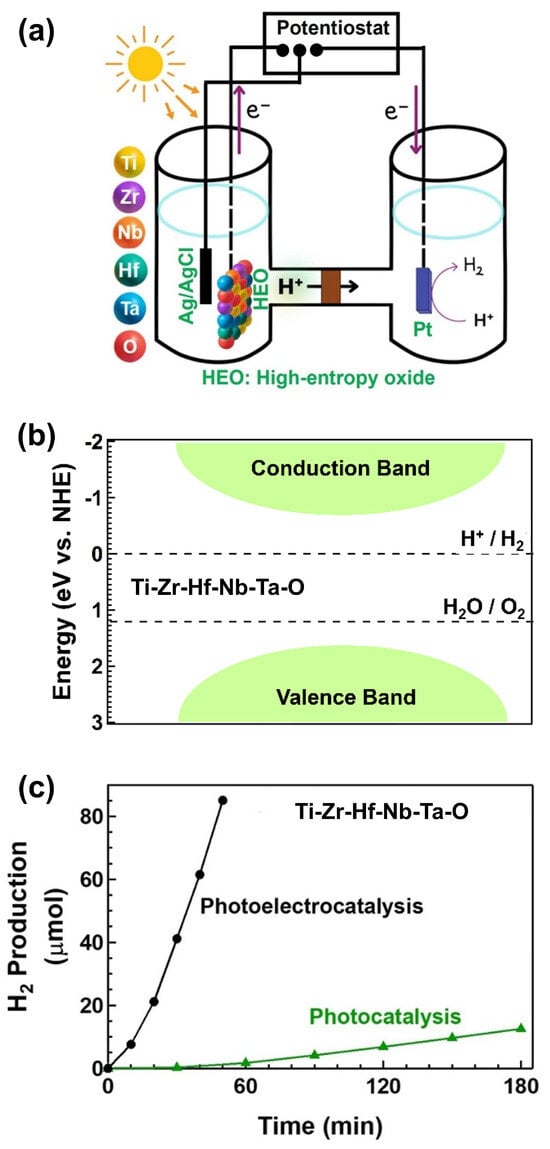
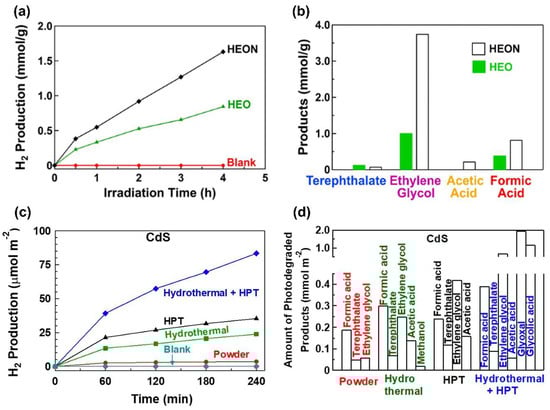
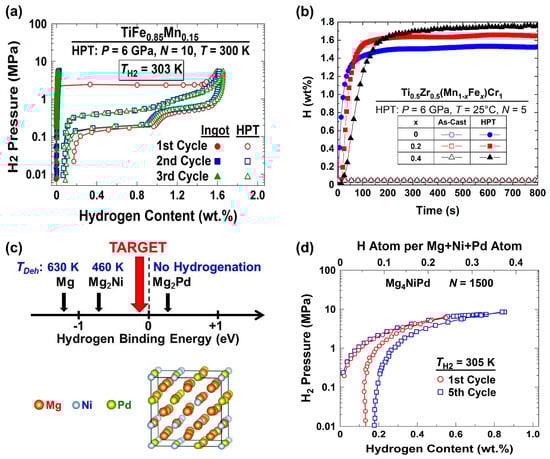
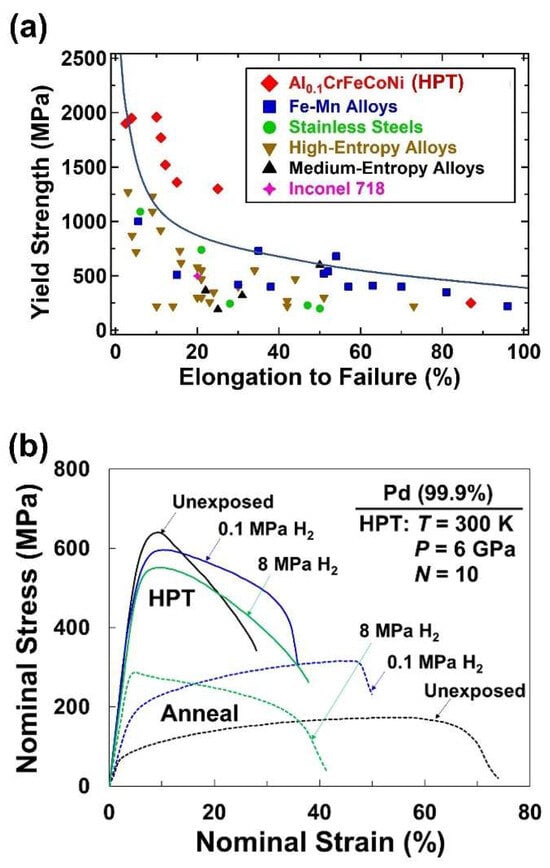
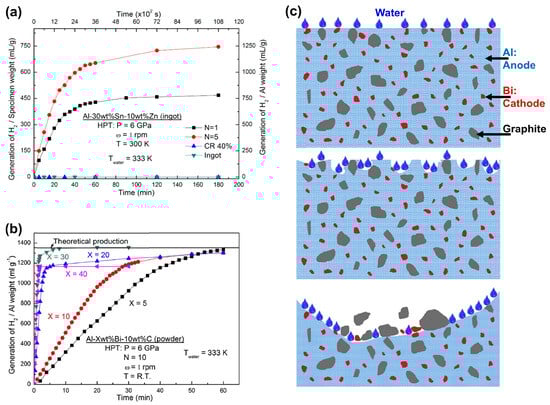
Hydrogen is a key energy carrier for achieving carbon neutrality, yet its widespread deployment is hindered by challenges associated with efficient hydrogen production, safe and reversible hydrogen storage, and hydrogen-induced embrittlement. Severe plastic deformation processes, particularly high-pressure torsion (HPT), have emerged as a powerful approach capable of addressing these challenges through extreme grain refinement, defect engineering, phase stabilization far from equilibrium, and synthesis of novel materials. This article reviews the impact of HPT on hydrogen-related materials, covering hydrogen production, hydrogen storage, and hydrogen embrittlement resistance. For hydrogen production, HPT enables the synthesis of nanostructured, defect-rich, and compositionally complex compounds, including high-entropy oxides and oxynitrides, which exhibit enhanced hydrolytic, electrocatalytic, photocatalytic, photoelectrocatalytic, and photoreforming performance. For hydrogen storage, HPT fundamentally modifies hydrogenation activation and kinetics, and modifies thermodynamics by hydrogen binding energy engineering, enabling reversible hydrogen storage at room temperature in systems such as Mg-based and high-entropy alloys. For hydrogen embrittlement resistance, HPT under optimized conditions suppresses hydrogen-assisted fracture by engineering ultrafine grains and defects (vacancies, dislocations, Lomer–Cottrell locks, D-Frank partial dislocations, stacking faults, twins, and grain boundaries) that control hydrogen diffusion, trapping, and strain localization. By integrating insights across these three domains, this article highlights HPT as a transformative strategy for developing next-generation hydrogen materials and identifies key opportunities for future research at the intersection of severe plastic deformation and hydrogen technologies.

4 February 2026

Flowchart of this article illustrating the contents, HPT effects, materials, and reported applications for hydrogen production, hydrogen storage, and hydrogen embrittlement resistance.

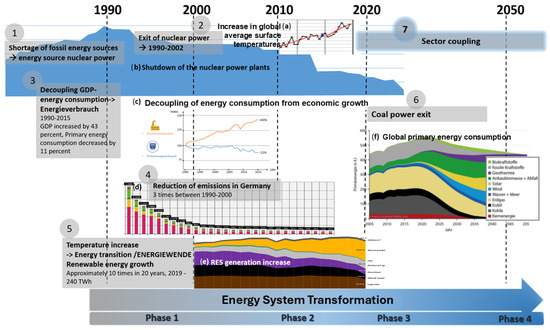
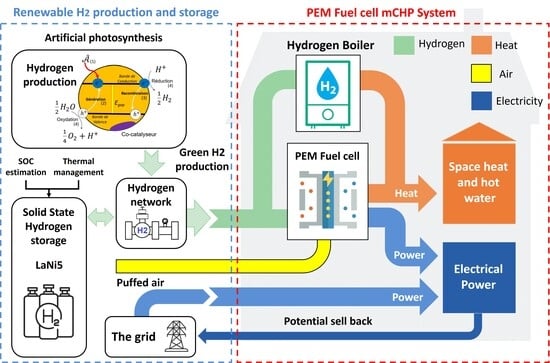
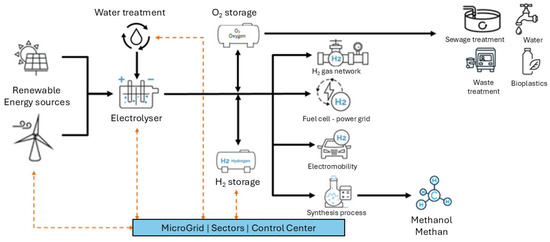
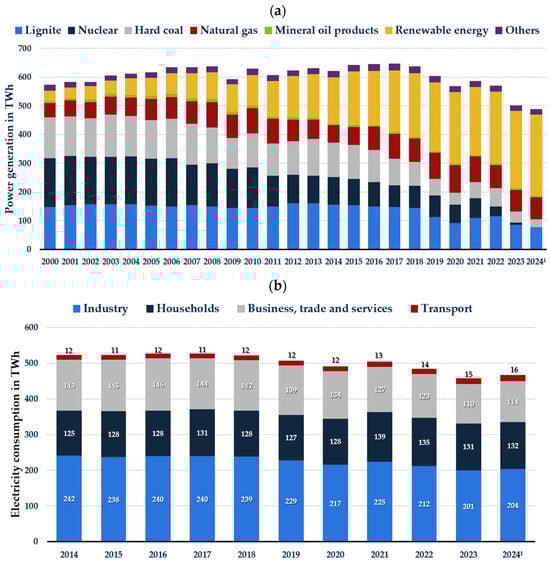
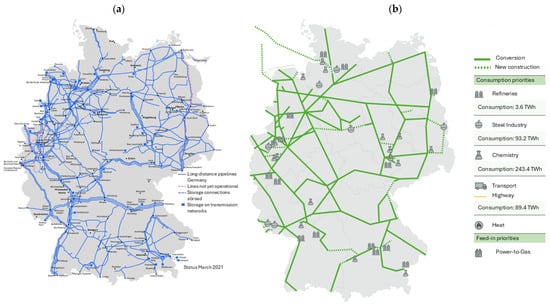
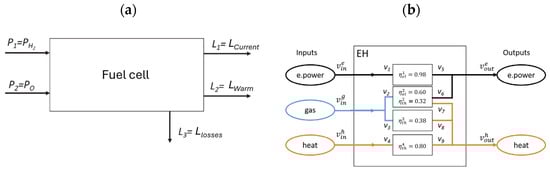
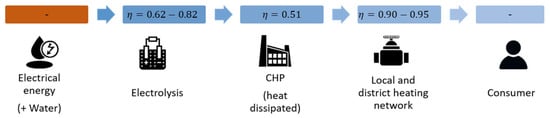
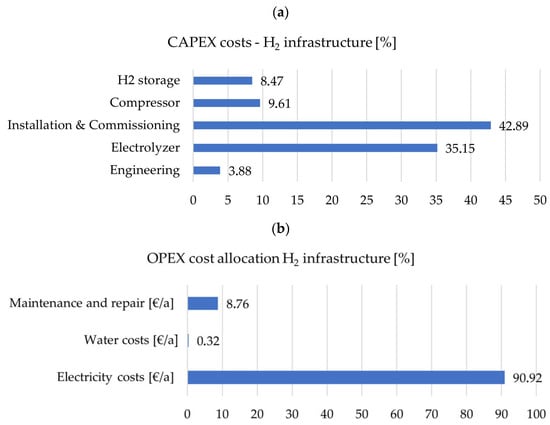
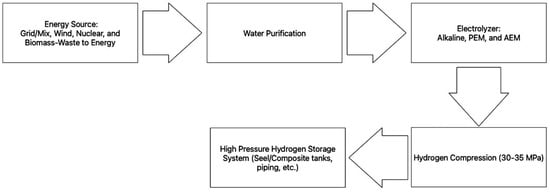
The smart grid concept is based on the full integration of different types of energy sources and intelligent devices. Due to the short- and long-term volatility of these sources, new flexibility measures are necessary to ensure the smart grid operates stably and reliably. One option is to convert renewable energy into hydrogen, especially during periods of generation overcapacity, in order that the hydrogen that is produced can be stored effectively and used “just in time” to stabilize the power system by undergoing a reverse conversion process in gas turbines or fuel cells which then supply power to the network. On the other hand, in order to achieve a sustainable general energy system (GES), it is necessary to replace other forms of fossil energy use, such as that used for heating and other industrial processes. Research indicates that a comprehensive hydrogen supply infrastructure is required. This infrastructure would include electrolyzers, conversion stations, pipelines, storage facilities, and hydrogen gas turbines and/or fuel cell power stations. Some studies in Germany suggest that the existing gas infrastructure could be used for this purpose. Further, nuclear and coal power plants are not considered reserve power plants (as in the German case), and an additional 20–30 GW of generation capacity in H2-operated gas turbines and strong H2 transportation infrastructure will be required over the next 10 years. The novelty of the approach presented in this article lies in the development of a unified modeling framework that enables the simultaneous and coherent representation of both economic and technical aspects of hydrogen production systems which will be used for planning and pre-decision making. From the technical perspective, the model, based on the black box approach, captures the key operational characteristics of hydrogen production, including energy consumption, system efficiency, and operational constraints. In parallel, the economic layer incorporates capital expenditures (CAPEX), operational expenditures (OPEX), and cost-related performance indicators, allowing for a direct linkage between technical operation and economic outcomes. This paper describes the systematic transformation from today’s power system to one that includes a hydrogen economy, with a particular focus on practical experiences and developments, especially in the German energy system. It discusses the components of this new system in depth, focusing on current challenges and applications. Some scaled current applications demonstrate the state of the art in this area, including not only technical requirements (reliability, risks) and possibilities, but also economic aspects (cost, business models, impact factors).

2 February 2026

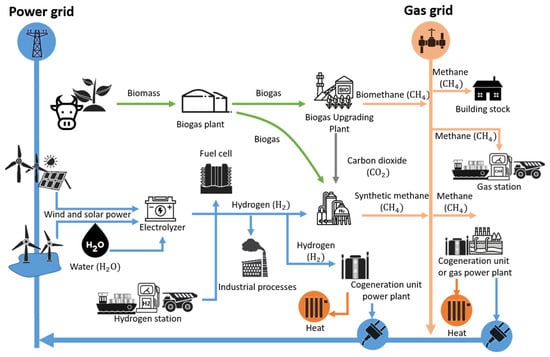
Energy transition—the path to the sustainable GES of the future [1]. Reproduced with permission from Przemyslaw Komarnicki, Zbigniew Antoni Styczynski, Michael Kranhold, General Energy System (GES) of the Future, Sector Coupling through Electricity and Hydrogen; published by Springer Fachmedien Wiesbaden, 2024.

Kinetics of Isothermal and Non-Isothermal Pre-Reduction of Chromite with Hydrogen

  • Mopeli Ishmael Khama,
  • Beberto Myth Vunene Baloyi and
  • Deshenthree Chetty
  • + 2 authors

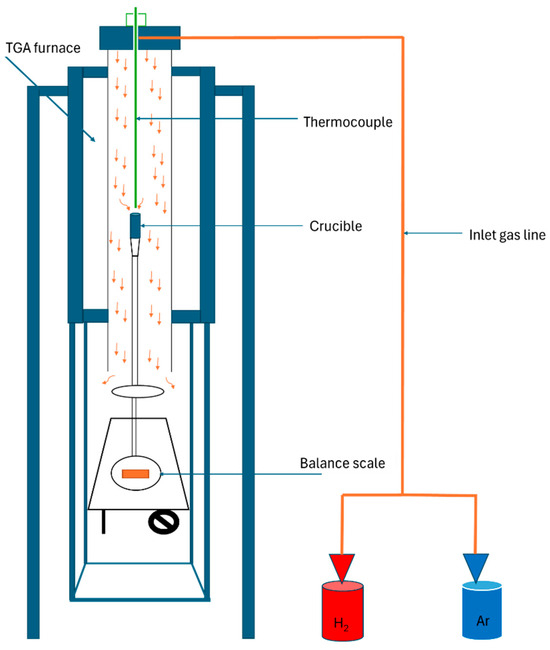
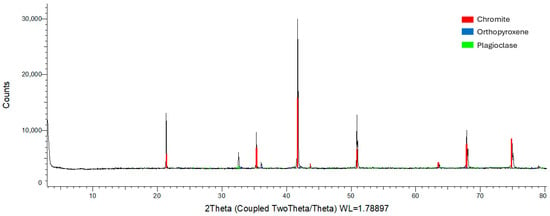
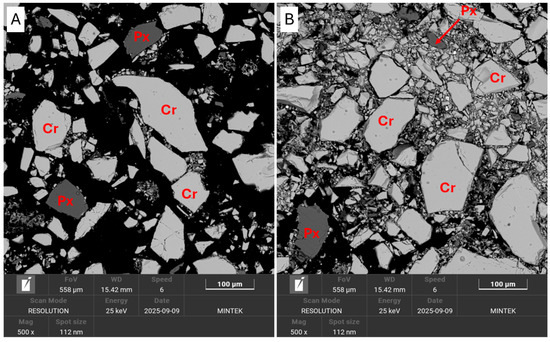
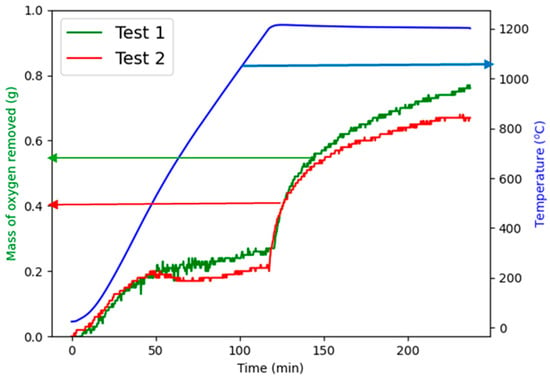
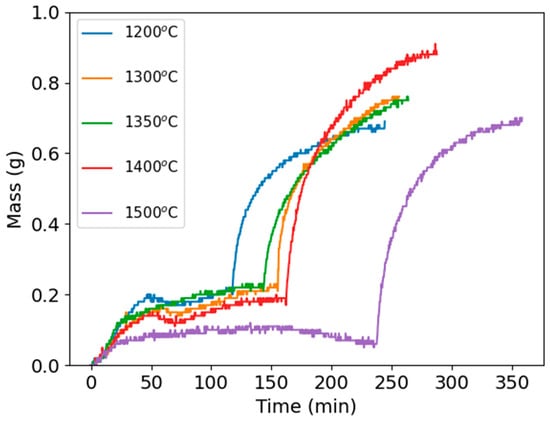
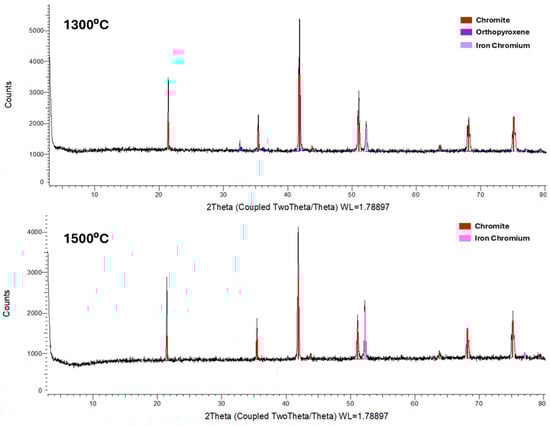
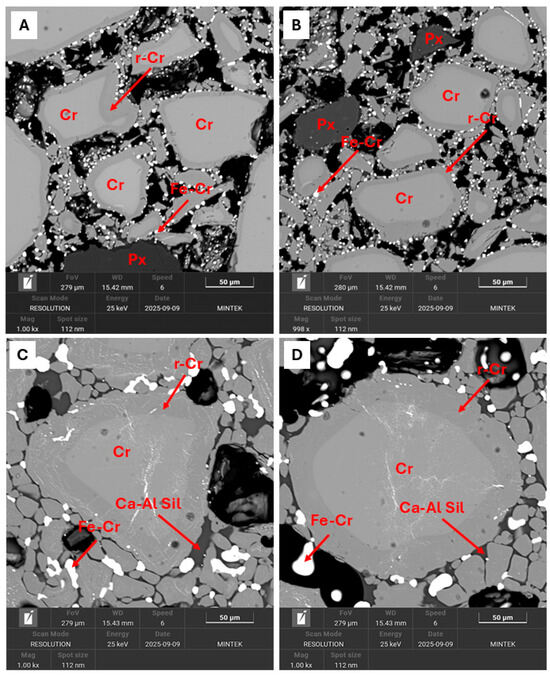
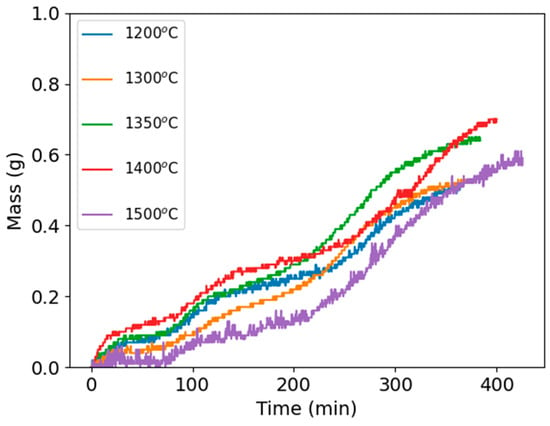
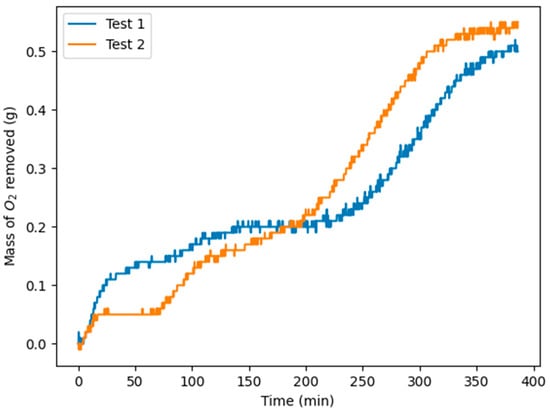
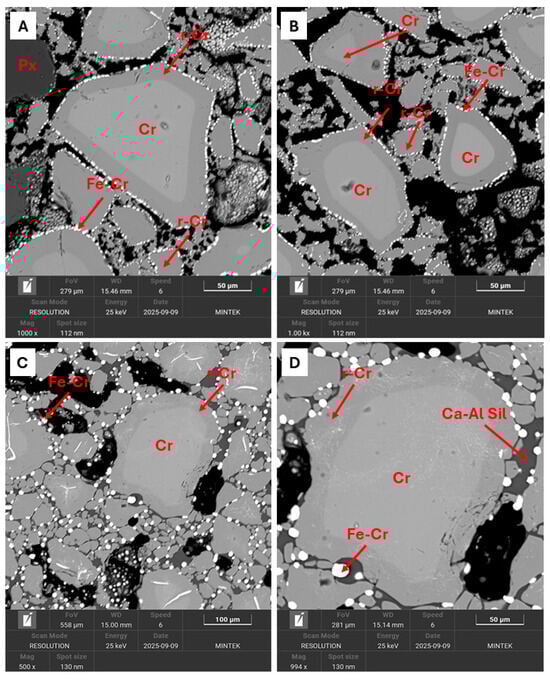
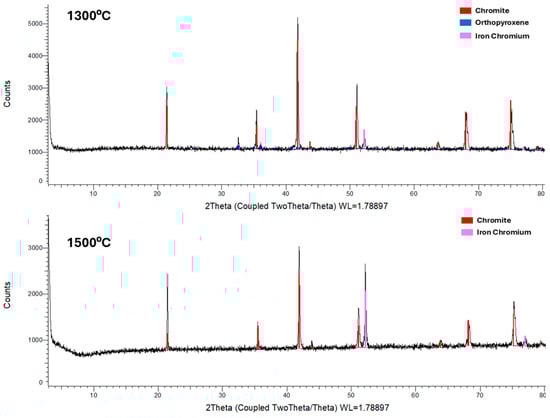
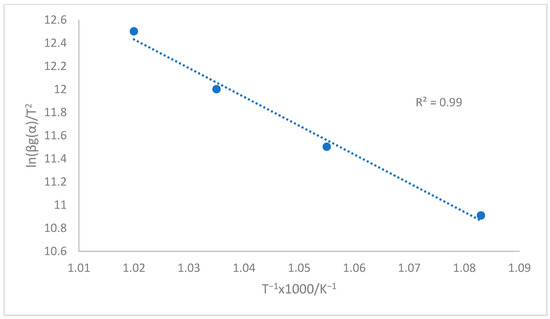
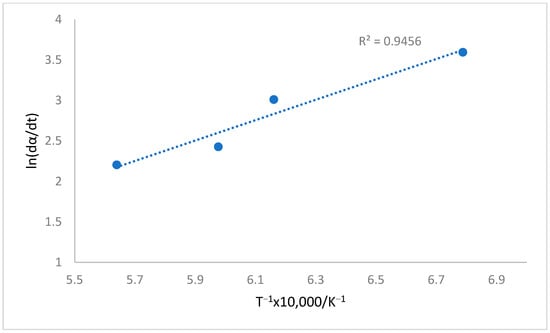
Production of ferrochrome alloy is carried out using carbon as a reductant in a Submerged Arc Furnace (SAF). Carbothermic reduction of chromite ore results in high CO2 emissions, and alternative reductants such as H2, wherein H2O is the only by-product, have become attractive potential alternatives. Before utilizing H2 as a reductant, it is crucial to carry out a comprehensive study on the reaction kinetics with the view to aid the design and operation of reactors that facilitate the reduction process. The current study determined the kinetic parameters for isothermal and non-isothermal pre-reduction of chromite with H2 in a thermogravimetric furnace. Results from powder X-ray diffraction and scanning electron microscopy determined the mineralogical variations between the feed and the pre-reduced samples, as well as the variation between isothermally and non-isothermally treated samples. The mass loss data indicates that longer reduction times are required to reach complete reduction. The apparent activation energy for the isothermal and non-isothermal pre-reduction tests was found to be 105 and 124 kJ/mol, respectively. The mineralogical observations for pre-reduced samples at 1300 °C and 1500 °C showed that samples treated at lower temperatures (1300 °C) displayed consistent textures and Fe-Cr droplets along rims of partially altered chromite (PAC), which suggested higher metallization at this temperature. Higher temperatures (1500 °C), on the other hand, resulted in poor metallization, possibly because higher temperatures are often associated with a collapsed pore network, which results in poor diffusion rates, thus hindering complete reduction.

1 February 2026
A schematic of a thermogravimetric furnace (the arrows depict the direction of gas flow in the furnace).

News & Conferences

Issues

Open for Submission

Editor's Choice

Reprints of Collections

Hydrogen Energy Technologies
Reprint

Hydrogen Energy Technologies

Editors: Bahman Shabani, Mahesh Suryawanshi

Get Alerted

Add your email address to receive forthcoming issues of this journal.

XFacebookLinkedIn
Hydrogen - ISSN 2673-4141