Skip to Content
  • Tracked for
    Impact Factor
  • 3.7
    CiteScore
  • 23 days
    Time to First Decision

Hydrobiology

Hydrobiology is an international, peer-reviewed, open access journal on freshwater and marine biology, limnology, fisheries, oceanography, and aquatic ecology published quarterly online by MDPI.

Get Alerted

Add your email address to receive forthcoming issues of this journal.

All Articles (134)

This study addresses a long-term failure to achieve the good ecological status for fish fauna required by the European Water Framework Directive (WFD) in the salmonid–rhithral zone in Bavaria, Germany. To identify the causes, we compared extensive fish population data from the Eger River with data from its twin river, the Röslau. The proportion of autochthonous cold, oligo-stenothermic fish species is significantly lower in the Eger (4.97% vs. 37.31%). In addition, continuous water temperature measurements were taken at five locations from spring to early autumn in 2023. The Eger showed significantly higher water temperatures throughout the measurement period. In midsummer, differences in daily maximum temperatures exceeded 10 °C at the same altitude. The proportion of cold-water fish in the population appeared to be negatively related to the mean of summer water temperature peaks (MWTP) (R = 0.95, p < 0.01). Accordingly, restoration measures in the Eger would need to reduce the MWTP from the current 19.1–20.5 °C to at least 16–16.5 °C, which requires more detailed data on the thermal footprint of individual hydraulic structures. The anthropogenic thermal impact on the Eger was overlooked as the root cause of the problem for many years, which largely explains the ineffectiveness of previous restoration measures. At least within the salmonid–rhithral zone, we consider the ability of the standardized fish-based assessment tool (fiBS) to detect thermal deterioration to be sufficient, provided it is applied with due care.

12 February 2026

Rivers Eger and Röslau within Wunsiedel County (Bavaria) bordering Czechia. Potential sources for cold-water input are indicated in light blue and main sources for warm water input into the Eger are indicated in red. Numbers (1–18) and letters (a–o) indicate power plants, weirs, and water reservoirs creating backlog areas as potential sources for increased water temperature.

In the past decade, non-native suckermouth armored catfish, Pterygoplichthys spp., have spread throughout the highland rivers of Lam Dong province, Vietnam. We examined spatial and temporal variation in endocrine and biochemical profiles across different river reaches, river systems, and between two sampling years (2020 and 2022). Seven blood parameters related to metabolism and energy balance were measured: total and free triiodothyronine, cholesterol, triglycerides, total protein, creatinine, and direct bilirubin. Concentrations of thyroid hormones and cholesterol did not differ significantly across sites or years. Multivariate analyses indicated that thyroid-related pathways were only weakly influenced by the environmental variation, suggesting preserved thyroid homeostasis. In contrast, triglycerides, total protein, creatinine, and direct bilirubin varied among rivers and between years at the same site, likely reflecting differences in food availability and energy balance. These results suggest that biochemical variation in non-native armored catfish is primarily expressed through lipid metabolism and protein turnover, while thyroid function remains comparatively conserved across invaded river habitats.

1 February 2026
The map of the two river systems originating from Lam Dong province and the sampling locations. 1—upstream location in the Da Nhim River, 2—downstream location in the Da Nhim River, 3—the Krong No River location (QGIS 3.34.13). Arrows (→) indicate the directions of water flow. Yellow lines indicate dams.

Oxidative Stress Biomarkers in Carassius gibelio from Lakes of Varying Ecological Quality

  • Dimitra Petrocheilou,
  • Olga Petriki and
  • Dimitra C. Bobori
  • + 1 author
The Water Framework Directive 2000/60/EC requires the assessment of the ecological quality in all surface waters using biological indices, yet the effective application of these indices often demands extensive and long-term monitoring data. Oxidative stress biomarkers offer a promising complementary approach, as they can detect early biochemical responses of organisms to environmental degradation. In this study, we evaluated the suitability of two oxidative stress biomarkers—malondialdehyde (MDA) levels and DNA damage—in the gonads of a freshwater fish species, the Prussian carp Carassius gibelio (Bloch, 1782) as indicators of ecological condition in lakes of differing environmental quality. Fish were sampled from four lakes (Doirani, Vegoritida, Volvi, Petron; Northern Greece) representing a gradient of physicochemical and ecological quality. Both MDA concentrations and DNA damage showed significant (p < 0.05) differences among lakes. However, only DNA damage in the gonads was significantly (p < 0.05) associated with lake ecological quality as determined by the Greek Lake Fish Index (GLFI), with higher biomarker responses observed in lakes of poorer status. These findings demonstrate that oxidative stress biomarkers in C. gibelio reflect variations in lake ecological quality and may serve as sensitive, early-warning tools for biomonitoring and pollution assessment in freshwater ecosystems.

14 January 2026

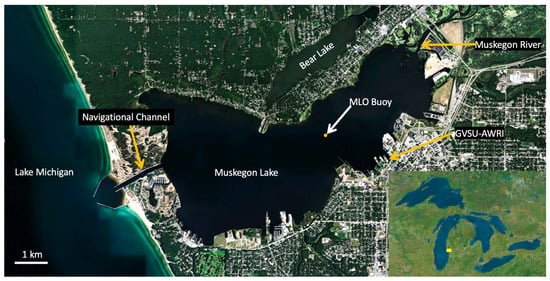
Map of the studied lakes.
  • Perspective
  • Open Access

Small pelagic fish, including sardines, are essential to global fisheries and aquaculture feed production. However, these species are increasingly exposed to intense exploitation. In Chile, the common sardine (Strangomera bentincki), endemic to the Humboldt Current System, supports major industrial and artisanal fisheries. Landings are expected to reach 300,000 tons by 2025, mostly for fishmeal production. As a keystone species, S. bentincki is highly sensitive to environmental variability during early development, which can reduce recruitment and threaten long-term population sustainability. This interdisciplinary approach integrates ecological and biotechnological perspectives to assess the feasibility of controlled juvenile sardine production in land-based Ecological Aquaculture (EA) systems, including Recirculating Aquaculture Systems (RAS) and Integrated Multi-Trophic Aquaculture (IMTA), which are designed to reduce environmental impacts. These systems enable precise control of temperature, feeding regimes, and water quality, facilitating investigations into larval and juvenile survival, growth performance, and physiological responses under variable thermal and nutritional conditions. Emphasis is placed on fatty acid metabolism during ontogeny, particularly docosahexaenoic acid (DHA) and eicosapentaenoic acid (EPA), which are essential for somatic growth, reproductive development, and thermal tolerance. Developing standardized protocols for juvenile S. bentincki culture addresses key gaps in husbandry and physiology (temperature threshold, nutrient density, larval growth rate, etc.) while introducing a novel ecological–aquaculture integration framework. This approach links early-life ecology with applied rearing techniques to support stock enhancement, strengthen artisanal fisheries, and promote sustainable aquaculture diversification under increasing environmental variability.

9 January 2026

Juvenile sardine production in ecological culture system (IMTA, RAS), revealing its implications for restocking and coastal sustainability.

News & Conferences

Issues

Open for Submission

Editor's Choice

XFacebookLinkedIn
Hydrobiology - ISSN 2673-9917