

Horticulturae 2024, 10(5), 517; https://doi.org/10.3390/horticulturae10050517 - 16 May 2024
Abstract
Accurate and efficient flower identification holds significant importance not only for the general public—who may use this information for educational, recreational, or conservation purposes—but also for professionals in fields such as botany, agriculture, and environmental science, where precise flower recognition can assist in
[...] Read more.
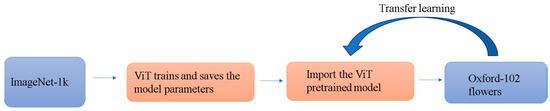
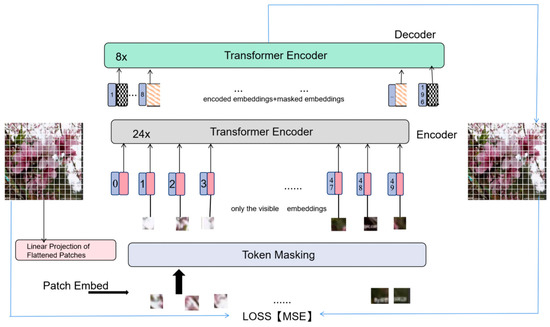
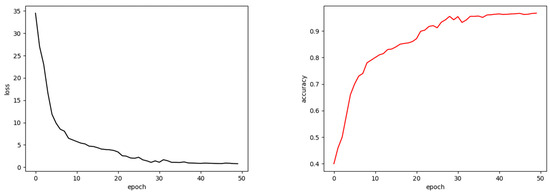
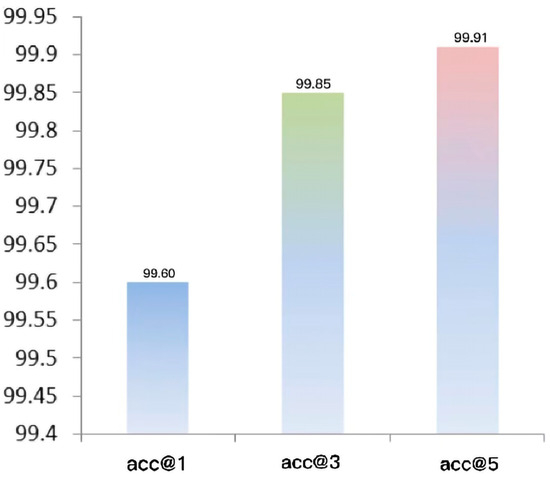
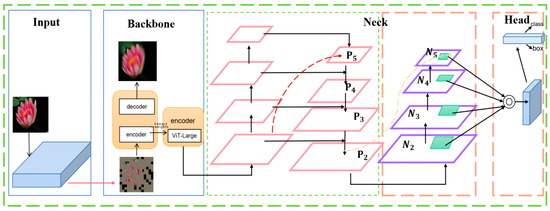
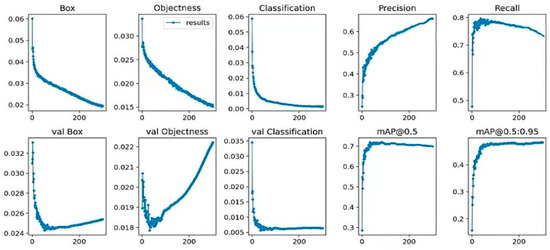
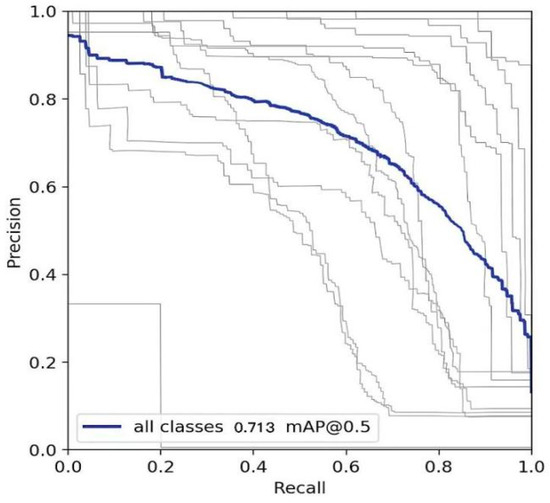
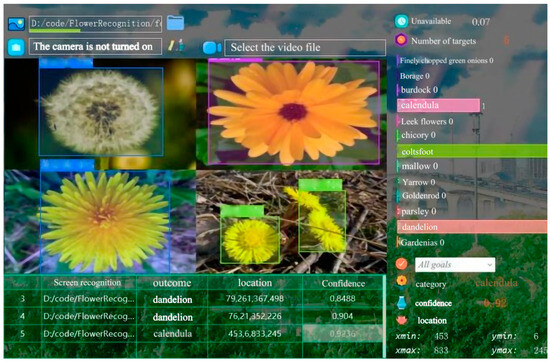
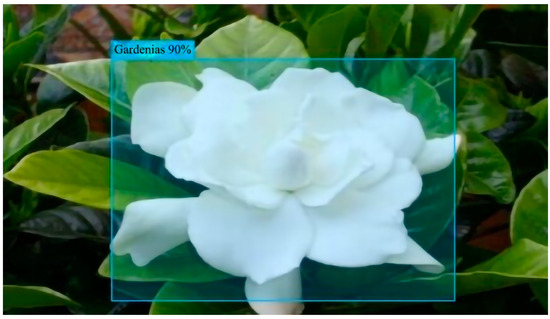
Accurate and efficient flower identification holds significant importance not only for the general public—who may use this information for educational, recreational, or conservation purposes—but also for professionals in fields such as botany, agriculture, and environmental science, where precise flower recognition can assist in biodiversity assessments, crop management, and ecological monitoring. In this study, we propose a novel flower recognition method utilizing a masked autoencoder, which leverages the power of self-supervised learning to enhance the model’s feature extraction capabilities, resulting in improved classification performance with an accuracy of 99.6% on the Oxford 102 Flowers dataset. Consequently, we have developed a large-scale masked autoencoder pre-training model specifically tailored for flower identification. This approach allows the model to learn robust and discriminative features from a vast amount of unlabeled flower images, thereby enhancing its generalization ability for flower classification tasks. Our method has been applied successfully to flower target detection, achieving a Mean Average Precision (mAP) of 71.3%. This result underscores the versatility and effectiveness of our approach across various flower-related tasks, including both detection and recognition. Simultaneously, we have developed a straightforward, user-friendly flower recognition and classification software application, which offers convenient and reliable references for flower education, teaching, dataset annotation, and other uses.
Full article
(This article belongs to the Section Floriculture, Nursery and Landscape, and Turf)
►
Show Figures

Figure 1