
Journal Description
Heritage
Heritage
is an international, peer-reviewed, open access journal of cultural and natural heritage science published monthly by MDPI. The Hellenic Society for Archaeometry (HSA) is affiliated with Heritage and its members receive discounts on the article processing charges.
- Open Access— free for readers, with article processing charges (APC) paid by authors or their institutions.
- High Visibility: indexed within Scopus, ESCI (Web of Science), CAPlus / SciFinder, and other databases.
- Journal Rank: JCR - Q2 (Multidisciplinary Sciences) / CiteScore - Q1 (Archeology (Arts and Humanities))
- Rapid Publication: manuscripts are peer-reviewed and a first decision is provided to authors approximately 19.9 days after submission; acceptance to publication is undertaken in 3.7 days (median values for papers published in this journal in the second half of 2025).
- Recognition of Reviewers: reviewers who provide timely, thorough peer-review reports receive vouchers entitling them to a discount on the APC of their next publication in any MDPI journal, in appreciation of the work done.
Impact Factor:
1.9 (2024);
5-Year Impact Factor:
1.8 (2024)
Latest Articles
Microclimate Indoor Monitoring for the Preservation of Organic-Based Cultural Heritage
Heritage 2026, 9(2), 64; https://doi.org/10.3390/heritage9020064 - 6 Feb 2026
Abstract
This paper examines the use of organic-based materials to monitor levels of corrosivity in indoor microclimate environments, which include proximity to artworks, artworks in display cases, and, in particular, in microclimate frames for paintings. It reviews research conducted within four EU-funded projects: Environmental
[...] Read more.
This paper examines the use of organic-based materials to monitor levels of corrosivity in indoor microclimate environments, which include proximity to artworks, artworks in display cases, and, in particular, in microclimate frames for paintings. It reviews research conducted within four EU-funded projects: Environmental Research for Art Preservation (ERA), Microclimate Indoor Monitoring in Cultural Heritage Preservation (MIMIC), Improved Protection of Paintings during Exhibition and Storage (PROPAINT), and Measurement, Effect Assessment, and Mitigation of Pollutant Impact on Movable Cultural Assets—Innovative Research for Market Transfer (MEMORI). The ERA project introduced the use of egg tempera paint dosimeters to assess levels of corrosivity in proximity to artworks. A multi-analytical approach was employed to evaluate chemical changes in the dosimeters, enabling risk assessment, exemplified by samples exposed at Sandham Memorial Chapel, Hampshire, UK. Building on this, in the MIMIC project, coated piezoelectric quartz crystals (egg tempera and resin mastic), a varnish commonly used by artists, were exposed at a number of sites together with the same coatings on steel strips. These were further employed in the PROPAINT project together with some continuous monitoring prototypes to investigate the nature of microclimates both within specially designed mc-paint frames and in the surrounding room environments. This paper presents Fourier Transform Infrared Spectroscopy (FTIR) and Dynamic Mechanical Analysis (DMA) from these exposures, together with environmental data recorded during the monitoring period and information on frame types used. Some correlation was found between FTIR, DMA, and environmental data. The findings reveal that changes in the physico–chemical properties measured by the techniques correlate with the environmental conditions. It also points to the possibility of using FTIR to monitor chemical changes in exposed coated strips. Additional data from the MEMORI project of similar exposures but including dammar and Regalrez 1094 varnish are also presented.
Full article
(This article belongs to the Special Issue Microclimate in Heritage)
Open AccessArticle
Microclimate Behaviour Inside Archival Boxes, Books, and Paper Stacks: Buffering, Ventilation, and Pollutant Dynamics
by
Morten Ryhl-Svendsen
Heritage 2026, 9(2), 63; https://doi.org/10.3390/heritage9020063 - 4 Feb 2026
Abstract
Paper-based heritage objects are commonly stored in archival boxes, books, and paper stacks, creating confined microclimates that may differ from the surrounding environment. While room-level climate control is central to preventive conservation, object-level conditions are shaped by enclosure permeability, hygroscopic buffering, ventilation, and
[...] Read more.
Paper-based heritage objects are commonly stored in archival boxes, books, and paper stacks, creating confined microclimates that may differ from the surrounding environment. While room-level climate control is central to preventive conservation, object-level conditions are shaped by enclosure permeability, hygroscopic buffering, ventilation, and internal emissions. This study investigates temperature, relative humidity, air exchange, and gaseous pollutants inside archival boxes, bound books, and paper stacks under laboratory and real storage conditions. Air exchange rates were determined using CO2 tracer decay, while climates were monitored over periods from hours to one year. Chemical conditions were assessed using passive sampling of air pollutants, oxygen measurements, and dosimetric methods. The results show that boxes, books, and paper stacks behave as semi-permeable rather than sealed systems. Hygroscopic buffering attenuated short-term RH fluctuations, especially within books and paper stacks, while long-term internal conditions followed ambient trends with pronounced time lags. Restricted ventilation limited the ingress of external pollutants but could allow for internally generated gases to accumulate. Experiments using acid-sensitive indicator paper demonstrated the slow penetration of acetic acid into paper stacks. Overall, enclosure performance reflected a balance between buffering capacity, permeability, and chemical reactivity rather than airtightness alone, highlighting the importance of object-level microclimate assessment in preventive conservation.
Full article
(This article belongs to the Special Issue Microclimate in Heritage)
►▼
Show Figures

Graphical abstract
Open AccessArticle
Heritage Education in the Digital Age: An Analysis of Public Perceptions of the Documentary Amato Lusitano: Science and Humanism
by
Fátima Regina Jorge, Ana Sofia Marcelo, Carlos Reis, Neel Naik, Isabel Marcos, António Pais, Madalena G. Ribeiro, Ricardo J. Nunes da Silva, Paulo Afonso and Paul Melia
Heritage 2026, 9(2), 62; https://doi.org/10.3390/heritage9020062 - 4 Feb 2026
Abstract
Communicating heritage to contemporary audiences, especially younger generations, is a central challenge in Heritage Education. This study aims to analyse audience perceptions of the documentary Amato Lusitano: Ciência e Humanismo—a cultural mediation tool designed and produced by the authors—and to verify the
[...] Read more.
Communicating heritage to contemporary audiences, especially younger generations, is a central challenge in Heritage Education. This study aims to analyse audience perceptions of the documentary Amato Lusitano: Ciência e Humanismo—a cultural mediation tool designed and produced by the authors—and to verify the association of these perceptions with sociodemographic profiles. Framed within an action research methodology, the study combines artistic creation and empirical analysis of public reception. During the first screening, a questionnaire was administered to 55 viewers (37 students aged < 40), and data were submitted to an exploratory factor analysis. This revealed a two-factor structure, highlighting a primary factor—Communicative and Educational Effectiveness—with high internal consistency (α = 0.89). Participants reported high agreement with this dimension, with statistically significant differences across generational groups (p < 0.005). Participants with less prior knowledge about Amato Lusitano showed a greater perception of novelty. Clarity of information and quality of the content were the most valued aspects. In contrast, duration and accessibility emerged as areas for improvement. The potential of the documentary as a heritage education resource for initial teacher training is evident. It is necessary to develop more modular, dynamic content ecosystems tailored for young audiences.
Full article
(This article belongs to the Section Cultural Heritage)
Open AccessReview
Extended Reality Approaches to Cultural Representation: Spatializing the Experience of Traditional Chinese Opera
by
Tianyu Han, Heitor Alvelos and José Pedro Sousa
Heritage 2026, 9(2), 61; https://doi.org/10.3390/heritage9020061 - 4 Feb 2026
Abstract
As one of the most representative cultural heritages, traditional Chinese opera is characterized by highly refined symbolic contexts and stylized narrative structures. Nevertheless, the contemporary generation often struggles with its abstract expression and language, leading to declining attendance. In addition, urbanization and digital
[...] Read more.
As one of the most representative cultural heritages, traditional Chinese opera is characterized by highly refined symbolic contexts and stylized narrative structures. Nevertheless, the contemporary generation often struggles with its abstract expression and language, leading to declining attendance. In addition, urbanization and digital entertainment have squeezed out its living spaces, increasing demand for more diverse experiences. To address these issues, this study conducts a systematic and thematically categorized review of the literature, exploring how extended reality (XR) reshapes the spatial and experiential representation of opera culture. Drawing upon the reality–virtuality continuum and spatial computing as theoretical foundations, the research investigates the features, workflows, and cultural adaptability of augmented reality (AR), virtual reality (VR), and mixed reality (MR), identifying how each modality of XR supports distinct modes of space generation and audience engagement. Through comparative analysis, we propose three XR-based approaches for reinterpreting Chinese opera: AR for theatrical spaces visualization, VR for performative narratives embodiment, and MR for opera cultural elements superposition. Overall, the research clarifies that XR can be used as a comprehensive medium to enhance replicability and user perception, contributing to the preservation and communication of humanity’s traditional culture.
Full article
Open AccessArticle
A Novel Framework for Heat Stress Risk Assessment and Mitigation in Real and Typological Historical Public Open Spaces Under Climate Change Scenarios
by
Enrico Quagliarini, Caterina Alighieri, Gabriele Bernardini, Elena Cantatore and Fabio Fatiguso
Heritage 2026, 9(2), 60; https://doi.org/10.3390/heritage9020060 - 4 Feb 2026
Abstract
Climate change is altering the use of public open spaces in historical urban environments, compounded by urban heat island effects. Especially considering urban squares, rising temperatures increase health risks for outdoor users, particularly for vulnerable individuals (by, e.g., age and fragility). Rapid risk
[...] Read more.
Climate change is altering the use of public open spaces in historical urban environments, compounded by urban heat island effects. Especially considering urban squares, rising temperatures increase health risks for outdoor users, particularly for vulnerable individuals (by, e.g., age and fragility). Rapid risk assessment under current and future climate scenarios can exploit integrated simulations to support the process, considering both real-world environments and Built Environment Typologies (BETs), which represent the recurring morphological, constructive, and material features of such urban squares. Simulation-based approaches can also support the assessment of mitigation strategies considering sustainability, reversibility, visual integration, and compatibility with the heritage. This work proposes a framework for simulation-based heat risk assessment of outdoor users under current and future (2050 and 2080) overheating scenarios and considers pre- and post-mitigation conditions of urban squares. Outdoor temperature conditions are simulated using ENVI-met, enabling the multiscale assessment of users’ heat stress and thresholds in exposure timings before critical dehydration. The approach is applied to two Italian historical urban squares in Bari and Naples, and to their associated BETs. The results highlight the framework’s capabilities in addressing the impact of climate scenarios and pre-/post-mitigation conditions, considering the local and global conditions of the urban squares. Moreover, the observed similarities between POSs and their corresponding BETs demonstrate that these archetypes can support preliminary risk assessments, providing decision makers with a rapid overview before adapting analyses and mitigation strategies to the specific characteristics of each urban square.
Full article
Open AccessReview
Digital Visualization Infrastructures of 3D Models in a Scientific Contest
by
Sander Münster and Fabrizio I. Apollonio
Heritage 2026, 9(2), 59; https://doi.org/10.3390/heritage9020059 - 4 Feb 2026
Abstract
Over recent decades, various projects—especially at the European level—have developed platforms for storing 2D and 3D digital models of cultural heritage. These platforms aim to preserve, organise, and make heritage data accessible for research, education, and public engagement. However, they face challenges due
[...] Read more.
Over recent decades, various projects—especially at the European level—have developed platforms for storing 2D and 3D digital models of cultural heritage. These platforms aim to preserve, organise, and make heritage data accessible for research, education, and public engagement. However, they face challenges due to diverse data formats, increasing user demands, and a lack of standardisation and metadata consistency. Advancements in digital technologies have enabled more efficient systems for acquiring, processing, and preserving cultural heritage data. Three-dimensional digitisation, in particular, supports multidimensional analysis and modernises documentation practices. Despite significant experience in creating 3D data repositories, comprehensive Information Systems for managing the full lifecycle of cultural heritage—especially those that integrate existing platforms—or web-based platforms designed to support collaborative scientific research by integrating data, tools, and computational resources remain limited and are not established at national levels. This paper explores this evolving landscape, highlighting key methodological and technological foundations for future systems. It also addresses open questions, opportunities, limitations, and ongoing challenges, emphasizing the need for semantic-based approaches to integrate fragmented data and foster collaboration between public and private stakeholders.
Full article
(This article belongs to the Special Issue Advanced Data Environment in Current Cultural Heritage 3D Digitization Practices)
Open AccessSystematic Review
Religious Festivals in Tourism Research: A Systematic Review of Stakeholders, Themes, Theories, and Methodologies
by
Dagnachew Nega and Alexander Trupp
Heritage 2026, 9(2), 58; https://doi.org/10.3390/heritage9020058 - 3 Feb 2026
Abstract
Religious festivals are increasingly recognized as significant cultural and tourism phenomena, yet their study from a tourism perspective remains underexplored. This systematic literature review examines the thematic focus, stakeholder involvement, research methods, and theoretical frameworks employed in the study of religious festivals. Using
[...] Read more.
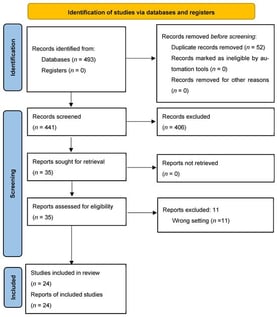
Religious festivals are increasingly recognized as significant cultural and tourism phenomena, yet their study from a tourism perspective remains underexplored. This systematic literature review examines the thematic focus, stakeholder involvement, research methods, and theoretical frameworks employed in the study of religious festivals. Using the PRISMA framework and the Covidence data management tool, 24 studies were selected from an initial pool of 493. The findings reveal that research on religious festivals has primarily focused on visitor experiences, motivations, perceptions, and impacts, with limited attention to stakeholder integration and theoretical diversity. Notably, religious leaders and ministers, key actors in festival organization, are underrepresented in the literature. This review identifies critical gaps, including the need for sustainability-focused research, broader stakeholder engagement, and the application of diverse theoretical frameworks. By synthesizing existing knowledge, this study provides a roadmap for advancing research on religious festivals and their intersections with tourism.
Full article
(This article belongs to the Section Cultural Heritage)
►▼
Show Figures

Figure 1
Open AccessArticle
IoT-Based Platform for Wireless Microclimate Monitoring in Cultural Heritage
by
Alberto Bucciero, Alessandra Chirivì, Riccardo Colella, Mohamed Emara, Matteo Greco, Mohamed Ali Jaziri, Irene Muci, Andrea Pandurino, Francesco Valentino Taurino and Davide Zecca
Heritage 2026, 9(2), 57; https://doi.org/10.3390/heritage9020057 - 3 Feb 2026
Abstract
The H2IOSC project aims to establish a federated cluster of European distributed research infrastructures involved in the humanities and cultural heritage sectors, with operating nodes across Italy. Through four key RIs—DARIAH-IT, CLARIN, OPERAS, and E-RIHS—the project promotes collaboration among researchers with interdisciplinary expertise.
[...] Read more.
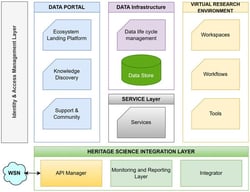
The H2IOSC project aims to establish a federated cluster of European distributed research infrastructures involved in the humanities and cultural heritage sectors, with operating nodes across Italy. Through four key RIs—DARIAH-IT, CLARIN, OPERAS, and E-RIHS—the project promotes collaboration among researchers with interdisciplinary expertise. Within this framework, DIGILAB functions as the digital access platform for the Italian node of E-RIHS. Conceived as a socio-technical infrastructure for the Heritage Science community, DIGILAB is designed to manage heterogeneous data and metadata through advanced knowledge graph representations. The platform adheres to the FAIR principles and supports the complete data lifecycle, enabling the development and maintenance of Heritage Digital Twins. DIGILAB integrates diverse categories of information related to cultural sites and objects, encompassing historical and artistic datasets, diagnostic analyses, 3D models, and real-time monitoring data. This monitoring capability is achieved through the deployment of cutting-edge Internet of Things (IoT) technologies and large-scale Wireless Sensor Networks (WSNs). As part of DIGILAB, we developed SENNSE (v1.0), a fully open hardware/software platform dedicated to environmental and structural monitoring. SENNSE allows the remote, real-time observation and control of cultural heritage sites (collecting microclimatic parameters such as temperature, humidity, noise levels) and of cultural objects (collecting object-specific data including vibrations, light intensity, and ultraviolet radiation). The visualization and analytical tools integrated within SENNSE transform these datasets into actionable insights, thereby supporting advanced research and conservation strategies within the Cultural Heritage domain. In the following sections, we provide a detailed description of the SENNSE platform, outlining its hardware components and software modules, and discussing its benefits. Furthermore, we illustrate its application through two representative use cases: one conducted in a controlled laboratory environment and another implemented in a real-world heritage context, exemplified by the “Biblioteca Bernardini” in Lecce, Italy.
Full article
(This article belongs to the Special Issue Technological Innovations in the Diagnosis and Rehabilitation of the Building Heritage)
►▼
Show Figures

Figure 1
Open AccessArticle
Microclimates, Geometry, and Constructive Sustainability of the Inca Agricultural Terraces of Moray, Cusco, Peru
by
Doris Esenarro, Celeste Hidalgo, Jesica Vilchez Cairo, Guisela Yabar, Tito Vilchez, Percy Zapata, Daniel Bermudez and Ana Camayo
Heritage 2026, 9(2), 56; https://doi.org/10.3390/heritage9020056 - 2 Feb 2026
Abstract
Moray (Cusco, Peru) represents one of the most sophisticated examples of Inca agricultural engineering, where architecture, environmental management, and constructive systems converge to generate controlled microclimates for agricultural experimentation. Recognized as an important archaeological heritage site, Moray provides valuable insight into ancestral Andean
[...] Read more.
Moray (Cusco, Peru) represents one of the most sophisticated examples of Inca agricultural engineering, where architecture, environmental management, and constructive systems converge to generate controlled microclimates for agricultural experimentation. Recognized as an important archaeological heritage site, Moray provides valuable insight into ancestral Andean strategies for adapting agriculture to complex high-altitude environments. However, the site is increasingly exposed to environmental pressures associated with climatic variability, soil erosion, structural collapses, and tourism intensity. This study aims to analyze the relationship between microclimates, geometric design, and constructive sustainability of the Moray archaeological complex through integrated spatial, functional, and constructive analyses, supported by digital tools such as Google Earth Pro, AutoCAD 2023, SketchUp 2023, and environmental simulations developed by Andrew Marsh. The research examines the geometric configuration of the circular terraces, which present radii between 45 and 65 m, heights ranging from 3 to 5 m, and slope variations between 14% and 48%, generating temperature gradients of 12–15 °C between upper and lower levels. These conditions enabled the Incas to experiment with and adapt diverse ecological species across different thermal zones. The study also evaluates the irrigation and infiltration systems composed of gravel, sand, and stone layers that ensured soil stability and moisture regulation. Climate data from SENAMHI (2019–2024) indicate that Moray is located in a semi-arid meso-Andean environment, reinforcing its interpretation as an ancestral environmental laboratory. The results demonstrate Inca mastery in integrating environmental design, hydrological engineering, and agricultural experimentation while also identifying current conservation challenges related to erosion processes, structural deterioration, and tourism pressure. This research contributes to understanding Moray as a climate-sensitive heritage system, offering insights relevant to contemporary strategies for sustainable agriculture, climate adaptation, and heritage conservation in Andean regions.
Full article
(This article belongs to the Topic (World) Heritage Sites and Values in Danger: Climate-Change Related Challenges and Transformation)
Open AccessArticle
Learning with Surrounding Heritage: Education, Innovation and Rural Empowerment Along European Pilgrimage Routes
by
María Andrade-Suárez, Silvia González-Soutelo, Laura García-Juan, Miguel Gomez-Heras and Estefanía López-Salas
Heritage 2026, 9(2), 55; https://doi.org/10.3390/heritage9020055 - 2 Feb 2026
Abstract
This article explores the transformative potential of heritage education in promoting rural development along European pilgrimage routes. Drawing on findings from the Horizon 2020 rurAllure project, this study identifies key training and educational needs among cultural and non-cultural stakeholders in rural areas and
[...] Read more.
This article explores the transformative potential of heritage education in promoting rural development along European pilgrimage routes. Drawing on findings from the Horizon 2020 rurAllure project, this study identifies key training and educational needs among cultural and non-cultural stakeholders in rural areas and proposes a strategic agenda for innovation in heritage-led tourism. Using a qualitative and participatory methodology—including a literature review, expert interviews, and pilot experimentation in Spain, Portugal, Italy, Norway, Hungary, Slovakia, and Romania—the research reveals persistent gaps in digital skills, tourism management, and accessibility. The study demonstrates the value of inclusive, place-based, and digitally enhanced learning approaches in strengthening local identity, enhancing community resilience, and addressing territorial disparities. Building on these empirical insights, the article proposes a strategic research and innovation agenda for heritage-led tourism, aligned with European policy priorities, offering actionable recommendations for policymakers and practitioners. Ultimately, the article positions pilgrimage routes as learning landscapes—spaces for educational innovation, cultural sustainability, and territorial cohesion.
Full article
(This article belongs to the Section Cultural Heritage)
►▼
Show Figures

Graphical abstract
Open AccessArticle
Micro-Multiband Imaging (µMBI) in the Technical Study and Condition Assessment of Paintings: An Insight into Its Potential and Limitations
by
Miguel. A. Herrero-Cortell, Irene Samaniego-Jiménez, Candela Belenguer-Salvador, Marta Raïch-Creus, Laura Osete-Cortina, Arianna Abbafati, Anna Vila, Marcello Picollo and Laura Fuster-López
Heritage 2026, 9(2), 54; https://doi.org/10.3390/heritage9020054 - 31 Jan 2026
Abstract
Multiband imaging (MBI) is a non-invasive, portable digital technique that has become increasingly widespread in the technical study and condition assessment of paintings, owing to its affordability and ease of use. This paper presents an experimental study aimed at optimising MBI at the
[...] Read more.
Multiband imaging (MBI) is a non-invasive, portable digital technique that has become increasingly widespread in the technical study and condition assessment of paintings, owing to its affordability and ease of use. This paper presents an experimental study aimed at optimising MBI at the microscopic scale—referred to as micro-multiband imaging (µMBI)—with the particular aim of expanding its diagnostic capabilities. A range of µMBI techniques was used on custom-made mock-ups made up of pigments selected for their spectral responses, and representative of traditional artistic materials. The techniques used included microphotography of polarised and unpolarised visible light (µVIS), raking light microphotography (µRL), transmitted light microphotography (µTL), ultraviolet-induced visible luminescence microphotography (µUVL), near-infrared microphotography (µIR), near-infrared micro-trans-irradiation (µIRT), and near-infrared false-colour microphotography (µIRFC). The results obtained through µMBI were compared with those from standard MBI methods, allowing for a critical discussion of the strengths and limitations of this emerging approach. Results evidence that µMBI provides high-resolution, spatially specific insights into materials and painting techniques, offering a more detailed understanding at the microscale of how a painting was executed. It also enables the assessment of deterioration processes (e.g., cracking, delamination, and metal soap formation), contributing to a deeper comprehension of the origin and progression of failure phenomena and supporting the development of more informed, preventive conservation strategies.
Full article
(This article belongs to the Special Issue Advances in Non-invasive Multi-analytical Approaches for the Study of Painted Artworks)
►▼
Show Figures

Figure 1
Open AccessArticle
Hidden Technologies of Thai Gold Glass Mirrors: Interface Chemistry and Raw Material Signatures Across Thailand
by
Supapon Deechob, Surapich Poolprasroed, Kamonpan Pengpat, Sukum Eitssyeam, Arnon Kraipok, Pratthana Intawin, Surapong Panyata, Ekarat Meechoowas, Terd Disayathanoowat, Pinit Kidkhunthod, Phakkhananan Pakawanit, Jintara Padchasri, Chanvit Sriprom, Manlika Kamnoy, Thapanee Srichoompong, Napassorn Kietisirirojana and Tawee Tunkasiri
Heritage 2026, 9(2), 53; https://doi.org/10.3390/heritage9020053 - 31 Jan 2026
Abstract
This study identifies the technological signature of ancient and alternative “Chu” and “Kriab” gold glass mosaic mirrors from Thailand. Although these mirrors play an important role in Thai decorative heritage, their production routes and interfacial chemistry at the lead-to-glass interface have remained unclear.
[...] Read more.
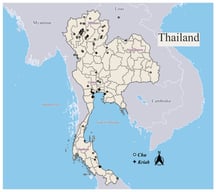
This study identifies the technological signature of ancient and alternative “Chu” and “Kriab” gold glass mosaic mirrors from Thailand. Although these mirrors play an important role in Thai decorative heritage, their production routes and interfacial chemistry at the lead-to-glass interface have remained unclear. A survey of 154 sites across Thailand shows mosaic glass was widely distributed and likely produced during the Ayutthaya period (~300 years ago). Portable X-Ray Fluorescence (pXRF), Wavelength-Dispersive XRF (WD-XRF), scanning electron microscopy (SEM), and X-ray Photoelectron Spectroscopy (XPS) were used to examine the material properties of observed Chu mirrors. Most samples can be classified as a mixed lead–alkaline glass type, with a PbO content ranging from 4.28 to 48.17 wt%. Their yellow tone is controlled by iron and manganese redox states. Chemical and physical analyses distinguish between Chu from the northern part of Thailand and Kriab from the central part of Thailand, which share a silica source but rely on different fluxes, pointing to different glass workshops. Crucially, XPS depth profiling reveals a well-defined interfacial reaction zone extending to approximately 6 nm in the ancient mirrors, predominantly characterized by disordered, chain-like Pb–O–Pb linkages. These polymeric structures enable a “chemical bridging” mechanism that effectively accommodates interfacial strain arising from thermal expansion mismatch, thereby ensuring exceptional long-term adhesion. Furthermore, the depth-dependent distribution of hydrated lead species and the emergence of photoelectron energy-loss features beyond ~6 nm distinguish the superior metallic integrity of the ancient coatings from the alternative reproductions. This distinct stratification confirms that ancient artisans achieved a sophisticated balance between a chemically bonded interface and a coherent metallic bulk. These findings offer significant insights into the ingenuity of ancient Thai artisans, providing a scientific foundation for the conservation, restoration, and replication of these culturally significant artifacts.
Full article
(This article belongs to the Special Issue Advanced Analysis of Archaeological Glass)
►▼
Show Figures

Figure 1
Open AccessArticle
HBIM: Visual Scripting for the Walls of Vietri’s Mummarelle
by
Adriana Rossi, Santiago Lillo Giner and Sara Gonizzi Barsanti
Heritage 2026, 9(2), 52; https://doi.org/10.3390/heritage9020052 - 31 Jan 2026
Abstract
This article analyzes the Solimene façade (Vietri sul Mare, Campania, Italy, 1952–1955). The survey, already acquired with active and passive sensors, was integrated with close-range photogrammetry of some sections of the main wall. The purpose of the new acquisitions was to generate data
[...] Read more.
This article analyzes the Solimene façade (Vietri sul Mare, Campania, Italy, 1952–1955). The survey, already acquired with active and passive sensors, was integrated with close-range photogrammetry of some sections of the main wall. The purpose of the new acquisitions was to generate data to inform a plug-in that, in the latest versions of the Revit software, correlates parametric and procedural environments. The focus of the study was the rationalization of the formal structure of the amphora, the heart of the main façade. Logic and geometric language guide the identification of a possible mathematical relationship aimed at parametrically modifying the model. The logical diagrams, converted into a Grasshopper preview, can be managed through graphical nodes. In the form of flowcharts (visual scripts), the finite sequence of procedural steps has the advantage of managing and modifying, in real time and in a user-friendly manner, the morphometric characteristics of the small “mummarella.” The results identify the morphometric characteristics common to a typological family composed of Vietri amphorae that, in the field of architectural design, uses the typical functions of system families. The goal is to approach sustainable and participatory design solutions by providing functions that can be graphically manipulated from within the software environment.
Full article
(This article belongs to the Section Cultural Heritage)
►▼
Show Figures

Figure 1
Open AccessArticle
Gamma Irradiation and Documentary Heritage: A Preliminary Study on the Effects of Gamma Irradiation on Historical Paper in Ecuador
by
Katherine Guacho-Pachacama, Maribel Luna, Carlos Vásquez-Mora, Ginger Capa, Carlos F. Aragón-Tobar, Fernando Espinoza-Guerra, Johanna Ramírez-Bustamante, Roque Santos, Florinella Muñoz-Bisesti, Martha Romero-Bastidas and Jady Pérez
Heritage 2026, 9(2), 51; https://doi.org/10.3390/heritage9020051 - 30 Jan 2026
Abstract
Quito, recognized as the first UNESCO World Cultural Heritage Site, holds a vast documentary legacy at constant risk of deterioration due to environmental, biological, and aging factors. Preserving these historical documents demands sustainable and non-invasive approaches. This study presents the first documented investigation
[...] Read more.
Quito, recognized as the first UNESCO World Cultural Heritage Site, holds a vast documentary legacy at constant risk of deterioration due to environmental, biological, and aging factors. Preserving these historical documents demands sustainable and non-invasive approaches. This study presents the first documented investigation in Ecuador on the use of ionizing radiation for the conservation of historical paper materials. Fifteen fragments, naturally detached from deteriorated documents housed in two major heritage repositories, the Biblioteca Nacional Eugenio Espejo and the Biblioteca Fray Ignacio de Quezada, were selected for analysis. Samples were irradiated with a Co-60 gamma source at doses of 4, 6, and 8 kGy at the “Francisco Salgado T.” Irradiation Center. To evaluate potential alterations, pre- and post-irradiation analyses were conducted using surface pH measurements, colorimetry (ΔE from CIELAB coordinates), and FTIR-ATR spectroscopy. The results showed no statistically significant changes in the analyzed parameters, suggesting that gamma irradiation at these doses does not compromise the structural or visual integrity of the paper. This work represents a pioneering step in Ecuador toward integrating scientific methods into cultural heritage preservation, supporting the safe application of ionizing radiation in the conservation of historical documents.
Full article
(This article belongs to the Special Issue Cultural Heritage: Restoration and Conservation)
►▼
Show Figures

Figure 1
Open AccessArticle
Frailty and Mortality in Historic Americans: The Relationship Between Sex, Social Race, Health, and Survival
by
Samantha M. Hens, K. Godde and Shomarka O. Y. Keita
Heritage 2026, 9(2), 50; https://doi.org/10.3390/heritage9020050 - 30 Jan 2026
Abstract
The study of human skeletal remains from historic contexts is uniquely positioned to explore inequality over time by linking the underlying sociocultural factors that enforce marginalization with lived experiences and health outcomes. We analyzed mortality rates among historic individuals of low socioeconomic status
[...] Read more.
The study of human skeletal remains from historic contexts is uniquely positioned to explore inequality over time by linking the underlying sociocultural factors that enforce marginalization with lived experiences and health outcomes. We analyzed mortality rates among historic individuals of low socioeconomic status from a documented human skeletal collection, to examine how culture and identity become biologically embodied. Because pre-existing health conditions affect mortality risk, we examined whether individuals with short stature experienced earlier mortality. Kaplan–Meier analyses and log rank tests indicated significant differences in survivorship over time and among social race groups, indicating that African American individuals showed significantly higher mortality, but no sex differences were observed within population groups. Logistic regressions tested for the effects of age-at-death, combined sex and population group, and birthdate on the outcome of bone length. Age and birthdate were not significant, suggesting no relationship between short stature and age-at-death, which also did not change over time. However, odds ratios indicated fewer African Americans were surviving up to adulthood. While many individuals in the collection likely suffered some poverty and marginalization, survivorship was significantly worse for African Americans. The likely effects of systematic racism resulting in further socioeconomic marginalization significantly affected the health of the African American community.
Full article
(This article belongs to the Special Issue Palaeopathological Analysis Applied to Forensic and Archaeological Studies)
►▼
Show Figures

Figure 1
Open AccessArticle
Characterizing the Spatial Distribution of Imprinted Signs on Old Forestry Tools Across the Alpine Region
by
Barbara Vinceti, Onorio Zanier and Pietro Piussi
Heritage 2026, 9(2), 49; https://doi.org/10.3390/heritage9020049 - 29 Jan 2026
Abstract
►▼
Show Figures
The presence of distinctive imprinted signs on old forestry tools reflects a little-documented tradition practiced by artisanal blacksmiths in the Alpine region until the early 20th century. These marks, hammered onto tools such as axes and pickaroons, carried meanings that intertwined craftsmanship, ownership,
[...] Read more.
The presence of distinctive imprinted signs on old forestry tools reflects a little-documented tradition practiced by artisanal blacksmiths in the Alpine region until the early 20th century. These marks, hammered onto tools such as axes and pickaroons, carried meanings that intertwined craftsmanship, ownership, and local identity. This element of material culture is rarely mentioned in the literature. This study examined imprinted signs on 331 tools from 88 locations across the Alpine regions of Italy, from Friuli-Venezia Giulia to Valle d’Aosta, with supplementary observations in other countries. The objectives were to record the geographic distribution of imprints, interpret their potential meanings, and preserve evidence of a disappearing tradition. The spatial distribution of the markings corresponded to the Alpine territory and overlapped with a shared cultural region inhabited by three ethnic groups, although similar signs were recorded as far as the Carpathian regions. The meanings of certain imprints, such as religious symbols or representations of the tree of life, are recognizable, whereas those of other common signs remain unknown. The findings suggest that the imprints may reflect a distinct cultural practice and a symbolic language whose full significance has yet to be understood and would require further ethnographic investigations.
Full article

Figure 1
Open AccessArticle
Inside the Sarcophagus: Non-Destructive Testing of a Medieval Tomb in the Cathedral of Bamberg (Germany)
by
Roland Linck, Johanna Skrotzki, Andreas Stele, Tatjana Hecher and Jörg W. E. Fassbinder
Heritage 2026, 9(2), 48; https://doi.org/10.3390/heritage9020048 - 29 Jan 2026
Abstract
In recent years, digital technologies have become increasingly prevalent in the field of heritage protection. In addition to geomatic techniques like laser scanning (LiDAR) and Structure-from-Motion (SfM), geophysical methods, especially Ground-Penetrating Radar (GPR), offer added value for investigating protected buildings and objects. Additionally,
[...] Read more.
In recent years, digital technologies have become increasingly prevalent in the field of heritage protection. In addition to geomatic techniques like laser scanning (LiDAR) and Structure-from-Motion (SfM), geophysical methods, especially Ground-Penetrating Radar (GPR), offer added value for investigating protected buildings and objects. Additionally, chemical analysis (e.g., X-ray fluorescence, XRF) and mineral magnetic methods can be utilized to investigate specific research topics. All these methods are completely non-invasive and leave the heritage site untouched. Furthermore, they are cost-efficient and fast to use. Within this paper, we want to present an integrated study of a medieval sarcophagus in Bamberg Cathedral. The geophysical surveys via GPR and magnetic susceptibility (MS) measurements should answer open questions regarding the construction and internal layout of the sandstone sarcophagus, dated to the Early or High Middle Ages. The susceptibility data indicated an inner lead coffin in the lower part behind the stone slabs due to an unusual diamagnetic response in these parts. In contrast, the GPR data gave no such indication and revealed that the interior is too small for a direct burial of the bishop. Hence, an additional XRF survey was conducted to help solve this contradiction. The latter data indicate that the lead could be due to remains of a former painting on the sarcophagus with colours containing lead white pigments. Due to the porous sandstone, the moist environmental conditions, and the high weight of the lead elements, these could have accumulated at the bottom of the sarcophagus, creating the diamagnetism detected by the magnetic susceptibility measurements.
Full article
(This article belongs to the Special Issue Geophysical Diagnostics of Heritage and Archaeology)
►▼
Show Figures

Figure 1
Open AccessArticle
Conserving the Memory of Hammurabi: A Sustainable Model for Ancient Heritage Management at the Old Babylonian Site of Tell Muhammad, Iraq
by
Nicola Laneri, Germana Barone, Paolo Mazzoleni, Chiara Pappalardo, Alice Mendola, Rachele Mammana, Maura Fugazzotto, Aurora Borgesi, Vittorio Azzaro and Marilisa Spironello
Heritage 2026, 9(2), 47; https://doi.org/10.3390/heritage9020047 - 28 Jan 2026
Abstract
An archaeological project requires a complex heritage management approach that includes excavation, scientific research, conservation of unearthed objects, protection of the site’s architecture, and, finally, public engagement. Based on these premises, the Baghdad Urban Archaeological Project aims to create a model for Ancient
[...] Read more.
An archaeological project requires a complex heritage management approach that includes excavation, scientific research, conservation of unearthed objects, protection of the site’s architecture, and, finally, public engagement. Based on these premises, the Baghdad Urban Archaeological Project aims to create a model for Ancient Heritage Management that includes the research, conservation, and public outreach at the Old Babylonian site of Tell Muhammad, located in the southern suburbs of Baghdad (Iraq). In so doing, thanks to the recovery at the site during the mid-19th century of objects with inscriptions related to Hammurabi (1810–1750 BCE), the sixth king of the First Dynasty of Babylon, the project attempts to conserve and promote this fundamental period in the history of ancient Mesopotamia by applying a sustainable model of management of archaeological heritage.
Full article
(This article belongs to the Special Issue History, Conservation and Restoration of Cultural Heritage)
►▼
Show Figures

Figure 1
Open AccessArticle
Spectacularity on the Frontline: An Interactive Materialization of the Costume of the Burgundian Prostitute in Louis Braun’s Panorama of the Battle of Murten
by
Kathi Martin and Momo Jawwad
Heritage 2026, 9(2), 46; https://doi.org/10.3390/heritage9020046 - 27 Jan 2026
Abstract
►▼
Show Figures
The dressed body can reveal a great deal about the social, economic, political and artistic milieu that propelled a fashion style. Louis Braun used fashion to augment the narrative of his artwork, the Murten Panorama, a 10 m × 100 m cylindrical painting
[...] Read more.
The dressed body can reveal a great deal about the social, economic, political and artistic milieu that propelled a fashion style. Louis Braun used fashion to augment the narrative of his artwork, the Murten Panorama, a 10 m × 100 m cylindrical painting commemorating the Swiss victory against the army of the Duchy of Burgundy, 1476. The Laboratory for Experimental Museology, Ecole Polytechnique Fédérale de Lausanne, led by Sarah Kenderdine, has digitized the panorama, producing a 1.6-trillion-pixel digital twin, the largest digital image of a particular object ever created. Exhibitions of the twin are in progress across Switzerland and other international venues to commemorate the 550th anniversary of the Burgundian wars. Volumetric videos, 3D objects and historic costume characters, motion capture and a dynamic soundscape present a multisensory immersive experience. This paper outlines our method of ‘materializing’, in 3D, the dress of the Burgundian prostitute, a prominent character in the panorama. Researching the sartorial, historical and artistic influences affecting Braun while he created the artwork revealed multiple layers of fashion interpretation and informed our research on how to embody the materiality of the character’s costume. We discuss our multi-disciplinary process to ‘materialize’ the character and the software used in the development.
Full article

Graphical abstract
Open AccessReview
Sustainability in Heritage Tourism: Evidence from Emerging Travel Destinations
by
Sara Sampieri and Silvia Mazzetto
Heritage 2026, 9(2), 45; https://doi.org/10.3390/heritage9020045 - 27 Jan 2026
Abstract
This study examines the conceptualization of sustainability in heritage tourism in Saudi Arabia following the introduction of the Saudi Vision 2030 program and the country’s opening to tourism in 2019, both of which aim to diversify the economy and promote cultural heritage. A
[...] Read more.
This study examines the conceptualization of sustainability in heritage tourism in Saudi Arabia following the introduction of the Saudi Vision 2030 program and the country’s opening to tourism in 2019, both of which aim to diversify the economy and promote cultural heritage. A scoping review methodology based on the Arksey & O’Malley framework has been adopted; data were charted according to the Joanna Briggs Institute (JBI) charting method based on the PRISMA-ScR reporting protocol. Publications from 2019 to 2025 were systematically collected from the database and manual research, resulting in 25 fully accessible studies that met the inclusion criteria. Data were analyzed thematically, revealing six main areas of investigation, encompassing both sustainability outcomes and cross-cutting implementation enablers: heritage conservation and tourism development, architecture and urban planning, policy and governance, community engagement, marketing and technology, and geoheritage and environmental sustainability. The findings indicate that Saudi research in this field is primarily qualitative, focusing on ecological aspects. The studies reveal limited integration of social and technological dimensions, with significant gaps identified in standardized sustainability indicators, longitudinal monitoring, policy implementation, and digital heritage tools. The originality of this study lies in its comprehensive mapping of Saudi heritage tourism sustainability research, highlighting emerging gaps and future agendas. The results also provide a roadmap for policymakers, managers, and scholars to enhance governance policies, community participation, and technological integration, which can contribute to sustainable tourism development in line with Saudi Vision 2030 goals, thereby fostering international competitiveness while preserving cultural and natural heritage.
Full article
(This article belongs to the Special Issue Heritage and Tourism: Balancing Education, Innovation, and Sustainable Development)
►▼
Show Figures

Figure 1
Journal Menu
► ▼ Journal Menu-
- Heritage Home
- Aims & Scope
- Editorial Board
- Instructions for Authors
- Special Issues
- Topics
- Sections & Collections
- Article Processing Charge
- Indexing & Archiving
- Editor’s Choice Articles
- Most Cited & Viewed
- Journal Statistics
- Journal History
- Journal Awards
- Society Collaborations
- Conferences
- Editorial Office
Journal Browser
► ▼ Journal BrowserHighly Accessed Articles
Latest Books
E-Mail Alert
News
Topics
Topic in
Applied Sciences, Buildings, Heritage, Materials, Remote Sensing, Sustainability
Preserving Cultural Heritage by Integrating Modern Materials and Technologies: From the Nano to Building Scale
Topic Editors: Rui Marques, Claudia Mondelli, Maria Giovanna MasciottaDeadline: 28 February 2026
Topic in
Atmosphere, Geosciences, Heritage, Sustainability, Water
Global Challenges and Local Solutions in Natural Resource Management: Insights from the GEA 2025 Conference
Topic Editors: Tin Lukić, Velibor Spalevic, Slobodan B. Marković, Paul SestrașDeadline: 31 March 2026
Topic in
Applied Sciences, Buildings, Construction Materials, Heritage, Sustainability
Advanced Materials and Innovative Solutions for Seismic Retrofit of Structures and Loss Reduction
Topic Editors: Marco Di Ludovico, Ciro Del VecchioDeadline: 20 May 2026
Topic in
Climate, Heritage, Tourism and Hospitality, Sustainability, Conservation
(World) Heritage Sites and Values in Danger: Climate-Change Related Challenges and Transformation
Topic Editors: Matthias Ripp, Christer Gustafsson, Rohit JigyasuDeadline: 30 May 2026
Conferences
Special Issues
Special Issue in
Heritage
Heritage Materials and Historic Buildings: Preservation and Environment
Guest Editors: Alexandra Rodrigues, Carla Machado, Fernanda Carvalho, Amanda Corrêa PintoDeadline: 15 February 2026
Special Issue in
Heritage
Conservation and Restoration of Metal Artifacts
Guest Editors: Vasilike Argyropoulos, Maria Giannoulaki, Elodie GuilminotDeadline: 28 February 2026
Special Issue in
Heritage
YOCOCU2024 Ancient Traditions, Conservation Challenges and Future Scenarios for the Innovative and Green Protection, Enhancement and Fruition of Cultural Heritage
Guest Editors: Fernanda Prestileo, Andrea MacchiaDeadline: 28 February 2026
Special Issue in
Heritage
Applications of Digital Technologies in the Heritage Preservation
Guest Editors: Lidia Fiorini, Grazia Tucci, Franco NiccolucciDeadline: 28 February 2026
Topical Collections
Topical Collection in
Heritage
Feature Papers
Collection Editors: Francesco Soldovieri, Nicola Masini