Skip Content
You are currently on the new version of our website. Access the old version .

All Articles (225)

  • Case Report
  • Open Access

Intravascular Rewarming in Major Burns: A Rare but Serious Catheter-Related Complication

  • Theodora Ligomenou,
  • Eirini Nikolaidou and
  • Sophia Papadopoulou
  • + 5 authors

Introduction: Patients with major burn injuries are highly susceptible to hypothermia due to extensive skin loss, aggressive fluid resuscitation, repeated surgical procedures, and exposure during wound care. Hypothermia is associated with coagulation disorders, increased blood loss, impaired immune response, prolonged hospitalization, and increased mortality. When conventional warming strategies fail, intravascular temperature management systems may be employed, although they carry risks inherent to central venous catheters. Case Report: We report the case of a 26-year-old male with 66% total body surface area flame burns and inhalational injury, admitted to the Burns Intensive Care Unit with persistent hypothermia despite standard warming measures. An intravascular temperature management catheter was inserted via the femoral vein and successfully restored normothermia. Due to clinical instability, the catheter remained in situ beyond the recommended duration. During attempted catheter removal, significant resistance was encountered, raising concern for mechanical malfunction. Imaging confirmed catheter entrapment without fracture. Multidisciplinary management involving vascular surgery and interventional radiology enabled successful removal using endovascular snare techniques. A detached balloon fragment was identified and secured with venous stenting. Conclusions: This report describes the first documented case of complicated removal of an intravascular warming catheter due to balloon detachment in burn patients. Physicians using these devices should be aware of this possible complication and be prepared for its management.

9 February 2026
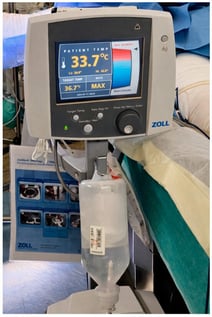
ThermogardXP® Zoll® console in theatre, showing patient’s core temperature of 33.7 °C.

How Patients Seek and Value Online Scar-Related Information: A Qualitative Study

  • Koen Maertens,
  • Nancy Van Loey and
  • Jill Meirte
  • + 1 author

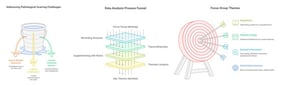
Background: Pathological scarring (PS) following surgical procedures, burns, or trauma poses significant clinical, psychological, and socio-economic challenges. Despite the high prevalence of PS, reliable information resources are limited, often leading individuals to depend on unvalidated online sources. To address this gap, we developed MyScarSpecialist.com, an evidence-based website providing comprehensive information on scar types, characteristics, and treatment options. This study aimed to optimize the website through co-creation with patients and clinicians. Methods: Semi-structured focus group meetings were conducted with patients and carers; sessions were recorded, transcribed, and analyzed using thematic analysis. Results: From the 3 focus group meetings with 15 patients with scars and 3 carers, four key themes emerged: (1) Information Sources: The Role of Professionals, Peers, and Digital Media in information sharing; (2) Desired information: From scar typing to treatment outcomes to psychosocial impact; (3) Website design: Audience preferences on content layering, information load, and image positioning; (4) Readability: Optimizing content for comprehension. Participants highlighted the need for enhanced peer support and resources addressing the psychological impact of scarring. Conclusions: These findings provide comprehensive insights for optimizing medical educational websites, ensuring inclusivity, accessibility, and empowerment for patients through co-designed strategies.

6 February 2026

Focus group themes and subthemes.

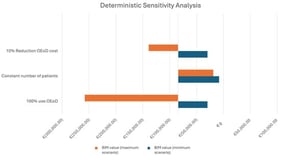
Background: Pediatric burns cause considerable morbidity and hospital resource use. Advanced dressings on moderate-degree pediatric burns that accelerate healing may offset acquisition costs by shortening length of stay (LOS). Objective: The aim of this study was to assess the budget impact of introducing an oxygen-enriched olive-oil dressing for pediatric burns (grade I–IIG; total body surface area < 20%) at a tertiary children’s hospital. Methods: A hospital-perspective budget impact analysis was conducted according to ISPOR guidance over a 4-year horizon (2022–2025). The study population included 32 inpatients (<18 years) with non-extensive, moderate-degree burns treated between 2022 and 2023. Two scenarios were modeled: (i) standard of care (SoC) and (ii) SoC plus the oxygen-enriched olive-oil dressing (OEoD), with annual caseload projections to 2025. Costs combined treatment (dressings, drugs, and devices) and hospitalization data provided by the hospital’s Control & Management Unit. The average daily hospitalization cost was €1438.99. Results: Compared with SoC, the OEoD scenario increased per-patient dressing costs (mean €271.4 vs. €121.9) but reduced LOS (mean 7.3 vs. 16.6 days), leading to lower overall hospitalization expenditure. Total annual costs decreased by 7%, 13%, 16%, and 18% across 2022–2025, respectively (for example, 2025: €612,516 vs. €751,445; Δ −€138,929). Cumulative 4-year savings reached €337,399. Deterministic sensitivity analysis confirmed the robustness of these findings, with savings persisting under variable assumptions. Conclusions: Despite higher acquisition costs, oxygen-enriched olive-oil dressings were associated with shorter LOS and meaningful budget savings in pediatric burn care. These results support their integration into multidisciplinary burn management pathways and call for further prospective multicenter validation.

5 February 2026

Deterministic sensitivity analysis.

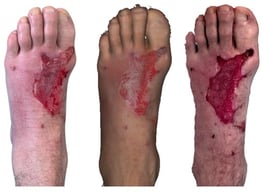
Accurate documentation of burn wounds is essential for evaluating treatment outcomes and monitoring healing progression. Traditional two-dimensional (2D) photography remains the clinical standard but lacks depth and volumetric accuracy. Three-dimensional (3D) scanning offers enhanced visualization of wound morphology and tissue vitality, potentially improving objectivity in burn assessment. This study compares two handheld 3D scanning systems—Artec Eva and Revopoint Miraco—in documenting acute and healing burn wounds, using standard clinical photography as the reference. Fifteen patients with second-degree and third-degree burns were prospectively examined at the Burn Unit of AGEL Hospital Košice-Šaca, with five representative cases selected for detailed analysis. For each patient, clinical photographs and paired 3D scans were obtained under standardized conditions and evaluated for color fidelity, wound margin clarity, representation of epithelialisation islands, necrotic tissue, and correlation with clinical findings. Across all cases, Artec Eva demonstrated superior color accuracy, clearer wound delineation, and more realistic visualization of tissue vitality and re-epithelialisation. Revopoint Miraco reliably captured wound shape but produced darker tones and exaggerated surface relief, occasionally distorting depth perception. Overall, both systems successfully identified key healing features; however, Artec Eva provided more clinically accurate and visually consistent results. Three-dimensional scanning represents a valuable adjunct to conventional burn documentation.

28 January 2026

Photograph (left), Artec Eva 3D scan (middle), and Revopoint Miraco 3D scan (right) of the burn on the following day after its occurrence.

News & Conferences

Issues

Open for Submission

Editor's Choice

Get Alerted

Add your email address to receive forthcoming issues of this journal.

XFacebookLinkedIn
Eur. Burn J. - ISSN 2673-1991