

Need Help?
Announcements
23 May 2024
Transfer Service in MDPI
We are pleased to announce MDPI’s Transfer Service.
This service provides a convenient method of transferring your manuscript file, along with any reviewer comments, to another journal within our publishing portfolio.
We are committed to helping authors find the right home for their research, and we will provide authors with guidance and technical support through all stages of the transfer process. Authors will be able to choose to transfer in the following two situations:
1. Select alternative journals on submission.
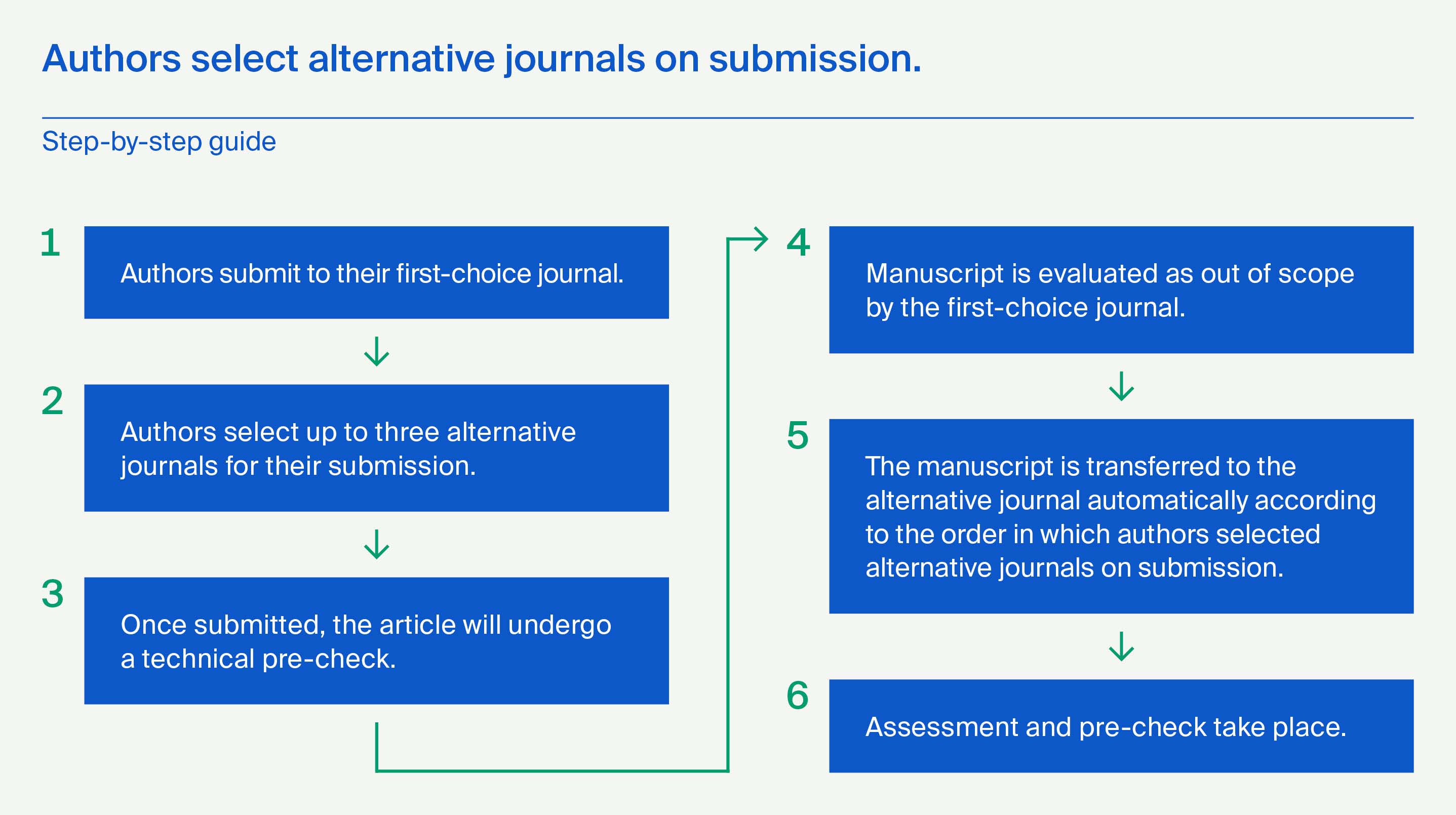
2. Authors are encouraged to transfer manuscripts to other MDPI journals.

More details about the Transfer Service can be found at the following link:
17 May 2024
Tu Youyou Award—Open for Nominations
In acknowledgment of the groundbreaking achievements of Professor Tu Youyou, the Nobel laureate credited with the discovery of artemisinin, MDPI is proud to announce the Tu Youyou Award. This award, inaugurated in 2016, seeks to honor scholars who excel in the fields of natural products chemistry and medicinal chemistry.
Prize:
- CHF 100,000 in total (If there is more than one winner, the prize will be divided equally amongst the winners);
- An award medal for each winner.
Who should be nominated?
- Scientists with outstanding achievements and contributions in the fields of natural products chemistry and medicinal chemistry.
Who can submit a nomination?
- Academic research institutes
- Universities
- Academic societies
Any personal nominations are not accepted.
How do I submit a nomination?
Candidates’ institutional affiliations need to submit their nominations for final candidates to the Tu Youyou Award Team directly by email after internal screening, and each institution can only nominate a maximum of two candidates for each edition of the Tu Youyou Award. Please note that the nominations cannot be modified once they are submitted and confirmed by the Tu Youyou Award Team.
Required nomination materials:
Nomination Form (Download)
Schedule:
Nomination deadline: 31 December 2024;
Winner announcement: 30 April 2025.
Contact:
Tu Youyou Award Team ([email protected])
More information can be found on the Tu Youyou Award official website. For any inquiries, do not hesitate to contact the Tu Youyou Award Team.
16 May 2024
MDPI Romania Author Training Academic Events in April
MDPI Romania sponsored four events over the month of April, contributing author training sessions to each event.
The NutriSciLabs 2024 conference was held at the Carol Davila University of Medicine and Pharmacy on 12 April 2024. Organized by the Association of Students from the Faculty of Pharmacy Studies, the conference aimed to enhance students’ academic writing and research skills, and bolster their confidence in participating in the academic world. Ioana Paunescu, journal relations specialist for MDPI Romania, led the training session. Paunescu first outlined MDPI’s history and core values, then explained academic writing techniques, ethics, and similarity percentages. The presentation covered the entire editorial process, highlighting the amount of attention paid to details throughout manuscript processing. Paunescu also discussed common errors that authors make while writing, and how to avoid such errors.
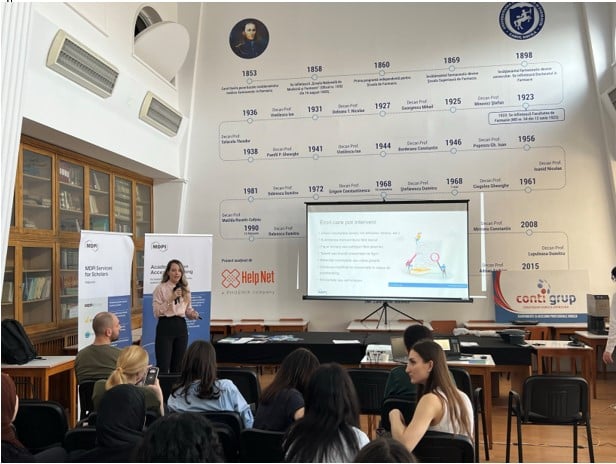
On 13 April 2024, the NextGEN 2.0 Student Conference took place at the Babes-Bolyai University of Cluj-Napoca. NextGen Healthcare organized this event with the university’s European Students’ Society to discuss European and international current affairs. MDPI Romania contributed an author training session called Steps of the Publication Process. Irina Codruta Zaharia, journal relations specialist, began the session with a general introduction of MDPI before diving into different article types, different layout formats, possible journals to submit to, the MDPI submission checklist, and the MDPI editorial process. By explaining the fundamentals of writing and publishing academic papers, Zaharia imparted valuable industry knowledge to the curious minds present. Participants were eager to engage with Zaharia in the subsequent Q&A session.
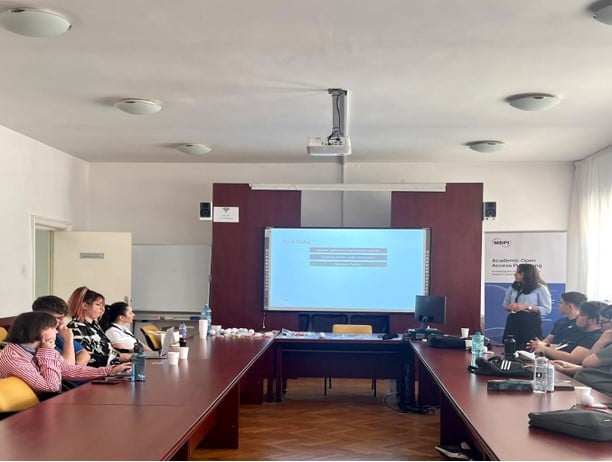
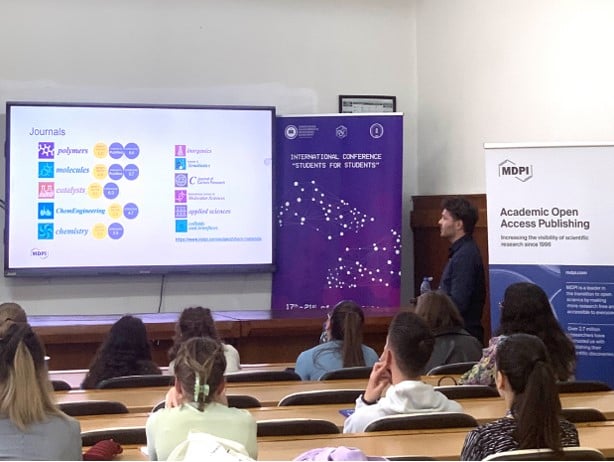
Celebrating its 20th anniversary this year, the International Conference “Students for Students” has long been a gathering place for undergraduate and postgraduate students of all nationalities to present their work and exchange ideas with each other. This year’s conference was held on 18 April 2024, with MDPI Romania contributing an author training session called The World of Open Access. Key speakers included Dr. Norbert Kiss from MDPI Romania and Prof. Dragos Horvath from Strasbourg University. Dr. Kiss discussed the history of open access, differences between open access publishing and traditional publishing, and implications for open access in the future. Attendees expressed keen interest in the subject, approaching Dr. Kiss with questions about academic publishing as well as his career trajectory.
Most recently, on 26 April 2024, MDPI Romania sponsored the National Symposium of Students from Geology and Geophysics Faculties. The AAPG Students Chapter at the Babes-Bolyai University organized this event as an opportunity for geology students from all Romanian universities to present their work and confer with other researchers. Dr. Kiss gave his lecture The World of Open Access at this event as well.
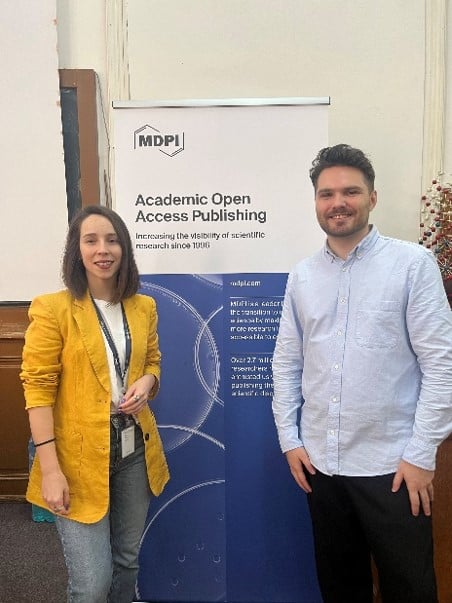
MDPI is thankful to all the participants, speakers, and organizers who attended these events. Through their enthusiasm and dedication, these events were great successes.
9 May 2024
Meet Us at the Japan Geoscience Union Meeting 2024 (JpGU 2024), 26–31 May 2024, Chiba, Japan

MDPI is attending the Japan Geoscience Union Meeting 2024 (JpGU 2024). The event will be held at the Makuhari Messe in Chiba, Japan, from 26 to 31 May 2024, and it is organized by the Japan Geoscience Union (JpGU). JpGU is an academic union that encompasses all the Earth and planetary science disciplines and related fields; additionally, it has been organizing annual meetings since 2005. JpGU 2024 will cover a wide range of Earth and planetary sciences, including space and planetary sciences, atmospheric and hydrospheric sciences, human geosciences, solid Earth sciences, and biogeosciences. The JpGU annual meeting provides participants with a good opportunity to become familiar with cutting-edge research and unique approaches to research objects within their own special field and beyond.
Representatives of the following MDPI journals will be attending:
- Remote Sensing;
- Climate;
- Coasts;
- Drones;
- Earth;
- Forecasting;
- Forests;
- GeoHazards;
- Geomatics;
- Geosciences;
- Geotechnics;
- Hydrology;
- Oceans;
- Quaternary;
- Sustainability;
- Water.
If you are also attending this conference, please feel free to stop by our booth (#Pub01). Our delegates look forward to meeting you in person to answer any questions you may have. For more information about the conference, please visit: https://www.jpgu.org/meeting_e2024/.
2 May 2024
MDPI Insights: The CEO's Letter #11 – 2023 Annual Report, MDPI Awards, STM

Welcome to the MDPI Insights: The CEO's Letter.
In these monthly letters, I will showcase two key aspects of our work at MDPI: our commitment to empowering researchers and our determination to facilitating open scientific exchange.
Opening Thoughts
2023 Annual Report
This is an exciting time of year at MDPI, as we have just released our annual report 2023, recapping the past year and sharing the progress and changes that took place during it.

Stefan Tochev (CEO, MDPI)
Reflecting on 2023, I can't help but think of the changes that have occurred not only at MDPI but also within our industry as a whole. In light of this, I’m reminded that change is the only constant, and that for a publishing enterprise that has experienced rapid growth, adapting to change becomes not only a necessity but also a catalyst for sustained success.
Looking back on the significant ground we covered in 2023, I am pleased to report that the year was marked by a rise in paper submissions, along with a range of initiatives aimed at improving our internal processes and delivering top services to our scientists.
2023 Top-line MDPI Numbers
An important priority for 2023 was to strengthen our editorial policies. Despite a notable increase in the number of papers submitted from 603,000 to 655,000 (+8.6%), there was a decrease in the number of papers published from 303,000 to 285,000 (-5.9%), consistent with the overall trend in the scholarly publishing market. MDPI’s market share in gold open access articles published reached 17% in 2023 (according to Dimensions data).
2023 Open Access Numbers
For over two decades, MDPI has been at the forefront of reshaping the academic publishing landscape, with OA surpassing subscription-based publishing in 2020. This trajectory is deeply rooted in our history and reflects our unwavering commitment to, and vision for, an open future. This momentum continued in 2023, with 39% of the 4.16 million articles and reviews published as gold full-OA, 15% as gold hybrid-OA, 8% as bronze-OA, and 3% as green-OA, relative to 35% behind a paywall. In terms of gold OA (full or hybrid) articles and reviews published, MDPI leads the way in terms of total articles published in 2023.
MDPI is the trusted and preferred OA publisher for the scholarly community
However, in 2023, we saw a downward trend in publication numbers compared to 2022. This trend was also seen in total OA publications. While the number of submissions increased, the decline in MDPI publications can be attributed to several factors, such as improved scrutiny in our peer-review process, including the evaluation of content scope and higher rejection rates, and a post-pandemic decrease in research related to COVID-19 papers.
Download 2023 MDPI Annual Report.
Access 2023 Digital Report.
Impactful Research

Recognizing Scholars – MDPI Awards
MDPI is committed to empowering young researchers as they embark on their careers. In 2023, our journals hosted a total of 400 awards, receiving 8,839 applications and nominations. The evaluation committees selected 959 winners, with the total budget for these awards amounting to CHF 546,500.
For more information about MDPI awards, applications, and winners, please click here
The following awards recognize scholars and the impact of their research, including Young Investigator Awards, Best PhD Thesis Awards, and Travel Awards for junior researchers.
MDPI Awards – The following awards require an application or a nomination.
Young Investigator Award (CHF 1000–2000 for each winner)
This award acknowledges the achievements of young investigators in research areas relevant to the journal’s scope. Candidates must have received their PhD no more than 10 years prior to the award announcement date and must be nominated.
Best PhD Thesis Award (CHF 500–800 for each winner)
This award recognizes young scholars who have completed outstanding PhD theses in research areas relevant to the journal’s scope. It aims to encourage them to continue their excellent work and make further contributions to their field.
Travel Award (CHF 500–800 for each winner)
This award encourages junior scientists to present their latest research at academic conferences relevant to the journal’s scope, thereby increasing their impact.
Distinguished Scholars
Additionally, 220 awards were granted to the most distinguished authors and reviewers in our journals through Best Paper Awards and Outstanding Reviewer Awards. The following awards are selected by the editorial staff of the journal and do not require an application or a nomination. They exemplify the excellent contributions made by our authors, reviewers, and editors.
These awards exemplify the excellent contributions made by our authors, reviewers, and editors
Best Paper Award (CHF 200–500 for each winner)
This award is granted annually to highlight publications of high quality, scientific significance, and extensive influence.
Outstanding Reviewer Award (CHF 500 for partial winners)
This award is given annually to recognize reviewers who generously contribute their time to reviewing papers and demonstrate thoroughness, professionalism, and timeliness in their reviews.
MDPI also offers awards for specific topics in various research fields:
Carbon Neutrality Award (CHF 500–800 for each winner)
Sponsored by MDPI journal Sustainability, this award recognizes applicants who have made exceptional academic or societal contributions to carbon neutrality, either in general or in relation to a specific carbon-neutrality-related issue.
Intelligent Manufacturing Award (CHF 500–800 for each winner)
Administered by MDPI journal Machines, this award is presented to an individual who has made outstanding academic or societal contributions to the field of intelligent manufacturing.
Granted: World Sustainability Awards
Inside MDPI
MDPI Opens Office in Seoul, Korea and Appoints Claude Seo as Office Manager
As CEO of the world’s leading OA publisher, I am pleased to announce the official opening of our Korean branch office. With this addition, MDPI now operates 21 offices in 12 countries worldwide, improving on our position as a truly global publisher. This expansion represents more than just an increase in our physical footprint; it is a pivotal step in our ongoing commitment to making scientific knowledge more accessible across the globe.
MDPI now operates 21 offices in 12 countries worldwide, improving on our position as a truly global publisher

Claude Seo (MDPI Korea Office Manager, Seoul)
Claude Seo, who has over 15 years of experience in the academic publishing industry, has been appointed as the Office Manager of the Seoul office. The launch of our Seoul office allows us to better support the Korean scientific community and to further promote the publication of OA journals in the region.
Reflecting on his role, Claude shared that he is:
“Delighted to have been entrusted with this position within MDPI, the no. 1 scholarly OA publisher. As we establish our presence in Korea, we are dedicated to integrating ourselves into the local community and contributing to its vibrant culture. Our commitment goes beyond business growth; it is about creating a more informed and innovative society by embracing and promoting diversity within the scientific community.”
Sungkyunkwan University Joins MDPI’s Institutional Open Access Program
Additionally, I am pleased to share that Sungkyunkwan University has joined MDPI’s Institutional Open Access Program (IOAP). This program offers free access to MDP’s online submission system for institutions and provides APC discounts to affiliated authors. Thirteen major Korean universities, including Sungkyunkwan University, Kyunghee University, Chung-Ang University, and the Catholic University of Korea, have adopted IOAP in Korea.
Learn more about MDPI’s collaboration in Korea in my previous CEO Letter, in which I recap our visit to Seoul, South Korea.
Coming Together for Science
4th MMCS: Harnessing the Power of New Drug Modalities
Our conference team successfully managed the 4th Molecules Medicinal Chemistry Symposium, held from 24–26 April in Barcelona, Spain. It was chaired by Prof. Dr. Diego Muñoz-Torrero from the Institute of Biomedicine (IBUB), University of Barcelona, Spain, and Prof. Dr. Simona Collina from the University of Pavia, Italy. In total, there were 84 accepted abstracts and 102 conference attendees from 22 different countries.
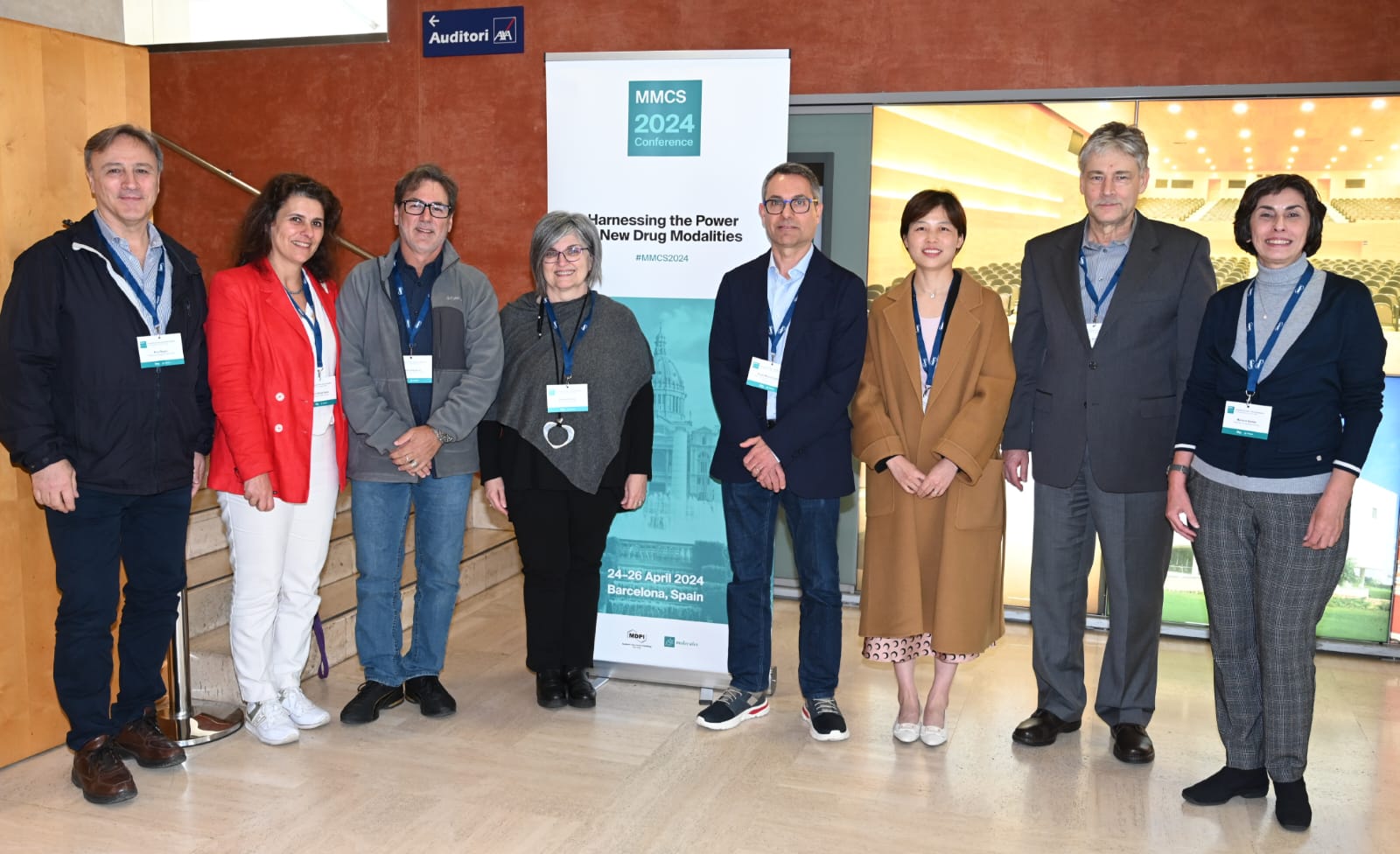
From left to right: Prof. Dr. Rino Ragno (Scientific Committee), Dr. Maria Emilia Sousa (Scientific Committee), Prof. Dr. Claudio Viegas Jr. (Scientific Committee), Prof. Dr. Simona Collina (Chair), Prof. Dr. Diego Muñoz-Torrero (Chair), Alvina Wu (Managing Editor, MDPI), Prof. Dr. Roman Dembinski (Scientific Committee), Prof. Dr. Mariana Spetea (Scientific Committee).
The event comprised 12 Invited Speakers, 35 Selected Talks, 10 Flash Poster Presentations, and 39 Posters. The overarching topic of the conference was the impact of the emergence of new drug modalities on drug discovery, with thematic sessions covering topics such as photoactivatable drugs, candidates targeting RNA and epigenetic targets, covalent modifiers, and the development of new anti-cancer agents, among other medicinal chemistry projects.
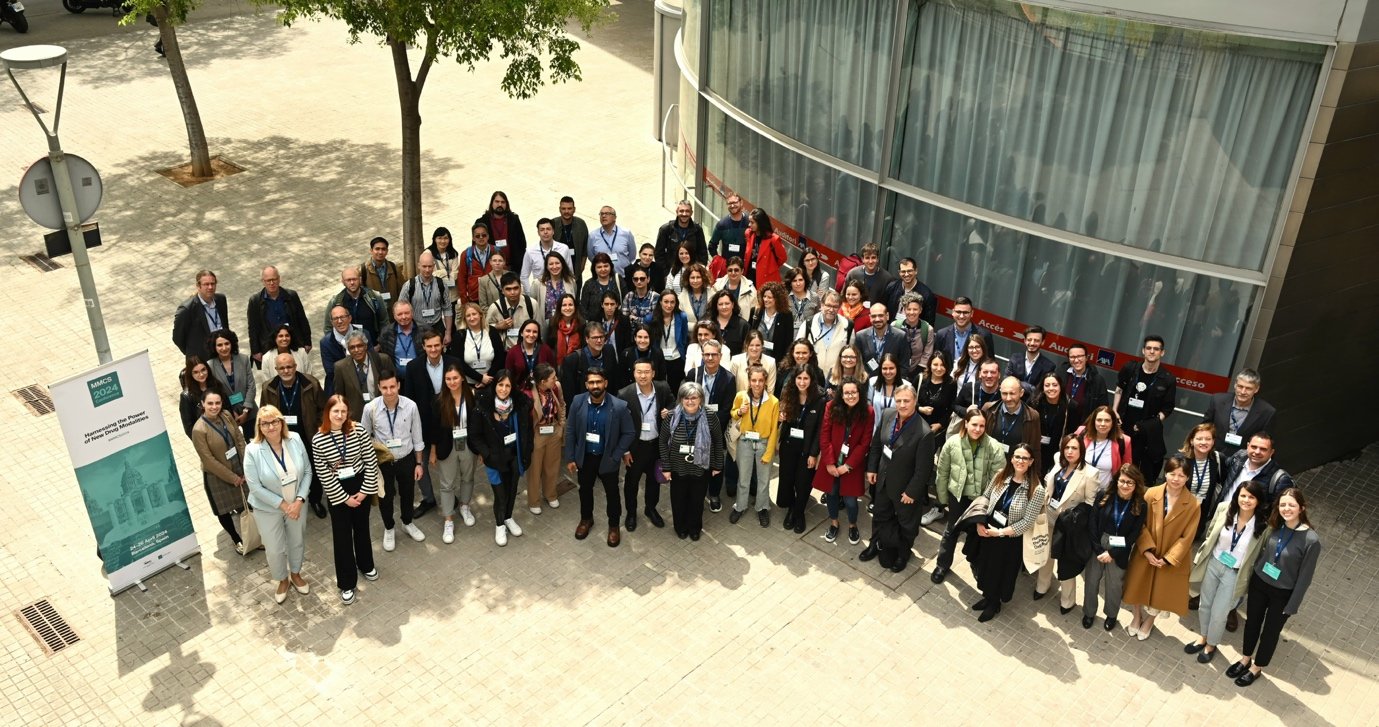
We are pleased to have received feedback from attendees highlighting the professional approach of the conference chairs and participants, the high quality of the talks, and the overall outstanding organization on the part of the MDPI conference team.
Thank you to the conference sponsors, Fluorochem and IBUB, and to our partnering societies, The Spanish Society for Biochemistry and Molecular Biology (SEBBM), and the Spanish Society of Medicinal Chemistry (SEQT).
Upcoming In-Person Event
28–31 May, 2024
Polymers 2024 – Polymers for a Safe and Sustainable Future
Location: Athens, Greece
Conference Chairs: Prof. Dr. Dimitrios Bikiaris, Prof. Dr. Konstantinos Triantafyllidis, Dr. Ioanna Deligkiozi
We look forward to welcoming experts Prof. Damià Barceló, Prof. Minna Hakkareinen, and Prof. Armando J. D. Silvestre to this event.
Find more upcoming MDPI events here.
Organize Your Event with MDPI’s Sciforum
Sciforum is MDPI’s platform dedicated to the organization of scientific events. In line with our mission to promote science, Sciforum supports scholars, societies, research networks, and universities at all stages of organizing in-person events, virtual events and webinars. Our platforms are efficient, user-friendly, and cost-effective. We handle all steps related to event management. Contact us for details.
Closing Thoughts
A Report from the Future – STM US Annual Conference 2024
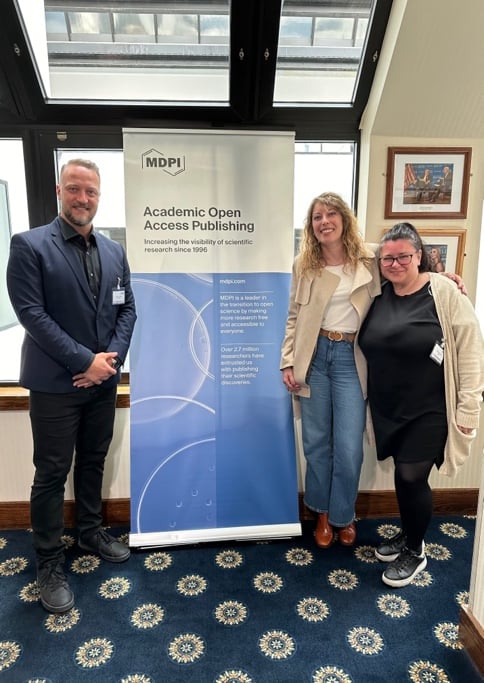
Stefan Tochev (CEO, MDPI), Dr. Giulia Stefenelli and Dr. Ioana Craciun from MDPI’s Scientific Office Board.
MDPI has for a long time been a sponsor of the STM Annual Conferences, held yearly in the US and Frankfurt, and is a trusted partner and supporter of the STM organization. While I have attended the Frankfurt conference for the past three years, this was my first time visiting the Washington, DC session, and I am glad I did.
Although it was a brief trip, I greatly appreciated the opportunity to attend in the company of my colleagues Dr. Giulia Stefenelli and Dr. Ioana Craciun from MDPI’s Scientific Office Board. They always help map some of the new industry trends against MDPI’s operational framework and guidelines. It’s a great group for kicking ideas back and forth on what we can apply at MDPI.
In my experience, STM never fails to deliver. It’s always a great conference for reconnecting with fellow publishers, industry friends, and vendors. As usual, STM this year curated a diverse range of speakers and panels, who proferred valuable knowledge and insights from outside our industry, delivering thought-provoking insights into our field. An example of this was the ‘Trust Panel’ session, which included Alan Schiffres (Managing Director, InfoLinx), who shared a number of the learnings about fraud and risk management from his 40 years in financial services, to help address some of the challenges we are currently facing in the area of publishing integrity.
Launch of STM Trends 2028 Panel
I particularly enjoyed the ‘Launch of STM Trends 2028 Panel’, which presented a report focused on the integration of humans and machines in scholarly publishing. The session highlighted themes such as AI, digitization, and the evolving research ecosystem. The report envisions a future where technology blurs the lines between human and machine involvement in research processes, with significant implications for trust, reputation, and equity. While this presents opportunities for connectivity and knowledge dissemination, it also poses challenges such as disinformation, fragmentation, and geopolitical tensions. We must rely on a wise combination of technology and human agency to navigate this complex landscape and will have to carefully examine its potential impacts on communication and scholarly publishing.
MDPI has joined the STM Integrity Hub. Click here to learn more.
While every presenter brought their own knowledge and personal touch, I was particularly pleased to encounter new speakers such as Heather Whitney (Research Assistant Professor, Radiology, University of Chicago) and Igor Grossmann (Professor of Psychology, University of Waterloo, Canada). Having studied Sociology at the University of Guelph, I have a soft spot for fellow social scientists from Canada, and I was very impressed by Igor’s presentation on ‘The Social Scientist: A View from the Future’ and his participation in the panel session ‘The Future Beyond the Article,’ which was one of my favourites from the conference, given the diversity of perspectives from the panel speakers.
Memorial Park in Washington, DC

On a personal note, this was my first-time visiting Washington, DC, and I’m glad we took an afternoon to visit the Memorial Park, with its incredible monuments to figures ranging from Martin Luther King, Jr. to Abraham Lincoln. The magnitude of the monuments is deeply impressive. I particularly appreciated the Thomas Jefferson memorial and the following quote, which I think speaks to the importance of change and adaptation. It’s something we can apply not only in our industry but also in our personal lives.
"I am not an advocate for frequent changes in laws and constitutions, but laws and institutions must go hand in hand with the progress of the human mind. As that becomes more developed, more enlightened, as new discoveries are made, new truths discovered and manners and opinions change, with the change of circumstances, institutions must advance also to keep pace with the times. We might as well require a man to wear still the coat which fitted him when a boy as a civilized society to remain ever under the regimen of their barbarous ancestors."
– Excerpted from a letter to Samuel Kercheval, July 12, 1816.
Chief Executive Officer
MDPI AG
30 April 2024
MDPI Opens Office in Seoul, Korea and Appoints Claude Seo as Office Manager

MDPI, the leading Open Access (OA) publisher, announced on Monday that it opened its Korean branch office on 29th April 2024. With this addition, MDPI now operates 21 offices in 12 countries worldwide. Claude Seo, with over 20 years of experience in the academic journal publishing industry, including Nature Publishing Group (NPG), has been appointed as the Office Manager of the Seoul office.
With the establishment of a Seoul office, MDPI aims to actively support Korea scientific communities to further promote the publication of OA journals in the region. As of the end of 2023, Korea ranked sixth worldwide in both submissions and publications of MDPI research papers. MDPI is the number one OA publisher in Korea.
Sungkyunkwan University Joins MDPI’s Institutional Open Access Program
In addition, MDPI announced that Sungkyunkwan University joined MDPI’s Institutional Open Access Program (IOAP). This program offers free access to MDPI online submission system for the institutions and APC discounts to affiliated authors. Thirteen major Korean universities, including Sungkyunkwan University, Kyung Hee University, Chung-Ang University and Catholic University of Korea, have adopted IOAP in Korea.
OA aims to break down barriers that have traditionally restricted access to science, ensuring that knowledge is available to all, regardless of financial situation or institutional affiliations. Authors, academia, and scientific communities are rapidly moving toward OA. MDPI has been at the forefront of reshaping the academic publishing landscape, with OA surpassing subscription-based publishing in 2020.
MDPI CEO Visits Seoul, Korea
In March, Stefan Tochev, Chief Executive Officer (CEO) of MDPI, visited Korea and met with various stakeholders including government agencies, research and academic institutions, universities. During his visit, Stefan highlighted that MDPI continues to pave the way for a world where science is accessible to all, supporting a global community of inclusive innovation and collaborative solutions.
Stefan expressed excitement about the new venture, stating, "Today marks a significant milestone for MDPI as we celebrate the opening of our new office in Seoul, Korea. This expansion is more than just an increase in our physical footprint, it is a pivotal step in our ongoing commitment to making scientific knowledge more accessible, participatory, and inclusive across the globe."
Claude Seo, reflecting on his new role, commented, "I am delighted to have been offered this position of trust within MDPI, the no. 1 scholarly OA publisher. As we establish our presence in Korea, we are dedicated to integrating into the local community and contributing to its vibrant culture. Our commitment goes beyond business growth; it is about creating a more informed and innovative society by embracing and promoting diversity within the scientific community.”
For further inquiries, please contact our Seoul office directly.
About MDPI
A pioneer in scholarly, open access publishing, MDPI has supported academic communities since 1996. MDPI is leading the transition to open science by making more research free and accessible to everyone. Over 3.3 million researchers have entrusted MDPI with publishing their scientific discoveries. MDPI’s editorial process is bolstered by a network of dedicated reviewers, a team of 6000 diligent, well-trained staff members, and an in-house article submission platform that was designed to ensure efficient processes within its 430 fully OA titles.
11 April 2024
Meet Us at the 32nd European Biomass Conference and Exhibition (EUBCE 2024), 24–27 June 2024, Marseille, France

MDPI will attend the 32nd European Biomass Conference and Exhibition (EUBCE 2024) as an exhibitor. This meeting will be held in Marseille, France, from 24 to 27 June 2024.
EUBCE is the largest biomass conference and exhibition in the world. Each year, EUBCE brings together the greatest minds and the latest advancements in biomass, with the aim of accelerating research and market uptake across the globe. During the conference, over 2,000 experts from both academia and industry share and discuss groundbreaking ideas, technologies, applications, and solutions for the sourcing, production, and utility of biomass. This scientific program is coordinated by the Joint Research Centre of the European Commission. Since its 30th edition, the event has been complemented by the Circular Bio-Based Europe Joint Undertaking, aiming at identifying innovation, stimulating investment, and mobilizing the bio-based industry sector. This is an excellent opportunity to address even more stakeholders globally during the conference.
The following MDPI journals will be represented:
- Sustainability;
- Energies;
- Environment;
- Biomass;
- Clean Technol.;
- Recycling;
- Earth;
- Resources;
- C — Journal of Carbon Research;
- Waste.
If you are attending this conference, please chat with us at our booth. Our delegates look forward to meeting you in person and answering any questions that you may have.
For more information about the conference, please visit https://www.eubce.com/.
8 April 2024
Meet Us at the 9th Youth Geoscience Forum, 17–20 May 2024, Xiamen, China
MDPI will be attending the 9th Youth Geoscience Forum, which will be held from 17 to 20 May 2024 in Xiamen, China.
The Young Geoscience Forum is a free, equal and controversial communication platform initiated by young geoscientists in China, with distinguished scientists as advisors and young scholars and postgraduate students as the main participants. Since its inception in 2014, the Forum has been successfully held in Lanzhou (2014), Urumqi (2015), Xi'an (2016), Chengdu (2017), Nanjing (2018), Xining (2019), Guiyang (2021) and Wuhan (2023). Over time, it has gradually developed into a platform for academic exchanges and collision of ideas among young geoscientists in China. The conference has been successfully held eight times.
The Forum will feature 20 themes, with multiple different topics within each, and is expected to comprise about 270 topics. There will be invited presentations, special presentations and exhibition panels.
The following MDPI journals will be represented:
- Atmosphere;
- Earth;
- GeoHazards;
- Geoscience;
- Geotechnics;
- Hydrology;
- Land;
- Minerals;
- Nitrogen;
- Remote Sensing;
- Soil Systems;
- Sustainability;
- Water.
If you plan to attend this conference, please stop by booth #29 and start a conversation with us. Our delegates look forward to meeting you in person and answering any questions you may have. For more information about the conference, please visit the following website: http://www.qndxlt.com/index.html.
2 April 2024
Meet Us at the EGU General Assembly 2024, 14–19 April 2024, Vienna, Austria
MDPI will be attending the EGU General Assembly 2024 in Vienna, Austria, which will take place from 14 to 19 April 2024 at booth #57. The EGU General Assembly 2024 is organized by the European Geosciences Union, and this is the 22nd conference. It brings together geoscientists from all over the world to one meeting covering all disciplines of the Earth, planetary, and space sciences. The EGU 2024 aims to provide a forum where scientists, especially early-career researchers, can present their work and discuss their ideas with experts in all fields of geoscience.
The following MDPI journals will be represented:
- Remote Sensing;
- Water;
- Hydrology;
- Meteorology;
- Sustainability;
- Atmosphere;
- Climate;
- Earth;
- Land;
- Minerals;
- Geographies;
- IJGI;
- Resources;
- Gases;
- Forests;
- Oceans;
- Quaternary;
- Geotechnics;
- Mining;
- Geomatics;
- Drones;
- Geosciences;
- Nitrogen;
- Soil Systems.
If you are attending the conference, please visit our booth. Our delegates look forward to meeting you in person and answering any questions that you may have. For more information about the conference, please visit the following website: https://www.aag.org/events/aag2024/.
We would also like to congratulate the winners of the Geosciences 2024 Travel Award and the 2023 Outstanding Reviewer Award. Professor Olivier Lacombe, Section Editor-in-Chief of Geosciences, will present prizes on-site to Dr. Andrea Maffeis from Università di Torino, Dr. Simone Bello from University G. d’Annunzio, and Dr. Yuchen Wang from Japan Agency for Marine-Earth Science and Technology.
Join us on 16 April 2024 (17:30–17:45 CET) for the award ceremony at booth #57. If you are interested in travel support or learning about other MDPI awards, please visit our booth during the conference where our conference representatives will be available to assist you.
2 April 2024
Meet Us at the 2024 AAG Annual Meeting, 16–20 April 2024, Hawaii, USA
MDPI will be attending the 2024 AAG Annual Meeting in Hawaii, USA, which will take place from 16 to 20 April 2024 at booth #312. The AAG Annual Meeting is held annually by the American Association of Geographers (AAG). The themes of AAG 2024 connect our meeting and academic offerings to the ecologies, history, and cultures of our host location in Hawaii, affirming the interconnectedness of place and beings here and around the world.
The following MDPI journals will be represented:
- Remote Sensing;
- Sustainability;
- Atmosphere;
- Hydrology;
- Land;
- Earth;
- Water;
- Climate;
- IJGI;
- Fire;
- Oceans;
- Geomatics;
- GeoHazards.
If you are attending the conference, please visit our booth. Our delegates look forward to meeting you in person and answering any questions that you may have. For more information about the conference, please visit the following website: https://www.aag.org/events/aag2024/.
2 April 2024
MDPI Insights: The CEO's Letter #10 - South Korea, IWD, U2A, Japan
Welcome to the MDPI Insights: The CEO's Letter.
In these monthly letters, I will showcase two key aspects of our work at MDPI: our commitment to empowering researchers and our determination to facilitating open scientific exchange.
Opening Thoughts
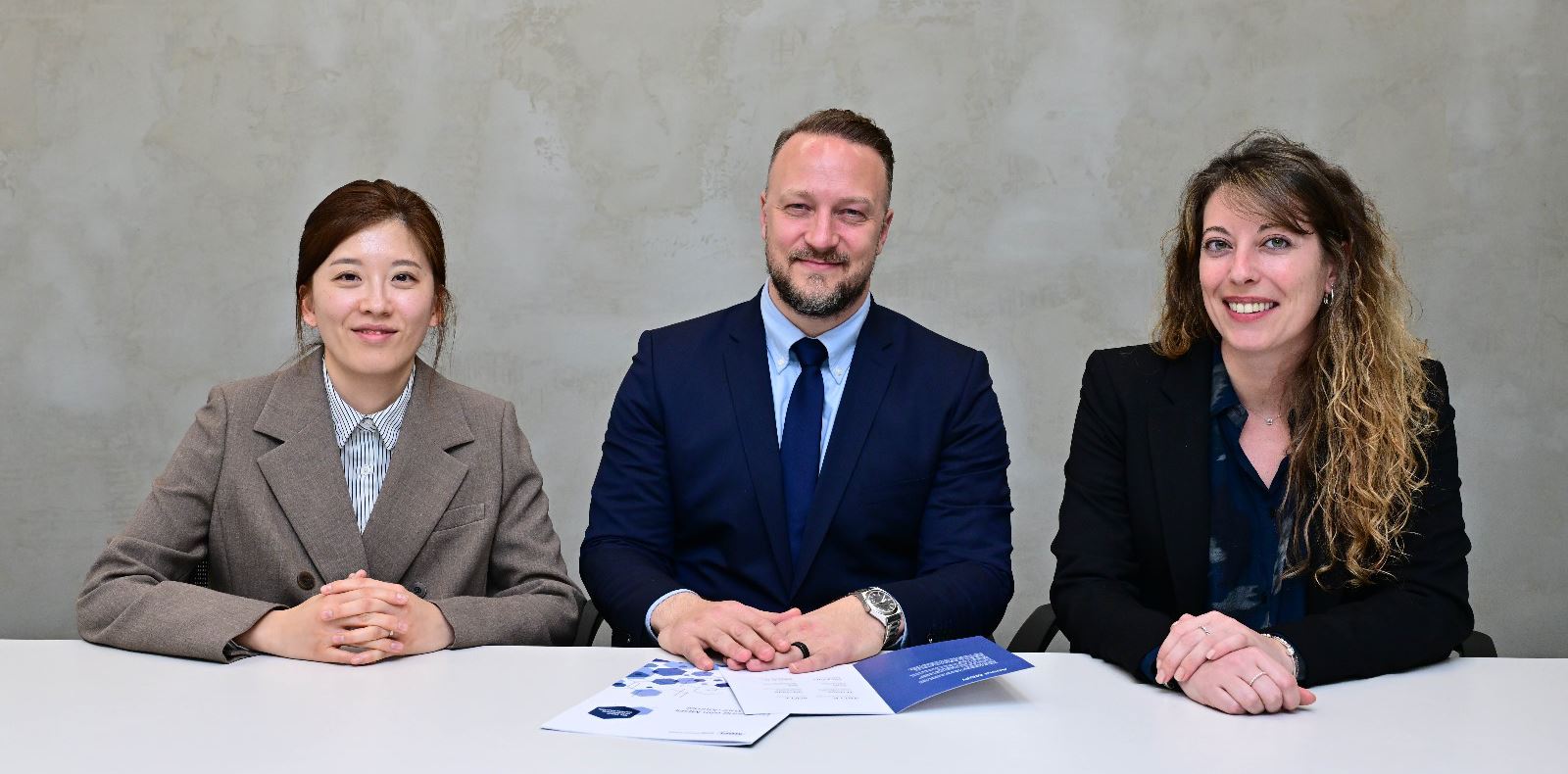
Left to right: Dr. Jisuk Kang (Scientific Officer, MDPI), Stefan Tochev (CEO, MDPI), and Dr. Giulia Stefenelli (Chair of Scientific Office Board, MDPI), during media meetings at Prain Agency office in Seoul, South Korea.
Visit to Seoul, South Korea
During my recent visit to South Korea, I had the privilege of meeting various stakeholders, including representatives of government, research institutions, and academia, to understand their needs and communicate MDPI’s commitment to accessible science. Accompanied by my colleagues Dr. Giulia Stefenelli and Dr. Jisuk Kang, I engaged with the Korean scientific community, which is increasingly embracing open access (OA).
As the leading OA publisher in South Korea, MDPI is trusted by local authors and in 2023 enjoyed an approximately 30% share of the OA market. South Korea ranks sixth globally for MDPI in terms of research papers submitted and published.
MDPI and South Korea by Numbers
As at 30 March, over 76,000 MDPI articles have been authored by individuals affiliated with Korean institutions. We have over 1,800 active editorial board members (EBMs) from South Korea, with more than 880 EBMs having an H-index between 26 and 50, including 10 serving as Chief Editors.
“South Korea is the sixth-largest contributor to our total publications”
Over the past five years (2019–2023), nearly 120,000 authors affiliated with South Korean institutes have published with MDPI. Specifically in 2023, we received approximately 25,000 submissions from South Korean authors, publishing close to 13,000 articles, resulting in a rejection rate of 47.4%, which is not far below MDPI’s overall rejection rate of 56.4% in 2023.
Institutional Partnerships with South Korea
I am pleased to share that MDPI has more than 825 institutional partnerships worldwide, with 12 in South Korea, including Kyunghee University, Chung-Ang University, and Inha University, among others.

Left to right: Dr. Jisuk Kang (Scientific Officer, MDPI), Dr. Giulia Stefenelli (Chair of Scientific Office Board, MDPI), and Stefan Tochev (CEO, MDPI) fielding media questions at Prain PR Agency office in Seoul, South Korea.
Over the past three years (2021–2023), we have had some of the most prestigious academic universities ranked among the top 10 Korean institutions publishing with MDPI. Seoul National University had the highest number of publications with MDPI during those three years, publishing nearly 6,000 papers. Universities such as Korea University and Yonsei University also rank among the top 10 Korean institutions publishing with MDPI.
MDPI Hosts Seminar for Academia and Media
As the world’s leading OA publisher, MDPI is actively democratizing science. This is reflected in the seminars we hosted on 21 March to address questions about our editorial processes and ethical standards. The visit garnered media coverage, reflecting our mission to providing high-quality services and fostering open dialogue in the community.
“MDPI is actively democratizing science”
MDPI in the News

Stefan Tochev (CEO, MDPI) leading a seminar on OA and MDPI at Prain PR Agency office in Seoul, South Korea.
Media coverage generated by our visit to Seoul included the following stories:
“Open access is an unstoppable trend…it will lead the development of the knowledge ecosystem.”
I greatly appreciate the contributions of everyone who took the time to meet with us, share their stories, and hold us accountable for continuing to provide high-quality publishing services while identifying areas for improvement. I am also excited to announce that we have opened an MDPI office in Seoul and will release a press release on MDPI.com, with details, by the end April 2024. The purpose of the office is to establish a local presence to connect with and support the South Korean academic community through institutional partnerships, conferences, author workshops, stakeholder communications, and more.
Impactful Research

Featured Articles on Women’s Leadership and Healthcare
In celebration of International Women’s Day (8 March 2024), MDPI curated a collection of research articles on various topics, including women’s leadership, reproductive health, preventive healthcare, and a selection of articles from our journal Women.
Women’s Leadership
- Women Entrepreneurship and Sustainable Development: Bibliometric Analysis and Emerging Research Trends
Sustainability 2022, 14, 9160. https://doi.org/10.3390/su14159160 - Refugee Women Business Mentors: New Evidence for Women’s Empowerment
Sustainability 2022, 14, 9154. https://doi.org/10.3390/su14159154 - Women and Leadership in Higher Education: A Systematic Review
Soc. Sci. 2023, 12, 555. https://doi.org/10.3390/socsci12100555 - Understanding Needs and Potentials for Gender-Balanced Empowerment and Leadership in Climate Change Adaptation and Mitigation in Africa
Sustainability 2022, 14, 9410. https://doi.org/10.3390/su14159410 - Challenges Women Experience in Leadership Careers: An Integrative Review
Merits 2023, 3, 366-389. https://doi.org/10.3390/merits3020021
Women’s Reproductive Health
- Recreational Female Athletes’ Understanding of and Perceived Impact of the Menstrual Cycle on Physical Performance, Mood, and Sleeping Behaviour
Women 2023, 3, 445-456. https://doi.org/10.3390/women3030034 - Difficulties in Adaptation of the Mother and Newborn via Cesarean Section versus Natural Birth—A Narrative Review
Life 2023, 13, 300. https://doi.org/10.3390/life13020300 - The Main Theories on the Pathogenesis of Endometriosis
Int. J. Mol. Sci. 2023, 24, 4254. https://doi.org/10.3390/ijms24054254
Women’s Preventive Healthcare
- Insulin Metabolism in Polycystic Ovary Syndrome: Secretion, Signaling, and Clearance
Int. J. Mol. Sci. 2023, 24, 3140. https://doi.org/10.3390/ijms24043140 - Assessing Barriers Encountered by Women in Cervical Cancer Screening and Follow-Up Care in Urban Bolivia, Cochabamba
Healthcare 2022, 10, 1604. https://doi.org/10.3390/healthcare10091604 - Updates on HPV Vaccination
Diagnostics 2023, 13, 243. https://doi.org/10.3390/diagnostics13020243
Featured Articles in MDPI Journal Women
Below are a few articles from Women, our journal focused on women’s health, the social determinants of health, and the healthcare system that serves women. The aim of Women is to encourage academics to publish their experimental and theoretical results in detail, to aid reproducibility, and in an engaging style, to aid comprehensibility.
- Premenstrual Syndrome and Exercise: A Narrative Review
Women 2023, 3, 348-364. https://doi.org/10.3390/women3020026 - Increasing Awareness of the Human Papillomavirus (HPV) Vaccine for Women 18–45 Years of Age
Women 2023, 3, 365-373. https://doi.org/10.3390/women3030027 - Addressing Women’s Needs with Human Immunodeficiency Virus (HIV) and Enhancing the Visibility of Pharmacists in the Public Health Arena
Women 2022, 2, 346-352. https://doi.org/10.3390/women2040032
Inside MDPI

Championing Women’s Healthcare and Access to Healthcare Information
MDPI colleagues from our offices joined in celebrating #IWD2024. In doing so, we emphasized key missions that encompass:
- Empowering women to assume leadership and decision-making roles in both business and science.
- Helping women and girls make informed decisions about their health.
- Recruiting and developing female talent and fostering inclusive workplace environments.
“We are thrilled to recognize the accomplishments of women scientists”
I am proud to see our colleagues enthusiastically supporting the International Women’s Day call to ‘Inspire Inclusion!’ The heart-hands in the collage below symbolize our appreciation of the achievements of women researchers and the recognition of the trailblazers who have courageously made a mark on societies past and present.
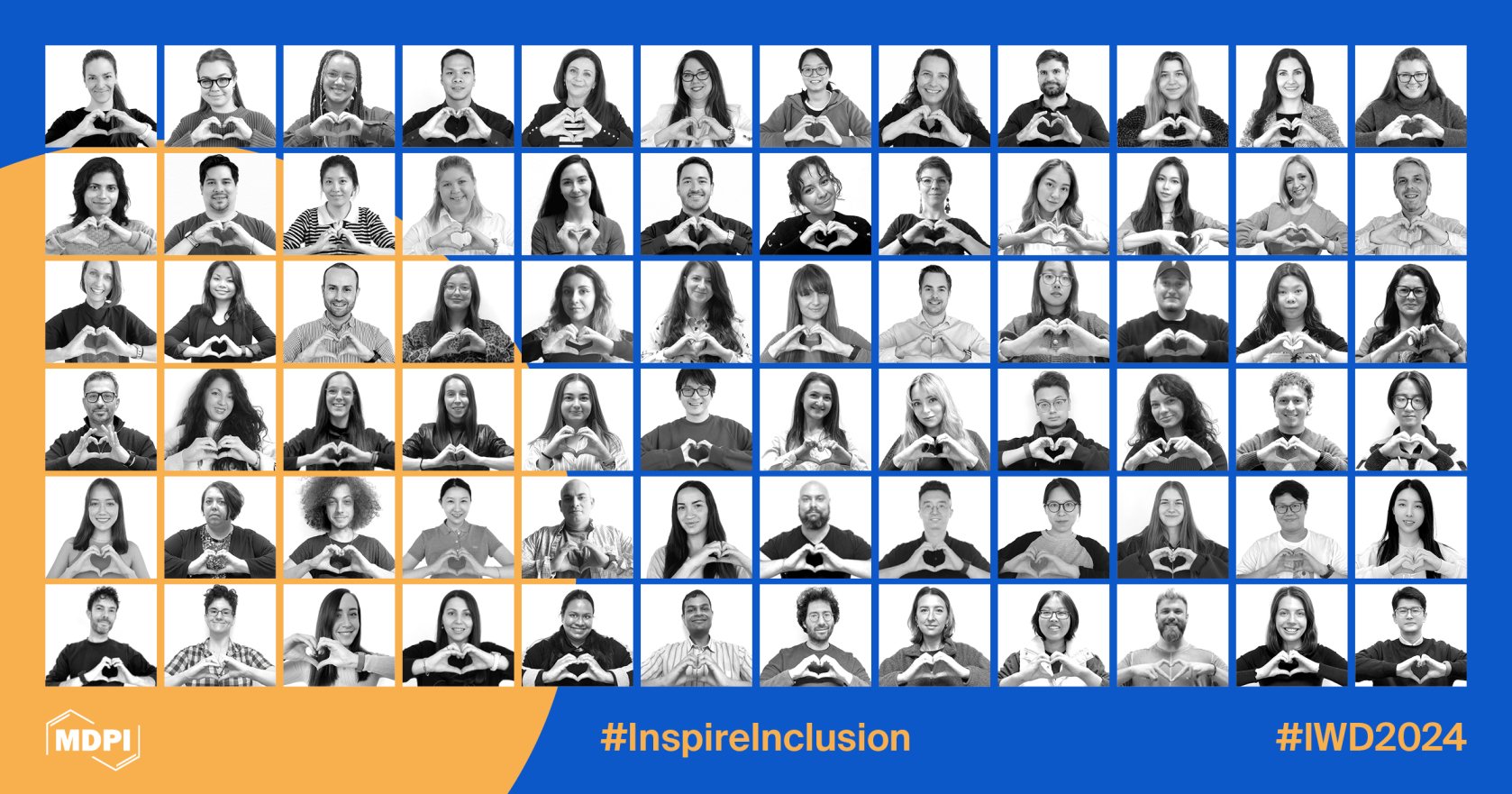
We are thrilled to recognize the accomplishments of women scientists through our many MDPI awards and by highlighting success stories. As inspirational figures, female scientists are paving the way for the next generation of women aspiring to pursue careers in engineering, life sciences, computing, and various other STEM fields.
“I consider myself lucky because I work with incredibly talented women who inspire me every day.”
– Dr. Alessandra Pasut, Winner of MDPI's ‘Biology 2023 Young Investigator Award’
“It’s really important to find a supportive and enabling environment in which to do your science; it would have a big impact on you as a person and on your scientific outputs.”
– Dr. Rhea Longley, Winner of the ‘Pathogens 2023 Young Investigator Award’
Open-access publishing, in particular, allows early-career women researchers to share their work more widely, potentially attracting mentorship opportunities and collaborations. This support is crucial for career development and advancement.
Coming Together for Science

MDPI Joins United2Act in Collective Fight to Stop Paper Mills
In my February 2024 CEO Letter, I highlighted some of our recent initiatives aimed at bolstering our commitment to research integrity, including joining the STM Integrity Hub and expanding our Research Integrity and Publication Ethics team (RIPE). Continuing our efforts in coming together for science, I am pleased to share our participation in the United2Act initiative.
The text below is taken from our official announcement:
United2Act represents an international group of stakeholders in the publishing industry committed to addressing the collective challenge posed to research integrity by paper mills.
Scientists and academic publishers have increasingly noted the alarming proliferation of paper mills, recognized as fraudulent entities seeking to manipulate the publication process for financial profit. These entities engage in fraudulent practices such as falsifying or fabricating data, selling co-authorship of fake papers, manipulating peer review, and including inappropriate citations. These actions pose a significant threat to the integrity of the scholarly record, prompting widespread concern among those involved in the academic community.
MDPI has been actively contributing to combat the undermining of the scientific record. Our editors employ a set of tools to detect potential ethical breaches within a manuscript and to tackle the issue of fake papers.
United2Act’s consensus statement is the outcome of a virtual summit held in May 2023. It involved the participation of research bodies, publishers, researchers/sleuths, universities, and publishing infrastructure from 15 countries and resulted in a Consensus Statement outlining five key areas of action for all stakeholders:
- Education and awareness
- Improve post-publication corrections
- Facilitate and organise research on paper mills
- Enable the development of trust markers
- Facilitate dialogue between stakeholders
MDPI is committed to promoting transparency and integrity in scholarly publishing and is continuing to work closely with the scientific community toward this goal.
Closing Thoughts
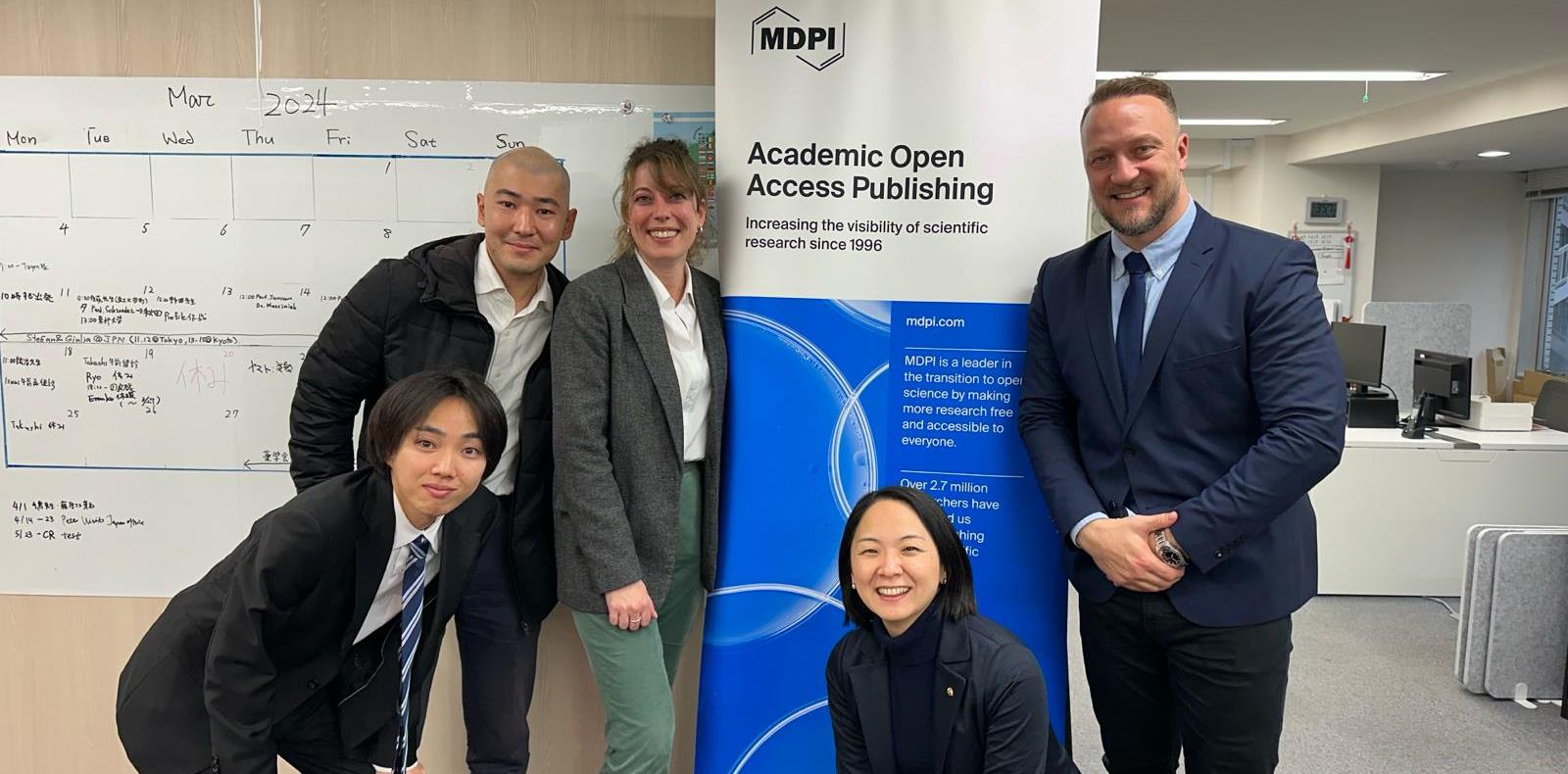
Left to right: Ryo Hirayama (Marketing Specialist, MDPI), Takashi Sasabe (Marketing Specialist, MDPI), Dr. Giulia Stefenelli (Chair of Scientific Office Board, MDPI), Dr. Izumi Yamamoto (Marketing Manager, MDPI), and Stefan Tochev (CEO, MDPI), at MDPI’s office in Tokyo, Japan.
Visit to Tokyo and Kyoto, Japan
In March, I had the opportunity to visit our Tokyo office and engage with stakeholders in Tokyo and Kyoto. During the visit, I also recorded a video message to welcome Japanese scholars working with MDPI and to highlight our operations in Japan.
We held meetings with Editors-in-Chief, librarians, scholars, and external consultants to gather feedback on our efforts to enhance our reputation and explore additional steps we can take in that direction. Japan's rich cultural heritage, characterized by tradition, respect, and formality, provided valuable insights into meeting the publishing needs specific to Japan.
Japan’s Open Access statistics
Over the years, we have seen a shift from subscription-only to gold OA publishing in Japan, despite the lack of an official mandate. Here are some statistics:
- 2012: 68% of articles were subscription-only, 6% were green Open Access, and 8% were gold Open Access.
- 2016: 55% of articles were subscription-only, 6% were green Open Access, and 20% were gold Open Access.
- 2022: 43% of articles were subscription-only, 7% were green Open Access, and 39% were gold Open Access.
To learn more about the history of OA in Japan as well as about future trends, please read this blog post.
“Japan is the ninth-largest contributor to our total publications”
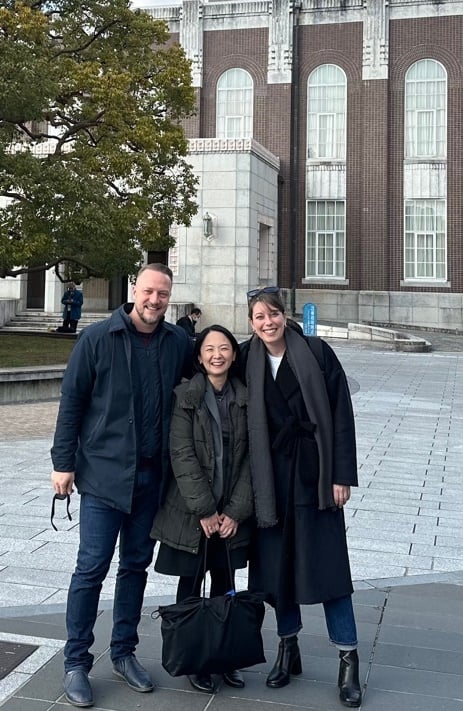
Left to right: Stefan Tochev (CEO, MDPI), Dr. Izumi Yamamoto (Marketing Manager, MDPI), and Dr. Giulia Stefenelli (Chair of Scientific Office Board, MDPI) visiting Kyoto University in Kyoto, Japan.
MDPI and Japan by Numbers
As at 1 April, over 50,000 MDPI articles have been authored by scholars affiliated with Japanese institutions, making the country the ninth-largest contributor to our total publications. Over the past three years (2020–2023), nearly 90,000 authors affiliated with Japanese institutes have published with MDPI, and we have collaborated with over 4,600 Guest Editors from Japan.
In 2023, we published over 8,200 papers from authors associated with Japanese institutions. MDPI collaborates with 41 institutional partnerships in Japan, including the University of Tokyo, Hokkaido University, and Nagoya University. We have over 2,100 active EBMs from Japan, more than 1,050 EBMs having an H-index between 26 and 50, including 13 serving as Editors-in-Chief.
General Feedback – a side note
A general takeaway from our discussions with stakeholders from around the world is that negative perceptions of MDPI often stem from misinformation, misconceptions, or misunderstandings about MDPI and our practices. While we acknowledge our mistakes and work diligently to address them, maintaining a strong editorial procedure and robust peer-review process, I find that educating stakeholders about our how we do what we do and our ongoing improvements tends to help shift opinions.
That said, we recognize the importance of addressing individual concerns. We take feedback seriously and are continuously working to get better while not compromising the core principles that millions of authors appreciate about MDPI.
Chief Executive Officer
MDPI AG
4 March 2024
MDPI Insights: The CEO's Letter #9 - Romania, Research Integrity, Viruses
Welcome to the MDPI Insights: The CEO's Letter.
In these monthly letters, I will showcase two key aspects of our work at MDPI: our commitment to empowering researchers and our determination to facilitating open scientific exchange.
Opening Thoughts
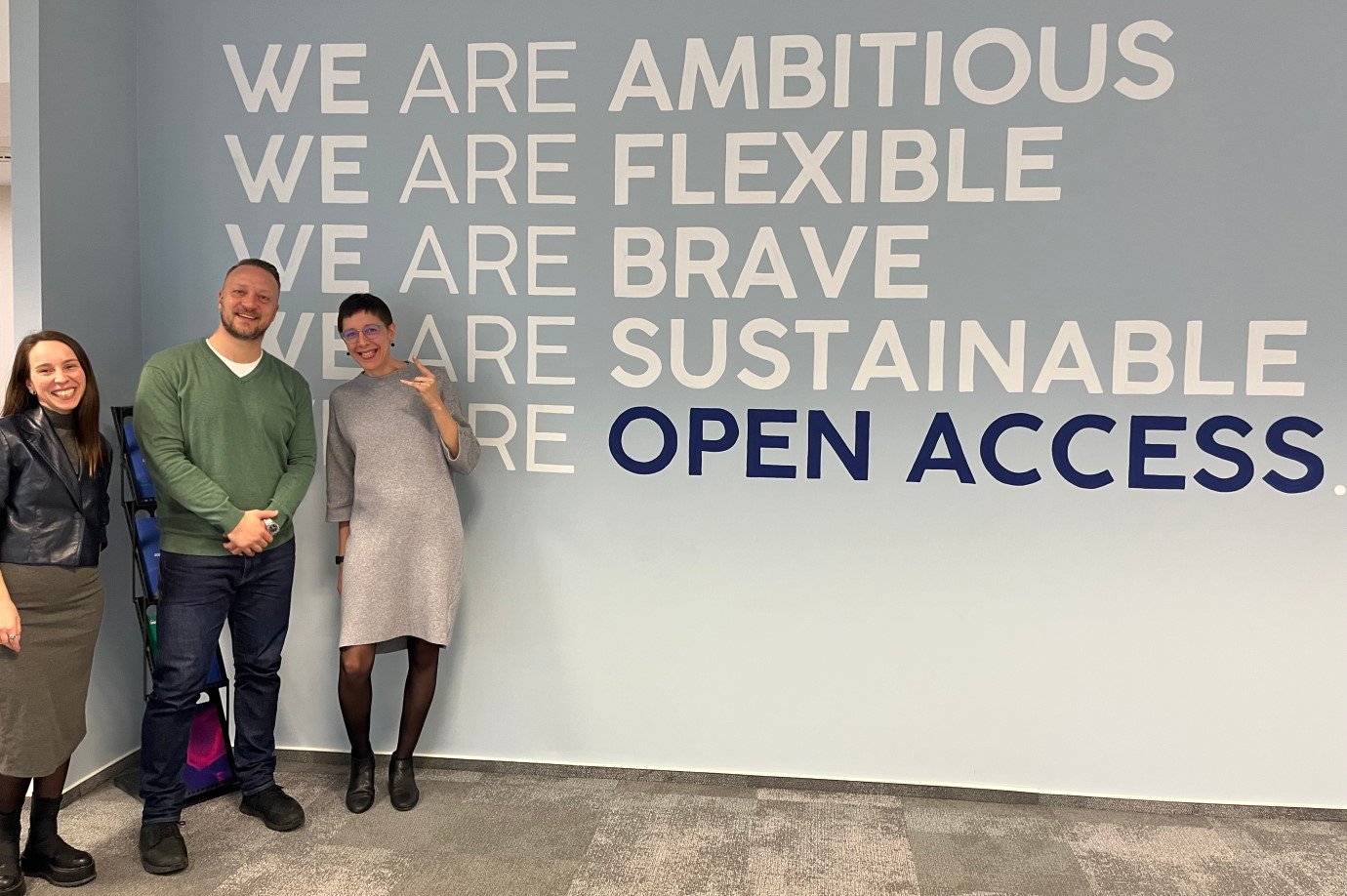
Reka Kovacs (Deputy Office Manager, MDPI), Stefan Tochev (CEO, MDPI), and Sandra Ana Spatariu (Office Manager, MDPI) at the MDPI office in Cluj, Romania.
MDPI’s Impact on Romania
In February, I visited our office in Cluj, Romania. I worked closely with our senior office managers and various teams, including the departments of training, marketing and conferences, as well as our journal relationship specialists, reviewing our service to the local scholarly community. During the visit, I also met with representatives from Babes-Bolyai University and the Technical University of Cluj-Napoca. Our multifunctional Romanian office plays an important role in supporting our collaborations with the local market as well as helping to meet MDPI’s overall business needs.

Feedback and strategy meeting with a group of MDPI’s Journal Relationship Specialists at the MDPI office in Cluj, Romania.
With 22,436 articles, Romania ranks as a top 20 contributing country to MDPI’s total number of papers published as at 28 February 2024. This highlights the importance of our collaboration with Romanian-affiliated authors and the growing opportunity to support their publishing needs. MDPI is one of the few academic publishers with a significant presence in Romania, boasting over 360 colleagues across our offices in Bucharest and Cluj. We are also proud to hire colleagues from local institutions to launch their careers within publishing.
Romania ranks as a top 20 contributing country.
The Numbers: 2019–2023
MDPI has seen a healthy increase in submissions from Romanian authors over the past three years, from 8,439 in 2021 to 11,866 by end of 2023, with most submissions going to journals such as Sustainability, Medicina, Diagnostics, IJMS, Applied Sciences, and JCM. From 2019 to 2023, MDPI published articles from 32,145 authors affiliated with Romanian institutions. Over those years, we have worked with Romanian Guest Editors on nearly 3,000 occasions to support their Special Issue and Topical collections.
With more than 300 Editorial Board Members from Romania, 34 appear on the board of Mathematics, 27 on Materials, 19 on Polymers, 18 on Coatings, and 16 on Molecules, while three serve as Section Editors-in-Chief (SEiC) on our journals Coatings (3.4 IF, 4.6 Citescore), Magnetochemistry (2.7 IF, 3.5 Citescore), and Chemosensors (4.2 IF, 3.9 Citescore).
Institutional Open Access Programs
Our commitment to working with institutions is evident in Romania, where we have established eight Institutional Open Access Programs (IOAP) with esteemed institutions such as the University of Bucharest, the University of Medicine and Pharmacy Cluj-Napoca, and most recently the National Institute for Laser, Plasma and Radiation Physics.
Our growth and presence in Romania are a true testament.
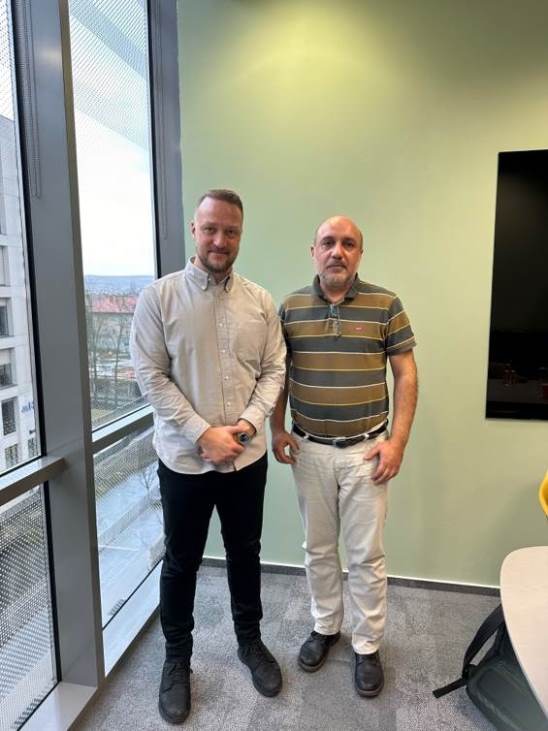
We also have IOAP agreements with Babes-Bolyai University and the Technical University of Cluj-Napoca, where I had the opportunity to meet senior stakeholders during my visit. Below are a few photos capturing our meeting with Prof. Radu Silaghi-Dumitrescu (Head of Faculty of Chemistry, Babes-Bolyai University) at the MDPI office in Cluj, Romania, along with a photo from our meeting with Vice Deans Nicoleta Cobarzan, Nicoleta Ilies, and Hoda Gavril, from the faculty of Civil Engineering at the Technical University of Cluj, Romania.

Our growth and presence in Romania are a true testament to the service we provide to the scholarly community and the relationships we foster in that region. We look forward to continuing to support Romanian scholars and institutions by providing a valuable and trusted experience with MDPI, the leader in open access publishing.
Impactful Research

MDPI Joins the STM Integrity Hub
MDPI has long been a supporter and partner of STM, with our involvement ranging from sponsoring and attending events to helping organize event programs. By joining the STM Integrity Hub, we aim to further our commitment to STM initiatives aimed at safeguarding the integrity of science.
“We are pleased to welcome MDPI as the 35th organisation participating in the Hub. This expansion is critical, as every new member enhances our capacity to prevent fraudulent submissions from entering the academic record.”
Joris van Rossum, Director of Research Integrity, STM
MDPI operates in full alignment with STM Integrity Hub's values of shared data and experiences. We strongly believe in collaboration and open exchange for the purposes of creating a holistic approach to support research integrity at MDPI itself and across the entire academic publishing industry. The Integrity Hub is an excellent example of how publishers can come together to jointly address industry-wide challenges related to research integrity, such as manuscripts that breach research integrity standards and paper-mills.
I look forward to our Research Integrity and Publication Ethics Team (RIPE) team immersing themselves in this initiative, exchanging information, best practices, and tools for the benefit of the entire scholarly ecosystem. We believe that ethical publishing standards should be implemented across the board, and we aim to be rigorous in our approach, addressing research integrity issues and improving the impact of published research.
Inside MDPI
MDPI Expands Research Integrity and Publication Ethics Team (RIPE)
In addition to external collaborations and joint initiatives aimed at further strengthening our commitment to research integrity, we are also enhancing our internal efforts. This includes improving our processes and guidelines and expanding our teams and departments to ensure quality assurance throughout our publishing process.
We are pleased to announce the expansion of our Research Integrity and Publication Ethics Team (RIPE) at MDPI. The RIPE team has recently welcomed new colleagues, each bringing unique skills and a personal commitment to prioritize ethical considerations in all our work.
The demand for research integrity and high ethical standards in academic publishing is steadily rising across our industry. Our expanded RIPE team will work to enhance and align our practices with industry best practices, ensuring excellence in research integrity and publication ethics.
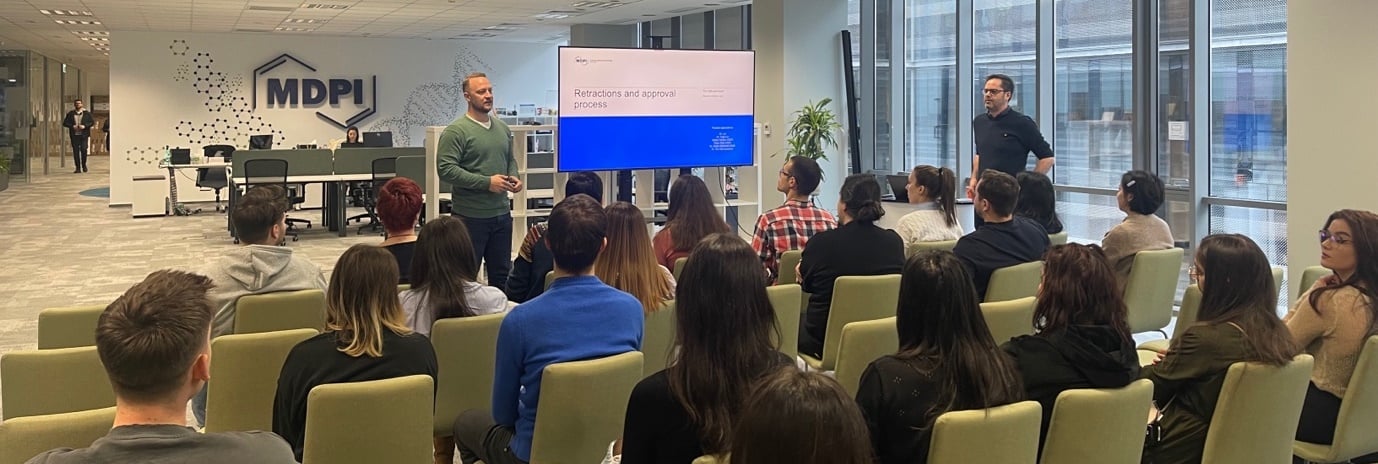
Stefan Tochev (CEO, MDPI) introduces Dr. Tim Tait-Jamieson (Research Integrity Lead, MDPI) for his presentation on MDPI’s Retraction and Approval Process to a group of Journal Relationship Specialists at the MDPI office in Cluj, Romania: “The demand for research integrity and publication ethics is steadily rising across our industry.”
Introducing our Research Integrity and Publication Ethics Team
Led by Dr. Tim Tait-Jamieson (Research Integrity Lead), the RIPE team comprises Dr. Ivana Resanovic (Research Integrity Manager), Dr. Lavinia Rogojina (Research Integrity Manager), Ms. Diana Apodaritei (Research Integrity Specialist), Dr. Zoltan Mihaly (Research Integrity Specialist), Mr. Aleksandar Đukić (Research Integrity Specialist), Ms. Ana Stankovic (Research Integrity Specialist), and Ms. Anna Pena (Publication Ethics Assistant).
Please click here to access everything that you need to know about MDPI’s Research and Publication Ethics.
With this span of complementary roles, the RIPE team collaborates directly with journal editorial teams and works closely with various departments, including our Scientific Office Board and our Journal Relationship Specialists. The team’s primary objectives are to help prevent issues regarding research integrity and publication ethics during peer review, uphold MDPI’s ethics policies, adhere to industry standards, and resolve publication ethics and research integrity issues and complaints.
Quality Updates to Special Issues Oversight
At MDPI, we are committed to reviewing policies pertaining to the quality of research. In this blog post, Shaheena Patel (Communications Associate, MDPI), outlines two recent updates to MDPI journal processes. These updates pertain to Special Issue (SI) quality guidelines, in line with criteria provided by COPE and DOAJ. Alongside the SI updates, details regarding the new minor corrections policy introduced in 2024 are provided in the blog.
The two updates we implemented include greater oversight and the verification of Guest Editor credentials. These guidelines require that Editors-in-Chief (EiCs) and Editorial Board Members (EBMs) take responsibility for overseeing SIs.
PS. Thank you, James Butcher, for featuring this up in your 67th issue of the Journalogy newsletter.
Read more:
Coming Together for Science
Viruses 2024 – A World of Viruses
I am pleased to share the success of our MDPI conference Viruses 2024 – A World of Viruses, held 14-16 February, in Barcelona. With 240 registrations, this event brought together top scientists, researchers, and industry experts from 40 countries to share their findings on the latest developments in viral pathogenesis and immune responses.
Attendees gathered for the 5th edition of the Viruses’ conference, where we hosted influential keynote speeches from Nobel Prize laureate Dr. Charles M. Rice and ‘Distinguished Senior Virologist’ Prof. Luis Enjuanes, along with 14 invited speakers, 47 selected speakers, and nine flash poster presenters, to discuss the most significant issues in virology today.
Recap on the #Viruses2024 Conference
Take a look at the key moments from MDPI’s Viruses event and please join us in commemorating a gathering for global knowledge and cooperation. A heartfelt thank-you to all attendees; their passion and engagement played a crucial role in making this event an engaging success!
Below are calls to action from the keynote speakers encouraging collaboration and communication:
“There’s never been a better time than now to really take the power that we have both in terms of basic research and also in biotech and pharma to develop antiviral agents.” - Dr. Charles M. Rice, The Rockefeller University, New York, USA
“The collaboration between labs is absolutely essential. Improving initial detection and improving communication is a must for all of us working in science.” - Prof. Dr. Luis Enjuanes, National Center of Biotechnology (CNB-CSIC), Madrid, Spain
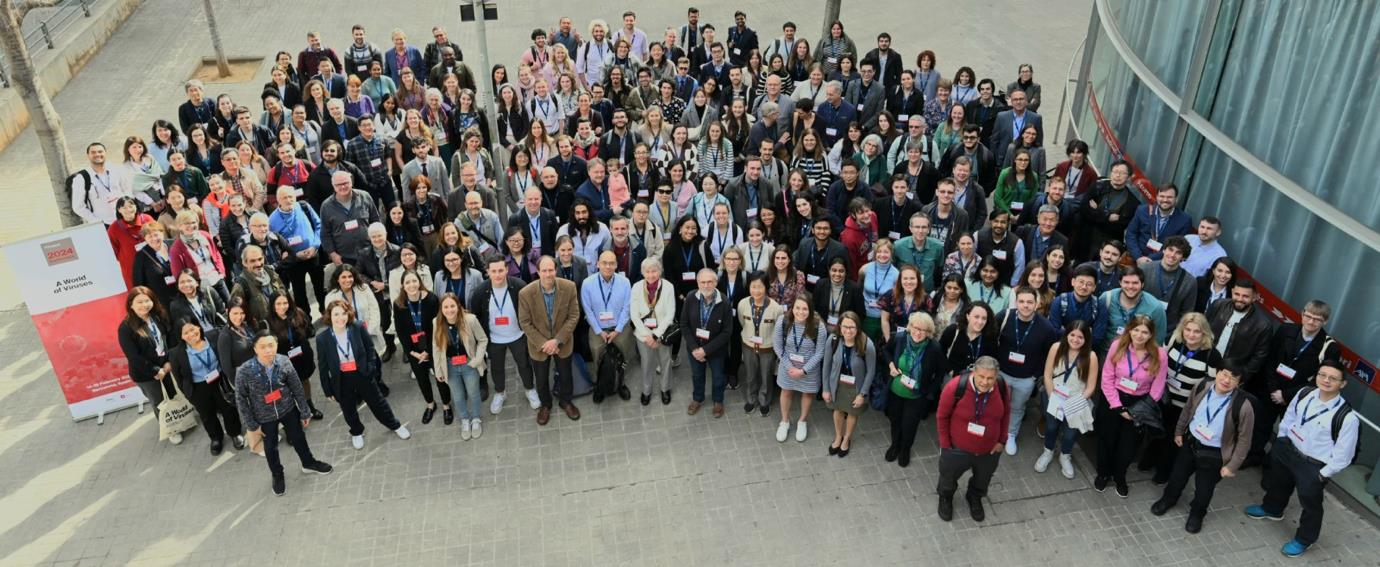
Our thanks go to our sponsors and partnering societies, our Viruses journal and editorial team, our Barcelona colleagues, and the social media, conference and other MDPI teams for making this event a memorable occasion. View the event gallery here.
Upcoming In-Person Event
24–26 April, 2024
4th MMCS – Harnessing the Power of New Drug Modalities
Location: Barcelona, Spain
Esteemed speakers at MMCS 2024 include Prof. Arun K. Ghosh, the mind behind the Darunavir molecule, and Prof. Paul Brennan, CSO of Alzheimer's Research UK Oxford Drug Discovery Institute.
Find more upcoming MDPI events here.
Organize Your Event with MDPI’s Sciforum
Sciforum is MDPI’s platform dedicated to the organization of scientific events. In line with our mission to promote science, Sciforum supports scholars, societies, research networks, and universities at all stages of organizing in-person events, virtual events and webinars. Our platforms are efficient, user-friendly, and cost-effective. We handle all steps related to event management. Contact us for details.
Closing Thoughts

Researcher to Reader (R2R) Conference
From 20–21 February 2024, I had the pleasure of attending the Researcher to Reader (R2R) conference in London, which MDPI has proudly sponsored over the years. The conference programme offered a variety of session formats, including workshops, panel discussions, debates, interviews, presentations, and lightning talks, with opportunities to discuss relevant topics.
We take pride in supporting the scientific community, bringing researchers across the world together to network, exchange ideas and share the latest in science and publishing. In 2023, MDPI invested close to 2 million CHF in sponsoring over 2,000 scientific and publishing-related conferences worldwide.
R2R Peer Review Innovations Workshop
I found the R2R conference to be engaging, with the workshops being particularly enjoyable. My colleague Giulia Stefenelli (Chair of Scientific Office Board) and I participated in the “Peer Review Innovations” workshop, which spanned four sessions over the two days. These sessions explored the future of peer review and how we can improve the peer review process for everyone involved. Notably, the large majority of attendees expressed their opinion that peer review, as currently practiced, requires significant improvement. Together, we collaborated on potential immediate and long-term improvements and innovative processes, aiming to create an ecosystem beneficial to all stakeholders by strengthening submission systems with the aim of reducing threats and making authors more responsible for their work. We also discussed the opportunity for academic institutions to better scrutinize the quality of the work produced and submitted to journals.
Our group comprised publishers, software providers, librarians, and more, bringing diverse perspectives to the discussions. These interactions were relevant to MDPI’s ongoing conversations, providing insights to our efforts. The session also made me appreciate that MDPI is doing well, as the group discussions included the subject of various quality checks that we have already embedded in our processes, ensuring that we keep abreast of industry standards.
The need for an optimized system to incentivize the activities of editors and reviewers was also a focus of discussion, as well as the support that reviewers need from publishers via the provision of strong reports through fixed forms, questionnaires and training.
At MDPI, we are currently auditing our reviewer program to improve reviewer recognition, guidelines, and methods for identifying suitable reviewers, while maintaining our commitment to quality and timeliness.
Congratulations to Mark Carden, Conference Director, and the R2R team for organizing a productive and successful event. PS: The break times were greatly appreciated as well!
Chief Executive Officer
MDPI AG
31 January 2024
MDPI Insights: The CEO's Letter #8 - Altmetric and Flat Fee Agreement
Welcome to the MDPI Insights: The CEO's Letter.
In these monthly letters, I will showcase two key aspects of our work at MDPI: our commitment to empowering researchers and our determination to facilitating open scientific exchange.
Opening Thoughts

MDPI and Digital Science Meeting
At MDPI, we are committed to providing our authors with the essential tools to publish, promote, and track their research. In line with this commitment, we have established a longstanding collaboration with Digital Science, a company specializing in research data and analytical insights for the research community. Our collaboration integrates their Altmetric tool, offering us and our authors the ability to track a variety of sources that monitor and report attention surrounding publications.
As part of our collaboration, we recently hosted Cathy Holland, Director of Global Publisher Business Development, and Helen Cooke, Managing Director of Publisher Sales, from Digital Science, at our MDPI headquarters in Basel, Switzerland.

Left to right: Facundo Santomé (Senior Marketing Manager, MDPI), Constanze Shelhorn (Indexing Manager, MDPI), Cathy Holland (Director of Global Publisher Business Development, Digital Science), Helen Cooke (Managing Director of Publisher Sales, Digital Science), and Stefan Tochev (CEO, MDPI) in front of MDPI headquarters in Basel, Switzerland.
During our meeting, we discussed MDPI’s publishing philosophy and explored further avenues for collaboration. We look forward to continuing our partnership with Digital Science, aiming to improve our services yet further and meet the needs of our authors more closely than ever.
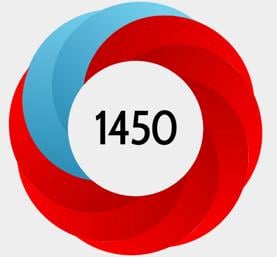
What is Altmetric?
You will notice that MDPI articles feature an Altmetric score, a colourful doughnut capturing the score in the upper right corner of the article page. This score represents ‘alternative metrics,’ as distinct from traditional metrics such as Impact Factor, CiteScore, and Scimago Journal Rank.
Altmetrics complement traditional citation-based metrics by capturing online discussions related to a specific research topic. By analyzing both sets of data, we can obtain a comprehensive understanding of the attention a particular research output receives and the sources in which it is mentioned.
“Almetric provides visual insights into where research is being discussed”
Sources Tracked by Altmetric

Altmetric badge showing the Altmetric score and colour-coded mention sources.
Altmetric monitors various sources, categorizing them into segments such as policy documents, peer reviews, Wikipedia, news and blogs, and social media, among other sources. Each category is identifiable by a specific colour.
The Altmetric badge provides visual insights into where the research is being discussed. A more colourful badge indicates broader mentions across multiple platforms. Such tracking enables us to gauge the extent of an article’s online dissemination, noting that increased visibility may correlate with higher citation rates.
Read more:
Impactful Research

Ten High-Altmetric Articles Published by MDPI
As at 30 January 2024, Altmetric has tracked 670,500 MDPI research outputs from MDPI, resulting in over 4.3 million mentions. This includes over 71,894 mentions in policy and patents and 294,714 mentions in news and blogs, with some achieving an Altmetric score as high as 28,754.
So, what is a good Altmetric score? There are various ways to put this score into context. You can find out more about the score in context and how to evaluate your work by this means.
Here are ten MDPI papers ranking in the top 5% of all research outputs scored by Altmetric.
|
|
“Accuracy in Wrist-Worn, Sensor-Based Measurements of Heart Rate and Energy Expenditure in a Diverse Cohort” J. Pers. Med. 2017, 7(2), 3; https://doi.org/10.3390/jpm7020003 Altmetric page: https://mdpi.altmetric.com/details/20477344 Altmetric shows that this article appeared in 253 news stories from 209 outlets including Forbes, BBC, and Fox News. |
|
|
“Daylight Saving Time and Acute Myocardial Infarction: A Meta-Analysis” J. Clin. Med. 2019, 8(3), 404; https://doi.org/10.3390/jcm8030404 Altmetric page: https://mdpi.altmetric.com/details/57654628 Altmetric shows that this article appeared in 295 news stories from 207 outlets including Forbes, The Atlantic, and New York Times. |
|
|
“The Preliminary Analysis of Cave Lion Cubs Panthera spelaea (Goldfuss, 1810) from the Permafrost of Siberia” Quaternary 2021, 4(3), 24; https://doi.org/10.3390/quat4030024 Altmetric page: https://mdpi.altmetric.com/details/111086701 Altmetric shows that this article appeared in 182 news stories from 134 outlets including CBC News, CNN, and National Geographic. |
|
|
“Not the Cat’s Meow? The Impact of Posing with Cats on Female Perceptions of Male Dateability” Animals 2020, 10(6), 1007; https://doi.org/10.3390/ani10061007 Altmetric page: https://mdpi.altmetric.com/details/83796184 Altmetric shows that this article appeared in 124 news stories from 98 outlets including VICE, CNN and The Guardian. |
|
|
“Behaviour and Welfare Impacts of Releasing Elephants from Overnight Tethers: A Zimbabwean Case Study” Animals 2022, 12(15), 1933; https://doi.org/10.3390/ani12151933 Altmetric page: https://mdpi.altmetric.com/details/133463915 Altmetric shows that this article appeared in 192 news stories from 186 outlets. |




How do I use altmetrics?
Altmetric Explorer provides a detailed step-by-step guide and instruction video for first-time users of the tool. The guide includes useful diagrams that make it easy to get started.
Sharing Research Online
For research to be tracked across different sources, Altmetric needs a research output with a persistent identifier: a DOI, ISBN, PubMed ID, handle ID, etc. When sharing research, it is important to include a link to the original research output.
|
|
“An Update on Eukaryotic Viruses Revived from Ancient Permafrost” Viruses 2023, 15(2), 564; https://doi.org/10.3390/v15020564 Altmetric page: https://mdpi.altmetric.com/details/142929875 Altmetric shows that this article appeared in 250 news stories from 180 outlets including CTV, Fox News, and CNN. |
|
|
“The Global Problem of Insufficient Sleep and Its Serious Public Health Implications” Healthcare 2019, 7(1), 1; https://doi.org/10.3390/healthcare7010001 Altmetric page: https://mdpi.altmetric.com/details/53406248 Altmetric shows that this article appeared in 252 news stories from 168 outlets including BBC, Harvard Business Review, and Forbes. |
|
|
“A Detailed Review Study on Potential Effects of Microplastics and Additives of Concern on Human Health” Int. J. Environ. Res. Public Health 2020, 17(4), 1212; https://doi.org/10.3390/ijerph17041212 Altmetric page: https://mdpi.altmetric.com/details/86529137 Altmetric shows that this article appeared in 197 news stories from 150 outlets including BBC, The Tribune, and World Economic Forum. |
|
|
“An Empirical Study of Chronic Diseases in the United States: A Visual Analytics Approach to Public Health” Int. J. Environ. Res. Public Health 2018, 15(3), 431; https://doi.org/10.3390/ijerph15030431 Altmetric page: https://mdpi.altmetric.com/details/34714141 Altmetric shows that this article appeared in 232 news stories from 149 outlets including Forbes, New York Times, and Harvard Business Review. |
|
|
“Garden Scraps: Agonistic Interactions between Hedgehogs and Sympatric Mammals in Urban Gardens” Animals 2023, 13(4), 590; https://doi.org/10.3390/ani13040590 Altmetric page: https://mdpi.altmetric.com/details/142934305 Altmetric shows that this article appeared in 172 news stories from 168 outlets including BBC. |





Inside MDPI
MDPI Annual Meeting Celebrations in China
On Thursday 25 January, over 1,300 MDPI colleagues from our two offices in Beijing gathered to kick off MDPI’s traditional ‘Annual Meetings.’ These celebrations take place in MDPI’s offices across China, including Dalian, Tianjin, Wuhan, and Nanjing.
The evenings include performances, informative talks and presentations, awards, and entertainment, providing an ideal platform to recognize our colleagues, celebrate their achievements, and set our sights on the future.
“It is essential that we stay connected and share best practices”

I sent a video congratulating everyone on their work and sharing our vision of building MDPI into the most trusted OA publisher, highlighting the roles each of us has to play in achieving that goal.
Unfortunately I could not join in person, but you may recall my recent trip, when I visited our offices in Beijing and Wuhan, which I look forward to visiting again this year.
Although our headquarters are in Basel, Switzerland, and we are expanding throughout Europe and North America, the majority of MDPI’s workforce is in China and throughout the Asia-Pacific region, including offices in Singapore, Thailand, Japan, and newly opened office in South Korea. It is essential that as a global organization, we stay connected and share best practices in order to grow collectively and continue providing the exceptional service to our authors.
The Annual Meeting is a moment to reflect and enjoy the year’s hard work and dedication.
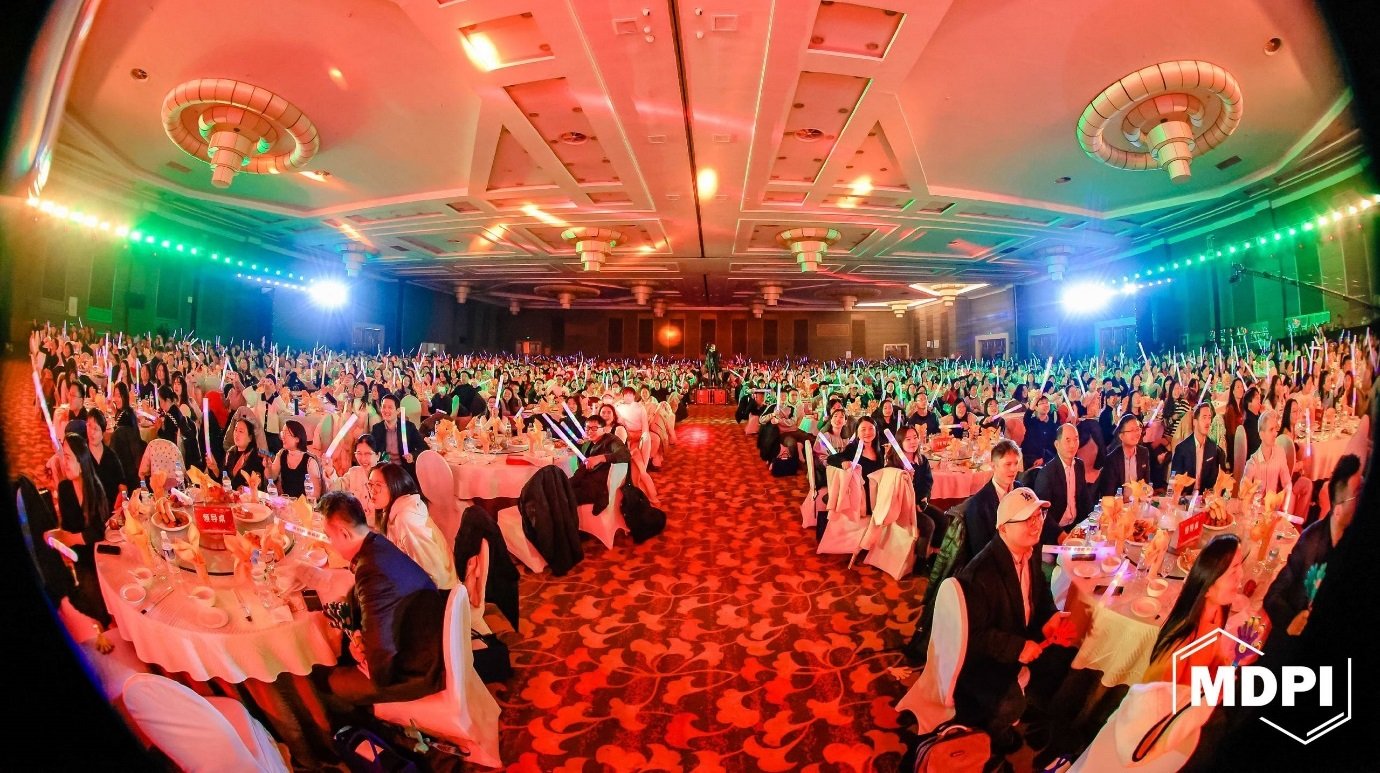
I extend our best wishes to all for the Chinese New Year (Xīnnián kuàilè)!
Coming Together for Science
MDPI and TU Delft Adopt Flat Fee Model in Extended Partnership
We are excited to announce a renewed three-year partnership with Delft University of Technology (TU Delft) in the Netherlands. This collaboration introduces a fixed lump-sum fee, covering publishing costs from 2024 to 2026.
“This initiative reflects our dedication to transparent and inclusive publishing”
TU Delft-affiliated authors will enjoy cost-free publishing in any MDPI journal during this period, aligning with our commitment to removing barriers for open access publishing. The agreement supports Plan S compliance and facilitates a seamless publishing process for TU Delft corresponding authors. This initiative reflects our dedication to transparent and inclusive publishing, providing stability and predictability both for authors and for institutions.
For further details on our Institutional Open Access Program (IOAP), please contact us.
Benefits to MDPI’s IOAP
At MDPI we have a long tradition of partnerships, including our Institutional Open Access Program (IOAP). IOAP supports institutions through simplification, access, transparency, APC discounts, and institutional repository deposits. The program simplifies administrative processes, offers central payment, and allows easy opting in and out. Participants gain free access to Susy, MDPI’s online submission system, with extensive article metadata and exportable data. APC discounts and Book Processing Charge discounts are available for affiliated authors. Automated deposits to institutional repositories and streamlined matching of papers to IOAP participants enhance the overall experience.
For further information, see our IOAP FAQ.
Closing Thoughts

Reflections on the 2024 APE Conference
MDPI was proud to co-sponsor the Academic Publishing in Europe (APE) 2024 Conference that took place in Berlin, Germany, from 9–10 January 2024.
The conference theme, ‘Keep the Conversation Going!’, explored the evolving landscape of scholarly communication. APE is one of the key conferences I make a point to attend each year. January offers a valuable opportunity to engage with new contacts, reconnect with familiar faces, and participate in impactful discussions and presentations among professionals, scholars, and practitioners in the field.
“It's fascinating to see how other publishers are leveraging AI”
Highlights
Some of the standout panels for me include: the role of the UN Sustainable Development Goals (SDGs) within the publishing industry. It was encouraging to hear the current status quo, though I was eager also to learn about the exciting projects planned for 2024 and beyond. These will allow us to track progress in subsequent years. At MDPI, we remain committed to promoting Open–Access (OA) content on SDGs through scientific articles and books. Furthermore, we extend our commitment to sustainability by financially supporting researchers through initiatives such as the World Sustainability Award and the Emerging Sustainability Leader Award, as well as waiving the APC for feature papers on each SDG.
In recent years, discussions on AI have become increasingly prominent at such conferences. It’s fascinating to see how other publishers are leveraging AI to meet the evolving needs of their audiences while at the same time using it to safeguard the scientific process. Other engaging panels that I enjoyed included updates on transformation beyond transformative agreements, the principles of lean change, incentive structures related to research integrity, and the panel on reviewer incentives.
“We can share best practices and lessons learned”
Incorporating MDPI’s Insights into Conferences
I must confess that I sometimes feel overlooked when MDPI is not invited to participate in crucial industry discussions. As the leading open access publisher and the third-largest publisher overall, we possess extensive experience in many of these areas and can offer valuable contributions to these discussions. We can share best practices, lessons learned, and our thinking about future trajectories. For instance, in panels discussing reviewer incentives, at MDPI we offer a discount voucher to reviewers for future submissions, reflecting our commitment to fostering a robust peer review process. In 2022 alone, MDPI collected over 1.4 million peer review reports, informing the decision-making processes of our editors. Given our expertise in these areas, it would be natural to include MDPI in such discussions. I therefore extend an invitation to future conference organizers to consider MDPI for speaking engagements and collaborative opportunities.
Chief Executive Officer
MDPI AG
24 January 2024
Acknowledgment of the Reviewers of Earth in 2023
In recognizing the exceptional efforts of our reviewers in 2023, we express our sincere gratitude for upholding the high standards of Earth. Their commitment ensured the rigorous peer review that is integral to quality academic publishing.
In 2023, Earth received 190 review reports, from 181 reviewers. This past year, we worked with reviewers from 52 countries and regions, reflecting the diversity in our collaboration with research communities. Their dedication shapes scholarly discourse and advances global research. The editorial team expresses gratitude for the vital role played by each reviewer in the Earth family throughout 2023, and we look forward to their continued support in 2024.
The following are the reviewers who have consented to show their names:
| Abdur Raziq | Halil Akinci |
| Alejandro Rodríguez-Gómez | Halil Ibrahim Burgan |
| Alessandro Bellino | Igor Peretyazhko |
| Ali Kassar | Iustina Boaja Popescu |
| Ali Salem | Ivan Secerov |
| André Eduardo Biscaia Lacerda | Ivana Tosic |
| Anjana J. Atapattu | Jaume Boixadera |
| Antonella Boselli | Jian-Ping Suen |
| Arian Correa-Díaz | Joaquim Farguell |
| Beata Ferencz | Kei Nakagawa |
| Benjamin Wullobayi Dekongmen | Lu Wang |
| Bertin Pérez | Lubna Anjum |
| Chidiebere Ofoegbu | Mabrouk Sami |
| Danko Markovinović | Maria Silvia Binetti |
| Debasis Mitra | Md Rejaur Rahman |
| Dmitry Ruban | Michał Stępień |
| Dmslb Dissanayake | Mohamed Shamrukh Mahmoud |
| Dominika Dąbrowska | Muhammad Arshad |
| Dündar Dağlı | Nadia Abbaszadeh Tehrani |
| Ernesto Badano | Paunita Boanca |
| Fabio Cianferoni | Peter Domonkos |
| Gabriella Balacco | Qian-Cheng Wang |
| Gagan Mandal | Saeideh Samani |
| Gangadhar Andaluri | Sedat Severoğlu |
| Geena Prasad | Seyed Arman Hashemi Monfared |
| Georgios G. Stavroulakis | Sushanta Saha |
| Giuseppe Pulighe | Theerayut Phengsaart |
| Giuseppina Uva | Thomas Plocoste |
| Gopal Shukla | Tomas Perez Contreras |
| Graciela Padilla-Castillo |
2 January 2024
MDPI Insights: The CEO’s Letter #7 - Nobel Laureates Entrust MDPI with Their Research
Welcome to the MDPI Insights: The CEO's Letter.
In these monthly letters, I will showcase two key aspects of our work at MDPI: our commitment to empowering researchers and our determination to facilitating open scientific exchange.
Opening Thoughts
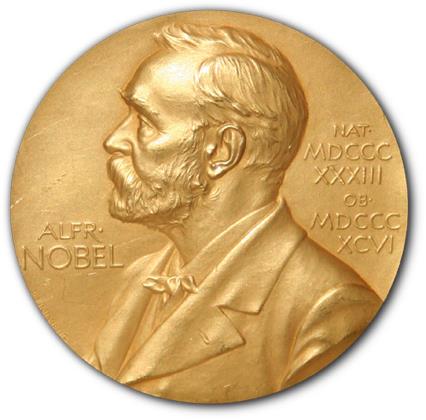
Nobel Prize Laureates Entrust MDPI with Their Research
The Nobel Prize stands as a hallmark of distinction, honouring ground-breaking research across disciplines. Annually, the Nobel Prizes are awarded in six categories: Physics, Chemistry, Medicine or Physiology, Literature, Peace, and Economic Sciences.
Through the years, renowned scholars have entrusted MDPI with their work. As at December 2023, 26 Nobel laureates have contributed to more than 75 articles across 25 MDPI journals, including: Antibiotics, Applied Sciences, Biology, Biomedicines, Cancers, Catalysts, Cells, Crystals, Entropy, Games, IJMS, Life, Materials, Micromachines, Molecules, Pharmaceuticals, Pharmaceutics, Photonics, Quantum Beam Science, Remote Sensing, Sensors, Solids, Universe, Vaccines, and Viruses.
The best of the best trust us with their work.
Nobel Prize Laureates Who Have Published with MDPI
We are proud to list the names of Pierre Agostini, Hiroshi Amano, Werner Arber, Aaron Ciechanover, Robert H. Grubbs, Oliver Hart, Gerard ‘t Hooft, Michael Houghton, Harald zur Hausen, Katalin Karikó, Jean-Marie Lehn, Gérard Mourou, Ferid Murad, Shuji Nakamura, William Nordhaus, Kostya S. Novoselov, Giorgio Parisi, Charles M. Rice, Alvin E. Roth, Donna Strickland, K. Barry Sharpless, George F. Smoot, Anne L’Huillier, Drew Weissman, Kurt Wüthrich, Ada Yonath.
The privilege of hosting such contributors resonates deeply with our editorial teams. For instance, in this interview, the Editor-in-Chief (EiC) of Universe speaks on the significance of publishing a paper by Nobel laureate Gerard ’t Hooft within the journal.
2023 Nobel Prize Winners Published by MDPI
Nobel Prize Winners, 2023: Katalin Karikó, Drew Weissman, Anne L’Huillier (Ill. Niklas Elmehed © Nobel Prize Outreach)
Three laureates from the 2023 Nobel Prize cohort have trusted MDPI as their publishing platform. Notably, in a 2022 Pharmaceutics paper, molecular biologist Katalin Karikó and her team presented a methodology for evaluating mRNA capping efficiency, pivotal for therapeutic applications. Pharmaceutics had previously dedicated a Special Issue to “mRNA Therapeutics: A Themed Issue in Honor of Professor Katalin Karikó”, spotlighting ten articles from August 2021 to February 2022.
In the journal Vaccines, Professor Drew Weissman, collaborating with scholars from Pennsylvania University and George Mason University, contributed an influential review titled “Nanomaterial Delivery Systems for mRNA Vaccines”. His collaborative efforts spanned five papers across MDPI journals between 2021 and 2023.
Furthermore, Anne L'Huillier of Lund University, only the fifth female recipient of the Physics Prize, co-authored an article in Applied Sciences focusing on "Advanced EUV and X-Ray Optics". Similarly, Pierre Agostini, an Emeritus Professor from Ohio State University, co-authored an article featured in the special issue "Attosecond Science and Technology: Principles and Applications".
We extend heartfelt congratulations to all Nobel Prize laureates and express sincere gratitude for their confidence in MDPI as a platform for their scholarly contributions.
Read more:
Impactful Research

MDPI Journals Newly Indexed in 2023
The aim of indexing is to enhance the quality and credibility of published research, ensuring that researchers access the most credible resources available. While the principle behind citation indexing is straightforward, it remains one of the most dependable methods for tracking an idea's evolution across various scientific disciplines.
Throughout the year, MDPI works to expand the reach of our publications across premier multidisciplinary databases like Web of Science, Scopus, EBSCO, and ProQuest. This initiative is spearheaded by MDPI's Indexing team, under the leadership of Dr. Constanze Schelhorn.
In 2023, MDPI achieved 54 new acceptances in Scopus, 29 in Web of Science, 52 in EBSCO, and 83 in DOAJ: Directory of Open Access Journals.
The team prioritizes ensuring that our journals feature in numerous specialized databases, including PMC, PubMed, MEDLINE, Inspec, CAS, and FSTA, among others. Currently, MDPI collaborates with over 65 renowned international databases, consistently enhancing our database affiliations annually.
MDPI’s journals are indexed in all major global databases.
Furthermore, we collaborate with universities and government organizations to list our journals in country-specific ranking lists and relevant institutional repositories. This ensures compliance with requirements often set by funders or institutions for authors to publish in specific journals.
Web of Science Adds 24 MDPI Journals to Emerging Sources Citation Index (ESCI)
Clarivate recently analysed MDPI’s new journals, resulting in 24 journals, mainly established in 2020, being added to the ESCI in November and December 2023. Additionally, five journals passed this assessment earlier in the year. For a complete list of our journals in Web of Science, refer here. Journals in the ESCI meet 24 quality criteria, ensuring editorial rigor. They may be considered for inclusion in broader indices like the Science Citation Index Expanded (SCIE), the Social Sciences Citation Index (SSCI), or the Arts and Humanities Citation Index (AHCI), based on four impact criteria.
Read more:
Inside MDPI
MDPI Appoints New Chief Operating Officer (COO)

Alistair Freeland returned to MDPI and assumed the role of Chief Operating Officer in November 2023, a position he previously held from 2013 to 2019. He succeeds Dr. Yu Lin, who will remain a member of MDPI’s Board of Directors, overseeing significant financial decisions for the company. I would like to express my sincere thanks to Dr. Yu Lin for his service as COO.
Alistair brings extensive experience not only in scholarly publishing but also in technology and business management. Prior to rejoining MDPI, he was associated with SIX Group, the entity responsible for Switzerland's financial market infrastructure. There, he played a pivotal role in developing the blockchain-based platform SDX (SIX Digital Exchange), which has gained traction among major Swiss banks and the Swiss National Bank.
As COO, Alistair will collaborate with the MDPI management team to improve the practices and services we offer to scholarly communities. I am pleased to welcome Alistair back to MDPI and look forward to his contributions going forward.
Coming Together for Science

MDPI’s 2024 In-Person Academic Events Schedule
MDPI's Conference Team is dedicated to organizing and hosting in-person academic events across Europe, Asia-Pacific, and North America. We recognize conferences as invaluable platforms for scientific collaboration, scholarly exchange, discussions on contemporary topics, networking, and forging collaborations.
Here's a glimpse of the notable events we currently have scheduled for 2024:
|
|
14–16 February, 2024 |
|
|
24–26 April, 2024 |
|
|
28–31 May, 2024 |
|
|
1–4 August, 2024 |
Upcoming events with details to be announced:
- September 2024, Materials 2024 – Basel, Switzerland
- 19–21 September 2024, International Conference on Nanomaterials Sciences 2024 – Beijing, China
- October 2024, ncRNA 2024 – Basel, Switzerland
- November 2024, Pharmaceuticals 2024 – Barcelona, Spain
- 22–26 November 2024, International Conference on Science of Electronics – Wuhan, China
- Stay tuned for more details on the Sustainable Publishing Forum 2024.
Click here for all upcoming MDPI events.
Organize Your Event with MDPI’s Sciforum
Sciforum is MDPI’s platform dedicated to the organization of scientific events. In line with our mission to promote science, Sciforum supports scholars, societies, research networks, and universities at all stages of organizing in-person events, virtual events and webinars. Our platforms are efficient, user-friendly, and cost-effective. We handle all steps related to event management. Contact us for details.
Closing Thoughts

Reflecting on 2023 and Looking Ahead to 2024
As we approach 2024, I reflect on the incredible journey we’ve had together at MDPI this year. The past 12 months have been marked by ambitious projects and initiatives to improve our internal processes, and a commitment to continue delivering top-notch services to our stakeholders. I’d like to thank each and every one of our staff members for contributing to the positive experiences our stakeholders have reported in our surveys. Your dedication to speed, efficiency, and effective communication with our stakeholders is very much recognized and appreciated.
Becoming a stronger organisation
While we have encountered challenges in 2023, it’s important to understand that these are a part of our growth process. Difficulties provide us with opportunities to reflect, address problems at their roots, and ultimately evolve into a stronger organization. Our stakeholders expect us to overcome tough times, and it’s an expectation that we have for ourselves.
I extend my sincere appreciation to every MDPI employee, from our editorial office and IT department to marketing, indexing, IOAP, societies, Scientific Office board, products, production, conferences, finance, operations, admin, and beyond. To our newest team members, a warm welcome; to our longstanding colleagues, your dedication is invaluable.
“I am committed to taking MDPI to a new level of excellence.”
Interacting with many of you during my visits to our offices and representing MDPI at external events has been a personal highlight. I am deeply grateful to Dr. Lin for entrusting me with the role of CEO of MDPI. Looking forward, I am committed to working closely with our management team to lead MDPI and take it to a new level of excellence, aiming to establish it as the most trusted publisher in open access worldwide. This is a collective endeavour, with each of us shaping MDPI’s reputation. I therefore encourage us to take pride in our work, as it represents not only our craft but also MDPI as a whole.
Accountability and communication
As we look forward to 2024, there’s a lot to be excited about. Together, we’ll navigate challenges, seize growth opportunities, and refine our practices. To solidify MDPI’s position as the premier open access publisher globally, we must bolster accountability, improve stakeholder communication, share MDPI’s best practices, champion the open access philosophy, and educate stakeholders about our mission, methodologies, and motivations.
Thank you for engaging with the CEO Letter over the past six months of 2023. I will continue to release this newsletter as a method of sharing the great work being done at MDPI. Please feel free to connect directly with any insights or questions.
Here’s to a joyous and prosperous 2024!
Chief Executive Officer
MDPI AG
30 November 2023
MDPI Insights: The CEO’s Letter #6 - MDPI Spain Summit and ResearchGate
Welcome to the MDPI Insights: The CEO's Letter.
In these monthly letters, I will showcase two key aspects of our work at MDPI: our commitment to empowering researchers and our determination to facilitating open scientific exchange.
Opening Thoughts

MDPI Spain Summit
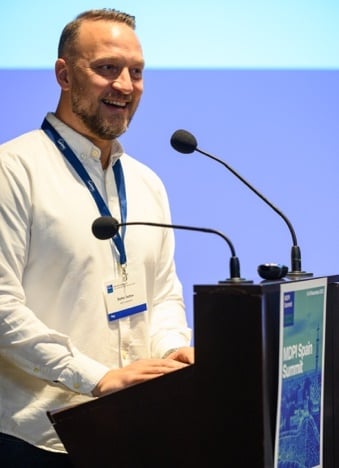
Stefan Tochev (CEO, MDPI) gives the opening speech at the MDPI Spain Summit.
On Friday 10 November 2023 I was in Barcelona, Spain, to deliver the opening presentation and participate in a panel at MDPI’s Spain Summit, a two-day event, inspired by our salon events in China.
With 16 Editors-in-Chief (EiCs) and 20 Editorial Board Members (EBMs) in attendance, the event, organized by our conference team and Barcelona office, featured presentations on open access (OA), MDPI, and publishing market trends in Spain.
The event provided a great opportunity to engage with stakeholders from various MDPI journals, including Nutrients, Vaccines, Buildings, IJMS, and others. We were able to gather feedback and have open conversations around manuscript quality, the peer-review process, and journal development, as well as accreditation agencies.
The main objective of this Summit was to bring together Editors representing MDPI journals across various disciplines within Spanish universities and research centers, primarily from the Barcelona area. The aim was to facilitate an open and fruitful discussion regarding the development of their journals, the future of OA in Spain, and to provide meaningful interactions and networking opportunities.
Connecting with Editorial Board Members
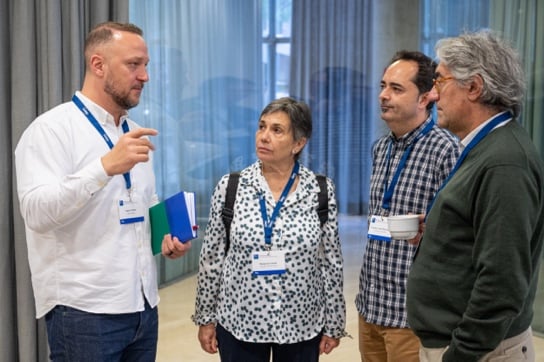
Stefan Tochev in conversation with Summit participants: "Our EBMs are passionate about the journals they serve."
Interacting with our EBMs in person provides a valuable opportunity to show how important it is to us to connect with them, hear their perspectives on their journals and learn more about their own experience collaborating with MDPI.
From my conversations, it was clear that our EBMs are passionate about the journals they serve. I know the advice they provide may sometimes involve just small tweaks, but these can lead to important improvements. As the saying goes, small hinges swing open big doors.
As at November 2023, MDPI has over 6,300 EBMs affiliated with Spanish institutions, with more than 30 of them serving as EiCs or section EiCs. Furthermore, over 68,000 Spanish scholars have contributed as reviewers in MDPI journals.
Open Access in Spain
In 2023, Spain implemented legislation mandating immediate OA for all publicly funded research, aligning with the EU’s Plan S initiative to expedite the transition to OA. The Spanish government also approved a four-year, €23.8 million annual budget for the first national OA strategy, aiming to make publicly funded research freely accessible upon publication. This strategy aims to strengthen the quality and transparency of research in Spain, and to help promote movement towards a digital, low-carbon economy.
For further details of Spain's OA policy and the history of government mandates, click here.
Spain has already seen a notable decline in subscription-only articles, decreasing by 62% over a 10-year period, while gold OA increased by 42%. Green OA slightly decreased, suggesting a shift towards publishing in gold OA journals rather than traditional subscription-based ones. Here are some statistics from Scopus.
A big thank-you to the various MDPI teams, including our conference team and the Barcelona office, for organizing this very successful event!
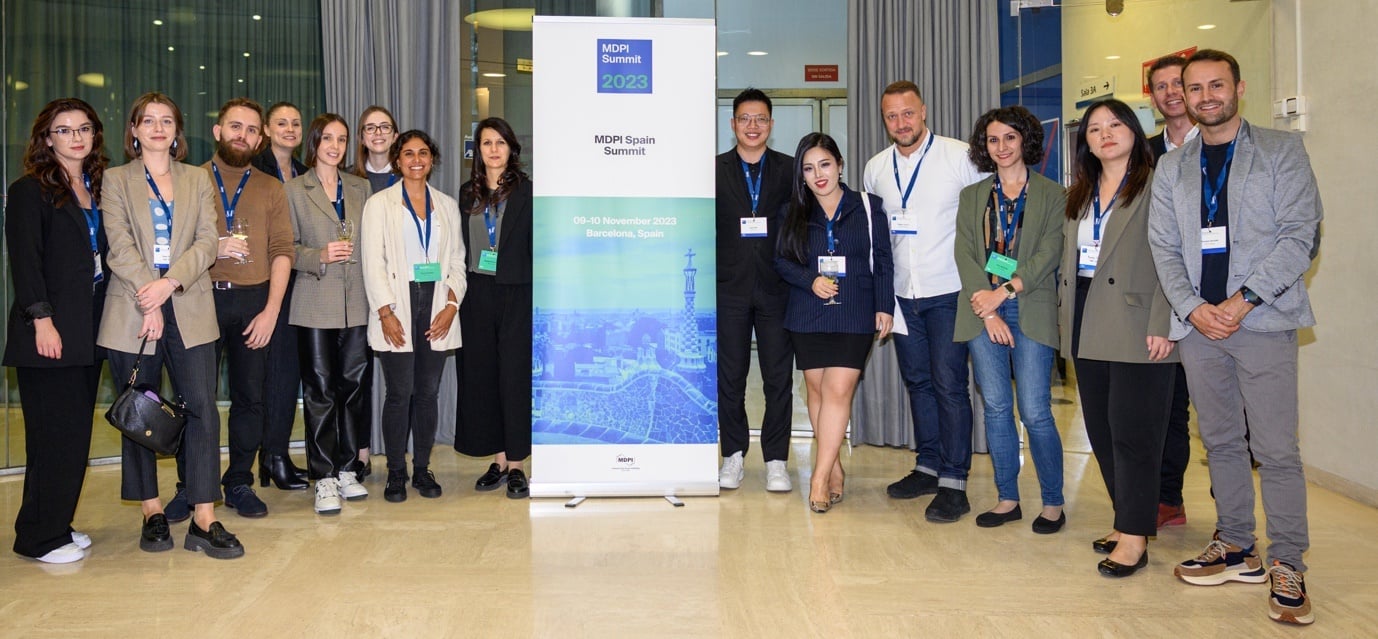
MDPI colleagues from various offices gathered to host and support the first MDPI Spain Summit, in Barcelona, Spain.
I think this type of gathering has the potential to become an annual event in various locations. For example, Manchester could be an option, as we have over 30 EiCs and over 3,000 EBMs in the UK, a top market for MDPI that publishes high-quality research.
Impactful Research

769 Editorial Board Members of MDPI Journals Recognized as Highly Cited Researchers in 2023
Congratulations to our 769 Editorial Board Members from 40 countries/territories who have been awarded Highly Cited Researcher status for 2023 by Clarivate. This recognition is based on their outstanding scientific research contributions and significant influence in various fields, as evidenced by Web of Science data.
Click here to view the full list of 769 Editorial Board Members.
Clarivate's Highly Cited ResearchersTM list identifies individuals with exceptional impact in scientific and social science domains over the past decade. Their papers rank in the top 1% of citations in 21 fields analysed in ‘Essential Science Indicators,’ showcasing their substantial influence.
This year, 7,125 Highly Cited Researcher 2023 designations were issued to 6,849 individuals from 67 countries, representing just 1 in 1,000 researchers worldwide.
These researchers demonstrate exceptional influence, representing a small fraction of contributors pushing the boundaries of knowledge, contributing to global well-being, sustainability, and security.
Congratulations to these scholars for their remarkable achievement: we are honoured to have them on board with our journals!
Inside MDPI
Corporate Marketing and Communications Strategy Session

Members of MDPI’s Corporate Marketing & Communications team.
For the past few years, I have led the Corporate Marketing & Communications department in our annual strategy session.
This typically involves 2–3 days of focused sessions covering key topics including budgeting, hiring targets, campaign reviews, and planning for the upcoming year, department strategy, and structure.
We are constantly exploring ways to optimize the Corporate Marketing & Communications department to support MDPI’s primary objectives and better convey the MDPI story while serving the scholarly community.
The strategy session also serves as a team-building activity, during which the team voted on bowling!
Strategy Session
In this strategy session, we looked at how to align our teams in order to better streamline our content with our campaigns, build a dedicated marketing team to strategically support our core MDPI products, expand our communications teams and functionalities to focus on company-critical campaigns and press releases, align our new brand design system with our marketing initiatives, set up a community and engagement team to support various teams with their outreach and communication efforts, and increase our use of data in the evaluation of campaign performance.
To grow in these areas, we will be hiring for various positions, including those of Public Relations Manager, Communications Manager, Internal Communications Manager, Campaign Manager, Marketing Associate, and Editorial Engagement Manager.
I am grateful for the way our Corporate Marketing & Communications department has grown and gelled over the years, and I look forward to supporting the department teams and their ideas for the future.
Coming Together for Science

ResearchGate and MDPI Partner to Boost the Visibility of Open Access Content through Journal Home

Stefan Tochev (CEO, MDPI) and Sören Hofmayer (Co-Founder and Chief Strategy Officer, ResearchGate) meet in Berlin, Germany to take their ongoing discussion further.
When I assumed the role of CEO at MDPI, my primary focus was to initiate the building of essential partnerships and collaborations within our industry. After all, I am a firm believer in achieving our goals by helping others achieve theirs and focusing on co-opetition wherever there is an opportunity. I first touched on the notion of co-opetition in MDPI Insights: The CEO's Letter #3, particularly when discussing collaborations with Elsevier.
In light of this, Sören Hofmayer (Co-Founder and Chief Strategy Officer at ResearchGate) and I connected recently to continue a discussion that had been ongoing for months. I was quickly brought up to speed and felt there was an opportunity for MDPI journals to pilot the Journal Home service that ResearchGate had launched. This would provide a new way for MDPI to engage with authors and readers and amplify the visibility of our journals.
While I receive many offers and opportunities for discussions with vendors, I am a firm believer that timing is everything, and in this case, the time for us is now. Sören and I met in person during my recent visit to Berlin and decided to proceed with piloting ten MDPI journals with the Journal Home service.
The press release below provides further details.
Press Release: Berlin (Germany) and Basel (Switzerland), 15 November 2023
ResearchGate, the professional network for researchers, and MDPI, the largest open access publisher in the world and a pioneer in open access publishing, today announced a partnership that will see ten of MDPI’s open access journals benefit from an enhanced presence on ResearchGate through its innovative Journal Home offering.
This new partnership will expand the reach and visibility of MDPI’s participating flagship journals with ResearchGate’s highly relevant community of more than 25 million researchers globally.
Around 210,000 version-of-record articles from these 10 titles will be readily available on ResearchGate, including the full archive material and all new articles as they are published. These journals also benefit from enhanced brand visibility, with dedicated journal profiles, prominent representation on all associated article pages and all relevant touchpoints across the ResearchGate network – keeping the journals top-of-mind with their reader and author audiences. All articles covered by the new partnership will automatically be added to the authors’ publication records in ResearchGate. This not only reduces MDPI authors’ needs for direct management but also offers them valuable insights into the impact of their work, including data about readership and citations.
Closing Thoughts

November is Men’s Health Awareness Month

Stefan Tochev (CEO, MDPI) listening to music as he writes at a coffee shop in Basel, Switzerland.
November is dedicated to raising awareness of various men’s health issues. I have been fortunate to have positive male role models in my life, and I strive to share my experiences with others.
I used to take part in Movember, growing my moustache throughout November to raise awareness and funds and to help “change the face of men’s health.” With male family and friends impacted by physical and mental health issues, I have recently become more interested in men’s overall well-being.
Men often face stigma involving the perceived need always to be strong and have things figured out. Recently, I’ve had meaningful conversations with male friends and colleagues about issues we rarely discuss, and it was a positive experience.
Various factors impact men’s health and well-being, all too easily leading to risky health behaviours including a lack of health awareness, poor health education, and negative, culturally induced, behaviour patterns in our work and personal lives. I hope we can break down these barriers in our work environment.
Healthy men help build healthy families and a healthy society
Men are less likely than women to seek help with their physical and mental health struggles. This is a reminder to prioritize your overall well-being. I hope that as men, we will continue to open up to one another, becoming vulnerable in order to share what we are going through. By sharing and by supporting each other, we can learn and grow together. You are not alone, and when you fall, you can still get up and stand tall.
From one broski to another, you are loved and appreciated. I hope this mindset carries into December and beyond.
Mindfulness
Our content team recently released a handful of articles on mindfulness, a practice that I believe provides a good opportunity for stress release and self-reflection:
Chief Executive Officer
MDPI AG
21 November 2023
769 Editorial Board Members of MDPI Journals Achieve Highly Cited Researcher Recognition in 2023

We extend our sincere congratulations to the 769 Editorial Board Members of our journals – from 40 different countries/territories – who have been recognized as Highly Cited Researchers for the year 2023 by Clarivate. They are being recognized for their high-quality scientific research achievements and outstanding contributions to their professional fields, as indicated by Web of Science data.
Clarivate's annual list of Highly Cited ResearchersTM identifies the most highly cited scientists for the past decade who stand out for their significant and broad influence in various scientific and social science domains. Their impactful papers are among the top 1 per cent in the citation distribution of one or more of 21 fields analyzed in the "Essential Science Indicators", distinguishing them as hugely influential among their peers.
This year, 7,125 Highly Cited Researcher 2023 designations were issued to 6,849 individuals from 67 countries, representing just 1 in 1,000 researchers worldwide.
This means that these researchers have demonstrated an incredible level of significant and broad influence in their chosen field or fields over the last decade. They represent a small fraction of the researcher population whose contributions disproportionately push the boundaries of knowledge, enhancing global well-being, sustainability, and security.
Congratulations to the scholars for their noteworthy achievement – we are honored to have them on board with our journals!
|
Abate, Antonio |
Jaiswal, Amit K. |
Shen, Zexiang |
15 November 2023
Earth Accepted into Emerging Sources Citation Index in Web of Science

We are pleased to announce that Earth (ISSN:2673-4834) has been selected for coverage in the Emerging Sources Citation Index (Web of Science) in November 2023. We would like to extend our sincerest gratitude to all the authors, reviewers, and editors who have contributed to this journal and helped us accomplish this achievement.
Earth is an international, peer-reviewed, open access journal that publishes reviews, regular research papers, etc., on all multidisciplinary research areas on the interactions/connections among global environmental systems. The journal encourages significant contributions to our understanding of global environmental changes.
To make the most of this opportunity, we welcome you to consider Earth as a platform for publishing your work. If you have a paper concerning any topic within the journal's scope, please submit it via the journal’s website: https://www.mdpi.com/journal/earth.
13 November 2023
Meet Us at the British Ecological Society Annual Meeting 2023 (BES 2023), 12–15 December 2023, Belfast, UK
加载中~
MDPI will attend the British Ecological Society Annual Meeting 2023 (BES 2023) as an exhibitor. This meeting will be held in Belfast, UK, from 12 to 15 December 2023.
The British Ecological Society was established in 1913 and has been fostering the science of ecology ever since. The society has 7,000 members around the world and brings people together across regional, national and global scales to advance ecological science. Membership is open to anyone, anywhere. The British Ecological Society is the oldest ecological society in the world and its annual meeting is Europe’s largest conference dedicated to ecology. More than 1,500 delegates from over 50 countries across six continents attended the 2022 meeting in person or online.
The following MDPI journals will be represented:
- Sustainability;
- Land;
- Ecologies;
- IJERPH;
- Earth;
- Plants;
- Environments;
- Resources;
- Animals;
- Diversity;
- Climate.
If you are attending this conference, please feel free to start a conversation with us at our booth #12. Our delegates look forward to meeting you in person and answering any questions that you may have.
For more information about the conference, please visit https://www.britishecologicalsociety.org/events/bes-annual-meeting-2023/.
1 November 2023
MDPI Insights: The CEO’s Letter #5 - OA Week, UK, and Strategy
Welcome to the MDPI Insights: The CEO's Letter.
In these monthly letters, I will showcase two key aspects of our work at MDPI: our commitment to empowering researchers and our determination to facilitating open scientific exchange.
Opening Thoughts

Open Access Week 2023 – the Global Drive to Open Continues
As the world's largest open-access (OA) publisher, we believe that unrestricted access to research findings is the cornerstone of transparency, efficiency, and quality control across scientific disciplines. At MDPI, we provide free, immediate access to scientific papers, empowering scientists to examine, validate, replicate, and build upon existing results. This minimizes redundancy, optimizes resources, and fosters innovative approaches.
International OA Week, held from 23 to 29 October 2023, provided a unique opportunity to link the global movement toward open sharing and open science with the progress of policy changes at the local level. Our mission, during OA Week and all the year round, is to offer educational resources highlighting the benefits of open-access publishing. The MDPI Blog is a valuable resource for information on open access and open science.
Core principles of OA publishing
Accessibility, transparency, and collaboration are core principles of OA publishing. OA aims to break down barriers that have traditionally restricted research access, ensuring that knowledge is available to all, regardless of financial situation or institutional affiliations. Our commitment to diverse pathways for OA publishing worldwide includes discounts for researchers. You can learn more about how MDPI supports scientific communities here.
One of the key strengths of OA publishing is its ability to facilitate interdisciplinary research. By removing paywalls and promoting knowledge-sharing across disciplines, OA encourages collaboration and innovation. Researchers from various fields can access and build upon each others’ work, fostering a holistic approach to addressing complex global challenges.
OA holds the potential to democratize knowledge, advance science, and drive positive societal change.
Policy driving change
Governments, institutions, and funding agencies have recognized the transformative potential of OA and have implemented policies to promote it. These policies often require publicly funded research to be made openly accessible, accelerating the growth of OA repositories and journals. Check out our spotlights on OA policies in the US, EU and China.
OA publishing is continuously evolving, with community-driven models and technologies shaping its future. Initiatives such as “Plan S” and “cOAlition S” promote OA publishing from the perspective of national funders, requiring grantees to publish their research openly. A new policy announced by the US administration last year mandates that, with effect from January 2026, all US federally funded research should be freely and immediately available after publication.
Additionally, preprint servers such as MDPI's Preprints.org, which allow researchers to share their findings before formal peer review, have gained popularity, enhancing the speed at which new knowledge is disseminated. The rise of blockchain technology is also being explored to ensure transparency and authenticity in scholarly publishing.
For more than two decades, OA publishing has been revolutionizing academic publishing by promoting accessibility, transparency, and collaboration. Its support for interdisciplinary research, evolving policies, and innovative practices all contribute to its growing influence in the global research community. As OA continues to expand, it holds the potential to democratize knowledge, advance science, and drive positive societal change.
MDPI is proud to lead the transition to open access.
Read more:
Impactful Research

Spotlight on Smart Cities
Smart cities will serve as a cornerstone for future human development. Their implementation will help us tackle many of the significant challenges we are facing – climate change, ageing populations, waste management, public safety, travel, and so on. Recognising the importance of this multifaceted field, MDPI launched the inaugural issue of Smart Cities in 2018 to provide an advanced forum for research into smart technology and society. Here we take a look at how this journal has developed, and its impact in this exciting field.
As at 30 October, 2023, Smart Cities has published 421 papers and has an Impact Factor of 6.4. It also has a CiteScore of 8.5, and more than one quarter of its published papers – 124 – have been cited 10 times or more.
Highly cited papers in Smart Cities
Below are several highly cited papers recently published in Smart Cities. Citation metrics are current as at 31 October 2023.
1. “Introducing the “15-Minute City”: Sustainability, Resilience and Place Identity in Future Post-Pandemic Cities”
Authors: Carlos Moreno, Zaheer Allam, Didier Chabaud, Catherine Gall and Florent Pratlong
Smart Cities 2021, 4(1), 93-111; https://doi.org/10.3390/smartcities4010006
Citations: Crossref (338), Scopus (366), Web of Science (270), Google Scholar (710)
The paper discusses the socio-economic impacts of the COVID-19 on cities, including increasing inequalities and rising unemployment. It introduces the concept of the "15-Minute City," a form of "chrono-urbanism," as a response to the challenges posed by the pandemic.
2. “A Review on Electric Vehicles: Technologies and Challenges”
Authors: Julio A. Sanguesa, Vicente Torres-Sanz, Piedad Garrido, Francisco J. Martinez and Johann M. Marquez-Barja
Smart Cities 2021, 4(1), 372-404; https://doi.org/10.3390/smartcities4010022
Citations: Crossref (359), Scopus (363), Web of Science (268), Google Scholar (558)
This paper provides an overview of the progress in Electric Vehicles (EVs), focusing on battery technology, charging methods, and emerging research challenges. It also analyzes the global EV market and its future outlook.
3. “IoT in Smart Cities: A Survey of Technologies, Practices and Challenges”
Authors: Abbas Shah Syed, Daniel Sierra-Sosa, Anup Kumar and Adel Elmaghraby
Smart Cities 2021, 4(2), 429-475; https://doi.org/10.3390/smartcities4020024
Citations: Crossref (121), Scopus (151), Web of Science (91), Google Scholar (215)
This paper gives an overview of the Internet of Things (IoT) in the context of Smart Cities, discussing the fundamental components, technologies, architectures, networking technologies, and artificial algorithms that underpin IoT-based Smart City systems.
4. “Artificial Intelligence Techniques in Smart Grid: A Survey”
Authors: Olufemi A. Omitaomu and Haoran Niu
Smart Cities 2021, 4(2), 548-568; https://doi.org/10.3390/smartcities4020029
Citations: Crossref (76), Scopus (94), Web of Science (57), Google Scholar (120)
This survey paper reviews the utilization of artificial intelligence (AI) techniques in the context of the smart grid. It covers various applications of AI in load forecasting, power grid stability assessment, fault detection, and security issues in the smart grid and power systems.
5. “The Metaverse as a Virtual Form of Smart Cities: Opportunities and Challenges for Environmental, Economic, and Social Sustainability in Urban Futures”
Authors: Zaheer Allam, Ayyoob Sharifi, Simon Elias Bibri, David Sydney Jones and John Krogstie
Smart Cities 2022, 5(3), 771-801; https://doi.org/10.3390/smartcities5030040
Citations: Crossref (72), Scopus (75), Web of Science (43), Google Scholar (176)
This paper discusses the concept of the Metaverse, a virtual world introduced by Meta (formerly Facebook), and its potential impact on urban life. It explores how emerging technologies such as AI, Big Data, IoT, and Digital Twins could reshape urban design and services in the context of the Metaverse.
Testimonial
“It was indeed a great and pleasant experience with MDPI regarding our recent publication. The submission process was very straightforward and less time-consuming than the norm. The review process was very fast compared to many other open access journals, which is praiseworthy. The support from the Editorial Office during the revision process was highly useful as well. We look forward to publishing with MDPI in the future, and I will most definitely recommend MDPI to my colleagues and collaborators.” – Dr. Luís Rosa, University of Minho
Article in Smart Cities: Mobile Networks and Internet of Things Infrastructures to Characterize Smart Human Mobility
Inside MDPI

MDPI Manchester office, UK Visit

Allie Shi (Editorial Director, MDPI), Stefan Tochev (CEO, MDPI), Jamie Anderson (Manchester Office Manager, MDPI), Michael O’Sullivan (Senior Scientific Officer, MDPI), Hushneara Akhtar, and Becky Castellon (IOAP Team Lead, MDPI), dining out in Manchester, UK.
In October, I visited MDPI’s new office in Manchester. During the visit, I connected with our English Editing (EE) managers, Scientific Officer, members of the Editorial team, the Marketing team, and IOAP Team Lead.
Our Manchester office focuses primarily on EE services and provides local support for the UK market. Additionally, we regularly visit Editorial Board members and participate in local conferences.
I would like to thank Jamie Anderson, Manchester Office Manager, and her team, for their deep commitment to our Manchester staff and to MDPI’s impact on the UK market.
The UK by numbers
The UK is a hub for the world’s top universities, making it a key market for MDPI and the publishing world in general. It is home to two of the top-five-ranked universities globally, 11 in the top 100, and 15 in the top 200.
As a result, the UK plays a key role in MDPI’s global market. As at October 2023, it ranks as the seventh-largest contributor to the total number of papers published by MDPI. We have 3,500 Editorial Board members affiliated with UK institutions, including 34 serving as Editors-in-Chief (EiCs). Our commitment to collaboration with institutions is evident in the UK, where we have successfully established some 60 Institutional Open Access Program (IOAP) agreements with esteemed institutions, such as the University of Oxford, the University of Cambridge, Imperial College London, the University of Edinburgh, and more.
According to InCites Dataset + ESCI for the period 2018–2022, as at October 2023, nearly 65% of UK papers are now published as OA. Just over 10% of total OA publications are by UK authors. UK papers are known for their high quality, with an average of 11 citations per paper. Furthermore, 2.16% of UK papers are in the top 1% of cited papers, and 14.61% are in the top 10% of cited papers, showcasing their impact.
We are currently hiring EEs in various locations worldwide.
English Editing at MDPI
Our English Editing (EE) department consists of two main branches, Quality Control and Learning and Development, reflecting our priorities. We are continuously enhancing the quality of our English Editing services and have raised the relevant standards, which now extend to company-wide communications. English editors participate in international interviews, conduct English assessments, and provide colleagues with presentations on ways to improve their use of written and spoken English.
While expanding, the EE department has proactively refocused its efforts on the quality of our work and how the English Editing department can benefit the company more broadly. We currently have approximately 140 full-time English Editors based across five offices worldwide, supplemented by over 700 freelance English editors.
Our Manchester office serves as the hub for the EE Department, with EE Managers situated there, except for Kurtis Jackson, who serves as the Head of EE and is located in our Basel office. Manchester EEs play a critical role in establishing and developing EE teams in our other offices, overseeing management and recruitment. The EE department plays a vital role in MDPI’s operations, as it is the department that touches every published paper. If this work interests you, I encourage you to explore our available EE positions, whether you are seeking full-time or freelance opportunities.
Testimonials
“MDPI provides an excellent service compared to any other previously used services. It delivers fast and high-quality results but at an affordable price.” – Ardha Apriyanto, University of Potsdam
“In my role as a professor, I consider that MDPI Author Services offer an excellent quality in the editing of Western academic writing while maintaining the required standards of clarity, precision and rigor. Additionally, delivery times are fast compared to other available services.” – Jesus Insuasti, University of Nariño
Read more:
Coming Together for Science

STM and Frankfurt Book Fair
Attending STM
MDPI has been a proud sponsor of the STM Conference for several years. The STM Conference is a dynamic event featuring interactive sessions, expert panellists, idea-sharing, and ample networking opportunities. On 16 October, the event kicked off with arrival drinks, sponsored by MDPI, followed by a welcoming dinner, providing a great chance to connect and network with industry professionals. The following day was filled with speakers, sessions, and further opportunities to connect. STM exemplifies the collaborative spirit of the scientific community, with session topics including achieving open, visible, and impactful research at scale; maintaining research integrity in a rapidly changing world; and exploring the impact of ever-evolving technology in the scholarly community.
Meeting with Web of Science
On a personal note, one of the highlights of STM was a candid and productive conversation with Nandita Quaderi, Editor-in-Chief and SVP at Web of Science. During our discussion, we talked about MDPI, Web of Science, the IJERPH delisting, and ways of moving forward. This open conversation aimed at fostering better collaboration for the future.
“We discussed ways to improve our communication and collaboration.”
I appreciated our frank discussion and felt that Nandita wholeheartedly supports open access. She also expressed her appreciation for the monthly CEO Letter, which she sees as a way to add personality to the MDPI brand and provide insight into the great work we do at MDPI. While we highlighted the positives, we also discussed ways to improve our communication and collaboration moving forward. This meeting alone made the trip worthwhile, and I hope Nandita doesn’t mind my sharing that she found our chat to be “the most honest and constructive discussion” she’s had with someone from MDPI in recent years.
75th Frankfurt Book Fair
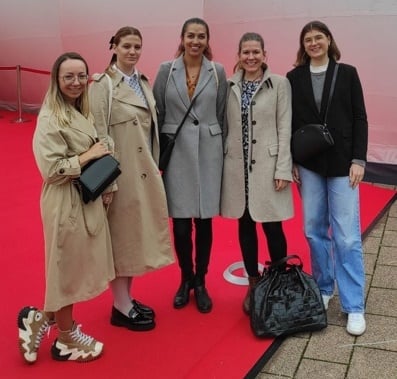
Jelena Milojevic (Book Editor, MDPI), Jovana Dubajic (Book Editor, MDPI), Evan Escamilla (Project Manager, MDPI), Laura Wagner (Head of Books, MDPI), and Jenny Knowles (Commissioning Editor, MDPI), at the Frankfurt Book Fair in Frankfurt am Main, Germany.
For the 75th time, the Frankfurter Buchmesse opened its doors in October to celebrate exciting stories and their authors. If you haven’t yet had the chance to visit the Frankfurt Book Fair, I highly recommend it. It’s the largest book fair in the world, attracting thousands of visitors from around the globe. This is the place to gain valuable industry insights from top-class publishing professionals, connect with publishers directly, and learn about the latest trends in publishing.
MDPI Books
Our Books team was also present at the Frankfurt Book Fair, networking and learning from various panels. Did you know that our MDPI Books department publishes OA Books?
The book publishing program includes monographs, book series, edited books and reprints of special issues and topical collections, among other book types.
If you have a book proposal you would like to discuss, please feel free to contact our Books team to understand the benefits and methods of publishing your next book with the OA model.
Closing Thoughts

MDPI Strategy Meeting
As the newly appointed CEO, this is my first year leading the MDPI Senior Management Strategy session. I saw it as an opportunity to explore what MDPI has the potential to become in the next five years. Guided by the vision of its founder and President, Dr. Shu-kun Lin, the company has accomplished remarkable feats over the past 27 years and currently holds the position as the world’s third-largest academic publisher, following Springer Nature and Elsevier.
Our primary objective is to build upon the milestones of the past decades and consolidate MDPI’s position as well-established publishing brand. The two-day meeting emphasized the importance of communicating MDPI’s values more actively via its brand and adopting a straightforward yet impactful approach to managing MDPI as a mature academic publisher.
“Our primary objective is to consolidate MDPI’s position as well-established publishing brand”
As the world’s number one open-access publisher, MDPI has long been a game-changer in the scholarly community, serving millions of authors. The challenge in being a trailblazer is the need to continuously improve and at the same time explore the next blue-ocean strategy, while also maintaining the smooth operation of the business. Our collection model, featuring guest-curated thematic topics in the form of Special Issues, has disrupted the industry. Other publishers closely study us and attempt to replicate our models. The future of this collection model is something we are actively addressing – while, of course, looking ahead to what comes next!
Chief Executive Officer
MDPI AG
19 October 2023
Open Access Week 2023 – the Global Drive to Open Continues

MDPI has been a strong proponent of the open access publishing model right from the beginning. As one of the pioneering fully open access publishers, we firmly believe that unrestricted access to research findings forms the foundation for better transparency, efficiency, and quality control across all scientific disciplines.
In December 2022, we reached a significant milestone by surpassing one million articles published. That is one million articles freely available to all, to circulate and build upon!
Offering free and immediate access to scientific papers empowers scientists to examine, validate, replicate, and expand upon existing results. This not only helps prevent redundancy and optimizes how resources are used but also paves the way for innovative new approaches.
The International Open Access Week takes place from 23 to 29 October 2023, providing a unique opportunity to connect the global movement towards open sharing and open science with the progress of policy transformations at the local level.
Our goal, during Open Access Week as well as throughout the year, is to offer resources for educating people about the benefits of open access publishing. The MDPI Blog offers a wealth of information around open access and open science.
Promoting the values of accessibility, transparency, and collaboration
Open access publishing embodies the fundamental values of democratizing knowledge and fostering global accessibility. It aims to break down barriers that have traditionally limited access to scholarly work, ensuring that knowledge is available to all, regardless of their financial or institutional affiliations.
Discounts are part of our commitment to ensuring there are diverse pathways to Open Access publishing for researchers worldwide. MDPI supports scientific communities in several different ways.
One of the key strengths of open access publishing lies in its ability to facilitate interdisciplinary research. By removing paywalls and promoting the sharing of knowledge across disciplines, OA encourages collaboration and innovation. Researchers from diverse fields can access and build upon each other's work, fostering a holistic approach to addressing complex global challenges.
Funders' policies are getting aligned with open science
Governments, institutions, and funding agencies have recognized the transformative potential of open access and have implemented policies to promote it. These policies often mandate that publicly funded research should be made openly accessible. Such initiatives have accelerated the growth of open access repositories and journals, reinforcing the commitment to open access principles. Check our spotlights on OA policies in the US, EU and China.
Open access publishing is continually evolving, with innovative and community-driven models and technologies shaping its future. Initiatives like "Plan S" and "cOAlition S" promote the adoption of OA publishing from the national funders’ perspective by requiring grantees to publish their research openly. A new policy announced by the US administration last year requires that, as of January 2026, all US federally funded research be made freely and immediately available after publication.
Additionally, preprint servers such as MDPI's Preprints.org, which allow researchers to share their findings before formal peer review, have gained popularity, enhancing the speed at which new knowledge is disseminated. The rise of blockchain technology is also being explored to ensure transparency and authenticity in scholarly publishing.
For more than twenty years, open access scholarly publishing has been revolutionizing academia by promoting the values of accessibility, transparency, and collaboration. Its support for interdisciplinary research, evolving policies, and innovative practices all contribute to its growing influence in the global research community. As open access continues to expand, it holds the potential to democratize knowledge, advance science, and drive positive societal change.
MDPI is proud to be a leader in the transition to open access.
2 October 2023
MDPI Insights: The CEO’s Letter #4 - MDPI Presence in China
Welcome to the MDPI Insights: The CEO's Letter.
In these monthly letters, I will showcase two key aspects of our work at MDPI: our commitment to empowering researchers and our determination to facilitating open scientific exchange.
Opening Thoughts
Open Access in China
It is Saturday, 23 September, and I have just returned from an unforgettable 12-day trip to China, visiting our main offices in Beijing and Wuhan. In the wake of a packed and very enjoyable agenda of internal and external meetings, I would like to use this edition of the CEO Letter to showcase how MDPI supports the scholarly community in China.
Coincidentally, Jack McKenna, Communications Associate from MDPI’s corporate content team, has just released a blog article discussing China’s open access (OA) policy. It is a timely read, providing a concise overview of the development of the OA movement in China and reflecting on its future. I shall draw some content from Jack’s piece and use this edition of the CEO Letter to highlight the various ways in which MDPI is involved in this market. And it would be remiss of me not to include some pictures and highlights from my travels!
Open Access Policy in China
As per Jack’s post, in 2020, China became the world’s leading producer of research articles. Today, China is experiencing a “substantial growth rate in OA [Open Access] publication”. This growth is supported by the State’s commitment to research & development and its policy “requiring the promotion of open science”.
Over the past two decades, there have been gradual developments in China’s OA framework, with repositories and platforms being developed in a consistent manner. Currently, key institutions across China – including the National Science Library, the National Science and Technology Library, and the Natural Science Foundation of China – support OA. The State aims to establish consistent policies across government agencies – a framework for a more encompassing embrace of OA across institutions.
In China, the number of subscription-only articles decreased by nearly 30% over the 10-year period of 2011–2021, while gold OA increased by 22%. Between 2017 and 2020 alone, China published 800,921 academic papers in an OA format.
In 2023, as the leading publisher of academic research, China is pursuing “self-reliance”. Therefore, the State will be establishing consistent policies across government agencies, including those related to OA. Additionally, it will want to ensure that Chinese people can access the research that is supported by Chinese funding and produced by Chinese academics. For this reason, “Open Access is a matter of priority in China”.
MDPI Offices in China
While the history of MDPI begins in Basel, Switzerland, the story of MDPI’s founder is very much rooted in China. Dr. Shu-kun Lin, Founder and President of MDPI, graduated with a BSc from Wuhan University in 1982. He also studied physical chemistry at the Lanzhou Institute of Chemical Physics, Chinese Academy of Sciences (1982–1986; MSc in 1985), and at the University of Louisville, USA (1987–1989). Dr. Lin completed his doctorate in organic chemistry at the Swiss Federal Institute of Technology (ETH-Zürich) in 1992.
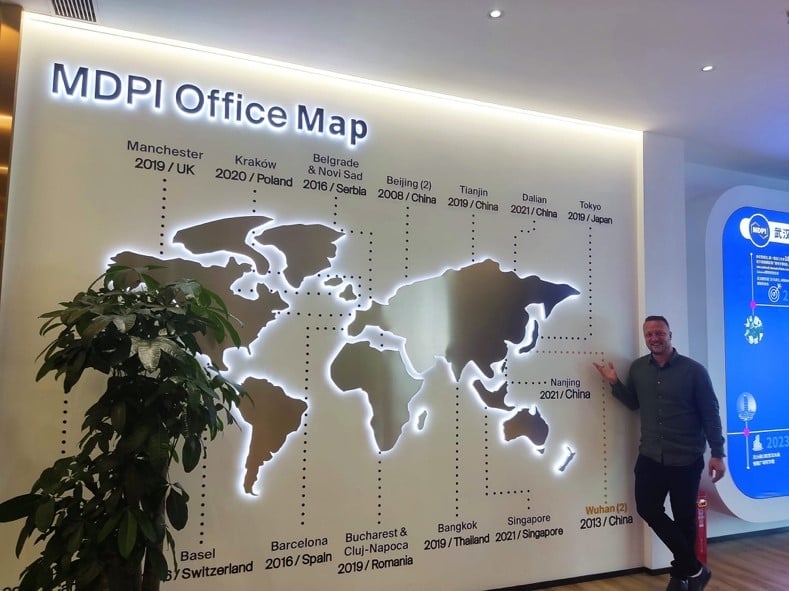
Stefan Tochev (CEO, MDPI) at MDPI’s Wuhan office.
In 2002, MDPI’s Basel headquarters moved to Matthäusstrasse 11, 4052 Basel, and Dr. Lin opened an editorial office in Qingdao, China, which launched the journal Marine Drugs in the following year. Below is a list of MDPI’s current offices in China and their respective dates of inauguration:
- 2008: Beijing (Tongzhou, Haidian)
- 2013: Wuhan (Hankou, Guanggu)
- 2019: Tianjin
- 2021: Dalian
- 2021: Nanjing
Our Strength is in Our People
With over 6,000 MDPI staff, across 20 offices in 11 countries, MDPI is able to offer authors responsive and efficient round-the-clock support, enabling a rapid publication process.
In my experience, stakeholders are genuinely surprised when they realize the extent of our global operations. My response is to reiterate that our people are our strength. This is why we have fast and efficient processes and top-notch responsiveness. Our global presence ensures that your manuscript is constantly attended to, rather than sitting on someone’s desk. We prioritize our authors’ needs and act quickly to move things through the various stages of publication. MDPI is built on speed, convenience, and competence, which I believe are core pillars for success in any industry. We continually strive to improve our systems and processes on the basis of these core strengths. We literally have over 6,000 staff worldwide dedicated to serving your needs. It’s not magic: it’s people; it’s real.
Impactful Research
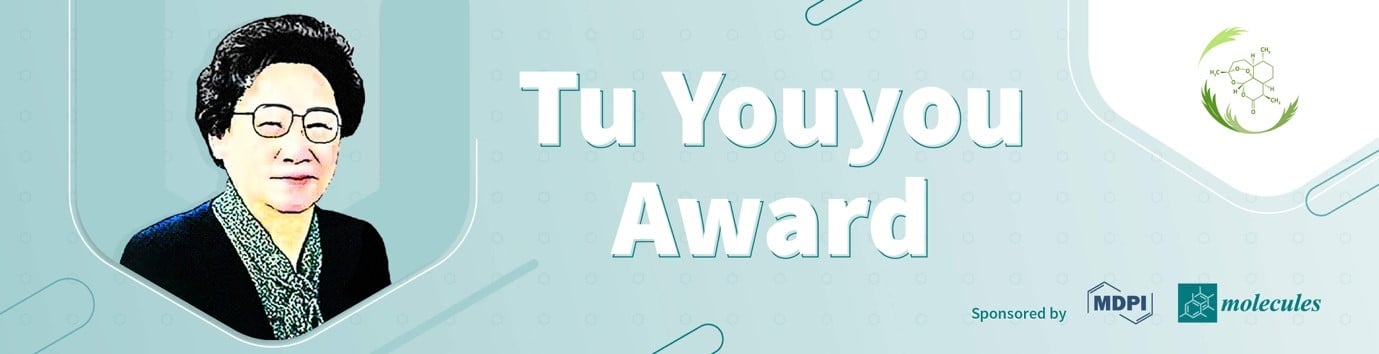
MDPI Awards
To support the academic community, and especially young researchers, and also to enhance communication among scientists, MDPI journals offer various awards in specific fields. We serve the scientific community by funding research to facilitate the development of sustainable global solutions through our annual World Sustainability Award and Emerging Sustainability Leader Award.
In 2022, MDPI made awards totalling over US$1 million in recognition and support of researchers worldwide.
Across our journal catalogue, we have granted over 2,000 awards to recognize and support researchers from all disciplines. Since 2016, these awards have served as a source of recognition, acknowledging the impact of research by heightening the influence of talented individuals. The award types mainly include the Young Investigator Award, the Best PhD Thesis Award, the Best Paper Award, and the Outstanding Reviewer Award.
To learn more about MDPI Awards and to find out which are currently available, please click here.
MDPI Awards to Scholars from China
Since 2021, there have been 23 Best Paper Awards granted to authors affiliated with Chinese institutions, identifying their papers as having high-quality scientific impact. A total of 45 Chinese scholars have received awards such as the Young Investigator Award, the Best PhD Thesis Award, the Outstanding Reviewer Award, and the Tu Youyou Award, among others. Prizes for these awards include MDPI grants for paid publications, totalling over CHF 70,000 for scholars affiliated with Chinese institutions.
MDPI’s Tu Youyou Award
Prof. Tu Youyou (left), Dr. Shu-Kun Lin (President, MDPI).
In 2015, Professor Tu Youyou was awarded the Nobel Prize in Physiology or Medicine “for her discoveries concerning a novel therapy against Malaria.” In order to commemorate Professor Tu’s contributions to human health and to promote the passion and spirit conveyed by her experiences, MDPI in 2016 established the ‘Tu Youyou Award’, which runs biennially to recognize outstanding scholars dedicated to the research of natural products and medicinal chemistry.
The 2022 Tu Youyou Award was granted to Prof. Dr. Xiaoguang Lei of Peking University. Click here to access the interview with the winner.
2015 Nobel Prize for Medicine Awarded to Professor Youyou Tu
Professor Tu’s work was celebrated in a Special Issue from Molecules on the occasion of her 80th birthday. The Special Issue: 'Artemisinin (Qinghaosu): Commemorative Issue in Honor of Professor Youyou Tu on the Occasion of her 80th Anniversary” was created five years before she won the Nobel Prize, highlighting the visibility MDPI provides researchers and their work.
Highly Cited Articles by Chinese Scholars Published in MDPI
Click here to access the most cited MDPI papers published by scholars affiliated with Chinese institutions. This list presents the most influential research from the more than 287,000 MDPI papers published by Chinese scholars. With over 9 million total citations, I encourage you to maximize your visibility and impact by publishing with MDPI, the number one most cited open access publisher.
Read more:
- Tu Youyou Award
- World Sustainability Awards
- Available Awards
Inside MDPI
 Stefan Tochev (CEO, MDPI) with the Beijing Marketing team.
Marketing Department in China
During my visit to our offices in Beijing and Wuhan, I had the opportunity to meet with, and to present to, our local marketing teams. These teams are responsible for various journal-related and corporate promotional activities, including newsletters, conferences, seminars, author training, journal awards, content creation, digital marketing, and social media.
I was pleased by the ambition and curiosity of our marketing colleagues. They showed a strong desire to collaborate and acquire knowledge and tactics to effectively market and promote MDPI-journal-related activities. I presented some of the principles and objectives that we apply in the Corporate Marketing and Communications department, and used the opportunity to strengthen our collaborative communications across offices.
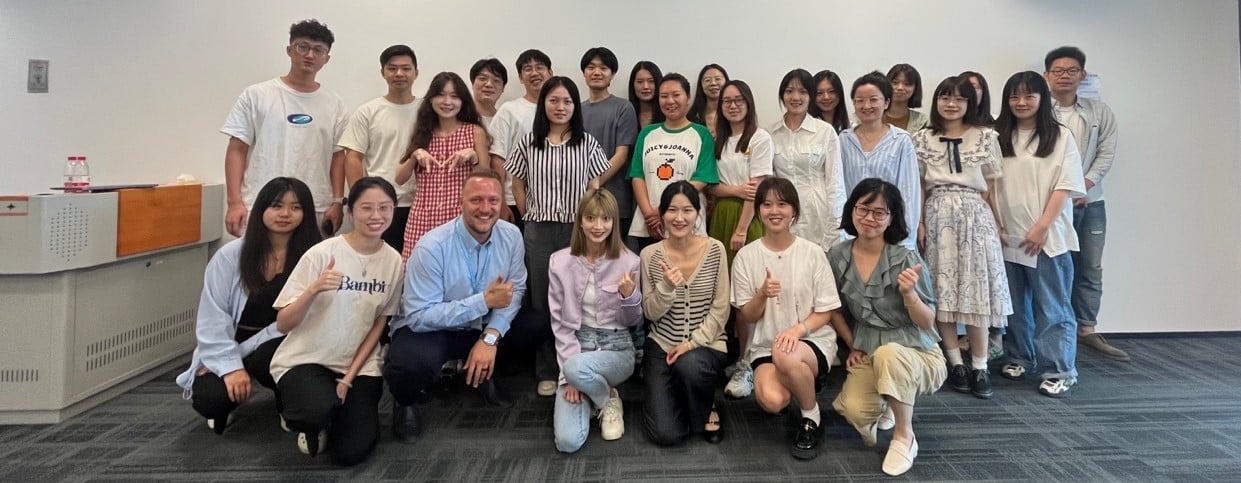 Stefan Tochev (CEO, MDPI) with the Wuhan Marketing team.
Coming Together for Science

Collaborations, Scholarships and Meetings
MDPI maintains partnerships with nearly 190 learned societies and over 800 institutions and consortia, helping to facilitate the transition to OA publishing. Our commitment to working with institutions is evident in China, where we have successfully established over 35 Institutional Open Access Programs (IOAP) with esteemed institutions such as the Tsinghua University, Huazhong University of Science and Technology, and Shanghai Jiao Tong University.
Our institutional partnerships, waiver programs, and article processing cost discounts create diverse pathways to OA publishing for researchers worldwide.
Scholarships in China
Since 2021, several MDPI journals (Sensors, Photonics, Coatings, Materials, Energies, and Journal of Fungi) have funded full scholarships for four Master’s and five Ph.D. projects in China. These scholarships align with Tianjin University, Wuhan University of Technology, Central South University, the Chinese Academy of Sciences, and the China University of Petroleum (Beijing).
Meeting with the Society of Chinese University Journals (CUJS)

Prof. Tieming Zhang (President of CUJS, centre) and MDPI colleagues at CUJS office.
I am pleased to have participated in some highly productive meetings during my visit to China, including one with the Society of Chinese University Journals (CUJS). The meeting involved Prof. Tieming Zhang (President of CUJS), Assoc. Prof. Xin Zhang (Vice President and Secretary General), and Dr. Fei Gao (Executive Member of CUJS). Alongside my colleagues Dr. Guoshi Liu, Dr. Giulia Stefenelli, and Anita Sun, I represented MDPI and held an open discussion to address any questions regarding OA and MDPI.
We discussed several methods for collaboration, including a workshop on the future of peer review, MDPI sponsoring a funding grant for early-career researchers, and transitioning journals from diamond to gold OA. I am thankful for the opportunity to have met our colleagues at CUJS in person and feel very confident about our future collaborations in support of OA publishing in China.
MDPI hosts free academic seminars, author training sessions, and academic conferences as part of its commitment to enrich and support the scholarly community. CUJS often stages academic events (e.g., conferences, editor training, and editor competitions), and I believe there are great opportunities for CUJS and MDPI to collaborate accordingly.
Meeting with National Science Library, Chinese Academy of Sciences (NSLC)
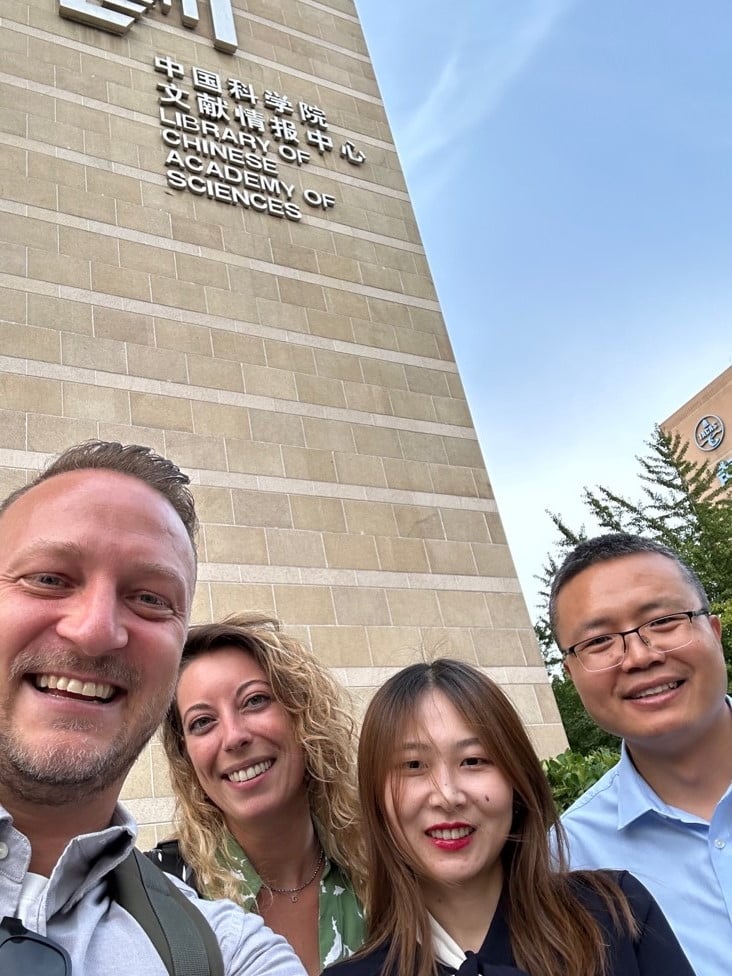
Stefan Tochev (CEO, MDPI), Dr. Giulia Stefenelli (Chair of Scientific Officers, MDPI), Anita Sun (PR Manager, MDPI) and Dr. Guoshi Liu (Managing Director, MDPI) at the National Science Library, Chinese Academy of Sciences.
We also visited the NSLC Director, Xiwen Liu, and colleagues Ying Jin, Zhesi Shen, and Sichao Tong. Following our introductions, we gave a presentation on the history and editorial process at MDPI, discussing specific details related to MDPI’s business and data. We highlighted the status of our IOAP collaborations in China and the makeup of our author base, specifically in China, and drew attention to the fact that MDPI has published research by authors from every country in the world. We then discussed the design indicators, calculation methods and implementation purposes of the ‘Early Warning Journal List’ and how we can have open communication to provide any data regarding MDPI journals. I am pleased to report that we reached a consensus on future communications, and am grateful to NSLC for hosting us in their offices.
In-person meetings with stakeholders provide an invaluable opportunity to communicate what MDPI is about and the various ways in which we serve the scholarly community. While digital marketing and online communication are essential, they are no replacement for the understanding and trust that come about through in-person interactions.
The Numbers
As at September 2023, China holds the largest position in MDPI’s global market, ranking as the largest contributor to the total number of papers published by MDPI.
At this point in time, there were more than 847,000 China mainland scholars who have published with MDPI, 51 of whom are Section-Editors-in-Chief (SEiC) of MDPI journals, with seven serving as Editors-in-Chief (EiCs) for journals such as Air, Big Data and Cognitive Computing, Blockchains, Future, Nanoenergy Advances, and Targets.
Our growth and presence in China are a true testament to the service we provide to the scholarly community, and to the relationships we foster through collaborative activities. We look forward to continuing to support the growth of the scholarly community in China, providing a valuable and trusted experience with MDPI.
Closing Thoughts
Final Reflections on our MDPI Offices in Beijing and Wuhan

Stefan Tochev (CEO, MDPI), Dr. Constanze Schelhorn (Indexing Manager, MDPI), Jiale Shang (Admin, Tongzhou, MDPI) at Beijing Capital International Airport, Beijing.
I spent approximately two weeks visiting some of our offices in China, and the first word that comes to mind when describing my experience is ‘hospitality.’ My colleagues and I were met with enthusiasm and delight at the airport by the Tongzhou Admin team (thank you, Jiale Shang, and thank you, Eric Wang, for keeping us organized on this trip!) and were taken care of with great attention. From hotels to transportation, dinners, and meetings, our stay was catered for perfectly.
Perhaps this is where MDPI’s focus on customers and service originates. At our core, we are a service company that provides a publishing platform for its authors. It’s therefore no surprise that authors consistently rate their experience with MDPI very highly.
95% of submitting authors rate their overall experience with the MDPI publication process as Excellent or Good (Springer Nature report 90%).
91% of submitting authors rate their overall experience with the MDPI peer review process as Excellent or Good.
Speed/Efficiency and Editorial Relationship are two key reasons underlying this high satisfaction score. ‘Editorial Relationship’ can be further explored, but in the past month, the most commonly noted aspects were the professionalism, kindness, availability, communicativeness, and personalized assistance provided by our editorial staff throughout the process. These attributes are at the core of our work across all our offices and continents.
Hospitality and Service
Just as our Chinese colleagues strove to keep us engaged by showing us the city sights (thank you, Thea Pan, and Jason Wu from the Wuhan Marketing team!) and sharing a variety of wonderful meals, our editorial staff are committed to serving our authors throughout their publishing journey. Our aim is to place the author at the centre of everything we do, eager to welcome our ‘guests’ and provide them with a pleasant publishing experience.
I asked my colleague Francis Wu (Senior Publisher, Wuhan office) where this hospitality originates. He responded that it is part of Chinese culture. I reflected long and deep on this answer. China is a vast country, and when visitors arrive, hosts want to ensure they feel welcomed and taken care of in order to maximize their time and visit. I can’t think of a better analogy for how I would want our authors to feel when they visit MDPI for their publishing needs. A company culture that prioritizes service, something that goes beyond products and productivity, and focuses on the overall experience. Over 6,000 people, across all MDPI offices, are ready, willing and able to go the extra mile for their colleagues and their customers. This is something I am truly proud of.
Chief Executive Officer
MDPI AG
25 September 2023
Meet Us at the 22nd China Conference on Ecology, 27–30 October 2023, Beijing, China
MDPI journals will be attending the 22nd China Conference on Ecology as exhibitors. This meeting will be held in Beijing, China, from 27 to 30 October 2023.
The conference is being organized by the Ecological Society of China and will be held at the China National Convention Center. Domestic and overseas experts, scholars, and outstanding young scientists who have made outstanding contributions to ecology and related fields will be invited to give academic reports.
The following MDPI journals will be represented:
- Diversity;
- Land;
- Plants;
- Forests;
- Environments;
- Water;
- Ecologies;
- World;
- Sustainability;
- Earth.
If you are planning to attend this conference, please feel free to start a conversation with us. Our delegates look forward to meeting you in person and answering any questions that you may have. For more information about the conference and our booth, please visit the following webpage: https://esc2023.scimeeting.cn/cn/web/index/17981.
13 September 2023
Meet Us at the AGU Fall Meeting 2023, 11–15 December 2023, Online or On-Site in San Francisco, CA, USA
MDPI will be attending the AGU Fall Meeting 2023, which will be held from 11 to 15 December 2023 in San Francisco, CA, USA.
For more than 100 years, AGU has been opening science—opening pathways to discovery, opening greater awareness to address climate change, opening greater collaborations that lead to solutions and opening the fields and professions of science to a whole new age of justice, equity, diversity, inclusion and belonging.
2023 might be the official year of Open Science, but we also see it as an opportunity to affirm AGU’s overarching values and beliefs. It is a message for all of us to carry as we come together to share, inspire, collaborate, engage and most of all rededicate ourselves as a united community grounded in wide open science.
The following MDPI journals will be represented:
- Air;
- Atmosphere;
- Climate;
- Drones;
- Earth;
- Fire;
- Forests;
- Geomatics;
- Geosciences;
- Hydrology;
- IJERPH;
- Land;
- Meteorology;
- Minerals;
- Remote Sensing;
- Sustainability;
- Water;
- World.
If you are planning to attend this conference, please feel free to stop by our booth #1424 and start a conversation with us. Our delegates look forward to meeting you in person and answering any questions that you may have. For more information about the conference, please visit the following website: https://www.agu.org/fall-meeting.
6 September 2023
Recap of Awards Granted to Scholars in 2022
MDPI is committed to supporting the academic community, nurturing talent and advancing science. Awards are an important part of the research landscape and play a vital role in helping academics gain recognition, especially young researchers as they embark on new research avenues.
In 2022, our journals presented a total number of 394 Awards, including Travel Awards, Young Investigator Awards, Best PhD Thesis Awards, Best Paper Awards, and Outstanding Reviewer Awards, with several winners announced for some of the awards. The total prize sum amounted to just under 580,000 Swiss francs (CHF), or approximately 650,000 US dollars. Overall, more than 720 scholars were awarded.
The majority of the awards were dedicated to young researchers in relatively early stages of their careers. This encompassed 66 of the afore-mentioned Travel Awards, 60 Young Investigator Awards, supporting research projects and conference attendance, as well as 51 Best PhD Thesis Awards. Additionally, 113 Best Paper Awards were given by our journals. The selection committees were entrusted with identifying the most impactful and novel research and review articles published in their journal within a given year.
MDPI will continue its support and recognition for the academic community moving forward, sponsoring new awards across disciplines. To learn more about all the awardees and their research projects in your field of study, please visit the following pages:
To explore more MDPI awards, please click here.
30 August 2023
MDPI Insights: The CEO’s Letter #3 - Sustainability and Co-opetition
Welcome to the MDPI Insights: The CEO's Letter.
In these monthly letters, I will showcase two key aspects of our work at MDPI: our commitment to empowering researchers and our determination to facilitating open scientific exchange.
Opening Thoughts

Our Commitment to Sustainability
As a pioneer in academic open access publishing since 1996, MDPI has always been dedicated to facilitating scientific exchange across all disciplines. Our approach to open science is guided by principles such as Open Access (OA), Timeliness and Efficiency, Simplicity, High-Quality Service, Flexibility, and a commitment to Sustainability. This commitment involves preserving published papers for the long term and supporting the future of science through partnerships, sponsorships, and awards.
In this edition of the CEO Letter, I will delve into MDPI’s various sustainability initiatives. As a leader in OA publishing, we are able to provide the public with a significant amount of environment-related content at no cost.
MDPI and the Sustainable Development Goals (SDGs)
In 2020, the SDG Publishers Compact was launched to accelerate implementation of the SDGs by promoting content that informs, develops, and inspires action. MDPI joined this initiative in 2021 and subsequently launched the MDPI SDG Hub in 2022, offering free access to recent research within the scope of each of the 17 SDGs. We also support authors from underrepresented communities by waiving publication charges for selected SDG-related papers. Detailed sustainability practices and supported publications are available in the report under each Goal page.
“More than 80% of MDPI articles and reviews published in 2022 relate to the Sustainable Development Goals.” [source: InCites, Accessed on 21.08.2023]
As at August 2023, MDPI boasts 14 journals dedicated to sustainability-related topics. Our first journal in this area, Sustainability, has published over 29,000 articles on the SDGs, accumulating over 240,000 citations (source: InCites, as at 1 January 2023). These journals serve as vital platforms for researchers to share insights and address environmental challenges. In addition:
MDPI journals specializing in sustainability-related topics:
- 2009: Sustainability
- 2012: Resources
- 2013: Climate
- 2014: Environments
- 2016: Recycling
- 2019: Clean Technologies
- 2020: Sustainable Chemistry
- 2021: Wind, Biomass, Conservation, Pollutants, Solar
- 2022: Waste, Microplastics
Read more:
Impactful Research

Highly Cited Articles in Sustainability
In 2022, content published in Sustainability and indexed in Journal Citation Reports (JCR) received nearly 190,000 citations. This highlights the fact that Sustainability publishes highly cited research articles related to environmental sciences and SDG-related topics such as climate action.
We are pleased to share that Sustainability received a 2022 CiteScore of 5.8, marking a 16% increase from the 2021 metric. Specifically, the CiteScore positions Sustainability as follows: Q1 (27 out of 163) in the “Environmental Science (miscellaneous)” category, and Q1 (101 out of 779) in the “Geography Planning and Development” category. For additional journal statistics, please visit here.
“Sustainability received a 2022 CiteScore of 5.8”
While MDPI journals such as Climate and Atmosphere have a distinct focus on atmosphere pollution and its impact on climate processes, journals like Sustainability, Environments, Water, Remote Sensing, and IJERPH publish content related to climate change. These journals have published over 32,300 articles related to SDG 13: Climate Action.
Highly Cited Papers in Sustainability
Below are several highly cited papers published in Sustainability over the past three years. Citation metrics are current as at 15 August 2023.
1. “A Global Assessment: Can Renewable Energy Replace Fossil Fuels by 2050?”Authors: Jerry L. Holechek, Hatim M. E. Geli, Mohammed N. Sawalhah, and Raul Valdez
Sustainability 2022, 14(8), 4792; https://doi.org/10.3390/su14084792
Citations: Crossref (97), Scopus (91), Web of Science (82), Google Scholar (125)
This paper addresses one of the most significant challenges of climate change – achieving Net Zero Carbon by 2050. The meta-analysis suggests that while difficult, this transition is possible through the concerted application of pathways, lifestyle changes, and global cooperation.
2. “Anxiety and the Ecological Crisis: An Analysis of Eco-Anxiety and Climate Anxiety”Author: Panu Pihkala
Sustainability 2020, 12(19), 7836; https://doi.org/10.3390/su12197836
Citations: Crossref (144), Scopus (121), Web of Science (159), Google Scholar (382)
This paper has received substantial media attention, including coverage by The Guardian, BBC, Vice, and CNBC. An interview with Dr. Panu Pihkala, a leading interdisciplinary researcher on the topic, can be found on MDPI’s podcast: Insight Faster, Episode 1.
3. “Impact of Climate Change on Agriculture and Its Mitigation Strategies: A Review”Authors: Gurdeep Singh Malhi, Manpreet Kaur, and Prashant Kaushik
Sustainability 2021, 13(3), 1318; https://doi.org/10.3390/su13031318
Citations: Crossref (207), Scopus (221), Web of Science (186), Google Scholar (355)
This paper reviews literature on climate change, addressing its causes, future projections, impact on agriculture, including plant physiology, growth, productivity, pest infestation, and the economic implications of mitigation strategies.
4. “Impacts of Plastic Pollution on Ecosystem Services, Sustainable Development Goals, and Need to Focus on Circular Economy and Policy Interventions”Authors: Rakesh Kumar, Anurag Verma, Arkajyoti Shome, Rama Sinha, Srishti Sinha, Prakash Kumar Jha, Ritesh Kumar, Pawan Kumar, Shubham, Shreyas Das, Prabhakar Sharma, and P. V. Vara Prasad
Sustainability 2021, 13(17), 9963; https://doi.org/10.3390/su13179963
Citations: Crossref (134), Scopus (136), Web of Science (113), Google Scholar (184)
This review aims to assess the adverse effects of plastic pollution on ecosystems, link the management of plastic with the SDGs, and propose policy measures using transdisciplinary approaches. Empowering communities to reduce plastic use is crucial. Addressing global plastic pollution is a priority.
Sustainability is an international, cross-disciplinary, open access journal that explores environmental, cultural, economic, and social sustainability of human beings. It provides a forward-looking platform for research on sustainability and sustainable development, and is published semi-monthly online by MDPI. Sustainability is affiliated with The Canadian Urban Transit Research & Innovation Consortium (CUTRIC) and The International Council for Research and Innovation in Building and Construction (CIB).
Read more:
- Testimonials: See what our editors and authors say about Sustainability.
Inside MDPI
President of Ireland Authors Editorial in MDPI Journal Sustainability
It’s a very special occasion when the president of a country takes the initiative to write an editorial for a journal. Michael D. Higgins, President of the Republic of Ireland, has contributed his insights to a forthcoming Special Issue in Sustainability:

This Special Issue, focusing on “making sustainable development happen” at grassroots levels, allows for perspectives from, and on, the major world faiths, exploring how challenges have been conceptualised and addressed, in addition to case studies of faith-based sustainability initiatives in practice.
The experience of faith institutions and communities in translating theological and moral commitments to sustainable development into action is now a topic we must examine with urgency; one on which I am so glad this Special Issue focuses.
As President of Ireland, I very much support this Special Issue of Sustainability. It is my great hope that the contents of the papers contained herein will assist in making sustainable development happen at grassroots levels across the world so that we can cooperate together, people of faith and of none, to ensure a just, inclusive and sustainable future for all on our fragile planet.
Read the completed editorial here:
Special Issue “Faith and Sustainable Development: Exploring Practice, Progress and Challenges among Faith Communities and Institutions”: Foreword by the President of Ireland
Author: Michael D. Higgins
Sustainability 2023, 15(12), 9683; https://doi.org/10.3390/su15129683
Coming Together for Science

The World Sustainability Forum 2023
The World Sustainability Forum (WSF) is a biennial MDPI event focused on sustainability. WSF 2023 marks the tenth anniversary of the conference series, taking place on 14 September. For the first time, the event will be hosted as a 24-hour conference across three locations – Singapore, Basel in Switzerland, and Toronto in Canada – alongside virtual streaming.
This unique format allows us to span three time zones, providing live coverage of critical sustainability-related topics throughout the day:
- The Singapore Hub, chaired by Professor Horn Mun Cheah and Associate Professor Renee Tan, will explore “Sustainability for Social and Community Impact”.
- The Basel Hub, chaired by Prof. Dr. Anet Režek Jambrak and Dr. Lela Mélon, will delve into “Sustainability in the industry, and at university and corporate settings”.
- The Toronto Hub, led by Dr. Umberto Berardi, will discuss “The Sustainable Built Environment”.
MDPI Sustainability Foundation: Recognizing Excellence in Sustainability Research
The MDPI Sustainability Foundation supports researchers through two sustainability-focused awards:
- The World Sustainability Award, amounting to USD 100,000, is given to senior researchers.
- The Emerging Sustainability Leader Award, valued at USD 20,000, sponsored by the journal Sustainability, is presented to early-career researchers.
The winners of the Sustainability Foundation will be formally awarded during the WSF2023 on 14 September. Interviews with the award winners and finalists are available below.
2023 World Sustainability Award Winners
Interviews with 2023 Emerging Sustainability Leader Award Finalists
- Dr. Bahareh Kamranzad
- Dr. Youjin Kim
- Dr. Julia Lohmann
As a hybrid event, WSF23 provides scholars with the option to attend in person at one of the conference sites or, for a more sustainable approach, virtually. All sessions will be recorded and archived for future access. Registration is open until 3 September 2023, with in-person and virtual tickets available here.
Read more:
Closing Thoughts
“Co-opetition”: Collaboration Plus Healthy Competition – A Visit to Elsevier
I firmly believe in fostering collaboration and at the same time promoting healthy competition within the academic publishing industry. The market offers ample room for publishers and related companies to provide valuable services and products that enrich the academic community. While MDPI is recognized for its efficient and streamlined processes –thanks to our over 6,000 colleagues, in-house tools, and initiatives that support the author journey – our ethos has always involved learning from and collaborating with other organizations.
MDPI’s Interaction with Elsevier
In January 2023, I had a brief conversation with Judy Verses, President of Global Academic and Government Markets at Elsevier, following her participation in a panel discussion at the Academic Publishers Europe event in Berlin. One of the highlights for me was Judy’s insight into the impact of research, particularly her emphasis on the role of collaboration, including policy and showing the impact of research to influence on funding decisions.
“Such collaborations drive forward-looking strategies to elevate our support for the scholarly community”

Judy and I resumed our discussion in August, when I visited Elsevier's office to review current projects, such as our recent agreement with Science Direct and the continued indexing of MDPI journals in Scopus (indexing database owned by Elsevier). We also explored possible opportunities for the future, including a potential collaboration to expand MDPI’s Scilit data infrastructure. This endeavour aims to aggregate and provide access to scholarly metadata encompassing journal articles, conference papers, books, preprints, and more. While these discussions are ongoing, the underlying principle remains that such collaborations drive forward-looking strategies to elevate our services and support for the scholarly community.
It was great that Judy and I acknowledged the merits of 'co-opetition,' a concept based of the belief that fostering cooperation alongside healthy competition can lead to shared advancements for both individual companies and the industry at large.
‘Fully OA’ Organizations Dedicated to Open Access
MDPI proudly aligns with the ‘Fully OA’ group, a collaborative initiative comprising nine organizations dedicated to Open Access. Our monthly meetings, including an OASPA representative, serve as platforms to share non-confidential information, resources, and projects. These gatherings also facilitate discussions on topics relevant to fully OA organizations. Occasionally, joint actions spring from these interactions, such as collaborative blog posts on pertinent subjects and joint statements, such as a recent response to the House Appropriations Committee.
This display of cooperation among competing entities forms a strategic alliance focused on nurturing the best interests of the OA publishing model.
As I wrap up this third edition of the CEO Letter, I encourage you to seize opportunities for collaboration and contribute to advancing our shared academic culture. As the African proverb has it, “If you want to go fast, go alone; if you want to go far, go together.”
Chief Executive Officer
MDPI AG
23 August 2023
Meet Us at the 2023 Annual Meeting of the Geographical Society of China—Commission on Urban Geography, 15–18 September 2023, Wuhan, China
MDPI is attending the 2023 Annual Meeting of the Geographical Society of China—Commission on Urban Geography. The event will be held at Wuhan University, China, from 15 to 18 September 2023, and it is organized by the Geographical Society of China. This conference will focus on the theme "Innovative Development of Urban Geography for Chinese Modernization"; it will exchange new ideas, new trends, new methods and new practices of urban geography, explore new opportunities, new positioning and new paradigms for the development of urban geography in the context of disciplinary integration, and jointly promote the prosperity and development of urban geography in China.
Representatives of the following MDPI journals will be attending:
- Land (leading journal);
- Sustainability;
- IJGI;
- Forests;
- Geomatics;
- Geographies;
- Earth.
If you are also attending this conference, please feel free to stop by our booth. Our delegates look forward to meeting you in person to answer any questions you may have. For more information about the conference, please visit: http://www.gsc.org.cn/web/#/meeting/2fea355b-6e53-412e-8119-797535909665.
31 July 2023
MDPI’s 2022 Best PhD Thesis Awards in Environmental and Earth Sciences—Winners Announced
MDPI’s Best PhD Thesis Awards are presented to recognize the young scholars who are deemed to have completed the most outstanding PhD thesis in their field of research and to encourage them to continue their outstanding work and make further contributions to their field.
We would like to warmly congratulate the winners of the 2022 Best PhD Thesis Awards and wish them success with their future research endeavors.
- “Variability of Ocean Dynamics and Associated Mechanisms Over the Tropical Indian Ocean”
by Sartaj Khan, Harbin Engineering University, China
- “Nanofluid Impingement Jet Heat Transfer”
by Javad Mohammadpour, Macquarie University, Australia
- “Abiotic Sedimentary Dolomite Formation: from Nano- to Macro-Scale”
by Yihang Fang, Washington University, USA
- “Effects of Rare Earth Elements on Aquatic Organisms under a Changing Environment”
by Catia Figueiredo, CIIMAR—Interdisciplinary Centre of Marine and Environmental Research, Portugal
- “Green-Gray Coupled Runoff Control Infrastructure Adaptive Multi-Objective Optimization Method”
by Zijing Liu, Tsinghua University, China
About MDPI Awards:
In order to reward the academic community, especially young researchers and enhance communication among scientists, MDPI journals regularly offer various awards to researchers in specific fields. These awards, serving as a source of inspiration and recognition, help raise the influence of talented individuals who have been credited with outstanding achievements and are making a significant contribution to the advancement of their fields.
To explore more MDPI awards, please click here.
31 July 2023
MDPI’s 2022 Best Paper Awards in Environmental and Earth Sciences—Winners Announced
The purpose of our Best Paper Awards is to promote and recognize the most impactful contributions published within MDPI journals.
The editors of each journal carefully selected reviews and research papers through a rigorous judging process based on criteria such as the scientific merit, overall impact, and the quality of presentation of the papers published in the journal.
We are honored to present the winners for the year 2022 in environmental and earth sciences, who were selected amongst the extensive competition, and congratulate the authors for their outstanding scientific publications.
- “Covid-19 Airborne Transmission and Its Prevention: Waiting for Evidence or Applying the Precautionary Principle?”
by Annalaura Carducci, Ileana Federigi and Marco Verani
Atmosphere 2020, 11(7), 710; https://doi.org/10.3390/atmos11070710
- “The Heat Health Warning System in Germany—Application and Warnings for 2005 to 2019”
by Andreas Matzarakis, Gudrun Laschewski and Stefan Muthers
Atmosphere 2020, 11(2), 170; https://doi.org/10.3390/atmos11020170
- “Temporal Hydrological Drought Index Forecasting for New South Wales, Australia Using Machine Learning Approaches”
by Abhirup Dikshit, Biswajeet Pradhan and Abdullah M. Alamri
Atmosphere 2020, 11(6), 585; https://doi.org/10.3390/atmos11060585
- “Lignocellulosic Biomass Mild Alkaline Fractionation and Resulting Extract Purification Processes: Conditions, Yields, and Purities”
by Vincent Oriez, Jérôme Peydecastaing and Pierre-Yves Pontalier
Clean Technol. 2020, 2(1), 91-115; https://doi.org/10.3390/cleantechnol2010007
- “Environmental and Economic Evaluation of Fuel Choices for Short Sea Shipping”
by Kirsi Spoof-Tuomi and Seppo Niemi
Clean Technol. 2020, 2(1), 34-52; https://doi.org/10.3390/cleantechnol2010004
- “Analyzing Similarities between the European Union Countries in Terms of the Structure and Volume of Energy Production from Renewable Energy Sources”
by Jarosław Brodny and Magdalena Tutak
Energies 2020, 13(4), 913; https://doi.org/10.3390/en13040913
- “High Reynold’s Number Turbulent Model for Micro-Channel Cold Plate Using Reverse Engineering Approach for Water-Cooled Battery in Electric Vehicles”
by Satyam Panchal, Krishna Gudlanarva, Manh-Kien Tran, Roydon Fraser and Michael Fowler
Energies 2020, 13(7), 1638; https://doi.org/10.3390/en13071638 - “Investigation of Inorganic Phase Change Material for a Semi-Transparent Photovoltaic (STPV) Module”
by Alagar Karthick, Muthu Manokar Athikesavan, Manoj Kumar Pasupathi, Nallapaneni Manoj Kumar, Shauhrat S. Chopra and Aritra Ghosh
Energies 2020, 13(14), 3582; https://doi.org/10.3390/en13143582
- “Considerations on Potentials, Greenhouse Gas, and Energy Performance of Biofuels Based on Forest Residues for Heavy-Duty Road Transport in Sweden”
by Shveta Soam and Pål Börjesson
Energies 2020, 13(24), 6701; https://doi.org/10.3390/en13246701
- “Characterization of Hybrid-nano/Paraffin Organic Phase Change Material for Thermal Energy Storage Applications in Solar Thermal Systems”
by Manoj Kumar Pasupathi, Karthick Alagar, Michael Joseph Stalin P, Matheswaran M. M and Ghosh Aritra
Energies 2020, 13(19), 5079; https://doi.org/10.3390/en13195079
- “Snapshot of Photovoltaics—February 2020”
by Arnulf Jäger-Waldau
Energies 2020, 13(4), 930; https://doi.org/10.3390/en13040930
- “The Importance of Renewable Energy Sources in Poland’s Energy Mix”
by Renata Marks-Bielska, Stanisław Bielski, Katarzyna Pik and Krystyna Kurowska
Energies 2020, 13(18), 4624; https://doi.org/10.3390/en13184624
- “Infectious Diseases, Market Uncertainty and Oil Market Volatility”
by Elie Bouri, Riza Demirer, Rangan Gupta and Christian Pierdzioch
Energies 2020, 13(16), 4090; https://doi.org/10.3390/en13164090
- “Cost of Equity of Coal-Fired Power Generation Projects in Poland: Its Importance for the Management of Decision-Making Process”
by Piotr W. Saługa, Katarzyna Szczepańska-Woszczyna, Radosław Miśkiewicz and Mateusz Chłąd
Energies 2020, 13(18), 4833; https://doi.org/10.3390/en13184833
- “Internet of Things (IoT) and the Energy Sector”
by Naser Hossein Motlagh, Mahsa Mohammadrezaei, Julian Hunt and Behnam Zakeri
Energies 2020, 13(2), 494; https://doi.org/10.3390/en13020494
- “A Review on Thermoelectric Generators: Progress and Applications”
by Mohamed Amine Zoui, Saïd Bentouba, John G. Stocholm and Mahmoud Bourouis
Energies 2020, 13(14), 3606; https://doi.org/10.3390/en13143606
- “Contributions and Risks of Artificial Intelligence (AI) in Building Smarter Cities: Insights from a Systematic Review of the Literature”
by Tan Yigitcanlar, Kevin C. Desouza, Luke Butler and Farnoosh Roozkhosh
Energies 2020, 13(6), 1473; https://doi.org/10.3390/en13061473
- “Possibilities and Challenges for the Inclusion of the Electric Vehicle (EV) to Reduce the Carbon Footprint in the Transport Sector: A Review”
by Aritra Ghosh
Energies 2020, 13(10), 2602; https://doi.org/10.3390/en13102602
- “Energy and Climate Policy—An Evaluation of Global Climate Change Expenditure 2011–2018”
by Coilín ÓhAiseadha, Gerré Quinn, Ronan Connolly, Michael Connolly and Willie Soon
Energies 2020, 13(18), 4839; https://doi.org/10.3390/en13184839 - “A Review of The Methanol Economy: The Fuel Cell Route”
by Samuel Simon Araya, Vincenzo Liso, Xiaoti Cui, Na Li, Jimin Zhu, Simon Lennart Sahlin, Søren Højgaard Jensen, Mads Pagh Nielsen and Søren Knudsen Kær
Energies 2020, 13(3), 596; https://doi.org/10.3390/en13030596
- “Microplastic Contamination in Freshwater Environments: A Review, Focusing on Interactions with Sediments and Benthic Organisms”
by Arianna Bellasi, Gilberto Binda, Andrea Pozzi, Silvia Galafassi, Pietro Volta and Roberta Bettinetti
Environments 2020, 7(4), 30; https://doi.org/10.3390/environments7040030
- “Biogas Production from Food Residues—The Role of Trace Metals and Co-Digestion with Primary Sludge”
by Moshe Habagil, Alexander Keucken and Ilona Sárvári Horváth
Environments 2020, 7(6), 42; https://doi.org/10.3390/environments7060042
- “Coastal Pine-Oak Glacial Refugia in the Mediterranean Basin: A Biogeographic Approach Based on Charcoal Analysis and Spatial Modelling”
by Gaetano Di Pasquale, Antonio Saracino, Luciano Bosso, Danilo Russo, Adriana Moroni, Giuliano Bonanomi and Emilia Allevato
Forests 2020, 11(6), 673; https://doi.org/10.3390/f11060673
- “A Survey in Natural Forest Ecosystems of Vietnam Reveals High Diversity of both New and Described Phytophthora Taxa including ramorum”
by Thomas Jung, Bruno Scanu, Clive M. Brasier, Joan Webber, Ivan Milenković, Tamara Corcobado, Michal Tomšovský, Matěj Pánek, József Bakonyi, Cristiana Maia et al.
Forests 2020, 11(1), 93; https://doi.org/10.3390/f11010093
- “Living in Drylands: Functional Adaptations of Trees and Shrubs to Cope with High Temperatures and Water Scarcity”
by José Javier Peguero-Pina, Alberto Vilagrosa, David Alonso-Forn, Juan Pedro Ferrio, Domingo Sancho-Knapik and Eustaquio Gil-Pelegrín
Forests 2020, 11(10), 1028; https://doi.org/10.3390/f11101028
- “Advances and Promises of Epigenetics for Forest Trees”
by Joana Amaral, Zoé Ribeyre, Julien Vigneaud, Mamadou Dia Sow, Régis Fichot, Christian Messier, Gloria Pinto, Philippe Nolet and Stéphane Maury
Forests 2020, 11(9), 976; https://doi.org/10.3390/f11090976
- “Cartographic Vandalism in the Era of Location-Based Games—The Case of OpenStreetMap and Pokémon GO”
by Levente Juhász, Tessio Novack, Hartwig H. Hochmair and Sen Qiao
ISPRS Int. J. Geo-Inf. 2020, 9(4), 197; https://doi.org/10.3390/ijgi9040197
- “A Comprehensive Review of Rare Earth Elements Recovery from Coal-Related Materials”
by Wencai Zhang, Aaron Noble, Xinbo Yang and Rick Honaker
Minerals 2020, 10(5), 451; https://doi.org/10.3390/min10050451 - “SEM-Based Automated Mineralogy and Its Application in Geo- and Material Sciences”
by Bernhard Schulz, Dirk Sandmann and Sabine Gilbricht
Minerals 2020, 10(11), 1004; https://doi.org/10.3390/min10111004
- “Characteristics of Precipitation of Rare Earth Elements with Various Precipitants”
by Kenneth N. Han
Minerals 2020, 10(2), 178; https://doi.org/10.3390/min10020178
- “Lithium-Rich Claystone in the McDermitt Caldera, Nevada, USA: Geologic, Mineralogical, and Geochemical Characteristics and Possible Origin”
by Stephen B. Castor and Christopher D. Henry
Minerals 2020, 10(1), 68; https://doi.org/10.3390/min10010068
- “Using Complementary Methods of Synchrotron Radiation Powder Diffraction and Pair Distribution Function to Refine Crystal Structures with High Quality Parameters—A Review”
by Seungyeol Lee and Huifang Xu
Minerals 2020, 10(2), 124; https://doi.org/10.3390/min10020124
- “Erosive Response of Non-Glaciated Pyrenean Headwater Catchments to the Last Major Climate Transition and Establishing Interglacial Conditions”
by Kurt Martin Stange, Ivar Midtkandal, Johan Petter Nystuen, Andrew Murray, Reza Sohbati, Warren Thompson, Cornelia Spiegel and Hans-Joachim Kuss
Quaternary 2019, 2(2), 17; https://doi.org/10.3390/quat2020017
- “Last Interglacial Climate in Northern Sweden—Insights from a Speleothem Record”
by Martin Finné, Sakari Salonen, Norbert Frank, Karin F. Helmens, Andrea Schröder-Ritzrau, Michael Deininger and Steffen Holzkämper
Quaternary 2019, 2(3), 29; https://doi.org/10.3390/quat2030029
- “Climatically Controlled River Terraces in Eastern Australia”
by James S. Daley and Tim J. Cohen
Quaternary 2018, 1(3), 23; https://doi.org/10.3390/quat1030023
- “Dropstones in Lacustrine Sediments as a Record of Snow Avalanches—A Validation of the Proxy by Combining Satellite Imagery and Varve Chronology at Kenai Lake (South-Central Alaska)”
by Sien Thys, Maarten Van Daele, Nore Praet, Britta J. L. Jensen, Thomas Van Dyck, Peter J. Haeussler, Elke Vandekerkhove, Veerle Cnudde and Marc De Batist
Quaternary 2019, 2(1), 11; https://doi.org/10.3390/quat2010011
- “From Climatic to Anthropogenic Drivers: A Multi-Proxy Reconstruction of Vegetation and Peatland Development in the French Jura Mountains”
by Emilie Gauthier, Vincent E. J. Jassey, Edward A. D. Mitchell, Mariusz Lamentowicz, Richard Payne, Frédéric Delarue, Fatima Laggoun-Defarge, Daniel Gilbert and Hervé Richard
Quaternary 2019, 2(4), 38; https://doi.org/10.3390/quat2040038
- “Current Practices in UAS-based Environmental Monitoring”
by Goran Tmušić, Salvatore Manfreda, Helge Aasen, Mike R. James, Gil Gonçalves, Eyal Ben-Dor, Anna Brook, Maria Polinova, Jose Juan Arranz, János Mészáros et al.
Remote Sens. 2020, 12(6), 1001; https://doi.org/10.3390/rs12061001
- “Change Detection Based on Artificial Intelligence: State-of-the-Art and Challenges”
by Wenzhong Shi, Min Zhang, Rui Zhang, Shanxiong Chen and Zhao Zhan
Remote Sens. 2020, 12(10), 1688; https://doi.org/10.3390/rs12101688 - “A Spatial-Temporal Attention-Based Method and a New Dataset for Remote Sensing Image Change Detection”
by Hao Chen and Zhenwei Shi
Remote Sens. 2020, 12(10), 1662; https://doi.org/10.3390/rs12101662
- “Mapping Landslides on EO Data: Performance of Deep Learning Models vs. Traditional Machine Learning Models”
by Nikhil Prakash, Andrea Manconi and Simon Loew
Remote Sens. 2020, 12(3), 346; https://doi.org/10.3390/rs12030346
- “LiCSBAS: An Open-Source InSAR Time Series Analysis Package Integrated with the LiCSAR Automated Sentinel-1 InSAR Processor”
by Yu Morishita, Milan Lazecky, Tim J. Wright, Jonathan R. Weiss, John R. Elliott and Andy Hooper
Remote Sens. 2020, 12(3), 424; https://doi.org/10.3390/rs12030424
- “A Novel Method for Safety Analysis of Cyber-Physical Systems—Application to a Ship Exhaust Gas Scrubber System”
by Victor Bolbot, Gerasimos Theotokatos, Evangelos Boulougouris, George Psarros and Rainer Hamann
Safety 2020, 6(2), 26; https://doi.org/10.3390/safety6020026
- “Characteristics of Commuters’ Single-Bicycle Crashes in Insurance Data”
by Roni Utriainen
Safety 2020, 6(1), 13; https://doi.org/10.3390/safety6010013
- “Effect of Road Markings and Traffic Signs Presence on Young Driver Stress Level, Eye Movement and Behaviour in Night-Time Conditions: A Driving Simulator Study”
by Darko Babić, Dario Babić, Hrvoje Cajner, Ana Sruk and Mario Fiolić
Safety 2020, 6(2), 24; https://doi.org/10.3390/safety6020024
- “COVID-19 Could Leverage a Sustainable Built Environment”
by Manuel Duarte Pinheiro and Nuno Cardoso Luís
Sustainability 2020, 12(14), 5863; https://doi.org/10.3390/su12145863
- “Mapping the Sustainable Development Goals Relationships”
by Luis Miguel Fonseca, José Pedro Domingues and Alina Mihaela Dima
Sustainability 2020, 12(8), 3359; https://doi.org/10.3390/su12083359
- “The Impact of COVID-19 Pandemic on the Resilience of Sustainable Mobility in Sicily”
by Tiziana Campisi, Socrates Basbas, Anastasios Skoufas, Nurten Akgün, Dario Ticali and Giovanni Tesoriere
Sustainability 2020, 12(21), 8829; https://doi.org/10.3390/su12218829
- “Artificial Intelligence in the Agri-Food System: Rethinking Sustainable Business Models in the COVID-19 Scenario”
by Assunta Di Vaio, Flavio Boccia, Loris Landriani and Rosa Palladino
Sustainability 2020, 12(12), 4851; https://doi.org/10.3390/su12124851
- “Interaction of Environmental Pollutants with Microplastics: A Critical Review of Sorption Factors, Bioaccumulation and Ecotoxicological Effects”
by Albert Menéndez-Pedriza and Joaquim Jaumot
Toxics 2020, 8(2), 40; https://doi.org/10.3390/toxics8020040
- “Analysis of Cannabinoid-Containing Fluids in Illicit Vaping Cartridges Recovered from Pulmonary Injury Patients: Identification of Vitamin E Acetate as a Major Diluent”
by Bryan Duffy, Lingyun Li, Shijun Lu, Lorie Durocher, Mark Dittmar, Emily Delaney-Baldwin, Deepika Panawennage, David LeMaster, Kristen Navarette and David Spink
Toxics 2020, 8(1), 8; https://doi.org/10.3390/toxics8010008
- “Assessing the Benefits of Forested Riparian Zones: A Qualitative Index of Riparian Integrity Is Positively Associated with Ecological Status in European Streams”
by Francis J. Burdon, Ellinor Ramberg, Jasmina Sargac, Marie Anne Eurie Forio, Nancy de Saeyer, Petra Thea Mutinova, Therese Fosholt Moe, Mihaela Oprina Pavelescu, Valentin Dinu, Constantin Cazacu et al.
Water 2020, 12(4), 1178; https://doi.org/10.3390/w12041178
- “Worldwide Regulations and Guidelines for Agricultural Water Reuse: A Critical Review”
by Farshid Shoushtarian and Masoud Negahban-Azar
Water 2020, 12(4), 971; https://doi.org/10.3390/w12040971
- “Adsorption of Methylene Blue in Water onto Activated Carbon by Surfactant Modification”
by Yu Kuang, Xiaoping Zhang and Shaoqi Zhou
Water 2020, 12(2), 587; https://doi.org/10.3390/w12020587
- “Antimicrobials and Antibiotic-Resistant Bacteria: A Risk to the Environment and to Public Health”
by Liliana Serwecińska
Water 2020, 12(12), 3313; https://doi.org/10.3390/w12123313
About MDPI Awards:
In order to reward the academic community, especially young researchers and enhance communication among scientists, MDPI journals regularly offer various awards to researchers in specific fields. These awards, serving as a source of inspiration and recognition, help raise the influence of talented individuals who have been credited with outstanding achievements and are making a significant contribution to the advancement of their fields.
To explore more MDPI awards, please click here.
31 July 2023
MDPI’s 2022 Young Investigator Awards in Environmental and Earth Sciences—Winners Announced
MDPI’s Young Investigator Awards recognize promising junior researchers, acknowledge their contributions, and enhance communication among scientists. We are proud to present the winners for the year 2022 in environmental and earth sciences. The winners were selected by the journals’ Award Evaluation Committee.
We warmly congratulate the awarded young investigators for their outstanding contributions. MDPI will continue to provide support and recognition to the academic community.
- Jianhuai Ye, Southern University of Science and Technology, China
- Saeed Golestan, Aalborg University (AAU), Denmark
- Michael Bertram, Swedish University of Agricultural Sciences, Sweden
- Shaunna M. Morrison, Carnegie Institution for Science, USA
- Danfeng Hong, Qingdao University, China
- Xiaolei Yuan, Aalto University, Finland
- Minjian Chen, Nanjing Medical University, China
- Sergi Garcia-Segura, Arizona State University, USA
About MDPI Awards:
In order to reward the academic community, especially young researchers and enhance communication among scientists, MDPI journals regularly offer various awards to researchers in specific fields. These awards, serving as a source of inspiration and recognition, help raise the influence of talented individuals who have been credited with outstanding achievements and are making a significant contribution to the advancement of their fields.
To explore more MDPI awards, please click here.
31 July 2023
MDPI’s 2022 Travel Awards in Environmental and Earth Sciences—Winners Announced
We are proud to recognize the winners of MDPI’s 2022 Travel Awards in environmental and earth sciences for their outstanding presentations and to present them with the prize.
MDPI journals regularly offer travel awards to encourage junior scientists to present their latest research at academic conferences in specific fields, which helps to increase their influence.
The winners mentioned below were carefully selected by the journal editors based on an outline of their research and the work to be presented at an academic conference.
We would like to warmly congratulate the winners of the 2022 Travel Awards and wish them the greatest success with their future research endeavors.
- Pavani Misra, Indian Institute of Technology Kanpur, India
- Runxia Cai, North Carolina State University, USA
- Lukasz Niedzwiecki, Wrocław University of Science and Technology, Poland
- Michael Eze, 1Macquarie University, Australia; 2University of Goettingen, Germany
- Murillo Vetroni Barros, Federal University of Technology—Paraná, Brazil
- Ana Novo, University of Vigo, Spain
- Eko Setio Wibowo, Kyungpook National University, Republic of Korea
- Esmaiil Mokarighahroodi, Texas A&M University, USA
- Roseane F. De Fátima Guimarães, Université de Montréal, Canada
- Phillips E. Obasohan, University of Sheffield, UK
- Katarina Baralić, University of Belgrade, Serbia
- Xianglong Xu, Monash University, Australia
- Jianwei Huang, The Chinese University of Hong Kong, China
- Sevim Sezi Karayazi, Eindhoven University of Technology, the Netherlands
- Rocky Talchabhadel, Texas A&M AgriLife Research, USA
- Leah Renwick, University of Chile, Chile
- Ana Novo, University of Vigo, Spain
- Renée Mie Fredensborg Hansen, 1Technical University of Denmark; 2Norwegian University of Science and Technology (in collaboration with The University Centre in Svalbard), Norway
- Aida Hosseinian, Oulu University, Finland
- Morteza Nazari-Heris, Pennsylvania State University, USA
- Domenico Mazzeo, University of Calabria, Italy
- Yuan Chen, The University of Sydney, Australia
- Sonia Khadija Maïté Gueroun, Tecnologia e Inovação (ARDITI), Portugal
- Konstantina Tsigkou, University of Patras, Greece
- Sabolc Pap, University of the Highlands and Islands, UK
- Xuexiu Jia, Brno University of Technology, Czech Republic
- Angelos Alamanos, Dundalk Institute of Technology, Ireland
About MDPI Awards:
In order to reward the academic community, especially young researchers and enhance communication among scientists, MDPI journals regularly offer various awards to researchers in specific fields. These awards, serving as a source of inspiration and recognition, help raise the influence of talented individuals who have been credited with outstanding achievements and are making a significant contribution to the advancement of their fields.
To explore more MDPI awards, please click here.
31 July 2023
MDPI’s 2022 Outstanding Reviewer Awards in Environmental and Earth Sciences—Winners Announced
In order to acknowledge our reviewers, who so generously dedicate their time to reviewing papers and demonstrate diligence, professionalism, and timeliness when reviewing manuscripts, MDPI journals regularly offer outstanding reviewer awards to scholars who participate in the peer-review process.
We are proud to recognize the winners for the year 2022 in environmental and earth sciences for their outstanding contributions among the extensive competition by presenting them with an Outstanding Reviewer Award.
We would like to take this opportunity to congratulate all the winners on their achievements. MDPI will continue to provide support and recognition to the academic community.
- Stanislav Juráň, Global Change Research Institute CAS, Czech Republic
- Sandro W. Lubis, Pacific Northwest National Laboratory (PNNL), USA
- Eliza Kalbarczyk, Adam Mickiewicz University in Poznan, Poland
- Raffaele Carli, Polytechnic of Bari, Italy
- Marcos Tostado-Véliz, University of Jaén, Spain
- Andrea Mariscotti, University of Genova, Italy
- Xuejun Qian, Morgan State University, USA
- Dominik Zimon, Rzeszow University of Technology, Poland
- Petr Pyszko, University of Ostrava, Czech Republic
- Narayan Bhusal, Seoul National University, Republic of Korea
- Vasiliki Kamperidou, Aristotle University of Thessaloniki, Greece
- Muhammad Adnan Akram, Lanzhou University, China
- Jelena T. Petrović, Institute for Technology of Nuclear and Other Mineral Raw Materials, Serbia
- Martina Zucchi, University of Bari, Italy
- Theodore M. Present, California Institute of Technology, United States
- Anuli Njoku, Southern Connecticut State University, USA
- Álvaro Francisco Lopes De Sousa, Institute of Hygiene and Tropical Medicine, Portugal
- Carol Nash, University of Toronto, Canada
- Geovani Lopez-Ortiz, Universidad Nacional Autónoma de México, Mexico
- Jorge Velázquez Saornil, Universidad Católica de Ávila, Spain
- Naser Alsharairi, Menzies Health Institute Qld- Griffith University, Australia
- Salvador Baena-Morales, University of Alicante, Spain
- Shirley Wyver, Macquarie University, Australia
- Akihiko Katayama, Shikoku Gakuin University, Japan
- Alessandro Sapienza, Institute of Cognitive Sciences and Technologies (ISTC - CNR), Italy
- Alexandr Ceasovschih, “St. Spiridon” Emergency Hospital, Romania
- Alina Cernasev, University of Tennessee Health Science Center, USA
- Amelia Beata Staszowska, Lublin University of Technology, Poland
- Andreia Lima, Fernando Pessoa University, Portugal
- Anna Lipert, Medical University of Lodz, Poland
- Anson Kai Chun Chau, The Chinese University of Hong Kong, China
- Bianca Hanganu, “Grigore T. Popa” University of Medicine and Pharmacy of Iasi, Romania
- Bocong Yuan, Sun Yat-sen University, China
- Chee-Seng Tan, Universiti Tunku Abdul Rahman, Malaysia
- Christine Manlai Kwan,The University of Hong Kong, China
- Cristina Mendoza-Holgado, University of Extremadura, Spain
- Denise Dillon, James Cook University, Singapore
- Hiroyuki Noda, Graduate School of Medicine, Japan
- Isaac Rampedi, University of Johannesburg, South Africa
- Jan Domaradzki, Poznań University of Medical Sciences, Poland
- Joel Nitzkin, JLN, MD Associates, L.L.C., USA
- Kyung-Hyun Suh, Sahmyook University, Republic of Korea
- Lorenzo Gianquintieri, Polytechnic University of Milan, Italy
- Mariusz Duplaga, Jagiellonian University Medical College, Poland
- Matteo Riccò, Unità Operativa di Prevenzione e Sicurezza degli Ambienti di Lavoro, Italy
- Olga Czerwińska-Ledwig, University of Physical Education in Kraków, Poland
- Petra Marková, Slovak University of Technology in Bratislava, Slovakia
- Piyapong Janmaimool, Kochi University of Technology, Japan
- Rafał Gerymski, Opole University, Poland
- Rasa Jankauskiene, Lithuanian Sports University, Lithuania
- Ruben Lopez-Bueno, University of Zaragoza, Spain
- Siu Shing Man, City University of Hong Kong, China
- Tomasz Sobierajski, University of Warsaw, Poland
- Wang-Kin Oscar Chiu, Hong Kong Polytechnic University, China
- Yang Wu, Huazhong University of Science and Technology, China
- Fernando P. Fonseca, Universidade do Minho, Portugal
- Polina Lemenkova, Université Libre de Bruxelles, Belgium
- Alexandre B. Gonçalves, University of Lisbon, Portugal
- Marcin Kulawiak, Gdansk University of Technology, Poland
- Dennis Edler, Ruhr-University Bochum, Germany
- Concetta Cardillo, Center for Agricultural Policies and Bioeconomy, Italy
- Elisabetta Maria Venco, University of Pavia, Italy
- Małgorzata Dudzińska, University of Warmia and Mazury in Olsztyn, Poland
- Lubomir Strba, Technical University of Kosice, Slovakia
- Naresh Duvva, University of Texas at San Antonio, USA
- Aleksandra Jezierska-Thöle, Kazimierz Wielki University, Poland
- Piotr Borowski, Vistula University, Poland
- Elżbieta Szaruga, University of Szczecin, Poland
- Raffaele Carli, Polytechnic of Bari, Italy
- Joana Costa, University of Szczecin, Portugal
- Silvia Puiu, University of Craiova, Romania
- Miguel Afonso Sellitto, School of Unisinos, Brazil
- Tiago F. A. C. Sigahi, University of São Paulo, Brazil
- Abdalwali Lutfi, King Faisal University, Saudi Arabia
- Jarosław Uglis, Poznań University of Life Sciences, Poland
- Ágnes Csiszárik-Kocsir, Óbuda University, Hungary
- Jianwan Ji, Suzhou University of Science and Technology, China
- Aldona Zawojska, Warsaw University of Life Sciences, Poland
- Jianwei Qian, Hangzhou Normal University, China
- Ali Saleh Alshebami, King Faisal University, Saudi Arabia
- José Belda-Medina, University of Alicante, Spain
- Ana Dias, University of Aveiro, Portugal
- Krzysztof Rząsa, University of Warmia and Mazury in Olsztyn Poland, Poland
- Andreea-Ionela Puiu, The Bucharest University of Economic Studies, Romania
- Krzysztof Skrzypkowski, AGH University of Science and Technology, Poland
- Andrés Velástegui-Montoya, Escuela Superior Politécnica del Litoral (ESPOL), Ecuador
- Louis S. H. Lee, University of Hong Kong, Hong Kong
- Anita Silvana Ilak Peršurić, Institute of Agriculture and Tourism, Croatia
- Marek Gaworski, Warsaw University of Life Sciences, Poland
- Brett Bligh, Lancaster University, UK
- Meike Rombach, Lincoln University, New Zealand
- Catarina Fernandes, Instituto Politécnico de Bragança, Portugal
- Ming-Lang Tseng, Asia University, Taiwan
- Charitha Dias, Qatar University, Qatar
- Nicoleta Dospinescu, Alexandru Ioan Cuza University, Romania
- Daniel Badulescu, University of Oradea, Romania
- Roman Trach, Warsaw University of Life Sciences, Poland
- Darko Božanić, University of Defense in Belgrade, Serbia
- Romina D’Ascanio, Roma Tre University, Italy
- Donatella Privitera, University of Catania, Italy
- Sol García-Germán, Universidad Politécnica de Madrid, Spain
- Eleonora Santos, Polytechnic Institute of Leiria, Portugal
- Valentina Vasile, Romanian Academy, Romania
- Francis Boadu, Kumasi Technical University, Ghana
- Yir-Hueih Luh, National Taiwan University, Taiwan
- Chris Douvris, New York Institute of Technology, USA
- Meysam Vadiati, University of California, USA
- Carmine Apollaro, University of Calabria (UniCAL), Italy
- Giacomo Medici, University of Guelph, Canada
- Katarzyna Pietrucha-Urbanik, Rzeszow University of Technology, Poland
- Dobrochna Ginter-Kramarczyk, Poznan University of Technology, Poland
- Vladimir Dvoretsky, Murmansk Marine Biological Institute, Russia
- Chengcheng Xia, University of Padova, Italy
- Aristeidis Kastridis, Aristotle University of Thessaloniki, Greece
- Majid Niazkar, University of Milan, Italy
- Yuliia Trach, Szkoła Główna Gospodarstwa Wiejskiego w Warszawie, Poland
About MDPI Awards:
In order to reward the academic community, especially young researchers, and enhance communication among scientists, MDPI journals regularly offer various awards to researchers in specific fields. These awards serve as a source of inspiration and recognition, and help promote the influence of talented individuals who have been credited with outstanding achievements and who are making a significant contributions to the advancement of their field.
To explore more MDPI awards, please click here.
27 July 2023
MDPI Insights: The CEO’s Letter #2 - Open Peer-Review and IJERPH
Welcome to the MDPI Insights: The CEO's Letter.
In these monthly letters, I will showcase two key aspects of our work at MDPI: our commitment to empowering researchers and our determination to facilitating open scientific exchange.
Opening Thoughts

Open Peer Review Reports
Continuing the topic of openness from my inaugural monthly CEO letter, in these Opening Thoughts, I highlight the growth and importance of open peer-review reports at MDPI. Open peer reports align with the principles of open science, making the publishing process more transparent and facilitating rigorous peer review.
MDPI journals operate an open peer-review option by default, allowing authors to publish review reports and author responses (often referred to as open reports) together with the published paper. Publishing the reviewer reports and author responses together with the article provides greater transparency and trust for readers, as this allows them to track the editorial decision-making process. Open peer-review also encourages reviewers and editors to provide high-quality comments, as these will be made public if the article is accepted for publication.
Start and Growth of Open Peer Review at MDPI
The MDPI journal Life was a pioneer in offering this opportunity to its authors in 2014. The first MDPI article with peer-review reports openly published was a review by the Nobel Laureate Werner Arber, in which the review reports were published as supplementary material. By 2018, open peer-review was available across all MDPI journals. As such, MDPI authors have embraced the open peer-review model, providing a steady increase in the number of MDPI articles. As of 2023, approximately one-third (34.0%) of MDPI articles were published with open review reports.
As at July 2023, the percentage of MDPI articles published with open peer review has increased to 36.2% of the total papers published in 2023 so far, indicating ongoing growth in adoption.
Open peer review continues to play a critical role in the assessment of the peer-review process in Life. For further insights, please see the recent editorial by Dr. Pabulo Henrique Rampelotto, the former Editor-in-Chief of Life, who spearheaded the implementation of the open peer-review process.
Benefits of Open Peer Review
The benefits of open peer review include increased transparency, trust and constructive feedback. To promote open communication further and increase the robustness of the peer-review process, we encourage reviewers to sign their reports so that their name appears on the review report (this process is referred to as open identity). The default option is for reviewers to remain anonymous; however, by signing the reports, reviewers receive direct credit for their contribution to the peer-review process and show their commitment towards open science.
As the leading open access publisher, MDPI remains committed to promoting open peer-review and encourages authors to choose this approach. Our goal is to provide a rigorous and transparent peer-review process that benefits the scientific community, and we believe that open peer-review is a vital step in fostering openness and collaboration in scientific communication.
Impactful Research
MDPI Papers Cited in the News – IJERPH edition
Every month, our corporate marketing team compiles data from Altmetrics to create a list of MDPI papers that have been cited in the news. This list continues to grow as renowned news outlets regularly reference research published by MDPI in their articles.
During 2022, a total of 111,965 MDPI research papers were mentioned in prominent news outlets such as National Geographic, The Washington Post, Forbes, The Guardian, the BBC, CNN, Time, and Harvard Business Review.
Highly Cited Journal Publications
IJERPH, known for publishing impactful research, received the most news mentions among all MDPI journals in 2022, based on Altmetrics data:
- International Journal of Environmental Research and Public Health: 3509 mentions
- Nutrients: 2698 mentions
- International Journal of Molecular Sciences: 1701 mentions
- Journal of Clinical Medicine: 1131 mentions
- Viruses: 1111 mentions
These numbers show the recognition and impact of the articles published in IJERPH. For a more detailed view of the journal’s most cited and viewed papers, you can visit here. In total, IJERPH has garnered over 28,000 mentions in prominent news outlets, and as at July 2023, an impressive count of over 17,000 papers cited 10 times or more. These figures highlight the impactful contribution of IJERPH publications to the scientific community.
Example of Recent Mentions
During May and June 2023, a noteworthy selection of articles from IJERPH was cited in news articles, including:
The Washington Post: “Bringing nature inside can improve your health. Here’s how to do it.”
IJERPH paper: “Physiological Benefits of Viewing Nature: A Systematic Review of Indoor Experiments”
Harvard Business Review: “How to Take Better Breaks at Work, According to Research”
IJERPH paper: “Canine-Assisted Therapy Improves Well-Being in Nurses”
National Geographic: “Lyme disease is spreading fast—but a vaccine may be on the way”
IJERPH paper: “Range Expansion of Tick Disease Vectors in North America: Implications for Spread of Tick-Borne Disease”
Inside MDPI

MDPI Develops an Artificial Intelligence Tool to Enhance the Peer-Review Process
At MDPI, we believe that rigorous peer-review is the corner-stone of high-quality academic publishing. We are grateful to the scholars who generously dedicate their time to peer-review articles submitted to MDPI journals. Their contributions are invaluable to the advancement of science.
Peer-review is a critical part of the publication process, ensuring that MDPI upholds the highest quality standards for the papers we publish. Every manuscript submitted to our journals undergoes a comprehensive peer-review process conducted by subject-matter experts.
To further enhance our peer-review process, our Data Analytics team has developed an Artificial Intelligence (AI) tool designed to support the selection of reviewers. This proprietary tool utilizes Natural Language Processing (NLP), a specially designed AI language model, to extract information from the title and abstract of submitted papers. It then searches our database for similar manuscripts and suggests potential reviewers based on this analysis. Integrated with MDPI's submission system (SuSy), the AI tool cross-references the suggested candidates with our reviewer database to verify their invitation status and availability.
The goal of this tool is to provide better targeted peer-review invitations, reducing the number of emails sent for each paper and increasing the efficiency of our editorial staff.
In the near future, our Data Analytics team plans to deploy similar AI projects to improve other critical aspects of our services, offering an enhanced experience to our authors and readers.
Click here to learn about MDPI’s review process, including procedures, responsibilities, and benefits.
Read more:
Coming Together for Science
The Future of IJERPH

On 5 July 2023, Prof. Dr. Paul B. Tchounwou, the founding Editor-in-Chief of IJERPH, along with five Section Editors in Chief (Prof. Dr. Germán Vicente-Rodríguez, Prof. Dr. Karl Goodkin, Prof. Dr. William A. Toscano, Prof. Dr. Jimmy T. Efird, and Prof. Dr. William Douglas Evans), gathered in Basel to discuss the future of the journal. The meeting provided an opportunity to address the recent decision by The Web of Science to delist IJERPH due to the journal failing the Content Relevance criterion, and propose best strategies that will ensure high scientific rigor as well as a clear scope and aim of IJERPH, going forward.
While the delisting is disappointing for IJERPH, as well as for our authors, academic editors, and the entire scientific community supporting our journal, we see it as an opportunity to reflect and prepare for the future direction of the journal.
Since its launch in 2004, IJERPH’s vision and mission have evolved to be more complete and comprehensive in engaging scientific communities. In light of this, we will refresh the journal’s aims and scope, ensuring they align with the organic expansion of IJERPH. Additionally, we will restructure the journal sections into broader categories, encouraging collaborative research and transdisciplinary approaches for authors. This is designed to foster collaboration and knowledge exchange among diverse fields, contributing to a holistic understanding of health promotion and disease prevention. We are confident that these next steps will enhance the scientific strength and societal impact of our journal.
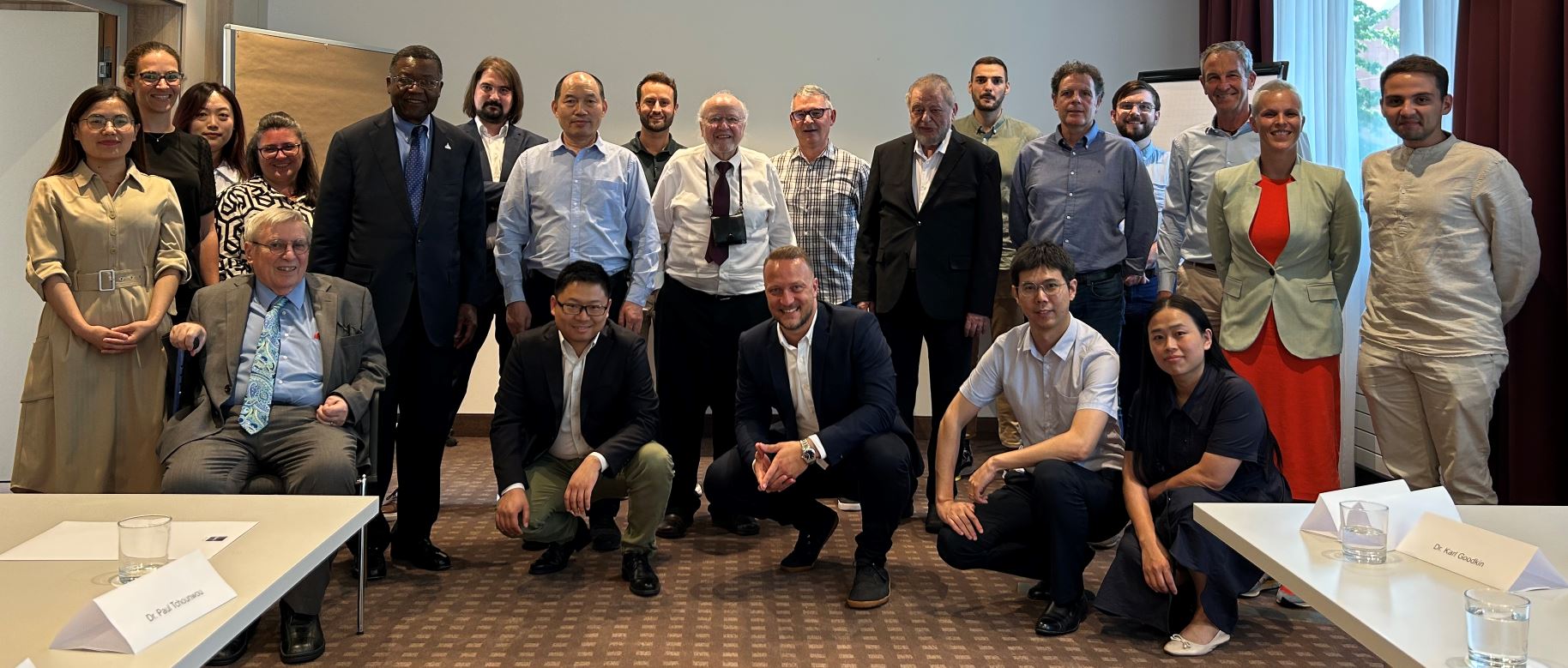
Journal Achievements
In addition to the productive discussions, we took the time to celebrate some of the remarkable achievements of IJERPH, which I highlight below:
- Founded by Prof. Dr. Paul B. Tchounwou in 2004
- Indexed in PubMed in 2008
- Received its first Impact Factor in 2012
- Published its 5000th paper in 2017
- Over 60,000 papers published as at June 30, 2023
- 131,628,173 paper views in 2018–2022
- Over 28,000 mentions in prominent news outlets
- 17,000 papers cited 10 times or more as at June 30, 2023
- No.1 journal in the 2022 Google Scholar Metrics in the category of Public Health
- Awarded several editions of Young Investigator Awards, Travel Awards, and Outstanding Reviewer Awards since 2018.
These achievements showcase the journal’s significant contributions to the field and its impact on global health. We are proud of the exceptional work accomplished by the IJERPH team and look forward to building upon this success in the years to come.
Closing Thoughts
MDPI’s Impact in Spain
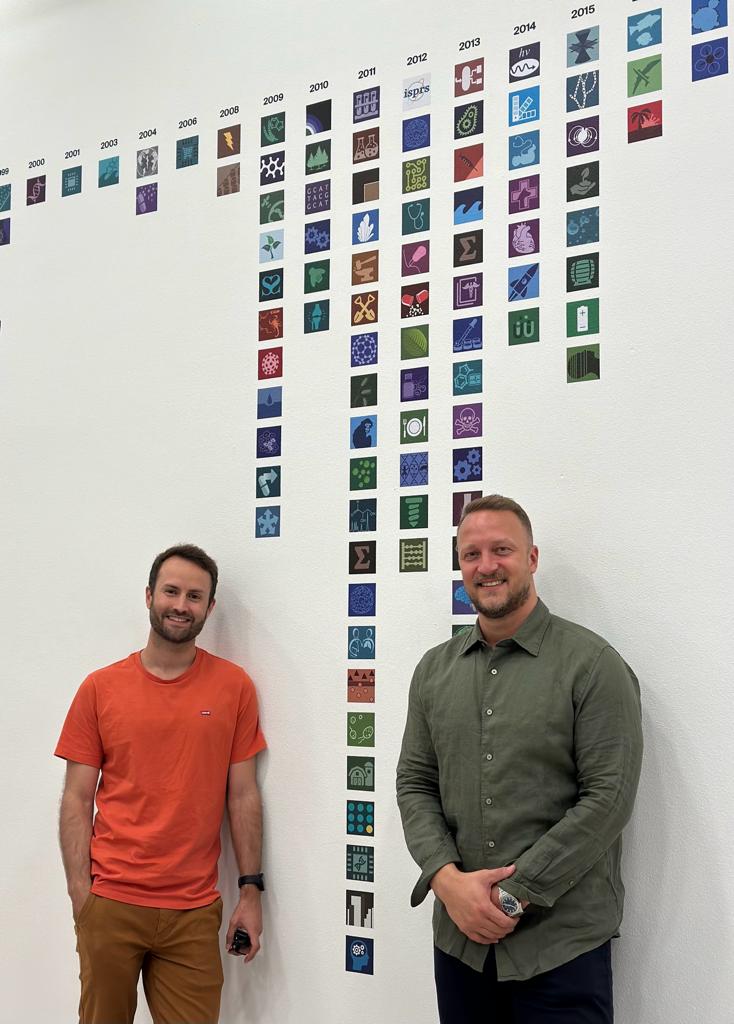
During the past month, I had the opportunity to visit our new office building in Barcelona, where I met with our local colleagues to discuss the ways we serve the scholarly community, particularly in Spain. The multi-functional office plays a vital role in supporting various business needs, including editorial, design, conference management, data analytics, journal relationship management, publishing partnerships, and collaborations with societies.
Spain holds a significant position in MDPI’s global market, ranking as the fourth-largest contributor to the total number of papers published by MDPI as at July 2023, ranking next to Italy, the USA, and China, with Germany completing the top five.
The Numbers
Out of the 1,680,000 total MDPI articles published as at 25 July, almost 80,000 articles are contributed by Spanish authors, representing nearly 40,000 unique authors affiliated with Spanish institutions. Remarkably, over 6,300 of these authors hold editorial board member (EBM) positions within MDPI journals, with 30 of them serving as Editors-in-Chief (EiCs).
Our commitment to working with institutions is very evident in Spain, where we have successfully established over 40 Institutional Open Access Programs (IOAP) with esteemed institutions such as the University of Barcelona, the Autonomous University of Barcelona, Pompeu Fabra University, the University of Navarre, and Complutense University of Madrid.
Over the past five years, we have successfully organized eight in-person conferences in Barcelona, attracting over 1,150 registrations, with two forthcoming events scheduled for 2024. Barcelona's excellent connectivity to international airports makes it easily accessible to participants from around the world. Its welcoming atmosphere provides us with the perfect environment for knowledge-sharing, networking, and contributing to the local economy.
Our growth and presence in Spain are a true testament to the incredible service we provide to the scholarly community and the relationships we foster through responsive and collaborative communication. We look forward to continuing to support Spanish scholars, providing them a valuable and trusted experience with MDPI, the leader in open access publishing.
Testimonials
I close this letter as I did in the first edition, by sharing testimonials from our stakeholders. Here are a few IJERPH testimonials from a Spanish guest editor and an author:
Guest Editor
“I want to thank the kindness, attention and professionalism of the MDPI team throughout the editorial process of the Special Issue. I believe that it is a very professional and quality editorial process.”
- Professor Víctor Arufe-Giráldez, University of A Coruña
Special Issue in International Journal of Environmental Research and Public Health: Physical Activity in Childhood and Adolescence
Special Issue in International Journal of Environmental Research and Public Health: Physical Education: Present and Future
__
Author
“I want to thank the rigor of the revisions made to the manuscripts to improve their quality, the support to the authors for the editor assignment system they have and the follow-up they carry out, for the speed in answering and in carrying out the entire process of the revision, and for doing all this at an affordable price.”
- Dr. María Paz García-Caro, University of Granada
Article in International Journal of Environmental Research and Public Health: Factors Associated with Suicide Attempts and Suicides in the General Population of Andalusia (Spain)
Chief Executive Officer
MDPI AG
11 July 2023
MDPI’s Newly Launched Journals in June 2023
With the first issue released in June 2023, five new MDPI journals disseminating multi-disciplinary science are due to launch, which will cover the subjects of medicine & pharmacology, biology and physical sciences.
The newly launched journals will be overseen by professional Editorial Board Members and Editors to ensure an accurate and rapid publication, rigorous peer review and broad visibility.
Please feel free to browse and discover more about the new journals below.
| Journal | Founding Editor-in-Chief | Journal topics (selected) |
 |
Prof. Dr. Jun Ma, Peking University, China| Editorial | view inaugural issue | growth and development; diet and nutrients; school health promotion policies and practices; child health and care; adolescent health and wellbeing | view journal scope | submit an article |
 |
Prof. Dr. Bernd Rehm, Griffith University, Australia | Editorial | view inaugural issue | DNA and gene synthesis; synthetic transcription factors; protein engineering; viral engineering; metabolic engineering | view journal scope | submit an article |
 |
Prof. Dr. Varsha Gandhi, University of Texas MD Anderson Cancer Center, USA | Editorial | view inaugural issue | lymphatics; cancers associated with lymphocytes and lymphoblasts; lymphatic tissues; lymphoma; lymphoid leukemia | view journal scope | submit an article |
 |
Dr. Bradley Turner, University of Melbourne, Australia | Editorial | view inaugural issue | multiple sclerosis; amyotrophic lateral sclerosis; primary lateral sclerosis; atherosclerosis; systemic sclerosis | view journal scope | submit an article |
 |
Prof. Dr. Clemens Burda, Case Western Reserve University, USA | Editorial | view inaugural issue | Gamma ray, X-ray, and UV–Vis spectroscopies; NIR/mid-infrared/Raman spectroscopy; microwave and THz spectroscopy; high-resolution gas-phase atomic, molecular, and cluster spectroscopy; MS, NMR, and EPR spectroscopy | view journal scope | submit an article |
We wish to thank everyone who has supported the development of open access publishing. You are welcome to submit an application to the New Journal Committee ([email protected]) if you would like to create more new journals.
4 July 2023
Meet Us at the Asia Oceania Geosciences Society 20th Annual Meeting (AOGS 2023), 30 July–4 August 2023, Suntec, Singapore
MDPI will attend the Asia Oceania Geosciences Society 20th Annual Meeting (AOGS 2023) as an exhibitor. This meeting will be held in Suntec, Singapore, from 30 July to 4 August 2023.
The Asia Oceania Geosciences Society (AOGS) Annual Meeting aims to promote geosciences and its application for the benefit of humanity, specifically in Asia and Oceania and with an overarching approach to global issues. The AOGS’s field is deeply involved in addressing hazard-related issues through improving our understanding of the genesis of hazards through scientific, social, and technical approaches.
The following MDPI journals will be represented:
If you are attending this conference, please feel free to start a conversation with us at our booth #D16. Our delegates look forward to meeting you in person and answering any questions that you may have.
For more information about the conference, please visit https://www.asiaoceania.org/aogs2023/public.asp?page=home.asp.
3 July 2023
MDPI Insights: The CEO’s Letter #1 - Open Access and Impactful Research
Welcome to the MDPI Insights: The CEO's Letter.
In these monthly letters, I will showcase two key aspects of our work at MDPI: our commitment to empowering researchers and our determination to facilitating open scientific exchange.
Opening Thoughts
The Future is Open, and MDPI is Leading the Way
I strongly believe in a future that embraces openness, where open source, open information, and open access (OA) take center stage. This belief that led me to join MDPI in 2020, and I am honored to have recently been appointed as Chief Executive Officer (CEO). In this capacity, and operating in close liaison with Dr. Lin and MDPI’s senior management, I shall work to build on Dr. Lin’s achievements of the past quarter-century. In this role, I will focus on communication initiatives to promote MDPI's remarkable work and continue to build our company as a trusted leader in OA publishing. For over two decades, MDPI has been at the forefront of reshaping the academic publishing landscape, with OA surpassing subscription-based publishing in 2020. This trajectory is deeply rooted in our history and reflects our unwavering commitment and vision for an open future.
1 Million Published Articles
2023 began with a remarkable achievement for MDPI, as we became the first OA publisher to reach the milestone of 1 million published articles. This represents 2.7 million unique authors who have trusted us with their work, or about a third of all researchers worldwide. As the world's most cited OA publisher, we are proud in sharing these significant milestones.
Our mission remains unchanged: to make science open and accessible to all. We understand the importance of knowledge access, empowering researchers to stay at the forefront of a rapidly changing world. Our diverse range of journals covers a wide spectrum of disciplines, offering cutting-edge insights, trusted tools, and crucial knowledge to address global challenges.
Liberating Science
As the world’s leading OA publisher, MDPI is actively liberating science. We are committed to eliminating the frustrations researchers and the general public face when accessing information, ensuring it is not locked behind paywalls. We firmly believe that everyone has a right to information, and our commitment to open access publishing drives our work.
In this inaugural edition of Insights: The CEO's Letter, I draw inspiration from the upcoming 20th anniversary of the Berlin Declaration on Open Access. Its stated mission reminds us that true impact is achieved when knowledge is widely and readily available to society:
"Our mission of disseminating knowledge is only half complete if the information is not made widely and readily available to society”
Impactful Research

MDPI Publishes Impactful Research: Recognized by Leading Indexing Databases
MDPI journals are indexed in every single top database in the world.
As of June 2023, we have 214 journals indexed within Web of Science, 223 indexed within Scopus, 87 indexed within PubMed and PMC, and 17 indexed within MEDLINE, and these numbers increase every month. We constantly strive to expand the coverage of our journals within leading multi-disciplinary and scope-specific databases, resulting in an incredibly broad range of journals that are indexed within a variety of databases. MDPI has active relationships with approximately 65 well-known databases around the world, and we continue to expand our portfolio every year so that your work can be found, cited, and referenced with ease.
Continued Growth of MDPI Journals
The 2022 Scopus and Web of Science journal citation metrics were officially released in June, and I am pleased to report that 31 MDPI journals received their first CiteScore, taking the total number of journals with a CiteScore to 216. The number of MDPI journals receiving an Impact Factor (IF) also continues to grow with 111 receiving their first, by being covered in the ESCI, bringing our total number of journals with an IF to 208 of which 41 journals received an IF above 4.0. Looking at 2022 CiteScores in the Scopus database, 80% of MDPI journals have a score that ranks them in Q1 or Q2 in at least one subject category.
Publishing impactful science would not be possible without all of our authors, editors and reviewers. Thank you for your contribution and continued support! Together we share the latest scientific insights faster and ensure that your work is accessible to all.
Read more
Inside MDPI

Preprints.org: Clarivate adds the Preprint Citation Index to the Web of Science
At MDPI, we are dedicated to driving the advancement of science. Through our initiative, Preprints.org, researchers can publish their work and gain valuable feedback from the broader research community, ensuring rapid progress in their respective fields. This is particularly crucial during times of health and climate challenges, where timely dissemination of findings is essential.
Increased Visibility for Preprints
I am pleased to share that Clarivate recognizes the significance of preprints and has taken a crucial step to enhance their visibility. Clarivate has added the Preprint Citation Index to the Web of Science, encompassing preprints published not only on Preprints.org but also on other reputable repositories.
Looking ahead, the future of preprints appears promising, bolstered by the recent indexing announcement from the Web of Science. As a result, preprints will receive increased visibility, serving as a valuable resource for staying informed about the latest research developments.
Read more
What are Preprints?
The Pros and Cons of Preprints
Preprints and COVID-19
Preprints—The Future of Open Access Publishing?
Coming Together for Science
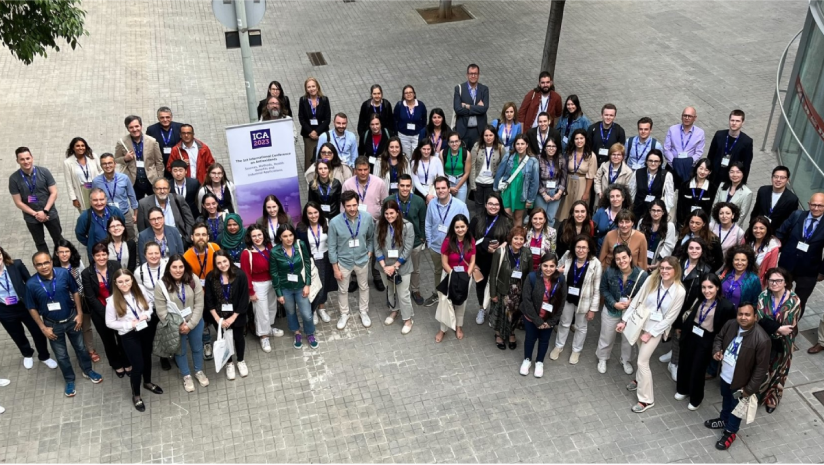
The First International Conference on Antioxidants: Sources, Methods, Health Benefits and Industrial Applications
In this edition of ‘Coming Together for Science,’ I am pleased to highlight the First International Conference on Antioxidants organized by our conference team in the beautiful city of Barcelona, Spain. The conference attracted over 130 attendees, who engaged in 42 talks, and 89 poster presentations spread across several sessions.
Working Together
Under the leadership of Prof. Dr. Alessandra Napolitano (Department of Chemical Sciences, University of Naples ‘Federico II’, Naples, Italy) and Prof. Dr. Rosa M. Lamuela Raventos (Department of Nutrition, Food Sciences and Gastronomy, University of Barcelona, Spain) as chairs, and supported by the committee members, 10 invited keynote speakers, poster presenters, and all the attendees, this dedicated group of academics came together to discuss the natural sources, methodologies, health benefits, and industrial applications of antioxidants.
Especially noteworthy is the positive feedback received from attendees, with 94% rating the overall organization of the conference as good or excellent. I particularly love the picture above, capturing the gathering of some of the participants. You can browse through more photos in the event gallery located here.
Managing Events With Sciforum
If you are considering hosting your own academic event, I highly recommend checking out Sciforum, MDPI's event management platform. Sciforum simplifies the entire process, making it easy to host your own event by allowing you to focus on what really matters: Science!
Read more
Closing Thoughts
 Stefan Tochev, Dr. Shu-Kun Lin, Dr. Eric O. Freed, Peter Roth, Wynne Wang, Allison Yang
Viruses and Editorial Quality: Acknowledging the Dedication of our Viruses Journal Team
During a June meeting with Dr. Eric O. Freed, the founding and current Editor-in-Chief of our journal Viruses, I was reminded of the exceptional dedication of our editorial board. Meeting with Eric is a pleasure, as he has a strong commitment and clear vision for the journal. Over the course of two days, we gained a deep understanding of the journal’s expectations and focus on strategic growth, editorial board representation, and engagement.
I am pleased to share that Viruses holds a CiteScore of 7.1 (an increase of 7.57% versus the 2021 metric) and an Impact Factor of 4.7. You can view the journal statistics here. Viruses publishes highly cited papers, and is indexed in renowned databases such as Scopus, SCIE (Web of Science), PubMed, and others, and maintains affiliations with prestigious societies. Moreover, the Viruses team has recently announced an exciting upcoming event titled ‘Viruses 2024 – A World of Viruses,’ scheduled to take place in Barcelona, Spain, from 14–16 February 2024.
Testimonials
If you notice my enthusiasm regarding our editorial service, it’s because the surveys and testimonials we receive speak volumes about the experiences of our authors, reviewers, and guest editors who collaborate with MDPI. The purpose of these letters is to highlight the exceptional work that we do and the experiences we create for the scholars – thus, let me end with this testimonial from an author:
“It was a great pleasure to publish in Viruses Special Issue [Emerging Viruses in Aquaculture]. The submission process was easy. Guest editors were very helpful and provided all the guidance and support as needed. The handling of the manuscript by the Editorial Team was very fast, efficient, and professional. The reviewer’s comments were insightful, and the publication processes were remarkably rapid.”
– Ms. Magdalena Stachnik, Państwowy Instytut Weterynaryjny | PIWet
Article in Viruses: Emerging Viral Pathogens in Sturgeon Aquaculture in Poland: Focus on Herpesviruses and Mimivirus Detection
Chief Executive Officer
MDPI AG
28 June 2023
2022 Impact Factors for MDPI Journals
The 2022 citation metrics have been released in the Journal Citation Reports (JCR), and we’re pleased to announce the following results for MDPI journals:
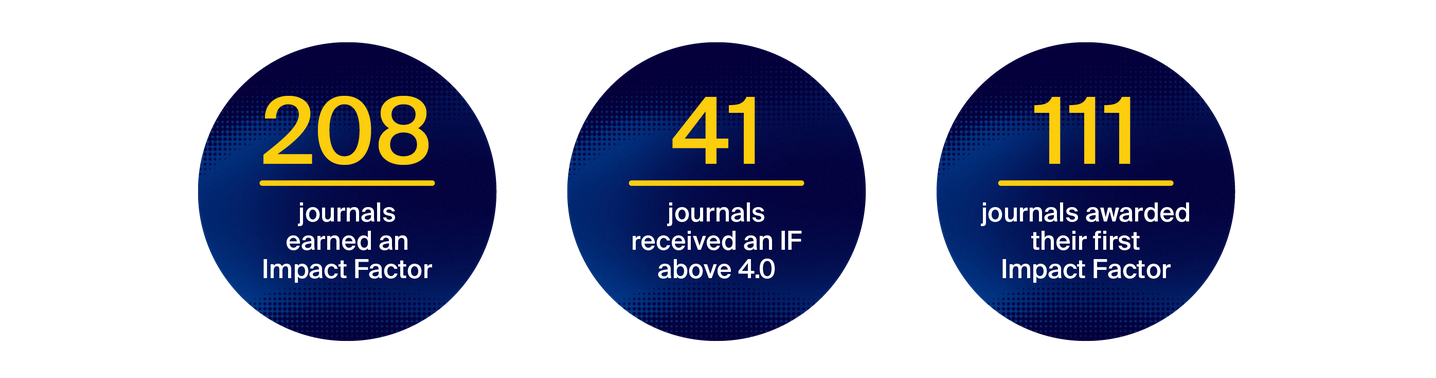
We are thrilled to announce that 90% of our ranked MDPI journals, specifically 86 out of 96 (captured in the table below), are performing above average in Q1 or Q2. This year, Clarivate has expanded its Impact Factor (IF) awards to include journals in the Emerging Sources Citation Index (ESCI) and the Arts and Humanities Citation Index (AHCI), providing greater transparency for the full set of journals indexed in the Web of Science Core Collection. As a result, 111 of MDPI journals have received their first IF in 2023, with 37 journals surpassing an IF of 3.0. In total, 208 MDPI journals have been honored with an IF.
Clarivate explains that by "expanding the coverage but holding to highly selective standards, the [Impact Factor] is now a reliable indicator of trustworthiness, as well as a measure of scholarly impact, at the journal level."
Please visit our blog post where we discuss the release of the latest citation metrics with our Indexing Manager, Dr. Constanze Schelhorn, to find out what's different this time around and how to make use of different metrics available.
| Journal | Impact Factor | Rank Quartile | Category |
| Vaccines | 7.8 | Q1 | Immunology |
| Medicine, Research & Experimental | |||
| Antioxidants | 7.0 | Q1 | Food Science & Technology |
| Biochemistry & Molecular Biology | |||
| Chemistry, Medicinal | |||
| Cells | 6.0 | Q2 | Cell Biology |
| Nutrients | 5.9 | Q1 | Nutrition & Dietetics |
| International Journal of Molecular Sciences | 5.6 | Q1 | Biochemistry & Molecular Biology |
| Q2 | Chemistry, Multidisciplinary | ||
| Journal of Theoretical and Applied Electronic Commerce Research | 5.6 | Q2 | Business |
| Biomolecules | 5.5 | Q1 | Biochemistry & Molecular Biology |
| Biosensors | 5.4 | Q1 | Chemistry, Analytical |
| Instruments & Instrumentation | |||
| Q2 | Nanoscience & Nanotechnology | ||
| Fractal and Fractional | 5.4 | Q1 | Mathematics, Interdisciplinary Applications |
| Marine Drugs | 5.4 | Q1 | Chemistry, Medicinal |
| Pharmacology & Pharmacy | |||
| Pharmaceutics | 5.4 | Q1 | Pharmacology & Pharmacy |
| Nanomaterials | 5.3 | Q1 | Physics, Applied |
| Q2 | Chemistry, Multidisciplinary | ||
| Materials Science, Multidisciplinary | |||
| Nanoscience & Nanotechnology | |||
| Cancers | 5.2 | Q2 | Oncology |
| Foods | 5.2 | Q1 | Food Science & Technology |
| Polymers | 5.0 | Q1 | Polymer Science |
| Remote Sensing | 5.0 | Q1 | Geosciences, Multidisciplinary |
| Q2 | Remote Sensing | ||
| Imaging Science & Photographic Technology | |||
| Environmental Sciences | |||
| Antibiotics | 4.8 | Q1 | Pharmacology & Pharmacy |
| Q2 | Infectious Diseases | ||
| Drones | 4.8 | Q2 | Remote Sensing |
| Journal of Functional Biomaterials | 4.8 | Q2 | Engineering, Biomedical |
| Materials Science, Biomaterials | |||
| Biomedicines | 4.7 | Q1 | Pharmacology & Pharmacy |
| Q2 | Biochemistry & Molecular Biology | ||
| Medicine, Research & Experimental | |||
| Journal of Fungi | 4.7 | Q2 | Mycology |
| Microbiology | |||
| Viruses | 4.7 | Q2 | Virology |
| Bioengineering | 4.6 | Q2 | Engineering, Biomedical |
| Gels | 4.6 | Q1 | Polymer Science |
| Molecules | 4.6 | Q2 | Chemistry, Multidisciplinary |
| Biochemistry & Molecular Biology | |||
| Pharmaceuticals | 4.6 | Q2 | Pharmacology & Pharmacy |
| Chemistry, Medicinal | |||
| Toxics | 4.6 | Q1 | Toxicology |
| Q2 | Environmental Sciences | ||
| Biomimetics | 4.5 | Q1 | Engineering, Multidisciplinary |
| Q2 | Materials Science, Biomaterials | ||
| Microorganisms | 4.5 | Q2 | Microbiology |
| Plants | 4.5 | Q1 | Plant Sciences |
| Biology | 4.2 | Q2 | Biology |
| Chemosensors | 4.2 | Q2 | Instruments & Instrumentation |
| Chemistry, Analytical | |||
| Electrochemistry | |||
| Membranes | 4.2 | Q2 | Engineering, Chemical |
| Materials Science, Multidisciplinary | |||
| Chemistry, Physical | |||
| Polymer Science | |||
| Toxins | 4.2 | Q1 | Toxicology |
| Q2 | Food Science & Technology | ||
| Metabolites | 4.2 | Q2 | Biochemistry & Molecular Biology |
| Batteries | 4.0 | Q2 | Electrochemistry |
| Materials Science, Multidisciplinary | |||
| Q3 | Energy & Fuels | ||
| Catalysts | 3.9 | Q2 | Chemistry, Physical |
| Journal of Clinical Medicine | 3.9 | Q2 | Medicine, General & Internal |
| Land | 3.9 | Q2 | Environmental Studies |
| Sensors | 3.9 | Q2 | Instruments & Instrumentation |
| Chemistry, Analytical | |||
| Engineering, Electrical & Electronic | |||
| Sustainability | 3.9 | Q2 | Environmental Sciences (SCIE) |
| Environmental Studies (SSCI) | |||
| Q3 | Green & Sustainable Science & Technology (SCIE) | ||
| Green & Sustainable Science & Technology (SSCI) | |||
| Buildings | 3.8 | Q2 | Construction & Building Technology |
| Engineering, Civil | |||
| Agronomy | 3.7 | Q1 | Agronomy |
| Q2 | Plant Sciences | ||
| Fermentation | 3.7 | Q2 | Biotechnology & Applied Microbiology |
| Pathogens | 3.7 | Q2 | Microbiology |
| Agriculture | 3.6 | Q1 | Agronomy |
| Diagnostics | 3.6 | Q2 | Medicine, General & Internal |
| Genes | 3.5 | Q2 | Genetics & Heredity |
| Journal of Intelligence | 3.5 | Q2 | Psychology, Multidisciplinary |
| Lubricants | 3.5 | Q2 | Engineering, Mechanical |
| Processes | 3.5 | Q2 | Engineering, Chemical |
| Coatings | 3.4 | Q2 | Materials Science, Coatings & Films |
| Physics, Applied | |||
| Q3 | Materials Science, Multidisciplinary | ||
| ISPRS International Journal of Geo-Information | 3.4 | Q2 | Geography, Physical |
| Q3 | Computer Science, Information Systems | ||
| Remote Sensing | |||
| Materials | 3.4 | Q2 | Metallurgy & Metallurgical Engineering |
| Physics, Applied | |||
| Physics, Condensed Matter | |||
| Q3 | Materials Science, Multidisciplinary | ||
| Chemistry, Physical | |||
| Micromachines | 3.4 | Q2 | Instruments & Instrumentation |
| Physics, Applied | |||
| Chemistry, Analytical | |||
| Q3 | Nanoscience & Nanotechnology | ||
| Water | 3.4 | Q2 | Water Resources |
| Environmental Sciences | |||
| Brain Sciences | 3.3 | Q3 | Neurosciences |
| Energies | 3.2 | Q3 | Energy & Fuels |
| Fire | 3.2 | Q1 | Forestry |
| Q2 | Ecology | ||
| Life | 3.2 | Q2 | Biology |
| Current Issues in Molecular Biology | 3.1 | Q3 | Biochemistry & Molecular Biology |
| Horticulturae | 3.1 | Q1 | Horticulture |
| Animals | 3.0 | Q1 | Agriculture, Dairy & Animal Science |
| Veterinary Sciences | |||
| Insects | 3.0 | Q1 | Entomology |
| Atmosphere | 2.9 | Q3 | Meteorology & Atmospheric Sciences |
| Environmental Sciences | |||
| Electronics | 2.9 | Q2 | Engineering, Electrical & Electronic |
| Physics, Applied | |||
| Q3 | Computer Science, Information Systems | ||
| Forests | 2.9 | Q1 | Forestry |
| Inorganics | 2.9 | Q2 | Chemistry, Inorganic & Nuclear |
| Journal of Marine Science and Engineering | 2.9 | Q1 | Engineering, Marine |
| Q2 | Oceanography | ||
| Engineering, Ocean | |||
| Metals | 2.9 | Q2 | Metallurgy & Metallurgical Engineering |
| Q3 | Materials Science, Multidisciplinary | ||
| Tropical Medicine and Infectious Disease | 2.9 | Q2 | Tropical Medicine |
| Parasitology | |||
| Q3 | Infectious Diseases | ||
| Universe | 2.9 | Q2 | Astronomy & Astrophysics |
| Physics, Particles & Fields | |||
| Healthcare | 2.8 | Q2 | Health Policy & Services (SSCI) |
| Q3 | Health Care Sciences & Services (SCIE) | ||
| Applied Sciences | 2.7 | Q2 | Engineering, Multidisciplinary |
| Physics, Applied | |||
| Q3 | Chemistry, Multidisciplinary | ||
| Materials Science, Multidisciplinary | |||
| Crystals | 2.7 | Q2 | Crystallography |
| Q3 | Materials Science, Multidisciplinary | ||
| Entropy | 2.7 | Q2 | Physics, Multidisciplinary |
| Magnetochemistry | 2.7 | Q2 | Chemistry, Inorganic & Nuclear |
| Q3 | Chemistry, Physical | ||
| Materials Science, Multidisciplinary | |||
| Symmetry | 2.7 | Q2 | Multidisciplinary Sciences |
| Actuators | 2.6 | Q2 | Instruments & Instrumentation |
| Engineering, Mechanical | |||
| Aerospace | 2.6 | Q1 | Engineering, Aerospace |
| Behavioral Sciences | 2.6 | Q2 | Psychology, Multidisciplinary |
| Current Oncology | 2.6 | Q3 | Oncology |
| Machines | 2.6 | Q2 | Engineering, Mechanical |
| Q3 | Engineering, Electrical & Electronic | ||
| Medicina | 2.6 | Q3 | Medicine, General & Internal |
| Separations | 2.6 | Q3 | Chemistry, Analytical |
| Minerals | 2.5 | Q2 | Mining & Mineral Processing |
| Mineralogy | |||
| Geochemistry & Geophysics | |||
| Children | 2.4 | Q2 | Pediatrics |
| Diversity | 2.4 | Q2 | Biodiversity Conservation |
| Q3 | Ecology | ||
| Journal of Cardiovascular Development and Disease | 2.4 | Q3 | Cardiac & Cardiovascular Systems |
| Mathematics | 2.4 | Q1 | Mathematics |
| Photonics | 2.4 | Q3 | Optics |
| Veterinary Sciences | 2.4 | Q1 | Veterinary Sciences |
| Fishes | 2.3 | Q2 | Marine & Freshwater Biology |
| Fisheries | |||
| Axioms | 2.0 | Q2 | Mathematics, Applied |
| Systems | 1.9 | Q2 | Social Sciences, Interdisciplinary |
| Tomography | 1.9 | Q3 | Radiology, Nuclear Medicine & Medical Imaging |
Note: The Journal of Personalized Medicine's Impact Factor was omitted in the original release and will be assigned separately. Please find the data on the journal webpage in due course.
Source: 2022 Journal Impact Factors, Journal Citation Reports TM (Clarivate, 2023)
24 June 2023
Earth Receives Its First CiteScore of 1.6

We are pleased to inform you that Earth (ISSN: 2673-4834) has been assigned its first CiteScore of 1.6 for June 2023, after its inclusion in Scopus (Elsevier) in 2023. The CiteScore ranks 104 among 163 titles (Q3) in the “Environmental Science (miscellaneous)” category.
This achievement is worthy of congratulations for all concerned!
To view more data, please go to the statistics page: https://www.mdpi.com/journal/earth/stats.
CiteScore is now a standard citation metric alongside SNIP and SJR that gives an up-to-date view of a journal’s impact. CiteScore metrics for 2023 are calculated by dividing the total number of citations of peer-reviewed articles in a journal from 2019 to 2022 by the total number of peer-reviewed articles published in the journal over the same period.
18 May 2023
Meet Us at the Goldschmidt 2023 Conference, 9–14 July 2023, Lyon, France
Conference: Goldschmidt 2023
Date: 9–14 July 2023
Location: Lyon, France
MDPI will be attending the Goldschmidt 2023 conference as an exhibitor, and we welcome researchers from different backgrounds to visit and share their latest ideas with us.
Goldschmidt is the foremost annual, international conference on geochemistry and related subjects, organized by the European Association of Geochemistry and the Geochemical Society. The conference will take place from 9 to 14 July in Lyon, France, and online. The in-person meeting will be held in the Lyon Congress Center, with all the scientific sessions, poster sessions and a commercial exhibition in the same venue. The meeting brings together more than 4000 researchers from 60 countries to discuss groundbreaking science.
Minerals (ISSN: 2075-163X) is an international open access journal that covers the broad fields of mineralogy, mineral geochemistry and geochronology, economic mineral resources, mineral exploration, innovative mining techniques, and advances in mineral processing. Minerals will participate in this event as an exhibitor together with six other MDPI journals, among which Minerals will have journal representatives at our booth.
The following MDPI journals will be represented:
If you are planning to attend this conference, please do not hesitate to start an online conversation with us. Our delegates look forward to meeting you in person and answering any questions that you may have. For more information about the conference, please visit the following website: https://conf.goldschmidt.info/goldschmidt/2023/goldschmidt/2023/meetingapp.cgi.
9 May 2023
Meet Us at the Japan Geoscience Union Meeting 2023 (JpGU 2023), 21–26 May 2023, Chiba, Japan
MDPI is attending the Japan Geoscience Union Meeting 2023 (JpGU 2023). The event will be held at the Makuhari Messe in Chiba, Japan, from 21 to 26 May 2023, and it is organized by the Japan Geoscience Union (JpGU). JpGU is an academic union that encompasses all the Earth and planetary science disciplines and related fields; additionally, it has been organizing annual meetings since 2005. JpGU 2023 will cover a wide range of Earth and planetary sciences, including space and planetary sciences, atmospheric and hydrospheric sciences, human geosciences, solid Earth sciences, and biogeosciences. The JpGU annual meeting provides participants with a good opportunity to become familiar with cutting-edge research and unique approaches to research objects within their own special field and beyond. Representatives of the following MDPI journals will be attending:
- Land;
- Remote Sensing;
- Minerals;
- Sustainability;
- Drones;
- Geographies;
- Climate;
- Geomatics;
- Geosciences;
- Water;
- Quaternary;
- Sensors;
- Earth.
If you are also attending this conference, please feel free to stop by our booth (#Pub05). Our delegates look forward to meeting you in person to answer any questions you may have. For more information about the conference, please visit: https://www.jpgu.org/meeting_e2023/.
8 May 2023
Meet Us at the 31st European Biomass Conference & Exhibition (EUBCE 2023), 05–08 June 2023, Bologna, Italy
MDPI will attend the 31st European Biomass Conference & Exhibition (EUBCE 2023) as an exhibitor. This meeting will be held in Bologna, Italy, from 5 to 8 June 2023.
EUBCE is the largest biomass conference and exhibition in the world. Each year, EUBCE brings together the greatest minds and latest advancements in biomass, with the aim of accelerating research and market uptake across the globe. During the conference, over 2,000 experts from both academia and industry share and discuss groundbreaking ideas, technologies, applications, and solutions for the sourcing, production, and utility of biomass. The scientific program is coordinated by the Joint Research Centre of the European Commission. Since its 30th edition, the event has been complemented by the Circular Bio-Based Europe Joint Undertaking, aiming at identifying innovation, stimulating investment, and mobilizing the bio-based industry sector. This is an excellent opportunity to address even more stakeholders globally through the conference.
The following MDPI journals will be represented:
- Sustainability;
- Energies;
- Biomass;
- Environment;
- Materials;
- Minerals;
- Biology;
- Recycling;
- Atmosphere;
- Earth.
If you are attending this conference, please feel free to start a conversation with us at our booth #36. Our delegates look forward to meeting you in person and answering any questions that you may have.
For more information about the conference, please visit https://www.eubce.com/.
11 April 2023
Meet Us at the 2023 Science and Technology Annual Meeting of Chinese Society for Environmental Sciences, 22–23 April 2023, Nanchang, China
MDPI will be attending the 2023 Science and Technology Annual Meeting of Chinese Society for Environmental Sciences, which will be held from 22 to 23 April 2023, in Nanchang, China. The theme of the annual meeting is “Develop green and low-carbon, build a beautiful China”.
The annual meeting has arranged for an opening ceremony and specially invited keynote speeches, subsession seminars, high-end forums, special sessions for young scientists, poster exchanges, environmental protection science and technology achievement exhibitions, special events, etc. A total of 1800 delegates are expected to attend. Four academicians and other well-known experts are expected to deliver keynote speeches on climate change, the prevention and control of atmospheric, water, and soil environmental pollution, and environmental management science as well as technology. The invited keynote speeches touch on fields such as achievements in transformation.
The following MDPI journals will be represented:
- Sustainability;
- Toxics;
- Energies;
- Climate;
- Land;
- Minerals;
- Resources;
- Forests;
- Remote Sensing;
- Earth;
- Clean Technologies.
21 March 2023
2023 International Day of Forests

We hope you will join us in celebrating and further protecting the planet’s forests this International Day of Forests, which takes place on the 21st of March. The theme for the 2023 International Day of Forests is "Forests and Health”. Forests give so much to our health, they purify the water, clean the air, capture carbon to fight climate change, provide food and life-saving medicines, and improve our well-being. It is up to us to safeguard these precious natural resources. At MDPI, our open access journals are primarily available online, reducing the company’s impact on deforestation and helping to protect the world’s forests.

 |
 |
 |
| Location: Nalati Grassland, Xinjiang, China Photo by Carolyn Chen, Sydney University |
Location: Jiangshan, Zhejiang, China Photo by Pengcheng Ye, Nanjing Institute of Environmental Science |
Location: Qinling, Shanxi, China Photo by Yuan Li, Shaanxi Normal University |
To access more content about Nature Photography Campaign and other related series activities, please click here.

 |
 |
 |
 |
 |
 |
 |
 |

- “Facilitating Prescribed Fire in Northern California through Indigenous Governance and Interagency Partnerships”
Fire 2021, 4, 37; https://doi.org/10.3390/fire4030037 - “Capitalization and Capital Return in Boreal Carbon Forestry”
Earth 2022, 3, 204-227; https://doi.org/10.3390/earth3010014 - “A Knowledge Review on Integrated Landscape Approaches”
Forests 2022, 13, 312; https://doi.org/10.3390/f13020312 - “National Implementation of the Forest Europe Indicators for Sustainable Forest Management”
Forests 2022, 13, 191; https://doi.org/10.3390/f13020191 - “Carbon Footprint and Feedstock Quality of a Real Biomass Power Plant Fed with Forestry and Agricultural Residues”
Resources 2022, 11, 7; https://doi.org/10.3390/resources11020007 - “The Necrobiome of Deadwood: The Life after Death”
Ecologies 2023, 4, 20-38; https://doi.org/10.3390/ecologies4010003

|
Special Issue: “Plant Communities: Identification, Monitoring and Evaluation of Temporal Dynamics”
|
Special Issue: “The Use of Fire in Forest Ecosystem Restoration and Management”
|
|
Special Issue: “Forest Therapy and Health”
|
Special Issue: “Forest, Trees, Human Health and Wellbeing”
|





|
International Day of Forests Webinar 2023 21 March 2023, 09:00 (CET) Free to register for the two sessions. Recordings will be available on Sciforum shortly afterward. |

|
|
|
|


13 March 2023
MDPI’s Newly Launched Journals in December 2022
As a leading open access publisher, MDPI provides scholars with a high-quality and rich academic exchange platform by continuously expanding into new and exciting research areas.
In December 2022, MDPI launched five new journals, covering multiple subjects such as life sciences, biology, medicine and pharmacology, social sciences and humanities. These new journals are being edited by established scholars across the world.
|
Journal |
Founding Editor-in-Chief |
Journal Topics (Selected) |
|
|
Prof. Dr. Fabio Gresta, University of Messina, Italy| Editorial | view inaugural issue |
grass/forage/turf production; grassland management; pasture monitoring; grazing and livestock; grass agro-ecosystems| view journal scope | submit an article |
|
|
Prof. Dr. Christos G. Athanassiou, University of Thessaly, Greece| Editorial | view inaugural issue |
pesticides; fungicides; herbicides; fertilizers; soil conditioners| view journal scope | submit an article |
|
|
Prof. Dr. Stephen H. Safe, Texas A&M University, USA| Editorial | view inaugural issue |
receptor structure; receptor function; receptor signaling; receptor expression and regulation; receptor interactions with drugs| view journal scope | submit an article |
|
|
Dr. Jean Jacques Vanden Eynde, University of Mons-UMONS, Belgium| Editorial | view inaugural issue |
drug discovery; medicinal chemistry; preclinical and clinical research; marketed drugs; intellectual property and regulatory affairs| view journal scope | submit an article |
|
|
Prof. Dr. Heather Kanuka, University of Alberta, Canada| Editorial | view inaugural issue |
higher education; tertiary education; policy and practice in higher education; educational leadership in higher education; educational administration and management in higher education| view journal scope | submit an article |





If you are interested in creating more open access journals with us to publish cutting-edge research, please send your journal proposal application to [email protected].
7 March 2023
Displaying Co-Authors’ Email Addresses on the Webpage of Published Papers
MDPI is pleased to announce that we now display the co-authors’ email addresses in addition to the corresponding author’s email address on the webpage of published papers, protected by Captcha. For more information about this change, please visit the journal’s instructions for authors page.
We believe this change will facilitate academic discussions and advance our cause of open science and research. The corresponding authors are responsible for communicating with their co-authors and indicating in our system (https://susy.mdpi.com/) if co-authors would prefer for their email addresses not to be displayed.
22 February 2023
Meet Us at the 2023 AAG Annual Meeting, 23–27 March 2023, Denver, USA
Conference: 2023 AAG Annual Meeting
Date: 23–27 April 2023
Location: Denver, USA
MDPI will be attending the 2023 AAG Annual Meeting as an exhibitor, and we welcome researchers from different backgrounds to visit and share their latest ideas with us.
This conference is organized by the American Association of Geographers (AAG). The theme of the meeting is “Toward More Just Geographies”. At the meeting, specialists will share and discuss the latest in research and applications in geography, sustainability, and GIScience.
The following MDPI journals will be represented:
- Remote Sensing (leading journal);
- Sustainability (leading journal);
- IJGI;
- Hydrology;
- Land;
- Water;
- Earth;
- Atmosphere;
- IJERPH;
- Fire;
- Oceans;
- GeoHazards;
- Coasts;
- Geomatics.
Remote Sensing (ISSN: 2072-4292, IF: 5.349) publishes regular research papers, reviews, technical notes and communications covering all aspects of remote sensing science, from sensor design and validation/calibration to its application in geosciences, environmental sciences, ecology, and civil engineering. The aim is to publish novel/improved methods/approaches and/or algorithms of remote sensing to benefit the community, open to everyone in need of them.
Sustainability (ISSN: 2071-1050, IF: 3.889) encourages experts to publish their experimental, computational and theoretical research on sustainability. This encompasses topics related to social sciences, natural and applied science and engineering, in order to enable the application and development of sustainability.
If you are planning to attend this conference, please do not hesitate to start an online conversation with us. Our delegates look forward to meeting you in person and answering any questions that you may have. For more information about the conference, please visit the following website: https://www.aag.org/events/aag2023/.
16 February 2023
Increasing Visibility for Preprints.org – Clarivate adds the Preprint Citation Index to the Web of Science

On 9 February 2023, Clarivate, a global leader in providing trusted insights and analytics, added the Preprint Citation Index to the Web of Science platform, streamlining the research process by allowing researchers to locate and link to preprints alongside other trusted content in the database.
The Preprint Citation Index will act as a bridge to connect cutting-edge preprints with peer-reviewed journal articles published within the Web of Science Core Collection. Alerts can be easily set to monitor new research across several repositories and authors will also be able to include preprints on their Web of Science Research Profile to more accurately display their various research outputs.
As of its launch, the Preprint Citation Index will provide nearly two million preprints from various repositories, including MDPI’s own Preprints.org.
MDPI's Preprints Platform – Preprints.org
To advance Open Science and the fast dissemination of research, MDPI offers researchers a free multidisciplinary preprint platform. Preprints.org accepts submissions from all research areas and offers authors high visibility, permanent archiving, article-level Metrics and immediately citable content by assigning a Digital Object Identifier (DOI) to all preprints.
During submission to any MDPI journal, authors have the option to share their research as a preprint. After an initial screening, the manuscript is available online in 48 hours or less. Once online, preprints can be downloaded, shared, commented on, and cited, providing authors maximum visibility.
We invite you to join the ranks of the over 100k researchers using Preprints.org and share your research.
For more information, please visit Preprints.org.
22 December 2022
Special Issue Mentor Program
We are pleased to announce the launch of a new initiative—the MDPI Special Issue Mentor Program.
This program will enable early career researchers (who must hold a Ph.D. in a related field) to experience editing a Special Issue in MDPI journals, under the mentorship of our experienced Editorial Board Members or other experienced scientists. The mentor program will provide an excellent opportunity for early career scientists to gain editorial experience, and to cultivate their ability to edit scientific research.
The mentee’s responsibilities include:
- Proposing a Special Issue title and assisting the mentor in preparing a summary (around 200–400 words) and 3–10 keywords describing the background, importance, and goal of the Issue;
- Writing a brief promotion plan for the Special Issue;
- Preparing a list of scholars who may be interested in the Issue and personally e-mailing invitations on behalf of Guest Editors;
- Writing an editorial for the online Special Issue together with the mentor.
The mentor’s responsibilities include:
- Conducting a final check before the Special Issue is published online;
- Performing editorial control of the Special Issue and quality control of the publications, both of which must be carried out in a timely manner;
- Providing suggestions to younger scholars if they have any doubts or concerns regarding submissions;
- Organizing video calls with young scholars and the Editorial Office regularly to discuss problems and improvement suggestions for the Special Issue;
- Making and submitting decisions regarding submissions with the assistance of mentees.
Certificates and awards:
After the Special Issue closes, the Editorial Office will provide official certificates for all the mentors and early career researchers.
If you are interested in this opportunity, please send your Special Issue proposal to the Editorial Office of a journal you choose, and we will discuss the process (i.e., mentor collaboration, Special Issue topic feasibility analysis, etc.) in further detail. The full list of MDPI journals is as follows: https://www.mdpi.com/about/journals.
In addition to the new Special Issue Mentor Program, we will continue to welcome all Special Issue proposals focusing on hot research topics.
14 December 2022
"Thanks a Million!" – One Million Articles Published in MDPI Journals
MDPI has just become the first open access (OA) publisher to reach the milestone of one million articles published. That is one million articles freely available to all, to circulate and build upon! We are proud to share this special moment with the global scientific community.
This landmark has been reached thanks to the immeasurable support of more than 600,000 expert reviewers, 66,000 editorial board members and 6700 hard-working colleagues across MDPI’s global offices.
Within more than 25 years of publishing, our journals received 2.1 million manuscripts and generated 4.6 million peer review reports to get to one million papers published.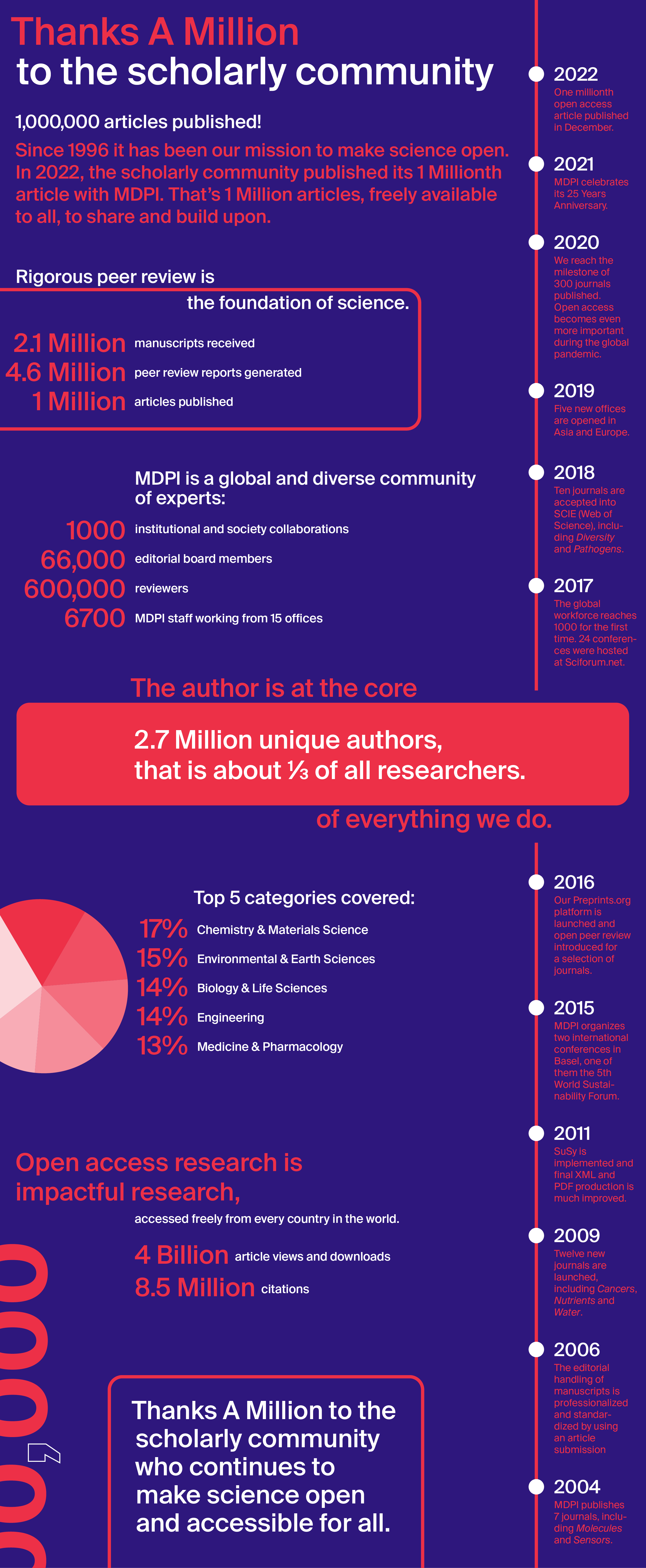
Reaching the milestone of one million articles published reinforces our mission to remove any existing barriers and to make scientific research accessible to all. Since its inception, MDPI’s goal has been to create reliable processes to make science open. This is a path towards facilitating the dissemination of novel insights in scientific communities.
Regular feedback from authors and reviewers shows that our service is greatly appreciated and needed. At the same time, the feedback helps us identify areas for further improvement.
As it stands, a significant share of published research findings remain closed access. More than half of the content published with the most well-known legacy publishers stays behind a paywall, and that is not including articles published in hybrid OA journals, or made available months or years after publication.
A new policy announced by the US administration in August 2022 requires that, as of January 2026, all US federally funded research be made freely and immediately available after publication. While the new policy does not mandate articles be published under an open access license, it is aligned with the open access movement in removing all barriers to research. Similarly, some of the most advanced research institutions in the world intend to have all funded research articles published in open access by 2025.
MDPI is proud to be the leading agent of the transition to open access.
"Thanks a Million" to all the contributors!
8 December 2022
MDPI Sustainability Foundation: New Look and Nominations for the 2023 Sustainability Awards Now Open
We are pleased to announce that the website of the MDPI Sustainability Foundation has been revamped! For the past couple of months, our UX UI team and front-end developers have been working hard to launch the website in time for the opening of the Sustainability Awards nominations.
The website is not the only thing that has had a remodeling. Indeed, the format of the Emerging Sustainability Leader Award (ESLA) has been updated. ESLA is now a competition open to individual researchers or start-ups founded by researchers under the age of 35. Nominee applications will go through 2 rounds of selection until the final 3 are decided. The finalists will then be invited to give pitch presentations during the Award Ceremony to win either first place (10,000 USD) or runner-up (2 x 5000 USD).
The World Sustainability Award, on the other hand, remains the same: a total prize money of 100,000 USD is up for grabs by senior individual researchers or groups of researchers from the international research community.
Nominations for both the World Sustainability Award and the Emerging Sustainability Leader award are now open! Check out our new website for more information on how to nominate.
29 November 2022
Editorial Board Members from Earth Featured among the World’s Top 2% Scientists in 2022
Scientists at Stanford University have published an update of the list of the top 2% most widely cited scientists—the World’s Top 2% Scientists.
The time node of the statistical data of this list is from 1960 to 2022, and it is divided into two lists: "Lifetime Scientific Influence Ranking" and "2022 Annual Scientific Influence Ranking". The "Lifetime Scientific Influence Ranking" counts the comprehensive influence performance of scientists during their careers, and the "2022 Annual Influence Ranking" focuses on highlighting the academic influence of scientists in the previous year. This ranking, considered the most prestigious worldwide, is based on the bibliometric information contained in the Scopus database and includes more than 200,000 researchers from the more than 10 million scientists considered to be active worldwide, with 22 scientific fields and 176 subfields taken into account.
We are pleased to share that 3 Editorial Board Members from MDPI’s Earth (ISSN: 2673-4834) were featured in the World’s Top 2% Scientists list in 2022.
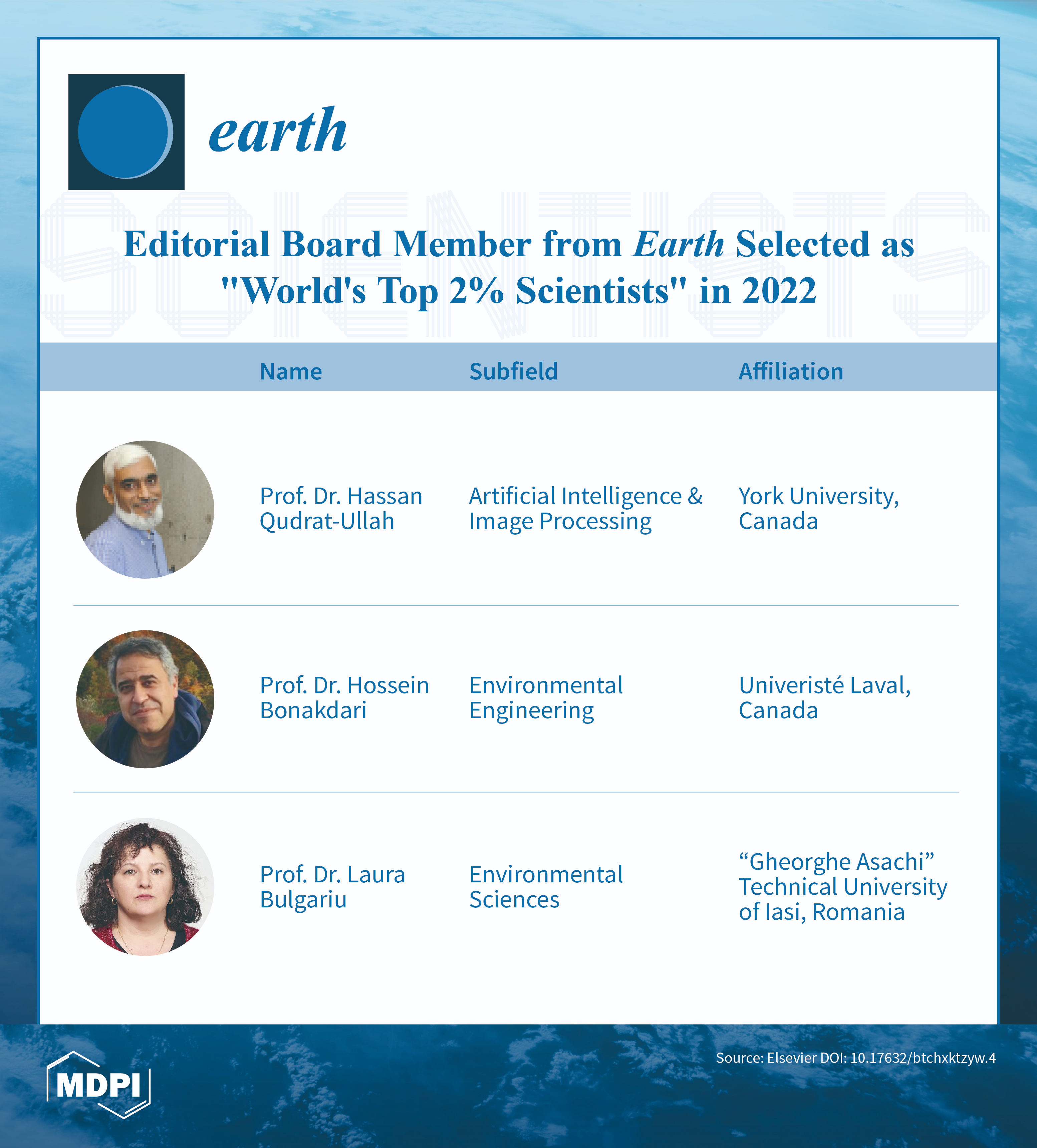
The latest rankings reflect the significant influence and research excellence of the scientists, who are committed to furthering their knowledge for the benefit of the world.
We would like to congratulate our Editorial Board Members on their excellent achievement and thank them for their immense contribution to the scientific progression and development of Earth.
7 November 2022
Meet Us at the 2022 BES Annual Meeting, 18–21 December 2022, Edinburgh, UK
MDPI will be attending the 2022 BES Annual Meeting, held in Edinburgh, UK, from 18 to 21 December 2022. Throughout the conference, prominent researchers and government officials will give keynote speeches on pressing issues of ecology. The 2022 BES Annual Meeting provides an excellent opportunity for participants from industry and academia to keep up to date with the latest trends in ecology.
During this conference, MDPI will welcome researchers from different backgrounds to visit and share their latest views and research with us.
The following MDPI journals will be represented:
If you plan on attending this conference, feel free to stop by our booth. Our delegates look forward to meeting you in person to answer any questions that you may have.
For more information about the conference, please see the following link: https://www.britishecologicalsociety.org/events/bes-annual-meeting-2022.
28 September 2022
Peer Review Week 2022 – Research Integrity: Creating and Supporting Trust in Research
Peer Review Week began 19 September 2022 under the theme of “Research Integrity: Creating and Supporting Trust in Research”. Through various blog articles, podcast, and webinar, we discussed this crucial subject throughout the week, celebrating the essential role peer review plays in maintaining research quality.
To begin, we held a Webinar on the topic. Professor Peter W. Choate and Dr. Emmanuel Obeng-Gyasi joined Dr. Ioana Craciun, one of MDPI’s scientific officers, for an in-depth discussion.
We invite you to view the event recording:
During the week, the MDPI Blog in a series articles highlighted how good Peer Review safeguards research integrity. The following topics were covered:
- Peer Review Week 2022
- Research Integrity
- What We’ve Learned About Peer Review Reports
- 4 Steps to the Perfect Peer Review Report
- How to Write the Perfect Peer Review Report: An Interview
- Inviting Great Peer Reviewers
In a new edition of Insight Faster, an MDPI podcast, we were delighted to talk to the co-chairs of the Peer Review Week committee, Jayashree Rajagopalan (Senior Manager of Global Community Engagement for CACTUS) and Danielle Padula (Head of Marketing and Community Development at Scholastica) to get their take on this year’s event and its related topics.
You can find the Podcast here.
We hope you enjoy the contents!
23 September 2022
Meet Us at the AGU Fall Meeting 2022 (AGU22), 12–16 December 2022, Online or On-Site in Chicago, IL, USA

MDPI will be attending the AGU Fall Meeting 2022 (AGU22), held in Chicago and online, from 12 to 16 December 2022. The AGU Fall Meeting is the most influential event in the world dedicated to the advancement of Earth and space sciences. The conference unites the Earth and space science community to share findings, connect like-minded scientists from around the world, and advance our profession and shared passion for the impact of science. Researchers, scientists, educators, students, policymakers, enthusiasts, journalists, and communicators attend the AGU Fall Meeting to better understand our planet and environment, and our role in preserving its future.
During this conference, MDPI (at booth #1452) will welcome researchers from different backgrounds to visit and share their latest views and research with us.
The following MDPI journals will be represented:
- Water (leading journal);
- Remote Sensing (leading journal);
- Geosciences;
- Climate;
- Hydrology;
- Land;
- Drones;
- Environments;
- Sustainability;
- IJERPH;
- Earth;
- Fire;
- GeoHazards;
- Oceans;
- World.
If you plan on attending this conference, feel free to stop by our booth at #1452. Our delegates look forward to meeting you in person to answer any questions you may have.
For more information about the conference, please see the following link: https://igs.org/event/agu22/.
13 September 2022
Meet Us at the 34th Annual Conference of the International Society for Environmental Epidemiology (ISEE 2022), 18–21 September 2022, Athens, Greece
MDPI will be attending the 34th Annual Conference of the International Society for Environmental Epidemiology (ISEE 2022), held in Athens, Greece, from 18 to 21 September 2022. The main theme of the 2022 conference is “Strengthening the global role of environmental epidemiology”, stressing the need to study and understand local conditions in order to synthesize knowledge and make a difference for our planet. In the 2022 conference we will continue advancing our society’s aims in promoting epidemiological studies that link environmental exposures to human health.
During this conference, MDPI (at booth #22) will welcome researchers from different backgrounds to visit and share their latest inspirations with us.
The following MDPI journals will be represented:
- IJERPH (leading journal);
- Sustainability;
- Healthcare;
- Children;
- Cancers;
- Climate;
- Environments;
- Earth;
- Societies;
- Epidemiologia.
If you plan on attending this conference, feel free to stop by our booth: #22. Our delegates look forward to meeting you in person to answer any questions that you may have.
For more information about the conference, please see the following link: https://isee2022.org/.
15 August 2022
Meet Us at the INTECOL 2022, 28 August–2 September 2022, Geneva, Switzerland

A range of MDPI journals will be attending INTECOL 2022 as exhibitors. This meeting will be held in Geneva, Switzerland, from 28 August to 2 September 2022.
“Frontiers in Ecology – Science and Society” is the general theme of the conference. With an estimated number of 1500 participants coming to Geneva, and as many following the conference from a distance, the conference aims to bring the state-of-the-art expertise in ecology to the forefront of societal challenges.
The following MDPI journals will be represented:
- Diversity (leading);
- Sustainability;
- Forests;
- Ecologies;
- Environments;
- Plants;
- Animals;
- World;
- Quaternary;
- Earth;
- Resources;
- Applied Sciences;
- Birds;
- Climate;
- Water;
- Fishes.
If you are attending this conference, please feel free to start a conversation with us at our booth #03. Our delegates look forward to meeting you in person and answering any questions that you may have. For more information about the conference, please visit http://intecol2021.org/, or contact the Diversity Editorial Office at [email protected].
13 June 2022
MDPI’s 2021 Young Investigator Awards in “Environmental & Earth Sciences”—Winners Announced
MDPI’s Young Investigator Awards recognize promising junior researchers, acknowledge their contributions, and enhance communication among scientists. We are proud to present the winners for the year 2021 in the “Environmental & Earth Sciences” category. The winners were selected by the journals’ editors.
We warmly congratulate the awarded young investigators for their outstanding contributions. MDPI will continue to provide support and recognition to the academic community.
- Shaojie Song, Harvard University, USA
- Francesco Galiano, Institute on Membrane Technology of the National Research Council, Italy
- Qilin Wang, University of Technology Sydney, Australia
- Christopher H. T. Lee, Nanyang Technological University, Singapore
International Journal of Environmental Research and Public Health:
- Grace Vincent, Central Queensland University, Australia
- Antony Burnham, Australian National University, Australia
- Celso Henrique Leite Silva Junior, National Institute for Space Research – INPE, Brasil; Agricultural Engineering Department of the State University of Maranhão – UEMA, Brazil
- Baojie He, Chongqing University, China
- Stefanos Giannakis, Polytechnic University of Madrid, Spain
13 June 2022
MDPI’s 2021 Outstanding Reviewer Awards in “Environmental & Earth Sciences”—Winners Announced
In order to acknowledge our reviewers, who so generously dedicate their time to reviewing papers and demonstrate diligence, professionalism, and timeliness when reviewing manuscripts, MDPI journals regularly offer outstanding reviewer awards to scholars who participate in the peer-review process.
We are proud to recognize winners for the year 2021 in the “Environmental & Earth Sciences” category for their outstanding contributions among extensive competition by presenting them with an Outstanding Reviewer Award.
We would like to take this opportunity to congratulate all the winners on their achievement. MDPI will continue to provide support and recognition to the academic community.
- Hristo Chervenkov, National Institute of Meteorology and Hydrology, Bulgaria
- Jouni Räisänen, University of Helsinki, Finland
- Piotr F. Borowski, Warsaw University of Life Sciences, Poland
- Elena Lucchi, Institute for Renewable Energy, Italy
- Marcin Dębowski, University of Warmia and Mazury in Olsztyn, Poland
- Miroslav Variny, Slovak University of Technology in Bratislava, Slovakia
- Piotr F. Borowski, Warsaw University of Life Sciences, Poland
- Vedran Mrzljak, University of Rijeka, Croatia
- Tomasz Oszako, Forest Research Institute, Poland
- Stelian Alexandru Borz, Transilvania University of Brasov, Romania
- Maricar Aguilos, North Carolina State University, USA
- Narayan Bhusal, Seoul National University, South Korea
- Dave Waters, University of Oxford, UK
International Journal of Environmental Research and Public Health:
- Anuli Njoku, Southern Connecticut State University, USA
- Haruna Musa Moda, Manchester Metropolitan University, UK
- Jesús Molina-Mula, University of BalearicIsland, Spain
- Katharina Diehl, Friedrich-Alexander-University of Erlangen-Nuremberg, Germany
- Katarzyna Tomaszek, Pedagogical University of Kracow, Poland
- Matteo Nioi, University of Cagliari, Italy
- Pablo A. Cantero-Garlito, Universidad de Castilla La Mancha, Spain
- Seoyong Kim, Ajou University, South Korea
- Andrzej Adamski, University of Information Technology and Management, Poland
- Adrian Curto, Faculty of Medicine, University of Salamanca, Spain
- Arkaitz Castañeda Babarro, University of Deusto, Spain
- Álvaro Francisco Lopes De Sousa, Universidade Nova de Lisboa, Portugal
- Agata Gabryelska, Medical University of Lodz, Poland
- Ana Reyes Menéndez, Rey Juan Carlos University, Spain
- Bartosz Dalewski, Pomeranian Medical University in Szczecin, Poland
- Chong Chen, Yamaguchi University Graduate School of Medicine, Japan
- Carla Maria Batista Ferreira Pires, CBIOS-Universidade Lusófona de Humanidades e Tecnologias-Escola de Ciências e Tecnologias da Saúde, Portugal
- Claudia Pisanu, University of Cagliari, Italy
- Emmanuel Obeng-Gyasi, North Carolina Agricultural and Technical State University, USA
- Faisal F. Hakeem, King’s College London, UK
- Francisco Javier Fernández Carrasco, Punta de Europa Hospital, Spain
- Haewon Byeon, Inje University, South Korea
- HuiJun Chih, Curtin University, Australia
- Jerónimo Aragón Vela, University of Granada, Spain
- Joana Costa, University of Aveiro, Portugal,
- Joanne Lloyd, University of Wolverhampton, UK
- José Luis Romero-Bejar, University of Granada, Spain
- Laura Nathans, Human Development and Family Studies, Penn State Scranton, USA
- Mateusz Jankowski, Centre of Postgraduate Medical Education, Poland
- Matteo Riccò, Azienda USL-IRCCS di Reggio Emilia, Italy
- Nicola Döring, Technische Universität Ilmenau, Germany
- Nora Suleiman-Martos, University of Granada, Spain
- Russell Kabir, Anglia Ruskin University, UK
- Roy McConkey, University of Ulster, UK
- Sunhee Kim, Ajou University, South Korea
- Sol García-Germán, Centro de Estudios e Investigación para la Gestión de Riesgos Agrarios y Medioambientalesdisabled, Spain
- Sebastian Rutkowski, Opole University of Technology, Poland
- Tamás Berki, University of Szeged, Hungary
- Terence Moriarty, University of Northern Iowa, USA
- Pedro Antonio Martín Cervantes, University of Almería, La Cañada de San Urbano, Spain
ISPRS International Journal of Geo-Information:
- Lemenkova Polina, Université Libre de Bruxelles, Belgium
- Andrew Newton, Nottingham Trent University, UK
- Dennis Edler, Ruhr University Bochum, Germany
- Lukáš Herman, Masaryk University, Czech Republic
- Marcela Bindzarova Gergelova, Technical University of Kosice, Slovakia
Land:
- Rahul Datta, Mendel University in Brno, Czech Republic
- Dirk H.R. Spennemann, Charles Sturt University, Australia
- Raimundo Jimenez-Ballesta, (Retired recently) Autonoma University of Madrid, Spain
- Veraldo Liesenberg, Santa Catarina State University, Brazil
- Yady Tatiana Solano-Correa, University of Cauca, Colombia
- Francesco Marinello, University of Padova, Italy
- Pedro Melo-Pinto, Universidade de Trás-os-Montes e Alto Douro, Portugal
- Ignacio Bosch, Universitat Politènica de València, Spain
- Juan Soria, University of Valencia, Spain
- Chiman Kwan, Signal Processing, Inc., USA
- Benoit Vozel, University of Rennes, France
- Giuseppe Casula, National Institute of Geophysics and Volcanology Unit of Bologna, Italy
- Simone Cosoli, The University of Western Australia, Australia
- Maria Economou-Eliopoulos, University of Athens, Greece
- Cynthia Rider, National Institute of Environmental Health Sciences, USA
13 June 2022
MDPI’s 2021 Travel Awards in “Environmental & Earth Sciences”—Winners Announced
We are proud to recognize the winners of MDPI’s 2021 Travel Awards in the “Environmental & Earth Sciences” category for their outstanding presentations and to present them with the prize.
MDPI journals regularly offer travel awards to encourage talented junior scientists to present their latest research at academic conferences in specific fields, which helps to increase their influence.
The winners mentioned below were carefully selected by the journal editors based on an outline of their research and the work to be presented at an academic conference.
We would like to warmly congratulate the Travel Awards winners for the year 2021 and wish them the greatest success with their future research endeavors. MDPI will continue to enhance communication among scientists.
- Charbel Harb, Civil and Environmental Engineering, Virginia Tech, USA
- Jibran Khan, Aarhus University, Roskilde, Denmark
- Agostino Niyonkuru Meroni, Politecnico di Milano, Italy
- Platon Patlakas, National and Kapodistrian University of Athens, Greece
- Nnaemeka Vincent Emodi, University of Tasmania, Australia
- Irene Poza-Casado, Universidad de Valladolid, Spain
- Pipiet Larasatie, Oregon State University, USA
- Tania L. Maxwell, French National Research Institute for Agriculture, Food and Environment (INRAE), France
- Georgia Papacharalampous, Roma Tre University, Italy
- Mattei Alexandra, University of Corsica, France
International Journal of Environmental Research and Public Health:
- Danila Azzolina, University of Eastern Piedmont, Italy
- Kelvin Fong, Yale University, USA
- Levi Frehlich, University of Calgary, Canada
- Garyfallos Konstantinoudis, Imperial College London, UK
ISPRS International Journal of Geo-Information:
- Junghwan Kim, University of Illinois at Urbana-Champaign, USA
- Xuke Hu, Institute of Data Science, German Aerospace Center (DLR), Germany
Land:
- Álvaro Castilla Beltrán, University of La Laguna, Spain
- Lauren Nerfa, University of Hawaiʻi, USA
- Amen Al-Yaari, Sorbonne University, France
- Meng Lu, Utrecht University, Netherlands
- Alessandro Lenci, University of Bologna, Italy
- Evangelia Georgantzia, Liverpool John Moores University, UK
- Sayyed Rasoul Khayyam Nekouei, University of New South Wales (UNSW), Australia
- Georgia A. Papacharalampous, Roma Tre University, Italy
- Raquel Filipa da Costa Viveiros, NOVA University of Lisbon, Portugal
- Rajesh Pathak, South Dakota State University, USA
- Nnanake-Abasi Okon Offiong, University of Uyo, Nigeria
- Tonni Agustiono Kurniawan, Polytechnic of Health, Indonesia
- Shawna Andrea Foo, Arizona State University, USA
13 June 2022
MDPI’s 2021 Best Paper Awards in “Environmental & Earth Sciences”—Winners Announced
The purpose of our Best Paper Awards is to promote and recognize the most impactful contributions published within MDPI journals.
The editors of each journal carefully selected reviews and research papers through a rigorous judging process based on criteria such as the scientific merit, overall impact, and the quality of presentation of the papers published in the journal last year.
We are honored to present the winners in the subject areas of “Environmental & Earth Sciences”, who were selected amongst extensive competition, and congratulate the authors for their outstanding scientific publications.
MDPI will continue to provide support and recognition to the academic community.
- “Distinguishing between Deep-Water Sediment Facies: Turbidites, Contourites and Hemipelagites”
by Dorrik Stow and Zeinab Smillie
Geosciences 2020, 10(2), 68. https://doi.org/10.3390/geosciences10020068 - “Review of Explosive Hydrovolcanism”
by Károly Németh and Szabolcs Kósiks
Geosciences 2020, 10(2), 44. https://doi.org/10.3390/geosciences10020044
- “A Review on Deep Learning Techniques for 3D Sensed Data Classification”
by David Griffiths and Jan Boehm
Remote Sens. 2019, 11(12), 1499. https://doi.org/10.3390/rs11121499 - “Satellite Remote Sensing of Precipitation and the Terrestrial Water Cycle in a Changing Climate”
by Vincenzo Levizzani and Elsa Cattani
Remote Sens. 2019, 11(19), 2301. https://doi.org/10.3390/rs11192301 - “Evaluation of Different Machine Learning Methods and Deep-Learning Convolutional Neural Networks for Landslide Detection”
by Omid Ghorbanzadeh, Thomas Blaschke, Khalil Gholamnia, Sansar Raj Meena, Dirk Tiede and Jagannath Aryal
Remote Sens. 2019, 11(2), 196. https://doi.org/10.3390/rs11020196 - “An Integrated View of Greenland Ice Sheet Mass Changes Based on Models and Satellite Observations”
by Ruth Mottram, Sebastian B. Simonsen, Synne Høyer Svendsen, Valentina R. Barletta, Louise Sandberg Sørensen, Thomas Nagler, Jan Wuite, Andreas Groh, Martin Horwath, Job Rosier, Anne Solgaard, Christine S. Hvidberg and Rene Forsberg
Remote Sens. 2019, 11(12), 1407. https://doi.org/10.3390/rs11121407 - “UAV-Based High Resolution Thermal Imaging for Vegetation Monitoring, and Plant Phenotyping Using ICI 8640 P, FLIR Vue Pro R 640, and thermoMap Cameras”
by Vasit Sagan, Maitiniyazi Maimaitijiang, Paheding Sidike, Kevin Eblimit, Kyle T. Peterson, Sean Hartling, Flavio Esposito, Kapil Khanal, Maria Newcomb, Duke Pauli, Rick Ward, Felix Fritschi, Nadia Shakoor and Todd Mockler
Remote Sens. 2019, 11(3), 330. https://doi.org/10.3390/rs11030330
- “A Review of Biomonitoring of Phthalate Exposures”
by Wang, Yu, Hongkai Zhu and Kurunthachalam Kannan
Toxics 2019, 7(2), 21; https://doi.org/10.3390/toxics7020021 - “Trace Element Uptake by Herbaceous Plants from the Soils at a Multiple Trace Element-Contaminated Site”
by Nworie, Obinna E., Junhao Qin and Chuxia Lin
Toxics 2019, 7(1), 3; https://doi.org/10.3390/toxics7010003
- “Water Quality Indices: Challenges and Application Limits in the Literature”
by Moez Kachroud, Fabienne Trolard, Mohamed Kefi, Sihem Jebari and Guilhem Bourrié
Water 2019, 11(2), 361. https://doi.org/10.3390/w11020361 - “A Brief Review of Random Forests for Water Scientists and Practitioners and Their Recent History in Water Resources”
by Hristos Tyralis, Georgia Papacharalampous and Andreas Langousis
Water 2019, 11(5), 910. https://doi.org/10.3390/w11050910 - “The Use of Non-Conventional Water Resources as a Means of Adaptation to Drought and Climate Change in Semi-Arid Regions: South-Eastern Spain”
by Álvaro-Francisco Morote, Jorge Olcina and María Hernández
Water 2019, 11(1), 93. https://doi.org/10.3390/w11010093 - “Hydrological Effectiveness of an Extensive Green Roof in Mediterranean Climate”
by Stefania Anna Palermo, Michele Turco, Francesca Principato and Patrizia Piro
Water 2019, 11(7), 1378. https://doi.org/10.3390/w11071378 - “Forecasting Groundwater Table in a Flood Prone Coastal City with Long Short-term Memory and Recurrent Neural Networks”
by Benjamin D. Bowes, Jeffrey M. Sadler, Mohamed M. Morsy, Madhur Behl and Jonathan L. Goodall
Water 2019, 11(5), 1098. https://doi.org/10.3390/w11051098 - “Effectiveness of Rainwater Harvesting Systems for Flood Reduction in Residential Urban Areas”
by Gabriele Frenib and Lorena Liuzzo
Water 2019, 11(7), 1389. https://doi.org/10.3390/w11071389
9 June 2022
2021 CiteScores - Released
The 2021 citation metrics have been officially released in Scopus!
We are pleased to announce that 182 MDPI journals are included, of which:
● 21 journals received their first CiteScore.
● 85% of journals increased their CiteScore from 2020.
● 155 journals (85%) ranked above average, in at least one category.
The following 65 MDPI journals (36%) ranked among the top 25% of journals, in at least one category:
|
Journal |
CiteScore |
Quartile |
Category |
|
10.1 |
Q1 |
Genetics |
|
|
10.0 |
Q1 |
Biomedical Engineering |
|
|
8.1 |
Q1 |
Pharmacology, Toxicology and Pharmaceutics (miscellaneous) |
|
|
7.9 |
Q1 |
Electrical and Electronic Engineering |
|
|
7.9 |
Q1 |
Nutrition and Dietetics |
|
|
7.4 |
Q1 |
General Earth and Planetary Sciences |
|
|
7.2 |
Q1 |
Computer Science Applications |
|
|
6.9 |
Q1 |
Inorganic Chemistry |
|
|
6.9 |
Q1 |
Computer Networks and Communications |
|
|
6.7 |
Q1 |
General Biochemistry, Genetics and Molecular Biology |
|
|
6.6 |
Q1 |
General Chemical Engineering |
|
|
6.6 |
Q1 |
Health, Toxicology and Mutagenesis |
|
|
6.6 |
Q1 |
Infectious Diseases |
|
|
6.5 |
Q1 |
Food Science |
|
|
6.5 |
Q1 |
Civil and Structural Engineering |
|
|
6.4 |
Q1 |
Nature and Landscape Conservation |
|
|
6.4 |
Q1 |
Instrumentation |
|
|
6.1 |
Q1 |
Management Information Systems |
|
|
5.9 |
Q1 |
Chemistry (miscellaneous) |
|
|
5.7 |
Q1 |
Polymers and Plastics |
|
|
5.6 |
Q1 |
Engineering (miscellaneous) |
|
|
5.5 |
Q1 |
General Environmental Science |
|
|
5.5 |
Q1 |
Urban Studies |
|
|
5.4 |
Q2 |
Computer Networks and Communications |
|
|
5.3 |
Q1 |
Food Science |
|
|
5.3 |
Q1 |
Plant Science |
|
|
5.2 |
Q1 |
Ecology, Evolution, Behavior and Systematics |
|
|
5.2 |
Q1 |
General Engineering |
|
|
Journal of Open Innovation: Technology, Market, and Complexity |
5.1 |
Q1 |
Development |
|
5.0 |
Q1 |
Chemistry (miscellaneous) |
|
|
5.0 |
Q1 |
Control and Optimization |
|
|
5.0 |
Q1 |
Geography, Planning and Development |
|
|
5.0 |
Q1 |
Geography, Planning and Development |
|
|
4.9 |
Q1 |
Forestry |
|
|
4.9 |
Q1 |
Control and Optimization |
|
|
4.9 |
Q1 |
Soil Science |
|
|
4.8 |
Q1 |
General Earth and Planetary Sciences |
|
|
4.8 |
Q1 |
Mechanical Engineering |
|
|
4.8 |
Q1 |
Public Health, Environmental and Occupational Health |
|
|
4.8 |
Q1 |
Geography, Planning and Development |
|
|
International Journal of Environmental Research and Public Health |
4.5 |
Q1 |
Public Health, Environmental and Occupational Health |
|
4.5 |
Q1 |
Physical Therapy, Sports Therapy and Rehabilitation |
|
|
4.4 |
Q1 |
Mathematical Physics |
|
|
4.4 |
Q1 |
General Medicine |
|
|
4.3 |
Q1 |
General Mathematics |
|
|
4.2 |
Q1 |
Surgery |
|
|
4.1 |
Q1 |
Health Professions (miscellaneous) |
|
|
4.1 |
Q1 |
Plant Science |
|
|
4.0 |
Q1 |
General Engineering |
|
|
4.0 |
Q1 |
Forestry |
|
|
4.0 |
Q1 |
Education |
|
|
3.9 |
Q1 |
General Pharmacology, Toxicology and Pharmaceutics |
|
|
3.9 |
Q1 |
Applied Mathematics |
|
|
3.8 |
Q1 |
Development |
|
|
3.8 |
Q1 |
Architecture |
|
|
3.8 |
Q1 |
Metals and Alloys |
|
|
3.5 |
Q1 |
Communication |
|
|
3.4 |
Q1 |
General Social Sciences |
|
|
2.9 |
Q1 |
General Mathematics |
|
|
2.8 |
Q1 |
Analysis |
|
|
2.7 |
Q1 |
General Veterinary |
|
|
2.6 |
Q1 |
Algebra and Number Theory |
|
|
1.8 |
Q1 |
Conservation |
|
|
1.0 |
Q1 |
Religious Studies |
|
|
0.9 |
Q1 |
Philosophy |
Source: 2021 CiteScores™ (Elsevier)
22 November 2021
722 MDPI Editorial Board Members Receiving "2021 Highly Cited Researchers" Distinction
It is our great honor to congratulate the Editorial Board Members and Editors in MDPI's journals who have been distinguished as 2021 Highly Cited Researchers by Clarivate, according to Web of Science data. We herewith express our gratitude for the immense impact the named researchers continue to make on scientific progress and on our journals' development.
Clarivate's annual list of Highly Cited ResearchersTM identifies the most highly cited scientists for the past decade. Their impactful papers are among the top 1 per cent in the citation distribution of one or more of 22 fields analyzed in the "Essential Science Indicators", distinguishing them as hugely influential among their peers.
| Abate, Antonio Abatzoglou, John T. Abbaszadeh, Mostafa Acharya, U. Rajendra Acharya, Viral V. Agarwal, Ravi P. Ahn, Myung-Ju Airoldi, Laura Ali, Imran Allakhverdiev, Suleyman I. Aluko, Rotimi E. Anasori, Babak Andersson, Dan I. Andes, David Anker, Stefan D. Apergis, Nicholas Ariga, Katsuhiko Arqub, Omar Abu Aschner, Michael Assaraf, Yehuda G. Astruc, Didier Atala, Anthony Atanasov, Atanas G. Atangana, Abdon Bahram, Mohammad Bakris, George L. Balandin, Alexander A. Baleanu, Dumitru Balsamo, Gianpaolo Bando, Yoshio Banks, William A. Bansal-Travers, Maansi Barba, Francisco J. Barros, Lillian Basit, Abdul W. Baskonus, Haci Mehmet Bassetti, Matteo Battino, Maurizio Bell, Jordana T. Bellomo, Nicola Benediktsson, Jon Atli Benelli, Giovanni Benjakul, Soottawat Bhatnagar, Amit Biddle, Stuart J. H. Biondi, Antonio Biondi-Zoccai, Giuseppe Bjarnsholt, Thomas Blaabjerg, Frede Blaschke, Thomas Blay, Jean-Yves Blumwald, Eduardo Blunt, John W. Boffetta, Paolo Bogers, Marcel Bonomo, Robert A. Bowman, David M.J.S. Boyer, Cyrille Brestic, Marian Brevik, Eric C. Buhalis, Dimitrios Burdick, Jason A. Byrd, John C. Cabeza, Luisa F. Cai, Xingjuan Cai, Jianchao Calhoun, Vince D. Calin, George Cao, Jinde Cao, Guozhong Carvalho, Andre F. Castellanos-Gomez, Andres Cerqueira, Miguel Ângelo Parente Ribeiro Chang, Jo-Shu Chang, Chih-Hao Chastin, Sebastien Chau, Kwok-wing Chemat, Farid Chen, Xiaobo Chen, YangQuan Chen, Jianmin Chen, Chaoji Chen, Min Chen, Qi Chen, Jun Chen, Xi Chen, Peng Chen, Yulin Chen, Bo Chen, Chen Chen, Zhi-Gang Chen, Wei-Hsin Chen, Gang Chen, Yongsheng Chen, Xiang Chen, Yimin Chen, Runsheng Chen, Lidong Chen, Shaowei Chen, Qian Chen, Yu Chen, Shuangming Chiclana, Francisco Cho, Sun Young Choi, Wonyong Chowdhary, Anuradha Choyke, Peter L. Cichocki, Andrzej Corella, Dolores Corma, Avelino Cortes, Javier Cortes, Jorge Costanza, Robert Crommie, Michael F. Cui, Yi Cui, Haiying Cui, Qinghua Cummings, Kenneth Michael Dai, Shifeng Dai, Sheng Daiber, Andreas Davis, Steven J. Dawson, Ted M. de la Fuente-Nunez, Cesar Decker, Eric Andrew Dekel, Avishai Demaria, Marco Deng, Yong Deng, Xiangzheng DePinho, Ronald A. Desneux, Nicolas Dimopoulos, Meletios-Athanasios Ding, Aijun Dionysiou, Dionysios D. Dokmeci, Mehmet Remzi Dolgui, Alexandre Dong, Fan Dou, Shi Xue Dou, Letian Du, Qian Du, Bo Dube, Shanta Rishi Dufresne, Alain Dummer, Reinhard Dupont, Didier Edwards, David Elaissari, Abdelhamid Elhoseny, Mohamed Ellahi, Rahmat Ellis, Erle C. ElMasry, Gamal Esteller, Manel Estévez, Mario Fabbro, Doriano Facchetti, Antonio Fan, Zhanxi Fang, Chuanglin Fasano, Alessio Fečkan, Michal Felser, Claudia Feng, Liangzhu Fensholt, Rasmus Ferdinandy, Péter Fernandez-Lafuente, Roberto Ferreira, Isabel C. F. R. Filippi, Massimo Fisher, Helen Fortino, Giancarlo Fosso Wamba, Samuel Franceschi, Claudio Fujita, Hamido Fujita, Masayuki Gai, Francesco Gaisford, Simon Galanakis, Charis M. Galluzzi, Lorenzo Galvano, Fabio Gan, Ren-You Gan, Lihua Gandomi, Amir H. Gao, Bin Gao, Feng Gao, Minrui Gao, Huijun Gao, Wei Gao, Huile Garbe, Claus Garcia, Hermenegildo Gasbarrini, Antonio Gasco, Laura Gautret, Philippe Geng, Yong Gerdts, Gunnar Geschwind, Daniel H. Ghadimi, Noradin Ghaffari, Roozbeh Ghamisi, Pedram Giampieri, Francesca Glick, Bernard R. Gnant, Michael Goel, Ajay Gogotsi, Yury Goldewijk, Kees Klein Gong, Jinlong Gong, Yongji Govindan, Kannan Granato, Daniel Grancini, Giulia Green, Douglas R. Grosso, Giuseppe Gu, Ke Guan, Cao Guastella, Adam J. Guerrero, Josep M. Gui, Guan Guizani, Mohsen Guo, Zaiping Gupta, Rangan Gutzmer, Ralf Haase, Dagmar Habibi-Yangjeh, Aziz Hagemann, Stefan Hagger, Martin Hamblin, Michael R. Hammoudeh, Shawkat Han, Heesup Hanes, Justin Harrison, Roy M. Hartung, Hans-Peter Hasanuzzaman, Mirza He, Jr-Hau He, Hongwen He, Jiaqing He, Debiao Henseler, Jörg Herrera, Francisco Herrera-Viedma, Enrique Hetz, Claudio Ho Kim, Jung Holmes, Elaine Hossain, Ekram Hsueh, Po-Ren Hu, Xiaosong Hu, Wenbin Huang, Jianping Huang, Hongwei Huang, Yu Huang, Jianying Huang, Peng Huang, Baibiao Huang, Shaoming Hubacek, Klaus |
Iqbal, Hafiz M. N. |
Saad, Fred |
The full list of 2021 Highly Cited Researchers can be accessed at the following webpage in the Web of ScienceTM https://recognition.webofscience.com/awards/highly-cited/2021/.
--- Highly Cited Researchers (HCR) is a Clarivate product.
16 November 2021
Topical Advisory Panel Established to Support Editorial Board
Academic editors play a crucial role in leading our journals and ensuring that each article undergoes a robust and timely peer-review. With the launch of Topics this year and addition of Topic Editors to our family of academic editors, we decided it would be a good time to restructure our academic boards, thus providing more clarity and support for each role. MDPI is pleased to announce the launch of a new position—Topical Advisory Panel Member, that will replace the previous position of Topics Board Member. The Topical Advisory Panel will be comprised of early career researchers eager to gain experience in editorial work.
The main responsibility of the new members of the Topical Advisory Panel is to regularly provide support to Guest Editors, Topic Editors, and Section Board Members. The responsibilities of the Topical Advisory Panel are available here: https://www.mdpi.com/editors.
Each year, the members’ performances are evaluated, and outstanding members are promoted to the Editorial Board by the Editor-in-Chief.
To qualify as a Topical Advisory Panel Member, applicants must:
- Have expertise and experience in the field related to the journal;
- Have received a Ph.D. in the last 10 years, approximately;
- Have at least 6-8 published papers in the last 5 years as first author or corresponding author;
- Currently hold an independent research position in academia or a government institute.
If you are interested in this role, please contact the editorial office by email.
We look forward to hearing from you soon.
25 October 2021
Open Access Week 2021 | It Matters How We Open Knowledge: Building Structural Equity, 25–31 October

Founded in 1996, MDPI was one of the first fully Open Access publisher. Over 25 years MDPI has grown to become the largest Open Access publisher globally, publishing over 160,000 articles across more than 350 journals in 2020. At the core, MDPI was founded in response to a pressing need of fast publication and inclusion. The scholar was set at the centre of the publication process for the first time. Acting as a service provider, rather than a product provider, MDPI exists to help scientists achive their objective to disseminate research results. At MDPI, we believe scientists deserve a better service from the publishing world.
The International Open Access Week (Open Access Week), founded by the SPARC (the Scholarly Publishing and Academic Resources Coalition) Alliance and student partners in 2008, has been successfully running for 13 years. As an advocate and pioneer of open access publishing, MDPI actively responds to the call of International Open Access Week. This year’s theme of “It Matters How We Open Knowledge: Building Structural Equity” highlights the Recommendation’s call for equitable participation from all authors and readers.
For the last 25 years, MDPI has been committed to disseminating open research. Here is a video showing MDPI’s Commitment to Equity, Inclusion and Diversity for More than 25 Years.
International Open Access Week is an important opportunity to catalyze new conversations, create connections across and between communities that can facilitate this co-design, and advance progress in the building of more equitable foundations for opening knowledge—discussions and actions that need to be continued, year in and year out. MDPI has always aimed to provide professional and efficient publishing services to scholars around the world.
Our mission is to make scientific research accessible to everyone; this year, we interview and hold discussions with open science ambassadors on how to build an equal and inclusive environment for open science. Academic editors help us collaborate with more institutions to advocate for open access ideas.
Besides this, our scientific community is a key driver of our success and MDPI’s remarkable growth. Despite the pandemic, we have prepared online conferences and workshops to gather scholars from different communities.
The Basel Sustainable Publishing online forum provides an equal opportunity for stakeholders and researchers from multi-cultural environments to exchange ideas and eliminate barriers to participation.

Conference date: 25 October 2021, online
Conference website: https://bspf2021.sciforum.net/
Main topics: MDPI discusses the current dilemma of open access science from various perspectives such as governments, libraries, and publishers, and related measures on how to change the status quo of discrimination from a global perspective.
We aim to support equality, inclusion, diversity, and accessibility in scholarly communications. We collaborate with universities and key laboratories and have scholarly communications with researchers, teachers, and students on open access workshops.

- 25 October 2021
Energies journal and Institute of Mechanics, Chinese Academy of Sciences
- 28 October 2021
Machines journal and State Key Laboratory of Traction Power, Southwest Jiaotong University
- 29 October 2021
Processes journal and Beijing Institute of Technology
- 29 October 2021
Coatings journal and Wuhan University of Technology
MDPI is committed to providing open access and high-quality publishing services for scholars and promoting rapid dissemination of academic achievements. We hope to promote the practices and policies of open access publishing and diversify the dissemination of academic achievements.
5 October 2021
Nobel Prize in Physics 2021 Jointly Awarded to Three Scientists for Shedding Light on Anthropogenic Climate Change and Other Complex Phenomena
The Nobel Prize in Physics 2021 was awarded to Syukuro Manabe, Klaus Hasselmann and Giorgio Parisi. One half of the prize was awarded jointly to Professor Manabe and Professor Hasselmann for the physical modelling of Earth’s climate, quantifying variability and reliably predicting global warming, according to the Nobel Prize committee, while the other half of the prize went to Professor Parisi for the discovery of the interplay of disorder and fluctuations in physical systems from atomic to planetary scales. The three physicists contributed to the understanding of chaotic and apparently random phenomena.

Manabe, Hasselmann, Parisi (from left to right) © Nobel Media
"The discoveries being recognised this year demonstrate that our knowledge about the climate rests on a solid scientific foundation, based on a rigorous analysis of observations. This year’s Laureates have all contributed to us gaining deeper insight into the properties and evolution of complex physical systems", said Thors Hans Hansson, chair of the Nobel Committee for Physics.
Manabe and Hasselman laid the foundations for the climate models used by scientists today. They were among the first to distinguish between climate phenomena on the one hand and random occurrences of the weather on the other hand, and to assess the impact of human activities on the climate from the beginning of the 20th century.
Parisi's novel studies involved identifying hidden patterns in disordered complex materials called spin glasses, a special type of metal alloy in which iron atoms, for example, are randomly mixed into a grid of copper atoms. He constructed a mathematical description of the apparently random behavior of spins. His findings not only impacted physics, but also mathematics, biology, neuroscience and machine learning, because these felds include problems which are related to so-called geometrical frustration.
We send our congratulations to the Nobel Laureates, especially to Giorgio Parisi, who was a one-time author in Entropy (with Juan J. Ruiz-Lorenzo et al.): “Spin Glasses in a Field Show a Phase Transition Varying the Distance among Real Replicas (and How to Exploit It to Find the Critical Line in a Field)”.
23 September 2021
2020 MDPI Top Reviewer Award—Winners Announced
Rigorous peer-review is the cornerstone of high-quality academic publishing. Over 369,916 scholars served as reviewers for MDPI journals in 2020. We are extremely appreciative of all those who made a contribution to the editorial process in this capacity. At the beginning of every year, journal editorial offices publish a list of all reviewers’ names to express our gratitude. In addition, this year, the MDPI Top Reviewer Award was announced, to recognize the very best reviewers for their expertise and dedication, and their high-quality, and timely review reports. We are pleased to announce the following winners of the 2020 MDPI Top Reviewer Award:
- Adriana Burlea-Schiopoiu;
- Alban Kuriqi;
- Álvaro González-Vila;
- Alessandro Alaimo;
- Alexey Beskopylny;
- Alexander Yu Churyumov;
- Alberto Fernández-Isabel;
- Andrea Mastinu;
- Antonios N. Papadopoulos;
- Anton Rassõlkin;
- Antonio Humberto Hamad Minervino;
- Arkadiusz Matwijczuk;
- Artur Słomka;
- Baojie He;
- Bartłomiej Potaniec;
- Bojan Đurin;
- Camilo Arturo Rodriguez Diaz;
- Carmelo Maria Musarella;
- Chiachung Chen;
- Chiman Kwan;
- Cristian Busu;
- Danil Pimenov;
- Dan-Cristian Dabija;
- Delfín Ortega-Sánchez;
- Demetrio Antonio Zema;
- Denis Butusov;
- Elena Lucchi;
- Gaurab Dutta;
- Livia Anastasiu;
- M. R. Safaei.
For more information about how to become a reviewer of MDPI journals, please see: www.mdpi.com/reviewers.
22 September 2021
MDPI Joins SDG Publishers Compact
UN's 17 Sustainable Development Goals (SDGs) are the blueprint to achieve a better and more sustainable future for all. In 2020 the SDG Publishers Compact was launched, aimed to inspire publishers and accelerate progress to achieve the 17 goals by 2030. Members of the programme are committed to support the publication of materials that will promote and inspire actions towards SDGs.
MDPI is an eager advocate of SDGs and has already been supporting the programme by creating Special Issues and publishing a series of books on SDGs prior to joining the Compact in 2021. MDPI's Sustainability Foundation initiated the World Sustainability Awards in 2016. We fully support UN's goals to promote sustainable actions that make the world a better place for all and, as part of its commitment, we will focus our actions on SDG10: Reduced Inequalities whilst promoting all 17 SDGs. For more details, please visit the programme’s website: https://www.un.org/sustainabledevelopment/sdg-publishers-compact/.
Joining this initiative was a unanimous decision. MDPI has in its core values the dissemination of science for all, breaking the wall between research access and under-represented members of the scientific community and the general population. To support this initiative further and continue to support under-represented scientists, MDPI will take a series of actions that will be announced once ready.
The first action MDPI takes is to nominate Dr. Liliane Auwerter as the coordinator of the programme. Dr. Auwerter studied Environmental Process Technology (UTFPR, Brazil), obtained her MSc degree in Water and Environmental Engineering (University of Surrey, UK) and in 2020 completed her PhD in self-healing low-friction materials for water transport (Imperial College London, UK), always focusing on diverse scientific projects that would potentially bring sustainability to industrial processes. As a student in Brazil, she engaged in volunteering activities focused on environmental education and took part in the Millennial Development Goals meetings held at the university.
For more information, please contact:
Dr. Liliane Auwerter
Scientific Officer
[email protected]
3 August 2021
Announcement on Japanese Consumption Tax (JCT)
This serves to announce to our valued authors based in Japan that value-added tax, or consumption tax will now be imposed on article processing fees and other service fees for all papers submitted, or resubmitted (assigned new paper IDs), effective from 15 August 2021. The change is in accordance with the Japanese "Act for Partial Revision of the Income Tax Act and Other Acts" (Act No. 9 of 2015), which includes a revision of consumption taxation on cross-border supplies of services such as digital content distribution.
For additional information from the National Tax Agency please see here ("Cross-border supplies of electronic services").
Contact: Setsuko Nishihara, MDPI Tokyo
28 April 2021
Book Builder—Compile a Customized E-Book from Your Favorite MDPI Open Access Content
MDPI Books recently released Book Builder, a new online tool to conveniently arrange, design and produce an eBook from any content published in MDPI journals. Book Builder offers two functions: on the one hand (1) Selections, available to every registered user of MDPI; on the other hand (2) Special Issue Reprints, which can be used exclusively by Guest Editors of Special Issues.
Selections
In just a matter of a few clicks, all users are now able to assemble books from MDPI articles and receive instantaneous feedback in the form of a fully produced and compiled book (PDF), which can be downloaded or ordered as print copy. Selections can include any paper published with MDPI, picking and combining content from different journals and special issues.
This way, the user may for example choose to compile an ebook focusing around a particular topic, or assemble articles from a group of others.
We invite you to make yourself familiar with the new tool! The Book Builder can be found here: https://www.mdpi.com/books/book_builder.
Special Issue Reprints
The Book Builder allows Guest Editors of MDPI journals to create a reprint from a successfully completed Special Issue or Topical Collection in book format. If you are a Guest Editor for an MDPI journal, you can use the new tool to create an PDF document which includes all articles published in the Special Issue as well as a book cover and table of contents.
For Special Issues containing a minimum of 5 articles, the Guest Editor can request its publication on the MDPI Book platform. Published reprints are assigned an ISBN and DOI.
In addition to the PDF copy of the Reprint Book, as a token of our gratitude, MDPI offers every Guest Editor one (1) complimentary print copy (via print-on-demand). All contributors benefit from a discount on orders of any additional print copies, to share with colleagues or libraries or others.

Why choose MDPI Books?
In line with our organization's values, MDPI Books publishes all content in open access, promoting the exchange of ideas and knowledge in a globalized world. MDPI Books encompasses all the benefits of open access—high availability and visibility, as well as wide and rapid dissemination. MDPI Books are distributed under the terms and conditions of the Creative Commons Attribution License, meaning as an author you retain the copyright for your work. In addition, with MDPI Books you can complement the digital version of your work with a high-quality printed counterpart.
If you are interested in editing a book volume or series, or have a monograph manuscript to be considered for publication, please submit your proposal online and look at our Information for Authors.
Contact: Laura Wagner, MDPI Books Manager (email)
15 April 2021
MDPI Celebrates Company Milestone With 25th Anniversary Page
"We exist to help scientists achieve their own objectives"

In June of this year, MDPI will celebrate the 25th anniversary of its foundation. To mark this significant milestone, we have created a 25th Anniversary page on our website that evokes the development of our company over the past quarter-century.
MDPI has been a pioneer of Open Access publishing ever since the concept was first created.
In a wide-ranging interview, our CEO Delia Mihaila reflects on the company’s 25th anniversary and its contribution to the world of scientific publishing.
Delia considers how MDPI has evolved since starting life in 1996 as a visionary ‘project’ run out of an apartment in Basel, Switzerland, by Dr. Shu-Kun Lin. A chemist who was passionate about the long-term preservation of rare chemical sample, Dr. Lin was determined to help scholars publish their findings as quickly as possible and make their research results available to as wide a readership as possible worldwide. That determination remains unchanged 25 years later.
Today, MDPI is an international organization with over 4,000 employees based on three continents and in ten countries, and ranks among the world's top four academic publishers.
MDPI's mission is to accelerate access to new scientific research, delivering insight faster for researchers worldwide. Read more here about the company's remarkable success story and what the Open Access publishing model can offer the global scientific community.
10 March 2021
Journal Selector: Helping to Find the Right MDPI Journal for Your Article

At MDPI, we strive to make your online publication process seamless and efficient. To achieve this, our team is continuously developing tools and features to make the user experience useful and convenient.
As the number of academic papers continues to grow, so does the need to analyze and work with them on a large scale. This prompted us to design a new feature aimed at helping researchers find journals that are relevant to their publication by matching their abstract topic. In this regard, we designed a similarity model that automatically identifies the most suitable academic journals for your paper.
We are pleased to introduce Journal Selector, a new feature that measures similarity in academic contexts. By simply entering the title and/or abstract into our Journal Selector, the author will see a list of the most related scientific journals published by MDPI. This method helps authors select the correct journals for their papers, highlighting the time of publication and citability.
The methodology is known as representation learning, where words are represented as vectors in hyperspace. Representation helps us differentiate between different concepts within articles, and in turn, helps us identify similarities between them.
We used an advanced machine learning model to better capture the semantic meanings of words. This helps the algorithm make better predictions by leveraging scientific text representation. In turn, this ensures high precision, helping authors decide which journal they should submit their paper to.
The goal is to support authors to publish their work in the most suitable journal for their research, as fast as possible, accelerating their career progress.
Contact: Andrea Perlato, Head of Data Analytics, MDPI (email)
15 December 2020
MDPI adopts C4DISC principles to improve diversity and inclusion in scholarly communications
MDPI is proud to adopt the principles of the Coalition for Diversity & Inclusion in Scholarly Communications (C4DISC) to support building equity, inclusion, diversity, and accessibility in scholarly communications.
The C4DISC represents organizations and individuals working in scholarly communications and is focused on addressing issues of diversity and inclusion within the publishing industry.

MDPI’s Managing Editors encourage the Editors-in-Chief and Associate Editors to appoint diverse expert Editorial Boards. This is also reflective in our multi-national and inclusive workplace. We are proud to create equal opportunities without regard to gender, ethnicity, geographic location, sexual orientation, age, disability, political beliefs, religion, or socio-economic status. There is no place for discrimination in our workplace and editors of MDPI journals are to uphold these principles in high regard.
Representatives from C4DISC meet monthly, and have started to implement initiatives to shed light and improve on the lack of diversity in scholarly communications. Some of the initiatives include developing a joint statement of principles; conducting market research; providing training resources, best practices, toolkits, and documentation for our collective memberships; and establishing outreach programs, curricula, events, and publications.
The Coalition is committed to:
- eliminating barriers to participation, extending equitable opportunities across all stakeholders, and ensuring that our practices and policies promote equitable treatment and do not allow, condone, or result in discrimination;
- creating and maintaining an environment that respects diverse traditions, heritages, and experiences;
- promoting diversity in all staff, volunteers, and audiences, including full participation in programs, policy formulation, and decision-making;
- raising awareness about career opportunities in our industries to groups who are currently underrepresented in the workforce;
- supporting our members in achieving diversity and inclusion within their organizations.
14 December 2020
Article Layout and Templates Revised for Future Volumes
At MDPI we have slightly revised the layout for articles to be published in the 2021 Volume, starting at the end of December 2020. As of today, the article templates available for download on ‘Instructions for Authors’ pages have been updated.
The most noticeable change can be found on the first page of the article, where a left-hand column has been created to include the following front matter elements: (i) the recommended citation style for the article, (ii) the publishing history, (iii) as well as the Creative Commons Attribution license used (iv) a standard note regarding affiliations. At the same time, the extra spacing on the left means the authors’ affiliations are now more clearly set apart than before. Other front matter key elements such as journal logo, article type, article title, authors, abstract and keywords remain unchanged.
The blank column on the left runs through all pages in an article; as a result, the main text is slightly more condensed, which improve reader friendliness for smaller screens. Small figures/tables are aligned on the left with standard indenture, while large figures/tables are centered and covering the full width of the page. The revised layout was applied in the article pictured below, to serve as an example:
1) Information is displayed in the left information bar.
2) In the main text, there is a blank column on the left.
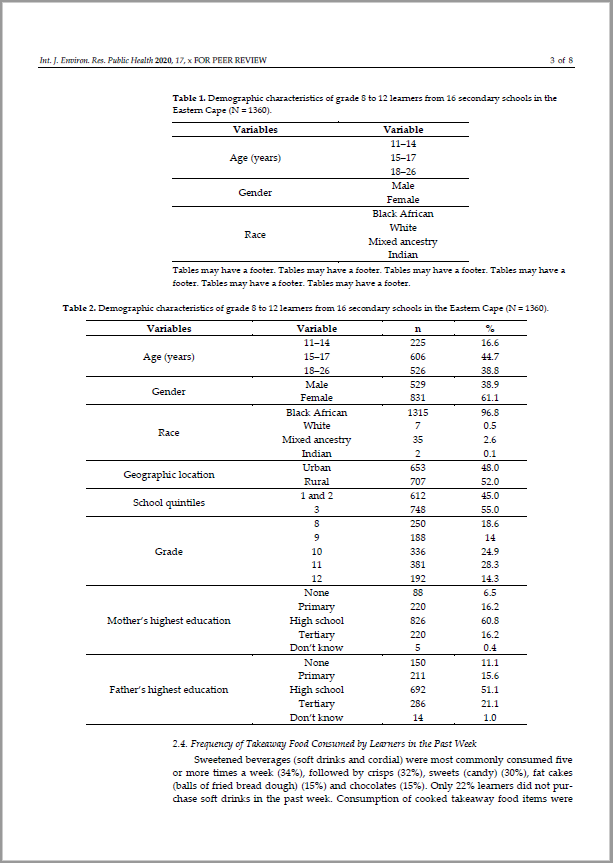
3) Small tables/figures are aligned on the left, large tables/figures are centered.
11 December 2020
2020 "Highly Cited Researchers" on MDPI Journal's Editorial Boards
We are pleased to acknowledge that many academic editors who have made an impact on MDPI journals as editorial board members, editors-in-chief, or section editors, are recognized as 2020 Highly Cited Researchers by Clarivate.
Highly Cited Researchers highlights the top 1% of researchers, by citations, in one or more of the 22 fields used in Clarivate Analytics Essential Science Indicators. We offer our congratulations to 279 academic editors of MDPI journals who were recognized as the most influential scholars in their fields in 2020.
Adams, Dave Agarwal, Ravi P. Ahn, Choon Ki Ahn, Myung-Ju Albrecht, Randy A. Andersson, Dan I. Anker, Stefan D. Apergis, Nicholas Ariga, Katsuhiko Artaxo, Paulo Balsamo, Gianpaolo Barba, Francisco J. Benediktsson, Jon Atli Benelli, Giovanni Bhatnagar, Amit Bialystok, Ellen Blaabjerg, Frede Blay, Jean-Yves Bogers, Marcel Bolton, Declan J. Boyer, Cyrille Brocca, Luca Bruix, Jordi Buhalis, Dimitrios Burdick, Jason A. Byrd, John C. Cabeza, Luisa F. Cabrerizo-Lorite, Francisco Javier Cai, Jianchao Calhoun, Vince D. Cantu, Robert C. Cerqueira, Miguel Chang, Jo-Shu Chau, Kwok-wing Chemat, Farid Chen, Jianmin Chen, Jun Chen, Min Chen, Shaowei Chen, Wei Chen, Wei-Hsin Chen, Xiaofeng Chen, Yangkang Chen, Zhi-Gang Chiclana, Francisco Corella, Dolores Cortes, Javier Cortes, Jorge Cummings, Kenneth Michael Dai, Shifeng Decker, Eric A. DePinho, Ronald A. Dimopoulos, Meletios-Athanasios Dincer, Ibrahim Du, Yihong Dupont, Didier Edwards, David Ellahi, Rahmat Ellis, Erle C. ElMasry, Gamal Esteller, Manel Estruch, Ramón Fang, Chuanglin Fasano, Alessio Fernandez-Lafuente, Roberto Ferreira, Isabel Fortino, Giancarlo Galluzzi, Lorenzo Galvano, Fabio Gandomi, Amir H. Gandomi, Amir H. Gao, Bin Gao, Feng Gao, Wei Garbe, Claus García, Hermenegildo Geschwind, Daniel H. Giampieri, Francesca Giralt, Sergio A. Glanz, Karen Goldewijk, Kees Klein Gössling, Stefan Govindan, Kannan Granato, Daniel Grosso, Giuseppe Grosso, Giuseppe Guerrero, Josep M. Haase, Dagmar Hagger, Martin S. Hamblin, Michael R. Han, Heesup Jankovic, Joseph Janotti, Anderson |
Jiang, Hai-Long Kalaji, Hazem M. Kalantar-Zadeh, Kourosh Kaner, Richard B. Karimi, Hamid Reza Kataoka, Kazunori Keesstra, Saskia Kepp, Oliver Kerminen, Veli-Matti Keyzers, Robert A. Khademhosseini, Ali Khan, Nafees A. Kim, Ki-Hyun Klemeš, Jiří Jaromír Klenk, Hans-Peter Konopleva, Marina Y. Krammer, Florian Krebs, Frederik C. Kroemer, Guido Kudo, Masatoshi Kurths, Juergen Kurzrock, Razelle Kuznetsov, Nikolay V. Kyrpides, Nikos C. La Vecchia, Carlo Lai, Yuekun Lam, James Lancellotti, Patrizio Lee, Sangmoon Leung, Victor C. M. Li, Jinghong Li, Yurui Lindahl, José M. Merigó Lip, Gregory Y. H. Loh, Xian Jun Long, Hualou Lund, Henrik Luo, Jingshan Luque, Rafael Lyons, Timothy W. Ma, Jun Ma, Wen-Xiu Ma, Yanming Maeda, Keisuke Makarova, Kira Mantovani, Alberto Martín-Belloso, Olga Martinoia, Enrico Marzband, Mousa Masclaux-Daubresse, Celine Masson, Patrick Mateos, María Victoria Mathiesen, Brian Vad Matyjaszewski, Krzysztof McArthur, Grant A. McCauley, Darren Medlock, Jolyon M. Melero, Ignacio Mezzetti, Bruno Miroshnichenko, Andrey E. Moran, Daniel Mueller, Lukas A. Mueller-Roeber, Bernd Naushad, Mu Nemeroff, Charles B. Nieto, Juan J. O'Donnell, Colm Ogino, Shuji Olabi, Abdul-Ghani O'Regan, Donal Orsini, Nicola Oswald, Isabelle P. Ozcan, Aydogan Pahl-Wostl, Claudia Pang, Huan Payne, James E. Peng, Shushi Perc, Matjaz Perez-Alvarez, Jose Angel Piquero, Alex R. Ploss, Alexander Postolache, Mihai Pradhan, Biswajeet Prinsep, Michele R. Qian, Dong Qu, Xiaogang Reiter, Russel J. Riahi, Keywan Richter, Andreas Rignot, Eric Robert, Caroline Ros, Emilio Rosell, Rafael |
Rosen, Marc A. |
The full list of 2020 Highly Cited Researchers can be accessed on https://recognition.webofsciencegroup.com/awards/highly-cited/2020/
--- Highly Cited Researchers (HCR) is a Clarivate product.
3 August 2020
Earth Seeks New Editor-in-Chief
It is our pleasure to announce that Earth is now open for submission. In addition, we are inviting applications for the role of Editor-in-Chief.
Earth (ISSN 2673-4834) aims to be an international, peer-reviewed, open access journal that provides rapid publication of articles across the entire spectrum of Earth and space sciences. The journal focuses on all aspects of interaction between humans and the Earth’s environment, resources, energy, and ecosystems, as well as interaction from deep interiors to the exterior of the earth itself. The goal of Earth is to provide a platform for multidisciplinary research from the natural, social, and applied sciences to enable the Earth to continue supporting life. It publishes regular research papers, communications, letters, short notes, and reviews.
The Editor-in-Chief has the final responsibility for editorial decisions regarding all content in the journal, as well as developing and implementing the strategic vision for the journal.
Responsibilities of the Editor-in-Chief
- Refine the journal’s aims and scope;
- Invite additional scientists to join the Editorial Board;
- Oversee the editorial process, with a main responsibility being making the final decision on whether a paper can be published after peer-review and revisions.
Additionally, you may invite a Co-Editor-in-Chief or Associate Editors if you are inclined to accept the position but need to share the workload.
Document
Interested applicants may apply for this position by submitting a curriculum vitae, describing your prior editorial experience.
Due date for proposals is 20 August 2020. Please send your application or any questions to the managing editor Valeria Sun ([email protected]).
9 July 2020
Open Access Agreement Between Jisc Collections and MDPI
We are delighted to announce the establishment of our Open Access agreement with Jisc Collections, which will allow UK institutions to benefit from access to article processing charge (APC) discounts and streamlined payment workflows.
All institutions participating in the agreement will also gain access to the MDPI online submission system where they can find full article metadata and pricing information for easy identification and additional transparency.
Eligible authors affiliated with the participating institutions are prompted to choose the corresponding Institutional Open Access Program (IOAP) when they submit an article via our online submission system.

About Jisc
Jisc's vision is for the UK to be the most digitally advanced education and research nation in the world. At its heart is the super-fast national research and education network, Janet, with built-in cyber security protection. Jisc also provides technology solutions for its members (colleges, universities and research centres) and customers (public sector bodies), helps members save time and money by negotiating sector-wide deals and provides advice and practical assistance on digital technology. Jisc is funded by the UK higher and further education and research funding bodies and member institutions.
For more information, contact [email protected].
About MDPI
MDPI is a publisher of fully peer-reviewed, Open Access journals with a focus on thorough and rapid editorial processing. Its aim is to ensure that high-quality research is verified and made available to the research community as quickly as possible. MDPI stands at the forefront of the Open Access movement, having launched its first online journal Molecules in 1996. Today, MDPI is a leader in Open Access publishing with over 250 journals across all research disciplines, and all content published under a Creative Commons Attribution License (CC BY).
For any questions about this agreement, please contact the MDPI IOAP team at [email protected].
13 May 2020
COVID-19 Academic Resources Center

Since 1996, MDPI has been committed to supporting the research community by providing the latest research freely available and making relevant and useful research available as quickly as possible. The world is current experiencing a pandemic of COVID-19, and researchers are working extremely hard to understand it and find a cure.
The values MDPI holds strongly are particularly important at the moment, and we will continue to publish relevant, peer-reviewed research as quickly as possible in open access format. This means that it will immediately be available for researchers, health professionals, and the general public to read, distribute, and reuse. We believe that scientific advancements will be crucial to overcoming this pandemic, and will do everything we can to support researchers working looking for solutions.
COVID-19 Academic Resources Center contains a variety of information related to COVID-19 available from MDPI, including journal articles, special issues, and preprints, among others.
For more information, please visit: https://www.mdpi.com/covid-19
9 April 2020
Free Open Platforms to Support Academics During the COVID-19 Pandemic
As a leading Open Access publisher, MDPI is committed to fostering open scientific exchange in all forms across all disciplines. Due to the outbreak of COVID-19, many researchers have to stay at home and many academic conferences have been cancelled or postponed. In light of these changes, MDPI has adopted numerous initiatives that may help accelerate scientific exchange and provide support to the academics during this period.
Scholarly Community—Encyclopedia
Encyclopedia is an online reference created and curated by active scholars. It aims to highlight the latest research results as well as providing benchmark information for researchers and the general public interested in accurate and advanced knowledge on specific topics.
Comprehensive and Free Literature Database—Scilit
Scilit is a comprehensive, free database for scientists that uses a new method to collate data and index scientific material. Our crawlers extract the latest data from CrossRef and PubMed on a daily basis. This means that newly published articles are immediately added to Scilit.
Display Academic Achievements—SciProfiles
SciProfiles is an innovative social network for researchers and scholars that is developed by MDPI. In line with our broad mission, the purpose of SciProfiles is to accelerate discovery and innovation by facilitating immediate access to research results and providing opportunities for academic networking.
Organize and Participate in Conferences Online—Sciforum
Sciforum is an event planning platform that supports open science by offering the opportunity to host and participate in academic conferences. It provides an environment for scholarly exchange, discussion of topics of current interest, building of networks, and establishing collaborations.
Post Early Versions of Research Outputs—Preprints
Preprints is a platform dedicated to making early versions of research outputs permanently available and citable. We post original research articles and comprehensive reviews, and papers can be updated by authors at any time. Content on Preprints is not peer-reviewed, and feedback can be received from readers.
***
MDPI remains committed to open science and open data and has signed a statement, along with more than thirty scholarly publishers, showing our intention to facilitate sharing of new research findings as early on as possible. The initiative sees publishers collectively removing barriers to new research, in the face of a global healthcare crisis.
25 March 2020
MDPI Comment on the COVID-19 Virus
The world is currently suffering from a global pandemic of the corona virus COVID-19. MDPI expresses its sympathies for all of those affected by the virus and stands in solidarity with medical staff and researchers treating patients and searching for scientific solutions.
MDPI has previously published papers covering corona viruses in addition to new papers on the current outbreak, see all papers here. In particular, Viruses has published a number of Special Issues and papers on the topic (see here, here, and here) as well as a forthcoming Special Issue.
Alongside journal articles, MDPI has been a strong supporter of preprints, which are increasingly being used to rapidly disseminate the latest research, and we run the preprint server Preprints.org. Our database of research articles, Scilit, is free to use and covers all publishers including preprint servers. New papers are often in search results within hours of publication and users can set up alerts for new papers.
Our main priority during this period has been the health and safety of staff, and we continue to allow staff to work at home and closely monitor the situation in all locations in which we work. Despite the restrictions, we continue to provide a full publication service and, by close collaboration with our editorial boards and making use our in-house teams, ensure that there are no unnecessary delays in publishing vital research. Fast and open publication has always been at the core of MDPI values and is now more important than ever.
We hope that a solution to the current situation will emerge soon. In the meantime, we will do our best to continue communicating vital research in all fields.
18 March 2020
MDPI Co-Signed Position Statement on Transformative Agreements
The advantages of the open access model of scientific publishing are being increasingly recognized in the scientific community. It allows new scientific evidence to be accessed from the moment of publication for free by anyone around the globe, boosting the impact of new research. In response, many funders, libraries and universities have been adopting new principles to accelerate the transition to open access.
Recently, “transformative agreements” have been negotiated between traditional publishers and various institutions. While increasing the number of open access papers, these agreements lack binding commitments to a full transition to open access, their conditions vary across different regions, and access is still limited for many users.
MDPI is a co-signatory of the recent position statement raising concerns about potential downsides of transformative agreements and how they may delay a full transition to open access. The statement highlights that these models “risk perpetuating current limitations on access, transparency and market competitiveness, while simultaneously facilitating excessive charges on the public purse”.
As a pioneering open access journal publisher, MDPI is the first to promote the importance of science being made available to everyone. Our peer-reviewed journals, covering diverse academic disciplines, are fully accessible to the public free of charge under a Creative Commons Attribution License (CC BY). This is why, along with other open access publishers, MDPI is a proud signatory of the position paper and is committed to contributing to the replacement of weak transitional agreements with “agreements with publishers that are already fully committed to open science and who offer full, immediate and transparent Open Access”.
Read the position paper here
16 March 2020
Encyclopedia Outstanding Contributor Awards 2020 - Open for Application
We are pleased to announce that Encyclopedia will be awarding five Outstanding Contributor Awards for researchers in 2020. The nominations and applications will be assessed by an Evaluation Committee consisting of senior scholars from the Encyclopedia Editorial Board.
Prize for Winners
- An official certificate;
- A cash award of 500 CHF or an MDPI discount voucher of 800 CHF.
Application Deadline
31 December, 2020 (Please send your application email with a list of all entries you contributed to our office before the deadline: [email protected])
Candidate Requirements
- Have a Ph.D. degree;
- Have more than three qualified entries published in Encyclopedia in 2020.
Evaluation Standards
- Number of entries published in Encyclopedia in 2020;
- Quality of entries online (including length, figure quality, and novelty);
- Impact of entries (including the number of likes, discussion contents, views, and downloads).
If you are a researcher and have not yet contribute entries to Encyclopedia, please do not miss this chance to highlight your research results.