Skip to Content
You are currently on the new version of our website. Access the old version .

COVID

COVID is an international, peer-reviewed, open access journal on the study of coronaviruses, coronavirus-related diseases and global impact, published monthly online by MDPI.

All Articles (695)

  • Case Report
  • Open Access

A rare but potentially fatal hyperinflammatory disease that develops following SARS-CoV-2 infection is called multisystem inflammatory syndrome in children (MIS-C). Mucocutaneous manifestations are common and frequently overlap with other pediatric inflammatory illnesses, including Kawasaki disease, and may serve as early diagnostic indicators. We describe a 6-year-old girl who was previously healthy but was hospitalized in the pediatric intensive care unit due to a high-grade fever, toxic appearance, and quickly progressing mucocutaneous symptoms, such as bilateral non-purulent conjunctivitis and broad maculopapular rash. Myocardial dysfunction, severe anemia and thrombocytopenia, respiratory failure necessitating mechanical ventilation, and hypotensive shock complicated the clinical course. Laboratory tests showed positive SARS-CoV-2 serology and significantly increased inflammatory markers. Several microbiological tests came up negative. Bacterial sepsis and Kawasaki diseases were not included. A diagnosis of MIS-C was made based on clinical, laboratory, and epidemiological data. In addition to supportive intensive care, the patient received systemic corticosteroids and intravenous immunoglobulin. After two weeks, she was released in a stable condition after gradually improving clinically and biochemically. This instance emphasizes how crucial it is to identify noticeable mucocutaneous manifestations as early warning signs of MIS-C. Immunomodulatory therapy must be started as soon as possible in order to minimize serious consequences and enhance the prognosis of afflicted infants.

18 February 2026
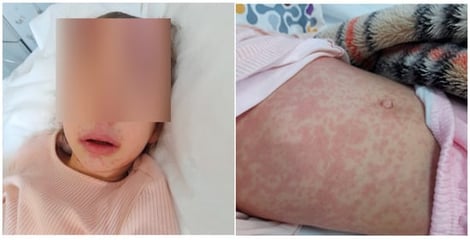
Mucocutaneous manifestations of MIS-C.

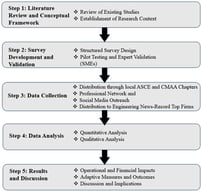
The COVID-19 pandemic disrupted the global construction industry, resulting in workforce shortages, project delays, and contractual disputes. This study used an online survey of private engineering and construction companies to assess their responses to the challenges posed by COVID-19. The survey focused on workforce management, technological advancements, safety protocols, and project execution. Workforce adaptations, particularly the shift to telework, saw 66% of respondents reporting partial telework and 22% indicating that telework became permanent after the pandemic. Technological advancements were crucial for maintaining operations during the pandemic, with 82% of respondents reporting the adaptation of new digital tools. These included widespread adoption of Microsoft Teams and Zoom by both office and field staff. Training was identified as essential for the effective implementation of these technologies, enabling employees to maximize their benefits. The pandemic affected project design and construction activities, with 69% of respondents reporting delays during the design phase and 70% during construction. Cost overruns of up to 25% were reported in the public sector and 67% of respondents in the private sector reported cost overruns, highlighting the financial impact of the pandemic. The findings provide insights into organizational resilience strategies adopted by private firms and offer lessons that can inform preparedness for future disruptions.

13 February 2026

Research methodology framework.

University students are a major target population for infectious disease prevention programmes. Understanding the barriers to implementation of these programmes, and specifically vaccines, among student populations is critical for effective health prevention strategies. To assess changes in COVID-19 vaccine hesitancy and vaccine delivery programmes, we compared questionnaire-based survey data of two cohorts of first year students from two points, July and October 2021, during the COVID-19 vaccine rollout in the United Kingdom. We observed a highly significant increase in vaccine uptake without any alteration in vaccine hesitancy, as measured using a modified VAX score between the two survey dates. The October survey confirmed an association of vaccine hesitancy with the Non-White ethnic group and specifically identified concerns with the plurality of vaccine testing as a potential cause of this hesitancy. University pop-ups for COVID-19 vaccine delivery were not extensively utilised but were deemed as strongly or weakly favourable by 28.3% of students. Survey responses indicated that on-campus pop-ups for delivery of MMR and MenACWY were also supported by a significant minority of students.

11 February 2026

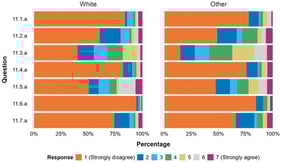
Comparison of COVID-19 vaccine hesitancy factors between ethnicities. Abbreviations: Other = Black, Asian, Mixed, or Other minority ethnicity. Survey response definitions: “11.1.a” = I have allergies, needle phobia, am immuno-compromised, or have other clinical reasons not to be vaccinated. “11.2.a” = I am not convinced that COVID-19 vaccines will be effective. “11.3.a” = Vaccines may not have been tested thoroughly in all ethnic groups. “11.4.a” = I have had COVID-19 and therefore do not feel I need the vaccine. “11.5.a” = I do not feel that I personally am at risk from COVID-19. “11.6.a” = I do not believe in vaccinations in general. “11.7.a” = It is inconvenient to get a COVID-19 vaccine. Counts (n) and percentages (%) are unweighted.

Coronavirus disease 2019 (COVID-19) has caused substantial global health and economic disruption, and identifying factors associated with adverse outcomes remains essential. This study is a first-wave observational study and examined risk factors and outcomes among patients admitted with COVID-19 to a non-acute hospital during the first wave of the pandemic, with particular focus on social deprivation and frailty. We conducted a retrospective review of clinical notes for 205 patients admitted between December 2019 and June 2020. Frailty was assessed using the Clinical Frailty Score and the Charlson Comorbidity Index, and social deprivation was evaluated using the Welsh Index of Multiple Deprivation. Although more women than men were admitted, mortality rates were similar across sexes. Older age was associated with increased mortality, and ischaemic heart disease was the most common comorbidity, occurring more frequently among patients who died. Those who died also demonstrated greater frailty, reflected in higher frailty and comorbidity scores. Most patients, irrespective of survival, were from less deprived areas, and greater social deprivation was not associated with increased admission or mortality. These findings indicate that older age, frailty, and ischaemic heart disease are important predictors of mortality in non-acute hospital settings, while social deprivation did not appear to influence admission risk or outcomes in this cohort. As this cohort predates widespread vaccination and antiviral therapy, these findings provide insight into baseline risk factors for COVID-19 mortality in frail populations during the first pandemic wave.

9 February 2026

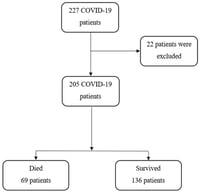
Flow chart of patients included in the study.

News & Conferences

Issues

Open for Submission

Editor's Choice

Get Alerted

Add your email address to receive forthcoming issues of this journal.

XFacebookLinkedIn
COVID - ISSN 2673-8112