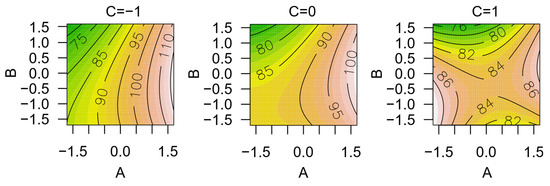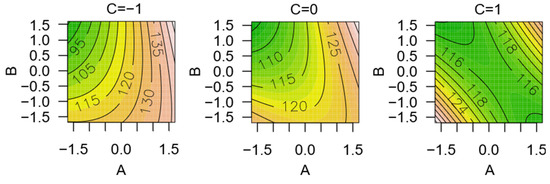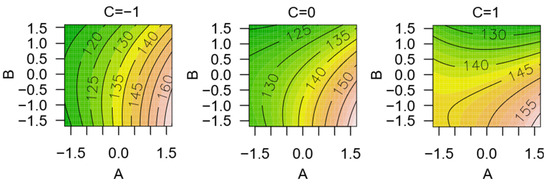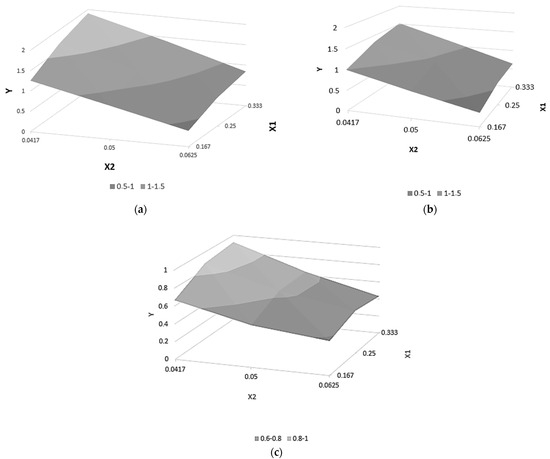

Journal Description
Construction Materials
is an international, peer-reviewed, open access journal on construction materials published bimonthly online by MDPI.
- Open Access— free for readers, with article processing charges (APC) paid by authors or their institutions.
- High Visibility: indexed within ESCI (Web of Science), Scopus and other databases.
- Journal Rank: CiteScore - Q2 (Engineering (miscellaneous))
- Rapid Publication: manuscripts are peer-reviewed and a first decision is provided to authors approximately 20.9 days after submission; acceptance to publication is undertaken in 5.9 days (median values for papers published in this journal in the second half of 2025).
- Recognition of Reviewers: APC discount vouchers, optional signed peer review, and reviewer names published annually in the journal.
- Construction Materials is a companion journal of Materials.
- Journal Cluster of Civil Engineering and Built Environment: Architecture, Buildings, CivilEng, Construction Materials, Infrastructures, Intelligent Infrastructure and Construction, NDT and Vibration.
Latest Articles
Principal Component and Multiple Linear Regression Analysis for Predicting Strength in Fiber-Reinforced Cement Mortars
Constr. Mater. 2026, 6(1), 11; https://doi.org/10.3390/constrmater6010011 - 5 Feb 2026
Abstract
Accurate prediction of the mechanical performance of fiber-reinforced cement mortars (FRCM) is challenging because fiber geometry and properties vary widely and interact with the cement matrix in a non-trivial way. In this study, we propose an interpretable, computationally light framework that combines principal
[...] Read more.
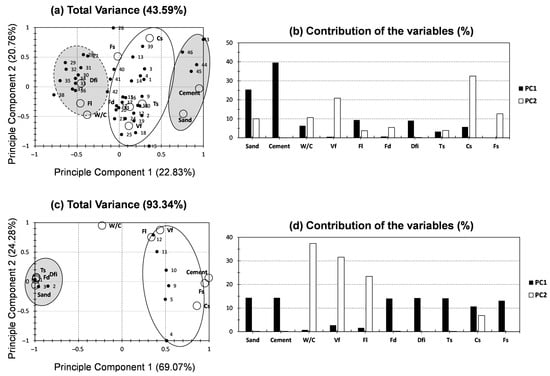
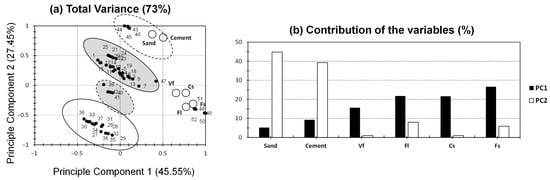
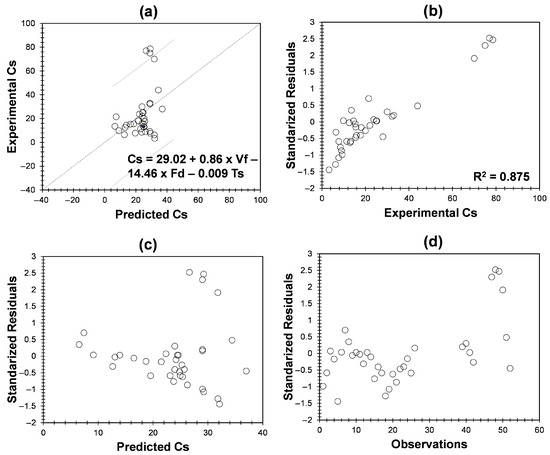
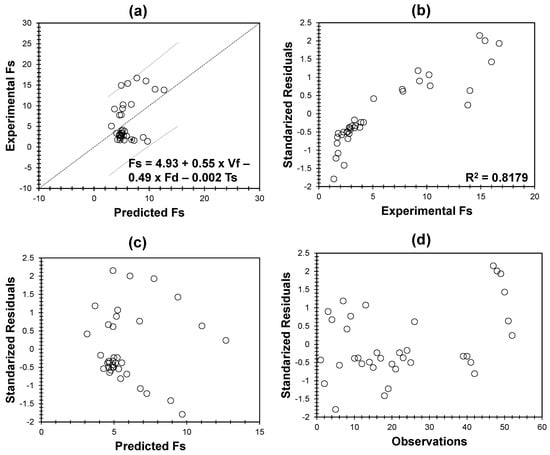
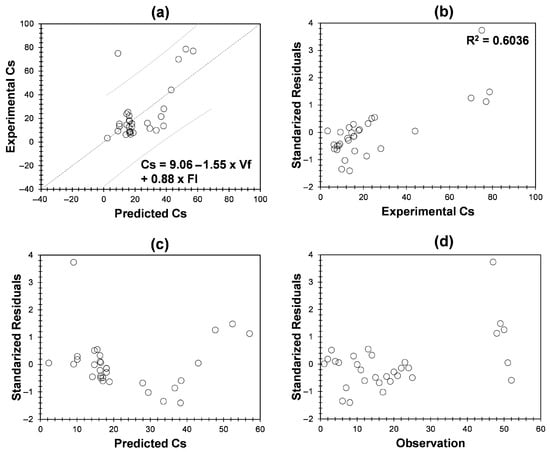
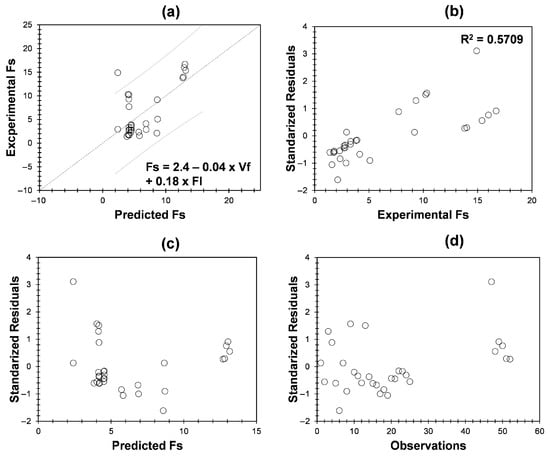
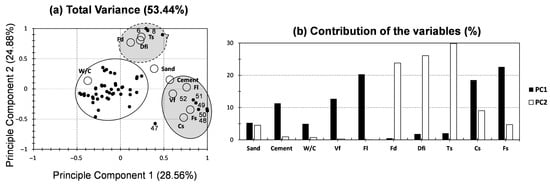
Accurate prediction of the mechanical performance of fiber-reinforced cement mortars (FRCM) is challenging because fiber geometry and properties vary widely and interact with the cement matrix in a non-trivial way. In this study, we propose an interpretable, computationally light framework that combines principal component analysis (PCA) with multiple linear regression (MLR) to predict compressive strength (Cs) and flexural strength (Fs) from mix proportions and fiber parameters. The literature-based dataset of 52 mortar mixes reinforced with polypropylene, steel, coconut, date palm, and hemp fibers was compiled and analyzed, covering Cs = 4.4–78.6 MPa and Fs = 0.75–16.7 MPa, with fiber volume fraction Vf = 0–15% and fiber length Fl = 4.48–60 mm. PCA performed on the full dataset showed that PC1–PC2 explain 53.4% of the total variance; a targeted variable-selection strategy increased the captured variance to 73.0% for the subset used for regression model development. MLR models built using PC1 and PC2 achieved good accuracy in the low-to-mid strength range, while prediction errors increased for higher-strength mixes (approximately Cs ≳ 60 MPa and Fs ≳ 10 MPa). On an independent validation dataset (n = 10), the refined model achieved mean absolute percentage errors of 11.3% for Fs and 18.5% for Cs. The proposed PCA-MLR approach provides a transparent alternative to more complex data-driven predictors, and it can support preliminary screening and optimization of fiber-reinforced mortar designs for durable structural and repair applications.
Full article
(This article belongs to the Topic Advanced Composite Materials)
►
Show Figures
Open AccessArticle
Thermal Conductivity and Volumetric Heat Capacity of Recycled Concrete Aggregates Blended with Autoclaved Aerated Concrete Grains for Road Base Materials in Vietnam
by
Van Nam Pham, Toshihiro Sakaki and Ken Kawamoto
Constr. Mater. 2026, 6(1), 10; https://doi.org/10.3390/constrmater6010010 - 3 Feb 2026
Abstract
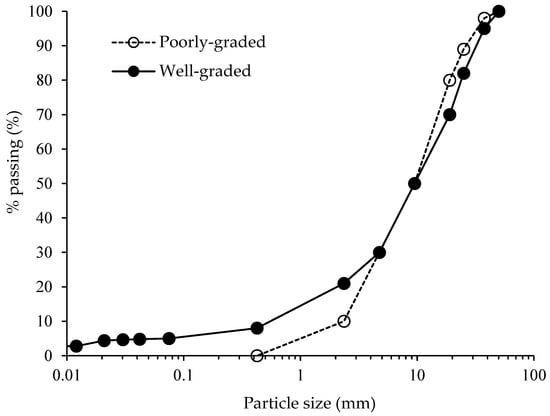
Thermal properties, such as thermal conductivity (λ) and heat capacity (Cv), are important in understanding heat transport and the urban heat island (UHI) effect. While many studies focus on surface materials rather than roadbed materials, this study targeted
[...] Read more.
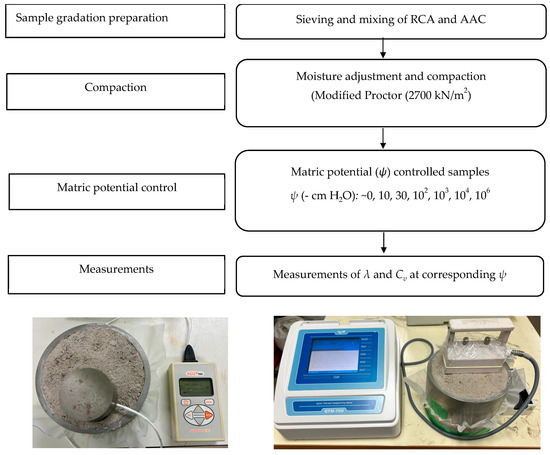
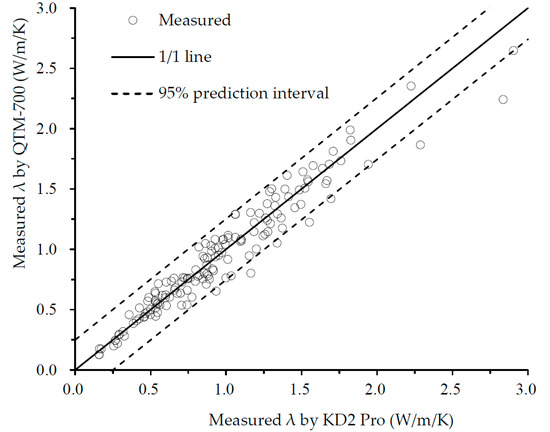
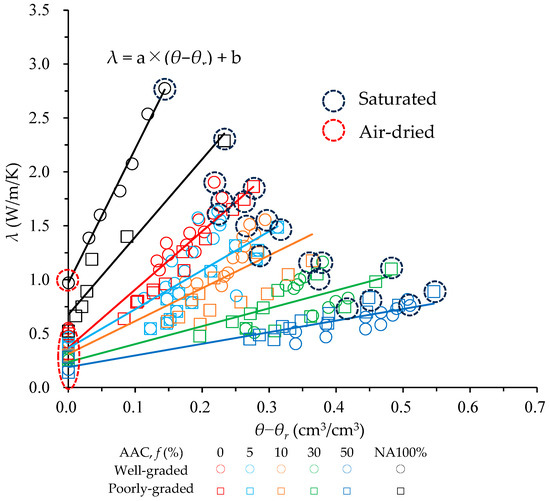
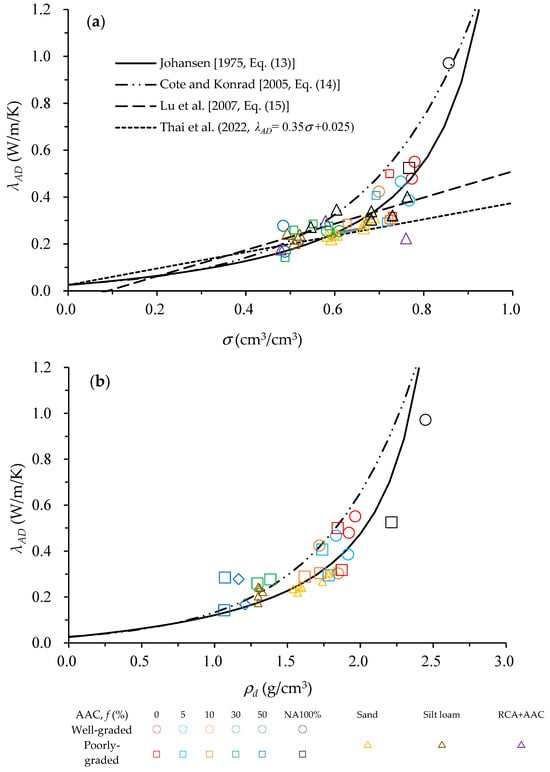
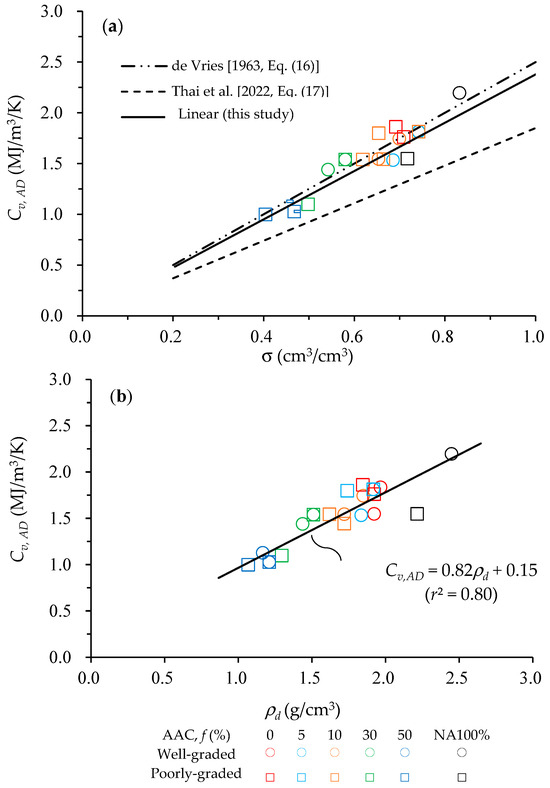
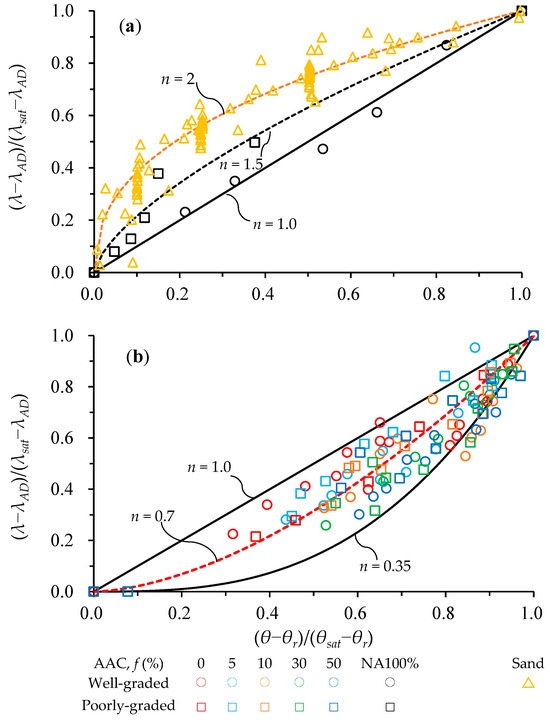
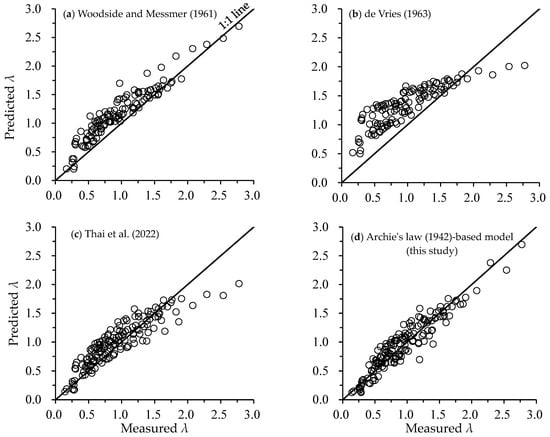
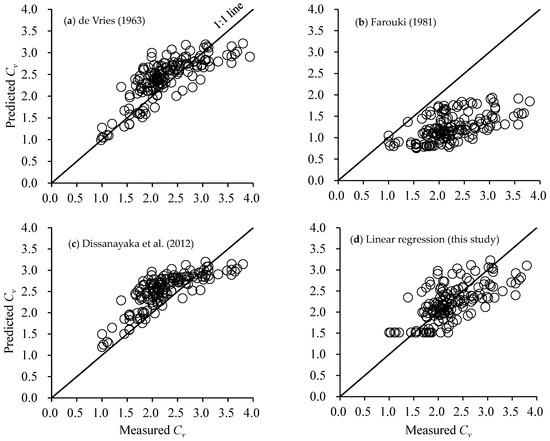
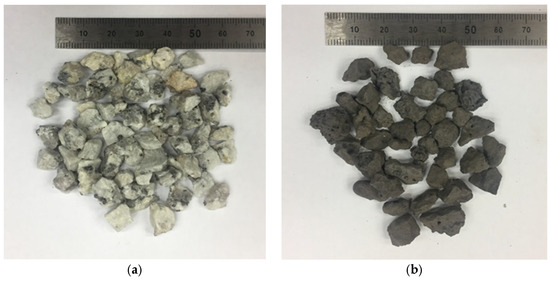
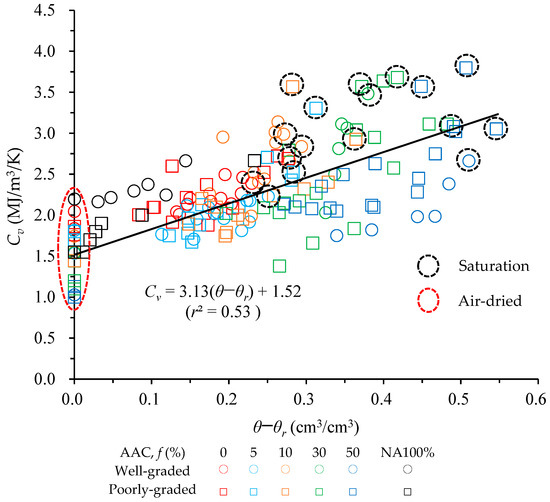
Thermal properties, such as thermal conductivity (λ) and heat capacity (Cv), are important in understanding heat transport and the urban heat island (UHI) effect. While many studies focus on surface materials rather than roadbed materials, this study targeted roadbed materials using recycled concrete aggregates mixed with autoclaved aerated concrete (AAC) grains to experimentally measure and to predict the λ and Cv under varied moisture conditions. The results showed that both λ and Cv of all tested samples increased linearly with increasing volumetric water content (θ), and the increment of AAC was effective in reducing the λ values in the whole range of θ. The addition of AAC, on the other hand, did not affect the measured Cv significantly and gave a linear increase in Cv with the increase in θ. The performance of predictive models showed that Archie’s-second-law-based model captured the measured λ values for all tested samples well by modifying the saturation exponent (n = 0.7), and the classic de Vries model predicted the measured Cv well, suggesting that Archie’s-second-law-based model would be useful to evaluate heat transport parameters for roadbed materials in this study.
Full article
(This article belongs to the Topic Green Construction Materials and Construction Innovation)
►▼
Show Figures

Figure 1
Open AccessCommunication
Welding of Steel with a High Carbon Equivalent and Bainite Microstructure with Extremely Low Heat Input
by
Mikhailo Brykov, Vasyl’ Girzhon, Volodymyr Lebedev, Ruslan Kulykovskyi, Oleksii Kapustyan, Olexandr Klymov, Alexey Efremenko and Denys Molochkov
Constr. Mater. 2026, 6(1), 9; https://doi.org/10.3390/constrmater6010009 - 30 Jan 2026
Abstract
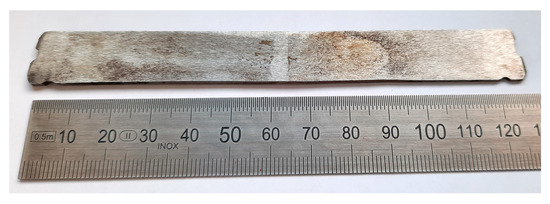
Samples of medium-carbon low alloyed steel (0.45 wt% C, 2.61 wt% Mn, 1.57 wt% Si) with bainite microstructure were welded using the cold metal transfer method. A series of single welding “dots” was made to produce welding joints using austenitic welding wires. The
[...] Read more.
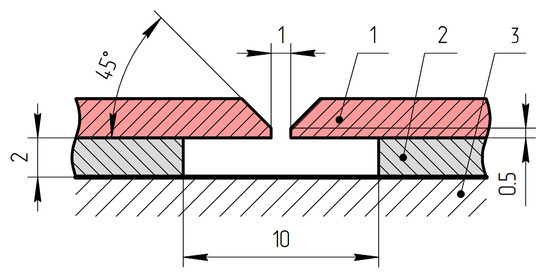
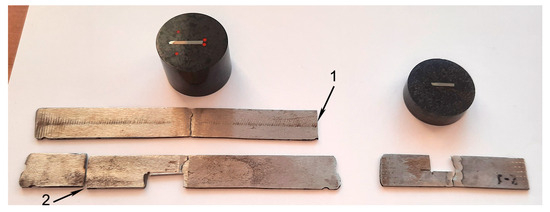
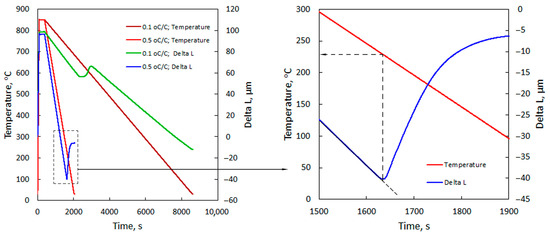
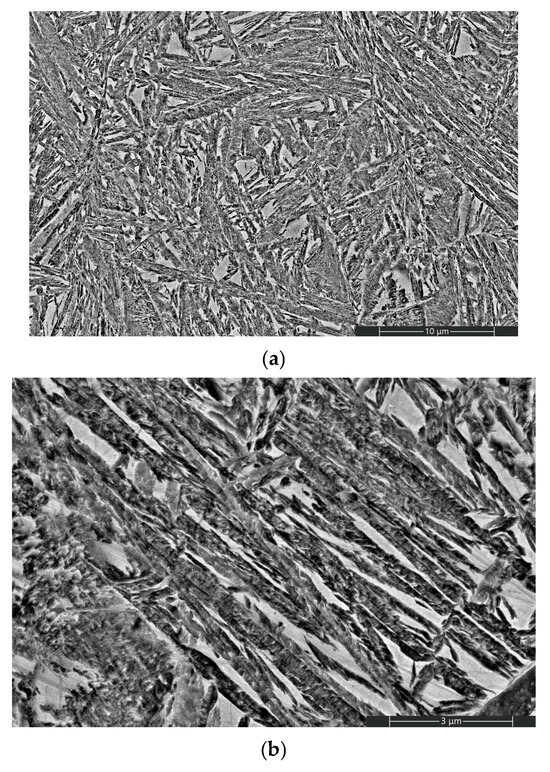
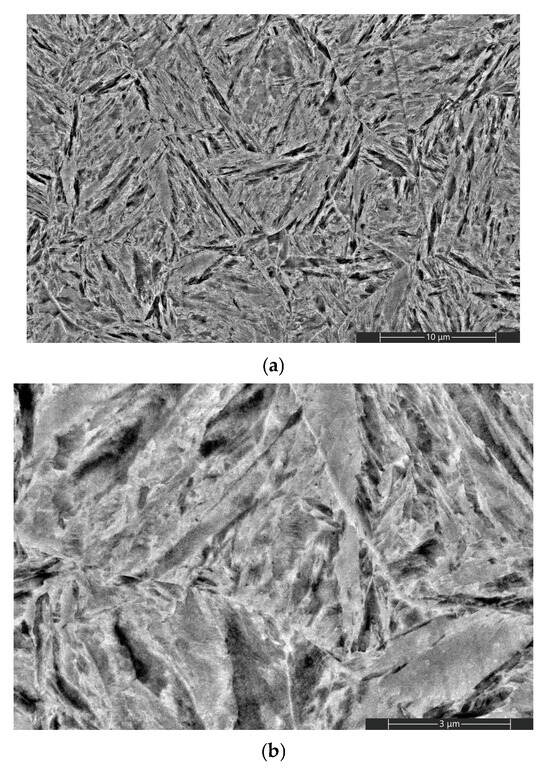
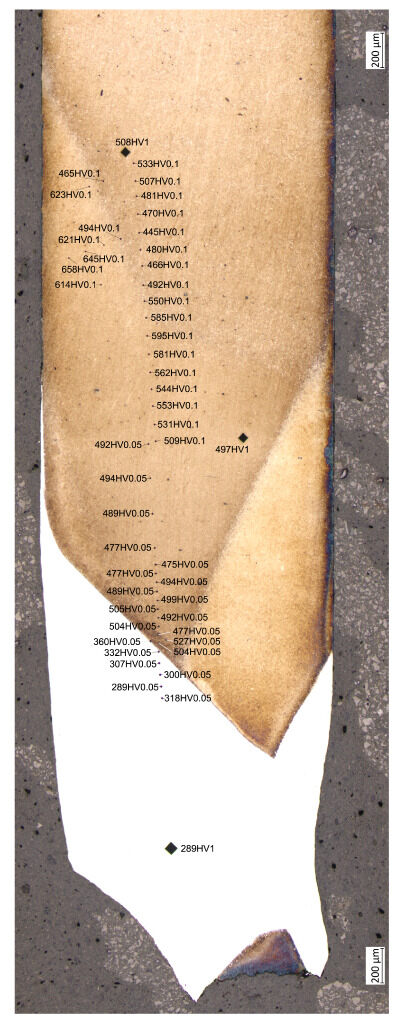
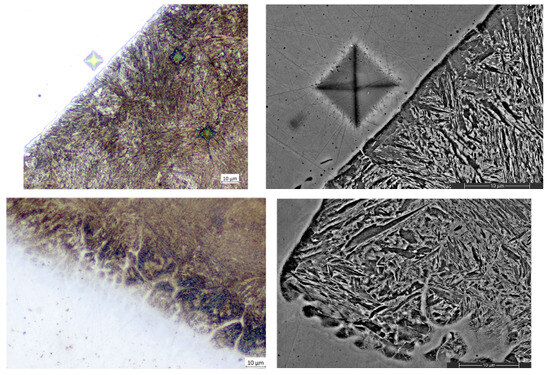
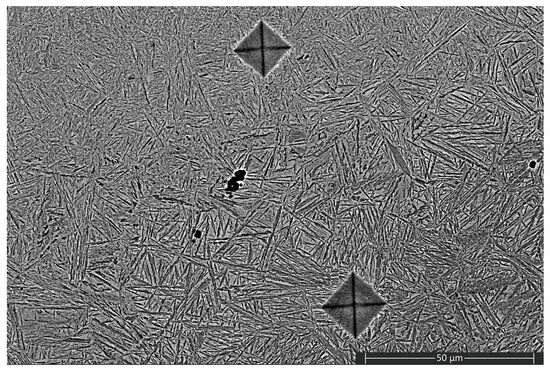
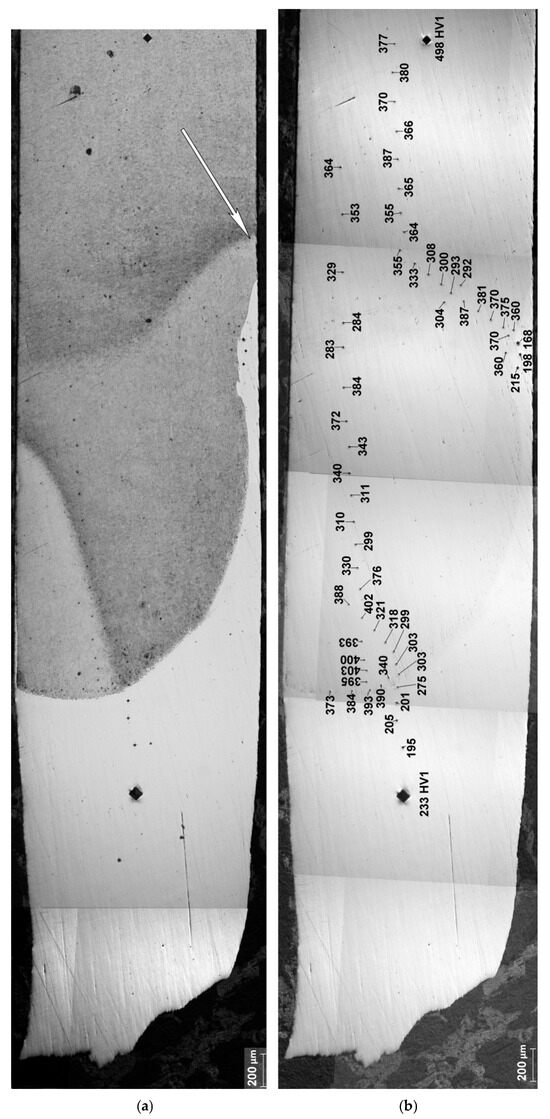
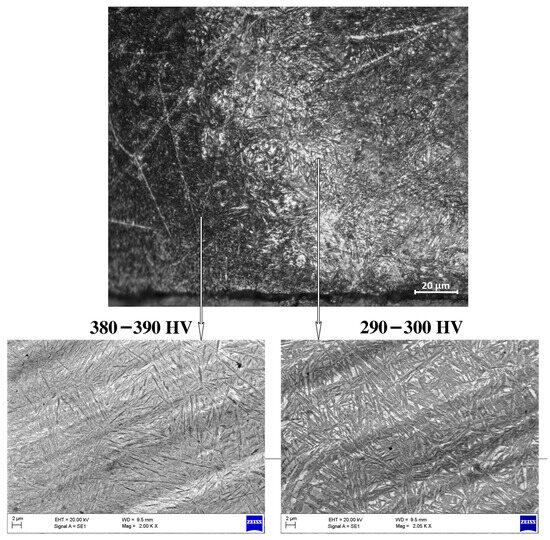
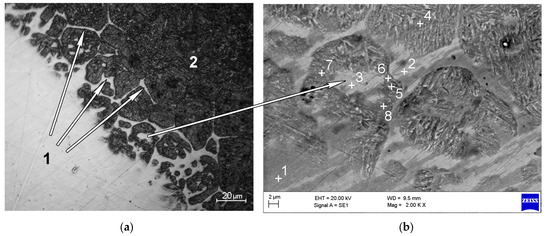
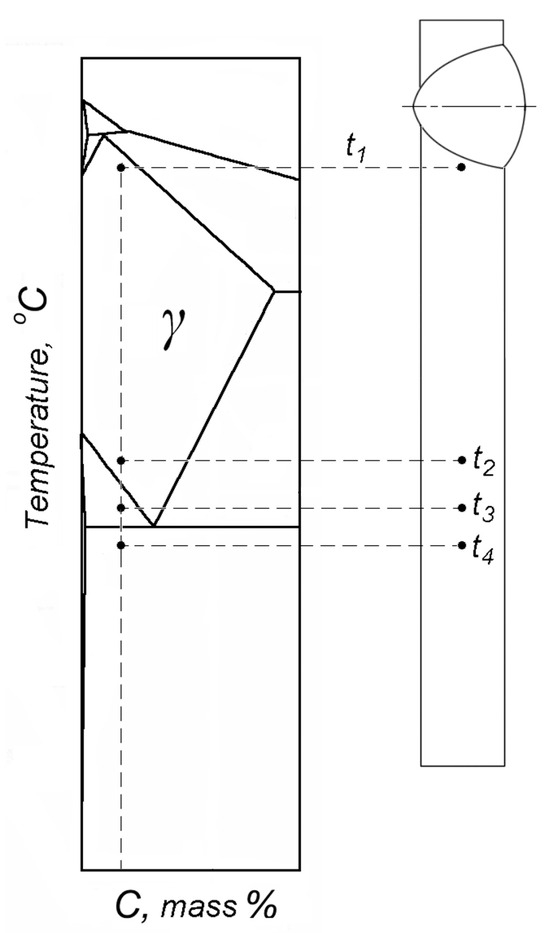
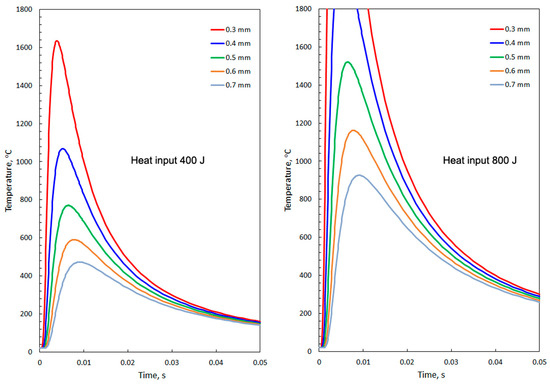
Samples of medium-carbon low alloyed steel (0.45 wt% C, 2.61 wt% Mn, 1.57 wt% Si) with bainite microstructure were welded using the cold metal transfer method. A series of single welding “dots” was made to produce welding joints using austenitic welding wires. The heat input was adjusted to the minimal possible level of 500–800 J per “dot”. Tensile tests of welded samples demonstrated that quality welds were obtained. All samples were broken via welded metal, showing tensile strength 530–670 MPa, which is inherent to the material of the welding wires. It was determined that the time required for phase transformations in the heat-affected zone during the thermal cycle is an order of magnitude greater than the time of temperature flash during producing a single welding “dot”. The results of extensive hardness measurements of material in the heat-affected zone, along with macro- and microstructure investigations, are presented. It has been demonstrated that cold metal transfer welding technology can be successfully used for welding steel with high carbon equivalent and bainite microstructure without preheating and with minimal deterioration of properties in the heat-affected zone.
Full article
(This article belongs to the Special Issue Innovations in Sustainable Construction and Road Engineering Materials)
►▼
Show Figures

Figure 1
Open AccessArticle
Durability of One-Part Alkali-Activated Binder Made with Alternative Sodium Silicate
by
Rodrigo H. Geraldo, Jardel P. Gonçalves and Gladis Camarini
Constr. Mater. 2026, 6(1), 8; https://doi.org/10.3390/constrmater6010008 - 28 Jan 2026
Abstract
►▼
Show Figures
Recent studies have highlighted the potential for production of an alternative sodium silicate in powder obtained by mixing NaOH with rice husk ash, followed by a dissolution and drying process. This alternative sodium silicate, when mixed with metakaolin and dried under special conditions,
[...] Read more.
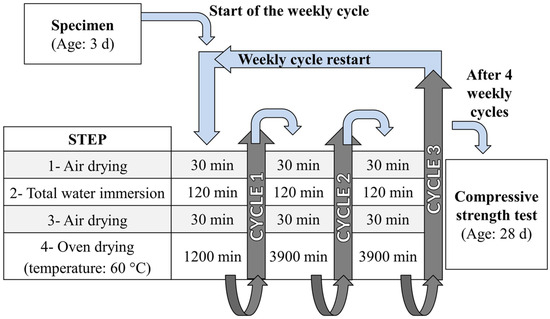
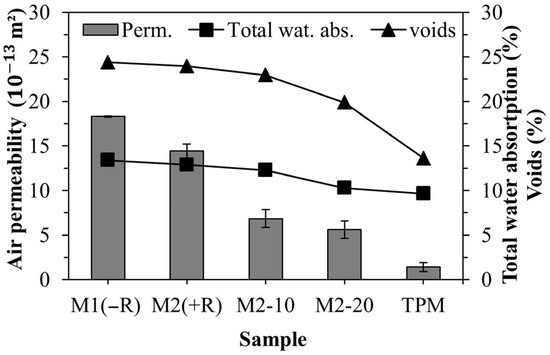
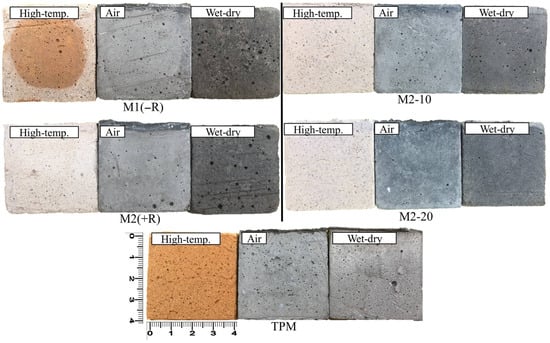
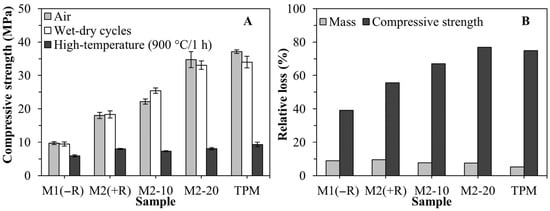
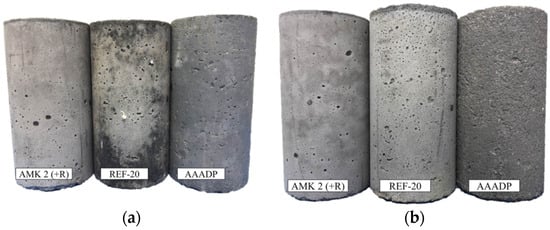
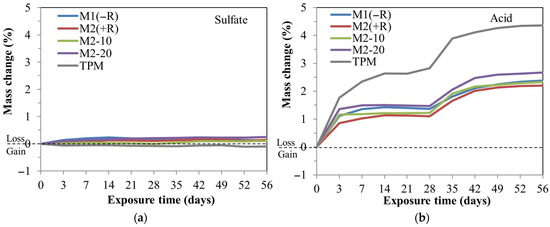
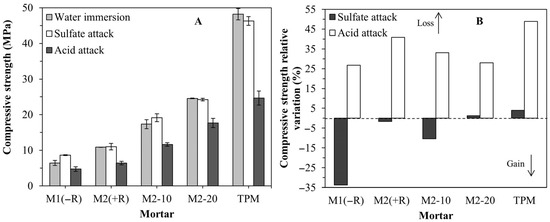
Recent studies have highlighted the potential for production of an alternative sodium silicate in powder obtained by mixing NaOH with rice husk ash, followed by a dissolution and drying process. This alternative sodium silicate, when mixed with metakaolin and dried under special conditions, results in an eco-friendly one-part alkali-activated binder (OPAAB). However, the durability performance of OPAAB incorporating RHA-derived sodium silicate remains largely unexplored. This study focuses on an experimental investigation of OPAAB mortar durability, analyzing permeability, high-temperature exposure, wet-and-dry cycles, and resistance to aggressive environments (sulfate and acid attack). A two-part mix mortar made with the same precursors was used as a reference. It was found that the OPAAB mortars were not affected by the wet-and-dry cycles nor the sulfate attack. Exposure to high temperature (900 °C for 1 h) did not cause specimen failure, which had a residual compressive strength higher than 5 MPa. Finally, exposure to sulfuric acid for 56 days decreased the mechanical strength of the mortars, but all the specimens maintained a residual compressive strength higher than 4 MPa. The durability performance of the mortars produced with OPAAB incorporating RHA-derived sodium silicate was similar to the two-part mix mortars (reference), demonstrating technical feasibility and advancing the understanding of durability aspects for application in civil construction.
Full article

Figure 1
Open AccessArticle
Optimization of Sisal Content in Geopolymer Mortars with Recycled Brick and Concrete: Design and Processing Implications
by
Oscar Graos-Alva, Aldo Castillo-Chung, Marisol Contreras-Quiñones and Alexander Vega-Anticona
Constr. Mater. 2026, 6(1), 7; https://doi.org/10.3390/constrmater6010007 - 26 Jan 2026
Abstract
►▼
Show Figures
Geopolymer mortars were produced from construction and demolition waste using a binary binder of recycled brick powder/recycled concrete powder (RBP/RCP = 70/30 wt%), activated with a hybrid alkaline solution (NaOH/Na2SiO3/KOH) and reinforced with sisal fibres at 0–2 wt%. Mechanical
[...] Read more.
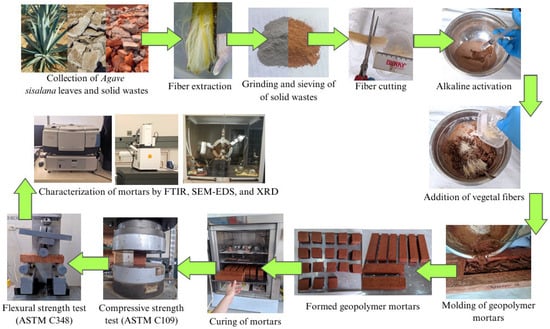
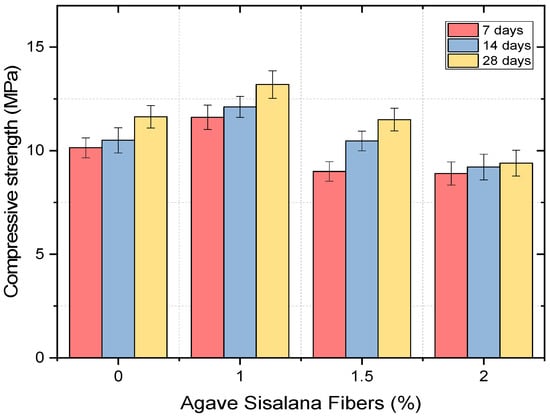
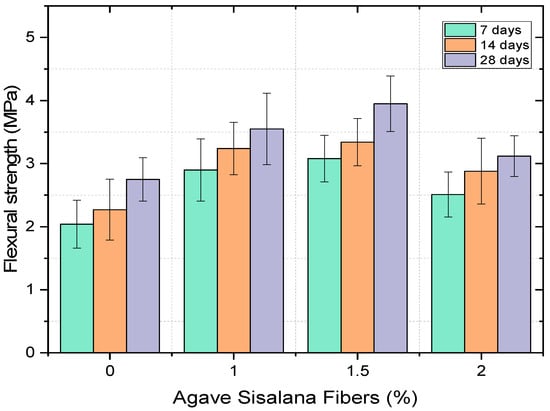
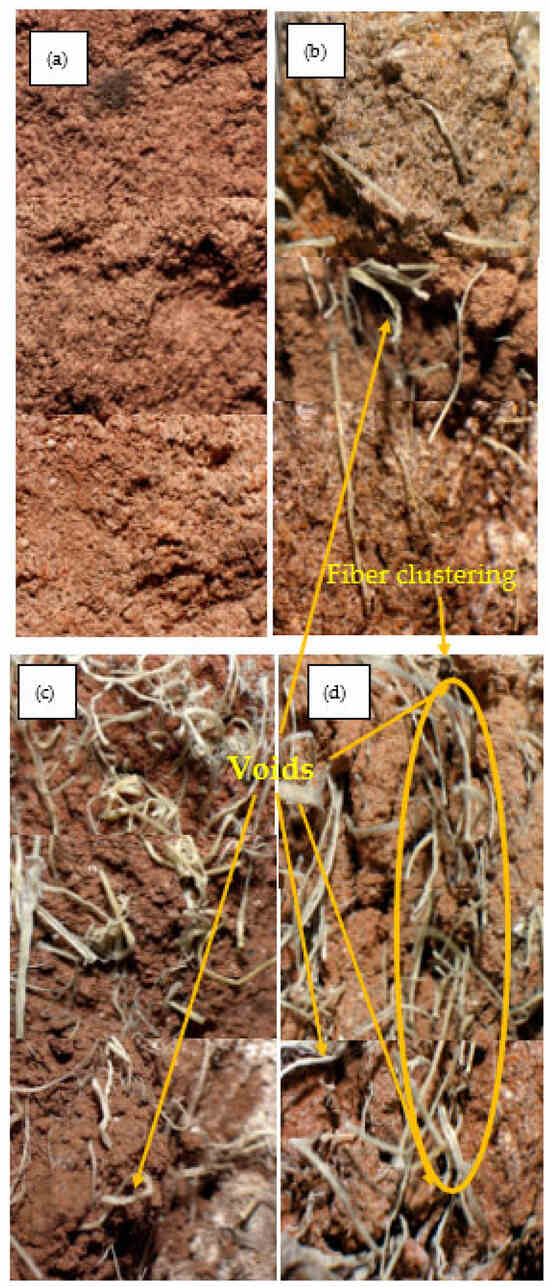
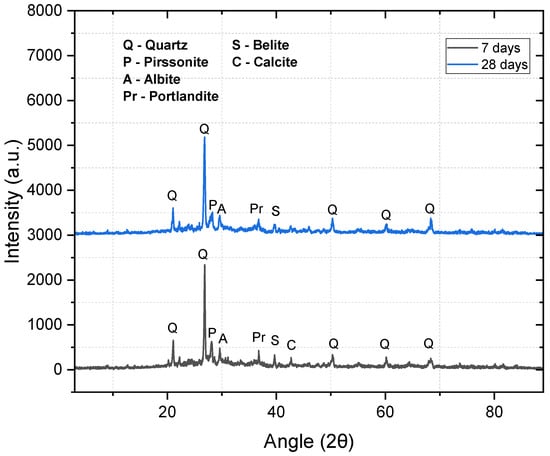
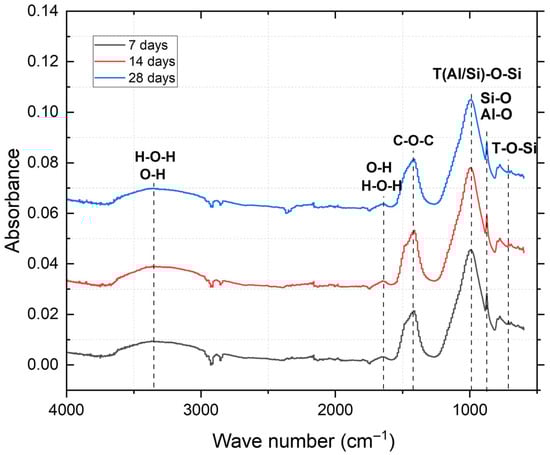
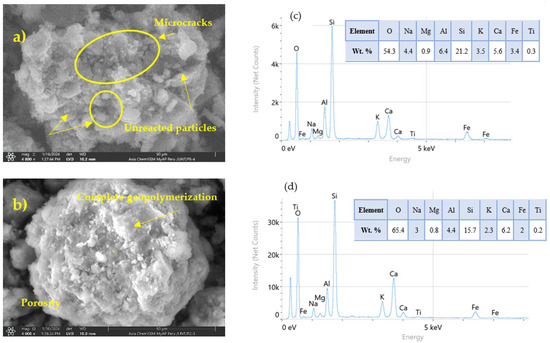
Geopolymer mortars were produced from construction and demolition waste using a binary binder of recycled brick powder/recycled concrete powder (RBP/RCP = 70/30 wt%), activated with a hybrid alkaline solution (NaOH/Na2SiO3/KOH) and reinforced with sisal fibres at 0–2 wt%. Mechanical performance (compression and three-point bending) and microstructure–phase evolution (XRD, FTIR, SEM-EDS) were assessed after low-temperature curing. Sisal addition delivered a strength–toughness trade-off with a reproducible optimum at ~1.0–1.5 wt%; at 2.0 wt%, fibre clustering and connected porosity reduced the effective load-bearing section, penalising flexure more than compression. Microstructural evidence indicates coexistence and co-crosslinking of N-A-S-H and C-(A)-S-H gels—enabled by Ca from RCP—leading to matrix densification and improved fibre–matrix anchorage. Fractographic features (tortuous crack paths, bridging, and extensive pull-out at ~1.5 wt%) are consistent with an extended post-peak response and higher fracture work without compromising early-age strength. This study achieves the following: (i) it identifies a practical reinforcement window for sisal in RBP/RCP geopolymers, (ii) it links gel chemistry and interfacial phenomena to macroscopic behaviour, and (iii) it distils processing guidelines (gradual addition, workability control, gentle deaeration, and constant A/S) that support reproducibility. These outcomes provide a replicable, low-embodied-CO2 route to fibre-reinforced geopolymer mortars derived from CDW for non-structural and semi-structural applications where flexural performance and post-peak behaviour are critical.
Full article

Figure 1
Open AccessArticle
Predicting Friction Number in CRCP Using GA-Optimized Gradient Boosting Machines
by
Ali Juma Alnaqbi, Waleed Zeiada and Ghazi G. Al-Khateeb
Constr. Mater. 2026, 6(1), 6; https://doi.org/10.3390/constrmater6010006 - 15 Jan 2026
Abstract
►▼
Show Figures
Road safety and maintenance strategy optimization depend on accurate pavement surface friction prediction. In order to predict the Friction Number for Continuously Reinforced Concrete Pavement (CRCP) sections using data taken from the Long-Term Pavement Performance (LTPP) database, this study presents a hybrid machine
[...] Read more.
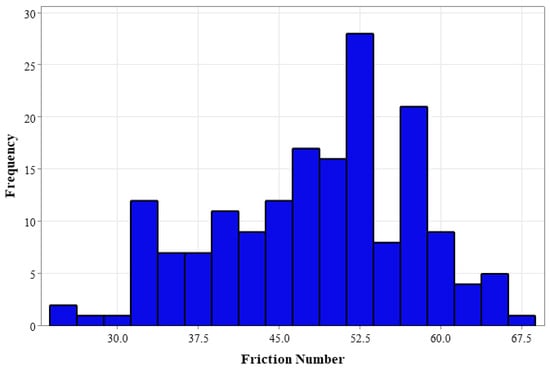
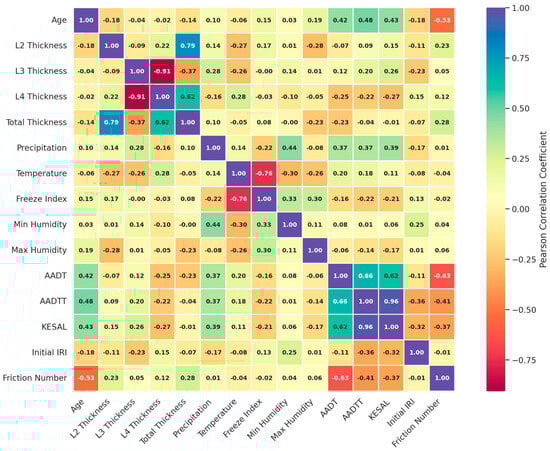
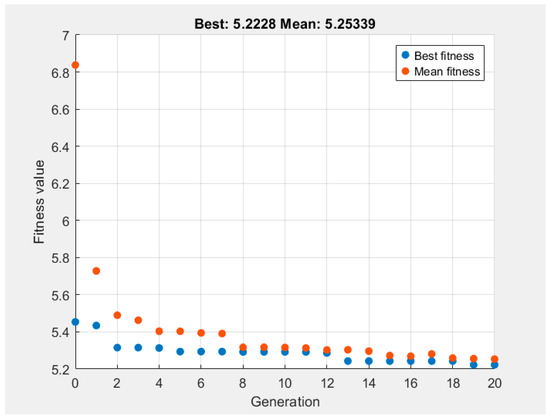
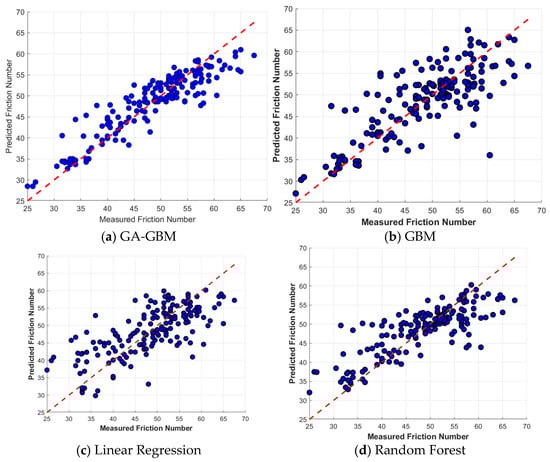
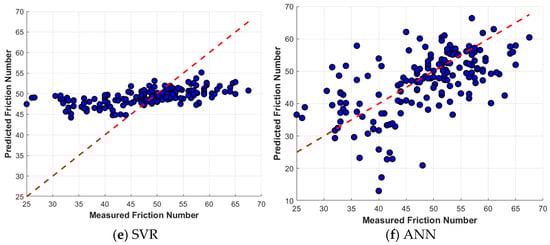
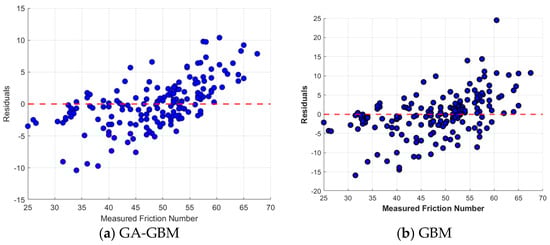
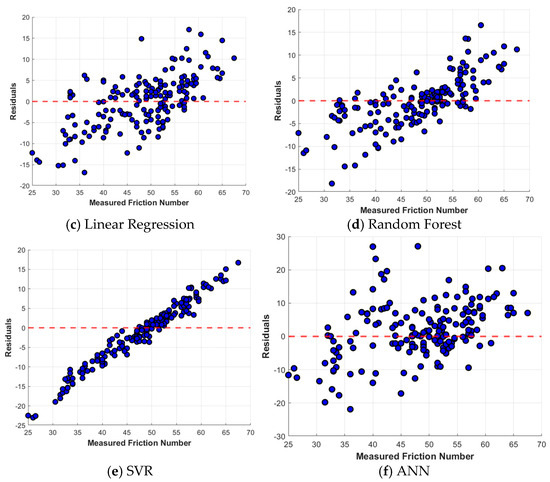
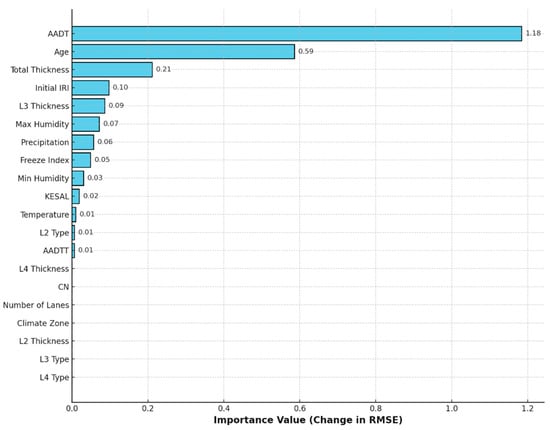
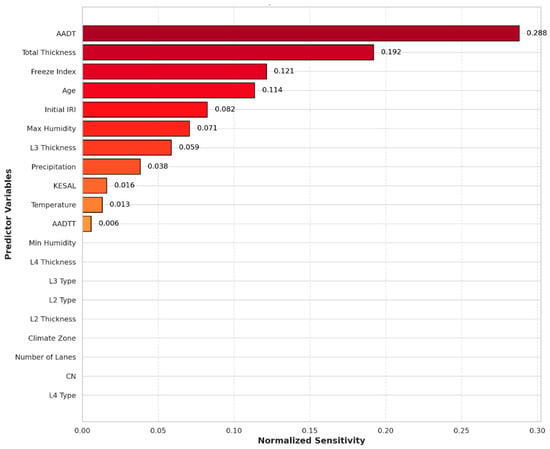
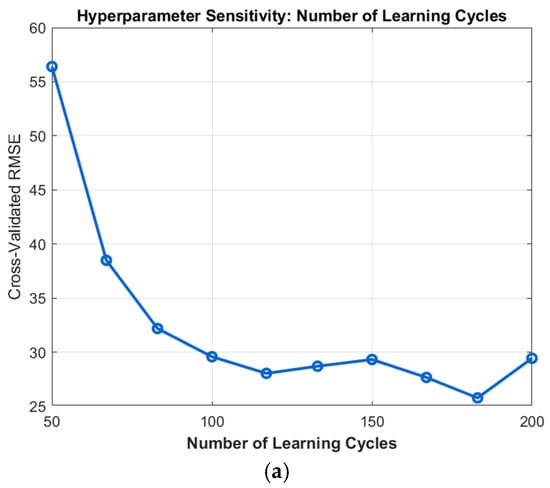
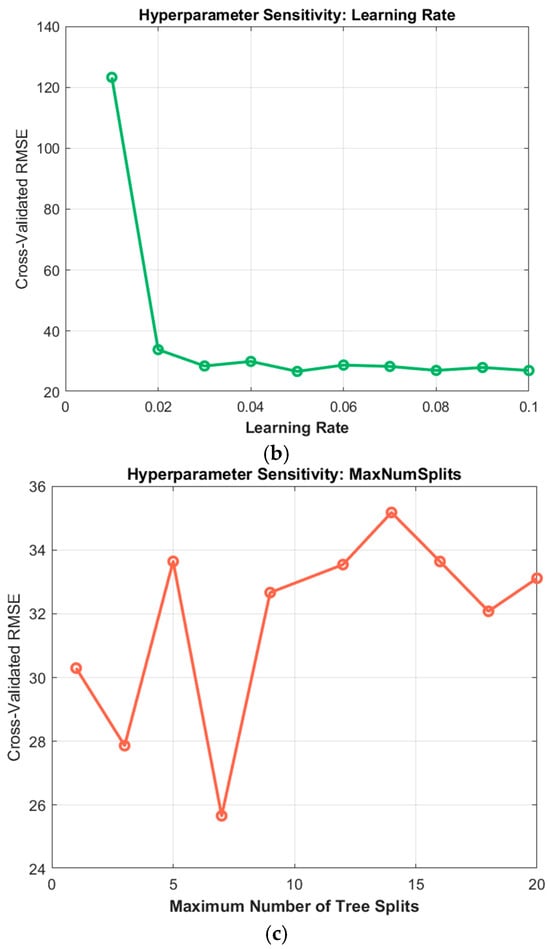
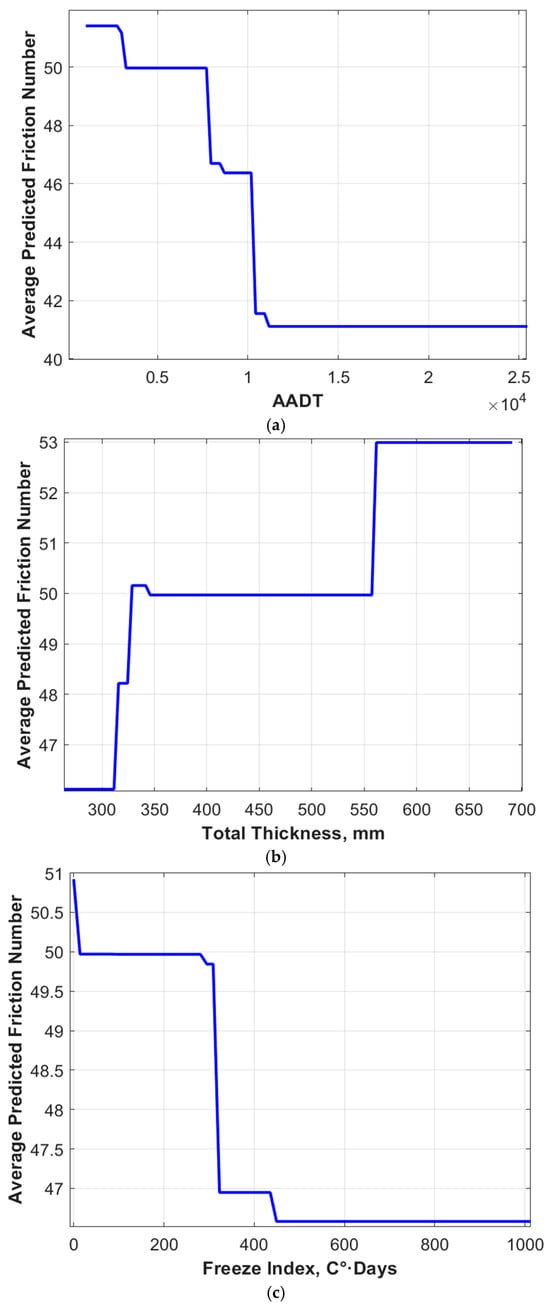
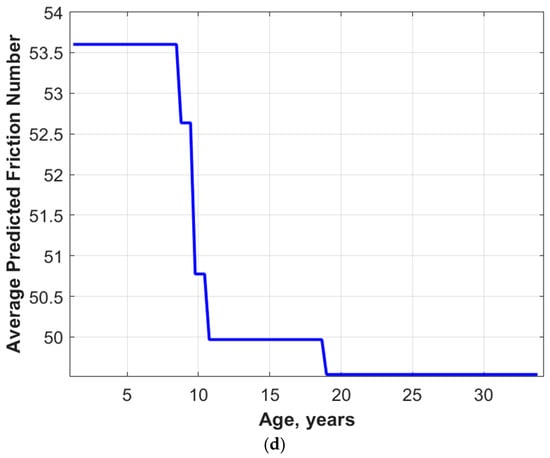
Road safety and maintenance strategy optimization depend on accurate pavement surface friction prediction. In order to predict the Friction Number for Continuously Reinforced Concrete Pavement (CRCP) sections using data taken from the Long-Term Pavement Performance (LTPP) database, this study presents a hybrid machine learning framework that combines Gradient Boosting Machines (GBMs) with Genetic Algorithm (GA) optimization. Twenty input variables from the structural, climatic, traffic, and performance categories were used in the analysis of 395 data points from 33 CRCP sections. With a mean Root Mean Squared Error (RMSE) of 3.644 and a mean R-squared (R2) value of 0.830, the GA-optimized GBM model outperformed baseline models such as non-optimized GBM, Linear Regression, Random Forest, Support Vector Regression (SVR), and Artificial Neural Networks (ANN). The most significant predictors, according to sensitivity analysis, were AADT, Total Thickness, Freeze Index, and Pavement Age. The marginal effects of these variables on the expected friction levels were illustrated using partial dependence plots (PDPs). The results show that the suggested GA-GBM model offers a strong and comprehensible instrument for forecasting pavement friction, with substantial potential for improving safety evaluations and maintenance scheduling in networks of rigid pavement.
Full article

Figure 1
Open AccessArticle
Experimental and Analytical Investigations on Glass-FRP Shear Transfer Reinforcement for Composite Concrete Construction
by
Amr El Ragaby, Jehad Alkatan, Faouzi Ghrib and Mofrhe Alruwaili
Constr. Mater. 2026, 6(1), 5; https://doi.org/10.3390/constrmater6010005 - 9 Jan 2026
Abstract
►▼
Show Figures
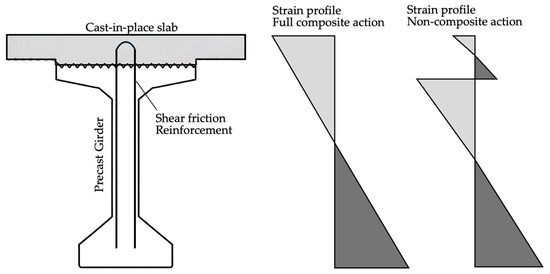
In accelerated bridge construction, precast concrete girders are connected to cast-in-place concrete slab using shear transfer reinforcement across the interface plane to ensure the composite action. The steel transverse reinforcement is prone to severe corrosion due to the extensive use of de-icing salts
[...] Read more.
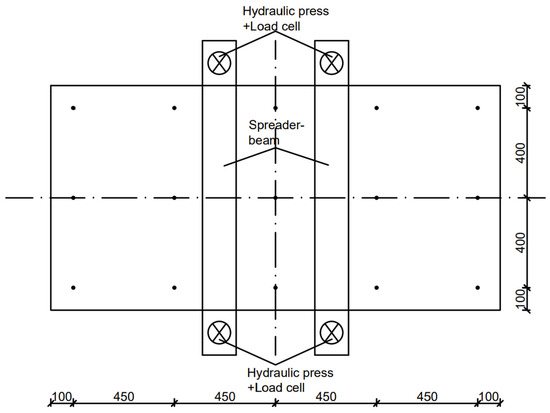
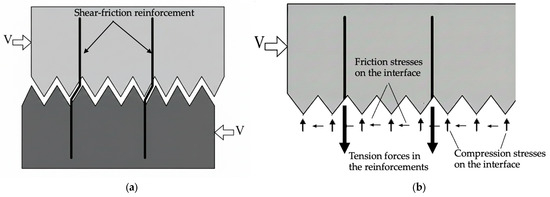
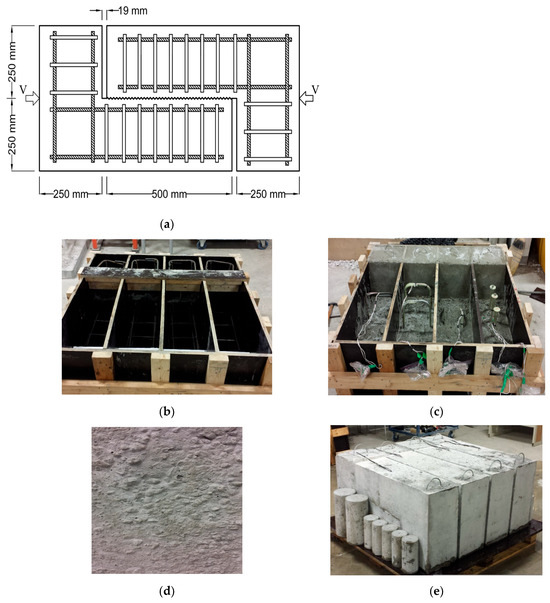
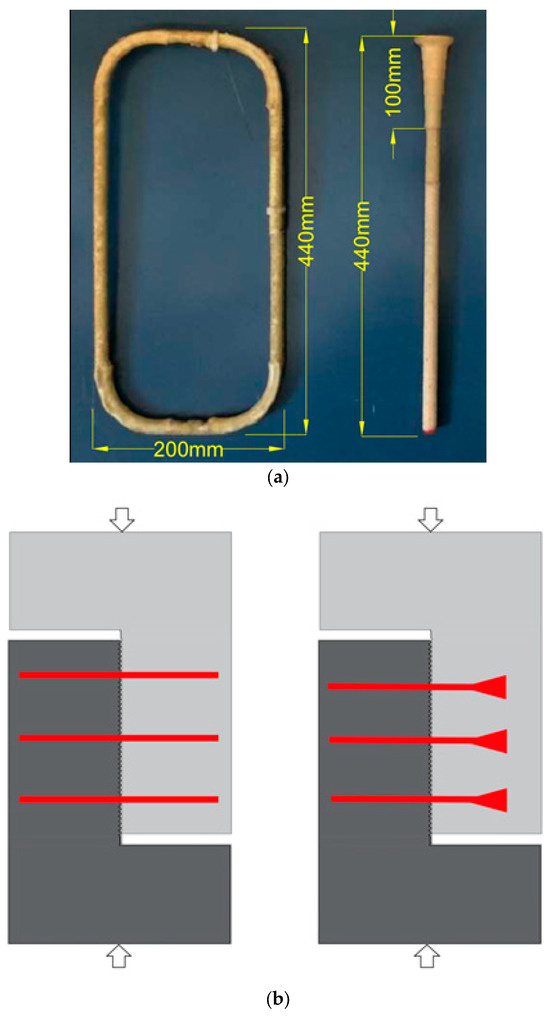
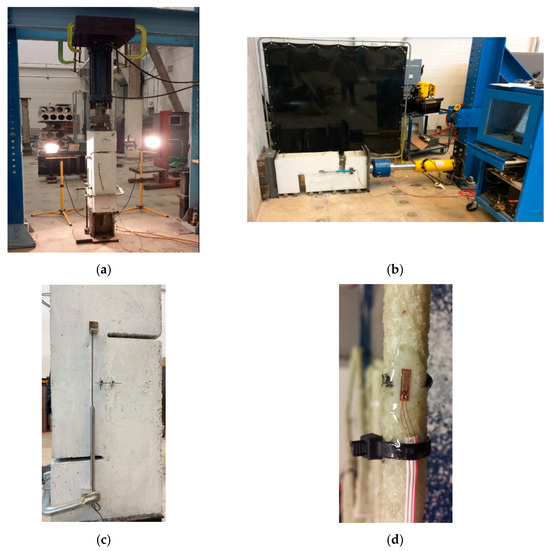
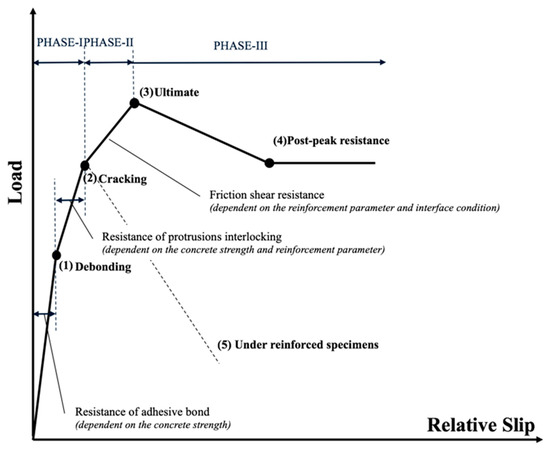
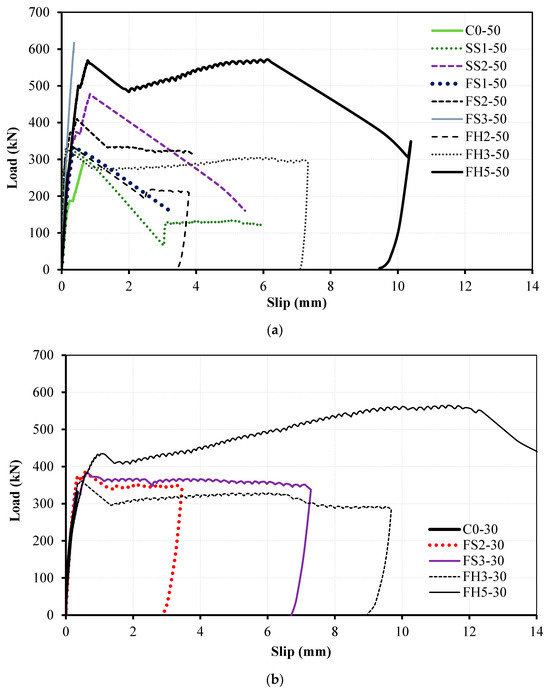
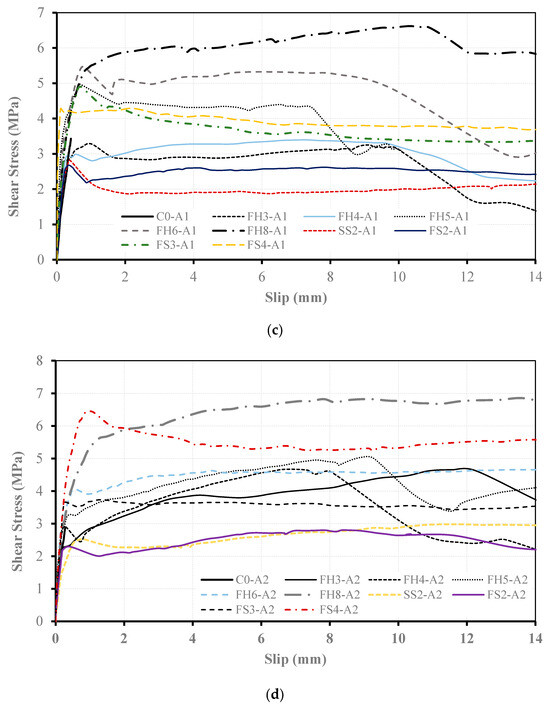
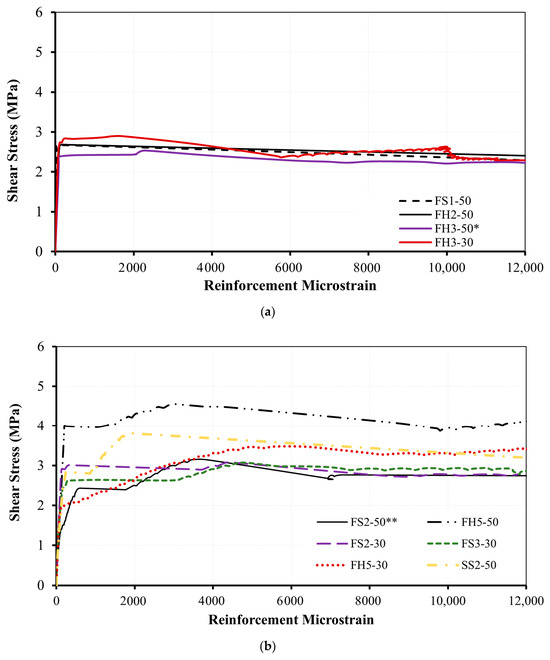
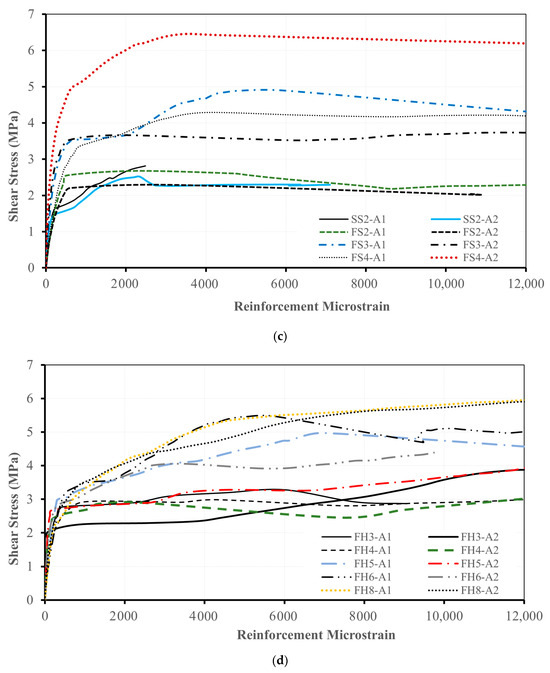
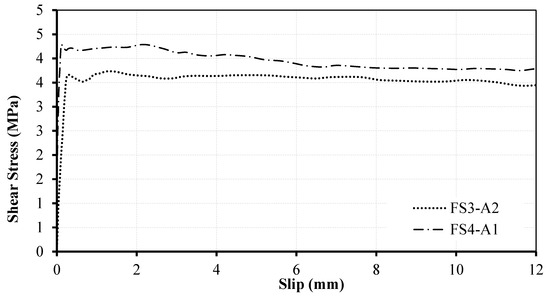
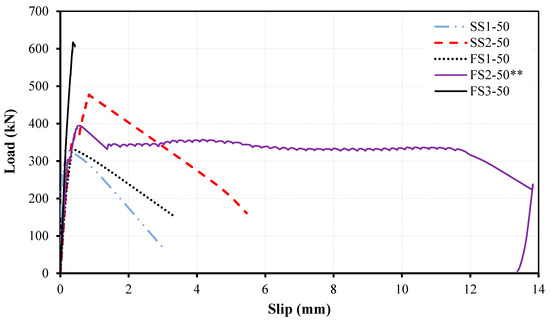
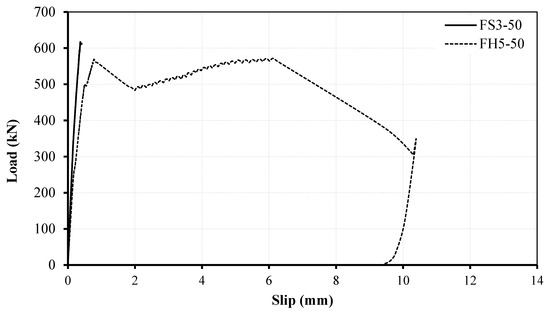
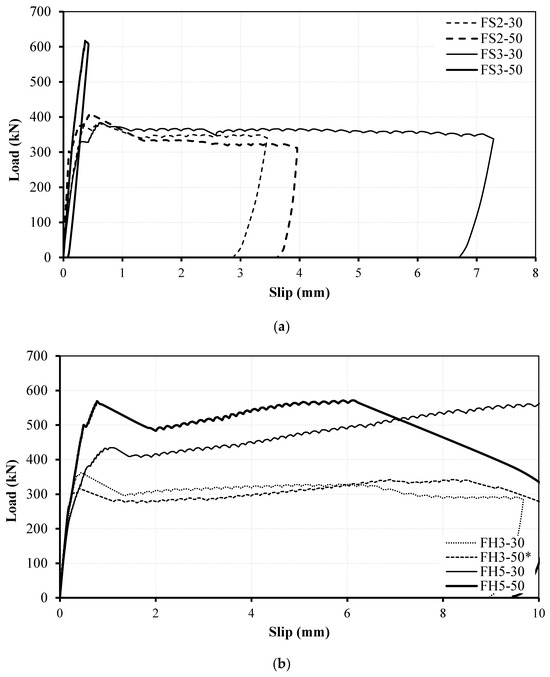
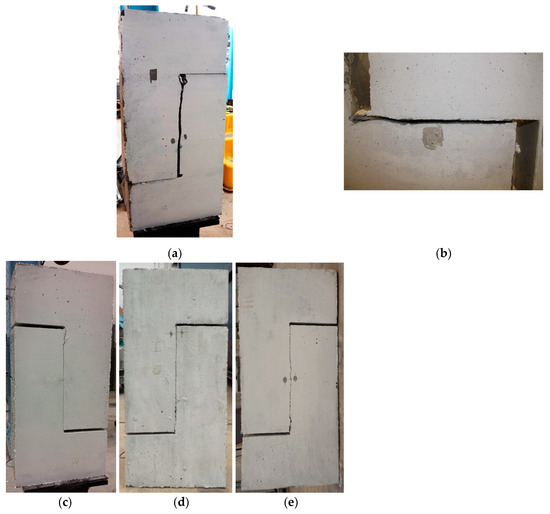
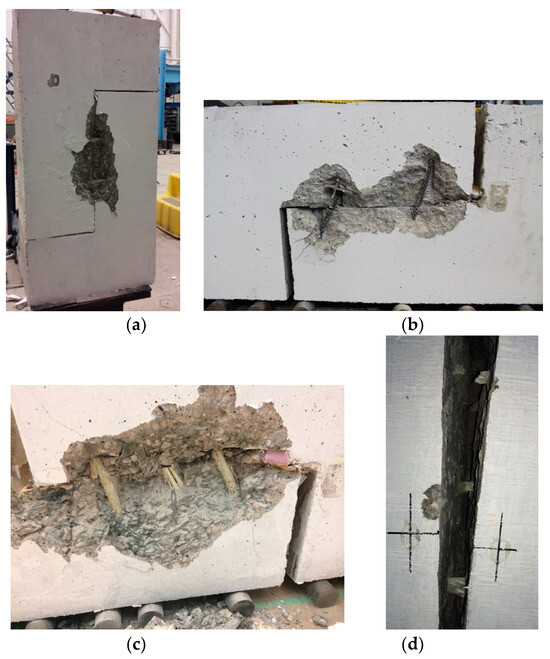
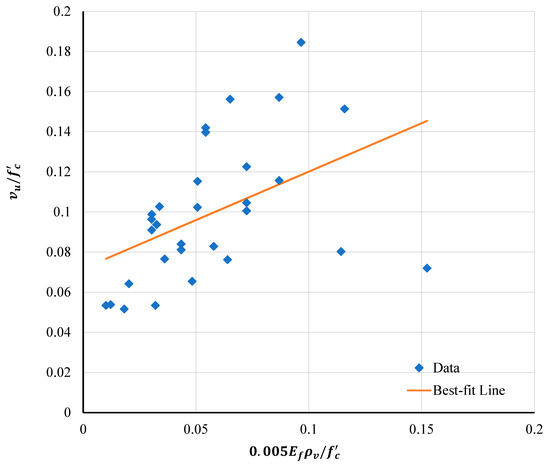
In accelerated bridge construction, precast concrete girders are connected to cast-in-place concrete slab using shear transfer reinforcement across the interface plane to ensure the composite action. The steel transverse reinforcement is prone to severe corrosion due to the extensive use of de-icing salts and severe environmental conditions. As glass fiber-reinforced polymer (GFRP) reinforcement has shown to be an effective alternative to conventional steel rebars as flexural and shear reinforcement, the present research work is exploring the performance of GFRP reinforcements as shear transfer reinforcement between precast and cast-in-place concretes. Experimental testing was carried out on forty large-scale push-off specimens. Each specimen consists of two L-shaped concrete blocks cast at different times, cold joints, where GFRP reinforcement was used as shear friction reinforcement across the interface with no special treatment applied to the concrete surface at the interface. The investigated parameters included the GFRP reinforcement shape (stirrups and headed bars), reinforcement ratio, axial stiffness, and the concrete compressive strength. The relative slip, reinforcement strain, ultimate strength, and failure modes were reported. The test results showed the effectiveness and competitive shear transfer performance of GFRP compared to steel rebars. A shear friction model for predicting the shear capacity of as-cast, cold concrete joints reinforced by GFRP reinforcement is introduced.
Full article

Figure 1
Open AccessArticle
Asphalt as a Plasticizer for Natural Rubber in Accelerated Production of Rubber-Modified Asphalt
by
Bahruddin Ibrahim, Zuchra Helwani, Jahrizal, Nasruddin, Arya Wiranata, Edi Kurniawan and Anjar Siti Mashitoh
Constr. Mater. 2026, 6(1), 4; https://doi.org/10.3390/constrmater6010004 - 9 Jan 2026
Cited by 1
Abstract
One of the main obstacles to producing natural rubber-modified asphalt is the difficulty of mixing Technical Specification Natural Rubber (TSNR) or its compounds with asphalt, leading to long mixing times and high costs. This study aims to evaluate the use of 60/70 penetration
[...] Read more.
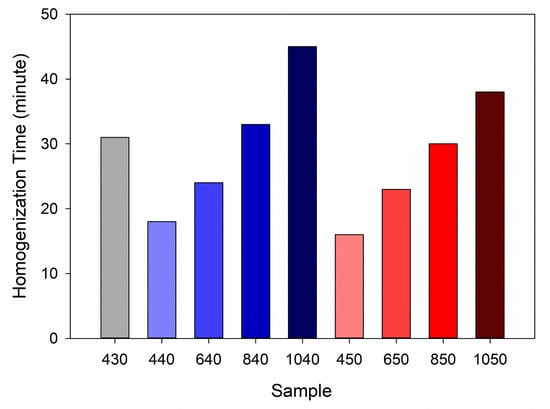
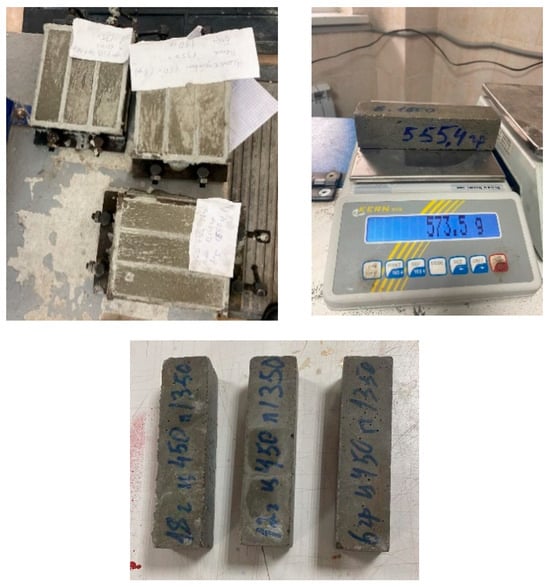
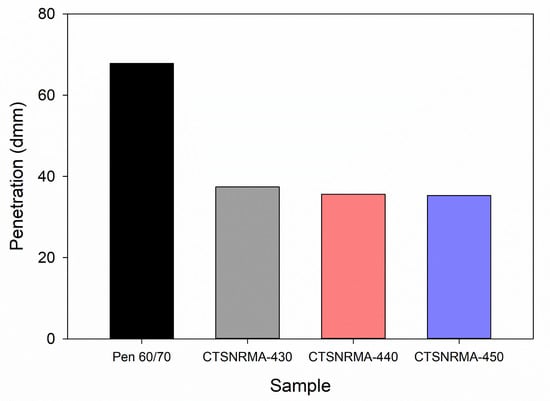
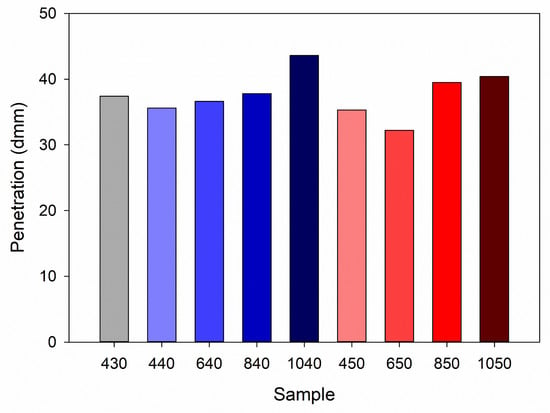
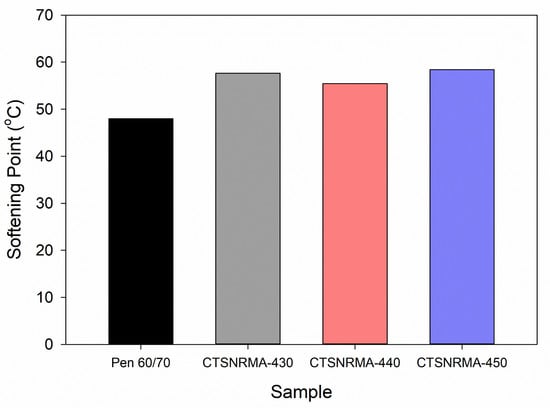
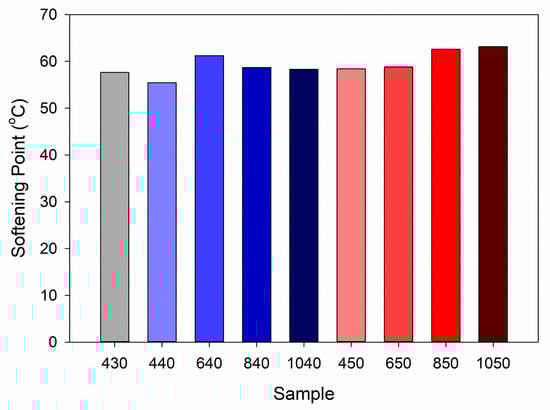
One of the main obstacles to producing natural rubber-modified asphalt is the difficulty of mixing Technical Specification Natural Rubber (TSNR) or its compounds with asphalt, leading to long mixing times and high costs. This study aims to evaluate the use of 60/70 penetration asphalt as a plasticizer to accelerate the mixing process and improve the rheological properties of modified asphalt using Technical Specification Natural Rubber (TSNR). The production process for technical specification natural rubber-modified asphalt involves two stages: the production of the technical specification natural rubber compound (CTSNR) and the production of CTSNR-based modified asphalt (CTSNRMA). The CTSNR production process begins with mastication of technical specification natural rubber (TSNR), followed by the addition of activators (zinc oxide, stearic acid), accelerators (Mercaptobenzothiazole sulfenamide (MBTS)), antioxidants (2,2,4-Trimethyl-1,2-dihydroquinoline (TMQ)), and 60/70 penetration asphalt as a plasticizer (at concentrations of 30%, 40%, and 50%). After homogeneous mixing for 30–60 min, the CTSNR is diluted 5–10 mm for the next mixing stage with hot asphalt at 160–170 °C. The best results of this study showed that CTSNR-modified asphalt with 4% rubber content and 50% plasticizer (CTSNRM-450) successfully reduced the mixing time to 16 min, making it more efficient than the traditional method, which takes up to 180 min. The addition of asphalt plasticizer decreased penetration to 35.6 dmm and increased the softening point to 55.4 °C. The CTSNRMA-440 formula, with 4% rubber content and 40% plasticizer, produced the best results in terms of storage stability, meeting the ASTM D5892 standard with a softening-point difference of 0.95 °C, which is well below the threshold of 2.2 °C. The CTSNRMA-440 sample achieved a Performance Grade (PG) of 76, suitable for hot-climate conditions, with a significant reduction in mixing time, greater stability, and increased resistance to high temperatures.
Full article
(This article belongs to the Special Issue Advances in Sustainable Construction Materials for Asphalt Pavements)
►▼
Show Figures

Figure 1
Open AccessArticle
Hydrophobic Modification of Concrete Using a Hydrophobizing Admixture
by
Dulat Abdrassilov, Aleksej Aniskin, Zhanbolat Shakhmov and Rauan Lukpanov
Constr. Mater. 2026, 6(1), 3; https://doi.org/10.3390/constrmater6010003 - 6 Jan 2026
Abstract
►▼
Show Figures
The construction industry relies on building materials that provide not only high physical and mechanical performance but also adequate thermal and durability properties. However, several factors still limit the quality and service life of concrete products. The development of the construction industry provides
[...] Read more.
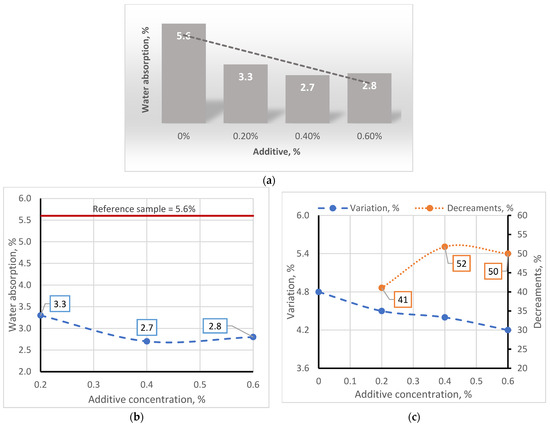
The construction industry relies on building materials that provide not only high physical and mechanical performance but also adequate thermal and durability properties. However, several factors still limit the quality and service life of concrete products. The development of the construction industry provides new opportunities for designing efficient construction facilities. To obtain enhanced design capabilities, it is very important to relieve the load on the structure, this can be achieved by reducing the mass of materials without losing strength. This study investigates the enhancement of foam concrete through the combined incorporation of mineral fibers recycled from basalt insulation waste and complex polymer modifiers. The aim was to improve the material’s mechanical performance, durability, and pore structure stability while promoting the sustainable use of industrial by-products. The experimental program included tests on density, compressive strength, water absorption, and thermal conductivity for mixtures of different densities (400–1100 kg/m3). The results demonstrated that the inclusion of mineral fibers and polymer modifiers significantly enhanced structural uniformity and pore wall integrity. Compressive strength increased by up to 35%, water absorption decreased by 25%, and thermal conductivity was reduced by 18% compared with the control mixture.
Full article

Figure 1
Open AccessArticle
Design of Recycled Aggregate Fiber-Reinforced Concrete for Road and Airfield Applications Using Polypropylene Fibers and Fly Ash
by
Vitalii Kryzhanovskyi, Sergii Kroviakov, Pavlo Shymchenko and Inna Aksyonova
Constr. Mater. 2026, 6(1), 2; https://doi.org/10.3390/constrmater6010002 - 5 Jan 2026
Cited by 1
Abstract
Driving the circular economy in road construction requires the effective use of secondary materials like recycled concrete aggregate (RCA) and fly ash (FA). A key obstacle is the performance trade-off in concretes incorporating both materials. This research investigates feasible mix designs for road
[...] Read more.
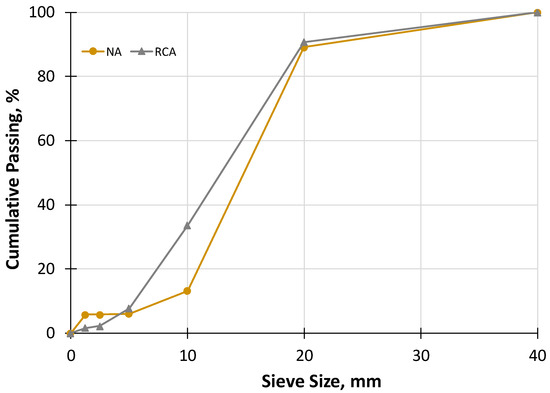
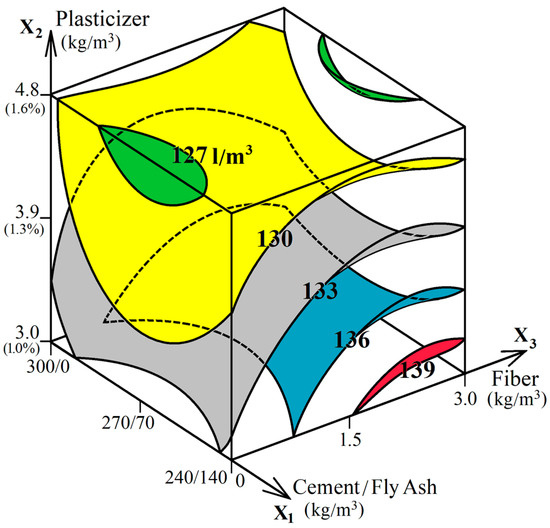
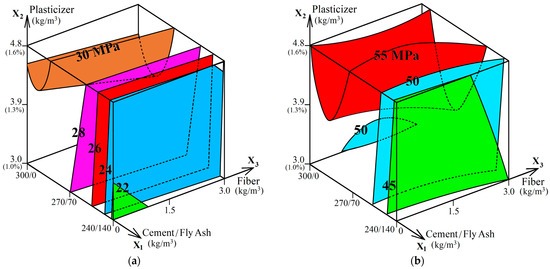
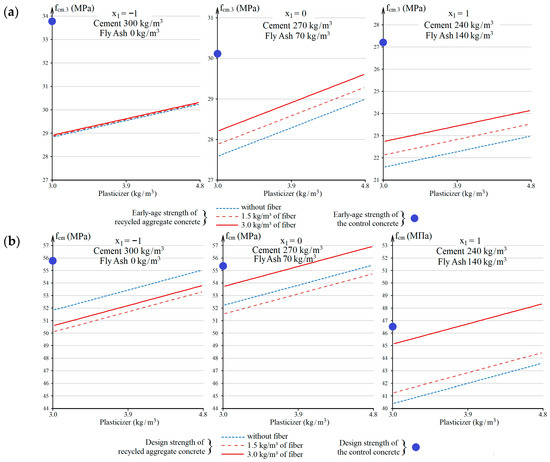
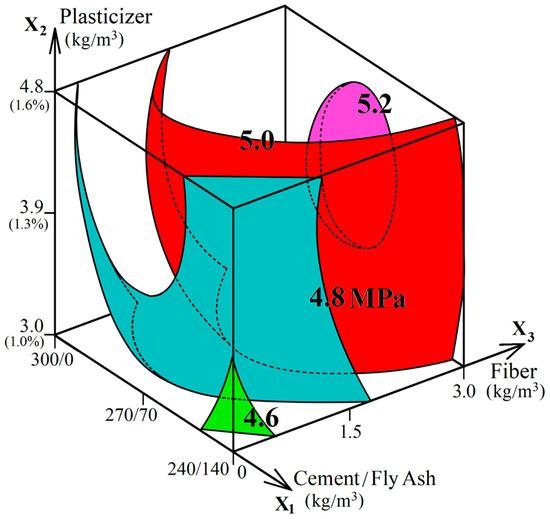
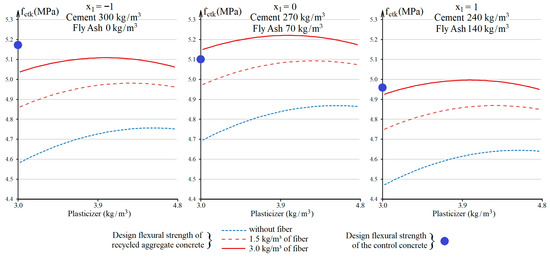
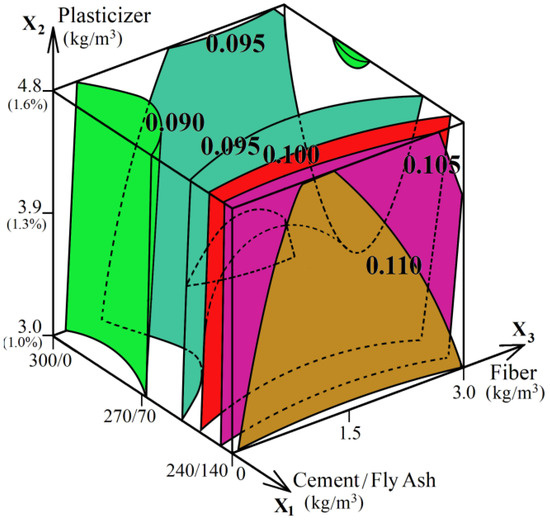
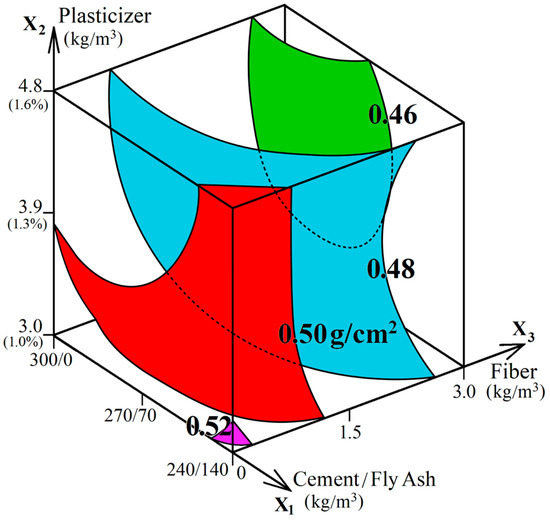
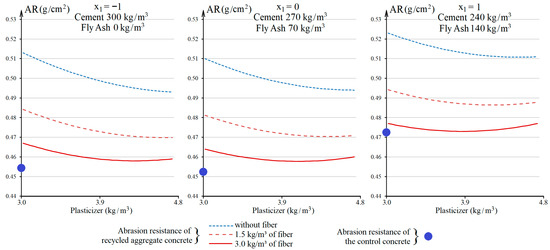
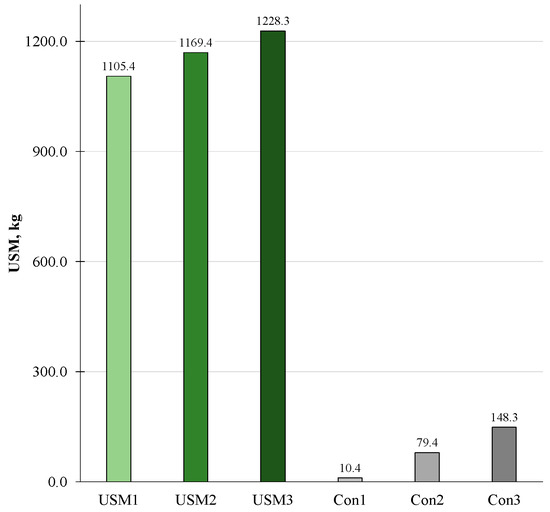
Driving the circular economy in road construction requires the effective use of secondary materials like recycled concrete aggregate (RCA) and fly ash (FA). A key obstacle is the performance trade-off in concretes incorporating both materials. This research investigates feasible mix designs for road concrete, using RCA as a full gravel replacement and FA as a cement substitute. Polypropylene fiber (36 mm) and a superplasticizer were utilized to mitigate fresh and hardened state drawbacks. The experimental program included 15 modified mixtures with recycled aggregate and 3 control mixtures with natural aggregate. The workability of all concrete mixtures was kept constant at slump class S1. Road concretes with RCA, containing a 10–12% FA by cement replacement, at least 2 kg/m3 of polypropylene fiber (PF), and 4 kg/m3 of superplasticizer (SP), achieve compressive strength of at least 50 MPa and flexural strength of no less than 5 MPa at the design age. This performance is comparable to that of control mixtures. Furthermore, the abrasion resistance ranges between 0.48–0.50 g/cm2, and the brittleness index falls within 0.095–0.100, significantly enhancing the durability of concrete for rigid pavement applications. The conducted cradle-to-gate life-cycle assessment (stages A1–A3) of the constituent materials for 1 m3 of concrete indicates the following environmental impacts: Global Warming Potential (GWP) of 195 kg CO2 equation, Non-renewable Primary Energy Demand (PENRE) of 1140 MJ, Abiotic Depletion Potential for Fossil resources (ADPF) of 1120 MJ, Acidification Potential (AP) of 0.45 mol H+ equation, and Eutrophication Potential (EP) of 0.07 kg PO43− equation It is established that the modified compositions not only meet the required performance criteria but also contribute to the goals of resource conservation in road construction.
Full article
(This article belongs to the Special Issue Advances in the Sustainability and Durability of Waste-Based Construction Materials)
►▼
Show Figures

Figure 1

Open AccessArticle
Beyond Burnt Bricks: Reassessing Otukpo Soil for Sustainable Construction Applications
by
John Audu, Sylvester Osuji and Okiemute Ogirigbo
Constr. Mater. 2026, 6(1), 1; https://doi.org/10.3390/constrmater6010001 - 19 Dec 2025
Abstract
The Otukpo Burnt Brick Factory has remained dormant for more than three decades despite repeated government interventions. In this context, the present study investigates the suitability of soils from Otukpo, Benue State, Nigeria, for unfired brick production and as supplementary cementitious materials (SCMs).
[...] Read more.
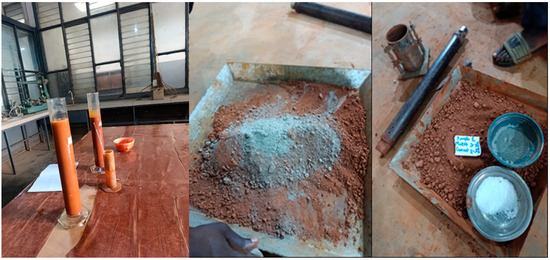
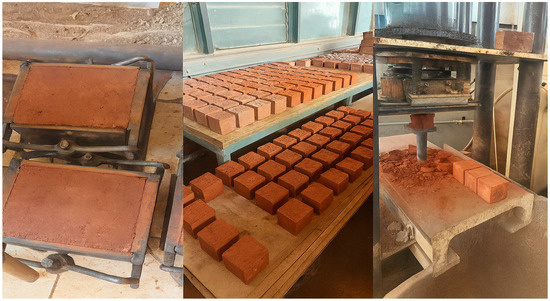
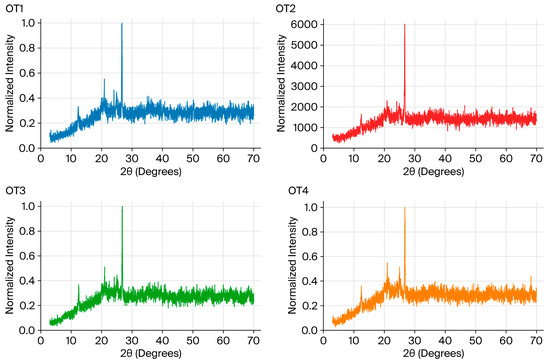
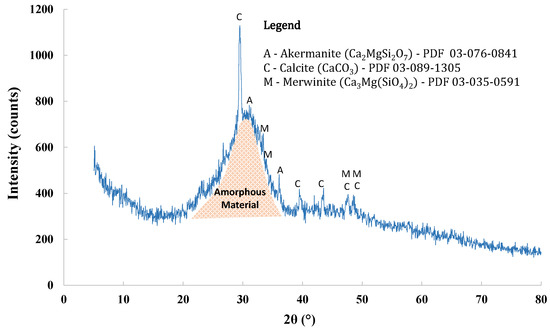
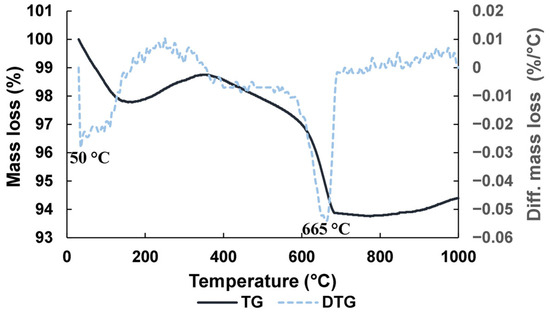
The Otukpo Burnt Brick Factory has remained dormant for more than three decades despite repeated government interventions. In this context, the present study investigates the suitability of soils from Otukpo, Benue State, Nigeria, for unfired brick production and as supplementary cementitious materials (SCMs). Four representative samples (OT1–OT4) were subjected to X-ray fluorescence (XRF), thermogravimetric analysis (TGA), particle size distribution (PSD), X-ray diffraction (XRD), unconfined compressive strength (UCS), cube strength, shrinkage, and water absorption tests. The results revealed high reactive oxide contents (SiO2 + Al2O3 + Fe2O3 > 93%) with low SO3 and moderate loss on ignition (~6%), thus indicating strong pozzolanic potential. PSD residues on the 45 µm sieve ranged from 6.8 to 17%, which is well below the ASTM C618 limit of 34%. XRD confirmed quartz and kaolinite as dominant phases. Strength activity indices showed that only OT3 and OT4 exceeded Nigerian (NIS 693:2007) and Indian (IS 1725:2023) standards when stabilized with 5 wt.% cement or sodium hydroxide; while OT1 and OT2 were below these thresholds. Water absorption values for OT3 (18.69%) and OT4 (19.04%) marginally satisfied Indian standards but failed Nigerian requirements, which is reflective of high porosity. Linear shrinkage (~14%) met IS 1498 marginally, and pH values (6.14–6.34) were consistent with lateritic soils. Overall, OT3 and OT4 demonstrated promise for low-energy SCMs and unfired brick applications, though they must be restricted to non-load-bearing uses unless further stabilization is applied.
Full article
(This article belongs to the Topic Research in Sustainable and Alternative Construction and Building Materials)
►▼
Show Figures

Figure 1
Open AccessArticle
Structural Performance of Textile-Reinforced Concrete Sandwich Panels Utilizing GFRP Shear Connectors
by
Lukas Steffen, Ismael Viejo, Belén Hernández-Gascón, Mario Stelzmann, Klaus Holschemacher and Robert Böhm
Constr. Mater. 2025, 5(4), 92; https://doi.org/10.3390/constrmater5040092 - 18 Dec 2025
Abstract
►▼
Show Figures
Textile-reinforced concrete (TRC) sandwich panels with lightweight cores are a promising solution for sustainable and slender building envelopes. However, their structural performance depends strongly on the shear connection between the outer shells. This study investigates the flexural behavior of TRC sandwich panels with
[...] Read more.
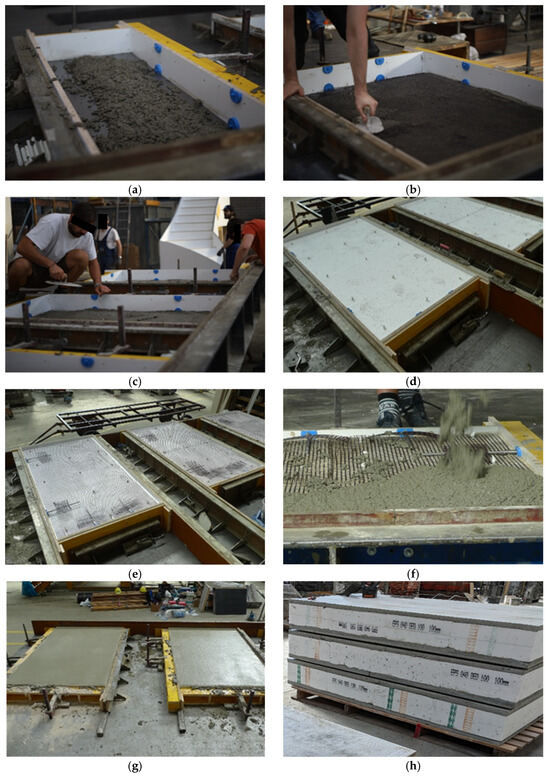
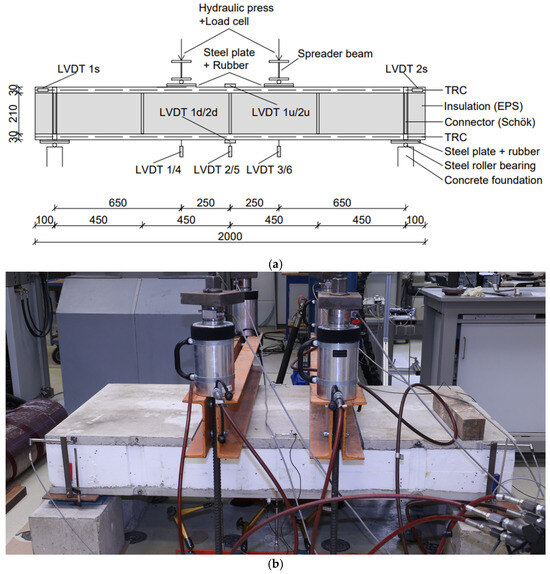
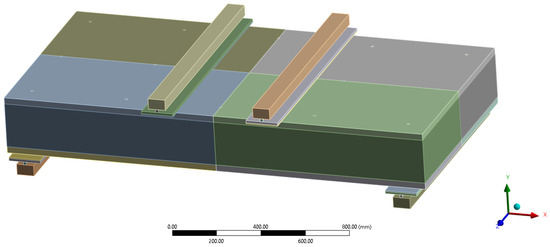
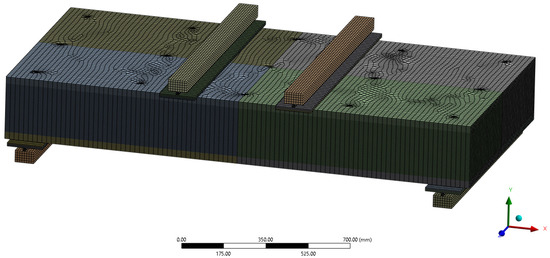
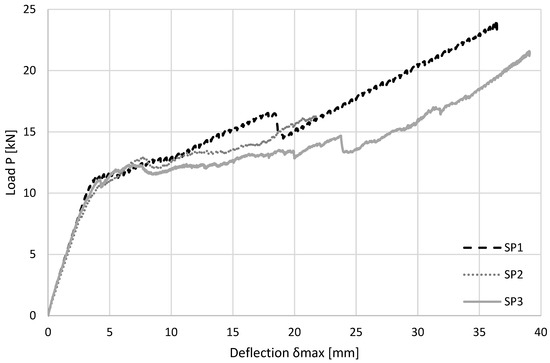
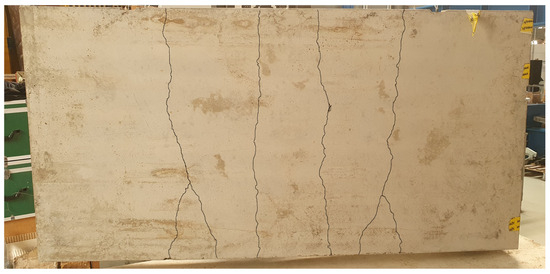
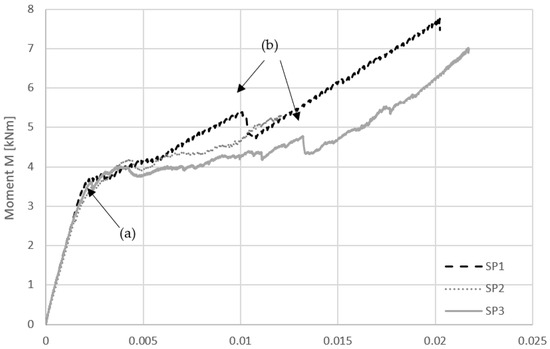
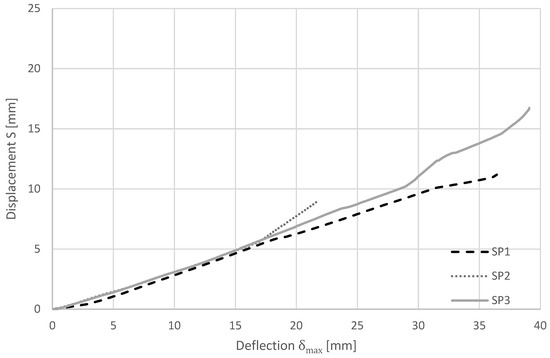
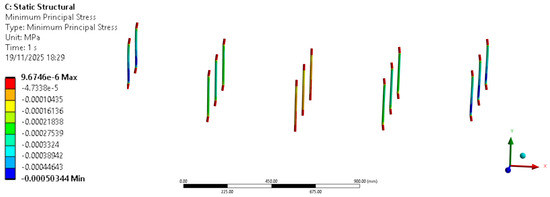
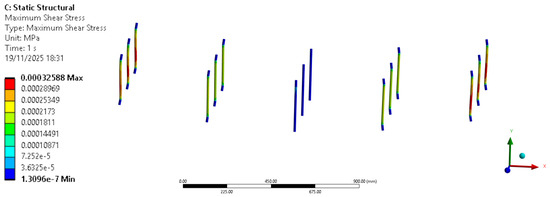
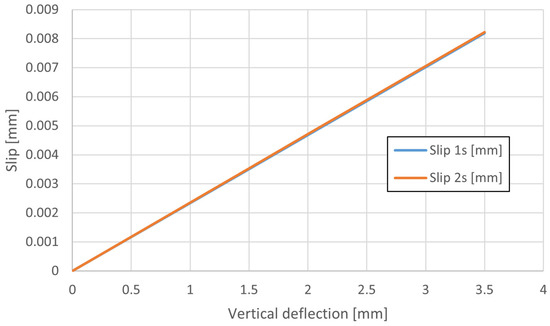
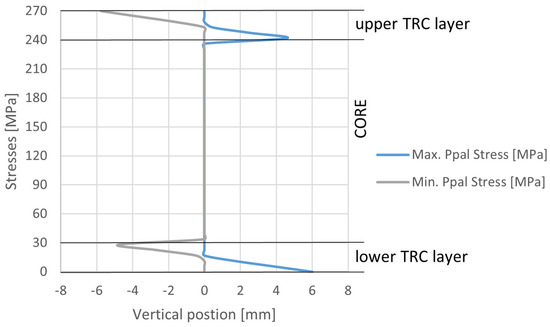
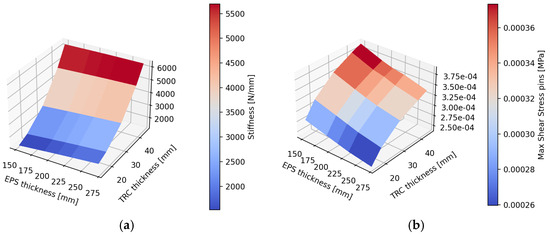
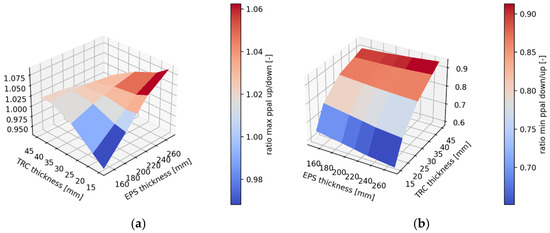
Textile-reinforced concrete (TRC) sandwich panels with lightweight cores are a promising solution for sustainable and slender building envelopes. However, their structural performance depends strongly on the shear connection between the outer shells. This study investigates the flexural behavior of TRC sandwich panels with glass fiber-reinforced polymer (GFRP) rod connectors under four-point bending. Three full-scale specimens were manufactured with high-performance concrete (HPC) face layers, an expanded polystyrene (EPS) core, and 12 mm GFRP rods as shear connectors. The panels were tested up to failure, with measurements of load–deflection behavior, crack development, and interlayer slip. Additionally, a linear-elastic finite element model was developed to complement the experimental campaign, capturing the global stiffness of the system and providing complementary insight into the internal stress distribution. The experimental results revealed stable load-bearing behavior with ductile post-cracking response. A degree of composite interaction of γ = 0.33 was obtained, indicating partially composite action. Slip measurements confirmed effective shear transfer by the GFRP connectors, while no brittle failure or connector rupture was observed. The numerical analysis confirmed the elastic response observed in the tests and highlighted the key role of the GFRP connectors in coupling the TRC shells, extending the interpretation beyond experimental results. Overall, the study demonstrates the potential of TRC sandwich panels with mechanical connectors as a safe and reliable structural solution.
Full article

Figure 1
Open AccessArticle
Performance of Sulfate-Activated Self-Compacting Concrete with High-Volume GGBS–Fly Ash and Steel Slag Aggregates
by
Nurshafarina Jasme, Kim Hung Mo, Farid Wajdi Akashah and Chee Ban Cheah
Constr. Mater. 2025, 5(4), 91; https://doi.org/10.3390/constrmater5040091 - 16 Dec 2025
Abstract
►▼
Show Figures
The development of sustainable self-compacting concrete (SCC) requires alternative binders that minimise ordinary Portland cement (OPC) consumption while ensuring long-term performance. This study investigates sulfate-activated SCC (SA SCC) incorporating high volumes of industrial by-products, whereby 72% ground granulated blast furnace slag (GGBS) and
[...] Read more.
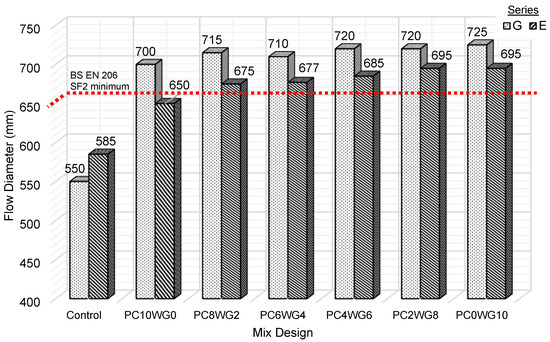
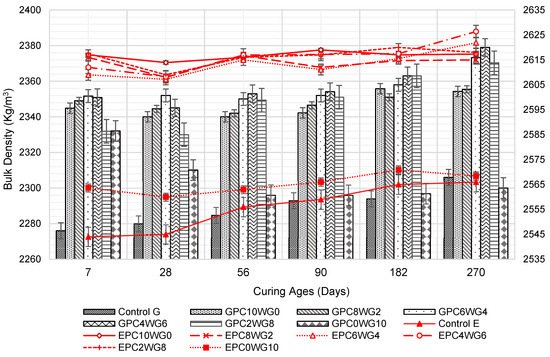
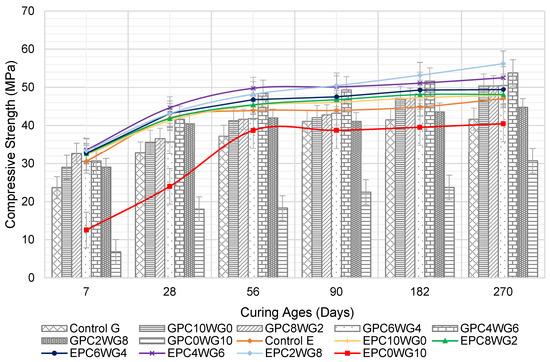
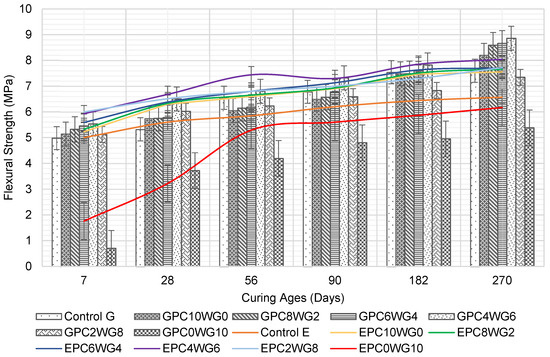
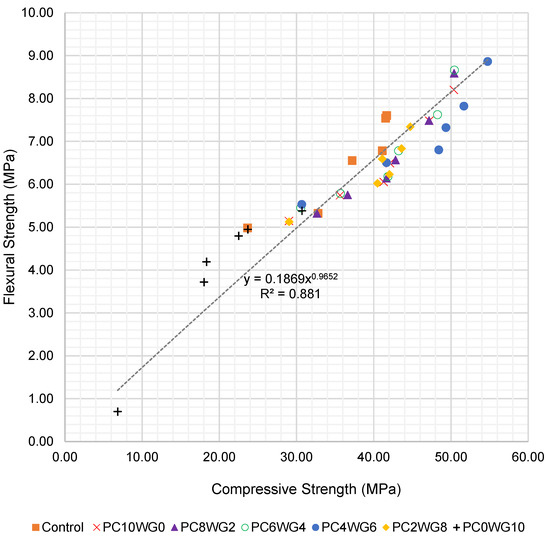
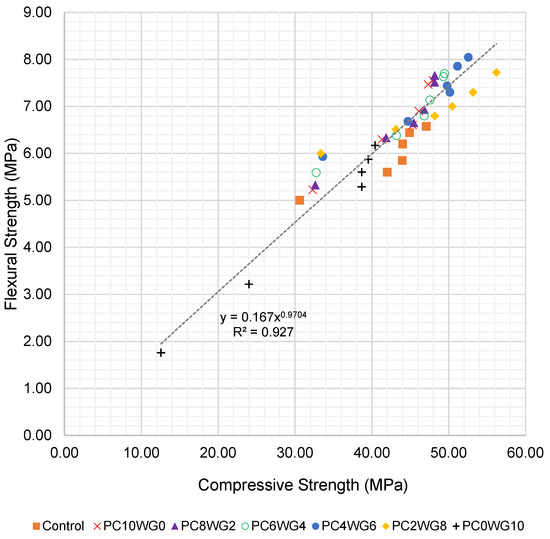
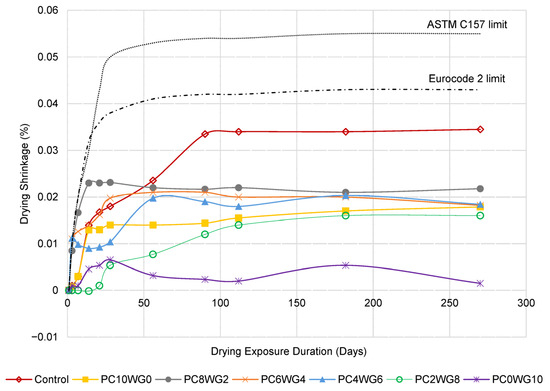
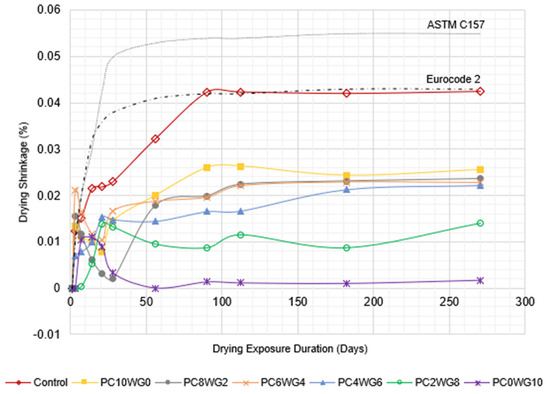
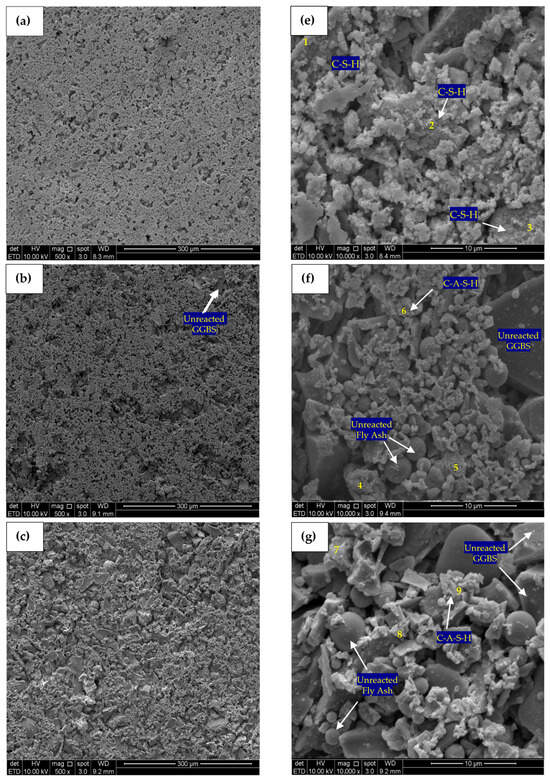
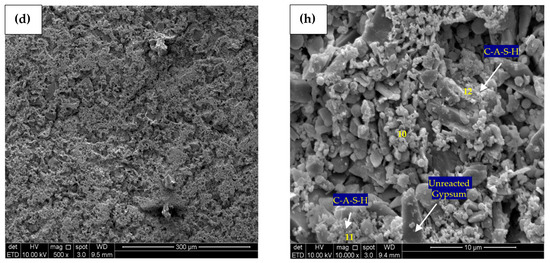
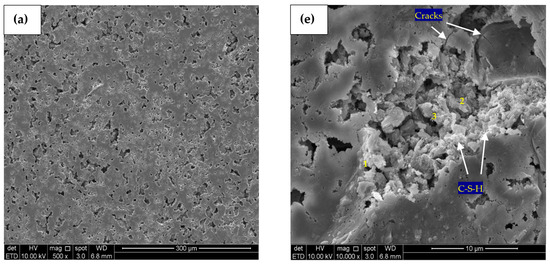
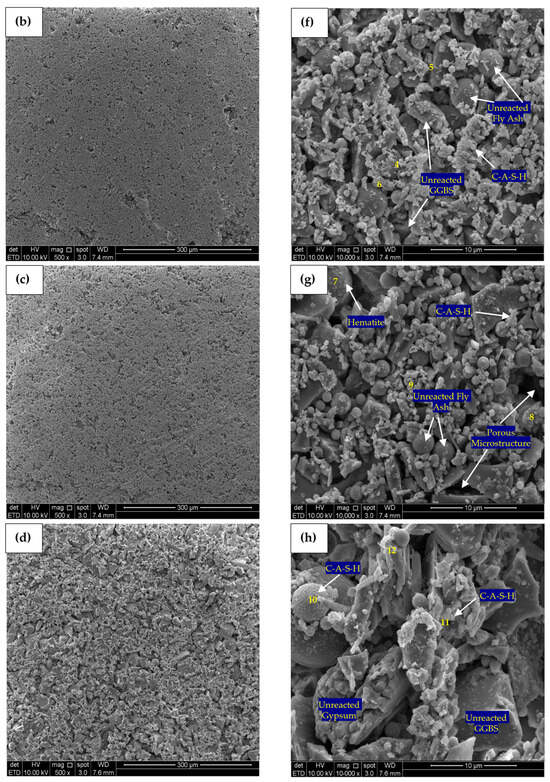
The development of sustainable self-compacting concrete (SCC) requires alternative binders that minimise ordinary Portland cement (OPC) consumption while ensuring long-term performance. This study investigates sulfate-activated SCC (SA SCC) incorporating high volumes of industrial by-products, whereby 72% ground granulated blast furnace slag (GGBS) and 18% fly ash (FA) were activated with varying proportions of OPC and gypsum. Quarry dust was used as a fine aggregate, while granite and electric arc furnace (EAF) slag served as coarse aggregates. Among all formulations, the binder containing 72% GGBS, 18% FA, 4% OPC, and 6% gypsum was identified as the optimum composition, providing superior mechanical performance across all curing durations. This mix achieved slump flow within the EFNARC SF2 class (700–725 mm), compressive strength exceeding 50 MPa at 270 days, and flexural strength up to 20% higher than OPC SCC. Drying shrinkage values remained below Eurocode 2 and ASTM C157 limits, while EAF slag increased density, but slightly worsened shrinkage compared to granite mixes. Microstructural analysis (SEM-EDX) confirmed that strength development was governed by discrete C-S-H and C-A-S-H gels surrounding unreacted binder particles, forming a dense interlocked matrix. The results demonstrate that sulfate activation with a 4% OPC + 6% gypsum blend enables the production of high-performance SCC with 94–98% industrial by-products, reducing OPC dependency and environmental impact. This work offers a practical pathway for low-carbon SCC.
Full article

Figure 1
Open AccessArticle
Mechanical, Durability, and Environmental Performance of Limestone Powder-Modified Ultra-High-Performance Concrete
by
Yashovardhan Sharma, Meghana Yeluri and Srinivas Allena
Constr. Mater. 2025, 5(4), 90; https://doi.org/10.3390/constrmater5040090 - 10 Dec 2025
Abstract
►▼
Show Figures
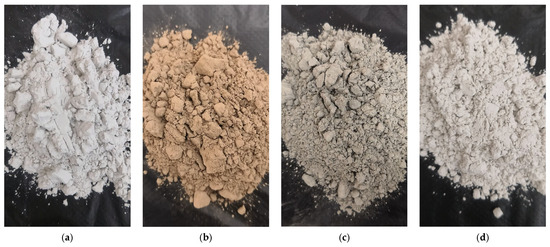
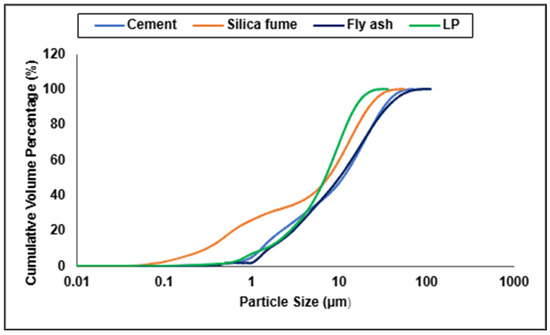
Ultra-high-performance concrete (UHPC) delivers outstanding durability and strength but typically relies on high Portland cement content. This study evaluates a 20% cement replacement with limestone powder (LP) in UHPC and benchmarks performance under two curing regimes: moist curing (MC) and warm bath curing
[...] Read more.
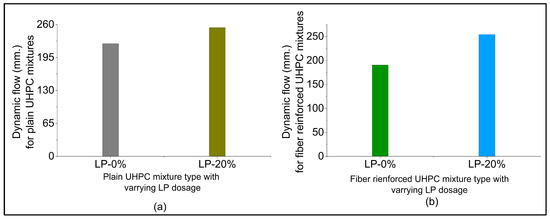
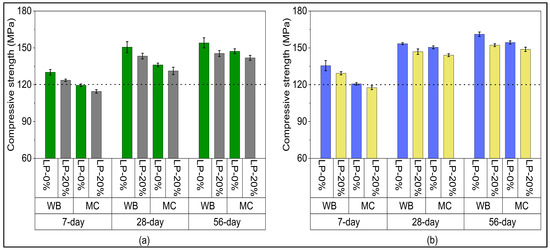
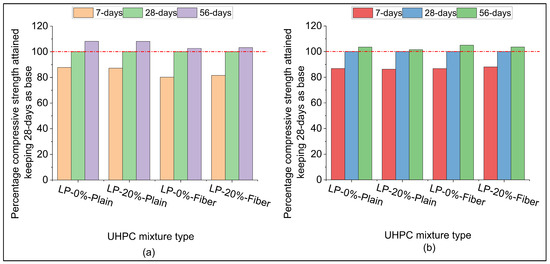
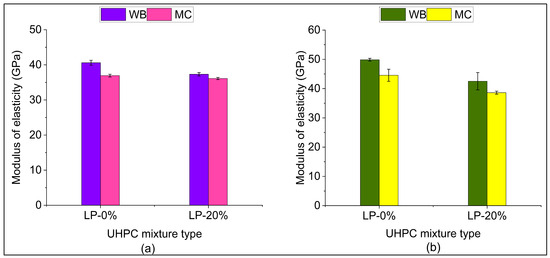
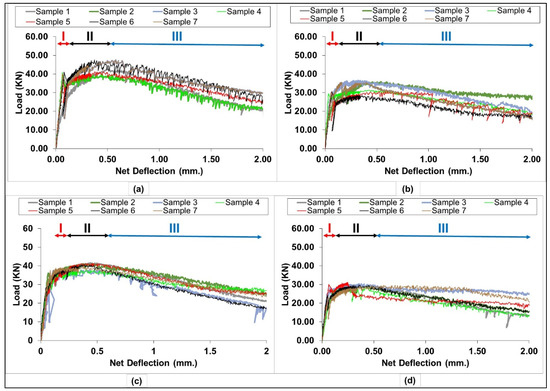
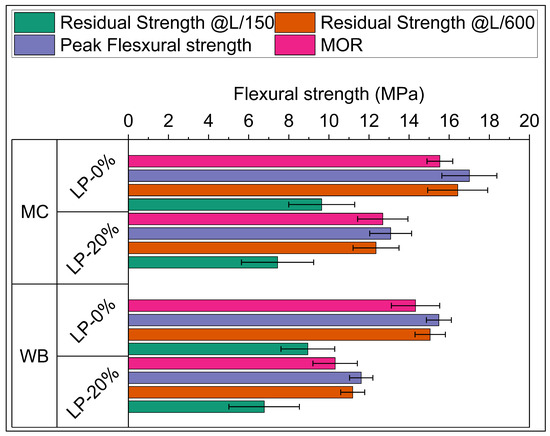
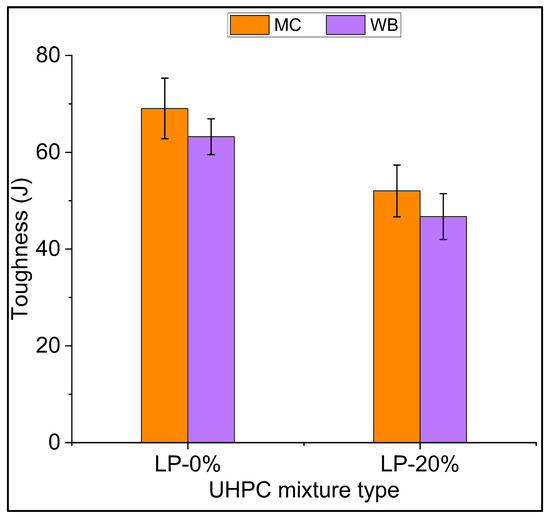
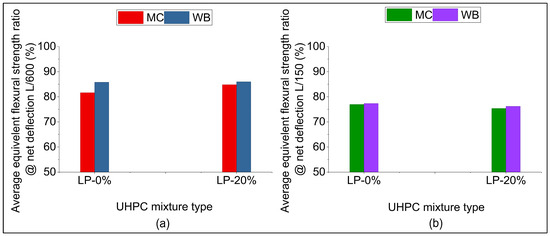
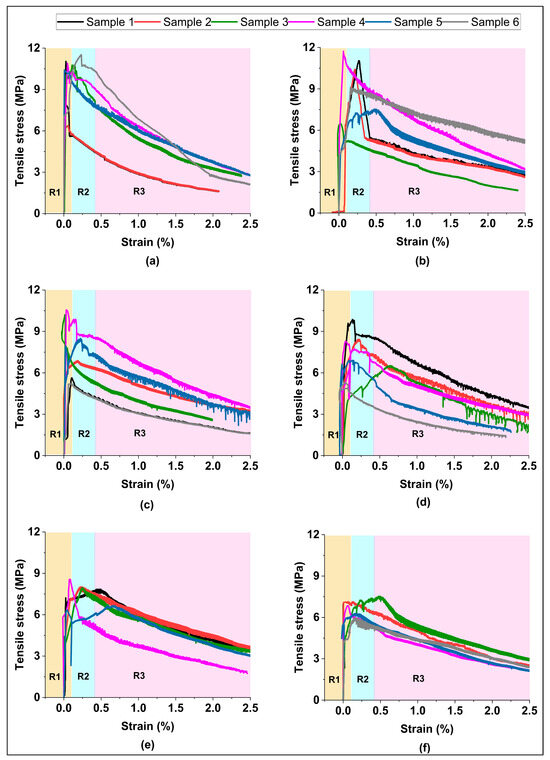
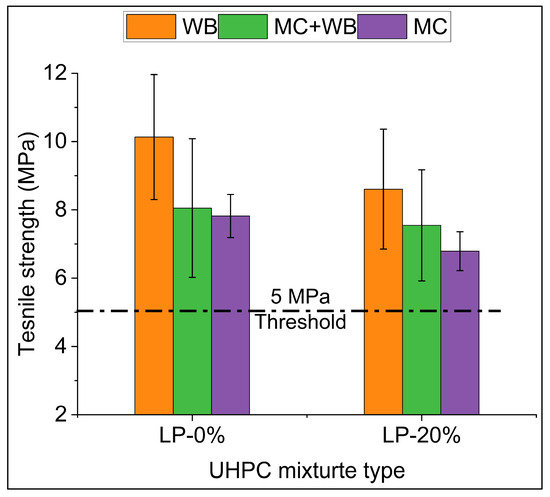
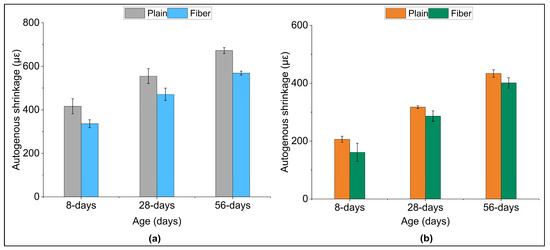
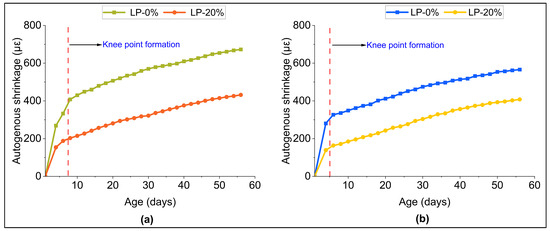
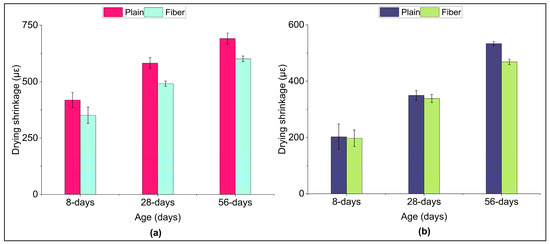
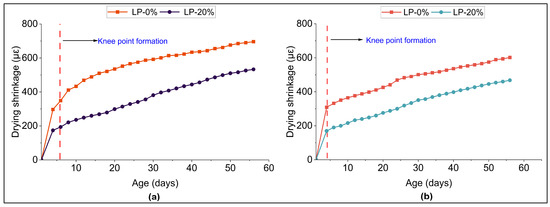
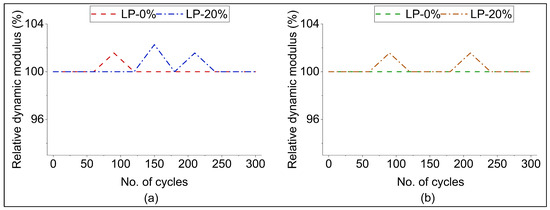
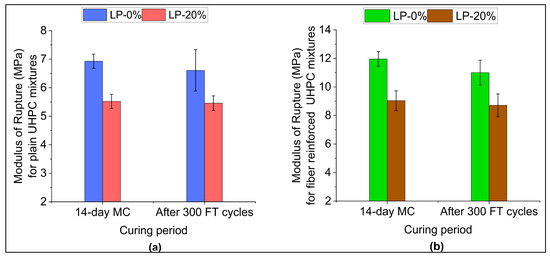
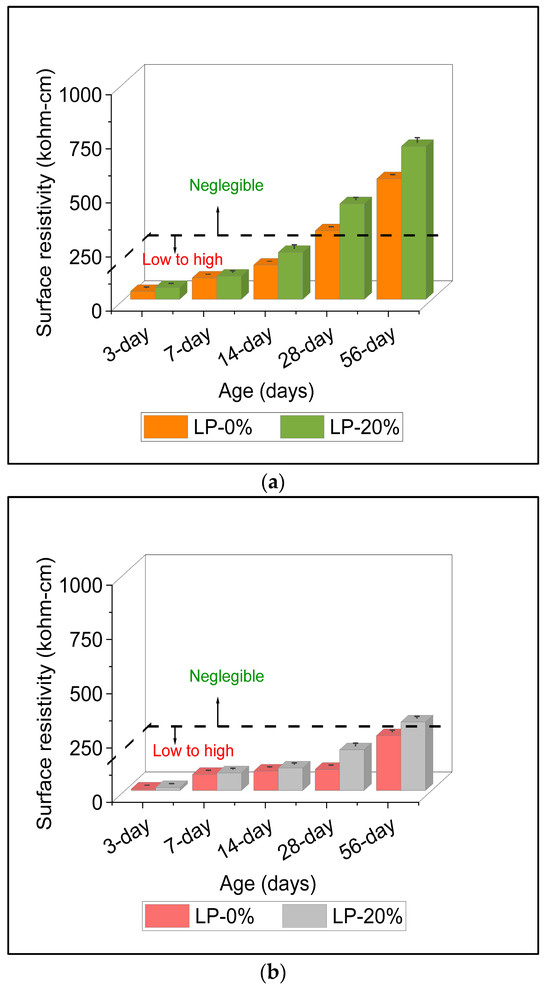
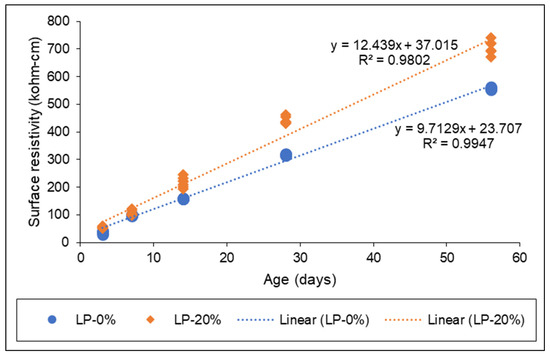
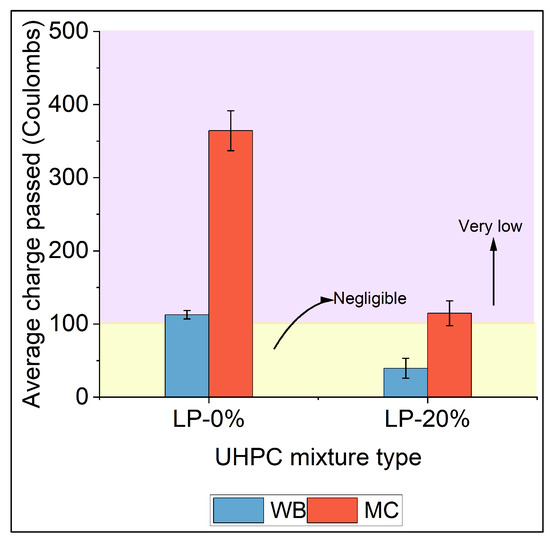
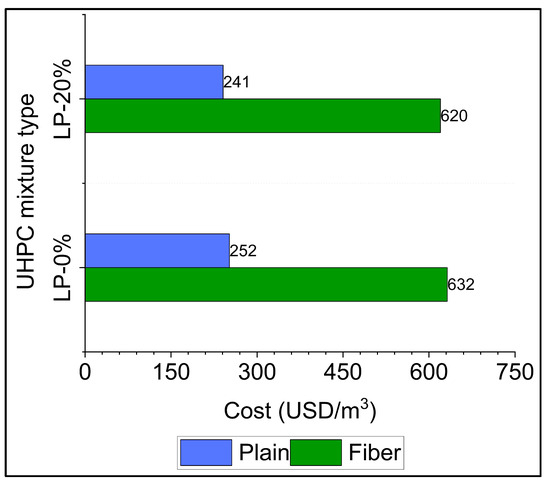
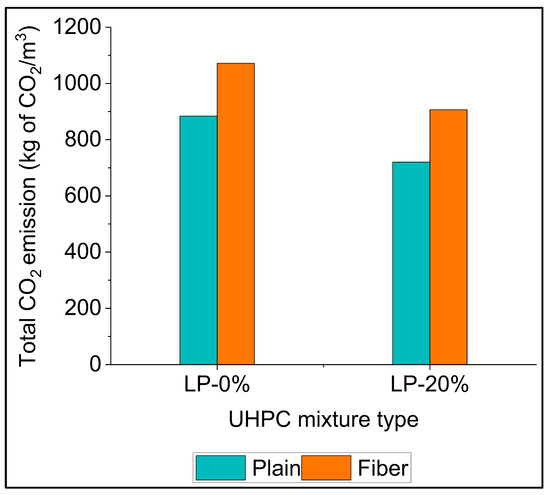
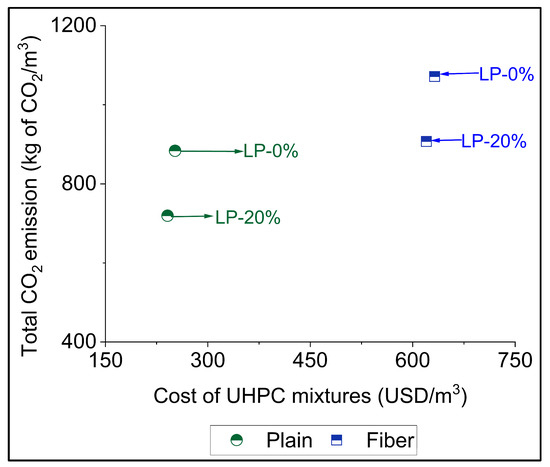
Ultra-high-performance concrete (UHPC) delivers outstanding durability and strength but typically relies on high Portland cement content. This study evaluates a 20% cement replacement with limestone powder (LP) in UHPC and benchmarks performance under two curing regimes: moist curing (MC) and warm bath curing at 90 °C (WB). Metrics include workability, compressive and flexural behavior, shrinkage, freeze–thaw resistance, chloride transport (surface resistivity, RCPT), material cost, and embodied CO2. LP improved fresh behavior: flow increased by 14.3% in plain UHPC and 33% in fiber-reinforced UHPC (FR-UHPC). Compressive strengths remained in the UHPC range at 28–56 days (approximately 142–152 MPa with LP), with modest penalties versus 0%-LP controls (about 2–5% depending on age and curing). Under WB at 56 days, controls reached 154 MPa (plain) and 161 MPa (FR-UHPC), while LP mixes achieved 145.2 MPa (plain) and 152.0 MPa (FR-UHPC). Flexural performance was reduced with LP: for FR-UHPC, 28-day MOR under MC was reduced from 15.5 MPa to 12.7 MPa and under WB from 14.3 MPa to 10.3 MPa; toughness under MC was reduced from 74.4 J to 51.1 J. Durability indicators were maintained or improved despite these moderate strength reductions. After 300 rapid freeze–thaw cycles, all mixtures retained relative dynamic modulus near 100–103%, with negligible MOR losses in LP mixes (plain UHPC: −1.1% with LP versus −4.7% without; FR-UHPC: −3.7% versus −8.1%). Chloride transport resistance improved: at 56 days under MC, surface resistivity increased from 558 to 707 kΩ·cm in plain UHPC and from 252 to 444 kΩ·cm in FR-UHPC; RCPT for LP mixes was 139 C (MC) and 408 C (WB), about 14–23% lower than respective controls. Drying shrinkage was reduced by roughly 23% (plain) and 28% (FR-UHPC). Sustainability and cost outcomes were favorable: embodied CO2 was reduced by 18.8% (plain) and 15.5% (FR-UHPC), and material cost was reduced by about 4.5% and 2.0%, respectively. The main shortcomings are moderate reductions in compressive and flexural strength and toughness, particularly under WB curing, which should guide application-specific limits and design factors.
Full article

Figure 1
Open AccessArticle
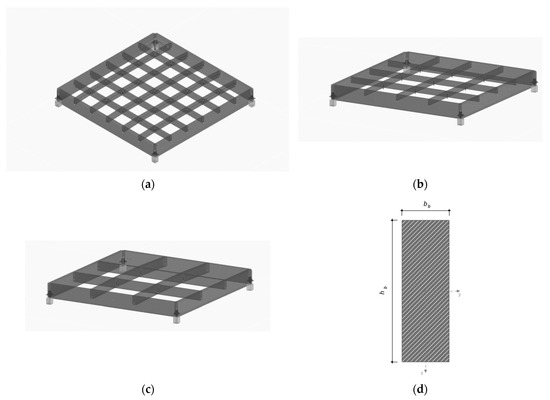
A Metaheuristic Strategy for Reuse-Oriented Buckling-Constrained Optimization of Steel Gridshells
by
Valentina Tomei, Marina Serpe, Ernesto Grande and Maura Imbimbo
Constr. Mater. 2025, 5(4), 89; https://doi.org/10.3390/constrmater5040089 - 9 Dec 2025
Abstract
►▼
Show Figures
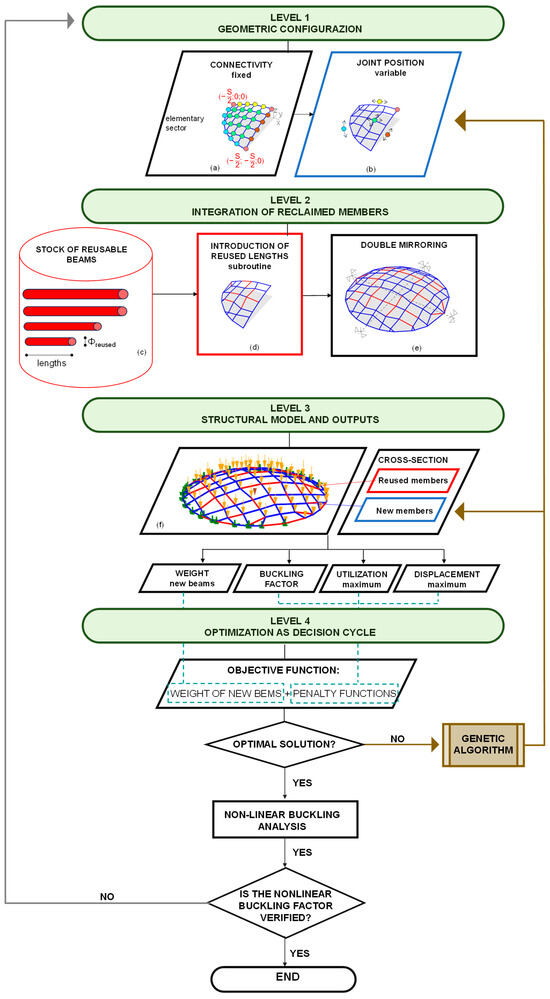
The construction sector is a significant contributor to resource consumption and environmental degradation due to energy-intensive processes. To reduce consumption, reuse-based design strategies could lead to structurally efficient and environmentally friendly solutions. However, effectively incorporating reused elements requires advanced design methods that allow
[...] Read more.
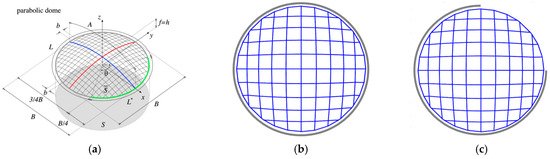
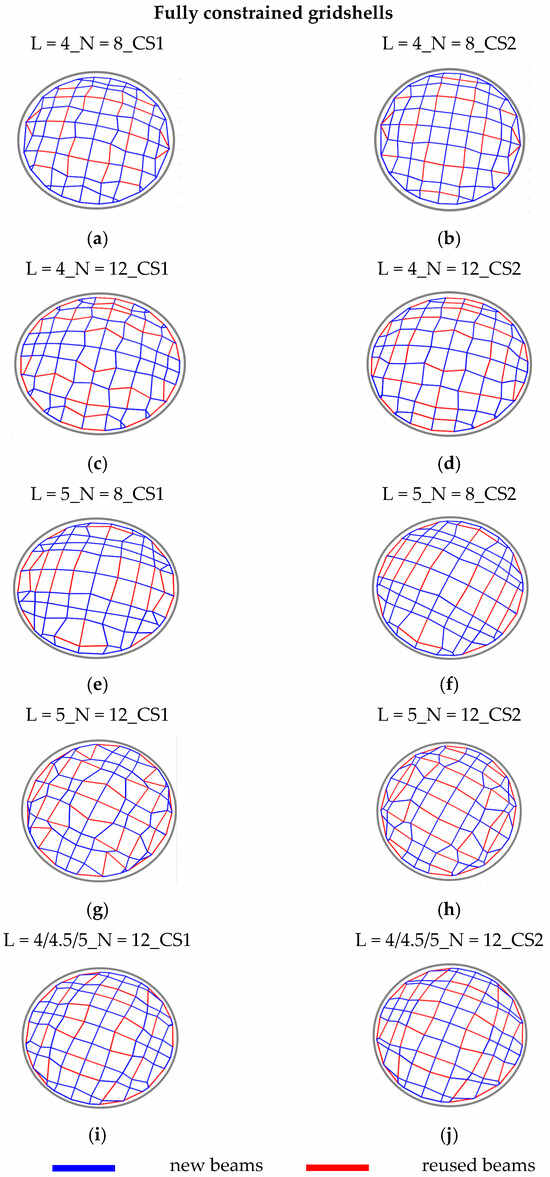
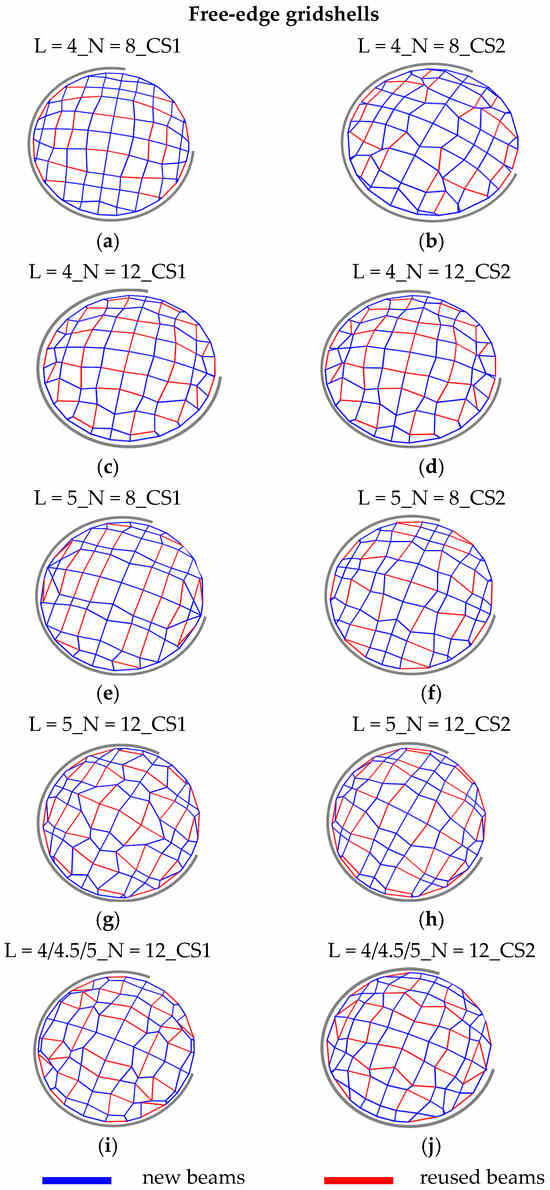
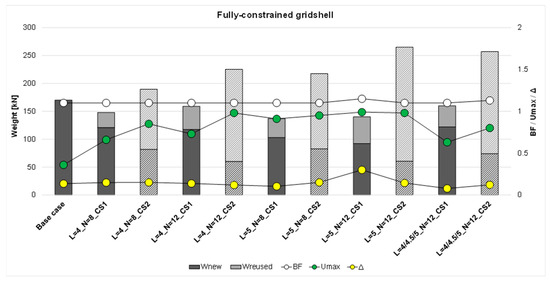
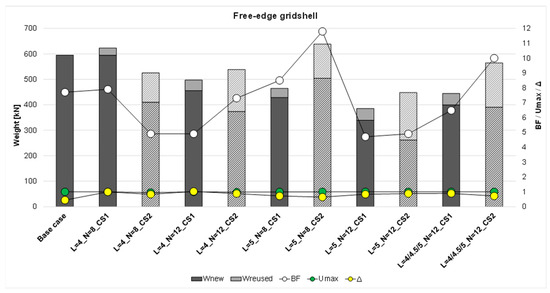
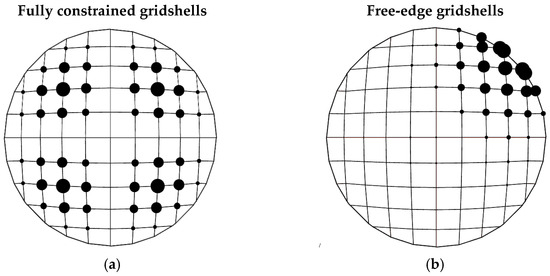
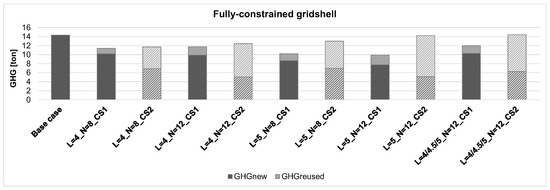
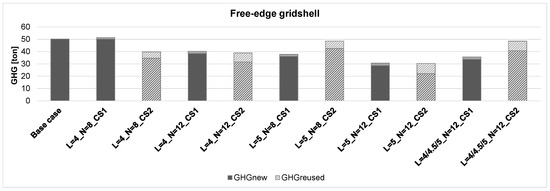
The construction sector is a significant contributor to resource consumption and environmental degradation due to energy-intensive processes. To reduce consumption, reuse-based design strategies could lead to structurally efficient and environmentally friendly solutions. However, effectively incorporating reused elements requires advanced design methods that allow for their rational disposition. This paper presents an innovative design approach based on a metaheuristic strategy developed through genetic algorithms for the design of minimum-weight gridshells using reusable components. The methodology is applied to a dome gridshell, tested under different stock and boundary conditions. An expedited greenhouse gas assessment is then carried out to evaluate the environmental benefits of the reuse-based solutions compared to solutions composed entirely of new elements. The results are presented in terms of geometry, disposition of reused and new members, weight, structural performance (buckling factor, demand to capacity ratio, displacements), and greenhouse gas emissions. The algorithm is able to find the minimum weight solution for all the considered stocks, and to account for the different governing design criteria characterizing fully and partially constrained gridshells. Furthermore, it can also be used to determine the characteristics that the stock of reused elements should possess in order to achieve more sustainable design solutions.
Full article

Figure 1
Open AccessArticle
Data-Driven Assessment of Construction and Demolition Waste Causes and Mitigation Using Machine Learning
by
Choudhury Gyanaranjan Samal, Dipti Ranjan Biswal, Sujit Kumar Pradhan and Ajit Kumar Pasayat
Constr. Mater. 2025, 5(4), 88; https://doi.org/10.3390/constrmater5040088 - 9 Dec 2025
Cited by 1
Abstract
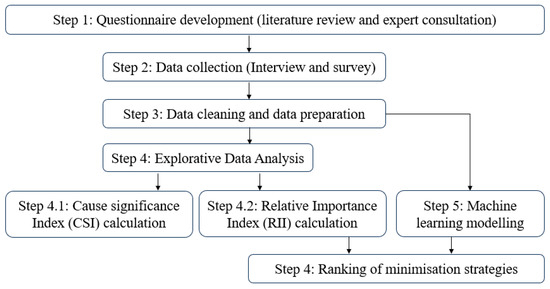
Construction and demolition (C&D) waste remains a critical challenge in India due to accelerated urbanisation and material-intensive construction practices. This study integrates survey-based assessment with machine learning to identify key causes of C&D waste and recommend targeted minimization strategies. Data were collected from
[...] Read more.
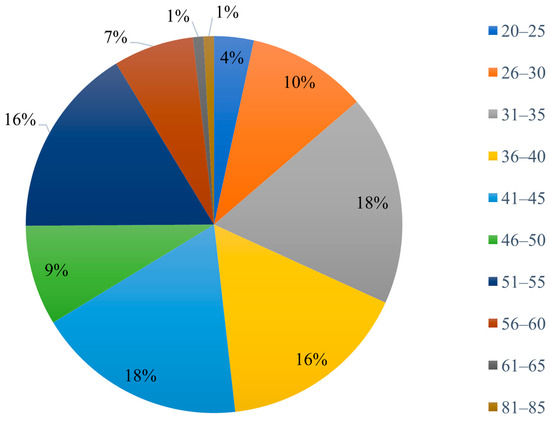
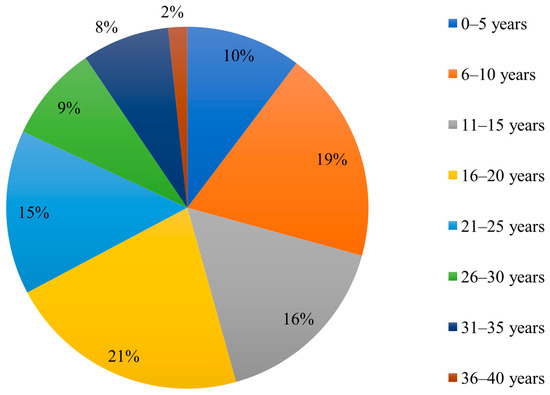
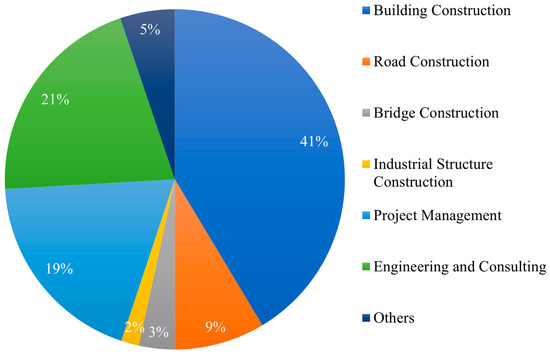
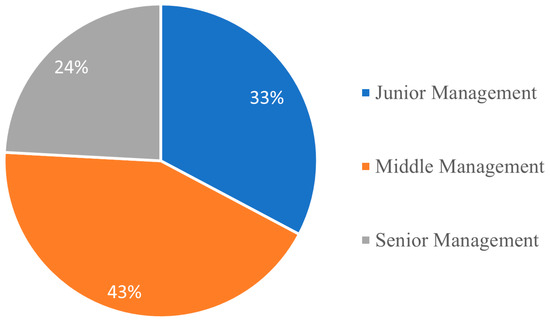
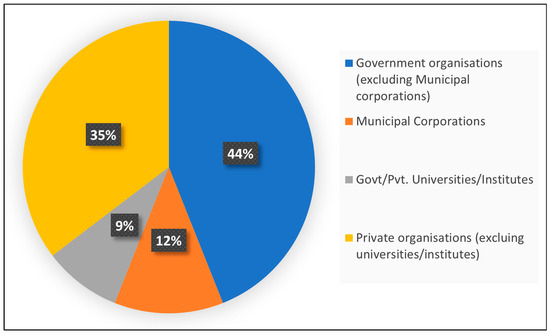
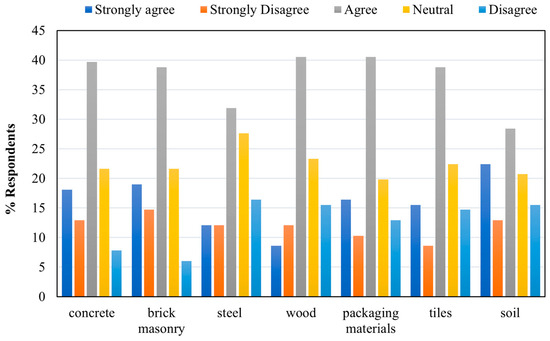
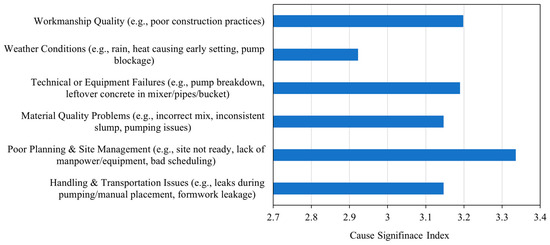
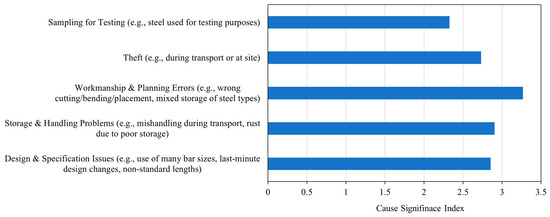
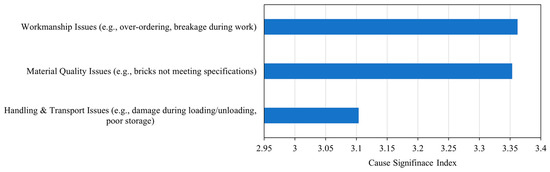
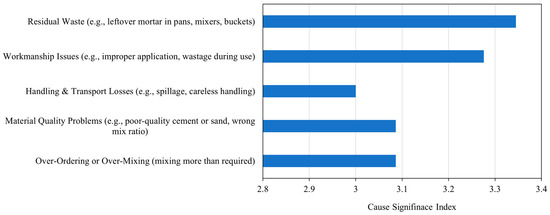
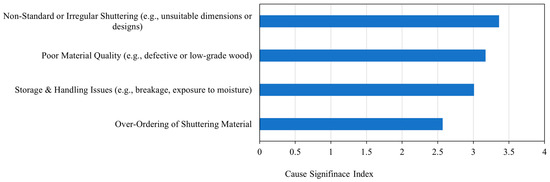
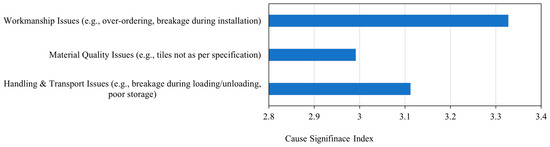
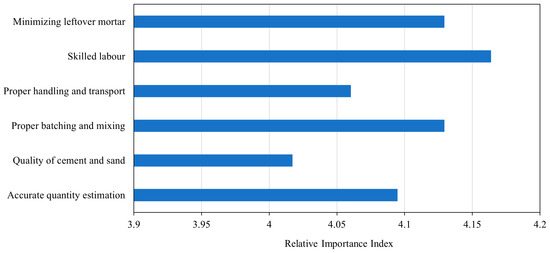
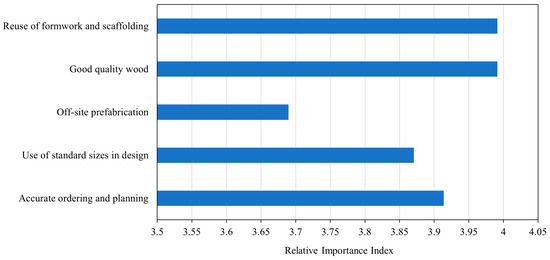
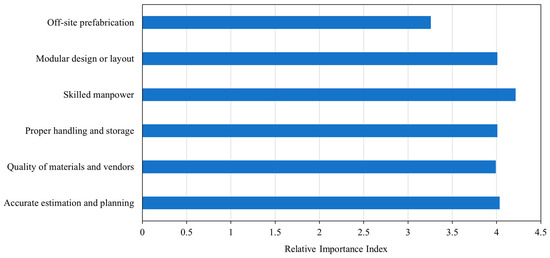
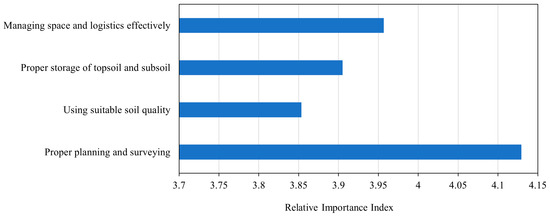
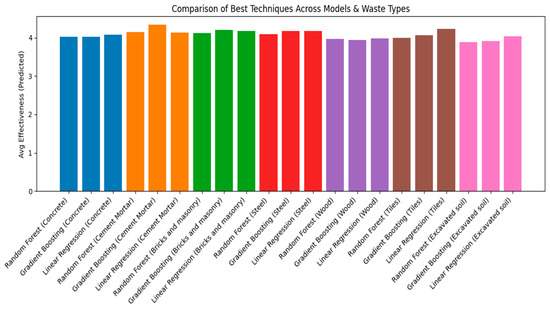
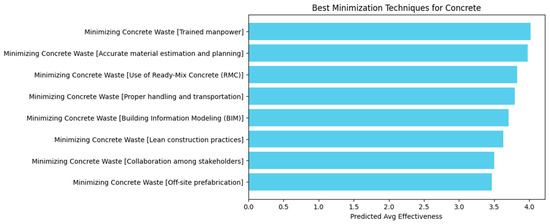
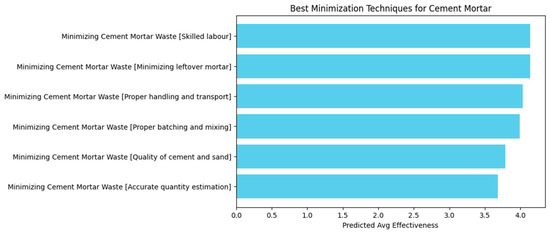
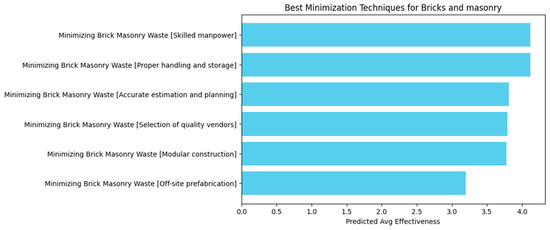
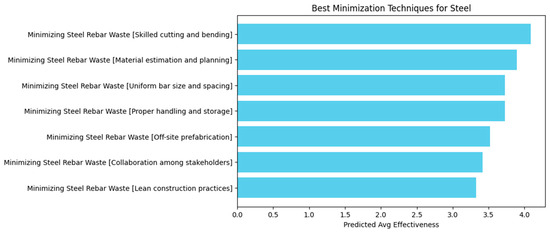
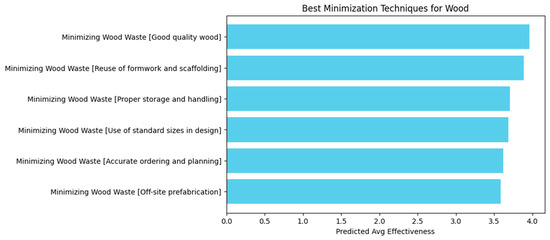
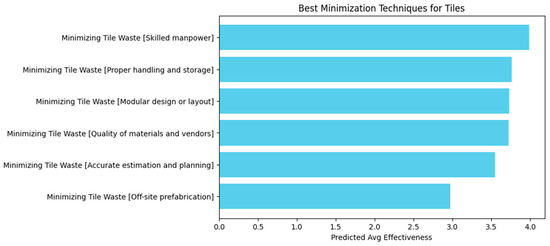
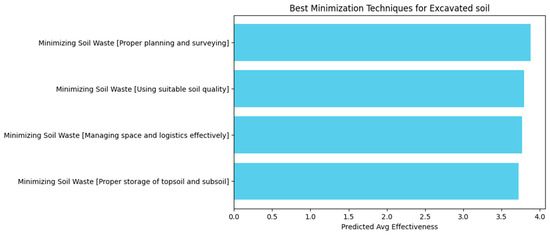
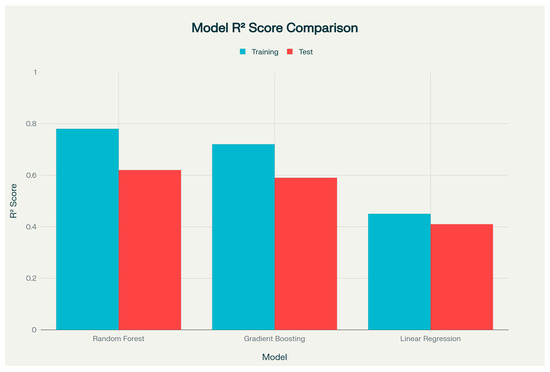
Construction and demolition (C&D) waste remains a critical challenge in India due to accelerated urbanisation and material-intensive construction practices. This study integrates survey-based assessment with machine learning to identify key causes of C&D waste and recommend targeted minimization strategies. Data were collected from 116 professionals representing junior, middle, and senior management, spanning age groups from 20 to 60+ years, and working across building construction, consultancy, project management, roadworks, bridges, and industrial structures. The majority of respondents (57%) had 6–20 years of experience, ensuring representation from both operational and decision-making roles. The Relative Importance Index (RII) method was applied to rank waste causes and minimization techniques based on industry perceptions. To enhance robustness, Random Forest, Gradient Boosting, and Linear Regression models were tested, with Random Forest performing best (R2 = 0.62), providing insights into the relative importance of different strategies. Findings show that human skill and quality control are most critical in reducing waste across concrete, mortar, bricks, steel, and tiles, while proper planning is key for excavated soil and quality sourcing for wood. Recommended strategies include workforce training, strict quality checks, improved planning, and prefabrication. The integration of perception-based analysis with machine learning offers a comprehensive framework for minimising C&D waste, supporting cost reduction and sustainability in construction projects. The major limitation of this study is its reliance on self-reported survey data, which may be influenced by subjectivity and regional bias. Additionally, results may not fully generalize beyond the Indian construction context due to the sample size and sectoral skew. The absence of real-time site data and limited access to integrated waste management systems also restrict predictive accuracy of the machine learning models. Nevertheless, combining industry perception with robust data-driven techniques provides a valuable framework for supporting sustainable construction management.
Full article
(This article belongs to the Topic Green Construction Materials and Construction Innovation)
►▼
Show Figures

Figure 1

Open AccessArticle
Eco-Friendly Enhancement of Silicate Coatings for Steel Using Lawsonia inermis Extract as a Dual-Function Dispersant and Corrosion Inhibitor
by
Le Thi Nhung, Nguyen Hoang, Truong Anh Khoa, Phan Minh Phuong and Thanh-Danh Nguyen
Constr. Mater. 2025, 5(4), 87; https://doi.org/10.3390/constrmater5040087 - 5 Dec 2025
Abstract
Corrosion of steel structures remains a persistent challenge in construction, particularly in coastal and industrial environments where chloride-induced degradation accelerates structural failure. This study presents an eco-friendly approach to improve the corrosion protection of the steel by incorporating Lawsonia inermis (henna) leaf extract
[...] Read more.
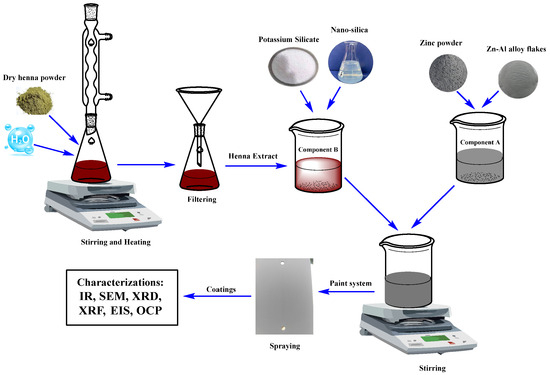
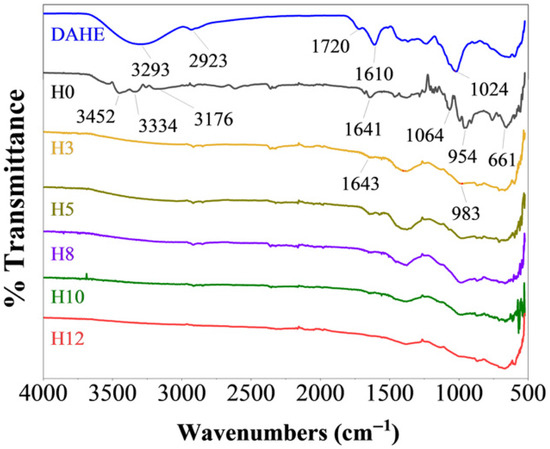
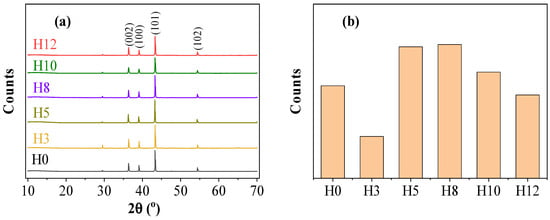
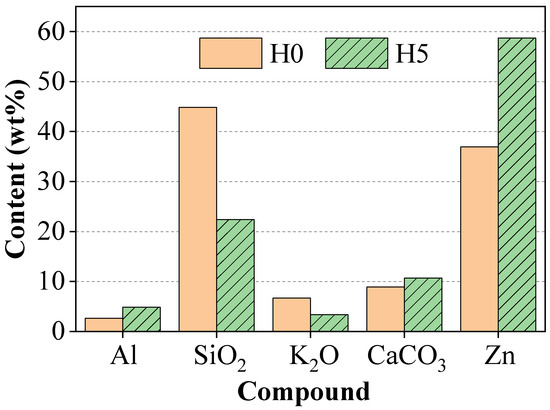
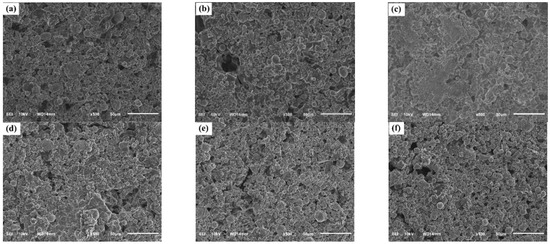
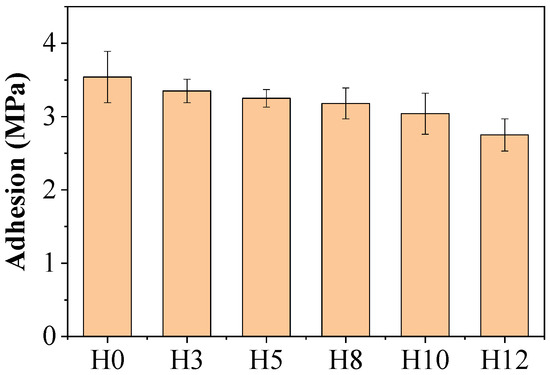
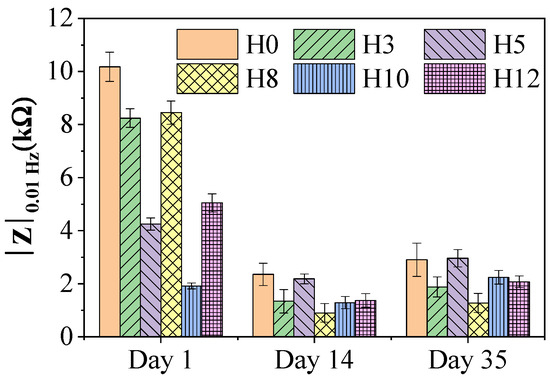
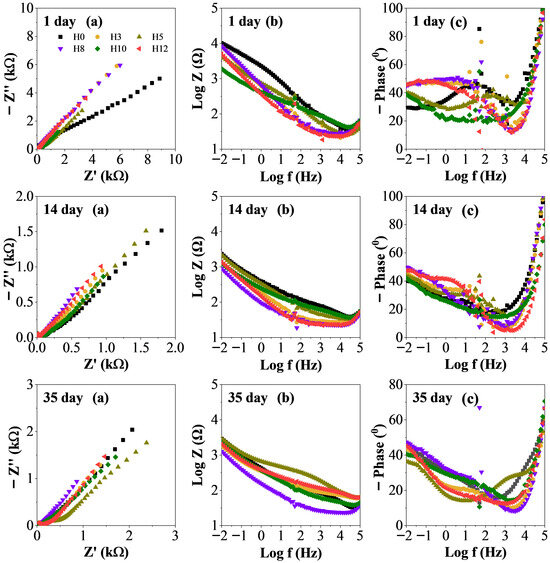
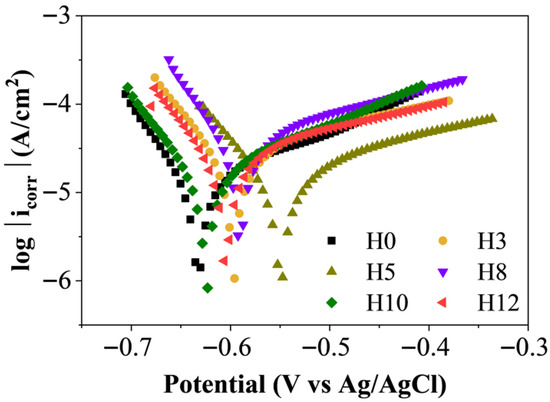
Corrosion of steel structures remains a persistent challenge in construction, particularly in coastal and industrial environments where chloride-induced degradation accelerates structural failure. This study presents an eco-friendly approach to improve the corrosion protection of the steel by incorporating Lawsonia inermis (henna) leaf extract into zinc–aluminum silicate coatings. The henna extract was added at varying concentrations (0–12 wt%) to evaluate its influence on structure, adhesion, and electrochemical performance of the coating. Physicochemical characterizations including FTIR, XRD, XRF, and SEM revealed that a 5 wt% addition optimized pigment dispersion, resulting in a denser and more homogeneous coating microstructure. Electrochemical impedance spectroscopy (EIS) and potentiodynamic polarization tests after 35 days of immersion in 3.5 wt% NaCl solution demonstrated that this formulation achieved the highest impedance and polarization resistance, confirming enhanced corrosion resistance. The improvement was attributed to the dual action of the henna extract: (i) as a dispersant, promoting uniform Zn–Al pigment distribution and reducing porosity, and (ii) as a green corrosion inhibitor, forming an adsorbed protective film on the steel surface. This work highlights the potential of bio-derived additives to enhance the long-term durability of steel infrastructure and supports the development of sustainable protective materials for construction applications.
Full article
(This article belongs to the Topic Construction Materials: Corrosion, Prevention and Protection)
►▼
Show Figures

Figure 1

Open AccessArticle
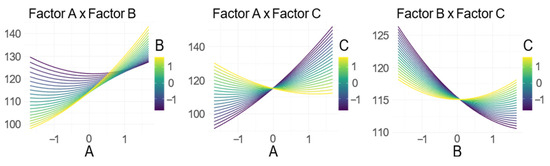
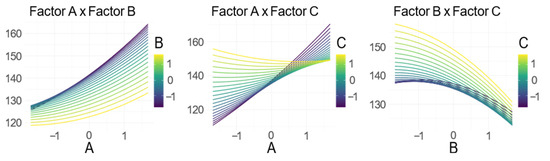
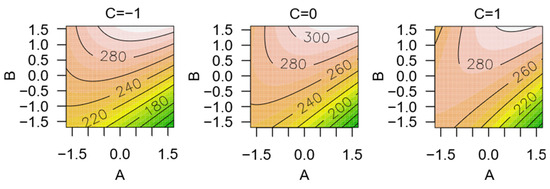
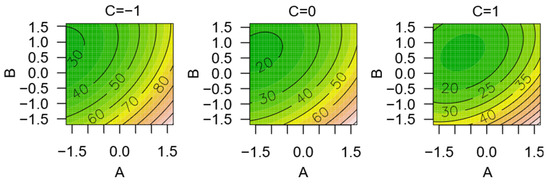
Optimization of Sustainable Reactive Powder Concrete Incorporating Electric Arc Furnace Slag and Calcium Carbonate Powder via Central Composite Design
by
Jesús E. Altamiranda-Ramos, Luis Castillo-Suárez, Jesús Redondo-Mosquera and Joaquín Abellán-García
Constr. Mater. 2025, 5(4), 86; https://doi.org/10.3390/constrmater5040086 - 1 Dec 2025
Abstract
Reactive Powder Concrete (RPC) is widely recognized for its high strength and durability, yet its dependence on large amounts of Portland cement (PC) and silica fume (MS) raises environmental and economic concerns. This study explores the combined incorporation of milled electric arc furnace
[...] Read more.
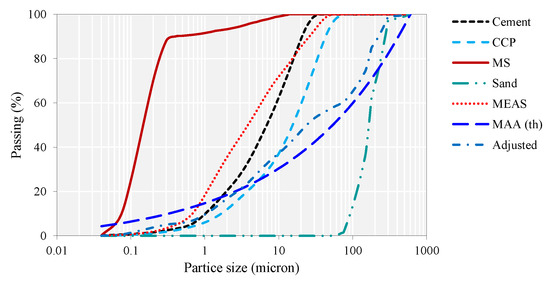
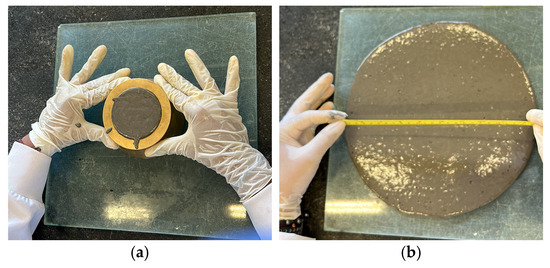
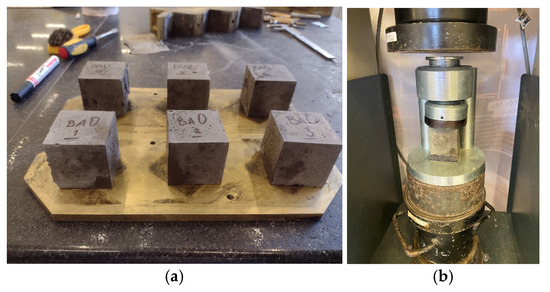
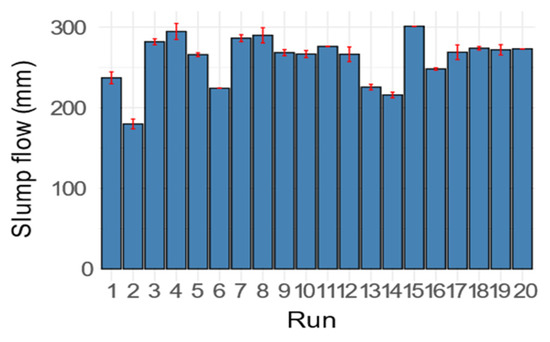
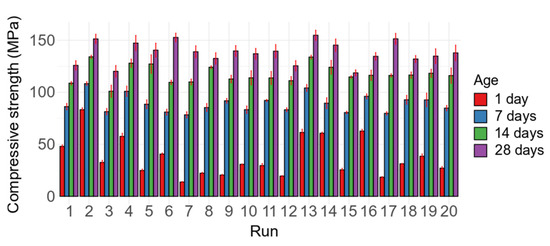
Reactive Powder Concrete (RPC) is widely recognized for its high strength and durability, yet its dependence on large amounts of Portland cement (PC) and silica fume (MS) raises environmental and economic concerns. This study explores the combined incorporation of milled electric arc furnace slag (MEAS) and calcium carbonate powder (CCP) as partial substitutes for cement and MS in RPC, employing a Central Composite Design (CCD) to optimize cement dosage, water-to-binder ratio, and polycarboxylate ether (PCE) content. Particle packing was guided by the Modified Andreasen–Andersen (MAA) model. The experimental program included 20 mixtures, evaluating rheological performance through slump flow and mechanical strength at 1, 7, 14, and 28 days. Incorporating MEAS (up to ≈20% of the binder) and CCP (≈15%) improved workability, with slump flow values reaching ≈285 mm compared to ≈230 mm for the baseline mixture. The optimal formulation achieved a 28-day compressive strength of ≈152 MPa, comparable to the reference RPC (≈138 MPa), while reducing cement consumption by ≈15% and MS by ≈50% relative to conventional dosages. Quadratic response surface models for slump flow and compressive strength at 1–28 days showed excellent goodness of fit (R2 = 0.90–0.98, adjusted R2 = 0.85–0.96; model F-tests p < 0.001), confirming the adequacy of the statistical optimization. Moreover, statistical analysis confirmed that cement dosage was the dominant factor for strength development (p < 0.05), while the interaction between cement content and water-to-binder ratio significantly influenced flowability. These results demonstrate the potential of MEAS and CCP to lower binder demand in RPC without compromising mechanical performance, advancing sustainable alternatives for ultra-high-performance concrete.
Full article
(This article belongs to the Special Issue Towards Sustainable Low-Carbon Concrete—Second Edition)
►▼
Show Figures

Figure 1

Open AccessArticle
Parametric Optimization of a Cross-Beam Glulam Floor System Using Response Surface Methodology
by
Oleksandr Gilodo, Andrii Arsirii, Sergii Kroviakov and Oleksandr Gimanov
Constr. Mater. 2025, 5(4), 85; https://doi.org/10.3390/constrmater5040085 - 26 Nov 2025
Abstract
Cross-beam glued-laminated timber (glulam) floor systems offer material efficiency but pose a complex design challenge due to three-dimensional (3D) load interactions, and systematic optimization guidelines are lacking. This study implements a parametric optimization framework using a three-factor Design of Experiments (DOE) approach (beam
[...] Read more.
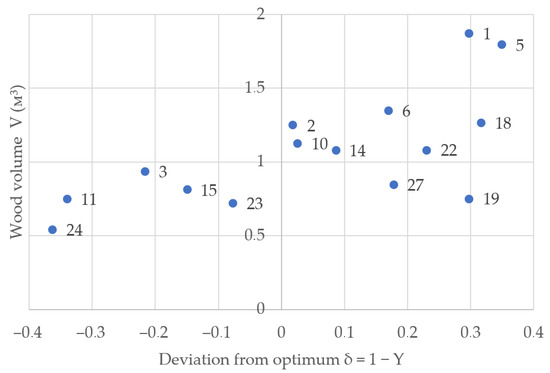
Cross-beam glued-laminated timber (glulam) floor systems offer material efficiency but pose a complex design challenge due to three-dimensional (3D) load interactions, and systematic optimization guidelines are lacking. This study implements a parametric optimization framework using a three-factor Design of Experiments (DOE) approach (beam spacing ratio, height-to-span ratio, width-to-height ratio). A total of 27 full-factorial finite element models (FEMs) were simulated in Dlubal RFEM. A second-order response surface methodology (RSM) model was developed to predict the load utilization factor (Y) in accordance with Eurocode 5. The predictive model demonstrated high statistical accuracy (R2 > 0.98). A multi-criteria optimization using the Pareto frontier identified a balanced solution (x1 = 0.250, x2 = 0.042, x3 = 0.5) that achieved 97.4% load utilization (Y = 0.974). This optimal configuration reduces the required timber volume by approximately 10% compared with other efficient designs and by over 60% compared with inefficient (Y ≈ 0.5) but safe designs within the experimental space. The resulting regression model provides a validated engineering tool for designing materially efficient glulam floor systems, allowing designers to balance structural safety with material economy.
Full article
(This article belongs to the Topic Research in Sustainable and Alternative Construction and Building Materials)
►▼
Show Figures

Figure 1
Open AccessArticle
Assessing the Effects of Activator Formulation on Hardened Properties of Alkali-Activated Slag Mortars Using Ultrasound Pulse Velocity (UPV) Technique
by
Victor M. E. Lima, Igor V. Fernandes, Diego H. Alves, Tiago M. S. Agra, Danilo J. da C. Barbosa, Eudes A. Rocha and Antonio A. Melo Neto
Constr. Mater. 2025, 5(4), 84; https://doi.org/10.3390/constrmater5040084 - 25 Nov 2025
Abstract
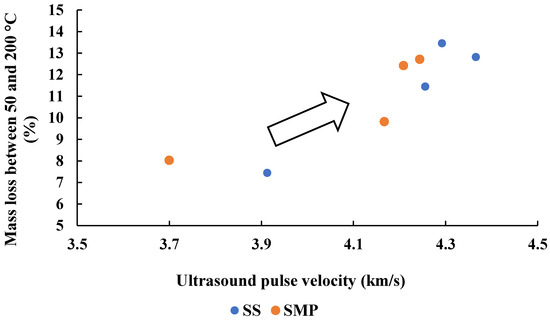
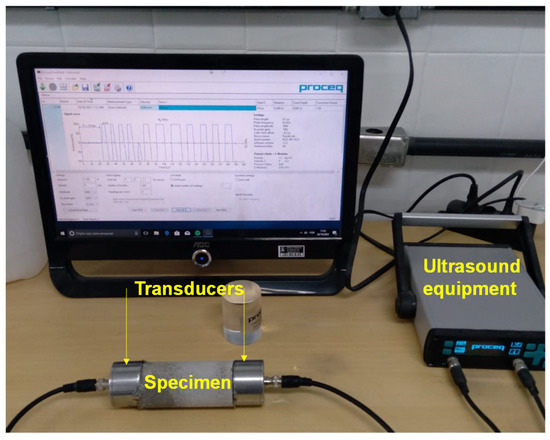
The UPV technique has been widely employed to predict the hardened properties of Portland cement mixtures. This article assesses the hardened properties of alkali-activated blast furnace slag mortars by comparing UPV measurements with compressive strength and dry density and calculating the dynamic modulus
[...] Read more.
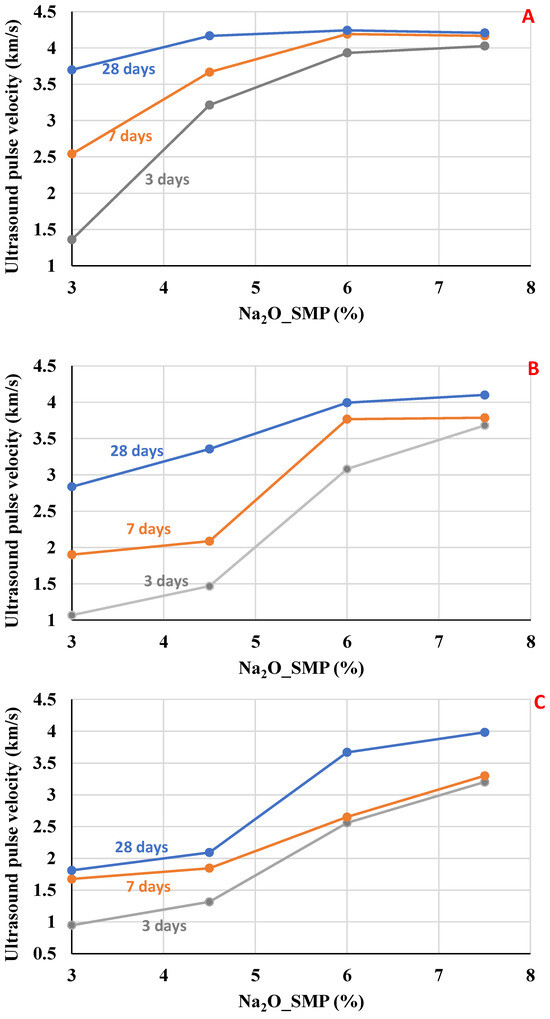
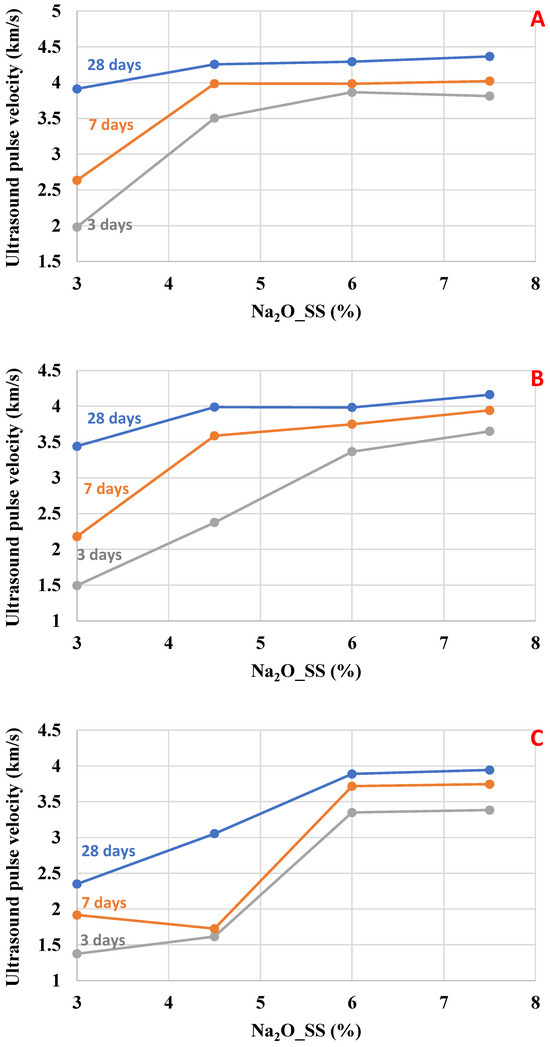
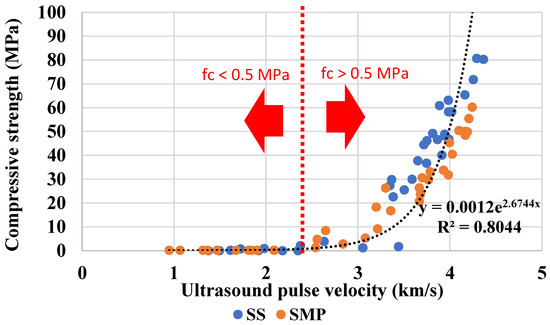
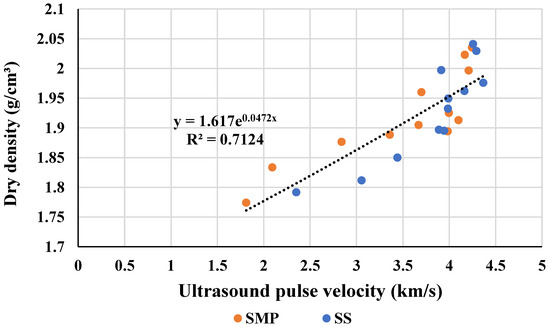
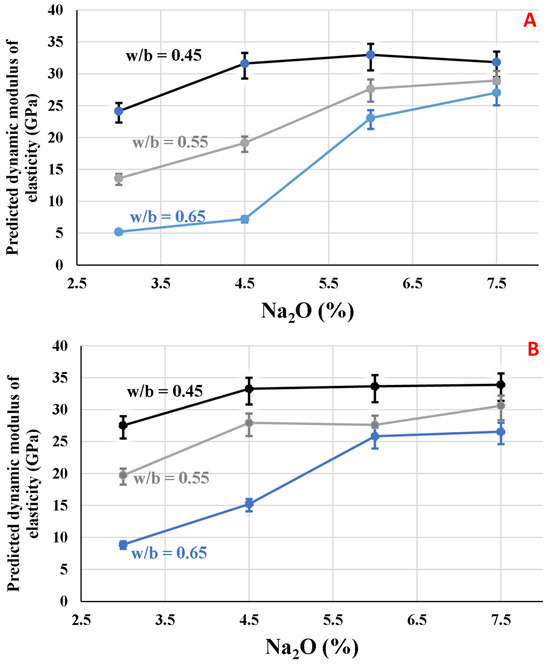
The UPV technique has been widely employed to predict the hardened properties of Portland cement mixtures. This article assesses the hardened properties of alkali-activated blast furnace slag mortars by comparing UPV measurements with compressive strength and dry density and calculating the dynamic modulus of elasticity from UPV results. The mixtures were prepared varying the type of activator (sodium metasilicate and sodium silicate), the content of Na2O in the activators (3.0, 4.5, 6.0, and 7.5%), and the water/binder ratio. The results showed that exponential models showed medium and high determination coefficients (R2), which explained the correlation between UPV and hardened properties. It was observed a limitation on the measurements of UPV, which did not surpass 4.4 km/s, which made it difficult to predict compressive strength value above 50 MPa. The dynamic modulus of elasticity calculated from UPV showed reliable results, even varying the Poisson’s coefficient between 0.15 and 0.25. Lastly, it was also observed that a correlation between the content of C-S-H and UPV suggested that this technique can also be used to predict the evolution of the hydration products in alkali-activated slag mixtures.
Full article
(This article belongs to the Special Issue Design, Process, Energy, and Evaluation in Construction Material Science)
►▼
Show Figures

Figure 1

Highly Accessed Articles
Latest Books
E-Mail Alert
News
Topics
Topic in
Buildings, CivilEng, Climate, Construction Materials, Energies, Sustainability, Architecture
Advances in Building Sector for Achieving Net Zero Emission by 2050
Topic Editors: Md Morshed Alam, Iqbal Hossain, Jiaolan ZhuDeadline: 20 March 2026
Topic in
Buildings, Construction Materials, Crystals, Materials, Solids, Infrastructures, CivilEng
Rehabilitation and Strengthening Techniques for Reinforced Concrete
Topic Editors: Firas Al Mahmoud, George WardehDeadline: 31 March 2026
Topic in
Applied Sciences, Buildings, Construction Materials, CMD, Materials, Metals
Construction Materials: Corrosion, Prevention and Protection
Topic Editors: Sergio Lorenzi, Marco OrmelleseDeadline: 1 May 2026
Topic in
Applied Sciences, Buildings, Construction Materials, Heritage, Sustainability
Advanced Materials and Innovative Solutions for Seismic Retrofit of Structures and Loss Reduction
Topic Editors: Marco Di Ludovico, Ciro Del VecchioDeadline: 20 May 2026
Conferences
Special Issues
Special Issue in
Construction Materials
Towards Sustainable Low-Carbon Concrete—Second Edition
Guest Editors: Jiaxiang Lin, Prabir SarkerDeadline: 20 February 2026
Special Issue in
Construction Materials
Advances in the Sustainability and Durability of Waste-Based Construction Materials
Guest Editors: Rute Eires, Raphaele MalheiroDeadline: 28 February 2026
Special Issue in
Construction Materials
Pathology and Performance of Constructions
Guest Editors: Bernardo Fonseca Tutikian, Fernanda Pacheco, Hinoel Zamis EhrenbringDeadline: 28 February 2026
Special Issue in
Construction Materials
Development and Engineering Application of Green and Low-Carbon Infrastructure Construction Materials
Guest Editors: Lulu Liu, Yaohui LiuDeadline: 20 March 2026