Journal Description
Colorants
Colorants
is an international, peer-reviewed, open access journal on all aspects of coloring matters published quarterly online by MDPI.
- Open Access— free for readers, with article processing charges (APC) paid by authors or their institutions.
- Rapid Publication: manuscripts are peer-reviewed and a first decision is provided to authors approximately 26.6 days after submission; acceptance to publication is undertaken in 5.5 days (median values for papers published in this journal in the second half of 2025).
- Recognition of Reviewers: APC discount vouchers, optional signed peer review, and reviewer names published annually in the journal.
Latest Articles
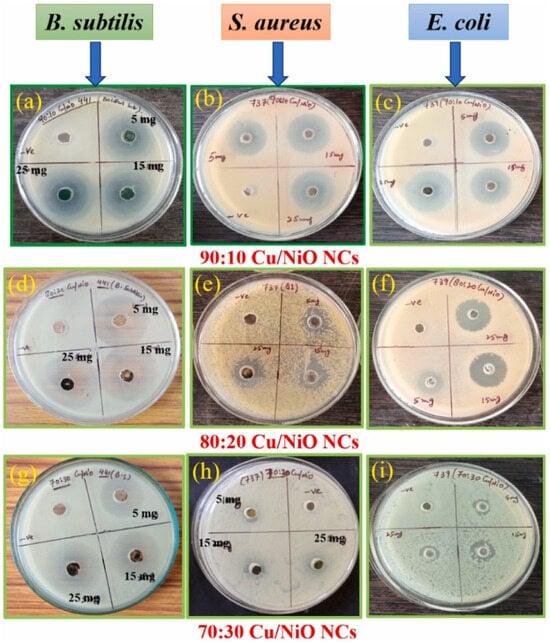
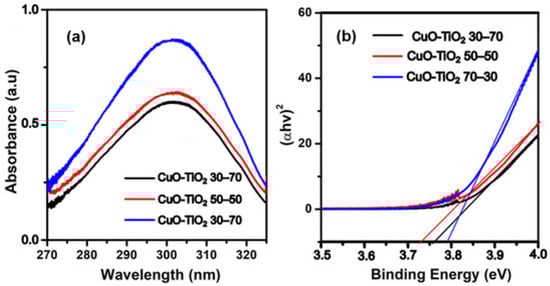
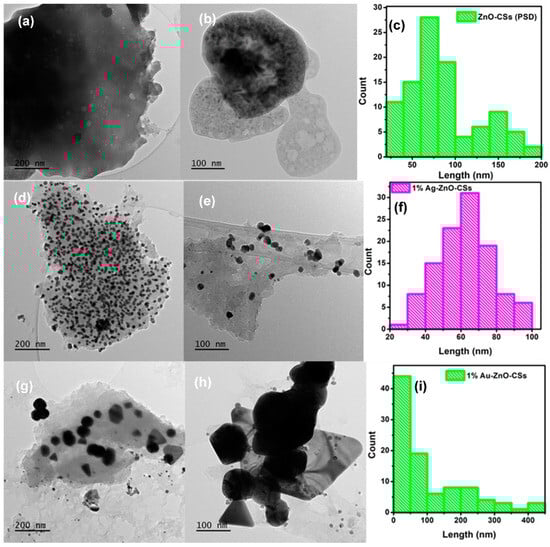
Biosynthesis of Nanoparticles Using Commelina benghalensis: Photocatalytic Dye and Pharmaceutical Degradation and Antimicrobial Activity
Colorants 2026, 5(1), 5; https://doi.org/10.3390/colorants5010005 - 2 Feb 2026
Abstract
►
Show Figures
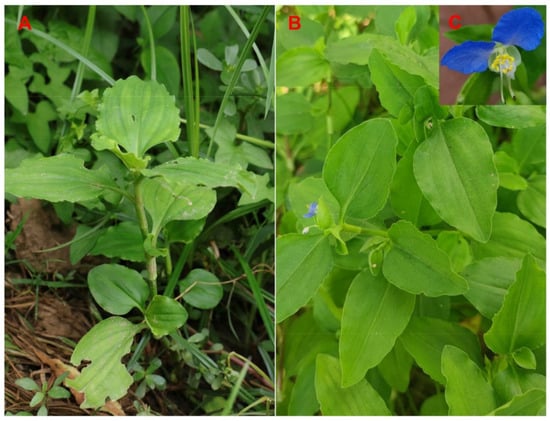
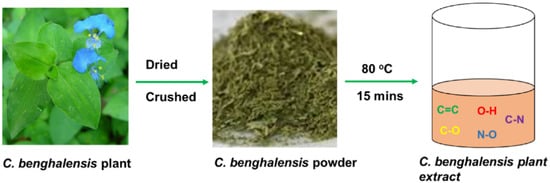
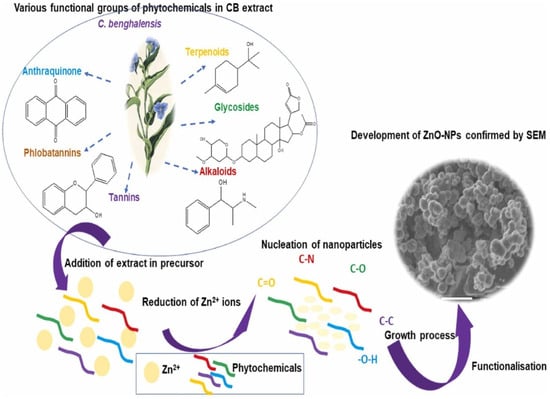
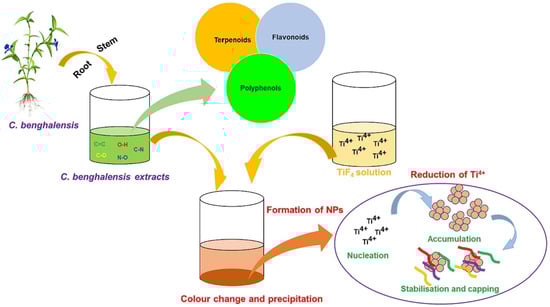
The trend toward developing sustainable nanotechnology has driven researchers to explore environmentally friendly techniques for nanomaterial fabrication. This review examines the utilisation of Commelina benghalensis plant extracts as an effective biological tool for the green synthesis of various nanomaterials. The procedures involve reducing
[...] Read more.
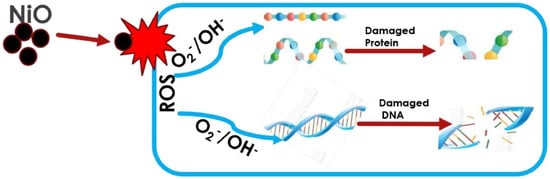
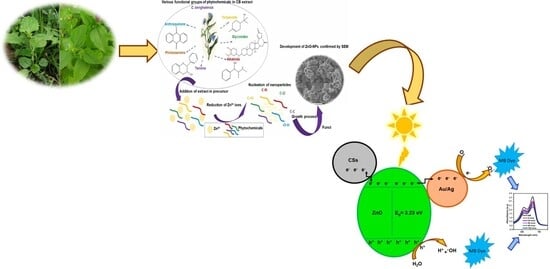
The trend toward developing sustainable nanotechnology has driven researchers to explore environmentally friendly techniques for nanomaterial fabrication. This review examines the utilisation of Commelina benghalensis plant extracts as an effective biological tool for the green synthesis of various nanomaterials. The procedures involve reducing metal salt precursors with aqueous or polar solvent extracts rich in phytochemicals such as flavonoids and polyphenols, followed by a calcination step that yields crystalline products. The findings show that the properties of ZnO, TiO2, Ag, NiO, and their composites are directly influenced by synthesis factors, including solvent, plant component, and extract concentration. This directly influenced their specific sizes, morphologies, and phases. Furthermore, these C. benghalensis-mediated nanomaterials showed high efficiency in the photocatalytic degradation of textile dyes and pharmaceuticals, as well as potential antibacterial and antioxidant properties. The Commelina benghalensis plant is flexible and renewable for efficient nanomaterial synthesis; nevertheless, issues with standardisation and scalability must be overcome to fully realise its promise for commercial and industrial uses.
Full article
Open AccessReview
Ecotoxicological Aspects of Hair Dyes: A Review
by
Letícia Cristina Gonçalves, Matheus Mantuanelli Roberto and Maria Aparecida Marin-Morales
Colorants 2026, 5(1), 4; https://doi.org/10.3390/colorants5010004 - 26 Jan 2026
Abstract
►▼
Show Figures
Hair dyes are widely used across all socioeconomic groups and regions worldwide. However, some studies indicate that these products contain substances known to be toxic to a wide variety of organisms. Moreover, dyeing practices generate effluents that may carry the toxicity of hair
[...] Read more.
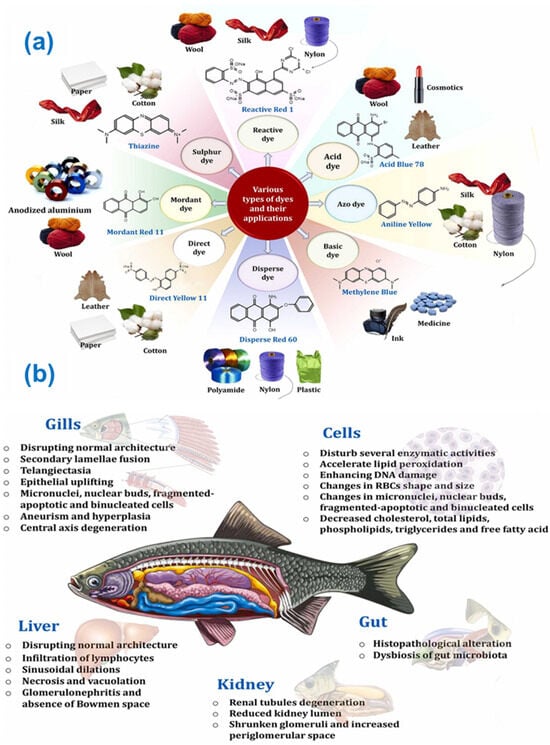
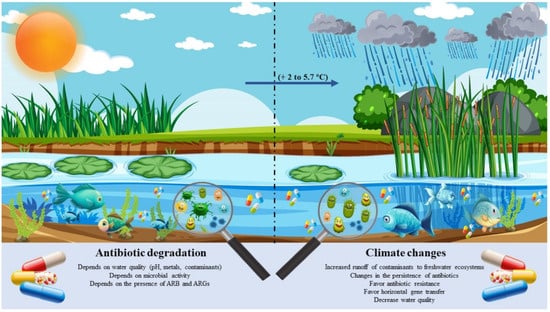
Hair dyes are widely used across all socioeconomic groups and regions worldwide. However, some studies indicate that these products contain substances known to be toxic to a wide variety of organisms. Moreover, dyeing practices generate effluents that may carry the toxicity of hair dyes into the environment. Due to these facts, there is great concern about the impacts these products may have on the environment, as well as on the health of their users and professionals in the field of cosmetology. This scoping review analyzed 184 publications from major databases (PubMed, SciELO, Scopus, Google Scholar, and MEDLINE). Ultimately, 126 scientific studies published between 1981 and 2024 were included based on methodological rigor and their relevance to the One Health framework. According to the literature, the components of hair dyes can induce adverse responses in biological systems, ranging from reversible topical irritations to severe systemic effects. Among the studies evaluated, more than half reported significant toxicological or genotoxic associations related to oxidative dye components such as p-phenylenediamine and its derivatives. These compounds are frequently associated with various types of human cancers, including breast, prostate, bladder, skin, ocular cancers, and brain tumors. In addition to their effects on humans, hair dyes exhibit ecotoxicity, which may threaten the maintenance of ecosystems exposed to their residues. The reported environmental impacts result from effluent emissions after successive hair washes that release unreacted dye residues. Due to the low biodegradability of these compounds, conventional wastewater treatment methods are often ineffective, leading to environmental accumulation and changes in aquatic ecosystems, soil fertility, and trophic balance. Data on the toxicity of hair dye effluents remain scarce and sometimes contradictory, particularly regarding the effects of their transformation products and metabolites. Overall, the evidence underscores the need for continuous monitoring, updated risk assessments, and the adoption of advanced treatment technologies specific to beauty salon effluents. The information presented in this work may support further studies and guide public management agencies in developing policies for mitigating the impacts of hair dye pollutants within the One Health perspective.
Full article

Figure 1
Open AccessReview
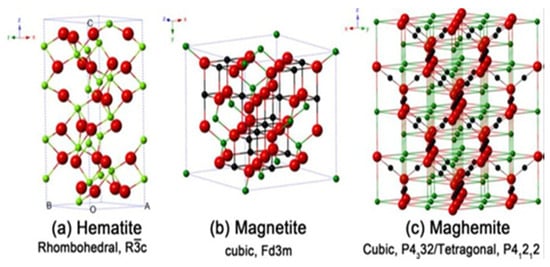
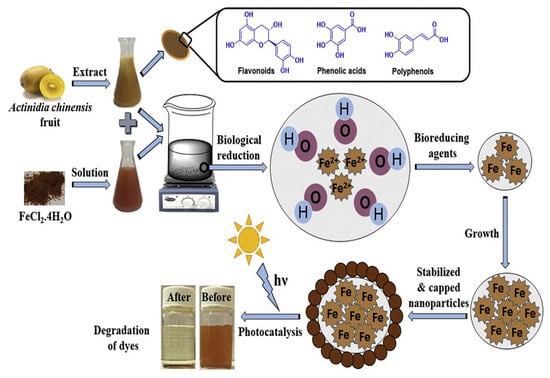
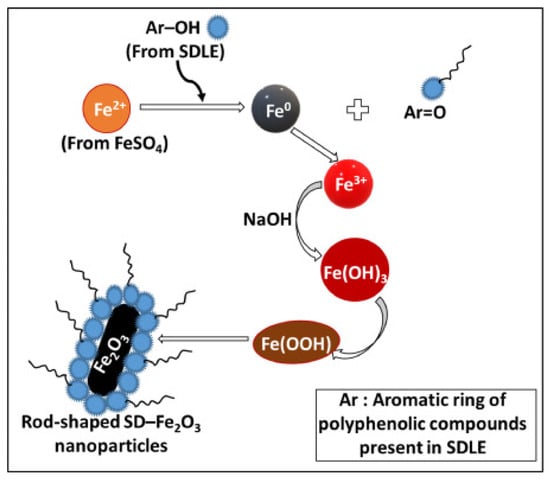
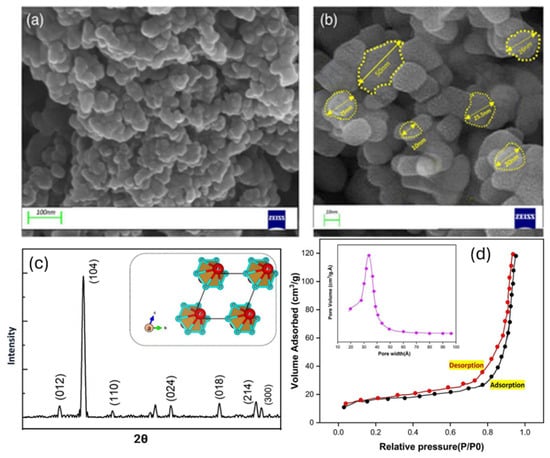
Advances in Plant Mediated Iron Oxide Nanoparticles for Dye Colorant Degradation—A Review
by
Louisah Mmabaki Mahlaule-Glory and Nomso Charmaine Hintsho-Mbita
Colorants 2026, 5(1), 3; https://doi.org/10.3390/colorants5010003 - 19 Jan 2026
Abstract
►▼
Show Figures
Water polluted by dye colorants has been on the rise in the last decade. This is due to the over reliance on the textile industry, and it is holding a high economic value in most countries. This industry is the highest consumer of
[...] Read more.
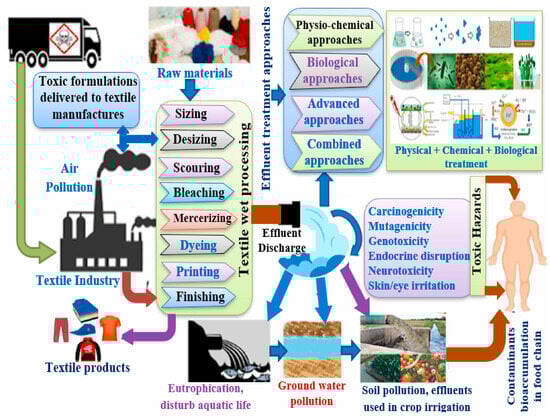
Water polluted by dye colorants has been on the rise in the last decade. This is due to the over reliance on the textile industry, and it is holding a high economic value in most countries. This industry is the highest consumer of fresh water whilst also discharging several natural and synthetic pollutants to the environment. Several methods have been used for the removal of these pollutants and one of the most efficient technologies to be developed includes the photocatalysis method, via advanced oxidation processes. This review highlights the developments of green iron oxide nanoparticles as photocatalysts in the last decade. It was noted that tuning and controlling the phytochemical concentration and synthesis conditions, can assist with forming uniform and non-agglomerated materials, as this has limited the vast usage of these materials in major applications. Also, upon controlling the synthesis conditions, improved surface area and charge separation efficiency was noted. Their limitations and need for modification through forming composites are highlighted. Moreover, future perspectives are given on the use of green IONPs as photocatalysts.
Full article

Figure 1
Open AccessArticle
Geological Contributions to the History of the Artist’s Iron-Based Natural Earth Pigments and the Case Study of Terra d’Ombra (Umber)
by
Luigina Vezzoli
Colorants 2026, 5(1), 2; https://doi.org/10.3390/colorants5010002 - 7 Jan 2026
Abstract
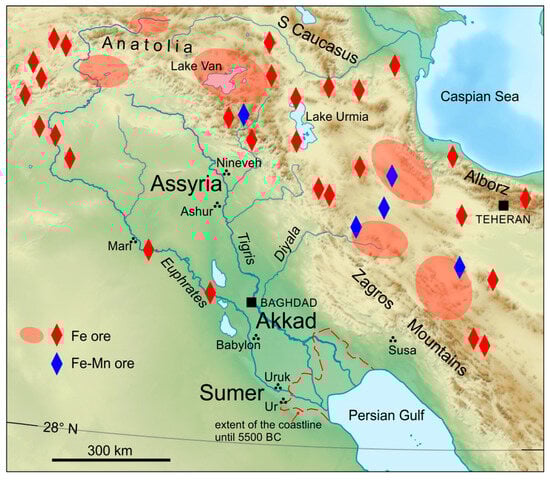
The correct identification of historical artists’ earth pigments is mandatory for cultural, scholarly, and historical applications. This paper focuses on the definition of the distinctive mineralogical, geological, and geochemical properties and the discussion of the geological genesis and place of origin of the
[...] Read more.
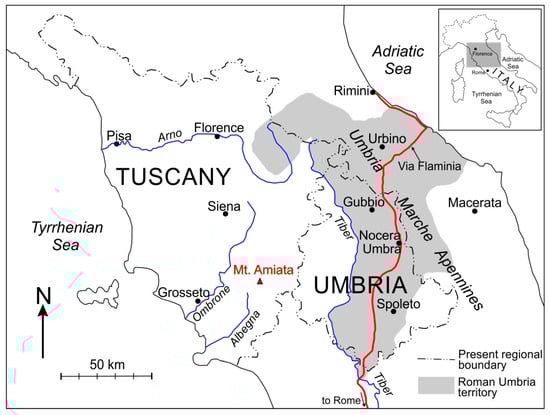
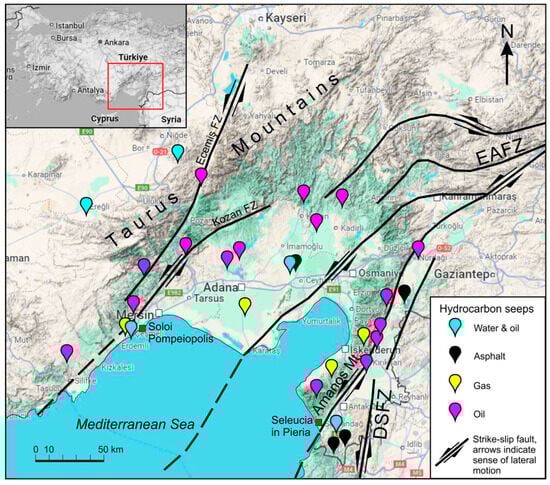
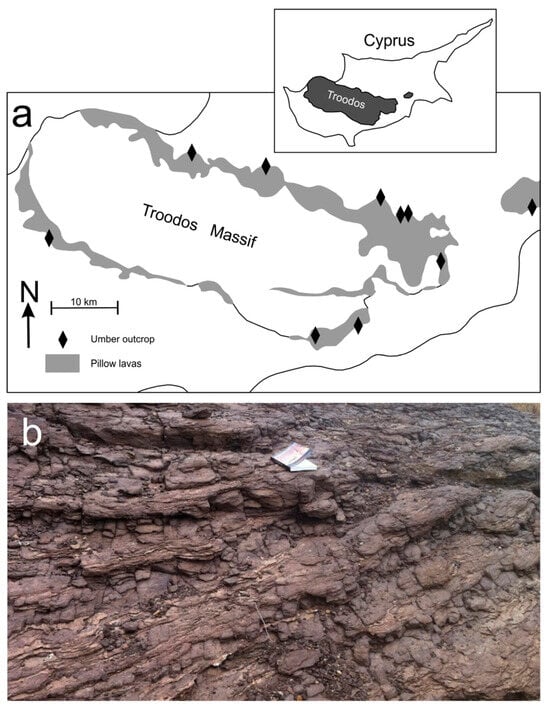
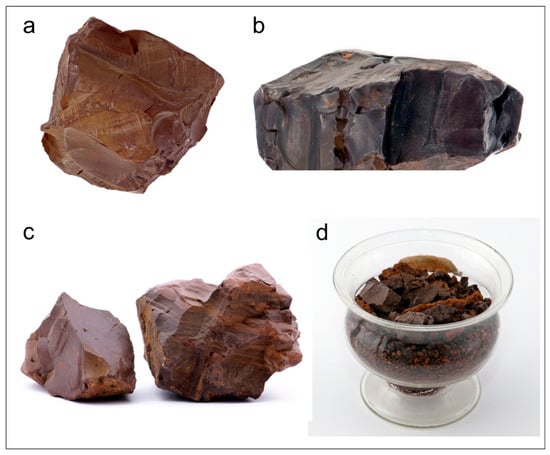
The correct identification of historical artists’ earth pigments is mandatory for cultural, scholarly, and historical applications. This paper focuses on the definition of the distinctive mineralogical, geological, and geochemical properties and the discussion of the geological genesis and place of origin of the natural Fe-Mn-based earth pigment named terra d’ombra (umber). It one of the dark-brown earth pigment most widely used by Italian and European painters from the Renaissance to the nineteenth century. The terra d’ombra earth pigment is a primary chemical sediment mainly composed of Fe (oxy)hydroxide and Mn oxide, produced by the authigenic precipitation from oceanic or lacustrine waters rich in metal solutes of volcanic hydrothermal origin. The principal areas of provenance are the island of Cyprus and the Monte Amiata volcano (southern Tuscany, Italy). Its peculiar properties in painting derive from this specific mineralogical composition and genetic process, which also exclude its definition as a particular type of ochre and as a clay pigment. Further misinterpretations include confusion with pigments composed of organic materials and the erroneous attribution of the name and area of origin to the Italian region of Umbria.
Full article
(This article belongs to the Special Issue All the Colors of the Rainbow: Natural Colorants)
►▼
Show Figures

Figure 1
Open AccessPerspective
A Perspective: A Brief Consideration of Some Popular Blue Colorants
by
Anthony Harriman
Colorants 2026, 5(1), 1; https://doi.org/10.3390/colorants5010001 - 24 Dec 2025
Abstract
►▼
Show Figures
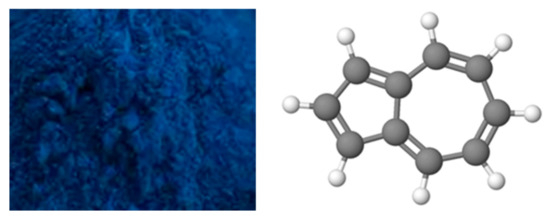
This Perspective sets out to raise awareness about the chemical and photophysical properties of an assortment of blue colorants; it is generally regarded that blue is the most popular color worldwide and is recognized for its serenity and calming effect. In fact, blue
[...] Read more.
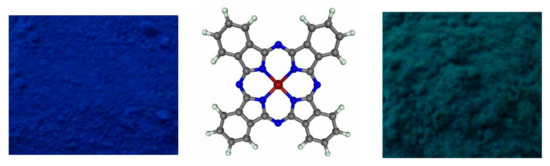
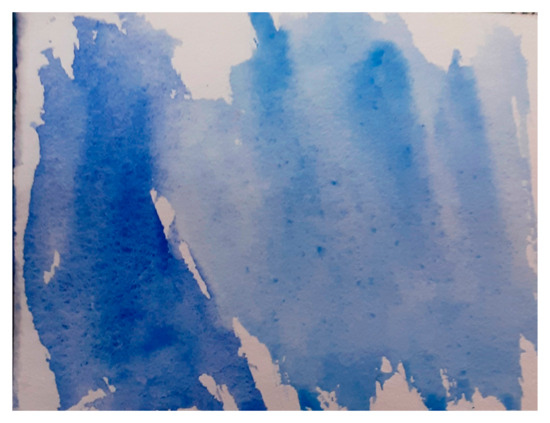
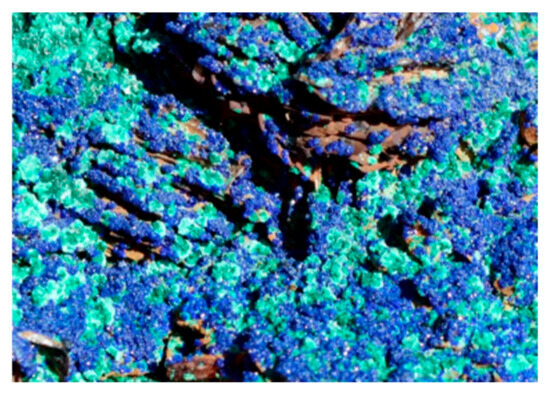
This Perspective sets out to raise awareness about the chemical and photophysical properties of an assortment of blue colorants; it is generally regarded that blue is the most popular color worldwide and is recognized for its serenity and calming effect. In fact, blue colorants have a long and rich history, perhaps starting with Egyptian Blue, and have found colossal usage in the dyeing of uniforms and popular clothing. Other blue colorants have made major contributions to our understanding of the fields of molecular spectroscopy and photophysics and continue to underpin contemporary opto-electronic devices. This is in addition to their socio-cultural, economic, and ecological benefits to society. Originally, blue colorants were extracted from minerals by tedious and ineffectual grinding to give a product carrying an exorbitant price. Later, these materials were supplemented by synthetic analogues, such as copper phthalocyanine, more affordable to the general public. It is stressed that the journal Colorants would welcome submissions that describe the chemistry and/or spectroscopy of other archetypal colorants.
Full article

Figure 1
Open AccessArticle
Eco-Friendly Applications of Some Plant Extracts for Dyeing Cotton and Cellulose
by
Domenico Rongai, Maria Gabriella Di Serio, Daniele Schiavi, Cecilia Miccoli and Giorgio Mariano Balestra
Colorants 2025, 4(4), 37; https://doi.org/10.3390/colorants4040037 - 14 Dec 2025
Abstract
Scientific research, within the framework of a circular and sustainable economy, has increasingly focused on wild plants and agricultural by-products as valuable sources of bioactive compounds for innovative applications. In this study, the plant species selected for extract preparation and evaluation of their
[...] Read more.
Scientific research, within the framework of a circular and sustainable economy, has increasingly focused on wild plants and agricultural by-products as valuable sources of bioactive compounds for innovative applications. In this study, the plant species selected for extract preparation and evaluation of their dyeing properties included Isatis tinctoria L., Castanea sativa, Juglans regia L., Rumex crispus L., Arbutus unedo L., and Punica granatum L. Each extract was analyzed to assess its dyeing performance on cotton and other cellulosic fabrics. Cellulose pads dyed with peels of P. granatum extract (PPGE) proved to be versatile and effective, showing potential for use in extending the shelf life of various fruits such as strawberries, apples, cherries, and persimmons. The optimum dyeing condition for cellulose and cotton fabrics was found to be 6% w/v dye. These findings support the development of natural, multifunctional materials suitable for food packaging applications aimed at preserving fresh produce, as well as for sustainable textile dyeing.
Full article
(This article belongs to the Special Issue Feature Papers in Colorant Chemistry)
Open AccessArticle
Visible-Light Photocatalytic Degradation of Synthetic Dyes Using Spinel-Type CoMn2O4: Environmental Relevance and Human Water Rights Perspective
by
Felipe Vázquez-Dávila, Miguel Ángel López-Álvarez, Pedro Ortega-Gudiño and Cristina Neri-Cortés
Colorants 2025, 4(4), 36; https://doi.org/10.3390/colorants4040036 - 1 Dec 2025
Cited by 1
Abstract
►▼
Show Figures
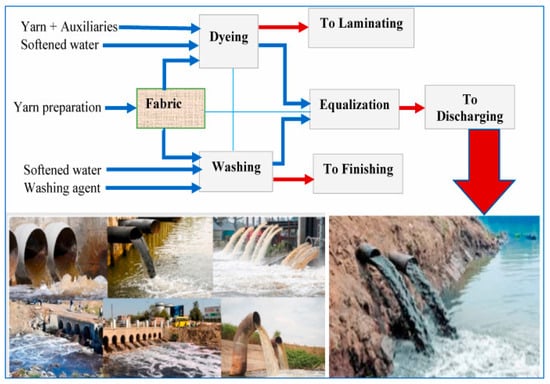
Water contamination by synthetic dyes is a pressing environmental and social issue, particularly in the textile industry, which is among the largest consumers of freshwater and sources of wastewater pollutants. Malachite green (MG), a synthetic triphenylmethane dye, was selected as a model contaminant
[...] Read more.
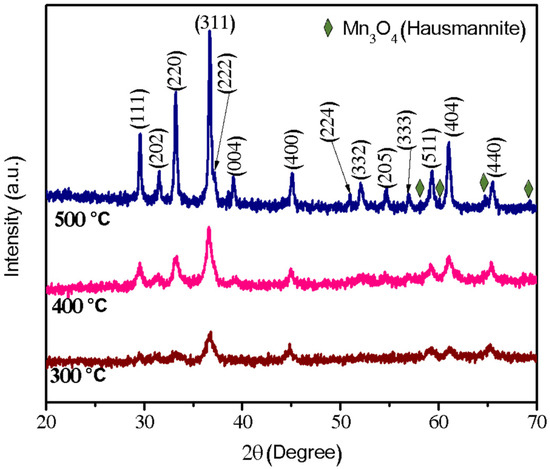
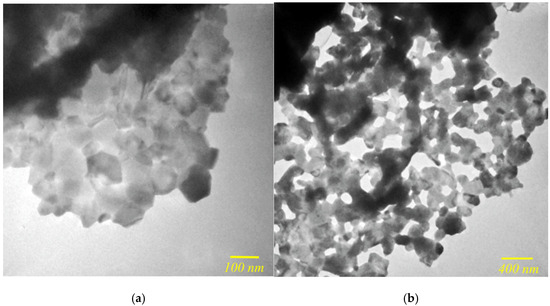
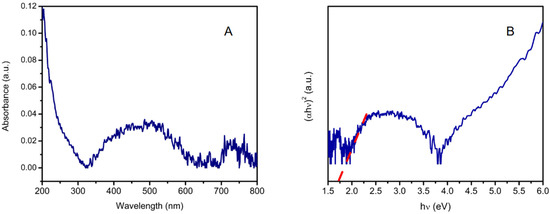
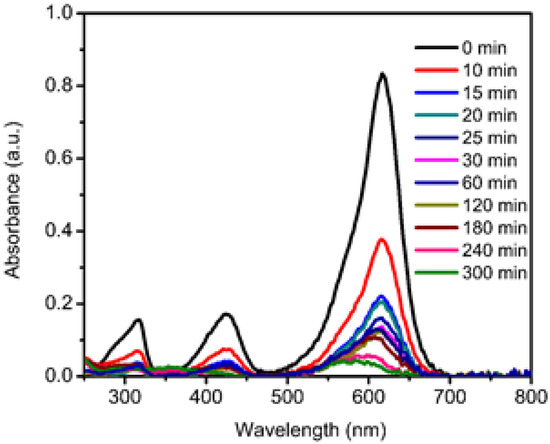
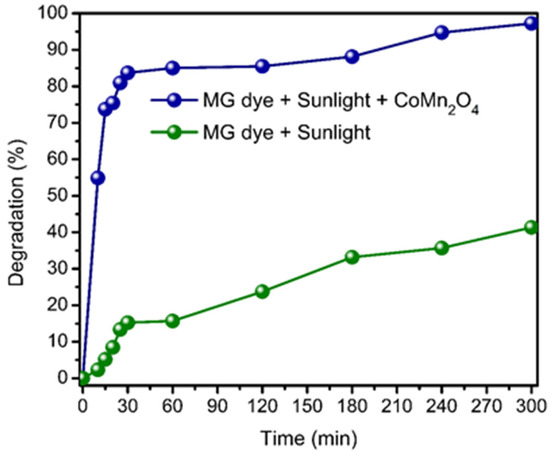
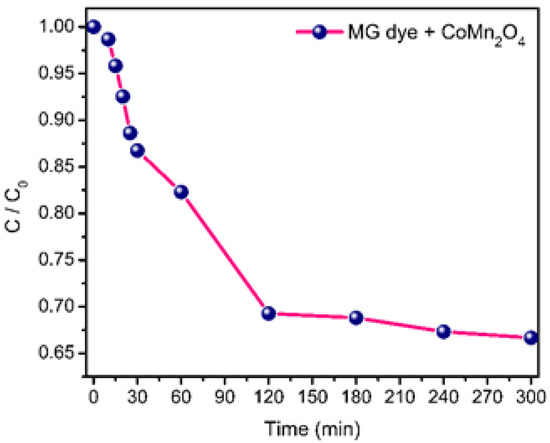
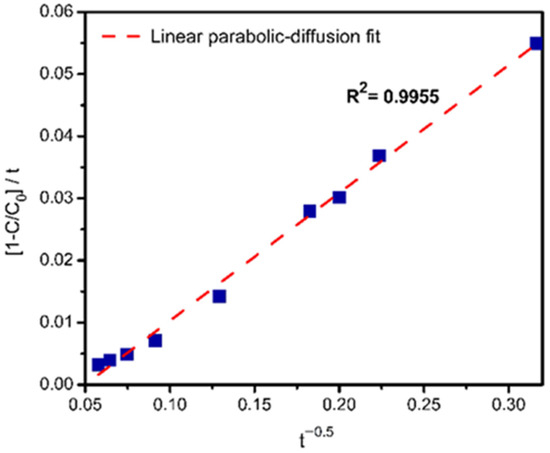
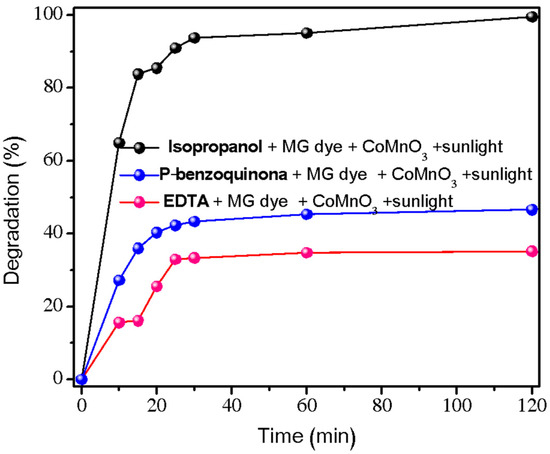
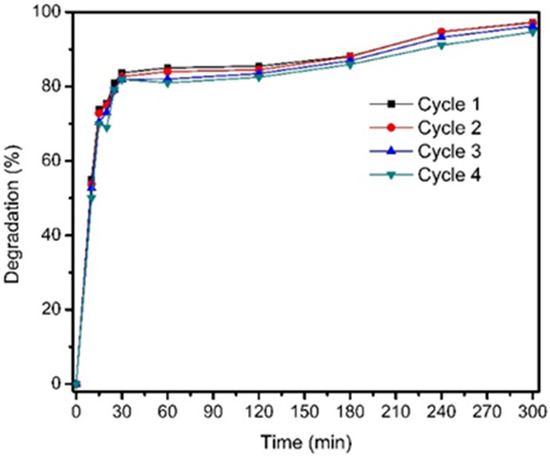
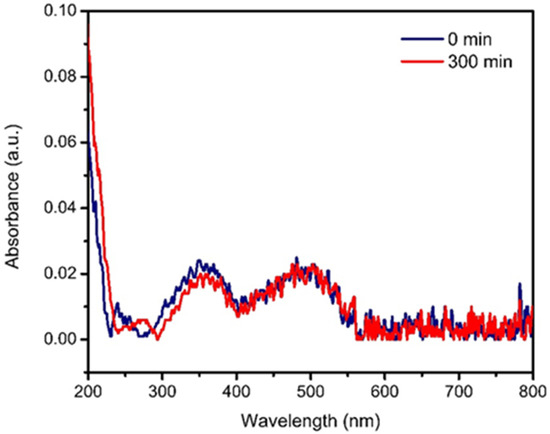
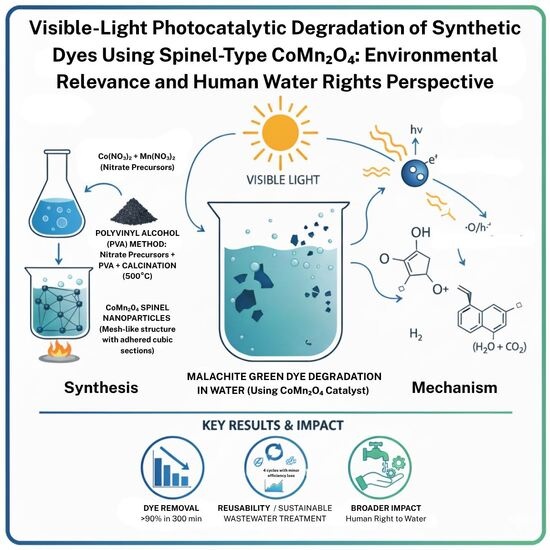
Water contamination by synthetic dyes is a pressing environmental and social issue, particularly in the textile industry, which is among the largest consumers of freshwater and sources of wastewater pollutants. Malachite green (MG), a synthetic triphenylmethane dye, was selected as a model contaminant due to its persistence, toxicity, and international regulatory restrictions. In this study, a spinel-type cobalt–manganese oxide (CoMn2O4) photocatalyst was synthesized by calcination at 500 °C and characterized through X-ray diffraction (XRD) and transmission electron microscopy (TEM), confirming the formation of the spinel phase with nanoscale morphology. Photocatalytic activity was evaluated under visible-light irradiation using UV-Vis spectrophotometry to monitor MG degradation. Control experiments and scavenger assays identified hydroxyl radicals (•OH), superoxide anions (O2−), and photogenerated holes (h+) as the main reactive species. The catalyst achieved over 90% dye removal within 300 min and retained high activity over four consecutive reuse cycles, with only a slight decrease in efficiency from 97% to 94%. These results confirm both the efficiency and stability of CoMn2O4 under visible light. The study underscores the potential of this material as a sustainable option for wastewater treatment while contributing to environmental governance and supporting the fulfillment of the Human Right to Water.
Full article

Graphical abstract
Open AccessArticle
Inorganic Violet Pigment Based on Zn3Mo2O9
by
Seiji Mimida, Kazuki Yamaguchi, Shota Kato and Toshiyuki Masui
Colorants 2025, 4(4), 35; https://doi.org/10.3390/colorants4040035 - 12 Nov 2025
Abstract
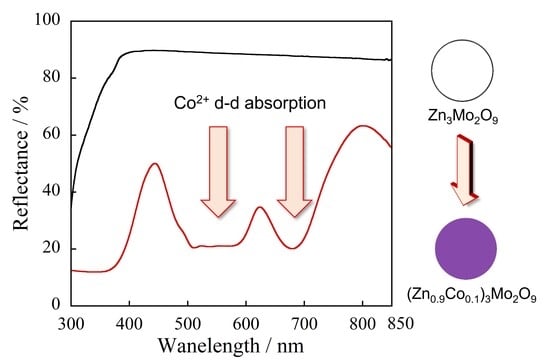
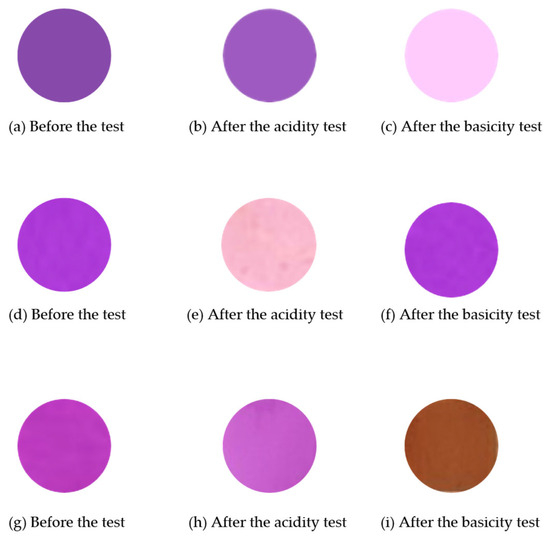
(Zn1−xCox)3Mo2O9 (0 ≤ x ≤ 0.15) samples were synthesized as novel inorganic violet pigments by a conventional solid-state reaction method, and the obtained powders were characterized by X-ray powder diffraction (XRD), field-emission scanning
[...] Read more.
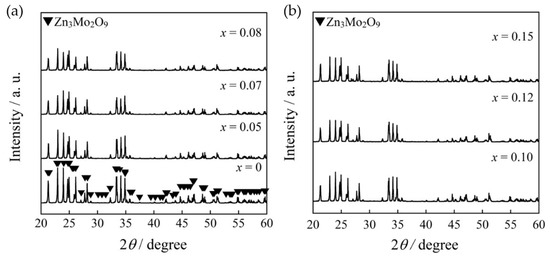
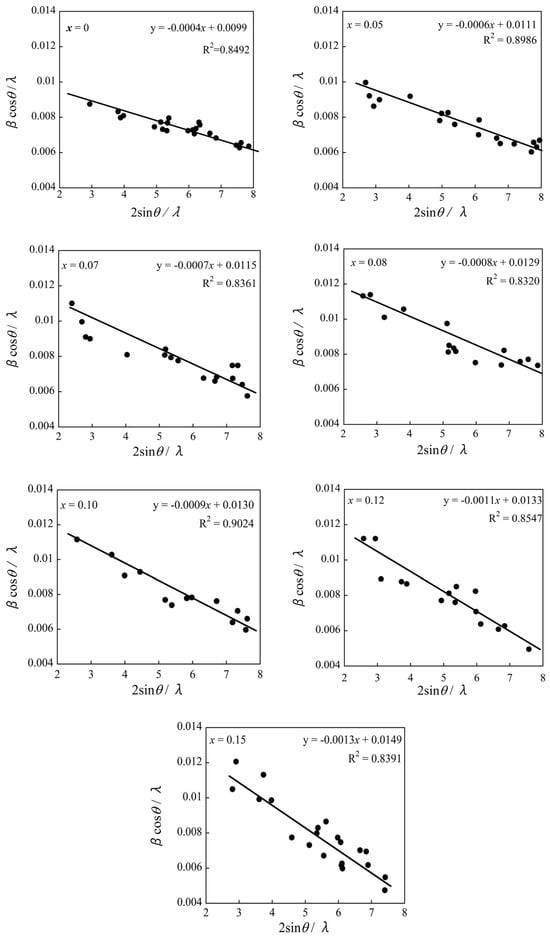
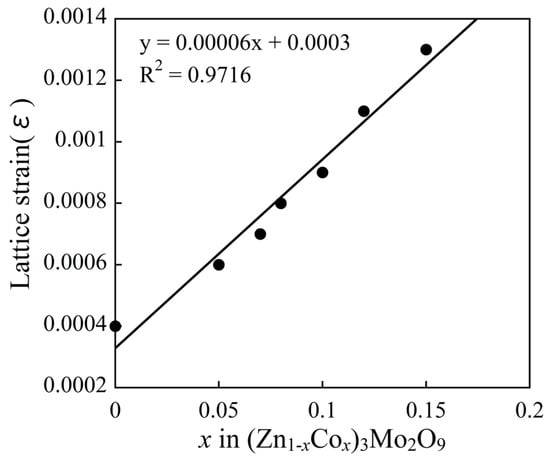
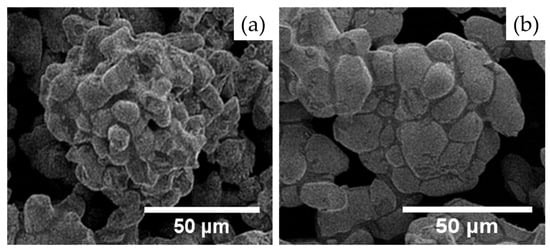
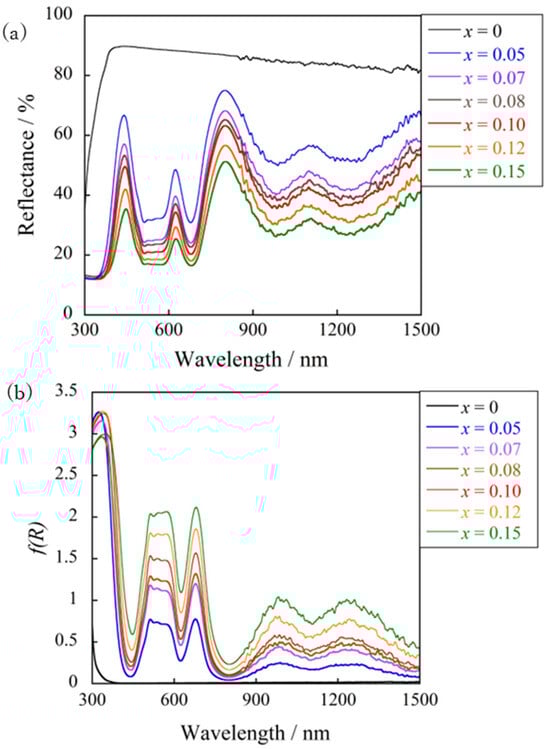
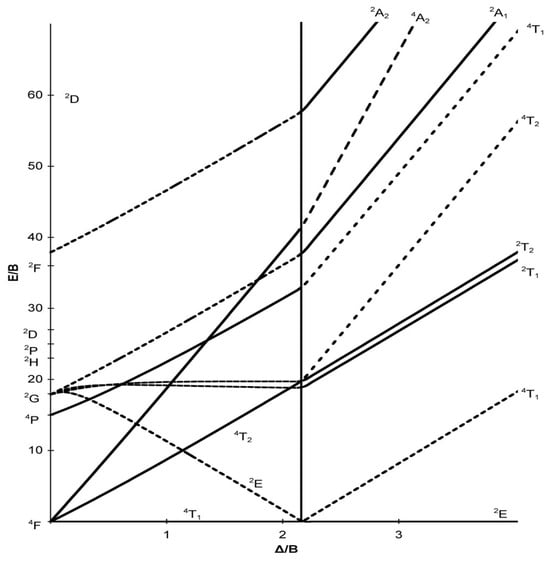
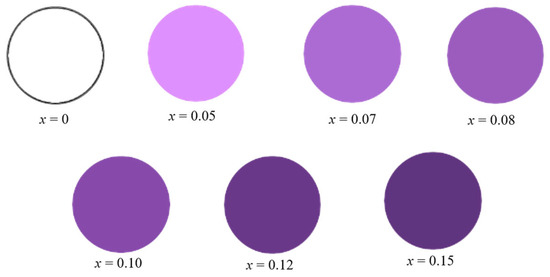
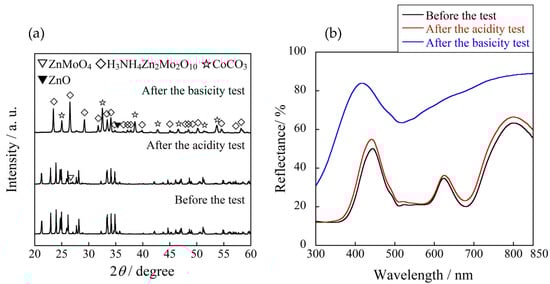
(Zn1−xCox)3Mo2O9 (0 ≤ x ≤ 0.15) samples were synthesized as novel inorganic violet pigments by a conventional solid-state reaction method, and the obtained powders were characterized by X-ray powder diffraction (XRD), field-emission scanning electron microscopy (FE-SEM), ultraviolet and visible (UV-Vis) diffuse reflectance spectroscopy, and L*a*b*Ch° chromatic coordinates. The Co2+-doped samples showed optical absorption at wavelengths of 500−560 and 680 nm, which were attributed to the d–d transitions of Co2+, resulting in a violet color. The absorption intensity increased with increasing the Co2+ concentration. The most vibrant violet color was obtained with a composition of (Zn0.90Co0.10)3Mo2O9.
Full article
(This article belongs to the Special Issue Feature Papers in Colorant Chemistry)
►▼
Show Figures

Graphical abstract
Open AccessArticle
Identification of Phthalocyanine Textile Dye Reactive Blue 21 in a Food Coloring by UV-Vis, Raman, and NMR Spectroscopies and HPLC-QTOF-MS
by
Edwin Januschewski, Greta Bischof, Laurenz Küchner, Katharina Schmidt, Binh Nguyen Thanh, Gerold Jerz, Volker Heinz, Peter Winterhalter and Andreas Juadjur
Colorants 2025, 4(4), 34; https://doi.org/10.3390/colorants4040034 - 6 Nov 2025
Abstract
►▼
Show Figures
Regulatory alerts regarding unauthorized use of colorants in food are frequently issued, often involving excessive concentration, improper declaration, or prohibited dyes. The illegal use of reactive textile dyes in food-related coloring preparations remains largely unrecognized, but confirmed cases have been reported in 2016
[...] Read more.
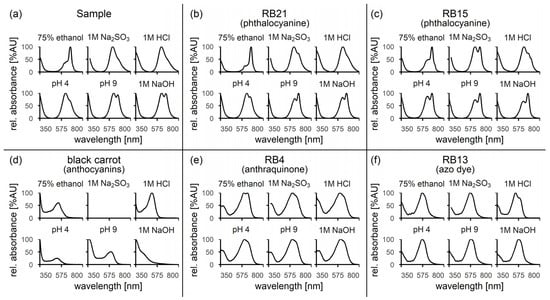
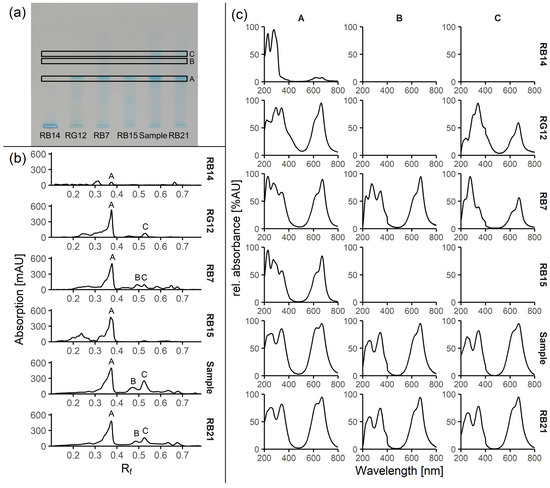
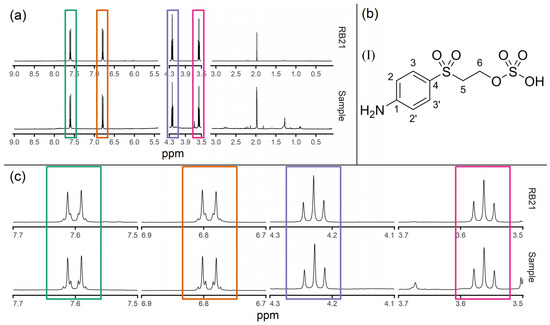
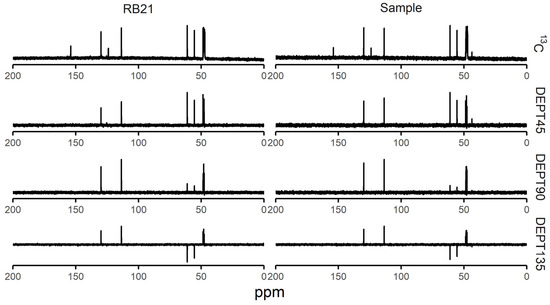
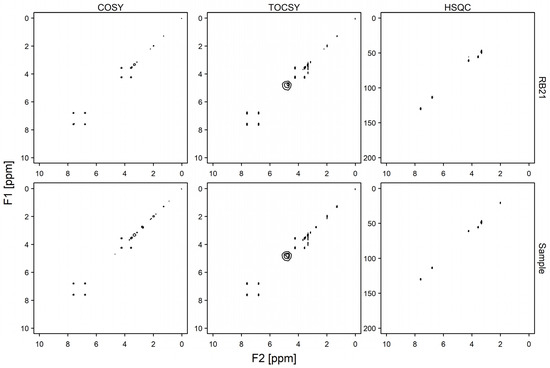
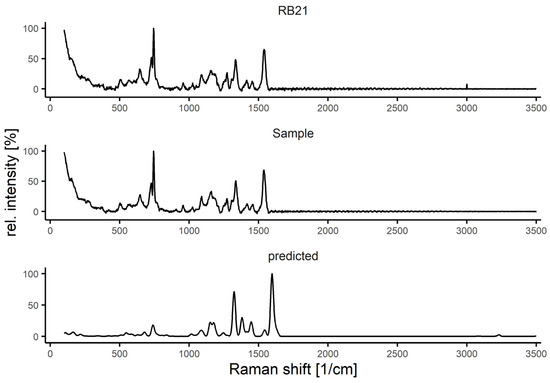
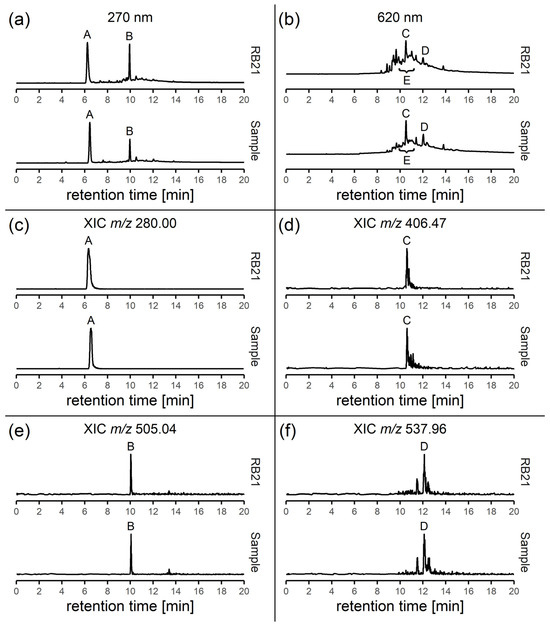
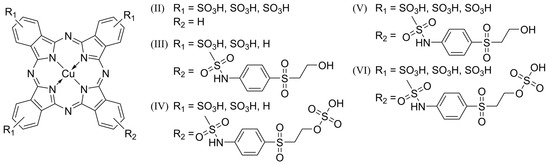
Regulatory alerts regarding unauthorized use of colorants in food are frequently issued, often involving excessive concentration, improper declaration, or prohibited dyes. The illegal use of reactive textile dyes in food-related coloring preparations remains largely unrecognized, but confirmed cases have been reported in 2016 and 2020 and most recently in May 2025. This work presents the qualitative analyses’ results of a blue coloring powder for food use with regard to reactive dyes. The sample was labeled as a natural product, although it exhibited the color stability typical of artificial dyes. Prompting further investigation, combined spectroscopic, chromatographic and mass spectrometric methods were applied for the characterization and comparison with reference samples. In agreement with all analyses performed, strong evidence was found that the blue coloring powder contained several identical constituents with a reference sample of Reactive Blue 21. The overall composition suggests that both are complex mixtures of different phthalocyanines, suspected byproducts of synthesis, and various unknown compounds, rendering the powder unsuitable for human consumption. These findings emphasize the importance of tightened analytical controls regarding the unauthorized addition of textile dyes to food in order to maintain consumer safety.
Full article

Figure 1
Open AccessArticle
Production of Prodigiosin by Serratia marcescens 11E Using Cheese Whey-Based Medium: Optimizing Sustainable Pigment Production and Waste Valorization
by
Samantha Lizbeth Pérez-Jiménez, Francisco Javier Aranda-Valdés, Gabriela Elizabeth Quintanilla-Villanueva, Donato Luna-Moreno, José Manuel Rodríguez-Delgado, Iris Cristina Arvizu-De León, Alma Gómez-Loredo, Edgar Allan Blanco-Gámez, Juan Francisco Villarreal-Chiu and Melissa Marlene Rodríguez-Delgado
Colorants 2025, 4(4), 33; https://doi.org/10.3390/colorants4040033 - 3 Nov 2025
Cited by 1
Abstract
►▼
Show Figures
This research investigates the biosynthesis optimization of the red pigment prodigiosin produced by Serratia marcescens 11E through submerged fermentation utilizing an alternative cheese whey-based medium, focusing on process parameters and antimicrobial properties. Four types of whey sourced from a local dairy industry were
[...] Read more.
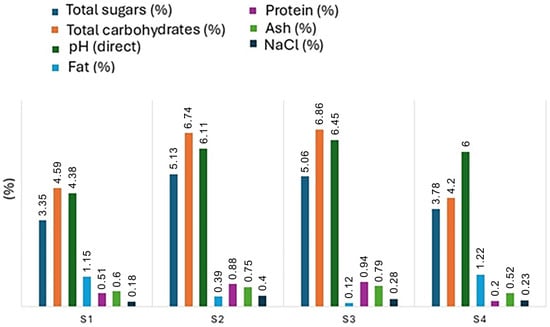
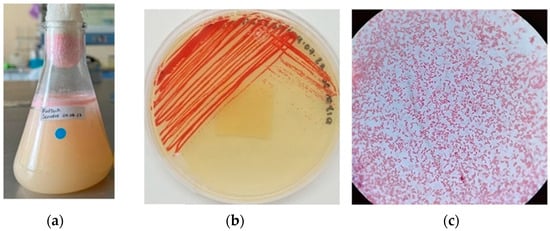
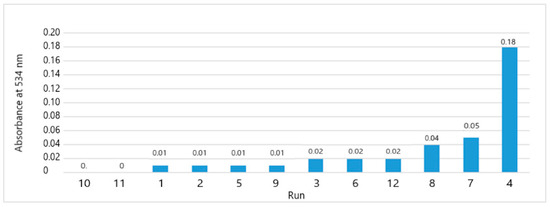
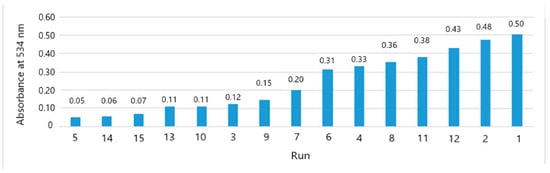
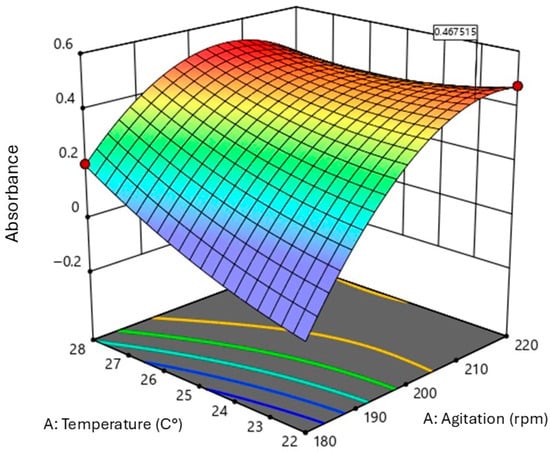
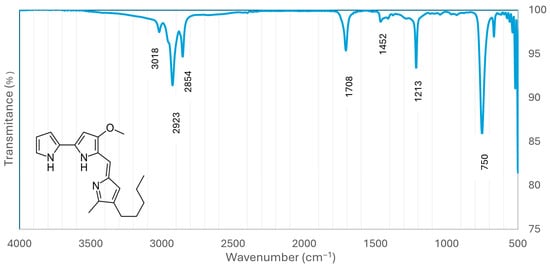
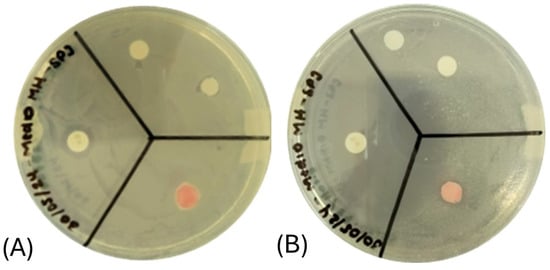
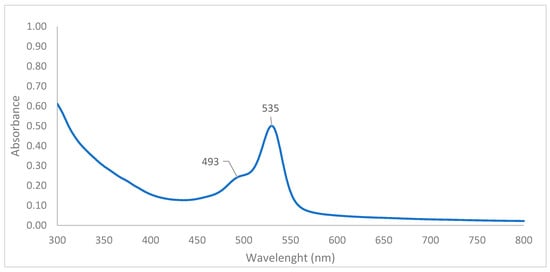
This research investigates the biosynthesis optimization of the red pigment prodigiosin produced by Serratia marcescens 11E through submerged fermentation utilizing an alternative cheese whey-based medium, focusing on process parameters and antimicrobial properties. Four types of whey sourced from a local dairy industry were characterized, and the fermentation conditions were optimized using Plackett–Burman and central composite design methodologies, yielding up to 1.43 g/L of prodigiosin under optimal conditions, 25 °C, 200 rpm, pH 7, and 48 h of dark incubation, with whey serving as the sole carbon source. Normalization to biomass yielded 110 mg of prodigiosin per gram of dried cell weight (post-optimization), enabling meaningful comparison with prior studies. Pigment extraction was performed with acidic methanol, and identity was confirmed by UV–Vis spectrophotometry and Fourier transform infrared spectroscopy (FTIR). The antimicrobial activity of the purified pigment was also evaluated. Although cheese whey has significant nutritional value, nearly half of the global production is discarded due to high treatment costs. This study demonstrates that whey can be repurposed as a sustainable and economical fermentation medium for pigment production, which is compatible with dairy plants. This makes it a promising solution to address the underutilization of whey by cheese local producers in Mexico. Prodigiosin has diverse industrial applications, including antimicrobial, insecticidal, and antioxidant properties. These findings highlight the potential for dairy waste valorization in a circular bioeconomy, reducing environmental impacts and promoting the creation of valuable bioproducts.
Full article

Figure 1
Open AccessArticle
Photoluminescence Modulation of Fluorophores Extracted from Water Hyacinth (Eichhornia crassipes) Biomass via a Hydrothermal Process
by
Víctor Gerardo Ibarra-García, Alejandro Téllez-Jurado, Juan Antonio Azpeitia-Vera, Rosa Angeles Vázquez-García and Victor M. Castano
Colorants 2025, 4(4), 32; https://doi.org/10.3390/colorants4040032 - 23 Oct 2025
Abstract
►▼
Show Figures
Water hyacinth (Eichhornia crassipes) is one of the most invasive plants around the world. In the state of Hidalgo, Mexico it has invaded several water bodies. Nevertheless, its management is an ongoing challenge because of its rapid growth and the expensiveness
[...] Read more.
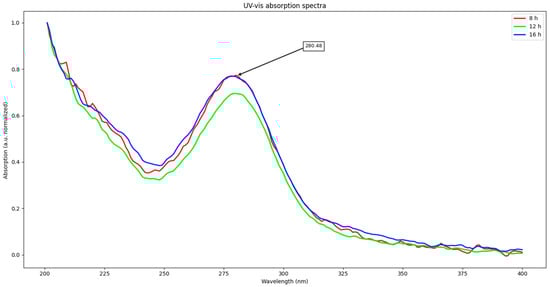
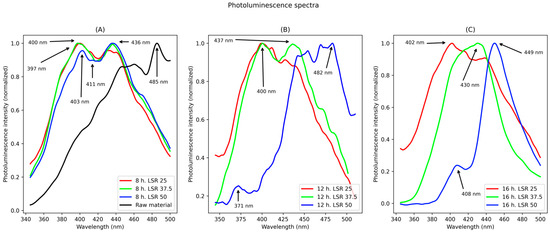
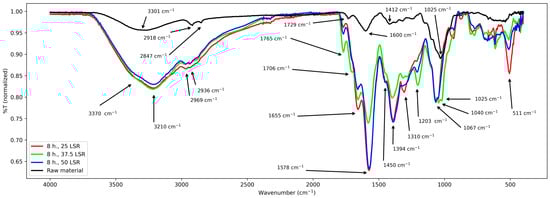
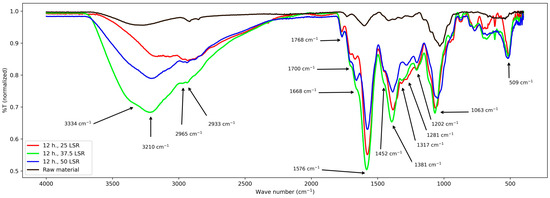
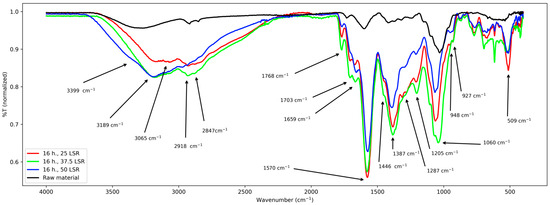
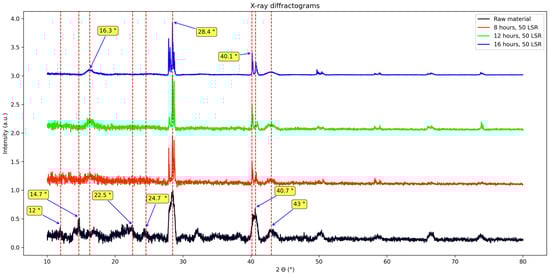
Water hyacinth (Eichhornia crassipes) is one of the most invasive plants around the world. In the state of Hidalgo, Mexico it has invaded several water bodies. Nevertheless, its management is an ongoing challenge because of its rapid growth and the expensiveness of its removal. Therefore, alternatives to valorize its biomass are needed. One of them is the production of optical materials from it. Past reports have demonstrated the viability to obtain fluorophores from lignin and that it is present in E. crassipes biomass. Nevertheless, most works focus on its extraction using harsh process conditions and strong acids or alkalis. No reports about the use of E. crassipes in such processes exist. As the demand for more environmentally friendly processes increases, avoidance of such chemicals is needed. Therefore, in this work the extraction of fluorophores directly from biomass of E. crassipes via a hydrothermal process using water as the sole solvent and catalyzer was studied. The liquid to solid ratio (LSR) varied from 25 to 50 and time from 8 to 16 h. Biomass was almost completely dissolved. Fluorophores with different photoluminescent emissions were obtained. Their extraction was confirmed by photoluminescence spectroscopy. The emission of the obtained materials could be tuned by changing processing time and LSR.
Full article

Figure 1
Open AccessArticle
Material Analysis of 18th Century Polychrome Sacred Sculpture of Our Lady: Iconographic Impact and the Conservation and Restoration Process
by
Thiago Guimarães Costa, Karen Kremer, Fábio Andreas Richter, Feik Amil de Campos Júnior and Leonardo Negri Furini
Colorants 2025, 4(4), 31; https://doi.org/10.3390/colorants4040031 - 22 Oct 2025
Cited by 1
Abstract
►▼
Show Figures
In this work, molecular and elemental spectroscopic analyses were carried out on the preparation base, the paintings, the repaintings, and the gilding of an 18th century sacred sculpture of Our Lady found on Anhatomirim Island, where the Santa Cruz fortress was built in
[...] Read more.
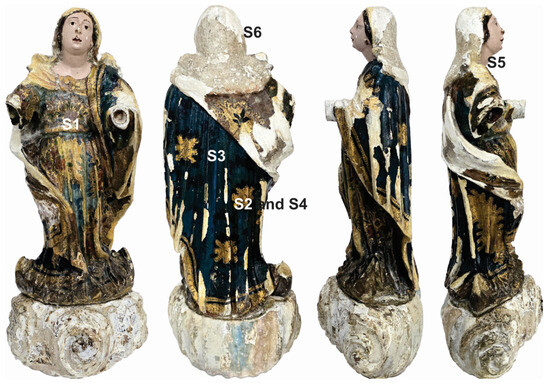
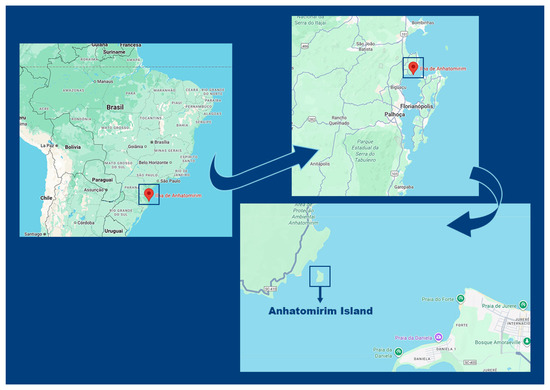
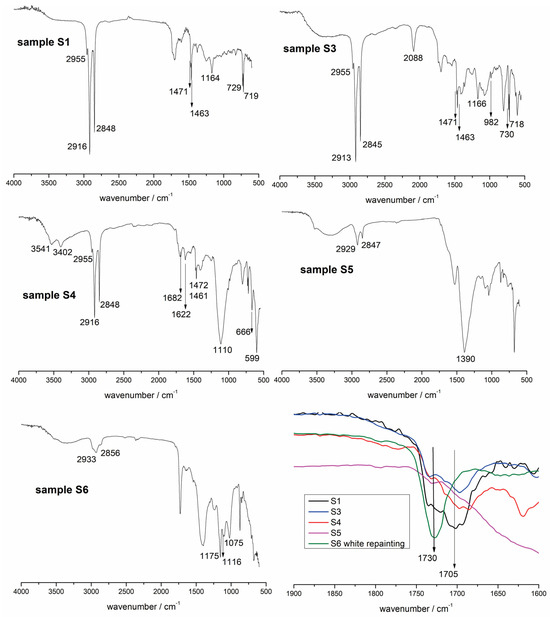
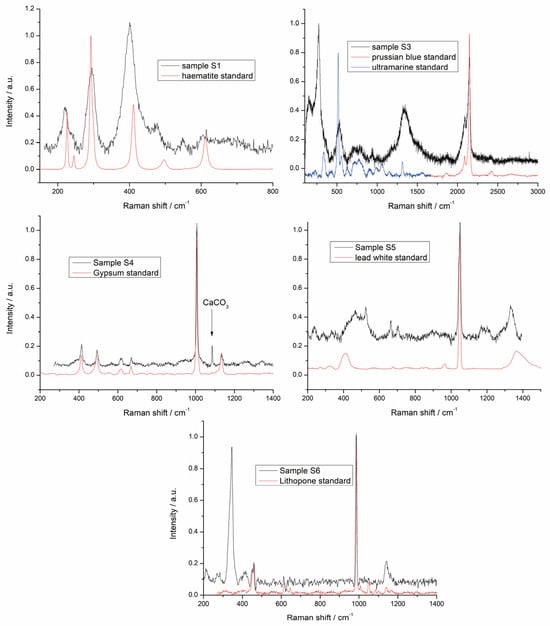
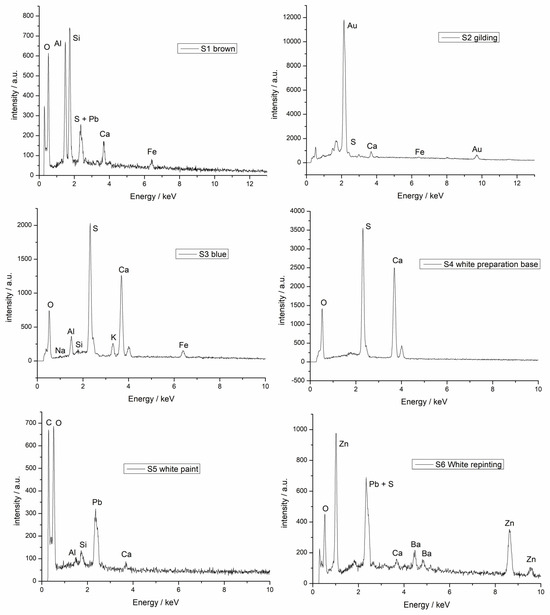
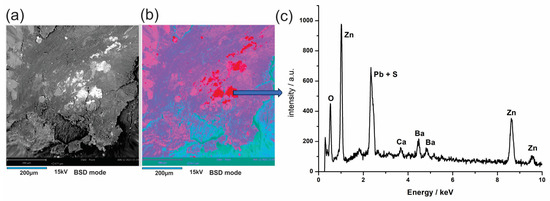
In this work, molecular and elemental spectroscopic analyses were carried out on the preparation base, the paintings, the repaintings, and the gilding of an 18th century sacred sculpture of Our Lady found on Anhatomirim Island, where the Santa Cruz fortress was built in 1739 in the state of Santa Catarina, southern Brazil. The preparation base of the sculpture was characterized as gypsum (calcium sulfate dihydrate, (CaSO4.2H2O) [µ-Raman, SEM-EDS], applied directly to the wooden support. The blue paint comprised a mixture of Prussian blue (Fe4[Fe(CN)6]3) and ultramarine (NaxAl6Si6O24Sx) [µ-Raman, FTIR, SEM-EDS]; hematite (Fe2O3) was identified in the brown paint [µ-Raman, SEM-EDS]; and the white paint consisted of lead white (2 PbCO3·Pb(OH)2) [µ-Raman, FTIR, SEM-EDS]. Repainted areas were identified by the presence of lithopone (ZnS + BaSO4) [µ-Raman, SEM-EDS, FTIR], likely resulting from later interventions. In the gilded areas, gold was identified along with traces of iron [SEM-EDS], indicating a lower-quality gilding compared to, for example, silver alloys. Lead white was also identified in the polychrome areas, where it served to produce different tones in the painting. FTIR analyses revealed traces of aged oil used as a binder in the older layers. Mineral oil was detected in some samples, which may indicate that wax was used as a protective layer on the sculpture. The results will assist professionals in the iconographic characterization of the sacred image of Our Lady and in the conservation and restoration processes based on the identified constituent materials.
Full article

Figure 1
Open AccessArticle
Effective Antioxidants for Stabilization of Chlorophyll Adsorbed on Silica Surface
by
Yoshiumi Kohno, Rika Fukagawa, Masashi Shibata and Yasumasa Tomita
Colorants 2025, 4(4), 30; https://doi.org/10.3390/colorants4040030 - 20 Oct 2025
Abstract
►▼
Show Figures
This study investigates effective antioxidants to stabilize chlorophyll, a valuable and most abundant but unstable natural green pigment, adsorbed on a silica surface. Although fixing chlorophyll on silica offers some protection, significant photo-induced oxidative degradation still occurs. To enhance photostability, the prepared chlorophyll–silica
[...] Read more.
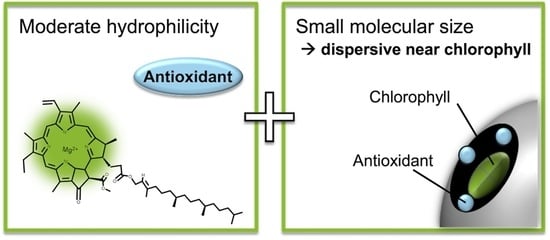
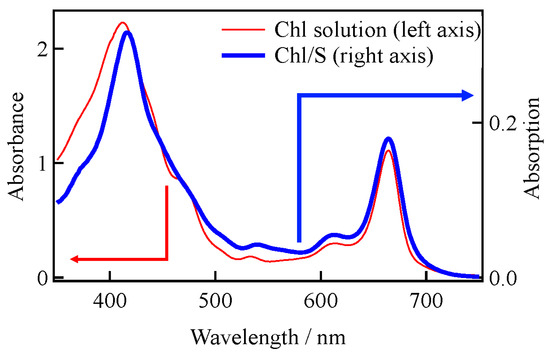
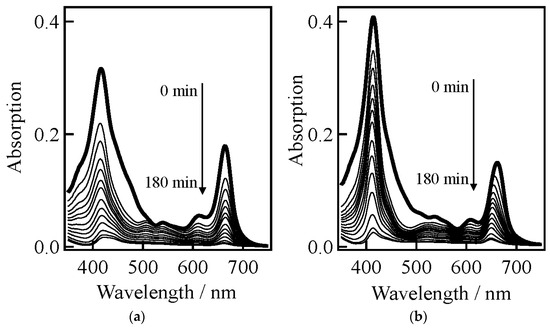
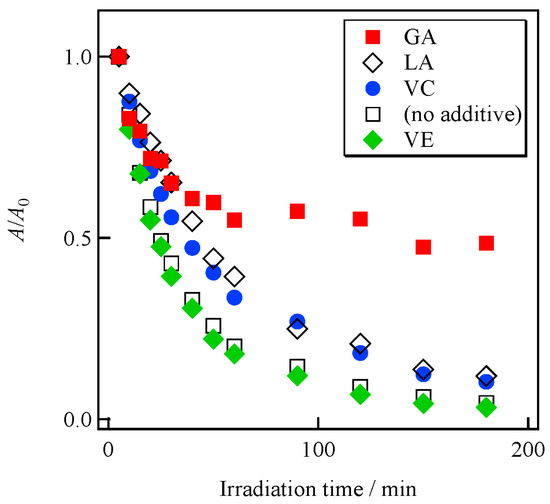
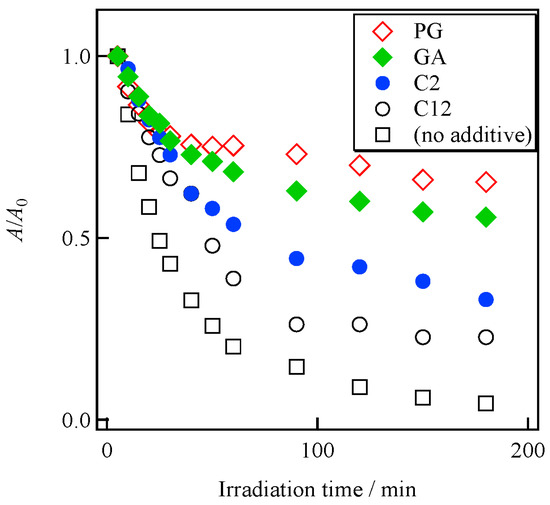
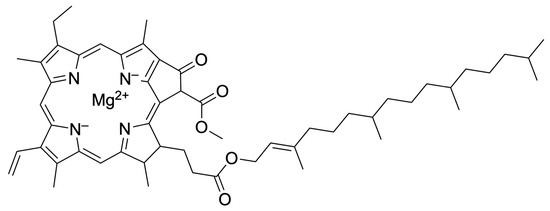
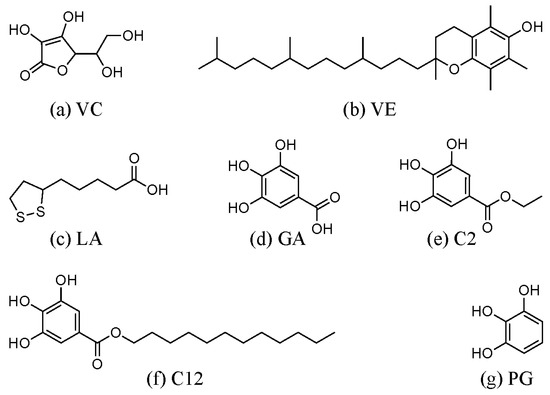
This study investigates effective antioxidants to stabilize chlorophyll, a valuable and most abundant but unstable natural green pigment, adsorbed on a silica surface. Although fixing chlorophyll on silica offers some protection, significant photo-induced oxidative degradation still occurs. To enhance photostability, the prepared chlorophyll–silica composites were combined with various well-known antioxidants. The stability of these samples was evaluated by the deterioration ratio of the chlorophyll under visible light irradiation. The results showed that gallic acid provided the most significant stabilization effect. This was attributed to its moderate hydrophilicity, allowing it to be positioned near the chromophore part of the chlorophyll molecule adsorbed on the silica surface. Further tests with the derivatives of gallic acid revealed that smaller molecular size and less steric hindrance were also crucial for effectiveness as an antioxidative stabilizer. Pyrogallol and gallic acid, being the smallest molecules, performed best. It was concluded that the ability of an antioxidant to approach a chlorophyll molecule is essential for stabilization. This requires an appropriate balance of hydrophilicity and a small molecular size. Considering the nontoxicity together, gallic acid is recommended as a superior stabilizer for chlorophyll on silica surfaces.
Full article

Graphical abstract
Open AccessArticle
Colorimetric and SERS-Based Multimode Detection Platform for Cu(II) Ions Using Peptide–Gold Nanoparticles
by
Panangattukara Prabhakaran Praveen Kumar
Colorants 2025, 4(4), 29; https://doi.org/10.3390/colorants4040029 - 24 Sep 2025
Abstract
►▼
Show Figures
Excessive copper ions in the human body can cause a variety of diseases, such as gastrointestinal disorders, cirrhosis, and Alzheimer’s disease. Techniques like Inductively Coupled Plasma–Mass Spectroscopy and Atomic Absorption Spectroscopy are available for copper detection, but the associated cost issues for sample
[...] Read more.
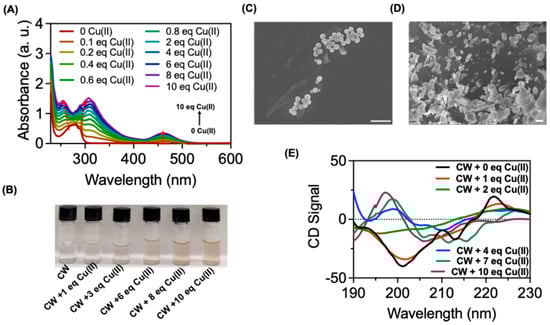
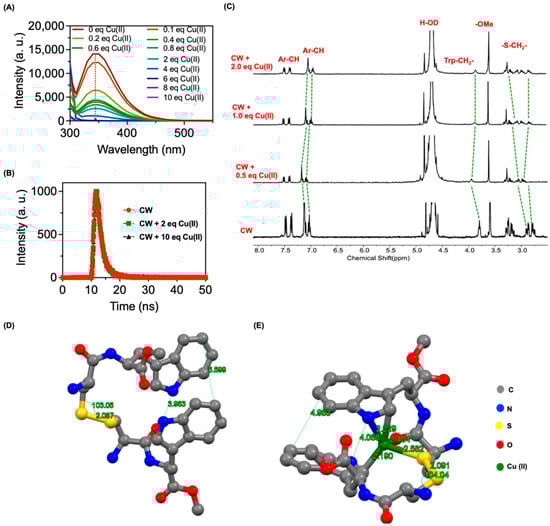
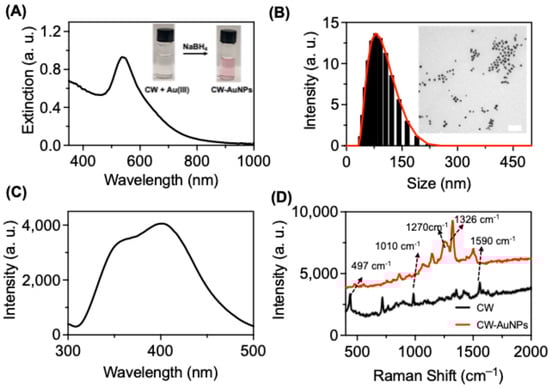
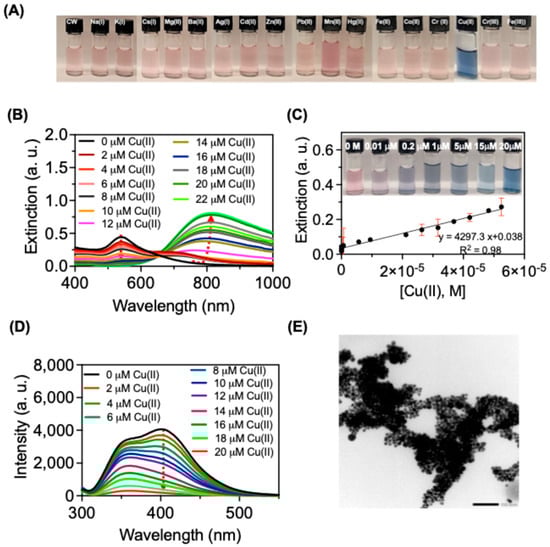
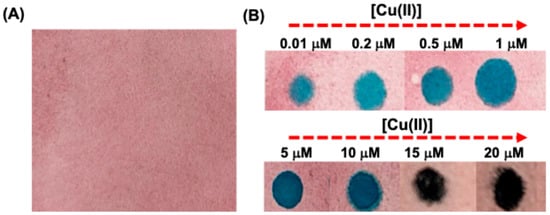
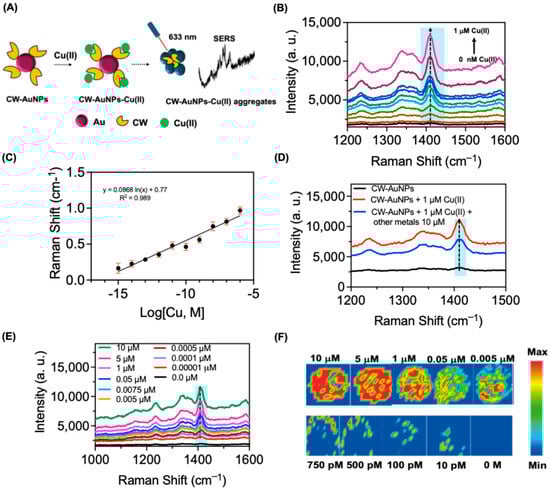
Excessive copper ions in the human body can cause a variety of diseases, such as gastrointestinal disorders, cirrhosis, and Alzheimer’s disease. Techniques like Inductively Coupled Plasma–Mass Spectroscopy and Atomic Absorption Spectroscopy are available for copper detection, but the associated cost issues for sample preparation and labor limit their application for on-site detection. Herein, we are reporting a versatile method for detecting copper ions using a peptide-functionalized gold nanoparticle sensor in combination with various optical spectroscopic techniques. The peptide (CW) exhibited selective sensing ability for Cu(II) with visual colorimetric and optical spectroscopic changes compared to other metal ions tested. CW showed a visual colorimetric response from colorless to light brown color after interaction with Cu(II). Converting CW to a gold nanoparticle appended (CW-AuNPs) nanoplatform enabled a multimodal detection platform for Cu (II), which utilizes colorimetric and optical spectrum changes and surface-enhanced Raman spectroscopy (SERS) to enable highly sensitive sensing of Cu(II), even at extremely low concentrations (76 nms.). CW-AuNPs exhibit a controlled aggregation property in the presence of Cu(II), resulting in the creation of hot spots for SERS-based detection. Moreover, the peptide unit attached to the gold nanoparticles serves both as a binding motif for Cu(II) and as a Raman reporter for Cu(II) sensing. Our comprehensive analysis, including solution-state and dry-mapping Raman spectroscopic studies, demonstrates remarkable picomolar sensitivity of the peptide–gold nanoparticle system for Cu(II) detection. Moreover, we prepared a paper test strip from CW-AuNPs and used it as a visual colorimetric platform for sensitive detection of copper ions.
Full article

Figure 1
Open AccessArticle
Investigation of Methylene Blue Removal from Aqueous Solutions Using Biochar Derived from Mango and Pitanga Pruning Waste
by
Mariana Consiglio Kasemodel, Valéria Guimarães Silvestre Rodrigues, João Marcos Ribeiro Farah Silva, Bruna Soares Campelo Vallim and Érica Leonor Romão
Colorants 2025, 4(3), 28; https://doi.org/10.3390/colorants4030028 - 19 Sep 2025
Abstract
►▼
Show Figures
This research investigates the adsorption potential of mango and pitanga tree pruning waste biochar produced at 300 °C and 500 °C for the uptake of Methylene Blue (MB) dye. The particle size of biochar, initial MB concentration, adsorbent mass and pH of the
[...] Read more.
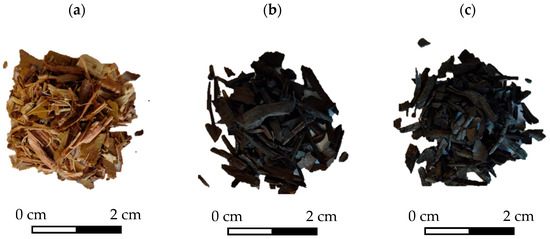
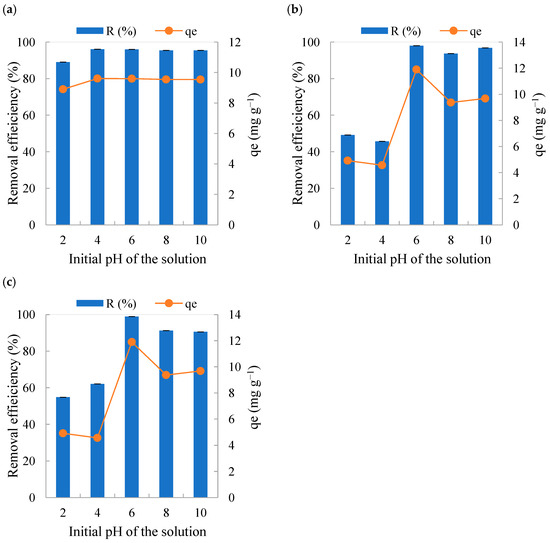
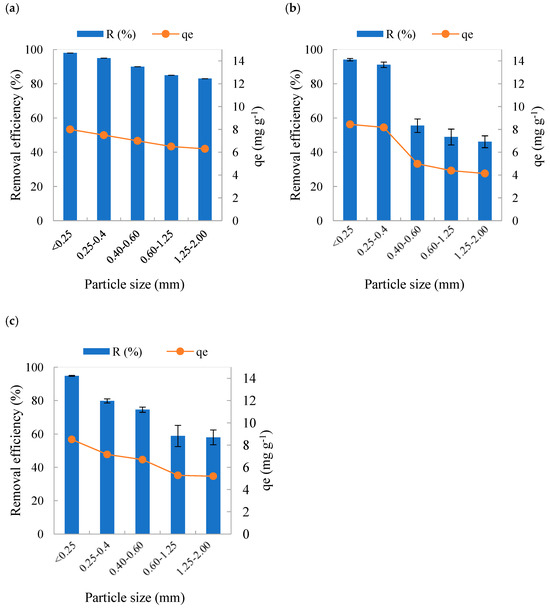
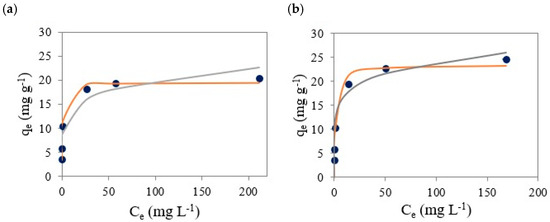
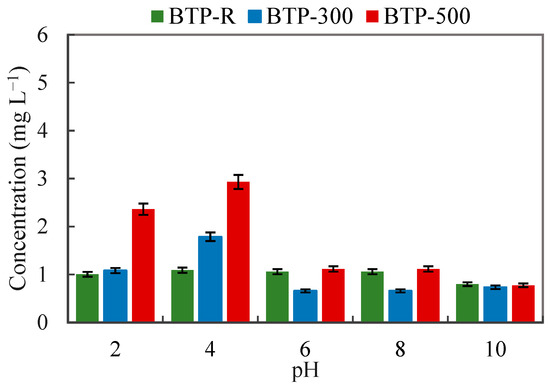
This research investigates the adsorption potential of mango and pitanga tree pruning waste biochar produced at 300 °C and 500 °C for the uptake of Methylene Blue (MB) dye. The particle size of biochar, initial MB concentration, adsorbent mass and pH of the solution were varied. Equilibrium data were modeled using Langmuir, Freundlich and Temkin equations. Increasing the temperature of the treatment resulted in a slight increase in the efficiency and adsorption capacity of the material. Finer particles (<0.25 mm) and pH (>6) were more efficient in adsorbing MB. Both materials presented similar modeled parameters for Langmuir, Freundlich and Temkin isotherm equations. The adsorption at equilibrium of MB is best described by Langmuir and Freundlich models, and the modeled maximum adsorption capacity values are 20.53 ± 5.47 mg g−1 for BTP-300 and 23.40 ± 6.41 mg g−1 for BTP-500, proving the biochar’s efficiency in the adsorption of MB and that the temperature of the thermochemical process did not affect qm.
Full article

Figure 1
Open AccessArticle
The Study of the Historic Natural Dye Royal Purple in the Greek Region Using Selected Spectroscopic and Imaging Techniques
by
Athanasia Tsatsarou, Agathi Anthoula Kaminari, Athina Georgia Alexopoulou, Nadia Macha Bizoumi and Anna Karatzani
Colorants 2025, 4(3), 27; https://doi.org/10.3390/colorants4030027 - 15 Sep 2025
Abstract
►▼
Show Figures
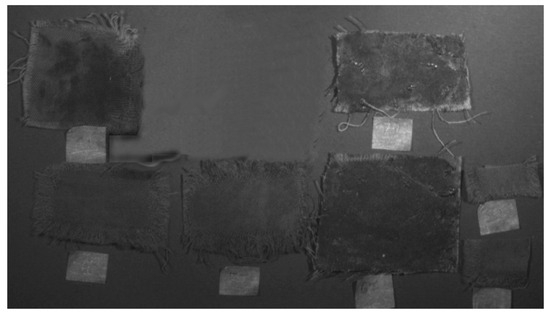
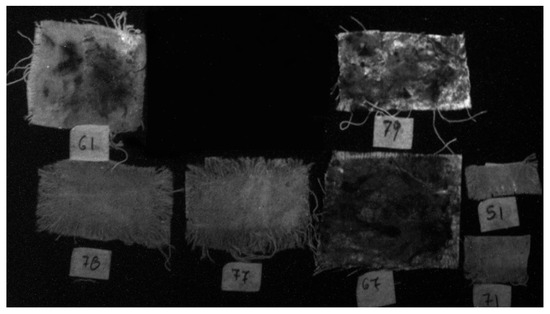
This paper focuses on the study of the famous royal purple dye. It aims to present a holistic approach by researching historical evidence, both for its use and its production, to highlight the importance of the dye within the Greek area. As a
[...] Read more.
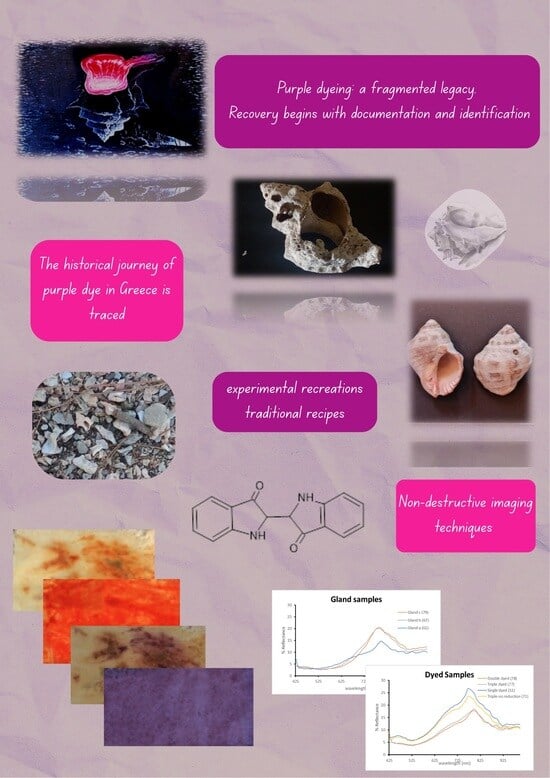
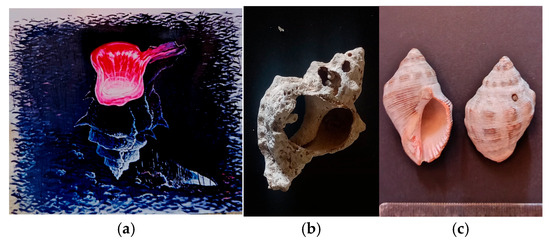
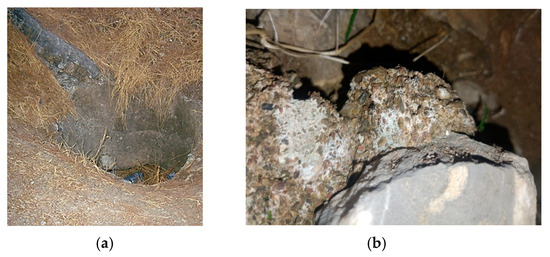
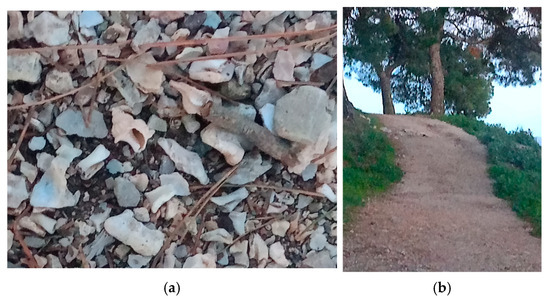
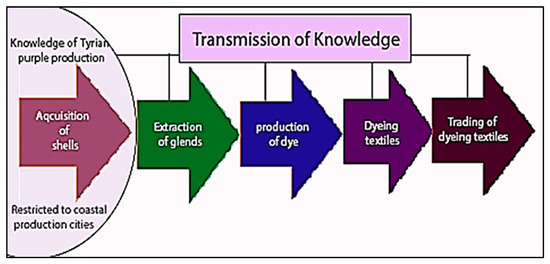
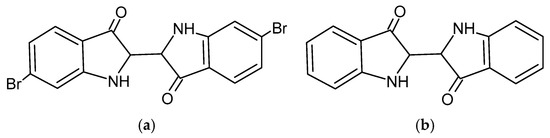
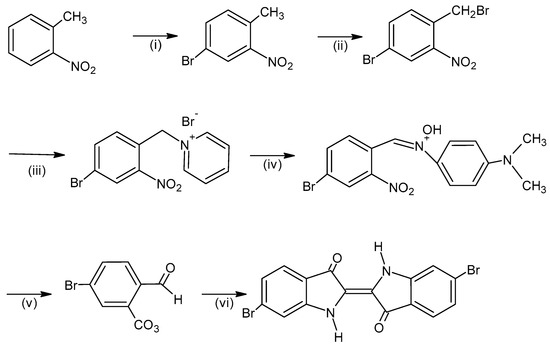
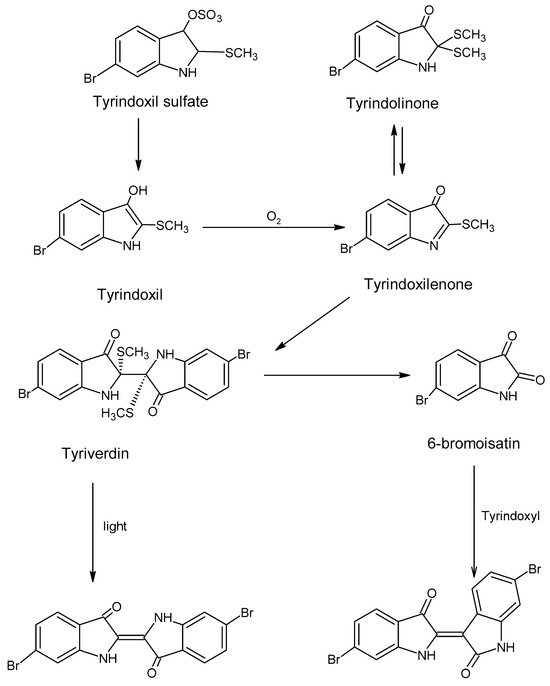
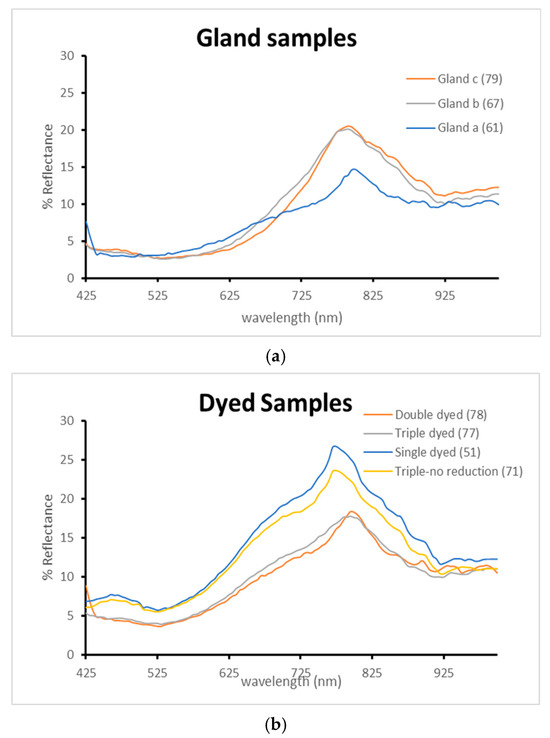
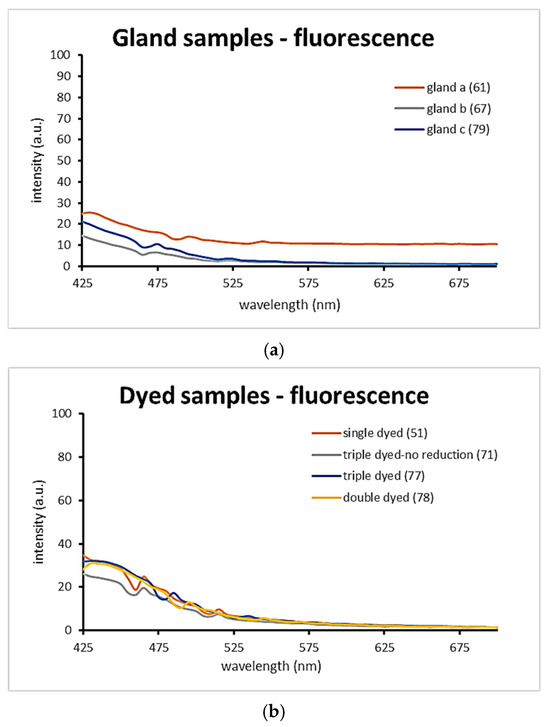
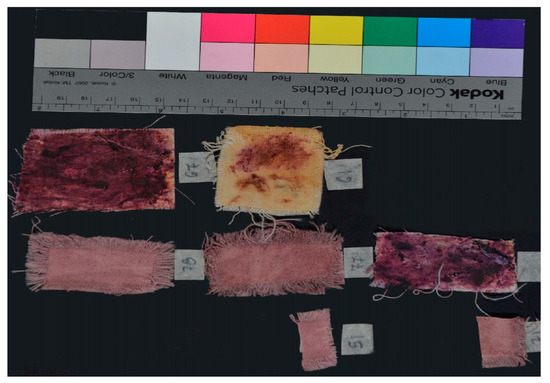
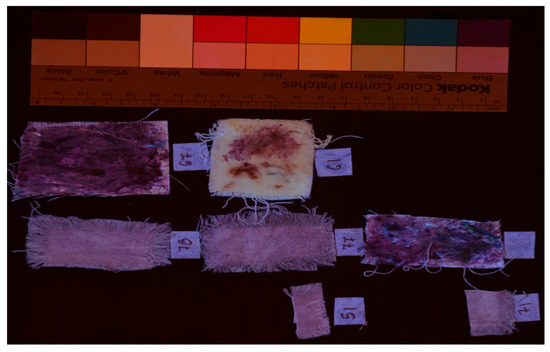
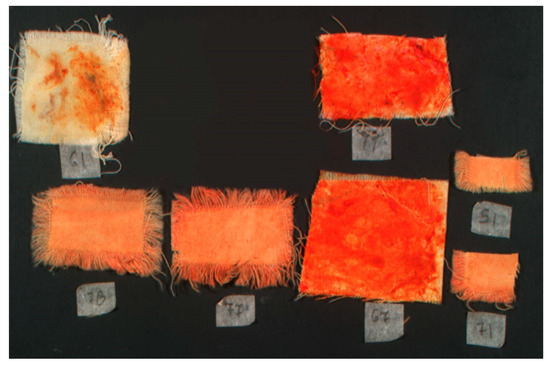
This paper focuses on the study of the famous royal purple dye. It aims to present a holistic approach by researching historical evidence, both for its use and its production, to highlight the importance of the dye within the Greek area. As a substantial part of information concerning the dyeing procedure of purple dye has been lost during the ages, it is crucial to establish points of documentation and identification. The latter can be achieved through chemical analysis, but as this dye is found on precious’s cultural heritage items, which cannot always be sampled, a non-destructive approach should be considered as more appropriate. At first, the history of the dye purple is presented within the Greek area. Then, samples of purple dye are created based on traditional recipes from the Greek area, in order to compose a profile with the characteristics of purple using non-destructive and imaging techniques, thus emphasizing the importance of applying these techniques for the study of dyes on textiles. The results of the experiments show differences in behavior between the pure gland and the dyed samples, as well as the intensity of the color depending on the dyeing procedure.
Full article

Graphical abstract
Open AccessArticle
Investigation into the Application of Natural Dyes Obtained from Annatto Seeds and Eucalyptus Leaves in Dyeing Textile Substrates Using Biomordants
by
Louise de Sousa Barbosa, Sophia Helena Alves, Brenno Henrique Silva Felipe, Carlos Rafael Silva de Oliveira and Catia Rosana Lange de Aguiar
Colorants 2025, 4(3), 26; https://doi.org/10.3390/colorants4030026 - 29 Aug 2025
Abstract
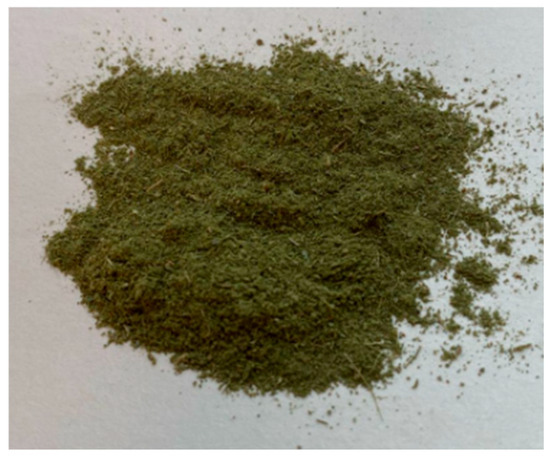
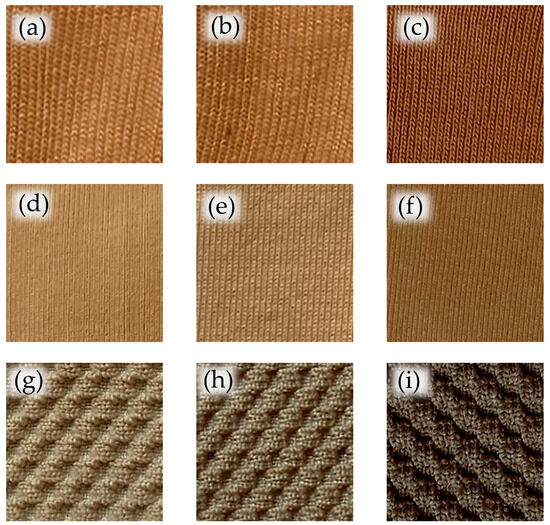
This study evaluated dried eucalyptus leaf extract and annatto seed extract as natural dyes for cotton, polyamide, and polyester knit fabrics. The eucalyptus leaf extract was obtained by aqueous boiling extraction, while the annatto seed extract was prepared in an alcoholic medium at
[...] Read more.
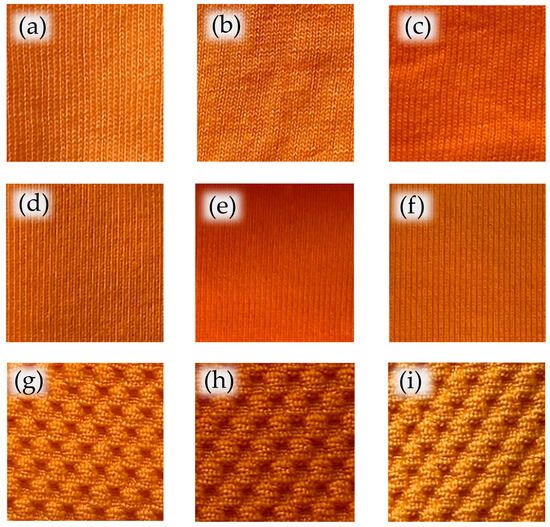
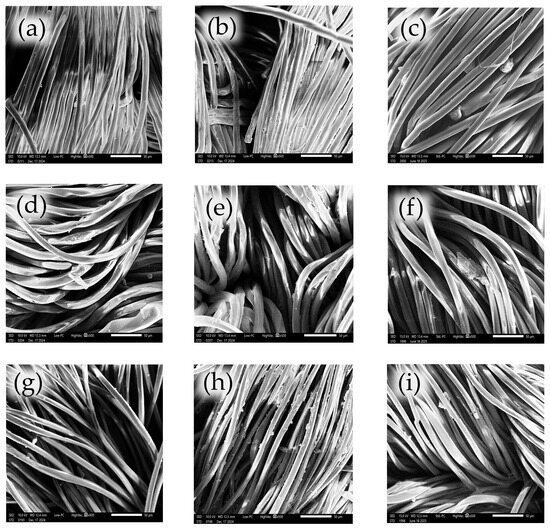
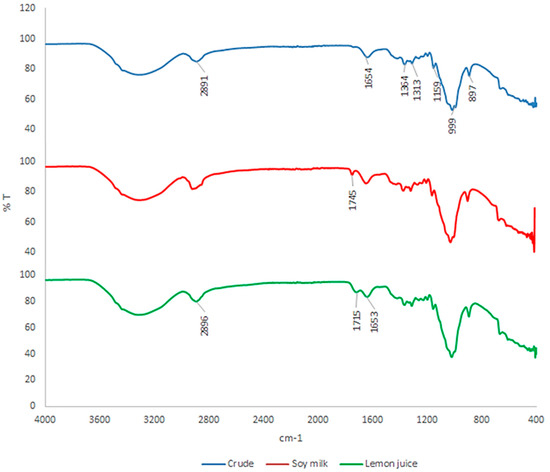
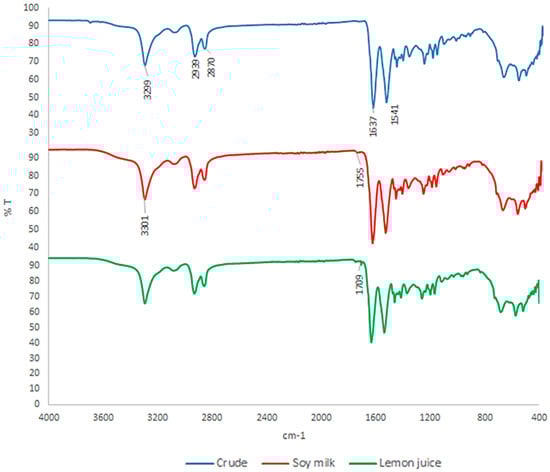
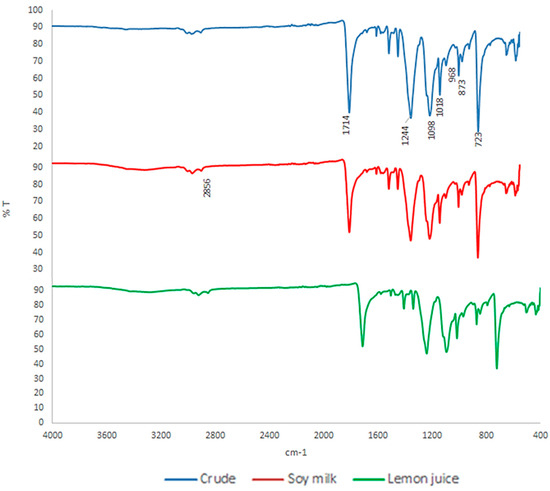
This study evaluated dried eucalyptus leaf extract and annatto seed extract as natural dyes for cotton, polyamide, and polyester knit fabrics. The eucalyptus leaf extract was obtained by aqueous boiling extraction, while the annatto seed extract was prepared in an alcoholic medium at 60 °C. Dyeing was carried out on fabrics mordanted with lemon juice and soy milk, using a cup dyeing machine with infrared (IR) heating at 98 °C for 30 min. SEM and FTIR analyses assessed the results regarding color intensity and color fastness. The findings indicate that both extracts can serve as sustainable alternatives for textile dyeing.
Full article
(This article belongs to the Special Issue Feature Papers in Colorant Chemistry)
►▼
Show Figures

Figure 1
Open AccessArticle
Dye-Sensitized Solar Cells Application of TiO2 Using Spirulina and Chlorella Algae Extract
by
Maria Vitória França Corrêa, Gideã Taques Tractz, Guilherme Arielo Rodrigues Maia, Hagata Emmanuely Slusarski Fonseca, Larissa Oliveira Berbel, Lucas José de Almeida and Everson do Prado Banczek
Colorants 2025, 4(3), 25; https://doi.org/10.3390/colorants4030025 - 4 Aug 2025
Abstract
►▼
Show Figures
The present study investigates dye-sensitized solar cells (DSSCs) incorporating natural extracts from the microalgae Spirulina and Chlorella as photosensitizers. TiO2-based electrodes were prepared and immersed in methanolic algae extracts for 24 and 48 h. UV–Vis spectroscopy revealed absorption peaks near 400
[...] Read more.
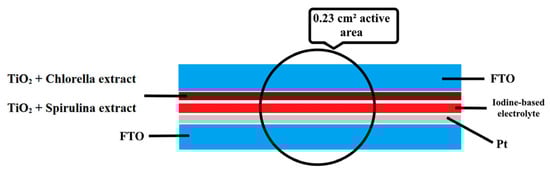
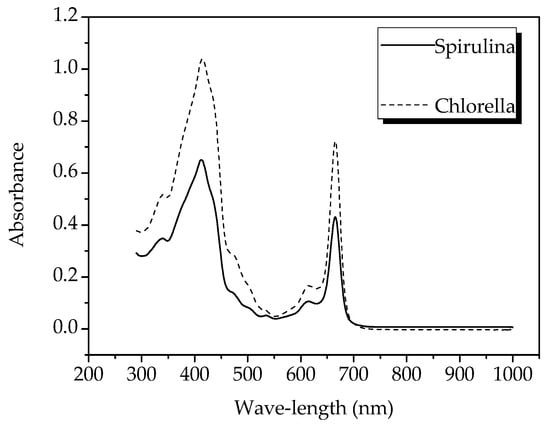
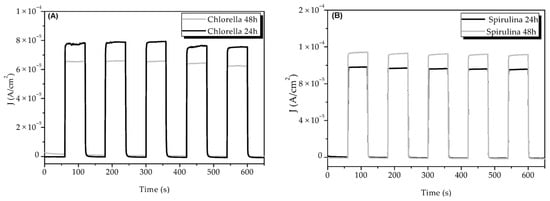
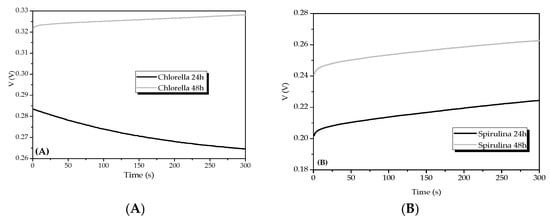
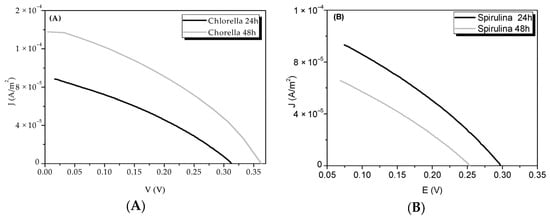
The present study investigates dye-sensitized solar cells (DSSCs) incorporating natural extracts from the microalgae Spirulina and Chlorella as photosensitizers. TiO2-based electrodes were prepared and immersed in methanolic algae extracts for 24 and 48 h. UV–Vis spectroscopy revealed absorption peaks near 400 nm and 650 nm, characteristic of chlorophyll. Electrochemical analyses, including photochronoamperometry and open-circuit potential, confirmed the photosensitivity and charge transfer capabilities of all systems. The cell sensitized with Chlorella after 48 h of immersion exhibited the highest energy conversion efficiency (0.0184% ± 0.0015), while Spirulina achieved 0.0105% ± 0.0349 after 24 h. Chlorella’s superior performance is attributed to its higher chlorophyll content and enhanced light absorption, facilitating more efficient electron injection and interaction with the TiO2 surface. Although the efficiency remains lower than that of conventional silicon-based solar cells, the results highlight the potential of natural colorants as sustainable and low-cost alternatives for photovoltaic applications. Nonetheless, further, improvements are required, particularly in dye stability and anchorage, to improve device performance. This research reinforces the viability of natural photosensitizers in DSSC technology and supports continued efforts to optimize their application.
Full article

Figure 1
Open AccessArticle
Development of Water-Based Inks with Bio-Based Pigments for Digital Textile Printing Using Valve-Jet Printhead Technology
by
Jéssica Antunes, Marisa Lopes, Beatriz Marques, Augusta Silva, Helena Vilaça and Carla J. Silva
Colorants 2025, 4(3), 24; https://doi.org/10.3390/colorants4030024 - 24 Jul 2025
Abstract
►▼
Show Figures
The textile industry is progressively shifting towards more sustainable solutions, particularly in the field of printing technologies. This study reports the development and evaluation of water-based pigment inks formulated with bio-based pigments derived from intermediates produced via bacterial fermentation. Two pigments—indigo (blue) and
[...] Read more.
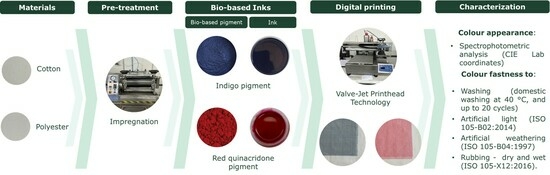
The textile industry is progressively shifting towards more sustainable solutions, particularly in the field of printing technologies. This study reports the development and evaluation of water-based pigment inks formulated with bio-based pigments derived from intermediates produced via bacterial fermentation. Two pigments—indigo (blue) and quinacridone (red)—were incorporated into ink formulations and applied on cotton and polyester fabrics through valve-jet inkjet printing (ChromoJet). The physical properties of the inks were analyzed to ensure compatibility with the equipment, and printed fabrics were assessed as to their color fastness to washing, rubbing, artificial weathering, and artificial light. The results highlight the good performance of the bio-based inks, with excellent light and weathering fastness and satisfactory wash and rub resistance. The effect of different pre-treatments, including a biopolymer and a synthetic binder, was also investigated. Notably, the biopolymer pre-treatment enhanced pigment fixation on cotton, while the synthetic binder improved wash fastness on polyester. These findings support the integration of biotechnologically sourced pigments into eco-friendly textile digital printing workflows.
Full article

Graphical abstract
Open AccessArticle
Obtention of ZnO-Based Hybrid Pigments: Exploring Textile Dye Adsorption and Co-Adsorption with Copper Ion
by
Taiane L. Dlugoviet, Andressa dos Santos, Julia de Oliveira Primo and Fauze Jacó Anaissi
Colorants 2025, 4(3), 23; https://doi.org/10.3390/colorants4030023 - 14 Jul 2025
Abstract
►▼
Show Figures
Annually, more than 10,000 synthetic dyes are produced worldwide, generating around 280,000 tons of waste, posing risks to human and aquatic life, and potentially creating even more toxic products than the dyes themselves. This study aims to immobilize organic dyes, forming hybrid pigments
[...] Read more.
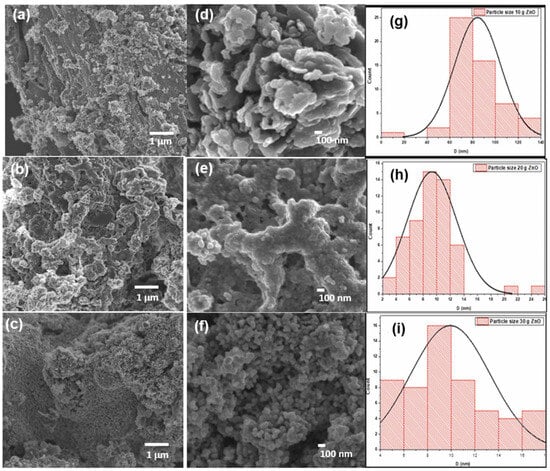
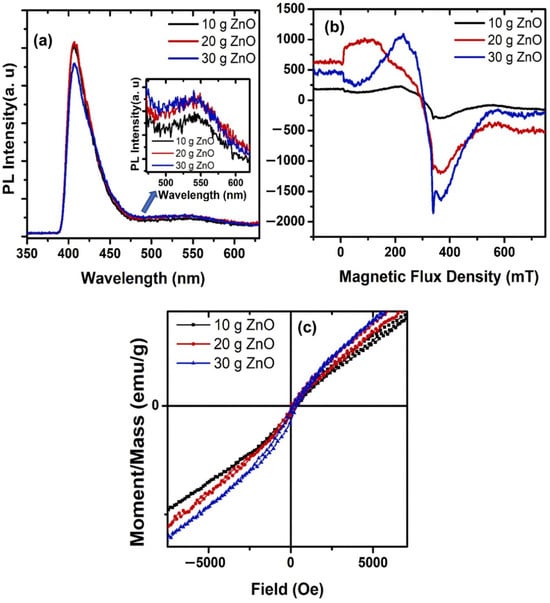
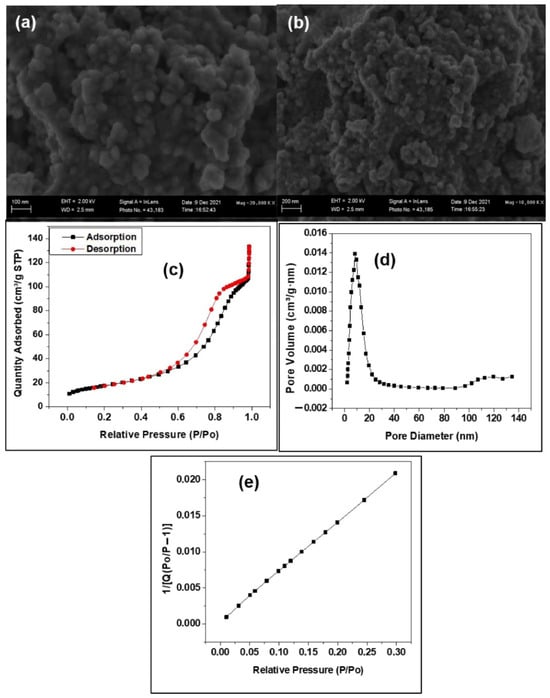
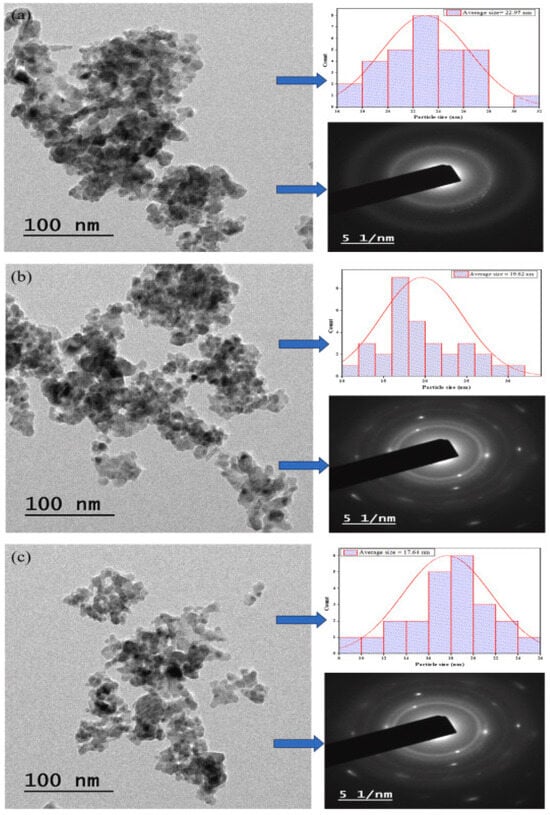
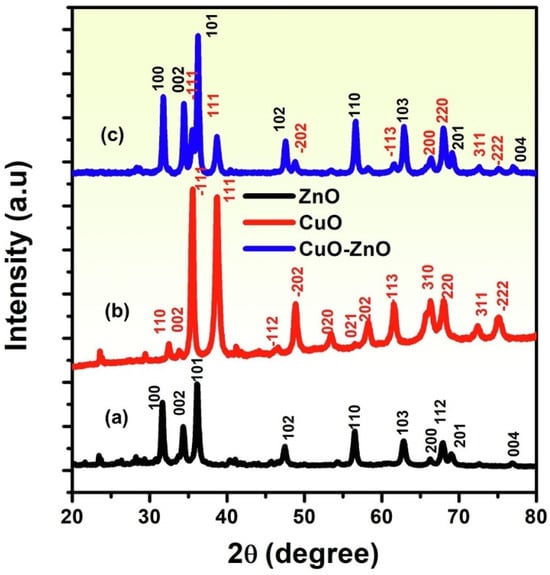
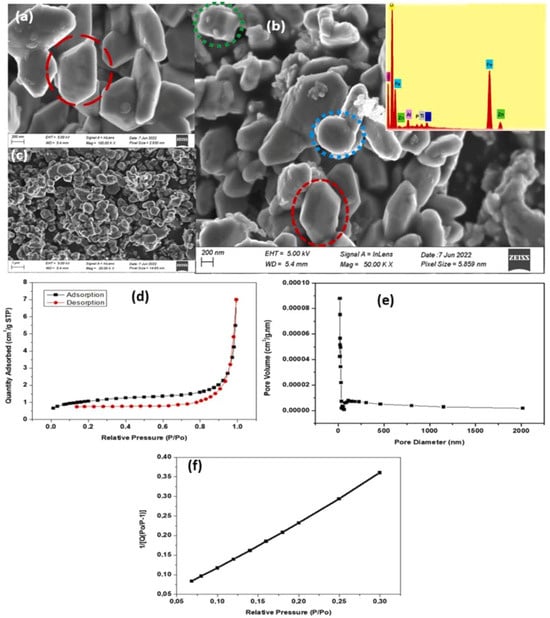
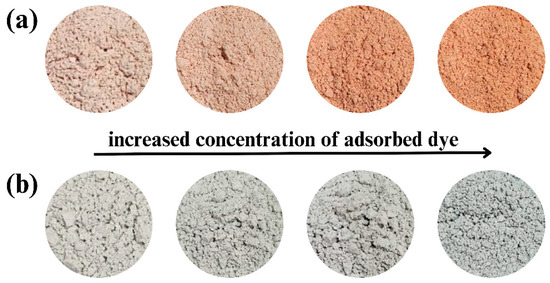
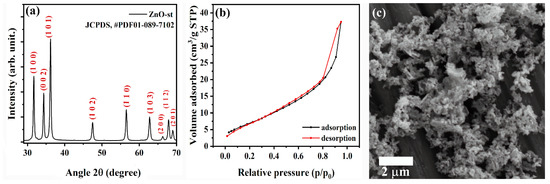
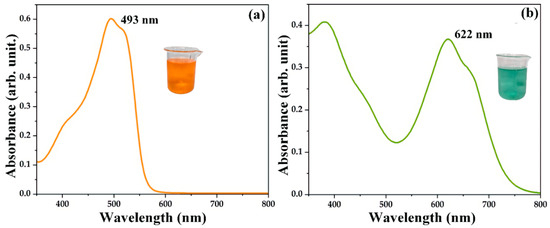
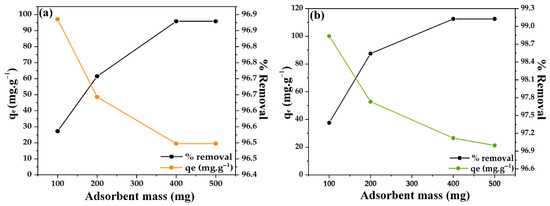
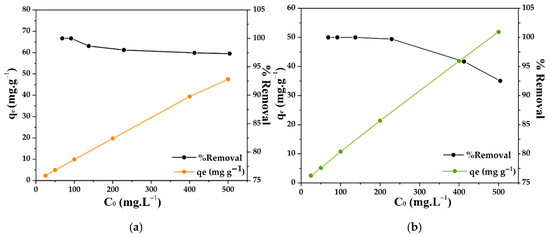
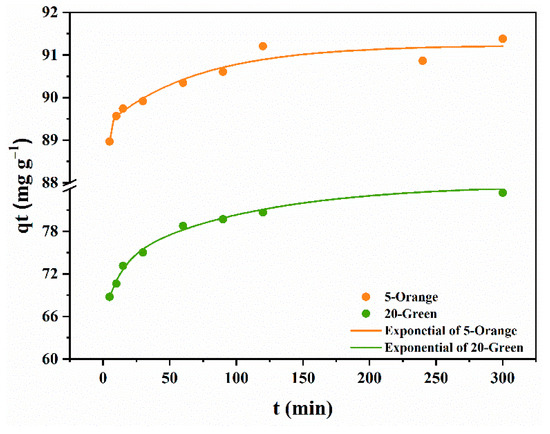
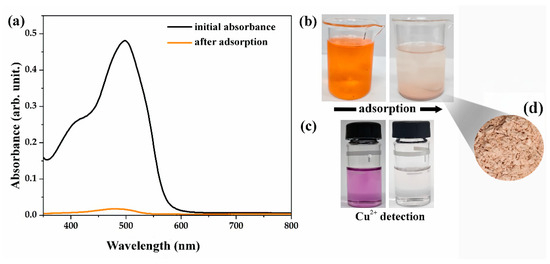
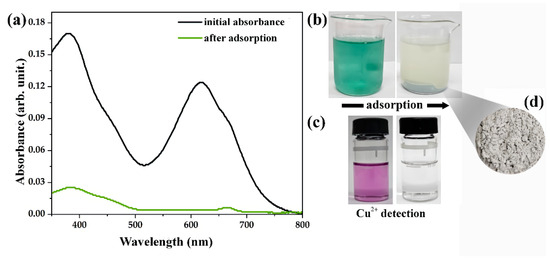
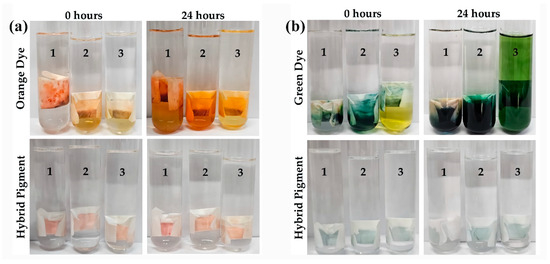
Annually, more than 10,000 synthetic dyes are produced worldwide, generating around 280,000 tons of waste, posing risks to human and aquatic life, and potentially creating even more toxic products than the dyes themselves. This study aims to immobilize organic dyes, forming hybrid pigments using ZnO as support obtained through starch combustion. ZnO was obtained by starch (sago) combustion and characterized by XRD, SEM and the BET method. It was then used for the adsorption of orange and green textile dyes, evaluating the adsorbent dosage, initial dye concentration, contact time, and selectivity with copper ions. The removal studies indicated up to 100% removal of both dyes at low concentrations. The co-adsorption system showed excellent performance, with removal percentages exceeding 90% for both textile dyes and Cu (II) ions. Hybrid pigments were assessed for solvent resistance and durability under extended white light exposure. ZnO immobilized the dyes, showing resistance to organic solvents and good stability under prolonged white light exposure.
Full article

Figure 1
Highly Accessed Articles
Latest Books
E-Mail Alert
News
Topics
Special Issues
Special Issue in
Colorants
All the Colors of the Rainbow: Natural Colorants
Guest Editor: Anthony HarrimanDeadline: 31 December 2026
Special Issue in
Colorants
Structural Modification of Colorants to Safeguard the Environment
Guest Editor: Anthony HarrimanDeadline: 31 December 2026