




-
Rainfall Patterns and Trends on São Miguel Island (Azores, PT): A Hierarchical Clustering and Trend Analysis Approach -
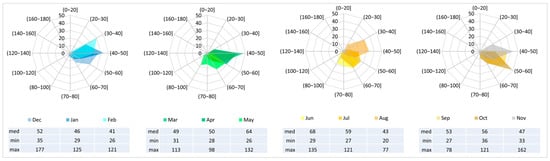
Precipitation Uncertainty in High Mountain Asia: A Large-Scale Test of Reanalysis, Gauge and Satellite Data -
Regionalization of IDF Curves in Romania and Climate Change Effects on Sub-Daily Rainfall -
Enablers, Barriers and Systems for Organizational Change for Adopting and Implementing Local Governments’ Climate Mitigation Strategies: A Systematic Literature Review
Journal Description
Climate
Climate
is a scientific, peer-reviewed, open access journal of climate science published online monthly by MDPI. The American Society of Adaptation Professionals (ASAP) is affiliated with Climate and its members receive discounts on the article processing charges.
- Open Access— free for readers, with article processing charges (APC) paid by authors or their institutions.
- High Visibility: indexed within Scopus, ESCI (Web of Science), GeoRef, AGRIS, and other databases.
- Journal Rank: JCR - Q2 (Meteorology and Atmospheric Sciences) / CiteScore - Q2 (Atmospheric Science)
- Rapid Publication: manuscripts are peer-reviewed and a first decision is provided to authors approximately 20.8 days after submission; acceptance to publication is undertaken in 3.8 days (median values for papers published in this journal in the second half of 2025).
- Recognition of Reviewers: reviewers who provide timely, thorough peer-review reports receive vouchers entitling them to a discount on the APC of their next publication in any MDPI journal, in appreciation of the work done.
Impact Factor:
3.2 (2024);
5-Year Impact Factor:
3.5 (2024)
Latest Articles
Social Vulnerability and Its Effects on PM2.5 Related Circulatory and Respiratory Mortality in Campinas, São Paulo, Brazil
Climate 2026, 14(2), 50; https://doi.org/10.3390/cli14020050 (registering DOI) - 7 Feb 2026
Abstract
Ambient air pollution is a major environmental health risk, with impacts that may be unevenly distributed across vulnerable populations, particularly in urban areas under changing climate conditions. This study assessed whether social conditions modify the association between exposure to fine particulate matter (PM
[...] Read more.
Ambient air pollution is a major environmental health risk, with impacts that may be unevenly distributed across vulnerable populations, particularly in urban areas under changing climate conditions. This study assessed whether social conditions modify the association between exposure to fine particulate matter (PM2.5) and deaths from circulatory and respiratory diseases in Campinas, Brazil. An ecological time-series study was conducted from 2010 to 2023 using monthly death data aggregated at the catchment-area level of 63 Primary Health Care Centers, stratified into four vulnerability groups. Associations between monthly PM2.5 concentrations and mortality rates were estimated using distributed lag non-linear models within a generalized additive modeling framework, adjusting for meteorological variables, ozone, seasonality, and long-term trends. A total of 38,311 cardiorespiratory deaths were recorded. Mortality rates varied non-linearly across strata, and a statistically significant positive association between PM2.5 exposure and mortality was observed only in the intermediate–high vulnerability group at higher pollution levels. No significant associations were identified in the lowest or highest vulnerability strata. These findings indicate that social context modifies air pollution–related mortality risks, highlighting the importance of incorporating vulnerability dimensions into air quality assessments and climate-related public health strategies.
Full article
(This article belongs to the Special Issue Climate Impact on Human Health)
Open AccessArticle
Understanding the Impacts of Climate Change and Landcover/Land Use Transformations on Highlands Hydrological Ecosystem Services in the Piuray–Ccorimarca Watershed (Andean Cordillera of Peru)
by
Cristian Montesinos, Danny Saavedra, Luc Bourrel, Pedro Rau, Renny Daniel Diaz and Waldo Lavado-Casimiro
Climate 2026, 14(2), 49; https://doi.org/10.3390/cli14020049 - 6 Feb 2026
Abstract
►▼
Show Figures
Watersheds provide fundamental hydrological ecosystem services for human well-being and the environment, such as water provisioning, hydrological cycle regulation, and erosion control; however, these services face increasing anthropogenic and climatic pressures. This study assessed individual and combined impacts on the hydrological functionality of
[...] Read more.
Watersheds provide fundamental hydrological ecosystem services for human well-being and the environment, such as water provisioning, hydrological cycle regulation, and erosion control; however, these services face increasing anthropogenic and climatic pressures. This study assessed individual and combined impacts on the hydrological functionality of the Piuray–Ccorimarca watershed (Cusco, Peru) using a calibrated Soil and Water Assessment Tool (SWAT) model, analyzing water yield, soil water storage, and sediment transport across 20 scenarios. An ensemble of 10 Coupled Model Intercomparison Project Phase 6 (CMIP6) models with bias correction was implemented, integrated with land transformation projections contemplating urban expansion associated with airport development and forest recovery through Payment for Ecosystem Services mechanisms. The results reveal climate change as the dominant driver, generating water yield increases and soil water content improvements primarily due to evapotranspiration decoupling that increases the runoff coefficient. In contrast, land use change produces substantially smaller hydrological effects but critically intensifies sediment yield. Spatial vulnerability analysis identified eight persistently critical sub-basins (20.5% of area) where soil water content emerged as the dominant limiting factor. These findings establish a clear management hierarchy prioritizing climate adaptation over land use interventions, with differentiated strategies required for critical zones demanding structural interventions versus non-critical areas amenable to flexible conservation approaches.
Full article

Figure 1
Open AccessArticle
Weather Modification and Local Climate Management in the United States: A Review of Its Technological Evolution, Operations, Governance, and Local Implementation Challenges
by
Haoying Wang and Yixin Chen
Climate 2026, 14(2), 48; https://doi.org/10.3390/cli14020048 - 4 Feb 2026
Abstract
Weather modification has gained significant and growing interest in the United States (US) in recent years. The trend can be largely attributed to the changing climate, persistent droughts, and other extreme weather events that have been experienced across various regions of the US.
[...] Read more.
Weather modification has gained significant and growing interest in the United States (US) in recent years. The trend can be largely attributed to the changing climate, persistent droughts, and other extreme weather events that have been experienced across various regions of the US. This paper provides a critical review of weather modification program costs, benefits, policy, and governance to help shed light on policymaking and program management associated with the growing interest in adopting weather modification as a local climate management strategy in the US. Additionally, to deepen our understanding of the widely concerning issues, such as the financial burden on taxpayers and potential environmental risks, the paper explored the local implementation challenges and common environmental and public health concerns related to weather modification activities. A synthesis of the literature and policy debates reached four general conclusions: (1) The need for weather modification programs is expected to keep growing, though regional variations may exist due to regulatory and other local factors; (2) weather modification can bring significant local benefits, ranging from enhanced agricultural yield and recreational economy to extreme weather management and public environmental health benefits; (3) state-level and local support, including financial resources, will be essential for program development in the foreseeable future; and (4) technological advancements will be critical for addressing many of the project operation efficiency challenges and environmental and public health concerns related to weather modification programs. More specifically for program governance and local implementation, aspects such as project planning (including resource pooling), risk and liability management, communication and reporting, outcome measurability, and stakeholder engagement are indispensable for addressing issues related to program legality and oversight, public acceptance, and sustainability.
Full article
(This article belongs to the Section Climate and Economics)
Open AccessReview
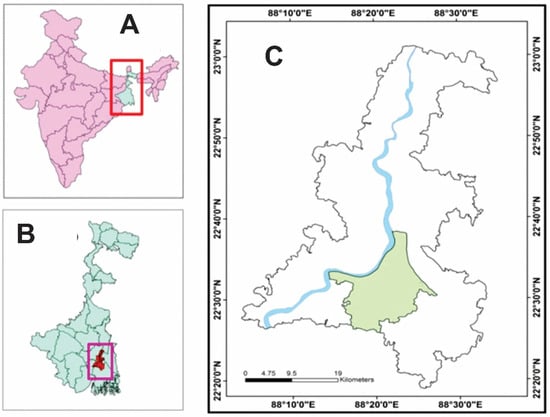
Evaluating the Measurement of Heat Stress in a Tropical City: Kolkata, India
by
Charles A. Weitz and Barun Mukhopadhyay
Climate 2026, 14(2), 47; https://doi.org/10.3390/cli14020047 - 3 Feb 2026
Abstract
►▼
Show Figures
People living in India are experiencing some of the hottest summers on the planet. Conditions are particularly harsh in Indian cities, like Kolkata, where high temperatures are combined with high humidity. Understanding how conditions in Kolkata have evolved could provide an important addition
[...] Read more.
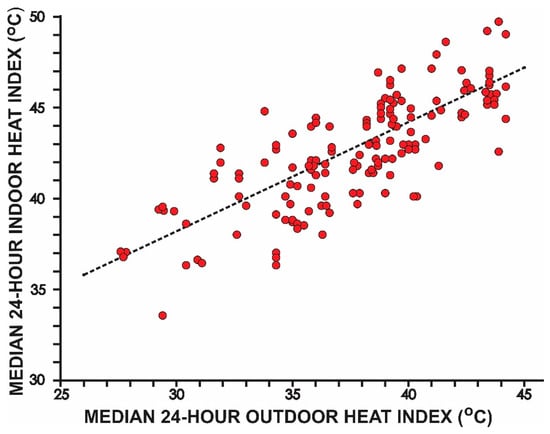
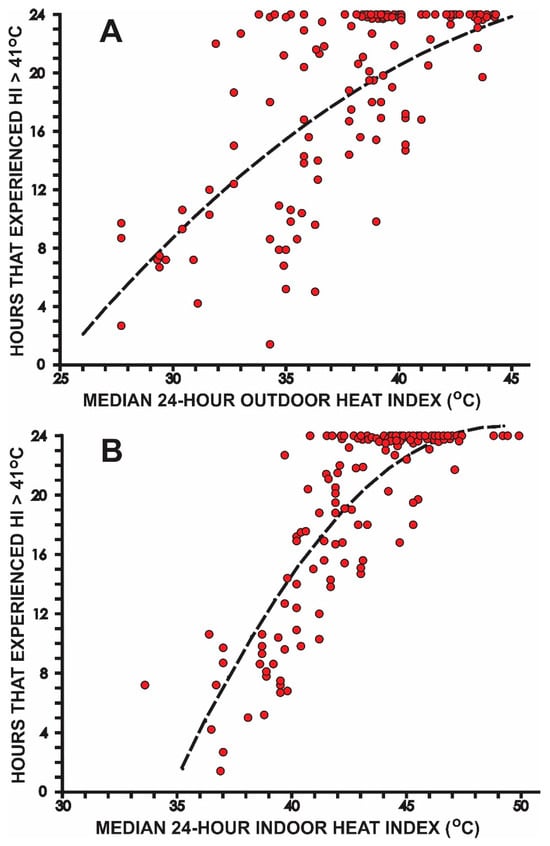
People living in India are experiencing some of the hottest summers on the planet. Conditions are particularly harsh in Indian cities, like Kolkata, where high temperatures are combined with high humidity. Understanding how conditions in Kolkata have evolved could provide an important addition to the growing study of the problems facing megacities in the hot, humid tropics. Yet in Kolkata, this understanding is obscured by different, often incompatible, methods of assessing the intensity of heat stress. This narrative review considers the problems encountered when attempting to develop a clear understanding of past increases or even to quantify current conditions using conventional meteorological or remote sensing data. Rather than trying to arrive at a precise quantification of how much hotter it is now in Kolkata than in the past, we argue for more fine-grained, individual-level understanding of how heat is experienced. An example of this approach is provided by a study that used telemetric devices to continuously monitor the temperature and humidity to which elderly residents of slum areas in Kolkata were exposed during 24h periods as they went about their daily lives. This study indicates that individuals experience a diversity of heat conditions that are inadequately represented by outdoor temperatures. Living in dwellings where indoor temperatures are often hotter than outdoor temperatures, the daily heat stress experienced by this vulnerable group varies between conditions that are stressful but endurable to those that approach the limits of human heat tolerance. Given the likelihood of even hotter environments in the future, urban planners will need access to more comprehensive heat studies, focusing on continual monitoring of heat stress and physiological responses of individuals from different walks of life.
Full article

Figure 1
Open AccessArticle
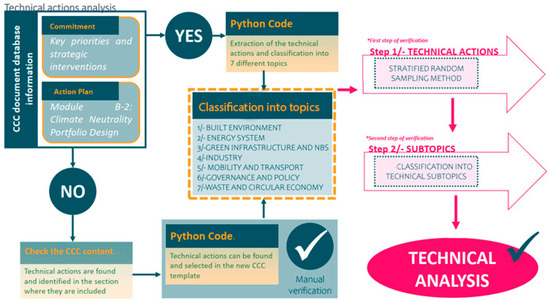
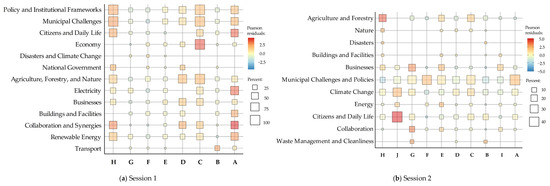
Learning from 102 European Municipalities: Sectoral and Regional Patterns of Action Plans in Climate City Contracts
by
Ana Belén Gómez Minguela, Sabrina Bresciani and Francesco Michele Noera
Climate 2026, 14(2), 46; https://doi.org/10.3390/cli14020046 - 3 Feb 2026
Abstract
Cities are among the major consumers of environmental resources and contribute significantly to the degradation of many ecosystems. For this reason, the European Union is prioritising the transformation of the role of European cities to become key actors in enabling sustainable and efficient
[...] Read more.
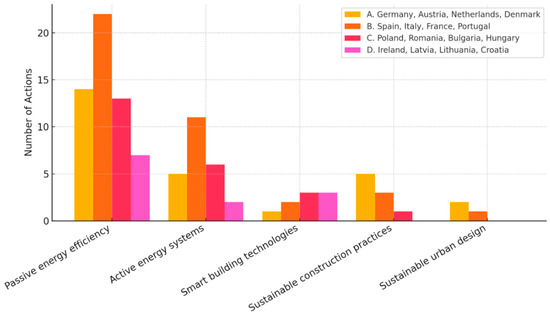
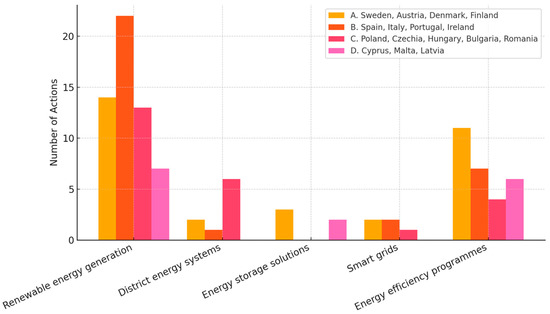
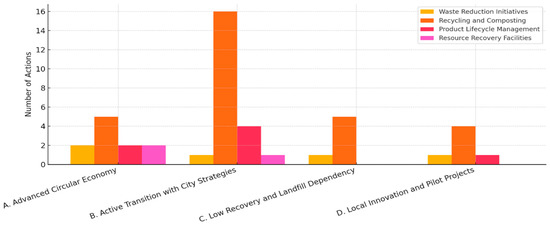
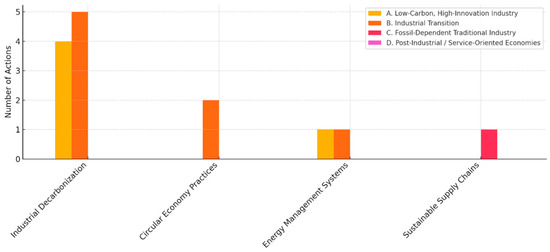
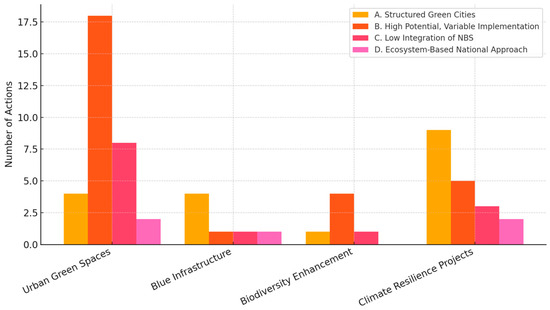
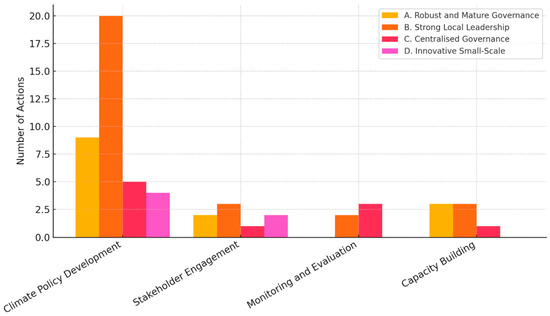
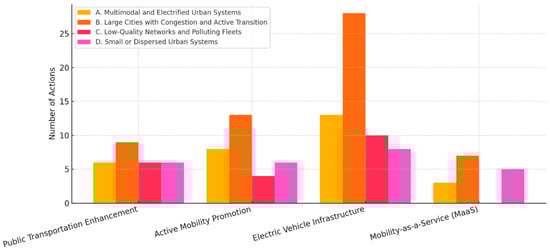
Cities are among the major consumers of environmental resources and contribute significantly to the degradation of many ecosystems. For this reason, the European Union is prioritising the transformation of the role of European cities to become key actors in enabling sustainable and efficient urban systems. Part of this effort is enacted through the Mission “Cities,” that guides cities in developing Climate City Contracts (CCC), which are innovative governance instruments that outline municipalities’ collaborative and systemic plans to reach climate neutrality. This article examines how 102 Mission Cities across Europe plan to reach climate neutrality by 2030, by analysing the selection of typologies of actions included in their CCCs. Results reveal distinct regional patterns in how municipalities design their portfolios of climate actions in key topics: an integrated and diversified combination of sectoral measures and governance innovations in Northern and Western Europe, a focus on upgrading core infrastructures in Central and Eastern Europe, and prioritisation of interventions in mobility and the Built Environment in Southern Europe. These findings provide insights for policy and planning strategies, and highlight countries that progress faster in specific topics and those that still face relevant barriers.
Full article
(This article belongs to the Special Issue Climate Adaptation and Mitigation in the Urban Environment)
►▼
Show Figures

Figure 1
Open AccessArticle
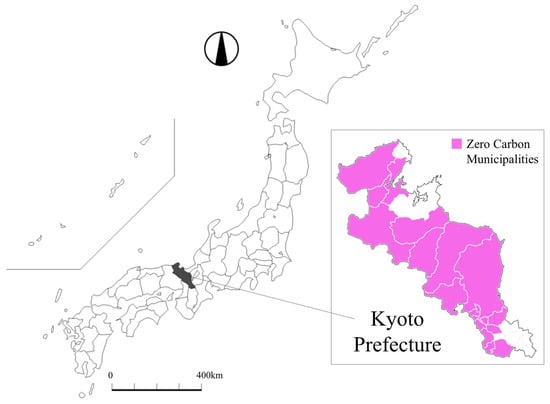
Policy Learning for Local Decarbonization Through Transdisciplinary Dialogue: Insights from the Kyoto Roundtable
by
Eri Aoki, Kenshi Baba, Naoki Masuhara, Kazunori Nakajima and Makoto Taniguchi
Climate 2026, 14(2), 45; https://doi.org/10.3390/cli14020045 - 3 Feb 2026
Abstract
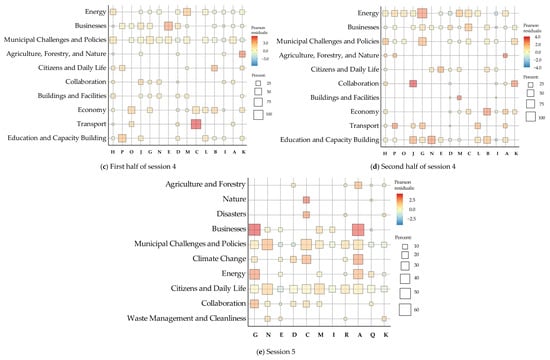
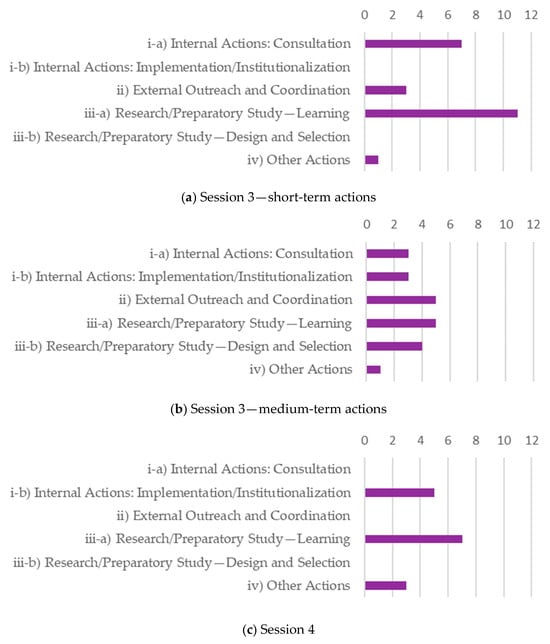
Local governments play a critical role in advancing climate change mitigation under national carbon neutrality strategies; however, practical mechanisms for policy learning and collaboration remain limited. This study analyzes the Kyoto Roundtable, a transdisciplinary dialogue platform designed to support municipalities toward decarbonization in
[...] Read more.
Local governments play a critical role in advancing climate change mitigation under national carbon neutrality strategies; however, practical mechanisms for policy learning and collaboration remain limited. This study analyzes the Kyoto Roundtable, a transdisciplinary dialogue platform designed to support municipalities toward decarbonization in Japan. Based on a policy-learning framework co-designed with frontrunner municipalities, we implemented five roundtable sessions involving municipal officers and researchers. Analysis of workshop discussions, action-planning sheets, and participant surveys illustrates how structured dialogue supports policy learning and coordination. The findings indicate that inter-municipal networks and sustained science–policy dialogue play a crucial role in motivating local climate policy development. Mutual learning and knowledge exchange within the roundtable enhanced participants’ engagement and capacity to adapt policies. The interaction between horizontal inter-municipal collaboration and vertical support from supramunicipal and national governments contributed to early-stage policy diffusion. These findings suggest that transdisciplinary dialogue platforms can function as critical infrastructure for scaling local decarbonization by sustaining policy learning and inter-municipal collaboration.
Full article
(This article belongs to the Section Policy, Governance, and Social Equity)
►▼
Show Figures

Figure 1
Open AccessArticle
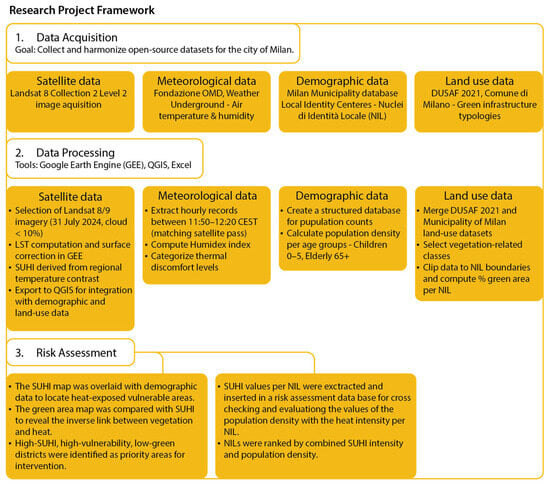
Urban Heat Exposure and Demographic Susceptibility Assessment Under Extreme Heat Conditions: The Case of Milan
by
Maddalena Buffoli, Roxana Maria Sala, Stefano Arruzzoli and Stefano Capolongo
Climate 2026, 14(2), 44; https://doi.org/10.3390/cli14020044 - 2 Feb 2026
Abstract
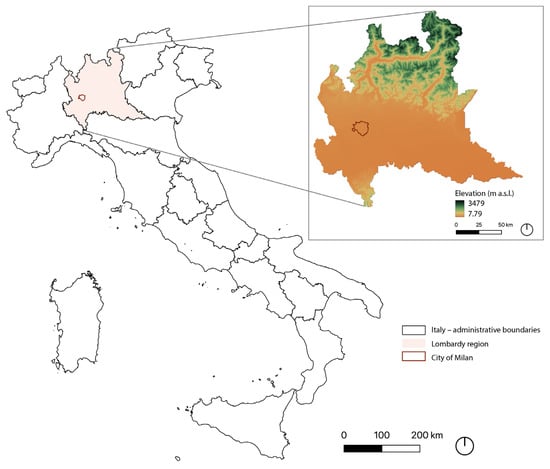
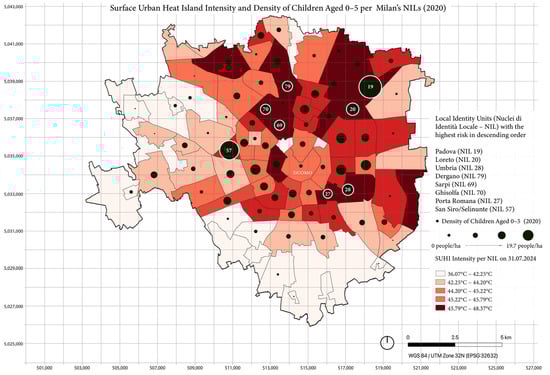
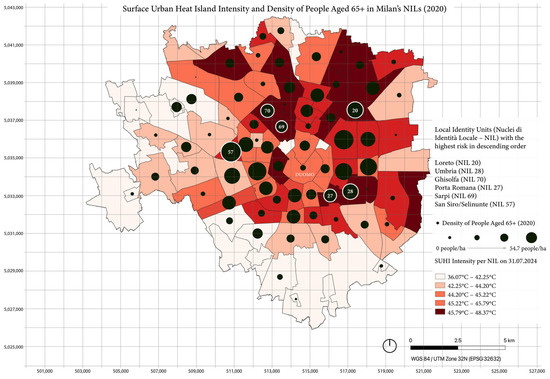
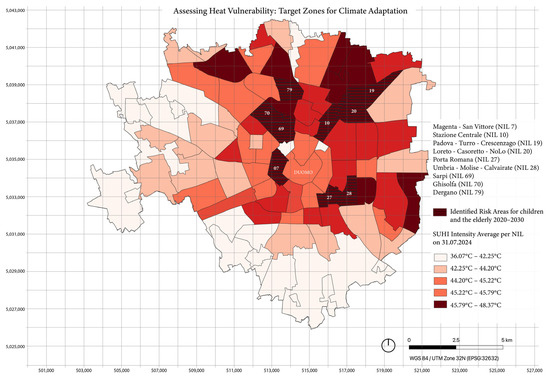
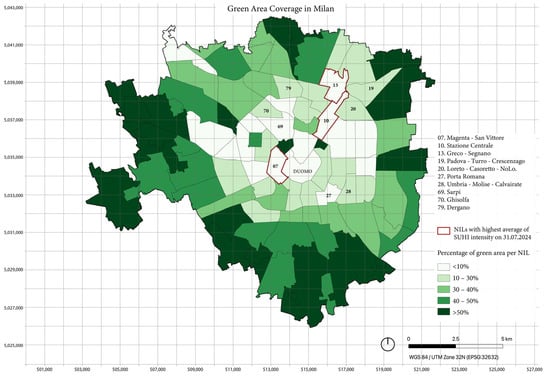
Rapid urbanization and global warming are amplifying heat-related health risks, particularly for vulnerable age groups. This study develops an open-source risk assessment framework that uses big data from remote sensing, land use, and population datasets to evaluate heat-related health risks. The framework integrates
[...] Read more.
Rapid urbanization and global warming are amplifying heat-related health risks, particularly for vulnerable age groups. This study develops an open-source risk assessment framework that uses big data from remote sensing, land use, and population datasets to evaluate heat-related health risks. The framework integrates indicators of green infrastructure, Land Surface Temperature (LST), and demographic vulnerability to identify areas of increased health risk. Milan (Italy) was used as the case study for the application to test the methodology and validate its capacity to detect spatial correlations between Surface Urban Heat Island (Surface UHI) intensity and concentrations of sensitive population groups (children aged 0–5 and elderly aged 65+). The results highlight distinct spatial inequalities in heat exposure and health vulnerability, confirming the method’s potential to support climate adaptation and public health planning. By relying entirely on open-access data and tools, this approach offers a replicable and scalable model for assessing climate-related health risks and informing evidence-based strategies that can support public administrations to visualize risk, prioritize interventions, and enhance urban resilience.
Full article
(This article belongs to the Section Climate Adaptation and Mitigation)
►▼
Show Figures

Figure 1
Open AccessArticle
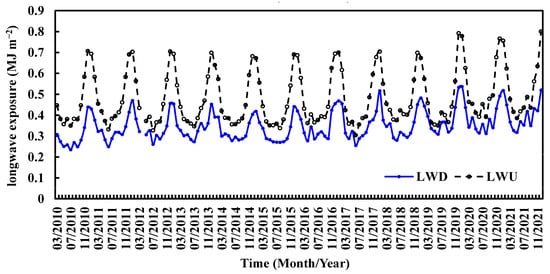
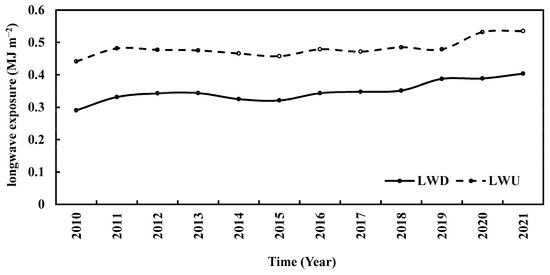
Long-Term Variations in Solar Radiation and Its Role in Air Temperature Increase at Dome C (Antarctica)
by
Jianhui Bai, Xiaowei Wan, Angelo Lupi, Maurizio Busetto and Xuemei Zong
Climate 2026, 14(2), 43; https://doi.org/10.3390/cli14020043 - 2 Feb 2026
Abstract
►▼
Show Figures
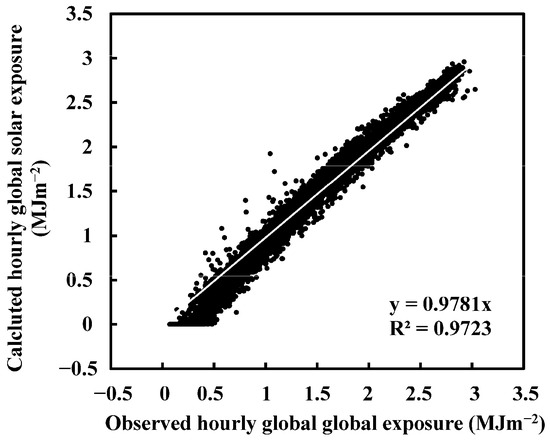
Based on a previously developed empirical model of global solar irradiance (EMGSI) at the Dome C station under all-sky conditions, and on good simulations of global solar radiation and its losses in the atmosphere caused by absorption and scattering components, as well as
[...] Read more.
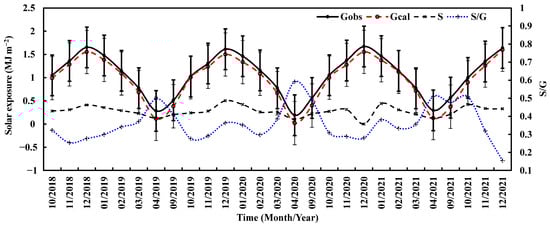
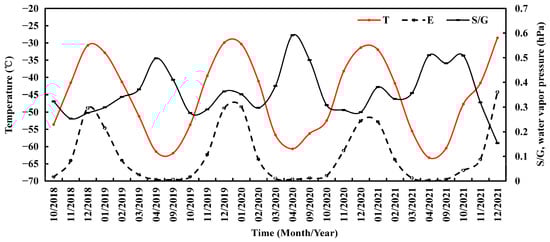
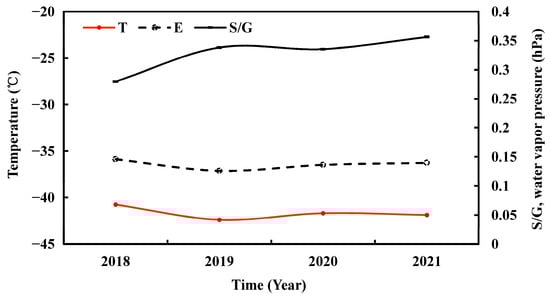
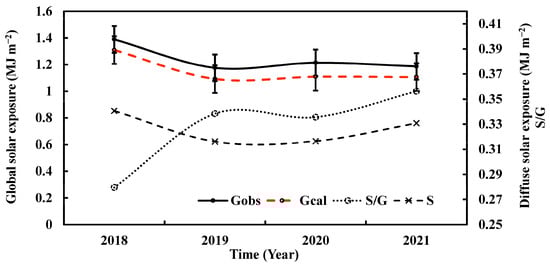
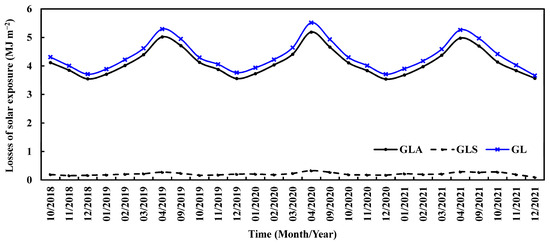
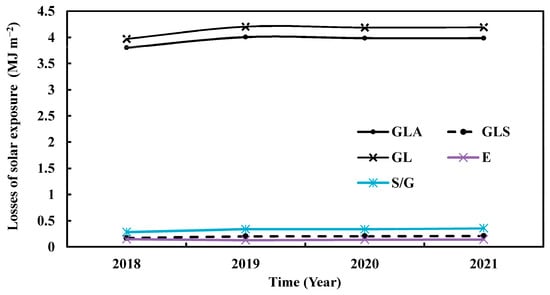
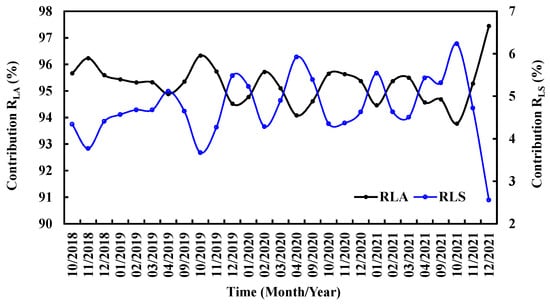
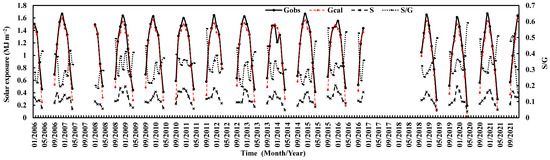
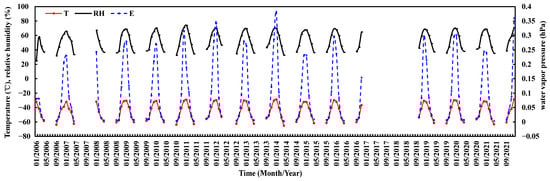
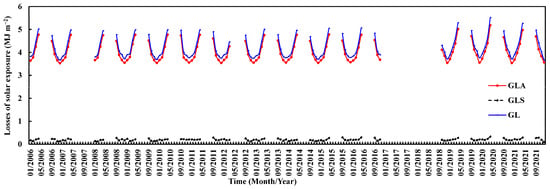
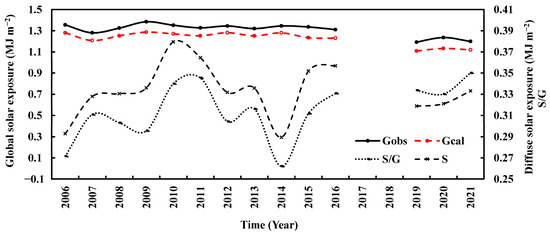
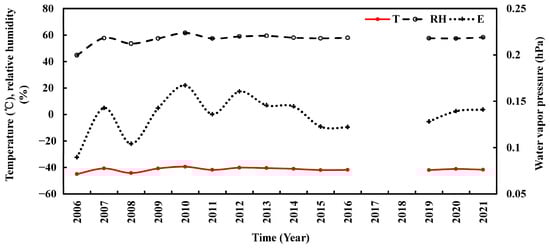
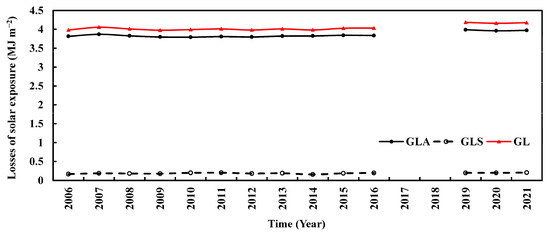
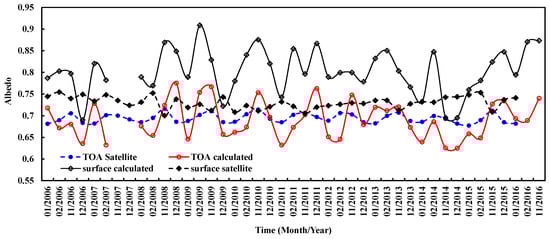
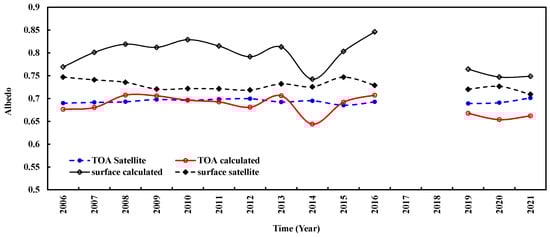
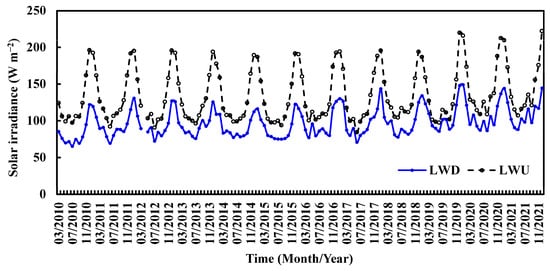
Based on a previously developed empirical model of global solar irradiance (EMGSI) at the Dome C station under all-sky conditions, and on good simulations of global solar radiation and its losses in the atmosphere caused by absorption and scattering components, as well as albedos at the top of the atmosphere (TOA) and the surface (TOAsur) during 2006–2016, similar estimations for the above parameters during 2018–2021 and 2006–2021 were computed by further application of this empirical model, and reliable calculations were also obtained, as in 2006–2016. The long-term variations in the above variables were thoroughly investigated during 2006–2021. For annual averages over 2006–2021, the calculated and observed global solar radiation decreased, and the absorption and scattering losses increased, well associated with increases in absorption and scattering atmospheric substances. Air temperature increased by 0.99 °C, showing regional climate warming. The mechanisms of air temperature increase were fully studied, and the basic mechanism reported previously was further confirmed. Additionally, the mechanisms of air temperature change vary with gases, liquids, and particles (GLPs) and with sites. Therefore, a proposal is recommended that, to reduce climate warming, all forms of direct emissions of GLPs and the secondary formation of new GLPs in the atmosphere produced by these directly emitted GLPs via chemical and photochemical reactions (CPRs) should be controlled. The estimated and satellite-derived albedos during 2006–2021 decreased at the TOAsur. An integrated understanding of solar radiation transfer in the atmosphere and of energy balance at the TOAsur is necessary.
Full article

Figure 1
Open AccessArticle
A Framework to Integrate Microclimate Conditions in Building Energy Use Models at a Whole-City Scale
by
Sedi Lawrence, Ulrike Passe and Jan Thompson
Climate 2026, 14(2), 42; https://doi.org/10.3390/cli14020042 - 2 Feb 2026
Abstract
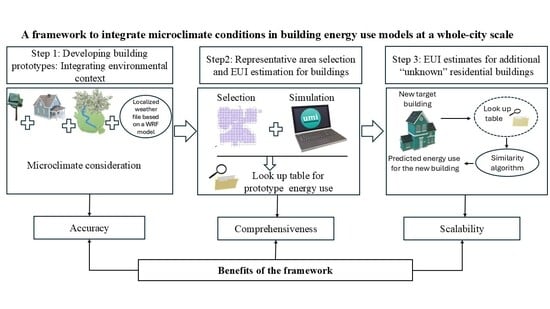
Urbanization and climate change have intensified the need for advanced methods to simulate building energy performance within realistic urban environmental contexts. This study presents a microclimate-informed framework for developing representative building energy prototypes that enable the estimation of energy use for buildings sharing
[...] Read more.
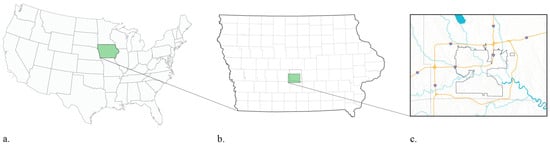
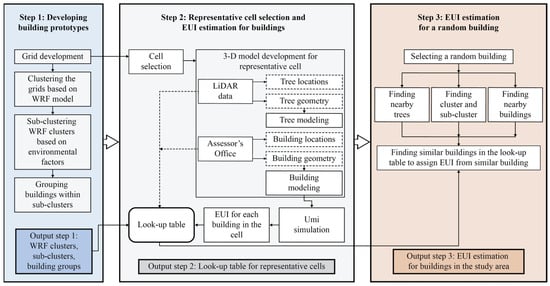
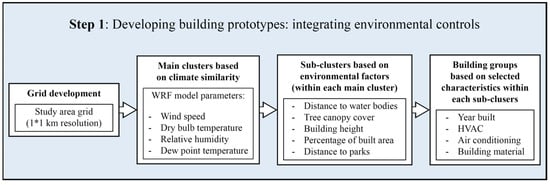
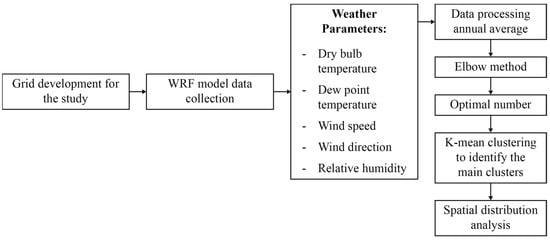
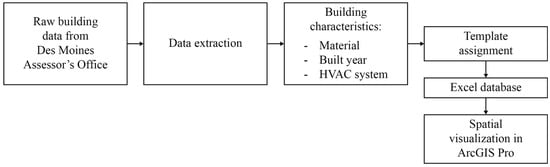
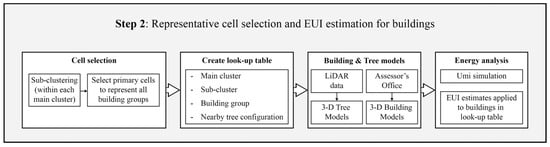
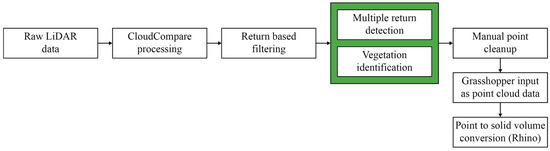
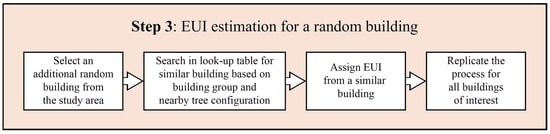
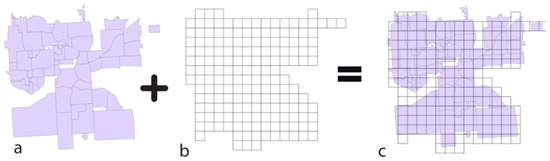
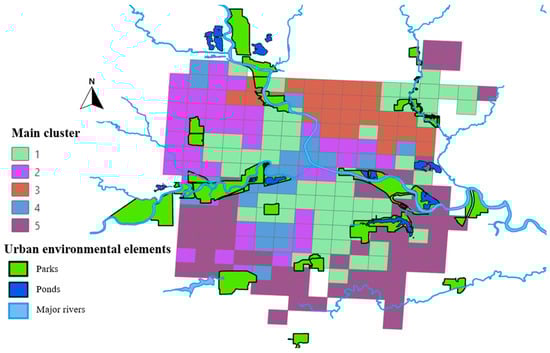
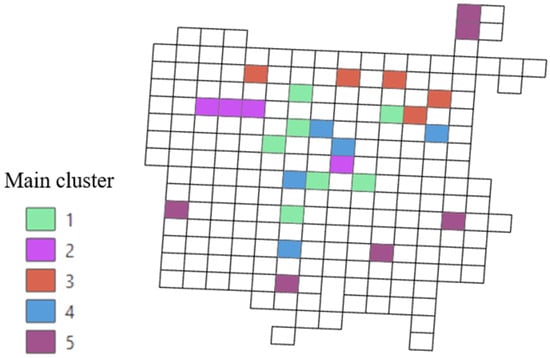
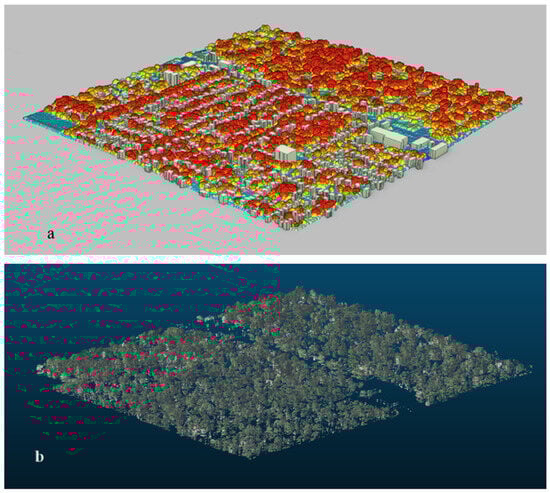
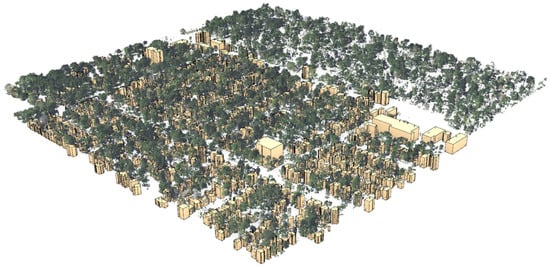
Urbanization and climate change have intensified the need for advanced methods to simulate building energy performance within realistic urban environmental contexts. This study presents a microclimate-informed framework for developing representative building energy prototypes that enable the estimation of energy use for buildings sharing similar microclimatic conditions and building-level characteristics. The framework is demonstrated using Des Moines, Iowa, as a case study. The framework combines high-resolution microclimate modeling with geospatial analysis to quantify the influence of urban form and vegetation on building energy use. Localized weather files were generated using the Weather Research and Forecasting (WRF) model to capture spatial variations in microclimate across the city. Detailed three-dimensional models of buildings and trees were developed from Light Detection and Ranging (LiDAR) point cloud data and integrated with building attributes, including construction materials and heating and cooling systems, to generate representative building typologies use them to build a similarity-based lookup table. Urban energy simulations were conducted using the Urban Modeling Interface (UMI). To demonstrate the effectiveness of the framework, simulations were conducted for two building prototypes according to the framework. Results show that monthly energy use intensity (EUI) of a representative cluster compared to randomly selected buildings differs by 10% to 19%, with both positive and negative deviations observed depending on building template and month. Thus, the proposed framework shows great promise to capture comparable energy performance trends across buildings with similar construction characteristics and urban context and minimize computational demands for doing so. While evapotranspiration effects are not explicitly modeled in the current framework, they are recognized as an important microclimatic process and will be incorporated in future work. This study demonstrates that the proposed framework provides a scalable and computationally efficient approach for urban-scale energy analysis and can support data driven decision making for climate-responsive urban planning.
Full article
(This article belongs to the Special Issue Urban Heat Adaptation: Potential, Feasibility, Equity)
►▼
Show Figures

Graphical abstract
Open AccessArticle
Analysis of Precipitation Climatology Trends over Greece Based on Gridded Observational and Reanalysis Databases
by
Adrianos Retalis, Dimitrios Katsanos, Ioannis Lemesios and Christos Giannakopoulos
Climate 2026, 14(2), 41; https://doi.org/10.3390/cli14020041 - 2 Feb 2026
Abstract
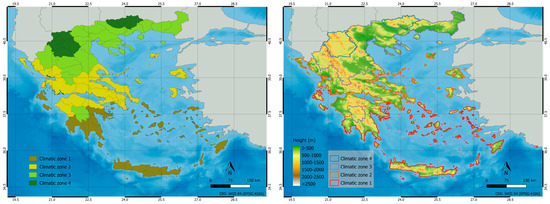
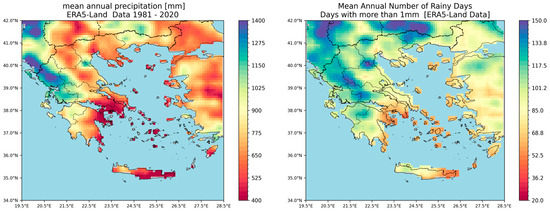
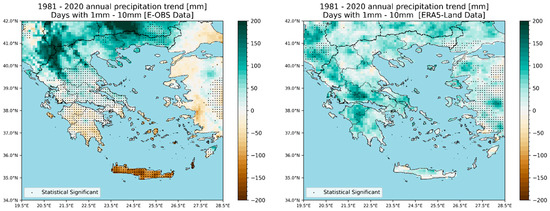
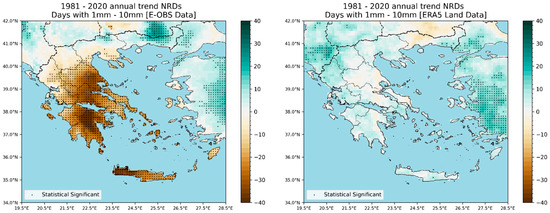
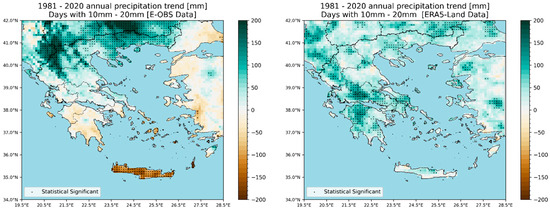
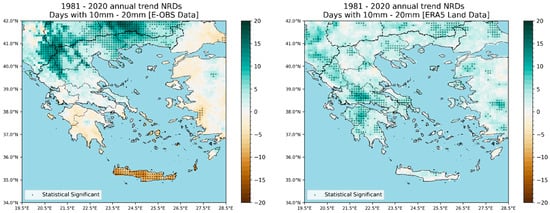
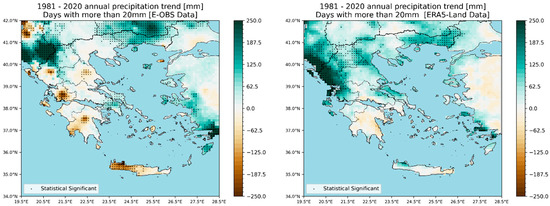
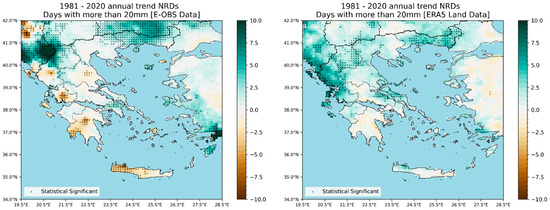
This study presents an analysis of 40-years (1981–2020) precipitation climatology of ERA5-Land and E-OBS gridded datasets over Greece. The analysis focused on trends in total annual, low, moderate, and extreme precipitation—as well as number of rainy days—corresponding to the climatically diverse geographical areas
[...] Read more.
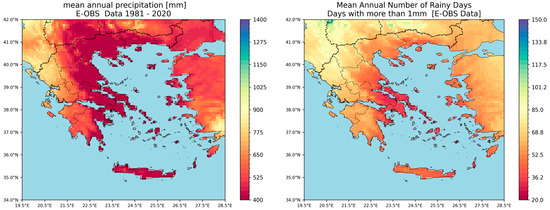
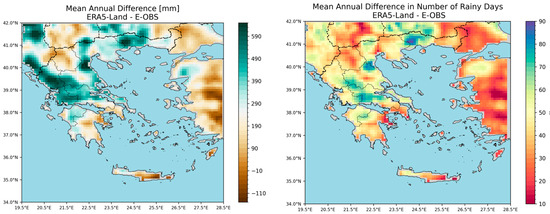
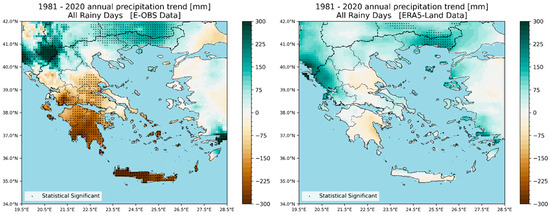
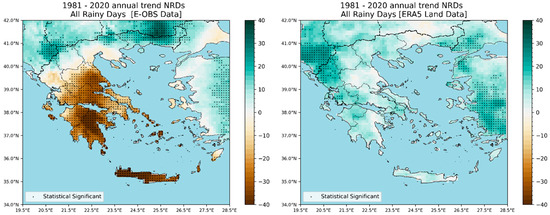
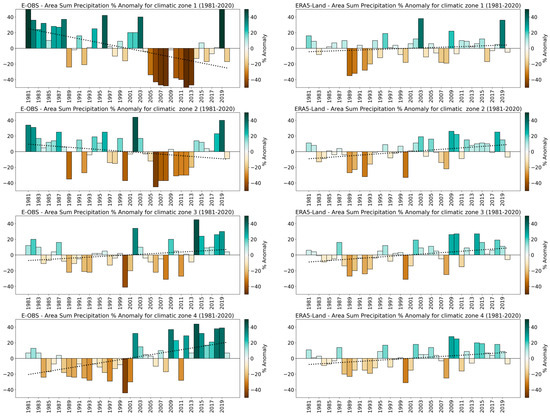
This study presents an analysis of 40-years (1981–2020) precipitation climatology of ERA5-Land and E-OBS gridded datasets over Greece. The analysis focused on trends in total annual, low, moderate, and extreme precipitation—as well as number of rainy days—corresponding to the climatically diverse geographical areas of Greece. Substantial differences were found in the results between the two datasets that could be attributed to the nature of data sources. In general, ERA5-Land revealed slightly negative trends in total precipitation amount, an increase in low and moderate precipitation intensity, and an overall positive trend in extreme precipitation intensity. E-OBS demonstrated a rather negative trend in total precipitation amount, a clear decline in Crete in low precipitation intensity, a positive trend in northern Greece, and a negative trend in Southern Greece and Crete for moderate intensity, while no clear trend was revealed for most parts of Greece for extreme precipitation intensity. Regarding the corresponding results for the number of rainy days (NRD), a significant reduction was evident for E-OBS data and a slight increase for ERA5-Land data for total precipitation amount. Analysis of low precipitation intensity indicated a slight increase for ERA5-Land and an overall reduction for E-OBS. The differences are less pronounced for moderate precipitation intensity, while for extreme precipitation intensity, differences were considered as rather localized. Finally, both datasets showed positive trends in northern or mountainous geographical areas while exhibiting controversial results mainly over southern and coastal zones.
Full article
(This article belongs to the Special Issue Climate Variability in the Mediterranean Region (Second Edition))
►▼
Show Figures

Figure 1
Open AccessReview
Climate Impact of Optimizing ATM and ATC Procedures for Mitigating CO2 and Non-CO2 Emissions
by
Davide Bianco, Roberto Valentino Montaquila and Vittorio Di Vito
Climate 2026, 14(2), 40; https://doi.org/10.3390/cli14020040 - 1 Feb 2026
Abstract
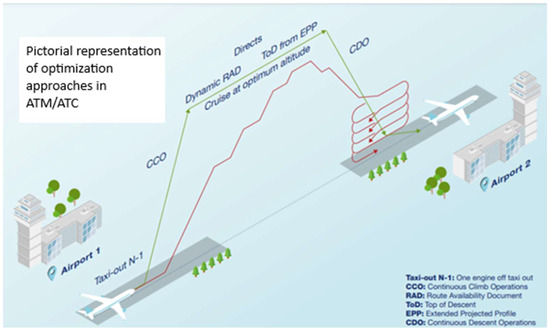
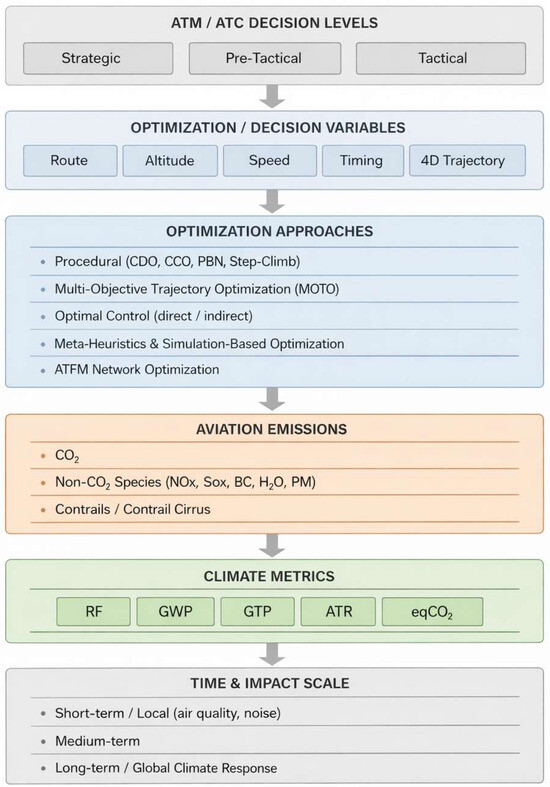
A comprehensive multidisciplinary review of recent advances in aviation emissions modeling methodologies and mitigation strategies through optimized in-flight operational procedures, and how they could be considered in evaluating their climatic impact is presented. With reference to the Terminal Maneuvering Area (TMA), the article
[...] Read more.
A comprehensive multidisciplinary review of recent advances in aviation emissions modeling methodologies and mitigation strategies through optimized in-flight operational procedures, and how they could be considered in evaluating their climatic impact is presented. With reference to the Terminal Maneuvering Area (TMA), the article critically examines current and emerging strategies, particularly those enabled by GNSS-based capabilities and Performance-Based Navigation (PBN), to enhance aircraft efficiency and reduce fuel consumption and associated chemical emissions. The study also explores the state-of-the-art methodologies for modeling both CO2 and non-CO2 emissions and addresses the problem of contrails formation, highlighting the main relevant aspects that can be useful for the definition of future mitigation strategies. Furthermore, it analyzes evolving optimization techniques aimed at real-time 4D trajectory planning able to consider the atmospheric conditions, with the overall objective of minimizing the aircraft environmental impact while in flight. Finally, the paper discusses suitable metrics for evaluating both short-term local air quality effects and long-term global climate implications, offering an integrated framework for sustainable aviation operations.
Full article
(This article belongs to the Special Issue Climate Change and Transport System)
►▼
Show Figures

Figure 1
Open AccessArticle
Analysis of Precipitation and Regionalization of Torrential Rainfall in Bulgaria
by
Krastina Malcheva, Neyko Neykov, Lilia Bocheva, Anastasiya Stoycheva and Nadya Neykova
Climate 2026, 14(2), 39; https://doi.org/10.3390/cli14020039 - 1 Feb 2026
Abstract
The increasing frequency of extreme rainfall events that cause severe damage is considered a clear sign of climate change. Therefore, analyzing these events and gaining a better understanding of the circulation patterns that form precipitation regimes and trigger torrential rainfall are crucial for
[...] Read more.
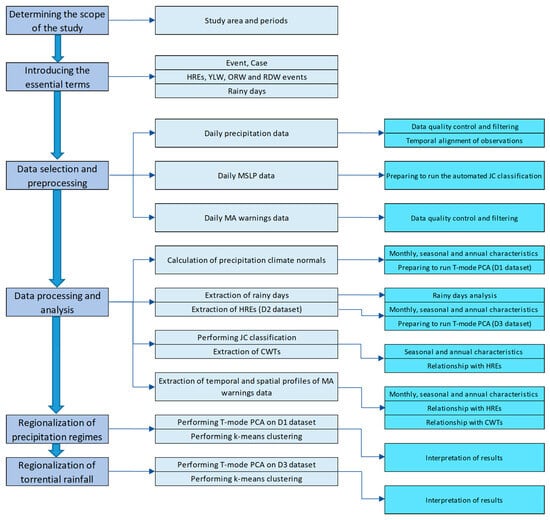
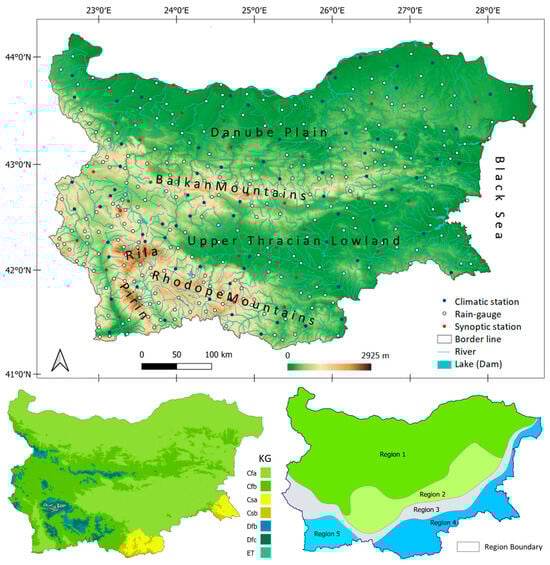
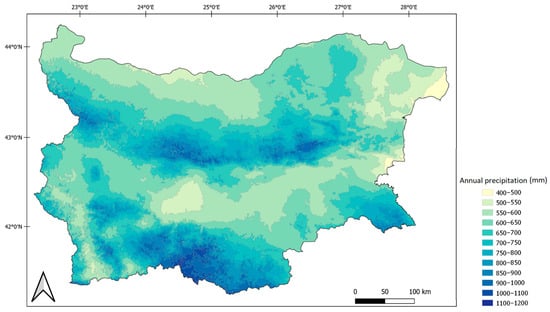
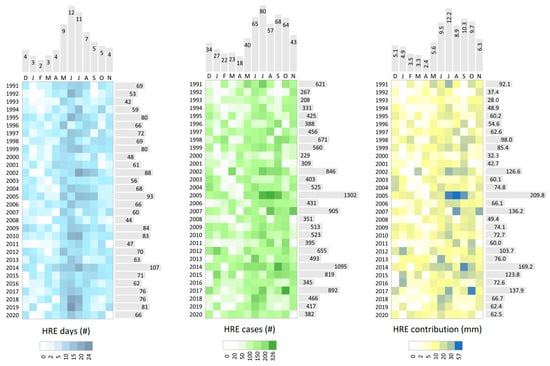
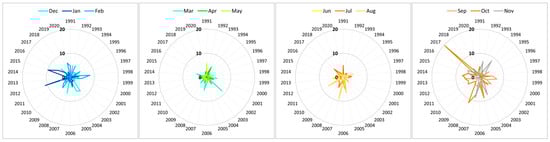
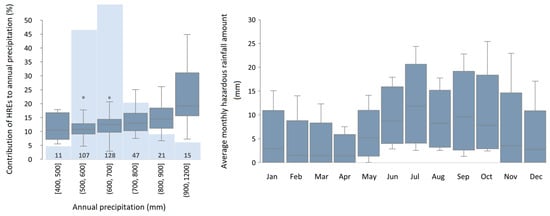
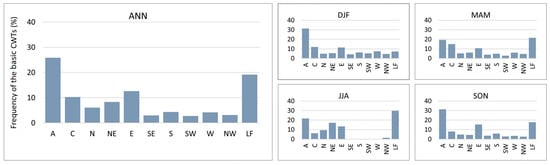
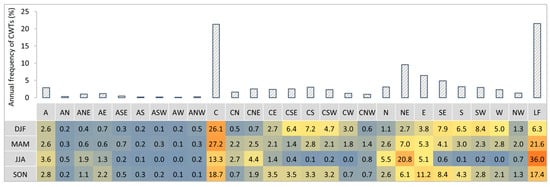
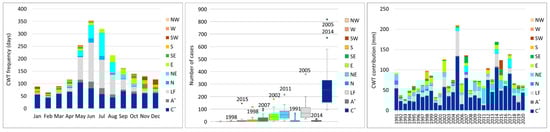
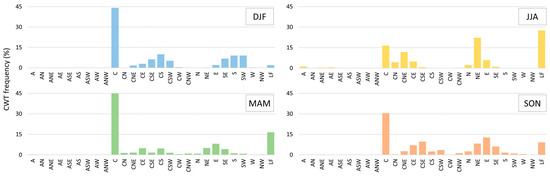
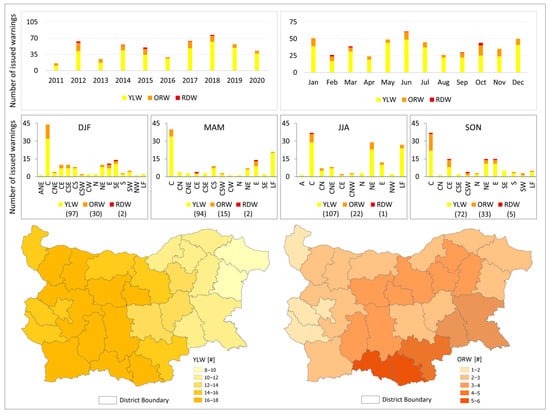
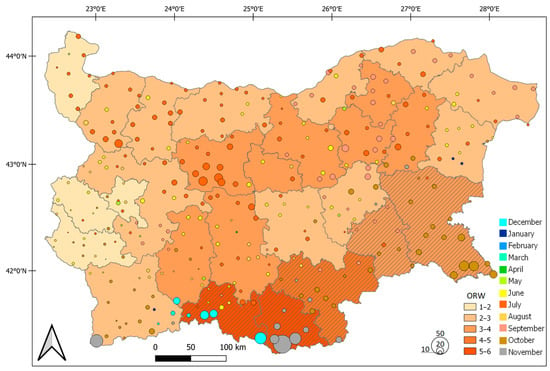
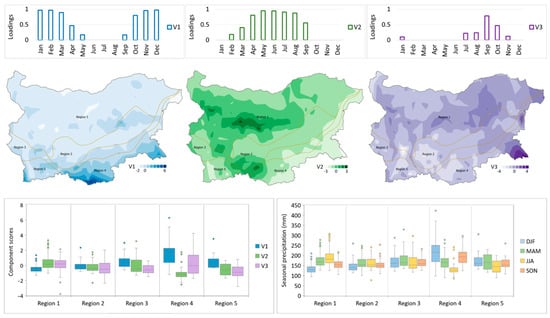
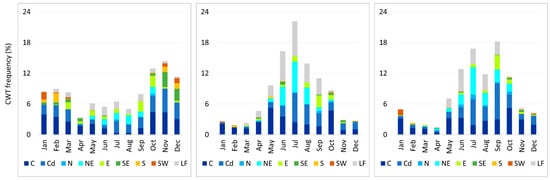
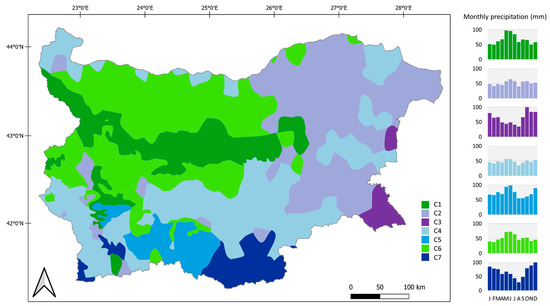
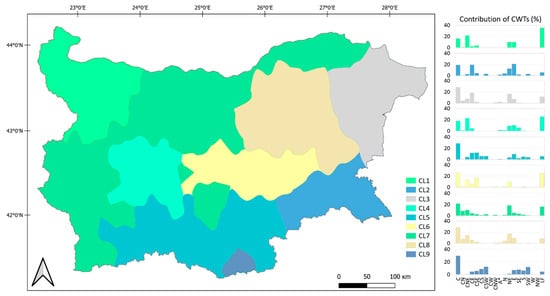
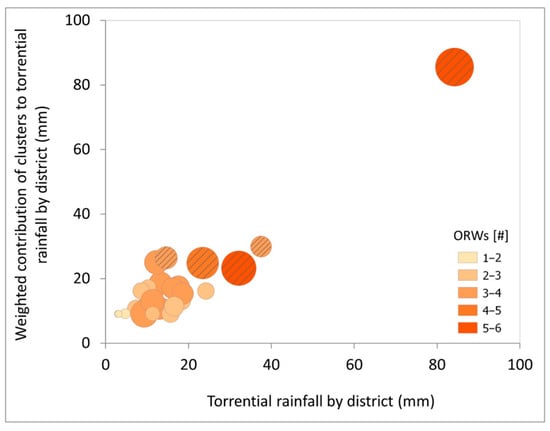
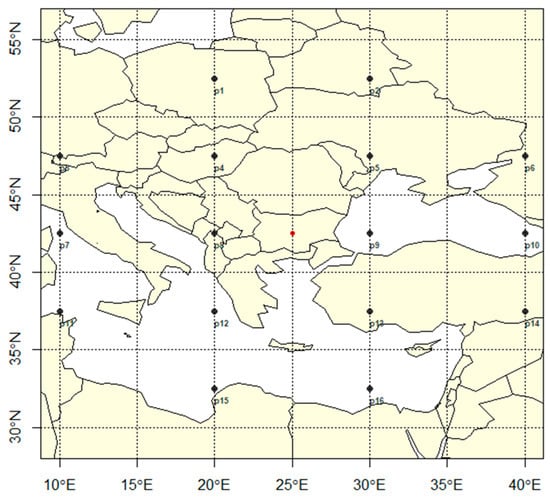
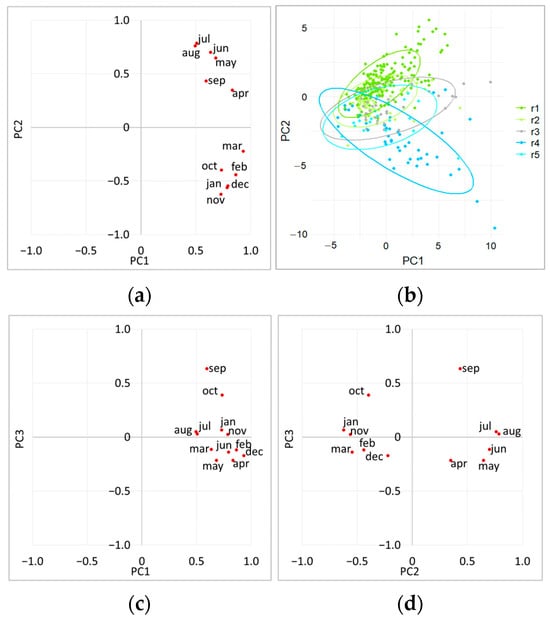
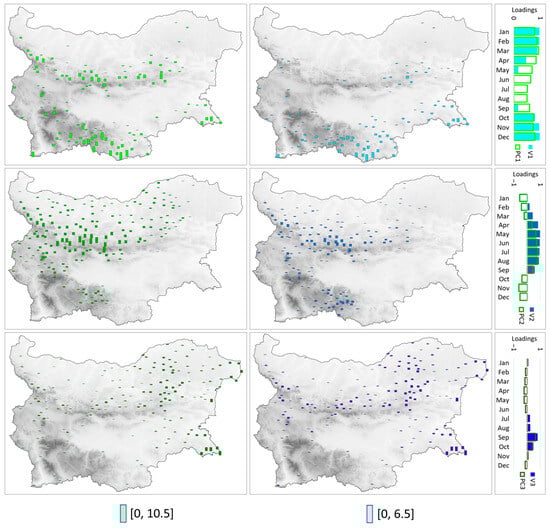
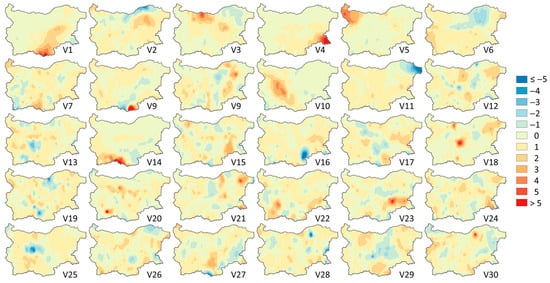
The increasing frequency of extreme rainfall events that cause severe damage is considered a clear sign of climate change. Therefore, analyzing these events and gaining a better understanding of the circulation patterns that form precipitation regimes and trigger torrential rainfall are crucial for developing adaptation strategies. This study aims to present a comprehensive picture of precipitation regimes in Bulgaria under contemporary climate conditions, investigate the connections between precipitation and atmospheric circulation patterns, and propose a regionalization of torrential rainfall. We used daily precipitation data collected in the period 1991–2020, along with data on hazardous rainfall warnings issued by the National Institute of Meteorology and Hydrology. To identify the circulation patterns associated with both rainy days and hazardous rainfall in Bulgaria, we applied the automated Jenkinson–Collison classification. To identify precipitation patterns, we conducted a principal component analysis in T-mode with varimax rotation and k-means clustering of component scores on both monthly normals and a dataset of 166 selected torrential rainfall days. The results, examined in the context of the existing regionalization of precipitation, highlight the climatic diversity of precipitation regimes in Bulgaria. Our findings indicate that torrential rainfall is associated with low-pressure systems and airflows mainly from the east or northeast, as well as with weak-gradient pressure fields.
Full article
(This article belongs to the Section Weather, Events and Impacts)
►▼
Show Figures

Figure 1
Open AccessReview
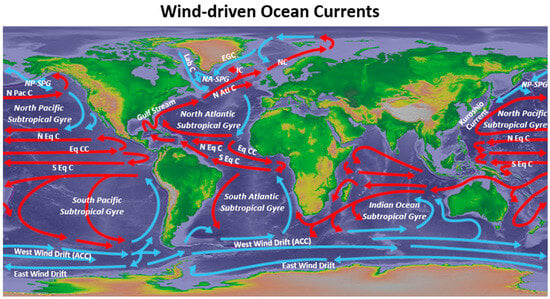
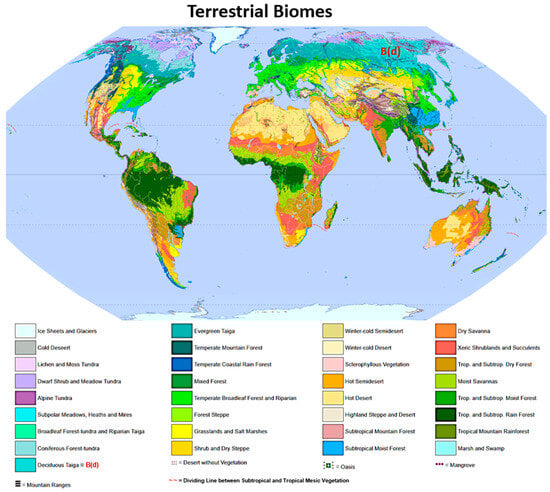
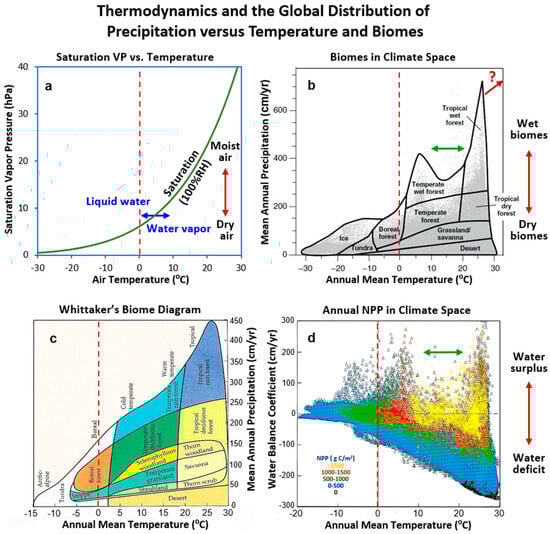
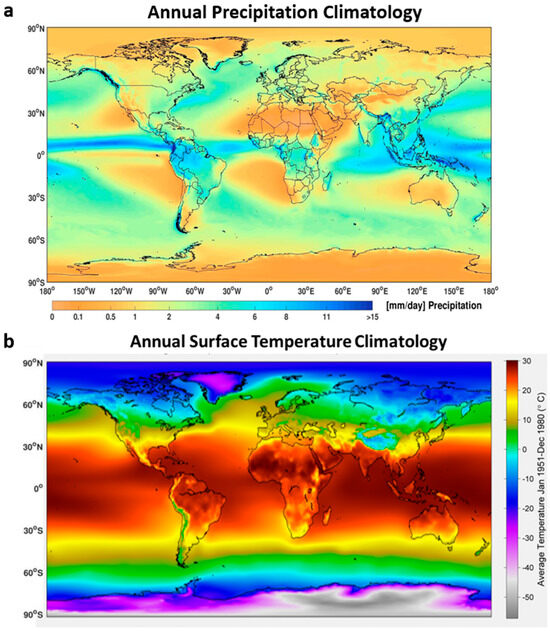
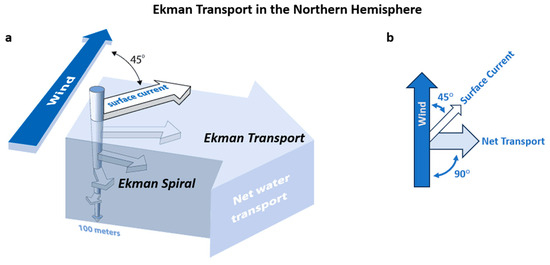
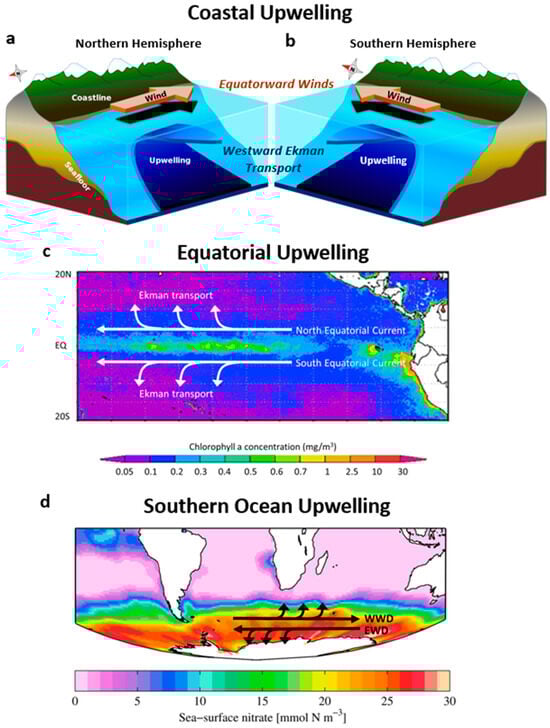
Nonlinear Earth System Dynamics Determine Biospheric Structure and Function: I—A Primer on How the Climate System Functions as a Heat Engine and Structures the Biosphere
by
Timothy G. F. Kittel and Kelly Ferron
Climate 2026, 14(2), 38; https://doi.org/10.3390/cli14020038 - 1 Feb 2026
Abstract
The Earth’s climate system exhibits nonlinear behavior driven by interactions among the atmosphere, oceans, cryosphere, land, and biosphere. These dynamics have given rise to relatively stable environments that shape the structure and function of the modern biosphere. This review is a primer for
[...] Read more.
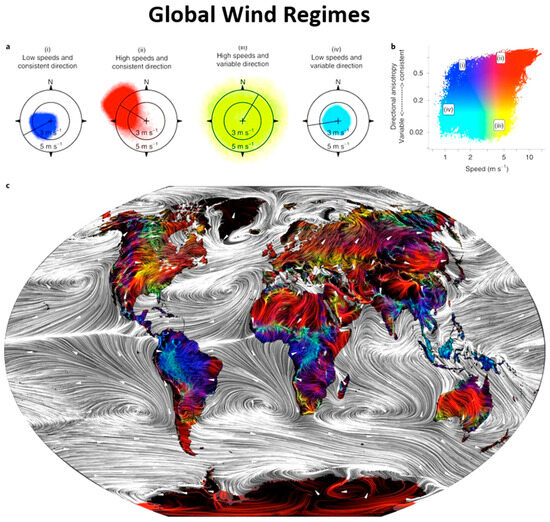
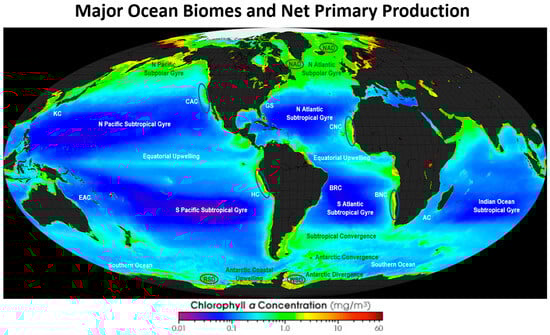
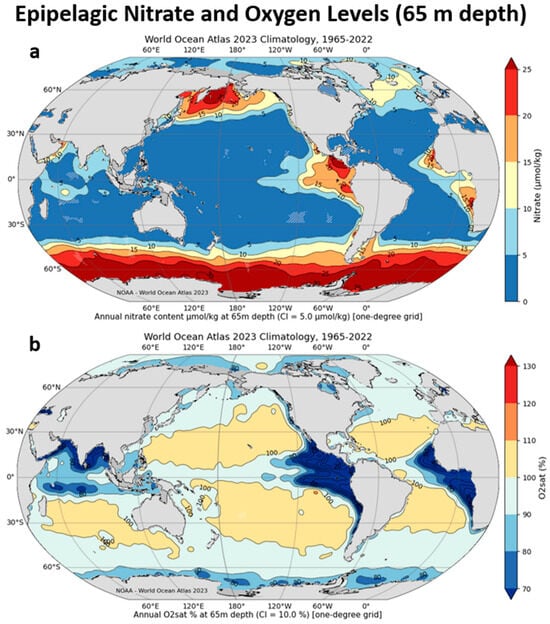
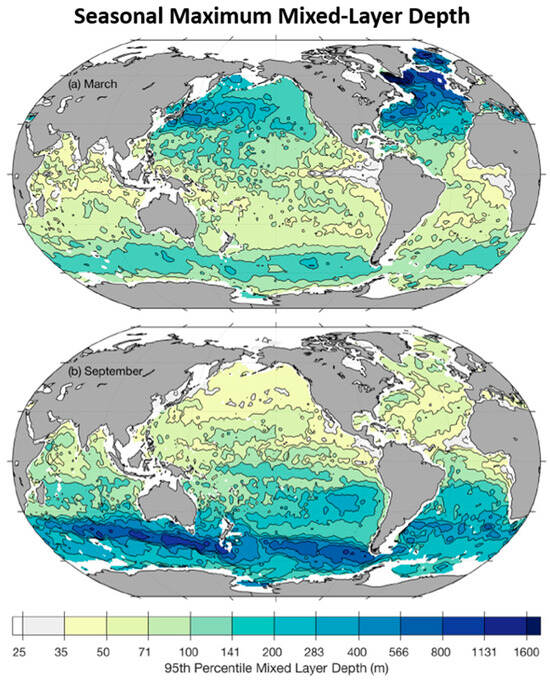
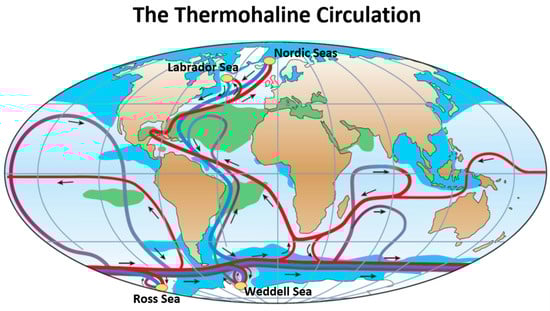
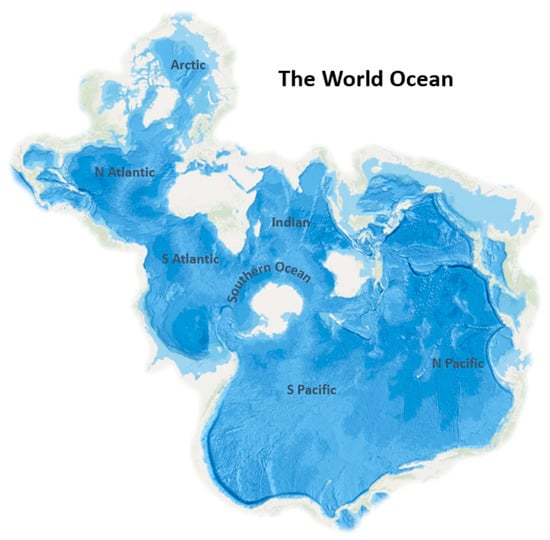
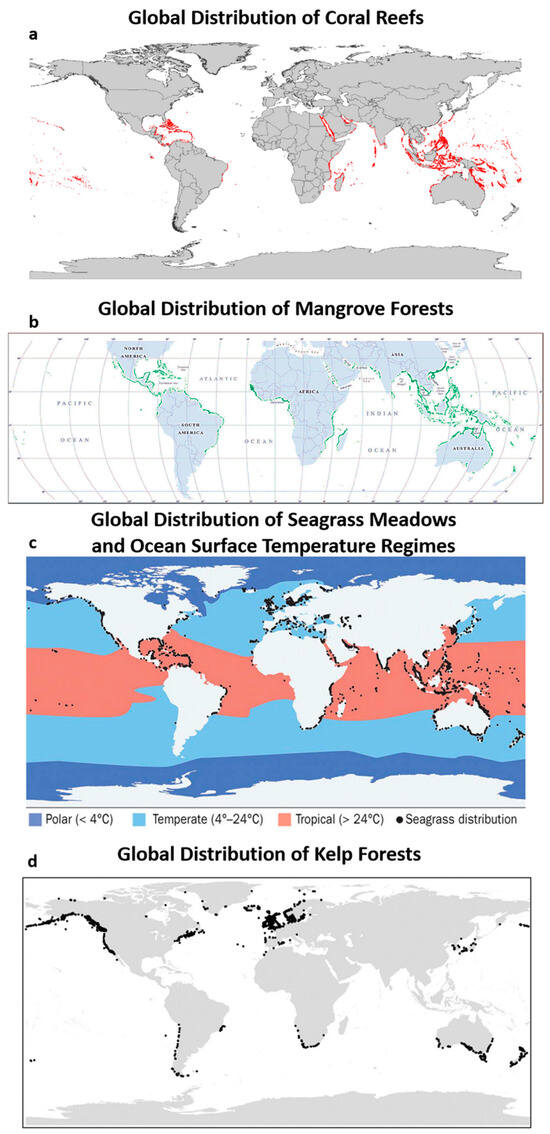
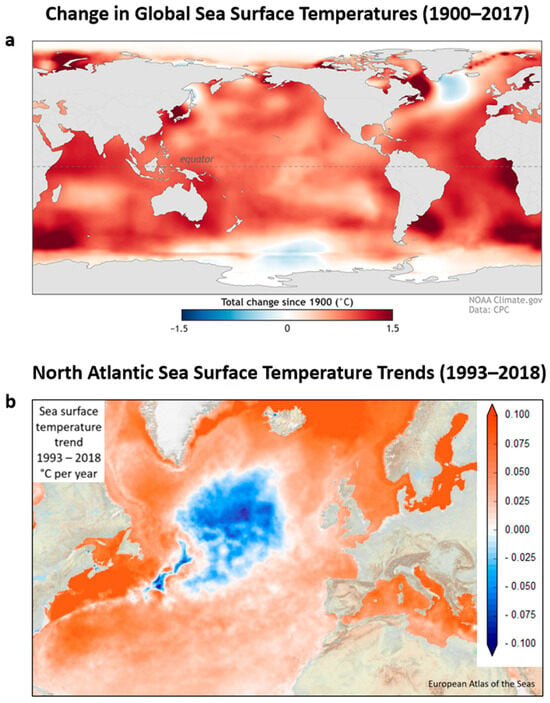
The Earth’s climate system exhibits nonlinear behavior driven by interactions among the atmosphere, oceans, cryosphere, land, and biosphere. These dynamics have given rise to relatively stable environments that shape the structure and function of the modern biosphere. This review is a primer for conservation practitioners and natural resource managers to develop a deep understanding of how the Earth System works. The key is to recognize that shifts in Earth System dynamics due to global climate change can destabilize the biosphere in unforeseen ways. The potential emergence of novel ecoregions must be a critical factor in adaptation planning for conservation and resource management. We review how thermodynamic constraints and global circulation dynamics determine the distribution of terrestrial and marine biomes. These dynamics stem from the Earth System functioning as a heat engine, transporting excess heat from low to high latitudes. We illustrate how biome climates are organized into climate regimes, with spatial and temporal characteristics linked to complex features of atmospheric and oceanic circulation. At centennial to millennial scales, these dynamics have created a stable envelope of natural variability in climate that has established a long-standing operating space for biota. However, this stability is becoming increasingly uncertain due to the growing positive energy imbalance in the Earth System primarily driven by anthropogenic greenhouse gas emissions. This forcing is leading to disruptive climatic change, putting the biosphere on a trajectory toward new transient states. Such global to regional climatic instability and biospheric restructuring introduce a high level of uncertainty in ecological futures, with major implications for natural resource management, biodiversity conservation strategies, and societal adaptation. We conclude by discussing frameworks for impact assessments and decision making under climate uncertainty.
Full article
(This article belongs to the Special Issue Climate System Uncertainty and Biodiversity Conservation)
►▼
Show Figures

Figure 1
Open AccessArticle
Time Left to Critical Climate Feedback/Loops: Annual Solar Geoengineering-PLUS, Pathways to Planetary Self-Cooling
by
Alec Feinberg
Climate 2026, 14(2), 37; https://doi.org/10.3390/cli14020037 - 1 Feb 2026
Abstract
►▼
Show Figures
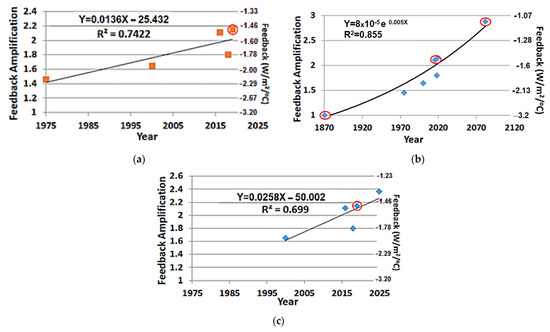
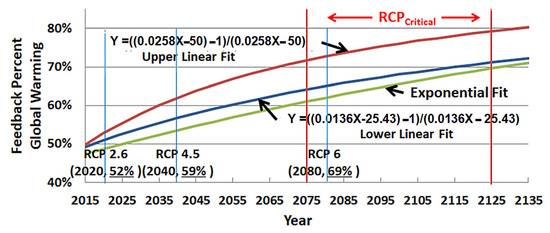
Global warming (GW) contributions from feedbacks and feedback loops are projected to rise from ≈54% (loops: 29%) in 2024 to ≈71% (loops: 50%) under faltering RCP pathways without Solar Geoengineering (SG) by about 2100. A critical threshold, RCP_Critical, defined as the point at
[...] Read more.
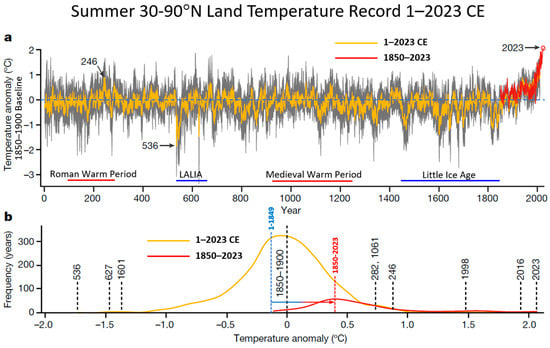
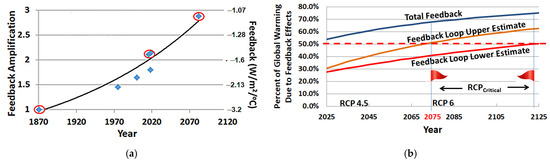
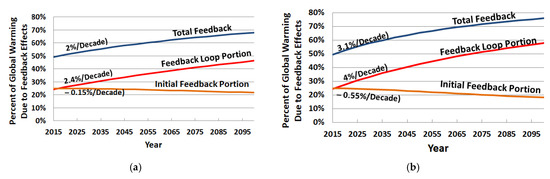
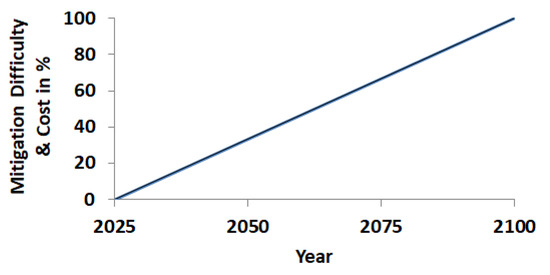
Global warming (GW) contributions from feedbacks and feedback loops are projected to rise from ≈54% (loops: 29%) in 2024 to ≈71% (loops: 50%) under faltering RCP pathways without Solar Geoengineering (SG) by about 2100. A critical threshold, RCP_Critical, defined as the point at which feedback loops account for more than half of GW, is projected to occur between 2075 and 2125. Beyond this point, reversing warming becomes severely constrained, and climate tipping points become more likely. From these trends, an average mitigation difficulty and cost increase rate (MDCR) of ≈1.33–1.5% per year is estimated. By 2100, absent mitigation, the effort required to offset global warming would roughly double relative to today, approaching an unsustainable mitigation critical threshold. Current feedback levels may already be driving nonlinear warming behavior. These diagnostic estimates align with three key indicators: a minimum-feedback baseline from 1870, an equilibrium climate sensitivity (ECS) range of 3.1 °C–4.3 °C (potentially reached by ≈2082), and consistency with IPCC AR6 confidence bounds. In response, this study proposes Annual Solar Geoengineering-PLUS pathways (ASG+Ps) as supplemental measures. These include Earth Brightening, targeted Arctic Stratospheric Aerosol Injection (SAI), and feasible L1 Space Sunshade systems designed to reduce feedback amplification and extend mitigation timelines. The “PLUS” component refers to the use of increased mitigation levels with a focus on high-amplification regions, particularly the Arctic and the tropics, to help reverse local feedbacks and promote negative feedback loops. These moderate ASG+P pathways directly address AR6 concerns while avoiding many governance challenges of full-scale SG. ASG+Ps are less controversial and provide ≈14× stronger cooling potential per Wm−2 than Carbon Dioxide Removal (CDR), while allowing variable regional targeting. Meanwhile, RCP2.6 has already been missed, placing RCP4.5 and RCP6 at risk. In 2024, atmospheric CO2 rose by ≈23 Gt (≈3 ppm), while forest tree losses exceeded afforestation gains by 2×, yielding a 2 GtCO2 sink loss, further diminishing CDR’s effectiveness. Declines in planetary albedo since 1998 continue to amplify warming. Urbanization accounts for roughly 13% of total surface GW, affecting 60% of the population, underscoring the mitigation potential of urban Earth Brightening. New results here also show major Space Sunshading area reductions, at ≈32× less than prior flawed estimates (detailed here) and ≈1600× less under the ASG+P method, substantially improving feasibility and the importance of space agencies’ needed mitigation role. A coordinated global ASG+P strategy, supported by IPCC working groups and space agencies like NASA/SpaceX, are needed to provide a critical supplemental pathway for climate stabilization. Given the shrinking intervention window, rising MDCR, and the escalating risks to civilization, prioritizing timely work in this area is essential; the investment is minor compared to the trillions in climate financial damages that could be avoided.
Full article

Figure 1
Open AccessArticle
Assessment of Remote Sensing Precipitation Products for Improved Drought Monitoring in Southern Tanzania
by
Vincent Ogembo, Erasto Benedict Mukama, Ernest Kiplangat Ronoh and Gavin Akinyi
Climate 2026, 14(2), 36; https://doi.org/10.3390/cli14020036 - 30 Jan 2026
Abstract
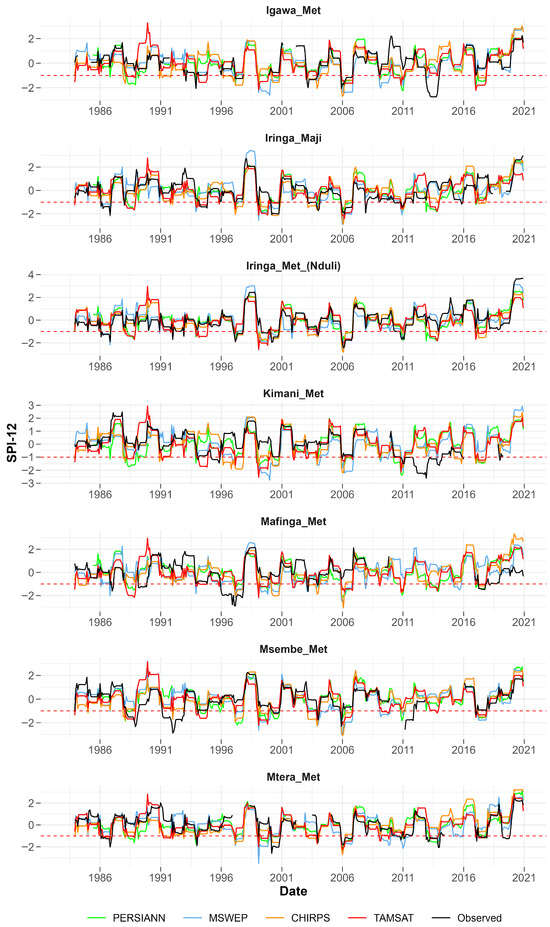
In regions lacking sufficient data, remote sensing (RS) offers a reliable alternative for precipitation estimation, enabling more effective drought management. This study comprehensively evaluates four commonly used RS datasets—Climate Hazards Center InfraRed Precipitation with Station data (CHIRPS), Tropical Applications of Meteorology using Satellite
[...] Read more.
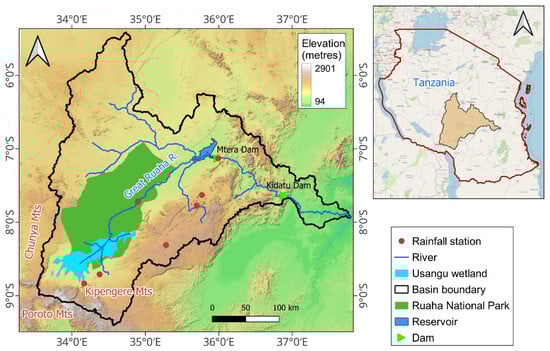
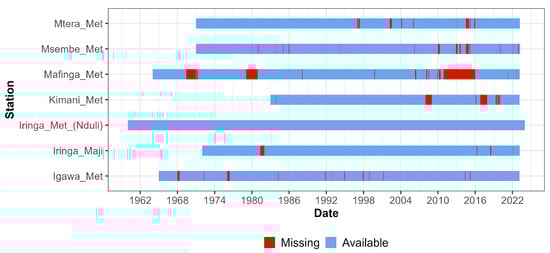
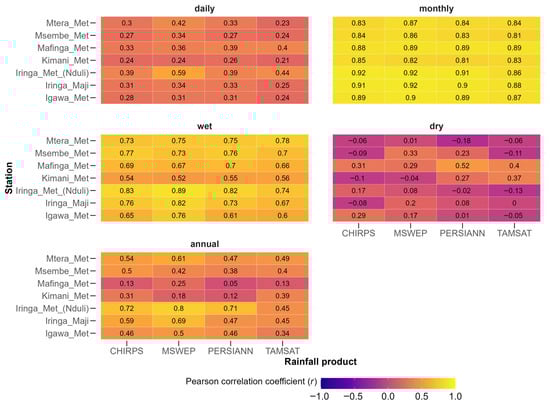
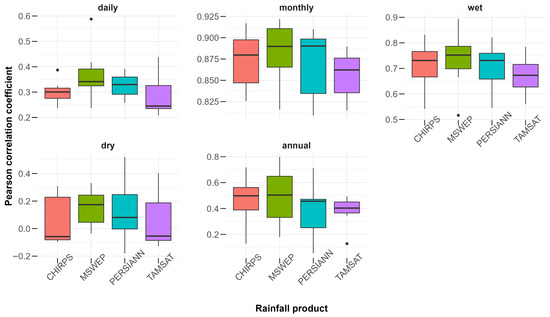
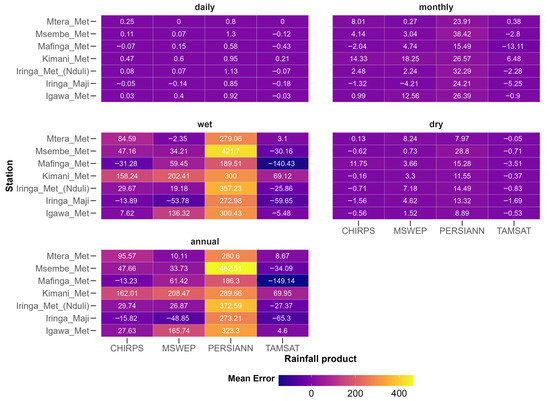
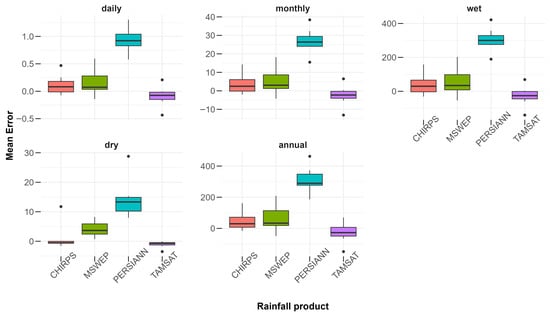
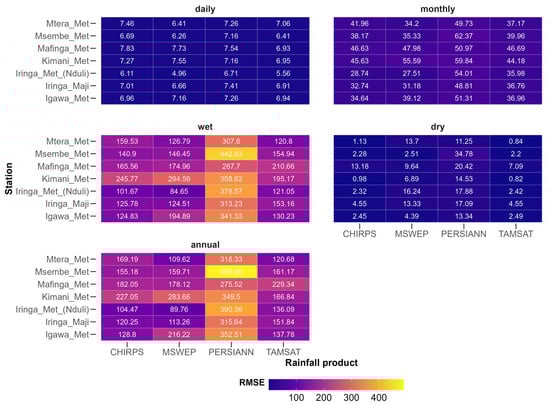
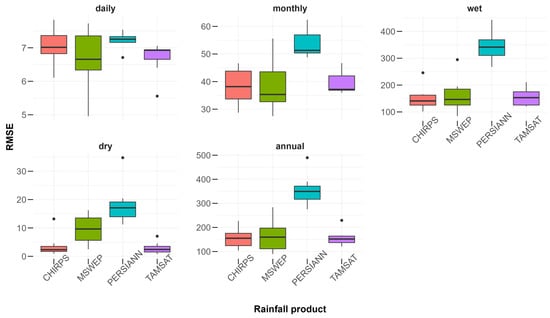
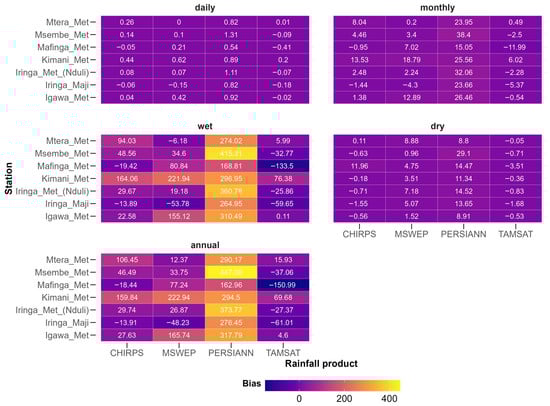
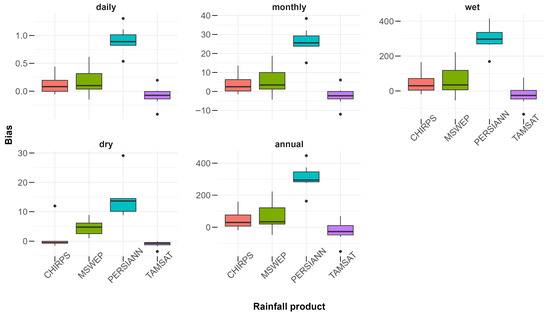
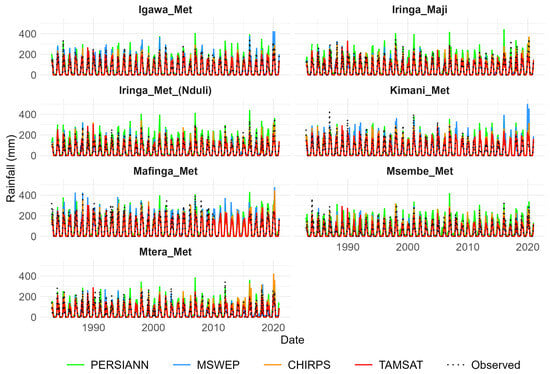
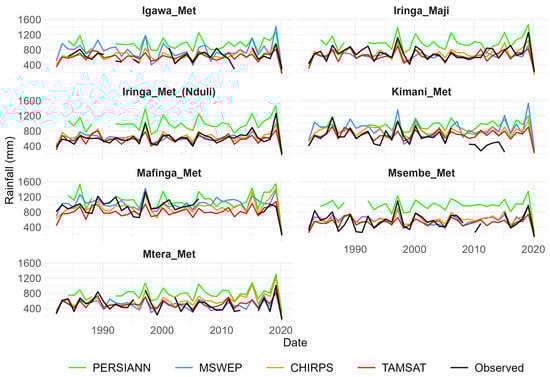
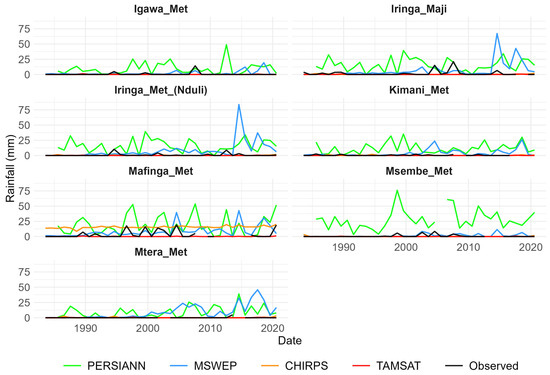
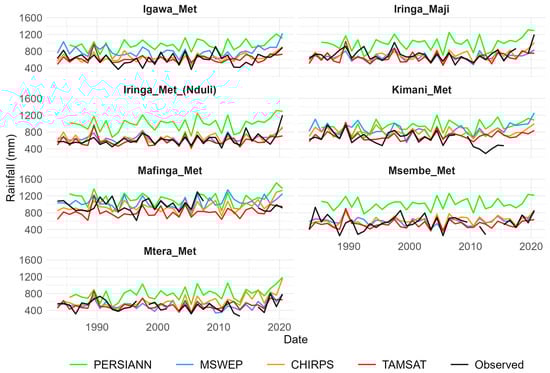
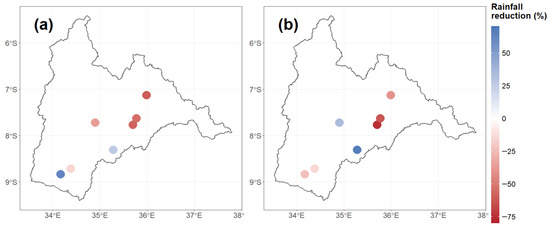
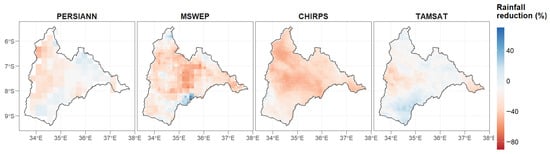
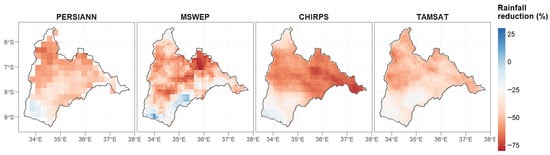
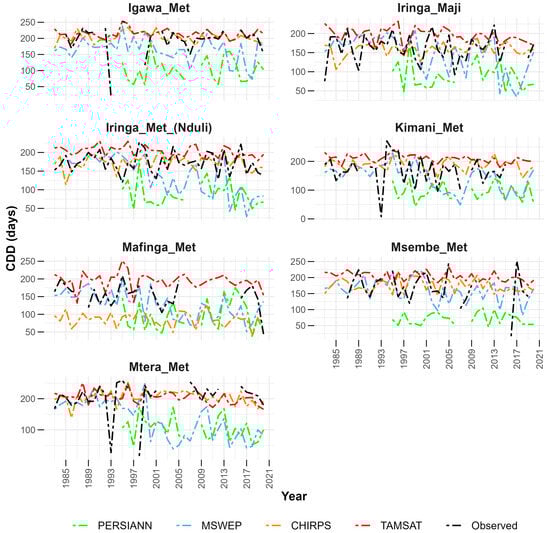
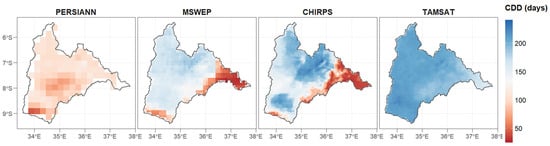
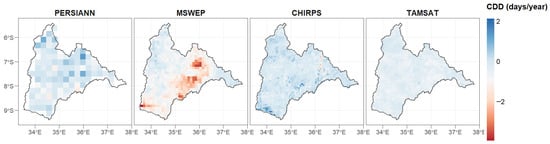
In regions lacking sufficient data, remote sensing (RS) offers a reliable alternative for precipitation estimation, enabling more effective drought management. This study comprehensively evaluates four commonly used RS datasets—Climate Hazards Center InfraRed Precipitation with Station data (CHIRPS), Tropical Applications of Meteorology using Satellite data (TAMSAT), Precipitation Estimation from Remotely Sensed Information using Artificial Neural Networks–Climate Data Record (PERSIANN-CDR), and Multi-Source Weighted-Ensemble Precipitation (MSWEP) against ground-based data—with respect to their performance in detecting precipitation and drought patterns in the Great Ruaha River Basin (GRRB), Tanzania (1983–2020). Statistical metrics including the Pearson correlation coefficient (r), mean error (ME), root mean square error (RMSE), and bias were employed to assess the performance at daily, monthly, seasonal (wet/dry), and annual timescales. Most of the RS products exhibited lower correlations (r < 0.5) at daily timestep and low RMSE, bias, and ME. Monthly performance improved substantially (r > 0.8 at most stations) particularly during the wet season (r = 0.52–0.82) while annual and dry-season performance declined (r < 0.5 and r < 0.3, respectively). Performance under RMSE, bias, and ME declined at higher timescales, particularly during the wet season and annually. CHIRPS, MSWEP, and PERSIANN generally overestimated precipitation while TAMSAT consistently underestimated it. Spatially, CHIRPS and MSWEP reproduced coherent basin-scale patterns of drought persistence, with longer dry-spells concentrated in the northern, central, and western parts of the basin and shorter dry-spells in the eastern and southern regions. Trend analysis further revealed that most products captured consistent large-scale changes in dry-spell characteristics, although localized drought events were more variably detected. CHIRPS and MSWEP showed superior performance especially in capturing monthly precipitation patterns and major drought events in the basin. Most products struggled to detect extreme dry conditions with the exception of CHIRPS and MSWEP at certain stations and periods. Based on these findings, CHIRPS and MSWEP are recommended for drought monitoring and water resource planning in the GRRB. Their appropriate use can help water managers make informed decisions, promote sustainable resource use, and strengthen resilience to extreme weather events.
Full article
(This article belongs to the Special Issue Extreme Precipitation and Responses to Climate Change)
►▼
Show Figures

Figure 1
Open AccessArticle
A Novel System-Based Empirical Mode Decomposition with Improved Upper Bounds Applied to Environmental Datasets
by
Dhouha Kbaier, Ian Kenny and Oliver Halliday
Climate 2026, 14(2), 35; https://doi.org/10.3390/cli14020035 - 30 Jan 2026
Abstract
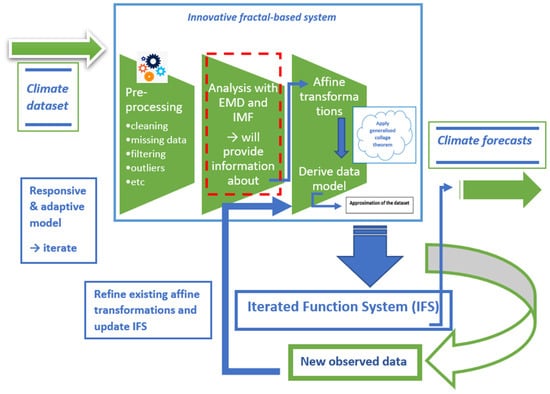
We are interested in modelling smaller datasets to generate more accurate, sub-regional or regional climate forecasts. The focus of this paper is to present the findings of a study investigating the application of empirical mode decomposition (EMD) to identify the components of the
[...] Read more.
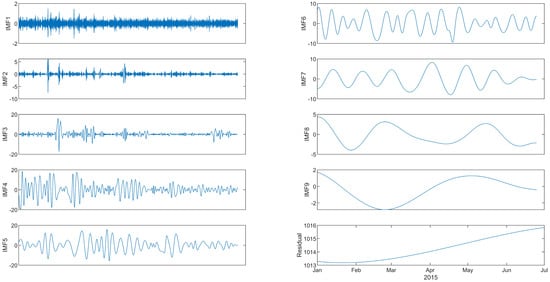
We are interested in modelling smaller datasets to generate more accurate, sub-regional or regional climate forecasts. The focus of this paper is to present the findings of a study investigating the application of empirical mode decomposition (EMD) to identify the components of the signal from which we can subsequently derive an iterated function system (IFS). One could develop a series of models, which are not based on big data, but rather allow for a cyclical model to keep the cycle iterating so that the model can be more responsive and adaptive to changes in the climate. The results presented in this paper have identified a new upper bound for the number of intrinsic mode functions (IMFs) obtained after EMD. The goal of the research is to develop a model where climate data could be iterated adaptively between models.
Full article
(This article belongs to the Section Climate Dynamics and Modelling)
►▼
Show Figures

Figure 1
Open AccessArticle
The Patos Lagoon Digital Twin—A Framework for Assessing and Mitigating Impacts of Extreme Flood Events in Southern Brazil
by
Elisa Helena Fernandes, Glauber Gonçalves, Pablo Dias da Silva, Vitor Gervini and Éder Maier
Climate 2026, 14(2), 34; https://doi.org/10.3390/cli14020034 - 29 Jan 2026
Abstract
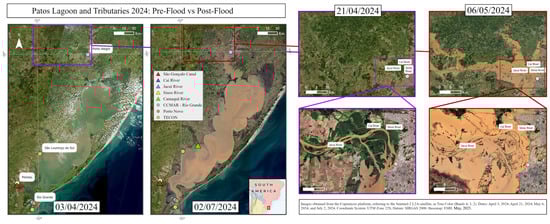
Recent projections by the Intergovernmental Panel on Climate Change indicate that global warming will turn permanent and further intensify the severity and frequency of extreme weather events (heat waves, rain, and intense droughts), with coastal regions being the most vulnerable to extreme events.
[...] Read more.
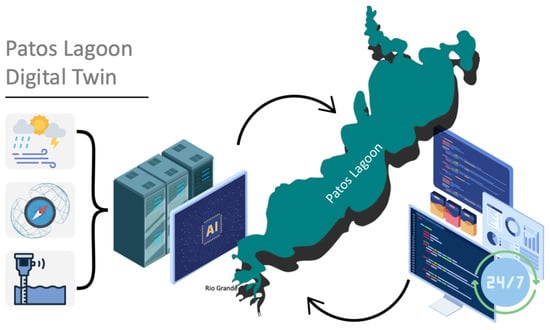
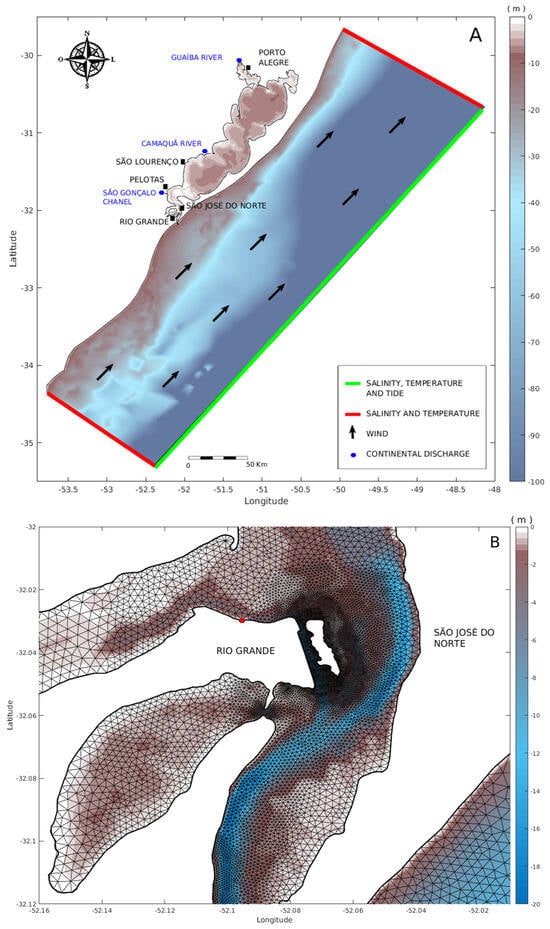
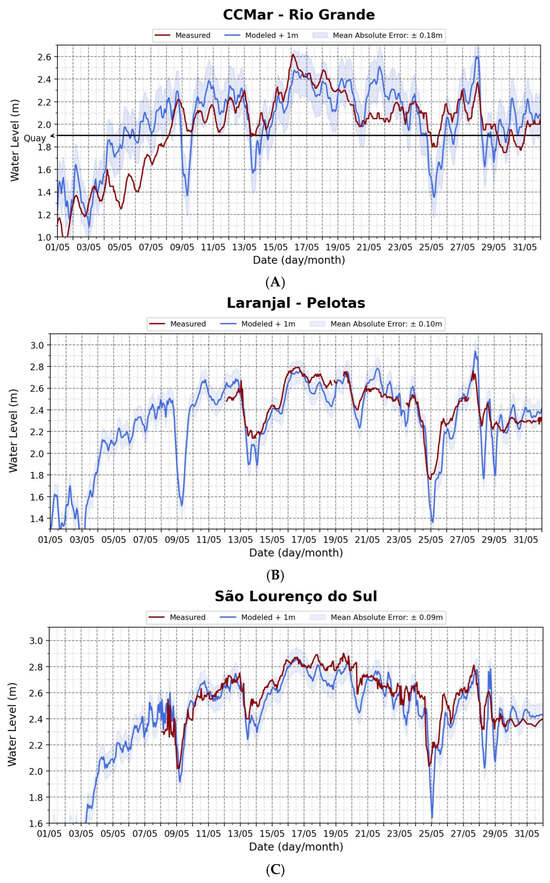
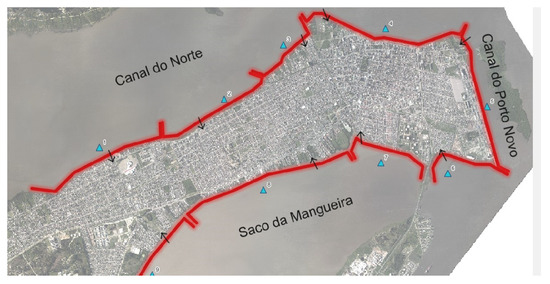
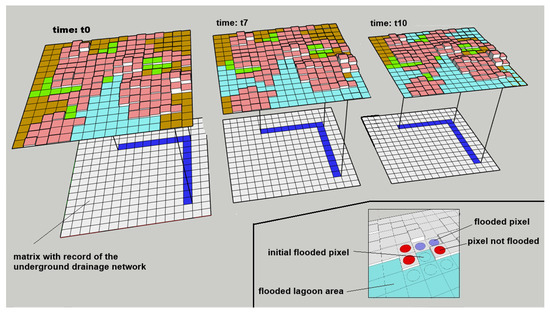
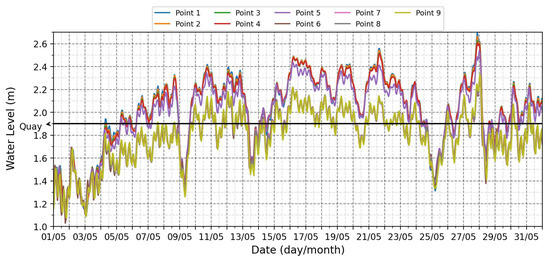
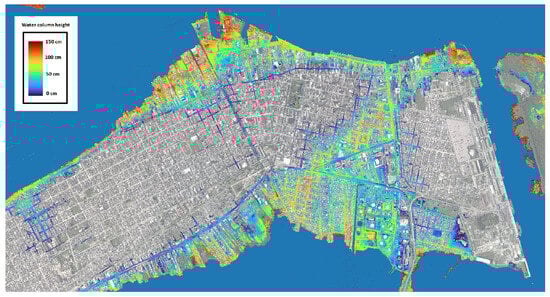
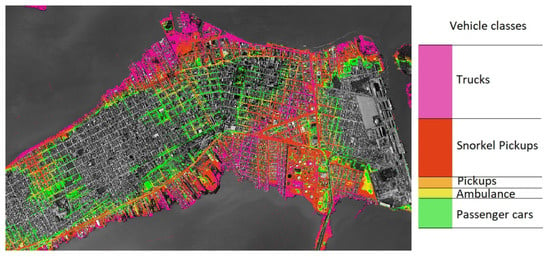
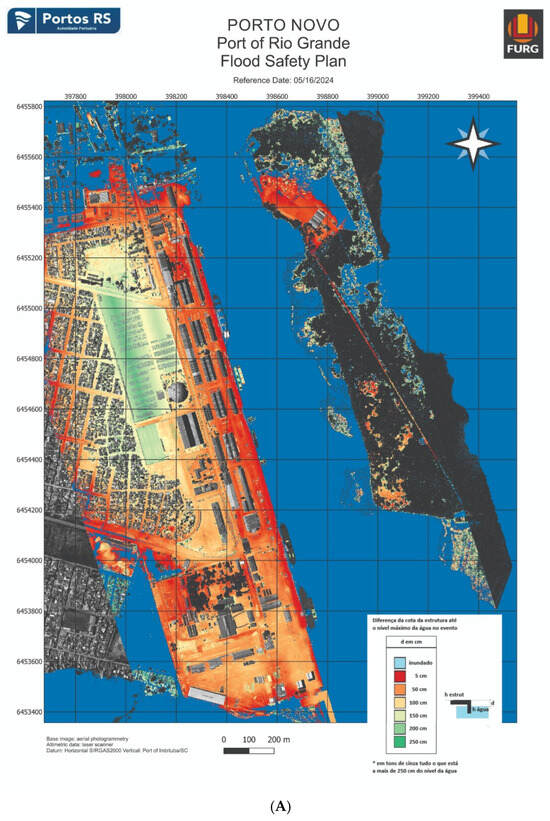
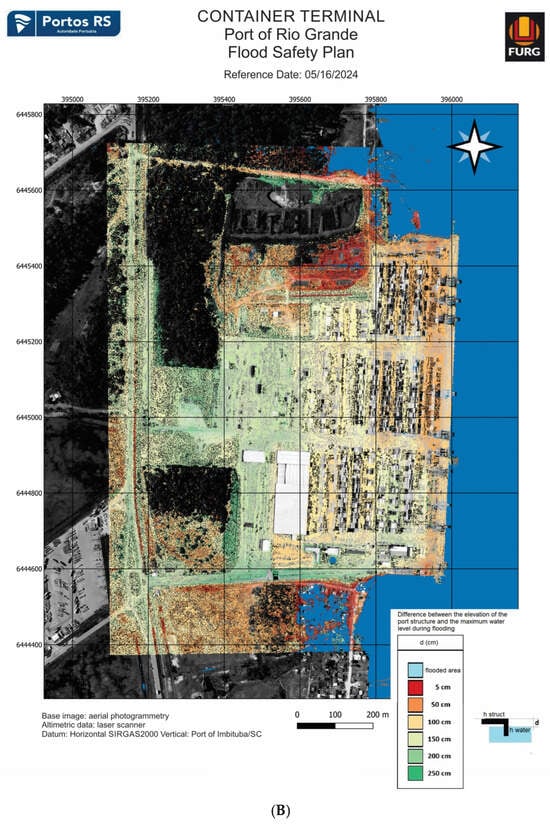
Recent projections by the Intergovernmental Panel on Climate Change indicate that global warming will turn permanent and further intensify the severity and frequency of extreme weather events (heat waves, rain, and intense droughts), with coastal regions being the most vulnerable to extreme events. Therefore, the risk of natural disasters and the associated regional impacts on water, food, energy, social, and health security represents one of the world’s greatest challenges of this century. However, conventional methodologies for monitoring these regions during extreme events are usually not available to managers and decision-makers with the necessary urgency. The aim of this study was to present a framework concept for assessing extreme flood event impacts in coastal zones using a suite of field data combined with numerical (hydrological, meteorological, and hydrodynamic) and computational (flooding) models in a virtual environment that provides a replica of a natural environment—the Patos Lagoon Digital Twin. The study case was the extreme flood event that occurred in the southernmost region of Brazil in May 2024, considered the largest flooding event in 125 years of data. The hydrodynamic model calculated the water levels around Rio Grande City (MAE ± 0.18 m). These results fed the flooding model, which projected the water over the digital elevation model of the city and produced predictions of flooding conditions on every street (ranging from a few centimeters up to 1.5 m) days before the flooding happened. The results were further customized to attend specific demands from the security forces and municipal civil defense, who evaluated the best alternatives for evacuation strategies and infrastructure safety during the May 2024 extreme flood event. Flood Safety Maps were also generated for all the terminals in the Port of Rio Grande, indicating that the terminals were 0.05 to 2.5 m above the flood level. Overall, this study contributes to a better understanding of the strengths of digital twin models in simulating the impacts of extreme flood events in coastal areas and provides valuable insights into the potential impacts of future climate change in coastal regions, particularly in southern Brazil. This knowledge is crucial for developing targeted strategies to increase regional resilience and sustainability, ensuring that adaptation measures are effectively tailored to anticipated climate impacts.
Full article
(This article belongs to the Section Climate Adaptation and Mitigation)
►▼
Show Figures

Figure 1
Open AccessArticle
Dominant Modes of Seasonal Moisture Flux Variability and Their Synoptic Drivers over the Canadian Prairies
by
Soumik Basu and David Sauchyn
Climate 2026, 14(2), 33; https://doi.org/10.3390/cli14020033 - 24 Jan 2026
Abstract
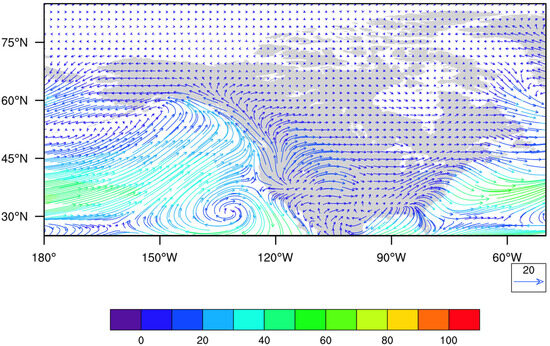
The Canadian Prairies are a region of critical importance to continental hydroclimate and agriculture, exhibiting high sensitivity to variability in atmospheric moisture transport. This study investigates the seasonal and interannual variability of integrated moisture flux over the Canadian Prairie region (96° W–114° W,
[...] Read more.
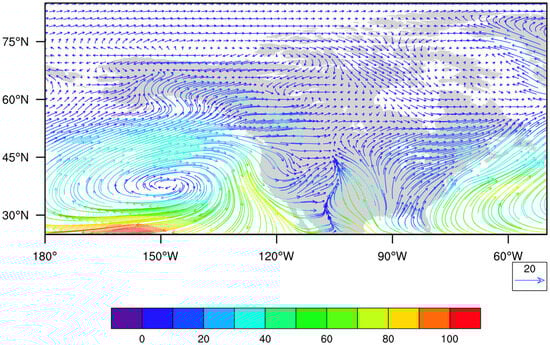
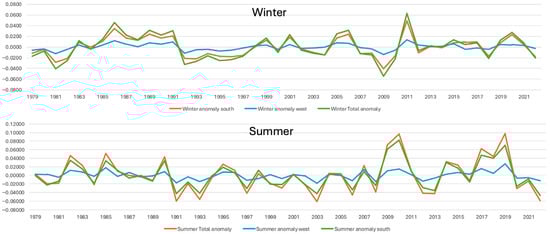
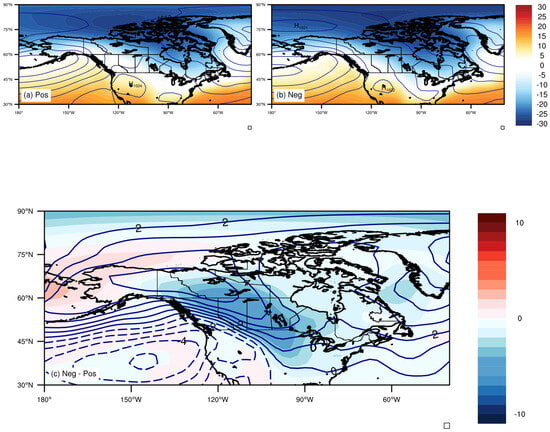
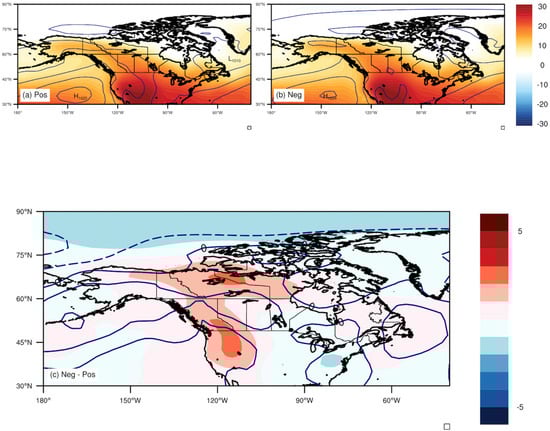
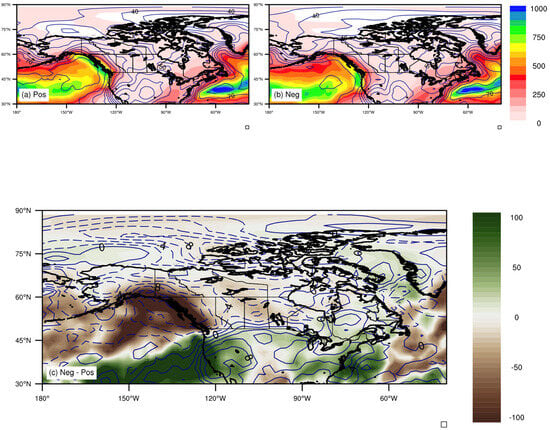
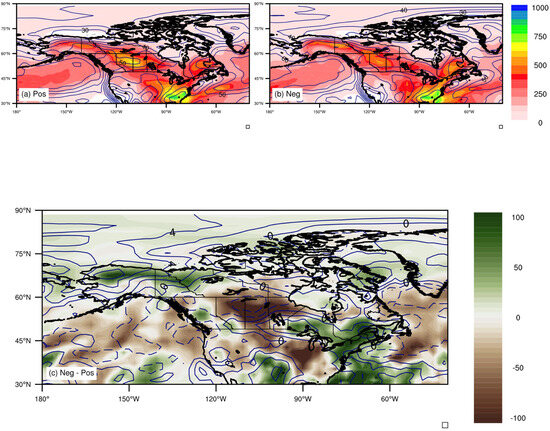
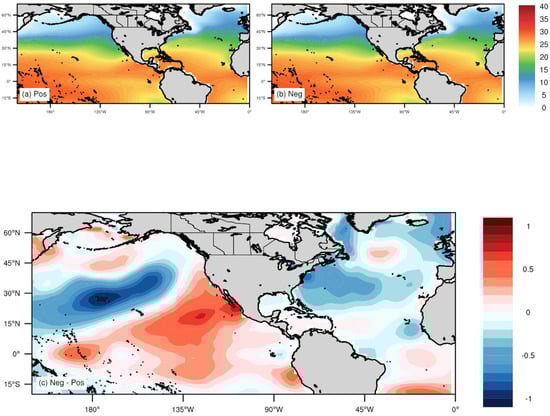
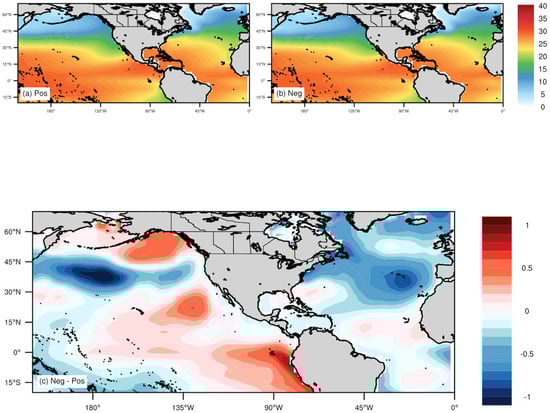
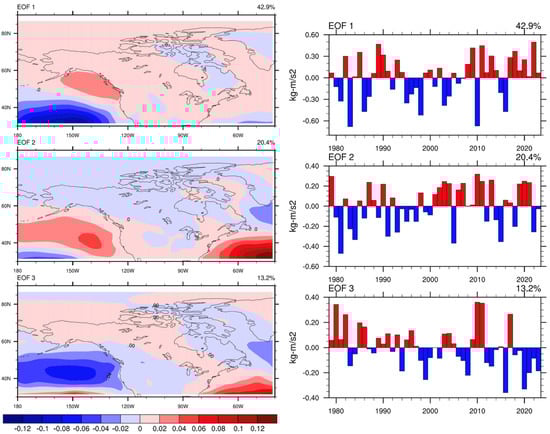
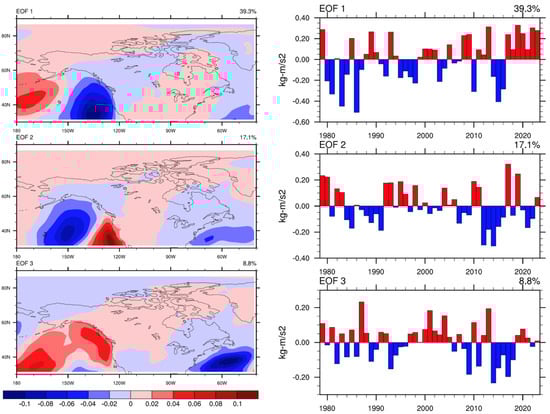
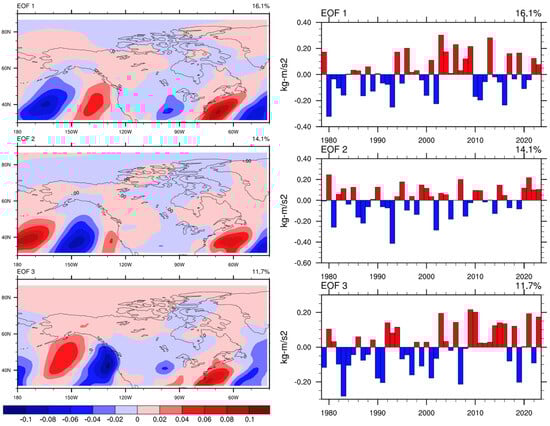
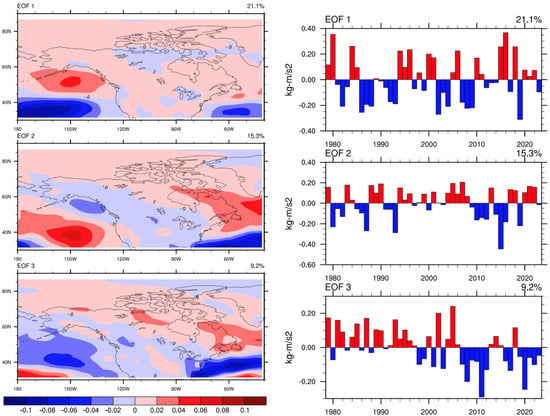
The Canadian Prairies are a region of critical importance to continental hydroclimate and agriculture, exhibiting high sensitivity to variability in atmospheric moisture transport. This study investigates the seasonal and interannual variability of integrated moisture flux over the Canadian Prairie region (96° W–114° W, 49° N–53° N) using the National Centers for Environmental Prediction (NCEP) Reanalysis dataset from 1979 to 2023. We employ a combination of composite analysis and Empirical Orthogonal Function (EOF) analysis to identify the dominant modes of variability and their associated large-scale synoptic drivers. Our results confirm a strong seasonal reversal: winter moisture flux is predominantly zonal (westerly), contributing an average of 90% to total inbound flux, while summer flux is primarily meridional (southerly), contributing a dominant 72.6%. Composite analysis of extreme moisture years reveals that anomalously high-moisture winters are associated with an intensified Aleutian Low and a strengthened pressure gradient off the North American west coast, facilitating enhanced westerly flow. Conversely, a strengthened continental high-pressure system characterizes anomalously low-moisture winters. During summer, high-moisture years are driven by an enhanced southerly component of the flow, likely linked to a strengthened Great Plains Low-Level Jet (GPLLJ). The first EOF mode for winter explains 43% of the variance in eastward flux and is characterized by a pattern consistent with the El Niño Southern Oscillation (ENSO) teleconnection pattern. These findings underscore the control of Pacific-centric circulation patterns on Prairie hydroclimate in winter and have significant implications for predicting seasonal water availability.
Full article
(This article belongs to the Section Climate Dynamics and Modelling)
►▼
Show Figures

Figure 1
Open AccessArticle
Effect of Vegetation Cover and Height on Soil and Plant Properties Across Managed and Unmanaged Agricultural Land in a Temperate Climate
by
Sito-Obong U. Udofia, Lisa K. Williams, Alison P. Wills, Wing K. P. Ng, Tim Bevan and Matt J. Bell
Climate 2026, 14(2), 32; https://doi.org/10.3390/cli14020032 - 23 Jan 2026
Abstract
►▼
Show Figures
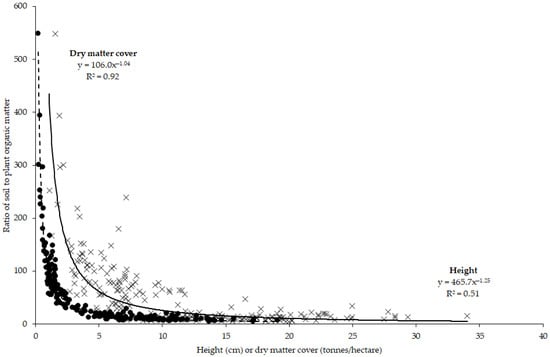
The aim of the study was to investigate the effect of vegetation cover and height on soil and plant nutrients across managed and unmanaged agricultural land in a temperate climate. Fresh soil and vegetation samples were collected during the years 2023 and 2024
[...] Read more.
The aim of the study was to investigate the effect of vegetation cover and height on soil and plant nutrients across managed and unmanaged agricultural land in a temperate climate. Fresh soil and vegetation samples were collected during the years 2023 and 2024 from 125 different land parcels in the southwest of the UK. Land was either managed for grazing and/or feed production or not managed for agricultural use, and had a range of grass, crop, legume, herb, and flower species. A linear mixed model was used to assess the effect of vegetation height (in cm) and cover (tonnes of dry matter per hectare) on soil and plant nutrients. The results showed plant dry matter (DM) digestibility, acid detergent fibre (ADF), water-soluble carbohydrate, and oil contents increased with vegetation height, and soil DM and neutral detergent fibre (NDF) decreased with vegetation height. The ratio of soil-to-plant OM reduced and ADF increased with increasing vegetation cover. Interactions between vegetation height and cover (i.e., density) were found for the ratio of soil-to-plant OM, ADF, NDF, DM, DM digestibility, oil, water-soluble carbohydrate, and crude protein nutrients. Measuring the interaction between soil and plant properties showed soil OM stocks increased and soil pH decreased with increased vegetation cover across agricultural land.
Full article

Figure 1
Open AccessArticle
Towards a Process-Informed Framework for Assessing the Credibility of Statistical and Dynamical Downscaling Methods
by
Melissa S. Bukovsky, Seth McGinnis, Rachel R. McCrary and Linda O. Mearns
Climate 2026, 14(2), 31; https://doi.org/10.3390/cli14020031 - 23 Jan 2026
Abstract
This study presents a process-informed framework for assessing the differential credibility of diverse downscaling methodologies, including both statistical (simple and complex) and dynamical approaches. The methods evaluated include a convolutional neural network (CNN), the Locally Constructed Analog Method (LOCA), the Statistical DownScaling Model
[...] Read more.
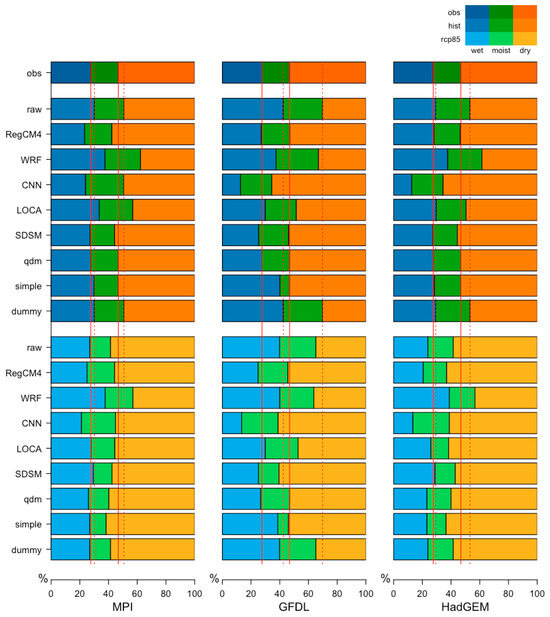
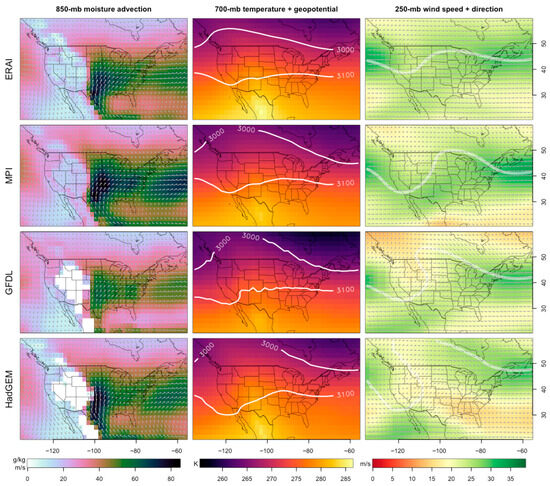
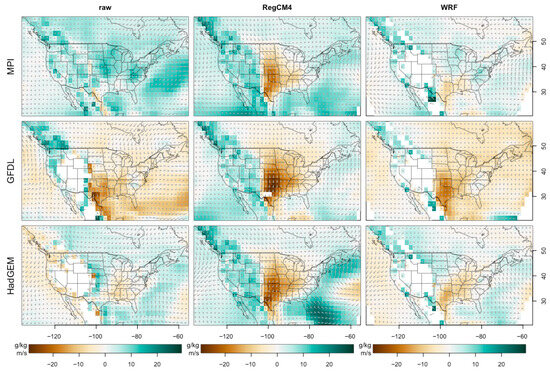
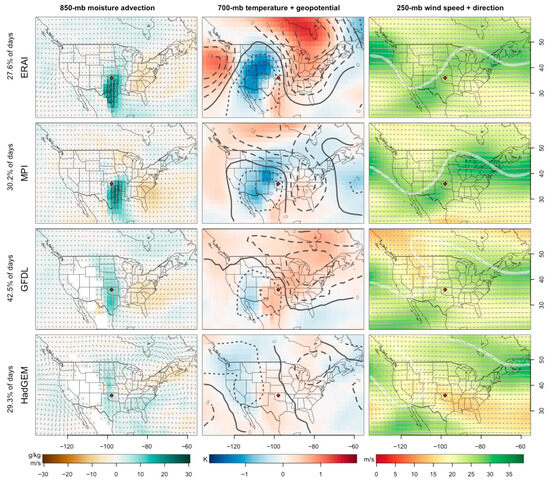
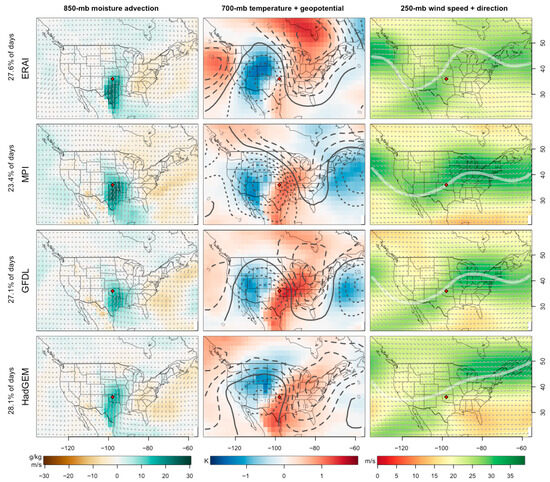
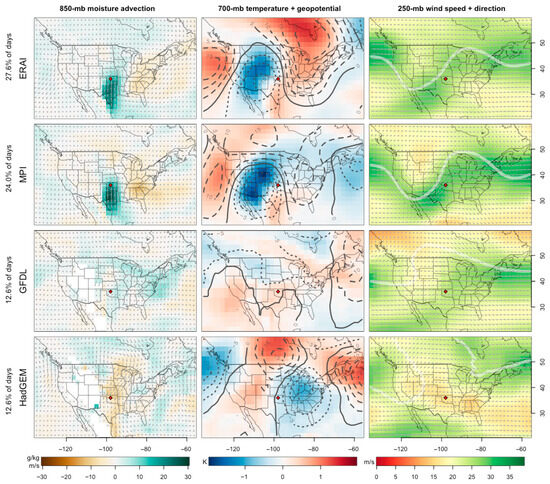
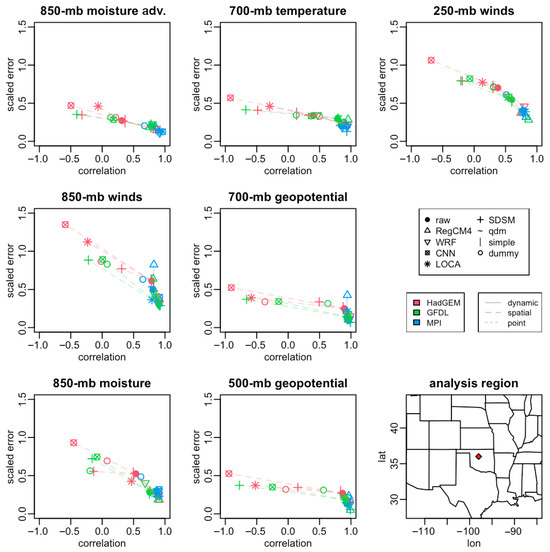
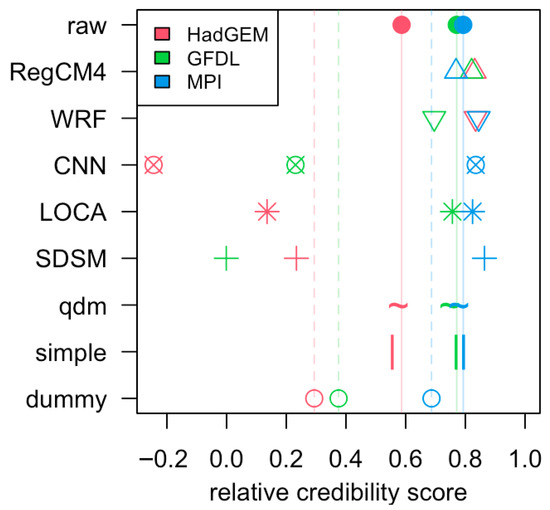
This study presents a process-informed framework for assessing the differential credibility of diverse downscaling methodologies, including both statistical (simple and complex) and dynamical approaches. The methods evaluated include a convolutional neural network (CNN), the Locally Constructed Analog Method (LOCA), the Statistical DownScaling Model (SDSM), quantile delta mapping (QDM), simple interpolation with bias correction, and two regional climate models. As proof of concept, we apply the framework to evaluate the physical consistency of processes associated with wet-day occurrence at a site in the southern USA Great Plains. Additionally, we introduce a relative credibility metric that quantifies cross-method performance and outlines how this framework can be extended to other variables, regions, and downscaling applications. Results show that all downscaling methods perform credibly when the parent global climate model (GCM) performs credibly. However, complex statistical methods (CNN, LOCA, SDSM) tend to exacerbate GCM errors, while simpler methods (QDM, interpolation + bias correction) generally preserve GCM credibility. Dynamical downscaling, by contrast, can mitigate inherited biases and improve overall process-level credibility. These findings underscore the importance of process-based evaluation in downscaling assessments and reveal how downscaling model complexity interacts with GCM quality.
Full article
(This article belongs to the Section Climate Dynamics and Modelling)
►▼
Show Figures

Figure 1
Journal Menu
► ▼ Journal Menu-
- Climate Home
- Aims & Scope
- Editorial Board
- Reviewer Board
- Topical Advisory Panel
- Instructions for Authors
- Special Issues
- Topics
- Sections & Collections
- Article Processing Charge
- Indexing & Archiving
- Editor’s Choice Articles
- Most Cited & Viewed
- Journal Statistics
- Journal History
- Journal Awards
- Society Collaborations
- Conferences
- Editorial Office
Journal Browser
► ▼ Journal BrowserHighly Accessed Articles
Latest Books
E-Mail Alert
News
Topics
Topic in
Applied Sciences, Atmosphere, Climate, Meteorology, Geosciences
Numerical Models and Weather Extreme Events (2nd Edition)
Topic Editors: Edoardo Bucchignani, Andrea MastelloneDeadline: 27 February 2026
Topic in
Buildings, CivilEng, Climate, Construction Materials, Energies, Sustainability, Architecture
Advances in Building Sector for Achieving Net Zero Emission by 2050
Topic Editors: Md Morshed Alam, Iqbal Hossain, Jiaolan ZhuDeadline: 20 March 2026
Topic in
Air, IJERPH, Toxics, Sustainability, Climate
The Effect of Particulate Matter and Climate Change, and the Corresponding Health Management
Topic Editors: Yichen Wang, Jing LiDeadline: 11 April 2026
Topic in
Atmosphere, Geomatics, Hydrology, Remote Sensing, Water, Climate
Advances in Hydrological Remote Sensing
Topic Editors: Hailong Liu, Liangliang JiangDeadline: 30 April 2026
Conferences
Special Issues
Special Issue in
Climate
Climate Impact on Human Health
Guest Editors: Zhiming Yang, Yunquan Zhang, Zheming Yan, Ang LiDeadline: 27 February 2026
Special Issue in
Climate
Climate Change Impacts on Hydrologic Variables across Timescales and Spatial Scale
Guest Editors: Yang Zhou, Jiabao WangDeadline: 27 February 2026
Special Issue in
Climate
Modelling for the Influences of Climate and Landscape Processes on Hydrology
Guest Editors: Lidija Tadić, Enikő Anna Tamás, Melita MihaljevićDeadline: 27 February 2026
Special Issue in
Climate
Climate Change, Health and Multidisciplinary Approaches
Guest Editors: Diogo Guedes Vidal, Hélder Silva LopesDeadline: 27 February 2026
Topical Collections
Topical Collection in
Climate
Adaptation and Mitigation Practices and Frameworks
Collection Editor: Rajib Shaw