Skip to Content
You are currently on the new version of our website. Access the old version .
  • 25 days
    Time to First Decision

All Articles (206)

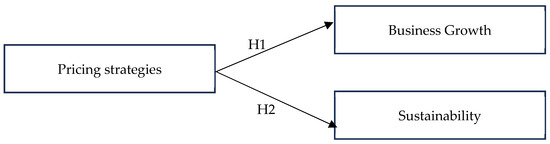
This study investigated the impact of pricing strategies on the growth and sustainability of small and medium enterprises (SMEs). The study employed a quantitative research approach and sampled 132 SMEs operating in a municipality in South Africa. A self-administered, closed-ended questionnaire was tested for reliability and validity and thereafter used to collect data from the respondents. This study employed simple linear regression analysis and performed the reliability test. In this study, the data were analysed using descriptive and inferential statistics. The results showed that SMEs primarily used cost-plus, value-based, and competitor-based pricing strategies. However, frequently modifying prices in response to market competition and technological advancements improves business performance. The study found a significant and positive relationship between pricing strategies and growth. Furthermore, a positive and significant nexus between pricing strategies and the sustainability of the SMEs. The practical implication of this study informs the SME managers and owners that SMEs that apply strategic and market-oriented pricing practices are more likely to achieve improved performance outcomes. The study, therefore, emphasises the importance of effective pricing in promoting both growth and long-term sustainability among SMEs. The findings of this study are expected to persuade the SMEs to pay crucial attention to the pricing strategies implemented in the business.

12 February 2026

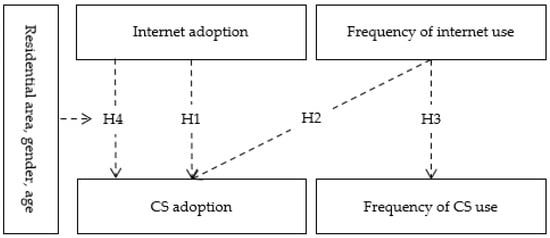
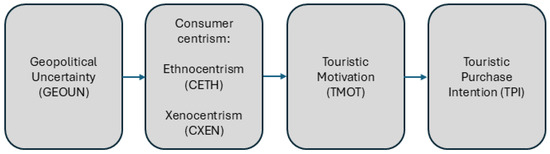
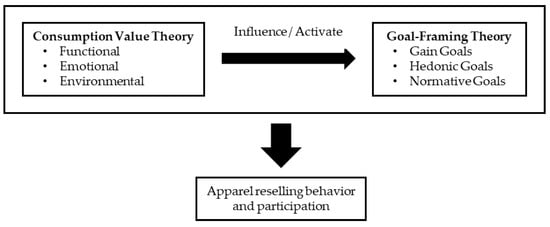
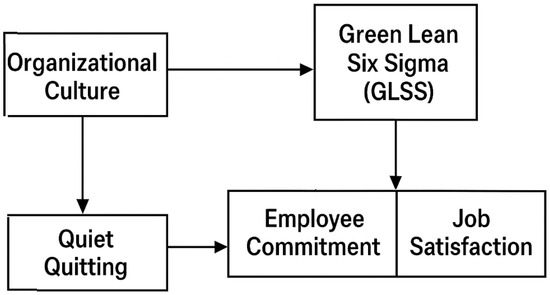
Conceptual framework.

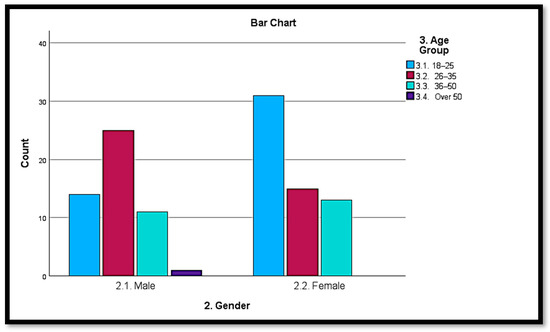
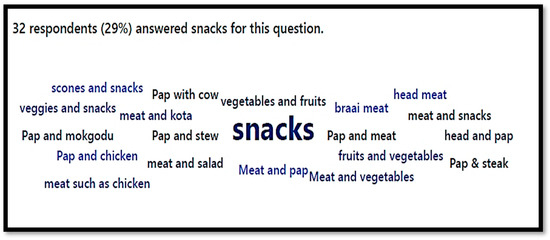
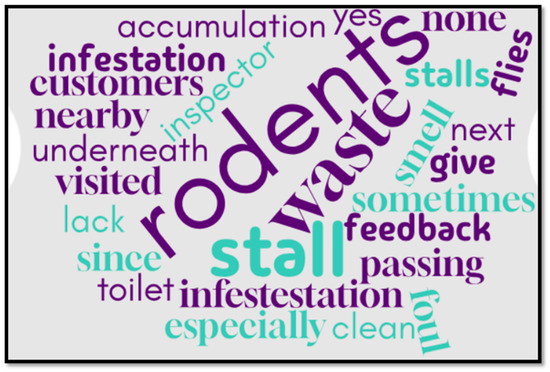
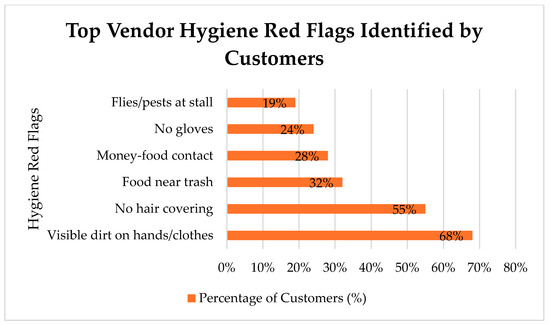
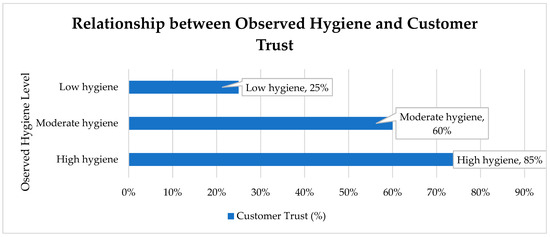
Background: Street food vending plays a central role in urban nutrition and informal employment across South Africa; however, its sustainability largely depends on consumer trust, which is strongly influenced by perceptions of hygiene. Objectives: This paper investigates customer expectations, observed hygiene behaviours, and purchasing decisions within Johannesburg’s informal food economy. Drawing on the Health Belief Model and behavioural economics, this study examines how visible hygiene practices shape customer trust, repurchase behaviour, and gendered risk perceptions. Methods: A cross-sectional mixed-methods study was conducted among 110 consumers of street-vended food in Johannesburg’s inner city. Quantitative data were analysed using descriptive statistics and chi-square tests to assess associations between observed hygiene practices, trust, and purchasing behaviour, while qualitative open-ended responses were analysed thematically. Results: Seventy-four per cent of customers reported preferring vendors with visible hygiene practices, defined as the use of gloves or aprons, clean food displays, and observable handwashing. However, only 41% consistently observed handwashing between transactions, and just 45% had seen any form of hygiene certification displayed. An association was observed between customer trust and repeat purchases (p < 0.001) and between PPE use and customer trust (p = 0.011). Women were significantly more hygiene-sensitive (p = 0.029), expressing greater concern about exposed food, hand contact, and environmental conditions. Thematic analysis revealed that over half of the respondents indicated that trust, once compromised by unhygienic conditions, frequently resulted in permanent customer loss. Conclusions: Customer trust in street food vendors is contingent on hygiene. Hygiene visibility is a core driver of loyalty, especially among female consumers. Interventions to improve food safety should incorporate behavioural insights, vendor-customer feedback loops, and public-facing certification strategies.

11 February 2026

Sick leave in physically demanding warehouse logistics poses persistent challenges for employee well-being, operational performance, and sustainable work participation. This study investigates how warehouse employees and supervisors understand drivers of absence and presence, and which workplace resources are perceived as most important for sustaining work happiness and attendance. Using an explanatory sequential mixed-methods design, phase 1 comprised in-depth interviews with warehouse leaders and focus groups with employees (N = 20). Qualitative findings highlight physical strain and sustained pace demands, but also emphasized psychosocial drivers such as emotional exhaustion, limited recognition, insufficient relational support, and a “push-through” culture that normalized strain and hindered recovery. At the same time, collegial support, humor, and everyday recognition were described as critical resources for coping and maintaining presence. Building on these insights, we used a cross-sectional survey (N = 99) to assess work happiness and perceived negative workplace conditions. Exploratory factor analysis identified four work happiness dimensions—supervisor support and recognition; self-development, meaning and autonomy; interpersonal relationships; and collaboration to achieve goals and four dimensions of negative workplace conditions: structural alienation, work-related exhaustion, adverse social climate, and work intensity. Multiple regression analyses showed that interpersonal relationships were the most consistent protective resource, negatively associated with exhaustion, adverse social climate, and work intensity, while supervisor support and recognition primarily reduced structural alienation. Overall, the findings suggest that social relationships constitute a central resource for sustainable well-being and attendance in physically demanding work, offering actionable implications for HRM.
10 February 2026

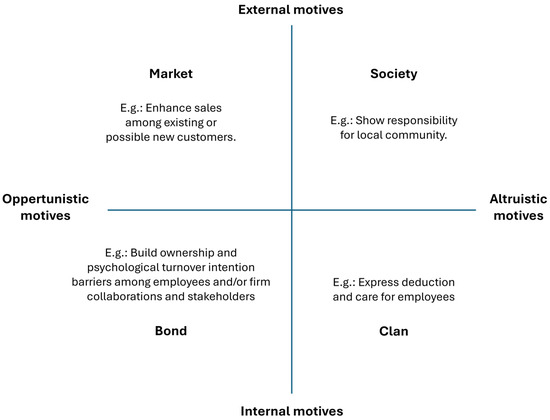
This study investigates why companies sponsor individual athletes in sports with low media coverage and how such athletes secure sponsorship agreements. While sport sponsorship research has predominantly focused on mainstream sports and event-based contexts, limited attention has been given to individual athletes in niche sports. Using a qualitative research design, semi-structured expert interviews were conducted with Norwegian sponsors and elite athletes in long-distance running, trail running, and orienteering. The data were analyzed through qualitative content analysis, informed by the Sponsorship Motive Matrix and the Model of Athlete Brand Image. The findings indicate that sponsorship decisions are primarily driven by market-related motives, complemented by bond and society motives, with cost-effectiveness, authenticity, and value alignment playing important roles. Sponsors prioritize athlete performance, personality, and social media presence, while athletes emphasize financial support and performance optimization. Sponsorship activation is generally limited, and agreements are predominantly in-kind or hybrid. The study concludes that sponsorships in low-media-coverage sports are relational and selective, relying heavily on athlete-driven outreach and social media visibility. These findings extend existing sponsorship frameworks to an underexplored context and offer practical insights for sponsors and athletes in niche sports.

6 February 2026

News & Conferences

Issues

Open for Submission

Editor's Choice

Get Alerted

Add your email address to receive forthcoming issues of this journal.

XFacebookLinkedIn
Businesses - ISSN 2673-7116