


Journal Menu
► ▼ Journal Menu-
- Biomedicines Home
- Aims & Scope
- Editorial Board
- Reviewer Board
- Early Career Editorial Board
- Instructions for Authors
- Special Issues
- Topics
- Sections & Collections
- Article Processing Charge
- Indexing & Archiving
- Editor’s Choice Articles
- Most Cited & Viewed
- Journal Statistics
- Journal History
- Journal Awards
- Conferences
- Editorial Office
Journal Browser
► ▼ Journal BrowserNeed Help?
Announcements
15 May 2026
Nutrients 2026—Clinical Nutrition: From Research to Practice—Submissions Approaching & Plenary Speaker Announcement, 22–24 October 2026, Barcelona, Spain

Conference: Nutrients 2026—Clinical Nutrition: From Research to Practice
Date: 22–24 October 2026
Website: https://sciforum.net/event/Nutrients2026
We cordially invite you to attend this event organized by MDPI’s Nutrients (ISSN: 2072-6643, impact factor: 5.0, CiteScore: 9.1). It will take place from 22 to 24 October 2026 at UAB Casa Convalescencia, Barcelona, Spain.
Conference Chairs:
- Prof. Dr. Maria Luz Fernandez, University of Connecticut, USA;
- Prof. Dr. Lluis Serra Majem, University of Las Palmas de Gran Canaria, Spain;
- Dr. Francisco Jose Perez Cano, University of Barcelona, Spain.
The topics of interest:
S1. Personalized nutrition based on diet–gene interactions;
S2. Innovations in clinical nutrition;
S3. Novel dietary recommendations for specific chronic diseases;
S4. Understanding the role of microbiota in clinical practice;
S5. The potential role of AI in clinical practice;
S6. Lifestyle and prevention of chronic diseases.
Plenary speaker announcement:
We are honoured to have Dr. Carlo La Vechia, from the University of Milan (“La Statale”), Italy, as Nutrients 2026 Plenary Speaker for Session 6: Lifestyle and prevention of chronic diseases.
Other renowned researchers from internationally prestigious universities and institutes, including Yale School of Public Health, University of Connecticut, Qatar University, Icahn Medical School of Mount Sinai, and many more, are contributing with us as keynote speakers and scientific committee members.
To view all contributing researchers, please click the following links:
https://sciforum.net/event/Nutrients2026?section=#event_chairs .
Academic supporters:
Nutrients 2026 is currently supported by and partnered with esteemed universities, institutes, and societies.
To view all supporting organizations and partners, please click on the following links:
https://sciforum.net/event/Nutrients2026?section=#sup_org.
Important dates:
Deadline for abstract submissions: 24 June 2026;
Notification of acceptance: 20 July 2026;
Deadline for early bird registration: 24 July 2026;
Deadline for covering author registration: 24 July 2026.
Guide for authors:
To submit your abstract, please click on the following link: https://sciforum.net/user/submission/create/1496.
To register for the event, please click on the following link: https://sciforum.net/event/Nutrients2026?section=#registration.
For details regarding abstract submission, poster and slide submission, and publication opportunities, you may refer to the “Instructions for Authors” section below: https://sciforum.net/event/Nutrients2026?section=#instructions.
For any enquiries regarding the event, please contact nutrients2026@mdpi.com.
We look forward to seeing you at Nutrients 2026.
23 July 2025
Nutrients 2026—Clinical Nutrition: From Research to Practice—Open for Submissions

Conference: Nutrients 2026—Clinical Nutrition: From Research to Practice
Date: 22–24 October 2026, CEST, Barcelona, Spain
Website: https://sciforum.net/event/Nutrients2026
We cordially invite you to attend this event organized by MDPI’s Nutrients (ISSN: 2072-6643, impact factor: 5.0, CiteScore: 9.1). It will take place on 22 to 24 October 2026, CEST, in Barcelona, Spain.
Conference Chairs:
- Prof. Dr. Maria Luz Fernandez, University of Connecticut, USA;
- Prof. Dr. Lluis Serra Majem, University of Las Palmas de Gran Canaria, Spain.
The Topics of Interest:
S1. Personalized nutrition based on diet–gene interactions;
S2. Innovations in clinical nutrition;
S3. Novel dietary recommendations for specific chronic diseases;
S4. Understanding the role of microbiota in clinical practice;
S5. The potential role of AI in clinical practice;
S6. Lifestyle and prevention of chronic diseases.
Important Dates
Deadline for abstract submissions: 24 June 2026;
Notification of acceptance: 20 July 2026;
Deadline for early bird registration: 24 July 2026;
Deadline for covering author registration: 24 July 2026.
Guide for Authors
To submit your abstract, please click on the following link: https://sciforum.net/user/submission/create/1496.
To register for the event, please click on the following link: https://sciforum.net/event/Nutrients2026?section=#registration.
For details regarding abstract submission, poster and slide submission, and publication opportunities, you may refer to the “Instructions for Authors” section below: https://sciforum.net/event/Nutrients2026?section=#instructions.
For any enquiries regarding the event, please contact nutrients2026@mdpi.com.
We look forward to seeing you at Nutrients 2026.
11 June 2026
Biomedicines Webinar | Advances in Spinal Cord Injury Translational Research—From Molecule to Man, 24 June 2026

Spinal cord injuries (SCIs) are devastating conditions that have a dramatic impact on affected individuals' quality of life. For generations, researchers have sought to identify novel therapeutic approaches to improve outcomes following the initial injury, with successes such as acute care management, early surgical decompression, and targeted rehabilitation protocols providing modest functional improvements. However, at present there is still no therapeutic approach capable of restoring function to pre-injury levels for spinal cord-injured individuals.
This webinar will provide an overview of exciting emerging research areas that hold promise for restoring significant function in those individuals who have sustained a spinal cord injury.
Presentations include:
- An overview of the current state-of-the-art for the clinical management of spinal cord injuries, including recent clinical trials;
- A discussion surrounding the challenges and opportunities associated with using neural stem cell technology to repair and regenerate the injured spinal cord;
- Recent developments in neuromodulation technology and how this will be incorporated into the clinic in the future.
Date: 24 June 2026
Time: 19:00 EDT
Website: https://sciforum.net/event/Biomedicines-26
Register now for free!

After registering, you will receive a confirmation email with information on how to join the webinar. Registrations with academic institutional email addresses will be prioritized.
Unable to attend? Please register as the session will be recorded, and we will inform you when the recording is available for viewing.
Webinar Chair:
- Prof. Dr. Michael Fehlings, University of Toronto, Canada; Toronto Western Hospital, Canada; University Health Network, Canada.
Invited Speakers:
- Dr. Karlo Pedro, University of Toronto, Canada
- Topic: Current Clinical Practice Guideline Recommendations for the Management of Spinal Cord Injury, Updates on Clinical Trials, Future Directions;
- Dr. Mohamad Khazaei, University of Toronto, Canada
- Topic: Opportunities and Challenges for Neural Stem Cell Technologies in Spinal Cord Injury;
- Prof. Dr. James Guest, The University of Miami Miller School of Medicine, USA
- Topic: Current State-Of-The-Art and Future Directions for Neuromodulation in Spinal Cord Injury.
Relevant Section:
“Molecular and Translational Medicine”.
For more information about this webinar, please visit the following website: https://sciforum.net/event/Biomedicines-26.
If you have any questions about this event, please contact biomedicines@mdpi.com.
Biomedicines Webinar Secretariat
10 June 2026
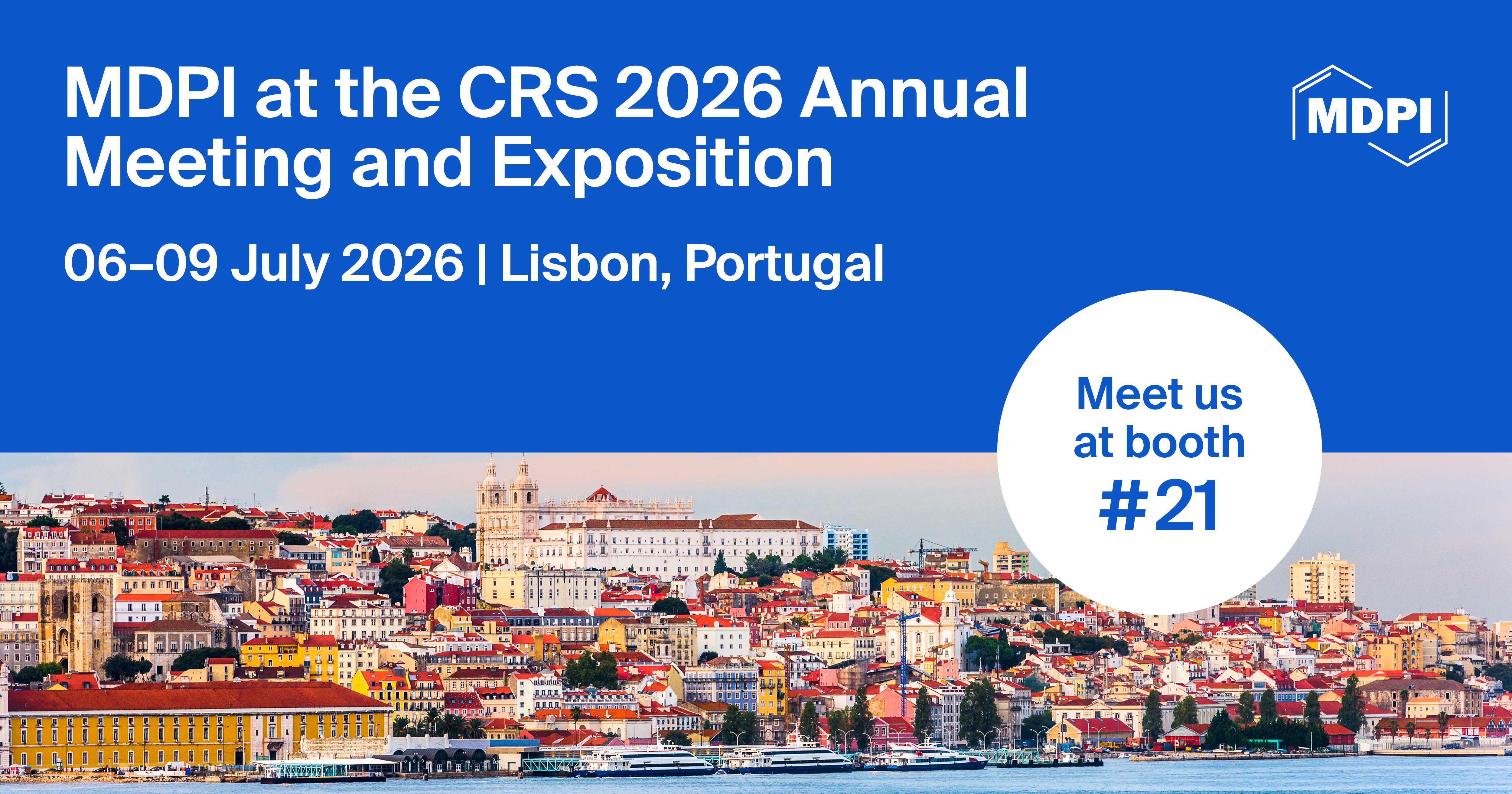
Meet Us at the CRS 2026 Annual Meeting and Exposition, 6–9 July 2026, Lisbon, Portugal
Conference: The CRS 2026 Annual Meeting and Exposition
Date: 6–9 July 2026
Location: Lisbon, Portugal
This conference will be the 53rd annual conference of the Controlled Release Society. The annual CRS conference is the most important conference in the pharmaceutics field. The main topics of the conference include nanomedicine and nanoscale delivery, immuno delivery, oral delivery, skin and mucosal delivery, ocular delivery, bioengineering, gene delivery and gene editing, alternative methods to animal testing, long-acting drug delivery formulations, delivery to the nervous system, artificial intelligence, predictive models in pharmaceutical technologies, etc.
Pharmaceutics (ISSN 1999-4923) is a peer-reviewed, open access journal on the science and technology of pharmaceutics and biopharmaceutics and is published monthly online by MDPI. Pharmaceutics will participate in this event as an exhibitor together with twelve other MDPI journals.
The following open access journals from MDPI will be represented at the event:
- Pharmaceutics;
- Molecules;
- Biomedicines;
- Sci. Pharm.;
- JPM;
- Gels;
- Pharmacy;
- Immuno;
- Medicines;
- CIMB;
- Future Pharmacology;
- Pharmaceuticals;
- JPBI.
4 June 2026
Biomedicines | Interview with One of Highly Cited Paper Authors—Dr. Dimitrios Papageorgiou

Dr. Dimitrios Papageorgiou is one of the authors of the highly cited paper entitled “Tubal Ectopic Pregnancy: From Diagnosis to Treatment” published in Biomedicines (ISSN: 2227-9059).
Dr. Dimitrios Papageorgiou is a Consultant Gynecologist at the Department of Gynecology of the Naval and Veterans Hospital of Athens, Greece. His clinical and academic work focuses on gynecology, gynecologic surgery, minimally invasive and robotic techniques, gynecologic oncology, and reproductive surgery. He has always believed that research should remain close to the real questions that arise in daily clinical practice. For him, medicine is not only about diagnosis and treatment; it is also about understanding the fear, uncertainty, and vulnerability that patients experience when facing a serious condition. This is particularly true in women’s health, where clinical decisions often affect not only physical safety but also fertility, identity, emotional well-being, and future life plans.
1. Congratulations on your published paper! Could you briefly describe the main research content of this paper, as well as its key innovative highlights?
Thank you very much. Our paper, entitled “Tubal Ectopic Pregnancy: From Diagnosis to Treatment”, is a narrative review that summarizes the current knowledge on tubal ectopic pregnancy, from epidemiology and risk factors to diagnosis, management, and future directions.
Tubal ectopic pregnancy is one of the most important emergencies in early pregnancy. It may begin with symptoms that appear subtle, such as pelvic pain or vaginal bleeding, but it can rapidly progress to tubal rupture, severe intra-abdominal bleeding, and a life-threatening situation. Therefore, early recognition is essential.
The key strength of this paper is that it brings together the full clinical pathway of tubal ectopic pregnancy in a practical and comprehensive way. We discuss risk factors, pathophysiology, clinical presentation, serial β-hCG assessment, transvaginal ultrasound, diagnostic laparoscopy, medical treatment with methotrexate, surgical management, expectant management, and emerging research directions.
A particularly important aspect of the review is its emphasis on individualized care. Tubal ectopic pregnancy is not only a biological event; it is also a deeply emotional experience for many women. The clinician must protect the patient’s life, preserve fertility whenever possible, and at the same time acknowledge the psychological burden of losing a pregnancy and facing uncertainty about the future.
2. Can you tell us a little bit about yourself and your current research?
I am primarily a clinician, and this strongly shapes my research interests. The questions that motivate me usually come from real situations in everyday practice: a difficult diagnosis, a complex surgical decision, or a patient whose outcome makes us reflect on how care can be improved.
My work is broadly focused on gynecologic surgery, gynecologic oncology, minimally invasive and robotic surgery, fertility preservation, and reproductive surgery. I am particularly interested in research that connects clinical decision-making with outcomes that truly matter to patients: safety, recovery, fertility, quality of life, and long-term well-being.
In gynecology, we often meet women at moments of great vulnerability. A diagnosis may arrive suddenly, during a hoped-for pregnancy, after months of infertility treatment, or in the context of cancer or major surgery. For this reason, I believe that research in women’s health should not be detached from the human experience. Good research should help us make better decisions, but it should also remind us why those decisions matter.
My current academic work continues to focus on clinically relevant questions in gynecologic care, including surgical outcomes, minimally invasive innovation, fertility-related conditions, and the improvement of patient-centered management.
3. Would you mind sharing what inspired your research?
The inspiration behind this paper came from the clinical reality of ectopic pregnancy. For an obstetrician–gynecologist, ectopic pregnancy is a condition that leaves a strong impression. It can transform a positive pregnancy test, which is often associated with hope, into a moment of fear, urgency, and emotional distress.
What is particularly difficult is that the woman may be physically stable at first, but the situation can change quickly. At the same time, the physician must make decisions that are medically urgent but emotionally complex. We are often treating not only a potentially life-threatening condition, but also the loss of a pregnancy and the anxiety about future fertility.
This dual dimension inspired us to prepare a review that would be clinically useful but also respectful of the patient’s experience. We wanted to provide a structured overview that could help clinicians diagnose earlier, choose treatment more appropriately, and communicate with patients more sensitively.
For me, ectopic pregnancy is a reminder that in medicine, speed and empathy must coexist. We must act quickly when needed, but we must never forget that behind every emergency there is a woman who is frightened, disappointed, and in need of clear guidance and compassionate care.
4. What was the biggest challenge you faced while writing this paper, and how did you overcome it?
The biggest challenge was to present a very broad and clinically complex topic in a way that remained clear, balanced, and useful for daily practice. Tubal ectopic pregnancy involves many dimensions: epidemiology, risk factors, pathophysiology, diagnostic algorithms, ultrasound findings, β-hCG interpretation, methotrexate protocols, surgical decision-making, expectant management, fertility outcomes, and future research.
Another challenge was to maintain the right tone. Ectopic pregnancy is not simply a technical diagnosis. It is a condition that may involve emergency surgery, loss of reproductive tissue, fear of bleeding, loss of pregnancy, and concern about future conception. We wanted the review to be scientifically accurate, but not emotionally indifferent.
We overcame this by organizing the manuscript around the clinical pathway of the patient. We moved from risk identification to diagnosis, then to treatment selection and future perspectives. This structure allowed us to keep the review practical while preserving the complexity of the condition.
In writing this paper, I tried to keep in mind the patient sitting in front of the clinician: a woman who needs not only correct information, but also reassurance, honesty, and a treatment plan that respects both her safety and her future hopes.
5. How did feedback during your research influence your direction?
Feedback is essential in research because it helps us see the manuscript from perspectives beyond our own. During the development of this paper, discussion within the team helped refine the structure, improve the clinical flow, and ensure that the review remained relevant to clinicians managing ectopic pregnancy in real practice.
One important influence of feedback was the need to balance detail with clarity. Ectopic pregnancy is a topic with many diagnostic and therapeutic nuances. However, a review should not overwhelm the reader; it should help the reader make sense of the evidence. Feedback helped us emphasize the most clinically meaningful points and present them in a more accessible way.
It also reinforced the importance of including the patient-centered dimension. In conditions such as ectopic pregnancy, clinical success cannot be measured only by resolution of the disease. It also includes how safely the patient is treated, whether fertility is preserved when possible, whether follow-up is adequate, and whether the woman feels supported during a difficult experience.
Scientific feedback improves the manuscript, but clinical feedback reminds us of the purpose of the manuscript: to improve care.
6. What role did you play in your research team, and how did teamwork affect the paper’s outcome?
My role involved conceptualizing the manuscript, shaping its clinical direction, contributing to the writing, and ensuring that the paper remained focused on practical decision-making in tubal ectopic pregnancy. Because my approach to research is strongly influenced by clinical practice, I wanted the review to be useful not only academically, but also at the bedside and in the emergency setting.
Teamwork was very important. Each member contributed to the development, refinement, and scientific balance of the paper. A good review requires more than collecting references; it requires judgment, structure, and the ability to interpret evidence in a way that serves clinical practice.
The collaborative process helped us produce a manuscript that was broader, clearer, and more balanced than it would have been as an individual effort. In medicine, teamwork is not only important in research; it is also central to patient care. The management of ectopic pregnancy often involves obstetricians and gynecologists, emergency physicians, radiologists, anesthesiologists, nurses, and fertility specialists. In that sense, the collaborative nature of the manuscript reflects the multidisciplinary reality of the condition itself.
7. Why did you choose the Biomedicines journal as a platform for publishing your work, and how was your experience?
We chose Biomedicines because it is an international open access journal with broad biomedical visibility and a readership that includes both clinicians and researchers. Tubal ectopic pregnancy is a topic that crosses several fields: obstetrics, gynecology, reproductive medicine, emergency care, imaging, surgery, and translational research. Therefore, it was important for us to publish in a journal that could reach a wide scientific audience.
The open access format was also important. Ectopic pregnancy is a global clinical issue, and access to updated medical information should not be limited. When a paper deals with a potentially life-threatening condition, wider accessibility can help disseminate knowledge more effectively.
My experience with Biomedicines was very positive. The editorial process was professional, and we appreciated the opportunity to present this work to an international audience. I also value the fact that the journal provides a platform for articles that combine clinical relevance with broader biomedical perspectives.
For a topic such as ectopic pregnancy, visibility matters. If the article helps even a small number of clinicians think more clearly, diagnose earlier, or communicate more compassionately with patients, then its publication has achieved something meaningful.
8. What impact do you hope your research will have, and what key innovation do you see in your paper?
I hope this paper will help clinicians approach tubal ectopic pregnancy with greater diagnostic confidence, therapeutic clarity, and human sensitivity. The most important impact would be earlier recognition, safer management, and better counseling for women experiencing this condition.
The key innovation of the paper is not the presentation of a single new intervention, but the integration of the entire clinical picture into one coherent review. Tubal ectopic pregnancy requires rapid thinking, but also individualized judgment. A stable patient with low β-hCG levels may be suitable for medical or expectant management, while another patient may require urgent surgery. The same diagnosis can therefore lead to very different clinical pathways.
I also hope the paper contributes to a more compassionate understanding of ectopic pregnancy. For clinicians, it may be a familiar emergency. For the woman, however, it may be the sudden loss of a hoped-for pregnancy, fear for her life, fear for her fertility, and an experience she will remember for years.
If our review helps clinicians combine evidence-based care with empathy, then I would consider it meaningful. In women’s health, innovation is not only technological; it is also the ability to treat the patient as a whole person.
9. What do you think the future directions for your research are?
Future research should focus on improving early diagnosis, refining patient selection for each treatment option, and developing safer, less invasive approaches. There is growing interest in novel biomarkers, improved imaging strategies, and new medical or minimally invasive surgical techniques. These areas may help us diagnose ectopic pregnancy earlier and treat it more precisely.
Another important direction is fertility preservation. Many women who experience tubal ectopic pregnancy are still planning future pregnancies. Therefore, we need more research on how different treatment strategies affect subsequent fertility, recurrence risk, psychological recovery, and long-term reproductive outcomes.
I also believe that future work should pay more attention to the emotional and psychological consequences of ectopic pregnancy. Medicine has made great progress in reducing mortality and improving surgical safety, but we must also recognize the silent burden carried by many women after such an event. Anxiety, grief, and fear of future pregnancy are real outcomes, even if they are not always measured in clinical studies.
My future research will continue to focus on clinically meaningful questions in gynecology, minimally invasive surgery, fertility, and patient-centered care. Ultimately, the goal is simple but important: to make modern gynecologic care safer, more precise, and more humane.
4 June 2026
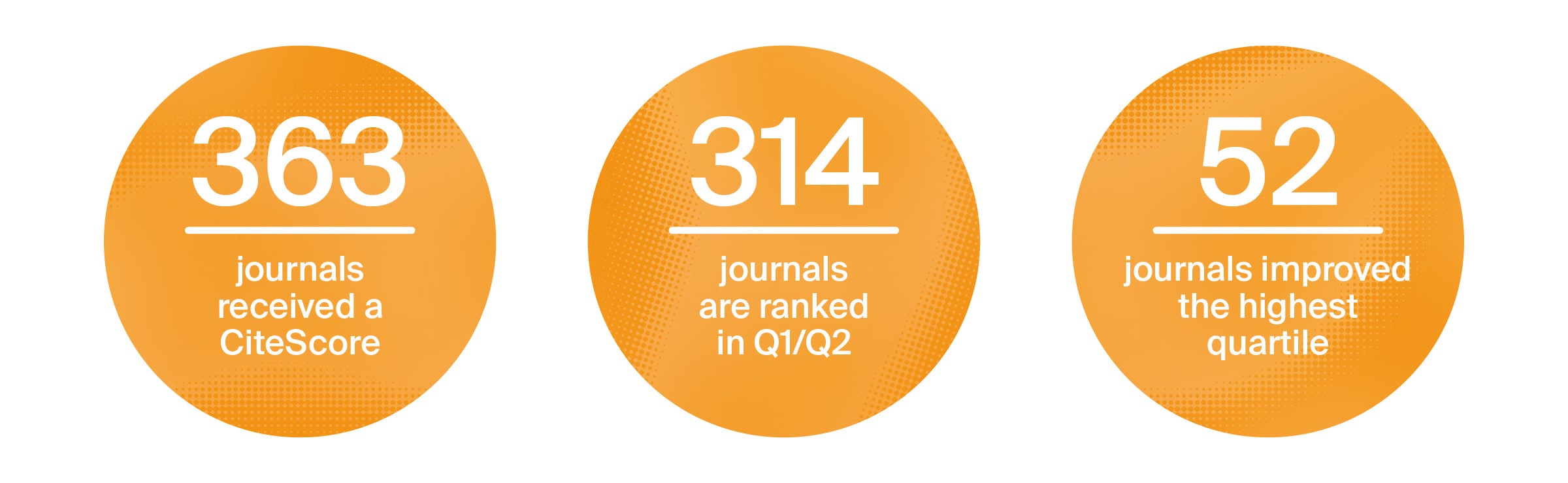
Open Access, Broadly Recognized: 363 MDPI Journals Receive CiteScores for 2025
The 2025 CiteScore metrics have been officially released by Scopus, and the results confirm what has become a consistent pattern for MDPI's journal portfolio: broad recognition across disciplines, steady improvement across the majority of ranked titles, and a growing presence at the top of subject category rankings.
CiteScore, published annually by Elsevier's Scopus database, measures the average citations received by articles published in a journal over a four-year window. As a complement to the Journal Impact Factor, which uses a two-year window based on the Web of Science database, CiteScore provides an alternative, long-term perspective on citation performance.
The 365 MDPI journals in Scopus (as of May 2026) are indexed across a wide range of subject categories, ensuring that open access research remains highly discoverable to a global readership through one of the most widely used platforms in academic publishing.
Data Summary (2025 CiteScores)
- New Additions: 41 MDPI journals received a CiteScore for the first time.
- Trending Upward: 234 of 322 previously ranked journals (73%) saw an increase in their CiteScore compared to last year.
- High Visibility: 314 journals (86%) rank in Q1 or Q2 in at least one subject category.
- Elite Performance: 42 journals rank in the top 10% of their subject categories.
Portfolio Performance
Among the 322 journals that held a CiteScore in 2024, 234 saw an increase this year. Quartile improvements outnumbered declines across the portfolio, with 52 journals moving to a higher quartile and only 20 seeing a decline. Furthermore, no previously ranked journals were removed. The 42 journals now ranked in the top 10% of their subject categories are drawn from a strong foundation of 178 journals holding a Q1 position.
With the large majority of our indexed portfolio ranked in the top half of research fields, researchers can confidently choose MDPI to meet funder mandates for high-quality, fully compliant Open Access publishing.
Exceptional Achievements for Foods and Life
Notably, both Foods and Life achieved a 99th percentile ranking in their respective subject categories for the 2025 CiteScores. This outstanding placement positions them as leading journals in their fields and highlights the high visibility and global impact of the open access research they publish.
Journal Metrics and Beyond
Journal-level metrics describe outlets, not individual articles. An increasing number of funders and institutions—including signatories of DORA and the Coalition for Advancing Research Assessment—now explicitly encourage evaluation at the article level rather than by the journal in which research appears. MDPI supports this direction: we report CiteScore alongside the Journal Impact Factor, Journal Citation Indicator, and article-level usage data because no single number captures the full reach and contribution of published research.
Thank You
These results reflect the sustained effort of thousands of editors-in-chief, editorial board members, reviewers, and authors across every field MDPI serves. The metrics are the outcome; the work is yours.
4 June 2026
Biomedicines Receives an Increased CiteScore of 7.8

We are pleased to share that Biomedicines (ISSN: 2227-9059) has received an increased CiteScore of 7.8 in June 2026. The CiteScore ranks the journal 57 out of 466 titles (Q1) in the “Medicine (miscellaneous)” category and 39 out of 223 titles (Q1) in the “General Biochemistry, Genetics and Molecular Biology” category, an impressive achievement for a journal running in Volume 14.
You can find more statistics on https://www.mdpi.com/journal/biomedicines/stats.
The current CiteScores measure the average number of citations within a journal over a four-year window (2022–2025). The Scopus database provides a comprehensive suite of metrics that support informed publishing strategies, research evaluation and enable benchmarking of journal performance.
This achievement reflects the collective efforts of our authors, reviewers, and editors. Together we will continue to track the progress of Biomedicines and its growing impact in biomedicines.
2 June 2026
Biomedicines Webinar | Advances in Biomarker Discovery for Cardiovascular Disease, 29 May 2026

Message from the webinar Chair:
Hi everyone, welcome to today’s webinar on “Advances in Biomarker Discovery for Cardiovascular Disease.” This webinar is organized by Biomedicines (ISSN: 2227-9059).
We are honored to have three excellent speakers with us today: Dr. Mitra Esfandiarei, Dr. Elena Galli, and Dr. Katharina Wassilew.
Dr. Esfandiarei is a Research Professor in Basic Medical Sciences at the University of Arizona. She also serves as an Affiliated Professor in anesthesiology, pharmacology, and therapeutics at the University of British Columbia.
Dr. Galli is currently a researcher at the Institute of Image, IHU Strasbourg, and previously served as a Full Professor of cardiology at the Université de Strasbourg.
Dr. Wassilew is currently a Researcher at Institute of Information and Communication Technologies, Bulgarian Academy of Sciences. Previous appointments include an Associate Professor position at one of the largest faculties for health and medical sciences in Europe.
We will have a Q&A session at the end of the webinar. Please feel free to submit your questions in the Q&A box, and our speakers will address them after the presentations.
Date: 29 May 2026 at 17:00 (CEST) | 11:00 (EDT)
Webinar ID: 869 4596 4800
Register now for free!

Program:
| Speaker/Presentation | Time in CEST | Time in EDT |
| Ana Manojlovic Journal Introduction and Overview of Submission Process |
17:00–17:10 | 11:00–11:10 |
| Dr. Qin Fu Chair Introduction |
17:10–17:20 | 11:10–11:20 |
| Prof. Dr. Mitra Esfandiarei Unlocking Endothelial Potential: Endothelial Function as a Catalyst for Aortic Root Aneurysm Protection in Marfan Syndrome |
17:20–17:40 | 11:20–11:40 |
| Prof. Dr. Elena Galli Presentation |
17:40–18:00 | 11:40–12:00 |
| Dr. Katharina Wassilew Cardiovascular Biomarkers Associated with Inflammation - a Pathologists' Perspective |
18:00–18:20 | 12:00–12:20 |
| Q&A Session | 18:00–18:15 | 12:00–12:15 |
| Dr. Qin Fu Closing of Webinar | 18:15–18:20 | 12:15–12:20 |
After registering, you will receive a confirmation email containing information on how to join the webinar. Registrations with academic institutional email addresses will be prioritized.
Unable to attend? You can register anyway, and we will let you know when the recording is available to watch.
Webinar Chair and Keynote Speakers:
- Dr. Qin Fu, Cornell University, USA;
- Prof. Dr. Mitra Esfandiarei, University of Arizona, USA;
- Prof. Dr. Elena Galli, CNRS-University of Strasbourg, France.
Relevant Special Issue:
“Advances in Biomarker Discovery for Cardiovascular Disease—2nd Edition”
Guest Editors: Maciej Walędziak and Anna Maria Różańska-Walędziak
Deadline for manuscript submissions: 30 September 2026
1 June 2026
Biomedicines Webinar | Biomarkers in Metabolic Disorders, Obesity and Type 2 Diabetes Mellitus, 29 May 2026

This webinar focuses on biomarkers linked to metabolic disorders, obesity and type 2 diabetes mellitus. It explores novel molecular indicators for early diagnosis, disease progression monitoring and assessment of therapeutic efficacy. Advanced biomarker research lays a solid foundation for precise prevention strategies and personalized clinical management of prevalent metabolic illnesses.
Date: 29 May 2026 at 14:00 (CEST) | 8:00 (EDT)
Webinar ID: 815 7852 8050
Website: https://sciforum.net/event/Biomedicines-22?subscribe
Register now for free!

Program:
|
Speaker/Presentation |
Time (CEST) |
Time (EDT) |
|
Iulian Vlad Stan Journal Introduction and Overview of Submission Process |
14:10–14:20 |
8:10–8:20 |
|
Prof. Dr. Anna Maria Różańska–Walędziak and Dr. Maciej Walędziak Chair Introduction |
14:10–14:20 |
8:10–8:20 |
|
Prof. Dr. Anna Maria Różańska–Walędziak Pregnancy After Bariatric Surgery |
14:20–14:40 |
8:20–8:40 |
|
Dr. Raquel Mantuaneli Scarel–Caminaga Potential Biomarkers for Type 2 Diabetes Mellitus, Periodontitis, and Dyslipidemia |
14:40–15:00 |
8:40–9:00 |
|
Q&A Session |
15:00–15:15 |
9:00–9:15 |
|
Prof. Dr. Anna Maria Różańska–Walędziak and Dr. Maciej Walędziak Closing of Webinar |
15:15–15:20 |
9:15–9:20 |
After registering, you will receive a confirmation email containing information on how to join the webinar. Registrations with academic institutional email addresses will be prioritized.
Unable to attend? You can register anyway, and we will let you know when the recording is available to watch.
Webinar Chairs and Keynote Speakers:
- Prof. Dr. Anna Maria Różańska–Walędziak, Collegium Medicum Cardinal Stefan Wyszynski, Poland;
- Dr. Maciej Walędziak, Military Institute of Medicine—National Research Institute, Poland;
- Dr. Raquel Mantuaneli Scarel–Caminaga, UNESP–São Paulo State University, Brazil.
Relevant Special Issue:
“Biomarkers in Metabolic Disorders, Obesity and Type 2 Diabetes Mellitus—2nd Edition”
Guest Editors: Maciej Walędziak and Anna Maria Różańska–Walędziak
Deadline for manuscript submissions: 31 October 2026
1 June 2026
MDPI INSIGHTS: The CEO’s Letter #35 – 30 Years of Open Science, Open Access Policies, Spain Summit, MMCS 2026 & Antibiotics 2026

Welcome to the MDPI Insights: The CEO's Letter.
In these monthly letters, I will showcase two key aspects of our work at MDPI: our commitment to empowering researchers and our determination to facilitating open scientific exchange.
Opening Thoughts

30 Years of Open Science, Built Together
This month, we officially launched MDPI’s 30th Anniversary campaign and dedicated anniversary website, marking an important milestone in our journey as an open access publisher. What began in 1996 with a single journal and the simple belief that scientific knowledge should be shared openly and freely has grown into a global publishing organization supporting more than 500 journals, 68,000 Editorial Board Members, and millions of researchers worldwide.
The anniversary page, entitled 30 Years of Open Science, Built Together, reflects on the people, milestones, and partnerships that have shaped MDPI over the past three decades. It includes a retrospective of our development, key moments in the evolution of open access, landmark research articles, journal anniversaries, an interview with the CEO, and perspectives from colleagues and partners who have contributed to our success.

Looking back, one of the most striking aspects of our journey is not simply our growth, but the broader transformation of scholarly publishing itself.
Open access has moved from a niche concept to a widely adopted publishing model, helping make research more accessible, discoverable, and impactful for researchers, institutions, policymakers, and society.
MDPI has been part of this transition and continues to invest in the people, technology, partnerships, and research integrity infrastructure needed to support high-quality open science at scale.
While anniversaries naturally encourage reflection, they are also an opportunity to look ahead. The challenges facing scholarly publishing today, including research integrity, artificial intelligence, accessibility, and global participation in science, will require continued collaboration across the research ecosystem. As we celebrate 30 years of publishing, our focus remains on supporting researchers, strengthening trust in open science, and helping shape the future of scholarly communication together.
I encourage you to visit the anniversary page, explore the milestones, and take a moment to reflect on the role each of us has played in contributing to MDPI’s story.
Thank you for being part of this journey.
Impactful Research

Highlights from MMCS 2026 in Beijing (14-17 May)
From 14–17 May, MDPI hosted The 5th Molecules Medicinal Chemistry Symposium (MMCS 2026) in Beijing, China, bringing together academia and industry to explore advances in chemical biology, medicinal chemistry, and drug discovery.
The conference hosted more than 230 attendees from 37 countries and regions, alongside 257 submissions and 145 accepted abstracts. With a significant increase in attendance – up by 100 participants compared with the previous edition – the popularity of MMCS continues to grow in terms of its international profile and scientific relevance within this rapidly evolving field.

The scientific program covered seven themes:
- Chemical Biology for Drug Discovery
- Medicinal Chemistry Research Progress
- Natural Products in Drug Discovery
- AI-enabled Drug Discovery
- GPCR & Ion Channel Targeted Drug Development
- Innovative Proximity-Based Drug Modalities
- Biocatalysis for Natural Product & Drug Synthesis
The event featured three plenary speakers, 14 keynote speakers, 35 selected oral presentations, and 98 poster presentations, creating opportunities for open scientific exchange and collaboration. Conference Chair Prof. Dr. Diego Muñoz-Torrero described this edition as one of the most successful MMCS events to date.
|
|
|


Thanks to our Sponsors
MMCS 2026 secured sponsorship support from 12 industrial partners, 11 of which set up on-site exhibition booths. Covering biopharmaceutical R&D, life science supplies, pharmaceutical experimental instruments, and industrial service sectors, exhibitors were able to connect their businesses directly with attendees and make connections at the conference.

30th Anniversary Celebration of Molecules
During the conference, we also celebrated the 30th anniversary of Molecules, one of MDPI’s flagship journals. The celebration brought together Section Editors-in-Chief, Editorial Board Members, MDPI leadership, and editorial colleagues to reflect on the journal’s development, achievements, and continued future growth.

Events such as MMCS 2026 highlight the important role conferences play in creating scientific exchange and collaboration, and in connecting our research communities in person.
They also reflect the continued development of MDPI’s conference portfolio and our commitment to supporting academic engagement beyond publishing alone. Thanks to everyone involved in organizing and contributing to the success of this event.
Inside MDPI

Open Access Policies Continue to Accelerate Globally
One of the clearest indicators of the continued momentum behind open access is the growing number of national and institutional policies supporting, and increasingly requiring, open dissemination of research.
Around the world, governments, funding agencies, and universities are building their open access mandates, with increasing focus on transparency, rights retention, and public accessibility of publicly funded research. While these policies vary across regions, the broader direction is clear: expectations around openness and compliance continue to accelerate.
For researchers, navigating these evolving requirements can be complex and time-consuming. Supporting the research community therefore means not only publishing high-quality open access content but also helping stakeholders better understand changing requirements and emerging opportunities. At MDPI, we see this as an important part of our role within scholarly communication.
“Expectations around openness and compliance continue to accelerate”
Through the MDPI Blog, our Content team continues to publish monthly articles overviewing different countries’ relationships with open access, exploring their histories, policies, opportunities, and statistics. All this information is centralized into an article which contains brief summaries of each country, with links to all the full articles, and is updated monthly.
Recent Policy Developments
South Africa
In 2026, South Africa’s Department of Science and Innovation introduced the South African Open Science Policy. The policy states that: “Open access shall be required for publications arising from publicly funded research, and desirable for research from all sources of funding.”
The policy envisions a coordinated and broad approach to open science that will sustainably and ethically drive socio-economic development by increasing the practice of open science through policy, training, incentivization, and infrastructure.
Canada
In Canada, the Tri-Agency OA Policy on Publications was revised, removing the 12-month embargo for research that must be deposited in a repository with an open license and with author rights retained.
The Agencies argue that “societal advancement is made possible through widespread and barrier-free access to cutting-edge research and knowledge.”
Chile
Chile is a collaborative and engaged member of the global open access movement.
The National Research and Development Agency (Agencia Nacional de Investigación y Desarrollo, or ANID) is Chile’s main funding agency for R&D. It mandates that all beneficiaries must deposit the final version of their published scientific output, with an embargo period of up to 12 months, into a repository.
ANID also supports the InES Open Science funding program, which allows universities to request funding for capacity and infrastructure building. Further, Chile is an active participant in various international initiatives, such as Redalyc, SciELO, and Red de Repositorios Latinoamericanos.
Openness Beyond Research
At MDPI, openness remains one of our core values, ensuring that research outputs are freely accessible to anyone. This commitment also extends to sharing knowledge about the scholarly publishing landscape itself, which we practice on the MDPI Blog through various topics, including open access, recent advances in science, and opportunities for researchers.
As the open access landscape continues to evolve, helping researchers, institutions, editors, and partners navigate these changes will remain an important priority for us.

Thank You
I would like to thank Jack McKenna (Senior Content Specialist, MDPI) from our Content team for his ongoing work on the MDPI Blog series covering global open access policy developments. Initiatives such as this help make complex policy discussions more accessible and useful to the wider research community.
Coming Together for Science

Reflections from the MDPI Spain Summit 2026 in Valencia (21 May)

On 21 May, we hosted the MDPI Spain Summit 2026 in Valencia.
The Summit brought together 30 Editorial Board Members and MDPI colleagues for a discussions on the future of publishing, research integrity, peer review, artificial intelligence, and the evolving research landscape in Spain.
We hosted participants from leading Spanish institutions and spoke on the importance of Spain as a major contributor to global open access (OA) research. In 2025 alone, Spain ranked among the leading countries worldwide for OA publishing, with more than 85% of publications made openly accessible. MDPI also continues to play a significant role within the Spanish research ecosystem.
MDPI in Spain
Spain remains one of MDPI's most important academic markets and a leading contributor to OA research globally. Ever since our Barcelona office opened in 2016 (Happy 10th Anniversary!), MDPI Spain has been actively supporting researchers, institutions, societies, and academic partners across the country. Today, the office plays an important role in creating engagement with the Spanish scholarly community through editorial support, partnerships, conferences, training initiatives, and outreach activities.
A cluster of high-level indicators highlight both the strength of the local research ecosystem and MDPI’s role within it:
- 43,218 total publications in Spain in 2025, of which 35,728 (83%) were open access (49% Gold OA).
- 211,200+ total publications (2021–2025), with 84% published open access.
- 13,444 MDPI publications from Spanish institutions in 2025, representing 14% of all open access publications in Spain.
- More than115,100 MDPI publications from Spanish institutions since 1996.
- More than 4,500 Editorial Board Members from Spain, including more than 150 Chief Editors and 57 Associate Editors.
- 42 institutional partners participating in MDPI’s Institutional Open Access Program (IOAP).
- Spain ranks second globally for MDPI society affiliations, with 26 affiliated society agreements currently in place.
Program Overview
What made this summit special was the openness of the discussions around the research landscape in Spain and the role MDPI plays within the market. General topics of the presentations included:
- MDPI Introduction – Stefan Tochev (CEO).
- Engagement with the Academic Community – Dr. Marta Colomer (External Affairs Lead).
- Latest Developments in the Editorial Process – Dr. Jordi Martinez (Deputy Managing Editor).
- Research integrity and Publication Ethics – Slavomir Nikodijevic (Research Integrity Specialist).
- A 360 View of Academic Publishing – Prof. Dr. Luis Angel Ruiz Fernandez (EBM of Remote Sensing).
|
|
|
|
|
|
|
|


Panel Discussion
We also hosted a panel discussion moderated by Marta, entitled “The Future of Academic Publishing” with Prof. Luis Ruiz, Prof. Marta Feliz (EBM of the journal Catalysts), Dr. Enric Sayas (Product Owner, AI & Technology Innovation), and myself. The discussion looked at the evolving role of editors, the future of peer review, and the growing importance of maintaining trust, ethics, and research integrity in an era increasingly influenced by artificial intelligence.
|
|
|
|


Themes from the Summit
Several themes emerged throughout the discussions, reflecting broader conversations taking place across publishing:
- The academic community values efficient publishing workflows, but expectations around scientific quality and editorial rigor continue to rise.
- Reviewer fatigue and long-term sustainability of peer review remain major challenges across the industry.
- AI is rapidly changing scholarly communication and requires transparent and responsible governance.
- Reputation and trust continue to depend on long-term engagement, transparency, and quality-focused decision-making.
“Maintaining an open dialogue with researchers, editors, reviewers, and institutions remains a priority for MDPI”
It was constructive to see the willingness of participants to engage directly and candidly with us. These conversations provide insights that help inform how we continue to develop our editorial processes, engagement activities, and support for the research community. While certain discussions included concerns, there was also recognition that open dialogue between publishers and the research community is essential if we want to improve scholarly communication together.
|
|
|
|


Events such as this are increasingly important for MDPI. They allow us to present our perspective, to listen to the experiences, expectations, and concerns of editors, reviewers, and researchers, and to address these accordingly.
Thank You
Thank you to our Barcelona Office and all colleagues involved in organizing the summit, as well as all participants for contributing to these thoughtful and constructive discussions.
|
|
|
|
|
|
|
|


As publishing continues to evolve, maintaining an open dialogue with researchers, editors, reviewers, and institutions remains an important priority for MDPI. Events such as the Spain Summit play an important role in helping us to build relationships, foster trust, and better understand the needs of our community.
Closing Thoughts

Highlights from Antibiotics 2026 in Barcelona (11–14 May)
This week, MDPI hosted the Antibiotics 2026 — Advances in Antimicrobial Action and Resistance conference in Barcelona, bringing together academics and industry experts to discuss one of the most important scientific and public health challenges of our time: antimicrobial resistance.
The conference welcomed 145 attendees from 42 different countries and territories, alongside 265 submissions and 127 accepted abstracts, showing the international reach of the event and the strong scientific interest in this rapidly evolving field.

Scientific Exchange on a Global Challenge
Antimicrobial resistance continues to be a global concern, creating collaboration across disciplines, institutions, and regions. The conference program focused on a range of topics including:
- Antimicrobial resistance mechanisms
- One Health approaches to antimicrobial stewardship
- Discovery of novel antimicrobial agents
- Innovation in clinical strategies and treatment approaches
- Ethnopharmacology and emerging therapies
Through keynote plenaries, invited lectures, oral presentations, and poster sessions, the conference created a platform for dialogue and scientific exchange.
|
|
|


International Participation and Collaboration
One of the highlights of the event was the diversity of participation across both geography and expertise. Researchers and speakers from Europe, North America, Asia, Africa, Australia, and Latin America took part in discussions throughout the conference, highlighting the global nature of both the challenge and the scientific response.
The scientific program included:
- 2 keynote speakers
- 10 invited speakers
- 36 selected talks
- 78 posters
The conference brought together perspectives from academia, healthcare, and industry, helping facilitate interdisciplinary collaboration around future approaches to antimicrobial research and resistance management.
|
|
|
|


The Role of Conferences in Scholarly Communication
Conferences are an important platform for collaboration, scientific exchange, and community-building. Events such as Antibiotics 2026 show the value of bringing researchers together in person to discuss emerging challenges, share new findings, and strengthen international networks across disciplines and regions.

Thank You
I would like to thank the conference chairs, speakers, participants, sponsors, and the entire MDPI conference team for their work in making this event a success. The engagement and positive feedback from attendees highlight the importance of our events in addressing some of the most pressing scientific challenges facing society today.

Chief Executive Officer
MDPI AG
