
Journal Description
Beverages
Beverages
is an international, peer-reviewed, open access journal on beverage research and development published monthly online by MDPI.
- Open Access— free for readers, with article processing charges (APC) paid by authors or their institutions.
- High Visibility: indexed within Scopus, ESCI (Web of Science), Embase, FSTA, CAPlus / SciFinder, PubAg, and other databases.
- Journal Rank: CiteScore - Q2 (Food Science)
- Rapid Publication: manuscripts are peer-reviewed and a first decision is provided to authors approximately 23.7 days after submission; acceptance to publication is undertaken in 8.7 days (median values for papers published in this journal in the second half of 2025).
- Recognition of Reviewers: reviewers who provide timely, thorough peer-review reports receive vouchers entitling them to a discount on the APC of their next publication in any MDPI journal, in appreciation of the work done.
- Journal Cluster of Food, Nutrition, and Health Science: Beverages, Dietetics, Foods, Nutraceuticals, Nutrients and Obesities.
Impact Factor:
2.7 (2024);
5-Year Impact Factor:
3.4 (2024)
Latest Articles
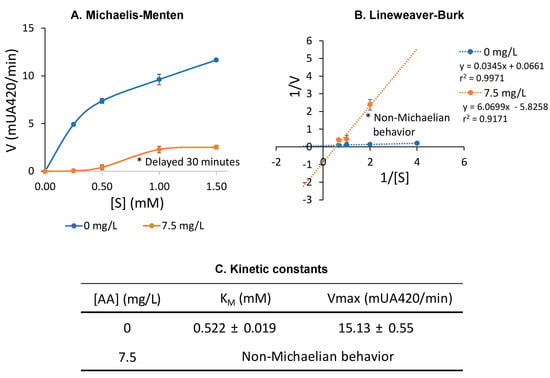
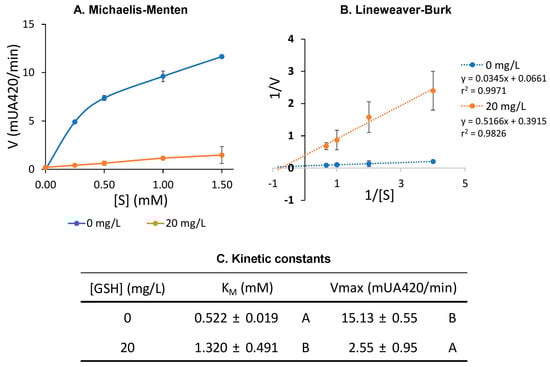
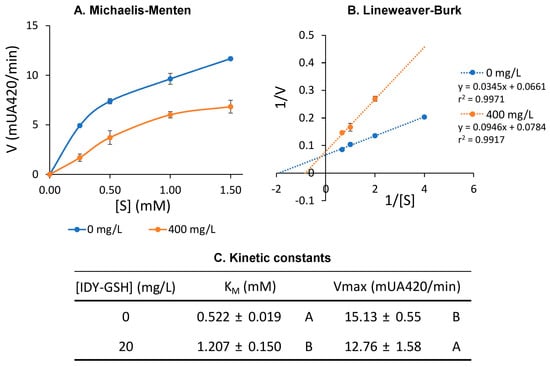
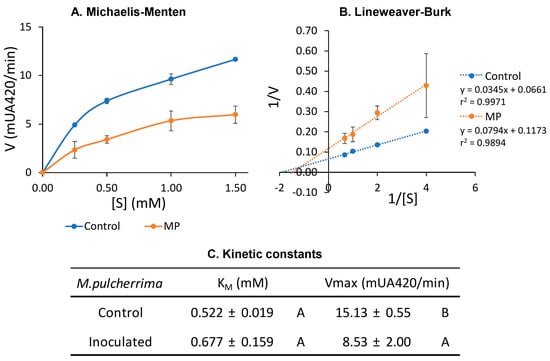
Study of Possible Alternatives to Sulphur Dioxide for Inhibiting Tyrosinase and Protecting Grape Must from Browning
Beverages 2026, 12(2), 27; https://doi.org/10.3390/beverages12020027 - 6 Feb 2026
Abstract
Winemakers have to deal with enzymatic browning caused by a grape polyphenol oxidase called tyrosinase. Due to the problems related to sulphur dioxide and its use in winemaking, oenologists need alternative and effective treatments for inhibiting enzymatic browning. This research studies ascorbic acid,
[...] Read more.
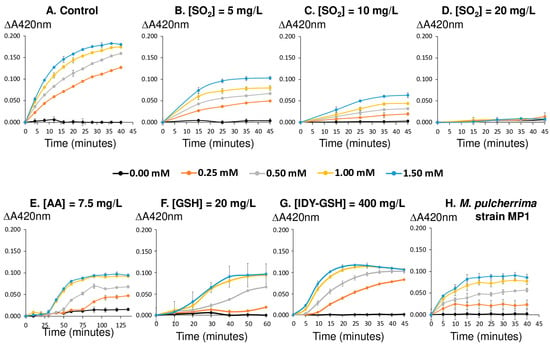
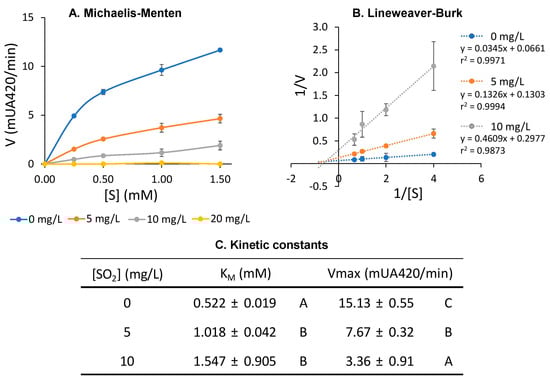
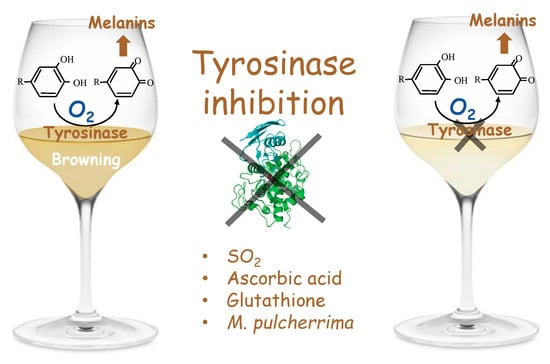
Winemakers have to deal with enzymatic browning caused by a grape polyphenol oxidase called tyrosinase. Due to the problems related to sulphur dioxide and its use in winemaking, oenologists need alternative and effective treatments for inhibiting enzymatic browning. This research studies ascorbic acid, glutathione (pure and in the form of a specific inactivated dry yeast rich in glutathione), and bioprotection by a selected strain of Metschnikowia pulcherrima as alternatives to SO2 for preventing enzymatic browning, following a methodology developed in previous works. All the studied treatments resulted in a significant reduction in enzymatic browning. More specifically, all treatments significantly reduced the Vmax of the apparent tyrosinase activity, indicating their potential to protect against enzymatic browning and thus allowing for a reduction in the doses of SO2 added to the wine.
Full article
(This article belongs to the Section Wine, Spirits and Oenological Products)
►
Show Figures
Open AccessReview
Impact of the Addition of Botanical Ingredients on the Physicochemical Properties, Polyphenolic Content, and Antioxidant Activity of Craft Beers
by
Maria João Pereira, Diana Santos, Cláudia Pinho and Ana Isabel Oliveira
Beverages 2026, 12(2), 26; https://doi.org/10.3390/beverages12020026 - 6 Feb 2026
Abstract
►▼
Show Figures
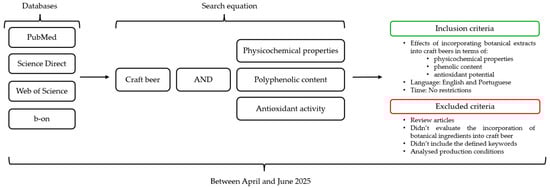
Background: The incorporation of botanical ingredients into craft beer has emerged as a promising strategy to enhance nutritional value and expand its sensory diversity. Thus, this review aims to discuss the impact of adding botanical extracts on the physicochemical properties, phenolic content, and
[...] Read more.
Background: The incorporation of botanical ingredients into craft beer has emerged as a promising strategy to enhance nutritional value and expand its sensory diversity. Thus, this review aims to discuss the impact of adding botanical extracts on the physicochemical properties, phenolic content, and antioxidant potential of craft beers. Methods: A narrative review was conducted using PubMed, Science Direct, Web of Science, and b-on databases, with the keywords ‘craft beer’, ‘physicochemical properties’, ‘polyphenolic content’, and ‘antioxidant activity’. Results: The incorporation of botanical ingredients into beers modified the physicochemical parameters, total phenolic content (TPC), and antioxidant activity. These effects varied according to the type of matrix, concentration, timing of addition, beer style, and brewing conditions. Overall, an increase in beer TPC and antioxidant activity was observed. However, higher TPC can present technological challenges, as phenolic–protein interaction may lead to turbidity. Conversely, enhanced antioxidant potential contributes to oxidative stability and extends the shelf-life of beer. Conclusions: Future studies should validate the current results, explore new bioactive matrices, and evaluate variables that ensure the functional quality of beer. Practical applications under real production conditions should also be prioritized to guarantee effective functional benefits without compromising the stability and sensory acceptance of craft beer.
Full article

Figure 1
Open AccessArticle
Assessing White Hibiscus Calyces as a Potential Ingredient for Kombucha
by
Enid Adiegwu, Renata Carneiro, Ken Hurley, Ann Sandbrook and Sean O’Keefe
Beverages 2026, 12(2), 25; https://doi.org/10.3390/beverages12020025 - 6 Feb 2026
Abstract
Kombucha’s growing popularity worldwide has been accompanied by a growing consumer interest in exploring new flavors and adopting healthier diets. In this preliminary consumer-driven study, we investigated the application of white hibiscus (WH) calyces in the development of novel kombucha beverages. Kombuchas were
[...] Read more.
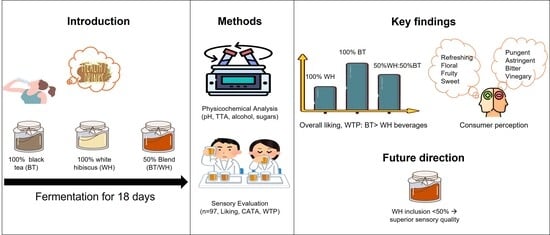
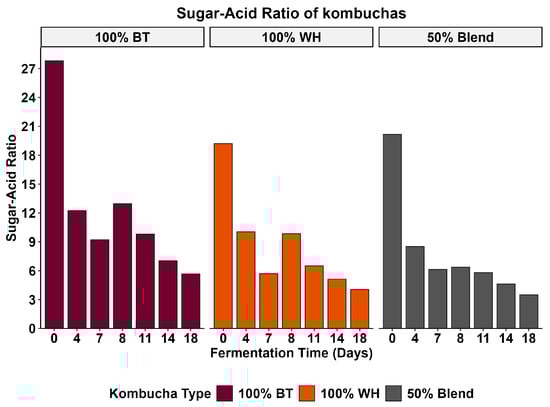
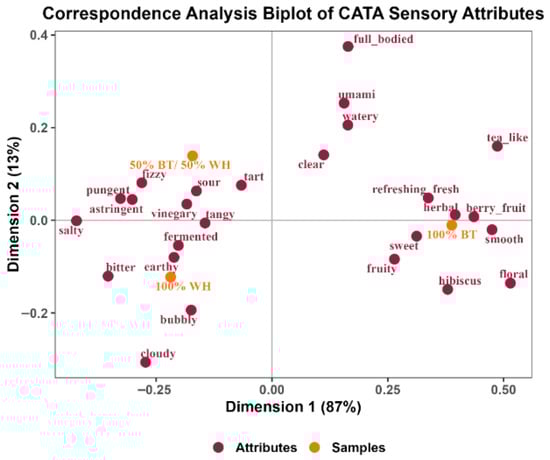
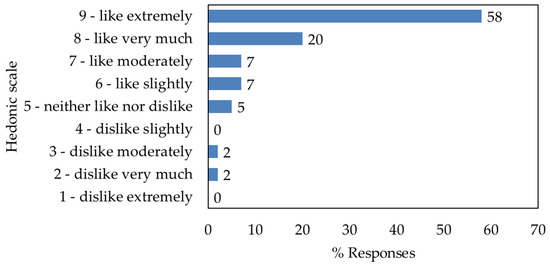
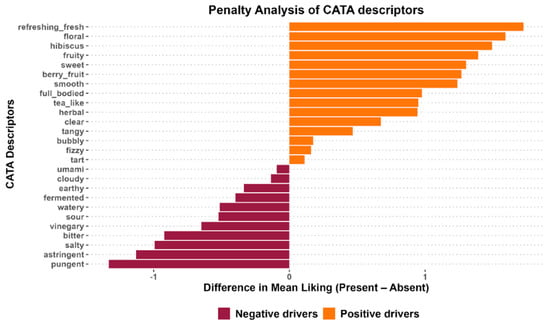
Kombucha’s growing popularity worldwide has been accompanied by a growing consumer interest in exploring new flavors and adopting healthier diets. In this preliminary consumer-driven study, we investigated the application of white hibiscus (WH) calyces in the development of novel kombucha beverages. Kombuchas were made from 100% black tea (BT), 100% WH, and 50% BT/WH blend infusions, then their pH, total titratable acidity (TTA), ethanol content, sucrose, glucose, and fructose concentrations were measured. Untrained sensory participants (N = 97) rated the kombuchas using a 9-point hedonic scale, described them using a check-all-that-apply list of attributes, and answered a willingness-to-pay (WTP) question. Tea infusion and fermentation time had a significant effect on pH, TTA, ethanol, sucrose, fructose, and glucose content (p < 0.05). High residual sugar levels observed in the WH kombucha indicated sluggish fermentation. Kombuchas differed significantly in overall-liking, color, aroma, flavor, and mouthfeel liking, and WTP (p < 0.05). Overall, BT kombucha was preferred over the WH kombuchas (100% and blend). Sensory attributes “refreshing”, “floral”, “hibiscus”, “fruity”, and “sweet” were positive drivers of acceptability, while “pungent” and “astringent” were negative drivers. Results suggest that blends containing less than 50% WH may provide more appealing sensory attributes to consumers, and that further study is needed.
Full article
(This article belongs to the Topic Recent Advances in Consumers’ Preferences and Behavior Toward Healthy and Functional Foods: 2nd Edition)
►▼
Show Figures

Graphical abstract
Open AccessArticle
Coarse-Grained Molecular Dynamics Simulations for Predicting Rheological Behavior of Casein Micelle Dispersions
by
Raghvendra Pratap Singh, Sophie Barbe, Paulo Peixoto, Manon Hiolle, Frédéric Affouard and Guillaume Delaplace
Beverages 2026, 12(2), 24; https://doi.org/10.3390/beverages12020024 - 6 Feb 2026
Abstract
►▼
Show Figures
Handling dispersion of casein powders in water is widely encountered in the milk industry. However, in silico prediction of the apparent viscosity of these colloidal dispersions is not an easy task, especially when these micellar casein suspensions are highly concentrated, as in hyper-protein
[...] Read more.
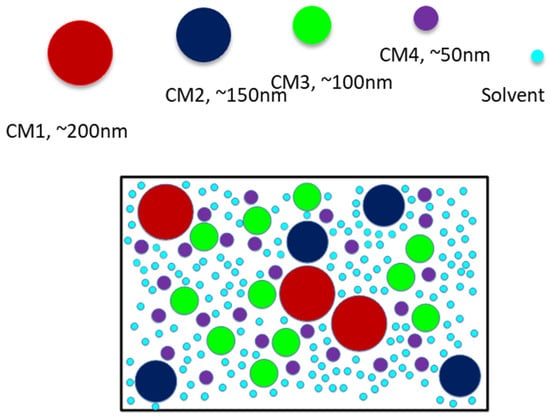
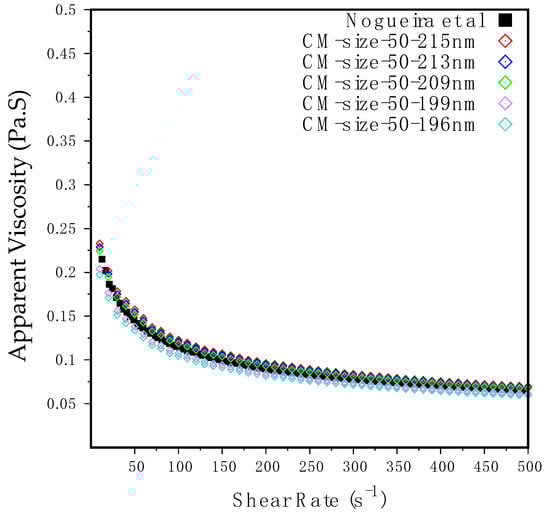
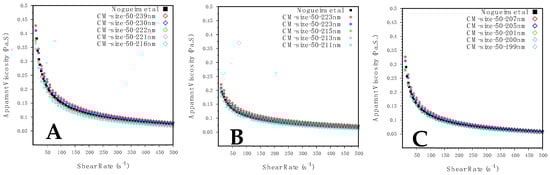
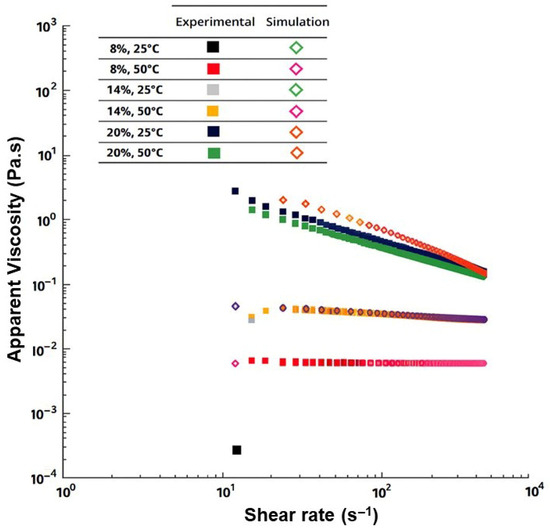
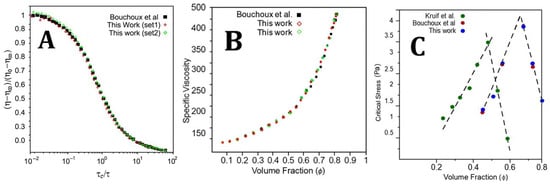
Handling dispersion of casein powders in water is widely encountered in the milk industry. However, in silico prediction of the apparent viscosity of these colloidal dispersions is not an easy task, especially when these micellar casein suspensions are highly concentrated, as in hyper-protein milk beverages, which are experiencing exponential market growth. In this work, Coarse-Grained (CG) models using Lennard-Jones potentials to model interactions were built for simulating rheological properties of colloidal micellar casein dispersions (native and demineralized). In a first approach, a polydisperse explicit CG model was developed. For this polydisperse CG model, the representation chain was composed of four large smooth spheres of different sizes mimicking the real distribution of casein colloids. The CG simulation results were validated by comparison with experimental rheological data for native colloidal casein dispersions. Both in-house experimental results and available data found in the literature were used for this purpose, covering a wide range of casein concentrations ([10 g/L–200 g/L], [8–20%] corresponding to casein concentration, colloid volume fraction and solid/liquid volume fraction, respectively). In a second approach, a simplified model using a monodisperse CG model was developed. This simplified model only included one type of soft sphere and was found to preserve the accuracy of the rheological prediction. Finally, a monodisperse CG model was set up to predict the behavior of demineralized micellar casein dispersions, for which a decrease in the average size of the micelle size distribution is observed when demineralization occurs. For all models, the comparison between the predicted and experimental rheological behavior is fully satisfactory, proving that the CG models proposed for casein-based micellar dispersions are physically well founded and that the proposed simplified representation chain, based on micelle size observation, makes sense.
Full article

Figure 1
Open AccessReview
Functional Aloe vera Drink Supplementation: Effect on Athlete Health
by
Simona D’Angelo, Carla Buzzanca, Angela D’Amico, Alessia Boatta, Patrizia Proia and Vita Di Stefano
Beverages 2026, 12(2), 23; https://doi.org/10.3390/beverages12020023 - 6 Feb 2026
Abstract
Aloe vera (Aloe barbadensis Miller) represents a rich natural source of water, minerals, polysaccharides, vitamins, phenolic compounds and bioactive molecules that exert multiple health-promoting effects relevant to athletic performance. Its high content of water and minerals (magnesium, calcium, potassium) supports hydration and
[...] Read more.
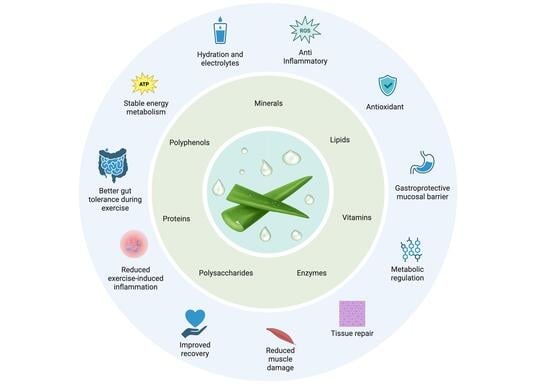
Aloe vera (Aloe barbadensis Miller) represents a rich natural source of water, minerals, polysaccharides, vitamins, phenolic compounds and bioactive molecules that exert multiple health-promoting effects relevant to athletic performance. Its high content of water and minerals (magnesium, calcium, potassium) supports hydration and electrolyte balance during physical activity. At the same time, polysaccharides, especially acemannan, contribute to tissue regeneration, muscle recovery, immune modulation and gastrointestinal protection. Antioxidant compounds reduce exercise-induced oxidative stress, potentially improving recovery and limiting inflammatory damage. Aloe vera-based beverages, including leaf juices and fermented formulations, offer a practical and palatable vehicle for delivering these bioactives. In addition to supporting gut integrity and reducing symptoms such as reflux and heartburn, Aloe vera supplementation may enhance nutrient absorption and modulate glucose metabolism, contributing to better metabolic stability during exercise. The increasing commercial interest in natural functional beverages highlights the relevance of Aloe vera as a nutraceutical candidate for athletes. This review explores the multiple benefits of Aloe leaf derivatives, bridging traditional medicine and evidence-based applications for metabolic health (gastrointestinal comfort, hydration, antioxidant defence and post-exercise recovery). However, further clinical studies are needed to fully define dosage, efficacy and mechanisms of action.
Full article
(This article belongs to the Section Quality, Nutrition, and Chemistry of Beverages)
►▼
Show Figures

Graphical abstract
Open AccessArticle
Optimization of Ohmic Heating Pasteurization for Passion Fruit Juice and Comparison with Conventional Thermal Treatment
by
Thitiphan Chimsook and Rittichai Assawarachan
Beverages 2026, 12(2), 22; https://doi.org/10.3390/beverages12020022 - 5 Feb 2026
Abstract
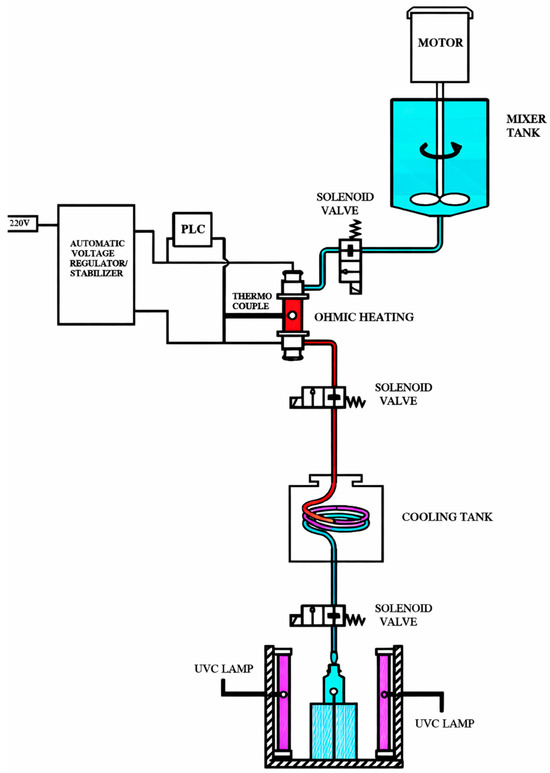
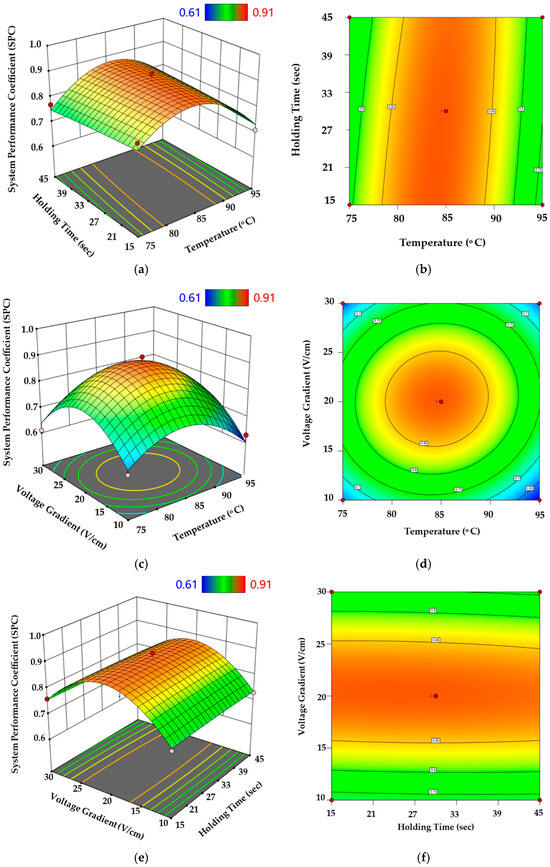
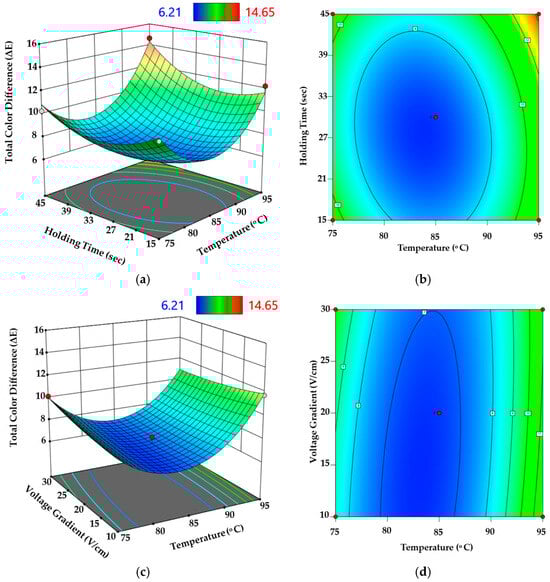
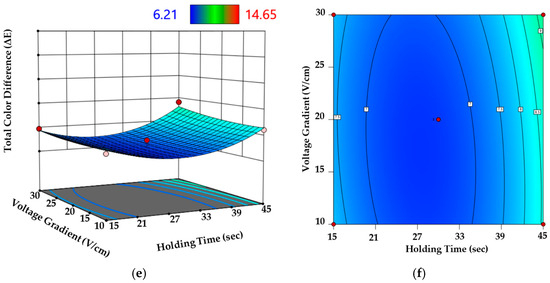
Ohmic heating pasteurization (OHP) is a volumetric thermal processing technology that enables rapid and uniform heat generation within liquid foods. This study aimed to optimize the OHP conditions for passion fruit juice processing by maximizing thermal efficiency and preserving quality attributes. A Box–Behnken
[...] Read more.
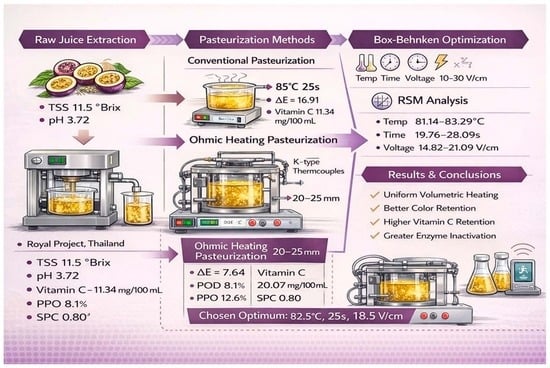
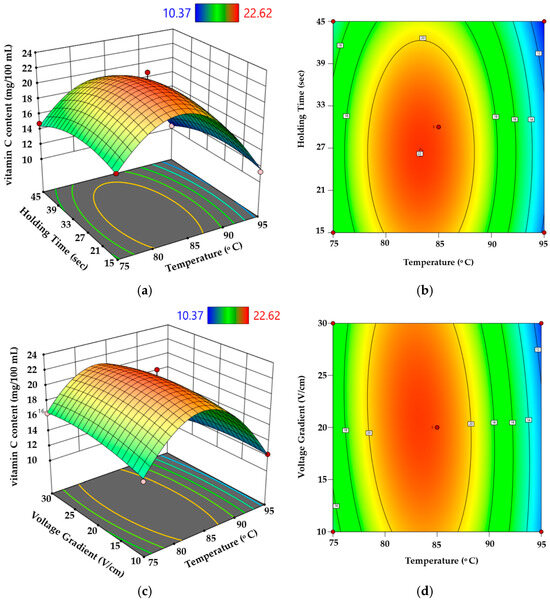
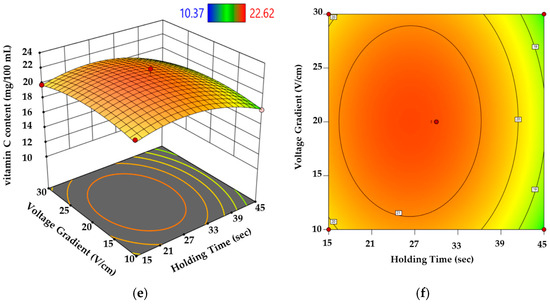
Ohmic heating pasteurization (OHP) is a volumetric thermal processing technology that enables rapid and uniform heat generation within liquid foods. This study aimed to optimize the OHP conditions for passion fruit juice processing by maximizing thermal efficiency and preserving quality attributes. A Box–Behnken design combined with response surface methodology was applied to evaluate the effects of pasteurization temperature (75–95 °C), holding time (15–45 s), and voltage gradient (10–30 V/cm) on the system performance coefficient (SPC), total color difference (ΔE), and vitamin C retention. Multi-response optimization was conducted to simultaneously enhance SPC and vitamin C content while minimizing color change. The optimal OHP conditions were identified as a temperature of 82.5 °C, a holding time of 25 s, and a voltage gradient of 18.5 V/cm. Under these conditions, the processed juice exhibited a high SPC value (0.80 ± 0.05), moderate vitamin C retention (20.07 ± 3.18 mg/100 mL), and low total color difference (ΔE = 7.64 ± 1.08). Enzymatic assays further demonstrated substantial inactivation of quality-related enzymes, with residual activities of peroxidase and polyphenol oxidase reduced to 8.07 ± 1.74% and 12.6 ± 2.1%, respectively, compared with untreated juice. These results indicate that optimized ohmic heating pasteurization can achieve efficient thermal processing while maintaining the physicochemical and nutritional quality of high-acid fruit juices.
Full article
(This article belongs to the Topic Food Processing and Preservation: Innovative Solutions for Natural Food Preservation, 2nd Edition)
►▼
Show Figures

Graphical abstract
Open AccessArticle
Elemental Composition of Japanese Matcha Powder and Infusions—Potential Role as a Functional Food in Metabolic Health
by
Kinga Szymczykowska, Patrycja Kupnicka, Karolina Skonieczna-Żydecka, Klaudia Melkis, Dariusz Chlubek and Karolina Jakubczyk
Beverages 2026, 12(2), 21; https://doi.org/10.3390/beverages12020021 - 4 Feb 2026
Abstract
►▼
Show Figures
Matcha tea (Camellia sinensis (L.) Kuntze) is a Japanese powdered green tea characterized by an exceptionally high content of health-promoting compounds. It is produced by shading the tea plants for 21 days prior to harvesting. It can be consumed both as an
[...] Read more.
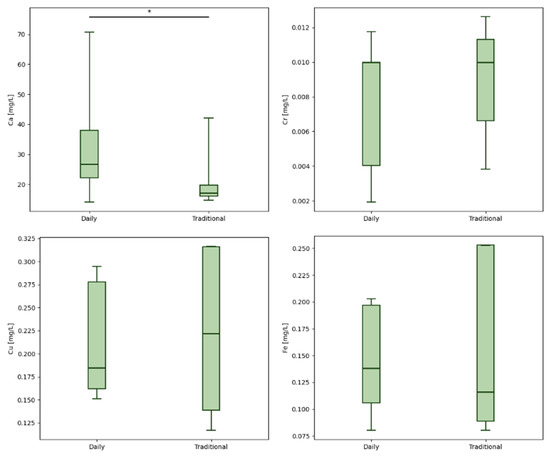
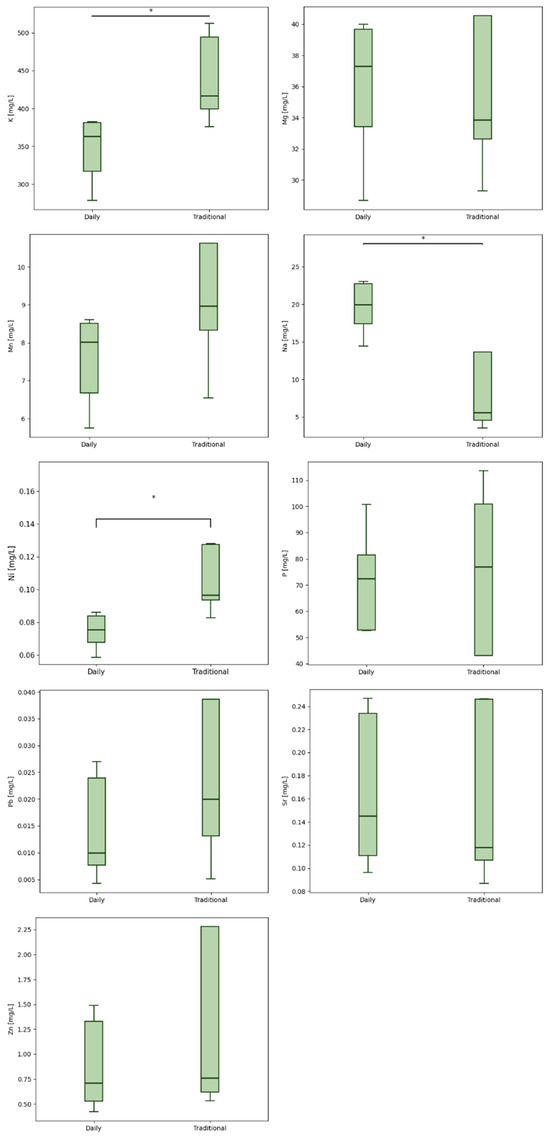
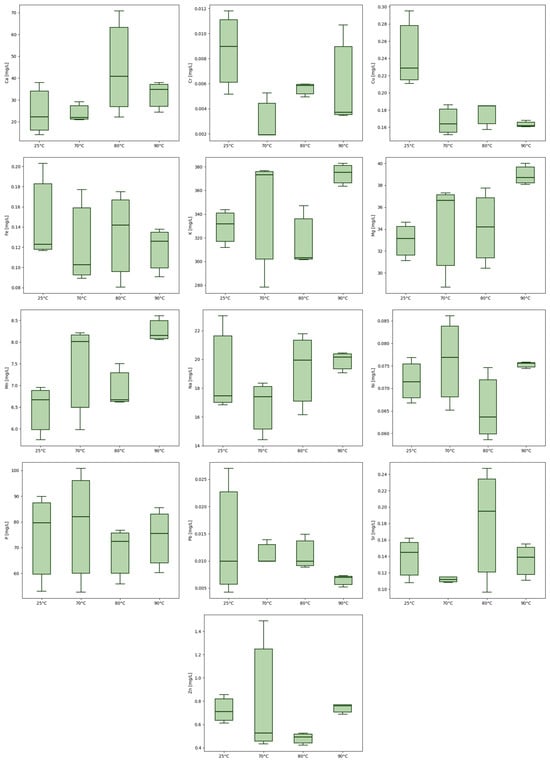
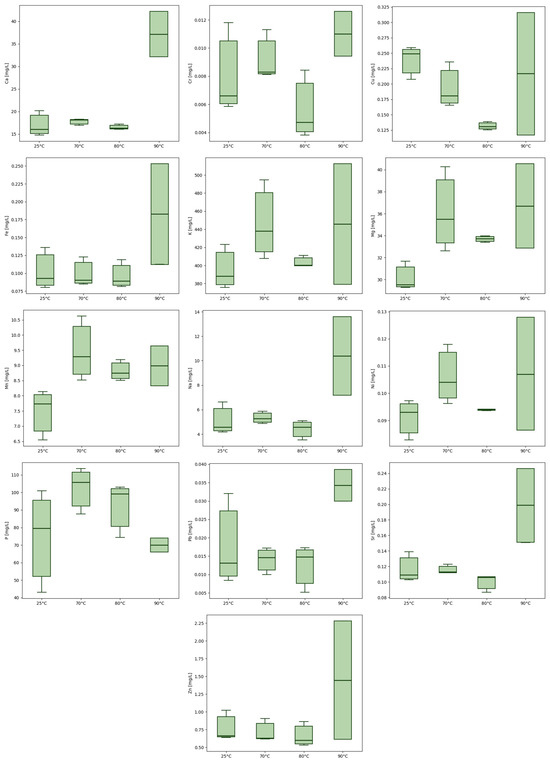
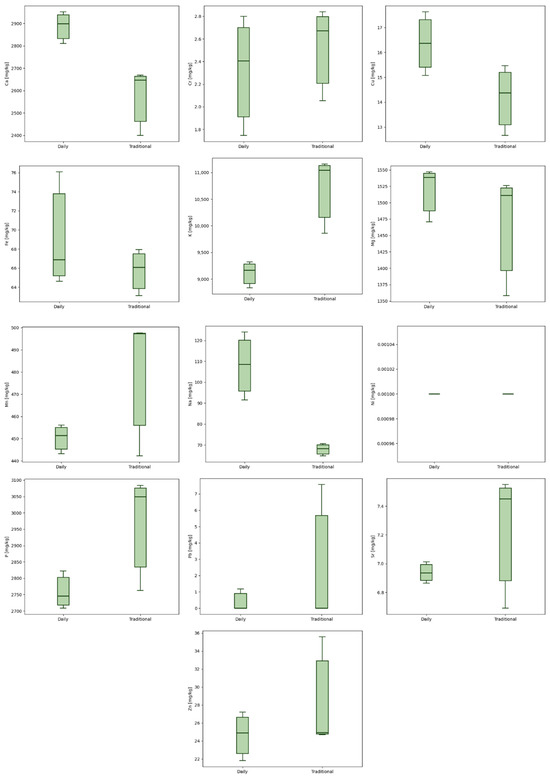
Matcha tea (Camellia sinensis (L.) Kuntze) is a Japanese powdered green tea characterized by an exceptionally high content of health-promoting compounds. It is produced by shading the tea plants for 21 days prior to harvesting. It can be consumed both as an infusion and as a whole powder form. The present study aimed to analyze the micro- and macronutrient composition of matcha tea infusions (traditional and daily) brewed with water at different temperatures, as well as that of matcha powder. Samples were analyzed using inductively coupled plasma optical emission spectrometry (ICP-OS). Two types of matcha infusions were analyzed: daily and traditional, prepared at 25 °C, 70 °C, 80 °C, and 90 °C in addition to matcha powders. The results demonstrated that both infusions and matcha powder are sources of the tested elements (potassium, phosphorus, magnesium, calcium, zinc) and may complement a healthy, balanced diet. The type of tea significantly affected elemental content, while brewing temperature did not significantly influence the mineral composition of infusions. Taken together, these results indicate that matcha represents a nutritionally relevant beverage whose mineral profile may contribute to dietary quality and support physiological functions related to metabolic health.
Full article

Figure 1
Open AccessArticle
Multiregional Characterization of White Wines Using Odor Activity Values, Aromatic Scores, and LDA Classification
by
Ioana-Cristina Bedreag (Rebigan), Ionel-Bogdan Cioroiu, Marius Niculaua, Alexandru-Gabriel Suduc, Constantin-Bogdan Nechita, Catalin-Ioan Zamfir, Elena Cristina Scutarașu, Lucia-Cintia Colibaba, Camelia Elena Luchian and Valeriu V. Cotea
Beverages 2026, 12(2), 20; https://doi.org/10.3390/beverages12020020 - 3 Feb 2026
Abstract
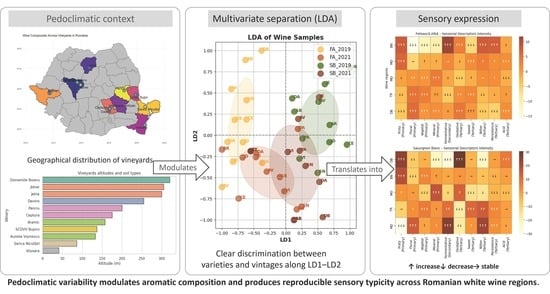
This study investigates the effects of terroir on the sensory expression of two major white grape varieties, Fetească albă and Sauvignon blanc. The experimental design included wines from eleven wineries distributed across the main Romanian wine-growing regions—Banat, Dobrogea, Moldova, Muntenia–Oltenia, and Transylvania—covering
[...] Read more.
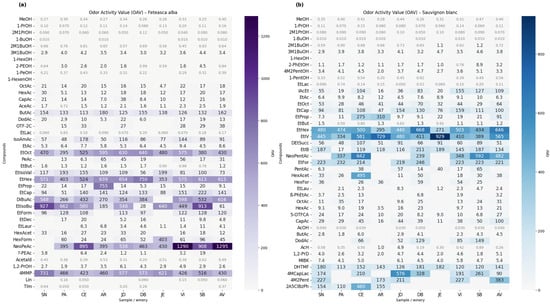
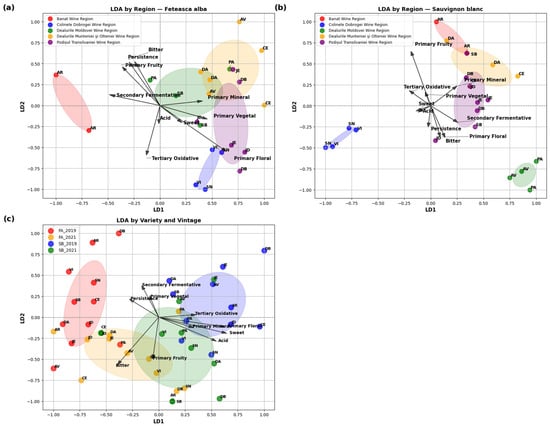
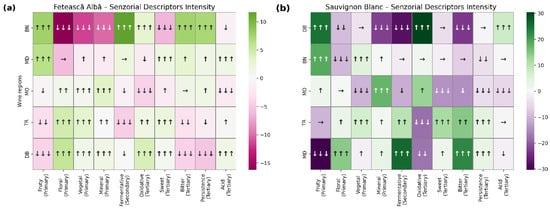
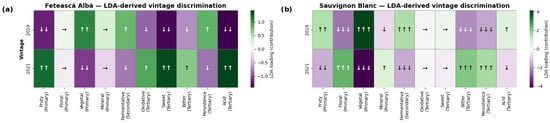
This study investigates the effects of terroir on the sensory expression of two major white grape varieties, Fetească albă and Sauvignon blanc. The experimental design included wines from eleven wineries distributed across the main Romanian wine-growing regions—Banat, Dobrogea, Moldova, Muntenia–Oltenia, and Transylvania—covering a wide range of altitudes (75–400 m), latitudes (21.6–28.4°), and contrasting soil types (chernozems, alluvial soils, luvaceous and clay-illuvial brown soils) over two climatically distinct vintages (2019 and 2021). Volatile profiling was performed by GC–MS, and aroma relevance was assessed using odor activity values (OAVs) and weighted aromatic scores, while sensory attributes were integrated through structured sensory evaluation. Esters and thiols emerged as the dominant contributors to varietal aroma expression. Sensory aggregation revealed clear winery-dependent differences, whereas vintage effects were moderate, with 2021 wines displaying a more pronounced fruity–floral profile compared to 2019. Linear Discriminant Analysis (LDA) identified grape variety as the strongest discriminant factor, surpassing vintage, and confirmed distinct regional sensory identities. The integrated OAV–sensory–LDA framework demonstrates the defining role of terroir in shaping aromatic structure, enabling robust varietal typicity assessment and regional differentiation across Romanian wine-growing areas.
Full article
(This article belongs to the Special Issue Quality and Authenticity in Wine: Analytical Advances and Consumer Perspectives)
►▼
Show Figures

Graphical abstract
Open AccessArticle
Effect of Thermal and Non-Thermal Treatments on the Bioaccessibility of Vitamin C and Carotenoids in a Mixed Tropical Fruit Beverage
by
Rayane da Silva Lucio Cordeiro, Luiz Carlos Corrêa-Filho, Flávia dos Santos Gomes, Daniela De Grandi Castro Freitas de Sá, Renata Valeriano Tonon, Virginia Martins da Matta and Lourdes Maria Corrêa Cabral
Beverages 2026, 12(2), 19; https://doi.org/10.3390/beverages12020019 - 2 Feb 2026
Abstract
►▼
Show Figures
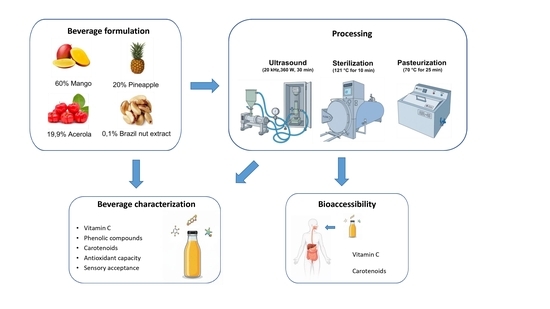
A mixed functional beverage was developed using mango, pineapple, and acerola pulps combined with Brazil nut extract, targeting the nutritional and physiological needs of the elderly. The formulation was designed to deliver vitamin C and carotenoids, while maintaining viscosity compatible with level 3
[...] Read more.
A mixed functional beverage was developed using mango, pineapple, and acerola pulps combined with Brazil nut extract, targeting the nutritional and physiological needs of the elderly. The formulation was designed to deliver vitamin C and carotenoids, while maintaining viscosity compatible with level 3 of the IDDSI scale, ensuring safe consumption for individuals with dysphagia. The product underwent different processing treatments, including thermal pasteurization, sterilization, and non-thermal ultrasound processing, to evaluate their effects on bioactive compounds and in vitro bioaccessibility. Vitamin C content and total phenolic compounds decreased by 15.4% and 12.7% after pasteurization, respectively, and by 41.6% and 79.1% after ultrasound treatment. In contrast, sterilization did not result in a significant difference in vitamin C content compared with the control. Conversely, total carotenoid content increased significantly across all processing treatments, while antioxidant capacity remained stable across the different processing conditions evaluated. In addition, a 95% increase in selenium content was observed after pasteurization, indicating enhanced solubilization of mineral fractions in the Brazil nut extract. Vitamin C bioaccessibility reached 53.24% after ultrasound treatment and 38.58% after sterilization, outperforming the control (34.59%). For carotenoids, sterilization resulted in the highest bioaccessibility (28.33%), followed by ultrasound (17.21%) and pasteurization (15.24%). The beverage also showed good sensory acceptance among elderly consumers, demonstrating that the formulation successfully combines nutritional adequacy and acceptance. These findings support its potential as a functional beverage that promotes safe nutrition and hydration in older adults, including those with dysphagia.
Full article

Graphical abstract
Open AccessArticle
Upcycling Blackberry Juice Pomace into Fruit Beer: Effects of High Pressure Processing on Polyphenols, Colour, Volatile Profile and Sensory Analysis
by
Luca Pretti, Manuela Sanna, Massimiliano Rinaldi, Antonio Valentoni, Margherita Rodolfi, Rohini Dhenge, Daniele Sanna, Maria Cristina Porcu, Tina Lino and Tommaso Ganino
Beverages 2026, 12(2), 18; https://doi.org/10.3390/beverages12020018 - 2 Feb 2026
Abstract
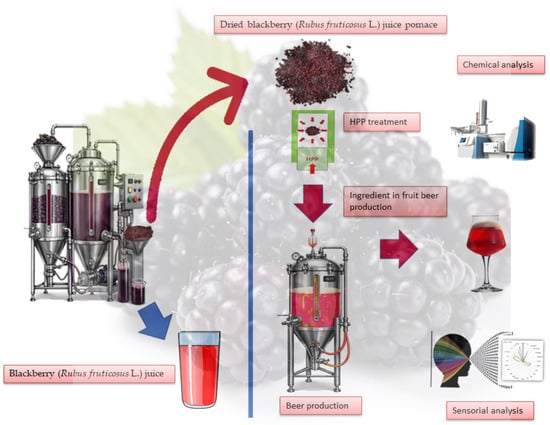
The integration of fruit by-products into brewing represents a promising strategy to enhance sustainability within the beverage sector. This study evaluates the use of dried blackberry (Rubus fruticosus L.) juice pomace, either untreated or pre-treated by High-Pressure Processing (HPP), as an ingredient
[...] Read more.
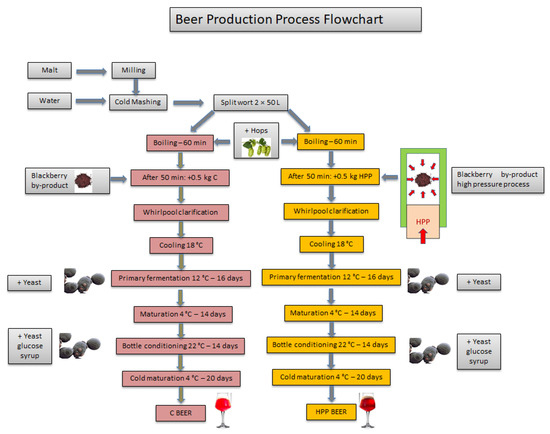
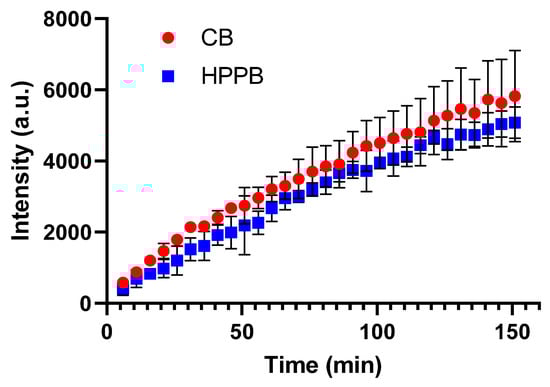
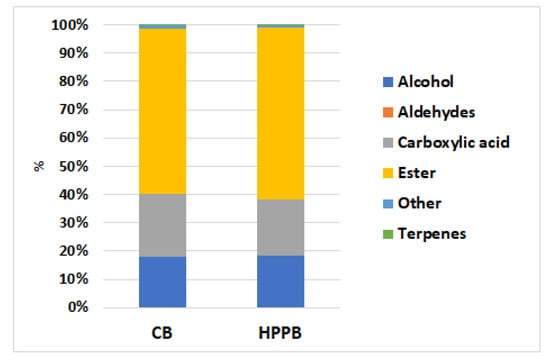
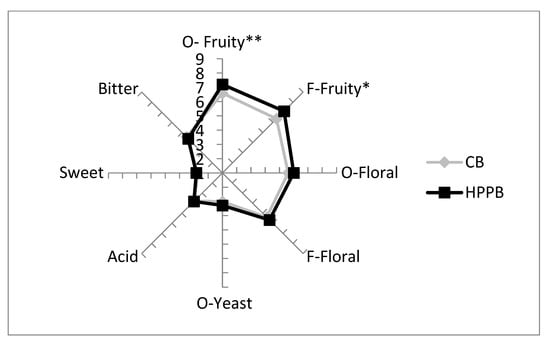
The integration of fruit by-products into brewing represents a promising strategy to enhance sustainability within the beverage sector. This study evaluates the use of dried blackberry (Rubus fruticosus L.) juice pomace, either untreated or pre-treated by High-Pressure Processing (HPP), as an ingredient in fruit beer production. A portion of the blackberry pomace was dried at 50 °C and incorporated into a beer formulation named “control beer” (CB), while another portion of the blackberry pomace was subjected to HPP at 600 MPa for 3 min, dried at 50 °C and incorporated into a beer formulation named HPPB. The beers were analysed for their physicochemical parameters, colour properties, total phenolic content, antioxidant capacity (UV–Vis and EPR), and volatile composition (HS-SPME-GC-MS). A trained sensory panel (n = 8) assessed descriptive attributes. HPP significantly affected the colour of the dried pomace and resulted in beers with higher lightness (L*) but lower redness (a*) and total phenolics. CB exhibited higher antioxidant capacity, whereas HPPB showed increased levels of fruity esters. Sensory analysis confirmed that HPPB was perceived as significantly more fruity in both orthonasal odour and flavour (p < 0.05). No significant differences were detected in beer oxidative stability by EPR. These findings demonstrate that HPP-treated blackberry pomace can modulate the sensory profile of fruit beers despite reducing phenolic retention, and that upcycled by-products can support the development of sustainable, specialty beers.
Full article
(This article belongs to the Section Malting, Brewing and Beer)
►▼
Show Figures

Graphical abstract
Open AccessArticle
Changes in Bioactive Characteristics of Nance (Byrsonima crassifolia) Pulp and Liqueur During Storage
by
Diana Maylet Hernández-Martínez, Jose Irving Valdez-Miranda, Patricia Rosales-Martínez, Hugo Necoechea-Mondragón, Gustavo F. Gutiérrez-López and Maribel Cornejo-Mazón
Beverages 2026, 12(1), 17; https://doi.org/10.3390/beverages12010017 - 22 Jan 2026
Abstract
Nance fruit is considered an important source of antioxidants and is used as a raw material to produce various edible products including liqueur. This fruit is grown in various locations worldwide, and its use to prepare different products needs to be further developed.
[...] Read more.
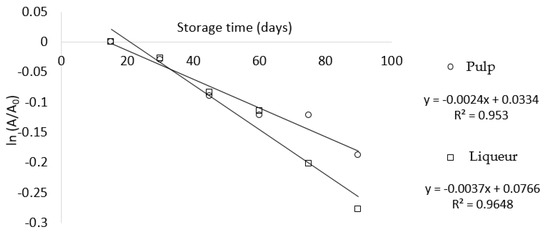
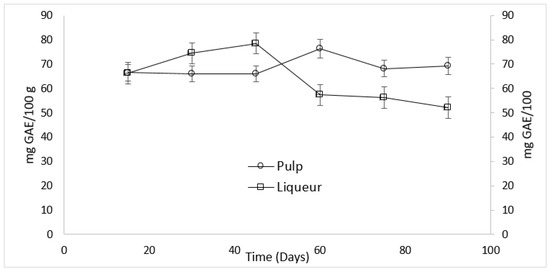
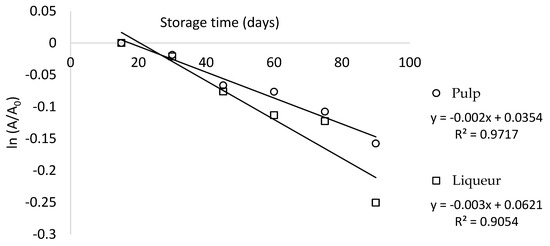
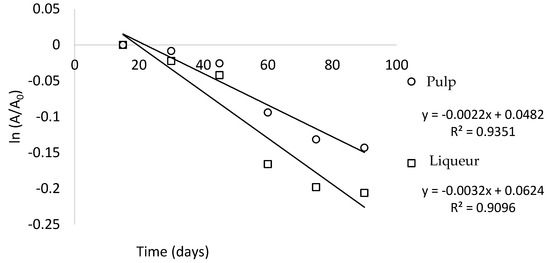
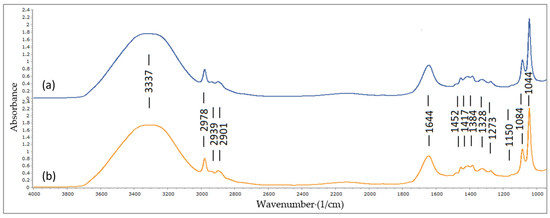
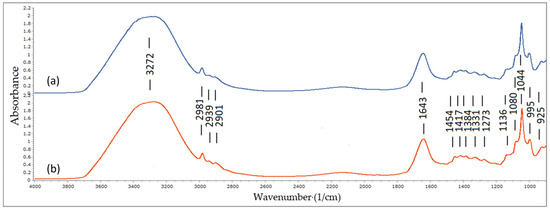
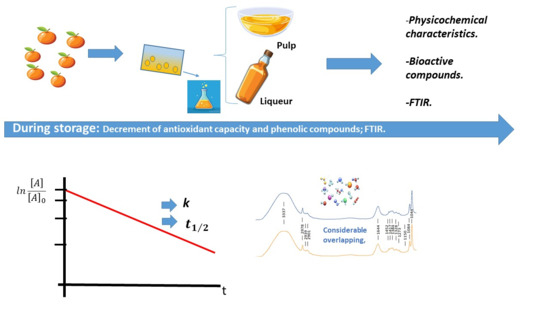
Nance fruit is considered an important source of antioxidants and is used as a raw material to produce various edible products including liqueur. This fruit is grown in various locations worldwide, and its use to prepare different products needs to be further developed. Nance pulp and liqueur were analyzed by evaluating their physicochemical characteristics, bioactive compounds, and antioxidant capacities during 90 days of storage. Ascorbic acid and antioxidant capacities decreased at higher rates than pulp as per their kinetic constants and half-life times (t1/2 was shorter for liqueur than for pulp). Fourier Transform Infrared Spectroscopy (FTIR) allowed us to register the characteristic fingerprints from bonds from diverse functional groups and demonstrated that liqueur preserved, at a higher extent, the bioactive compounds of pulp. Phenolic compounds in both samples decayed over time, suggesting that, during storage, they release due to the breakage of cell walls. Infrared spectra showed considerable overlapping, presenting characteristic alcohol and functional group peaks distinctive of bioactive compounds and polysaccharides. At the end of their storage, both samples presented peaks of less intensity than those for the initial samples, which was in agreement with the bioactive compound content and antioxidant capacity kinetics. Bioactive profiles and kinetic parameters would be useful for establishing the processing and storage conditions of nance liqueur and could support the development of local communities.
Full article
(This article belongs to the Special Issue New Insights into Artisanal and Traditional Beverages)
►▼
Show Figures

Graphical abstract
Open AccessArticle
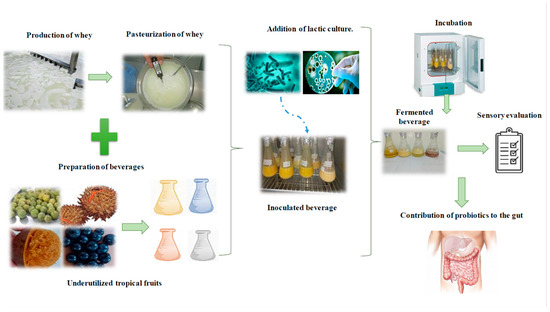
Sensory Acceptability of Functional Probiotic Beverages Made from Underutilized Tropical Fruits Rich in Vitamins and Minerals
by
Francisco Enrique Sánchez-Rosales, Katy Marcela Castellanos-Reyes, Loren Paola Macias-Bu, Raúl Enrique Martínez Molina, Lijia Patricia Carrillo Alfaro, Carlos Orlando Inestroza-Lizardo and Héctor Alonzo Gómez Gómez
Beverages 2026, 12(1), 16; https://doi.org/10.3390/beverages12010016 - 22 Jan 2026
Abstract
►▼
Show Figures
This study aimed to formulate probiotic beverages using underutilized tropical fruit pulp, such as those of sincuya (Annona purpurea Moc. & Sessé ex Dunal), urraco (Licania platypus (Hemsl.) Fritsch), matasano (Casimiroa edulis La Llave y Lex), and jaboticaba (Plinia
[...] Read more.
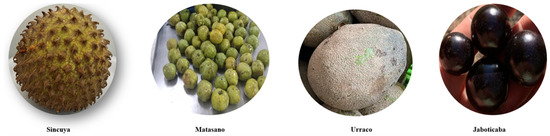
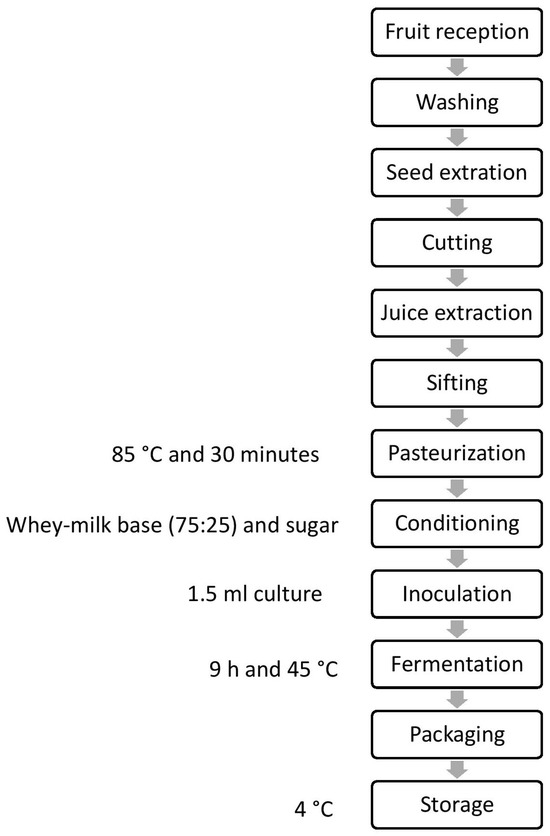
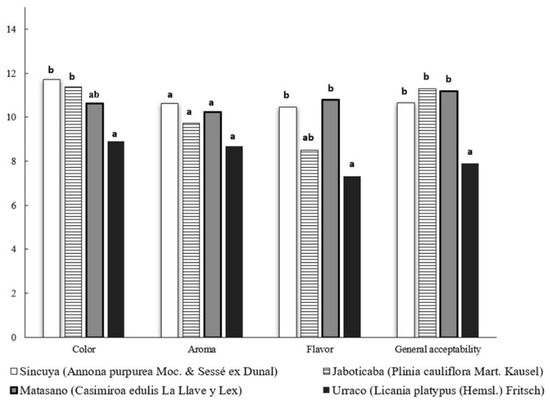
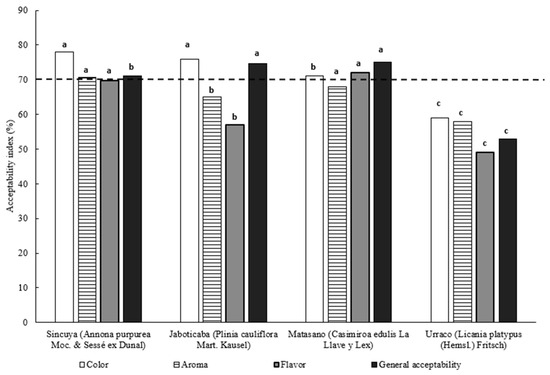
This study aimed to formulate probiotic beverages using underutilized tropical fruit pulp, such as those of sincuya (Annona purpurea Moc. & Sessé ex Dunal), urraco (Licania platypus (Hemsl.) Fritsch), matasano (Casimiroa edulis La Llave y Lex), and jaboticaba (Plinia cauliflora Mart. Kausel), with acceptable sensory characteristics. The evaluations of color, vitamins, minerals, °Brix, pH, and titratable acidity (TA) were performed on the fruit pulps. Subsequently, four beverages inoculated with a mixed culture (Streptococcus thermophilus and Lactobacillus delbrueckii subsp. Bulgaricus) were produced, and °Brix, pH, TA, sensory acceptability, and colony-forming units (CFUs) were measured after 9 h of fermentation. The sincuya pulp exhibited the highest beta-carotene (334.37 IU mg/100 g) and potassium (444.49 mg/100 g) content. The sincuya beverage was the best in terms of sensory characteristics such as color, aroma, flavor, and general acceptability, with scores of 78%, 71%, 70%, and 71%, respectively. The urraco, sincuya, and matasano beverages exhibited CFU counts of 10.9, 10.4, and 9.7 Log10 CFU/mL, respectively. These results demonstrate that the fruits and formulated beverages have technological potential, functional and probiotic benefits, and sensory characteristics that are attractive to consumers. This innovative approach suggests an alternative for improving nutrition using local resources and agro-industrial byproducts.
Full article

Graphical abstract
Open AccessArticle
Classification of Beers Through Comprehensive Physicochemical Characterization and Multi-Block Chemometrics
by
Paris Christodoulou, Eftichia Kritsi, Antonis Archontakis, Nick Kalogeropoulos, Charalampos Proestos, Panagiotis Zoumpoulakis, Dionisis Cavouras and Vassilia J. Sinanoglou
Beverages 2026, 12(1), 15; https://doi.org/10.3390/beverages12010015 - 15 Jan 2026
Abstract
►▼
Show Figures
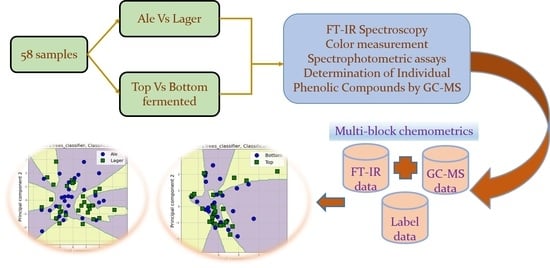
This study addresses the ongoing challenge of accurately classifying beers by fermentation type and product category, an issue of growing importance for quality control, authenticity assessment, and product differentiation in the brewing sector. We applied a multiblock chemometric framework that integrates phenolic profiling
[...] Read more.
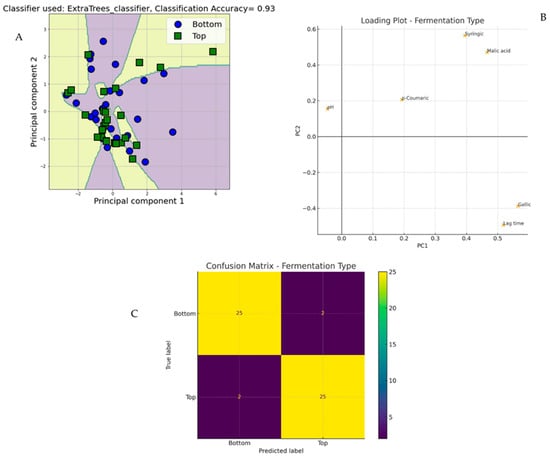
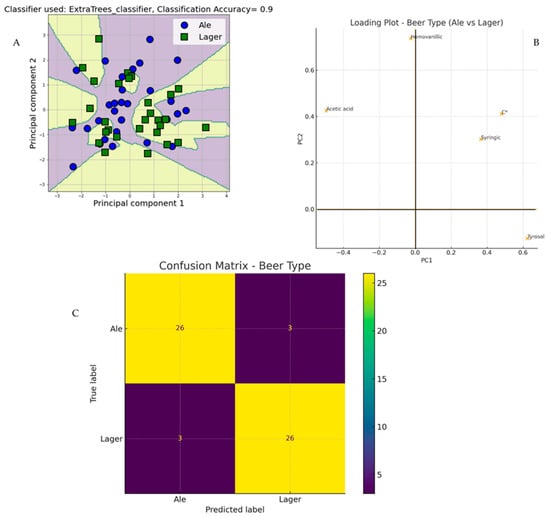
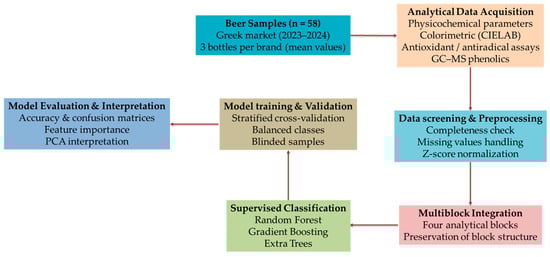
This study addresses the ongoing challenge of accurately classifying beers by fermentation type and product category, an issue of growing importance for quality control, authenticity assessment, and product differentiation in the brewing sector. We applied a multiblock chemometric framework that integrates phenolic profiling obtained via GC–MS, antioxidant and antiradical activity derived from in vitro assays, and complementary colorimetric and physicochemical measurements. Principal Component Analysis (PCA) revealed clear compositional structuring within the dataset, with p-coumaric, gallic, syringic, and malic acids emerging as major contributors to variance. Supervised machine-learning classification demonstrated robust performance, achieving approximately 93% accuracy in discriminating top- from bottom-fermented beers, supported by a well-balanced confusion matrix (25 classified and 2 misclassified samples per group). When applied to ale–lager categorization, the model retained strong predictive ability, reaching 90% accuracy, largely driven by the C* chroma value and the concentrations of tyrosol, acetic acid, homovanillic acid, and syringic acid. The integration of multiple analytical blocks significantly enhanced class separation and minimized ambiguity between beer categories. Overall, these findings underscore the value of multi-block chemometrics as a powerful strategy for beer characterization, supporting brewers, researchers, and regulatory bodies in developing more reliable quality-assurance frameworks.
Full article

Graphical abstract
Open AccessArticle
Impact of Yeast and Grape Polysaccharides on White Sparkling Wine Production
by
María Curiel-Fernández, Estela Cano-Mozo, Belén Ayestarán, Zenaida Guadalupe, Inés Sampedro-Marigómez and Silvia Pérez-Magariño
Beverages 2026, 12(1), 14; https://doi.org/10.3390/beverages12010014 - 14 Jan 2026
Abstract
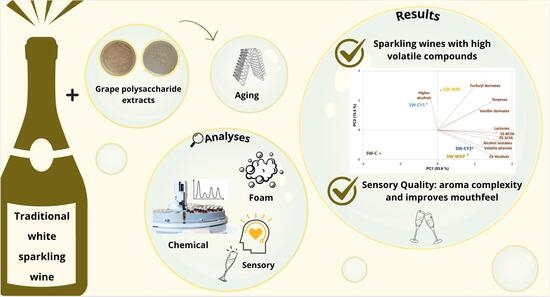
Grape polysaccharide extracts derived from winemaking by-products have been shown to affect key wine characteristics. This study aimed to investigate the application of different grape-derived, polysaccharide-rich extracts and commercial yeast products in white sparkling wines, since no other studies have been found. The
[...] Read more.
Grape polysaccharide extracts derived from winemaking by-products have been shown to affect key wine characteristics. This study aimed to investigate the application of different grape-derived, polysaccharide-rich extracts and commercial yeast products in white sparkling wines, since no other studies have been found. The impacts of these products on the volatile, phenolic and polysaccharide compositions, as well as on the foam properties and sensory characteristics, were evaluated. After 15 months of aging, the products used did not influence the color and phenolic composition of the sparkling wines. However, they had a positive effect on the volatile compounds, with treated wines showing a general increase compared with the control, mainly in ethyl esters and alcohol acetates, compounds associated with fruity and floral notes. The treated wines showed clear sensory differences compared with the control, including aromatic complexity, which may reflect better preservation of certain aromatic compounds over time. In addition, improvements in wine taste were observed, likely due to a reduction in perceived acidity and bitterness. These results demonstrate the potential of grape-derived polysaccharide extracts to preserve volatile compounds in sparkling wines and to enhance their aromatic complexity and mouthfeel, thus improving overall sensory quality.
Full article
(This article belongs to the Section Wine, Spirits and Oenological Products)
►▼
Show Figures

Graphical abstract
Open AccessArticle
Sensory-Driven Characterisation of the Lugana DOC White Wines Aging Ability Through Odour Activity Value, Aroma Vectors, and Clustering Approaches
by
Micaela Boido, Maria Alessandra Paissoni, Davide Camoni, Riccardo Severi, Stefano Ferrari, Beatrice Cordero, Simone Giacosa, Luca Rolle and Susana Río Segade
Beverages 2026, 12(1), 13; https://doi.org/10.3390/beverages12010013 - 14 Jan 2026
Abstract
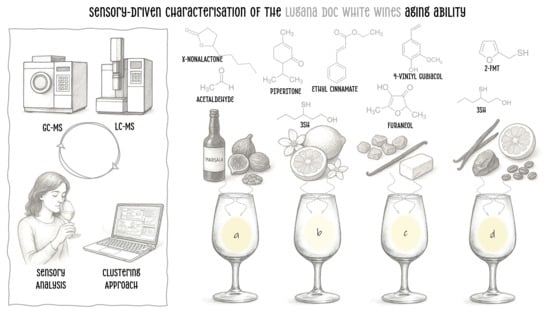
Lugana DOC is an Italian PDO white wine from the south coast of Lake Garda, produced with ‘Trebbiano di Lugana’ grapes (synonym of ‘Trebbiano di Soave’ and ‘Verdicchio bianco’) and characterised by tropical fruit, citrus, and balsamic notes due to the presence of
[...] Read more.
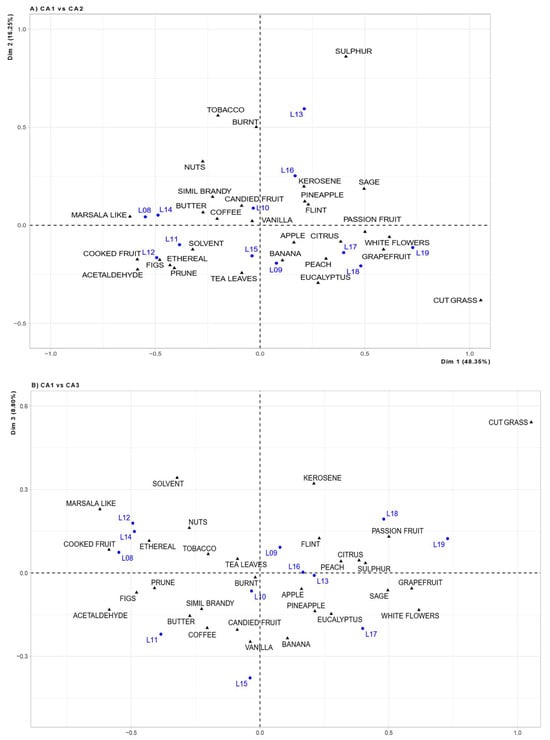
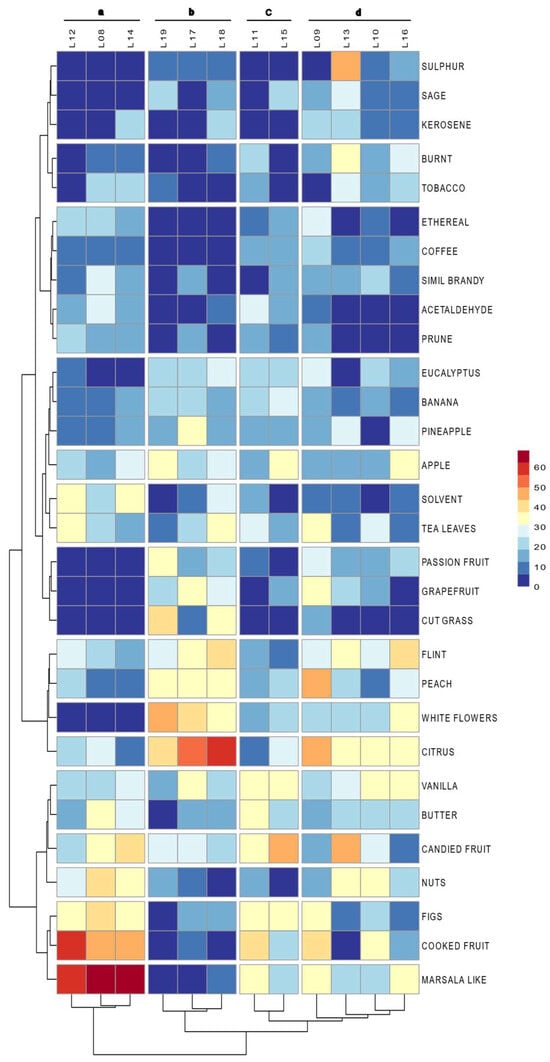
Lugana DOC is an Italian PDO white wine from the south coast of Lake Garda, produced with ‘Trebbiano di Lugana’ grapes (synonym of ‘Trebbiano di Soave’ and ‘Verdicchio bianco’) and characterised by tropical fruit, citrus, and balsamic notes due to the presence of volatile thiols and methyl salicylate, respectively. To deepen the knowledge of the aromatic profile of these wines and to study how they evolve during aging, the chemical and sensory profile of 12 Lugana DOC wines from the same winery in different consecutive vintages (2008–2019, evaluated in 2023) were analysed. Sensory analysis data were subjected to hierarchical cluster analysis, identifying four main groups that appropriately distinguished the aged wines from the young wines. Younger wines had a greenish yellow colour and were characterised mainly by fruity, citrus, floral, and flinty notes related to thiol compound contribution. Older wines, divided into three different clusters, shifted colour towards orange and were characterised by descriptors related to oxidative aging (e.g., cooked fruit, marsala-like, figs, nuts) or retained pleasant varietal and evolutionary notes (e.g., citrus, white flowers, flint, vanilla) confirmed by their chemical markers detected by GC-MS and LC-MS.
Full article
(This article belongs to the Special Issue Innovative Characterization of Alcoholic Beverages: Sensory, Chemical and Terroir Insights)
►▼
Show Figures

Graphical abstract
Open AccessArticle
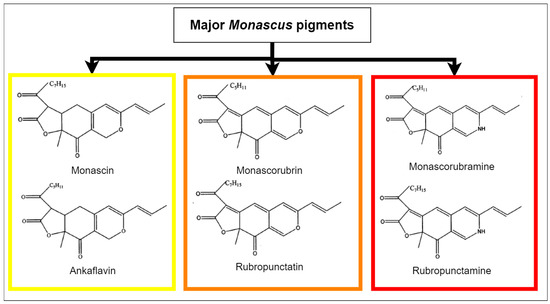
Monascus ruber in Beer Brewing—Preliminary Studies on Application of New Microorganism in the Brewing Sector
by
Mateusz Jackowski, Jan Śmigiel, Tomasz Grygier, Maciej Grabowski and Anna Trusek
Beverages 2026, 12(1), 12; https://doi.org/10.3390/beverages12010012 - 12 Jan 2026
Abstract
Beer is a drink that has been a staple in human history, evolving from its beginning in antiquity to the present day. Nowadays, large breweries and other companies have set up laboratories focused on finding and developing new yeast strains for the brewing
[...] Read more.
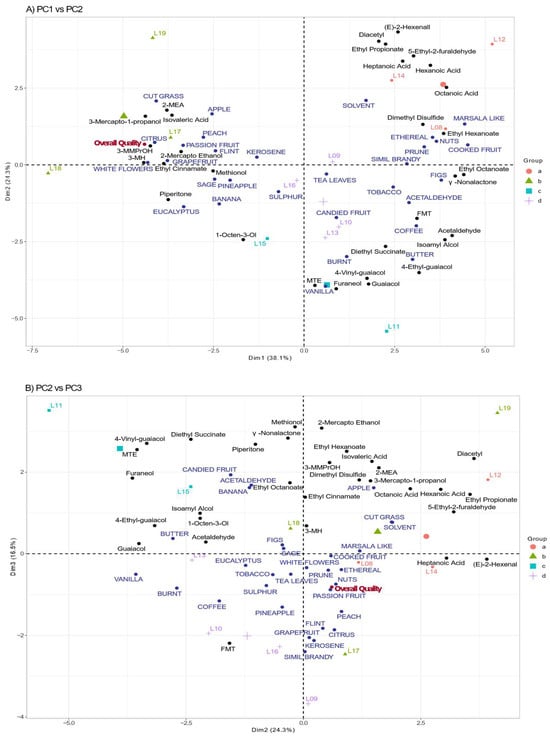
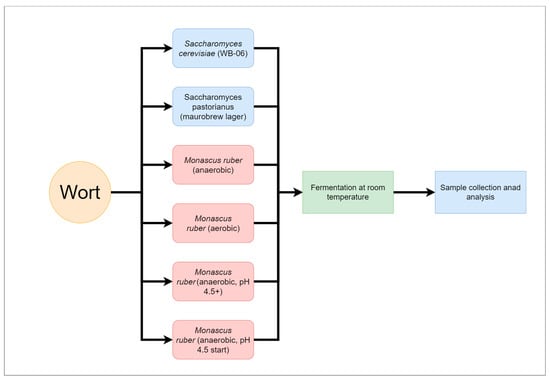
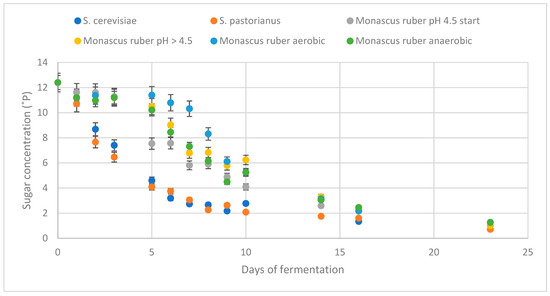
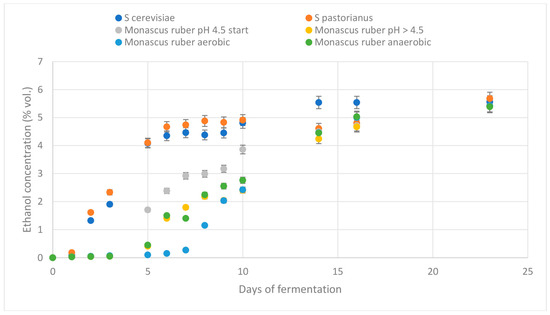
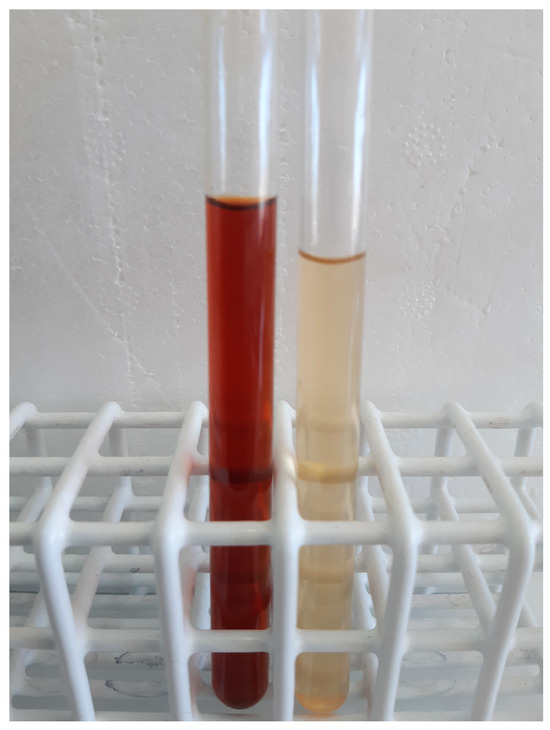
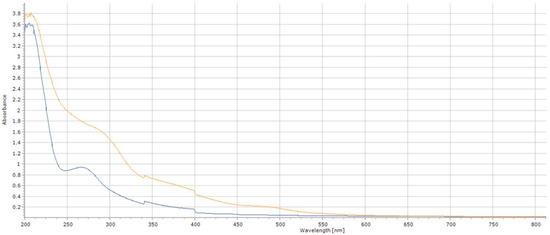
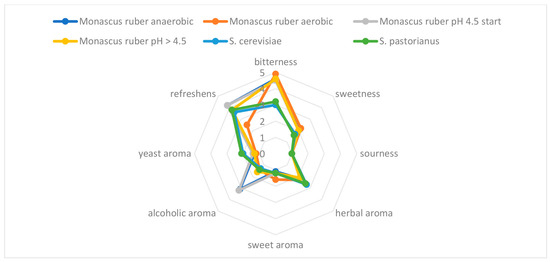
Beer is a drink that has been a staple in human history, evolving from its beginning in antiquity to the present day. Nowadays, large breweries and other companies have set up laboratories focused on finding and developing new yeast strains for the brewing sector to meet consumers’ demand for new beer styles. Monascus spp. are ascomycota that have been known for hundreds of years. They are widely popular in Asian cuisine, especially in fermented foods. Studies show that Monascus spp. produce numerous food dyes and substances that positively influence human health. In the presented work, Monascus ruber was tested as a potential microorganism for the beer industry. Experiments included fermentation trials with Monascus ruber in four regimes: in aerobic condition, anaerobic condition, anaerobic condition with pH kept above 4.5, and in anaerobic condition with pH set to 4.5. As a reference, commercial Saccharomyces cerevisiae and Saccharomyces pastorianus were used. Fermentation parameters were evaluated by measurements of ethanol and extract level. The final product was tested for its colour in order to evaluate if monascus-derived pigments were present in the beverage. Moreover, a qualitative analysis of lovastatin and citrinin was performed in order to check if those monascus metabolites were present. Finally, small-scale consumer tests were performed in order to check the organoleptic properties of the obtained beverage. Results show that Monascus ruber is able to ferment beer wort in a similar manner as Saccharomyces strains, reaching a slightly lower degree of attenuation. Nevertheless, a longer lag phase was observed in monascus trials, except for the trial with preset pH at 4.5. The most visible change in the product was a reddish colour that appeared in the sample in aerobic conditions. The qualitative analysis showed that lovastatin and citrinin were present in the tested samples. Consumer tests show that experimental beer has a different taste than Saccharomyces-fermented products. Although the presented results are preliminary, they could be a good starting point for further research on monascus-based beverages.
Full article
(This article belongs to the Special Issue Beer and Malt: New Insights into Analytical and Technological Aspects)
►▼
Show Figures

Figure 1
Open AccessArticle
Cultural Adaptation and Validation of Beverage Intake Questionnaire for Pakistani University Students
by
Almab Zainab, Yangling Liu, Muhammad Jamal Khan, Wenting Xu and Qian Lin
Beverages 2026, 12(1), 11; https://doi.org/10.3390/beverages12010011 - 8 Jan 2026
Abstract
►▼
Show Figures
Beverages, particularly sugar-sweetened beverages (SSBs), pose a significant public health concern globally. Changing eating habits among Pakistani young adults have led to higher sugary drink consumption, underscoring the need for a suitable cultural assessment tool. A cross-sectional study was conducted among 381 university
[...] Read more.
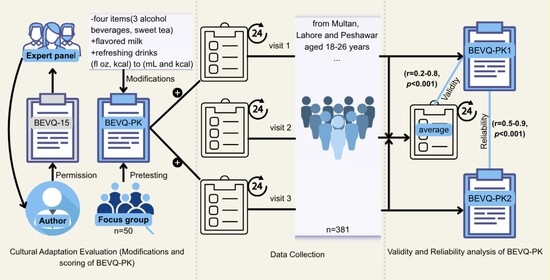
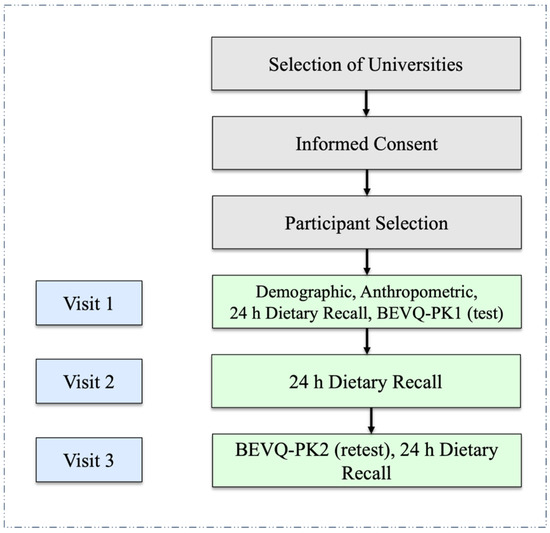
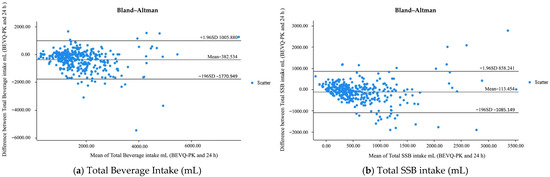
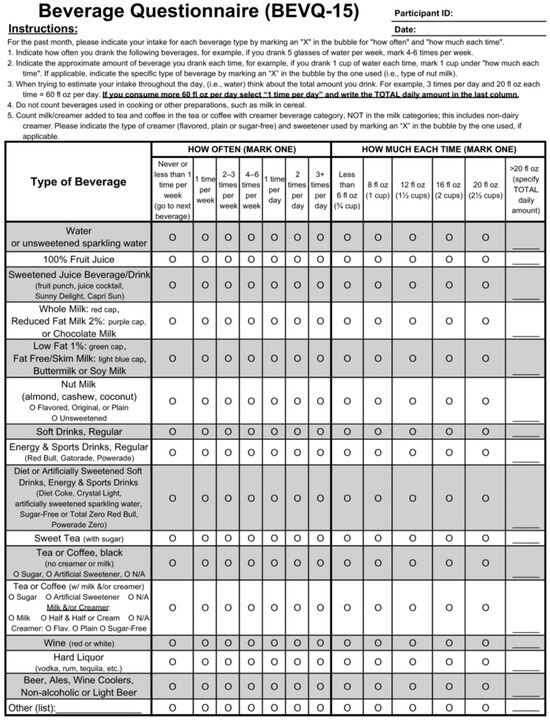
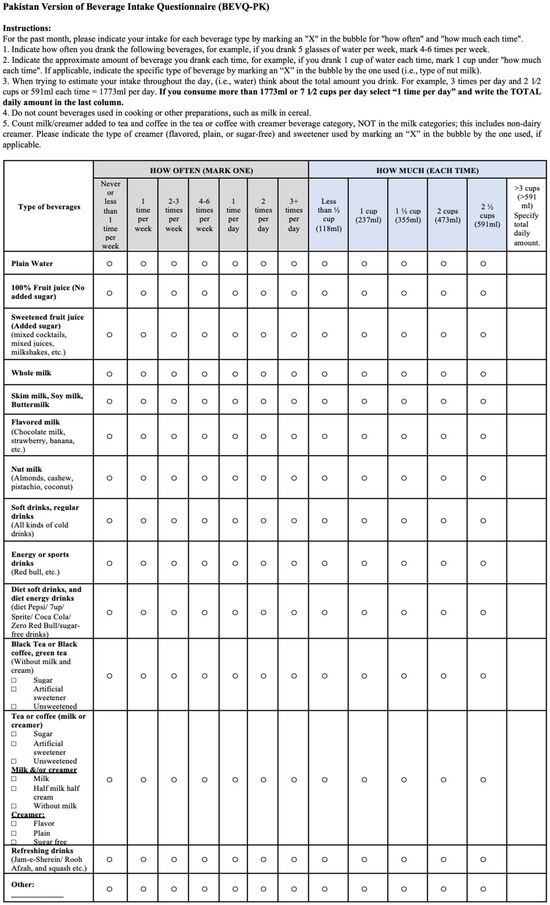
Beverages, particularly sugar-sweetened beverages (SSBs), pose a significant public health concern globally. Changing eating habits among Pakistani young adults have led to higher sugary drink consumption, underscoring the need for a suitable cultural assessment tool. A cross-sectional study was conducted among 381 university students aged 18–26 years from three major cities of Pakistan. Following World Health Organization (WHO) guidelines, the original Beverage Intake Questionnaire (BEVQ-15) was modified by removing four items (including alcoholic beverages), adding two culturally relevant types (flavored milk and refreshing drinks), and converting measurement units to milliliters, resulting in a 13-item Beverage Intake Questionnaire-Pakistan (BEVQ-PK). Validity was assessed by comparing BEVQ-PK1 (test) with three 24 h dietary recalls. Test–retest reliability was evaluated after a 14-day interval by comparing BEVQ-PK1 (test) and BEVQ-PK2 (retest). Analyses included descriptive statistics, paired sample t-tests, Intraclass Correlation Coefficients (ICC), Bland–Altman plots, and Spearman’s correlations. The BEVQ-PK (13-item) demonstrated moderate to strong validity (r = 0.2–0.8, p < 0.001) and strong reliability (r = 0.5–0.9, p < 0.001). Most beverage categories showed no significant intake differences between test and retest. Tea/coffee with milk was the most frequently consumed beverage, followed by soft drinks and green/black tea. Overall, BEVQ-PK is a valid and reliable tool for assessing SSB intake among Pakistani university students and can support future nutrition and public health research.
Full article

Graphical abstract
Open AccessArticle
Phenolic-Driven Evaluation of Maclura tinctoria (Tajuva) Wood as a Sustainable Alternative to Oak for Alcoholic Beverage Aging
by
Fernanda Wouters Franco, Clarissa Obem dos Santos, Juciane Prois Fortes, Taísa Ceratti Treptow, Vivian Caetano Bochi, Douglas Gonçalves Friedrichs, Sabrina Somacal and Cláudia Kaehler Sautter
Beverages 2026, 12(1), 10; https://doi.org/10.3390/beverages12010010 - 8 Jan 2026
Abstract
Oak (Quercus spp.), traditionally used for aging alcoholic beverages, is not native in many countries, which increases production costs and environmental impact. During the aging process of alcoholic beverages, complex physical and chemical transformations occur that determine their chemical composition and sensory
[...] Read more.
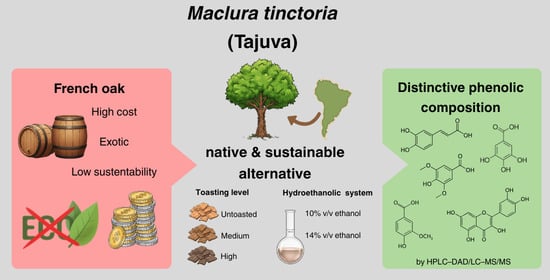
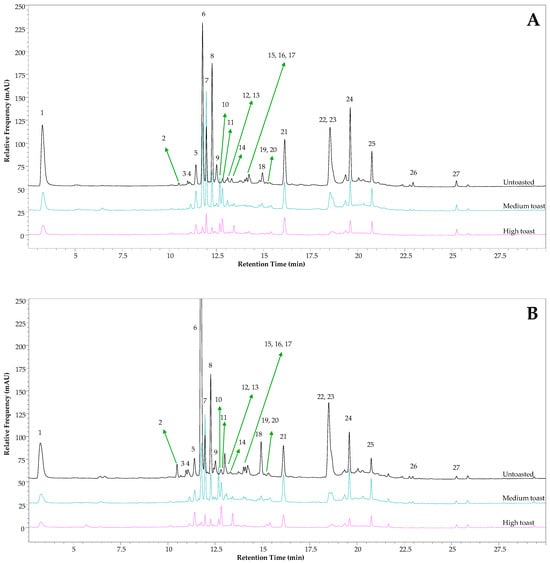
Oak (Quercus spp.), traditionally used for aging alcoholic beverages, is not native in many countries, which increases production costs and environmental impact. During the aging process of alcoholic beverages, complex physical and chemical transformations occur that determine their chemical composition and sensory quality, many of which are unique depending on the type of wood used in the process. In this context, Maclura tinctoria (Tajuva), a native Brazilian species rich in phenolic compounds, was evaluated based on its phenolic composition and extraction behavior as a sustainable alternative for beverage aging. Wood chips were subjected to three toasting levels (untoasted, medium, and high) and aged for up to 360 days in two hydroethanolic model systems (10% and 14% v/v ethanol). The total and individual phenolic compounds were determined using the Folin–Ciocalteu method and HPLC–DAD/LC–MS/MS analysis. Results showed that toasting level, ethanol concentration, and aging time significantly influenced phenolic extraction. Untoasted Tajuva released the highest amounts of phenolic acids and flavonoids, particularly gallic and caffeic acids, and quercetin, respectively; while medium toasting favored the formation of thermally derived aromatic compounds, such as vanillic acid. The 14% ethanol system enhanced extraction efficiency for most analytes. Overall, Tajuva wood exhibited higher phenolic yields than French oak under comparable conditions, highlighting its chemical richness and extraction reactivity. These findings support the use of M. tinctoria as an eco-efficient and functional alternative to oak for the maturation of alcoholic beverages.
Full article
(This article belongs to the Special Issue New Insights into Artisanal and Traditional Beverages)
►▼
Show Figures

Graphical abstract
Open AccessArticle
Evaluation of In Vitro Cytoprotective Activity, Antioxidant Activity and Proteomic Profiles of Novel Sorghum-Based Fermented Beverages
by
David R. Katerere, Abel Navarré Dopazo, Raffaele Sessa, Silvia Trombetti, Michela Grosso and Luana Izzo
Beverages 2026, 12(1), 9; https://doi.org/10.3390/beverages12010009 - 8 Jan 2026
Abstract
►▼
Show Figures
Fermentation, one of the oldest food processing techniques, is known to play a pivotal role in improving the nutritional and functional characteristics of cereals, with positive implications for gut health and overall well-being. The present study aims to examine the phenolic acids, peptides,
[...] Read more.
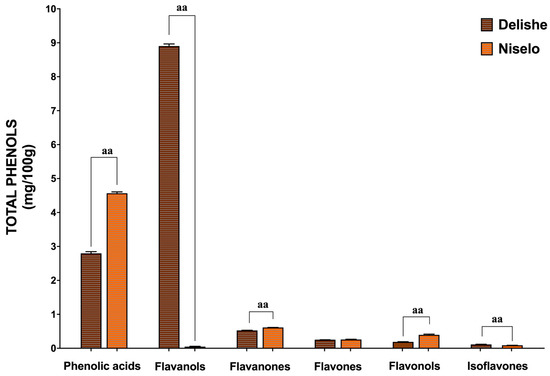
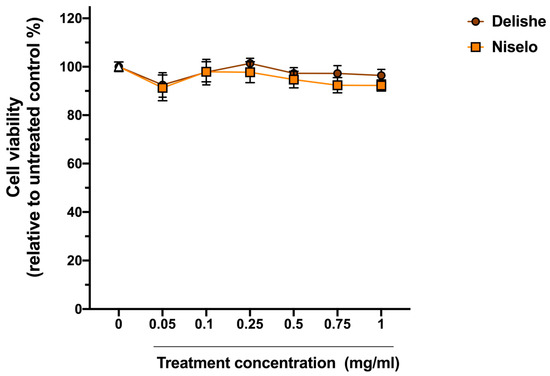
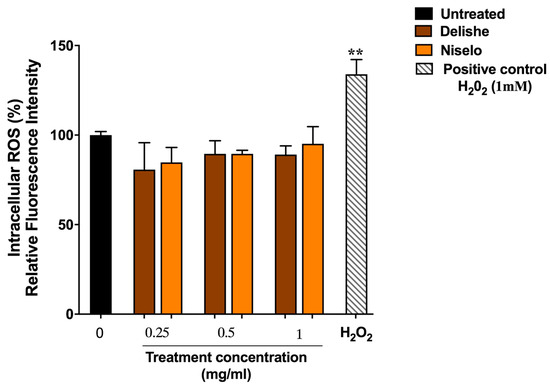
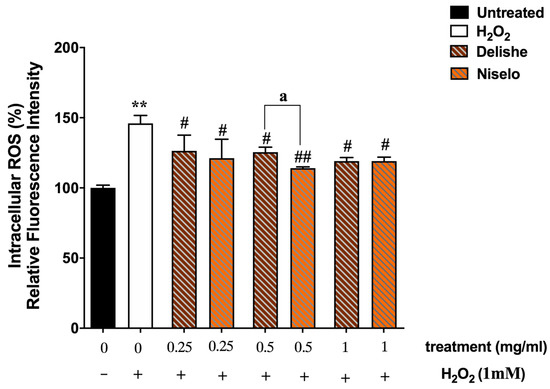
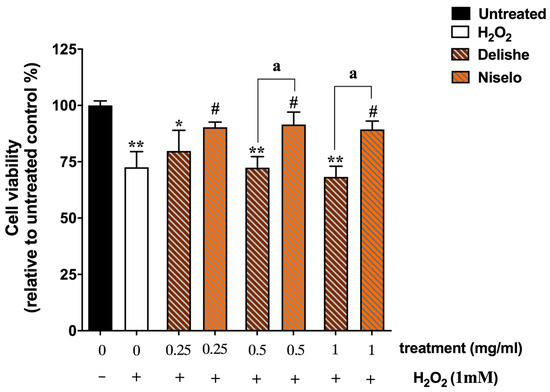
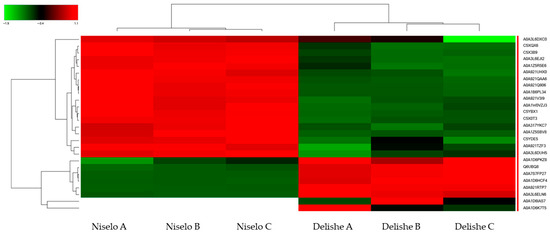
Fermentation, one of the oldest food processing techniques, is known to play a pivotal role in improving the nutritional and functional characteristics of cereals, with positive implications for gut health and overall well-being. The present study aims to examine the phenolic acids, peptides, and potential bioactive properties of 2 novel sorghum-based fermented beverages, Niselo and Delishe. A total of 48 phenolic compounds were identified through targeted and untargeted Ultra-High Performance Liquid Chromatography coupled with a Quadrupole Orbitrap High-Resolution Mass Spectrometer (UHPLC–Q-Orbitrap HRMS) analyses, revealing a higher content of phenolic acids in Niselo and a prevalence of flavonoids in Delishe. Niselo exhibited enhanced in vitro cytoprotective and reactive oxygen species (ROS)-scavenging activity and displayed a clear cytoprotective effect against hydrogen peroxide-induced oxidative stress in Caco-2 cells. Proteomic profiling using tryptic digestion revealed that Niselo has a substantial abundance of fragments of peptides matching several stress-related and antioxidant proteins, indicating a superior stress-response and/or defense capability. Overall, these findings highlight the functional potential of sorghum-based fermented beverages, supporting their role as health-promoting products.
Full article

Figure 1
Open AccessArticle
Influence of Yeast and Enzyme Formulation on Prosecco Wine Aroma During Storage on Lees
by
Jessica Anahi Samaniego Solis, Giovanni Luzzini, Naíssa Prévide Bernardo, Anita Boscaini, Andrea Dal Cin, Vittorio Zandonà, Maurizio Ugliano, Olga Melis and Davide Slaghenaufi
Beverages 2026, 12(1), 8; https://doi.org/10.3390/beverages12010008 - 6 Jan 2026
Abstract
This study investigated the impact of two yeast strains (SP665 and CGC62) and glucanase enzyme treatments (A-D) on the secondary fermentation kinetics and aroma profile of sparkling Prosecco wines. The strains exhibited markedly different fermentation behaviors: SP665 induced rapid refermentation, reaching 8.5 bar
[...] Read more.
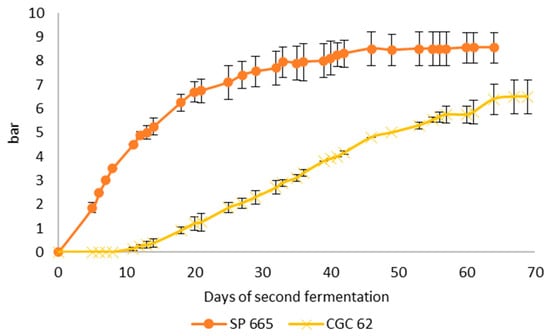
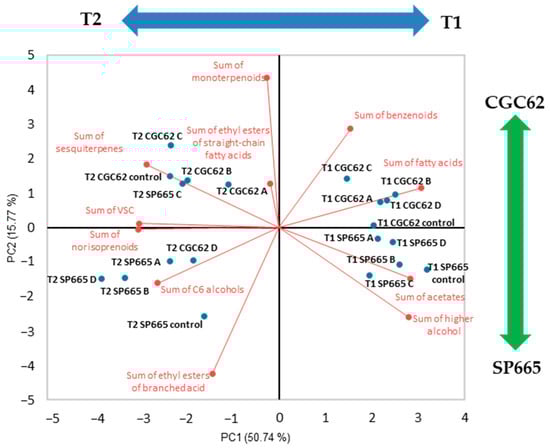
This study investigated the impact of two yeast strains (SP665 and CGC62) and glucanase enzyme treatments (A-D) on the secondary fermentation kinetics and aroma profile of sparkling Prosecco wines. The strains exhibited markedly different fermentation behaviors: SP665 induced rapid refermentation, reaching 8.5 bar in 46 days, while CGC62 showed a slower fermentation rate, reaching 6.5 bar in 64 days. Despite these kinetic differences, basic enological parameters after refermentation and following three months of lees aging were similar for both strains. A total of 66 volatile compounds across various chemical families were identified and quantified. Principal component analysis (PCA) revealed that aging time (T1 vs. T2) was the main driver of variability (50.74% of total variance), with SP665 and CGC62 wines showing distinct profiles. At T1, SP665 wines had higher levels of acetate esters and norisoprenoids, while CGC62 wines were richer in volatile sulfur compounds (VSCs) and monoterpenoids. At T2, SP665 wines showed increased levels of carbon disulfide, higher alcohols, and ethyl butanoate, whereas CGC62 wines retained higher concentrations of varietal compounds and certain esters. The effect of glucanase enzymes varied depending on yeast strain and aging stage. Enzyme treatments, especially C (β-glucanase) and D, influenced the concentration of several aroma compounds, particularly in CGC62 wines, enhancing varietal aromas and esters. However, the impact on SP665 wines was more limited and emerged primarily after aging. Although differences in aroma composition were statistically significant, most changes were below olfactory perception thresholds. Overall, glucanase enzymes and yeast selection influenced aroma development, though their effects may have limited sensory relevance.
Full article
(This article belongs to the Section Wine, Spirits and Oenological Products)
►▼
Show Figures

Figure 1
Journal Menu
► ▼ Journal Menu-
- Beverages Home
- Aims & Scope
- Editorial Board
- Reviewer Board
- Topical Advisory Panel
- Instructions for Authors
- Special Issues
- Topics
- Sections & Collections
- Article Processing Charge
- Indexing & Archiving
- Editor’s Choice Articles
- Most Cited & Viewed
- Journal Statistics
- Journal History
- Journal Awards
- Editorial Office
Journal Browser
► ▼ Journal BrowserHighly Accessed Articles
Latest Books
E-Mail Alert
News
Topics
Topic in
Agriculture, Beverages, Foods, Horticulturae, IJMS, Nutrients, Plants
Nutritional and Phytochemical Composition of Plants
Topic Editors: Vassilis Athanasiadis, Stavros I. LalasDeadline: 31 March 2026
Topic in
Beverages, Dairy, Foods, IJERPH, Nutrients
Ways to Achieve Healthy and Sustainable Diets
Topic Editors: Verônica Cortez Ginani, Renata Puppin ZandonadiDeadline: 18 April 2026
Topic in
Beverages, Horticulturae
Innovations in Grape Production and Wine Science: Toward Climate-Resilient and Sustainable Viticulture and Winemaking
Topic Editors: V. Felipe Laurie, Mariona Cortiella, Alonso Pérez-Donoso, Carla Jara-CamposDeadline: 30 April 2026
Topic in
Beverages, Foods, Molecules, Nutrients, Separations, Chemosensors
Advances in Analysis of Food and Beverages, 2nd Edition
Topic Editors: Constantinos G. Tsiafoulis, Anna M. KaczmarekDeadline: 31 May 2026
Special Issues
Special Issue in
Beverages
Probiotics Empowering the Future of Beverages
Guest Editors: Panagiotis Kandylis, Dimitra DimitrellouDeadline: 15 February 2026
Special Issue in
Beverages
New Insights into Artisanal and Traditional Beverages
Guest Editors: Ogueri Nwaiwu, Helen OnyeakaDeadline: 20 February 2026
Special Issue in
Beverages
Bioactive Compounds in Fermented Beverages
Guest Editor: Antonello SantiniDeadline: 15 March 2026
Special Issue in
Beverages
Fermented Plant-Based Beverages: Nutritional Composition and Functional Properties
Guest Editors: Amparo Gamero, Guadalupe Garcia-Llatas, Antonio Cilla, Mónica GandíaDeadline: 30 March 2026
Topical Collections
Topical Collection in
Beverages
Wines and Other Beverages: Fermentation, Stabilization and Conservation Technologies
Collection Editors: Antonio Morata, António Manuel Jordão, Fernanda Cosme, Ileana Vigentini