


Need Help?
Announcements
4 March 2026
MDPI’s 2025 Best Paper Awards—Award-Winning Papers Announced
MDPI is honored to announce the recipients of the 2025 Best Paper Awards, celebrating exceptional research for its scientific merit and broad impact. After a rigorous evaluation process conducted by Academic Editors, this year’s awards showcase papers that stand out for their innovation, relevance, and high-quality presentation.
Out of a highly competitive pool, 396 winning papers have been recognized for their exceptional contributions. We congratulate these authors for pushing the boundaries of their respective disciplines.
At MDPI, we are dedicated to broadening the reach of innovative science. To learn more about the award-winning papers and explore research projects in your field of study, please visit the following links:
- Biology and Life Sciences;
- Business and Economics;
- Chemistry and Materials Sciences;
- Computer Sciences and Mathematics;
- Engineering;
- Environmental and Earth Sciences;
- Medicine and Pharmacology;
- Social Sciences, Arts and Humanities;
- Physical Sciences;
- Public Health and Healthcare.
About MDPI Awards:
To reward the global research community and enhance academic dialogue, MDPI journals regularly host award programs across diverse scientific disciplines. These awards, serving as a source of inspiration and recognition, help raise the influence of talented individuals who have been credited with outstanding achievements and whose work drives the advancement of their fields.
Explore the Best Paper Awards open for participation, please click here.
16 April 2026
MDPI’s Newly Launched Journals in the First Quarter of 2026
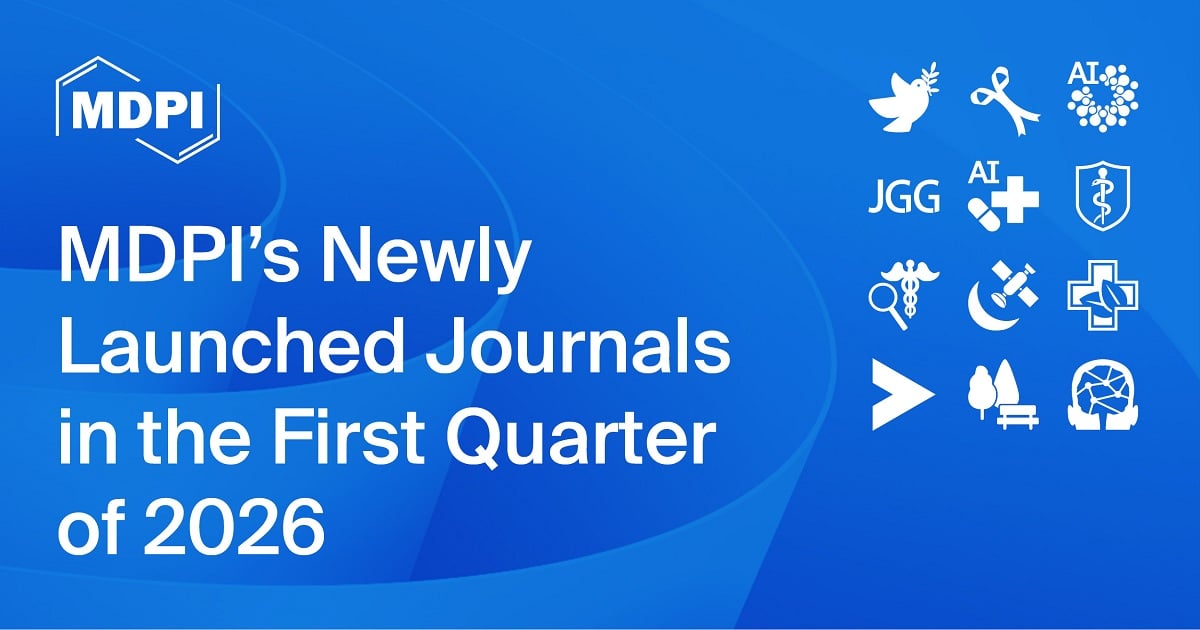
Our portfolio of journals available for publishing up-to-date research in immediate open access format has been further expanded. In the first quarter of 2026, nine new journals released their inaugural issues and three transferred journals released their first issue as part of MDPI, covering the subjects of clinical medicine, chemistry, computer science & mathematics, engineering, environment & ecology, and social sciences & psychology.
We extend our gratitude to the Editors-in-Chief, Associate Editors, and Editorial Board Members who will shape the future course of these brand-new journals. Each journal is dedicated to upholding strong editorial standards through a thorough peer review process, ensuring impactful open access scholarship.
Please feel free to browse and discover more about the new journals below.
|
New Journals |
Founding Editor(s)-in-Chief |
Journal Topics (Selected) |
|
|
Prof. Dr. Matt Oehlschlaeger, |
AI-based chemical data analysis, prediction, and discovery; AI-enabled chemical reaction prediction, synthesis planning, and retrosynthesis; AI in bioorganic chemistry and chemical biology; digital twins and simulation of chemical processes; AI-powered chemical education and pedagogy | |
|
|
Prof. Dr. Guang Jia, |
occupational hazards and exposure science; occupational health effects and susceptibility; occupational risk assessment and management; occupational health intervention, promotion, and policy | |
|
|
Prof. Dr. Alessandro Miani, |
environmental exposures and health; the built environment and public health; One Health approach; environmental justice and health equity; environmental policies and interventions | |
|
|
Prof. Dr. Miriam H. A. Bopp, |
neuroimaging technology and tool; multimodal neuroimaging integration and analysis; |
|
|
Prof. Dr. Raul A. Urrutia, |
personalized translational and clinical oncology research that contribute to a deeper understanding of cancer diagnoses, prognoses, prevention, and treatment specifically for individual patients | |
|
|
Prof. Dr. Pierre Boulanger, |
AI in disease detection, diagnosis, prediction, and treatment; medical informatics; AI in genomics and precision medicine; AI in drug discovery and development; |
|
|
Prof. Dr. Zhaokui Wang, |
astrodynamics; spacecraft technology; satellite technology; space transportation; space vehicle design, propulsion, and avionics; space energy, power and propulsion | |
|
|
Prof. Dr. Richard J Hauer, |
park design, planning, and evaluation; park and art; park, industrialization, urbanization, and civilization; park and education; park and smart society; park role in SDGs; park services for humans | |
|
|
Prof. Dr. Stacey L. Connaughton, |
conflict resolution; peacebuilding; peacemaking; mediation, reconciliation, and transitional justice; sustaining peace | |


|
Transferred Journals |
Editor(s)-in-Chief |
Journal Topics (Selected) |
|
|
Prof. Dr. Gianluigi Vendemiale, |
physiology and pathology of aging; biogerontology; epidemiology; clinical geriatrics; pharmacology; geriatric nursing | |
|
|
Prof. Dr. Michele Maffia, |
cellular and developmental biology; physiology, pathophysiology and endocrinology; diagnostic tools, therapies and public health | |
|
|
Dr. Warren S. Joseph, |
foot and ankle medicine; podiatric medicine | |


We would like to thank everyone who has supported the development of open access publishing. If you would like to create a new journal, you are welcome to send an application here or contact the New Journal Committee (newjournal-committee@mdpi.com).
16 April 2026
Meet Us Virtually at the 1st International Online Conference on Analytica, 10–12 March 2027

We invite you to attend this event organized by the MDPI journal Analytica (ISSN 2673-4532; IF: 3.6). It will take place virtually from 10 to 12 March 2027, CET.
Conference Chair:
Prof. Dr. Marcello Locatelli, Department of Science, University “G. d'Annunzio” of Chieti-Pescara, Chieti, Italy
Conference website: https://sciforum.net/event/IOCANA2027.
Topics of Interest:
S1. Sample Preparation and New Trends;
S2. Hyphenated Instrument Configurations;
S3. Advances in Analytical Spectroscopy and Spectrometry: Innovations in Instrument Configuration;
S4. Advanced Chromatographic Techniques: Instrument Configuration, Optimization, and Performance;
S5. Innovations and Applications of Electroanalytical Instrumentation: From Bench-Top to Portable Systems;
S6. Applications of Analytical Chemistry.
Important Dates:
Deadline for Abstract Submission: 2 November 2026;
Notification of Acceptance: 2 December 2026;
Registration Deadline: 4 March 2027.
Guide for Authors:
To submit your abstract, please click on the following link: https://sciforum.net/user/submission/create/1791.
To register for the event, please click on the following link: https://sciforum.net/event/IOCANA2027?section=#registration.
For details regarding Abstract Submission, Poster and Slide Submission, and Publication Opportunities, you may refer to the “Instructions for Authors” Section: https://sciforum.net/event/IOCANA2027?section=#instructions.
For any enquiries regarding the event, please contact iocana2027@mdpi.com.
We look forward to seeing you at the 1st International Online Conference on Analytica!
2 April 2026
2026 Tu Youyou Award—Open for Nominations
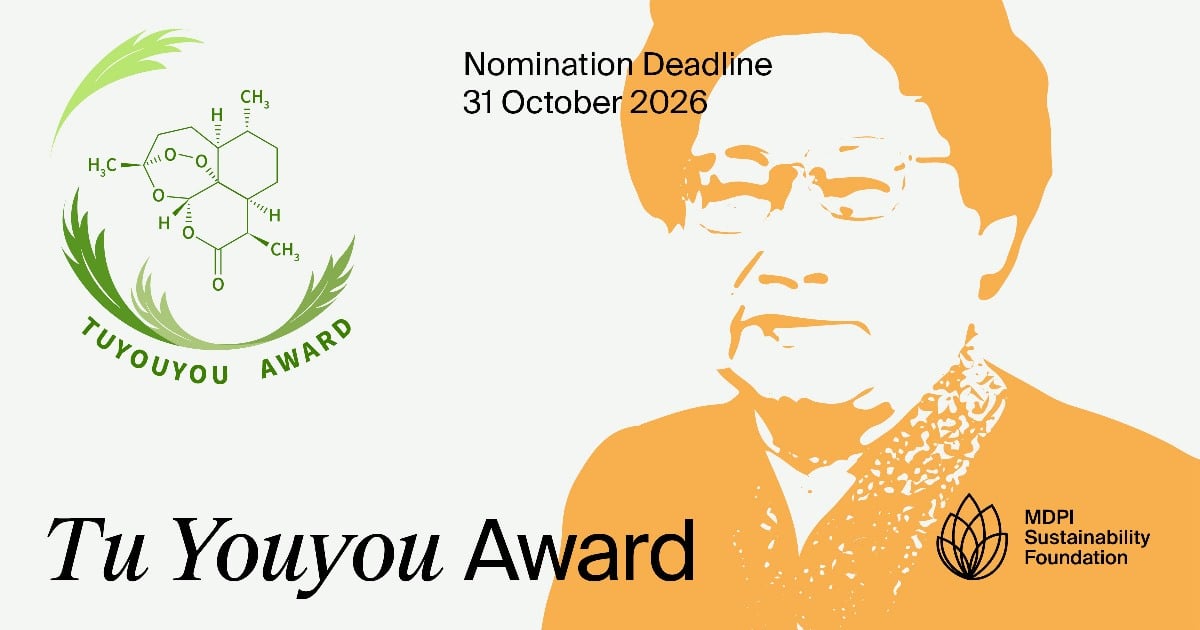
We are delighted to announce that nominations are now open for the 2026 Tu Youyou Award. Named after Nobel Laureate Tu Youyou, whose discovery of artemisinin has saved millions of lives, this award recognizes researchers whose work advances the fields of natural products chemistry and medicinal chemistry, while also contributing to human health.
Prize
– CHF 100,000;
– A medal;
– A certificate.
The monetary prize will be shared equally should there be multiple recipients.
Who May Be Nominated?
– Scientists with outstanding achievements and contributions in the fields of natural products chemistry and medicinal chemistry.
Nominees must be individuals; team or group nominations are not permitted. Nominations are valid only for the current award cycle.
Who May Submit a Nomination?
– The director of the nominee’s host research institution or recognized scientists within the field.
Self-nominations will not be considered.
Nomination Materials
– A biographical sketch;
– A detailed description of the nominee’s contributions;
– 5–10 representative academic publications;
– A list of academic honors, awards, and funded projects;
– A nomination letter signed by two nominators.
How to Submit?
Submit nominations online via the following link: https://tuyouyouprize.org/nomination
Important Dates
– Nomination Deadline: 31 October 2026
– Winner Announcement: March 2027
For further information, please visit the Tu Youyou Award website (https://tuyouyouprize.org/). For any inquiries, please contact the Tu Youyou Award Team at tuyouyouaward@mdpi.com.
31 March 2026
MDPI INSIGHTS: The CEO’s Letter #33 - 2025 Annual Report, Preprints.org, IWD, Recapping Viruses 2026 & Romania Salon

Welcome to the MDPI Insights: The CEO's Letter.
In these monthly letters, I will showcase two key aspects of our work at MDPI: our commitment to empowering researchers and our determination to facilitating open scientific exchange.
Opening Thoughts

Scaling Open Access with Integrity: MDPI Annual Report 2025
I am pleased to share the release of MDPI’s 2025 Annual Report, reflecting our continued progress as one of the world’s leading open access publishers. The report highlights not only our growth, but also the continued evolution of our publishing model and our commitment to quality, transparency, and collaboration.
You can explore the full report here: https://mdpi-res.com/data/mdpi_annual_report_2025_0401.pdf?1775045421
Or visit the interactive page: https://www.mdpi.com/annual-report-2025/
A Year of Growth and Responsibility
2025 was a year of significant growth for MDPI. We received over 669,000 manuscript submissions, the highest in our history, while maintaining a rejection rate above 60%, reinforcing our commitment to both scale and quality.
We published 261,576 peer-reviewed open access articles across a portfolio of 500 journals, supported by a global community of more than 68,000 Editorial Board Members and 209,000 reviewers.
Scaling with Integrity
Growth alone is not the objective; how we grow matters.
Our 2025 Annual Report, Scaling Open Access with Integrity, reflects our continued focus on building the systems and processes that support reliable and trustworthy publishing. As submission volumes increase globally, so too does the importance of robust editorial workflows, research integrity frameworks, and the infrastructure required to support them.
In 2025, we continued to invest in:
- Research integrity and quality assurance processes
- Editorial support and reviewer engagement
- Transparency across the publishing workflow
These efforts ensure that scale does not come at the expense of rigor, but rather reinforces it.
Validation Through Indexing and Visibility
As MDPI continues to grow, validation of quality remains essential.
In 2025, the number of MDPI journals indexed in the Web of Science Core Collection increased from 298 to 329, while Scopus coverage reached 355 journals, including 45 new acceptances. Coverage in major biomedical databases (PMC/Medline/PubMed) expanded to 95 journals, and indexing in Ei Compendex increased significantly.
These milestones reflect the strength of our editorial processes and the trust placed in our journals by independent indexing bodies.
Importantly:
- 96% of all MDPI articles are indexed in Web of Science databases
- More than 1.75 million articles are indexed, with an average of 13 citations per article
Recognition through Journal Citation Reports also continues to grow:
- 298 journals received Impact Factors
- 65% ranked in the top half of their categories
- 61 journals achieved top-quartile positions
These developments demonstrate that growth and quality are advancing together, supported by strong editorial oversight and consistent performance across our journal portfolio.
Strengthening Partnerships and Community
Open access is a collaborative endeavor.
In 2025, we expanded our institutional partnerships to more than 1,000 IOAP agreements, helping simplify publishing for researchers and institutions worldwide.
We also hosted 60 in-person conferences and virtual events, bringing together more than 28,000 participants to exchange ideas, share research, and strengthen connections across the global scientific community.
At the heart of everything we do is this community of authors, editors, reviewers, and partners who make open science possible.
Looking Ahead
Open access continues to move toward becoming the standard model for sharing research globally. With that growth comes increased responsibility.
Our focus moving forward is to continue building a publishing ecosystem that is:
- Collaborative, to serve the research community
- Rigorous, to ensure quality
- Transparent, to support trust
- Scalable, to meet global demand
We believe that open access, when combined with strong editorial standards and integrity, is the most effective way to accelerate scientific progress.
Thank you to all the scholarly community who collaborated with us and our MDPI staff for your continued dedication and contributions in making 2025 a successful year.
Impactful Research

Celebrating Ten Years of Preprints.org: Accelerating Open Research
In 2026, MDPI’s preprints server Preprints.org marked its 10th anniversary as a platform dedicated to accelerating the dissemination of research. Since its launch, Preprints.org has grown into a global platform that hosts more than 120,000 preprints contributed by hundreds of thousands of researchers worldwide, generating tens of millions of views and downloads and demonstrating the value of sharing research openly and rapidly.
At MDPI, we are proud to celebrate ten years of Preprints.org supporting the mission of open science. Over the past decade, we have seen how early sharing of research can accelerate collaboration and help ideas move more quickly from discovery to impact.
The Evolution of Preprints
While Preprints.org launched in 2016, the idea behind it has deeper roots. The concept of rapid research dissemination has existed for decades, with early preprint servers showing how open sharing can accelerate scientific progress.
Over the past decade, preprints have become an increasingly important part of scholarly communication. Researchers across disciplines are looking at faster ways to share their discoveries, exchange ideas, and receive feedback from the global scientific community.
Preprints in a Growing Research Ecosystem
The global preprint landscape has expanded significantly over the past decade, with multiple platforms serving different research communities. The figure below (sourced from James Butcher newsletter), based on data from Dimensions (Digital Science), shows the growth of preprint outputs across several major platforms over time.

Among these platforms, arXiv (the pioneering preprint server) has experienced great growth in recent years. At the same time, other platforms have continued to expand their reach across disciplines, capturing increasing global interest in early research sharing.
Preprints.org contributes to this evolving ecosystem by providing a multidisciplinary platform that works in synergy with academic journals, helping researchers bridge the gap between rapid dissemination and the formal publication process.
Celebrating the First Decade
To commemorate this milestone, Preprints.org launched a 10th Anniversary celebration hub highlighting the impact of preprints and the researchers who contribute to them.

One of the central initiatives is the Popular Preprints of the Decade Award, recognizing influential preprints published between 2016 and 2026 across multiple research fields. Through community voting, the award will recognize research that has generated high engagement and visibility within the global research community.
Looking Ahead: The Next Decade of Preprints
As research communication continues to evolve, preprints will continue to play an important role in enabling faster collaboration, improving transparency, and expanding access to knowledge. The next decade may bring further integration between preprint platforms and journals, new tools for discovery and evaluation, and greater global participation in open science.
At MDPI, we remain committed to supporting researchers through platforms that encourage the open exchange of ideas. The success of Preprints.org over the past ten years reflects the engagement and trust of the global research community – authors, readers, reviewers, and collaborators who believe in the value of sharing knowledge openly.
Congratulations to everyone involved in the development and growth of Preprints.org over the past decade!
Inside MDPI

Beyond International Women’s Day: Supporting Women in Research
International Women’s Day (IWD) offers an opportunity to recognize the achievements of women around the world and reflect on how we can continue building a more inclusive future. In research and academia, this conversation carries particular importance, as scientific progress depends on diverse perspectives, and supporting women in science is essential to strengthening the global research ecosystem.
For MDPI, IWD is an opportunity to celebrate the achievements of women in research and highlight the initiatives, conversations, and collaborations that help support researchers across disciplines and career stages.
Highlighting Women in Science Across MDPI
This year, MDPI marked International Women’s Day with a global campaign highlighting research, awards, and perspectives that support women in science. Throughout the week, our teams shared content across MDPI’s social media channels sharing the work of women researchers and encouraging engagement across the academic community.

As part of this initiative, MDPI published several blog articles exploring important themes related to gender equity in research. One article, Give Support, Gain Progress: Retaining Women in Science, discusses the importance of mentorship, institutional support, and inclusive research environments in helping women build sustainable scientific careers.
Another featured article, Bridging the Gap in Women’s Health Research, highlights the ongoing need to address disparities in health research and ensure that women’s health receives the scientific attention and investment it deserves.
These topics capture the notion that supporting women in science benefits not only individual researchers but the entire scientific community. When researchers from diverse backgrounds can contribute their perspectives and ideas, the scope and impact of scientific discovery expand.
Creating Spaces for Dialogue
Beyond online content, MDPI is also supporting conversations about women in research through community engagement.

On 10 March, MDPI UK hosted the “Women in Research” event, bringing together researchers and professionals to share experiences and discuss the opportunities and challenges women face throughout their scientific careers. Events like these are an opportunity for open dialogue, mentorship, and networking to create more inclusive research communities.
Looking Beyond a Single Day
While IWD is an important moment of recognition, progress requires ongoing effort.
Supporting women in research involves many forms of engagement: from mentorship and collaboration to creating inclusive environments in which diverse voices are heard and valued. Publishers, institutions, and researchers all play a role in building this ecosystem.
At MDPI, we remain committed to supporting the global research community and to promoting open access publishing as a foundation for accessible and inclusive knowledge-sharing.
As we reflect on IWD this year, we recognize the many women who contribute to research as authors, reviewers, editors, mentors, and educators; we also recognize the impact they continue to have on the advancement of science. The influence of women in research extends far beyond a single day of recognition, reminding us that supporting them is a commitment that continues throughout the year.
Coming Together for Science

Highlights from Viruses 2026 – New Horizons in Virology (11–13 March)
Through 11–13 March, we successfully delivered the Viruses 2026 – New Horizons in Virology MDPI conference in Barcelona, bringing together an international community of researchers, editors, and partners dedicated to advancing the field of virology.
Conference Highlights
Viruses 2026 in numbers:
- 198 total registrations, with 171 attendees on site
- 233 submissions, with 122 accepted
- 42 short talks, 9 flash talks, and 80 posters
- 13 invited speakers and 1 keynote speaker

The strong level of participation and quality of submissions once again demonstrate the relevance of the Viruses community.
A standout moment was the keynote lecture by Dr. Ho, which also attracted an NBC documentary film crew, highlighting the broader impact of the research being presented.
Scientific Programme
The conference programme covered areas across modern virology, including viral replication, pathogenesis, immunology, and public health. Sessions explored topics on antiviral therapeutics and vaccines, innate immunity, virus–host interactions, and the structure and mechanisms of virus replication.
Together, these discussions highlighted both the fundamental biology of viruses and the translational challenges of addressing emerging infectious diseases, reflecting the breadth and continued importance of virology research in a global context. The programme also included a sponsored workshop on research data management in virology, further emphasizing the importance of data practices in advancing the field.
Thank You
Feedback from participants has been very positive, and I would like to thank the Conference team for the organization and delivery of this year’s event.

Thank you to our Viruses journal team and all colleagues involved behind the scenes in supporting the delivery of the event. As noted by Dr. Eric Freed (EiC of Viruses), the success of this edition gives us strong momentum as we look ahead to the next conference in 2028, with opportunities to further expand participation and engagement.
Closing Thoughts

Recap from MDPI Romania Salon in Cluj-Napoca (24 March)
On 24 March, we had the opportunity to meet with members of the Romanian research community in Cluj-Napoca at our MDPI Romania Salon. The event was a space for presentations, open discussion, and the exchange of perspectives on publishing and the research landscape in Romania.

We welcomed 39 participants, including 27 researchers from institutions across Romania, representing cities such as Cluj-Napoca, Timișoara, and Reșița. Among them were Editorial Board Members, Associate Editors, and Guest Editors, all of whom play an important role in collaborating with MDPI and shaping the quality and direction of academic publishing.
|
|
|
|



A Shared Commitment to Research Excellence
These events reflect MDPI’s commitment to connecting with and supporting researchers by means of transparency, dialogue, and collaboration. During the day, MDPI colleagues shared a series of presentations covering different parts of our publishing ecosystem:
- MDPI’s presence in Romania – Anamaria Vartolomei (Journal Relationship Specialist (JRS), Section Managing Editor (ME))
- MDPI’s performance, growth, and impact in Romania – Stefan Tochev (CEO)
- Academic services, initiatives, and projects supporting researchers – Ioana Preda (JRS, Section ME)
- Best practices and standards in publication ethics – Lavinia Rogojina (Research Integrity Manager)
- Panel session on ethics, AI, and peer review – Lavinia Rogojina, Ioana Preda, Doris Larisa Albu (JRS, Section ME), Cristina Georgiana Spelmezan (JRS, Section ME)
- Closing remarks – Lavinia Dumitrela Cozma (Operations Manager, Section ME)

Feedback from participants was very positive, particularly regarding the quality of discussions, the relevance of the topics, and the opportunity to engage directly with MDPI colleagues. What stood out most was the openness of the discussion. These events are important not only for the purposes of presenting what we do, but also as an opportunity to listen, understand concerns, and continue to build alignment with the research community.
Romania and the Growth of Open Access Publishing
The Romanian research landscape continues to show growth in open access (OA) publishing.
In 2025:
- 72% of all publications in Romania were published as OA
- Of these, 74% were Gold Open Access
Over the past five years, Romania has produced more than 109,000 publications, with approximately 71% available openly, highlighting a sustained shift toward accessibility and knowledge-sharing.
Within this landscape, MDPI continues to play a significant role:

- MDPI is the leading OA publisher in Romania, contributing 42% of all OA publications in 2025
- More than 37,000 articles have been published with MDPI by Romanian institutions since 1996
- This figure includes over 7,500 publications in 2025 alone
- More than 400 Editorial Board Members from Romania collaborate with MDPI across disciplines
These trends show the growth of OA and the strength of collaboration between MDPI and the Romanian research community.
Looking Ahead
As academic publishing continues to evolve, maintaining open and transparent communication with researchers is essential. Events such as our Salons and Summits provide great opportunities to exchange perspectives and to build trust and collaboration.
Thank you to all participants who joined us in Cluj, and to our teams in Romania for delivering a successful event. A special thank-you to Alina-Florina Agafitei (Marketing Specialist) for her care and attention to detail in delivering the Salon.
Chief Executive Officer
MDPI AG
25 March 2026
Meet Us at the 15th National Conference on Environmental Catalysis and Eco‑Materials, 24–26 April 2026, Chengdu, China

Conference: 15th National Conference on Environmental Catalysis and Eco‑Materials
Organization: Sichuan University
Date: 16–20 April 2026
Place: Chengdu, China
Since its inception, the National Conference on Environmental Catalysis and Environmental Materials has been successfully held fourteen times. It has become one of the largest and most influential academic events in China’s environmental catalysis and materials community.
The theme of this conference is “Beautiful China and Ecological Civilization Building: Environmental Catalysis and Material Empowerment for Green and Low-Carbon Development”. The conference will present a comprehensive overview of China’s latest research achievements and major advances in the fields of environmental catalysis and environmental materials in recent years. It will focus on topics such as catalytic purification of pollutants in different media (e.g., gas and water), design and characterization of environmental catalysts, recycling and resource utilization of waste plastics, and catalytic conversion and reduction of carbon dioxide. The meeting aims to delve into the opportunities and challenges faced by the discipline, clarify future development directions, and foster deep cooperation and collaborative innovation between academia and industry. Ultimately, it seeks to advance China’s science and technology in environmental catalysis and to promote the translation of research achievements in support of the nation’s “dual-carbon” strategy goals.
MDPI will attend the 15th National Conference on Environmental Catalysis and Eco‑Materials. We welcome researchers from different backgrounds to visit and share their latest ideas with us.
The following MDPI journals will be represented:
- Catalysts;
- Analytica;
- Microplastics;
- Molecules;
- Air;
- AppliedChem;
- Biomass;
- Chemistry;
- Physchem;
- Purification;
- Separations;
- Solids;
- Clean Technol.;
- Electrochem;
- Methane;
- Photochem;
- Reactions;
- Sustainable Chemistry;
- Technologies.
If you attend this conference, please feel free to visit our booth. Our delegates look forward to meeting you in person and answering any questions that you may have. For more information about the conference, please visit the official website: https://www.15thncecm2026.com/.
25 March 2026
Acknowledging the Contributions of Our Reviewers in 2025

As a pioneer in open access publishing, MDPI maintains rigorous publication standards. This mission relies on the dedication and expertise of our reviewers, who invest their time and knowledge to ensure the quality and integrity of the research we publish.
In 2025, over 209,000 reviewers contributed to the peer-review process at MDPI, providing more than 1.3 million review reports for our journals. To express our gratitude, MDPI’s Reviewer Recognition Program highlights reviewers across over 400 journals, featuring those who have assessed at least one manuscript and agreed to be acknowledged.
In addition, MDPI has identified its Top 1000 Reviewers of 2024 to recognize those whose expertise, dedication, and thoughtful evaluations were particularly outstanding.
Many journals have also established Outstanding Reviewer Awards to honor our reviewers’ commitment to publication excellence. Together with the Exceptional Reviewer List, we showcase the importance of reviewers’ work and their time and dedication.
These initiatives serve to express our deepest appreciation and gratitude towards the whole reviewer community. In recognition of their contributions, we also welcome new researchers to join this community. If you would like to contribute to open access publishing, learn more about the reviewers’ benefits and sign up to join us.
20 March 2026
Meet Us at the EUROPT(R)ODE XVII Conference, 29 March 2026–1 April 2026, Jena, Germany

MDPI will be attending the EUROPT(R)ODE XVII conference, which will be held from 29 March to 1 April 2026, in Jena, Germany.
EUROPT(R)ODE XVII will be hosted in Jena, Germany, the historic “City of Light”, and chaired by Professor Jürgen Popp, Scientific Director of the Leibniz Institute of Photonic Technology. This conference is a flagship international event dedicated to the advancement of chemical and biochemical optical sensing. It will gather leading scientists, engineers, and industry professionals to explore the latest innovations, foster interdisciplinary collaboration, and discuss the future direction of the field.
The four-day conference will feature six plenary lectures by world-renowned researchers such as Alexey Gorshkov (USA), Laura Na Liu (Germany), and Ralf Jungmann (Germany). These will be complemented by parallel sessions covering a wide spectrum of topics, from fundamental research in plasmonic, quantum-enhanced sensing and single-molecule detection to applied technologies in wearables, microfluidics and AI-driven data analytics. With over one hundred oral presentations and a dedicated poster session, the conference will showcase cutting-edge work from leading research groups across the globe.
The following MDPI journals will be represented:
- Biosensors;
- Bioengineering;
- Sensors;
- Analytica;
- Spectroscopy Journal;
- Biophysica;
- Micromachines;
- Molecules;
- Optics;
- Photonics;
- Chemosensors;
- Photochem;
- Colorants.
If you plan to attend this conference, please feel free to stop by our booth and have a conversation with us. Our delegates look forward to meeting you in person and answering any questions that you may have. For more information about the conference, please visit the following link: https://europtrode2026.org/.
4 March 2026
Meet Us at the 35th CCS Congress, 11–14 April 2026, Chongqing, China

Conference: The 35th CCS Congress
Organization: Chinese Chemical Society
Date: 11–14 April 2026
Place: Chongqing, China
Booth: #D65
The CCS Congress is the highest level, largest scale, and most influential comprehensive academic exchange platform in the field of chemistry in China. The 35th CCS Congress has set up 72 academic branches, and the academic forums are being expanded (the exact number is not yet clear, but it is known that there were 14 last year). During the annual conference, a series of diverse activities such as forums and continuing education programs will be held simultaneously. Additionally, the “New Technologies, Products, and Instruments Achievement Exhibition” will take place, featuring participation from relevant universities, research institutes, enterprises, book publishing, and academic journals. Conference topics will include organic chemistry, inorganic chemistry, chemistry of natural products, applied chemistry, material chemistry, physical chemistry, environmental chemistry, photochemistry, colloid and interface chemistry, green chemistry, spectrochemistry, nuclear chemistry, etc.
The following MDPI journals will be represented:
- Chemosensors;
- Molecules;
- Separation;
- Analytica;
- Molbank;
- Physchem;
- Reactions;
- Surfaces;
- IJMS;
- Chemistry;
- Colloids and Interfaces;
- Compounds;
- Electrochem;
- Inorganics;
- Magnetochemistry;
- Methane;
- Organics;
- Polysaccharides;
- Solids;
- Biosensors;
- Catalysts;
- Purification.
If you plan on attending this conference, feel free to stop at booth #D65. Our delegates look forward to meeting you in person to answer any questions you may have.
For more information about the conference, please visit the following link: https://www.chemsoc.org.cn/meeting/35th/.
28 February 2026
MDPI’s Journal Cluster of Analysis and Sensing Technologies

Analysis and sensing technologies represent a crucial field dedicated to the detection and quantification of physical, chemical, and biological signals. Combining the fields of chemistry, materials science, and engineering, this discipline focuses on developing methods and devices to identify and quantify chemical or biological substances with high precision. The fusion of AI and advanced sensing is revolutionizing precision medicine, environmental protection, and data-led manufacturing frameworks in the modern industrial landscape.
The focus of MDPI’s journal cluster relating to analysis and sensing technologies is on publishing studies that advance cutting-edge analytical and bioanalytical science and sensors research across a broad range of fields. These journals will collaborate to contribute to the scientific community with research and discoveries within the field of analysis and sensing technologies.
The six participating journals include the following:
- Analytica (ISSN: 2673-4532) provides an advanced forum for studies related to analytical chemistry, including chromatography (GC, HPLC, UPLC, SFE, HPTLC, GC x GC, LC x LC), hyphenated instrument configurations (e.g., LC-MS) and new devices, sample pretreatment and extraction, electroanalysis (voltammetry, polarography), sensors (chemosensors and biosensors), spectroscopy (chemi- and bio-luminescence, fluorescence, UV/Vis, NMR, IR, MS, atomic and molecular spectroscopy, absorption and emission spectroscopy), thermal analysis, and chemometrics. Accepted papers can cover the various application fields of analytical chemistry, such as environmental, biological, clinical/pharmaceutical, -omics (proteomics, metabolomics), forensic, and industrial (quality control). Analytica is led by Editor-in-Chief Dr. Marcello Locatelli (Department of Science, University of G. d'Annunzio Chieti and Pescara, Italy).
Journal webpage: https://www.mdpi.com/journal/analytica - Biosensors (ISSN: 2079-6374) focuses on the study of the science and technology of biosensors and biosensing, including biological or biologically inspired sensors, DNA chips, lab-on-a-chip, microfluidics, wearable biosensors, nanobiosensors, and applications in medicine, biomedical research, the environment, food, and other fields. Biosensors is led by Editor-in-Chief Prof. Dr. Giovanna Marrazza (Department of Chemistry “Ugo Schiff”, University of Florence, 50019 Sesto Fiorentino, Italy).
Journal webpage: https://www.mdpi.com/journal/biosensors - Chemosensors (ISSN: 2227-9040) focuses on advancing the science and technology of chemical sensors and related analytical methods and systems. The journal provides a comprehensive platform for research on (bio)chemical sensing theory, detection mechanisms, device development and practical applications across diverse fields including environmental monitoring, food safety, biomedicine and agriculture. The journal covers a broad scope encompassing electrochemical sensors, optical mass-sensitive sensors, field-effect transistors, catalytic and acoustic (bio)chemical sensing devices, as well as materials, nanostructures, micro- and nanotechnologies, and analytical instrumentation for (bio)chemical sensing platforms. Chemosensors is led by Editors-in-Chief Prof. Dr. Nicole Jaffrezic-Renault (Institute of UTINAM, University of Franche-Comté, France) and Prof. Dr. Jin-Ming Lin (Department of Chemistry, Tsinghua University, China).
Journal webpage: https://www.mdpi.com/journal/chemosensors - Purification (ISSN: 3042-6197) focuses on the production of ultra-pure substances and the purification of water, air, gases, biobased feedstocks and products, and inorganic chemicals. It covers a wide range of purification technologies, including the design of various filters and separation columns (e.g., column geometry and stationary phase packing), as well as bulk purification processes. The scope also extends to the application of chemometrics in the development, optimization, and control of purification systems. Purification is led by Editor-in-Chief Prof. Dr. Francesco Vegliò (Department of Industrial and Information Engineering and Economy, University of L’Aquila, Italy).
Journal webpage: https://www.mdpi.com/journal/purification - Separations (ISSN: 2297-8739) covers all areas of analytical separation and purification, including theory and methodology, equipment and techniques, and computational modeling. Separations is led by Editor-in-Chief Prof. Dr. Frank L. Dorman (Department of Chemistry, Dartmouth College, USA).
Journal webpage: https://www.mdpi.com/journal/separations - Spectroscopy Journal (ISSN: 2813-446X) is an international journal on all aspects of spectroscopy. Our aim is to encourage scientists to publish their experimental and theoretical results regarding all facets of spectroscopy techniques, characterization, theory, and other spectroscopic developments. Spectroscopy is concerned with the interaction between matter and any portion of the electromagnetic spectrum, and is applied in all disciplines, including physics, chemistry, biochemistry, biology, space science, material science, and engineering. Spectroscopy Journal is led by Editor-in-Chief Prof. Dr. Clemens Burda (Department of Chemistry, Case Western Reserve University, Millis Science Center, USA).
Journal webpage: https://www.mdpi.com/journal/spectroscj
|
Journals |
Launch year |
Impact Factor (2024) |
CiteScore (2024) |
First Decision (Median Days) |
Acceptance to Publication (Median Days) |
APC |
|
|
2020 |
3.6 |
3.7 |
19 |
3.5 |
CHF 1200 |
|
|
2011 |
5.6 |
9.8 |
20.6 |
3.5 |
CHF 2200 |
|
|
2013 |
3.7 |
7.3 |
19.1 |
2.6 |
CHF 2000 |
|
|
2025 |
- |
- |
19 |
8 |
CHF 1000 |
|
|
2014 |
2.7 |
4.5 |
16 |
2.8 |
CHF 2600 |
|
|
2023 |
- |
- |
23.4 |
6.6 |
CHF 1000 |


MDPI’s Mission and Values:
As a pioneer of academic open access publishing, MDPI has been serving the scientific community since 1996. Our aim is to foster scientific exchange in all forms across all disciplines. MDPI's guidelines for disseminating open science are based on the following values and guiding principles:
- Open Access: All of our content is published in open access and distributed under a Creative Commons License, providing free access to science and the latest research, allowing articles to be freely shared and content to be re-used with proper attribution;
- Timeliness and Efficiency: Publishing the latest research through thorough editorial work, ensuring a first decision is provided to authors in under 32 days and papers are published within 7-10 days upon acceptance;
- Simplicity: Offering user-friendly tools and services in one place to enhance the efficiency of our editorial process;
- High-Quality Service: Supporting scholars and their work by providing a range of options such as journal publication at mdpi.com, early publication at preprints.org, and conferences on sciforum.net to make a positive impact on research;
- Flexibility: Adapting and developing new tools and services to meet the changing needs of the research community, driven by feedback from authors, editors, and readers;
- Rooted in Sustainability: Ensuring the long-term preservation of published papers and supporting the future of science through partnerships, sponsorships, and awards.
By adhering to these values and principles, MDPI remains committed to advancing scientific knowledge and promoting open science practices.
Selected Articles:
“Evaluation of the Ellman’s Reagent Protocol for Free Sulfhydryls Under Protein Denaturing Conditions”
by Sophia R. Ginet, Frank Gonzalez, Maxine L. Marano, Megha D. Salecha, Joseph E. Reiner and Gregory A. Caputo
Analytica 2025, 6(2), 18; https://doi.org/10.3390/analytica6020018
Available online: https://www.mdpi.com/2673-4532/6/2/18
“AI-Assisted Detection of Biomarkers by Sensors and Biosensors for Early Diagnosis and Monitoring”
by Tomasz Wasilewski, Wojciech Kamysz and Jacek Gębicki
Biosensors 2024, 14(7), 356; https://doi.org/10.3390/bios14070356
Available online: https://www.mdpi.com/2079-6374/14/7/356
“Humidity Sensing Using Polymers: A Critical Review of Current Technologies and Emerging Trends”
by Jintian Qian, Ruiqin Tan, Mingxia Feng, Wenfeng Shen, Dawu Lv and Weijie Song
Chemosensors 2024, 12(11), 230; https://doi.org/10.3390/chemosensors12110230
Available online: https://www.mdpi.com/2227-9040/12/11/230
“Mass Transfer Resistance Considerations for Dye Adsorption on Activated Carbon”
by Monika Gwadera, Pawel Brzoskwinia, Szymon Hnatyk and Gabriela Kazberuk
Purification 2025, 1(1), 4; https://doi.org/10.3390/purification1010004
Available online: https://www.mdpi.com/3042-6197/1/1/4
“Microextraction and Eco-Friendly Techniques Applied to Solid Matrices Followed by Chromatographic Analysis”
by Attilio Naccarato, Rosangela Elliani and Antonio Tagarelli
Separations. 2025, 12(5), 124; https://doi.org/10.3390/separations12050124
Available online: https://www.mdpi.com/2297-8739/12/5/124
“Raman Spectroscopy of Common Fertilizers in Aqueous Solution and Their Detection”
by Laurel ONeill, Maxwell Weatherington and Tim Kane
Spectrosc. J. 2024, 2(4), 332-340; https://doi.org/10.3390/spectroscj2040020
Available online: https://www.mdpi.com/2813-446X/2/4/20
