
-
The Fungal Biorevolution: A Trifecta of Genome Mining, Synthetic Biology, and RNAi for Next-Generation Fungicides -
Agricultural Biomass as a Resource for Biomaterials, Biofertilizers, and Bioproducts: A Systematic Review -
Effects of Selected Biopesticides on Two Arthropod Pests of Cannabis sativa L. in Northeastern Oregon
Journal Description
Agrochemicals
Agrochemicals
is an international, peer-reviewed, open access journal on all aspects of agrochemicals published quarterly online by MDPI.
- Open Access— free for readers, with article processing charges (APC) paid by authors or their institutions.
- High Visibility: indexed within Scopus and other databases.
- Rapid Publication: manuscripts are peer-reviewed and a first decision is provided to authors approximately 27 days after submission; acceptance to publication is undertaken in 3.6 days (median values for papers published in this journal in the second half of 2025).
- Recognition of Reviewers: APC discount vouchers, optional signed peer review, and reviewer names published annually in the journal.
- Agrochemicals is a companion journal of Agronomy.
Latest Articles
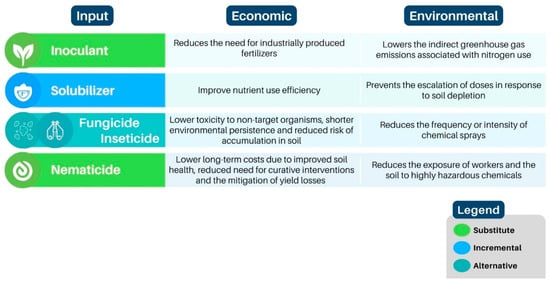
Agrochemicals and Biological Inputs in Soybean Farms in Brazil: Cases of Substitutive, Incremental, and Alternative Uses
Agrochemicals 2026, 5(1), 13; https://doi.org/10.3390/agrochemicals5010013 - 5 Mar 2026
Abstract
Farmers worldwide use agrochemicals and biological inputs to fertilize fields, manage pests and diseases, and promote plant growth. However, there is still limited field-based evidence on the extent to which biological inputs function as substitutes, incremental complements, or alternatives to agrochemicals in key
[...] Read more.
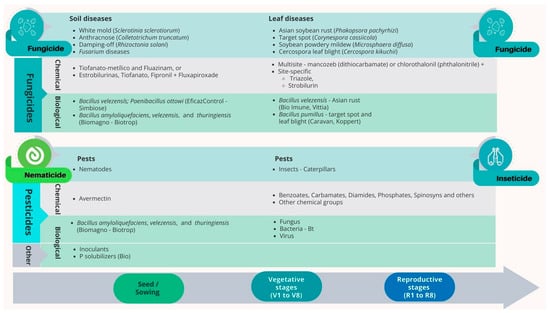
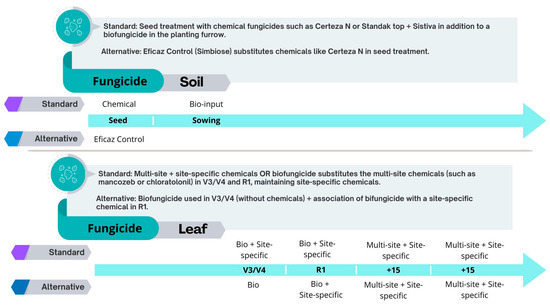
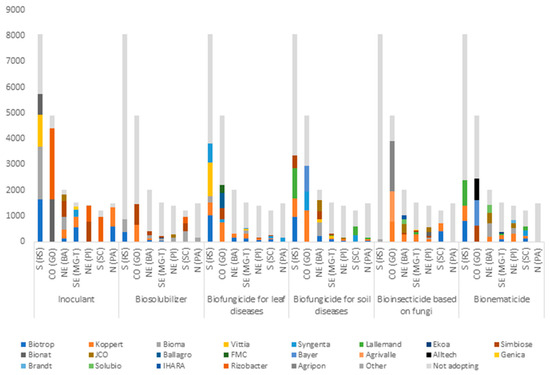
Farmers worldwide use agrochemicals and biological inputs to fertilize fields, manage pests and diseases, and promote plant growth. However, there is still limited field-based evidence on the extent to which biological inputs function as substitutes, incremental complements, or alternatives to agrochemicals in key farming practices. This study presents preliminary results on the use of synthetic and biological inputs for the most common practices employed by large soybean farmers in central Brazil. We combined literature review, regulatory data on registered biological products, and in-person interviews with farmers and market experts. Our results show that, in most practices, biological products are adopted alongside the continued use of synthetic inputs, in some cases reducing the frequency or dosage of chemical applications. Inoculants based on nitrogen-fixing bacteria already substitute mineral nitrogen fertilization in soybean, while biosolubilizers and plant activators are used incrementally to enhance the efficiency of chemical fertilizers. Bioinsecticides and biofungicides are predominantly employed as alternatives within spray programs, especially in preventive or early interventions, thereby reducing the number of conventional pesticide sprays. Bionematicides emerge as the main biological tools used as substitutes for synthetic nematicides in preventive treatments, whereas biological herbicides are not yet available on the market. Field evidence presented in this study showed that farmers adopt biological products in diverse ways, including as substitutes, incremental, or alternatives to chemical products, depending on the technologies available. These findings provide a more nuanced understanding than the common views that, on one hand, biological inputs simply complement rather than substitute chemical products, and on the other, that biological solutions can fully substitute synthetic products. As environmental and economic implications, we conclude that biological inputs can underpin trajectories towards more regenerative management in large-scale soybean systems, even when synthetic inputs remain part of the production matrix.
Full article
(This article belongs to the Topic Natural Products in Crop Pest Management)
►
Show Figures
Open AccessReview
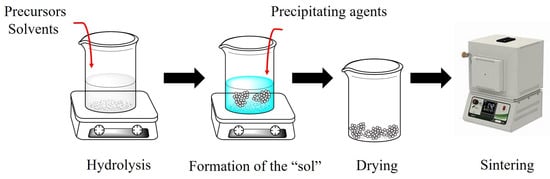
Zinc Oxide Nanoparticles: Synthesis, Characterization and Applications in Agriculture
by
Adriana Morfín-Gutiérrez, Josué I. García-López, Patricia A. de León-Martínez, Norma A. Ruiz-Torres, Agustín Hernández-Juárez, Perpetuo Álvarez-Vázquez and Antonio Flores-Naveda
Agrochemicals 2026, 5(1), 12; https://doi.org/10.3390/agrochemicals5010012 - 5 Mar 2026
Abstract
Zinc (Zn) is a mineral that plays a vital role in the growth and development processes of different plants. Although it is required in small quantities, its presence is essential in a crop. In recent years, zinc oxide nanoparticles (ZnO NPs) have garnered
[...] Read more.
Zinc (Zn) is a mineral that plays a vital role in the growth and development processes of different plants. Although it is required in small quantities, its presence is essential in a crop. In recent years, zinc oxide nanoparticles (ZnO NPs) have garnered significant interest in agriculture due to their unique physical and chemical properties. As a result, they can be used as alternative fertilizers to help crops experiencing mineral deficiency, stress, or fungal problems. These nanomaterials can be obtained through various synthesis methods, including sol–gel, chemical precipitation, microemulsion, and green synthesis, among others. This enables managing their size, shape, and internal arrangement, establishing their ultimate characteristics and feasible uses. In this review, we will present some of the most commonly used synthesis methods for obtaining ZnO NPs, the frequently used characterization techniques, as well as some of the positive and toxic effects caused by their application in crops.
Full article
(This article belongs to the Section Fertilizers and Soil Improvement Agents)
►▼
Show Figures

Figure 1
Open AccessArticle
Seasonwide Weed Management Utilizes Florpyrauxifen-Benzyl in Water-Seeded Rice Production Systems
by
Deniz Inci and Kassim Al-Khatib
Agrochemicals 2026, 5(1), 11; https://doi.org/10.3390/agrochemicals5010011 - 4 Mar 2026
Abstract
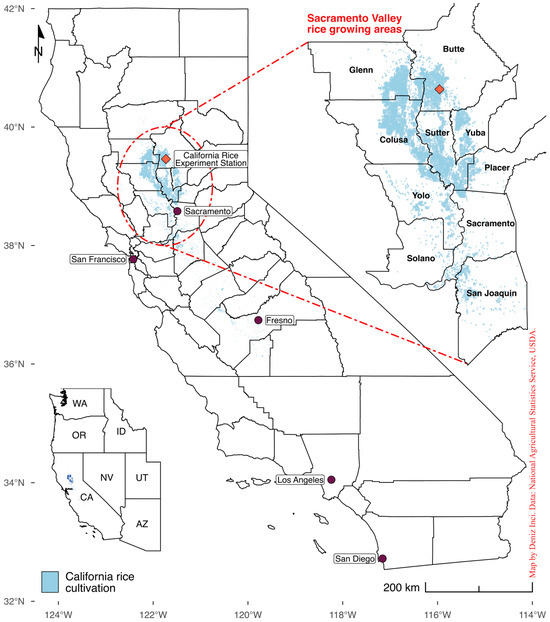
Florpyrauxifen-benzyl (FPB) is an auxin-mimic herbicide that controls selected grasses, sedges, and broadleaves in rice cropping systems. Field experiments were conducted in 2023 and 2024 to characterize the effects of FPB on crop safety and weed control when applied alone or in combination
[...] Read more.
Florpyrauxifen-benzyl (FPB) is an auxin-mimic herbicide that controls selected grasses, sedges, and broadleaves in rice cropping systems. Field experiments were conducted in 2023 and 2024 to characterize the effects of FPB on crop safety and weed control when applied alone or in combination with other herbicides, and to assess whether FPB can provide season-long, effective weed management. Base treatments of benzobicyclon (BBC)/halosulfuron-methyl (HSM), clomazone (CLM), or thiobencarb (TBC) were applied on the day of seeding (DOS) or within the 2-leaf stage (LS) rice and followed by foliar treatments of FPB alone or in a mixture with bispyribac-sodium (BPS), penoxsulam (PNX)/cyhalofop-butyl (CHB), or propanil (PPL). Additionally, FPB was applied alone with no prior base treatment, in combination with a mixture partner, and as a sequential treatment, 14 days apart, with the first application made to 4- to 5-LS rice; in contrast, the second application was made to mid-tillering rice. The FPB applied alone or in sequential application showed results for more than 98% of watergrasses and 100% of ricefield bulrush, smallflower umbrella sedge, ducksalad, redstems, and all other broadleaves control at 56 days after treatment (DAT). When applied after the base treatments, the weed control increased to 100% for all weed species at 14 DAT. The sequential application of FPB achieved the highest yields of 7683 kg ha−1 in 2023 and 11,249 kg ha−1 in 2024, resulting in 3.6- and 6.4-fold increases in rice yield over the nontreated control. Owing to its excellent sedge and broadleaf weed control and good activity on troublesome grasses, such as barnyardgrass, FPB could be an essential part of the weed management programs in rice production systems.
Full article
(This article belongs to the Section Herbicides)
►▼
Show Figures

Figure 1
Open AccessArticle
Modeling Foliar Infection Dynamics in Wheat Using a SEIR Framework: Effects of Seed Treatment and Foliar Fungicide Under Mediterranean Conditions
by
Ioannis Vagelas
Agrochemicals 2026, 5(1), 10; https://doi.org/10.3390/agrochemicals5010010 - 4 Feb 2026
Abstract
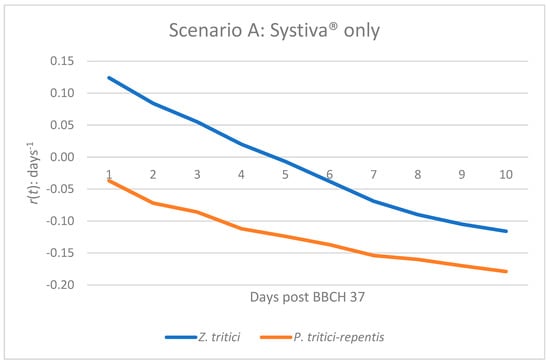
The foliar pathogens of wheat, particularly Zymoseptoria tritici and Pyrenophora tritici-repentis, represent a significant threat to yield. We used a SEIR (Susceptible–Exposed–Infected–Removed) model to quantify epidemic dynamics based on different fungicide application strategies, focusing on the daily dynamic growth rate
[...] Read more.
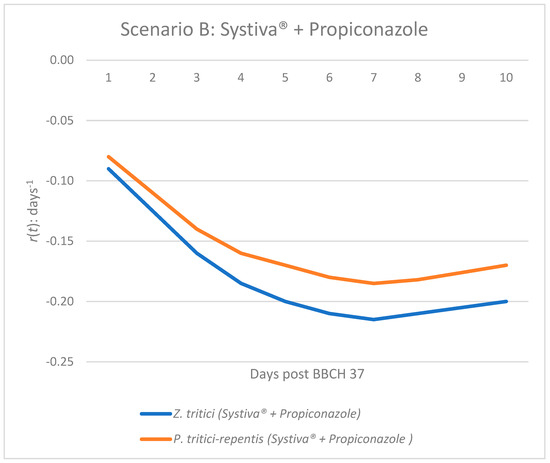
The foliar pathogens of wheat, particularly Zymoseptoria tritici and Pyrenophora tritici-repentis, represent a significant threat to yield. We used a SEIR (Susceptible–Exposed–Infected–Removed) model to quantify epidemic dynamics based on different fungicide application strategies, focusing on the daily dynamic growth rate r(t) (net infection increase) and the removal rate γ(t) (loss infectious tissue) after BBCH 37. In Scenario A (treatment of seed with Systiva®), the r(t) of Z. tritici was positive only during the early phase of the epidemic, followed by progressive suppression over time, while the r(t) for P. tritici-repentis remained negative throughout. Scenario B (seed treatment combined with foliar propiconazole) resulted in uniformly negative r(t) values for both pathogens, indicating stronger and sustained suppression. These findings highlight the practical utility of epidemic growth rate modeling for evaluating fungicide strategies and support integrated seed + foliar applications as a robust approach to disease management in wheat.
Full article
(This article belongs to the Section Fungicides and Bactericides)
►▼
Show Figures

Figure 1
Open AccessArticle
Physiological Factors Influencing Bacillus thuringiensis Susceptibility in Laboratory and Field-Collected Bollworm, Helicoverpa zea (Lepidoptera: Noctuidae)
by
Yuzhe Du, Shane Scheibener, Nathan S. Little, Blake H. Elkins and Yu-Cheng Zhu
Agrochemicals 2026, 5(1), 9; https://doi.org/10.3390/agrochemicals5010009 - 3 Feb 2026
Abstract
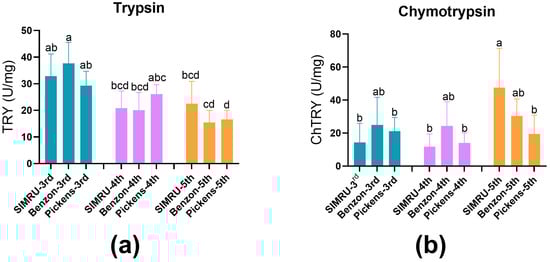
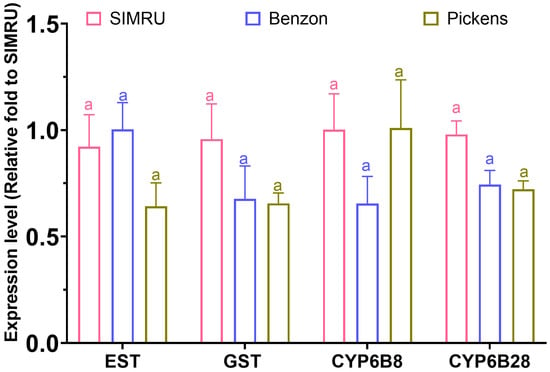
Field-evolved resistance of Helicoverpa zea to crops expressing Cry insecticidal proteins from Bacillus thuringiensis (Bt) is widespread across the United States. To comparatively evaluate physiological factors associated with Bt susceptibility, we analyzed two laboratory strains (Benzon and SIMRU) and one field colony obtained
[...] Read more.
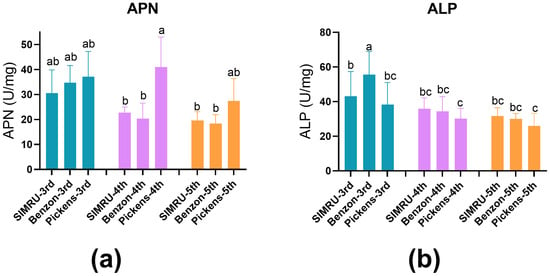
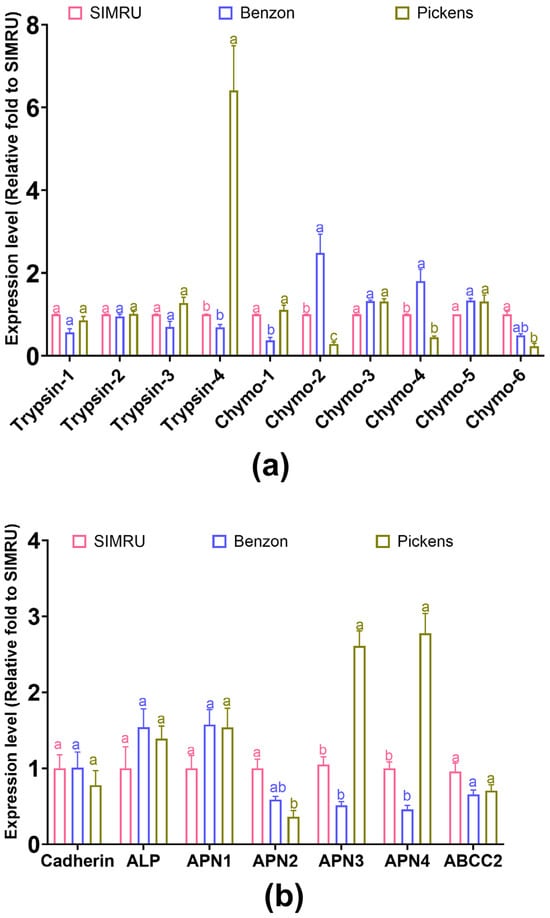
Field-evolved resistance of Helicoverpa zea to crops expressing Cry insecticidal proteins from Bacillus thuringiensis (Bt) is widespread across the United States. To comparatively evaluate physiological factors associated with Bt susceptibility, we analyzed two laboratory strains (Benzon and SIMRU) and one field colony obtained from a commercial corn field near Pickens, Arkansas. Biochemical assays of larval midgut extracts showed that Pickens exhibited significantly altered activities of chymotrypsin-like proteases, aminopeptidase N (APN), and alkaline phosphatase (ALP) compared with the SIMRU or Benzon colonies, with differences varying by larval instar. In contrast, trypsin-like protease activities did not differ significantly among the three colonies. Gene expression analyses of ten serine protease genes and seven candidate Cry receptor genes (including cadherin, ATP-binding cassette family C2, ALP, and four APN genes) revealed significant transcriptional differences in the Pickens relative to the lab colonies. Collectively, these results suggest that chymotrypsin-like proteases may play an important role in the activation of Cry toxins in H. zea. Altered chymotrypsin and APN activities, together with differential gene expressions in the Pickens population, likely contribute to reduced Bt susceptibility. The biochemical and molecular differences provide insight into potential physiological factors underlying reduced Bt susceptibility and may inform future Bt resistance monitoring and management strategies.
Full article
(This article belongs to the Section Pesticides)
►▼
Show Figures

Figure 1

Open AccessReview
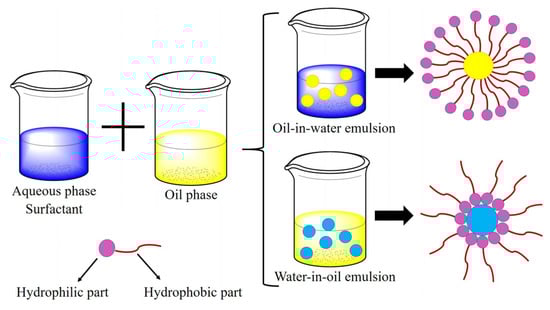
Plant-Based Insecticides for Controlling Drosophila suzukii: Opportunities and Challenges for Biorational Nanoproducts
by
Gabriel N. Araújo, Luis O. Viteri Jumbo, Pedro B. Silva, Leonardo B. Souza, Anielle C. A. Silva, Lucas Anhezini, Gil. R. Santos, Raimundo W. S. Aguiar, Eugênio E. Oliveira and Jerusa M. Oliveira
Agrochemicals 2026, 5(1), 8; https://doi.org/10.3390/agrochemicals5010008 - 2 Feb 2026
Abstract
Drosophila suzukii (Diptera) is a polyphagous fly responsible for a huge loss in production of thin-skinned berries, usually controlled with low-selective synthetic pesticides, which can be toxic for biodiversity and human health. Biorational control of D. suzukii is challenging, despite many known lethal
[...] Read more.
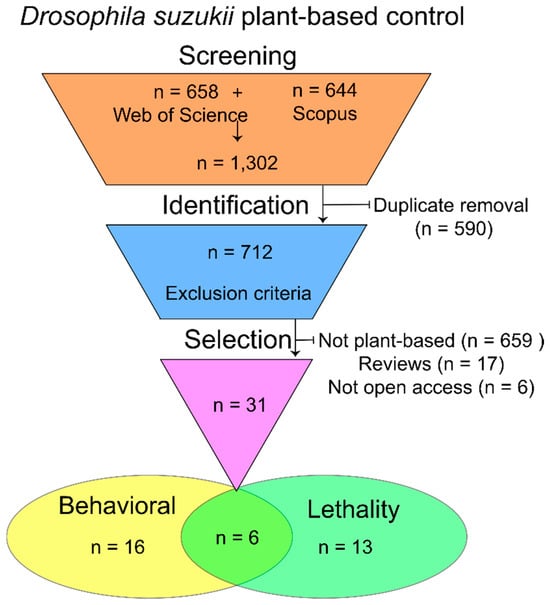
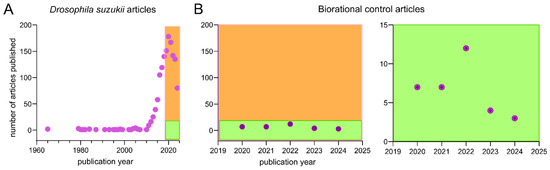
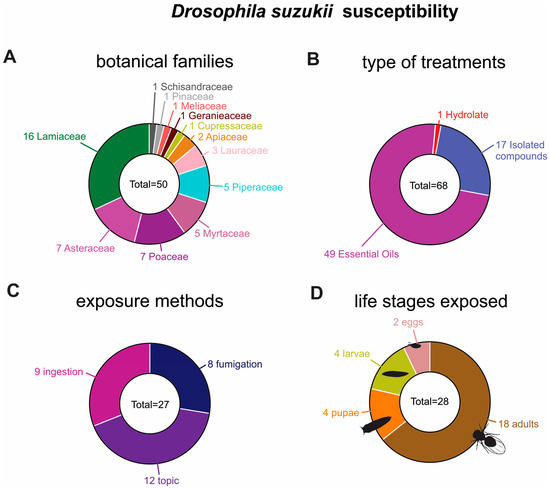
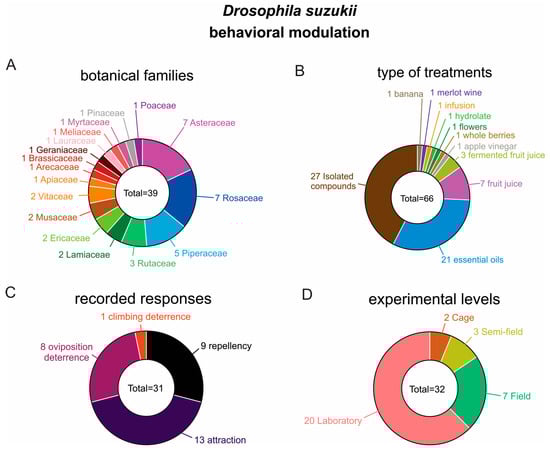
Drosophila suzukii (Diptera) is a polyphagous fly responsible for a huge loss in production of thin-skinned berries, usually controlled with low-selective synthetic pesticides, which can be toxic for biodiversity and human health. Biorational control of D. suzukii is challenging, despite many known lethal compounds, since most experiments happen in laboratory conditions, and agroecosystems include complex biotic and abiotic variables. Nanoencapsulation rises as an efficient alternative for optimizing pesticide development by protecting active ingredients and increasing selectivity. This review aimed to gather recent (over the last 5 years) research about plant-derived insecticides with the potential to control D. suzukii, examining their toxicity mechanisms and exposure methods, and to identify research gaps and perspectives, especially for nanoproducts. These efforts resulted in the selection of 31 articles, evaluating lethality and behavioral modulation caused by plant-based compounds, which exerted mainly attraction, repellency, and oviposition deterrence. Most studies were carried out under laboratory conditions, mostly testing plants from the Lamiaceae and Asteraceae botanical families, indicating essential oils as potential short-life pesticides against every life stage of D. suzukii, although their physicochemical instability limits field application. There are few studies addressing nano-pesticides for controlling D. suzukii, and these data contribute to botanical prospection for pesticide compounds and point to the development of plant-based nano-pesticides for controlling D. suzukii as a research gap with potential to enable field trials.
Full article
(This article belongs to the Section Pesticides)
►▼
Show Figures

Figure 1
Open AccessArticle
Subacute Exposure to the Fungicide Imazalil Decreased Hippocampal Cholinesterase Activity and Caused Learning and Memory Impairments in Rats
by
Luis A. Valdivia-Chávez, Aranzy J. Flores-Leos, Carlos H. López-Lariz, Juan Ibarra-Hernández, Bruno A. Marichal-Cancino and Jesús Chávez-Reyes
Agrochemicals 2026, 5(1), 7; https://doi.org/10.3390/agrochemicals5010007 - 2 Feb 2026
Cited by 1
Abstract
The fungicide Imazalil (IMZ) is widely used to maintain the freshness of fruits and vegetables after harvest. Despite its widespread use, the neurotoxic effects of IMZ remain poorly studied. Thus, in this work, we aimed to investigate the effects of subacute IMZ exposure
[...] Read more.
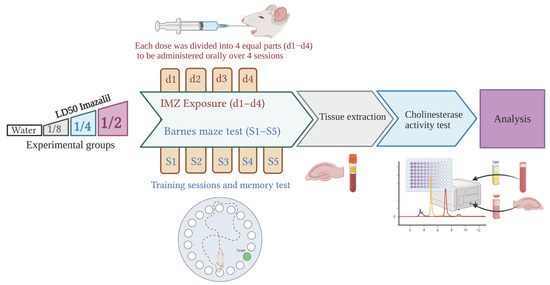
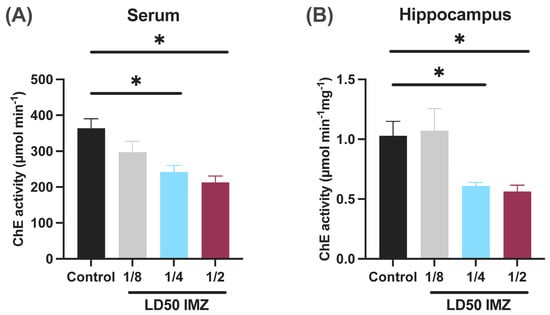
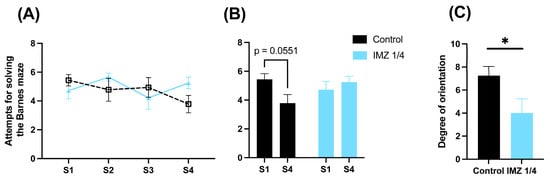
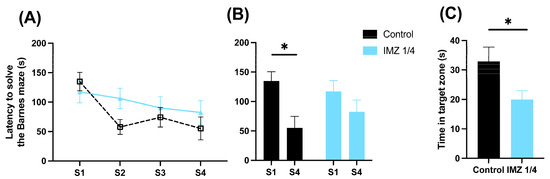
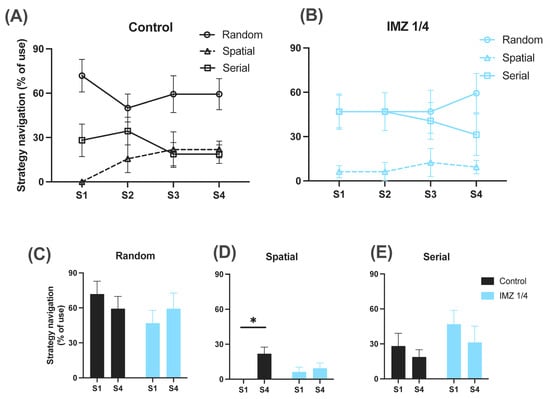
The fungicide Imazalil (IMZ) is widely used to maintain the freshness of fruits and vegetables after harvest. Despite its widespread use, the neurotoxic effects of IMZ remain poorly studied. Thus, in this work, we aimed to investigate the effects of subacute IMZ exposure on memory and learning, as well as on cholinesterase (ChE) activity, in orally exposed rats. To do so, Wistar rats were exposed to doses corresponding to 1/8, 1/4, and 1/2 of the LD50 of IMZ. Each dose was divided into four equal parts and administered once daily for four consecutive days, while behavioral performance was assessed using the Barnes Maze. On day 5, we measured ChE activity in the hippocampus and serum. The enzymatic activity assays demonstrated a dose-dependent decrease in both cholinesterase activities at 1/4 LD50 of IMZ. In addition, rats in the control group exhibited a typical learning curve in the Barnes maze, characterized by reduced latency and fewer attempts to locate the escape box from the first session (S1) to the final session (S4). The typical learning curve was prevented by a 1/4 LD50 treatment. Additionally, this dose prevented an increase in spatial navigation strategy use, observed in the control group (S1 vs. S4). To our knowledge, these results proved that IMZ inhibits in vivo the activity of both brain and serum ChEs, and exhibits evidence of learning and memory impairments, suggesting that IMZ has neurotoxic effects in rats, probably mediated by alterations in the cholinergic system.
Full article
(This article belongs to the Section Fungicides and Bactericides)
►▼
Show Figures

Figure 1

Open AccessArticle
Direct and Residual Effects of Integrated Biological Amendments and Mineral Fertilization on Maize Productivity in the Eastern DR Congo
by
Mulinganya Noel, Nabahungu Nsharwasi Léon, Faki Oyédekpo Chabi, Ahanchede Adam, Kouélo-Alladassi Felix, Adeniyi Gideon, Masimane Jules, Cirhuza Jackson Mirali, Bashagaluke Janvier, Dagbenonbakin Gustave and Aliou Saïdou
Agrochemicals 2026, 5(1), 6; https://doi.org/10.3390/agrochemicals5010006 - 2 Feb 2026
Abstract
Maize is vital for food systems and rural livelihoods in the Democratic Republic of Congo (DRC). Continuous cultivation depletes soil nutrients, reducing maize production. Inorganic (or mineral) fertilizers provide nutrients rapidly, but their cost and sustainability concerns have prompted interest in alternatives. Biological
[...] Read more.
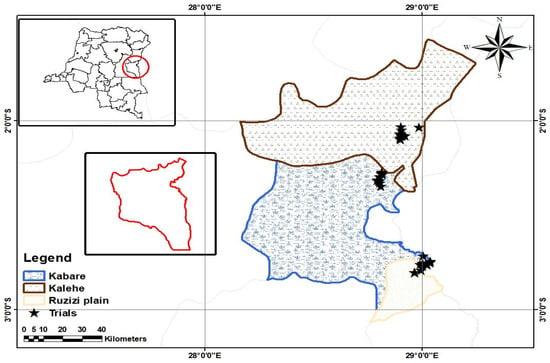
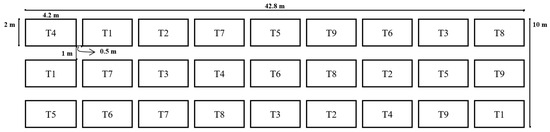
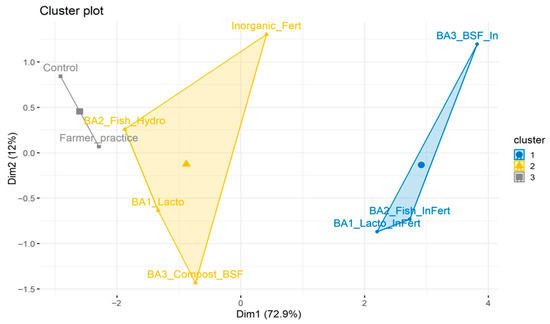
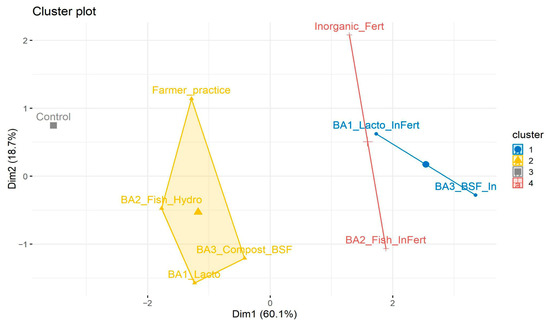
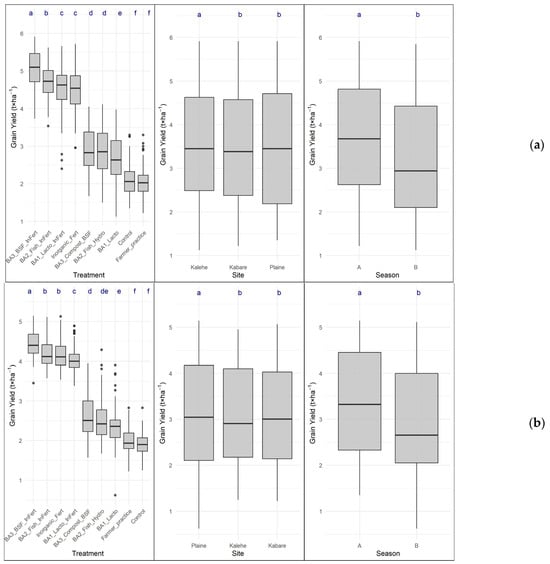
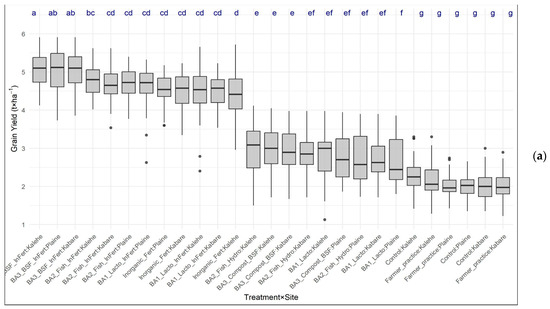
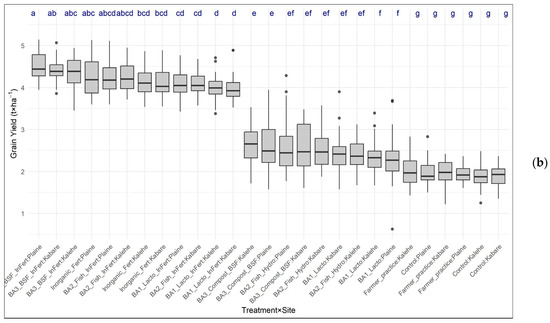
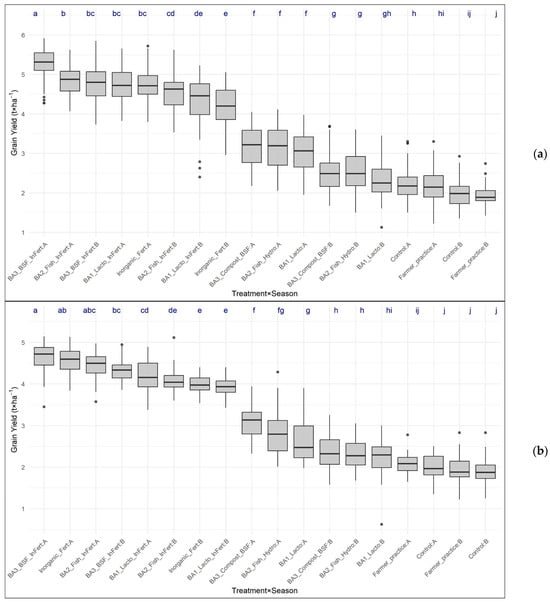
Maize is vital for food systems and rural livelihoods in the Democratic Republic of Congo (DRC). Continuous cultivation depletes soil nutrients, reducing maize production. Inorganic (or mineral) fertilizers provide nutrients rapidly, but their cost and sustainability concerns have prompted interest in alternatives. Biological amendments improve nutrient uptake and soil structure and boost crop resistance, potentially cutting mineral fertilizer use. The present study aims to investigate the direct and residual effects of biological amendments (BAs) on maize productivity in the Eastern DRC, both when applied alone or combined with inorganic fertilizer, with trials conducted in the Kabare, Kalehe, and Ruzizi Plain regions from October 2022 to June 2024. Two trials across four seasons gathered data using a randomized complete block design (RCBD) with nine treatments and three replicates: Control, without fertilizer application; farmer practice; inorganic fertilizer (NPK 17-17-17 and urea); BA_1: Lactobacillus; BA_2: fish serum; BA_3: black soldier fly (BSF) compost; BA_1 + inorganic fertilizer; BA_2 + inorganic fertilizer; and BA_3 + inorganic fertilizer. The results identified three categories: integrated organic and inorganic fertilizers, single applications, and inconsistent uses. The best outcomes emerged from treatments combining Lactobacillus, fish serum, and BSF compost with inorganic fertilizer, positively impacting maize yield parameters. The study confirms that combining biological amendments and mineral fertilizers significantly (p < 0.001) enhances maize productivity in the Eastern DRC. Performance differences across locations emphasize the influence of local soil characteristics and targeted nutrient strategies.
Full article
(This article belongs to the Section Fertilizers and Soil Improvement Agents)
►▼
Show Figures

Figure 1

Open AccessArticle
Invisible Threats to Food Security: Analysis of Dithiocarbamate Residues in Foods Consumed in Brazil (2001–2023)
by
Yan Lucas Leite and Elizângela Aparecida dos Santos
Agrochemicals 2026, 5(1), 5; https://doi.org/10.3390/agrochemicals5010005 - 21 Jan 2026
Abstract
This study provides a comprehensive long-term assessment of dithiocarbamate (DTC) fungicide residues in foods consumed in Brazil, analyzing nearly two decades of official monitoring data from the Pesticide Residue Analysis Program (PARA/ANVISA) from 2001 to 2023. By integrating fragmented annual reports into a
[...] Read more.
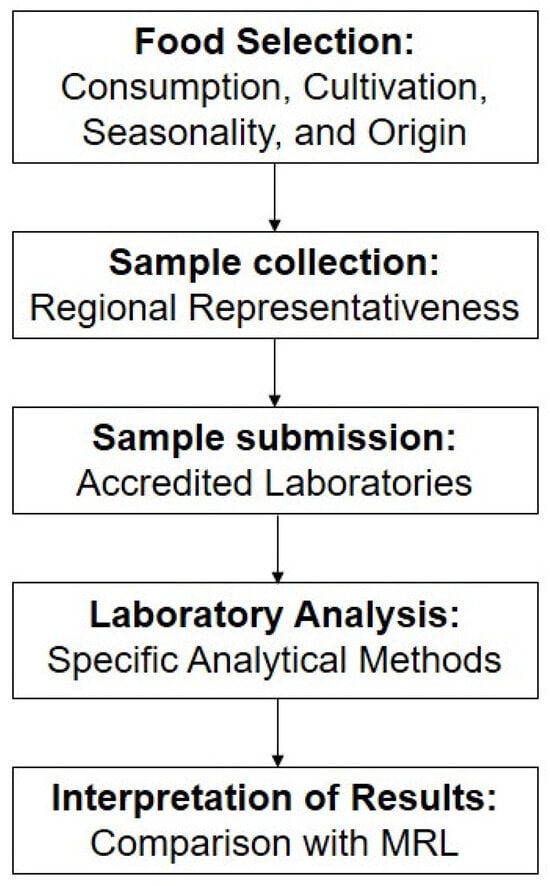
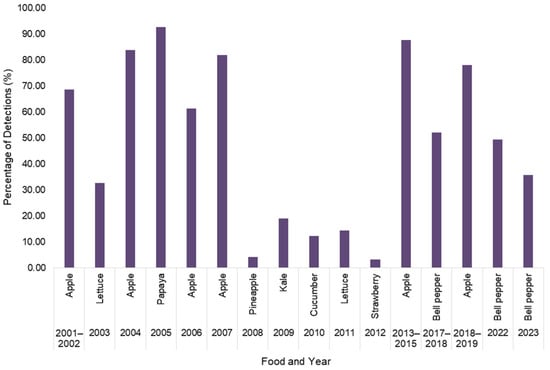
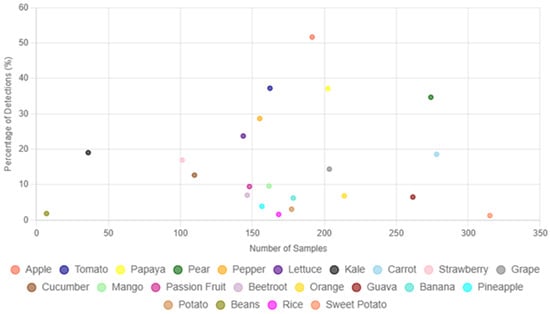
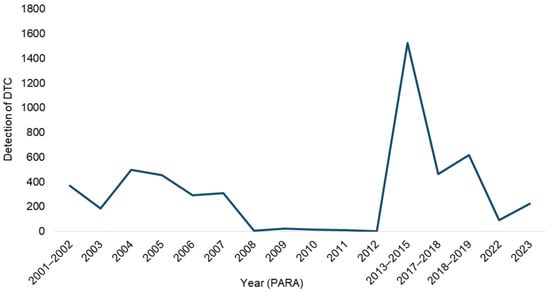
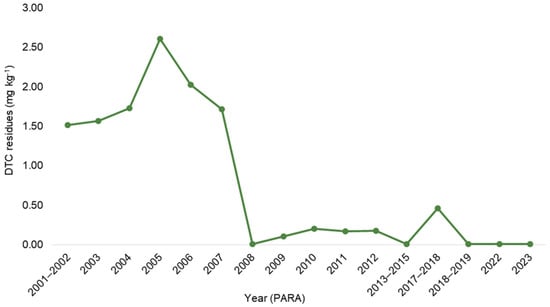
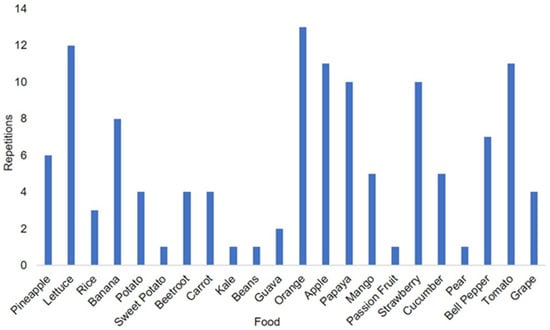
This study provides a comprehensive long-term assessment of dithiocarbamate (DTC) fungicide residues in foods consumed in Brazil, analyzing nearly two decades of official monitoring data from the Pesticide Residue Analysis Program (PARA/ANVISA) from 2001 to 2023. By integrating fragmented annual reports into a single temporal framework, this study offers a novel evaluation of detection frequencies, residue levels, and regulatory compliance over time. Of the 21,274 samples analyzed, 23.90% contained residues of these fungicides. Papaya showed the highest detection frequency (92.59%) in 2005, while apple showed the highest average percentage of detections (51.68%). Lettuce showed the highest residual levels (10.05 mg kg−1) in samples from the 2017–2018 cycle, despite the lack of authorization for the use of these products in this crop. Strawberries and carrots showed concentrations above the maximum residue limit (MRL), with excesses. Residues of unauthorized pesticides were also detected in crops such as guava, pineapple, and sweet potato. Temporal correlations between detections and residues indicated significant variations among the foods evaluated, with potatoes, strawberries, and lettuce showing the highest residual levels. An overall declining trend in detections and residue concentrations was observed throughout the analyzed period, potentially reflecting improvements in regulatory oversight, agricultural practices, and analytical sensitivity over time. From a public health perspective, the persistence of elevated residues and unauthorized uses highlights the need for continuous surveillance, strengthened enforcement, and risk communication strategies to ensure food safety and consumer protection.
Full article
(This article belongs to the Special Issue Control of Use of Pesticides and Their Impact on Consumer Health)
►▼
Show Figures

Figure 1

Open AccessReview
A One Health Approach Involving Composting and Compost: Balancing Human Health Risks and Agricultural Benefits
by
Mohamed Ou-Zine, Said El Kinany, Said Ezrari and Rachid Bouamri
Agrochemicals 2026, 5(1), 4; https://doi.org/10.3390/agrochemicals5010004 - 12 Jan 2026
Abstract
The one health approach recognizes the interconnection between human, animal, and environmental health, emphasizing that human health should never be threatened in the pursuit of agricultural productivity. Indeed, within agricultural systems, this approach is particularly relevant, as the overuse of chemical inputs and
[...] Read more.
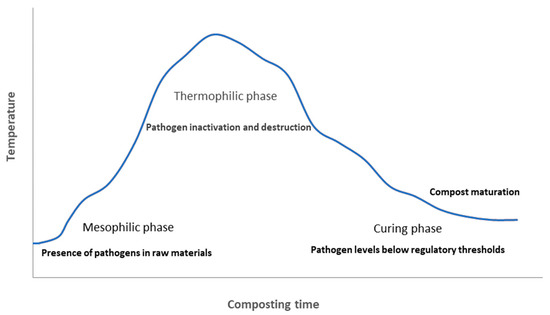
The one health approach recognizes the interconnection between human, animal, and environmental health, emphasizing that human health should never be threatened in the pursuit of agricultural productivity. Indeed, within agricultural systems, this approach is particularly relevant, as the overuse of chemical inputs and the mismanagement of organic wastes can directly threaten human health. Overuse of chemical inputs can result in various health disturbances and contribute to the development of acute or chronic human diseases. Likewise, organic wastes constitute potential human health risks due to the presence of pathogens in these wastes such as bacteria, viruses, fungi, and parasites. Despite increasing research, many studies often lack integrated risk assessments of agrochemicals and organic waste within a “One Health” framework, leaving gaps in practical guidance for safe agricultural management. This review was conducted to address these gaps and answer the following questions: What are the human health risks associated with agrochemicals and mismanaged organic wastes? How can composting/compost mitigate these risks and support sustainable agricultural production? It examines the role of composting in managing organic wastes, producing high-quality compost, and reducing exposure to hazardous chemicals and pathogens. Furthermore, it outlines key characteristics of compost required to ensure safety for humans, plants, soil, and ecosystems. By integrating evidence on human health and crop productivity, this review provides insights for safe, sustainable agricultural practices within a unified One Health framework.
Full article
(This article belongs to the Section Fertilizers and Soil Improvement Agents)
►▼
Show Figures

Figure 1
Open AccessArticle
Differential Effects of O-Benzyl-Serine on Sulfur Metabolism, Photosynthesis, and Growth in Two Species of Weeds
by
Isabela de Carvalho Contesoto, Ana Paula Boromelo, Ana Paula da Silva Mendonça, Cinthia Martins Corbetta, Amanda Castro Comar, Marco Aurélio Schüler de Oliveira, Larissa Fonseca Tomazini, João Henrique Vieira de Almeida Junior, Marcelo Augusto Batista, Paulo Sérgio Alves Bueno, Caroline Barbeiro, Ana Paula Ferro, Wanderley Dantas dos Santos, Rodrigo Polimeni Constantin, Osvaldo Ferrarese-Filho and Rogério Marchiosi
Agrochemicals 2026, 5(1), 3; https://doi.org/10.3390/agrochemicals5010003 - 9 Jan 2026
Abstract
Enzymes of the sulfur assimilation pathway represent promising candidates for selective herbicide development. This study investigated the effects of O-benzyl-serine (OBS), a newly identified inhibitor of O-acetylserine(thiol)-lyase (OAS-TL), on two C3 weed species, Ipomoea grandifolia and Euphorbia heterophylla. Plants were
[...] Read more.
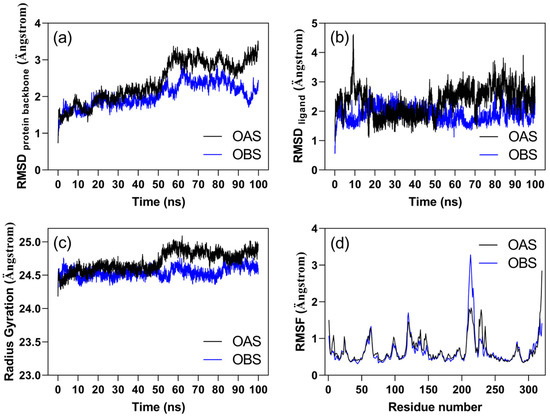
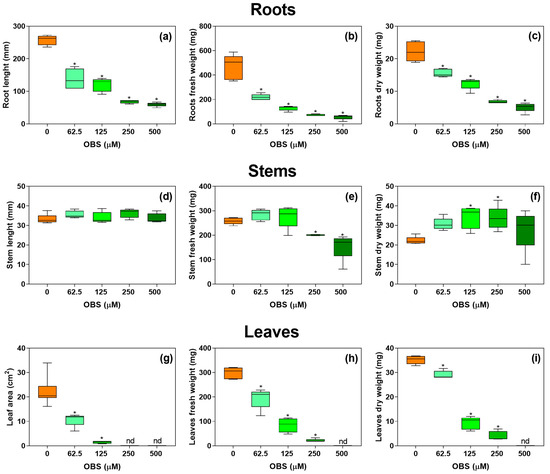
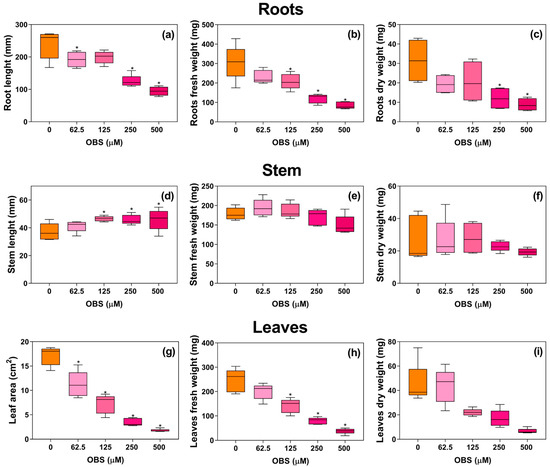
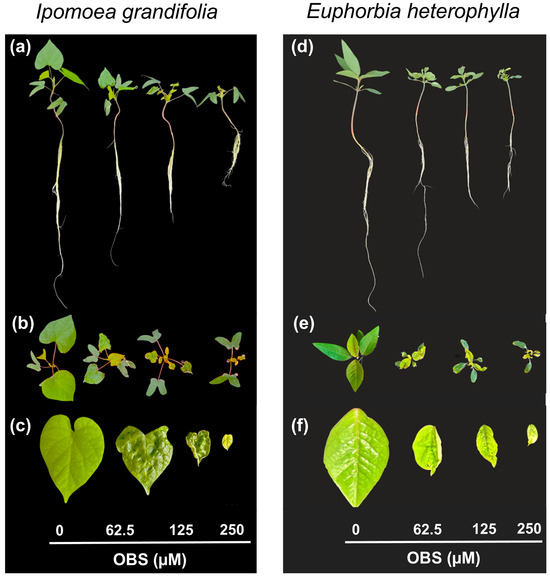
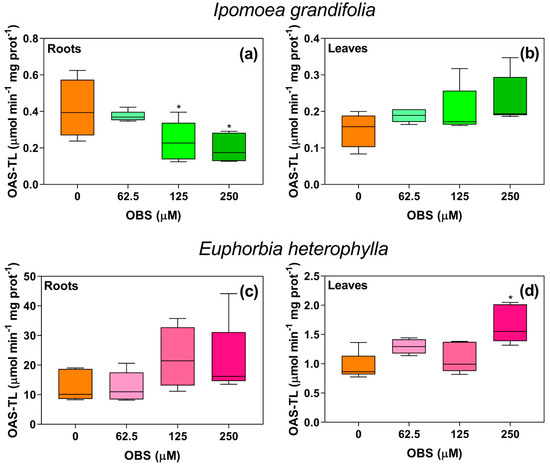
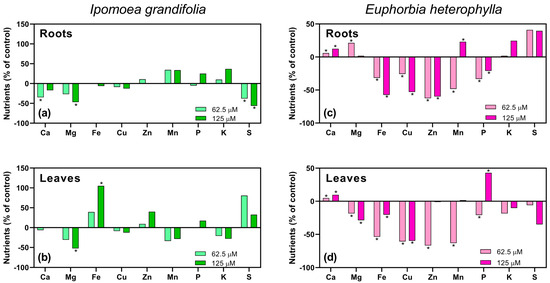
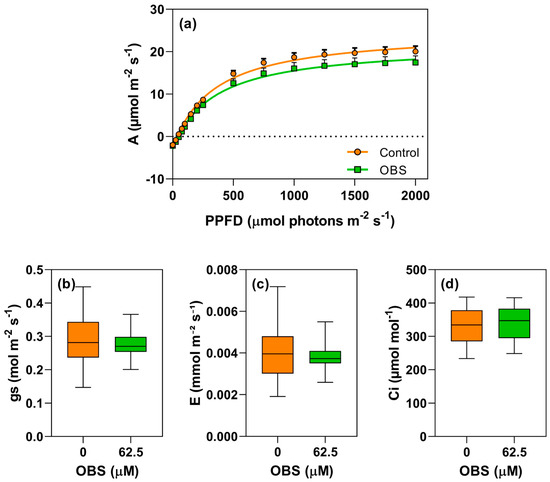
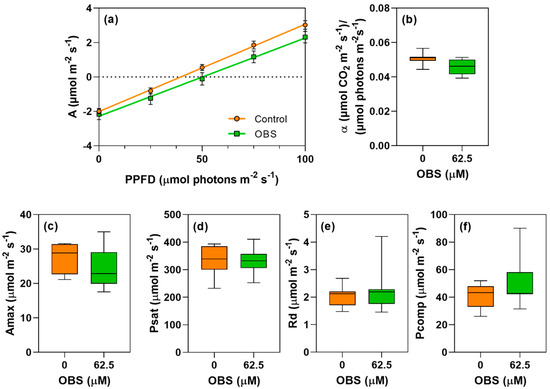
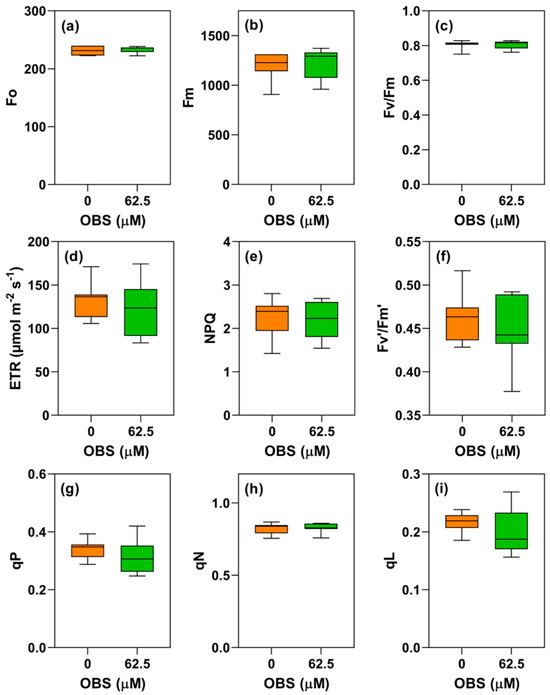
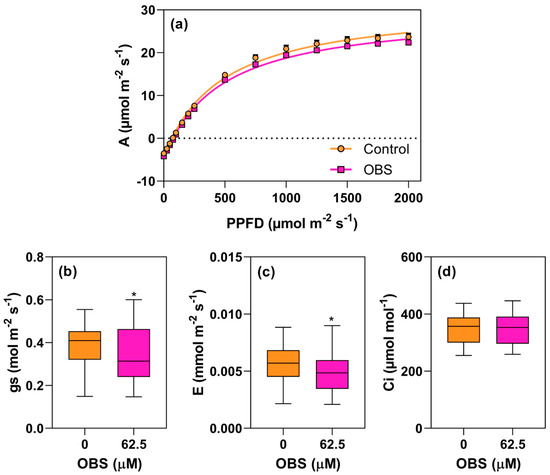
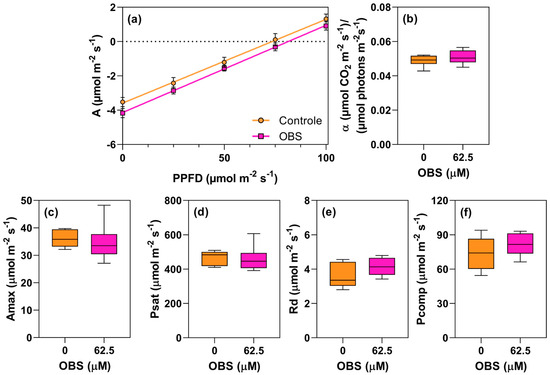
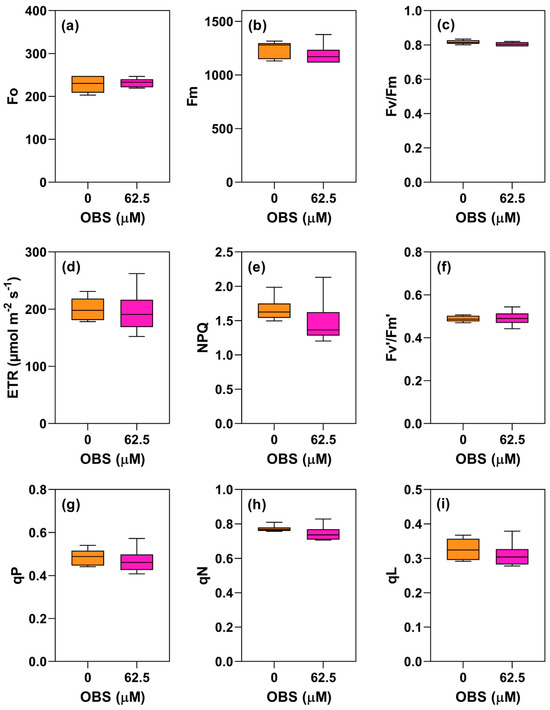
Enzymes of the sulfur assimilation pathway represent promising candidates for selective herbicide development. This study investigated the effects of O-benzyl-serine (OBS), a newly identified inhibitor of O-acetylserine(thiol)-lyase (OAS-TL), on two C3 weed species, Ipomoea grandifolia and Euphorbia heterophylla. Plants were cultivated hydroponically for 12 days in the presence of OBS (0–500 µM). OBS inhibited root growth in both species in a dose-dependent manner, with I. grandifolia being more sensitive. OAS-TL activity decreased in the roots of I. grandifolia but increased in the leaves of E. heterophylla. Nutrient profiling revealed significant alterations in sulfur, magnesium, and calcium contents, associated with chlorosis and reduced root and leaf development. While photosynthetic performance appeared unaffected at the lowest OBS concentration tested (62.5 µM), higher doses drastically reduced leaf expansion, preventing further measurements. Given this marked decline in foliar development, it is reasonable to infer that the overall photosynthetic capacity of the plants was also negatively affected under severe OBS exposure. OBS also disrupted apical dominance, promoting lateral shoot formation. These findings demonstrate that OBS differentially affects sulfur metabolism and growth in a species- and organ-specific manner, supporting its potential as a prototype molecule for herbicides targeting novel biochemical pathways.
Full article
(This article belongs to the Section Herbicides)
►▼
Show Figures

Figure 1
Open AccessArticle
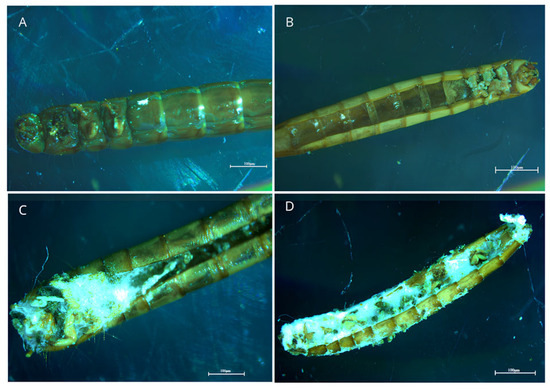
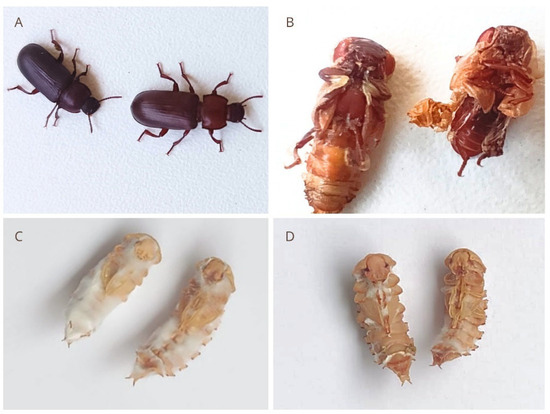
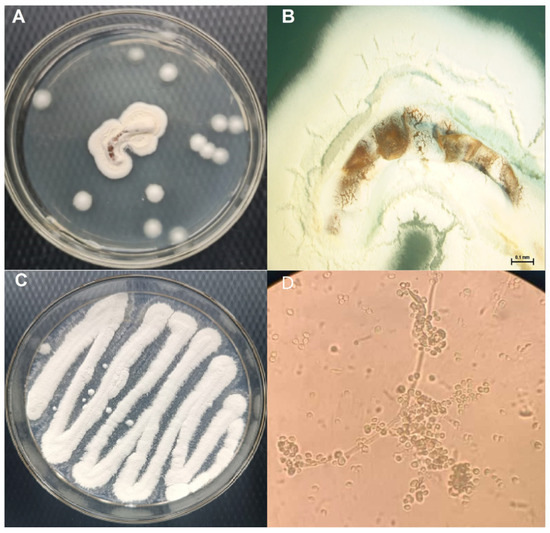
Compatibility Between Beauveria bassiana and Papain and Their Synergistic Potential in the Control of Tenebrio molitor (Coleoptera: Tenebrionidae)
by
Amanda do Carmo Alves, Ana Carolina Silva, Adriane Toledo da Silva, Nivia Kelly Lima Sales, Ruth Celestina Condori Mamani, Lisseth Bibiana Puentes Figueroa, Elias Honorato Gomes, Debora Castro Toledo de Souza, Rosangela Cristina Marucci and Filippe Elias de Freitas Soares
Agrochemicals 2026, 5(1), 2; https://doi.org/10.3390/agrochemicals5010002 - 2 Jan 2026
Abstract
►▼
Show Figures
The use of proteolytic enzymes in association with entomopathogenic fungi offers a promising alternative for improving the biological control of insect pests. This study evaluated the compatibility between Beauveria bassiana and papain and the effectiveness of their combined application in controlling Tenebrio molitor
[...] Read more.
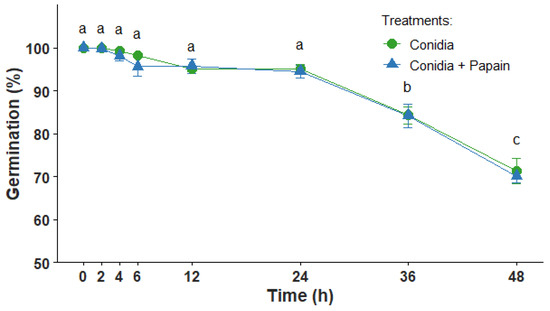
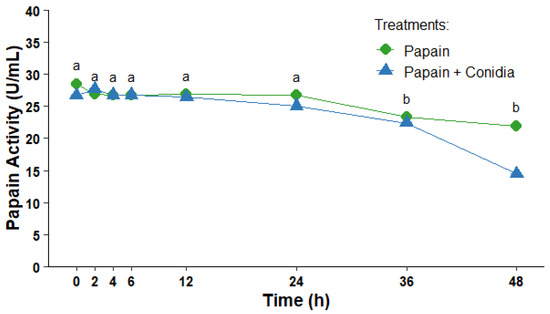
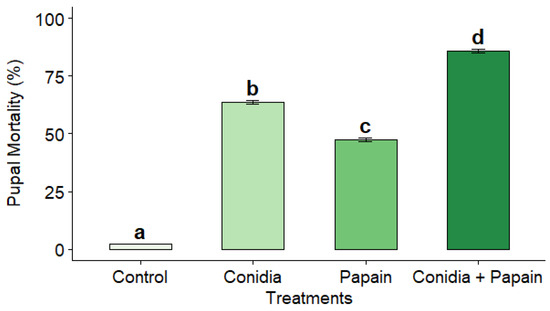
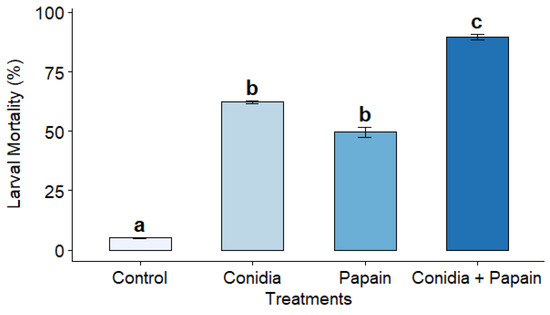
The use of proteolytic enzymes in association with entomopathogenic fungi offers a promising alternative for improving the biological control of insect pests. This study evaluated the compatibility between Beauveria bassiana and papain and the effectiveness of their combined application in controlling Tenebrio molitor. Conidial viability in the presence of papain was monitored for 48 h and showed a reduction in germination from 100% to approximately 70%, without detrimental effects on fungal performance. Papain activity remained stable up to 12 h, declining afterward, indicating biochemical compatibility. Bioassays revealed significant differences among treatments (p < 0.01). In larvae, mortality ranged from 5.18 ± 0.19% in the control to 49.62 ± 2.00% with papain, 62.24 ± 0.58% with conidia, and 89.71 ± 1.06% in the combined treatment; papain and conidia alone did not differ statistically. In pupae, mortality reached 2.20 ± 0.00% in the control, 47.38 ± 0.69% with papain, 63.69 ± 0.69% with conidia, and 85.91 ± 0.84% with the combination, with all treatments differing significantly. Fungal reisolation confirmed typical B. bassiana development. Overall, the results show that papain does not compromise fungal viability and that its combination with B. bassiana enhances entomopathogenic activity, supporting its potential for integrated pest management.
Full article

Figure 1
Open AccessReview
AI–Remote Sensing for Soil Variability Mapping and Precision Agrochemical Management: A Comprehensive Review of Methods, Limitations, and Climate-Smart Applications
by
Fares Howari
Agrochemicals 2026, 5(1), 1; https://doi.org/10.3390/agrochemicals5010001 - 20 Dec 2025
Abstract
Uniform application of fertilizers and pesticides continues to dominate global agriculture despite significant spatial variability in soil and crop conditions. This mismatch results in avoidable yield gaps, excessive chemical waste, and environmental pressures, including nutrient leaching and greenhouse gas emissions. The integration of
[...] Read more.
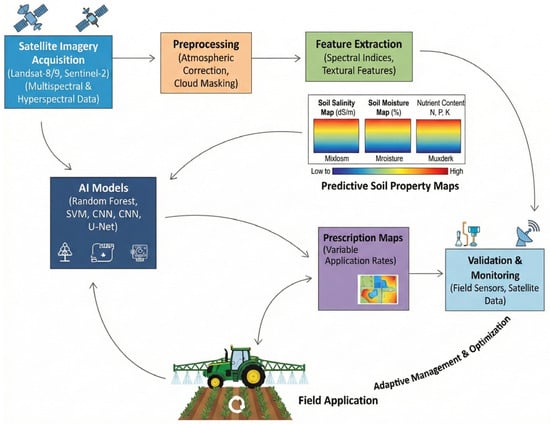
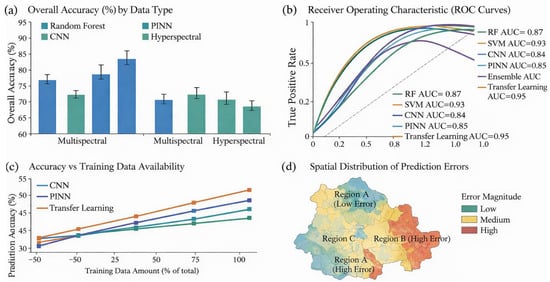
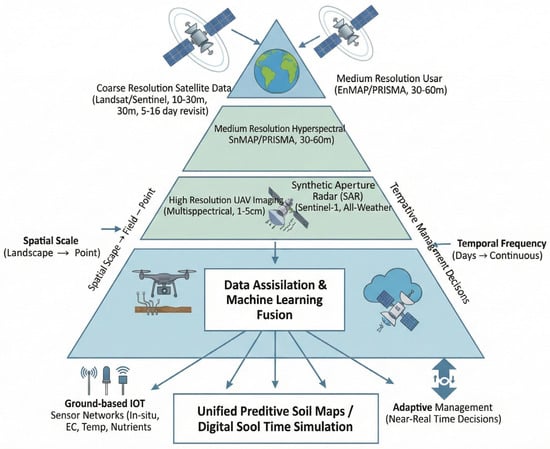
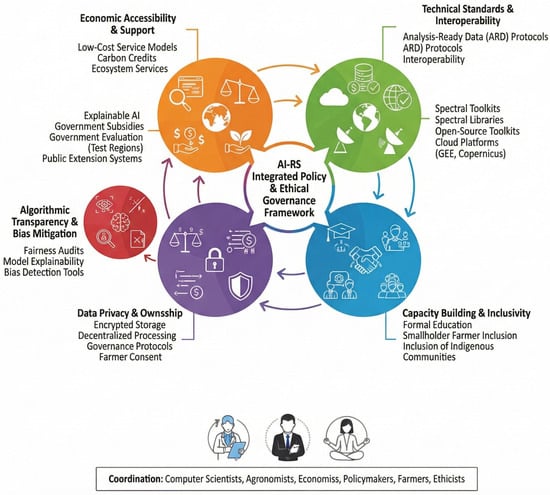
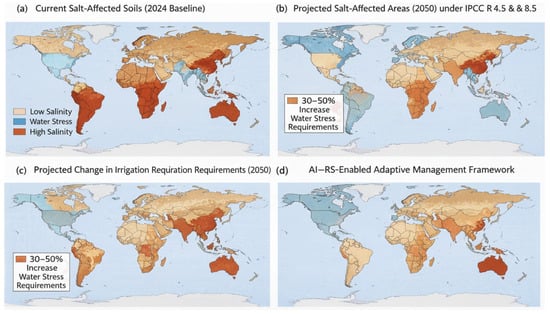
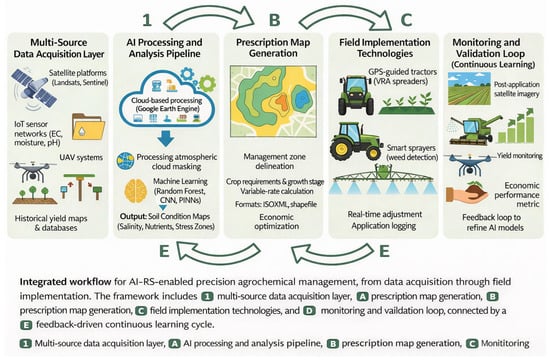
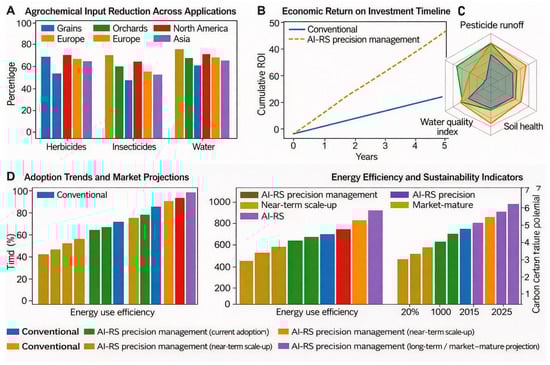
Uniform application of fertilizers and pesticides continues to dominate global agriculture despite significant spatial variability in soil and crop conditions. This mismatch results in avoidable yield gaps, excessive chemical waste, and environmental pressures, including nutrient leaching and greenhouse gas emissions. The integration of Artificial Intelligence (AI) and Remote Sensing (RS) has emerged as a transformative framework for diagnosing this variability and enabling site-specific, climate-responsive management. This systematic synthesis reviews evidence from 2000–2025 to assess how AI–RS technologies optimize agrochemical efficiency. A comprehensive search across Scopus, Web of Science, IEEE Xplore, ScienceDirect, and Google Scholar were used. Following rigorous screening and quality assessment, 142 studies were selected for detailed analysis. Data extraction focused on sensor platforms (Landsat-8/9, Sentinel-1/2, UAVs), AI approaches (Random Forests, CNNs, Physics-Informed Neural Networks), and operational outcomes. The synthesized data demonstrate that AI–RS systems can predict critical soil attributes, specifically salinity, moisture, and nutrient levels, with 80–97% accuracy in some cases, depending on spectral resolution and algorithm choice. Operational implementations of Variable-Rate Application (VRA) guided by these predictive maps resulted in fertilizer reductions of 15–30%, pesticide use reductions of 20–40%, and improvements in water-use efficiency of 25–40%. In fields with high soil heterogeneity, these precision strategies delivered yield gains of 8–15%. AI–RS technologies have matured from experimental methods into robust tools capable of shifting agrochemical science from reactive, uniform practices to predictive, precise strategies. However, widespread adoption is currently limited by challenges in data standardization, model transferability, and regulatory alignment. Future progress requires the development of interoperable data infrastructures, digital soil twins, and multi-sensor fusion pipelines to position these technologies as central pillars of sustainable agricultural intensification.
Full article
(This article belongs to the Section Fertilizers and Soil Improvement Agents)
►▼
Show Figures

Figure 1

Open AccessSystematic Review
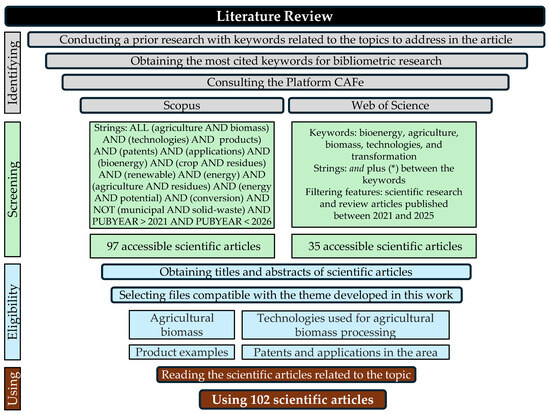
Agricultural Biomass as a Resource for Biomaterials, Biofertilizers, and Bioproducts: A Systematic Review
by
Bruna Pereira Almeida, Luiz Felipe Silveira Pavão, Marcelo Silveira de Farias, Nidgia Maria Nicolodi, Mirta Teresinha Petry, Marisa Menezes Leal, Paulo Carteri Coradi, Victória Lumertz de Souza, Mayara de Souza Queirós, Guilherme de Figueiredo Furtado, Marcus Vinicíus Tres and Giovani Leone Zabot
Agrochemicals 2025, 4(4), 23; https://doi.org/10.3390/agrochemicals4040023 - 11 Dec 2025
Cited by 1
Abstract
This systematic review aimed to examine recent advances (2021–2025) in the conversion of agricultural biomass into biomaterials, biofertilizers, and bioproducts. Studies were included when addressing biomass types, pretreatment methods, conversion technologies, or resulting applications. Non-agricultural biomass, non-original research, and works outside the defined
[...] Read more.
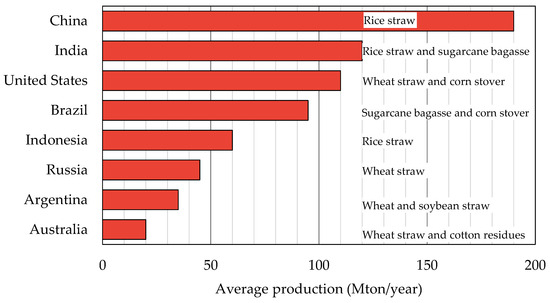
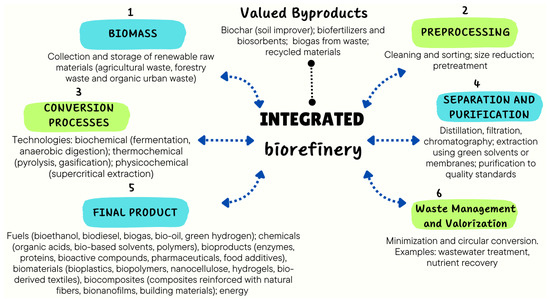
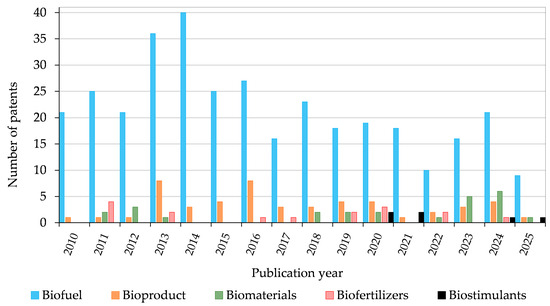
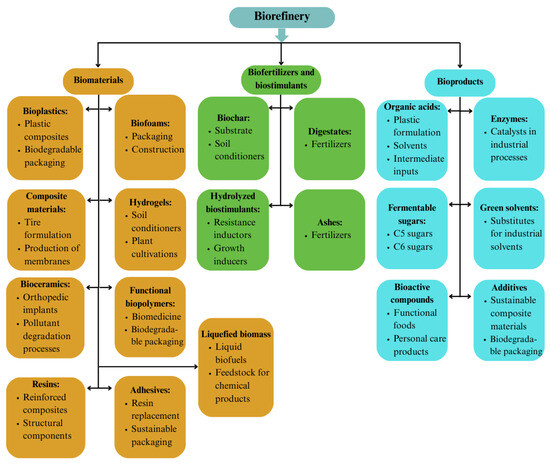
This systematic review aimed to examine recent advances (2021–2025) in the conversion of agricultural biomass into biomaterials, biofertilizers, and bioproducts. Studies were included when addressing biomass types, pretreatment methods, conversion technologies, or resulting applications. Non-agricultural biomass, non-original research, and works outside the defined timeframe were excluded. Literature was identified in Scopus and Web of Science, complemented by Espacenet, Google Scholar, and institutional databases (USDA, FAO, IRRI, ABARES, UNICA, and CONAB, among others), totaling 108 documents referenced in this work. Risk of bias was minimized through predefined eligibility criteria and full-text assessment. Results were narratively synthesized, supported by figures and tables highlighting technological trends. Studies involving a wide range of agricultural biomasses (e.g., rice straw, corn stover, wheat straw, and sugarcane bagasse) were evaluated. Main outcomes included the development of bioplastics, biofoams, composites, hydrogels, bioceramics, biochar-based fertilizers, organic acids, enzymes, and green solvents. Evidence consistently indicated that pretreatment strongly influences conversion efficiency and that enzymatic and thermochemical routes show the highest potential for integrated biorefineries. Limitations included heterogeneity in biomass composition, variability in methodological quality, and scarcity of large-scale studies. Overall, findings underscore agricultural biomass as a strategic feedstock for circular bioeconomy models, with implications for sustainable materials, renewable energy, and low-carbon agriculture. Continued innovation, supportive policies, and improved logistics are essential for scaling biomass-based technologies.
Full article
(This article belongs to the Section Fertilizers and Soil Improvement Agents)
►▼
Show Figures

Figure 1
Open AccessReview
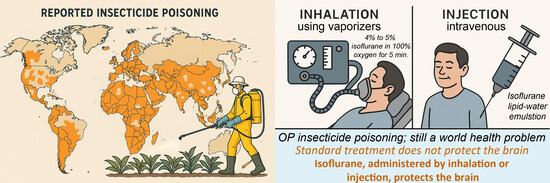
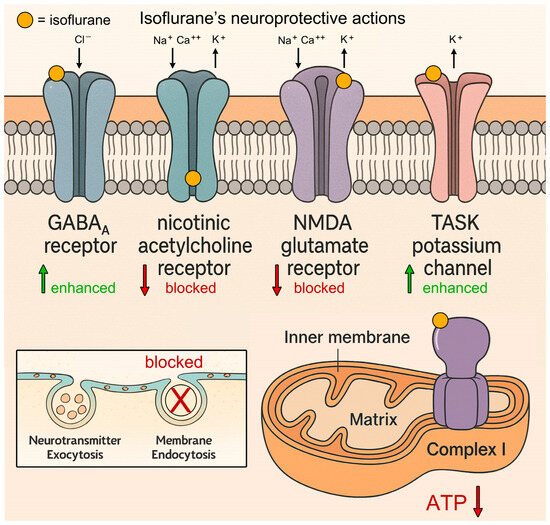
Organophosphate Insecticides: A Brief Overview of Global Use and Their Treatment with Short-Duration Isoflurane
by
Jishnu K. S. Krishnan, John R. Moffett and Aryan M. Namboodiri
Agrochemicals 2025, 4(4), 22; https://doi.org/10.3390/agrochemicals4040022 - 10 Dec 2025
Abstract
Organophosphate (OP) insecticide poisoning remains a significant world health issue. Despite attempts to reduce OP insecticide use in some countries, they continue to be used extensively in many regions, putting agricultural workers at risk of excess exposure. Furthermore, the high toxicity and ready
[...] Read more.
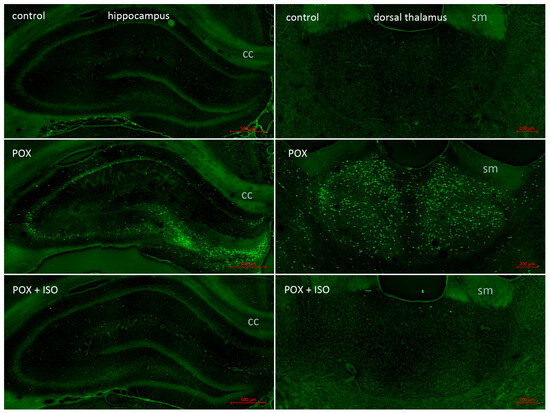
Organophosphate (OP) insecticide poisoning remains a significant world health issue. Despite attempts to reduce OP insecticide use in some countries, they continue to be used extensively in many regions, putting agricultural workers at risk of excess exposure. Furthermore, the high toxicity and ready availability of OP insecticides in agricultural settings have created an additional public health issue due to their use in attempted suicides. Tens of thousands of people are admitted to hospitals every year after intentional ingestion of OP insecticides. The standard treatment regimen for OP poisoning can prevent mortality, even in some severe cases, but these treatments do not protect the central nervous system (CNS) from excitotoxic damage, and therefore, additional neuroprotective treatments are needed. One promising treatment is the use of halogenated ether anesthetics, including isoflurane, a common anesthetic available in hospitals throughout the world. Isoflurane can be administered by inhalation using vaporizer equipment, or it can be injected intravenously as a lipid–water emulsion. In both cases, excellent neuroprotection has been observed in preclinical models, even when administered up to 1 h after the onset of OP insecticide poisoning. Prolonged administration was not necessary for neuroprotective efficacy, with administration times of only 5 min being sufficient. Including inhalational anesthetics as an adjunct to the standard treatment for OP poisoning could significantly reduce chronic morbidities, especially long-term CNS damage. Research is ongoing to bring this promising treatment to human trials.
Full article
(This article belongs to the Section Pesticides)
►▼
Show Figures

Graphical abstract
Open AccessArticle
Patterns, Practices, and Socio-Environmental Dynamics of Pesticide Use in the Horticultural Value Chain: Insights from Smallholder Farmers and Agro-Input Sellers in Iringa and Njombe, Southern Highlands, Tanzania
by
Peter Martin Chilipweli, Elias C. Nyanza and Aiwerasia Vera Ngowi
Agrochemicals 2025, 4(4), 21; https://doi.org/10.3390/agrochemicals4040021 - 3 Dec 2025
Abstract
Background: The use of pesticides among smallholder farmers, agrochemical sellers, and agricultural officers involves a complex interplay of knowledge, economic factors, and regulatory frameworks. Therefore, this study explores the patterns, practices, and socio-environmental dynamics of pesticide use among smallholder farmers and agro-input sellers
[...] Read more.
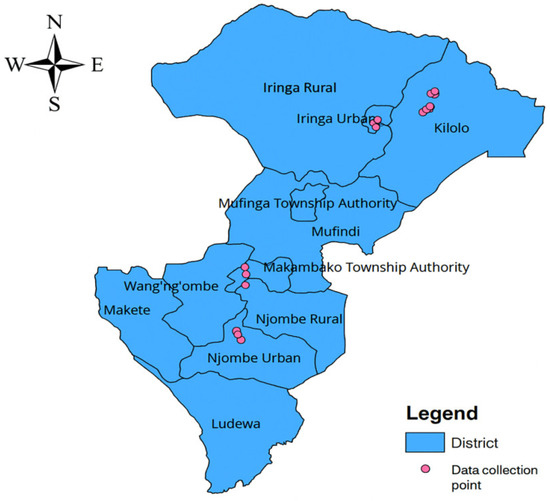
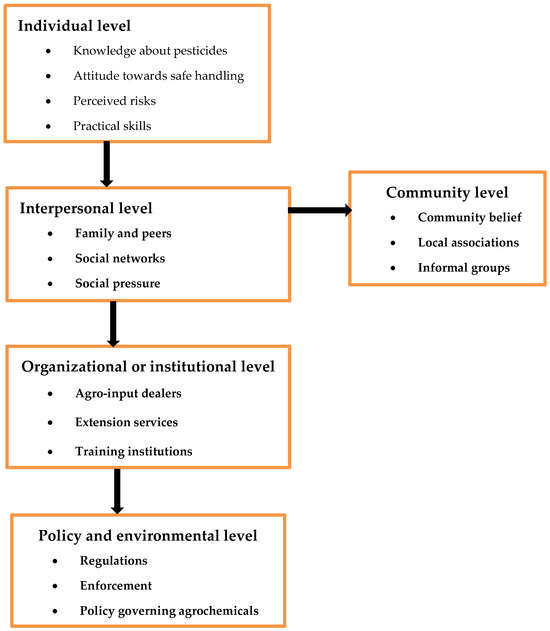
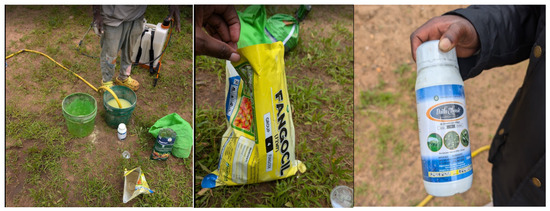
Background: The use of pesticides among smallholder farmers, agrochemical sellers, and agricultural officers involves a complex interplay of knowledge, economic factors, and regulatory frameworks. Therefore, this study explores the patterns, practices, and socio-environmental dynamics of pesticide use among smallholder farmers and agro-input sellers in Iringa and Njombe. Method: This study employed a qualitative, phenomenological design, guided by the socio-ecological model (SEM), to explore the lived experience of farmers, agro-dealers, and extension officers. It involved a total of 23 interviews performed in the Njombe and Iringa regions. Data were collected between October 2024 and March 2025, using a combination of in-depth phenomenological interviews, key informant interviews, and field observations, and were categorized into themes and subthemes analyzed using InVivo. Results: The study involved a total of 23 participants drawn from the Iringa and Njombe regions. The gender distribution was nearly balanced, with 52.1% male and 47.8% female respondents. The mean age of participants was 33 years (95% CI: 29.3–37.3). In terms of education, over half (52.17%) had completed primary school. The findings show that smallholders in Iringa and Njombe widely use mixed pesticides and fertilizers, rely on trusted brands, and adapt to climate impacts, but face challenges with regard to unsafe mixing, poor storage, fake products, and weak regulation, highlighting the need for better education, market oversight, and safer practices. Conclusion: Using the socio-ecological model, the findings indicate that pesticide use among smallholder horticultural farmers in Iringa and Njombe is influenced by a complex interaction of socio-economic constraints, market forces, climate variability, and institutional shortcomings. Although farmers have some awareness of safe practices, systemic barriers continue to limit the adoption of sustainable pesticide management.
Full article
(This article belongs to the Special Issue Control of Use of Pesticides and Their Impact on Consumer Health)
►▼
Show Figures

Figure 1
Open AccessArticle
Traceable and Biocompatible Carbon Dots from Simple Precursors: A Pre-Deployment Safety Baseline
by
Christian Silva-Sanzana, Plinio Innocenzi, Luca Malfatti, Federico Fiori, Francisca Blanco-Herrera, Juan Hormazabal, María Victoria Gangas, Oscar Diaz and Iván Balic
Agrochemicals 2025, 4(4), 20; https://doi.org/10.3390/agrochemicals4040020 - 20 Nov 2025
Abstract
Carbon dots (CDs) are promising for agro-environmental applications; however, clear connections between synthesis, photophysical properties, size, and biosafety are often not well established. In this study, we map these relationships for glucose–arginine CDs (GA-CDs). By using microwave and hydrothermal routes at precursor ratios
[...] Read more.
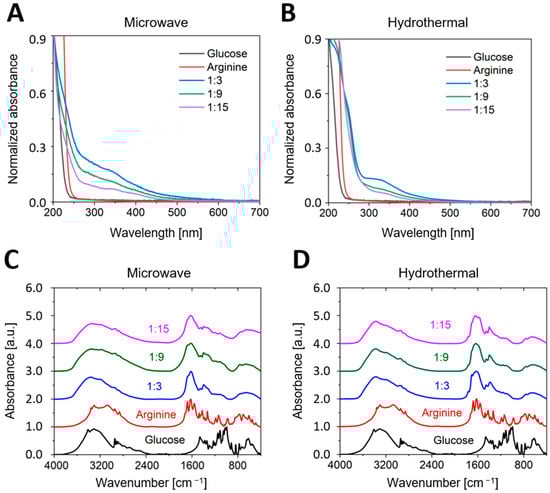
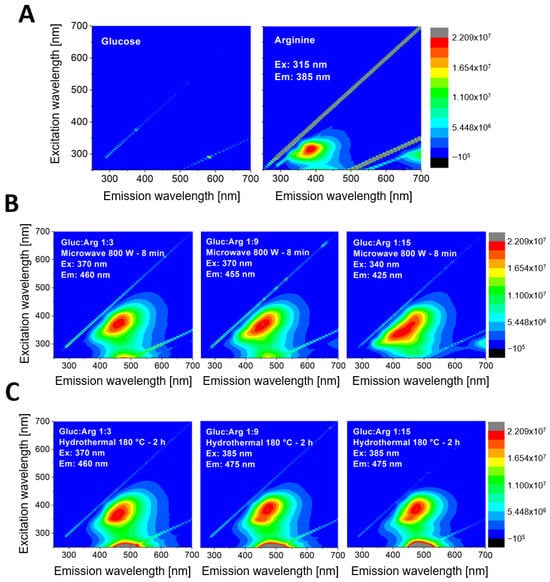
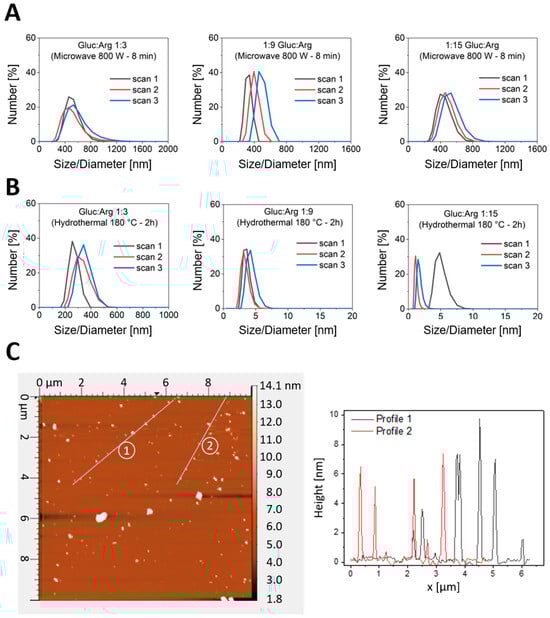
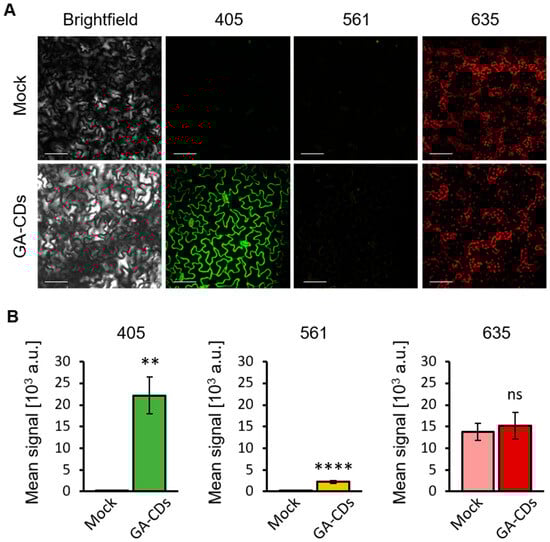
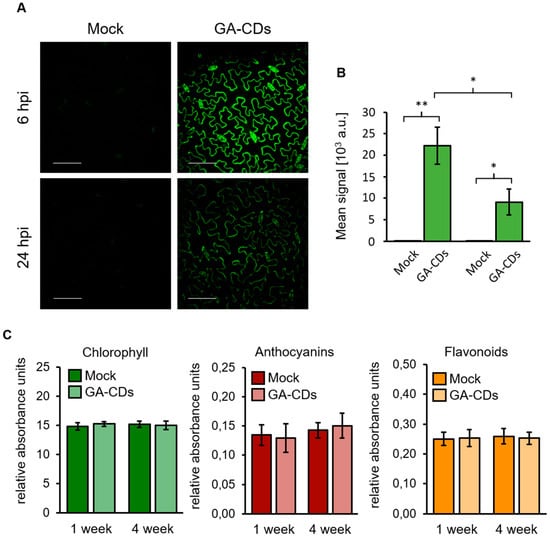
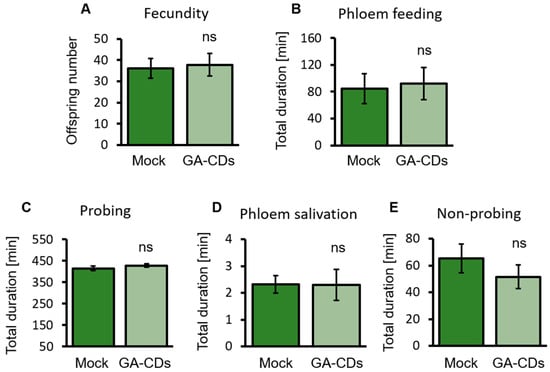
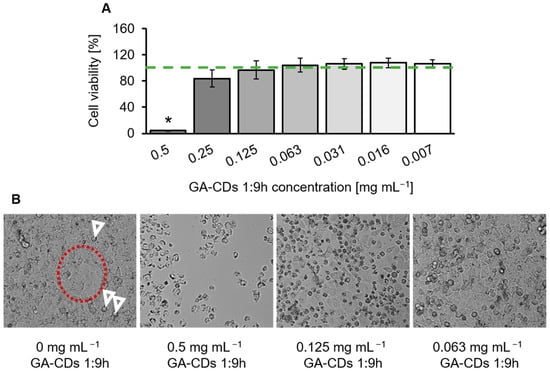
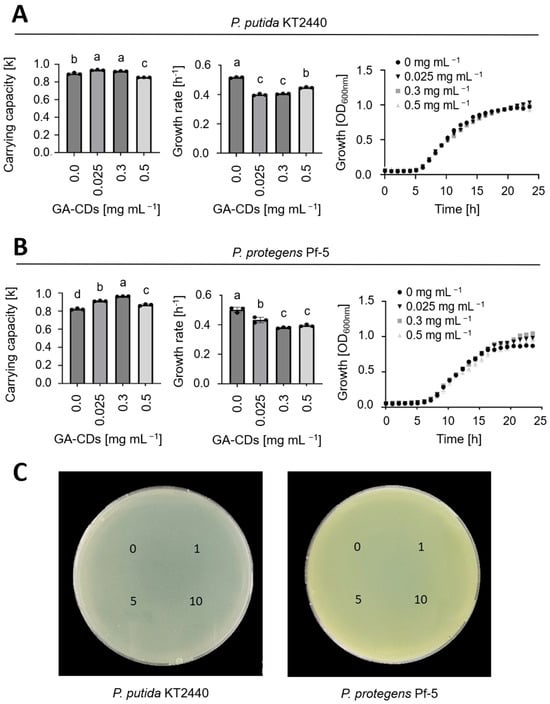
Carbon dots (CDs) are promising for agro-environmental applications; however, clear connections between synthesis, photophysical properties, size, and biosafety are often not well established. In this study, we map these relationships for glucose–arginine CDs (GA-CDs). By using microwave and hydrothermal routes at precursor ratios of 1:3, 1:9, and 1:15, we produced sub-10 nm nanoparticles (analyzed by dynamic light scattering and atomic force microscopy) that exhibit tunable absorption and emission properties, as well as surface properties (demonstrated through UV–Vis spectroscopy, 3D photoluminescence, and FTIR analysis). The hydrothermal 1:9 condition yielded the narrowest size distribution and red-shifted photoluminescence. Across biological models spanning plants, insects, plant-growth-promoting bacteria (PGPR), and human cells, GA-CDs were well tolerated, with no adverse changes detected in plant stress markers, aphid feeding behavior or fecundity, or PGPR growth. In A549 cells, viability remained stable up to a concentration of 0.125 mg mL−1, while exposure to 0.5 mg mL−1 reduced viability, establishing a practical operating range. These results provide a clearer picture of how the structure and properties of carbon dots derived from arginine and glucose are correlated to their safety. The GA-CDs are, therefore, useful, and traceable tools for agro-environmental research. The findings support their use as biocompatible nanomaterials for studying interactions among plants, insects, and microbes in agriculture.
Full article
(This article belongs to the Section Fungicides and Bactericides)
►▼
Show Figures

Figure 1
Open AccessArticle
Effects of Selected Biopesticides on Two Arthropod Pests of Cannabis sativa L. in Northeastern Oregon
by
Tiziana Oppedisano, Silvia I. Rondon and Daniel I. Thompson
Agrochemicals 2025, 4(4), 19; https://doi.org/10.3390/agrochemicals4040019 - 26 Oct 2025
Abstract
Hemp (Cannabis sativa L.) cultivation in the United States has expanded rapidly over the past decade. Due to federal and state regulations, only a limited number of studies have examined the chemical options available for controlling pests on C. sativa. In
[...] Read more.
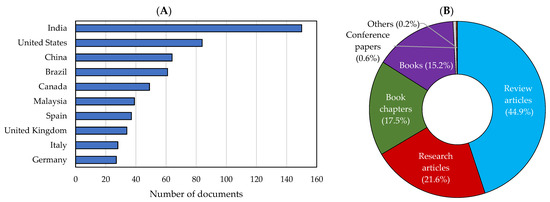
Hemp (Cannabis sativa L.) cultivation in the United States has expanded rapidly over the past decade. Due to federal and state regulations, only a limited number of studies have examined the chemical options available for controlling pests on C. sativa. In the U.S., two of the most important species of arthropod pests affecting C. sativa are the beet leafhopper Circulifer tenellus Baker (Hemiptera: Cicadellidae) and the two-spotted spider mite Tetranychus urticae Koch (Acari: Tetranychidae). This study evaluated the effects of four biopesticides, Chromobacterium subtsugae, Burkholderia spp., Chenopodium ambrosioides, and azadirachtin, under greenhouse conditions against C. tenellus adults and nymphs and T. urticae adults. Biopesticides were applied to foliage using a calibrated hand sprayer. To evaluate the biopesticides’ potency, C. tenellus adults, nymphs, and mites were released 1 h after treatment; to evaluate the residual efficacy, they were released 7 days after treatment (DAT). In both experiments, C. tenellus adults, nymphs, and mites were counted 1, 3, and 7 days after release. Our results indicate that Burkholderia spp. exhibited the highest efficacy against C. tenellus adults at 7 DAT, whereas C. ambrosioides and azadirachtin caused the greatest nymphal mortality at 1 and 3 DAT, respectively. Our results show that Burkholderia spp. had the greatest potency against C. tenellus adults 7 DAT, while C. ambrosioides and azadirachtin highly affect the mortality of nymphs at 1 and 3 DAT, respectively. Treatments with C. subtsugae and C. ambrosioides showed high potency against T. urticae. Finally, C. subtsugae showed the lowest residual effect against the mite pest. The data presented in this article will add to the arsenal of information to improve the current management strategies used against these two hemp pests.
Full article
(This article belongs to the Topic Natural Products in Crop Pest Management)
►▼
Show Figures

Figure 1
Open AccessReview
The Fungal Biorevolution: A Trifecta of Genome Mining, Synthetic Biology, and RNAi for Next-Generation Fungicides
by
Víctor Coca-Ruiz
Agrochemicals 2025, 4(4), 18; https://doi.org/10.3390/agrochemicals4040018 - 14 Oct 2025
Abstract
Modern agriculture faces a critical challenge from escalating fungicide resistance and the ecological impact of conventional agrochemicals. A paradigm shift is required, moving beyond simple product substitution toward an integrated technological platform. This review outlines such a platform, built on the synergy of
[...] Read more.
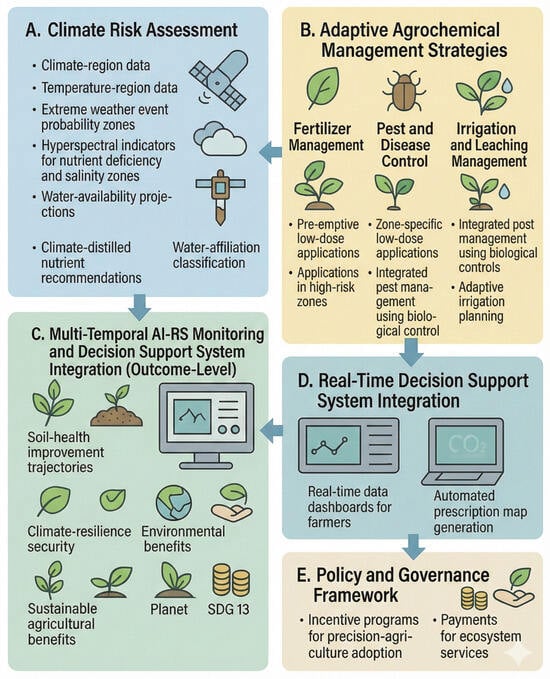
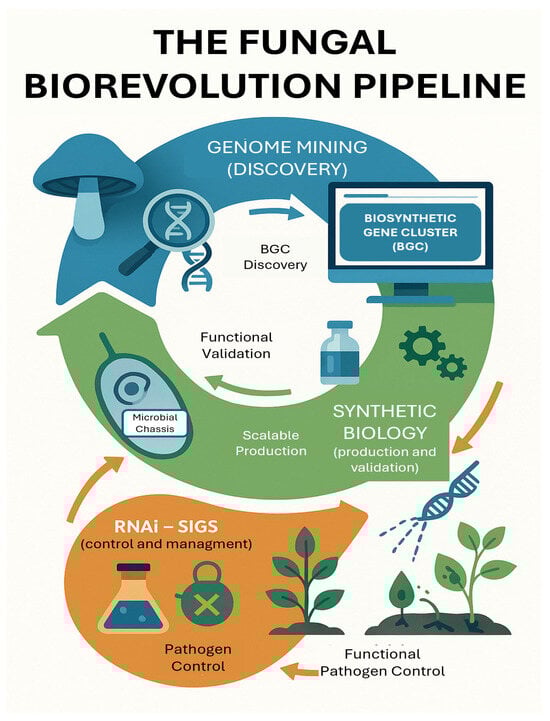
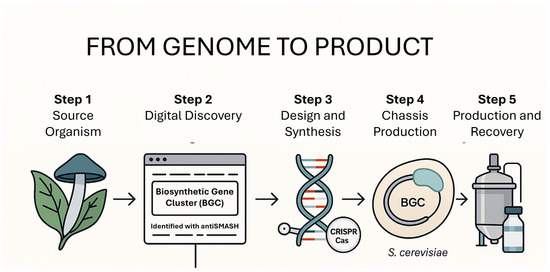
Modern agriculture faces a critical challenge from escalating fungicide resistance and the ecological impact of conventional agrochemicals. A paradigm shift is required, moving beyond simple product substitution toward an integrated technological platform. This review outlines such a platform, built on the synergy of three technologies: genome mining for rational discovery of novel antifungal compounds, synthetic biology for their scalable and cost-effective production, and RNA interference (RNAi) for highly specific pathogen control and resistance management. We argue that the integration of this trifecta—discovery, production, and targeted application—creates an adaptable pipeline for developing next-generation biofungicides. This approach transforms crop protection from a static defense to a dynamic, sustainable system capable of co-evolving with pathogens, ensuring future food security while minimizing environmental impact.
Full article
(This article belongs to the Section Fungicides and Bactericides)
►▼
Show Figures

Graphical abstract
Open AccessArticle
Natural Herbicide Shows Cytotoxicity, Neurotoxicity, and Antioxidant System Alterations on SH-SY5Y and HaCaT Cell Lines
by
Leticia Nominato-Oliveira, Juliana Ferreira da Silva, Shayane da Silva Milhorini, Larissa Lechinovski, Ana Carolina de Deus Bueno Krawczyk and Izonete Cristina Guiloski
Agrochemicals 2025, 4(3), 17; https://doi.org/10.3390/agrochemicals4030017 - 18 Sep 2025
Abstract
Weeds have acquired resistance to commonly used herbicides, and to replace them, new products, including those of natural origin, have been produced. This study evaluated the neurotoxicity, cytotoxicity, and changes in the antioxidant system caused by Natural Herbicide (NH) in SH-SY5Y neuroblastoma cells
[...] Read more.
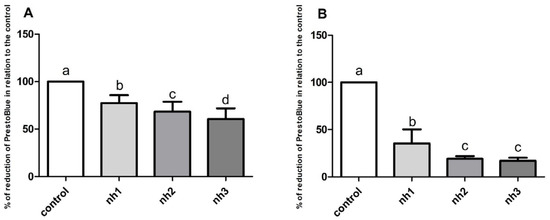
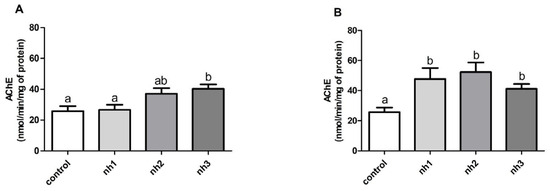
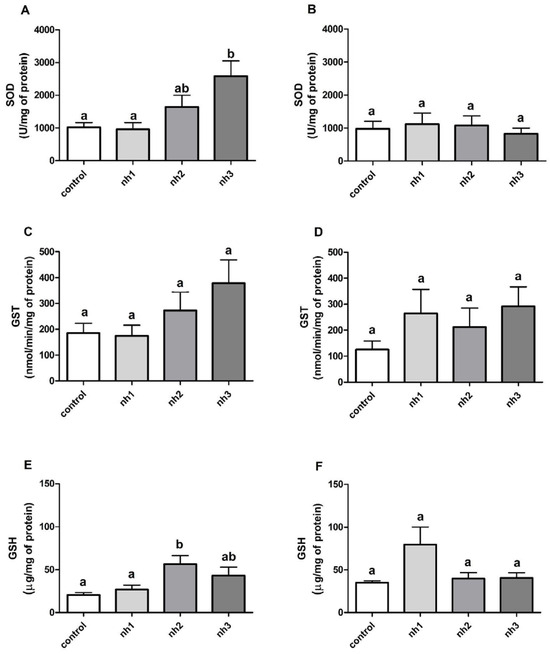
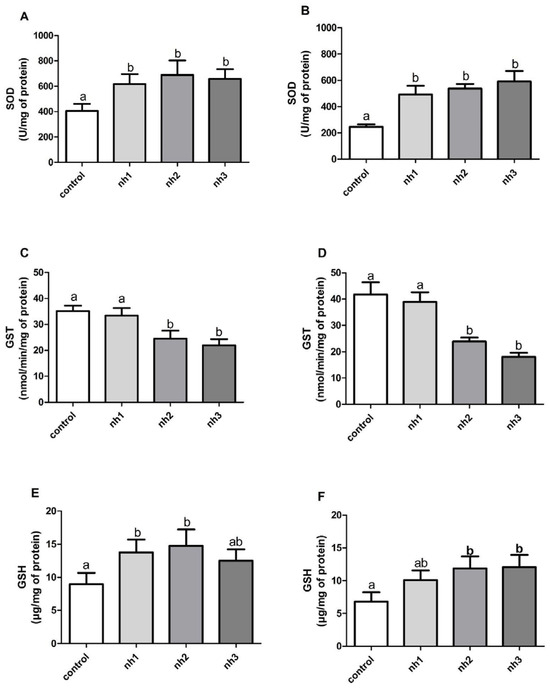
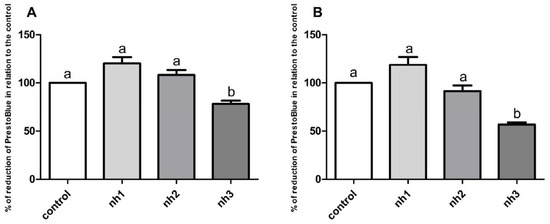
Weeds have acquired resistance to commonly used herbicides, and to replace them, new products, including those of natural origin, have been produced. This study evaluated the neurotoxicity, cytotoxicity, and changes in the antioxidant system caused by Natural Herbicide (NH) in SH-SY5Y neuroblastoma cells and HaCaT dermal cells. SH-SY5Y and HaCaT cells were exposed to three concentrations of NH (NH1: 0.6; NH2: 1.56; and NH3: 3.12 µL/mL) for 24 and 72 h. In the SH-SY5Y cell line, the highest concentration of NH (NH3) caused cytotoxicity at both 24 and 72 h. At 24 h, the NH3 group increased the SOD. In the NH2 and NH3 groups, there was also an increase in AChE activity after 24 h of exposure. The NH1 group led to an increase in GSH after 72 h of exposure. As for the HaCaT strain, there was cytotoxicity and an increase in SOD and GSH at all NH concentrations and for both periods analyzed (24 h and 72 h). GST was reduced after exposure to NH2 and NH3. Thus, NH showed cytotoxicity in neural and dermal cells (SH-SY5Y and HaCaT, respectively). These results show that NH altered cellular homeostasis, and the evaluation of other toxicity mechanisms is important to clarify its safety.
Full article
(This article belongs to the Section Herbicides)
►▼
Show Figures

Figure 1
Highly Accessed Articles
Latest Books
E-Mail Alert
News
Topics
Topic in
Agriculture, Agronomy, Crops, Soil Systems, Agrochemicals
Soil Health and Nutrient Management for Crop Productivity
Topic Editors: Na Li, Dorcas H. FranklinDeadline: 30 September 2026
Topic in
Agrochemicals, Agronomy, Molecules, Plants, Microorganisms, Metabolites
Natural Products in Crop Pest Management
Topic Editors: Yiming Wang, Danyu Shen, Wei YanDeadline: 31 December 2026
Topic in
Agriculture, Agronomy, Crops, Insects, Plants, Agrochemicals, IJPB
Exploring Plant-Derived Compounds for Effective Insect Pest Management in Agriculture
Topic Editors: Ian Scott, Roselyne M. LabbéDeadline: 31 January 2027
Topic in
Agriculture, Agronomy, Crops, Horticulturae, Microorganisms, Plants, Agrochemicals
Applications of Biotechnology in Food and Agriculture
Topic Editors: Edgar Omar Rueda-Puente, Bernardo Murillo-AmadorDeadline: 30 June 2027
Conferences
Special Issues
Special Issue in
Agrochemicals
Pesticides and Their Residues: Impacts on Crops, the Environment, and Biodiversity
Guest Editors: Yu Gao, Menglei Xu, Johann ZallerDeadline: 30 June 2026
Special Issue in
Agrochemicals
Current and Next-Generation Phytochemical Agrochemicals: Synergizing AI, Omics, and Synthetic Biology for Sustainable Crop Protection
Guest Editors: Vassya Bankova, Guo-Hua ZhongDeadline: 31 December 2026