

Journal Description
Adolescents
Adolescents
is an international, peer-reviewed, open access journal on adolescent development and health sciences published bimonthly online by MDPI.
- Open Access— free for readers, with article processing charges (APC) paid by authors or their institutions.
- High Visibility: indexed within ESCI (Web of Science), Scopus and other databases.
- Journal Rank: CiteScore - Q2 (Health Professions (miscellaneous))
- Rapid Publication: manuscripts are peer-reviewed and a first decision is provided to authors approximately 44.3 days after submission; acceptance to publication is undertaken in 5.5 days (median values for papers published in this journal in the second half of 2025).
- Recognition of Reviewers: APC discount vouchers, optional signed peer review, and reviewer names published annually in the journal.
- Journal Cluster of Education and Psychology: Adolescents, Behavioral Sciences, Education Sciences, Journal of Intelligence, Psychology International and Youth.
Impact Factor:
0.8 (2024);
5-Year Impact Factor:
1.0 (2024)
Latest Articles
A Participatory Evaluation of the No le entres App Prototype for Tobacco Prevention Among Mexican Adolescents
Adolescents 2026, 6(1), 17; https://doi.org/10.3390/adolescents6010017 - 4 Feb 2026
Abstract
►
Show Figures
Adolescent tobacco use remains a critical public health challenge, requiring innovative early prevention strategies. This study participatively evaluated a medium-fidelity prototype of the No le entres app, designed to prevent tobacco use among adolescents. The prototype was developed based on user-centered design and
[...] Read more.
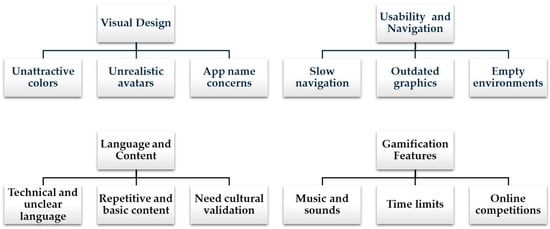
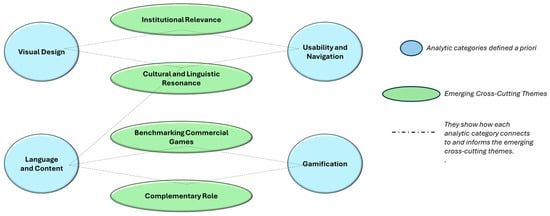
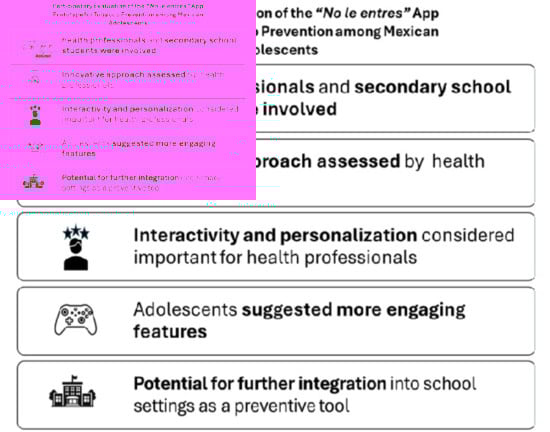
Adolescent tobacco use remains a critical public health challenge, requiring innovative early prevention strategies. This study participatively evaluated a medium-fidelity prototype of the No le entres app, designed to prevent tobacco use among adolescents. The prototype was developed based on user-centered design and gamification frameworks, with the aim of ensuring cultural relevance and active user engagement. Qualitative design with content analysis was employed. Four focus groups were conducted in Xalapa, Veracruz: two with health professionals from Medical Specialty Units—Community Mental Health and Addiction Centers (UNEME CECOSAMA), and two with secondary school students. Nineteen professionals and twenty-two adolescents participated. Data were analyzed using MAXQDA 2022, applying both a priori and emergent categories. Professionals valued the app’s innovative approach but recommended improvements in navigation speed, visual design, message clarity, and cultural validation. Adolescents emphasized the need for more engaging features, such as music, rewards, team competitions, and updated graphics. Both groups highlighted the importance of interactivity, personalization, and contextualized content. Findings underscore the value of participatory methods in designing digital health interventions and confirm that involving end users enhances usability and acceptability. The app demonstrates potential for integration into school settings as a preventive tool, with implications for influencing adolescent knowledge, attitudes, and behaviors regarding tobacco use.
Full article
Open AccessReview
Building Relational Permanence to Support the Transition to Adulthood Among System-Involved Youth
by
Cara Lucke, Kristine Piescher and Traci LaLiberte
Adolescents 2026, 6(1), 16; https://doi.org/10.3390/adolescents6010016 - 2 Feb 2026
Abstract
The transition to adulthood is challenging for all youth, but this developmental period can present substantial difficulties for youth involved in child-serving systems due to a constellation of adversities and a lack of protective factors present in their lives. Notably, many system-involved youth
[...] Read more.
The transition to adulthood is challenging for all youth, but this developmental period can present substantial difficulties for youth involved in child-serving systems due to a constellation of adversities and a lack of protective factors present in their lives. Notably, many system-involved youth are disconnected from important relationships and are tasked to navigate the increased demands of adulthood without sufficient support. There is a spectrum of services available for youth transitioning out of system-involvement, but the majority focus on independent living skills, which alone are often insufficient to facilitate a successful transition to adulthood. This paper provides details regarding the importance of building relational permanence—relationships with permanent-supportive individuals—among young adults transitioning out of system involvement. Authors review evidence-based approaches, used by community agencies, which build relational permanence for system-involved youth, while discussing future directions to improve the rigor of research on relational permanence, and action for necessary policy change.
Full article
(This article belongs to the Special Issue Youth in Transition)
Open AccessArticle
Making Choices Amidst Chaos—The Operationalization of Agency Following Forced Displacement for Syrian Adolescent Girls Living in Lebanon
by
Shaimaa Helal, Saja Michael, Colleen M. Davison and Susan A. Bartels
Adolescents 2026, 6(1), 15; https://doi.org/10.3390/adolescents6010015 - 2 Feb 2026
Abstract
The Syrian conflict has created one of the largest displacement crises of the twenty-first century, disproportionately affecting adolescent girls. Syrian girls have been primarily portrayed as victims of war or “the lost generation”, neglecting the plurality of their experiences. Building on Bandura’s social
[...] Read more.
The Syrian conflict has created one of the largest displacement crises of the twenty-first century, disproportionately affecting adolescent girls. Syrian girls have been primarily portrayed as victims of war or “the lost generation”, neglecting the plurality of their experiences. Building on Bandura’s social cognitive theory, Giddens’ structuration theory, Kabeer’s empowerment framework, and Mahmood’s modalities of agency, this study examines how Syrian refugee adolescent girls in Lebanon enact agency within contexts of forced displacement and how structural factors shape these processes. We conducted a secondary analysis of 293 first-person narratives from Syrian girls and mothers collected in 2016 using Cognitive Edge’s SenseMaker®. Thematic analysis revealed seven structural barriers—restricted access to education, economic insecurity, inadequate infrastructure/living conditions, limited healthcare, gender and social norms, xenophobia, and lack of legal status—as well as key enablers including community services, parental support, and peer networks. Girls expressed agency through seven interconnected processes: awareness/acknowledgement of barriers, emotional navigation, resource identification, decision-making, future planning, reflection, and action execution. These processes were adaptive and recursive, highlighting that agency during displacement is dynamic, relational, and conditioned by structural forces. These findings inform approaches that both reduce structural barriers and enable refugee girls’ agency.
Full article
Open AccessSystematic Review
The Role of Family Cohesion and Health Literacy in Parents’ and Adolescents’ Health: A Systematic Review
by
Konstantina Arseniou, Charalambos Gnardellis, Areti Lagiou and Venetia Notara
Adolescents 2026, 6(1), 14; https://doi.org/10.3390/adolescents6010014 - 1 Feb 2026
Abstract
►▼
Show Figures
This systematic review explores the role of family cohesion and health literacy in shaping the physical, mental, and behavioral health of parents and adolescents. Family cohesion and health literacy are recognized social determinants that influence communication, shared decision-making, and engagement in preventive health
[...] Read more.
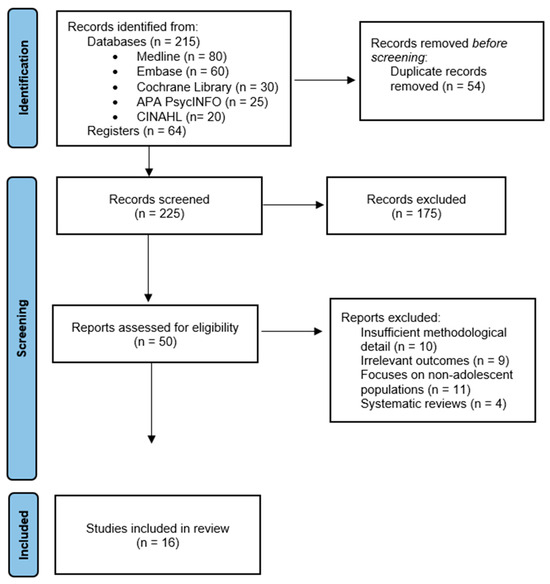
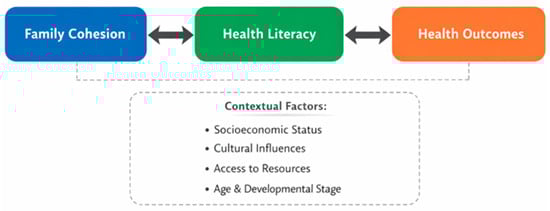
This systematic review explores the role of family cohesion and health literacy in shaping the physical, mental, and behavioral health of parents and adolescents. Family cohesion and health literacy are recognized social determinants that influence communication, shared decision-making, and engagement in preventive health behaviors. Following PRISMA 2021 guidelines, a comprehensive search across major databases identified 16 eligible studies meeting the inclusion criteria between 2010 and 2025. The findings indicate that higher levels of family cohesion promote healthier behaviors, strengthen emotional regulation, and enhance adolescents’ perceived well-being, while also increasing parental involvement in health-related decisions. Health literacy emerged as a key explanatory and contextual factor in the association between family cohesion and health outcomes. However, socioeconomic disadvantages—such as low income, limited access to healthcare, and lower parental education—were shown to weaken these protective pathways, creating disparities in health outcomes. Cultural and contextual factors also influenced the effectiveness of health literacy interventions. Overall, the review underscores the relevance of family-centered, culturally tailored public health strategies that simultaneously strengthen family cohesion and health literacy to support equitable health outcomes for parents and adolescents.
Full article

Figure 1
Open AccessArticle
“Somebody Is Watching, Somebody Still Loves You:” Spirituality and Religion in Mental Health and Substance Use Care for Youth of African Descent
by
Ifeyinwa Mbakogu and Brad Richards
Adolescents 2026, 6(1), 13; https://doi.org/10.3390/adolescents6010013 - 26 Jan 2026
Abstract
Spirituality and religion are underrecognized components of mental health and substance use (MHSU) care for youth of African descent. This study explores the dual role of spirituality and religion in influencing the help-seeking behaviors, recovery journeys, and care outcomes of youth of African
[...] Read more.
Spirituality and religion are underrecognized components of mental health and substance use (MHSU) care for youth of African descent. This study explores the dual role of spirituality and religion in influencing the help-seeking behaviors, recovery journeys, and care outcomes of youth of African descent aged 18 to 25 residing in Nova Scotia, Canada. Drawing on findings from a Canadian Institutes of Health Research (CIHR) funded community-based study using mixed methods, including interviews, focus groups, and arts-based approaches, the research highlights both the supportive and ambivalent roles spirituality plays in MHSU care. Participants shared themes such as spiritual reflection as a turning point, the assurance of a higher power, the culturally responsive support of faith-informed providers, and the significance of meditation and unseen connection as healing tools. While the narratives of research participants attested to the role of spiritual and religious practices in offering a sense of belonging, hope, and culturally aligned care, they may also reinforce stigma or act as a barrier to accessing formal MHSU services. These themes were derived from qualitative analysis of in-depth interviews with 60 youth participants. Through the lens of Ubuntu and Afrocentric paradigms, this paper calls for a more holistic and culturally inclusive approach to care, one that respects or honors the spiritual and communal lives of youth of African descent. It also reinforces the importance of training MHSU care providers to recognize, respect, and integrate spirituality as a legitimate component of wellness and recovery for help-seeking youth of African descent.
Full article
Open AccessArticle
Psychosocial Variables Related to Problematic Internet Use Among Adolescents
by
Esther Fernández-García, Sofía Buelga and María-Jesús Cava
Adolescents 2026, 6(1), 12; https://doi.org/10.3390/adolescents6010012 - 16 Jan 2026
Abstract
Problematic Internet use is a major health issue among adolescents, underscoring the need for further research on the variables related to this dysfunctional usage pattern. This study examined the predictive capacity of four indicators of psychosocial adjustment (depressed mood, perceived stress, loneliness, and
[...] Read more.
Problematic Internet use is a major health issue among adolescents, underscoring the need for further research on the variables related to this dysfunctional usage pattern. This study examined the predictive capacity of four indicators of psychosocial adjustment (depressed mood, perceived stress, loneliness, and life satisfaction) for different dimensions of problematic Internet use (preference for online social interaction, Internet use for mood regulation, deficient self-regulation of Internet use, and negative consequences) in male and female adolescents. A sample of 628 adolescents, aged 12 to 18 years (M age = 14.11; SD = 1.52), participated. The results indicated that all dimensions of problematic Internet use were positively correlated with depressive mood, perceived stress, and loneliness, and negatively correlated with life satisfaction. However, notable differences emerged in how these psychosocial variables related to the four PIU dimensions. Loneliness and life satisfaction showed the strongest and most consistent associations. Loneliness predicted Internet use for mood regulation in both males and females and, additionally, predicted preference for online social interaction and negative consequences among males. Life satisfaction was a significant negative predictor of three PIU dimensions among females. Perceived stress stood out as the only predictor of deficient self-regulation in males and females. Finally, depressive mood predicted only the Internet-use-for-mood-regulation dimension among males. These findings may be useful for developing intervention programs aimed at reducing problematic Internet use among adolescents.
Full article
(This article belongs to the Section Adolescent Health and Mental Health)
Open AccessCommentary
An Urgent Call for Collective Advocacy Against Child Marriage: Advancing Adolescent Girls’ Rights and Health
by
Yvette Efevbera, Anshu Banerjee and Nuray Kanbur
Adolescents 2026, 6(1), 11; https://doi.org/10.3390/adolescents6010011 - 16 Jan 2026
Abstract
Child marriage remains a major threat to adolescent girls’ health, development, and rights worldwide. Despite decades of progress, recent policy backsliding and sociopolitical instability have created new risks, with examples from Iraq, Afghanistan, and The Gambia illustrating how legal and political shifts are
[...] Read more.
Child marriage remains a major threat to adolescent girls’ health, development, and rights worldwide. Despite decades of progress, recent policy backsliding and sociopolitical instability have created new risks, with examples from Iraq, Afghanistan, and The Gambia illustrating how legal and political shifts are reshaping vulnerabilities for girls. This paper presents an integrated framework linking developmental science with legal and policy advocacy, emphasizing how evolving capacities and psychosocial maturity should inform marriage laws and protection mechanisms. It reframes advocacy and rights-based action as essential components of adolescent health systems, drawing on recent policy analyses and country examples to identify actionable, multisectoral strategies. The paper highlights an urgent need for collective, evidence-informed advocacy to protect adolescent girls and advance gender equality, an issue of growing importance amid renewed global attention to legal reforms on child marriage.
Full article
Open AccessSystematic Review
Impact of Service-Learning Among Adolescents: A Systematic Review
by
Francisco D. Fernández-Martín and Patricia Ayllón-Salas
Adolescents 2026, 6(1), 10; https://doi.org/10.3390/adolescents6010010 - 15 Jan 2026
Abstract
►▼
Show Figures
Service-learning has emerged as a promising pedagogical approach to address social challenges while fostering students’ academic, socioemotional, and civic development. Despite the growing body of literature, there is a lack of systematic reviews evaluating its effectiveness in secondary education beyond the United States.
[...] Read more.
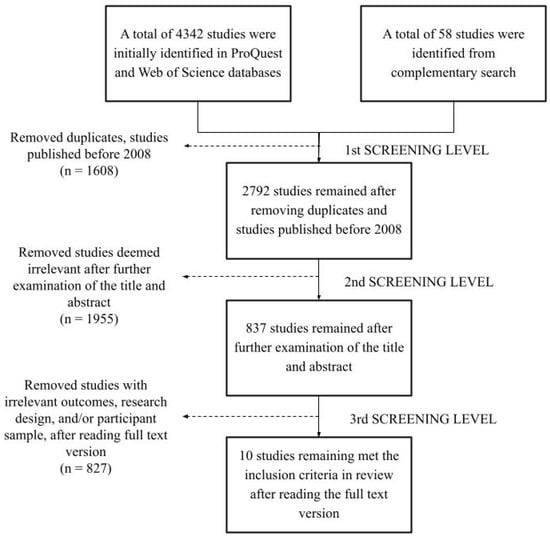
Service-learning has emerged as a promising pedagogical approach to address social challenges while fostering students’ academic, socioemotional, and civic development. Despite the growing body of literature, there is a lack of systematic reviews evaluating its effectiveness in secondary education beyond the United States. Therefore, this systematic review aimed to synthesize the available empirical research on service-learning interventions implemented with secondary education students (grades 7–10) outside United States. Following The Campbell Collaboration guidelines, a comprehensive search was conducted across Web of Science and ProQuest, supplemented by other resources (general web search, hand searches, ongoing research, open access and relevant institutions and networks). Inclusion criteria required quantitative empirical studies (randomized controlled trials, quasi-experimental designs, or pretest–posttest designs) published from 2008 to June 2025 that measured academic, cognitive, socio-emotional, civic, and community outcomes using quantitative procedures. After screening, 10 studies met the inclusion criteria. The findings indicate that service-learning programs can generate positive outcomes on academic performance and non-cognitive skills. Nevertheless, methodological weaknesses and heterogeneity across studies prevent drawing robust conclusions. The review highlights the need for more rigorous research to strengthen the evidence base for service-learning among adolescents in systems worldwide.
Full article

Figure 1
Open AccessReview
Analysis of Factors Associated with Active and Sedentary Behaviors of Children and Adolescents Considering Bronfenbrenner’s Bioecological Theory: A Scoping Review Protocol
by
Vinícius Tenório Moraes da Silva, Rafael dos Santos Henrique, José Ywgne, Francisco Salviano Sales Nobre, Paulo Henrique Guerra and Leonardo Gomes de Oliveira Luz
Adolescents 2026, 6(1), 9; https://doi.org/10.3390/adolescents6010009 - 14 Jan 2026
Abstract
The present study proposes to identify information from health, educational and sports science studies that used Bronfenbrenner’s theory of human development to verify the complex relationship between factors associated with physical activity (PA) and sedentary behavior (SB) in children and adolescents. The scoping
[...] Read more.
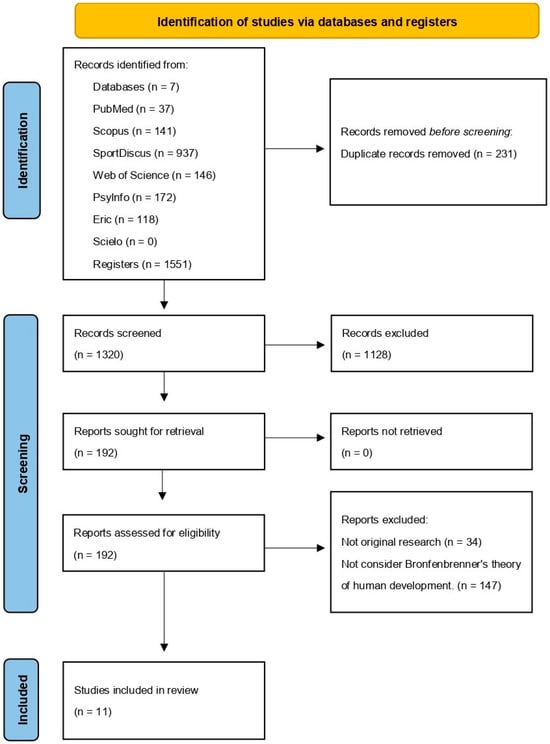
The present study proposes to identify information from health, educational and sports science studies that used Bronfenbrenner’s theory of human development to verify the complex relationship between factors associated with physical activity (PA) and sedentary behavior (SB) in children and adolescents. The scoping review will be developed across seven databases (PubMed, Scopus, SPORTDiscus, Web of Science, PsycINFO, ERIC, and Scielo). The inclusion criteria were formulated based on the PCC (Population, Concept, Context) framework: (a) children and adolescents (5–17 years); (b) studies on PA and/or SB that used Bronfenbrenner’s theory; (c) any context. Only peer-reviewed journal articles published in English, Spanish, or Portuguese will be included; grey literature will not be included. Finally, two reviewers will screen studies using Rayyan. A standardized charting form will be used to extract data on study characteristics and the factors mapped considering Bronfenbrenner’s theory components. This study is expected to show how Bronfenbrenner’s theory has been applied to explain PA and SB in children and adolescents, as well as to map the methodological tools used in this area, identifying gaps and providing a clear framework for future research on the complex and multilevel determinants of PA and SB in children and adolescents.
Full article
(This article belongs to the Section Adolescent Health Behaviors)
►▼
Show Figures

Figure 1
Open AccessArticle
Linking Cooperative Learning to Prosocial and Antisocial Behaviors in Adolescents: The Role of Affective Experiences
by
Garyfallia Daroglou, Despoina Ourda, Zoe Akoni, Eirini Koidou, Aikaterini Mouratidou and Vassilis Barkoukis
Adolescents 2026, 6(1), 8; https://doi.org/10.3390/adolescents6010008 - 10 Jan 2026
Abstract
Cooperative learning, a pedagogical approach emphasizing structured collaboration and mutual responsibility, has been associated with academic and social benefits, yet its influence on adolescents’ prosocial and antisocial behaviors remains underexplored. This study examined the relationships between cooperative learning, affective experiences, and social behavior
[...] Read more.
Cooperative learning, a pedagogical approach emphasizing structured collaboration and mutual responsibility, has been associated with academic and social benefits, yet its influence on adolescents’ prosocial and antisocial behaviors remains underexplored. This study examined the relationships between cooperative learning, affective experiences, and social behavior in adolescent students. A total of 261 adolescent students (M = 13.06 years, SD = 0.86) from Greece participated in this cross-sectional study. Data were collected via questionnaires assessing perceptions of cooperative learning, enjoyment, vitality, and prosocial/antisocial behaviors toward teammates and opponents. Factor analyses confirmed the validity of the Greek versions of the instruments. Path analysis revealed that contextual elements of cooperative learning explained a significant proportion of variance in enjoyment and vitality, which in turn predicted prosocial behavior toward both teammates and opponents. Specifically, enjoyment and vitality were positively associated with prosocial orientations, whereas vitality negatively predicted antisocial behavior toward teammates. Unexpectedly, group reflection and heterogeneity emerged as negative predictors of enjoyment and vitality, while interaction showed marginal positive effects. Indirect effects indicated that cooperative learning dimensions influenced social behavior primarily through enjoyment and vitality. These findings suggest that positive affective states mediate the impact of cooperative learning on students’ social conduct in PE. Implications for practice highlight the importance of carefully designing cooperative structures to enhance enjoyment and vitality while fostering prosocial interactions during adolescence.
Full article
Open AccessArticle
The Relationship Between Social Media Addiction and Social Phobia Among Saudi Adolescents: A Cross-Sectional Study
by
Omar Al kuraydis, Awadh Mushabbab Alqahtani, Mohammad Alqahtani, Ali Saad Alshahrani, Abdulaziz Saad Ali, Muidh Alqarni, Muhannad Alqahtani, Rawan Alqahtani, Abdulaziz Alqahtani, Mashari Mohammed, Ashwag Asiri and Faris Alzahrani
Adolescents 2026, 6(1), 7; https://doi.org/10.3390/adolescents6010007 - 9 Jan 2026
Abstract
Social media addiction (SMA) and social phobia (SP) are significant adolescent mental health concerns. In Saudi Arabia, despite high social media penetration, the association between these two constructs remains under-researched, particularly in the Aseer region. This cross-sectional study, conducted from January to March
[...] Read more.
Social media addiction (SMA) and social phobia (SP) are significant adolescent mental health concerns. In Saudi Arabia, despite high social media penetration, the association between these two constructs remains under-researched, particularly in the Aseer region. This cross-sectional study, conducted from January to March 2025, recruited 384 Saudi adolescents aged 11–19 from schools in the Aseer region using multistage cluster sampling. Participants completed validated self-report measures, including the Social Phobia Inventory (SPIN) and the Al-Menayes Social Media Addiction Scale. A refined “Core SMA” subscale was created based on expert consensus criteria to enhance measurement precision. The prevalence of moderate-to-severe social phobia was 15.6%. A significant, moderate positive correlation emerged between SP and SMA (Spearman’s ρ = 0.294, p < 0.001). After adjusting for age, gender, and family income, adolescents with moderate social phobia had 2.15 times the odds of probable SMA compared to those with no SP (adjusted odds ratio [AOR] = 2.15, 95% CI: 1.15–4.04, p < 0.05), and this effect was more pronounced for those with severe social phobia (AOR = 2.56, 95% CI: 1.04–6.30, p < 0.05). This study demonstrates a clear relationship between social phobia severity and social media addiction among Saudi adolescents in the Aseer region. These findings support the urgent need for integrated mental health and digital literacy interventions that proactively screen for both conditions.
Full article
(This article belongs to the Section Adolescent Health and Mental Health)
Open AccessSystematic Review
School Mental Health Interventions for Adolescents: A Meta-Analysis of Effectiveness and Relevant Moderators
by
Matthew E. Lemberger-Truelove, Dan Li, Hyunhee Kim, Dominique D. Hill, Reagan Dickson and ZiYoung Kang
Adolescents 2026, 6(1), 6; https://doi.org/10.3390/adolescents6010006 - 9 Jan 2026
Abstract
►▼
Show Figures
(1) Background: School-based mental health interventions represent a promising approach to address the substantial treatment gap affecting adolescents, with only 20% of youth with diagnosable mental health conditions receiving adequate care. (2) Methods: This meta-analysis synthesized evidence from 18 randomized controlled trials to
[...] Read more.
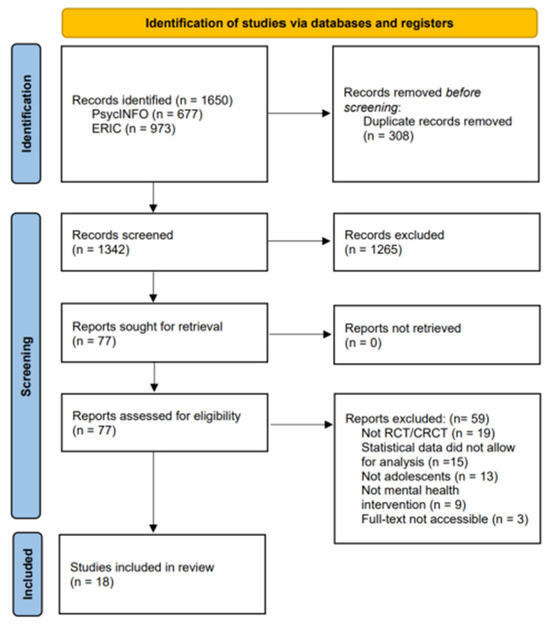
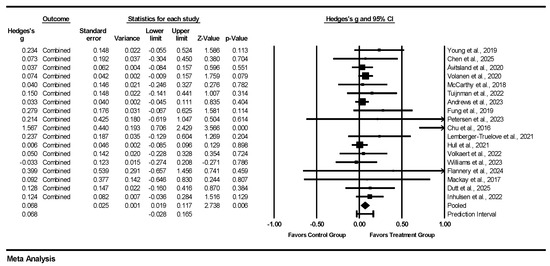
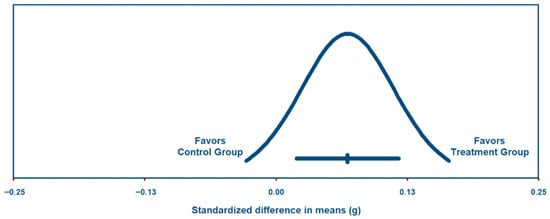
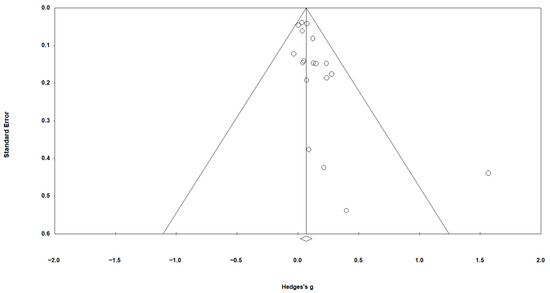
(1) Background: School-based mental health interventions represent a promising approach to address the substantial treatment gap affecting adolescents, with only 20% of youth with diagnosable mental health conditions receiving adequate care. (2) Methods: This meta-analysis synthesized evidence from 18 randomized controlled trials to examine the effectiveness of school-based mental health interventions and potential moderators of outcomes. (3) Results: Using Hedges’ g as the effect size index and a random-effects model, the analysis revealed a statistically significant overall effect size of 0.068 (95% CI [0.019, 0.117], p = 0.006), indicating small but reliable improvements in adolescent academic, social, emotional, behavioral, and mental health outcomes. Heterogeneity across studies was minimal (I2 = 15%), suggesting consistent effects across diverse intervention types and contexts. Meta-regression analyses examining eight potential moderators including intervention focus, grade level, provider type, delivery format, duration, study design, geographic location, and theoretical foundation did not reveal statistically significant moderation effects, likely due to limited statistical power. However, descriptive patterns suggested that targeted interventions, small-group formats, and interventions delivered by mental health professionals may produce larger effects than universal programs, classroom-based approaches, and teacher-delivered interventions. (4) Conclusions: These findings support continued investment in school-based mental health programming while highlighting the need for specialized focus to optimize outcomes for all adolescents.
Full article

Figure 1
Open AccessArticle
Facilitating and Hindering Factors for Adolescents with Disabilities Transitioning from Secondary to Post-Secondary Education: An Exploratory and Retrospective Study
by
Anna Na Na Hui, Chi Kin Kwan and Priscilla Sei Yah Ip
Adolescents 2026, 6(1), 5; https://doi.org/10.3390/adolescents6010005 - 8 Jan 2026
Abstract
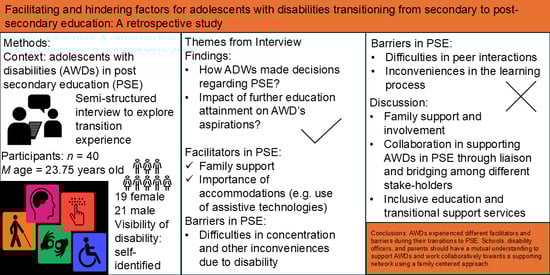
The transition from secondary to post-secondary levels has been seen as challenging and significant among adolescents, in particular adolescents with disabilities (ADWs). Given the increasing trend of students with disabilities pursuing higher education under the integrated education policy, it is unclear whether these
[...] Read more.
The transition from secondary to post-secondary levels has been seen as challenging and significant among adolescents, in particular adolescents with disabilities (ADWs). Given the increasing trend of students with disabilities pursuing higher education under the integrated education policy, it is unclear whether these students can receive appropriate support to enhance their learning and career exploration. This study investigated the experiences of ADWs during this transition. A group of 40 adolescents took part individually in a 1 h semi-structured interview. The interview data was analyzed with reference to five levels using an ecological model from microsystem, mesosystem, exosystem, macrosystem and chronosystem. Facilitating factors at each level were extracted, e.g., adequate use of assistive technologies helping them overcome their perceived limitations caused by disabilities, and accommodation in learning and assessments also helped unleash their potentials. However, difficulties were also identified, e.g., poor interaction with academic peers, issues with disability disclosure, and schools’ rigid arrangements. The results from this study corroborate the different systems as suggested by the ecological model and also align with the different components of the taxonomy of transition: (a) student-focused development and planning; (b) family involvement and support; and (c) the importance of interagency collaboration. It was recommended that a supporting network should be established between secondary schools and post-secondary institutions to enhance a smooth transition across different education sectors.
Full article
(This article belongs to the Special Issue Youth in Transition)
►▼
Show Figures

Graphical abstract
Open AccessArticle
Through the Frosted Glass Pane: Blunted Physiological Responses to Extremely Under- and Over-Sized Body Pictures in Female Adolescents with Obesity—An Experimental Pilot Study
by
Valeska Reichel Pape, Susanna Wiegand, Rebecca Mylius, Antonia Hope and Alexander Korte
Adolescents 2026, 6(1), 4; https://doi.org/10.3390/adolescents6010004 - 4 Jan 2026
Abstract
►▼
Show Figures
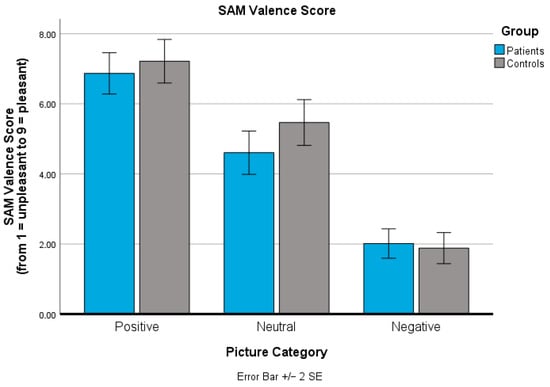
Problematic weight control behaviors during adolescence are associated with an increased risk of chronic obesity. Understanding how adolescents with obesity respond to body-related visual cues may offer insights into underlying motivational deficits. This experimental pilot study employed a peripherally measured startle reflex paradigm
[...] Read more.
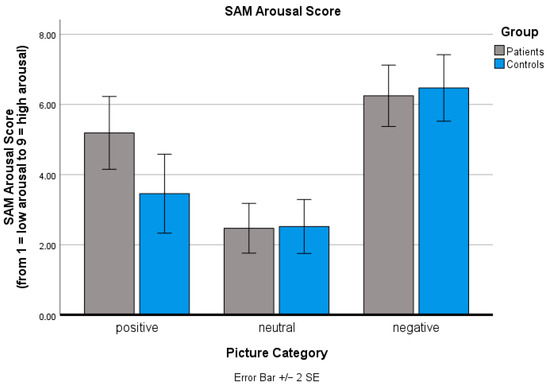
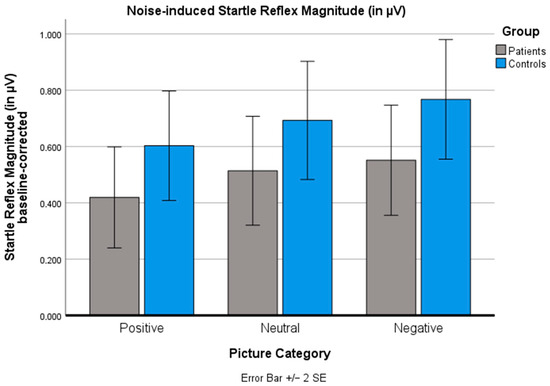
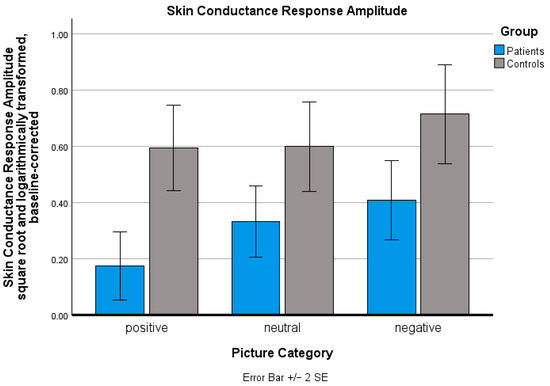
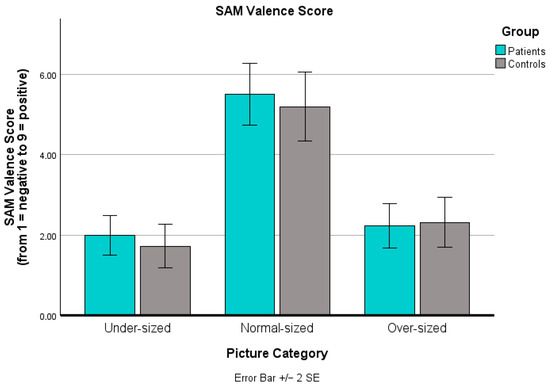
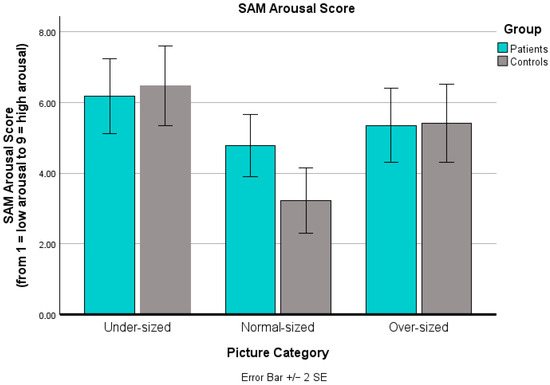
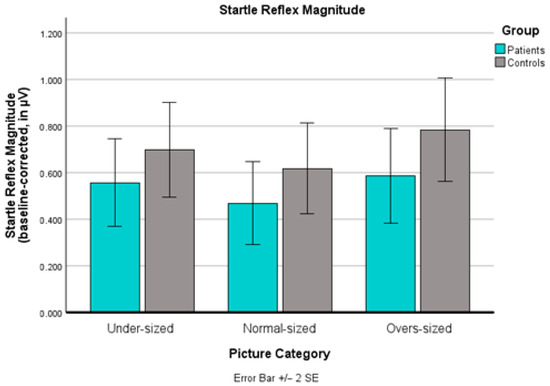
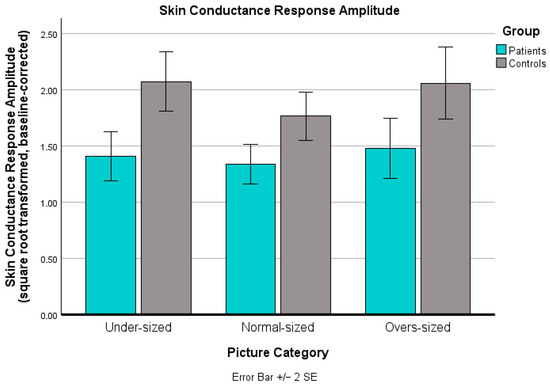
Problematic weight control behaviors during adolescence are associated with an increased risk of chronic obesity. Understanding how adolescents with obesity respond to body-related visual cues may offer insights into underlying motivational deficits. This experimental pilot study employed a peripherally measured startle reflex paradigm to assess the involuntary emotional responses to images of underweight, normal-weight, and overweight bodies. Twenty female adolescents with obesity and 21 normal-sized control subjects between 14 and 21 years of age were presented with photos of female bodies. Images from the International Affective Picture System served as reference material. The Self-Assessment Manikin was used as the subjective measure, while startle reflex magnitude and skin conductance response served as objective measures. A significant interaction emerged for body-related stimuli. In the normal-weight group, underweight and overweight body images elicited increased skin conductance responses (indicative of heightened attention) and potentiated startle reflexes (indicative of behavioral avoidance). In contrast, adolescents with obesity exhibited a general physiological down-regulation and a subjective vs. objective dissociation across all body image categories, suggesting a dysfunction in motivational processing. Our findings suggest diminished physiological salience of body-related cues in obese adolescents, which may undermine intrinsic motivation for weight loss. The limited sample size restricts generalizability.
Full article

Figure 1
Open AccessProtocol
Proposed Protocol for Orofacial Pain Assessment Prior to Orthodontic Treatment: An Expert-Informed Framework
by
Jumana Jbara and Ziad D. Baghdadi
Adolescents 2026, 6(1), 3; https://doi.org/10.3390/adolescents6010003 - 20 Dec 2025
Abstract
Background: Temporomandibular disorders (TMDs) are the most common source of non-dental orofacial pain, with peak prevalence during adolescence and young adulthood—the same age group when orthodontic treatment is typically initiated. Although orthodontics is not a proven cause of TMD, pre-existing dysfunction may be
[...] Read more.
Background: Temporomandibular disorders (TMDs) are the most common source of non-dental orofacial pain, with peak prevalence during adolescence and young adulthood—the same age group when orthodontic treatment is typically initiated. Although orthodontics is not a proven cause of TMD, pre-existing dysfunction may be aggravated during treatment, creating clinical and medico-legal risks. Objective: This paper proposes a structured diagnostic questionnaire and scoring framework for pre-orthodontic TMD assessment. The protocol aims to enhance the early recognition of high-risk patients, facilitate interdisciplinary communication, and lay a foundation for systematic validation. Methods: The framework was developed through synthesis of international diagnostic criteria (DC/TMD), a targeted narrative review of the literature, and expert clinical input. Diagnostic categories were selected based on prevalence, impact on orthodontic outcomes, and medico-legal significance. Weighted scoring stratifies patients into three pathways: (1) proceed with orthodontics without concern, (2) proceed with monitoring, or (3) defer orthodontics until TMD is managed. Results: The proposed questionnaire is designed to address inconsistencies in the literature by applying standardized diagnostic items and objective thresholds (e.g., jaw opening < 38 mm) and structured follow-up intervals. Case scenarios illustrate how risk stratification guides decision-making. The questionnaire includes intra-articular and pain-related TMD entities such as disk displacement, degenerative joint disease, myalgia, myofascial pain, arthralgia, headache, and trismus. The framework provides orthodontists with defensible baseline documentation while supporting safe and individualized patient care. Conclusions: Inconsistent diagnostic frameworks, malocclusion classifications, and outcome measures have fragmented the evidence base in orthodontics and TMD. The framework aims to provide orthodontists with structured baseline documentation that may support clinical decision-making and medico-legal risk management. Validation studies are required to establish psychometric reliability and international applicability.
Full article
(This article belongs to the Special Issue Dentistry for Adolescents)
Open AccessArticle
Maladaptive Emotion Regulation and Alcohol Consumption During Adolescence: Examining Pathways Through Behavioral Problems and Drinking Motives
by
Lara Wippermann, Alissa Schüürmann, Viktoria Pöchmüller and Naska Goagoses
Adolescents 2026, 6(1), 2; https://doi.org/10.3390/adolescents6010002 - 20 Dec 2025
Abstract
►▼
Show Figures
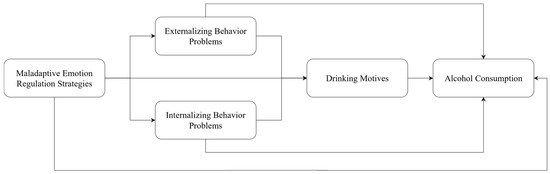
The current investigation examines pathways linking individual risk factors, namely maladaptive emotion regulation, behavior problems, and drinking motives, with adolescents’ alcohol consumption. In a cross-sectional design, 243 adolescents attending secondary school in Germany completed questionnaires. The Cognitive Emotion Regulation Questionnaire was used to
[...] Read more.
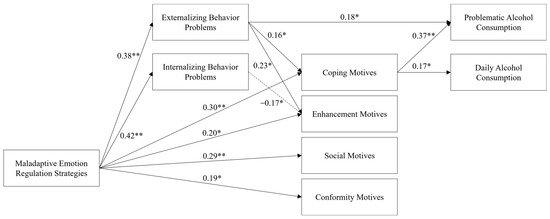
The current investigation examines pathways linking individual risk factors, namely maladaptive emotion regulation, behavior problems, and drinking motives, with adolescents’ alcohol consumption. In a cross-sectional design, 243 adolescents attending secondary school in Germany completed questionnaires. The Cognitive Emotion Regulation Questionnaire was used to assess maladaptive emotion regulation, the Strengths and Difficulties Questionnaire for assessing internalizing and externalizing behaviors, and the Drinking Motives Questionnaire Revised for assessing the four drinking motives, namely social, enhancement, coping, and conformity motives. Adolescents also reported their daily and problematic alcohol consumption. The path analysis revealed that maladaptive emotion regulation was positively associated with both internalizing and externalizing problems, and all four drinking motives. Externalizing problems were positively associated with adolescents’ enhancement and coping motives, and their alcohol consumption. Internalizing problems were only negatively associated with enhancement motives. Only coping motives were positively associated with alcohol consumption. Moreover, maladaptive emotion regulation had an indirect effect on alcohol consumption, via externalizing problems and coping motives. The findings emphasize the interactions between the risk factors in contributing to adolescent alcohol consumption, underscoring the importance of targeting emotion regulation and coping motives in substance use prevention efforts prior and during adolescence.
Full article

Figure 1
Open AccessArticle
Motor Proficiency and Physical Activity Behaviors Among Female College Students: Implications for Public Health and Physical Education
by
Nan Zhang, Zhenzhen Su, Zhongguo Li and Yong Jiang
Adolescents 2026, 6(1), 1; https://doi.org/10.3390/adolescents6010001 - 19 Dec 2025
Abstract
Background: Sedentary behavior is prevalent among female college students and may negatively affect motor competence—a key component of physical literacy and lifelong health. However, limited research has compared motor proficiency across distinct physical activity patterns in this population. This study aimed to examine
[...] Read more.
Background: Sedentary behavior is prevalent among female college students and may negatively affect motor competence—a key component of physical literacy and lifelong health. However, limited research has compared motor proficiency across distinct physical activity patterns in this population. This study aimed to examine differences in motor proficiency between sedentary and regularly active female college students. Methods: A cross-sectional study was conducted with 292 female undergraduates (aged 18–21 years). Participants were retrospectively classified into a sedentary behavior group (SBG; n = 124) and a regular exercise group (REG; n = 168) according to the International Physical Activity Questionnaire–Short Form (IPAQ-SF). Motor proficiency was evaluated using the Bruininks–Oseretsky Test of Motor Proficiency, Second Edition (BOT-2). Group differences were analyzed using multivariate analysis of variance (MANOVA) and independent-samples t-tests. Results: The REG demonstrated significantly higher scores in manual coordination, body coordination, and strength and agility (all p < 0.01), whereas no significant difference was observed in fine motor control. The REG also exhibited a higher total BOT-2 score (p < 0.01; Cohen’s d = 0.56). Conclusions: Regular physical activity was associated with higher motor proficiency among female college students. As this study used a cross-sectional design, causal relationships cannot be inferred. Nonetheless, these findings highlight the potential importance of promoting active lifestyles in higher education to enhance motor competence and contribute to long-term public health.
Full article
Open AccessPerspective
Neurodevelopmental Mechanisms of Adolescent Online Risk: A Multi-Level Perspective on Social Media and Metaverse Harms
by
Silvia Cimino and Luca Cerniglia
Adolescents 2025, 5(4), 82; https://doi.org/10.3390/adolescents5040082 - 18 Dec 2025
Abstract
Background: Adolescents’ engagement with social media and emerging metaverse platforms has become nearly universal, creating environments rich in opportunities for learning, creativity, and social connection. However, these same spaces also enable a range of risky behaviors (RBs) with potential impacts on mental health,
[...] Read more.
Background: Adolescents’ engagement with social media and emerging metaverse platforms has become nearly universal, creating environments rich in opportunities for learning, creativity, and social connection. However, these same spaces also enable a range of risky behaviors (RBs) with potential impacts on mental health, safety, and development. Recent research (2022–2025) has documented rising concerns over cyberbullying, online sexual exploitation, self-harm content, problematic use, and new risks specific to immersive VR. Aims: This Perspective uses a narrative synthesis of recent empirical and theoretical literature, including four key articles provided by the author and over 40 additional peer-reviewed and institutional sources, to (i) map the most prevalent and emergent RBs in adolescent social media and metaverse use, (ii) clarify the neurodevelopmental and socio-technical mechanisms that link these behaviors to individual and contextual factors, and (iii) propose a multi-level framework for intervention, policy, and future research aligned with adolescent development. Methods: A narrative synthesis approach was adopted, which is appropriate for integrating heterogeneous study designs and rapidly evolving evidence. The review emphasizes studies published from 2022 to 2025, with a focus on large-scale surveys, longitudinal cohorts, systematic reviews, and scoping reviews relevant to adolescent online risk. Results: Evidence indicates small but consistent associations between high-intensity platform use and internalizing symptoms, with gendered pathways and cultural moderators. Algorithmic amplification contributes to the spread of harmful content, while immersive environments increase the salience and emotional impact of interactions. Certain groups—those with prior trauma, low SES, or marginalized identities—face heightened vulnerability. Conclusions: RBs in digital spaces emerge from the interplay of adolescent neurodevelopment, platform affordances, and socio-cultural context. This Perspective synthesizes recent evidence via narrative review to articulate these mechanisms and to inform an integrated, multi-level framework for harm mitigation that aligns research, platform design, and policy with adolescent developmental needs, while preserving the benefits of digital engagement.
Full article
Open AccessArticle
Machine Learning Models to Identify Quantitatively Significant Covariates for Blood Pressure Among American Adolescent Girls
by
Ryan J. Lowhorn, Mohammed Chowdhury, Mithun K. Acharjee, Nahida Akhter and AKM Fazlur Rahman
Adolescents 2025, 5(4), 81; https://doi.org/10.3390/adolescents5040081 - 15 Dec 2025
Abstract
►▼
Show Figures
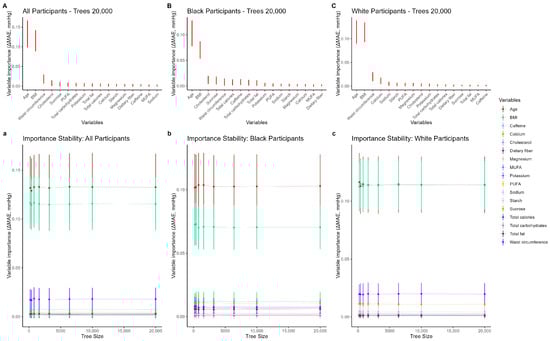
Blood pressure prediction in adolescents continues to remain a major challenge for health practitioners. In classical regression, many factors are found to be statistically significant based on p-values due to large sample sizes, but they may not be equally important predictors for
[...] Read more.
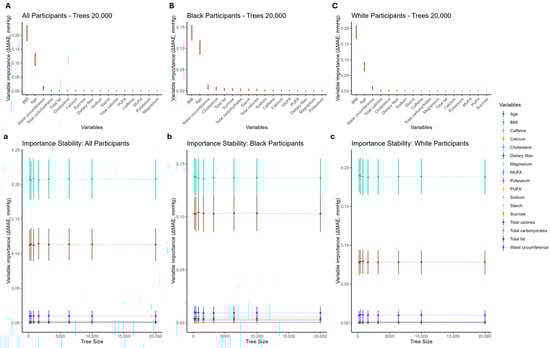
Blood pressure prediction in adolescents continues to remain a major challenge for health practitioners. In classical regression, many factors are found to be statistically significant based on p-values due to large sample sizes, but they may not be equally important predictors for an outcome variable. Machine learning methods provide non-linear and non-parametric approaches with superior predictive performance and a lower chance of model misspecification. Therefore, we employed a leave-one-covariate-out (LOCO) method, a novel variable importance measure, in addition to linear mixed-effects models integrated within random forest for prediction of longitudinal blood pressure. We used health markers such as BMI and dietary habits of 2379 Black and White adolescent girls, tracked yearly from ages 9 and 10 until 19 in the National Heart, Lung, and Blood Institute (NHLBI) Growth and Health Study (NGHS, USA). Age, BMI, waist circumference, and dietary cholesterol were consistently the most quantitatively important variables for prediction of systolic blood pressure (SBP). However, age, BMI and waist circumference were consistently the most quantitatively important covariates for prediction of diastolic blood pressure (DBP). The study findings demonstrate the importance of understanding how dietary habits and health markers influence blood pressure.
Full article

Figure 1
Open AccessArticle
Executive Functions, Anthropometric Profile, and Diet: Comparisons in Adolescent Females With and Without Eating Disorder Symptoms
by
Deyanira A. Domínguez-Muñoz, Carlos Alberto Jiménez-Zamarripa, Refugio Cruz-Trujillo, Elena Flores-Guillén, Alfredo Pérez-Jácome, Juan Gabriel Tejas-Juárez, Alfredo Briones-Aranda, Josselin Carolina Corzo-Gómez, Josué Vidal Espinosa-Juárez, Alejandro Pérez-Ortiz and Adriana Amaya-Hernández
Adolescents 2025, 5(4), 80; https://doi.org/10.3390/adolescents5040080 - 13 Dec 2025
Abstract
►▼
Show Figures
This study compared executive functions, anthropometric profile, and dietary habits in adolescent girls with and without eating disorder (ED) symptoms. The main objective was to determine the relationship between the presence of ED symptoms and the degree of executive function impairment. A case–control
[...] Read more.
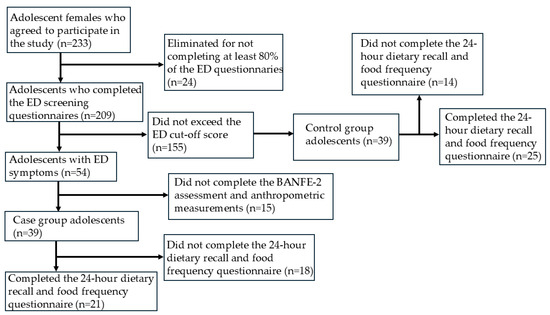
This study compared executive functions, anthropometric profile, and dietary habits in adolescent girls with and without eating disorder (ED) symptoms. The main objective was to determine the relationship between the presence of ED symptoms and the degree of executive function impairment. A case–control design was used with 209 Mexican adolescents who completed ED screening questionnaires. Of the total sample, 54 participants scored above the clinical cutoff, and 39 of them completed both the BANFE-2 assessment and the anthropometric measurements. These 39 adolescents with ED symptoms were matched with an equal number of adolescents without symptoms to form the control group. Additionally, 21 adolescents in the ED symptoms group and 25 in the control group completed the 24 h dietary recall and food frequency questionnaires. The main findings were as follows: the prevalence of ED symptoms was 25.8%. Adolescents with ED symptoms showed higher body mass index, waist circumference, body fat percentage, and neck circumference compared with those without symptoms. They also exhibited poorer inhibitory control, reflected in a greater number of errors, along with non-significant trends toward lower performance on the maze test, Card Sorting, and Card Game. Dietary inadequacy was also more pronounced in the ED symptoms group. Furthermore, the presence of ED symptoms significantly increased the likelihood of severe executive function impairment. In conclusion, adolescents with ED symptoms demonstrated an altered anthropometric profile, dietary deficiencies, and reduced inhibitory control.
Full article

Figure 1
Highly Accessed Articles
Latest Books
E-Mail Alert
News
Topics
Topic in
Adolescents, Education Sciences, Encyclopedia, Social Sciences, Societies
Organized Out-of-School STEM Education
Topic Editors: Heidrun Stoeger, Martin Storksdieck, Albert ZieglerDeadline: 28 February 2026
Topic in
Behavioral Sciences, Healthcare, Psychiatry International, Adolescents, Social Sciences, Children
Behavioral Addictions and Risk-Taking in the Digital Age: Gambling, Sports Betting, and Emerging Challenges
Topic Editors: André Luiz Monezi Andrade, Denise De MicheliDeadline: 31 August 2026
Topic in
Behavioral Sciences, Education Sciences, Societies, Youth, Adolescents, Social Sciences
Emotional Well-Being and Assessment in Multicultural Educational Contexts: Interdisciplinary Research and Perspectives
Topic Editors: Enrique Riquelme, Daniel Quilaqueo, Héctor Torres, Ignacio MonteroDeadline: 28 February 2027
Conferences
Special Issues
Special Issue in
Adolescents
Dentistry for Adolescents
Guest Editor: Ziad D. BaghdadiDeadline: 13 November 2026
Topical Collections
Topical Collection in
Adolescents
Featured Research in Adolescent Health
Collection Editor: Laura L. Hayman