
Journal Description
Acoustics
Acoustics
is an international, peer-reviewed, open access journal on acoustics science and engineering, published quarterly online by MDPI.
- Open Access— free for readers, with article processing charges (APC) paid by authors or their institutions.
- High Visibility: indexed within ESCI (Web of Science), Scopus, and other databases.
- Journal Rank: CiteScore - Q2 (Acoustics and Ultrasonics)
- Rapid Publication: manuscripts are peer-reviewed and a first decision is provided to authors approximately 23.3 days after submission; acceptance to publication is undertaken in 4.6 days (median values for papers published in this journal in the second half of 2025).
- Recognition of Reviewers: reviewers who provide timely, thorough peer-review reports receive vouchers entitling them to a discount on the APC of their next publication in any MDPI journal, in appreciation of the work done.
Impact Factor:
1.2 (2024);
5-Year Impact Factor:
1.7 (2024)
Latest Articles
Review of Modelling and Prediction Methods for Flanking Transmissions
Acoustics 2026, 8(1), 11; https://doi.org/10.3390/acoustics8010011 - 3 Feb 2026
Abstract
►
Show Figures
This review provides a comprehensive assessment of modelling techniques for flanking transmission, with a primary focus on building acoustics. The discussion is organised into three main parts. First, methods that address the full vibro-acoustic problem are examined, distinguishing between deterministic approaches—such as the
[...] Read more.
This review provides a comprehensive assessment of modelling techniques for flanking transmission, with a primary focus on building acoustics. The discussion is organised into three main parts. First, methods that address the full vibro-acoustic problem are examined, distinguishing between deterministic approaches—such as the Finite Element Method, spectral formulations, and modal techniques—and statistical approaches, in particular, Statistical Energy Analysis. Second, simplified characterisation methods for flanking transmission paths are reviewed, with emphasis on the EN 12354 framework for heavy structures and subsequent adaptations for lightweight constructions. Third, the parameters commonly used to characterise vibration transmission at structural junctions are introduced, followed by an extensive review of junction-level models. These include wave-based formulations, finite-dimension models suitable for low and mid frequencies, and simplified regression-based expressions intended for practical design workflows. The review concludes with a curated compilation of experimental data available in the literature.
Full article
Open AccessArticle
Using Neural Networks to Generate A Basis for OFDM Acoustic Signal Decomposition in Non-Stationary Underwater Media to Provide for Reliability and Energy Efficiency
by
Aleksandr Yu. Rodionov, Lyubov G. Statsenko, Andrey A. Chusov, Denis A. Kuzin and Mariia. M. Smirnova
Acoustics 2026, 8(1), 10; https://doi.org/10.3390/acoustics8010010 - 2 Feb 2026
Abstract
The high peak-to-average power ratio (PAPR) in classical high-speed digital data transmission systems with orthogonal frequency division multiplexing (OFDM) limits energy efficiency and communication range. This paper proposes a method for randomizing OFDM signals via frequency coding using synthesized pseudorandom sequences with improved
[...] Read more.
The high peak-to-average power ratio (PAPR) in classical high-speed digital data transmission systems with orthogonal frequency division multiplexing (OFDM) limits energy efficiency and communication range. This paper proposes a method for randomizing OFDM signals via frequency coding using synthesized pseudorandom sequences with improved autocorrelation properties, obtained through machine learning, to minimize PAPR in complex, non-stationary hydroacoustic channels for communicating with underwater robotic systems. A neural network architecture was developed and trained to generate codes of up to 150 elements long based on an analysis of patterns in previously found best short sequences. The obtained class of OFDM signals does not require regular and accurate estimation of channel parameters while remaining resistant to various types of impulse noise, Doppler shifts, and significant multipath interference typical of the underwater environment. The attained spectral efficiency values (up to 0.5 bits/s/Hz) are relatively high for existing hydroacoustic communication systems. It has been shown that the peak power of such multi-frequency information transmission systems can be effectively reduced by an average of 5–10 dB, which allows for an increase in the communication range compared to classical OFDM methods in non-stationary hydrological conditions at acceptable bit error rates (from 10−2 to 10−3 and less). The effectiveness of the proposed methods of randomization with synthesized codes and frequency coding for OFDM signals was confirmed by field experiments at sea on the shelf, over distances of up to 4.2 km, with sea waves of up to 2–3 Beaufort units and mutual movement of the transmitter and receiver.
Full article
Open AccessArticle
Perceptual Evaluation of Acoustic Level of Detail in Virtual Acoustic Environments
by
Stefan Fichna, Steven van de Par, Bernhard U. Seeber and Stephan D. Ewert
Acoustics 2026, 8(1), 9; https://doi.org/10.3390/acoustics8010009 - 30 Jan 2026
Abstract
►▼
Show Figures
Virtual acoustics enables the creation and simulation of realistic and ecologically valid indoor environments vital for hearing research and audiology. For real-time applications, room acoustics simulation requires simplifications. However, the acoustic level of detail (ALOD) necessary to capture all perceptually relevant effects remains
[...] Read more.
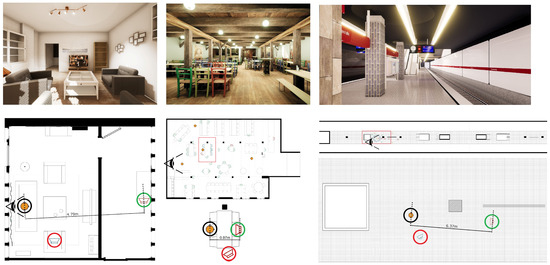
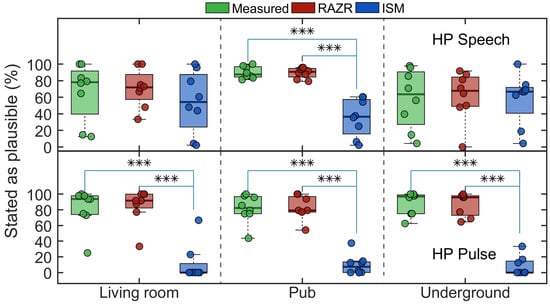
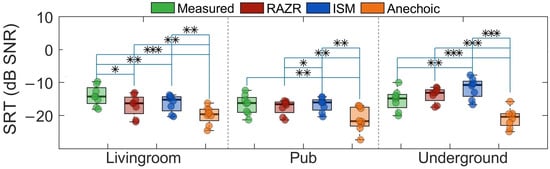
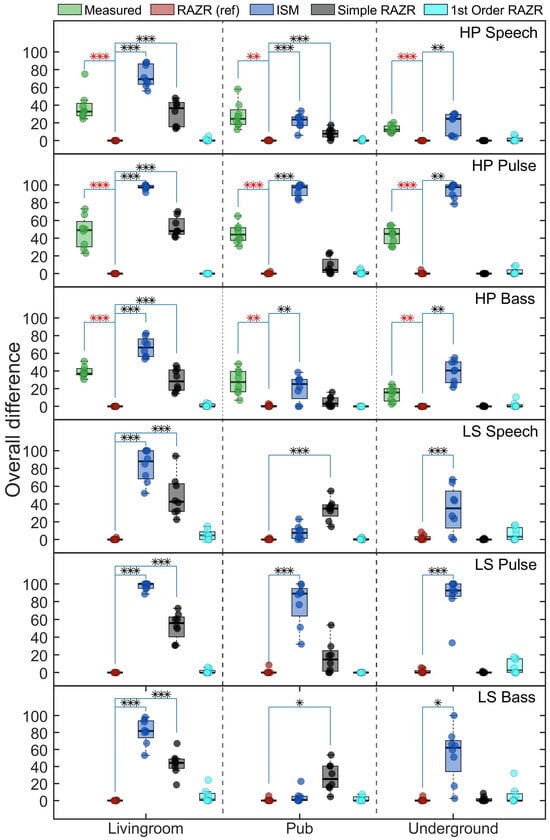
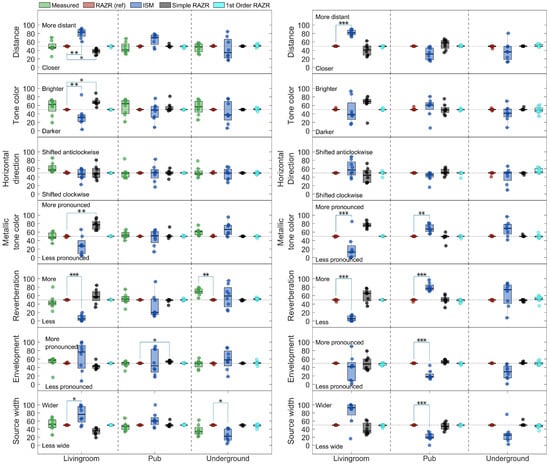
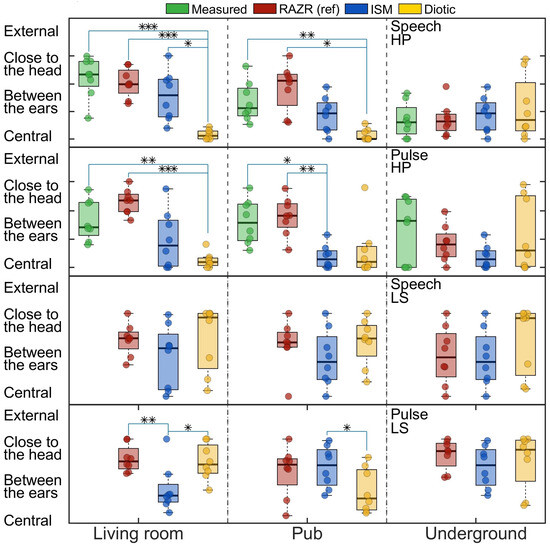
Virtual acoustics enables the creation and simulation of realistic and ecologically valid indoor environments vital for hearing research and audiology. For real-time applications, room acoustics simulation requires simplifications. However, the acoustic level of detail (ALOD) necessary to capture all perceptually relevant effects remains unclear. This study examines the impact of varying ALOD in simulations of three real environments: a living room with a coupled kitchen, a pub, and an underground station. ALOD was varied by generating different numbers of image sources for early reflections, or by excluding geometrical room details specific for each environment. Simulations were perceptually evaluated using headphones in comparison to measured, real binaural room impulse responses, or by using loudspeakers. The perceived overall difference, spatial audio quality differences, plausibility, speech intelligibility, and externalization were assessed. A transient pulse, an electric bass, and a speech token were used as stimuli. The results demonstrate that considerable reductions in acoustic level of detail are perceptually acceptable for communication-oriented scenarios. Speech intelligibility was robust across ALOD levels, whereas broadband transient stimuli revealed increased sensitivity to simplifications. High-ALOD simulations yielded plausibility and externalization ratings comparable to real-room recordings under both headphone and loudspeaker reproduction.
Full article

Figure 1
Open AccessArticle
Soundscapes Across Mountains and Cities: A Linguistic Study in the Trentino Region
by
Giacomo Gozzi, Simone Torresin and Linda Badan
Acoustics 2026, 8(1), 8; https://doi.org/10.3390/acoustics8010008 - 30 Jan 2026
Abstract
Trentino, a sparsely populated and almost entirely mountainous region in northeastern Italy, has so far received little attention in linguistic studies on soundscapes, which provide an important cultural ecosystem service. This study analyzes the responses of 68 participants—31 from mountain areas and 37
[...] Read more.
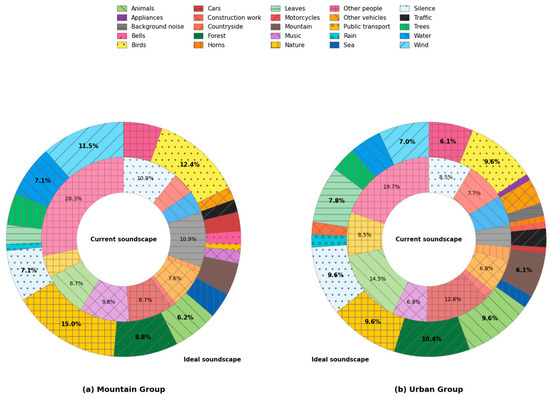
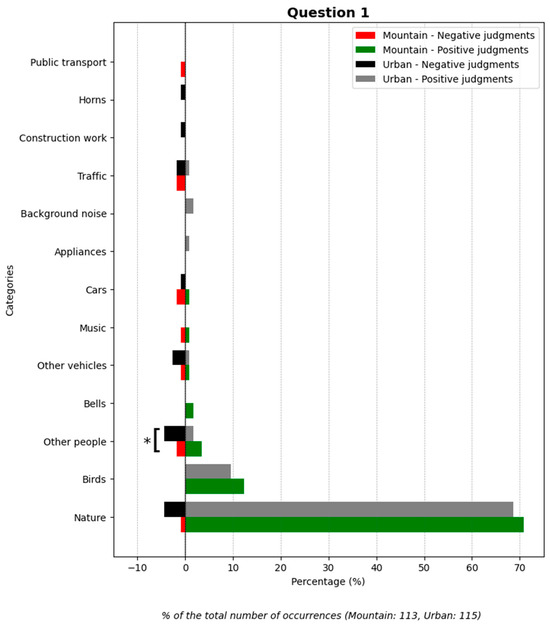
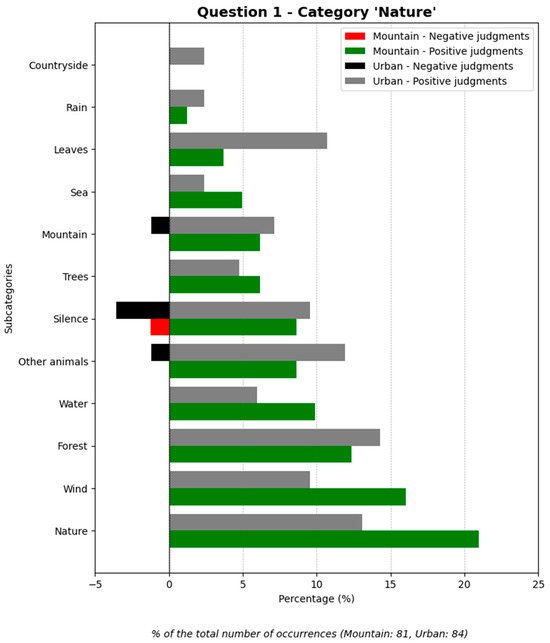
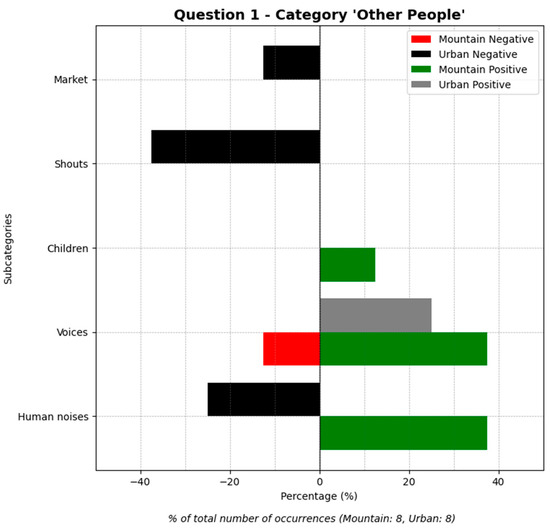
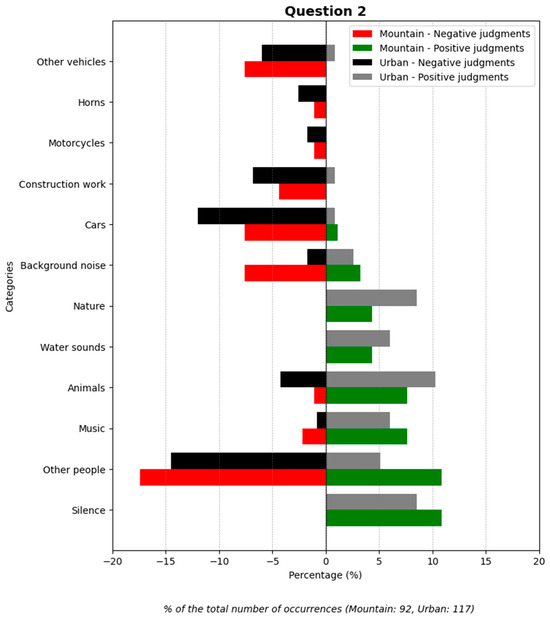
Trentino, a sparsely populated and almost entirely mountainous region in northeastern Italy, has so far received little attention in linguistic studies on soundscapes, which provide an important cultural ecosystem service. This study analyzes the responses of 68 participants—31 from mountain areas and 37 from urban areas—to an open-ended questionnaire adapted from Guastavino, using a mixed-methods approach to investigate: (1) differences in current and ideal soundscape perception between residents of urban and mountain areas in Trentino; (2) how these findings compare with Guastavino’s study conducted in a purely urban context; (3) the role of Trentino’s multilingual context in shaping the description and understanding of the soundscape. Findings reveal that, in addition to a latent substratum of the dialectal component, differences emerge mainly in the description of ideal soundscapes. Urban participants evaluate human sounds more negatively and use metonymic expressions for mechanical noises. Mountain participants align their ideal soundscape more closely with their lived experience, often identifying the sound source rather than the sound itself. Tranquility and silence are central values across both groups for the ideal soundscape and for the current one, cognitively linked to natural environments, which therefore remains a cultural legacy to be preserved.
Full article
(This article belongs to the Collection Historical Acoustics)
►▼
Show Figures

Figure 1
Open AccessArticle
Experimental Investigation of Deviations in Sound Reproduction
by
Paul Oomen, Bashar Farran, Luka Nadiradze, Máté Csanád and Amira Val Baker
Acoustics 2026, 8(1), 7; https://doi.org/10.3390/acoustics8010007 - 28 Jan 2026
Abstract
Sound reproduction is the electro-mechanical re-creation of sound waves using analogue and digital audio equipment. Although sound reproduction implies that repeated acoustical events are close to identical, numerous fixed and variable conditions affect the acoustic result. To arrive at a better understanding of
[...] Read more.
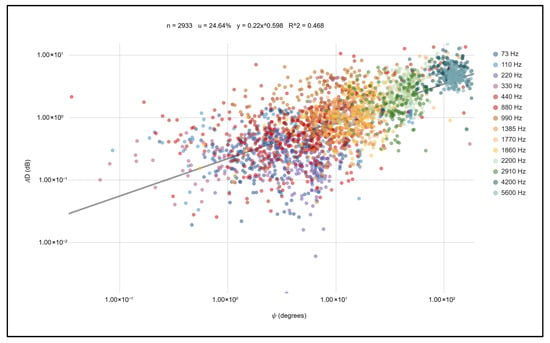
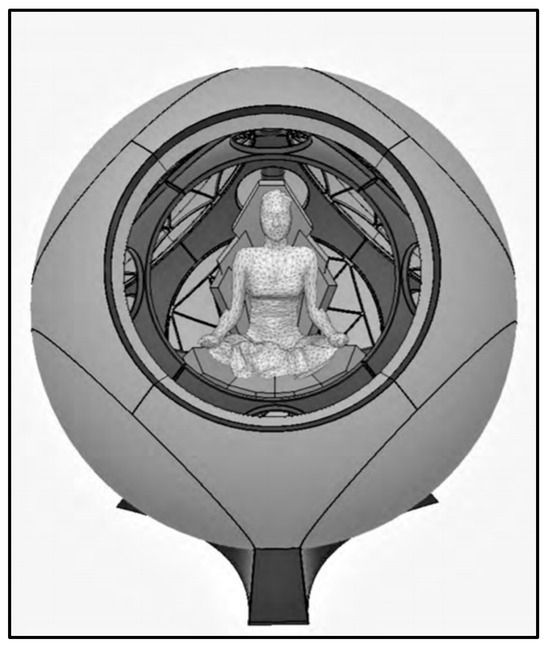
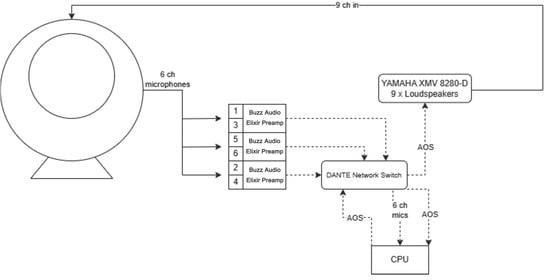
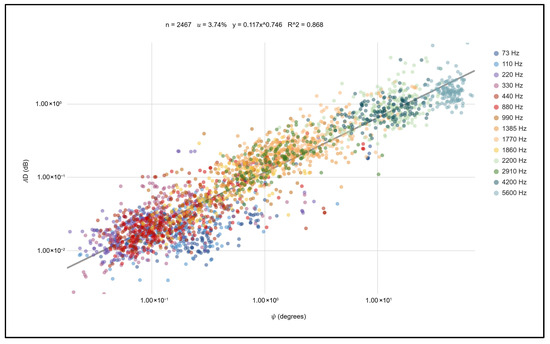
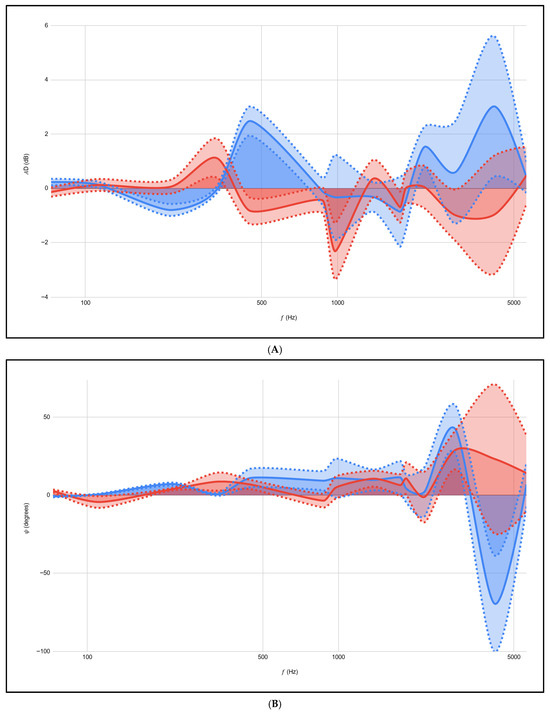
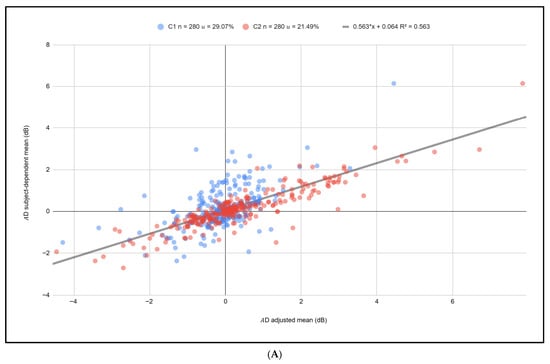
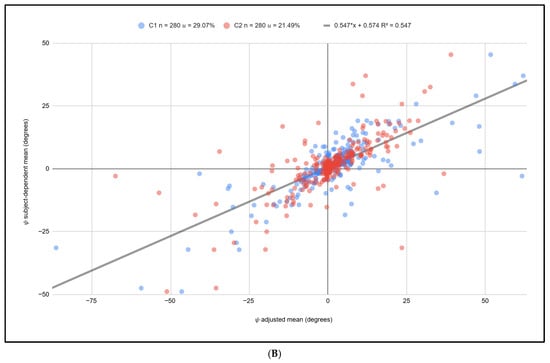
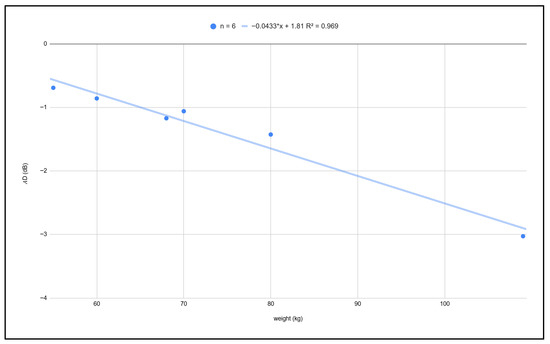
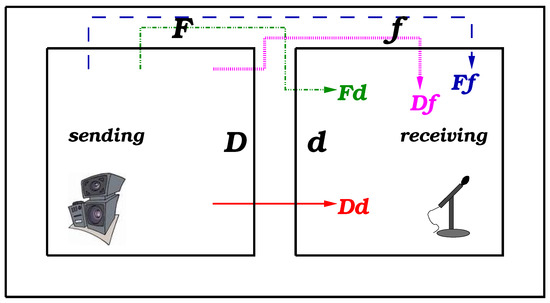
Sound reproduction is the electro-mechanical re-creation of sound waves using analogue and digital audio equipment. Although sound reproduction implies that repeated acoustical events are close to identical, numerous fixed and variable conditions affect the acoustic result. To arrive at a better understanding of the magnitude of deviations in sound reproduction, amplitude deviation and phase distortion of a sound signal were measured at various reproduction stages and compared under a set of controlled acoustical conditions, one condition being the presence of a human subject in the acoustic test environment. Deviations in electroacoustic reproduction were smaller than ±0.2 dB amplitude and ±3 degrees phase shift when comparing trials recorded on the same day (Δt < 8 h, mean uncertainty = 1.58%). Deviations increased significantly with greater than two times the amplitude and three times the phase shift when comparing trials recorded on different days (Δt > 16 h, = 4.63%). Deviations further increased significantly with greater than 15 times the amplitude and the phase shift when a human subject was present in the acoustic environment ( = 24.64%). For the first time, this study shows that the human body does not merely absorb but can also cause amplification of sound energy. The degree of attenuation or amplification per frequency shows complex variance depending on the type of reproduction and the subject, indicating a nonlinear dynamic interaction. The findings of this study may serve as a reference to update acoustical standards and improve accuracy and reliability of sound reproduction and its application in measurements, diagnostics and therapeutic methods.
Full article
(This article belongs to the Special Issue Advancing Audio/Speech Machine Learning: From Static to Continual Learning)
►▼
Show Figures

Figure 1
Open AccessArticle
A Prototypical Silencer–Resonator Concept Applied to a Heat Pump Mock-Up—Experimental and Numerical Studies
by
Sebastian Wagner and Yohko Aoki
Acoustics 2026, 8(1), 6; https://doi.org/10.3390/acoustics8010006 - 27 Jan 2026
Abstract
►▼
Show Figures
Modern, electrically operated heat pumps are characterized by a high degree of efficiency and represent an attractive alternative to conventional heating systems. However, the noise emissions from heat pumps installed outside can lead to increasing noise pollution in densely populated residential areas, which
[...] Read more.
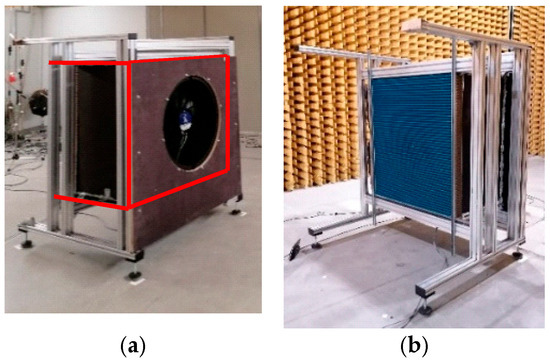
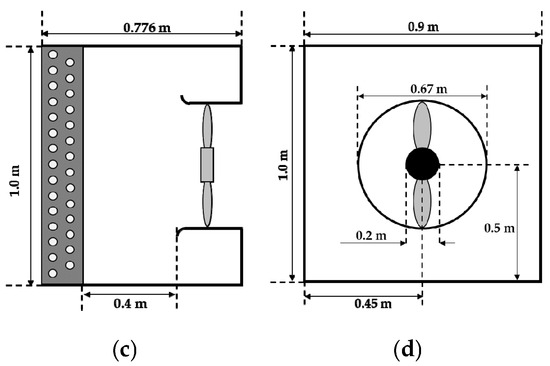
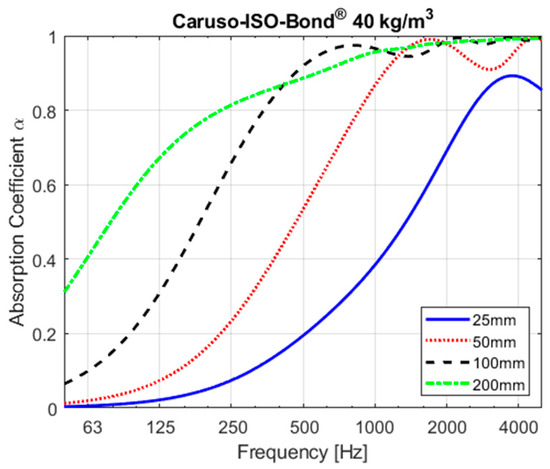
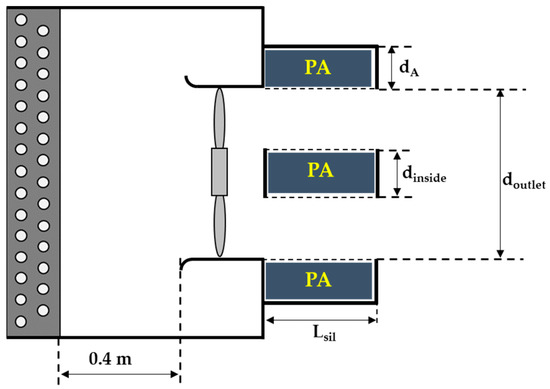
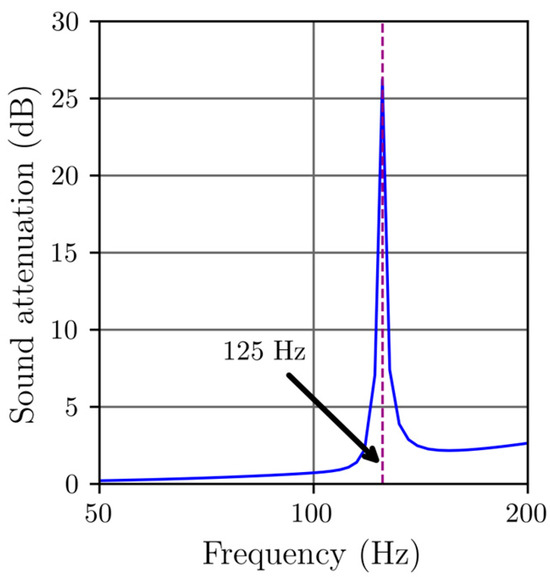
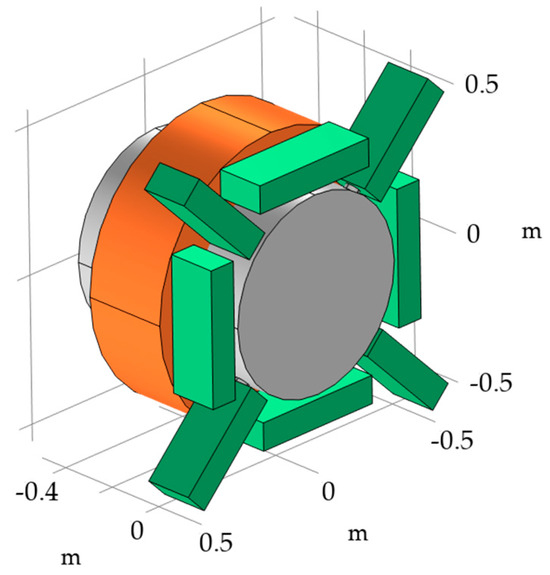
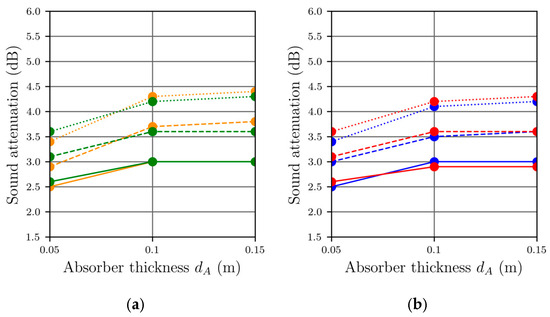
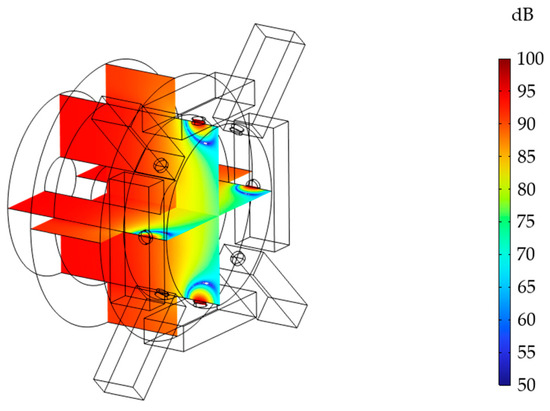
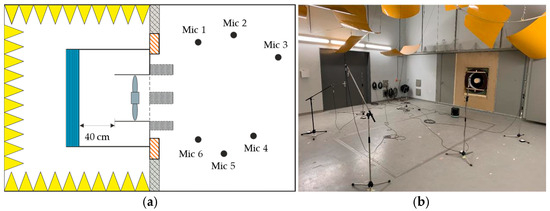
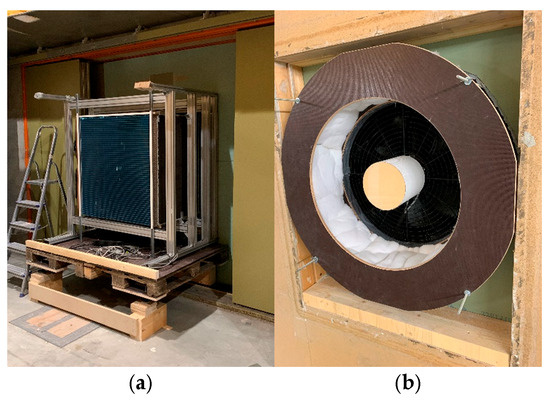
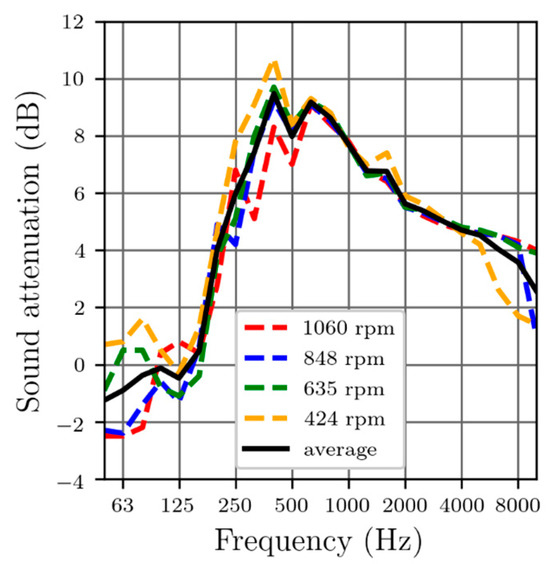
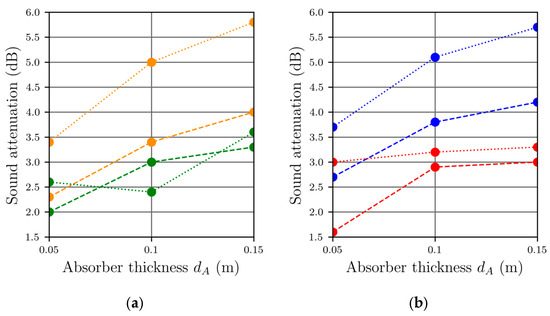
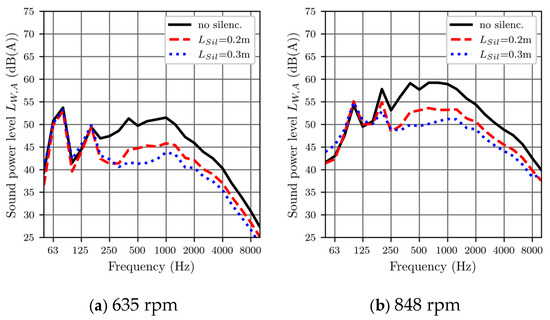
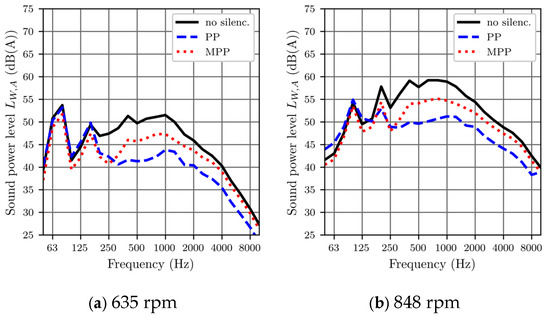
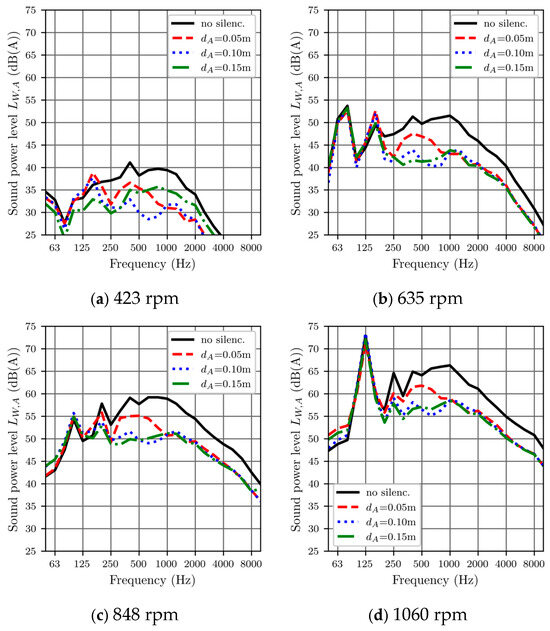
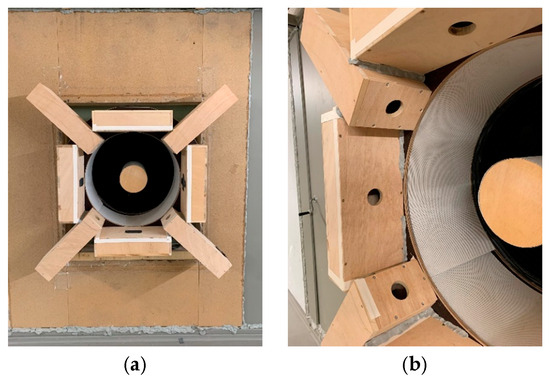
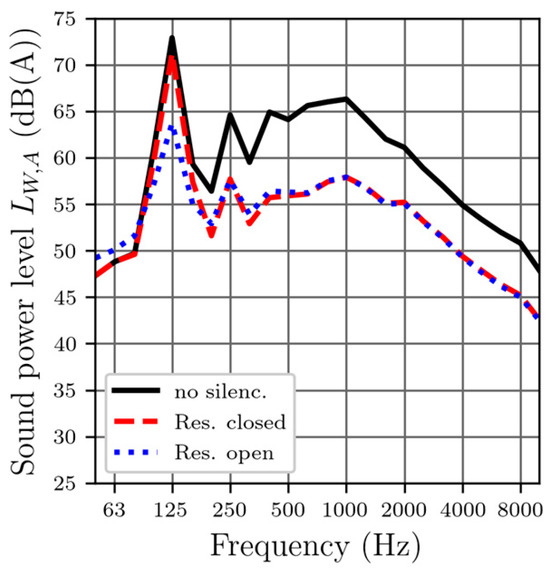
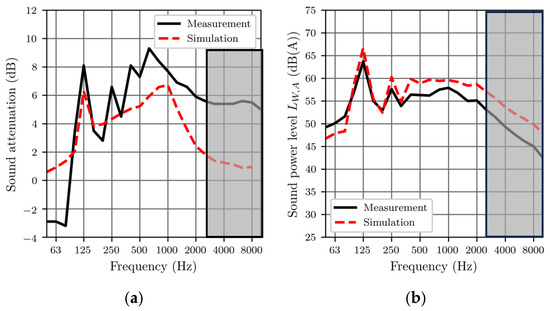
Modern, electrically operated heat pumps are characterized by a high degree of efficiency and represent an attractive alternative to conventional heating systems. However, the noise emissions from heat pumps installed outside can lead to increasing noise pollution in densely populated residential areas, which represents an obstacle to widespread use. As part of a research project, a heat pump mock-up was built based on an outdoor unit in the Fraunhofer IBP. With this mock-up, investigations have now been carried out with a prototypical silencer–resonator concept. The aim was to reduce the sound power on the outlet side of the heat pump mock-up. To estimate the effect of this silencer–resonator concept for heat pumps, FEM simulations were first carried out using COMSOL Multiphysics® with a simplified model. The simulation results validated the silencer–resonator concept for heat pumps and indicated the considerable potential for sound reduction. A measurement was then set up, with which different silencer lengths and absorber thicknesses in the silencer were tested. The measured sound attenuation was higher than the simulated values. The results showed that porous absorbers with sufficient thickness can achieve effective performance in the mid-frequency range. A maximum sound power reduction of 5.7 dB was achieved with the 0.15 m absorber. Additionally, Helmholtz resonators were implemented to attenuate the low-frequency range and tonal peaks. With these resonators sound attenuation was increased to 7.7 dB.
Full article

Figure 1
Open AccessArticle
Comparing Multi-Scale and Pipeline Models for Speaker Change Detection
by
Alymzhan Toleu, Gulmira Tolegen and Bagashar Zhumazhanov
Acoustics 2026, 8(1), 5; https://doi.org/10.3390/acoustics8010005 - 25 Jan 2026
Abstract
Speaker change detection (SCD) in long, multi-party meetings is essential for diarization, Automatic speech recognition (ASR), and summarization, and is now often performed in the space of pre-trained speech embeddings. However, unsupervised approaches remain dominant when timely labeled audio is scarce, and their
[...] Read more.
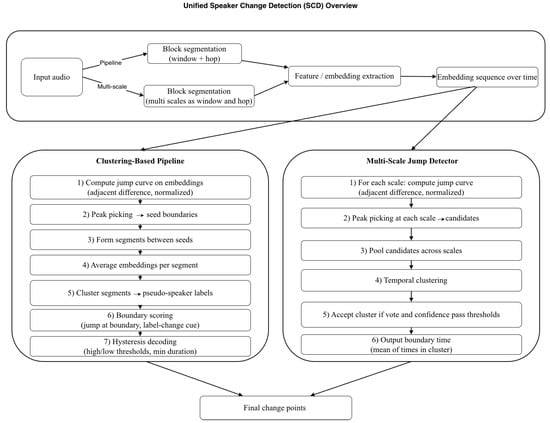
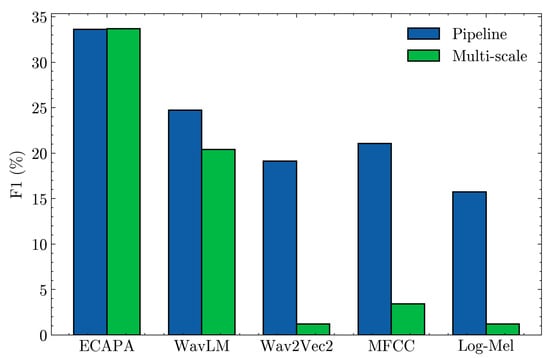
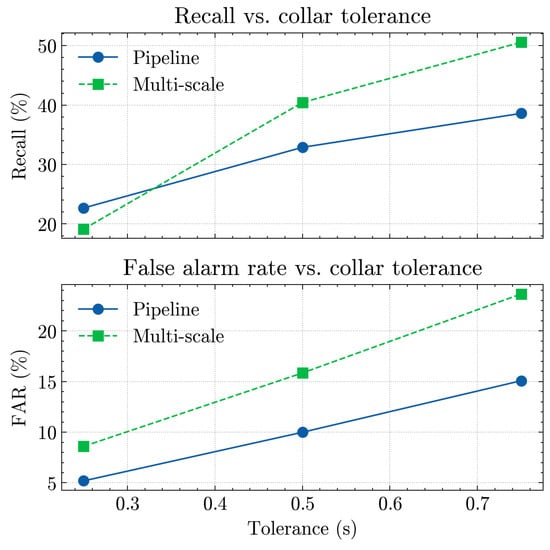
Speaker change detection (SCD) in long, multi-party meetings is essential for diarization, Automatic speech recognition (ASR), and summarization, and is now often performed in the space of pre-trained speech embeddings. However, unsupervised approaches remain dominant when timely labeled audio is scarce, and their behavior under a unified modeling setup is still not well understood. In this paper, we systematically compare two representative unsupervised approaches on the multi-talker audio meeting corpus: (i) a clustering-based pipeline that segments and clusters embeddings/features and scores boundaries via cluster changes and jump magnitude, and (ii) a multi-scale jump-based detector that measures embedding discontinuities at several window lengths and fuses them via temporal clustering and voting. Using a shared front-end and protocol, we vary the underlying features (ECAPA, WavLM, wav2vec 2.0, MFCC, and log-Mel) and test the model’s robustness under additive noise. The results show that embedding choice is crucial and that the two methods offer complementary trade-offs: the pipeline yields low false alarm rates but higher misses, while the multi-scale detector achieves relatively high recall at the cost of many false alarms.
Full article
(This article belongs to the Special Issue Advancing Audio/Speech Machine Learning: From Static to Continual Learning)
►▼
Show Figures

Figure 1
Open AccessArticle
Diffraction of Sound Waves by a Periodic Array of Impedance Screens
by
Nikolay Kanev
Acoustics 2026, 8(1), 4; https://doi.org/10.3390/acoustics8010004 - 23 Jan 2026
Abstract
Air-penetrating and noise-canceling constructions are required for numerous noise control issues. High ventilation performance conflicts with effective sound insulation, and vice versa. For this reason, ventilated noise barriers are currently being intensively researched and developed. One of the most popular solutions is the
[...] Read more.
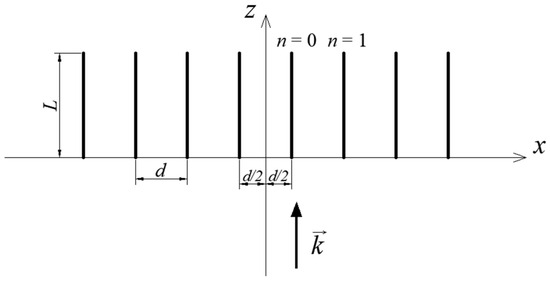
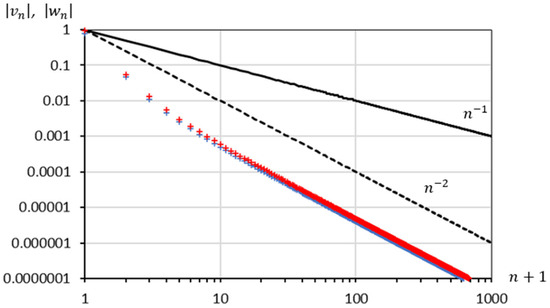
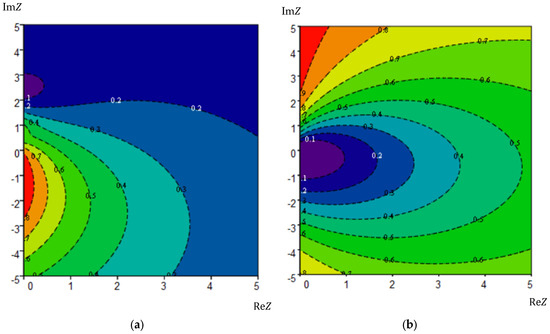
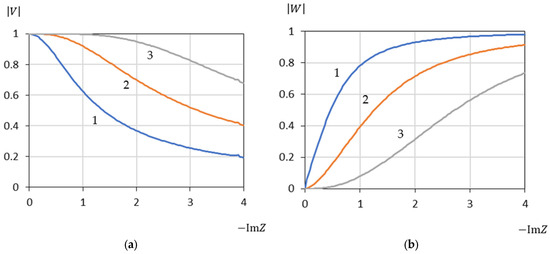
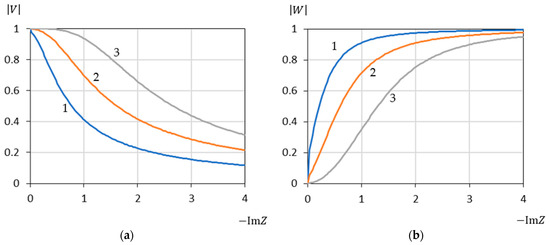
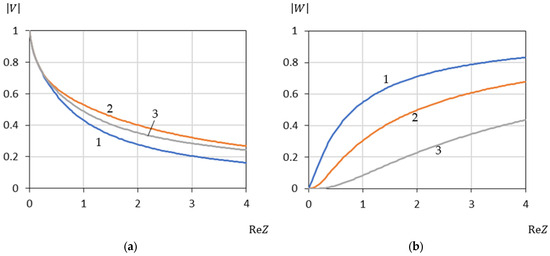
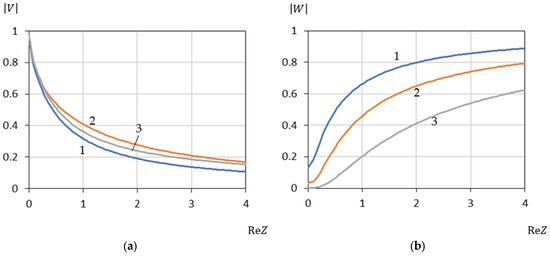
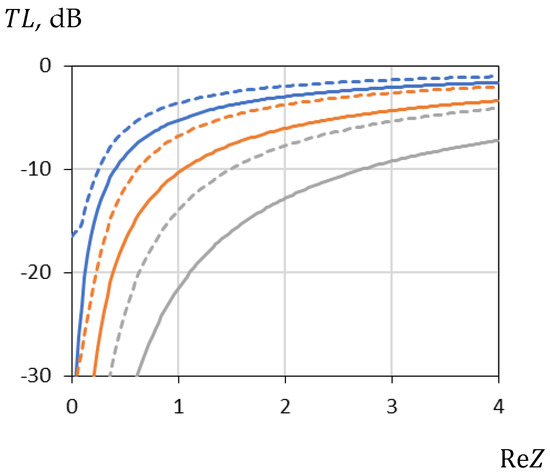
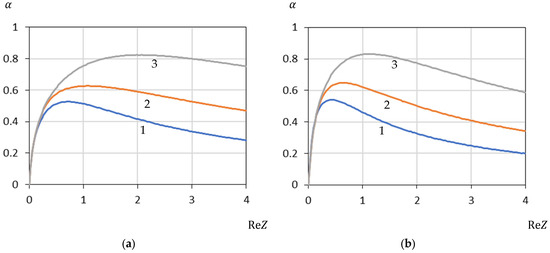
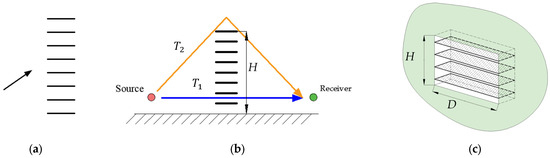
Air-penetrating and noise-canceling constructions are required for numerous noise control issues. High ventilation performance conflicts with effective sound insulation, and vice versa. For this reason, ventilated noise barriers are currently being intensively researched and developed. One of the most popular solutions is the louvered-type barrier, whose acoustic efficiency depends on its geometric parameters as well as the acoustic properties of the louvers. One of the main challenges is optimizing the acoustic impedance of louver surfaces in order to achieve maximum reflection, absorption, or minimum transmission of sound waves. This paper proposes an analytical solution to the diffraction problem of a plane sound wave incident on a periodic array of similar thin screens with arbitrary impedance surfaces. An infinite system of linear equations is derived, and its numerical solution allows us to find the reflection and transmission coefficients. It has been shown that screens with reactive impedance are necessary to achieve maximum sound reflection. On the other hand, dissipative screens are required for minimal sound transmission. Additionally, the absorption properties of the array have been studied. It has been found that there is an optimal impedance value that provides the maximum absorption coefficient.
Full article
(This article belongs to the Special Issue Vibration and Noise (3rd Edition))
►▼
Show Figures

Figure 1
Open AccessArticle
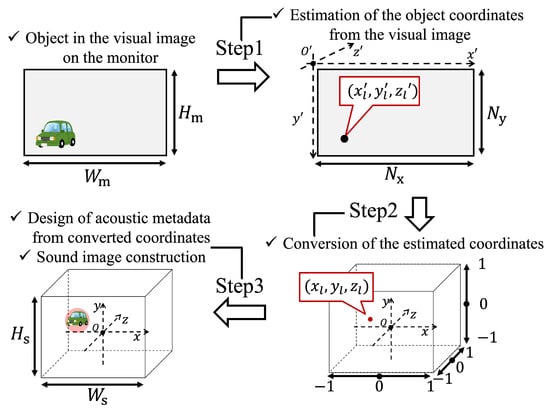
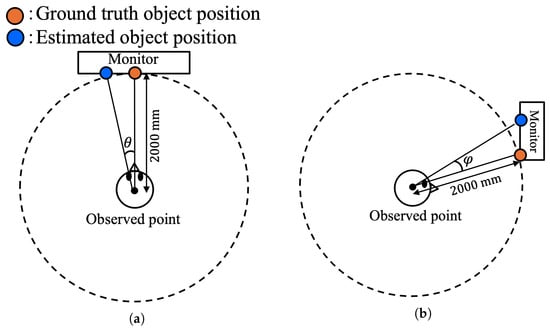
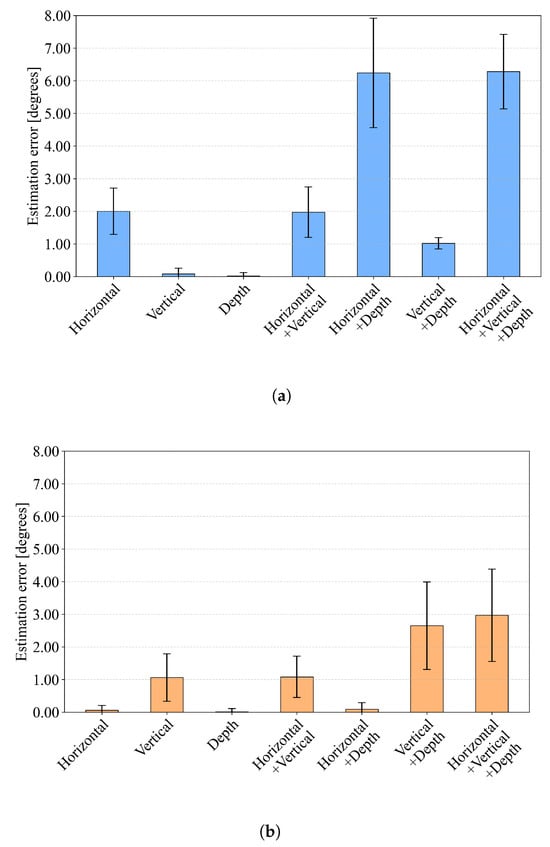
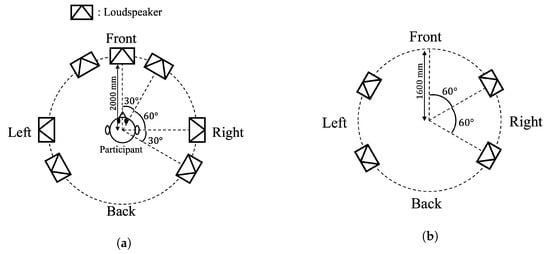
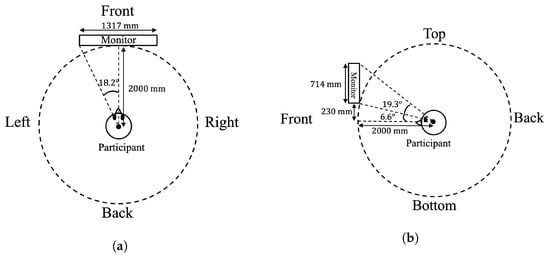
Acoustic Metadata Design on Object-Based Audio Using Estimated 3D-Position from Visual Image Toward Depth-Directional Sound Image Localization
by
Subaru Kato, Masato Nakayama, Takanobu Nishiura and Yoshiharu Soeta
Acoustics 2026, 8(1), 3; https://doi.org/10.3390/acoustics8010003 - 23 Jan 2026
Abstract
►▼
Show Figures
Multichannel audio is a sound field reproduction technology that uses multiple loudspeakers. Object-based audio is a playback method for multichannel audio that enables the construction of sound images at specified positions using coordinates within the playback space. However, the sound image positions must
[...] Read more.
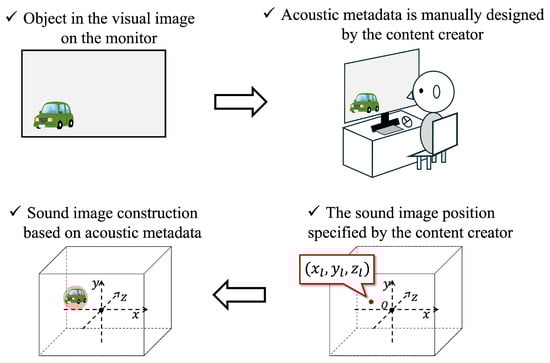
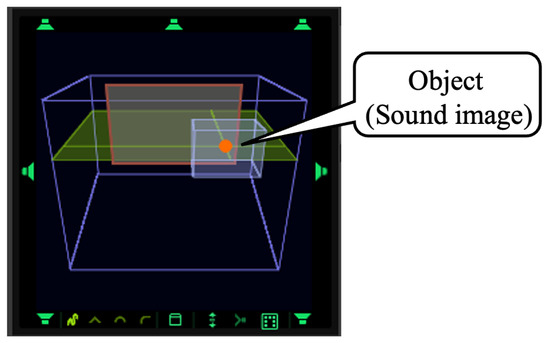
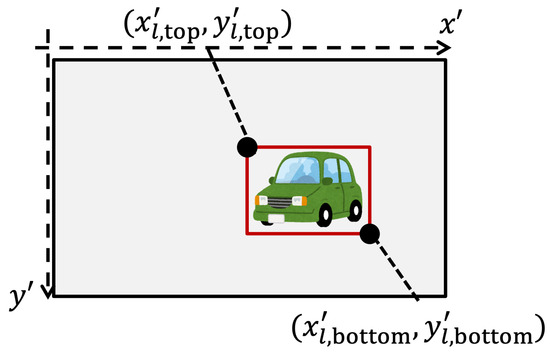
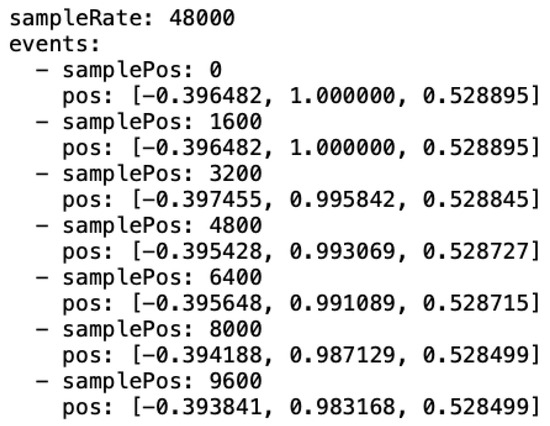
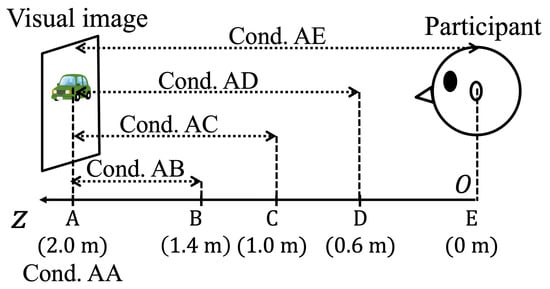
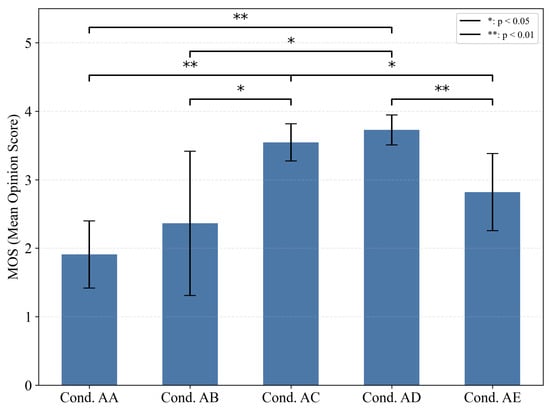
Multichannel audio is a sound field reproduction technology that uses multiple loudspeakers. Object-based audio is a playback method for multichannel audio that enables the construction of sound images at specified positions using coordinates within the playback space. However, the sound image positions must be manually specified by audio content creators, which increases the production workload, especially for works containing many sound images or feature films. We have previously proposed a method to reduce the workload of content creators by constructing sound images based on object positions in visual images. However, a significant challenge remains since depth localization of the sound image is not accurate enough. This paper aims to improve localization accuracy by changing the range of sound image movement along the depth direction. To confirm the localization accuracy of sound images constructed using the proposed method, we conducted a subjective evaluation experiment. The experiment identified the optimal movement range by presenting participants with visual images synchronized with sound images moving across varying spatial scales. Consequently, we were able to identify the range of sound image movement in the depth direction necessary for presenting sound images with high consistency with the visual images.
Full article

Figure 1
Open AccessArticle
Combined Effects of Speech Features and Sound Fields on the Elderly’s Perception of Voice Alarms
by
Hui Ma, Qujing Chen, Weiyu Wang and Chao Wang
Acoustics 2026, 8(1), 2; https://doi.org/10.3390/acoustics8010002 - 24 Dec 2025
Abstract
►▼
Show Figures
Using efficient voice alarms to ensure safe evacuation is important during emergencies, especially for the elderly. Factors that have important influence on speech perceptions have been investigated for several years. However, relatively few studies have specifically explored the key factors influencing perceptions of
[...] Read more.
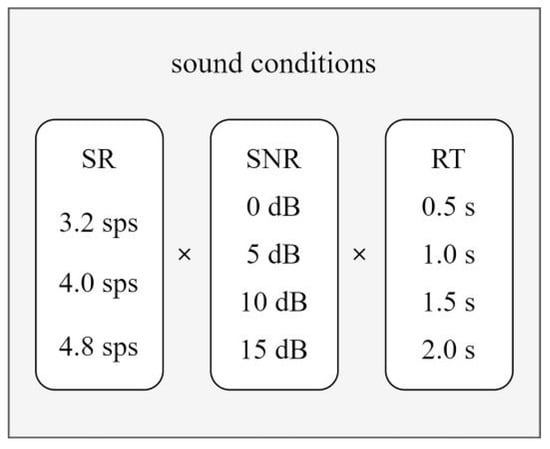
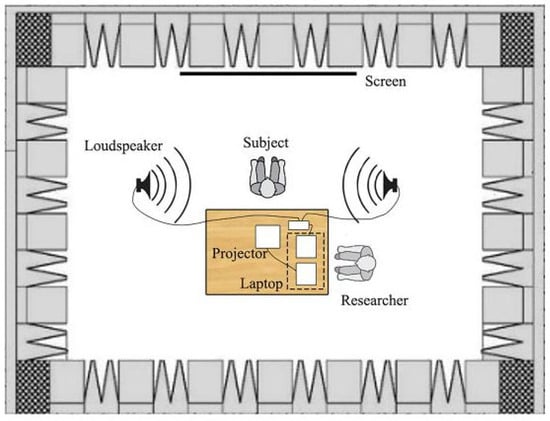
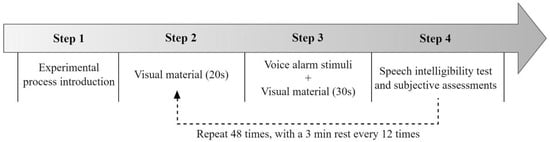
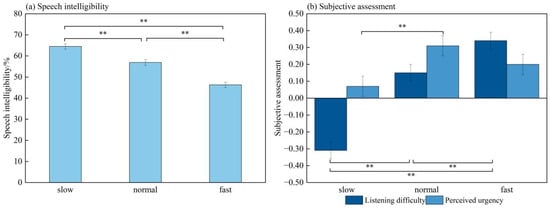
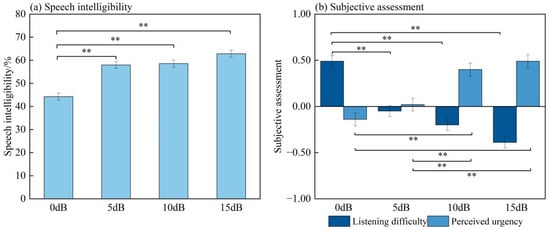
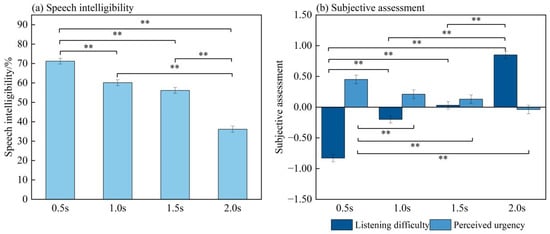
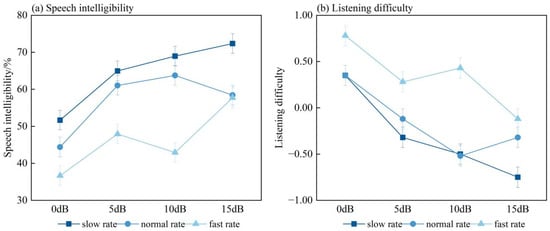
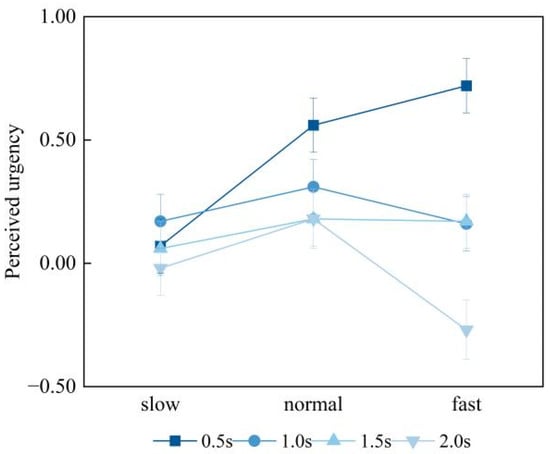
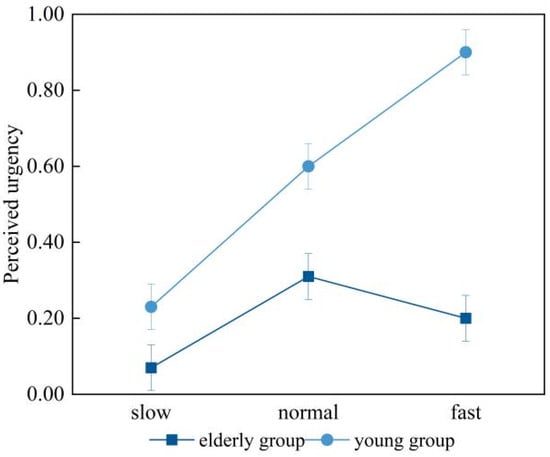
Using efficient voice alarms to ensure safe evacuation is important during emergencies, especially for the elderly. Factors that have important influence on speech perceptions have been investigated for several years. However, relatively few studies have specifically explored the key factors influencing perceptions of voice alarms in emergency situations. This study investigated the combined effects of speech rate (SR), signal-to-noise ratio (SNR), and reverberation time (RT) on older people’s perception of voice alarms. Thirty older adults were invited to evaluate speech intelligibility, listening difficulty, and perceived urgency after hearing 48 different voice alarm conditions. For comparison, 25 young adults were also recruited in the same experiment. The results for older adults showed that: (1) When SR increased, speech intelligibility significantly decreased, and listening difficulty significantly increased. Perceived urgency reached its maximum at the normal speech rate for older adults, in contrast to young adults, for whom urgency was greatest at the fast speech rate. (2) With the rising SNR, speech intelligibility and perceived urgency significantly increased, and listening difficulty significantly decreased. In contrast, with the rising RT, speech intelligibility and perceived urgency significantly decreased, while listening difficulty significantly increased. (3) RT exerted a relatively stronger independent influence on speech intelligibility and listening difficulty among older adults compared to young adults, which tended not to be substantially moderated by SR or SNR. The interactive effect of SR and RT on perceived urgency was significant for older people, but not significant for young people. These findings provide referential strategies for designing efficient voice alarms for the elderly.
Full article

Figure 1
Open AccessTechnical Note
Adaptive Kalman Filter-Based Impulsive Noise Cancellation for Broadband Active Noise Control in Sensitive Environments
by
Lichuan Liu, Lilin Du and Xianwen Wu
Acoustics 2026, 8(1), 1; https://doi.org/10.3390/acoustics8010001 - 23 Dec 2025
Abstract
►▼
Show Figures
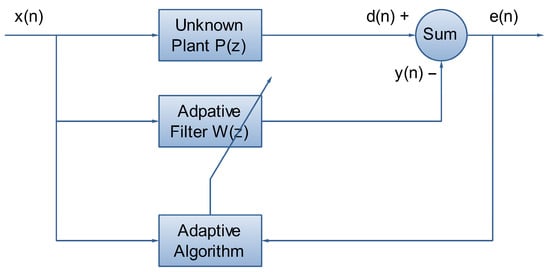
Impulsive noise poses a significant challenge to broadband feedforward active noise control (ANC) systems, particularly in sensitive environments such as infant incubators. This paper presents an adaptive impulsive noise cancellation approach based on the Kalman filter, designed to improve noise attenuation performance under
[...] Read more.
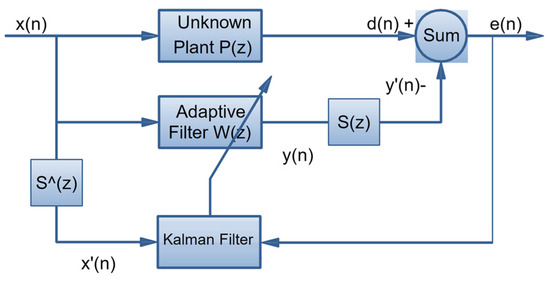
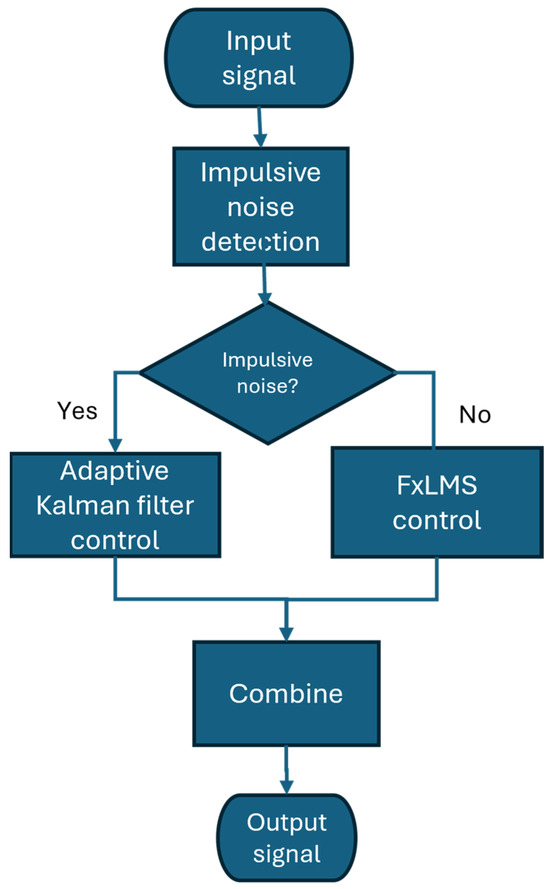
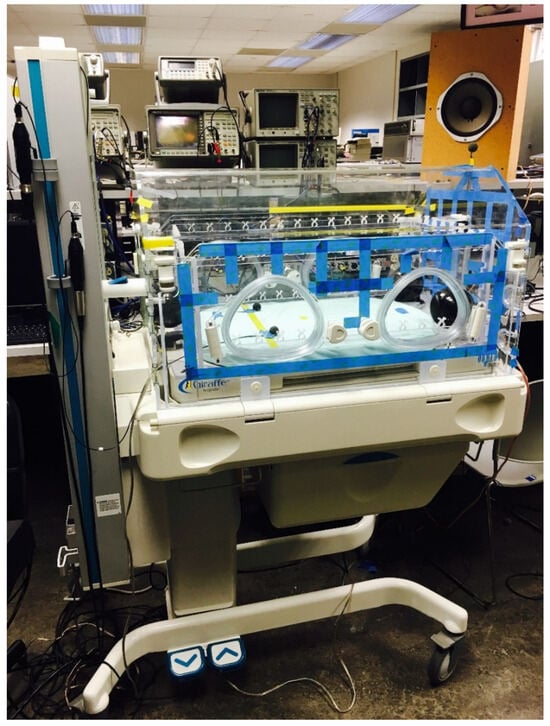
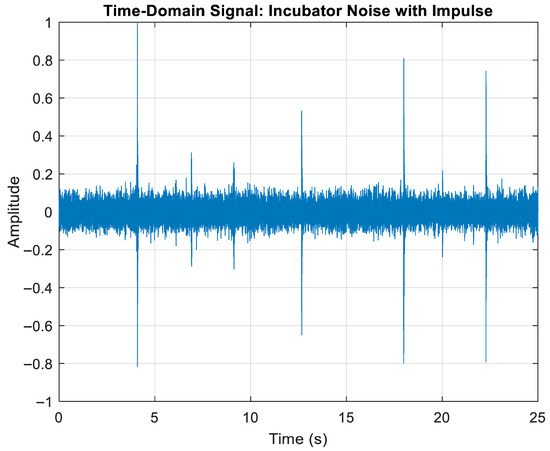
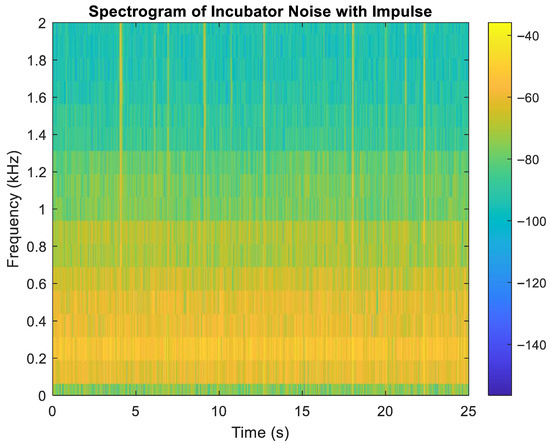
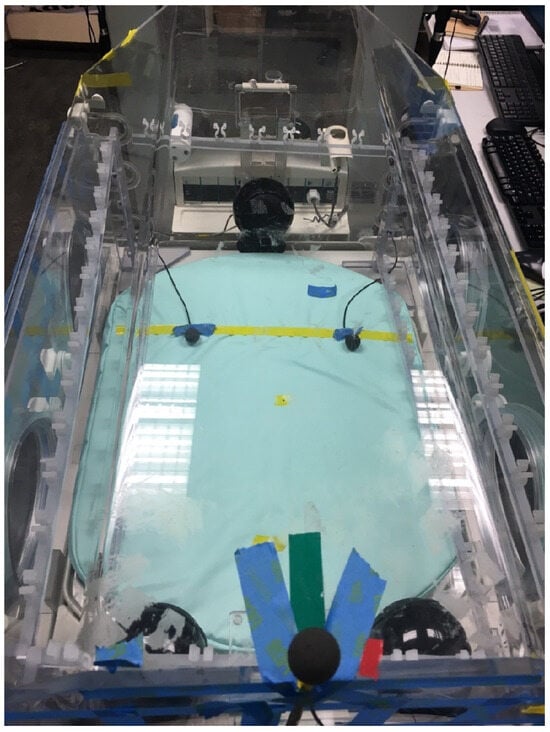
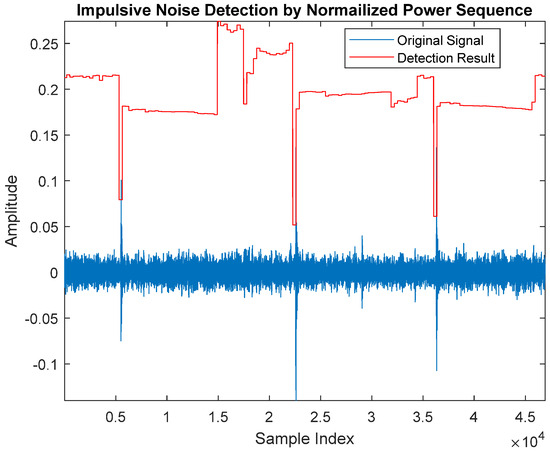
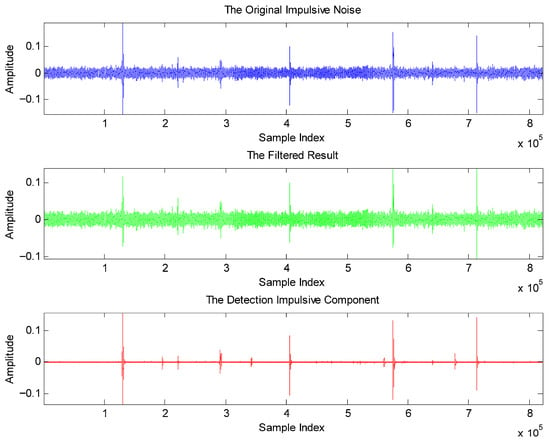
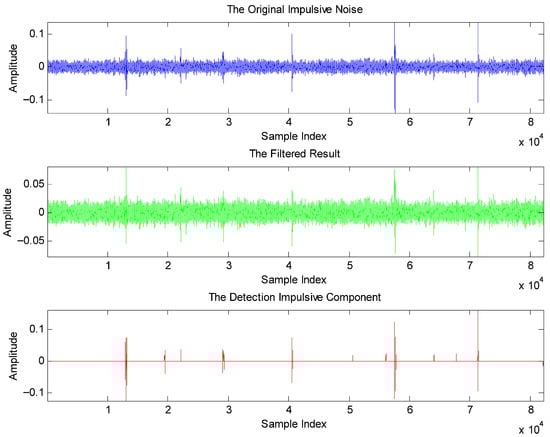
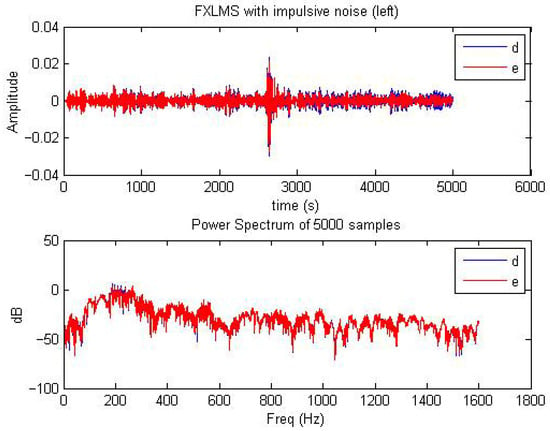
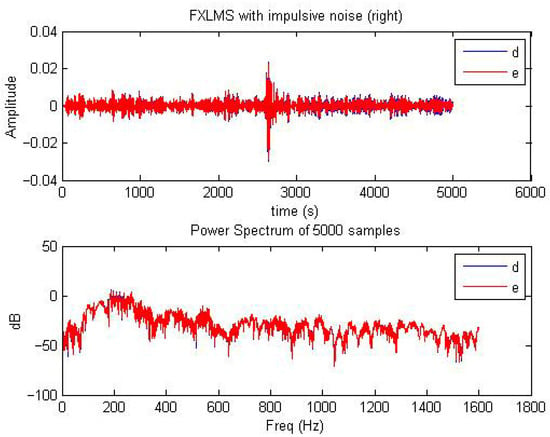
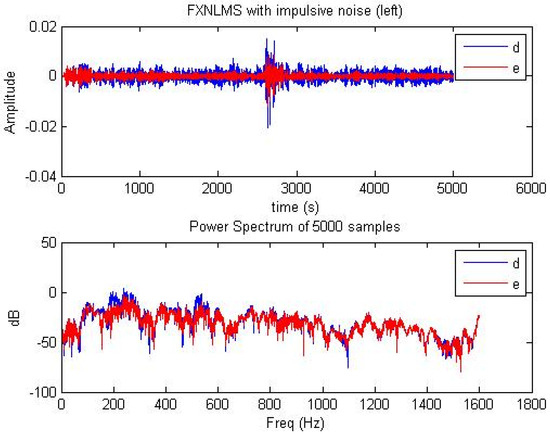
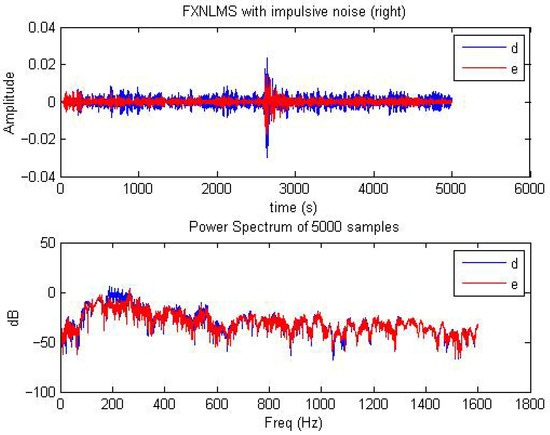
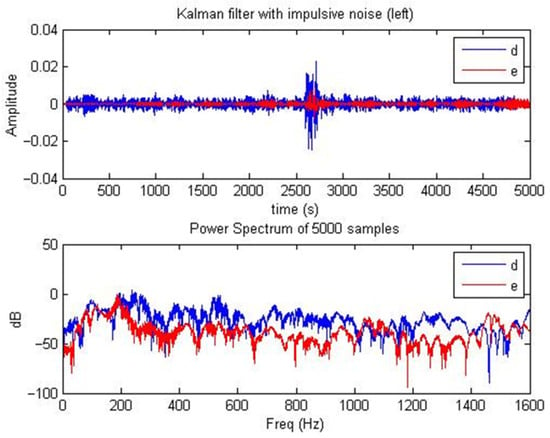
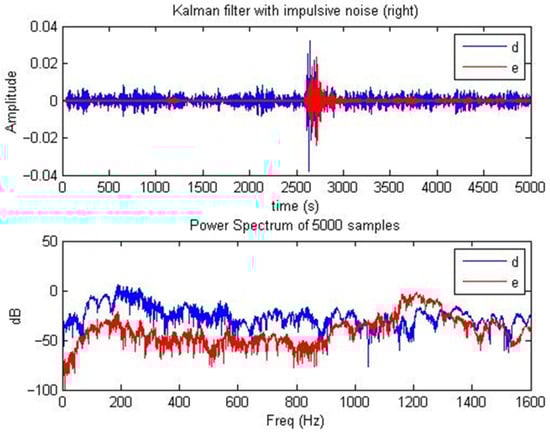
Impulsive noise poses a significant challenge to broadband feedforward active noise control (ANC) systems, particularly in sensitive environments such as infant incubators. This paper presents an adaptive impulsive noise cancellation approach based on the Kalman filter, designed to improve noise attenuation performance under nonstationary and impulsive interference. The proposed framework integrates impulsive noise detection with a Kalman filter-based suppression scheme. Simulation studies are conducted to evaluate the performance of the combined system in comparison to traditional ANC methods, such as Filtered-x Least Mean Square (FxLMS) and Filtered-x Normalized LMS (FxNLMS). Results demonstrate that the Kalman filter can effectively reduce the influence of impulsive disturbances without degrading overall broadband noise cancellation. A case study involving an infant incubator illustrates the practical effectiveness and robustness of the proposed technique in a real-world healthcare application. The findings support the integration of Kalman filter-based adaptive control in future ANC designs targeting impulsive noise environments.
Full article

Figure 1
Open AccessArticle
Acoustic Conditions and Listening Performance in High-Stakes EFL Tests: An Observational Study of Real-World Data
by
Makito Kawata and Hiroshi Hasegawa
Acoustics 2025, 7(4), 80; https://doi.org/10.3390/acoustics7040080 - 9 Dec 2025
Abstract
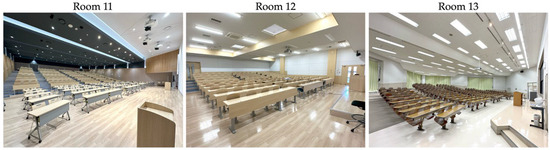
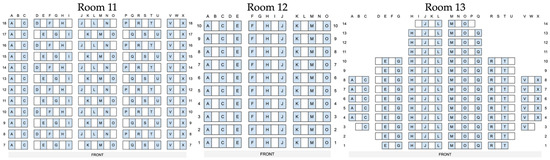
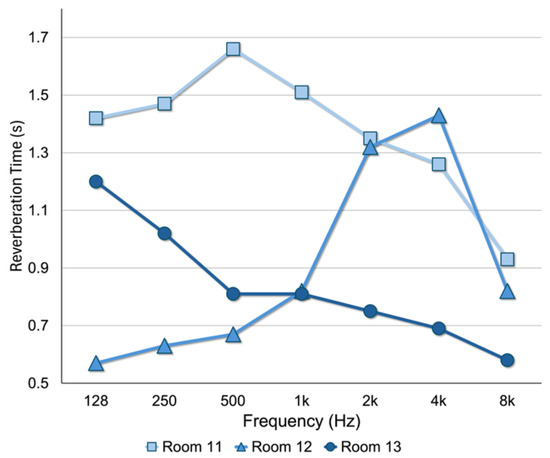
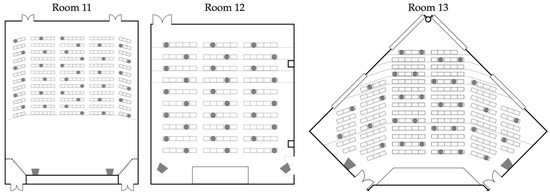
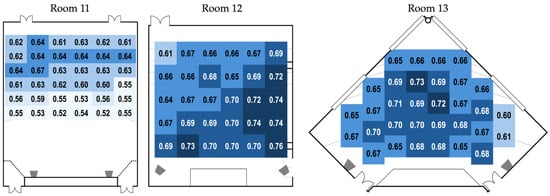
This study investigated how test room acoustic conditions relate to listening comprehension performance in a high-stakes English as a foreign language (EFL) assessment context. Using score data (n = 2532) from five TOEFL ITP test sessions conducted between 2021 and 2025 at
[...] Read more.
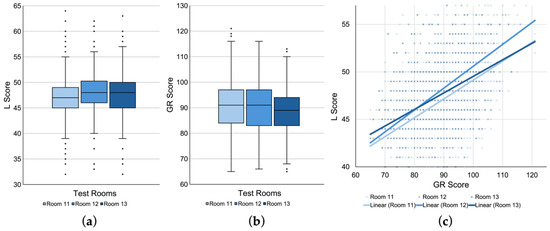
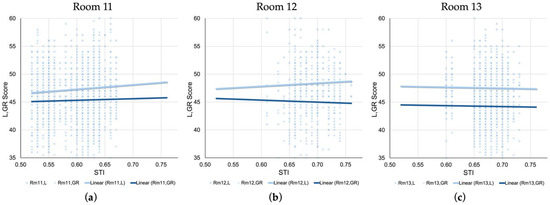
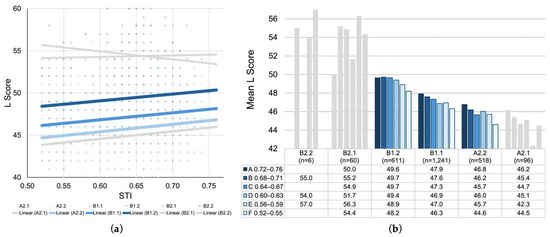
This study investigated how test room acoustic conditions relate to listening comprehension performance in a high-stakes English as a foreign language (EFL) assessment context. Using score data (n = 2532) from five TOEFL ITP test sessions conducted between 2021 and 2025 at a private university in Chiba, Japan, we compared performance across three lecture halls with documented differences in reverberation time (RT) and Speech Transmission Index (STI). Each listening score was linked to an approximated seat-based STI value, while grammar/reading scores were used to account for baseline proficiency. Linear mixed-effects modeling analyses indicated that examinees in the least favorable acoustic environment (RT0.5–2kHz 1.51 s, STI 0.60) obtained lower listening scores than those in rooms with shorter RT (0.93 s, 0.79 s) and higher STI (0.69, 0.67), respectively. Subgroup analyses revealed a significant effect at the CEFR-J B1.1 level, though the room and B1.1 effects showed modest estimated marginal mean differences (EMMDiff) roughly corresponding to 2–3 points on the total scale. Seat-based STI analyses also showed significant EMMDiff, with approximately 3–7 total score point differences observed between categories F (0.52–0.55) and ≥D (≥0.60). While the dataset was limited to one institution and the sample distribution limited generalizability of the findings, the study offers empirical findings that can inform future research and discussions on equitable listening assessment practices.
Full article
(This article belongs to the Special Issue Indoor Soundscape: Integrating Sound, Experience and Architecture (2nd Edition))
►▼
Show Figures

Figure 1
Open AccessArticle
Inverse Problem Solving for a Porous Acoustical Multilayered System Based on the Transfer Matrix Approach
by
Yassine Moradi, Julien Bustillo, Lionel Haumesser, Marc Lethiecq and Khalid Chikh
Acoustics 2025, 7(4), 79; https://doi.org/10.3390/acoustics7040079 - 5 Dec 2025
Abstract
►▼
Show Figures
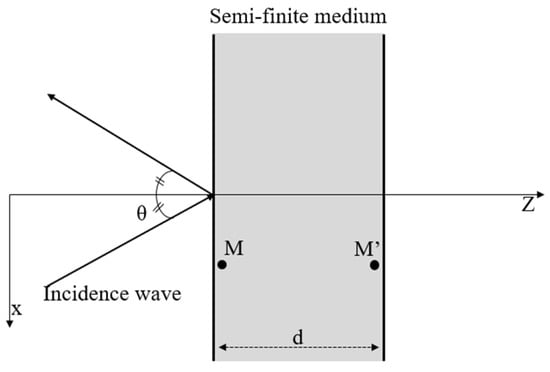
The acoustical modelling of multilayered systems is crucial for researchers and engineers aiming to evaluate and control the behaviour of complex media and to determine their internal properties. In this work, we first develop a forward model describing the propagation of acoustic waves
[...] Read more.
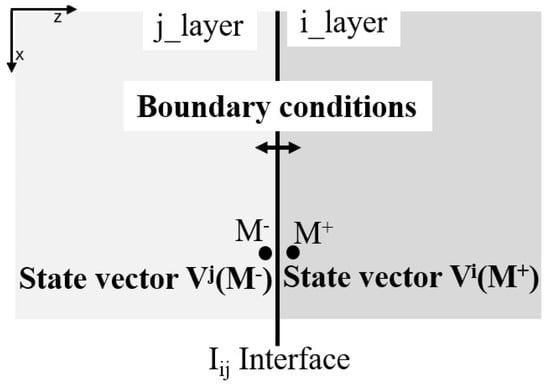
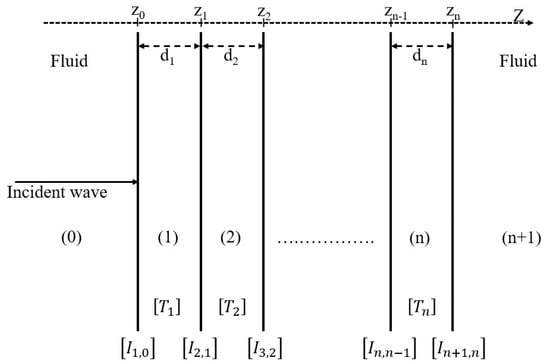
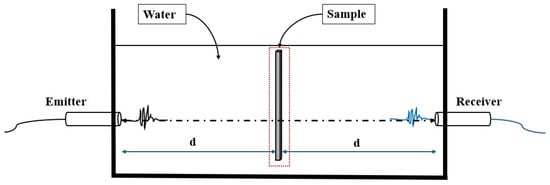
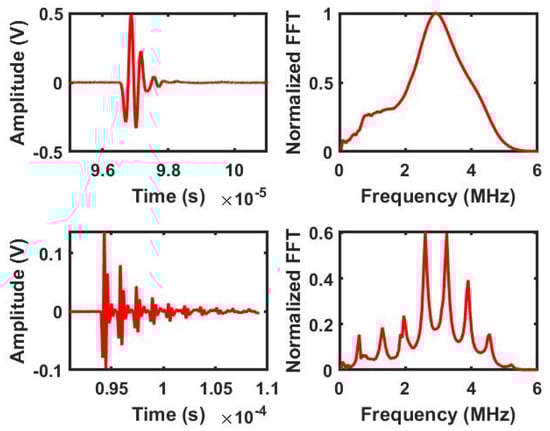
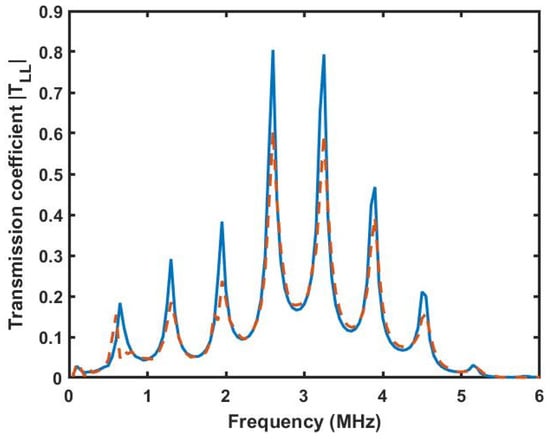
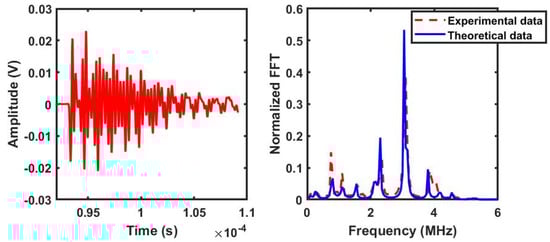
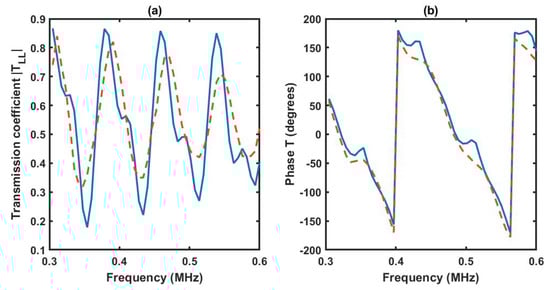
The acoustical modelling of multilayered systems is crucial for researchers and engineers aiming to evaluate and control the behaviour of complex media and to determine their internal properties. In this work, we first develop a forward model describing the propagation of acoustic waves through various types of materials, including fluids, solids, and poroelastic media. The model relies on the classical theoretical frameworks of Thomson and Haskell for non-porous layers, while Biot’s theory is employed to describe wave propagation in poroelastic materials. The propagation is mathematically treated using the transfer matrix method, which links the acoustic displacement and stress at the extremities of each layer. Appropriate boundary conditions are applied at each interface to assemble all local matrices into a single global matrix representing the entire multilayer system. This forward model allows the calculation of theoretical transmission coefficients, which are then compared to experimental measurements to validate the approach proposed. Secondly, this modelling framework is used as the basis for solving inverse problems, where the goal is to retrieve unknown internal parameters, such as mechanical or acoustic properties, by minimizing the discrepancy between simulated and experimental transmission spectra. This inverse problem approach is essential in non-destructive evaluation applications, where direct measurements are often unfeasible.
Full article

Figure 1
Open AccessArticle
Estimation of Sound Transmission Loss for Elastic Closed-Cell Porous Material in Mass Control Region
by
Jun Cai, Yining Yang, Lin Xu and Junyu Zhou
Acoustics 2025, 7(4), 78; https://doi.org/10.3390/acoustics7040078 - 3 Dec 2025
Abstract
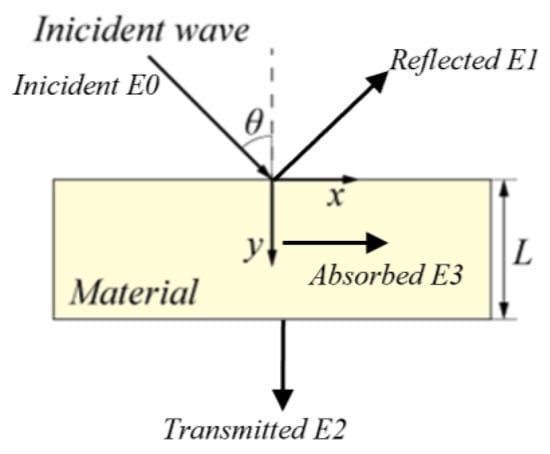
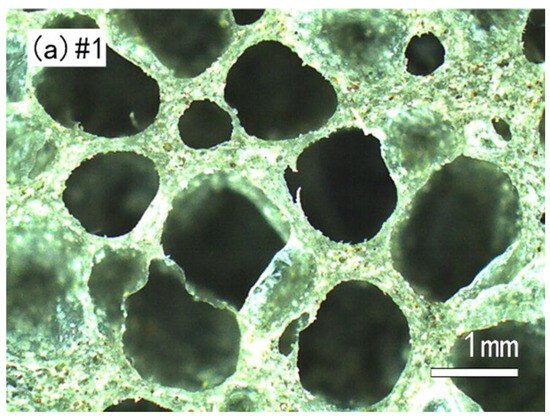
Elastic closed-cell porous material is widely applied as a class of light sound insulation product. However, it is difficult to accurately predict its soundproof property due to the occurrence of the closed cells. Therefore, a combined theoretical model of Biot’s theory and acoustic
[...] Read more.
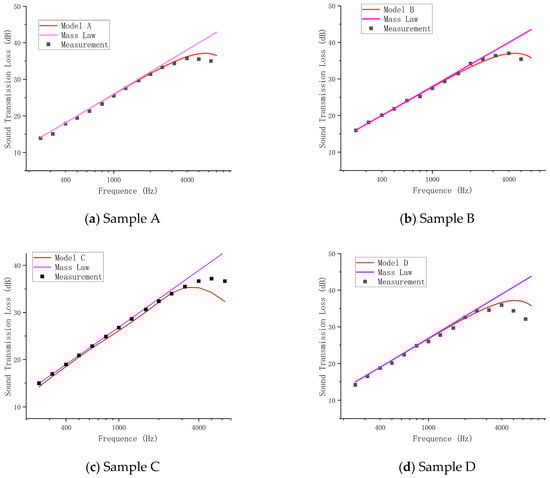
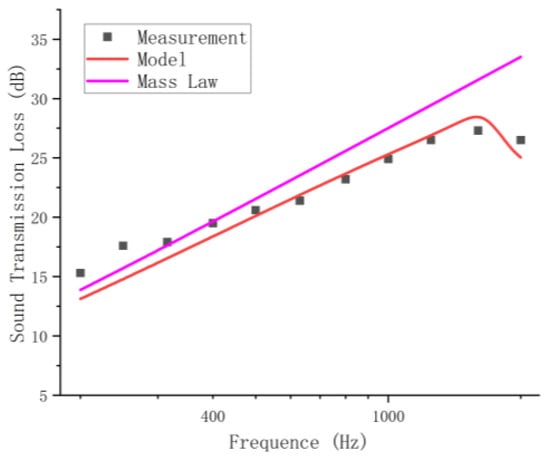
Elastic closed-cell porous material is widely applied as a class of light sound insulation product. However, it is difficult to accurately predict its soundproof property due to the occurrence of the closed cells. Therefore, a combined theoretical model of Biot’s theory and acoustic field equations has been developed to predict the sound transmission loss (STL) in the mass control region. Five NBR-PVC closed-cell composites with different parameters were selected to verify the prediction model. Their STL measurement values were compared with the data calculated separately by the theoretical model and the Mass Law, whether under normal incidence or under random incidence. The results show that the Mass Law overestimates the sound insulation values of closed-cell porous material. STL prediction values from the theoretical model have more acceptable agreements to the measurement data than those from the Mass Law. The average deviation rates of the theoretical model are less than 4% under the normal incidence condition and are about 2.9% under the random incidence condition.
Full article
(This article belongs to the Special Issue Vibration and Noise (2nd Edition))
►▼
Show Figures

Figure 1
Open AccessArticle
Evaluation of the Acoustic Noise Performance of a Switched Reluctance Motor Under Different Current Control Techniques
by
Francisco Juarez-Leon, Moien Masoumi, Babak Nahid-Mobarakeh and Berker Bilgin
Acoustics 2025, 7(4), 77; https://doi.org/10.3390/acoustics7040077 - 30 Nov 2025
Abstract
►▼
Show Figures
In recent years, switched reluctance motors have emerged as a promising option for various applications due to their low manufacturing cost, rare-earth-free construction, and mechanical robustness. However, their widespread adoption is often limited by high torque ripple and acoustic noise. To address these
[...] Read more.
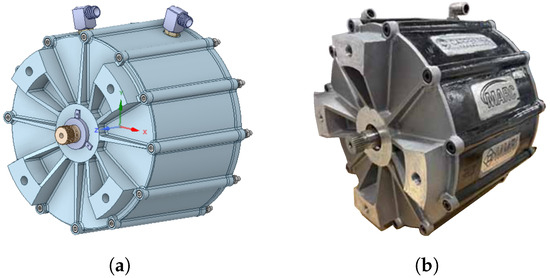
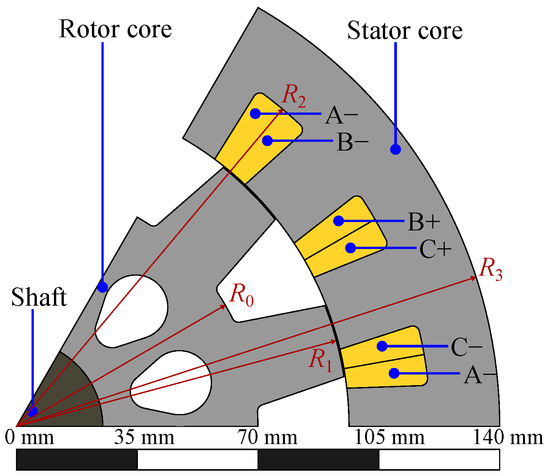
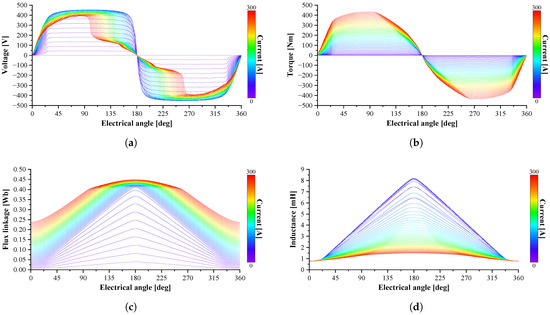
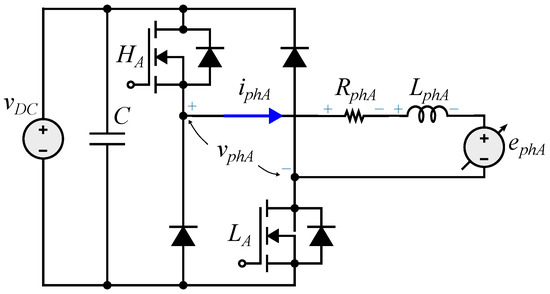
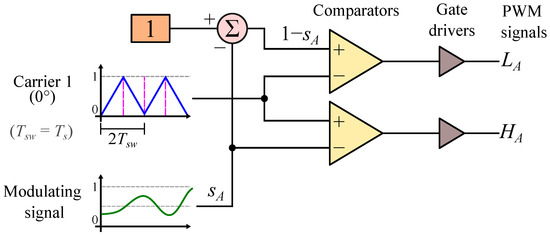
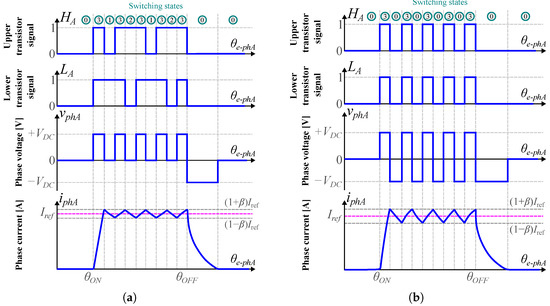
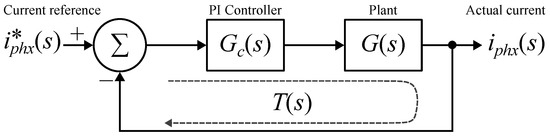
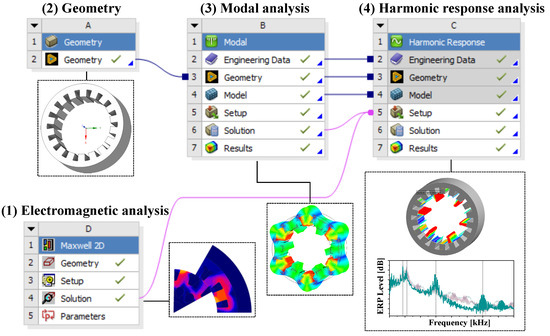
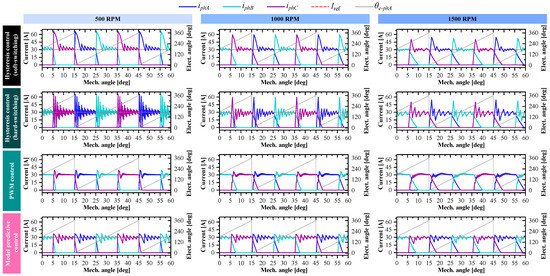
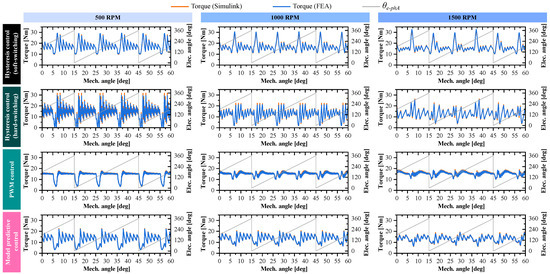
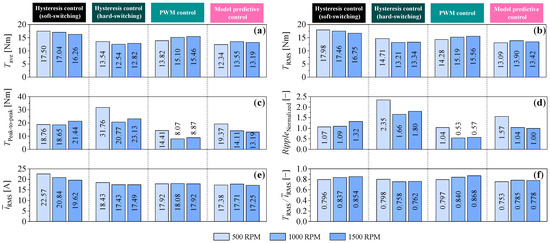
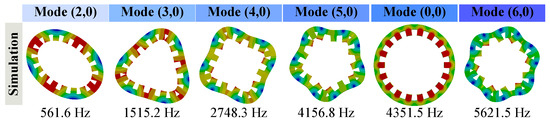
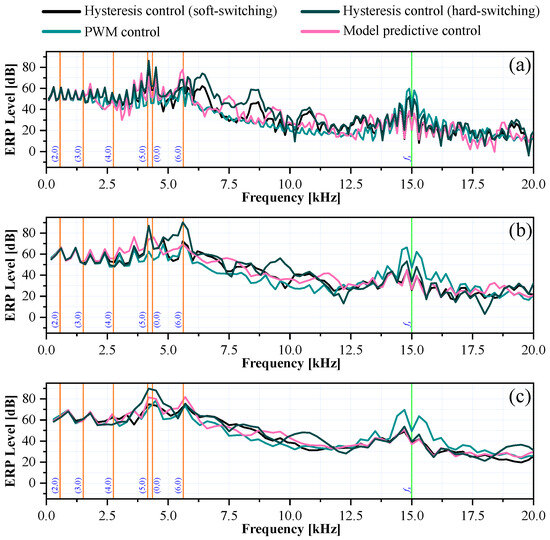
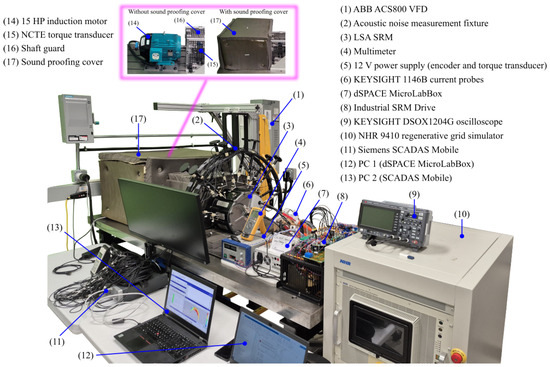
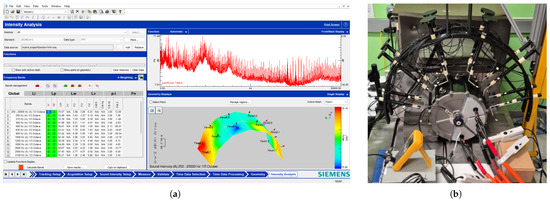
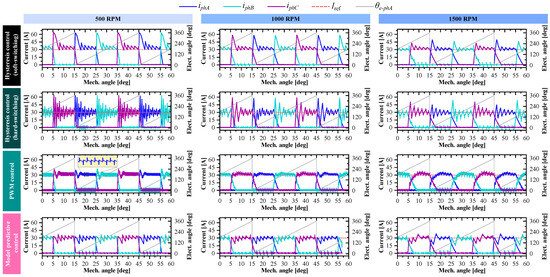
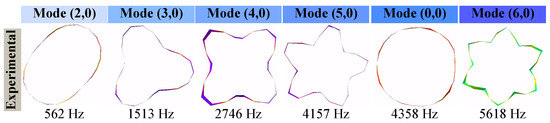
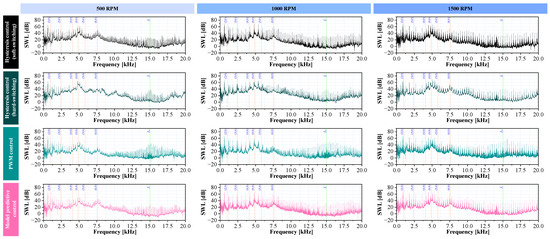
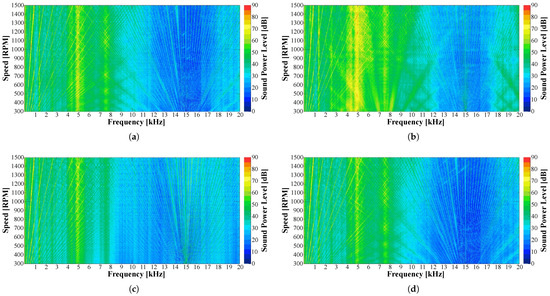
In recent years, switched reluctance motors have emerged as a promising option for various applications due to their low manufacturing cost, rare-earth-free construction, and mechanical robustness. However, their widespread adoption is often limited by high torque ripple and acoustic noise. To address these challenges, this paper presents a comparative study of the acoustic noise performance of an 18/12 switched reluctance motor under various current control techniques. This comparison offers valuable insight into the motor’s vibroacoustic characteristics, which is essential for optimizing SRM performance, particularly in applications where noise reduction is critical. Dynamic simulations of an SRM are carried out in MATLAB/Simulink, and multi-physics analyses are performed in ANSYS Workbench. The multi-physics modeling includes electromagnetic, modal, and harmonic response analyses for four current control techniques evaluated across different operating speeds under light-load conditions. The simulation results are validated experimentally using an actual motor mounted on a dynamometer setup. The corresponding acoustic signatures for each control technique are presented as 2D plots of equivalent radiated power from simulations and sound power level from experimental tests. In addition, experimental waterfall diagrams are provided for each control technique.
Full article

Figure 1
Open AccessArticle
A Recursive Generative Adversarial Denoising Learning Method for Acoustic-Based Gear Fault Diagnosis Under Non-Stationary Noise Interference
by
Zhiqun E, Xingjiang Ma, Yong Yao and Lei Sun
Acoustics 2025, 7(4), 76; https://doi.org/10.3390/acoustics7040076 - 21 Nov 2025
Abstract
►▼
Show Figures
Acoustic-based diagnosis (ABD) technology demonstrates promising application prospects for rotating machinery such as gears. However, non-stationary background noise may obscure or distort the target acoustic signal, potentially resulting in misdiagnosis or inadequate diagnosis in practical application. Therefore, preserving the inherent periodicity and sparsity
[...] Read more.
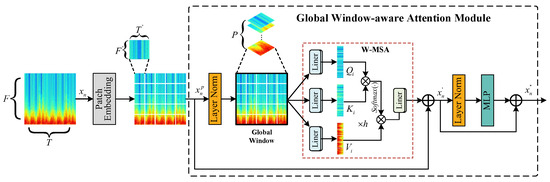
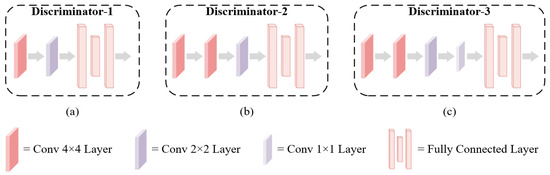
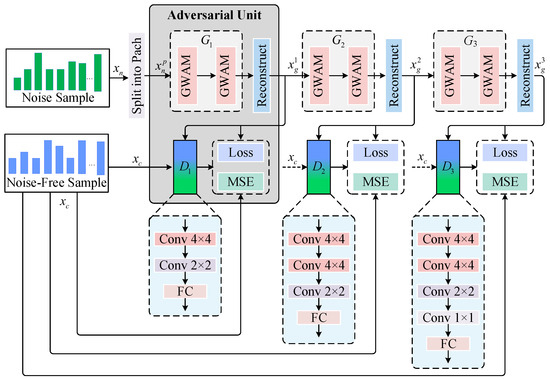
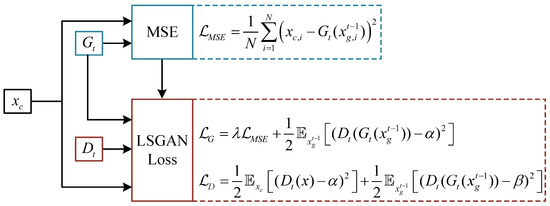
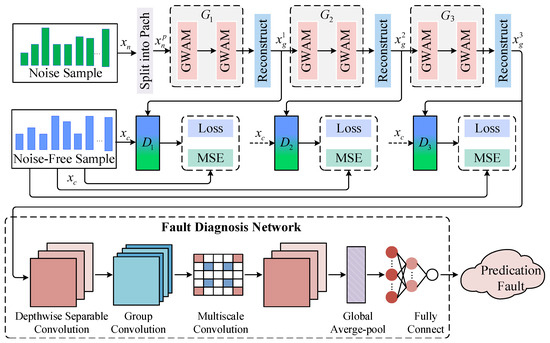
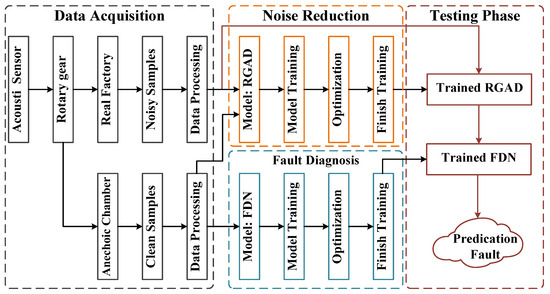
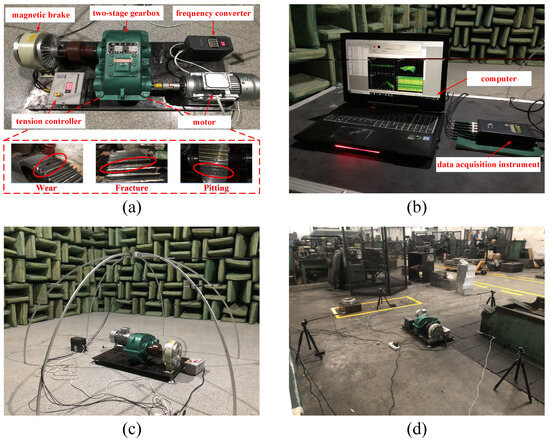
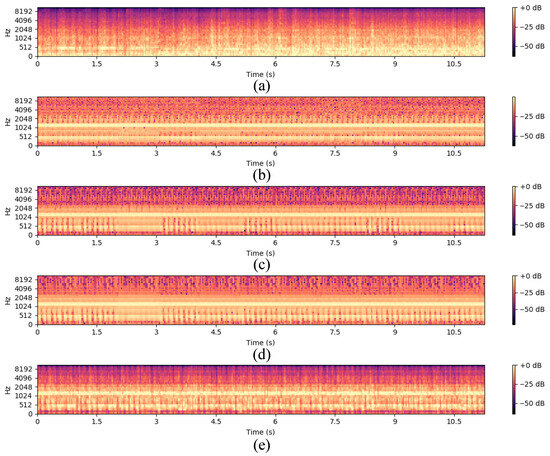
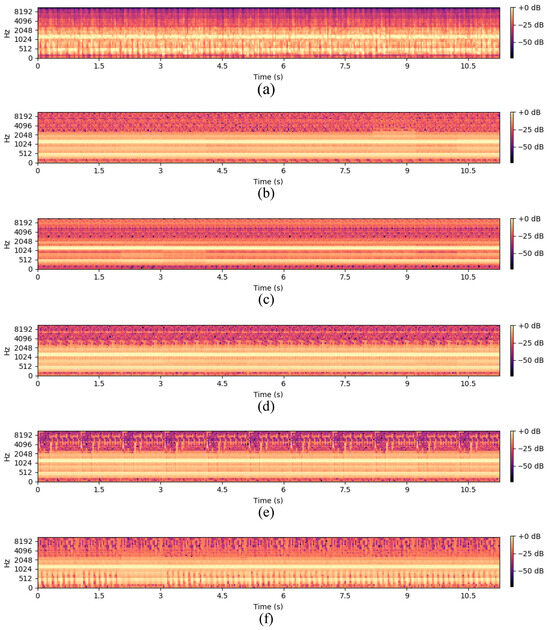
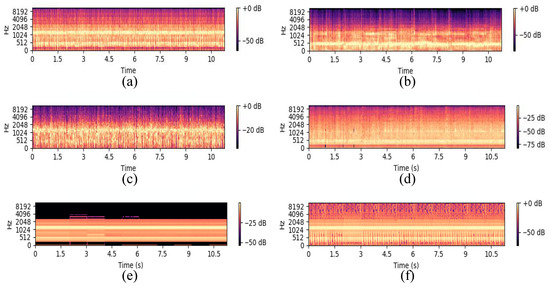
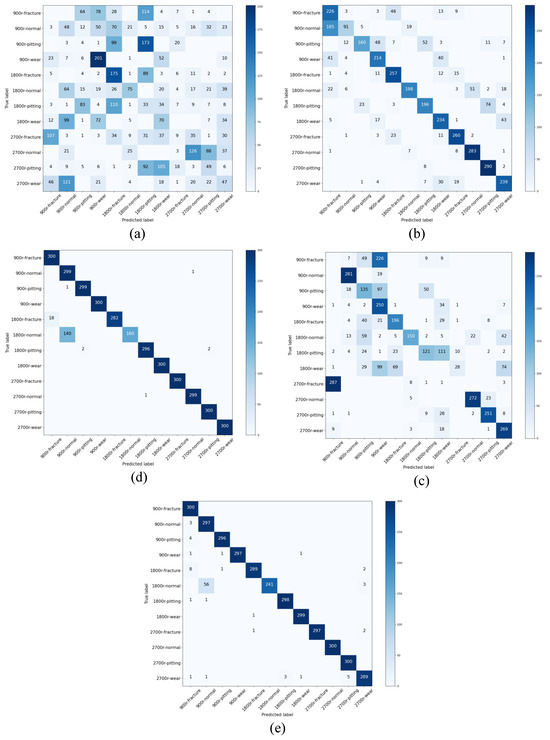
Acoustic-based diagnosis (ABD) technology demonstrates promising application prospects for rotating machinery such as gears. However, non-stationary background noise may obscure or distort the target acoustic signal, potentially resulting in misdiagnosis or inadequate diagnosis in practical application. Therefore, preserving the inherent periodicity and sparsity features of mechanical sound signals from non-stationary background noise constitutes a critical challenge to facilitating the effective application of ABD in practical industrial environments. To address the shortcoming, this paper proposes an ABD method based on Recursive Generative Adversarial Denoising (RGAD). Specifically, a Global Window-aware Attention Module (GWAM)-based generator is first designed to reconstruct periodic structural features of gear rotational acoustic signals by adaptively representing non-stationary noise components and recursively capturing global dependencies in the time–frequency domain. Subsequently, a generative adversarial mechanism is established through developing a recursive discriminative architecture, which enables the model to effectively alleviate the vanishing gradients during adversarial learning and recover the texture details of gear acoustic features in a coarse-to-fine manner through progressive guidance. Finally, combined with a fault diagnosis network (FDN), a complete RGAD-based ABD framework is constructed. Experimental results demonstrate that the proposed method effectively suppresses noise components while simultaneously reconstructing the periodic characteristics and fine texture details of gear rotational acoustic signals, thereby significantly improving the accuracy and reliability for gear acoustic diagnosis in real industrial scenarios.
Full article

Figure 1
Open AccessArticle
Physical Bounds on Underwater Sound Absorption by Coatings
by
James McDaniel, Gerson Amaya, Lisa Dangora and Elizabeth Magliula
Acoustics 2025, 7(4), 75; https://doi.org/10.3390/acoustics7040075 - 20 Nov 2025
Abstract
►▼
Show Figures
The development of sound-absorbing coatings for underwater structures has attracted significant attention due to their critical role in stealth and noise mitigation. While much of the recent research has focused on novel materials and complex configurations, the present study adopts a fundamentally different
[...] Read more.
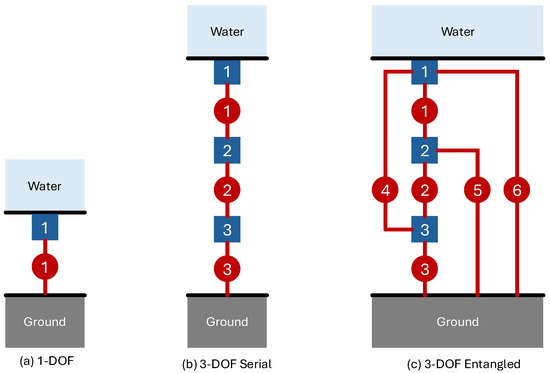
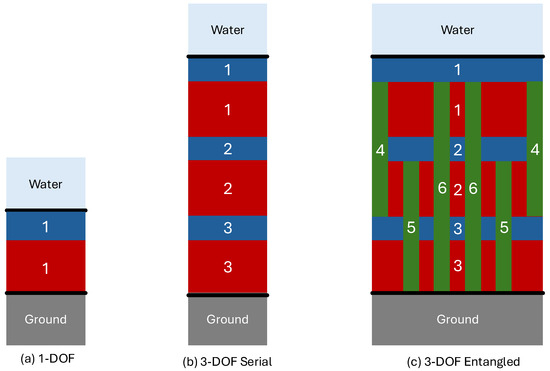
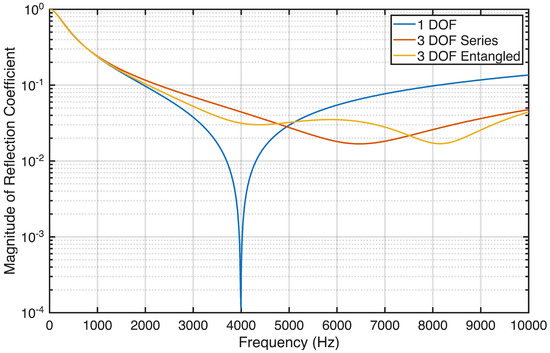
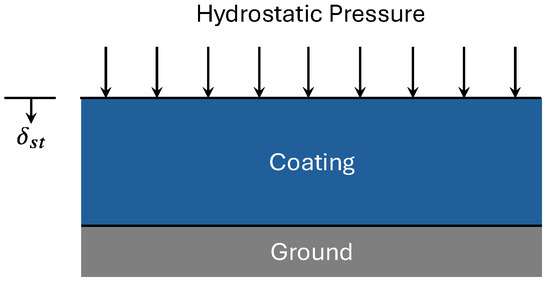
The development of sound-absorbing coatings for underwater structures has attracted significant attention due to their critical role in stealth and noise mitigation. While much of the recent research has focused on novel materials and complex configurations, the present study adopts a fundamentally different approach by establishing theoretical bounds on acoustic absorption that are independent of specific designs. Assuming only linearity and viscous damping, we model coatings using discrete mechanical elements characterized by mass, stiffness, and damping parameters. These models incorporate practical design constraints on added mass and hydrostatic compression of the coating. To identify configurations that maximize average acoustic absorption over a frequency range, we employ a Particle Swarm Optimization Algorithm that performs a global search over the constrained parameter space. A method for constraining the search space, which can be extended to any optimization algorithm, is presented and illustrated by examples. Perhaps surprisingly, our findings reveal that complex topologies yield only marginal performance gains compared to simpler configurations. For the canonical mass-spring-damper model, we derive closed-form approximations for absorption in the low-, mid-, and high-frequency regimes. These results establish performance ceilings for each topology, providing a benchmark for evaluating and guiding future material and structural innovations in underwater acoustic coatings.
Full article

Figure 1
Open AccessArticle
Noise-Reducing Structure Optimization of Inverted Bucket Steam Valves Based on SVM-NOA
by
Shuxun Li, Yiting Wang, Dan Liu, Wei Li, Yuhao Tian and Jianwei Wang
Acoustics 2025, 7(4), 74; https://doi.org/10.3390/acoustics7040074 - 13 Nov 2025
Abstract
The inverted bucket steam valve is a key piece of equipment in steam systems. Optimizing its noise reduction performance via intelligent algorithms is crucial for enhancing the stability of steam systems. In this study, the nutcracker optimization algorithm (NOA) was investigated and improved.
[...] Read more.
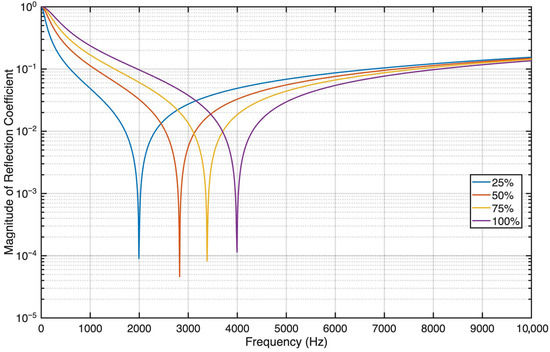
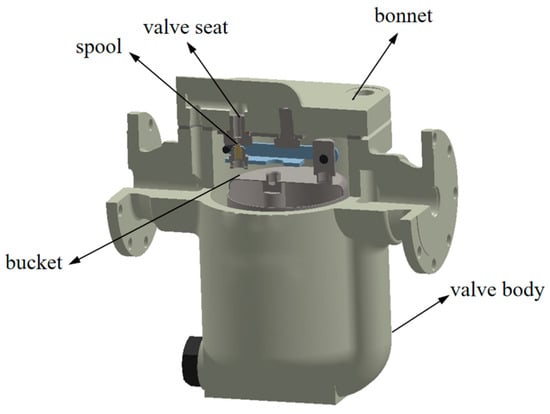
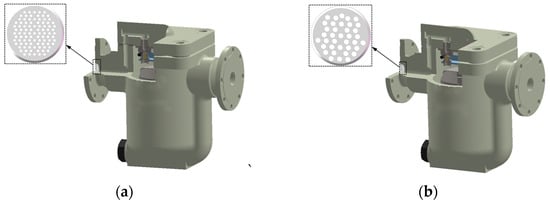
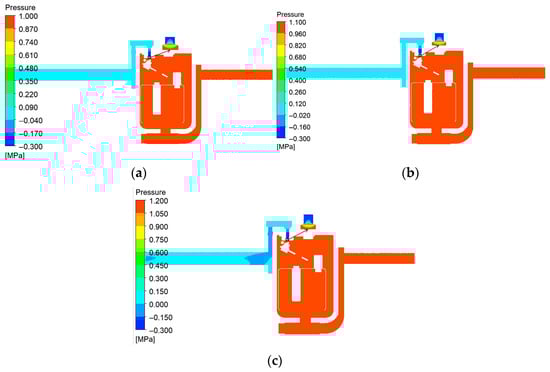
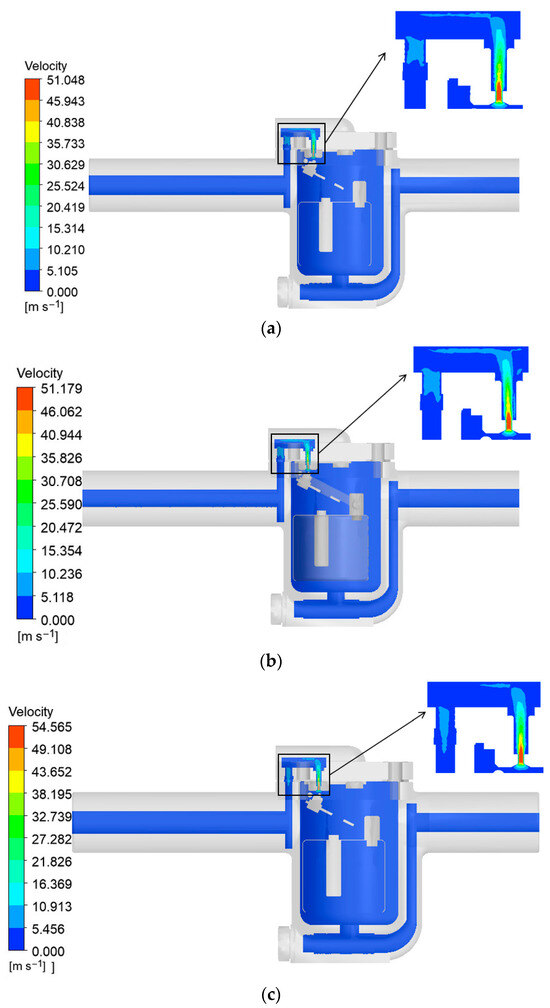
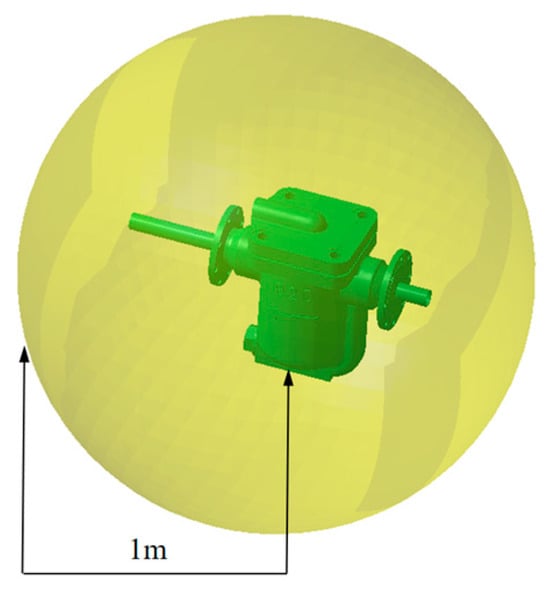
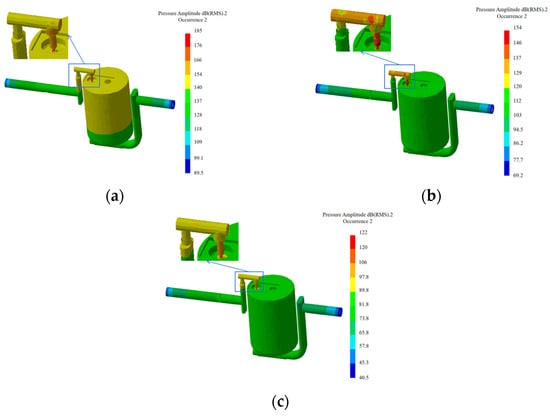
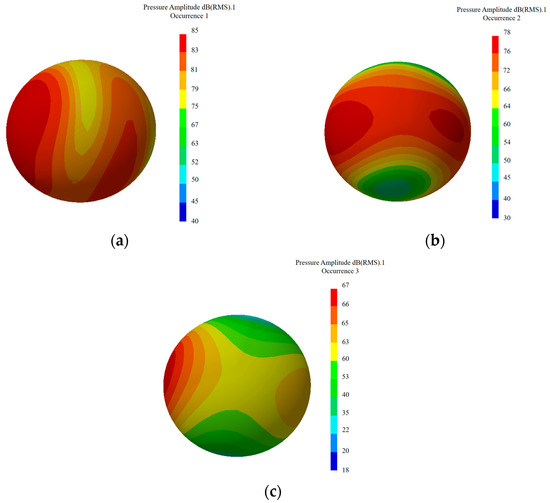
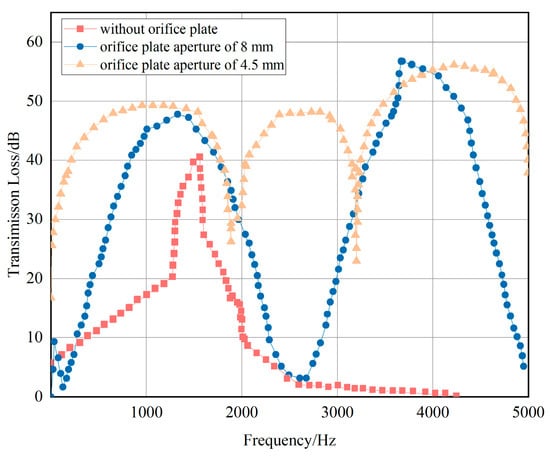
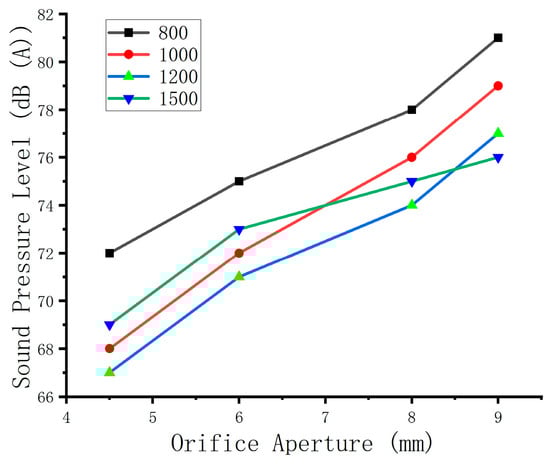
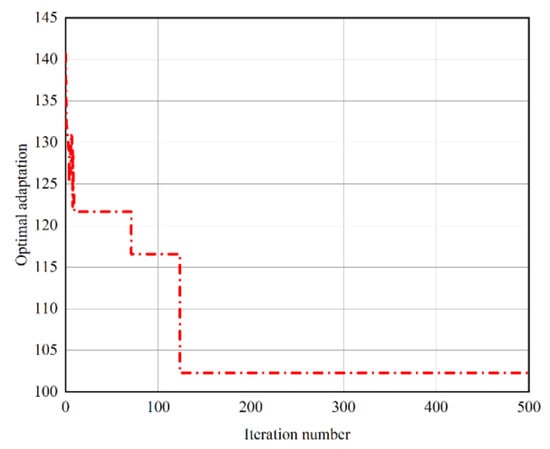
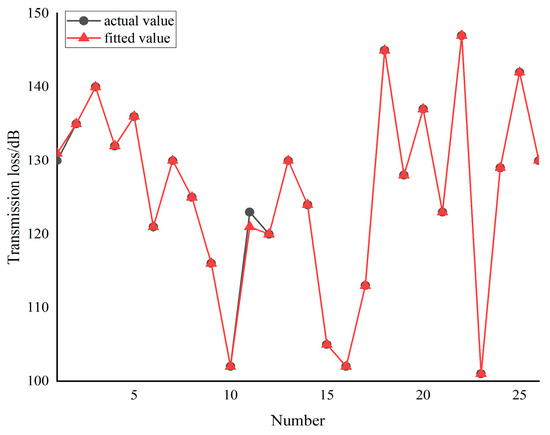
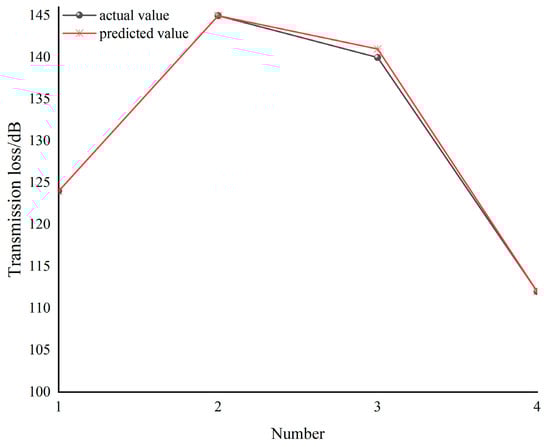
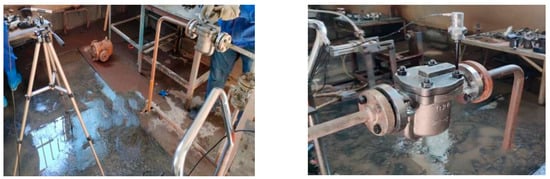
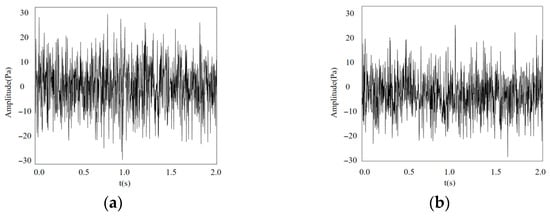
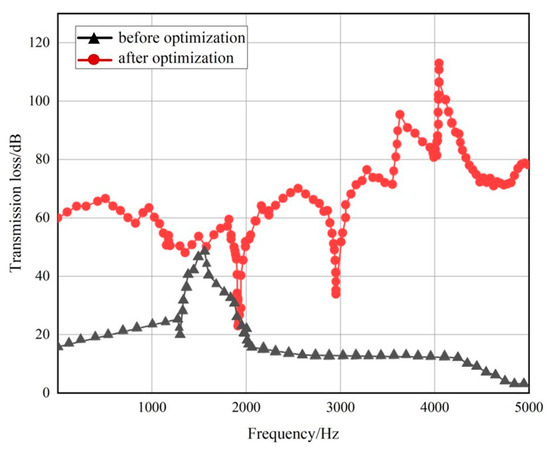
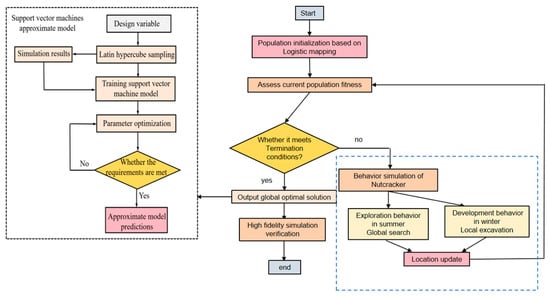
The inverted bucket steam valve is a key piece of equipment in steam systems. Optimizing its noise reduction performance via intelligent algorithms is crucial for enhancing the stability of steam systems. In this study, the nutcracker optimization algorithm (NOA) was investigated and improved. A simulation method coupling computational fluid dynamics (CFD) with acoustic software was employed to characterize the acoustic properties of inverted bucket steam valves equipped with noise-reducing elements of different structures. Subsequently, the structural dimensions of the valve’s noise-reducing element were optimized using a support vector machine (SVM)-based surrogate model and the improved NOA. Concurrently, experimental tests were conducted on the inverted bucket steam valve before and after optimization to validate the simulation accuracy. The experimental results demonstrate that the SVM-NOA increases the maximum transmission loss (TL) of the valve’s noise-reducing element by 44.14 dB, with the error between experimental and simulation results being less than 3%. This verifies the accuracy of the acoustic simulation method and confirms the practicality and versatility of the SVM-NOA for solving real-world engineering problems.
Full article
(This article belongs to the Special Issue Vibration and Noise (2nd Edition))
►▼
Show Figures

Figure 1
Open AccessArticle
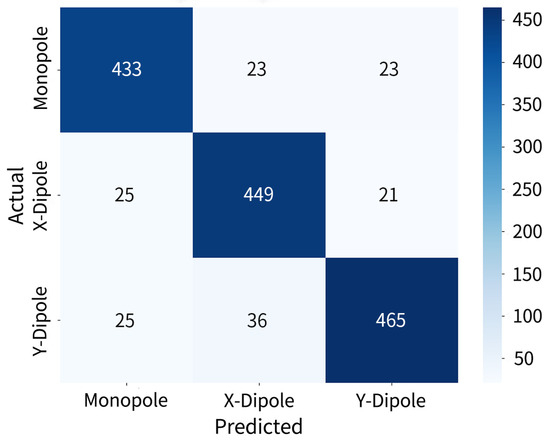
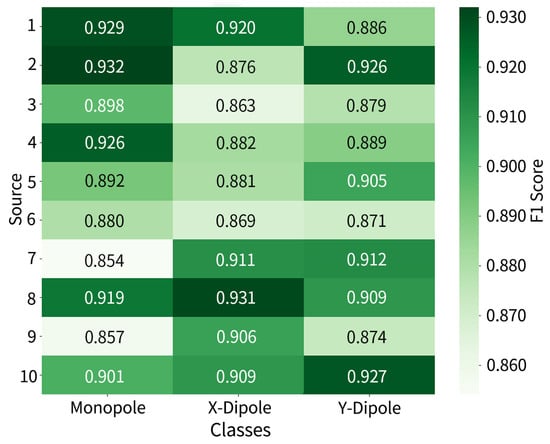
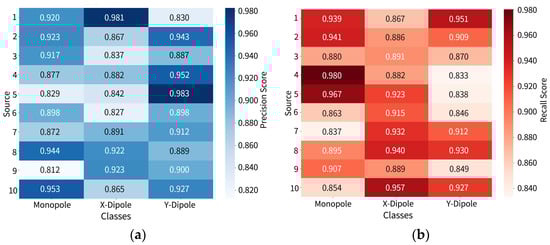
Enhancing the Accuracy of Monopole and Dipole Source Identification with Vision Transformer
by
Junwen Chen, Bohan Ma, Cheng Wei Lee, Xun Liu and Wei Ma
Acoustics 2025, 7(4), 73; https://doi.org/10.3390/acoustics7040073 - 10 Nov 2025
Abstract
►▼
Show Figures
The identification of mixed monopole and dipole sound sources under highly randomized acoustic environments is of interest in many industrial applications. The DAMAS–MS method is one of the few methods that has been explicitly developed to address this problem. However, it suffers from
[...] Read more.
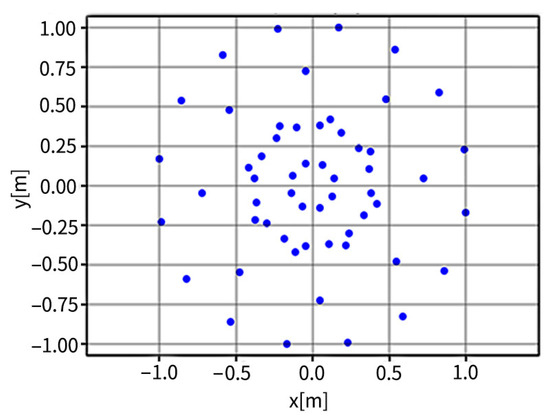
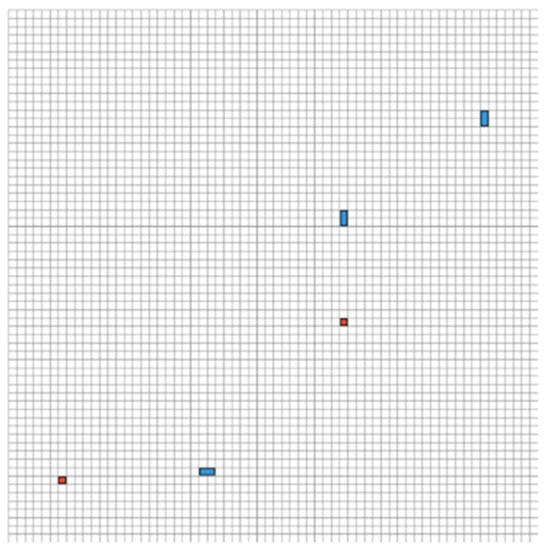
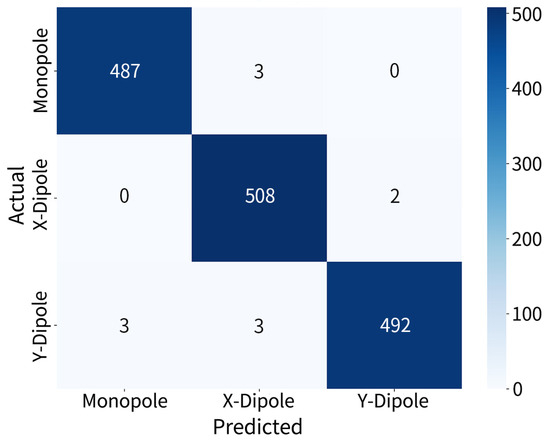
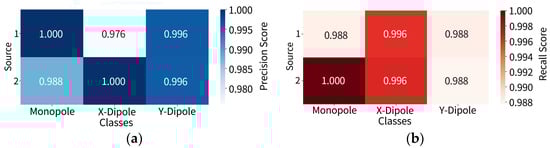
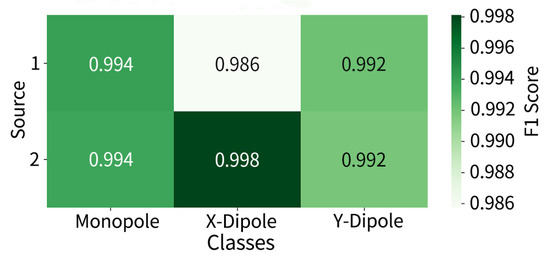
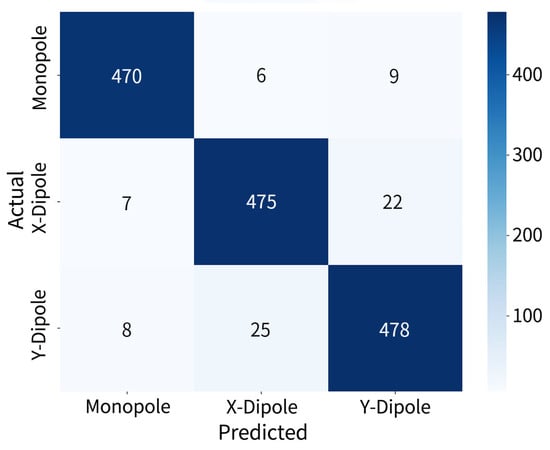
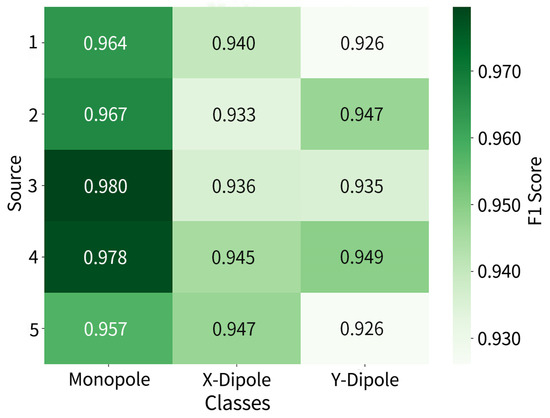
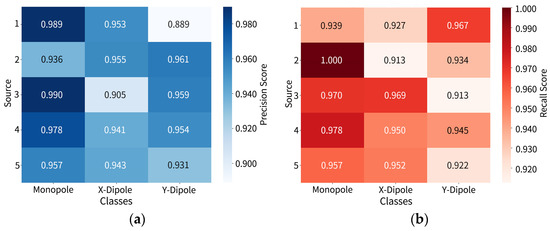
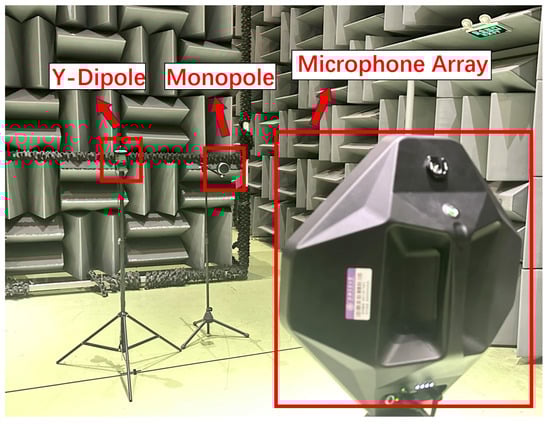
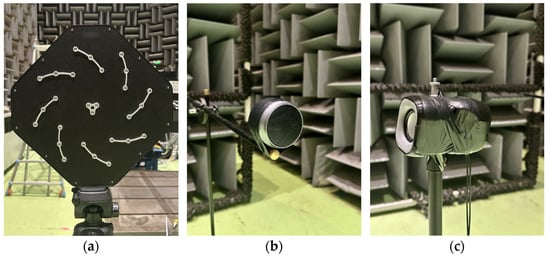
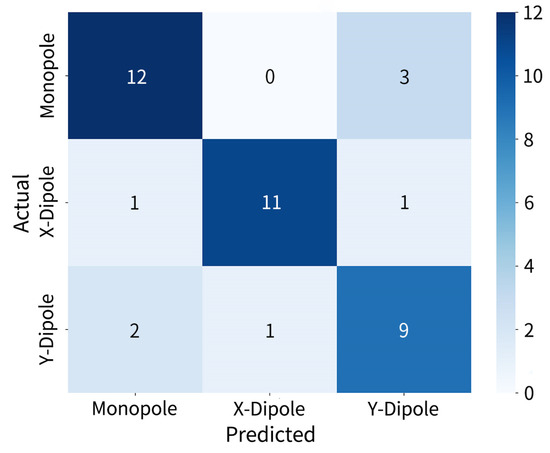
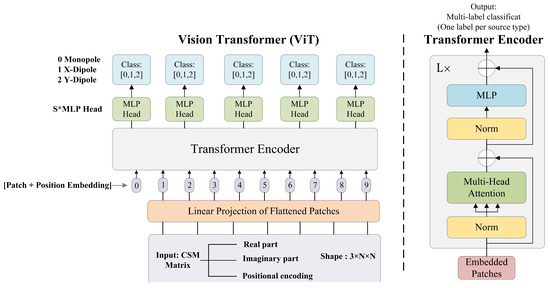
The identification of mixed monopole and dipole sound sources under highly randomized acoustic environments is of interest in many industrial applications. The DAMAS–MS method is one of the few methods that has been explicitly developed to address this problem. However, it suffers from a critical constraint in that it consistently exhibits limited accuracy in identifying monopole sources, which leads to their underestimation in the final results. To overcome this constraint, this paper proposed a novel identification framework that integrates vision transformer (ViT) with beamforming techniques. The framework leverages preliminary beamforming results to construct input features by extracting the real and imaginary components of the cross-spectral matrix at target frequencies and incorporating spatial position encodings derived from estimated source locations. To ensure adaptability to varying source densities, multiple ViT sub-models are trained on representative scenarios. This strategy enables effective generalization across the target range and supports multi-label identification of monopole and dipole sources with varied configurations. Furthermore, anechoic chamber experiments with synthesized monopole and dipole emitters validate the method’s stability under single-frequency excitation. Compared to the DAMAS–MS method, the proposed method achieves improved identification accuracy for monopole sources, while maintaining comparable performance in dipole source identification, underscoring its potential for practical applications.
Full article

Figure 1

Open AccessOpinion
Envisioning the Future of Machine Learning in the Early Detection of Neurodevelopmental and Neurodegenerative Disorders via Speech and Language Biomarkers
by
Georgios P. Georgiou
Acoustics 2025, 7(4), 72; https://doi.org/10.3390/acoustics7040072 - 10 Nov 2025
Cited by 1
Abstract
Speech and language offer a rich, non-invasive window into brain health. Advances in machine learning (ML) have enabled increasingly accurate detection of neurodevelopmental and neurodegenerative disorders through these modalities. This paper envisions the future of ML in the early detection of neurodevelopmental disorders
[...] Read more.
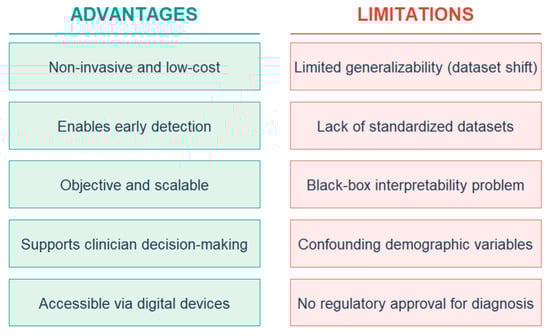
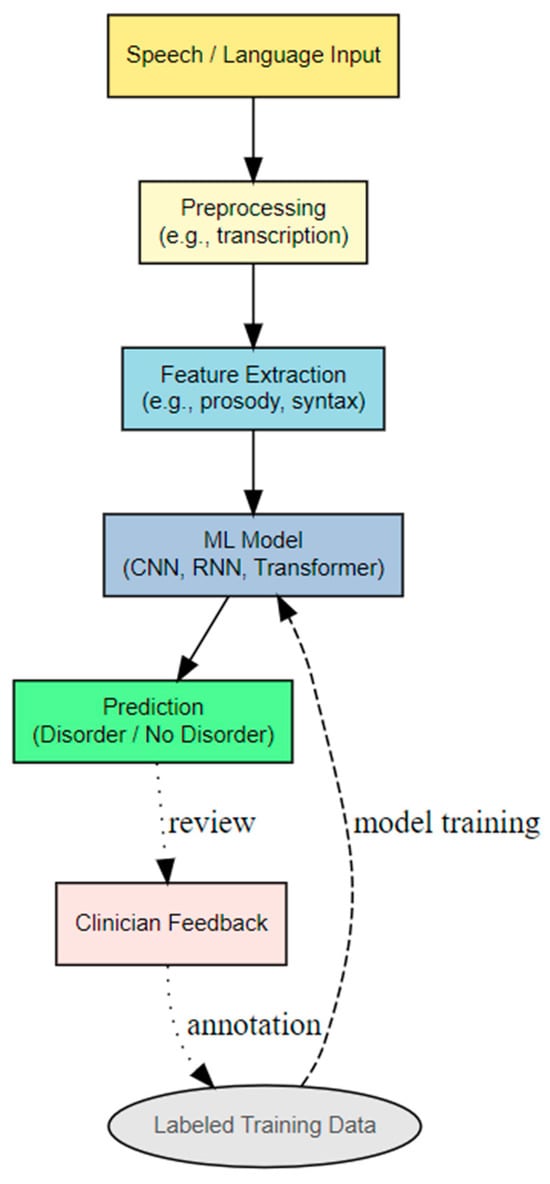
Speech and language offer a rich, non-invasive window into brain health. Advances in machine learning (ML) have enabled increasingly accurate detection of neurodevelopmental and neurodegenerative disorders through these modalities. This paper envisions the future of ML in the early detection of neurodevelopmental disorders like autism spectrum disorder and attention-deficit/hyperactivity disorder, and neurodegenerative disorders, such as Parkinson’s disease and Alzheimer’s disease, through speech and language biomarkers. We explore the current landscape of ML techniques, including deep learning and multimodal approaches, and review their applications across various conditions, highlighting both successes and inherent limitations. Our core contribution lies in outlining future trends across several critical dimensions. These include the enhancement of data availability and quality, the evolution of models, the development of multilingual and cross-cultural models, the establishment of regulatory and clinical translation frameworks, and the creation of hybrid systems enabling human–artificial intelligence (AI) collaboration. Finally, we conclude with a vision for future directions, emphasizing the potential integration of ML-driven speech diagnostics into public health infrastructure, the development of patient-specific explainable AI, and its synergistic combination with genomics and brain imaging for holistic brain health assessment. Overcoming substantial hurdles in validation, generalization, and clinical adoption, the field is poised to shift toward ubiquitous, accessible, and highly personalized tools for early diagnosis.
Full article
(This article belongs to the Special Issue Artificial Intelligence in Acoustic Phonetics)
►▼
Show Figures

Figure 1
Highly Accessed Articles
Latest Books
E-Mail Alert
News
Topics
Special Issues
Special Issue in
Acoustics
Indoor Soundscape: Integrating Sound, Experience and Architecture (2nd Edition)
Guest Editors: Papatya Nur Dökmeci Yörükoğlu, Jian KangDeadline: 22 June 2026
Special Issue in
Acoustics
Artificial Intelligence in Acoustic Phonetics
Guest Editor: Georgios P. GeorgiouDeadline: 15 July 2026
Special Issue in
Acoustics
Advancing Audio/Speech Machine Learning: From Static to Continual Learning
Guest Editor: Kele XuDeadline: 22 July 2026
Special Issue in
Acoustics
The Past Has Ears: Archaeoacoustics and Acoustic Heritage
Guest Editor: Brian FG KatzDeadline: 31 August 2026