


Abstract
The ongoing yearly rise in worldwide methane (CH4) emissions is mostly due to human activities. Nevertheless, since over half of these emissions are scattered and have a concentration of less than 3% (v/v), traditional physical–chemical methods are not very effective in reducing them. In this context, biotechnologies like biofiltration using methane-consuming bacteria, also known as methanotrophs, offer a cost-efficient and practical approach to addressing diffuse CH4 emissions. The present review describes recent findings in biofiltration processes as one of the earliest biotechnologies for treating polluted air. Specifically, impacts of biotic (such as cooperation between methanotrophs and non-methanotrophic bacteria and fungi) and abiotic factors (such as temperature, salinity, and moisture) that influence CH4 biofiltration were compiled. Understanding the processes of methanogenesis and methanotrophy holds significant importance in the development of innovative agricultural practices and industrial procedures that contribute to a more favourable equilibrium of greenhouse gases. The integration of advanced genetic analyses can enable holistic approaches for unravelling the potential of biological systems for methane mitigation. This study pioneers a holistic approach to unravelling the biopotential of methanotrophs, offering unprecedented avenues for biotechnological applications.
1. Introduction
The group of six greenhouse gases (GHG) emissions comprises carbon dioxide (CO2), methane (CH4), nitrous oxide (N2O), sulfur hexafluoride (SF6), hydrofluorocarbon (HFC), and perfluorocarbon (PFC) [1], collectively known as carbon dioxide equivalents (CO2e) [2]. Methane, the second most significant GHG, contributes 16% of global GHG emissions from both human and natural sources and is 21 times more potent per unit as a GHG compared to CO2 [3]. In 2005, global GHG emissions totalled over 44 gigatons (Gt) of CO2e, with CH4 accounting for 7 Gt of CO2e [4,5]. Approximately 60% of CH4 emissions arise from activities like agriculture, coal mining, landfills, natural gas, and oil, while the rest originate from natural sources [6]. Each GHG has distinct properties regarding infrared absorption and atmospheric lifespan after emission [7]. Since 1750, GHG concentrations in the atmosphere have increased from a CO2e level of 280 ppm to 430 ppm, with a pre-industrial level of 380 ppm [8]. The atmospheric CH4 concentration has risen 2.5-fold over the past millennium, posing challenges to Earth temperature stability in the 21st century [9]. Currently, methane is emitted at an average rate of 600 teragrams (Tg) per year by both natural and human sources, with 55% of anthropogenic emissions containing less than 3 vol.% (v/v) methane (CH4) [10,11].
The annual methane production from landfills worldwide was estimated to be approximately 30 teragrams in 2005, accounting for roughly 5% of the total net methane production [12]. Methane, being a greenhouse gas, is significantly more harmful to the environment, with its impact estimated to be 21–25 times greater than that of CO2, and it remains in the atmosphere for approximately 12 years [13,14]. Global warming’s indirect effects are contributing to additional methane emissions, such as the thawing of permafrost, which releases long-term stored methane [15]. Moreover, the increased plant productivity resulting from rising atmospheric CO2 levels may stimulate methane production in wetlands and agriculture due to enhanced production of labile soil carbon [16,17]. The remaining 40% of methane emissions are of natural origin and primarily emanate from wetlands and oceans [18,19].
Global political initiatives, including the Paris Agreement, are pushing nations to curb methane (CH4) emissions as part of efforts to limit temperature increases to 1.5–2 °C above pre-industrial levels [20]. While technologies like combustion can control CH4 emissions from landfills, older or smaller landfills often find traditional methods less feasible, making biofiltration a promising alternative [21]. Biofiltration, one of the earliest biotechnologies for treating polluted air, was initially used solely to combat odours [22,23]. However, it has since proven reliable in eliminating volatile organic compounds (VOCs) and volatile inorganic compounds (VICs) in contaminated air [24,25]. Biotechnologies, particularly through methanotroph activity, offer a cost-effective and eco-friendly alternative to physical–chemical methods [26]. Among these, biofilters have gained popularity in recent decades for treating diffuse CH4 emissions [27,28]. A similar approach for older landfills involves biocovers or soil covers [29,30]. This review summarizes recent information on methane biofiltration processes, various methanotroph species (both methanotrophic and non-methanotrophic bacteria and fungi), and key factors such as salinity and temperature that influence CH4 biofiltration.
2. Methodology
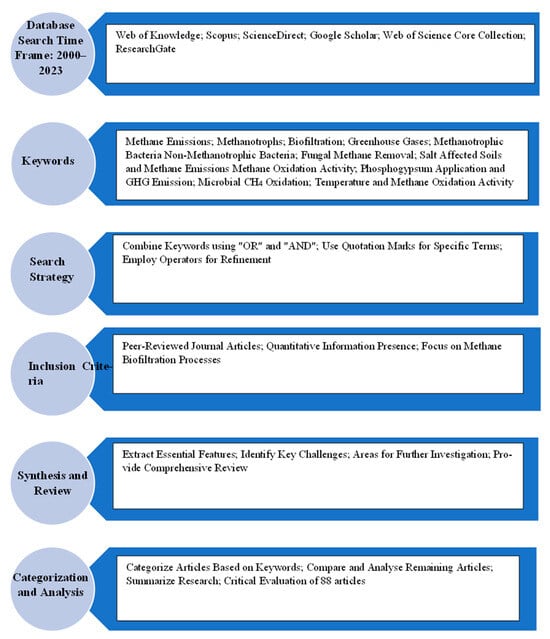
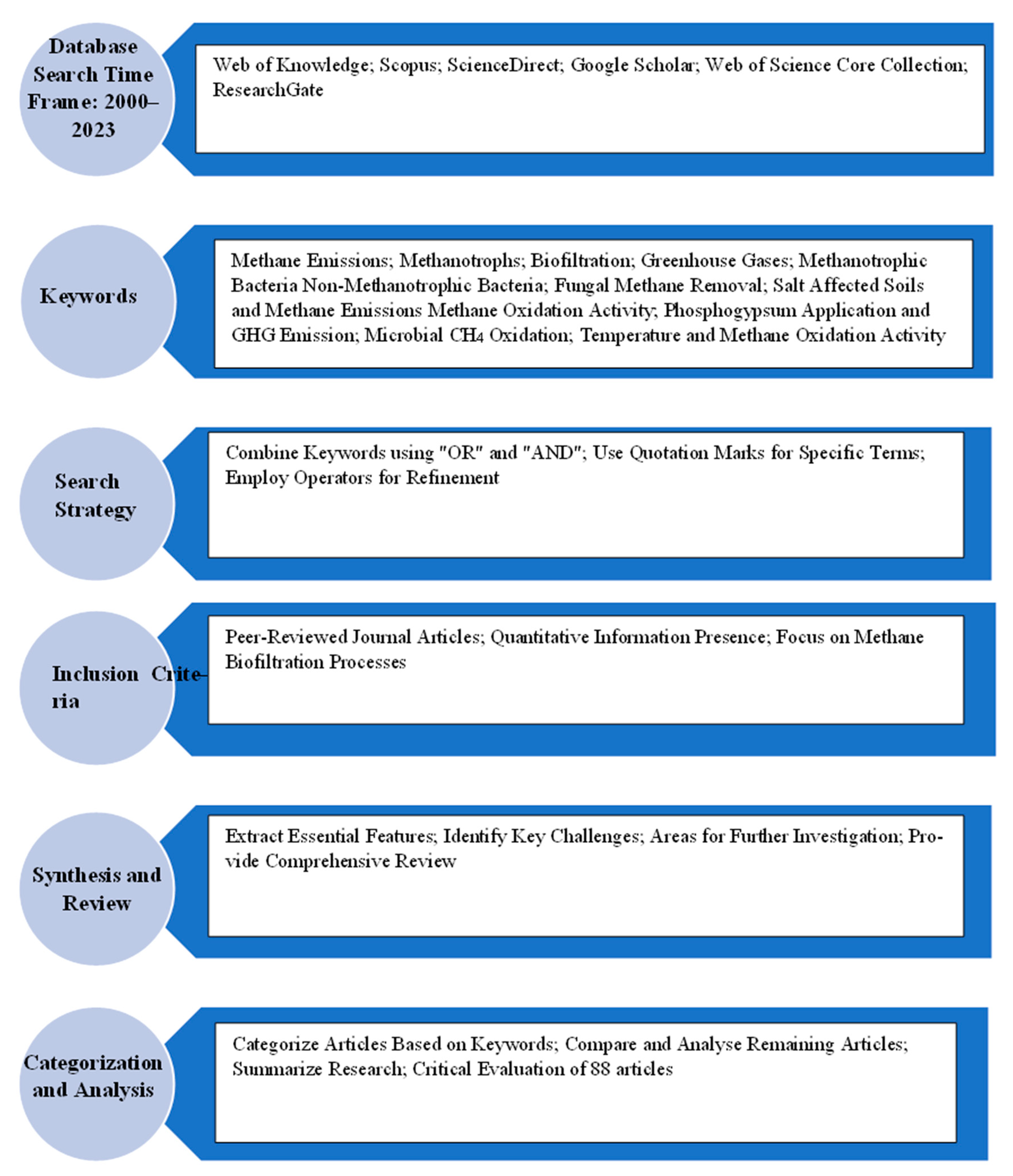
Multiple academic databases were utilised to conduct a comprehensive literature search, including Web of Knowledge, Scopus, ScienceDirect, Google Scholar, Web of Science Core Collection by Clarivate Analytics, and ResearchGate. The search focused on publications from 2000 to 2023. Several keywords were employed to obtain a wide range of search results. These keywords encompassed various aspects related to methane emissions, methanotrophs, biofiltration, greenhouse gases, methanotrophic bacteria, non-methanotrophic bacteria, fungal methane removal, salt-affected soils and methane emissions, methane oxidation activity, phosphogypsum application and GHG emission, microbial CH4 oxidation, temperature, and methane oxidation activity. In addition to the initial search, the references cited within the obtained publications were collected to ensure a comprehensive literature review. The chosen keywords were combined using operators like “OR” and “AND” to refine the search and obtain more precise results. Including quotation marks around specific terms, such as “methane biofiltration”, ensured accurate retrieval of relevant records. All the keywords were used in all four databases to maximise the search coverage and gather a comprehensive collection of literature on the subject. The keywords and topics that are trending in each specific review section were identified using Bibliometrix.
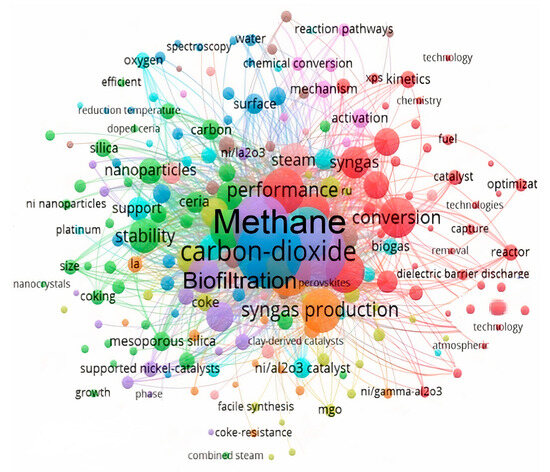
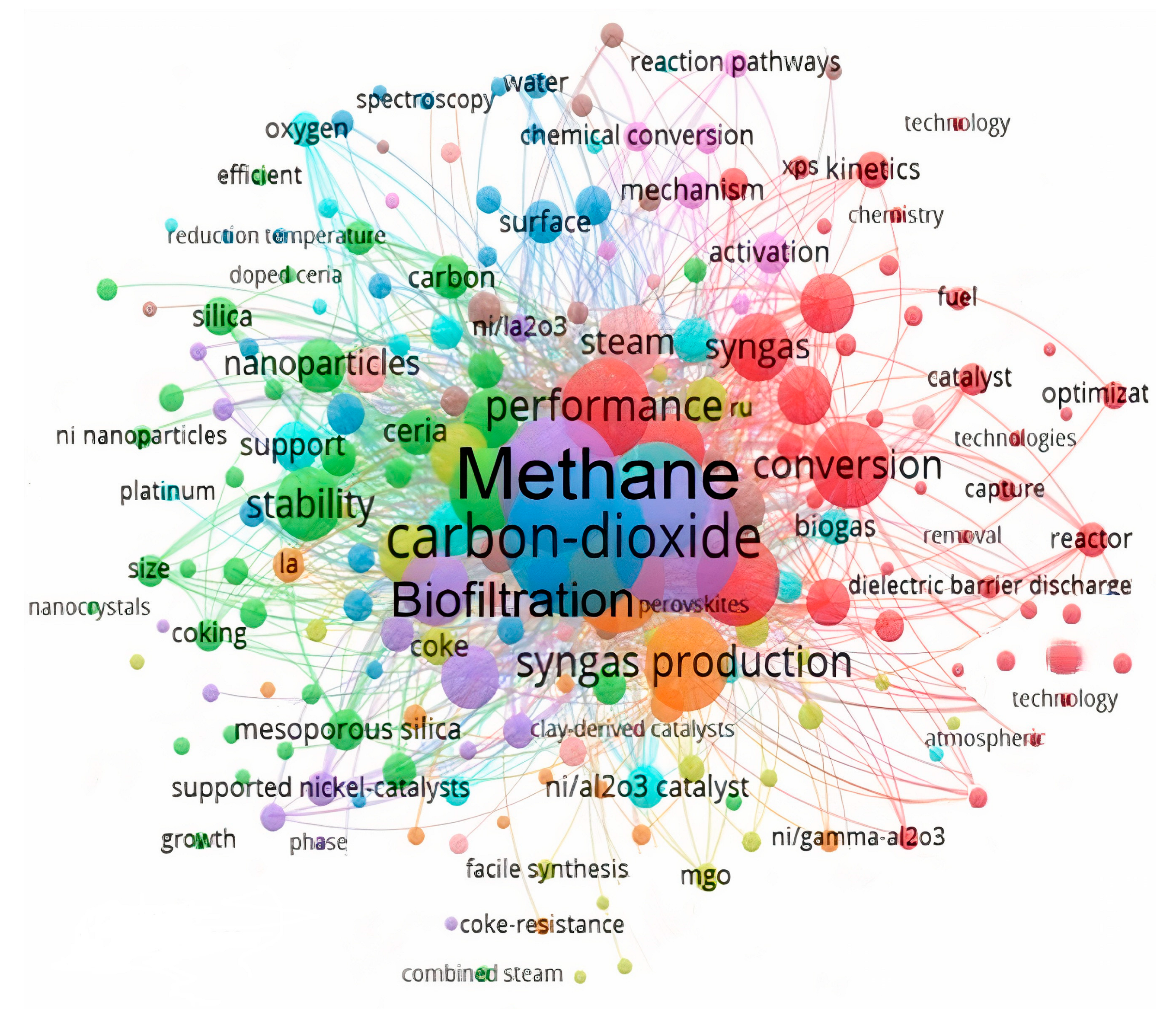
To address our research question and achieve our review objective, we conducted a thorough search for peer-reviewed studies specifically focused on methane biofiltration processes. Our search was primarily centred on journal articles, excluding grey literature such as books, book chapters, and conference papers, except in rare cases where they provided valuable insights. We screened and evaluated titles and abstracts from over 1000 articles, employing a rigorous selection process to identify relevant papers. A key criterion for inclusion was the presence of quantitative information within the study. We specifically targeted studies that addressed the following topics: (i) methanotrophic and non-methanotrophic bacteria and fungal methane removal; and (ii) the impact of abiotic factors, especially salinity and temperature, on methane biofiltration processes. After comparing and analysing the remaining articles, we categorised them based on relevant keywords. Additionally, we summarised the conducted research, critically evaluated the content of over 100 studies, extracted essential features, and identified key challenges that warrant further investigation. By following this rigorous methodology, we aimed to provide a comprehensive review that synthesises the current state of knowledge, highlights significant findings, and identifies areas that require additional research attention within the context of methane biofiltration. The bibliometric analysis of the review sections is summarised in Figure 1 and Figure 2. We performed data analysis and generated bibliometric graphs using the Bibliometrix R package (Derviş, 2019).
Figure 1.
Bibliometric analysis for the author-supplied keywords. The size of nodes presents the frequency of recurrence. The connections between the nodes illustrate their co-occurrence in the same article.
Figure 2.
Diagrammatic view of the organisation of the paper.
3. Biofiltration Processes
Biofiltration is a system that harnesses the power of microbes to efficiently break down pollutants in a contaminated exhaust stream [31,32]. For example, methane (CH4) present in an exhaust stream can be transformed into biomass, carbon dioxide, and water through the action of methanotrophic microbes [33]. Unlike traditional CH4 removal methods, biofiltration offers several advantages: it is cost-effective to construct and operate, functions under ambient temperature and pressure conditions, and does not require complex safety mechanisms due to its non-electrical nature [34,35]. Biofiltration systems are adaptable to varying input flows and pollutant concentrations, easy to install, and can be made mobile, making them suitable for a range of applications [36]. These systems have demonstrated high efficiency in treating high-flow waste gases with low pollutant concentrations, typically ≤1% (v/v) in the air [37].
Biofiltration represents an environmentally friendly process devoid of harmful emissions such as nitrogen oxides (NOx), particulate matter, sulfur dioxide (SO2), or carbon monoxide (CO) in the exhaust gas [38]. Typically, a biofiltration system consists of organic or inorganic packing materials serving as surfaces for microbial growth [39]. Organic beds, rich in macronutrients, sustain biomass growth. Biofiltration has a century-long history of application in treating sewage and other malodourous, waterborne wastes [40], with European countries employing bioreactors for contaminated air treatment for six decades [41,42]. Various biofiltration systems have been used for methane elimination, including conventional biofilters, biotrickling filters, bioscrubbers, membrane bioreactors, and two-liquid-phase bioreactors [43,44]. While many laboratory-scale biofilter studies have employed biotrickling filters, where nutrients are continuously introduced at the top of the unit [45], this paper focuses on conventional biofilters. These are characterised by the absence of continuous liquid-phase feeding, making them easy to install, mobile, and cost-effective [46,47].
Biofiltration harnesses the metabolic activity of microorganisms adhered to various packing materials to effectively treat a broad spectrum of organic and inorganic contaminants [48,49]. Within a biofilter, contaminants in the gas phase diffuse into biofilms, which are thin layers comprising a consortium of microorganisms residing on the packing material, where they are consumed by these microorganisms [50]. Biofilters employ diverse packing materials made from both natural and synthetic sources to provide the necessary surface area for biofilm formation [51,52]. For the successful commercial application of this treatment method to remove methane, leveraging the methane-degrading capabilities of methanotrophs, it is crucial to assess both the engineering and economic viability through model and pilot tests [53]. Additionally, specific conditions pertinent to methanotrophs, such as copper concentration, which controls the expression of pMMO and sMMO, must be considered within the model [54].
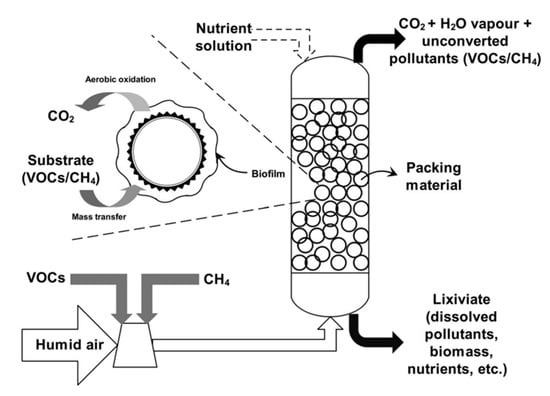
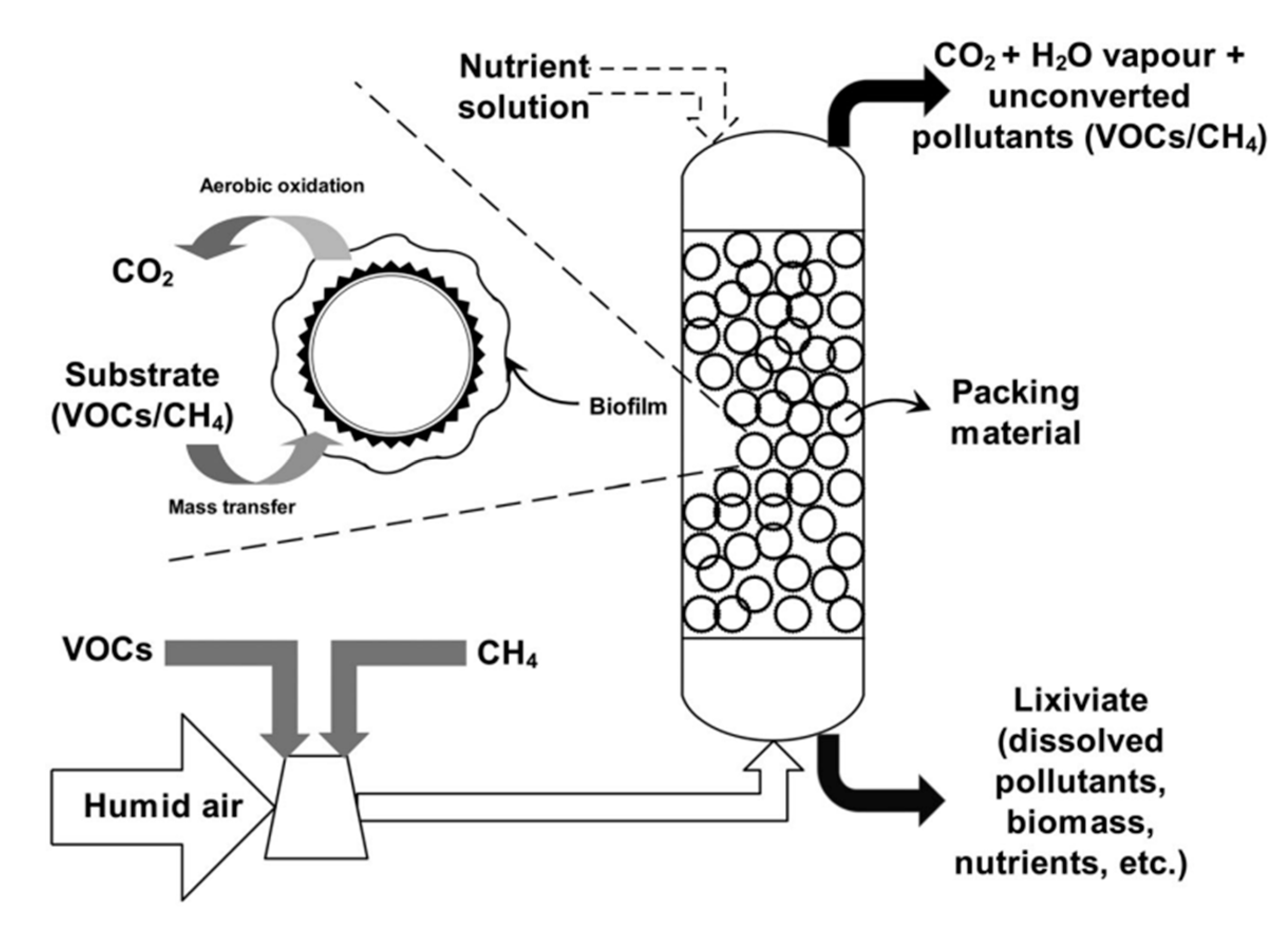
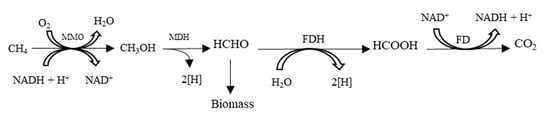
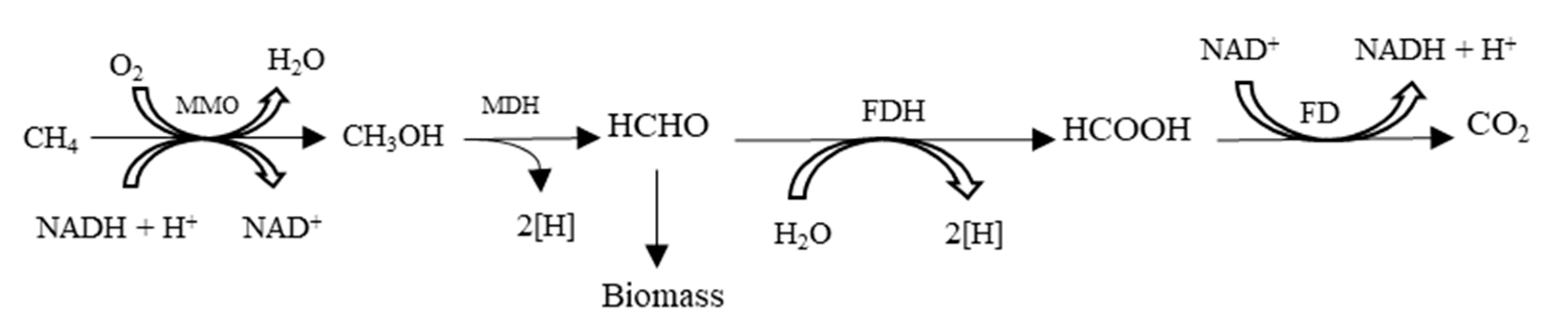
Considerable research has been carried out on the biofiltration of volatile organic compounds (VOCs) and methane (CH4), revealing promising results in terms of removal efficiency (RE) and elimination capacity (EC) [55]. Moreover, efforts have been dedicated to exploring variations in operating conditions, such as pollutant inlet load (IL), empty bed residence time (EBRT), temperature, and the impact of filter bed materials on the performance of individual VOCs or CH4 biofilters [56,57]. Figure 3 illustrates a typical schematic of a biofilter used to eliminate either a single pollutant or a mixture of pollutants, and the process of CH4 utilisation involves several intracellular steps, as depicted in Figure 4. The initial step is the oxidation of CH4 to methanol (CH3OH), a reaction catalysed by the enzyme CH4 monooxygenase (MMO) [58,59]. Subsequently, methanol is further oxidised to formaldehyde (HCHO) with the assistance of methanol dehydrogenase (MDH). Formaldehyde can then serve as a substrate for either a dissimilatory pathway leading to the production of formate (HCOOH) and ultimately carbon dioxide (CO2) for energy generation or various assimilatory pathways that result in the synthesis of cellular components essential for the growth of methanotrophs [60].
Figure 3.
A diagram of typical laboratory biofilter [59].
Figure 4.
Methane oxidation pathway of methanotrophic bacteria [17]. NAD+ nicotinamide adenine dinucleotide oxidised from NADH nicotinamide adenine dinucleotide reduced from MMO methane monooxygenase, MDH methanol dehydrogenase, FDH formaldehyde dehydrogenase, and FD formate dehydrogenase [17].
4. Microorganisms
4.1. Methanotrophs
Methanotrophs, the particular bacteria tasked with breaking down methane (CH4), belong to a subset of methylotrophs, which are bacteria specialised in the decomposition of compounds containing just one carbon atom [61,62]. Methanotrophs are categorised into three main types [63]. Type I includes the genera Methylomonas, Methylomicrobium, Methylobacter, Methylocaldum, Methylophaga, Methylosarcina, Methylothermus, Methylohalobius, and Methylosphaera. These methanotrophs utilise the ribulose monophosphate pathway for formaldehyde assimilation and primarily feature cellular membranes composed of fatty acids with either 16 or occasionally 14 carbon atoms [64].
Type II encompasses Methylocystis, Methylocella, Methylocapsa, and Methylosinus, which employ the serine pathway for formaldehyde assimilation. These methanotrophs possess cellular membranes consisting of fatty acids with 18 carbon atoms, arranged around the cell periphery [65]. Type X, represented by Methylococcus, combines characteristics from both Type I and Type II methanotrophs. It features fatty acids with 16 carbon atoms and utilises both the ribulose monophosphate cycle and the serine pathway for formaldehyde assimilation. The genomic sequence of Methylococcus capsulatus has confirmed the presence of genes associated with both pathways [66]. Generally, aerobic methanotrophic bacteria are considered obligate C1 metabolizers, as they are unable to grow on substrates containing only C–C bonds as the carbon source. However, the genus Methylocella stands out as an exception to this rule, as it can utilise compounds like acetate, pyruvate, succinate, malate, and ethanol [67].
Methanotrophs can be categorised into three types (type I, type II, and type X) based on various characteristics, including cell morphology, assimilatory pathway, growth temperature, nitrogen fixation capability, and membrane arrangement [68]. Type I methanotrophs encompass the genera Methylomonas, Methylomicrobium, Methylobacter, Methylocaldum, Methylophaga, Methylosarcina, Methylothermus, Methylohalobius, and Methylosphaera [69]. These methanotrophs utilize the ribulose monophosphate pathway to assimilate formaldehyde (an intermediate of methane oxidation) and typically have cellular membranes composed of fatty acids containing 16 or sometimes 14 carbon atoms [70]. Type II methanotrophs include the genera Methylocystis, Methylocella, Methylocapsa, and Methylosinus. These methanotrophs employ the serine pathway for formaldehyde assimilation and typically feature cellular membranes primarily composed of fatty acids with 18 carbon atoms arranged around the cell periphery [71]. Type X methanotrophs, represented by the genus Methylococcus, exhibit a combination of characteristics from both type I and type II methanotrophs [72]. They possess cellular membranes containing fatty acids with 16 carbon atoms and utilize both the ribulose monophosphate and serine pathways for formaldehyde assimilation [73].
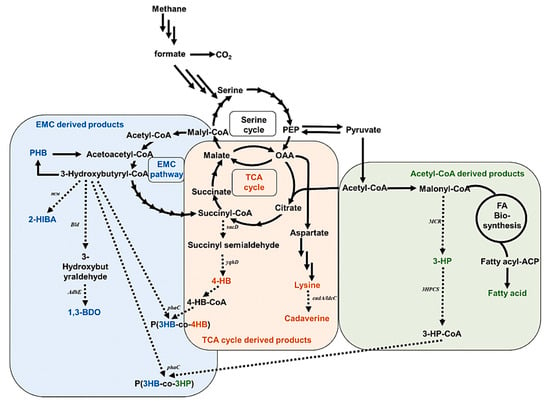
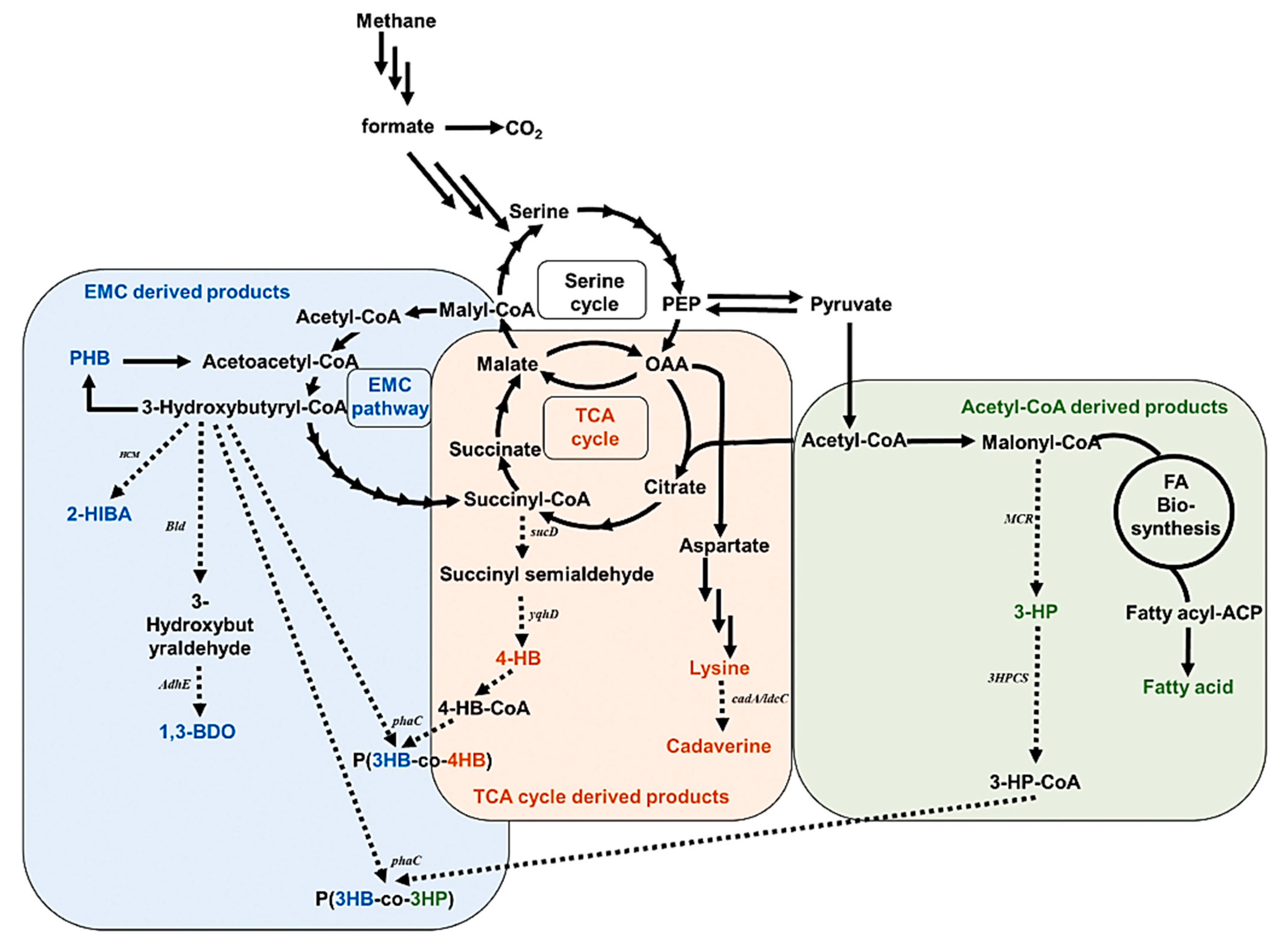
In a notable study by Amodeo et al. (2018), they successfully operated a fungal-bacterial biofilter for the reduction of methane (CH4) emissions and achieved impressive elimination capacities of 878 g per cubic meter per day (g/m3 d) with an inlet load of 984 g/m3 d, all under a relatively short empty bed residence time (EBRT) of just 20 min [74]. This biofilter consisted of compost that had been inoculated with the fungal strain Graphium sp. and was irrigated using a mineral salt medium containing the antibiotic chloramphenicol, which was added to inhibit the growth of competing bacteria [75]. Interestingly, their study revealed that as the irrigation rate increased, reaching up to 200 mL/day (resulting in excess leachate collected through a drainage system at the bottom of the biofilter), the performance of the fungal-bacterial biofilter improved significantly. Surprisingly, this increase in irrigation did not lead to significant pressure drops or other operational problems [30]. Pressure drop in methane biofiltration is a critical consideration in designing and operating biofilters for the treatment of methane-containing gas streams. The average reasoning behind pressure drop involves factors such as the characteristics of the filter media, flow rate, fouling, moisture content, and biofilm growth. Smaller media particles, higher porosity, and proper humidity can mitigate pressure drop, while higher flow rates and fouling tend to increase it. Theoretical reasoning employs fundamental concepts such as Darcy’s Law and the Ergun Equation, as well as computational fluid dynamics (CFD) modelling, to understand and predict pressure drops in biofilters. These theoretical approaches provide a more detailed understanding of pressure drop distribution within the biofilter [76]. The most attractive native product in Type II methanotrophs is polyhydroxy butyrate (PHB), due to its inherent biodegradability, biocompatibility, water resistance, optical purity, and piezoelectric properties (Figure 5) [77].
Figure 5.
Simplified metabolic pathway for the production of chemicals and fuels from methane in Type II methanotrophs. The dotted arrows represent the non-native pathway, and the interactions mediated by the heterologous enzyme are marked in red. Enzymes (or encoding genes): MCR, malonyl-CoA reductase; 3HPCS, 3-HP-CoA synthetase; sucD, succinate semialdehyde dehydrogenase; yqhD, succinate semialdehyde reductase; cadA/ldcC, L-lysine decarboxylase; phaC, PHA synthase; HCM, 2-hydroxyisobutyryl-CoA mutase; Bld, butyryl-CoA dehydrogenase; AdhE, alcohol/aldehyde dehydrogenase [26].
4.2. Non-Methanotrophic Bacteria
Nitrifying bacteria, which are responsible for breaking down ammonia (NH3), have the capacity to degrade methane (CH4) as well. However, their CH4 degradation performance is notably lower, typically less than 5%, when compared to pure methanotrophic populations [78]. Additionally, certain bacteria involved in the decomposition of methanol can also degrade CH4, but this occurs effectively only when CH4 concentrations are maintained below 10% v/v and their optimal growth temperature is around 35 °C [79].
There are anaerobic bacteria capable of CH4 degradation as well. These bacteria are active in aqueous environments and often work in conjunction with sulfate-reducing bacteria. This process requires additional carbon sources like acetate or lactate, and the minimum sulfate concentration in the system should be approximately 1 mmol L−1 [80]. The concept of a connection between sulfate reduction and anaerobic methane oxidation is supported by studies conducted in landfill-leachate plumes [81] and groundwater [66]. However, attempts to isolate these anaerobic bacteria have been unsuccessful so far [82,83]. Recently, a microbial consortium capable of methane oxidation coupled with nitrate reduction in the absence of oxygen has been isolated.
4.3. Fungal Methane Removal
The utilisation of fungal activities for methane abatement in CH4 biofiltration has not been widely explored. Casas et al. (2023) attempted to employ fungal strains as a biological adsorption mechanism to enhance CH4 retention in the system. However, none of the strains they tested survived once the system was operational for CH4 treatment.
Fungal methane removal, often referred to as fungal biofiltration or mycofiltration, is a promising area of research within the broader field of biofiltration [84]. Biofiltration is a biotechnological process that utilises living organisms to remove or degrade pollutants from the air or water. In the case of fungal methane removal, certain types of fungi are employed to capture and metabolise CH4, a potent greenhouse gas [85]. Certain fungi are capable of oxidising methane as part of their metabolic processes. These fungi belong to the group of methanotrophic organisms. One well-studied example is Methylocystis, a genus of methanotrophic fungi that can utilise methane as a carbon and energy source. Methanotrophic fungi are characterised by their unique ability to utilise methane, a compound traditionally deemed challenging for microbial metabolism due to its low reactivity [86,87,88]. The genus Methylocystis stands out as a well-studied representative of this group, demonstrating remarkable methane-oxidising capabilities that contribute to its significance in biofiltration applications [89]. The key to the methane-oxidising ability of methanotrophic fungi lies in their possession of specialised enzymes, particularly methane monooxygenase (MMO) [25]. This enzyme catalyses the initial and crucial step in methane metabolism, converting methane into methanol. This oxidation process not only facilitates the assimilation of methane-derived carbon into the fungal biomass but also generates energy crucial for the organism’s growth and maintenance [29]. While significant progress has been made in understanding the methane-oxidising abilities of methanotrophic fungi, challenges remain. Researchers are working to optimise fungal strains for enhanced methane oxidation efficiency, improve the scalability and stability of biofiltration systems, and explore potential synergies with other microorganisms or plant species to create more robust and resilient biofiltration environments (Table 1).
Table 1.
Summary of CH4 biofiltration (and biotrickling filter, BTF) studies. All studies included in this table are either laboratory or field packed-bed column studies. The studies that rely on atmospheric diffusion are indicated as such.
Nitrifying bacteria, encompassing ammonia-oxidising bacteria (AOB) and nitrite-oxidising bacteria (NOB), play vital roles in the nitrogen cycle by converting ammonia to nitrite and then to nitrate. These microbes, represented by genera such as Nitrosomonas and Nitrobacter, facilitate nutrient availability for plants. In contrast, methane oxidation is primarily driven by methanotrophic bacteria, which is crucial for mitigating methane, a potent greenhouse gas. Methanotrophs, categorised into Type I and Type II, convert methane to carbon dioxide. Although these processes operate independently, their interplay in soils is influenced by factors like soil conditions, microbial competition for oxygen, and broader environmental variables. Understanding these interactions is essential for managing nutrient cycles, greenhouse gas emissions, and overall soil health (Figure 6).
Figure 6.
Nitrifying bacteria involved in methane oxidation processes [86].
5. Influence of Salt Concentration (Sodium and Sulfur) on Methane Oxidation Activity
Soil salinity has the potential to significantly impact the availability of carbon (C) and nitrogen (N) in the soil, affecting various microbial processes and activities [36]. These alterations in soil conditions can lead to changes in soil organic carbon (SOC) levels and emissions of greenhouse gases (GHGs) such as carbon dioxide (CO2), methane (CH4), and nitrous oxide (N2O) [9]. Previous research has indicated that soil salinity primarily decreases CO2 and CH4 emissions [36]. However, the response of N2O emissions to soil salinity varies, including linear increases, decreases, or no significant response [37]. Some studies have suggested that the microbial processes involved and certain control factors play a role in determining these different responses to GHG emissions [39]. Furthermore, it has been observed that soil salinity-induced CO2 and N2O emissions are sensitive to temperature [40] and can also be influenced by the use of inorganic fertilisers [41]. This implies that under scenarios of warming and intensified fertiliser use, salinized soils may produce more CO2 and N2O [42].
In summary, the available research suggests that soil salinity-induced GHG emissions have the potential to influence global GHG dynamics and budgets. However, the results in this field have not been thoroughly synthesised, and there are research gaps and directions for future investigations that have not been clearly identified [43]. Studies have shown that increasing salt concentrations, resulting in electrical conductivity (EC) values greater than 6 mS cm−1, lead to a clear decrease in methane consumption by both Methylosinus sp. cultures and biofilter materials [44]. For pure cultures, an increase in salt concentration from EC = 6 to EC = 12 mS cm−1 resulted in a six-fold decrease in methane consumption [45]. On the other hand, for biofilter materials, increasing EC values from 4 to 12 mS cm−1 led to only a three-fold decline in methane consumption rates [46]. This suggests that the methanotrophic population in the biofilter may adapt better to higher salt concentrations [47].
Interestingly, in both experiments, using biofilter leachate as a medium resulted in methane oxidation rates significantly lower than those achieved with nutrient media solution (NMS-media) adjusted to the corresponding EC values [48]. This indicates that the environmental conditions in situ may not optimally support the activity of the methanotrophic population [49].
Furthermore, the addition of MgSO4·7 H2O from 0.5 to 1 g L−1 (resulting in EC values of 2.8 and 3 mS cm−1, respectively) greatly enhanced methane consumption by biofilter material. The exact reason for this improvement remains unclear. However, it can be ruled out that the medium or glass bottle contamination was the cause, as the aliquots were from the same lot used to test the Methylosinus sp. culture, and all three replicates showed similar methane uptake rates [50]. It is suggested that the increase in methane oxidation rate from EC 2.8 to 3 mS cm−1 is likely due to enhanced nutrient availability [51].
Salinization has a significant impact on belowground microbially-mediated biogeochemical processes, including methane cycling in rice paddies. Previous research has demonstrated the adverse direct and indirect effects of salinization on methanogenesis (the production of methane) and methane emissions [52]. However, there is less knowledge about how salt stress affects methane oxidation and the methanotrophic bacteria in wetland rice paddies [53]. This area of research seeks to understand how changes in soil salinity levels may influence the microbial processes responsible for methane consumption in these environments. Salinity can also have an impact on methane (CH4) flux by affecting plant physiological characteristics. First, an increase in salinity can lead to a decrease in plant species diversity and growth rate. This reduction in plant diversity and growth can, in turn, decrease CH4 emissions from the soil by reducing the input of organic matter [54].
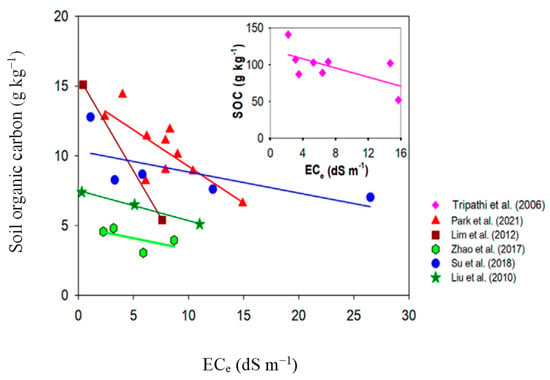
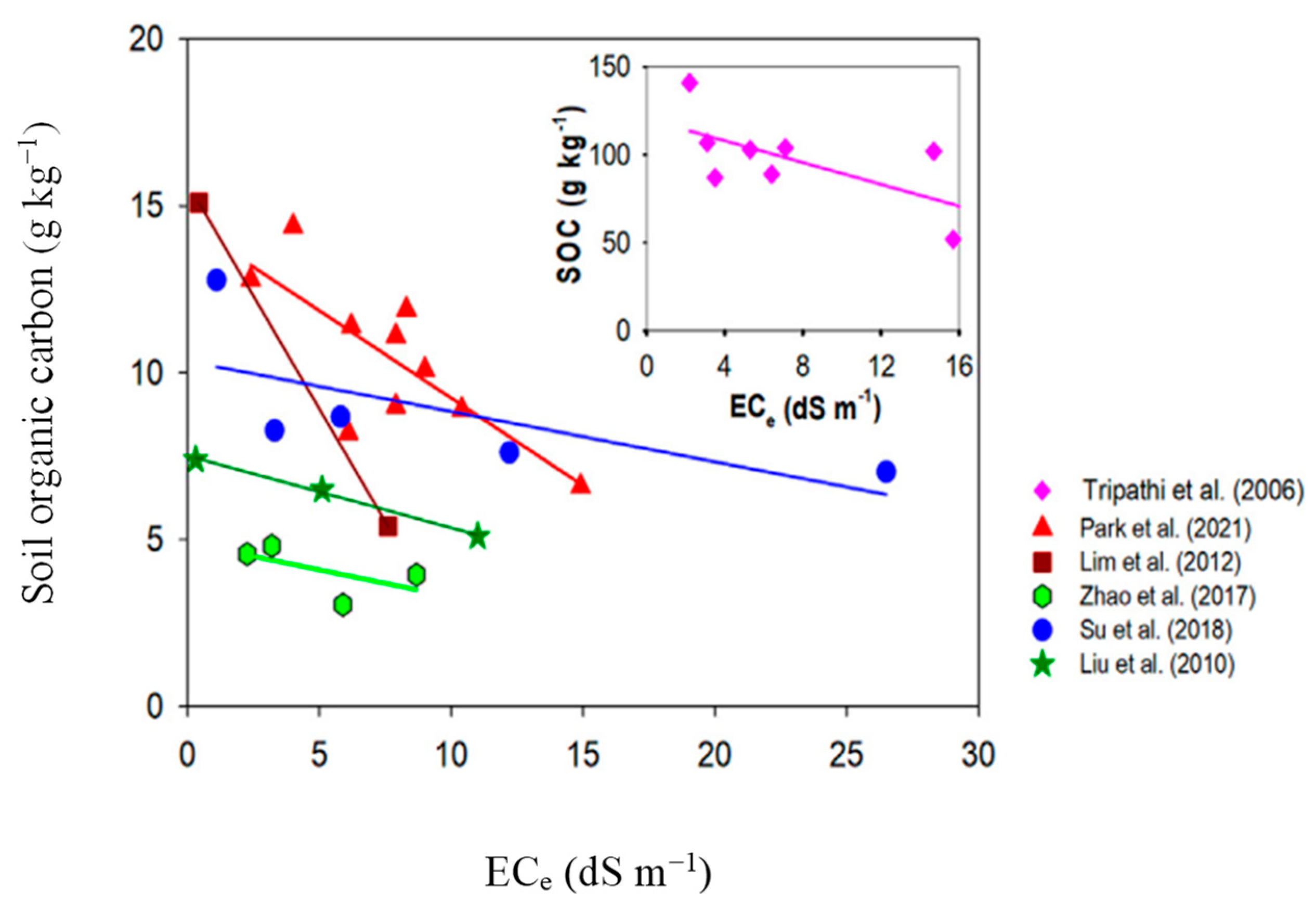
Second, higher salinity levels may result in increased CH4 emissions from tree stems. Trees have the capacity to emit CH4 that is either produced within the tree itself or in the surrounding soils. Frasi et al. (2020) discovered that exposure to seawater in five forests along the United States coastline significantly increased tree-stem CH4 emissions. It is possible that dying gymnosperm trees, which can result from seawater exposure, may accumulate higher levels of CH4 [55]. Interestingly, some studies have not observed any significant response of soil CH4 emissions to changes in soil salinity in agricultural fields [56]. This suggests that the impact of salinity on CH4 emissions can vary depending on the specific environmental conditions and ecosystems under consideration. The relationship between the electrical conductivity of saturated paste extraction (ECe) and soil organic carbon (SOC) contents is shown in Figure 7.
Figure 7.
Relationship between electrical conductivity of saturated paste extraction (Ece) and soil organic carbon (SOC) contents in natural and agricultural lands [28].
Halophilic and halotolerant methanotrophs, capable of thriving in saline environments, have been identified in various settings such as soda lakes, mangroves, alkaline lakes, and estuaries [57]. These microorganisms often possess specialised mechanisms that allow them to adapt to and overcome salt-stress conditions [58]. Most of these salt-adapted methanotrophs belong to the type of Ia subgroup within the gammaproteobacteria. However, there have been reports of an alphaproteoacterial methanotroph, Methylocystis, which has demonstrated the ability to cope with salt stress at salt concentrations below 1% NaCl [59]. While previous studies have focused on methanotrophs indigenous to saline environments and their responses to salt stress at the cellular level [60], less attention has been given to understanding how methanotrophs from non-saline environments respond to increasing salinity and what the resistance and threshold levels are for their methanotrophic activity [61]. Recent research indicates that the NaCl threshold for methanotrophic activity in paddy soil is approximately 0.3 M (approximately 1.75% salinity). This threshold is higher than what has been observed in freshwater planktonic methanotrophs (0.1–0.5% salinity) but lower than the threshold for methanotrophs in estuarine environments (>3.5% salinity) [62]. These findings highlight the variability in salt tolerance among methanotrophic microorganisms and the importance of understanding their responses to changing salinity conditions in different ecosystems.
The inhibitory effect of ammonium on methane oxidation has been a subject of study by various researchers. Zarei et al. (2023) and Vikrant et al. (2018) concluded that this inhibition is due to chloride ions (Cl−), which are the counter ions of ammonium (NH4+). In contrast, previous research [63,64] observed high chloride sensitivity among soil methanotrophs with high chloride concentrations. On the other hand, some authors found no growth inhibition for 135 different methanotrophic strains when exposed to a medium containing 10 g NaCl per litter [65]. These variations in findings suggest that the response of methanotrophs to chloride ions and ammonium can vary among different strains and environmental conditions. Regarding wetlands exposed to high concentrations of sulfate, which is present in seawater, they often emit methane at relatively low rates. This is because sulfate-reducing bacteria can outcompete methanogens for energy sources in the presence of sulfate, thereby inhibiting methane production [66]. However, the relationship between sulfate concentrations and methane emissions in saline marshes can be complex and influenced by various factors.
Since methane oxidation is influenced by temperature and plant activity, the temporal and spatial variability in these processes, as well as sulfate dynamics, can create conditions where methane production and sulfate coexist in wetland ecosystems [67,68]. Annual methane emissions as affected by salinity are summarised in Table 2. Several researchers (Table 2) found a negative relationship between porewater salinity and methane flux. This trend was only partly supported when the data were grouped by salinity class. Mean methane emissions were significantly lower for polyhaline systems than for the other salinity classes. Methane emissions were generally lower in mesohaline systems than in freshwater (Table 2).
Table 2.
Summary of data extracted from references on annual methane emissions.
Regarding the tolerance of methanotrophic bacteria to salinity, some cultures have been reported to grow in the presence of up to 15% NaCl [69]. Additionally, in some cases, the addition of cow manure to salt-affected paddy fields enhanced CH4 emissions significantly due to an increase in the relative abundance of methanogens, which benefited from improved soil properties and nutrient availability [70].
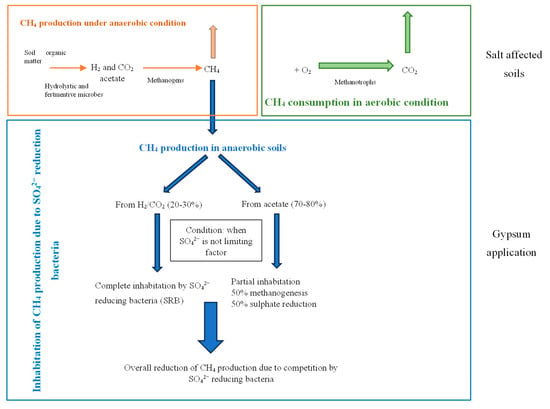
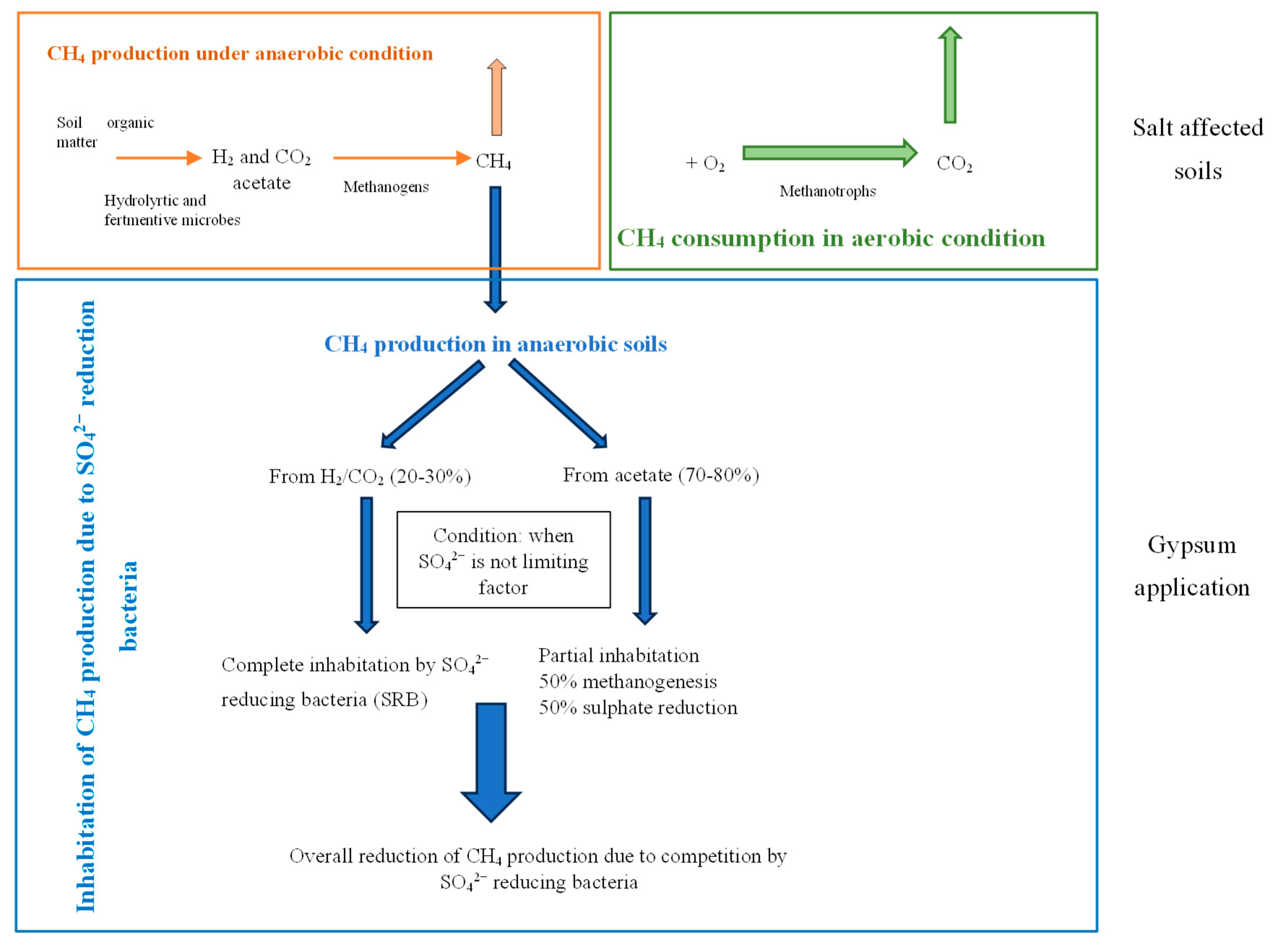
It is important to note that salinity can have different effects on various microbial groups. While methanogens may be more adversely affected by salinity due to their reliance on sodium ions (Na+) for growth and metabolic processes, methanotrophs and methylotrophs may exhibit more tolerance to salinity [71]. Different types of methanogens, such as acetolactic methanogens and hydrogenotrophic methanogens, may also respond differently to saline conditions, with some being significantly inhibited while others maintain their methanogenesis rates [72]. Overall, the response of methane-producing and methane-consuming microorganisms to salinity is complex and can vary depending on the specific environmental conditions and microbial communities present (Figure 8).
Figure 8.
Schematic diagram showing the process of CH4 production and mechanism of reduction of CH4 production with the application of gypsum and phosphogypsum through competition with the sulfate-reducing bacteria [19].
Gypsum and phosphogypsum have long been employed for soil reclamation in alkali soils due to their ability to dissociate into calcium and sulfur. Calcium’s strong affinity for soil particles displaces sodium and enhances soil structure by promoting aggregation. While numerous studies have explored gypsum effects on soil reclamation, only a select few have assessed its impact on greenhouse gas (GHG) emissions. Some investigations [50,51] focused on CH4 emissions in rice ecosystems and observed reductions in reclaimed soils. Gypsum application increases SO42− concentration, leading to competition between sulfate-reducing bacteria (SRB) and methanogens for common substrates such as H2, CO2, and acetate. Sulfate-reducing bacteria have a higher affinity for these substrates, which inhibits methanogenesis but does not completely eliminate CH4 emissions. Gypsum also enhances water infiltration and soil redox potential, mitigating CH4 emissions from saline/sodic soils. The rate of gypsum application plays a significant role, with higher doses leading to increased CH4 mitigation due to intensified competition between SRB and methanogens. Gypsum is considered an effective reclamation agent for CH4 emissions in both sodic and non-sodic soils, with higher application rates resulting in greater mitigation. Approximately 60% CH4 mitigation was achieved with 8 MG ha−1 of by-product gypsum fertiliser (BGF) application [52]. It was found that 18–23% CH4 mitigation in coastal paddy soils was achieved with the application of 150 kg ha−1 silicate slag, which contained high free iron oxide and SO42− content acting as electron acceptors [53,54]. Additionally, Sun et al. (2020) explored the potential of gypsum and humic acid on CH4 and N2O emissions from coastal saline soils, observing a 19.36% reduction in CH4 emissions and a 9.43% reduction in N2O emissions with gypsum-amended N-fertilized soils. The application of humic acid, while stimulating higher N2O fluxes, enhanced soil redox potential and further impacted GHG emissions in these soils. Impact of different amendments practices on GHG emissions from salt-affected soils is summarised in Table 3. Greenhouse gas (GHG) emissions from salt-impacted soils can be influenced by various improvement methods. Saline soils are characterised by high levels of salts, which can affect microbial activity, nutrient availability, and overall soil health. Regularly monitoring soil conditions, salinity levels, and GHG emissions can help in implementing timely interventions and adjusting management practices accordingly.
Table 3.
Impact of different amendment practices on GHG emissions from salt-affected soils.
6. Influence of Temperature on Methane Oxidation Activity
The increase in anthropogenic greenhouse gas (GHG) emissions has led to a significant rise in air temperatures, currently increasing at a rate of 0.2 °C per decade [20]. Projections indicate that this warming trend is expected to persist, with an estimated average temperature increase of up to 4.8 °C [21]. Temperature plays a crucial role in influencing biochemical reactions, including methane oxidation. Understanding the temperature kinetics of these reactions is vital for designing systems exposed to ambient temperatures, as metabolic activities tend to decrease during colder seasons, such as winter [22].
Previous research conducted using material from a pilot biofilter plant located on the same landfill site revealed an interesting phenomenon. Methane oxidation activity in the laboratory was found to be significantly higher when the biofilter material was sampled during the winter and incubated at 10 °C compared to incubation at 17 °C [23]. This observation led to further investigations and the enrichment of a co-culture consisting of Methylobacter sp. and Rhodococcus erythropolis at the 10 °C incubation temperature [24]. This highlights the importance of considering temperature effects when studying methane oxidation and its microbial communities in different environmental contexts. Methane oxidation in the biofilter material exhibited typical mesophilic behavior, with the optimum methane consumption rate occurring at 38 °C [25]. This process displayed a broad temperature range, with methane oxidation still detectable at temperatures as low as 3 °C and as high as 45 °C [26]. An activation energy of 74.5 kJ mol−1 was calculated for a temperature increase from 10 to 20 °C [27].
Interestingly, the co-culture of Methylobacter sp. and Rhodococcus erythropolis had a different temperature response profile, with the optimum methane oxidation rate observed at 22 °C. When the incubation temperature was raised to 28 °C, methane uptake rates dropped below those observed at 4 °C. At 37 °C, which is close to the optimum temperature for the biofilter material, virtually no methane oxidation could be detected in the enrichment culture [28]. An activation energy of 97.7 kJ mol−1 was calculated for a temperature increase from 10 to 22 °C in this culture.
Comparing these findings with other studies, temperature optima for methane oxidation have been reported in the range of 20–31 °C for landfill covers, soils, and peatlands [29], and a temperature optimum of 35 °C was found for paddy soils [30]. Notably, the temperature optimum observed for the biofilter material falls slightly on the higher side of this range, while the Methylobacter-containing culture optimum is in the lower range of reported values [31]. These temperature responses highlight the variability in methane oxidation kinetics among different microbial communities and environmental conditions.
Exposure to low temperatures during the winter can indeed lead to shifts in methanotrophic temperature optima [32]. For example, enrichment and isolation conducted at 28 °C resulted in a Methylosinus sp. culture, while performing the same procedure at a 10 °C incubation temperature yielded a culture containing Methylobacter sp. as the sole methanotroph [33]. This suggests that temperature changes can lead to species shifts within the methanotrophic population rather than the mere adaptation of the same species to temperature variations [34].
For biofilter operation at ambient temperatures, these findings suggest better performance during the winter than previously assumed. Reduced methane emissions during colder periods might be explained by increased sulfate availability due to higher salinity [35]. Methanogens are the least competitive among heterotrophic microorganisms in soils, and the presence of major electron acceptors, including sulfate (SO42−), can push methanogens out of the competition for substrates, leading to a decrease in methanogenic activity [36]. Sulfate-reducing bacteria and methanogens compete for acetate and hydrogen, which are primary substrates for methanogenesis. Therefore, an increase in sulfate reduction activity due to elevated sulfate availability can significantly reduce methanogenic activity, resulting in decreased soil methane emissions [37].
Rates of microbial CH4 oxidation are indeed influenced by a range of environmental factors, and numerous studies have demonstrated the impact of these factors on changes in methanotrophic community structure and diversity. Factors such as soil texture, pH, gas concentration, and moisture content play crucial roles in shaping community structure in landfills [38]. However, it is worth noting that there have been relatively few studies that have investigated the effects of temperature on microbial diversity using molecular techniques across various ecosystems [39] (Table 4).
Table 4.
Studies showing genus- or species-level methanotrophs/methylotrophs identified in ecosystems at varied temperatures.
Methanotrophs are typically mesophilic microorganisms that thrive at moderate temperatures, typically in the range of 25–35 °C [40]. Various laboratory incubation studies across different ecosystems have reported peak CH4 oxidation rates at temperatures ranging from 20 to 31 °C in environments like landfill cover soil, peat soil, wetlands, forests, and boreal soils [41]. There is research on temperature effects and CH4 oxidation potential in landfill cover soil by subjecting soil cores to temperatures ranging from 4 to 46 °C and moisture contents ranging from 5 to 71% [42].
The optimal conditions for CH4 oxidation were 31 °C and 11% moisture content [43]. When the moisture content was held constant at 11%, increasing CH4 oxidation rates were observed as temperatures rose from 4 to 36 °C, but a decline in oxidation rates was noted at temperatures exceeding 46 °C [44]. It is important to note that CH4 oxidation rates also decreased significantly when moisture content was at 11% [45]. In contrast, previous studies suggested that moisture content had a more dominant influence on CH4 oxidation rates compared to temperature, with optimal moisture content ranging from 15.6 to 18.8% and an ideal temperature range of 20–30 °C [46]. Their study indicated a decrease in the optimal temperature as moisture content increased, suggesting that temperature had minimal effects on CH4 oxidation [47]. Previous research explored various factors affecting CH4 oxidation in landfill cover soil and concluded that moisture content, temperature, and gas concentration were the most critical factors influencing CH4 oxidation [48]. The optimum conditions were identified as 25% moisture content, which facilitated gas transport for microbial activity, and a temperature of around 30 °C [49].
Indeed, temperature plays a crucial role in influencing the composition of microbial communities, including methanotrophs. Previous researchers [50,51] conducted a study using phospholipid fatty acids (PLFAs) as biomarkers in landfill cover soil and found temperature to be a significant factor affecting community composition. They observed the growth of Type-I methanotrophs at lower temperatures (5–10 °C) and Type-II methanotrophs at higher temperatures (20 °C) [52]. This temperature-dependent division of methanotroph types has been supported by other studies as well [53].
However, there can be variations in the relative abundance of methanotrophs in different environments [54]. The differences in the relative abundance of methanotrophs in two distinct soils (rice field and forest soil) by analysing terminal restriction fragment length polymorphism (T-RFLP) of particulate methane monooxygenase genes (pmoA) were described previously [55]. Their findings suggest that environmental factors beyond temperature can also impact methanotroph community composition. Furthermore, the temperature dependence of methanotrophs may vary in different contexts. Temperature dependence and the coexistence of both Type-I and Type-II methanotrophs across a wide temperature range (5–45 °C) in soils were described in previous research [56,57]. This suggests that the response of methanotrophs to temperature can be complex and context-specific, influenced by various environmental factors.
While previous studies have primarily focused on abiotic parameters like pH, temperature, and pressure in the context of CH4 biofiltration, it is crucial to also consider the role of methanotrophs and their diversity in these systems. Methanotrophs are the key drivers of CH4 oxidation, and understanding how changes in abiotic parameters affect their community dynamics can provide valuable insights into system performance. Nitrogen cycling, in particular, has a significant influence on methanotrophic communities and CH4 abatement potential. Additionally, it is important to consider the potential for the emission of more potent greenhouse gases (GHGs) in these systems.
Future research efforts should focus on developing easily measurable, site-specific parameters that can provide a more comprehensive understanding of methane emissions and soil carbon storage estimates. Depending on the specific context, detailed field investigations and direct methane monitoring may be necessary to verify the radiative forcing effects of created or restored wetlands, especially in tidal fresh, oligohaline, and mesohaline environments. By integrating both abiotic and biotic factors, researchers can gain a more holistic understanding of CH4 biofiltration systems and their environmental impact, ultimately contributing to more effective mitigation strategies for reducing methane emissions.
Author Contributions
Investigation, resources, writing—original draft preparation, F.A.; writing—review and editing, T.B.; supervision, project administration; M.L. All authors have read and agreed to the published version of the manuscript.
Funding
This research received no external funding.
Data Availability Statement
Publicly available datasets were analyzed in this study. This data can be found in the GitHub repository (https://github.com/fatemehahmadi1372/Fatemeh-/blob/main/Code.txt, accessed on 25 January 2024) and (https://github.com/fatemehahmadi1372/Fatemeh-/blob/main/input.txt, accessed on 25 January 2024).
Conflicts of Interest
Authors Maximilian Lackner and Tatiana Bodraya were affiliated with the company Circe Biotechnologie GmbH. The remaining authors declare that the research was conducted in the absence of any commercial or financial relationships that could be construed as a potential conflict of interest.
References
- Duan, Z.; Scheutz, C.; Kjeldsen, P. Mitigation of methane emissions from three Danish landfills using different biocover systems. Waste Manag. 2022, 149, 156–167. [Google Scholar] [CrossRef] [Scilit]
- Lebrero, R.; Pérez, R.; Muñoz, R. Quantification of biofilter pressure drop: Influence of organic and inorganic loading. Bio Technol. 2011, 102, 3081–3087. [Google Scholar]
- Wilms, R.; Sass, H.; Köpke, B.; Cypionka, H.; Engelen, B. Methane and sulfate profiles within the sub-surface of a tidal flat are reflected by the distribution of sulfate-reducing bacteria and methanogenic archaea. FEMS Microbiol Ecol. 2007, 59, 611–621. [Google Scholar] [CrossRef] [Scilit]
- Strong, P.J.; Laycock, B.; Mahamud, S.N.S.; Jensen, P.D.; Lant, P.A.; Tyson, G.; Pratt, S. The opportunity for high-performance biomaterials from methane. Microorganisms 2016, 4, 11. [Google Scholar] [CrossRef] [Scilit]
- Wilshusen, J.H.; Hettiaratchi, J.P.A.; De Visscher, A.; Saint-Fort, R. Methane oxidation and formation of EPS in compost: Effect of oxygen concentration. Environ. Pollut. 2004, 129, 305–314. [Google Scholar] [CrossRef] [Scilit]
- Rose, J.L.; Mahler, C.F.; Izzo, R.L.D. Comparison of the methane oxidation rate in four media. Rev. Bras. Ciênc. Solo 2012, 36, 803–812. [Google Scholar] [CrossRef] [Scilit]
- Duan, Z.; Hansen, P.O.C.R.; Scheutz, C.; Kjeldsen, P. Mitigation of methane and trace gas emissions through a large-scale active biofilter system at Glatved landfill, Denmark. Waste Manag. 2021, 126, 367–376. [Google Scholar] [CrossRef] [Scilit]
- Woertz, J.; van Heiningen, W.; van Eekert, M.; Kraakman, N.; Kinney, K.; van Groenestijn, J. Dynamic bioreactor operation: Effects of packing material and mite predation on toluene removal from off-gas. Appl. Microbiol. Biotechnol. 2002, 58, 690–694. [Google Scholar] [CrossRef] [Scilit]
- Verbeke, T.J.; Dedysh, S.N.; Dunfield, P.F. Methanotrophy in acidic environments, including northern wetlands. In Handbook of Hydrocarbon and Lipid Microbiology; Timmis, K.N., Ed.; Springer: Berlin/Heidelberg, Germany, 2018. [Google Scholar]
- Syed, R.; Saggar, S.; Tate, K.; Rehm, B.H.A.; Berben, P. Assessing the performance of floating biofilters for oxidation of methane from dairy effluent ponds. J. Environ. Qual. 2017, 46, 272–280. [Google Scholar] [CrossRef] [Scilit]
- Nikiema, J.; Bibeau, L.; Lavoie, J.; Brzezinski, R.; Vigneux, J.; Heitz, M. Biofiltration of methane: An experimental study. Chem. Eng. J. 2005, 113, 111–117. [Google Scholar] [CrossRef] [Scilit]
- Melse, R.W.; van der Werf, A.W. Biofiltration for mitigation of methane emission from animal husbandry. Environ. Sci. Technol. 2005, 39, 5460–5468. [Google Scholar] [CrossRef] [Scilit]
- Berger, J.; Fornes, L.V.; Ott, C.; Jager, J.; Wawra, B.; Zanke, U. Methane oxidation in a landfill cover with capillary barrier. Waste Manag. 2005, 25, 369–373. [Google Scholar] [CrossRef] [Scilit]
- du Plessis, C.A.; Strauss, J.M.; Sebapalo, E.M.T.; Riedel, K.-H.J. Empirical model for methane oxidation using a composted pine bark biofilter. Fuel 2003, 82, 1359–1365. [Google Scholar] [CrossRef] [Scilit]
- Hilger, H.A.; Wollum, A.G.; Barlaz, M.A. Landfill methane oxidation response to vegetation, fertilization, and liming. J. Environ. Qual. 2000, 29, 324–334. [Google Scholar] [CrossRef] [Scilit]
- De Visscher, A.; Schippers, M.; Van Cleemput, O. Short-term kinetic response of enhanced methane oxidation in landfill cover soils to environmental factors. Biol. Fertil. Soils 2001, 33, 231–237. [Google Scholar] [CrossRef] [Scilit]
- Zarei, M.; Bayati, M.R.; Ebrahimi-Nik, M.; Rohani, A.; Hejazi, B. Modelling the removal efficiency of hydrogen sulfide from biogas in a biofilter using multiple linear regression and support vector machines. J. Clean. Prod. 2023, 404, 136965. [Google Scholar] [CrossRef] [Scilit]
- Yao, X.Z.; Chu, Y.X.; Wang, C.; Li, H.J.; Kang, Y.R.; He, R. Enhanced removal of methanethiol and its conversion products in the presence of methane in biofilters. J. Clean. Prod. 2019, 215, 75–83. [Google Scholar] [CrossRef] [Scilit]
- Wu, X.; Lin, Y.; Wang, Y.; Wu, S.; Yang, C. Volatile organic compound removal via biofiltration: Influences, challenges, and strategies. Chem. Eng. J. 2023, 471, 144420. [Google Scholar] [CrossRef] [Scilit]
- Vikrant, K.; Kailasa, S.K.; Tsang, D.C.; Lee, S.S.; Kumar, P.; Giri, B.S.; Kim, K.H. Biofiltration of hydrogen sulfide: Trends and challenges. J. Clean. Prod. 2018, 187, 131–147. [Google Scholar] [CrossRef] [Scilit]
- Valenzuela-Heredia, D.; Aroca, G. Methane biofiltration for the treatment of a simulated diluted biogas emission containing ammonia and hydrogen sulfide. Chem. Eng. J. 2023, 469, 143704. [Google Scholar] [CrossRef] [Scilit]
- Choi, H.; Ryu, H.W.; Cho, K.S. Biocomplex textile as an alternative daily cover for the simultaneous mitigation of methane and malodorous compounds. Waste Manag. 2018, 72, 339–348. [Google Scholar] [CrossRef] [Scilit]
- Sun, M.T.; Zhao, Y.Z.; Yang, Z.M.; Shi, X.S.; Wang, L.; Dai, M.; Guo, R.B. Methane elimination using biofiltration packed with fly ash ceramsite as support material. Front. Bioeng. Biotechnol. 2020, 8, 351. [Google Scholar] [CrossRef] [Scilit]
- Sheoran, K.; Siwal, S.S.; Kapoor, D.; Singh, N.; Saini, A.K.; Alsanie, W.F.; Thakur, V.K. Air pollutants removal using biofiltration technique: A challenge at the frontiers of sustainable environment. ACS Eng. Au 2022, 2, 378–396. [Google Scholar] [CrossRef] [Scilit]
- Shareefdeen, Z. High-performance biofilters for air treatment applications. In From Biofiltration to Promising Options in Gaseous Fluxes Biotreatment; Elsevier: Amsterdam, The Netherlands, 2020; pp. 111–127. [Google Scholar]
- Schmitz, R.A.; Peeters, S.H.; Mohammadi, S.S.; Berben, T.; van Erven, T.; Iosif, C.A.; Pol, A. Simultaneous sulfide and methane oxidation by an extremophile. Nat. Commun. 2023, 14, 2974. [Google Scholar] [CrossRef] [Scilit]
- Schirmer, W.N.; Stroparo, E.C.; Capanema, M.A.; Mazur, D.L.; Jucá, J.F.T.; Martins, K.G. Biofiltration of Methane Fugitive Emissions from Landfills Using Scum from Municipal Wastewater Treatment Plants (Wwtp) as Alternative Substrate. J. Mater. Cycles Waste Manag. 2021, 24, 2041–2053. [Google Scholar] [CrossRef] [Scilit]
- Haj-Amor, Z.; Araya, T.; Kim, D.G.; Bouri, S.; Lee, J.; Ghiloufi, W.; Lal, R. Soil salinity and its associated effects on soil microorganisms, greenhouse gas emissions, crop yield, biodiversity and desertification: A review. Sci. Total Environ. 2022, 843, 156946. [Google Scholar] [CrossRef] [Scilit]
- Samanta, D.; Sani, R.K. Methane Oxidation via Chemical and Biological Methods: Challenges and Solutions. Methane 2023, 2, 279–303. [Google Scholar] [CrossRef] [Scilit]
- Chan, R.; Chiemchaisri, W.; Chiemchaisri, C. Exploring Effective Bio-Cover Materials for Mitigating Methane Emission at a Tropical Landfill. Appl. Sci. 2023, 13, 1990. [Google Scholar] [CrossRef] [Scilit]
- Rossi, E.; Pecorini, I.; Iannelli, R. Methane oxidation of residual landfill gas in a full-scale biofilter: Human health risk assessment of volatile and malodours compound emissions. Environ. Sci. Pollut. Res. 2021, 28, 24419–24431. [Google Scholar] [CrossRef] [Scilit] [PubMed]
- Ramirez, A.A.; García-Aguilar, B.P.; Jones, J.P.; Heitz, M. Improvement of methane biofiltration by the addition of non-ionic surfactants to biofilters packed with inert materials. Process Biochem. 2012, 47, 76–82. [Google Scholar] [CrossRef] [Scilit]
- Pecorini, I.; Rossi, E.; Iannelli, R. Mitigation of methane, NMVOCs and odor emissions in active and passive biofiltration systems at municipal solid waste landfills. Sustainability 2020, 12, 3203. [Google Scholar] [CrossRef] [Scilit]
- Nikiema, J.; Brzezinski, R.; Heitz, M. Elimination of methane generated from landfills by biofiltration: A review. Rev. Environ. Sci. Bio Technol. 2007, 6, 261–284. [Google Scholar] [CrossRef] [Scilit]
- Muliyadi, M.; Purwanto, P.; Sumiyati, S.; Soeprobowati, T.R. Removal of Pollutants in Wastewater using Plastic-Based Media Biofiltration: A Meta-Analysis. Pollution 2023, 9, 421–432. [Google Scholar]
- Casas, M.E.; Guivernau, M.; Viñas, M.; Fernández, B.; Cáceres, R.; Biel, C.; Matamoros, V. Use of wood and cork in biofilters for the simultaneous removal of nitrates and pesticides from groundwater. Chemosphere 2023, 313, 137502. [Google Scholar] [CrossRef] [Scilit]
- Ménard, C.; Ramirez, A.A.; Nikiema, J.; Heitz, M. Biofiltration of methane and trace gases from landfills: A review. Environ. Rev. 2012, 20, 40–53. [Google Scholar] [CrossRef] [Scilit]
- Menard, C.; Ramirez, A.A.; Nikiema, J.; Heitz, M. Analysis of the effects of temperature, the amount of nutrient solution and the carbon dioxide concentration on methane biofiltration. Int. J. Sustain. Dev. Plan. 2011, 6, 312–324. [Google Scholar] [CrossRef] [Scilit]
- Limbri, H.; Gunawan, C.; Rosche, B.; Scott, J. Challenges to developing methane biofiltration for coal mine ventilation air: A review. Water Air Soil Pollut. 2013, 224, 1566. [Google Scholar] [CrossRef] [Scilit]
- Li, Y.; Tabassum, S.; Chu, C.; Zhang, Z. Inhibitory effect of high phenol concentration in treating coal gasification wastewater in anaerobic biofilter. J. Environ. Sci. 2018, 64, 207–215. [Google Scholar] [CrossRef] [Scilit]
- Li, D.Z.; Chen, L.; Liu, G.; Yuan, Z.Y.; Li, B.F.; Zhang, X.; Wei, J.Q. Porous metal–organic frameworks for methane storage and capture: Status and challenges. New Carbon Mater. 2021, 36, 468–496. [Google Scholar] [CrossRef] [Scilit]
- Larmola, T.; Rissanen, A.J.; Ojanen, P.; Stenberg, L.; Kohl, L.; Mäkipää, R. Mosses as biofilters for ditch methane emissions from forestry drained peatlands (No. EGU23-1382). In Proceedings of the Copernicus Meetings, EGU General Assembly, Vienna, Austria, 24–28 April 2023. [Google Scholar]
- Lai, D.; Huang, Z.; Xie, J.; Ai, X.; Xin, X.; Hong, J. Effects of filling methods on the degradation of ethyl acetate and the microbial community in biofilters. Process Saf. Environ. Prot. 2023, 174, 188–199. [Google Scholar] [CrossRef] [Scilit]
- La, H.; Hettiaratchi, J.P.A.; Achari, G.; Verbeke, T.J.; Dunfield, P.F. Biofiltration of methane using hybrid mixtures of biochar, lava rock and compost. Environ. Pollut. 2018, 241, 45–54. [Google Scholar] [CrossRef] [Scilit]
- La, H.; Hettiaratchi, J.P.A.; Achari, G.; Dunfield, P.F. Biofiltration of methane. Bioresour. Technol. 2018, 268, 759–772. [Google Scholar] [CrossRef] [Scilit]
- La, H.; Hettiaratchi, J.P.A.; Achari, G. The influence of biochar and compost mixtures, water content, and gas flow rate, on the continuous adsorption of methane in a fixed bed column. J. Environ. Manag. 2019, 233, 175–183. [Google Scholar] [CrossRef] [Scilit]
- Kriipsalu, M.; Somani, M.; Pehme, K.; Tamm, O.; Truu, J.; Truu, M.; Orupold, K. Performance of biocover in controlling methane emissions from landfill: A decade of full-scale investigation. Process Saf. Environ. Prot. 2023, 172, 486–495. [Google Scholar] [CrossRef] [Scilit]
- Kim, B.; Zhang, Y.G. Methane Index: Towards a quantitative archaeal lipid biomarker proxy for reconstructing marine sedimentary methane fluxes. Geochim. Cosmochim. Acta 2023, 354, 74–87. [Google Scholar] [CrossRef] [Scilit]
- Khabiri, B.; Ferdowsi, M.; Buelna, G.; Jones, J.P.; Heitz, M. Bioelimination of low methane concentrations emitted from wastewater treatment plants: A review. Crit. Rev. Biotechnol. 2022, 42, 450–467. [Google Scholar] [CrossRef] [Scilit] [PubMed]
- Kallistova, A.Y.; Koval, D.D.; Kadnikov, V.V.; Toshchakov, S.V.; Yusupov, S.K.; Izotova, A.O.; Pimenov, N.V. Methane Cycle in a Littoral Site of a Temperate Freshwater Lake. Microbiology 2023, 92, 153–170. [Google Scholar] [CrossRef] [Scilit]
- Josiane, N.; Michele, H. The influence of the gas flow rate during methane biofiltration on an inorganic packing material. Can. J. Chem. Eng. 2009, 87, 136–142. [Google Scholar] [CrossRef] [Scilit]
- Johannisson, J. Prospective Environmental Assessment of Technologies for Mitigating Methane Emissions. Doctoral Dissertation, Universität Ulm, Ulm, Germany, 2023. [Google Scholar]
- Jawad, J.; Khalil, M.J.; Sengar, A.K.; Zaidi, S.J. Experimental analysis and modeling of the methane degradation in a three stage biofilter using composted sawdust as packing media. J. Environ. Manag. 2021, 286, 112214. [Google Scholar] [CrossRef] [Scilit] [PubMed]
- Knief, C. Diversity and Habitat Preferences of Cultivated and Uncultivated Aerobic Methanotrophic Bacteria Evaluated Based on pmoA as Molecular Marker. Front. Microbiol. 2015, 6, 1346. [Google Scholar] [CrossRef] [Scilit]
- Gunasekera, S.S.; Hettiaratchi, J.P.; Bartholameuz, E.M.; Farrokhzadeh, H.; Irvine, E. A comparative evaluation of the performance of full-scale high-rate methane biofilter (HMBF) systems and flow-through laboratory columns. Environ. Sci. Pollut. Res. 2018, 25, 35845–35854. [Google Scholar] [CrossRef] [Scilit]
- Girard, M.; Ramirez, A.A.; Buelna, G.; Heitz, M. Biofiltration of methane at low concentrations representative of the piggery industry—Influence of the methane and nitrogen concentrations. Chem. Eng. J. 2011, 168, 151–158. [Google Scholar] [CrossRef] [Scilit]
- Frasi, N.; Rossi, E.; Pecorini, I.; Iannelli, R. Methane oxidation efficiency in biofiltration systems with different moisture content treating diluted landfill gas. Energies 2020, 13, 2872. [Google Scholar] [CrossRef] [Scilit]
- Fjelsted, L.; Scheutz, C.; Christensen, A.G.; Larsen, J.E.; Kjeldsen, P. Biofiltration of diluted landfill gas in an active loaded open-bed compost filter. Waste Manag. 2020, 103, 1–11. [Google Scholar] [CrossRef] [Scilit] [PubMed]
- Ferdowsi, M.; Khabiri, B.; Buelna, G.; Jones, J.P.; Heitz, M. Prolonged operation of a methane biofilter from acclimation to the failure stage. Environ. Technol. 2023, 105, 1–10. [Google Scholar] [CrossRef] [Scilit] [PubMed]
- Hakobyan, A.; Liesack, W. Unexpected metabolic versatility among type II methanotrophs in the Alphaproteobacteria. Bio Chem. 2020, 401, 1469–1477. [Google Scholar] [CrossRef] [Scilit] [PubMed]
- Rani, V.; Kaushik, R.; Majumder, S.; Rani, A.T.; Devi, A.A.; Divekar, P.; Singh, J. Synergistic interaction of methanotrophs and methylotrophs in regulating methane emission. In Microbial Technology for Sustainable Environment; Springer: Singapore, 2021; pp. 419–437. [Google Scholar]
- Im, J.; Lee, S.W.; Yoon, S.; DiSpirito, A.A.; Semrau, J.D. Characterization of a novel facultative Methylocystis species capable of growth on methane, acetate and ethanol. Environ. Microbiol. Rep. 2011, 3, 174–181. [Google Scholar] [CrossRef] [Scilit]
- González-Cortés, J.J.; Quijano, G.; Ramírez, M.; Cantero, D. Methane concentration and bacterial communities’ dynamics during the anoxic desulfurization of landfill biogas under diverse nitrate sources and hydraulic residence times. J. Environ. Chem. Eng. 2023, 11, 109285. [Google Scholar] [CrossRef] [Scilit]
- He, L.; Groom, J.D.; Wilson, E.H.; Fernandez, J.; Konopka, M.C.; Beck, D.A.; Lidstrom, M.E. A methanotrophic bacterium to enable methane removal for climate mitigation. Proc. Natl. Acad. Sci. USA 2023, 120, e2310046120. [Google Scholar] [CrossRef] [Scilit]
- Amodeo, C.; Sofo, A.; Tito, M.T.; Scopa, A.; Masi, S.; Pascale, R.; Caniani, D. Environmental factors influencing landfill gas biofiltration: Lab scale study on methanotrophic bacteria growth. J. Environ. Sci. Health Part A 2018, 53, 825–831. [Google Scholar] [CrossRef] [Scilit]
- Khabiri, B.; Ferdowsi, M.; Benyoussef, E.H.; Malhautier, L.; Buelna, G.; Jones, J.P.; Heitz, M. Biofiltration of methane in presence of ethylbenzene or xylene. Atmos. Pollut. Res. 2022, 13, 101271. [Google Scholar]
- Arslan, M.; Ganiyu, S.O.; Lillico, D.M.; Stafford, J.L.; El-Din, M.G. Fate of dissolved organics and generated sulfate ions during biofiltration of oil sands process water pretreated with sulfate radical advanced oxidation process. Chem. Eng. J. 2023, 458, 141390. [Google Scholar] [CrossRef] [Scilit]
- La, H.; Hettiaratchi, J.P.A.; Achari, G.; Kim, J.J.; Dunfield, P.F. Investigation of biologically stable biofilter medium for methane mitigation by methanotrophic bacteria. J. Hazard. Toxic Radioact. Waste 2018, 22, 04018013. [Google Scholar] [CrossRef] [Scilit]
- Ménard, C.; Ramirez, A.A.; Nikiema, J.; Heitz, M. Effect of trace gases, toluene and chlorobenzene, on methane biofiltration: An experimental study. Chem. Eng. J. 2012, 204, 8–15. [Google Scholar] [CrossRef] [Scilit]
- Pecorini, I.; Iannelli, R. Landfill GHG reduction through different microbial methane oxidation biocovers. Processes 2020, 8, 591. [Google Scholar] [CrossRef] [Scilit]
- Pearce, D. Ecology of Methanotrophs in a Landfill Methane Biofilter. Doctoral Dissertation, University of East Anglia, Norwich, UK, 2023. [Google Scholar]
- Pachaiappan, R.; Cornejo-Ponce, L.; Rajendran, R.; Manavalan, K.; Femilaa Rajan, V.; Awad, F. A review on biofiltration techniques: Recent advancements in the removal of volatile organic compounds and heavy metals in the treatment of polluted water. Bioengineered 2022, 13, 8432–8477. [Google Scholar] [CrossRef] [Scilit] [PubMed]
- Sana, N.; Arnepalli, D.N.; Krishnan, C. A bio-augmented system with Methylosarcina sp. LC-4 immobilized on bio-carriers: Towards an integrated approach to mitigate and valorize methane emissions from landfills to biodiesel. Chemosphere 2023, 341, 139992. [Google Scholar] [CrossRef] [Scilit] [PubMed]
- Sun, M.T.; Yang, Z.M.; Lu, J.; Fan, X.L.; Guo, R.B.; Fu, S.F. Improvement of bacterial methane elimination using porous ceramsite as biocarrier. J. Chem. Technol. Biotechnol. 2018, 93, 2406–2414. [Google Scholar] [CrossRef] [Scilit]
- Sun, M.T.; Yang, Z.M.; Fu, S.F.; Fan, X.L.; Guo, R.B. Improved methane removal in exhaust gas from biogas upgrading process using immobilized methane-oxidizing bacteria. Bioresour. Technol. 2018, 256, 201–207. [Google Scholar] [CrossRef] [Scilit] [PubMed]
- Thomasen, T.B.; Scheutz, C.; Kjeldsen, P. Treatment of landfill gas with low methane content by biocover systems. Waste Manag. 2019, 84, 29–37. [Google Scholar] [CrossRef] [Scilit]
- Vergara-Fernández, A.; Morales, P.; Scott, F.; Guerrero, S.; Yañez, L.; Mau, S.; Aroca, G. Methane biodegradation and enhanced methane solubilization by the filamentous fungi Fusarium solani. Chemosphere 2019, 226, 24–35. [Google Scholar] [CrossRef] [Scilit]
- Visvanathan, C.; Pokhrel, D.; Cheimchaisri, W.; Hettiaratchi, J.P.A.; Wu, J.S. Methanotrophic activities in tropical landfill cover soils: Effects of temperature, moisture content and methane concentration. Waste Manag. Res. 1999, 17, 313–323. [Google Scholar] [CrossRef] [Scilit]
- Stein, V.B.; Hettiaratchi, J.P.A. Methane oxidation in three alberta soils: Influence of soil parameters and methane flux rates. Environ. Technol. 2001, 22, 101–111. [Google Scholar] [CrossRef] [Scilit]
- Dalcin Martins, P.; de Jong, A.; Lenstra, W.K.; van Helmond, N.A.; Slomp, C.P.; Jetten, M.S.; Rasigraf, O. Enrichment of novel Verrucomicrobia, Bacteroidetes, and Krumholzibacteria in an oxygen-limited methane-and iron-fed bioreactor inoculated with Bothnian Sea sediments. MicrobiologyOpen 2021, 10, e1175. [Google Scholar] [CrossRef] [Scilit]
- Scheutz, C.; Kjeldsen, P. Capacity for biodegradation of CFCs and HCFCs in a methane oxidative counter-gradient laboratory system simulating landfill soil covers. Environ. Sci. Technol. 2003, 37, 5143–5149. [Google Scholar] [CrossRef] [Scilit]
- Streese, J.; Stegmann, R. Microbial oxidation of methane from old landfills in biofilters. Waste Manag. 2003, 23, 573–580. [Google Scholar] [CrossRef] [Scilit]
- Buckley, D.H.; Baumgartner, L.K.; Visscher, P.T. Vertical distribution of methane metabolism in microbial mats of the Great Sippewissett salt marsh. Environ. Microbiol. 2008, 10, 967–977. [Google Scholar] [CrossRef] [Scilit]
- Chen, F.; Zheng, Y.; Hou, L.; Zhou, J.; Yin, G.; Liu, M. Denitrifying anaerobic methane oxidation in marsh sediments of Chongming eastern intertidal flat. Mar. Pollut Bullet. 2020, 150, 110681. [Google Scholar] [CrossRef] [Scilit]
- El Mashad, H.M.; Barzee, T.J.; Franco, R.B.; Zhang, R.; Kaffka, S.; Mitloehner, F. Anaerobic Digestion and Alternative Manure Management Technologies for Methane Emissions Mitigation on Californian Dairies. Atmosphere 2023, 14, 120. [Google Scholar] [CrossRef] [Scilit]
- Hettiarachchi, H.; Irandoost, E.; Hettiaratchi, J.P.; Pokhrel, D. A Field-Verified Model to Estimate Landfill Methane Flux Using Surface Methane Concentration Measurements under Calm Wind Conditions. J. Hazard. Toxic Radioact. Waste 2023, 27, 04023019. [Google Scholar] [CrossRef] [Scilit]
- Fedrizzi, F.; Cabana, H.; Ndanga, É.M.; Cabral, A.R. Biofiltration of methane from cow barns: Effects of climatic conditions and packing bed media acclimatization. Waste Manag. 2018, 78, 669–676. [Google Scholar] [CrossRef] [Scilit] [PubMed]
- Al-Heetimi, O.T.; Van De Ven, C.J.; Van Geel, P.J.; Rayhani, M.T. Performance of Biocover Materials in Mitigating Methane Emissions from Landfills under Different Loading Rates. J. Environ. Eng. 2023, 149, 04023035. [Google Scholar] [CrossRef] [Scilit]
- Derviş, H. Bibliometric analysis using bibliometrix an R package. J. Scientometr. Res. 2019, 8, 156–160. [Google Scholar] [CrossRef] [Scilit]

Disclaimer/Publisher’s Note: The statements, opinions and data contained in all publications are solely those of the individual author(s) and contributor(s) and not of MDPI and/or the editor(s). MDPI and/or the editor(s) disclaim responsibility for any injury to people or property resulting from any ideas, methods, instructions or products referred to in the content. |
© 2024 by the authors. Licensee MDPI, Basel, Switzerland. This article is an open access article distributed under the terms and conditions of the Creative Commons Attribution (CC BY) license (https://creativecommons.org/licenses/by/4.0/).