


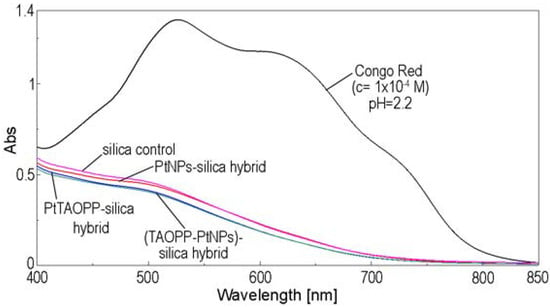
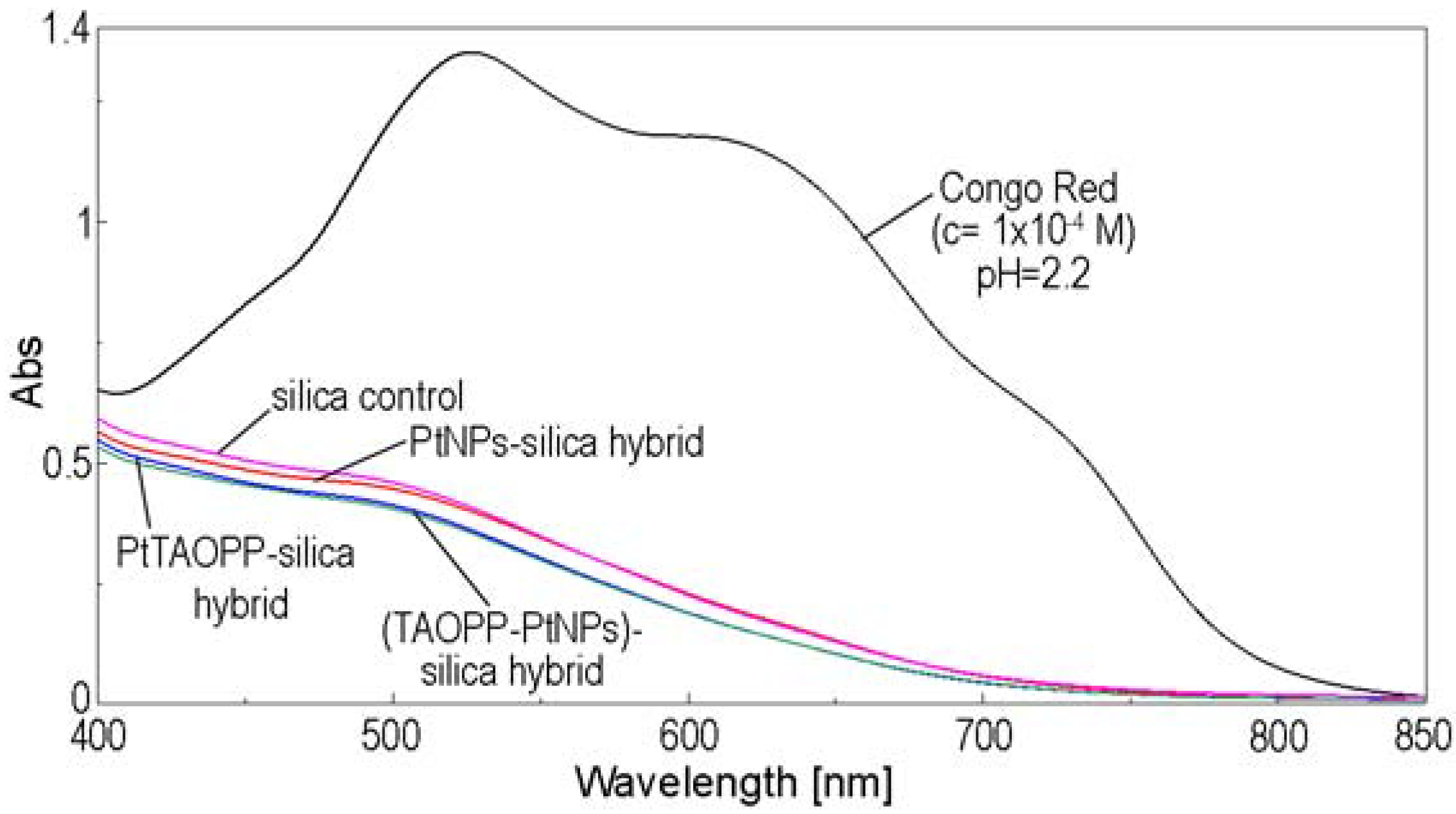
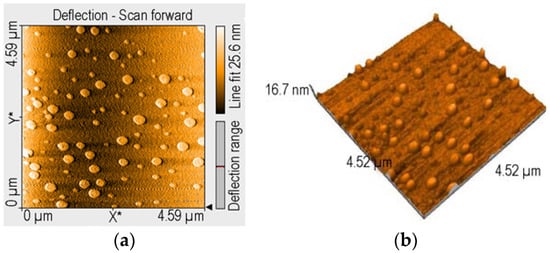
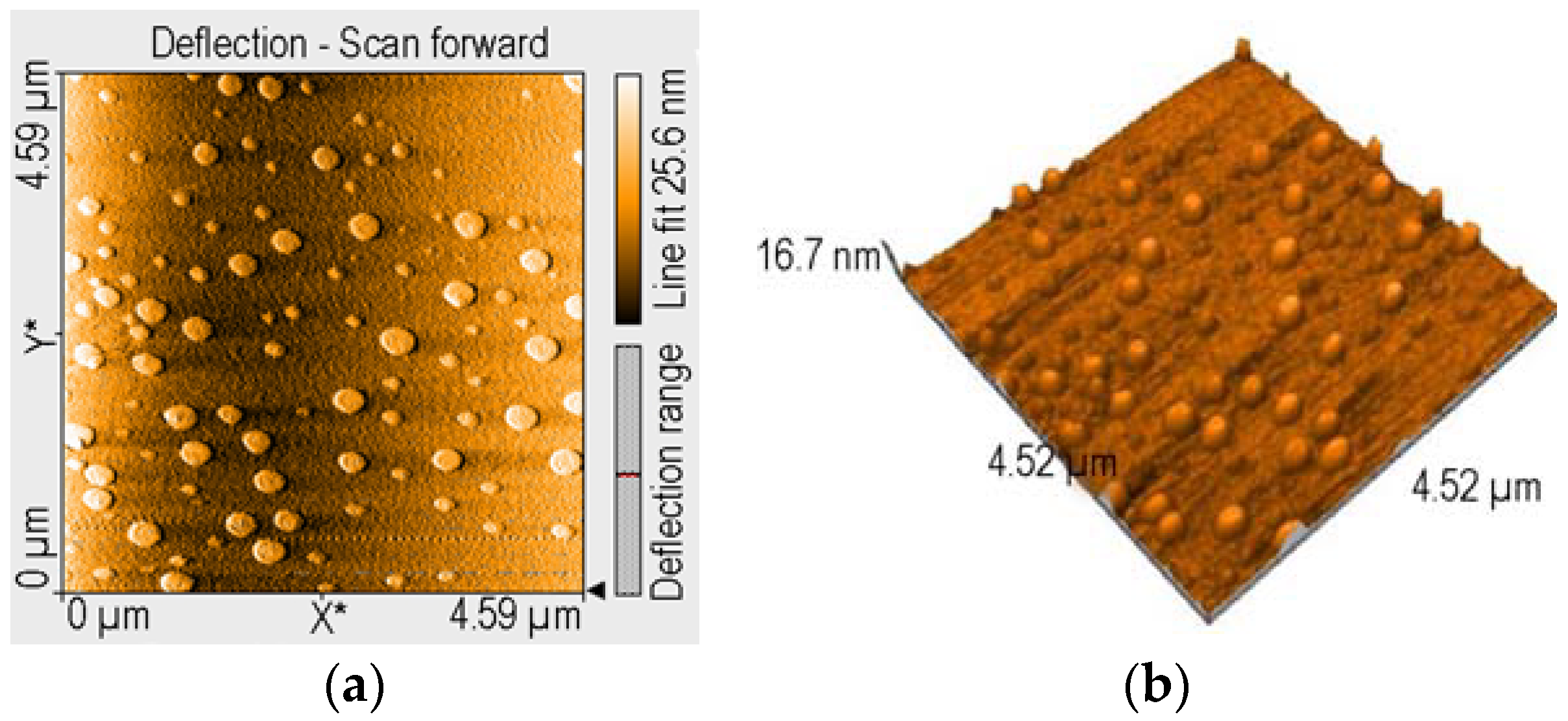
Introduction: Colored wastewaters, containing toxic dyes, such as Congo red, methylene blue, malachite green, fuchsine B, bromothymol blue, must first focus on the removal of dyes, before any other recovery treatment. Comparing the efficiency of adsorbent materials used to remove dyes, functionalized silica derivatives, tailored to have specific surface areas exceeding 600 m2/g, are among the best performing [1]. Particularly, for the removal of Congo red dye, silica and chitosan materials have also been shown in the literature to be effective adsorbents [2,3]. Materials and Methods: A set of mesoporous silica nanomaterials, functionalized either with Pt-metalloporphyrin (PtTAOPP-silica hybrid), or with PtNPs (PtNPs-silica hybrid) or bis-functionalized with both the same porphyrin-base and PtNPs (TAOPP-PtNPs)-silica hybrid, were successfully used as adsorbent materials for methylene blue, malachite green, fuchsine B, bromothymol blue and Congo red [1,4]. Results: A novel example of monitoring (by UV-vis spectrometry) the capacity of the three impregnated-silica hybrid materials, PtTAOPP-silica hybrid, PtNPs-silica hybrid and (TAOPP-PtNPs)-silica hybrid, in comparison with silica control, for Congo red removal from wastewaters, is given in Figure 1. From Figure 1, it is clear that the absorption intensity of the Congo red solution is significantly decreased, meaning that most of the dye was absorbed by the silica materials. After the Congo red was adsorbed, very interesting haystack aggregates, randomly distributed, were deposited on silica matrices, proving the absorption of the dye. In Figure 2, the atomic force microscopy (AFM) images of PtNPs-silica hybrid material are shown, after Congo red adsorption from waters containing an initial concentration of 5 × 10⁻⁵ M Congo red. The adsorption capacity of Congo red (for initial concentration of the dye: 5 × 10⁻⁵ M) realized by the tested silica materials, at a loading of 3.33 g/L, are: (a) silica control: qe = 8.25 mg/g; η = 78.13%; (b) PtTAOPP-silica hybrid: qe = 8.43 mg/g; η = 79.84%; (c) (TAOPP-PtNPs)-silica hybrid: qe = 8.73 mg/g; η = 82.75%; (d) PtNPs-silica hybrid: qe = 8.02 mg/g; η = 76.03%. Conclusions: As demonstrated in this study, all the functionalized silica materials have a good performance in removing red Congo dye, with the best result attaining a yield of 82%, registered for the bis-functionalized (TAOPP-PtNPs)-silica hybrid.
Figure 1.
Overlapped UV-vis spectra of the remaining Red Congo concentration (initial conconcentration concentration 5 × 10⁻⁵ M Congo red), after 160 min of contact between the Congo red solution and the functionalized silica hybrid materials. The solutions were centrifugated and filtrated.
Figure 2.
2D (a) and 3D (b) AFM images of PtNPs-silica hybrid material after red Congo adsorption from waters containing 5 × 10⁻⁵ M Congo red.
Funding
This research was funded by UEFISCDI-Romania, grant number 76-PCCDI/2018, belonging to PNIII-Future and Emerging Technologies and partially to Programme 3-2021, from the Institute of Chemistry “Coriolan Dragulescu”.
Institutional Review Board Statement
Not applicable.
Informed Consent Statement
Not Applicable.
Data Availability Statement
All the data are available from the authors at ICT laboratories.
Conflicts of Interest
The authors declare no conflict of interest.
References
- Fratilescu, I.; Dudás, Z.; Birdeanu, M.; Epuran, C.; Anghel, D.; Fringu, I.; Lascu, A.; Len, A.; Fagadar-Cosma, E. Hybrid silica materials applied for fuchsine b color removal from wastewaters. Nanomaterials 2021, 11, 863. [Google Scholar] [CrossRef] [Scilit] [PubMed]
- Zahir, A.; Aslam, Z.; Kamal, M.S.; Ahmad, W.; Abbas, A.; Shawabkeh, R.A. Development of novel cross-linked chitosan for the removal of anionic Congo red dye. J. Mol. Liq. 2017, 244, 211–218. [Google Scholar] [CrossRef] [Scilit]
- Farias, R.S.; Buarque, H.L.; Cruz, M.R.; Cardoso, L.M.F.; Gondim, T.A.; Paulo, V.R. Adsorption of congo red dye from aqueous solution onto amino-functionalized silica gel. Eng. Sanit. Ambient. 2018, 23, 1053–1060. [Google Scholar] [CrossRef] [Scilit]
- Anghel, D.; Lascu, A.; Epuran, C.; Fratilescu, I.; Ianasi, C.; Birdeanu, M.; Fagadar-Cosma, E. Hybrid materials based on silica matrices impregnated with Pt-porphyrin or PtNPs Destined for CO2 gas detection or for wastewaters color removal. Int. J. Mol. Sci. 2020, 21, 4262. [Google Scholar] [CrossRef] [Scilit] [PubMed]
Publisher’s Note: MDPI stays neutral with regard to jurisdictional claims in published maps and institutional affiliations. |
© 2022 by the authors. Licensee MDPI, Basel, Switzerland. This article is an open access article distributed under the terms and conditions of the Creative Commons Attribution (CC BY) license (https://creativecommons.org/licenses/by/4.0/).