

Journal Description
Nutrients
Nutrients
is an international, peer-reviewed, open access journal of human nutrition published semimonthly online by MDPI. The Asia Pacific Nutrigenomics Nutrigenetics Organisation (APNNO), Italian Society for Pediatric Gastroenterology, Hepatology and Nutrition (SIGENP), Nutrition Society of New Zealand (NSNZ), Ocular Wellness & Nutrition Society (OWNS) and others are affiliated with Nutrients and their members receive discounts on article processing charges.
- Open Access— free for readers, with article processing charges (APC) paid by authors or their institutions.
- High Visibility: indexed within Scopus, SCIE (Web of Science), PubMed, MEDLINE, PMC, Embase, PubAg, AGRIS, and other databases.
- Journal Rank: JCR - Q1 (Nutrition and Dietetics) / CiteScore - Q1 (Nutrition and Dietetics)
- Rapid Publication: manuscripts are peer-reviewed and a first decision is provided to authors approximately 15 days after submission; acceptance to publication is undertaken in 2.4 days (median values for papers published in this journal in the second half of 2025).
- Recognition of Reviewers: reviewers who provide timely, thorough peer-review reports receive vouchers entitling them to a discount on the APC of their next publication in any MDPI journal, in appreciation of the work done.
- Companion journal: Dietetics.
- Journal Cluster of Food, Nutrition, and Health Science: Beverages, Dietetics, Foods, Nutraceuticals, Nutrients and Obesities.
Impact Factor:
5.0 (2024);
5-Year Impact Factor:
6.0 (2024)
Latest Articles
Multimodal Nutraceutical and Psychological Intervention for GGT Reduction in Individuals with Alcohol Use Disorder
Nutrients 2026, 18(11), 1676; https://doi.org/10.3390/nu18111676 (registering DOI) - 23 May 2026
Abstract
Background: Elevated gamma-glutamyl transferase (GGT) is a biomarker associated with alcohol-related hepatic stress and oxidative imbalance. Although alcohol abstinence is the primary determinant of GGT normalization, adjunctive strategies may support biochemical improvement in real-world settings. Methods: This non-randomized cohort study included 197 of
[...] Read more.
Background: Elevated gamma-glutamyl transferase (GGT) is a biomarker associated with alcohol-related hepatic stress and oxidative imbalance. Although alcohol abstinence is the primary determinant of GGT normalization, adjunctive strategies may support biochemical improvement in real-world settings. Methods: This non-randomized cohort study included 197 of 1957 screened participants (10.1%), stratified according to baseline GGT into 55–99 U/L (n = 95) and ≥100 U/L (n = 102). Participants in the higher baseline subgroup underwent a multimodal intervention consisting of nutraceutical supplementation (silymarin, essential phospholipids, and a polyherbal antioxidant formulation) combined with structured psychological support aimed at promoting alcohol abstinence. The primary outcome was the change in GGT between baseline (T1) and follow-up (T2). Secondary outcomes included the proportion of participants achieving GGT reduction and the magnitude of change according to baseline severity. Clinical trial registration: ClinicalTrials.gov Identifier: NCT07603726. Results: Among participants with baseline GGT ≥ 100 U/L, GGT levels decreased from a median of 133.73 to 97.41 U/L (p < 0.001), whereas in the 55–99 U/L subgroup, median GGT changed from 67.49 to 66.51 U/L without reaching statistical significance (p = 0.072). Participants in the higher baseline subgroup demonstrated greater GGT reductions (median ΔGGT: −35.25 vs. −2.58 U/L), a higher proportion achieving GGT reduction (91.2% vs. 70.5%), and higher odds of GGT reduction at follow-up in exploratory analysis (OR = 4.32, 95% CI: 1.91–9.75). Conclusions: In this real-world cohort, reductions in GGT levels were observed, particularly among individuals with elevated baseline values (≥100 U/L) who underwent the multimodal intervention. These findings support monitoring GGT dynamics in routine clinical practice, where GGT remains a practical and accessible biomarker due to its widespread availability, low cost, and sensitivity to oxidative and alcohol-related hepatic stress.
Full article
(This article belongs to the Special Issue Dietary Factors and Emotion and Cognitive Health)
Open AccessReview
Magnesium at the Neurovascular Interface: A Narrative Review of Atherosclerosis, Peripheral Arterial Disease, and Neuropathic Pain
by
Yonghyun Yoon, Rowook Park, Jaehyun Shim, Junyoung Park, Jihyo Hwang, Jungyoun Kim, King Hei Stanley Lam, Teinny Suryadi and Anwar Suhaimi
Nutrients 2026, 18(11), 1675; https://doi.org/10.3390/nu18111675 (registering DOI) - 23 May 2026
Abstract
Magnesium (Mg) is an essential divalent cation involved in more than 600 enzymatic reactions and plays a fundamental role in vascular, metabolic, and neural homeostasis. Although Mg is frequently discussed as an analgesic supplement, emerging evidence suggests that it acts as a neurovascular–metabolic
[...] Read more.
Magnesium (Mg) is an essential divalent cation involved in more than 600 enzymatic reactions and plays a fundamental role in vascular, metabolic, and neural homeostasis. Although Mg is frequently discussed as an analgesic supplement, emerging evidence suggests that it acts as a neurovascular–metabolic modulator. Low magnesium status has been associated with endothelial dysfunction, atherosclerotic burden, impaired microcirculatory function, and overlapping ischemic and neuropathic pain phenotypes, although direct causal clinical evidence remains limited. This narrative review integrates mechanistic and clinical evidence across three intersecting domains: (1) the role of Mg in endothelial dysfunction, vascular calcification, and atherogenesis; (2) the contribution of Mg deficiency to ischemic pain through peripheral arterial disease and microcirculatory failure; and (3) the modulation of neuropathic pain through NMDA receptor antagonism, neuroinflammatory suppression, and maintenance of blood–brain barrier integrity. In populations with atherosclerosis, diabetes mellitus, or nutritional insufficiency, hypomagnesemia may serve as a unifying pathophysiological link connecting vascular injury to pain sensitization. The recognition of Mg not merely as an analgesic agent, but as a neurovascular interface regulator, may inform more comprehensive therapeutic strategies in chronic vascular and neuropathic pain syndromes. This review emphasizes nutritional magnesium status and biologically plausible mechanisms rather than presenting magnesium supplementation as an established treatment for vascular or neuropathic pain. The evidence is strongest for mechanistic vascular and neuropathic pathways, whereas direct clinical evidence for magnesium supplementation in PAD-related ischemic limb pain remains limited.
Full article
(This article belongs to the Special Issue Magnesium in Human Health and Disease: Research Advances and Clinical Perspectives)
Open AccessArticle
Perspectives of Parents with Developmental Disabilities on Disability-Related Factors Influencing Their Infant Feeding Decisions: A Mixed Methods Study
by
Stacy V. Lu, Susan M. Gross and Allison L. West
Nutrients 2026, 18(11), 1674; https://doi.org/10.3390/nu18111674 (registering DOI) - 23 May 2026
Abstract
Background/Objectives: The practices that parents use to feed their infants have important implications for life course health and well-being. However, little is known about the infant feeding experiences and decisions of parents with developmental disabilities. This study used a mixed methods design
[...] Read more.
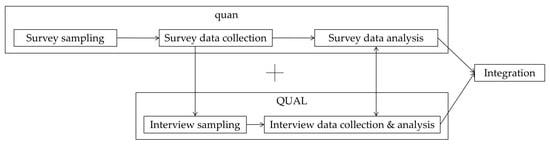
Background/Objectives: The practices that parents use to feed their infants have important implications for life course health and well-being. However, little is known about the infant feeding experiences and decisions of parents with developmental disabilities. This study used a mixed methods design to gain an in-depth understanding of the infant feeding experiences and decisions of parents with developmental disabilities in the United States. Methods: Between July 2024 and June 2025, 18 parents with developmental disabilities completed a one-time quantitative survey, seven of whom also completed three individual qualitative interviews. Analytical procedures included descriptive statistics of quantitative survey data and thematic analysis of qualitative interviews, followed by integration of the two forms of data. All interview participants completed member checking of preliminary themes. Results: Parents with developmental disabilities described varied experiences with breastfeeding, formula feeding, and introducing solid foods to their infants at around six months. Four disability-related factors influenced parents’ decisions across different infant feeding practices: (1) sensitivity to sensory stimuli; (2) demands on executive function; (3) “rigid thinking” about breastfeeding; and (4) medication use. Conclusions: Findings suggest parents with developmental disabilities may benefit from direct and customized support with infant feeding. Changes to improve access to disability-affirming care are warranted.
Full article
(This article belongs to the Special Issue Infant and Toddler Feeding and Development)
►▼
Show Figures

Figure 1
Open AccessArticle
Attitudes and Barriers Toward Consumption of More Plant-Based Foods Among Danish Patients with Celiac Disease
by
Christina Chinchay Nielsen, Allan Linneberg, Line Lund Kårhus, Signe Ulfbeck Schovsbo and Nikita Misella Hansen
Nutrients 2026, 18(11), 1673; https://doi.org/10.3390/nu18111673 (registering DOI) - 23 May 2026
Abstract
Background: Celiac disease (CeD) requires lifelong adherence to a gluten-free diet (GFD). However, there is evidence that a GFD may lead to an unhealthy cardiometabolic risk profile and potentially increase the risk of cardiovascular disease in some patients. Incorporating plant-based foods (primarily
[...] Read more.
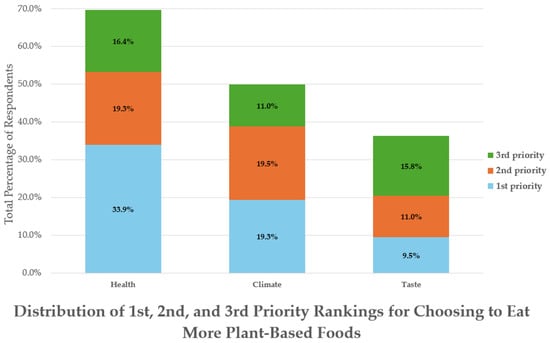
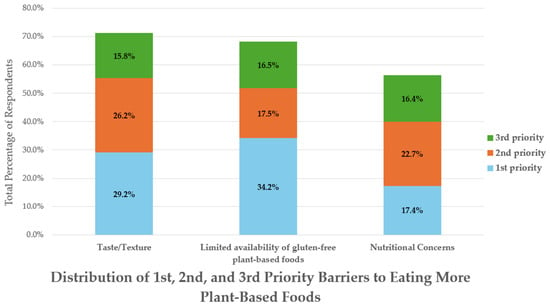
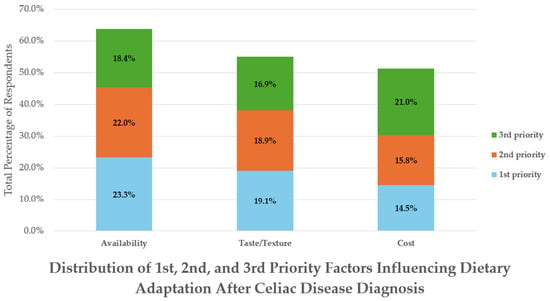
Background: Celiac disease (CeD) requires lifelong adherence to a gluten-free diet (GFD). However, there is evidence that a GFD may lead to an unhealthy cardiometabolic risk profile and potentially increase the risk of cardiovascular disease in some patients. Incorporating plant-based foods (primarily derived from plants) into a GFD may offer a solution to improve cardiometabolic health. Thus, this study aimed to identify the attitudes toward and barriers to adopting a more plant-dominant diet among Danish patients with CeD. Methods: A cross-sectional survey was distributed to 2861 members of the Danish Celiac Society. Data from 959 patients with confirmed CeD were included. Results: Most participants (58.5%) reported adapting their diet after diagnosis by combining gluten-free products with plant-based foods, while 31.2% relied solely on gluten-free replacements. Dietary adaptation was primarily shaped by the limited availability of gluten-free plant-based foods (64%), taste/texture (55%), and cost (51%). More than half of the patients (56.8%) considered ‘eating more plant-based foods’, with ‘health’ being the primary motivator (70%), followed by ‘climate’ (50%) and ‘taste’ (36%). However, several barriers to a more plant-dominant diet were identified. Most notably, ‘taste and texture’ (71%), ‘limited availability of gluten-free plant-based foods’ (68%), ‘nutritional concerns’ (56%), and ‘cost’ (54%) were reported as barriers. Conclusions: Most Danish patients with CeD were generally positive about increasing their intake of plant-based foods; however, barriers to such dietary changes remain. Ongoing follow-up, practical guidance from dietitians, and accessible evidence-based resources may help patients maintain a nutritionally balanced, plant-dominant GFD that supports long-term health.
Full article
(This article belongs to the Special Issue The Role of Dietary Intake and Food Behavior on Cardiometabolic Health: From Mechanisms to Clinical Outcomes)
►▼
Show Figures

Figure 1
Open AccessSystematic Review
Hydration Care After Stroke: A Systematic Review of International Clinical Practice Guidelines
by
Colette Miller, Elizabeth Boaden, Alison S. R. Mcloughlin, Caroline L. Watkins and Stephanie P. Jones
Nutrients 2026, 18(11), 1672; https://doi.org/10.3390/nu18111672 (registering DOI) - 23 May 2026
Abstract
Background/Objectives: Hydration status at the time of stroke has been identified as a predictor of both vital and functional prognosis. Many studies have demonstrated that dehydration is associated with poorer outcomes, yet the prevalence of dehydration in those affected by stroke remains high.
[...] Read more.
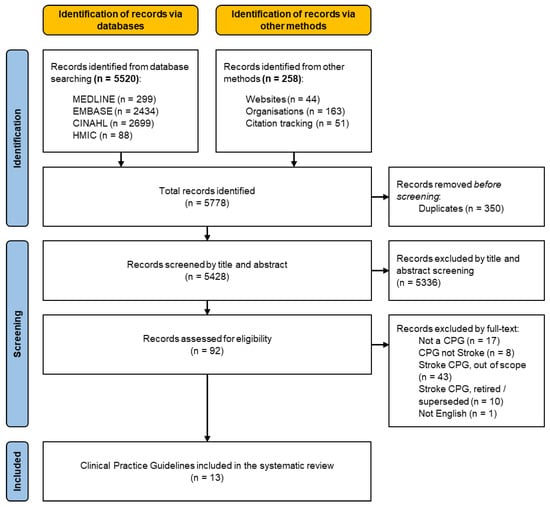
Background/Objectives: Hydration status at the time of stroke has been identified as a predictor of both vital and functional prognosis. Many studies have demonstrated that dehydration is associated with poorer outcomes, yet the prevalence of dehydration in those affected by stroke remains high. In this review, we systematically identify, appraise and summarise international clinical practice recommendations regarding hydration care after stroke. Methods: International clinical practice guidelines, published since 2009, were identified through a combination of searches of four online databases, searching of relevant websites and guidelines repositories, and citation tracking. Independent screening and data extraction were followed by quality appraisal using the AGREE II tool, and qualitative content analysis underpinned by a priori defined categories. Results: Thirteen clinical practice guidelines were included, from which 35 eligible recommendations were identified. Only seven (54%) guidelines were rated as high-quality (adequately addressing at least three AGREE II domains including “Rigour of development”). The majority of the 35 recommendations were intended for application to all stroke patients (23, 66%). Specific sub-populations, for whom hydration care was emphasised included people with dysphagia (8, 23%), immobile (2, 6%) and catheterised patients (1,3%), and those with cerebral oedema (1, 3%). Hydration care was most often discussed in the context of the avoidance and/or management of post-stroke complications, with only 8 (23%) recommendations specifically discussing hydration care alone. Of those eight recommendations, 3 (38%) suggested all stroke patients should have their hydration assessed, and 5 (62%) proposed methods of hydration management. Conclusions: The review demonstrates that international stroke guidelines recognise the importance of hydration care, although almost half of the guidelines are low to moderate quality and consider hydration in the context of post-stroke complications. Whilst hydration care, routine assessment and management of hydration status, is broadly endorsed, methods remain poorly defined. Further high-quality evidence is needed to support the development of standardised, evidence-based guidelines. Future guidelines should address the timing and methods of assessment, including the establishment of diagnostic thresholds to inform the interpretation of haematological results and subsequent treatment decisions.
Full article
(This article belongs to the Special Issue Nutritional Nursing and Rehabilitation in Hospital and Long-Term Care Settings)
►▼
Show Figures

Figure 1
Open AccessArticle
Torreya grandis Diester Oil Attenuates High-Fat Diet-Induced Pulmonary Inflammation with Superior Efficacy to Natural Torreya grandis Oil
by
Lixia Jia, Hongling Lu, Chenkai Jiang, Wenjun Hu, Ganglei Yu, Xingwei Xiang, Guoxin Shen, Jing Tao, Lin Chen and Wenhua Miao
Nutrients 2026, 18(11), 1671; https://doi.org/10.3390/nu18111671 (registering DOI) - 23 May 2026
Abstract
Background/Objectives: A high-fat diet (HFD) not only induces metabolic disorders but also causes oxidative damage to the lung tissue, triggering inflammatory responses. However, the detailed mechanisms by which HFD induces pulmonary oxidative stress and inflammation, particularly involving NF-κB/PPAR-γ signaling and lung microbiota, remain
[...] Read more.
Background/Objectives: A high-fat diet (HFD) not only induces metabolic disorders but also causes oxidative damage to the lung tissue, triggering inflammatory responses. However, the detailed mechanisms by which HFD induces pulmonary oxidative stress and inflammation, particularly involving NF-κB/PPAR-γ signaling and lung microbiota, remain poorly understood, and effective dietary intervention strategies are still lacking. This study investigated the effects of HFD on lung tissue injury in mice and systematically evaluated the protective effects and potential mechanisms of Torreya grandis seed oil (TGO) and Torreya grandis seed diester oil (TGO-DG). Methods: After 12 weeks of HFD feeding, HFD group mice exhibited a marked increase in body weight (90.36%) compared with the control group, whereas body weight gain was significantly attenuated in the TGO (57.95%) and TGO-DG (55.78%) groups. Results: Biochemical analyses revealed that the levels of malondialdehyde (MDA), nitric oxide (NO), and pro-inflammatory cytokines (TNF-α, IL-6, IL-1β) were significantly elevated in the HFD group, indicating pronounced oxidative stress and inflammatory responses in lung tissue. These symptoms were significantly attenuated by TGO and TGO-DG, with TGO-DG showing a more marked effect. Western blot (WB) results showed that both TGO and TGO-DG suppressed IL-6 expression and altered the expression of proteins in the NF-κB and PPAR-γ signaling pathways, which may contribute to the alleviation of pulmonary inflammation. Lung microbiota analysis revealed that TGO was associated with an increased proportion of Lactobacillus species, which correlated with the restoration of pulmonary microbial homeostasis. Conclusions: Overall, these results suggest that TGO and TGO-DG effectively alleviate HFD-induced oxidative stress and inflammation in lung tissue through regulation of inflammatory signaling pathways and lung microbiota composition. Notably, TGO-DG exhibited superior protective effects, highlighting its potential as a lipid ingredient.
Full article
(This article belongs to the Section Lipids)
Open AccessArticle
Effects of Neural Correlates of Food-Specific Intentional Inhibition in Predicting Body Fat Loss for Overweight and Normal-Weight Young Adults: The Mediation of Restrained Eating
by
Xinyuan Liu, Mingzhu Li, Shiqing Song, Yicen Cui and Hong Chen
Nutrients 2026, 18(11), 1670; https://doi.org/10.3390/nu18111670 (registering DOI) - 23 May 2026
Abstract
Background/Objectives: Intentional inhibition reflects voluntary control abilities and is assumed to be an indicator of overweight. The medial frontal cortex is an important brain region associated with intentional inhibition. Nevertheless, it is uncertain whether being overweight is connected to impaired food-related intentional
[...] Read more.
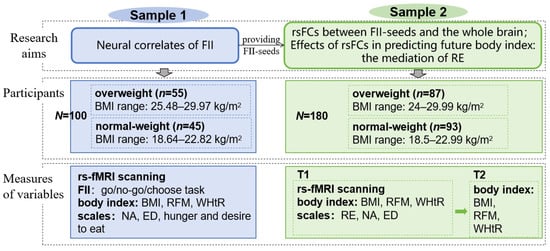
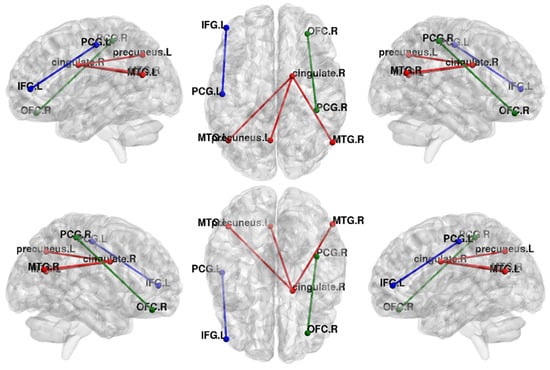
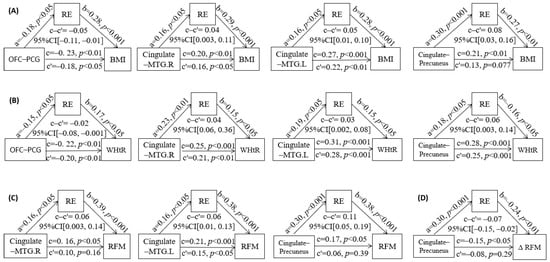
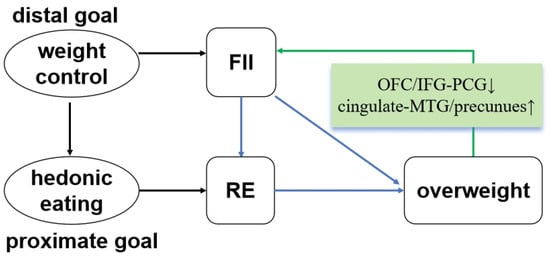
Background/Objectives: Intentional inhibition reflects voluntary control abilities and is assumed to be an indicator of overweight. The medial frontal cortex is an important brain region associated with intentional inhibition. Nevertheless, it is uncertain whether being overweight is connected to impaired food-related intentional inhibition (FII), and if so, what its underlying neural correlates are. The present study therefore aims to provide increased support for overweight due to impairment of FII. Methods: Firstly, 55 overweight and 45 normal-weight college students (Sample 1) were instructed to perform a go/no-go/choose task, which included a resting-state fMRI. Neural correlates of FII were examined using regional homogeneity (ReHo) analyses. Subsequently, an additional 180 undergraduates (87 overweight and 93 normal-weight; Sample 2) were examined to ascertain the differences in resting-state functional connectivity (rsFC) between overweight and normal-weight participants. The study also investigated whether restrained eating mediated the effect of rsFCs on one-year body index changes. Results: FII demonstrated a positive correlation with the cerebellum, inferior temporal gyrus, orbitofrontal cortex, inferior frontal gyrus, and cingulate gyrus. Additionally, in comparison with participants with normal weight, overweight participants demonstrated diminished rsFC between the FII-related areas and the postcentral gyrus, while heightened rsFC strengths were found between these areas and the middle temporal gyrus and precuneus. Furthermore, mediation analyses demonstrated that cingulate–precuneus connectivity is linked to fat mass index change a year later through restrained eating. Conclusions: FII was associated with connectivity between brain regions involved in inhibitory control and maladaptive eating. Furthermore, we investigated how these connectivity patterns could potentially affect future body fat loss through restrained eating.
Full article
(This article belongs to the Section Nutrition and Obesity)
►▼
Show Figures

Figure 1
Open AccessArticle
Effect of Omega-3 Fatty Acid Intake on Circulating Biomarkers of Atrial Fibrillation-Related Pathways in the PREDIMED-Plus Study
by
Jaime Lara Moreno, Linzi Li, Alvaro Alonso, Dora Romaguera, Angel M. Alonso-Gómez, Cristina Razquin, Lucas Tojal-Sierra, Miquel Fiol, Miguel A. Martinez-Gonzalez, Vinita Subramanya, Jordi Salas-Salvadó, Montserrat Fitó and Estefanía Toledo
Nutrients 2026, 18(11), 1669; https://doi.org/10.3390/nu18111669 (registering DOI) - 23 May 2026
Abstract
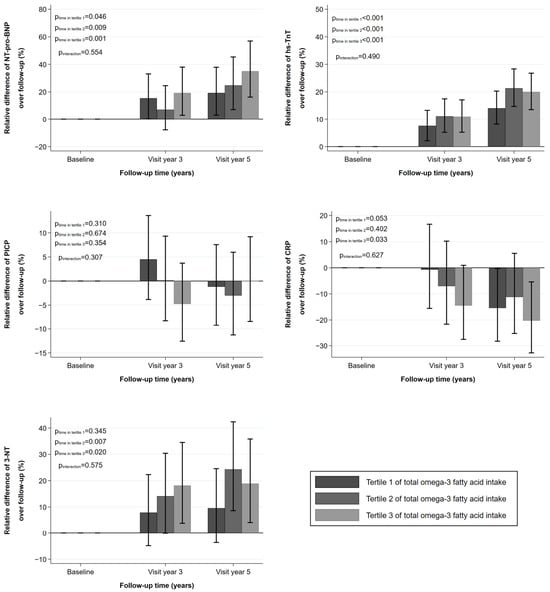
Background/Objectives: Whether habitual dietary omega-3 fatty acid intake is reflected in circulating biomarkers of atrial fibrillation (AF)-related pathways is unclear. We assessed whether usual dietary intake of n-3 fatty acids—considered as total, marine-derived, or non-marine-derived—was associated with the trajectories of five serum
[...] Read more.
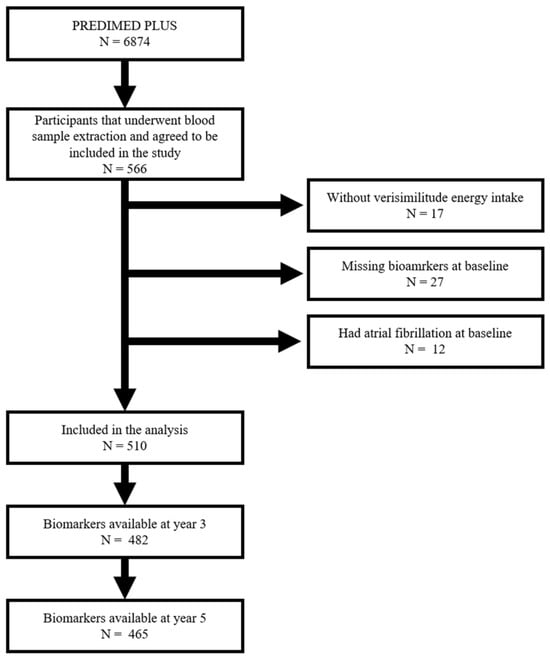
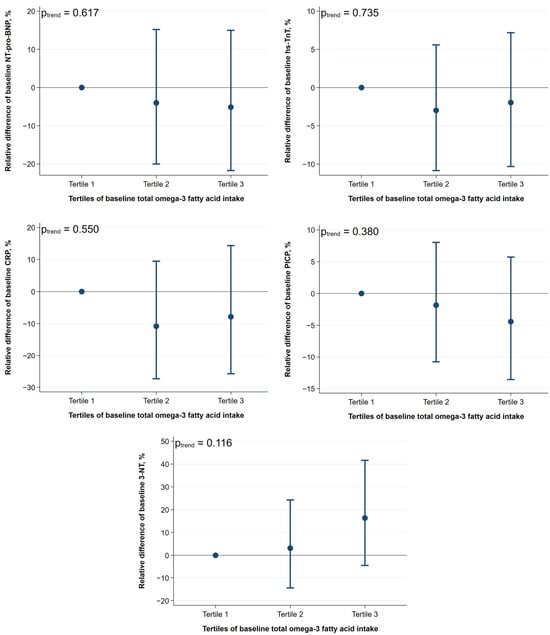
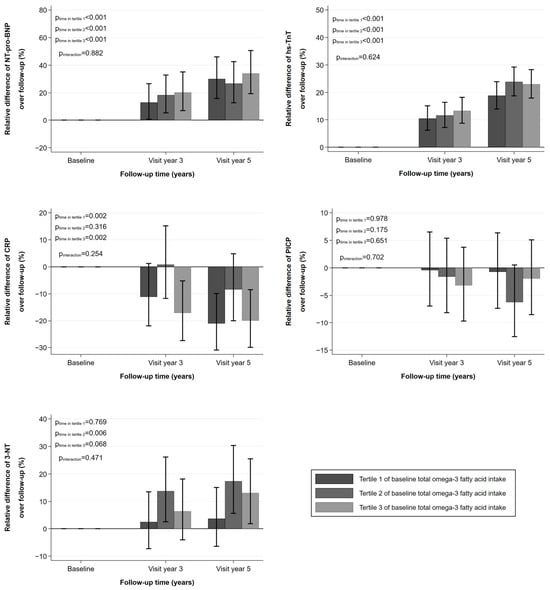
Background/Objectives: Whether habitual dietary omega-3 fatty acid intake is reflected in circulating biomarkers of atrial fibrillation (AF)-related pathways is unclear. We assessed whether usual dietary intake of n-3 fatty acids—considered as total, marine-derived, or non-marine-derived—was associated with the trajectories of five serum markers that reflect AF-related mechanistic pathways [N-terminal pro-B-type natriuretic peptide (NT-pro-BNP), high-sensitivity troponin T (hs-TnT), high-sensitivity C-reactive protein (CRP), the C-terminal propeptide of type-I procollagen (PICP), and 3-nitrotyrosine (3-NT)] over 5 years of follow-up. Methods: In 510 participants of the PREDIMED-Plus trial (older Spanish adults with metabolic syndrome), we measured plasma NT-pro-BNP, hs-TnT, CRP, PICP, and 3-NT at baseline and after 3 and 5 years. Energy-adjusted omega-3 intake was assessed with a validated 143-item food-frequency questionnaire. Cross-sectional and 5-year longitudinal associations according to tertiles of omega-3 fatty acid intake were estimated with linear regression and mixed-effects models. Results: Median total omega-3 intake was 2.0 g/day. Total omega-3 intake was not associated with any biomarker, neither cross-sectionally nor longitudinally. Marine omega-3 was directly associated cross-sectionally with 3-NT (highest vs. lowest tertile +28.4%, 95% CI 5.5 to 56.2; p-trend = 0.014) but not longitudinally. Moderate baseline non-marine omega-3 fatty acid intake was associated with a decrease in PICP after 5 years of follow-up. Conclusions: Overall, habitual total omega-3 fatty acid intake was not associated with circulating AF-related pathways. The sporadic association between marine omega-3 fatty acid intake and 3-NT in the cross-sectional assessment and the isolated non-linear association between baseline non-marine omega-3 fatty acid intake and PICP after 5 years warrant further investigation.
Full article
(This article belongs to the Special Issue Exploring the Role of Fatty Acids in Chronic Disease Development)
►▼
Show Figures

Figure 1
Open AccessEditorial
Dietary Patterns and Feeding Challenges in Children with Neurodevelopmental Disorders
by
Laura Torres-Collado, Manuela García-de-la-Hera, Verónica Company-Devesa and Laura María Compañ-Gabucio
Nutrients 2026, 18(11), 1668; https://doi.org/10.3390/nu18111668 (registering DOI) - 23 May 2026
Abstract
Neurodevelopmental disorders (NDDs), including autism spectrum disorder (ASD), attention-deficit/hyperactivity disorder (ADHD), and intellectual disability, comprise a heterogeneous group of conditions that emerge during the developmental period and may affect cognition, communication, motor function, adaptive behavior, and daily functioning [...]
Full article
(This article belongs to the Special Issue Dietary Patterns: Do Children with Neurodevelopmental Disorders Eat Differently? (2nd Edition))
Open AccessArticle
Insulin-like Growth Factor 1 Ameliorates Intestinal Barrier Dysfunction in MASLD via IGF-1R/PI3K/AKT Signaling
by
Wenshuo Zhao, Jishuang San, Fan Jiang, Yue Zhu, Gaofeng Wu, Jiancheng Yang and Weiwei Li
Nutrients 2026, 18(11), 1667; https://doi.org/10.3390/nu18111667 - 22 May 2026
Abstract
Background: Metabolic dysfunction-associated steatotic liver disease (MASLD) represents a globally prevalent hepatic disorder, characterized by hepatic lipid accumulation and extrahepatic complications, notably intestinal barrier injury, which further exacerbates MASLD progression. The “gut–liver axis” has been identified as a critical contributor to MASLD development,
[...] Read more.
Background: Metabolic dysfunction-associated steatotic liver disease (MASLD) represents a globally prevalent hepatic disorder, characterized by hepatic lipid accumulation and extrahepatic complications, notably intestinal barrier injury, which further exacerbates MASLD progression. The “gut–liver axis” has been identified as a critical contributor to MASLD development, with insulin-like growth factor 1 (IGF-1) serving as a pivotal coupling factor of this axis. However, the specific role and molecular mechanism by which IGF-1 modulates intestinal barrier function in the context of MASLD remains unclear. Methods: This study analyzed the correlations between the GH/IGF-1 axis and intestinal barrier function in MASLD rats, and explored the effects of IGF-1 intervention both in vivo and in vitro. Results: Our results showed that MASLD rats exhibited intestinal barrier impairment, characterized by elevated serum Diamine oxidase (DAO) and D-Lactate (D-LAC) levels, villus damage, and downregulation of tight junction proteins and Mucin (MUC2). These changes were accompanied by suppression of the GH/IGF-1 axis. Correlation analysis uncovered a negative association between IGF-1 levels and markers of barrier dysfunction. IGF-1 intervention effectively repaired the intestinal barrier structure of MASLD rats and significantly upregulated the expressions of IGF-1R, PI3K, and AKT. In vitro, IGF-1 treatment improved transepithelial electrical resistance (TEER), enhanced barrier-related gene expression, promoted cell proliferation, and inhibited apoptosis. Conclusions: These findings suggested that GH/IGF-1 axis suppression, intestinal barrier dysfunction, and IGF-1R/PI3K/AKT signaling were interconnected within the gut–liver axis in MASLD. IGF-1 may contribute to barrier regulation through associated signaling changes, highlighting the GH/IGF-1 axis as a potential complementary target.
Full article
(This article belongs to the Section Nutrition and Metabolism)
Open AccessArticle
Hypnotic Effects of Hypericum perforatum L. and Melissa officinalis L. Through Adenosine and Melatonin Receptors
by
Hye Jin Jee, Suk Jin Lee, Jae Ryeong Yoo, Hye-Jin Kim, Hyoung-Su Park, Hye-Jeong See and Yi-Sook Jung
Nutrients 2026, 18(11), 1666; https://doi.org/10.3390/nu18111666 - 22 May 2026
Abstract
Background: Sleep disorders, particularly insomnia, represent a major public health concern, while currently available hypnotic drugs are often limited by adverse effects and poor long-term tolerability. Methods: In this study, we investigated the sleep-promoting effects of a mixture of Hypericum perforatum L. and
[...] Read more.
Background: Sleep disorders, particularly insomnia, represent a major public health concern, while currently available hypnotic drugs are often limited by adverse effects and poor long-term tolerability. Methods: In this study, we investigated the sleep-promoting effects of a mixture of Hypericum perforatum L. and Melissa officinalis L. extract (HME) and its underlying mechanisms in male ICR and C57BL/6 mice. In a pentobarbital-induced sleep model in mice, sleep onset latency and total sleep time were measured. Pharmacological studies using various antagonists and agonists were conducted to elucidate receptor-mediated mechanisms. Immunohistochemical and immunofluorescence analyses were performed to assess neuronal activity, and cortical mRNA expression was evaluated by quantitative analysis. HPLC analysis was used to identify the major constituents of HME, and their pharmacological profiles were functionally evaluated. Results: HME significantly reduced sleep onset latency and prolonged total sleep time. These hypnotic effects were shown to be mediated through adenosine and melatonin receptor signaling pathways. Immunohistochemical and immunofluorescence analyses showed that HME suppressed neuronal activity in wake-promoting cholinergic and orexinergic neurons of the basal forebrain and lateral hypothalamus, while enhancing activation of sleep-promoting GABAergic neurons in the ventrolateral preoptic nucleus. At the molecular level, HME increased cortical mRNA expression levels of adenosine A1 receptor, adenosine A2A receptor, melatonin receptor 1, and melatonin receptor 2. From the HPLC analysis, rosmarinic acid and hyperoside were identified as the major constituents of HME. Functional evaluation of these compounds revealed complementary pharmacological profiles, with hyperoside primarily acting through adenosine receptors and rosmarinic acid engaging both adenosine and melatonin receptor pathways. Conclusion: These findings suggest that HME enhances both sleep initiation and maintenance through adenosine and melatonin receptor signaling pathways, thereby supporting its potential as a multitarget therapeutic agent for improving sleep quality.
Full article
(This article belongs to the Special Issue Nutrition and Brain Health Across the Lifespan: Insights into Mental, Cognitive, and Sleep Outcomes in Health and Disease)
Open AccessReview
Best Practice Recommendations for the Assessment, Prevention and Treatment of Vitamin D Deficiency in Türkiye: A 2026 Update in a Setting with Limited Mandatory Food Fortification
by
Dilek Gogas Yavuz, Ömercan Topaloğlu, Mutlu Güneş, Alper Gürlek, Ayşe Kubat Üzüm, Zafer Pekkolay, Zeynep Cantürk, Zeliha Hekimsoy, Özen Öz Gül and Refik Tanakol
Nutrients 2026, 18(11), 1665; https://doi.org/10.3390/nu18111665 - 22 May 2026
Abstract
Background: Vitamin D deficiency is a common global health problem and remains highly prevalent in Türkiye, where limited food fortification and heterogeneous clinical practices contribute to variability in testing and supplementation strategies. Aims: To provide Türkiye-specific best practice recommendations for defining clinically relevant
[...] Read more.
Background: Vitamin D deficiency is a common global health problem and remains highly prevalent in Türkiye, where limited food fortification and heterogeneous clinical practices contribute to variability in testing and supplementation strategies. Aims: To provide Türkiye-specific best practice recommendations for defining clinically relevant serum 25-hydroxyvitamin D [25(OH)D] thresholds, identifying adult risk groups for targeted testing, and recommending evidence-based prevention, treatment, and monitoring approaches while minimizing under-treatment and inappropriate high-dose use. Methods: This national expert consensus document was developed by endocrinologists from across Türkiye using a structured, modified Delphi methodology. Draft statements informed by systematic literature reviews were rated via online surveys using a 9-point Likert scale, followed by two Delphi rounds and a face-to-face consensus meeting in İstanbul in October 2025. Results: Recommendations addressed sun exposure, laboratory assessment, screening, supplementation, treatment, and follow-up. Serum 25(OH)D <20 ng/mL was defined as deficiency and <12 ng/mL as severe deficiency, with a target range of 20–50 ng/mL. Routine population-wide screening was not recommended; instead, targeted testing in high-risk adults and symptom-driven biochemical evaluation were endorsed. Empiric supplementation was recommended for selected high-risk groups, with cholecalciferol as the preferred agent. Higher individualized doses were suggested in obesity or malabsorption, while loading regimens were reserved for specific clinical indications, such as severe deficiency or certain medical conditions that impair vitamin D metabolism. Reassessment of 25(OH)D at 8–12 weeks was recommended. Conclusion: These consensus-based recommendations provide a practical, context-specific framework for assessing, preventing, treating, and monitoring vitamin D deficiency in adults in Türkiye.
Full article
(This article belongs to the Section Micronutrients and Human Health)
Open AccessReview
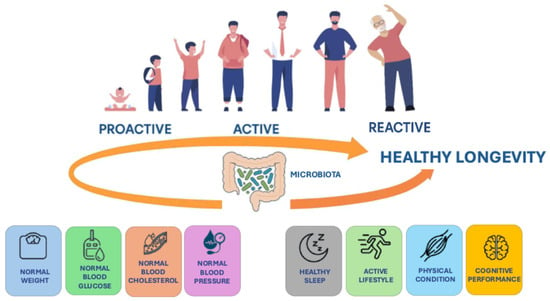
Early Biomarkers, Risk Factors, and Functional Indicators of Healthy Longevity and Their Relationship with Diet
by
Daniela Martini, Mariangela Rondanelli, Lorenzo Morelli and Francesco Landi
Nutrients 2026, 18(11), 1664; https://doi.org/10.3390/nu18111664 - 22 May 2026
Abstract
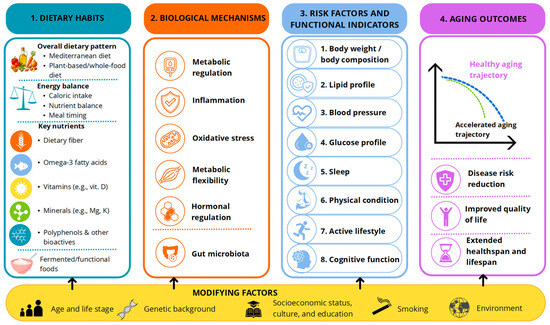
Background/Objectives: Healthy longevity depends on not only lifespan but also the maintenance of physiological, metabolic, physical, and cognitive functions throughout aging. Identifying early determinants of health is crucial for preventing age-related decline. This narrative review aims to synthesize current evidence on how diet
[...] Read more.
Background/Objectives: Healthy longevity depends on not only lifespan but also the maintenance of physiological, metabolic, physical, and cognitive functions throughout aging. Identifying early determinants of health is crucial for preventing age-related decline. This narrative review aims to synthesize current evidence on how diet and specific nutrients relate to these early risk factors and indicators of healthy longevity. Methods: A review was performed to identify the links between dietary factors, energy balance, and gut microbiota composition and normal body weight; blood cholesterol, pressure, and glucose; healthy sleep; an active lifestyle; and normal physical function and cognitive performance. Particular attention was given to Mediterranean and other plant-based dietary models as sources of key nutrients. Evidence from observational studies, randomized controlled trials, and meta-analyses was considered. Results: Across all markers, dietary quality and nutrient adequacy emerged as consistent determinants of health outcomes. Key nutrients were associated with favorable cardiometabolic, cognitive, and musculoskeletal functions, such as omega-3 fatty acids, fiber, vitamins D and B, minerals like magnesium and potassium, and polyphenols. Common nutrition gaps included insufficient intake of fiber, unsaturated fats, and micronutrients, which was often linked to a shift toward less plant-based diets. Gut microbiota diversity may mediate several of these associations, influencing metabolism, inflammation, sleep quality, and cognitive performance, although inter-individual variability and causal pathways remain incompletely understood. Conclusions: An integrated dietary approach emphasizing the consumption of whole and plant-rich foods, with moderate amounts of animal foods, supports multiple early markers, risk factors, and indicators of healthy longevity. The modulation of the gut microbiota through plant-based diets and fermented foods represents a promising strategy for maintaining health across aging trajectories.
Full article
(This article belongs to the Special Issue Diet, Frailty, and Healthy Longevity: Targeting the Biology of Aging)
►▼
Show Figures

Figure 1
Open AccessArticle
Dual-Protein Intervention in CT26 Tumor-Bearing Mice: A Preliminary Evaluation of Its Effects on Anti-Tumor Efficacy of 5-Fluorouracil and Immune Responses
by
Duo Feng, Mengjie Li, Di Han, Menghan Ma, Wenjuan Man, Na Li, Hu Li, Ruiqi Xu, Jiayu Fan and Jing Wang
Nutrients 2026, 18(11), 1663; https://doi.org/10.3390/nu18111663 - 22 May 2026
Abstract
Background: Colorectal cancer is a common malignancy and 5-fluorouracil (FU) remains a mainstay of chemotherapy despite its toxicity. As an important part of comprehensive tumor treatment, dual-protein (DP) nutritional intervention is attracting more and more attention. Methods: This study preliminarily evaluated the regulatory
[...] Read more.
Background: Colorectal cancer is a common malignancy and 5-fluorouracil (FU) remains a mainstay of chemotherapy despite its toxicity. As an important part of comprehensive tumor treatment, dual-protein (DP) nutritional intervention is attracting more and more attention. Methods: This study preliminarily evaluated the regulatory effects of DP intervention on colorectal cells of CT26 tumor-bearing mice, examining the dosage and administration methods of DP, as well as the anti-tumor effects of FU alone or in combination with DP. Results: The results showed that low- and medium-dose DP numerically increased spleen index and showed trends toward alleviating FU-induced thymic atrophy, splenic damage, nephrotoxicity, and myocardial injury. It also partly mitigated muscle wasting, prevented FU-induced shortening of the colorectal tract, and reduced intestinal injury. In addition, DP was associated with increased lymphocyte, monocyte, and platelet counts and decreased granulocytes, suggesting possible alleviation of chemotherapy-induced bone marrow suppression and a potential effect on hematopoietic function. Flow cytometry results indicated possible effects of DP on CD4+ T and CD8+ T cell proliferation or apoptosis, modulation of effector and memory phenotypes, reduced splenic neutrophil levels, balanced B cell function, and maintained natural killer cell activity. In addition, DP intervention also showed trends toward regulating hepatic lipid metabolism and partially alleviating FU-induced dyslipidemia and muscle damage. In addition, DP and FU could increase IL-2, IL-10, GM-CSF and IFN-γ and decrease IL-6 and TNF-α. Conclusion: In conclusion, a moderate dose (0.67 g/kg) of DP had the most favorable trends, and the pre-intervention mode was more effective. This study also provided exploratory data on the potential of DP in reducing chemotherapy-related toxicity. These findings will provide preliminary scientific support for nutritional therapy in colorectal cancer patients, as well as for the research, development, and application of dual-protein foods for special medical purposes.
Full article
(This article belongs to the Section Proteins and Amino Acids)
Open AccessSystematic Review
GLP-1 Receptor Agonists and Dual GIP/GLP-1 Receptor Agonists in Children and Adolescents with Obesity: Clinical Outcomes and the Impact of Nutritional and Behavioral Co-Interventions—A Systematic Review
by
Dominika Myśliwczyk, Krzysztof Ksawery Gofron, Andrzej Wasilewski, Małgorzata Myśliwiec and Eliza Wasilewska
Nutrients 2026, 18(11), 1662; https://doi.org/10.3390/nu18111662 - 22 May 2026
Abstract
Introduction: Glucagon-like peptide-1 receptor agonists (GLP-1 RAs), originally developed for the treatment of type 2 diabetes (T2D), are increasingly used for the management of overweight and obesity in children and adolescents. However, the impact of concomitant lifestyle interventions, which vary in scope, structure,
[...] Read more.
Introduction: Glucagon-like peptide-1 receptor agonists (GLP-1 RAs), originally developed for the treatment of type 2 diabetes (T2D), are increasingly used for the management of overweight and obesity in children and adolescents. However, the impact of concomitant lifestyle interventions, which vary in scope, structure, and intensity, remains unclear. Methods: A systematic search of PubMed, Scopus, and ClinicalTrials.gov was conducted from April to December 2025 (last update: 12 December 2025), in accordance with the PRISMA 2020 statement. Randomized and observational studies including patients aged 6–19 years with overweight or obesity, with or without T2D, treated with GLP-1 RAs or dual GIP/GLP-1 agonists, were included. Anthropometric outcomes, metabolic parameters, and the scope and structure of concomitant nutritional and behavioral interventions were assessed. Results: Fifteen studies (12 interventional [RCT/non-RCT] and 3 observational), including 1448 participants, were analyzed: liraglutide (n = 6), exenatide (n = 5), semaglutide (n = 1), dulaglutide (n = 1), tirzepatide (n = 1), and lixisenatide (n = 1). Intervention duration ranged from 6 to 68 weeks. Reported BMI reductions varied across studies and pharmacological agents, with semaglutide trials reporting reductions of up to −16.1%. Lifestyle interventions were heterogeneously reported, ranging from general dietary advice to structured, multidisciplinary programs including nutritional counseling, physical activity, and behavioral or family support. Due to heterogeneity in study design and reporting, the independent contribution of lifestyle interventions could not be determined. Conclusions: Available evidence suggests that GLP-1 RAs may represent an effective therapeutic option for children and adolescents with obesity and metabolic disorders. However, available evidence is largely derived from studies incorporating inconsistently reported lifestyle interventions, limiting the ability to disentangle pharmacological and lifestyle effects. Standardized reporting and studies specifically designed to assess their independent and combined effects are needed. Future research should standardize the reporting of lifestyle protocols (e.g., using TIDieR), incorporate validated measures of eating behavior, food preferences, and dietary intake, and use designs (e.g., factorial or stratified randomization of lifestyle intensity) that allow for the pharmacological and behavioral contributions to be quantified separately. This review highlights a critical and previously underexplored methodological gap regarding the structure and reporting of lifestyle co-interventions in pediatric GLP-1 trials.
Full article
(This article belongs to the Special Issue Dietary Patterns and Nutritional Challenges in Adolescents and Young Adults: Implications for Health and Disease)
Open AccessReview
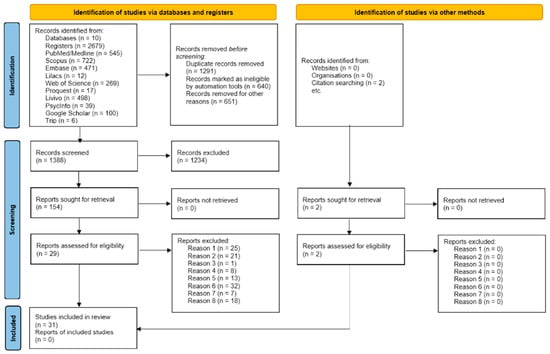
Methodological Approaches to Assess Disordered Eating Behaviors Related to Gluten-Free Diet Management in Children and Adolescents with Celiac Disease: A Scoping Review
by
Marina de Cesaro Schwantes, Rafaella Dusi, Rosa Harumi Uenishi, Camila dos Santos Ribeiro and Renata Puppin Zandonadi
Nutrients 2026, 18(11), 1661; https://doi.org/10.3390/nu18111661 - 22 May 2026
Abstract
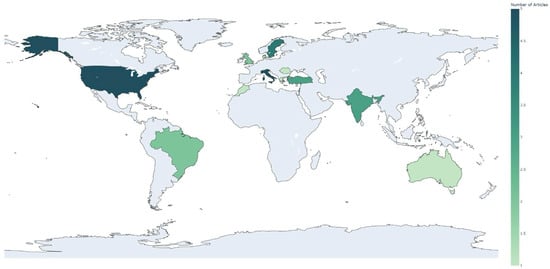
Objective: This scoping review aimed to map the methodological approaches used to assess disordered eating attitudes and behaviors in children and adolescents with celiac disease (CD). Methods: This review followed the Joanna Briggs Institute scoping review methodology and the PRISMA-ScR guidelines, including studies
[...] Read more.
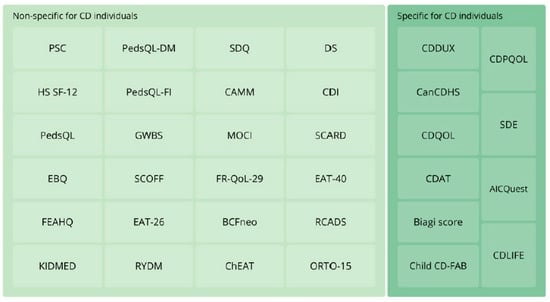
Objective: This scoping review aimed to map the methodological approaches used to assess disordered eating attitudes and behaviors in children and adolescents with celiac disease (CD). Methods: This review followed the Joanna Briggs Institute scoping review methodology and the PRISMA-ScR guidelines, including studies of children and adolescents with CD that used methodological approaches to assess disordered eating attitudes and behaviors in the context of the gluten-free diet (GFD). No restrictions were applied regarding geography, language, or year. Searches were conducted across 10 electronic databases. Data were descriptively analyzed and presented in tables or diagrams, with a narrative synthesis aligned to the review objective. Results: Studies from 13 countries were included and classified as quantitative (n = 16; 51.6%), qualitative (n = 11; 35.5%), or mixed-methods (n = 4; 12.9%). A total of 34 instruments were used, but only one was specifically designed to evaluate eating attitudes and behaviors in children and adolescents with CD. Conclusions: Analysis of disordered eating in children and adolescents with CD remains methodologically heterogeneous and evolving. Quantitative studies predominate but often rely on non-specific instruments that blur the distinction between adaptive dietary vigilance and disordered eating. Qualitative and mixed-methods approaches highlight lived experiences and reveal measurement gaps despite their higher costs. Progress depends on developing specific instruments for this population that better capture the complexity of GFD management across development.
Full article
(This article belongs to the Special Issue Nutrition-Related Challenges and Health Outcomes in Celiac Disease)
►▼
Show Figures

Figure 1
Open AccessReview
n-3 Polyunsaturated Fatty Acids and Sarcopenia: Recent Advances and Mechanistic Research
by
Haoran Li, Wenlong Xu, Yingjia Hu, Yi Hu, Tao Li and Rengfei Shi
Nutrients 2026, 18(11), 1660; https://doi.org/10.3390/nu18111660 - 22 May 2026
Abstract
Sarcopenia is an age-related syndrome characterized by the progressive loss of skeletal muscle mass, strength, and function, significantly impairing older adults’ independence and quality of life. Given their anti-inflammatory, antioxidant, and metabolic regulatory properties, n-3 polyunsaturated fatty acids (n-3 PUFAs)
[...] Read more.
Sarcopenia is an age-related syndrome characterized by the progressive loss of skeletal muscle mass, strength, and function, significantly impairing older adults’ independence and quality of life. Given their anti-inflammatory, antioxidant, and metabolic regulatory properties, n-3 polyunsaturated fatty acids (n-3 PUFAs) have emerged as a promising nutritional strategy to mitigate this muscle degeneration. This review systematically synthesizes existing evidence regarding the association between n-3 PUFAs and sarcopenia. To capture the relevant literature, we searched PubMed, Web of Science, CNKI, and Wanfang Data using a combination of subject headings and free-text terms. We supplemented primary search terms—such as “n-3 polyunsaturated fatty acids,” “omega-3 fatty acids,” “sarcopenia,” and “muscle mass”—with mechanism-related keywords like “inflammation,” “muscle satellite cells,” and “oxidative stress.” We also manually screened the reference lists of the included literature. Our inclusion criteria encompassed interventional studies, observational studies, and high-quality reviews, while excluding conference abstracts, duplicate publications, and studies with incomplete data. This review first outlines the established biological mechanisms linking n-3 PUFAs to the pathological progression of sarcopenia, specifically detailing how these fatty acids improve muscle satellite cell function, suppress inflammation and oxidative stress, and ameliorate metabolic disorders. Next, we critically evaluate recent clinical studies and reviews, analyzing sources of study heterogeneity such as variations in sample size, intervention dose and duration, outcome measures, and baseline participant characteristics. We also highlight current research hotspots—including specialized pro-resolving mediators (SPMs), the gut–organ axis, combined interventions, and precision nutrition strategies—while emphasizing the functional differences between EPA and DHA to guide future intervention designs. Current evidence indicates that while n-3 PUFA supplementation can improve muscle strength and physical performance in older adults, its effects on muscle mass remain inconsistent. Addressing key research gaps, particularly the lack of standardized core outcome measures and unclear dose–response relationships, is critical. Ultimately, future research must prioritize developing high-bioavailability formulations, conducting personalized trials based on baseline n-3 PUFA status, and deepening investigations into inter-organ networks to translate these nutritional insights into effective sarcopenia prevention and management strategies.
Full article
(This article belongs to the Section Lipids)
Open AccessReview
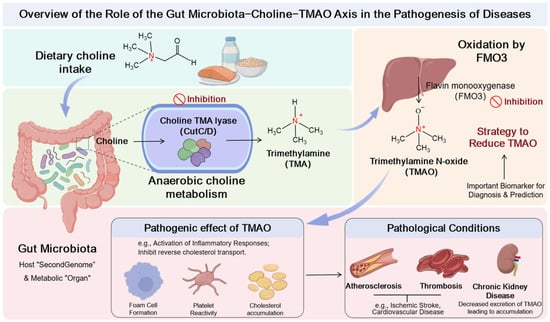
Gut Microbial Choline TMA-Lyase CutC: From Metabolic Mechanism to a Novel Therapeutic Target for Diseases
by
Na Zhang, Ying Wang, Gan Luo and Xiaoyan Gao
Nutrients 2026, 18(11), 1659; https://doi.org/10.3390/nu18111659 - 22 May 2026
Abstract
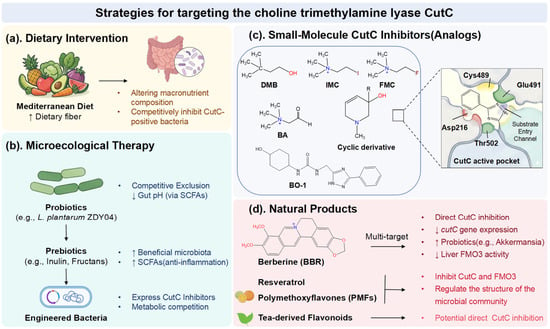
In recent years, the pivotal role of the gut microbiota and its metabolites in host health and disease has garnered increasing attention. Dietary phosphatidylcholine and choline are metabolized by gut bacteria to generate trimethylamine (TMA). Upon entering the bloodstream, TMA is oxidized by
[...] Read more.
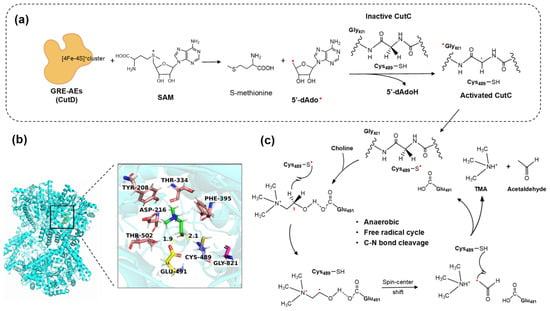
In recent years, the pivotal role of the gut microbiota and its metabolites in host health and disease has garnered increasing attention. Dietary phosphatidylcholine and choline are metabolized by gut bacteria to generate trimethylamine (TMA). Upon entering the bloodstream, TMA is oxidized by host liver enzymes to trimethylamine N-oxide (TMAO), a known independent risk factor for various systemic diseases, including atherosclerosis, thrombosis, and chronic kidney disease. Within this complex “diet–gut–host” metabolic axis, the microbial choline TMA-lyase (CutC) acts as the key rate-limiting enzyme that catalyzes the cleavage of choline to produce TMA. This review systematically summarizes the discovery history, enzymatic structural characteristics, and catalytic mechanism of CutC, highlighting its potential as a microbial metabolic target for treating associated diseases. By specifically analyzing existing inhibitor strategies and interventions, this article emphasizes the extensive potential of specific targeting of the CutC enzyme in precisely regulating the functions of the microecology.
Full article
(This article belongs to the Section Prebiotics, Probiotics and Postbiotics)
►▼
Show Figures

Figure 1
Open AccessArticle
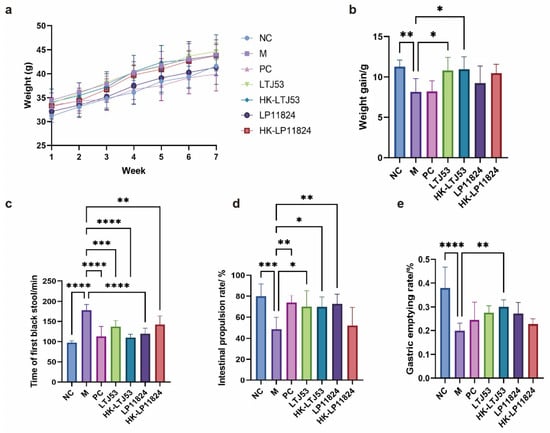
Live and Heat-Inactivated Lactiplantibacillus plantarum Ameliorate Loperamide-Induced Constipation in Mice via Modulating Gut Microbiota, Short-Chain Fatty Acids and Gastrointestinal Function
by
Hanlu Li, Xiaomin Feng, Feiliang Zhong and Xuegang Luo
Nutrients 2026, 18(11), 1658; https://doi.org/10.3390/nu18111658 - 22 May 2026
Abstract
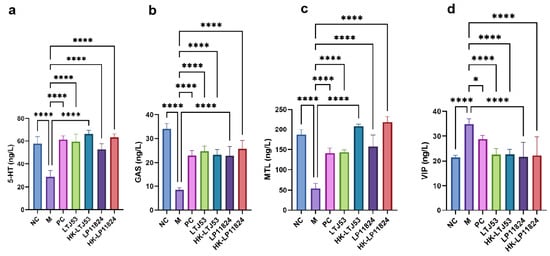
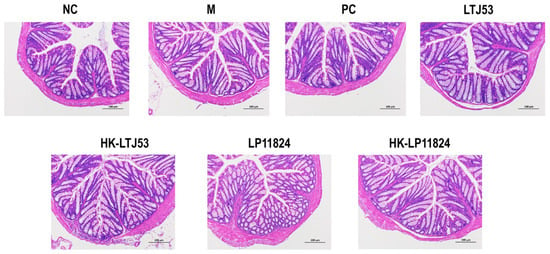
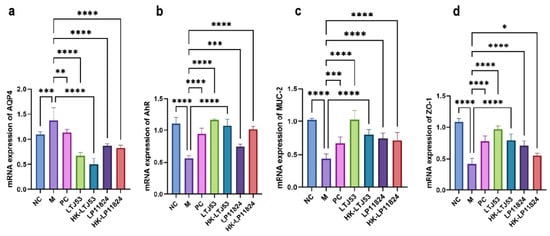
Aims: The effects of two Lactiplantibacillus plantarum strains and their probiotics on loperamide-induced constipation in mice were compared, and the possible mechanisms of the two strains in alleviating constipation were explored. Methods: KM mice were divided into the normal group, model group, positive
[...] Read more.
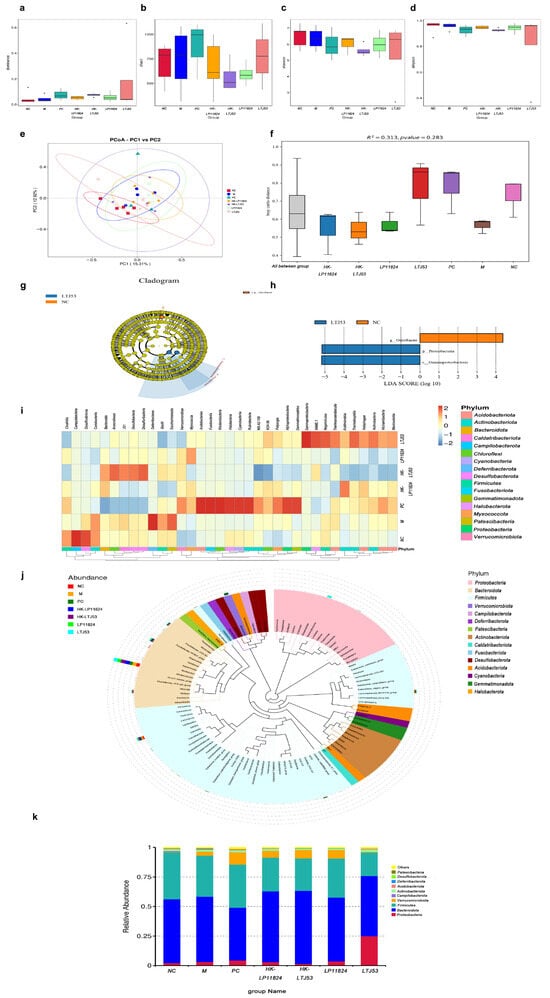
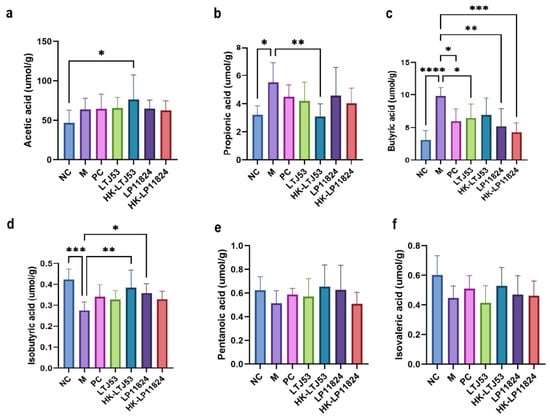
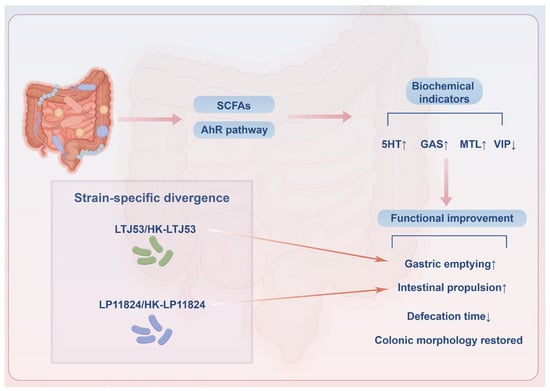
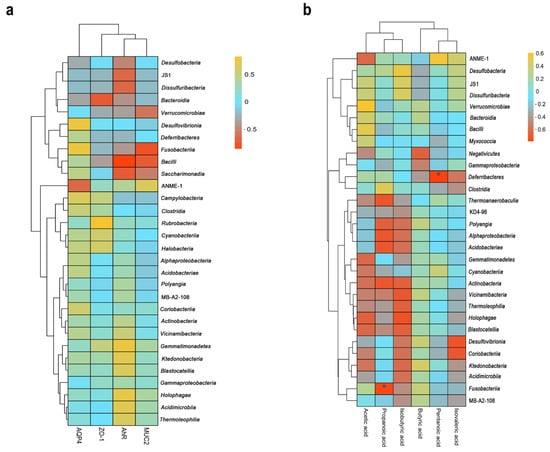
Aims: The effects of two Lactiplantibacillus plantarum strains and their probiotics on loperamide-induced constipation in mice were compared, and the possible mechanisms of the two strains in alleviating constipation were explored. Methods: KM mice were divided into the normal group, model group, positive control group, LTJ53 group, LP11824 group, HK-LTJ53 group and HK-LP11824 group. Loperamide was used to induce constipation in the mice. The study examined changes in defecation time, intestinal propulsion rate, gastric emptying rate, gastrointestinal peptides, colon histology, expression of intestinal barrier function genes, gut microbiota, and short-chain fatty acids (SCFAs). Results: Both live and postbiotic forms of L. plantarum significantly shortened defecation time, improved gastric emptying and intestinal motility, increased the levels of 5-hydroxytryptamine (5-HT), gastrin (GAS) and motilin (MTL), decreased the level of vasoactive intestinal peptide (VIP), restored colon morphology, upregulated the expression of Zonula Occludens-1 (ZO-1), mucin 2 (MUC2) and aryl hydrocarbon receptor (AhR), and downregulated the expression of aquaporin 4 (AQP4). They can also regulate the composition of the gut microbiota and alter the levels of SCFAs. Strain-specific effects were observed: LTJ53 was more effective in improving weight loss and gastric emptying, while LP11824 showed stronger efficacy in promoting small intestinal motility. Conclusions: L. plantarum and its postbiotics can relieve constipation through regulating the intestinal flora, enhancing gastrointestinal motility, adjusting the levels of neurotransmitters, and improving the intestinal barrier function. The specific effects of the two strains can support the selection of function-oriented precise intervention.
Full article
(This article belongs to the Special Issue Fermented Foods and Health Modulation)
►▼
Show Figures

Figure 1
Open AccessArticle
Longitudinal Plasma Ferritin in the First Year of Life in Relation to Maternal Status, Birth Characteristics, and Breastfeeding
by
Mia Stråvik, Inger-Cecilia Mayer Labba, Malin Barman, Linnéa Svärd, Nathalie Scheers, Anna Sandin, Agnes E. Wold and Ann-Sofie Sandberg
Nutrients 2026, 18(11), 1657; https://doi.org/10.3390/nu18111657 - 22 May 2026
Abstract
Background/Objectives: Iron deficiency early in life can impair infant growth and cognitive development. Here, we follow infants’ plasma ferritin levels—an indicator of iron stores—over the first year of life and relate these to birth characteristics, maternal characteristics, and infant feeding. Methods:
[...] Read more.
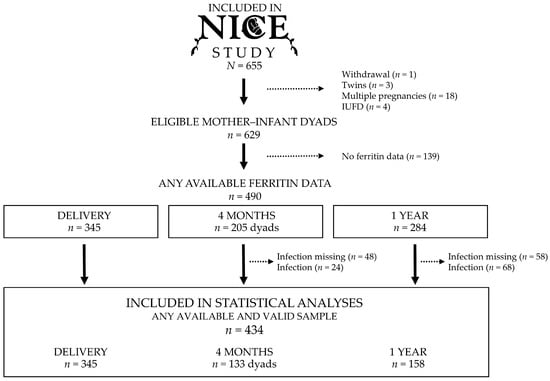
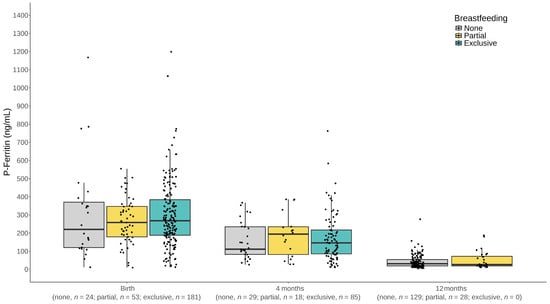
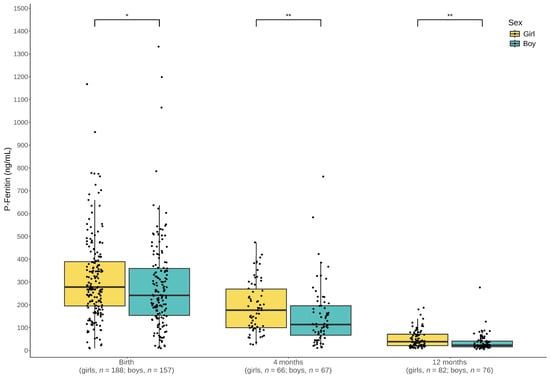
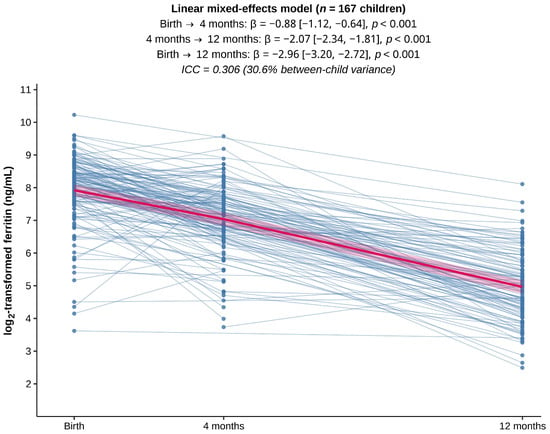
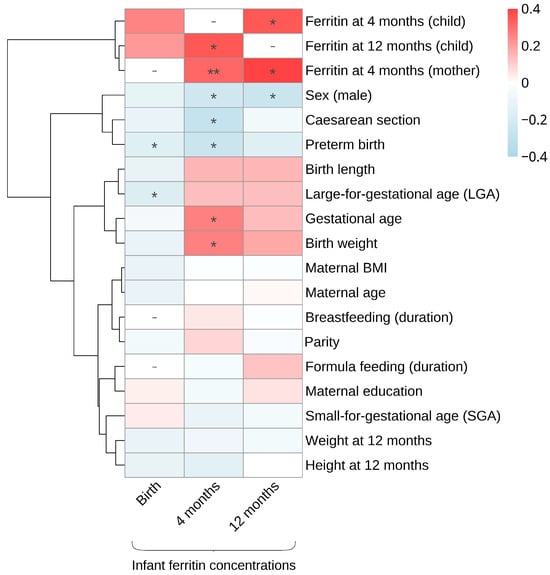
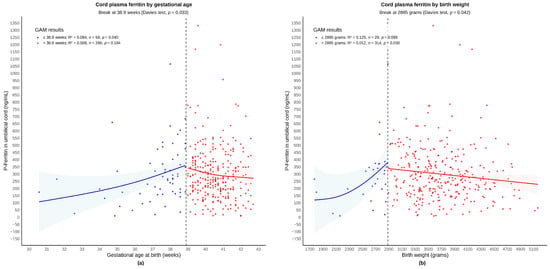
Background/Objectives: Iron deficiency early in life can impair infant growth and cognitive development. Here, we follow infants’ plasma ferritin levels—an indicator of iron stores—over the first year of life and relate these to birth characteristics, maternal characteristics, and infant feeding. Methods: Children and their mothers enrolled in the Swedish birth cohort NICE (ClinicalTrials.gov identifier: NCT05809479) were followed from pregnancy to twelve months postpartum. Plasma ferritin was quantified in umbilical cord blood at birth (n = 345), in venous plasma at four months after birth (mother–infant dyads, n = 133), and at twelve months of age (n = 158), using sandwich ELISA. Perinatal and postnatal growth, together with infant and maternal characteristics, were extracted from medical birth records. Breastfeeding and formula feeding were assessed using repeated monthly questionnaires during the first year. Longitudinal changes were analyzed using linear mixed-effects models, and factors associated with ferritin concentrations were examined using Spearman correlations, linear regression models, and segmented generalized additive models. Results: The ferritin concentration declined over time (birth: 267 ng/mL; four months: 146 ng/mL; twelve months: 30 ng/mL). Boys had lower ferritin levels than girls at all timepoints. Ferritin status at four and twelve months was positively associated with ferritin concentrations in cord blood and with gestational age. Breastfeeding and formula feeding were not associated with ferritin concentrations. Conclusions: Infant sex, cord ferritin concentrations, and maternal ferritin concentrations were independently associated with infant ferritin concentrations across the first year of life, whereas neither breastfeeding nor formula feeding was associated with ferritin concentrations in the present analyses. Infant sex, cord ferritin, and maternal ferritin measured four months postpartum may help identify children at risk of low iron stores, with maternal ferritin potentially offering a less intrusive alternative to repeated infant sampling. However, the clinical relevance and potential use of maternal ferritin as a proxy for infant ferritin concentrations require further investigation.
Full article
(This article belongs to the Section Pediatric Nutrition)
►▼
Show Figures

Figure 1
Journal Menu
► ▼ Journal Menu-
- Nutrients Home
- Aims & Scope
- Editorial Board
- Reviewer Board
- Topical Advisory Panel
- Instructions for Authors
- Special Issues
- Topics
- Sections & Collections
- Article Processing Charge
- Indexing & Archiving
- Editor’s Choice Articles
- Most Cited & Viewed
- Journal Statistics
- Journal History
- Journal Awards
- Society Collaborations
- Conferences
- Editorial Office
Journal Browser
► ▼ Journal BrowserHighly Accessed Articles
Latest Books
E-Mail Alert
News
15 May 2026
Nutrients 2026—Clinical Nutrition: From Research to Practice—Submissions Approaching & Plenary Speaker Announcement, 22–24 October 2026, Barcelona, Spain
Topics
Topic in
Beverages, Foods, Molecules, Nutrients, Separations, Chemosensors
Advances in Analysis of Food and Beverages, 2nd Edition
Topic Editors: Constantinos G. Tsiafoulis, Anna M. KaczmarekDeadline: 31 May 2026
Topic in
Applied Sciences, Brain Sciences, JFMK, Nutrients, Sports
Exercise and Nutrition for Physical Performance, Mental Health and General Well-Being
Topic Editors: Gian Mario Migliaccio, Luca RussoDeadline: 12 July 2026
Topic in
Dietetics, Foods, Nutrients
Dietary Carbohydrate Chemistry, Nutrition, and Utilization
Topic Editors: Bin Zhang, Lijun Sun, Zhuqing XieDeadline: 31 July 2026
Topic in
Applied Microbiology, Fermentation, Foods, Microbiology Research, Microorganisms, Nutrients
News and Updates on Probiotics
Topic Editors: Alessandra Pino, Mutamed AyyashDeadline: 30 September 2026
Conferences
Special Issues
Special Issue in
Nutrients
Effects of Dietary Fatty Acids on the Nervous System and Behavior
Guest Editor: Amy E. RumoraDeadline: 25 May 2026
Special Issue in
Nutrients
Clinical Outcomes and Emerging Evidence on the Mediterranean Diet
Guest Editor: Josipa RadićDeadline: 25 May 2026
Special Issue in
Nutrients
Nutritional Management in Pediatric Rare Diseases
Guest Editor: Ewa GajewskaDeadline: 25 May 2026
Special Issue in
Nutrients
Protein-Rich Diet and Human Health
Guest Editor: Aloys BergDeadline: 25 May 2026
Topical Collections
Topical Collection in
Nutrients
Connection between Microbiome, Lifestyle and Diet
Collection Editors: Eva Untersmayr, Peter M. Abuja
Topical Collection in
Nutrients
Diet and Multi-Omics
Collection Editors: Mohsen Mazidi, Richard Webb
Topical Collection in
Nutrients
Advances in Phenylketonuria (PKU) Nutrition and Diet Research (2nd Edition)
Collection Editors: Júlio César Rocha, Anita MacDonald
Topical Collection in
Nutrients
Nutritional Epidemiology among Chinese Populations
Collection Editors: Liang Wang, Gangqiang Ding, Xinyin JiangConference Reports
Nutrients 2024, 16(15), 2528; https://doi.org/10.3390/nu16152528
Nutrients 2024, 16(8), 1157; https://doi.org/10.3390/nu16081157