Journal Description
International Journal of Thermofluid Science and Technology
is an international, peer-reviewed, open access journal that disseminates information of permanent interest in the areas of heat transfer, fluid dynamics, and thermodynamics among researchers and engineers throughout the world. It is an official journal of the Nanjing University of Aeronautics and Astronautics (NUAA) and is published quarterly online by MDPI.
- Open Access— free for readers, free for authors. Currently, the journal does not charge any article processing charges (APC).
- Rapid Publication: manuscripts are peer-reviewed and a first decision is provided to authors approximately 28.5 days after submission; acceptance to publication is undertaken in 6.8 days (median values for papers published in this journal in the first half of 2026).
- Recognition of Reviewers: Reviewers whose reports are timely and of high quality receive an APC discount voucher for a future publication in an MDPI journal. Become a reviewer.
Latest Articles
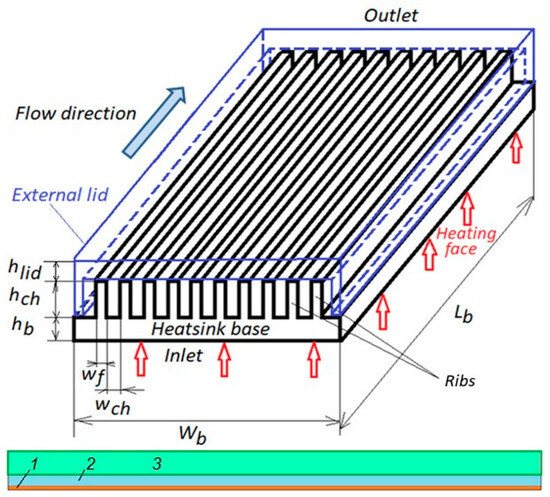
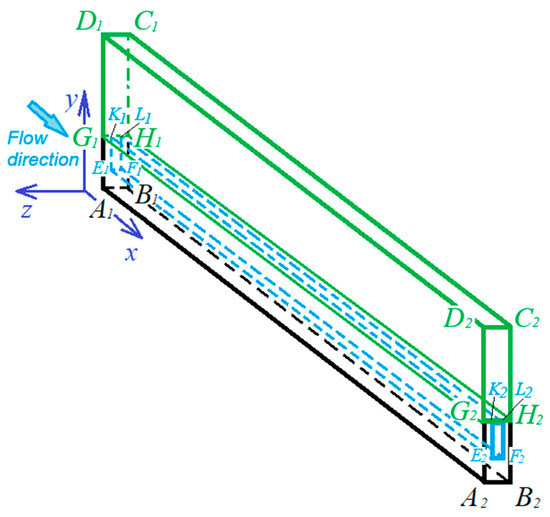
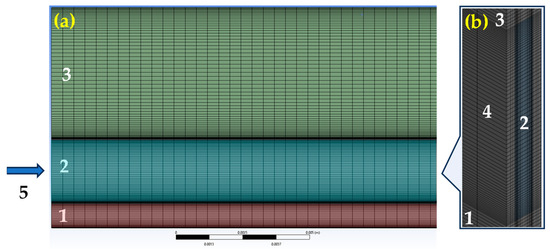
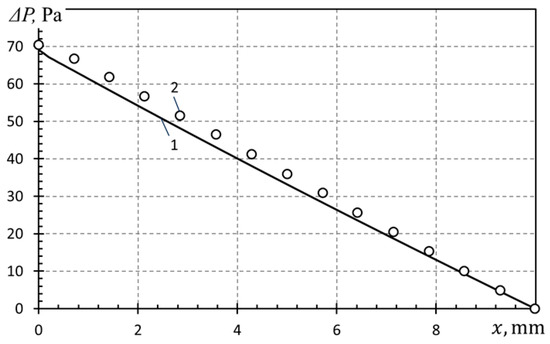
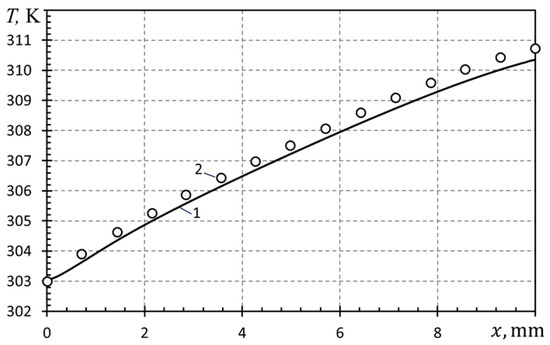
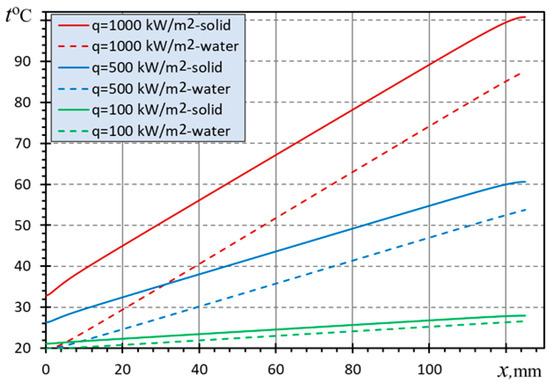
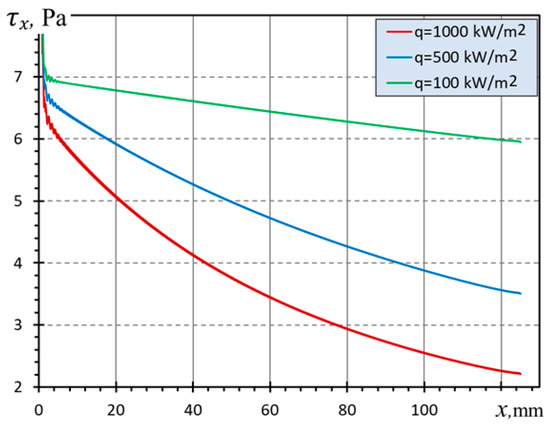
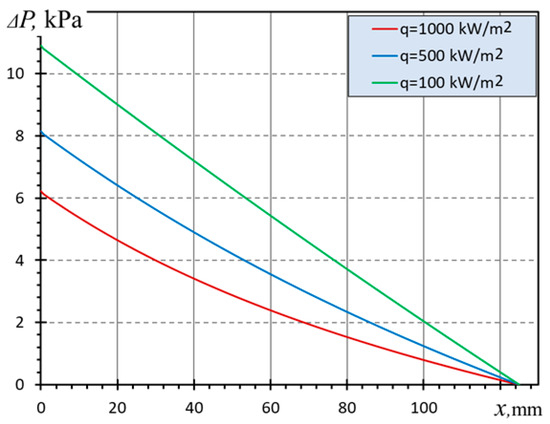
Thermohydrodynamic Modeling of Highly Elongated Water Heatsink with Continuous Rectangular Microchannels
Int. J. Thermofluid Sci. Technol. 2026, 13(1), 5; https://doi.org/10.3390/ijtst13010005 - 19 Aug 2026
Abstract
►
Show Figures
The results of a numerical modeling of the laminar water flow and mixed conductive–convective heat transfer in highly elongated heatsink with continuous rectangular microchannels, and a width-to-length ratio of 625 (i.e., 0.2 mm to 125 mm), are presented, along with two methods of
[...] Read more.
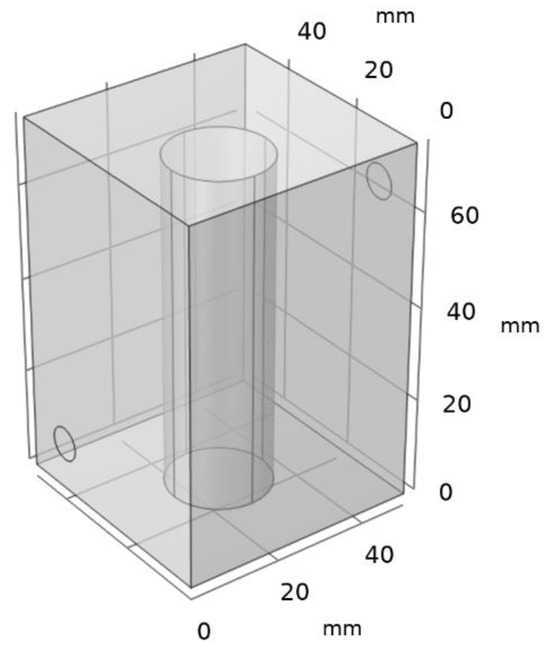
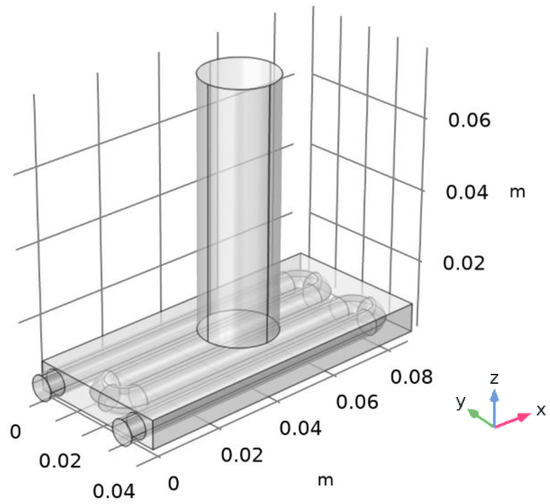
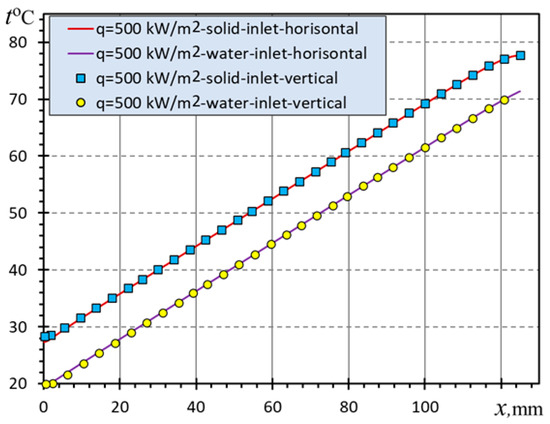
The results of a numerical modeling of the laminar water flow and mixed conductive–convective heat transfer in highly elongated heatsink with continuous rectangular microchannels, and a width-to-length ratio of 625 (i.e., 0.2 mm to 125 mm), are presented, along with two methods of fluid entry (along and perpendicular to the base of the heatsink) for a wide range of surface heat flux density q from 30 to 2000 kW/m2 and water volume flow rate from 10 to 50 L/h ( ). It has been demonstrated that: (1) The elongated microchannel maintains its effectiveness in heat removal by water, even under conditions of high q-value; however, in the terminal sections the temperature can approach the maximum permissible operating level for high-loaded silicon electronic components (~95–100 °C). (2) For microchannel heatsinks, the direction of the incoming flow is not of significant influence, since the microchannel structure, even with a height of 2.5 mm, exhibits substantial diffusivity and the flow in the inlet area rapidly turns along the heat distribution base; this flow further possesses the same characteristics as in the case of the input flow parallel to the axis of the microchannels. The developed model allows for the optimization of geometric, kinematic and thermal parameters of highly efficient microchannel devices, depending on the expected operating conditions.

Full article
Open AccessArticle
Effect of Non-Uniform Nozzle Vane Tip Clearance on the Aerodynamic Performance of a Supersonic Variable Nozzle Turbine
by
Qin Luo, Cong Xiang, Xinguo Lei, Zhen Liu and Zhichao Zhang
Int. J. Thermofluid Sci. Technol. 2026, 13(1), 4; https://doi.org/10.3390/ijtst13010004 - 28 Jul 2026
Abstract
►▼
Show Figures
The clearance of the nozzle vane significantly influences the aerodynamic performance of variable nozzle turbines (VNTs), often leading to increased flow losses and performance degradation. Although nozzle vane clearance often exhibits a non-uniform distribution due to corrosion, wear, machining tolerances, or assembly errors,
[...] Read more.
The clearance of the nozzle vane significantly influences the aerodynamic performance of variable nozzle turbines (VNTs), often leading to increased flow losses and performance degradation. Although nozzle vane clearance often exhibits a non-uniform distribution due to corrosion, wear, machining tolerances, or assembly errors, the aerodynamic effects of such non-uniform clearance have rarely been investigated. This study aims to fill the research gap regarding the influence of non-uniform nozzle guide vane clearance on tip leakage flow and aerodynamic performance in a supersonic VNT. By systematically examining the flow field features under different clearance profiles via three-dimensional numerical simulations, this work seeks to identify a potential clearance configuration that can reduce flow loss and improve turbine efficiency. The flow losses, tip leakage vortex patterns, and the interaction between the leakage vortex and shock waves are analyzed in detail for different clearance profiles. The results indicate that for a rear-loaded vane profile, the shrinking clearance (SC) configuration yields a lower mass flow rate and higher aerodynamic efficiency compared to the expanding clearance (EC) and uniform clearance (UC) configurations. Specifically, the SC configuration effectively reduces leakage mass flow and vortex intensity. Consequently, the interaction between the leakage vortex and the shock wave is suppressed. This suppression significantly mitigates flow losses, which are primarily driven by the shock–vortex interaction rather than the interaction between the leakage flow and the main flow, thereby enhancing aerodynamic performance. These findings suggest that a rational design of non-uniform clearance profiles can substantially improve the aerodynamic performance of supersonic turbines.
Full article

Figure 1
Open AccessArticle
Turbulent Flow–Thermal Field Prediction Around a Pin-Fin Using Geometry-Aware Multiscale Graph Neural Network
by
Riddhiman Raut, Evan M. Mihalko and Amrita Basak
Int. J. Thermofluid Sci. Technol. 2026, 13(1), 3; https://doi.org/10.3390/ijtst13010003 - 30 Jun 2026
Cited by 1
Abstract
►▼
Show Figures
Pin-fins are widely used to enhance heat transfer in compact heat exchangers, turbine cooling passages, and electronic devices, but their complex geometries make accurate thermal–fluid prediction computationally expensive. This paper presents a geometry-aware multiscale (GAMS) graph neural network (GNN) for predicting steady turbulent
[...] Read more.
Pin-fins are widely used to enhance heat transfer in compact heat exchangers, turbine cooling passages, and electronic devices, but their complex geometries make accurate thermal–fluid prediction computationally expensive. This paper presents a geometry-aware multiscale (GAMS) graph neural network (GNN) for predicting steady turbulent flow and heat transfer in a two-dimensional channel containing arbitrarily shaped pin-fin geometries. An automated framework integrating geometry generation, meshing, and ANSYS Fluent simulations was developed to construct the training dataset. Pin-fin geometries were parameterized using piecewise cubic splines, generating 1000 unique configurations through Latin Hypercube Sampling. Each simulation was converted into a graph representation, where nodes contained spatial coordinates, normalized streamwise position, one-hot boundary indicators, and signed distance to the nearest wall. These graph-based features were used to train the GNN to predict the temperature, velocity magnitude, and pressure fields directly from geometry. The network achieved excellent predictive accuracy, successfully capturing boundary layers, recirculation zones, and upstream stagnation regions while reducing computational wall time by 2–3 orders of magnitude compared to conventional CFD simulations. Overall, the proposed GNN provides a fast, reliable surrogate modeling framework for complex thermal–fluid flow configurations.
Full article

Figure 1
Open AccessEditorial
Editor-in-Chief’s Editorial: A New Chapter for the International Journal of Thermofluid Science and Technology
by
Xiande Fang
Int. J. Thermofluid Sci. Technol. 2026, 13(1), 2; https://doi.org/10.3390/ijtst13010002 - 9 May 2026
Abstract
I would like to share news about tremendous progress in the International Journal of Thermofluid Science and Technology (IJTST) [...]
Full article
Open AccessEditorial
Publisher’s Note: International Journal of Thermofluid Science and Technology Joins the MDPI Portfolio
by
Carla Aloè
Int. J. Thermofluid Sci. Technol. 2026, 13(1), 1; https://doi.org/10.3390/ijtst13010001 - 9 May 2026
Abstract
We are pleased to announce our partnership with the Nanjing University of Aeronautics and Astronautics (NUAA) for the publication of the International Journal of Thermofluid Science and Technology (IJTST) [...]
Full article
Open AccessArticle
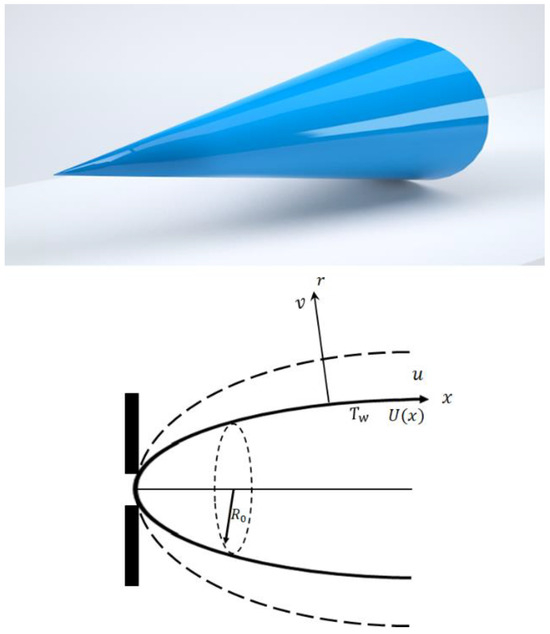
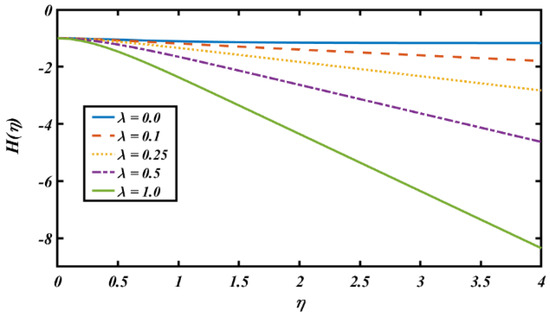
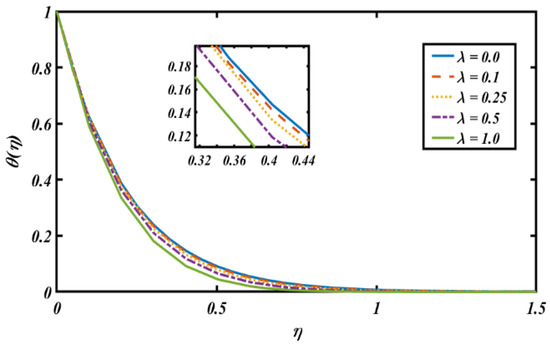
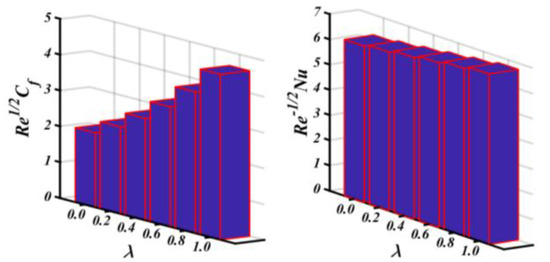
Optimizing Flow and Heat Transfer in Thermal Systems: A Study of Cone-Shaped Flow with Temperature-Dependent Viscosity and Thermal Conductivity
by
Sajid Khan, Muhammad Awais, Iqrar Raza and Shahid Mubasshar
Int. J. Thermofluid Sci. Technol. 2025, 12(2), 120203; https://doi.org/10.36963/IJTST.2025120203 - 30 Sep 2025
Cited by 1
Abstract
►▼
Show Figures
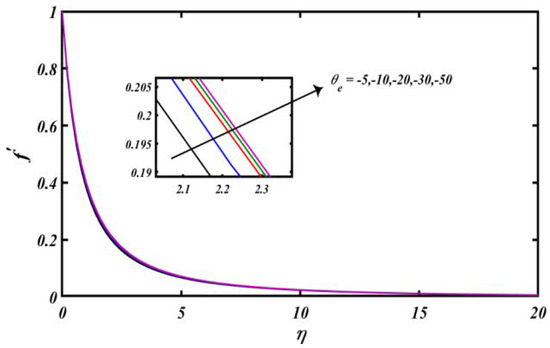
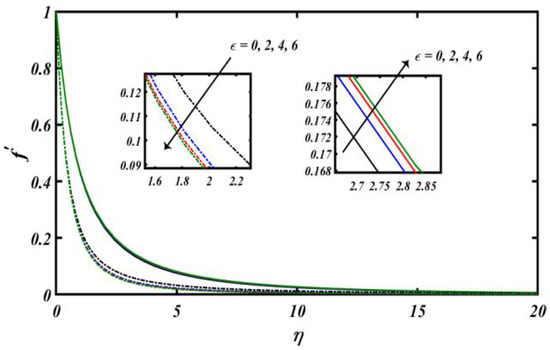
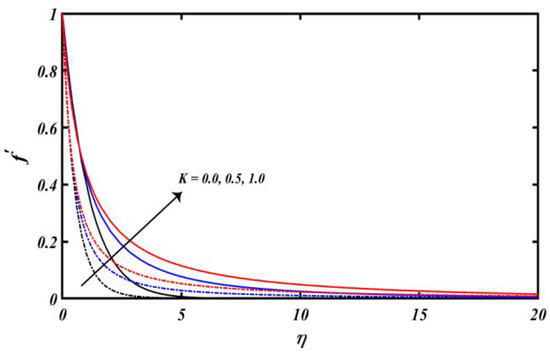
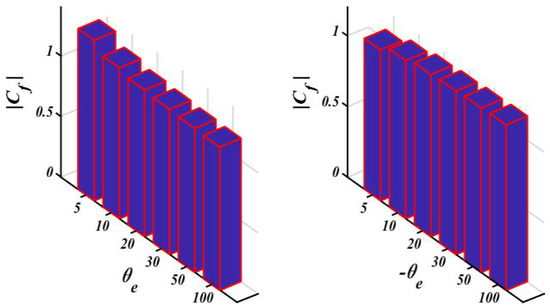
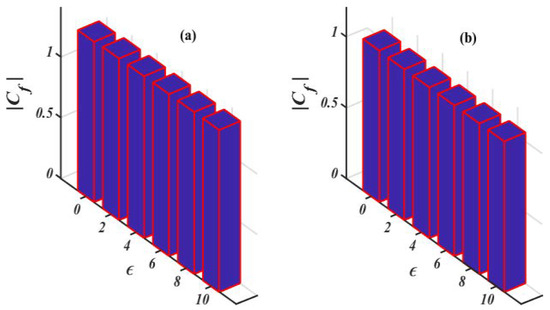
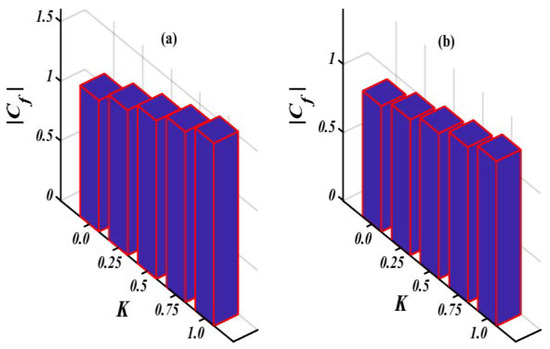
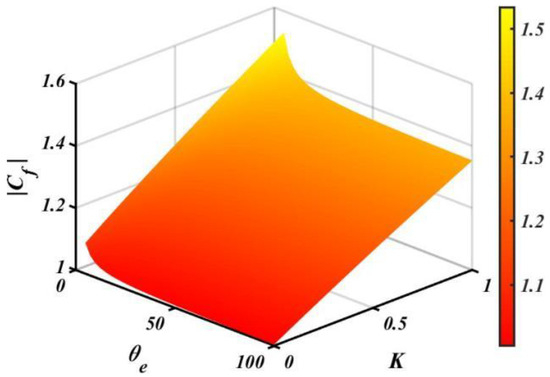
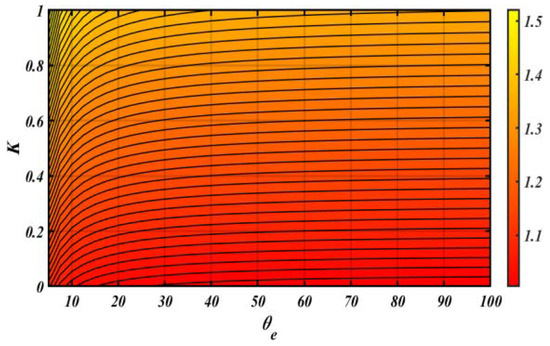
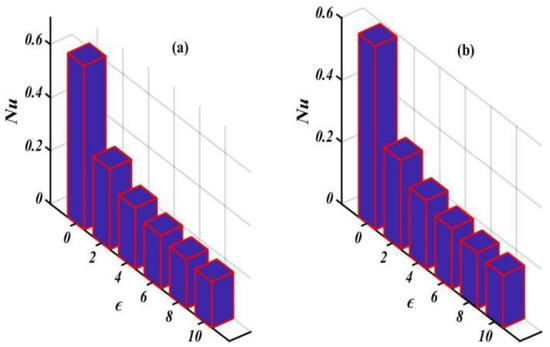
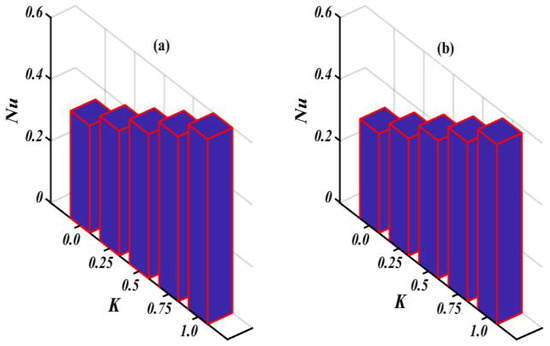
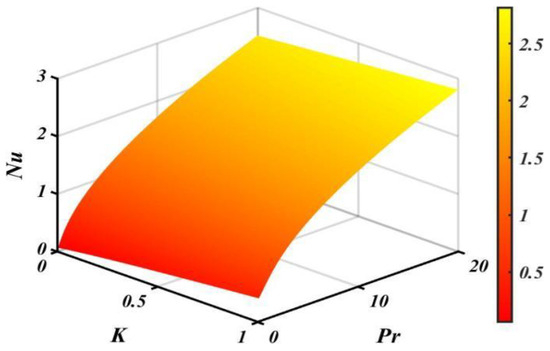
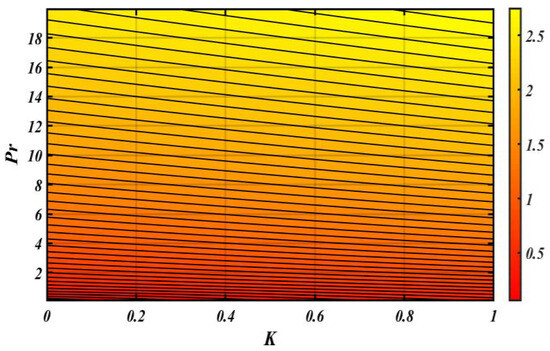
This study investigates the laminar transport process due to a cone-shaped moving body of revolution, considering the effects of temperature-dependent viscosity and thermal conductivity. Considering variable flow properties and a cone- shaped surface introduces a variable viscosity parameter (θe), a
[...] Read more.
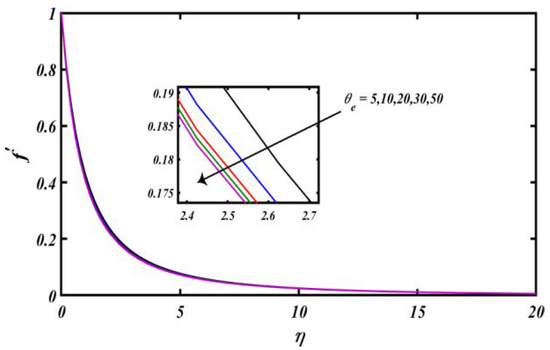
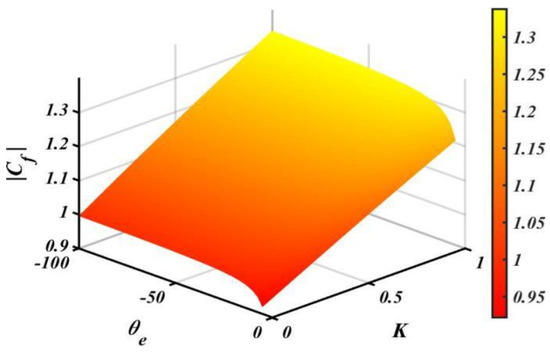
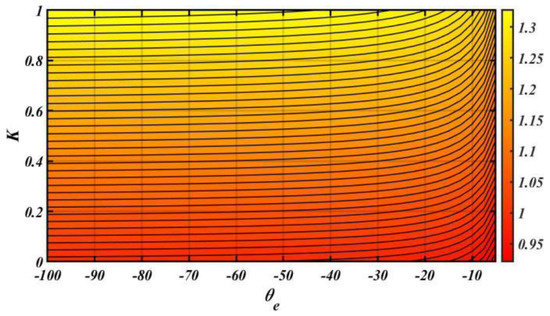
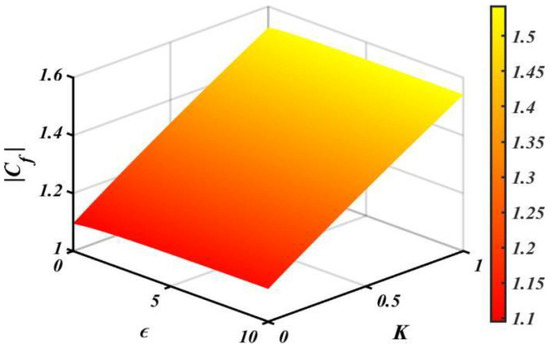
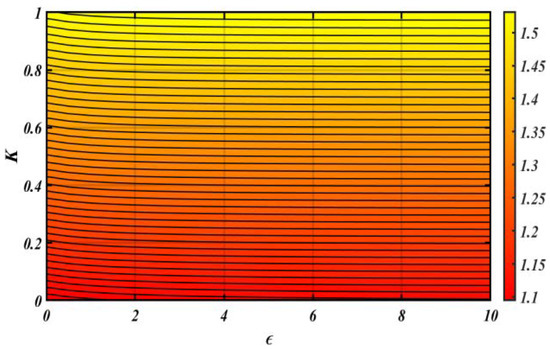
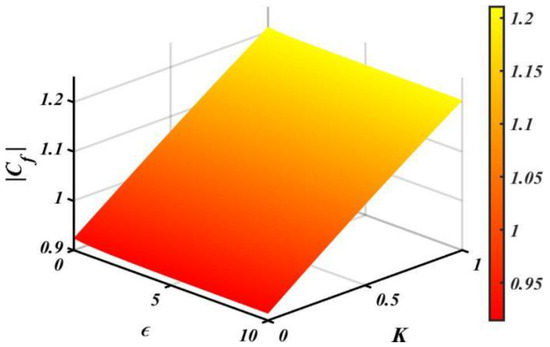
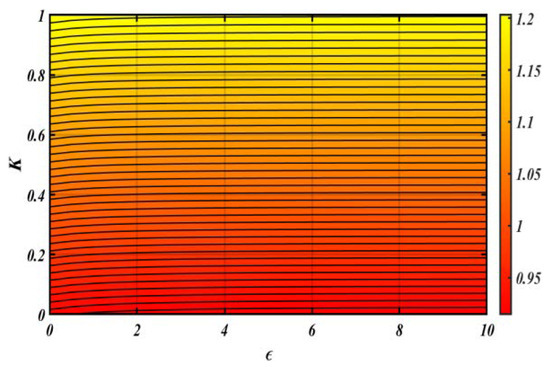
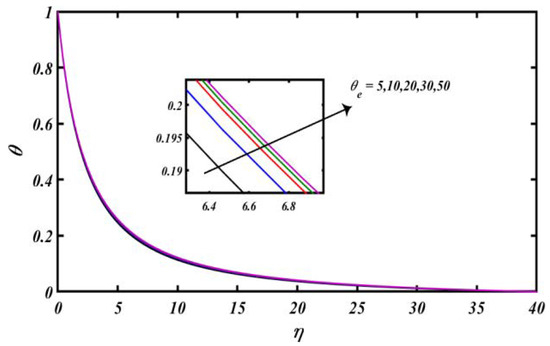
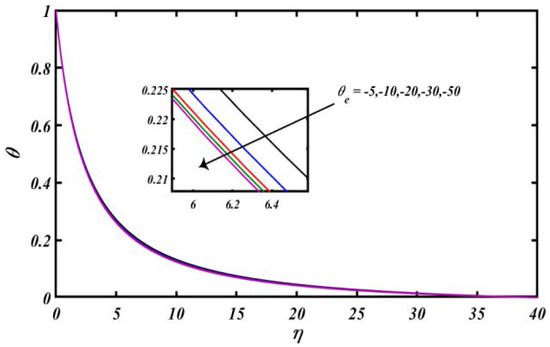
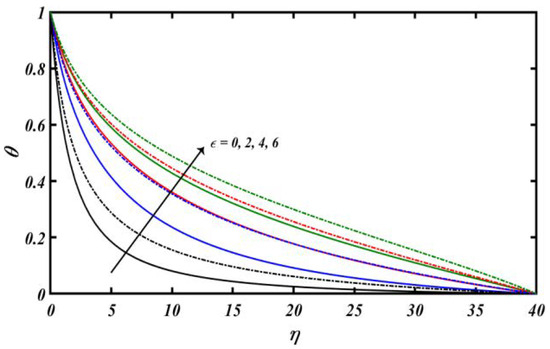
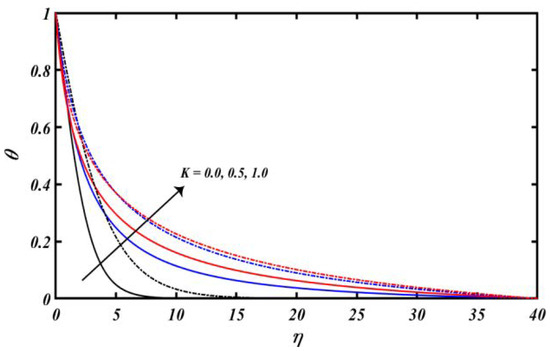
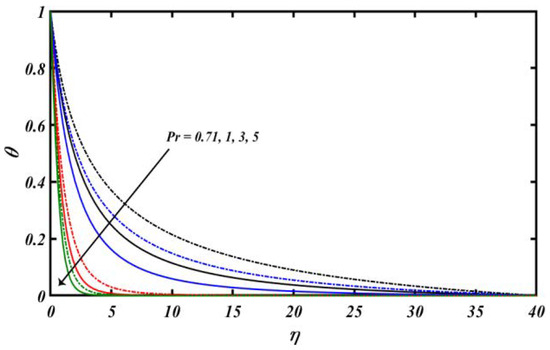
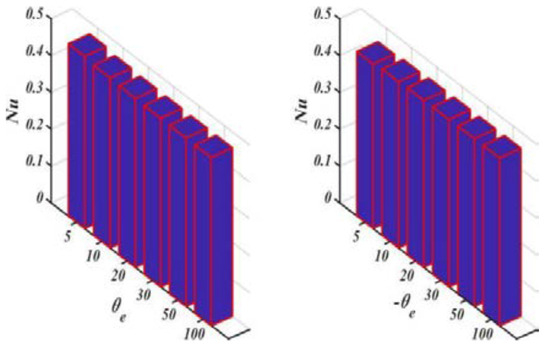
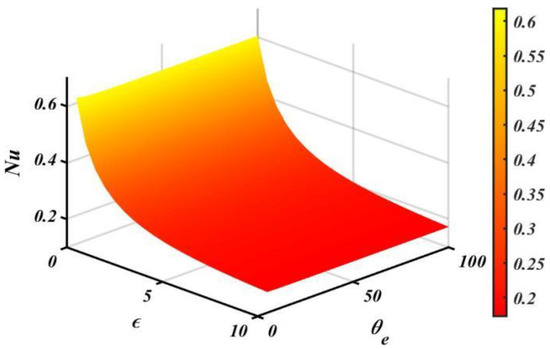
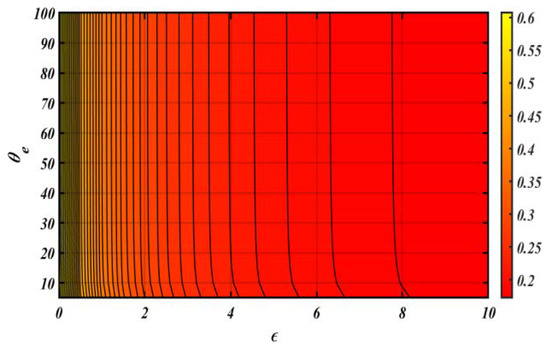
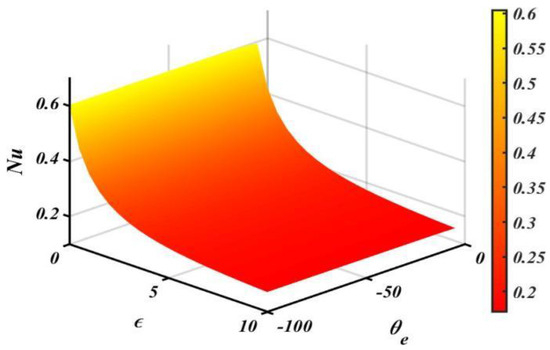
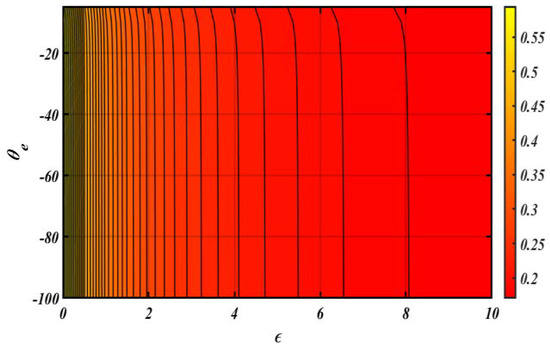
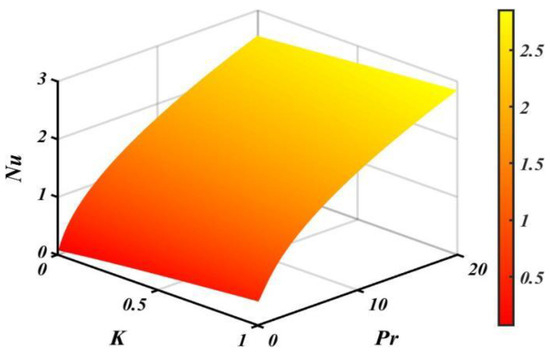
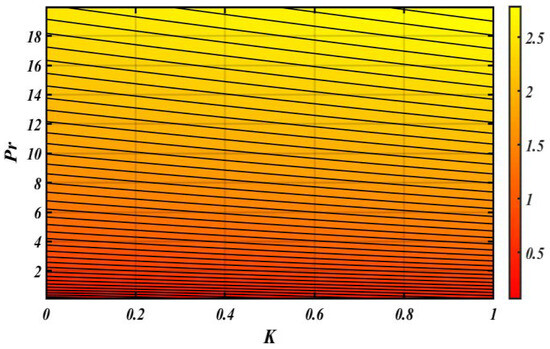
This study investigates the laminar transport process due to a cone-shaped moving body of revolution, considering the effects of temperature-dependent viscosity and thermal conductivity. Considering variable flow properties and a cone- shaped surface introduces a variable viscosity parameter (θe), a variable thermal con- ductivity parameter (ε), and a curvature parameter (K) in the self-similar transformed equations derived from the governing equations of fluid and heat transfer using nondimensional variables. The effects of these parameters on the flow and heat transfer characteristics, comprising flow velocity, skin-friction coefficient, temperature, and Nusselt number, are investigated numerically using the bvp4c command implemented in MATLAB. Results reveal that the transport process within the boundary layer is considerably altered by variations in the parameters θe and ε, demonstrating significant deviations from the outcomes obtained with constant flow properties. Current calculations are aligned well with the limiting case of constant flow properties. These findings can aid in optimizing heat dissipation and enhancing the efficiency of thermal systems, including polymer extrusion, metal forming, chemical reactors, and filtration systems.
Full article

Figure 1
Open AccessArticle
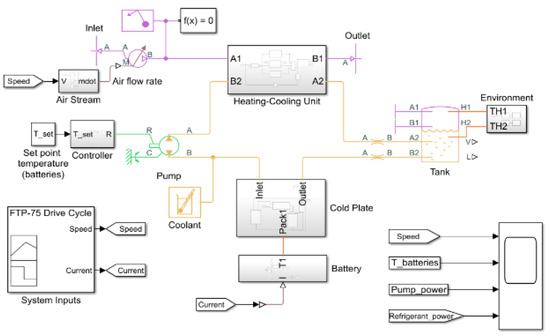
Numerical modeling of battery thermal management system with liquid cooling for electric vehicles
by
Mohammad Suhaib, Mohd Amir Khan, Mohd Muzammil Zubair and Yasser Rafat
Int. J. Thermofluid Sci. Technol. 2025, 12(2), 120202; https://doi.org/10.36963/IJTST.2025120202 - 30 Aug 2025
Cited by 1
Abstract
►▼
Show Figures
This study presents a comprehensive analysis of two advanced cooling methods immersion and bottom plate cooling applied to a cylindrical Lithium-ion battery cell (21700 format) for electric vehicles (EVs). Using 3D Computational Fluid Dynamics (CFD) simulations, the thermal performance of both methods was
[...] Read more.
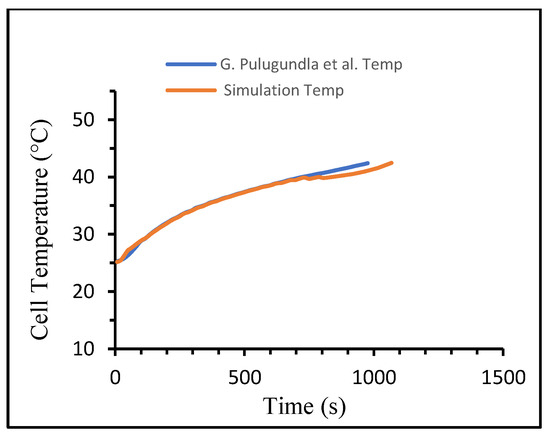
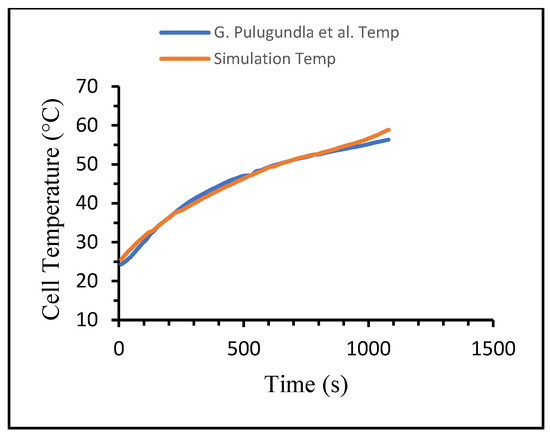
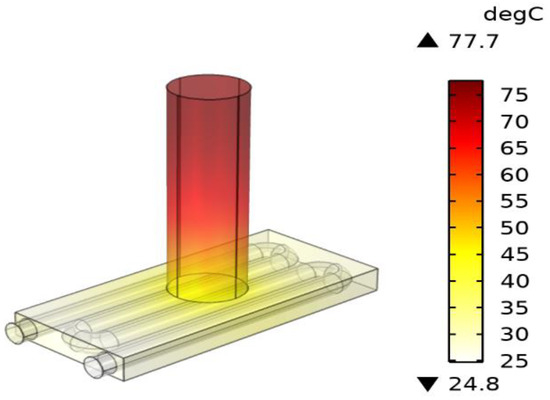
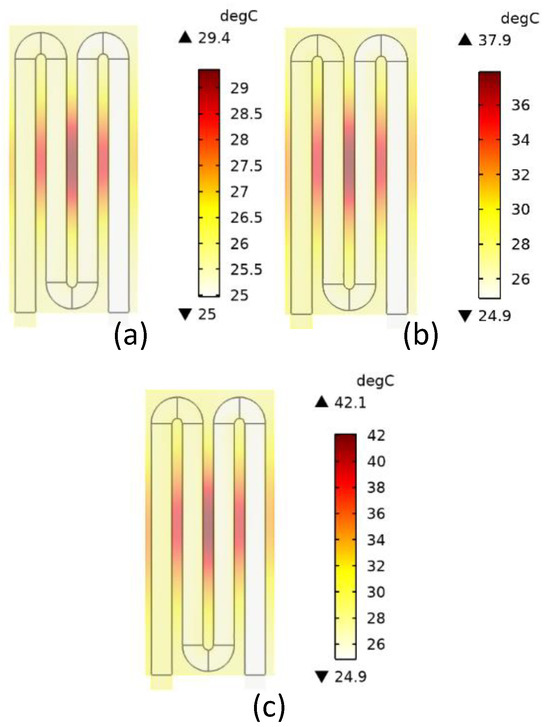
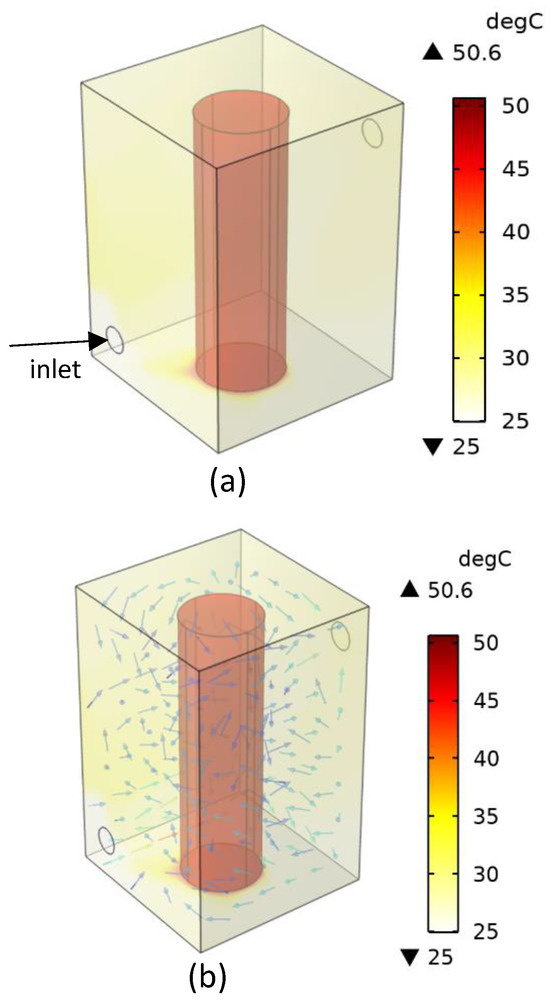
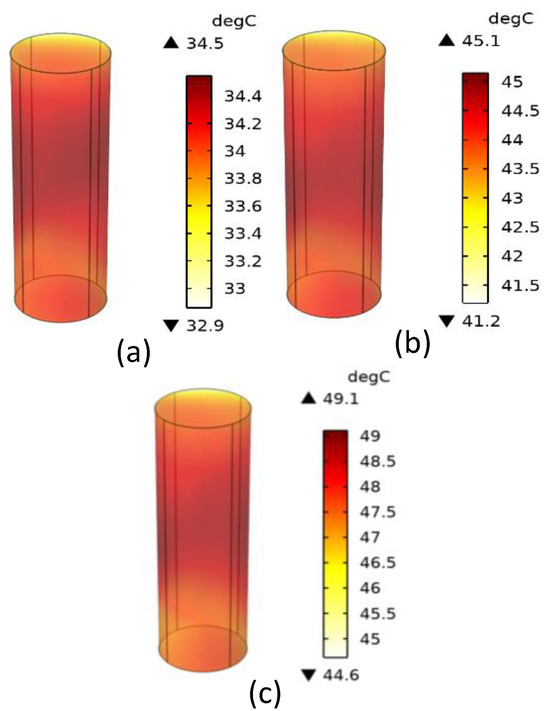
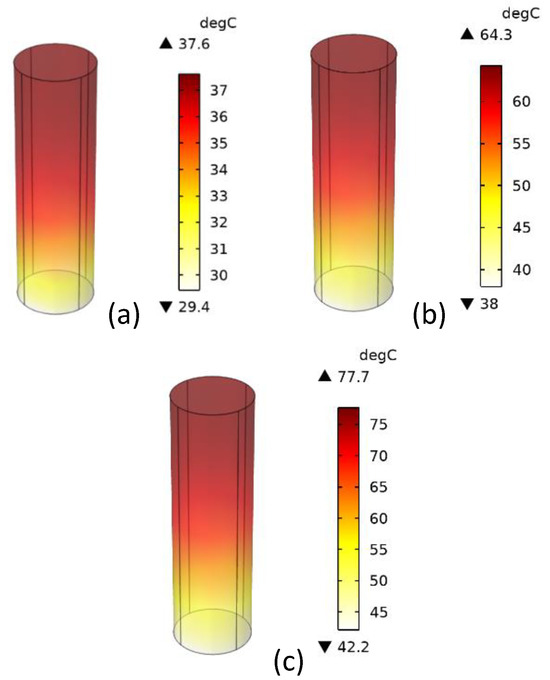
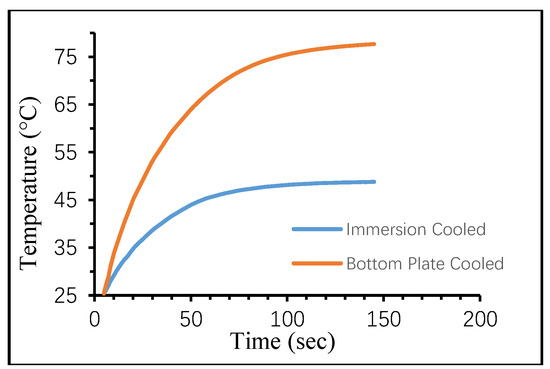
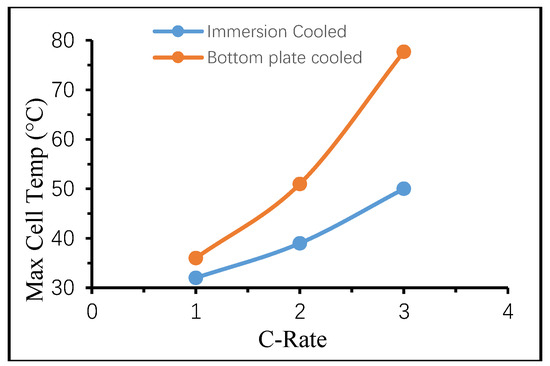
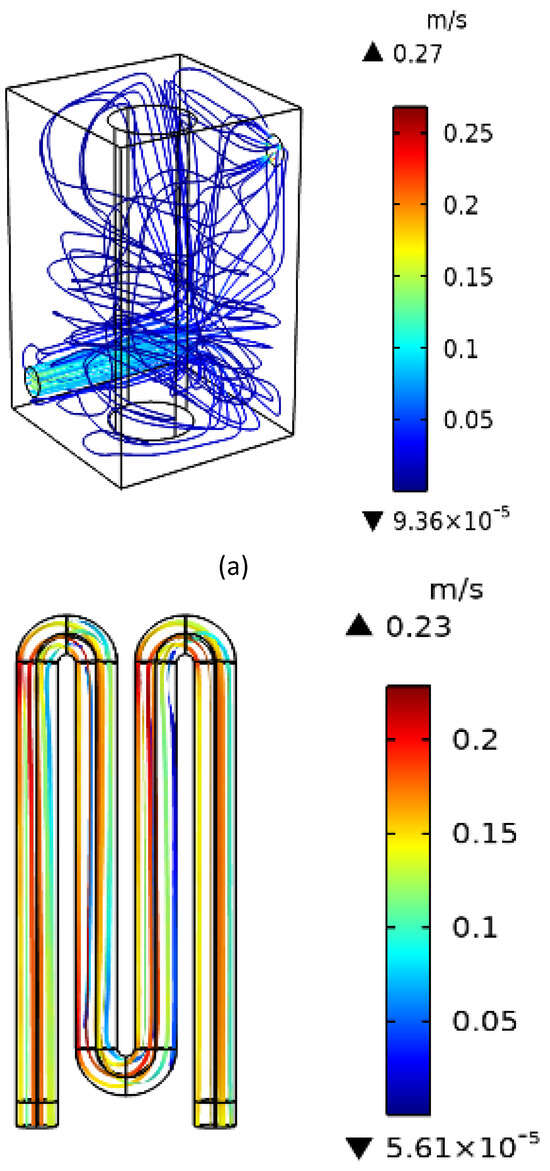
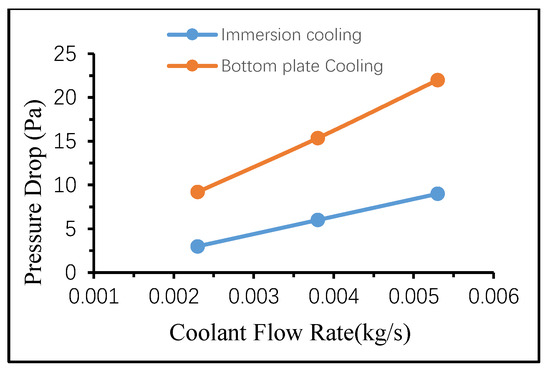
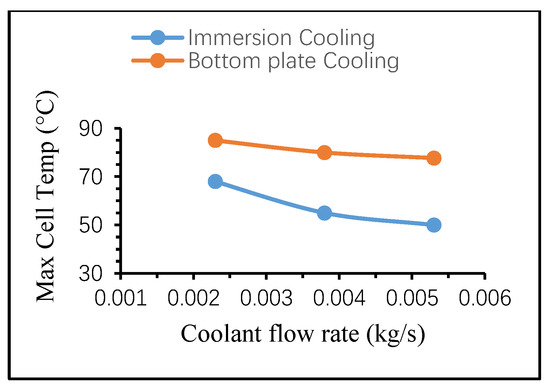
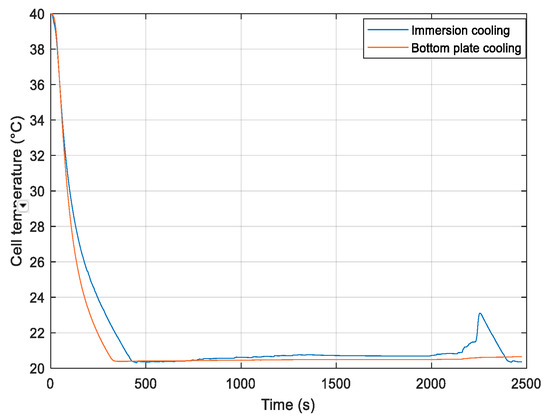
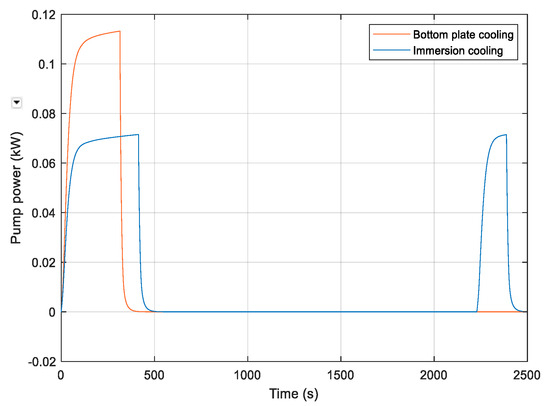
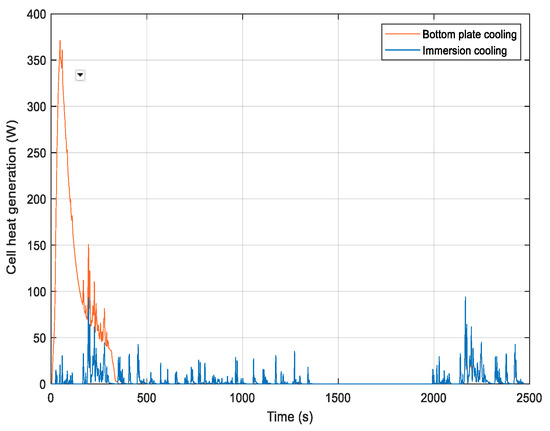
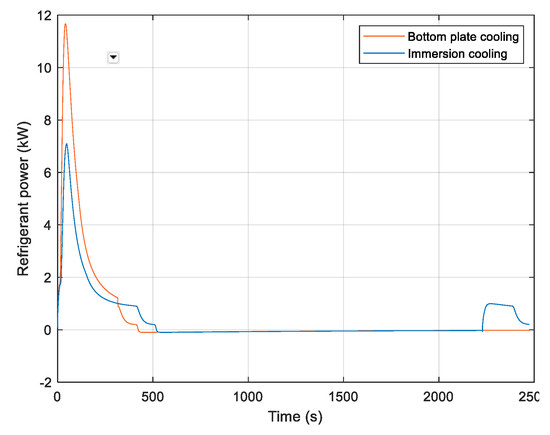
This study presents a comprehensive analysis of two advanced cooling methods immersion and bottom plate cooling applied to a cylindrical Lithium-ion battery cell (21700 format) for electric vehicles (EVs). Using 3D Computational Fluid Dynamics (CFD) simulations, the thermal performance of both methods was evaluated under various discharge rates (1C, 2C, and 3C) and coolant flow rates. The results demonstrate that immersion cooling offers significantly better thermal management than bottom plate cooling. Specifically, immersion cooling reduced the maximum cell temperature by 34%, maintaining a peak of 50.6 °C at a 3C discharge rate, whereas bottom plate cooling resulted in a peak temperature of 77.7 °C. Additionally, immersion cooling achieved a superior heat transfer coefficient of 225.08 W/m²K, compared to 193.49 W/m²K for bottom plate cooling. Immersion cooling also exhibited a more uniform temperature distribution, reducing temperature gradients and enhancing battery lifespan, especially at high discharge rates. At a lower discharge rate of 1C, the temperature difference between the two methods was minimized to 3 °C, indicating that bottom plate cooling remains effective under less demanding conditions. Furthermore, immersion cooling significantly reduced pressure drop by 59%, enabling more efficient coolant flow and lower energy consumption. The findings underscore the advantage of immersion cooling in highperformance applications, offering improved thermal control, energy efficiency, and operational safety.
Full article

Figure 1
Open AccessArticle
A Thermal Lattice Boltzmann Method for Convection Heat Transfer using External Boundary Force Method
by
Amin Parvan, Saeed Jafari and Mohammad Rahnama
Int. J. Thermofluid Sci. Technol. 2025, 12(2), 120201; https://doi.org/10.36963/IJTST.2025120201 - 12 Aug 2025
Abstract
►▼
Show Figures
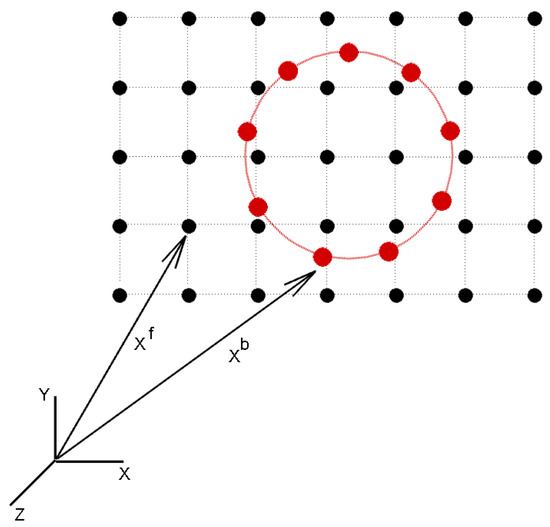
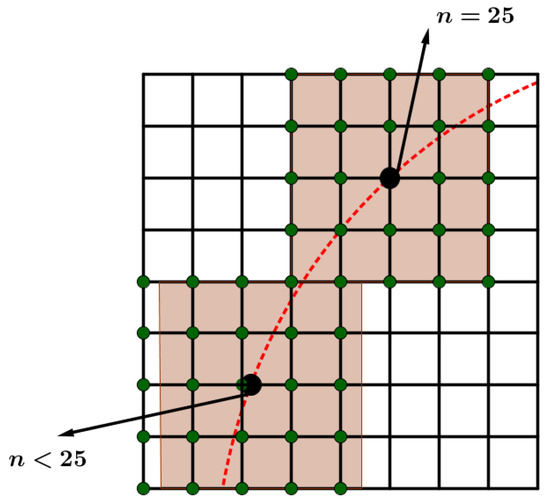
A convection heat transfer from the surface of solid particle to fluid is simulated by a novel Thermal Lattice Boltzmann Method. Fluidsolid interactions and heat transfer between them are simulated based on External Boundary Force (EBF) method in which momentum transfer and heat
[...] Read more.
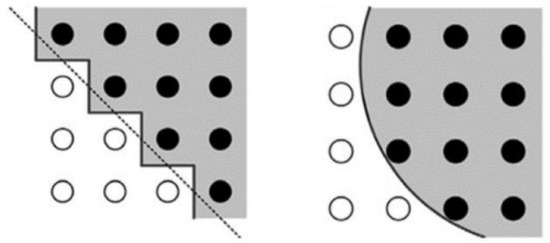
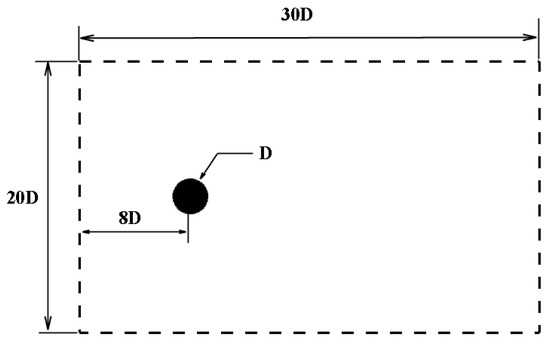
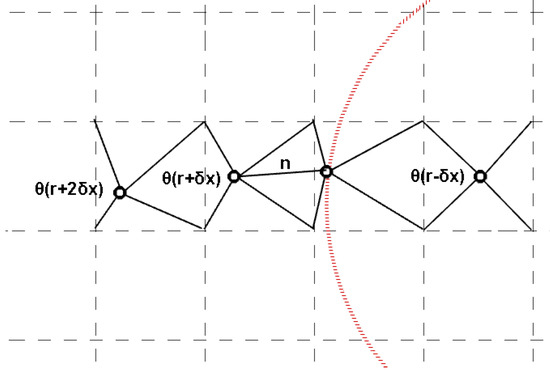
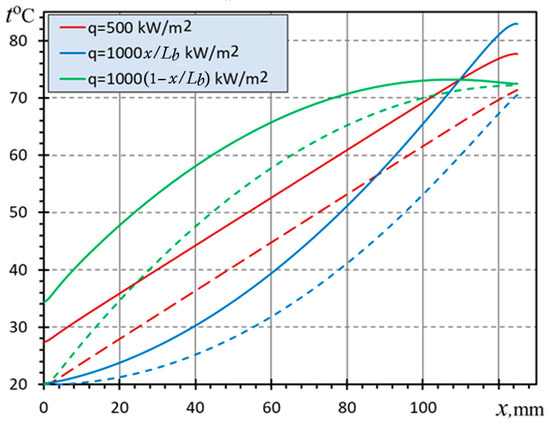
A convection heat transfer from the surface of solid particle to fluid is simulated by a novel Thermal Lattice Boltzmann Method. Fluidsolid interactions and heat transfer between them are simulated based on External Boundary Force (EBF) method in which momentum transfer and heat exchange at the solid interface is obtained using some interpolation functions. This method can simulate heat transfer from a moving particle in fluid flow as well as particulate flows with many particles. It is also a computationally efficient method as all computations are done on a regular uniform lattice without the need to change/revise it. The results of convection heat transfer from stationary circular cylinder in a uniform fluid flow in the form of local and average Nusselt numbers show good accuracy of the current method.
Full article

Figure 1

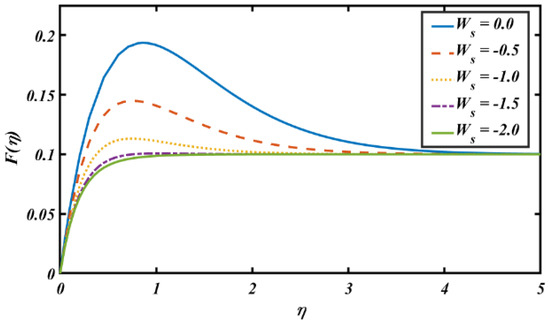
Open AccessArticle
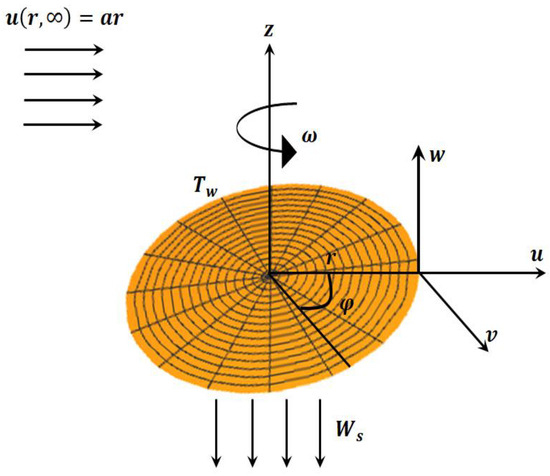
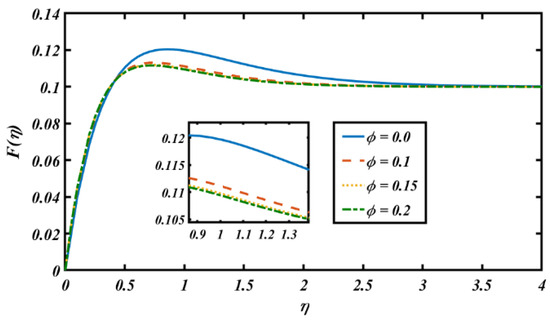
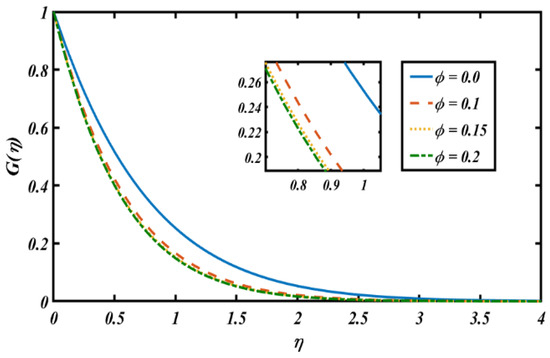
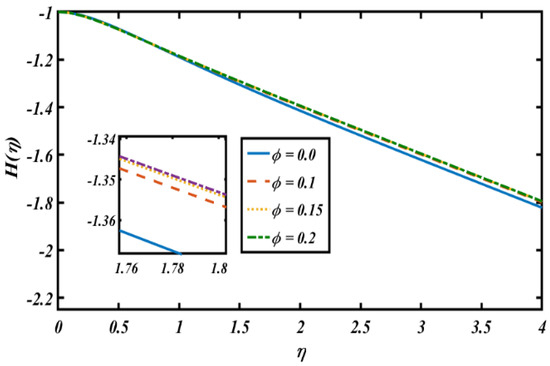
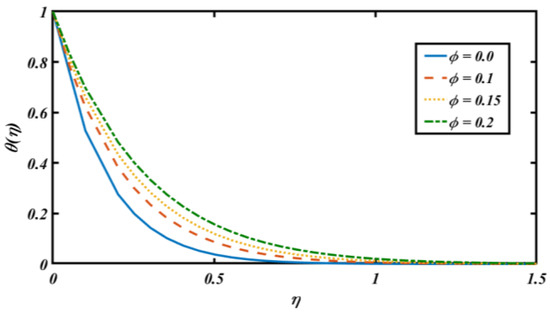
Flow and thermal performance of nanofluids on a rotating porous disk with forced flow
by
Ahmer Mehmood, Haris Mehmood, Iqrar Raza, Muhammad Awais and Muhammad Usman
Int. J. Thermofluid Sci. Technol. 2025, 12(1), 120103; https://doi.org/10.36963/IJTST.2025120103 - 10 Jun 2025
Cited by 2
Abstract
►▼
Show Figures
The application of forced flow and suction has a significant impact on enhancing the efficiency of thermal management systems. This study explores the influence of forced flow and suction on improving the performance of thermal management systems, particularly focusing on their effects on
[...] Read more.
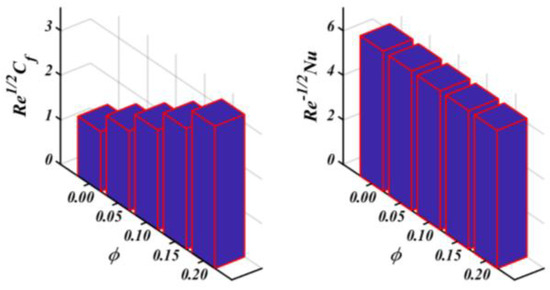
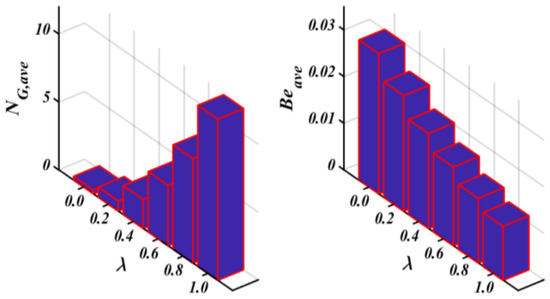
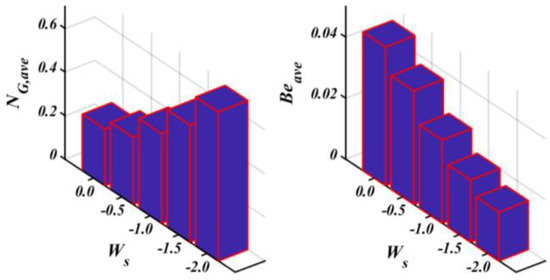
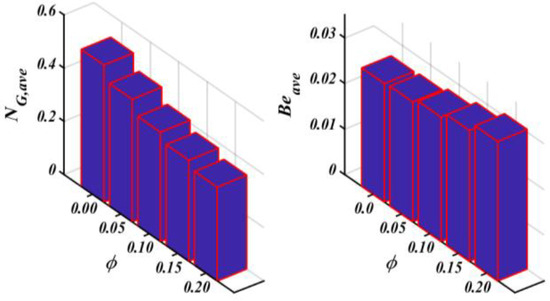
The application of forced flow and suction has a significant impact on enhancing the efficiency of thermal management systems. This study explores the influence of forced flow and suction on improving the performance of thermal management systems, particularly focusing on their effects on laminar flow and heat transfer in Cu/water nanofluid over a rotating disk. Entropy analysis is also conducted under these conditions to assess the thermodynamic implications. The governing nonlinear equations describing the flow and heat transfer processes are transformed using Kármán transformations and solved numerically using MATLAB. Key parameters are analyzed to evaluate their impact on flow dynamics, heat transfer, average entropy generation, and the Bejan number, with graphical. The findings reveal that radial forced flow and suction significantly enhance momentum and heat transfer. However, while the addition of nanoparticles increases the skin-friction coefficient, it reduces the local Nusselt number. The average entropy generation number increases with higher forced flow, suction, and rotational Brinkman numbers, whereas the average Bejan number exhibits a declining trend. Conversely, nanoparticles decrease the average entropy generation number and increase the average Bejan number. The tabular data reflect that the skinfriction coefficient and Nusselt number increase up to 122.6% and 9.1% at forced flow parameter
Full article

Figure 1
Open AccessArticle
Experimental Analysis of the EGR and TEG Systems Effect on the Thermal Characteristics and Emissions for a Diesel Engine
by
Eid S. Mohamed
Int. J. Thermofluid Sci. Technol. 2025, 12(1), 120102; https://doi.org/10.36963/IJTST.2025120102 - 12 Mar 2025
Cited by 1
Abstract
►▼
Show Figures
gas recirculation (EGR) has important technology to control engine nitrogen oxide (NOx) emission of a light diesel engine and a thermoelectric generator (TEG) converts waste heat from the engine exhaust system into electrical power. However, this study's objective is to assess the effectiveness
[...] Read more.
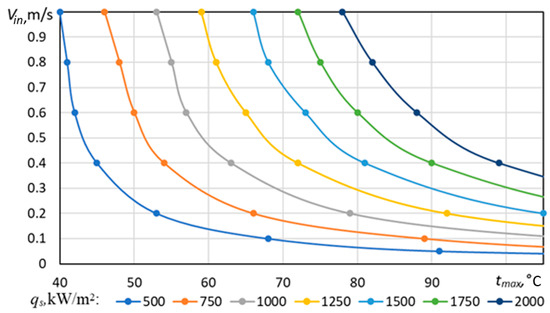
gas recirculation (EGR) has important technology to control engine nitrogen oxide (NOx) emission of a light diesel engine and a thermoelectric generator (TEG) converts waste heat from the engine exhaust system into electrical power. However, this study's objective is to assess the effectiveness of the EGR and TEG techniques on the emissions and thermal characteristics of a light diesel engine (LDE). The experimental methodology was carried out with common-rail direct injection LDE, the measurement process was used on different EGR percentages 0%, 10%, and 20%, and the TEG system with 50 thermoelectric cells (TEC) was supported in the exhaust channel. The proposed representation systems were analyzed under three cases, in the first case; the engine exhaust emissions, in-cylinder pressure, cylinder temperature, HRR, EGT, BSFC and exhaust flow rate were measured with the LDE exhaust system with EGR rates. In case II, the TEG package is applied in the exhaust channel (EGR before the TEG). In case III, the TEG package is used in the engine manifold before the EGR technique. The results indicate that the increase in the EGR rate resulted in a considerable reduction in NOx emissions. Still, THC, CO and CO2 emissions rose in tandem with EGR, but the results showed emissions improvement with an applied TEG system. The highest TEG net output power at 4500 rpm is roughly 331.4 W. On the other hand, the results indicate that the BSFC was reduced when using the TEG and EGR techniques, and the average BSFC savings for an LDE was (2.32%: 4.78%), which shows well the TEG and EGR techniques were effective in fuelsaving.
Full article

Open AccessArticle
Optimizing the thermal performance of naturally ventilated double-skin facades (NVDSF) by directing airflow at the inlet
by
Faryal Sadat Siadati
Int. J. Thermofluid Sci. Technol. 2025, 12(1), 120101; https://doi.org/10.36963/IJTST.2025120101 - 20 Feb 2025
Cited by 1
Abstract
►▼
Show Figures
The Naturally Ventilated Double-Skin Facades (NVDSF) functional mechanism is based on thermal performance of the components and airflow in the cavity. In this paper, 90 simulation scenarios by changing the geometric features of NVDSF are examined. To obtain the optimal duration of calculations,
[...] Read more.
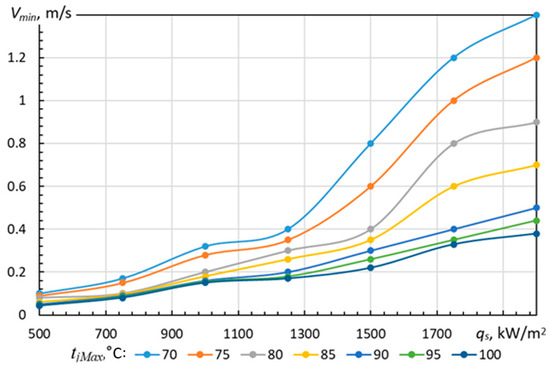
The Naturally Ventilated Double-Skin Facades (NVDSF) functional mechanism is based on thermal performance of the components and airflow in the cavity. In this paper, 90 simulation scenarios by changing the geometric features of NVDSF are examined. To obtain the optimal duration of calculations, the simulations of different scales of the 3D model and mesh dimensions were examined and 33% scale 3D model with 8 mm meshes dimension were determined. In this study, 124 different simulation scenarios were investigated to assess the effect of NVDSF performance. The results showed that excessive increase or decrease of ventilation flow deviates the NVDSF from the optimal thermal performance. The best thermal performance of the NVDSF occurs in those scenarios where at the inlet, the air flow is divided into two parts, a part is directed to the shading device and the other part directed to the inner glass. The mean reduction of the transmittance heat flux of the inner glass surface for this scenario was obtained 9.5% compared to the standard commercial grille mode of the inlet of NVDSF-box window type.
Full article

Figure 1
Open AccessArticle
Hydrodynamics of a two-phase upward flow during boiling at distributed heating centers
by
A. I. Andreev and A. E. Semenov
Int. J. Thermofluid Sci. Technol. 2024, 11(3), 110303; https://doi.org/10.36963/IJTST.2024110303 - 8 Jan 2025
Abstract
►▼
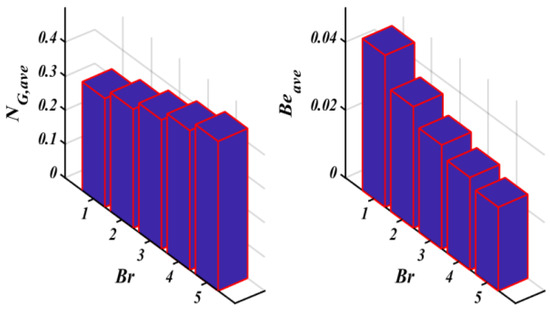
Show Figures
In this paper, the mechanics and hydrodynamics of a two-phase boiling flow were investigated, in which the increase in the vapor content in the flow occurs discretely at local vaporization centers distributed uniformly along the length of a vertical channel (pipe). A stand
[...] Read more.
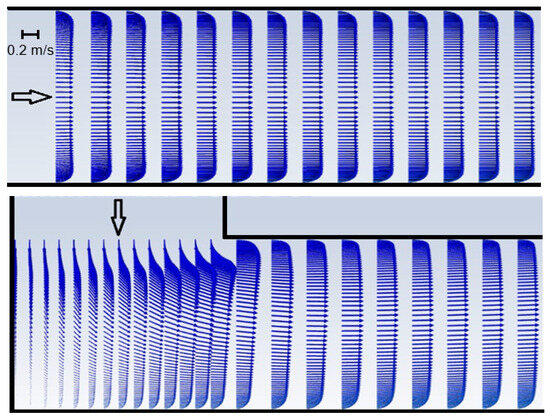
In this paper, the mechanics and hydrodynamics of a two-phase boiling flow were investigated, in which the increase in the vapor content in the flow occurs discretely at local vaporization centers distributed uniformly along the length of a vertical channel (pipe). A stand was developed for conducting a model experiment and a method for measuring the velocity of vapor bubbles in a channel based on dynamic light scattering at gas-liquid interfaces. Experimental studies were conducted and data were obtained showing significant differences in the mechanics of two-phase flow motion during discrete and continuous vaporization. The experimental data show a stepwise dependence when changing the parameters during motion between heat sources distributed along the length of the channel. These experiments were approximated using the Heaviside function, which makes it possible to obtain the distribution of parameters along the length and by the amount of vapor in the flow. Energy dependences are obtained based on the principle of least action taking into account the stepwise nature of the change and it is shown that with a change in the intensity of steam generation, the step function degenerates into a smooth one, due to the predominance of the potential energy of hydrostatic pressure. The patterns of change in hydraulic resistance from the dimensional change in the diameter of the channel (pipe) are shown. A topical issue in the work is also the study of changes in flow parameters between the motion sections and in the steam generation sections. From the point of view of practical application, the study of discrete steam generation on distributed heating centers is relevant for immersion cooling systems of microelectronics and new generations of steam generators.
Full article

Figure 1
Open AccessArticle
Transient Analysis of Conjugate Natural Convection in the Hottest Channel of MTR Nuclear Fuel Type
by
Hamed Djalal
Int. J. Thermofluid Sci. Technol. 2024, 11(3), 110302; https://doi.org/10.36963/IJTST.110302 - 20 Dec 2024
Abstract
►▼
Show Figures
A numerical solution of the transient natural convection in the hottest channel of MTR nuclear fuel type is performed in this study by mean of the lumped parameter approach. After employing this approach, the momentum and the energy equations are reduced, to form
[...] Read more.
A numerical solution of the transient natural convection in the hottest channel of MTR nuclear fuel type is performed in this study by mean of the lumped parameter approach. After employing this approach, the momentum and the energy equations are reduced, to form a lumped parameter model. This model is solved numerically by the Runge-kutta method for a given reactor power according to an iterative process based on the balance between the buoyancy and the friction forces. After these forces are balanced the transient variation of the fuel, coolant and the reactor pool temperatures are carried out and used to evaluate the fuel and the coolant temperatures variation along the channel active length. Finally, the lumped parameter model (LPM) results are validated after we have obtained a good agreement with elsewhere published results of the Relap 5 code system.
Full article

Figure 1
Open AccessArticle
Designing a Vapour-Compression Cascade Refrigeration Setup Aimed at Storing Fresh Plasma
by
Olarewaju Oginni, Bukola Bolaji, Olatunde Oyelaran, Adedotun Adetunla and Ang Kiang Long
Int. J. Thermofluid Sci. Technol. 2024, 11(3), 110301; https://doi.org/10.36963/IJTST.2024110301 - 22 Sep 2024
Abstract
►▼
Show Figures
Throughout the duration of the COVID-19 pandemic, human plasma emerged as a primary resource for various therapeutic transfusions, leveraging its protein content as an alternative treatment for infectious ailments. Cascade refrigeration systems, with their capability for ultra-low temperature applications and convenient storage, have
[...] Read more.
Throughout the duration of the COVID-19 pandemic, human plasma emerged as a primary resource for various therapeutic transfusions, leveraging its protein content as an alternative treatment for infectious ailments. Cascade refrigeration systems, with their capability for ultra-low temperature applications and convenient storage, have emerged as a compelling and highly efficient innovation. This study presents the creation of a portable vapor-compression refrigeration system designed for the handling of blood products at collection points. To capitalize on their superior thermodynamic properties, operational fluid mixtures comprising R410A and R404A were chosen. The system underwent testing both without load and under varying load conditions, with its viability, consistency, and repeatability assessed using animal blood plasma. The process of converting different masses of freshly harvested plasma to refrigerated plasma at -35°C took varying durations, ranging from 120 to 190 minutes. Importantly, the nutritional and biological integrity of the plasma remained unaltered post-freezing. Specific values obtained include pre-albumin levels of 19.2/12.6 mg/dl, albumin levels of 35.2/42.2 g/dl, protein levels of 85.7/82.4 g/dl, fibrinogen levels of 3.30 g/dl, and globulin levels of 36.9 g/dl, respectively. Performance evaluation of the system revealed a cooling effect of 79.5% equating to 186.40 kJ/kg, a coefficient of performance (COP) of 3.57, and an isentropic efficiency of 44.6%. This developed device addresses the challenges posed by heat-sensitive medications in regions with limited power resources, potentially saving countless lives and conserving 3942 MJ of energy, rendering it economically feasible even in affluent nations.
Full article

Figure 1
Open AccessArticle
Impact of wall electrical conductivity on heat transfer enhancement in MHD hybrid nanofluid flow within an annulus
by
Ali Bendjaghlouli, Brahim Mahfoud and Hibet Errahmane Mahfoud
Int. J. Thermofluid Sci. Technol. 2024, 11(2), 110204; https://doi.org/10.36963/IJTST.2024110204 - 5 Jun 2024
Cited by 3
Abstract
►▼
Show Figures
A numerical investigation was conducted to explore the influence of magnetic field and the electric conductivity of container walls on the swirling flow of a hybrid nanofluid. In this study, a stationary inner wall and a rotating outer wall with a fixed Ω
[...] Read more.
A numerical investigation was conducted to explore the influence of magnetic field and the electric conductivity of container walls on the swirling flow of a hybrid nanofluid. In this study, a stationary inner wall and a rotating outer wall with a fixed Ω were considered within the annular between coaxial cylinders. Radial application of a magnetic field was utilized to assess its impact on the average Nusselt number. The mathematical model, formulated by differential equations, was solved using the finite volume method. The study examined the variations in azimuthal velocity, temperature, and Nusselt number with increasing magnetic intensity. Therefore, it can be concluded that the control of heat transfer efficiency increasingly relies on the combined influence of magnetic field intensity and the electrical conductivity of walls. The findings revealed that higher magnetic Hartmann numbers led to elevated temperature distribution and azimuthal velocity within the annulus center. Moreover, electromagnetic damping exhibited a more pronounced impact on heat transfer when all walls were electrically conductive, resulting in a 90% improvement in heat transfer with the hybrid nanofluid.
Full article

Figure 1
Open AccessArticle
Thermal-hydrodynamic analysis for internally finned tubes: Experimental, numerical and performance evaluation study
by
O. H. Salem, Ahmed Hegazy and K. Yousef
Int. J. Thermofluid Sci. Technol. 2024, 11(2), 110203; https://doi.org/10.36963/IJTST.2024110203 - 28 May 2024
Cited by 1
Abstract
►▼
Show Figures
The characteristics of heat transfer and fluid flow of an internally continuously finned tube were studied, experimentally and numerically, and a performance evaluation study was conducted. The numerical results were validated with the current experimental data as well as other published data, with
[...] Read more.
The characteristics of heat transfer and fluid flow of an internally continuously finned tube were studied, experimentally and numerically, and a performance evaluation study was conducted. The numerical results were validated with the current experimental data as well as other published data, with a maximum deviation of 4.65%. The effect of different key parameters like fin height, number of fins, and fin thickness on the thermal-hydrodynamic performance was studied. The study reveals that increasing both fin height, which is the most effective parameter, and number of fins raises the heat transfer coefficient and friction factor values, but fin thickness negligibly affects the performance. Notably, the average heat transfer coefficient and friction factor values rise by 40.92 % and 18.4 %, respectively, if the fin height to diameter ratio is increased from 0.1786 to 0.4018, and by 35.4 % and 13.5 %, respectively, if the number of fins is increased from 2 to 6, compared to smooth tubes under a mass flow rate of 0.3 kg/s. Furthermore, the thermal enhancement factor, which is the ratio between the heat transfer coefficient and friction factor for the enhanced tube as opposed to the smooth one, increases by 33.27%, 48.64%, and 8.71% if the fin height, number of fins, and fin thickness increase by 125%, 300%, and 200%, respectively, under constant mass flow rate condition. While the thermal enhancement factor decreases by 22.89%, 74.53%, and 7.92% if the fin height, number of fins, and fin thickness increase by 125%, 300%, and 200%, respectively, under constant pressure drop condition. In the case of constant pumping power condition, the thermal enhancement factor hovers around unity for fin height and thickness, and it decreases by 23.89% if the number of fins increases by 300%.
Full article

Figure 1
Open AccessArticle
Numerical study of natural convection of Bingham fluid using a flexible fin
by
Hanaa Derraz, Bouzit Mohamed, Mokhefi Abderrahim, Bencherif Atika and Meriem Toumi
Int. J. Thermofluid Sci. Technol. 2024, 11(2), 110202; https://doi.org/10.36963/IJTST.2024110202 - 23 Apr 2024
Cited by 1
Abstract
►▼
Show Figures
This research focuses on the analysis of the flow and heat transfer inside a square cavity containing a Bingham plastic fluid. The cavity undergoes heating on its left side, where a flexible and elastic fin is positioned at the center of this heated
[...] Read more.
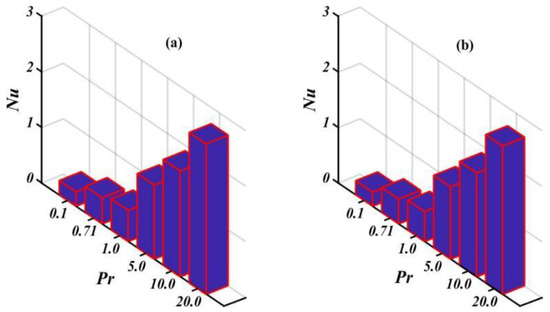
This research focuses on the analysis of the flow and heat transfer inside a square cavity containing a Bingham plastic fluid. The cavity undergoes heating on its left side, where a flexible and elastic fin is positioned at the center of this heated wall. Cooling takes place on the right side of the cavity, while the upper and lower walls are wellinsulated. The equations governing the complex interaction between the fluid and the flexible fin are accurately solved using an arbitrary Lagrangian-Eulerian approach, in conjunction with the finite element methodology. This study concentrates on the impact of the flexible fin on heat transfer in the context of unsteady natural convection of a complex fluid with a yield stress inside a square cavity. The considered parameters include the variation of the Rayleigh number in the range of 103 to 105, the modification of the elasticity modulus between 5×10¹⁰ and 5×10¹¹, the fin length (Lc) from 0.004 to 0.0073, the Prandtl number (Pr) from 0.71 to 100, and the variation of the Bingham number from 0 to 20. To provide a comprehensive understanding of the observed thermal and fluidic phenomena, results will be displayed in the form of isothermic contours and streamlines, accompanied by Nusselt number (Nu) and maximum stress (σmax) curves. Observations indicate a significant improvement in the Nusselt number in the absence of a yield stress (Bn = 0), reaching its maximum at (Ra = 105). Conversely, the variation of the elasticity modulus shows negligible influence. As the yield stress (Bn) increases, it begins to dominate the flow by nullifying the buoyancy-induced current, reaching a constant value for (Bn = 20), corresponding to the conduction limit.
Full article

Figure 1
Open AccessArticle
Energetic performance investigation of ejector air conditioning cycles using the environment friendly gas R161 (Fluoroethane) as substitute to the phase-out R22 (Chlorodifluoromethane)
by
Youcef Maalem and Hakim Madani
Int. J. Thermofluid Sci. Technol. 2024, 11(2), 110201; https://doi.org/10.36963/IJTST.2024110201 - 12 Apr 2024
Abstract
►▼
Show Figures
The present research aims to conduct a comparative examination between two refrigerants, the phase-out R22, and the new ecofriendly R161. They were used in two different ejector air conditioning cycles (Standard ejector cycle (SEC) and Modified ejector cycle (MEC)) under a wide range
[...] Read more.
The present research aims to conduct a comparative examination between two refrigerants, the phase-out R22, and the new ecofriendly R161. They were used in two different ejector air conditioning cycles (Standard ejector cycle (SEC) and Modified ejector cycle (MEC)) under a wide range of working conditions. A numerical simulation has been carried out with MATLAB simulation code through the thermodynamic energy analysis to explore various thermodynamic performances ((primary (mpf) and secondary (msf) mass flow rate), entrainment ratio (μ), pressure lift ratio (PLR), refrigeration effect (Q), compressor work (W) and coefficient of performance (COP)) of SEC and MEC working with both refrigerants under the same operating temperatures (condensing temperature (Tcond) varies from (30 to 55) °C and evaporating temperature (Tevap) varies from (-10 to 10) °C). The tests show that under the same given operating temperatures, the (mpf and msf), COP, μ and PLR of R161 are close to those obtained with R22 in both cycles. Moreover, it has been proved that MEC has a higher Q and COP than SEC. On the other hand, the thermodynamic analysis revealed that as Tcond increases, (msf, μ, Q and COP) decreases, and (mpf, PLR and W) increases. However, as Tevap increases, the (msf, μ, Q and COP) increases and (mpf, PLR and W) decreases. Overall, the simulated results confirm that R161 can be useful for air conditioning applications and can serve as a good alternative for the phase-out R22.
Full article

Figure 1
Open AccessArticle
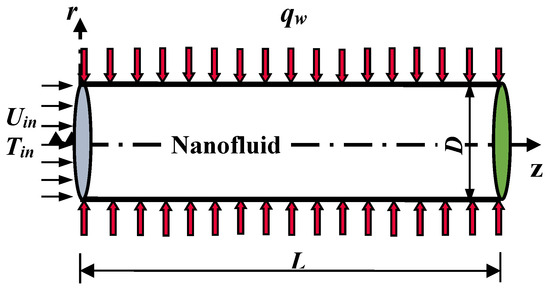
Numerical comparative study of heat transfer enhancement using three kinds of nanofluids
by
Abdelkrim Bouaffane
Int. J. Thermofluid Sci. Technol. 2024, 11(1), 110104; https://doi.org/10.36963/IJTST.2024110104 - 24 Jan 2024
Abstract
►▼
Show Figures
This numerical research is done on the hydrodynamic and thermal characteristics of laminar forced convection of different nanofluids inside horizontal tube. The tube wall is subjected to a constant heat flux condition. Al2O3-water, Cu-water, and SiO2-water are
[...] Read more.
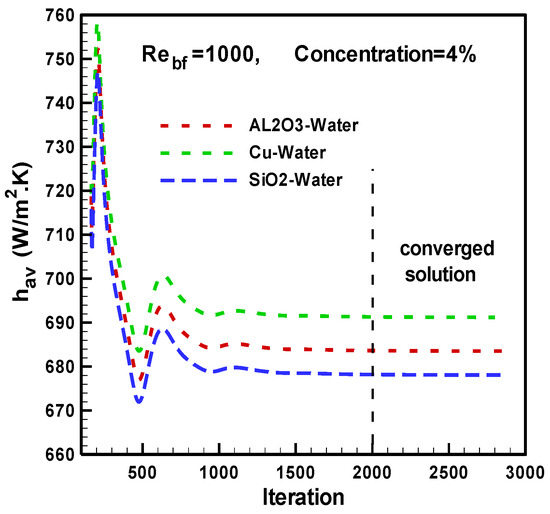
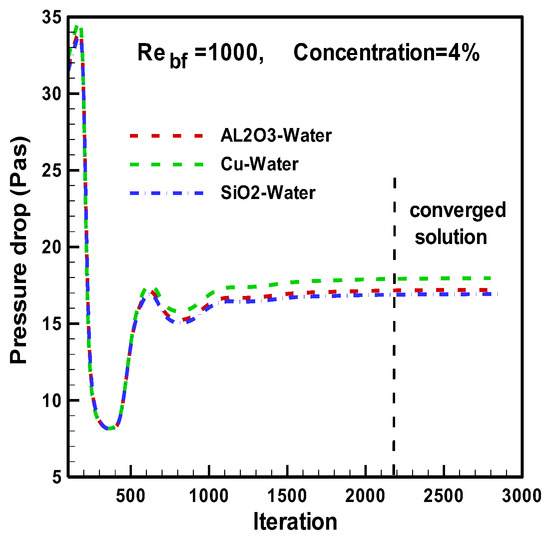
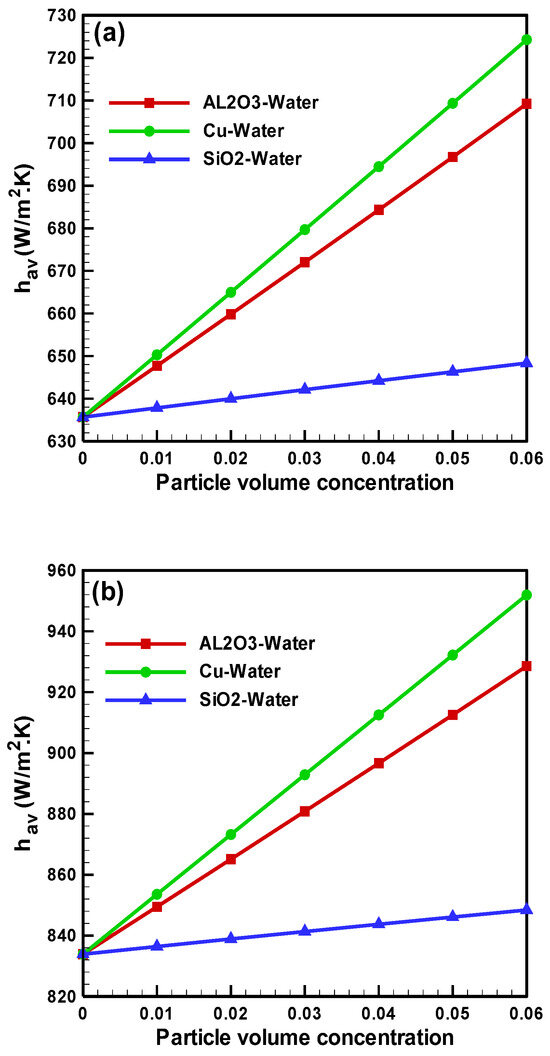
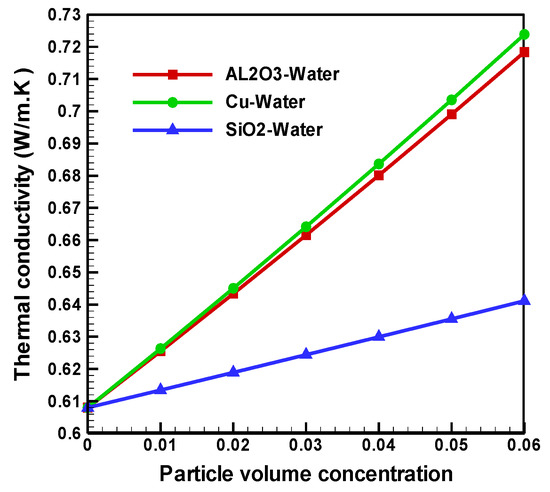
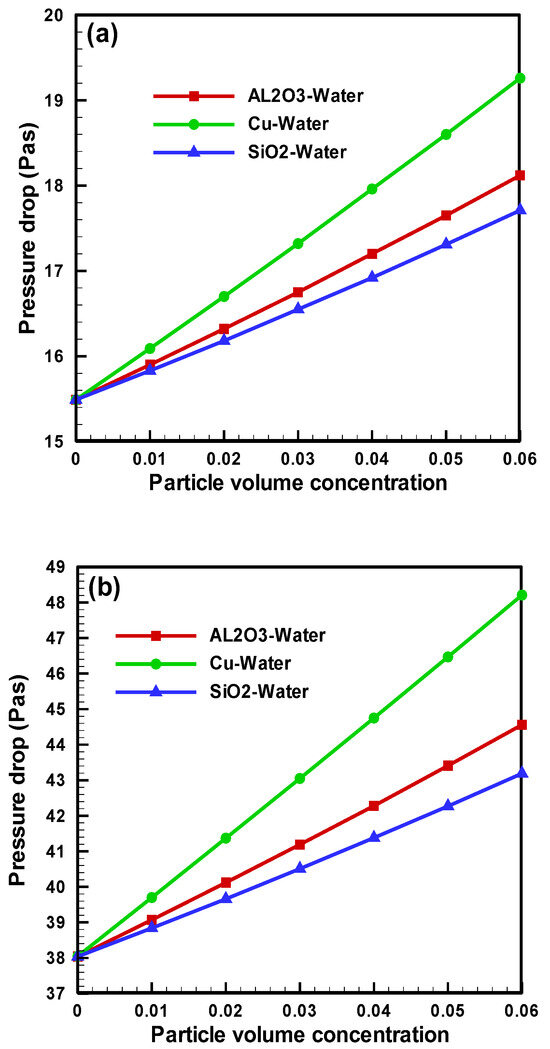
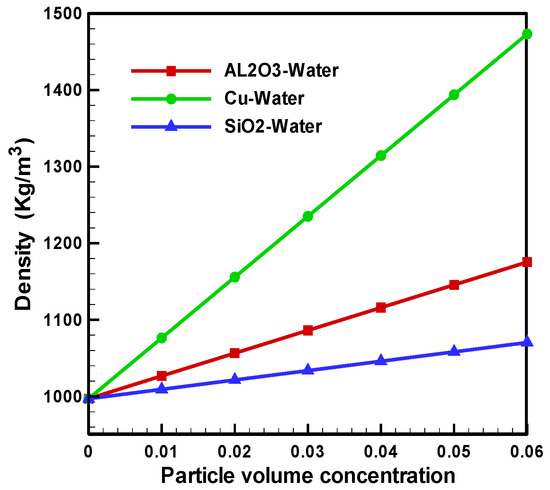
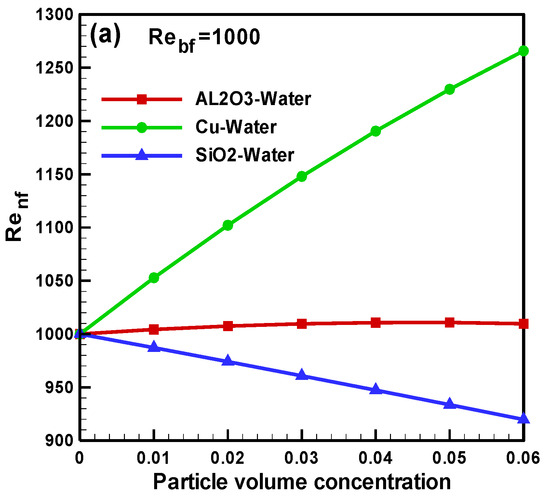
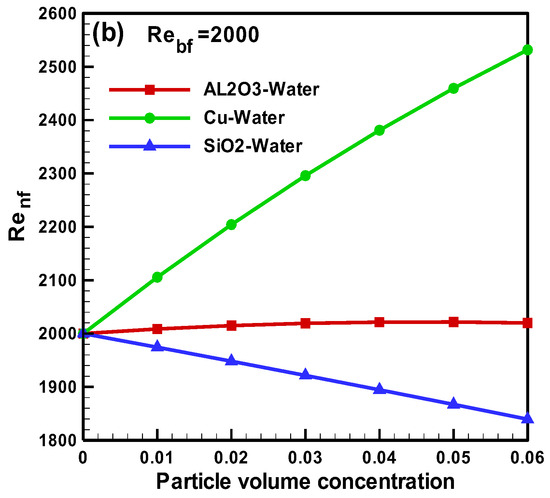
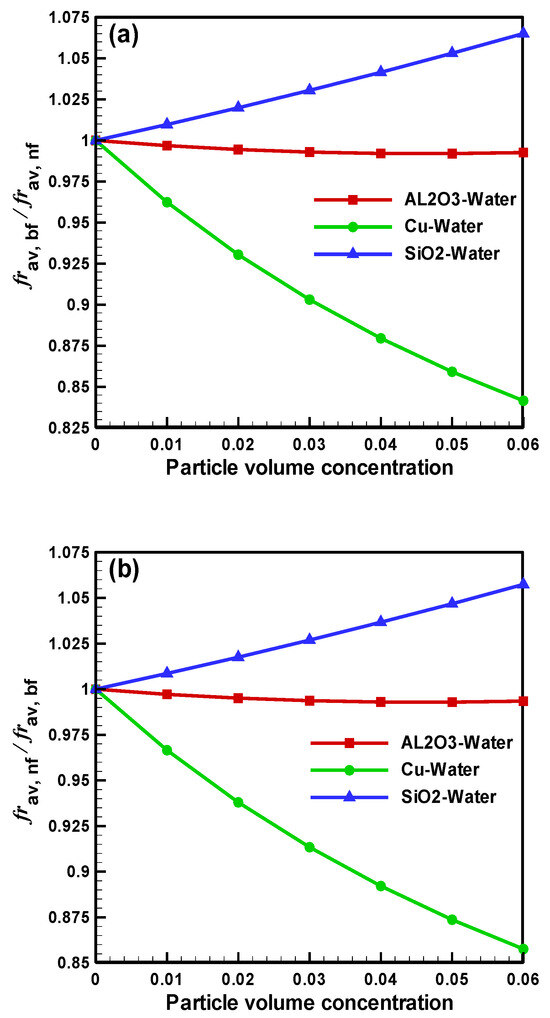
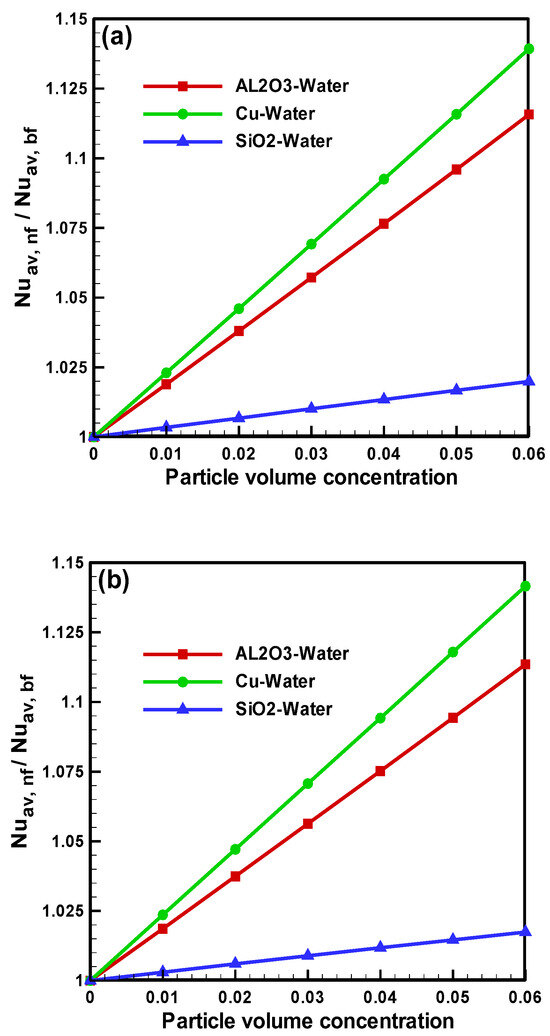
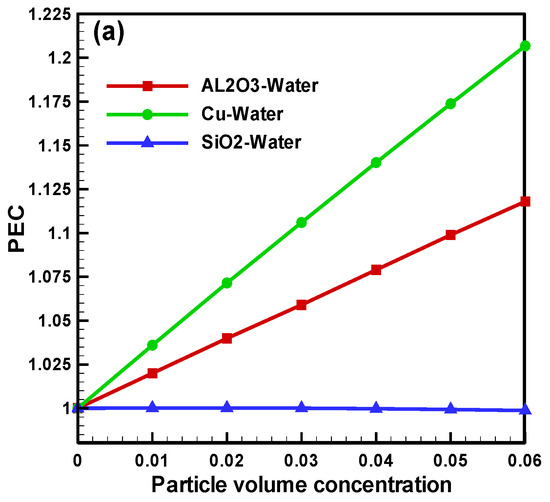
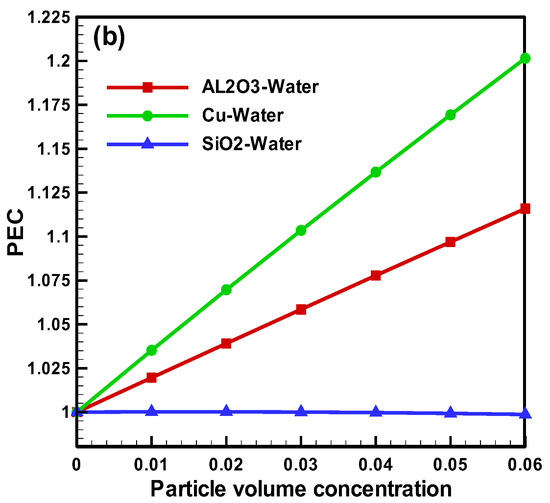
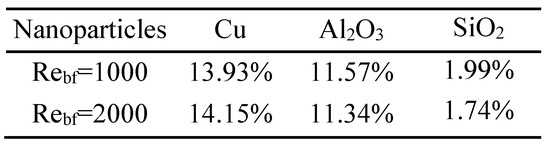
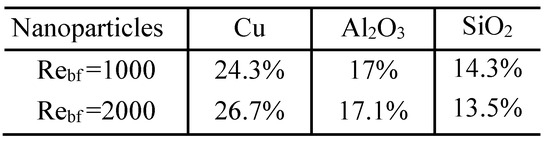
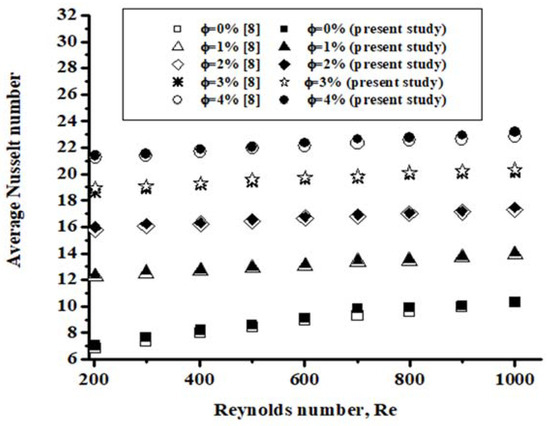
This numerical research is done on the hydrodynamic and thermal characteristics of laminar forced convection of different nanofluids inside horizontal tube. The tube wall is subjected to a constant heat flux condition. Al2O3-water, Cu-water, and SiO2-water are the three considered nanofluids examined in this study. The mathematical model of the present problem is based on the single phase approach, the governing equations are solved iteratively using the finite volume method. For nanoparticle volume fractions φ ranging from 0 to 6% and for two values of Reynolds numbers Re =1000 and 2000, Nusselt number, pressure losses (or pumping power), average friction factor and Performance evaluation criterion (PEC) are shown and discussed. The results demonstrate that the increase of φ enhances significantly the average Nusselt number particularly for Cu-water and Al2O3-water. When nanoparticles are added to pure water, the pumping power is negatively impacted because the augmentation of φ leads to increase the pressure drop. The highest pressure drop is occurred for Cu-water followed by Al2O3-water and SiO2-water. The comparison between the studied fluids indicates that the PEC values of Cu-water and Al2O3-water are greater than the unity, because they show a significant improvement in the rate of heat transfer with acceptable pressure losses. In the other hand, the PEC values related to SiO2-water are close to the unity due to the slight increase in average Nusselt number. Therefore, SiO2-water is ineffective for enhancing the convection heat transfer.
Full article

Figure 1
Open AccessArticle
Enhancing Electronics Cooling with Al2O3-Ag/Ethylene Glycol Hybrid Nanofluids
by
Sid Ali Si Salah
Int. J. Thermofluid Sci. Technol. 2024, 11(1), 110103; https://doi.org/10.36963/IJTST.2024110103 - 20 Dec 2023
Abstract
►▼
Show Figures
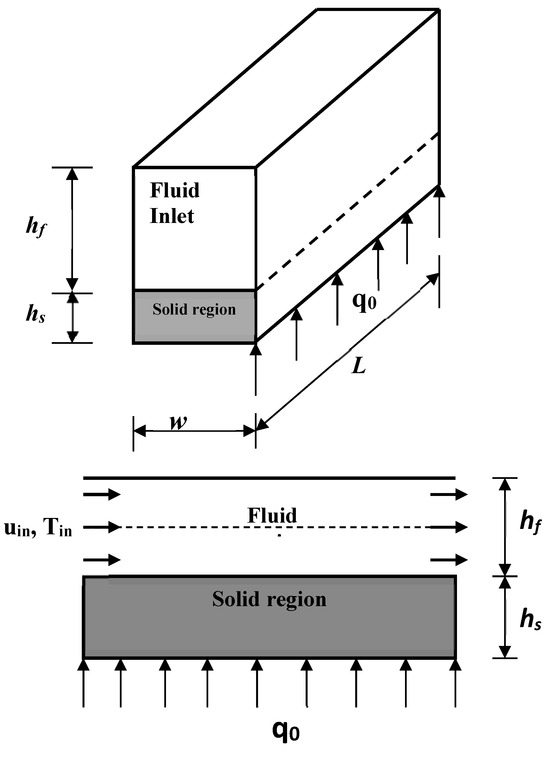
This study utilized a homogeneous phase model to examine the laminar forced convection flow within a broad rectangular microchannel. It involved the use of nanofluids composed of alumina (Al2O3) and a combined mixture of Al2O3 and
[...] Read more.
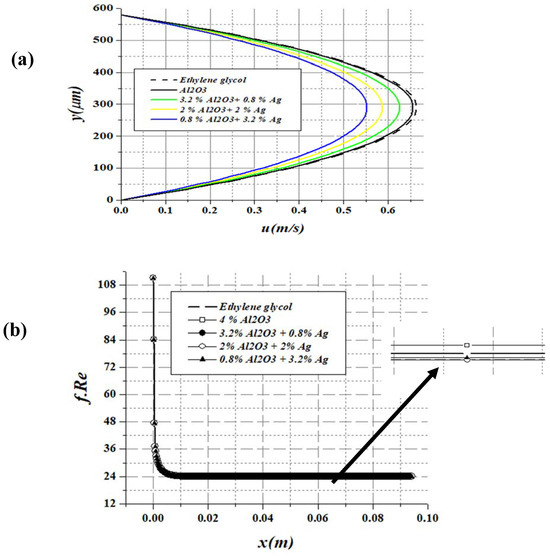
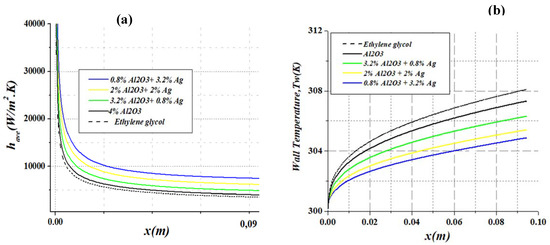
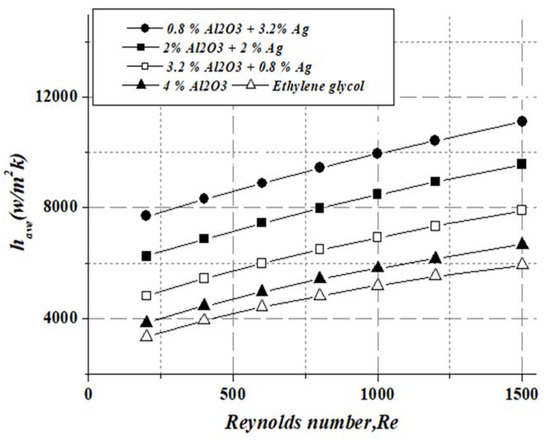
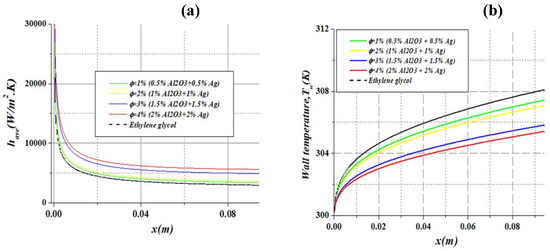
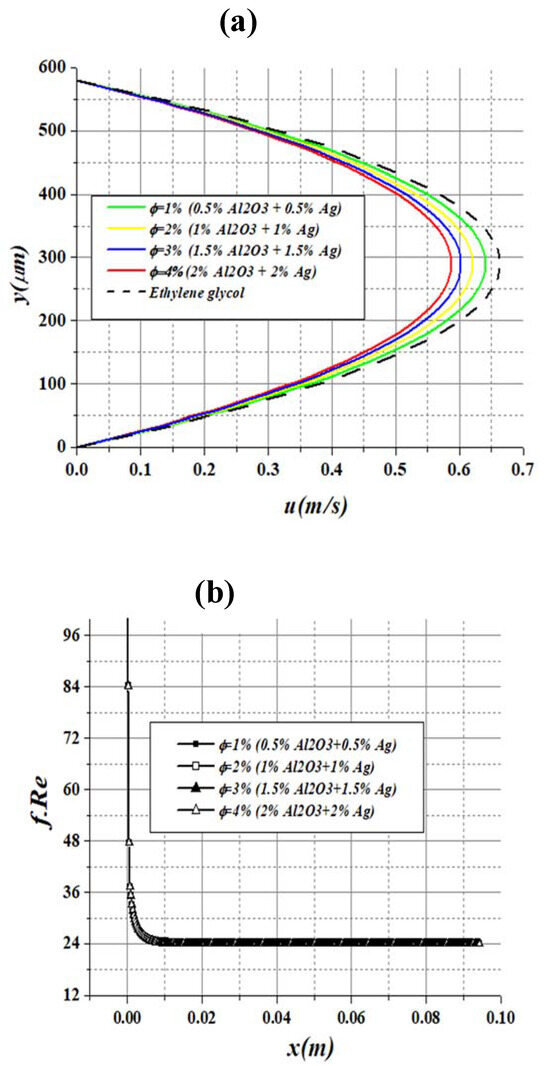
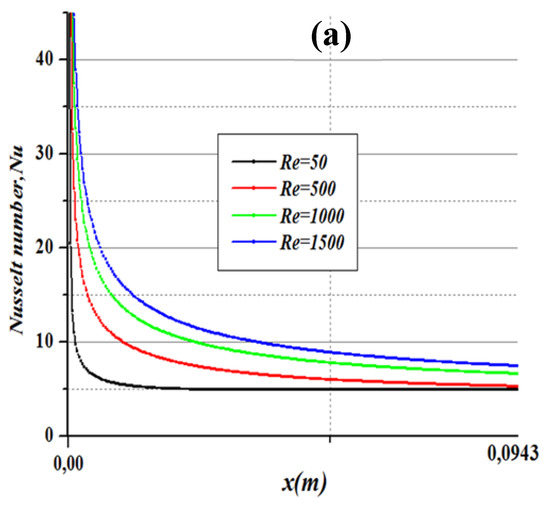
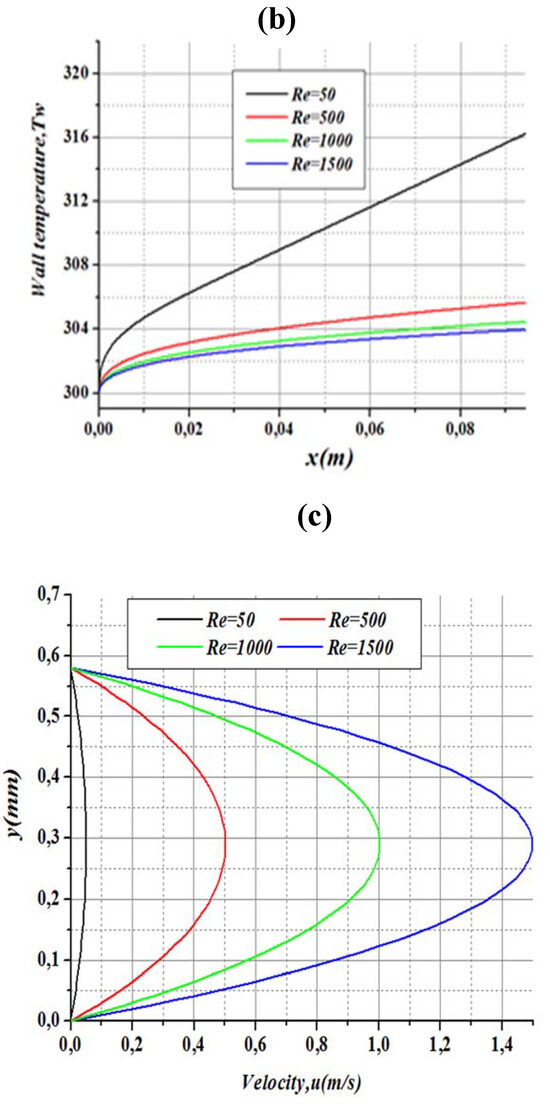
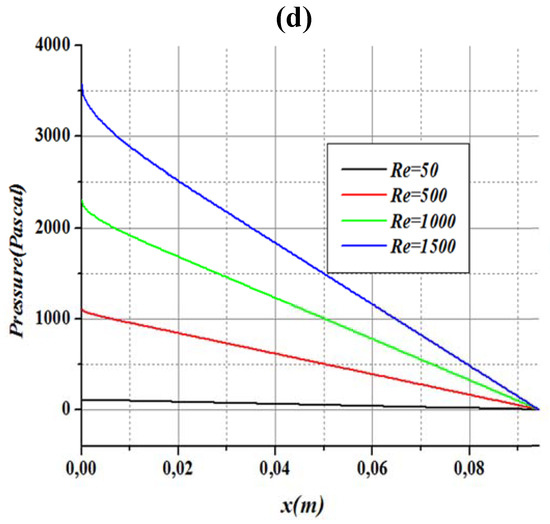
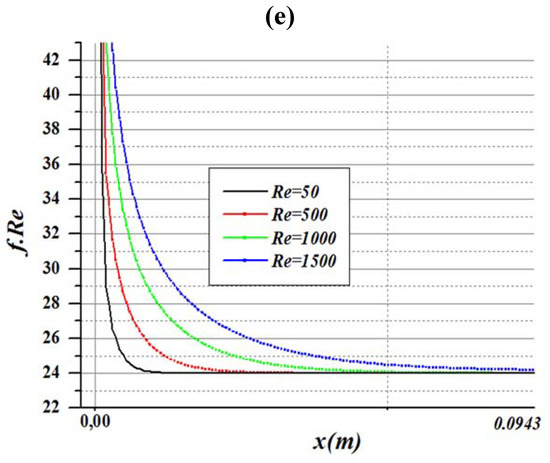
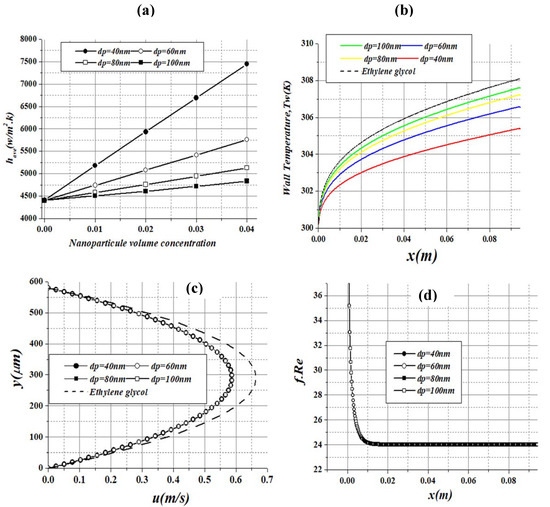
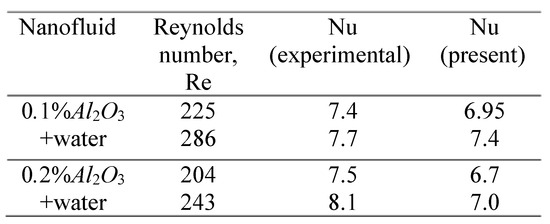
This study utilized a homogeneous phase model to examine the laminar forced convection flow within a broad rectangular microchannel. It involved the use of nanofluids composed of alumina (Al2O3) and a combined mixture of Al2O3 and silver (Ag) particles suspended in ethylene glycol as the base fluid. A finite thickness was attributed to the bottom of the micro-channel to provide space for a heat source or electronic component. The study explored various parameters, including nanoparticle diameter, concentration, hybrid nanoparticle mixture volume fractions, and Reynolds number, to analyze the flow and heat transfer characteristics within the micro-channel. To validate the computational method, experimental data from the literature for Al2O3/water nanofluids were successfully used as a reference. The findings of this investigation revealed that a nanofluid consisting of 4% hybrid nanoparticles (0.8% Al2O3 + 3.2% Ag) exhibited a higher average convective heat transfer coefficient compared to pure ethylene glycol and pure alumina (Al2O3). This suggests that hybrid nanofluids represent a promising new class of working fluids for enhancing heat transfer. Furthermore, the study found that the average convective heat transfer coefficient is enhanced by 83% compared to pure ethylene glycol (EG) with higher Reynolds numbers and volume concentrations of nanoparticles. Additionally, there was a 58% increase in the convective heat transfer coefficient with smaller nanoparticle diameters. Importantly, the use of hybrid nanofluids with different volume fractions and nanoparticle diameters did not significantly affect the friction factor within the micro-channel.
Full article

Figure 1
Highly Accessed Articles
Latest Books
E-Mail Alert
News
Topics