All articles published by MDPI are made immediately available worldwide under an open access license. No special
permission is required to reuse all or part of the article published by MDPI, including figures and tables. For
articles published under an open access Creative Common CC BY license, any part of the article may be reused without
permission provided that the original article is clearly cited. For more information, please refer to
https://www.mdpi.com/openaccess.
Feature papers represent the most advanced research with significant potential for high impact in the field. A Feature
Paper should be a substantial original Article that involves several techniques or approaches, provides an outlook for
future research directions and describes possible research applications.
Feature papers are submitted upon individual invitation or recommendation by the scientific editors and must receive
positive feedback from the reviewers.
Editor’s Choice articles are based on recommendations by the scientific editors of MDPI journals from around the world.
Editors select a small number of articles recently published in the journal that they believe will be particularly
interesting to readers, or important in the respective research area. The aim is to provide a snapshot of some of the
most exciting work published in the various research areas of the journal.
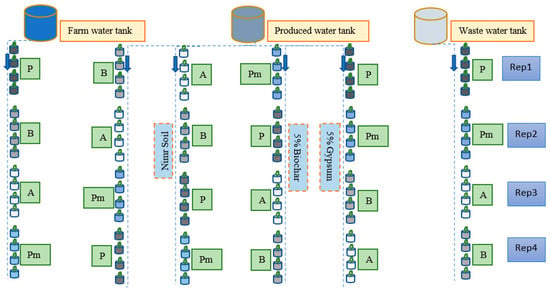
The reuse of treated oilfield-produced water (PW) presents a viable solution to water scarcity in arid regions; however, elevated boron (B) levels pose a significant constraint for sustainable irrigation. This study evaluates boron dynamics in a soil–plant system irrigated with treated PW and
[...] Read more.
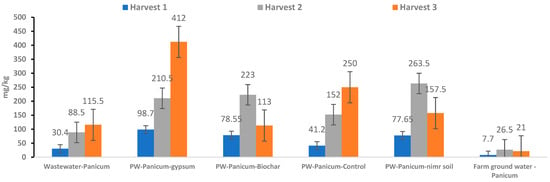
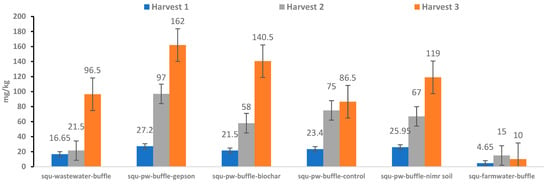
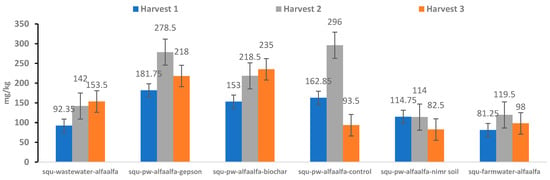
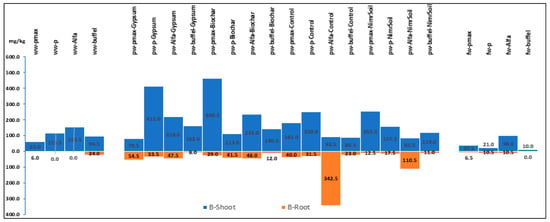
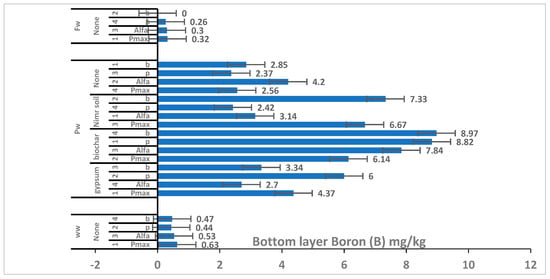
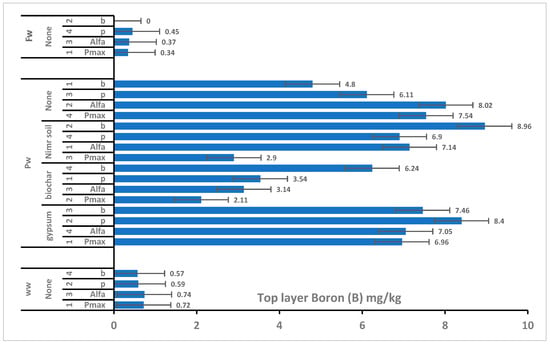
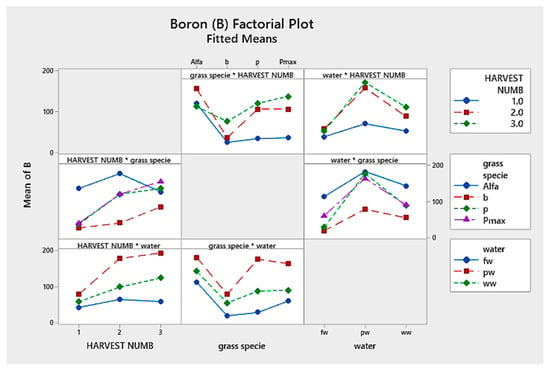
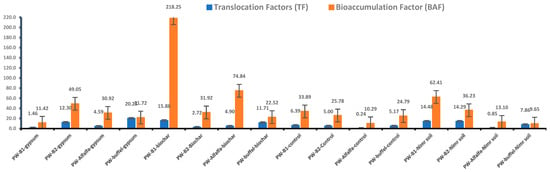
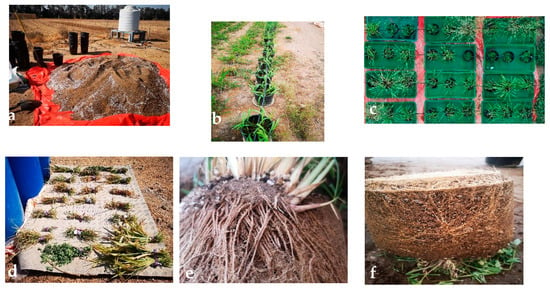
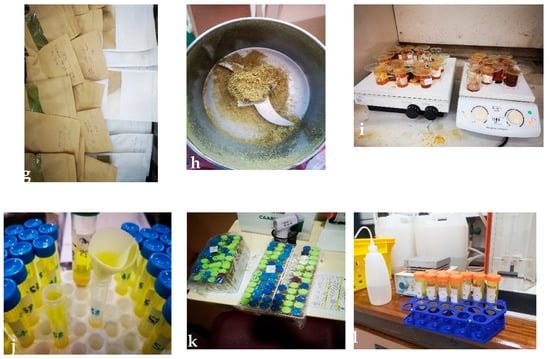
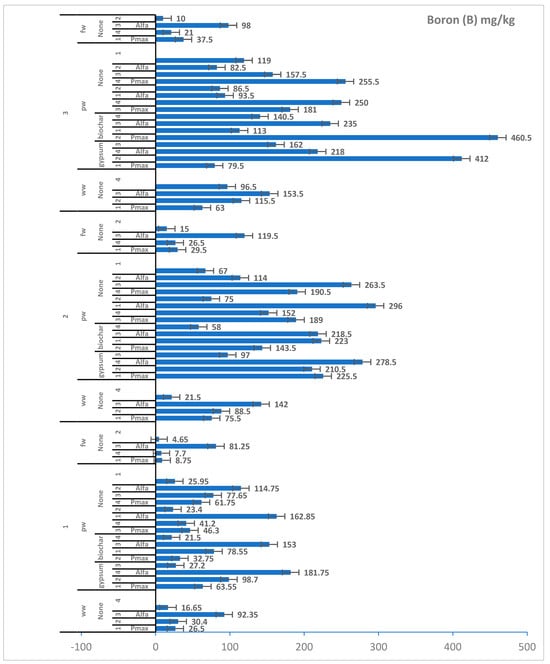
The reuse of treated oilfield-produced water (PW) presents a viable solution to water scarcity in arid regions; however, elevated boron (B) levels pose a significant constraint for sustainable irrigation. This study evaluates boron dynamics in a soil–plant system irrigated with treated PW and examines the effectiveness of nature-based solutions in mitigating its accumulation. A controlled experiment using two soil types and multiple water sources was conducted, with biochar and gypsum applied as soil amendments. Boron concentrations were assessed in plant tissues, roots, and soil layers. Results showed significant boron accumulation under PW irrigation, exceeding safe agronomic thresholds, and soil analysis indicated greater boron retention in surface layers. Boron concentrations reached maximum average concentrations exceeding 200 mg kg−1. To elucidate species-specific tolerance mechanisms, bioaccumulation factors (BAFs) and translocation factors (TFs) were calculated. Results revealed a distinct root-trapping strategy, with high BAF values under oilfield-produced water, while TF values remained significantly lower, indicating that these forage species successfully restricted boron translocation to aerial tissues.
Full article
by
Hershil Alkesh Patel, Rohan I. Suresh, Sapan Patel, Abel K. Lindley, Ethan Yang, Gerald Kidd, Evan Honig, Ryan Curto, Usman Zareef, Hans Prakash, Amil Sahai, Husni Alasadi, Alexander Padovano, Louis J. Bivona, Daniel Cavanaugh, Eugene Y. Koh, Steven C. Ludwig and Julio J. Jauregui
J. Clin. Med.2026, 15(11), 4063; https://doi.org/10.3390/jcm15114063 (registering DOI) - 24 May 2026
Background/Objectives: Lumbar fusion for degenerative pathology is increasingly common, yet revision surgery, often due to adjacent segment disease, remains a major concern. While sagittal alignment has been widely studied, the role of preoperative lumbar retrolisthesis is less clear. This study evaluated the prevalence,
[...] Read more.
Background/Objectives: Lumbar fusion for degenerative pathology is increasingly common, yet revision surgery, often due to adjacent segment disease, remains a major concern. While sagittal alignment has been widely studied, the role of preoperative lumbar retrolisthesis is less clear. This study evaluated the prevalence, distribution, and clinical significance of preoperative retrolisthesis in patients undergoing single-level L4–L5 fusion, with a focus on its association with revision surgery. Materials and Methods: A retrospective cohort study of 116 adult patients undergoing single-level L4–L5 posterior fusion with multilevel decompression from 2018 to 2022 was performed. Retrolisthesis was defined as posterior translation ≥2 mm and assessed across lumbar levels. Patients were stratified by revision status. Statistical comparisons and Cox proportional hazards models were used to evaluate associations between retrolisthesis burden, radiographic parameters, and revision risk. Results: Preoperative retrolisthesis was present in 78.4% of patients, most commonly at L3–L4 and L2–L3, and frequently involved multiple levels. Presence of retrolisthesis alone was not associated with revision (85.7% vs. 77.5%, p = 0.73). However, patients with ≥3 retrolisthesis levels demonstrated reduced revision-free survival, with a higher hazard of revision on univariate analysis (HR 3.65, p = 0.055). In multivariate analysis, ≥3 levels (HR 5.50, p = 0.018) and greater absolute L4–S1 lordosis change (HR 1.09 per degree, p = 0.031) were independent predictors of revision. Conclusions: Retrolisthesis is highly prevalent in patients undergoing L4–L5 fusion but is not predictive of revision when considered alone. A greater multilevel retrolisthesis burden, particularly when combined with larger segmental lordosis change, may represent a mechanically vulnerable spine phenotype associated with increased revision risk. These findings should be interpreted as exploratory and require validation in larger cohorts.
Full article
The temporal dynamics of nitrogen (N) fractions and ammonia (NH3) volatilization were investigated over a 56-day storage period using a laboratory-scale pig slurry pit simulator. A detailed N mass balance, encompassing total N (TN), total ammonium N (TAN), organic N, and
[...] Read more.
The temporal dynamics of nitrogen (N) fractions and ammonia (NH3) volatilization were investigated over a 56-day storage period using a laboratory-scale pig slurry pit simulator. A detailed N mass balance, encompassing total N (TN), total ammonium N (TAN), organic N, and nitrate N (NO3−-N) fractions, yielded a N mass recovery of 96.5%, despite uncertainties associated with discrete emission measurements, with a TN reduction of 28.3 g vessel−1 closely matched by cumulative NH3-N emissions of 27.3 g. The NH3 emission profile exhibited a distinct two-phase pattern. During Phase I (days 1–28), emissions remained stable at 16.7–19.5 g m−2 d−1, accounting for approximately 58% of total cumulative NH3-N loss (518.6 g m−2), consistent with zero-order kinetics. Phase II (days 29–56) was characterized by first-order exponential decay (k = 0.0293 d−1, R2 = 0.982), coinciding with progressive TAN depletion. Measured emission rates were strongly correlated with theoretical free ammonia N (FAN) concentrations derived from pH and temperature (R2 = 0.74), confirming that theoretical FAN provides a useful upper bound for emission potential, although the actual gaseous flux is restricted by mass-transfer limitations at the slurry–air interface. These results demonstrate that continuous pH and temperature monitoring provides a practical basis for tracking emission dynamics and informing the timing of mitigation interventions, particularly during the high-flux initial storage phase.
Full article
by
Sindre H. Hauan, Camilla H. Nundal, Sarah Lartey Jalloh, June Skudal, Elin Ekornes Håskjold, Sigrid Christiansen Bøe, Camilla Tøndel, Linn Marie Sørbye, Rebecca J. Cox and Karl A. Brokstad
Viruses2026, 18(6), 593; https://doi.org/10.3390/v18060593 (registering DOI) - 24 May 2026
Background. Lower respiratory tract infections remain a major cause of morbidity and mortality in infants worldwide. Newborns possess an immature immune system but acquire passive immunity through maternal antibodies transferred via the placenta (IgG) and breast milk (IgA). Maternal vaccination may enhance this
[...] Read more.
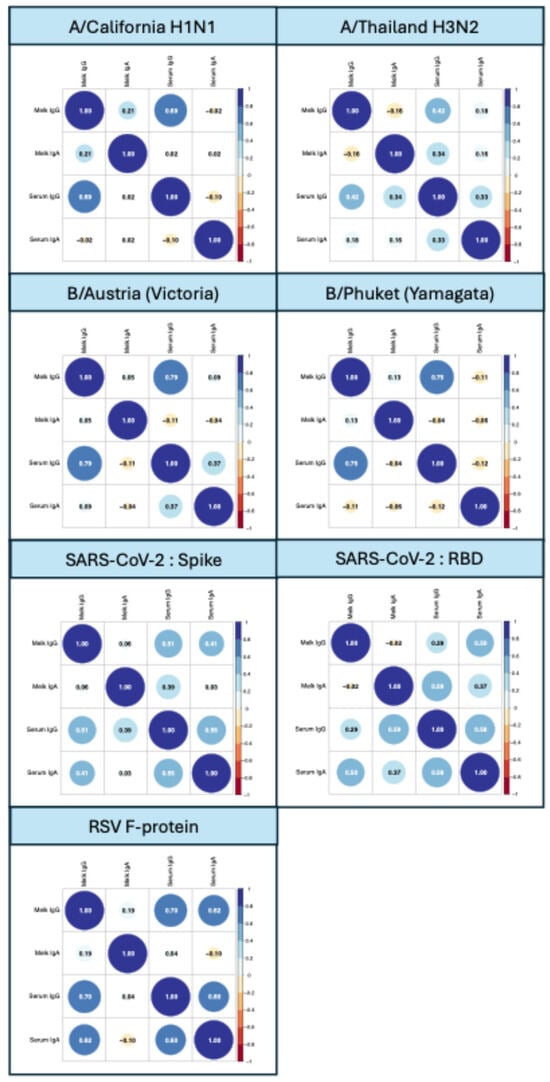
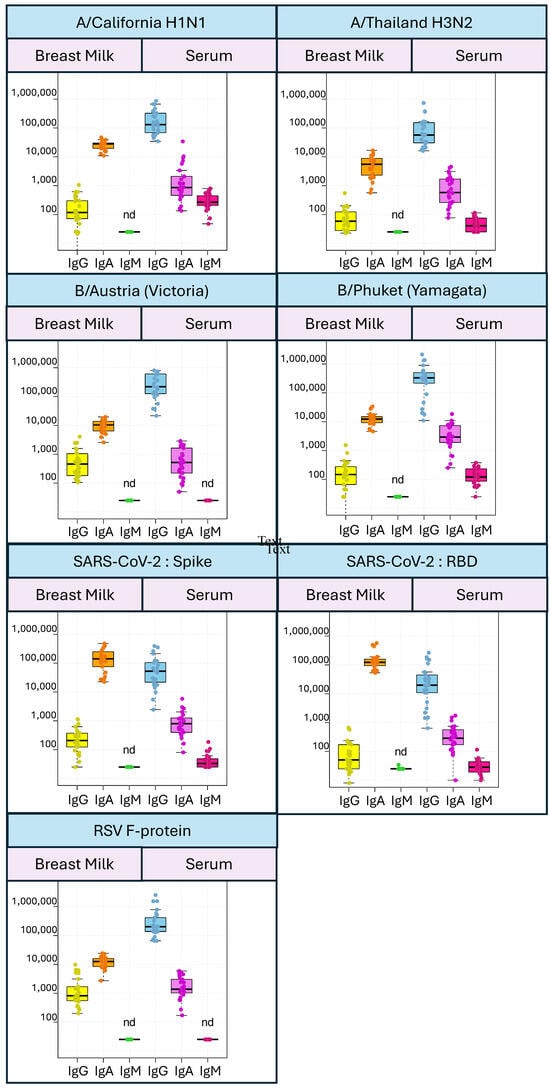
Background. Lower respiratory tract infections remain a major cause of morbidity and mortality in infants worldwide. Newborns possess an immature immune system but acquire passive immunity through maternal antibodies transferred via the placenta (IgG) and breast milk (IgA). Maternal vaccination may enhance this protection. This study aimed to quantify antibody levels against respiratory viruses in serum and breast milk from lactating women. Methods. Serum and breast milk samples were collected from 26 lactating mothers. Antibody levels were measured using an indirect enzyme-linked immunosorbent assay (ELISA) targeting seven viral antigens: influenza A (A/Thailand, A/California), influenza B (B/Phuket, B/Austria), SARS-CoV-2 (Spike and receptor-binding domain, RBD) and RSV F pre-fusion protein. Antibody isotypes IgG, IgA and IgM were analysed. Results. Virus-specific IgG and IgA antibodies were detected in all samples. Breast milk showed the highest levels of IgA, whereas serum contained higher IgG levels. A moderate positive correlation was observed between serum and milk IgG. No correlation was found between serum IgG and milk IgA, but both levels were elevated. Conclusions. Breast milk and serum contain relatively high levels of antibodies against the tested respiratory viruses. The elevated levels of serum IgG and milk IgA indicate a coordinated defence between systemic and mucosal immunity in response to infections. The levels and correlation of specific isotypes point to the source of the antibodies: milk IgG probably originates from the blood, whereas milk IgA is produced locally.
Full article
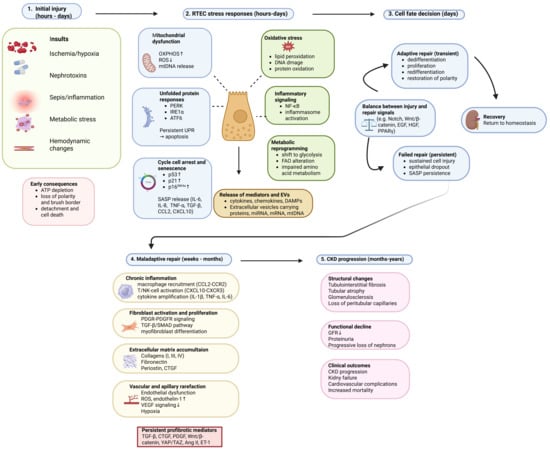
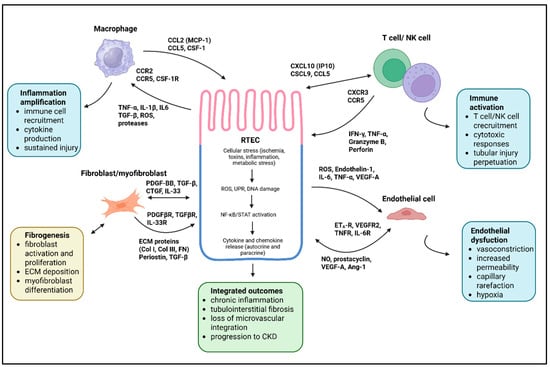
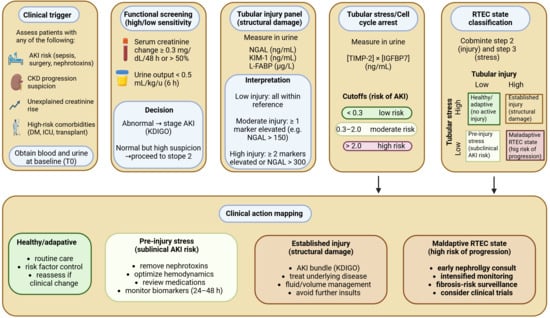
Renal tubular epithelial cells (RTECs) are increasingly recognized as key players in kidney diseases. They integrate metabolic, inflammatory, and fibrotic signals. This article reviews new data suggesting that RTECs could function as central integrators within diagnostic networks, linking cellular stress responses to detectable
[...] Read more.
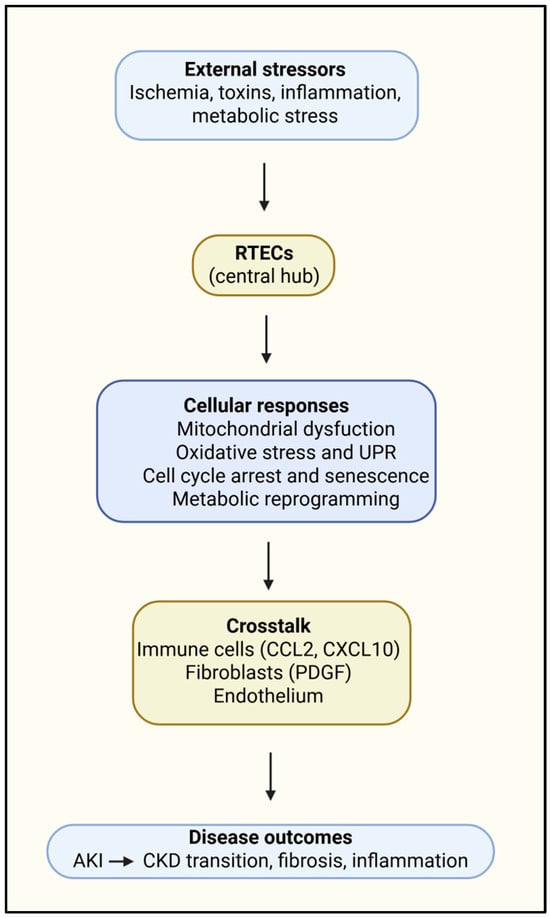
Renal tubular epithelial cells (RTECs) are increasingly recognized as key players in kidney diseases. They integrate metabolic, inflammatory, and fibrotic signals. This article reviews new data suggesting that RTECs could function as central integrators within diagnostic networks, linking cellular stress responses to detectable blood and urine biomarkers. We discuss the latest advances in multi-omics, extracellular vesicles, and single-cell technologies that enable precise identification of RTEC states. Finally, we discuss the potential of RTEC-centric diagnostics and highlight current limitations in early disease recognition, stratification, and the development of personalized therapeutic interventions.
Full article
Stem lodging significantly reduces soybean yield stability, particularly under dense planting and intercropping systems. Stem breaking strength is a key component of lodging resistance, but its genetic basis remains incompletely understood. In this study, an F2 population consisting of 167 individuals derived
[...] Read more.
Stem lodging significantly reduces soybean yield stability, particularly under dense planting and intercropping systems. Stem breaking strength is a key component of lodging resistance, but its genetic basis remains incompletely understood. In this study, an F2 population consisting of 167 individuals derived from a cross between nanxiadou25 (NXD25, high stem breaking strength) and Shiyuehuang (SYH, low stem breaking strength) was analyzed using bulked segregant analysis with whole-genome resequencing (BSA-Seq) to identify loci associated with stem breaking strength. The trait showed broad quantitative variation in the F2 population, ranging from 20.1 to 673.7 N. Two extreme bulks were constructed using 30 plants with the highest values and 30 plants with the lowest values. QTL-seq detected 21 candidate intervals at the 95% confidence level, among which, three major loci on Chr07, Chr13, and Chr16 exceeded the 99% threshold and were designated qBR7.2, qBR13.1, and qBR16.1. By integrating large-effect SNP/InDel variation, marker development, RNA-seq profiling, and qRT-PCR validation, nine candidate genes were retained for further study, and three marker-linked genes were highlighted as high-priority candidates. RNA-seq identified 9617 differentially expressed genes between the two parents. In addition, three co-dominant InDel markers, Chr07_01, Chr13_17, and Chr16_83, showed phenotype-consistent polymorphism in extreme F2 individuals. These findings provide valuable loci, candidate genes, and molecular markers for soybean lodging-resistance breeding.
Full article
Objectives: We aimed to develop a practical dietary quality score reflecting the Cantonese dietary pattern and evaluate its validity against established indices. Methods: The Cantonese Dietary Index (CDI) was constructed based on Cantonese dietary principles. Reliability was assessed using intraclass correlation
[...] Read more.
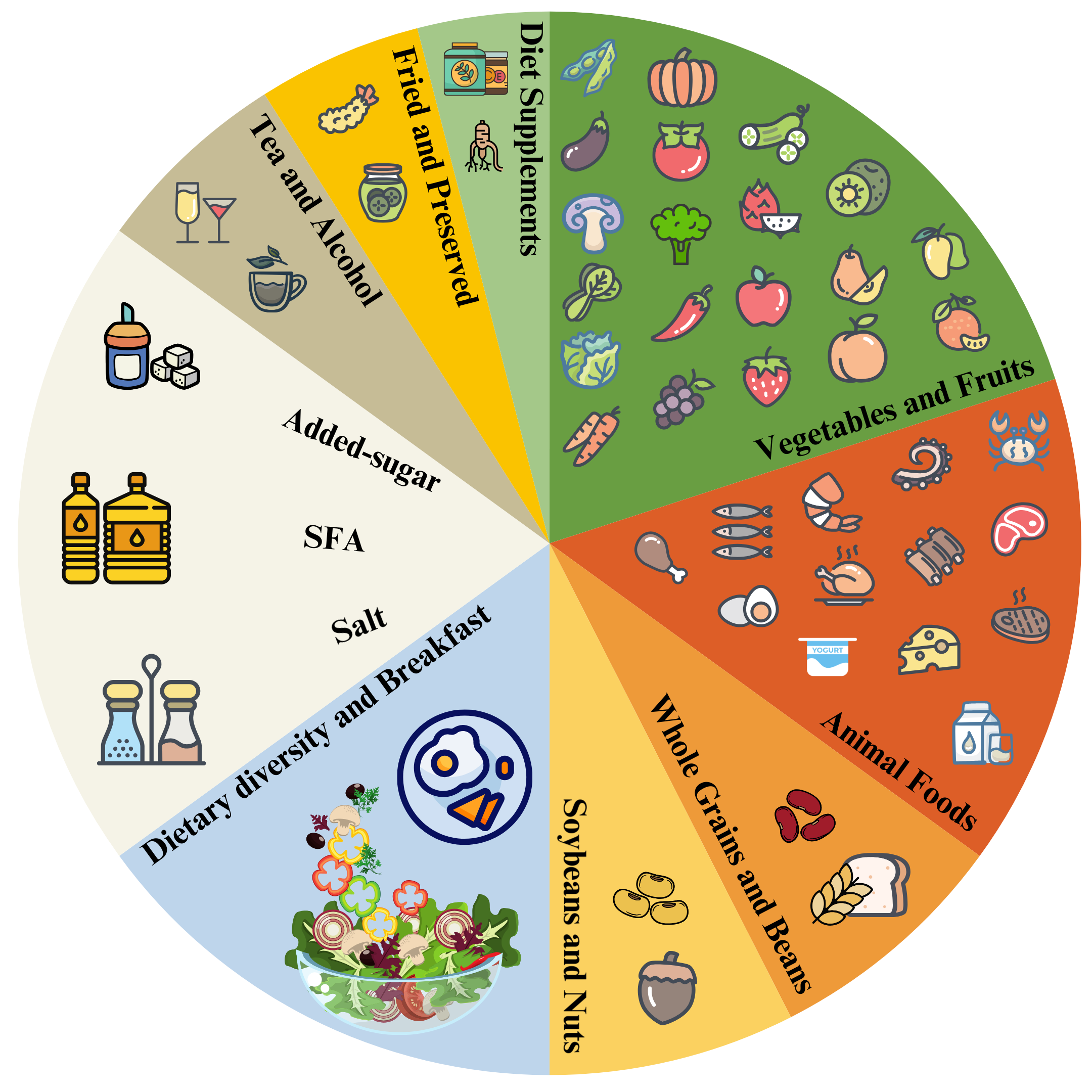
Objectives: We aimed to develop a practical dietary quality score reflecting the Cantonese dietary pattern and evaluate its validity against established indices. Methods: The Cantonese Dietary Index (CDI) was constructed based on Cantonese dietary principles. Reliability was assessed using intraclass correlation coefficients (ICC) over 5–6 years in the GNHS. Validity was evaluated using Spearman correlations with dietary indices (aMed, DASH, and DBI) and by comparing associations with metabolic syndrome (MetS) across dietary indices using regression models. The CDI was developed from the Guangzhou Nutrition and Health Study cohort (GNHS) and validated in the Tianjin Chronic Low-grade Systemic Inflammation and Health (TCLSIH) cohort and the National Health and Nutrition Examination Survey (NHANES). Results: A total of 4025 (GNHS), 29,165 (TCLSIH), and 28,890 (NHANES) participants were included. Median CDI scores were 58.5, 51.0, and 49.0, respectively. The 5–6-year ICC was 0.33 (p < 0.001). The CDI was moderately correlated with dietary indices across the three studies (GNHS: from −0.55 [DBI-LBS] to 0.61 [DASH], TCLSIH: from −0.61 [DBI-DQD] to 0.71 [DASH], NHANES: from −0.33 [DBI-DQD] to 0.68 [DASH]). The odds ratios (95% CIs) of MetS for CDI, aMed, and DASH scores were 0.80 (0.74, 0.86), 0.91 (0.84,0.99), and 0.83 (0.77, 0.90) in GNHS, 0.95 (0.92, 0.98), 0.99 (0.96, 1.02), and 0.92 (0.89, 0.95) in TCLSIH, and 0.80 (0.77, 0.84), 0.80 (0.76, 0.84), and 0.72 (0.69, 0.76) in NHANES. Conclusions: The CDI demonstrated moderate validity and reliability in Chinese populations and was inversely associated with MetS.
Full article
This study investigates the spatial effects of artificial intelligence (AI) innovation on carbon intensity using provincial panel data from 30 Chinese provinces over 2010–2023. Employing the Spatial Durbin Model (SDM), we find that a 1% increase in AI patent count reduces local carbon
[...] Read more.
This study investigates the spatial effects of artificial intelligence (AI) innovation on carbon intensity using provincial panel data from 30 Chinese provinces over 2010–2023. Employing the Spatial Durbin Model (SDM), we find that a 1% increase in AI patent count reduces local carbon intensity by 0.034% (direct effect, p < 0.01) but increases carbon intensity in neighboring regions by 0.069% (indirect effect, p < 0.05). Heterogeneity analysis shows that AI innovation reduces local carbon intensity by 0.069% in non-western regions (p < 0.01) but has no significant effect in the western region. In regions with above-median R&D intensity, both direct and indirect effects become negative (−0.094% and −0.069%, respectively), indicating that AI innovation reduces carbon intensity locally and in neighboring areas. Mechanism tests confirm that industrial structure upgrading mediates this relationship, with AI innovation increasing the industrial structure hierarchy coefficient by 0.004 (p < 0.05). These findings provide quantitative evidence that AI innovation has opposing local and spillover effects on carbon intensity, and that high R&D intensity can reverse negative spillovers into positive ones. The results offer empirically grounded policy recommendations for China’s dual-carbon targets and sustainable development.
Full article
Wormlike micelles (WLMs) of surfactants are widely used as smart thickeners in various applications, including enhanced oil recovery. However, their thickening ability needs to be improved both at ambient and elevated temperatures. In the present paper, we propose to enhance the viscoelastic properties
[...] Read more.
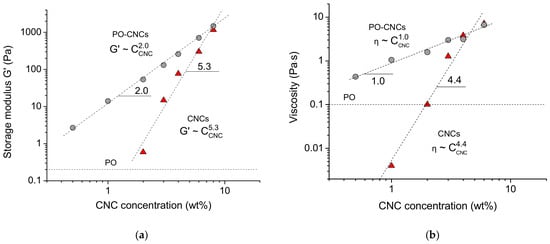
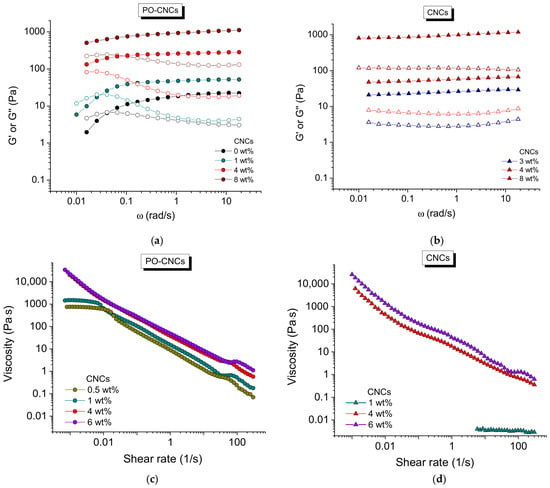
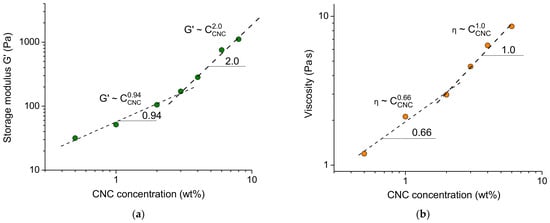
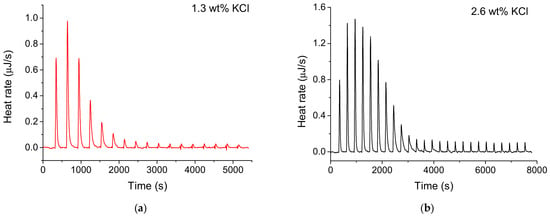
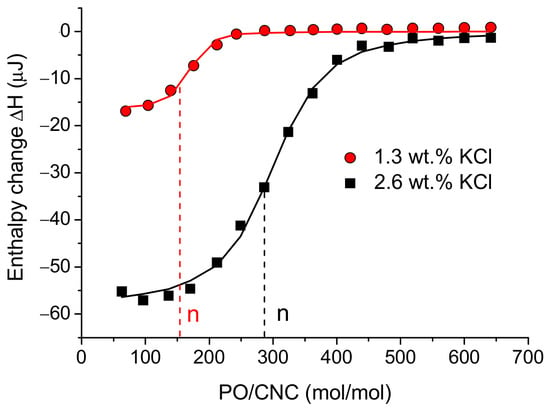
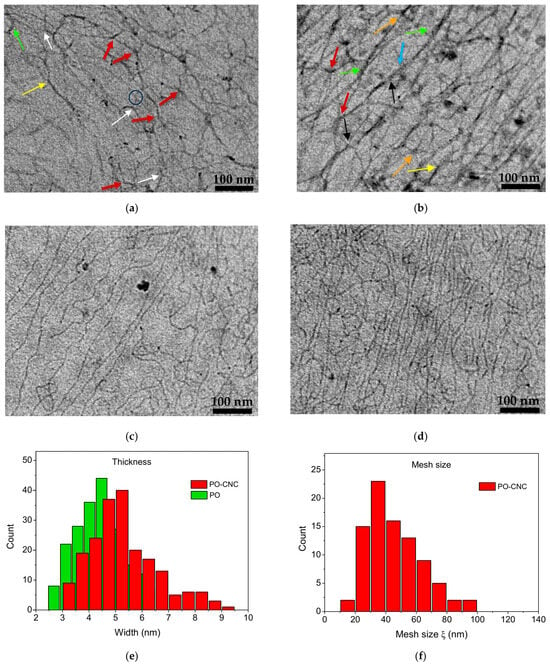
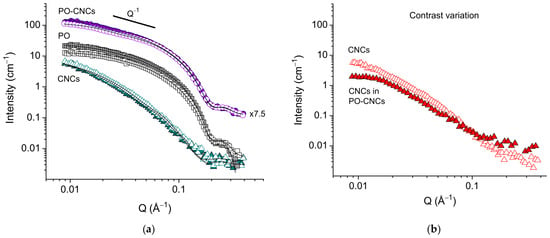
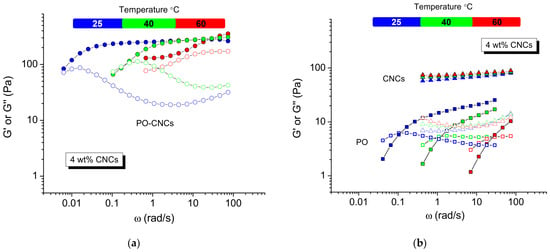
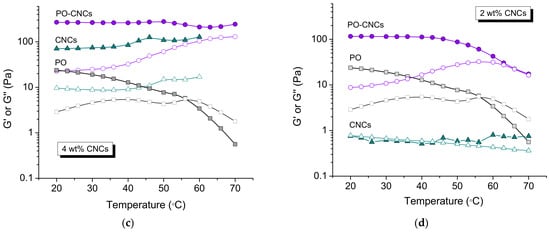
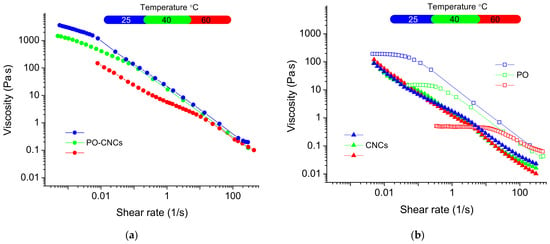
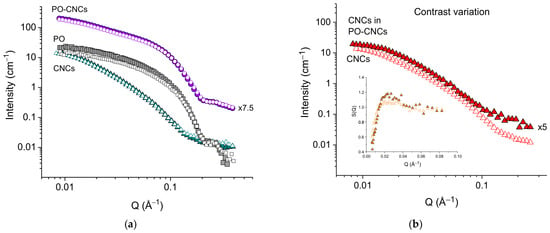
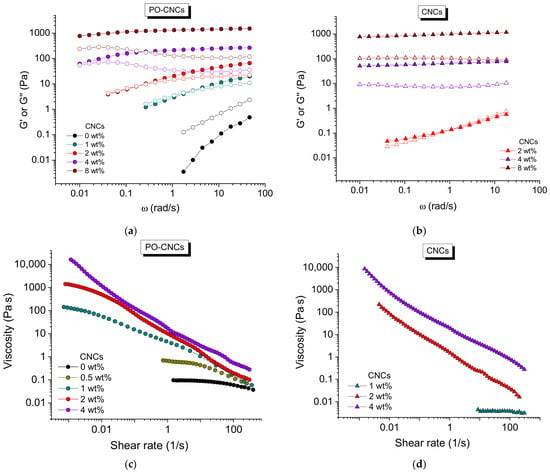
Wormlike micelles (WLMs) of surfactants are widely used as smart thickeners in various applications, including enhanced oil recovery. However, their thickening ability needs to be improved both at ambient and elevated temperatures. In the present paper, we propose to enhance the viscoelastic properties of surfactant solutions by incorporating carboxymethylated cellulose nanocrystals (CNCs). Upon addition of CNCs, dilute solutions of short WLMs acquire viscoelasticity and then transition into a viscoelastic solid state. This process is accompanied by an increase in the viscosity and storage modulus by up to five and four orders of magnitude, respectively. The observed effect of CNCs on the storage modulus and viscosity is greater than that of any of the previously studied WLM-CNC systems. It is attributed to the formation of a network of fibrillar-like aggregates composed of WLMs and CNCs, which was confirmed by cryo-TEM data. To our knowledge, such kind of aggregates have not been observed before. When CNCs are added to a transient network of long entangled WLMs, the viscoelastic solution transitions into a viscoelastic solid state, which results in an increase in the viscosity and storage modulus by up to two orders of magnitude. CNCs provide the WLM solution with greater resistance to heating, such that the storage modulus remains almost unchanged when the temperature increases from 20 to 70 °C. Moreover, a heat-induced gelation was observed. It was shown that higher concentrations of nanocrystals lower the critical gel temperature, indicating that they promote the gelation of the mixture. SANS data revealed that the local structures of both micelles and nanocrystals are preserved in the mixed system upon heating. According to ITC data, at room temperature, the interaction between surfactant ions and similarly charged nanocrystals is governed by both enthalpy and entropy, which suggests that hydrogen bonding plays a major role in this process, although hydrophobic interactions may also be involved. When the temperature increases to 60 °C, the aggregation becomes entropy-driven, indicating that hydrophobic interactions begin to dominate. The results obtained can expand the range of practical applications of WLMs as thickening agents, in particular, to higher-temperature conditions in deeper oil wells.
Full article
Adhesives and sealants are critical yet still underrepresented components in packaging science. Existing reviews mainly address specific chemistries, sealing technologies, or application niches, whereas integrated analyses of adhesive and sealant families within a unified packaging-system framework remain limited. This review addresses this gap
[...] Read more.
Adhesives and sealants are critical yet still underrepresented components in packaging science. Existing reviews mainly address specific chemistries, sealing technologies, or application niches, whereas integrated analyses of adhesive and sealant families within a unified packaging-system framework remain limited. This review addresses this gap by proposing a three-dimensional classification framework—functional role, material chemistry and activation mechanism, and performance constraints—that connects functional roles, processing routes, regulatory constraints, and circularity requirements. The framework is applied across natural, synthetic, hot-melt, pressure-sensitive, and tie-layer adhesives, as well as conventional thermoplastic, barrier-oriented, and biodegradable sealant systems. Special attention is given to hybrid systems operating at the boundary between bonding and sealing, and to the performance–recyclability trade-offs that arise in multilayer architectures. Structure–property–function relationships are analysed qualitatively with respect to bond and seal strength, seal initiation temperature, hot-tack behaviour, and end-of-life compatibility. Part I establishes the classification and functional groundwork for the two-part review; Part II will extend the analysis to quantitative performance data, advanced materials, and emerging technologies.
Full article
Objectives: This study aims to describe real-world clinical profiles, treatment patterns and one-year outcomes of older adults hospitalized for acute heart failure (HF) across different admission services, and to examine whether sex influences these characteristics and outcomes. Methods: We performed a
[...] Read more.
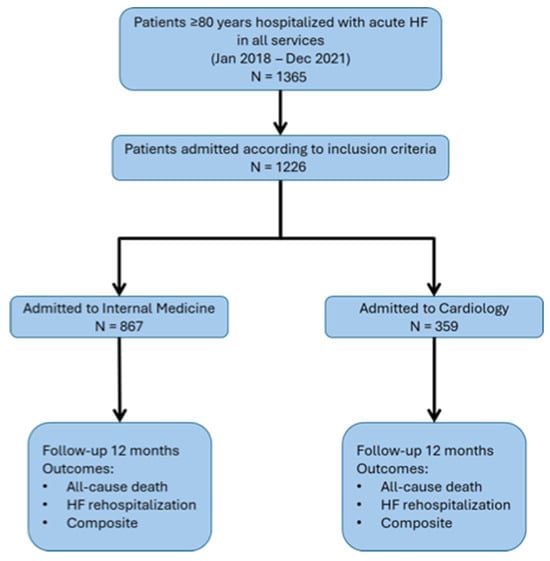
Objectives: This study aims to describe real-world clinical profiles, treatment patterns and one-year outcomes of older adults hospitalized for acute heart failure (HF) across different admission services, and to examine whether sex influences these characteristics and outcomes. Methods: We performed a retrospective study including 1226 patients aged ≥80 years hospitalized for acute HF between 2018 and 2021. Patients were categorized by admitting service (cardiology [CAR] or internal medicine [IM]) and sex. The primary endpoint was all-cause mortality at 12 months, with secondary endpoints including HF readmission and a composite of death or HF readmission. Results: The mean age was 87.4 ± 4.4 years, 65.8% were women, and 80% presented HF with preserved ejection fraction (HFpEF). Admission services reflected differing patient profiles: individuals admitted under IM were older, predominantly female, and more frequently presented with HFpEF and worse functional class, while CAR admissions included a higher proportion of patients with ischemic disease. Use of guideline-directed medical therapy varied according to clinical characteristics and admitting service. At 12 months, mortality and the composite endpoint differed across admission services, whereas HF readmission rates were similar. Sex-stratified analyses showed no difference in all-cause mortality or in the composite endpoint, but women experienced more frequent HF readmissions. Conclusions: Among very old adults hospitalized for acute HF, clinical profiles, therapeutic patterns, and outcomes differ according to patient characteristics and hospital admission pathways. Sex also shapes clinical presentation and readmission patterns. These findings highlight the importance of harmonized, multidisciplinary, and sex-sensitive HF care pathways to address the diverse needs of an aging HF population.
Full article
by
Joaquín González-Aroca, Jorge Olivares-Arancibia, Rodrigo Quera, Walter Sepúlveda-Loyola, Cristian Barros-Osorio, Júlio Brugnara Mello, José Francisco López-Gil and Julio Plaza-Diaz
Healthcare2026, 14(11), 1448; https://doi.org/10.3390/healthcare14111448 (registering DOI) - 24 May 2026
Background/Objectives: Inflammatory bowel disease (IBD) is associated with reduced areal bone mineral density (aBMD) and an increased risk of osteoporosis and fragility fractures. Although exercise improves bone health in the general population, its effects on aBMD in adults with IBD are unclear. This
[...] Read more.
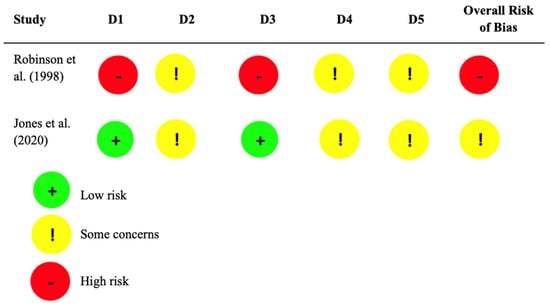
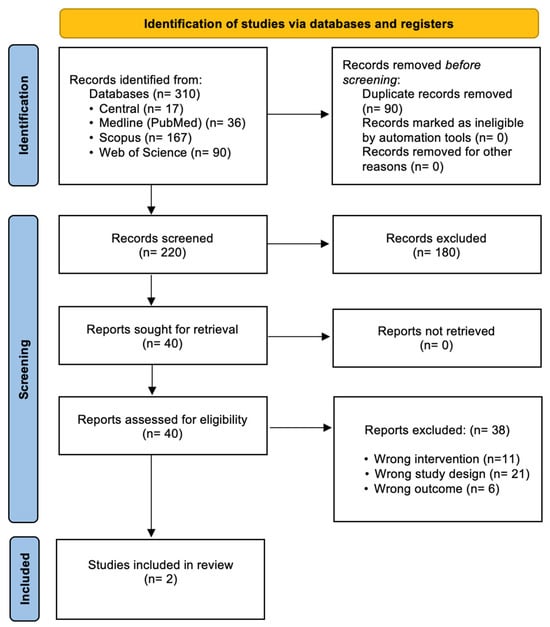
Background/Objectives: Inflammatory bowel disease (IBD) is associated with reduced areal bone mineral density (aBMD) and an increased risk of osteoporosis and fragility fractures. Although exercise improves bone health in the general population, its effects on aBMD in adults with IBD are unclear. This systematic review aimed to evaluate the effects of structured exercise interventions on aBMD in adults with IBD and to assess the certainty of the evidence. Methods: We conducted a systematic review in accordance with Preferred Reporting Items for Systematic Reviews and Meta-Analyses (PRISMA) guidelines and the Cochrane Handbook. Searches were performed in CENTRAL, MEDLINE, Scopus, and Web of Science from inception to November 2025. We included randomized controlled trials comparing structured exercise interventions with usual care, no structured exercise or no intervention in participants aged 16 years and older with IBD. The primary outcome was aBMD; physical activity was a secondary outcome. Risk of bias was assessed using the Cochrane Risk of Bias tool (RoB 2.0), and certainty of evidence was evaluated using Grading of Recommendations Assessment, Development and Evaluation (GRADE). The review protocol was registered in International Prospective Register of Systematic Reviews (PROSPERO) CRD42024617200. Results: Two randomized controlled trials (n = 164), both conducted exclusively in adults with Crohn’s disease, met the inclusion criteria. Combined impact and resistance training for 6 months was associated with greater lumbar spine aBMD compared with usual care, while hip outcomes were not consistently improved. A 12-month low-impact exercise program compared with no intervention suggested greater trochanter aBMD gain among fully compliant participants, but intention-to-treat between-group differences were not statistically significant across skeletal sites. Due to heterogeneity in interventions and reporting, meta-analysis was not performed. Overall certainty of the evidence was very low because of methodological limitations and imprecision. Conclusions: We are very uncertain about the effect of exercise interventions on aBMD in adults with IBD. Current randomized evidence is limited to adults with Crohn’s disease and is insufficient to determine the optimal exercise modality, frequency, intensity, progression, or loading characteristics for improving bone health. Well-designed trials across IBD phenotypes are needed to clarify the role of exercise in bone health management in IBD.
Full article
Because of the rising occurrence of extremely hot summers linked to climate change, there is a mass appearance of heat-damaged fruits of ‘Čačanska Lepotica’, which are unsuitable for fresh consumption and processing into products in which the fruits’ appearance is a critical quality
[...] Read more.
Because of the rising occurrence of extremely hot summers linked to climate change, there is a mass appearance of heat-damaged fruits of ‘Čačanska Lepotica’, which are unsuitable for fresh consumption and processing into products in which the fruits’ appearance is a critical quality attribute. To address this issue, the aim of the study was to examine the possibility of producing plum spirits from such fruits as one of the potential ways to utilize them. Heat-damaged fruits were processed in nine different ways, including a traditional one. All produced plum spirits met legal requirements. GC-MS analysis of 39 volatile compounds revealed that the plum spirits made from heat-damaged fruits had different aromatic profiles depending on the processing method applied. However, the plum spirit produced in the traditional way had various sensory defects; the most notable were a lack of freshness and a distinctly unpleasant ′cooked plum′ aroma. Modifications to the production method led to an improvement in the sensory characteristics of the plum spirits. The obtained results indicate that modifications in small distilleries should include fruit crushing, stone removal and usage of baker’s yeast. In large distilleries, though, the best sensory characteristics for plum spirits made from heat-damaged fruits could be obtained using a production method that includes fruit pulping with stone removal and spontaneous alcoholic fermentation, with one additional step: lowering the pH of the mash before alcoholic fermentation to 3.0.
Full article
To address the nonlinear orbit determination problem under multi-satellite cooperative observation, this paper proposes an orbit determination method integrating a plane-constrained observation model with adaptive robust filtering. Based on angular measurements from multiple observation nodes, a linearized observation model is constructed using spatial
[...] Read more.
To address the nonlinear orbit determination problem under multi-satellite cooperative observation, this paper proposes an orbit determination method integrating a plane-constrained observation model with adaptive robust filtering. Based on angular measurements from multiple observation nodes, a linearized observation model is constructed using spatial geometric constraints. The Maximum Correntropy Criterion is then introduced to adaptively weight each measurement component, and a hybrid kernel function is employed to suppress the effects of non-Gaussian noise and outliers. Meanwhile, an adaptive factor based on the covariance matching principle is designed to adjust the process noise intensity online, thereby improving the robustness of the Cubature Kalman Filter in state prediction and update. Simulation results under severe non-Gaussian noise show that the proposed adaptive robust cubature Kalman filter (ARCKF) reduces the position RMSE from 95.3 m for CKF to 30.8 m, corresponding to an improvement of approximately 67.7%, while increasing the computation time from 6.52 s to 7.35 s. These results indicate that the proposed method can achieve improved accuracy and robustness under uncertain measurement statistics and dynamic disturbances, making it suitable for space-based angles-only orbit determination, although further computational optimization is still required for onboard applications.
Full article
Soil monitoring is fundamental for maintaining global soil health, ensuring food security, and achieving sustainable development. While satellite platforms provide invaluable tools for this purpose, the accuracy of soil monitoring heavily relies on the appropriate design of their remote sensing payload parameters. This
[...] Read more.
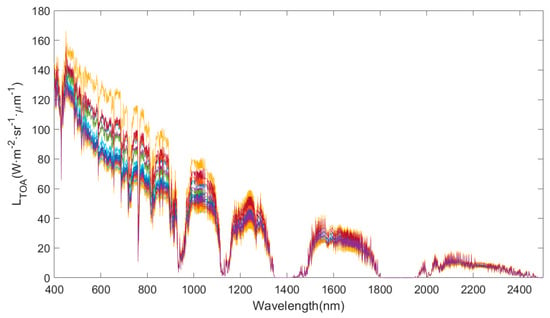
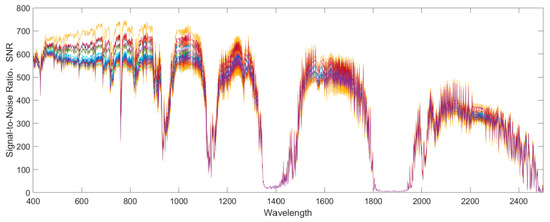
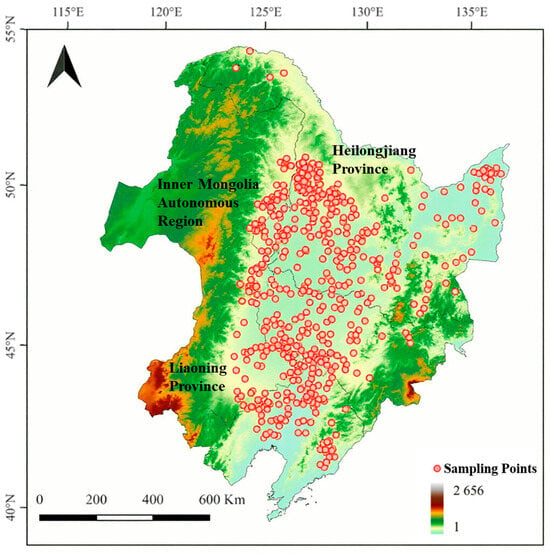
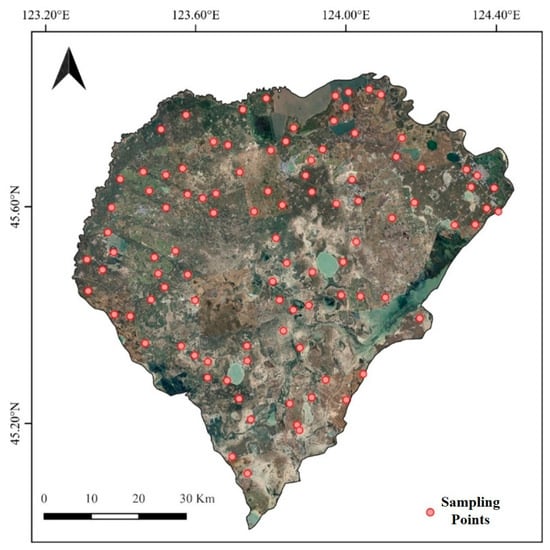
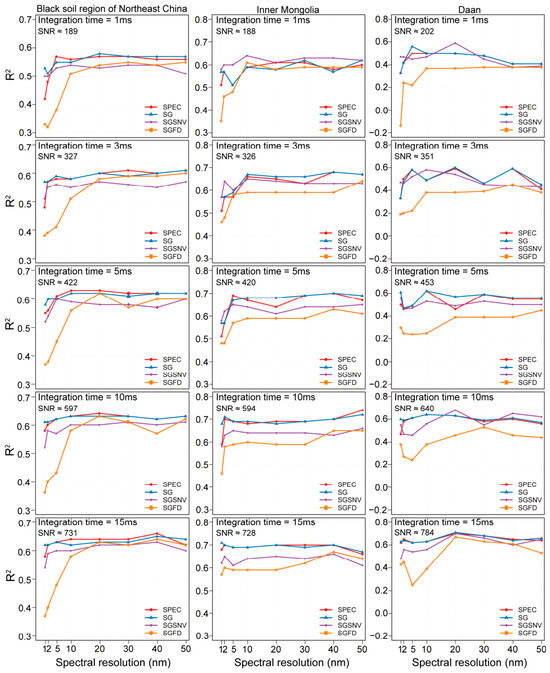
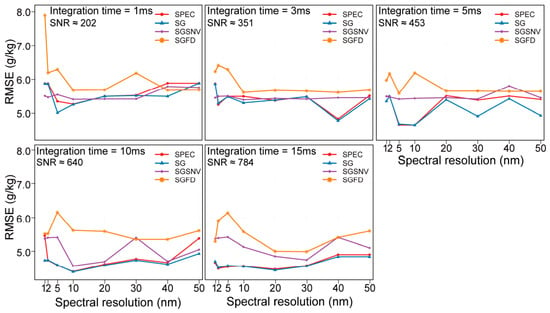
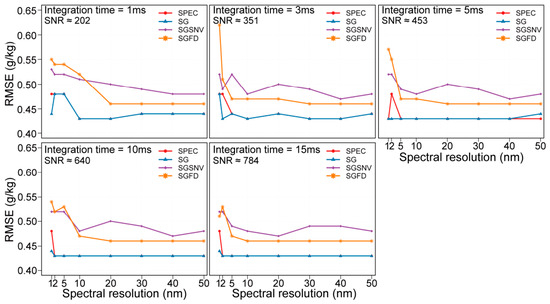
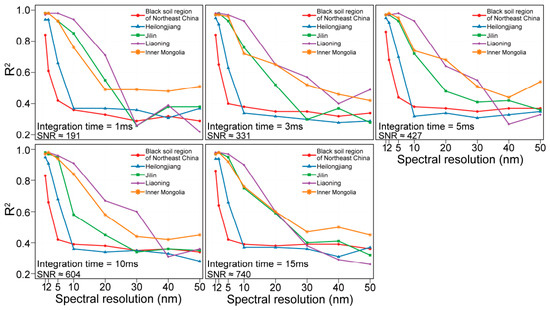
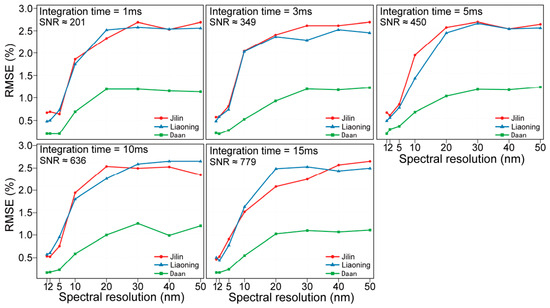
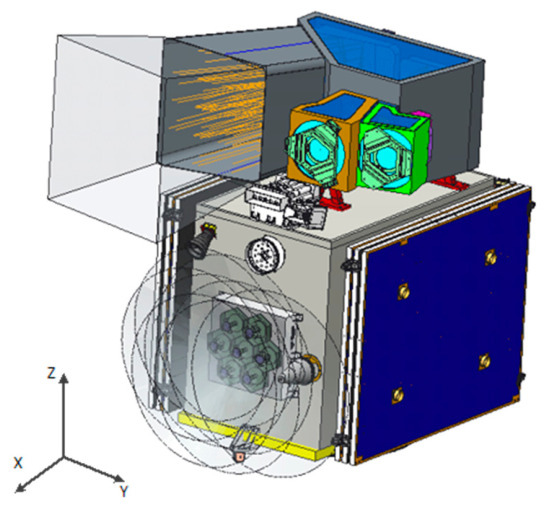
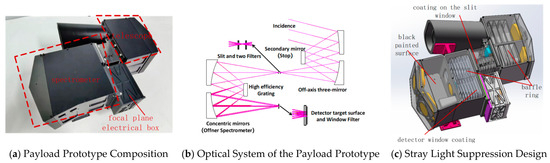
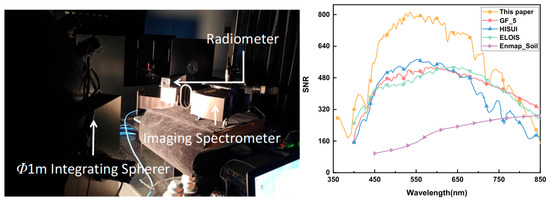
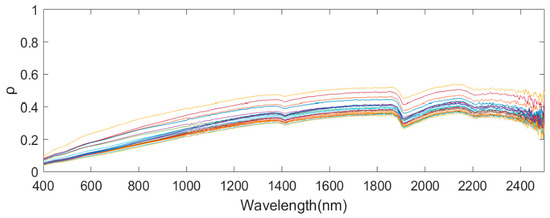
Soil monitoring is fundamental for maintaining global soil health, ensuring food security, and achieving sustainable development. While satellite platforms provide invaluable tools for this purpose, the accuracy of soil monitoring heavily relies on the appropriate design of their remote sensing payload parameters. This study focuses on enhancing the accuracy of satellite-based global soil monitoring. Key physicochemical soil parameters—including total nitrogen (TN), soil organic matter (SOM), total salt content (TSS), moisture content (MC), and clay fraction (Clay)—were analyzed. A full-chain analytical validation model integrating “instrument–radiative transfer–soil parameter inversion” was developed. Using spectral measurements and soil sample analyses from the black soil region of Northeast China, the spectral response characteristics of core soil parameters were simulated and cross-validated under varying spectral resolutions and integration times. Results indicate that, under specific parameter configurations, the ‘Linshi-1’ satellite achieved robust TN inversion accuracy with R2 > 0.65. SOM consistently exhibited good inversion performance, with RMSE ranging between 5.04 and 5.76 g/kg across various spectral treatments (all < 6 g/kg). TSS inversion demonstrated strong stability, maintaining an RMSE of approximately 0.43–0.44 g/kg at resampled spectral resolutions≥10 nm (corresponding to an SNR > 263). MC inversion accuracy was sensitive to both spectral resolution and regional variations, requiring a resampled resolution below 10 nm for consistently high accuracy. Clay inversion required the highest resolution, achieving an RMSE of less than 6 g/kg only at resampled resolutions of 1 nm or 2 nm (SNR approximately 150–210). These findings guided the design of the ‘Linshi-1’ black soil monitoring satellite system and its hyperspectral payload prototype. This effort establishes a solid theoretical and methodological foundation for future deployment, providing crucial space-based support for China’s black soil resource management and sustainable utilization.
Full article
by
Luis Ortega-Paz, Claudio Laudani, Carlos Igor Morr, Alessandro Sionis, Pablo Vidal-Cales, Victor Arevalos, Rut Andrea, Oriol De Diego, Emilio Ortega, Francisco-Rafael Jimenez-Trinidad, Ana Paula Dantas, Dominick J. Angiolillo, Manel Sabaté, Jose T. Ortiz-Pérez and Salvatore Brugaletta
J. Clin. Med.2026, 15(11), 4061; https://doi.org/10.3390/jcm15114061 (registering DOI) - 24 May 2026
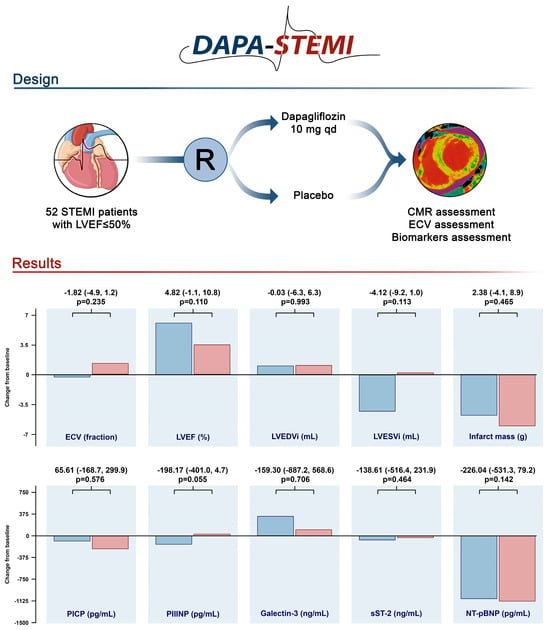
Background: Myocardial fibrosis plays a key role in adverse remodeling after ST-segment-elevated myocardial infarction (STEMI). The effect of sodium–glucose cotransporter 2 inhibitors (SGLT2is) on myocardial fibrosis deposition among patients with STEMI undergoing primary percutaneous coronary intervention (pPCI) is unclear. Objectives: To assess the
[...] Read more.
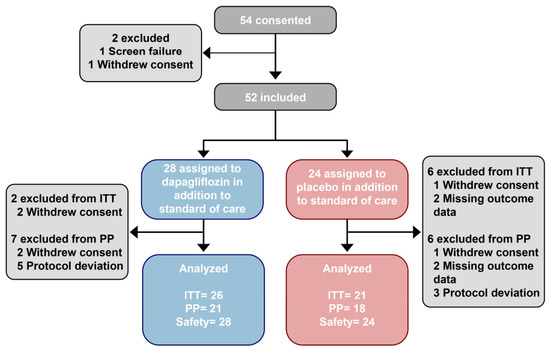
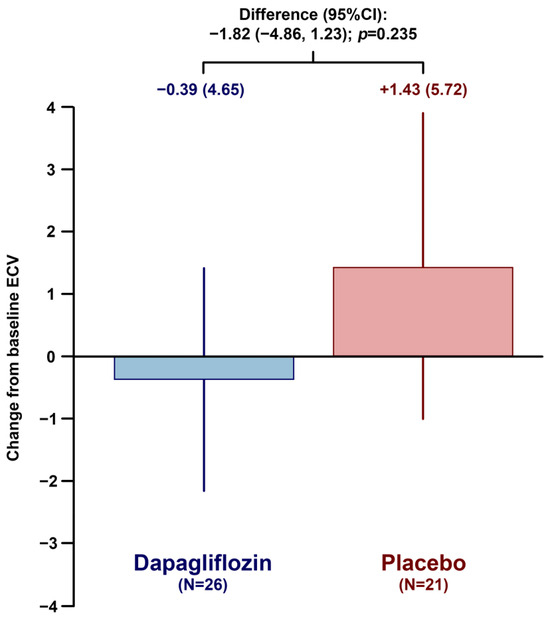
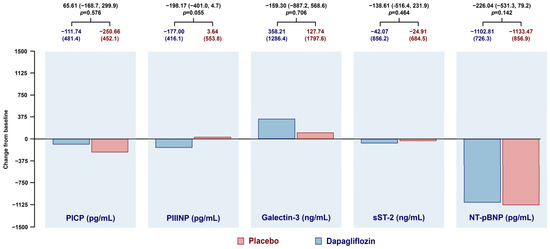
Background: Myocardial fibrosis plays a key role in adverse remodeling after ST-segment-elevated myocardial infarction (STEMI). The effect of sodium–glucose cotransporter 2 inhibitors (SGLT2is) on myocardial fibrosis deposition among patients with STEMI undergoing primary percutaneous coronary intervention (pPCI) is unclear. Objectives: To assess the effects of SGLT2is on myocardial fibrosis among patients with STEMI undergoing pPCI. Methods: Patients with STEMI undergoing pPCI with left ventricular ejection fraction ≤ 50% were randomized to dapagliflozin 10 mg or placebo. The primary endpoint was cardiac magnetic resonance (CMR)-derived 6-month changes in remote myocardium extracellular volume (ECV) fraction from baseline. Secondary endpoints included changes in CMR-derived myocardial volumes, change in serum fibrosis biomarker levels, and adverse events. Multivariable adjustment for infarction location and diabetes status was performed as sensitivity. The study was halted prematurely due to slow recruitment. Results: Fifty-two patients underwent randomization between May 2021 and April 2024 and completed follow-up. At 6 months, dapagliflozin resulted in a non-significant reduction in ECV change compared to placebo (−0.39 [4.7] vs. 1.43 [5.7]; difference: −1.82 [−4.86; 1.23]; p-value = 0.235) while also leding to a higher degree of reduction in N-terminal pro-peptide of type III collagen (−177.0 pg/mL [416.1] vs. 3.6 pg/mL [553.8]; p-value = 0.208). No significant differences in other biomarkers or adverse events were noted in the main analysis. After adjustment, dapagliflozin was associated with increased reduction in left ventricular end-systolic volume (−4.02 mL [7.4] vs. 0.10 mL [10.1]; difference: −4.92 [−9.8; −0.1]; p-value = 0.047). Conclusions: In STEMI patients undergoing pPCI, dapagliflozin did not result in a significant reduction in ECV or biomarkers of fibrosis at 6 months.
Full article
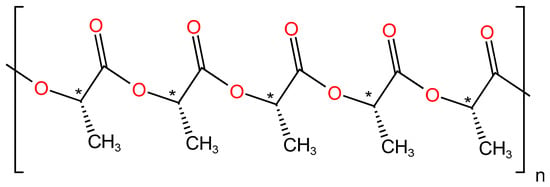
Poly(l-lactic acid) or poly(l-lactide) (PLLA) is an optically active polymer derived from renewable sources and fully biodegradable. It is known that PLLA assumes a left-handed helix in the solid state and also in solution it still keeps a certain
[...] Read more.
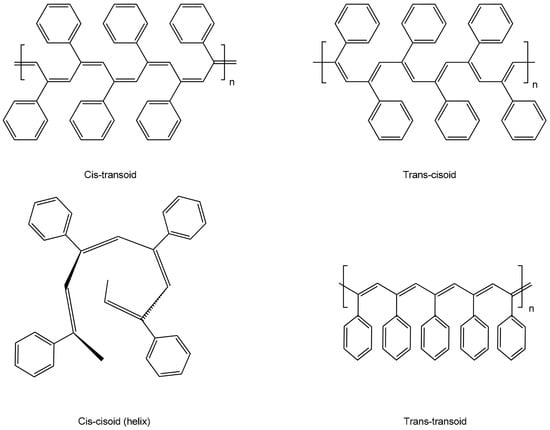
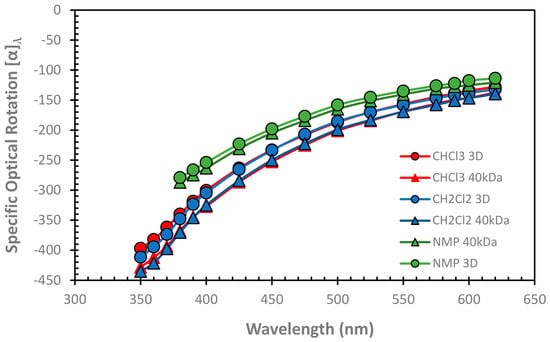
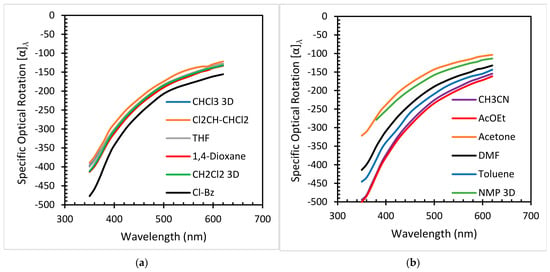
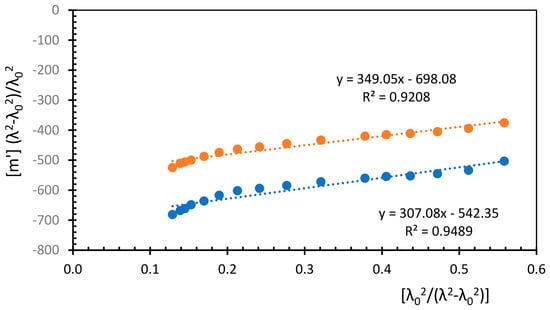
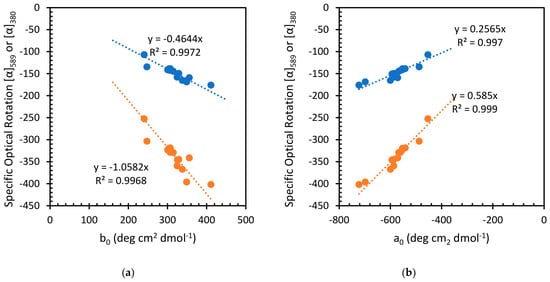
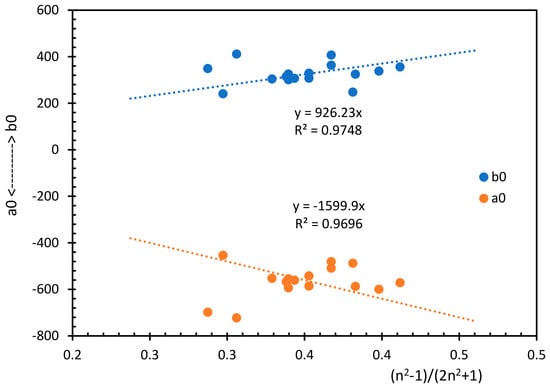
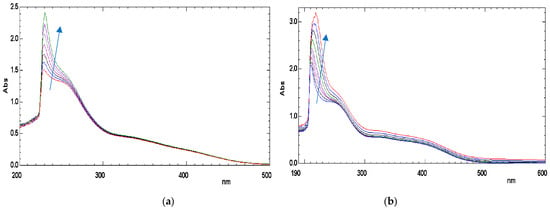
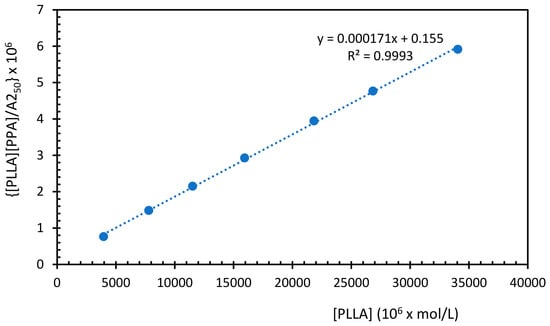
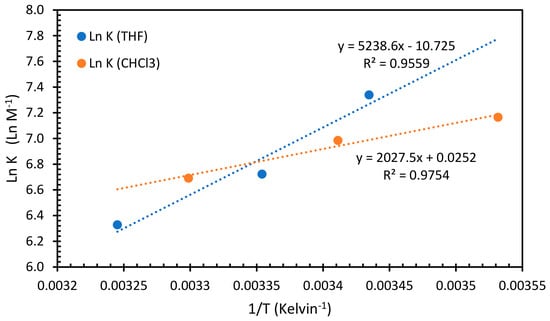
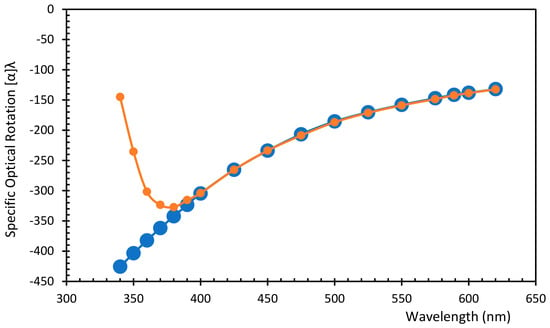
Poly(l-lactic acid) or poly(l-lactide) (PLLA) is an optically active polymer derived from renewable sources and fully biodegradable. It is known that PLLA assumes a left-handed helix in the solid state and also in solution it still keeps a certain degree of helical structure. Here, we examine the Optical Rotatory Dispersion (ORD) behavior of two grades of PLLA (medium molecular weight and hexadecyl-terminated or high molecular weight for 3D printing) in 13 different solvents and analyze the experimental ORD data through the Moffitt–Yang equation. Furthermore, the ORD data of PLLA in additional 6 solvents were taken from the literature and analyzed with the Moffitt-Yang approach. The results suggest that, also in solution, PLLA maintains the left-handed helix, and the most structurizing and helicogenic solvents for PLLA are ethyl acetate, acetonitrile, and certain chlorinated solvents. The equilibrium association constant (K) and other thermodynamic parameters (ΔG°, ΔH° and ΔS°) between PLLA and polyphenylacetylene (PPA, another helical polymer in the solid state and in solution) were determined in trichloromethane, dichloromethane, and tetrahydrofuran. The K values found suggest a strong helix-helix interaction between the two polymers. The ORD analysis of the PLLA-PPA solutions shows evidence of the extrinsic Cotton effect and confirms the chiral helicity induction between the two polymers with 1:1 complex formation.
Full article
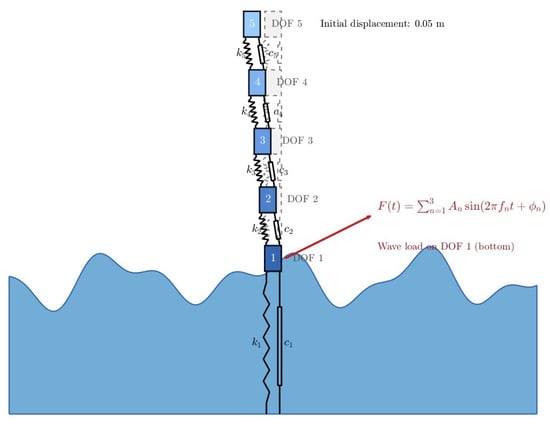
Accurate Structural Health Monitoring of offshore wind turbines is critical for ensuring their long-term operational safety in harsh marine environments. Although displacement is a fundamental metric for assessing structural deformation and stress distribution, its direct measurement in open-ocean conditions is severely hindered by
[...] Read more.
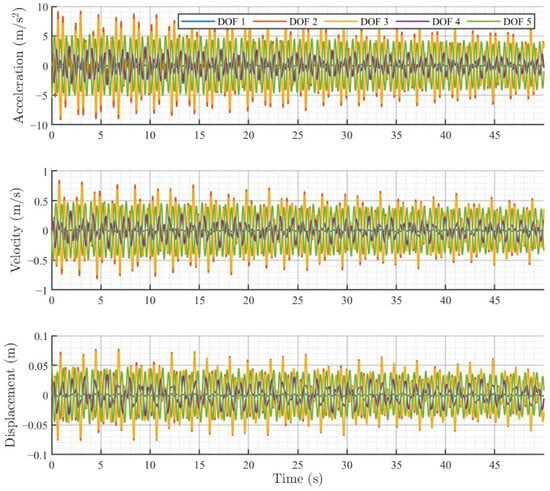
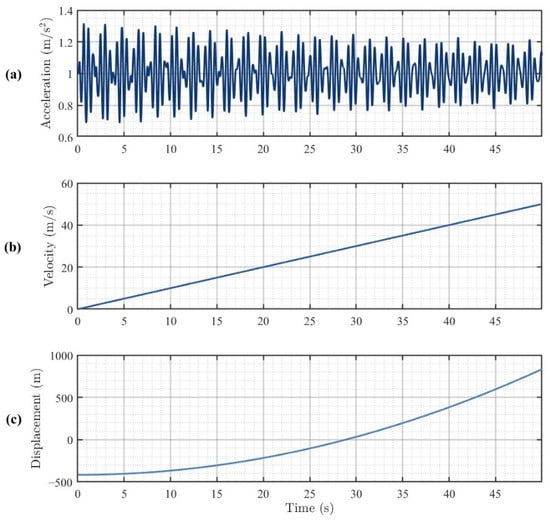
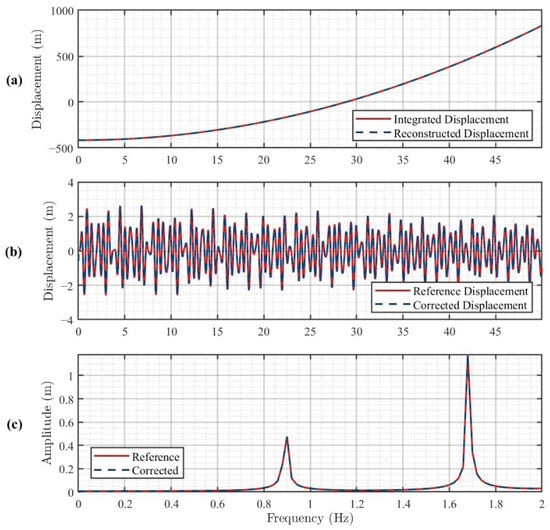
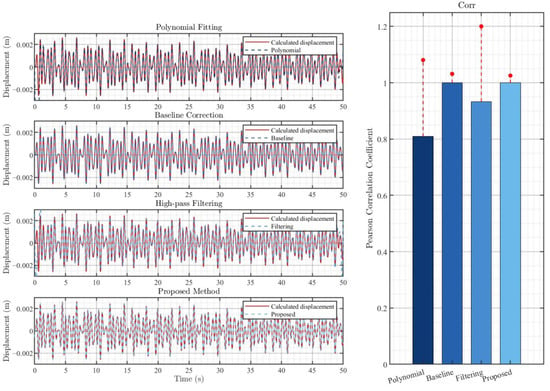
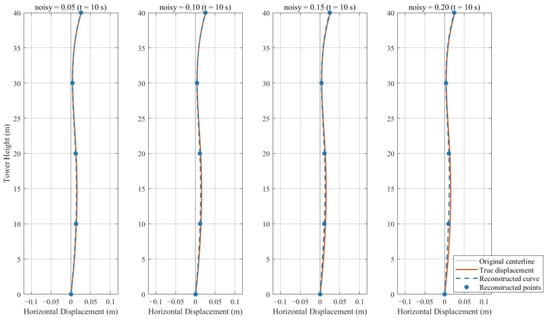
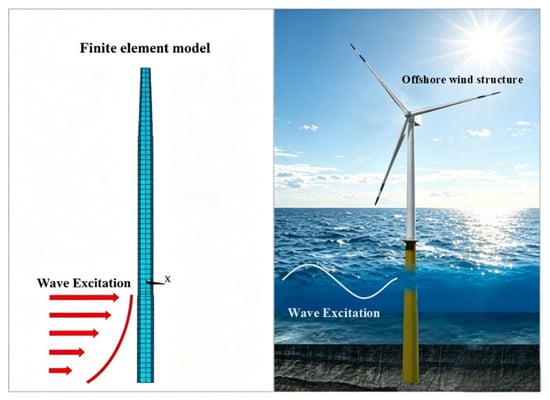
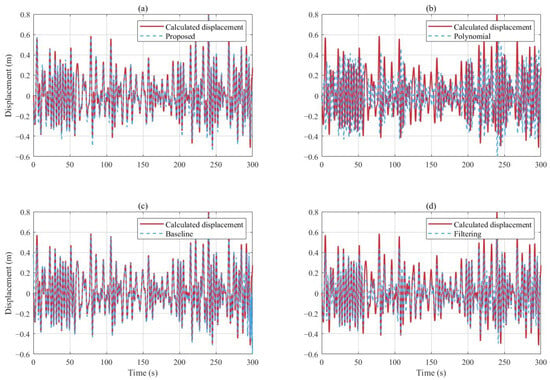
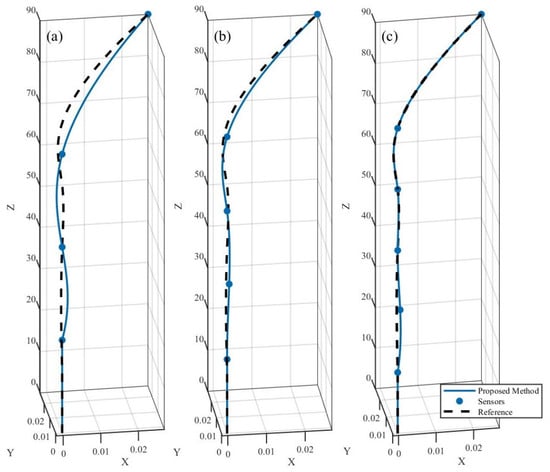
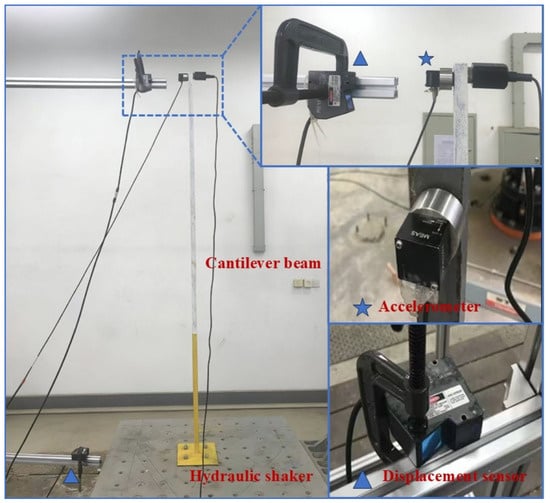
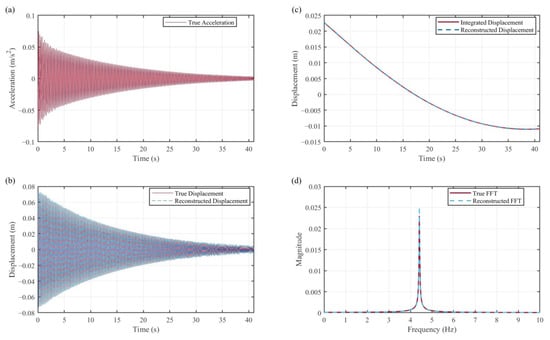
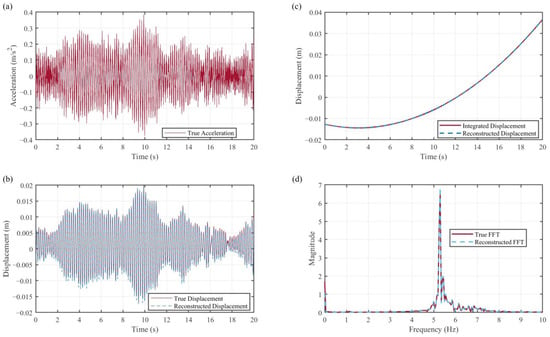
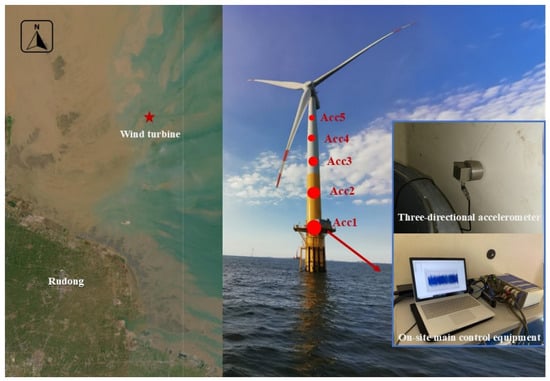
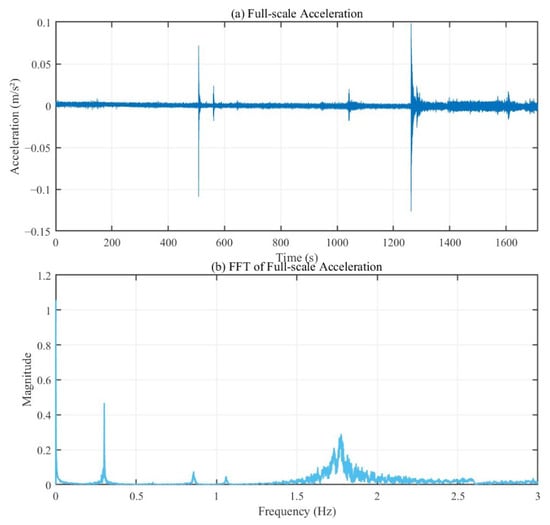
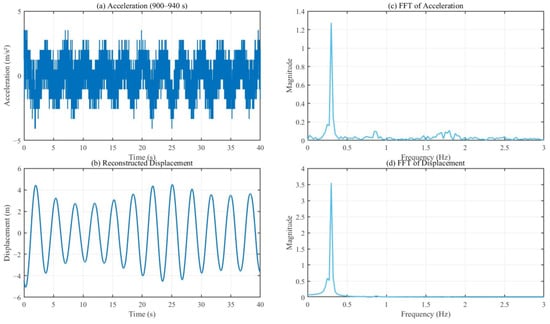
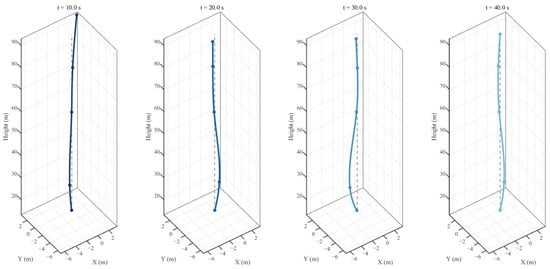
Accurate Structural Health Monitoring of offshore wind turbines is critical for ensuring their long-term operational safety in harsh marine environments. Although displacement is a fundamental metric for assessing structural deformation and stress distribution, its direct measurement in open-ocean conditions is severely hindered by environmental interference and the absence of stable spatial references. Consequently, reconstructing displacement from structural acceleration through double integration is widely adopted, yet it suffers from severe baseline drift. Furthermore, existing drift-mitigation techniques often rely on empirical parameter selection and are limited to single-point reconstructions, failing to capture the full three-dimensional (3D) spatial attitude of the structure. To address these limitations, this paper proposes a novel 3D spatial attitude reconstruction framework based on advanced drift removal and spatial interpolation. First, an improved drift removal algorithm is developed to accurately eliminate baseline errors from acceleration signals, ensuring the physical fidelity of the reconstructed local displacements. Subsequently, cubic spline interpolation is utilized to extrapolate these discrete local measurements into a comprehensive full-field attitude profile of the entire turbine structure. The performance and robustness of the proposed method are systematically verified through numerical simulations and finite element analysis. Finally, its engineering applicability and accuracy are further validated via laboratory experiments and field measurements. The proposed framework effectively mitigates noise sensitivity and significantly enhances the accuracy of full-field attitude reconstruction, providing a reliable foundation for refined structural health assessments of OWTs.
Full article
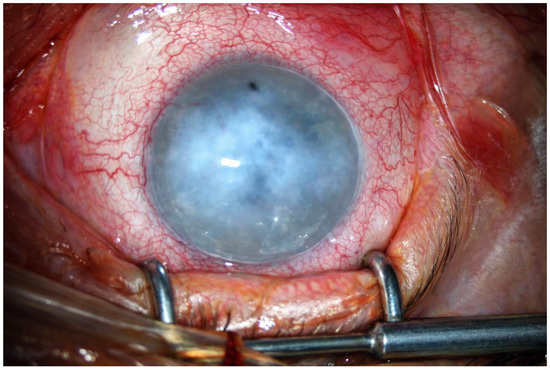
Bullous keratopathy may lead to severe corneal opacity and impaired visualization of anterior segment structures, complicating surgical qualification for endothelial keratoplasty (EK). We report the case of a 67-year-old male with pseudophakic bullous keratopathy and Fuchs endothelial dystrophy presenting with clinically complete corneal
[...] Read more.
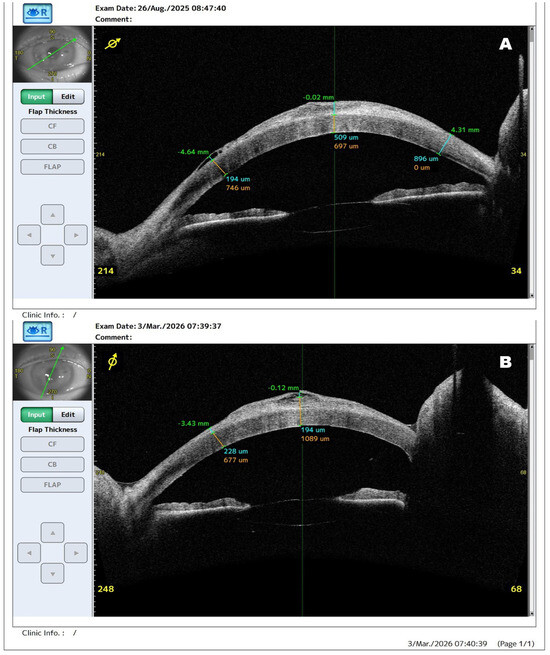
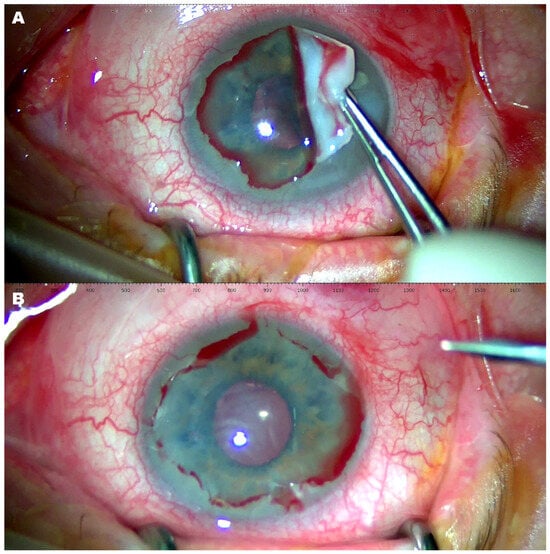
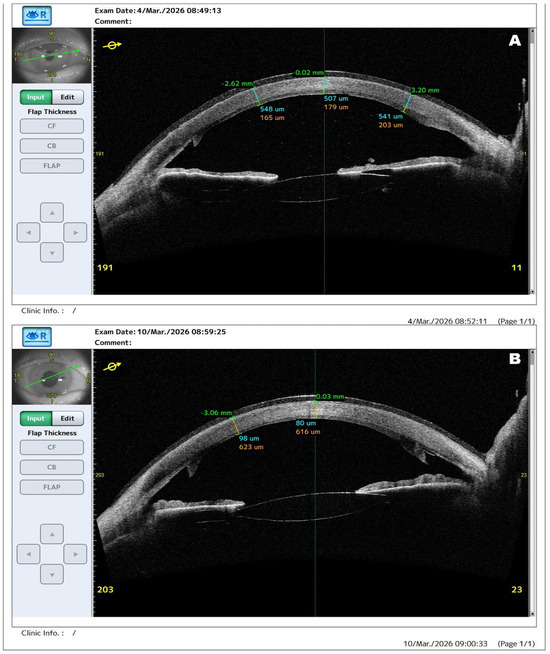
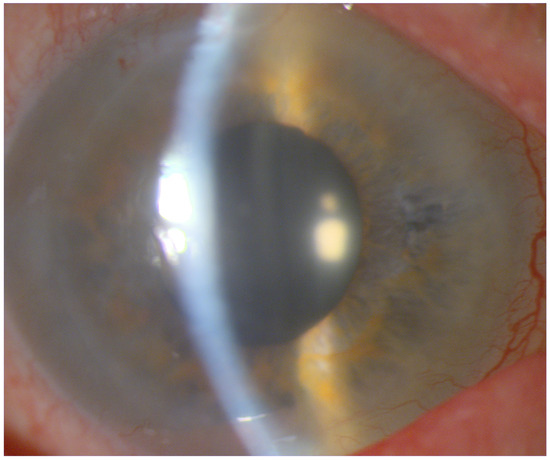
Bullous keratopathy may lead to severe corneal opacity and impaired visualization of anterior segment structures, complicating surgical qualification for endothelial keratoplasty (EK). We report the case of a 67-year-old male with pseudophakic bullous keratopathy and Fuchs endothelial dystrophy presenting with clinically complete corneal opacity and visual acuity limited to hand motion. Slit-lamp examination and anterior segment optical coherence tomography demonstrated marked epithelial remodeling with a dense plaque-like surface lesion obscuring deeper corneal structures. A staged intraoperative approach was undertaken. Following mechanical epithelial debridement, partial restoration of corneal transparency allowed for an intraoperative reassessment of stromal clarity and subsequent Descemet Stripping Automated Endothelial Keratoplasty (DSAEK). Histopathological examination demonstrated reactive epithelial thickening with associated subepithelial fibrosis consistent with chronic bullous keratopathy. Postoperatively, corneal transparency was restored and best-corrected visual acuity improved to 0.7 Snellen (0.15 logMAR), remaining stable during follow-up without graft-related complications or recurrent epithelial abnormalities. This case highlights the importance of considering epithelial contributions to apparent corneal opacity in advanced bullous keratopathy and suggests that staged intraoperative reassessment may support individualized surgical decision-making in selected patients with inconclusive preoperative evaluation.
Full article
Objective: This study aimed to evaluate the clinical and radiological efficacy of percutaneous laser disc decompression (PLDD) in patients with disc-related lumbar spinal stenosis. Methods: Data from 96 patients who underwent PLDD between January 2023 and January 2025 were reviewed retrospectively. Pain intensity
[...] Read more.
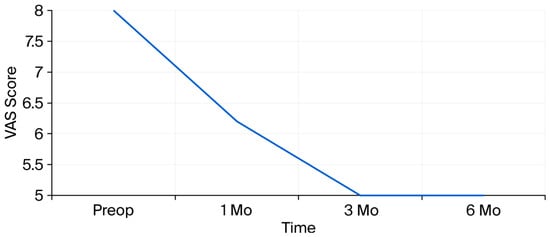
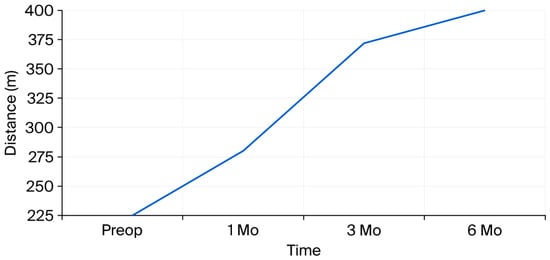
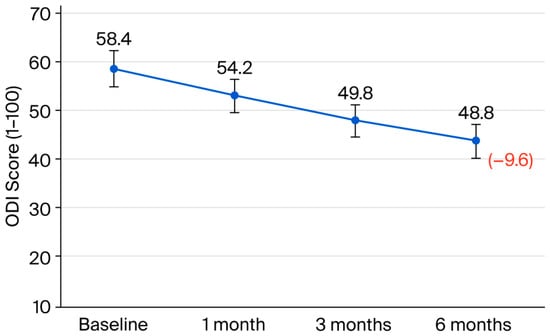
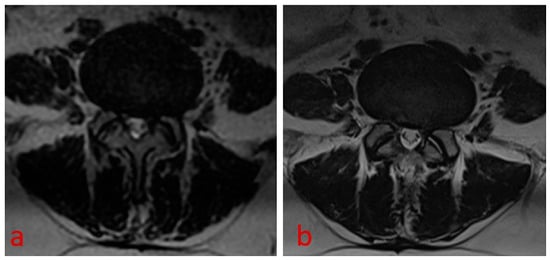
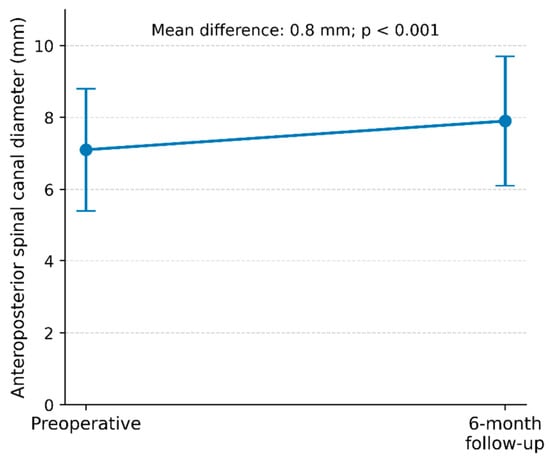
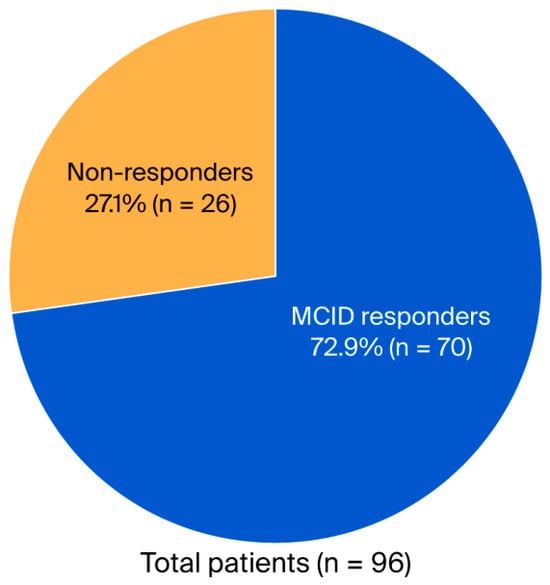
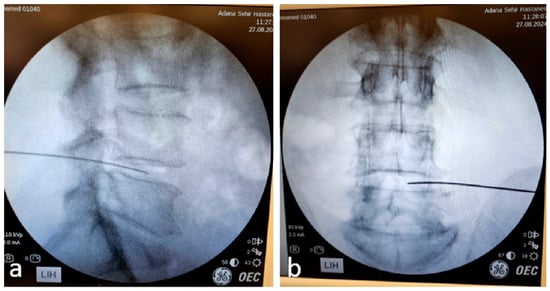
Objective: This study aimed to evaluate the clinical and radiological efficacy of percutaneous laser disc decompression (PLDD) in patients with disc-related lumbar spinal stenosis. Methods: Data from 96 patients who underwent PLDD between January 2023 and January 2025 were reviewed retrospectively. Pain intensity (visual analogue scale [VAS]), functional capacity (pain-free walking distance), patient satisfaction (global patient evaluation), and radiological canal diameter were assessed before the procedure and at 1, 3, and 6 months postoperatively. Treatment response was determined based on a ≥2-point decrease in the VAS score, which is the minimal clinically important difference (MCID) criterion. Results: A marked improvement in VAS scores was observed from the early period following PLDD, with the mean VAS score decreasing from 8.02 to 5.02 ± 1.99 at 6 months (p < 0.001). The pain-free walking distance increased from 212.7 m to 345.8 m, resulting in a significant improvement in functional capacity (p < 0.001). A significant increase in the anteroposterior diameter of the spinal canal from 7.1 ± 1.7 mm to 7.9 ± 1.8 mm (p < 0.001) was observed, corresponding to a mean increase of 0.8 mm; however, the magnitude of this radiological change was modest and should be interpreted cautiously. A moderate correlation was found between radiological expansion and VAS change (r = 0.52). At 6 months, 72.9% of patients met the MCID criterion. Although ODI improved significantly over follow-up, the mean reduction remained below commonly accepted MCID thresholds, suggesting that the functional benefit may be modest. No major complications were observed; only short-term transient radicular irritation (2.1%) was seen. Conclusions: PLDD was associated with improvements in pain control, functional capacity, and modest radiological canal enlargement in this cohort of carefully selected patients with single-level, predominantly disc-driven lumbar spinal stenosis. However, because of the retrospective design and absence of a control group, no conclusions regarding comparative effectiveness can be drawn. PLDD should therefore be viewed as a selectively applicable minimally invasive option rather than a general treatment for all forms of lumbar spinal stenosis. The observed clinical benefit was limited to the 6-month follow-up available in this cohort, and its durability beyond this period remains uncertain. Prospective and comparative studies are required to better define its long-term role and its position relative to conservative treatment and surgery.
Full article
Lithium–sulfur (Li–S) batteries hold great promise for next-generation energy storage owing to their ultrahigh theoretical energy density; however, their practical application is severely hampered by the polysulfide shuttle effect and the penetration of lithium dendrites through the separator. In this work, a carboxyl-containing
[...] Read more.
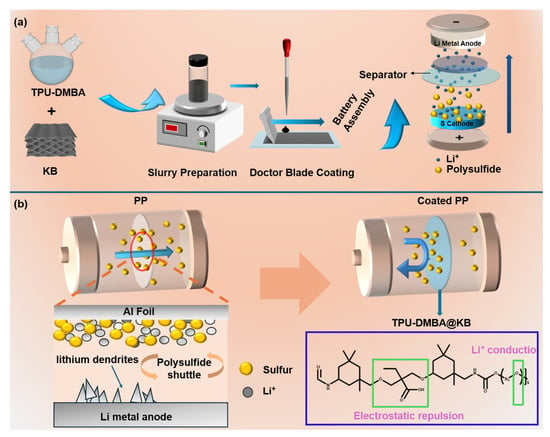
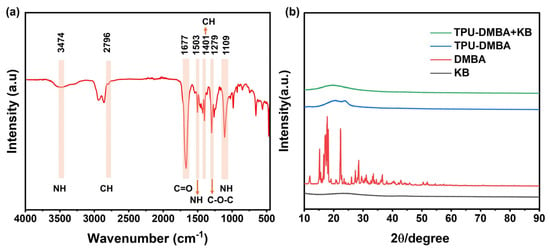
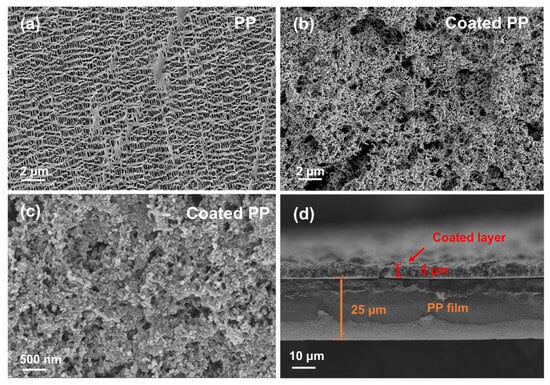
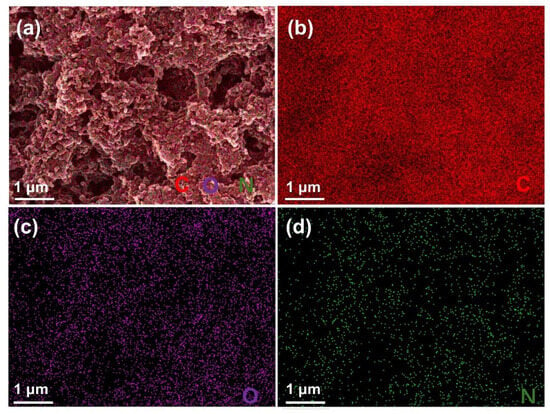
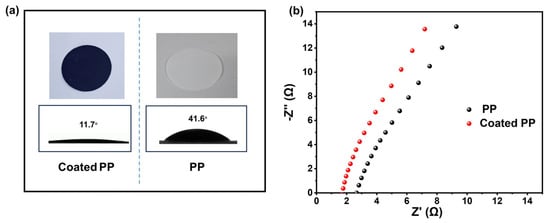
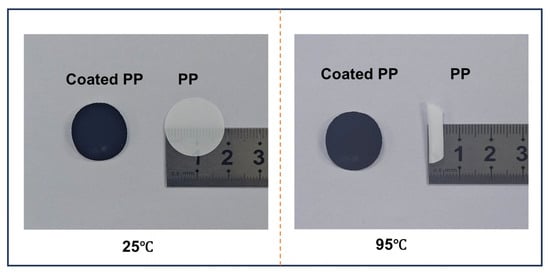
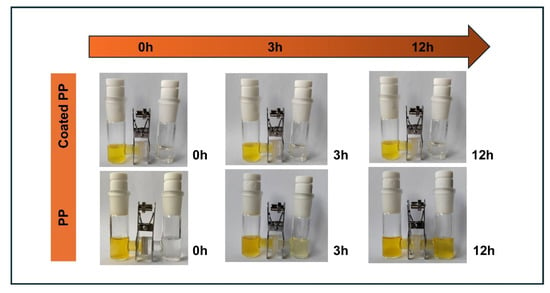
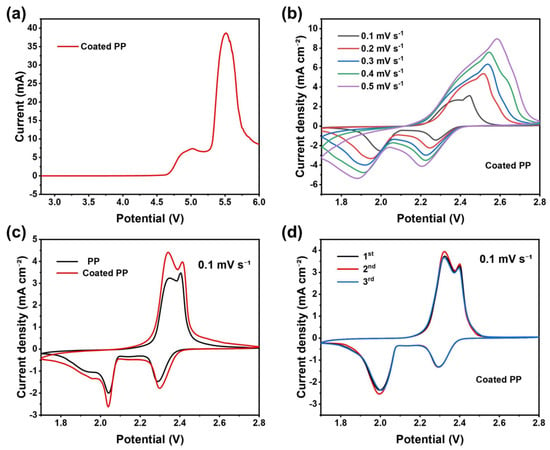
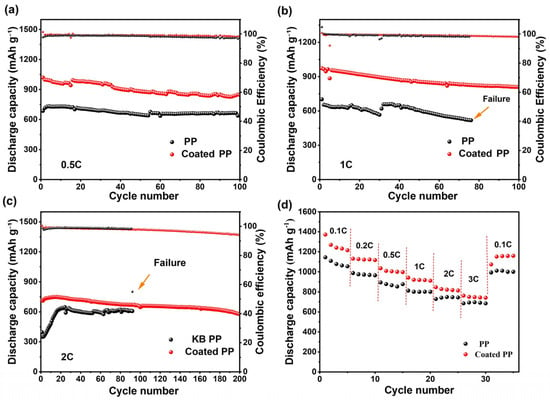
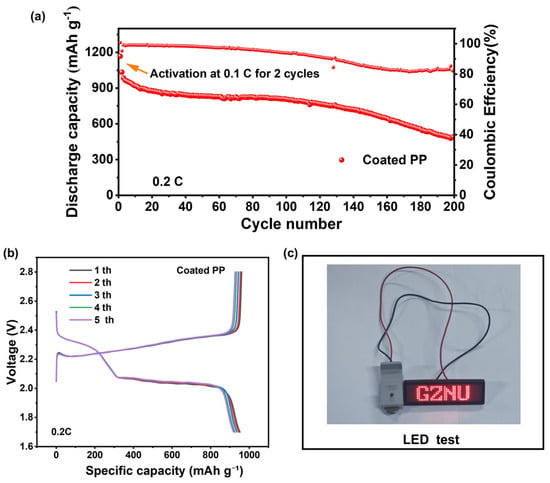
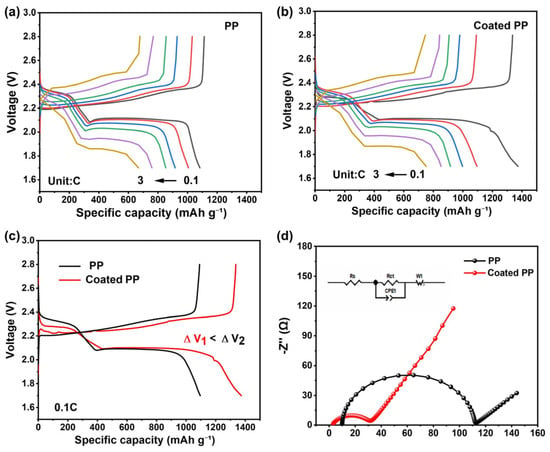
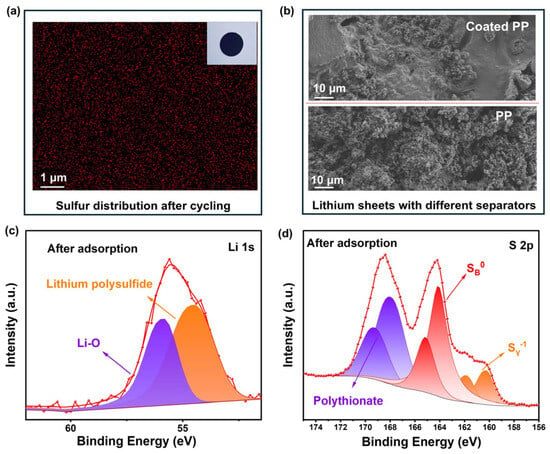
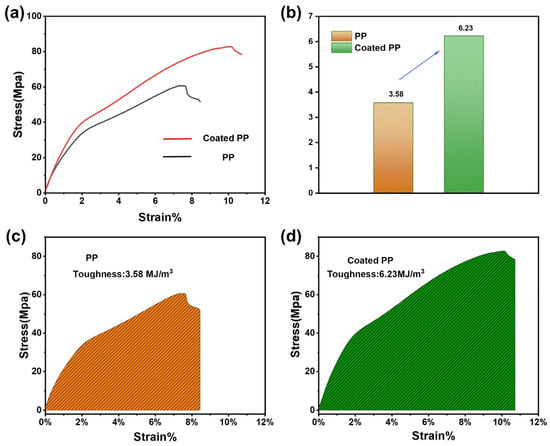
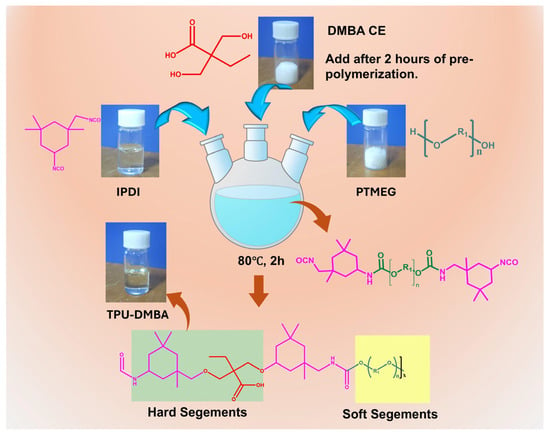
Lithium–sulfur (Li–S) batteries hold great promise for next-generation energy storage owing to their ultrahigh theoretical energy density; however, their practical application is severely hampered by the polysulfide shuttle effect and the penetration of lithium dendrites through the separator. In this work, a carboxyl-containing anionic polymer (TPU-DMBA) is synthesized and composited with Ketjen Black (KB), and the resulting mixture is coated onto a commercial polypropylene separator via a simple doctor-blade method. In this design, the porous KB network provides physical adsorption to capture polysulfides, while the dissociated carboxylate groups (–COO−) generate strong electrostatic repulsion against negatively charged polysulfide anions (Sn2−). This dual-mechanism strategy—adding electrostatic repulsion on the basis of physical adsorption—effectively suppresses the shuttle effect. In addition, the flexible polymer backbone increases the tensile strength of the separator by approximately 30%, enhancing its resistance against dendrite penetration. The carbon material also significantly improves electrolyte wettability (the contact angle decreases from 41.6° to 11.7°) and ionic conductivity (from 0.48 × 10⁻³ to 0.88 × 10⁻³ S cm−1). The polymer itself acts as a binder, eliminating the need for additional binder addition. Benefiting from the synergy of electrostatic repulsion, physical adsorption, and mechanical reinforcement, the prepared modified separator endows the Li–S battery with an initial specific discharge capacity of 1373.15 mAh g−1 at 0.1 C and an initial discharge capacity of 714.46 mAh g−1 at a high rate of 2 C. After 200 cycles at 2 C, the capacity remains 577.93 mAh g−1, with a capacity retention of 80.89%. This work provides a low-cost, scalable, and binder-free separator modification strategy that simultaneously suppresses the polysulfide shuttle and resists dendrite growth, opening a new and effective pathway toward practical high-performance Li–S batteries.
Full article
This study investigates the mechanical performance, high-temperature resistance, and microstructural characteristics of ground granulated blast furnace slag (GGBFS)-based geopolymer composites reinforced with boron nitride (BN)-modified hemp nanofibers. BN-modified hemp nanofibers (PVA-mBN/Hemp) were produced via electrospinning and incorporated into geopolymer mixtures at varying ratios
[...] Read more.
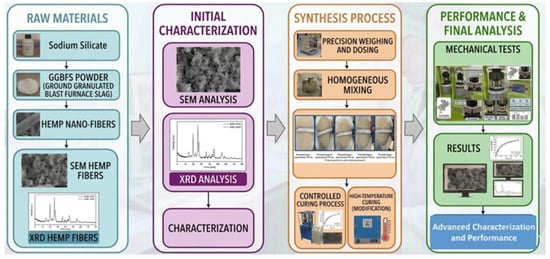
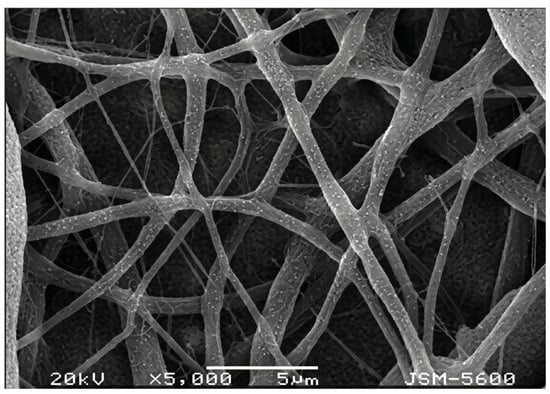
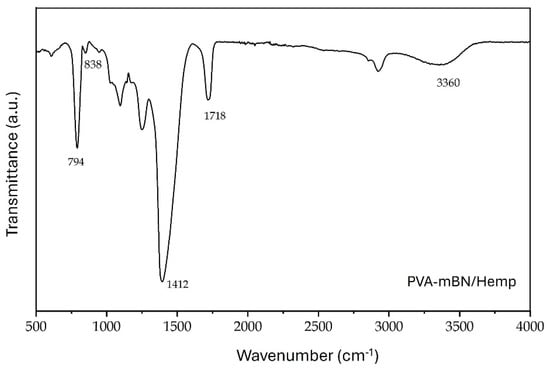
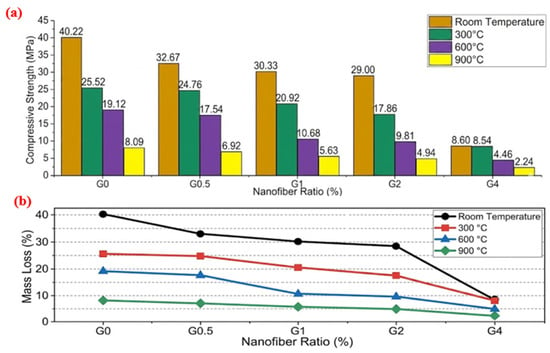
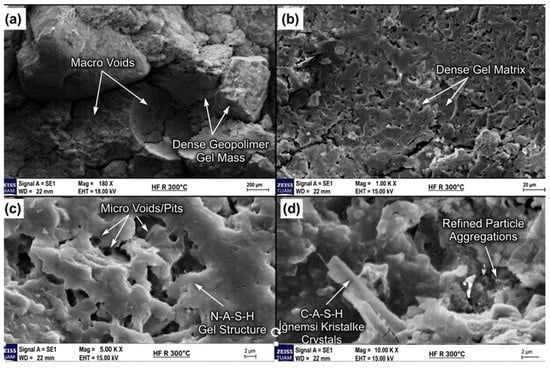
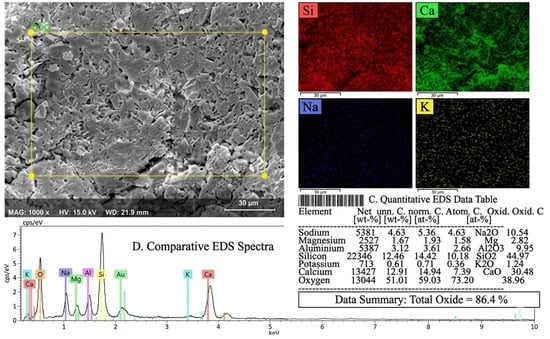
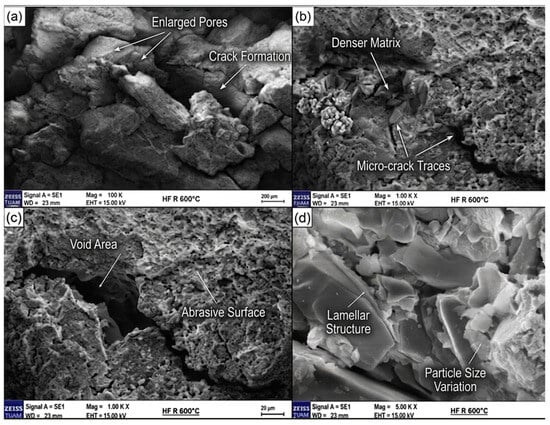
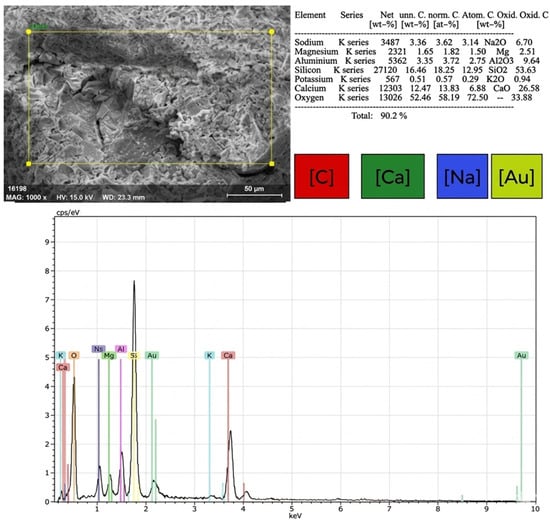
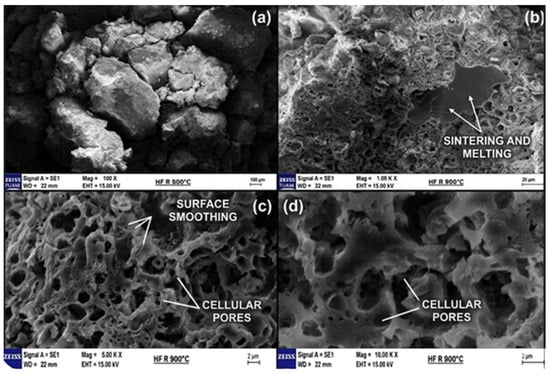
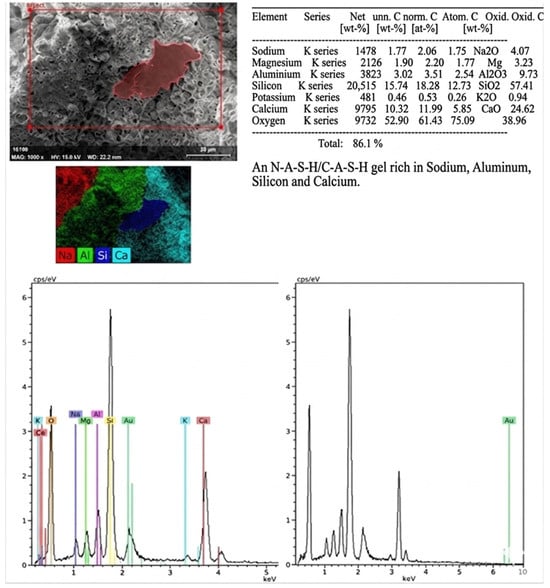
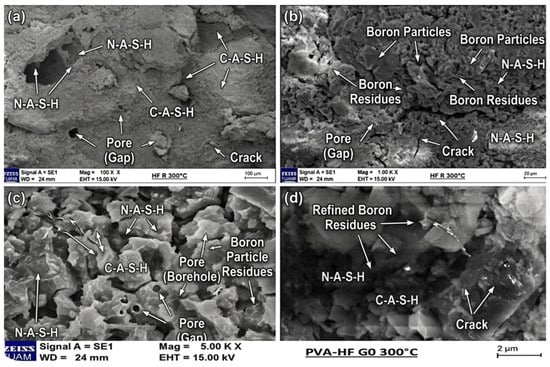
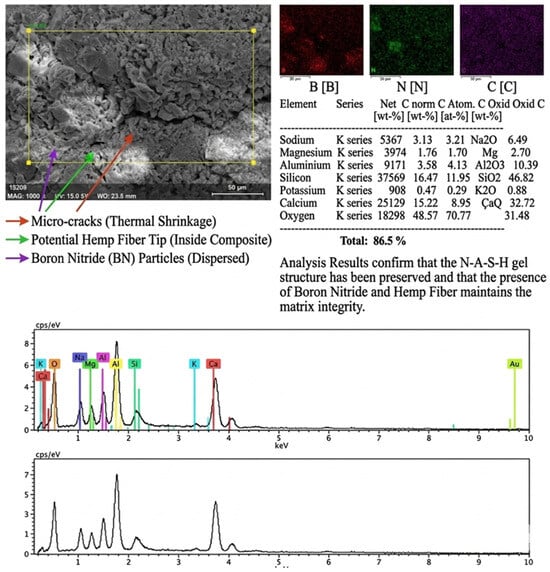
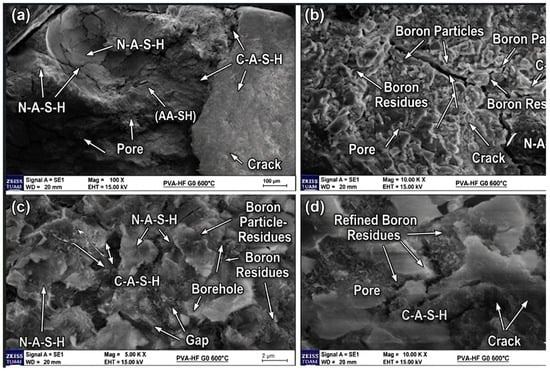
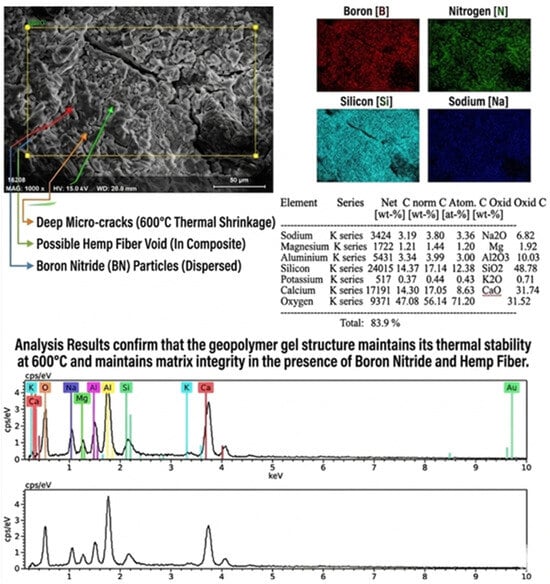
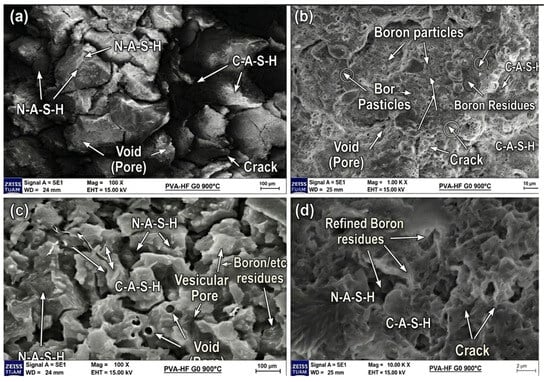
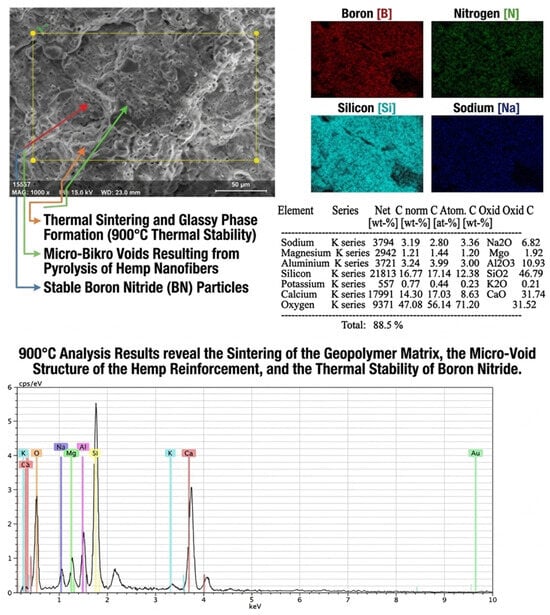
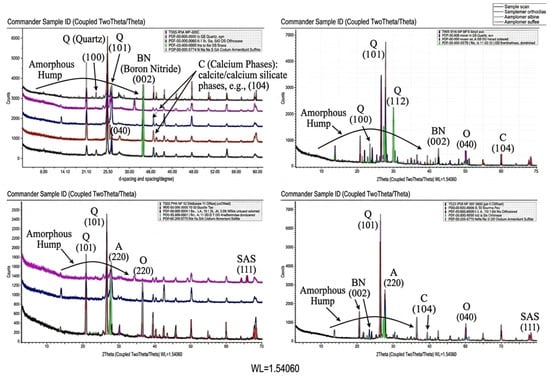
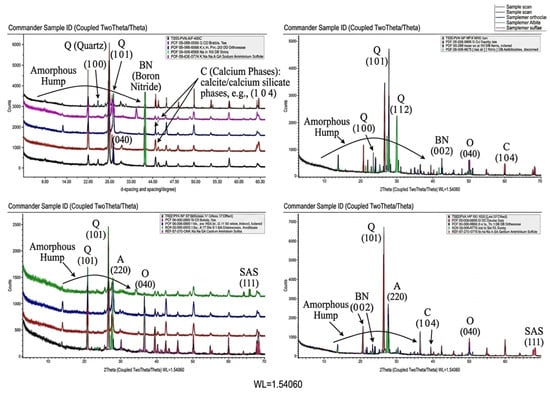
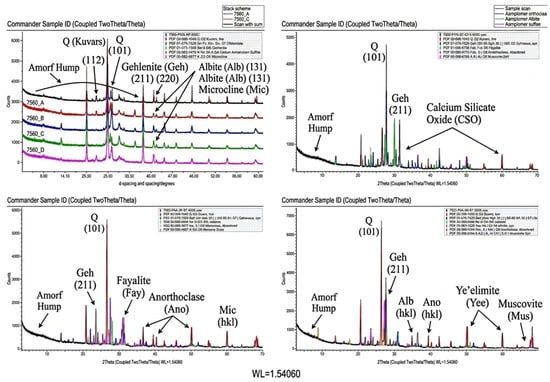
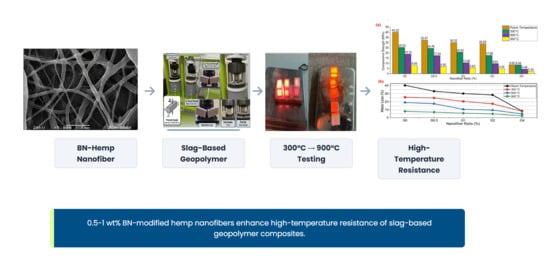
This study investigates the mechanical performance, high-temperature resistance, and microstructural characteristics of ground granulated blast furnace slag (GGBFS)-based geopolymer composites reinforced with boron nitride (BN)-modified hemp nanofibers. BN-modified hemp nanofibers (PVA-mBN/Hemp) were produced via electrospinning and incorporated into geopolymer mixtures at varying ratios ranging from 0 to 4 wt%. The effects of nanofiber content on composite properties were evaluated through mechanical testing, ultrasonic pulse velocity (UPV) measurements, and exposure to elevated temperatures (300–1200 °C), supported by SEM-EDS, FTIR, and XRD analyses. The results indicate that low nanofiber additions (0.5–1 wt%) improve flexural strength by up to 15%, although compressive strength is slightly reduced due to increased porosity. UPV measurements confirm the changes in internal structure. At elevated temperatures, nanofiber-reinforced samples exhibit enhanced residual strength compared to the control specimens, particularly at moderate temperatures, whereas significant degradation occurs above 900 °C. Microstructural analyses reveal improved fiber-matrix interaction, reduced crack propagation, and enhanced thermal stability attributed to BN modification. Overall, the incorporation of 0.5–1 wt% BN-modified hemp nanofibers provides an effective balance between mechanical performance and high-temperature resistance, highlighting their potential for use in sustainable and fire-resistant construction materials. This study contributes to the United Nations Sustainable Development Goals (SDGs), particularly SDG 9 (Industry, Innovation, and Infrastructure), SDG 11 (Sustainable Cities and Communities), and SDG 12 (Responsible Consumption and Production).
Full article
Wound healing is a complex physiological process involving multiple stages, including hemostasis, inflammation, proliferation, and remodeling, which imposes high demands on the functionality and adaptability of wound repair materials. Hydrogels, as a class of novel materials, have become ideal wound dressings due to
[...] Read more.
Wound healing is a complex physiological process involving multiple stages, including hemostasis, inflammation, proliferation, and remodeling, which imposes high demands on the functionality and adaptability of wound repair materials. Hydrogels, as a class of novel materials, have become ideal wound dressings due to their excellent biocompatibility, breathability, and conformability. Sodium alginate-based composite hydrogels offer advantages such as readily available raw materials and mild preparation conditions. They can also endow materials with properties including antibacterial, anti-inflammatory, hemostatic, and pro-angiogenic effects, meeting the application requirements for multifunctional and highly efficient wound dressings. As a result, they have attracted considerable attention in the field of wound repair. This article introduces the preparation methods of physically and chemically crosslinked sodium alginate-based composite hydrogels, as well as the drug release mechanisms from these hydrogels. It elaborates on their applications in wound dressings, discusses key challenges including difficulties in large-scale preparation, high barriers to clinical translation, insufficient long-term in vivo stability, and low integration of intelligent functions, and outlines future research directions in terms of large-scale fabrication, regulatory compliance, long-term safety, and intelligent design. This review aims to provide a theoretical basis for the development of novel sodium alginate-based composite hydrogels for wound dressings and to promote their clinical translation and practical application in this field.
Full article
Background/Objectives: Bleomycin is an antineoplastic antibiotic used in the management of various malignancies. Nevertheless, its benefits are constrained by the development of pulmonary fibrosis. Amentoflavone, a biflavonoid, exhibits diverse pharmacological activities, including anti-inflammatory, antiviral, antioxidant, and antitumor effects, whereas alogliptin possesses antioxidant and
[...] Read more.
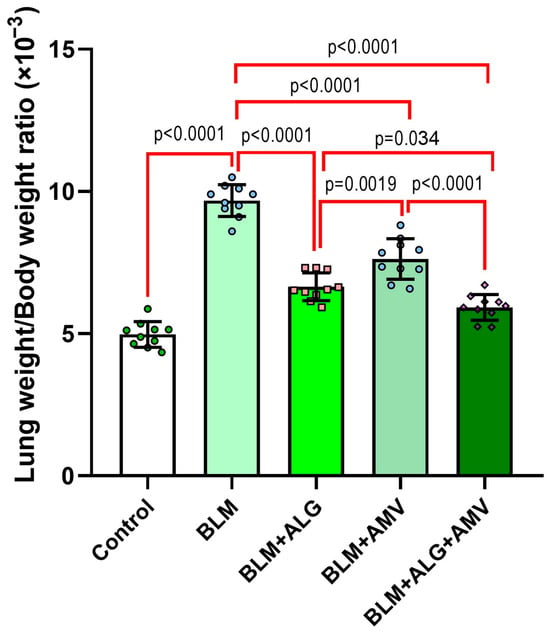
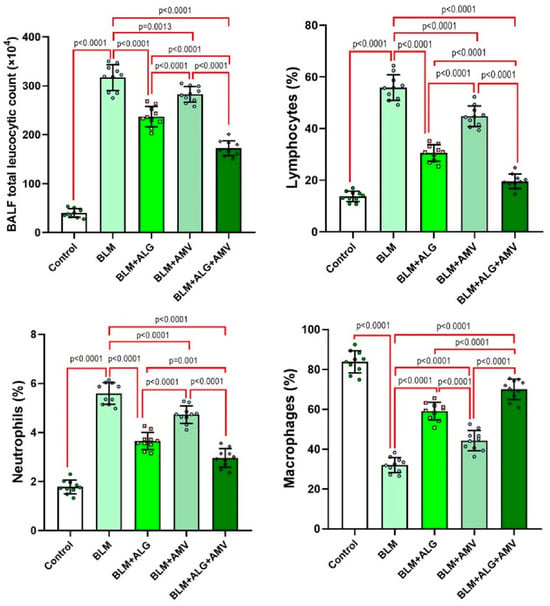
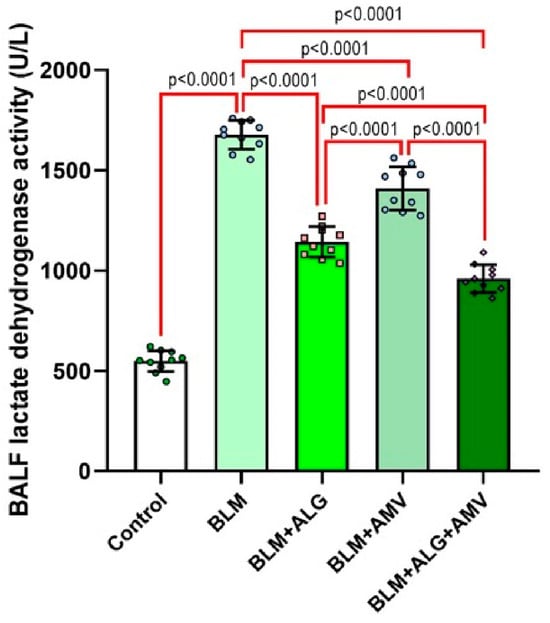
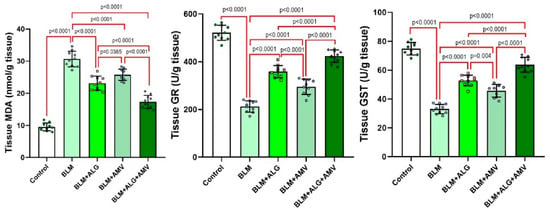
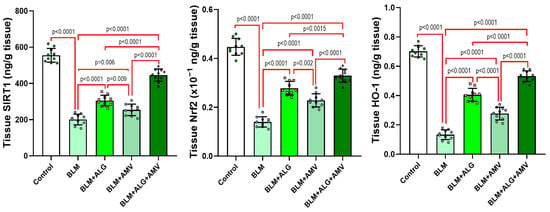
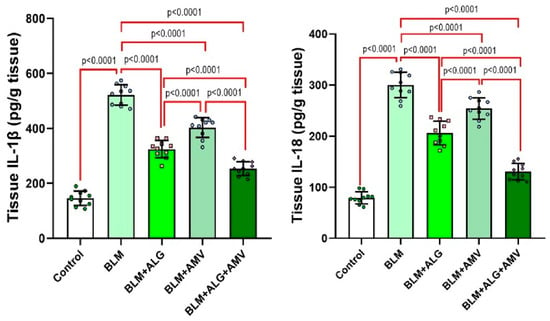
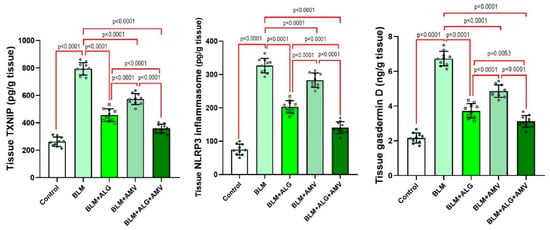
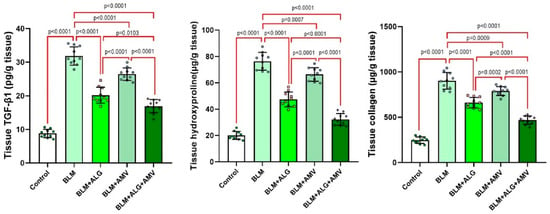
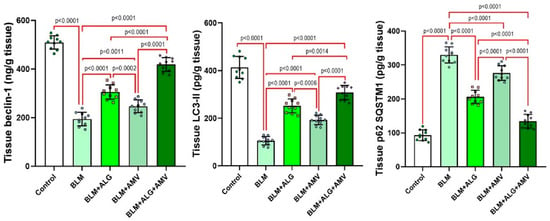
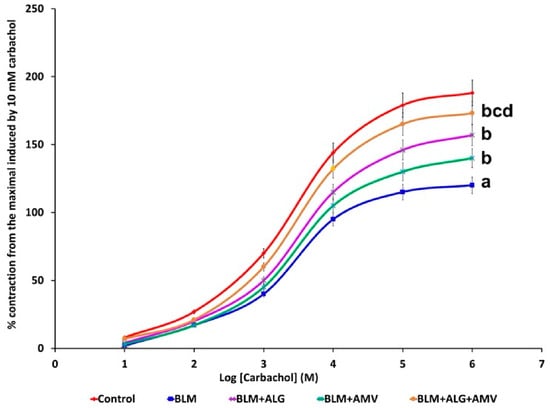
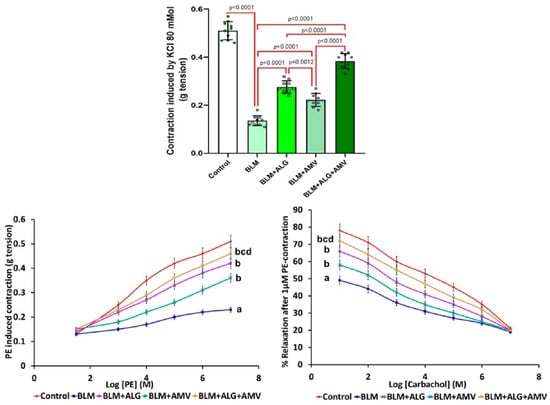
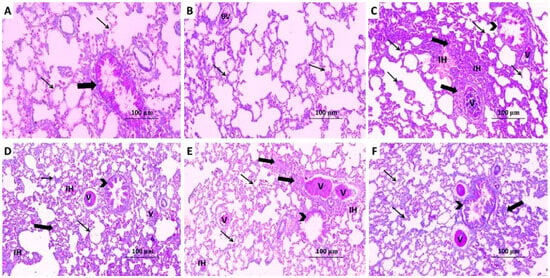
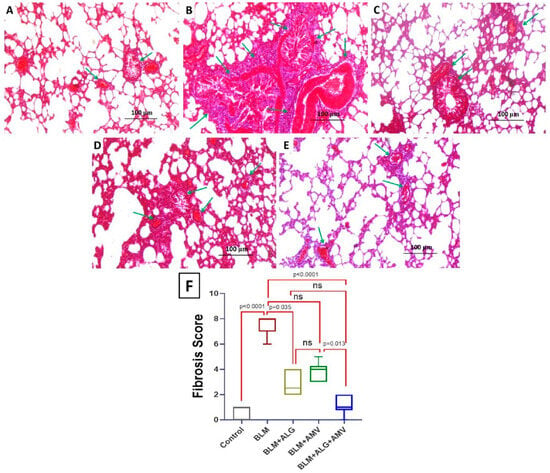
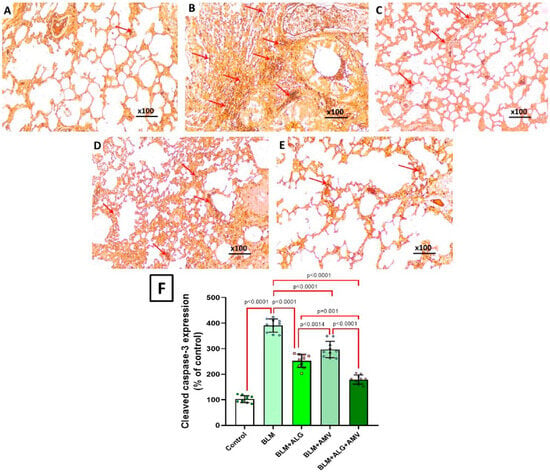
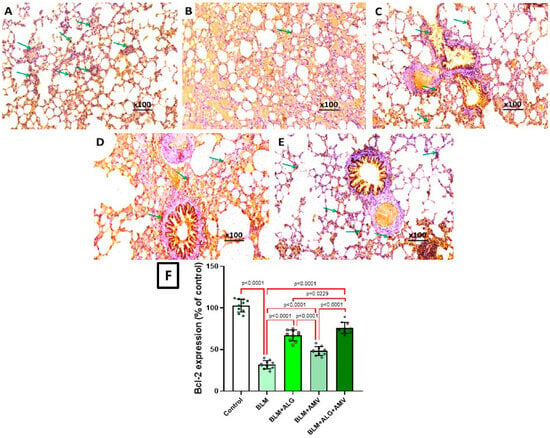
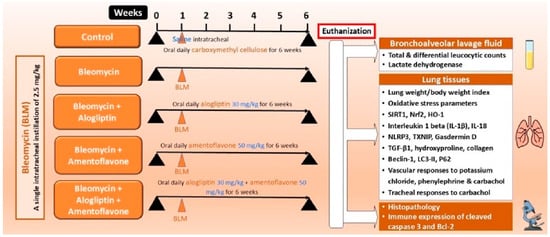
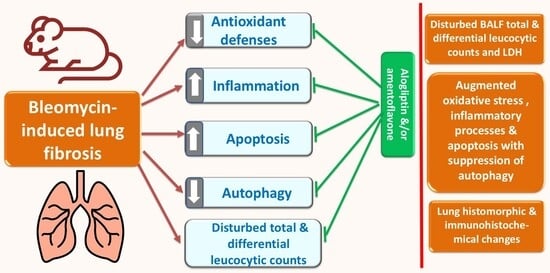
Background/Objectives: Bleomycin is an antineoplastic antibiotic used in the management of various malignancies. Nevertheless, its benefits are constrained by the development of pulmonary fibrosis. Amentoflavone, a biflavonoid, exhibits diverse pharmacological activities, including anti-inflammatory, antiviral, antioxidant, and antitumor effects, whereas alogliptin possesses antioxidant and anti-inflammatory properties. This study aimed to assess the potential protective effects of alogliptin and/or amentoflavone in a murine model of bleomycin-induced pulmonary fibrosis and to clarify the underlying mechanisms. Methods: Fifty male C57BL/6 mice were randomly divided into 5 equal groups: control, bleomycin, bleomycin + alogliptin, bleomycin + amentoflavone, and bleomycin + alogliptin + amentoflavone. The assessed endpoints included lung weight/body weight index, lung tissue fibrotic mediators, oxidative stress parameters, proinflammatory cytokines, and pyroptotic and autophagy mediators. Also, the bronchoalveolar lavage fluid (BALF) was evaluated for total and differential leukocytic counts and lactate dehydrogenase (LDH) activity. Moreover, vascular responses to potassium chloride, phenylephrine, and carbachol, together with tracheal responses to carbachol were determined. Lung tissues were further examined histopathologically and immunohistochemically. Results: Treatment with alogliptin and/or amentoflavone significantly decreased the lung weight/body weight index and BALF LDH activity, concomitant with mitigation of lung tissue oxidative stress parameters, fibrotic mediators, apoptosis, and pyroptosis with a significant augmentation of autophagy signals, alongside marked improvement in the lung architecture and vascular and airway reactivity compared with the bleomycin group. These effects were most pronounced with animals treated with the alogliptin/amentoflavone combination. Conclusions: These findings suggest that combined alogliptin and amentoflavone may constitute a promising strategy to prevent bleomycin-induced lung fibrosis.
Full article
(This article belongs to the Section Pharmacology)
Earthquakes may cause severe damage to engineering structures in the seismogenic fault zone. In near-fault regions, ground motions on the two sides of a fault exhibit significant asymmetry in terms of permanent displacement, velocity pulse, and dynamic displacement amplitude. Taking the Xianglu Mountain
[...] Read more.
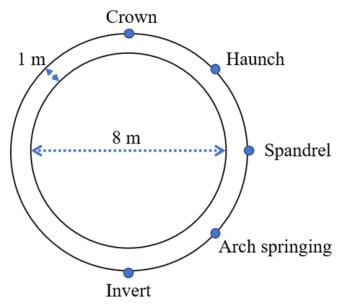
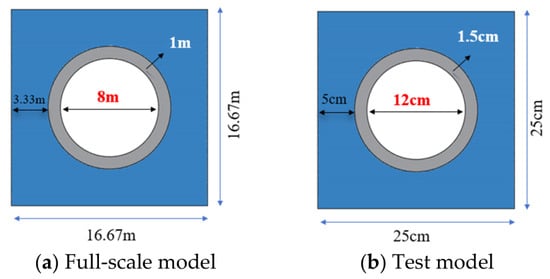
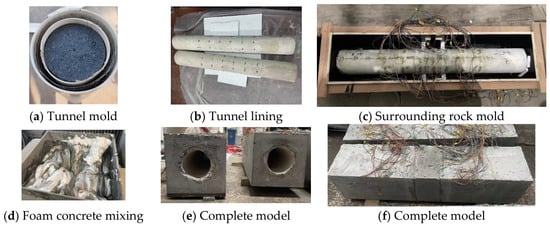
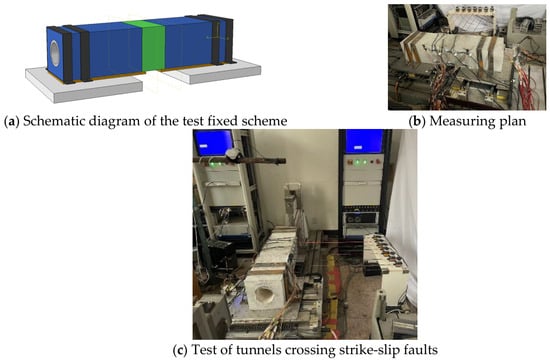
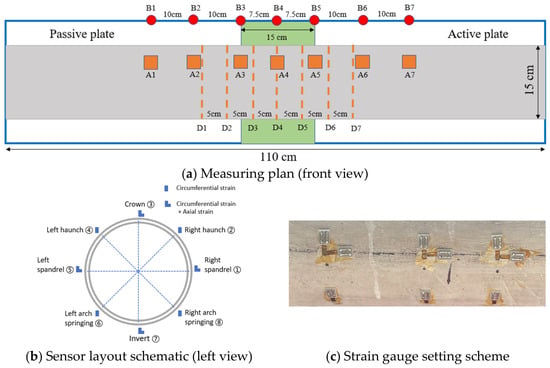
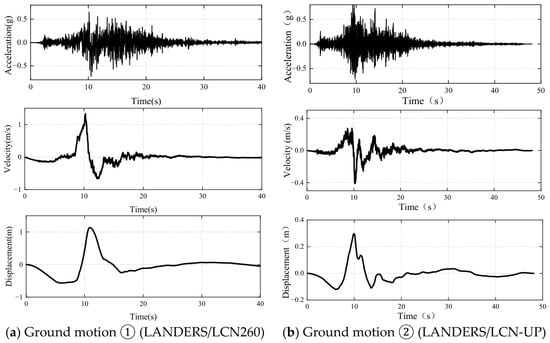
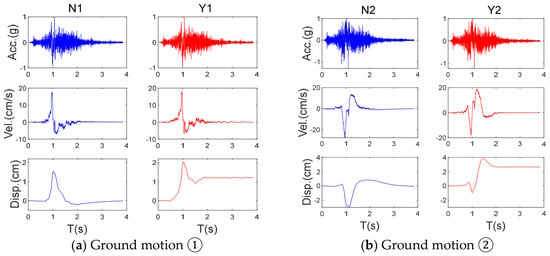
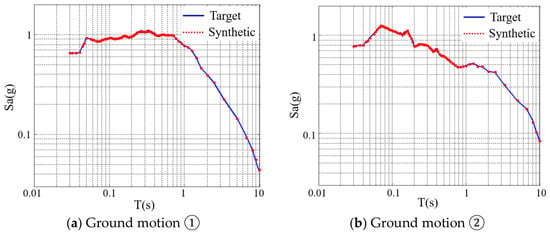
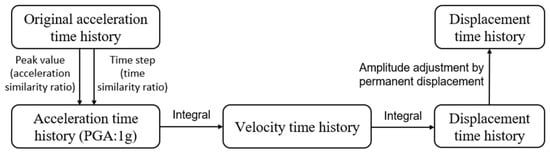
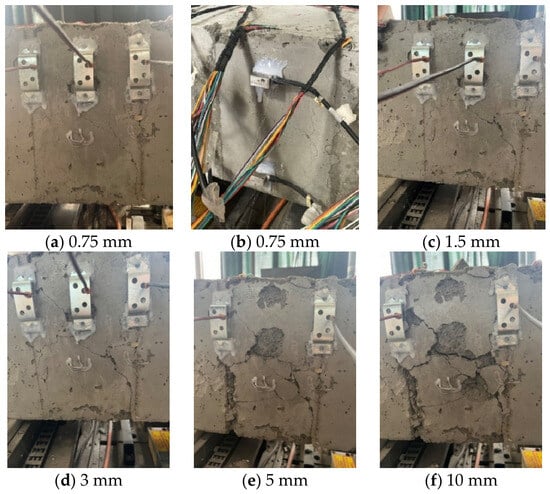
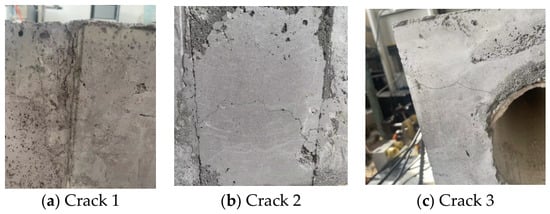
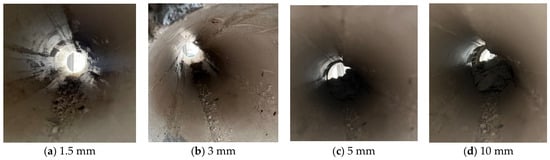
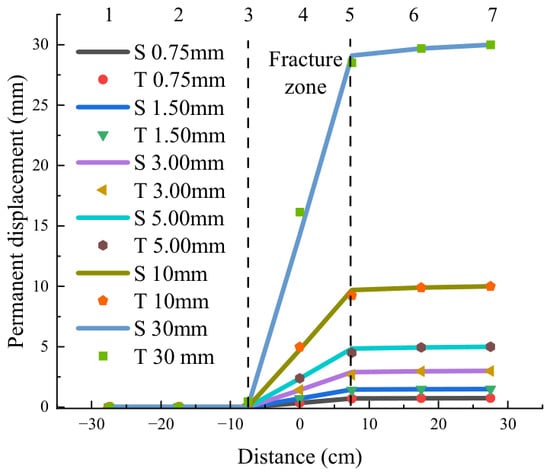
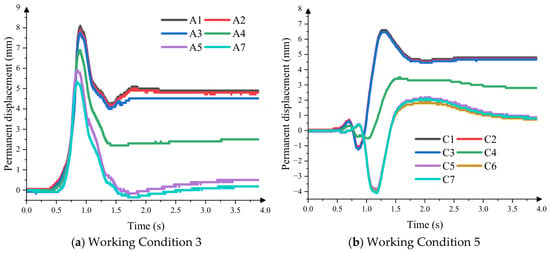
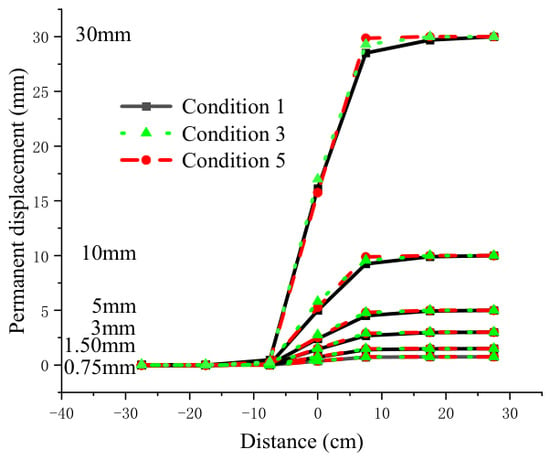
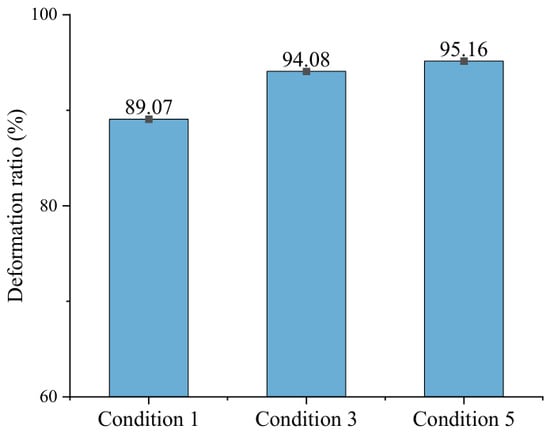
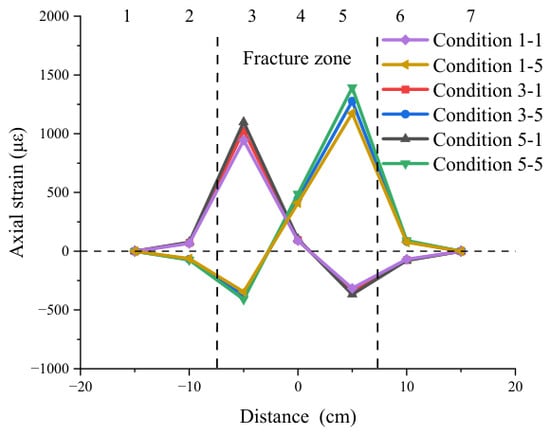
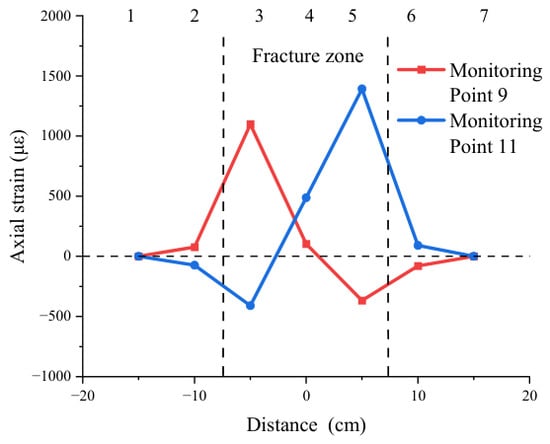
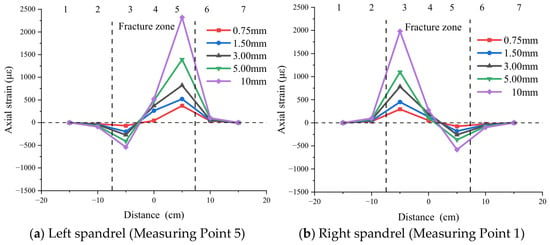
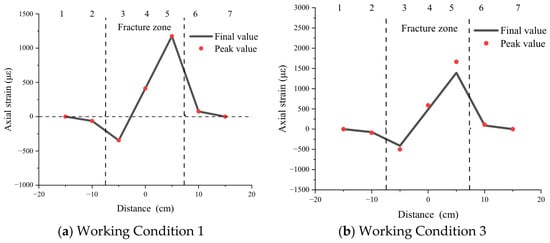
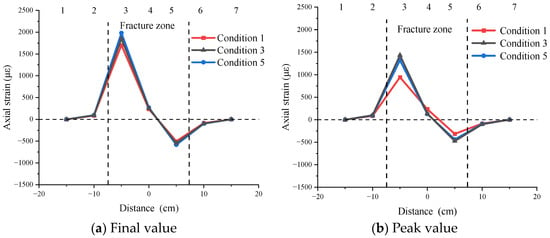
Earthquakes may cause severe damage to engineering structures in the seismogenic fault zone. In near-fault regions, ground motions on the two sides of a fault exhibit significant asymmetry in terms of permanent displacement, velocity pulse, and dynamic displacement amplitude. Taking the Xianglu Mountain Tunnel in the southwest of China as the engineering object, this study designed scaled fault-crossing tunnel-surrounding rock test models and conducted a series of quasi-static and dynamic model tests using a dual-shaking table system with non-uniform ground motion input. The effects of three different earthquake action modes on the responses of tunnel engineering structures crossing seismogenic faults were investigated through five static and dynamic earthquake action modes. The test results indicate that considering only the dynamic effect of ground motion or only the static effect of permanent displacement due to fault dislocation will underestimate the seismic response and damage degree of the surrounding rock and tunnel structure. However, the contribution of dynamic effects of ground motion to tunnel failure is much smaller than that of static fault dislocation. The magnitude of permanent displacement from fault dislocation, the peak displacement of non-uniform ground motion time history, and the peak relative displacement are all important factors affecting the deformation of surrounding rock and the strain of tunnel structures. Traditional static analysis methods will lead to an underestimation of the damage risk of tunnel structures. Compared with the non-uniform earthquake action mode, the deformation within the fracture zone under the static action mode is underestimated by approximately 6.39%, and the peak tensile strain under the static action mode underestimates the damage risk by approximately 40%.
Full article
The spectral features in hyperspectral images are easily affected by the spatial position changes in objects. In this study, a Multi-Scale Spectral Spatial Discriminative model (MS2D) is proposed for the spectral feature changes caused by different positions. This model decomposes the
[...] Read more.
The spectral features in hyperspectral images are easily affected by the spatial position changes in objects. In this study, a Multi-Scale Spectral Spatial Discriminative model (MS2D) is proposed for the spectral feature changes caused by different positions. This model decomposes the original image into multi-scale low-rank components through multi-scale low-rank decomposition (MSLRD), which decouples the complex correlation between spatial structure and spectral variability. Considering the time complexity of MSLRD, we propose three optimization points: (1) using superpixel segmentation to gather pixels to form superpixels, so as to reduce the calculation of the number of pixels; (2) selecting the band with a large amount of information on the representative band of the input to reduce the cost of redundant bands; (3) replacing standard singular value decomposition (SVD) with random SVD to reduce computational complexity. After classification, the majority voting strategy is used to vote on the results to alleviate the discrimination conflict between features. The experimental results on three public datasets show that the performance of MS2D is better than that of the other models, which verifies that this model can control computational complexity and improve classification accuracy.
Full article





 Sustainability
 Applied Sciences
 IJMS
IJMS
 JCM
JCM
 Sensors
 Energies
 Materials
 Electronics
 Buildings
 Foods
Foods
 Mathematics
 Remote Sensing
 Molecules
 Processes
 Diagnostics
 Cancers
 Nutrients
 Animals
 Plants
 Healthcare
 Polymers
 Water
Water
 Biomedicines
 Microorganisms
 Agriculture
 Medicina
 Land
Land
 Cells
Cells
 JMSE
JMSE
 Life
Life
 Symmetry
 Agronomy
 Behavioral Sciences
 Education Sciences
 Pharmaceuticals
 Biology
 Biomolecules
 IJERPH
 Children
 Antioxidants
 Horticulturae
 Pharmaceutics
 Micromachines
 Forests
 Nanomaterials
 Coatings
 Entropy
 Religions
 Bioengineering
 Genes
Genes
 Machines
 Systems
 Pathogens
 Metals
 Brain Sciences
 Viruses
 CIMB
CIMB
 Minerals
 Atmosphere
 Veterinary Sciences
 Antibiotics
 Information
 Catalysts
 Insects
 Photonics