All articles published by MDPI are made immediately available worldwide under an open access license. No special
permission is required to reuse all or part of the article published by MDPI, including figures and tables. For
articles published under an open access Creative Common CC BY license, any part of the article may be reused without
permission provided that the original article is clearly cited. For more information, please refer to
https://www.mdpi.com/openaccess.
Feature papers represent the most advanced research with significant potential for high impact in the field. A Feature
Paper should be a substantial original Article that involves several techniques or approaches, provides an outlook for
future research directions and describes possible research applications.
Feature papers are submitted upon individual invitation or recommendation by the scientific editors and must receive
positive feedback from the reviewers.
Editor’s Choice articles are based on recommendations by the scientific editors of MDPI journals from around the world.
Editors select a small number of articles recently published in the journal that they believe will be particularly
interesting to readers, or important in the respective research area. The aim is to provide a snapshot of some of the
most exciting work published in the various research areas of the journal.
by
Pablo Padilla-Iserte, Silvia Cabrera, Sonia Gatius Calderó, Ana de Juan Ferré, Katarina Majercakova, María Jesús Rubio-Pérez, Ignacio Romero, Maria Pilar Barretina-Ginesta and Manel Barahona Orpinell
Cancers2026, 18(11), 1709; https://doi.org/10.3390/cancers18111709 (registering DOI) - 24 May 2026
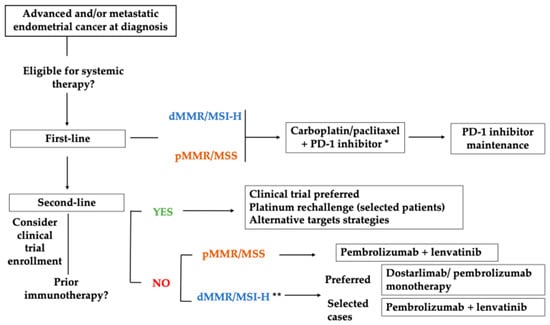
Background/Objectives: Endometrial cancer (EC) is the most common gynecologic malignancy in developed countries, with increasing incidence and limited options in advanced disease. Molecular classification has redefined risk stratification and therapeutic decision-making, particularly with the incorporation of immunotherapy. This review provides a clinically oriented
[...] Read more.
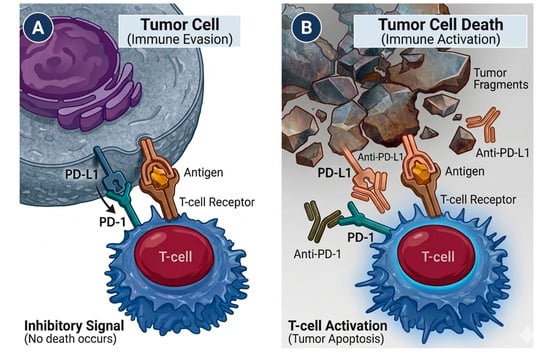
Background/Objectives: Endometrial cancer (EC) is the most common gynecologic malignancy in developed countries, with increasing incidence and limited options in advanced disease. Molecular classification has redefined risk stratification and therapeutic decision-making, particularly with the incorporation of immunotherapy. This review provides a clinically oriented overview of immunotherapy in EC across molecular subgroups and treatment settings. Methods: A narrative review was conducted using PubMed/MEDLINE, Embase, and Web of Science, focusing on clinical trials and studies with direct clinical relevance. Results: Immune checkpoint inhibitors targeting the PD-1/PD-L1 axis have demonstrated significant benefit in EC, particularly in mismatch repair-deficient (dMMR)/microsatellite instability–high (MSI-H) tumors, where durable responses are observed. In contrast, mismatch repair-proficient (pMMR) tumors show limited sensitivity to monotherapy and require combination approaches. Recent phase III trials have established chemoimmunotherapy as a first-line standard, with greater benefit in dMMR tumors and clinically meaningful improvements in pMMR disease. In the second-line setting, PD-1 inhibitor monotherapy is standard for dMMR tumors, while lenvatinib plus pembrolizumab is a key option for pMMR disease. However, responses remain heterogeneous and are not fully explained by MMR status alone. Conclusions: Immunotherapy is a cornerstone in advanced EC management, guided by molecular classification. Key challenges include limited efficacy in pMMR tumors, lack of robust predictive biomarkers, and uncertainty in treatment sequencing. Future strategies should focus on biomarker-driven approaches and rational combinations.
Full article
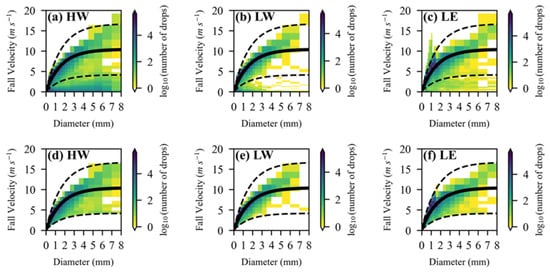
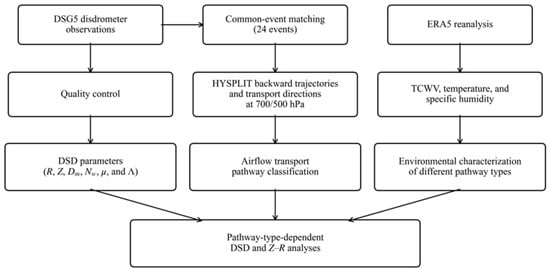
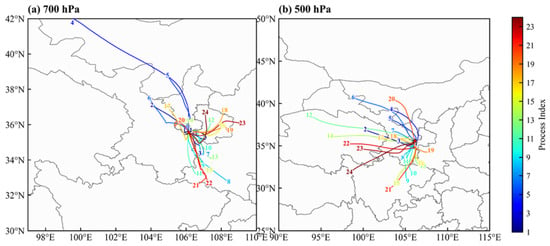
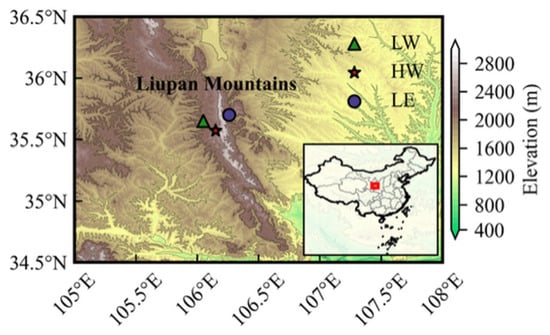
Raindrop size distribution (DSD) is a crucial parameter for microphysics parameterizations and radar quantitative precipitation estimation (QPE). Using disdrometer and ERA5 reanalysis data collected during the rainy season (July–September 2021) in the Liupan Mountains (LP), this study investigated how the two dominant airflow
[...] Read more.
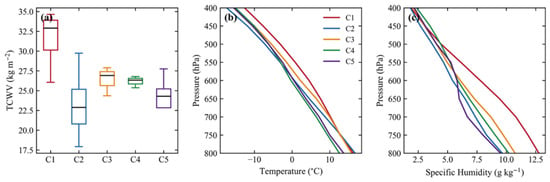
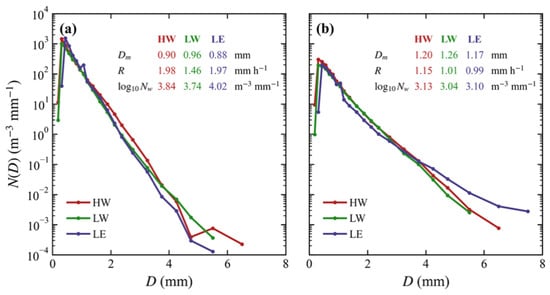
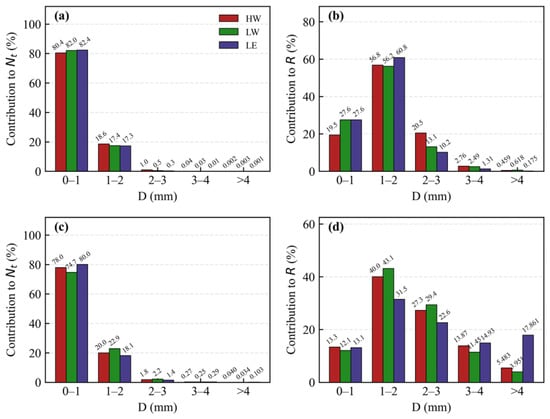
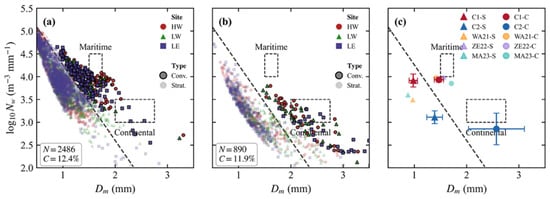
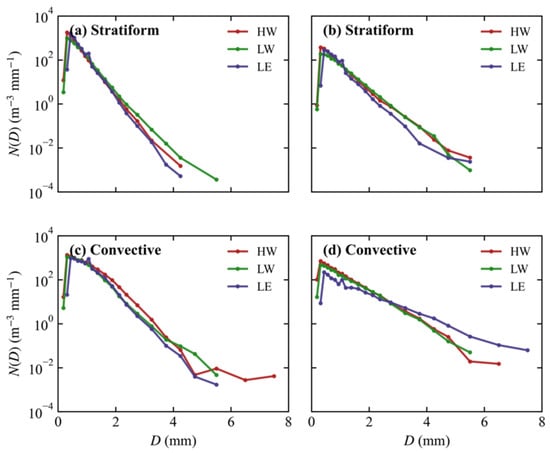
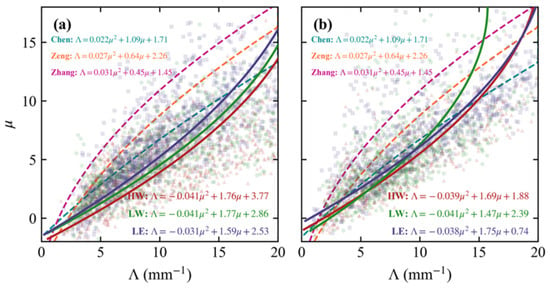
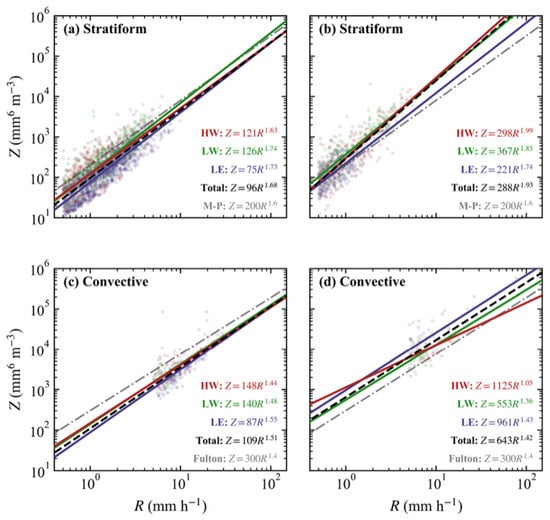
Raindrop size distribution (DSD) is a crucial parameter for microphysics parameterizations and radar quantitative precipitation estimation (QPE). Using disdrometer and ERA5 reanalysis data collected during the rainy season (July–September 2021) in the Liupan Mountains (LP), this study investigated how the two dominant airflow transport pathway types—the deep warm-moist monsoon (C1) and deep dry-cold continental (C2) types—modulated DSDs in the LP. The results showed that C1 had maritime characteristics, with higher number concentrations and a smaller mass-weighted mean diameter (Dm). C2 showed continental characteristics: low-level evaporation preferentially depleted small drops and increased the contribution of large drops (>2.38 mm), resulting in a larger Dm. Under both types, convective precipitation had broader DSDs than stratiform precipitation. Triggered by orographic lifting, C2 convective precipitation enhanced large-drop growth, making its Dm much larger than that of C1. The Z–R relationships were highly sensitive to airflow transport pathways. Dominated by small drops, C1 yielded a smaller Z–R coefficient A than C2, whereas reflectivity in C2 was more sensitive to the enhanced large-drop tail. These findings provide an observational basis for improving regional radar QPE accuracy, hydrometeorological forecasting, and water-resource assessment over complex terrain.
Full article
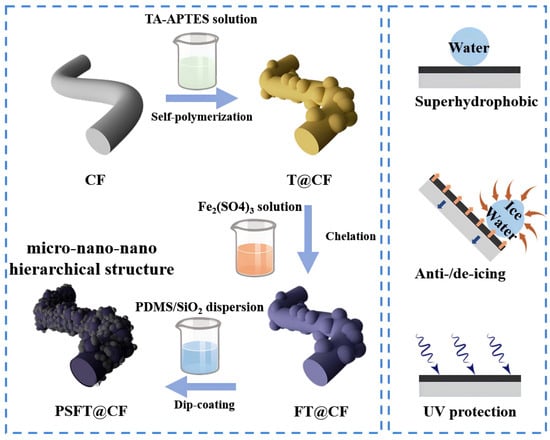
Superhydrophobic photothermal coatings have great potential in anti-icing and de-icing applications. However, how to construct superhydrophobic coatings with high photothermal conversion performance and an appropriate rough structure is still a challenge. In this study, we first constructed the photothermal nanosphere coating by in
[...] Read more.
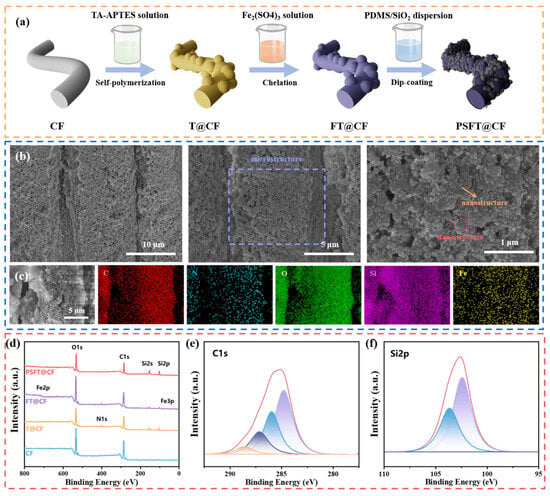
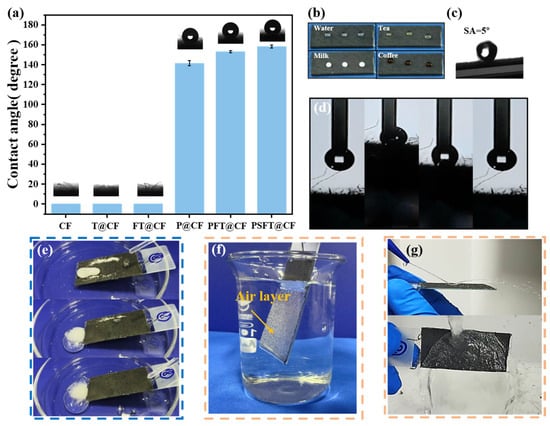
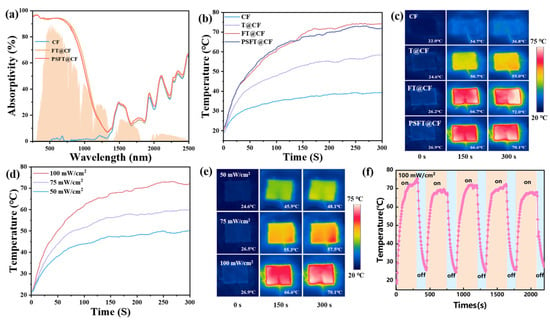
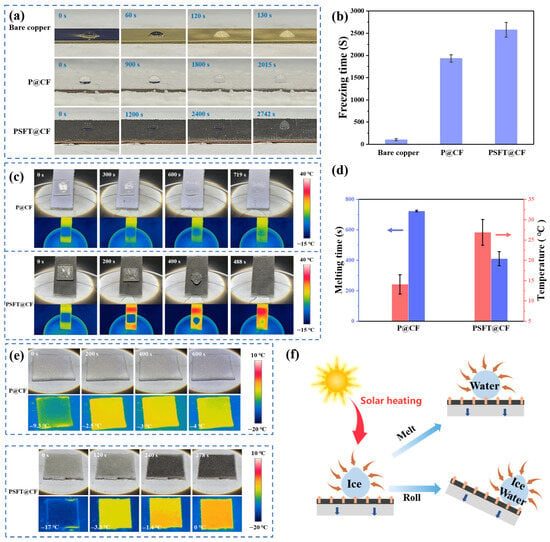
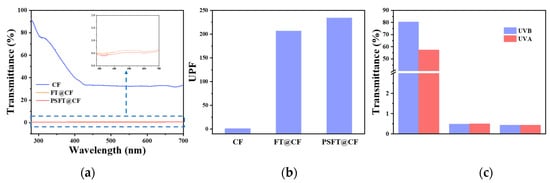
Superhydrophobic photothermal coatings have great potential in anti-icing and de-icing applications. However, how to construct superhydrophobic coatings with high photothermal conversion performance and an appropriate rough structure is still a challenge. In this study, we first constructed the photothermal nanosphere coating by in situ co-deposition of tannic acid (TA) and (3-aminopropyl) triethoxysilane (APTES) and then by the coordination of iron ions (Fe3+). A superhydrophobic photothermal coating with a micro–nano–nano hierarchical rough structure was constructed by further applying a polydimethylsiloxane (PDMS)/hydrophobic fumed silica (SiO2) coating. The coating has excellent superhydrophobic (water contact angle (WCA) of 158°) and efficient photothermal conversion performance (75 °C). Based on this, the coated fabric shows ideal performance in passive anti-icing and active de-icing tests. At the same time, the coated fabric also has an ideal UV shielding effect, which can ensure the long-term and efficient operation of the coated fabric in the outdoor sunlight. This preparation strategy provides an innovative method for the development of superhydrophobic photothermal coating materials and has broad application prospects in the field of flexible anti-/de-icing applications.
Full article
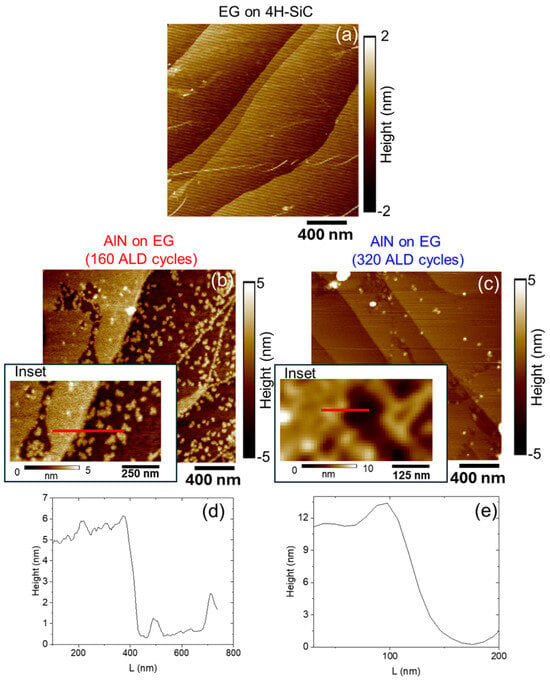
In this work, the atomic layer deposition (ALD) of an ultra-thin AlN film on the surface of monolayer EG grown on-axis 4H-SiC(0001) substrates has been investigated as a function of the number of ALD cycles. The formation of a homogeneous film with a
[...] Read more.
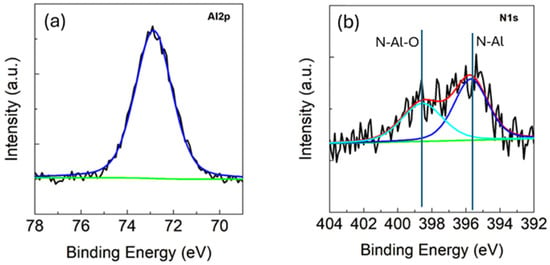
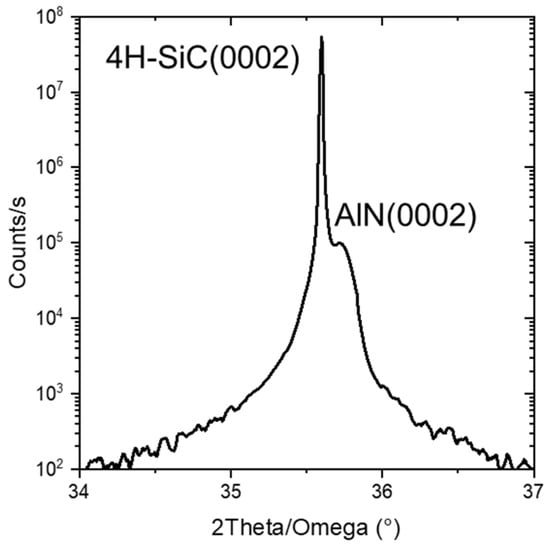
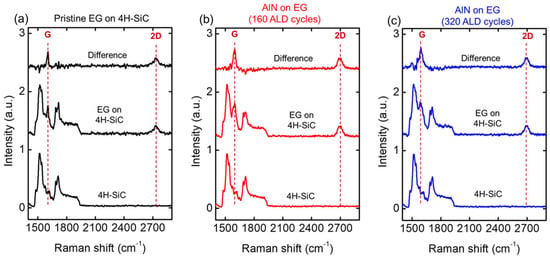
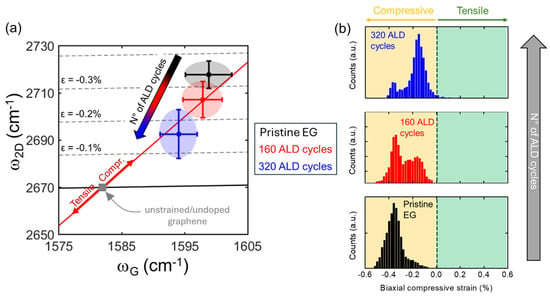
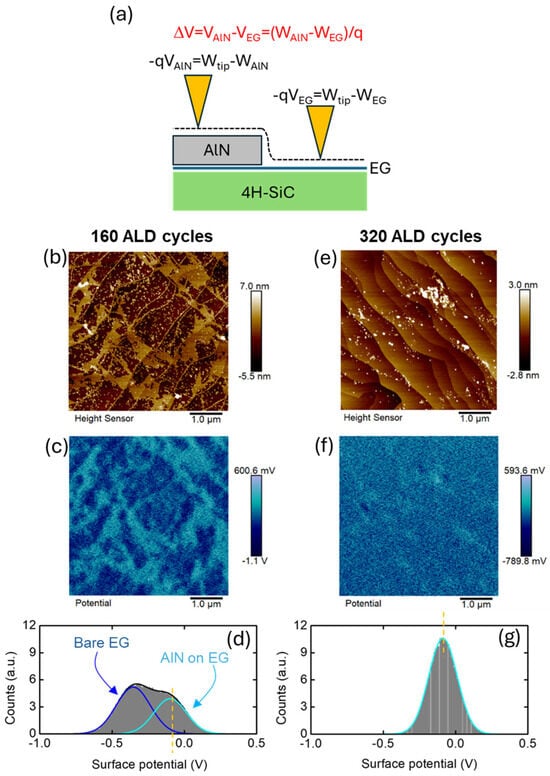
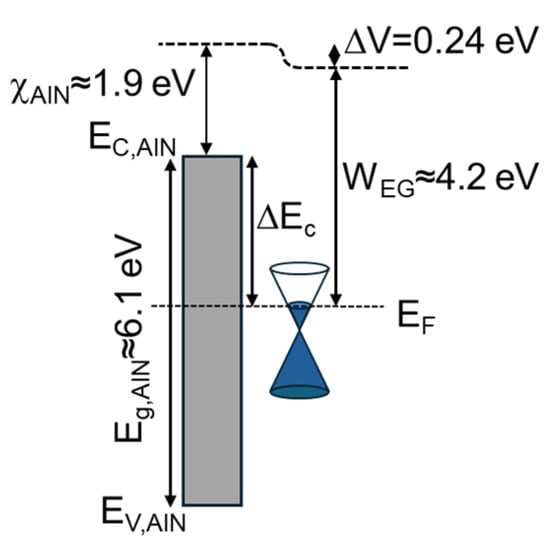
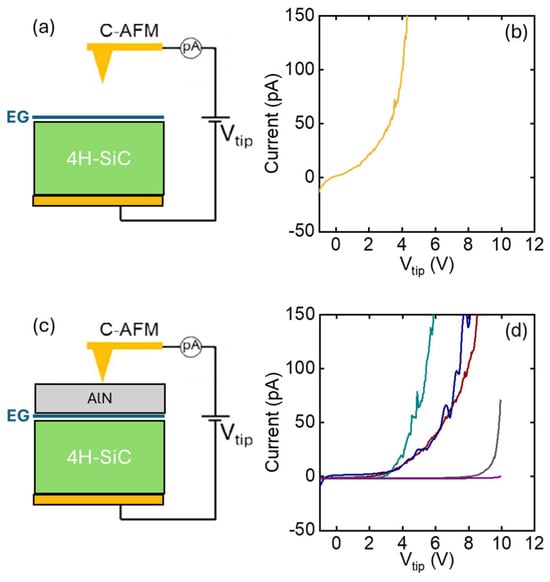
In this work, the atomic layer deposition (ALD) of an ultra-thin AlN film on the surface of monolayer EG grown on-axis 4H-SiC(0001) substrates has been investigated as a function of the number of ALD cycles. The formation of a homogeneous film with a 10 nm thickness and crystalline wurtzite structure was obtained after 320 cycles, as demonstrated by atomic force microscopy (AFM) mapping, X-ray photoelectron spectroscopy (XPS) and X-ray diffraction. Raman mapping revealed a significant reduction in the native compressive strain of as-grown EG (ε ≈ −0.36%) with increasing ALD cycles, down to a value of −0.16% after full coverage. Finally, Kelvin Probe Force Microscopy (KPFM) surface potential mapping allowed the evaluation of energy band alignment of the AlN/EG heterojunction, with a conduction band offset of ~2.6 eV between the crystalline AlN film and the underlying EG. Such a large offset confirms AlN as a promising gate dielectric for EG-based devices.
Full article
In this study, we introduce the concept of the graph convergence for -co-monotone mappings in Banach spaces and establish an equivalence between the graph convergence and resolvent operators convergence for the -co-monotone operator sequence. Further, as an application, we
[...] Read more.
In this study, we introduce the concept of the graph convergence for -co-monotone mappings in Banach spaces and establish an equivalence between the graph convergence and resolvent operators convergence for the -co-monotone operator sequence. Further, as an application, we propose an iterative algorithm for solving a class of variational inclusions in the framework of real q-uniformly smooth Banach spaces. We prove the existence and uniqueness of the solutions for the variational inclusion and convergence of iterative sequence obtained by the iterative algorithm under appropriate convergence criteria. Our work can be viewed as incorporating some existing results as special cases. Four examples are constructed using MATLAB 2015a to illustrate some of the concepts and convergence behavior used in the article.
Full article
The objectives of this study are to examine the direct relationships among perceived ethics, perceived sustainability, customer trust, customer engagement, and customer loyalty; and to investigate the mediating roles of customer trust and customer engagement in explaining the relationship between ethical and sustainability
[...] Read more.
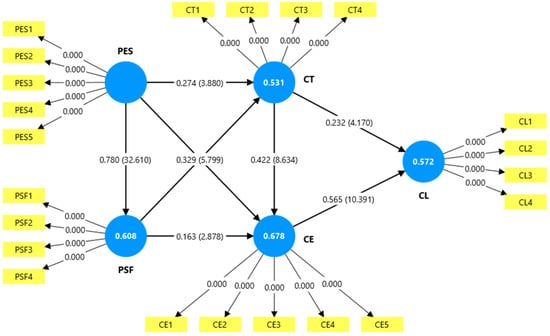
The objectives of this study are to examine the direct relationships among perceived ethics, perceived sustainability, customer trust, customer engagement, and customer loyalty; and to investigate the mediating roles of customer trust and customer engagement in explaining the relationship between ethical and sustainability perceptions and customer loyalty. Using the Stimulus–Organism–Response (SOR) framework and the Theory of Planned Behavior (TPB) as theoretical foundations, this research examines how ethical and sustainability perceptions within social commerce environments influence customers’ psychological states and behavioral responses. A quantitative approach was used, involving data collection from 360 Thai consumers who had previously bought sustainable fashion items through social media. The proposed model was then evaluated using partial least squares structural equation modeling (PLS-SEM). The results suggest that consumers’ evaluations of seller ethics significantly enhance their perceptions of product sustainability, customer trust, and engagement. Furthermore, perceived sustainability of fashion products affects both trust and engagement. Customer trust subsequently promotes both engagement and loyalty; however, customer engagement exhibits the most substantial direct effect on customer loyalty. Mediation analysis confirms the essential functions of trust and engagement in mediating the impacts of ethical and sustainability perceptions on loyalty. These findings highlight the importance of ethical transparency and proactive customer engagement in fostering trust and long-term customer loyalty within social media-based sustainable fashion commerce. Therefore. This study provides both theoretical and practical insights for sustainable fashion enterprises functioning within digital contexts.
Full article
by
Polina M. Tyubaeva, Ivetta A. Varyan, Roman R. Romanov, Nikita G. Yabbarov, Maria B. Sokol, Maria R. Mollaeva, Margarita V. Chirkina, Bekzod B. Khaydarov, Evgeny A. Kolesnikov, Anton E. Egorov, Alexey A. Kostyukov, Vladimir A. Kuzmin, Olga A. Gruznova, Dmitry V. Gruznov, Ekaterina N. Shuteeva, Ekaterina A. Larkina and Elena D. Nikolskaya
Nanomaterials2026, 16(11), 658; https://doi.org/10.3390/nano16110658 (registering DOI) - 24 May 2026
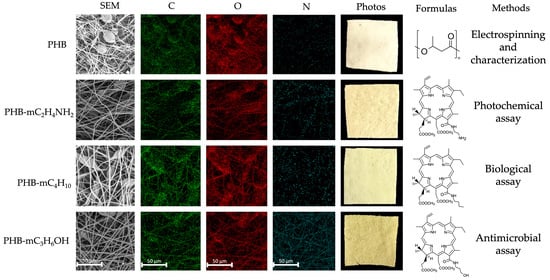
In the present research, a new type of biomimetic material loaded with chlorophyll derivatives (CpDs) for photodynamic therapy based on poly(3-hydroxybutyrate) (PHB) was fabricated by the electrospinning method. Such matrices showed great potential for the advanced delivery of photodynamic therapeutic reagents to targeted
[...] Read more.
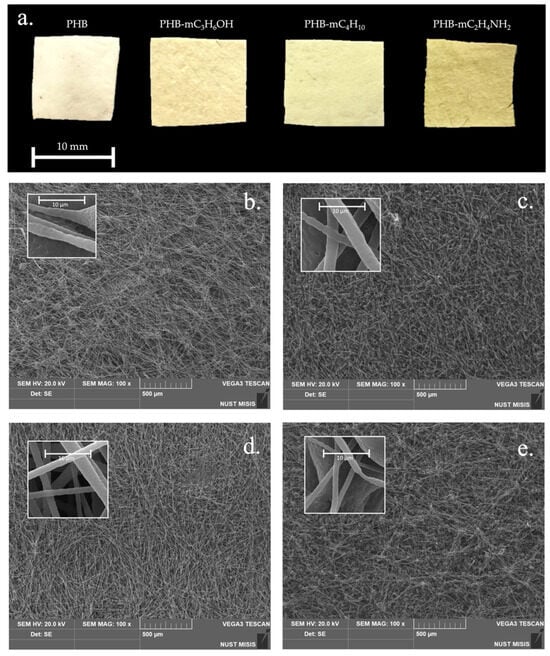
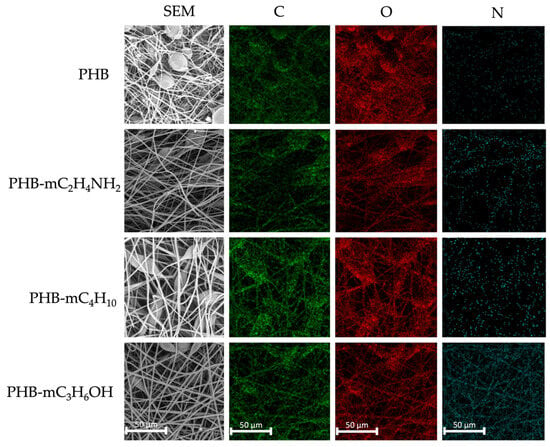
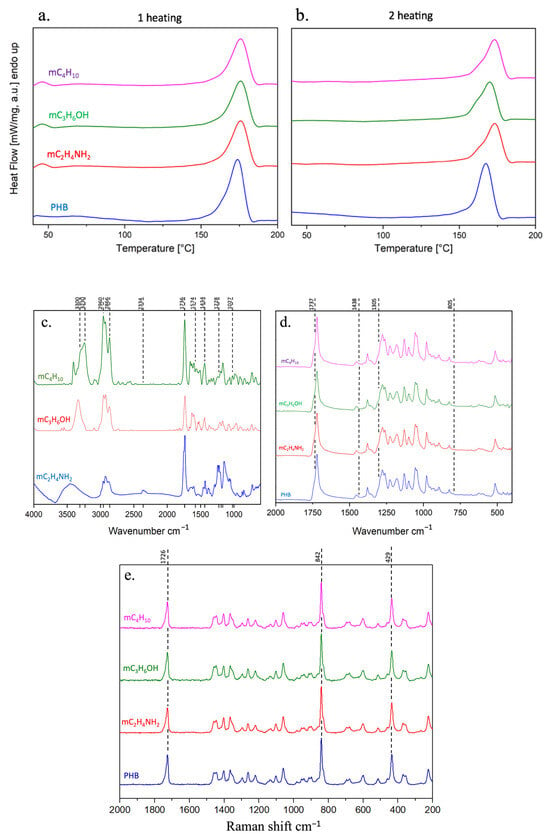
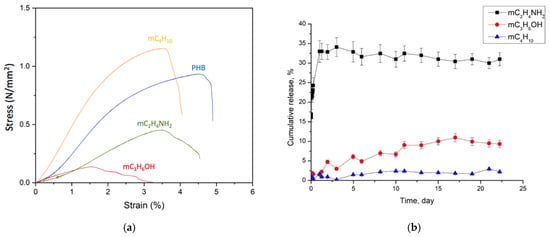
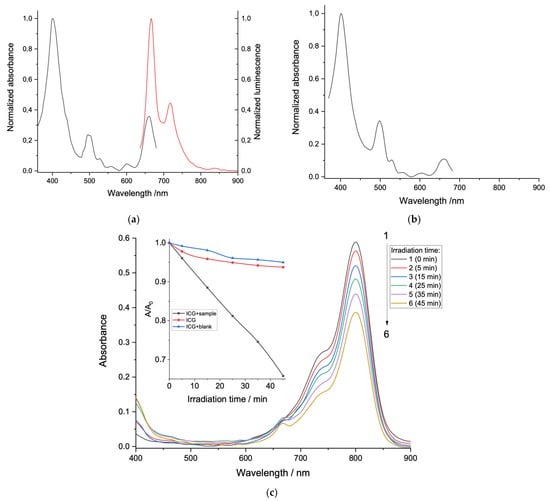
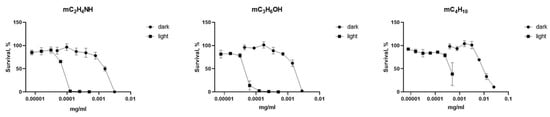
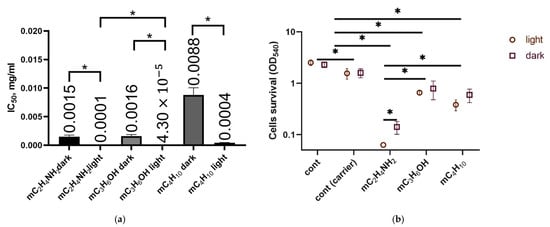
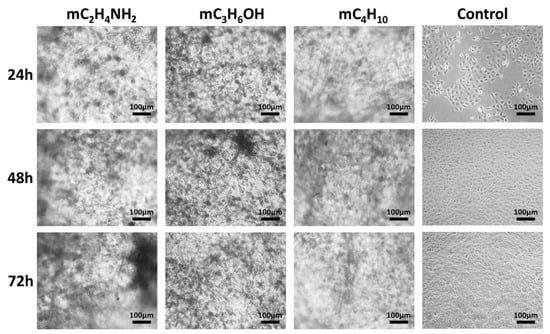
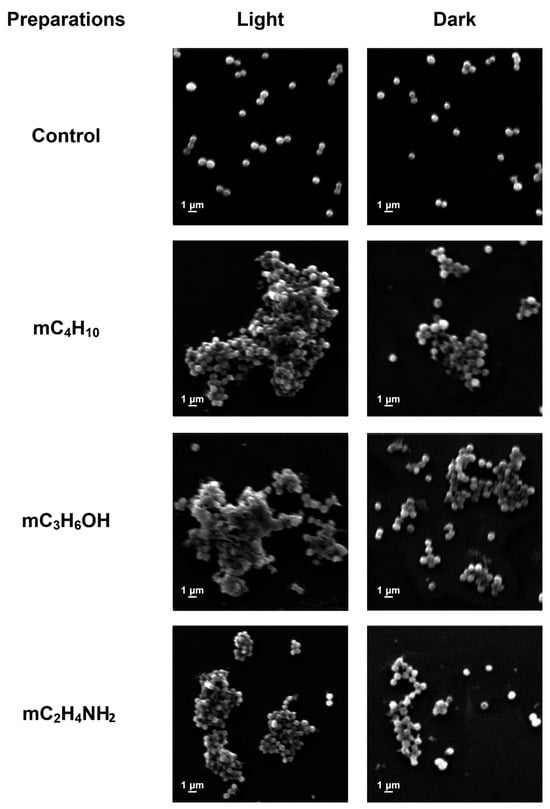
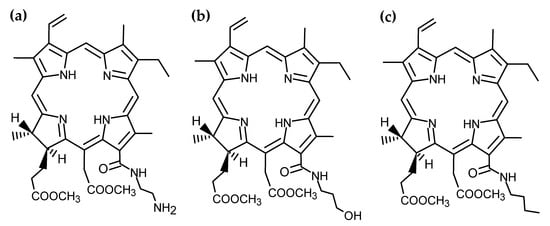
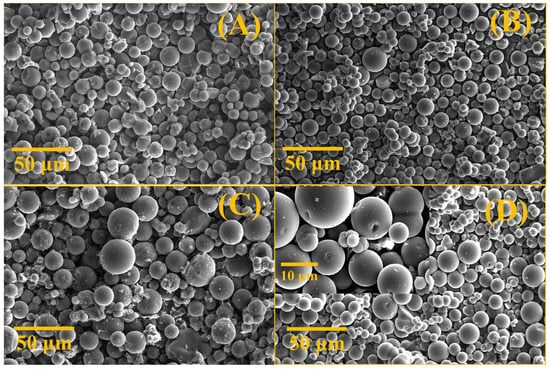
In the present research, a new type of biomimetic material loaded with chlorophyll derivatives (CpDs) for photodynamic therapy based on poly(3-hydroxybutyrate) (PHB) was fabricated by the electrospinning method. Such matrices showed great potential for the advanced delivery of photodynamic therapeutic reagents to targeted regions and options for prolonged local application. The key morphological characteristics of fibrous materials were investigated. It was found that incorporation of CpDs leads to a change in the average fiber diameter from 3.5 µm to 2.1 µm, increasing porosity from 80% to 90% and accompanied by an over 3-fold increased proportion of open pores. Moreover, the CpD application facilitated fine hydrophilicity tuning, allowing an increase of this parameter up to 10% under different conditions, neutralizing the hydrophobic nature of the matrix polymer and photosensitizer. Moreover, changes in physical properties, supramolecular structure, photosensitizing effect, and singlet oxygen generation were investigated. The data obtained show that the proposed materials are great examples of convenient and reliable carriers for advanced PDT. The results obtained demonstrate high antimicrobial activity in the presence of irradiation as well as noticeable efficacy against carcinoma, both light and dark.
Full article
Deep ConvNets suffer from gradient signal degradation as network depth increases, limiting effective feature learning in complex architectures. ResNet addressed this through residual connections, but these fixed short circuits cannot adapt to varying input complexity or selectively emphasize task-relevant features across network hierarchies.
[...] Read more.
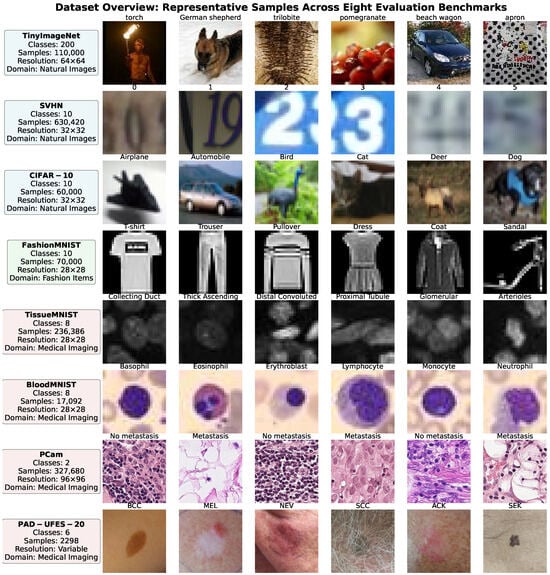
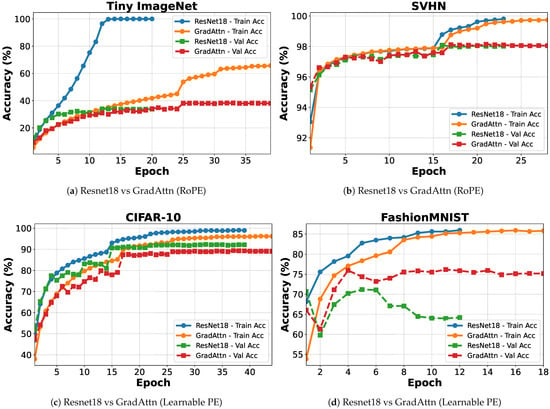
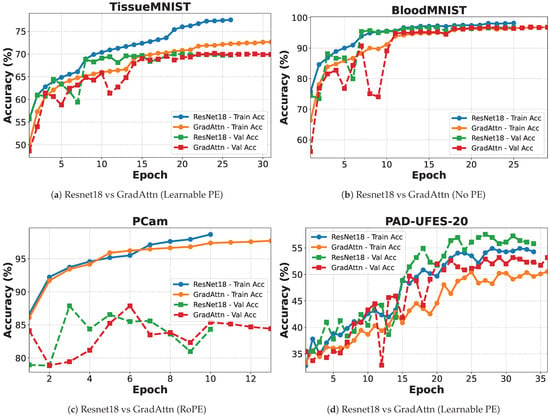
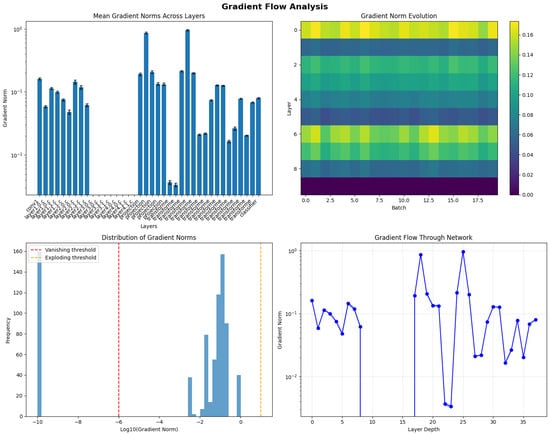
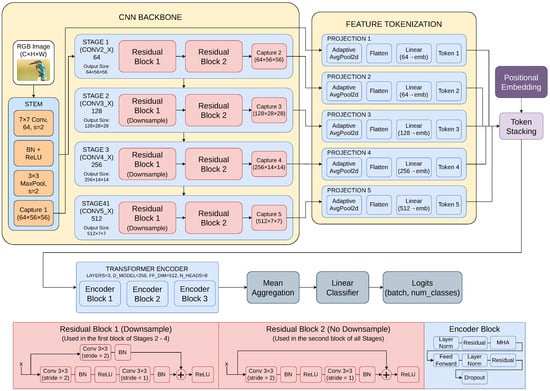
Deep ConvNets suffer from gradient signal degradation as network depth increases, limiting effective feature learning in complex architectures. ResNet addressed this through residual connections, but these fixed short circuits cannot adapt to varying input complexity or selectively emphasize task-relevant features across network hierarchies. This study introduces GradAttn, a variation of the residual approach in CNNs that replaces the fixed residual connections with attention-controlled gradient flow. By extracting multi-scale CNN features at different depths and regulating them through self-attention, GradAttn dynamically weights shallow texture features and deep semantic representations. For representational analysis, we evaluated three GradAttn variants across eight diverse datasets: from natural images and medical imaging to fashion recognition. The results demonstrate that GradAttn outperforms ResNet-18 on five of eight datasets, achieving up to accuracy improvement on FashionMNIST while maintaining a comparable network size. Gradient flow analysis reveals that controlled instabilities, introduced by attention, often coincide with improved generalization, challenging the assumption that perfect stability is optimal. Furthermore, positional encoding’s effectiveness turned out to be dataset-dependent, with CNN hierarchies frequently encoding sufficient spatial structure. These findings render attention mechanisms as enablers of learnable gradient control, offering a new way for adaptive representation learning in deep neural architectures.
Full article
Rising global temperatures, increasing frequency and intensity of extreme climatic events, with associated growth of agricultural land use and urban expansion, represent critical drivers of biodiversity loss. Within this framework, urban areas are particularly vulnerable due to environmental stressors such as the heat-island
[...] Read more.
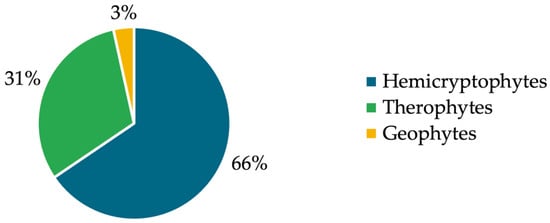
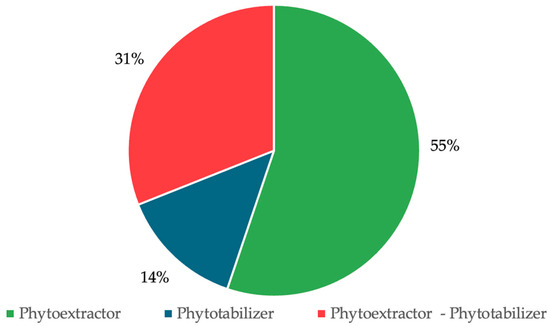
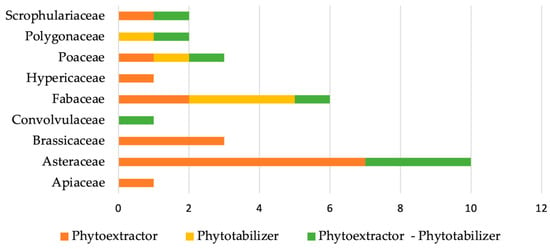
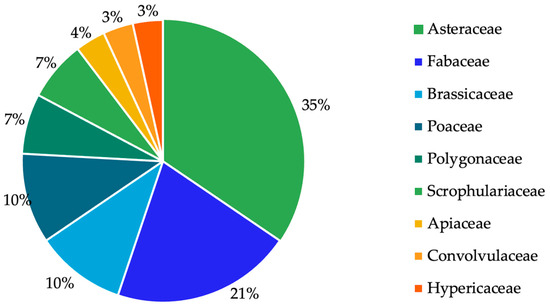
Rising global temperatures, increasing frequency and intensity of extreme climatic events, with associated growth of agricultural land use and urban expansion, represent critical drivers of biodiversity loss. Within this framework, urban areas are particularly vulnerable due to environmental stressors such as the heat-island phenomenon, soil sealing and depletion, and the accumulation of heavy metals and other pollutants. Recent sustainability-oriented urban policies recognize the strategic role of green infrastructures in mitigating these impacts by delivering essential ecosystem services, including phytoremediation. Here, the focus on herbaceous plants allows the selection of species with short life cycles and high colonization rates in marginal or disturbed urban habitats (e.g., roadside verges, compacted soils, and limited-volume planting areas). Therefore, the present review systematically examines herbaceous plant species with documented phytoremediation capabilities, focusing on Mediterranean native taxa evaluated under urban or peri-urban conditions. A total of 29 species met the selection criteria: taxonomically, Asteraceae represented the most frequent family (35%), followed by Fabaceae (21%), Brassicaceae, and Poaceae (each accounting for 10%). From a functional-trait perspective, hemicryptophytes dominated the dataset (66%), followed by therophytes (31%). Of the selected taxa, 55% primarily exhibited phytoextraction, 14% showed phytostabilization, and 31% demonstrated dual functionality, through combined extraction and stabilization pathways. These traits, combined with ecological adaptability to Mediterranean climatic regimes, support their application in Mediterranean urban environments.
Full article
Background: The reproductive toxicity of first-line antituberculosis drugs remains poorly understood, particularly when used in combination. Rifampicin, isoniazid, pyrazinamide, and ethambutol are essential in tuberculosis therapy, but their potential influence on female fertility is uncertain. This pilot study evaluated their effects, given alone
[...] Read more.
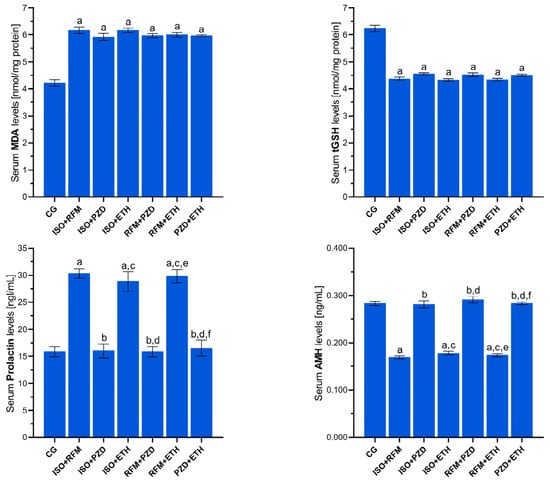
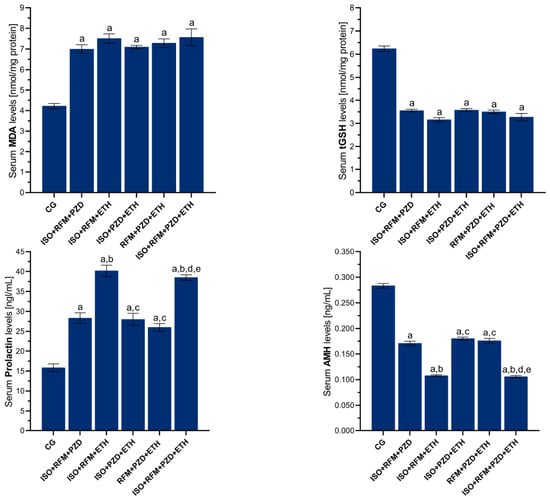
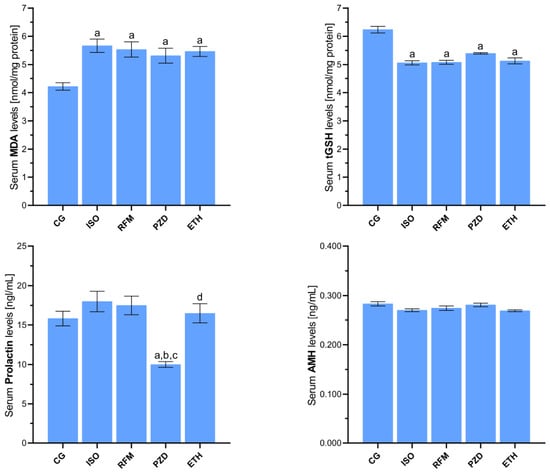
Background: The reproductive toxicity of first-line antituberculosis drugs remains poorly understood, particularly when used in combination. Rifampicin, isoniazid, pyrazinamide, and ethambutol are essential in tuberculosis therapy, but their potential influence on female fertility is uncertain. This pilot study evaluated their effects, given alone or in dual, triple, and quadruple combinations, on oxidative stress, endocrine markers, and reproductive outcomes in healthy female rats. Materials and Methods: Ninety-six albino Wistar-type female rats were divided into sixteen groups of six animals each and treated with single, dual, triple, or quadruple regimens of first-line antituberculosis drugs for 28 days. After treatment, two sexually mature males were introduced per group, and therapy continued for seven additional days. Serum malondialdehyde (MDA), total glutathione (tGSH), prolactin, and anti-Mullerian hormone (AMH) levels were measured, and fertility outcomes were evaluated. Results: In single-drug groups, MDA increased and tGSH decreased, but detectable infertility was not recorded. Prolactin remained stable except in the pyrazinamide group, where it declined. Dual-drug regimens increased oxidative imbalance; fertility failure occurred only in pyrazinamide-lacking groups and was accompanied by higher prolactin and lower AMH. Triple and quadruple combinations produced prominent oxidative imbalance. In triple-drug regimens, infertility was lower in pyrazinamide-containing groups than in the pyrazinamide-free group, but this pattern was not maintained in the quadruple regimen. Fertility impairment was not consistently aligned with the degree of oxidative stress and may involve prolactin and AMH alterations. Conclusions: These findings suggest that reproductive impairment under these experimental conditions may involve endocrine alterations and cannot be explained solely by serum oxidative imbalance. Pyrazinamide-associated fertility preservation appeared context-dependent and requires further confirmation in larger mechanistic studies with broader reproductive and endocrine assessment.
Full article
This study investigates the morphological, compositional, and electrochemical properties of carbon materials derived from Pepsi (P) and Coca-Cola (CC) precursors, before and after chemical activation with ZnCl2. Scanning electron microscopy revealed a lower density of surface cracks in non-activated hydrothermal carbon
[...] Read more.
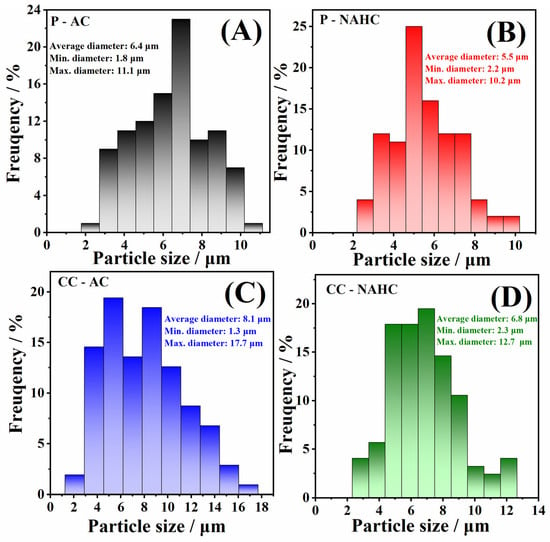
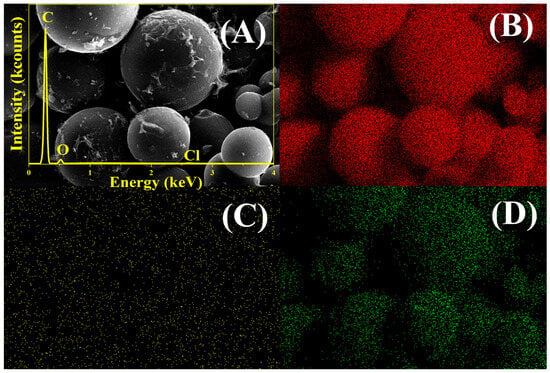
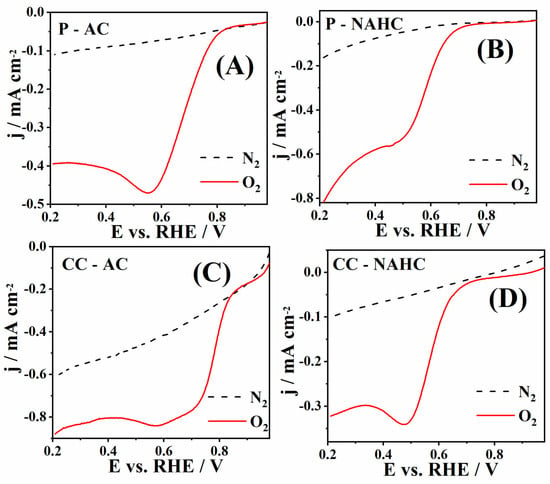
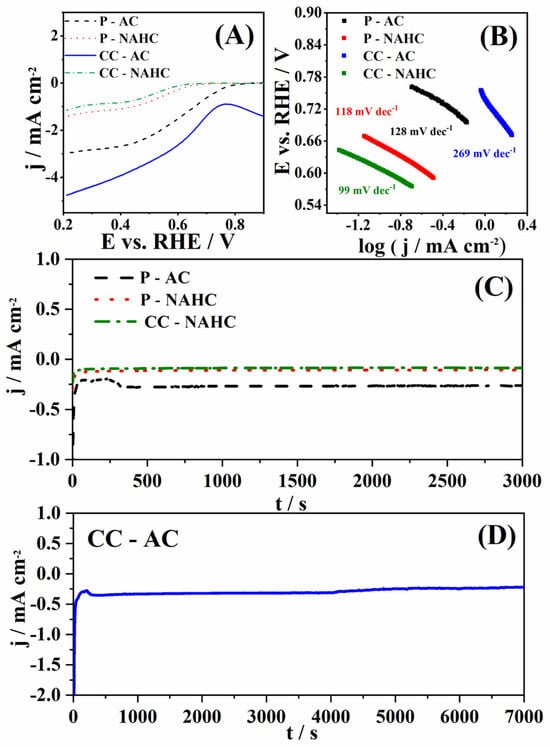
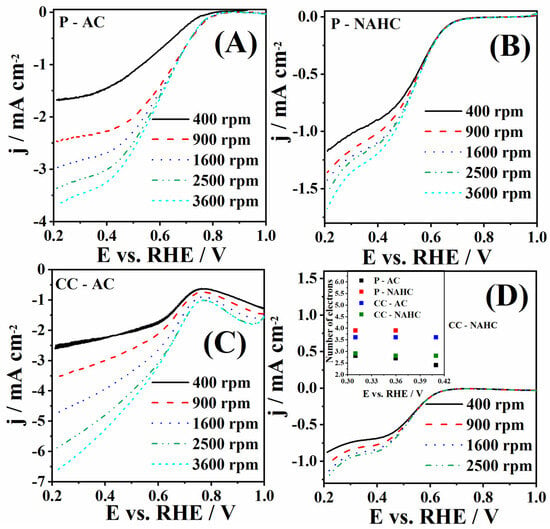
This study investigates the morphological, compositional, and electrochemical properties of carbon materials derived from Pepsi (P) and Coca-Cola (CC) precursors, before and after chemical activation with ZnCl2. Scanning electron microscopy revealed a lower density of surface cracks in non-activated hydrothermal carbon (NAHC) samples compared to activated carbons (ACs), indicating structural changes induced by the corrosive activation process. Particle size analysis showed an increase in average diameter after activation, particularly pronounced in CC-derived samples, which also exhibited a broader particle size distribution. Elemental mapping confirmed carbon as the dominant and homogeneously distributed element, while oxygen-containing functional groups decreased significantly after activation. Oxygen reduction reaction investigation demonstrated that all synthesized non-activated and activated samples are electrocatalytically active in alkaline solution. CC-NAHC demonstrated the lowest Tafel slope (99 mV dec−1), while activated samples showed higher values, indicating slower kinetics and increased reaction limitations. Despite this, activated carbons—particularly CC-AC—displayed significantly higher diffusion-limited current densities (~−4.8 mA cm−2 at 1600 rpm), suggesting improved mass transport and conductivity. Furthermore, electron transfer number (n) analysis indicated that P-NAHC and CC-AC follow a near four-electron ORR pathway (n ≈ 3.6–3.9).
Full article
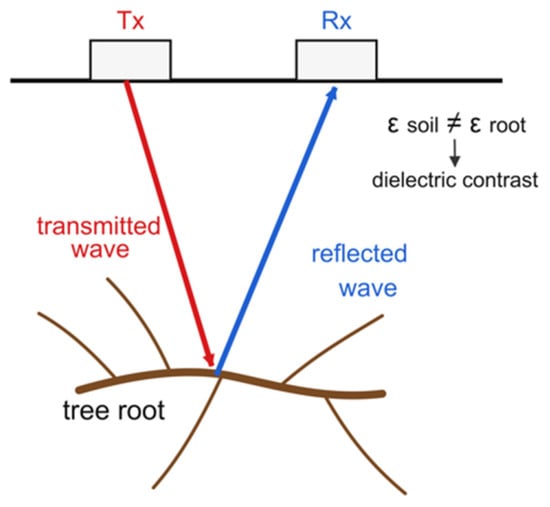
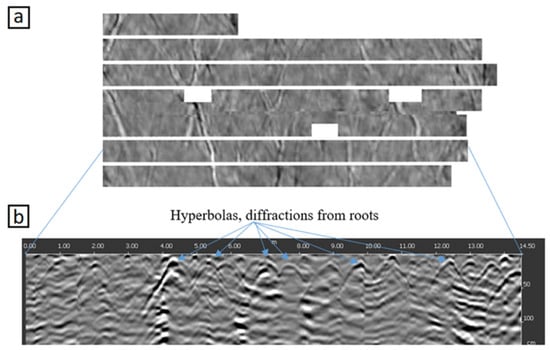
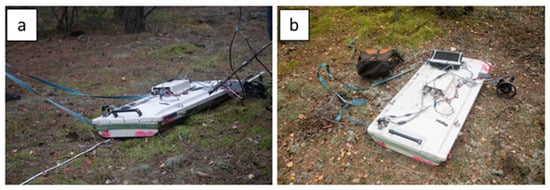
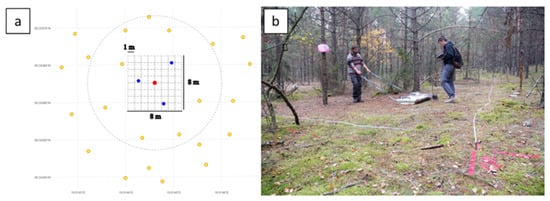
Tree root-system architecture is vital for forest resilience under rising climate stress, yet techniques like excavation are destructive, slow, and unsuitable for large surveys. We evaluated how Scots pine (Pinus sylvestris) root architecture varies across contrasting environments using non-invasive, high-resolution multichannel
[...] Read more.
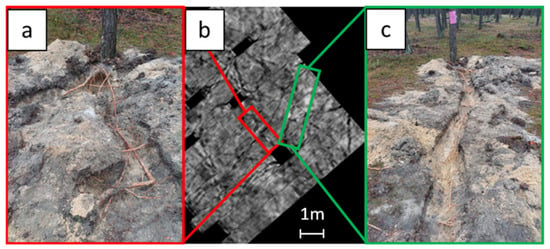
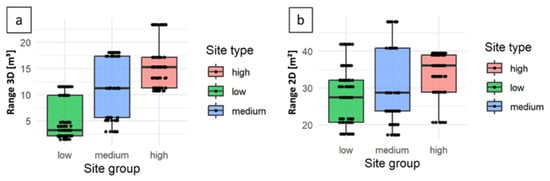
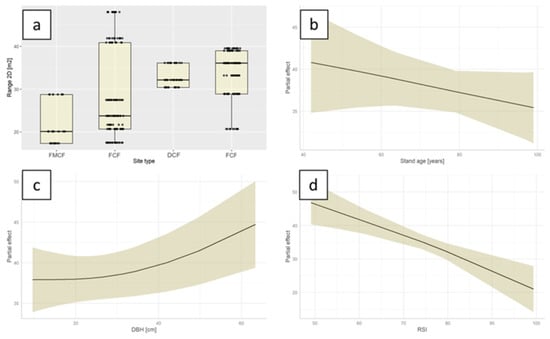
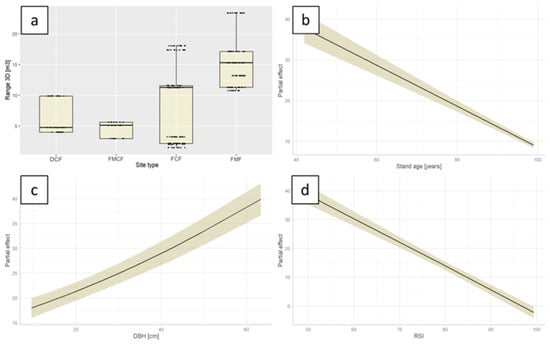
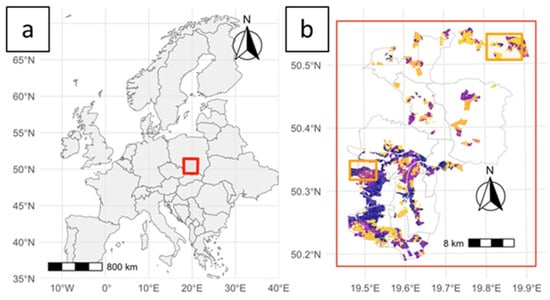
Tree root-system architecture is vital for forest resilience under rising climate stress, yet techniques like excavation are destructive, slow, and unsuitable for large surveys. We evaluated how Scots pine (Pinus sylvestris) root architecture varies across contrasting environments using non-invasive, high-resolution multichannel ground-penetrating radar (GPR). Plots in the Olkusz Forest District (southern Poland) spanned gradients of soil fertility and stand age. A multichannel radar array produced 3D subsurface volumes, from which two traits were derived: the 2D planar root extent and the 3D rooting-envelope volume. Generalized additive models linked these metrics to site, stand, and tree characteristics. Multichannel GPR revealed clear site-driven differences in root structure and delivered markedly better data quality than single-channel systems. Selective excavation of visible roots confirmed close agreement between radar estimates and true root positions. Root architecture shifted along the fertility gradient and depended strongly on tree size, stand density, and age: rooting volume increased with site productivity and diameter at breast height but declined with stand age and relative spacing. Overall, Scots pine shows strong adaptive plasticity, and multichannel GPR provides a powerful way to integrate below-ground traits into monitoring, modeling, and climate-smart forest management.
Full article
Background/Objectives: Radical cystectomy (RC) for muscle-invasive bladder cancer (MIBC) is associated with high morbidity. Frailty is an important determinant of surgical outcomes; however, its association with the composite outcome Days Alive and Out of Hospital (DAOH) has not been examined following RC.
[...] Read more.
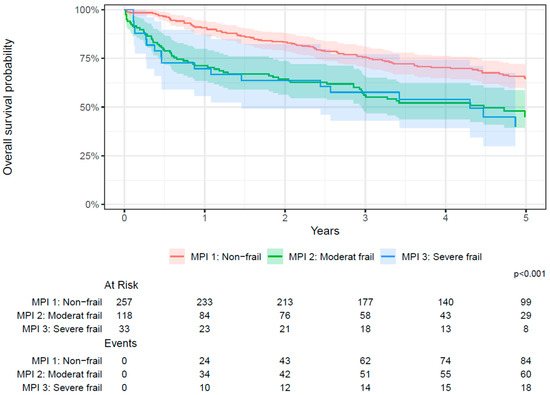
Background/Objectives: Radical cystectomy (RC) for muscle-invasive bladder cancer (MIBC) is associated with high morbidity. Frailty is an important determinant of surgical outcomes; however, its association with the composite outcome Days Alive and Out of Hospital (DAOH) has not been examined following RC. We assessed the impact of preoperative frailty on 90-day DAOH in older patients undergoing RC for MIBC. Methods: We conducted a retrospective cohort study including 408 consecutive patients aged ≥65 years undergoing RC at a tertiary referral center between 2018 and 2023. Frailty was assessed using the record-based Multidimensional Prognostic Index (r-MPI), classifying patients as non-frail (MPI1), moderately frail (MPI2), or severely frail (MPI3). The primary outcome was 90-day DAOH; secondary outcomes included length of stay (LOS), postoperative complications, delirium, and mortality. DAOH was dichotomized at the cohort median. Associations with low DAOH were analyzed using modified Poisson regression with robust variance estimation. Results: Median 90-day DAOH decreased progressively with increasing frailty: MPI1: 81 days (IQR 76–83), MPI2: 73 days (IQR 62–80), MPI3: 67 days (IQR 52–76); p < 0.01. In multivariable analysis, frailty was independently associated with low DAOH (MPI2: RR 2.46, 95% CI 1.94–3.11; MPI3: RR 3.37, 95% CI 2.55–4.46), whereas age and comorbidity were not. Increasing frailty was consistently linked to worse postoperative outcomes, including longer LOS, higher complication burden and severity, and more frequent delirium. Ninety-day postoperative complication-related mortality increased markedly with frailty (MPI1: 1.6%, MPI2: 11.9%, MPI3: 12.1%; p < 0.01). Conclusions: Preoperative frailty is a strong independent predictor of low 90-day DAOH and adverse postoperative outcomes following RC in older patients.
Full article
Phishing and malicious websites are a serious threat on the internet. Attackers use fake links to trick users and steal their private information. Detecting these links is difficult because attackers change their tricks often. Many old methods cannot detect new or hidden threats.
[...] Read more.
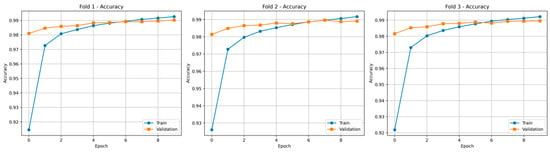
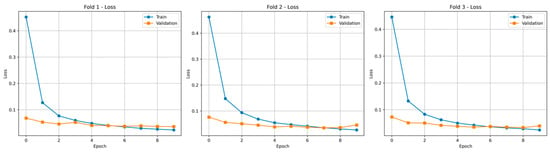
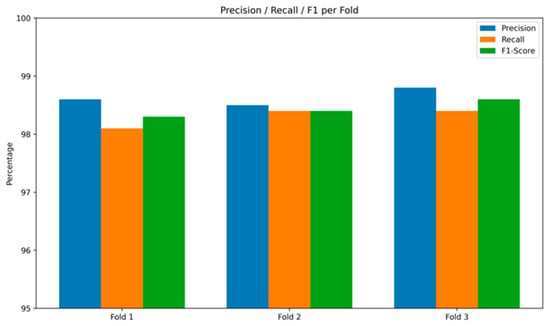
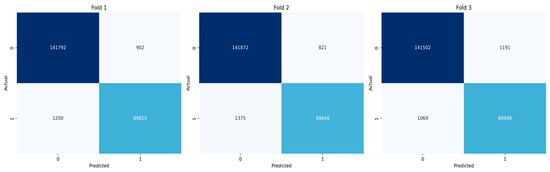
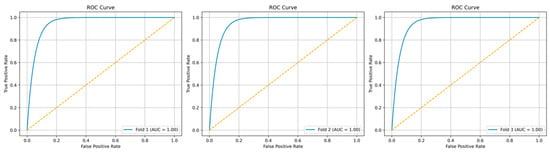
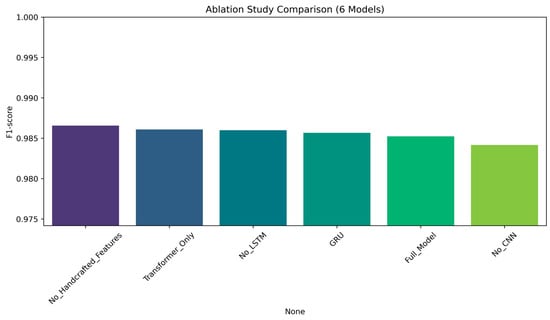
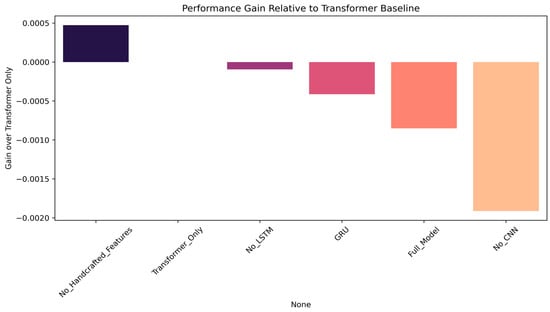
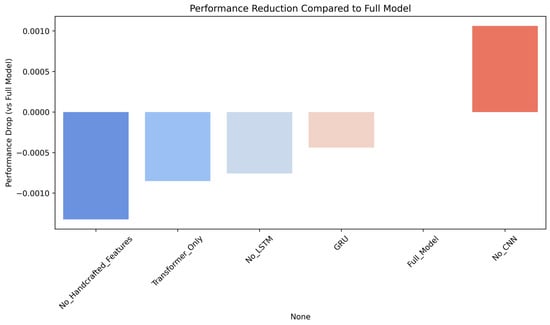
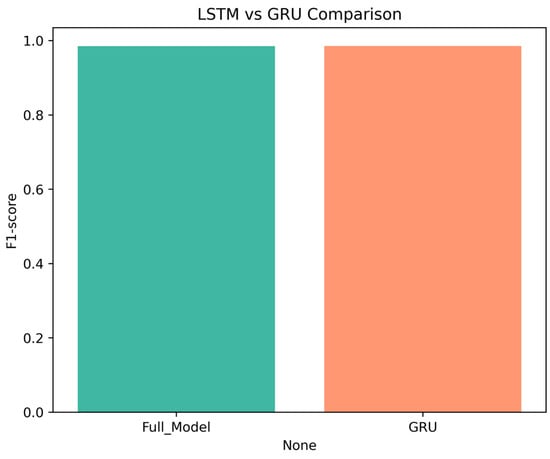
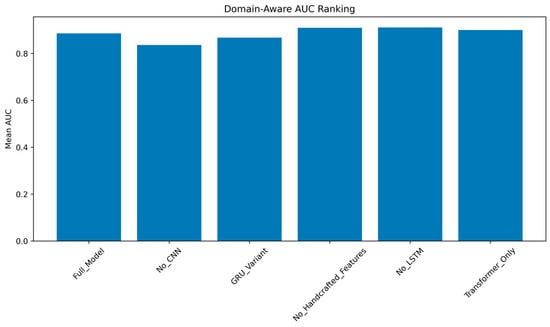
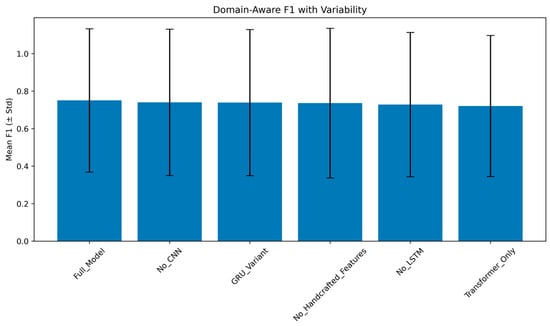
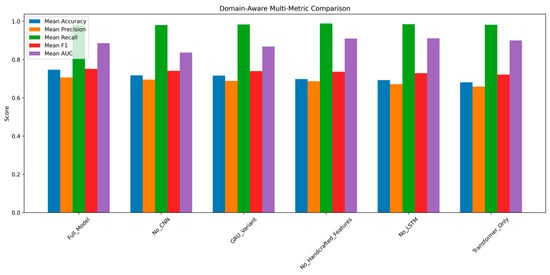
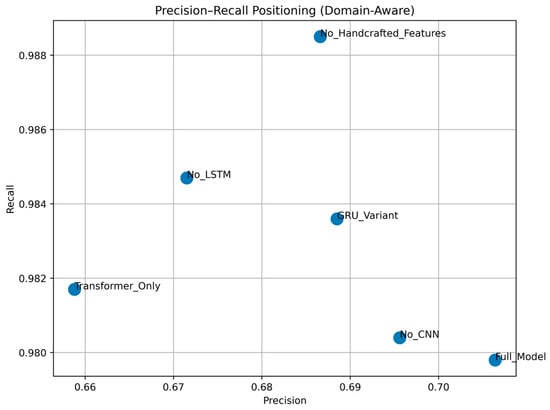
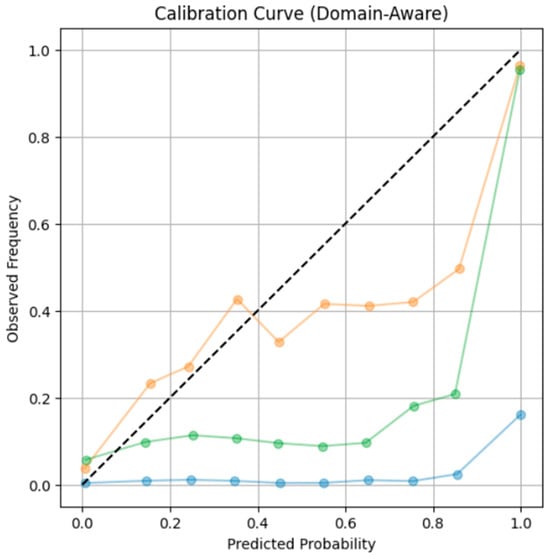
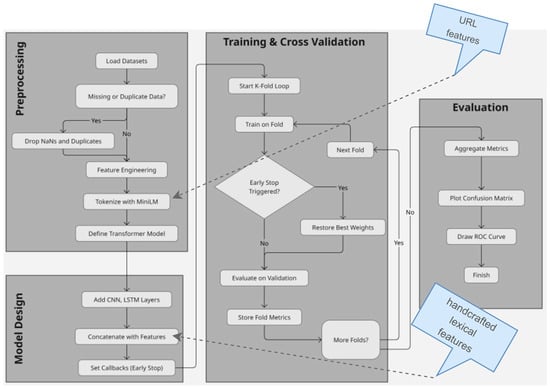
Phishing and malicious websites are a serious threat on the internet. Attackers use fake links to trick users and steal their private information. Detecting these links is difficult because attackers change their tricks often. Many old methods cannot detect new or hidden threats. Some recent models use deep learning (DL), but they are large, slow, and hard to use in real-time systems. In this paper, we present a lightweight and accurate model called MiniLM-CNNLSTM. It combines a small transformer model (MiniLM) with a hybrid DL network using Convolutional Neural Network (CNN) and Long Short-Term Memory (LSTM) layers. The transformer learns the meaning of URLs. The CNN finds important patterns. The LSTM captures the order of characters. We also add handcrafted features that help the model detect tricky URLs. We test our method on two public datasets: the Phishing Site URLs dataset and the Malicious URLs dataset from Kaggle. We use 3-fold cross-validation and early stopping to ensure fair and stable results. The MiniLM-CNN-LSTM model outperformed previous benchmarks by achieving an average three-fold cross-validation accuracy of 98.98%, a precision of 98.63%, a recall of 98.29%, an F1-score of 98.46%, and a false positive rate of 0.68%. The proposed model has a higher accuracy, precision, recall, F1-score and a lower false positive rate, which enhances the accuracy by 1.88, precision by 3.77, recall by 4.17 and decreases the false positive rate by 61.58% compared with the strongest baseline (Distil BERT + CNN-LSTM), showing significant practical improvements. The results show that our approach is fast, small, and highly effective. It can detect phishing and malicious links with high accuracy. This makes it a good choice for real-time security systems like browsers, email filters, or firewalls.
Full article
Intraprocedural rupture (IPR) during stent-assisted coiling (SAC) after stent deployment can create a narrow and rapidly changing management problem: hemorrhage control, anticoagulation reversal, acute thrombotic occlusion, and postprocedural cerebrospinal fluid diversion may all become urgent within the same clinical sequence. We report a
[...] Read more.
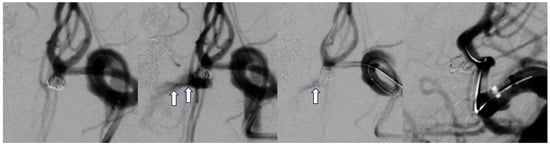
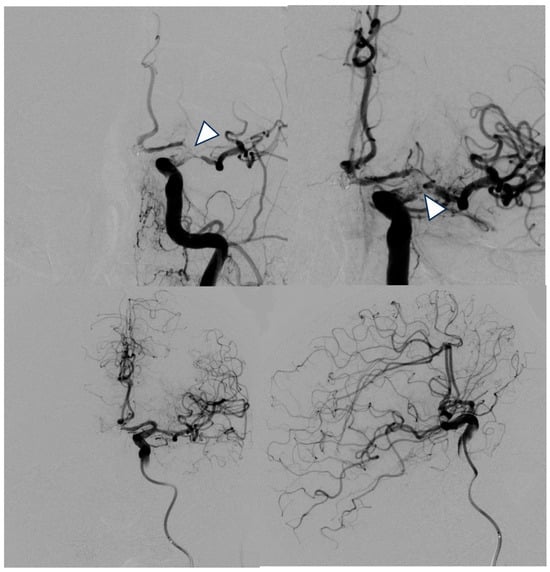
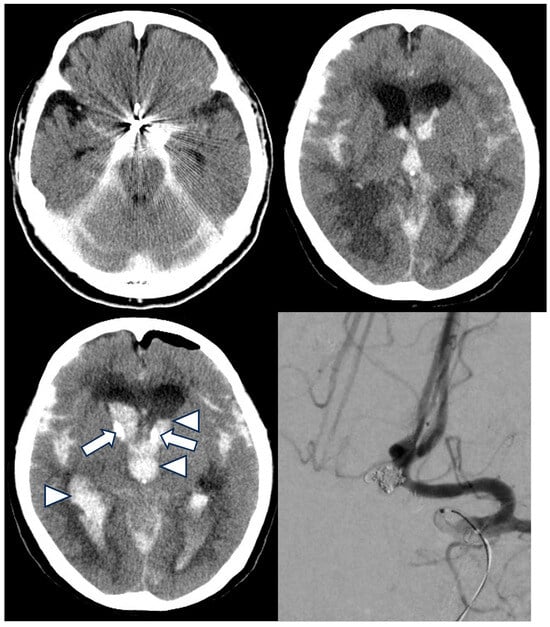
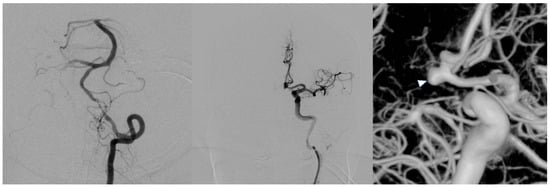
Intraprocedural rupture (IPR) during stent-assisted coiling (SAC) after stent deployment can create a narrow and rapidly changing management problem: hemorrhage control, anticoagulation reversal, acute thrombotic occlusion, and postprocedural cerebrospinal fluid diversion may all become urgent within the same clinical sequence. We report a fatal IPR during SAC of an unruptured anterior communicating artery (AComA) aneurysm and use the case as an anchor for a targeted case-based narrative review. A 71-year-old woman underwent SAC for a 5.1-mm posteriorly directed AComA aneurysm with a bleb after treatment for vertebrobasilar ischemia. Fourth-coil insertion produced tactile resistance and contrast extravasation. Protamine reversal and temporary A1 flow control reduced the leak, but filling defects then developed from the internal carotid artery terminus to the A1 and M1 segments, requiring rescue thrombectomy. Computed tomography showed subarachnoid hemorrhage and intraventricular hemorrhage; same-day progression with hydrocephalus required bilateral external ventricular drainage. The patient died on postoperative day 7. This case highlights IPR during SAC as a time-dependent hemorrhagic–thrombotic escalation rather than a single technical event. We propose a staged assistant–operator communication model for risk mapping, rupture recognition, hemostatic-route preservation, thrombotic surveillance, and transition to computed tomography, external ventricular drainage, and intensive care.
Full article
Sumizyme PEG, a glucanase/cellulase enzyme preparation produced by Talaromyces versatilis PF8, was investigated to characterize its systemic and genotoxic toxicity profile to support its intended use in food processing applications. A comprehensive toxicological program was conducted in accordance with OECD guidelines, comprising a
[...] Read more.
Sumizyme PEG, a glucanase/cellulase enzyme preparation produced by Talaromyces versatilis PF8, was investigated to characterize its systemic and genotoxic toxicity profile to support its intended use in food processing applications. A comprehensive toxicological program was conducted in accordance with OECD guidelines, comprising a bacterial reverse mutation (Ames) test, an in vitro chromosomal aberration assay, an in vivo micronucleus test, and a 90-day repeated-dose oral toxicity study in male and female Crl:CD(SD) rats. In the subchronic study, Sumizyme PEG was administered by oral gavage at doses of 107, 1070, and 10,700 U/kg/day. No treatment-related adverse effects were observed across clinical, hematological, biochemical, urinalysis, organ weight, or histopathological endpoints, and the highest dose was identified as the NOAEL. Genotoxic testing showed no consistent mutagenic or clastogenic response across the test battery. A positive in vitro signal was observed in CHL/IU cells; however, this was not reproduced in a human TK6 cell assay or in vivo micronucleus testing, indicating assay-dependent sensitivity within a weight-of-evidence framework. Overall, the integrated dataset does not indicate a consistent treatment-related systemic or genotoxic effect under the conditions of the studies conducted.
Full article
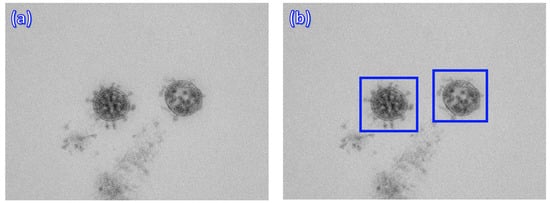
Although SARS-CoV-2 has been extensively studied from clinical, virological, and diagnostic perspectives, the problem of accurate automatic semantic segmentation of SARS-CoV-2 particles in electron microscopy images remains inadequately explored. Existing studies have largely focused on virus detection, classification, morphometry, or conventional image analysis,
[...] Read more.
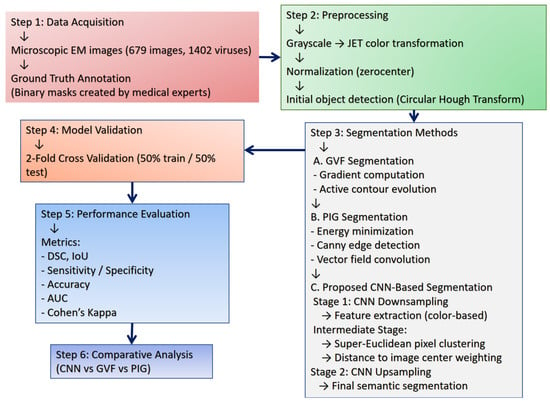
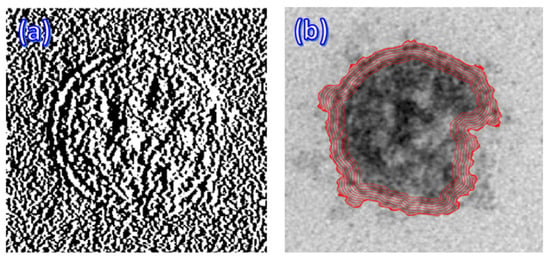
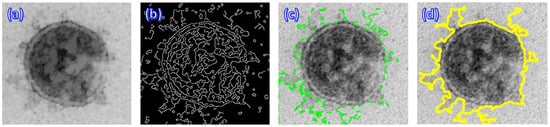
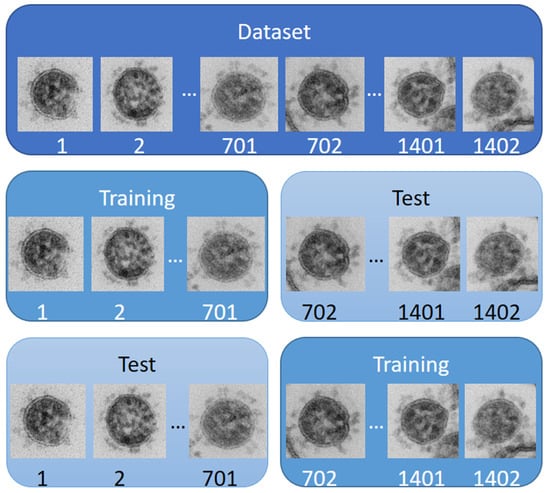
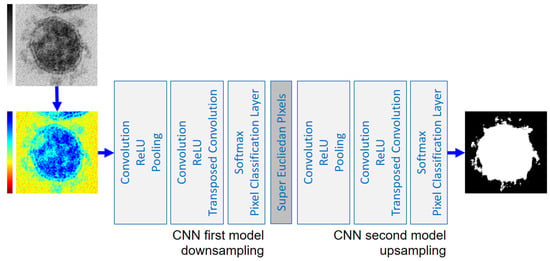
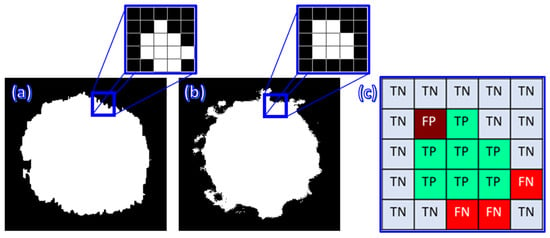
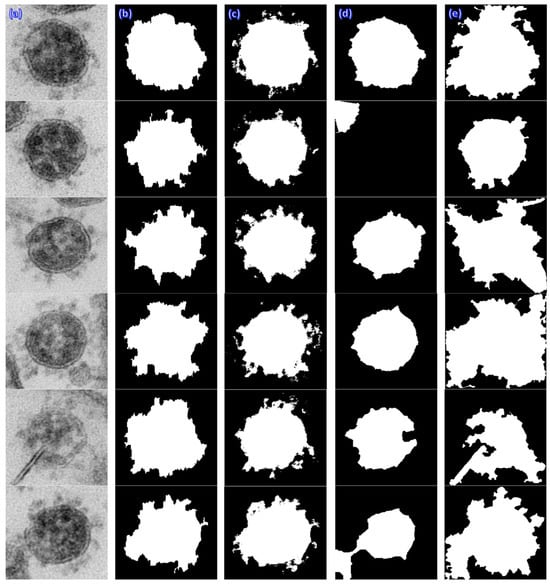
Although SARS-CoV-2 has been extensively studied from clinical, virological, and diagnostic perspectives, the problem of accurate automatic semantic segmentation of SARS-CoV-2 particles in electron microscopy images remains inadequately explored. Existing studies have largely focused on virus detection, classification, morphometry, or conventional image analysis, while comparatively little attention has been paid to pixel-level delineation of viral structures using specialised deep learning segmentation frameworks. To address this gap, we propose here a deep learning system based on convolutional neural networks (CNNs) combined with image processing techniques to establish semantic segmentation tools for the automatic identification of SARS-CoV-2. Our approach utilises the super-Euclidean pixels method as an intermediate layer within the CNN for semantic segmentation. We then compare its performance against the gradient vector flow (GVF) and Poisson inverse gradient (PIG) segmenters. The proposed CNN model surpassed the traditional GVF and PIG segmentation models, achieving the following metrics (mean ± variance): Dice similarity coefficient (DSC) = 0.9345 ± 0.0006; intersection over union (IoU) = 0.8782 ± 0.0018; sensitivity/true positive rate (TPR) = 0.9373 ± 0.0018; specificity/true negative rate (SPC) = 0.9517 ± 0.0012; accuracy = 0.9449 ± 0.0004; area under the ROC curve (AUC) = 0.9446 ± 0.0431; and Cohen’s Kappa = 0.9137 ± 0.0011. This method enables virologists to employ an automatic CNN-based segmentation tool for detecting SARS-CoV-2 and demonstrates superiority over GVF and PIG.
Full article
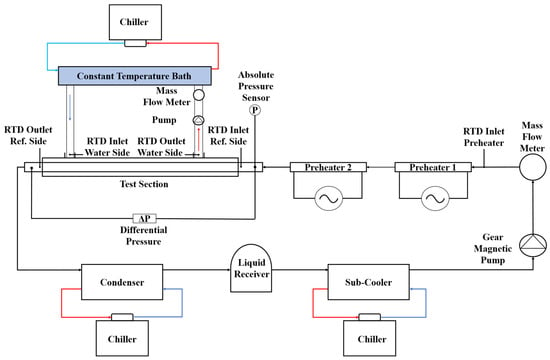
Condensation heat transfer and frictional pressure drop of R410A, R455A, R454C, and a newly proposed ternary low-GWP (Low-Global Warming Potential) refrigerant (R1234yf/R13I1/R32) were experimentally investigated in a horizontal smooth tube. The heat transfer results established R410A and R1234yf/R13I1/R32 as the upper and lower
[...] Read more.
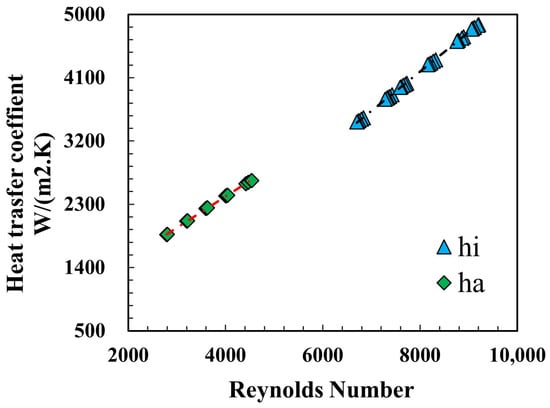
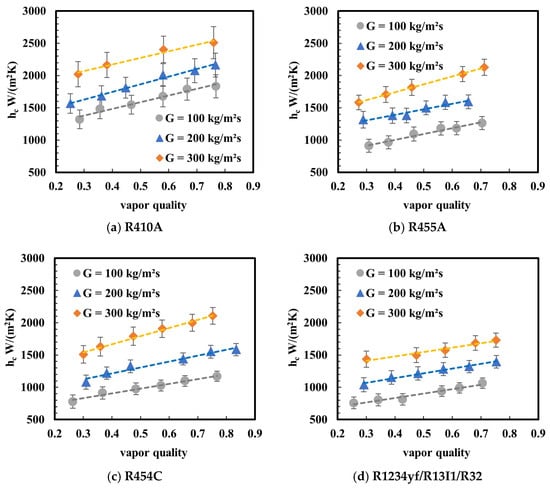
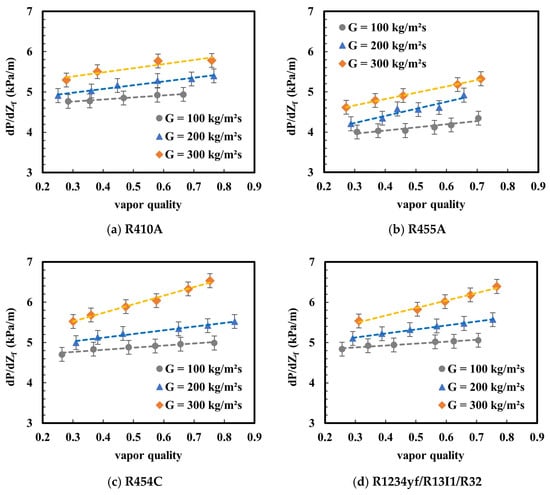
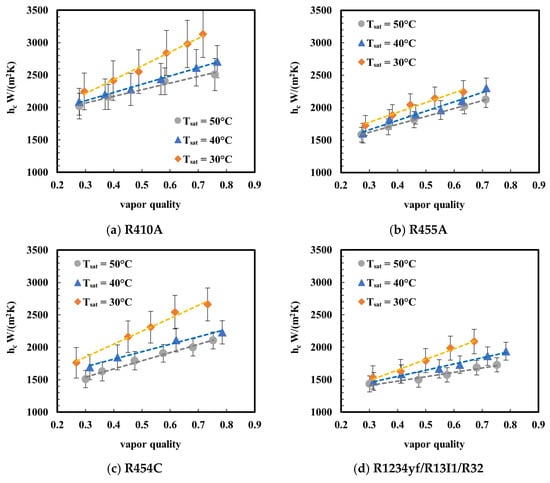
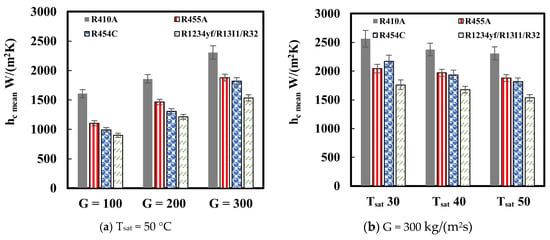
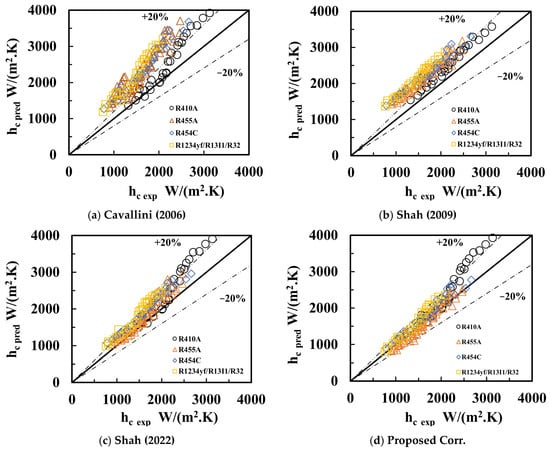
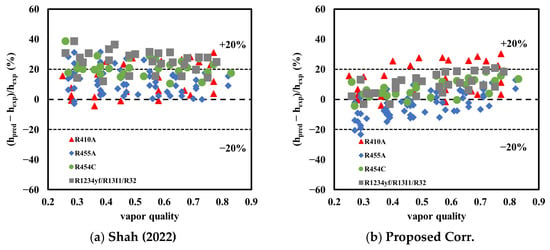
Condensation heat transfer and frictional pressure drop of R410A, R455A, R454C, and a newly proposed ternary low-GWP (Low-Global Warming Potential) refrigerant (R1234yf/R13I1/R32) were experimentally investigated in a horizontal smooth tube. The heat transfer results established R410A and R1234yf/R13I1/R32 as the upper and lower performance bounds, respectively, while the two low-GWP blends occupied an intermediate range. The hydraulic behavior showed a different ranking from the heat transfer performance, indicating that thermal advantage and pressure-drop reduction are controlled by different refrigerant properties. Among the three established correlations, Shah (2022) provided the best overall agreement and was selected as the basis for further development. The Bell–Ghaly mixture correction was modified by replacing the vapor quality weighting term with a Zivi-based void fraction and the uniform phase equilibrium slope with a local pointwise slope. The proposed correlation reduced the overall Mean Absolute Deviation (MAD) from 16.9% to 9.3% and Mean Relative Deviation (MRD) from +16.7% to +4.3% across all 150 data points compared to Shah (2022).
Full article
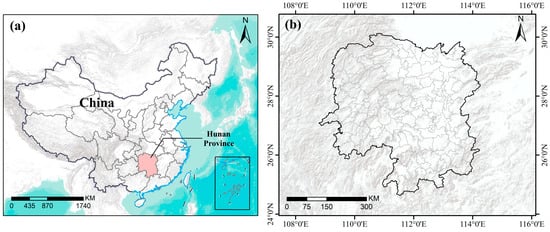
Rural sustainable development is a core component of the global Sustainable Development Goals, and building digital villages and enhancing the resilience of rural economies are key pathways for underdeveloped regions to achieve rural sustainable development. The coordination and synergy between these two areas
[...] Read more.
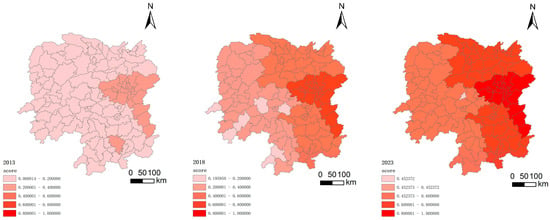
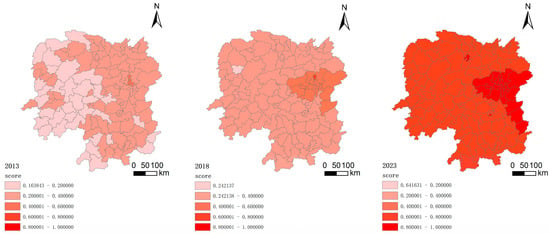
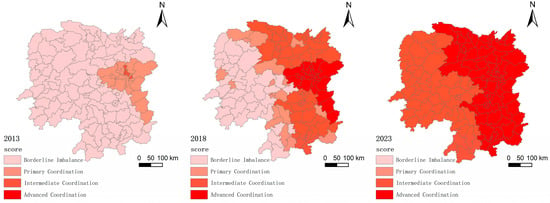
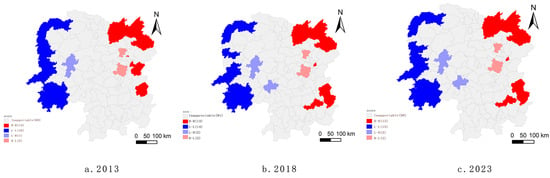
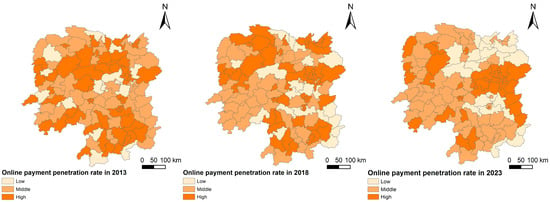
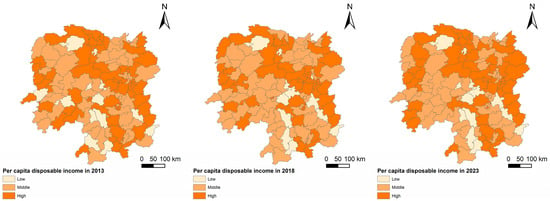
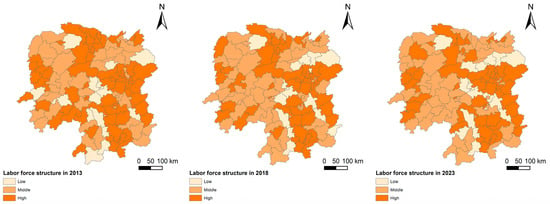
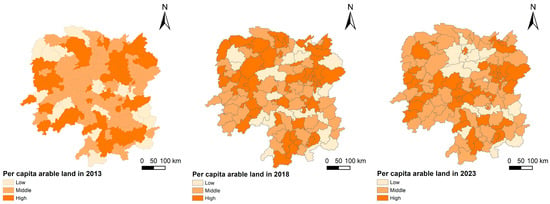
Rural sustainable development is a core component of the global Sustainable Development Goals, and building digital villages and enhancing the resilience of rural economies are key pathways for underdeveloped regions to achieve rural sustainable development. The coordination and synergy between these two areas are central to rural revitalization. Taking 122 counties in Hunan Province as research units and using 2013–2023 spatial panel data, this study employs an improved coupling coordination model, spatial autocorrelation analysis and geographically weighted regression to explore their spatiotemporal evolution, clustering patterns and driving factors. The results show that both systems improved steadily: digital villages expanded from core areas, while economic resilience developed more balancedly. The coupling coordination evolved from near-disorder to a pattern characterized by regional equilibrium. The coupling coordination degree displayed significant positive spatial autocorrelation, forming an “High-High (H-H)” cluster in the Changsha-Zhuzhou-Xiangtan-Dongting Lake Plain and an “Low-Low (L-L)” cluster in western Hunan. Driving factors showed marked spatial heterogeneity. These findings provide empirical support for differentiated digital village policies in Hunan.
Full article
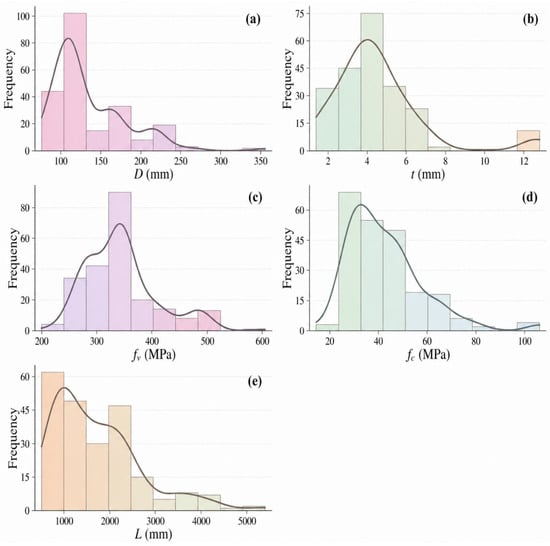
Concrete-filled steel tubes (CFSTs) combine the advantages of both steel and concrete and have been widely applied in recent years due to their excellent mechanical performance and economic efficiency. This paper focuses on the axial load capacity of CFST columns. First, 227 sets
[...] Read more.
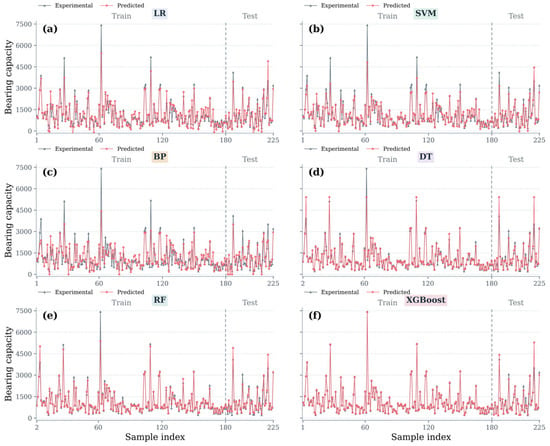
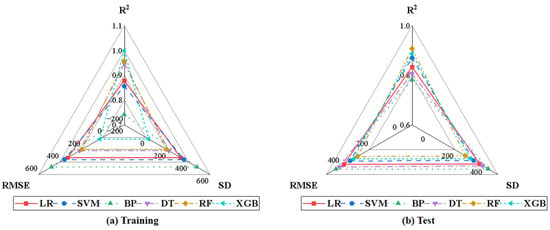
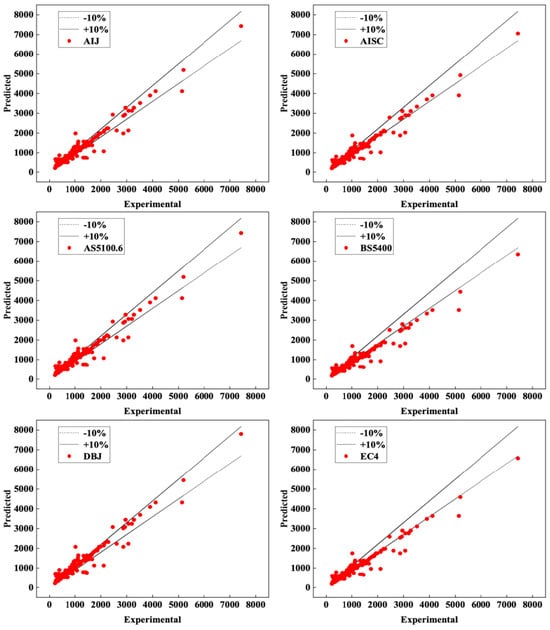
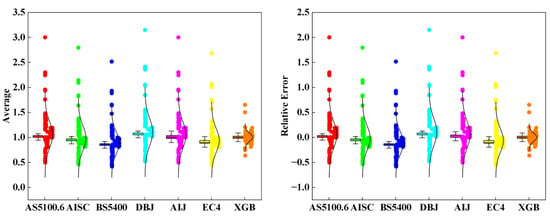
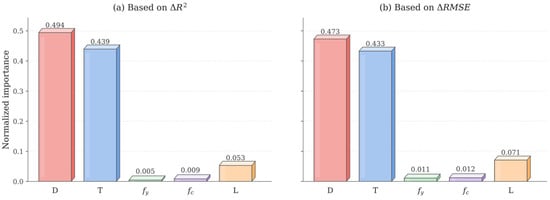
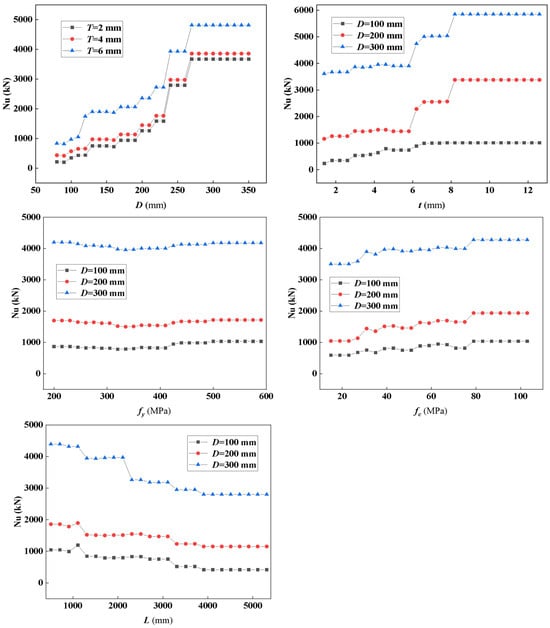
Concrete-filled steel tubes (CFSTs) combine the advantages of both steel and concrete and have been widely applied in recent years due to their excellent mechanical performance and economic efficiency. This paper focuses on the axial load capacity of CFST columns. First, 227 sets of experimental data were collected to develop axial load capacity prediction models using six machine learning algorithms. Second, the existing design code-recommended calculation models were evaluated. Subsequently, parameter importance and sensitivity analyses were conducted using the optimal machine learning model, and a graphical user interface was developed for predicting the axial load capacity of circular CFST columns. The results show that the eXtreme Gradient Boosting model is the most suitable for predicting the axial load capacity of CFST columns. In contrast, the stability and accuracy of the code-recommended models need improvement. The steel tube diameter and thickness have a significantly greater influence on axial load capacity compared to other parameters. Within specific ranges, increasing all parameters except column length enhances the axial load capacity.
Full article
Tear staining is a common yet often underestimated condition in dogs that affects appearance and may reflect underlying disease. This study evaluated dietary supplementation with the traditional Chinese herbs Chrysanthemum morifolium (CM), Cassia semen (CS), and Poria cocos (PC) in dogs predisposed to
[...] Read more.
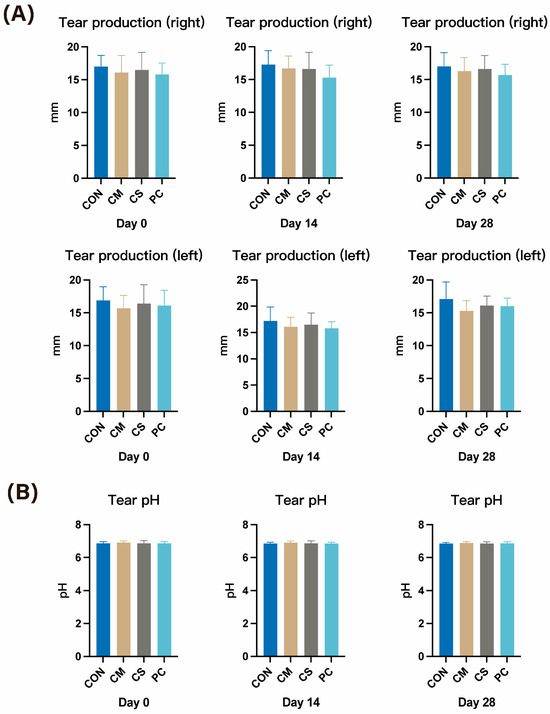
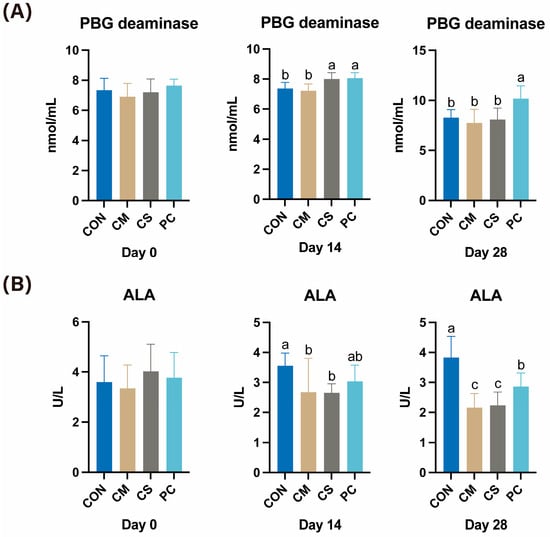
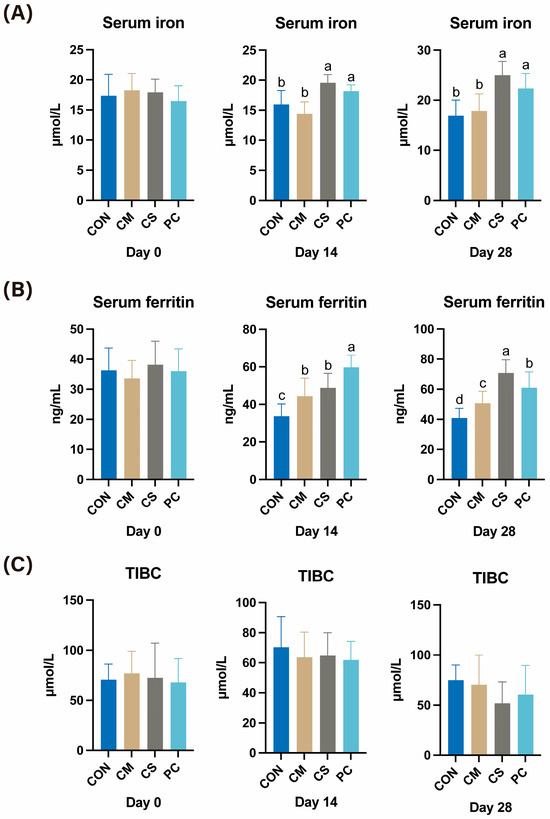
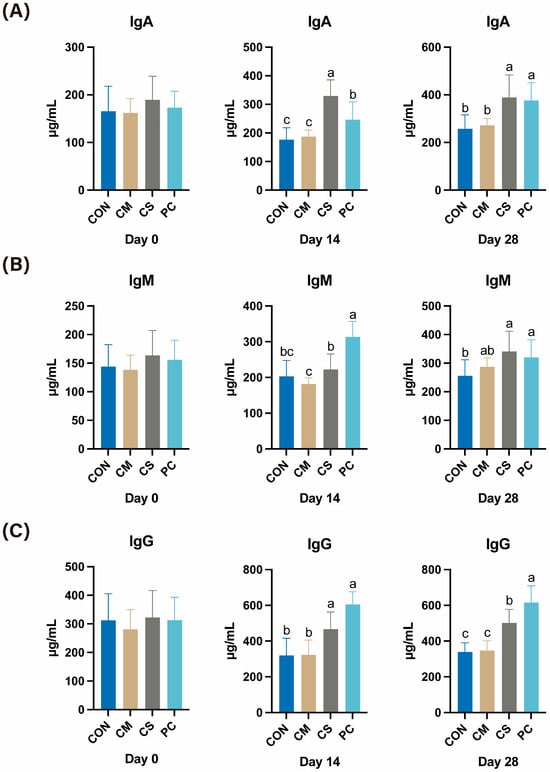
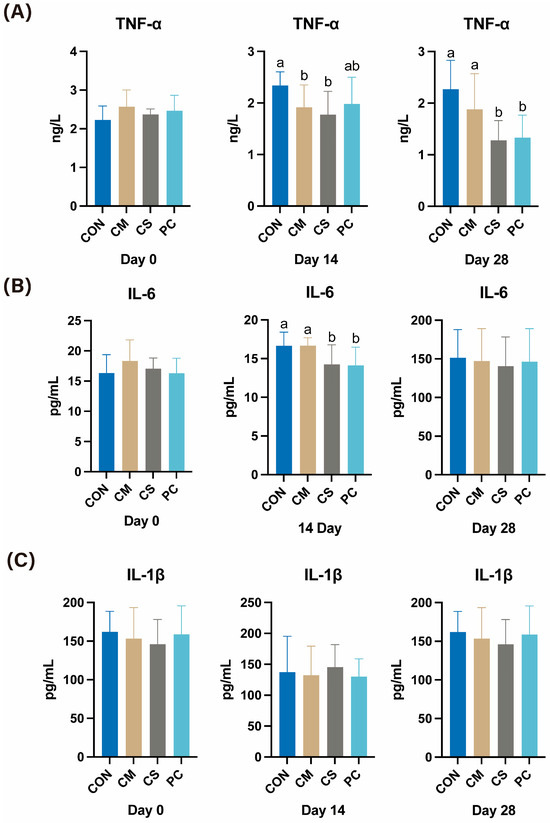
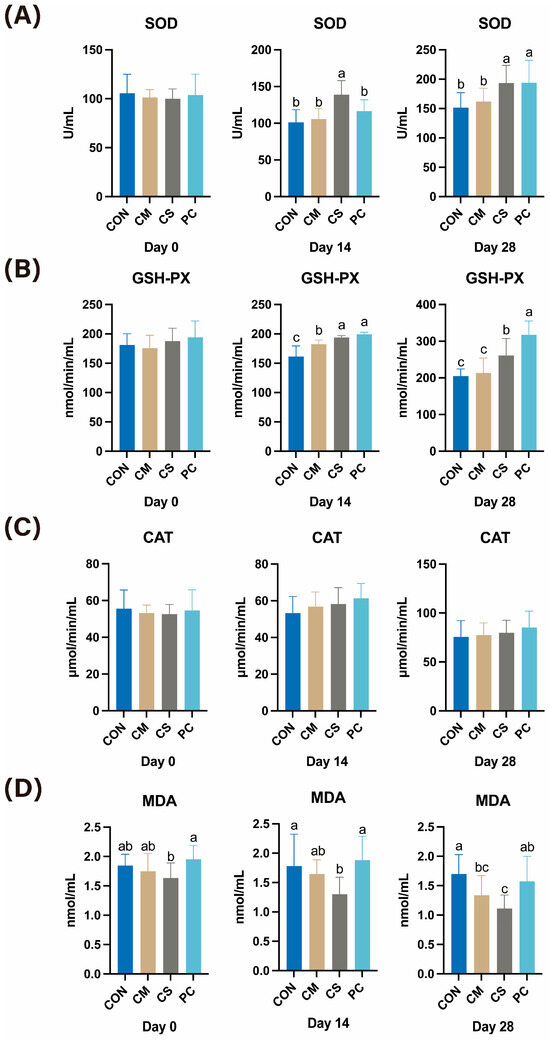
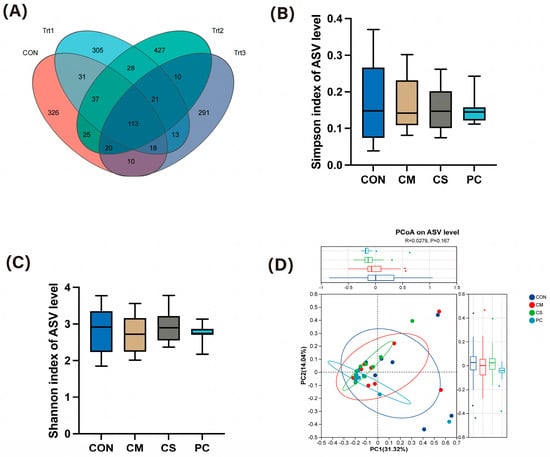
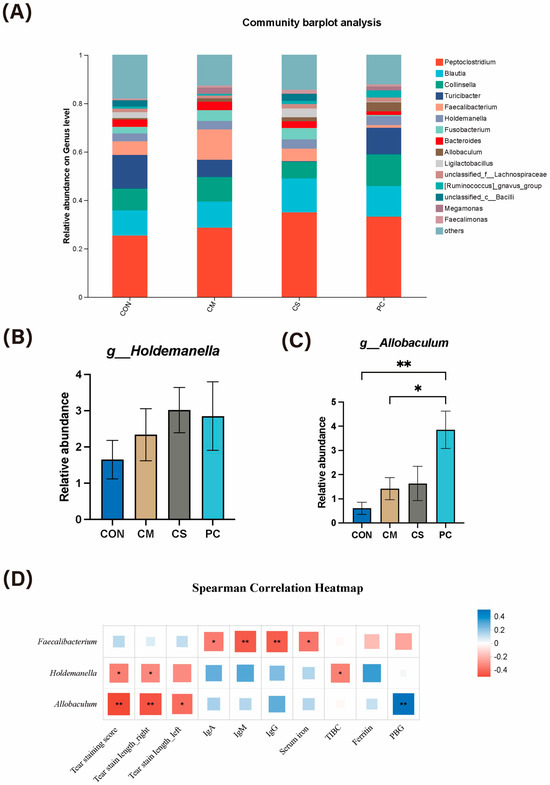
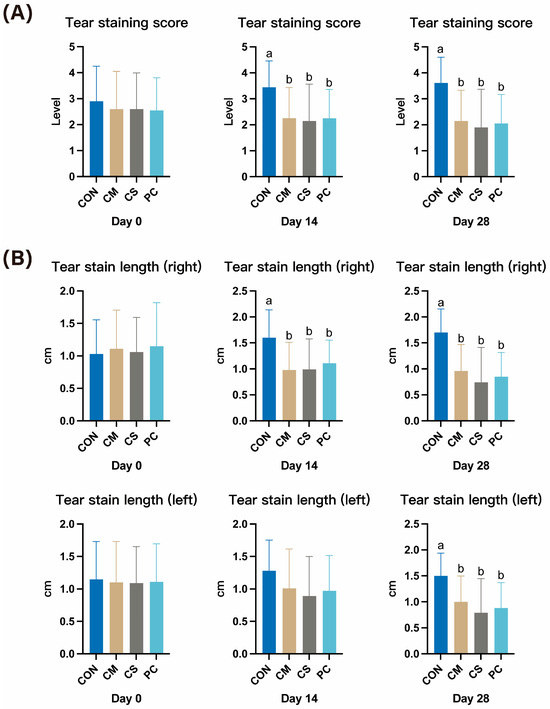
Tear staining is a common yet often underestimated condition in dogs that affects appearance and may reflect underlying disease. This study evaluated dietary supplementation with the traditional Chinese herbs Chrysanthemum morifolium (CM), Cassia semen (CS), and Poria cocos (PC) in dogs predisposed to tear staining and investigated potential mechanisms. Forty Poodle and Bichon dogs were fed diets supplemented with 0.5% CM, CS, or PC. Tear staining indices were measured biweekly, together with blood indicators of iron status, immune and inflammatory markers, and antioxidant capacity. All three supplements reduced tear staining (p < 0.05), as shown by lower scores and shorter stain length versus control. CM and PC improved iron status and porphyrin metabolism by increasing serum iron and ferritin and modulating δ-aminolevulinic acid and porphobilinogen deaminase. They also enhanced humoral immunity and antioxidant status by increasing serum immunoglobulins, reducing pro-inflammatory cytokines, and moderately improving antioxidant activities. CM and PC increased fecal Allobaculum abundance, which correlated with tear staining indices and porphyrin-related measures. In conclusion, CM, CS, and PC are promising dietary strategies for reducing tear staining in dogs, with CM and PC possibly acting via Allobaculum-associated modulation of iron and porphyrin metabolism, while improving iron status, immunity, and antioxidant defense.
Full article
Background/Objectives: Although creatine monohydrate is widely recognized as an effective ergogenic aid in strength and power sports, its role in endurance and mixed-sport disciplines remains less clearly established. This scoping review aimed to map the current evidence regarding the effects of creatine
[...] Read more.
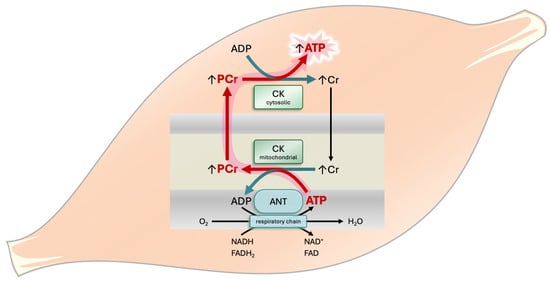
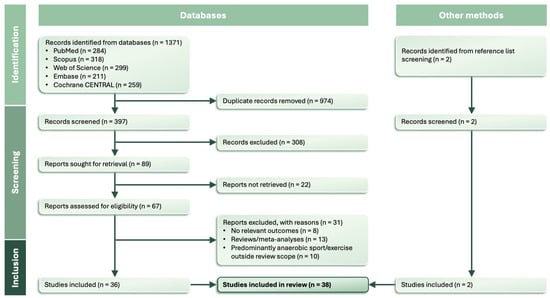
Background/Objectives: Although creatine monohydrate is widely recognized as an effective ergogenic aid in strength and power sports, its role in endurance and mixed-sport disciplines remains less clearly established. This scoping review aimed to map the current evidence regarding the effects of creatine supplementation on performance, recovery-related outcomes, and body composition in endurance and mixed-sport contexts. Methods: A scoping review of randomized controlled trials published between 1996 and 2025 was conducted. Eligible studies evaluated creatine supplementation in endurance and mixed-sport contexts, including both sport-specific and broader exercise populations when the exercise protocol, testing model, or outcomes were relevant to endurance or mixed-sport performance, recovery, or body composition. A total of 38 studies met the inclusion criteria. Outcomes were categorized into exercise performance, biochemical markers related to recovery and exercise stress, and body composition parameters. Results: Creatine supplementation was most often associated with reported favorable changes in repeated-sprint performance and high-intensity power output, particularly during intermittent, sprint-based, or power-endurance tasks. Several studies reported favorable changes in sprint performance, peak power, or total work output relative to placebo or baseline values in cycling, swimming, rowing, and canoeing/kayaking protocols, although findings were not uniform across studies and not all favorable within-group changes were placebo-superior. Some studies also reported favorable changes in end-phase sprint capacity during prolonged exercise. Findings related to recovery were less consistent. Selected studies reported reductions in inflammatory markers, including C-reactive protein (CRP) and tumor necrosis factor α (TNF-α), whereas markers of muscle damage showed mixed responses. Most supplementation protocols involved a 5–7-day loading phase of 20 g/day, occasionally followed by a maintenance dose of 2–5 g/day. Small increases in total body mass were commonly observed, while evidence regarding fat-free mass and aerobic outcomes remained limited or inconsistent. Conclusions: Current evidence suggests that creatine supplementation may be most relevant in selected endurance and mixed-sport contexts involving repeated high-intensity efforts, sprint finishes, or power-endurance demands, rather than for endurance performance broadly. In contrast, evidence for recovery-related biochemical responses, body composition changes, and aerobic adaptations remains equivocal. Further well-controlled, sport- or context-specific, and field-based studies are needed to better clarify the role of creatine in endurance and mixed-sport exercise.
Full article
Vegetation spatial heterogeneity is fundamental to biodiversity management and ecosystem service provision, yet detailed phytosociological mapping of forest vegetation remains largely unresolved in the Colombian Orinoquia. This study characterized the geographic distribution of forest vegetation through the integration of 178 field surveys, environmental
[...] Read more.
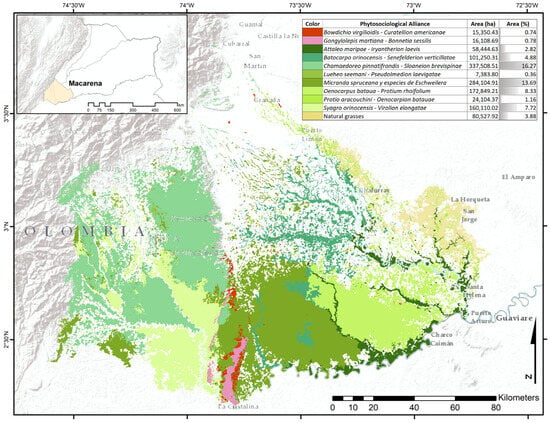
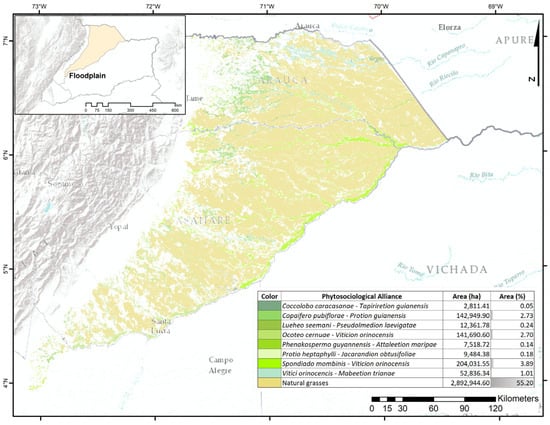
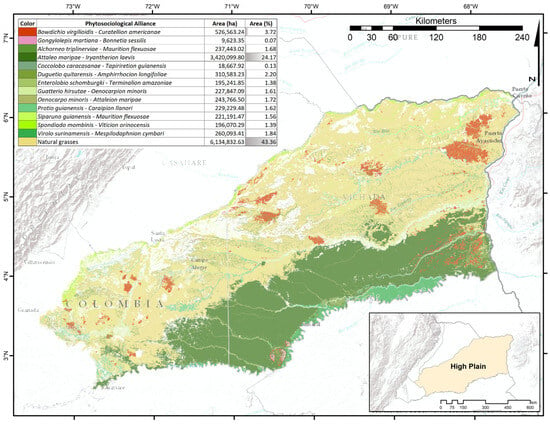
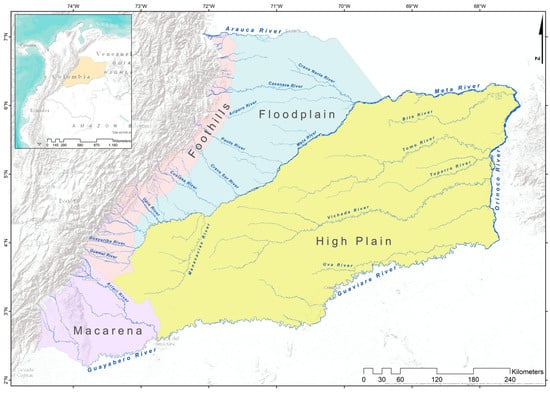
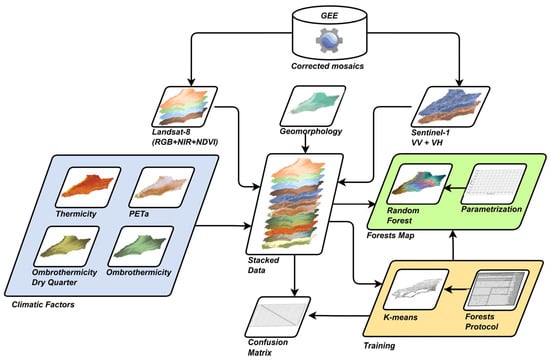
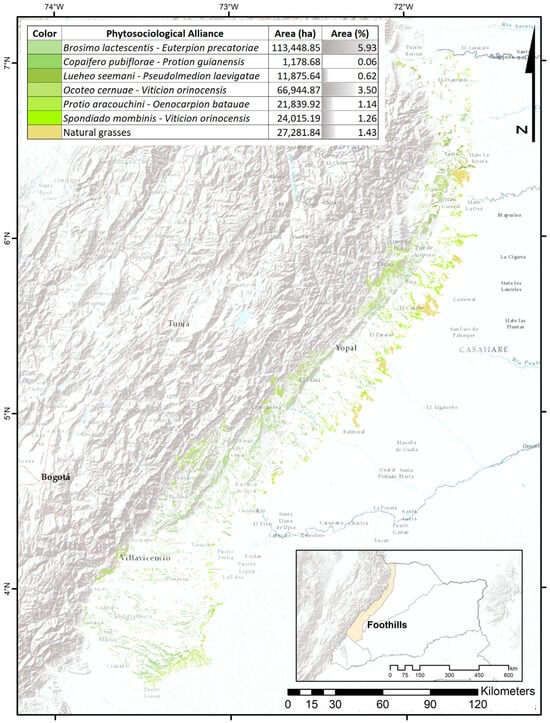
Vegetation spatial heterogeneity is fundamental to biodiversity management and ecosystem service provision, yet detailed phytosociological mapping of forest vegetation remains largely unresolved in the Colombian Orinoquia. This study characterized the geographic distribution of forest vegetation through the integration of 178 field surveys, environmental complex variables defined by geomorphological and bioclimatic gradients, and multi-sensor satellite imagery combining Landsat-8 optical bands and Sentinel-1 dual-polarization data, processed within a Random Forest classification framework in Google Earth Engine. Classifications achieved overall accuracies between 0.910 and 0.975 and Kappa coefficients above 0.93, identifying 24 phytosociological alliances or geobotanical formations distributed across approximately 7,565,696 ha, representing 34.63% of the region. Forest cover ranges from 10.95% in the Floodplain to 55.22% in La Macarena, with the High Plain concentrating the greatest formation diversity. The spatial organization of forest vegetation is primarily governed by the geomorphological gradient—fluvial, denudational, and structural—and limiting bioclimatic factors, together with their associated edaphic−hydrological regimes, with anthropic transformation driven by cattle ranching and agricultural expansion constituting the principal threat to forest cover. These results advance beyond existing land cover surrogates, providing an empirically validated cartographic framework for biodiversity assessment, habitat modeling, and natural capital management in the Colombian Orinoquia.
Full article
This paper presents a comprehensive investigation of the effects of atmospheric plasma treatment (APT) on the surface morphology, microhardness, chemical composition, and tribological performance of alloy steel used in railway applications. A novel mathematical model is proposed to describe the dependence of the
[...] Read more.
This paper presents a comprehensive investigation of the effects of atmospheric plasma treatment (APT) on the surface morphology, microhardness, chemical composition, and tribological performance of alloy steel used in railway applications. A novel mathematical model is proposed to describe the dependence of the maximum surface asperity height on the APT parameters and material properties. Experimental validation was performed using a series of alloy steel specimens treated under controlled APT conditions. The surfaces were characterized by roughness measurements, microhardness testing, scanning electron microscopy, and energy-dispersive spectroscopy. Tribological properties were evaluated under dry sliding conditions using ball-on-disk tests with steel counterbodies (grades 1.3529 and 1.3505). Tribological testing showed that APT leads to a 6–7% reduction in the steady-state friction coefficient, eliminates the long running-in stage, and improves stability by lowering the coefficient of variation by up to 43%. Overall, this study demonstrates that APT provides a dual benefit: improving tribological performance through surface smoothing and stabilization of the friction regime, and preserving the mechanical and chemical integrity of the material.
Full article
Rabies is a fatal zoonotic viral disease that continues to pose a significant threat to both animal and public health worldwide. Despite considerable progress in its control across Europe, sporadic outbreaks still occur, particularly in regions where wildlife reservoirs and stray animal populations
[...] Read more.
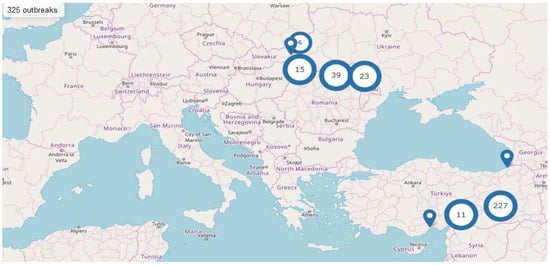
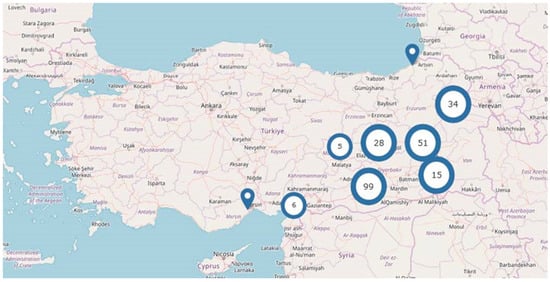
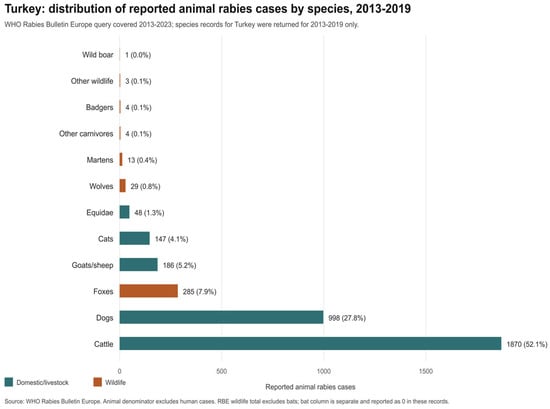
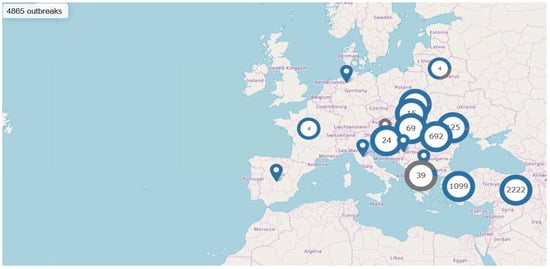
Rabies is a fatal zoonotic viral disease that continues to pose a significant threat to both animal and public health worldwide. Despite considerable progress in its control across Europe, sporadic outbreaks still occur, particularly in regions where wildlife reservoirs and stray animal populations sustain virus circulation. This study provides one of the first comparative longitudinal analyses integrating European countries and Turkiye rabies surveillance data over a decade (2013–2023). Information on reported outbreaks was obtained from the Animal Disease Information System (ADIS) and the World Animal Health Information System (WAHIS) database. The analysis focused on temporal trends, regional differences, and the distribution of affected animal species. During the study period, a total of 4865 outbreaks were reported in 16 countries. The number of detected outbreaks declined considerably over time, decreasing from 1022 cases in 2013 to 325 cases in 2023, representing an overall reduction of approximately 68%. The temporal trend was not uniform, with periods of decline followed by temporary increases. The highest number of outbreaks was registered in Türkiye, followed by Romania and Poland, indicating pronounced regional disparities. Domestic dogs represented the most frequently affected species, while cases were also recorded in wildlife and domestic cats, confirming the epidemiological importance of both domestic and wild reservoirs. The observed reduction in the number of outbreaks reflects the impact of vaccination programs and coordinated control measures, but may also be influenced by differences in surveillance systems and reporting practices. Nevertheless, the persistence of rabies in several regions indicates that the disease remains an epidemiological concern. Sustained vaccination of domestic animals, continued wildlife immunization, and strengthened surveillance and cross-border cooperation are essential for long-term control and prevention.
Full article
Coronavirus disease 2019 (COVID-19) has been associated with an increased long-term cardiovascular risk, potentially mediated by magnitude of the acute inflammatory response inflammation. Interleukin-6 (IL-6) and serum amyloid A (SAA) are key components of the inflammatory cascade and may serve as biomarkers of
[...] Read more.
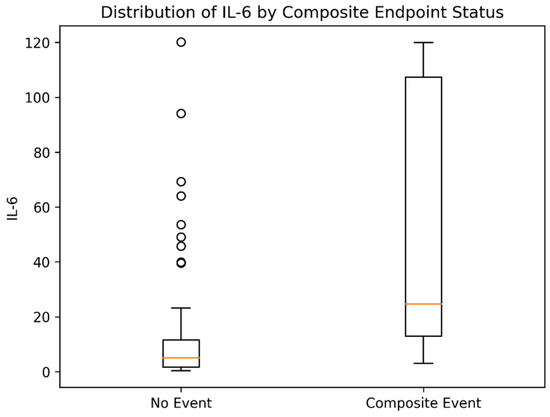
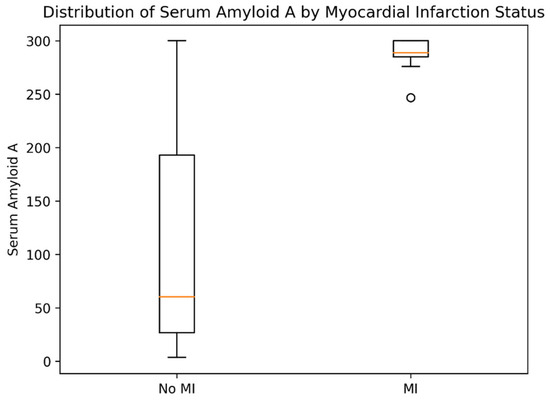
Coronavirus disease 2019 (COVID-19) has been associated with an increased long-term cardiovascular risk, potentially mediated by magnitude of the acute inflammatory response inflammation. Interleukin-6 (IL-6) and serum amyloid A (SAA) are key components of the inflammatory cascade and may serve as biomarkers of post-COVID cardiovascular vulnerability. This longitudinal observational study investigated the association between post- COVID-19 infection IL-6 and SAA levels and major cardiovascular events over a six-year follow-up period. A total of 97 individuals with documented prior SARS-CoV-2 infection were included. Circulating IL-6 and SAA concentrations were measured in the acute phase. The composite endpoint included incident arrhythmia, myocardial infarction, and all-cause mortality. Biomarker distributions were right-skewed and were therefore analyzed using non-parametric methods and penalized logistic regression models. During follow-up, 14.4% of participants experienced the composite endpoint. Individuals with adverse outcomes had significantly higher IL-6 and SAA levels compared with event-free participants. IL-6 demonstrated the strongest association with mortality, whereas SAA showed particularly robust associations with the composite endpoint, and with myocardial infarction. Both biomarkers independently predicted long-term adverse events. Circulating IL-6 and SAA concentrations measured during the acute phase of SARS-CoV-2 infection were analyzed in relation to long-term cardiovascular outcomes. These findings support the hypothesis that the magnitude of the acute inflammatory response during SARS-CoV-2 infection may be associated with long-term cardiovascular outcomes and suggest that combined assessment of IL-6 and SAA may have potential utility for hypothesis-generating prognostic signal requiring validation, pending validation in larger studies.
Full article







 Sustainability
 Applied Sciences
 IJMS
IJMS
 JCM
JCM
 Sensors
 Energies
 Materials
 Electronics
 Buildings
 Foods
Foods
 Mathematics
 Remote Sensing
 Molecules
 Processes
 Diagnostics
 Cancers
 Nutrients
 Animals
 Plants
 Healthcare
 Polymers
 Water
Water
 Biomedicines
 Microorganisms
 Agriculture
 Medicina
 Land
Land
 Cells
Cells
 JMSE
JMSE
 Life
Life
 Symmetry
 Agronomy
 Behavioral Sciences
 Education Sciences
 Pharmaceuticals
 Biology
 Biomolecules
 IJERPH
 Children
 Antioxidants
 Horticulturae
 Pharmaceutics
 Micromachines
 Forests
 Nanomaterials
 Coatings
 Entropy
 Religions
 Bioengineering
 Genes
Genes
 Machines
 Systems
 Pathogens
 Metals
 Brain Sciences
 Viruses
 CIMB
CIMB
 Minerals
 Atmosphere
 Veterinary Sciences
 Antibiotics
 Information
 Catalysts
 Insects
 Photonics