


Advancing Open Science
A global leader in open access publishing, supporting research
communities and accelerating scientific discovery
 
21 pages, 3834 KB  
Article
A Modular Design Approach to Enhance End-of-Life Product Recycling with Ergonomic Risk Considerations
by Jiaju Peng, Guangdong Tian, Hao Zhou, Haowen Sheng and Hao Huang
Symmetry 2026, 18(6), 893; https://doi.org/10.3390/sym18060893 (registering DOI) - 24 May 2026
Abstract
The increasing number of end-of-life (EOL) products has raised new challenges for sustainable manufacturing, especially when recycling efficiency, structural modularity and worker well-being must be considered simultaneously. From the perspective of symmetry and asymmetry in mechanical product design, this study proposes a Design [...] Read more.
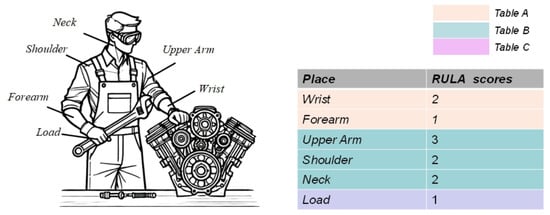
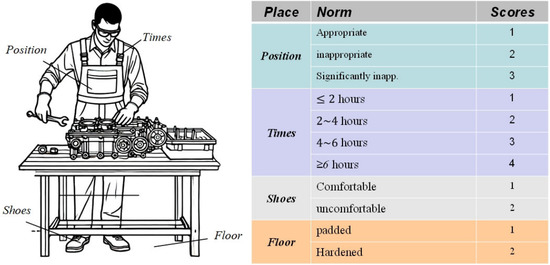
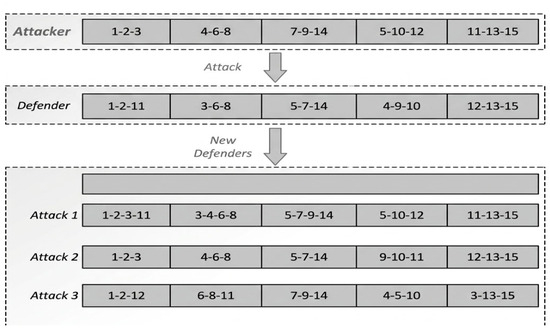
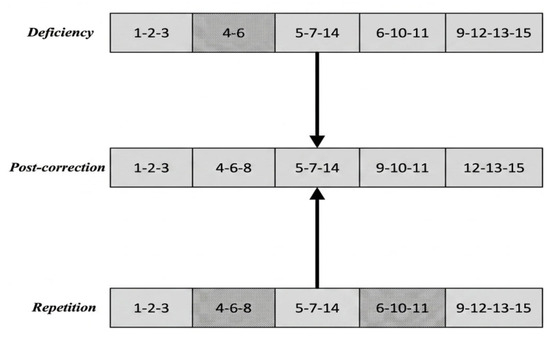
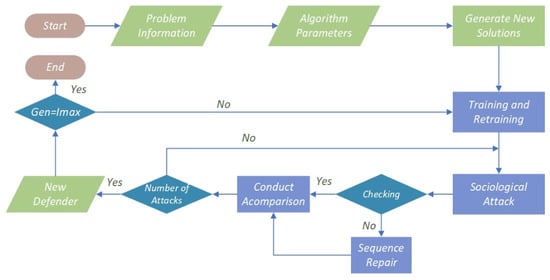
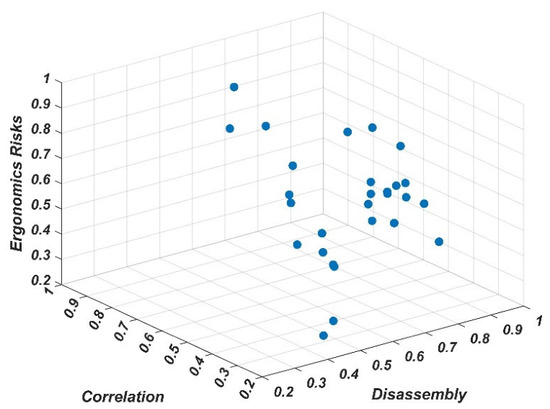
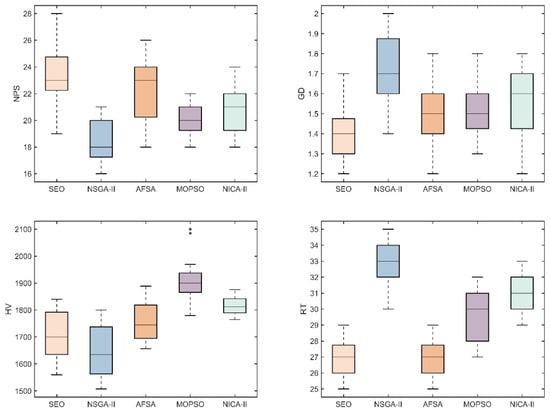
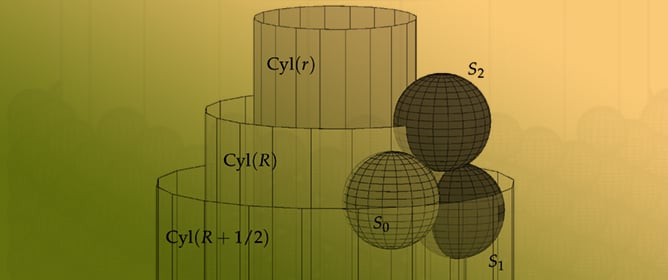
The increasing number of end-of-life (EOL) products has raised new challenges for sustainable manufacturing, especially when recycling efficiency, structural modularity and worker well-being must be considered simultaneously. From the perspective of symmetry and asymmetry in mechanical product design, this study proposes a Design for human-centric Modular Recycling (DFHMR) approach to improve EOL product recycling while reducing ergonomic risks in disassembly operations. In the proposed framework, functional similarity, structural correspondence and spatial association among components are used to characterize symmetry-oriented modular relationships, whereas asymmetric factors such as disassembly difficulty, carbon emissions, recycling profit and worker-related ergonomic risks are incorporated to describe the heterogeneity of practical recycling processes. A multi-objective optimization model is developed to maximize green disassembly performance and intra-module relevance while minimizing inter-module coupling and human-factor risks. To solve the constrained modular design problem, an enhanced social engineering optimizer (SEO) is introduced to balance global exploration and local exploitation. A turbo reducer case study is conducted to validate the proposed model, and comparative experiments with several multi-objective optimization algorithms demonstrate the effectiveness and robustness of the enhanced SEO. The results indicate that the DFHMR framework can provide decision-makers with a set of balanced modular recycling schemes, offering a practical reference for symmetry-oriented, sustainable and human-centered mechanical design under Industry 5.0. Full article
Show Figures

Figure 1
23 pages, 1474 KB  
Article
Trends in Global Grape Production over Six Decades: Leading Countries, Market Concentration, and Future Projections Based on ARIMA Modeling
by Muhammed Kupe, Ahmet Semih Uzundumlu and Elif Govez
Horticulturae 2026, 12(6), 658; https://doi.org/10.3390/horticulturae12060658 (registering DOI) - 24 May 2026
Abstract
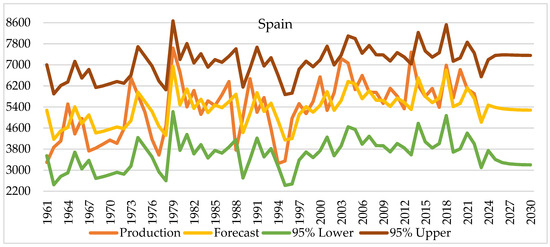
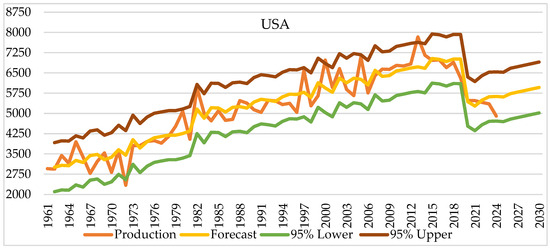
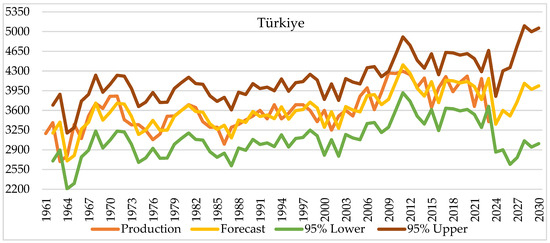
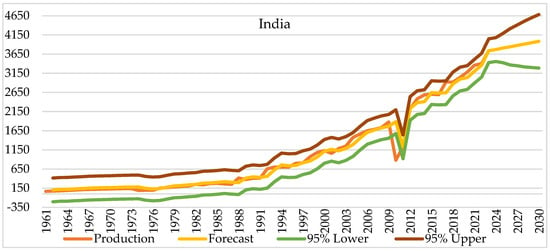
Viticulture is a globally significant economic activity; however, the scientific literature lacks in-depth, long-term studies integrating historical trends with future market concentration projections. This study fills this gap by analyzing global grape production dynamics and market structure over a 63-year period (1961–2023). The [...] Read more.
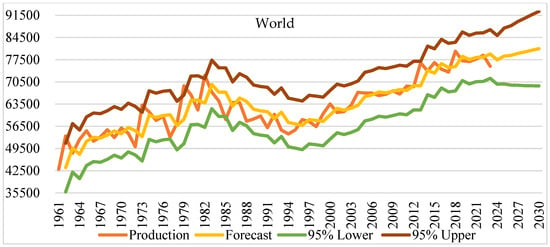
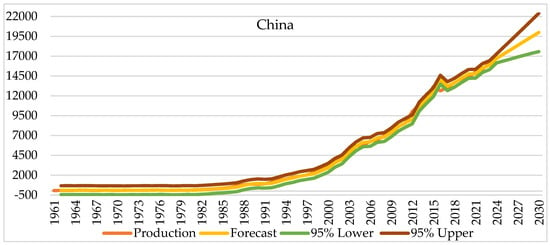
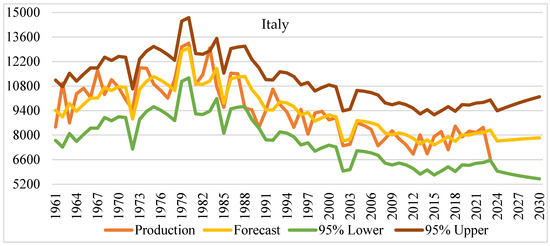
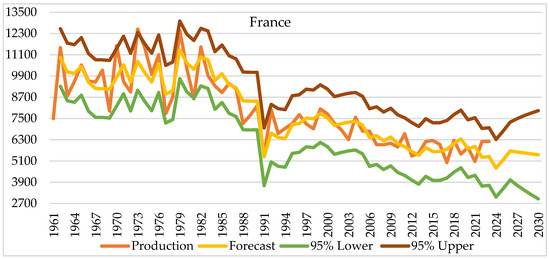
Viticulture is a globally significant economic activity; however, the scientific literature lacks in-depth, long-term studies integrating historical trends with future market concentration projections. This study fills this gap by analyzing global grape production dynamics and market structure over a 63-year period (1961–2023). The detection of structural breaks and the forecasting of yield trajectories using AutoRegressive Integrated Moving Average with Exogenous Variables (ARIMAX) models are crucial for the strategic planning of agricultural resources and enhancing viticultural resilience. Results indicate that while the global population increased 2.58-fold (1961–2023), grape production rose only 1.69-fold, leading to a decline in per capita availability. Although traditional leaders remain dominant, the combined share of the top five producers fell from 60% to 51.8%. The market concentration analysis Herfindahl-Hirschman Index (HHI) = 0.092; the Concentration Ratio (CR5) = 53.65%) for 2024–2030 suggests a monopolistic competition structure. The arithmetic mean of annual global production for the 2024–2030 period is projected to reach 79.42 million tons. China is expected to lead (23.11%), followed by Italy, the United States, France, and Spain. These findings highlight the necessity of precision viticulture and modern technology to stabilize yields and enhance competitiveness in high-value horticultural markets. Full article
Show Figures

Figure 1
16 pages, 3325 KB  
Article
Sustainable Geopolymer Mortars from Ceramic Sanitaryware Waste: Impact of Curing Methods on Mechanical and Thermal Behavior
by Rim Benkabou, Abir Rezzoug, Kada Ayed, Aissa Asroun, Zouaoui R. Harrat, Mohammed Chatbi, Ercan Işık, Fatih Avcil and Marijana Hadzima-Nyarko
Materials 2026, 19(11), 2214; https://doi.org/10.3390/ma19112214 (registering DOI) - 24 May 2026
Abstract
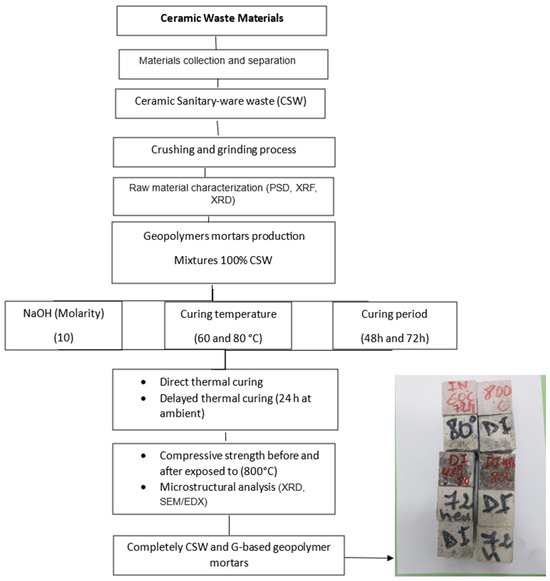
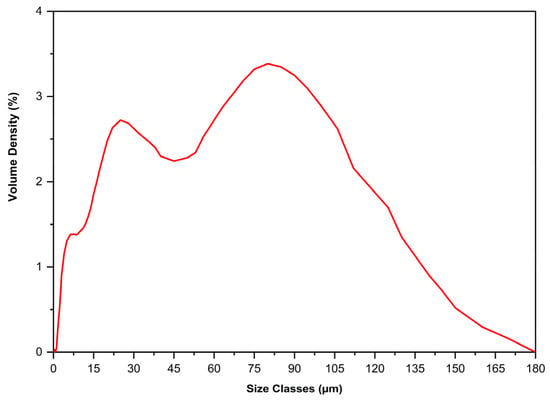
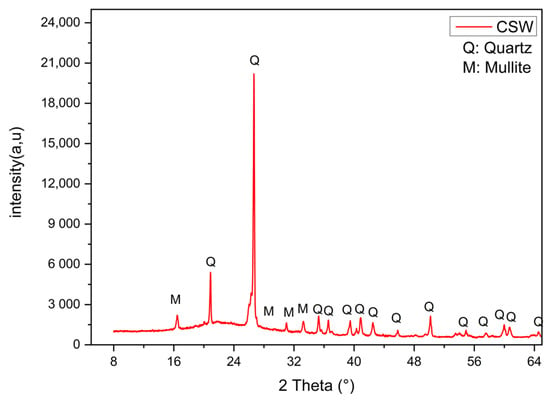
This study investigates the influence of curing conditions on mechanical performance, residual strength after high-temperature exposure, and microstructural evolution of geopolymer mortars based on ceramic sanitaryware waste (CSW). Direct and delayed thermal curing regimes were applied at 60 °C and 80 °C for [...] Read more.
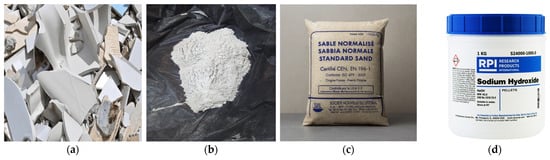
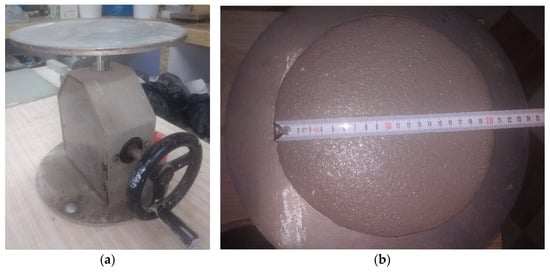
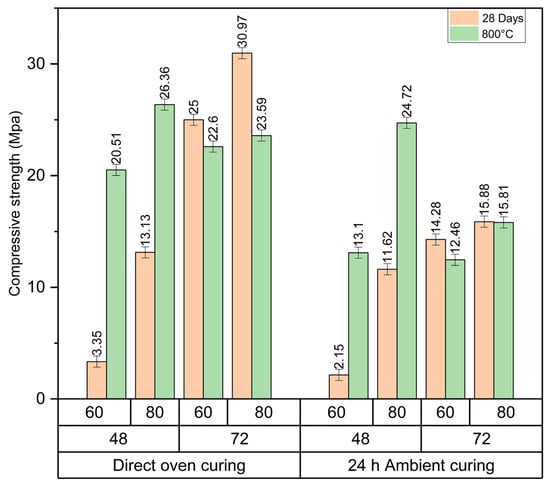
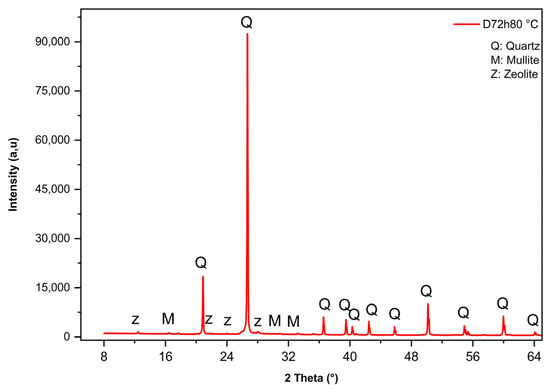
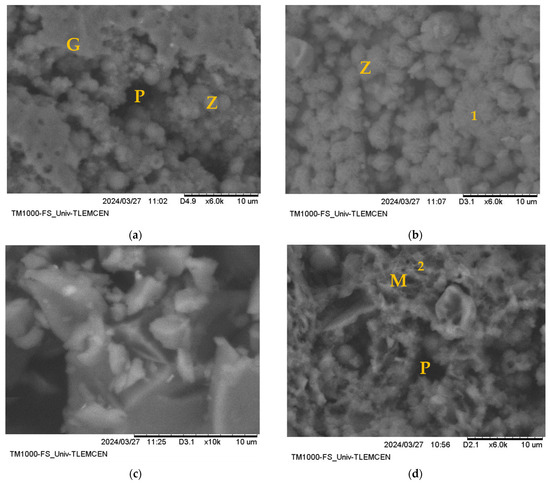
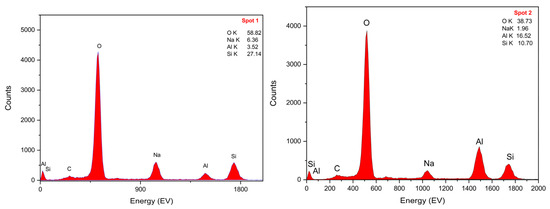
This study investigates the influence of curing conditions on mechanical performance, residual strength after high-temperature exposure, and microstructural evolution of geopolymer mortars based on ceramic sanitaryware waste (CSW). Direct and delayed thermal curing regimes were applied at 60 °C and 80 °C for 48 h and 72 h. The fresh mixtures exhibited adequate workability with a flow diameter of 21 cm, indicating suitable consistency for casting. Results show that direct curing consistently enhances compressive strength, reaching 30.97 MPa at 80 °C for 72 h, compared with 15.88 MPa under delayed curing. Increasing curing temperature and duration improved early-age mechanical performance, particularly under direct curing conditions. After exposure to 800 °C, directly cured specimens retained higher residual compressive strength, with an improvement of approximately 6.6% compared with delayed-cured specimens. Microstructural characterization using scanning electron microscopy coupled with energy-dispersive spectroscopy and X-ray diffraction supported the observed mechanical trends under different curing conditions. The findings highlight the role of curing strategy in optimizing CSW-based geopolymer mortars for construction applications where mechanical performance and high-temperature resistance are required. Full article
(This article belongs to the Section Green Materials)
Show Figures

Figure 1
24 pages, 3662 KB  
Article
Multiple-Aspect Trajectory Indexing with Space-Filling Curves Enhancements for Efficient S2KP Queries
by Fragkiskos Gryllakis, Nikos Pelekis, Christos Doulkeridis and Yannis Theodoridis
ISPRS Int. J. Geo-Inf. 2026, 15(6), 233; https://doi.org/10.3390/ijgi15060233 (registering DOI) - 24 May 2026
Abstract
This work presents a trajectory indexing pipeline for accelerating Social Spatio-Temporal Keyword Pattern (S2KP) queries over Multiple-Aspect Trajectory (MAT) data. An S2KP query forms a sequence of spatial, temporal, textual, and social-rating constraints over trajectory episodes. The constraints are [...] Read more.
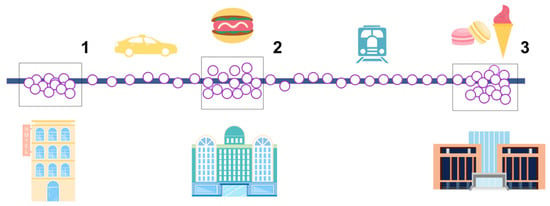
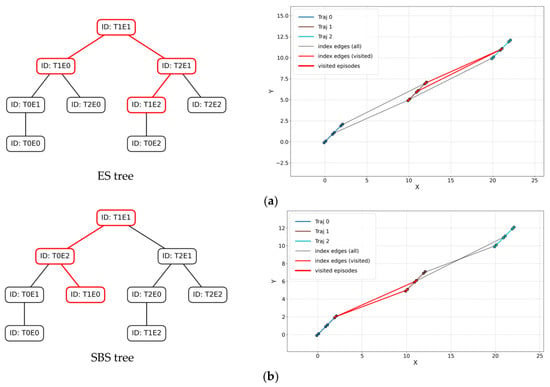
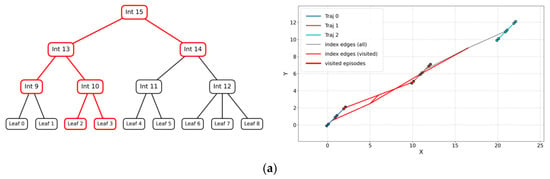
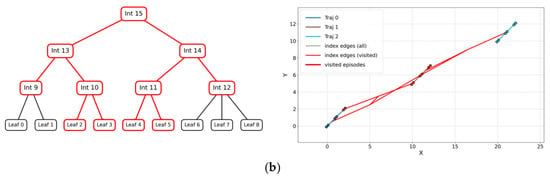
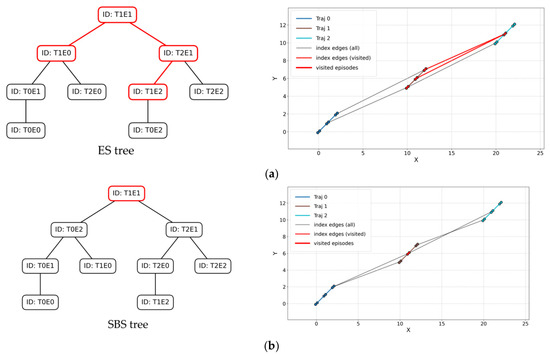
This work presents a trajectory indexing pipeline for accelerating Social Spatio-Temporal Keyword Pattern (S2KP) queries over Multiple-Aspect Trajectory (MAT) data. An S2KP query forms a sequence of spatial, temporal, textual, and social-rating constraints over trajectory episodes. The constraints are formulated in the form of regular expressions, thus offering high expressiveness and flexibility in query formulation. In this paper, we enhance spatial pruning by enhancing a well-established MAT index, the Episode-Based Multiple-Aspect Trajectory (EMT) Dual Index. The EMT Dual Index is augmented with curve-based keys (Hilbert, Z-order, and Gray-coded Z-order mappings), so that spatially related entities are projected into one-dimensional key ranges, enabling additional subtree pruning through interval overlap while preserving exact final matching semantics. The intervals are induced by the numbering of cells generated by a curve. Our experimental study on two representative MAT datasets (one synthetic and one real) demonstrates the effectiveness of our proposal. Full article
Show Figures

Figure 1
17 pages, 7872 KB  
Article
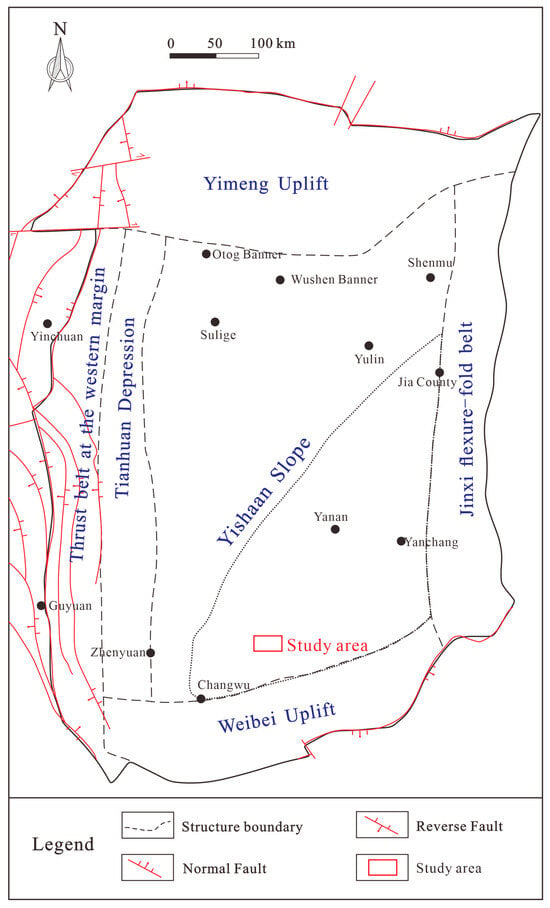
3D Geological Modeling and Characterization of Coalbed Gas Content in the Jiulongchuan Exploration Area
by Buling Tian, Xiaojun Li, Haoran Chen, Jian Li and Yang Wang
Processes 2026, 14(11), 1702; https://doi.org/10.3390/pr14111702 (registering DOI) - 24 May 2026
Abstract
Coalbed methane (CBM) is an important unconventional natural gas resource, and coal seam gas content is a key parameter for CBM resource evaluation and favorable-zone prediction. Taking the Jiulongchuan exploration area in Gansu Province as the study area, this study integrated drilling, well-logging, [...] Read more.
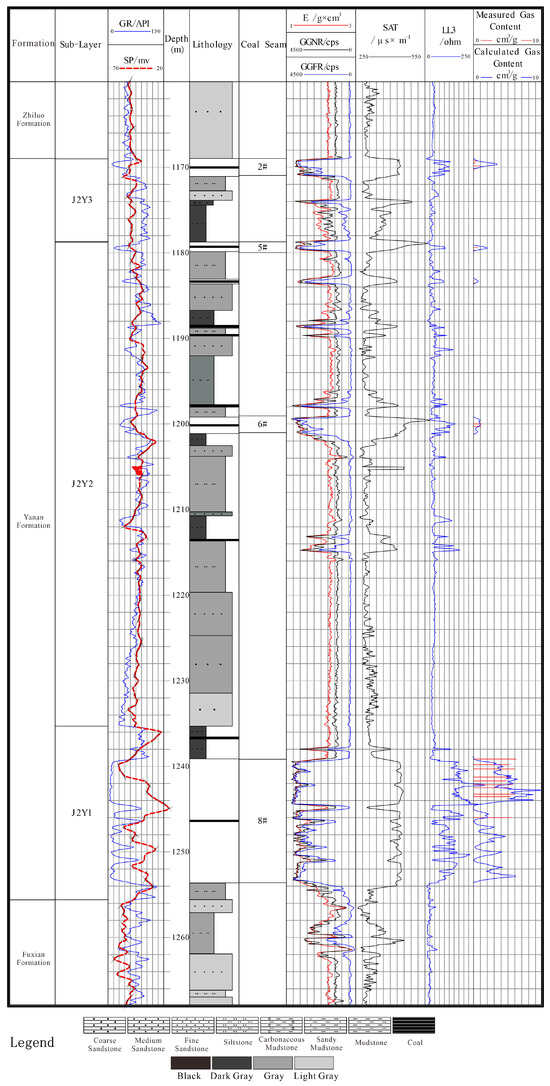
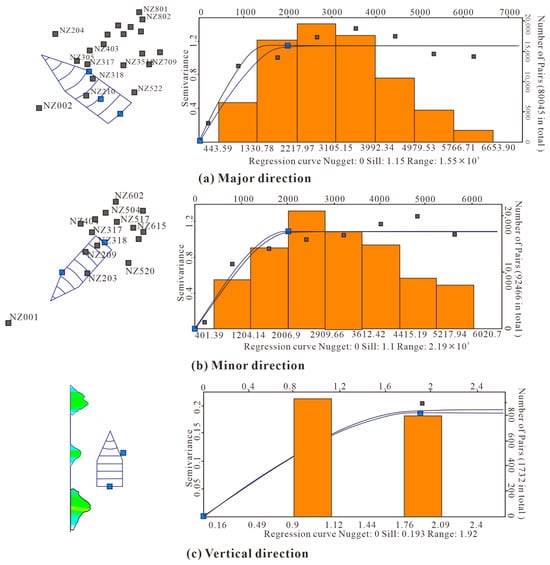
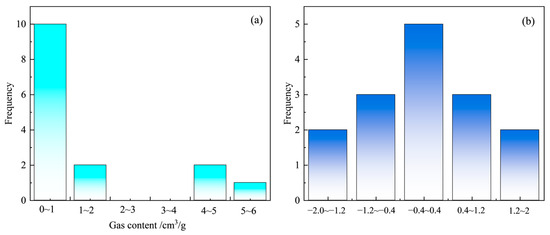
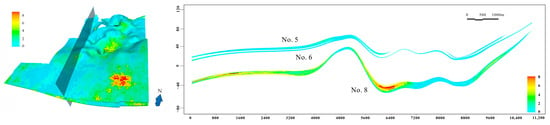
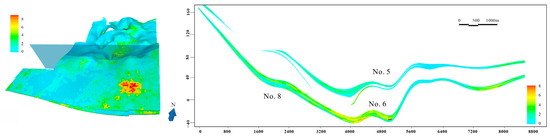
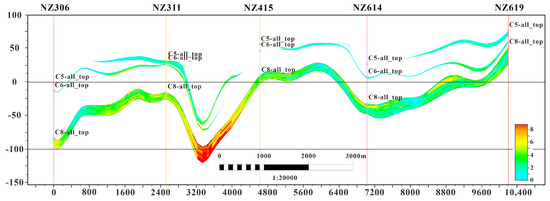
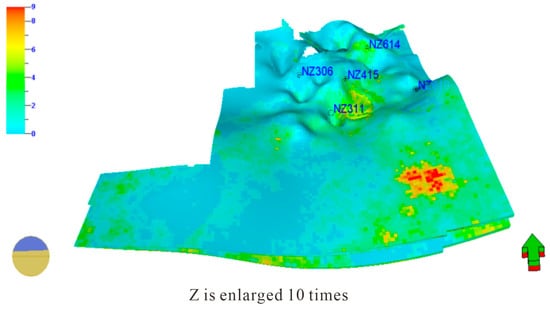
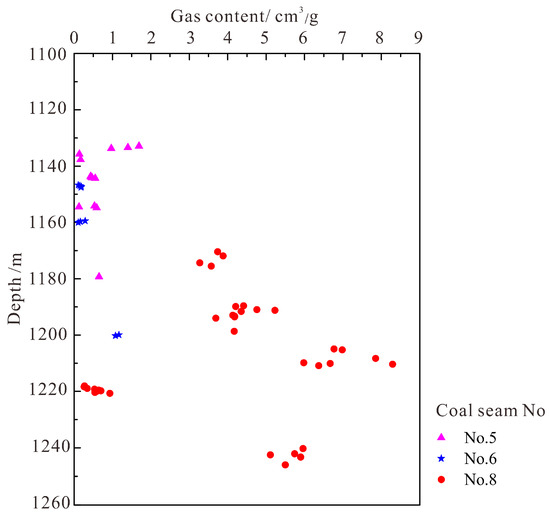
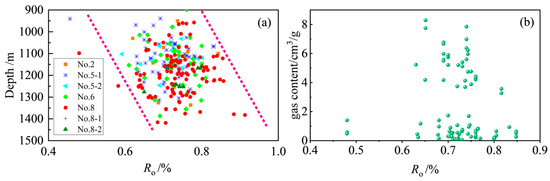
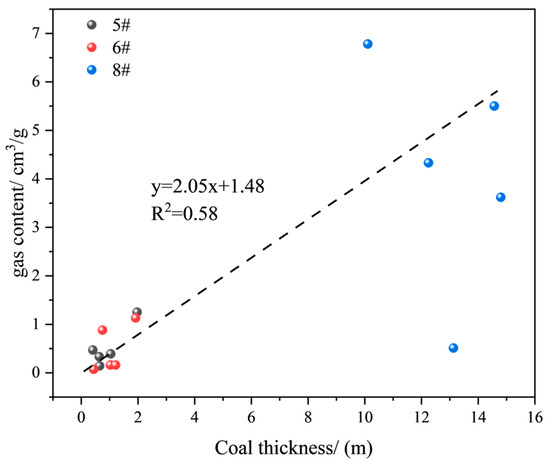
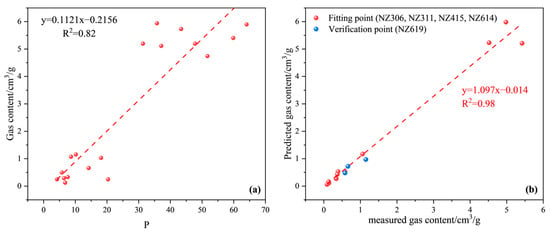
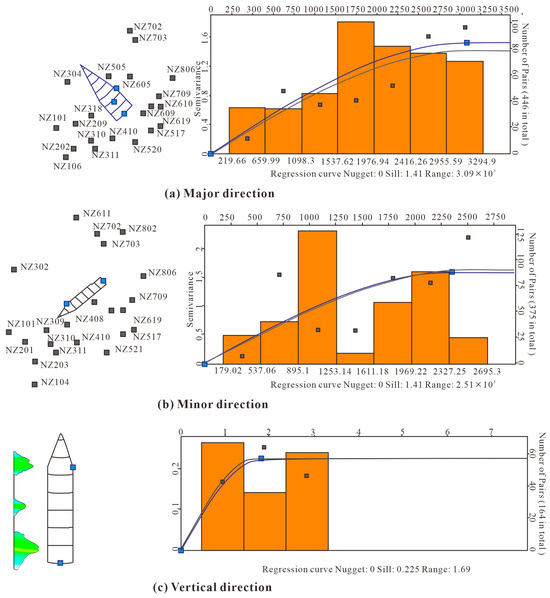
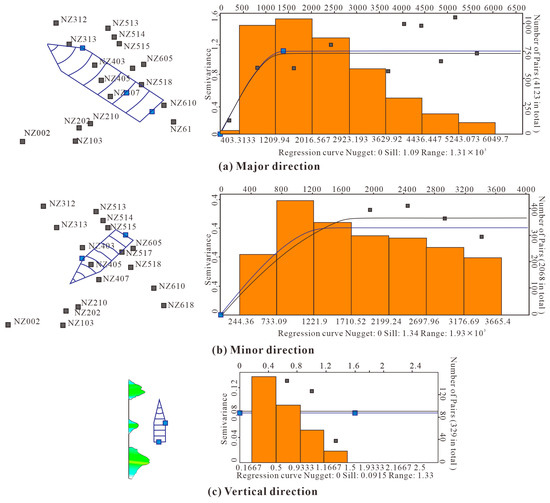
Coalbed methane (CBM) is an important unconventional natural gas resource, and coal seam gas content is a key parameter for CBM resource evaluation and favorable-zone prediction. Taking the Jiulongchuan exploration area in Gansu Province as the study area, this study integrated drilling, well-logging, and measured gas content data to establish a multivariate regression model for coal seam gas content prediction. On this basis, three-dimensional geological modeling and variogram analysis were applied to characterize the spatial distribution of gas content in the main mineable coal seams (Nos. 5, 6, and 8). The results indicate that the regression model constructed using acoustic transit time, natural gamma-ray values, density logging parameters, and burial depth shows generally reasonable predictive capability for coal seam gas content. Cross-validation results suggest that the predicted gas contents are generally consistent with measured values. Spatial modeling results show that gas content in Seam No. 8 is generally higher than that in Seams No. 5 and No. 6, and gas content tends to increase with burial depth and coal seam thickness. In addition, relatively high gas contents are commonly observed along synclinal zones, whereas lower values occur near anticlinal areas. The integrated application of well-log interpretation and three-dimensional geological modeling provides a reasonable characterization of the spatial variation in coal seam gas content in the study area. The results may provide useful references for CBM resource evaluation and favorable-zone prediction in the Jiulongchuan exploration area. Full article
Show Figures

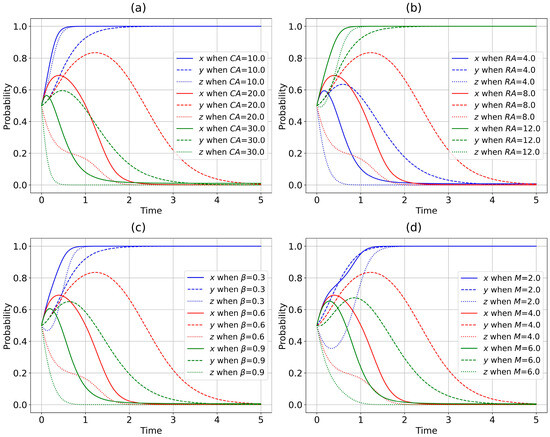
Figure 1
17 pages, 1195 KB  
Article
Effects of Commercial Exergames vs. Traditional Indoor Exercise on Mood in Older Adults: A Randomized Controlled Trial
by Yingying Zhu, Xuanjia Ren, Jinho Yim and Yunxue Guan
Healthcare 2026, 14(11), 1450; https://doi.org/10.3390/healthcare14111450 (registering DOI) - 24 May 2026
Abstract
Background/Objectives: With the development of the silver economy, older adults have shown increasing interest in digital technologies, such as electronic fitness games (Exergames). This study explores the impact of commercial exergames on the emotional experience of older adults in order to provide novel [...] Read more.
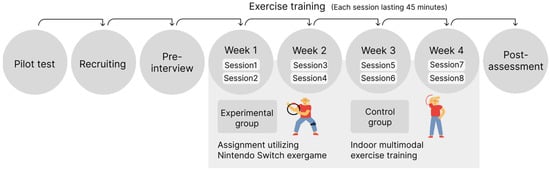
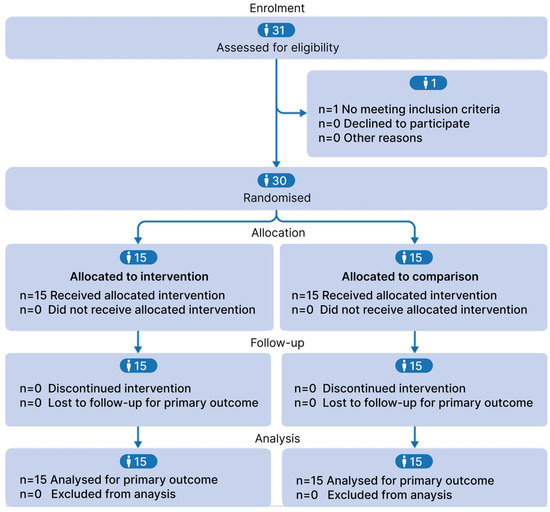
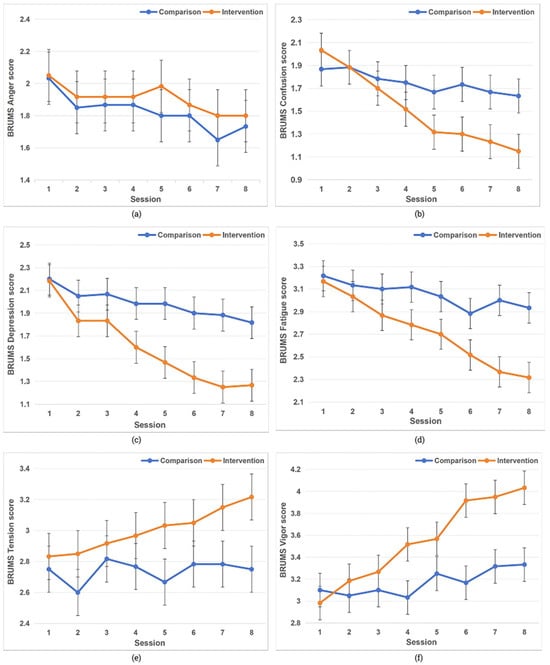
Background/Objectives: With the development of the silver economy, older adults have shown increasing interest in digital technologies, such as electronic fitness games (Exergames). This study explores the impact of commercial exergames on the emotional experience of older adults in order to provide novel ideas and applications for healthy aging. Methods: This was a prospective, single-center, unblinded, repeated-measures randomized controlled trial comparing an exergame intervention with traditional indoor exercise. This study included 30 older adults (aged 60–89 years) who were able to move independently. The intervention group performed exergame training using Ring Fit Adventure, whereas the comparison group performed traditional indoor exercise. The intervention lasted four weeks, with two sessions per week (eight sessions). Mood states were assessed using the Brunel Mood Scale, and data were analyzed using a linear mixed-effects model to examine group, time, and interaction effects. Results: Significant group × time interaction effects were observed for confusion, depression, fatigue, tension, and vigor (p < 0.05). No significant interaction effect was found for anger (p = 0.942). Conclusions: This study examined commercial exergames from the perspectives of emotional experience and mental health. Both commercial exergames and traditional indoor exercise were associated with improvements in immediate mood states. The exergame-based training approach was associated with lower levels of confusion, depression, and fatigue, as well as higher vigor scores. The results provide preliminary evidence regarding the role of digital exercise in mood regulation among older adults. Full article
Show Figures

Figure 1
15 pages, 378 KB  
Article
The Ontology of “Image” (Xiang 象) in the I Ching—The Examination Based on the Comparison Between the Yi (易), Spinoza’s Substance and Rombach’s Structural Phenomenology
by Jianyang Jiao and Yongmei Song
Religions 2026, 17(6), 631; https://doi.org/10.3390/rel17060631 (registering DOI) - 24 May 2026
Abstract
As the iconic concept of the I Ching, the “image” (xiang 象) is the linchpin for understanding its philosophical ideas. In its reception by scholars in Europe and North America, many have explored the “image” from religious, psychological, historical, philological, and [...] Read more.
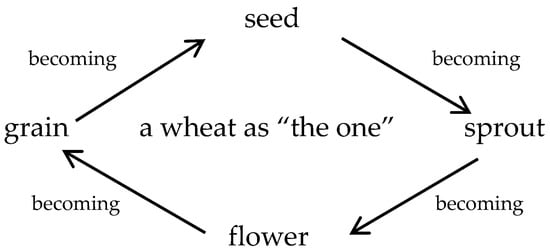
As the iconic concept of the I Ching, the “image” (xiang 象) is the linchpin for understanding its philosophical ideas. In its reception by scholars in Europe and North America, many have explored the “image” from religious, psychological, historical, philological, and other perspectives. These studies, however, have largely centered on epistemological and consciousness-based analyses of the “image”, whereas the discourse on the “image” in the Great Commentaries on the I Ching (Yizhuan 易傳) carries inherent ontological implications. Deploying appropriate philosophical language to elaborate the ontological foundation of the “image” is therefore crucial for communicating the I Ching’s philosophical ideas to the English-speaking world. By clarifying the connotations of “visible image” (xingxiang 形象), “analogical image” (nixiang 擬象), and “manifest image” (xianxiang 見象) as articulated in the Great Commentaries on the I Ching, this study demonstrates that the Yi (易) exhibits absolute ontological identity with Spinoza’s Substance, while the “image” corresponds to Spinoza’s concept of “expression”. Rombach’s structural phenomenology reinterprets the ontology of “Substance” as the genesis of “the One”, enabling an elaboration of the emergent character of the Yi as “the Ultimate One” (Taiyi 太一). This further reveals that the ”image” is not only an expression of the existence of the “Yi/Substance/One” but also a marker of the Yi’s—or Substance’s—transformation. Drawing on Spinoza’s concept of “Substance” and Rombach’s structural phenomenology thus aids in clarifying the ontological foundation of the “image” and promotes the cross-cultural dissemination of I Ching thought in Europe and North America. Full article
Show Figures

Figure 1
17 pages, 5446 KB  
Article
Optimized TELIP, an Echogenic Liposomal Nano-Carrier Loaded with Alteplase for Preclinical Studies
by Maryam Ranjpour, Brion Frierson, Rebekah Lynn Emerine, Christian Jordan De Vera, Krishna Sarva, Melvin Earl Klegerman, David Dugald McPherson, Steven Idell, Galina Florova and Andrey Anatolievich Komissarov
Pharmaceutics 2026, 18(6), 646; https://doi.org/10.3390/pharmaceutics18060646 (registering DOI) - 24 May 2026
Abstract
Background: Pharmacological treatment under conditions of slow fibrinolysis/thrombolysis requires the targeted delivery of plasminogen-activating activity. Echogenic liposomal formulations (regular TELIP) of single-chain tissue plasminogen activator (sctPA), while possessing high affinity to fibrin, contain free/loosely bound sctPA. We hypothesized that removal of free sctPA, [...] Read more.
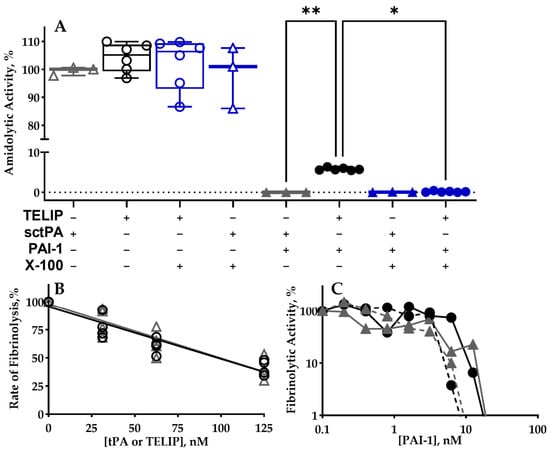
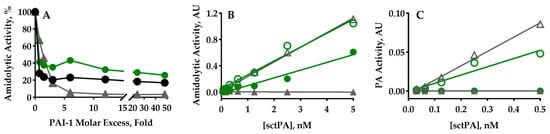
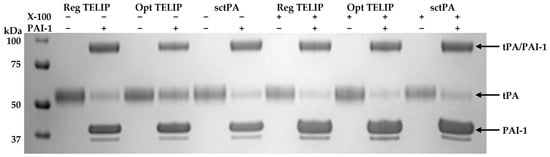
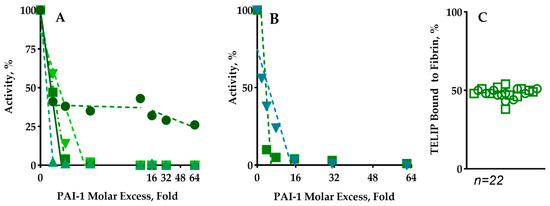
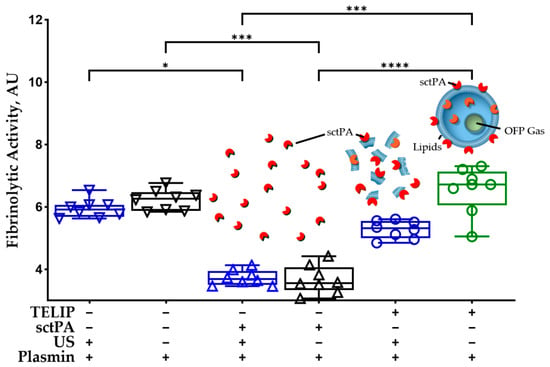
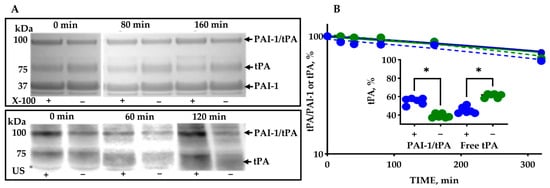
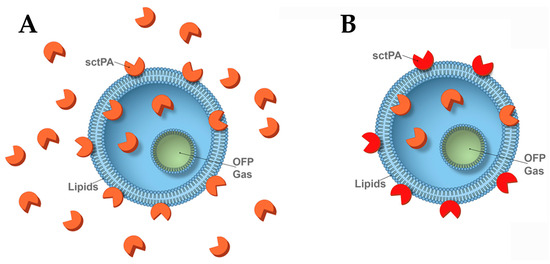
Background: Pharmacological treatment under conditions of slow fibrinolysis/thrombolysis requires the targeted delivery of plasminogen-activating activity. Echogenic liposomal formulations (regular TELIP) of single-chain tissue plasminogen activator (sctPA), while possessing high affinity to fibrin, contain free/loosely bound sctPA. We hypothesized that removal of free sctPA, which competes with liposomes and plasmin for fibrin, enhances unique features of the TELIP. Methods: Optimized and regular TELIP were assessed for the distribution of active sctPA (loosely bound, tightly bound, encapsulated), stability, binding to fibrin, initiating fibrinolysis in vitro and ex vivo using a battery of biochemical methods. Results: One milligram of the regular TELIP consists of 2.0–5.0 × 10⁹ echogenic liposomes (700–900 nm diameter). Non-specifically bound sctPA readily dissociates at the physiological ionic strength and pH. While up to 60% of sctPA in the regular TELIP is loosely bound with 6–15% encapsulated, and the rest is tightly bound to the liposomes; in the optimized TELIP, more than 80% of active sctPA is tightly bound with up to 40% of encapsulated. The latter is protected from high-molecular-weight ligands and could be released by an ultrasound pulse. Optimized TELIP shows low competition with plasmin for fibrin and effectively supports fibrinolysis in vitro and ex vivo. The optimized TELIP with maximal load of sctPA 3% (w/w) retains integrity at 37 °C for 5 h in vitro and up to 2 h ex vivo. Conclusions: The optimized TELIP is stable in vitro and ex vivo, does not interfere with fibrinolysis and retains a high level of encapsulated sctPA delivered precisely to the thrombus/fibrin clot. Full article
(This article belongs to the Special Issue Advanced Drug Delivery Systems for Natural Products)
Show Figures

Figure 1

20 pages, 9819 KB  
Article
A Dual-Scale Assessment System for Urban River Networks Based on the URBAN Framework
by Ruan Wenxia, Liu Yaoyi, Xu Qixin and Wang Yifan
Sustainability 2026, 18(11), 5279; https://doi.org/10.3390/su18115279 (registering DOI) - 24 May 2026
Abstract
Urban river networks face significant ecological challenges due to intensive urbanization. Traditional assessment methods focus mainly on individual rivers and overlook cross-scale connections. To fill this research gap, the study refined the Urban Riverscape Conditions-based Assessment for Management Needs (URBAN) framework and developed [...] Read more.
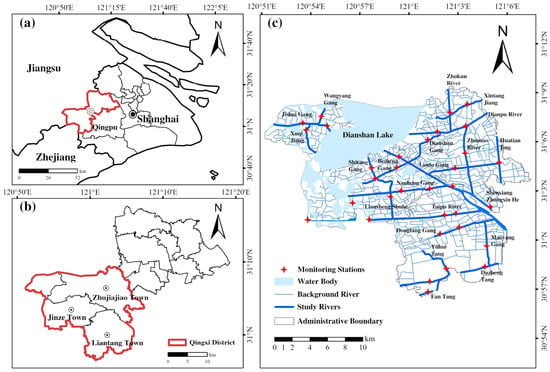
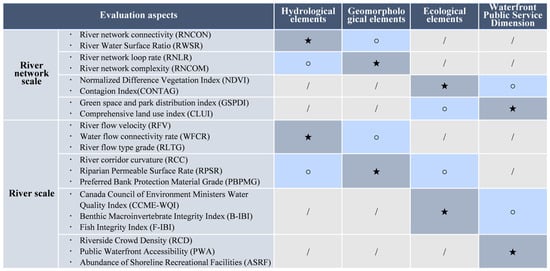
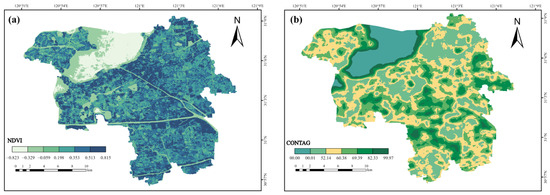
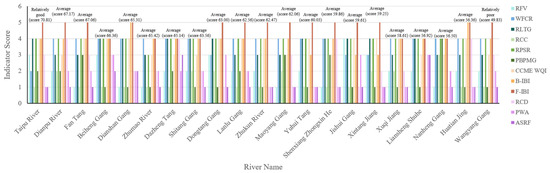
Urban river networks face significant ecological challenges due to intensive urbanization. Traditional assessment methods focus mainly on individual rivers and overlook cross-scale connections. To fill this research gap, the study refined the Urban Riverscape Conditions-based Assessment for Management Needs (URBAN) framework and developed a dual-scale assessment system covering the entire river network and individual rivers. It evaluates hydrology, geomorphology, ecology, and the waterfront public service dimension. Taking the Qingxi area of Shanghai as a case study, this study integrated multi-source data and adopted field investigations, the analytic hierarchy process (AHP) and principal component analysis (PCA) to collect field data, calculate indicator weights, and extract dominant functional factors. The results show that the overall comprehensive health score of the study area is 59.39, classified as average; the river network scale scores 58.34, and the 21 monitored rivers achieve an average score of 61.80. The assessment identifies clear advantages in hydrological and geomorphological conditions, whereas waterfront public services and river morphological diversity are still deficient. Overall, this system demonstrates good operability and scientific validity, providing practical technical approaches for sustainable urban river network management and supporting refined watershed governance. Full article
(This article belongs to the Section Social Ecology and Sustainability)
Show Figures

Figure 1

13 pages, 3433 KB  
Article
Assessment of Hot-Pressing Sintering Effect of Skutterudite In0.40Mn0.15Co3.85Sb12, Structure, Optical, and Electrical Properties
by Silvana Moris, Nicolás Araya, Rodrigo Castillo, Paulina Valencia-Gálvez and Catalina Cortés
Appl. Sci. 2026, 16(11), 5259; https://doi.org/10.3390/app16115259 (registering DOI) - 24 May 2026
Abstract
In this study, In0.40Mn0.15Co3.85Sb12 was synthesized by the ceramic method, using a traditional melting–annealing treatment (MA), followed by grinding and sintering via the hot-pressing (HP) technique. Rietveld refinement of the powder diffraction (PXRD) data confirms that [...] Read more.
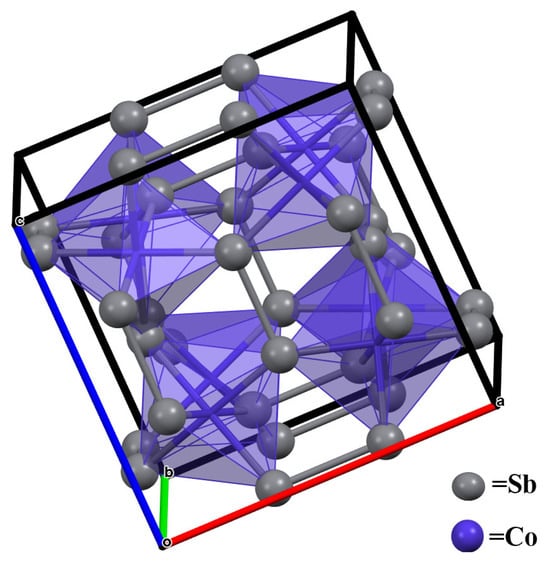
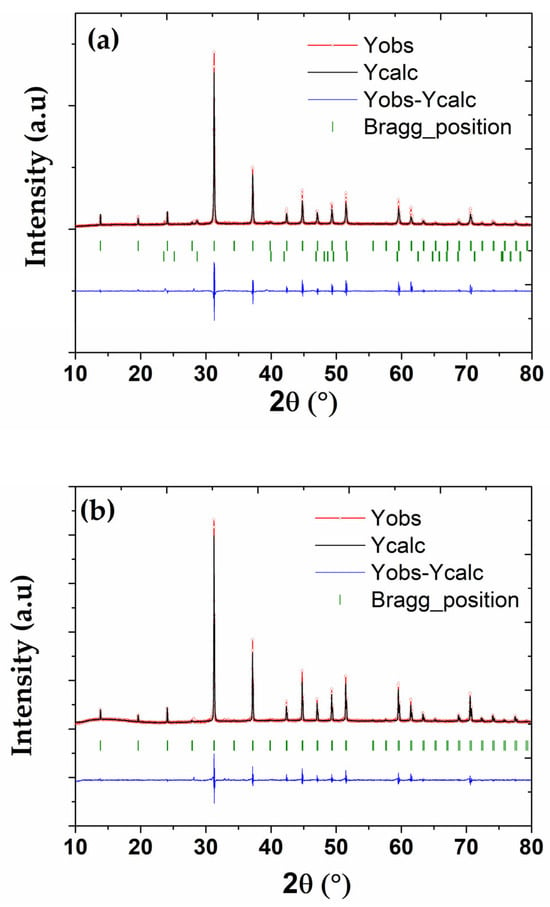
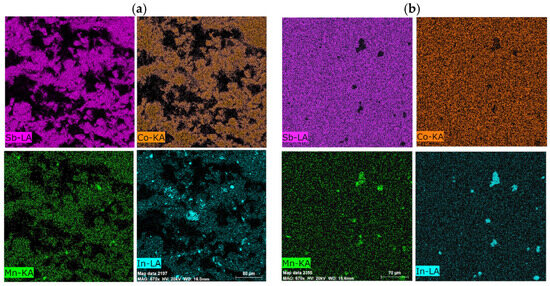
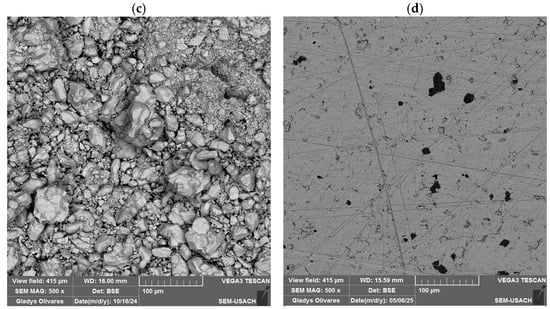
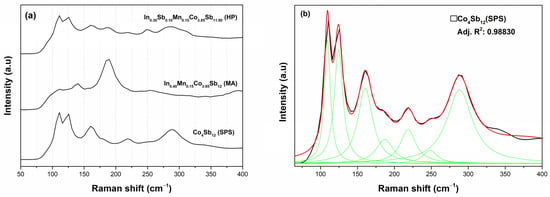
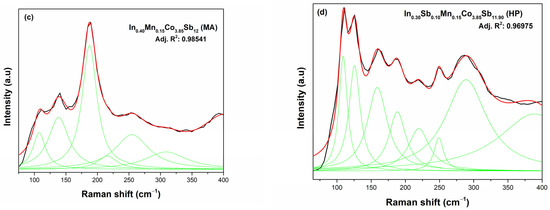
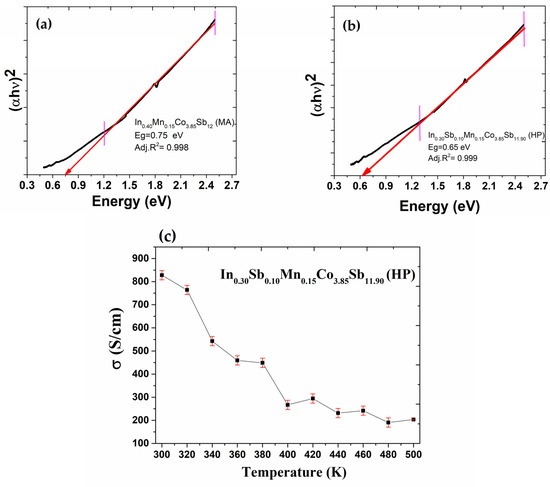
In this study, In0.40Mn0.15Co3.85Sb12 was synthesized by the ceramic method, using a traditional melting–annealing treatment (MA), followed by grinding and sintering via the hot-pressing (HP) technique. Rietveld refinement of the powder diffraction (PXRD) data confirms that the resulting phase has a cubic crystal structure in space group Im-3, which is isostructural with the pristine Co4Sb12 phase. The cell parameter a of the filled In0.40Mn0.15Co3.85Sb12 increases after hot pressing compared with the Co4Sb12 phase. This suggests that the partial substitution of cobalt atoms with manganese (Mn) alters the cell size of the resulting material. The PXRD pattern of the In0.40Mn0.15Co3.85Sb12 phase of the MA sample shows a low-intensity line (~30°), which is related to elemental antimony (~4%, by Rietveld refinement). Rietveld refinements support a second model which implies the pressure-induced self-insertion of remanent antimony from the (MA) phase into the void sites after (HP) treatment, leading to a new phase: In0.30Sb0.10Mn0.15Co3.85Sb11.90 (HP). The vibrational Raman modes of the obtained phases, In0.40Mn0.15Co3.85Sb12 (MA and HP), are correlated with those of the pristine phase, Co4Sb12. A strong primary signal at 185 cm−1 in the Raman spectrum of In0.40Mn0.15Co3.85Sb12 (MA) is associated with antimony impurities, which is confirmed by Rietveld refinement. Raman spectra of the HP sample are well correlated to the (SPS) Co4Sb12 phase, which reveals structural changes due to self-insertion of antimony into the voids. The band-gap energy values of both the In0.40Mn0.15Co3.85Sb12 (MA) phase and the (HP) phase are 0.750 ± 0.006 eV and 0.650 ± 0.004 eV, respectively. These values are higher than those of the Co4Sb12 phase, which has a band-gap energy of 0.55 eV. This indicates that the electronic band structure is modified by the partial substitution of cobalt with manganese and the introduction of indium in the icosahedral cages. Electrical transport properties at room temperature show that In0.40Mn0.15Co3.85Sb12 (MA) and In0.30Sb0.10Mn0.15Co3.85Sb11.90 (HP) are n-type semiconductors. Full article
(This article belongs to the Section Chemical and Molecular Sciences)
Show Figures

Figure 1

29 pages, 8231 KB  
Article
Study on Low-Carbon Optimization of Sustainable Aviation Fuel Supply Chain and Industry Cluster Layout in China
by Fei-Yin Wang, Wen-Kang Sui, Peng-Tao Wang, Mao Xu and Hang Li
Atmosphere 2026, 17(6), 542; https://doi.org/10.3390/atmos17060542 (registering DOI) - 24 May 2026
Abstract
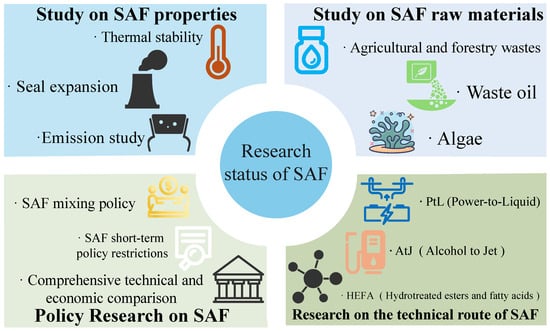
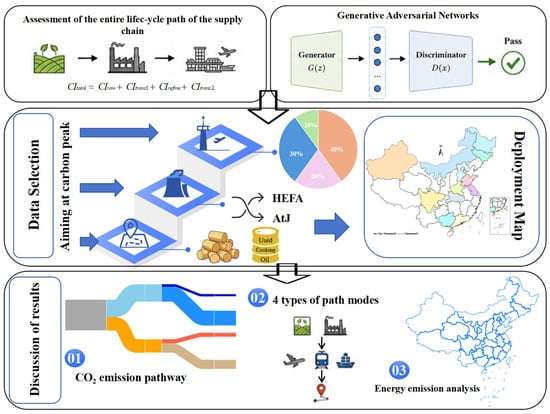
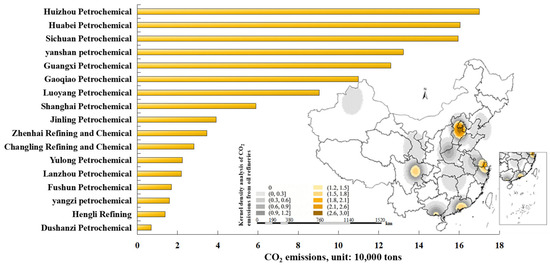
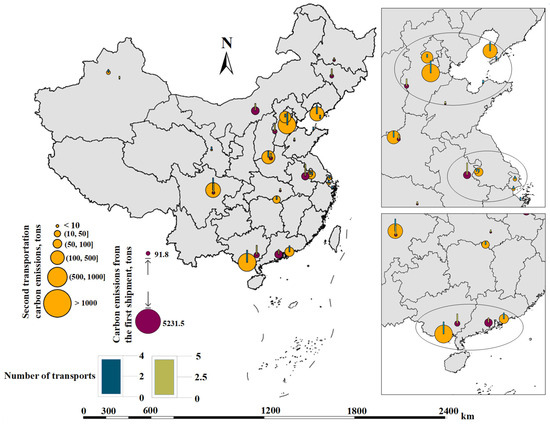
Sustainable aviation fuel (SAF) is widely recognized as a critical pathway for aviation decarbonization; however, its life-cycle carbon performance is highly sensitive to supply chain configurations. This study proposes a data-driven framework integrating life-cycle assessment (LCA) with a generative adversarial network (GAN) to [...] Read more.
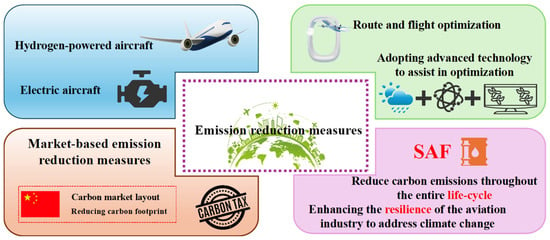
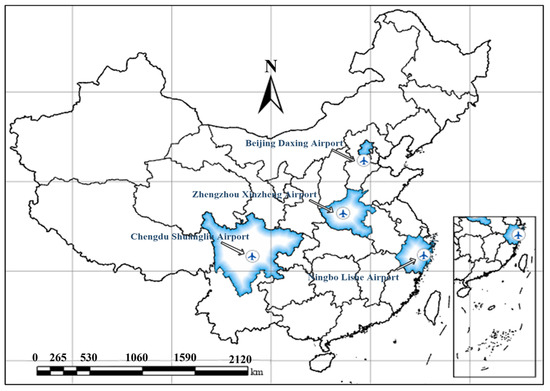
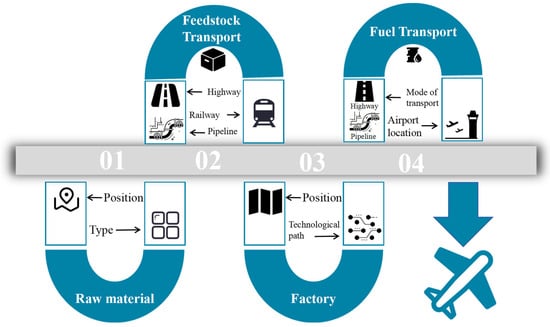
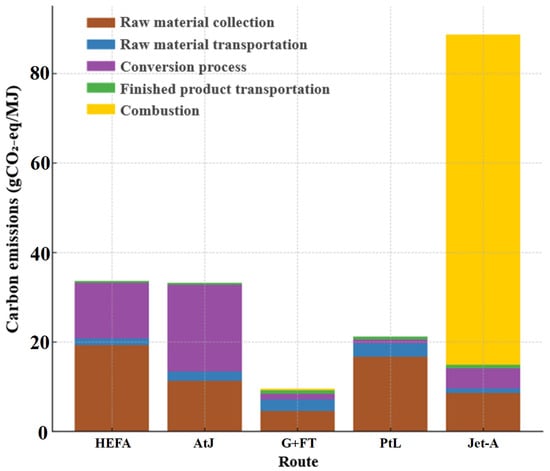
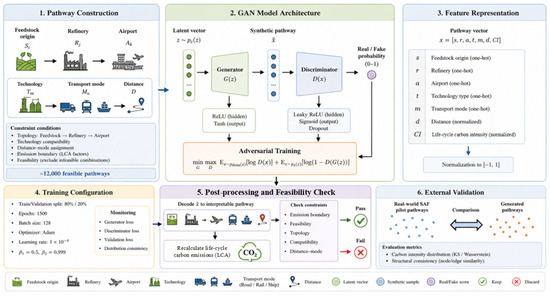
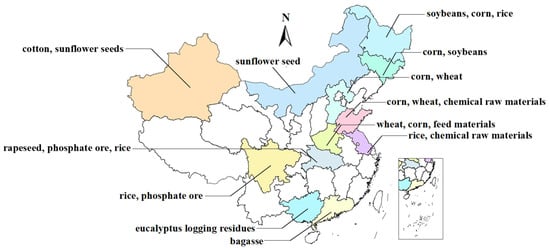
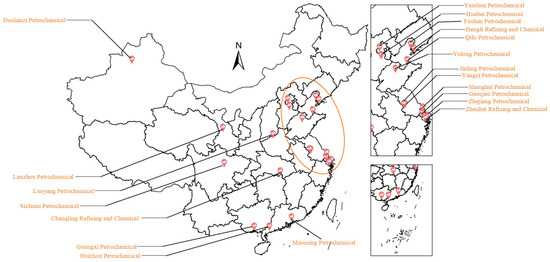
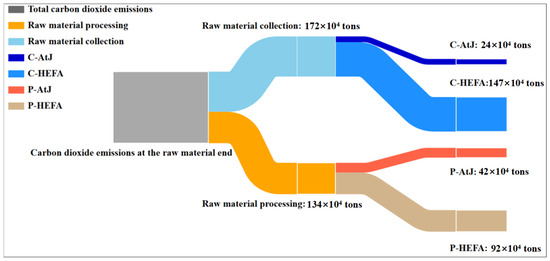
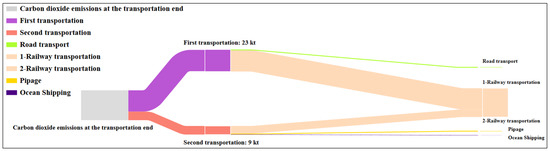
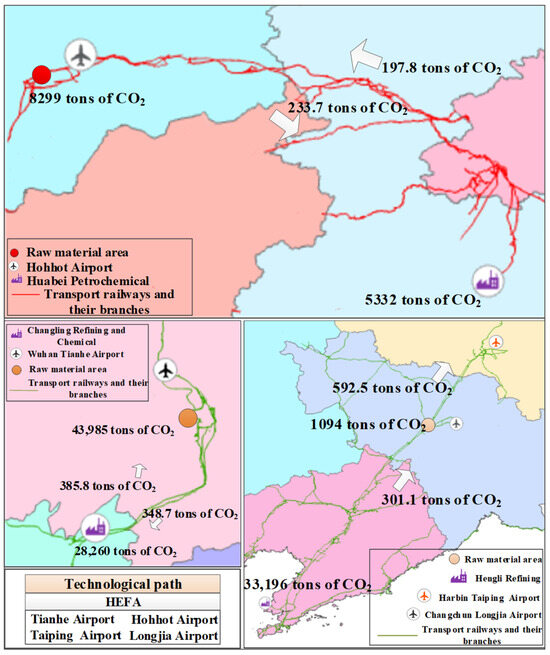
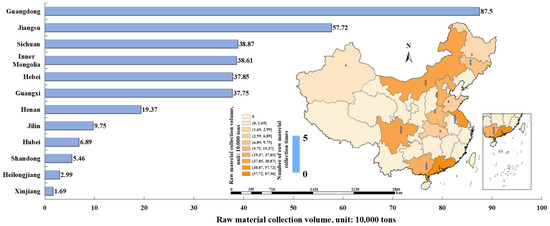
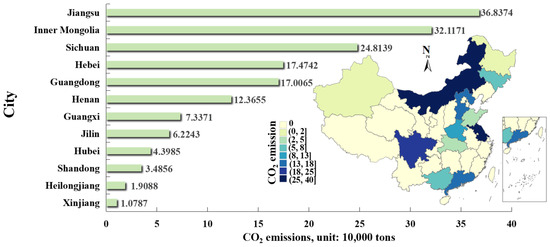
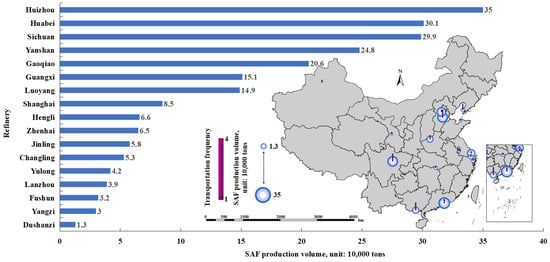
Sustainable aviation fuel (SAF) is widely recognized as a critical pathway for aviation decarbonization; however, its life-cycle carbon performance is highly sensitive to supply chain configurations. This study proposes a data-driven framework integrating life-cycle assessment (LCA) with a generative adversarial network (GAN) to model and optimize SAF supply chain pathways under structural constraints. A rule-constrained synthetic dataset comprising feasible pathways is constructed, incorporating feedstock sources, refinery locations, airport demand nodes, conversion technologies, transport modes, and distances. Each pathway is encoded into a numerical feature vector, and a GAN model is trained to learn the distribution of feasible configurations. Generated pathways are further validated through LCA-based post-processing to ensure physical feasibility and emission consistency. The results show that pathway-level carbon intensity varies significantly across configurations, with differences exceeding 30% under varying feedstock–transport combinations. The model successfully captures the multimodal distribution of carbon emissions and identifies structurally consistent low-carbon pathways. In particular, localized supply structures and reduced transport distances are found to play a dominant role in minimizing emissions. This study provides a scalable methodological framework for SAF pathway modeling and offers insights into supply chain design and spatial configuration for achieving aviation carbon reduction targets. Full article
(This article belongs to the Section Air Pollution Control)
Show Figures

Figure 1

16 pages, 1004 KB  
Article
Personalized Human Activity Recognition Method Based on Federated Hierarchical Clustering Learning
by Qu Wang
Appl. Sci. 2026, 16(11), 5258; https://doi.org/10.3390/app16115258 (registering DOI) - 24 May 2026
Abstract
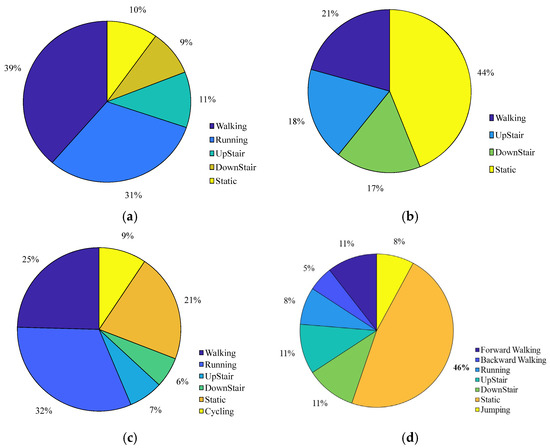
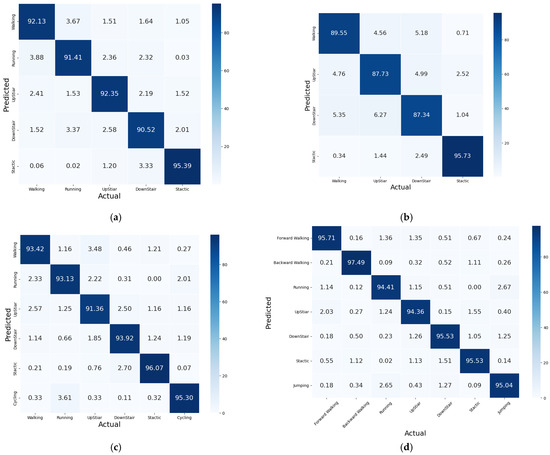
Human activity recognition (HAR) plays a multi-dimensional supporting role in the medical field, providing strong technical support for various aspects such as disease prevention, diagnosis, treatment and rehabilitation. However, the use of traditional federated learning to deploy HAR models on edge devices is [...] Read more.
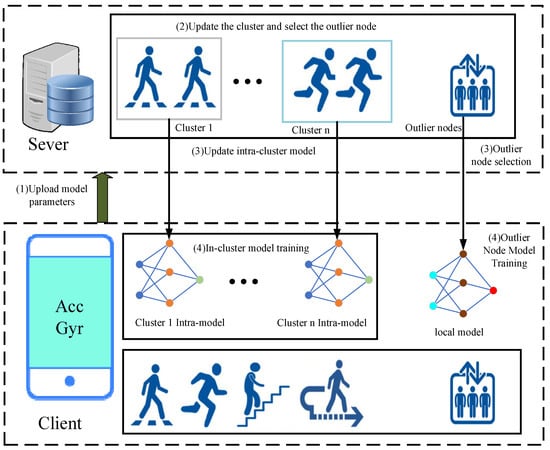
Human activity recognition (HAR) plays a multi-dimensional supporting role in the medical field, providing strong technical support for various aspects such as disease prevention, diagnosis, treatment and rehabilitation. However, the use of traditional federated learning to deploy HAR models on edge devices is not ideal because of the heterogeneity of hardware and data. To solve this problem, this paper introduces a personalized HAR method, which can remove the outlier nodes and cluster hierarchically. In this study, the cosine similarity of local model parameters is calculated, and the clustering of dynamic clients is realized. In the study, the normalized training loss evaluation mechanism is introduced to identify and eliminate outlier nodes, and the robustness of the system is enhanced. In the study, the collaborative training method is adopted to meet the personalized needs of users and improve the generality of the model. The proposed method achieves an average recognition accuracy of 92.94% and an F1 score of 91.28% on four public datasets, demonstrating that the method put forward in this paper can reduce the negative impact of data heterogeneity, improve the efficiency of convergence, and produce good recognition performance for the development of the Internet of Things. Full article
Show Figures

Figure 1

14 pages, 910 KB  
Article
Direct Socialization of Suicide Risk in Adolescent Friendships Is Moderated by Non-Suicidal Self-Injury
by Trevor J. Long, Devan A. Walter, Abigail J. Luce and Rebecca A. Schwartz-Mette
Behav. Sci. 2026, 16(6), 843; https://doi.org/10.3390/bs16060843 (registering DOI) - 24 May 2026
Abstract
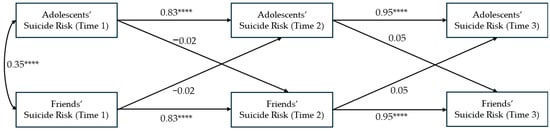
Given the importance of friendships and the increased risk for suicide during adolescence, potential socialization of suicidality among peers is essential to examine. Data were obtained from 93 friendship dyads (N = 186) in a community-based, longitudinal study of adolescents (Mage = [...] Read more.
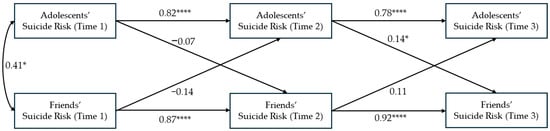
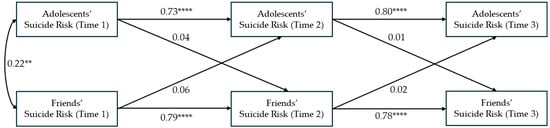
Given the importance of friendships and the increased risk for suicide during adolescence, potential socialization of suicidality among peers is essential to examine. Data were obtained from 93 friendship dyads (N = 186) in a community-based, longitudinal study of adolescents (Mage = 15.68, SD = 1.49, 69.9% female, 86.6% white). Adolescents’ and friends’ suicide risk and frequency of non-suicidal self-injury (NSSI) were assessed at baseline and at 3-month and 6-month follow-up assessments. Cross-lagged, Actor–Partner Interdependence Models (CL-APIM) examined socialization effects over time with the nested, dyadic data. Results indicated that direct socialization of suicide risk did not occur within the whole sample. However, socialization of suicide risk was observed for friends of adolescents with a past-year history of NSSI. The findings underscore the potential for NSSI to function as a susceptibility marker for socialization of suicide risk within adolescent friendships. Current study strengths, limitations, and clinical implications are further discussed. Full article
Show Figures

Figure 1

18 pages, 11897 KB  
Article
Urolithin A-Enhanced Multi-Bioactive Formulation Mitigates Cyclophosphamide-Induced Premature Ovarian Failure Through Suppression of Oxidative-Inflammatory Stress and Preservation of Follicle Fate
by Yangyan Dai, Silu Zhang, Lijia Yang, Penglong Liu, Tingfeng Zhang, Hailong Li, Yuchen Pang, Shijing Ma, Yehui Zhang and Tiantian Zhao
Antioxidants 2026, 15(6), 662; https://doi.org/10.3390/antiox15060662 (registering DOI) - 24 May 2026
Abstract
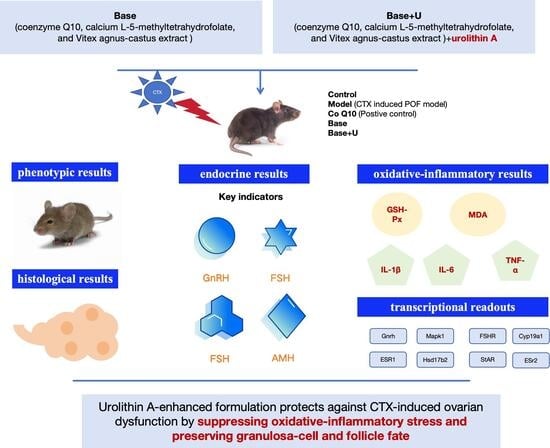
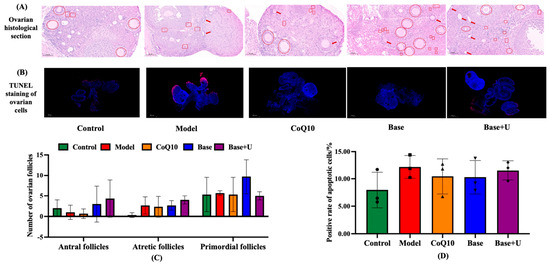
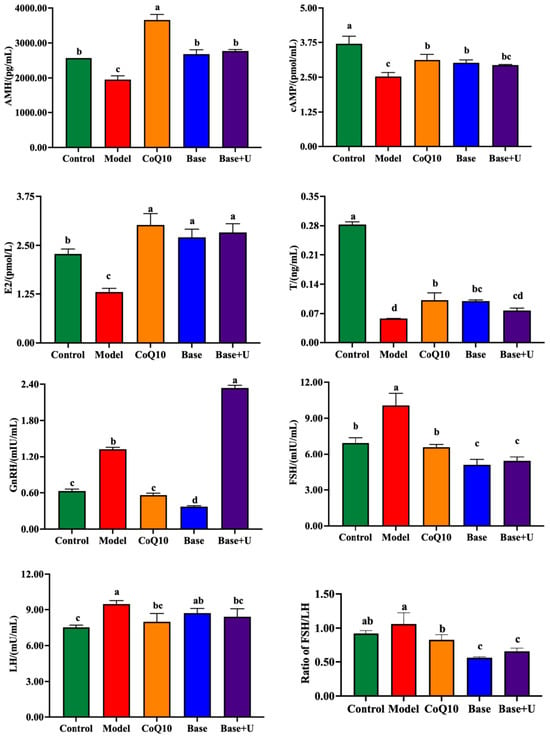
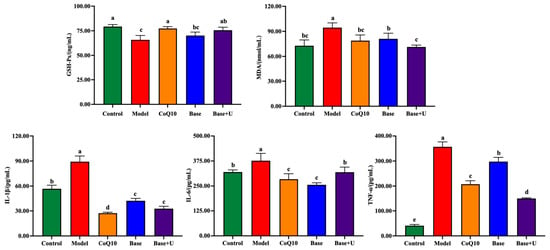
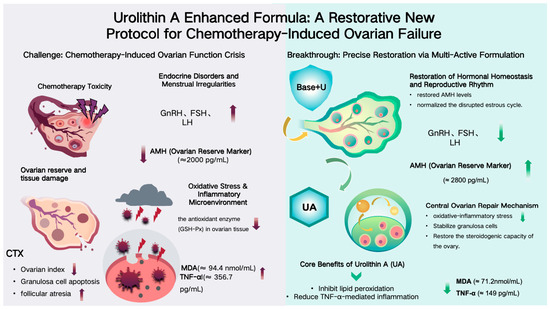
Cyclophosphamide (CTX)-induced premature ovarian failure (POF) is characterized by disruption of the follicular microenvironment, granulosa-cell loss, endocrine imbalance, and oxidative-inflammatory injury. Here, we evaluated two multi-bioactive formulations developed to enhance ovarian stress resilience: a base formulation containing coenzyme Q10, calcium L-5-methyltetrahydrofolate, and Vitex [...] Read more.
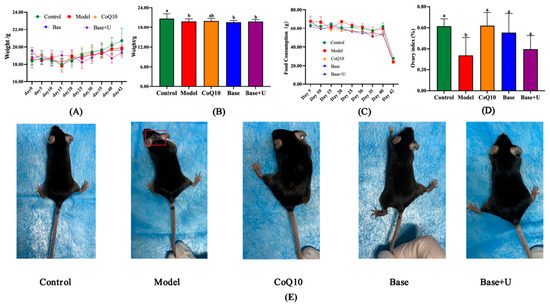
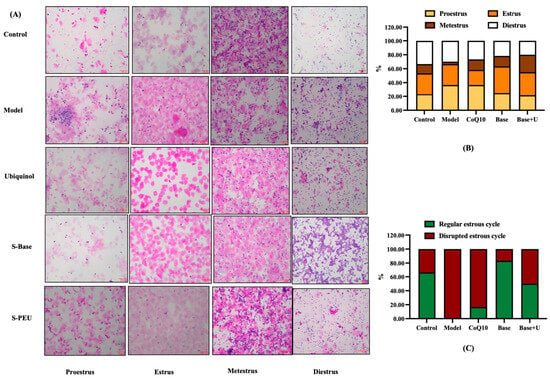
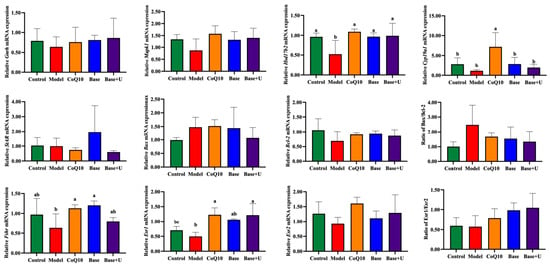
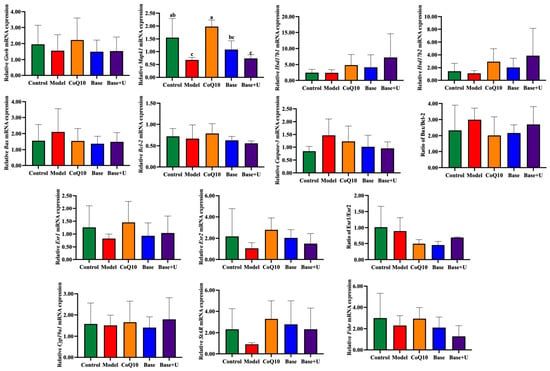
Cyclophosphamide (CTX)-induced premature ovarian failure (POF) is characterized by disruption of the follicular microenvironment, granulosa-cell loss, endocrine imbalance, and oxidative-inflammatory injury. Here, we evaluated two multi-bioactive formulations developed to enhance ovarian stress resilience: a base formulation containing coenzyme Q10, calcium L-5-methyltetrahydrofolate, and Vitex agnus-castus extract (Base), and a urolithin A-enriched formulation (Base + U). Using a CTX-induced female C57BL/6 mouse model, we integrated phenotypic, histological, endocrine, oxidative-inflammatory, and transcriptional readouts to assess efficacy and mechanistic consistency. CTX markedly reduced ovarian index, disrupted estrous cyclicity, shifted follicle development toward atresia, increased granulosa-cell apoptosis, and caused endocrine dysregulation, including decreased anti-Müllerian hormone and estradiol and increased GnRH, FSH, and LH. CoQ10, Base, and Base + U each partially alleviated these abnormalities, improving ovarian index and coat condition, showing a trend toward improved follicular distribution, and normalizing hormone profiles. CTX also induced an ovarian oxidative-inflammatory shift, as reflected by decreased GSH-Px, increased MDA, and elevated IL-1β, IL-6, and TNF-α, all of which were attenuated by the interventions. Notably, Base + U more effectively reduced lipid peroxidation and TNF-α than Base alone. Consistently, ovarian transcripts related to follicle responsiveness and steroid regulation, including Fshr, Esr1, and Hsd17b2, were restored, whereas hypothalamic qRT-PCR analysis did not reveal robust transcriptional alterations within the intervention window. These findings suggest that the urolithin A-enhanced formulation partially alleviates CTX-induced ovarian dysfunction by suppressing oxidative-inflammatory stress and preserving granulosa-cell and follicle fate. Full article
Show Figures

Graphical abstract

22 pages, 4367 KB  
Article
Sustainable Governance of Photovoltaic Desert Control from the Perspective of Evolutionary Game Theory: A Case Study in Xinjiang, China
by Xin Zhang, Anming Bao, Siyu Chen and Shaobo Cai
Land 2026, 15(6), 905; https://doi.org/10.3390/land15060905 (registering DOI) - 24 May 2026
Abstract
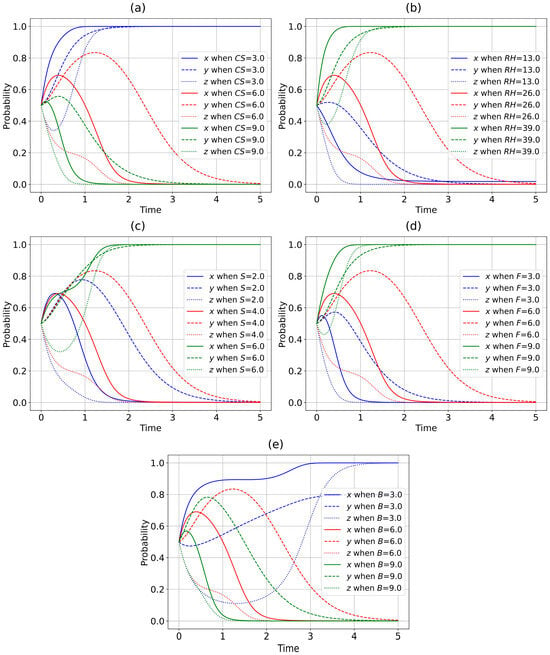
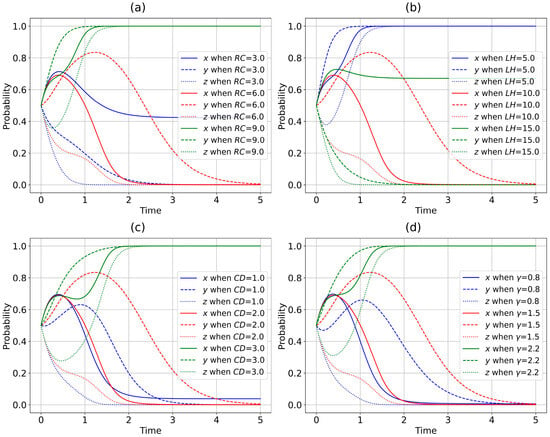
Photovoltaic desert control (PVDC), an innovative model integrating clean energy development and desertification control, faces complex coordination challenges among local governments, local communities, and photovoltaic enterprises. This study constructs a tripartite evolutionary game model to identify the conditions that drive PVDC toward coordinated [...] Read more.
Photovoltaic desert control (PVDC), an innovative model integrating clean energy development and desertification control, faces complex coordination challenges among local governments, local communities, and photovoltaic enterprises. This study constructs a tripartite evolutionary game model to identify the conditions that drive PVDC toward coordinated governance. The model defines a three-dimensional strategy space: government regulatory intensity (Strong vs. Lax), community willingness to cooperate (Active Cooperation vs. Passive Resistance), and enterprise ecological integration (Active Ecological Integration vs. Passive Land Occupation). Replicator dynamic equations are derived to characterize nonlinear interactions, and the stability conditions of eight pure-strategy equilibrium points are identified through Jacobian matrix eigenvalue analysis. Numerical simulations are conducted using a baseline parameter set that satisfies the Evolutionary Stable Strategy conditions for the ideal equilibrium E8, namely Strong Regulation, Active Cooperation, and Active Ecological Integration. The results show that the system can converge to E8 when higher-level rewards cover government regulation, subsidy, and community-support costs; when community cooperation benefits exceed livelihood opportunity costs and compensation incentives from resistance; and when enterprises’ effective ecological integration costs are lower than the combined benefits of subsidies, avoided fines, and long-term returns. Sensitivity analysis further indicates that government subsidies, fines, community support, cooperation income, and enterprise long-term benefits are key drivers of system evolution, while excessive regulation costs, high opportunity costs, and high ecological integration costs may hinder coordination. Qualitative evidence from four PVDC-related cases in Xinjiang provides practical illustrations broadly consistent with the model mechanisms. This study offers a dynamic analytical framework for designing incentive-compatible governance mechanisms in PVDC and similar multi-stakeholder ecological restoration projects. Full article
Show Figures

Figure 1

21 pages, 15681 KB  
Article
An AI-Based Skeletal Mechanism of Ammonia Combustion for High-Fidelity Simulations
by Jingyang Qian, Jicang Si, Tianhao Cao, Xiangtao Liu, Qiuwan Shen, Shian Li, Liguo Song, Minyi Xu and Jianchun Mi
Energies 2026, 19(11), 2525; https://doi.org/10.3390/en19112525 (registering DOI) - 24 May 2026
Abstract
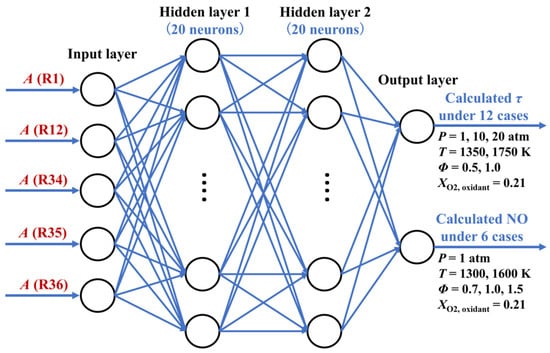
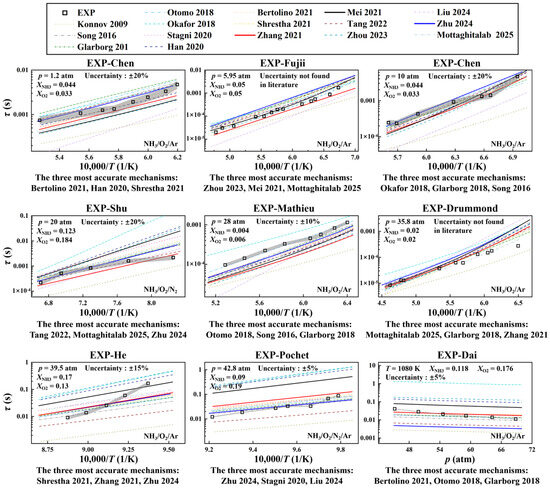
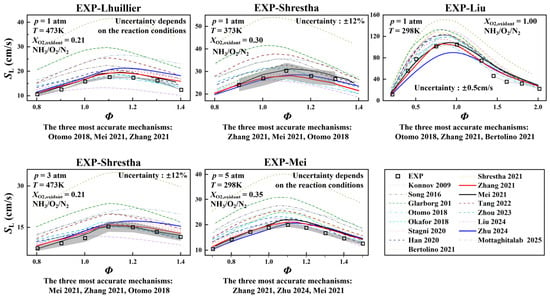
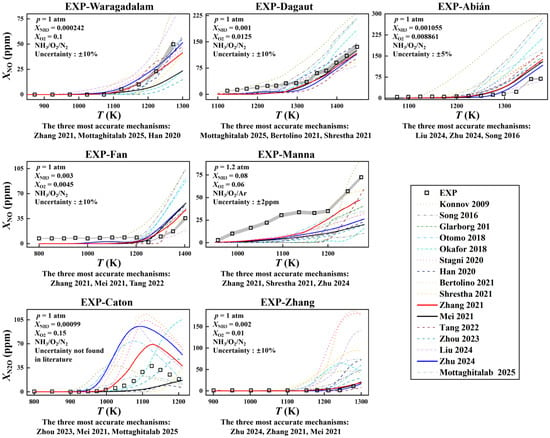
Skeletal kinetic mechanisms are essential for reducing the computational cost of ammonia combustion simulations while retaining the key chemical features governing ignition, flame propagation, and NO formation. This study extends the DRG-CSP-ANN reduction and optimization framework to ammonia combustion over a broader multi-condition [...] Read more.
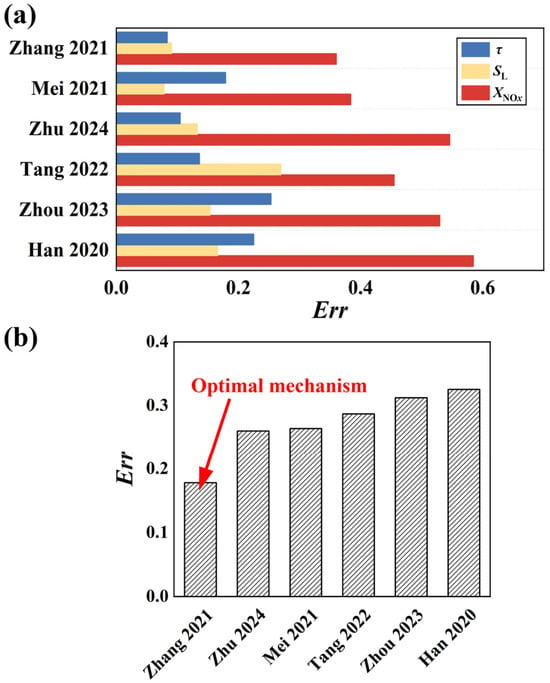
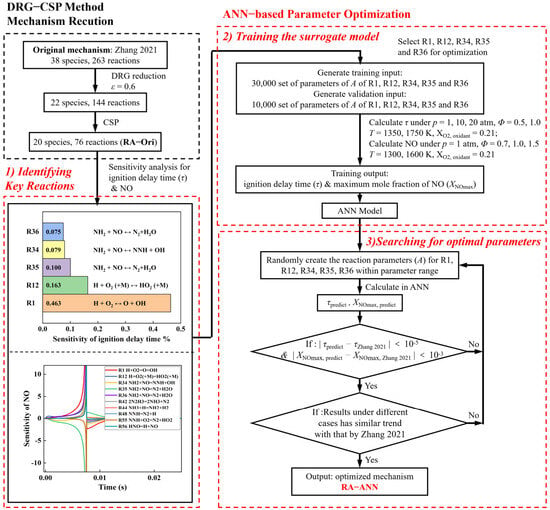
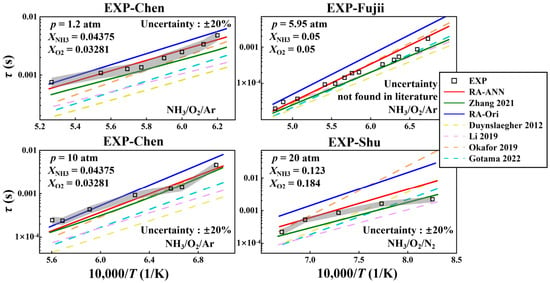
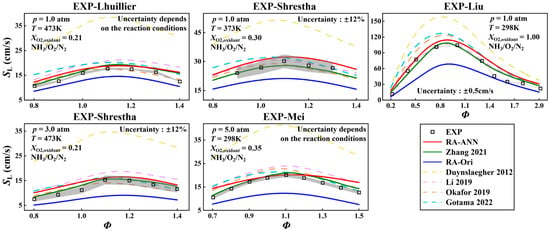
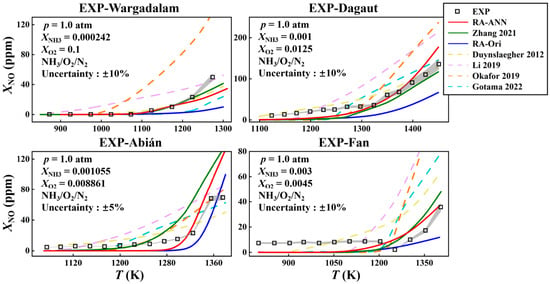
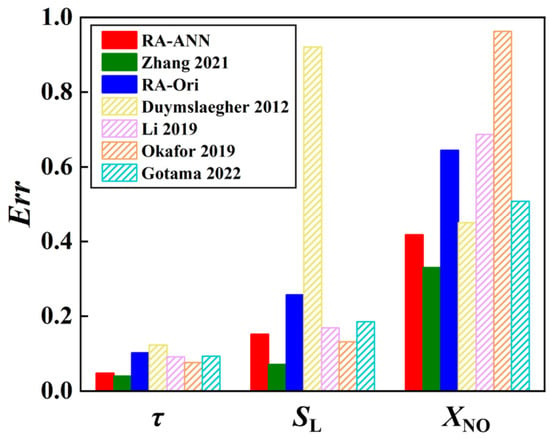
Skeletal kinetic mechanisms are essential for reducing the computational cost of ammonia combustion simulations while retaining the key chemical features governing ignition, flame propagation, and NO formation. This study extends the DRG-CSP-ANN reduction and optimization framework to ammonia combustion over a broader multi-condition parameter space, aiming to develop a compact skeletal mechanism applicable to different pressures, equivalence ratios, and temperatures. Sixteen detailed ammonia combustion mechanisms were first assessed against experimental data covering ignition delay time, laminar flame speed, and NOx species concentrations over wide ranges of pressure, temperature, equivalence ratio, and oxidizer composition. Based on the overall error evaluation, the detailed mechanism with the most balanced predictive performance was selected as the parent mechanism. The parent mechanism was then reduced using the Directed Relation Graph and Computational Singular Perturbation methods, yielding an initial skeletal mechanism, RA-Ori, with 20 species and 76 reactions. To compensate for the accuracy loss caused by mechanism reduction, an Artificial Neural Network surrogate was constructed to optimize the pre-exponential factors of selected sensitive reactions within their evaluated uncertainty ranges, leading to the final mechanism, RA-ANN. The validation results show that RA-ANN reasonably reproduces ignition delay times, laminar flame speeds, and NO concentrations under different ammonia combustion conditions. Quantitatively, RA-ANN reduces the overall error from 0.335 for RA-Ori to 0.206, corresponding to a 38.4% reduction, while maintaining the same compact size. Its overall error is close to that of the parent detailed mechanism and lower than that of several existing skeletal mechanisms considered in this work. These results demonstrate that the proposed DRG-CSP-ANN strategy can construct a compact ammonia skeletal mechanism that achieves a favorable balance between computational efficiency, predictive accuracy, and applicability over representative multi-condition ammonia combustion regimes. Full article
(This article belongs to the Section I: Energy Fundamentals and Conversion)
Show Figures

Figure 1

38 pages, 3906 KB  
Review
A Comprehensive Review of Research and Applications of Intelligent Manipulators in Agriculture
by Weijie Wu and Jianmin Gao
Agronomy 2026, 16(11), 1041; https://doi.org/10.3390/agronomy16111041 (registering DOI) - 24 May 2026
Abstract
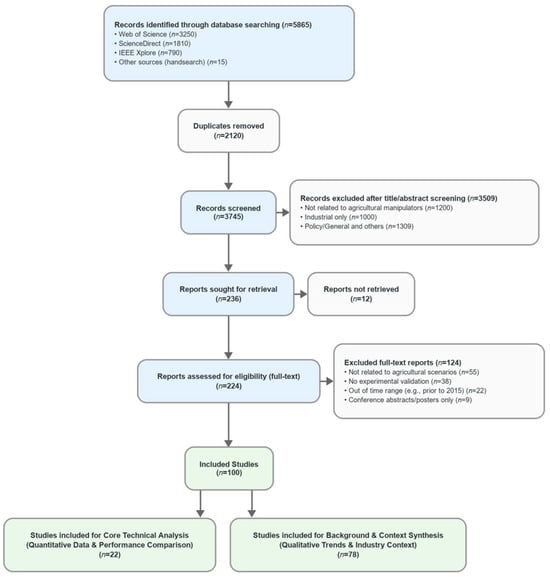
Agricultural intelligent manipulators are essential for autonomous operations in smart agriculture. However, their industrial deployment faces critical bottlenecks, including perception failures, crop damage, and poor cost–benefit ratios in unstructured environments. Following the PRISMA guidelines, this study reviewed 22 key representative studies and 78 [...] Read more.
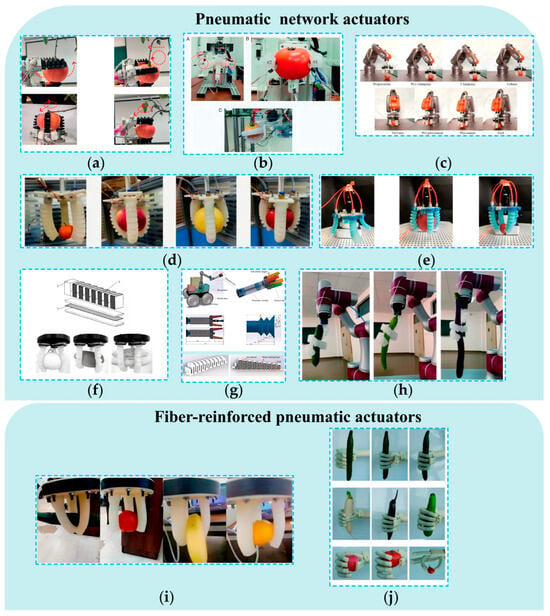
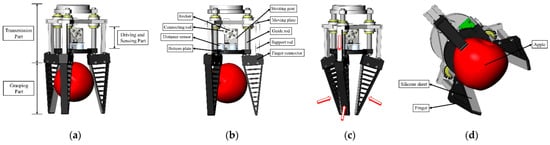
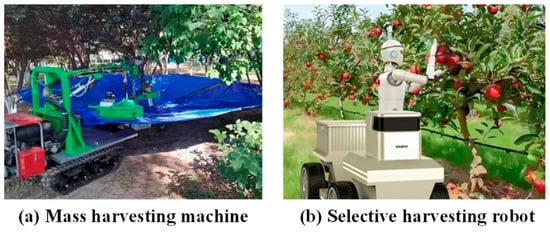
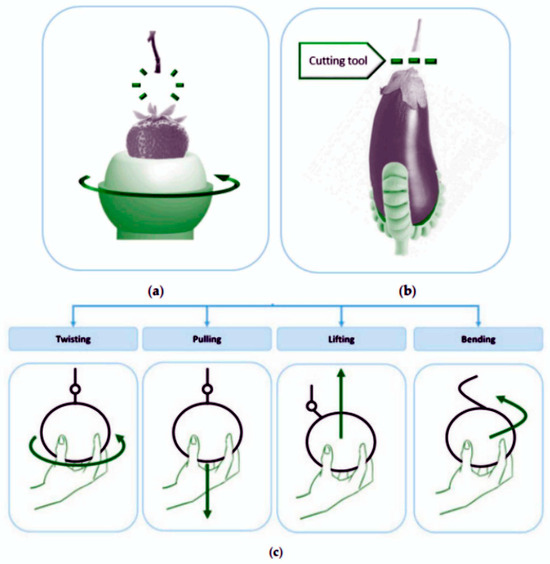
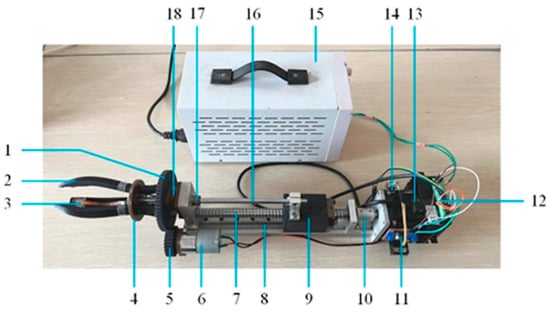
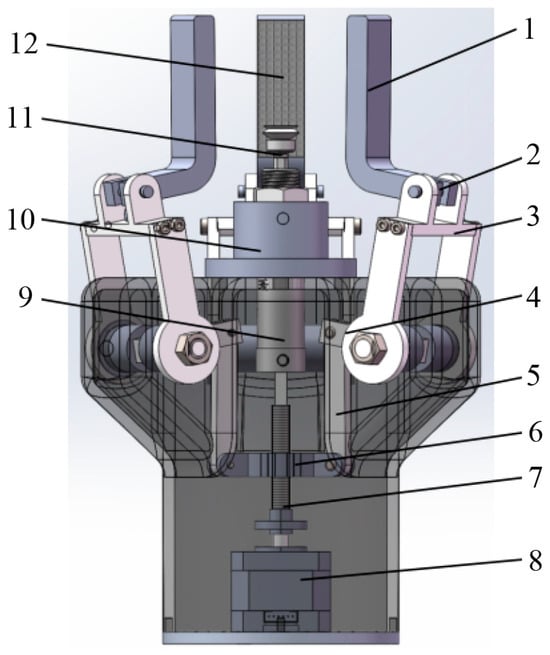
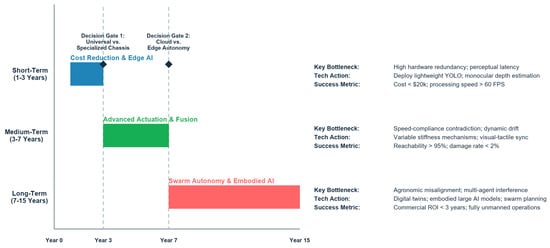
Agricultural intelligent manipulators are essential for autonomous operations in smart agriculture. However, their industrial deployment faces critical bottlenecks, including perception failures, crop damage, and poor cost–benefit ratios in unstructured environments. Following the PRISMA guidelines, this study reviewed 22 key representative studies and 78 related studies (2015–2026). This review analyzes mechanisms for low-damage and high-precision operations across hardware (rigid–flexible structures), perception (multi-modal fusion), and decision-making (intelligent control). We compare operational efficiency and damage rates in harvesting, transplanting, and sorting, finding that rigid–flexible actuators with vision-guided force control are key to overcoming current limitations. To evaluate these technologies, we established a benchmarking framework across fruit/vegetable harvesting, seedling grafting, and precision plant protection to assess four technological trajectories. We also address engineering challenges: machinery–agronomy misalignment, high sensor costs, and limited edge computing. Notably, we introduce an economic payback period analysis to evaluate commercial feasibility. Ultimately, future research should prioritize lightweight variable-stiffness hardware, synchronous visuo-tactile perception, and digital twins to seamlessly integrate machinery and agronomy. Full article
(This article belongs to the Special Issue Research Progress in Agricultural Robots in Arable Farming)
Show Figures

Figure 1

21 pages, 5373 KB  
Article
Design and Protective Performance Effectiveness Analysis of Child Restrained System with an Airbag
by Xuerong Zhang, Huiyu Xu, Benchi Feng, Yang Liu, Xin Ye and Wenqiong Tu
Appl. Sci. 2026, 16(11), 5257; https://doi.org/10.3390/app16115257 (registering DOI) - 24 May 2026
Abstract
Child occupants are highly vulnerable to head and neck injuries in vehicle crashes; conventional child restraint systems primarily restrain the torso, with limited ability to directly reduce excessive head excursion and neck loads during frontal collisions. Therefore, effective cushioning and energy absorption are [...] Read more.
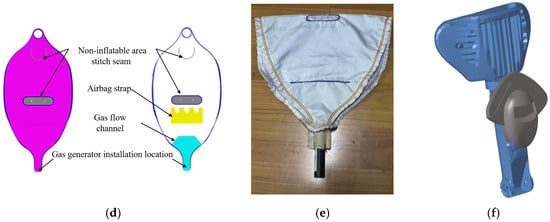
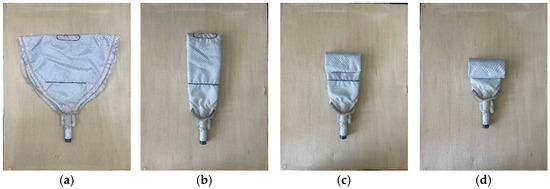
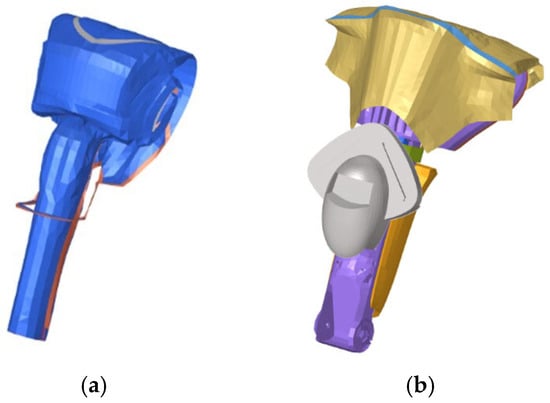
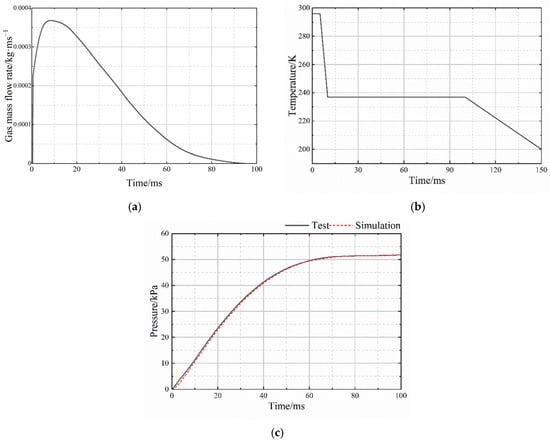
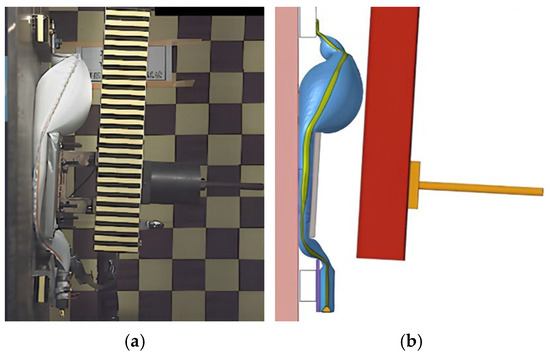
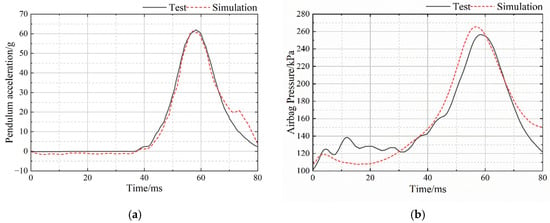
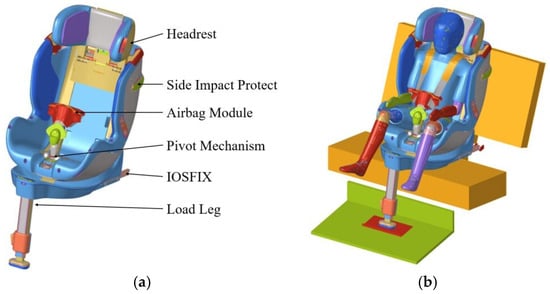
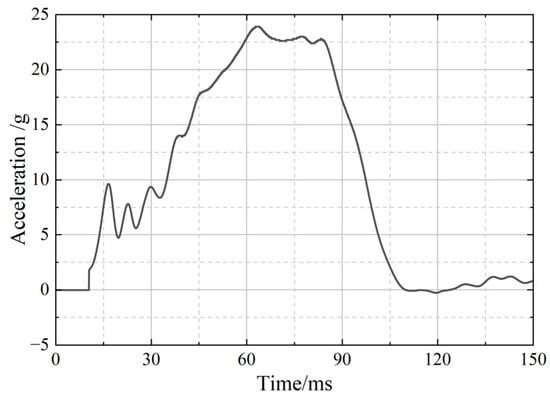
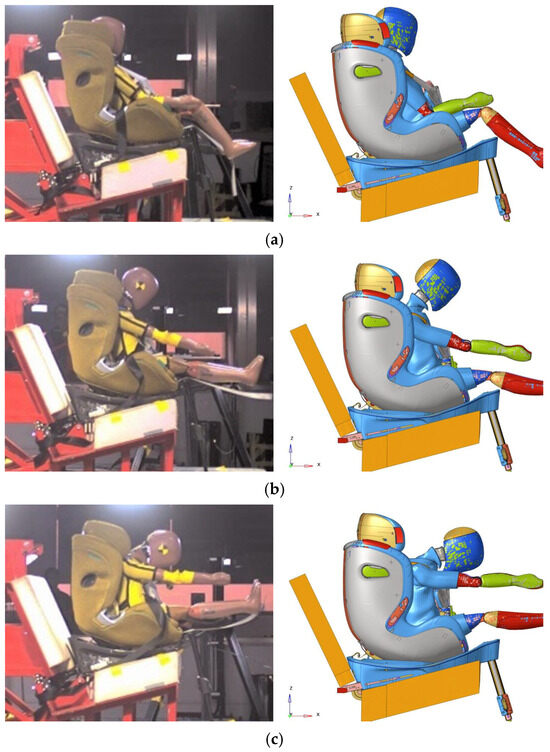
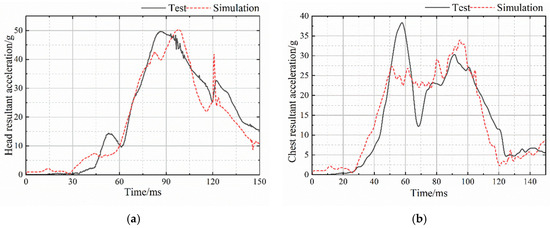
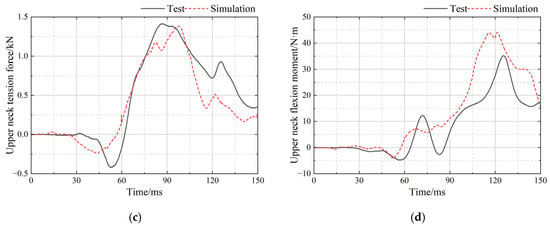
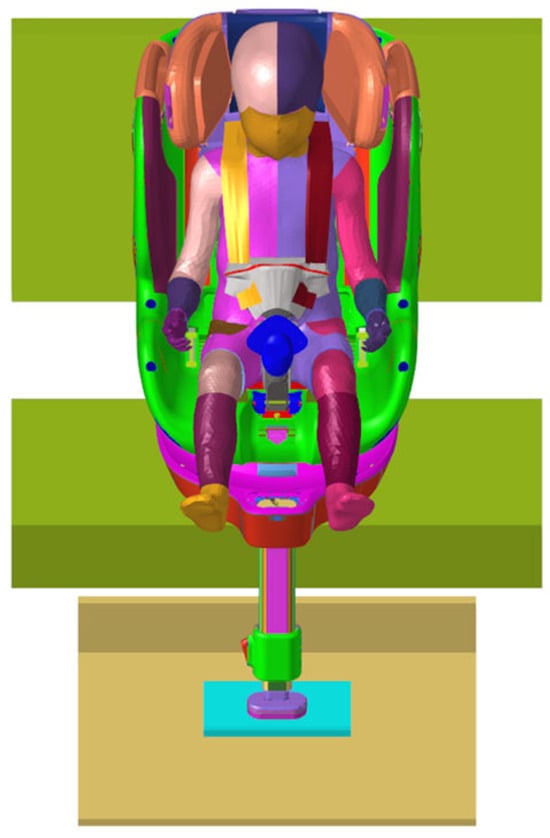
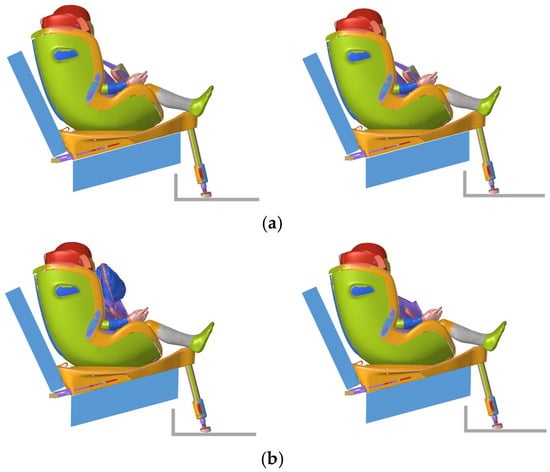
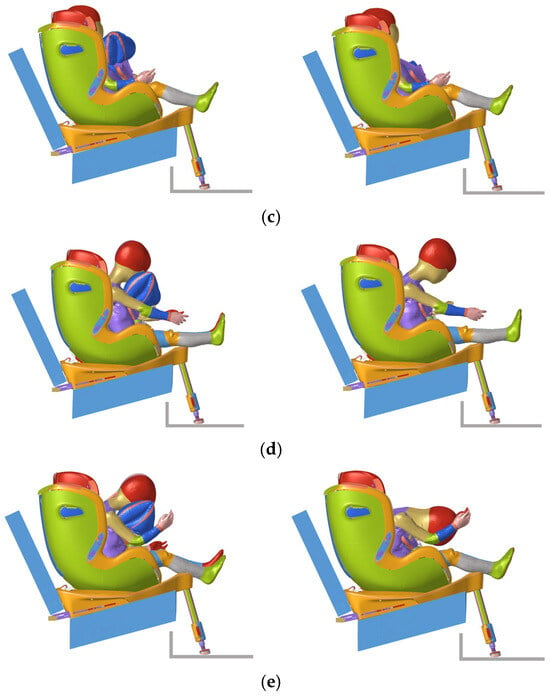
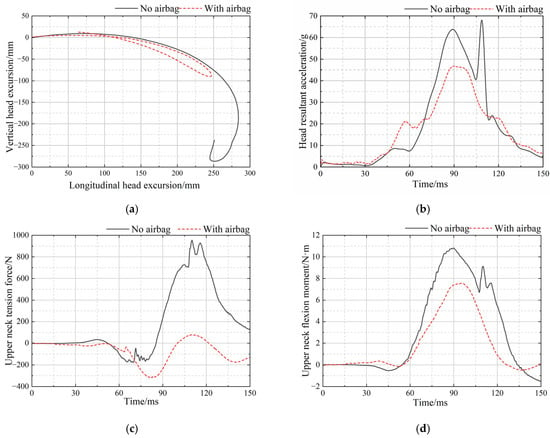
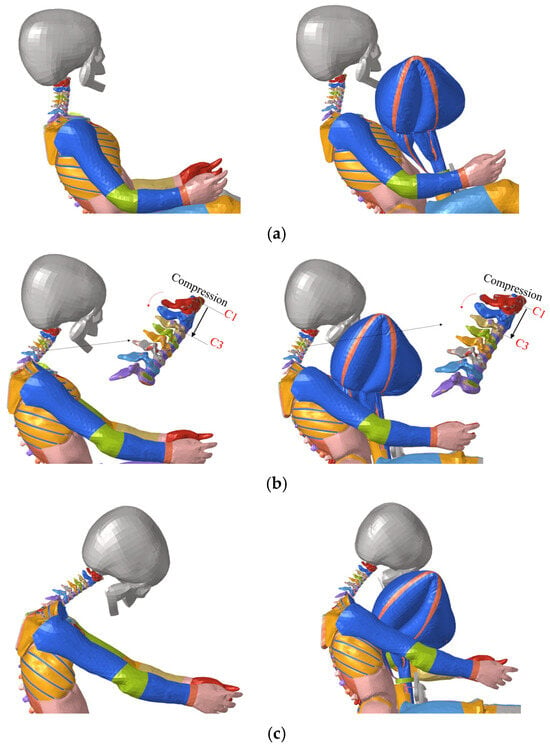
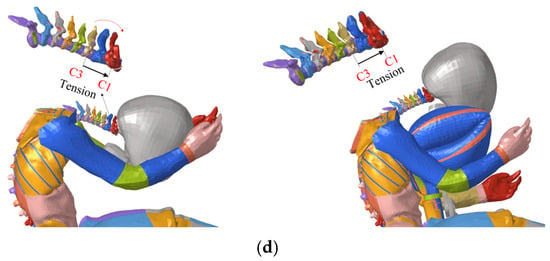
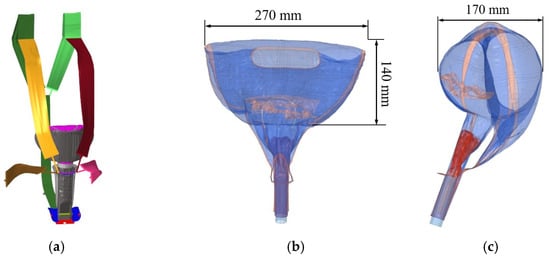
Child occupants are highly vulnerable to head and neck injuries in vehicle crashes; conventional child restraint systems primarily restrain the torso, with limited ability to directly reduce excessive head excursion and neck loads during frontal collisions. Therefore, effective cushioning and energy absorption are needed to improve head and neck protection in child restraint systems. This study proposed and evaluated a novel child restraint system integrated with an airbag to enhance head and neck protection. A finite element model of a five-point harness child safety seat with an airbag module mounted on the seatbelt buckle was developed. The predictive accuracy of the airbag model and child restraint system was validated through pendulum impact tests and frontal sled tests. Next, the PIPER 3 human model was applied to evaluate the effectiveness of the airbag. Compared with the five-point harness child restraint system without an airbag, the incorporation of the airbag significantly improved head and neck protection. Specifically, the maximum vertical head-T1 displacement decreased from 286 mm to 90 mm; additionally, HIC15, 3 ms resultant head acceleration, peak upper neck tension force, peak upper neck flexion moment, and 3 ms chest acceleration were reduced by 51.8%, 27.8%, 66.9%, 29.6%, and 16.0%, respectively. This study provided a technical basis for the development of passive safety technologies in child restraint systems with airbag applications. Full article
(This article belongs to the Section Applied Biosciences and Bioengineering)
Show Figures

Figure 1

19 pages, 2931 KB  
Article
Enhancing the Adoption of Zero Trust in Organizations Using Machine Learning
by Aeshah Mohammed Alshehri, Samer H. Atawneh, Hussein Al Bazar and Roxane Elias Mallouhy
Future Internet 2026, 18(6), 278; https://doi.org/10.3390/fi18060278 (registering DOI) - 24 May 2026
Abstract
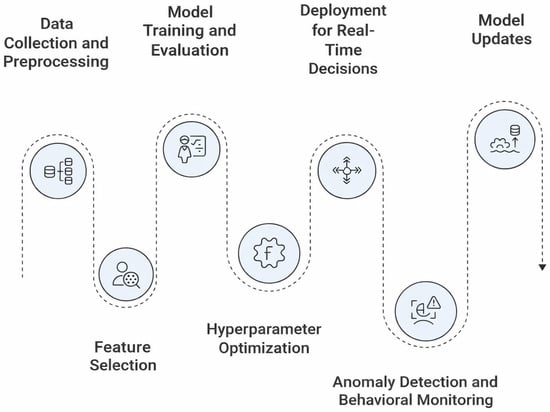
Cybersecurity has become a critical concern for individuals, organizations, and governments, especially with the rise of sophisticated cyberattacks and remote work environments. Traditional security approaches are no longer sufficient, leading to the adoption of advanced frameworks such as the zero-trust model, which operates [...] Read more.
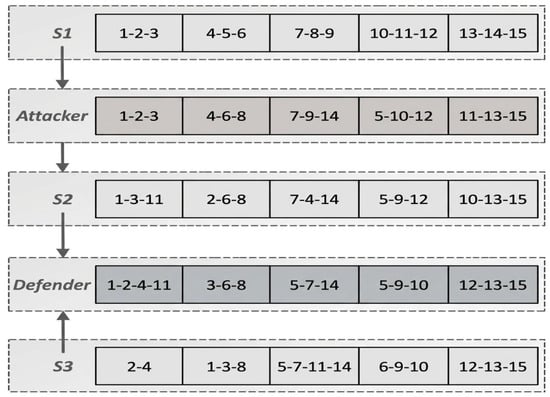
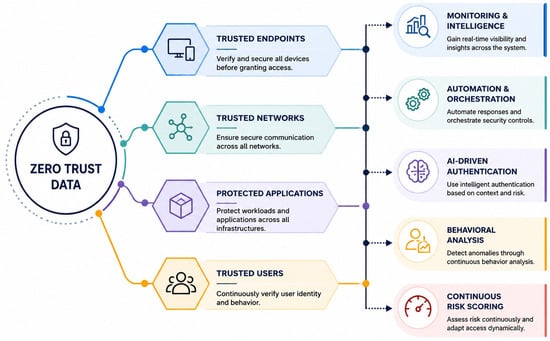
Cybersecurity has become a critical concern for individuals, organizations, and governments, especially with the rise of sophisticated cyberattacks and remote work environments. Traditional security approaches are no longer sufficient, leading to the adoption of advanced frameworks such as the zero-trust model, which operates on the principle “never trust, always verify.” This model enforces strict access controls and continuous monitoring across all network activities. Designing an intelligent zero-trust system is challenging due to the complexity of network environments and the evolving nature of malicious threats. This project proposes an advanced zero-trust architecture that integrates machine learning and multi-factor authentication (MFA) to strengthen security. Specifically, it employs Multilayer Perceptron models and k-Nearest Neighbors algorithms to analyze system logs and user behavior, enabling real-time anomaly detection and adaptive authentication mechanisms. The proposed framework is experimentally evaluated using the H-MOG behavioral–contextual authentication dataset, which captures multimodal user interaction patterns and supports continuous authentication analysis within Zero Trust environments. The integration of machine learning enhances the system’s ability to identify suspicious activities quickly and accurately, while MFA provides an additional layer of protection against unauthorized access. Moreover, the proposed framework emphasizes usability, ensuring that enhanced security does not impose excessive burden on users or IT teams. This allows the framework to respond more effectively to potential threats while maintaining usability. Overall, the proposed approach offers a practical and scalable solution that improves detection performance and strengthens continuous authentication and adaptive access control within Zero Trust environments. Full article
Show Figures

Figure 1

24 pages, 30322 KB  
Article
Effect of Curvature Height on the Low-Velocity Impact Behaviour of Unidirectional T300/5208 CFRP Laminated Shell Panels: A Comparative Numerical Parametric Analysis of Intralaminar + Interlaminar and Intralaminar-Only Models
by Onur Gök
Polymers 2026, 18(11), 1290; https://doi.org/10.3390/polym18111290 (registering DOI) - 24 May 2026
Abstract
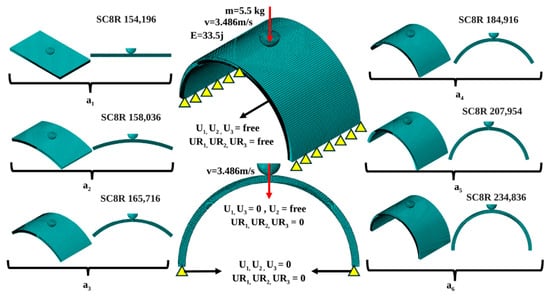
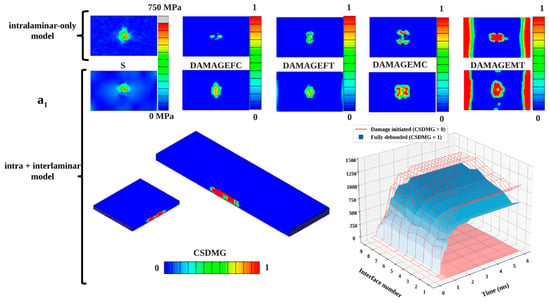
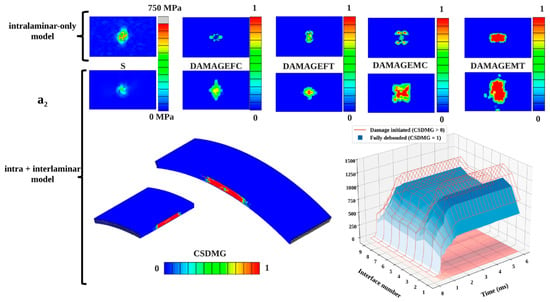
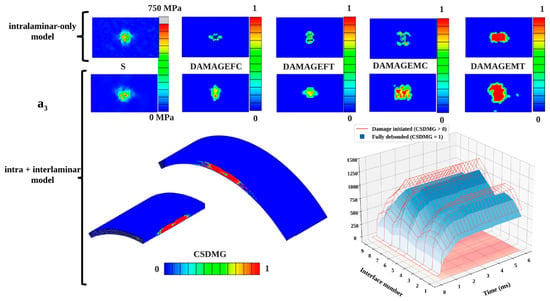
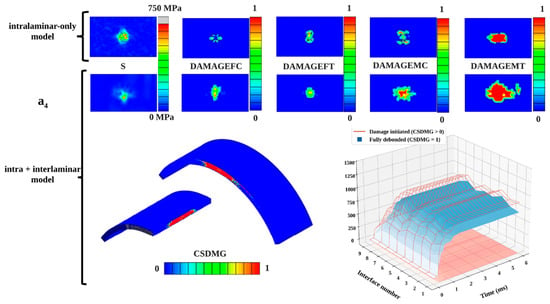
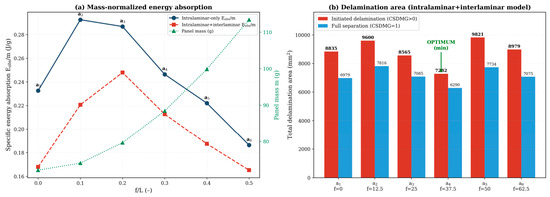
In this study, the 33.5 J low-velocity impact (LVI) behaviour of unidirectional T300/5208 CFRP cylindrical shell panels with a 40-ply [45/0/−45/90]5s layup was investigated using Abaqus/Explicit under the effect of the curvature-height parameter (f = 0–62.5 mm; a1–a6). [...] Read more.
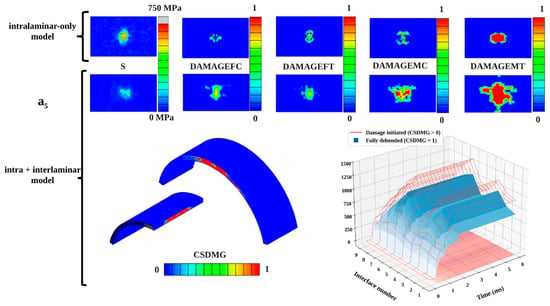
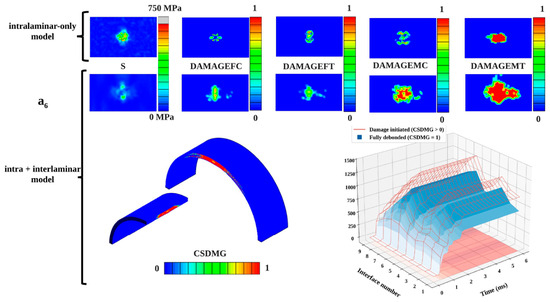
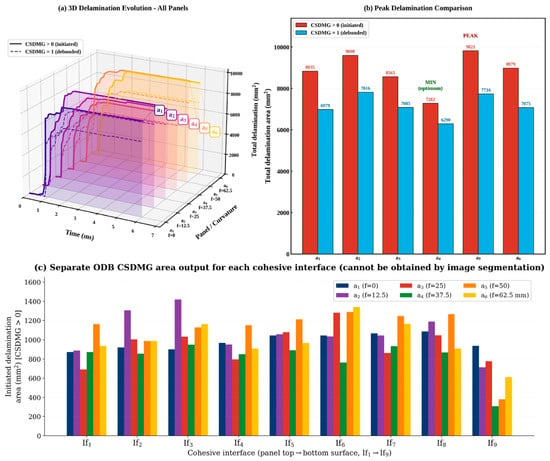
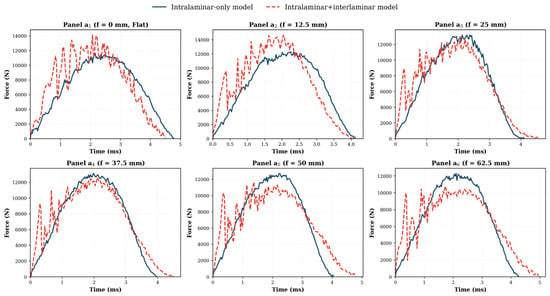
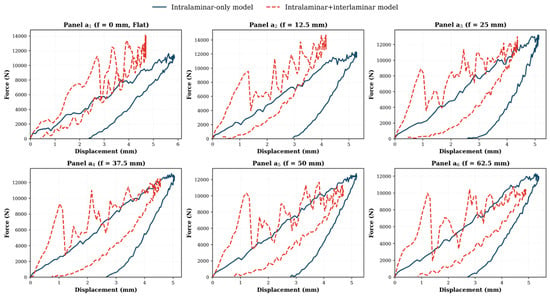
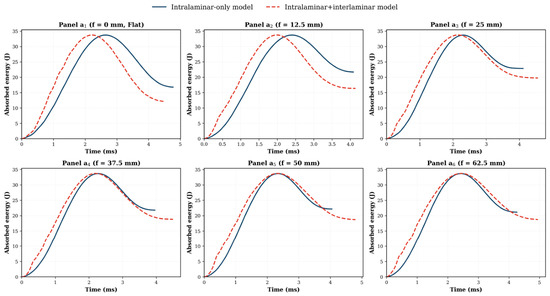
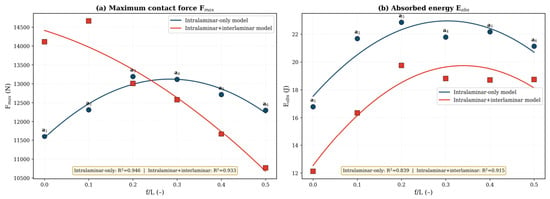
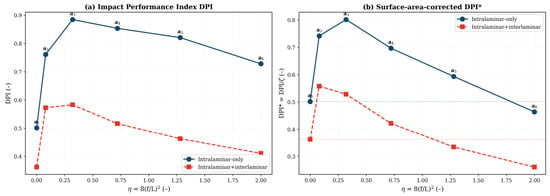
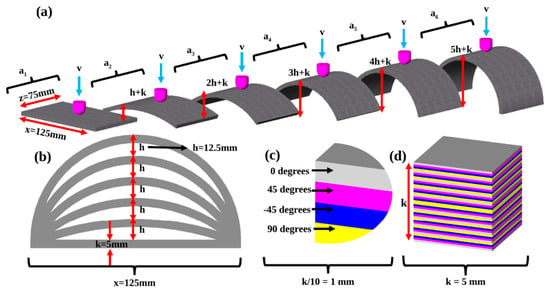
In this study, the 33.5 J low-velocity impact (LVI) behaviour of unidirectional T300/5208 CFRP cylindrical shell panels with a 40-ply [45/0/−45/90]5s layup was investigated using Abaqus/Explicit under the effect of the curvature-height parameter (f = 0–62.5 mm; a1–a6). To address the limitation of the previous single-block approach in not being able to represent delamination, the study was carried out on two models: an intralaminar-only (SC8R single-block) model and an intralaminar + interlaminar model containing nine cohesive interfaces. Quantitative results: In the intralaminar-only model, the maximum contact force peaks at a3 (f = 25 mm), with 13,192 N, representing a 13.7% increase relative to the flat panel; whereas in the intralaminar + interlaminar model, the force is highest at a2 (f = 12.5 mm), with 14663 N, and decreases monotonically with curvature (10,765 N at a6). Failure mechanism: In the intralaminar-only model, the dominant intralaminar mode is matrix tensile damage (DAMAGEMT); in the intralaminar + interlaminar model, interlaminar separation (CSDMG) governs the total damage, and the initiated delamination area reaches its minimum at a4 (f = 37.5 mm), with 7282 mm2, and its maximum at a5, with 9821 mm2. Thus, a curvature-dependent delamination-minimum regime arises that differs from the a3 optimum of the intralaminar-only model. An impact performance index (DPI) and its surface-area-corrected derivative, DPI* = DPI/ζ, were applied separately for both models. It was shown that delamination systematically lowers the performance level and shifts the optimum curvature window. All findings are comparative trends within a single numerical framework. Full article
Show Figures

Figure 1

17 pages, 18309 KB  
Article
Characterization of Non-Volatile and Volatile in Flat Green Teas Processed by Green, Yellow, and Purple-Colored Leaves Using Multi-Sensory Analysis and Metabolomics
by Yumeng Ding, Yuxin Shen, Lihe Qi, Kai Zhang, Yuxuan Ouyang and Chuan Yue
Foods 2026, 15(11), 1862; https://doi.org/10.3390/foods15111862 (registering DOI) - 24 May 2026
Abstract
Teas processed from specialty-colored tea leaves possess distinctive quality profiles shaped by their volatile and non-volatile compounds, which serve as critical metrics for evaluating tea cultivars. In this study, we comprehensively characterized the quality attributes of flat green teas produced from three tea [...] Read more.
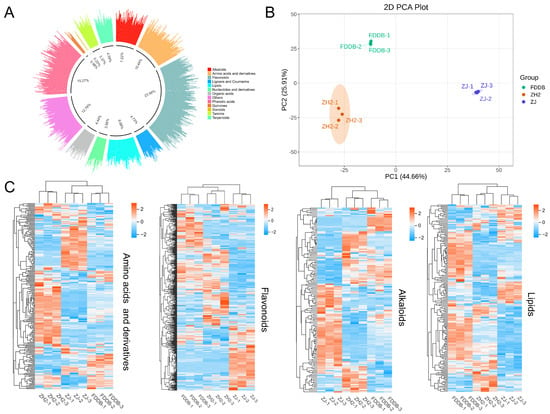
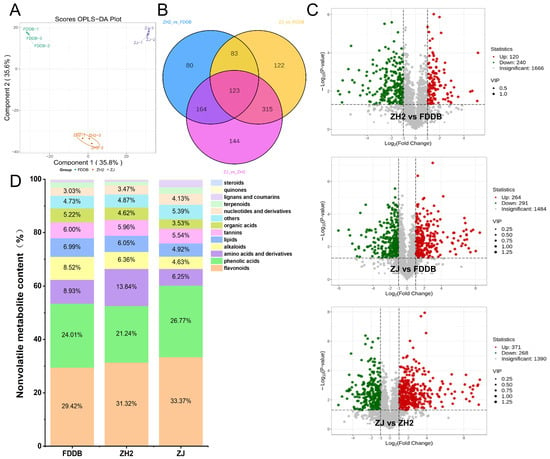
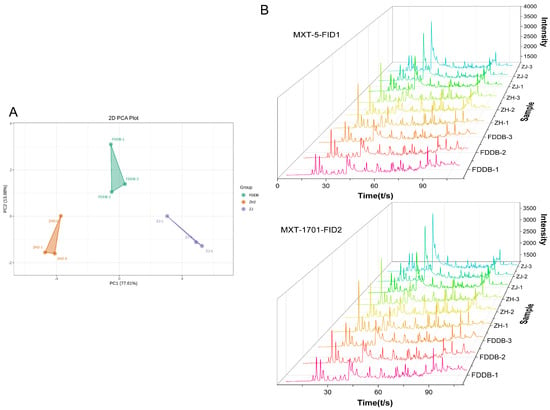
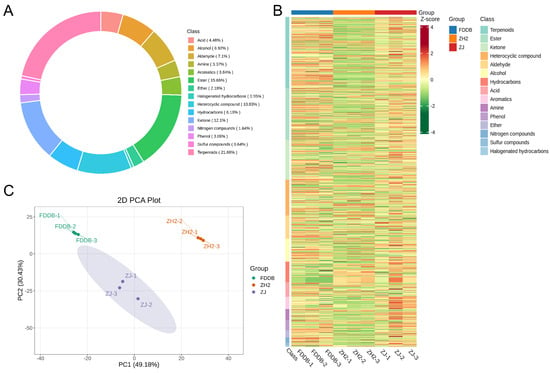
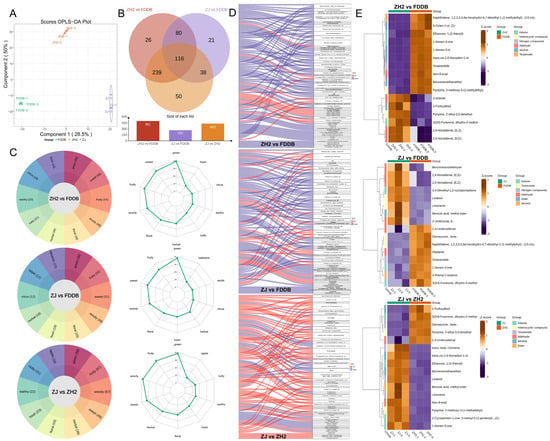
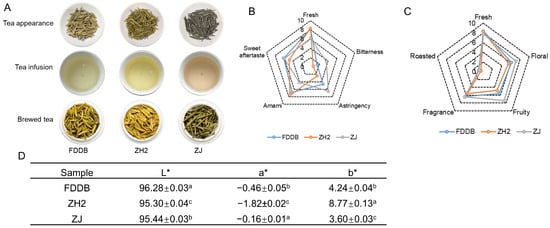
Teas processed from specialty-colored tea leaves possess distinctive quality profiles shaped by their volatile and non-volatile compounds, which serve as critical metrics for evaluating tea cultivars. In this study, we comprehensively characterized the quality attributes of flat green teas produced from three tea cultivars—green-leaved ‘FDDB’, yellow-leaved ‘ZH2’, and purple-leaved ‘ZJ’—using an integrated analytical approach including sensory evaluation, widely targeted metabolomics, GC-E-nose, and HS-SPME-GC-MS. Sensory evaluation revealed distinct sensory characteristics among teas processed from the three cultivars with different leaf colors. GC-E-nose analysis further confirmed that the aroma profiles of these tea samples could be clearly distinguished based on leaf color. Metabolomic analysis identified a total of 2050 non-volatile compounds, among which 18 amino acids, 5 phenolic acids, and 4 flavonoids were pinpointed as key contributors to the unique taste profiles of infusions from ZH2 and ZJ teas. Additionally, a total of 1100 volatile compounds were detected, with 94, 75, and 90 key aroma-active compounds identified in FDDB, ZH2, and ZJ teas, respectively. Collectively, in this study, systematic analysis revealed significant differences in both volatile and non-volatile chemical compositions across the three tea cultivars. These findings provide a scientific foundation for understanding the processing suitability and quality formation mechanisms of tea cultivars with distinct leaf colors. Full article
(This article belongs to the Section Foodomics)
Show Figures

Figure 1

23 pages, 4388 KB  
Article
Hierarchically Porous Carbon–Diatomite Composite: Structural Development and Application in Saline Groundwater Treatment Under Real Conditions
by Sapura Satayeva, Askar Bakushev, Svetlana Yermukhanova, Altynai Kupeshova, Nurgul Satybayeva, Aliya Urazova and Firuza Akhmetova
Processes 2026, 14(11), 1701; https://doi.org/10.3390/pr14111701 (registering DOI) - 24 May 2026
Abstract
This study reports the development of a hierarchically porous material based on natural diatomite, thermally treated diatomite (450 °C), and an activated carbon-modified diatomite composite for saline groundwater treatment in West Kazakhstan, addressing the need for efficient desalination solutions under real environmental conditions. [...] Read more.
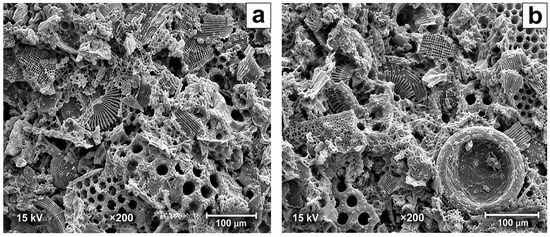
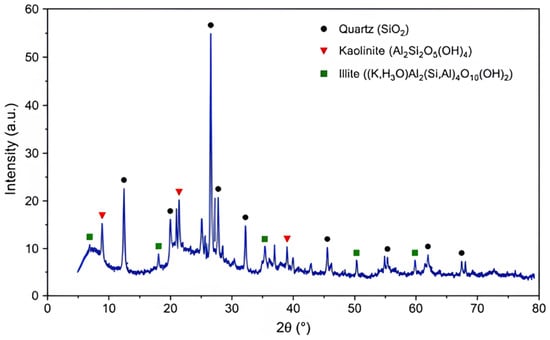
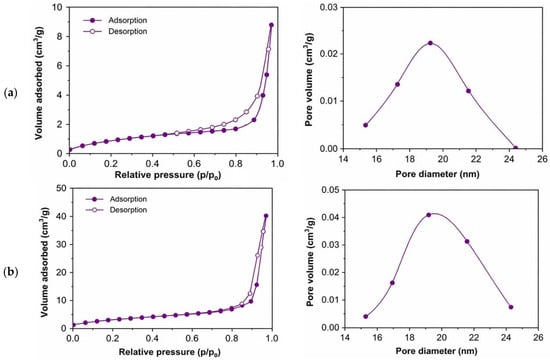
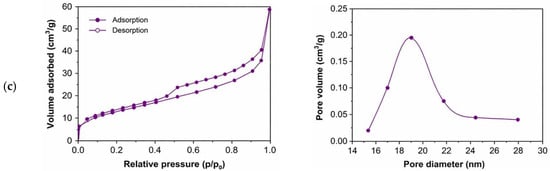
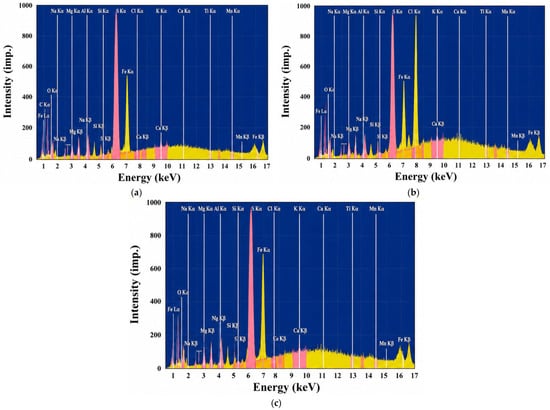
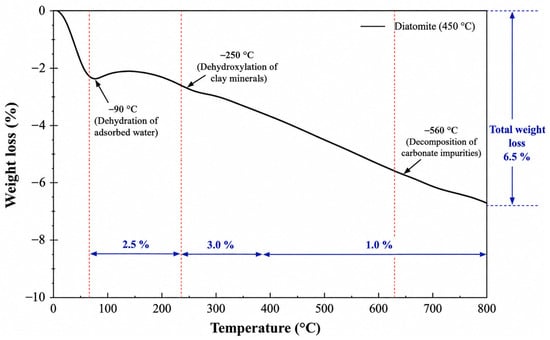
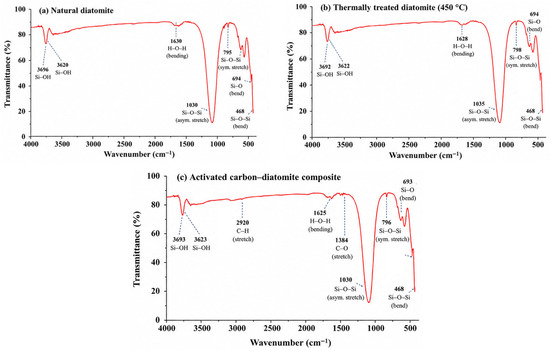
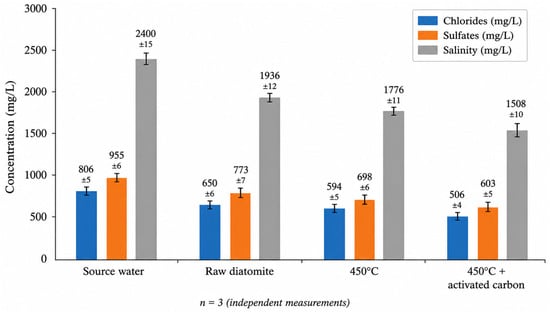
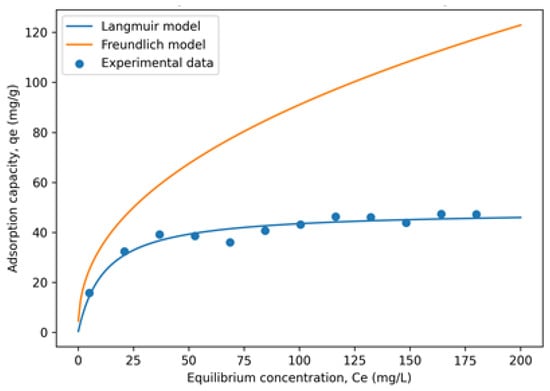
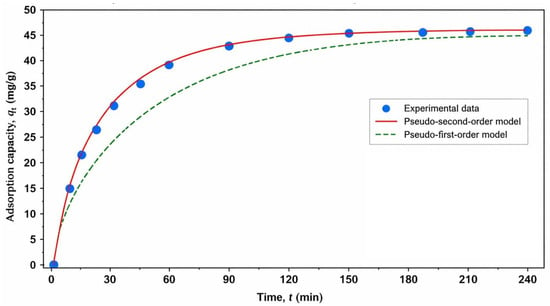
This study reports the development of a hierarchically porous material based on natural diatomite, thermally treated diatomite (450 °C), and an activated carbon-modified diatomite composite for saline groundwater treatment in West Kazakhstan, addressing the need for efficient desalination solutions under real environmental conditions. The material was synthesized via sequential thermal activation at 450 °C followed by incorporation of activated carbon, with bentonite used as a binder to improve mechanical stability. Comprehensive physicochemical characterization (SEM, XRD, XRF, BET, DTA, and FTIR) confirmed significant structural and compositional transformations, including silica enrichment, removal of impurities, and the development of a well-defined hierarchical porous network. The specific surface area increased from 8 to 10 m2/g for natural diatomite to 35–40 m2/g for thermally treated diatomite and further to 55–60 m2/g for the activated carbon-modified diatomite composite, accompanied by enhanced pore volume and mesoporosity. Performance evaluation using real groundwater samples demonstrated that thermally treated diatomite (450 °C) improved removal efficiency by approximately 19%, while the activated carbon-modified diatomite composite achieved 35–37% removal of chloride, sulfate, and total dissolved solids under multi-ion competitive conditions. The enhanced adsorption performance is attributed to the synergistic effect of increased surface area, improved pore accessibility, and additional active sites introduced by activated carbon. The adsorption process is governed by ion bridging mediated by multivalent cations, pore filling within the hierarchical pore structure, and surface complexation on silanol and metal–hydroxyl functional groups. Leaching tests confirmed the structural stability of the composite and indicated no significant release of environmentally relevant elements under aqueous conditions. Compared with natural diatomite, the thermally treated and activated carbon-modified materials demonstrate improved adsorption efficiency and stable performance under realistic groundwater conditions. These results highlight their applicability for decentralized water treatment systems in regions affected by saline groundwater contamination. Full article
(This article belongs to the Section Materials Processes)
Show Figures

Figure 1

27 pages, 3246 KB  
Article
Seismic Performances of RC Columns at Cryogenic Temperatures Based on the Concept of Resilience Design
by Kaixin Liu, Ya Bai and Binlin Zhang
Buildings 2026, 16(11), 2093; https://doi.org/10.3390/buildings16112093 (registering DOI) - 24 May 2026
Abstract
Reinforced concrete (RC) columns in cold regions are often exposed to combined seismic actions and cryogenic environments, which can significantly alter their structural response. This study examines the seismic performance of RC columns over a temperature range of 20 °C to −90 °C [...] Read more.
Reinforced concrete (RC) columns in cold regions are often exposed to combined seismic actions and cryogenic environments, which can significantly alter their structural response. This study examines the seismic performance of RC columns over a temperature range of 20 °C to −90 °C using numerical simulations, with axial load ratios of 0.0–0.6 and stirrup ratios of 1.0–3.0% considered. The results reveal that failure modes remain generally consistent across temperatures, while damage becomes more pronounced at lower temperatures. A decrease in temperature leads to higher peak load and initial stiffness, accompanied by a reduction in ductility. Taking the specimens with ρsv = 1.0% as an example, as the temperature decreases from 20 °C to −30 °C, −60 °C, and −90 °C, the peak load increases by 10.9%, 17.1%, and 32.7%, respectively. As the temperature decreased from 20 °C to −90 °C, the ductility coefficient decreased by 33.3%, and the total dissipated energy increased by 6.4%. Increasing the stirrup ratio enhances deformation capacity and partially mitigates ductility loss. Furthermore, the influence of axial load ratio on hysteretic response follows a similar pattern to that at ambient temperature, but with greater sensitivity under cryogenic conditions. Based on the numerical findings, predictive expressions are proposed to estimate the plastic hinge length and flexural strength considering temperature effects. Full article
19 pages, 4829 KB  
Article
Jujube Polysaccharide Promotes Neuroprotection and Longevity in Caenorhabditis elegans Through Oxidative Stress Resistance and Stress-Response Signaling
by Zhiying Hou, Ayaz Ahmed, Jiayin Wang, Meng Sun, Fengzhong Wang and Qiong Wang
Int. J. Mol. Sci. 2026, 27(11), 4727; https://doi.org/10.3390/ijms27114727 (registering DOI) - 24 May 2026
Abstract
Parkinson’s disease (PD) involves oxidative stress, proteotoxic aggregation, and neurotransmitter dysfunction, yet current therapies remain largely symptomatic. This study investigated whether Jujube polysaccharides (ZJP), a food-derived polysaccharide, confer neuroprotective and anti-aging benefits in Caenorhabditis elegans. ZJP was characterized for physicochemical features, antioxidant [...] Read more.
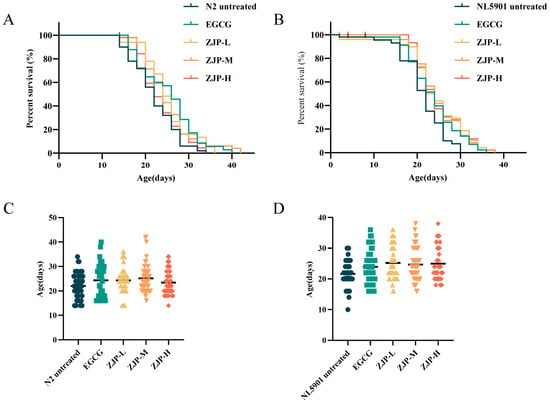
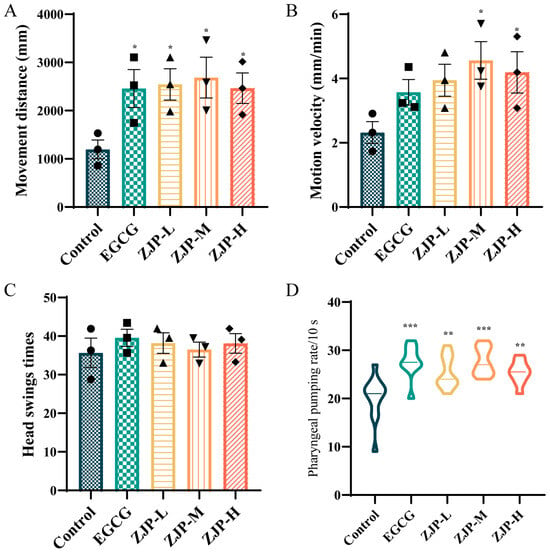
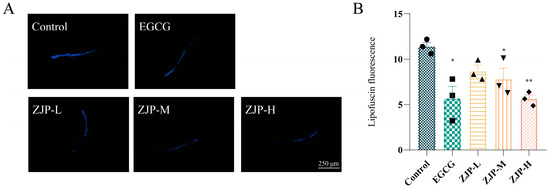
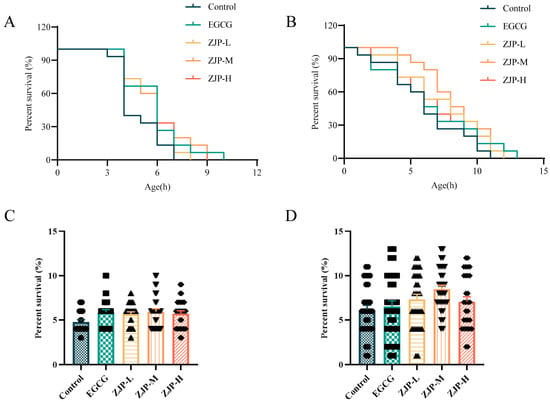
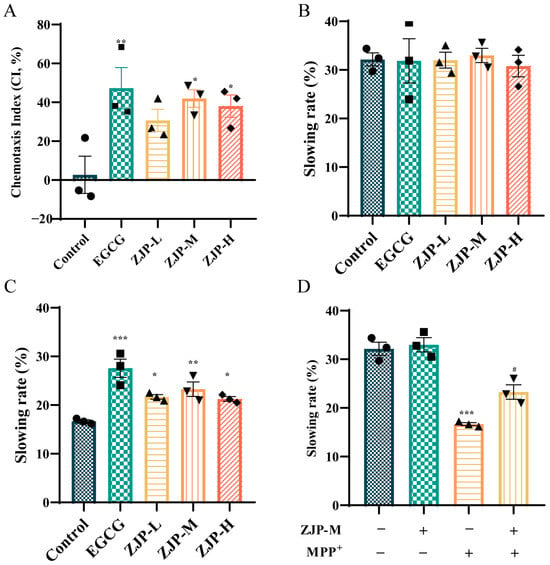
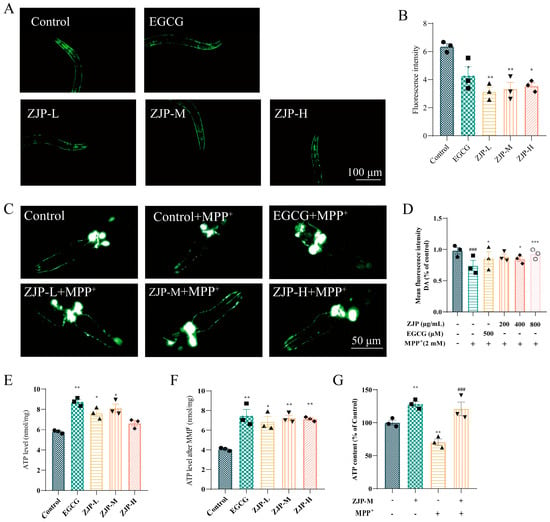
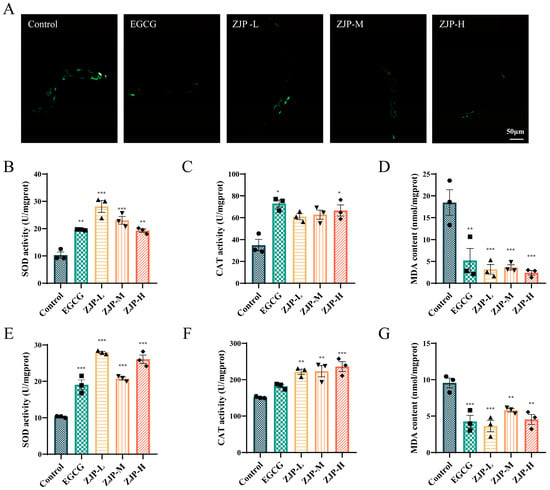
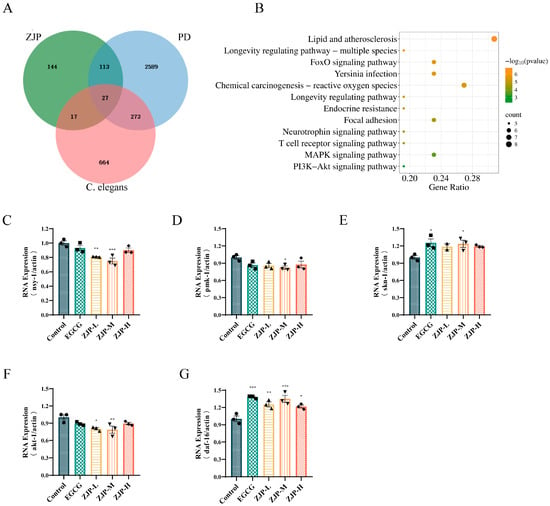
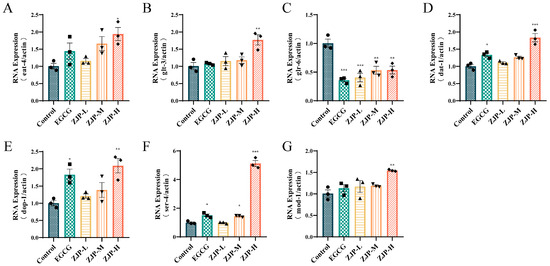
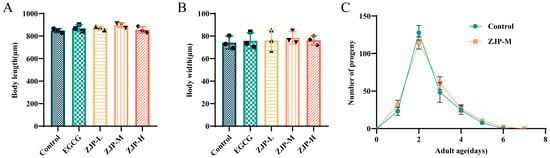
Parkinson’s disease (PD) involves oxidative stress, proteotoxic aggregation, and neurotransmitter dysfunction, yet current therapies remain largely symptomatic. This study investigated whether Jujube polysaccharides (ZJP), a food-derived polysaccharide, confer neuroprotective and anti-aging benefits in Caenorhabditis elegans. ZJP was characterized for physicochemical features, antioxidant capacity, and in vivo safety. Effects were evaluated in wild-type N2 and PD models by measuring lifespan, locomotion, pharyngeal pumping, chemotaxis, α-syn::YFP fluorescence intensity, dopaminergic neuron integrity, adenosine triphosphate (ATP), reactive oxygen species (ROS), superoxide dismutase (SOD), catalase (CAT), malondialdehyde (MDA), and lipofuscin. Stress resilience was assessed under heat (37 °C) and H2O2 exposure. RT-qPCR profiled genes related to stress responses and neurotransmission. ZJP showed no detectable toxicity at tested doses. ZJP extended mean lifespan in N2 (10.3–14.1%) and NL5901 (9.1%), improved locomotion, pharyngeal pumping, and chemotaxis, reduced lipofuscin (26.8–50.6%), and increased survival under heat (23.6%) and oxidative stress (38.1%). In PD models, ZJP reduced α-syn::YFP fluorescence by up to 54.9%, protected dopaminergic neurons, and increased ATP. It also lowered ROS and MDA levels while raising SOD and CAT activities. Gene expression changes were associated with enhanced oxidative stress resistance and with altered expression of genes involved in SKN-1/DAF-16-related stress-response signaling. These findings provide preliminary evidence that ZJP may promote longevity, stress resilience, and neuroprotection in C. elegans models of PD, supporting its potential as a candidate for further investigation in neuroprotection. Full article
(This article belongs to the Special Issue Natural Medicines and Functional Foods for Human Health)
Show Figures

Figure 1

24 pages, 6531 KB  
Article
Metformin Alleviates Stress-Induced Premature Senescence of Vascular Endothelial Cells by Regulating Mitocytosis
by Hui Lu, Qing Mu, Boqun Wang, Yan Chen, Binghui Zeng, Lisha Gu and Wei Zhao
Int. J. Mol. Sci. 2026, 27(11), 4724; https://doi.org/10.3390/ijms27114724 (registering DOI) - 24 May 2026
Abstract
Stress-induced premature senescence (SIPS) of endothelial cells can cause endothelial dysfunction. As a first-line antidiabetic agent, the specific role of metformin in SIPS has not yet been clarified. In this study, an in vitro SIPS model was induced by exposing human umbilical vein [...] Read more.
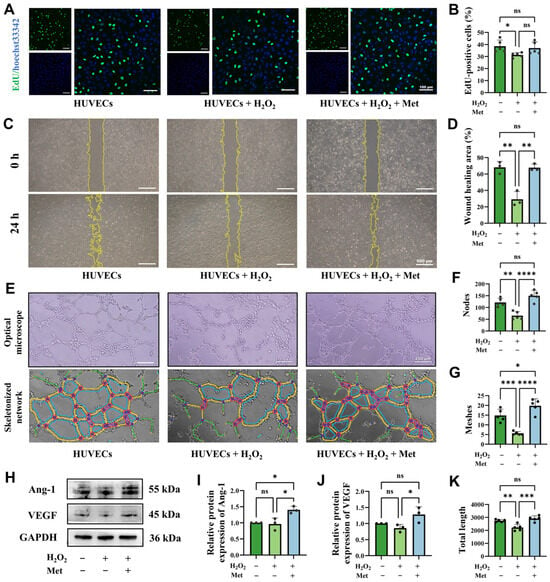
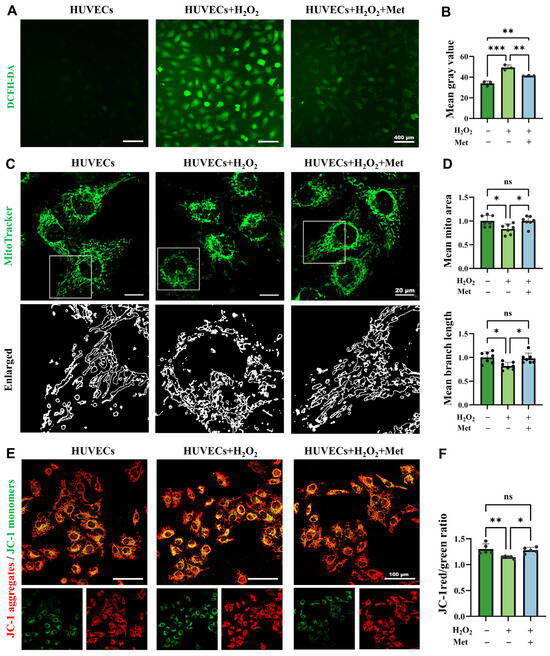
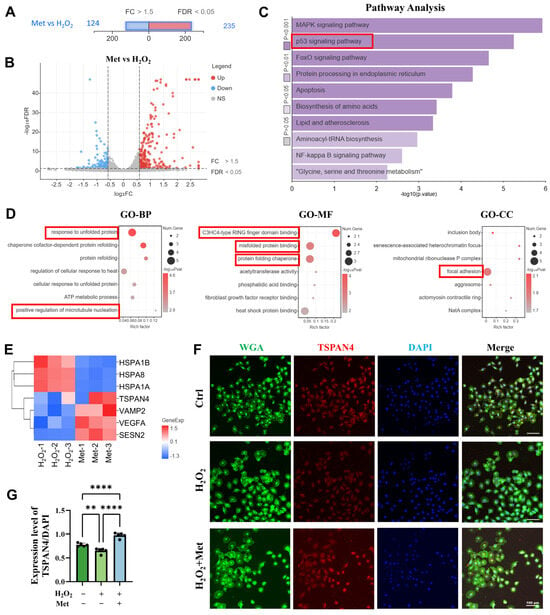
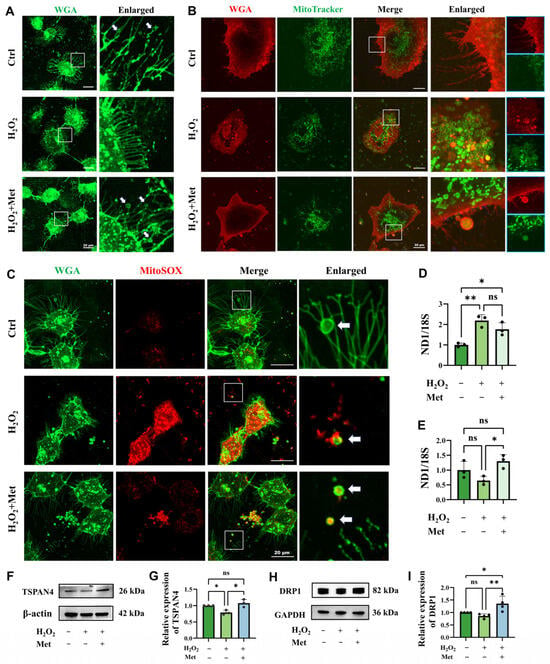
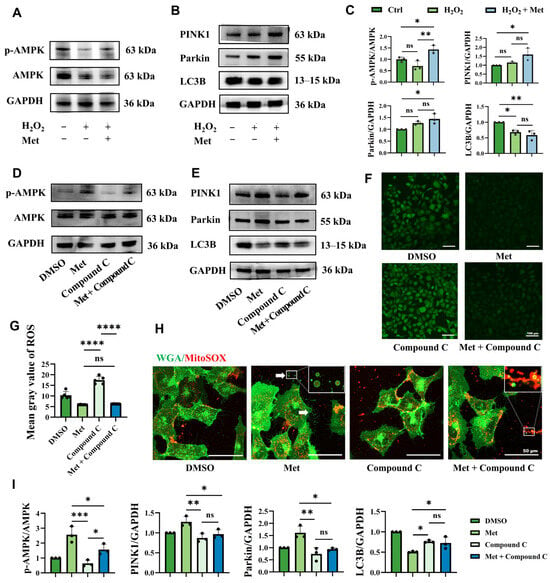
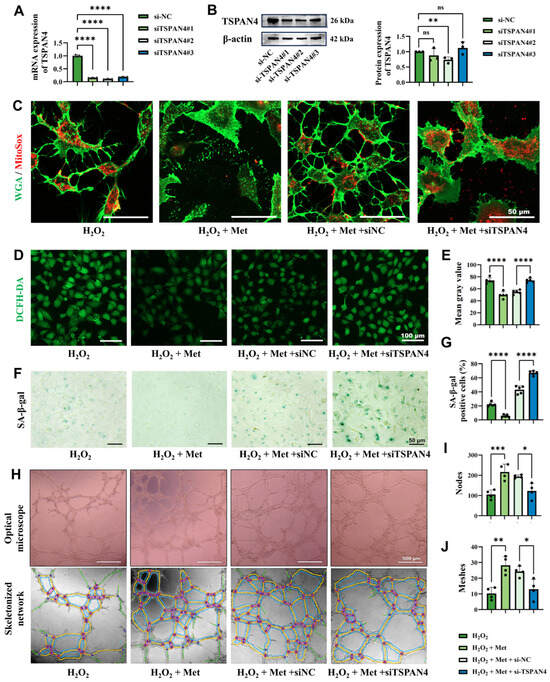
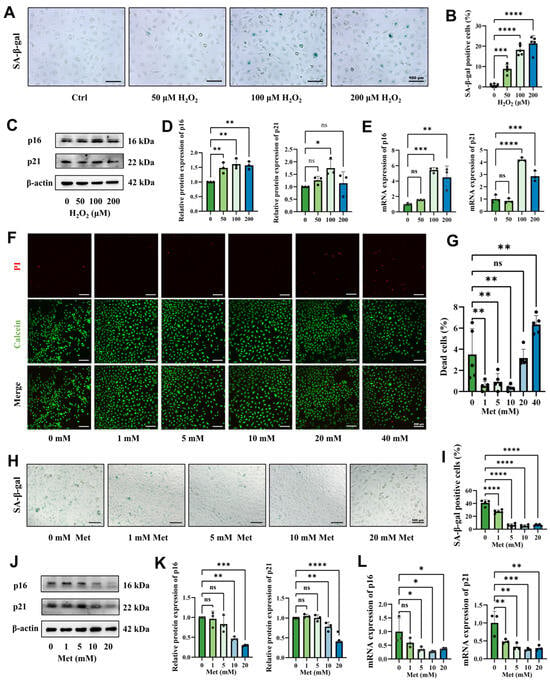
Stress-induced premature senescence (SIPS) of endothelial cells can cause endothelial dysfunction. As a first-line antidiabetic agent, the specific role of metformin in SIPS has not yet been clarified. In this study, an in vitro SIPS model was induced by exposing human umbilical vein endothelial cells (HUVECs) to hydrogen peroxide (H2O2), and the effects of metformin on cell senescence, proliferation, migration, tube formation, and mitochondrial function were evaluated. Gene expressions altered by metformin were profiled via transcriptome sequencing. Specifically, the potential involvement of migrasome-mediated mitocytosis in metformin-driven effects was examined using confocal microscopy and siRNA-mediated silencing. The results showed that metformin significantly reduced SA-β-gal activity and restored the migration and tube-forming capacities of H2O2-induced senescent HUVECs. Moreover, metformin regulated mitochondrial dynamics, restored mitochondrial membrane potential, and attenuated intracellular oxidative stress. Notably, transcriptomic and functional analyses suggested that metformin enhanced migrasome formation and migrasome-mediated mitocytosis. Inhibition of migrasome formation by siTSPAN4 abolished the protective effect of metformin against SIPS. Collectively, these findings demonstrate that metformin alleviates early SIPS-associated changes in HUVECs and suggest that migrasome-mediated mitocytosis contributes to this protection by ameliorating mitochondrial dysfunction. This provides novel mechanistic insight into the vascular protective effects of metformin. Full article
(This article belongs to the Section Molecular Biology)
Show Figures

Figure 1

24 pages, 3550 KB  
Article
The Potential Role of Camel Milk in Alleviating Chronic Fatigue Syndrome in Mice: A Network Pharmacology and In Vivo Validation Study
by Hongman Li, Henigul Osman, Hongyan Zhang, He Chen, Nan Zheng, Yankun Zhao and Shiqi Zhang
Foods 2026, 15(11), 1861; https://doi.org/10.3390/foods15111861 (registering DOI) - 24 May 2026
Abstract
Chronic fatigue syndrome/myalgic encephalomyelitis (CFS/ME) is a complex and debilitating disorder with limited treatment options. Camel milk (CM), known for its rich nutrients and anti-fatigue properties, may offer multi-target benefits for managing this condition. This study utilized an integrated approach combining metabolomics, network [...] Read more.
Chronic fatigue syndrome/myalgic encephalomyelitis (CFS/ME) is a complex and debilitating disorder with limited treatment options. Camel milk (CM), known for its rich nutrients and anti-fatigue properties, may offer multi-target benefits for managing this condition. This study utilized an integrated approach combining metabolomics, network pharmacology, and animal experiments. CM metabolites were profiled and screened via ADME. Potential targets were predicted and intersected with CFS/ME-associated genes. Male BALB/c mice were subjected to chronic restraint and forced swimming to evaluate the effects of CM (1000 mg/kg) on behavioral, inflammatory, neuroendocrine, and metabolic parameters. CM administration significantly improved exhaustive swimming time and reduced immobility. It attenuated systemic inflammation (restored IL-10), normalized brain CREB and DRD2/OPRM1 mRNA, and enhanced skeletal muscle AKT/GLUT4 expression and glycogen levels. Camel milk alleviates CFS/ME symptoms through the multi-component, multi-target regulation of neuroendocrine, inflammatory, and energy metabolism pathways. These preclinical findings suggest that CM may have potential as a supportive nutritional intervention for alleviating chronic fatigue, pending validation in human studies. Full article

Open Access Journals

Browse by Indexing Browse by Subject Selected Journals
Back to TopTop