

Advancing Open Science
Supporting academic communities
since 1996
 
10 pages, 983 KB  
Article
Inheritance of Calyx Abscission in Apple: A Trait with Potential Impact on Fruit Rot Susceptibility
by Matthias Pfeifer, Andreas Peil, Henryk Flachowsky and Thomas Wöhner
Plants 2025, 14(23), 3674; https://doi.org/10.3390/plants14233674 (registering DOI) - 2 Dec 2025
Abstract
Fruit rots, both pre- and postharvest, represent a major problem in apple production, leading to significant yield losses each year. In this study, the inheritance of calyx abscission, a trait that could potentially reduce susceptibility to various fruit rots, was investigated in an [...] Read more.
Fruit rots, both pre- and postharvest, represent a major problem in apple production, leading to significant yield losses each year. In this study, the inheritance of calyx abscission, a trait that could potentially reduce susceptibility to various fruit rots, was investigated in an F1 population. Calyx persistence rates were phenotyped in the field in 2023 and 2025 on 122 offspring derived from a cross between ‘Idared’ and Malus baccata ‘Jackii’, the latter exhibiting complete calyx abscission. QTL analyses were conducted using genotypic data and a genetic linkage map generated in a previous study. Results show, for the first time in apple, that calyx abscission is a heritable trait influenced by multiple loci, with the strongest effects detected on linkage groups 5 and 13. Whether calyx abscission is linked to reduced susceptibility to fruit rots, and for which pathogens this applies, remains to be investigated in future studies. Full article
(This article belongs to the Section Horticultural Science and Ornamental Plants)
31 pages, 7589 KB  
Article
Evaluating the Effects of Climate Change on the Thermal Performance of Residential Buildings in Hot and Arid Regions
by Khaoula Amraoui, Sara Ouanes, Safa Daich, Imadeddine Reghiss, Silvia Di Turi, Roberto Stasi and Francesco Ruggiero
Buildings 2025, 15(23), 4378; https://doi.org/10.3390/buildings15234378 (registering DOI) - 2 Dec 2025
Abstract
The main challenge for the scientific community is to mitigate climate change impacts while reducing energy consumption, without compromising comfort and quality of life. Buildings in hot climates require specific design strategies to limit the effects of extreme weather and heat waves. Standardized [...] Read more.
The main challenge for the scientific community is to mitigate climate change impacts while reducing energy consumption, without compromising comfort and quality of life. Buildings in hot climates require specific design strategies to limit the effects of extreme weather and heat waves. Standardized modern buildings, often unsuitable for hot and arid climates, lead to high energy consumption, mainly due to cooling systems, causing both discomfort and energy inefficiency. Previous studies have shown that solutions inspired by local vernacular architecture are often more effective than conventional construction techniques. This paper investigates the thermal response and discomfort intensity in two building models exposed to various climate scenarios: a typical modern residential building and a bioclimatic vernacular-inspired building. The analysis is conducted through dynamic thermal simulations under current as well as future medium- and long-term climate change scenarios. The study evaluates the buildings’ ability to adapt to future environmental changes, an aspect that has not yet been studied in depth. Results show that contemporary buildings experience significantly higher levels of thermal discomfort than vernacular buildings under both present (TMY) and future (SSP1-2.6 and SSP5-8.5, 2080) climate conditions. Results show that under the present climate, the vernacular building exhibits about 22% fewer discomfort hours than the contemporary one and roughly half the overheating integrated degree-hours. Under future scenarios, overheating increases by 25.8% to 67.7% in the contemporary building and 36.1% to 89.6% in the vernacular building, yet the vernacular building consistently maintains substantially lower discomfort levels. Overall, vernacular inspired envelopes remain more resilient to warming in all scenarios, but additional adaptation measures are required to ensure acceptable summer comfort by late century. Full article
(This article belongs to the Special Issue Development of Indoor Environment Comfort in Buildings)
13 pages, 259 KB  
Article
Mapping the Associations Between Body Mass Index and Key Psychosocial Determinants: Resilience, Perceived Stress, and Emotion Regulation in Young Adults—A Cross-Sectional Study
by Boris Tilov, Pavel Stanchev, Mariya Dimitrova, Meri Hristamyan and Desislava Makakova-Tilova
Healthcare 2025, 13(23), 3150; https://doi.org/10.3390/healthcare13233150 (registering DOI) - 2 Dec 2025
Abstract
Background: Obesity and overweight are escalating global public health concerns. This study examined the relationship between Body Mass Index (BMI) and psychological factors in young adults. Methods: A total of 283 participants aged 19–30 years were categorized by BMI (normal weight, overweight, obesity) [...] Read more.
Background: Obesity and overweight are escalating global public health concerns. This study examined the relationship between Body Mass Index (BMI) and psychological factors in young adults. Methods: A total of 283 participants aged 19–30 years were categorized by BMI (normal weight, overweight, obesity) using self-reported data. Psychological assessments included the Connor–Davidson Resilience Scale (CD-RISC), Perceived Stress Scale (PSS), Emotion Regulation Questionnaire (ERQ), and Buss–Perry Aggression Questionnaire (BPAQ), all with acceptable reliability. Individuals with psychiatric, neurological, or chronic somatic conditions were excluded. Analyses involved MANOVA, ANOVA, ANCOVA, and hierarchical regression, controlling for gender, physical activity, smoking, caffeine, alcohol, medication, and sleep disturbances. Results: MANOVA showed a near-significant multivariate effect of BMI on psychological variables (Wilks’ Lambda = 0.913, p = 0.068). ANOVA revealed significant differences in perceived stress among BMI groups (F (2, 279) = 3.796, p = 0.024), with obese participants reporting lower stress. Hierarchical regression identified perceived stress as the strongest predictor of BMI, followed by resilience and physical aggression. General aggression was negatively associated with BMI, suggesting potential compensatory mechanisms. Conclusions: Perceived stress and resilience showed small but significant associations with BMI in young adults, suggesting a modest contribution of psychological factors to weight-related health. Full article
25 pages, 6836 KB  
Article
Trastuzumab-Conjugated pH-Sensitive Micelles Exhibit Antitumor Activity and Induce Mesenchymal-to-Epithelial Transition in Triple-Negative Breast Cancer Cell Lines
by Crina Elena Tiron, Gabriel Luta, Razvan Ghiarasim, Adrian Tiron, Valentin Nastasa, Dragos Constantin Anita, Tore Geir Iversen, Tore Skotland, Kirsten Sandvig, Mihai Mares and Mihail-Gabriel Dimofte
Pharmaceutics 2025, 17(12), 1554; https://doi.org/10.3390/pharmaceutics17121554 (registering DOI) - 2 Dec 2025
Abstract
Background: Despite improved knowledge on cancer prevention, progression, and treatment, the incidence of cancer is still increasing. Patients with highly aggressive triple-negative breast cancer benefit from chemotherapy as the only systemic therapeutic alternative. Here, we performed studies that demonstrate the effects of trastuzumab [...] Read more.
Background: Despite improved knowledge on cancer prevention, progression, and treatment, the incidence of cancer is still increasing. Patients with highly aggressive triple-negative breast cancer benefit from chemotherapy as the only systemic therapeutic alternative. Here, we performed studies that demonstrate the effects of trastuzumab linked to nanostructures with pH-dependent release on triple-negative models. Methods: We assessed in vitro cell proliferation, migration, invasion, mammospheres, spheroids, and organoid formation of human and murine cell lines. Balb/c mice were used to investigate the in vivo anti-tumoral effects of functionalized nanostructures. Ex vivo samples and cell lines were used to investigate, using immunohistochemistry and Western blot, the modulation of key molecular pathways. Results: Using a human normal cell line and human and murine triple-negative breast cancer cell lines, we found that trastuzumab exhibits anti-tumoral properties on triple-negative breast cancer cell lines only when linked to pH-sensitive micelles. In addition, the data demonstrates that functionalized micelles induce mesenchymal-to-epithelial transitions, impairing the metastasis. Conclusions: Taken together, these results indicate that functionalization of micelles by linking trastuzumab may open the way of treating triple-negative patients with trastuzumab, a treatment which is currently in use for patients with Her2 overexpression. The functionalized micelles may be loaded with various molecules to further improve the anti-tumoral effects. Full article
12 pages, 271 KB  
Article
Discrimination Among Disabled Adults in the United States: Findings from the 2022 National Survey on Health and Disability
by Abby Mulcahy, Elizabeth K. Schmidt, Darcy Jones McMaughan, Kelsey Shinnick Goddard, Katie Batza, Anna Marie Wallisch, Carl G. Streed, Noelle K. Kurth and Jean P. Hall
Disabilities 2025, 5(4), 110; https://doi.org/10.3390/disabilities5040110 (registering DOI) - 2 Dec 2025
Abstract
Disabled people face discrimination in healthcare settings, yet the compounding effects of intersectional identities remain underexplored. This project examines how different types of discrimination affect healthcare access and outcomes. We conducted a cross-sectional study of disability-based, race-based, gender-based, and sexuality-based discrimination using the [...] Read more.
Disabled people face discrimination in healthcare settings, yet the compounding effects of intersectional identities remain underexplored. This project examines how different types of discrimination affect healthcare access and outcomes. We conducted a cross-sectional study of disability-based, race-based, gender-based, and sexuality-based discrimination using the 2022 National Survey on Health and Disability (NSHD; n = 2725) administered October 2021–January 2022. Measures used in this study include: (1) demographics; (2) types of discrimination; (3) unmet healthcare needs. Our sample was not nationally representative, as it consisted primarily of white, college-educated participants. Data were analyzed using summary statistics (STATA crosstab) among respondents with health insurance (n = 2566). Chi-squared tests were used to determine statistical significance. We fit logistic regression models for categorical responses (STATA logit), adjusting for participant characteristics. Some participants (41%; n = 2566) reported experiencing at least one form of discrimination, with 4.9% reporting race-, 15.08% gender-, 5.9% sexuality-, and 38.3% disability-based discrimination. Most participants (94%; n= 2412) reported at least one unmet healthcare need, from unmet prostheses (2.6%) to unmet dental care (34.8%). Compared with other care types, participants had the lowest odds ratio (OR = 0.38, p < 0.001) of having their preventive care or specialist care needs met. These findings highlight that discrimination contributes to disparities in particular areas of healthcare access and emphasizes a need for tailored interventions and additional research. Full article
20 pages, 491 KB  
Article
Institutional Stimulants for Low-Carbon Transport: The Case of the Fleet Electrification in the Polish Logistics Industry
by Anna Wronka, Marta Raźniewska, Agata Rudnicka and Grażyna Kędzia
Energies 2025, 18(23), 6339; https://doi.org/10.3390/en18236339 (registering DOI) - 2 Dec 2025
Abstract
The aim of the paper is to recognize the role of external institutions in supporting the Transport, Shipping, and Logistics (TSL) sector in the transformation towards sustainable and low-emission operations in Poland. In the context of the EU’s decarbonization agenda and accelerating climate [...] Read more.
The aim of the paper is to recognize the role of external institutions in supporting the Transport, Shipping, and Logistics (TSL) sector in the transformation towards sustainable and low-emission operations in Poland. In the context of the EU’s decarbonization agenda and accelerating climate challenges, the study explores how regulatory, financial, and normative mechanisms affect the electrification of transport fleets. A mixed-methods approach was applied, combining qualitative content analysis of European and national policy frameworks with a quantitative CATI survey among logistics enterprises. The results reveal that legal and normative instruments remain the dominant institutional drivers of fleet electrification, while fiscal incentives—subsidies and tax reliefs—play a supportive but still secondary role. Sectoral and financial pressures from banks and market stakeholders are emerging as new, complementary forces of change. Firm size, ownership structure, and market scope significantly moderate these perceptions. The paper contributes to institutional and innovation-diffusion theory and offers policy insights for designing coherent and multi-level frameworks. Full article
22 pages, 6161 KB  
Article
Experimental Study on Dynamic Characteristics of Cemented Tailings Backfill Under Different Tailings Gradation
by Deqing Gan, Hongbao Li and Zhiyi Liu
Appl. Sci. 2025, 15(23), 12778; https://doi.org/10.3390/app152312778 (registering DOI) - 2 Dec 2025
Abstract
The stability of cemented tailings backfill (CTB) is influenced by mining disturbance. As a property of CTB, tailings gradation (TG) is one of the factors that change its mechanical properties. Taking tailings gradation, impact amplitude, and curing age as variables, this paper focuses [...] Read more.
The stability of cemented tailings backfill (CTB) is influenced by mining disturbance. As a property of CTB, tailings gradation (TG) is one of the factors that change its mechanical properties. Taking tailings gradation, impact amplitude, and curing age as variables, this paper focuses on the characteristics of the influence of curing age on the failure deformation, strength evolution, failure mode, and microstructure of CTB. The results show that with the average particle size of the tailings from coarse to fine, the peak stress and elastic modulus of CTB first decrease and then increase. The increase in curing age and impact amplitude can improve the elastic deformation capacity of CTB. During the post-peak phase, the stress–strain curve undergoes sequential morphological transitions, evolving from the initial “stress drop” characteristics through “post-peak plasticity” manifestations before ultimately demonstrating “post-peak ductility” behavior. This progression corresponds to CTB’s material transformation pathway, commencing as a rigid substance that first transitions into a plastic-brittle composite, subsequently develops plastic properties, and finally attains ductile material characteristics. The TG changes from T1 to T4, and the failure mode of CTB gradually changes from composite failure and shear failure to tension failure and composite failure. A CTB strength prediction model based on TG is proposed. The R2 of the model is 0.997, F = 12,855, and p < 0.001, which has high applicability. As tailings vary from T1/T2 to T4, AFt content progressively decreases, the C-S-H gel transitions from a 3D network to a flocculent structure, and the skeleton shifts from coarse to fine particles, leading to increased porosity but smaller pores. Full article
13 pages, 571 KB  
Review
The Gut–Muscle–Immune Axis in Motion: Mechanistic Synergies of SCFA Metabolism, Exercise, and Microbial Cross-Feeding
by Fritz Réka, Bere Zsófia, Bóday Ádám and Fritz Péter
Nutrients 2025, 17(23), 3786; https://doi.org/10.3390/nu17233786 (registering DOI) - 2 Dec 2025
Abstract
Background: The gut microbiota plays a fundamental role in metabolic and immune homeostasis through the production of short-chain fatty acids (SCFAs). These metabolites influence mitochondrial biogenesis, muscle energetics, epithelial barrier stability, and inflammatory regulation via G-protein-coupled receptors, AMPK–PGC-1α signaling, and epigenetic remodeling. Objective: [...] Read more.
Background: The gut microbiota plays a fundamental role in metabolic and immune homeostasis through the production of short-chain fatty acids (SCFAs). These metabolites influence mitochondrial biogenesis, muscle energetics, epithelial barrier stability, and inflammatory regulation via G-protein-coupled receptors, AMPK–PGC-1α signaling, and epigenetic remodeling. Objective: This review synthesizes current evidence on the gut–muscle–immune axis, emphasizing how dietary fermentable substrates, microbial cross-feeding interactions, and structured exercise modulate SCFA production and shape host physiological adaptation. Methods: We integrated findings from human and animal studies, multi-omic analyses, metabolomic and microbiome research, and exercise physiology to outline mechanistic links between microbial metabolism and systemic resilience. Results: Key mechanistic pathways connecting dietary fiber fermentation to mitochondrial function, redox regulation, immune homeostasis, and metabolic plasticity are summarized. We further present the Targeted Gut Protocol 2.0, a conceptual 12-week framework combining fiber-diversity targets, lactate-guided exercise periodization, biomarker monitoring, and adaptive feedback mechanisms to enhance endogenous SCFA availability. Conclusion: SCFA-driven metabolic plasticity provides an integrative model through which lifestyle behaviors can modulate host physiology. Future research should prioritize standardized sampling approaches, causal inference methods, multi-omic integration, and AI-supported personalization to refine mechanistic understanding and strengthen translational potential. Full article
(This article belongs to the Special Issue Effects of Exercise and Diet on Health)
11 pages, 398 KB  
Article
Temporal Associations Between Sport Participation, Dropout from Sports, and Mental Health Indicators: A Two-Year Follow-Up Study
by Reidar Säfvenbom, Tommy Haugen, Vidar Sandsaunet Ulset and Andreas Ivarsson
Behav. Sci. 2025, 15(12), 1665; https://doi.org/10.3390/bs15121665 (registering DOI) - 2 Dec 2025
Abstract
Participation in organized sports may have a positive effect on mental health, but documentation is based on methodological limitations. The objective of this study was to investigate the influence of dropout from organized youth sport on change in mental health and subjective well-being. [...] Read more.
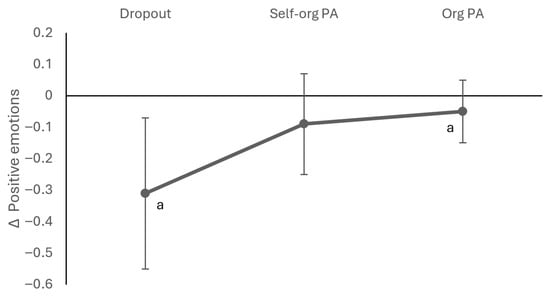
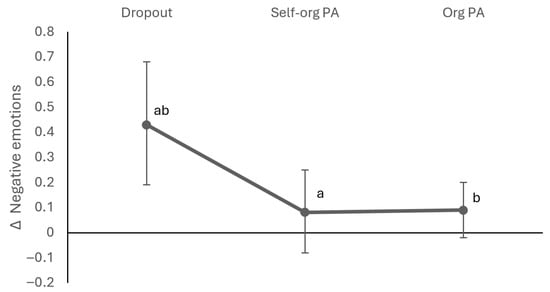
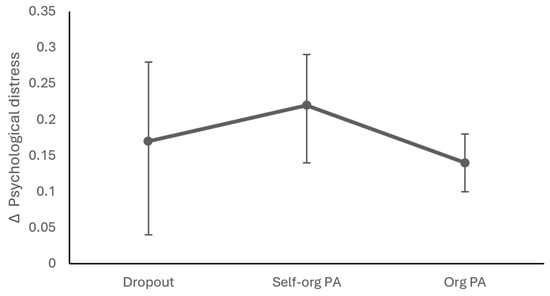
Participation in organized sports may have a positive effect on mental health, but documentation is based on methodological limitations. The objective of this study was to investigate the influence of dropout from organized youth sport on change in mental health and subjective well-being. A total of 1046 young persons (13–18 years old), all participating in organized sport at baseline, were included. Data on mental health and subjective well-being were collected at baseline and again after two years. Participants who were into organized sports and participants who reported other types of informal movement activity two years later reported less increase in negative affect over time compared to participants who had dropped out of sports and did not get involved in other types of movement activity. For positive affect, there was a credible difference in change between those who dropped out of organized sport but did not get involved in an alternative physical activity and those who were still active in organized sports. The results indicate that dropout from traditional youth sports might have a negative influence on well-being, but involvement in other types of informal and negotiable movement contexts might buffer the potential negative effects. Full article
Show Figures

Figure A1

29 pages, 39944 KB  
Article
HDR-IRSTD: Detection-Driven HDR Infrared Image Enhancement and Small Target Detection Based on HDR Infrared Image Enhancement
by Fugui Guo, Pan Chen, Weiwei Zhao and Weichao Wang
Automation 2025, 6(4), 86; https://doi.org/10.3390/automation6040086 (registering DOI) - 2 Dec 2025
Abstract
Infrared small target detection has become a research hotspot in recent years. Due to the small target size and low contrast with the background, it remains a highly challenging task. Existing infrared small target detection algorithms are generally implemented on 8-bit low dynamic [...] Read more.
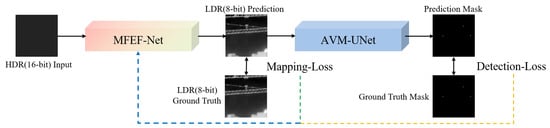
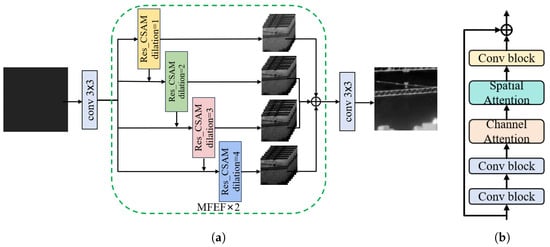
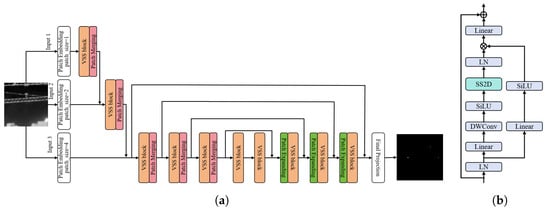
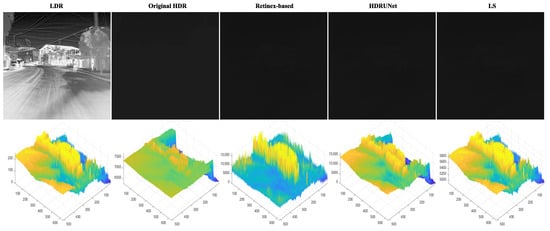
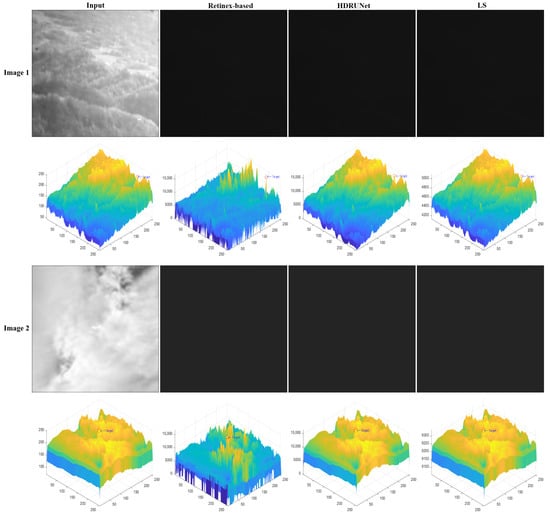
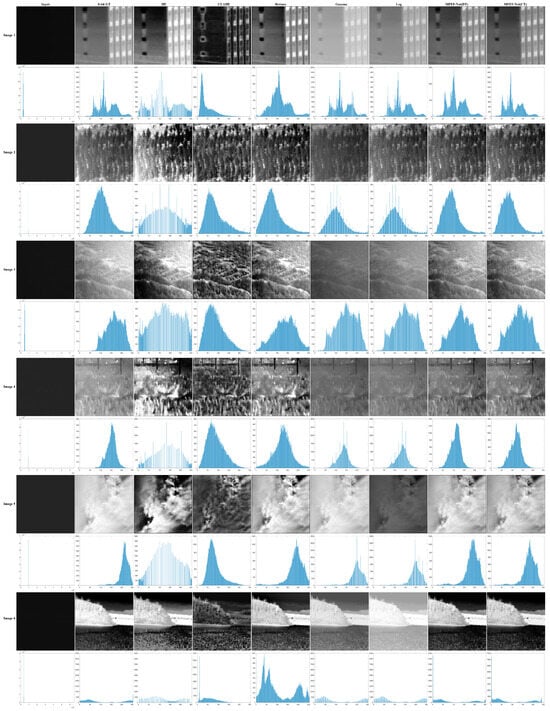
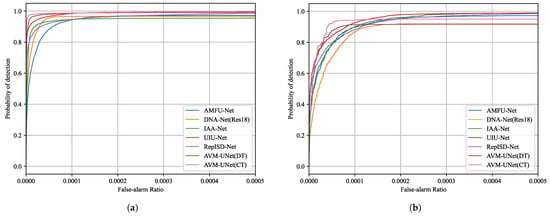
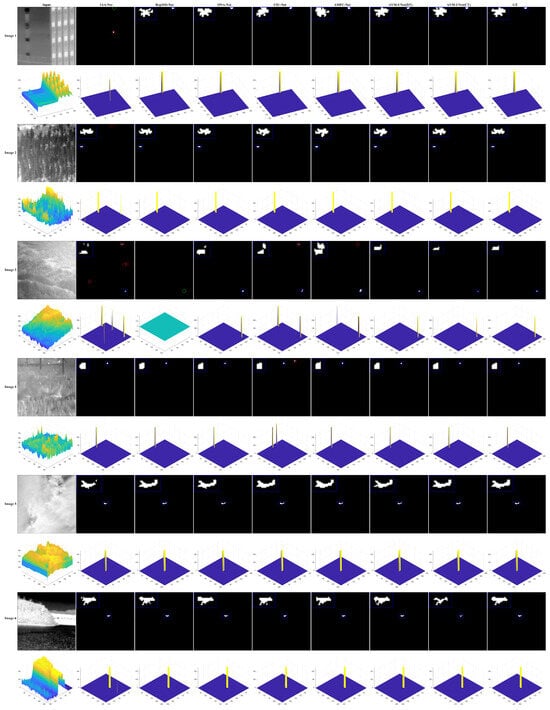
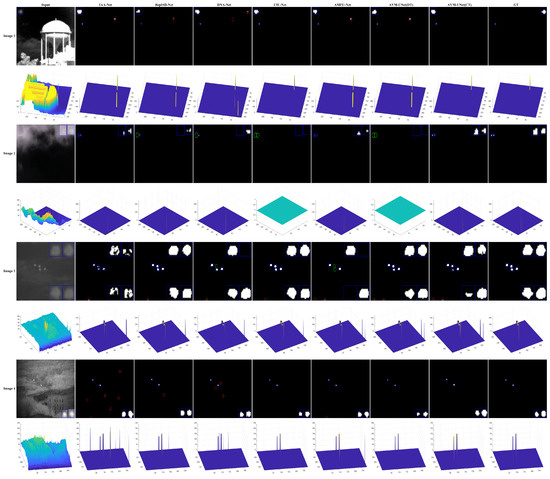
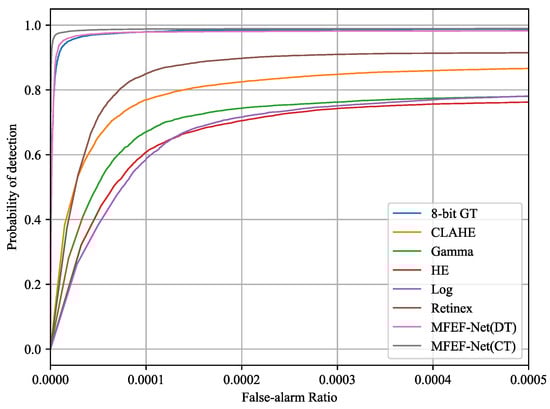
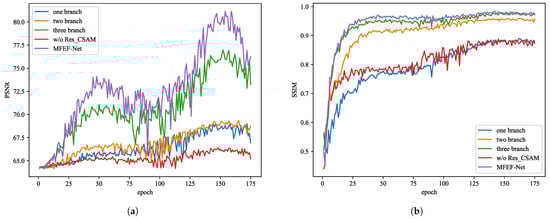
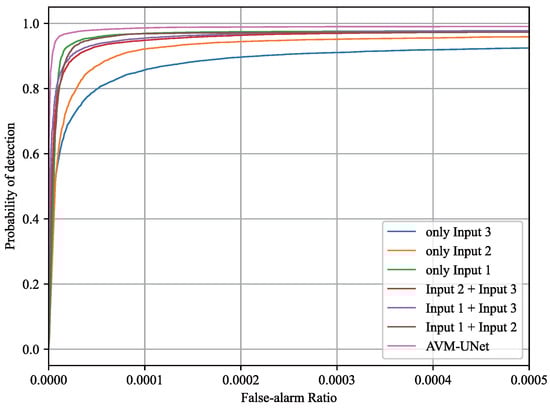
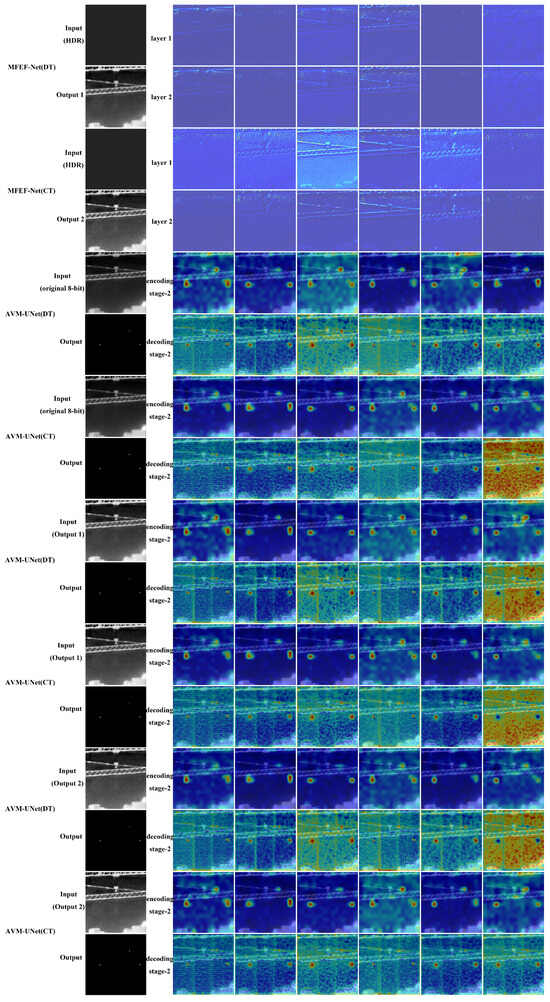
Infrared small target detection has become a research hotspot in recent years. Due to the small target size and low contrast with the background, it remains a highly challenging task. Existing infrared small target detection algorithms are generally implemented on 8-bit low dynamic range (LDR) images, whereas raw infrared sensing images typically possess a 14–16 bit high dynamic range (HDR). Conventional HDR image enhancement methods do not consider the subsequent detection task. As a result, the enhanced LDR images often suffer from overexposure, increased noise levels with higher contrast, and target distortion or loss. Consequently, discriminative features in HDR images that are beneficial for detection are not effectively exploited, which further increases the difficulty of small target detection. To extract target features under these conditions, existing detection algorithms usually rely on large parameter models, leading to an unsatisfactory trade-off between efficiency and accuracy. To address these issues, this paper proposes a novel infrared small target detection framework based on HDR image enhancement (HDR-IRSTD). Specifically, a multi-branch feature extraction and fusion mapping subnetwork (MFEF-Net) is designed to achieve the mapping from HDR to LDR. This subnetwork effectively enhances small targets and suppresses noise while preserving both detailed features and global information. Furthermore, considering the characteristics of infrared small targets, an asymmetric Vision Mamba U-Net with multi-level inputs (AVM-Unet) is developed, which captures contextual information effectively while maintaining linear computational complexity. During training, a bilevel optimization strategy is adopted to collaboratively optimize the two subnetworks, thereby yielding optimal parameters for both HDR infrared image enhancement and small target detection. Experimental results demonstrate that the proposed method achieves visually favorable enhancement and high-precision detection, with strong generalization ability and robustness. The performance and efficiency of the method exhibit a well-balanced trade-off. Full article
Show Figures

Figure 1

24 pages, 1568 KB  
Review
Knowledge of Urban Ecosystem Services in Central and Eastern Europe and Their Implications for Urban Planning: A Review
by Geta Rîșnoveanu and Dan Bărbulescu
Environments 2025, 12(12), 469; https://doi.org/10.3390/environments12120469 (registering DOI) - 2 Dec 2025
Abstract
Overcoming conceptual and institutional barriers demands interdisciplinary collaboration, improved governance, and stronger stakeholder engagement to promote sustainable urban planning and enhance ecosystem resilience. In the transition toward resilient cities, the concept of ecosystem services serves as a critical interface between science, planning, and [...] Read more.
Overcoming conceptual and institutional barriers demands interdisciplinary collaboration, improved governance, and stronger stakeholder engagement to promote sustainable urban planning and enhance ecosystem resilience. In the transition toward resilient cities, the concept of ecosystem services serves as a critical interface between science, planning, and governance, fostering stakeholder engagement and translating the complex ecosystem functions into indicators for urban planning. This study aims to assess existing knowledge on Urban Ecosystem Services (UESs) and their implications for urban green infrastructure planning across Central and Eastern Europe. A comprehensive, qualitative and quantitative review of the peer-reviewed literature retrieved from Web of Science and SCOPUS, was conducted for 11 former socialist countries that joined the European Union after 2004. The results reveal major barriers to UES integration, including inconsistent terminology, institutional inertia, fragmented governance, and limited stakeholder participation. Although research interest in UESs is increasing, research remains geographically concentrated in a few cities, mainly capitals, thereby constraining the understanding of spatial patterns and drivers of UES supply and demand across the region. Moreover, production services and ecological processes sustaining urban systems are largely underexplored. The study concludes that advancing UES research and practice requires a holistic, multi-scale, and standardized approach that identifies key stressors and context-specific impacts. Overcoming conceptual and institutional barriers demands interdisciplinary collaboration, improved governance, and enhanced stakeholder engagement to promote sustainable urban planning and enhance ecosystem resilience. Full article
34 pages, 2433 KB  
Article
Physics-Based Simulation of Master Template Fabrication: Integrated Modeling of Resist Coating, Electron Beam Lithography, and Reactive Ion Etching
by Jean Chien, Lily Chuang and Eric Lee
Electronics 2025, 14(23), 4751; https://doi.org/10.3390/electronics14234751 (registering DOI) - 2 Dec 2025
Abstract
Nanoimprint lithography (NIL) master fidelity is governed by coupled variations beginning with resist spin-coating, proceeding through electron beam exposure, and culminating in anisotropic etch transfer. We present an integrated, physics-based simulation chain. First, it includes a spin-coating thickness model that combines Emslie–Meyerhofer scaling [...] Read more.
Nanoimprint lithography (NIL) master fidelity is governed by coupled variations beginning with resist spin-coating, proceeding through electron beam exposure, and culminating in anisotropic etch transfer. We present an integrated, physics-based simulation chain. First, it includes a spin-coating thickness model that combines Emslie–Meyerhofer scaling with a Bornside edge correction. The simulated wafer-scale map at 4000 rpm exhibits the canonical center-rise and edge-bead profile with a 0.190–0.206 μm thickness range, while the locally selected 600 nm × 600 nm tile shows <0.1 nm variation, confirming an effectively uniform region for downstream analysis. Second, it couples an e-beam lithography (EBL) module in which column electrostatics and trajectory-derived spot size feed a hybrid Gaussian–Lorentzian proximity kernel; under typical operating conditions (σtraj ≈ 2–5 nm), the model yields low CD bias (ΔCD = 2.38/2.73 nm), controlled LER (2.18/4.90 nm), and stable NMSE (1.02/1.05) for isolated versus dense patterns. Finally, the exposure result is passed to a level set reactive ion etching (RIE) model with angular anisotropy and aspect ratio-dependent etching (ARDE), which reproduces density-dependent CD shrinkage trends (4.42% versus 7.03%) consistent with transport-limited profiles in narrow features. Collectively, the simulation chain accounts for stage-to-stage propagation—from spin-coating thickness variation and EBL proximity to ARDE-driven etch behavior—while reporting OPC-aligned metrics such as NMSE, ΔCD, and LER. In practice, mask process correction (MPC) is necessary rather than optional: the simulator provides the predictive model, metrology supplies updates, and constrained optimization sets dose, focus, and etch set-points under CD/LER requirements. Full article
25 pages, 4455 KB  
Article
Design, Synthesis, and Antimalarial Evaluation of New Spiroacridine Derivatives
by Misael de Azevedo Teotônio Cavalcanti, Sonaly Lima Albino, Karla Joane da Silva Menezes, Wallyson Junio Santos de Araújo, Fernanda de França Genuíno Ramos Campos, Malu Maria Lucas dos Reis, Inês Morais, Denise Maria Figueiredo Araújo Duarte, Igor José dos Santos Nascimento, Valnês da Silva Rodrigues-Junior, Fátima Nogueira and Ricardo Olímpio de Moura
Antibiotics 2025, 14(12), 1214; https://doi.org/10.3390/antibiotics14121214 (registering DOI) - 2 Dec 2025
Abstract
Background/Objectives: Malaria is a tropical disease mainly caused by Plasmodium falciparum and represents a global public health problem, with over 200 million cases and 500 thousand deaths reported worldwide. Considering its treatment limitations, it is essential to develop new compounds against malaria. In [...] Read more.
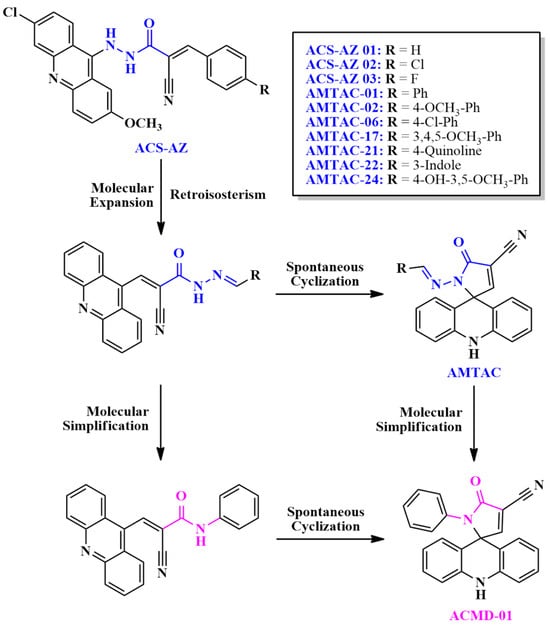
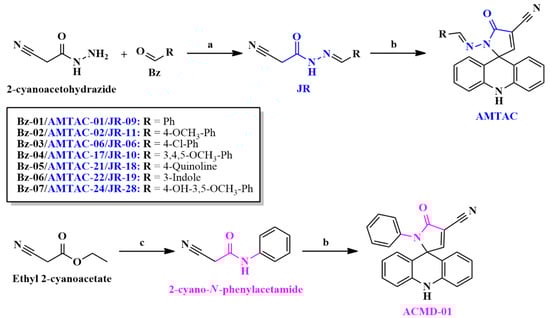
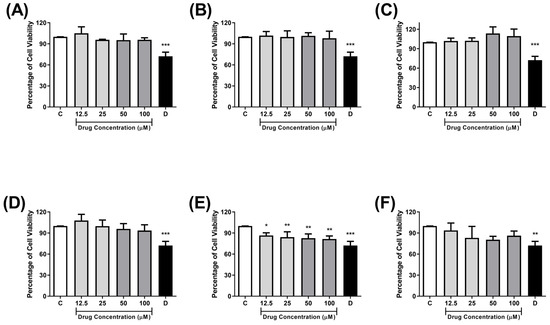
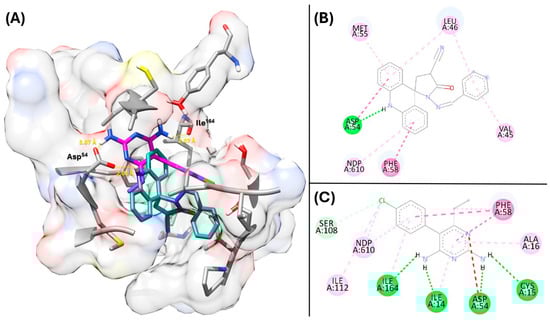
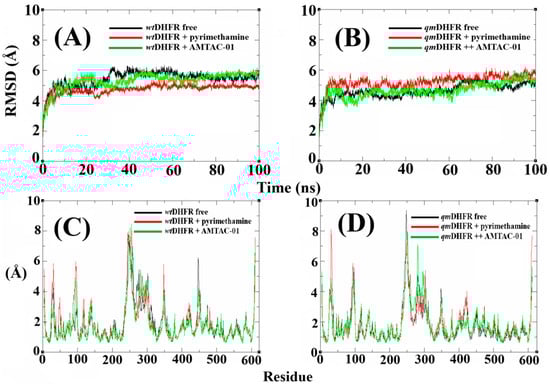
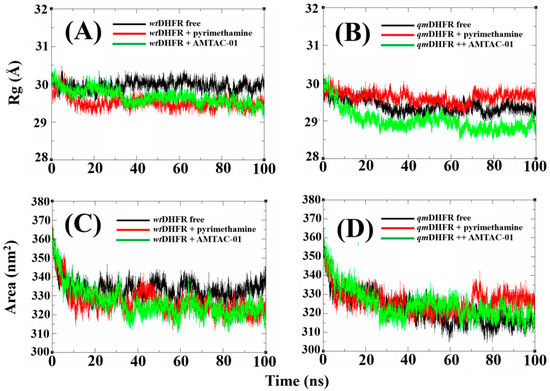
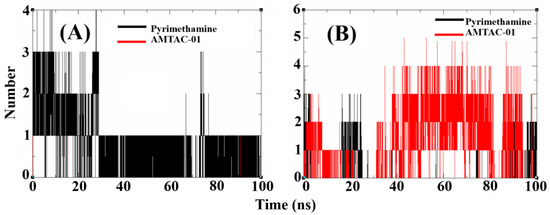
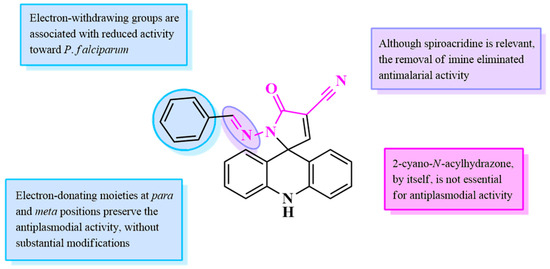
Background/Objectives: Malaria is a tropical disease mainly caused by Plasmodium falciparum and represents a global public health problem, with over 200 million cases and 500 thousand deaths reported worldwide. Considering its treatment limitations, it is essential to develop new compounds against malaria. In this context, acridine derivatives are privileged structures. Methods: Thus, new spiroacridines containing N-acylhydrazone (AMTAC) and N-phenylacetamide (ACMD) were synthesized and evaluated in malaria and cytotoxicity assays, as well as in silico studies. Results: As a result, five spiroacridines showed inhibitory activity over 70% against the P. falciparum 3D7-GFP strain at 10 μM, along with an IC50 range of 2–4 μM. After a brief Structure–Activity Relationship (SAR) analysis, it was observed that the spiroacridine structure must be associated with the hydrazone moiety to successfully inhibit parasite growth. In addition, these molecules presented promising resistance profile, with selectivity for the parasite. After computational studies, spiroacridines showed better affinity with dihydrofolate reductase (DHFR), overcoming the quadruple mutant resistance to pyrimethamine, with more stability in complex with the enzyme. Conclusions: Therefore, the potential of spiroacridines against malaria, with moderate resistance and selectivity profile, as well as DHFR inhibition greater than pyrimethamine, was confirmed. Full article
(This article belongs to the Section Novel Antimicrobial Agents)
Show Figures

Figure 1

18 pages, 584 KB  
Article
Clinical Impact of the Geriatric Nutritional Risk Index on Chemotherapy-Related Adverse Events in Diffuse Large B-Cell Lymphoma: A Multicenter Study
by Kei Fujita, Hikaru Tsukasaki, Shin Lee, Tetsuji Morishita, Eiju Negoro, Kana Oiwa, Takeshi Hara, Hisashi Tsurumi, Takanori Ueda and Takahiro Yamauchi
Nutrients 2025, 17(23), 3785; https://doi.org/10.3390/nu17233785 (registering DOI) - 2 Dec 2025
Abstract
Background/Objectives: Accurate prediction of severe adverse events (SAEs) is crucial for optimizing supportive care while maintaining treatment intensity in diffuse large B-cell lymphoma (DLBCL). We evaluated the predictive value of the Geriatric Nutritional Risk Index (GNRI) for SAEs in de novo DLBCL and [...] Read more.
Background/Objectives: Accurate prediction of severe adverse events (SAEs) is crucial for optimizing supportive care while maintaining treatment intensity in diffuse large B-cell lymphoma (DLBCL). We evaluated the predictive value of the Geriatric Nutritional Risk Index (GNRI) for SAEs in de novo DLBCL and examined potential interactions with treatment regimen and age. Methods: This multicenter retrospective study included 555 adults treated with standard immunochemotherapies. SAEs, defined as grade ≥ 3 non-hematological adverse events or febrile neutropenia, were independently assessed by board-certified hematologists. Results: Multivariable logistic regression identified GNRI as an independent predictor of SAEs (odds ratio 0.982, 95% confidence interval 0.967–0.997). Restricted cubic spline modeling revealed a significant non-linear association between GNRI and SAE risk (p = 0.045). No significant interaction was observed between GNRI and regimen or age (p = 0.894 and 0.217, respectively), a finding consistent across subgroups in forest plot analyses. Conclusions: This study showed that lower diagnostic GNRI was independently associated with higher SAE risk regardless of treatment regimen or age. These findings highlight the potential utility of GNRI as a simple clinical indicator for identifying patients at higher risk of treatment-related toxicity, although they are derived from a retrospective, tertiary-care cohort and require confirmation in external prospective studies. Full article
(This article belongs to the Special Issue Clinical Nutrition and Oncologic Outcomes)
25 pages, 1109 KB  
Review
Molecular Regulatory Mechanisms of Mammary Gland Development: A Review
by Xiangnan Zhou, Abd Ullah, Limeng Shi, Manna Dou, Changfa Wang, Muhammad Zahoor Khan, Chunming Wang and Xinhao Zhang
Animals 2025, 15(23), 3480; https://doi.org/10.3390/ani15233480 (registering DOI) - 2 Dec 2025
Abstract
Mammary gland development represents a complex and highly regulated biological process that is critical for mammalian reproductive success. This review provides a comprehensive analysis of the molecular, cellular, and hormonal mechanisms governing mammary gland development across distinct developmental stages: embryonic, pubertal, pregnancy, lactation, [...] Read more.
Mammary gland development represents a complex and highly regulated biological process that is critical for mammalian reproductive success. This review provides a comprehensive analysis of the molecular, cellular, and hormonal mechanisms governing mammary gland development across distinct developmental stages: embryonic, pubertal, pregnancy, lactation, and involution. Mammary organogenesis is orchestrated by multiple factors, including conserved genetic pathways, endocrine signaling cascades, and environmental stimuli. Drawing primarily from studies in rodents and dairy ruminants, recent advances in molecular biology have elucidated key signaling pathways, including Wnt, Notch, and TGF-β, which provide fundamental insights into mammary epithelial growth and differentiation. Furthermore, we examine the effects of external factors, including thermal stress, photoperiodic variation, and dry period duration on mammary function and lactational performance. The dry period, in particular, serves a critical role in tissue remodeling and preparation for subsequent lactation cycles. Through systematic review of physiological and molecular dynamics across developmental stages, this article identifies key genetic regulators and cellular mechanisms, offering valuable insights for optimizing milk production and composition in agricultural systems. Full article
(This article belongs to the Section Animal Genetics and Genomics)
14 pages, 636 KB  
Article
Clonal Diversity and Resistome Dynamics of Acinetobacter baumannii Isolates from Lithuanian National Cancer Center
by Tomas Liveikis, Danutė Labeikytė, Julija Armalytė, Kęstutis Sužiedėlis, Agnė Kirkliauskienė and Edita Sužiedėlienė
Medicina 2025, 61(12), 2151; https://doi.org/10.3390/medicina61122151 (registering DOI) - 2 Dec 2025
Abstract
Objectives: To investigate the phenotypic and genotypic changes of Acinetobacter baumannii collected from the tertiary oncology setting in Lithuania. Methods:A. baumannii isolates (n = 61) were collected in the years 2013–2014 (n = 28) and 2017–2019 (n = 33) [...] Read more.
Objectives: To investigate the phenotypic and genotypic changes of Acinetobacter baumannii collected from the tertiary oncology setting in Lithuania. Methods:A. baumannii isolates (n = 61) were collected in the years 2013–2014 (n = 28) and 2017–2019 (n = 33) from a tertiary care cancer center in Lithuania. Antimicrobial susceptibility was determined according to EUCAST and for piperacillin/tazobactam and cefepime, according to CLSI guidelines. PCR, pulsed-field gel-electrophoresis, and multi-locus sequence typing were used for resistance gene detection and genotyping. The biofilm formation ability was determined by a microtiter plate assay. Results: Of 61 A. baumannii isolates obtained, 84% (51/61) and 71% (43/61) were multi-(MDR) and extensively (XDR) drug-resistant, respectively. Carbapenem-resistant isolates comprised 77% (47/61); of these, 92% (43/47) harbored genes encoding the OXA-23-like, and 4% (2/47) OXA-24-like carbapenemases. All isolates were susceptible to colistin. Genotyping analysis revealed six groups with the highest prevalence of international clones 1 (IC1) and 2 (IC2), which dominated during 2013–2014 and 2017–2019, respectively. Notably, the A. baumannii diversity increased in 2017–2019 with the emergence of 3-LST groups G4, G8, G12, and G14, which included isolates of ST276, ST78, ST1463, and ST1336 sequence types, respectively. The IC1 and IC2 isolates displayed characteristic gene profiles aacC1, aacC2, aphA6, sul1, and armA, strA-strB, blaTEM, respectively, whereas isolates from other groups had lesser resistance gene content. Isolates from IC2, G12, and G14 groups were strong biofilm producers; IC1, G4, and G8 isolates displayed no/weak biofilm formation capacity. Conclusions: A. baumannii from the cancer center showed a high prevalence of MDR and XDR phenotypes. Clonal dominance and diversity changed during the surveillance periods with the replacement of IC1 by IC2 clone isolates and the emergence of higher clonal diversity of isolates with stronger biofilm-forming capacity. The observed changes indicate a concerning trend of the establishment of a more virulent A. baumannii in the cancer setting. Full article
(This article belongs to the Section Infectious Disease)
16 pages, 2122 KB  
Article
Synergistic Toxicity Reduction of Cadmium in Rice Grains by Foliar Co-Application of Nano-Silica and Surfactants
by Jihao Kang, Pengyue Yu, Zhi Huang, Zhenglong Tong, Ruimin Chang, Zhiyan Xie, Shiyu Gui and Ying Huang
Toxics 2025, 13(12), 1047; https://doi.org/10.3390/toxics13121047 (registering DOI) - 2 Dec 2025
Abstract
Cadmium (Cd) accumulation in rice poses a serious threat to global food safety and human health. Foliar application of nano-silica (Si) offers a promising remediation strategy, but its efficacy is often limited by poor droplet retention on hydrophobic leaf surfaces. This study hypothesized [...] Read more.
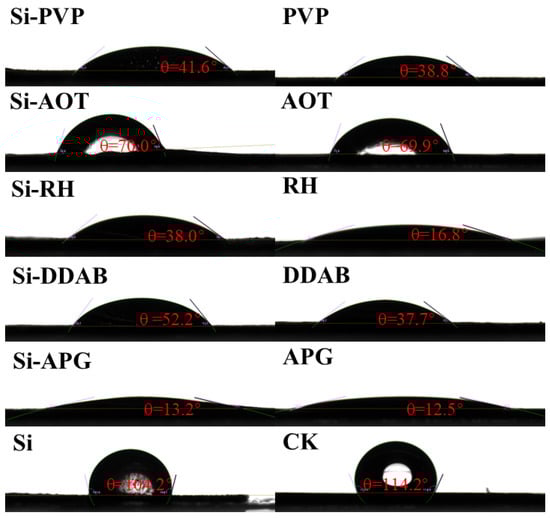
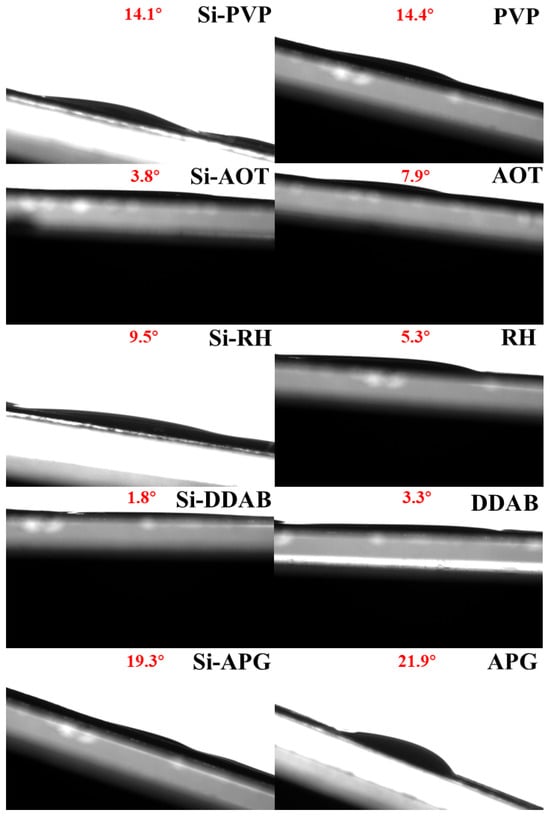
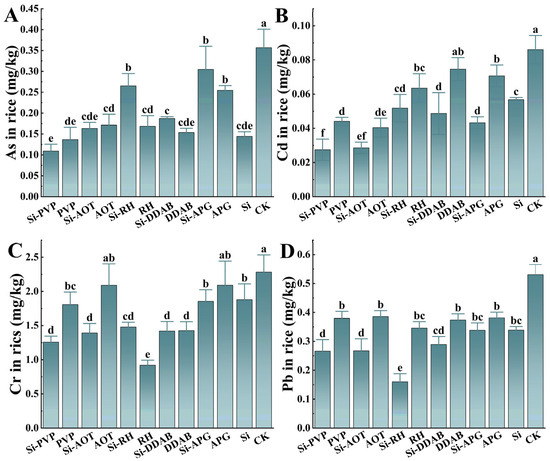
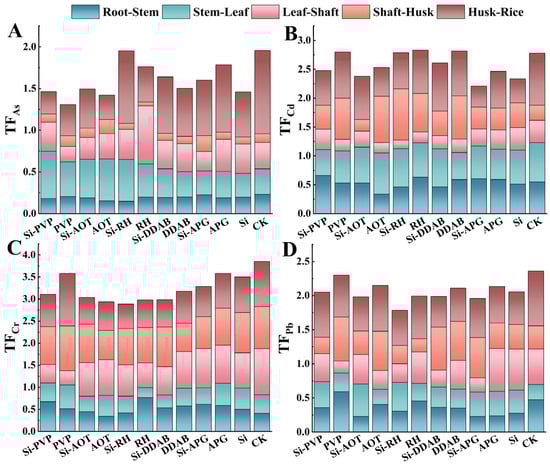
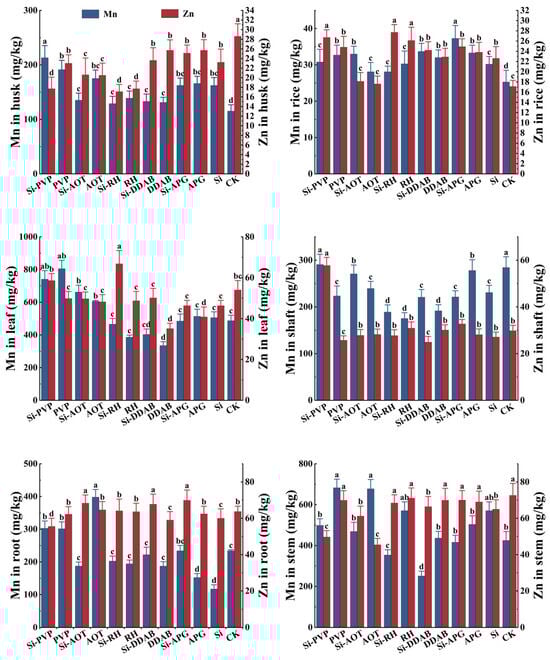
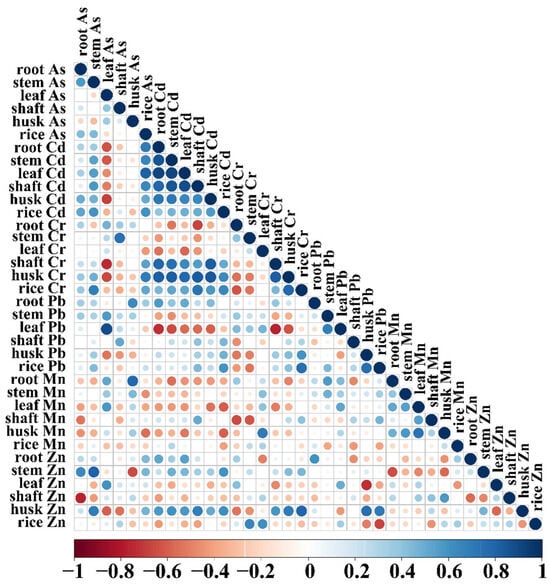
Cadmium (Cd) accumulation in rice poses a serious threat to global food safety and human health. Foliar application of nano-silica (Si) offers a promising remediation strategy, but its efficacy is often limited by poor droplet retention on hydrophobic leaf surfaces. This study hypothesized that surfactants could overcome this barrier by enhancing the foliar performance of nano-Si. Through field experiments, we evaluated the synergistic effects of five surfactants (Polyvinylpyrrolidone (PVP) powder, Aerosol OT (AOT), Rhamnolipid (RH), Didecyldimethylammonium bromide (DDAB), and Alkyl Polyglycoside (APG)) when combined with nano-silica. The results demonstrated that all surfactants significantly improved wetting and retention, with alkyl polyglycoside (APG) and polyvinylpyrrolidone (PVP) being the most effective. These improvements translated into a remarkable suppression of Cd translocation within rice plants. The PVP–nano-Si combination emerged as the most potent treatment, reducing grain Cd content by 50% and achieving the lowest levels of As and Cr among all treatments. Furthermore, this synergistic effect was linked to a significant increase in grain concentrations of manganese (Mn) and zinc (Zn), which exhibit a competitive relationship with Cd. The findings reveal that surfactant co-application not only optimizes the physical application of nano-Si but also triggers beneficial nutrient–Cd interactions, providing a novel and efficient strategy for mitigating Cd contamination in rice. This study provides critical theoretical support for developing efficient and environmentally friendly foliar barrier technologies and supports safe production of rice in lightly to moderately contaminated paddy fields. Full article
(This article belongs to the Special Issue Heavy Metals and Pesticide Residue Remediation in Farmland)
Show Figures

Figure 1

10 pages, 818 KB  
Article
Aldose Reductase Inhibition by Orthosiphon stamineus Extracts and Constituents Suggests Antioxidant Potential
by Yousaf Dawood, Atheer Zgair, Mun Fei Yam and Nur Hidayah Kaz Abdul Aziz
Molecules 2025, 30(23), 4637; https://doi.org/10.3390/molecules30234637 (registering DOI) - 2 Dec 2025
Abstract
Background/Objectives: Aldose reductase (AR) plays a crucial role in the accumulation of oxidative factors that lead to oxidative stress-related neuroinflammation. This study aims to find a novel agent from natural sources that can inhibit AR. Methods: Different extracts of Orthosiphon stamineus Benth (OS) [...] Read more.
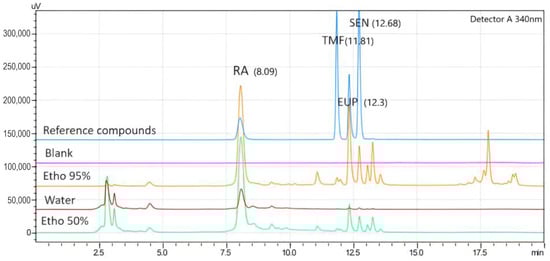
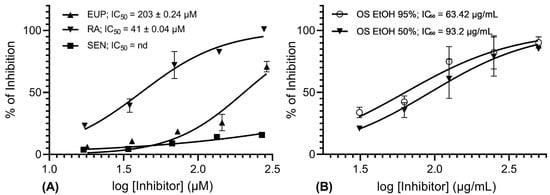
Background/Objectives: Aldose reductase (AR) plays a crucial role in the accumulation of oxidative factors that lead to oxidative stress-related neuroinflammation. This study aims to find a novel agent from natural sources that can inhibit AR. Methods: Different extracts of Orthosiphon stamineus Benth (OS) leaves and its active constituents, eupatorin (EUP), rosmarinic acid (RA), sinensetin (SEN) and 3-hydroxy-5,6,7,4-tetramethoxyflavone (TMF), were used to identify the potential inhibition effect of AR. A new high-performance liquid chromatography (HPLC) method was developed to determine these phytochemicals using the Shimadzu LC-20AD HPLC system. In addition, the in vitro inhibition effect of OS ethanol extracts (95% and 50%) and OS components EUP, RA, and SEN was investigated in recombinant AR (AKR1B1). Results: In this study, the developed HPLC method was precise and accurate, and demonstrated clear separation of the four compounds—EUP, RA, SEN, and TMF—in the ethanolic extract. The contents of the four selected compounds—EUP, RA, SEN, and TMF—in 95% ethanolic extract were 2.35, 11.91, 0.94, and 0.18%, respectively. RA showed the highest concentration among the selected compounds, indicating that RA is the major constituent of this plant. The in vitro assay showed significant inhibition of the AR enzyme by RA and OS ethanol extracts 95% and 50% (IC50: 41.42 µM; 63.42 µg/mL and 93.22 µg/mL, respectively). Conclusions: The ethanolic extract of OS and RA could be a promising therapeutics option for the treatment of oxidative stress-related neuroinflammation disorders by inhibiting AR. Full article
(This article belongs to the Special Issue Redox-Active Molecules as Key Players for Inflammatory Diseases)
Show Figures

Figure 1

26 pages, 1159 KB  
Article
Teachers’ Emotional Commitment: The Emotional Bond That Sustains Teaching
by Olena Kostiv, Antonio F. Rodríguez-Hernández and Jonathan Delgado Hernández
J. Intell. 2025, 13(12), 158; https://doi.org/10.3390/jintelligence13120158 (registering DOI) - 2 Dec 2025
Abstract
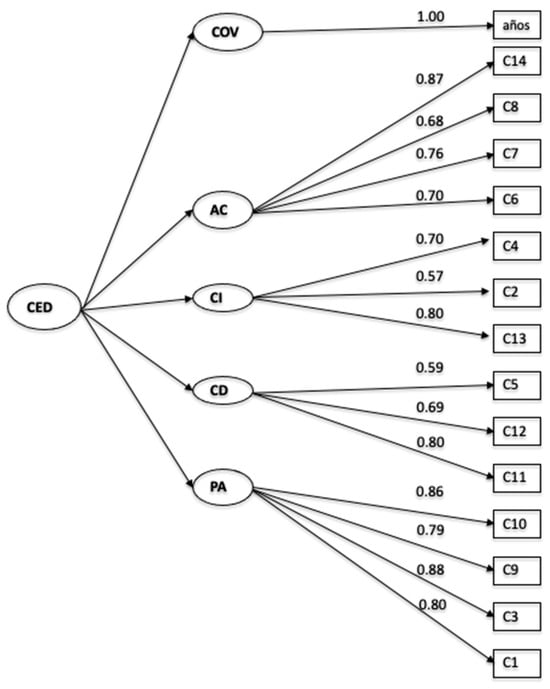
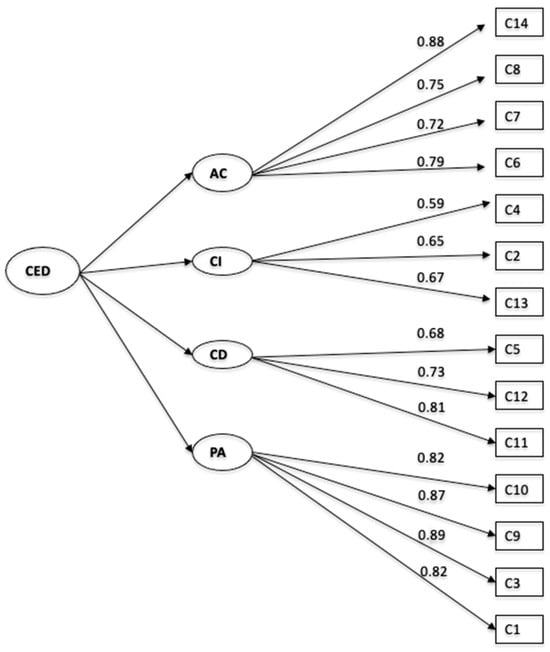
This study introduces and validates the construct of Teacher Emotional Commitment (CED), understood as the conative–behavioral dimension that characterizes the emotional bond that teachers establish with their students. To this end, two complementary studies were conducted in the Autonomous Community of the Canary [...] Read more.
This study introduces and validates the construct of Teacher Emotional Commitment (CED), understood as the conative–behavioral dimension that characterizes the emotional bond that teachers establish with their students. To this end, two complementary studies were conducted in the Autonomous Community of the Canary Islands (Spain), with the aim of: to empirically isolate the factorial structure of CED and differentiating it from related constructs, such as empathy; to analyze its presence in both active teachers and those in initial training; and to test the theoretical model’s validity by expanding the sample and enlarging the response scale. Study 1 involved 854 practicing teachers and 701 teachers in training, following a validation process that included exploratory and confirmatory factor analysis, as well as item response theory models. The results showed a four-factor structure: loving proactivity, teacher compassion, instructional commitment, and communicative affectivity, with adequate reliability and discriminant validity indices with respect to empathy. Study 2, with an expanded sample of 2096 participants, confirmed the robustness of the model. The findings allow us to consider CED as a psychological competence that can be trained, with relevant implications for improving the educational relationship, student learning, and the emotional well-being of teachers. Full article
(This article belongs to the Special Issue Social Cognition and Emotions)
Show Figures

Figure 1

17 pages, 2696 KB  
Article
Generation of WW Superfemale Sturgeons Through Hormonal Masculinization of ZW Females
by Ryohei Surugaya, Kazuki Tousaka, Shun Yoshida, Shinji Adachi and Shigeho Ijiri
Fishes 2025, 10(12), 618; https://doi.org/10.3390/fishes10120618 (registering DOI) - 2 Dec 2025
Abstract
In sturgeon aquaculture, all-female production is desirable due to the high value of caviar. Genetic sexing and the production of WW superfemales are important steps toward achieving this. In this study, we identified the WSR and ZSR primers for amplification of W- and [...] Read more.
In sturgeon aquaculture, all-female production is desirable due to the high value of caviar. Genetic sexing and the production of WW superfemales are important steps toward achieving this. In this study, we identified the WSR and ZSR primers for amplification of W- and Z-specific regions, respectively. WSR primers were designed on the gene W-linked RT RNase H-like domain containing protein (rnhW). The polymerase chain reaction (PCR) bands were obtained with the WSR primer only in phenotypic female sturgeons, indicating that stable genetic sexing was achieved in most species, including those captured around Hokkaido. Moreover, rnhW showed female-specific expression in the gonads during early sex differentiation in kaluga and Amur sturgeon. ZSR primers were developed from the orofacial cleft 1 candidate gene 1 protein homolog. Clear and distinct gel band patterns for ZZ, ZW, and WW genotypes were obtained using WSR and ZSR primers, consistent with genotypic estimations by quantitative PCR. This consistency confirmed the presence of WW superfemales among offspring produced by fertilizing ZW females with ZW pseudomales masculinized using 17α-methyltestosterone. Our findings provide new insights into the mechanisms of sex determination and differentiation in sturgeons, bringing the establishment of an all-female production system within reach. Full article
33 pages, 2023 KB  
Article
Evolutionary Computation for Feature Optimization and Image-Based Dimensionality Reduction in IoT Intrusion Detection
by Hessah A. Alsalamah and Walaa N. Ismail
Mathematics 2025, 13(23), 3869; https://doi.org/10.3390/math13233869 (registering DOI) - 2 Dec 2025
Abstract
The exponential growth of the Internet of Things (IoT) has made it increasingly vulnerable to cyberattacks, where malicious manipulation of network and sensor data can lead to incorrect data classification. IoT data are inherently heterogeneous, comprising sensor readings, network flow records, and device [...] Read more.
The exponential growth of the Internet of Things (IoT) has made it increasingly vulnerable to cyberattacks, where malicious manipulation of network and sensor data can lead to incorrect data classification. IoT data are inherently heterogeneous, comprising sensor readings, network flow records, and device metadata that differ significantly in scale and structure. This diversity motivates transforming tabular IoT data into image-based representations to facilitate the recognition of intrusion patterns and the analysis of spatial correlations. Many deep learning models offer robust detection performance, including CNNs, LSTMs, CNN–LSTM hybrids, and Transformer-based networks, but many of these architectures are computationally intensive and require significant training resources. To address this challenge, this study introduces an evolutionary-driven framework that mathematically formalizes the transformation of tabular IoT data into image-encoded matrices and optimizes feature selection through metaheuristic algorithms. Genetic Algorithm (GA), Particle Swarm Optimization (PSO), and Variable Neighborhood Search (VNS) are employed to identify optimal feature subsets for Random Forest (RF) and Extreme Gradient Boosting (XGBoost) classifiers. The approach enhances discrimination by optimizing multi-objective criteria, including accuracy and sparsity, while maintaining low computational complexity suitable for edge deployment. Experimental results on benchmark IoT intrusion datasets demonstrate that VNS-XGBoost configurations performed better on the IDS2017 and IDS2018 benchmarks, achieving accuracies up to 0.99997 and a significant reduction in Type II errors (212 and 6 in tabular form, reduced to 4 and 1 using image-encoded representations). These results confirm that integrating evolutionary optimization with image-based feature modeling enables accurate, efficient, and robust intrusion detection across large-scale IoT systems. Full article
18 pages, 4240 KB  
Review
Leadless Pacemakers in Complex Congenital Heart Disease
by Archana Rao, Elen Hughes, Milos Prica, Sadaf Raza, Mohammed Saber and Reza Ashrafi
J. Clin. Med. 2025, 14(23), 8560; https://doi.org/10.3390/jcm14238560 (registering DOI) - 2 Dec 2025
Abstract
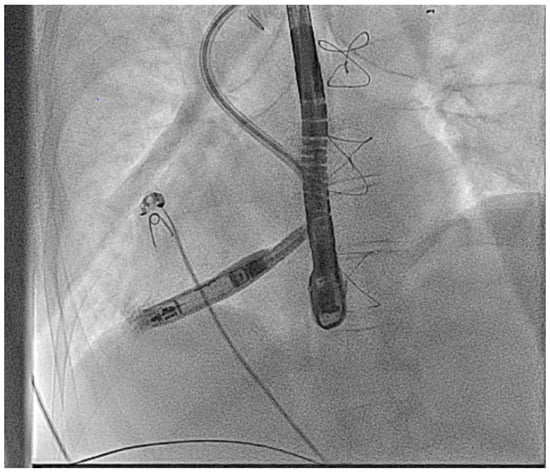
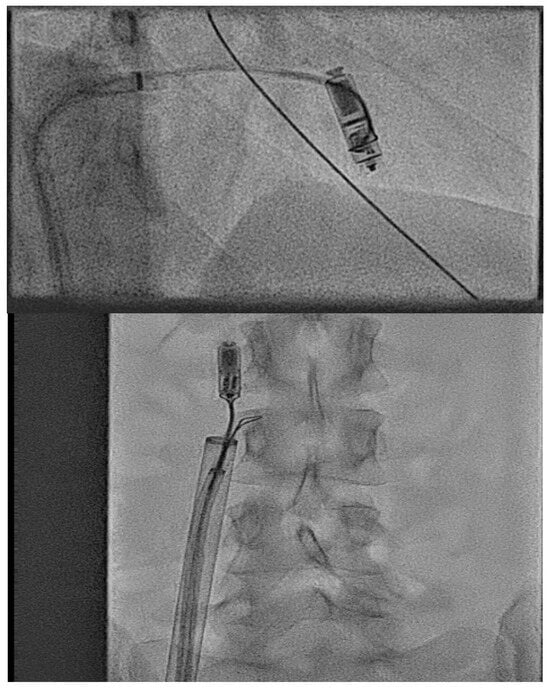
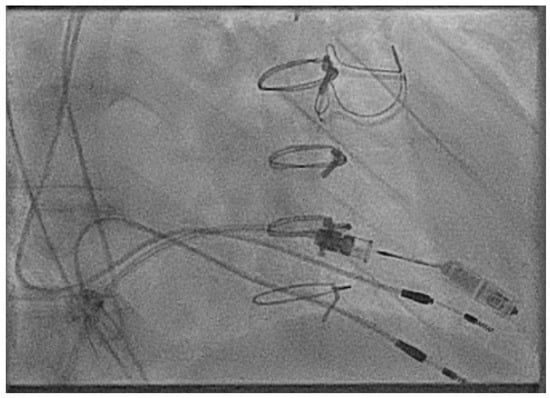
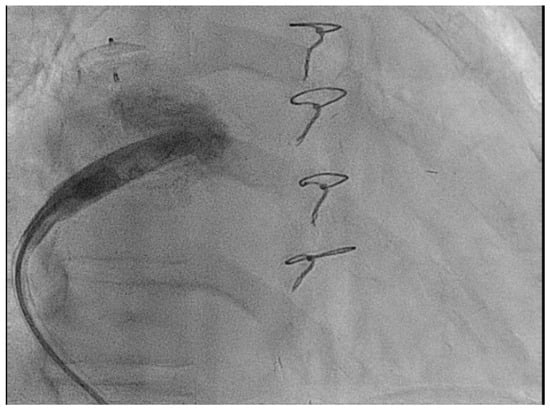
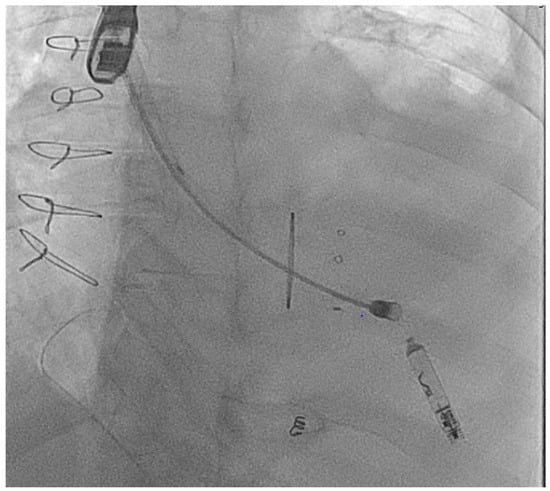
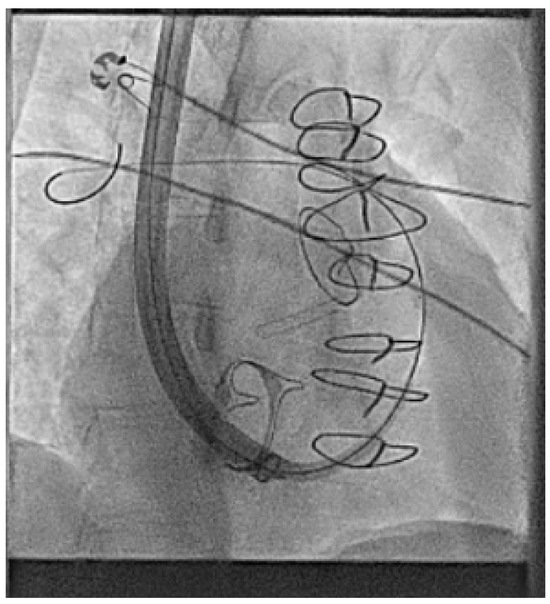
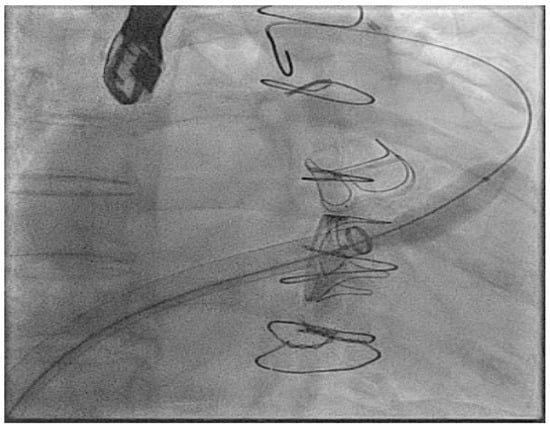
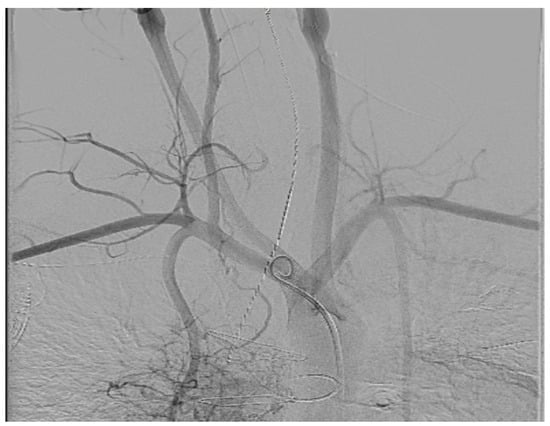
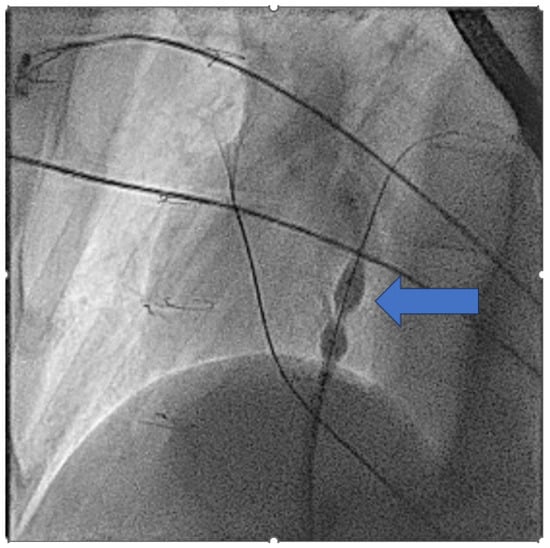
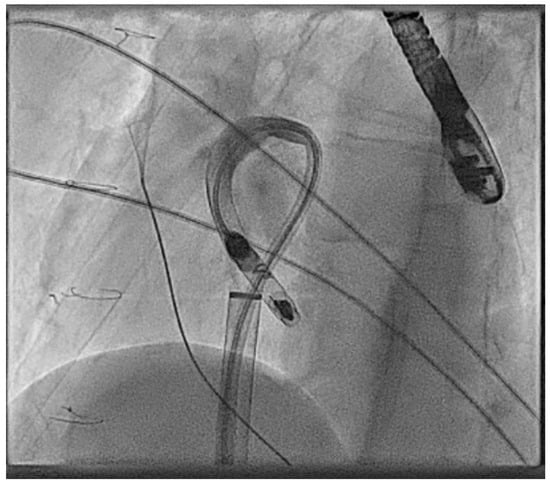
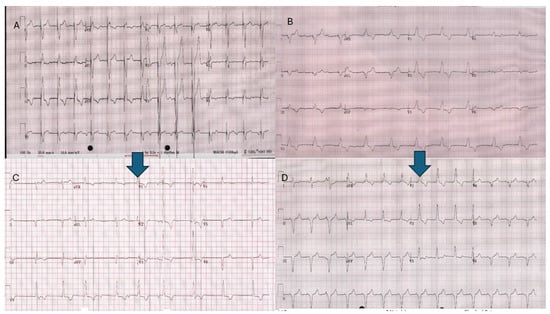
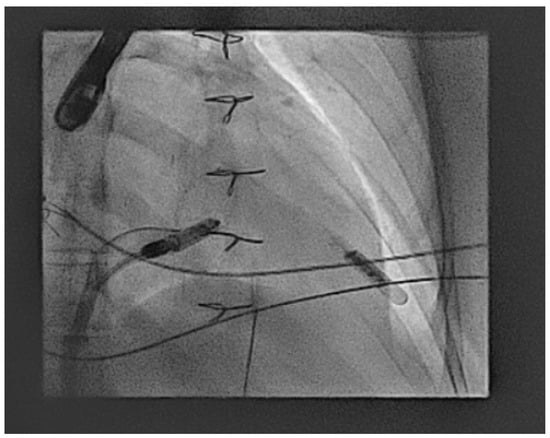
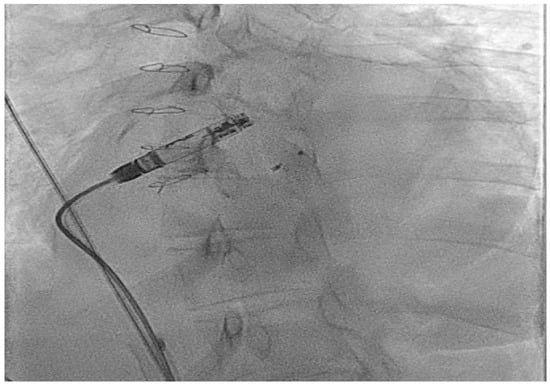
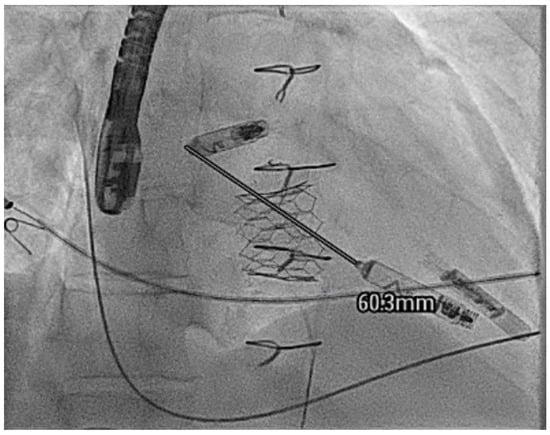
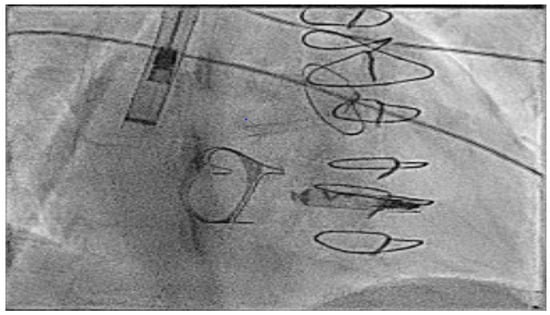
Pacing in complex congenital heart disease can be difficult and with significant drawbacks due to issues with infection and long-term leads within the vasculature. Leadless pacemakers have emerged as a new technology with a strong safety and efficacy record in normal cardiac anatomy. [...] Read more.
Pacing in complex congenital heart disease can be difficult and with significant drawbacks due to issues with infection and long-term leads within the vasculature. Leadless pacemakers have emerged as a new technology with a strong safety and efficacy record in normal cardiac anatomy. Here, we review the current available technology, current evidence in complex congenital pacing and how leadless pacemakers may be used in complex congenital heart disease. Full article
(This article belongs to the Special Issue Updates on Cardiac Pacing and Electrophysiology)
Show Figures

Figure 1

4 pages, 762 KB  
Short Note
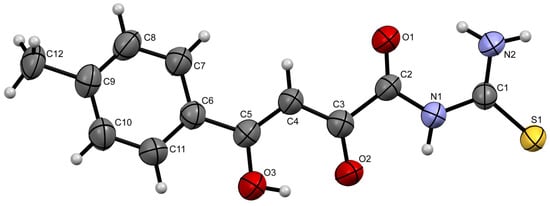
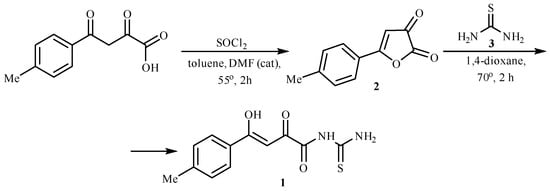
(Z)-N-Carbamothioyl-4-hydroxy-2-oxo-4-(p-tolyl)but-3-enamide
by Alexandra O. Derevnina, Yurii V. Shklyaev and Andrey N. Maslivets
Molbank 2025, 2025(4), M2099; https://doi.org/10.3390/M2099 (registering DOI) - 2 Dec 2025
Abstract
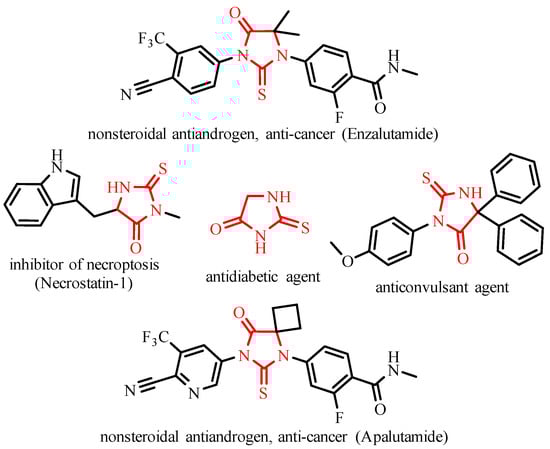
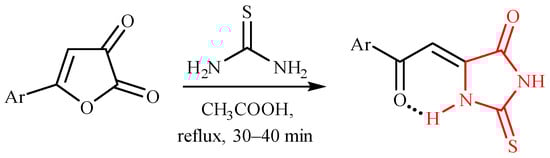
The reaction of 5-(p-tolyl)furan-2,3-dione with thiourea in a 1:1 ratio when refluxed in 1,4-dioxane gives (Z)-N-carbamothioyl-4-hydroxy-2-oxo-4-(p-tolyl)but-3-enamide with a good yield. This compound was fully characterized. Full article
Show Figures

Figure 1

31 pages, 5362 KB  
Article
Geopolymerization of Kaolin Clay with Hemp Fibers for Sustainable Soil Stabilization
by Bilge Aksu Alcan, Halil Oğuzhan Kara and Mehmet Uğur Yılmazoğlu
Polymers 2025, 17(23), 3216; https://doi.org/10.3390/polym17233216 (registering DOI) - 2 Dec 2025
Abstract
In this study, the aim was to improve the mechanical and durability properties of kaolin clay (KC)-based soil by stabilizing it with geopolymer and natural fiber. In the production of the geopolymer, rice husk ash (RHA) was used as a binder, sodium metasilicate [...] Read more.
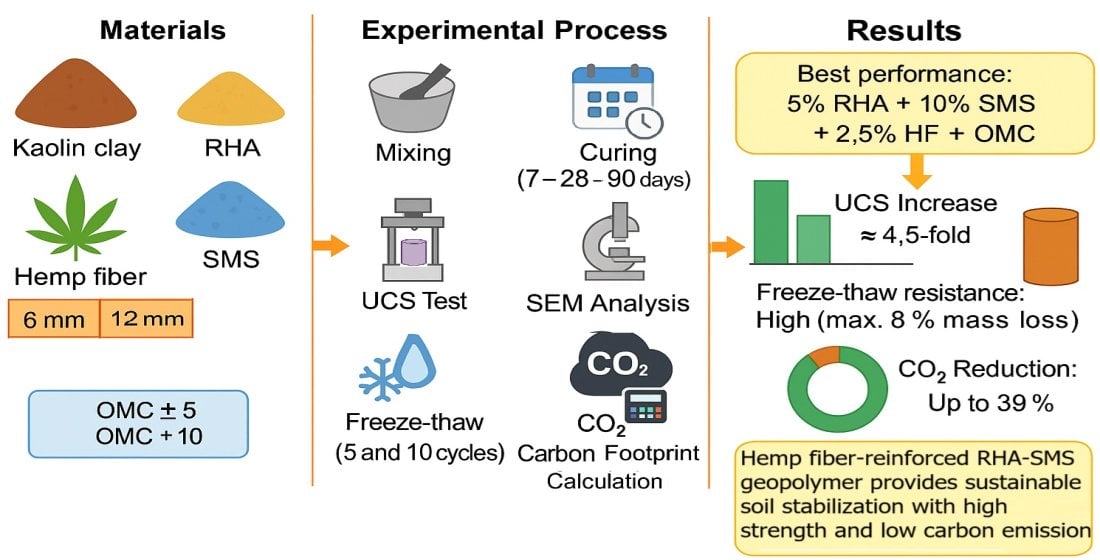
In this study, the aim was to improve the mechanical and durability properties of kaolin clay (KC)-based soil by stabilizing it with geopolymer and natural fiber. In the production of the geopolymer, rice husk ash (RHA) was used as a binder, sodium metasilicate (SMS) as an activator, and another hemp fiber (HF)was used for soil stabilization. Within the scope of the presented study, RHA and SMS were used at three different rates (5%, 7.5%, and 10%), while HF was used in six different volumes (0.5%, 1%, 1.5%, 2%, 2.5%, and 3%) and two different lengths (6 and 12 mm). The study also examined how much water was in the combinations, which was measured at the optimum level and at −5, +5, and +10 compared to the optimum level. The unconfined compressive strength (UCS) was used to check the mechanical qualities of the test specimens and 5- and 10-cycle freeze–thaw (F-T) tests to check the durability properties. The test results indicated that the mixed formulation with 5% RHA, 10% SMS, 2.5% HF, and the optimum water content resulted in the best results for both the UCS and F-T tests. The SEM investigation for this mix found that the microstructural properties for the specimen were directly related to the dense gel phases and the strong fiber–matrix bonding. According to the carbon emissions (CO2-e) and carbon index (CI) analysis from the mix component analyses, it was found that the HF-strengthened geopolymer is a sustainable solution for soil stabilization. The optimum mixture achieved a UCS of 1202 kPa (4.5 times higher than untreated soil), while the strength losses after 10 freeze–thaw cycles were reduced to below 10% in optimized compositions. The carbon index (CI) decreased by up to 65%, demonstrating the strong sustainability benefits of the proposed system. The novelty of this study lies in the combined use of hemp fiber (HF) and rice husk ash (RHA)–sodium metasilicate (SMS)-based geopolymer for kaolin clay stabilization, which has not been comprehensively investigated in previous research. Unlike traditional studies focusing on either geopolymer or natural fiber reinforcement alone, this work simultaneously evaluates the mechanical performance, freeze–thaw durability, microstructural evolution, and carbon footprint to develop a fully sustainable soil improvement framework. Full article
Show Figures

Graphical abstract

9 pages, 499 KB  
Article
UV-C Light-Based Decontamination of Transvaginal Ultrasound Transducer: An Effective and Fast Way for Patient Safety in Gynecology
by Tomasz Siewierski, Grzegorz Fibiger, Anna Różańska, Agata Pietrzyk, Estera Jachowicz-Matczak, Dorota Romaniszyn and Jadwiga Wójkowska-Mach
J. Clin. Med. 2025, 14(23), 8561; https://doi.org/10.3390/jcm14238561 (registering DOI) - 2 Dec 2025
Abstract
Background/Objectives: Transvaginal ultrasound is one of the basic diagnostic methods used during gynecological examination. Lack of care during such an examination can lead to a risk of dangerous infection for both the patient and medical staff. Therefore, a crucial part of the [...] Read more.
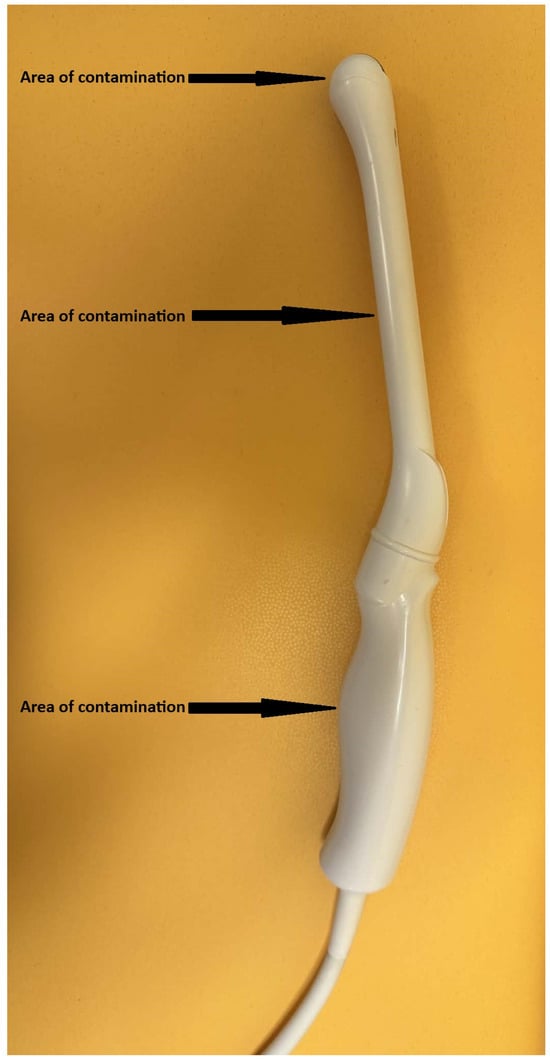
Background/Objectives: Transvaginal ultrasound is one of the basic diagnostic methods used during gynecological examination. Lack of care during such an examination can lead to a risk of dangerous infection for both the patient and medical staff. Therefore, a crucial part of the preparation for the test is its proper disinfection. The aim of this study was to test the effectiveness of ultraviolet (UV-C) disinfection of ultrasound probes used in transvaginal examination for the prevention of infections in patients and healthcare personnel in ambulatory care settings. Methods: The eradication of microorganisms present (as a microbiota or etiological factors of infections) in the female reproductive tract was tested. They were the following: Staphylococcus aureus, Staphylococcus haemolyticus, Streptococcus agalactiae, Klebsiella pneumoniae, Escherichia coli, Acinetobacter baumannii, Pseudomonas aeruginosa, Candida albicans, and Trichomonas vaginalis. The study consisted of contaminating the ultrasound transducer with microbial strains of known density, then performing disinfection and assessing the number of surviving microbial cells. Results: Almost complete eradication of all tested pathogenic microorganisms was achieved, except T. vaginalis. But for this protozoa eradication of mobile forms reaches around 80%. Conclusions: Although the sample size in our study was limited and statistical significance was not reached, the substantial logarithmic reduction strongly indicates the effectiveness of this method. Full article
Show Figures

Figure 1

24 pages, 636 KB  
Review
Biomass of Microalgae and Other Phototrophic Microorganisms: Current Trends in Regulation of Its Accumulation and Application of Immobilized Forms
by Elena Efremenko, Olga Senko, Kamella Teplova and Aysel Aslanli
Appl. Sci. 2025, 15(23), 12775; https://doi.org/10.3390/app152312775 (registering DOI) - 2 Dec 2025
Abstract
The current interest in microalgal biomass does not subside but continues to intensify due to the emergence of new trends in the use of this bioresource in various biotechnological and environmental processes. The rather slow growth rate of phototrophs compared to other microorganisms [...] Read more.
The current interest in microalgal biomass does not subside but continues to intensify due to the emergence of new trends in the use of this bioresource in various biotechnological and environmental processes. The rather slow growth rate of phototrophs compared to other microorganisms limits more active application of the biomass for various purposes. Stimulation of the Quorum Sensing formation in the cells due to the appearance of their own quorum molecules or those produced by other co-cultured microorganisms in the medium is one of the efficient approaches for overcoming this limitation. This review discusses the immobilization or co-immobilization of phototrophic cells with other microorganisms as an effective way to maintain accumulation of the target biomass for long-term period at improved rates. The 40% increase in the use of co-immobilized phototrophs for biomass obtaining and its use in wastewater treatment has been observed over the past five years. The level of investigations of co-immobilized microalgae cells is four times higher than that of the immobilized single cultures. Among the main trends in the new investigations of immobilized forms of microalgae, the predominant application of Chlorella genus cells in immobilized samples of individual cultures and the involvement of diatom microalgae and cyanobacteria, in addition to Chlorella cells, in co-immobilization with other microorganisms, was ascertained. The most significant increase in the rate of microalgal biomass accumulation uncovered in cases of co-immobilization of microalgae with bacteria. In several cases, in the presence of bacteria, co-immobilization has led to the emergence of new characteristics in microalgal cells (increased synthesis of pigments, polysaccharides, biofilm formation, etc.), which opens new directions for their further practical use as biopesticides, components of packaging and building materials, etc. Full article
(This article belongs to the Special Issue Advances in Microbial Biotechnology)

Open Access Journals

Browse by Indexing Browse by Subject Selected Journals
Back to TopTop