1. Introduction
Global population growth and increasing pressure on food systems have intensified the need for sustainable, nutrient-dense protein sources [
1]. Conventional livestock production is associated with high greenhouse gas emissions, extensive land and water use, and biodiversity loss, making it challenging to meet future protein demand in an environmentally sustainable way [
2,
3]. As a result, food product development has increasingly focused on alternative proteins that provide nutritional value with reduced environmental impact [
1,
4].
Edible insects have emerged as a promising alternative due to their high protein content, favourable amino acid profiles, and efficient resource use [
5,
6,
7]. Species such as the house cricket (
Acheta domesticus) and yellow mealworm (
Tenebrio molitor), which have recently been authorised for human consumption within the European Union [
8,
9], provide high-quality protein, essential micronutrients including iron, zinc, and B vitamins, and generally require less land, feed, and water than traditional livestock [
5,
10,
11,
12]. These authorisations follow a centralised novel approval process, whereby the European Food Safety Authority (EFSA) conducts extensive risks assessments prior to market approval, with several insect species and their forms being approved in the EU between 2021 and 2025, reflecting the ongoing development of the EU regulatory framework [
13,
14,
15]. Nutritional comparisons with conventional meat derived from livestock indicate substantially higher protein and iron contents for insects on a dry-weight basis [
16]. However, regulatory approval has not translated into widespread adoption, as consumer acceptance remains a major barrier in Western markets [
17,
18].
Low acceptance of insect-based foods is consistently attributed to concerns surrounding taste, texture, appearance, and psychological aversion linked to food neophobia and disgust [
4,
19,
20]. Consequently, product development strategies increasingly focus on incorporating insect ingredients into familiar food formats rather than presenting insects in visible or whole forms [
21,
22]. Studies show that acceptance improves significantly when insects are processed into flours or powders and are not visually identifiable, whereas visible insect cues, darker colour, or unfamiliar textures can negatively bias perceived taste and quality [
1,
22,
23,
24]. This highlights the importance of sensory design and processing in bridging the gap between nutritional innovation and consumer expectations.
Embedding insect ingredients into commonly consumed foods such as pasta, baked goods, and sauces has been shown to increase willingness to try and accept insect-based products [
18]. Pasta enriched with 10–20% insect flour can achieve meaningful increases in protein and mineral content without compromising cooking quality or texture when appropriately formulated [
25,
26]. Similarly, hybrid products combining insect protein with conventional meat in sauces have demonstrated sensory acceptability comparable to traditional products [
27,
28,
29], reinforcing the role of familiar formats in facilitating acceptance.
Despite growing research on insect ingredients, limited empirical work has examined consumer responses to complete, meal-style products that combine multiple insect-enriched components, particularly within a European context [
4,
30]. Most existing studies assess factors such as taste, nutritional value or labelling in isolation, rather than examining how these interact to influence purchase intention [
31,
32,
33,
34]. As a result, the combined effect of sensory attributes, health information, and label design on the consumer acceptance of insect-based meals remains insufficiently understood. In addition, insect proteins present potential allergen risks due to cross-reactivity with crustaceans [
35,
36].
Therefore, this study aims to evaluate consumer acceptance of a hybrid insect-based ready meal by examining sensory acceptance, perceived nutritional value, and the influence of front-of-pack labelling information on purchase intention. By assessing both insect-enriched pasta and a hybrid insect-meat sauce within a single meal format, this research moves beyond isolated ingredient testing and provides insight into consumer responses to insects when embedded within a complete, familiar meal context. The specific objectives were to (i) assess consumer acceptance of an insect-enriched pasta meal, and (ii) identify preferred front-of-pack labelling elements and their relationship with purchase intention.
2. Materials and Methods
2.1. Market Screening
A structured market screening was conducted between June and August 2025 to identify commercially available insect-based and high protein pasta products accessible to Irish consumers. The screening focused on insect-based pasta products available through European online vendors offering delivery to Ireland, as no insect-based pasta products were available in physical retail stores at the time of assessment. In addition, a broader screening of high-protein pasta and ready-meal products (not containing insects) was conducted across both Irish retail outlets and online platforms to provide a comparative market context.
Variables recorded included product type, protein source, nutritional content, front-of-pack claims, allergen and certification labels, pack size, distribution channels, and price (normalised to €/kg). This screening enabled comparison of the developed product against existing market offerings to identify gaps and positioning opportunities for a hybrid insect-enriched ready meal (see
Section 3.1).
2.2. Product Development
2.2.1. Pasta Formulation
The study focused on developing a high-protein insect-enriched pasta and a hybrid Bolognese sauce. The final pasta formulation consisted of 90% spelt flour and 10% cricket flour (
w/
w of total flour), selected to optimise protein content, texture, and visual acceptability [
37,
38,
39,
40]. Several preliminary pasta formulations were trialled (see
Table 1), and evaluated for dough handling, sheet thickness, cooking quality, and visual appearance. The 90:10 spelt-cricket combination provided the best balance between protein enhancement, familiar texture, and minimal colour difference (see
Section 3.5 for colourimetric results).
2.2.2. Sauce Formulation
The hybrid Bolognese sauce initially combined 85% beef mince with 15% whole roasted mealworms. To reduce potential consumer aversion, mealworms were blended [
41] into a fine powder before mixing with beef. Early batches of the hybrid sauce appeared darker than the control; to standardise visual appearance for sensory testing, a common tomato base was prepared in bulk and divided between the control and hybrid sauces. Minor adjustments were made to seasoning (black pepper, thyme, oregano, and chicken stock cube) to enhance flavour and mask strong insect notes (see
Table 2 for final recipe).
2.2.3. Final Preparation and Storage
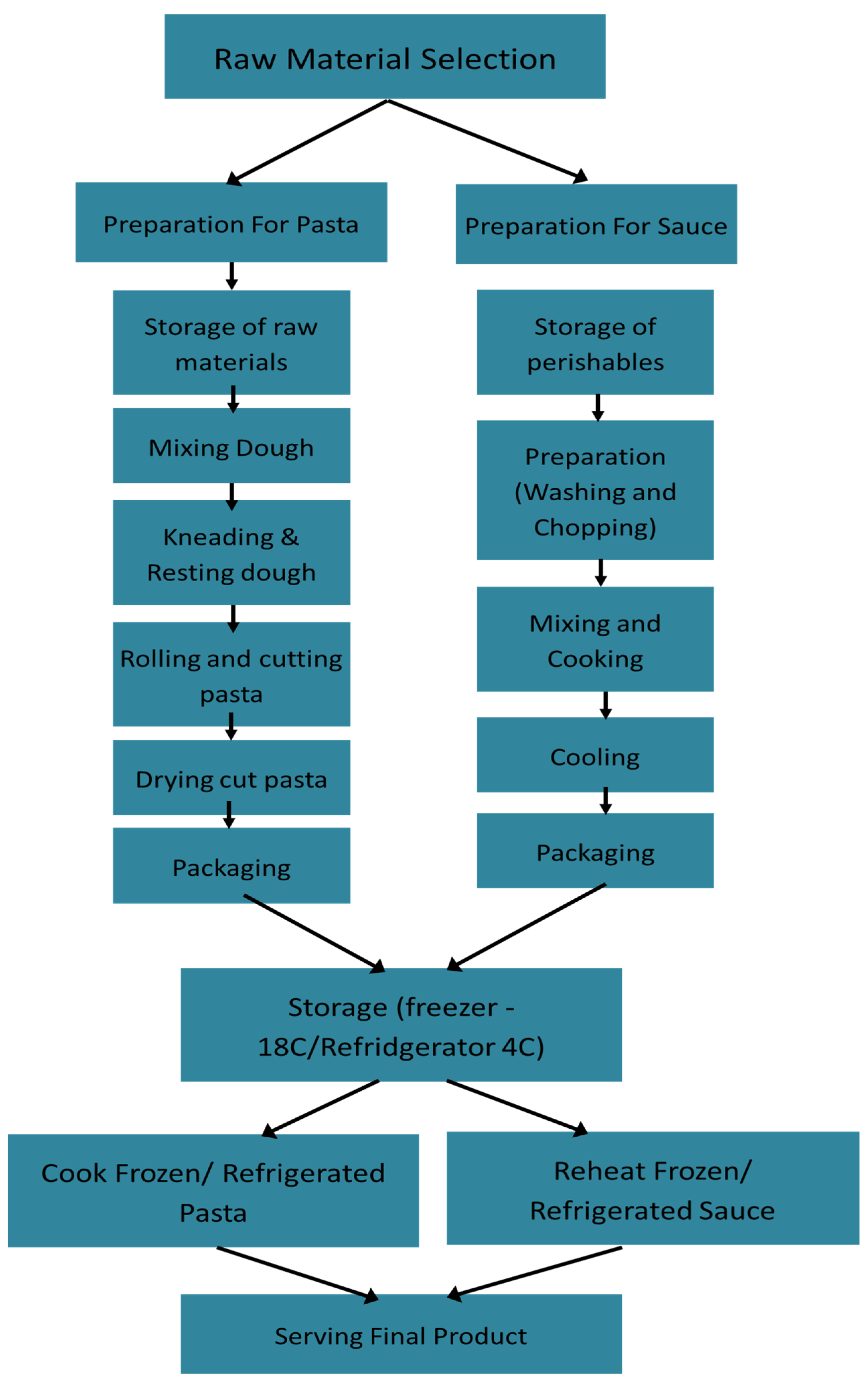
Pasta dough was kneaded, rolled through progressively wider machine settings (0–9), cut into fettuccine, dried, portioned, and frozen at −21 °C; refer to
Figure 1 to see the production flow chart. Cooking followed standardised conditions: 8 min in boiling water (1.2 L, 8 g salt per pot), followed by an ice bath to prevent sticking. Each pasta sample absorbed approximately 100–125 g of water (see
Table S1 for the pasta cooking records). Once the final pasta and sauce recipes were established, each type was scaled and precisely calculated to yield a 250 g cooked portion for sensory evaluation (125 g pasta with 125 g sauce), accounting for cooking loss and water absorption, measured through calculating the difference in weight between the raw and cooked samples (see
Table 2).
Sauces were cooked separately, then combined with respective protein. All preparation and handling steps followed HACCP procedures, ensuring samples were kept outside the temperature danger zone which is between 5 °C and 63 °C [
42]. All ingredients were locally sourced (Tesco, Sligo, Ireland) with the exception of mealworms and cricket flour that were purchased online from Catch-your-Bug (Schnürpflingen, Germany). Nutritional data were obtained from supplier labels.
2.3. Nutritional Analysis
The nutritional composition of the combined meal (pasta with sauce) was calculated both per 100 g and per 250 g serving using Microsoft Excel. Individual contributions of energy, fat, saturated fat, carbohydrate, sugars, fibre, protein, and salt were summed from supplier-provided data adjusted for cooked weights. To support front-of-pack nutrition communication, a traffic-light labelling system was applied to fat, saturated fat, sugar, and salt content based on FSAI guidelines to visually communicate nutrient quality (see
Table S12). Comparisons with a conventional ready meal from a local supermarket (e.g., Spaghetti Bolognese) were then made to contextualise nutritional advantages and align with standard reference products consumers might encounter in retail environments.
2.4. Sensory Evaluation
Ethical approval was obtained from the Department of Health and Nutritional Sciences Research Ethics Committee at Atlantic Technological University (ATU), Sligo (No FPD202503). Participants (
N = 59) were recruited through email invitations distributed to staff and students via institutional gatekeepers, as well as through snowball sampling, whereby recipients were encouraged to share the study invitation within their networks [
43].
Inclusion criteria required participants to be adults (≥18 years) who regularly consumed pasta and meat-based products. Exclusion criteria included self-reported food allergies or intolerances relevant to the study (e.g., crustaceans, molluscs, wheat/gluten, egg, celery), adherence to vegetarian or vegan diets, or any other dietary restrictions that would prevent consumption of the samples.
Sensory testing was conducted in sensory booths under controlled conditions and followed a single-blind approach where participants were not aware of which samples contained insects or the identity of the samples in general. The pasta formulations used in this study were: (i) spelt control (100% spelt flour), (ii) multigrain–spelt control (50% spelt and 50% multigrain flour), and (iii) insect–spelt pasta (90% spelt flour and 10% cricket flour). Participants evaluated samples in two rounds:
Pasta only—three samples: spelt control, multigrain–spelt control, and insect–spelt pasta (10% cricket flour).
Pasta with sauce—two samples: spelt pasta with minced beef Bolognese (control), and insect–spelt pasta with hybrid mealworm–beef Bolognese.
All samples were labelled using unique three-digit codes and presented in a randomised order to each participant. Standardised serving sizes were used across both rounds, consisting of 10 g cooked pasta in the first round and 10 g cooked pasta with 12 g sauce in the second round. These portion sizes are consistent with sensory evaluation practices to minimise satiety and sensory fatigue when multiple samples are assessed [
44], and were confirmed as appropriate during preliminary pilot testing.
For the labelling task, participants were shown three front-of-pack label designs differing in information density (comprehensive, moderate, and minimalist). Labels were designed using a combination of graphical elements from Canva. For the price-framing task, acceptable price responses were collected under two conditions: without additional benefit framing (baseline) and with wording highlighting higher protein content and sustainability benefits. Data was collected using RedJade Sensory Software (RedJade, Redwood City, CA, USA)
http://www.redjade.net/.
Plain crackers and water were provided as palate cleansers between samples to minimise sensory carry-over. Structured survey questions (see
Figure S1) assessed sensory attributes, nutritional perception, price sensitivity, label preference, and purchase intent. Allergen information and informed consent procedures were clearly communicated to participants.
2.5. Colourimetric Analysis
Instrumental colour analysis was conducted, as colour is a key determinant of consumer acceptance and insect fortification has been shown to significantly alter pasta colour and influence liking through visual differences in sauces [
25,
45,
46]. A CIELAB colour system was used to measure lightness (
L*), red–green (
a*), and yellow–blue (
b*) parameters using a Lovibond LC 100 spectrophotometer (The Tintometer Ltd, Amesbury, UK).
Three pasta types—spelt control, multigrain–spelt control, and insect–spelt pasta—were analysed in both uncooked and cooked forms, alongside two sauces (beef-based control and hybrid mealworm–beef Bolognese). Measurements were taken in triplicate for each sample (n = 3). Total colour difference (ΔE*) was calculated relative to the spelt control for pasta samples and the beef-based control for sauces using the standard CIE formula, where ΔE* < 1 indicates imperceptible differences, 1–3 barely perceptible differences, and ≥3 differences noticeable to the human eye [
47].
Mean values ± standard deviation were calculated for
L*,
a*, and
b* parameters. One-way analysis of variance (ANOVA) was applied separately to each colour parameter to identify significant differences between samples. Where significant effects were observed (
p < 0.05), Tukey’s Honest Significant Difference (HSD) post hoc test was used to determine pairwise differences [
48].
2.6. Data Analysis
Quantitative data were analysed using IBM SPSS Statistics (Version 29). Descriptive statistics were used to provide an overview of participant demographics and prior experience with insect-based foods. Given the ordinal and categorical nature of the sensory, perception, and survey data, non-parametric statistical methods were applied throughout.
The selection of specific non-parametric tests was based on the study design and data structure. Friedman tests were used for within-subject comparisons of ranked data across related samples (e.g., multiple pasta samples evaluated by the same participants), while Kruskal–Wallis and Mann–Whitney U tests were applied for comparisons between independent groups (e.g., demographic or prior experience categories). Binomial tests were used for paired preference data, and chi-square tests were applied to assess associations between categorical variables. For one-sample chi-square (goodness-of-fit) tests, effect size was calculated using Cohen’s w; for chi-square tests of independence, Cramer’s V was reported and for Friedman tests, Kendall’s W was used to indicate the strength of agreement. All tests were selected based on their suitability for ordinal or nominal data and their respective assumptions, such as independence of observations for between-group comparisons and repeated measures structure for within-subject analyses [
49].
Differences in ranked preferences among the three pasta samples and in the importance assigned to sensory and product attributes were analysed using Friedman tests for related samples. Preferences between paired pasta–sauce combinations were assessed using binomial tests to determine whether selections deviated from an equal distribution. Associations between categorical variables, including demographic characteristics, label preference, nutritional perception, price sensitivity, and purchase intent, were examined using chi-square tests of independence.
Relationships between food neophobia scores and perception-based variables were explored using Spearman’s rank-order correlation coefficients. Statistical significance was set at p < 0.05 for all analyses.
An overview of the statistical tests applied to each outcome category is provided in
Table 3, while the detailed mapping of variables, survey questions, and statistical procedures is reported in
Table S3.
Qualitative data from open-ended survey responses were analysed using a thematic approach, supported by descriptive content analysis to quantify the frequency of recurring codes related to acceptance factors such as flavour, texture, appearance, familiarity, and label clarity. These insights complemented the quantitative findings by providing contextual depth to consumer preferences and perceptions. Therefore, in presenting the findings, both quantitative and qualitative outcomes are integrated to provide a comprehensive understanding of the acceptability and potential of the insect-enriched pasta and hybrid Bolognese sauce.
3. Results and Discussion
3.1. Market Screening
Table 4 summarises selected comparator products, including their format, protein source, market presence, pricing, and front-of-pack nutritional claims. To contextualise the relevance of this product category within the Irish market, national dietary data indicate that pasta, rice and savoury products are regularly consumed, with average intakes of approximately 75 g/day among adults aged 19–64 years, alongside consistently high consumption of meat-based foods such as beef and chicken [
50]. These patterns support the suitability of a pasta-based hybrid meal within the Irish dietary context.
Since the developed products were insect-based,
Table 4 focuses specifically on insect-based pasta products as the most directly comparable category. These products were only available through online channels at the time of assessment. This reflects the current limited availability of insect-based pasta products in physical retail outlets in Ireland. In addition, a broader screening of high-protein pasta and ready-meal products (not containing insects) was conducted across Irish retail outlets and online platforms to provide contextual comparison within the wider protein-enriched category.
Across the screened products, most insect-based pasta offerings were available in dry pasta formats, typically retailing at approximately €4.99 per 250 g (€19.60–25.00/kg). These products commonly reported protein contents ranging from 15% to 32%, with front-of-pack claims such as “High Protein” or “Source of Protein” frequently used.
In contrast, ready-to-eat insect-based pasta meals were limited in availability and were positioned at a substantially higher price point. Products in this category retailed at approximately €11–13 per 250 g, corresponding to prices exceeding €80/kg, reflecting both their niche positioning and higher formulation costs.
In comparison, high-protein pasta products (without insects) available in Irish retail outlets and health-focused food stores, as well as online platforms, are typically positioned in the €3–5 per 200–250 g range and commonly carry “high-protein” or “source of protein” claims, while conventional ready-meal pasta products are generally available at lower price points than insect-based ready meals. This indicates that while insect-based products occupy a more niche and premium segment, the broader high-protein category is already well-established and may facilitate consumer acceptance through category familiarity. However, as the insect-based product comparison is limited to online retail channels, this may constrain the interpretation of market gaps relative to the wider ready-meal category, where physical retail remains the dominant distribution channel in Ireland.
This market landscape highlights a clear distinction between lower-cost dry insect pastas and premium-priced ready-to-eat insect meals. The implications of this pricing structure and product positioning are examined further in the context of cost analysis and consumer acceptance in subsequent sections.
3.2. Whole Meal Costing Analysis
To evaluate the potential commercial viability of insect–spelt pasta (10% cricket flour) with hybrid mealworm–beef Bolognese, a structured Suggested Retail Price (SRP) model was applied following the Food Product Development Laboratory Manual by Gilbert and Prusa [
51]. This framework provides a stepwise approach for estimating manufacturing costs, packaging adjustments, marketing expenses, company profit, and retailer markup based on ingredient cost.
The total ingredient cost per 250 g portion was calculated at €1.68 (see
Table S4), based on retail market prices collected from Irish supermarkets and online suppliers during 2025. Wholesale cost estimates were not applied, as the study was conducted at prototype scale, where ingredients are typically sourced through accessible supply channels rather than industrial procurement systems, consistent with food product development practices [
51]. While wholesale or bulk purchasing would likely reduce ingredient costs under commercial production conditions, retail prices provide a basis for cost estimation, and future studies could extend this approach using industry-scale cost data. Water was excluded from direct costing and considered part of overhead, consistent with SRP modelling assumptions.
Manufacturing costs were calculated as 55% of the ingredient cost (€0.92). As the product is intended for frozen distribution, an additional 2% adjustment (€0.03) was included to account for frozen storage and handling requirements. Given the use of a CPET tray, sealing film, cardboard sleeve, and printed label, packaging was classified as complex and calculated at 20% of ingredient cost (€0.34). This resulted in a subtotal production cost of €2.97 per unit.
Marketing and advertising were estimated at 4% of the subtotal (€0.12), yielding a company cost of €3.09 prior to profit allocation. A 40% company profit margin was then applied, resulting in a projected company selling price of €4.33 to retailers. Applying a standard 35% retail markup generated an estimated recommended retail price (RRP) of €5.85 per 250 g portion (approximately €23.40/kg) (see
Table S5).
As this estimate is derived from prototype-scale modelling assumptions rather than industrial-scale production data, it represents a structured projection rather than a confirmed retail price. At industrial scale, ingredient sourcing, processing efficiencies, and supply chain optimisation would likely reduce unit costs; however, additional factors such as scaling of insect production, regulatory compliance, and distribution requirements may also influence pricing, introducing uncertainty in the direct translation of the estimated RRP to commercial conditions. Nonetheless, the calculated RRP positions the product within the premium ready-meal segment. Similar pricing dynamics have been reported by [
52], who observed that insect-based foods frequently command a 10–40% premium compared with conventional analogues due to niche positioning and higher production costs.
When considered alongside the market screening results, the estimated RRP suggests that the hybrid formulation has the potential to be priced more competitively than fully insect-based ready-to-eat meals observed in the EU market (€11–13 per 250 g portion; >€80/kg). While direct price parity cannot be claimed due to the modelled nature of the estimate, partial substitution of beef with insect protein may reduce cost barriers relative to fully insect-based alternatives. Price remains a relevant factor influencing acceptance of insect-based foods [
53,
54].
3.3. Nutritional Composition
Calculations were performed for a standard 250 g serving (125 g pasta with 125 g sauce), which contained 375 kcal and 21.79 g protein, with protein contributing 23.2% of total energy. This exceeds the 20% threshold required for a “High in Protein” claim, providing a potential front-of-pack marketing advantage [
55]. Compared to the supermarket product (per 100 g basis, see
Table 5), the developed insect-based meal provided a higher proportion of energy from protein (23.2% vs. 16.7%). The developed product also contained approximately 35% less salt, slightly higher fat and carbohydrate content, and substantially more protein per 100 g, albeit with moderately higher overall energy content. Nutritional values were calculated using supplier-provided ingredient data adjusted for cooking yield and water absorption, rather than direct laboratory analysis. While this approach is commonly used during early-stage product development [
51], it may introduce variability depending on the supplier data accuracy and processing assumptions, and should therefore be interpreted as an estimate rather than an exact compositional analysis.
Such improvements are consistent with prior research showing that insect flour can elevate protein and micronutrient content while reducing reliance on salt and fat for flavour enhancement [
1,
25]. The ability to carry a “High in Protein” claim is particularly relevant, as consumers often interpret protein claims as a proxy for overall nutritional quality, which can positively influence purchase intent [
56,
57]. Reduced salt aligns with EU sodium-reduction recommendations, while the higher protein contribution improves nutrient density despite a modest increase in energy content [
13,
58]. Overall, these findings suggest that the hybrid fettuccine Bolognese has the potential to offer a protein-enhanced alternative to conventional beef-based pasta ready meals.
3.4. Sensory Evaluation
3.4.1. Participant Profile
Fifty-nine participants completed the study (
N = 59) as shown in
Table 6. This sample size was guided based on recommended sample sizes for preference tests (50–100) based on Kemp and colleagues [
44]. The sample was near gender-balanced (male 51%, female 49%) and predominantly 18–29 years (90%; 10% aged 30+). Forty-three percent reported study/work in a food-related field. Pasta consumption was high and regular (44.1% 1–2×/week; 22% 3–6×/week; only 1.7% never), and meat intake was frequent (40.7% daily; 37.3% several times/week). Full coding frameworks are provided in
Tables S6–S9 and full descriptive and inferential SPSS outputs are provided in
Tables S10 and S11.
An overview of participants’ prior exposure to entomophagy and related attitudes is presented in
Table 7. Awareness and prior experience with entomophagy were common: 66% had heard of it and 52% had eaten insects at least once (27% more than once; 25% once). Attitudes varied, with food-neophobia responses distributed across the scale; approximately one-third of respondents expressed some level of disgust, while a similar proportion disagreed. Views on environmental benefits and perceived “naturalness” were mixed, with many neutral responses. Regarding nutritional value, 54% of participants considered insect-based foods to be more nutritious than conventional products, 25% perceived them as equivalent, and 20% as less nutritious.
3.4.2. Pasta-Only Preference
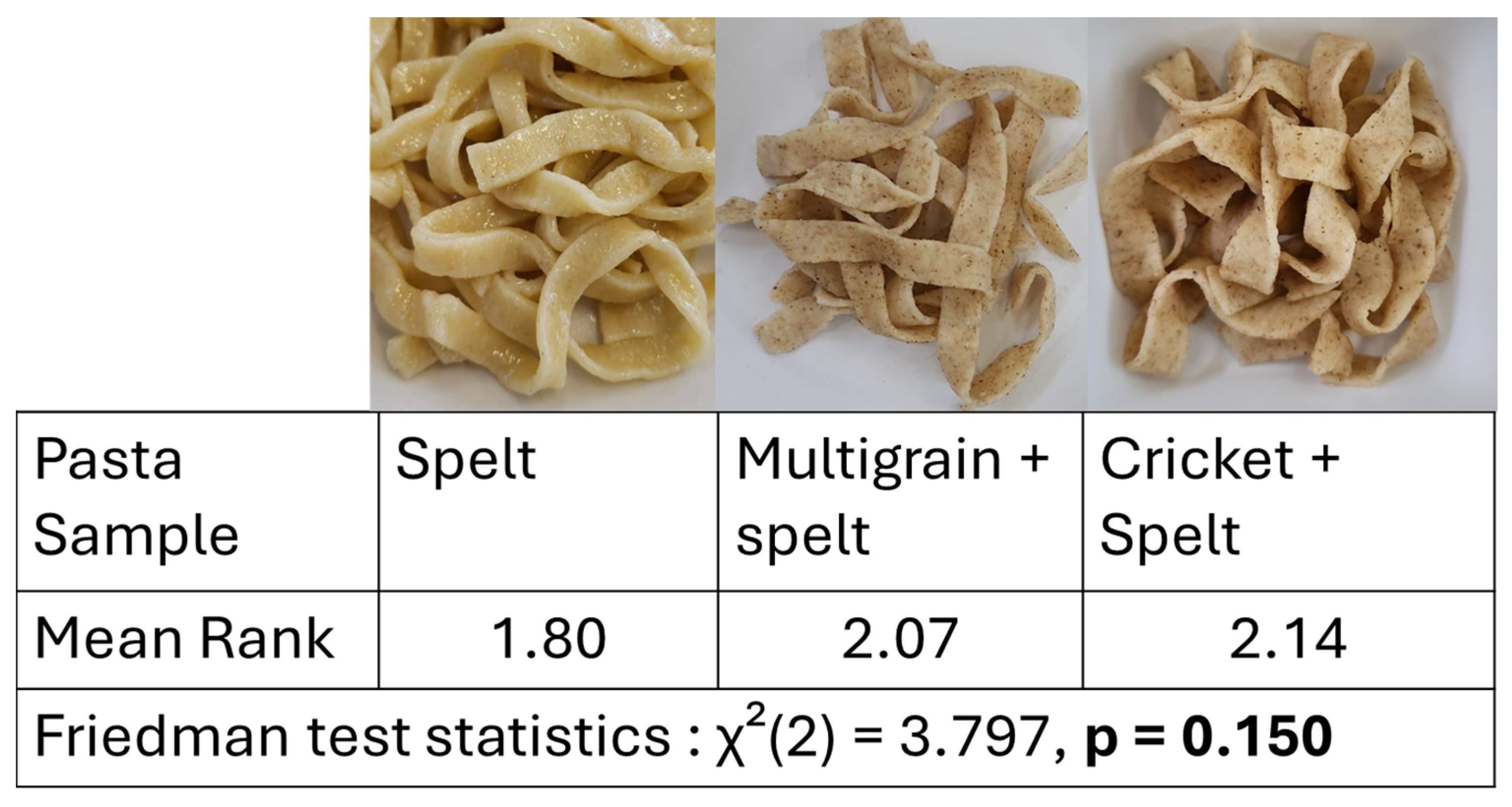
In the first phase of the sensory evaluation, participants ranked three pasta samples: spelt control, multigrain–spelt control, and cricket–spelt pasta as shown in
Figure 2. A Friedman test showed no statistically significant differences among the samples (χ
2(2) = 3.797,
p = 0.150; Kendall’s W = 0.032), although mean ranks suggested a slight preference for spelt (1.80) over multigrain–spelt (2.07) and insect–spelt (2.14).
When asked to justify their rankings, participants provided a range of responses. Spelt pasta was often described as smooth, creamy, and neutral in flavour, with comments such as “Best texture and flavour. Not gritty” and “Everything was balanced, it was creamy, salted and just textured nicely.” Multigrain–spelt pasta was valued for its nutty flavour and firm bite. Cricket–spelt pasta received mixed feedback: while some praised its flavour balance and acceptability, others noted it appeared darker and rougher in texture. Many participants also remarked on the overall similarity across all three samples, e.g., “They all tasted quite similar… it was very difficult to differentiate any initial taste difference, they were all very nice and palatable.”
The lack of significant differences indicates that incorporating cricket flour into pasta did not compromise acceptability. This finding supports earlier work showing that 10–20% insect flour can raise protein content without reducing sensory quality when processing is properly managed [
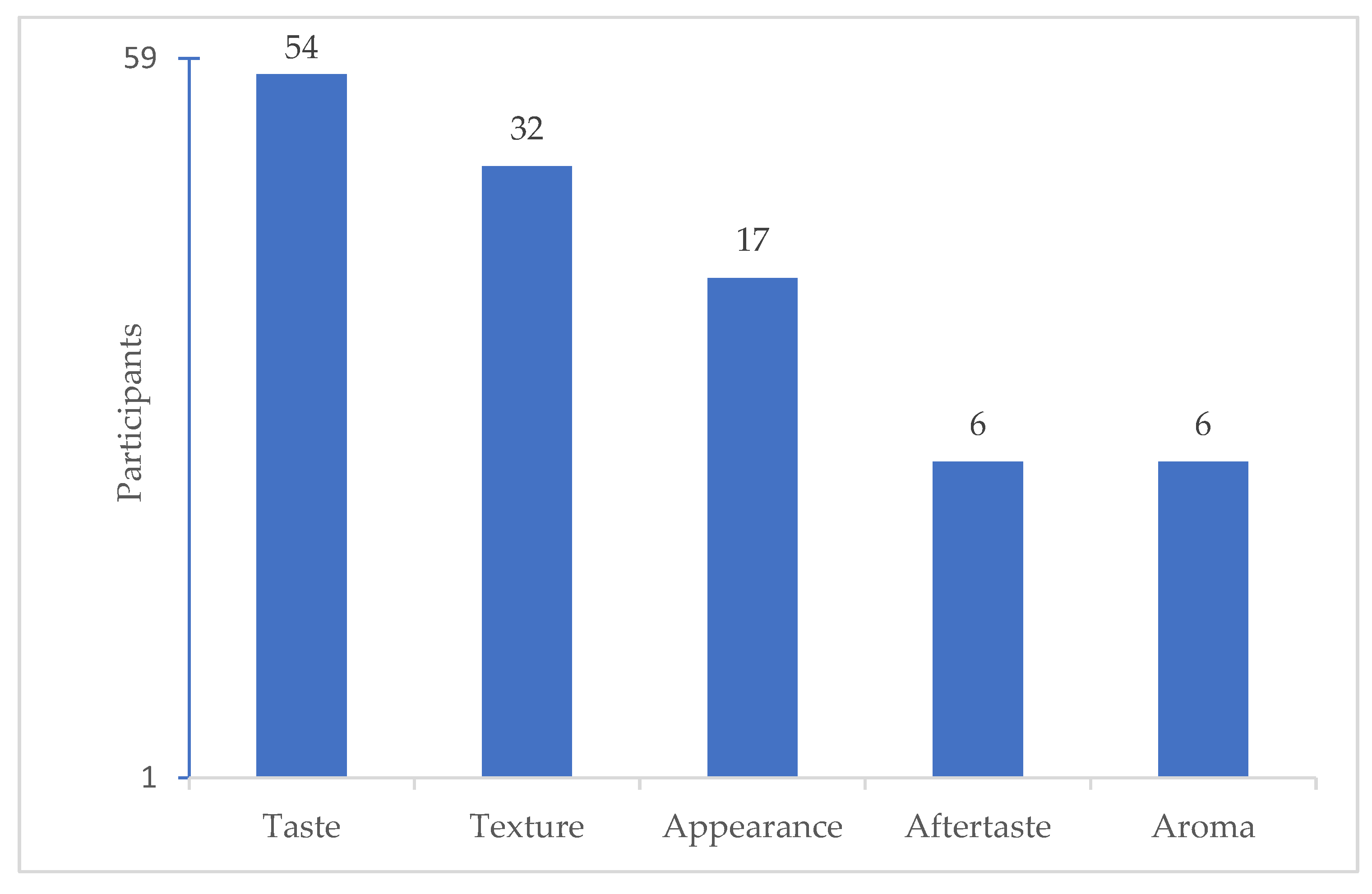
25]. As illustrated in
Figure 3, participants’ open-ended responses indicated that preference drivers were primarily flavour familiarity, colour, and mouthfeel, consistent with [
1], who noted that familiarity and sensory quality tends to outweigh novelty cues in consumer evaluations of insect-based foods. Notably, some participants associated the darker colour and rougher texture of the insect–spelt pasta, echoing findings by [
25,
38,
39] that darker pasta (lower
L* values) can trigger negative perceptions among non-insect eaters. However, as observed in previous studies [
59,
60], texture and colour perceptions are not weighted equally across individuals; familiarity with pasta and openness to novel foods often moderate these effects.
Overall, the qualitative data indicate that insect inclusion is perceptible to some participants, but this does not necessarily affect preference scores. In fact, several comments suggested that insect–spelt pasta was as palatable, if not slightly more flavoursome, than controls. This aligns with the idea that hybridisation and familiar food matrices (for example, pasta) have the potential to buffer against rejection, particularly when flavour and texture remain within acceptable bounds [
23]. Incorporation of 10% cricket flour in pasta did not significantly alter ranked preference, suggesting sensory acceptance is maintained at this inclusion level. While some participants identified differences in colour and texture, flavour familiarity and mouthfeel were stronger drivers of choice, reinforcing pasta as a potentially suitable carrier for insect protein.
3.4.3. Pasta with Sauce Preference
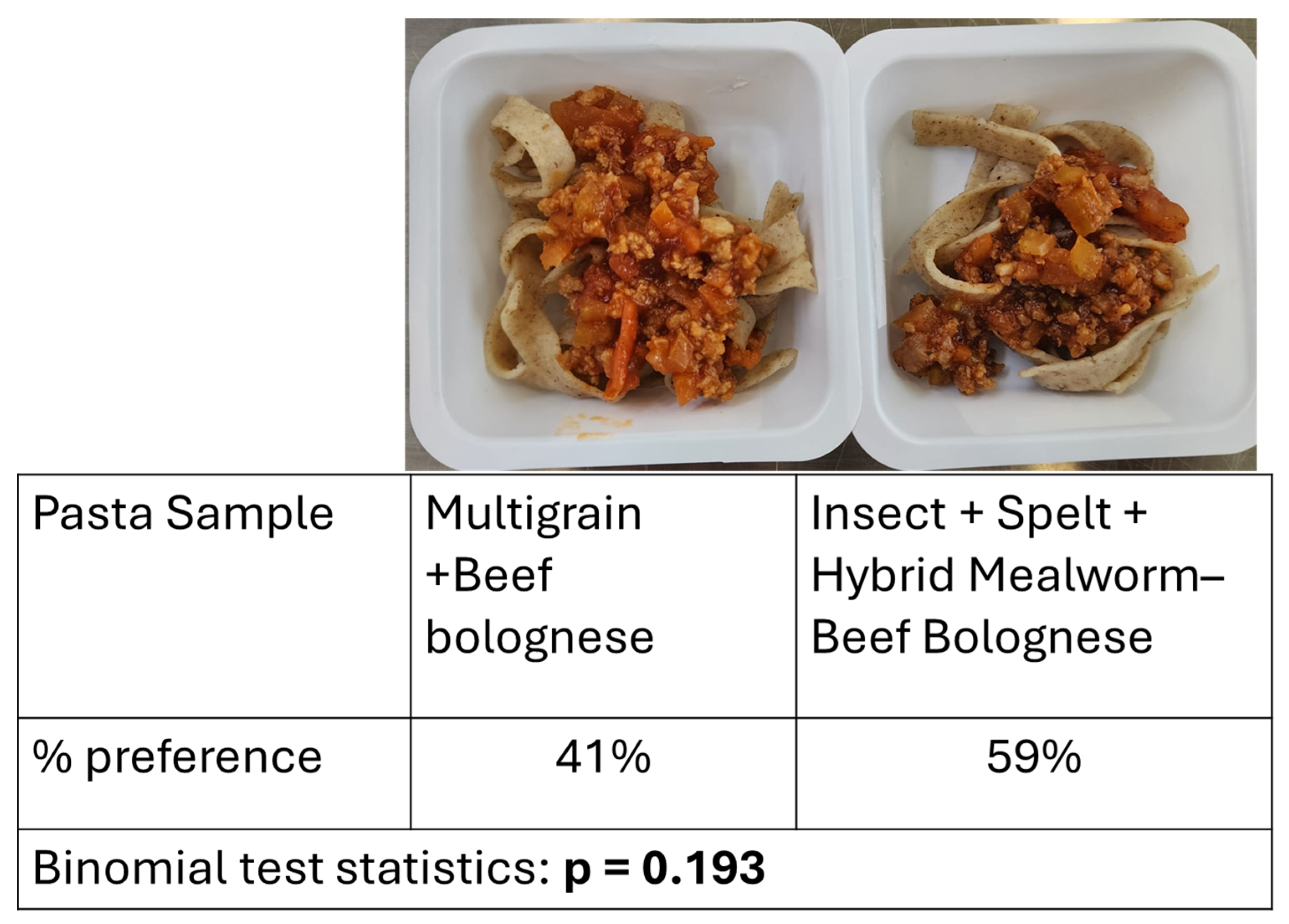
The second sensory phase compared two pasta–sauce combinations (see
Figure 4):
A paired binomial preference test showed that 59% of participants chose the hybrid combination; however, this difference was not statistically significant (p = 0.193). Gender and age did not significantly affect this preference (p > 0.05).
Figure 4.
Second sensory phase including paired preference of spaghetti Bolognese with binomial test statistics.
Figure 4.
Second sensory phase including paired preference of spaghetti Bolognese with binomial test statistics.
Open-ended responses indicated mixed but largely comparable perceptions of the two sauces. Participants who preferred the hybrid sauce highlighted its richer flavour, stronger herb notes, and smoother mouthfeel, describing it as having a more pronounced aftertaste:
“It had a nicer taste to it and a stronger, more present flavour, and felt better in the mouth.”
In contrast, participants favouring the control sauce emphasised its milder flavour profile and familiarity, typical of a traditional tomato-based Bolognese. Several respondents noted that the samples were very similar overall, with preferences often driven by subtle differences in aroma or aftertaste rather than clear sensory contrasts. Notably, some participants reported that the presence of insect ingredients was not perceptible during tasting, suggesting effective sensory masking within the hybrid formulation:
“They were so tasty if you didn’t tell me they were insect-based I wouldn’t have recognised it in the product.”
Several respondents noted the two samples were very similar, with only subtle differences in aftertaste or aroma guiding their choice.
The non-significant difference in preference indicates that hybridisation with mealworm at the substitution level used in this study did not reduce consumer acceptance. This is consistent with findings by Wallner et al. and Nervo et al. [
27,
61] who showed that partial substitution of beef with insect protein in sauces can maintain liking scores comparable to control products. As shown in
Figure 5, participants’ open-ended responses highlighted flavour richness, aroma, meatiness, and texture as the main drivers of preference, aligning with the broader literature that identifies flavour as the primary determinant of acceptance for novel foods [
1,
23].
Interestingly, the results suggest that once consumers taste the product, many no longer perceive it as unusual, echoing Hémar-Nicolas et al. [
62], who found that providing realistic product exposure (images or samples) increases willingness to try compared to abstract descriptions. In the present study, direct tasting appears to have minimised pre-existing biases, as shown in comments such as “I wouldn’t have recognised it in the product.” These findings also support the view that familiar food formats—in this case, a classic Bolognese—can mask potential aversions and allow insect ingredients to be accepted as part of a normal meal [
1,
52]. The subtle sensory differences (e.g., aroma, aftertaste) may relate to the presence of insect-derived proteins enhancing umami or herbaceous notes [
63], though such effects were not statistically significant.
Although preferences between control and hybrid sauces were not statistically significant, open-ended responses show that flavour richness and familiarity are decisive factors. The results confirm that hybrid formulations have the potential to be as acceptable as conventional sauces when integrated into well-known dishes such as Bolognese.
3.4.4. Attribute Importance
Participants ranked seven product attributes in order of importance when considering insect-based foods, including taste, nutritional benefits, food safety and hygiene, texture, affordability, sustainability, and peer recommendations. The Friedman test revealed a significant difference in ranking order (χ
2(6) = 129.403,
p < 0.001, Kendall’s W = 0.366), confirming that participants clearly prioritised certain attributes over others. Mean rank scores for each attribute are presented in
Table 8, showing taste as the dominant driver, followed by nutrition and food safety.
“Taste” emerged as the most influential factor, followed by “Nutritional Benefits” and “Food Safety & Hygiene”, though post hoc tests revealed that the ranking of these three attributes was not statistically different (see
Table 8). Mid-tier attributes included “Texture” and “Affordable Pricing”, yet their ranking was not significantly different to that of the “Nutritional Benefits” and “Food Safety & Hygiene”. “Sustainability & Environmental Impact” and “Recommendations from others” were ranked least important.
The significant Friedman test result confirms that consumers do not weigh all attributes equally. These findings mirror those found in previous studies where taste was the most important factor for the acceptance of insect-based foods, with nutrition and safety also critical [
18,
21,
64]. Sustainability and social influence play supportive but secondary roles, meaning that marketing could possibly lead with flavour, supported by health and safety assurances, before highlighting environmental benefits [
18,
65]. Interestingly, while sustainability ranked lower in the forced ranking task, it was positively acknowledged in open-ended responses (see
Section 3.4.8. General Perceptions), indicating a divergence between prioritised and more reflective attitudes. This may be explained by the ranking format, which required direct trade-offs and emphasised immediate drivers such as taste, whereas the open-ended responses allowed broader values to emerge without comparison. This aligns with research showing that environmental arguments alone rarely drive initial purchase but can reinforce decisions once taste and nutrition expectations are met [
52,
66]. The mid-tier ranking of affordability reflects consumers’ sensitivity to price in relation to value. As later results show, framing insect-based products as high in protein and sustainable can shift willingness-to-pay upward, suggesting that affordability is relative to perceived benefits [
67].
3.4.5. Perception of Nutritional Value
Participants compared insect-based foods with their conventional counterparts and rated them as more nutritious, the same, or less nutritious. Over half (54%) perceived insect-based products as more nutritious, 25% considered them the same, and 20% thought they were less nutritious. Chi-square analyses showed no significant differences across demographic or attitudinal variables, including gender, age, food-related background, prior awareness of entomophagy, prior insect consumption, and food neophobia (all p > 0.05). No significant subgroup differences were observed; however, the relatively small sample size may have limited the ability to detect differences.
The perception that insect-based foods are more nutritious than conventional foods aligns with findings from Wassmann et al. [
23] and Kowalski et al. [
68], who highlight insects’ high protein content and diverse micronutrient profile. Importantly, this perception persisted regardless of demographic background, suggesting a broadly shared consumer narrative about the nutritional benefits of insects. The lack of demographic differences supports earlier work by Norton [
59] that found that consumer perceptions of insect-based foods are shaped more by personal experience and familiarity than by age or gender. This is particularly relevant for marketing strategies, as it implies that educational campaigns highlighting protein content, amino acid completeness, or micronutrient advantages can be broadly targeted rather than segmented by demographic group [
69,
70,
71]. However, the gap between perceived and actual nutritional value remains important to consider. As noted in the literature review, insect proteins are rich in lysine and branched-chain amino acids, complementing cereals and beef in nutritional quality [
71,
72]. Yet consumers may not always fully understand these benefits, which can affect how they respond to labelling claims.
The finding that most participants viewed insect-based products as nutritionally advantageous suggests strong potential for nutrition-focused marketing claims. However, bridging the gap between perception and actual nutrient data remains a key task for industry communication.
3.4.6. Label Preference
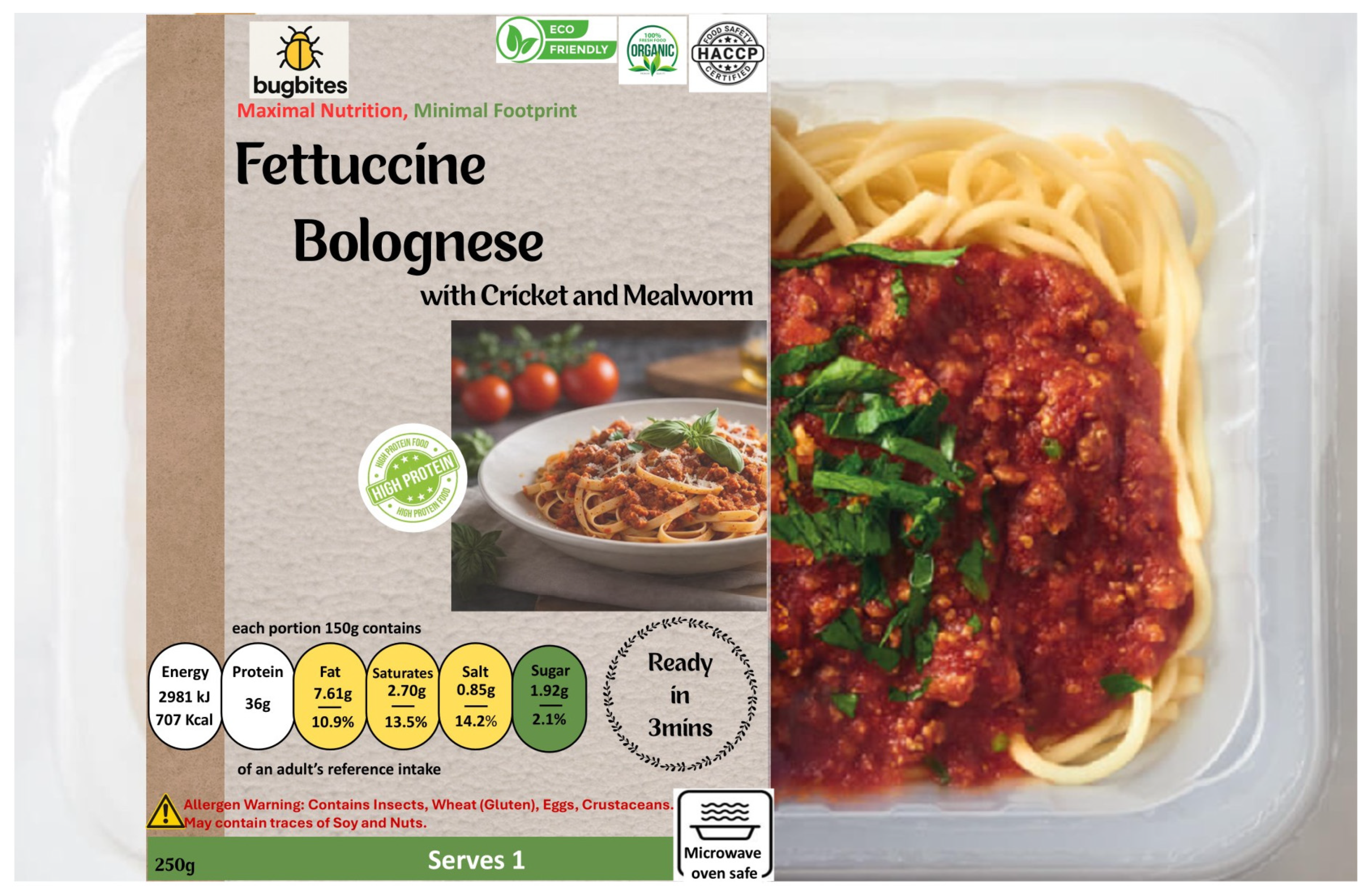
Participants were shown three front-of-pack label designs and asked to select their preferred option. A chi-square goodness-of-fit test indicated that label preference differed significantly from an equal distribution (χ2(2) = 39.695, p < 0.001, Cohen’s w = 0.82). Cohen’s w above 0.5 shows a strong effect size. The differences in the proportions shows that label 125 was most preferred by the participants.
Label 125 Comprehensive design: EU ‘High in Protein claim’, FSAI traffic light nutritional labelling, crustacean allergen warning, EU Ecolabel certification logo; cooking instructions (microwavable and heating time), and HACCP safety assurance logo and portion size (Serves 1) (was chosen by 70% of participants) (
Figure 6).
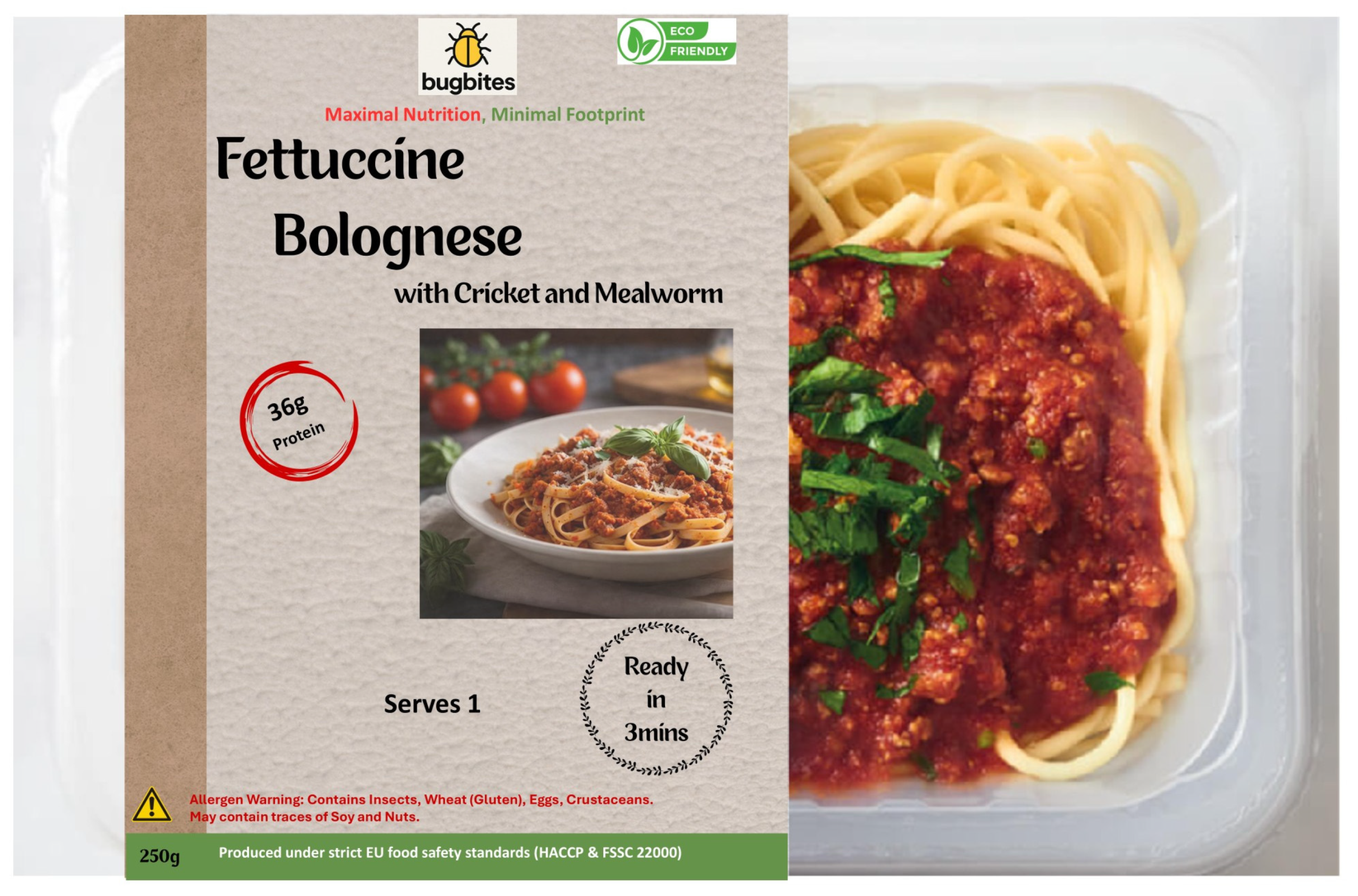
Label 387 (Moderate Design): EU protein content information (g per serving), crustacean allergen warning, EU Ecolabel certification logo, HACCP safety assurance note, and portion size (Serves 1) (was chosen by 27% of participants) (
Figure 7).
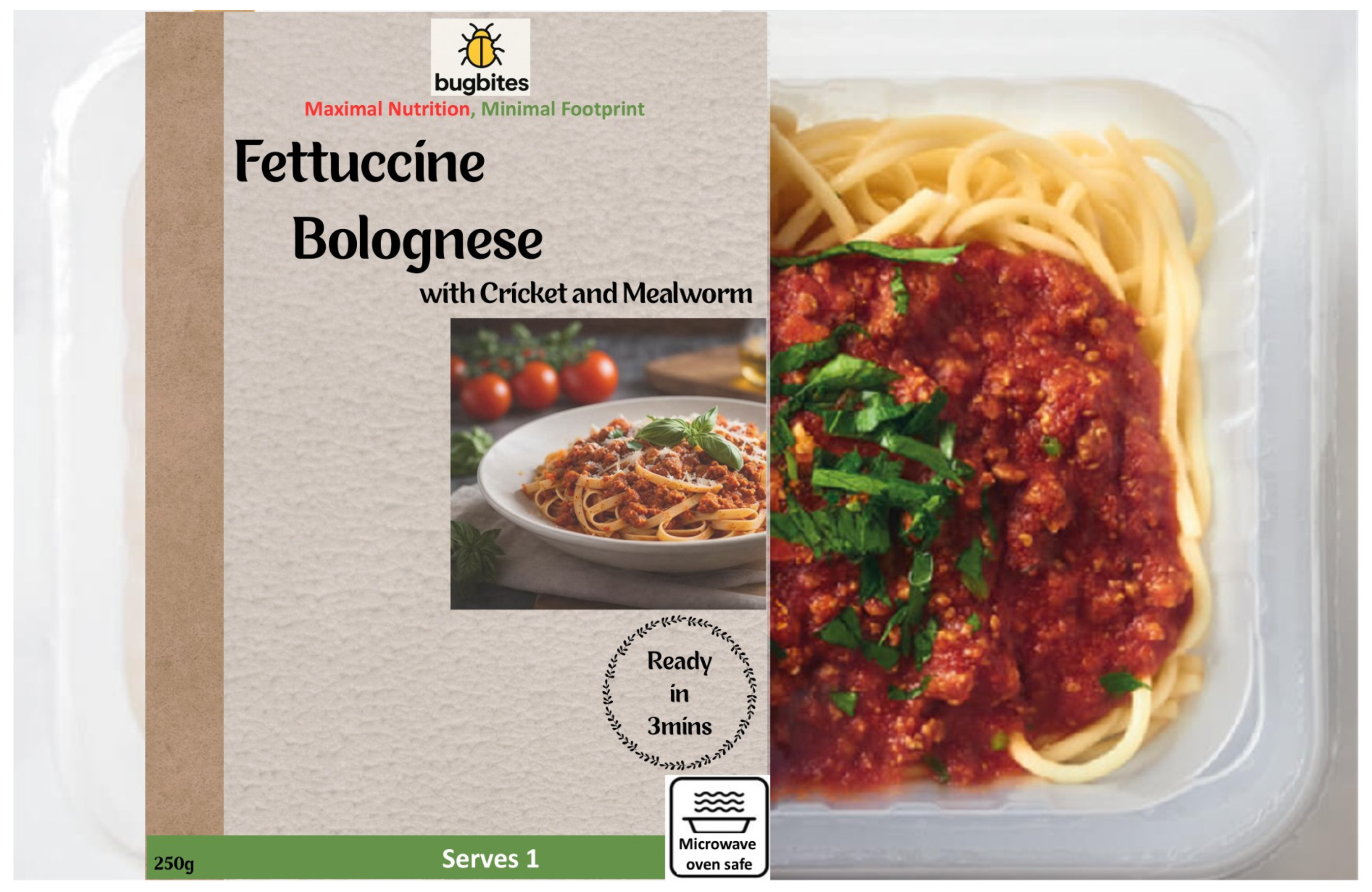
Label 479 (Minimalist Design): portion size (serves 1) and cooking instructions (microwavable and heating time) (was chosen by 3% of participants) (
Figure 8).
The combination of statistics and qualitative data indicate that possibly the consumers prefer the comprehensive label (label 125) due to nutritional transparency, protein claims, and safety/certification logos. For example:
“More overall nutritional information”
“The reason that I chose label 125 was that it contained many important labelling on the product that shows me that it’s a good product. It also looks the most professional out of the 3 choices.”
By contrast, minimalist labels were criticised for a lack of trust signals and insufficient product information. Participants noted that limited detail or prominent warning colours could trigger caution rather than reassurance.
Figure 6.
Comprehensive front-of-pack label design (Label 125) featuring EU ‘High in Protein’ claim, FSAI traffic light nutritional labelling, crustacean allergen warning, EU Ecolabel certification logo, cooking instructions (microwavable and heating time), HACCP safety assurance logo and portion size (Serves 1).
Figure 6.
Comprehensive front-of-pack label design (Label 125) featuring EU ‘High in Protein’ claim, FSAI traffic light nutritional labelling, crustacean allergen warning, EU Ecolabel certification logo, cooking instructions (microwavable and heating time), HACCP safety assurance logo and portion size (Serves 1).
Figure 7.
Moderate front-of-pack label design (Label 387) featuring EU protein content information (g per serving), crustacean allergen warning, EU Ecolabel certification logo, HACCP safety assurance note and portion size (Serves 1).
Figure 7.
Moderate front-of-pack label design (Label 387) featuring EU protein content information (g per serving), crustacean allergen warning, EU Ecolabel certification logo, HACCP safety assurance note and portion size (Serves 1).
Figure 8.
Minimalist front-of-pack label design (Label 479) featuring portion size (serves 1) and cooking instructions (microwavable and heating time).
Figure 8.
Minimalist front-of-pack label design (Label 479) featuring portion size (serves 1) and cooking instructions (microwavable and heating time).
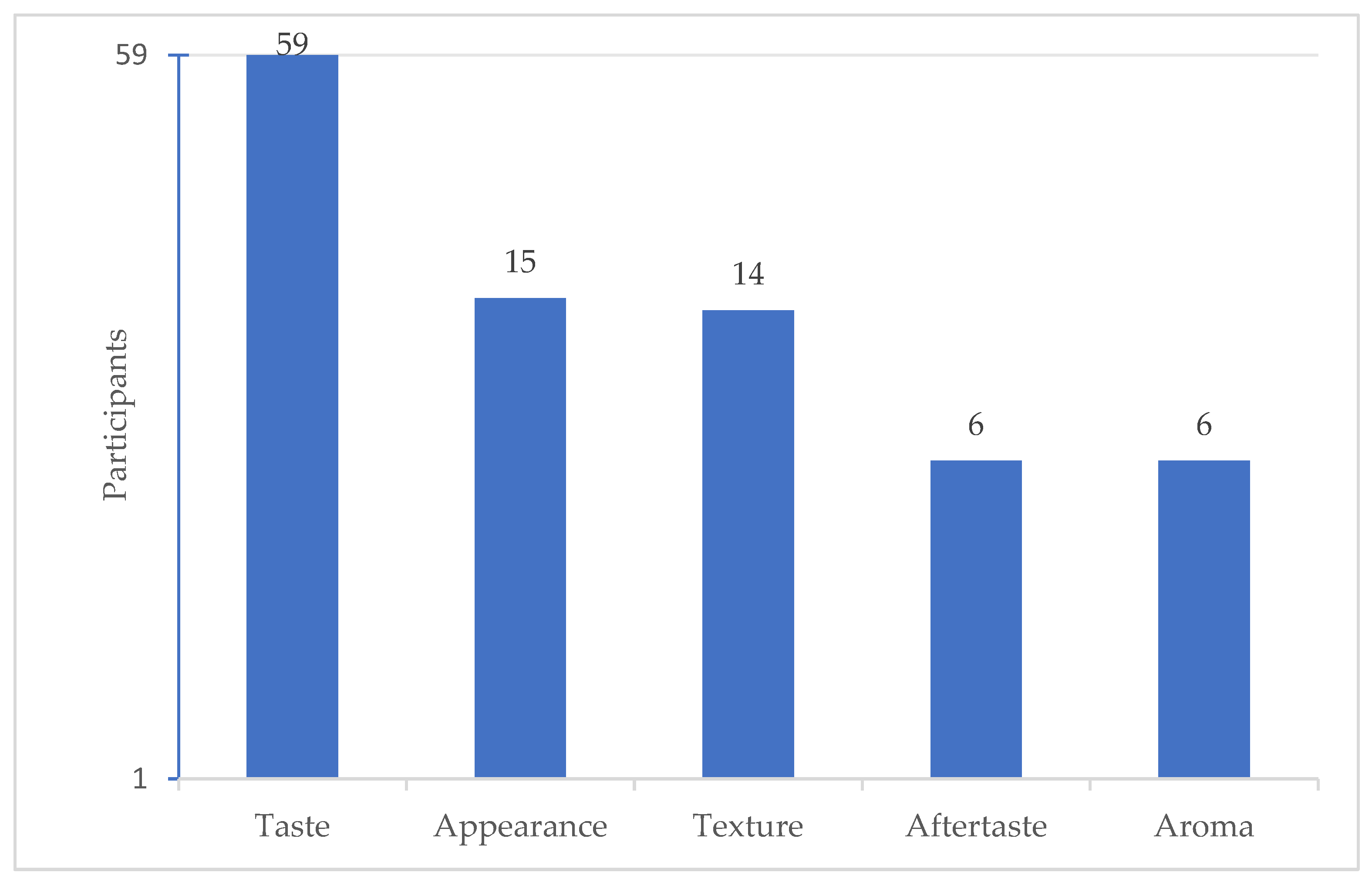
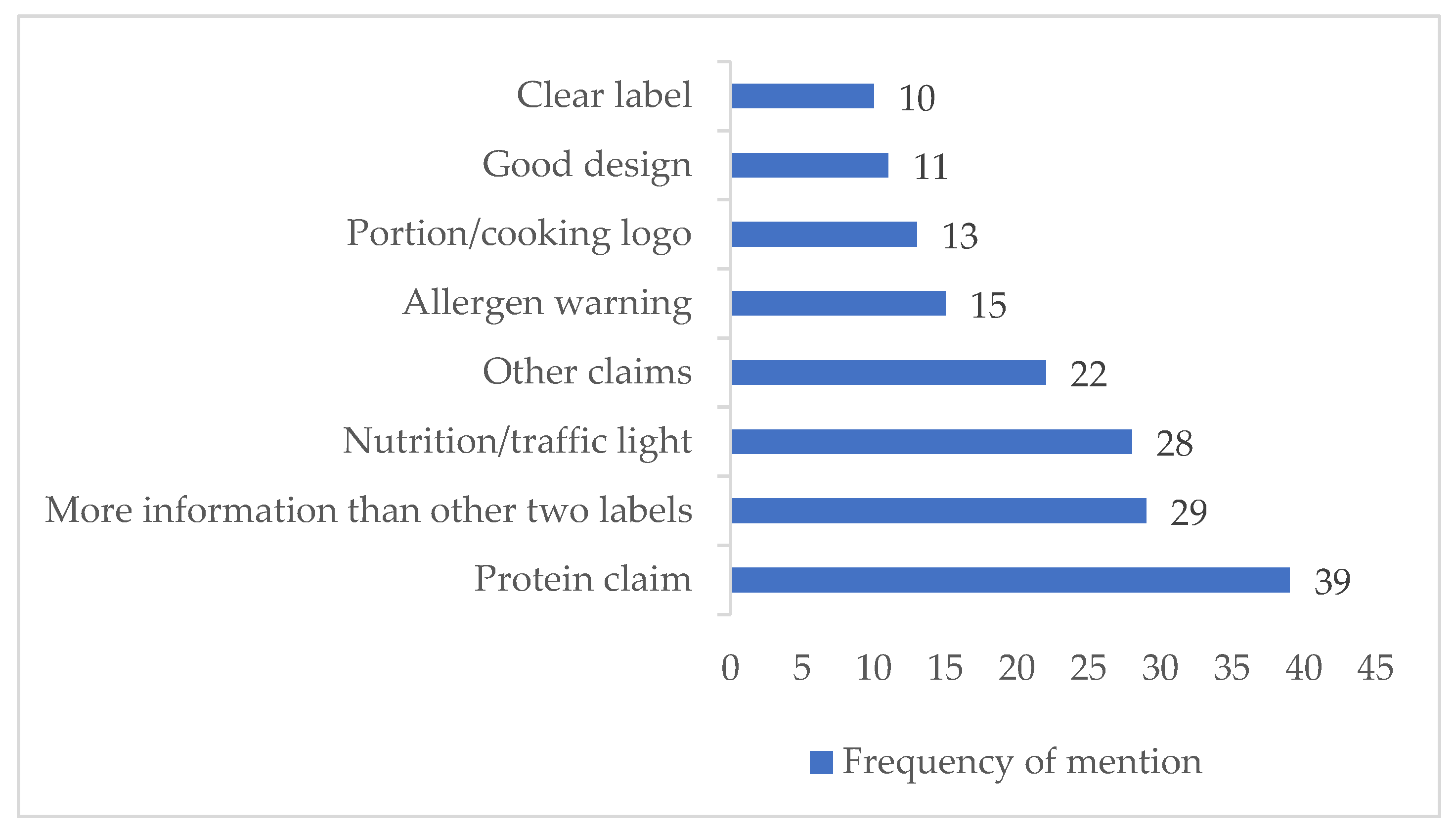
The results show that comprehensive labels were preferred and perceived as more trustworthy, particularly when they include both mandatory (allergen information and nutrition panels) and voluntary elements (protein claims and eco/safety logos). This is reflected in the thematic distribution of open-ended responses shown in
Figure 9, where clarity, completeness of information, health-related claims, and a professional appearance emerged as the most frequently cited drivers of label preference.
Figure 9.
Frequency distribution of thematic codes from open-ended responses to (“Q22. Why did you prefer that label?”) showing preference drivers such as clarity, completeness of information, nutrition claims, and professional appearance.
Figure 9.
Frequency distribution of thematic codes from open-ended responses to (“Q22. Why did you prefer that label?”) showing preference drivers such as clarity, completeness of information, nutrition claims, and professional appearance.
Findings from the present study align with those from previous research by Ranga et al. [
21] and Puteri et al. [
57], indicating that consumer adoption of novel foods increases when labelling provides reassurance and transparency. In the present study, participants explicitly cited professionalism and trustworthiness as reasons for choosing the comprehensive label, reinforcing the importance of credible certification and clear nutritional information. From a marketing perspective, these findings suggest that front-loading health claims and certification cues may be more effective than minimalist branding when introducing insect-based products. They also align with EU regulatory guidance, which stresses that voluntary claims (e.g., high-protein, eco-benefits) should be used responsibly and in combination with clear mandatory information [
13,
58].
3.4.7. Purchase Intent and Label Influence
Participants were asked whether they would purchase insect-enriched pasta and sauce separately or together as a meal. Responses indicated a generally positive inclination toward purchase. Nearly half of participants (46%) reported that they would buy both components as a combined product, while 24% preferred to purchase only the insect-enriched pasta and 14% preferred only the hybrid sauce. 17% indicated that they would not purchase either option.
To examine whether packaging influenced behavioural intention, purchase intent was analysed according to label preference. A chi-square test confirmed that label choice significantly affected purchase intent (χ2(6) = 16.707, p = 0.010, Cramer’s V = 0.376). Participants who selected the comprehensive style label (Label 125) reported the highest willingness to buy, whereas those preferring minimalist or moderate labels showed lower purchase intent.
In addition to purchase intent, participants were asked about acceptable price ranges for insect-enriched pasta under two conditions: (i) without additional benefit framing and (ii) when informed of higher protein content and sustainability advantages. The distribution of acceptable price categories under both conditions is presented in
Table 9.
A chi-square test comparing the distribution of acceptable price categories between baseline and framed conditions indicated a significant shift in willingness to pay (χ
2(16) = 117.763,
p < 0.001, Cramer’s V = 0.706). When protein and sustainability benefits were highlighted, participants were more likely to accept higher price categories, particularly the 10% and 40% premium levels. However, some categories contained small frequencies and results should therefore be interpreted with caution. These findings indicate that benefit-based framing may positively influence willingness to pay, consistent with previous research [
53,
54]. Within this context, the estimated price point of €5.85 (
Section 3.2) appears broadly aligned with consumer expectations identified in the present study.
These findings suggest that labelling not only influences preference but also translates into purchase decisions. Consumers appear more willing to buy insect-based products when packaging conveys trust signals (nutritional claims, allergen information, and certification logos). This supports Ranga et al. [
21], who found that transparent labelling reduces food neophobia and increases purchase intent for novel proteins. The clear association between label type and purchase intent highlights the importance of credible, professional label design in reducing perceived risk. This is particularly critical for insects, where consumer hesitation often stems from safety concerns and uncertainty about nutritional value [
21]. By providing reassurance, the comprehensive label may help reduce the gap between curiosity and actual purchase behaviour. From a policy perspective, these results support the value of mandatory allergen declarations and standardised voluntary claims. Transparent communication of both risks and benefits is necessary to support consumer trust, as recommended in EU food labelling regulations [
73]. Therefore, clear, transparent packaging that combines mandatory and voluntary information may be essential for market adoption.
3.4.8. General Perceptions of Insect Based Foods
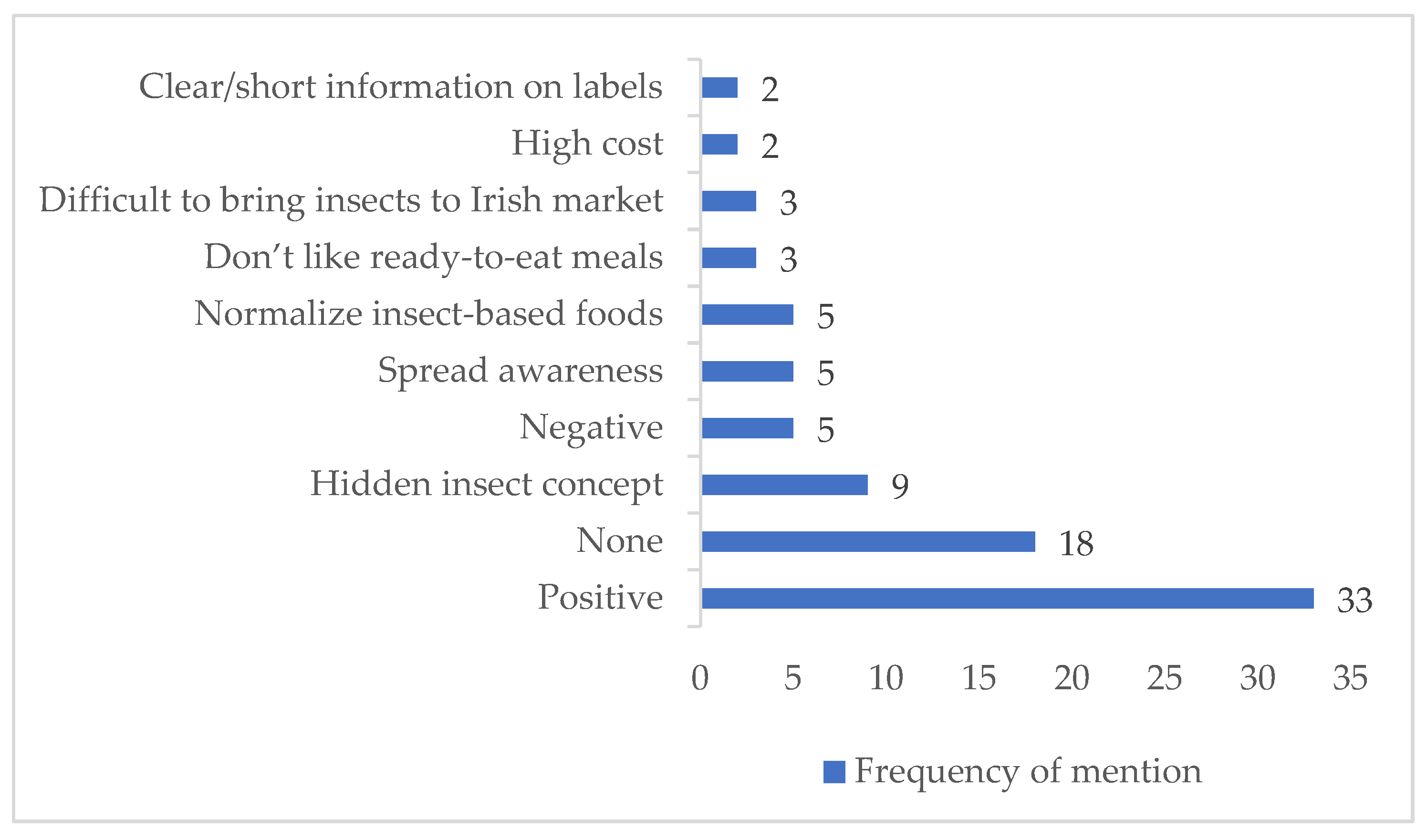
At the end of the survey, participants were invited to share their general thoughts on insect-based foods. Open-ended responses were coded into key themes capturing both positive drivers and perceived barriers influencing consumer attitudes, as summarised in
Table 10.
Figure 10 shows the frequency distribution of these thematic codes, illustrating the relative prominence of nutritional and sustainability drivers compared with barriers such as disgust, cultural concerns, and lack of awareness.
Overall, qualitative feedback highlights a dual pattern in consumer attitudes. Participants recognised the nutritional and environmental value of insect-based foods, particularly when presented in familiar and non-visible forms. At the same time, emotional and cultural barriers, especially disgust and uncertainty about market adoption in Ireland, remain salient. Several responses underscored the importance of transparent communication and education to support consumer understanding of insect-based foods’ benefits.
These findings align with previous research indicating that the acceptance of insect-based foods in Western contexts is enhanced when insects are incorporated into familiar products and when sustainability and health messages are communicated clearly [
1,
23,
52]. The qualitative insights thus complement quantitative results showing that consumers prioritise sensory attributes and trust cues such as labelling, and that sustainability plays a supportive but secondary role.
3.4.9. Summary of Key Outcomes on Acceptance
Across the sensory evaluation and survey measures, statistical analyses indicated that insect enrichment did not significantly reduce overall consumer acceptance of the developed pasta meal. Consumer responses were driven primarily by sensory quality and labelling, while demographic characteristics showed limited influence. Additional analyses indicated that prior insect consumption did not significantly influence sensory preference or acceptance (p > 0.05), suggesting that acceptance of the products was not limited to consumers already familiar with entomophagy. This contrasts with previous studies reporting a positive effect of prior exposure; however, it may reflect the relatively homogenous, young sample and the use of a familiar food format, which may have reduced the influence of prior experience on acceptance.
No significant differences were observed in ranked preferences for pasta-only samples or in paired preferences for pasta-with-sauce combinations, indicating that the inclusion of insect ingredients did not negatively affect overall preference. In contrast, sensory attributes such as taste and texture, as well as front-of-pack labelling and price framing, showed a significant influence on acceptance and purchase intent. Prior experience with insect consumption also increased willingness to purchase, highlighting the role of familiarity in reducing hesitation toward novel foods. Demographic variables, including gender and age, showed no significant association with product preference or nutritional perception.
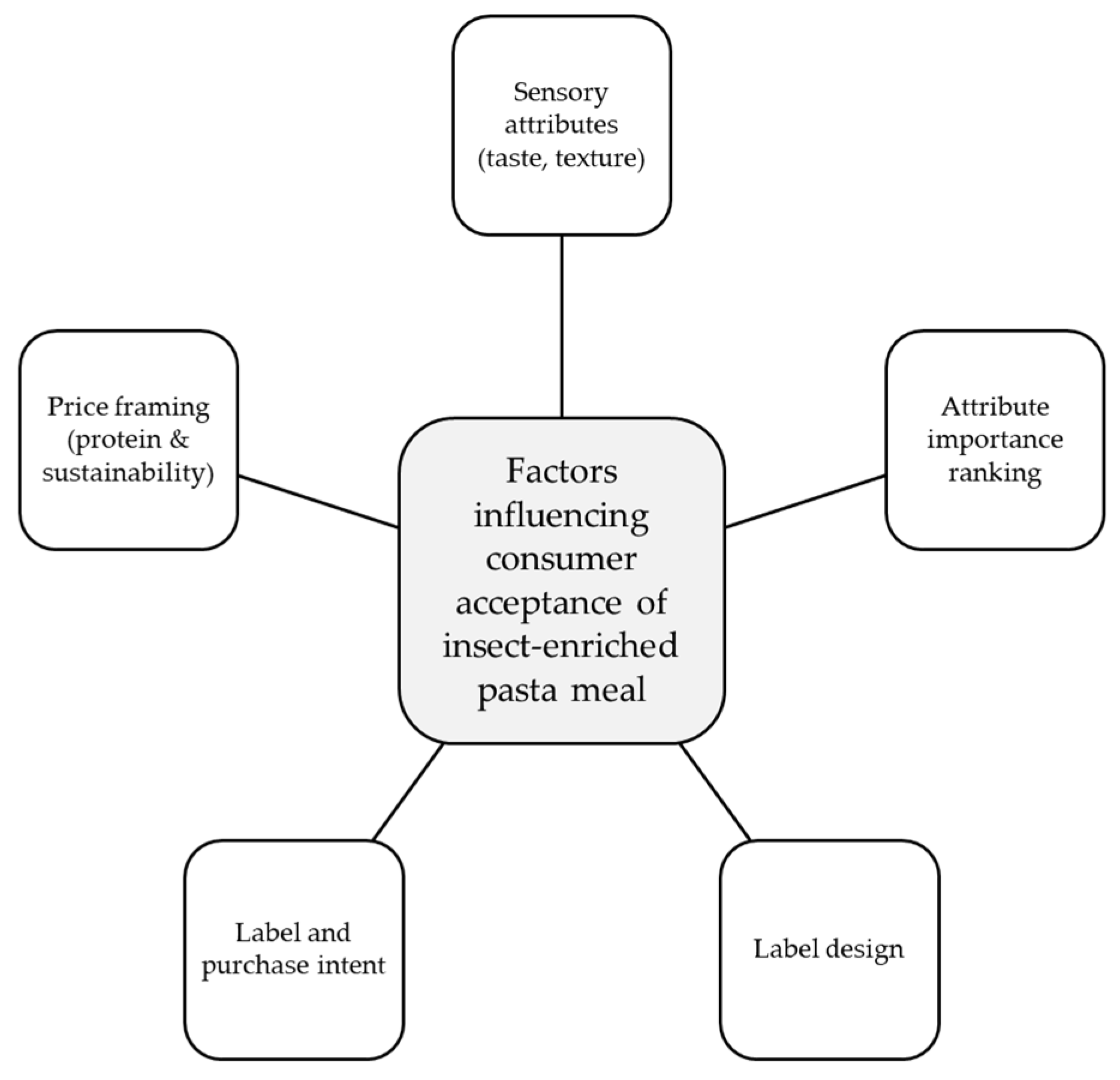
Overall, the factors that had no significant effect on consumer acceptance of the insect-enriched pasta meal were gender and age, while the factors that had a significant effect are summarised in
Figure 11 below. Detailed statistical results and SPSS outputs are reported in
Table S12.
3.5. Colourimetric Analysis
Table 11 summarises the results from the colour measurements of the samples in both their cooked and uncooked state.
Cooking reduced L* (lightness) and b* (yellowness) across all pasta types, with the largest changes observed in multigrain–spelt (ΔE* = 7.57) and insect pasta (ΔE* = 6.82). Insect pasta was darker overall (lower L* values) and shifted from more red-toned when uncooked (a* = 6.10) to less red when cooked (a* = 4.40). By comparison, spelt pasta showed only minor visual changes after cooking (ΔE* = 2.45). For sauces, the hybrid mealworm–beef version differed slightly from the beef control, with a higher L* (lighter) and lower a* (less red), producing a ΔE* of 2.20 just below the threshold of noticeable difference. ANOVA confirmed significant effects for all colour parameters (L*, a*, b*) (p < 0.001). Tukey’s HSD identified insect pasta (both states) as significantly darker and less yellow than the spelt controls, and multigrain–spelt cooked pasta as significantly different from its uncooked counterpart.
The results confirm that cooking visibly alters pasta colour, with greater changes in formulations containing insect flour or multigrain blends. Spelt pasta showed the smallest ΔE*, suggesting it is visually more stable during cooking, whereas insect pasta had a pronounced colour shift, becoming darker and less yellow after cooking. Similar findings were reported by Cabuk & Yılmaz [
25], who observed perceptible darkening in cricket-based pasta after extrusion and boiling. For sauces, although differences between the hybrid and control were statistically significant, the ΔE* value (2.20) was below the threshold of strong perceptibility, meaning that consumers would not likely notice major visual differences. This matches the sensory evaluation results (
Section 3.4.3), where participants focused more on flavour and aroma than on visual cues when comparing sauces. Importantly, while instrumental analysis detected substantial shifts in pasta colour, these visual differences did not translate into lower sensory acceptance (
Section 3.4.2). This supports Zellner [
74] and Wendin and Nyberg [
75] as well as Duguma et al. [
76], who argued that colour only strongly influences preference when it contradicts expected flavour and texture. In the present study, this effect may also be explained by the inclusion of two control samples with differing visual characteristics. While the spelt control exhibited minimal colour change, the multigrain–spelt control showed a similarly perceptible darkening (ΔE* = 7.57) to the insect-enriched pasta (ΔE* = 6.82). This may have normalised darker colour variations within the sample set, reducing the extent to which insect-induced colour differences were perceived as unusual or undesirable. From a product development perspective, these findings suggest that insect incorporation may be more readily accepted when positioned within product categories that naturally exhibit colour variability (e.g., multigrain or wholegrain products). In such contexts, visual deviations associated with insect ingredients may be less likely to negatively influence consumer perception. Furthermore, the findings from the qualitative data reinforced the importance of prioritising sensory attributes such as taste and mouthfeel over colour or visual appearance, particularly when insect ingredients are incorporated at moderate levels and are not clearly visible.
3.6. Limitations
While the study provides valuable insights into the nutritional, sensory, and consumer dimensions of insect-hybrid meals, several limitations are important to consider when interpreting the results. The sensory evaluation was conducted with 59 participants in one location in Ireland. This sample size and geographic scope are typical of university-based sensory trials but may limit the generalisability of results to wider Irish populations. Participants were recruited through a university-based convenience sampling approach, and the majority were aged between 18 and 29. While this group was appropriate for testing a product targeted at younger, health-conscious consumers, it does not fully reflect the wider Irish population, and acceptance patterns among other demographic groups may differ. This may have influenced key findings, including label preference, willingness to pay, and sensory acceptance, which may differ across other consumer segments such as older adults or non-university populations. In addition, several methodological elements of the study were designed to reflect early-stage product-development conditions such as prototype-scale cost modelling, supplier-based nutritional estimation, and a market screening focused on currently available insect-based products. While these approaches provide practical and structured insights, they limit the direct transferability of the findings to industrial-scale production and real-world market conditions. In particular, the cost analysis is based on prototype-scale assumptions, and the market screening reflects currently available products, which may not fully represent future retail availability or pricing structures.
Furthermore, the controlled sensory testing environment may not fully capture external factors such as purchasing context or branding, which may affect consumer acceptance in real-world settings.
Despite the limitations, this study provides initial insights into the acceptability of insect-based hybrid meals within a familiar food format in an Irish context, combining sensory, nutritional, labelling, and market considerations.
4. Conclusions and Recommendations
4.1. Conclusions
This study explored the integration of insects into a familiar hybrid meal format, specifically cricket fettuccine with hybrid mealworm–beef Bolognese, through combining nutritional value calculation, sensory evaluation, labelling assessment, and market screening. The findings indicate that insect hybrid meals can be nutritionally beneficial and sensorially acceptable, and show potential for commercial application within the Irish market context.
Preference ranking showed no significant differences in the acceptance of the insect-containing products compared with control samples. Qualitative findings further indicated that consumer acceptance was influenced primarily by taste, texture, and labelling, rather than demographic factors. Transparent labelling, including clear protein claims, allergen information, and certification logos, emerged as a key driver of purchase intent. The hybrid approach, involving partial substitution of beef with insect protein, may offer a socially acceptable and environmentally beneficial pathway to introducing sustainable protein sources into familiar diets.
While the product may have potential within the premium ready-meal segment, conclusions regarding market positioning should be interpreted cautiously, as pricing and competitiveness are based on modelled estimates rather than industrial-scale production data. Regulatory perceptions remain an important consideration, with EU novel food regulations ensuring safety but potentially influencing the pace of market adoption.
Overall, these findings suggest that insect-based hybrid meals can contribute to more sustainable dietary patterns by supporting alternative protein sources (SDG 2: Zero Hunger) and promoting more resource-efficient food production systems (SDG 12: Responsible Consumption and Production), while maintaining consumer acceptability within familiar food formats.
4.2. Recommendations
Based on the findings of this study, several practical recommendations can be considered to support the wider adoption of insect-based foods, particularly in hybrid meal formats. For industry, product development should continue to prioritise familiar food matrices, such as pasta and sauces, where insect ingredients are incorporated in processed forms rather than presented visibly. This approach helps reduce psychological barriers while maintaining sensory acceptance. Clear and transparent front-of-pack labelling is essential, with particular emphasis on protein claims, allergen information, and certification logos to build consumer trust and strengthen purchase intent. In addition, benefit-oriented price framing that highlights nutritional value and sustainability may help justify moderate price premiums and improve market positioning within the premium ready-meal category.
From a policy perspective, clearer and more streamlined regulatory pathways could facilitate innovation in the insect-based food sector. While EU novel food regulation ensures safety, harmonisation of labelling requirements and more efficient approval processes may reduce barriers to market entry. Policymakers could also consider the inclusion of insect-based or hybrid protein foods in institutional and public-sector catering initiatives, where their nutritional density and sustainability benefits could support broader public health and dietary diversity goals.
For future research, experimental studies could also investigate how specific label design elements (e.g., certification logos, colour schemes, and information density) influence trust and purchase behaviour, particularly in relation to prior familiarity with sustainability labels. In addition, future studies should explore the impact of prior exposure to eco-certification labels on consumer responses. Future research would benefit from examining how findings from this study compare across more diverse demographic groups and cultural contexts, including comparisons between countries with differing levels of entomophagy acceptance, since acceptance tends to be country specific. Finally, industrial-scale cost modelling and longitudinal consumer studies would strengthen the evidence base needed to support commercialisation and long-term adoption.
These recommendations highlight the potential pathways for advancing insect-based hybrid foods from early-stage innovation towards broader consumer adoption.