1. Introduction
In recent decades, the presence of emerging contaminants in surface and groundwater has become a primary global concern due to their continuous release and persistence, which can cause significant alterations in ecosystems and living organisms. Emerging contaminants can be bioaccumulative and interfere with endocrine systems by blocking or disrupting hormonal functions. Moreover, they are highly transformable, producing intermediate metabolites that are often more toxic and may severely impact aquatic flora and fauna [
1,
2].
Non-steroidal anti-inflammatory drugs (NSAIDs) such as ibuprofen, diclofenac, naproxen, acetylsalicylic acid, and paracetamol are among the most widely consumed over-the-counter pharmaceuticals worldwide [
3,
4]. The compound 2-(p-isobutylphenyl)propionic acid, commonly known as ibuprofen, is extensively used as an analgesic and antipyretic, and for the treatment of chronic inflammatory diseases such as rheumatoid arthritis. Ibuprofen is frequently detected in aquatic environments, with concentrations as low as 1 µg/L reported in wastewater effluents and surface waters [
5]. This compound poses a potential risk to aquatic ecosystems due to its persistence, bioaccumulation, and high-water solubility. Even at trace levels, ibuprofen can cause toxic effects in plants, including reduced growth, fewer shoots and roots, diminished mineral uptake, and cellular damage. For instance, researchers found that ibuprofen accumulated at average concentrations of 0.5 ppb in wastewater, 2.4 ppb in sediment, 6.0 ppb in soil, and 13.52 ppb in plant samples [
6].
Advanced oxidation processes (AOPs) have emerged as promising alternatives for treating wastewater containing poorly biodegradable organic pollutants. Their efficiency lies in the in situ generation of highly reactive oxygen species (ROS), particularly hydroxyl radicals (•OH), which can oxidize and mineralize most organic contaminants into carbon dioxide, water, and environmentally benign inorganic ions [
3]. These processes are typically based on photolysis and homogeneous or heterogeneous photocatalysis [
7]. Photocatalysis, in particular, has become an attractive approach due to its low cost, operation under mild conditions, and the potential to utilize solar or visible light as an energy source. When semiconductor nanoparticles are used as photocatalysts, light absorption promotes electron promotion from the valence band to the conduction band, generating electron–hole pairs that can react with water or oxygen molecules to produce ROS, which, in turn, degrade organic molecules efficiently.
Among various semiconductor metal oxides (TiO
2, ZnO, WO
3, CdO), tin oxide (SnO
2) has attracted considerable attention due to its excellent thermal and chemical stability, non-toxicity, and strong redox activity. SnO
2 is an n-type semiconductor with a wide band gap between 3.5 and 3.8 eV, which limits its photoresponse primarily to the UV region [
8]. Nevertheless, its high electron mobility and strong oxidation potential of photogenerated holes make it a suitable material for photocatalytic applications [
9,
10]. However, its wide band gap and rapid electron–hole recombination rate limit its photocatalytic efficiency under visible light.
To overcome these limitations, doping SnO
2 with metallic or non-metallic elements has proven an effective strategy to narrow its band gap, enhance visible-light absorption, and suppress charge recombination. Selenium (Se) doping, in particular, can introduce intermediate energy levels between the valence and conduction bands, facilitating visible-light activation and improving charge-carrier separation [
11]. Moreover, Se atoms can alter the surface states and defect density of SnO
2, thereby enhancing adsorption and reaction kinetics during photocatalytic degradation [
12]. Microwave-assisted synthesis provides an efficient route to produce SnO
2:Se nanoparticles with uniform size distribution, controlled morphology, and high crystallinity, key factors for achieving superior photocatalytic performance [
13]. Although selenium is sometimes described as a potentially hazardous element in bulk or high-dose forms, it is known to be important at low concentrations for normal cellular function [
14]. If selenium is incorporated at trace levels as a dopant (typically <0.5 wt%), it can significantly modify the electronic structure of oxide semiconductors without posing environmental risks.
In this context, the present study investigates the photocatalytic degradation of ibuprofen using selenium-doped SnO2 nanoparticles synthesized via a rapid microwave-assisted route. The photodegradation of ibuprofen under UV and visible light irradiation was evaluated to assess the influence of Se doping on photocatalytic activity. The results confirm that Se-doped SnO2 nanoparticles have the potential to effectively photocatalyze the removal of emerging pharmaceutical contaminants from aqueous systems.
2. Materials and Methods
2.1. Synthesis of Se-Doped SnO2 Nanoparticles Covered with Glycerol
Se-doped SnO2 nanoparticles covered with glycerol were synthesized via a microwave-assisted method. In a glass beaker, 6 mL of deionized water and 50 μL of 20% glycerol solution were mixed. The pH was increased to 12.5–12.7 using 0.1 M and 1.0 M sodium hydroxide (NaOH). Subsequently, 3.0 mL of tin (IV) chloride solution (30 mM) was added, and the pH was adjusted to 7.5–8.0 with hydrochloric acid (HCl, 0.1 M and 1.0 M). Finally, 50 μL of the freshly reduced selenium precursor was added while maintaining the pH between 7.5 and 8.0. The selenium precursor solution (Se2−) was prepared by reducing elemental selenium (Se) powder with sodium sulfite (Na2SO3) under reflux for 10–12 h. The final concentration of the Se2− solution was 0.10 M. The selenide concentration in the mixture was the same for all experiments.
The resulting solutions were transferred into Teflon-lined vessels, sealed, and placed in a microwave digestion system (MARS 6, CEM Corporation, Matthews, NC, USA). The reaction parameters were as follows: a target temperature of 130 °C, a 15-min ramp-up period, a 10-min reaction time, and a 15-min cooling time. The maximum system power was 600 W.
To determine the optimal synthesis parameters for nanoparticles with the desired optical characteristics, both the final pH and reaction temperature were systematically varied. The solutions obtained from microwave synthesis were transferred to 50 mL centrifuge tubes and centrifuged at 3000 rpm for 15 min. The supernatant containing unreacted precursors was discarded, and the precipitate was washed with isopropanol for 5 min. After washing, the supernatant was removed again, and the SnO2 nanoparticles were re-suspended in deionized water for further characterization.
2.2. Characterization of the Se-Doped SnO2 Nanoparticles Covered with Glycerol
The characterization of the materials aimed to confirm their physical, chemical, structural, and optical properties. The Se-doped SnO2 nanoparticles covered with glycerol were analyzed using a UV–Visible spectrophotometer (Shimadzu, Columbia, MD, USA), a Fourier-transform infrared spectrometer (FTIR Cary 630, Agilent Technologies, Santa Clara, CA, USA), and high-resolution transmission electron microscopy (HRTEM) (JEM-ARM200CF, JEOL/Thermo Fisher Scientific, Tokyo, Japan) operated at 200 kV.
2.3. Photodegradation of Ibuprofen Using Se-Doped SnO2 Nanoparticles Covered with Glycerol
The concentration of ibuprofen (C13H18O2; 98%, Sigma–Life Science, St. Louis, MO, USA) before and during the photocatalytic degradation process was monitored using an Ultimate 3000 Ultra High-Performance Liquid Chromatograph (UHPLC, Thermo Fisher Scientific, Waltham, MA, USA). A calibration curve was used to quantify the residual ibuprofen concentration in solution.
A molecular adsorption test was first conducted to determine the percentage of ibuprofen adsorbed by a given amount of catalyst in the absence of any irradiation. Ibuprofen solutions (25 mg/L) were mixed with Se-doped SnO2 nanoparticles at concentrations of 100, 200, 500, and 1000 mg/L in centrifuge tubes covered with aluminum foil. The mixtures were magnetically stirred, and aliquots were collected at defined time intervals (0, 30, 60, 90, and 120 min). Samples were centrifuged at 2000 rpm for 30 min, and the supernatants were analyzed spectrophotometrically to determine ibuprofen concentration.
Photodegradation experiments were initially conducted using 10 mg/L ibuprofen solutions. All analyses were performed in triplicate, including a control sample to evaluate the effect of light irradiation. As irradiation sources, an 8 W UV lamp (UVLMS-38 EL Series 3UV Lamp, 254/302/365 nm, Entela, Upland, CA, USA) and two visible-light LED lamps (55 W each, 5000 lumens output) were used. The residual ibuprofen concentration was measured at specific time intervals to establish the photocatalytic degradation pattern. After each exposure period, samples were centrifuged and analyzed by HPLC to determine the remaining drug concentration.
The photocatalytic performance of the nanoparticles was optimized by varying different parameters, including catalyst dosage, drug concentration, irradiation time, and air bubbling using aquarium pumps.
3. Results
3.1. Optimization of Synthesis Conditions and Optical Response
To improve the yield and quality of the nanomaterial, four pH values and three synthesis temperatures were evaluated. All synthesized nanoparticles formed a stable dark brown suspension in water. The optimal parameters were selected based on the optical characteristics observed by UV–Visible spectroscopy.
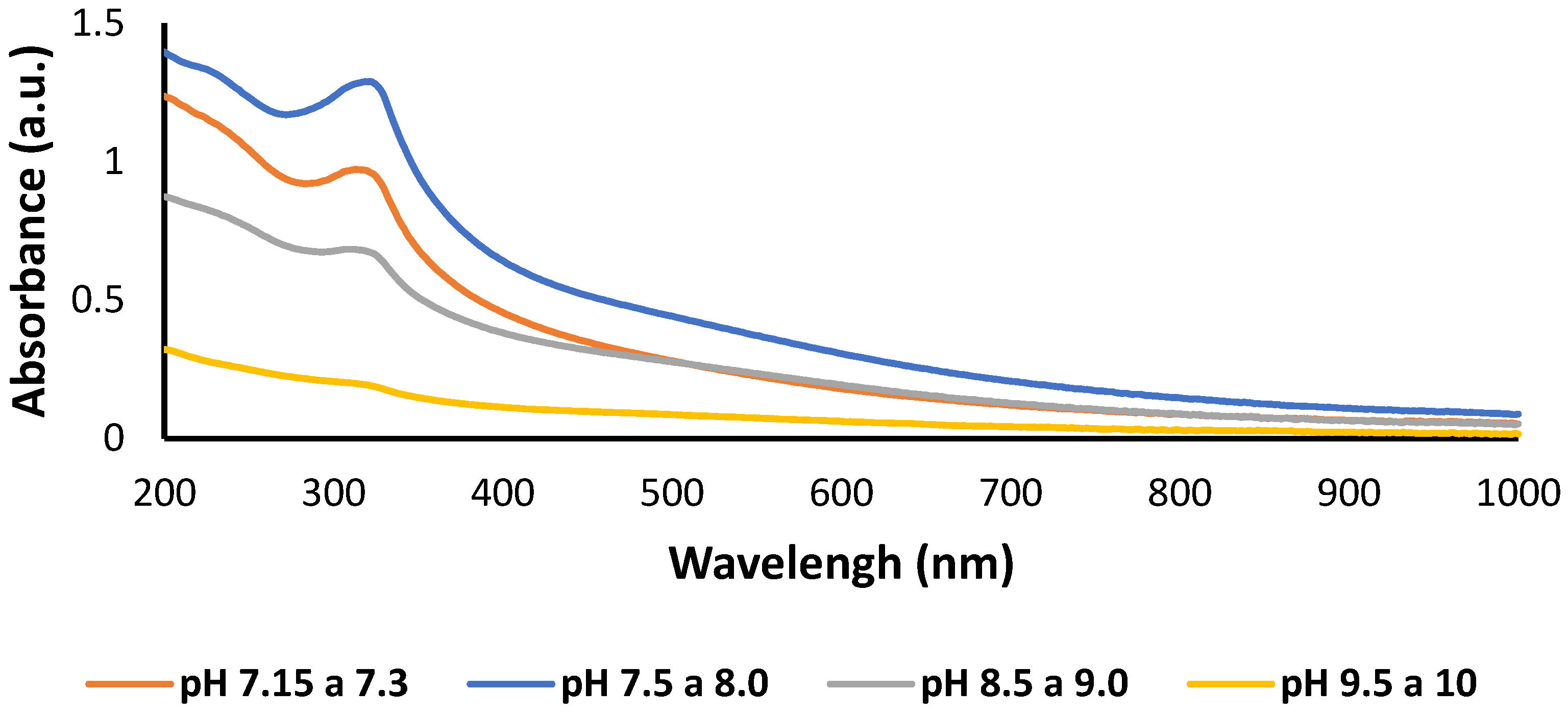
Figure 1 shows the spectra obtained for SnO
2 nanoparticles synthesized at different pH values and 130 °C. The sample synthesized at pH 7.15–7.3 exhibited a broad absorption extending into the visible region, with a shoulder before a main peak in the ultraviolet region at approximately 322 nm. The synthesis carried out at pH 7.5–8.0 produced the most intense absorption peak, centered at 320–324 nm, in the UV region. In contrast, the materials prepared at higher pH values (8.5–9.0 and 9.5–10.0) showed a weaker absorption band around 316 nm, along with a slight shoulder in the 238–242 nm range. The emergence of additional bands in this region is not favorable, as it may indicate the presence of multiple phases or intermediate species.
These results suggest that the sample synthesized at pH 7.5–8.0 exhibited the highest absorbance intensity at approximately 324 nm, which correlates with better-defined optical properties. Therefore, this pH range was selected as the optimal condition for subsequent syntheses and photocatalytic evaluations.
3.2. Effect of Synthesis Temperature on the Optical Properties
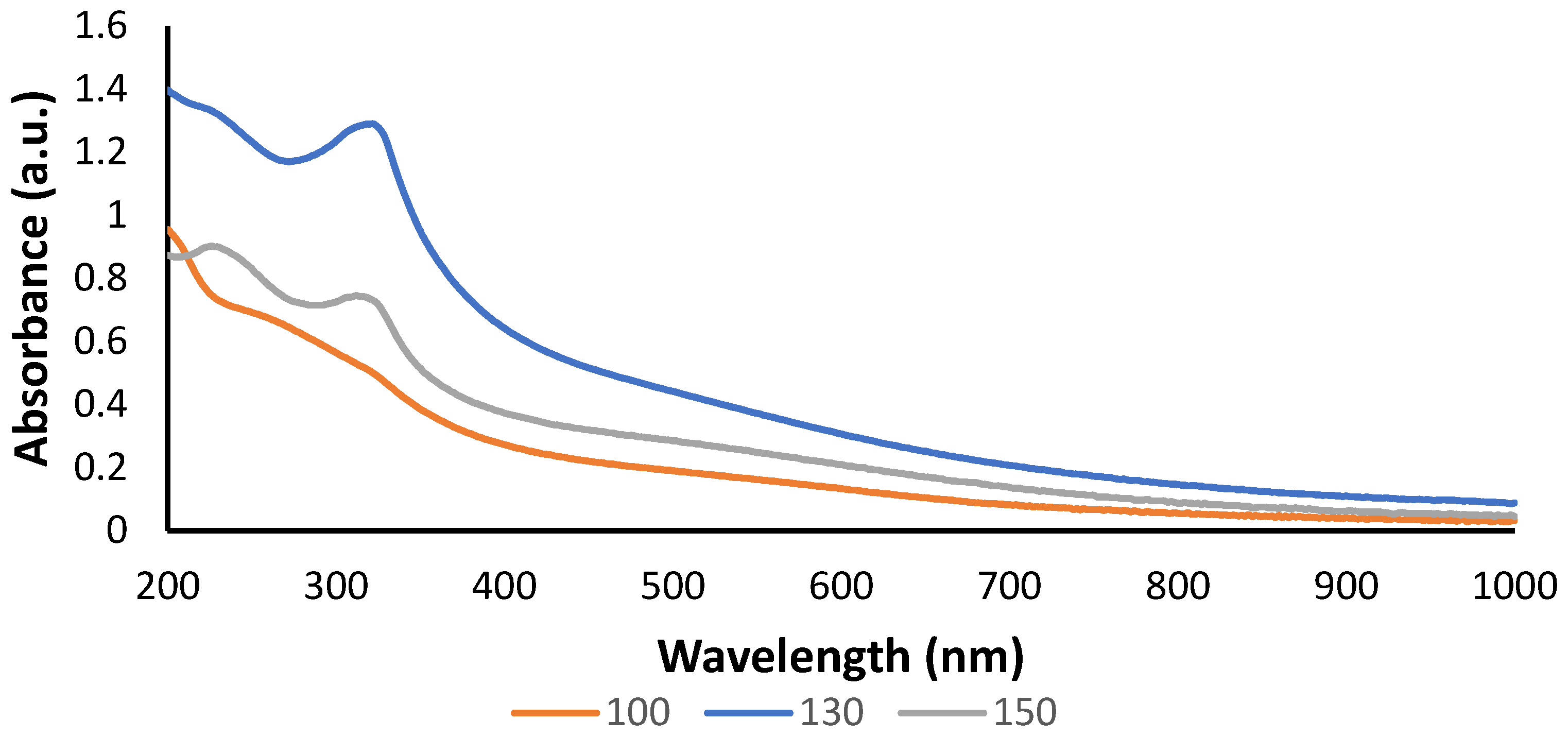
Figure 2 illustrates the effect of synthesis temperature on the optical response of the SnO
2 nanoparticles. At 100 °C, noticeable spectral changes were observed, and the characteristic absorption peak at 322 nm significantly decreased in intensity, nearly disappearing. Increasing the synthesis temperature to 150 °C led to the appearance of an additional absorption band at approximately 232 nm, suggesting the formation of a secondary phase or an intermediate compound. The effect of the temperature synthesis has been reported for different nanoparticles [
15,
16].
Table 1 shows the different characteristics of UV-Vis spectra analysis as pH and temperature were modified. Based on these observations, the synthesis conditions of pH 7.5–8.0 and 130 °C were selected as optimal, as they yielded a well-defined UV absorption band without the formation of undesired secondary phases. These parameters were subsequently used to prepare Se-doped SnO
2 nanoparticles and to conduct photocatalytic degradation studies.
3.3. Optical Properties and Band Gap Estimation
The optical properties of the Se-doped SnO
2 nanoparticles covered with glycerol were investigated by UV–Visible spectroscopy, as shown in
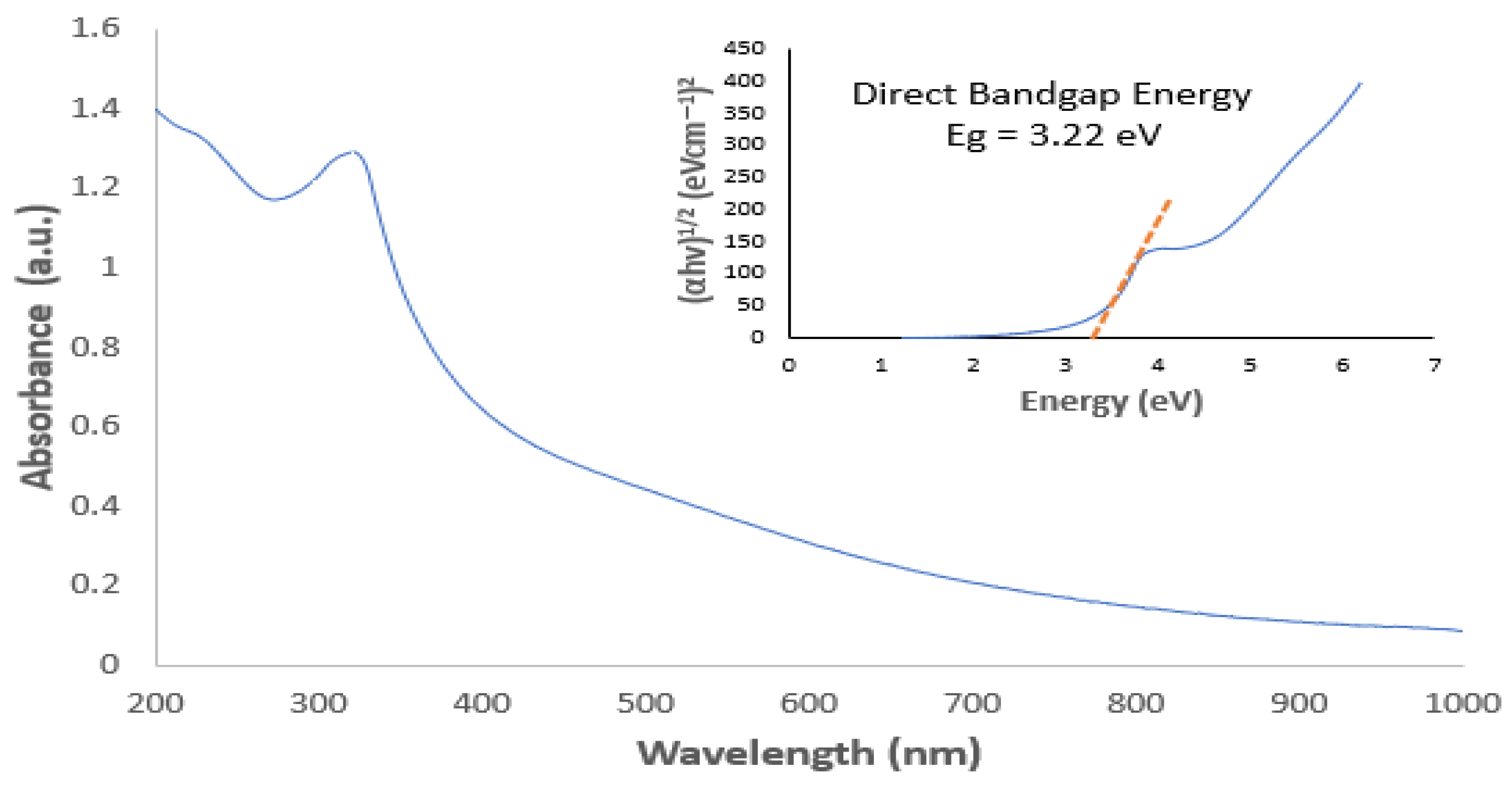
Figure 3. The absorption spectrum displays a strong absorption edge in the ultraviolet region, with a maximum around 320–330 nm, characteristic of direct electronic transitions in SnO
2 semiconductors [
17]. The high absorbance in this region indicates efficient electronic excitation from the valence to the conduction band, consistent with previous reports on nanostructured tin oxide prepared via wet-chemical and microwave-assisted routes [
18].
The smooth decay of absorbance toward longer wavelengths (visible region) suggests minimal light scattering and the absence of significant agglomeration or secondary phases, confirming the optical purity of the sample. The inset in
Figure 3 shows the Tauc plot used to determine the direct band gap energy. The extrapolation of the linear region yields a band gap of 3.22 eV, which agrees well with values reported for nanosized SnO
2 synthesized under similar conditions [
10].
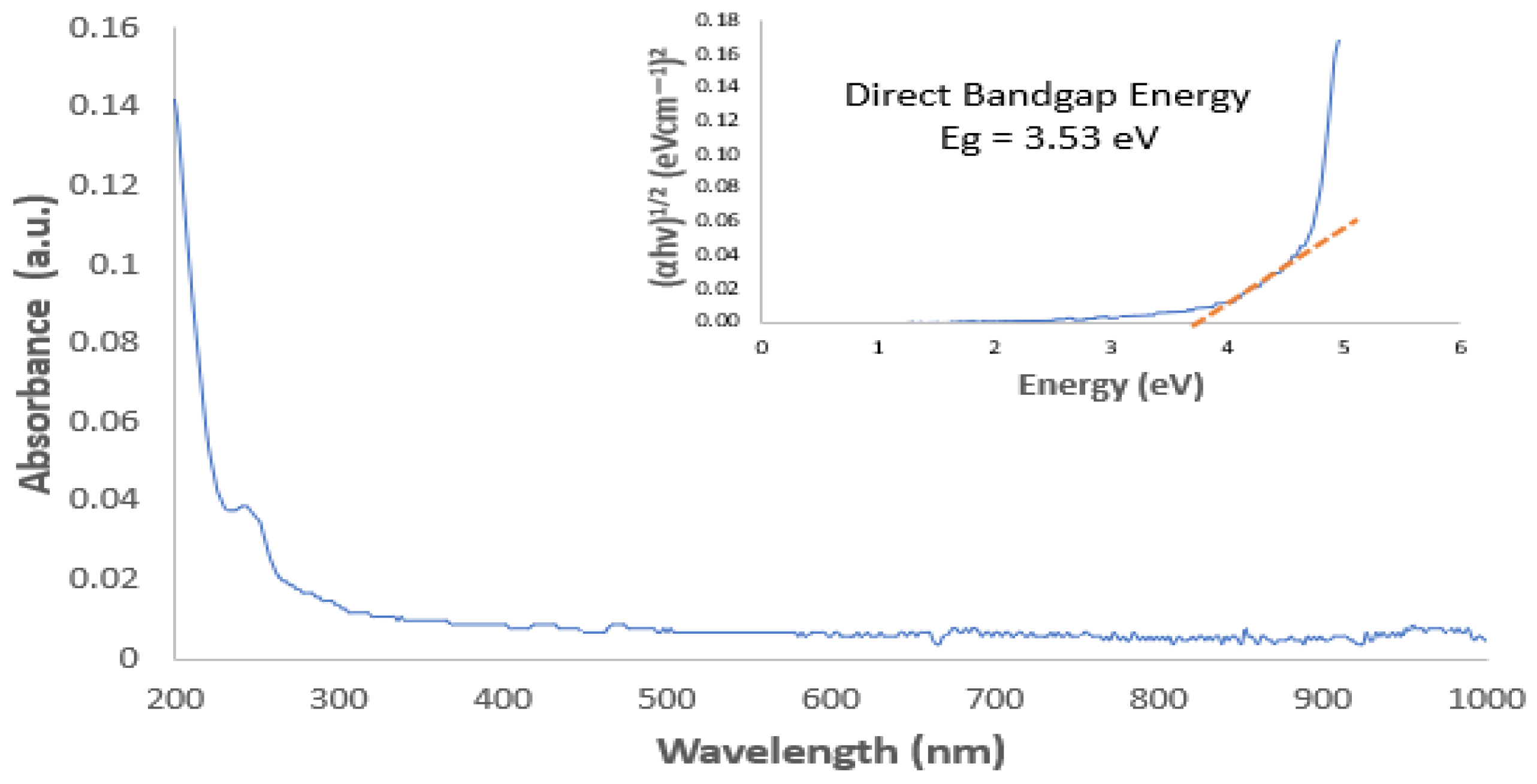
Figure 4 shows the UV-Vis spectrum of the commercial SnO
2 used in the experiments. In the insert, the band gap energy was estimated to be around 3.53 eV. A slight reduction in the band gap of the Se-doped SnO
2 nanoparticles compared to the commercial material can be attributed to quantum confinement associated with the small crystallite size and to the presence of defect states or oxygen vacancies at the nanoparticle surface [
19]. These localized states near the conduction band edge enhance visible-light absorption and can act as active centers for charge transfer during photocatalysis [
20]. Consequently, the observed band gap supports the potential of these nanoparticles for UV and near-visible light photocatalytic applications, including the degradation of organic contaminants such as ibuprofen.
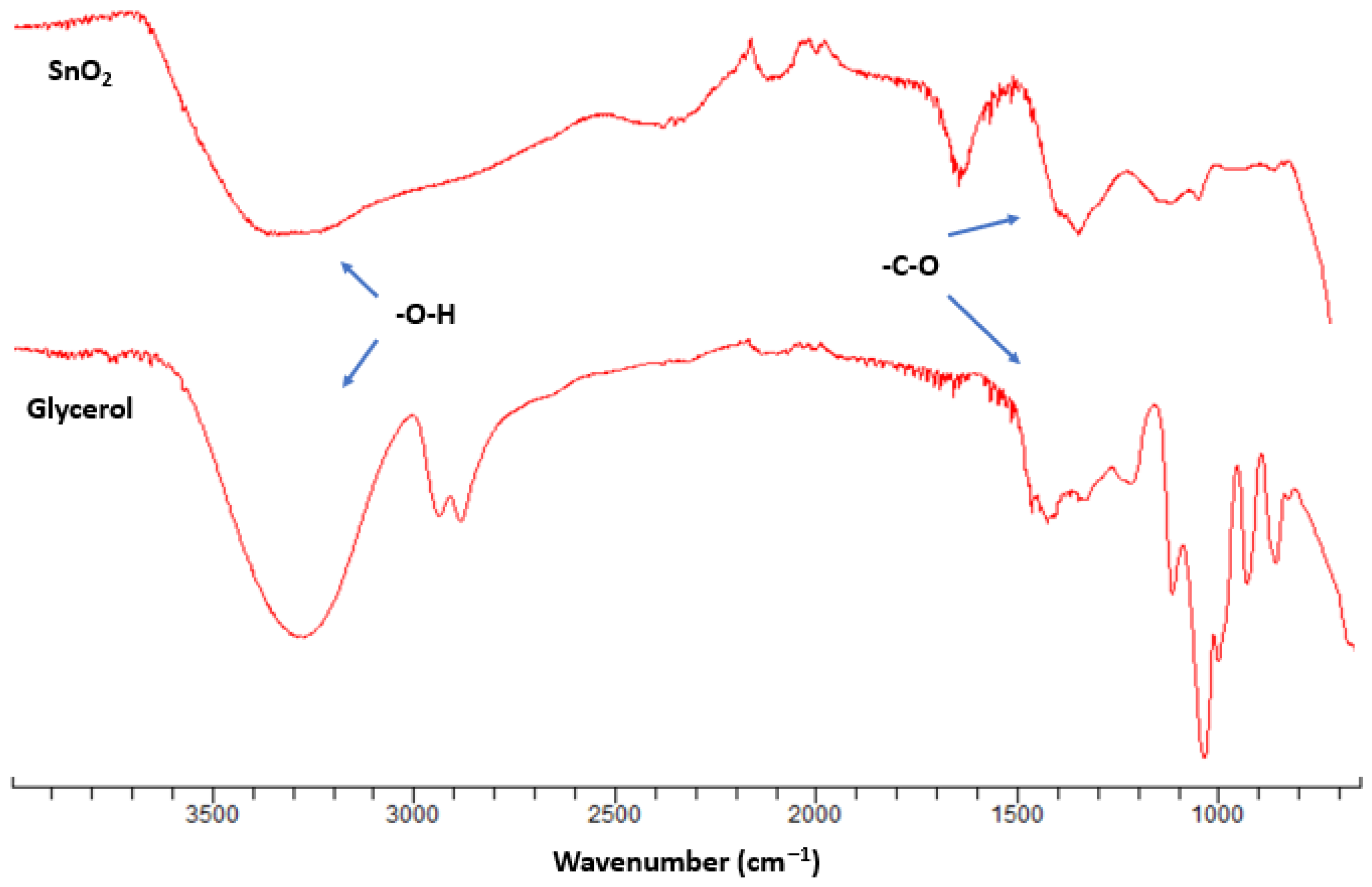
3.4. FT-IR Analysis of the Se-Doped SnO2 Nanoparticles Covered with Glycerol
FT-IR spectroscopy was employed to confirm the presence of glycerol in the synthesized Se-doped SnO
2 nanoparticles and to identify the main functional groups involved in surface interactions. As shown in
Figure 5, the infrared spectrum exhibits two prominent absorption bands, indicating the incorporation of glycerol. The first, observed between 1500 and 1700 cm
−1, corresponds to the C–O stretching vibration typical of alcohols and polyols. The second, a broad and intense band located between 3300 and 3500 cm
−1, is attributed to the O–H stretching vibration of hydroxyl groups present in glycerol molecules. These findings are consistent with previously reported spectra of glycerol-modified oxide surfaces [
21].
The appearance of these characteristic vibrations suggests that glycerol is adsorbed or weakly coordinated to the SnO2 surface through hydrogen bonding rather than through covalent bonding. This interaction likely occurs between the surface hydroxyl groups of SnO2 and the multiple hydroxyl sites of glycerol, forming a thin organic layer that stabilizes the nanoparticles in aqueous suspension. Such stabilization prevents particle aggregation, providing a more uniform distribution and improved optical clarity of the colloid. The presence of a band around 1600 cm−1 indicates a possible oxidation of a hydroxyl (-OH) into a carbonyl (-C=O).
Furthermore, surface modification with glycerol may alter the material’s photocatalytic behavior. The presence of hydroxyl-rich organic groups can enhance surface hydrophilicity and facilitate the adsorption of polar molecules, such as ibuprofen, thereby improving contact between the pollutant and the catalyst’s active sites. In addition, the electron-donating nature of glycerol can act as a mild surface passivator, reducing surface trap states and favoring charge separation during photoexcitation. Therefore, FT-IR analysis not only confirms the successful coating of SnO
2 with glycerol but also provides evidence of structural and surface modifications that may contribute to the enhanced stability and photocatalytic performance of the nanomaterial [
21].
The Sn–O lattice vibrations of SnO2 (typically located at 520–660 cm−1) were not clearly observed. This effect is usually observed for ultrasmall SnO2 nanoparticles, where reduced crystallite size reduces IR intensity. Furthermore, glycerol residues on the nanoparticles produce broad and intense O–H and C–O absorption bands that overshadow weaker metal–oxygen bands. Selenium-related vibrations were also not observed because the Se content is very low (~0.1 wt%).
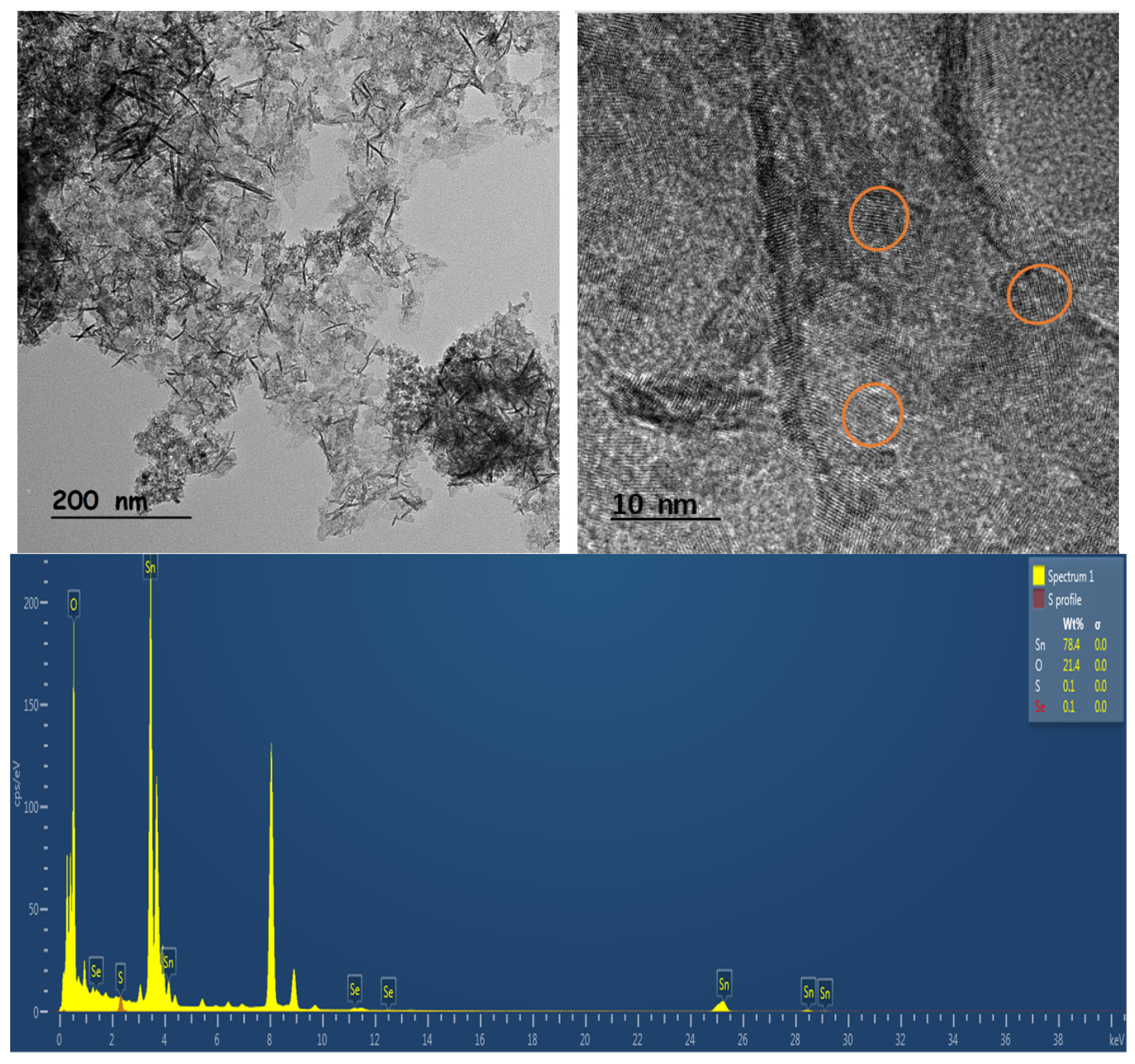
3.5. Morphological and Elemental Analysis of Se-Doped SnO2 Nanoparticles
High-resolution transmission electron microscopy (HRTEM) was employed to investigate the morphology and nanostructure of the synthesized SnO
2-based materials. As shown in
Figure 6, the sample exhibits the coexistence of two distinct morphologies. The first corresponds to nanowires with lengths of 20–100 nm and widths below 20 nm, while the second corresponds to quantum dots with an average diameter of approximately 8 nm. The coexistence of these one-dimensional (1D) and zero-dimensional (0D) structures suggests that microwave-assisted synthesis promotes rapid nucleation followed by anisotropic growth, resulting in the simultaneous formation of nanowires and nanoparticles [
22,
23].
The nanoscale dimensions of both morphologies are consistent with previous reports on SnO
2 prepared via ultrasonic irradiation and aqueous synthesis methods [
24], in which rapid energy transfer during synthesis favored homogeneous nucleation and limited crystal growth. The small particle size and high surface-to-volume ratio of these nanostructures are beneficial for photocatalytic applications, as they provide a large density of reactive surface sites and enhance light–matter interactions. Moreover, the presence of quantum dots may contribute to slight band gap narrowing by introducing surface defects, thereby improving visible-light absorption and charge-carrier separation efficiency.
Although the doping mechanism during this synthesis is not yet fully understood, we hypothesize that the reduced selenium species (selenide) acts as a nucleation agent, forming initial tin selenide (SnSe) seeds, which subsequently oxidize into tin oxide (SnO2) under the alkaline conditions of the synthesis. Interestingly, when selenium is not introduced during the reaction, no nanoparticle formation is observed, supporting the proposed role of Se as a key nucleation initiator.
To confirm elemental composition, energy-dispersive X-ray spectroscopy (EDS) analysis was performed on the nanoparticles. The EDS spectrum (
Figure 6) revealed signals for tin (Sn), oxygen (O), and selenium (Se), with corresponding weight percentages of 78.4% Sn, 21.4% O, and 0.1% Se. These results confirm that the material’s primary phase is tin oxide. At the same time, the trace amount of selenium indicates its incorporation as a dopant within the oxide lattice rather than forming a separate phase.
The addition of selenium thus plays a dual role: it promotes the initial formation of SnSe seeds, which later oxidize to SnO2, and it remains partially incorporated in the lattice, contributing to electronic modification of the semiconductor. During the process, the resulting nanoparticles become coated with excess glycerol molecules, which stabilize their surface and prevent aggregation. This combined effect of Se doping and glycerol capping produces nanostructured SnO2 with enhanced uniformity, stability, and potential for improved photocatalytic performance.
3.6. Adsorption–Desorption Kinetics of Ibuprofen
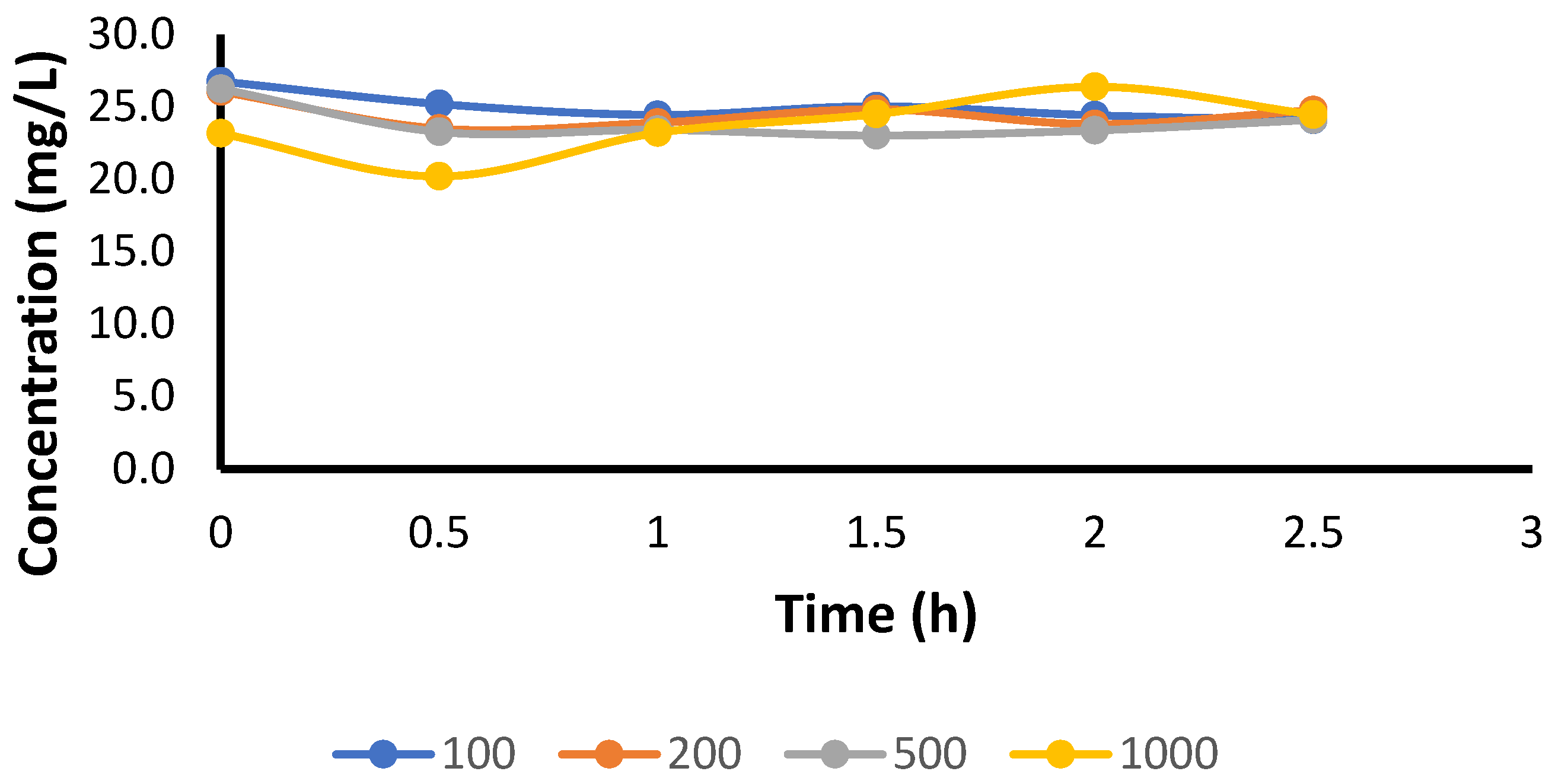
Figure 7 presents the adsorption–desorption kinetics of ibuprofen on the surface of the synthesized nanoparticles. An ibuprofen solution with an initial concentration of 25 mg/L was brought into contact with four different catalyst dosages (100, 200, 500, and 1000 mg/L) for a total of 150 min under dark conditions. This procedure enabled evaluation of the physical adsorption capacity of ibuprofen on the SnO
2 surface before photocatalytic testing.
The results indicate that ibuprofen undergoes a slight adsorption–desorption equilibrium on the nanoparticle surface, suggesting a weak but significant interaction between the pharmaceutical molecules and the catalytic sites. This reversible interaction is likely governed by van der Waals forces and hydrogen bonding between the carboxylic and aromatic groups of ibuprofen and the hydroxyl-rich surface of SnO
2. Such preliminary adsorption is advantageous, as it facilitates the migration of ibuprofen molecules toward active photocatalytic sites during subsequent light irradiation [
25,
26].
Therefore, these findings confirm that although ibuprofen adsorption onto SnO2 is not extensive, the initial surface interaction plays a crucial role in enhancing photocatalytic degradation efficiency by ensuring intimate contact between the pollutant and the catalyst at the onset of irradiation.
3.7. Photodegradation of Ibuprofen Under UV and Visible Irradiation
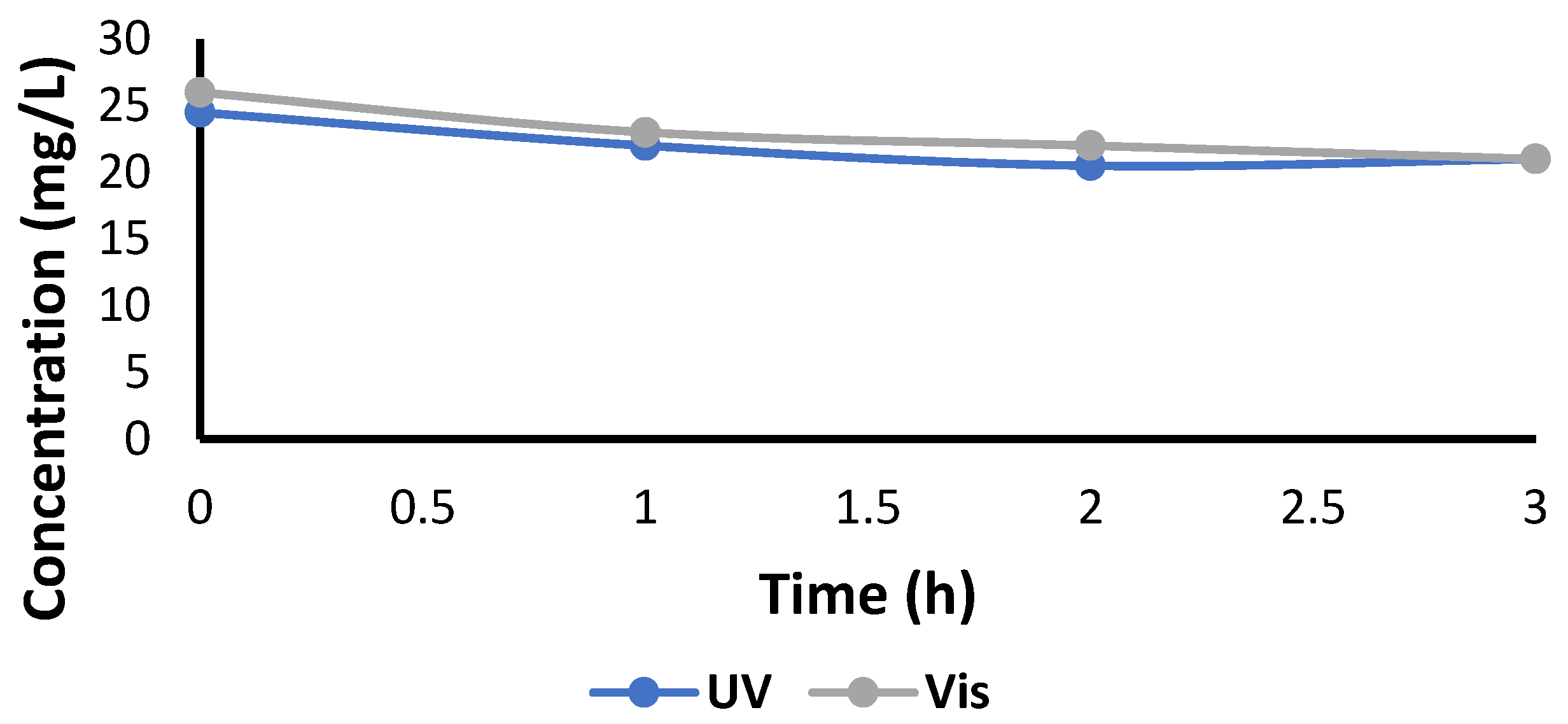
Figure 8 illustrates the photocatalytic degradation of an ibuprofen solution (25 mg/L) using 100 mg/L of SnO
2 nanoparticles under two irradiation sources: ultraviolet (302 nm) and visible light. The results show only a slight removal of ibuprofen after the irradiation period for both light sources, indicating limited photocatalytic activity under the tested conditions. However, a slightly higher degradation efficiency—approximately 10%—was observed under ultraviolet light compared to visible irradiation.
This behavior is expected since UV radiation (100–400 nm) possesses higher photon energy than visible light (400–800 nm), which enhances the excitation of electrons from the valence to the conduction band of SnO
2, generating a greater number of electron–hole pairs capable of producing reactive oxygen species (ROS) such as hydroxyl (•OH) and superoxide (•O
2−) radicals. These radicals are primarily responsible for the oxidative degradation of organic molecules, such as ibuprofen [
27,
28].
The relatively low degradation efficiency under both conditions can be attributed to the wide band gap of pure SnO2 (≈3.2 eV), which limits its photoresponse mainly to the UV region and promotes fast electron–hole recombination. Therefore, these results confirm that while SnO2 exhibits some intrinsic photocatalytic activity under UV light, further enhancement—such as through selenium doping—is necessary to extend light absorption into the visible range and improve overall degradation performance.
3.8. Effect of Aeration and Catalyst Loading on the Photodegradation of Ibuprofen
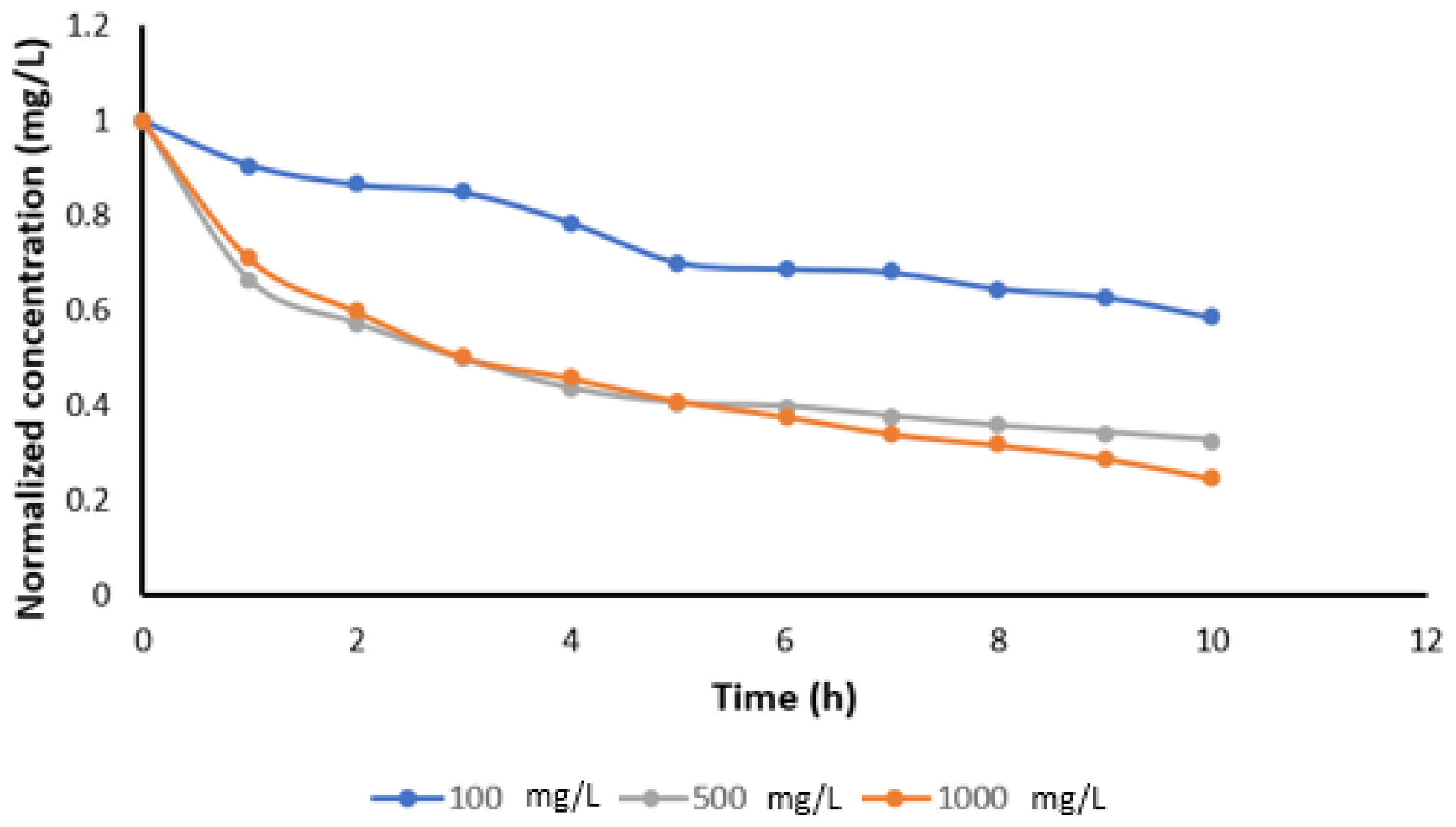
Figure 9 presents the photocatalytic degradation of 10 mg/L ibuprofen under UV irradiation in the presence of SnO
2 nanoparticles at three different concentrations: 100, 500, and 1000 mg/L, and under constant aeration. The results demonstrate a clear dependence of degradation efficiency on catalyst dosage. The highest removal efficiency, approximately 80%, was achieved using 1000 mg/L of nanoparticles, followed by 68% degradation with 500 mg/L. In contrast, using 100 mg/L of catalyst resulted in a considerably lower degradation rate, confirming that the number of active sites available for photon absorption and surface reactions increases proportionally with catalyst loading.
In this experiment, air aeration was continuously applied to the reaction solution during irradiation, introducing molecular oxygen that serves as an additional oxidizing agent. The bubbling of air facilitates the generation of singlet oxygen during photocatalysis, thereby enhancing the system’s overall oxidative potential. When the SnO
2 nanoparticles are photoexcited under UV light, electron–hole pairs (e
−/h
+) are generated. The photogenerated electrons reduce molecular oxygen (O
2) in its ground triplet state to form superoxide radicals (•O
2−), which can further evolve into singlet oxygen. These reactive oxygen species exhibit strong oxidative capability and actively participate in the degradation of ibuprofen molecules adsorbed on the catalyst surface [
29,
30].
The combined effect of increased catalyst concentration and continuous aeration results in higher reactive oxygen species concentrations and greater interaction between the pollutant and the photocatalyst. Consequently, this synergistic configuration significantly improves photodegradation efficiency, underscoring the importance of oxygen availability and surface-active sites in optimizing photocatalytic processes with SnO2-based materials.
3.9. Photodegradation of Ibuprofen Under Visible Light with Aeration
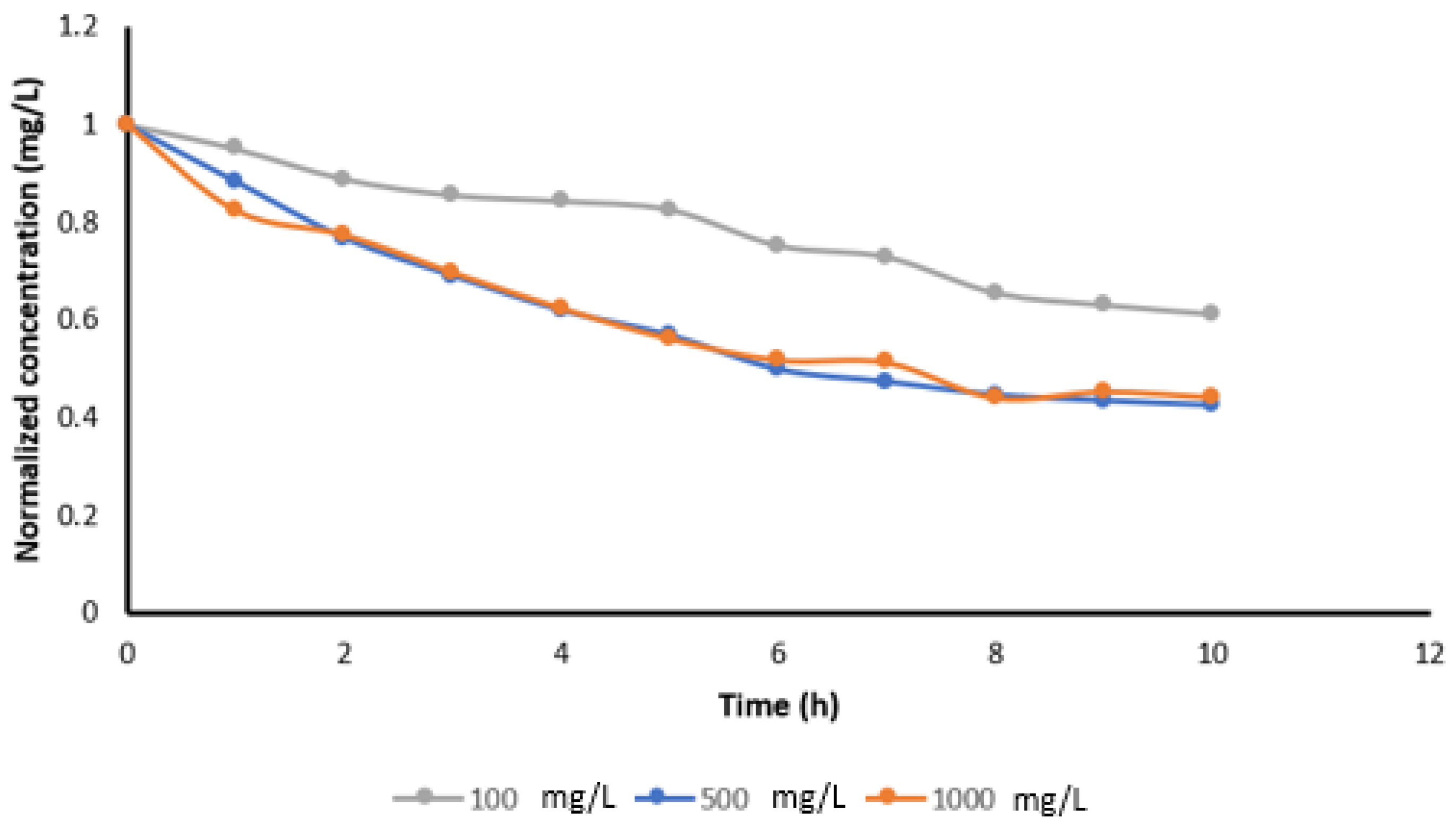
Figure 10 shows the photocatalytic degradation of 10 mg/L ibuprofen under visible-light irradiation in the presence of Se-doped SnO
2 nanoparticles at concentrations of 100, 500, and 1000 mg/L. When 100 mg/L of nanoparticles were employed, approximately 40% of ibuprofen was removed after the irradiation period. Increasing the catalyst concentration to 500 mg/L and 1000 mg/L resulted in higher degradation efficiencies of about 60%, indicating a clear enhancement of photocatalytic activity with increasing nanoparticle dosage.
These findings suggest that the synthesized SnO
2 nanoparticles can absorb visible radiation, as evidenced by the UV–Vis spectra (
Figure 3). The absorbed photons provide sufficient energy to promote the excitation of electrons from the valence band to the conduction band, thereby generating electron–hole (e
−/h
+) pairs even under visible light. These photogenerated charge carriers subsequently react with adsorbed water and oxygen molecules, forming reactive oxygen species, such as hydroxyl radicals (•OH) and superoxide radicals (•O
2−), which are responsible for the oxidative degradation of ibuprofen.
The presence of aeration further enhances degradation by maintaining a continuous supply of dissolved oxygen, which serves as an electron acceptor and prevents charge recombination. The combined effects of visible-light absorption, adequate catalyst dosage, and aeration promote the efficient generation of oxidative species, confirming the potential of the Se-doped SnO2 nanomaterial for visible-light-driven photocatalytic removal of pharmaceutical contaminants from aqueous media.
3.10. Comparison of Photocatalytic Activity with Commercial Tin Oxide
The photocatalytic performance of the synthesized tin oxide nanoparticles was compared with that of commercial SnO
2 under identical experimental conditions. As shown in
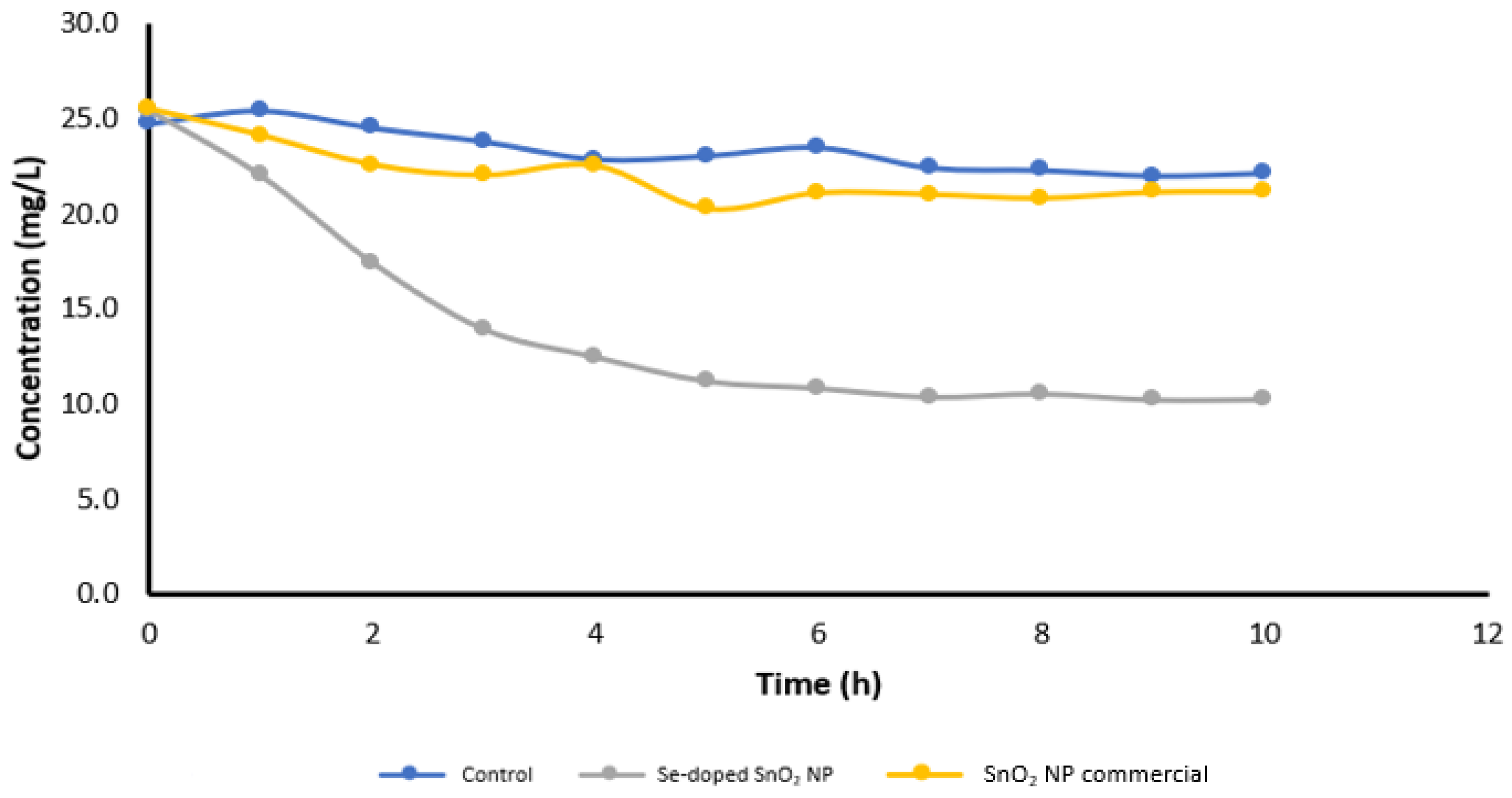
Figure 11, the degradation of 25 mg/L ibuprofen was evaluated using 1000 mg/L of each material under visible-light irradiation with aeration.
The results reveal a striking difference in photocatalytic efficiency between the two materials. The commercial SnO2 exhibited negligible photocatalytic activity, achieving only about 5% ibuprofen removal after irradiation. In contrast, the Se-doped SnO2 nanoparticles synthesized under microwave irradiation achieved a much higher degradation efficiency of approximately 60%, clearly demonstrating the superior photoactivity of the nanostructured material.
This enhanced performance can be attributed primarily to the nanoscale dimensions and unique morphology of the synthesized Se-doped SnO2 particles, which provide a higher surface-to-volume ratio and a greater density of active sites available for photon absorption and redox reactions. The small particle size also facilitates improved light harvesting and charge-carrier mobility, thereby reducing electron–hole recombination. Additionally, surface modifications induced during the microwave-assisted synthesis, such as glycerol coating and selenium incorporation, likely contribute to more efficient charge separation and extended visible-light absorption. Finally, the Se content remained very low (≈0.1 wt%), ensuring minimal toxicity while achieving significant electronic and photocatalytic enhancement.
4. Conclusions
In this study, Se-doped SnO2 nanoparticles covered with glycerol were successfully synthesized at pH 7.5–8.0 and 130 °C using a rapid, environmentally friendly microwave-assisted method. UV–Vis analysis revealed a strong absorption band at 320–324 nm, characteristic of SnO2, and a slight narrowing of the band gap upon Se incorporation, indicating the creation of intermediate energy levels that enhance visible-light absorption. HRTEM micrographs confirmed the coexistence of one-dimensional (1D) nanowires and zero-dimensional (0D) quantum dots, suggesting a rapid nucleation followed by anisotropic growth. The average crystallite sizes were in the nanometer range (8–100 nm), while EDS spectra verified the presence of Sn, O, and trace amounts of Se (0.1 wt%), confirming selenium incorporation as a dopant rather than a separate phase. The FT-IR spectrum demonstrated the presence of glycerol molecules on the nanoparticle surface. Photocatalytic tests under UV irradiation demonstrated degradation efficiencies reached ~10% for 25 mg/L ibuprofen, whereas under visible-light irradiation with aeration, efficiencies improved to 60% for 10 mg/L ibuprofen at a catalyst dosage of 1000 mg/L. Compared with commercial SnO2, microwave-synthesized SnO2 nanoparticles exhibited much higher activity, achieving 5% degradation under similar conditions, confirming the crucial roles of nano-structuring, high surface area, and defect engineering in photocatalytic efficiency.