


Abstract
Background: Sport-related concussion is common in rugby union, yet female players remain underrepresented in research. This study examined seasonal changes in cerebral oxygenation, cardiac function, and concussion symptomology in adult female rugby players, and explored acute physiological responses following a single documented concussion. Methods: A total of 29 adult females (19 amateur rugby, 10 control) completed pre-, mid-, and end-season assessments. Measures included functional near-infrared spectroscopy (fNIRS) of the pre-frontal cortex, seismocardiography (SCG)-derived cardiac timing indices, and Sport Concussion Assessment Tool 6 (SCAT6). Group and time effects were analysed using general linear models and statistical parametric mapping. Typical error (TE) and its 90% confidence intervals (90% CI) were used to determine meaningful changes post-concussion. Results: Rugby players reported more SCAT6 symptoms (number: p = 0.006, η2p = 0.23; severity: p = 0.020, η2p = 0.17). They also had shorter systolic time (p = 0.002, η2p = 0.19) and higher twist force values (p = 0.014, η2p= 0.21) than controls. fNIRS revealed higher right-hemisphere oxyhaemoglobin (ΔO2Hb) responses for both tasks (ps < 0.001, η2p = 0.77 and η2p = 0.80) and lower activation in specific prefrontal channels. No seasonal changes occurred in global oxygenation or frequency band activity. In the exploratory single-concussion case, symptomology, SCG twist force, ΔO2Hb, and cardiac band power exceeded TE and its 90% CI at 5 days post-injury. Conclusions: The multimodal approach detected stable group-level physiology alongside localised cortical and cardiac differences, and acute changes following concussion. While these results highlight the potential of combined fNIRS and SCG measures to capture physiological disturbances, the small sample size and single-concussion case necessitate cautious interpretation. Further validation in larger, longitudinal cohorts is required before any biomarker utility can be inferred.
1. Introduction
Sport-related concussion is an increasingly common injury in contact sports such as rugby union [1], with potential short- and long-term consequences for brain function [2,3]. Emerging evidence also suggests that repeated sub-concussive impacts may be detrimental to brain health [4]. Despite advances in awareness, reporting, and management of concussion, most sideline and return-to-play decisions in amateur rugby continue to rely heavily on subjective symptom reporting and tools such as the Sport Concussion Assessment Tool (SCAT) [5]. Although the SCAT provides a structured clinical framework, its sensitivity to detect subtle or evolving (neuro)physiological dysfunction remains limited, particularly beyond the acute post-injury phase [6]. Addressing this gap requires practical, objective tools capable of detecting subtle physiological changes in real time and in applied sport settings.
Although concussion affects both male and female athletes, female rugby players remain significantly underrepresented in all rugby-related research [7], including studies of concussion [8]. This is concerning given their rapidly growing participation base [9,10,11] and documented sex-specific differences in concussion incidence [12], symptom burden [5], and recovery trajectory [13]. Biological and biomechanical factors including hormonal fluctuations [14], lower neck strength [15], and symptom reporting patterns [5] may contribute to these differences. Current concussion protocols may not adequately account for these differences [16], potentially affecting detection and management in female players. Longitudinal data capturing how physiological biomarkers change over the course of a competitive season, and how these biomarkers respond following concussion are therefore critically needed in this population.
Technologies such as functional near-infrared spectroscopy (fNIRS) and seismocardiography (SCG) offer promising non-invasive approaches to quantify physiological responses associated with concussion. fNIRS enables the monitoring of cerebral oxygenation and haemodynamic responses during cognitive or postural challenges, providing insight into neurovascular coupling (NVC) [3] and cerebral autoregulation [2], two key indicators of brain function. While promising, the use of fNIRS in concussion management is still experimental and not yet validated for clinical decision making. A detailed review of the fNIRS technique, technology, and its application in cognitive neuroscience is available elsewhere [17].
Physical and contact-based sports such as rugby can stress the autonomic nervous system. Cardiovascular function can be used to monitor this stress and its response to concussion [18]. SCG provides a complementary measure of cardiac function by quantifying beat-to-beat timing intervals and contractile properties [19,20]. Altered cardiac timing intervals and increased atrial systolic force have been reported during the acute phase of concussion [21,22], suggesting transient autonomic dysregulation and reduced contractility.
These physiological perturbations may reflect central and peripheral regulatory disturbances following head trauma. While SCG has been used in clinical and exercise settings, its application in concussion research remains limited, particularly in female athletes, despite its potential to capture subtle changes in cardiovascular function associated with injury and recovery.
Together, these modalities have demonstrated potential to identify changes in brain and cardiac function following concussion. Changes in oxyhaemoglobin (ΔO2Hb) concentrations have been reported after acute concussion [23], in retired athletes with a history of concussion [24], and in non-concussed athletes following competitive soccer [25] and rugby seasons [26] compared to control groups. Such alterations in prefrontal oxygenation may reflect disrupted cortical activity and/or impaired dynamic cerebral autoregulation (dCA). While these studies collectively highlight the sensitivity of fNIRS measures to brain physiology, they represent distinct contexts, acute injury, cumulative exposure or chronic effects. These should not be interpreted as reflecting a single underlying mechanism. In addition, most evidence is limited by male-dominated cohorts, and inconsistent task paradigms making it difficult to draw firm conclusions or translate into clinical practice. Indeed, a recent study reported no significant seasonal differences in O2Hb profiles between male rugby players and age-matched controls [27]. To date, advancement in pitch-side detection has focused predominantly on salivary [28] and blood biomarkers [29], which, while promising, are not capable of providing real-time feedback. Similarly, advanced neuroimaging techniques such as positron emission tomography and magnetic resonance imaging are often cost-prohibitive and inaccessible at most levels of play. In contrast, fNIRS and SCG offer more practical, portable options that could help detect subtle impairments or guide return-to-play decisions and may serve as potential future physiological biomarkers, especially in amateur playing rugby populations.
This study aimed to examine seasonal changes in prefrontal oxygenation (fNIRS), cardiac timing indices (SCG), and SCAT6 performance in adult female rugby players compared with non-contact controls. A secondary aim was to monitor physiological response to any concussion events occurring during the season.
We hypothesised (1) that women rugby players would show distinct changes in prefrontal cerebral oxygenation and cardiac timing parameters compared with controls, and (2) concussion events would be associated with detectable deviations in these physiological measures from seasonal trends.
2. Methods
2.1. Participants
Participants were adult females from a United Kingdom amateur rugby club (n = 19) and controls (n = 10). Control group participants were recruited from local sports clubs and universities, did not take part in contact or combat sports [30] and had no history of concussion in the last 10 years. All volunteer participants completed a General Health Questionnaire and provided written informed consent. The study was conducted in accordance with the Declaration of Helsinki and the study was approved by the University of Essex research subcommittee. Demographic information is shown in Table 1.
Table 1.
Pre-season characteristics by group.
2.2. Experimental Design
A longitudinal observational design was implemented to assess the influence of playing rugby upon cerebral oxygenation, cardiac intervals and timing and performance on concussion assessment indices. Testing took place in the same set of rooms at the same time of day. Participants had not exercised in the previous 12 h or consumed alcohol/caffeine within 6 h. Baseline testing was conducted over 2 days. Day 1 involved the collection of demographic measures, menstrual cycle characteristics (including contraception use), GHQ, and the Sport Concussion Assessment Tool Version 6 (SCAT6). On day 2, assessment of prefrontal oxygenation (fNIRS), cardiac function via seismocardiography (SCG) and general cognitive assessment battery (CAB) took place.
2.3. CAB
Cognitive assessment was carried out at pre-season only using the online digital cognitive assessment CogniFit, CAB (CogniFit Ltd., San Francisco, CA, USA) tool. The CAB has been widely applied in cognitive training and rehabilitation, with studies confirming its effectiveness in measuring cognitive performance across various domains [31]. The test took about 30–40 min to complete, participants were allowed to use an electronic device of their choice including a computer, tablet or smartphone.
2.4. SCAT6
The SCAT6 is a standardised clinical tool used in the assessment of sport-related concussion [32]. The SCAT6 was administered by trained personnel at three time points: pre-, mid-, and end-of-season to mirror real-world clinical practice and to provide a clinical reference against which to compare physiological measures. The SCAT6 consists of multiple domains evaluating symptoms, cognitive performance, and balance/postural control, and is primarily designed for use within the acute phase of concussive injury (0–72 h) [6], though it can be administered beyond this window as part of clinical monitoring. It is commonly used during pre-season to establish individual baseline limits, with normative reference values available to aid clinical interpretation [33].
2.5. SCG
Cardiac function was assessed using a non-invasive SCG sensor (LLA Recordis™, LLA Technologies, Langley, BC, Canada), which was positioned over the sternum approximately 1 cm above the xiphoid process and secured using a standard heart rate monitor chest strap. The sensor, approximately the size of a two-pound coin, detects low-frequency vibrations generated by cardiac mechanical activity during each heartbeat [20]. Participants were instructed to lie supine in a quiet, restful state with a pillow under their head. After a one-minute rest period, a one-minute recording was collected during spontaneous breathing. Data were sampled at 500 Hz and processed using a first-order Butterworth bandpass filter (1–30 Hz). No participants were excluded due to poor SCG data quality. The LLA Recordis™ waveform and identification of these fiducial points has been previously documented [34]. These fiducial points were then converted to temporal features of the cardiac cycle. This method has previously been described and validated to examine cardiac adaptations and stress responses in both athletic and clinical populations [19]. Briefly, the waveform was assessed for points of mitral valve closure (MVC), mitral valve opening (MVO), aortic valve opening (AVO), aortic valve closing (AVC), aortic twist (ATT), aortic systole, rapid ejection period (REP), and ventricular untwisting. These points were used to calculate diastolic time (MVC–MVO), systolic time (AVO–AVC), isovolumic contraction time (IVCT; MVC–AVO), isovolumic relaxation time (IVRT; AVC–MVO), atrial systole to mitral valve closure (AS to MVC), mitral valve open to E-wave (MVO to E), and heart rate (AVOn+1–AVOn). This fiducial point labelling aligns with established cardiac timing intervals and physiological events described in SCG literature [20], providing a standardised physiological reference framework for interpreting the derived intervals. The contractile forces were calculated as Twist force and atrial systole (milligravity, mG) representing the magnitude of force captured by the accelerometer at time points of ventricular and atrial contraction [19].
2.6. Game Data Capture
Veo Cam (Veo Cam 2, Veo Technologies, Copenhagen, Denmark) was used to film rugby games in situ. Overall game time (minutes) and matches played were obtained for each rugby player.
2.7. fNIRS Protocol
To assess neurovascular coupling (NVC) and dynamic cerebral autoregulation (dCA), we used a modified Neary protocol [35]. NVC was evaluated using a “Where’s Wally” visual search task on a high-definition screen at a self-selected viewing distance. The task followed a block design of five 20-second (s) eyes-closed periods alternating with 40 s eyes-open periods, during which participants searched for “Wally.” A new image was presented once the target was found [36].
To assess dCA, following NVC assessment, participants sat quietly for 1 min, then stood for 1 min before completing a 5 min squat–stand manoeuvre [35]. This consisted of 15 repetitions of 10 s squatting at ~90° knee angle followed by 10s standing. Movement pace was standardised using an on-screen audio timer. Squat depth was established during familiarisation at the initial visit, with each participant’s range assessed and a height-adjustable chair positioned to provide a consistent depth reference. Participants were visually monitored during testing to ensure consistent execution across timepoints. Both tasks have previously demonstrated validity for assessing NVC and dCA [37,38]. Task performance was measured as the number of correct identifications during the visual search. The full experimental protocol is shown in Figure 1a.
Figure 1.
(a) Depicting the experimental protocol. (b) Depicting the 22-channel montage (1 × 22 channels at 30 mm and 2 short-separation channels at 10 mm); Tx = transmitter and Rx = receiver. The 2 short separation channels are shown within the boxes. (c) Depicting the hemispheric lateralisation grouping channels. Channel pairs enclosed within the grey box represent the right PFC, while those enclosed in the black box represent the left PFC. (d). Depicting the 22 probe positions of the fNIRS device covered the area linking Fp1, F3, F7, and Fp2, F4, F8, corresponding to the left and right PFC, respectively, according to the international EEG 10–20 system. T = transmitter and R = receiver. SPM analysis was carried out on the individual channels.
2.8. fNIRS Data Processing and Analysis
2.8.1. Data Acquisition and Preprocessing
Functional near-infrared spectroscopy (fNIRS) data were recorded using a continuous-wave Brite system (Artinis Medical Systems, Elst, The Netherlands) with a 22-channel montage (1 × 22 channels at 30 mm and 2 short-separation channels at 10 mm) (Figure 1b). The head cap was positioned 1 cm above the eyebrows on the supraorbital ridge to ensure coverage of the prefrontal cortex (PFC) while minimising interference from the frontal sinuses. Changes in light attenuation were measured at two wavelengths (762 and 843nm). The differential path length factor was calculated for individuals in relation to their age [39]. The sampling frequency was set at 50 Hz, and raw data were exported from the Oxysoft software version 4.0 as SNIRF files for further analysis in MNE-NIRS, a Python v3.11.4 (Python Software Foundation, USA)-based fNIRS toolbox [40].
Each channel was visually inspected for excessive motion artefacts or non-pulsatile signals. Channels with a signal quality index (SQI) < 3 as determined by the Artinis SQI function implemented in Python v3.11.4 (Python Software Foundation, USA) were excluded from further analysis [41]. Across the dataset, channel exclusion rates were low and consistent. For the “Where’s Wally” and squat–stand task pipelines, an average of 2.0% of channels were excluded at pre-season (range: 0–10.4%), 3.5% at mid-season (range: 0–29.2%), and 3.5% at end-season (range: 0–16.7%). A comparable pattern was observed in the General Linear Model (GLM) analysis, where average exclusions were 2.5% at pre-season, 3.5% at mid-season, and 3.5% at end-season.
After channel selection, raw optical intensity data were converted into oxyhaemoglobin (ΔO2Hb) concentration changes using the modified Beer-Lambert Law [42], allowing for quantification of task-related hemodynamic responses.
A finite impulse response band-pass filter was applied with cutoff frequencies of 0.01–0.9 Hz, based on recommendations by Naseer and Hong [43].
2.8.2. Task-Specific Analytical Approaches
A progressive analytical approach was implemented to fully explore the fNIRS data:
(1) Mean oxygenation (∆O2Hb) changes were calculated across all channels to assess ‘Global PFC’ [27].
(2) Data were separated into left and right hemispheres (Figure 1c) to explore potential lateral differences [3].
(3) To model task-related haemodynamic responses, a GLM was applied to filtered fNIRS signals [44]. The GLM was fitted channel-wise, yielding beta coefficients (Beta_Work) for the task condition. Statistical Parametric Mapping (SPM) allowed for channel-wise analysis to localise task-specific activation within the PFC (Figure 1d).
Data were segmented to capture the stimulation period (300–600 s) and task structure (40 s task/20 s rest) was encoded in a binary design matrix [45]. Task regressors were convolved with a canonical haemodynamic response function modelled using a gamma function to approximate the expected physiological delay [46]. This exploratory analytical approach identifies brain regions where oxygenation changes are systematically linked to the timing and structure of the Where’s Wally task, allowing us to localise task-specific activation within the PFC, with the beta coefficient (Beta_Work) reflecting the strength of the task-related haemodynamic response at each channel.
ΔO2Hb was quantified by calculating the difference between the average peak signal during the 40 s eyes-open period and the average trough during the 20 s eyes-closed period of each “Where’s Wally” trial. This was repeated across five trials per channel, and values were averaged across the 22 channels. For the squat–stand manoeuvre, ΔO2Hb was computed as the difference between the average maximum during the 10s squat and the average minimum during the 10s stand phase, averaged over 15 repetitions and 22 channels [2,3].
2.8.3. Wavelet Analysis for Squat–Stand Task
In addition to the global and hemispheric analysis, to further investigate dynamic cerebral autoregulation (dCA), a wavelet transform was applied to decompose the fNIRS signal into three physiological frequency bands. A separate preprocessing pipeline was used. To extract frequency-specific features from the fNIRS signals, continuous wavelet transform (CWT) was applied using the complex Morlet wavelet (cmor1.5–1.0) [47]. The signals were first down-sampled to 10 Hz, detrended using a 120 s moving average, normalised, and segmented to a 5 min interval. Wavelet power spectra were computed across three physiologically relevant frequency bands, cardiac (0.6–2 Hz) [48], respiratory (0.145–0.6 Hz) [48], and smooth muscle activity (0.052–0.145 Hz) [49], using scale values derived from the Morlet central frequency. The mean power across each band was extracted for the O2Hb signal. This decomposition allowed for the isolation of frequency-specific contributions from cardiac, respiratory, and myogenic (vasomotor) activities, providing insights into the physiological underpinnings of cerebral autoregulation during the squat–stand manoeuvre.
2.8.4. Statistical Analyses
Data were analysed using SPSS (v30.0; IBM Corp, Armonk, NY, USA). Shapiro–Wilk tests assessed normality, and data exceeding 3 standard deviations from the mean were excluded [50]. Between-group comparisons for demographics and CAB scores were evaluated using independent t-tests or Mann–Whitney U tests, and Fisher’s Exact tests as appropriate. Effect sizes were calculated and reported as Cohen’s d for t-tests, rank-biserial correlation (r) for Mann–Whitney U tests, and Phi (φ) for binary categorical comparisons.
Separate linear mixed-effects models were used to assess the effects of group, timepoint, and their interaction on SCAT6 domains, SCG indices, and global and hemispheric fNIRS (ΔO2Hb) outcomes. For fNIRS lateralisation analyses, an additional group × hemisphere interaction term was included. Age and BMI were entered as covariates in models for SCG and fNIRS outcomes. An iterative model-building approach was applied for each outcome to identify the optimal structure, balancing model fit and convergence diagnostics. All models were estimated using maximum likelihood (ML) to allow comparison of nested fixed-effect structures. Repeated measures were modelled using an autoregressive (AR [1]) covariance structure with participant ID specified as a random intercept. Bonferroni corrections were applied to post hoc comparisons of estimated marginal means. Partial eta-squared (η2p) was reported for fixed effects. Statistical Parametric Mapping (SPM) was used to analyse fNIRS-derived Beta_Work values via a channel-wise mixed model approach, with post hoc pairwise comparisons performed within and between groups at each timepoint (Bonferroni-adjusted).
To explore concussed player responses, Typical Error (TE) and its 90% confidence interval (90%CI) were calculated using repeated measures from non-concussed rugby players across the season to quantify normal biological and measurement variability. These TE values served as thresholds to identify meaningful changes in concussed players, distinguishing responses that exceeded expected fluctuation. TE was derived for fNIRS ΔO2Hb, “Where’s Wally,” squat–stand (global and hemispheric indices), and SCG-derived metrics [51]. As only one concussion occurred during the study, an exploratory case study analysis was also conducted on fNIRS-derived Beta_Work values for this individual. Channel-wise differences (ΔBeta_Work) were calculated between Mid-Season and 5 Days Post-Concussion. Channels were ranked by the magnitude of change, and the five with the greatest increases were identified, alongside the five with the greatest decreases. This approach enabled preliminary identification of cortical regions showing the largest haemodynamic shifts during early concussion recovery. An a priori power calculation was not conducted due to the exploratory, multimodal nature of the study. To contextualise the sample a post hoc sensitivity analysis [52] indicated that the study was powered to detect medium to medium–large effects, but not smaller effects.
3. Results
Table 1 summarises the demographic and anthropometric characteristics of the rugby and control groups. A significant difference was observed in body mass index (BMI) with the rugby group showing a higher median BMI (27.2, IQR = 25.4–28.6) than controls (24.9, IQR = 22.5–26.7); U = 46.50, z = −2.23, p = 0.024, r = 0.41, with a moderate effect size. The control group was also older than the rugby group (median: 39 vs. 26 years), with a small effect size (r = 0.18). While this difference was not statistically significant (p = 0.13), the age gap was considered practically meaningful. No other differences were found (ps > 0.126).
3.1. CAB
There was no significant difference in overall pre-season cognitive performance between the rugby and control groups (U = 51.00, p = 0.591), and the effect size was small (r = 0.12). The median overall score was 550.00 (IQR = 518.25–581) for controls and 527.00 (IQR = 467–587) for rugby players. For individual domains; shifting: (p = 0.007), controls (M = 734.50 ± 47.11) scored significantly higher than the rugby group (M = 565.00 ± 205.02), with a large effects size (d = 1.00); and working memory: (p = 0.02) controls (M = 597.25 ± 146.16) rugby players (M = 433.73 ± 209.13) showed controls outperformed rugby players, with a large effects size (d = 0.86). No other significant difference were found in individual cognitive domains (ps > 0.05).
3.2. SCAT6
There were no significant group, timepoint or group x timepoint interaction differences (ps > 0.05) for SCAT6 total scores, indicating that total scores remained stable over the playing season.
Symptomology showed a significant group effect for both number and severity of symptoms (Figure 2A,B). Rugby players had a significantly greater total number of symptoms compared to controls, with a large effect size (p = 0.006, η2p= 0.23) suggesting a meaningful difference in symptom burden. There was no effect of time (p = 0.121, η2p = 0.09) or interaction (p = 0.869, η2p = 0.006). Symptom severity was significantly greater in rugby players, with a large effects size; (p = 0.020, η2p = 0.17) indicating a meaningful difference in symptom burden. There was no effect of timepoint (p = 0.068, η2p = 0.12) or interaction effects (p = 0.673, η2p = 0.02). Full significant model outputs are available in Supplemental Table S1.
Figure 2.
Data shown as mean ± SE for SCAT6 outcome measures across pre, mid and end-season in control and rugby groups. (A) Total number of symptoms (maximum = 22). (B) Symptom severity score (maximum = 132). (C) Timed tandem gait mean performance (in seconds). (D) Timed tandem gait fastest performance (in seconds). Group differences are indicated with lowercase a, and timepoint differences with lowercase b.
Timed Tandem Gait performance, as measured by both the Mean and Fastest scores, demonstrated a significant main effect of timepoint, with large effects sizes ((Mean) p < 0.001, η2p = 0.51; (Fastest) p < 0.001, η2p = 0.45)), indicating that regardless of group, dynamic balance changed significantly over the season (Figure 2C,D). Pairwise comparisons confirmed that both Mean and Fastest measures showed significant improvements from Pre to Mid-Season (p < 0.001), with no significant differences between Mid- and End-Season (Mean: p = 0.492; Fastest: p = 0.680). The magnitude of change from Pre- to Mid-Season was large (d = 1.05 for Mean, d = 0.93 for Fastest scores). There were no significant main effects of group, or group x timepoint interaction for either Mean or Fastest measures (ps > 0.05). This suggests that both rugby and control participants improved similarly over time.
Cognitive performance assessed via immediate memory and digits backward scores showed no significant effects (ps > 0.05), indicating that cognitive assessment remained stable over the playing season.
Balance assessed via the modified Balance Error Scoring System (mBESS) test showed no significant effects (ps > 0.05), indicating that balance remained stable over the playing season. Full significant model outputs are available in Supplemental Table S1.
3.3. SCG and Cardiac Function Monitoring
Of the thirteen cardiac indices assessed, two demonstrated statistically significant group differences: systolic time and twist force. Systolic time was significantly longer in the control group compared with the rugby group, with a moderate effects size (p = 0.020, η2p = 0.19) (Figure 3A). Both covariates were significant predictors: age was positively associated with systolic time (p = 0.009, η2p = 0.21), while BMI was negatively associated (p = 0.048, η2p = 0.15). Rugby players demonstrated significantly greater twist force compared than controls (p = 0.014, η2p = 0.21), with a large effect size (Figure 3B). Neither age nor BMI significantly predicted twist force (both ps > 0.15). No other indices were significantly between groups. Full significant model outputs are available in Supplemental Table S1.
Figure 3.
Data shown as mean ± SE. Systolic time (ms) (A) and Twist force (mG) (B) comparison between rugby and control groups. Group differences are indicated with lowercase a.
3.4. fNIRS Global and Hemispheric Analysis
3.4.1. Global ‘Where’s Wally’ Task
There were no significant main effects of group (p = 0.114, η2p = 0.088), timepoint, (p = 0.738, η2p = 0.015) or group × timepoint interaction (p = 0.889, η2p = 0.006). Neither age (p = 0.234, η2p = 0.056) nor BMI (p = 0.481, η2p = 0.010) were significant covariates.
3.4.2. Hemispheric NVC ‘Where’s Wally’ Task
There was a significant main effect of hemisphere (Figure 4A) (p < 0.001, η2p = 0.770) with a large effect size, indicating greater activation on the right hemisphere compared to the left, p < 0.001. No significant effects were observed for group (p = 0.176, η2p = 0.065), timepoint (p = 0.451, η2p = 0.026), or the timepoint × side interaction (p = 0.418, η2p = 0.016). Neither age (p = 0.164, η2p = 0.075) nor BMI (p = 0.735, η2p = 0.002) were significant covariates. Full significant model outputs are available in Supplemental Table S1.
Figure 4.
Grouped data shown as mean ± SE. (A) Hemispheric ΔO2Hb during the ‘Where’s Wally’ task, showing significantly greater activation in the right hemisphere compared with the left (p < 0.001). (B) Hemispheric ΔO2Hb during the squat–stand task, showing significantly greater activation in the right hemisphere compared with the left (p < 0.001). Significance hemispheric differences are indicated with lowercase b.
3.4.3. Global Analysis—Squat–Stand Task
There were no significant main effects of group (p = 0.910, η2p = 0.000), or timepoint (p = 0.228, η2p = 0.054). However, a significant group × timepoint interaction was observed (p = 0.047, η2p = 0.10) with a moderate effect size, indicating differential changes in ∆O2Hb over time between groups (Supplemental Figure S1).
Post hoc comparisons revealed that in the control group, ΔO2Hb was significantly higher at mid-season compared to end-season (p = 0.022, d = 0.43), while no significant changes were observed across timepoints in the rugby group (ps > 0.05). Neither age (p = 0.125, η2p = 0.069) nor BMI (p = 0.546, η2p = 0.006) were significant covariates. Full significant model outputs are available in Supplemental Table S1.
3.4.4. Hemispheric Analysis—Squat–Stand Task
There was a significant main effect of hemisphere (p < 0.001, η2p = 0.804) with a large effect size, indicating that ΔO2Hb values were significantly higher in the right hemisphere than in the left (Figure 4B). There were no significant main effects of group (p = 0.493, η2p = 0.017), timepoint (p = 0.786, η2p = 0.008) or group × timepoint interaction (p = 0.384, η2p = 0.017). Age approached significance as a covariate (p = 0.072, η2p = 0.121), while BMI was not a significant predictor (p = 0.523, η2p = 0.005). Full significant model outputs are available in Supplemental Table S1.
3.5. GLM-SPM
Three prefrontal channel-pairs (Tx9–Rx8, Tx8–Rx5, and Tx5–Rx3) showed significant effects in the SPM analysis (Figure 5). For Tx9–Rx8 (Figure 5A), there was a significant main effect of group (p = 0.011, η2p = 0.241) (large effect size), with rugby players exhibiting lower Beta_Work values than controls. Post hoc comparisons showed significantly lower Beta_Work values in the rugby group at the end-season timepoint (p = 0.011, Bonferroni-adjusted), with a large effect size (d = 0.96). Neither age (p = 0.642, η2p < 0.01) nor BMI (p = 0.124, η2p = 0.09) were significant covariates. For Tx8–Rx5 (Figure 5B), a significant main effect of group was also observed (p = 0.049, η2p = 0.184), with rugby players again showing reduced Beta_Work. Post hoc comparisons indicated a significant difference at pre-season (p = 0.005), with a large effect size (d = 1.49). Neither age (p = 0.62, η2p < 0.01) nor BMI (p = 0.54, η2p < 0.01) were significant covariates. No significant timepoint or interaction effects were found in either of these channels. For Tx5–Rx3 (Figure 5C), a main effect of timepoint emerged (p = 0.034, η2p = 0.156). Pairwise comparisons showed that Beta_Work significantly increased from pre- to end-season (p = 0.048), with a large effect size, (d = 3.43). Neither age (p = 0.71, η2p < 0.01) nor BMI (p = 0.45, η2p = 0.03) were significant covariates. Full significant model outputs are available in Supplemental Table S1. No other channels showed significant effects.
Figure 5.
Data shown as mean ± SE Beta_Work (µM) for three significant fNIRS channel pairs by group (control vs. rugby) and timepoint (pre, mid and end-season). (A) Tx9–Rx8: Significant main effect of group; significant between-group difference at end-season. (B) Tx8–Rx5: Significant main effect of group; significant group difference at pre-season. (C) Tx5–Rx3: Significant main effect of timepoint, from pre- to end-season. Significant group differences are indicated with lowercase a, and timepoint differences with lowercase b.
3.6. Task Responses
‘Where’s Wally’ task performance (number of correct identifications) revealed no significant main effect for group, timepoint, or group × timepoint interaction, (ps > 0.05); rugby players (M = 3.52 ± 0.35) and controls (M = 3.70 ± 0.44).
3.7. Wavelet Analysis
No significant main effects of group, timepoint, or group × timepoint interactions were observed in the respiratory, cardiac, or smooth muscle frequency bands (all ps > 0.15; η2p range = 0.005–0.076). Although age was a significant predictor in the respiratory model (p = 0.045, η2p = 0.198) (with a large effect size), indicating that higher age was associated with lower respiratory signal values it did not alter the pattern of primary effects. These results suggest that frequency-specific oscillatory activity remained stable over the season and did not differ between rugby players and controls. Full significant model outputs are available in Supplemental Table S1.
3.8. Concussion Exploratory Case Study Analysis
SCAT6
Only symptomology (Figure 6) indices, i.e., symptom number (Figure 6A) and symptom severity (Figure 6B) showed noticeable changes during the concussive period, documented as unusually high in both cases versus normative reported scores [53].
Figure 6.
Symptomology indices for a concussed female rugby player across five timepoints. (A) shows the total number of reported symptoms (/22), and (B) presents the symptom severity score (/132). Both indices peaked at 5 Days Post-Concussion.
3.9. Cardiac Function Monitoring
Only Twist Force (mG) showed deviation greater than typical error (TE), with a peak increase at Day 5 post-concussion (Figure 7). No other cardiac indices showed deviation.
Figure 7.
Twist Force (mG) measured across five timepoints for a concussed female rugby player. Red dashed lines represent typical error (TE), and black dashed lines represent 90% confidence intervals (90% CI). Twist Force exceeded the upper TE and 90% CI limits at 5 Days Post-Concussion.
3.10. fNIRS Global and Hemispheric Analysis
‘Where’s Wally’ global (Figure 8), hemispheric and squat–stand global and left and right hemispheric analysis showed change greater than TE with a peak at day 5 post-concussion (Supplemental Figures S2–S4).
Figure 8.
ΔO2HbµM responses across five timepoints in a concussed female rugby player. Black dashed lines represent typical error (TE), and red dashed lines represent the 90% confidence intervals (90% CI). ΔO2Hb exceeded the upper TE and 90% CI limits at 5 Days Post-Concussion, indicating increased cortical oxygenation response at this timepoint.
3.11. GLM-SPM
An exploratory analysis was conducted on GLM Beta_Work values. Time course data for all channels were plotted to visualise changes in cortical activation over time. Peak responses were seen at 5 days post-concussion (Figure 9A). To identify focal areas of change during the acute post-concussion phase, channel-wise differences in ΔBeta_Work were calculated between Mid-Season and 5 Days Post-Concussion (Figure 9B).
Figure 9.
Beta_Work (µM) across five timepoints in a concussed female rugby player (A). Each coloured line represents a channel pair (n = 22) positioned over the prefrontal cortex. Channel pairs exhibiting the greatest change in ∆Beta_Work between mid-season and 5 days post-concussion (B). Red rings indicate the five channel pairs with the greatest increases, and blue rings indicate the five channel pairs with the greatest decreases in activation.
3.12. Wavelet Analysis
Only cardiac contribution to the wavelet signal showed deviation greater than TE (Supplemental Figure S5).
4. Discussion
This is the first study to our knowledge aimed to characterise seasonal changes in prefrontal oxygenation, cardiac timing, and SCAT6 domains in adult female rugby players using a multimodal physiological approach, and to explore responses following a documented concussion. Across the season, group-level physiological and clinical measures were generally stable, with limited changes over time. However, significant group differences were observed between rugby players and controls in fNIRS-derived hemispheric oxygenation and identified channels, two SCG cardiac indices, and SCAT6 symptomology measures. These findings indicate subtle but consistent physiological differences associated with rugby participation, even in the absence of a clinical concussion. Furthermore, an exploratory case study in one concussed player showed marked changes in prefrontal oxygenation and cardiac function exceeding typical seasonal variation, providing preliminary support for the potential utility of fNIRS and SCG in tracking individual recovery trajectories.
4.1. Seasonal Analysis
At baseline, the rugby and control groups differed in several important respects. Rugby players had a significantly higher BMI, and although not statistically significant, the control group was older than the rugby group (median: 39 vs. 26 years), suggesting potential cohort differences that were subsequently accounted for through covariate analysis. Pre-season cognitive function assessed using the Cognitive Assessment Battery (CAB) [31] showed similar overall performance between groups, with some domain-specific variation. Given that CAB data was only collected at baseline, we are unable to determine whether these differences reflect rugby participation, prior concussion history, or pre-existing individual differences.
4.2. Cardiac Function (SCG)
Across the competitive season, two SCG-derived indices systolic time (left ventricular ejection duration) and twist force (a surrogate of systolic rotational mechanics) differed significantly between rugby players and controls. Rugby players exhibited shorter systolic times and higher twist force values.
Age and BMI contributed significantly to systolic time, with older age associated with longer ejection duration, and higher BMI associated to shorter systolic time. Age-related prolongation of systolic intervals aligns with prior work showing cardiac timing parameters vary with age and sex [54,55] with diastolic indices reliably lengthening and systolic indices showing sport and cohort-dependent shifts in athletes [19]. Similarly, BMI explained additional variance in systolic timing consistent with known demographic influences on cardiac intervals [54,55] but did not alter the primary group effect. This supports the robustness of the between-group differences while highlighting inter-individual heterogeneity. Previous population studies have identified BMI as a significant covariate influencing LV ejection time and other timing indices, even after adjustment for age and sex [54,55]. Given that BMI in athletic populations often reflects lean mass, this relationship should be interpreted with caution in the absence of body composition data. These patterns underscore the need to account for demographic factors when comparing athletic groups.
Shortened ejection time can be consistent with training-related adaptations observed in athletic cohorts [19]. However, because SCG provides timing rather than volumetric data, direct inferences regarding stroke volume or contractile efficiency cannot be made and should be verified with imaging modalities such as echocardiography.
Rugby players also demonstrated higher twist force compared with controls. Elevated twist force has been reported in other athletic cohorts and may reflect sport-specific myocardial loading and contractile demands [56]. Our finding that neither age nor BMI predicted twist force suggests this difference may be more directly related to rugby participation and the mixed endurance/resistance training profile characteristic of the sport. Nonetheless, twist force is a mechanical surrogate, and linking these changes to chamber mechanics (e.g., torsion/strain, stroke volume) will require paired imaging data.
Importantly, no significant time effects were observed for any SCG variable, indicating that cardiac function remained stable throughout the season in both groups. This suggests that, despite the physiological demands and potential sub-concussive exposure associated with rugby participation, SCG-derived indices were not adversely affected.
Interpreting these findings in the context of sub-concussion requires caution. Research examining autonomic nervous system dysfunction following concussion has produced equivocal results, with some studies reporting transient reductions in heart rate variability [57] and others showing minimal or no lasting effects [58]. While assessing different aspects of cardiac function, SCG has shown promise in detecting concussion-related changes in cardiac waveform morphology and timing [22], suggesting its broader applicability in monitoring recovery. In addition, SCG’s use in post-COVID monitoring [59] reinforces its utility in detecting subtle cardiovascular changes. Together, these findings support SCG’s potential as a practical, non-invasive tool for monitoring cardiac function in athletic populations.
4.3. fNIRS
To assess brain function via fNIRS, we used two tasks designed to evoke neurovascular coupling (NVC) and dynamic cerebral autoregulation (dCA). NVC was probed using a visual search task (‘Where’s Wally’), which engages visual attention and prefrontal cortical activity, [60] while dCA was assessed using a squat–stand manoeuvre, to challenge cerebral blood flow regulation [38,61]. In healthy individuals, both tasks typically evoke increased ΔO2Hb responses within the prefrontal cortex (PFC), reflecting efficient neurovascular function.
Global and hemispheric ΔO2Hb analyses revealed no significant seasonal changes, with right hemispheric dominance observed across both groups, consistent with existing literature linking hemispheric asymmetry to visuospatial and postural control [62]. A significant group × timepoint effect was identified during the (global) squat–stand task, driven by higher mid-season ΔO2Hb responses in controls, likely attributable to differences in task execution (e.g., squat depth, motor control), rather than cumulative sub-concussive exposure as the movement appeared more challenging for control participants. Rugby players consistently exhibited numerically higher ΔO2Hb values at almost all timepoints compared to controls, these differences did not reach statistical significance.
Including age and BMI as covariates did not alter the outcome pattern, and neither covariate was a significant predictor of ΔO2Hb, though small negative parameter estimates were consistently observed aligning with evidence of age-related declines in cerebral haemodynamic responsiveness [63].
To further explore individual differences, we examined hormonal contraceptive use as a proxy marker of menstrual cycle phase stability. No significant effects were detected. While these null findings may reflect genuine stability of NVC across the cycle, this exploratory analysis was limited by reduced sample size, and a lack of menstrual phase granularity (e.g., luteal vs. follicular phase). Sex hormones such as oestrogen and progesterone are known to modulate cerebrovascular function through vasodilatory mechanisms, and fluctuations across the menstrual cycle may influence NVC and fNIRS-derived haemodynamic responses. However, as highlighted by recent systematic evidence, very few neuroimaging studies (≈0.3%) account for menstrual phase or hormonal status in their designs, representing an important but underexplored source of variance in NVC metrics [64]. This may be particularly relevant in female collision-sport cohorts, where subtle physiological variability could compound exposure-related effects. Future work incorporating precise hormonal profiling or menstrual phase tracking is warranted to better isolate sport-related changes from endogenous hormonal influences.
The current pattern of results contrasts with some previous studies reporting lower O2Hb or altered haemodynamic profiles in concussed athletes or after cumulative exposure to head impacts. However, findings across the literature remain mixed. Altered ΔO2Hb has been observed post-concussion [15], in retired athletes [16], and after seasonal exposure [17,18], yet differences in task design, brain region targeted, and participant sex make direct comparisons challenging. Notably, many previous studies have predominantly focused on male cohorts. A recent study in male rugby players reported no seasonal differences in ΔO2Hb [19], broadly consistent with our findings here in a female cohort.
Taken together, these findings suggest that in the absence of acute injury, prefrontal cerebral oxygenation as measured by fNIRS may remain relatively stable across a competitive season in adult female rugby players. However, caution is warranted before generalising this to concussion detection or cumulative exposure effects. The NVC paradigm used here may not be sufficiently sensitive to detect subtle changes in cerebral autoregulation, or the physiological perturbations associated with rugby participation may be more heterogeneous than detectable with group-level analysis. Nonetheless, our results support the feasibility and tolerability of portable fNIRS assessments in applied sport settings and underscore the need for further female-focused validation work.
To capture more subtle and spatially localised effects, we used GLM-SPM analysis to estimate Beta_Work values, reflecting task-related haemodynamic amplitude. Lower Beta_Work values indicate reduced cortical activation during the task [65]. Three prefrontal channel pairs showed significant effects: Tx8–Rx5 and Tx9–Rx8 revealed between-group differences at pre-season and end-season, respectively, with lower activation in rugby players. Tx5–Rx3 showed increased activation over time across both groups. These findings suggest that while group-averaged global and hemispheric ΔO2Hb responses remained stable, GLM-SPM detected channel-specific alterations potentially indicative of subtle dysfunction not evident in traditional mean-based metrics. Weak age effects were evident in the global and hemispheric ΔO2Hb analyses but not in the GLM-SPM model. This likely reflects methodological differences where amplitude-based measures could be more sensitive to baseline vascular tone and slow physiological fluctuations that can vary with age. Whereas GLM focuses on task-locked response shape and timing, attenuating such influences. This highlights the value of complementary analytical strategies when interpreting NVC data. Importantly, group differences in NVC response were not attributable to performance on the ‘Where’s Wally’ task, as no differences in the number of correct identifications were observed. The use of more targeted analytical approaches supports previous work in paediatric concussion where increased regional activation was detected using site-specific fNIRS approaches [66].
Wavelet decomposition showed no significant group or time differences in the cardiac, respiratory, or smooth muscle frequency bands. Age was a significant negative predictor in the respiratory frequency band, likely reflecting reduced vascular compliance and respiratory–cerebrovascular coupling with age, but this did not influence group or timepoint effects. Previous studies have shown changes in cardiac band power following acute concussion [67] and altered dCA responses in contact sport athletes using the same squat–stand protocol across a season [68]. These alterations were linked to cumulative sub-concussive exposure, suggesting that repetitive impacts can impair the cerebrovascular pressure-buffering system. These alterations were, however, not evident in our cohort of non-concussed players, possibly reflective of differences in methodology, participant characteristics, or cumulative impact events in our sample.
Our findings align with previous neuroimaging research reporting subtle, sub-clinical brain changes in non-concussed female rugby players over a competitive season. Reductions in glutamine levels and altered white matter microstructure have been observed using MRS and diffusion imaging, particularly in prefrontal regions implicated in head impact exposure [69]. Notably, these changes occurred without clinical symptoms, reinforcing the notion that conventional assessments may miss early or subclinical alterations. Our fNIRS results echo this pattern, with localised reductions in prefrontal activation observed despite stable SCAT6 symptom scores and SCG-derived cardiac function. While the magnitude and clinical relevance of these changes remain uncertain, our findings add to growing evidence that spatially resolved fNIRS may be sensitive to subtle, functionally relevant brain changes associated with season-long participation in contact sports.
4.4. SCAT6
Significant group-level differences were observed in SCAT6 symptomology scores, with rugby players reporting a higher number and greater severity of symptoms than controls at all timepoints. These findings are consistent with previous research showing higher symptom reporting in female athletes and rugby cohorts [5,53]. Despite elevated scores, no significant within-group changes were observed over time. While it might be tempting to attribute elevated symptom reporting to a history of contact or sub-concussive exposure (which may contribute), longer-term studies have not consistently supported such associations [70]. Instead, the elevated symptom burden may reflect the cumulative effects of physical training, occupational demands, and psychosocial stressors commonly experienced by female athletes [71].
Tandem gait performance improved in both groups, likely due to a practice or learning effect rather than genuine physiological change. This highlights a known limitation of SCAT’s dynamic balance components, where repeated administration can result in artificially enhanced scores [72]. Collectively, these findings emphasise both the strengths and constraints of SCAT6 in longitudinal settings. Designed primarily as an acute diagnostic tool [6], its application to monitor player health over time should be interpreted cautiously. Its inclusion in the current was intended to provide a familiar clinical benchmark rather than a sensitive longitudinal measure, complementing the physiological assessments
4.5. Exploratory Concussion Case Study
The exploratory case study of a concussed female rugby player revealed acute, multi-system physiological and cognitive changes peaking at five days post-concussion. SCAT6 symptom number and severity both reached “unusually high” thresholds during this period, aligning with clinical expectations of peak symptom burden within the first week post-injury [73].
Twist Force, a surrogate for contractility, was the only SCG-derived metric to exceed Typical Error (TE), mirroring prior reports of altered cardiac contractility during acute concussion [22]. The mechanism may relate to autonomic imbalance or reduced parasympathetic tone, but further investigation is needed.
fNIRS data provided the most consistent signal of acute change. Both global and hemispheric ΔO2Hb responses during the ‘Where’s Wally’ and squat–stand tasks exceeded TE thresholds, consistent with our research [27] and prior work [2,24,74] demonstrating spatially localised cortical changes post-injury. GLM analysis revealed widespread increases and decreases in Beta_Work across prefrontal channels, with maximal divergence occurring at Day 5. Wavelet decomposition of the fNIRS signal showed an increase in O2Hb power within the cardiac frequency band, consistent with altered cerebrovascular reactivity [75] or autonomic coupling [67].
Together, these findings indicate that multimodal physiological assessment can detect subtle, time-sensitive responses to concussion, with fNIRS emerging as a particularly sensitive tool for capturing cortical disturbances during the acute recovery phase as suggested by others [35,76]. However, these data are derived from a single subject and should be considered preliminary, providing evidence to inform future work.
A key strength of this study is its novelty. To our knowledge, this is the first investigation to longitudinally monitor cerebral and cardiovascular physiology using fNIRS and SCG in female rugby players across a competitive season, or to include a detailed acute concussion case analysis. The use of progressive fNIRS techniques combining hemispheric, GLM-based spatial, and frequency-domain wavelet analyses enabled a multidimensional view of cortical and vascular changes following concussion. This layered approach supports recent calls for multimodal physiological monitoring in sports neuroscience [6] and demonstrates the utility of fNIRS beyond group-level comparisons.
Several limitations should be acknowledged. First, the case study analysis was limited to a single individual, which restricts generalisability and statistical power. While exploratory visualisation of Beta_Work overtime yielded clear patterns, a larger sample would allow for more robust statistical modelling (e.g., linear regression of slopes or mixed effects approaches). Second, as with our previous work [27], we acknowledge that the TE approach, while clinically pragmatic, assumes stable within-subject variance and normally distributed measurement error. These assumptions may not hold in all contexts especially when only a single pre-season baseline is collected. Future studies should incorporate multiple individual pre-season recordings to improve the precision of TE thresholds. In this study, TE estimates are presented with 90% confidence intervals, providing a plausible range of measurement error rather than a single point estimate. Third, fNIRS data processing introduces variability. Different filtering pipelines may yield divergent outcomes [77]. We adopted a GLM-compatible filtering strategy, aligned with current recommendations [78,79], but future research should directly compare alternative preprocessing approaches to assess their impact on outcome. Fourth, the large number of channel-wise fNIRS comparisons increases the risk of Type I error, even with Bonferroni correction. We emphasise that these analyses were exploratory and hypothesis-generating, and findings should be interpreted cautiously until replicated in larger cohorts. Fifth, although residual diagnostics indicated acceptable model assumptions, the small sample size limits the sensitivity of these checks. This should be considered when interpreting the statistical models. Finally, while task-based NVC responses appear broadly comparable between males and females [80], sex hormones and menstrual cycle phase can modulate cerebrovascular reactivity and thus influence fNIRS-derived measures [81].
5. Conclusions
This study provides novel exploratory insights into the physiological responses of female rugby players across a competitive season, integrating clinical, cerebral, and cardiovascular domains. By integrating hemispheric, GLM-SPM, and wavelet analyses, we demonstrate the feasibility of portable, field-based monitoring and identify group-level differences in neurovascular and cardiac timing parameters. Importantly, these findings should be interpreted as hypothesis-generating rather than confirmatory, given the small sample size and exploratory nature of the analyses.
The single-concussion case study provides preliminary evidence that fNIRS and SCG may be sensitive tools for detecting acute physiological disturbances following injury, but conclusions regarding biomarker utility or clinical decision-making (e.g., return-to-play) are premature in the absence of imaging validation and larger datasets.
While further validation in larger, longitudinal cohorts is needed, this work supports the advancement of non-invasive, multimodal monitoring frameworks to inform concussion detection, recovery tracking, and player welfare in contact sports.
Supplementary Materials
The following supporting information can be downloaded at: https://www.mdpi.com/article/10.3390/physiologia5040046/s1, Table S1: Statistically Significant Model Outputs for Outcomes; Figure S1: S1 Mean ± SE ΔO2Hb (µM) during the squat–stand task across timepoints for control and rugby groups; Figure S2: Where’s Wally Hemispheric ΔO2Hb (µM) responses measured across five timepoints in a concussed female rugby player; Figure S3: Global squat stand ΔO2Hb (µM) measured across five timepoints in a concussed female rugby player; Figure S4: Hemispheric Squat Stand ΔO2Hb (µM) responses measured across five timepoints in a concussed female rugby player; Figure S5: O2Hb band power in the cardiac frequency range (0.6–2 Hz) during the squat-stand task across five timepoints in a concussed female rugby player.
Author Contributions
Conceptualization, B.J., J.P., E.H., J.P.N., C.E.C. and S.W.; Data curation, B.J., L.C., T.L. and S.W.; Formal analysis, B.J., M.J., M.R., J.A.-P., J.P. and L.C.; Investigation, B.J.; Methodology, B.J., E.H., J.P.N. and S.W.; Project administration, B.J.; Software, M.J.; Writing—original draft, B.J., M.J., E.H. and S.W.; Writing—review and editing, B.J., M.J., M.R., J.A.-P., E.H., L.C., T.L., J.P.N., C.E.C. and S.W. All authors have read and agreed to the published version of the manuscript.
Funding
This research received no external funding.
Institutional Review Board Statement
The study was conducted in accordance with the Declaration of Helsinki and approved by the University of Essex research subcommittee (ETH2223-2278/10/08/2023).
Informed Consent Statement
Informed consent was obtained from all subjects involved in the study.
Data Availability Statement
The raw data supporting the conclusions of this article will be made available by the authors on request.
Acknowledgments
The authors would like to thank the study participants for taking part.
Conflicts of Interest
Author Jay Perrett is employed by the company PhysiGo. J. Patrick Neary is a co-author on a patent related to seismocardiography (SCG) technology. The remaining authors declare that the research was conducted in the absence of any commercial or financial relationships that could be construed as a potential conflict of interest.
Abbreviations
The following abbreviations are used within this manuscript:
| CAB | Cognitive assessment battery |
| dCA | Dynamic cerebral autoregulation |
| fNIRS | Functional Near-infrared Spectroscopy |
| GLM | General Linear Model |
| NVC | Neurovascular coupling |
| O2Hb | Oxyhaemoglobin |
| PFC | Prefrontal cortex |
| SCG | Seismocardiography |
| SQI | Signal quality index |
| SCAT6 | Sport Concussion Assessment Tool version 6 |
| SPM | Statistical Parametric Mapping |
| TE | Typical Error |
References
- King, D.; Hume, P.A.; Brughelli, M.; Gissane, C. Instrumented mouthguard acceleration analyses for head impacts in amateur rugby union players over a season of matches. Am. J. Sports Med. 2015, 43, 614–624. [Google Scholar] [CrossRef] [Scilit]
- Sirant, L.W.; Singh, J.; Martin, S.; Gaul, C.A.; Stuart-Hill, L.; Candow, D.G.; Mang, C.; Neary, J.P. Long-term effects of multiple concussions on prefrontal cortex oxygenation during repeated squat-stands in retired contact sport athletes. Brain Inj. 2022, 36, 931–938. [Google Scholar] [CrossRef] [Scilit]
- Sirant, L.W.; Singh, J.; Martin, S.; Gaul, C.A.; Stuart-Hill, L.; Candow, D.G.; Mang, C.; Neary, J.P. Long-term effects of multiple concussions on prefrontal cortex oxygenation during neurovascular coupling activation in retired male contact sport athletes. Curr. Res. Physiol. 2022, 5, 421–428. [Google Scholar] [CrossRef] [Scilit]
- Batty, G.D.; Frank, P.; Kujala, U.M.; Sarna, S.J.; Valencia-Hernández, C.A.; Kaprio, J. Dementia and Alzheimer’s disease in former contact sports participants: Population-based cohort study, systematic review, and meta-analysis. eClinicalMedicine 2023, 61, 102056. [Google Scholar] [CrossRef] [Scilit]
- Kieffer, E.E.; Brolinson, P.G.; Maerlender, A.E.; Smith, E.P.; Rowson, S. In-Season Concussion Symptom Reporting in Male and Female Collegiate Rugby Athletes. Neurotrauma Rep. 2021, 2, 503–511. [Google Scholar] [CrossRef] [Scilit]
- Patricios, J.S.; Schneider, K.J.; Dvorak, J.; Ahmed, O.H.; Blauwet, C.; Cantu, R.C.; Davis, G.A.; Echemendia, R.J.; Makdissi, M.; McNamee, M.; et al. Consensus statement on concussion in sport: The 6th International Conference on Concussion in Sport-Amsterdam, October 2022. Br. J. Sports Med. 2023, 57, 695–711. [Google Scholar] [CrossRef] [Scilit] [PubMed]
- Cummins, C.; Melinz, J.; King, D.; Sanctuary, C.; Murphy, A. Call to action: A collaborative framework to better support female rugby league players. Br. J. Sports Med. 2020, 54, 501–502. [Google Scholar] [CrossRef] [Scilit] [PubMed]
- D’Lauro, C.; Jones, E.R.; Swope, L.M.; Anderson, M.N.; Broglio, S.; Schmidt, J.D. Under-representation of female athletes in research informing influential concussion consensus and position statements: An evidence review and synthesis. Br. J. Sports Med. 2022, 56, 981–987. [Google Scholar] [CrossRef] [Scilit] [PubMed]
- World Rugby. World Rugby Year in Review 2018. Available online: https://publications.worldrugby.org/yearinreview2018/en/2-1/ (accessed on 16 October 2025).
- Flower, K.D.; Knight, C.J.; Rouquette, O.Y.; Waldron, M.; Barrell, D.; Mumford, E.; Love, T.D. Barriers and facilitators to participation in women’s and girls’ rugby: A mixed-methods study. J. Sports Sci. 2025, 43, 1907–1923. [Google Scholar] [CrossRef] [Scilit]
- Brown, N.; Williams, G.K.R.; Stodter, A.; McNarry, M.A.; Roldan-Reoyo, O.; Mackintosh, K.A.; Moore, I.S.; Williams, E.M.P. A Global Women’s Rugby Union Web-Based Survey. Int. J. Environ. Res. Public Health 2023, 20, 5475. [Google Scholar] [CrossRef] [Scilit]
- Covassin, T.; Moran, R.; Elbin, R.J. Sex Differences in Reported Concussion Injury Rates and Time Loss from Participation: An Update of the National Collegiate Athletic Association Injury Surveillance Program from 2004–2005 Through 2008-2009. J. Athl. Train. 2016, 51, 189–194. [Google Scholar] [CrossRef] [Scilit]
- Covassin, T.; Savage, J.L.; Bretzin, A.C.; Fox, M.E. Sex differences in sport-related concussion long-term outcomes. Int. J. Psychophysiol. 2018, 132, 9–13. [Google Scholar] [CrossRef] [Scilit]
- Snook, M.L.; Henry, L.C.; Sanfilippo, J.S.; Zeleznik, A.J.; Kontos, A.P. Association of Concussion With Abnormal Menstrual Patterns in Adolescent and Young Women. JAMA Pediatr. 2017, 171, 879–886. [Google Scholar] [CrossRef] [Scilit]
- Tierney, R.T.; Sitler, M.R.; Swanik, C.B.; Swanik, K.A.; Higgins, M.; Torg, J. Gender differences in head-neck segment dynamic stabilization during head acceleration. Med. Sci. Sports Exerc. 2005, 37, 272–279. [Google Scholar] [CrossRef] [Scilit]
- Walshe, A.; Daly, E.; Ryan, L. Epidemiology of sport-related concussion rates in female contact/collision sport: A systematic review. BMJ Open Sport Exerc. Med. 2022, 8, e001346. [Google Scholar] [CrossRef] [Scilit]
- Pinti, P.; Tachtsidis, I.; Hamilton, A.; Hirsch, J.; Aichelburg, C.; Gilbert, S.; Burgess, P.W. The present and future use of functional near-infrared spectroscopy (fNIRS) for cognitive neuroscience. Ann. N. Y. Acad. Sci. 2020, 1464, 5–29. [Google Scholar] [CrossRef] [Scilit] [PubMed]
- Ellingson, C.J.; Shafiq, M.A.; Ellingson, C.A.; Neary, J.P.; Dehghani, P.; Singh, J. Assessment of cardiovascular functioning following sport-related concussion: A physiological perspective. Auton. Neurosci. 2024, 252, 103160. [Google Scholar] [CrossRef] [Scilit] [PubMed]
- Singh, J.; Ellingson, C.J.; Ellingson, C.A.; Scott, P.; Neary, J.P. Cardiac cycle timing intervals in university varsity athletes. Eur. J. Sport Sci. 2023, 23, 1457–1462. [Google Scholar] [CrossRef] [Scilit] [PubMed]
- Taebi, A.; Solar, B.E.; Bomar, A.J.; Sandler, R.H.; Mansy, H.A. Recent Advances in Seismocardiography. Vibration 2019, 2, 64–86. [Google Scholar] [CrossRef] [Scilit] [PubMed]
- Ellingson, C.J.; Singh, J.; Ellingson, C.A.; Sirant, L.W.; Krätzig, G.P.; Dorsch, K.D.; Piskorski, J.; Neary, J.P. Alterations in Baroreflex Sensitivity and Blood Pressure Variability Following Sport-Related Concussion. Life 2022, 12, 1400. [Google Scholar] [CrossRef] [Scilit]
- Singh, J.; Ellingson, C.J.; Ellingson, C.A.; Scott, P.; Neary, J.P. Cardiac cycle timing and contractility following acute sport-related concussion. Res. Sports Med. 2024, 32, 260–267. [Google Scholar] [CrossRef] [Scilit] [PubMed]
- Jain, D.; Graci, V.; Beam, M.E.; Ayaz, H.; Prosser, L.A.; Master, C.L.; McDonald, C.C.; Arbogast, K.B. Neurophysiological and gait outcomes during a dual-task gait assessment in concussed adolescents. Clin. Biomech. 2023, 109, 106090. [Google Scholar] [CrossRef] [Scilit] [PubMed]
- Sharma, A.; Hind, K.; Hume, P.; Singh, J.; Neary, J.P. Neurovascular Coupling by Functional Near Infra-Red Spectroscopy and Sport-Related Concussion in Retired Rugby Players: The UK Rugby Health Project. Front. Hum. Neurosci. 2020, 14, 42. [Google Scholar] [CrossRef] [Scilit] [PubMed]
- Jain, D.; Huber, C.M.; Patton, D.A.; McDonald, C.C.; Wang, L.; Ayaz, H.; Master, C.L.; Arbogast, K.B. Use of functional near-infrared spectroscopy to quantify neurophysiological deficits after repetitive head impacts in adolescent athletes. Sports Biomech. 2023, 24, 1278–1292. [Google Scholar] [CrossRef] [Scilit]
- Clark, A. Changes in Cognitive Function and Cerebral Oxygenation Patterns in Rugby and Non-Contact Sportspersons over a 15-Week Season; Stellenbosch University: Stellenbosch, South Africa, 2018; Available online: https://hdl.handle.net/10019.1/103656 (accessed on 19 April 2024).
- Jones, B.; Jamalifard, M.; Waterworth, S.; Rogerson, M.; Andreu-Perez, J.; Perrett, J.; Hope, E.; Moran, J.; Adams, T.; Singh, J.; et al. Cerebral Haemodynamic Assessment Following Sport-related Concussion (Mild Traumatic Brain Injury) in Youth and Amateur Rugby Union Players. Sports Med. Open 2025, 11, 47. [Google Scholar] [CrossRef] [Scilit]
- Feinberg, C.; Mayes, K.D.; Portman, E.; Carr, C.; Mannix, R. Non-invasive fluid biomarkers in the diagnosis of mild traumatic brain injury (mTBI): A systematic review. J. Neurol. Neurosurg. Psychiatry 2024, 95, 184–192. [Google Scholar] [CrossRef] [Scilit]
- Tabor, J.B.; Penner, L.C.; Galarneau, J.-M.; Josafatow, N.; Cooper, J.; Ghodsi, M.; Huang, J.; Fraser, D.D.; Smirl, J.; Esser, M.J.; et al. Plasma Biomarkers of Traumatic Brain Injury in Adolescents with Sport-Related Concussion. JAMA Netw. Open 2024, 7, e2431959. [Google Scholar] [CrossRef] [Scilit]
- Howell, D.R.; Kirkwood, M.W.; Laker, S.; Laker, S.; Wilson, J.C. Collision and Contact Sport Participation and Quality of Life Among Adolescent Athletes. J. Athl. Train. 2020, 55, 1174–1180. [Google Scholar] [CrossRef] [Scilit]
- Irazoki, E.; Contreras-Somoza, L.M.; Toribio-Guzmán, J.M.; Jenaro-Río, C.; van der Roest, H.; Franco-Martín, M.A. Technologies for Cognitive Training and Cognitive Rehabilitation for People With Mild Cognitive Impairment and Dementia. A Systematic Review. Front. Psychol. 2020, 11, 648. [Google Scholar] [CrossRef] [Scilit]
- Echemendia, R.J.; Brett, B.L.; Broglio, S.; Davis, G.A.; Giza, C.C.; Guskiewicz, K.M.; Harmon, K.G.; Herring, S.; Howell, D.R.; Master, C.L.; et al. Introducing the Sport Concussion Assessment Tool 6 (SCAT6). Br. J. Sports Med. 2023, 57, 619–621. [Google Scholar] [CrossRef] [Scilit]
- Iverson, G.L.; Howell, D.R.; Van Patten, R.; Bloomfield, P.; Gardner, A.J. Sport Concussion Assessment Tool-5th Edition (SCAT5): Normative Reference Values for the National Rugby League Women’s Premiership. Front. Sports Act. Living 2021, 3, 653743. [Google Scholar] [CrossRef] [Scilit] [PubMed]
- MacQuarrie, D.S.; Neary, J.P.; Sauchyn, R.D. Tri-Axial Seismocardiography Devices and Methods. WO2022090799A2. 5 May 2022. Available online: https://patents.google.com/patent/WO2022090799A2/en (accessed on 4 September 2025).
- Neary, J.P.; Singh, J.; Bishop, S.A.; Dech, R.T.; Butz, M.J.A.; Len, T.K. An Evidence-Based Objective Study Protocol for Evaluating Cardiovascular and Cerebrovascular Indices Following Concussion: The Neary Protocol. Methods Protoc. 2019, 2, 23. [Google Scholar] [CrossRef] [Scilit] [PubMed]
- Smirl, J.D.; Wright, A.D.; Bryk, K.; van Donkelaar, P. Where’s Waldo? The utility of a complicated visual search paradigm for transcranial Doppler-based assessments of neurovascular coupling. J. Neurosci. Methods 2016, 270, 92–101. [Google Scholar] [CrossRef] [Scilit] [PubMed]
- Burma, J.S.; Van Roessel, R.K.; Oni, I.K.; Dunn, J.F.; Smirl, J.D. Neurovascular coupling on trial: How the number of trials completed impacts the accuracy and precision of temporally derived neurovascular coupling estimates. J. Cereb. Blood Flow Metab. 2022, 42, 1478–1492. [Google Scholar] [CrossRef] [Scilit]
- Claassen, J.A.H.R.; Levine, B.D.; Zhang, R. Dynamic cerebral autoregulation during repeated squat-stand maneuvers. J. Appl. Physiol. 2009, 106, 153–160. [Google Scholar] [CrossRef] [Scilit]
- Duncan, A.; Meek, J.H.; Clemence, M.; Elwell, C.E.; Fallon, P.; Tyszczuk, L.; Cope, M.; Delpy, D.T. Measurement of Cranial Optical Path Length as a Function of Age Using Phase Resolved Near Infrared Spectroscopy. Pediatr. Res. 1996, 39, 889–894. [Google Scholar] [CrossRef] [Scilit]
- Abraham, A.; Pedregosa, F.; Eickenberg, M.; Gervais, P.; Mueller, A.; Kossaifi, J.; Gramfort, A.; Thirion, B.; Varoquaux, G. Machine learning for neuroimaging with scikit-learn. Front. Neuroinform 2014, 8, 14. [Google Scholar] [CrossRef] [Scilit]
- Sappia, M.S.; Hakimi, N.; Colier, W.N.J.M.; Horschig, J.M. Signal quality index: An algorithm for quantitative assessment of functional near infrared spectroscopy signal quality. Biomed. Opt. Express BOE 2020, 11, 6732–6754. [Google Scholar] [CrossRef] [Scilit]
- Delpy, D.T.; Cope, M.; van der Zee, P.; van der Arridge, S.; Wray, S.; Wyatt, J. Estimation of optical pathlength through tissue from direct time of flight measurement. Phys. Med. Biol. 1988, 33, 1433. [Google Scholar] [CrossRef] [Scilit]
- Naseer, N.; Hong, K.-S. fNIRS-based brain-computer interfaces: A review. Front. Hum. Neurosci. 2015, 9, 3. [Google Scholar] [CrossRef] [Scilit]
- Huppert, T.J. Commentary on the statistical properties of noise and its implication on general linear models in functional near-infrared spectroscopy. Neurophotonics 2016, 3, 010401. [Google Scholar] [CrossRef] [Scilit]
- Santosa, H.; Zhai, X.; Fishburn, F.; Huppert, T. The NIRS Brain AnalyzIR Toolbox. Algorithms 2018, 11, 73. [Google Scholar] [CrossRef] [Scilit]
- Glover, G.H. Deconvolution of impulse response in event-related BOLD fMRI. Neuroimage 1999, 9, 416–429. [Google Scholar] [CrossRef] [Scilit] [PubMed]
- Addison, P.S. The Illustrated Wavelet Transform Handbook: Introductory Theory and Applications in Science, Engineering, Medicine and Finance, 2nd ed.; CRC Press: Boca Raton, FL, USA, 2017. [Google Scholar]
- Zhang, Y.; Brooks, D.H.; Franceschini, M.A.; Boas, D.A. Eigenvector-based spatial filtering for reduction of physiological interference in diffuse optical imaging. J. Biomed. Opt. 2005, 10, 011014. [Google Scholar] [CrossRef] [Scilit] [PubMed]
- Kirilina, E.; Jelzow, A.; Heine, A.; Niessing, M.; Wabnitz, H.; Brühl, R.; Ittermann, B.; Jacobs, A.M.; Tachtsidis, I. The physiological origin of task-evoked systemic artefacts in functional near infrared spectroscopy. NeuroImage 2012, 61, 70–81. [Google Scholar] [CrossRef] [Scilit] [PubMed]
- Tabachnick, B.; Fidell, L. Using Multivariate Statistics. In Using Multivariate Statistics; Pearson: New York, NY, USA, 2019; pp. 63–71. [Google Scholar]
- Swinton, P.A.; Hemingway, B.S.; Saunders, B.; Gualano, B.; Dolan, E. A Statistical Framework to Interpret Individual Response to Intervention: Paving the Way for Personalized Nutrition and Exercise Prescription. Front. Nutr. 2018, 5, 41. [Google Scholar] [CrossRef] [Scilit] [PubMed]
- Faul, F.; Erdfelder, E.; Buchner, A.; Lang, A.G. Statistical power analyses using G*Power 3.1: Tests for correlation and regression analyses. Behav. Res. Methods 2009, 41, 1149–1160. [Google Scholar] [CrossRef] [Scilit]
- Gardner, A.J.; Maietta, J.E.; Iverson, G.L.; Howell, D.R.; Bloomfield, P.; Fuller, G.W.; Jones, B.; Lakisa, D.R.; Ravulo, J.; Senituli, S.; et al. Sport Concussion Assessment Tool-5th Edition (SCAT5) normative reference values for professional men’s rugby league players. J. Sci. Med. Sport 2025, 28, 535–541. [Google Scholar] [CrossRef] [Scilit]
- Alhakak, A.S.; Olsen, F.J.; Skaarup, K.G.; Lassen, M.C.H.; Johansen, N.D.; Jørgensen, P.G.; Abildgaard, U.; Jensen, G.B.; Schnohr, P.; Søgaard, P.; et al. Age- and sex-based normal reference ranges of the cardiac time intervals: The Copenhagen City Heart Study. Clin. Res. Cardiol. 2025, 114, 430–442. [Google Scholar] [CrossRef] [Scilit]
- Biering-Sørensen, T.; Mogelvang, R.; de Knegt, M.C.; Olsen, F.J.; Galatius, S.; Jensen, J.S. Cardiac Time Intervals by Tissue Doppler Imaging M-Mode: Normal Values and Association with Established Echocardiographic and Invasive Measures of Systolic and Diastolic Function. PLoS ONE 2016, 11, e0153636. [Google Scholar] [CrossRef] [Scilit]
- Singh, J.; Carleton, R.N.; Kratzig, G.P.; Neary, J.P. Characterization of the cardiac cycle in Royal Canadian Mounted Police cadets. Appl. Physiol. Nutr. Metab. 2025, 50, 1–5. [Google Scholar] [CrossRef] [Scilit]
- Bishop, S.; Dech, R.; Baker, T.; Butz, M.; Aravinthan, K.; Neary, J.P. Parasympathetic baroreflexes and heart rate variability during acute stage of sport concussion recovery. Brain Inj. 2017, 31, 247–259. [Google Scholar] [CrossRef] [Scilit] [PubMed]
- Pyndiura, K.L.; Di Battista, A.P.; Hutchison, M.G. A history of concussion is associated with minimal perturbations to heart rate variability in athletes. Brain Inj. 2020, 34, 1416–1421. [Google Scholar] [CrossRef] [Scilit] [PubMed]
- Singh, J.; Bhagaloo, L.; Sy, E.; Lavoie, A.J.; Dehghani, P.; Bardutz, H.A.; Mang, C.S.; Buttigieg, J.; Neary, J.P. Cardiac impairments in postacute COVID-19 with sustained symptoms: A review of the literature and proof of concept. Physiol. Rep. 2022, 10, e15430. [Google Scholar] [CrossRef] [Scilit] [PubMed]
- Chen, L.-C.; Sandmann, P.; Thorne, J.D.; Herrmann, C.S.; Debener, S. Association of Concurrent fNIRS and EEG Signatures in Response to Auditory and Visual Stimuli. Brain Topogr. 2015, 28, 710–725. [Google Scholar] [CrossRef] [Scilit]
- Burma, J.S.; Copeland, P.; Macaulay, A.; Khatra, O.; Wright, A.D.; Smirl, J.D. Dynamic cerebral autoregulation across the cardiac cycle during 8 hr of recovery from acute exercise. Physiol. Rep. 2020, 8, e14367. [Google Scholar] [CrossRef] [Scilit]
- Bartel, G.; Marko, M.; Rameses, I.; Lamm, C.; Riečanský, I. Left Prefrontal Cortex Supports the Recognition of Meaningful Patterns in Ambiguous Stimuli. Front. Neurosci. 2020, 14, 152. [Google Scholar] [CrossRef] [Scilit]
- Csipo, T.; Mukli, P.; Lipecz, A.; Tarantini, S.; Bahadli, D.; Abdulhussein, O.; Owens, C.; Kiss, T.; Balasubramanian, P.; Nyúl-Tóth, Á.; et al. Assessment of age-related decline of neurovascular coupling responses by functional near-infrared spectroscopy (fNIRS) in humans. Geroscience 2019, 41, 495–509. [Google Scholar] [CrossRef] [Scilit]
- Burma, J.S.; Bailey, D.M.; Johnson, N.E.; Griffiths, J.K.; Burkart, J.J.; Soligon, C.A.; Fletcher, E.K.S.; Javra, R.M.; Debert, C.T.; Schneider, K.J.; et al. Physiological influences on neurovascular coupling: A systematic review of multimodal imaging approaches and recommendations for future study designs. Exp. Physiol. 2025, 110, 23–41. [Google Scholar] [CrossRef] [Scilit]
- Hagen, A.C.; Tracy, B.L.; Stephens, J.A. Altered neural recruitment during single and dual tasks in athletes with repeat concussion. Front. Hum. Neurosci. 2024, 18, 1515514. [Google Scholar] [CrossRef] [Scilit]
- Wu, Z.; Mazzola, C.A.; Catania, L.; Owoeye, O.; Yaramothu, C.; Alvarez, T.; Gao, Y.; Li, X. Altered cortical activation and connectivity patterns for visual attention processing in young adults post-traumatic brain injury: A functional near infrared spectroscopy study. CNS Neurosci. Ther. 2018, 24, 539–548. [Google Scholar] [CrossRef] [Scilit]
- Singh, J.; Ellingson, C.J.; Ellingson, C.A.; Shafiq, M.A.; Dech, R.T.; Sirant, L.W.; Dorsch, K.D.; Gruszecki, M.; Kratzig, G.P.; Neary, J.P. Acute sport-related concussion alters cardiac contribution to cerebral oxygenation during repeated squat stands. J. Sports Sci. 2024, 42, 2474–2480. [Google Scholar] [CrossRef] [Scilit] [PubMed]
- Wright, A.D.; Smirl, J.D.; Bryk, K.; Fraser, S.; Jakovac, M.; van Donkelaar, P. Sport-Related Concussion Alters Indices of Dynamic Cerebral Autoregulation. Front. Neurol. 2018, 9, 196. [Google Scholar] [CrossRef] [Scilit] [PubMed]
- Schranz, A.L.; Manning, K.Y.; Dekaban, G.A.; Fischer, L.; Jevremovic, T.; Blackney, K.; Barreira, C.; Doherty, T.J.; Fraser, D.D.; Brown, A.; et al. Reduced brain glutamine in female varsity rugby athletes after concussion and in non-concussed athletes after a season of play. Hum. Brain Mapp. 2017, 39, 1489–1499. [Google Scholar] [CrossRef] [Scilit] [PubMed]
- Eckner, J.T.; Wang, J.; Nelson, L.D.; Bancroft, R.; Pohorence, M.; He, X.; Broglio, S.P.; Giza, C.C.; Guskiewicz, K.M.; Kutcher, J.S.; et al. Effect of Routine Sport Participation on Short-Term Clinical Neurological Outcomes: A Comparison of Non-Contact, Contact, and Collision Sport Athletes. Sports Med. 2020, 50, 1027–1038. [Google Scholar] [CrossRef] [Scilit]
- Piantella, S.; McDonald, S.J.; Wright, B.J. Gender and Workplace Stress Affect the Association Between Concussion History and Depression Symptoms in Professional Jockeys. Arch. Clin. Neuropsychol. 2023, 38, 537–547. [Google Scholar] [CrossRef] [Scilit]
- Tucker, R.; Falvey, E.; Fuller, G.; Brown, J.C.; Raftery, M. Effect of a concussion on subsequent baseline SCAT performance in professional rugby players: A retrospective cohort study in global elite Rugby Union. BMJ Open 2020, 10, e036894. [Google Scholar] [CrossRef] [Scilit]
- Echemendia, R.J.; Burma, J.S.; Bruce, J.M.; Davis, G.A.; Giza, C.C.; Guskiewicz, K.M.; Naidu, D.; Black, A.M.; Broglio, S.; Kemp, S.; et al. Acute evaluation of sport-related concussion and implications for the Sport Concussion Assessment Tool (SCAT6) for adults, adolescents and children: A systematic review. Br. J. Sports Med. 2023, 57, 722–735. [Google Scholar] [CrossRef] [Scilit]
- Bishop, S.A.; Neary, J.P. Assessing prefrontal cortex oxygenation after sport concussion with near-infrared spectroscopy. Clin. Physiol. Funct. Imaging 2018, 38, 573–585. [Google Scholar] [CrossRef] [Scilit]
- Len, T.K.; Neary, J.P.; Asmundson, G.J.G.; Goodman, D.G.; Bjornson, B.; Bhambhani, Y.N. Cerebrovascular reactivity impairment after sport-induced concussion. Med. Sci. Sports Exerc. 2011, 43, 2241–2248. [Google Scholar] [CrossRef] [Scilit]
- Hecimovich, M.; Moriarty, T.; King, D.; Majewski-Schrage, T.; Hermsen, K. Measuring Brain Haemodynamic Activity and Afferent Visual Function: A Preliminary Study on the Relationship Between fNIRS, the King–Devick Test and Suspected Sport-Related Concussions. Physiologia 2025, 5, 4. [Google Scholar] [CrossRef] [Scilit]
- Pfeifer, M.D.; Scholkmann, F.; Labruyère, R. Signal Processing in Functional Near-Infrared Spectroscopy (fNIRS): Methodological Differences Lead to Different Statistical Results. Front. Hum. Neurosci. 2017, 11, 641. [Google Scholar] [CrossRef] [Scilit]
- Yücel, M.A.; Lühmann, A.V.; Scholkmann, F.; Gervain, J.; Dan, I.; Ayaz, H.; Boas, D.; Cooper, R.J.; Culver, J.; Elwell, C.E.; et al. Best practices for fNIRS publications. Neurophotonics 2021, 8, 012101. [Google Scholar] [CrossRef] [Scilit]
- Yücel, M.A.; Luke, R.; Mesquita, R.C.; von Lühmann, A.; Mehler, D.M.A.; Lührs, M.; Gemignani, J.; Abdalmalak, A.; Albrecht, F.; de Almeida Ivo, I.; et al. fNIRS reproducibility varies with data quality, analysis pipelines, and researcher experience. Commun. Biol. 2025, 8, 1149. [Google Scholar] [CrossRef] [Scilit]
- Burma, J.S.; Wassmuth, R.M.; Kennedy, C.M.; Miutz, L.N.; Newel, K.T.; Carere, J.; Smirl, J.D. Does task complexity impact the neurovascular coupling response similarly between males and females? Physiol. Rep. 2021, 9, e15020. [Google Scholar] [CrossRef] [Scilit]
- Macleod, H.; Smith, C.L.; Laycock, R. Using neuroimaging to identify sex differences in adults with sports-related concussion: A systematic review. Brain Imaging Behav. 2025, 19, 594–608. [Google Scholar] [CrossRef] [Scilit]
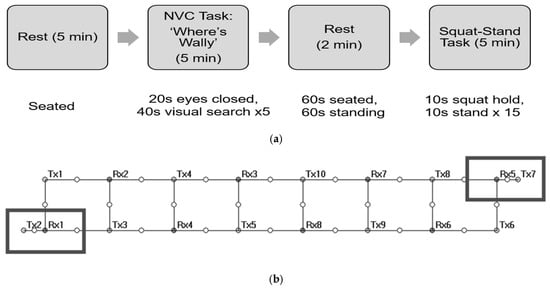
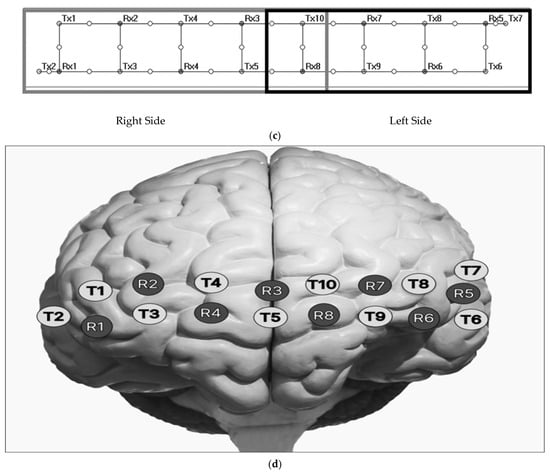
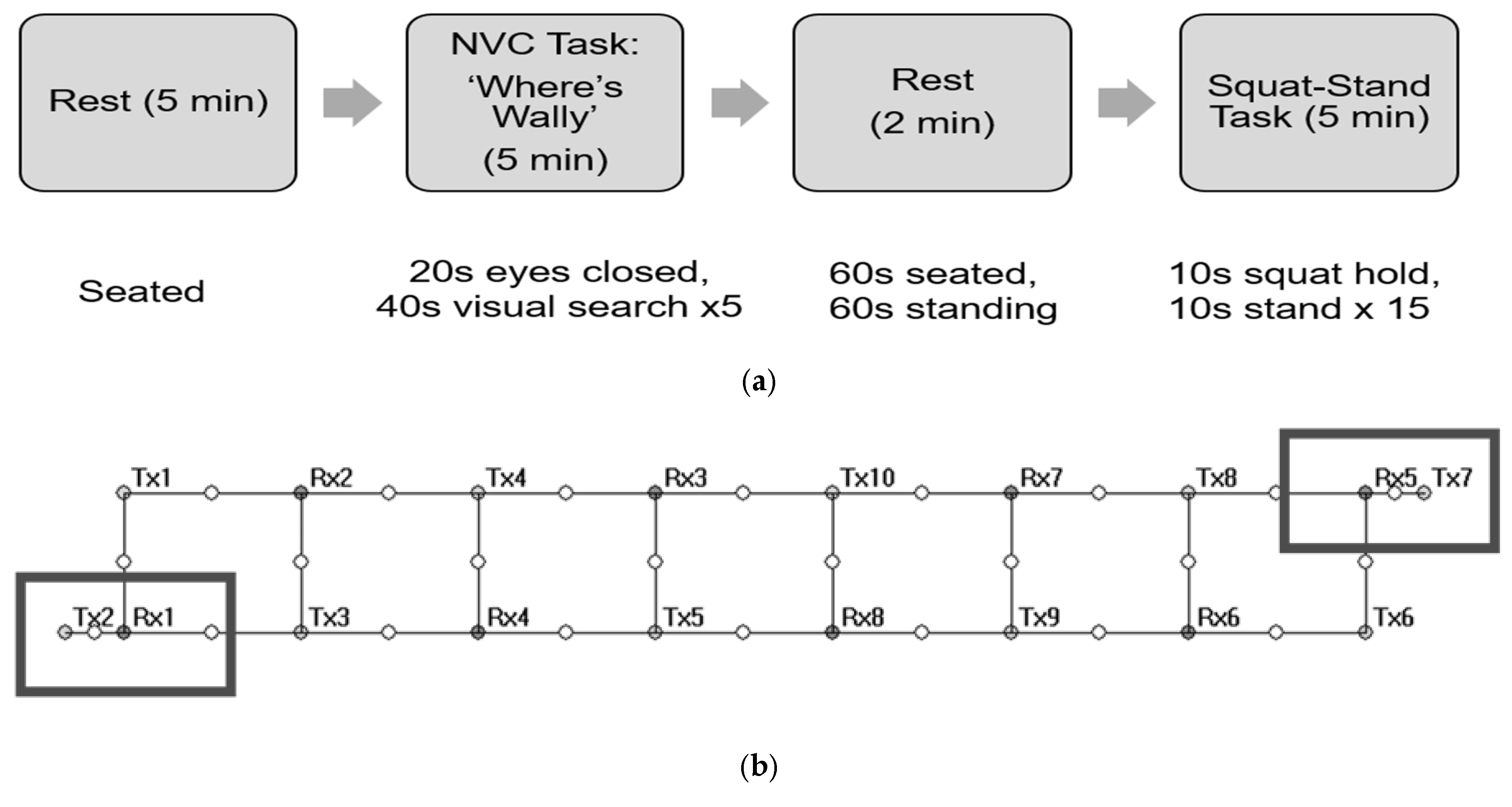
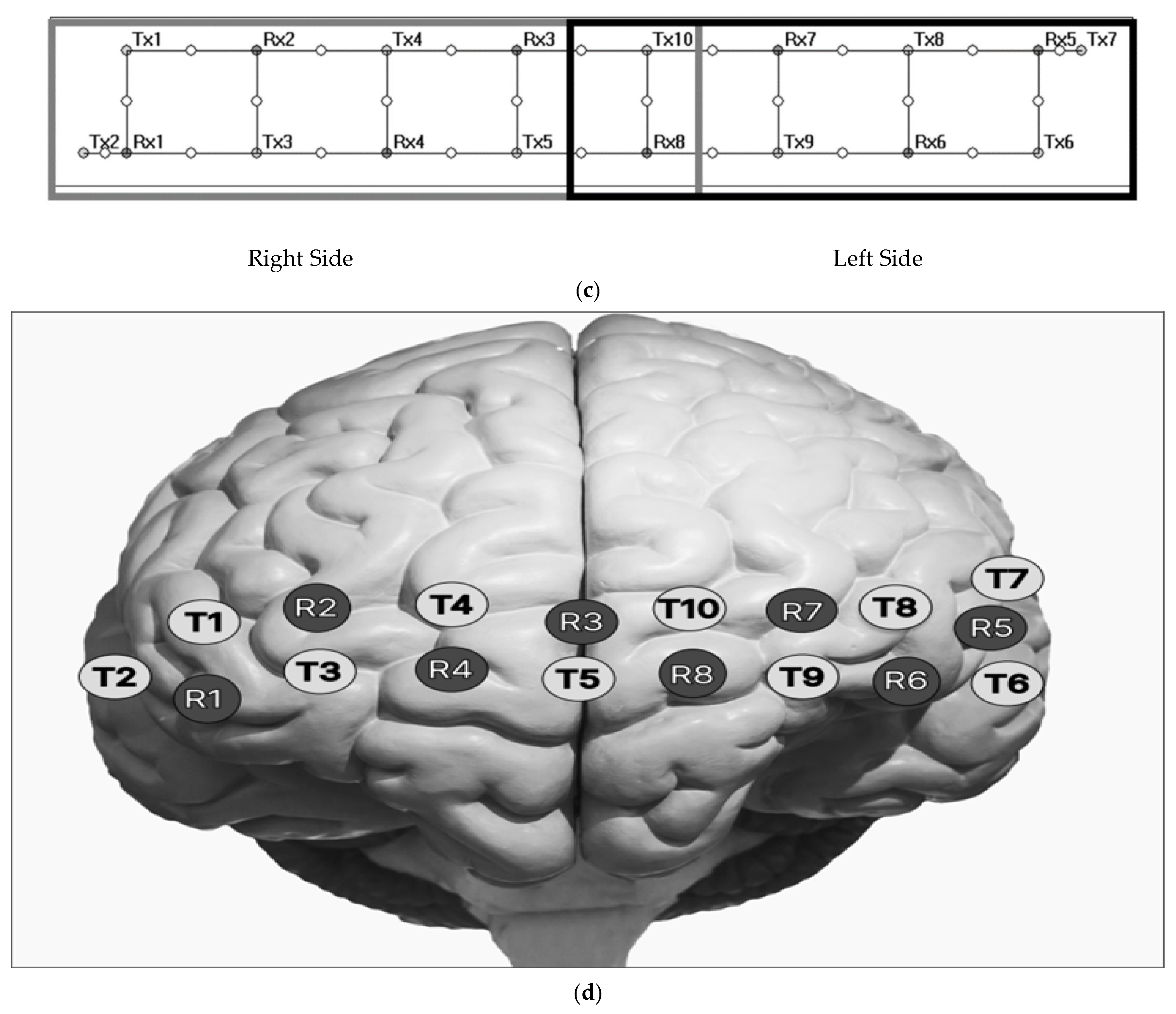
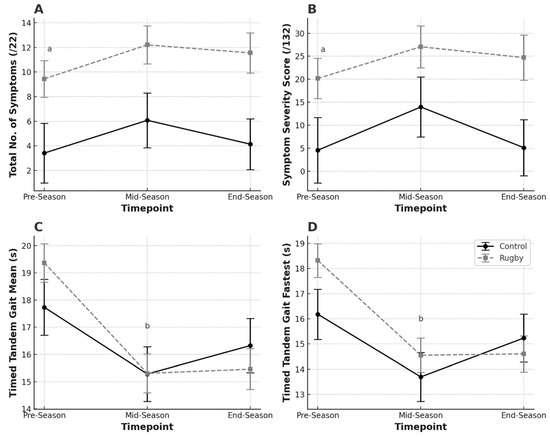

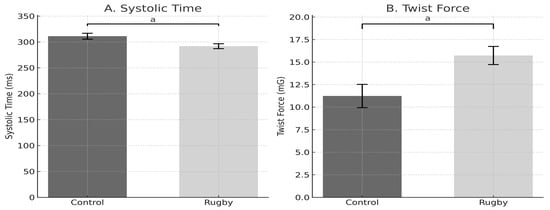
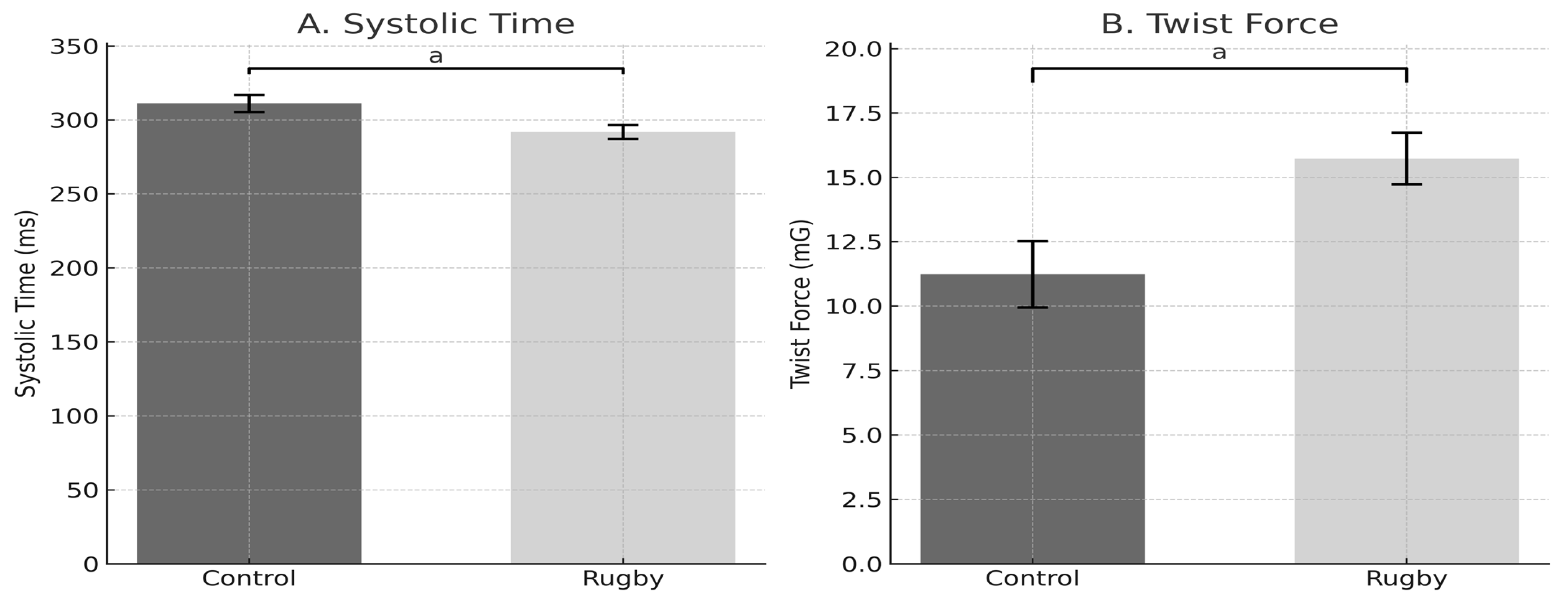
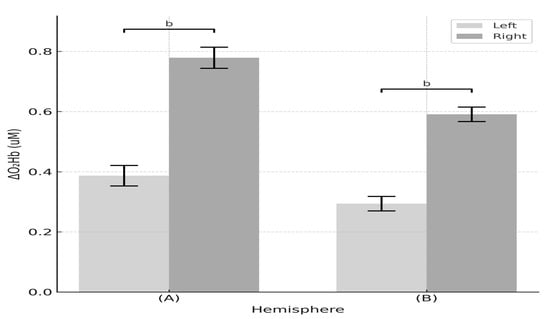

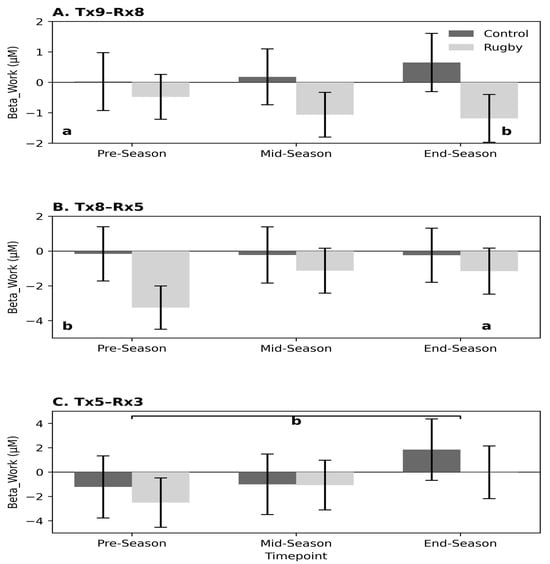
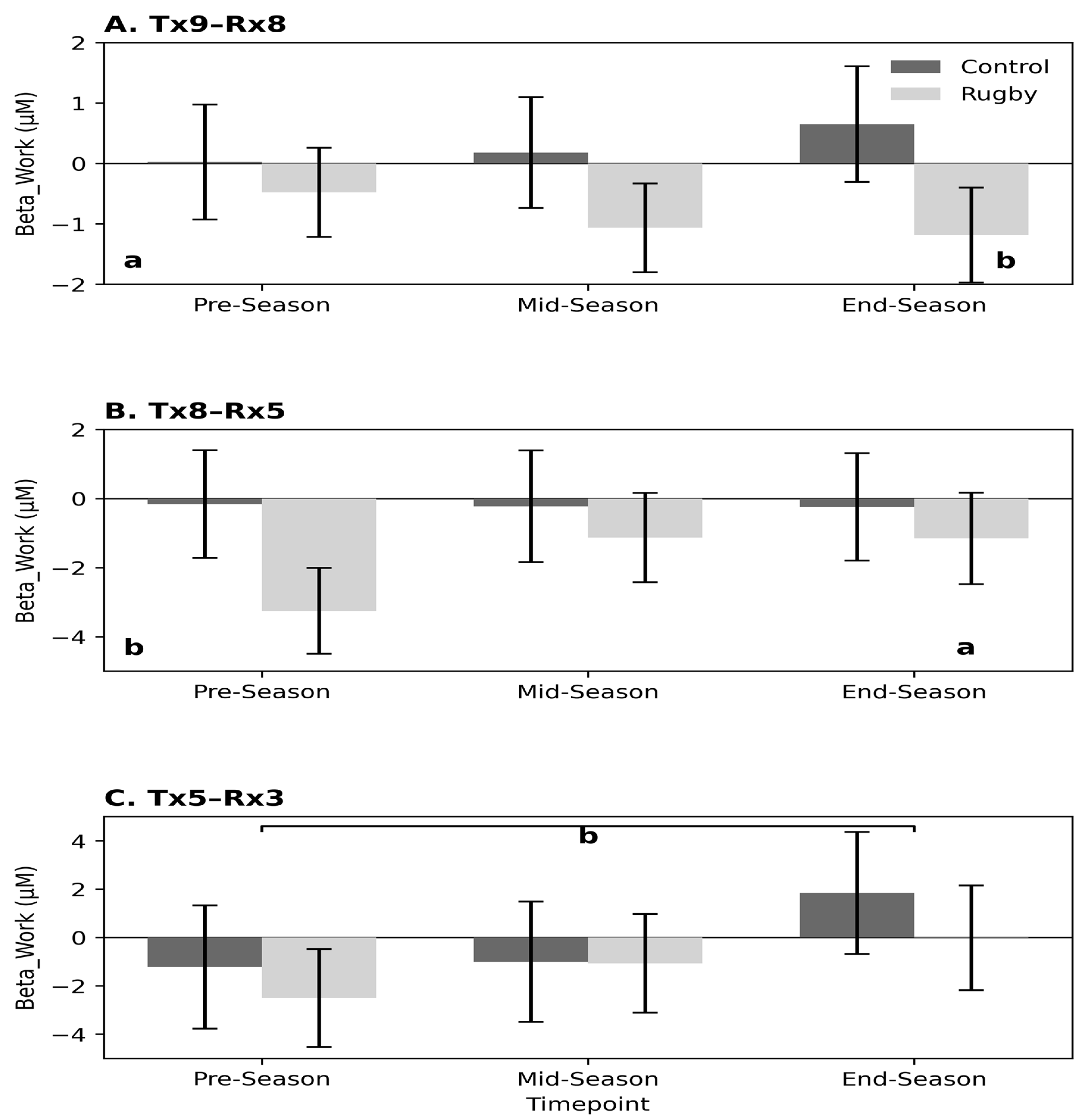
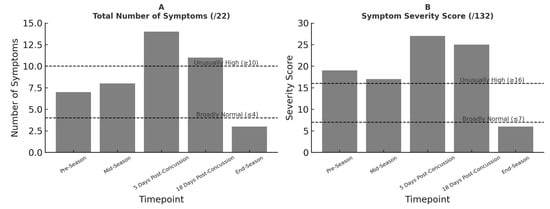

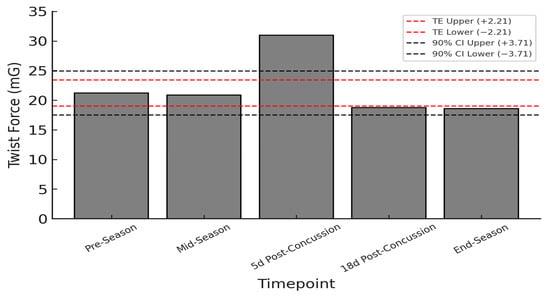

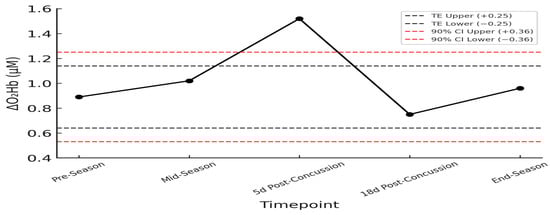
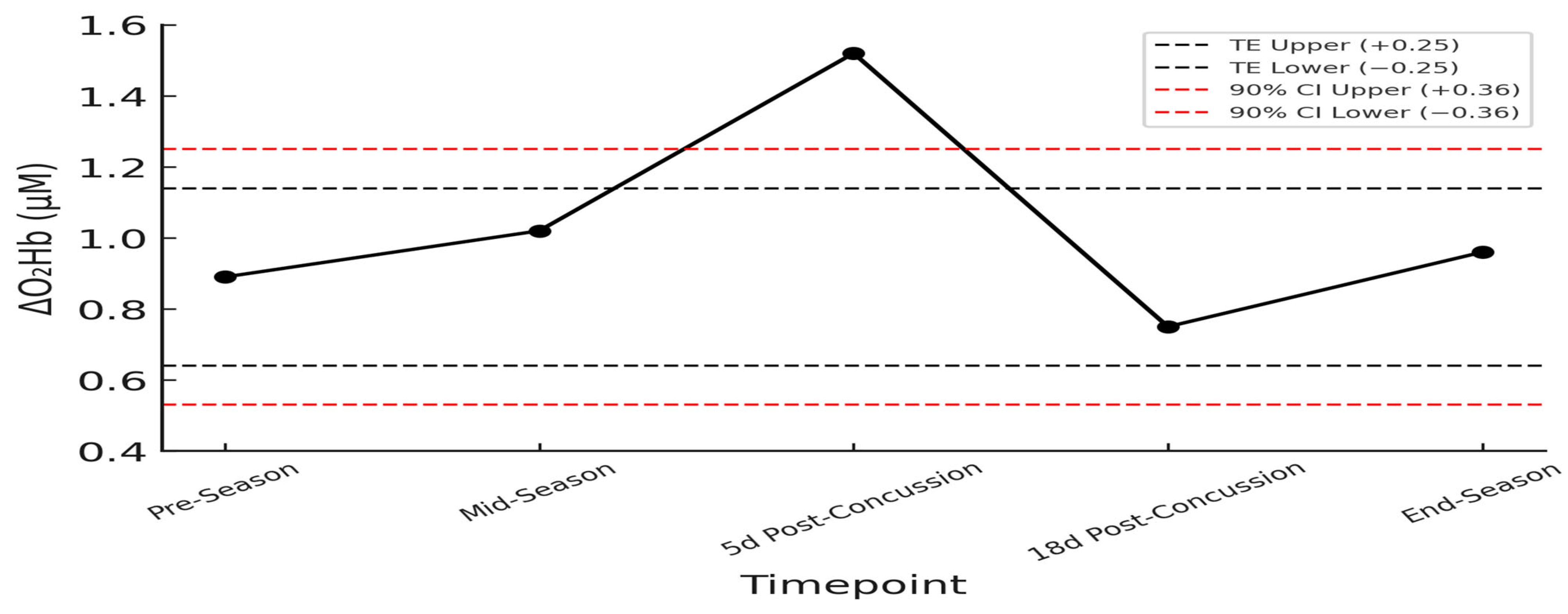
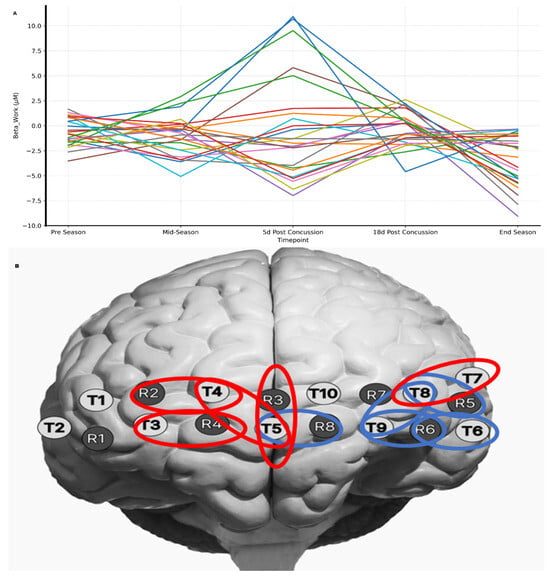
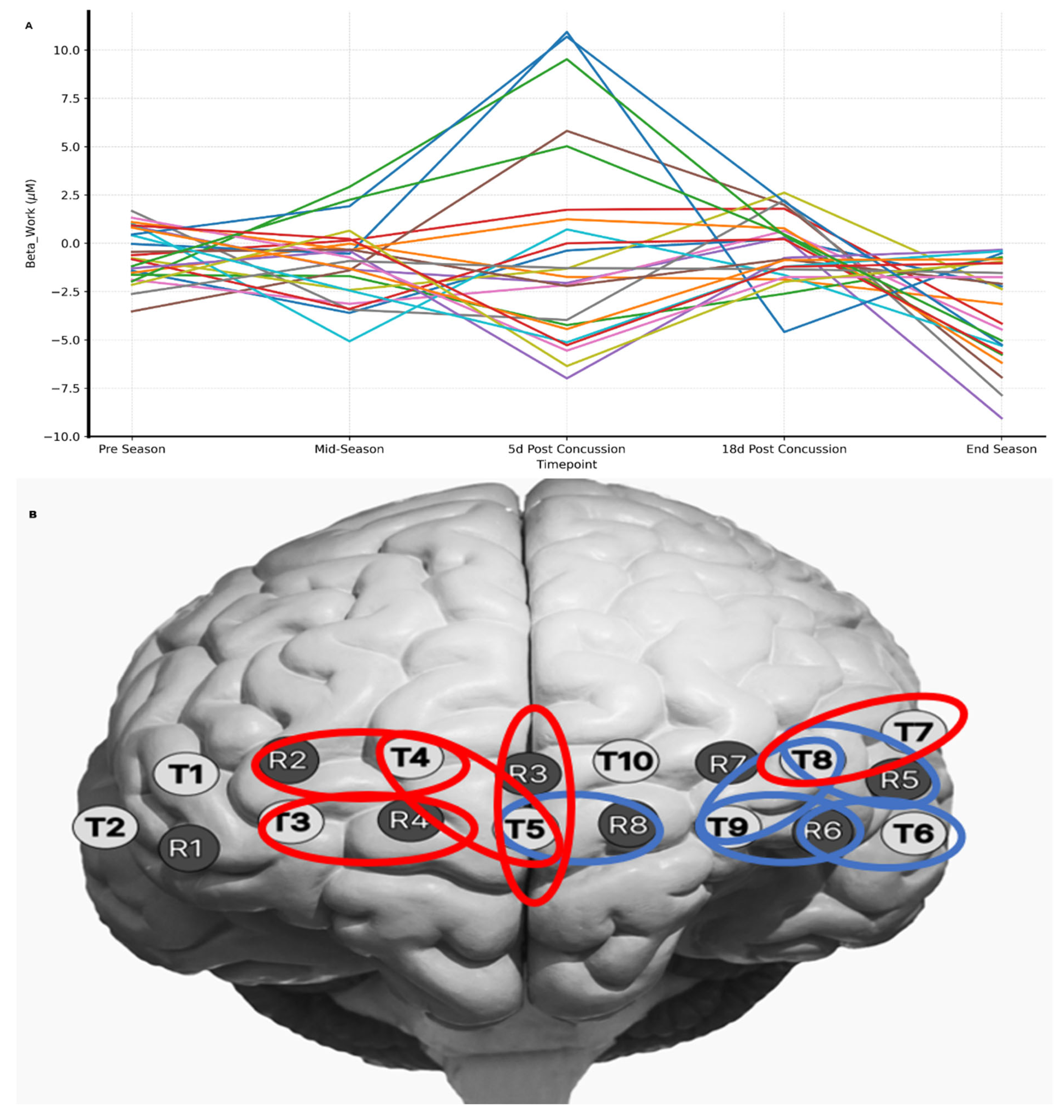

Disclaimer/Publisher’s Note: The statements, opinions and data contained in all publications are solely those of the individual author(s) and contributor(s) and not of MDPI and/or the editor(s). MDPI and/or the editor(s) disclaim responsibility for any injury to people or property resulting from any ideas, methods, instructions or products referred to in the content. |
© 2025 by the authors. Licensee MDPI, Basel, Switzerland. This article is an open access article distributed under the terms and conditions of the Creative Commons Attribution (CC BY) license (https://creativecommons.org/licenses/by/4.0/).