
Phytoremediation and Compost-Assisted Phytoremediation of a Heavy-Metal-Contaminated Soil: A Sustainable Approach Using Waste-Derived Amendments


 , ,
, ,  ,
,  and
and
Abstract
1. Introduction
2. Materials and Methods
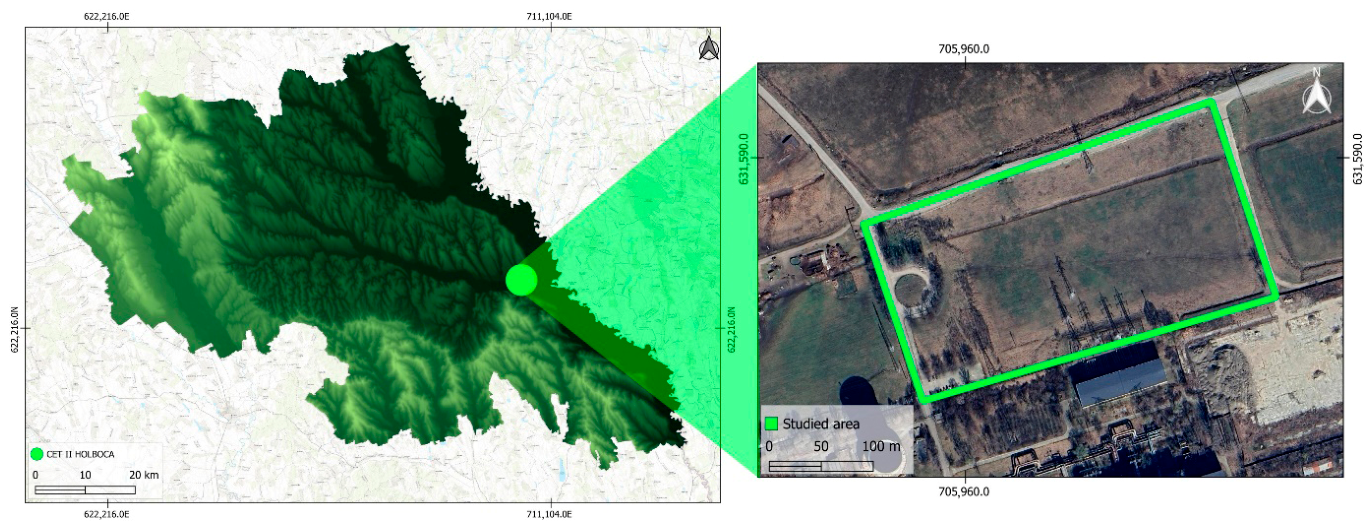
2.1. Study Area
2.2. Soil Analysis
2.3. Materials
2.4. Experimental Methodology
2.4.1. Gravimetric and Biometric Assessment
2.4.2. Determination of Metal Ion Concentration
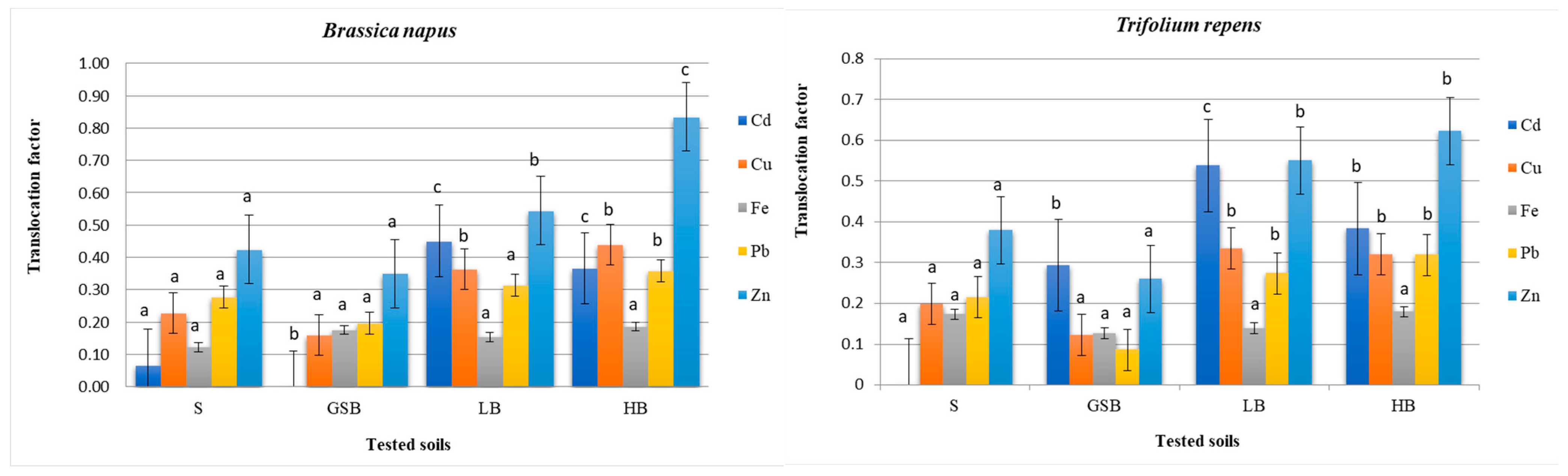
- Translocation factor (TF) = metal ion concentration in aerial parts/metal ion concentration in roots.
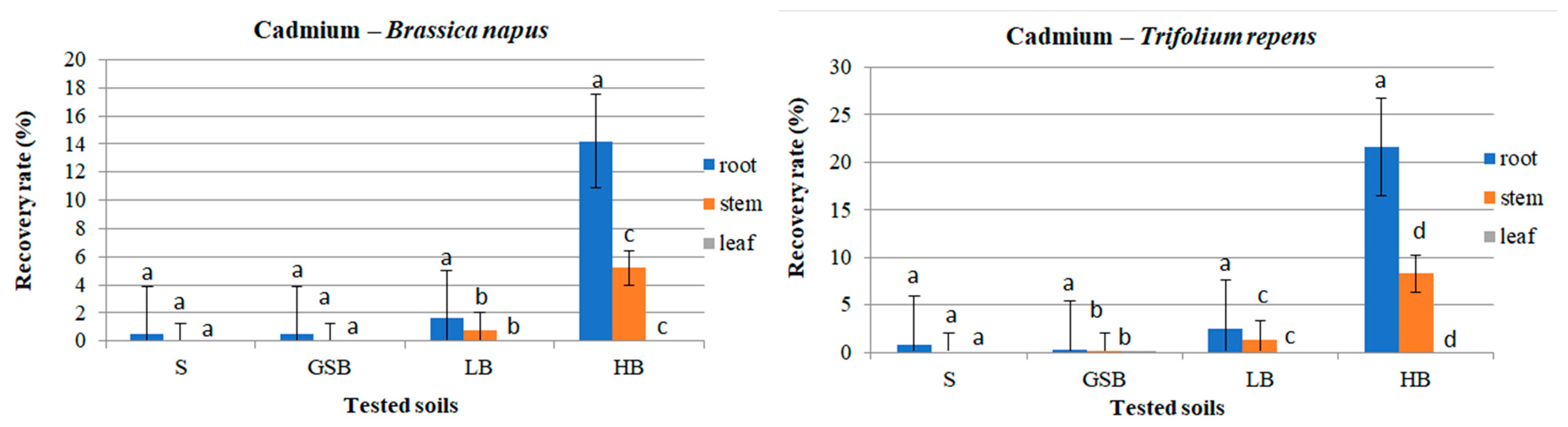
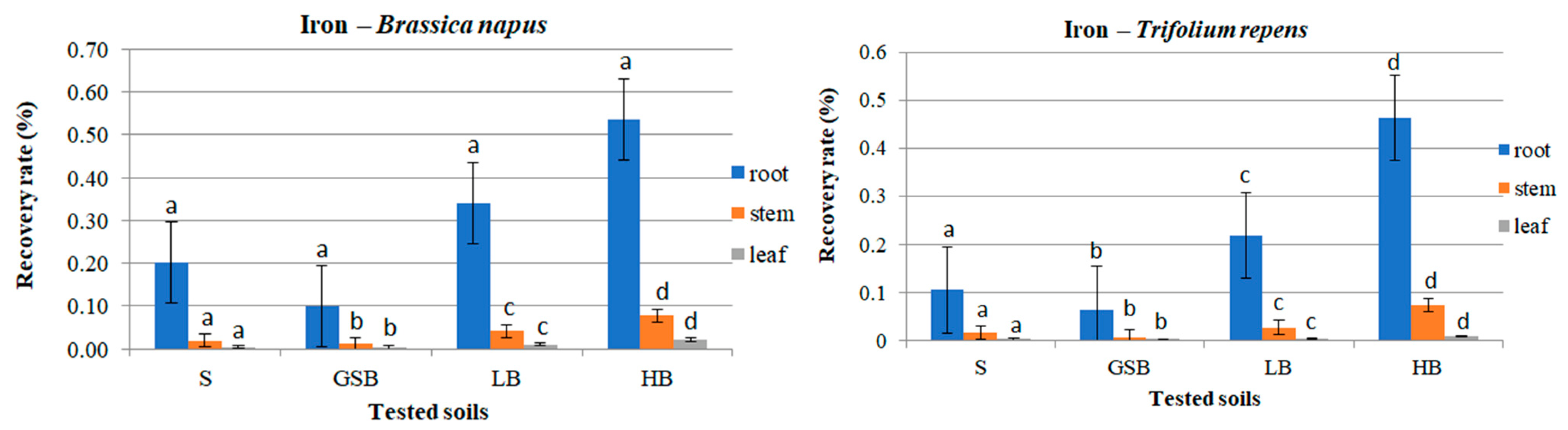
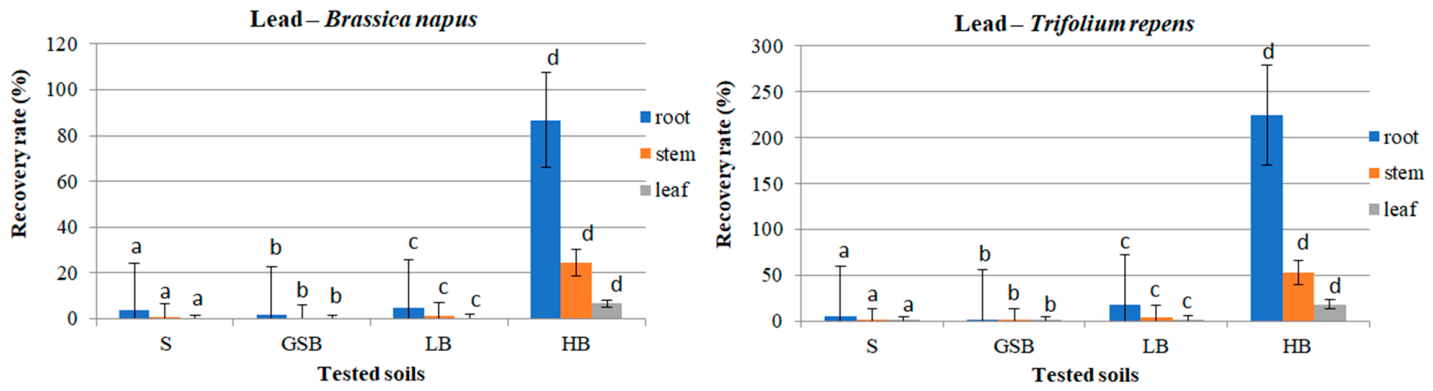
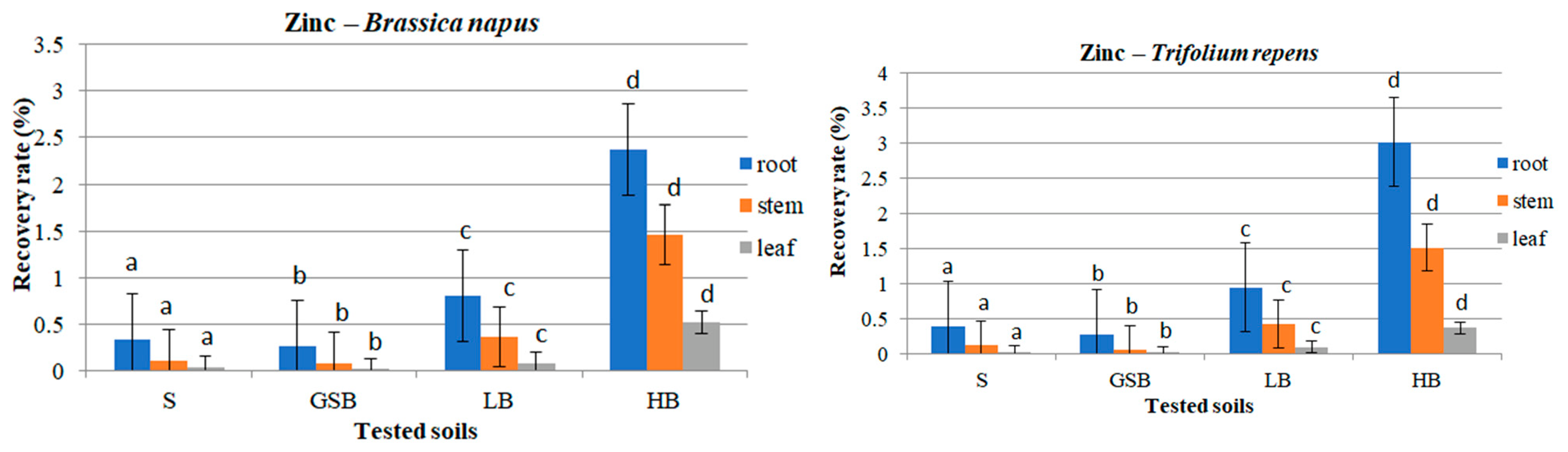
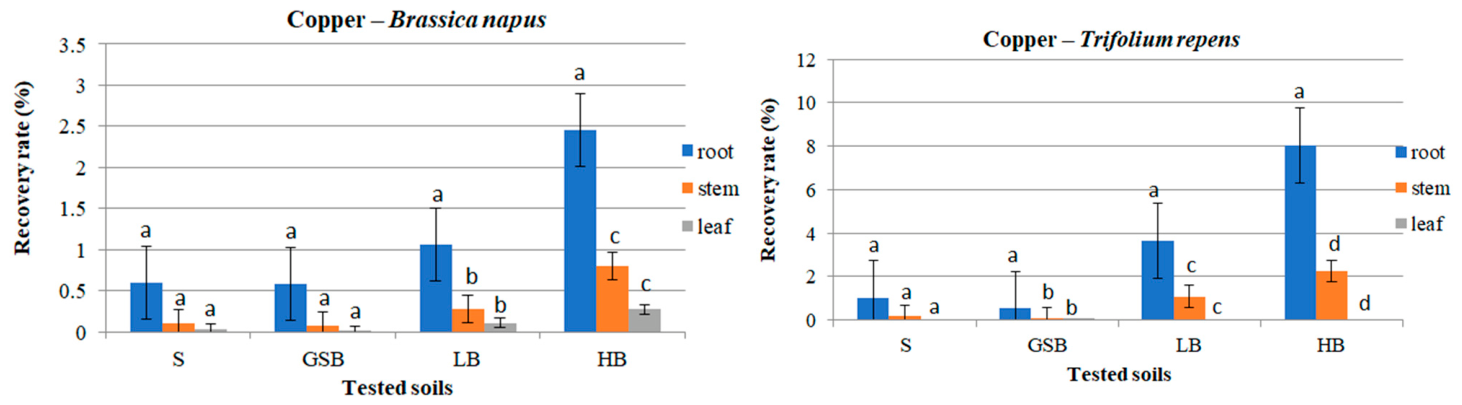
- Recovery rate (%) = metal concentration in roots, stems, and leaves/metal ion concentration in the growth medium (soil) [27].
2.4.3. SEM Analysis of Vegetative Organ Structure
2.4.4. Statistical Analysis
3. Results
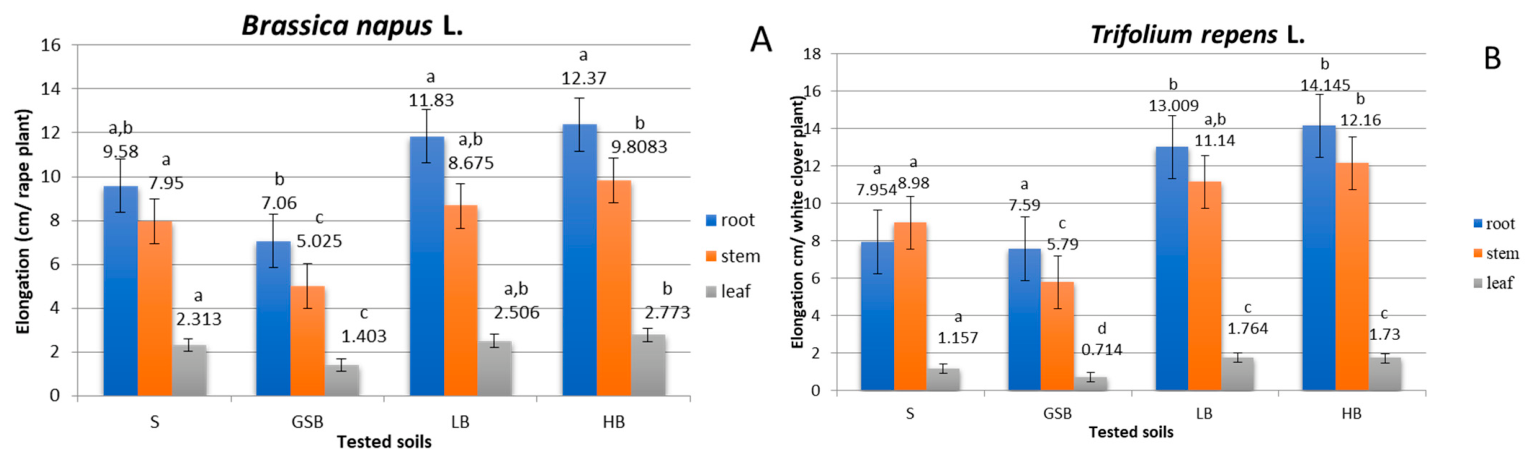
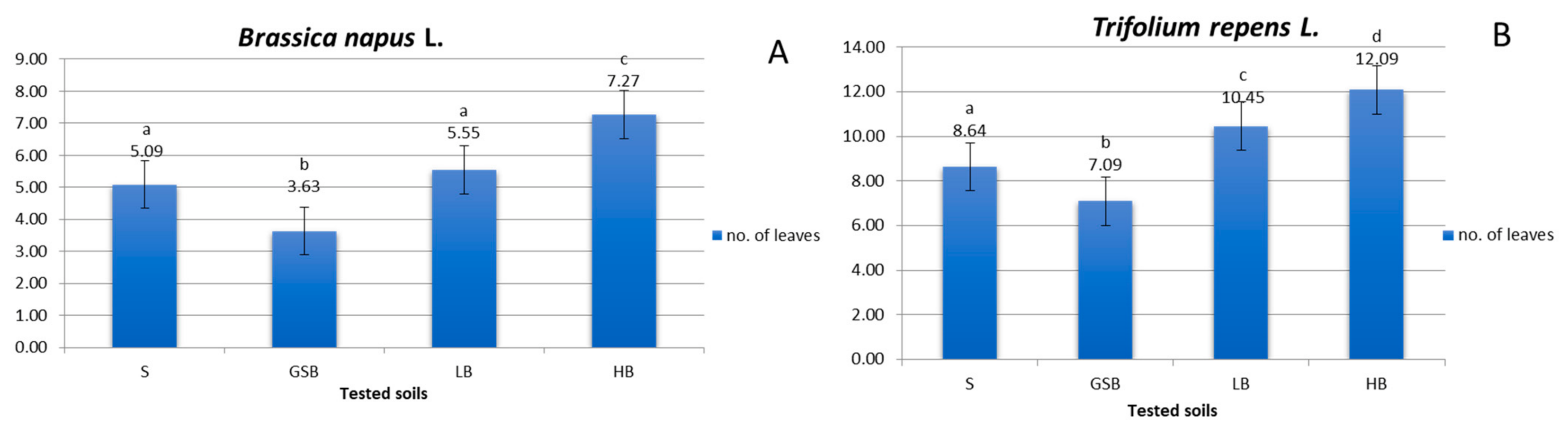
3.1. Biometric Determinations
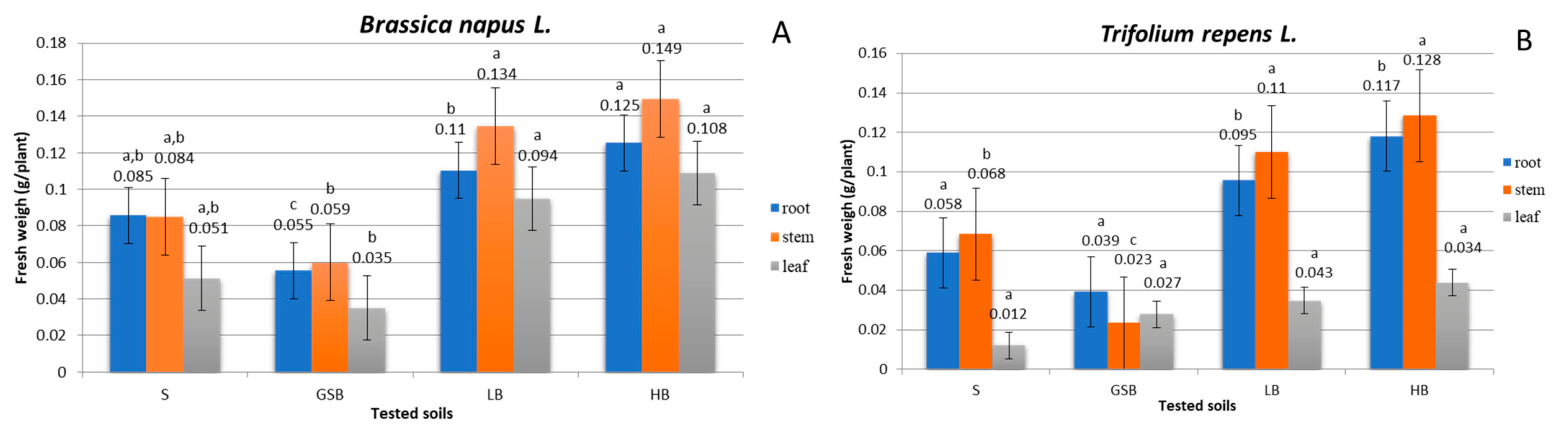
3.2. Gravimetric Determinations
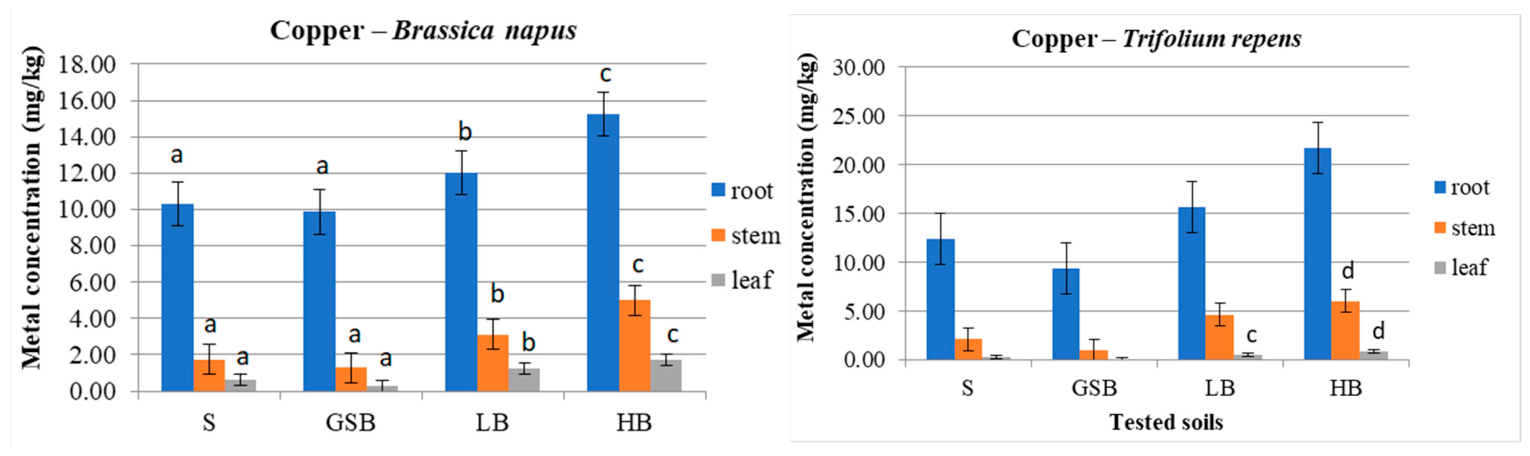
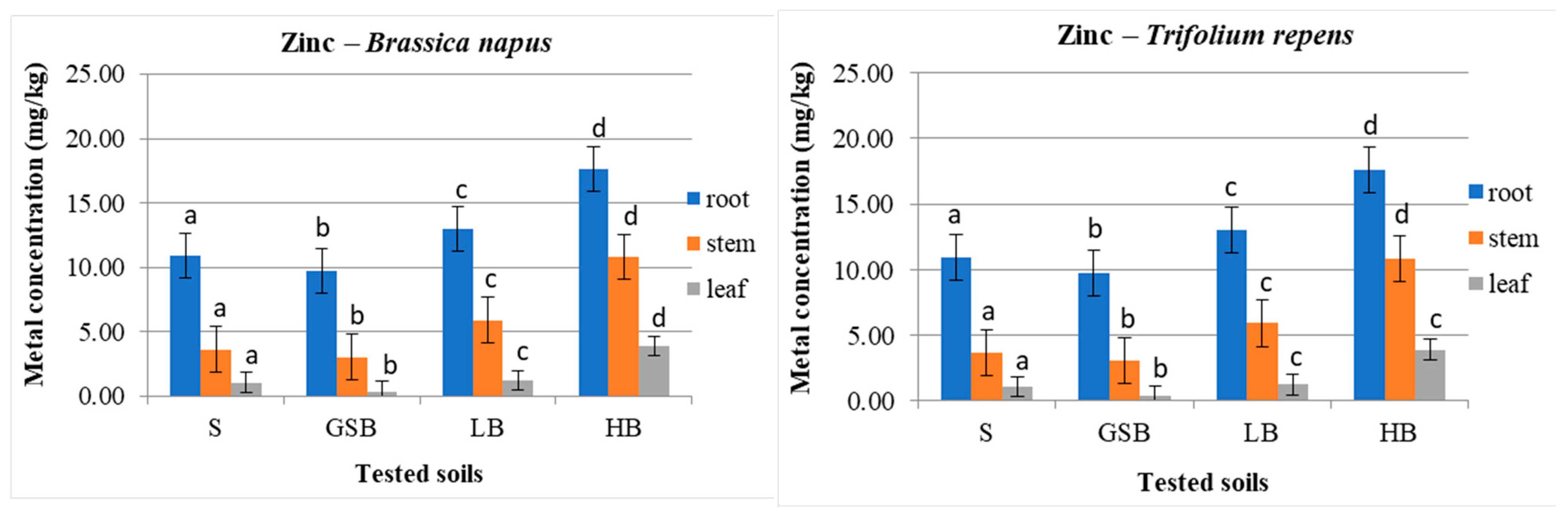
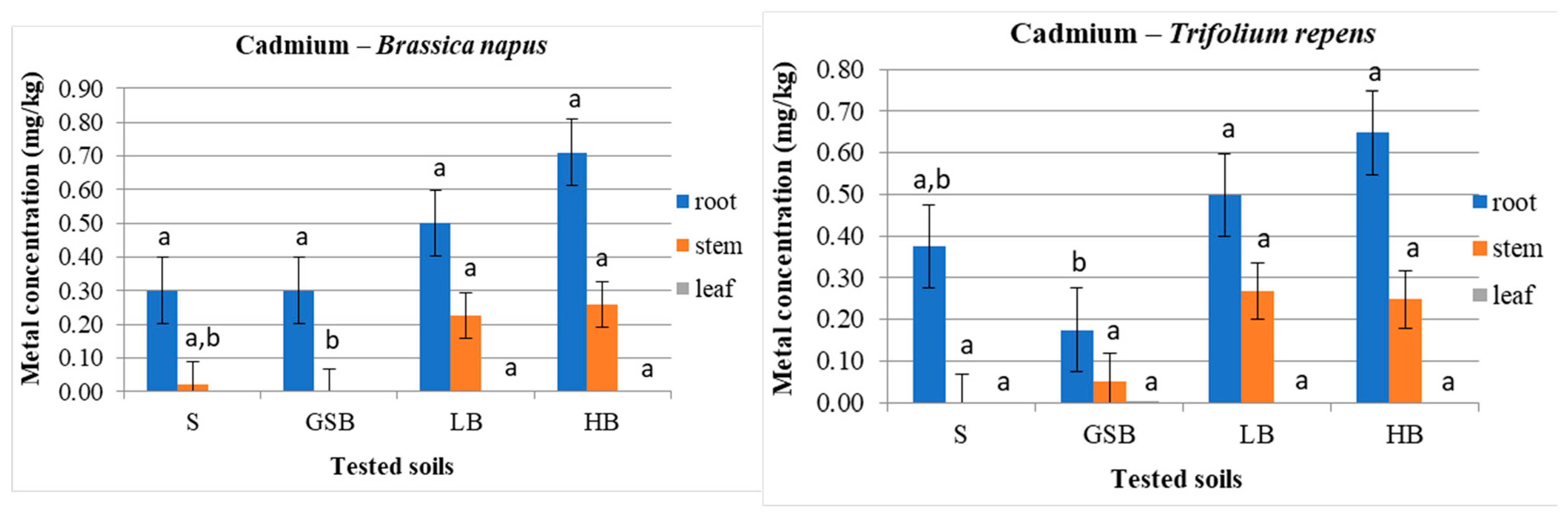
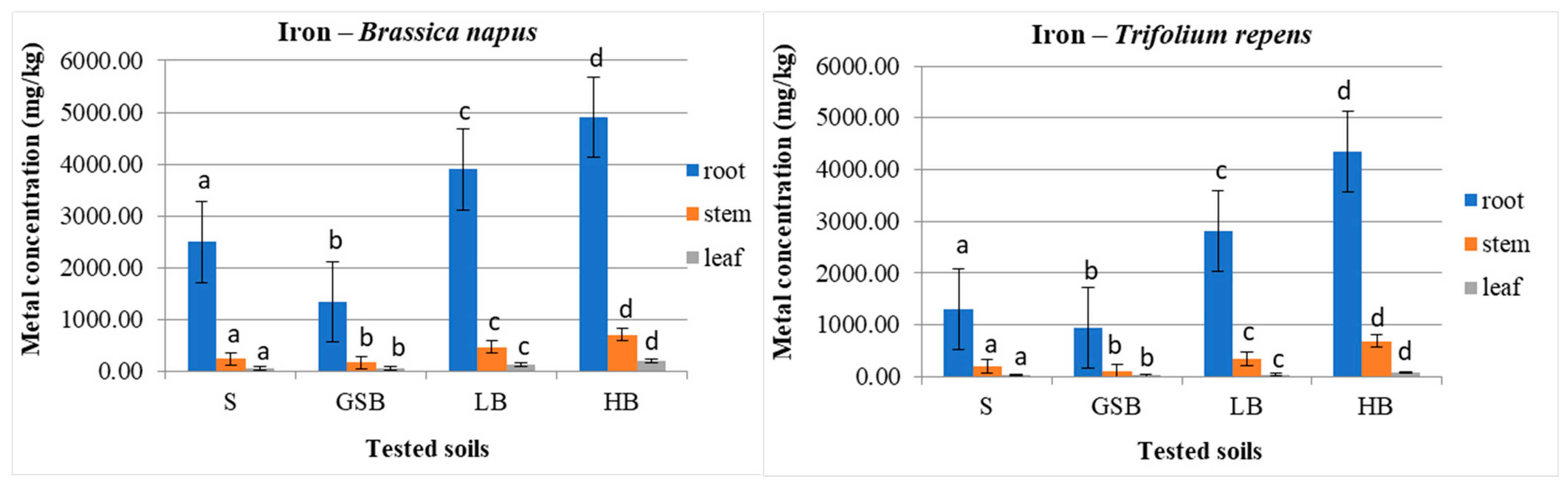
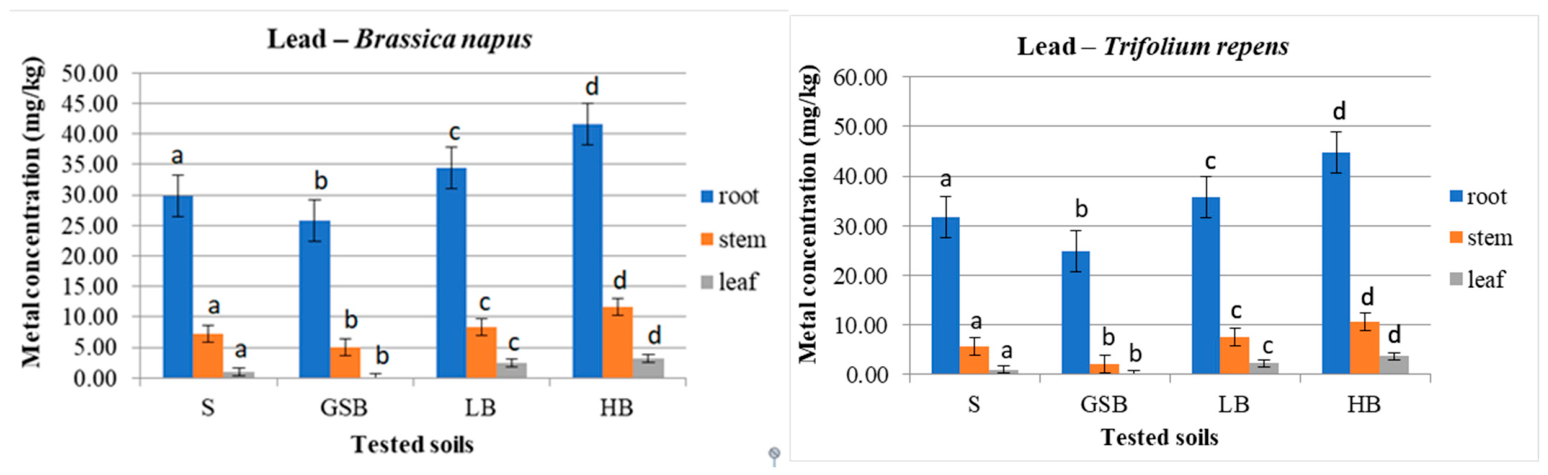
3.3. Variation of Heavy Metal Ion Concentrations in Vegetative Organs
3.4. Translocation Factor of Various Heavy Metals in Vegetative Organs of Brassica napus and Trifolium repens
3.5. The Recovery Degree of Different Heavy Metals in the Vegetative Organs of Brassica napus L. and Trifolium repens L.
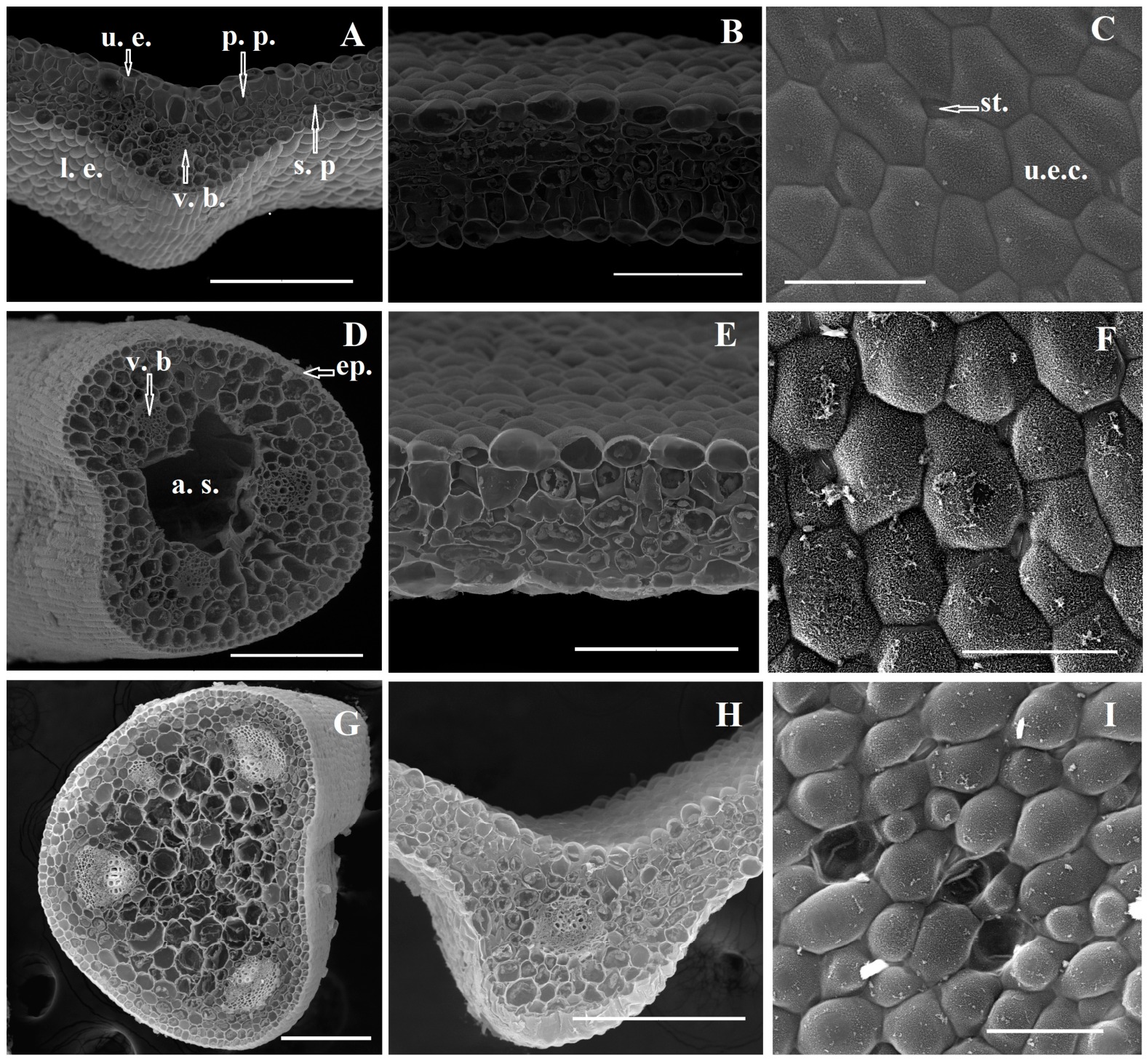
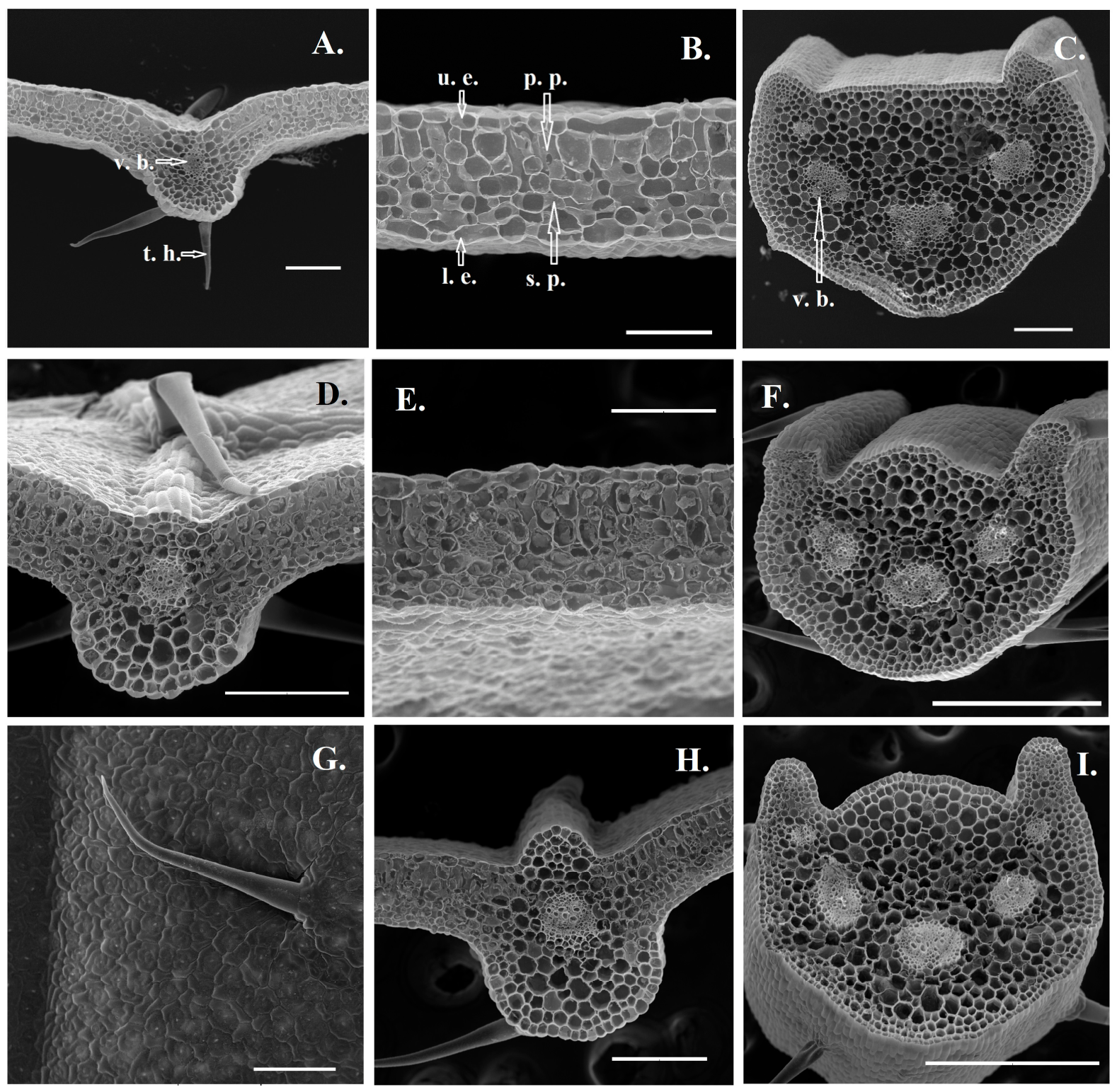
3.6. Histo-Anatomical and Micro-Morphological Aspects of the Analyzed Species Under the Action of Natural Amendments
3.6.1. Histo-Anatomical Aspects of Trifolium repens Seedlings
3.6.2. Histo-Anatomical Aspects of Brassica napus Seedlings
4. Discussion
5. Conclusions
Author Contributions
Funding
Institutional Review Board Statement
Informed Consent Statement
Data Availability Statement
Conflicts of Interest
References
- Abou Fayssal, S.; Kumar, P.; Popescu, S.M.; Sardar, H.; Ahmad, R.; Gupta, D.; Gaur, S.K.; Alharby, H.F.; Al-Ghamdi, A.G. Health Risk Assessment of Heavy Metals in Saffron (Crocus sativus L.) Cultivated in Domestic Wastewater and Lake Water Irrigated Soils. Heliyon 2024, 10, e27138. [Google Scholar] [CrossRef]
- Di Stasio, L.; Gentile, A.; Tangredi, D.N.; Piccolo, P.; Oliva, G.; Vigliotta, G.; Cicatelli, A.; Guarino, F.; Guidi Nissim, W.; Labra, M.; et al. Urban Phytoremediation: A Nature-Based Solution for Environmental Reclamation and Sustainability. Plants 2025, 14, 2057. [Google Scholar] [CrossRef]
- Oubohssaine, M.; Dahmani, I. Phytoremediation: Harnessing plant power and innovative technologies for effective soil remediation. Plant Stress 2024, 14, 100578. [Google Scholar] [CrossRef]
- Salifu, M.; John, M.A.; Abubakar, M.; Bankole, I.A.; Ajayi, N.D.; Amusan, O. Phytoremediation Strategies for Heavy Metal Contamination: A Review on Sustainable Approach for Environmental Restoration. J. Environ. Prot. 2024, 15, 450–474. [Google Scholar] [CrossRef]
- Yan, A.; Wang, Y.; Tan, S.N.; Yusof, M.L.M.; Ghosh, S.; Chen, Z. Phytoremediation: A promising approach for revegetation of heavy metal-polluted land. Front. Plant Sci. 2020, 11, 359. [Google Scholar] [CrossRef] [PubMed]
- Hantsi, J.M.; Melato, F.A.; Tembu, V.J. Extraction potential of Trifolium repens and Medicago sativa for metals in landfill soil: Their metabolomic responses. J. Environ. Manag. 2025, 373, 123867. [Google Scholar] [CrossRef]
- Wu, F.; Fan, J.; Ye, X.; Yang, L.; Hu, R.; Ma, J.; Ma, S.; Li, D.; Zhou, J.; Nie, G.; et al. Unraveling Cadmium Toxicity in Trifolium repens L. Seedling: Insight into Regulatory Mechanisms Using Comparative Transcriptomics Combined with Physiological Analyses. Int. J. Mol. Sci. 2022, 23, 4612. [Google Scholar] [CrossRef]
- Rani, P.; Rose, P.K.; Kidwai, M.K.; Meenakshi. Brassica juncea L.: A potential crop for phytoremediation of various heavy metals. In Heavy Metal Toxicity: Environmental Concerns, Remediation and Opportunities; Springer Nature: Singapore, 2023; pp. 285–311. [Google Scholar]
- Su, R.; Wang, Y.; Huang, S.; Chen, R.; Wang, J. Application for ecological restoration of contaminated soil: Phytoremediation. Int. J. Environ. Res. Public Health 2022, 19, 13124. [Google Scholar] [CrossRef]
- Seagren, E.A. Bioremediation. In Encyclopedia of Toxicology, 4th ed.; Elsevier: Amsterdam, The Netherlands, 2024; Volume 2, pp. 145–159. [Google Scholar]
- Balseiro-Romero, M.; Monterroso, C.; Kidd, P.S.; Lu-Chau, T.A.; Gkorezis, P.; Vangronsveld, J.; Casares, J.J. Modelling the Ex Situ Bioremediation of Diesel-Contaminated Soil in a Slurry Bioreactor Using a Hydrocarbon-Degrading Inoculant. J. Environ. Manag. 2019, 246, 840–848. [Google Scholar] [CrossRef]
- Veluri, S.; Somadri, V.; Vaishnavi, V.; Kaushik, D.M.; Yeruva, D.K. In Situ and Ex Situ Bioremediation Techniques for Removal of Emerging Pollutants in the Environment. In Emerging Contaminants in the Environment: Occurrence, Detection and Biodegradation; Springer Nature: Cham, Switzerland, 2026; pp. 207–233. [Google Scholar]
- Baragaño, D.; Suárez, I.; Forján, R.; Gallego, J.R.; González, A. Field-Scale Evaluation of Nanoscale Zero-Valent Iron and Biochar Coupled with Phytoremediation for In Situ Stabilization of Polluted Soil. J. Environ. Chem. Eng. 2025, 13, 117607. [Google Scholar] [CrossRef]
- Mazzurco-Miritana, V.; Passatore, L.; Zacchini, M.; Pietrini, F.; Peruzzi, E.; Carloni, S.; Rolando, L.; Garbini, G.L.; Caracciolo, A.B.; Silvani, V.; et al. Promoting the Remediation of Contaminated Soils Using Biochar in Combination with Bioaugmentation and Phytoremediation Techniques. Sci. Rep. 2025, 15, 11231. [Google Scholar] [CrossRef]
- Yasin, G.; Bin Yousaf, M.T.; Javaid, M.M.; Zulfiqar, U.; Djonibekova, N.; Matkarimova, A.; Almoallim, H.S.; Javed, M.; Rahman, S.U. Adaptive Responses of Trees to Industrial Pollution: Modulation of Leaf Anatomical, Physio-Biochemical, and Heavy Metal Accumulation Traits in Urban Biotopes. Environ. Monit. Assess. 2025, 197, 882. [Google Scholar] [CrossRef]
- Bashir, Z.; Deep, R.A.J.; Selvasembian, R. Sustainable phytoremediation technologies for the efficient removal of toxic metals from coal mining contaminated soils with the potential approaches of circular bioeconomy. Pedosphere 2026, 36, 254–277. [Google Scholar] [CrossRef]
- Sharma, S.; Kumar, T.; Das, D.K.; Mittal, A.; Verma, N. Vinod Phytoremediation of Heavy Metals in Soil—Concepts, Advancements, and Future Directions. J. Soil Sci. Plant Nutr. 2025, 25, 1253–1280. [Google Scholar] [CrossRef]
- Ungureanu, G.; Pătrăuţanu, O.A.; Volf, I. A bio-based carbon rich material for efficient remediation of environmental hazardous. C. R. Chim. 2022, 25, 153–163. [Google Scholar] [CrossRef]
- Fakhar, A.; Canatoy, R.C.; Galgo, S.J.C.; Rafique, M.; Sarfraz, R. Advancements in modified biochar production techniques and soil application: A critical review. Fuel 2025, 400, 135745. [Google Scholar] [CrossRef]
- Yi, Y.; Luo, J.; Fang, Z. Magnetic Biochar Derived from Eichhornia Crassipes for Highly Efficient Fenton-like Degradation of Antibiotics: Mechanism and Contributions. J. Environ. Chem. Eng. 2021, 9, 106258. [Google Scholar] [CrossRef]
- Xiang, L.; Harindintwali, J.D.; Wang, F.; Redmile-Gordon, M.; Chang, S.X.; Fu, Y.; He, C.; Muhoza, B.; Brahushi, F.; Bolan, N.; et al. Integrating biochar, bacteria, and plants for sustainable remediation of soils contaminated with organic pollutants. Environ. Sci. Technol. 2022, 56, 16546–16566. [Google Scholar] [CrossRef]
- Fick, S.E.; Hijmans, R.J. WorldClim 2: New 1-km spatial resolution climate surfaces for global land areas. Int. J. Climatol. 2017, 37, 4302–4315. [Google Scholar] [CrossRef]
- Zotica, T.A.; Chirilă, S.D.; Balan, C.; Volf, I. Physical and chemical characterization and floristic peculiarities of a soil affected by anthropic activities. Environ. Eng. Manag. J. 2020, 19, 317–325. [Google Scholar] [CrossRef]
- Pătrăuțanu, O.A. Studies on the Valorization of Some Biomass Wastes in the Perspective of Implementing the Principles of Bioeconomy. Ph.D. Thesis, “Gheorghe Asachi” Technical University of Iasi, Iași, Romania, 2023. [Google Scholar]
- SR ISO 11047:1999; Soil Quality. Determination of Cadmium, Chromium, Cobalt, Copper, Lead, Manganese, Nickel and Zinc in Aqua Regia soil Extracts. Flame Atomic Absorption Spectrometry and Electrothermal Atomization Methods. Slovenski Inštitut za Standardizacijo: Ljubljana, Slovenia, 2003.
- Stingu, A.; Volf, I.; Popa, V.I. Study of copper and cadmium accumulation by bean. Environ. Eng. Manag. J. 2009, 8, 1247–1252. [Google Scholar] [CrossRef]
- Hajiboland, R. An evaluation of the efficiency of cultural plants to remove heavy metals from growing medium. Plant Soil Environ. 2005, 51, 156–164. [Google Scholar] [CrossRef]
- Popescu, I.E.; Gostin, I.N. Lasioptera rubi, a pest of Rubus idaeus: Galls morphology, anatomy and histochemistry. Agriculture 2024, 14, 1761. [Google Scholar] [CrossRef]
- R Core Team. R: A Language and Environment for Statistical Computing; R Foundation for Statistical Computing: Vienna, Austria, 2024; Available online: https://www.R-project.org/ (accessed on 1 March 2026).
- Adriano, D.C. Trace Elements in Terrestrial Environments, Biogeochemistry, Bioavailability and Risks of Metals; Springer: Berlin/Heidelberg, Germany, 2001; p. 867. [Google Scholar]
- Narayanan, M.; Ma, Y. Influences of biochar on bioremediation/phytoremediation potential of metal-contaminated soils. Front. Microbiol. 2022, 13, 929730. [Google Scholar] [CrossRef]
- Bortoloti, G.A.; Baron, D. Phytoremediation of Toxic Heavy Metals by Brassica Plants: A Biochemical and Physiological Approach. Environ. Adv. 2022, 8, 100204. [Google Scholar] [CrossRef]
- Chen, Y.; Ding, Z.; Yu, T.; Cao, L.; Duan, Y.; Zu, Y.; Li, Z. Accumulation Characteristics of Heavy Metals in Three Wild Rice Species and Adaptation of Root Morphology and Anatomical Structure to Native Soil Heavy Metals in Yunnan. Ecol. Indic. 2024, 167, 112601. [Google Scholar] [CrossRef]
- Ioniță, M.F.; Dunca, E.C.; Radu, S.M. Molecular and Cellular Mechanisms of Plant Responses to Heavy Metal Stress in Mining-Impacted Environments. Plants 2026, 15, 1045. [Google Scholar] [CrossRef] [PubMed]
- Chen, Z.; Wang, Y.; Xia, D.; Jiang, X.; Fu, D.; Shen, L.; Wang, H.; Li, Q.B. Enhanced Bioreduction of Iron and Arsenic in Sediment by Biochar Amendment Influencing Microbial Community Composition and Dissolved Organic Matter Content and Composition. J. Hazard. Mater. 2016, 311, 20–29. [Google Scholar] [CrossRef] [PubMed]
- Rajendran, S.; Priya, T.; Khoo, K.S.; Hoang, T.K.; Ng, H.-S.; Munawaroh, H.S.H.; Karaman, C.; Orooji, Y.; Show, P.L. A critical review on various remediation approaches for heavy metal contaminants removal from contaminated soils. Chemosphere 2022, 287, 132369. [Google Scholar] [CrossRef]
- Sytar, O.; Ghosh, S.; Malinska, H.; Zivcak, M.; Brestic, M. Physiological and molecular mechanisms of metal accumulation in hyperaccumulator plants. Physiol. Plant. 2021, 173, 148–166. [Google Scholar] [CrossRef]
- Nawaz, R.; Anas, M.; Elahi, M.; Falak, A.; Saleem, M.H.; Elansary, H.O.; Mahmoud, E.A.; Fahad, S.; Quraishi, U.M. Anatomical Adaptations and Metal Sequestration Strategies for Improved Yield Stability and Stress Tolerance in Wheat Cultivars Under Heavy Metal Contamination. Microsc. Res. Tech. 2025, 88, 637–651. [Google Scholar] [CrossRef] [PubMed]
- Sharma, J.K.; Kumar, N.; Singh, N.P.; Santal, A.R. Phytoremediation technologies and their mechanism for removal of heavy metal from contaminated soil: An approach for a sustainable environment. Front. Plant Sci. 2023, 14, 1076876. [Google Scholar] [CrossRef] [PubMed]
- Jach, M.E.; Sajnaga, E.; Ziaja, M. Utilization of legume-nodule bacterial symbiosis in phytoremediation of heavy metal-contaminated soils. Biology 2022, 11, 676. [Google Scholar] [CrossRef] [PubMed]







Disclaimer/Publisher’s Note: The statements, opinions and data contained in all publications are solely those of the individual author(s) and contributor(s) and not of MDPI and/or the editor(s). MDPI and/or the editor(s) disclaim responsibility for any injury to people or property resulting from any ideas, methods, instructions or products referred to in the content. |
© 2026 by the authors. Licensee MDPI, Basel, Switzerland. This article is an open access article distributed under the terms and conditions of the Creative Commons Attribution (CC BY) license.
Share and Cite
Zotica, T.A.; Ungureanu, G.; Chirilă, S.D.; Balan, C.D.; Popescu, I.E.; Gostin, I.N.; Volf, I. Phytoremediation and Compost-Assisted Phytoremediation of a Heavy-Metal-Contaminated Soil: A Sustainable Approach Using Waste-Derived Amendments. Conservation 2026, 6, 54. https://doi.org/10.3390/conservation6020054
Zotica TA, Ungureanu G, Chirilă SD, Balan CD, Popescu IE, Gostin IN, Volf I. Phytoremediation and Compost-Assisted Phytoremediation of a Heavy-Metal-Contaminated Soil: A Sustainable Approach Using Waste-Derived Amendments. Conservation. 2026; 6(2):54. https://doi.org/10.3390/conservation6020054
Chicago/Turabian StyleZotica, Teodora Alexandra, Gabriela Ungureanu, Simona Dumitrița Chirilă, Cătălin Dumitrel Balan, Irinel Eugen Popescu, Irina Neta Gostin, and Irina Volf. 2026. "Phytoremediation and Compost-Assisted Phytoremediation of a Heavy-Metal-Contaminated Soil: A Sustainable Approach Using Waste-Derived Amendments" Conservation 6, no. 2: 54. https://doi.org/10.3390/conservation6020054
APA StyleZotica, T. A., Ungureanu, G., Chirilă, S. D., Balan, C. D., Popescu, I. E., Gostin, I. N., & Volf, I. (2026). Phytoremediation and Compost-Assisted Phytoremediation of a Heavy-Metal-Contaminated Soil: A Sustainable Approach Using Waste-Derived Amendments. Conservation, 6(2), 54. https://doi.org/10.3390/conservation6020054