


Abstract
The increasing global demand for clean hydrogen necessitates production methods that minimize greenhouse gas emissions while being scalable and economically viable. Hydrogen has a very high gravimetric energy density of about 142 MJ/kg, which makes it a very promising energy carrier for many uses, such as transportation, industrial processes, and fuel cells. Methane pyrolysis has emerged as an attractive low-carbon alternative, decomposing methane (CH4) into hydrogen and solid carbon while circumventing direct CO2 emissions. Still, the process is very endothermic and has always depended on fossil-fuel heat sources, which limits its ability to run without releasing any carbon. This review examines the integration of geothermal energy and methane pyrolysis as a sustainable heat source, with a focus on Enhanced Geothermal Systems (EGS) and Closed-Loop Geothermal (CLG) technologies. Geothermal heat is a stable, carbon-free source of heat that can be used to preheat methane and start reactions. This makes energy use more efficient and lowers operating costs. Also, using flared natural gas from remote oil and gas fields can turn methane that would otherwise be thrown away into useful hydrogen and solid carbon. This review brings together the most recent progress in pyrolysis reactors, catalysts, carbon management, geothermal–thermochemical coupling, and techno-economic feasibility. The conversation centers on major problems and future research paths, with a focus on the potential of geothermal-assisted methane pyrolysis as a viable way to make hydrogen without adding to the carbon footprint.
1. Introduction
Today’s conventional hydrogen production techniques use a wide range of distinctive color combinations that indicate the environmental impact of H2 generation. Steam methane reforming (SMR), a process that includes forcing steam at methane to reform the hydrogen away from the greenhouse gases, accounts for 90% of all H2 production. The other derivative of the H2 color spectrum involves sequestering or utilizing the excess greenhouse gas analogous to gray hydrogen efforts—in a process depicted as blue hydrogen [1]. The last color of interest involves a method to generate electricity not by the usage of fossil fuels but by using renewable energy in attempts to negate the carbon footprint of generating H2. The major goal is still to find creative ways to produce hydrogen while reducing or eliminating greenhouse gas emissions. On the other hand, the techniques discussed in this study provide an alternative viewpoint on the neglected H2 production of “Turquoise hydrogen.” [2]. Hydrogen (H2) is increasingly positioned as a cross-sector decarbonization lever, spanning hard-to-electrify industrial heat and chemical feedstocks (e.g., ammonia synthesis and refining), dispatchable power generation, and long-duration energy storage, in addition to mobility and fuel-cell applications [3]. These expanding roles are driving intensified research into production pathways that are scalable, cost-competitive, and low-emission. However, hydrogen’s small molecular size and high diffusivity, wide flammability range, and low ignition energy introduce nontrivial safety constraints (leak management, explosion risk, and associated engineering controls), which can increase balance-of-plant complexity and constrain deployment in some settings [4]. Turquoise hydrogen is a method that thermally decomposes an organic material at elevated temperatures without access to oxygen or Methane Pyrolysis (MP). Successful conversion of MP occurs when the chemical bonds between CH4 are cleaved yielding H2 (used as fuel cells, ammonia fertilizer, combustion, etc.) and carbon black (used in nanomaterials, graphene, lead, biochar etc.). According to the [5] methane pyrolysis according to (1) has a theoretical emission of CO2 per unit H2 produced of −10.9 kg CO2e/kg H2 (biogas feedstock) to 0, at 0.72 $/kg H2. Illustrative well-to-gate GHG-intensity and cost figures for methane pyrolysis (MP), coal gasification, SMR, and electrolysis are often quoted in the literature, but they are highly scenario-dependent (system boundary, electricity carbon intensity, upstream methane leakage, CAPEX/financing, co-product allocation, etc.). Here, the single-point values shown are presented only as an example from a DOE Hydrogen Shot Summit methane pyrolysis panel [6], which reports theoretical-minimum costs and includes explicit assumptions (e.g., U.S. 2019 grid emissions for electrolysis; biogas feedstock case for negative MP values). These numbers should not be interpreted as fixed truths. For direct comparison across pathways, Equations (1)–(4) are written on a normalized basis of 1 mol H2 produced. Full, un-normalized overall reactions are provided in Appendix A.
½ CH4(g) → H2(g) + ½ C(s) (ΔH° ≈ +37 kJ/mol)
In the case of coal gasification (Equation (2)), the emission of CO2 per unit H2 produced is a much larger +13.4, but the cost is lower at 0.24 $/kg H2. For coal gasification, the comparative value shown corresponds to a simplified, normalized overall reaction (Equation (2)) and an illustrative well-to-gate intensity/cost example from the same DOE panel source. Actual values vary widely with coal type, plant efficiency, and the inclusion of CCS; therefore, ranges and boundary assumptions should be used when benchmarking.
½ C(s) + H2O(l) → H2(g) + ½ CO2
In the case of steam methane reforming (Equation (3)), the emission of CO2 per unit H2 produced is still larger +7.5, and the cost is still lower at 0.43 $/kg. For steam methane reforming (SMR), the overall stoichiometry is CH4 + 2H2O → CO2 + 4H2 (700–1000 °C typical), and Equation (3) expresses the normalized form per 1 mol H2. The comparative GHG-intensity/cost number cited is an illustrative example; reported literature values depend strongly on upstream methane leakage and whether the system includes CCS and what capture rate is achieved.
¼ CH4(g) + ½ H2O(l) → H2(g) + ¼ CO2
Finally, in the case of water electrolysis (Equation (4)), the emission of CO2 per unit H2 produced is 0 to +16.4, depending on grid electricity, and the cost is much larger at 2.76 $/kg. For water electrolysis, the correct chemistry is Equation (4). Lifecycle emissions can range from near-zero (with zero-emission electricity) to high values with fossil-intensive grids. Thus, any single number (e.g., 0 to +16.4 kg CO2e/kg H2) must be tied to the assumed electricity mix and system boundary; the DOE panel example assumes U.S. average grid electricity for the upper value.
H2O(l) → H2(g) + ½ O2
An additional economic advantage lies in the value of solid carbon byproducts, which are highly sought after in industries such as battery production and construction. Carbon forms like carbon black and carbon nanotubes find applications in sectors like rubber manufacturing, electronics, and aerospace, presenting a lucrative revenue stream that enhances the cost- competitiveness of methane pyrolysis compared to conventional hydrogen production methods like SMR [7].
Despite its potential, methane pyrolysis faces challenges related to catalyst deactivation, reactor material selection, and carbon byproduct utilization. The stoichiometric limitation of methane decomposition results in an imbalance between hydrogen demand and carbon black production, requiring scalable markets for solid carbon applications. By integrating geothermal energy into methane pyrolysis systems, hydrogen production can be optimized with lower emissions, aligning with global decarbonization goals. This research evaluates the feasibility of geothermal-driven methane pyrolysis, examining reactor design, kinetic parameters, and economic viability to propose a techno-commercial framework for sustainable hydrogen generation.
The literature studied in this study was gathered by focused searches of peer-reviewed databases such as Scopus, Web of Science, and Google Scholar. We reviewed papers from 2010 to 2024, with an emphasis on methane pyrolysis, hydrogen production methods, mixing geothermal energy with other sources, drilling feasibility, and exergy-based optimization. Terms such as “methane pyrolysis,” “turquoise hydrogen,” “geothermal energy,” “hydrogen decarbonization,” “exergy analysis,” and “repurposed oil and gas wells” have been used. We selected journal articles, reports, and review papers relevant to reactor design, thermodynamics, economic feasibility, and system integration. Figure 1 presents a overview of the increase in demand for both hydrogen and carbon black [8].
Figure 1.
Diagram showing the interplay of solid catalysts, molten metals and salts (left) and the demand increase for both hydrogen and carbon black (Reproduced with permission from [8]). The * next to 2030 is there to flag that the 2030 value is a forecast.
1.1. Bridging Technologies
As the world transitions toward a more sustainable energy system, bridging technologies that utilize fossil fuels while generating minimal or zero greenhouse gas (GHG) emissions may play a crucial role in making MP happen [9]. These technologies provide a pathway from the current fossil-fuel-dependent energy landscape to a cleaner future, offering a means to meet global energy demand while reducing environmental impact. By leveraging existing fossil fuel resources in an environmentally responsible manner, these approaches can help maintain emissions under control during the gradual shift toward renewable energy expansion. The fundamental advantage of methane cracking is that the reaction itself produces no direct carbon dioxide (CO2) emissions. As a result, it represents a promising method for producing hydrogen in a way that aligns with global decarbonization goals. Given the continued reliance on fossil fuels during the energy transition, technologies like methane cracking could provide a means to extract value from existing resources while mitigating their environmental footprint.
Another notable bridging technology is carbon capture and sequestration (CCS), which prevents CO2 emissions from entering the atmosphere by capturing and storing them underground [8]. While CCS serves as a crucial tool in emissions reduction, methane cracking offers an alternative approach by directly avoiding CO2 generation in the first place [10]. Furthermore, the hydrogen produced through methane cracking is of particular interest for applications such as fuel cells, which require high-purity hydrogen with minimal contaminants. Since methane cracking occurs in an oxygen-free environment, the resulting hydrogen is free of carbon monoxide (CO) and CO2, making it especially suitable for fuel cell technologies. Figure 2 represents the production costs and emission reports [10].
Figure 2.
Production costs and CO2 emission of different hydrogen production processes, reproduced with permission from [10].
A key consideration in methane cracking is the management of unreacted methane. Any residual CH4 is typically separated from the hydrogen and recirculated back into the reactor to maximize efficiency. Additionally, while methane serves as the primary feedstock, other hydrocarbons present in natural gas can undergo thermal decomposition through the same process, further contributing to hydrogen production [11]. The solid carbon produced as a byproduct of methane cracking also holds potential economic value. It is an essential raw material for numerous industrial applications, including the manufacturing of carbon fiber, which is widely used in aerospace, automotive, and structural materials. However, the successful commercialization of solid carbon remains a challenge, requiring the development of industrial applications that can absorb large volumes of the produced material.
Recent advancements in methane cracking technology have shown promise in overcoming key technical barriers. One such development involves the use of a liquid metal bath, where methane is bubbled through molten metals to facilitate its decomposition while preventing the buildup of solid carbon within the reactor [12]. This innovation addresses one of the primary challenges of methane cracking—reactor clogging due to carbon deposition—which has historically hindered large-scale industrial implementation (Figure 3). More details of this reactor design are discussed in later sessions. Lab-scale experiments have demonstrated the feasibility of this approach, and efforts are now underway to scale out the process for commercial hydrogen production [12]. A practical deployment of methane cracking on an industrial scale would require facilities capable of producing between 100 and 500 tons of hydrogen per day, making the construction of pilot plants essential for confirming its scalability.
Figure 3.
Liquid metal bath set-up for H2 production, reproduced with permission from [13].
1.2. Cracking
The feedstock for methane cracking—natural gas—has seen a significant expansion in availability, particularly in the United States, due to advancements in hydraulic fracturing and horizontal drilling. While unconventional gas extraction has been predominantly concentrated in the U.S., its global expansion is expected to continue, making methane cracking an increasingly viable option for hydrogen production. Natural gas is typically seen as a temporary fuel that will help us move toward a low-carbon energy system since it releases less CO2 per unit of energy than coal or oil [14]. But there are also worries about how natural gas affects the environment. Methane, which makes up most natural gas, is a very strong greenhouse gas. It has a global warming potential (GWP) that is 86 times more over a 20-year period and 34 times greater over a 100-year period than CO2. Even small leaks of methane during extraction, processing, and transport can have a disproportionate impact on global warming [15]. Therefore, controlling methane leakage is critical in determining whether natural gas can truly function as a bridge to a sustainable energy future. As shown in Figure 4, an illustration of the impact of natural gas fuel-switching scenarios. Where, choices including a single emissions pulse (dotted lines); emissions for full services life (dashed lines); and emissions from a converted fleet continuing indefinitely (solid line) is represented [15].
Figure 4.
Example of the impact of the percentage of natural gas leakage (Y-axis) vs. The number of years necessary to achieve a net positive climate impact for gasoline cars, reproduced with permission from [15].
Methane cracking presents an opportunity to leverage existing natural gas resources while reducing associated emissions. This technology, which converts methane into hydrogen and solid carbon without generating CO2, has the potential to boost decarbonization efforts and ensure energy security. However, further research and investment are required to address scalability challenges, optimize reactor designs, and develop commercially viable applications for the byproduct carbon. If successfully implemented, methane cracking could emerge as a key enabler of the hydrogen economy, offering a cleaner and more sustainable alternative to conventional fossil fuel-based energy sources.
1.3. Geothermal Opportunity
While natural gas has played a central role as a transitional energy source, geothermal energy offers a long-term, sustainable alternative for hydrogen production, leveraging the Earth’s internal heat for continuous energy delivery [16]. Unlike solar and wind power, which are intermittent by nature, geothermal energy provides a stable and reliable energy source with a high-capacity factor. This makes it particularly well-suited for processes such as water electrolysis and methane pyrolysis, both of which require a consistent energy supply to operate efficiently.
One promising approach is the integration of geothermal-driven hydrogen production through medium to high-temperature systems [17]. By harnessing geothermal steam in a double flash power cycle, the process can generate electricity to power an alkaline electrolyzer for hydrogen production. Recent advancements in geothermal power generation have further improved energy efficiency, including self-superheating techniques that enhance the steam temperature at the turbine inlet without the need for external heat sources [18]. These innovations reduce operational costs and improve overall system efficiency, making geothermal-based hydrogen production more competitive with other renewable energy alternatives.
From an economic perspective, geothermal energy stands out due to its cost-effectiveness. Ref. [16] have shown that the levelized cost of electricity (LCOE) for geothermal energy is lower than that of solar and wind, making it a competitive option for hydrogen production through electrolysis (Figure 5). The cost of producing hydrogen via geothermal energy has been estimated to range from approximately 0.97 to 8.24 USD per kilogram, compared to solar and wind, which can reach up to 20.5 USD per kilogram. Furthermore, geothermal energy does not suffer from the price volatility associated with fossil fuels, providing long-term energy price stability. The economic feasibility of geothermal-driven hydrogen production has been reinforced by comparative analyses, which indicate that geothermal systems achieve higher energy efficiency than solar-based technologies and offer greater financial viability than both solar and wind energy. Figure 6, shows an example multigenerational system to produce hydrogen [18].
Figure 5.
LCOE of geothermal is lower than that of solar and wind, reproduced with permission from [16].
Figure 6.
Example of a multigenerational system to create hydrogen using geothermal energy, reproduced with permission from [18].
1.4. Technical and Economical Drilling Viability
Drilling deep geothermal wells comes with substantial technical and financial challenges due to extreme subsurface conditions, including high temperatures, high pressures, and hard rock formations. These conditions cause severe wear on drilling equipment, casing damage from thermal stresses, and potential well integrity failures, which can lead to costly interventions or abandonment [19]. High-temperature geothermal reservoirs require specialized drilling fluids with high thermal stability to prevent fluid degradation, as well as reinforced casing materials to withstand extreme thermal cycling. Over time, geothermal wells may experience casing deformation, cement sheath failures, and corrosion, which further complicate long-term operation and maintenance [20]. The combination of these factors makes deep geothermal drilling highly capital-intensive, limiting the widespread adoption of geothermal energy for hydrogen production.
A cost-effective alternative to new geothermal well development is the repurposing of abandoned oil and gas wells for geothermal energy extraction. Many oilfields contain wells that are no longer economically viable for hydrocarbon production but still access high-temperature subsurface formations. By leveraging pre-existing well infrastructure, capital expenditure (CAPEX) can be reduced by up to 50%, as much of the costly drilling work has already been completed. These wells can be adapted for geothermal heat extraction through closed-loop systems, where a working fluid circulates inside insulated tubing to absorb heat from the surrounding rock and return to the surface for energy conversion (Figure 7). This approach minimizes the need for additional drilling while maintaining well integrity by retrofitting existing casing and ensuring proper cement bonding to prevent fluid leaks.
Figure 7.
Geothermal extraction in (a) abandoned and (b) active wells, reproduced with permission from [17].
Ref. [17] have shown that optimizing the injection flow rate, heat exchanger design, and well casing materials can significantly improve energy recovery from abandoned wells. In deeper wells with high geothermal gradients, fluid temperatures of up to 130 °C can be achieved, supporting efficient power generation for hydrogen production through electrolysis Click or tap here to enter text.
Ensuring the long-term integrity of repurposed wells is critical for their viability in geothermal applications. Casing failures due to thermal expansion and contraction, corrosion from high- salinity formation fluids, and mechanical wear from fluid cycling must be carefully managed [21]. Advanced casing materials, improved cement formulations, and well-integrity monitoring techniques can help mitigate these risks, extending the operational lifespan of repurposed wells. For wellbore temperatures above ~400 °C (superhot/supercritical conditions), long-term integrity becomes a primary constraint: conventional casing and cement systems are typically designed for ~150–300 °C service, and sustained exposure to higher temperatures can accelerate casing stress from thermal expansion, cement sheath degradation, and corrosion/scale challenges in aggressive brines. Field experience and materials studies from superhot geothermal programs (e.g., IDDP) emphasize the need for temperature-rated alloys, high-temperature cement formulations, flexible casing concepts, and continuous integrity monitoring when targeting >400 °C reservoirs [22,23,24].
1.5. Limitations of Geothermal-Driven Methane Pyrolysis
While geothermal energy presents a compelling avenue for sustainable hydrogen production, its direct application in methane pyrolysis is limited by temperature constraints. Methane cracking requires temperatures in the range of 500–1200 °C, depending on the presence of catalysts, whereas most conventional geothermal resources operate at significantly lower temperatures, typically 150–400 °C [25]. High-temperature and supercritical geothermal systems (up to 450 °C) are insufficient for successful CH4 dissociation into hydrogen and solid carbon. Despite its advantages, geothermal energy faces several technical and economic challenges. One of the primary technical limitations is resource temperature. While high-temperature geothermal reservoirs (typically above 200 °C) are ideal for hydrogen production, lower-temperature systems may struggle to achieve efficient electrolysis or methane pyrolysis. In addition, the energy efficiency of geothermal-driven hydrogen production systems remains relatively low, with reported values ranging from 12.63% to 14.25% under optimal conditions [19]. This inefficiency can impact hydrogen yield, requiring system optimizations to improve performance.
However, geothermal energy contributes to methane pyrolysis through its high exergy efficiency, improving the overall sustainability of the process. Exergy analysis by [25] highlights that the primary inefficiencies in methane pyrolysis stem from entropy generation and heat losses. The use of geothermal energy can help mitigate some of these inefficiencies by:
- Providing stable thermal energy to preheat methane feedstock before entering a high- temperature reactor.
- Reducing exergy destruction costs, as geothermal heat integration lowers the need for fossil-fuel-based external energy sources.
- Powering auxiliary systems such as molten metal baths or resistive heating elements that assist in heat retention and efficient CH4 dissociation.
Relative to water electrolysis and solar photocatalysis, methane pyrolysis can reduce dependence on large electricity inputs and avoids direct CO2 formation in the reaction step while enabling a potentially saleable solid-carbon co-product; however, it remains strongly heat-intensive and its net climate benefit depends on minimizing upstream methane leakage and managing/valorizing the produced carbon at scale. Compared with hydrogen-carrier routes (e.g., ammonia or liquid carriers), methane pyrolysis can be a more direct conversion pathway at the point of production, but carriers may offer advantages for storage/logistics and long-distance transport at the cost of additional conversion steps and efficiency losses.
The exergy-based optimization model provides a major thermodynamic insight: limiting entropy formation inside the reactor greatly decreases the total energy costs associated with methane pyrolysis. This aligns with findings from exergoeconomic evaluations, which indicate that geothermal-driven systems can increase the overall efficiency of hydrogen production without directly supplying the necessary reaction heat [20]. Exergy calculations have been explained by Figure 8 below [25].
Figure 8.
Exergy calculations by, reproduced with permission from [25] show the possibility of geothermal optimization (but not generation).
Energetic competitiveness improves primarily when geothermal resources can deliver high-temperature heat (or high-temperature electricity) such that the geothermal outlet temperature approaches the reactor inlet temperature for catalytic cracking (typically ≥600 °C) or at least enables deep preheating. In practice, this points to hybrid concepts for most sites (geothermal preheat + electrically heated or combustive high-temperature stage), whereas superhot/supercritical geothermal systems (>400 °C) are the most plausible candidates for materially offsetting high-grade external heat demand [4,24,26].
1.6. Summary
The global demand for hydrogen production is increasing, necessitating innovative and sustainable solutions that minimize greenhouse gas emissions. Hydrogen (H2) is a high-energy-density fuel with a wide range of applications in transportation, energy storage, and industry. Among various production methods, methane pyrolysis (turquoise hydrogen) presents a promising pathway, decomposing CH4 into hydrogen and solid carbon without emitting CO2. However, methane pyrolysis is highly endothermic, requiring high temperatures (500–1200 °C), which traditionally rely on fossil fuels. To achieve a low-carbon hydrogen economy, geothermal energy has been explored as a potential sustainable heat source for methane pyrolysis (Section 1.3). EGS and CLG offer a way to harness subsurface heat efficiently. However, the feasibility of directly using geothermal heat for CH4 cracking is limited by its temperature constraints, as most geothermal reservoirs do not exceed 450 °C. Instead, geothermal energy can play a crucial role in improving exergy efficiency, reducing overall energy consumption, and enabling hybrid methane pyrolysis systems (Section 1.5). Additionally, the economic viability of methane pyrolysis benefits from the sale of solid carbon byproducts, such as carbon black and nanotubes, which have applications in materials science. This report will investigate the feasibility of geothermal-driven methane pyrolysis, assessing the technical, thermodynamic, and economic challenges associated with integrating geothermal energy into the process. Below data shows the overview of different hydrogen production methods, Table 1.
Table 1.
Overview of different hydrogen production methods discussed in Section 1.
In parallel with thermochemical routes, solar-driven hydrogen production continues to advance through photocatalysis and photo-assisted oxide systems, including recent TiO2-based multi-oxide and Z-scheme heterojunction designs that report improved solar activity and stability. Representative examples include TiO2/In2O3-based ternary oxides for solar H2 generation and Cu2O/In2O3–TiO2 Z-scheme heterojunction catalysts that couple hydrogen evolution with alcohol oxidation [27,28]. In addition, current research increasingly explores hydrogen carriers as practical hydrogen sources, including molecules that can be synthesized using renewable inputs (e.g., ammonia produced from green H2, or formic acid produced via CO2 hydrogenation using renewable hydrogen). Ammonia-based energy systems and catalytic dehydrogenation/decomposition pathways, as well as formic-acid-based H2 release routes, are active areas of development and provide important context when comparing end-to-end efficiency, storage/logistics, and safety tradeoffs [29,30]. Maximum geothermal offset is fundamentally limited by temperature. On a per-mol-H2 basis, the thermal duty is the reaction enthalpy plus sensible heating of the methane feed to the reactor temperature; ΔHrxn and Cp(T) for CH4 can be taken from standard thermochemical tables [31]. If geothermal heat is used only for preheating from ambient to Tgeo, the maximum fractional offset is approximately.
For representative values (Trxn ≈ 600–900 °C for catalytic methane decomposition) [32] and geothermal heat typically available at ∼100–350 °C, with superhot targets above ∼400 °C [24], geothermal preheat generally offsets only a minority fraction of the total thermal requirement (primarily sensible preheat), with the remaining duty requiring higher-temperature heat input. Larger offsets would require superhot/supercritical resources and high-temperature well/material solutions; drilling experience and reviews of supercritical geothermal projects identify thermally driven loads on casing/cement and other high-temperature failure modes as key constraints [23].
2. Catalysis
2.1. Advancements in Methane Pyrolysis
Methane cracking is an endothermic reaction that requires high temperatures to decompose methane CH4 into hydrogen H2 and solid carbon, making it a potential CO2-free hydrogen production method. Although methane theoretically begins to dissociate at temperatures above 300 °C, achieving meaningful conversion rates without a catalyst is nearly impossible at lower temperatures due to the high activation energy required to break the C–H bonds in methane molecules. Non-catalytic methane cracking typically requires temperatures exceeding 1200 °C to reach high conversion rates, making it highly energy-intensive and economically challenging for large-scale implementation.
The activation energy for methane pyrolysis varies across different studies, with reported values between 356 and 452 kJ/mol, depending on experimental conditions and measurement techniques. However, introducing catalysts can significantly reduce this activation energy, enabling the reaction to proceed at 600–900 °C, a range comparable to SMR but without the associated CO2 emissions [33]. Carbonaceous catalysts can lower the activation energy to 205–236 kJ/mol, while solid metal catalysts—especially transition metals like nickel (Ni), iron (Fe), cobalt (Co), and copper (Cu)—can reduce it even further, with unsupported nickel exhibiting a remarkably low activation energy of 96.1 kJ/mol.
Despite these benefits, catalyst selection is a critical factor in methane pyrolysis due to catalyst deactivation, primarily caused by carbon deposition (coking). During methane cracking, carbon accumulates on the catalyst’s surface, blocking active sites and reducing reaction efficiency, can be understood by Figure 9 [34].
Figure 9.
Heterogeneous vs. non-catalytic decomposition (incl. carbon products), reproduced with permission from [34].
While nickel-based catalysts demonstrate excellent catalytic activity, they suffer from rapid deactivation and poor regenerability, making them costly for long-term operation. Deactivation occurs due to surface and pore deformation, as well as trapped carbon residues, which limit the catalyst’s reuse potential. Similarly, carbonaceous catalysts, although theoretically requiring less regeneration, exhibit a decline in catalytic activity after extended use. Additionally, methane pyrolysis—whether catalyzed or not—often leads to reactor clogging, as carbon deposits can accumulate on hot reactor walls, obstructing gas flow and significantly hindering process scalability [33].
To overcome these limitations, methane pyrolysis in molten media has emerged as a promising alternative. The concept was initially introduced in the early 20th century and later revisited in 1999, when Steinberg proposed the use of molten tin (Sn) as a heat transfer medium for hydrocarbon pyrolysis [35]. This method involves bubbling methane through a molten metal or salt bath, where the high-temperature liquid phase enhances heat transfer and prevents carbon accumulation on reactor surfaces. As methane bubbles rise through the molten medium, it decomposes, releasing hydrogen as a gas, while the produced carbon particles float to the surface, driven by buoyancy forces, thereby preventing reactor clogging.
Initially, molten media were not intended to serve as catalysts but were primarily used to improve heat transfer and prevent reactor fouling. However, recent investigations suggest that certain molten metal alloys can actively catalyze methane pyrolysis, reduce activation energy, and improve process efficiency. While pure inert metals such as Sn (tin), Bi (bismuth), Ga (gallium), and In (indium) exhibit negligible catalytic activity, metal alloys composed of both active and inert metals have been explored to balance high catalytic efficiency with stability [36]. Since most active metal catalysts (e.g., Ni, Pd, Pt) have high melting points (>1000 °C), their direct use in molten metal baths is impractical, requiring alloying strategies to enhance catalytic effects while maintaining operational feasibility [37]. Methane pyrolysis provides significant benefits over photocatalysis, hydrogen carrier breakdown, water electrolysis, and other hydrogen-producing techniques. Compared to electrolysis, methane pyrolysis consumes far less energy, requires no freshwater, and does not depend on carbon-intensive power sources. Photocatalysis is less scalable, has a lower conversion efficiency, and requires more technical setup than methane pyrolysis. Unlike hydrogen carrier systems, methane pyrolysis produces useful solid carbon byproducts and allows for direct hydrogen synthesis without the need for upstream hydrogen or many stages of conversion losses. Due to these qualities, methane pyrolysis is a viable low-carbon hydrogen generation option for the energy transition.
The next section will explore the role of solid metal catalysts and molten metal systems in methane pyrolysis, evaluating their effectiveness in reducing activation energy, enhancing reaction rates, and preventing catalyst deactivation. It will also analyze recent advancements in molten alloy catalysts, their impact on process efficiency, and how they compare to traditional solid-state catalysts in terms of scalability, durability, and economic feasibility.
2.2. Metallic Catalysts
A variety of metals have been explored as catalysts for methane cracking, with some proving highly effective while others have been deemed inert. Active metal catalysts such as nickel (Ni), palladium (Pd), and platinum (Pt) have demonstrated strong catalytic performance, along with iron (Fe) and cobalt (Co), which are often supported on metal oxides like alumina (Al2O3), magnesium oxide (MgO), silica (SiO2), and titanium dioxide (TiO2) [38]. Among these, Ni, Co, and Fe have been extensively studied due to their relative abundance and lower cost compared to noble metals. Ni exhibits the highest catalytic activity, followed by Co and then Fe. The superior performance of these transition metals is largely attributed to their partially filled 3d orbitals, which facilitate electron transfer from C–H bonds, promoting methane decomposition [39]. Gold (Au) has also been reported as an active component in methane pyrolysis catalysis, including configurations leveraging Au single atoms and nanoporous Au architectures to enhance activity/selectivity under cracking conditions [33].
Despite its excellent catalytic activity, Ni suffers from rapid deactivation above 600 °C due to the formation of solid carbon deposits that encapsulate its active sites, preventing further methane dissociation. Co also shows strong catalytic performance but is more expensive and toxic than Ni, making it a less favorable option [40]. The toxicity of Co-contaminated carbon further limits its commercial viability, especially since the current carbon market remains small, and large-scale sequestration remains an objective.
On the other hand, Fe emerges as a promising alternative due to its lower cost, non-toxic nature, and higher resistance to deactivation compared to Ni and Co. Fe maintains better stability at elevated temperatures, likely due to its lower carbon solubility and higher carbon diffusion capacity, allowing it to sustain activity for longer durations. Since methane cracking produces increasing amounts of solid carbon at high temperatures, catalysts must allow efficient carbon diffusion to prevent surface blocking. Fe’s intrinsic ability to facilitate carbon diffusion through its pores makes it more resistant to deactivation in high-temperature environments [39].
Additionally, transition metals such as Fe, Ni, and Co are known to form carbon nanotubes or fibers through a carbon supersaturation–precipitation mechanism, which is influenced by temperature and metal particle size [40]. However, regardless of the catalyst used, deactivation ultimately occurs once the catalyst’s active surface becomes saturated with carbon deposits.
2.2.1. Role of Catalyst Supports
To enhance catalytic performance and prolong catalyst lifespan, metals are typically dispersed on support materials such as carbon nanofibers (CNF), SiO2, TiO2, Al2O3, and MgO. These supports prevent catalyst agglomeration, thereby increasing the active surface area available for methane decomposition. The interaction between metal and support is a crucial factor in determining catalytic efficiency and stability.
A well-designed metal support interaction ensures better metal dispersion, preventing particle sintering and maintaining high catalytic activity. However, if the metal-support interaction is too strong, it may lead to the formation of non-reducible metal-support compounds, which hinder the availability of active metal sites [41]. Research comparing Ni catalysts on magnesia (MgO) and silica (SiO2) supports found that silica-based catalysts exhibited higher activity because nickel silicate is unstable, allowing better metal availability. In contrast, MgO forms a solid solution with Ni, leading to a more stable but less active catalyst.
Similarly, Fe/SiO2 and Ni/SiO2 catalysts have shown different behaviors based on the presence of silicate phases, which negatively affected Ni but enhanced Fe, demonstrating that support material choice must be tailored to the specific metal catalyst [42]. Studies on Pd–Ni alloy catalysts found that carbon-based supports consistently outperformed metal oxides, with the activity ranking carbon nanofibers > TiO2 > SiO2 > Al2O3. This highlights the importance of moderating metal-support interactions to optimize catalytic performance while preventing early deactivation. Figure 10 represents conversion % for different metal interfaces, (a): 923 K, m(catalyst) = 50 mg, v(CH4) = 15 mL/min; (b): 823 K, m(catalyst) = 30 mg, v(CH4) = 15 mL/min [43].
Figure 10.
Methane conversion (%) for different metal-supported interface (Ni–Fe–SiO2), reproduced with permission from [43].
To further enhance catalyst activity and longevity, secondary metals known as promoters are often added to the primary catalyst. These promoter metals form metal alloys, increasing the active surface area for methane decomposition and improving carbon diffusion, thereby delaying coke formation and extending catalyst lifetime [44].
Studies on Pd–Ni catalysts demonstrated that adding Pd to Ni on a carbon nanofiber support significantly increased catalytic activity and lifespan, due to the formation of a Ni–Pd alloy, which provided additional active sites for methane dissociation [45]. Similarly, copper (Cu) has been shown to enhance Ni-based catalysts, particularly in Ni–Al2O3 systems doped with La2O3, by preventing the formation of nickel aluminate, which reduces available Ni surface area.
Although metal promoters effectively reduce deactivation rates, they do not completely prevent catalyst deactivation. Instead, they serve to extend operational time before deactivation occurs, delaying carbon buildup while maintaining higher conversion rates.
2.2.2. Catalyst Deactivation During Methane Pyrolysis
All metal catalysts used in methane cracking inevitably undergo deactivation over time, which significantly impacts process efficiency and long-term operational feasibility. Several mechanisms contribute to this degradation, including fouling, poisoning, mechanical degradation, and most notably, coking—the accumulation of excessive solid carbon that blocks active catalytic sites (Figure 11). Among these, coking is the primary cause of performance loss, as it prevents methane molecules from accessing active reaction sites, leading to a decline in catalytic activity and hydrogen production [46].
Figure 11.
Metal catalyst deactivation process because of coking, reproduced with permission from [47].
The susceptibility of a catalyst to coke formation depends on its ability to diffuse and dissolve carbon, which varies based on temperature, pressure, and catalyst composition. Carbon diffusion within a metal catalyst is influenced by both solubility and diffusivity—two key properties that determine how efficiently the catalyst can manage carbon buildup [47]. Ideally, there is an equilibrium between the rate of carbon production and the catalyst’s capacity to diffuse it away from active sites. However, when reaction conditions intensify, such as at higher temperatures, carbon formation can exceed the catalyst’s ability to manage it, resulting in excessive deposition and eventual catalyst deactivation.
Coke accumulation can occur in different ways [48]:
- Pore Filling—Carbon deposits form inside the catalyst’s porous structure, gradually obstructing the diffusion of reactants.
- Surface Coverage—A carbon layer coats the catalyst surface, physically blocking methane adsorption onto active sites.
- Filamentous Carbon Formation—Hard carbon nanotubes or fibers develop around catalyst particles, leading to structural degradation and disintegration of the catalyst over time.
To improve coking resistance while retaining activity, recent work has emphasized Ni- and Fe-based bimetallic/alloy designs (e.g., Ni–Fe, Ni–Cu, Pd–Ni) and promoter/support strategies that favor carbon diffusion and filamentous carbon growth over encapsulating coke. These approaches can extend time-on-stream by moderating carbon solubility/diffusivity and stabilizing active metal dispersion on the support [43,49].
Catalysts with higher carbon diffusion capacities and lower carbon solubility exhibit better resistance to deactivation, particularly in high-temperature methane pyrolysis. For instance, iron (Fe) remains active between 700 and 900 °C, as it allows efficient carbon diffusion through its structure, delaying the onset of deactivation. In contrast, nickel (Ni) and cobalt (Co) deactivate at lower temperatures, primarily due to their higher carbon solubility, which leads to rapid coke saturation.
Even for more resistant catalysts like Fe, deactivation is unavoidable when carbon accumulation exceeds diffusion capacity. As coke builds, catalyst activity declines sharply, leading to a drastic drop in methane conversion rates. At this point, the process must be halted for catalyst replacement or regeneration to restore activity. While various regeneration techniques exist, they often come up with operational drawbacks, including additional energy consumption and potential structural damage to the catalyst. To address these intrinsic limitations, recent studies have explored alternative Ni- and Fe-based catalyst formulations with enhanced coking resistance, including alloyed systems, promoter-assisted catalysts, and tailored support materials designed to improve carbon diffusion and delay saturation. These approaches aim to extend catalyst lifetime rather than eliminate deactivation entirely, acknowledging the thermodynamic inevitability of carbon formation during methane pyrolysis.
2.2.3. Regeneration
Metallic catalysts used in methane cracking inevitably undergo deactivation due to carbon deposition, requiring regeneration to restore their activity [49]. There are three primary methods for catalyst regeneration: steam regeneration, which reacts carbon with steam to produce hydrogen and carbon monoxide (Equation (6)); air regeneration, which oxidizes carbon deposits to form either carbon monoxide or carbon dioxide depending on oxygen availability (Equations (7) and (8)); and carbon dioxide regeneration, where carbon reacts with CO2 to yield CO (Equation (9)). Among these, steam and air regeneration are the most used due to their effectiveness and operational feasibility.
Air regeneration is often favored for its exothermic nature, which provides energy to offset the endothermic requirements of methane cracking. Additionally, it is faster than steam-based regeneration. However, its high temperature poses a significant drawback, as excessive heat can lead to catalyst sintering and structural degradation [34]. Studies have shown that Ni-based catalysts on alumina suffer substantial activity loss after the first air regeneration cycle due to the sintering of active sites and morphological changes in the catalyst structure [48]. Oxidation at elevated temperatures can cause disintegration, reducing its effectiveness in subsequent cracking cycles. Partial oxidation has been explored as a way to recover some catalytic activity while mitigating these structural issues. Research on Ni–Al2O3 catalysts has demonstrated that controlled oxidation can partially restore functionality, while complete oxidation leads to irreversible performance loss. This highlights the importance of careful temperature control during air regeneration to prevent excessive structural damage.
Steam regeneration, on the other hand, is considered more efficient in terms of catalyst recovery and additional hydrogen production [50]. The reaction between carbon deposits and steam not only regenerates the catalyst but also yields hydrogen, enhancing the economic viability of the process. Experimental studies have demonstrated that Ni-based catalysts supported on silica can be fully regenerated at 650 °C using steam across multiple cracking cycles without significant loss of activity [38]. Additionally, steam regeneration preserves the structural integrity of the catalyst bed, unlike air oxidation, which risks collapsing the catalyst structure due to excessive heat exposure. This makes steam regeneration a more sustainable option for long-term methane pyrolysis applications.
Despite their efficiency, both steam and air regeneration processes result in CO or CO2 emissions, limiting the overall carbon neutrality of methane cracking. To fully align methane pyrolysis with low-emission hydrogen production, alternative regeneration strategies must be explored. In the meantime, carbonaceous catalysts have gained attention as a viable alternative, as they are more resistant to deactivation, do not require frequent regeneration, and offer a lower-cost option compared to metal catalysts. Research into self-cleaning catalysts, hybrid regeneration techniques, and new regeneration chemistries will be essential to improving the long-term sustainability of methane cracking and making it a commercially viable hydrogen production technology [51]. An overview of the different regeneration reactions is given below:
C(s) + H2O (g) → CO (g) +H2 (g) (ΔH = +131.39 kJ/mol)
C(s) + O2 (g) → CO2 (g) (ΔH = −393.78 kJ/mol)
2C(s) + O2 (g) → 2CO (g) (ΔH = −221.2 kJ/mol)
C(s) + CO2 (g) → 2CO (g) (ΔH = + 172.58 kJ/mol)
2.3. Molten Media
2.3.1. Reactor Design
The use of molten media presents a promising alternative to mitigate the challenges associated with methane pyrolysis, particularly in preventing carbon adhesion to reactor walls and avoiding unwanted carbon dust transport in the hydrogen stream [52]. In addition to addressing carbon deposition, molten media significantly enhances heat transfer efficiency due to their high heat capacity, while also improving gas residence time through the influence of liquid viscosity. This combination of properties makes molten media an attractive medium for sustaining methane pyrolysis at high temperatures.
The concept of methane pyrolysis in molten media dates to early patents, where liquid metals were used to facilitate hydrocarbon decomposition while simultaneously oxidizing the produced carbon to maintain a stable reaction temperature [53]. Over time, the approach evolved to include molten salts, which were proposed to prevent carbon and tar-like residues from accumulating inside reactors during pyrolysis. The use of finely dispersed molten salts was shown to promote finer carbon particle formation, making separation and collection more efficient. Various reactor designs have since emerged, but the fundamental principle remains the same: carbon deposition is mitigated by the presence of a molten medium, whether it be a metal or a salt.
In a typical methane pyrolysis setup using molten media, methane gas is introduced through an inlet tube immersed in the molten bath (Figure 12). The gas can be fed in its pure form or mixed with other gases such as argon (Ar) or hydrogen (H2) to modify reaction dynamics. A sparger may also be used to break methane into smaller bubbles, increasing the gas–liquid interface, and improving reaction kinetics. As methane bubbles rise through the molten medium, they decompose solid carbon particles and hydrogen gas. Due to the density difference between carbon and the molten medium, carbon either floats to the surface or sinks to the bottom, making collection theoretically feasible. This system effectively eliminates the problem of carbon sticking to reactor walls while significantly improving heat transfer efficiency.
Figure 12.
Molten media methane pyrolysis design, reproduced with permission from [54].
One additional advantage of using inert gases such as argon in the process is their ability to suppress gas-phase pyrolysis before methane enters the melt [54]. By diluting methane with an inert carrier gas, premature decomposition is reduced, preventing carbon deposition in the gas phase above the melt. This is particularly useful in ensuring reactor longevity, as carbon build-up in the reactor headspace can disrupt process continuity. However, despite these advantages, a major technical challenge remains: the continuous removal of carbon floating without interrupting the process. While metallurgical slag removal techniques offer potential solutions, there is currently no widely adopted continuous carbon separation method in molten media-based methane pyrolysis.
2.3.2. Molten Metals as Catalytic Media for Methane Cracking
Molten metals used in methane pyrolysis typically consist of metal alloys, where one metal acts as an active catalyst, while the other serves as an inert carrier or solvent [53]. Similarly to solid catalysts, some molten metals exhibit significant catalytic activity, while others are largely inert. Among the most effective catalytic metals are nickel (Ni), palladium (Pd), platinum (Pt), cobalt (Co), and iron (Fe), whereas indium (In), gallium (Ga), tin (Sn), lead (Pb), and bismuth (Bi) display little to no catalytic effect.
Molten media, like solid catalysts, reduce the activation energy required for methane cracking, improving reaction efficiency [39]. Studies comparing activation energies of various molten media with conventional catalysts indicate that they perform similarly to carbonaceous catalysts in facilitating methane decomposition (Table 2).
Table 2.
Overview of the activation energies of classic catalysts vs. molten media; NA: not applicable [39].
While inert or weak metals individually exhibit low catalytic activity, their combination in specific alloys can significantly alter catalytic behavior, sometimes yielding unexpected enhancements in performance that surpass those of traditionally active metal alloys. Additionally, molten metals possess high thermal conductivity, allowing for more uniform temperature distribution within the reactor, which helps maintain isothermal conditions during pyrolysis.
This uniformity enhances methane decomposition by preventing localized overheating or cooling zones that could hinder reaction efficiency [33]. Their high thermal capacitance further provides stability against thermal fluctuations, making them particularly advantageous in processes that rely on variable heat sources, such as solar-driven methane pyrolysis. However, while the catalytic potential of molten alloys presents an exciting avenue for optimization, the precise selection of an ideal alloy composition lies beyond the scope of this study.
2.4. Summary
Methane pyrolysis offers a promising CO2-free method for hydrogen production by thermally decomposing methane into hydrogen and solid carbon. However, due to its endothermic nature, the reaction demands high temperatures, typically above 1200 °C without a catalyst. This significant energy requirement makes large-scale implementation challenging. The introduction of catalysts significantly lowers activation energy, allowing methane conversion at temperatures between 600 and 900 °C, similar to Steam Methane Reforming (SMR) but without CO2 emissions. Various catalysts, including carbonaceous materials and transition metals (Ni, Fe, Co, Cu), have been explored, with nickel demonstrating the highest activity but suffering from rapid deactivation due to carbon deposition (coking).
Catalyst deactivation remains a major limitation, as carbon buildup blocks active sites and reduces efficiency over time. While certain catalysts, such as iron, exhibit better resistance due to lower carbon solubility and higher diffusion capacity, all catalysts eventually succumb to fouling. To mitigate deactivation, catalysts are often supported on materials like SiO2, Al2O3, and carbon nanofibers, which enhance dispersion and stability. Additionally, promoter metals such as Pd and Cu are incorporated to improve performance and prolong catalyst lifespan. Despite these improvements, deactivation remains inevitable, requiring periodic regeneration through steam or air oxidation, both of which have operational drawbacks and environmental concerns.
To address these challenges, molten media has emerged as an alternative approach for methane pyrolysis. The use of molten metals and salts not only prevents reactor clogging but also improves heat transfer efficiency, stabilizes temperature fluctuations, and potentially offers catalytic benefits. Initially developed to prevent carbon deposition on reactor walls, recent research suggests that certain metal alloys, particularly those combining active and inert metals, can actively participate in methane cracking. These systems maintain uniform reaction temperatures due to their high thermal conductivity and may offer better long-term stability compared to conventional solid catalysts. However, selecting the optimal alloy composition requires further study, Table 3 shows geothermal vs. methane-pyrolysis temperatures [55].
Table 3.
Geothermal resource temperatures vs. methane-pyrolysis (MP) temperature windows (illustrative) [55].
In the next chapter, the kinetics of methane pyrolysis will be explored, focusing on reaction rates, temperature dependencies, and factors influencing methane conversion. With the knowledge gained from catalytic studies and thermodynamic insights, key parameters such as heat transfer, residence time, and diffusion effects will be analyzed to determine the feasibility of large-scale methane conversion and optimize process efficiency.
3. Kinetics and Conversion Parameters
3.1. First Order Kinetics
Methane pyrolysis in molten media is governed by complex reaction dynamics due to the presence of two distinct reaction zones within the rising gas bubbles. As methane is introduced into the molten medium, it undergoes two primary reaction mechanisms. In the central region of the bubbles, uncatalyzed gas-phase pyrolysis occurs, where methane decomposes without direct contact with the molten medium, relying solely on thermal energy [56]. This process is generally slower due to the high activation energy required for non-catalytic decomposition. In contrast, at the gas–liquid interface, catalyzed interfacial pyrolysis takes place, where methane molecules interact directly with the molten medium. The presence of molten metal or metal alloy catalysts at this interface significantly lowers the activation energy, enhancing methane decomposition efficiency. The degree of catalytic activity depends on the composition of the molten media, with certain metal alloys exhibiting superior catalytic performance compared to others.
Each of these reaction pathways is governed by both forward and reverse reaction rates. The forward reaction describes the decomposition of methane into hydrogen and solid carbon, while the reverse reaction accounts for possible recombination effects that may occur under certain conditions. The kinetics of methane cracking are typically modeled as a first-order reaction, where the rate of decomposition is directly proportional to the concentration of methane in the reacting system. The forward reaction rate can be expressed mathematically as:
where K_f is the forward rate constant (1/s), C is the component concentration (mol/m3), P is the partial pressure of the component (bar), R is the gas constant (8.314 J/mol.K) and T is the temperature (K). The reverse rate is a function of the hydrogen concentration:
where K_r is the reverse rate constant (1/s). The equilibrium constant is calculated the following:
Keq can be obtained when the forward and reverse rates are equal:
The global reaction law is given by:
For simplicity, the reverse reaction can be considered negligible (kr = 0), allowing the global rate and law to be expressed as Equation (5). The forward reaction rate constant kf follows an Arrhenius dependence, with an activation energy of 391.6 kJ/mol and a pre-exponential factor of 3.8 × 10¹³ s−1 [56]. Consequently, the total decomposition rate of methane can be described as the sum of the gas-phase (non-catalytic) pyrolysis rate and the melt-phase (catalytic) pyrolysis rate, accounting for both reaction pathways within the molten media system:
3.2. Lumped Kinetic Description and Limitations
Molten-media methane pyrolysis involves coupled gas-phase cracking inside bubbles, interfacial catalysis at the gas–liquid boundary, and heat/mass transfer limitations that depend on bubble size distribution, interfacial area, and melt hydrodynamics. Accordingly, detailed kinetic descriptions are system-specific and cannot be represented universally by a single global rate law.
For the purposes of this review, a lumped (apparent) first-order form is shown only to illustrate temperature and concentration dependence as commonly used in reactor-scale models. This should be interpreted as an empirical fit over a limited operating range, not as a mechanistic law:
In molten systems, the apparent rate constant k_app effectively bundles intrinsic kinetics and transfer effects; therefore, reported A and E_a values should be tied to a specific reactor, melt composition, and hydrodynamic regime. When equilibrium effects are non-negligible, the equilibrium constant for CH4 ⇌ C + 2H2 can be expressed as:
A practical engineering representation for molten-bath reactors is to sum contributions from gas-phase and interfacial pathways, r_t = r_g + r_m = (k_g + k_m)·C_CH4, where k_g and k_m are apparent rate constants capturing each pathway (19).
Limitations: the first-order form neglects (i) changing interfacial area with bubble coalescence/breakup, (ii) carbon growth and deactivation phenomena, and (iii) non-isothermal gradients. These limitations must be stated explicitly when using simplified kinetics in techno-economic or scale-up discussions.
4. Methane Conversion Rate
4.1. Pressure and Temperature
Since methane pyrolysis is an endothermic process, sufficient heat input is crucial to achieving high conversion rates, as increased temperatures favor decomposition. The reaction initiates at approximately 300 °C, but a complete breakdown of methane into hydrogen and solid carbon typically requires temperatures exceeding 1200–1450 °C, depending on the operating pressure (Section 2). Thermodynamic equilibrium calculations confirm this expected temperature effect, demonstrating that higher temperatures significantly enhance methane conversion [57]. However, in catalyzed pyrolysis, excessive heat can accelerate catalyst deactivation, limiting the practical operating temperature. This deactivation primarily occurs due to carbon deposition, which blocks the catalyst’s active sites as discussed in Section 2. For instance, nickel-based catalysts, while highly active, rapidly lose efficiency at temperatures above 600 °C due to carbon accumulation. In contrast, iron-based catalysts exhibit greater resistance to deactivation and maintain optimal performance between 700 and 1000 °C, as their porous structure facilitates easier methane access to active sites. Nonetheless, even catalysts with a high surface area face a threshold beyond which excessive carbon formation surpasses diffusion capacity, leading to inevitable deactivation.
Beyond temperature, pressure plays a critical role in influencing methane conversion. According to Le Chatelier’s principle, increasing pressure shifts the reaction equilibrium backward, reducing conversion efficiency. However, higher pressures have been observed to enhance total hydrogen yield, particularly in catalytic pyrolysis at elevated temperatures [36]. This phenomenon is directly linked to catalyst deactivation behavior. At atmospheric pressure, catalysts tend to degrade rapidly at high temperatures due to excessive carbon formation. Conversely, increasing pressure elevates the partial pressure of hydrogen, which can slow catalyst deactivation and prolong its operational lifespan.
Experimental studies have demonstrated the complex interplay between pressure, temperature, and catalyst performance [36]. Tests conducted on a Ni–Cu alloy catalyst at 600 °C revealed that raising the pressure from 1 to 10 atm increased hydrogen yield from 26 to 40 mol/gcat while extending catalyst lifetime from 17 to 40 h, despite a decrease in initial conversion from 37% to 20% (Figure 13). At a higher temperature of 675 °C, the effects were even more pronounced, with hydrogen yield rising almost tenfold from 5 to 54 mol/gcat, catalyst life- time increasing from 2 to 40 h, and conversion dropping from 60% to 30%. These findings suggest that while pressure may reduce conversion efficiency, it significantly enhances overall hydrogen output and catalyst stability.
Figure 13.
Methane conversion rates as a function of pressure and temperature, reproduced with permission from [36].
Despite these promising results, research on high-pressure methane pyrolysis remains limited. From an industrial perspective, the advantages of high-pressure operation could be substantial. Extending catalyst lifetime reduces operational costs, particularly for expensive catalysts such as nickel and platinum, improving process competitiveness. Furthermore, conducting pyrolysis under high pressure allows for direct production of pressurized hydrogen, reducing the energy required for subsequent compression and storage. These factors highlight the potential of optimizing temperature and pressure conditions to maximize efficiency, minimize costs, and enhance the feasibility of large-scale methane pyrolysis for hydrogen production.
4.2. Feed Flow Rate
The feed gas flow rate plays a crucial role in methane decomposition, though its influence varies significantly between gas-phase and molten media pyrolysis [58]. In gas-phase pyrolysis, whether catalytic or non-catalytic, the inlet gas flow rate directly impacts the residence time of methane molecules in the reactor. A higher flow rate shortens this residence time, reducing the duration of methane molecules must interact with catalyst active sites, which leads to lower conversion rates [59]. Additionally, increased flow rates can accelerate catalyst deactivation due to excessive carbon formation, which overwhelms the catalyst’s ability to diffuse carbon through its porous structure. This heightened rate of coke deposition can rapidly degrade catalyst performance and shorten operational lifespan. However, higher gas flow rates also enhance mixing, improving both heat and mass transfer within the reactor [59]. Therefore, an optimal balance must be maintained—reducing the flow rate can improve methane conversion and delay deactivation, but excessively low flow rates may hinder gas–solid mixing, leading to inefficiencies in the reaction.
In contrast, gas flow rate in molten media pyrolysis does not significantly influence the residence time of bubbles within the liquid phase. Instead, factors such as bubble size, liquid viscosity, and melt density primarily dictate how long methane bubbles remain in contact with the molten medium. Additionally, the height of the molten layer affects bubble residence time, as a greater liquid depth requires bubbles to travel a longer path before reaching the surface. Unlike gas-phase reactors, where flow rate directly determines residence time, in molten media systems, the gas flow rate primarily controls the formation and detachment of bubbles. At lower flow rates, bubbles form and detach more slowly, allowing them to be preheated by the surrounding molten medium before rising. This preheating effect can enhance methane decomposition efficiency, potentially leading to higher conversion rates. However, excessively low flow rates pose a risk—methane may begin dissociating too early, particularly near the gas inlet tube or sparger, leading to carbon deposition and possible blockages in the reactor’s feed system.
In summary, while lower inlet gas flow rates generally improve methane conversion in both gas- phase and molten media pyrolysis, extreme reductions in flow rates should be avoided in molten systems to prevent early decomposition near the inlet, which could result in operational disruptions due to carbon buildup. Achieving an optimal flow rate is essential for maintaining efficient methane conversion while preventing catalyst deactivation or reactor clogging.
4.3. Reactor Material
Lastly, in conventional gas-phase pyrolysis, the reactor material can influence hydrocarbon decomposition through catalytic effects. Studies on butane degradation conducted in reactors made of nickel, iron, and monel (a Ni–Cu–Fe alloy) have shown that all three materials exhibit catalytic activity [60]. Among them, monel demonstrated the most significant catalytic influence, enhancing reaction rates more effectively than nickel or iron. Similar findings have been observed in olefin pyrolysis, where monel reactor walls were found to play a catalytic role in hydrocarbon breakdown [61]. Additionally, investigations into propane, propylene, and ethylene pyrolysis revealed that stainless-steel and nickel reactors contributed slightly to catalytic activity, whereas low-carbon steel exhibited a more pronounced effect on the decomposition process. These observations suggest that the reactor wall material may be involved in the initiation and termination of free radical formation mechanisms, thereby influencing the overall efficiency of hydrocarbon cracking.
However, in methane pyrolysis conducted in molten media, the situation is different. Since methane primarily decomposes within the molten phase rather than interacting with the reactor walls, the material of the reactor itself is unlikely to have any direct catalytic impact. Instead, the primary concern for reactor construction lies in ensuring its resistance to high-temperature and chemically aggressive conditions. The reactor must be capable of withstanding prolonged exposure to molten metals or salts without degrading or corroding under extreme operating temperatures, typically ranging from 800 to 1200 °C (see Section 2.3.2). To date, only quartz and stainless steel have been used as reactor materials for methane pyrolysis in molten media. While stainless steel offers mechanical robustness, it is more susceptible to corrosion when exposed to molten phases at high temperatures. In contrast, quartz exhibits superior corrosion resistance and mechanical stability, making it the preferred material for sustaining long-term operation in harsh thermal environments.
4.4. Summary
Section 3 provides a comprehensive analysis of the kinetics and conversion parameters influencing methane pyrolysis, particularly in molten media systems. The study confirms that methane decomposition follows first-order kinetics, where the reaction rate is directly dependent on me- thane concentration. Two distinct reaction zones are identified: uncatalyzed gas-phase pyrolysis occurring in the bubble core, which requires high activation energy, and catalyzed interfacial pyrolysis at the gas–liquid interface, where catalytic activity from molten metal alloys significantly enhances reaction efficiency. The total decomposition rate accounts for both reaction mechanisms, making it possible to optimize process conditions for improved methane conversion.
Temperature plays a crucial role in methane pyrolysis, as the reaction is highly endothermic. Thermodynamic analysis suggests that complete methane breakdown requires temperatures above 1200 °C, though catalyzed reactions can proceed at much lower temperatures. However, excessive heat accelerates catalyst deactivation due to carbon deposition on active sites, particularly in nickel-based catalysts, which degrade rapidly above 600 °C (Section 3.2). In contrast, iron- based catalysts demonstrate greater resistance to coking and maintain stability between 700 and 1000 °C. Pressure effects on methane conversion follow Le Chatelier’s principle, where higher pressures shift equilibrium backward, lowering conversion efficiency. However, experimental data reveal that higher pressures enhance overall hydrogen yield and significantly extend catalyst lifespan by reducing carbon accumulation. This effect is particularly beneficial for industrial applications, as it reduces operational costs and facilitates the direct production of pressurized hydrogen.
Feed gas flow rate is another key parameter influencing methane pyrolysis. In gas-phase systems, a higher flow rate reduces residence time, limiting methane-catalyst interactions, and leading to lower conversion rates. Additionally, excessive carbon production at high flow rates accelerates catalyst deactivation. However, in molten media systems, residence time is largely independent of flow rate and is instead dictated by bubble size, liquid viscosity, and melt density. Slow bubble formation and detachment enhance preheating, improving conversion efficiency. Nevertheless, excessively low flow rates can cause premature methane dissociation near the inlet, leading to potential reactor blockages.
From a practical standpoint, these findings provide valuable insights for designing a geothermal-driven methane pyrolysis system. A viable approach would involve a high-temperature molten metal reactor operating between 900 and 1100 °C, using an iron-based alloy as the catalytic medium to balance high conversion efficiency with long-term stability. A moderate operating pressure of 5–10 atm would optimize hydrogen yield while mitigating rapid catalyst deactivation. The reactor should be constructed from corrosion-resistant quartz to withstand extreme temperatures and prolonged exposure to molten media. Additionally, an optimized gas flow rate must be maintained to ensure efficient methane conversion while preventing premature decomposition at the inlet. With these considerations, integrating geothermal heat as the primary energy source could offer a sustainable and cost-effective pathway for carbon-neutral hydrogen production through methane pyrolysis.
5. Theoretical Ideal Scenarios of Running Methane Pyrolysis In Situ at Reservoir Conditions
5.1. Forward-Looking Perspectives on In Situ Methane Pyrolysis at Reservoir Conditions
Geothermal energy is marketed as a nearly infinite, dependable, renewable, and sustainable source of thermal heating. The three technologies—EGS, CLG, and standard two-phase geo—are intended to draw heat from latent subterranean reservoirs while creating effective ways to return heated fluids to the surface. Formations exhibiting supercritical temperatures (≥500 °C) are suitable candidates for in situ MP experiments, where methane can be thermally decomposed into hydrogen and solid carbon under extreme subsurface conditions. Important limitations must be emphasized for in situ concepts. Even in superhot or supercritical geothermal zones, in-reservoir methane pyrolysis would face (i) carbon accumulation and pore/wellbore plugging, (ii) uncertainty in controlling reaction location and heat transfer under multiphase flow, (iii) well integrity and materials compatibility under high temperature and corrosive fluids, and (iv) safety/monitoring challenges associated with downhole hydrogen generation and potential migration. Accordingly, this section is presented as a forward-looking perspective rather than a near-term deployable option.
A recent forecast by an industry pioneer, Quaise Energy, highlights the potential to extend drilling capabilities to depths of 20 km to access these supercritical geothermal zones. Using gyrotron-powered millimeter-wave drilling technologies, Quaise aims to vaporize rock and penetrate ultra-deep reservoirs that would otherwise be inaccessible using conventional methods [62,63]. Another innovator within the space aims to access hot geothermal fluids >600 °C from 4 to 5 km in the subsurface [20]. At these ‘supercritical’ tendencies the fluids can not only generate >3100 kJ/kg of energy but also favor MP thermal cracking. The company behind this initiative is Icelandic deep drilling project (IDDP) using conventional well drilling technologies to its full extents and limitations. In 2008–2009, the first Iceland Deep Drilling Project (IDDP-1) well was drilled and encountered molten magma at approximately 2100 m. Subsequent measurements and flow tests conducted between 2010 and 2011 revealed that IDDP-1 reached a temperature of 452 °C and exhibited a shut-in wellhead pressure (WHP) of 140 bar/g [24]. The well demonstrated a flowing enthalpy of 3200 kJ/kg and a mass flow rate ranging from 20 to 40 kg/s [64], which was sufficient to generate 35 MWe [24]. However, the presence of acidic condensate from volcanic steam caused significant corrosion and erosion damage to the casing [63]. The second well, IDDP-2, was drilled at Reykjanes between 2016 and 2017, reaching a total depth (TD) of 4659 m, with production casing cemented at 2931 m. Upon heating for only six days, IDDP-2 encountered supercritical conditions, with a recorded temperature of 426 °C and a pressure of 340 bar at TD.
These breakthroughs within the geothermal supercritical power systems would provide ideal conditions to facilitate methane pyrolysis in situ, enabling continuous hydrogen generation without the need for surface reactors [65]. By integrating geothermal technologies with MP, this approach has the potential to drive large-scale hydrogen production with minimal GHG emissions, aligning with net-negative carbon agendas.
5.2. Thermodynamic and Heat Transfer Insights
Despite the synergistic potential of combining geothermal energy with MP, limited studies exist on the thermodynamic behavior and heat transfer mechanisms associated with this hybrid system at commercial scales. Table 4 represents MP catalyst/reactor evaluation against geothermal-coupling criteria [6].
Table 4.
Candidate methane-pyrolysis catalyst/reactor concepts evaluated against geothermal-coupling criteria (qualitative) [6].
Key challenges that require detailed investigation include: Heat Transfer Efficiency in Subsurface Conditions:
Achieving target operating temperatures (500–800 °C with catalysts, >1200 °C without catalysts) in ultra-deep zones is thermodynamically arduous. The geothermal gradient may be insufficient, and localized cooling spots caused by heat loss to the surrounding rock formations can reduce the efficiency of heat transfer. Thermal Equilibrium Models and Non-Isothermal Gradients:
Simulating steady-state thermal equilibrium models in deep reservoirs presents additional complexities due to non-isothermal gradients along different regions and depths of the wellbore. Variations in thermal conductivity, fluid properties, and formation of heat capacity led to uneven temperature profiles, which could cause incomplete methane decomposition or undesired side reactions.
Phase Behavior and Reaction Stability: Supercritical conditions (>74 bar and 190.4 K for methane) introduce phase transition effects that alter the heat transfer dynamics, requiring advanced modeling techniques to predict and maintain stable reaction conditions. To mitigate these inefficiencies, heat transfer optimization strategies such as localized heating systems, heat integration with catalysis, and heat recovery mechanisms could be deployed to enhance thermal efficiency and maintain desired temperatures for sustained MP reactions. Heat transfer constraints pose a critical challenge to achieving continuous MP reactions in situ. Thermal conductivity from the surrounding formation, as well as the heat capacity of circulating fluids, must be carefully optimized to sustain pyrolysis conditions and ensure complete methane decomposition. Key concerns include, (Poor Thermal Conductivity in Subsurface Formations). Low thermal conductivity of certain reservoir rocks limits heat propagation, reducing the ability to reach and maintain reaction temperatures. Conductive heat losses to adjacent formations can further hinder complete pyrolysis, (Compressibility and Diffusivity Effects on Fluid Flow). As the compressibility and diffusivity of the fluid medium change under supercritical conditions, the heat of reaction and heat transport are affected, leading to uneven temperature profiles that destabilize methane decomposition, (Natural Convection and Thermal Cycling Effects). Uneven convective flow patterns introduce thermal cycling effects that destabilize the heat transfer process, causing temperature fluctuations that disrupt methane pyrolysis efficiency.
Mitigation techniques are as follows:
Deploy vacuum-insulated tubing (VIT) to minimize heat loss. Using localized heating systems to ensure uniform temperature profiles along the reaction zone. Integrating heat recovery systems to recapture and utilize residual waste heat, improving overall energy efficiency. Figure 14 presents axial thermal loading in casing [22].
Figure 14.
Axial thermal loading in casing, reproduced with permission from [22]. Schematic stress–temperature histories for casing under thermal cycling. Arrows show the sequence/direction of the path (temperature increasing or decreasing). Diagonal line segments depict the (near-linear) thermo-elastic change in axial stress with temperature when axial expansion is restrained; different solid/dashed diagonals represent different cycles and/or different initial (residual) stress offsets. Filled circles/triangles indicate defined “event” or “end-of-step” states along the history (e.g., points where a step ends or a limit state is reached), while open symbols indicate reference/relaxed states. Dotted segments denote special processes: the vertical dotted line (labelled stress relaxation) represents reduction of axial stress at nearly constant temperature (creep/relaxation), and the horizontal dotted line represents a temperature change occurring at approximately constant axial stress (i.e., a near-unrestrained/constant-load condition). (Compression is negative and tension positive on the stress axis).
5.3. Chemical Kinetics and Catalyst Dynamics
Achieving optimal methane conversion in subsurface reservoirs requires a comprehensive understanding of reaction kinetics and the associated catalyst dynamics. The following key issues are anticipated, (High-Temperature Catalyst Deactivation and Sintering).
Elevated subsurface temperatures accelerate catalyst sintering, where nanoparticles agglomerate and lose active surface area, reducing overall efficacy. Catalyst deactivation due to coking (carbon buildup) is also a concern, as excessive carbon deposition blocks active sites and reduces reaction rates, (Oxidative Contamination and Catalyst Poisoning). Trace contaminants in subsurface fluids, such as sulfur, chlorine, and mineral impurities, can irreversibly degrade catalyst performance. These contaminants poison the catalyst, hindering long-term methane conversion, (Catalyst Fouling and Morphological Changes). Carbon morphology formed during MP (amorphous or filamentous carbon) can accumulate in the subsurface, leading to flow restrictions and reduced catalyst performance. Periodic regeneration cycles or self-cleaning catalytic surfaces may be required to maintain optimal activity.
Potential Solutions:
Geothermal-Specific Catalysts: Developing thermally stable catalysts with resistance to sintering and high-temperature degradation. Self-Cleaning Catalytic Surfaces: Using chemically triggered catalysts that prevent carbon fouling. Hybrid Systems with Auxiliary Heat Sources: Combining geothermal heat with auxiliary heat systems to reduce activation energy and prevent carbon deposition.
5.4. Pressure Traverse Gradient and Phase Behavior
Extreme subsurface conditions impose significant pressure traverse challenges that affect the phase behavior of methane and its decomposition products. The following issues need to be accounted for, (Supercritical Fluid Behavior and Phase Transitions). When subjected to high temperatures and pressures, methane transitions to a supercritical fluid phase where its density decreases, and phase equilibrium destabilizes. This introduces unpredictable phase behavior and multiphase flow complications along the injection pathway, (Solubility and Partitioning of Hydrogen and Carbon). Supercritical methane exhibits enhanced solubility and diffusivity properties, which may lead to phase partitioning of hydrogen and carbon products. Dissolved hydrogen in reservoir fluids (e.g., brine or water) alters gas-phase collection and separation, potentially compromising hydrogen yield, (Backpressure and Flow Instabilities). Density differences between injected fluids and reaction byproducts cause volume expansion, leading to localized backpressure and potential formation fracturing. These pressure-induced flow instabilities can compromise the stability of the pyrolysis zone.
Potential Solutions:
Implementing multistage pressure-controlled valves to manage pressure gradients and optimize methane delivery. Phase Behavior Simulations to predict equilibrium tendencies and minimize flow inconsistencies. Co-injection of Inert Gases (e.g., N2 or CO2) to stabilize phase behavior and reduce flow anomalies. Figure 15 shows the natural gas (methane) phase diagram; where the red line indicates the start of critical line from the triple point [5].
Figure 15.
Natural Gas (Methane) Phase Diagram (Veiga Containerized Cargo Barge for LNG Transportation on, reproduced with permission from [5].
5.5. Simulation of Downhole Methane Pyrolysis and Heat Transfer Models
The successful implementation of in situ methane pyrolysis relies on accurate modeling and simulation of subsurface reaction environments. Advanced computational tools can provide insights into thermodynamic behavior, heat transfer, and pressure profiles to ensure system stability. CFD models that incorporate Navier–Stokes equations for multiphase flow, heat transfer, and reaction kinetics can predict flow instabilities and identify hotspots that may cause side reactions. Equilibrium models, such as Peng-Robinson and Soave-Redlich-Kwong (SRK), equations of state (EOS), can be employed to predict phase transitions and partitioning of reaction byproducts. Advanced simulations using Fourier’s Law and Darcy’s Law can evaluate heat conduction, fluid flow dynamics, and pressure profiles, ensuring optimal operating conditions and minimal heat loss [66].
5.6. Tubular and Wellbore Integrity
The misnomer that is hidden in the fine print—“drilling” hyper-extended wells or hot wells deviate exponentially from conventional methodologies. The limiting factors of drilling “as far as we can dream” or 20 km are that conventional rotary bits are limited in their design by friction, torque, wear, WOB, ROP etc. Topics and insights that fall out of scope with this report (recall Section 4.1). Supercritical geothermal zones (>500 °C, >200 Mpa) ideal—in this literature report for in situ reaction mechanisms for MP equates adverse environments for wellbore materials and casing technologies. Casing materials experience significant thermal expansion and contraction.
When subjected to high temperatures exceeding 500 °C. The resulting thermal stress induces micro-cracking, unaccounted loads, buckling, and elongation in the casing, increasing the risk of mechanical failure. Cyclic thermal stress may lead to creep or regressive plastic deformation and loss of structural integrity over time. Thermal fatigue induced by repeated heating and cooling cycles at extreme depths can also weaken the formation and casing: Causing fracture propagation, impediment in telemetry sensors, and wellbore failure. At depths approaching 20 km, external formation pressures may exceed 200 MPa, introducing a high risk of casing collapse if the external pressure exceeds the collapse resistance of the casing. Formation collapse and borehole breakout occur when rock stress exceeds the tensile strength of the formation.
These phenomena are exacerbated by high-pressure gradients, induced fractures, and superheated fluids that alter formation permeability. High compressive stresses from thermal cycling can further induce buckling to the extent of sinusoidal or helical. Supercritical fluids and high-permeability formations may lead to fluid loss, formation damage, and injection inefficiencies. Since the reaction is forecasted to happen with the boundaries of our concentric conduit “CLG” it does not necessitate an overview of skin damage contributed by the formation caused by incompatible fluids or extreme heat transfer that hinders permeability and restricts fluid flow. Lastly, if the regulatory statutes of the fossil fuel industry apply, proper cementation and zonal isolation must be effectively considered. Cement used to bond casing to the formation undergoes thermal degradation and chemical breakdown at elevated temperatures. Conventional Portland cement may fail at temperatures exceeding 300 °C, leading to debonding, micro-annuli formation, and fluid migration, compromising zonal isolation. Figure 16 represents the casing design for the two IDDP-well types [22].
Figure 16.
Casing design for the two IDDP-well types. Profile A (large diameter. Well) and B (small diameter), reproduced with permission from [20]. The Iceland Deep Drilling Project).
5.7. Integration Outlook and Future Directions for Geothermal-Driven MP
In conclusion, the systematic integration of geothermal energy systems to drive MP reaction conversion addresses a fundamental principle of decarbonizing energy generation. Emerging technologies, such as Quaise Energy’s ultra-deep drilling and closed-loop geothermal systems, have the potential to sustain the high thermal demands necessary for efficient H2 and solid carbon production while minimizing GHG emissions. The successful implementation of in situ MP at ultra-extended depths hinges on tackling the complex wellbore challenges discussed in this chapter. Maintaining casing and cement integrity, mitigating collapse and buckling risks simultaneously managing fluid behavior under extreme conditions are essential for corrective actions foreseen. The integration of high-nickel alloys, thermally stable cement formulations, corrosion-resistant coatings, and real-time pressure control systems will be pivotal in ensuring long-term wellbore stability.
However, achieving commercial scalability requires a thorough understanding of thermodynamic inefficiencies, heat transfer phenomena, catalyst kinetics, and pressure traverse-induced phase behavior. Mitigation strategies, such as geothermal-specific catalysts, hybrid heating systems, and advanced pressure-control mechanisms, will be critical for ensuring consistent and sustainable in situ MP operations. By addressing the challenges discussed in this chapter, geothermal-driven MP can pave the way for high-purity hydrogen and carbon production at scale, with decarbonization as the ultimate agenda. These novel methodologies illuminate an interdisciplinary approach to meeting global energy demand while fostering environmental sustainability.
6. Discussion and Conclusions
6.1. Simplified Techno-Economic and Lifecycle-Emissions Framing
Although this article is primarily a technical review, a minimal techno-economic and lifecycle framing helps clarify where geothermal coupling can (and cannot) move the needle. Accordingly, costs and GHG intensities should be interpreted as scenario-dependent ranges rather than single-point values, because they vary with system boundary, scale, energy source, financing, and co-product assumptions.
Cost (LCOH/minimum selling price). Published techno-economic assessments of methane pyrolysis (MP) commonly report a multi-dollar spread in minimum selling price across reactor concepts (molten metal, plasma, fluidized bed, etc.) and plant scales, with outcomes strongly driven by (i) the cost and carbon intensity of the process energy (electric vs. fired), (ii) methane price and net hydrogen yield, (iii) CAPEX scaling and financing assumptions, and (iv) any revenue or credit attributed to the solid-carbon co-product (e.g., carbon black/graphitic materials). For example, a recent synthesis report reproduces modeled minimum selling prices across six scenarios under explicit commodity assumptions (natural gas ~$6/GJ, electricity ~$60/MWh, and a default carbon price of ~$200/ton for carbon black), excluding hydrogen distribution and storage.
Implication for geothermal coupling: geothermal heat is most likely to reduce LCOH through (a) feed preheating and recovery of low-/mid-grade heat for utilities, and (b) supplying baseload low-carbon electricity for electric heaters, compressors, and separations. Because most high-conversion MP concepts require temperatures far above conventional geothermal reservoirs, geothermal coupling typically complements—rather than replaces—auxiliary high-temperature heating [67].
6.2. Mini Well-to-Gate LCA Discussion for Comparative Benchmarks
Well-to-gate GHG intensity (kg CO2e/kg H2) varies widely by pathway and assumptions. Key drivers include upstream methane leakage (dominant for natural-gas pathways), the carbon intensity of electricity (dominant for electrolysis and electrified MP), and allocation/crediting rules for co-products (solid carbon from MP). Single-point values sometimes shown in overview charts are best treated as illustrative, theoretical-minimum examples with explicit assumptions (e.g., grid electricity basis and biomethane cases), not universal constants.
Illustrative drivers to report (at minimum) when quoting any LCA or cost number:
- System boundary (process-only vs. cradle-to-gate vs. well-to-gate) and functional unit (kg H2, MJ, etc.);
- Electricity mix and its carbon intensity; whether marginal or average grid factors are used;
- Upstream methane leakage rate and supply-chain assumptions;
- Process heat source (fired vs. electric) and efficiency/conversion assumptions.
Co-product allocation method for carbon (system expansion, mass/energy allocation, market substitution, etc.) CAPEX basis year, capacity factor, financing assumptions, and whether carbon credits or taxes are included [6].
6.3. Feasible Pathways and Research Gaps
Geothermal-coupled methane pyrolysis is best framed as a hybrid system in which geothermal resources primarily support methane/utility preheating and provide baseload low-carbon electricity, while a separate high-temperature heat source (electric, hydrogen-fired, or gas-fired) supplies the remaining temperature and heat-duty required for high conversion. Near-term deployment is most feasible as surface methane pyrolysis (molten media or robust solid catalysts) integrated with geothermal heat recovery and/or geothermal electricity for resistive/induction heating—avoiding downhole solids-management risks while leveraging geothermal baseload characteristics. Longer-term concepts involving in situ or downhole pyrolysis in ultra-deep/superhot geothermal settings remain forward-looking and require proof of manageable carbon accumulation, safe hydrogen containment/handling, and durable well integrity under extreme thermochemical conditions.
Because both cost and GHG intensity are strongly scenario-dependent, credible benchmarking should report assumptions and ranges rather than single-point values, including upstream methane leakage, electricity carbon intensity, carbon co-product treatment, and allocation methodology. Key research gaps for geothermal-coupled operation include (1) reactor designs that combine geothermal preheating with localized high-temperature duty, (2) catalyst/media systems enabling steady-state operation with controllable carbon removal, (3) integrated heat-exchanger and materials solutions for corrosive molten media, and (4) coupled system-level models linking geothermal well performance, heat integration, and hydrogen/carbon separation economics. Overall, geothermal integration is most defensible as an efficiency and emissions lever in hybrid MP systems rather than as a sole heat source for methane cracking.
Author Contributions
Conceptualization, A.T.; methodology, A.T.; validation, A.T., data curation, A.T.; writing—original draft preparation, A.T.; writing—review and editing, A.T. and S.P.; visualization, A.T.; supervision, A.T. and M.W.; All authors have read and agreed to the published version of the manuscript.
Funding
This research received no external funding.
Data Availability Statement
No new data were created or analyzed in this study.
Conflicts of Interest
The authors declare no conflict of interest.
Appendix A. Un-Normalized Overall Reactions
Methane pyrolysis: CH4(g) → C(s) + 2H2(g).
Steam methane reforming (net, including water-gas shift): CH4(g) + 2H2O(g) → CO2(g) + 4H2(g).
Water electrolysis: 2H2O(l) → 2H2(g) + O2(g).
Coal-to-hydrogen (net, gasification + shift; simplified): C(s) + 2H2O(g) → CO2(g) + 2H2(g).
References
- Howarth, R.W.; Jacobson, M.Z. How Green Is Blue Hydrogen? Energy Sci. Eng. 2021, 9, 1676–1687. [Google Scholar] [CrossRef] [Scilit]
- Diab, J.; Fulcheri, L.; Hessel, V.; Rohani, V.; Frenklach, M. Why Turquoise Hydrogen Will Be a Game Changer for the Energy Transition. Int. J. Hydrogen Energy 2022, 47, 25831–25848. [Google Scholar] [CrossRef] [Scilit]
- Jeje, S.O.; Marazani, T.; Obiko, J.O.; Shongwe, M.B. Advancing the Hydrogen Production Economy: A Comprehensive Review of Technologies, Sustainability, and Future Prospects. Int. J. Hydrogen Energy 2024, 78, 642–661. [Google Scholar] [CrossRef] [Scilit]
- Sun, Y.-Q.; Sun, Y.-Q. Explosions of Hydrogen Storages and the Safety Considerations in Hydrogen-Powered Railway Applications—A Review. Hydrogen 2024, 5, 901–918. [Google Scholar] [CrossRef] [Scilit]
- Natural Gas (Methane) Phase Diagram|Download Scientific Diagram. Available online: https://www.researchgate.net/figure/Natural-Gas-Methane-Phase-Diagram_fig1_374724962 (accessed on 26 November 2025).
- Von Keitz, M. Methane Pyrolysis for Hydrogen-Opportunities and Challenges Hydrogen Shot Summit Thermal Conversion with Carbon Capture & Storage; Scribd: San Francisco, CA, USA, 2021. [Google Scholar]
- C-Zero Is Raising $18M to Make Emission-Free Hydrogen Using Natural Gas, Filings Reveal|TechCrunch. Available online: https://techcrunch.com/2024/09/06/c-zero-is-raising-18m-to-make-emission-free-hydrogen-using-natural-gas-filings-reveal/ (accessed on 26 November 2025).
- Alhamed, H.; Behar, O.; Saxena, S.; Angikath, F.; Nagaraja, S.; Yousry, A.; Das, R.; Altmann, T.; Dally, B.; Sarathy, S.M. From Methane to Hydrogen: A Comprehensive Review to Assess the Efficiency and Potential of Turquoise Hydrogen Technologies. Int. J. Hydrogen Energy 2024, 68, 635–662. [Google Scholar] [CrossRef] [Scilit]
- Weger, L.; Abánades, A.; Butler, T. Methane Cracking as a Bridge Technology to the Hydrogen Economy. Int. J. Hydrogen Energy 2017, 42, 720–731. [Google Scholar] [CrossRef] [Scilit]
- Lott, P.; Mokashi, M.B.; Müller, H.; Heitlinger, D.J.; Lichtenberg, S.; Shirsath, A.B.; Janzer, C.; Tischer, S.; Maier, L.; Deutschmann, O. Hydrogen Production and Carbon Capture by Gas-Phase Methane Pyrolysis: A Feasibility Study. ChemSusChem 2023, 16, e202201720. [Google Scholar] [CrossRef] [Scilit]
- Sánchez-Bastardo, N.; Schlögl, R.; Ruland, H. Methane Pyrolysis for Zero-Emission Hydrogen Production: A Potential Bridge Technology from Fossil Fuels to a Renewable and Sustainable Hydrogen Economy. Ind. Eng. Chem. Res. 2021, 60, 11855–11881. [Google Scholar] [CrossRef] [Scilit]
- Abdollahi, M.R.; Nathan, G.J.; Jafarian, M. Process Configurations to Lower the Temperature of Methane Pyrolysis in a Molten Metal Bath for Hydrogen Production. Int. J. Hydrogen Energy 2023, 48, 39805–39822. [Google Scholar] [CrossRef] [Scilit]
- Neuschitzer, D.; Scheiblehner, D.; Antrekowitsch, H.; Wibner, S.; Sprung, A. Methane Pyrolysis in a Liquid Metal Bubble Column Reactor for CO2-Free Production of Hydrogen. Energies 2023, 16, 7058. [Google Scholar] [CrossRef] [Scilit]
- Brandt, A.R.; Heath, G.A.; Kort, E.A.; O’Sullivan, F.; Pétron, G.; Jordaan, S.M.; Tans, P.; Wilcox, J.; Gopstein, A.M.; Arent, D.; et al. Methane Leaks from North American Natural Gas Systems. Science 2014, 343, 733–735. [Google Scholar] [CrossRef] [Scilit]
- Alvarez, R.A.; Pacala, S.W.; Winebrake, J.J.; Chameides, W.L.; Hamburg, S.P. Greater Focus Needed on Methane Leakage from Natural Gas Infrastructure. Proc. Natl. Acad. Sci. USA 2012, 109, 6435–6440. [Google Scholar] [CrossRef] [Scilit] [PubMed]
- Zuo, Z.; Saraswat, M.; Mahariq, I.; Nutakki, T.U.K.; Albani, A.; Seikh, A.H.; Lee, V.F. Multi-Criteria Thermoeconomic Optimization of a Geothermal Energy-Driven Green Hydrogen Production Plant Coupled to an Alkaline Electrolyzer. Process Saf. Environ. Prot. 2024, 182, 154–165. [Google Scholar] [CrossRef] [Scilit]
- Hamlehdar, M.; Beardsmore, G.; Narsilio, G.A. Hydrogen Production from Low-Temperature Geothermal Energy—A Review of Opportunities, Challenges, and Mitigating Solutions. Int. J. Hydrogen Energy 2024, 77, 742–768. [Google Scholar] [CrossRef] [Scilit]
- Bahrami, H.R.; Rosen, M.A. Exergoeconomic Evaluation and Multi-Objective Optimization of a Novel Geothermal-Driven Zero-Emission System for Cooling, Electricity, and Hydrogen Production: Capable of Working with Low-Temperature Resources. Geothermal. Energy 2024, 12, 12. [Google Scholar] [CrossRef] [Scilit]
- Mahmoud, M.; Ramadan, M.; Naher, S.; Pullen, K.; Ali Abdelkareem, M.; Olabi, A.G. A Review of Geothermal Energy-Driven Hydrogen Production Systems. Therm. Sci. Eng. Prog. 2021, 22, 100854. [Google Scholar] [CrossRef] [Scilit]
- Vivas, C.; Salehi, S. Screening of Lost Circulation Materials for Geothermal Applications: Experimental Study at High Temperature. J. Energy Resour. Technol. Trans. ASME 2022, 144, 033008. [Google Scholar] [CrossRef] [Scilit]
- Liu, N.; Zhang, D.; Gao, H.; Hu, Y.; Duan, L.; Liu, N.; Zhang, D.; Gao, H.; Hu, Y.; Duan, L. Real-Time Measurement of Drilling Fluid Rheological Properties: A Review. Sensors 2021, 21, 3592. [Google Scholar] [CrossRef] [Scilit]
- Frioleifsson, G.O.; Elders, W.A.; Albertsson, A. The Concept of the Iceland Deep Drilling Project. Geothermics 2014, 49, 2–8. [Google Scholar] [CrossRef] [Scilit]
- Kruszewski, M.; Wittig, V. Review of Failure Modes in Supercritical Geothermal Drilling Projects. Geothermal. Energy 2018, 6, 28. [Google Scholar] [CrossRef] [Scilit]
- Resource Exploration and Characterization|Geothermal Research|NLR. Available online: https://www.nrel.gov/geothermal/resource-exploration-characterization (accessed on 21 December 2025).
- Minimization of Exergy Destruction Costs for the Production of Hydrogen from Methane Cracking. Available online: https://www.researchgate.net/publication/45534652_Minimization_of_Exergy_Destruction_Costs_for_the_Production_of_Hydrogen_from_Methane_Cracking (accessed on 26 November 2025).
- Thorbjornsson, I.O.; Kaldal, G.S.; Krogh, B.C.; Palsson, B.; Markusson, S.H.; Sigurdsson, P.; Einarsson, A.; Gunnarsson, B.S.; Jonsson, S.S. Materials Investigation of the High Temperature IDDP-1 Wellhead. Geothermics 2020, 87, 101866. [Google Scholar] [CrossRef] [Scilit]
- Impemba, S.; Provinciali, G.; Filippi, J.; Salvatici, C.; Berretti, E.; Caporali, S.; Banchelli, M.; Caporali, M. Engineering the Heterojunction between TiO2 and In2O3 for Improving the Solar-Driven Hydrogen Production. Int. J. Hydrogen Energy 2024, 63, 896–904. [Google Scholar] [CrossRef] [Scilit]
- Impemba, S.; Provinciali, G.; Filippi, J.; Caporali, S.; Muzzi, B.; Casini, A.; Caporali, M. Tightly Interfaced Cu2O with In2O3 to Promote Hydrogen Evolution in Presence of Biomass-Derived Alcohols. ChemNanoMat 2024, 10, e202400459. [Google Scholar] [CrossRef] [Scilit]
- Demirci, U.B.; Demirci, U.B. Ammonia Borane: An Extensively Studied, Though Not Yet Implemented, Hydrogen Carrier. Energies 2020, 13, 3071. [Google Scholar] [CrossRef] [Scilit]
- Madheswaran, D.K.; Vengatesan, S.; Jegadheeswaran, S.; Thangamuthu, M.; Togun, H.; Duraisamy, B.; Ouyang, C.; Khan, M.W. Ammonia as a Hydrogen Carrier: A Comprehensive Analysis of Electrolysis Efficiency and Its Potential in Sustainable Energy Systems. Renew. Sustain. Energy Rev. 2025, 221, 115915. [Google Scholar] [CrossRef] [Scilit]
- Chase, M.W., Jr. NIST-JANAF Themochemical Tables, Fourth Edition. J. Phys. Chem. Ref. Data 1998, 9, 1951. [Google Scholar]
- Msheik, M.; Rodat, S.; Abanades, S. Methane Cracking for Hydrogen Production: A Review of Catalytic and Molten Media Pyrolysis. Energies 2021, 14, 3107. [Google Scholar] [CrossRef] [Scilit]
- Xi, W.; Wang, K.; Shen, Y.; Ge, M.; Deng, Z.; Zhao, Y.; Cao, Q.; Ding, Y.; Hu, G.; Luo, J. Dynamic Co-Catalysis of Au Single Atoms and Nanoporous Au for Methane Pyrolysis. Nat. Commun. 2020, 11, 1919. [Google Scholar] [CrossRef] [Scilit] [PubMed]
- Zeng, J.; Tarazkar, M.; Pennebaker, T.; Gordon, M.J.; Metiu, H.; McFarland, E.W. Catalytic Methane Pyrolysis with Liquid and Vapor Phase Tellurium. ACS Catal. 2020, 10, 8223–8230. [Google Scholar] [CrossRef] [Scilit]
- Steinberg, M. The Flash Hydropyrolysis and Methanolysis of Coal with Hydrogen and Methane. Hydrog. Syst. 1986, 257–285. [Google Scholar] [CrossRef] [Scilit]
- McConnachie, M.; Konarova, M.; Smart, S. Literature Review of the Catalytic Pyrolysis of Methane for Hydrogen and Carbon Production. Int. J. Hydrogen Energy 2023, 48, 25660–25682. [Google Scholar] [CrossRef] [Scilit]
- Palmer, C.; Tarazkar, M.; Kristoffersen, H.H.; Gelinas, J.; Gordon, M.J.; McFarland, E.W.; Metiu, H. Methane Pyrolysis with a Molten Cu-Bi Alloy Catalyst. ACS Catal. 2019, 9, 8337–8345. [Google Scholar] [CrossRef] [Scilit]
- Fau, G.; Gascoin, N.; Steelant, J. Hydrocarbon Pyrolysis with a Methane Focus: A Review on the Catalytic Effect and the Coke Production. J. Anal. Appl. Pyrolysis 2014, 108, 1–11. [Google Scholar] [CrossRef] [Scilit]
- Patlolla, S.R.; Katsu, K.; Sharafian, A.; Wei, K.; Herrera, O.E.; Mérida, W. A Review of Methane Pyrolysis Technologies for Hydrogen Production. Renew. Sustain. Energy Rev. 2023, 181, 113323. [Google Scholar] [CrossRef] [Scilit]
- Wang, I.W.; Kutteri, D.A.; Gao, B.; Tian, H.; Hu, J. Methane Pyrolysis for Carbon Nanotubes and COx-Free H2 over Transition-Metal Catalysts. Energy Fuels 2019, 33, 197–205. [Google Scholar] [CrossRef] [Scilit]
- Pudukudy, M.; Yaakob, Z. Methane Decomposition over Ni, Co and Fe Based Monometallic Catalysts Supported on Sol Gel Derived SiO2 Microflakes. Chem. Eng. J. 2015, 262, 1009–1021. [Google Scholar] [CrossRef] [Scilit]
- Lázaro, M.J.; Echegoyen, Y.; Suelves, I.; Palacios, J.M.; Moliner, R. Decomposition of Methane over Ni-SiO2 and Ni-Cu-SiO2 Catalysts: Effect of Catalyst Preparation Method. Appl. Catal. A Gen. 2007, 329, 22–29. [Google Scholar] [CrossRef] [Scilit]
- Wang, W.; Wang, H.; Yang, Y.; Jiang, S. Ni–SiO2 and Ni–Fe–SiO2 Catalysts for Methane Decomposition to Prepare Hydrogen and Carbon Filaments. Int. J. Hydrogen Energy 2012, 37, 9058–9066. [Google Scholar] [CrossRef] [Scilit]
- Takenaka, S.; Shigeta, Y.; Tanabe, E.; Otsuka, K. Methane Decomposition into Hydrogen and Carbon Nanofibers over Supported Pd-Ni Catalysts. J. Catal. 2003, 220, 468–477. [Google Scholar] [CrossRef] [Scilit]
- Maiyalagan, T.; Scott, K. Performance of Carbon Nanofiber Supported Pd-Ni Catalysts for Electro-Oxidation of Ethanol in Alkaline Medium. J. Power Sources 2010, 195, 5246–5251. [Google Scholar] [CrossRef] [Scilit]
- Serrano, D.P.; Botas, J.A.; Guil-Lopez, R. H2 Production from Methane Pyrolysis over Commercial Carbon Catalysts: Kinetic and Deactivation Study. Int. J. Hydrogen Energy 2009, 34, 4488–4494. [Google Scholar] [CrossRef] [Scilit]
- Barbarias, I.; Lopez, G.; Amutio, M.; Artetxe, M.; Alvarez, J.; Arregi, A.; Bilbao, J.; Olazar, M. Steam Reforming of Plastic Pyrolysis Model Hydrocarbons and Catalyst Deactivation. Appl. Catal. A Gen. 2016, 527, 152–160. [Google Scholar] [CrossRef] [Scilit]
- Zhou, J.; Zhao, J.; Zhang, J.; Zhang, T.; Ye, M.; Liu, Z. Regeneration of Catalysts Deactivated by Coke Deposition: A Review. Chin. J. Catal. 2020, 41, 1048–1061. [Google Scholar] [CrossRef] [Scilit]
- Abdel-Fatah, M.A.; Amin, A. Catalyst Deactivation and Regeneration during Methane Catalytic Cracking over Supported Nickel Catalysts. Int. J. Hydrogen Energy 2025, 137, 236–246. [Google Scholar] [CrossRef] [Scilit]
- Yang, X. An Experimental Investigation on the Deactivation and Regeneration of a Steam Reforming Catalyst. Renew. Energy 2017, 112, 17–24. [Google Scholar] [CrossRef] [Scilit]
- Weng, Z.; Zhang, X.; Wu, Y.; Huo, S.; Jiang, J.; Liu, W.; He, G.; Liang, Y.; Wang, H. Self-Cleaning Catalyst Electrodes for Stabilized CO2 Reduction to Hydrocarbons. Angew. Chem. Int. Ed. Engl. 2017, 56, 13135–13139. [Google Scholar] [CrossRef] [Scilit]
- de Caprariis, B.; Damizia, M.; Busillo, E.; De Filippis, P. Advances in Molten Media Technologies for Methane Pyrolysis. Adv. Chem. Eng. 2023, 61, 319–356. [Google Scholar] [CrossRef] [Scilit]
- Von Wald, G.A.; Masnadi, M.S.; Upham, D.C.; Brandt, A.R. Optimization-Based Technoeconomic Analysis of Molten-Media Methane Pyrolysis for Reducing Industrial Sector CO2 emissions. Sustain. Energy Fuels 2020, 4, 4598–4613. [Google Scholar] [CrossRef] [Scilit]
- Parfenov, V.E.; Nikitchenko, N.V.; Pimenov, A.A.; Kuz’min, A.E.; Kulikova, M.V.; Chupichev, O.B.; Maksimov, A.L. Methane Pyrolysis for Hydrogen Production: Specific Features of Using Molten Metals. Russ. J. Appl. Chem. 2020, 93, 625–632. [Google Scholar] [CrossRef] [Scilit]
- Moghaddam, A.L.; Hejazi, S.; Fattahi, M.; Kibria, M.G.; Thomson, M.J.; AlEisa, R.; Khan, M.A. Methane Pyrolysis for Hydrogen Production: Navigating the Path to a Net Zero Future. Energy Environ. Sci. 2025, 18, 2747–2790. [Google Scholar] [CrossRef] [Scilit]
- Guéret, C.; Daroux, M.; Billaud, F. Methane Pyrolysis: Thermodynamics. Chem. Eng. Sci. 1997, 52, 815–827. [Google Scholar] [CrossRef] [Scilit]
- Dean, A.M. Detailed Kinetic Modeling of Autocatalysis in Methane Pyrolysis. J. Phys. Chem. 1990, 94, 1432–1439. [Google Scholar] [CrossRef] [Scilit]
- Ibrahim, A.A.; Fakeeha, A.H.; Al-Fatesh, A.S.; Abasaeed, A.E.; Khan, W.U. Methane Decomposition over Iron Catalyst for Hydrogen Production. Int. J. Hydrogen Energy 2015, 40, 7593–7600. [Google Scholar] [CrossRef] [Scilit]
- Spiess, F.-J.; Suib, S.L.; Irie, K.; Hayashi, Y.; Matsumoto, H. Metal Effect and Flow Rate Effect in the Hydrogen Production from Methane. Catal. Today 2004, 89, 35–45. [Google Scholar] [CrossRef] [Scilit]
- Becker, T.; Richter, M.; Agar, D.W. Methane Pyrolysis: Kinetic Studies and Mechanical Removal of Carbon Deposits in Reactors of Different Materials. Int. J. Hydrogen Energy 2023, 48, 2112–2129. [Google Scholar] [CrossRef] [Scilit]
- Jing, X.; Zhao, Y.; Wen, H.; Xu, Z. High Olefin Yield in Pyrolysis of Heavier Hydrocarbon Liquids Using Microwave as Heat Supplier. Energy Fuels 2017, 31, 2052–2062. [Google Scholar] [CrossRef] [Scilit]
- Khodayar, M.; Björnsson, S. Conventional Geothermal Systems and Unconventional Geothermal Developments: An Overview. Open J. Geol. 2024, 14, 196–246. [Google Scholar] [CrossRef]
- Zarrouk, S.J.; McLean, K. Geothermal Well Test Analysis: Fundamentals, Applications and Advanced Techniques. In Geothermal Well Test Analysis: Fundamentals, Applications and Advanced Techniques; Academic Press: Cambridge, MA, USA, 2019; pp. 1–349. [Google Scholar] [CrossRef] [Scilit]
- Ingason, K.; Kristjánsson, V.; Einarsson, K. Design and Development of the Discharge System of IDDP-1. Geothermics 2014, 49, 58–65. [Google Scholar] [CrossRef] [Scilit]
- Boretti, A. Advances in Sustainable Turquoise Hydrogen Production via Methane Pyrolysis in Molten Metals. Clean. Chem. Eng. 2025, 11, 100139. [Google Scholar] [CrossRef] [Scilit]
- Mohamed, A.; Salehi, S.; Ahmed, R. Significance and Complications of Drilling Fluid Rheology in Geothermal Drilling: A Review. Geothermics 2021, 93, 102066. [Google Scholar] [CrossRef] [Scilit]
- Holler, J.; Vine, D. Methane Pyrolysis for Hydrogen Production Page 2 Methane Pyrolysis for Hydrogen Production Methane Pyrolysis for Clean Hydrogen; Center for Climate and Energy Solutions: Arlington, VA, USA, 2025. [Google Scholar]
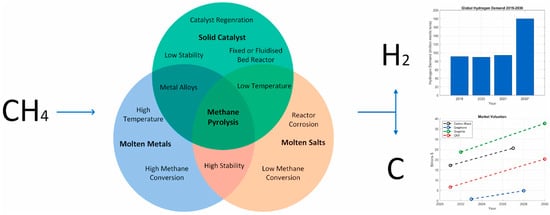
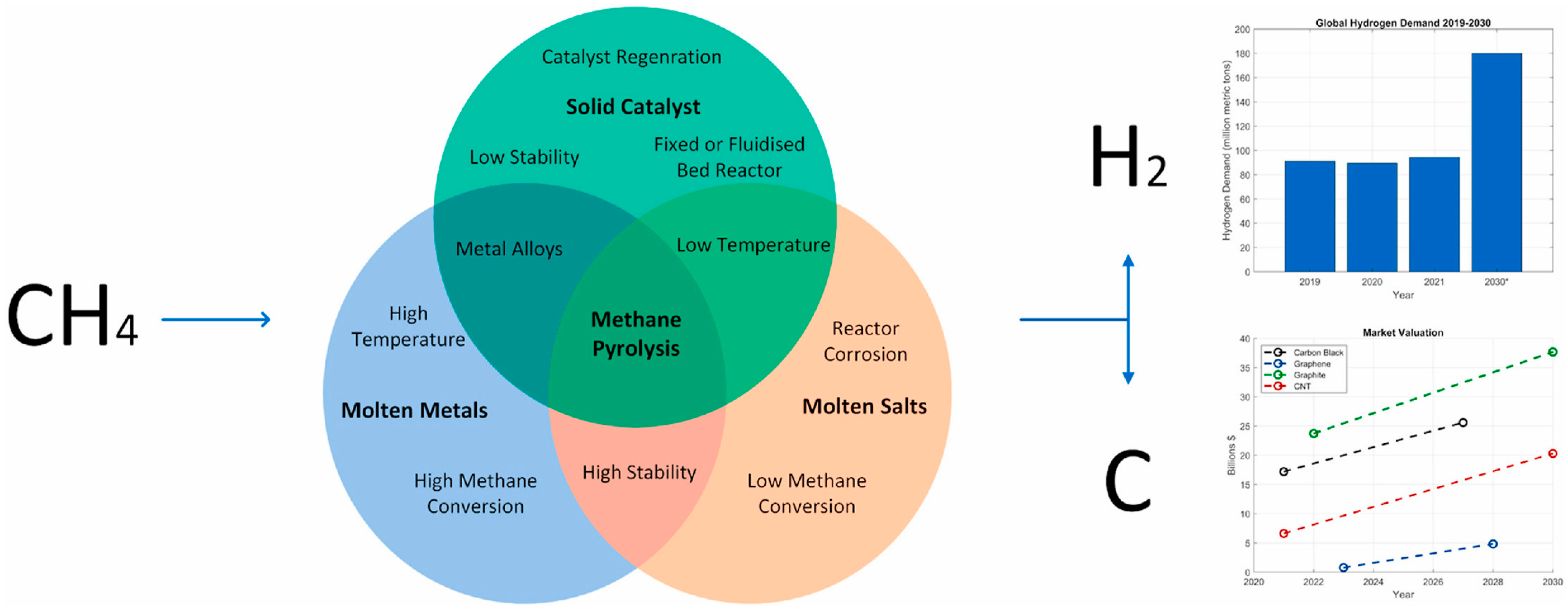
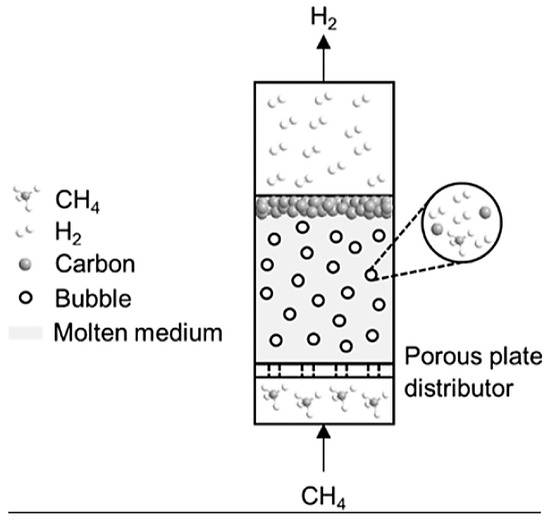
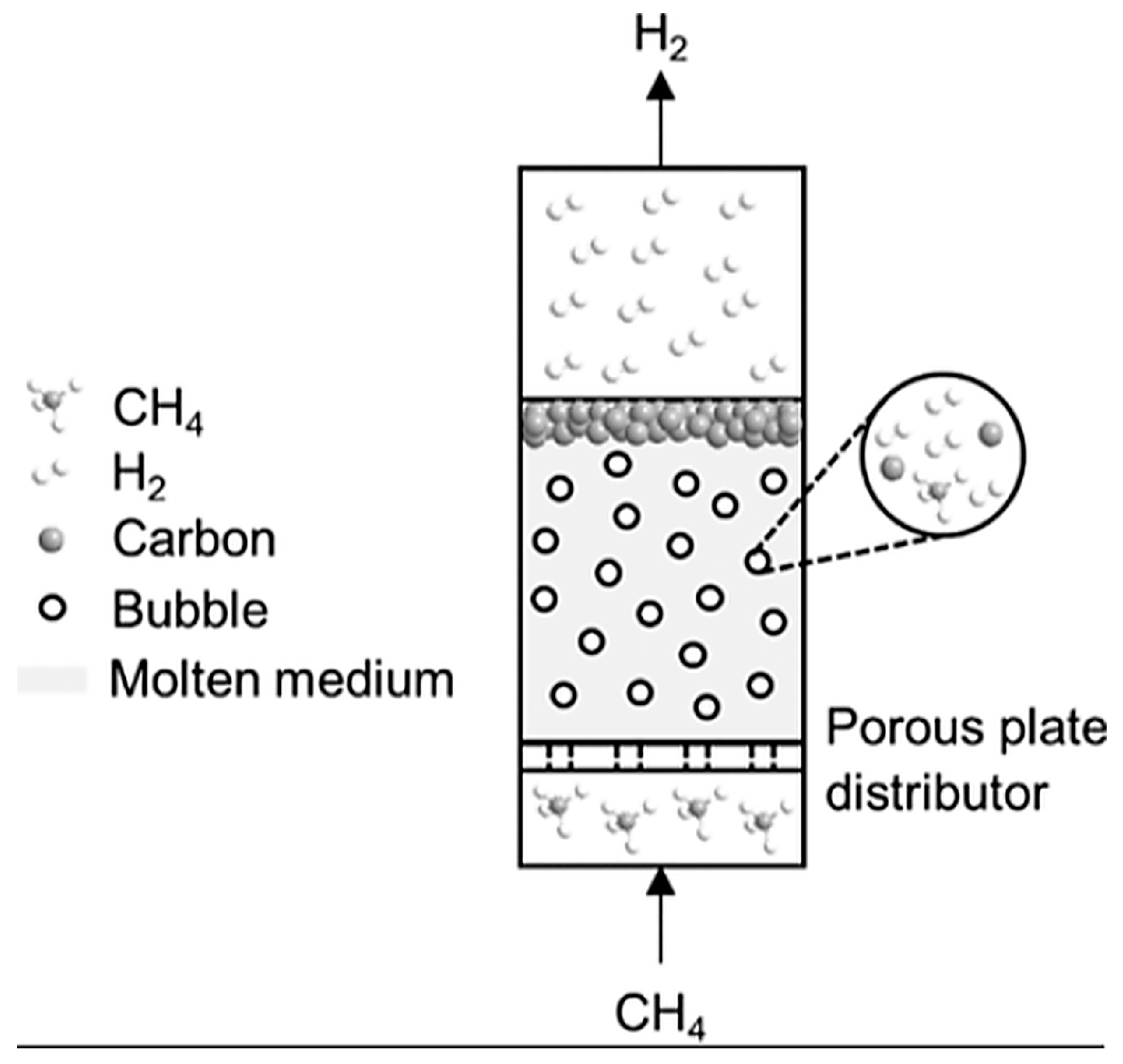
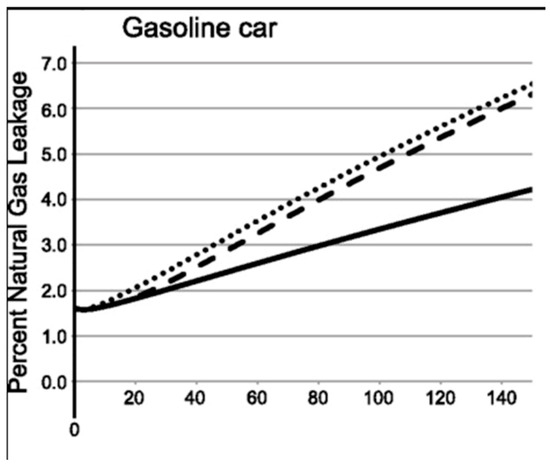
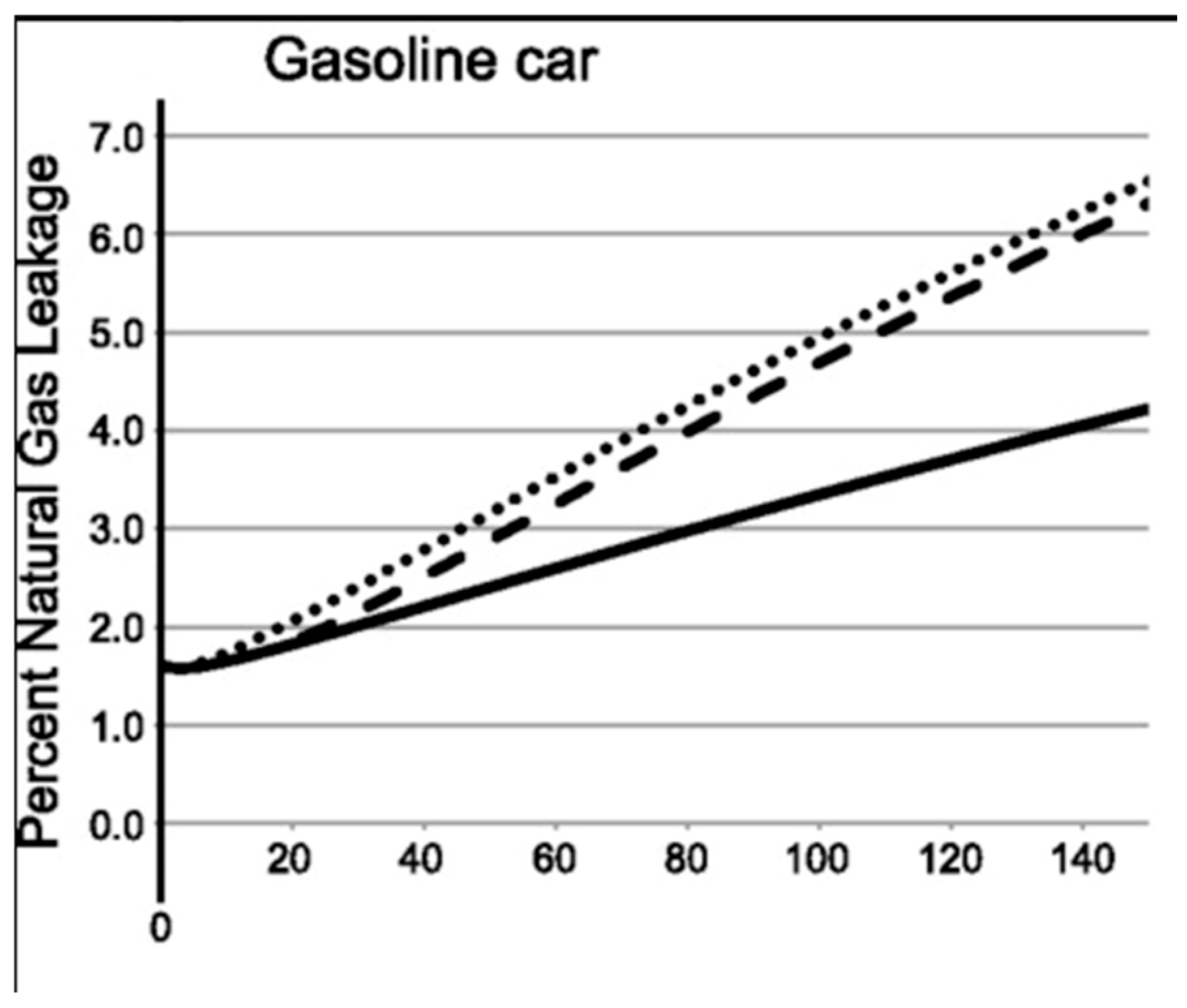
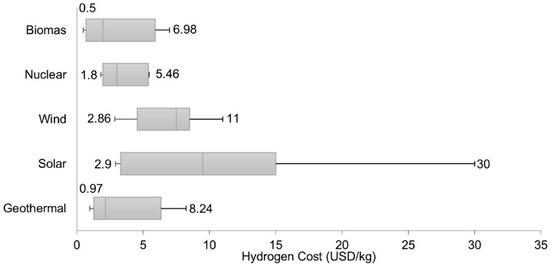
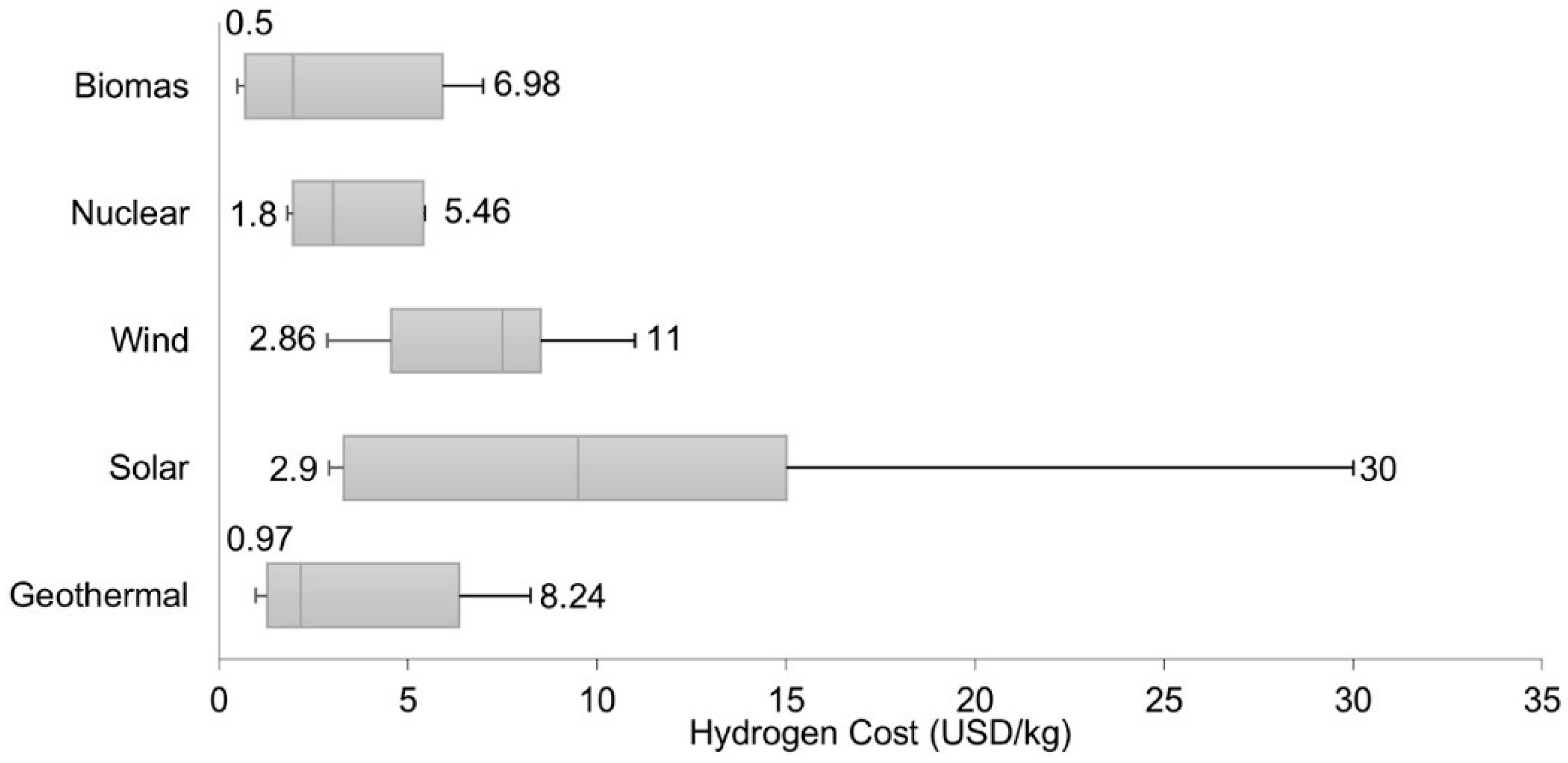
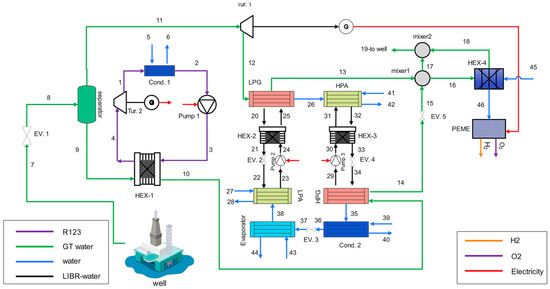
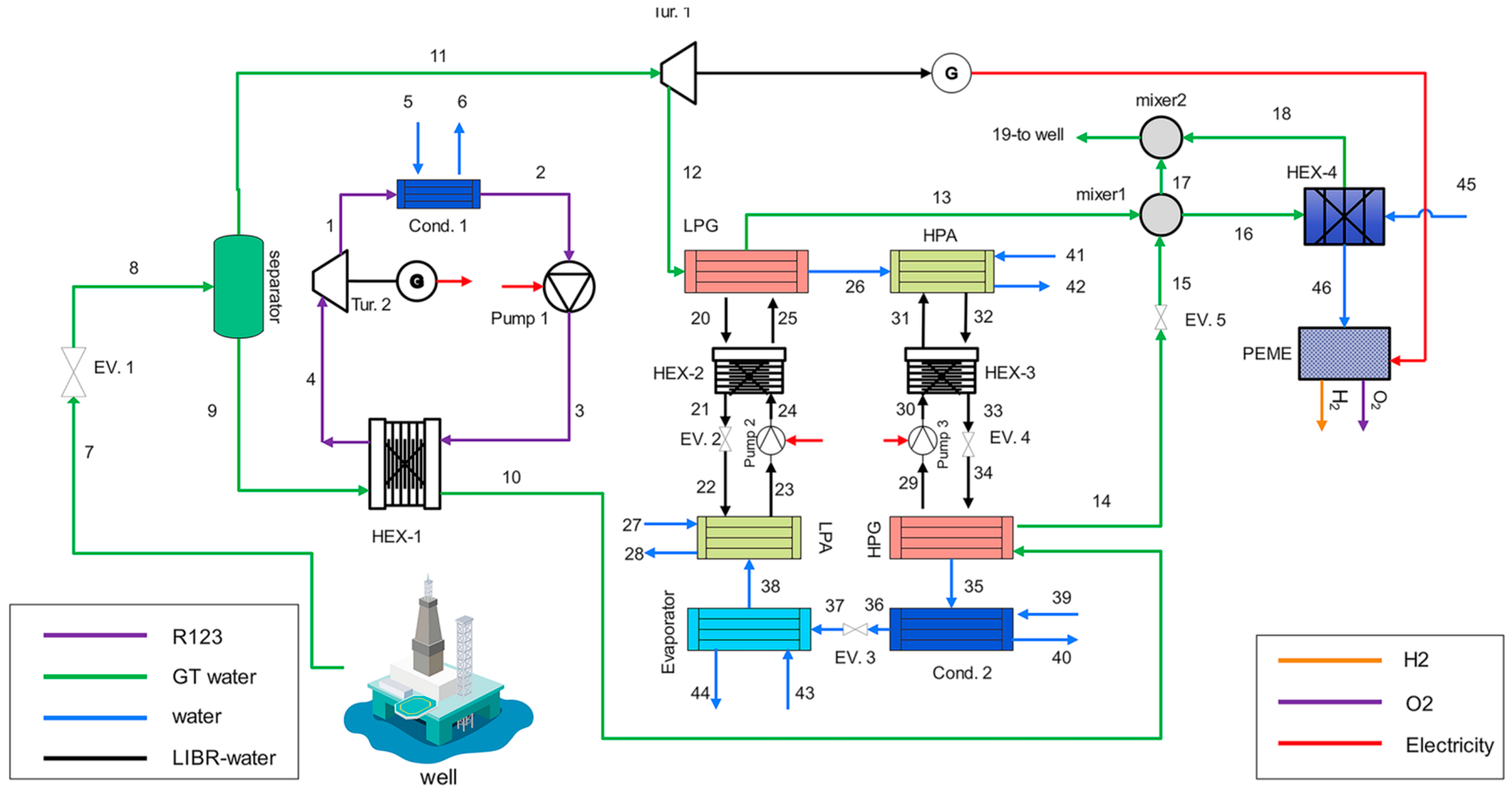
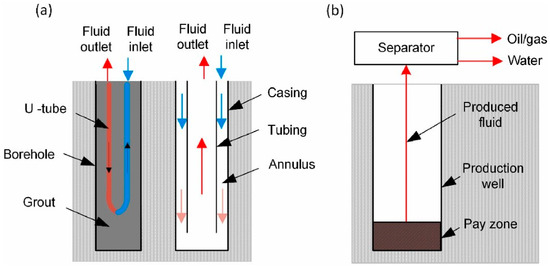
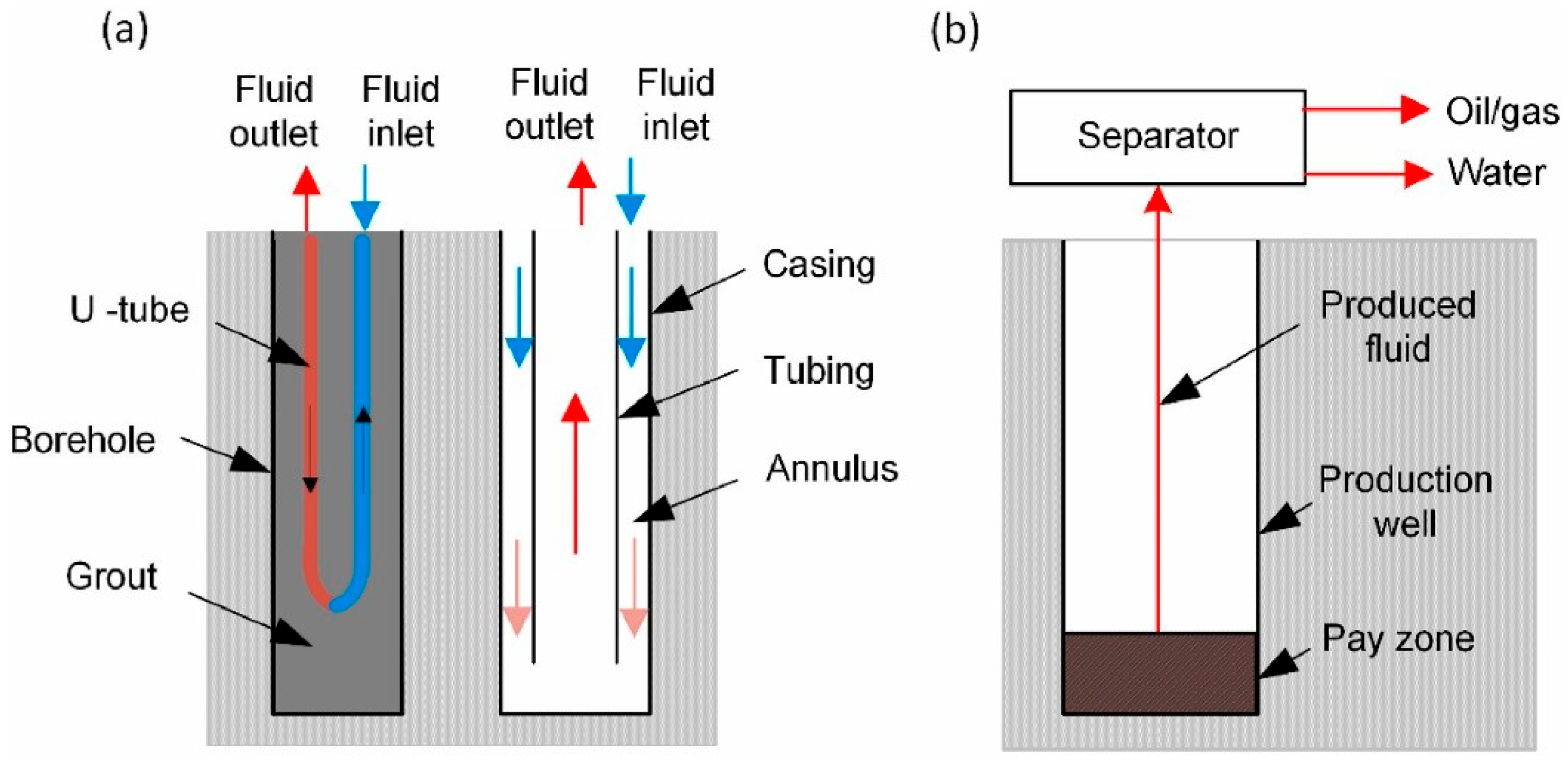
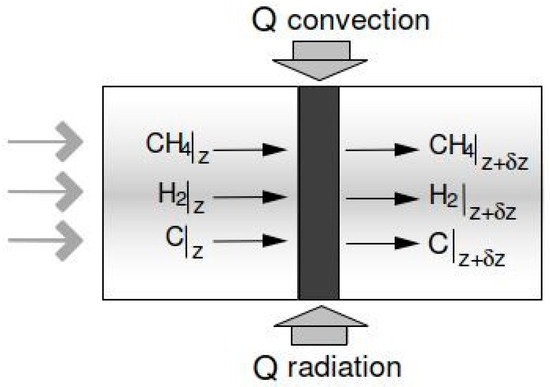
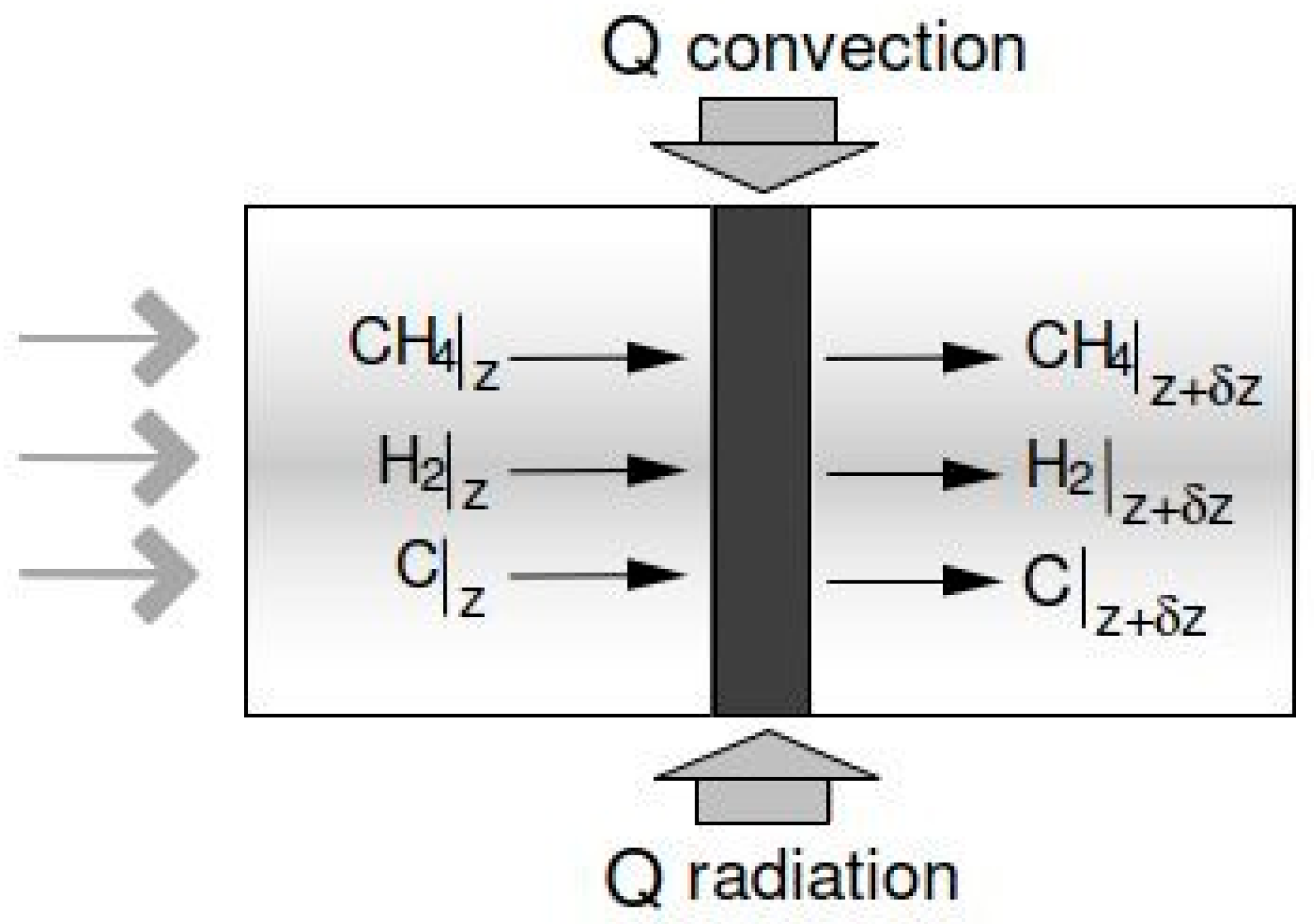
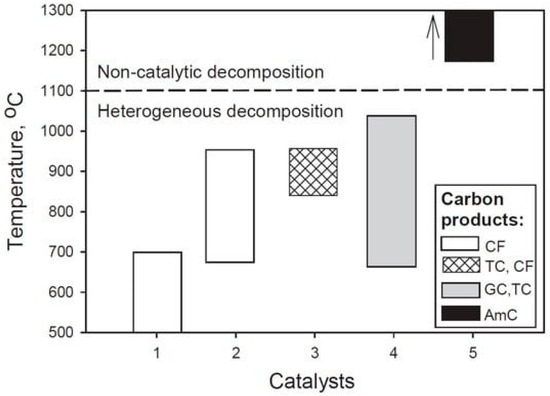
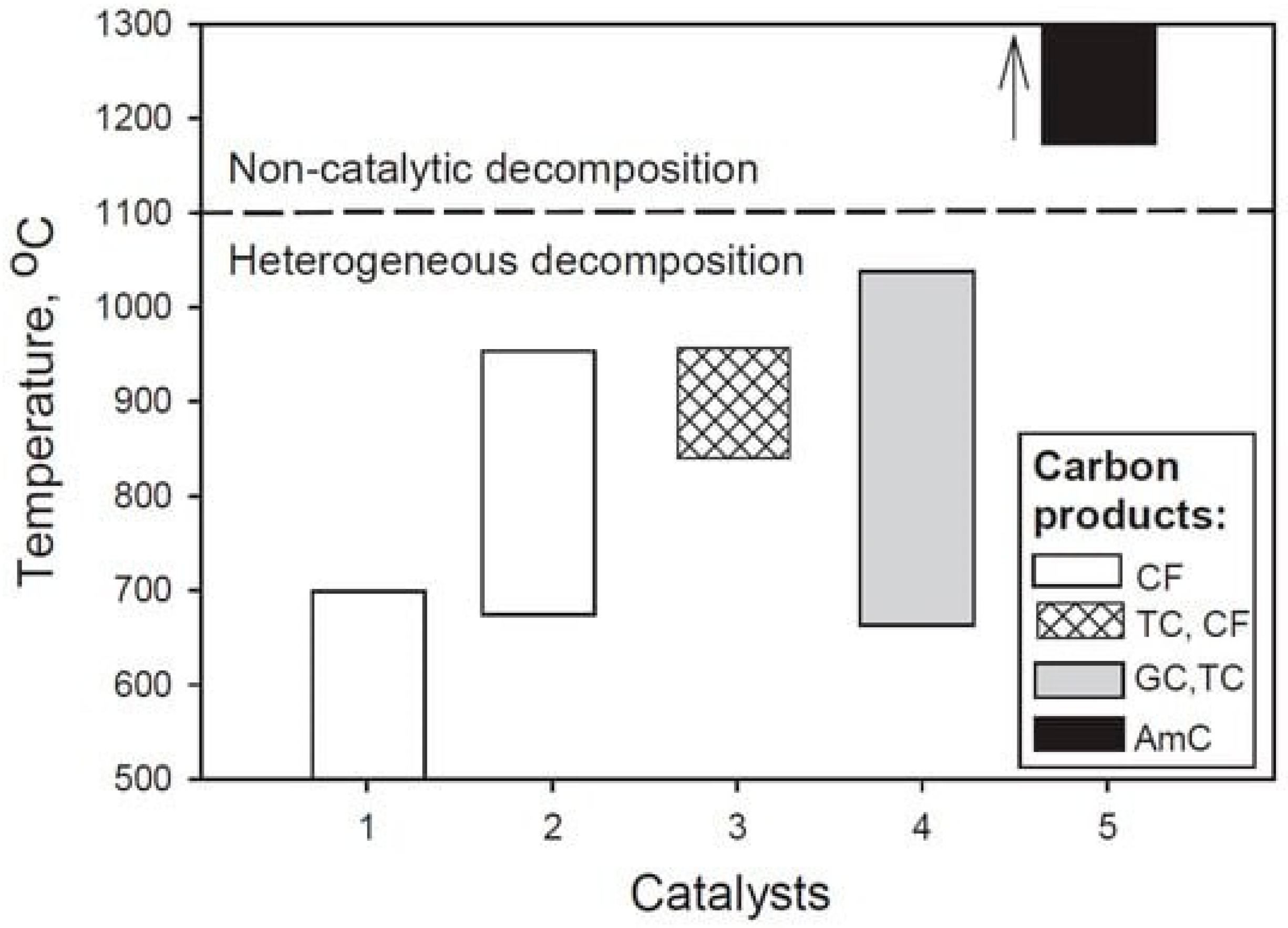
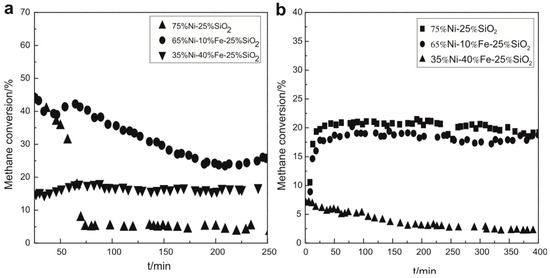
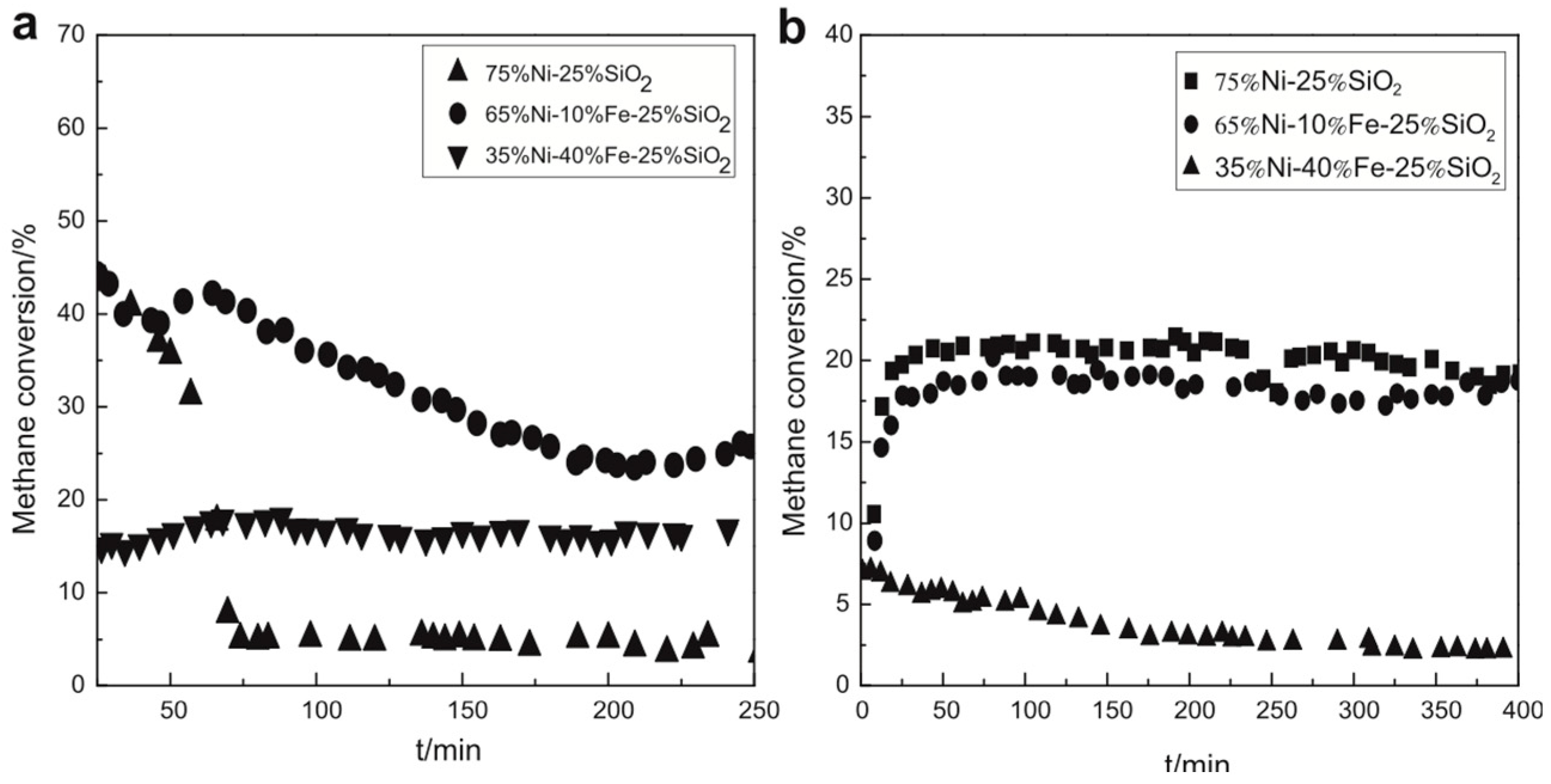
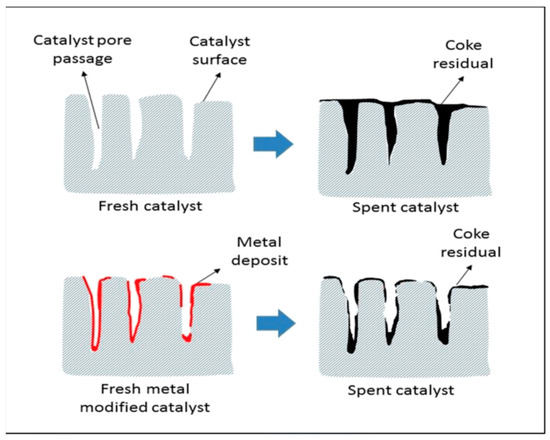
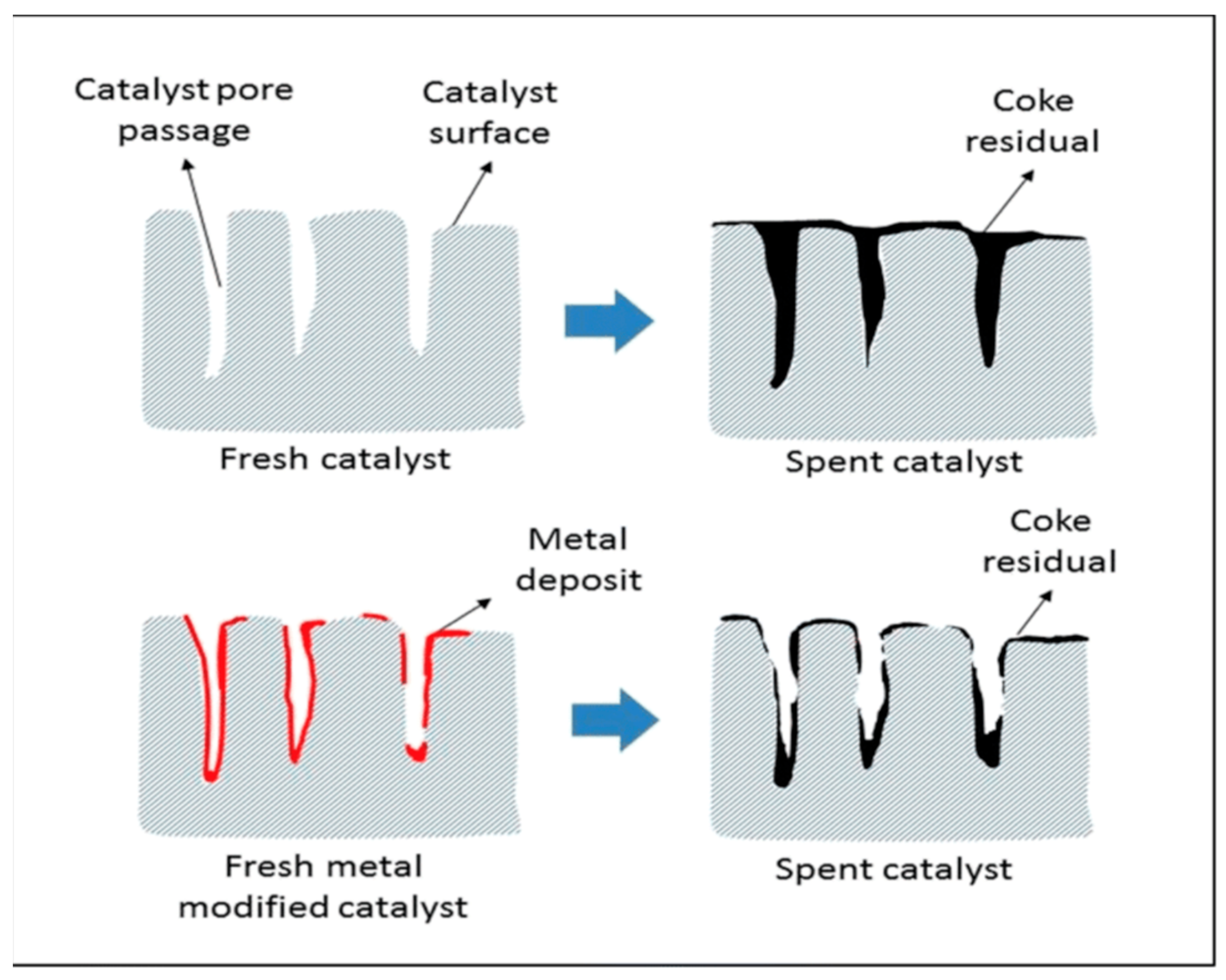
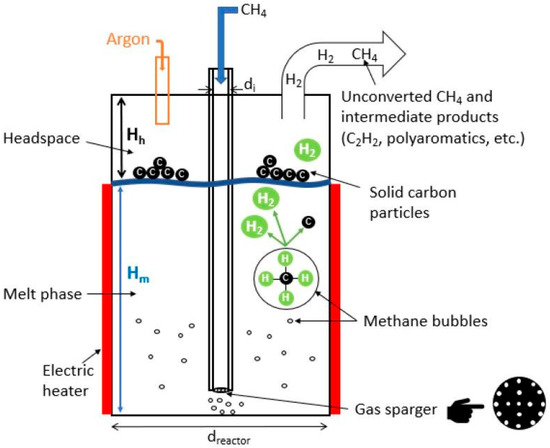
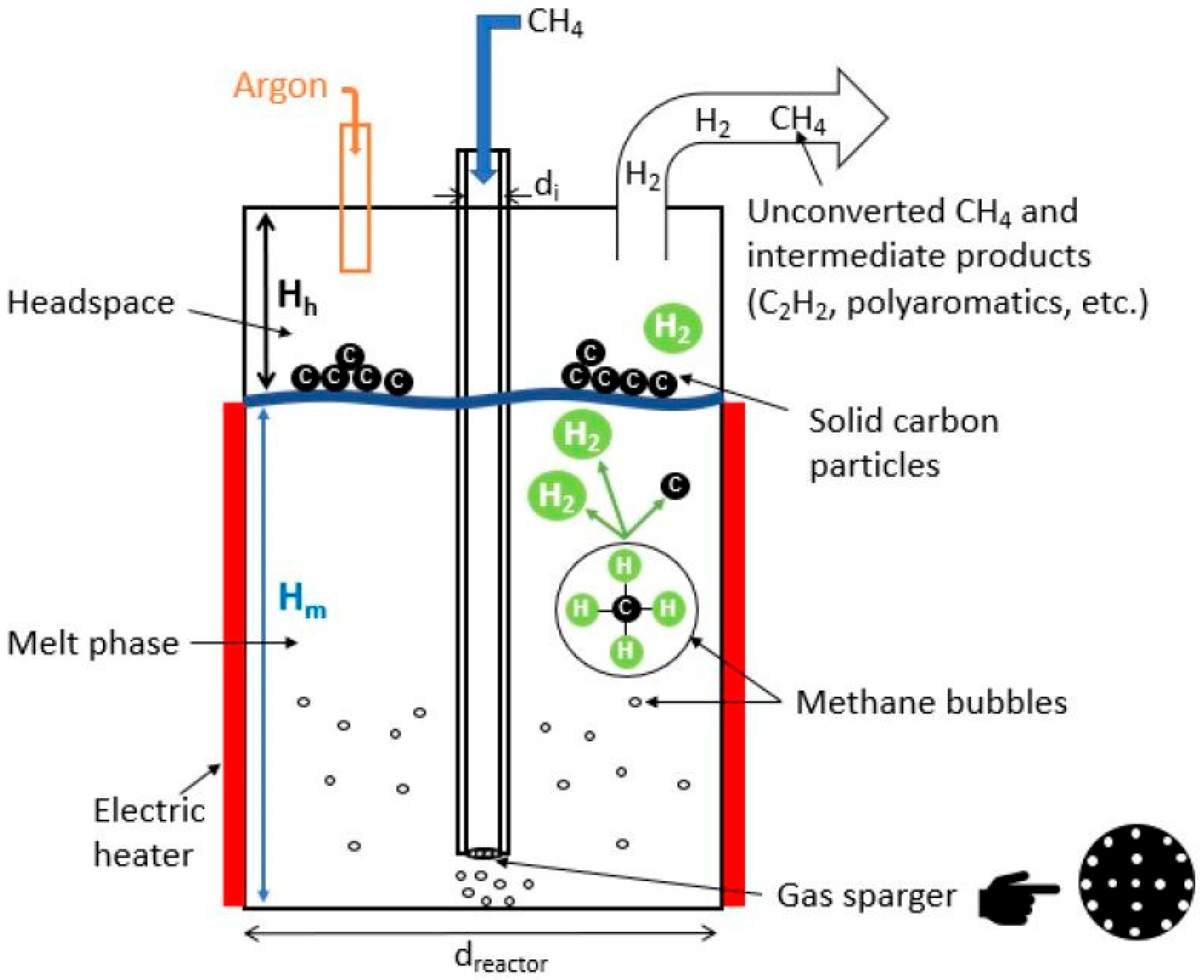
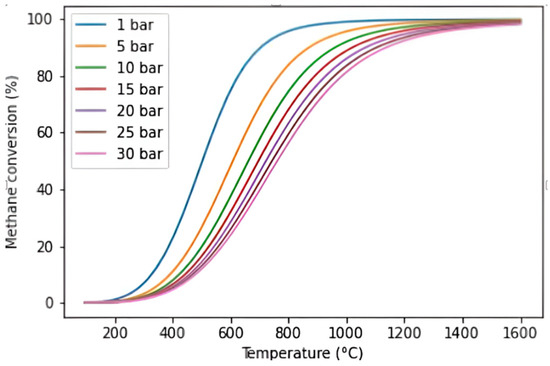
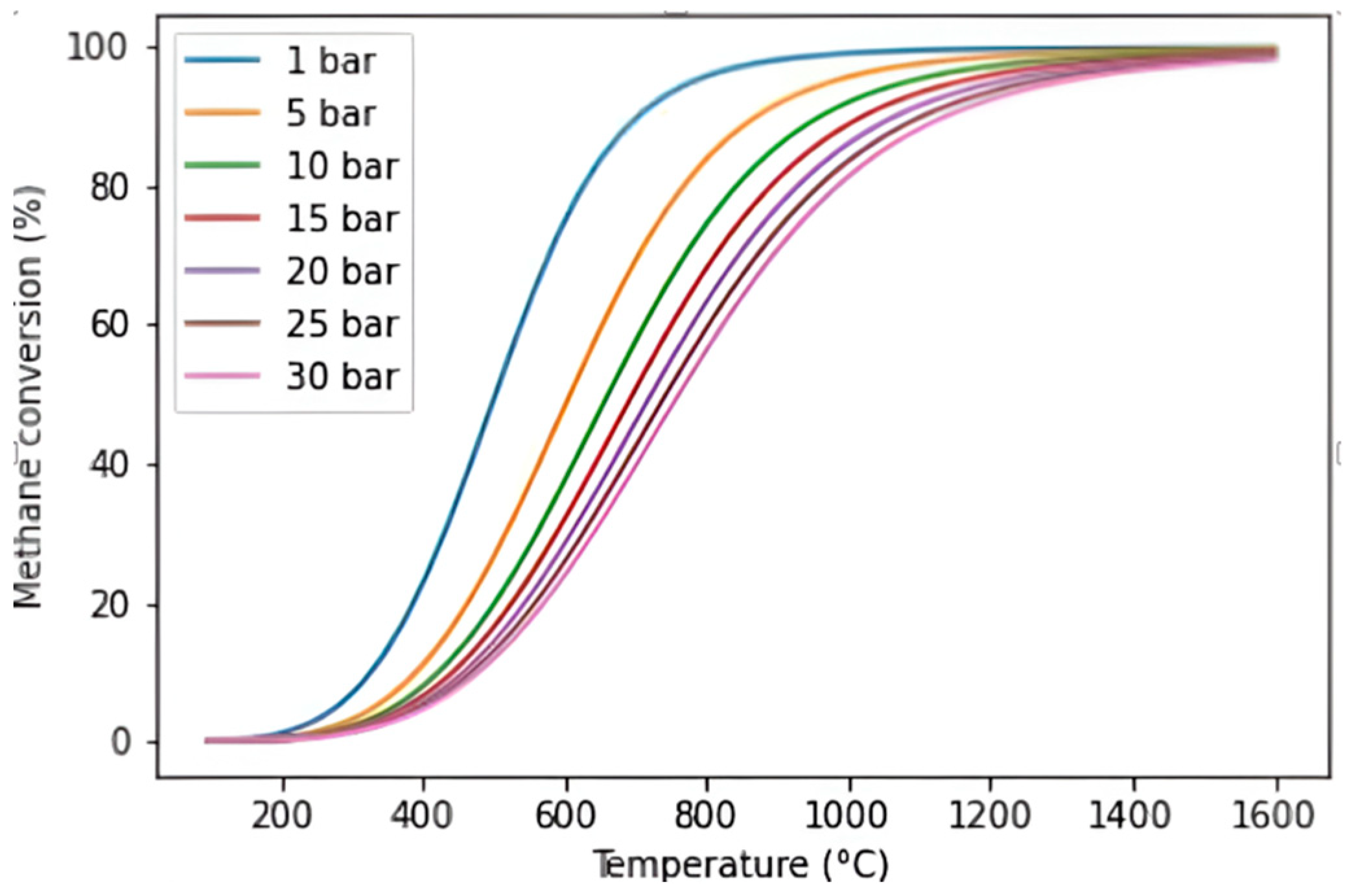
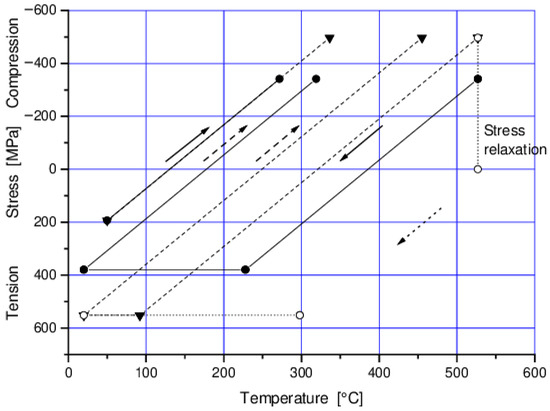
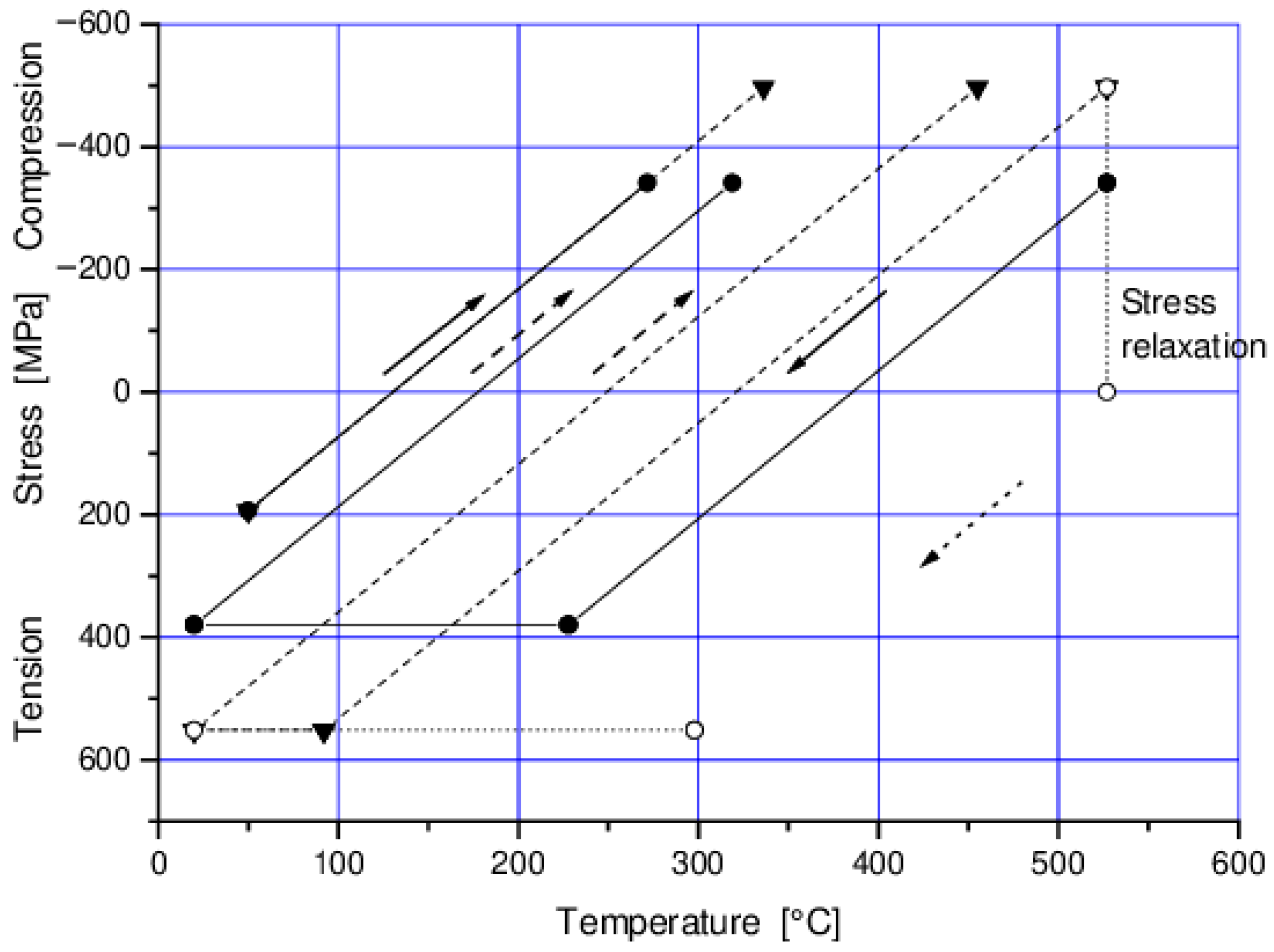
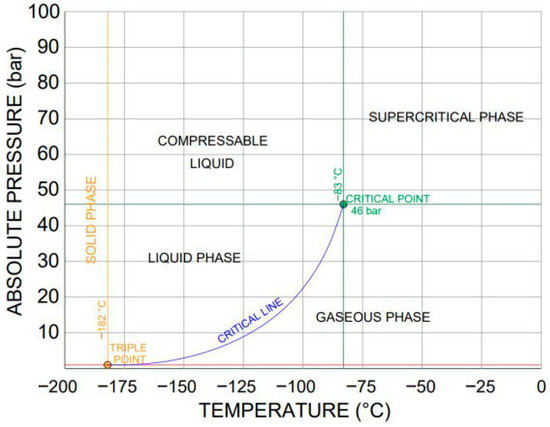
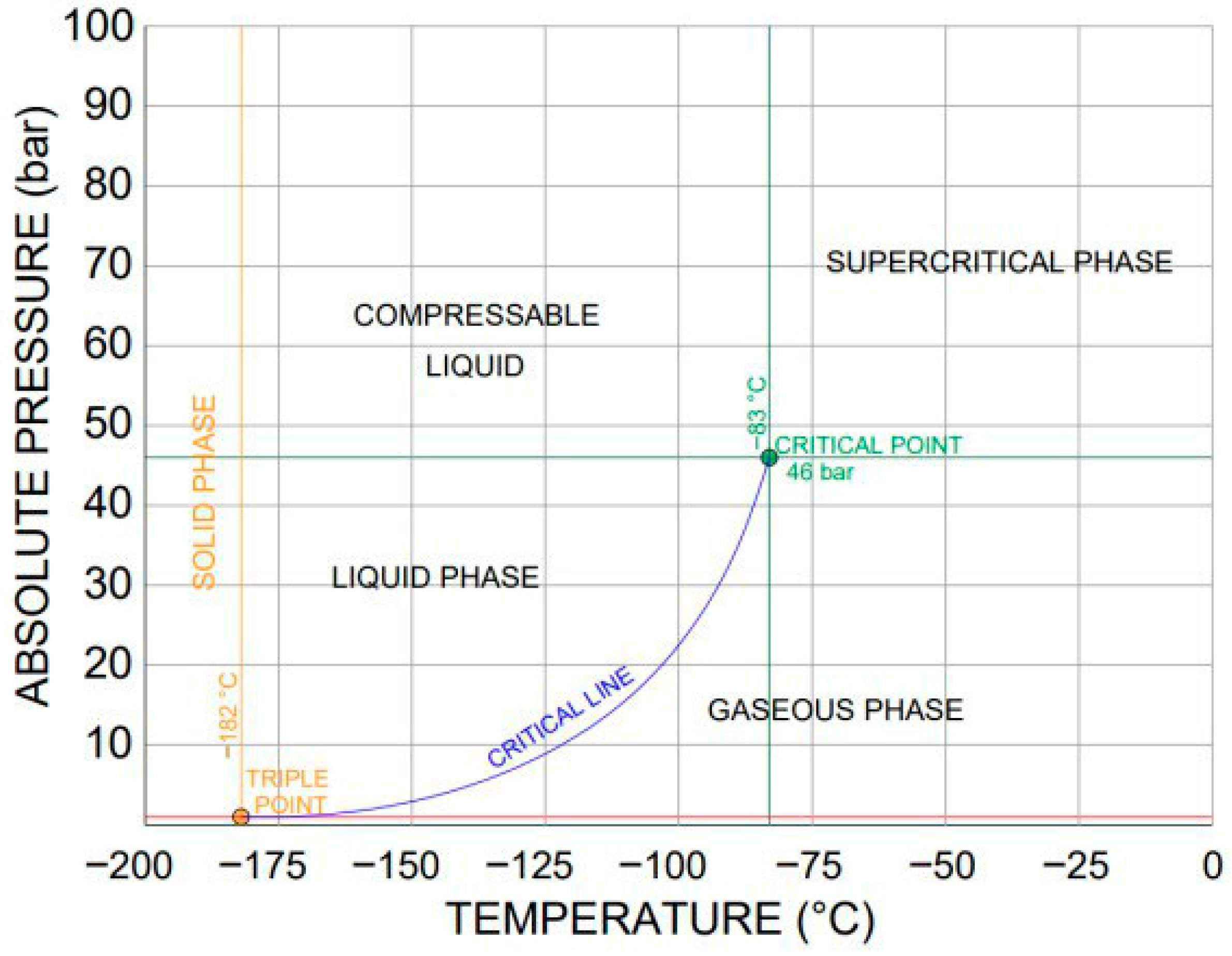
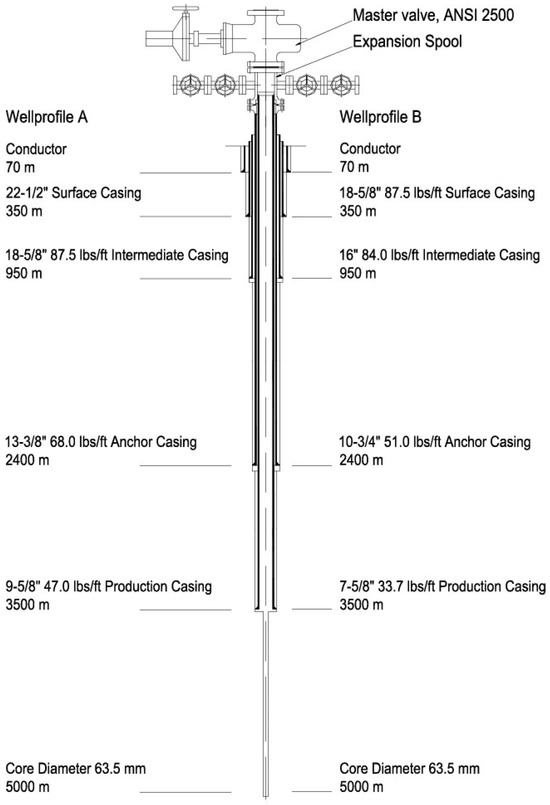
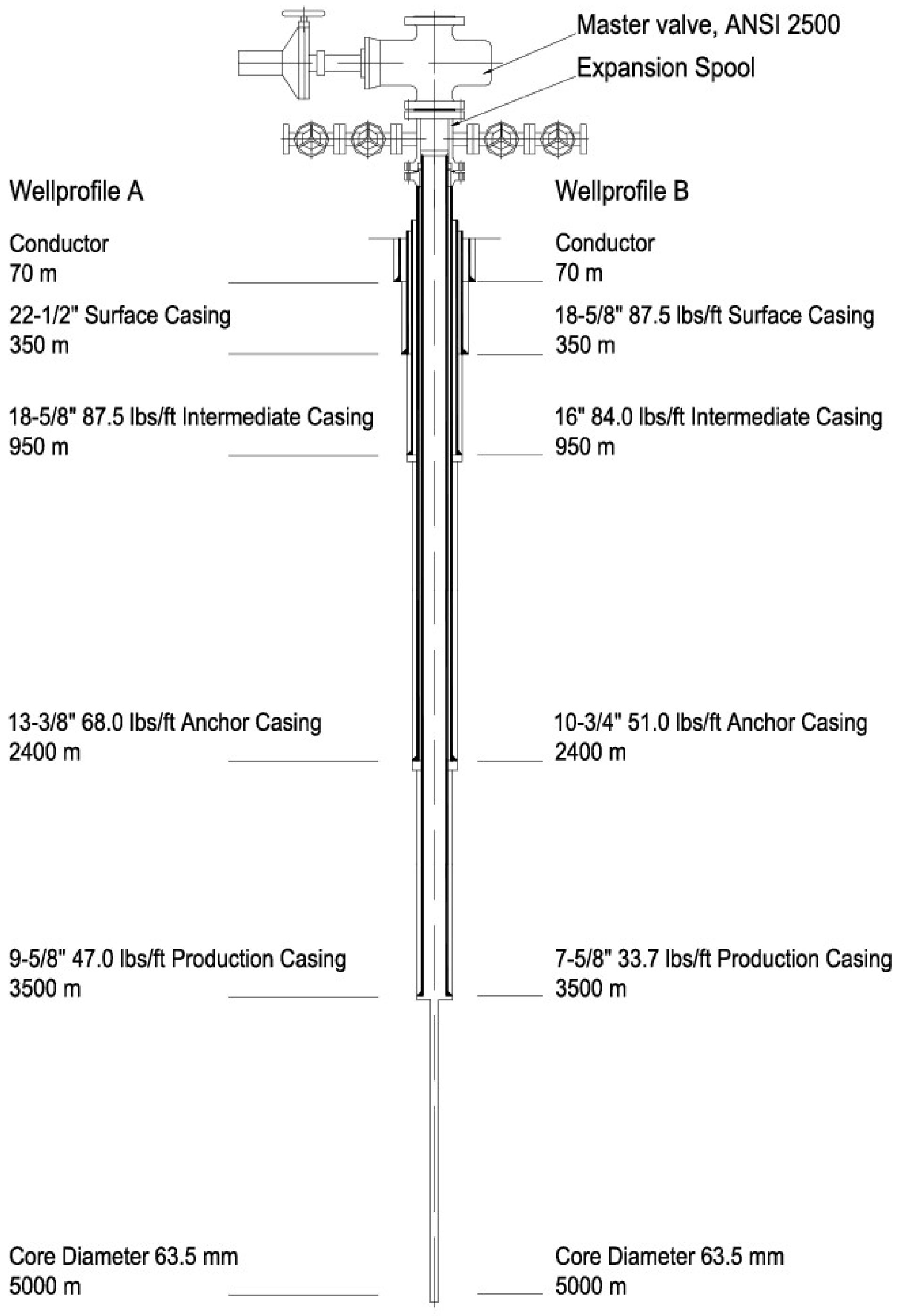

Disclaimer/Publisher’s Note: The statements, opinions and data contained in all publications are solely those of the individual author(s) and contributor(s) and not of MDPI and/or the editor(s). MDPI and/or the editor(s) disclaim responsibility for any injury to people or property resulting from any ideas, methods, instructions or products referred to in the content. |
© 2026 by the authors. Licensee MDPI, Basel, Switzerland. This article is an open access article distributed under the terms and conditions of the Creative Commons Attribution (CC BY) license.