1. Introduction
Climate change has been widely associated with adverse effects on human health, including increased morbidity and mortality rates [
1,
2,
3]. Among heat-related conditions, heat exhaustion and heat stress, as manifestations of heat stroke, represent some of the most severe outcomes of thermal disorders. Disorders and diseases caused by heat occur more often not only due to climate change but also due to a person’s possible comorbidities and the abuse of various substances and drugs. As a result of the increased temperature, internal body temperature rises above 40.5 °C, which causes the failure of numerous organs and the central nervous system. The impact of heat stress is greater if it is accompanied by increased humidity.
The ability to cope with elevated temperatures involves a highly integrated physiological response that relies on the proper functioning of multiple systems, including the respiratory, cardiovascular, nervous, and endocrine systems. In addition, numerous enzymatic processes contribute to maintaining internal stability under thermal stress. The effectiveness of this coordinated response in terms of preserving performance and productivity varies considerably, not only across different species but also among individuals within the same species [
4]. To establish the thermal balance in the body, the rate of body heating due to metabolic processes and the influence of the environment must be equal to the rate of heat released from the body [
5].
Monitoring changes in hematological parameters plays a great diagnostic role in heat stress states, due to rapid changes observed in blood cells [
6]. Previous studies have shown that exposure to increased heat leads to an increase in granulocytes and the ratio of granulocytes and mononuclear cells, which is characteristic of inflammatory conditions [
7]. However, no study so far has dealt with the examination of changes in the shape of cells in peripheral blood. Quantitative determination of the total number of individual blood cells cannot be a real indicator of the effect of heat stress on the body. The total number of blood cells can be within reference values, but cells that have altered morphological characteristics and shape cannot be functionally effective.
Monitoring the qualitative characteristics of corpuscles of the leukocyte is extremely important because of their important role in the immune response [
8].
The standard method in the examination of morphological characteristics of peripheral blood cells is the classical histological examination of a peripheral blood smear. The current scheme for evaluating the morphological characteristics of corpuscles of the leukocyte order is primarily based on the subjective assessment of nuclear properties such as pleomorphism, expansion, hyperchromasia, nuclear spatial features, as well as the subjective assessment of changes in the shape of the cell itself on microscopic preparations [
9].
Regardless of the existence of advanced biochemical, genetic, and radiological imaging tools, the gold standard for typing and grading is the assessment of changes in the shape of cells on histological preparations, which relies on a subjective assessment of the degree of changes in the cells [
10].
Geometric morphometrics is a new method used to analyze the shape of the examined structures. Based on specific points that are marked on the examined structures in a precisely defined order, it is possible to analyze even the smallest morphological changes to the examined structure. The position of specific points on the surface of the examined structure is defined by the values of the x and y axes in a coordinate system for two-dimensional models, or by the values of the x, y and z axes for three-dimensional models. Based on the above values, it is possible to analyze the differences in the positions of the same specific points on all the structures of the tested sample. Geometric morphometrics tests, which are included in specially created programs, analyze whether there is a statistically significant difference in the morphological characteristics of the examined structures [
11,
12].
Therefore, our research aims to establish changes in the shape of corpuscles of the leukocyte in a state of hyperthermia using the geometric morphometrics method.
2. Materials and Methods
This investigation was designed as a prospective experimental study aimed at evaluating qualitative changes in leukocyte morphology using a Wistar rat model of induced hyperthermia. Geometric morphometric analysis was applied to assess alterations in blood cell characteristics. The research was carried out at the Faculty of Veterinary Medicine, University of Sarajevo, in accordance with established ethical standards for animal-based biomedical research. Ethical approval was granted by the Institutional Ethics Committee of the Faculty of Veterinary Medicine, University of Sarajevo (Approval No. 07–03-850–4/22).
Prior to the initiation of experimental procedures, the animals underwent a seven-day acclimatization period under standardized laboratory conditions, maintained on a 12 h light–dark cycle at controlled room temperature. Throughout the study, the animals were provided with commercially available laboratory feed and water ad libitum. Housing, animal care, and all experimental interventions were performed in accordance with internationally recognized guidelines for the use of animals in research, including those of the CIOMS (Council for International Organizations of Medical Sciences) and the ICLAS (International Council for Laboratory Animal Science).
The total sample of forty Wistar rats (20 female and 20 male) was methodologically divided into three experimental groups, depending on the temperature of the water to which they were exposed: 37 °C, 41 °C and 44 °C. The rats were anesthetized with an intramuscular injection of ketamine (Ketaminol®, MSD Animal Health, Unterschleissheim, Germany) into the thigh muscle, in a dose that was calculated according to the weight of each rat: 1.2 mL/1 kg of body mass +/− 10%.
The water bath was filled with water, after which it was heated to the desired temperature. After reaching the desired temperature, a previously anesthetized rat was immersed in the water bath and fixed to a wooden board so that its head was above the water level. The time from the moment of immersion in the water until the moment when death was established was defined as the time of survival. An increase in internal temperature by 0.5 °C is defined as hyperthermia, and an increase above 40.5 °C as heat stroke.
The research included serum for analysis. Blood for obtaining serum was taken on two occasions: seven days before the planned experiment from the tail vein of the rat and another blood extraction from the abdominal aorta during the experiment. After the expiration of the specified time or death, blood was taken from the abdominal aorta on two slides per sample, and then a working material was made for microscopy, according to standard laboratory procedures. Blood smears were prepared by a trained professional according to a standardized protocol, and a larger number of smears was produced for each sample [
13]. From these preparations, representative and high-quality smears were selected for further analysis, and a total of 200 cells of interest were included in the statistical analysis. On each original stained smear, the most representative visual fields with elements of blood corpuscles of leukocytes were stored in an electronic format using the Motic Images Plus 2.0 software in JPG mode. The resulting JPGs of blood corpuscles of leukocytes (eosinophils, mononuclear cells, polymorphonuclear cells, and monocytes) in a total of 200 cells were entered into special programs used for geometric morphometrics to mark specific points on the examined sample and to analyze their shape (tpsDig w32, tpsUtil w32, or MorphoJ version 2.0).
Based on data on the position of specific points on clearly defined parts of leukocyte corpuscles, we analyzed even the smallest changes in their shape. Using tpsDig, we marked 16 specific points on each individual corpuscle (eight on the outside and eight at the core). After obtaining data on the positions of the specific points, we entered the data into a program for analyzing the shape of the examined corpuscles (MophoJ) [
14].
Statistical Analysis
For analysis of morphological changes to leukocytes in the peripheral blood smear of Wistar rats in a state of hyperthermia, in this study we used the geometric morphometrics method. Geometric morphometrics uses statistical tests included in geometric morphometrics programs to examine the morphological characteristics of examined structures. In this study, we used the MorphoJ program. MorphoJ contains statistical tests for General Principal Analysis and discriminant functional analysis.
3. Results
In the experimental groups, there were 26 male rats and 12 female rats. The sex distribution across the groups was not statistically significant (
p = 0.756) (
Table 1).
Changes in the proportions of different leukocyte populations before and after exposure to a warm bath were not the primary focus of analysis in the present study, as they have been thoroughly examined and presented in a previously published study based on the same experimental model. In that study, dynamic changes in total and differential leukocyte counts were analyzed, including the relative proportions of polymorphonuclear cells (neutrophils), mononuclear cells (lymphocytes), monocytes, eosinophils, and basophils, as well as their variability in response to thermal stress induced by a warm bath [
15].
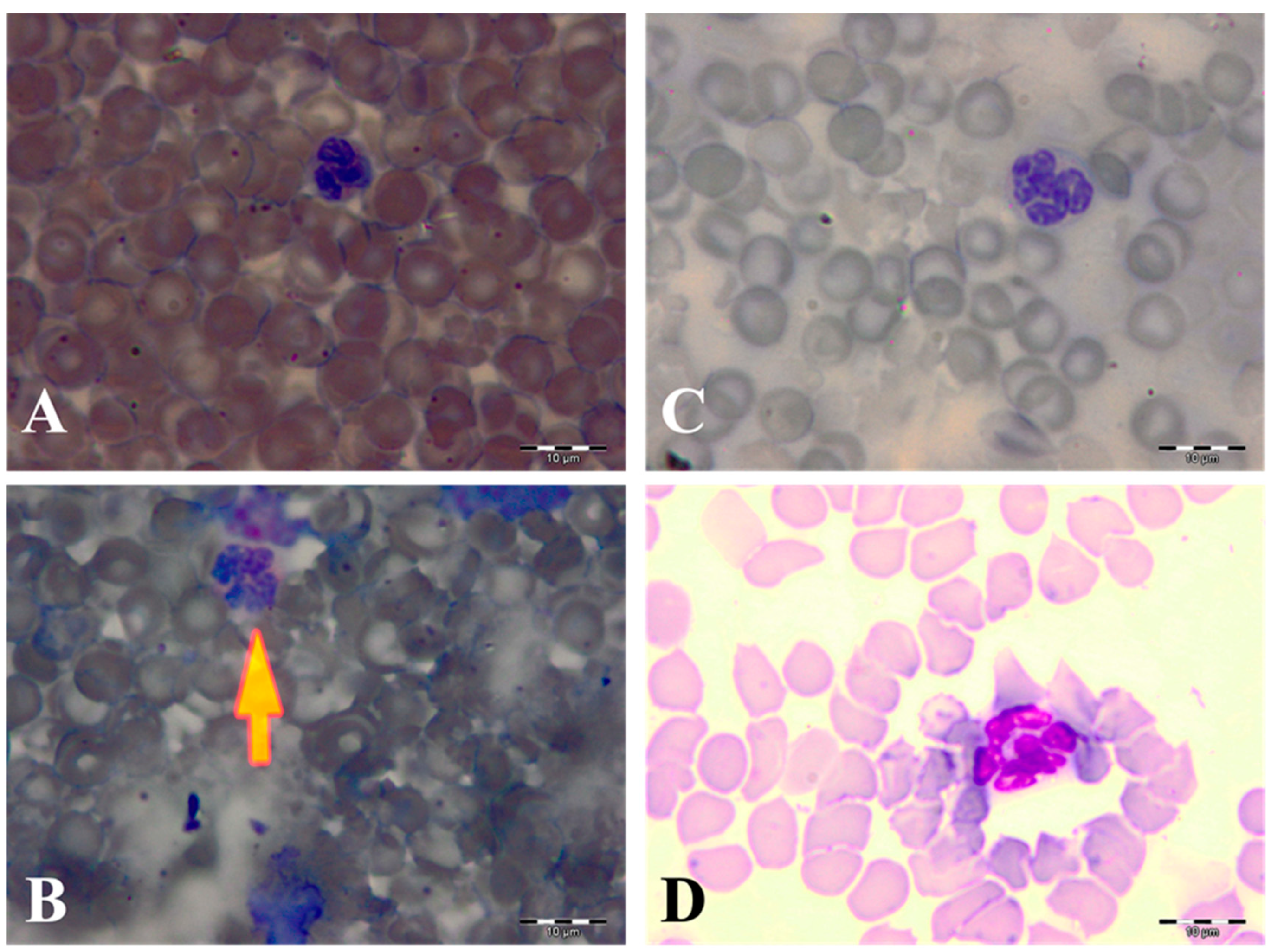
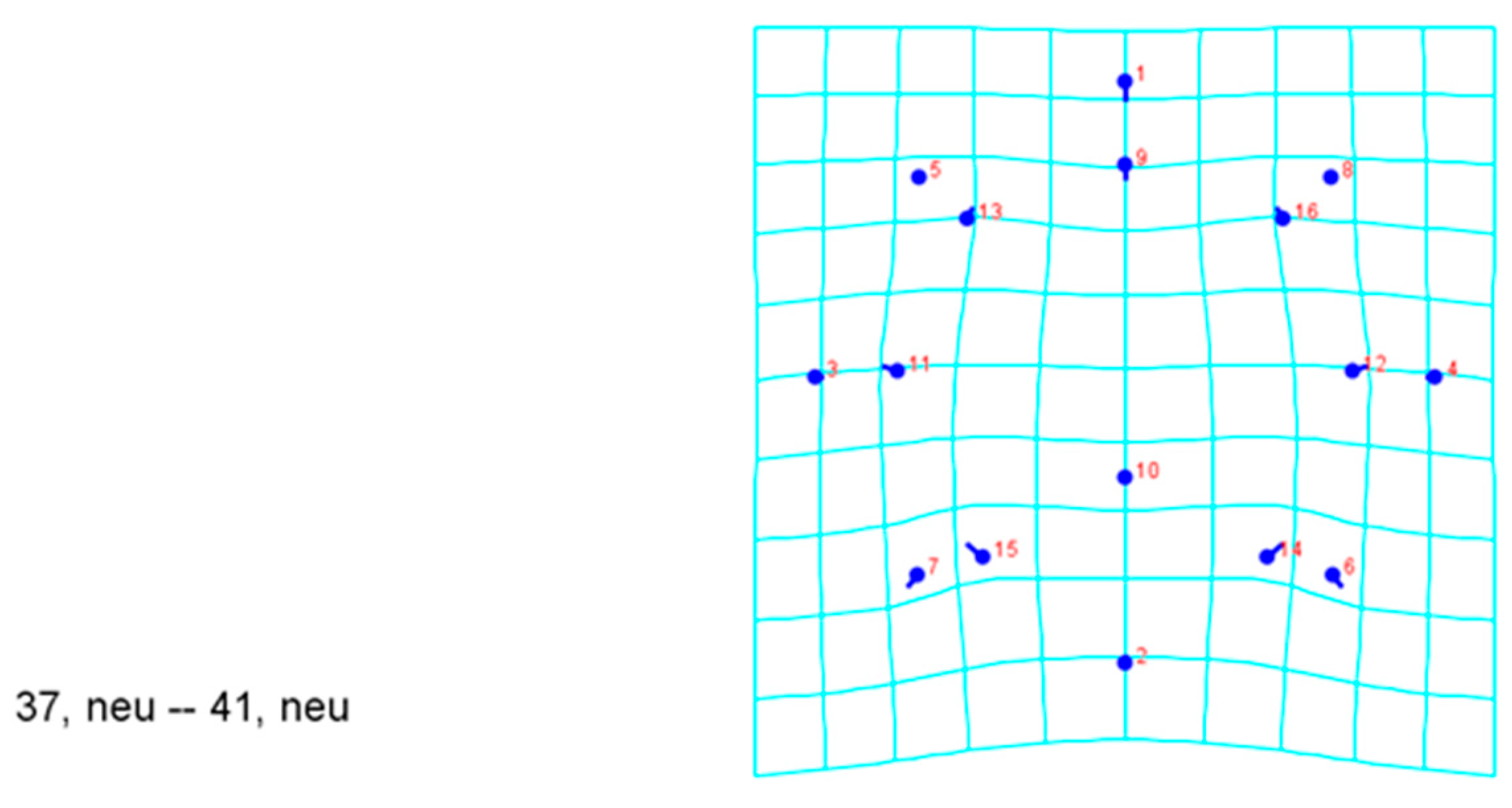
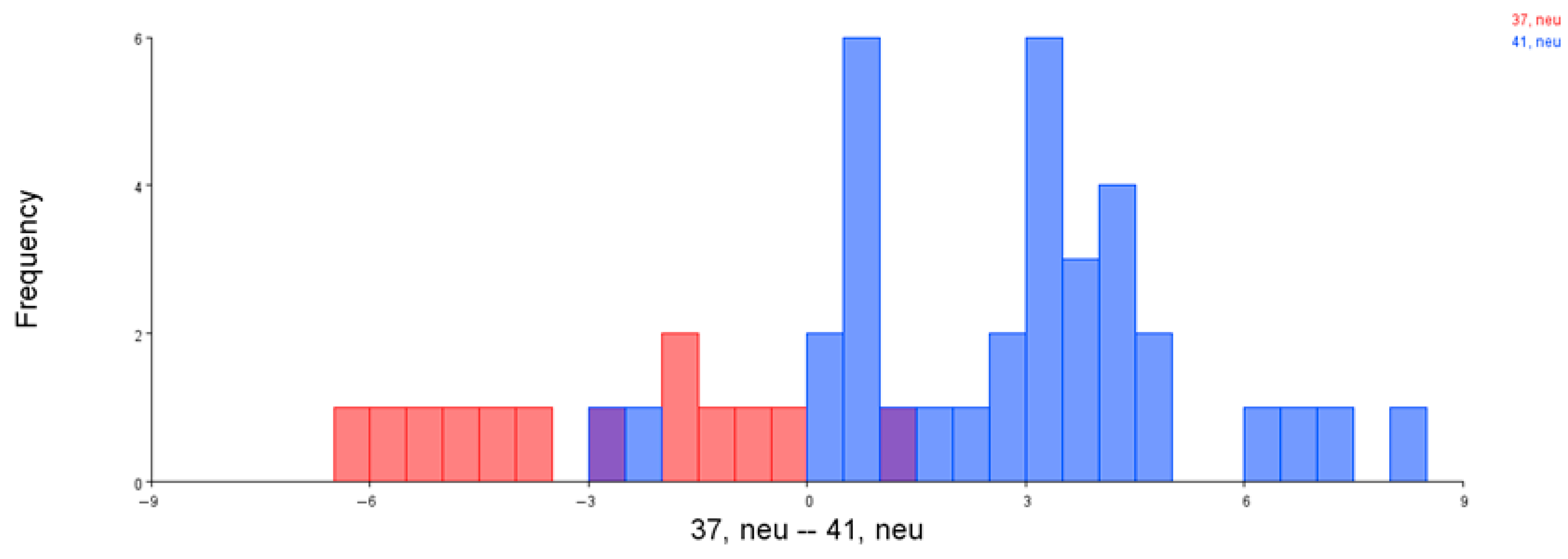
Statistically significant morphological differences in polymorphonuclear cells were established between the control group (temperature 37) and the group exposed to a temperature of 41 °C (
Figure 1).
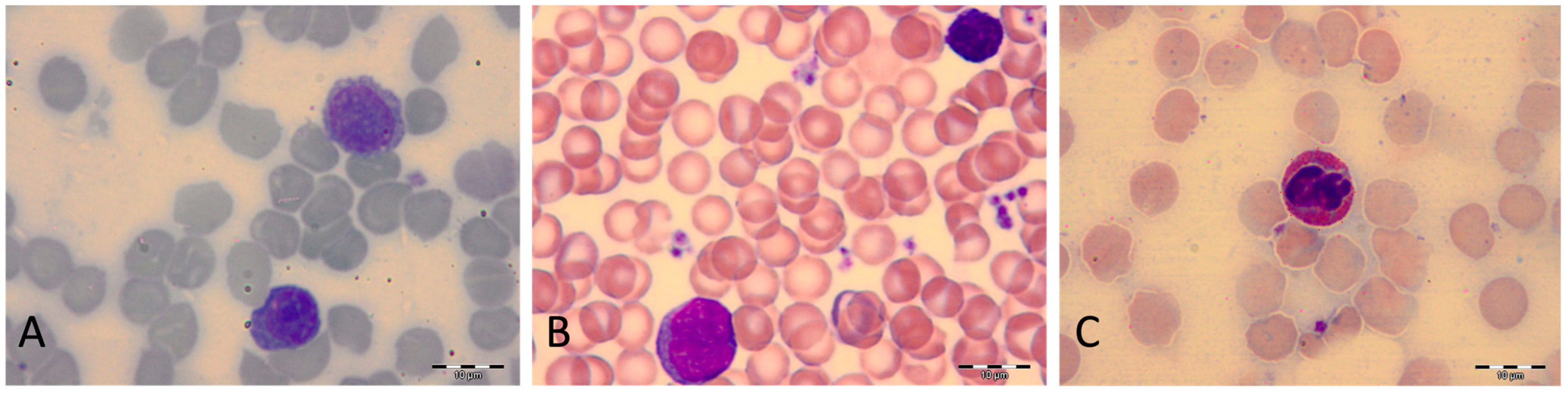
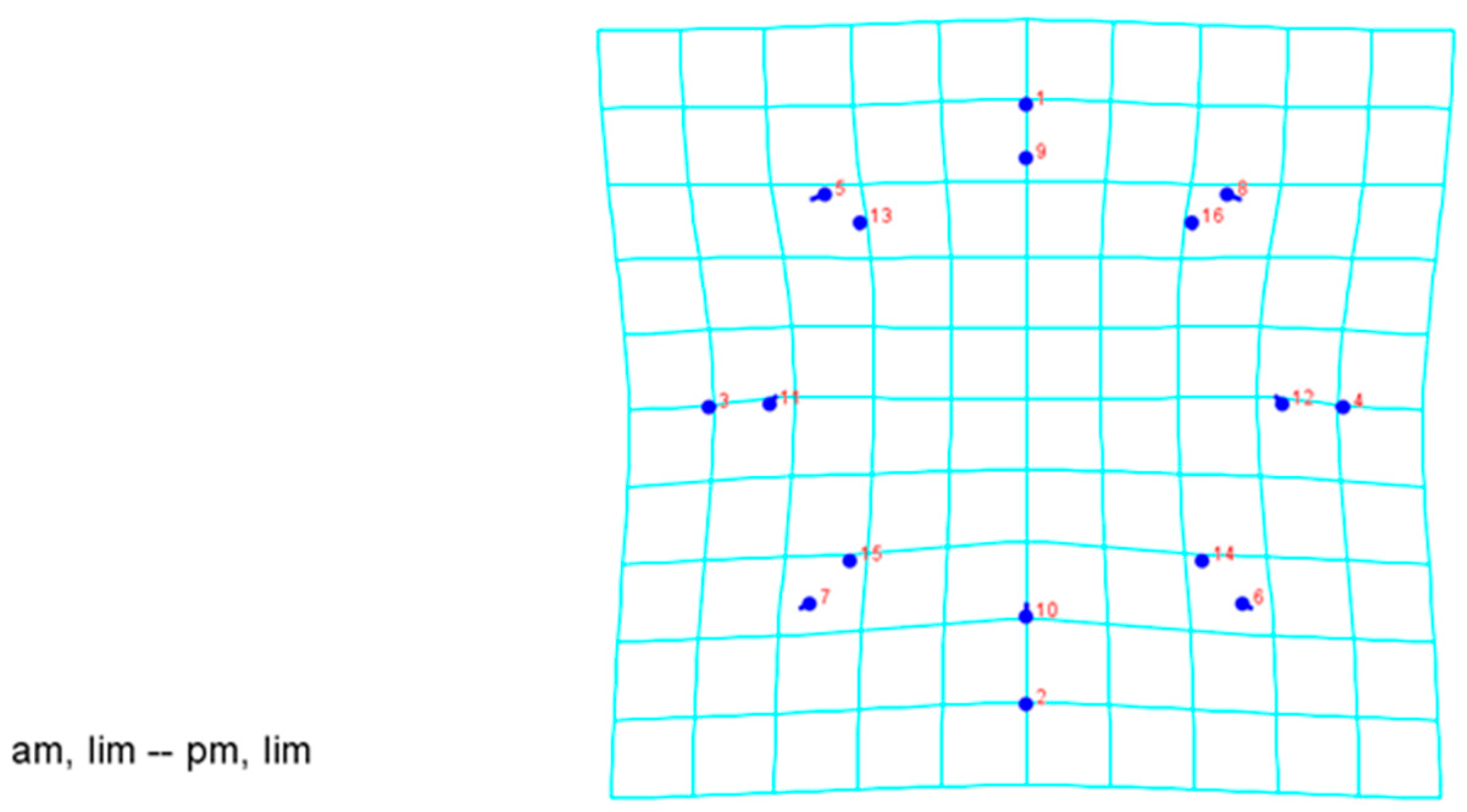
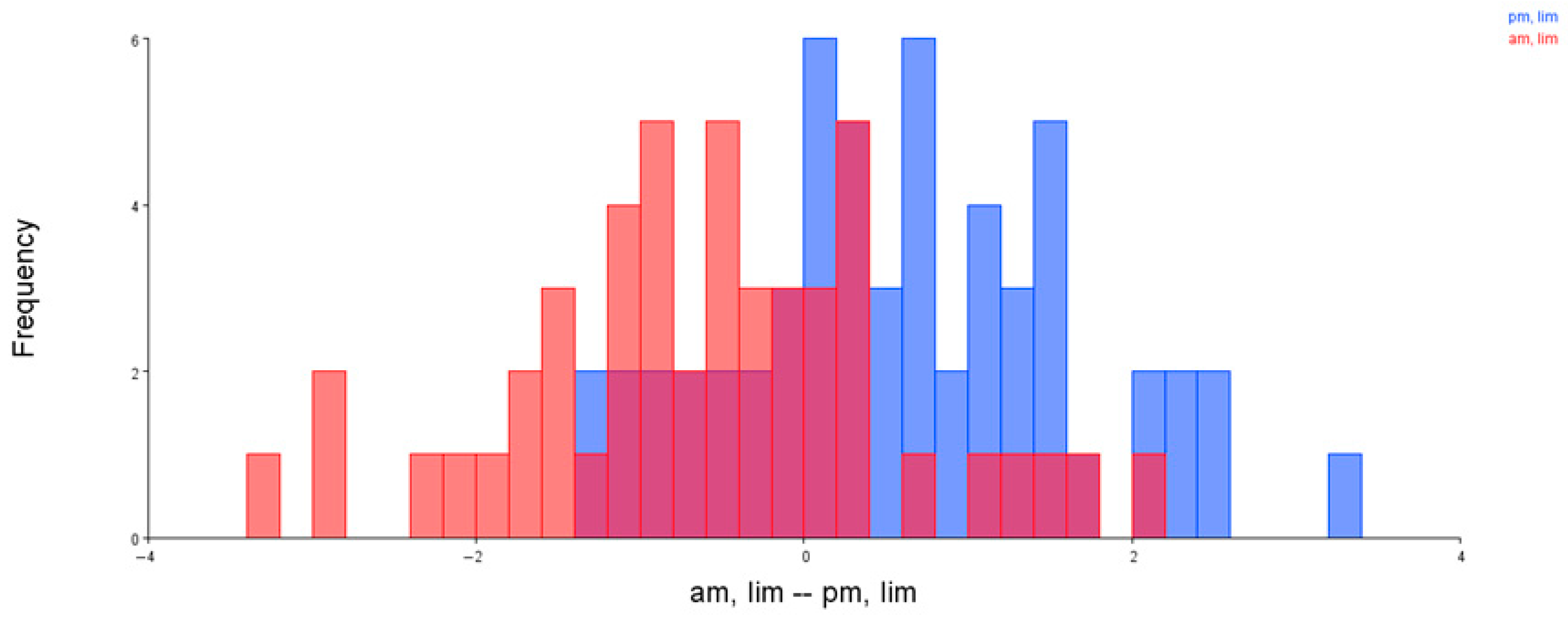
Statistically significant morphological differences were found in mononuclear cells between the examined antemortem and postmortem groups of rats (
Figure 2).
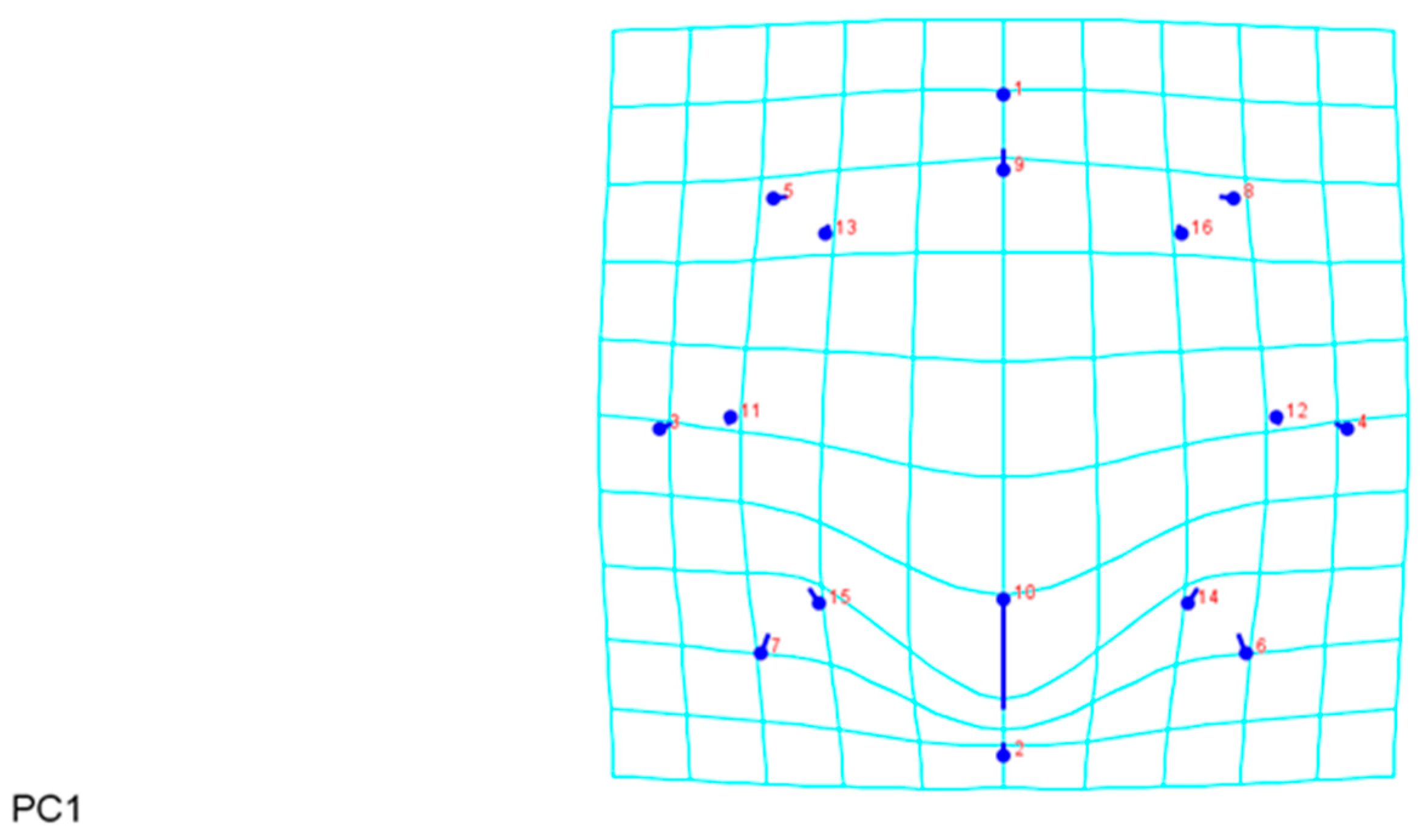
Observed changes in the positions of landmarks on all examined cells are presented as wireframe deformation in
Figure 3.
Table 2 and
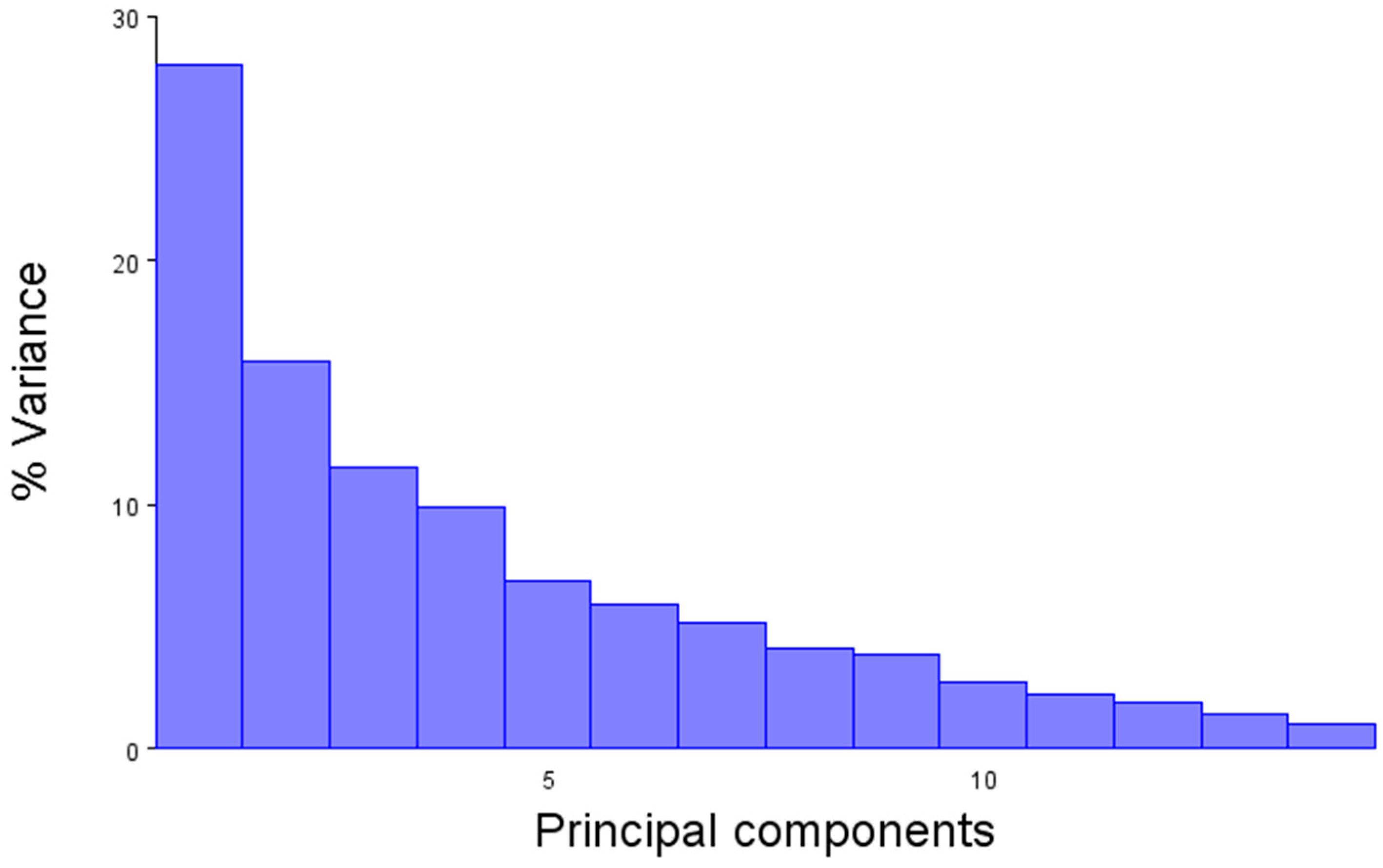
Figure 4 show the eigenvalues and the degree of variability of the white blood cells shape described with the principal components.
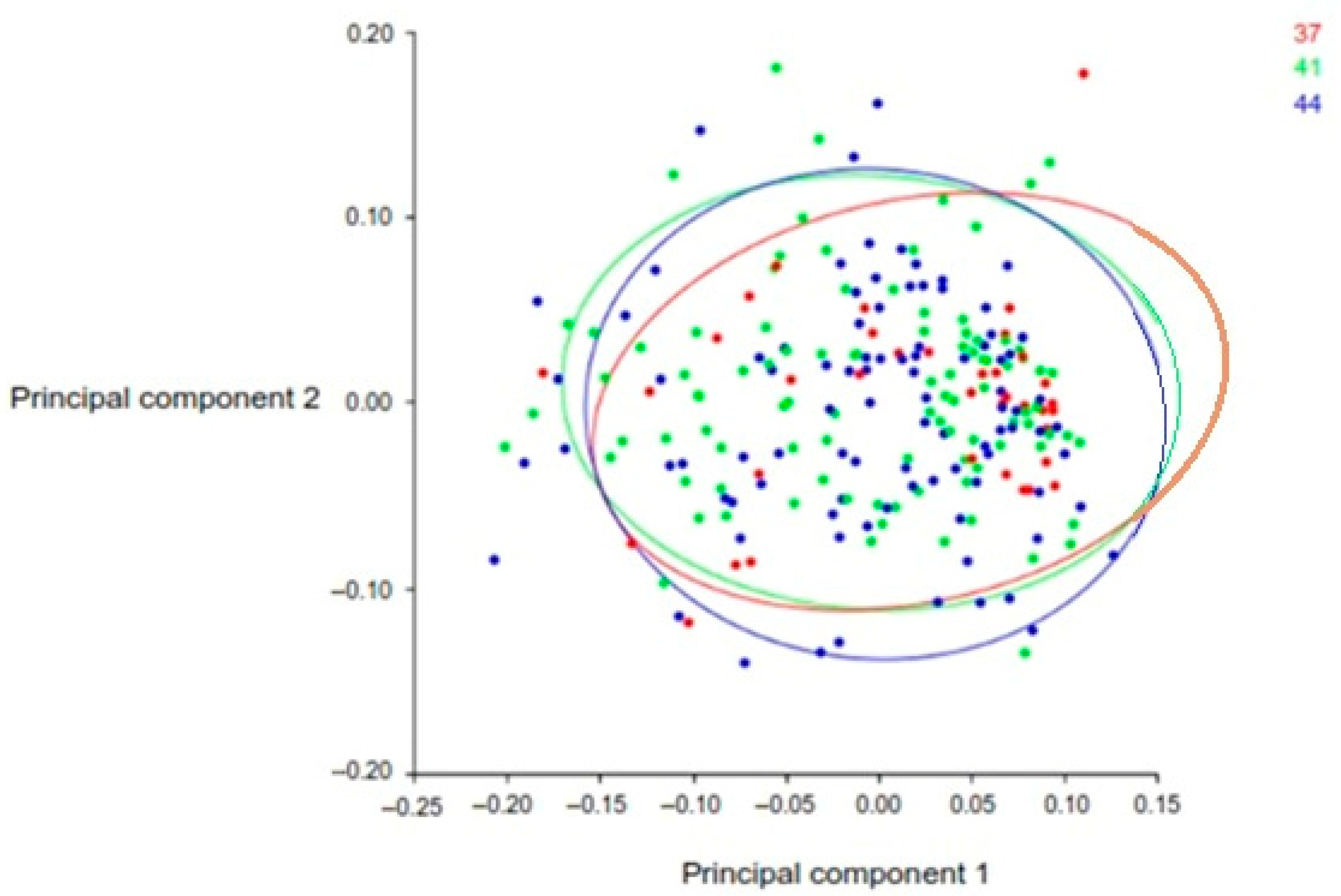
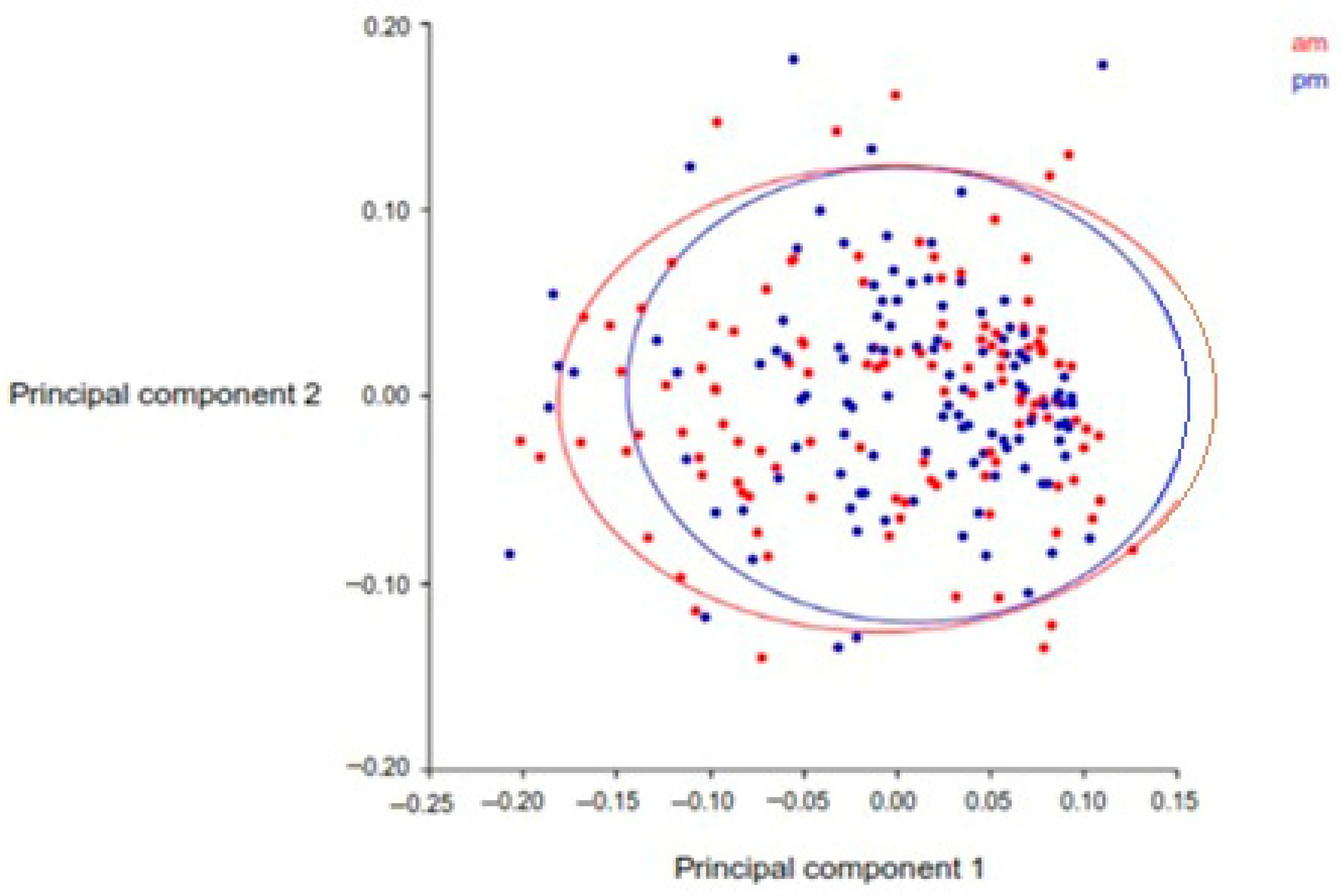
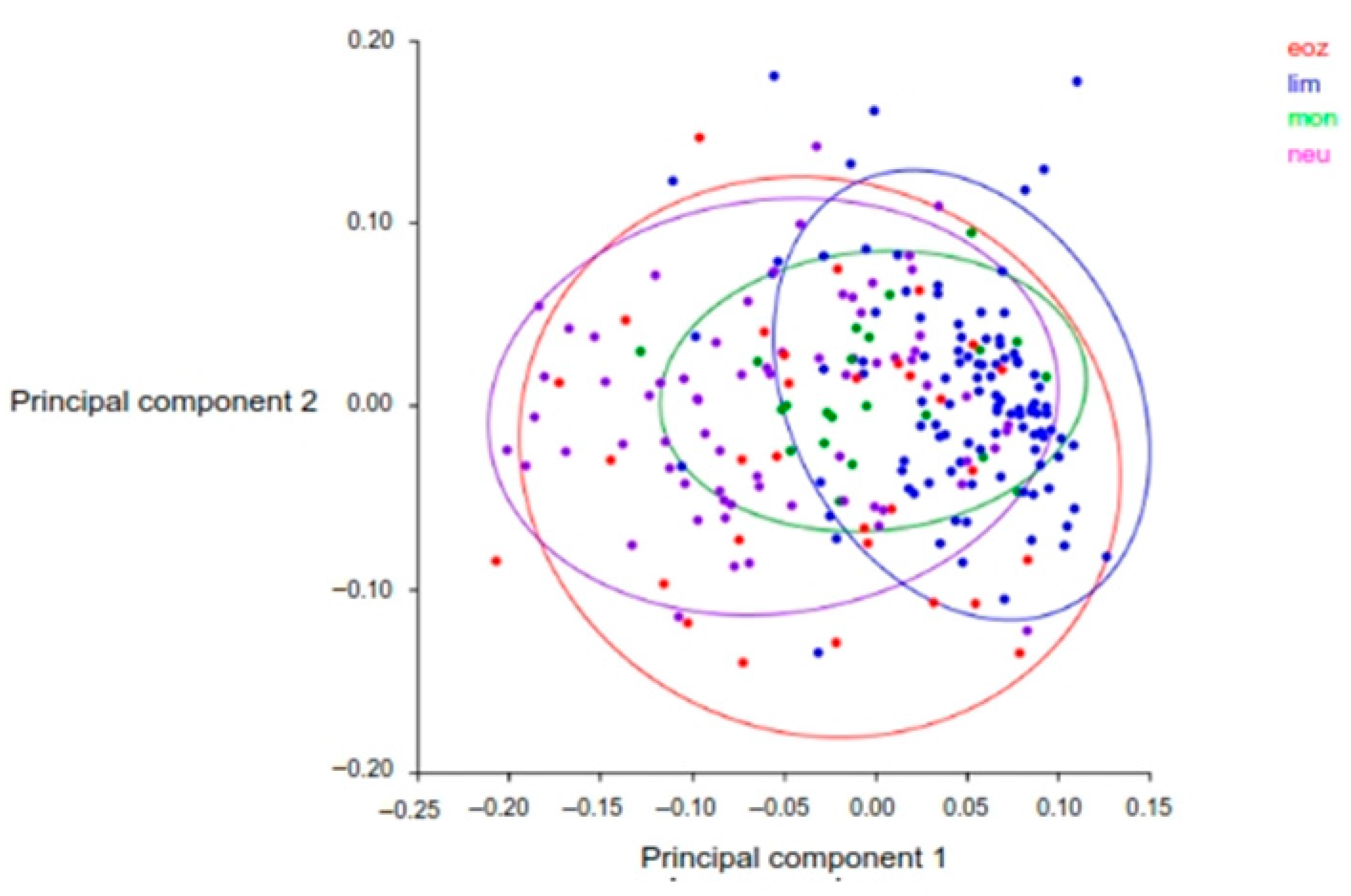
The principal components were used to examine the position of leukocyte corpuscles in the morphological space according to exposure temperature (
Figure 5) comparing the antemortem/postmortem groups of experimental rats (
Figure 6) and according to the type of leukocyte cells in the peripheral blood smear of the experimental rats (
Figure 7).
Statistically significant changes in the position in the morphological space were found in different types of cells (
Figure 7), which is due to their different morphological structure known from before. Principal component analysis showed that the variables loaded differently on individual components. PC1 was most defined by variables describing cell morphology. This structure indicates that the first principal component reflects dominant changes in cell morphology, while the second component better describes variations in cell size.
The aim of the research was to examine whether there are morphological differences between cells of the same type exposed to different temperatures, and between cells of the same type in antemortem and postmortem groups of experimental rats.
By applying the geometric morphometrics method to compare all the examined groups, statistically significant morphological differences in polymorphonuclear cells were established between the control group (temperature 37) and the group exposed to a temperature of 41 °C. Discriminant functional analysis was provided and the p value was p = 0.009.
Observed changes in the position of specific points are presented as a wireframe in
Figure 8, while the results of the discriminant functional analysis are presented in
Figure 9.
Using geometric morphometrics, it was tested whether there are statistically significant differences in the same types of cells between the antemortem and postmortem groups of examined rats. Statistically significant morphological differences were found in mononuclear cells between the antemortem and postmortem groups of examined rats. For this analysis (comparison between two groups), a discriminant functional analysis was performed; p = 0.00307.
Figure 10 shows the observed differences in shape as a wireframe deformation, while the results of the discriminant functional analysis that showed significant differences are presented in the form of a histogram in
Figure 11.
4. Discussion
Geometric morphometrics represents an extremely popular set of tools for a wide spectrum of research in anatomy, biology, engineering, and applied mathematics. Thanks to the development of advanced microscopy techniques, it is possible to make a two-dimensional model of the structure being observed, and on that basis to apply geometric morphometrics techniques in scientific disciplines that rely on microscopy [
16,
17,
18]. Heat stress leads to changes in many leukocyte genes in peripheral blood [
19].
In our study, using the geometric morphometrics method, we present a large quantity of data that are easy to understand and that show great statistical sensitivity. In this way, we detected even the smallest changes in the shape of leukocytes, which we could not detect with a classic histological examination of a peripheral blood smear.
Although white blood cells are quite resistant to various foreign agents and the action of the environment, in our study we still determined certain changes among certain groups of cells after exposure to high temperatures. The results of our study showed certain changes in the shape of polymorphonuclear cells after exposure to temperatures of 37 °C and 41 °C. Previous studies have shown that polymorphonuclear cells are the cells that react the fastest at the site of inflammation or infection to destroy toxic agents through numerous enzymes and proteins, processes of phagocytosis, and degranulation [
20].
Elevated temperature is one of the basic indicators of infection. It has been proven that in states of hyperthermia there is increased engagement by polymorphonuclear cells in the lungs in infections caused by Gram-negative bacteria [
21]. During this action, polymorphonuclear cells probably change their shape, adapting to the new situation, in order to defend the host as efficiently as possible from unfavorable environmental conditions, which was proven in our study using geometric morphometrics. Werz et al. [
22] proved that the exposure of polymorphonuclear cells to a temperature of 45 °C activates the key enzyme for leukotriene synthesis. However, in this study, polymorphonuclear cells were exposed to much higher temperatures than those in our study. Salanova et al. [
23] found that the short-term exposure of polymorphonuclear cells to high temperatures affects internal cell signal transduction.
Altered forms of polymorphonuclear cells were found on the classic histological peripheral blood smear of a person with a temperature of 41 °C. Altered nuclei were observed that looked like clusters of grapes [
24]. Such altered forms of polymorphonuclear cells have also been found in cases of burns, heat stress and hyperthermia [
25]. However, the mechanism that causes these morphological changes in polymorphonuclear cells is still unknown. Some authors believe that this may be the result of pre-apoptotic events, changes in intercellular osmolarity due to disruption of the Na/K pump, or that high temperatures lead to physical damage to the cell membrane [
26]. High temperatures in polymorphonuclear cells modulate the formation of mediators of active oxygen and nitric oxide and accelerate the process of polymorphonuclear cells apoptosis. Apoptosis is the dominant process leading to cell death, but also the most important process responsible for the resolution of inflammatory processes. A number of biological substances such as cytokines or chemokines can modulate polymorphonuclear cell apoptosis. However, this process can also be affected by local acidosis or hyperthermia [
27]. All this can be the cause of changes in the shape of polymorphonuclear cells, as was found in our study. Nagarsekar et al. [
28] showed that temperatures of 39.5 °C lead to the accelerated apoptosis of polymorphonuclear cells and that almost 90% of polymorphonuclear cells showed apoptotic changes after 8 h of exposure to a temperature of 39.5 °C.
Mononuclear cells are the most numerous type of leukocytes in rats. Although they are the smallest blood cells, they play a crucial role in the body’s defense against various pathogens and adverse environmental conditions. Our results show altered forms of mononuclear cells in all temperature ranges (37 °C, 41 °C, and 44 °C), both before and after the occurrence of a fatal outcome (antemortem and postmortem analysis). These findings may suggest that mononuclear cells are more vulnerable to high temperatures, which may relate to the progression of systemic organ damage. Our results coincide with the pilot study by Iba et al. [
29] on rats exposed to high temperatures. However, in contrast to our study, where we used the geometric morphometrics method as a means of examining changes in shape, in their study the evaluation of changes in the shape of mononuclear cells was based on the observation of peripheral blood smears. Mononuclear cells showed signs of hyperactivity with enlarged cytoplasm and irregular nuclei, and some with destroyed nuclei [
29].
The atypical appearance of polymorphonuclear cells and mononuclear cells with segmented nuclei was also found by Ranheim et al. [
26]. Ward et al. [
24] observed changed mononuclear cells and polymorphonuclear cells after 10 min of heating blood to a temperature of 42.2 °C. In our study, no statistically significant changes in the shape of eosinophils and monocytes were found, although it is noted in the literature that they too can react to a high temperature by changing their shape, but at a much lower incidence compared to polymorphonuclear cells and mononuclear cells.
In the final stages of cell damage, the rupture of the nucleus occurs, with mononuclear cells experiencing necrosis, as was found in the study by Mastrorilli et al. [
30] on dogs exposed to hyperthermia.
In our study, statistically more significant changes were found in polymorphonuclear cells compared to mononuclear cells (
p = 0.009 vs.
p = 0.03). Polymorphonuclear cells have the shortest life span of all leukocytes, which may be the reason for their significantly greater change in shape in our study. As previously reported, hyperthermia speeds up the rate of polymorphonuclear cell apoptosis [
26].
However, Díaz et al. [
31] found hypothermia to have the opposite effect. Their results showed that hyperthermia at 39.5 °C combined with low pH enhances the anti-apoptotic effect on polymorphonuclear cells, and has the opposite effect on mononuclear cells, accelerating the process of apoptosis for them, resulting in them undergoing more extensive changes.
Grijalva et al. [
32] found a higher number of granulocytes and higher granulocyte-to-mononuclear cells ratios in crossbred Rambouillet wethers after exposed to heat stress but no changes in cell shape were examined. Previous studies have shown a higher increase in apoptotic granulocytes and monocytes compared to mononuclear cells after blood was incubated at 41 °C for more than 4 h. The same study showed that incubation at 41 °C for less than 1 or 2 h will not produce significant changes in the fraction of apoptotic cells within the granulocyte, mononuclear cell, or monocyte populations.
It was found that heat and social stress also play roles in immune system cells, leading to their alteration, such as increasing the number of polymorphonuclear cells and lowering antibody production [
33].
Lacetera et al. [
34] found that severe heat stress impairs the proliferation of bovine peripheral blood mononuclear cells.
It has been established that hyperthermia can accelerate cell death under the conditions of blood culture. In our research, computer tools in geometric morphometrics enabled us to extract qualitative changes to cells exposed to elevated temperatures with regard to the shape of the cells in physiological conditions. Our research on leukocyte shape changes under a state of hyperthermia resulted in a sophisticated qualitative biological analysis of cell shape. In this way, the collection and analysis of data on the phenotypic manifestation of form were facilitated. Our study’s geometric morphometrics analysis of digital images of peripheral blood smears proved to be a more reliable method than assessment by visual examination, which uses poorly defined criteria that cannot be reliably reproduced.
Variability in histochemical and immunohistochemical staining can occur not only between different laboratories but also within the same laboratory setting. Such differences may arise from variations in protocols, reagents, or processing conditions. While trained observers can often visually compensate for minor inconsistencies in staining intensity, technical limitations become more apparent when slides deteriorate over time or fade due to light exposure, sometimes necessitating re-staining.
The application of geometric morphometric analysis to high-resolution digital images of peripheral blood smears offers an alternative approach. Through digital normalization and rescaling of pixel intensity distributions, it is possible to enhance contrast and restore analytical clarity in faded specimens, achieving an effect comparable to renewed staining without physically reprocessing the sample [
35].
The use of biochemical and nuclear tools requires much higher financial expenses in comparison with geometric morphometrics, by using which we got an objective insight into the change in the shape of leukocytes in the state of hyperthermia.
Although our study has certain limitations, to the best of our knowledge, this study is among the first studies to examine the shape of white blood cells using a digital geometric morphometrics method on peripheral blood smears of a heatstroke rat model. The composition and appearance of white blood cells differ in rats and humans. In comparison to humans, rats are more sensitive to the effects of high temperatures, and they quickly develop a state of shock leading to a fatal outcome. It is extremely important to keep these differences in mind when presenting and comparing the findings of our study with a model of heat stroke in humans.




 ,
,