1. Introduction
In developing nations, where rapid urbanisation and population growth continue to exert significant pressure on the built environment, the construction industry (CI) remains a critical driver of socio-economic development, infrastructure provision, and economic growth [
1,
2]. The CI contributes approximately 6% to global GDP, about 8% in developing economies [
3], and nearly 3% in South Africa (SA) [
4]. Despite its economic importance, the industry is also a major contributor to environmental degradation, accounting for substantial energy consumption, greenhouse gas (GHG) emissions, and construction and demolition waste [
5]. Globally, the CI consumes between 40% and 50% of raw materials and 40% to 45% of total energy, while generating approximately 30% to 40% of solid waste [
6,
7]. These environmental pressures are particularly pronounced in Africa, where rapid development is often accompanied by limited infrastructure capacity and weak regulatory enforcement [
8,
9]. In SA, building construction contributes significantly to environmental challenges, including notable shares of GHG emissions, CO
2 output, and solid waste generation [
9,
10]. This dual role of the CI as both an economic enabler and an environmental burden positions it at the centre of sustainability discourse.
In response to these challenges, sustainable building construction (SBC) has emerged as a critical approach to balancing economic development with environmental stewardship. SBC refers to the construction of buildings in a manner that minimises environmental impact while achieving social and economic objectives [
11]. Beyond environmental considerations, SBC is increasingly recognised as a strategy for improving urban liveability, reducing lifecycle costs, and enhancing long-term economic resilience in developing countries such as SA [
12,
13].
In response to the social, economic, and environmental issues raised by traditional building methods, sustainable building construction (SBC) has become increasingly important. SBC is “the construction of buildings in a sustainable and green way” [
11]. In SBC, buildings are constructed to minimise environmental impact while ensuring the achievement of social and economic objectives [
9,
14]. In addition to being an environmental necessity, SBC is increasingly viewed in developing countries, such as SA, as a means to enhance urban liveability, reduce lifecycle costs, and foster long-term economic resilience [
12,
13].
The adoption and effectiveness of SBC practices, however, are strongly influenced by regulatory frameworks. Governments employ a range of instruments, including building codes, standards, and policies, to guide construction activities and align them with sustainability goals [
15,
16]. From a theoretical perspective, such regulations are designed to establish minimum performance standards, address market failures, and internalise environmental externalities [
17]. In practice, however, their effectiveness is shaped by institutional capacity, enforcement mechanisms, and broader socio-economic conditions [
18,
19]. Empirical evidence indicates that the implementation of SBC-related regulations at the project level remains inconsistent across many developing countries, including those in Africa [
20].
In the South African context, despite the presence of relatively advanced regulatory frameworks, including national building regulations, energy efficiency standards, and voluntary green certification systems, SBC adoption remains below optimal levels compared to those in developed economies [
10,
21]. Persistent challenges include high implementation costs [
9,
22], limited technical capacity [
22,
23], weak enforcement [
24,
25], low market demand [
22,
26], and fragmented institutional coordination [
21]. These constraints highlight a critical disconnect between regulatory intent and practical implementation within the construction sector.
A key factor in determining the success of sustainable building initiatives is the performance of construction project delivery, which is commonly measured in terms of “cost,” “time,” “quality,” and “stakeholder/client satisfaction” [
27,
28]. Other performance criteria include “health, safety and comfort” [
27,
29], “environmental objectives” [
30], “value for money” [
31,
32], “end user satisfaction” [
31], “construction innovation” [
27,
33], and “improvement in sustainability rating” [
34,
35]. Similarly, SBC projects often involve innovative materials, cutting-edge technology, and integrated design processes, which can complicate projects and require greater stakeholder cooperation [
36,
37]. Regulations can either mitigate these risks by offering incentives, clarity, and consistency, or they can exacerbate them by overlapping laws, lax enforcement, and a lack of institutional capacity [
9,
38]. Therefore, assessing how regulations impact the completion of SBC projects is crucial to understanding the effectiveness of sustainability-focused policies.
Although a growing body of research has examined the drivers, barriers, and benefits of SBC in SA and other developing contexts [
14,
39], limited attention has been given to the performance implications of regulatory frameworks at the project level. Previous studies have primarily focused on identifying regulatory features and assessing stakeholder perceptions, with insufficient emphasis on quantifying their influence on project delivery outcomes. This gap is particularly evident in the absence of studies employing advanced analytical techniques to examine the causal relationships between regulatory constructs and SBC project delivery performance.
Furthermore, existing research has not adequately captured the perspectives of construction professionals operating in key economic regions, such as Gauteng Province, where construction activity is highly concentrated. Given the strategic importance of Gauteng in South Africa’s construction landscape, a focused investigation within this context is necessary to generate practically relevant insights.
To address these gaps, this study aims to examine the influence of regulatory frameworks (RF) on sustainable building construction project delivery (SBCPD). To achieve this, the study adopts Structural Equation Modelling (SEM) to test the causal relationships between regulatory constructs and project delivery outcomes. By moving beyond descriptive and factor-based analyses to a causal modelling approach, this research provides a more rigorous and comprehensive understanding of how regulatory mechanisms translate into improved project performance.
This study contributes to both theory and practice by strengthening the empirical linkage between regulatory governance and project delivery in sustainable construction. From a policy perspective, it offers evidence-based insights to enhance the design and implementation of regulatory frameworks in SA. From an industry standpoint, it provides a deeper understanding of how regulatory conditions influence project performance, thereby supporting more effective decision-making. Ultimately, this study contributes to broader efforts to promote sustainable urban development in South Africa and other emerging economies.
3. Methodology
3.1. Research Design and Approach
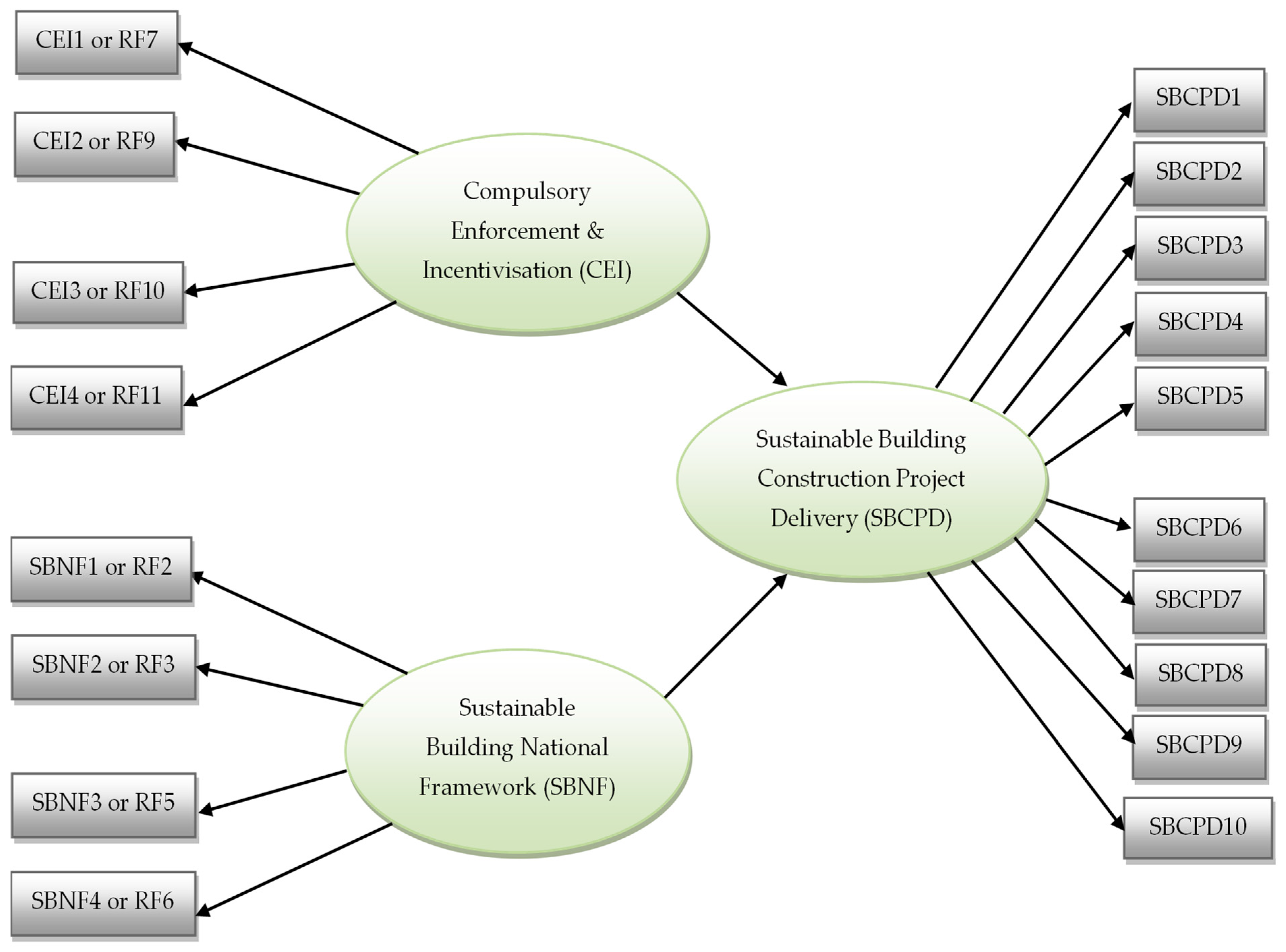
A quantitative research design was employed to examine the influence of regulatory frameworks on sustainable building construction project delivery (SBCPD). The study followed a multi-stage approach, beginning with an extensive literature review to identify key regulatory features relevant to the South African context. Based on this review, 11 regulatory parameters were selected and operationalised into measurable variables.
Primary data were collected using a structured questionnaire designed to capture construction professionals’ perceptions of the influence of regulatory mechanisms on SBCPD. The quantitative approach was deemed appropriate due to its suitability for statistical modelling and hypothesis testing, particularly using Structural Equation Modelling (SEM).
While it is acknowledged that sustainable construction project delivery may also be influenced by factors such as resource availability, personnel competence, and macroeconomic conditions, this study adopts a theory-driven, construct-focused approach grounded in institutional theory. Accordingly, the research isolates regulatory frameworks, specifically Compulsory Enforcement and Incentivisation (CEI) and the Sustainable Building National Framework (SBNF), as the primary explanatory variables. Non-regulatory factors were not explicitly modelled but are treated as background conditions assumed to be randomly distributed across respondents. The use of SEM further supports this approach by enabling the estimation of relationships between latent constructs while accounting for measurement error. Consequently, the model captures the net effect of regulatory constructs on SBCPD without requiring the inclusion of all possible external variables. This delimitation is consistent with prior SEM-based studies, which focus on testing specific theoretical relationships rather than exhaustive determinants.
3.2. Questionnaire Design
The questionnaire was structured into three sections. Section A captured respondents’ demographic and professional background, Section B focused on regulatory features influencing SBC project delivery, and Section C examined sustainable building construction project delivery (SBCPD) outcomes. Sections B and C utilised a 5-point Likert scale, where 1 represented “no extent,” 2 “low extent,” 3 “moderate extent,” 4 “high extent,” and 5 “very high extent.” The use of a 5-point Likert scale was justified by its ability to reduce response bias, enhance reliability, and allow respondents to express moderate views through a neutral midpoint. Furthermore, Likert-scale data are widely recommended for SEM-based analysis, particularly in perception-based studies.
The key measurement questions were framed to align with the study objectives. In Section B, respondents were asked “To what extent does each regulatory feature influence SBC project delivery?” In Section C, the question was “To what extent will SBCPD outcomes be achieved if SBC is effectively practised due to the regulatory elements?” The variables and their corresponding literature sources were presented in
Table 1 and
Table 2.
3.3. Validity and Reliability of the Measuring Instrument
The validity and reliability of the measurement instrument were established through multiple procedures. Face validity was confirmed through a pilot study involving 10 academic experts, ensuring the clarity and relevance of the questionnaire items [
113]. Content validity was supported through expert review and ethical approval obtained from the University of Johannesburg [
114]. Construct validity was assessed using Confirmatory Factor Analysis (CFA) to ensure all items loaded significantly on their respective constructs and met recommended model fit thresholds [
115,
116].
Convergent validity was demonstrated by Average Variance Extracted (AVE) values exceeding 0.50 and Composite Reliability (CR) values above 0.70 [
117]. Discriminant validity was confirmed using the Fornell–Larcker criterion [
118]. Reliability was further supported by Cronbach’s alpha and composite reliability values exceeding 0.70, indicating a high level of internal consistency [
117]. Collectively, these results confirm the robustness and suitability of the measurement scales for subsequent analysis.
3.4. Sampling Strategy and Data Collection
The study initially considered a random sampling approach; however, due to practical constraints in accessing respondents across South Africa within the study timeframe, it was replaced with convenience sampling. The questionnaire was distributed electronically via email and Google Forms to approximately 400 participants. Initial distribution efforts targeted professional bodies within the SA’s broader built environment, including the South African Council for the Project and Construction Management Profession (SACPCMP), the South African Council for the Quantity Surveying Profession (SACQSP), the Engineering Council of South Africa (ECSA), the South African Council for the Architectural Profession, and the South African Council for Planners (SACPLAN). However, due to a low response rate, the study focused primarily on Gauteng Province, a major economic and construction hub in South Africa.
A total of 281 valid responses were obtained, representing a response rate of approximately 70%. This sample size is considered adequate for SEM analysis, as recommended thresholds suggest a minimum of 200 respondents and a maximum of 400 for large populations [
30,
119,
120]. This also confirms the assertion that convenience sampling is beneficial when studying hard-to-reach populations or when time and resources are limited [
121,
122] and is suitable for exploratory studies aimed at hypothesis development [
123].
To minimise sampling bias, only knowledgeable and experienced professionals involved in sustainability-related projects were included in the study. The respondents comprised professionals from diverse built environment disciplines, including quantity surveying, architecture, project management, construction management, engineering (civil, electrical, and mechanical), and urban planning. Selecting Gauteng Province enhances the study’s contextual relevance, as the province hosts over 333,000 construction professionals and numerous construction firms [
9]. It is also home to major cities such as Johannesburg and Pretoria and contributes approximately 33.9% of South Africa’s GDP [
124], making it an appropriate setting for examining sustainable construction practices and regulatory influences.
Moreover, by focusing on expert and practitioner perspectives in Gauteng, the study provides contextually grounded evidence that enhances both theoretical understanding and practical applicability of regulatory-driven sustainable construction in South Africa.
3.5. Data Analysis Procedures
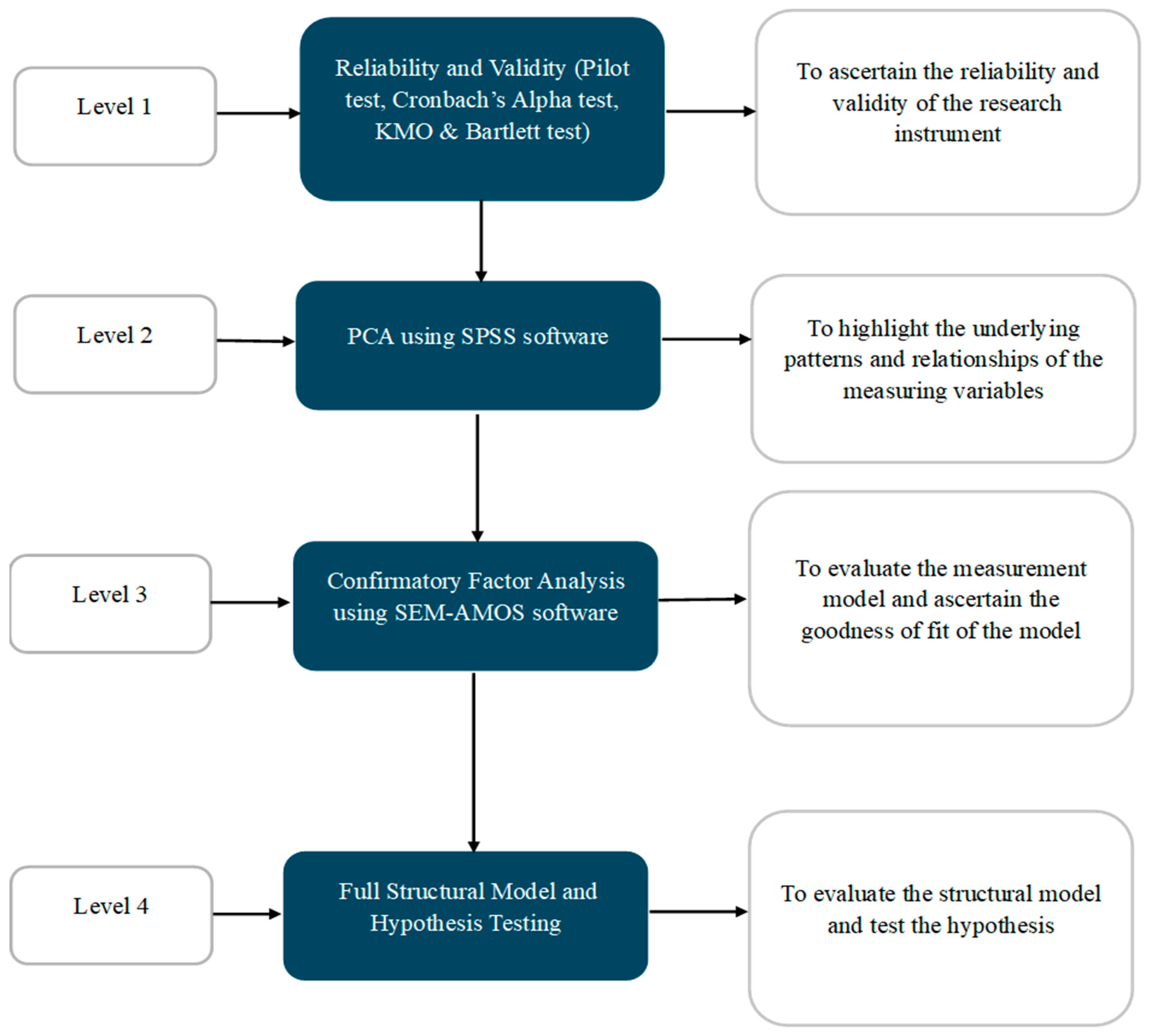
Data were analysed using the Statistical Package for Social Sciences (SPSS) Version 29 and AMOS Version 30, following a four-stage analytical procedure. In the first stage, preliminary analysis was conducted to assess data suitability and reliability. Cronbach’s alpha was used to evaluate internal consistency, yielding values of 0.92 for the RF variables and 0.95 for the SBCPD variables, indicating high reliability. Reliability improves as values approach 1.0 [
125]. In addition, the Kaiser–Meyer–Olkin (KMO) measure of sampling adequacy and Bartlett’s Test of Sphericity were conducted. The KMO values of 0.889 for regulatory variables and 0.924 for SBCPD variables, along with statistically significant Bartlett’s test results (
p = 0.001), confirmed that the data were suitable for factor analysis, as KMO values above 0.60 and Bartlett’s test
p-values below 0.05 are considered acceptable.
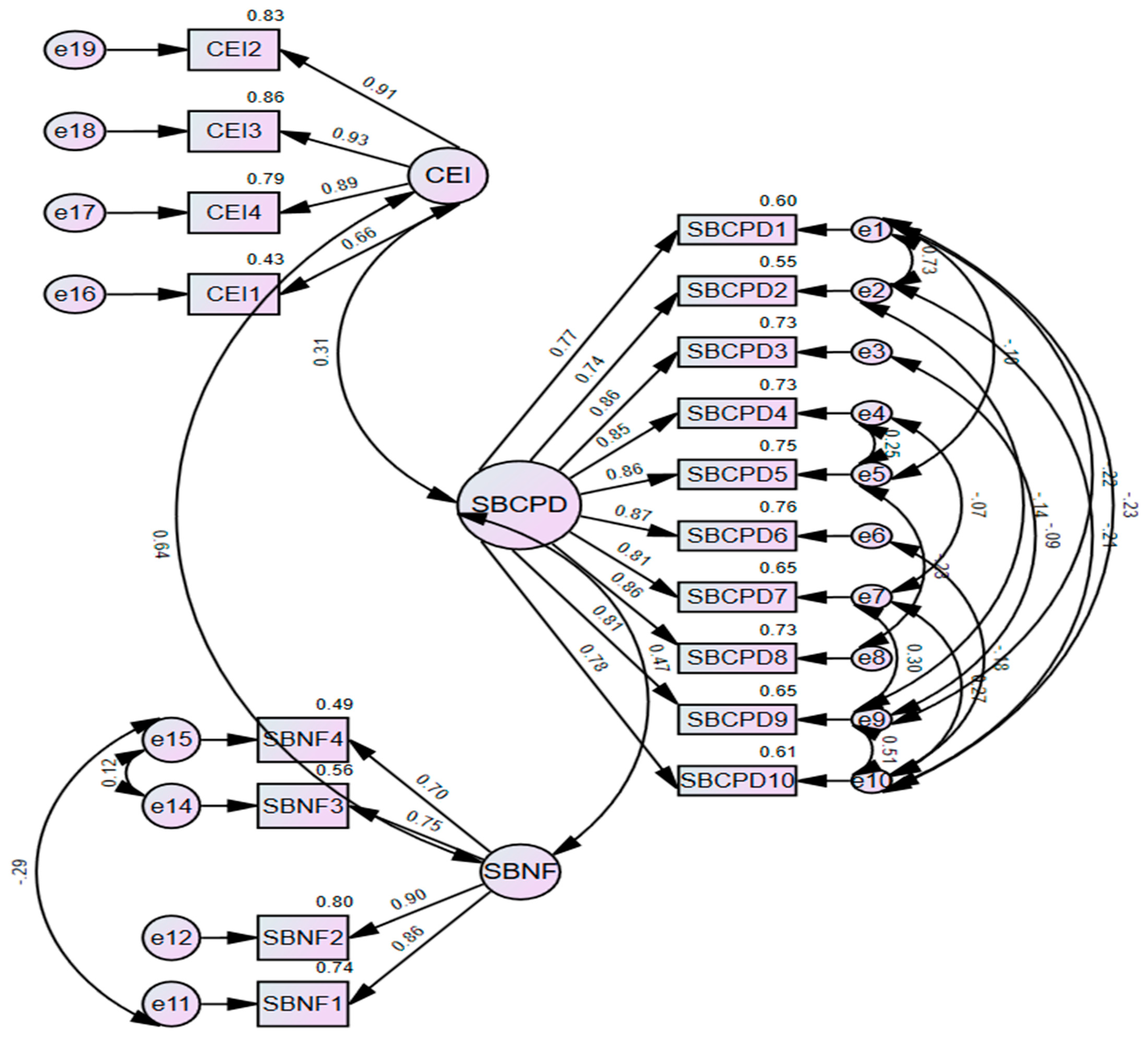
In the second stage, Principal Component Analysis (PCA) was employed to reduce the dataset and identify underlying components among the regulatory variables, thereby establishing the structural grouping of the constructs. In the third stage, Confirmatory Factor Analysis (CFA) was conducted to validate the measurement model, ensuring that the observed variables adequately represented their respective latent constructs. Model fit indices were assessed against recommended thresholds to confirm the adequacy of the measurement model.
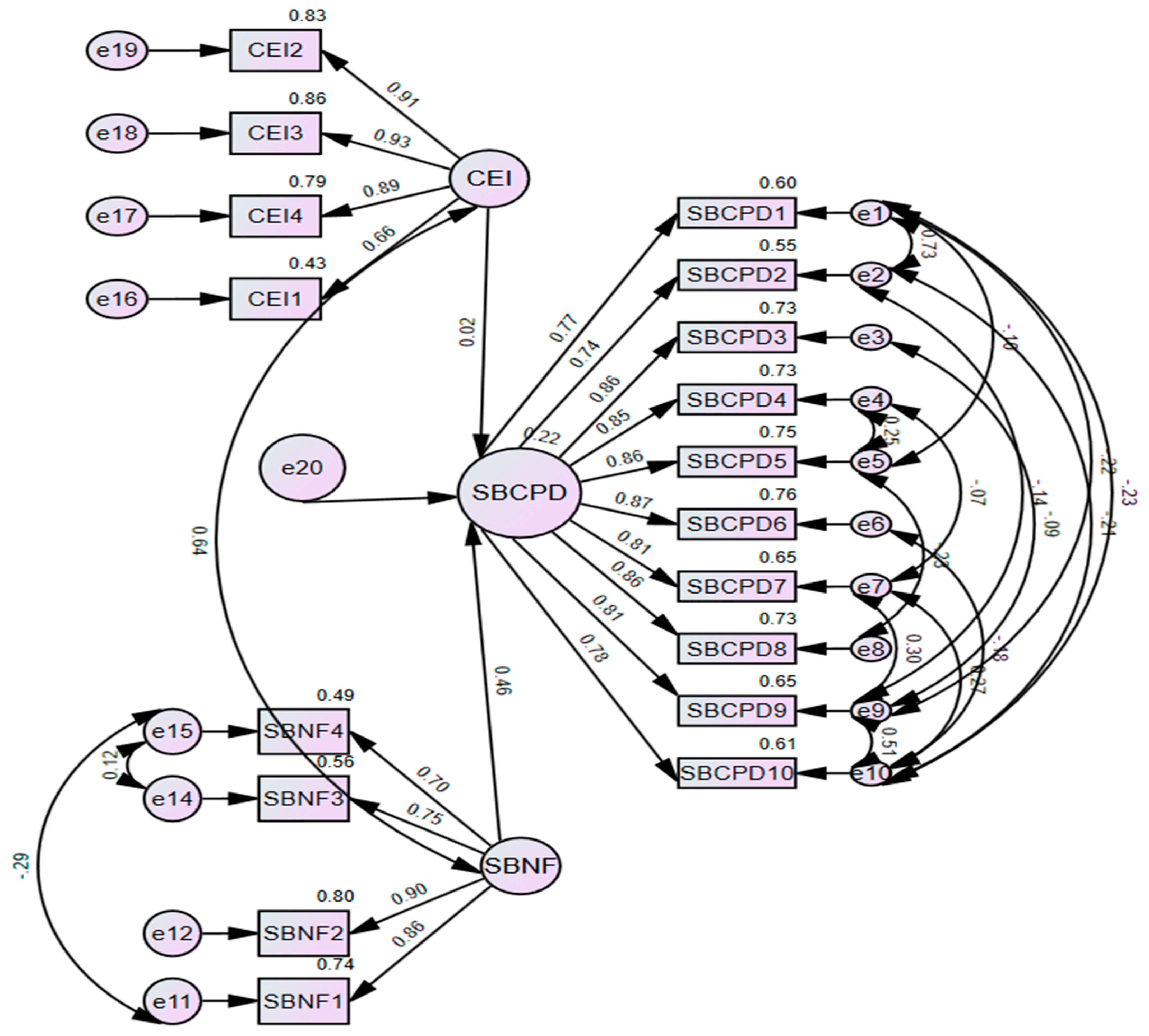
In the final stage, Structural Equation Modelling (SEM) was used to test the hypothesised relationships between the established exogenous and endogenous constructs. SEM enables the estimation of causal relationships among latent constructs while accounting for measurement error and unexplained variance attributable to non-modelled factors. This approach provides a robust framework for examining the influence of RF on SBCPD [
126].
Figure 1 provides a summary of the four-stage level adopted in the data analysis.
6. Contribution to the Body of Knowledge
6.1. Theoretical Contributions
This study makes several important contributions to the advancing theoretical literature on sustainable construction and regulatory governance, particularly in developing country contexts.
First, this study advances understanding of the interaction between regulatory instruments by demonstrating that compulsory and voluntary mechanisms do not operate as a unified construct. While prior studies [
68,
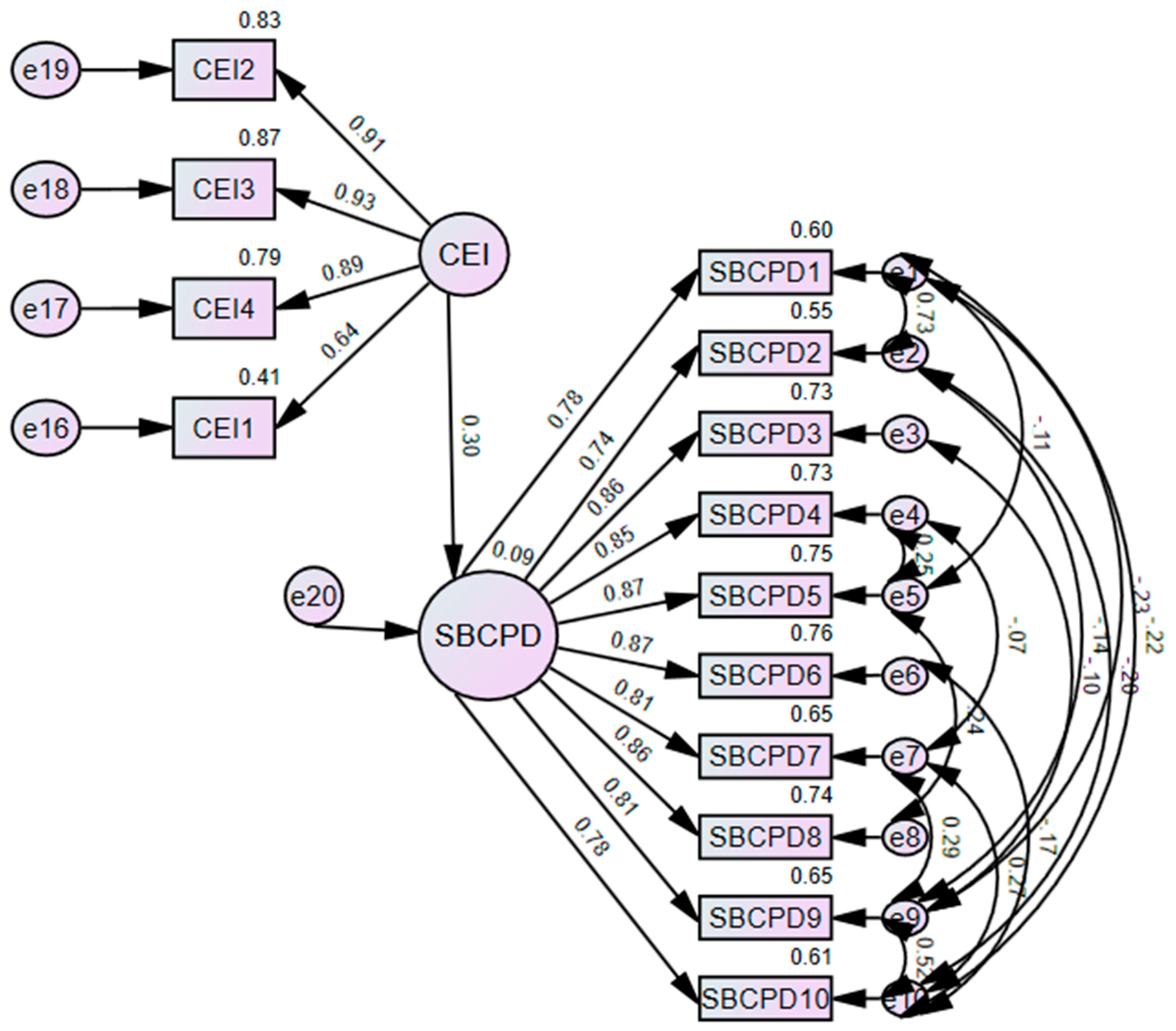
69] largely assume that regulatory enforcement and incentives collectively enhance sustainable construction outcomes, the findings reveal a more nuanced reality. The statistically insignificant effect of the combined Compulsory Enforcement and Incentivisation (CEI) construct, in contrast to its significance when tested independently, highlights the presence of suppressor effects within regulatory frameworks. This contributes to theory by suggesting that regulatory hybridity requires conceptual separation rather than aggregation, particularly in SEM-based modelling of institutional drivers.
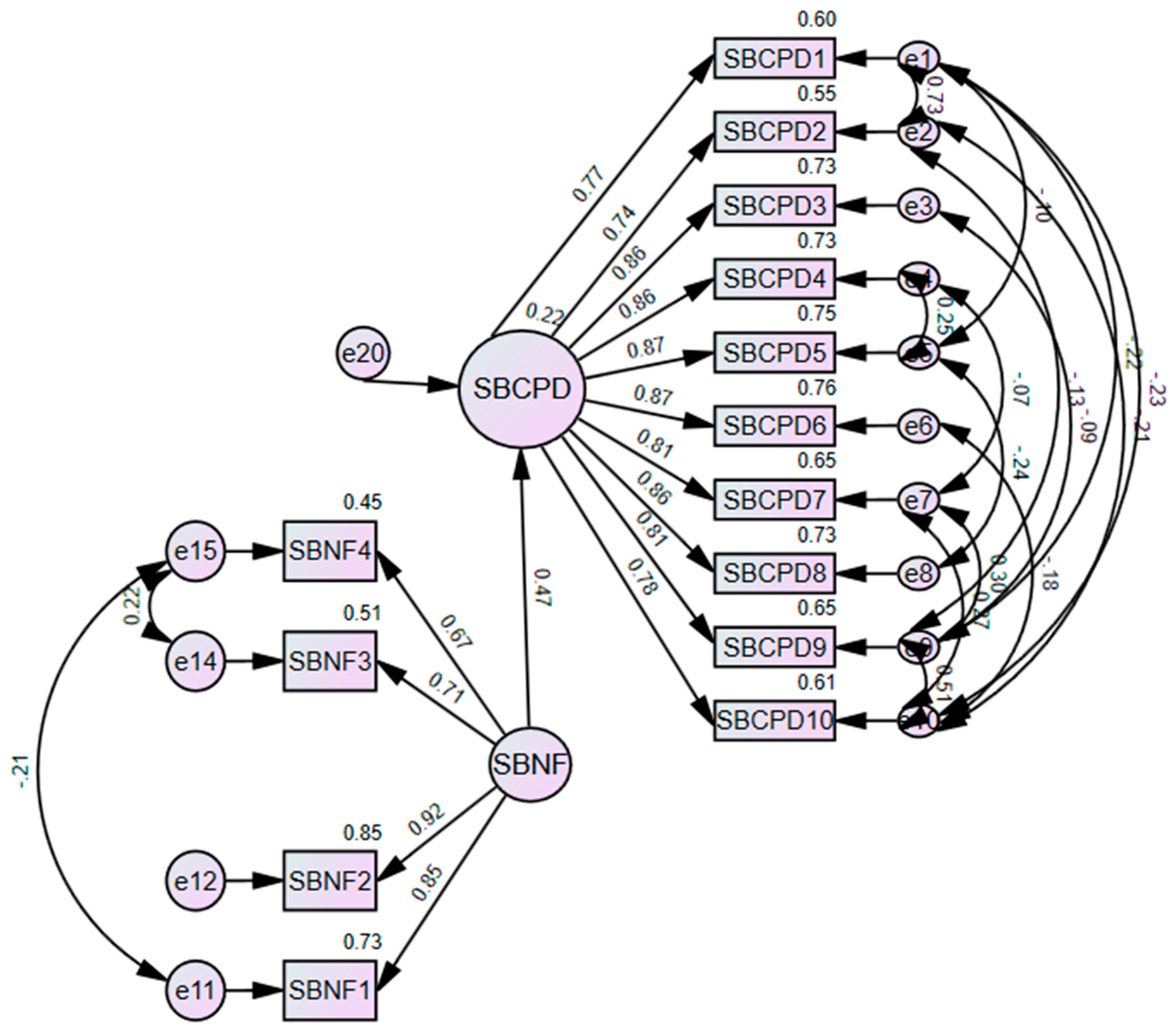
Second, this study extends institutional theory and market failure theory within the context of sustainable construction. The strong and significant influence of the Sustainable Building National Framework (SBNF) confirms that state-led institutional mechanisms are more effective than market-driven or mixed regulatory approaches in developing economies [
72,
127]. This finding reinforces the proposition that, in contexts characterised by financial constraints and limited technical capacity [
12,
100], government intervention acts as a primary institutional force shaping industry behaviour.
Third, this study contributes to sustainable building construction (SBC) delivery theory by linking macro-level regulatory frameworks directly to project delivery performance (SBCPD). Unlike prior studies that focus on policy effectiveness in isolation, this research empirically demonstrates that well-structured national frameworks, such as NEMR, DPW GB policies, and GBCSA standards, can significantly influence project-level outcomes. This bridges the gap between policy-level constructs and project delivery performance, an underexplored area in existing literature. However, it is worth noting that the results were obtained from a survey.
6.2. Policy Implications
The findings provide several critical implications for policymakers, particularly within SA and similar developing economies.
Firstly, the results suggest that policy coherence is more important than policy intensity. The lack of significance of the CEI construct within the full model indicates that simply combining mandatory regulations with incentives does not necessarily yield improved outcomes. Policymakers should therefore avoid fragmented or overlapping regulatory instruments and instead ensure that voluntary standards and compulsory regulations are clearly differentiated and strategically aligned.
Secondly, the strong influence of the SBNF construct underscores the importance of government-led frameworks as catalysts for sustainable construction. This implies that policies such as the DPW GB policies and NEMRs should be further strengthened through:
Improved enforcement mechanisms.
Enhanced interdepartmental coordination.
Capacity-building initiatives within public institutions.
Without these, the transformative potential of such frameworks may remain constrained, as discussed.
Thirdly, the findings reinforce the need for the government to act as the primary market driver. In line with market failure theory, reliance on private-sector initiative alone is insufficient in contexts such as SA. Policymakers should therefore:
Expand public sector-led green procurement.
Increase funding and financial incentives for sustainable projects.
Support wider adoption of certification systems such as those developed by the GBCSA.
Lastly, this study suggests that gradual regulatory transition strategies may be more effective. Given the existing financial and capacity constraints, a phased approach that strengthens voluntary compliance mechanisms before enforcing strict mandates may yield better long-term outcomes.
6.3. Contribution to the CI
This study offers practical insights for construction professionals, developers, and industry stakeholders involved in sustainable building delivery.
Firstly, the findings highlight that alignment with national frameworks is critical to project success. Industry practitioners should prioritise compliance with established frameworks such as the following:
National environmental regulations.
Public sector green building policies.
GBCSA certification systems.
These frameworks are shown to have a direct and significant impact on project delivery performance.
Secondly, this study reveals that over-reliance on regulatory enforcement without adequate capacity can be counterproductive. Contractors and developers should therefore not depend solely on compliance-driven approaches but instead adopt proactive sustainability practices, including the following:
Thirdly, the findings suggest that voluntary and mandatory systems require strategic navigation. Firms that effectively integrate both without treating them as interchangeable are likely to achieve better performance outcomes. This implies the need for the following:
Internal sustainability policies.
Organisational capacity development.
Training and upskilling in green construction practices.
Similarly, the findings suggest that, due to constraints on SBC adoption in developing countries and SA, voluntary adoption currently has a greater and more positive influence until the barriers are drastically mitigated or eradicated.
Finally, this study underscores the importance of public sector projects as industry benchmarks. Contractors engaged in government-led projects are more likely to develop competencies that can be transferred to private sector projects, thereby accelerating industry-wide transformation.
7. Conclusions
This study evaluates the influence of regulatory features/frameworks (RFs) on Sustainable Building Construction Project Delivery (SBCPD) within the SA context using AMOS-SEM. The features were organised into two latent constructs for analysis and evaluated across three phases: PCA, CFA, and the structural model. PCA was used to highlight the underlying patterns and relationships among the measurement variables and to group them into clusters. Similarly, CFA was used to validate the measurement model of the clusters/components in the structural model. The findings reveal a complex relationship between regulatory mechanisms and project delivery outcomes.
The results indicate that while Compulsory Enforcement and Incentivisation (CEI) does not significantly influence SBCPD when modelled as a combined construct, it demonstrates significance when assessed independently. This suggests that integrating voluntary and mandatory regulatory instruments may dilute their effectiveness, underscoring the need for clearer policy articulation and conceptual separation.
In contrast, the Sustainable Building National Framework (SBNF) emerged as a strong and significant predictor of SBCPD, contributing substantially to the model. This underscores the critical role of government-led frameworks, policies, and institutional mechanisms in driving sustainable construction outcomes in SA. The findings further confirm that in developing economies, government intervention remains the primary driver of sustainability adoption, surpassing market-based mechanisms. Overall, this study concludes that achieving effective SBCPD requires the following:
Coherent and well-structured regulatory frameworks.
Strong government leadership and enforcement capacity.
Strategic alignment between voluntary and mandatory instruments.
The study advances both theory and practice by offering empirical data on the differential impacts of regulatory constructs and offering actionable insights for policymakers and industry stakeholders. Future research should explore additional contextual factors, such as financial mechanisms and organisational capacity, to further refine the understanding of sustainable construction delivery in emerging economies.
8. Limitations of the Study
Notwithstanding the contributions of this study, several limitations should be acknowledged. First, this study was conducted primarily within Gauteng Province, which may limit the generalisability of the findings to other provinces or national contexts with differing regulatory environments. Future studies may therefore extend the geographical scope to enhance external validity.
Second, the study employed a convenience sampling approach due to practical constraints associated with accessing professionals with the requisite expertise. Data collection was conducted primarily through online platforms, including email distribution and Google Forms, circulated via multiple recognised professional bodies within the built environment. While this approach facilitated access to a relevant and knowledgeable sample, it may have excluded professionals who are less digitally engaged or not affiliated with such organisations. This introduces the potential for self-selection bias, whereby individuals with greater awareness of or interest in sustainable construction practices are more likely to participate. Consequently, the findings may reflect the perspectives of a more engaged subset of professionals, potentially influencing the observed relationships.
Third, the dependent construct, Sustainable Building Construction Project Delivery (SBCPD), was measured based on respondents’ perceptions rather than objective project performance data. Participants were required to assess the extent to which project delivery outcomes would be achieved under effective implementation of sustainable construction practices. As such, the findings reflect anticipated or perceived outcomes rather than empirically observed project performance. Therefore, while the study demonstrates that professionals who perceive regulatory frameworks as influential are more likely to expect improved delivery outcomes, it does not provide direct causal evidence that such frameworks lead to actual performance improvements in practice.
Fourth, this study focused exclusively on regulatory determinants of sustainable building construction project delivery (SBCPD), namely Compulsory Enforcement and Incentivisation (CEI) and the Sustainable Building National Framework (SBNF). While other factors, such as resource availability, workforce competence, and macroeconomic conditions, may also influence SBCPD, they were not incorporated in the present model. This was intentional, as the study aimed to isolate and examine the structural role of regulatory governance mechanisms within an institutional theory framework. Future research may extend this model by integrating organisational, economic, and technical variables to develop a more comprehensive predictive framework.
Finally, this study examined the effects of independent constructs on the dependent construct as a whole. Future research should extend the analysis to the level of individual observed variables, using item-level SEM, multi-group comparisons, or second-order factor models. Such approaches would provide richer insights into which specific indicators are most influenced and help identify mediating or moderating mechanisms underlying the relationships. Nevertheless, the authors aim to fill these gaps in further studies.