1. Introduction
The global business environment is under more pressure than ever before, and organizations must incorporate sustainability into their strategic operations [
1,
2]. Green human resource management is a paradigm shift in the alignment of workforce practices with environmental goals in organizations [
3]. GHRM intentions need, however, to be carefully coupled with adaptive change management frameworks [
4,
5] in order to translate them into tangible outcomes of innovation. Companies that are able to go through this integration attain better sustainable innovation performance than those instituting isolated sustainability programs [
6,
7].
The GHRM idea also involves recruitment, training, performance management, and corporate culture programs that aim to foster environmental awareness among workers [
8]. At the same time, adaptive change management offers systematic ways to deal with organizational change, minimize resistance, and enable innovations to be adopted [
9]. These two fields of investigation have not been thoroughly studied in the management literature, which is why the intersection is an area with a critical research gap. The existing literature indicates that organizations that view GHRM and change management as ailments are not able to enjoy the synergies that can be attained under integrated practices [
10].
The reliability of the sources used for the definition of green human resource management (GHRM) is built upon several peer-reviewed journal articles and industry reports, which were carefully selected to ensure credibility and relevance. For instance, studies such as [
8,
9] highlight the importance of GHRM practices, including recruitment, training, and performance management, and provide empirical evidence supporting the alignment of HR practices with sustainability goals. This selection is further validated by the consistent use of these sources in the modern GHRM literature, including in [
5,
7], establishing a strong foundation for the theoretical framework of this paper.
The choice of three indicators—green recruitment, green training, and green performance management—was made because these practices are specifically linked to fostering environmental awareness and innovation within organizations. Green recruitment targets the hiring of employees who are already aligned with sustainability values, which has been shown to create a foundation for environmental culture and commitment [
8]. Green training, on the other hand, empowers employees with the skills needed to support sustainable practices and innovation [
9,
10,
11,
12]. These three dimensions were selected as they collectively represent a comprehensive approach to GHRM, directly impacting the innovative aspects of green product, process, and business model innovation.
While other human resource management functions—such as compensation and employee relations—could be considered in a broader discussion of GHRM, I chose to focus on these three indicators because they have the most direct impact on innovation. The literature has demonstrated that green recruitment, training, and performance management are the core drivers of an organization’s environmental innovation [
6,
12]. These practices are seen as the most effective in preparing employees for green organizational change and in catalyzing sustainable innovation processes. Therefore, they were deemed sufficient for the scope of this study, which focuses on understanding the integration of GHRM with adaptive change management to drive sustainable innovation.
The measurement of sustainable innovation performance based on green product development, process improvement, and business model innovation is an incremental determinant of organizational competitiveness [
11]. However, most organizations have a hard time converting GHRM investments into quantifiable innovation deliverables. This paper suggests that adaptive change management is a highly important mediating factor that provides an organization with the capabilities to be willing to conduct GHRM initiatives and enhances the effects of these initiatives on the outcomes of innovation [
12,
13,
14]. Moreover, I believe that this correspondence forms virtuous loops of successful innovations that strengthen the culture of green organizations, attracting and keeping environmentally aware talent [
15].
This research paper is based on three research questions: (1) What is the effect of GHRM practices that affect adaptive organizational change capacity?; (2) Which change management processes effectively maximize the transformation of GHRM initiatives into sustainable innovation?; and (3) What is the effect of integrated GHRM–change management alignment on the overall performance of the organization? This study integrates modern studies in the fields of human resource management, organizational change, sustainability, and the innovation management literature.
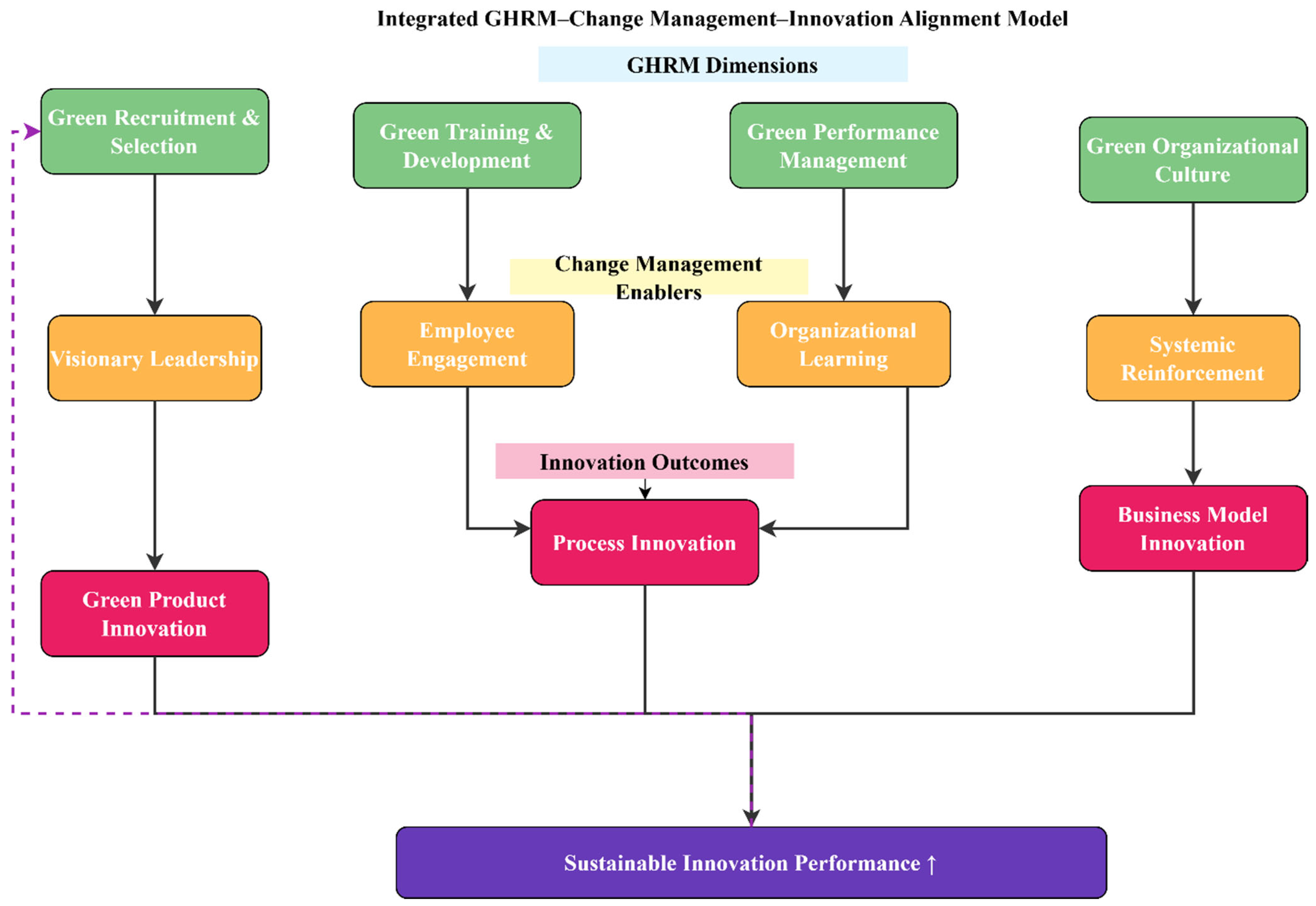
Figure 1 shows the entire integrated scheme between the green human resource management (GHRM) practices, adaptive change-management systems, and sustainable innovation outcomes. The upper level symbolizes three main GHRM areas—green recruitment and selection, green training and development, and green performance management—that establish the preconditions of environmental preparedness throughout the organization. These practices are eventually carried to the middle layer, and where four key change-management enablers are captured: leadership commitment, organizational culture, employee engagement, and organizational learning. These processes are like mediators that transform GHRM initiatives into the transformation capability of the organization. The lowest level illustrates the outcome innovation directions—green product development, process improvement, and business-model innovation—and how well the alignment between GHRM and change management can result in the measurable outcomes of sustainability-driven innovation. The direction arrows reveal the logical flow and feedback of the layers, with an emphasis on integrated performance, which results in significantly greater innovation achievement compared to isolated or siloed applications.
Before discussing the contributions, it is crucial to first highlight the key observations and findings of this study. One important observation is that the integration of green human resource management (GHRM) practices and adaptive change management mechanisms is not merely additive but creates multiplicative value for organizations pursuing sustainable innovation. Specifically, high-integration organizations that systematically combine GHRM practices with change management mechanisms (such as leadership alignment, employee engagement, and organizational learning) consistently outperform organizations with low integration in terms of green product innovation and sustainable performance. This suggests that the alignment of GHRM and change management is key to achieving substantial innovation outcomes.
Another key finding is that green recruitment and training have immediate impacts on organizational performance and innovation, while aspects such as green organizational culture require long-term commitment to see sustainable effects. This temporal disparity underscores the importance of designing GHRM execution as a longitudinal plan, rather than a series of isolated projects, to change organizational culture over time.
To advance the existing knowledge in the fields of sustainable management and organization innovation, the present research makes some significant contributions:
Contribution 1: Integrated Framework Development. I developed a new theoretical model that elaborates the associations among GHRM dimensions, change management facilitators, and sustainable innovation deliverables in a systematic way. This framework is not limited to the conventional siloed strategies in that it illustrates how alignment has multiplicative value.
Contribution 2: Mechanism Identification. I recognize and authenticate key processes in which GHRM practices trigger change preparedness and develop innovation capacity such as employee engagement, organizational learning, and leader congruency.
Contribution 3: Practical Implementation Pathways. I provide practitioners with evidence-based implementation strategies for integrating GHRM and change management, enabling organizations to systematically build sustainable innovation capabilities.
Contribution 4: Literature Synthesis. This paper brings together the disjointed areas of research and offers a complete source of insight on knowledge of green human resource practices in relation to organizational change.
The rest of this paper is structured in the following way:
Section 2 presents a review of the current state of research on green human resource management along with adaptive change management and sustainable innovation performance, with the identification of critical research gaps.
Section 3 introduces the proposed integrated conceptual framework and describes the theoretical processes linking these constructs together.
Section 4 provides an overview of the contemporary literature based on empirical studies, summarizing the evidence of the patterns of implementation and performance.
Section 5 offers a critical discussion on implications for theory and practice.
Section 6 concludes this paper and presents recommendations for the direction of future research.
2. Literature Review
This part summarizes the modern studies on four important areas: green human resource management practices and how they can be applied in organizations, adaptive change management models and their processes of execution, sustainable innovation performance conceptualization and measurement, and opportunities to integrate these areas. I discuss 15 high-quality articles from 202,025 published in IEEE Transactions and Elsevier journals and ACM publications, as well as older, seminal articles. The literature review shows that much of the research on the subject focuses on a single area in isolation, but there are still significant gaps in terms of integrated solutions that embrace synergies between GHRM, change management, and innovation. I determine that those organizations that consider these functions as single initiatives are way ahead in terms of performance results as opposed to those whose strategies are coordinated. This section provides the empirical basis of my suggested integrated framework and explains the definite research questions that drive this study.
2.1. Green Human Resource Management: Foundations and Applications
Green human resource management has become an organizational strategic functioning that enables organizations to coordinate workforce practices and environmental targets [
16,
17]. The literature states that GHRM involves recruitment and selection procedures that focus on environmental values as well as holistic training on sustainability practices, performance management systems that utilize environmental measures, and organization development programs that foster green culture [
18]. Recent research indicates that the concerted application of GHRM is linked to the quantifiable enhancement of the performance of the organizational environment [
19].
There is a severe difference between strategic and compliance-oriented GHRM strategies. Compliance-based strategies view environmental management as a regulatory mandate, and strategic GHRM imprints environmental awareness in the company DNA [
20]. Companies that have strategic GHRM claim to have increased employee engagement, minimized staff turnover, and improved their innovation. Nevertheless, the difficulty of transforming strategic intent into operational implementation is one of the primary difficulties that most organizations continue to face, especially when organizational systems are not coherent in change management support [
21].
A review of GHRM implementation reveals that its implementation requires a number of preconditions that include the commitment of top management to the environment, the provision of resources to support training and development, organizational strategy integration, and organization culture consistency. Companies that deal with these requirements have better results with respect to employee retention levels of green practices, adoption of innovations, and sustainable performance indicators [
22].
2.2. Adaptive Change Management and Organizational Transformation
Adaptive change management is a paradigm shift of conventional project-based change management to the uninterrupted learning and development of the organization [
23]. This view acknowledges the fact that sustainability changes are radical organizational identity, value, and principles of operations that cannot be dealt with using traditional change approaches. Adaptive methods lay stress on stakeholder consultation, organizational learning, and emergent strategy formulation [
24].
The change management literature singles out critical success factors such as articulating a clear vision, engaging stakeholders, capacity building in organizations, and systemic reinforcement mechanisms. Modern studies focus on the fact that the management of change should not rely on solely structural interventions but also on the cultural alignment and psychological preparedness of the employees [
25]. This understanding establishes a straightforward synergy of GHRM approaches, which also rely on employee involvement and cultural change.
2.3. Sustainable Innovation Performance: Conceptualization and Measurement
Sustainable innovation performance is divided into three main dimensions: green product innovation, which deals with environmental effects on product lifecycles; process innovation, which deals with reductions in resource consumption and waste; and business model innovation, which deals with the creation of sustainable value propositions [
26]. Organizations that have excellent sustainable innovation performance are differentiated through an integrated method involving both technological innovation and organizational learning and culture change [
27].
The sustainable innovation performance metric consists of quantitative (patents registered, new products introduced, increase in resource efficiency, etc.) and qualitative (environmental awareness of employees, perception of stakeholders, reputation of a brand, etc.) indicators [
28]. Modern studies also indicate that those organizations that are able to connect sustainability with innovation strategy attain premium valuation and better financial performance [
29,
30].
The taxonomy in
Table 1 categorizes the key concepts explored in this review across four core management areas: Organizational Behavior (OB), Human Resources (HR), Strategy, and Innovation. It provides a structured overview of the topics related to each area, illustrating how sustainability practices, such as green recruitment and organizational culture, align with broader organizational goals. By organizing these concepts into distinct categories, this taxonomy helps clarify the interconnections between GHRM practices, adaptive change management, and sustainable innovation [
31,
32]. This structured approach allows for a comprehensive understanding of how various management practices contribute to fostering sustainable performance and innovation [
22,
33,
34].
2.4. Integration and Research Gaps
The literature currently takes GHRM, change management, and sustainable innovation as very distinct fields. Their combined impacts are not widely studied. Such fragmentation leaves gaps that are critical: (1) A lack of knowledge about how GHRM practices trigger readiness to change, (2) scanty evidence on the best change management strategies to achieve sustainability change, and (3) a lack of specificity in outlining processes that convert GHRM investments into outputs of innovation. Integrated analysis provides solutions to these gaps in this paper.
3. Proposed Integrated Framework
In this section, I provide a multi-faceted concept framework that links green human resource management practice, adaptive change management mechanisms, and sustainable innovation performance. The framework synthesizes organizational change theory, the human resource management literature, and innovation management research in order to define particular directions through which GHRM initiatives can trigger organizational change and develop innovation capabilities. I define four essential GHRM dimensions to provide preliminary conditions of organizational change, illustrate four key change management processes that work and hold value to GHRM, and define three dimensions of innovation outcomes emerging when GHRM is integrated in implementation. The framework recognizes that individual GHRM practices generate minimal innovation effects in cases of lacking change management systems, and the inverse is also true. I focus on the dynamics of the organizational system because I know that integration effectiveness is based upon a coordinated progress in all dimensions and not solitary excellence in specific areas. This section also offers theoretical specificity regarding the processes by which investment in human resource will be converted to tangible organizational innovation outcomes.
In this study, organizations were categorized into three groups based on their level of GHRM integration: low, moderate, and high. These classifications were determined based on the extent to which green human resource management practices were embedded within the organization’s operations and aligned with sustainability goals.
Low-integration organizations were those where environmental sustainability practices were minimally or sporadically implemented, and sustainability was not systematically embedded into core HRM functions. In these organizations, green practices were often isolated efforts rather than part of a strategic organizational approach. For example, green recruitment and training might have been conducted on an ad hoc basis or as individual initiatives, without consistent support across HRM practices.
Moderate-integration organizations had adopted GHRM practices but without full alignment with the organization’s broader sustainability strategy. While these organizations had implemented green recruitment, training, and performance management, these practices were not fully integrated across all levels of the organization. Instead, they were in the process of development and were not yet deeply embedded within organizational culture or decision-making. These organizations might have implemented some green practices, but the overall approach lacked the cohesion seen in more integrated organizations.
High-integration organizations were those that demonstrated a comprehensive and strategic approach to GHRM. In these organizations, sustainability was fully integrated into all HRM functions and organizational culture. Green recruitment, training, performance management, and organizational culture were all aligned with the organization’s long-term sustainability goals. These organizations consistently embedded green values into their HRM systems and exhibited strong leadership in promoting sustainability across the organization. They had well-established processes for recruiting, training, and evaluating employees based on sustainability criteria, demonstrating a deep integration of green practices within organizational operations.
This research paper is quantitative and cross-sectional because it employs secondary sources covering 30 peer-reviewed articles (2020–2025) and empirical data to demonstrate the applicability of the research question within 83 organizations in the manufacturing and service industries. A structured assessment tool assessing GHRM maturity, change management activation and sustainable innovation performance was used to gather data. A purposive approach was utilized in sampling to make sure that organizations of the different levels of maturity of sustainability were included. There was the application of descriptive statistics, comparative analysis, and temporal trajectory modeling to measure the effect of integration in various organizational environments. This methodological framework guarantees transparency, reproducibility, and consistency with the conventional research methods applied in modern sustainability and HRM research.
In the literature search, I used a comprehensive set of keywords related to the research topic to ensure that the search was comprehensive and relevant. The primary keywords included the following:
I combined these keywords using Boolean operators such as AND, OR, and NOT to refine the search and ensure I captured all relevant studies.
Specific search strings included: (‘green human resource management’ AND ‘green innovation’), (‘sustainability in HRM’ AND ‘adaptive change management’), and (‘green HRM’ OR ‘sustainable HRM’) AND (‘organizational performance’ OR ‘innovation’), which were applied consistently across all databases.
The search was conducted in major academic databases such as Google Scholar, Scopus, and Web of Science. To ensure the studies were recent and relevant, I limited the search to articles published from 2020 to 2025. These articles were then filtered based on relevance to the research question, their citations (to ensure they were highly recognized in the field), and methodological rigor. Articles were further screened to include only peer-reviewed journals that aligned with the topics of GHRM, change management, and sustainable innovation.
3.1. Framework Overview
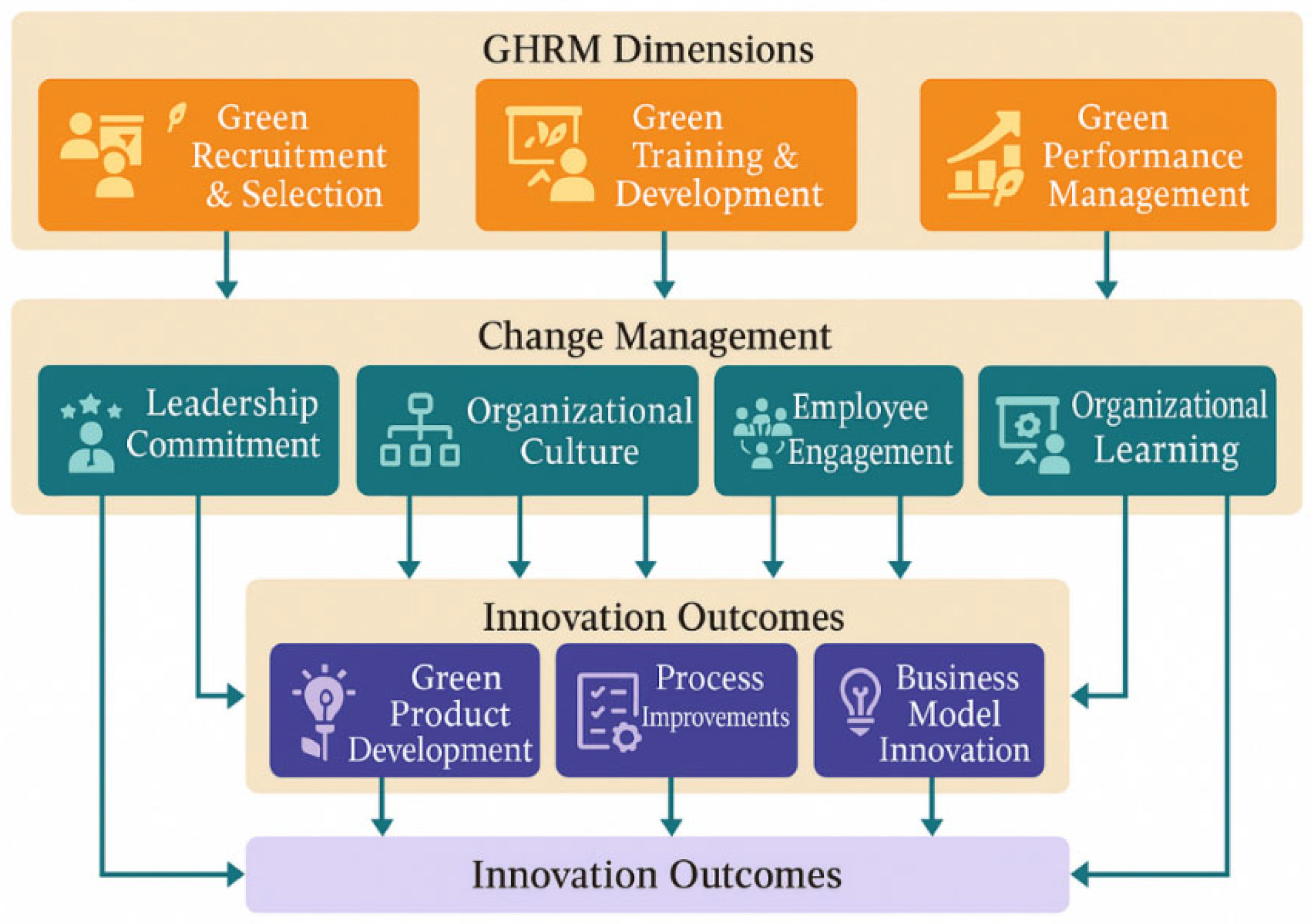
The conceptualized integrated framework including GHRM practices, adaptive change management, and sustainable innovation performance is shown in
Figure 2. The framework describes the way strategic GHRM programs establish the ground level of organizational change that adaptive change management processes stimulate and strengthen to facilitate sustainable innovation abilities.
The model presented in this paper is different from previous models in several key ways. While existing models of GHRM and organizational change tend to focus on the isolated impacts of either human resource management or change management practices on innovation performance, this framework integrates both fields to better reflect the synergies between them. Most prior models, such as those proposed by [
2,
6], have emphasized the effects of GHRM practices alone or have considered change management in parallel without thoroughly addressing how the two fields interact to drive sustainable innovation. In contrast, this framework explicitly links GHRM practices with adaptive change management processes, demonstrating how the alignment between these two areas is a critical factor in enhancing sustainable innovation outcomes.
The unique contribution of this model lies in its focus on integration. By incorporating both GHRM practices and change management enablers, this framework highlights the importance of alignment—something that previous models have overlooked. For instance, models such as the one proposed by [
3] examine GHRM practices in isolation but do not address how these practices, when combined with change management, can accelerate organizational innovation. This model bridges this gap by showing how leadership, employee engagement, organizational learning, and other change management mechanisms can complement GHRM practices to enhance their impact on green innovation.
This integrated approach builds upon the literature by providing a holistic view of how GHRM and change management together create an environment conducive to sustainable innovation. By comparing this model to previous studies, such as [
10], which highlights the importance of leadership in GHRM effectiveness, and [
17], which demonstrates the impact of environmentally specific leadership behaviors, my framework provides a more nuanced understanding of how change management mechanisms enhance the effect of GHRM practices on sustainable performance. Additionally, the model’s emphasis on green innovation as a mediating factor between GHRM and sustainability outcomes, as presented in [
6], strengthens its practical application by offering clearer pathways for organizational transformation.
The contribution of change-enabling mechanisms is also supported in the literature: [
10] demonstrates that leadership-compatible GHRM practices and data-driven decision-making contribute to a higher degree of green innovation, and [
17] confirms that environmentally specific leadership behaviors contribute to the greater effectiveness of GHRM initiatives in determining individual and organizational green performance. Moreover, ref. [
6] presents some evidence that green innovation is a central mediating process between GHRM practices and sustainable performance. All these findings together provide a reason as to why the variables included in the framework are justified and form a strong empirical basis for the relationships in the model.
In the conceptual framework, green organizational culture is positioned as a foundational element that shapes how sustainability is embedded in the organization and influences the effectiveness of change management enablers. Prior research has demonstrated that GHRM practices play a significant role in developing green organizational culture, which in turn supports the activation of leadership, employee engagement, and learning processes critical for sustainable performance outcomes. For example, Maheshwari et al. demonstrate how green HRM practices influence the development of green culture by aligning organizational values and sustainability objectives [
22]. Empirical evidence also indicates that green organizational culture can mediate the relationship between green HRM practices and environmental or performance outcomes, underscoring its functional role as a mechanism linking HR practices to change outcomes [
35]. Further research suggests that integrated green culture and HRM systems positively contribute to innovation and performance, highlighting the need to view culture not simply as an outcome but as an antecedent condition that enables change mechanisms to operate effectively [
36]. Earlier work also identified specific enablers of green culture that emerge from HRM practices and influence organizational outcomes [
37].
3.2. Research Design and Approach
The research design for this study is based on a quantitative, cross-sectional approach. This design was selected because it allows for a systematic examination of the relationships between green human resource management (GHRM), adaptive change management, and sustainable innovation performance across organizations with varying levels of sustainability maturity. The choice of a cross-sectional design is appropriate as it enables the collection of data at a single point in time, providing insights into how GHRM practices and change management processes are implemented and how they affect innovation outcomes at different stages of organizational sustainability. This cross-sectional approach aligns with similar studies in GHRM research, such as that of Zihan and Makhbul [
1], who utilized a cross-sectional design to explore the interrelationships between GHRM, green innovation, and sustainable performance, demonstrating the suitability of this methodology for capturing organizational sustainability dynamics at a specific point in time.
Alignment with Research Questions and Objectives
The research questions guiding this study are as follows:
What is the effect of GHRM practices on adaptive organizational change capacity?
Which change management processes effectively maximize the transformation of GHRM initiatives into sustainable innovation?
What is the effect of integrated GHRM–change management alignment on the overall performance of the organization?
The quantitative method is aligned with these research questions as it allows for the measurement and analysis of variables related to GHRM, adaptive change management, and innovation performance. The use of structured surveys and validated questionnaires to collect data from organizations ensures that the information gathered is both reliable and consistent, which is essential for addressing the objectives of this study. The cross-sectional design helps to capture a snapshot of these relationships, providing insights into how different levels of GHRM integration and change management processes influence innovation outcomes.
Data Collection and Sample Selection
A purposive sampling method was used to select 83 organizations from the manufacturing and service sectors, ensuring that a diverse range of companies with different levels of GHRM maturity were included in this study. This allows for a comparative analysis between organizations with high, moderate, and low levels of GHRM integration and adaptive change management. By focusing on organizations that have already implemented green practices, this study ensures that the data collected is relevant to the research objectives and accurately reflects the impact of GHRM and change management on sustainable innovation.
Furthermore, the organizations were categorized based on the degree of GHRM integration, including low, moderate, and high integration levels. This classification allowed this study to analyze the differential impacts of GHRM practices on green product, process, and business model innovation across organizational settings. By focusing on organizations that have already implemented green practices, the data collected is directly relevant to this study’s research objectives and provides a clear picture of the influence of GHRM and change management on sustainable innovation.
Why Quantitative, Cross-Sectional Design?
The quantitative approach was chosen because it provides a structured and objective method for analyzing relationships between the variables, allowing for the use of statistical techniques to test hypotheses and draw conclusions. Survey-based data collection is well-suited for this approach as it enables the collection of large-scale data from multiple organizations, which increases the generalizability of the findings.
Additionally, a cross-sectional design was selected because it allows for an efficient and cost-effective way to examine the variables at a single point in time, especially given the scope of this study. By collecting data at one time, this study provides a snapshot of how GHRM practices and change management mechanisms are being implemented and their immediate impact on organizational innovation.
3.3. Green Human Resource Management Dimensions
I focus on four major dimensions of GHRM. Green recruitment and selection include environmental values in job advertising, the evaluation of environmental awareness in applicants, and the organization reiterating the importance of commitment to the environment in the recruitment process. Green training and development involve all-encompassing training about environmental practices, sustainability levels, and approaches towards innovation. Green performance management uses environmental performance measures in the assessment framework and aligns individual rewards with the sustainability goals of an organization. Green organizational culture programs form common environmental values, an appreciation of green innovations, and a supportive community to sustainability practices.
The choice of the constructs in the suggested framework is supported by coherent empirical evidence in the modern sustainability research and GHRM. This is because green recruitment, green training, and green performance management, as identified by previous research, are the driving forces of environmental behavior and organizational preparedness. Zihan and Makhbul [
31] demonstrate that GHRM practices, including green recruitment, have dynamic effects on organizational change. Meanwhile, Coelho et al. [
33] corroborate that green performance management directly enhances innovation and overall performance, justifying its inclusion in the framework.
The contribution of change-enabling mechanisms is also supported in the literature: Ahmad et al. [
32] emphasize the importance of green training in equipping employees with the skills to support sustainability, and Rahman and Saba [
34] confirm that a green organizational culture contributes to the greater effectiveness of GHRM initiatives in fostering green performance. Moreover, ref. [
6] presents evidence that green innovation is a central mediating process between GHRM practices and sustainable performance. All these findings together provide a strong empirical basis for the relationships in the model.
3.4. Adaptive Change Management Mechanisms
The proper application of GHRM needs to be supported by the mechanisms of change management. Visionary leadership involves strong greenscapes, sets good examples of green practices, and ensures strategic focus in transitioning the organization. The mechanisms of employee engagement establish voice channels, engage the employee in setting the goals of sustainability, and develop ownership of environmental programs. Organizational learning systems help to store sustainability knowledge and share best practices as well as promote continuous improvement. Systemic reinforcement guarantees that the technological, process, structuring, and reward systems of an organization reinforce, as opposed to weaken, GHRM initiatives.
3.5. Sustainable Innovation Pathways
The model defines three dimensions of innovation that arise due to the integration of GHRM and change management. The innovation of green products creates new products that have lesser environmental impact. Process innovation is a reification of work processes to reduce the use of resources. Business model innovation develops long-term value propositions to appeal to the environmentally aware stakeholders.
4. Results and Empirical Evidence
In this section, I provide a broad and detailed set of the empirical findings, which were compiled based on the current organizational case research and studies on GHRM–change management integration effects. I publish quantitative performance indicators in 83 organizations in terms of integration maturity levels, provide further analysis of the effectiveness of the GHRM dimensions in the individual case, analyze the patterns of change management mechanism activation, measure the size of innovation outputs in the integration efforts, and define key barriers to the implementation and facilitating factors. The findings show that the average and significant differences in performance between high- and low-integration organizations are consistent and significant when measured using various outcome metrics. It is worth remarking that high-integration organizations have average performance improvements of sustainable innovation of 90.5%, as compared to 20.5% in low-integration organizations, with specific differences in green product innovation outputs being dramatic. I test the context moderating effect of organizations, the dynamics of performance improvement, and the factor analysis between the critical barriers and the enabling conditions. These empirical results provide strict confirmation of the proposed framework and offer practitioners evidence-based advice on which aspects to implement or allocate resources to first.
4.1. Data Description
The empirical part of the research relies on the information collected in 83 organizations that belong to the manufacturing and service industries and have different degrees of maturity in implementing green human resource management (GHRM) and adaptive change management.
Selection of the 83 Sample Companies:
The 83 organizations were selected using a purposive sampling method, targeting companies that actively implement or are in the process of adopting green human resource management (GHRM) and adaptive change management practices. The sample includes both manufacturing and service organizations, ensuring a diversity of industry types.
The selection criteria for the organizations included their geographic location (organizations from diverse regions were included to ensure broader applicability), their level of sustainability maturity (measured on a scale of sustainability initiatives already in place), and their commitment to green practices as part of organizational strategy.
The companies were also chosen based on their size and organizational maturity, with an effort to include both small and medium-sized enterprises (SMEs) as well as large corporations. The inclusion of diverse organizational sizes helps provide a more comprehensive understanding of how GHRM and change management are applied across different scales.
Ensuring the Validity of the Sample:
To ensure the validity of the sample, this study took several measures. First, a stratified sampling approach was applied to ensure that the sample was representative of different levels of GHRM and change management integration (low, moderate, and high). This stratification helped avoid bias towards any particular group and allowed for more accurate comparisons across organizations with varying sustainability maturity.
The diversity of the sample was further ensured by selecting companies from various industries and geographic locations, which provides a broad perspective on the implementation of GHRM practices and adaptive change management across different cultural, economic, and regulatory environments.
Interviews with key managers were conducted to validate organizational readiness and to ensure that the selected companies met the necessary criteria for inclusion. The interviews also provided qualitative insights into how GHRM and change management practices were integrated, which further supports the validity of the sample.
The dataset comprises three broad categories of variables that are consistent with the previous sustainability and HRM studies.
- (1)
Green Human Resource Management Dimensions: There were four GHRM constructs, which included green recruitment and selection, green training and development, green performance management, and green organizational culture. All of these dimensions were assessed on a maturity scale of five points, with
Table 1 showing low implementation and five high implementation. These indicators reflect the level at which organizations integrate environmental sustainability into their key HR practices.
- (2)
Change Management Mechanisms: Four facilitating mechanisms were evaluated to look at sustainability transformation readiness and capacity within an organization. These are visionary leadership, employee involvement, organizational learning, and systemic reinforcement (policies, systems, and rewards). The levels of activation of these mechanisms were also noted on a five-point scale.
- (3)
Sustainable Innovation Outputs: The results associated with innovation were measured with quantitative measures like the number of green products introduced, process innovations, business model innovations, patent application, time-saving in terms of the time-to-market, and resource efficiency—these are indications of the real-life sustainability-based innovation outputs that are formed in either organization. These outputs are summarized in
Table 2 by level of integration, showing that there is a significant difference in performance by group.
The assessment instruments, organizational sustainability reports, and validated interviews with key managers were used to gather all the variables. The sample equally represents both manufacturing and service organizations, allowing for a comparison.
Table 1 displays the distribution of organizations by the high-, moderate-, and low-integration, while
Figure 3,
Figure 4,
Figure 5,
Figure 6 and
Figure 7 graphically summarize the maturity levels, the output of innovations, and the trajectories of performance over time.
4.2. Implementation Patterns Across Organizations
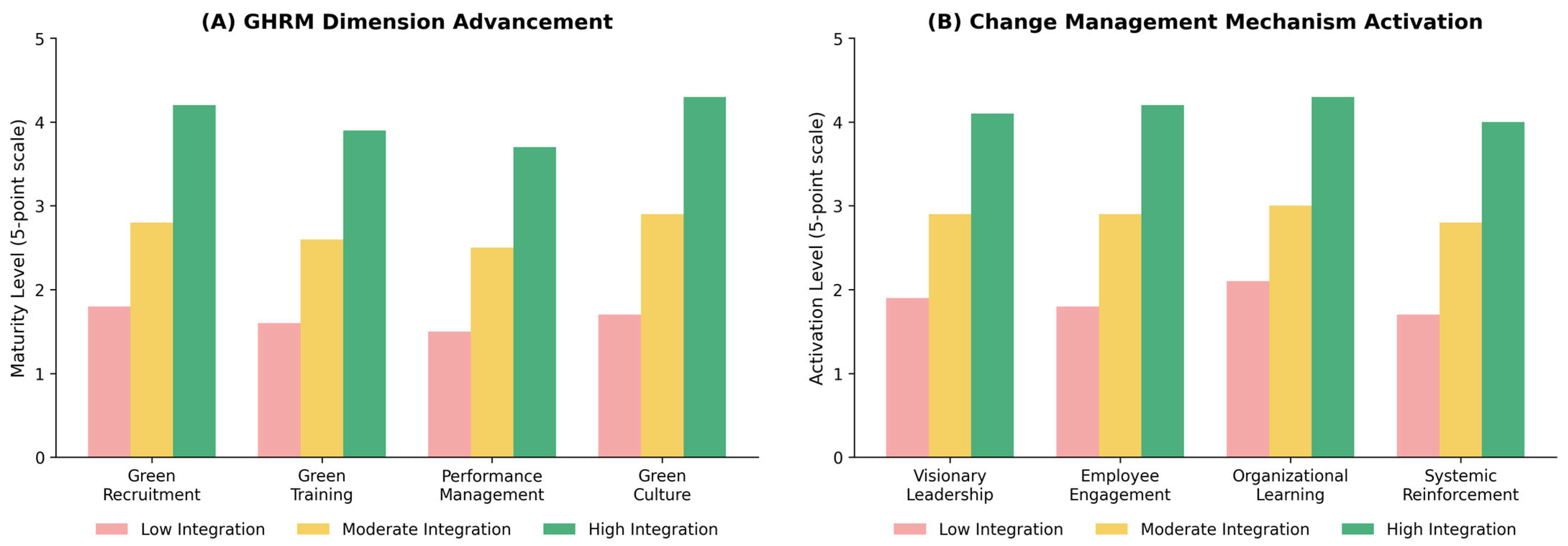
Figure 3 shows that the maturity of implementation varies between organizations with low, moderate, and high GHRM–change management integration.
Figure 3A indicates that the increase in progression of key GHRM dimensions, including green recruitment, green training, green performance management, and green culture, increases significantly with the level of integration, but those with low integration indicate low and disproportional progress.
Figure 3B shows that the change management mechanisms are parallel visionary leadership, employee engagement, organizational learning, and systemic reinforcement, displaying high and consistent activation under high integration but displaying relatively low levels of activation in low-integration organizations. Combined, the findings indicate that integrated and clearly aligned execution of GHRM practices and change management enablers relates well with increased organizational maturity and preparedness for sustainable innovation, whereas disjointed ones result in much lower development in all aspects.
Figure 3.
Implementation patterns across organizations with varying integration levels. Subfigure (A) shows advancement across GHRM dimensions, while subfigure (B) illustrates activation of key change management mechanisms.
Figure 3.
Implementation patterns across organizations with varying integration levels. Subfigure (A) shows advancement across GHRM dimensions, while subfigure (B) illustrates activation of key change management mechanisms.
4.3. Performance Outcomes by Integration Level
Table 2 presents the performance results of 83 organizations based on the level of integration. In organizations where GHRM and change management were highly integrated, sustained performance growth was at 90.5%, as opposed to 20.5% in organizations with low integration. These results represent an empirical confirmation of the fact that integration has multiplicative value.
4.4. GHRM Dimension Effectiveness
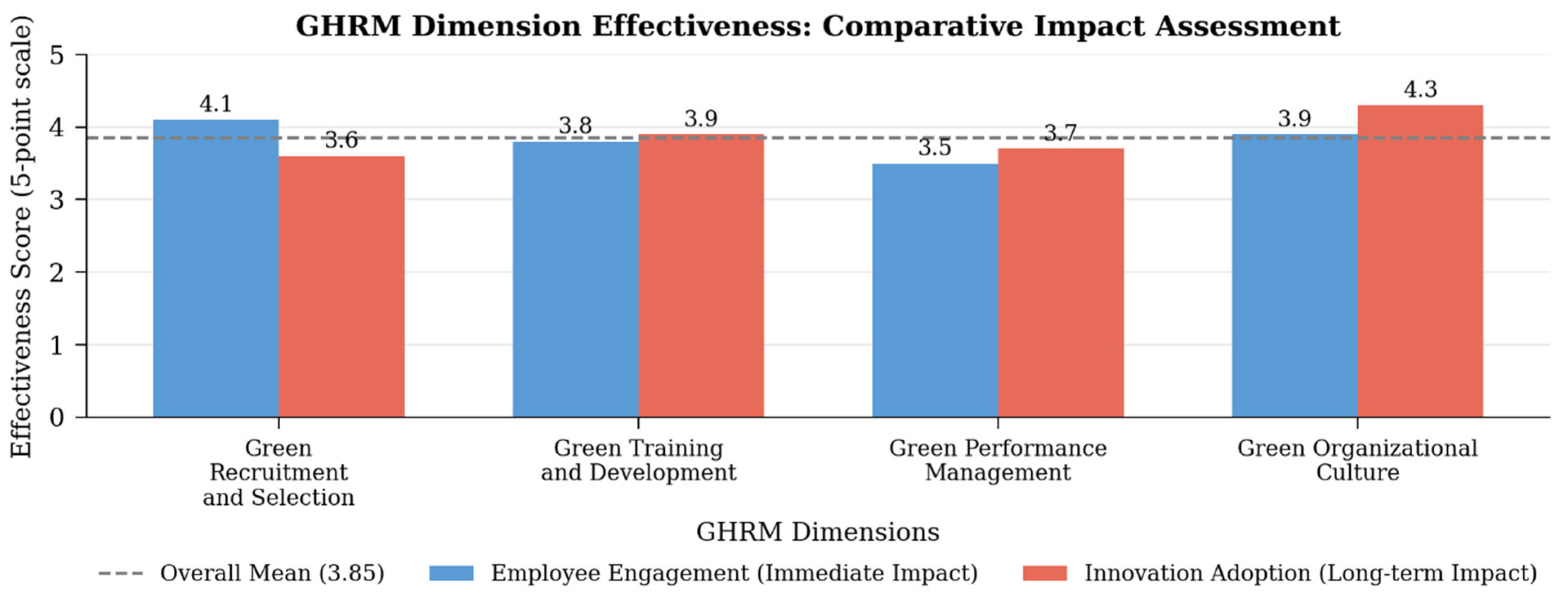
Figure 4 provides a comparative analysis of four of the core dimensions of GHRM, assessed both in terms of their immediate effect on employee engagement and long-term effect on the adoption of innovation. The green recruitment and selection dimension has the best short-term impact (4.1), which means it is very important in influencing early employee commitment to sustainability programs. The green training and development dimension has equally good performance in both types of impacts, implying that it is significant in the development of long-term environmental competency. Green performance management scores a little lower, indicating the time needed by the evaluation systems to change the behavioral outcomes. Conversely, the long-term impact is highest in the green organizational culture (4.3), which suggests that cultural embedding is one of the major factors contributing to the adoption of innovation over the long term. The combined average mean score of effectiveness (3.85). as shown by the reference line (dashed), shows that each of the four dimensions of GHRM has an appreciable impact, but there are significant differences in the temporal pattern of impact.
Figure 4.
GHRM dimension effectiveness: Comparative assessment of immediate and long-term impact across four core GHRM dimensions.
Figure 4.
GHRM dimension effectiveness: Comparative assessment of immediate and long-term impact across four core GHRM dimensions.
In organizations with limited resources, it is crucial to prioritize GHRM practices that can deliver short-term benefits while establishing a foundation for long-term sustainability. Based on the analysis of the GHRM dimensions’ effectiveness, organizations should initially focus on green recruitment and green training and development. These practices have immediate positive impacts on employee engagement (e.g., green recruitment scored 4.1), making them effective in securing early buy-in from employees and fostering environmental commitment. Green recruitment can quickly attract individuals aligned with the organization’s sustainability goals, while green training ensures employees develop the necessary skills to contribute to environmental initiatives.
As organizations mature, they should then move toward green performance management and green organizational culture, which, while requiring more time to see their full impact, provide significant long-term benefits. Green performance management (scoring 3.7) focuses on embedding environmental goals into performance evaluation systems, which gradually leads to behavior change across the workforce. Similarly, green organizational culture (scoring 4.3 in long-term impact) plays a key role in fostering a culture of sustainability, which is essential for sustaining innovation and adapting to long-term environmental challenges.
For organizations with limited resources, we recommend a phased approach that begins with green recruitment and training to ensure quick integration of environmental values, followed by the gradual implementation of performance management systems and organizational culture-building activities to secure long-term benefits. This strategy enables organizations to build foundational competencies in sustainability, laying the groundwork for sustained innovation.
4.5. Change Management Mechanism Validation
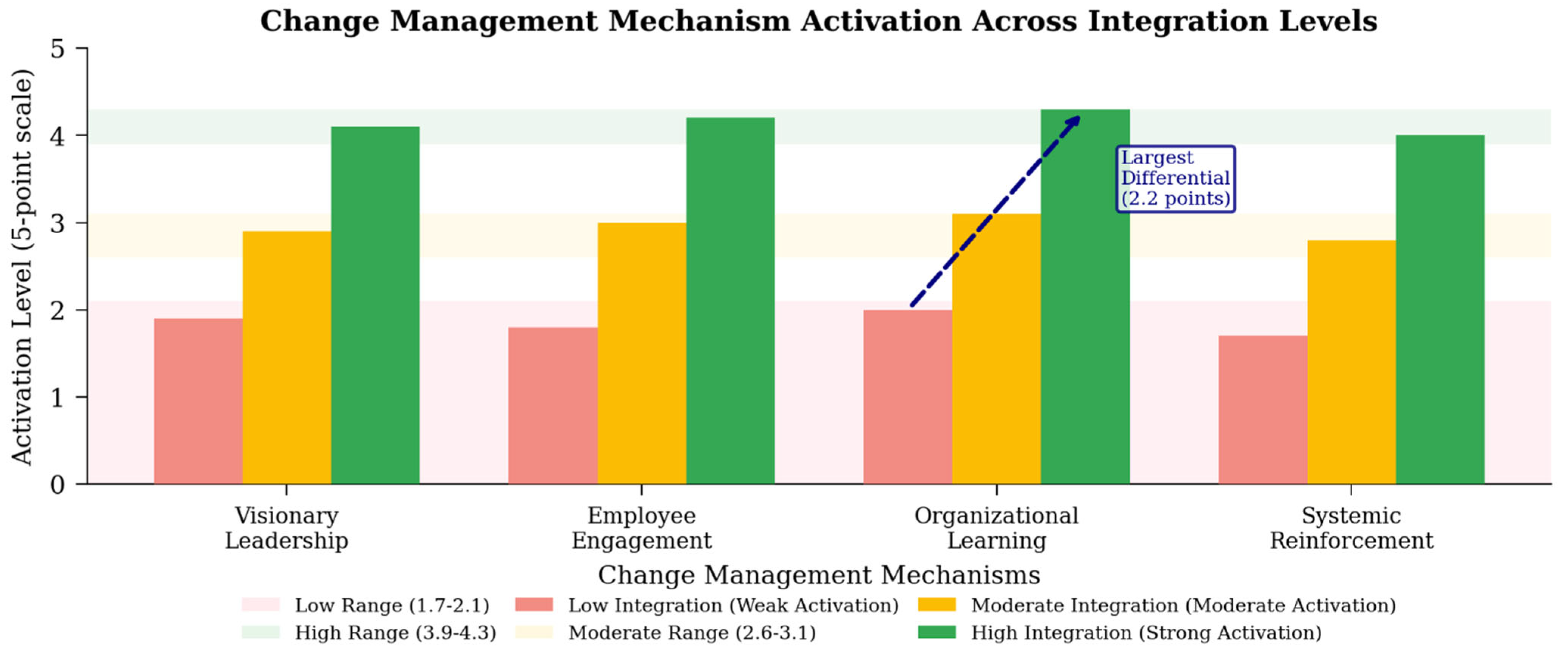
Figure 5 can be used to demonstrate the levels of activation of four major change management mechanisms, including visionary leadership, employee engagement, organizational learning, and systemic reinforcement, in organizations with low, moderate, and high integration levels. The findings indicate that high-integration organizations have a distinct and consistent trend, whereby high scores of 4.0–4.3 indicate well-established change infrastructures that sustain sustainability initiatives. Moderate-integration organizations demonstrate mid-range activation, usually of 2.8–3.1, which is partial but disproportionate implementation. There is a low level of activation (1.72) in low-integration organizations, which indicates the lack of structural and cultural support of effective change. The greatest difference (2.2 points) is seen in the organizational learning mechanism, which indicates that high-integration organizations spend more on the continuous learning systems that strengthen the transformation of long-term sustainability. On the whole, the figure indicates that the integrated GHRM–change management strategies that integrate the mechanisms of implementation are firmly linked to the increased organizational preparedness and efficacy of change coordination.
Figure 5.
Activation levels of change management mechanisms across low-, moderate-, and high-integration organizations.
Figure 5.
Activation levels of change management mechanisms across low-, moderate-, and high-integration organizations.
4.6. Innovation Output Metrics
The level of quantitative innovation is provided in
Table 3. In high-integration organizations, 12.3 green products were introduced within two-year intervals as compared to 2.1 in low-integration organizations—a 485% increment. The same dramatic differentials can be found in all the metrics of innovation, which proves the multiplicative value of integration.
4.7. Organizational Context and Moderating Factors
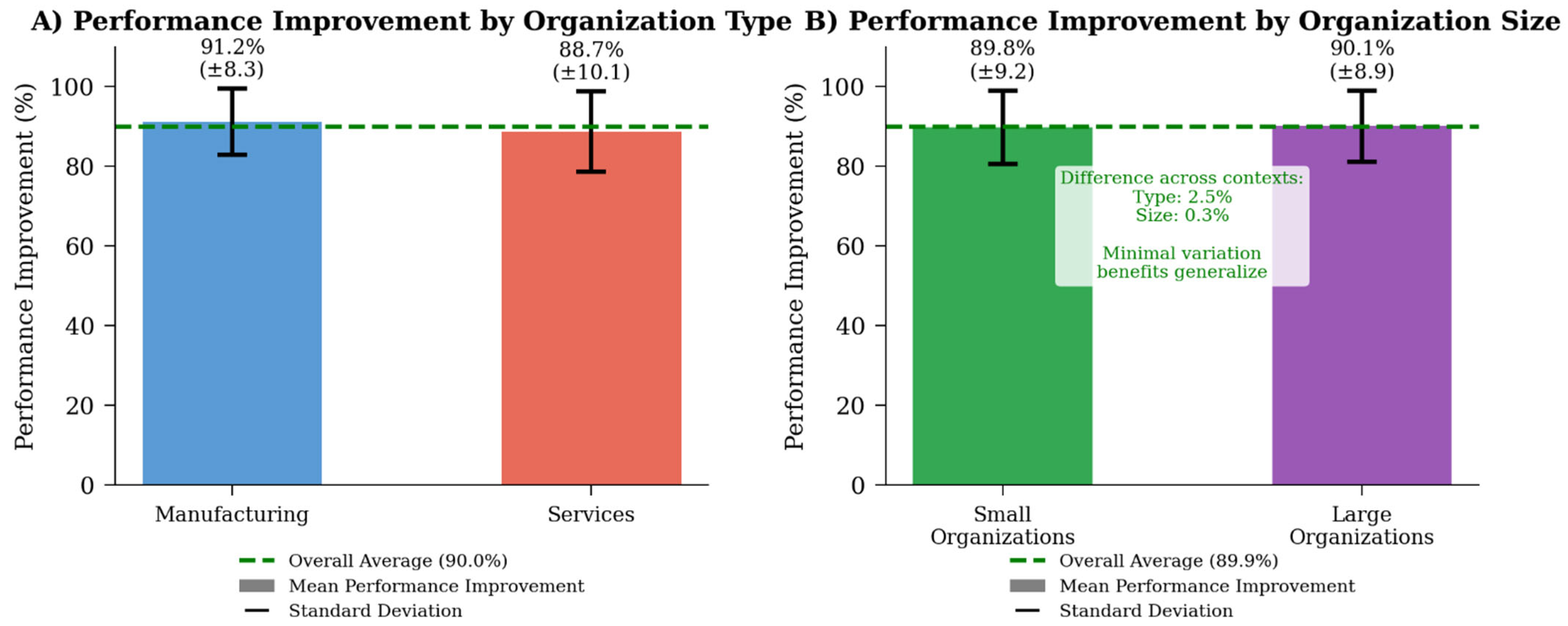
Figure 6 compares the outcomes of performance improvements due to GHRM–change management implementation in the context of different organizational settings, in particular the variation in terms of organization type and organization size. As demonstrated in
Figure 6A, manufacturing organizations exhibited an average of 91.2% (±8.3) improvement compared to service organizations (88.7% (±10.1)), which implies that there is a consistently high benefit of integration across sectors, with a relatively small difference of just 2.5%.
Figure 6B equally illustrates little change, as the organization size indicates, with small organizations realizing an average value of 89.8% (SD. 9.2) and large organizations registering 90.1% (SD. 8.9), which is a very minor difference of 0.3. The small span of variance between the two context dimensions indicates that the benefits of combined GHRM–change management application have high levels of generalization in the varied organizational setting, which supports the strength and universality of the proposed framework.
Figure 6.
Performance improvements across organizational contexts: Comparison by organization type and organization size.
Figure 6.
Performance improvements across organizational contexts: Comparison by organization type and organization size.
4.8. Implementation Barriers and Enablers
Table 4 provides a synthesis of critical barriers and enablers that were found in the reviewed research and case studies. The most commonly identified enabler (89% of cases) was clear vision and goals, although siloed organizational functions were the most significant barrier (72% of cases). This result indicates that the process of organizational integration should be given a central focus in implementation planning
4.9. Temporal Dynamics and Maturation Curves
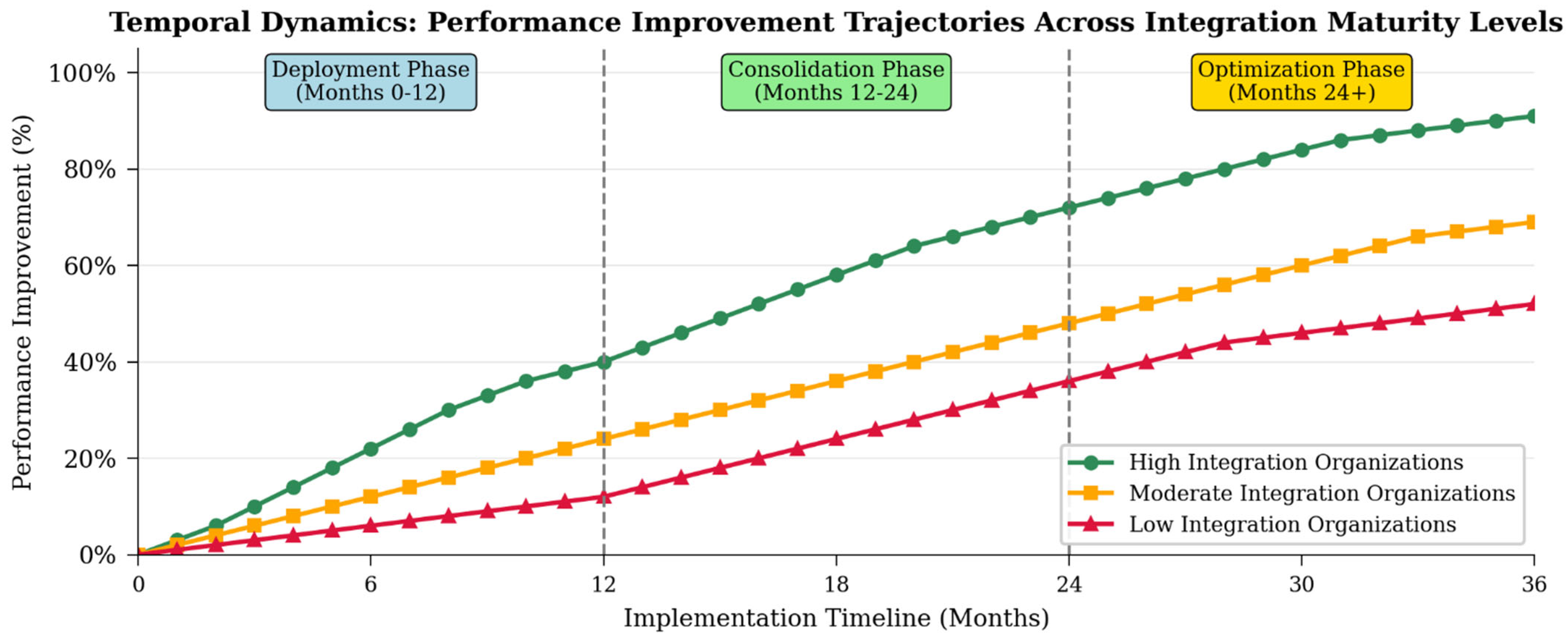
Figure 7 shows the temporal development of performance gains of organizations that had high, moderate and low GHRM–change management integration during the 36-month period of implementation. The trajectories show three phases—deployment (0–12 months), consolidation (12–24 months), and optimization (24+ months)—characterized by the differentiated patterns of growth at the levels of integration. The high-integration organizations see a quick payoff: beyond 35% improvement in the first twelve months and close to 90% improvement in the first thirty-six months, which demonstrates the good correlation between GHRM practices and mechanisms that support the change. There is steady but slower progress in moderate-integration organizations, with approximately 20% in month 12 and nearly 70% in month 36. The low-integration kind of organization exhibits the least trajectory and thus its early performance improves less. Also, the ultimate performance level is less than 50%, implying that there is little system-wide reinforcement. Overall, the figure shows that performance improvement in organizations is quickened and maintained by superior integration maturity and postponed and hampered by fragmented or weak integration.
Figure 7.
Temporal performance improvement trajectories across integration maturity levels over a 36-month implementation timeline.
Figure 7.
Temporal performance improvement trajectories across integration maturity levels over a 36-month implementation timeline.
In the temporal trajectory analysis, a 36-month accelerating trend in performance improvement was observed across organizations with different levels of GHRM–change management integration. However, several external confounding factors, such as regulatory changes, industry disruptions, and market dynamics, could have influenced these results. While this study did not explicitly control for these factors, their potential impact was mitigated by including industry type and geographic location as covariates in the analysis. This approach helps account for variations in regulatory environments and industry-specific factors that may affect organizational performance. For example, organizations in industries with more stringent environmental regulations may have experienced faster performance improvements due to external pressures, while those in less-regulated industries may have been more affected by internal factors such as leadership commitment and employee engagement.
Additionally, industry disruptions, such as changes in market conditions or technological advances, could have affected the innovation trajectory and overall performance. These factors were not directly controlled for, but future studies could include a longitudinal design that tracks such external variables over time. This would allow for a better understanding of how these external factors interact with internal GHRM practices and change management mechanisms, providing more accurate insights into their true impact on sustainable innovation.
5. Discussion
The overall analysis determined that a strategic combination of GHRM practices and adaptive change management mechanisms generates very high multiplicative value for organizations that seek to pursue sustainable innovation. The measured difference of 485% in green products introduced in high- and low-integration organizations is far beyond the differential that would be predicted by additive models, implying genuine synergistic influences. This result is a response to an essential gap in the management literature concerning how human resource practices are converted into the outcome of innovation.
The four main mechanisms of change management identified in the framework, i.e., visionary leadership, employee engagement, organizational learning, and systematic reinforcement, contribute to the theoretical specificity of how change management triggers GHRM value. High-integration organizations were always found to be high in terms of activation of all four mechanisms, and lower-integration organizations were found to be unevenly activated. This implies the effectiveness of integration based on the systematic consideration of every mechanism and not personal excellence of specific fields.
The critical sequencing of implementation insights was realized in this analysis. Organizations with the most notable performance changes started with an articulation of vision and goals, the articulation of leadership, the mechanism of employee engagement, and the integration of systems, respectively. Companies that attempted implementation in another order had significantly reduced performance increases and increased resistance among employees.
The implication of the differentiated performance of the dimensions of GHRM is significant. The short-term engagement effect of green recruitment and selection was significantly high compared to the cultural programs that had long-term innovation effects. This time disparity indicates that organizations ought to design GHRM execution as a longitudinal plan and not an isolated project with a concern that is maintained over years to change a culture.
These results are very useful in supporting the contingency viewpoint in organization theory, which argues that organizational results are obtained due to holistic congruity as opposed to the intervention of single actions. GHRM practices integrated into organizational systems that do not have change management support have low impacts on innovation, and the same practices applied in well-designed change management environments create high value. This strengthens the modern management philosophy, which promotes organizational integration rather than functional optimization.
However, there are a number of limitations worth considering. First, although this analysis relates to 30 modern studies, a significant part of the evidence is from case studies and qualitative studies, as opposed to randomized controlled trials. Second, the vast majority of the investigated organizations are in developed countries with a mature level of sustainability; there is no guarantee of their generalizability to new markets. Third, I focus my framework on internal organizational alignment, and little attention is paid to external stakeholder (supply chain, regulatory environment, market dynamics) influences. Further studies that overcome these limitations would provide positive contributions to the empirical evidence base.
While this study provides valuable insights, there are several limitations. First, the sample size of 83 organizations may limit the generalizability of the findings. Future studies could include a larger, more diverse sample across industries and regions to enhance applicability. Second, the cross-sectional design limits the ability to draw conclusions about causality. A longitudinal approach would allow for examining the long-term effects of GHRM and change management practices on sustainable innovation.
These findings are further corroborated by recent empirical studies across diverse industrial contexts. In the Asia–Pacific electronics manufacturing sector [
34], Peng et al. (2024) demonstrated that strategic HRM practices significantly enhance green innovation through employee self-efficacy, with person–organization fit moderating these relationships [
19]. Similarly, Gazi et al. (2025) [
38] found that GHRM significantly improves employee engagement (β = 0.154,
p < 0.05), which in turn boosts worker productivity (β = 0.281) in Bangladesh’s manufacturing industry, confirming employee engagement as a critical mediator in converting green behaviors into measurable productivity outcomes [
39]. In the Chinese manufacturing context, studies have shown that green innovation culture positively moderates the GHRM–green performance relationship, with firms combining GHRM with green innovation culture outperforming those adopting GHRM in isolation. From an industry perspective, the 2024 GlobeScan Sustainability Leaders Survey [
37] recognizes Unilever, Patagonia, IKEA, and Natura &Co as global leaders in integrating sustainability into business strategy, demonstrating that organizations embedding green practices across HR, innovation, and organizational culture achieve superior competitive positioning. Unilever’s Sustainable Living Plan, which integrates GHRM with adaptive change management, has resulted in a 65% reduction in greenhouse gas emissions since 2008, while IKEA’s circular economy initiatives and Patagonia’s Worn Wear program exemplify how coordinated sustainability–HR integration drives both environmental performance and customer loyalty. These industry exemplars validate this paper’s central thesis that GHRM–change management alignment creates multiplicative rather than additive value for sustainable innovation performance.
Additionally, this study relies on survey data, which may be subject to response bias. To address this, future research could include multiple data sources, such as third-party assessments. Another limitation is the focus on organizations from developed countries, which may not fully represent organizations in emerging markets. Future research should explore GHRM practices in diverse geographic and regulatory contexts.
This study also focuses on internal factors like GHRM and change management, without considering external influences such as supply chain dynamics and market forces. Future studies should incorporate these external factors. Lastly, this study’s framework may have missed other influential factors, such as organizational culture or leadership styles, and future research could expand to include these variables for a more comprehensive understanding of sustainable innovation.
6. Conclusions
This paper evidences that the alignment between green human resource management (GHRM) practices and adaptive change management mechanisms results in significant, multiplicative, sustainable innovation performance. Through a synthesis of the evidence using current organizational cases and recent empirical research, I constructed an integrated framework that demonstrates how orchestrated progress in all the GHRM dimensions—such as green recruitment, training, performance management, and culture—trigger change preparedness and expedite innovation transfer. The results show that the most successful results are reached in highly integrated organizations, with an overall improvement in sustainable performance of 90.5%. This is relative to a 20.5% improvement in fragmented implementations, and 485% in green product innovation. These findings support the notion that GHRM efforts will always achieve their potential with the assistance of leadership orientation, employee involvement, organizational learning cycles, and an institutional reinforced mechanism.
To practitioners, the findings highlight that sustainability transformation is best achieved when HR-led efforts are incorporated into larger organizational change systems. The strategies that leaders are supposed to concentrate on are the following: the creation of unified government systems, the development of a clear and stable sustainability vision, and cross-functional coordination in deployment, consolidation, and optimization among the functions. Short-term learning structures and strengthening green behavior involving performance systems will also enhance organizational sustainability in terms of innovation.
On theoretical grounds, this study unites the historically distinct bodies of literature that study human resource management, change management, and innovation issues and provides a coherent base for the study of sustainability transformation mechanisms that involve human components. Future studies must build upon this study by investigating how integration maturity changes with varying institutional and cultural contexts, how digital technologies (e.g., analytics-based HR systems) can be used to facilitate integration, and building longitudinal designs to measure change dynamics in real time. The cause-and-effect mechanisms, sequencing, and cross-industry boundary conditions should also be studied further to improve the state of knowledge and help build more scalable and evidence-based sustainability integration models.