Review

Intraoperative Methadone in Adult and Pediatric Cardiac Surgery: A Narrative Review

by
João Paulo Jordão Pontes
1,*,
Isabella Rodrigues Reis
1,
Anastácio de Jesus Pereira
1,
Neise Apoliany Martins Pacheco
2,
Celso Eduardo Rezende Borges
1,
Antônio de Pádua Gandra Júnior
1 and
Fernando Cássio do Prado Silva
1
1
CET Integrado de Uberlândia, Uberlândia 38400-368, MG, Brazil
2
Department of Anesthesiology, Universidade Federal de Uberlândia, Uberlândia 38400-902, MG, Brazil
*
Author to whom correspondence should be addressed.
Hearts 2026, 7(2), 15; https://doi.org/10.3390/hearts7020015
Submission received: 13 February 2026 / Revised: 29 April 2026 / Accepted: 30 April 2026 / Published: 6 May 2026

Abstract

Background/Objectives: Intraoperative methadone has emerged as a significant pharmacological strategy in cardiac surgery to improve postoperative analgesic outcomes and reduce the reliance on rescue short-action opioids. This review aims to synthesize evidence regarding the safety and efficacy of intravenous methadone compared to other strategies for postoperative pain control in adult and pediatric cardiac surgeries. Methods: This narrative review relied on electronic searches in PubMed, Web of Science, Cochrane Library, and EMBASE up to January 2026. From 199 articles retrieved, 41 were included, focusing on analgesic efficacy, safety, pharmacokinetic variations during cardiopulmonary bypass (CPB), and cost-effectiveness. Results: The implementation of methadone results in up to 70% reduction in postoperative opioid requirements. Patients experience significantly lower pain scores from 24 to 72 h and improvement in satisfaction regarding pain management. In pediatric populations (neonates and children), the use of methadone leads to a significant reduction in opioid needs and a high rate of extubation in the operating room. Pharmacokinetically, a 48% drop in methadone concentration occurs during CPB due to hemodilution and sequestration. Safety data confirms that intraoperative use does not prolong mechanical ventilation; however, doses exceeding 0.25 mg/kg are linked to an increased incidence of delirium. Economically, methadone can be cost-effective, resulting in savings of up to $6355 per patient. Conclusions: Intraoperative methadone improves postoperative analgesia, opioid consumption, patient satisfaction, and costs after cardiac surgery. Its opioid-sparing effects make it particularly attractive for ERAS protocols, although vigilance against dose-related delirium and QT prolongation remains essential. Further research, especially in pediatrics, is needed to refine dosages and safety protocols.

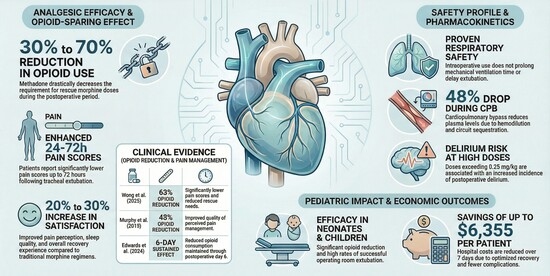
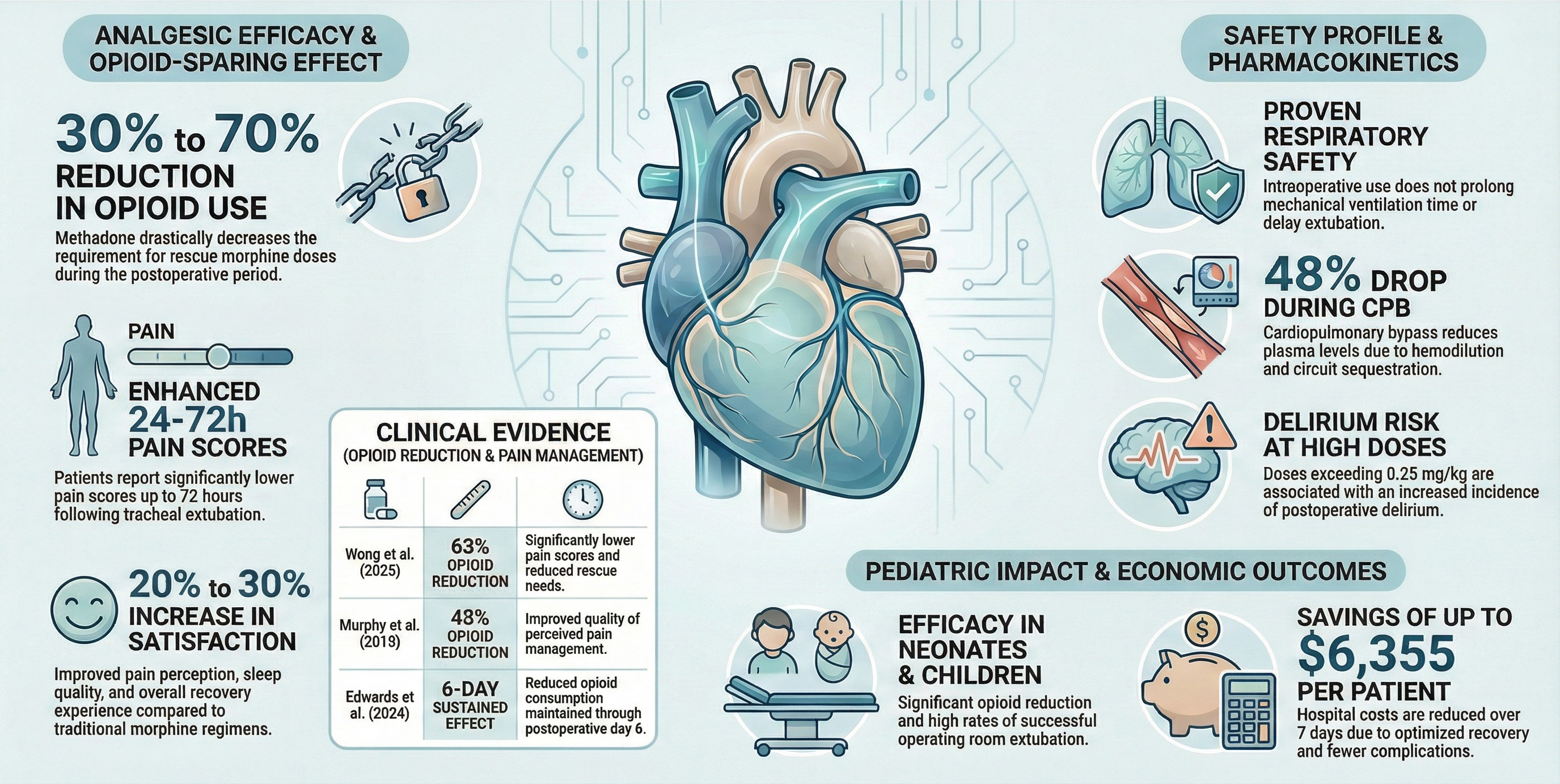
Graphical Abstract

1. Introduction

Acute postoperative pain commonly affects patients after cardiac surgery, particularly during the first 48 h following the operation, and often presents with moderate to severe intensity [1]. This pain substantially hinders recovery, adversely affecting mobility, pulmonary function, and overall quality of life [2]. Therefore, achieving effective postoperative analgesia is essential to mitigate these negative outcomes and accelerate recovery [3]. Opioids have traditionally the cornerstone of perioperative analgesia for cardiac surgery patients, both during and after surgery, despite increasing awareness of dependence risks and other long-term harms [4]. While opioids provide excellent pain relief, their adverse effects—such as respiratory depression, nausea, and vomiting—can extend mechanical ventilation and slow recovery [5]. As a result, developing multimodal analgesic approaches that reduce opioid exposure while preserving pain control has become a central objective in contemporary practice [6]. Multiple studies have evaluated combinations of agents like dexamethasone, gabapentin, ibuprofen, and paracetamol to diminish postoperative opioid requirements after cardiac procedures [7]. Nevertheless, opioid therapy remains a key element of postoperative analgesia in cardiac surgery [4].
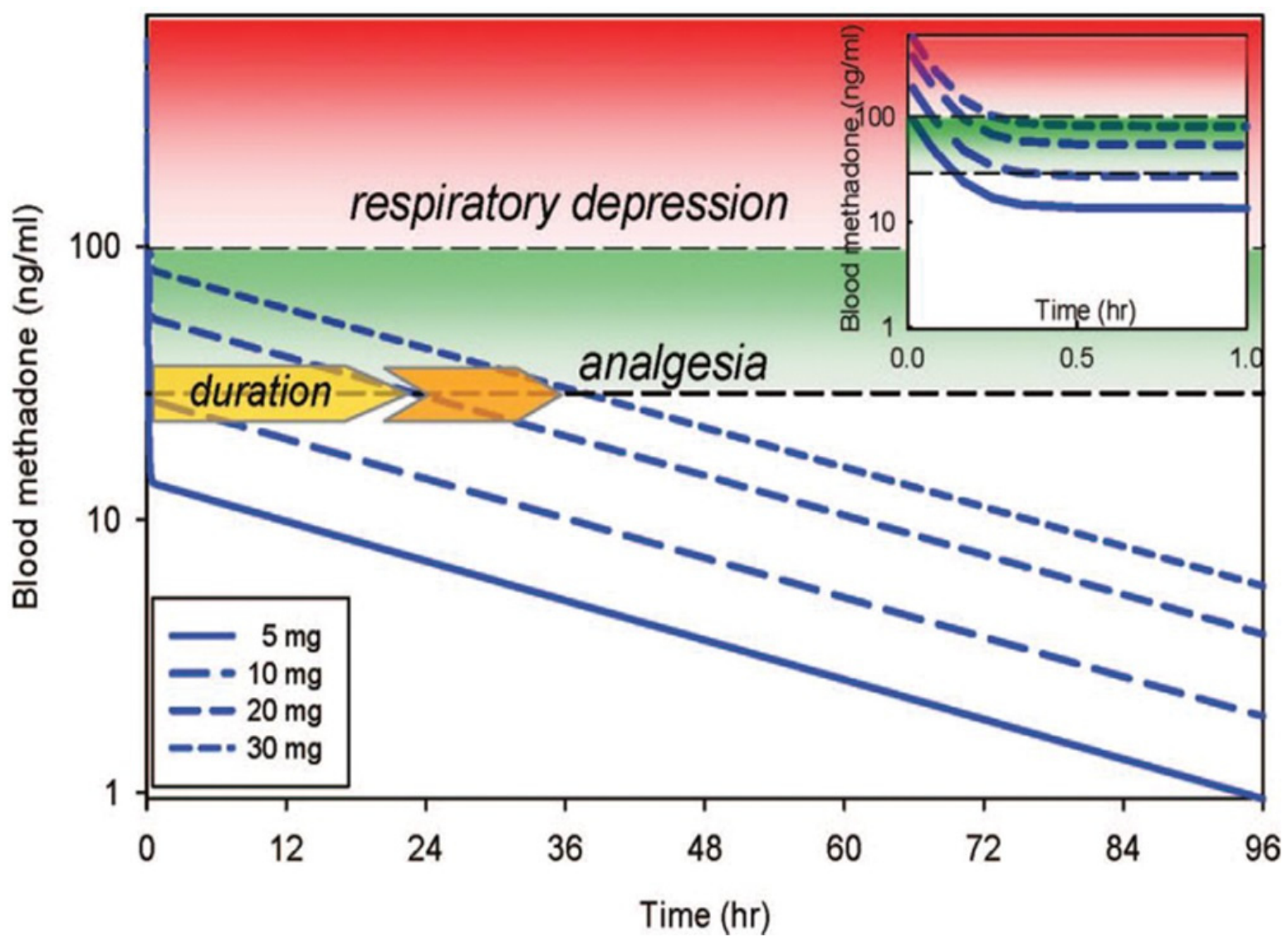
In this scenario, methadone emerges as a promising alternative due to its unique pharmacokinetic and pharmacodynamic profile, which includes a long half-life that can reach up to 72 h depending on the dose, and action on multiple opioid receptors [8]. Concurrently, plasma concentrations of methadone after intravenous administration equilibrate rapidly with the site of effect, with a t1/2 ke0 of 4 min [8]. Its application as a single intravenous dose during anesthesia induction has demonstrated provision of rapid and prolonged pain relief, which can mitigate both acute postoperative pain and chronic pain in patients undergoing cardiac surgery (Figure 1) [8,9]. Furthermore, methadone has a mechanism of action that extends to the blockade of N-methyl-D-aspartate receptors, conferring additional properties that may attenuate central sensitization and opioid tolerance [9]. Inhibition of serotonin and norepinephrine reuptake also contributes to its robust analgesic profile, significantly differentiating it from morphine, which primarily acts on µ opioid receptors [9]. This pharmacological difference suggests that methadone may offer superior analgesia with a potentially more favourable adverse effect profile compared to morphine or other short-acting opioids, leading to fewer adverse effects and promoting multimodal analgesia [4].
The objective of this review is to synthesize the current evidence regarding the safety and efficacy of intravenous methadone compared to other strategies such as intravenous morphine or other short-acting opioids and even different techniques in controlling postoperative pain in patients undergoing cardiac surgeries, both in adult and pediatric populations, addressing aspects such as opioid consumption, mechanical ventilation time, patient satisfaction, financial impact, and incidence of adverse events.

2. Materials and Methods

Electronic search was conducted in four research databases: PubMed, Web of Science, Cochrane Library, and EMBASE. The literature search was completed on 10 January 2026. The search terms, including Boolean operators, were as follows:
PubMed:
  • intraoperative methadone AND cardiac surgery [All Fields]
  • (“Cardiac Surgical Procedures” [Mesh]) AND “Methadone” [Mesh]
Web of Science:
  • Methadone AND Cardiac surgery (All fields)
  • Methadone AND (Cardiac surgery OR Heart Surgery)
EMBASE:
  • (‘intraoperative methadone’ OR (intraoperative AND (‘methadone’/exp OR methadone))) AND (‘heart surgery’/exp OR ‘heart surgery’)
Cochrane Library:
  • Methadone in Record Title AND “cardiac-surgery” in Record Title—(Word variations have been searched)
A manual search of references was also performed. All studies evaluating the use of intraoperative methadone in patients of any age range undergoing open or minimally invasive cardiac surgery were included. This strategy included randomized clinical trials, observational studies, editorials, and review articles. The articles were independently reviewed by two authors in parallel (IRR and AJP), with discrepancies resolved by the senior author (JPJP). The screening process initially used the titles and then the full abstracts of each manuscript. Manuscripts containing information on methadone intervention in cardiac surgery, covering adult and pediatric populations, were included in the review. Except for conference abstracts, case reports, and manuscripts in languages other than English, which were excluded from the review, all studies addressing the use of methadone in cardiac surgery in adults and children were included. Duplicates were manually excluded by the authors.

3. Results

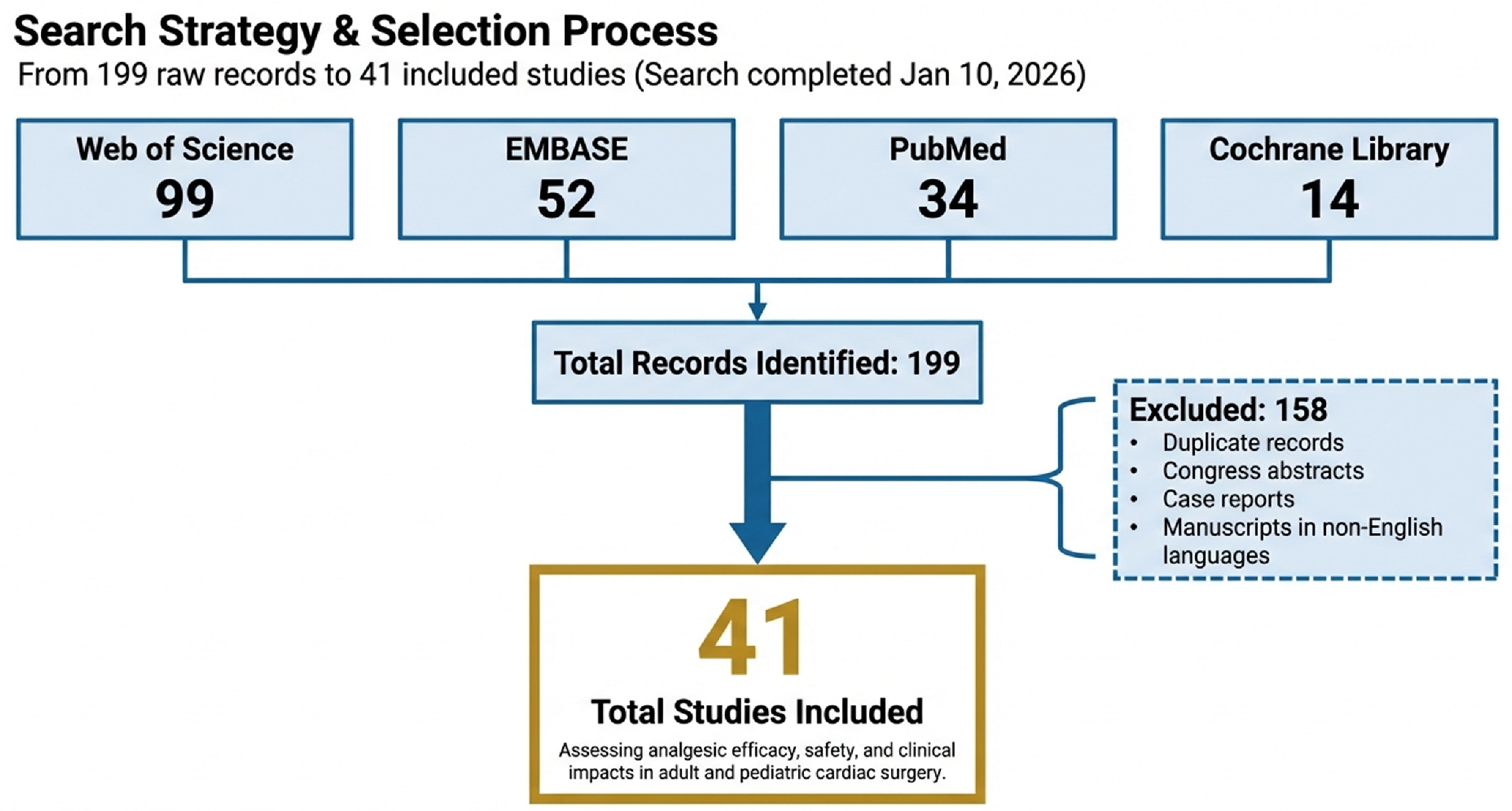
After the search, a total of 199 articles were retrieved. After removing duplicates, 41 articles from the literature were included, focusing on the main outcomes related to the analgesic efficacy, safety, and clinical impacts of methadone compared to other medications or techniques in the context of cardiac surgery. The search strategy flowchart is detailed in Figure 2.
All observational studies and clinical trials in the adult population available up to the time of this literature review are listed in Table 1 in chronological order. The observational studies that studied intraoperative methadone in pediatric cardiac surgery are listed in Table 2. The remaining review articles, post hoc analysis of the already published clinical studies and editorials, and consensus were used to further discuss the findings from these main articles.

4. Discussion

4.1. Methadone Dose, Timing of Administration, and Influence of Cardiopulmonary Bypass (CPB)

The doses of methadone used intraoperatively in cardiac surgery for postoperative analgesia range between 0.1 mg/kg and 0.3 mg/kg intravenously [23,28,29], generally administered as a single dose based on the patient’s actual body weight. The most frequently studied and used dose in randomized clinical trials is 0.2 mg/kg or 0.3 mg/kg IV. In some protocols, there is an absolute maximum limit of 20 mg per dose.
These doses are typically administered after anesthetic induction and before surgical incision, aiming to establish therapeutic plasma levels before the initial painful stimulus [17]. However, Carvalho et al. administered intravenous methadone at the end of anesthesia compared to intravenous morphine, being superior in analgesia in myocardial revascularization surgeries [12].
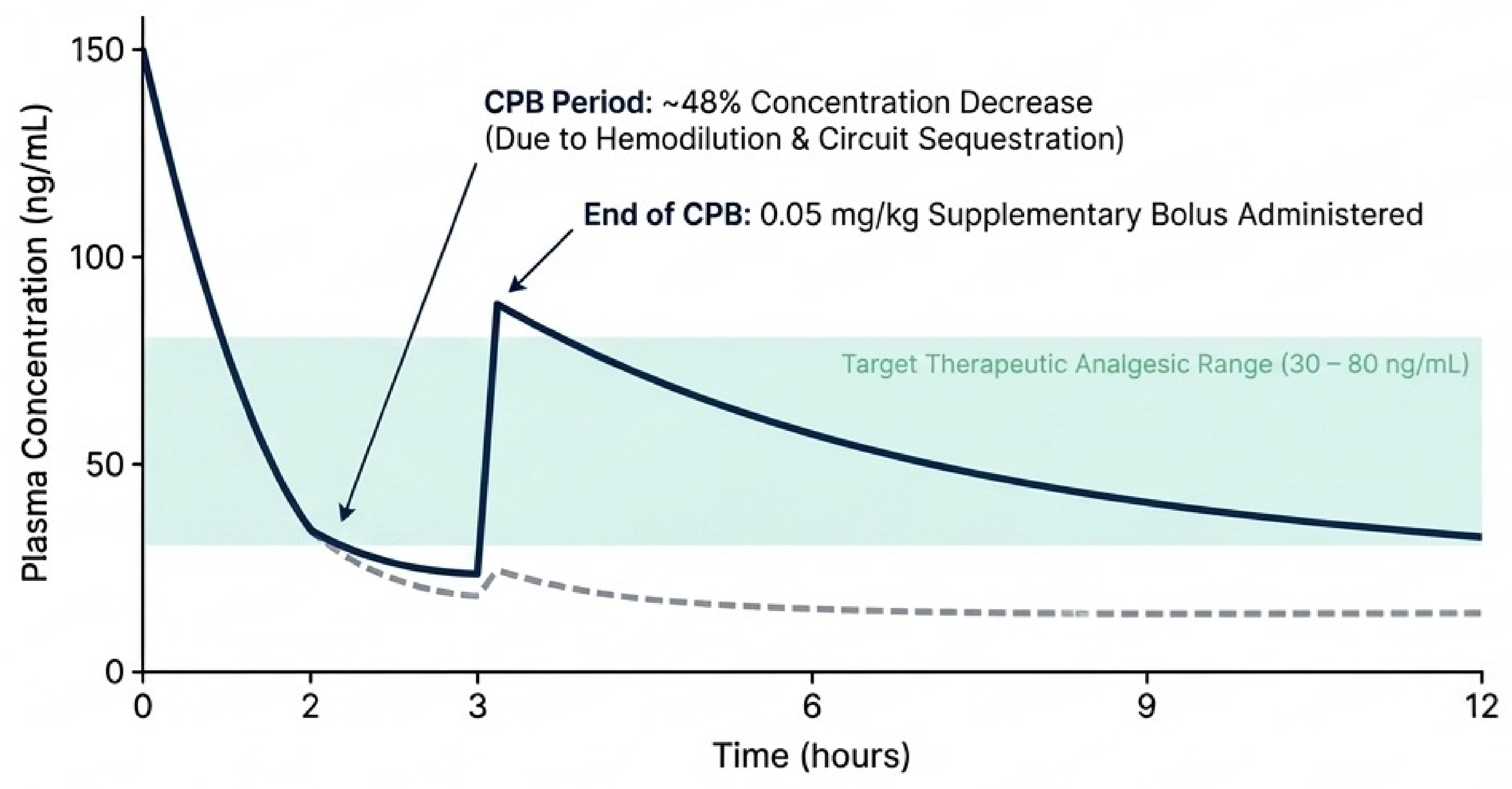
The behaviour of methadone plasma concentration can be altered due to hemodilution and changes in blood flow during CPB, which may impact its distribution and elimination, and consequently its analgesic efficacy and safety profile [20]. The study by Salas et al. demonstrated an average 48% drop in methadone concentrations during CPB [20]. Specifically, mean methadone concentrations dropped from 34.8 ng/mL to 18.2 ng/mL after 60 min of CPB [20]. This decrease is attributed to hemodilution and drug sequestration in the CPB circuit components [20]. Likewise, the study by Wong et al. observed a significant drop in methadone plasma levels after the start of CPB, resulting in a 37% decrease in methadone plasma concentration [23]. They noted that mean methadone concentrations were 51 ng/mL before CPB and 32 ng/mL after the end of CPB [23].
These findings highlight the need to adjust the dosage or consider supplemental administration strategies to maintain methadone’s analgesic efficacy in patients undergoing CPB, ensuring optimized postoperative pain control [20]. A proposed strategy to compensate this phenomenon is the administration of a supplemental bolus dose of 0.05 mg/kg after the end of CPB, as suggested by some studies, to restore therapeutic plasma levels and optimize postoperative analgesia (Figure 3) [20]; according to the authors, plasma concentrations at the end of surgery would be below the range for effective analgesia, which is suggested to be around 30 to 80 ng/mL. However, with the same dose of 0.2 mg/kg, Wong et al. demonstrated that methadone concentrations, despite decreasing during CPB, remained above the minimum effective analgesic concentration of 30 ng/mL for approximately 24 h after administration [23]. Therefore, the supplementary methadone dose is still contentious. Since the work of Wong and colleagues [23] showed that average concentrations of methadone fell below 30 ng/mL after 24 h, the authors of this review suggest a new dose of 0.05 mg/kg of methadone after cardiopulmonary bypass as a more attractive approach to maintain concentrations within the analgesic range according to Salas et al.’s findings [20].

4.2. Postoperative Pain Scores

The comparative analysis between methadone and intravenous morphine has demonstrated that methadone provides superior analgesic control [23], resulting in significantly lower pain scores in the first 24 to 72 h after tracheal extubation [11]. This improvement in pain control is attributed, in part, to methadone’s pharmacological profile, which a long elimination half-life and action on NMDA receptors, contributing to more stable and prolonged analgesia [8,9]. Studies reveal that patients treated with methadone exhibit a reduction in postoperative pain scores that can range from 2 to 3 points on a 10-point numerical pain scale, compared to control groups receiving morphine or other opioids [11,30]. For example, a randomized controlled trial found that mean numerical pain scale scores in the methadone group decreased from 1.28 at 15 min post-extubation to 0.55 at 72 h, while in the morphine group the reduction was from 3.52 to 1.27 over the same period [23]. Additionally, another clinical trial showed 22% higher efficacy of patients receiving intraoperative methadone than morphine as it yielded a number-needed-to-treat (NNT) score of 6 of satisfactory analgesia in the first 36 h [12]. This consistency in findings across different study designs reinforces methadone’s efficacy in optimizing postoperative pain management in cardiac surgeries, evidencing its potential to improve patient comfort [4].
In long-term follow-up, patients in the methadone group in cardiac surgeries reported significantly lower frequency of postsurgical pain at 1 month (median score 0) than it was in patients randomized to receive fentanyl (median score 2 [twice per week], p = 0.004) [31]. However, after the first month, no significant differences in pain were observed between the methadone and fentanyl groups at 3, 6, or 12 months post-surgery [31].
In minimally invasive techniques, such as robotic cardiac surgery, intravenous methadone before surgical incision also showed an impact on reducing the risk of severe postoperative pain, reflecting a lower need for opioids in the first 24 postoperative hours [13].

4.3. Postoperative Opioid Consumption

In regard to postoperative opioid consumption in the first days after cardiac surgery, intravenous methadone has demonstrated a significant effect in reducing the need for short-acting opioid rescue doses [4]. Various studies corroborate that intraoperative methadone administration results in a substantial decrease in total morphine equivalent consumption in the first 24 to 48 h, with reductions up to 70% compared to standard protocols [23]. For example, a retrospective study in cardiac surgery demonstrated that intraoperative methadone led to a relative reduction of 44% in morphine equivalent needs in the first 24 postoperative hours, although this difference was not maintained beyond that period [14]. Another large retrospective study indicated that the reduction in opioid consumption was more prolonged with lower opioid utilization in the first 6 postoperative days without compromising pain control [17].
Clinical trials using methadone also showed a marked reduction in postoperative opioid consumption. Wong et al., in a recent clinical trial, evidenced a significant reduction in postoperative morphine needs, with a 63% decrease at 24 h and 69% up to 72 h, in addition to a longer time to the first morphine rescue dose for patients who received methadone [23]. In another clinical trial, intraoperative methadone led to a 43% reduction in total intravenous morphine needs in the first 3 postoperative days [11]. Another clinical trial revealed that patients receiving methadone intraoperatively required significantly less rescue morphine (29%) than the morphine group (43%) (p = 0.002) [12].
In a secondary analysis, Milam et al. demonstrated that higher methadone doses (>0.25 mg/kg) were associated with more significant reductions in average pain scores and total morphine equivalent consumption in the first postoperative days, compared to the no-methadone group and lower doses (<0.25 mg/kg) [19]. In this study, all methadone dosages significantly prolonged the time to first postoperative opioid need, with higher doses showing a more pronounced effect. Benefits in pain reduction and opioid consumption were observed for several days, although they tended to diminish after Day 4 or Day 5 for total morphine equivalents consumption. Lower doses also demonstrated benefits, but generally to a lesser magnitude compared to higher doses, especially in more immediate pain and opioid consumption outcomes [19].
This benefit of reduced opioid consumption during hospitalization is particularly relevant, as lower exposure to these drugs in the postoperative period has been associated with a decreased risk of developing chronic dependence and persistent pain [4,32,33].

4.4. Patient Satisfaction

Objective measures of patient satisfaction indicate that methadone enhances the postoperative recovery experience after cardiac surgery compared with morphine in several domains, including a higher proportion of patients reporting excellent pain control [12]. This better pain experience contributes to a quicker, less distressing recovery and manifests in higher overall satisfaction scores [12]. According to Wong et al. the overall satisfaction with pain management was better among patients who received methadone compared to morphine at all time points assessed up to 72 h after cardiac surgery [23]. Additionally, another RCT showed that during the first 3 postoperative days patient satisfaction with pain management on a 100-mm verbal analog scale was higher in methadone group versus fentanyl group (90 to 100 vs. 70 to 90) [11]. A recent narrative review showed that intraoperative methadone improved satisfaction generally in the 20–30% range versus morphine-based protocols, with patients often describing better sleep and fewer adverse effects [33].

4.5. Postoperative Nausea and Vomiting (PONV)

Regarding PONV in cardiac surgery, methadone has demonstrated a comparable or even lower incidence of gastrointestinal adverse events compared to morphine, despite its prolonged half-life [28]. Some studies suggest that methadone may have a more favourable gastrointestinal safety profile, resulting in less need for antiemetics and a more comfortable recovery [11]. The absence of significant differences in opioid-related adverse effects, including nausea and vomiting, within 72 h after cardiac surgery reinforces methadone’s safety profile [23]. The study by Edwards et al. also found no increase in the incidence of PONV with methadone use, even when compared to its non-administration [17]. The study by Udelsmann et al. found that methadone may even reduce the incidence of PONV compared to morphine or placebo [10].

4.6. Respiratory Depression and Mechanical Ventilation Time

One of the main concerns related to intraoperative methadone use, due to its prolonged half-life of 24–36 h, is the potential for respiratory depression or prolongation of mechanical ventilation time. Serum methadone concentrations for respiratory depression must be above 100 ng/mL, which occurs for a few minutes after its intravenous administration [8,9]. However, current literature does not support this concern, with various studies demonstrating that intraoperative methadone in cardiac surgeries does not significantly prolong extubation time or mechanical ventilation duration compared to other opioids [12,23]. Recent systematic review indicates methadone’s safety in this regard, showing no link to increased hypoventilation, hypoxemia, or need for extended ventilatory support within 24 h postoperatively [4]. Rates of respiratory complications, including hypoxia, do not significantly differ between methadone and fentanyl groups [4,32].

4.7. QT Interval Prolongation

A significant concern with methadone use, especially at higher doses or in patients with cardiac comorbidities, is the potential to prolong the QT interval, which may increase the risk of severe ventricular arrhythmias, such as Torsades de Pointes [33]. This effect of methadone occurs through inhibition of HERG channels, which theoretically can lead to long QT syndrome [34]. A large retrospective study specifically evaluating QTc interval demonstrated that a single intraoperative methadone administration did not prolong QTc nor increase the incidence of postoperative arrhythmias in adults undergoing cardiac surgery. A modest and transient QTc prolongation was observed immediately after surgery, which normalized within 24 h, both in methadone and control groups. Additionally, there were no significant differences in ventricular or atrial arrhythmias, nor in 30-day or 1-year mortality between groups [34]. The study also highlights that other common perioperative medications, such as fentanyl and ondansetron, can cause QT interval prolongation and have additive effects [34]. The study by Edwards et al. also investigated QTc changes, concluding that the QTc change in the group receiving only methadone was not statistically different from the change in the group not receiving methadone. Interestingly, the group receiving methadone along with other opioids showed a decrease in QTc after surgery compared to before surgery [17]. A QTc of greater than 500 ms is associated with increased risk of Torsade de Pointes and is considered a contraindication for its administration intraoperatively [34]. Despite concerns about the risk of QTc interval prolongation and increased arrhythmias, no cases of Torsades de Pointes or a significant increase in arrhythmias were observed in patients who received intraoperative methadone or controls in the two largest studies that evaluated this outcome [17,34].

4.8. Postoperative Delirium

Although delirium after cardiac surgery is a common, multifactorial complication, most studies of intraoperative methadone have not consistently shown an increased delirium incidence versus other analgesic strategies. However, one retrospective cohort study found that higher methadone doses (>0.25 mg/kg) were associated with a significantly greater risk of postoperative delirium compared with lower doses (<0.25 mg/kg) [19]. Thus, careful dose selection is essential to mitigate delirium risk, particularly in vulnerable patients.

4.9. Methadone as an Opioid-Sparing Strategy in Multimodal Analgesia

Despite being an opioid, methadone stands out for its ability to act as a strategy to spare other short-acting opioids [35]. This is attributed, in part, to its long half-life and versatile mechanism of action, which includes NMDA receptor antagonism and inhibition of neurotransmitter reuptake, contributing to more sustained analgesia and reducing opioid-induced hyperalgesia [9,33]. Considering methadone in multimodal analgesia, a recent retrospective study in adults undergoing cardiac surgery compared three regimens: opioid-only, multimodal 1, and multimodal 2. The multimodal regimens, especially the one with methadone and dexmedetomidine, significantly reduced total opioid consumption before hospital discharge [15]. Another recent study comparing methadone alone with the combination of methadone and ketamine demonstrated that the methadone-ketamine combination prolonged the time to first postoperative opioid administration and reduced total opioid consumption on the first day, indicating an additional benefit in early opioid consumption reduction; however, the combination did not show additional benefits regarding pain scores or other complications beyond the immediate postoperative period [16].
Another observational study assessing methadone as a component of a multimodal strategy, in combination with magnesium, ketamine, lidocaine, and dexmedetomidine, by Weinberg et al., found a 35% reduction in total mechanical ventilation time compared to the usual care group. Additionally, 40.2% were extubated within 4 h, versus 11.4% in the control group. In addition to respiratory benefits, the multimodal strategy provided patients with lower pain intensity in the first 24 postoperative hours, with a maximum score of 4, versus 6 in the usual care group. In parallel, there was lower morphine equivalent consumption in the first 24 and 48 postoperative hours. Furthermore, the multimodal protocol did not increase risks of adverse events, reintubations, or critical care unit readmissions, and there was no respiratory depression requiring naloxone or reintubation in any group [22]. It is important to emphasize that the study evaluated the combination of medications within a multimodal protocol compared to the traditional opioid-based protocol, not the isolated use of methadone. In this context, methadone contributed to enhanced postoperative analgesia and opioid use reduction, highlighting its opioid-sparing property [22].
When compared to traditional techniques used for postoperative analgesia, such as intrathecal morphine, intravenous methadone proved to be a comparable option in terms of opioid consumption, with no significant difference in opioid consumption measured as oral morphine equivalents, despite intrathecal morphine showing a marginal mean effect of 0.49 in reducing immediate postoperative pain scores. This study reinforces methadone as a valuable alternative in postoperative pain management in cardiac surgery within an ERAS protocol, mainly due to concerns regarding coagulation changes inherent to heparinization during CPB and the risk of spinal hematoma associated with neuraxial techniques [18].
A small clinical pilot trial showed that even when given orally at 0.3 mg/kg in preoperative setting, just before operation theatre admission, methadone may be a valuable strategy in the context of multimodal analgesia, reducing significantly the opioid consumption in the first 24 h when compared to placebo without increasing adverse effects, serving as a simple opioid sparing technique [36].
In light of the growing evidence, methadone administration is recognized and recommended in the Enhanced Recovery After Surgery context for cardiac surgery as a strategy that contributes to multimodal analgesia, aiming to reduce total opioid consumption, decrease postoperative pain intensity, and consequently optimize patient recovery [30,37].

4.10. Methadone in Pediatric Cardiac Surgery

Although most research focuses on adults, intravenous methadone has also been explored in pediatric cardiac surgeries, presenting a distinct pharmacokinetic and pharmacodynamic profile that requires specific considerations for this population. The doses reported in pediatric cardiac surgery are variable. In one study, the dosage used was 0.1 mg/kg in increments at induction, incision, and start of cardiopulmonary bypass, with the total intraoperative dose not exceeding 0.4 mg/kg [25]. Another study used a mean methadone dose of 0.26 mg/kg [26]. In a specific case, the dose was reduced to 0.15 mg/kg for a patient undergoing a procedure without CPB. In summary, the 0.1 mg/kg intravenous dose is frequently cited as an initial or incremental dose in pediatric protocols [38]. However, the spectrum of doses used can extend up to 0.3 mg/kg as a single dose, or up to 0.4 mg/kg as a total intraoperative dose [25,26].
A recent pharmacokinetic study of intravenous methadone in the pediatric age group suggests an initial dose of 0.1 mg/kg intravenously every 8 h for pain control in children, with the caveat that titration is essential due to significant individual variability, as the observed median half-life of methadone was 20.5 h (3.0–86.2 h) [38]. This wide variability in half-life indicates that the duration of effect may differ significantly among children, reinforcing the need for individualized titration. Dosage recommendations for children under 6 months of age should be interpreted with caution, as the effects of methadone clearance maturation may not have been fully captured by the study model. For pain control, a safety target was established as having less than 10% of simulated individuals with a maximum concentration above 300 ng/mL. The maximum recommended dose is 10 mg per dose [38]. Another pharmacologic study in adolescents (10–18 years), but in major non-cardiac surgeries, showed that patients who received methadone intraoperatively (0.1 mg/kg, maximum 5 mg) and postoperatively every 12 h for 3–5 doses in a multimodal analgesic protocol resulted in safe and lower blood methadone levels, <100 ng/mL, a threshold previously associated with respiratory depression [39].
Some studies, such as Robinson et al. and Barnett et al., indicate that intraoperative methadone is associated with a significant decrease in opioid use, both intraoperatively and in the first 24–36 postoperative hours, in pediatric patients [24,25]. The study by Robinson et al. indicated that the methadone group consumed approximately 43% to 54% less morphine equivalents per kilogram intraoperatively, in the first 12 h, and in the first 36 postoperative hours compared to the control group [24]. Similarly, the study by Barnett et al. showed reductions of about 65% in intraoperative opioid dose and 50% in the first 24 postoperative hours in non-neonatal patients, and a 66% intraoperative reduction in neonates in the methadone group [25]. Robinson et al. and Iguidbashian et al. suggest that methadone presents acceptable safety without increased incidence of significant adverse events, such as extubation failure, QTc prolongation, or nausea and vomiting, when used intraoperatively in children [24,26].
As part of a multimodal regimen, in association with ketamine, lidocaine, acetaminophen, and parasternal ropivacaine injection, methadone facilitates recovery by promoting early extubation and enhanced recovery. The study observed a high rate of 96% extubation in the operating room in pediatric patients undergoing cardiac surgery, and no reintubation was required [26]. Finally, in older children, intraoperative methadone demonstrated analgesia comparable to non-methadone-based analgesia [27].
However, several limitations must also be considered in the intraoperative use of methadone in the context of pediatric surgery. Most studies are retrospective, cohort studies, or case series. Hitherto, there are no published clinical trials using methadone in pediatric cardiac surgery. This means there is an inherent risk of biases and confounding factors, limiting the ability to establish strong causality. Additionally, some studies, such as Robinson et al. and Iguidbashian et al., have relatively small samples, which may limit the generalization of results. Furthermore, variations in methadone doses, administration schedules, and the use of multimodal regimens (as in Iguidbashian et al.) make it difficult to isolate the pure effect of methadone and compare directly between studies [24,26]. The study by Blasiole et al., for example, suggests that the benefits of methadone may vary with age, with younger children presenting longer hospital stays and higher maximum pain scores in the methadone group [27]. Finally, the studies mainly focus on perioperative outcomes and the first hours/days after surgery, without addressing the long-term impact of methadone on chronic pain or neurological development.
Therefore, future prospective and randomized studies with larger samples are crucial to better elucidate the role of methadone in pediatric cardiac surgeries, noting that the clinical trial Evaluation of Analgesia for Cardiac Elective Surgery in Children (https://clinicaltrials.gov/study/NCT06626035 accessed on 2 April 2026) is still in the recruitment phase.

4.11. Financial Impact

The implementation of intravenous methadone can generate significant savings for the health system by reducing hospital length of stay and costs associated with postoperative complications and high consumption of other more expensive analgesics. These savings are justified by the possibility of earlier discharge and the reduction in the need for treatments for chronic pain, which often result from inadequate management of acute postoperative pain [40]. Additionally, standardizing pain management strategies, including the use of methadone, can optimize hospital resources and improve health system efficiency [41]. A recent study showed that intraoperative methadone use, especially combined with short-acting opioids, is associated with a significant reduction in postoperative costs in cardiac surgery. Adjusted mean costs for 7 days were $6355 higher in the group without methadone compared to the methadone group; additionally, on postoperative days 0 and 1, daily costs were significantly higher without methadone. Unadjusted total costs for 7 days were lower in the methadone + other opioids group (M + O) versus methadone alone or only other opioids, with M + O $7402 lower than the group using opioids other than methadone. These differences mainly stem from lower costs on the surgical day, linked to better pain control and optimized recovery protocols. As a low-cost opioid, methadone balances effective analgesia and limited opioid complications, reducing expenses in cardiovascular care [41].

5. Conclusions

Intravenous methadone represents a meaningful advancement in postoperative pain management for cardiac surgery as it offers superior analgesia, lowers opioid consumption, has an acceptable safety profile, and contributes to more efficient use of healthcare resources, making it a valuable component of ERAS protocol in cardiac surgery (Graphic Abstract). Nevertheless, careful dosing and monitoring for adverse effects—such as delirium and QT prolongation—are essential. Continued research—including larger randomized trials, particularly in pediatric populations where evidence is still derived from small observation studies—is required to refine dosing recommendations, evaluate novel therapeutic combinations, and determine the long-term effects of methadone on outcomes after cardiac surgery.

Author Contributions

Conceptualization, J.P.J.P. and I.R.R.; methodology, J.P.J.P., I.R.R. and A.d.J.P.; writing—original draft preparation, J.P.J.P., I.R.R., C.E.R.B., A.d.P.G.J. and F.C.d.P.S.; writing—review and editing, J.P.J.P., I.R.R., A.d.J.P. and N.A.M.P.; visualization, J.P.J.P., I.R.R. and N.A.M.P.; supervision, J.P.J.P. All authors have read and agreed to the published version of the manuscript.

Funding

This research received no external funding.

Data Availability Statement

No new data were created or analyzed in this study. Data sharing is not applicable to this article.

Conflicts of Interest

The authors declare no conflicts of interest.

References

  1. Konstantatos, A.; Silvers, A.J.; Myles, P.S. Analgesia best practice after cardiac surgery. Anesthesiol. Clin. 2008, 26, 591–602. [Google Scholar] [CrossRef] [PubMed]
  2. Zubrzycki, M.; Liebold, A.; Skrabal, C.; Reinelt, H.; Ziegler, M.; Perdas, E.; Zubrzycka, M. Assessment and pathophysiology of pain in cardiac surgery. J. Pain Res. 2018, 11, 1599–1611. [Google Scholar] [CrossRef] [PubMed]
  3. Wynne, R.; Fredericks, S.; Hyde, E.K.; Matthews, S.; Bowden, T.; O’Keefe-McCarthy, S.; Martorella, G.; Magboo, R.; Gjeilo, K.H.; Jedwab, R.M.; et al. Multimodal Analgesic Effectiveness on Acute Postoperative Pain Management After Adult Cardiac Surgery: Protocol for a Systematic Review. J. Cardiovasc. Nurs. 2024, 39, E21–E28. [Google Scholar] [CrossRef]
  4. Goldblatt, J.; Crawford, L.; Ross, J.; Edelman, J.; Pavey, W. The influence of preoperative or intraoperative methadone on postcardiac surgery pain and opioid administration: A systematic review and meta-analysis. Cardiothorac. Surg. 2024, 32, 8. [Google Scholar] [CrossRef]
  5. Pajares, M.A.; Margarit, J.A.; García-Camacho, C.; García-Suarez, J.; Mateo, E.; Castaño, M.; López Forte, C.; López Menéndez, J.; Gómez, M.; Soto, M.J.; et al. Guidelines for enhanced recovery after cardiac surgery. Consensus document of Spanish Societies of Anesthesia (SEDAR), Cardiovascular Surgery (SECCE) and Perfusionists (AEP). Rev. Esp. Anestesiol. Reanim. 2021, 68, 183–231. [Google Scholar] [CrossRef]
  6. Fernandes, R.M.; Pontes, J.P.J.; Rezende Borges, C.E.; de Brito Neto, D.R.; Pereira, A.d.J.; Carvalho, V.P.; Gomes, L.G.; Prado Silva, F.C.d. Multimodal Analgesia Strategies for Cardiac Surgery: A Literature Review. Hearts 2024, 5, 349–364. [Google Scholar] [CrossRef]
  7. Rafiq, S.; Steinbrüchel, D.A.; Wanscher, M.J.; Andersen, L.W.; Navne, A.; Lilleoer, N.B.; Olsen, P.S. Multimodal analgesia versus traditional opiate based analgesia after cardiac surgery, a randomized controlled trial. J. Cardiothorac. Surg. 2014, 9, 52. [Google Scholar] [CrossRef]
  8. Kharasch, E.D. Intraoperative methadone: Rediscovery, reappraisal, and reinvigoration? Anesth. Analg. 2011, 112, 13–16. [Google Scholar] [CrossRef]
  9. Murphy, G.S.; Szokol, J.W. Intraoperative Methadone in Surgical Patients: A Review of Clinical Investigations. Anesthesiology 2019, 131, 678–692. [Google Scholar] [CrossRef] [PubMed]
  10. Udelsmann, A.; Maciel, F.G.; Servian, D.C.M.; Reis, E.; de Azevedo, T.M.; Melo, M.d.S. Methadone and Morphine during Anesthesia Induction for Cardiac Surgery. Repercussion in Postoperative Analgesia and Prevalence of Nausea and Vomiting. Braz. J. Anesthesiol. 2011, 61, 695–701. [Google Scholar] [CrossRef]
  11. Murphy, G.S.; Szokol, J.W.; Avram, M.J.; Greenberg, S.B.; Marymont, J.H.; Shear, T.; Parikh, K.N.; Patel, S.S.; Gupta, D.K. Intraoperative Methadone for the Prevention of Postoperative Pain: A Randomized, Double-blinded Clinical Trial in Cardiac Surgical Patients. Anesthesiology 2015, 122, 1112–1122. [Google Scholar] [CrossRef] [PubMed]
  12. Carvalho, A.C.; Sebold, F.J.G.; Calegari, P.M.G.; Oliveira, B.H.; Schuelter-Trevisol, F. Comparison of postoperative analgesia with methadone versus morphine in cardiac surgery. Braz. J. Anesthesiol. 2018, 68, 122–127. [Google Scholar] [CrossRef]
  13. Burtoft, M.A.; Gillespie, S.M.; Laporta, M.L.; Wittwer, E.D.; Schroeder, D.R.; Sprung, J.; Weingarten, T.N. Postoperative Nausea and Vomiting and Pain After Robotic-Assisted Mitral Valve Repair. J. Cardiothorac. Vasc. Anesth. 2020, 34, 3225–3230. [Google Scholar] [CrossRef] [PubMed]
  14. Wang, D.J.; Song, P.; Nault, K.M. Impact of intraoperative methadone use on postoperative opioid requirements after cardiac surgery. Am. J. Health-Syst. Pharm. 2022, 79, 636–642. [Google Scholar] [CrossRef] [PubMed]
  15. Eisenbraun, A.; Schroeder, D.; Schaff, H.V.; Martin, E.; Wittwer, E.D. Single-Center Retrospective Comparison of Opioid-Based and Multimodal Analgesic Regimens in Adult Cardiac Surgery. J. Cardiothorac. Vasc. Anesth. 2023, 37, 1179–1187. [Google Scholar] [CrossRef]
  16. Buckner Petty, S.A.; Raynor, G.; Verdiner, R.; Stephens, E.H.; Oboh, O.; Williams, T.; Shore-Lesserson, L.; Milam, A.J. The Use of Methadone and Ketamine for Intraoperative Pain Management in Cardiac Surgery: A Retrospective Cohort Study. J. Cardiothorac. Vasc. Anesth. 2025, 39, 414–419. [Google Scholar] [CrossRef]
  17. Edwards, J.N.; Whitney, M.A.; Smith, B.B.; Fah, M.K.; Buckner Petty, S.A.; Durra, O.; Sell-Dottin, K.A.; Portner, E.; Wittwer, E.D.; Milam, A.J. The role of methadone in cardiac surgery for management of postoperative pain. BJA Open 2024, 10, 100270. [Google Scholar] [CrossRef]
  18. LaColla, L.; Nanez, M.A.; Frabitore, S.; Lavage, D.R.; Warraich, N.; Luke, C.; Sultan, I.; Sadhasivam, S.; Subramaniam, K. Intravenous Methadone versus Intrathecal Morphine as Part of an Enhanced Recovery After Cardiac Surgery Protocol on Postoperative Pain and Outcomes: A Retrospective Cohort Study. J. Cardiothorac. Vasc. Anesth. 2024, 38, 2314–2323. [Google Scholar] [CrossRef]
  19. Milam, A.J.; Fah, M.K.; Houston, B.T.; Youssef, M.R.; Buckner-Petty, S.A.; Sell-Dottin, K.; D’Souza, R.S.; Warner, D.O.; Smith, B.B. Methadone Dosing and Postoperative Pain Management in Cardiothoracic Surgery: A Retrospective Cohort Study. Anesthesiology 2024, 141, 1205–1207. [Google Scholar] [CrossRef]
  20. Salas, W.E.; Cortinez, L.I.; López, R.A.; Rolle, A.; Elgueta, F.; Godoy, C.O.; Giordano, A.; Contreras, V.; Anderson, B.J. Pharmacokinetics of Methadone in Adult Patients Undergoing Cardiac Surgery With Cardiopulmonary Bypass. Anesth. Analg. 2025, 141, 384–392. [Google Scholar] [CrossRef]
  21. Singh, K.; Tsang, S.; Zvara, J.; Roach, J.; Walters, S.; McNeil, J.; Jossart, S.; Abdel-Malek, A.; Yount, K.; Mazzeffi, M. Intraoperative Methadone Use Is Associated with Reduced Postoperative Pain and More Rapid Opioid Weaning After Coronary Artery Bypass Grafting. J. Cardiothorac. Vasc. Anesth. 2024, 38, 1699–1706. [Google Scholar] [CrossRef]
  22. Weinberg, L.; Johnston, S.; Fletcher, L.; Caragata, R.; Hazard, R.H.; Le, P.; Karp, J.; Carp, B.; Sean Yip, S.W.; Walpole, D.; et al. Methadone in combination with magnesium, ketamine, lidocaine, and dexmedetomidine improves postoperative outcomes after coronary artery bypass grafting: An observational multicentre study. J. Cardiothorac. Surg. 2024, 19, 375. [Google Scholar] [CrossRef] [PubMed]
  23. Wong, H.M.K.; Lai, V.K.W.; Chiu, S.L.C.; Wong, W.T.; Wo, S.K.; Zuo, J.Z.; Liu, X.; Wong, R.H.L.; Ho, K.M. Intravenous methadone for pain management in cardiac surgery: A randomised controlled trial with plasma concentration analysis. Anaesthesia 2026, 81, 51–61. [Google Scholar] [CrossRef]
  24. Robinson, J.D.; Caruso, T.J.; Wu, M.; Kleiman, Z.I.; Kwiatkowski, D.M. Intraoperative Methadone Is Associated with Decreased Perioperative Opioid Use Without Adverse Events: A Case-Matched Cohort Study. J. Cardiothorac. Vasc. Anesth. 2020, 34, 335–341. [Google Scholar] [CrossRef]
  25. Barnett, A.M.; Machovec, K.A.; Ames, W.A.; Homi, H.M.; Turi, J.L.; Koo, J.; Fuller, M.; Jooste, E.H. The effect of intraoperative methadone during pediatric cardiac surgery on postoperative opioid requirements. Paediatr. Anaesth. 2020, 30, 773–779. [Google Scholar] [CrossRef] [PubMed]
  26. Iguidbashian, J.P.; Chang, P.H.; Iguidbashian, J.; Lines, J.; Maxwell, B.G. Enhanced recovery and early extubation after pediatric cardiac surgery using single-dose intravenous methadone. Ann. Card. Anaesth. 2020, 23, 70–74. [Google Scholar] [CrossRef] [PubMed]
  27. Blasiole, B.; Lavage, D.R.; Lin, H.S.; Licata, S.E.; Sivam, S.; Sivam, I.; Le, L.M.; Sadhasivam, S. Intraoperative Methadone Versus Non-Methadone Analgesia in Pediatric Cardiac Surgery: A Retrospective Cohort Study. Children 2025, 12, 567. [Google Scholar] [CrossRef]
  28. Lobova, V.A.; Roll, J.M.; Roll, M.L.C. Intraoperative Methadone Use in Cardiac Surgery: A Systematic Review. Pain Med. 2021, 22, 2827–2834. [Google Scholar] [CrossRef]
  29. Milam, A.J.; Barnes, J.; Walpole, J. The use of methadone in cardiac surgery: Resurgence of an old drug? Curr. Opin. Anaesthesiol. 2026, 39, 52–58. [Google Scholar] [CrossRef]
  30. Garcia, S.; Mali, M.; Grewal, A. Pro: Methadone Should Be Used as a Part of Enhanced Recovery After Cardiac Surgery Protocol. J. Cardiothorac. Vasc. Anesth. 2024, 38, 1268–1271. [Google Scholar] [CrossRef]
  31. Murphy, G.S.; Avram, M.J.; Greenberg, S.B.; Shear, T.D.; Deshur, M.A.; Dickerson, D.; Bilimoria, S.; Benson, J.; Maher, C.E.; Trenk, G.J.; et al. Postoperative Pain and Analgesic Requirements in the First Year after Intraoperative Methadone for Complex Spine and Cardiac Surgery. Anesthesiology 2020, 132, 330–342. [Google Scholar] [CrossRef]
  32. Laguado, D.; Hu, J.; Watkins, C.; Furstein, J. Intraoperative Utilization of Intravenous Methadone for Postoperative Pain Control. J. Perianesthesia Nurs. 2025, 40, 1627–1634. [Google Scholar] [CrossRef]
  33. Xie, J.; Pan, S.J.; Anderson, T.A. A Comprehensive Update on Intraoperative Methadone Use. Anesthesiology 2025, 143, 710–736. [Google Scholar] [CrossRef] [PubMed]
  34. McClain, M.R.; Subramaniam, K.; Cheema, R.; Lavage, D.R.; Lin, H.S.; Sultan, I.; Sadhasivam, S.; Howard-Quijano, K. Intraoperative Methadone in Adult Cardiac Surgical Patients and Risks for Postoperative QTc Prolongation. J. Cardiothorac. Vasc. Anesth. 2025, 39, 406–413. [Google Scholar] [CrossRef]
  35. D’Souza, R.S.; Esfahani, K.; Dunn, L.K. Pro-Con Debate: Role of Methadone in Enhanced Recovery After Surgery Protocols-Superior Analgesic or Harmful Drug? Anesth. Analg. 2023, 137, 76–82. [Google Scholar] [CrossRef]
  36. Bolton, T.M.; Chomicki, S.O.; McKay, W.P.; Pikaluk, D.R.; Betcher, J.G.; Tsang, J.C. Preoperative oral methadone for postoperative pain in patients undergoing cardiac surgery: A randomized double-blind placebo-controlled pilot. Can. J. Pain 2019, 3, 49–57. [Google Scholar] [CrossRef]
  37. Grant, M.C.; Chappell, D.; Gan, T.J.; Manning, M.W.; Miller, T.E.; Brodt, J.L. Pain management and opioid stewardship in adult cardiac surgery: Joint consensus report of the PeriOperative Quality Initiative and the Enhanced Recovery After Surgery Cardiac Society. J. Thorac. Cardiovasc. Surg. 2023, 166, 1695–1706.e1692. [Google Scholar] [CrossRef] [PubMed]
  38. Watt, K.M.; Thompson, E.J.; Lam, L.; Zimmerman, K.; Hornik, C.P.; Atz, A.M.; Fernandez, A.; Hupp, S.R.; Bhatt-Mehta, V.; Benjamin, D.K., Jr.; et al. Population Pharmacokinetics to Support Intravenous and Enteral Methadone Dosing in Children. J. Clin. Pharmacol. 2026, 66, e70143. [Google Scholar] [CrossRef] [PubMed]
  39. Sadhasivam, S.; Aruldhas, B.W.; Packiasabapathy, S.; Overholser, B.R.; Zhang, P.; Zang, Y.; Renschler, J.S.; Fitzgerald, R.E.; Quinney, S.K. A Novel Perioperative Multidose Methadone-Based Multimodal Analgesic Strategy in Children Achieved Safe and Low Analgesic Blood Methadone Levels Enabling Opioid-Sparing Sustained Analgesia With Minimal Adverse Effects. Anesth. Analg. 2021, 133, 327–337. [Google Scholar] [CrossRef] [PubMed]
  40. Ward, C.T.; Moll, V.; Boorman, D.W.; Ooroth, L.; Groff, R.F.; Gillingham, T.D.; Pyronneau, L.; Prabhakar, A. The impact of a postoperative multimodal analgesia pathway on opioid use and outcomes after cardiothoracic surgery. J. Cardiothorac. Surg. 2022, 17, 342. [Google Scholar] [CrossRef]
  41. Hand, B.A.; Dholakia, R.; Smith, B.B.; Borah, B.J.; Chapital, A.B.; Milam, A.J. Financial Implications of Methadone Use in Cardiothoracic Surgery: A Post Hoc Analysis of a Retrospective Cohort. Anesth. Analg. 2026, 142, 419–421. [Google Scholar] [CrossRef] [PubMed]
Figure 1. Methadone pharmacokinetics show both a fast onset and a long-lasting effect. The duration of action is dependent on the administered dose. Reprinted with permission from E. D. Kharasch [8].
Hearts 07 00015 g001
Figure 2. Search strategy diagram: flow chart of the studies in the narrative review.
Hearts 07 00015 g002
Figure 3. Methadone plasma concentration decreases significantly after CPB to levels close to or below its therapeutic analgesic range (dotted lines). A proposed strategy to avoid the early offset of its effect is a supplementary bolus of 0.05 mg/kg proposed by [20] after CPB to restore therapeutic plasma levels (solid lines). CPB: cardiopulmonary bypass.
Hearts 07 00015 g003
Table 1. Clinical trials and observational studies on methadone in adult cardiac surgery.
Author and YearStudy DesignNumber of ParticipantsGroupsConclusions
Udelsmann et al. [10] Randomized, Double-blind Clinical Trial55 Methadone vs. Morphine vs. Placebo Methadone might even reduce the incidence of PONV when compared to morphine or placebo. The first analgesic dose in the methadone group was administered later than in the other group.
Murphy et al., 2015 [11]Randomized Controlled, Double-blind Clinical Trial156 Intraoperative Methadone vs. Fentanyl Methadone resulted in significantly lower pain scores and reduced postoperative morphine requirement. Patients reported improved quality of perceived pain management. No difference in duration of tracheal intubation, hypoxemia, or hypoventilation. The incidence of nausea and vomiting did not differ significantly between groups.
Carvalho et al., 2018 [12]Randomized, Double-blind, Clinical Trial104Intravenous Methadone vs. Intravenous MorphineMethadone showed 22% greater efficacy than morphine. It was superior in analgesia, reduced morphine requirement in the first 24 h, and improved pain scores at 24 h. Patient satisfaction was higher. Differences in the incidence of nausea and vomiting between the methadone and morphine groups were not statistically significant.
Burtoft et al., 2020 [13]Retrospective chart review124Pre-incisional intravenous methadone (0.15–0.3 mg/kg) vs. No methadone use (other perioperative opioids)Pre-incisional methadone associated with lower risk of severe pain and less opioid use in the first 24 h postoperatively. However, there was no reduction in total cumulative opioid dose or length of hospital stay. This study focused on adults undergoing robotic-assisted mitral valve repair.
Wang et al., 2021 [14] Retrospective Cohort Study117Intraoperative Methadone vs. Usual CarePatients in the methadone group showed mild and well-controlled pain relief on postoperative day zero. No significant differences were found in extubation time or use of non-invasive respiratory support.
Eisenbraun et al., 2023 [15]Retrospective, 2-stage study4326Opioid-only; Multimodal 1 (preoperative extended-release oxycodone, intraoperative ketamine, postoperative morphine suppository); Multimodal 2 (intraoperative methadone and dexmedetomidine infusion)Multimodal regimens, particularly Multimodal 2 (methadone + dexmedetomidine), significantly reduced intraoperative and postoperative opioid use, leading to 0 mg OME before hospital discharge and reduced pain scores (especially in the first 0–6 h for Multimodal 2).
Buckner Petty et al., 2024 [16] Retrospective Cohort Study6856Methadone + Ketamine (M + K Group) vs. Methadone OnlyThe combination prolonged the time to first postoperative opioid and reduced total OMEs consumption on Day 0. No differences in pain scores or other complications beyond POD 0.
Edwards et al., 2024 [17]Retrospective Cohort Study11,967Methadone vs. No Methadone Patients in the methadone group had lower mean pain scores up to postoperative day 7. Lower total opioid consumption from POD0 to POD6. No increased incidence of PONV was found. The incidence of postoperative complications did not differ between groups.
La Colla et al., 2024 [18] Retrospective Cohort Study289 Intravenous Methadone vs. Intrathecal Morphine in ERACS protocolIntrathecal morphine associated with lower pain scores on POD 0, but no difference in opioid consumption or outcomes beyond POD 0. Methadone can be considered a safe and effective alternative.
Milam et al., 2024 [19]Retrospective Cohort Study12,017Different Methadone dosages vs. No MethadoneHigher methadone doses associated with more significant reductions in pain and opioid consumption. All dosages significantly prolonged the time to first postoperative opioid requirement. Higher methadone doses were associated with a significantly increased risk of developing delirium.
Salas et al., 2024 [20]Pharmacokinetic Study29Methadone in patients undergoing CPB Plasma methadone concentrations dropped 48% during CPB due to hemodilution and sequestration. Plasma concentrations at the end of surgery would be below the range for effective analgesia. A supplemental dose of 0.05 mg/kg after CPB may compensate for the decrease.
Singh et al., 2024 [21]Observational Study1338 Intraoperative Methadone vs. No Methadone Associated with a slightly longer duration of initial mechanical ventilation, but clinical significance is questionable as most were extubated within 24 h. Reduced postoperative pain and accelerated opioid weaning. Considered safe.
Weinberg et al., 2024 [22]Multicenter Observational Study263Multimodal protocol (methadone + magnesium, ketamine, lidocaine, dexmedetomidine) vs. Usual careReduced mechanical ventilation time, postoperative pain scores, and opioid consumption without increased adverse events.
Wong et al., 2025 [23]Randomized Controlled Clinical Trial86 Intravenous Methadone vs. Intravenous Morphine Methadone provides superior analgesic control, resulting in significantly lower pain scores. A 63% reduction in postoperative morphine requirement at 24 h and 69% at 72 h. Methadone concentrations, despite falling during CPB, remained above the minimum effective analgesic concentration for approximately 24 h after administration. No differences were observed in opioid-related adverse effects within 72 h of surgery, including nausea and vomiting.
CPB: cardiopulmonary bypass; OME: oral morphine equivalents; POD: postoperative day.
Table 2. Observational studies in pediatric patients undergoing cardiac surgery.
Author and YearStudy DesignNumber of ParticipantsGroupsConclusions
Robinson et al., 2019 [24]Retrospective Cohort Study with case matching74 Intraoperative Methadone vs. ControlsThe methadone group required less intraoperative opioids, in the first 12 h postoperative, and during the first 36 h postoperative. There was no association with extubation time, ICU length of stay, pain scores, or adverse events such as extubation failure, QTc prolongation, or in-hospital mortality.
Barnett et al., 2020 [25] “Before and After” Study198 Pre-intervention group vs. Post-intervention groupThere was a significant decrease in intraoperative opioid and sedative doses in both age groups. In non-neonates, there was also a reduced need for opioids in the first 24 h postoperative.
Iguidbashian et al., 2020 [26]Retrospective Case Series24 Multimodal analgesic regimen centered on intravenous methadoneHigh rate of extubation in the operating room; mean time to first supplementary opioid dose of 5.1 h; modest supplementary opioid consumption; no reintubations required.
Blasiole et al., 2025 [27] Retrospective Cohort Study287 Intraoperative Methadone vs. Non-methadone AnalgesiaThere were no significant differences in postoperative opioid use, mean/maximum pain, antiemetic use, reintubation, or naloxone use in adjusted analyses. Hospital length of stay was 2.62 times longer in the methadone group for children ≤6 years.
ICU: intensive care unit.
Disclaimer/Publisher’s Note: The statements, opinions and data contained in all publications are solely those of the individual author(s) and contributor(s) and not of MDPI and/or the editor(s). MDPI and/or the editor(s) disclaim responsibility for any injury to people or property resulting from any ideas, methods, instructions or products referred to in the content.