

Editorial

Implementation of Artificial Intelligence in Agriculture: An Editorial Note


by
Saddam Hussain
1,2,3,*,
Muhammad Jehanzeb Masud Cheema
4,5,
Shoaib Rashid Saleem
6,
Ahmed Elbeltagi
7 and
Muhammad Aqib
8
1
Department of Agricultural and Biological Engineering, Institute of Food and Agricultural Science (IFAS), Tropical Research and Education Center (TREC), University of Florida, Homestead, FL 33031, USA
2
Department of Irrigation and Drainage, University of Agriculture Faisalabad, Faisalabad 38000, Pakistan
3
Department of Biological and Agricultural Engineering, University of California, Davis, CA 95616, USA
4
International Water Management Institute (IWMI), 12KM Multan Rd, Thokar Niaz Baig, Lahore 53700, Pakistan
5
Department of Land and Water Conservation Engineering, Faculty of Agricultural Engineering and Technology, PMAS-Arid Agriculture University, Rawalpindi 46000, Pakistan
6
Department of Farm Machinery and Precision Engineering, PMAS-Arid Agriculture University, Rawalpindi 46000, Pakistan
7
Agricultural Engineering Department, Faculty of Agriculture, Mansoura University, Mansoura 35516, Egypt
8
University Institute of Information Technology, PMAS-Arid Agriculture University, Rawalpindi 46000, Pakistan
*
Author to whom correspondence should be addressed.
AgriEngineering 2025, 7(12), 401; https://doi.org/10.3390/agriengineering7120401 (registering DOI)
Submission received: 11 October 2025 / Accepted: 24 November 2025 / Published: 1 December 2025
(This article belongs to the Special Issue Implementation of Artificial Intelligence in Agriculture)

1. Introduction

One of the defining challenges of this century is feeding a projected population of nearly ten billion people by 2050 under the pressures of intensifying water scarcity, accelerating climate change, and fragile food systems. The agriculture industry must produce more with fewer resources such as water, land, and agrochemicals while maintaining farmer livelihoods and reducing environmental impacts [1,2]. In the past decade, the agriculture sector has begun shifting from uniform to experience-driven practices to data-rich and site-specific management, commonly framed as precision, digital, or smart agriculture [3,4]. Within this transformation, artificial intelligence (AI), encompassing machine learning (ML), deep learning optimization, and knowledge-based systems, has emerged as a central enabler that can sense field conditions, learn from patterns across seasons and regions, and recommend autonomous localized actions in a timely manner [5,6,7,8].
AI’s value in agriculture lies in the current unprecedented diversity and volume of available data. Satellites and unmanned aerial vehicles (UAVs) deliver frequent multispectral and Synthetic Aperture Radar (SAR) imagery at scales ranging from individual fields to entire regions. UAVs provide centimeter-level views for precise scouting, while ground robots and Internet of Things (IoT) networks measure soil moisture, canopy temperature, microclimate, and machine performance in real time [9,10,11,12]. Modern farm equipment obtains georeferenced data on planting, inputs, and yield. When combined with historical records, digital soil maps, and weather forecasts, these data make it possible to train predictive models and decision support systems [13,14]. These tools help anticipate crop stress, quantify spatial variability, and optimize interventions according to the 4R nutrient stewardship strategy of applying the right product at the right rate, at the right time, and in the right place. AI empowers farmers to make smart, more sustainable, and more profitable decisions [15,16,17,18].
AI is already transforming how critical decisions are made across the crop cycle. Hybrid algorithms integrate weather forecasts, evapotranspiration data, in-field sensor readings, and plant-level thermal imagery to optimize irrigation scheduling, as shown in Figure 1. This not only boosts water productivity but also conserves increasingly scarce water resources [19,20,21]. In soil management, ML powers digital soil mapping and soil property inference models, helping estimate key soil hydraulic properties, moisture retention curves, and nutrient profiles from limited field observations [22]. These insights inform smarter conservation, drainage, and soil amendment strategies [23,24,25]. Computer vision, using technologies like convolutional neural networks and transformers, now enables real-time identification of weeds [26], pests, and diseases from canopy images [27]. This allows for early targeted interventions, reducing pesticide use and minimizing off-target impacts. For fertilization and crop protection, AI generates prescription maps and connects them with variable-rate application technologies [28,29,30]. These smart sprayers and applicators adjust the droplet size, boom control, and dosage in real time [31], responding dynamically to field conditions [32]. Lastly, in-season yield estimation leverages remote sensing indices, crop phenology models, and historical yield maps to forecast productivity [31,33]. These forecasts support risk management, harvesting logistics, and market planning, offering actionable intelligence well before harvest [31,32,33].
Autonomy is advancing agricultural operations from simple guidance to intelligent action. Field robots and robotic end-effectors are evolving beyond structured orchard tasks like fruit sizing and picking [34,35]. They are now tackling more complex jobs, such as selective harvesting and interrow weeding, by leveraging reinforcement learning [36] and multi-sensor fusion to navigate dense canopies and overcome occlusions [31,34,35,37]. Drones are no longer limited to scouting; they increasingly perform smart spraying missions, dynamically adjusting flight paths and droplet size based on AI-analyzed canopy density and wind conditions [35,38]. These autonomous systems significantly reduce labor demands, enable highly precise input application, and help minimize environmental impacts such as nutrient runoff and greenhouse gas emissions, thereby aligning productivity with sustainability goals [11,34,39,40].
AI in agriculture is not a one-size-fits-all solution; it is an integrative layer that bridges agronomic expertise with computational intelligence. Knowledge graphs and rule engines embed expert agronomic understanding, while statistical learning uncovers site-specific patterns that often escape traditional heuristics [41,42]. Ensemble models, combining mechanistic crop simulations with data-driven algorithms, enhance adaptability across different cultivars, soil types, and climatic zones. On the ground, Edge AI enables real-time decision-making directly on machines and field devices, even in areas with poor connectivity [43]. On a broader scale, cloud platforms facilitate cross-farm learning while safeguarding privacy using techniques like federated learning and differential privacy. As these AI systems scale from lab prototypes to real-world farms, robust software infrastructure becomes essential [44,45]. Elements like interoperable data formats, open APIs, and secure data governance are now just as important as algorithmic accuracy for building trustworthy, scalable, and commercially viable solutions [43,46].
Despite significant progress, several real-world challenges continue to shape the future of AI in agriculture. Agricultural datasets are often noisy, imbalanced, and highly variable across regions and seasons, which can cause models trained in one location to fail elsewhere without proper domain adaptation and uncertainty handling. Interpretability is critical; farmers, agronomists, and regulators need to understand the reasoning behind AI-generated recommendations, especially when they influence fertilizer use, food safety, or environmental compliance (Figure 1) [46,47]. Moreover, hardware costs, maintenance burdens, and power constraints limit adoption among smallholder farmers, highlighting the need for affordable, reliable, and human-centered designs. On the societal front, ethical and policy concerns around data ownership, benefit sharing, and the potential for labor displacement must be proactively addressed to ensure AI serves as a tool to enhance rather than replace human expertise [48,49]. Finally, with increasing climate variability, models are being pushed beyond their historical training bounds. To remain effective, they must undergo stress testing, scenario analysis, and continuous learning to sustain performance under extreme and evolving conditions [50,51].
This editorial article explores both the opportunities and challenges of implementing AI across the entire smart farming pipeline, from data acquisition and preprocessing to modeling, decision support, and automated action. We examine a range of real-world use cases, including intelligent irrigation, digital soil mapping and conservation, object detection for crop and pest management, AI-powered decision support systems, variable-rate fertilization and spraying, robotic operations to reduce input use and environmental impact, and yield prediction frameworks. We focus on methods that enhance crop water productivity, improve resource efficiency, and align with the 4R nutrient stewardship framework. These approaches are evaluated across a range of scales, from controlled research plots to commercial field applications. Importantly, we also emphasize the software engineering practices needed to ensure these AI tools are reliable, scalable, and maintainable in field conditions. Performance is assessed not just in terms of accuracy but also based on economic return, system resilience, and environmental impact. By integrating agronomic expertise, advanced sensing, and computational tools, the strategies described here aim to accelerate the transition from traditional practices to adaptive, data-informed agriculture capable of meeting global food demands sustainably amid rising climate and resource challenges.

2. An Overview of Published Articles

Kaleem et al., 2023, (contribution 1) discussed the development challenge and the need for the robotic arm to automate the harvesting and fruit picking process to address the unavailability of skilled laborers, the high cost and shortage of labor, especially in the agriculture sector.
Antora et al., 2023, (contribution 2) developed the field programable array based on an image processing system for agricultural monitoring applications, specifically for digital image analysis in precision agriculture. They provide sources to detect, recognize, and describe objects to support management decisions.
Bist et al., 2023, (contribution 3) developed a novel deep learning model (YOLOv6) to automatically detect piling behavior in cage-free laying hens, a major welfare and productivity concern in poultry houses. They aimed to create a reliable and efficient PB detection tool for commercial egg-laying facilities by training and evaluating multiple YOLOv6 versions on 9000 images. The YOLOv6l relu-PB model achieved the highest accuracy, with a 70.6% average recall, a 98.9% mAP@0.50, and a 63.7% mAP@0.50:0.95, outperforming all other tested models.
Bilotta et al., 2023, (contribution 4) introduced an integrated system combining an atmospheric forecasting simulator with remote sensing and UAV data within a GIS framework, aligned with the agriculture 4.0 vision. It addresses the challenge of automating agricultural operations by identifying zones needing irrigation/fertilization and planning optimized routes for drones and self-driving tractors. The system enhances decision-making accuracy through climate prediction validated by local sensors and data fusion techniques, paving the way for efficient, automated, and sustainable agriculture.
Quintero et al., 2023, (contribution 5) explore machine learning approaches for forecasting alfalfa hay yield in Northern Nevada to support smart irrigation decisions. They address the challenge of water scarcity by modeling the yield response to irrigation, climate variables, and crop growth stages. The linear model achieved the highest accuracy with an R2 value of 0.854, outperforming the Random Forest model (R2 = 0.793), making it a reliable tool for irrigation scheduling.
Hayajneh et al., 2023, (contribution 6) present a cost-effective TinyML-based solution for classifying olive fruit varieties using CNNs on edge IoT devices to support smart farming. They address the challenge of deploying machine learning in low-resource settings for post-harvest classification and automation. The optimized CNN model achieved over 97% accuracy, with inference speeds between 6 and 55 inferences/sec, proving feasible for real-time deployment on low-cost edge controllers.
Silva et al., 2024, (contribution 7) explore AI-based predictive modeling of carrot yield and quality using vegetation indices and machine learning in tropical agriculture. They aimed to estimate yield using satellite imagery (NDVI and SAVI) and field-measured variables, addressing the challenge of early yield prediction. The artificial neural network (ANN) performed best with an R2 value of 0.68, outperforming Random Forest (R2 = 0.67) and MLR (R2 = 0.61), though quality prediction remained inconclusive.
Giang and Ryoo, 2024, (contribution 8) introduced a novel non-destructive method for estimating sweet pepper leaf area using 3D semantic point clouds derived from RGB-D images and semantic segmentation neural networks. This method addresses the limitations of manual and indirect leaf area estimation by automating accurate leaf area quantification without harming the plant. The proposed method demonstrated high accuracy with R2 = 0.98 and RMSE = 3.05 cm2, validating its precision and suitability for manual or robotic use in precision agriculture.
Barac et al., 2024, (contribution 9) explore the use of machine learning techniques to predict cabin noise levels on both sides of a tractor operator under varying field conditions, velocities, and tire pressures. They address the challenge of accurately modeling tractor noise exposure using regression and ML algorithms like monmlp, svmRadial, and gbm. The monmlp model yielded the highest accuracy with an R2 as high as 0.955, an RMSE as low as 0.180, and an MAE as low as 0.139, making it highly effective for noise prediction in agricultural machinery.
Herrera et al., 2024, (contribution 10) introduce a UAV-integrated deep learning system to monitor the cultivation readiness of explorer roses with minimal manual intervention. The approach addresses the challenge of accurately identifying and counting delicate rosebuds by using YOLOv5, DeepSORT, and Kalman filters on UAV video footage. The model achieved a 94.1% mAP and an R2 value of 0.998 compared to manual counting, showing high accuracy and reliability for rose crop yield estimation.
Martelli et al., 2024, (contribution 11) focus on the development of autonomous driving algorithms for a specialized four-wheel differential-drive agricultural rover designed for vineyard and orchard environments. They address the challenge of path-planning and motion control, building a virtual orchard in MATLAB (R2021b) and testing how tuning parameters (like lookahead distance) affect driving accuracy. The proposed system achieved high positioning precision, with relative accuracy strongly influenced by lookahead distance and minimal positioning error (<2 cm) demonstrating strong algorithm reliability.
Liu and Ma, 2024, (contribution 12) developed machine learning models to predict soil field capacity (FC) and permanent wilting point (PWP) using easily accessible global soil data from WoSIS, avoiding costly and time-consuming field measurements. They address the challenge of estimating FC and PWP by testing artificial neural networks (ANNs) and gene-expression programming (GEP) against traditional linear models using key soil variables such as sand, silt, clay, electrical conductivity, and pH. The models showed high accuracy—the ANN reduced the MAE by 51.5% for FC and 56.4% for PWP, and the NRMSE was as low as 19.9% for PWP (ANN) and 29.9% for FC (GEP)—demonstrating that ML provides a powerful and scalable approach for soil property prediction.
Kashongwe et al., 2024, (contribution 13) investigate how different data preprocessing methods influence the prediction accuracy of mastitis in dairy cows using Automated Milking Systems (AMS) data. By comparing three imputation methods (Simple Imputer, MICE, and Linear Interpolation) and three resampling techniques (SMOTE, SVMSMOTE, and SMOTEEN) across several machine learning classifiers, they highlight how preprocessing choices affect model performance. The best results were obtained using Random Forest (kappa score = 0.78) with Simple Imputation and SVMSMOTE, emphasizing the importance of carefully selecting preprocessing techniques to enhance the prediction of rare events like mastitis.
Gookyi et al., 2024, (contribution 14) introduce a scalable Edge AI solution for real-time tomato leaf disease detection in Ghana using multiple deep learning models on mobile devices. It addresses the challenges of labor-intensive and slow traditional diagnostic methods by deploying quantized CNNs (like EfficientNet and custom DNNs) via Edge Impulse for accurate field-level identification of diseases. The EfficientNet model achieved 97.12% accuracy with only a 4.60 MB size, demonstrating excellent performance and feasibility for mobile deployment in precision agriculture.
Santana et al., 2024, (contribution 15) introduce an automated eucalyptus plant detection system to improve irrigation management in forest plantations, especially after transplanting, when water stress is critical. By comparing the deep learning models YOLOv8 and YOLOv5, they address the challenge of reducing plant mortality and operational costs through precise, localized irrigation. YOLOv8 outperformed the other model with a precision of 0.958, a recall of 0.935, an mAP-50 of 0.974, and an mAP50-95 of 0.836, making it an ideal solution for real-time irrigation automation.
Mahmoud et al., 2024, (contribution 16) enhanced the robustness of object detection models in precision agriculture, specifically for detecting the root collar of blueberry plants, using YOLOv5. They address the sensitivity of object detection to environmental noise by introducing smooth perturbation techniques during training and testing under out-of-distribution conditions. The proposed method improves precision from 0.871 to 0.886 and mAP from 0.794 to 0.828, demonstrating better generalization and resilience against image noise.
Sarmiento et al., 2024, (contribution 17) proposed a data-driven ensemble machine learning approach to improve cocoa crop establishment in Colombia by analyzing diverse agroecological and environmental conditions. They address the challenge of fragmented agricultural data and localized climate variability by integrating national and NASA datasets with regional clustering and ML models. The findings highlight temperature, humidity, and wind speed as key yield influencers, enabling highly targeted and scalable site-specific recommendations for sustainable cocoa cultivation.
Yang and Ju, 2024, (contribution 18) explore real-time cherry tomato ripeness detection using deep learning models to improve harvesting efficiency amid rural labor shortages. By comparing YOLOv5 and YOLOv8 (ResNet50 backbone) on an augmented dataset, the researchers addressed the challenge of accurate ripeness classification. YOLOv8 outperformed YOLOv5, achieving a mean average precision (mAP) of 0.757, offering a promising foundation for future robotic harvesting systems.
Anwar et al., 2025, (contribution 19) address the challenge of segmenting wheat stripe rust disease (WRD), which is crucial for early detection and targeted treatment in large-scale wheat fields. They propose a two-stage model combining Vision Transformer (ViT) classification with co-salient object detection (Co-SOD) for more efficient and accurate WRD segmentation. Their method achieved improved performance (F1 score: 0.638; Precision: 0.621; and Recall: 0.675) with 5× less training time compared to prior state-of-the-art techniques.
Aksoy et al., 2025, (contribution 20) introduce a web-based AI system to enhance the accuracy and reliability of detecting apple leaf and fruit diseases using state-of-the-art deep learning models. They compare multiple architectures, with ResNet152V2 achieving 92% accuracy for fruit disease classification and Xception reaching 99% accuracy for leaf disease detection, covering common apple diseases like blotch, scab, and rot. A user-friendly web application using Gradio enables real-time disease diagnosis, providing predicted labels, confidence values, and management information, making the system practical for real-world agricultural applications.
Canato et al., 2025, (contribution 21) explore the use of artificial neural networks (ANNs) to predict bioactive compound losses in different tomato varieties during cooking for sauce production. They address the challenge of nutritional degradation (e.g., loss of vitamin C, lycopene, and phenolics) due to thermal processing across nine tomato varieties. The ANN model outperformed polynomial regression, achieving a high accuracy (R2 = 0.9025) and low MSE (0.000999), making it a reliable tool for predicting nutrient loss and guiding variety selection for processing.
Atesoglu et al., 2025, (contribution 22) present a hybrid AI model for early detection and classification of grape leaf diseases, combining convolutional neural networks (CNNs), texture-based methods (LBP and HOG), and feature engineering. They address the challenge of accurate and early disease diagnosis in grapes to prevent significant economic losses in viticulture. The proposed model achieved 99.1% accuracy, outperforming traditional CNN and texture-based models, making it highly suitable for practical disease monitoring applications in vineyards.
EM Shareena et al., 2025, (contribution 23) introduced a hybrid deep learning model for accurate classification of 39 aromatic and medicinal plant species, leveraging a curated leaf image dataset from Kerala, India. They address the challenge of poor performance in fine-grained plant classification due to lack of quality datasets and limitations of traditional CNNs. The proposed model, combining VGG16, GRUs, Transformer modules, and Dilated Convolutions, achieved a peak validation accuracy of 95.24%, outperforming baseline and state-of-the-art models.
Tuenpusa et al., 2025, (contribution 24) present the design and fabrication of a cost-effective, remote-controlled, variable-rate sprayer mounted on an autonomous 15 HP tractor for sugarcane fields. They address labor shortages and inefficient chemical application by integrating real-time image processing and adjustable nozzle heights for precise and uniform spraying. The system achieved 85.3% efficiency and a spraying rate of 36 L/h and covered 0.975 ha/h, demonstrating high accuracy and energy-efficient field performance.
Wang et al., 2025, (contribution 25) propose a reinforcement learning (RL) framework to optimize agricultural fertilization and irrigation while minimizing nitrous oxide (N2O) emissions. They address the challenge of balancing productivity with sustainability under uncertain climate conditions using a POMDP-based decision model and deep Q-learning with RNNs. The framework achieved a Prediction Interval Coverage Probability (PICP) of 0.937 (95% CI) for N2O estimation and successfully reduced emissions without compromising yields, showing high adaptability and scalability.
Pasache et al., 2025, (contribution 26) present an automated system using a custom lightweight CNN to classify the maturation stages of Erythrina edulis (pajuro) beans for industrial sorting applications. They address the labor-intensive and inconsistent manual sorting process by integrating real-time image processing, object detection, and servo-based ejection on embedded hardware. The proposed solution achieved an impressive classification accuracy of over 99.6% with a processing speed of 12.4 ms per seed, demonstrating scalability and high efficiency.
Meneses et al., 2025, (contribution 27) introduce a deep learning-based approach for automating the germination percentage detection of Botrytis cinerea (gray mold) conidia in microscopy images. They address the manual, slow, and error-prone process of counting germinated vs. non-germinated spores, particularly under different UV-C radiation treatments. Among YOLOv8, YOLOv11, and RetinaNet models tested, all showed high accuracy, closely matching manual counts, enabling faster, unbiased, and scalable disease monitoring for agricultural applications.
Alikhanov et al., 2025, (contribution 28) introduce a deep learning-based system for identifying Kazakhstan-bred apple varieties using pre-trained CNN models. They address the need for automated varietal classification of apples through image-based analysis using GoogLeNet and SqueezeNet under controlled lab conditions. GoogLeNet achieved over 95% accuracy across most cultivars, with 100% accuracy achieved for ‘Ainur’, while SqueezeNet performed best for ‘Nursat’, confirming the method’s potential for industrial fruit sorting applications.

3. Conclusions

The adoption of AI technologies in agriculture marks a pivotal shift toward enhanced precision, operational automation, and long-term sustainability. Across diverse domains from crop production and irrigation to livestock monitoring and post-harvest processing, AI and ML models are proving instrumental in transforming traditional agricultural practices into data-driven, intelligent systems. The reviewed studies exemplify how AI technologies are being implemented to address long-standing challenges, including labor shortages, low efficiency, unpredictable environmental conditions, and the need for sustainable resource use.
Deep learning architectures such as YOLO, ResNet, GoogLeNet, RetinaNet, and transformers are being deployed for real-time object detection, disease diagnosis, fruit maturity classification, and yield estimation. These models consistently demonstrate high accuracy (often exceeding 95%), enabling faster, unbiased, and scalable decision-making processes. Reinforcement learning frameworks and hybrid AI models are being developed to optimize irrigation and fertilization strategies while minimizing emissions and conserving resources, aligning with climate-smart agriculture goals. Moreover, Edge AI and TinyML implementations are empowering smart farming in resource-constrained settings by deploying lightweight CNNs on low-cost IoT devices and embedded hardware. This makes advanced AI capabilities accessible at the farm level, reducing the dependency on cloud infrastructure and enabling real-time, in-field decision-making. Integration with UAVs, robotics, and GIS-based systems further enhances automation, such as in spraying, weeding, and autonomous navigation in orchards and vineyards.
The versatility of AI also extends to livestock management, where behavior analysis models improve animal welfare, and crop monitoring, where predictive analytics enable early interventions against stressors like diseases and nutrient deficiencies. Additionally, studies demonstrate AI’s potential in post-harvest operations, including sorting, classification, and nutrient retention prediction, thereby streamlining supply chains. In conclusion, the reviewed body of work validates that AI, through robust modeling, real-time processing, and autonomous actuation, is not merely an augmentation but a central pillar of future-ready agriculture. It holds the promise of improving productivity, enhancing sustainability, and ensuring resilience against climate and market uncertainties.

Author Contributions

Conceptualization, S.H. and M.J.M.C.; methodology, S.H., M.J.M.C., S.R.S., A.E. and M.A.; validation, S.H., M.J.M.C., S.R.S. and A.E.; formal analysis, S.H. and M.A.; investigation, S.H. and S.R.S.; resources, S.H., M.J.M.C. and S.R.S.; data curation, S.H., S.R.S. and A.E.; writing—original draft preparation, S.H.; writing—review and editing, S.H., M.J.M.C., S.R.S. and A.E.; visualization, S.H. and M.A.; supervision, S.H. and M.J.M.C. All authors have read and agreed to the published version of the manuscript.

Funding

This research received no external funding.

Data Availability Statement

Not applicable.

Acknowledgments

As Guest Editor of the Special Issue titled “Implementation of Artificial intelligence in Agriculture”, We would like to express my deep appreciation to all authors whose valuable contributions were published in this issue and significantly contributed to its success.

Conflicts of Interest

The authors declare no conflicts of interest.

List of Contributions

  • Kaleem, A.; Hussain, S.; Aqib, M.; Cheema, M.J.M.; Saleem, S.R.; Farooq, U. Development challenges of fruit-harvesting robotic arms: A critical review. AgriEngineering 2023, 5, 2216–2237.
  • Antora, S.S.; Chang, Y.K.; Nguyen-Quang, T.; Heung, B. Development and Assessment of a Field-Programmable Gate Array (FPGA)-Based Image Processing (FIP) System for Agricultural Field Monitoring Applications. AgriEngineering 2023, 5, 886–904.
  • Bist, R.B.; Subedi, S.; Yang, X.; Chai, L. A novel YOLOv6 object detector for monitoring piling behavior of cage-free laying hens. AgriEngineering 2023, 5, 905–923.
  • Bilotta, G.; Genovese, E.; Citroni, R.; Cotroneo, F.; Meduri, G.M.; Barrile, V. Integration of an innovative atmospheric forecasting simulator and remote sensing data into a geographical information system in the frame of agriculture 4.0 concept. AgriEngineering 2023, 5, 1280–1301.
  • Quintero, D.; Andrade, M.A.; Cholula, U.; Solomon, J.K. A machine learning approach for the estimation of alfalfa hay crop yield in Northern Nevada. AgriEngineering 2023, 5, 1943–1954.
  • Hayajneh, A.M.; Batayneh, S.; Alzoubi, E.; Alwedyan, M. Tinyml olive fruit variety classification by means of convolutional neural networks on iot edge devices. AgriEngineering 2023, 5, 2266–2283.
  • de Lima Silva, Y.K.; Furlani, C.E.A.; Canata, T.F. AI-Based Prediction of Carrot Yield and Quality on Tropical Agriculture. AgriEngineering 2024, 6, 361–374.
  • Giang, T.T.H.; Ryoo, Y.J. Sweet Pepper Leaf Area Estimation Using Semantic 3D Point Clouds Based on Semantic Segmentation Neural Network. AgriEngineering 2024, 6, 645–656.
  • Barač, Ž.; Radočaj, D.; Plaščak, I.; Jurišić, M.; Marković, M. Prediction of noise levels according to some exploitation parameters of an agricultural tractor: A machine learning approach. AgriEngineering 2024, 6, 995–1007.
  • Herrera, D.; Escudero-Villa, P.; Cárdenas, E.; Ortiz, M.; Varela-Aldás, J. Combining image classification and unmanned aerial vehicles to estimate the state of explorer roses. AgriEngineering 2024, 6, 1008–1021.
  • Martelli, S.; Mocera, F.; Somà, A. Autonomous Driving Strategy for a Specialized Four-Wheel Differential-Drive Agricultural Rover. AgriEngineering 2024, 6, 1937–1958.
  • Liu, L.; Ma, X. Prediction of Soil Field Capacity and Permanent Wilting Point Using Accessible Parameters by Machine Learning. AgriEngineering 2024, 6, 2592–2611.
  • Kashongwe, O.; Kabelitz, T.; Ammon, C.; Minogue, L.; Doherr, M.; Silva Boloña, P.; Amon, T.; Amon, B. Influence of Preprocessing Methods of Automated Milking Systems Data on Prediction of Mastitis with Machine Learning Models. AgriEngineering 2024, 6, 3427–3442.
  • Gookyi, D.A.N.; Wulnye, F.A.; Wilson, M.; Danquah, P.; Danso, S.A.; Gariba, A.A. Enabling intelligence on the edge: Leveraging Edge Impulse to deploy multiple deep learning models on edge devices for tomato leaf disease detection. AgriEngineering 2024, 6, 3563–3585.
  • Santana, J.S.; Valente, D.S.; Queiroz, D.M.; Coelho, A.L.; Barbosa, I.A.; Momin, A. Automated Detection of Young Eucalyptus Plants for Optimized Irrigation Management in Forest Plantations. AgriEngineering 2024, 6, 3752.
  • Mahmoud, N.T.A.; Virro, I.; Zaman, A.G.M.; Lillerand, T.; Chan, W.T.; Liivapuu, O.; Roy, K.; Olt, J. Robust object detection under smooth perturbations in precision agriculture. AgriEngineering 2024, 6, 4570–4584.
  • Talero-Sarmiento, L.; Roa-Prada, S.; Caicedo-Chacon, L.; Gavanzo-Cardenas, O. A data-driven approach to improve cocoa crop establishment in Colombia: Insights and agricultural practice recommendations from an ensemble machine learning model. AgriEngineering 2024, 7, 6.
  • Yang, D.; Ju, C. Performance Comparison of Cherry Tomato Ripeness Detection Using Multiple YOLO Models. AgriEngineering 2024, 7, 8.
  • Anwar, H.; Muhammad, H.; Ghaffar, M.M.; Afridi, M.A.; Khan, M.J.; Weis, C.; Wehn, N.; Shafait, F. Segmentation of wheat rust disease using co-salient feature extraction. AgriEngineering 2025, 7, 23.
  • Aksoy, S.; Demircioglu, P.; Bogrekci, I. Web-Based AI System for Detecting Apple Leaf and Fruit Diseases. AgriEngineering 2025, 7, 51.
  • Canato, V.; Bonini Neto, A.; Montagnani, J.C.R.; de Mello, J.M.; Fávaro, V.F.D.S.; Souza, A.V.D. Artificial Neural Network and Mathematical Modeling to Estimate Losses in the Concentration of Bioactive Compounds in Different Tomato Varieties During Cooking. AgriEngineering 2025, 7, 130.
  • Atesoglu, F.; Bingol, H. The Detection and Classification of Grape Leaf Diseases with an Improved Hybrid Model Based on Feature Engineering and AI. AgriEngineering 2025, 7, 228.
  • EM., S; Chandy, D.A.; PM., S; Poulose, A. A Hybrid Deep Learning Model for Aromatic and Medicinal Plant Species Classification Using a Curated Leaf Image Dataset. AgriEngineering 2025, 7, 243.
  • Tuenpusa, P.; Sangpradit, K.; Suwannakam, M.; Langkapin, J.; Tanomtong, A.; Samseemoung, G. Design and Fabrication of a Cost-Effective, Remote-Controlled, Variable-Rate Sprayer Mounted on an Autonomous Tractor, Specifically Integrating Multiple Advanced Technologies for Application in Sugarcane Fields. AgriEngineering 2025, 7, 249.
  • Wang, Z.; Xiao, S.; Wang, J.; Parab, A.; Patel, S. Reinforcement Learning-Based Agricultural Fertilization and Irrigation Considering N2O Emissions and Uncertain Climate Variability. AgriEngineering 2025, 7, 252.
  • Pasache, H.; Tuesta, C.; Inga, C. Design of an Automated System for Classifying Maturation Stages of Erythrina edulis Beans Using Computer Vision and Convolutional Neural Networks. AgriEngineering 2025, 7, 277.
  • Gómez-Meneses, L.M.; Pérez, A.; Sajona, A.; Patiño, L.F.; Herrera-Ramírez, J.; Carrasquilla, J.; Quijano, J.C. Leveraging Transfer Learning for Determining Germination Percentages in Gray Mold Disease (Botrytis cinerea). AgriEngineering 2025, 7, 303.
  • Alikhanov, J.; Georgieva, T.; Nedelcheva, E.; Moldazhanov, A.; Kulmakhambetova, A.; Zinchenko, D.; Nurtuleuov, A.; Shynybay, Z.; Daskalov, P. Deep Learning-Based Identification of Kazakhstan Apple Varieties Using Pre-Trained CNN Models. AgriEngineering 2025, 7, 331.

References

  1. Habib, M.; Singh, S.; Jan, S.; Jan, K.; Bashir, K. The Future of the Future Foods: Understandings from the Past towards SDG-2. npj Sci. Food 2025, 9, 138. [Google Scholar] [CrossRef] [PubMed]
  2. Fróna, D.; Szenderák, J.; Harangi-Rákos, M. The Challenge of Feeding the World. Sustainability 2019, 11, 5816. [Google Scholar] [CrossRef]
  3. Naqvi, S.M.Z.A.; Hussain, S.; Awais, M.; Tahir, M.N.; Saleem, S.R.; Al-Yarimi, F.A.; Ashurov, M.; Saidani, O.; Khan, M.I.; Wu, J. Climate-Resilient Water Management: Leveraging IoT and AI for Sustainable Agriculture. Egypt. Inform. J. 2025, 30, 100691. [Google Scholar] [CrossRef]
  4. Waqas, M.S.; Bayabil, H.K.; Hailegnaw, N.S.; Hussain, S.; Tariq, A.; Abubakar, S. Drought Mitigation and Livelihood Improvement Options through Rainwater Harvesting Structures in a Rainfed Agricultural System. Agric. Syst. 2025, 230, 104469. [Google Scholar] [CrossRef]
  5. Javaid, M.; Haleem, A.; Khan, I.H.; Suman, R. Understanding the Potential Applications of Artificial Intelligence in Agriculture Sector. Adv. Agrochem. 2023, 2, 15–30. [Google Scholar] [CrossRef]
  6. Saki, S.; Soori, M. Artificial Intelligence, Machine Learning and Deep Learning in Advanced Transportation Systems, A Review. Multimodal Transp. 2025, 5, 100242. [Google Scholar] [CrossRef]
  7. Ye, Y.; Pandey, A.; Bawden, C.; Sumsuzzman, D.M.; Rajput, R.; Shoukat, A.; Singer, B.H.; Moghadas, S.M.; Galvani, A.P. Integrating Artificial Intelligence with Mechanistic Epidemiological Modeling: A Scoping Review of Opportunities and Challenges. Nat. Commun. 2025, 16, 581. [Google Scholar] [CrossRef]
  8. Aziz, D.; Rafiq, S.; Saini, P.; Ahad, I.; Gonal, B.; Rehman, S.A.; Rashid, S.; Saini, P.; Rohela, G.K.; Aalum, K. Remote Sensing and Artificial Intelligence: Revolutionizing Pest Management in Agriculture. Front. Sustain. Food Syst. 2025, 9, 1551460. [Google Scholar] [CrossRef]
  9. Rashid, A.B.; Kausik, A.K.; Khandoker, A.; Siddque, S.N. Integration of Artificial Intelligence and IoT with UAVs for Precision Agriculture. Hybrid Adv. 2025, 10, 100458. [Google Scholar] [CrossRef]
  10. Wang, J.; Wang, Y.; Li, G.; Qi, Z. Integration of Remote Sensing and Machine Learning for Precision Agriculture: A Comprehensive Perspective on Applications. Agronomy 2024, 14, 1975. [Google Scholar] [CrossRef]
  11. Deng, L.; Mao, Z.; Li, X.; Hu, Z.; Duan, F.; Yan, Y. UAV-Based Multispectral Remote Sensing for Precision Agriculture: A Comparison between Different Cameras. ISPRS J. Photogramm. Remote Sens. 2018, 146, 124–136. [Google Scholar] [CrossRef]
  12. Inoue, Y. Satellite- and Drone-Based Remote Sensing of Crops and Soils for Smart Farming—A Review. Soil Sci. Plant Nutr. 2020, 66, 798–810. [Google Scholar] [CrossRef]
  13. Obi Reddy, G.P.; Dwivedi, B.S.; Ravindra Chary, G. Applications of Geospatial and Big Data Technologies in Smart Farming. In Smart Agriculture for Developing Nations; Pakeerathan, K., Ed.; Advanced Technologies and Societal Change; Springer Nature: Singapore, 2023; pp. 15–31. ISBN 978-981-19-8737-3. [Google Scholar]
  14. Ahmed, N.; Shakoor, N. Advancing agriculture through IoT, Big Data, and AI: A review of smart technologies enabling sustainability. Smart Agric. Technol. 2025, 10, 100848. [Google Scholar] [CrossRef]
  15. Karunathilake, E.; Le, A.T.; Heo, S.; Chung, Y.S.; Mansoor, S. The Path to Smart Farming: Innovations and Opportunities in Precision Agriculture. Agriculture 2023, 13, 1593. [Google Scholar] [CrossRef]
  16. Nithinkumar, K.; Reddy, B.M.; Yenaidu, Y. Precision Agriculture: A Modern Technology for Crop Management. Agric. Mag. 2023, 2, 280–284. [Google Scholar]
  17. Kumar, R.; Farooq, M.; Qureshi, M. Advancing Precision Agriculture through Artificial Intelligence: Exploring the Future of Cultivation. In A Biologist’s Guide to Artificial Intelligence; Elsevier: Amsterdam, The Netherlands, 2024; pp. 151–165. [Google Scholar]
  18. Shahab, H.; Naeem, M.; Iqbal, M.; Aqeel, M.; Ullah, S.S. IoT-Driven Smart Agricultural Technology for Real-Time Soil and Crop Optimization. Smart Agric. Technol. 2025, 10, 100847. [Google Scholar] [CrossRef]
  19. Wu, P.; Zhong, Y. Artificial Intelligence in Sustainable Agriculture: Towards a Socio-Technical Roadmap. Smart Agric. Technol. 2025, 12, 101578. [Google Scholar] [CrossRef]
  20. Waqas, M.; Naseem, A.; Humphries, U.W.; Hlaing, P.T.; Dechpichai, P.; Wangwongchai, A. Applications of Machine Learning and Deep Learning in Agriculture: A Comprehensive Review. Green Technol. Sustain. 2025, 3, 100199. [Google Scholar] [CrossRef]
  21. Zouizza, M.; Lachgar, M.; Zouani, Y.; Hrimech, H.; Kartit, A. AIDSII: An AI-Based Digital System for Intelligent Irrigation. Softw. Impacts 2023, 17, 100574. [Google Scholar] [CrossRef]
  22. Haroon, Z.; Cheema, M.J.M.; Saleem, S.; Amin, M.; Anjum, M.N.; Tahir, M.N.; Hussain, S.; Zahid, U.; Khan, F. Potential of Precise Fertilization through Adoption of Management Zones Strategy to Enhance Wheat Production. Land 2023, 12, 540. [Google Scholar] [CrossRef]
  23. Minasny, B.; Bandai, T.; Ghezzehei, T.A.; Huang, Y.-C.; Ma, Y.; McBratney, A.B.; Ng, W.; Norouzi, S.; Padarian, J.; Sharififar, A. Soil Science-Informed Machine Learning. Geoderma 2024, 452, 117094. [Google Scholar] [CrossRef]
  24. Wadoux, A.M.J.-C. Artificial Intelligence in Soil Science. Eur. J. Soil Sci. 2025, 76, e70080. [Google Scholar] [CrossRef]
  25. De Caires, S.A.; Martin, C.S.; Atwell, M.A.; Kaya, F.; Wuddivira, G.A.; Wuddivira, M.N. Advancing Soil Mapping and Management Using Geostatistics and Integrated Machine Learning and Remote Sensing Techniques: A Synoptic Review. Discov. Soil 2025, 2, 53. [Google Scholar] [CrossRef]
  26. Sharma, K.; Shivandu, S.K. Integrating Artificial Intelligence and Internet of Things (IoT) for Enhanced Crop Monitoring and Management in Precision Agriculture. Sens. Int. 2024, 5, 100292. [Google Scholar] [CrossRef]
  27. Singh, M.; Vermaa, A.; Kumar, V. Geospatial Technologies for the Management of Pest and Disease in Crops. In Precision Agriculture; Elsevier: Amsterdam, The Netherlands, 2023; pp. 37–54. [Google Scholar]
  28. Takahashi, S.; Sakaguchi, Y.; Kouno, N.; Takasawa, K.; Ishizu, K.; Akagi, Y.; Aoyama, R.; Teraya, N.; Bolatkan, A.; Shinkai, N.; et al. Comparison of Vision Transformers and Convolutional Neural Networks in Medical Image Analysis: A Systematic Review. J. Med. Syst. 2024, 48, 84. [Google Scholar] [CrossRef]
  29. Anastasiou, E.; Fountas, S.; Voulgaraki, M.; Psiroukis, V.; Koutsiaras, M.; Kriezi, O.; Lazarou, E.; Vatsanidou, A.; Fu, L.; Di Bartolo, F. Precision Farming Technologies for Crop Protection: A Meta-Analysis. Smart Agric. Technol. 2023, 5, 100323. [Google Scholar] [CrossRef]
  30. Maski, P.; Panigrahi, S.; Azad, A.; Thondiyath, A. Real-Time Identification of Plant Diseases Using Aerial Robots and Deep Learning Techniques. In Proceedings of the 2023 21st International Conference on Advanced Robotics (ICAR), Abu Dhabi, United Arab Emirates, 5–8 December 2023; IEEE: Piscataway, NJ, USA, 2023; pp. 480–485. [Google Scholar]
  31. Abbas, I.; Liu, J.; Faheem, M.; Noor, R.S.; Shaikh, S.A.; Solangi, K.A.; Raza, S.M. Different Sensor Based Intelligent Spraying Systems in Agriculture. Sens. Actuators A Phys. 2020, 316, 112265. [Google Scholar] [CrossRef]
  32. Vijayakumar, V.; Ampatzidis, Y.; Schueller, J.K.; Burks, T. Smart Spraying Technologies for Precision Weed Management: A Review. Smart Agric. Technol. 2023, 6, 100337. [Google Scholar] [CrossRef]
  33. Baltazar, A.R.; dos Santos, F.N.; Moreira, A.P.; Valente, A.; Cunha, J.B. Smarter Robotic Sprayer System for Precision Agriculture. Electronics 2021, 10, 2061. [Google Scholar] [CrossRef]
  34. Bechar, A.; Vigneault, C. Agricultural Robots for Field Operations: Concepts and Components. Biosyst. Eng. 2016, 149, 94–111. [Google Scholar] [CrossRef]
  35. Bai, Y.; Zhang, B.; Xu, N.; Zhou, J.; Shi, J.; Diao, Z. Vision-Based Navigation and Guidance for Agricultural Autonomous Vehicles and Robots: A Review. Comput. Electron. Agric. 2023, 205, 107584. [Google Scholar] [CrossRef]
  36. Khan, H.A.; Farooq, U.; Saleem, S.R.; Rehman, U.; Tahir, M.N.; Iqbal, T.; Cheema, M.J.M.; Aslam, M.A.; Hussain, S. Design and Development of Machine Vision Robotic Arm for Vegetable Crops in Hydroponics. Smart Agric. Technol. 2024, 9, 100628. [Google Scholar] [CrossRef]
  37. Liu, L.; Yang, F.; Liu, X.; Du, Y.; Li, X.; Li, G.; Chen, D.; Zhu, Z.; Song, Z. A Review of the Current Status and Common Key Technologies for Agricultural Field Robots. Comput. Electron. Agric. 2024, 227, 109630. [Google Scholar] [CrossRef]
  38. Guebsi, R.; Mami, S.; Chokmani, K. Drones in Precision Agriculture: A Comprehensive Review of Applications, Technologies, and Challenges. Drones 2024, 8, 686. [Google Scholar] [CrossRef]
  39. Ayamga, M.; Akaba, S.; Nyaaba, A.A. Multifaceted Applicability of Drones: A Review. Technol. Forecast. Soc. Change 2021, 167, 120677. [Google Scholar] [CrossRef]
  40. Ammad Uddin, M.; Mansour, A.; Le Jeune, D.; Ayaz, M.; Aggoune, E.-H.M. UAV-Assisted Dynamic Clustering of Wireless Sensor Networks for Crop Health Monitoring. Sensors 2018, 18, 555. [Google Scholar] [CrossRef] [PubMed]
  41. Aijaz, N.; Lan, H.; Raza, T.; Yaqub, M.; Iqbal, R.; Pathan, M.S. Artificial Intelligence in Agriculture: Advancing Crop Productivity and Sustainability. J. Agric. Food Res. 2025, 20, 101762. [Google Scholar] [CrossRef]
  42. Screpnik, C.; Zamudio, E.; Gimenez, L. Artificial Intelligence in Agriculture: A Systematic Review of Crop Yield Prediction and Optimization. IEEE Access 2025, 13, 70691–70697. [Google Scholar] [CrossRef]
  43. Wang, C.; Xu, X.; Zhang, Y.; Cao, Z.; Ullah, I.; Zhang, Z.; Miao, M. A Stacking Ensemble Learning Model Combining a Crop Simulation Model with Machine Learning to Improve the Dry Matter Yield Estimation of Greenhouse Pakchoi. Agronomy 2024, 14, 1789. [Google Scholar] [CrossRef]
  44. Yewle, A.D.; Mirzayeva, L.; Karakuş, O. Multi-Modal Data Fusion and Deep Ensemble Learning for Accurate Crop Yield Prediction. Remote Sens. Appl. Soc. Environ. 2025, 38, 101613. [Google Scholar] [CrossRef]
  45. Correa, E.S.; Calderon, F.C.; Colorado, J.D. Ml-Enhanced Mechanistic Crop Modeling to Address Noise-Induced Uncertainty for Drought Environmental Monitoring in Rice. Discov. Food 2025, 5, 312. [Google Scholar] [CrossRef]
  46. Manivasagam, V.S.; Rozenstein, O. Practices for Upscaling Crop Simulation Models from Field Scale to Large Regions. Comput. Electron. Agric. 2020, 175, 105554. [Google Scholar] [CrossRef]
  47. Salau, A.O.; Demilie, W.B.; Akindadelo, A.T.; Eneh, J.N. Artificial Intelligence Technologies: Applications, Threats, and Future Opportunities. In Proceedings of the ACI@ ISIC, Guimarães, Portugal, 6–9 September 2022; pp. 265–273. [Google Scholar]
  48. Touch, V.; Tan, D.K.; Cook, B.R.; Li Liu, D.; Cross, R.; Tran, T.A.; Utomo, A.; Yous, S.; Grunbuhel, C.; Cowie, A. Smallholder Farmers’ Challenges and Opportunities: Implications for Agricultural Production, Environment and Food Security. J. Environ. Manag. 2024, 370, 122536. [Google Scholar] [CrossRef] [PubMed]
  49. Balana, B.B.; Oyeyemi, M.A. Agricultural Credit Constraints in Smallholder Farming in Developing Countries: Evidence from Nigeria. World Dev. Sustain. 2022, 1, 100012. [Google Scholar] [CrossRef]
  50. Vasavi, S.; Anandaraja, N.; Murugan, P.P.; Latha, M.R.; Selvi, R.P. Challenges and Strategies of Resource Poor Farmers in Adoption of Innovative Farming Technologies: A Comprehensive Review. Agric. Syst. 2025, 227, 104355. [Google Scholar] [CrossRef]
  51. Vignola, R.; Harvey, C.A.; Bautista-Solis, P.; Avelino, J.; Rapidel, B.; Donatti, C.; Martinez, R. Ecosystem-Based Adaptation for Smallholder Farmers: Definitions, Opportunities and Constraints. Agric. Ecosyst. Environ. 2015, 211, 126–132. [Google Scholar] [CrossRef]
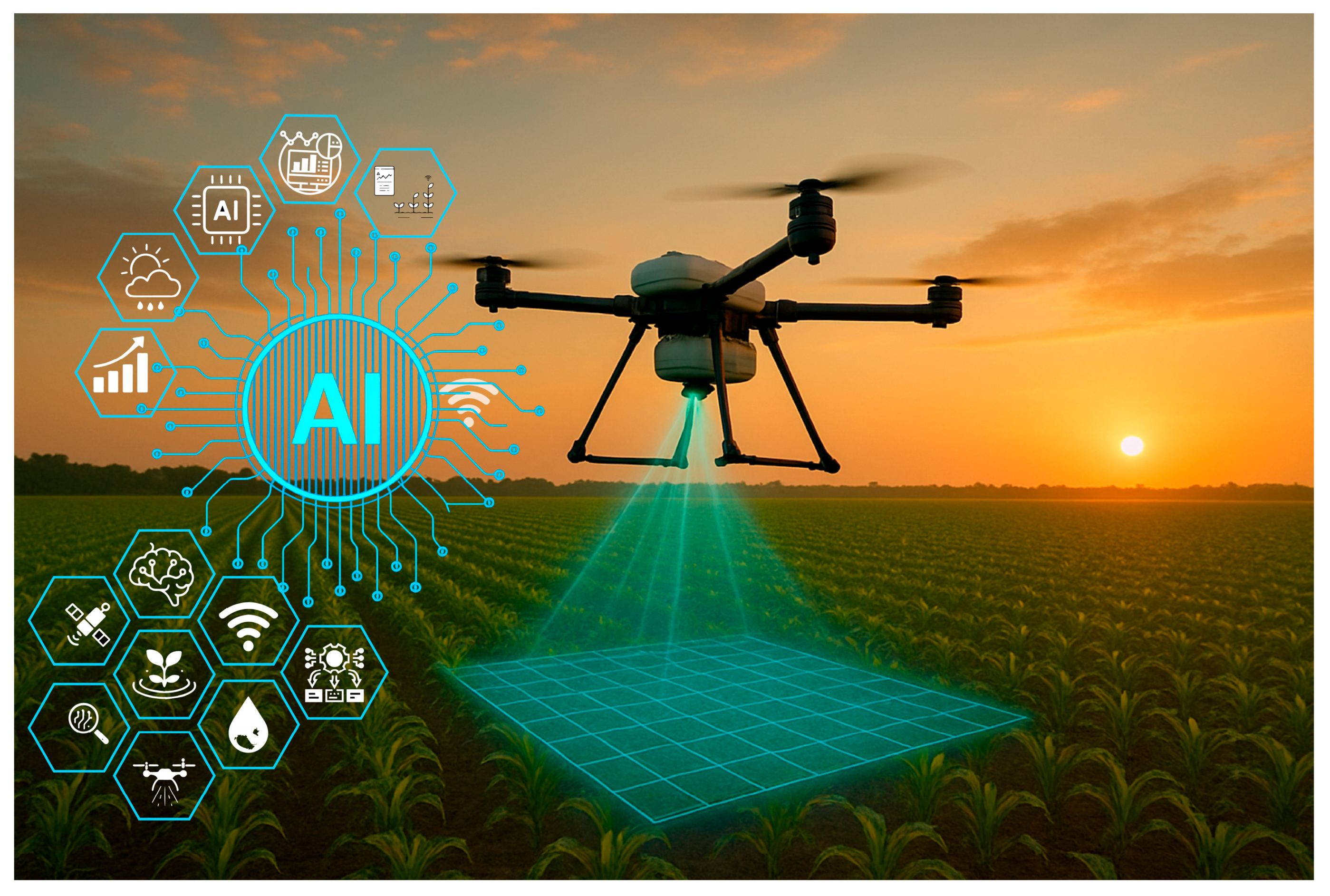
Figure 1. Application of AI in agriculture.
Agriengineering 07 00401 g001
Disclaimer/Publisher’s Note: The statements, opinions and data contained in all publications are solely those of the individual author(s) and contributor(s) and not of MDPI and/or the editor(s). MDPI and/or the editor(s) disclaim responsibility for any injury to people or property resulting from any ideas, methods, instructions or products referred to in the content.

