1. Introduction
Rapid urbanization has reshaped cities worldwide, with approximately 55% of the global population living in urban areas—projected to exceed 68% by 2050 [
1]. Many Middle Eastern countries have already surpassed these projections [
2]. Yet, access to public open spaces (POS) remains limited, particularly in developing regions. The 2023 UN SDG Report found that over 75% of surveyed cities devote less than 20% of their total area to open spaces and roads—far below the UN’s recommended 45–50% [
3,
4]. Public open spaces such as community parks are vital urban components that foster social cohesion, encourage outdoor activity, and enhance collective well-being [
5]. The United Nations Sustainable Development Goal (SDG) 11.7 explicitly emphasizes providing universal access to safe, inclusive, and accessible green spaces for all [
6].
Saudi Arabia, the largest country in the Middle East, has a population exceeding 32 million, with 83% residing in cities [
7]. The Eastern Province—home to Al-Khobar City—is the Kingdom’s third most populous region. Characterized by an arid climate with summer temperatures reaching 42 °C, the region’s environmental conditions underscore the need for shaded, accessible, and sustainable outdoor environments [
8]. As urbanization accelerates, the strategic management of public spaces has become essential. The growth of the landscape architecture profession in Saudi Arabia, together with increasing integration of global design approaches, offers an opportunity to establish resilient and culturally grounded urban spaces [
9,
10].
Aligned with Vision 2030, Saudi Arabia’s Quality of Life Program seeks to enhance livability through better urban design, promoting equitable access to public open spaces while balancing environmental conservation [
11,
12]. Within this framework, the Ministry of Municipal and Rural Affairs and Housing (MOMRA) mandates the inclusion of POS in housing development plans comprising roads, walkways, playgrounds, and gardens. At the neighborhood scale, each park should provide a minimum of 5000 m
2, equivalent to 5 m
2 of green space per capita [
13]. However, these standards focus primarily on quantity rather than quality, lacking comprehensive design and management guidelines. Moreover, many proposed open spaces remain unrealized due to financial and administrative constraints [
14].
The Vision 2030 Quality of Life Program (2018) sets a national target to increase public space per capita from 3.48 m
2 to 4.65 m
2 by 2023 [
15]. Despite ongoing challenges, initiatives such as Green Riyadh illustrate growing efforts to expand urban greenery and strengthen community engagement in urban development [
16,
17]. Nonetheless, public participation in decision-making remains limited, and the absence of integrated spatial planning continues to hinder the realization of inclusive and equitable green infrastructure [
18]. GIS serves as an advanced tool for evidence-based urban planning, enabling the collection, visualization, and analysis of spatial data to guide sustainable development. It supports the assessment of multiple SDGs, including the green infrastructure, public spaces, and identification of priority intervention areas. In Saudi Arabia, GIS applications align closely with Vision 2030 goals, enhancing urban liveability through spatial optimization and informed decision-making [
19].
Sustainable public open spaces deliver substantial socio-economic and ecological benefits, promoting physical and psychological well-being [
20,
21,
22]. Within this context, community parks are essential neighborhood-level spaces designed for recreation, relaxation, and social interaction [
23]. They serve as vital nodes for social engagement and environmental awareness, improving quality of life through proximity and inclusivity [
24,
25].
Currie (2017) proposed a design framework emphasizing accessibility (provide easy, nearby access to nature for a greater number of people), authenticity (the spirit of the place reflects the user’s values and needs in the design process), adaptability (reflects change over time—a sustainable model that provides for flexibility and continuity), and functionality (provide uses that respond to the surrounding population’s wants and/or needs), specificity (The specific reason a design is appropriate in a specific location. Uniqueness comes from such things as historic, cultural, or geographic significance) [
26]. While Malek et al. (2011) identified key elements influencing user satisfaction, such as natural setting, safety, aesthetics, and comfort [
27]. However, in Saudi Arabia, the limited application of these principles has led to fragmented and inequitable park systems. The absence of coordination among institutions and non-specialists’ involvement in design and management further exacerbates disparities in park quality and accessibility [
16].
In urban design, the “five- to ten-minute walk” principle is commonly adopted to ensure equitable access to parks, corresponding to 400–800 m walking distance) [
28,
29,
30]. In Saudi Arabia, 500 m is widely accepted as an appropriate walking threshold [
31]. Accessibility is influenced not only by proximity but also by climatic conditions, pedestrian safety, and inclusive design [
29,
32,
33]. Centrally located, well-connected community parks enhance neighborhood livability by encouraging frequent use and fostering social inclusivity [
23]. Parks in the Kingdom also carry cultural significance. They often reflect social norms by prioritizing family-oriented layouts, privacy, and gender-sensitive design, illustrating the intersection between spatial planning and cultural context [
34]. Yet, despite their cultural and environmental importance, the lack of clear spatial standards and the undervaluing of urban planning have produced neighborhoods lacking essential amenities, including public green spaces [
18].
Table 1 below presents neighbourhood/community park design dimensions and indicators based on the literature.
Parks in the Kingdom carry cultural and environmental importance; there is a lack of clear spatial standards, and the undervaluing of urban planning has produced neighborhoods lacking essential amenities, including public green spaces [
18]. Despite Saudi Arabia’s ongoing urban transformation under Vision 2030, there remains a lack of systematic evaluation of community parks’ spatial availability, accessibility, distribution, and quality in Saudi cities. Moreover, the absence of GIS-based spatial assessment integrated with user perception analysis has hindered evidence-based urban planning decisions. Consequently, it is unclear whether current community park provisions effectively support social well-being, spatial equity, and the sustainability goals outlined in Vision 2030.
Against this background, this study evaluates the spatial proximity, availability, distribution, and accessibility of community parks in Al-Khobar City, integrating (GIS) spatial analysis with user perception data. The study focuses on the neighborhood level, the most immediate and socially relevant urban scale where community parks have direct impacts on well-being, social interaction, and environmental equity. By connecting macro-level goals of Vision 2030 with micro-level spatial realities, this research aims to provide an assessment for equitable, sustainable, and context-sensitive park planning in Saudi cities.
2. Dataset and Study Area
Al-Khobar is one of the fastest-growing cities in Saudi Arabia’s Eastern Province, a major economic and urban hub. The city has undergone rapid urbanization characterized by expanding residential districts, increasing population density, and a growing dependency on private vehicles. Despite this development, the distribution of community parks and urban greenery remains undiscovered. Urban expansion has led to fragmented open space networks and limited walkable connections between parks and residential areas. These conditions make Al-Khobar a representative case for studying spatial equity within mid-sized Saudi cities, particularly as municipalities work toward achieving national targets for liveability, walkability, and environmental quality under Vision 2030.
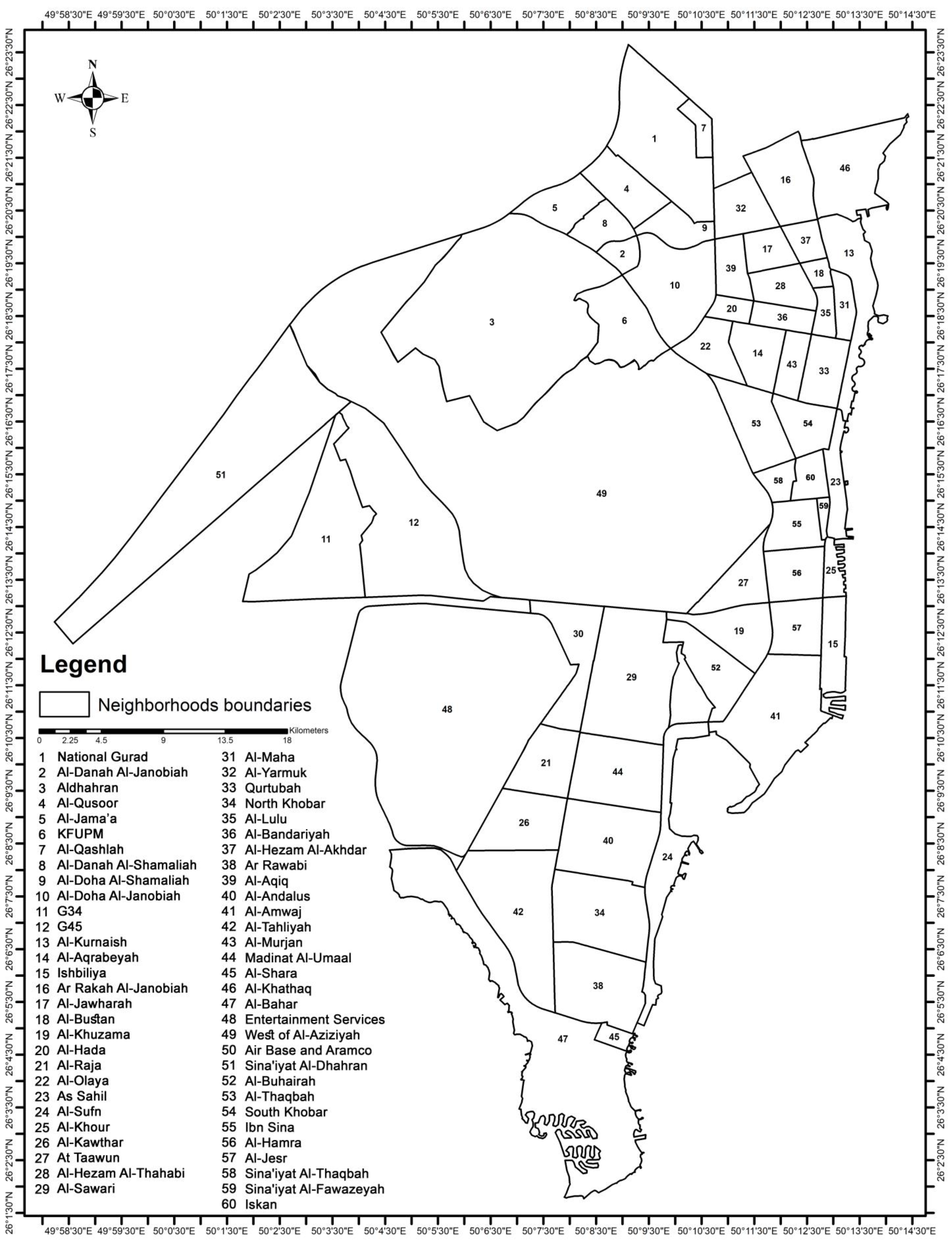
Figure 1 presents the study area administrative boundaries.
To evaluate the proximity, availability, distribution, accessibility, and per capita provision of community parks in Al-Khobar City, this study employed a combination of spatial and survey-based datasets. The dataset is presented in
Table 2.
Additionally, an online survey with a set of structured questions was distributed to ensure a community engagement approach and to gather insights into users’ satisfaction levels regarding the quality of Al-Khobar parks. This assessment aimed to validate the data and identify common weaknesses using several key indicators derived from the literature, as depicted in
Table 1. As shown in
Table 3, the survey captured quantitative data, focusing on user experiences and satisfaction.
3. Methodology
This section outlines the research methodology, which integrates both qualitative and quantitative data collection methods to evaluate the availability, distribution, and accessibility of community parks in Al-Khobar City. The study employs GIS-based spatial analysis to assess the availability, distribution, and accessibility of parks within neighbourhoods. By utilizing a mixed-methods approach integrating GIS-based spatial analysis with survey-based user perspectives the research not only provides objective evidence of spatial disparities but also captures subjective experiences of inclusivity, accessibility, and satisfaction.
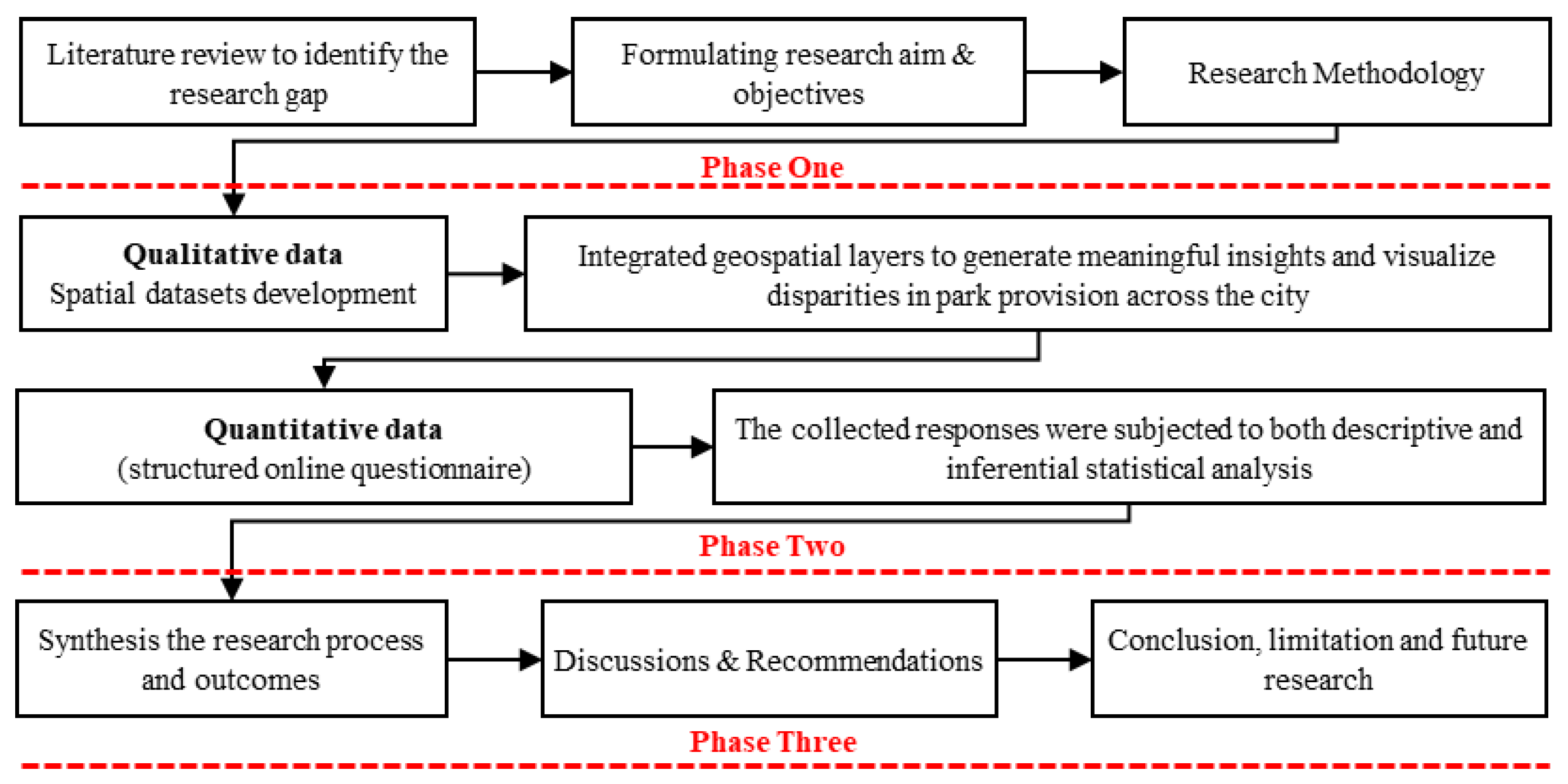
Figure 2 illustrates the research methodological framework.
The first phase established the conceptual and methodological basis of the study by defining its purpose, scope, and analytical approach. It involved identifying the research problem, articulating the overarching aim, and aligning it with the objectives of Sustainable Development Goal 11 and Saudi Vision 2030, both of which emphasize enhancing urban liveability and accessibility to public open spaces. This stage also involved reviewing relevant literature to identify measurable indicators for assessing community parks namely proximity, accessibility, availability, and distribution, which guided the design of subsequent GIS and survey analyses.
The second phase focused on empirical analysis through the integration of GIS-based spatial data and survey responses.
- 1.
Spatial analysis:
GIS Mappings of Al-Khobar City aims to assess parks availability, distribution, accessibility, and proximity. The analysis integrated geospatial layers to generate meaningful insights and visualize disparities in park provision across the city. Geospatial datasets were obtained from the SDA and the GASTAT, using ArcMap 10.8 to evaluate spatial equity in park provision. Five thematic maps were generated to visualize and support this assessment.
- 2.
Survey analysis:
The questionnaire survey was designed to capture users’ perceptions of community parks in Al-Khobar City, focusing on four core dimensions, proximity, accessibility, availability, and distribution, as identified in the literature review. These dimensions were represented by 11 specific indicators derived from established planning standards and previous scholarly research (see
Table 1). The survey consisted of closed-ended items rated on a five-point Likert scale ranging from 1 (very dissatisfied) to 5 (very satisfied).
The survey was administered digitally using Google Forms and disseminated through sharing the link via social media platforms (WhatsApp community groups). A random sampling approach was employed by inviting participation widely across different neighbourhoods without targeting specific demographic groups, allowing residents, families, and visitors to respond voluntarily. This strategy enhanced geographic coverage and reduced sampling bias. A total of 300 valid responses were collected between January and July 2025.
The collected data were analysed using Microsoft Excel software (2024). Statistical analysis included descriptive statistics (weighted mean, standard deviation, Relative Importance Index (RII), and simple ranking) to summarize satisfaction levels across the evaluated dimensions. Cronbach’s Alpha was applied to test the internal consistency and reliability of the instrument, while Pearson correlation analysis examined the interrelationships among key indicators. Additionally, a One-Way Analysis of Variance (ANOVA) was conducted to compare the mean overall satisfaction (out of 5.0) between the different groups within each independent variable, identifying statistically significant variations in user perceptions. These analytical techniques collectively enabled the identification of key strengths and deficiencies in community park provision and informed a set of evidence-based recommendations for improving urban green space planning and management in Al-Khobar.
The final phase synthesized the findings from the spatial and survey analyses to address the study’s overarching aim. Three interrelated steps were undertaken:
The results of the GIS-based spatial analysis were systematically compared with user survey findings. This cross-validation strengthened the reliability of the results by linking objective spatial patterns with subjective user experiences.
The integrated analysis identified critical deficiencies in park provision, including inequities in spatial distribution, limited accessibility in certain neighbourhoods, and inconsistencies in park quality. These insights revealed spatial and design gaps requiring policy attention.
Based on the synthesized outcomes, a set of evidence-based recommendations was formulated to enhance park infrastructure, promote equitable distribution, and encourage community participation in park planning and management. These recommendations align with Vision 2030’s Quality-of-Life objectives and support the creation of inclusive, sustainable, and accessible urban environments.
4. Results
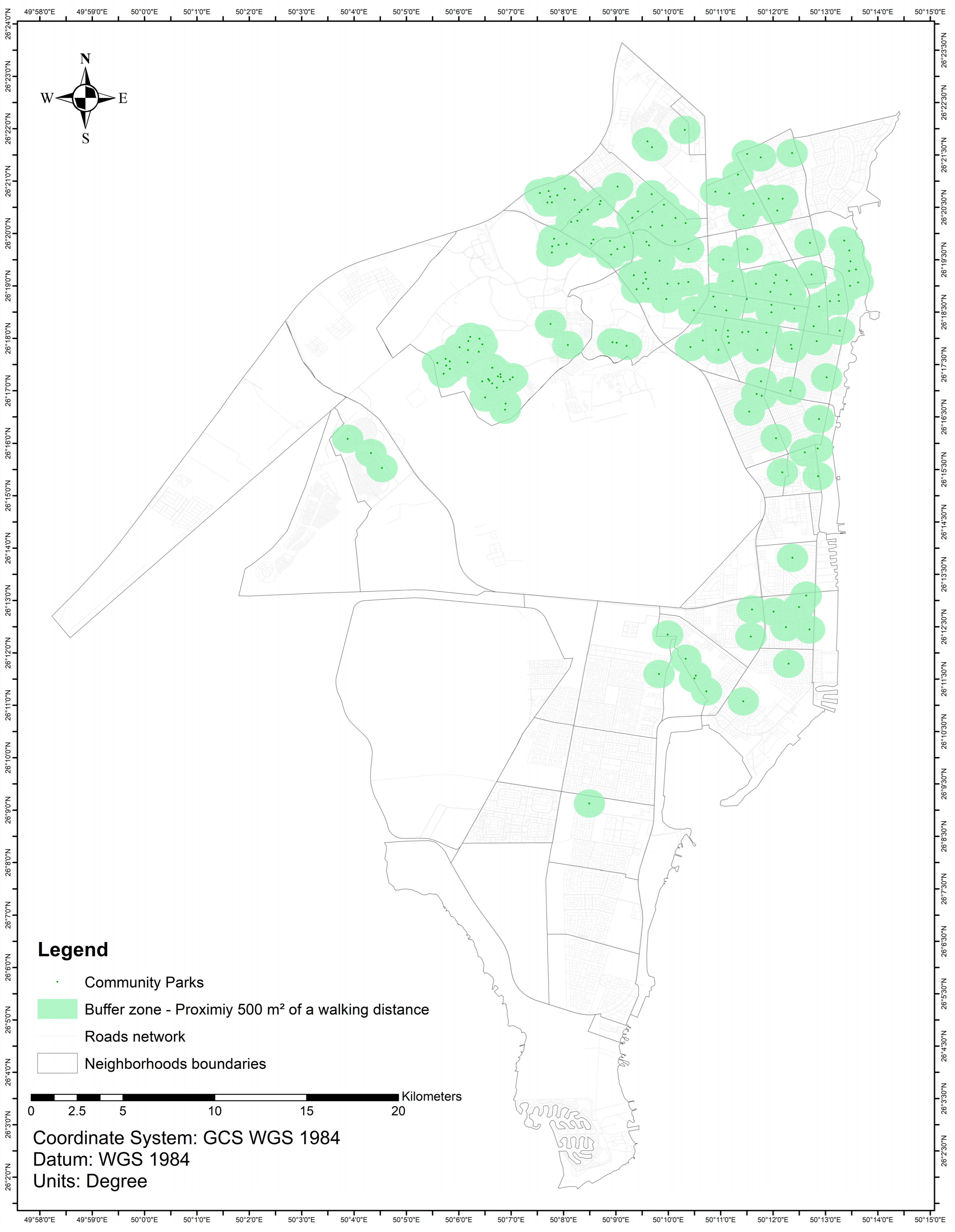
GIS analysis in
Figure 3 reveals that community parks in Al-Khobar are concentrated in central and north-eastern neighbourhoods, while the southern, southwestern, and northwestern areas are underserved. Buffer mapping shows that residents in central districts generally live within a 500 m walk of a park, whereas residents in peripheral areas have significant gaps in park access.
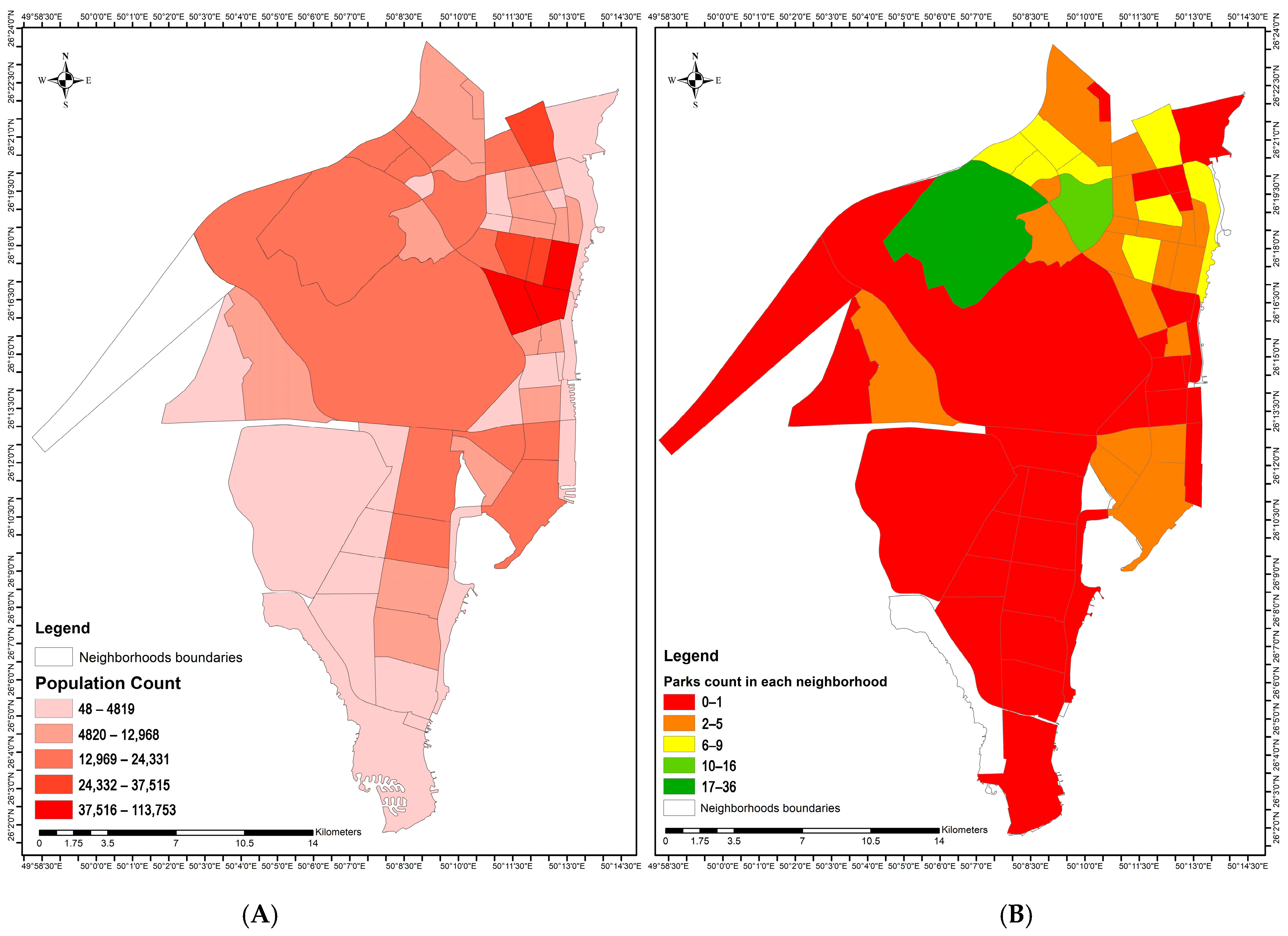
As shown in
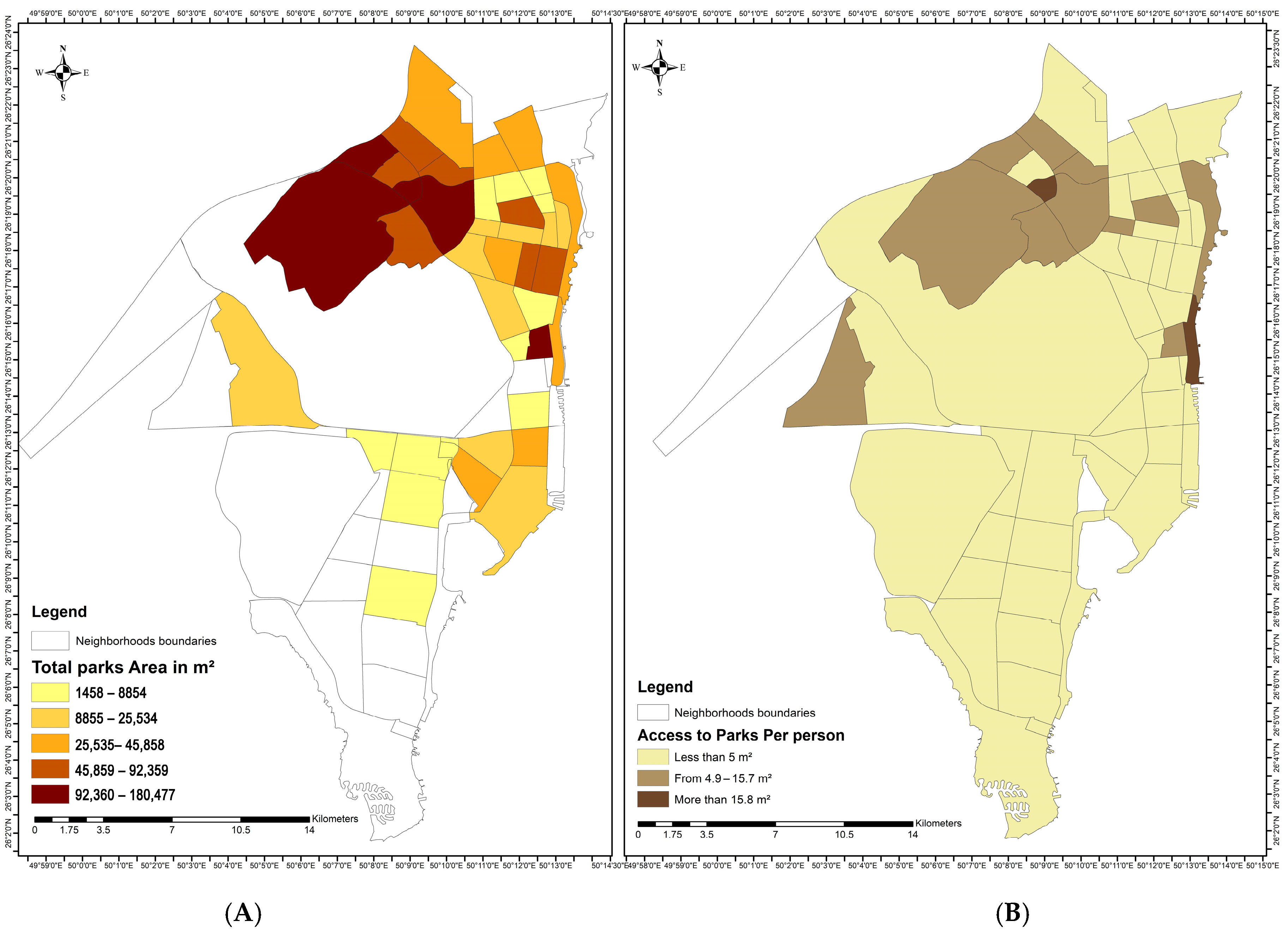
Figure 4A,B, the total park area and per capita POS access further highlight inequities, with some neighbourhoods lacking sufficient recreational infrastructure. Densely populated central-eastern areas benefit from greater park provision, while peripheral and less densely populated neighbourhoods face limited access. This mismatch between population density and park availability indicates a need for more equitable green space planning.
As shown in
Figure 5A,B, the analysis indicates a clear spatial and experiential inequity: northwestern residents enjoy higher park access, while peripheral residents face limited opportunities. To address these disparities, urban planning should prioritize new parks in underserved areas, improve pedestrian connectivity, enhance park facilities, and integrate GIS-informed planning with user data to align green space provision with population needs. Such strategies would promote equitable access, increased park engagement, and improved physical, mental, and social well-being, supporting Saudi Vision 2030 and SDG 11 on sustainable cities.
Access to parks is a critical determinant of environmental justice, public health, and overall urban liability. In accordance with local urban planning benchmarks recommending a minimum of 5 square meters of green space per person, this study evaluates the distribution, adequacy, and accessibility of public parks across neighbourhoods in Al-Khobar City, Saudi Arabia.
Table 4 presents a detailed neighbourhood-level evaluation of park provision in Al-Khobar City, benchmarked against the local planning standard of 5 m
2 of green space per capita. The results reveal significant disparities in the availability and distribution of park space, highlighting both well-served and critically underserved areas.
Several neighbourhoods substantially exceed the 5 m2 per capita requirement, such as Al-Danah Al-Janobiah (47.92 m2/person), Al-Doha Al-Shamaliah (11.35 m2/person), and As Sahil (44.82 m2/person). These areas demonstrate a surplus of green space, in some cases exceeding the required standard by 200–800%. While such oversupply indicates good environmental quality, it also points to an uneven allocation of resources, with parkland concentrated in specific districts.
Neighbourhoods such as Al-Qusoor (5.32 m2/person), Al-Bustan (4.18 m2/person), and National Guard (4.13 m2/person) either meet or nearly meet the benchmark. These locations show relatively balanced provision, suggesting that moderate improvements in park size or accessibility could enable them to fully comply with the standard.
A striking finding is that many neighbourhoods fall far below the required threshold. For instance, Al-Thaqbah (0.13 m2/person), South Khobar (0.02 m2/person), and Al-Sawari (0.32 m2/person) demonstrate extremely low levels of green space per capita, amounting to less than 1% of the recommended requirement. Furthermore, several neighbourhoods such as Al-Qashlah, G45, Ishbiliya, Al-Raja, Al-Sufn, Al-Khour, and Al-Kawthar—report having no public park areas, indicating a complete lack of access. These deficiencies highlight urgent needs for intervention in terms of park establishment and equitable distribution.
The disparities observed across neighbourhoods have critical implications for environmental justice and quality of life. While certain areas enjoy abundant green resources, large sections of the population remain underserved, particularly in high-density neighbourhoods such as Al-Aqrabeyah and Ar Rakah Al-Janubiah. The unequal provision exacerbates social inequalities, as access to green space is closely linked to public health, social cohesion, and urban resilience.
The results demonstrate a fragmented green space system in Al-Khobar City. The existence of neighbourhoods with substantial surpluses alongside others with severe deficits indicates a lack of coordinated planning. To align with Saudi Vision 2030 goals, a more balanced approach is required—one that redistributes green resources, prioritizes underserved communities, and ensures equitable access for all residents.
Table 4 highlights differences in the feasibility of achieving the recommended 5 m
2 per capita green space standard across neighbourhoods. In several high-density districts such as Al-Thuqbah, Al-Aqrabeyah, and parts of Al-Khobar Al-Shamaliyah the urban fabric is already highly compact, with limited vacant plots or redevelopment opportunities. In these areas, achieving the target may be challenging without major land acquisition or reallocation of built-up areas. In contrast, lower-density peripheral neighbourhoods such as Al-Safa and Al-Jisr contain larger undeveloped parcels and more flexible land-use conditions, making it more feasible to introduce new community parks or expand existing ones. Although this study did not perform a full land-use/land-cover analysis, this contextual interpretation helps clarify where the goal is realistically attainable and where alternative planning strategies such as pocket parks, linear green corridors, or enhanced shared open spaces may be more appropriate.
Table 5 summarizes the demographic profile of the sample (
N = 300). Understanding the demographic profile of park users is essential for evaluating the inclusivity and effectiveness of community park design in Al-Khobar. The collected data, presented in
Table 5, demonstrate a diverse sample across gender, age, and park accessibility. The gender composition of the survey respondents reveals a moderately imbalanced but still representative sample. Of the total responses collected, 60% identified as male and 40% as female.
Regarding age, respondents spanned five age groups, with the highest representation in the 26–35 age (90 respondents), followed by the 36–45 (75 respondents) and 46–55 (60 respondents) groups. The 18–25 and 56 and above categories were less represented, with (45 and 30 respondents), respectively. This age distribution indicates that middle-aged adults constitute the primary user demographic of public parks in Al-Khobar, likely reflecting their active family and recreational roles. The presence of younger and older respondents, albeit in smaller proportions, underscores the need for parks to accommodate users across multiple generations. Only 42% of respondents reported having a park within a 5 min walk from their residence, while a majority (58%) indicated otherwise. This finding raises significant concerns about the poor spatial distribution and equitable accessibility of parks in Al-Khobar. The results suggest a potential mismatch between the city’s green infrastructure planning and residents’ actual spatial needs.
As illustrated in
Table 6, approximately 29% of respondents reported visiting their neighbourhood park several times a week, followed by 25% who visit once a week, and 16% who are daily users. These frequent users represent 70% of the population, suggesting that parks play a recurring role in the routine activities and urban experience of a portion of the population. Conversely, 20% of respondents stated they rarely visit their neighbourhood parks, and 10% indicated they had never visited them. This cumulative 30% non- or infrequent usage points to a potential barrier, such as poor accessibility.
In this study, the survey instrument’s reliability was assessed, yielding a Cronbach’s alpha of 0.80, indicating high internal consistency among the items.
Table 7 presents the (ANOVA) results, which examined whether overall satisfaction significantly differed among user groups based on gender, age, and frequency of park visits. The ANOVA results indicate that there are no statistically significant differences in overall satisfaction between the different groups within each variable, as all p-values exceed the 0.05 significance threshold. For gender, males reported a mean score of 3.57, while females rated satisfaction slightly higher at 3.77 (
F = 1.045,
p = 0.393). Similarly, across age groups, mean satisfaction scores ranged from 3.49 (56+) to 3.87 (46–55), with an
F-value of 0.971 and
p = 0.567, suggesting negligible variation between age cohorts. Frequency of park visits also showed no significant effect (
F = 1.217,
p = 0.115), although satisfaction tended to be higher among users who visit parks once a week (3.82) compared to those who rarely or never visit (3.33–3.61).
To determine the relative contribution of each dimension and indicator to overall satisfaction, the study employed the Relative Importance Index (RII). This method ranks indicators based on the perceived importance assigned by users, effectively serving as an implicit weighting system. The results are categorized under four primary dimensions (
Table 8): Proximity, Accessibility, Availability, and Distribution. Among all indicators, “
Safety of access routes” received the highest mean score (4.32, STDEV.S = 1.05) with RII of 0.86, ranking first overall and within its dimension. This was followed by “
Access to a park within a five- to ten-minute walking distance” (mean = 4.12, STDEV.S = 1.16, RII of 0.82), which ranked second overall and first in the Proximity dimension. In contrast, “
Provision of at least one playground per 20 residential blocks” had the lowest mean score (3.02, STDEV.S = 1.37 and RII of 0.60), highlighting a significant gap in the availability of recreational infrastructure. These findings highlight the relative strengths in proximity and safety, while identifying areas that require improvement, particularly in equitable distribution and inclusive access.
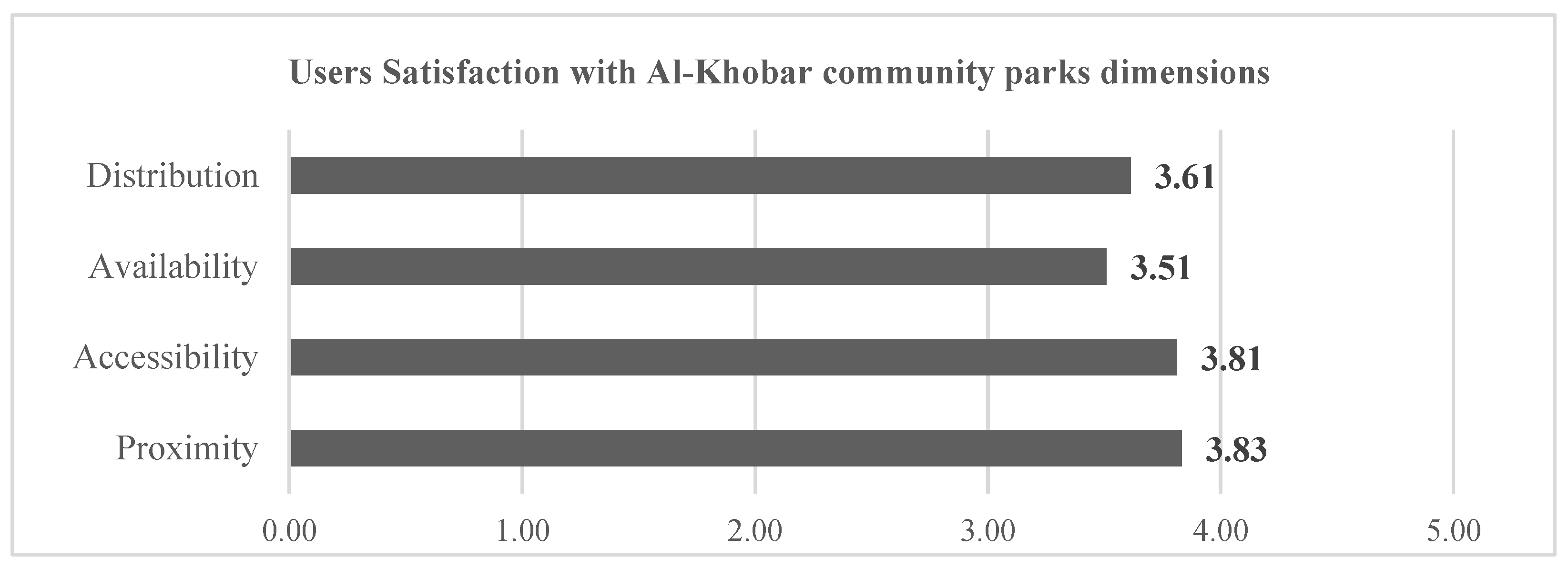
As shown in
Figure 6, based on the mean scores for each community park design dimension (Proximity, Accessibility, Availability, and Distribution), the analysis indicates that the highest-rated dimension is Proximity, indicating that residents are generally satisfied with how close community parks are to their homes. It suggests that parks in Al-Khobar are relatively well-located in terms of walking distance and physical reachability. Very close to Proximity, Accessibility also scored highly, reflecting a positive perception of how easily different user groups—regardless of ability—can access park spaces. Factors such as route safety and centrality seem to be well addressed. Moderately rated. The distribution shows that while parks are present, green spaces may be unevenly distributed across neighbourhoods. Some areas may lack sufficient per capita green space or large parklands. Availability is the lowest-rated dimension, indicating concerns about the quantity and functionality of available park features—such as playgrounds, sufficient land allocation, or compliance with planning standards. Overall mean of users’ satisfaction across all dimensions is 3.69.
The study reveals several significant associations (
Table 9). The strongest positive correlation was observed between “
Inclusive access regardless of physical ability or background” and “
Provision of at least one playground per 20 residential blocks” (r = 0.77), indicating a close relationship between inclusive design and the availability of diverse recreational facilities. Likewise, “
Walking radius of 400 to 800 square meters” was highly correlated with both “
Provision of at least one playground per 20 blocks” (r = 0.72) and “
Inclusive access” (r = 0.72), suggesting that shorter walking distances support equitable and inclusive use of parks. Moderate correlations were also found between “
Equitable distribution of parks” and multiple indicators such as “
Provision of playgrounds” (r = 0.70) and “
Inclusive access” (r = 0.72), highlighting the interconnected nature of spatial equity and inclusive accessibility. In contrast, weak negative correlations observed between “
a minimum of 5000 square meters of parkland is required per neighbourhood” (indicator 4.2) and several accessibility and proximity indicators (such as 2.1, 2.2, and 1.1) reveal important spatial dynamics in Al-Khobar’s urban form. Larger parks are predominantly located in peripheral or low-density districts, where land availability is greater, but pedestrian connectivity is limited. Although these large parks increase the total amount of green space, they do not necessarily improve walkable access for nearby residents. This spatial pattern explains the negative correlations (e.g., r = −0.09 between 4.2 and 2.1; r = −0.09 between 4.2 and 2.2; r = −0.04 between 4.2 and 1.1). In contrast, centrally located neighbourhoods contain smaller but more frequent parks that are embedded within residential blocks and therefore achieve higher accessibility and proximity scores. These relationships highlight that spatial equity is not driven by park size alone, but by the distribution of parks within walkable distances and by the connectivity of surrounding street networks.
5. Discussion
Community parks in Saudi Arabia are influenced by sociocultural and climatic factors. It is known that the main function of community parks in KSA is primarily as family-oriented social spaces, reflecting deep-rooted cultural values that emphasize group activities, privacy, and safe environments for women and children. These preferences influence spatial configurations, such as the provision of shaded seating clusters, family gathering zones, and visually open layouts that ensure comfort and social visibility. Gender-related expectations also play a role: well-lit walkways, clear sightlines, and designated family-only areas contribute to perceived safety and encourage broader usage. These socio-cultural factors shape both visitation patterns and satisfaction levels, particularly favouring parks that offer privacy, shade, and family-friendly amenities. As such, culturally responsive design is essential in ensuring equitable and meaningful access to parks across different neighbourhoods Park usage in Al-Khobar is strongly influenced by the city’s climatic seasonality. Al-Khobar experiences extremely hot and humid summers, with temperatures frequently exceeding 42 °C, which substantially limits daytime outdoor activity, particularly between May and November. During these months, park visitation often shifts to evening hours or declines considerably. In contrast, the cooler winter and early spring months encourage higher levels of pedestrian activity, longer park visits, and more frequent use. These seasonal fluctuations have important implications for spatial accessibility and user satisfaction, suggesting that climatic constraints play a central role in shaping how residents engage with community parks throughout the year.
The integration of GIS-based spatial analysis with user perceptions provides a deeper understanding of not only where spatial inequities occur in Al-Khobar, but also why they emerge. The GIS results show that neighbourhoods with low accessibility and limited service coverage are often high-density areas characterized by fragmented land uses, limited vacant parcels, and automobile-oriented street patterns. Such land-use constraints restrict the provision of medium and large parks, leading municipalities to concentrate major parks in peripheral districts where land availability is greater. This planning pattern produces a structural mismatch: low-density fringe areas achieve high per capita green space but low walkability, while centrally located areas benefit from proximity but lack sufficient total park area. These spatial mismatches reinforce uneven access across socioeconomic groups and highlight the need for a more balanced, equity-oriented approach to park provision.
Survey results reinforce these spatial findings by showing that residents prioritize dimensions such as safety of access routes, proximity, and inclusive entry, all of which align with Currie’s park design framework that emphasizes accessibility, safety, and adaptability. High RII values for these indicators suggest that the parks most valued by residents are those that integrate well with their daily movement patterns and provide safe, shaded, and culturally responsive environments. Similarly, the results support Malek’s satisfaction dimensions, particularly those related to comfort, safety, and aesthetic quality. The misalignment between where parks are located and what users value most helps explain the lower satisfaction scores in several neighbourhoods despite the presence of formally designated park areas.
These spatial inequities have broader implications for community cohesion, public health, and social equity. Limited access to nearby parks restricts opportunities for daily physical activity, disproportionately affecting vulnerable groups such as children, women, and older adults. Lack of green space within walking distance also reduces opportunities for informal social interaction, which is a critical component of neighbourhood cohesion in family-oriented communities. On a citywide scale, these disparities may contribute to uneven health outcomes, reduced environmental quality. Addressing these issues, therefore, requires not only increasing the number of parks but also ensuring that their distribution aligns with population density, connectivity, and the cultural expectations of users.
By connecting spatial patterns with user perceptions and theoretical frameworks, this study demonstrates that achieving equitable access to parks in Al-Khobar requires context-specific interventions that combine land-use planning, connectivity improvements, and culturally sensitive design. The findings support the principles of Vision 2030’s Quality of Life Program, which views parks as essential infrastructure for health, wellbeing, and social inclusion. They also highlight the importance of micro-parks and linear green corridors in high-density districts where traditional large parks may not be feasible. Strengthening the green space network through equitable, walkable, and culturally aligned interventions can significantly enhance urban resilience, public health outcomes, and social equity in fast-growing Saudi cities.
Although over half of the users reported overall satisfaction, a significant portion remained neutral or dissatisfied, and more than a third indicated they would neither revisit nor recommend their neighbourhood parks. Additionally, the analysis found a weak correlation between large park size and accessibility, suggesting that bigger parks do not necessarily enhance user satisfaction or reach. To address these issues, urban planners may prioritize underserved neighbourhoods by introducing small- and medium-sized parks, improving walkability through safer, more inclusive access routes, and enhancing infrastructure to serve a broader range of users, including children, the elderly, and persons with disabilities.
The analysis reveals several common weaknesses in the current state of community parks in Al-Khobar City. Spatial inequity is a major concern, with many neighbourhoods failing to meet the recommended 5 m2 of green space per capita, and over 20 neighbourhoods having no access to parks at all. This indicates a substantial deficiency in park distribution, particularly in high-density areas such as Al-Thaqbah and South Khobar.
Survey data support the spatial findings. Only 42% of respondents have a park within a five-minute walk. Frequent park usage is high (70% visit daily, weekly, or several times per week), but 30% of residents rarely or never use parks, likely reflecting accessibility gaps. Satisfaction ratings show that Proximity and Accessibility are high, while Availability and Distribution are rated lower.
Evaluation of park features reveals that residents are generally satisfied with Proximity and Accessibility, consistent with the GIS findings indicating that parks are well located and safe in central areas. However, Availability and Distribution received lower ratings, highlighting deficiencies in the total park area and equitable green space allocation—particularly in underserved peripheral neighbourhoods. This alignment between GIS-based inequities and user-reported dissatisfaction emphasizes that spatial disparities have tangible impacts on perceived quality and usability of parks.
The combined analysis illustrates a clear spatial and experiential inequity in Al-Khobar’s community parks:
Central and northeastern residents enjoy both higher park availability and greater user satisfaction.
Peripheral residents face limited access, lower per capita green space, and reduced engagement with parks.
Accessibility strongly influences usage frequency, suggesting that strategically placed parks could enhance participation and well-being.
This integrated insight underscores the need for targeted urban planning interventions:
Equitable Park Allocation: Prioritize new parks in underserved southern, southwestern, and northern neighbourhoods.
Connectivity and Walkability: Improve pedestrian infrastructure and green corridors to extend the reach of existing parks.
Enhanced Facilities: Address deficiencies in playgrounds, recreational amenities, and park size to meet residents’ needs.
Data-Driven Planning: Integrate GIS spatial analysis with demographic and behavioural survey data to optimize park placement relative to population density and usage patterns.
The spatial inequities identified in Al-Khobar are closely aligned with national priorities outlined in Saudi Arabia’s Quality of Life Program (Vision 2030), which aims to increase the availability, accessibility, and equitable distribution of public open spaces. The results of this study underscore areas where current provisions fall short of these goals, particularly in high-density neighbourhoods with limited park access. The findings also resonate with the objectives of the Saudi Green Initiative (SGI), a flagship national initiative focused on expanding vegetation cover, enhancing walkability, and creating more inclusive green environments across major Saudi cities. By quantifying per capita deficits, identifying underserved neighbourhoods, and revealing patterns of spatial inequality, the GIS–survey framework presented in this study offers actionable evidence to support the municipal implementation of these larger national strategies.
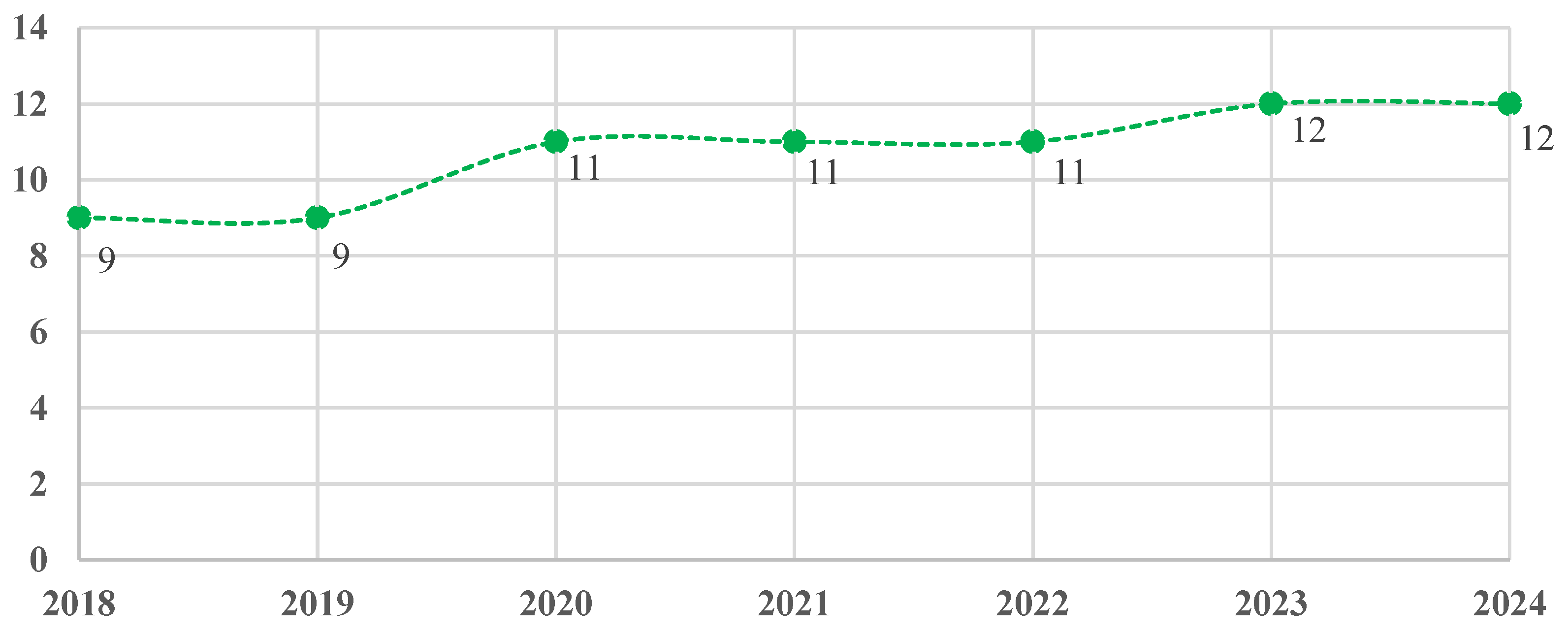
In addition, access to gardens and public parks in the Eastern Province has been steadily increasing over recent years, indicating sustained government efforts to expand public open space and move closer to Vision 2030 targets. These trends are consistent with our findings, which reveal that although progress is being made, significant gaps remain at the neighbourhood level.
Figure 7 illustrates the access rate to gardens and parks in the Eastern Province, highlighting the broader context within which Al-Khobar’s spatial disparities should be understood.
6. Conclusions
This study offers several key contributions to the assessment of community park equity in rapidly urbanizing Saudi cities. It introduces a spatial–perceptual evaluation framework that integrates GIS-based indicators with user-perceived satisfaction, providing a more holistic understanding of accessibility and equity than spatial or survey methods alone. The research generates detailed neighbourhood-level equity maps and satisfaction profiles, offering actionable evidence to support municipal planning decisions under Vision 2030’s Quality of Life Program.
This study highlights significant disparities in the provision, distribution, and accessibility of community parks in Al-Khobar City of Saudi Arabia. While some neighbourhoods exceed the recommended green space standards, many areas remain underserved, with several communities lacking any accessible park facilities and infrastructure. These inequities reveal a fragmented approach to urban green space planning, resulting in uneven access to recreational and ecological benefits across the city.
The findings underscore the need for more equitable strategies in public open space provision. Enhancing park availability in underserved neighbourhoods, improving pedestrian connectivity, and ensuring balanced distribution are critical steps toward creating more inclusive and liveable urban environments. Such measures would align with national priorities, including Saudi Vision 2030 and the Quality of Life Program, by promoting social well-being and environmental sustainability.
Future studies may focus on developing a comprehensive national framework or set of design guidelines for sustainable urban community parks that align with Saudi Arabia’s unique cultural, social, and climatic contexts. The lack of localized planning strategies has led to disparities in accessibility, quality, and community relevance of public open spaces. Therefore, future research should prioritize the development of context-specific design principles that incorporate traditional cultural values, promote thermal comfort in hot, arid climates, and address diverse community needs. Such a framework would support national initiatives like Saudi Arabian Vision 2030 and the Quality of Life Program by fostering equitable, inclusive, and climate-responsive urban environments. Although the survey period (January–July) captures part of seasonal variation, long-term seasonal patterns were not fully assessed and represent an important direction for future work. This study applied an unweighted aggregation of indicators when evaluating overall satisfaction. While this approach avoids imposing subjective assumptions about the relative importance of proximity, availability, accessibility, and distribution, we acknowledge that different user groups may value these dimensions differently. Future studies could integrate explicit weighting schemes such as Analytic Hierarchy Process (AHP), Principal Component Analysis (PCA).
Although a detailed land use/land cover (LULC) analysis was not conducted as part of this study, the feasibility of achieving the minimum access to public spaces requirement can be partially understood by considering general land-use patterns across neighbourhoods. High-density districts with compact residential blocks and limited vacant land face significant constraints in creating new parks, whereas peripheral neighbourhoods with larger undeveloped parcels offer greater potential for expanding public spaces. Incorporating LULC-based feasibility mapping in future research would provide deeper insights into spatial opportunities for park development and further strengthen planning recommendations.



 ,
,