Article

The Authenticity of Traditional Food as a Determining Factor for Loyalty and Satisfaction at an Archaeological Site


by
Luz Arelis Moreno-Quispe
1,* and
Ricardo D. Hernandez-Rojas
2
1
Faculty of Law, Accounting, Finance and Business Administration, National University of Barranca, Av. Toribio de Luzuriaga N° 376, Mz J, Urb. La Florida, Barranca 15169, Lima, Peru
2
Department of Agricultural Economics, Finance and Accounting, University of Córdoba, Plaza Nueva S/N, 14071 Córdoba, Spain
*
Author to whom correspondence should be addressed.
Heritage 2026, 9(5), 191; https://doi.org/10.3390/heritage9050191
Submission received: 28 March 2026 / Revised: 13 May 2026 / Accepted: 13 May 2026 / Published: 15 May 2026
(This article belongs to the Special Issue A 360° View of Heritage Management)

Abstract

Traditional Peruvian cuisine has become a globally recognized experience, but its impact on visitors to the Caral Supe archaeological site—one of the oldest centers of civilization in South America and a UNESCO World Heritage Site—has not been studied. The main objective was to explain the constructs of the perceived authenticity of traditional food, loyalty to traditional food, service quality at traditional restaurants, and tourist satisfaction with visits to archaeological sites, based on the experience economy theory. An explanatory study was conducted using a structural equation modeling approach (PLS-SEM), applied to a sample of 381 tourists who visited the archaeological site and consumed local cuisine at restaurants in the destination of Barranca. The findings confirmed significant relationships among the model’s constructs (p < 0.01). It is suggested that the perception of authenticity of traditional food is a determining factor for loyalty (R2 = 0.743) and a driver of satisfaction with the visit to the archaeological site (R2 = 0.617), which constitutes the study’s contribution. However, the R2 value for the construction of the tourist experience at the destination (R2 = 0.301), the model does not fully capture the complexity of experiential processes at this particular heritage destination, which may depend on emotional, cultural, or contextual variables not included in this study. Satisfaction with the visit to the archaeological site is primarily related to staff attentiveness, the quality of guide explanations, and safety. It is concluded that the interplay between satisfaction with the visit to the archaeological site, the perceived authenticity of traditional food, and the quality of service in restaurants is fundamental to enhancing the experience at the heritage destination, thereby positioning traditional food and archaeotourism. It is recommended that the public and private sectors design strategies aimed at generating authentic and sustainable experiences for visitors, strengthening factors such as the destination’s reputation, the positive image of the site, satisfaction with the trip at the destination, and the positive experience.

1. Introduction

In the field of tourism, intangible cultural heritage goes beyond mere observation by integrating sensory perception, social experience, and emotional resonance [1,2]. This form of tourism is not mutually exclusive but rather complementary to tourism centered on tangible assets (monuments, museums, archaeological sites), thereby fostering a comprehensive and holistic tourist experience [1]. Such is the case with archaeotourism, a form of heritage tourism focused on visits to archaeological sites, parks, and excavations [3]. It creates an educational space that offers visitors experiences of wonder, mystery, rediscovery, and reinvention of identities [4]. Its management is characterized by sensitivity toward the integrity of the archaeological environment and a commitment to transmitting knowledge about historical human activity [5].
Archaeological sites, as spaces of high symbolic and cultural value, represent destinations that attract tourists motivated by learning, history, and the identity of peoples [5,6]. However, designation as a World Heritage Site impacts the social values that local residents and visitors attribute to the heritage [7]. Social value is defined as the set of meanings and connections that contemporary communities attribute to heritage, in a dynamic process through which the values inherent in the archaeological site are constantly reinterpreted and redefined by society [8], depending on people’s identity, sense of belonging to the place, as well as their forms of memory and spiritual association [9]. Research on cultural value often ignores the empirical data and experiences of those who engage in everyday cultural practices [10].
For customers, both foreign and local, the local origin of ingredients is crucial to the perception of food as authentic [11]. For archaeology and anthropology, food leaves a physical trace at the archaeological site; in general, it is considered a biologically necessary and cognitively prominent material culture that plays an active role in the construction and negotiation of social distinctions [12,13]. Research on macroremains found at the archaeological sites of Caral–Supe, Peru (3000–200 BCE) and Áspero (3000–1800 BCE) shows that the diet at Caral was a combination of marine and agricultural resources [14]. In this sense, traditional food constitutes an authentic manifestation of intangible cultural heritage, reflecting traditions, indigenous ingredients, and knowledge passed down through generations [15], which helps identify the identity of the place [16], since Caral was an important center of regional integration throughout all subperiods of the Early Formative period and was interconnected with the Central Andes and the Amazon Rainforest for the exchange of various products and knowledge [17].
The contribution of this research lies in studying the perceived authenticity of traditional food by visitors to the Caral archaeological site as a heritage destination. Authenticity is defined as a person’s perception that something is real or genuine and has symbolic value [2,18]. From the perspective of cultural heritage tourism, it can be studied through various approaches: objective (real) [18], constructive (sociopolitical) [19], personal (phenomenological), and existential [2,20], within a context of space and time [21]. For this study, perceived authenticity is examined from a real and phenomenological perspective.
Authenticity has been studied in the context of ethnic and themed restaurants for over two decades [22,23,24], showing that consumers frequent these restaurants in search of authentic cultural experiences, and it has been demonstrated that restaurant authenticity significantly influences consumer satisfaction [25]. It was reported that in some populations, customers are more concerned with the authenticity of the food than with the overall atmosphere of the restaurant [26].
The study also examined consumers’ perception of authenticity as it relates to the brand value of ethnic restaurants, brand recognition, perceived quality, and brand loyalty [27], among other studies, a bibliometric analysis revealed that there is little research on gastronomy, even though it represents a significant part of the cultural heritage and identity of tourist destinations [28], and specifically, there is a knowledge gap regarding the influence of the perception of authenticity of traditional food on satisfaction with visits to archaeological sites.
Similarly, previous studies have examined overall satisfaction with visits to heritage tourist sites in relation to visitor engagement and destination loyalty [29], or have focused specifically on the experience and loyalty associated with archaeological sites [30], as well as the relationship between motivation and loyalty regarding visits to archaeological museums [6]. Other research has focused on archaeological heritage destinations and destination image and their influence on tourist satisfaction [31] or archaeological heritage and culinary experiences as a co-creative tourism product [32]. Additionally, the authenticity of restaurants and its influence on the peak experience were studied [25], as well as the positive links between destination satisfaction and loyalty [33].
The literature indicates that the positive emotion associated with authenticity leads to better perceptions of value in food [23], but there is a knowledge gap in the analysis of the influence of traditional restaurants on visitor satisfaction at the archaeological site. The perception of authenticity of traditional food among visitors to an archaeological site designated a World Heritage Site has not been studied, and this is the novelty and one of the contributions of this work.
Various studies in the field of tourism marketing and the experience economy [25,34,35] indicate that satisfaction with complementary services, such as dining, can influence visitor loyalty, understood as the intention to return to the destination or recommend it to others. Thus, the culinary experience becomes a strategic component within the gastronomic tourism offering, directly influencing the overall perception of the heritage destination [36].
The objective was to analyze how the perceived authenticity of traditional food, loyalty to consuming it, satisfaction with the visit to the Caral–Supe archaeological site, and the tourism experience at the heritage destination influence one another. The following constructs were analyzed: perceived authenticity of traditional food, loyalty, service quality at traditional restaurants, satisfaction, and tourism experience.

2. Literature Review

2.1. Experience Economy Theory

The experience economy theory, proposed by Pine and Gilmore in recent years [34,37], argues that the economy has progressively evolved from the commercialization of raw materials or natural products, goods, and services toward the creation of memorable experiences that generate greater value for the consumer [38]. The tourism experience is defined as the set of perceptions, affective states, and dispositions that the consumer develops throughout their consumption cycle. This process, derived from constant interaction with service elements (such as staff, the environment, and processes), culminates in a comprehensive response that encompasses cognitive, emotional, sensory, and behavioral dimensions [39], although other authors argue that the memorable tourism experience constitutes a reflective approach that integrates and values the consumer’s subjective perceptions and emotional responses [40]. The experience occurs when a person actively participates in or is immersed in an environment that stimulates their senses and emotions. In the field of tourism, it is the point where tourism consumption and production converge, generating economic value from the visitor’s experiences. This value depends not only on the experience offered, but also on the characteristics and emotional state of the tourist at the moment of the experience [41] or on the social value the tourist may attribute to the heritage site when visiting it [8].
According to the literature, gastronomic tourism experiences related to the restaurant atmosphere, the dining experience, service, and the consumption of traditional food in restaurants contribute to generating positive emotions, meaningful memories, and a higher appreciation of the tourist destination [42]. This has been extensively researched and systematized in reviews that provide a solid empirical foundation [40,43], in which the visitor’s experience is shaped by their interaction with the destination’s cultural, gastronomic, and heritage environment [41,44,45]. A traditional restaurant is an establishment dedicated to preserving, promoting, and serving the cuisine of a specific region or culture [46]. The social and cultural value it offers is a memorable experience, keeping the essence of the flavors that have defined a people over time alive, and its important role in promoting the region’s culinary offerings [46,47,48]. The dimensions provided by this theory converge in the experience: entertainment (associated with fun and enjoyment) linked to the realm of cultural heritage [49,50], education (learning, knowledge) enhancing skills and promoting cultural experiences [51,52], creating aesthetics (atmosphere, setting, landscape) in restaurants and gastronomic facilities [53,54], and escapism (active participation, immersion) based on cultural experience [29,43], as well as the social and cultural value of the archaeological site [6], which help us understand how people perceive and value an experience [37].
Considering that gastronomic satisfaction has a greater influence on loyalty than satisfaction with the destination [33]. The culinary and cultural experience fulfills not only a functional role but also a symbolic and emotional one, which strengthens the overall satisfaction of the cultural tourist [36]. Furthermore, companies must offer original, sincere, and authentic services or products to consumers, as it was demonstrated that culinary attraction has been the strongest predictor of nostalgia, and cultural heritage was linked to memorable experiences [55]. In tourist destinations with high historical and cultural value, such as the Caral–Supe archaeological site in Peru, the visitor experience is shaped by the interaction between archaeological heritage, traditional cuisine, and local tourism services, allowing for a comprehensive analysis of the heritage tourism experience.
This theory is complemented by the conceptual approach of experiential marketing, also known as experience marketing; it is a strategic framework that seeks to connect the brand with the consumer, not through product characteristics, but through immersive, emotional, and sensory experiences [56]. This strategic approach seeks to create comprehensive gastronomic experiences that unify individual experiences into a global and coherent experience, since consumers make not only rational but also emotional decisions.
Consequently, the theory of the economics of experience provides a relevant theoretical framework for investigating the relationship between perceptions of the authenticity of traditional food, loyalty to traditional cuisine, the quality of service in traditional restaurants, visitor satisfaction, and the heritage tourism experience.

2.2. Authentic Traditional Food, Loyalty, and Restaurants

Traditional food is the intangible cultural heritage of a place; it reflects historical processes, values, and social conditions [15] and highlights ancestral food practices, allowing for an understanding of past customs, and its continuity directly impacts sustainability, cultural preservation, and the construction of a place’s ethnic identity [5]; for customers, the local origin of ingredients is important for perceiving the food as authentic [11].
Authenticity is defined as a person’s perception that something is real, genuine, and symbolic [2,18] because it stimulates desire and the creation of value [18]. In the field of cultural heritage tourism, authenticity encompasses various theoretical approaches: objective (real) authenticity [18], which can be confirmed by experts [19]. Constructive authenticity, developed by individuals based on their life history, cultural heritage, and (sociopolitical) beliefs [19]. Personal (phenomenological) or existential authenticity [2,57,58], in which a person holds beliefs, derives pleasure, and remains faithful to the essential nature of the event or object, based on lived experience or as a result of actively participating in a tourism experience [2,20], depending on the context of space and time [21]. Food authenticity can also be considered as unique, local, original, and traditional [59]. Authenticity depends on the type of tourism experience the person seeks [19]. According to Taylor [18], it is based on legitimation by origin; that is, the authenticity of the present does not arise from its own reality, but from its ability to “pay homage” to or resemble that historical conception of origin.
Among other aspects, authenticity in the context of restaurants has been studied to determine its influence on satisfaction and the intention to return to the restaurant [23,27], to investigate local cuisine and authenticity in restaurants, evaluating local ingredients and their costs, as well as the total cost of food [11]. It has also been studied to analyze the dimensions of food authenticity, to attract more consumers and improve the offerings for visitors [59]. Previous studies reported on local labor and working conditions in ethnic restaurants [60]. In this case, we analyses the quality of products, service, and their significant impact on customer satisfaction [61].
Although the authenticity of restaurants has been extensively studied, few studies have addressed the perception of the authenticity of traditional food, specifically in this region of Peru; in this case, we approach authenticity from a real and phenomenological perspective [2,18,20,57]. A bibliometric review revealed that although gastronomy represents an important part of the cultural heritage and identity of tourist destinations, the scientific literature on the subject is scarce [28].
Peruvian ceviche is an iconic dish that combines fresh seafood and agricultural products and plays a key role in Peru’s economy and social life. UNESCO included the traditions associated with its preparation and consumption on the Representative List of the Intangible Cultural Heritage of Humanity [62]. However, several ingredients associated with this traditional dish were found at the Caral–Supe archaeological site and are also used in the preparation of traditional dishes such as the region’s style of fish ceviche, Tacu Tacu, Parihuela, Sopa de menestras, Seco de cabrito con frijoles, Tamales, and/or humitas offered by traditional restaurants. The study of this traditional cuisine is important because the social and cultural value conveyed through the ingredients and cooking methods is expressed in the way the food is prepared and served [26]; to date, the perception of authenticity of these dishes based on the experience of visitors to the archaeological site has not been studied.
Research was also conducted on the attributes of the restaurants—such as ambiance, experience, food and service quality, local cuisine, and complementary elements characteristic of the gastronomy—which influence customers’ perceptions of the cuisine [42], as well as the aesthetics, spatial layout, price, and authenticity perceived by customers of traditional restaurants, which are positively influenced by emotions [63]. Based on these theoretical contributions and the characteristics of traditional restaurants in this particular region, the following factors were considered for the analysis of the construct: traditional food, tradition and deep-rootedness, location, quality/price, service, and restaurant atmosphere.
Customer loyalty is defined as a positive attitude toward a brand or company, which drives repeat purchases and reduces susceptibility to both price and competitors’ offers [64]. Numerous studies have investigated loyalty toward restaurants; among them, some have focused on measuring quality attributes, satisfaction, and loyalty in gastronomic tourism, but these values depend on the perceived authenticity of local food [65], authentic gastronomic tourism experiences and their positive influence on perception, satisfaction, and tourist loyalty [66], participation in the dining experience and its significant influence on attachment to the place and loyalty to the destination, which varies according to tourists’ lifestyles [67]. This study used the attributes “I will buy traditional food from the restaurant again” and “I will recommend traditional food.”
The contribution of this research is to analyze these constructs from the perspective of visitors to the Caral–Supe archaeological site, proposing the following hypotheses:
H1. 
The perceived authenticity of traditional food positively influences loyalty to traditional food.
H2. 
The perceived authenticity of traditional food positively influences service quality at traditional restaurants.
H3. 
The service quality of traditional restaurants positively influences loyalty to traditional food.

2.3. Satisfaction with the Visit to the Archaeological Site and the Tourism Experience at the Destination

The scientific literature has shown that archaeotourism is a form of heritage tourism focused on visiting archaeological sites and parks, which promotes learning about the human past and respects the fragility of these environments [5]. The archaeological site serves as a living testimony that transcends the passage of time. More than a collection of material remains, it is a space for learning where history regains its voice [6]. In the context of archaeological interpretation centers, the scientific literature points to a significant relationship between the quality of the visit and the emotions experienced by the visitor [68]. Satisfaction is defined as the pleasure felt by the visitor as a result of their travel experience in fulfilling their desires, expectations, and needs related to that experience [69].
Satisfaction is considered to consist of the visitor’s affective and cognitive aspects, and it is during the visit that the visitor makes decisions regarding their expectations [68]. Additionally, research was conducted on visitor management through monitoring, guidance, and interpretation of the site visit [70], the role of local stories in archaeological heritage [71], the availability of interpretive information at the archaeological site, and its influence on satisfaction and conservation [72]. The study also examined the value of knowledge, relational value, and perceived investment in the site [73]. Service quality, perceived sacrifice, and satisfaction with the visit to the archaeological site, which varies according to origin and prior experience at the destination [74]. Additionally, visitor management strategies at different archaeological sites were investigated [75], among other contributions related to heritage management.
Studies indicate that the perception of authenticity positively influences satisfaction, and in the case of restaurants, higher levels of satisfaction foster the intention to return, as well as customer loyalty, increased sales, and profits [25]. Furthermore, easy access to facilities promotes participation in tourist experiences by fostering inclusion, safety, and trust, providing resources and information that enable access for all people, regardless of their abilities [76]. It was found that a tourist destination’s culinary experience plays distinct roles in influencing perceived functional and emotional values, and it is the emotional value that impacts tourists’ satisfaction and memory of the destination’s culinary experience, with memory playing a fundamental role in the intention to engage in online word-of-mouth [35]. However, few studies address traditional cuisine in relation to and archaeological sites [13,32,65,77,78]; there has been insufficient research on the influence of the perception of authenticity as an attribute of traditional cuisine and satisfaction with the visit to the archaeological site.
The literature highlights the service provided by well-trained guides, who protect heritage sites and promote sustainable tourism by enhancing the visitor experience [77], and reveals that the transportation system to the archaeological site is one of the most significant weaknesses in some heritage destinations [71]. It is also evident that the attributes studied regarding satisfaction with visits to archaeological sites—such as the quality of the guided tour, basic services, transportation [79], safety, and personalized attention—significantly influence visitor satisfaction and the intention to return [25].
To analyze visit satisfaction, this study considered the following attributes based on the context of the Caral–Supe archaeological site: comfort of the visit, staff service, restroom facilities, and safety during the visit—factors that had been previously studied.
The tourism experience at the heritage destination was analyzed based on widely studied attributes, such as the following: the overall image of the destination, the overall experience at the destination, reputation, whether the trip was worth it, and whether it is a good destination to visit. The image of a tourist destination is defined as the set of perceptions, judgments, and concepts that visitors hold about a place [31]. This factor is decisive both for travelers’ decision-making when choosing a destination and for planning effective marketing strategies in the sector [69,80].
The scientific literature has revealed, among other studies, the intensity of the visitor experience and its impact on the destination’s image [81], travel attitude, perceived authenticity, and the motivations associated with the destination image [82]. It was also reported that motivation had significant effects on visitor engagement, the visitor experience, and the image of the heritage destination, which in turn led to the satisfaction of heritage tourists [83].
Likewise, the impact of the destination’s image, memorable tourist experiences, and loyalty was analyzed [84]. It was reported that the visitor experience and the perceived image of the destination at UNESCO sites have a strong influence on the visitor’s behavioral intention [31,69,85]. However, consumer satisfaction with a tourist destination depends on consumer expectations regarding the destination’s attributes [86], such as its reputation. A destination’s reputation is defined as an objective assessment made by its various audiences, influenced by the information received, the mindset of those involved, and personal experiences at the site; this reputation is built and disseminated through multiple channels, including both word of mouth and the impact of traditional media and digital platforms [87].
Therefore, the tourist experience is a key area of study due to its influence on traditional restaurants and visitor satisfaction at the archaeological site.
In a heritage context, analyzing how factors attributed to the restaurant affect this experience is essential for developing effective marketing and service management strategies [43]. For this reason, we propose the following hypotheses.
H4. 
The service quality of traditional restaurants influence satisfaction with the visit to the Caral Supe archaeological site.
H5. 
Satisfaction with the visit to the Caral–Supe archaeological site influences the tourist experience at the destination.
The architecture of the relationships proposed in this model goes beyond purely rational evaluation. It is argued that the link between the perceived authenticity of traditional food and visitor loyalty does not stem from a linear cognitive judgment but is rather articulated through a multidimensional experiential and affective mechanism.
In the context of heritage gastronomic destinations, authenticity acts as an emotional catalyst. By connecting with the place’s legacy and identity, the visitor not only evaluates quality but also becomes emotionally invested, which enhances their evaluative satisfaction. This sequence—grounded in the Experience Economy Theory—suggests that the consumption of sensory and symbolic elements generates greater value that transforms the perception of the trip. As a result, this emotional engagement crystallizes into solid behavioral outcomes, specifically in loyalty and the intention to return to the destination.
These hypotheses constitute the theoretical framework that guides the statistical analysis and interpretation of the results, facilitating a comprehensive evaluation of the proposed conceptual model (Figure 1).

3. Materials and Methods

3.1. Scope of the Research

The province of Barranca, located in the department of Lima, borders Áncash to the north, Ocros to the east, Huaura to the south, and the Pacific Ocean to the west. It is divided into five districts: Barranca, Paramonga, Pativilca, Supe, and Supe Puerto. It is notable for its cultural tourist attractions, such as the Bolivarian Museum and archaeological sites like Caral–Supe, Áspero, the Paramonga Fortress, La Rinconada, and others.
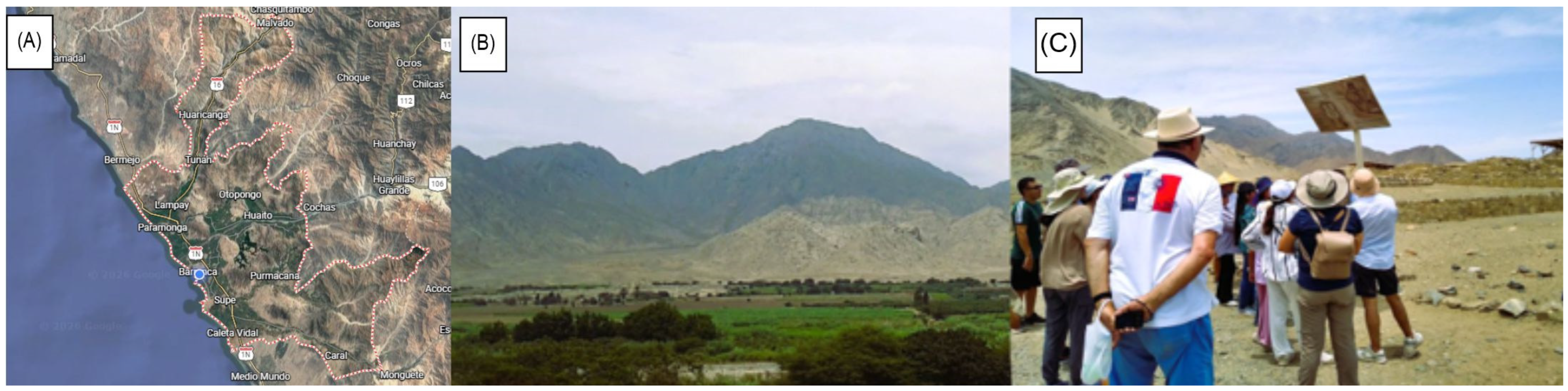
The Caral–Supe archaeological site was recognized by UNESCO as a World Heritage Site, considered the capital of the Caral civilization, and located about 200 km north of Lima (Figure 2). It was linked to other settlements in the Supe Valley, such as Áspero, Miraya, Lurihuasi, Chupacigarro, and Allpacoto [17,88]. It is notable for its complex ceremonial and administrative architecture dating from the Late Archaic Period of the Central Andes [17,89].
Research on macroremains found at the Caral–Supe archaeological site in Peru (3000–200 BCE), in the middle Supe Valley, and at Áspero (3000–1800 BCE), focusing on a coastal settlement, shows that the diet at Caral consisted of a combination of marine and agricultural resources [14].
This site received 37,669 visitors between January and November 2025, equivalent to 61% of the level recorded in 2019. Of the total, 94.7% were domestic visitors and 5.3% were foreign visitors [90].
The macrobotanical remains recorded at Áspero and the Sacred City of Caral–Supe provides evidence of early farming and consumption practices in the Supe Valley, with similar botanical inventories found at both archaeological sites. Species identified include Psidium guajava (guava), Cucurbita sp. (squash), Canna indica (achira), Ipomoea batatas (sweet potato), Solanum tuberosum (potato), Oxalis tuberosa (oca), Phaseolus vulgaris (common bean), Phaseolus lunatus (pallar), Capsicum sp. (chili pepper), Inga feuillei (pacay), Pouteria lucuma (lucuma), Persea americana (avocado), Annona muricata (soursop), and Zea mays (corn). Isotopic analyses suggest that since ancient times, people consumed a diet high in carbohydrates (tubers, legumes, cucurbits, and fruits). Although the consumption of marine resources remained stable among the population of Áspero between 3300 and 1800 BCE, it declined between 2550 and 200 BCE for the population of Caral [14]. These consumed species and their possible predominance allow us to understand their economic importance and their impact on land use, the organization of labor, and exchange networks from that period [88]. Recent archaeological excavation studies reveal an intense exchange of goods between coastal settlements and the interior of the Supe and Pativilca valleys: abundant shells and fish remains indicate the transport of marine resources to other areas, while agricultural products such as squash and cotton were used for the manufacture of fishing nets on the coast [91,92].
In the province of Barranca, several traditional dishes incorporate traditional ingredients and seafood. Among the most representative traditional dishes are the following: Tacu Tacu, which is made by mixing cooked rice with beans (Phaseolus vulgaris), which is seasoned with chili peppers (Capsicum sp.) and other spices, forming a mixture that is browned in a skillet until it has a crispy texture on the outside and soft on the inside. This dish is served with seafood, fried fish, or dried goat meat. Seco de cabrito con frijoles is a stew prepared with chili peppers, herbs, and beans (Phaseolus vulgaris); it is served with yuca or rice and is one of the most iconic dishes of the Norte Chico region. Fish ceviche is made with fresh fish from the Barranquilla coast and chili peppers (Capsicum sp.) and is served with sweet potatoes (Ipomoea batatas) and corn (Zea mays). Parihuela is a traditional soup from the Peruvian coast, made primarily with white fish, shrimp, octopus, mussels, crab, and scallops. It often includes seaweed and vegetables, highlighting its maritime character and high nutritional value. Tamales and humitas are corn-based (Zea mays) dishes, filled with meat or chili peppers in the case of tamales, and sweet or savory fillings in the case of humitas [62,93]. Menestras soup includes beans (Phaseolus vulgaris), lima beans (Phaseolus lunatus), and squash (Cucurbita sp.), reflecting the valley’s agricultural tradition; however, salads and side dishes with avocado (Persea americana) are used as fresh accompaniments in many dishes.
These dishes demonstrate the historical continuity in the use of ancestral crops from the Supe, Pativilca, and La Fortaleza valleys, as well as the complementary relationship between agriculture and marine influence that is so characteristic of Barranca.
Traditional foods such as Tacu Tacu, fish ceviche, Parihuela, and vegetable soup, tamales and humitas, and goat seco with beans were selected by two gastronomy experts based on an objective assessment of authenticity, including: whether the dishes use typical regional ingredients; whether the presentation and flavor of the food adhere to the area’s original recipes; and whether the traditional food served is representative of the local cuisine, according to Ab-Latif, Z., et al. [59]. Once the traditional dishes were selected, they were included in the instrument to analyze visitors’ perception of authenticity.

3.2. Data Collection

The research adopted a quantitative, correlational approach with a non-experimental design. The population included tourists over the age of 18 who visited the Caral–Supe archaeological site, from which a non-probabilistic convenience sample of 381 respondents was obtained, suitable for SEM analysis.
Data collection took place from April to June 2025 through in-person and online surveys administered at strategic locations in the city of Barranca and at the archaeological site. The questionnaire, based on a literature review, consisted of 23 items measured on a five-point Likert scale: 1 (Strongly Disagree), 2 (Disagree), 3 (Neutral), 4 (Agree), and 5 (Strongly Agree). Ethical criteria were ensured in accordance with the Declaration of Helsinki, including informed consent, voluntary participation, and confidentiality.

3.3. Instrument

The questionnaire was structured into two sections: the first collected sociodemographic data (gender, age, educational level, type of accommodation, “Who are you traveling with?”, and place of origin), and the second assessed the study constructs: perception of the authenticity of traditional food, loyalty to traditional food, service quality at traditional restaurants, satisfaction with visiting the Caral archaeological site, and tourism experience at the destination (Table 1).
The questionnaire was administered in Spanish to all participants, and when there was an English-speaking foreign participant, they were given a printed copy of the form that had been previously drafted in English. English was chosen as the language for the questionnaire because it is the most widely used universal language. A process of technical translation and cross-validation was carried out. The “back-translation” technique was used to ensure that the original meaning was not compromised.
The questionnaire took an average of 10 min to complete and was administered on a voluntary and anonymous basis, following an explanation of the study’s purpose. Data collection was conducted by a trained team, following standardized procedures to reduce bias.
The SEM analysis evaluated the relationships between perceived authenticity of traditional food, loyalty to traditional food, service quality in traditional restaurants, satisfaction with visiting the archaeological site, and the tourism experience, considering validity, reliability, and hypothesis testing. All items had loadings greater than 0.707, maintaining good reliability.
The Variance Inflation Factor (VIF) was used to assess multicollinearity. A variable is generally considered highly multicollinear when its VIF exceeds 10. In this study, all VIFs were below that threshold, ruling out multicollinearity issues; see Table 2.

3.4. Data Analysis

The data analysis was conducted in three sequential phases. First, a descriptive analysis of the participants’ characteristics was performed using Microsoft Excel (2016 version; Microsoft Corp., Redmond, WA, USA). Second, an inferential analysis was conducted. Third, a structural analysis of the model was performed using Structural Equation Modeling (SEM) with the Partial Least Squares (PLS-SEM) technique, using SmartPLS software (version 4).
The choice of PLS-SEM is based on several methodological considerations [97]. First, the goal of this study is to advance theory through a prediction-oriented approach, rather than to confirm existing theories. Specifically, our aim is to investigate how the perceived authenticity of traditional food contributes to shaping heritage tourism experiences within an emerging empirical context that remains relatively unexplored in the literature.
Second, the structural model we have employed is quite complex, as it involves multiple latent constructs and simultaneous direct and indirect relationships. This complexity makes variance-based estimation particularly well-suited for maximizing the explained variance in the endogenous constructs. The T-statistic values were considered; this is the measure used to determine the statistical significance of the estimated coefficients. Values of the standardized path coefficient (β), which represents the strength and direction of the hypothesized relationships between latent constructs. The coefficient of determination (R2), which is the primary measure for assessing the predictive power of the structural model. It represents the proportion of the variance in an endogenous construct (dependent variable) that is explained by the exogenous constructs (independent variables). The F2 value measures the effect size and is an essential metric that complements R2.
Third, our sample size and the distribution characteristics of the data support the use of PLS-SEM, as this method is robust under non-normal data conditions and performs effectively with the moderate sample sizes typically found in tourism studies.

4. Results

4.1. Participant Characteristics

The sample consisted of 381 visitors to the archaeological site, with a slight female majority (53%) and a predominance of the 18–25 age group (65.1%). Of the total, 81.1% had a college education, 59.1% stayed overnight, mostly for one night (53%), and traveled with family (47%) or as part of an organized group (21.5%); a smaller proportion of visitors came from abroad (35.7%); see Table 3.

4.2. Inferential Analysis

The composite reliability of the constructs exceeds 0.7, indicating that the variables are adequate and significant within the model. The average variance extracted (AVE) exceeds 0.5 for all constructs, confirming their convergent and [98] validity.
Likewise, there is no evidence of multicollinearity, ensuring the validity of the estimates. The AVE and CR compensation rule states that, although the ideal AVE is ≥0.50, a lower AVE may be accepted if the composite reliability (CR) exceeds 0.60–0.70; in this case, both meet the established criterion (see Table 4).
Discriminant validity, which assesses whether a construct is distinct from the others, was analyzed using the HTMT and Fornell–Larcker criteria. Table 5 presents the Fornell–Larcker criterion, in which the diagonal reflects the square root of the AVE for each construct, used to evaluate the discriminant validity of the model [99].

4.3. Structural Analysis

After validating the measurement model using PLS-SEM, it was found that the perception of authenticity of traditional food has a positive influence on consumer loyalty, and that the relationships between the perception of authenticity of traditional food, service quality at traditional restaurants, satisfaction with visiting the Caral–Supe archaeological site, and the tourist experience at the destination all have significant effects; see Table 6.
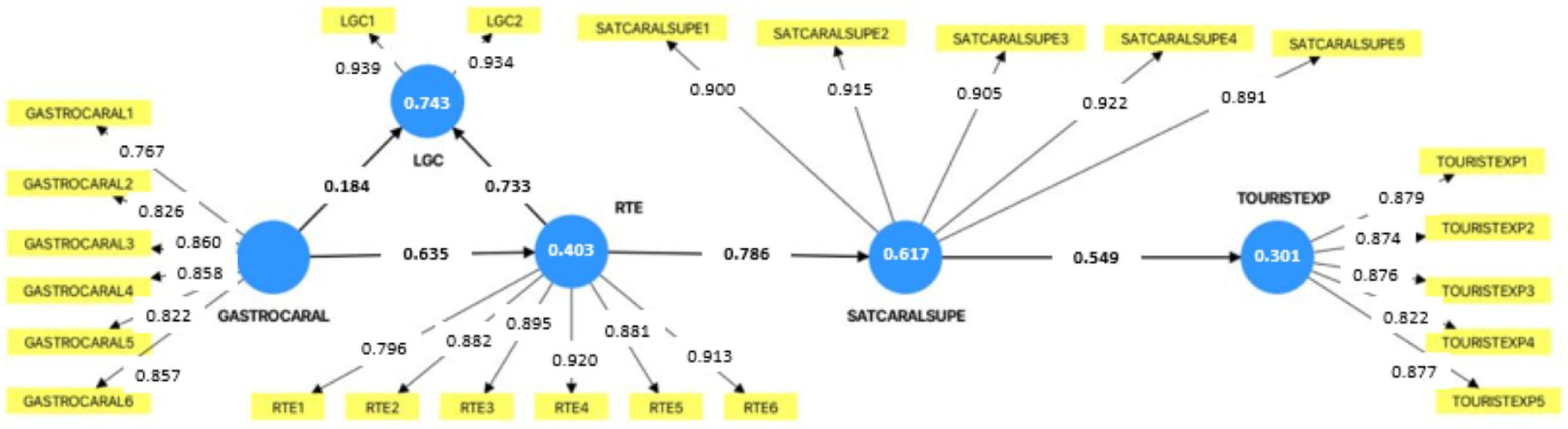
The structural analysis shows that the perceived authenticity of traditional food is significantly associated with loyalty to traditional food (β = 0.184, t = 4.494, p < 0.000) and with the service quality of traditional restaurants (β = 0.635, t = 16.123, p < 0.000). Likewise, the quality of service in traditional restaurants significantly influences loyalty to traditional food (β = 0.733, t = 19.872, p < 0.000) and satisfaction with the visit to the Caral archaeological site- Supe (β = 0.786, t = 29.530, p < 0.000), and satisfaction is also significantly associated with the tourist experience at the destination (β = 0.549, t = 14.555, p < 0.000); see Figure 3.
The R2 values indicate moderate explanatory power for the endogenous constructs, suggesting that the proposed antecedents account for a significant proportion of the variance in tourist satisfaction and destination loyalty [98]; see Table 7.
The analysis of indirect effects confirms the mediating role of satisfaction and the tourist experience within the structural model. This finding adds theoretical depth to the research by demonstrating that loyalty is not an automatic response to gastronomic attributes, but rather the result of a cumulative experiential evaluation process. Thus, it is confirmed that experience and satisfaction act as the psychological mechanisms necessary to transform gastronomic value into long-term loyalty.
The F2 values show that the perceived authenticity of traditional cuisine and the quality of service in restaurants contribute significantly to visitor satisfaction, confirming their importance in shaping the heritage dining experience; see Table 8.
Taken together, these indicators reinforce the robustness of the proposed structural model, while revealing that the nature of tourism experiences is only partially explained by additional contextual factors that have not been included in the current specification. We expressly acknowledge that this represents an avenue for future research. The resulting model is shown in Figure 3.

5. Discussion

All five hypotheses proposed in the study were confirmed. Hypothesis H1: The perceived authenticity of traditional food positively influences loyalty to traditional food (p < 0.000). This is consistent with the report by Sukalakamala et al. [26], which notes that customers care more about the authenticity of the food than about the restaurant’s overall atmosphere. Likewise, other studies highlight how traditional local cuisine shapes perceptions of haute cuisine [42]. This perception is likely influenced by the image formed at the archaeological heritage site and visitor satisfaction [36]. Although other studies indicate that authentic food affects destination loyalty, the tourist experience, and the destination’s image [100].
An analysis of the interaction of the “traditional food” construct reveals that visitors to the site perceive Tacu Tacu (VIF = 2.016), fish ceviche (VIF = 2.331), and tamales and humitas (VIF = 2.880) as authentic dishes to a greater extent than the others. It is also found that this perception of authenticity positively influences the intention to return to the establishment (VIF = 2.317). The contribution of this research suggests that traditional restaurants should enhance the value of dishes with a lower-, based on a long-term marketing strategy that allows for their positioning. These findings serve to remind food service managers of the perceived authenticity of traditional food from a real and phenomenological perspective [18,19], which has implications for the tourist experience at the destination [36,37].
H2: The perceived authenticity of traditional food positively influences service quality at traditional restaurants (p < 0.000); these results are consistent with previous research, which identifies food and drink as the determining factor in the perception of authenticity of ethnic restaurants, followed by marketing strategies targeting the local community [101]. Although menu presentation and music can significantly influence negative emotions in ethnic restaurants [102]. It is important to consider that food flavor and service reliability appear to be key attributes for restaurant success [103].
However, visitors’ perception of the authenticity of traditional food at the Caral–Supe archaeological site, as outlined in the proposed theoretical model, may be influenced by their prior knowledge or social and cultural values regarding the region’s ancestral foods, cooking styles, and agricultural production sites, since the site’s visitor itinerary is designed to facilitate a contextual understanding of each unit of the archaeological site. During the tour, the role of the middle Supe Valley as a fundamentally agricultural ecosystem is emphasized. Finally, replicas of the findings are presented alongside comparative visual material, which allows visitors to identify the close relationship between ancient dietary patterns and contemporary food practices. This finding is consistent with the report by Jang et al. [23], which states that customer experiences with a specific culture are decisive in generating positive emotions, which reinforce the perception of authenticity in both gastronomic attributes and the physical environment [23].
Hypothesis H3 was also confirmed: The quality of service at traditional restaurants has a positive influence on loyalty to traditional cuisine (p < 0.000), which means that visitors to the Caral–Supe archaeological site value the quality of traditional food (VIF = 2.175) in traditional restaurants more highly than other factors, such as tradition and local roots (VIF = 3.185), location (VIF = 3.886), value for money (VIF = 4.778), service (VIF = 4.093), and restaurant atmosphere (VIF = 4.866), which has an impact on loyalty (VIF = 2.317) and represents the key current contribution of our research from an authenticity perspective [18,19], as this finding reinforces the limited evidence in the existing literature that an authentic culinary experience is a determining factor in fostering customer loyalty and repeat business [101]. Although previous studies have shown that there is a higher probability of returning to restaurants when they prioritize food quality, reasonable prices, and attentive service [104]. Other authors suggest that to have satisfied customers who intend to return after their meal, restaurants should consider three attributes (food, service reliability, and environmental cleanliness) [103]; however, these findings do not account for the perception of authenticity of traditional food.
Another key finding is the location of traditional restaurants (VIF = 3.886); although these are located far from the archaeological site they visited, traditional food has a stronger value (VIF = 2.175).
We also highlight that a poor dining experience can negatively affect loyalty to the food and recommendations for the restaurant [102]. We verified that visitors’ positive experiences at the restaurants in Barranca are closely related to the explanations provided by guides and/or tour leaders, the comfort of the visit, staff service, safety during the visit, and the restrooms at the Caral–Supe archaeological site, all of which led to a satisfying experience following the visit. Proving Hypothesis H4: The service quality of traditional restaurants influence satisfaction with the visit to the Caral Supe archaeological site (p < 0.000). The conceptual relationship of this construct is a significant contribution of this research to the scientific literature, as there are few studies on the subject. Our findings are consistent with previous reports indicating a significant association between restaurant characteristics, customer satisfaction, and restaurant loyalty [105]; food has positive effects on the overall experience in traditional restaurants, and the museum visit has a positive effect on loyalty and recommendation [106]; however, neither study provides insights from the perspective of visitors to the archaeological site.
The quality of service at traditional restaurants and satisfaction with the visit to the archaeological site may be influenced by the role of guides, who shape visitors’ perceptions of the archaeological site and foster appreciation for sustainable tourism assets and practices, enhancing the visitor experience through effective interpretation [96], and who connect visitors with the destination’s dining and lodging services.
The findings of this study show that visitors’ perceptions of the Caral–Supe archaeological site are linked to the destination’s good reputation, positive image, and overall experience in Barranca. They believe the trip was worthwhile and that Barranca is a good destination to visit. Therefore, this study confirmed H5: Satisfaction with the visit to the Caral–Supe archaeological site influences the tourist experience at the destination (p < 0.000), which is consistent with research indicating a strong relationship between tourist experience and loyalty to visiting the archaeological site [30] and demonstrating that overall satisfaction with the heritage site has a strong and positive relationship with destination loyalty [29]. Furthermore, the role of guides in interpreting an archaeological site directly influences the site’s value and the visitor’s experience [107]. The literature indicates that factors influencing the quality of service provided by tour guides and their impact on tourist satisfaction are associated with the guides’ characteristics, including: behavior, personal integrity, employment, and safety [108]. Our findings show that explanations provided by guides/tour leaders have a slightly stronger value (VIF = 3.636) compared to restroom facilities (VIF = 4.466). Site managers are advised to consider these aspects.
We confirm that stimuli at the archaeological site impact visitors’ emotional state and behavior, providing evidence on the factors that favor the intention to revisit the site, in accordance with the report by Tan et al. [95]. Furthermore, the travel experience encompasses the sensations that visitors accumulate at the destination, influenced by factors such as transportation, cuisine, accommodation, and safety. Managers must consider these aspects to foster destination loyalty and recommendations [44,95]. It is important to consider that culture is a way of life shared and learned by a group; it is not innate but collective. It manifests itself in everyday activities, and although people naturally possess basic emotions, culture influences how they are expressed and managed [43]. Consistent with other findings, which identify four motivations in archaeological tourism: environment, relationships, values and culture, and development. The dimension of values and culture is the main predictor of the intention to return and recommend the experience [6]. Therefore, it is important to maintain the connection between the Caral–Supe archaeological site and the Barranca destination.
The theoretical implications of this research encompass conceptual boundaries of intangible cultural heritage [15], from a real and phenomenological approach [18,19] used in gastronomy and tourism studies; it also offers important contributions to archaeotourism [5] and the theory of the experience economy to explain how cultural and gastronomic elements influence the perception of the heritage destination, visitor satisfaction, and subsequent behavior regarding repeat visits [35]. It is important to note that visitor satisfaction stems from effective organizational design, a service-oriented culture, staff training, and employees’ responsiveness to customer needs. Furthermore, these theoretical contributions benefit academia, providing researchers in training with the tools to develop methodologies and programs that address these constructs, thereby enhancing the positioning of all traditional dishes in the region and offering unique tourist experiences. It is important for restaurant managers in this region to recognize the theoretical contributions of this research because organizations do not merely offer products or services; rather, they design experiences capable of engaging the consumer on emotional, sensory, cognitive, and social levels, thereby increasing their satisfaction and their connection to the product or heritage tourism destination [37].
The practical implications of this research, first and foremost, allow the public and private sectors to position gastronomy and archaeotourism and join forces to create authentic experiences for visitors to heritage tourism destinations. This implies a need to highlight aspects of service quality in traditional restaurants such as tradition and local roots, location, value for money, staff service, and restaurant ambiance. Although archaeological sites possess growing commercial value, they have frequently been sidelined by traditional conservation policies. This phenomenon coexists with heritage management that often lacks a visitor-centered perspective, neglecting the visitor-oriented approach that, over the last decade, has established itself as a critical determinant for the effective and sustainable management of such resources [109]. The Municipality, the Chamber of Commerce and Tourism, and the various organizations in this heritage destination play an important role in uniting the sector to strengthen its positioning. Second, tourism businesses must integrate an engaging experience into the value proposition of their products, as consumers do not merely purchase a good or service but also the experience it offers, which contributes to the brand’s success [110]. It is imperative that restaurant managers consider the customer profile, assessing their eating habits and culinary knowledge when projecting the restaurant’s value and presenting each traditional dish. It is important to preserve the use of local ingredients, recipes, and preparation techniques, which make each traditional dish unique to this destination. Additionally, all staff should have a thorough understanding of the ancestral ingredients found at archaeological sites, including those on display in the region’s museums, to connect the value of the traditional restaurant.
Third, the implications of this study suggest that improving comfort during visits to the Caral–Supe archaeological site (VIF = 4.121) could be achieved by implementing on-site internet and social media access, incorporating multilingual translation systems for foreign visitors, and improving vehicle access, especially during the rainy season. These actions would optimize the tourist experience and facilitate a greater influx of visitors.
Fourth, it is important to recognize that restaurants often serve as expressions of a tourist destination’s personality [25], and these findings have significant implications for the management of traditional restaurants in the culinary offerings provided to visitors at the destination’s archaeological site.
One of the study’s limitations is the data collection period, which was cross-sectional and spanned three months; therefore, visitors during other times of the year may not share the same perspectives. The questionnaires were self-reported, and there may be some bias, as they are subjective tools. The study’s convenience sampling was appropriate for quantitative studies but does not guarantee that all elements of the study population have the same probability of being selected, which increases bias and reduces the sample’s representativeness. This is due to logistical issues regarding data collection and the increased river flow, which prevented permanent access to the Caral–Supe archaeological site.
Although the causal model reveals significant relationships, the sample is predominantly composed of individuals aged 18 to 25, with a notable predominance of females. Far from invalidating the findings, this demographic characteristic offers valuable insight into the behavior of Generation Z consumers. According to the recent literature, gender moderates the effects of perceived ease of use and service quality on intention to continue; for women, service quality is their top priority [111], placing greater weight on existential authenticity and service quality. Furthermore, millennials prefer verbal information on restaurant menus over visual information [112]. However, it is acknowledged that the lack of a more balanced sample in terms of gender and age limits the generalization of the results to older segments (such as Baby Boomers), who might prioritize objective authenticity and the historical value of cuisine differently. For future research, it is recommended to replicate this model using a probabilistic sampling method that allows for a multi-group analysis. This would make it possible to test whether the proposed causal structure varies significantly depending on the tourist’s gender or generational cohort.
Likewise, the R2 value of 0.301 observed in the construction of the tourist experience indicates that the model does not fully capture the complexity of experiential processes, which may also depend on emotional, cultural, or contextual variables not included in this study; this is one of the study’s limitations, and further exploration of these aspects is suggested. We report that this research did not develop the dimensions (education, aesthetics, escapism, entertainment) in depth, but we did delve into the theoretical and conceptual framework to strengthen the dimension of the tourist experience at the destination; we recommend that future studies address these dimensions.
This research analyzed the construct of traditional food from the perspective of food authenticity—realistic, phenomenological, and intangible cultural heritage [2,18,19,37]. In the future, it is recommended to investigate in greater depth the dimensions (unique, original, local, and traditional) of food authenticity [59]. Longitudinal studies are recommended that allow for mapping variables according to visitors’ perspectives throughout all months of the year. It would be plausible to focus studies on restaurants to analyze sensory marketing models. This is especially relevant in the agri-food sector, where sensory experiences significantly influence purchasing decisions. In this context, organoleptic characteristics such as taste, aroma, texture, and appearance are determining factors for consumers, particularly when promoting the consumption of healthy and locally sourced products. Therefore, studies are recommended to further explore the consumption of products such as: Psidium guajava (guava), Cucurbita sp. (squash), Canna indica (achira), Ipomoea batatas (sweet potato), Solanum tuberosum (potato), Oxalis tuberosa (oca), Phaseolus vulgaris (common bean), Phaseolus lunatus (lima bean), Capsicum sp. (chili pepper), Inga feuillei (pacay), Pouteria lucuma (lucuma), Persea americana (avocado), Annona muricata (soursop), and Zea mays (corn). Research related to advertising and the design of food and beverage menus could also be considered, as these elements influence consumer perception and purchasing decisions. Analyzing these aspects would provide a better understanding of how presentation and communication strategies contribute to improving the customer experience.
It is important to improve the promotional strategy and the overall image of the destination according to the visitor profile; the strategy for young people is not the same as that for older adults. It is also suggested to investigate the organizational behavior of tourism businesses and the effect of training for site guides and/or tour leaders (VIF = 3.636); this is key to offering guided tours in languages other than Spanish. Studying these aspects in the future will help improve the tourist experience at the Caral–Supe archaeological site.

6. Conclusions

The study analyzes the relationship between the perceived authenticity of traditional cuisine, loyalty to traditional food, the quality of service at traditional restaurants, satisfaction with the visit to the Caral–Supe archaeological site, and the experience at the heritage tourism destination. The findings confirmed significant relationships between the model’s constructs (p < 0.01). It is suggested that the perception of authenticity of traditional food is a key factor in customer loyalty (R2 = 0.743) and a driver of satisfaction with the visit to the archaeological site (R2 = 0.617). However, in the construction of the tourist experience (R2 = 0.301), the model does not fully capture the complexity of experiential processes at this particular heritage destination; these may depend on emotional, cultural, or contextual variables not included in this study. It is recommended that the public and private sectors design strategies aimed at generating authentic cultural experiences for visitors, strengthening factors such as the destination’s reputation, the positive image of the place, satisfaction with the trip at the destination, and the positive experience.
It is also suggested that greater attention be paid to aspects of service quality in traditional restaurants; tradition and local roots, location, value for money, staff service, and atmosphere in traditional restaurants. Factors associated with satisfaction with the visit to the archaeological site are highlighted: explanations provided by guides and/or tour leaders, safety, and staff service to a greater extent than the comfort of the visit and the site’s restrooms.

Author Contributions

L.A.M.-Q.; conceptualization, project management, methodology, software, validation, formal analysis, data curation, drafting, and preparation of the original manuscript. R.D.H.-R.; conceptualization, methodology, software, validation, formal analysis, visualization, supervision, writing, and revision. All authors have read and agreed to the published version of the manuscript.

Funding

This research was funded by the National University of Barranca, approved by Resolution No. 232-2025-UNAB of the Organizing Committee and Contract No. 002-2025. The publication fee was funded by MDPI, Switzerland.

Data Availability Statement

All analyzed data are included in the article; however, additional data may be provided by the authors upon request to the corresponding author.

Acknowledgments

We would like to express our gratitude to the staff of the National University of Barranca and to everyone who has made this project possible.

Conflicts of Interest

The authors declare no conflicts of interest.

References

  1. de Madariaga, C.J.; Asencio, F.S. Patrimonio Cultural Inmaterial de La Humanidad y Turismo. Inter. J. Sci. Manag. Tour. 2023, 4, 93–106. [Google Scholar]
  2. Su, J. Conceptualising the Subjective Authenticity of Intangible Cultural Heritage. Int. J. Herit. Stud. 2018, 24, 919–937. [Google Scholar] [CrossRef]
  3. Kement, Ü.; Erkol Bayram, G.; Valeri, M.; Basar, B.; Tuce Günğör, Z. Archeological Attractions within Intention to Participate in Archeotourism: A Case in Corum, Turkey. Tour. Hosp. Manag. 2023, 29, 593–608. [Google Scholar] [CrossRef]
  4. Marra, E. The Plastic Venuses: Archaeological Tourism in Post-Modern Society; Cambridge Scholars Publishing: Cambridge, UK, 2011. [Google Scholar]
  5. Timothy, D.J.; Erdoğan, H.A.; Samuels, J. Archaeological Heritage and Tourism: The Archaeotourism Intersection. Conserv. Manag. Archaeol. Sites 2024, 26, 103–112. [Google Scholar] [CrossRef]
  6. Carvache-Franco, W.; León-León, V.; Carvache-Franco, M. Motivations and Loyalty to Visit a Community Archaeological Museum. Cogent Soc. Sci. 2024, 10, 2406298. [Google Scholar] [CrossRef]
  7. Gao, Q. Social Values and Archaeological Heritage: An Ethnographic Study of the Daming Palace Archaeological Site (China). Eur. J. Post-Class. Archaeol. 2016, 6, 213–234. [Google Scholar]
  8. Gao, Q. Archaeological Tourism, World Heritage and Social Value: A Comparative Study in China. Herit. Soc. 2023, 16, 157–181. [Google Scholar] [CrossRef]
  9. Jones, S. Wrestling with the Social Value of Heritage: Problems, Dilemmas and Opportunities. J. Community Archaeol. Herit. 2017, 4, 21–37. [Google Scholar] [CrossRef]
  10. Kaszynska, P. Capturing the Vanishing Point: Subjective Experiences and Cultural Value. Cult. Trends 2015, 24, 256–266. [Google Scholar] [CrossRef]
  11. Angelopoulos, G.-P.; Schulp, J.A.; De Oliveira Menezes, V. Local Food and Authenticity in Greek Restaurants. Res. Hosp. Manag. 2019, 9, 63–68. [Google Scholar] [CrossRef]
  12. Bray, T.L. The Social Life of Food. In Food, Social Change and Identity; Chou, C., Kerner, S., Eds.; Springer International Publishing: Cham, Switzerland, 2021; pp. 57–71. [Google Scholar]
  13. Twiss, K. The Archaeology of Food and Social Diversity. J. Archaeol. Res. 2012, 20, 357–395. [Google Scholar] [CrossRef]
  14. Pezo-Lanfranco, L.; Machacuay, M.; Novoa, P.; Peralta, R.; Mayer, E.; Eggers, S.; Shady, R. The Diet at the Onset of the Andean Civilization: New Stable Isotope Data from Caral and Áspero, North-Central Coast of Peru. Am. J. Biol. Anthropol. 2022, 177, 402–424. [Google Scholar] [CrossRef]
  15. UNESCO. El Texto de la Convención para la Salvaguardia del Patrimonio Cultural Inmaterial; UNESCO Patrimonio Cultural Inmaterial: Paris, France, 2003. [Google Scholar]
  16. de Miguel Molina, M.; de Miguel Molina, B.; Santamarina Campos, V.; del Val Segarra Oña, M. Intangible Heritage and Gastronomy: The Impact of UNESCO Gastronomy Elements. J. Culin. Sci. Technol. 2016, 14, 293–310. [Google Scholar] [CrossRef]
  17. Shady Solís, R.; Quispe, E.; Machacuay, M.; Novoa, P.; Palomino, D. Historia Recuperada de Áspero, Ciudad Pesquera de La Civilización Caral: 5000 Años Deficiencia y Tecnología Pesquera; Zona Arqueológica Caral-Ministerio de Cultura: Lima, Peru, 2014. [Google Scholar]
  18. Taylor, J. Authenticity and Sincerity in Tourism. Ann. Tour. Res. 2001, 28, 7–26. [Google Scholar] [CrossRef]
  19. Cohen, E. Authenticity and Commoditization in Tourism. Ann. Tour. Res. 1988, 15, 371–386. [Google Scholar] [CrossRef]
  20. MacCannell, D. Staged Authenticity: Arrangements of Social Space in Tourist Settings. Am. J. Sociol. 1973, 79, 589–603. [Google Scholar] [CrossRef] [PubMed]
  21. Jamal, T.; Hill, S. Developing a Framework for Indicators of Authenticity: The Place and Space of Cultural and Heritage Tourism. Asia Pac. J. Tour. Res. 2004, 9, 353–372. [Google Scholar] [CrossRef]
  22. Truc, H.; Charles, A.; Margarida, A.; Anna, K. What We Know and Do Not Know about Authenticity in Dining Experiences: A Systematic Literature Review. Tour. Manag. 2019, 74, 258–275. [Google Scholar] [CrossRef]
  23. Jang, S.S.; Ha, J.; Park, K. Effects of Ethnic Authenticity: Investigating Korean Restaurant Customers in the U.S. Int. J. Hosp. Manag. 2012, 31, 990–1003. [Google Scholar] [CrossRef]
  24. Bell, R.; Meiselman, H.L.; Pierson, B.J.; Reeve, W.G. Effects of Adding an Italian Theme to a Restaurant on the Perceived Ethnicity, Acceptability, and Selection of Foods. Appetite 1994, 22, 11–24. [Google Scholar] [CrossRef]
  25. DiPietro, R.B.; Levitt, J. Restaurant Authenticity: Factors That Influence Perception, Satisfaction and Return Intentions at Regional American-Style Restaurants. Int. J. Hosp. Tour. Adm. 2019, 20, 101–127. [Google Scholar] [CrossRef]
  26. Sukalakamala, P.; Boyce, J.B. Customer Perceptions for Expectations and Acceptance of an Authentic Dining Experience in Thai Restaurants. J. Foodserv. 2007, 18, 69–75. [Google Scholar] [CrossRef]
  27. Lu, A.C.C.; Gursoy, D.; Lu, C.Y. Authenticity Perceptions, Brand Equity and Brand Choice Intention: The Case of Ethnic Restaurants. Int. J. Hosp. Manag. 2015, 50, 36–45. [Google Scholar] [CrossRef]
  28. Lin, M.-P.; Marine-Roig, E.; Llonch-Molina, N. Gastronomy as a Sign of the Identity and Cultural Heritage of Tourist Destinations: A Bibliometric Analysis 2001–2020. Sustainability 2021, 13, 12531. [Google Scholar] [CrossRef]
  29. Alrawadieh, Z.; Prayag, G.; Alrawadieh, Z.; Alsalameen, M. Self-Identification with a Heritage Tourism Site, Visitors’ Engagement and Destination Loyalty: The Mediating Effects of Overall Satisfaction. Serv. Ind. J. 2019, 39, 541–558. [Google Scholar] [CrossRef]
  30. Qaddhat, R.; Wafik, H.F.G. Evaluating Study for Visitor Experience and Loyalty at Jerash, Archaeological Site in Jordan. J. Tour. Hosp. Sports 2019, 40, 69–82. [Google Scholar]
  31. Huete Alcocer, N.; López Ruiz, V.R. The Role of Destination Image in Tourist Satisfaction: The Case of a Heritage Site. Econ. Res.-Ekon. Istraživanja 2020, 33, 2444–2461. [Google Scholar] [CrossRef]
  32. Marín-Arroyo, A.B.; Herrero-Crespo, Á.; Wassler, P.; García-de-los-Salmones, M.-M. Archaeological-Gastronomy Tourism: Tasting Prehistory through Creativity. J. Herit. Tour. 2025, 20, 807–827. [Google Scholar] [CrossRef]
  33. Tagmanov, U.; Ulema, Ş.; Ekinci, Y. The Effect of Gastronomy Experience on Destination Loyalty in Kazakhstan. Anatolia 2025, 36, 452–471. [Google Scholar] [CrossRef]
  34. Pine, B.J., II; Gilmore, J.H. The Experience Economy, with a New Preface by the Authors: Competing for Customer Time, Attention, and Money; Harvard Business Press: Boston, MA, USA, 2019. [Google Scholar]
  35. Lai, I.K.W.; Liu, Y.; Lu, D. The Effects of Tourists’ Destination Culinary Experience on Electronic Word-of-Mouth Generation Intention: The Experience Economy Theory. Asia Pac. J. Tour. Res. 2021, 26, 231–244. [Google Scholar] [CrossRef]
  36. Huete-Alcocer, N.; Hernandez-Rojas, R.D. Do SARS-CoV-2 Safety Measures Affect Visitors Experience of Traditional Gastronomy, Destination Image and Loyalty to a World Heritage City? J. Retail. Consum. Serv. 2022, 69, 103095. [Google Scholar] [CrossRef]
  37. Pine, B.J.; Gilmore, J.H. Economía de la Experiencia, La; Ediciones Granica S.A.: Buenos Aires, Argentina, 2001. [Google Scholar]
  38. Hosany, S.; Prayag, G.; Van Der Veen, R.; Huang, S.; Deesilatham, S. Mediating Effects of Place Attachment and Satisfaction on the Relationship between Tourists’ Emotions and Intention to Recommend. J. Travel Res. 2017, 56, 1079–1093. [Google Scholar] [CrossRef]
  39. Jain, R.; Aagja, J.; Bagdare, S. Customer Experience—A Review and Research Agenda. J. Serv. Theory Pract. 2017, 27, 642–662. [Google Scholar] [CrossRef]
  40. Hosany, S.; Sthapit, E.; Björk, P. Memorable Tourism Experience: A Review and Research Agenda. Psychol. Mark. 2022, 39, 1467–1486. [Google Scholar] [CrossRef]
  41. Andersson, T.D. The Tourist in the Experience Economy. Scand. J. Hosp. Tour. 2007, 7, 46–58. [Google Scholar] [CrossRef]
  42. Temiz, S.; Budak, İ.; Kurtoğlu, R.; Atsiz, O. Understanding the Luxury Gastronomy Experience through Michelin Restaurants: A Netnography Approach with LDA and Sentiment Analysis. J. Foodserv. Bus. Res. 2025, 1–37. [Google Scholar] [CrossRef]
  43. Ortiz, O.; Rusu, C.; Rusu, V.; Matus, N.; Ito, A. Tourist eXperience Considering Cultural Factors: A Systematic Literature Review. Sustainability 2024, 16, 10042. [Google Scholar] [CrossRef]
  44. Yuan, J.J.; Bauman, M.J.; Ferns, B.H.; Ebrahimzadeh, M.; Alshiha, A.A. Restaurant Dining Environment, Restaurant Formality and Dining Involvement in the Context of Memorable Dining Experiences (Mdes). J. Qual. Assur. Hosp. Tour. 2023, 24, 957–984. [Google Scholar] [CrossRef]
  45. Karagöz, D.; Kama, S.; Uysal, M. Examining the Relationships between Mindfulness, Eudaimonic and Hedonic Experiences, Place Attachment, Loyalty: The Moderating Role of Flow. J. Leis. Res. 2025, 56, 404–429. [Google Scholar] [CrossRef]
  46. Guanentina, S. Prácticas Gastronómicas Domésticas Como Factor de Identidad y Construcción Cultural Desde lo Campesino en la Provincia. In Gastronomía y Turismo: Una Reflexión Cultural; Nieto Mejía, A., Ed.; Editorial Fundación Universitaria San Mateo: Bogotá, Colombia, 2020. [Google Scholar]
  47. Dzib-Hau, R.M.; Gracia, M.A.; García-Bustamante, R.; Estrada-Lugo, E.I.J.; Horbath-Corredor, J.E.; Dzib-Hau, R.M.; Gracia, M.A.; García-Bustamante, R.; Estrada-Lugo, E.I.J.; Horbath-Corredor, J.E. Significados de la cocina tradicional para los grupos domésticos Mayas Macehuales en Huay Max, Quintana Roo, México. Estud. Soc. Rev. Aliment. Contemp. Y Desarro. Reg. 2019, 29, 692. [Google Scholar] [CrossRef]
  48. Meléndez Torres, J.M.; Cañez De la Fuente, G.M. La cocina tradicional regional como un elemento de identidad y desarrollo local: El caso de San Pedro El Saucito, Sonora, México. Estud. Soc. (Hermosillo Son.) 2009, 17, 181–204. [Google Scholar]
  49. Wang, Z.; Yang, P.; Li, D. The Influence of Heritage Tourism Destination Reputation on Tourist Consumption Behavior: A Case Study of World Cultural Heritage Shaolin Temple. Sage Open 2021, 11, 21582440211030275. [Google Scholar] [CrossRef]
  50. Hertzman, E.; Anderson, D.; Rowley, S. Edutainment Heritage Tourist Attractions: A Portrait of Visitors’ Experiences at Storyeum. Mus. Manag. Curatorship 2008, 23, 155–175. [Google Scholar] [CrossRef]
  51. Little, C.; Bec, A.; Moyle, B.D.; Patterson, D. Innovative Methods for Heritage Tourism Experiences: Creating Windows into the Past. J. Herit. Tour. 2020, 15, 1–13. [Google Scholar] [CrossRef]
  52. Kastenholz, E.; Gronau, W. Enhancing Competences for Co-Creating Appealing and Meaningful Cultural Heritage Experiences in Tourism. J. Hosp. Tour. Res. 2022, 46, 1519–1544. [Google Scholar] [CrossRef]
  53. Levitt, J.; DiPietro, R.B.; Meng, F.; Barrows, C.; Strick, S. Restaurant Authenticity: An Analysis of Its Influence on Restaurant Customer Perceptions and Behaviors. J. Qual. Assur. Hosp. Tour. 2021, 22, 649–678. [Google Scholar] [CrossRef]
  54. Bertan, S. Impact of Restaurants in the Development of Gastronomic Tourism. Int. J. Gastron. Food Sci. 2020, 21, 100232. [Google Scholar] [CrossRef]
  55. Lee, Y.-J. Creating Memorable Experiences in a Reuse Heritage Site. Ann. Tour. Res. 2015, 55, 155–170. [Google Scholar] [CrossRef]
  56. Schmitt, B. Experiential Marketing. J. Mark. Manag. 1999, 15, 53–67. [Google Scholar] [CrossRef]
  57. Heidegger, M. Ser y Tiempo; Editorial Universitaria de Chile: Santiago, Chile, 2022. [Google Scholar]
  58. Steiner, C.J.; Reisinger, Y. Understanding Existential Authenticity. Ann. Tour. Res. 2006, 33, 299–318. [Google Scholar] [CrossRef]
  59. Ab-Latif, Z.; Jeong, E.; Lee, S. Authenticity in Food: Scale Development and Validation. J. Qual. Assur. Hosp. Tour. 2024, 25, 165–186. [Google Scholar] [CrossRef]
  60. Collins, B.; Kim, A.J.; Waheed, S.; Wong, M. Restaurant Work in the Globalizing Ethnic Enclave: Examining Conditions and Wages in Los Angeles’ Koreatown. J. Race Ethn. City 2025, 7, 22–44. [Google Scholar] [CrossRef]
  61. Chi, H.-C.; Jackson, P. Thai Food in Taiwan: Tracing the Contours of Transnational Taste. New Form. 2011, 74, 65–81. [Google Scholar] [CrossRef][Green Version]
  62. Aguirre-Sosa, J.; Dextre, M.L.; Vargas-Merino, J.A. Peruvian Ceviche: Cultural Heritage of Humanity and Its Socio-Cultural Significance. J. Ethn. Foods 2025, 12, 13. [Google Scholar] [CrossRef]
  63. Ahn, J. Role of Brand Heritage in Local and Franchise Restaurant Service. Total Qual. Manag. Bus. Excell. 2023, 34, 1882–1895. [Google Scholar] [CrossRef]
  64. Moretta Tartaglione, A.; Cavacece, Y.; Russo, G.; Granata, G. A Systematic Mapping Study on Customer Loyalty and Brand Management. Adm. Sci. 2019, 9, 8. [Google Scholar] [CrossRef]
  65. Zhang, T.; Chen, J.; Hu, B. Authenticity, Quality, and Loyalty: Local Food and Sustainable Tourism Experience. Sustainability 2019, 11, 3437. [Google Scholar] [CrossRef]
  66. Eck, T.; Zielinski, S.; Ahn, Y. Authenticity, Restaurant Quality, and Place Attachment: Evaluating Authentic Food Tourism Experiences. Sustainability 2026, 18, 1957. [Google Scholar] [CrossRef]
  67. Chen, J.; Hsu, F.-C.; Yan, L.; Lee, H.M.; Zhang, Y. Tourists’ Food Involvement, Place Attachment, and Destination Loyalty: The Moderating Role of Lifestyle. Behav. Sci. 2023, 13, 629. [Google Scholar] [CrossRef]
  68. de Rojas, C.; Camarero, C. Visitors’ Experience, Mood and Satisfaction in a Heritage Context: Evidence from an Interpretation Center. Tour. Manag. 2008, 29, 525–537. [Google Scholar] [CrossRef]
  69. Chen, C.-F.; Tsai, D. How Destination Image and Evaluative Factors Affect Behavioral Intentions? Tour. Manag. 2007, 28, 1115–1122. [Google Scholar] [CrossRef]
  70. Ababneh, A.; Darabseh, F.; White, R. Assessment of Visitor Management at the Archaeological Site of Umm Qais: Condition and Problems. Conserv. Manag. Archaeol. Sites 2014, 16, 322–340. [Google Scholar] [CrossRef]
  71. Gökcü Baz, M.; Başoğlan Avşar, Ö.; Özbek, Ç.; Baz, M.; Söğüt, B. Understanding the Role of Local Stories in Living Archaeological Heritage Sites: The Case of Stratonikeia. Int. J. Herit. Stud. 2024, 30, 937–953. [Google Scholar] [CrossRef]
  72. Stott, S.; McLoughlin, E.; Hanrahan, J. Meeting Visitor Needs at Archaeological Sites: A Multi-Site Study on Ireland’s Wild Atlantic Coast. Conserv. Manag. Archaeol. Sites 2025, 27, 239–265. [Google Scholar] [CrossRef]
  73. Blasco López, M.F.; Virto, N.R.; Manzano, J.A.; García-Madariaga, J. Archaeological Tourism: Looking for Visitor Loyalty Drivers. J. Herit. Tour. 2020, 15, 60–75. [Google Scholar] [CrossRef]
  74. Castellanos-Verdugo, M.; Oviedo-García, M.Á.; Martín-Ruiz, D. Tourist Assessment of Archaeological Sites: The Case of the Archaeological Complex of Itálica (Seville, Spain). Visit. Stud. 2011, 14, 100–112. [Google Scholar] [CrossRef]
  75. Enseñat-Soberanis, F.; Frausto-Martínez, O.; Gándara-Vázquez, M. A Visitor Flow Management Process for Touristified Archaeological Sites. J. Herit. Tour. 2019, 14, 340–357. [Google Scholar] [CrossRef]
  76. Chang, L.; Vada, S.; Moyle, B.D.; Gardiner, S. Unlocking the Gateway to Tourist Well-Being: The Triple-A Model of Engagement in Tourism Experiences. Curr. Issues Tour. 2025, 28, 1947–1966. [Google Scholar] [CrossRef]
  77. Graff, S.R. Archaeology of Cuisine and Cooking. Annu. Rev. Anthropol. 2020, 49, 337–354. [Google Scholar] [CrossRef]
  78. Timothy, D.J.; Ron, A.S. Understanding Heritage Cuisines and Tourism: Identity, Image, Authenticity, and Change. J. Herit. Tour. 2013, 8, 99–104. [Google Scholar] [CrossRef]
  79. Hidalgo-Fernández, A.; Hernández-Rojas, R.; Jimber del Río, J.A.; Casas-Rosal, J.C. Tourist Motivations and Satisfaction in the Archaeological Ensemble of Madinat Al-Zahra. Sustainability 2019, 11, 1380. [Google Scholar] [CrossRef]
  80. Xiao, X.; Fang, C.; Lin, H. Characterizing Tourism Destination Image Using Photos’ Visual Content. ISPRS Int. J. Geo-Inf. 2020, 9, 730. [Google Scholar] [CrossRef]
  81. da Silva, M.F.; Martins, F.; Costa, C.; Pita, C. Visitors’ Experience in a Coastal Heritage Context: A Segmentation Analysis and Its Influence on in Situ Destination Image and Loyalty. Eur. J. Tour. Res. 2024, 37, 3705. [Google Scholar] [CrossRef]
  82. Carreira, V.; González-Rodríguez, M.R.; Díaz-Fernández, M.C. The Relevance of Motivation, Authenticity and Destination Image to Explain Future Behavioural Intention in a UNESCO World Heritage Site. Curr. Issues Tour. 2022, 25, 650–673. [Google Scholar] [CrossRef]
  83. Su, D.N.; Nguyen, N.A.N.; Nguyen, Q.N.T.; Tran, T.P. The Link between Travel Motivation and Satisfaction towards a Heritage Destination: The Role of Visitor Engagement, Visitor Experience and Heritage Destination Image. Tour. Manag. Perspect. 2020, 34, 100634. [Google Scholar] [CrossRef]
  84. Zhou, Q.; Pu, Y.; Su, C. The Mediating Roles of Memorable Tourism Experiences and Destination Image in the Correlation between Cultural Heritage Rejuvenation Experience Quality and Revisiting Intention. Asia Pac. J. Mark. Logist. 2023, 35, 1313–1329. [Google Scholar] [CrossRef]
  85. Piramanayagam, S.; Rathore, S.; Seal, P.P. Destination Image, Visitor Experience, and Behavioural Intention at Heritage Centre. In Tourism in India; Routledge: London, UK, 2021. [Google Scholar]
  86. Martín-Ruiz, D.; Castellanos-Verdugo, M.; de los Ángeles Oviedo-García, M. A Visitors’ Evaluation Index for a Visit to an Archaeological Site. Tour. Manag. 2010, 31, 590–596. [Google Scholar] [CrossRef]
  87. Arumugam, A.; Nakkeeran, S.; Subramaniam, R. Exploring the Factors Influencing Heritage Tourism Development: A Model Development. Sustainability 2023, 15, 11986. [Google Scholar] [CrossRef]
  88. Yseki, M.; Pezo-Lanfranco, L.; Machacuay, M.; Novoa, P.; Shady, R. Analysis of Starch Grains Trapped in Human Dental Calculus in Áspero, Peru during the Initial Formative Period (3000–1800 BCE). Sci. Rep. 2023, 13, 14143. [Google Scholar] [CrossRef]
  89. UNESCO Sacred City of Caral-Supe 2026. Available online: https://whc.unesco.org/en/list/1269 (accessed on 10 October 2025).
  90. Ministerio de Comercio Exterior y Turismo Reporte Regional de Turismo 2026. Available online: https://n9.cl/bwxvw (accessed on 10 October 2025).
  91. Guillén, P.; Majchrzak, Ł.; Chipana, H.; Escobar, C.; Padilla, I.; Diaz, P.; Dziubińska, R.; Miranda, L. Aproximación a La Secuencia Cronológica Del Sitio Arqueológico Cerro Colorado—Barranca. Bol. Digit. PIVAB 2024, 2, 2–9. [Google Scholar]
  92. Ortloff, C.R. Caral, South America’s Oldest City (2600–1600 BC): ENSO Environmental Changes Influencing the Late Archaic Period Site on the North Central Coast of Peru. Water 2022, 14, 1403. [Google Scholar] [CrossRef]
  93. Gálvez, J.C.P.; López-Guzmán, T.; Buiza, F.C.; Medina-Viruel, M.J. Gastronomy as an Element of Attraction in a Tourist Destination: The Case of Lima, Peru. J. Ethn. Foods 2017, 4, 254–261. [Google Scholar] [CrossRef]
  94. Gómez, V.Z.; Fernández, C.G.; Medina, D.E.M. La Percepción Como Factor Del Comportamiento Del Consumidor de Artesanías: Una Revisión Sistemática. RAN Rev. Acad. Neg. 2023, 9, 233–246. [Google Scholar]
  95. Tan, K.-H.; Goh, Y.-N.; Lim, C.-N. Linking Customer Positive Emotions and Revisit Intention in the Ethnic Restaurant: A Stimulus Integrative Model. J. Qual. Assur. Hosp. Tour. 2024, 25, 1349–1378. [Google Scholar] [CrossRef]
  96. Khater, M. The Role of Tourism Guides in Heritage Management at Archaeological Sites: Enhancing Conservation and Visitor Experience. Tour. Recreat. Res. 2026, 51, 268–285. [Google Scholar] [CrossRef]
  97. Ringle, C.M.; Wende, S.; Becker, J.-M. SmartPLS 4; SmartPLS: Bönningstedt, Germany, 2024. [Google Scholar]
  98. Hair, J.F., Jr.; Black, W.C.; Babin, B.J.; Anderson, R.E. Multivariate Data Analysis. In Multivariate Data Analysis; Prentice Hall: Upper Saddle River, NJ, USA, 2010; p. 785. [Google Scholar]
  99. Fornell, C.; Larcker, D.F. Evaluating Structural Equation Models with Unobservable Variables and Measurement Error. J. Mark. Res. 1981, 18, 39–50. [Google Scholar] [CrossRef]
  100. Thayarnsin, S.L. Developing Gastronomic Tourist Loyalty through Local Food Authentication, Destination Image and Travel Experiences. J. Soc. Sci. Humanit. Res. Asia 2023, 29, 75–101. [Google Scholar]
  101. Tsai, C.-T.S.; Lu, P.-H. Authentic Dining Experiences in Ethnic Theme Restaurants. Int. J. Hosp. Manag. 2012, 31, 304–306. [Google Scholar] [CrossRef]
  102. Jang, S.S.; Liu, Y.; Namkung, Y. Effects of Authentic Atmospherics in Ethnic Restaurants: Investigating Chinese Restaurants. Int. J. Contemp. Hosp. Manag. 2011, 23, 662–680. [Google Scholar] [CrossRef]
  103. Liu, J.; Liao, X.; Huang, W.; Liao, X. Market Segmentation: A Multiple Criteria Approach Combining Preference Analysis and Segmentation Decision. Omega 2019, 83, 1–13. [Google Scholar] [CrossRef]
  104. Gupta, S.; McLaughlin, E.; Gomez, M. Guest Satisfaction and Restaurant Performance. Cornell Hotel Restaur. Adm. Q. 2007, 48, 284–298. [Google Scholar] [CrossRef]
  105. Española, A.Y.; Janaban, D.A.A.; Martir, P.E.M. Restaurants’ Attributes Customers’ Satisfaction and Loyalty. IJSMS 2024, 7, 241–285. [Google Scholar] [CrossRef]
  106. Moreno Quispe, L.A.; Hernández-Rojas, R.D. Traditional Gastronomy as Factor in the Experience of Heritage Culture: The Experience of Visiting the Royal Tombs of Sipan Museum of Lambayeque (Perú). Int. J. Gastron. Food Sci. 2025, 40, 101144. [Google Scholar] [CrossRef]
  107. Ababneh, A. Tour Guides and Heritage Interpretation: Guides’ Interpretation of the Past at the Archaeological Site of Jarash, Jordan. J. Herit. Tour. 2018, 13, 257–272. [Google Scholar] [CrossRef]
  108. ALmasoodi, M.F.; Rahman, S. International Tourists’ Satisfaction with Tour Guide’s Service Quality at Babylon Archaeological Site. IJSDP 2023, 18, 17–28. [Google Scholar] [CrossRef]
  109. Recuero-Virto, N.; Blasco López, F.; García-Madariaga, J. Identifying Motivations of Archaeological Sites Visitors (La Identificación de Motivaciones de Los Visitantes de Los Sitios Arqueológicos). Cuad. Estud. Empres. 2011, 21, 97–113. [Google Scholar]
  110. Ingrassia, M.; Chironi, S.; Bellia, C. JIFAM Special Issue on Experiential Marketing: Perspectives from the International Agro-Food Sector. J. Int. Food Agribus. Mark. 2022, 34, 121–122. [Google Scholar] [CrossRef]
  111. Teo, S.C.; Liew, T.W.; Lim, H.Y. Factors Influencing Consumers’ Continuance Purchase Intention of Local Food via Online Food Delivery Services: The Moderating Role of Gender. Cogent Bus. Manag. 2024, 11, 2316919. [Google Scholar] [CrossRef]
  112. Hammond, R.K.; Velikova, N.; Dodd, T.H. Effects of Processing Styles on the Preference of Restaurant Menu Type: How Do Millennials Compare to Other Segments? J. Foodserv. Bus. Res. 2013, 16, 20–39. [Google Scholar] [CrossRef]
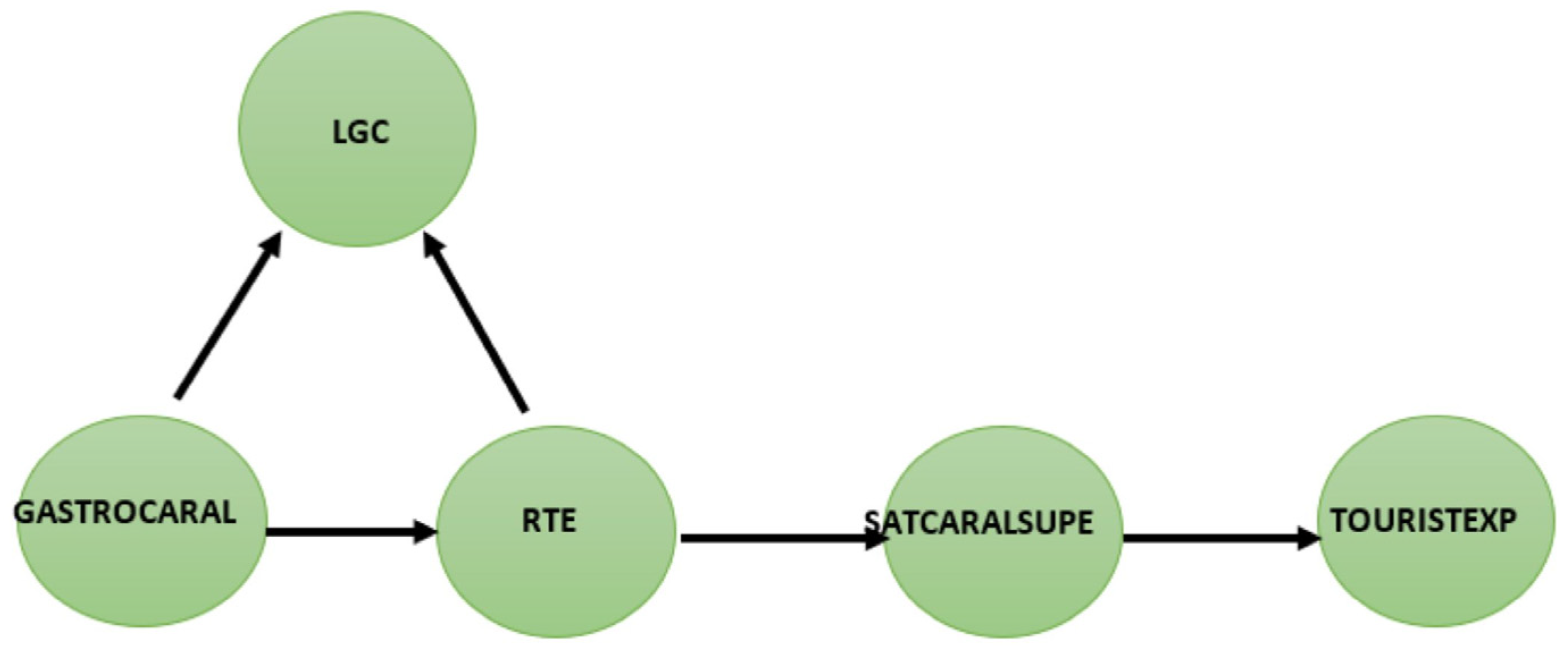
Figure 1. Conceptual model.
Heritage 09 00191 g001
Figure 2. (A) Location of the Caral-Supe archaeological site, Supe (source: Google Maps). (B) The central part of the valley, across from the archaeological site, where squash, chili peppers, beans, and other food crops are grown. (C) Visitors at the Caral–Supe archaeological site.
Heritage 09 00191 g002
Figure 3. Estimated model. (Source: Author’s own work).
Heritage 09 00191 g003
Table 1. Variables and indicators.
Literature ReviewVariablesNumber of ItemsIndicators
[5,14,60,62,88,93,94]Perceived authenticity of traditional food (GASTROCARAL)6Perceived authenticity of Tacu Tacu
Perceived authenticity of fish Ceviche
Perceived authenticity of Parihuela
Perceived authenticity of Sopa de menestras
Perceived authenticity of tamales and/or humitas
Perceived authenticity of Seco de cabrito con frijoles
[25,33,53]Loyalty to traditional food (LGC)2I will return to the traditional restaurant
I will recommend traditional food
[44,53,95]Service quality in traditional restaurants (RTE)6Traditional cuisine
Tradition and deep-rootedness Location
Value for money
Customer service
Restaurant atmosphere
[5,6,45,76,96]Satisfaction with the visit to the Caral archaeological site (SATCARALSUPE)5Explanations provided by tour guides and/or tour coordinators
Comfort during the visit
Staff service
Restrooms at the archaeological site
Safety during the visit
[43,44,45,63]Tourist experience at the destination (TOURISTEXP)4The overall impression is positive
The overall experience is positive
It has a good reputation
The trip was generally worth it
It is a good destination to visit
Table 2. Individual reliability of items for the proposed model.
VariablesIndicatorsExternal WeightVIF
GASTROCARAL1Perceived authenticity of Tacu Tacu0.2212.016
GASTROCARAL2Perceived authenticity of fish Ceviche0.2132.331
GASTROCARAL3Perceived authenticity of Parihuela0.2003.089
GASTROCARAL4Perceived authenticity of Sopa de menestras 0.1883.099
GASTROCARAL5Perceived authenticity of tamales and/or humitas0.1902.880
GASTROCARAL6Perceived authenticity of Seco de Cabrito with beans0.1923.084
LGC1I will return to the traditional restaurant0.5432.317
LGC2I will recommend the traditional food0.5252.317
RTE1Traditional cuisine0.1692.175
RTE2Tradition and deep-rootedness0.1923.185
RTE3Location0.1923.886
RTE4Value for money0.1954.778
RTE5Customer service0.1864.093
RTE6Restaurant atmosphere0.1984.866
SATCARALSUPE1Explanations provided by tour guides and/or tour coordinators0.2193.636
SATCARALSUPE2Comfort during the visit0.2324.121
SATCARALSUPE3Staff service0.2233.655
SATCARALSUPE4Restrooms at the archaeological site0.2194.466
SATCARALSUPE5Safety during the visit0.2093.467
TOURISTEXP1The overall impression is positive0.2572.853
TOURISTEXP2The overall experience is positive0.2442.959
TOURISTEXP3It has a good reputation0.2262.871
TOURISTEXP4The trip was worth it overall0.2052.443
TOURISTEXP5It is a good destination to visit0.2203.006
Table 3. Sociodemographic Characteristics.
VariableParticipants = 381Frequency%
GenderFemale20253.0
Male17947.0
Age18 to 25 years24865.1
26 to 39 years6015.7
40 to 59 years5815.2
Over 60153.9
Level of educationElementary education51.3
Secondary education307.9
Technical studies379.7
College education30981.1
During your trip, will you or did you use lodging?No15640.9
Yes22559.1
If you are staying overnight, how many nights?1 night20253.0
2 nights9825.7
3 nights6015.7
4 or more nights215.5
Who are you traveling with?Friends7118.6
Family17947.0
Organized group8221.5
Couple297.6
Single205.2
OriginForeign13635.7
Domestic24564.3
Table 4. Composite reliability and convergent validity.
FactorCronbach’s AlphaComposite Reliability (CR)Average Variance (AVE)Rho_A
GASTROCARAL0.9110.9310.6930.912
LGC0.8600.9340.8770.860
RTE0.9420.9550.7780.945
SATCARALSUPE0.9460.9590.8220.947
TOURISTEXP0.9170.9370.7500.921
Table 5. Discriminant validity: Fornell–Larcker criterion.
FACTORGASTROCARALLGCRTESATCARALSUPETOURISTEXP
GASTROCARAL0.832
LGC0.6500.936
RTE0.6350.8500.882
SATCARALSUPE0.5630.7600.7860.907
TOURISTEXP0.4600.5420.5580.5490.866
Table 6. Structural analysis of hypothesis testing.
HypothesisStructural RelationshipStandardized Path (β)T-Statistics (|O/STDEV|)p-ValuesContrast
H1GASTROCARAL -> LGC0.1844.4940.000Accepted
H2GASTROCARAL -> RTE0.63516.230.000Accepted
H3RTE -> LGC0.73319.8720.000Accepted
H4RTE -> SATCARALSUPE0.78629.5300.000Accepted
H5SATCARALSUPE -> TOURISTEXP0.54914.5550.000Accepted
Table 7. Analysis of explanatory power and specific indirect effects.
VariablesR2Structural RelationshipSpecific Indirect Effects
LGC0.743GASTROCARAL -> RTE -> SATCARALSUPE0.499
RTE0.403RTE -> SATCARALSUPE -> TOURISTEXP0.431
SATCARALSUPE0.617GASTROCARAL -> RTE -> SATCARALSUPE -> TOURISTEXP0.274
TOURISTEXP0.301GASTROCARAL -> RTE -> LGC0.466
Table 8. Assessment of the effect size of the model’s structural relationship.
Structural RelationshipF2
GASTROCARAL -> LGC0.078
GASTROCARAL -> RTE0.676
RTE -> LGC1.249
RTE -> SATCARALSUPE1.611
SATCARALSUPE -> TOURISTEXP0.431
Disclaimer/Publisher’s Note: The statements, opinions and data contained in all publications are solely those of the individual author(s) and contributor(s) and not of MDPI and/or the editor(s). MDPI and/or the editor(s) disclaim responsibility for any injury to people or property resulting from any ideas, methods, instructions or products referred to in the content.