1. Introduction
In July–August 2025, the team formed by members of the Department of History and Cultural Heritage of University of Siena, the Soprintendenza Archeologia Belle Arti e Paesaggio per la Città Metropolitana di Bari, the Diving Units of the Arma dei Carabinieri (Rome and Pescara), the Naval Unit of the Arma dei Carabinieri (Manfredonia) and the Istituto Superiore per la Protezione e la Ricerca Ambientale (ISPRA, Rome) conducted a 2-week underwater and remote sensing survey in the waters off the port of Bari, Italy. The project aimed to locate and document the wreck site of the US Liberty-class merchant ship SS
Samuel J. Tilden, which sank off the port of Bari on 2 December 1943. Its keel lies at 45–55 m depth below the sea, ca. 2 miles from the main harbour. This wreck has significant historical–cultural importance given that it represents the last tangible remain of the so-called ‘Little Pearl Harbour’, the German air raid on the port of Bari, one of the most important events that occurred during the Campaign of Italy [
1]. Exploring this case study situates the site within the broader framework of the maritime cultural landscape, specifically in the southern Adriatic sector. In doing so, it contributes to raising awareness among diverse audiences about conflict archaeology at sea in Italy, in line with the international directives set out by the 2001 UNESCO Convention and the valorisation objectives outlined in the Italian Cultural Heritage Code [
2,
3,
4,
5,
6]. The work also had the objective of testing the combination of traditional underwater surveys and remote sensing to understand both the limitations and the effectiveness of each method in this complex context of research. While in a marine environment, divers are more adept at navigating and capturing the details of archaeological remains, they are unable to investigate them in their underwater landscape without the support of non-invasive technologies, and the comprehensive view offered by 3D models.
The 2025 Underwater Survey focused on three sections of the wreck, the stern, the deck tower, and the bow of the SS Tilden wreck, where there are remains of vehicles (e.g., ambulances), weapons (e.g., machine-guns), maritime debris (e.g., unused bombs), ropes, and fishing nets. By adopting non-invasive technology, including a hull-mounted multibeam echosounder (MBES) on the ISPRA oceanographic vessel, Astrea, and the remotely operated vehicle (ROV), Pluto, with low-light imaging capabilities, as well as traditional diving techniques, the survey acquired data over an area of ca. 2 km2, completed 12 deep-water dives, and collected over 0.55 TB of raw data, documenting a complex underwater archaeological site.
2. Historical Background
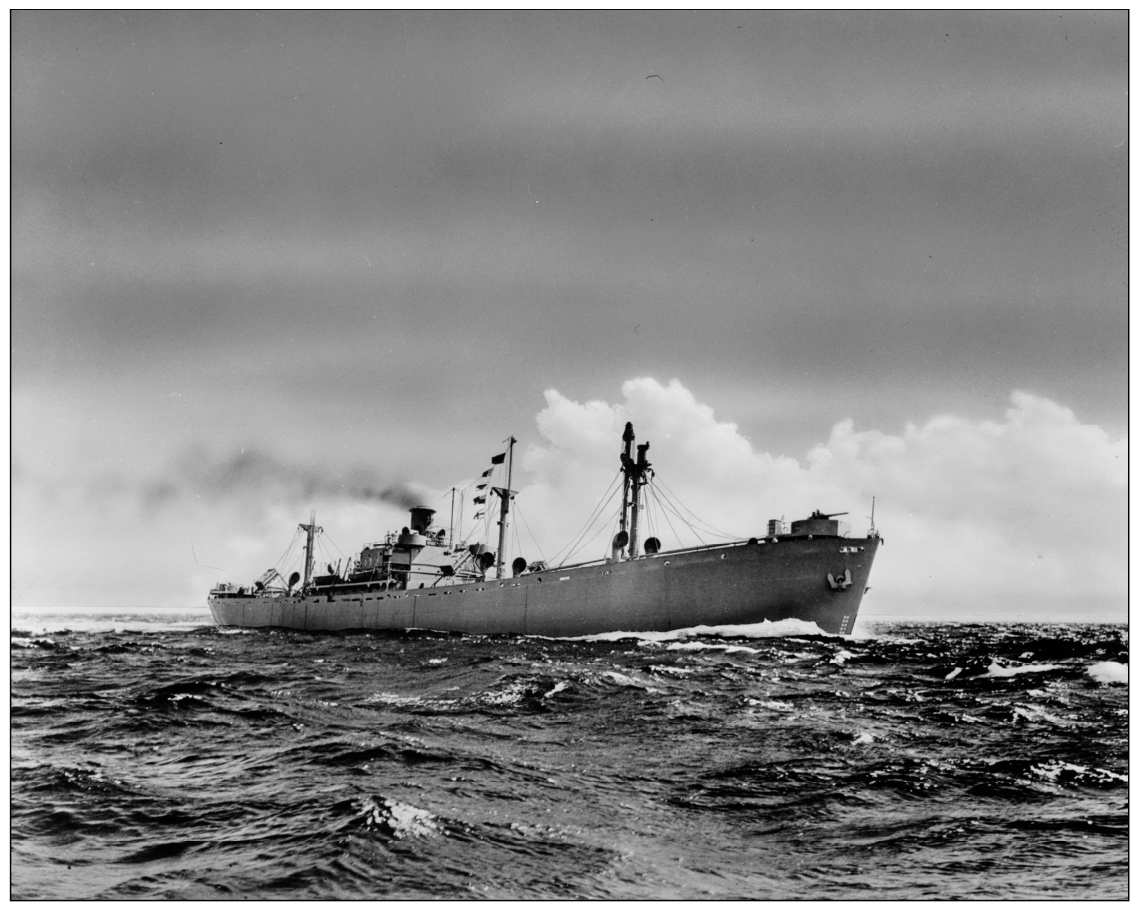
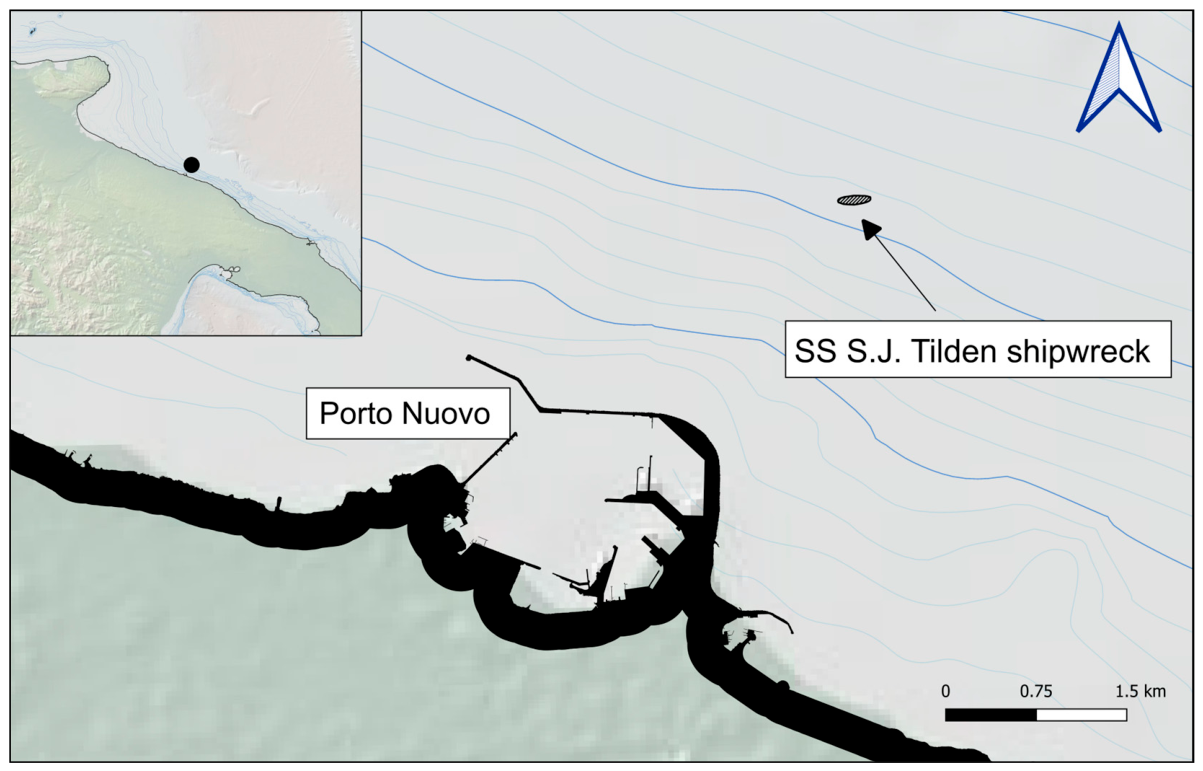
At a distance of ca. 2 miles from the main pier of the port of Bari, Nuovo Molo Foraneo, at ca. 55 m depth, lies the wreck of a tangible remain of the World War II Campaign of Italy (1943–45): the Liberty-class SS
Samuel J. Tilden (EC2-S-C1) [
7] (henceforth
Tilden) (
Figure 1). This vessel, made of steel, measures 134.6 × 17.4 × 10.6 m and has a gross tonnage of 7176. It was a cargo ship built in Portland, Oregon, US, in 1942 by the Kaiser Shipbuilding Company, Oregon Shipbuilding Corporation, and Kaiser Cargo Inc. [
8] (
Figure 2). This company was a key participant in the US
Emergency Shipbuilding Program (1940–45), which focused on the large-scale production of Liberty-class cargo vessels, built to supply troops during World War II. The program, which was managed by the US Maritime Commission, achieved an unprecedented scale of production, i.e., the construction of ca. 6000 ships, and became one of the major US wartime industrial outputs. After World War II, several Liberty-class vessels were sold to private companies, specifically to Greek and Italian shipowners, while others were restored and used for various purposes [
9,
10].
The
Tilden wreck was first identified in 2011 by the Diving Unit of the Arma dei Carabinieri, during training activities, although the survey did not allow the divers to document it properly. The presence of a large shipwreck off the port of Bari was known since the 1970s, when the underwater site became avocational divers’ destination for recreational diving. Local historians then hypothesised that this was the wreck of
Tilden, though without any proper evidence to confirm this speculation (i.e., initially identified as the wreck of the
Brindisi 2, an Italian steamship that sank a year later near the American ship) [
11,
12]. Then, in 2011, the wreck was thought to be the
Brindisi 1, an Italian auxiliary cruiser that sank on August 6, 1943, but which was later identified off the coast of Bari during a hydrographic survey conducted by the Italian Navy ship
Ammiraglio Magnaghi [
13]. Both of these ships were sunk by British torpedoes a few miles from one another, though they have very different locations and stories. However, this identification remained highly unlikely. The
Brindisi 1 was, in fact, a much smaller ship (76 × 12 m) compared to the
Tilden. Also, the logbook of the British submarine HMS Uproar, which sank the
Brindisi 1, records that sinking occurred at ca. 6miles from the Bari lighthouse, thus quite far from the
Tilden wreck site, and this account was further confirmed by survivors. Thus, the
Tilden was preliminarily identified by archival research [
12], along with 2011 work by the Arma dei Carabinieri Diving Unit, and then confirmed by our 2025 collaborative underwater archaeological survey.
The
Tilden met its fate during the so-called ‘Little Pearl Harbour’, a large-scale Luftwaffe air raid on the port of Bari on 2 December 1943 (see [
12]; on 16 December 1943 the
Washington Post reported the German raid on the port of Bari). The ship, under the command of Captain J.L. Blair, docked at Bari after sailing from Bizerte, Tunisia, carrying ca. 250 passengers and more than 1000 tons of cargo, including 27,275 L of petrol, 10 tons of ammunition, vehicles, trucks and tractors, and various medical supplies, and was waiting to unload its cargo [
14,
15]. Bari was one of the most important Allied ports in Italy, especially along the Adriatic sector, in which supplies were delivered to refurnish the Allies Forces (Doolittle and Montgomery Units) based at Foggia airport [
16]. In order to counteract the Allied advancement during the Campaign of Italy, the Luftwaffe command, under the supervision of General W. von Richthofen, identified Bari as a key military target. During December 1943, various vessels both military and commercial were docked at the Nuovo Molo Foraneo, in the port of Bari, including 5 cruisers, 6 landing craft, 4 tankers, 31 merchant ships, 4 transport ships, 30 steamers and other smaller vessels and barges [
12,
15,
17]. According to 1943 chronicles, Allied command did not expect that both city and port sectors were a feasible target for the Axis forces (see
Rapporto sull’adeguatezza delle misure difensive di Bari on 11 December 1943) [
12]. However, at 7:24 pm on 2 December, under the command of Oberleutnant G. Teuber, 105 German JU-88 bombers took off from the Piedmont and Lombardy airports, reached the Puglia coasts without encountering Allied countermeasures, and attacked the port sector [
18]. The German bombers targeted the main Allied ships docked in the harbour, while these ships were unloading their cargoes. The bombs aboard SS
J. Motley and
J. Harvey, with a combined cargo of up to 10,000 tons including several hundred tons of sulphur mustard, detonated; the resulting debris and fumes expanded and rose into the atmosphere [
12]. The blast of these two ships provoked a domino effect that resulted in heavy damages to several ships docked there [
16]. The sea up to 2 miles from the port was filled with debris and a patina of flammable oil mixed with mustard gas, which spread across the entire coast [
19]. In an attempt to defend against the JU-88 force, the anti-aircraft batteries on the ground accidentally hit some friendly ships, including the
Tilden, that suffered major damage. During the German raid, ca. 21 Allied ships sank, and another 12 were seriously damaged; furthermore, thousands of tons of cargo were lost, and over 1000 military and civilians died [
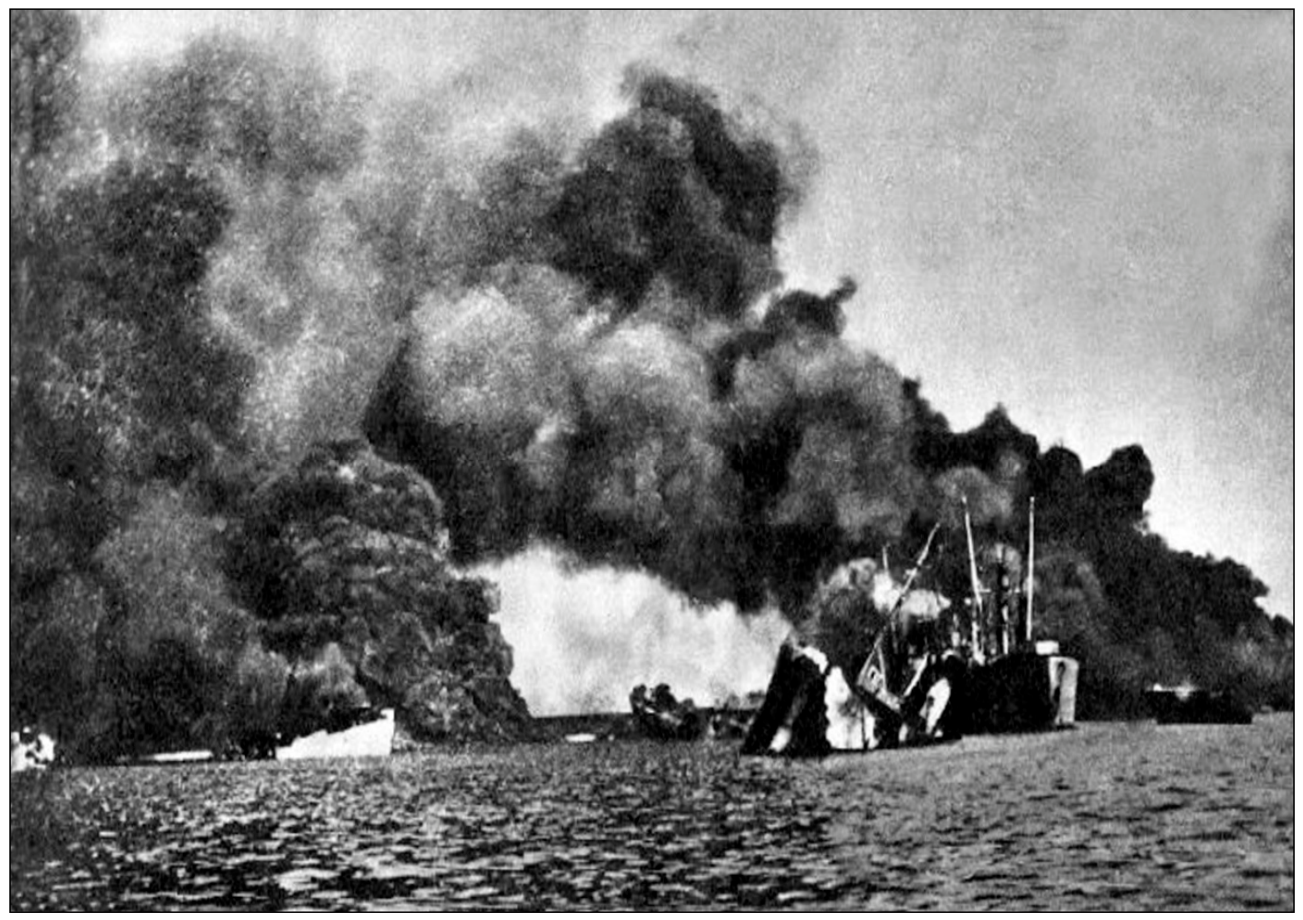
16]. The harbour became a tangle of wreckage and the whole port sector was affected by the spread of flames, gas, and oil mixed with debris of all sorts. Most of the mustard gas contained in SS
Harvey dissolved in oil floating on the water and crept onto the bodies of the sailors and throughout the surrounding sector of the port (
Figure 3) [
20].
The sailors were hospitalised at the 98th British Hospital at Bari, and suffered from nausea, vomiting, skin blisters, and eye damage. The surgeons were initially unable to recognise the mustard gas poisoning effects due to the fact that this was mixed with the oil dispersed across the harbour waters and did not spread the typical garlic-like odour. Therefore, the survivors were classified by the Surgical Division as cases of ‘undiagnosed dermatitis’. The poisoning effect of the mustard gas was not identified until 11 December [
12]. Between 1947 and 1954, the Italian Navy conducted large scale de-mining operations at the port of Bari. However, side effects on the health conditions of local inhabitants have been recorded for decades. On 22 March 2002 the Italian Ministry for Environment, Land and Sea Protection was forced, following hundreds of cases of intoxication of local fishermen (including five mortalities), to call for a mitigation plan. In partnership with the ICRAM (
Istituto centrale per la Ricerca Scientifica e Tecnologica applicata al Mare), the Italian Ministry for Environment launched the ACAB research program (
Armi Chimiche Affondate e Benthos) that aimed to provide “the mapping of four areas of the southern Adriatic clearly affected by the presence of at least twenty-thousand tons of chemical war remnants, to which they can be traced back, on the basis of samples taken near corroded wrecks, damages and risks to marine ecosystems and to activities related to fishing industry” (see
Allegato B,
Seduta n. 121,
22 March 2002) [
12,
20,
21].
A report drawn up by the US Navy Command at Bari from 29 April 1944 provided a complete list of all the ships which sunk in the port and were still in situ after the raid (
Figure 4a,b). During the German raid, the harbour itself was overcrowded and various Allied vessels were in the process of unloading war supplies—the greatest proportion being merchant ships of American, British, Polish, Norwegian, and Dutch registry [
12]. Bombers hit ammunition ships that caused explosions, and a bulk petrol pipeline on a quay was severed and the gushing fuel ignited, spreading a sheet of burning fuel over much of the harbour and engulfing undamaged ships [
12,
13,
17]. This caused the sinking of most of the vessels docked there. Among these, some 20 vessels met the same fate and sank in the harbour, including 4 US (the
SS J. Harvey,
J.L. Motley,
J. Bascom,
J. Wheeler), 4 British (
Lars Kruse,
Testbank,
Fort Athabaskan,
Devon Coast), 2 Polish (
Puck and Lwów), 3 Norwegian (
Bollsta,
Norlom,
Lom), and 7 Italian (
Frosinone,
Barletta,
Cassala,
Porto Pisano,
Pantelleria,
Ardito,
MB.10) ships [
12,
13]. Among these, the
Bascom and the
Harvey were sold to Genoese scrap dealers in 1948. The
Cassala was rescued but then demolished in 1953. The British destroyer
Zetland, which exploded due to the blasts of the
J.L. Motley and
J. Harvey, was later repaired in Taranto. The lightly damaged SS
Lyman Abbott was able to sail again and reached the port of Augusta, Sicily, for repair works. The Italian cruiser
Barletta, that sunk close to the
J. Harvey, was recovered but then its hull was sold for scrap during the 1960s. The
Bollsta returned to service in 1948, first with the name
Stefano M, then
Sabino, and finally
Coraggioso, then was dismantled in 1969. The
Norlom was demolished in Bari in 1947. The
Lwów entered the shipyard for scrapping in 1964 [
16,
17]. It is difficult to establish the fate of other ships, but archival records report that they were exhumed during works on the harbour bed, which occurred in 1947–48, and sold by the port authority to dismantling yards [
13].
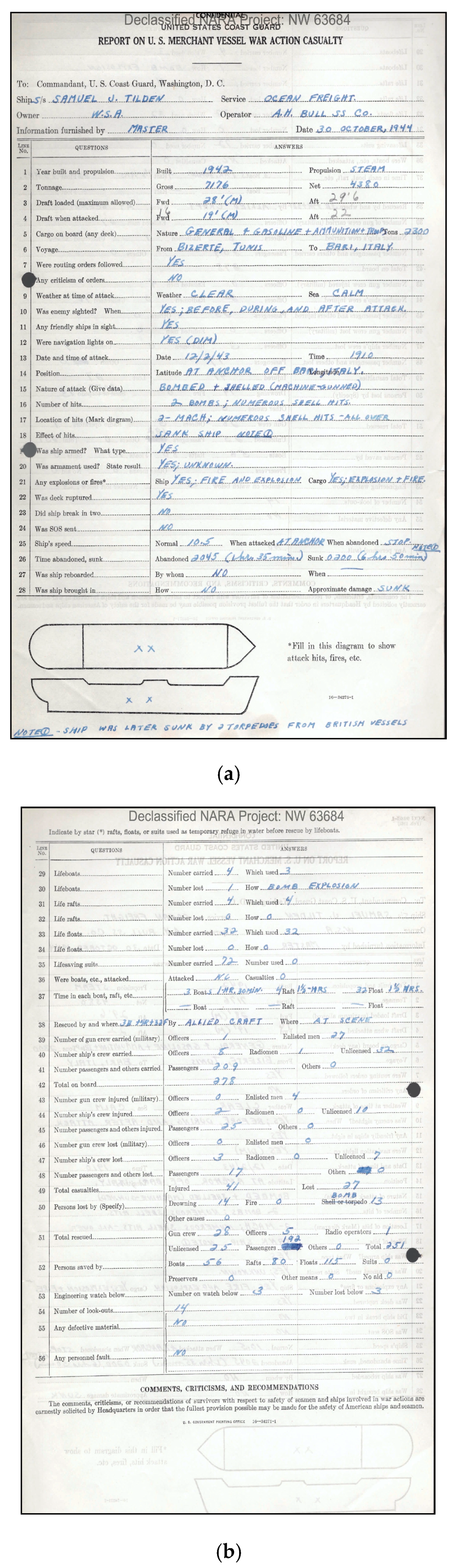
The
Tilden, however, is missing from the list. Indeed, the ship, during the time of the report, was already lying at ca. 45–55 m depth off the harbour. In fact, after the first major damage received during the German bombing, which perforated the bow’s deck and destroyed the machine gun discharge, and after being riddled by several JU-88 and anti-aircraft bullets, the ship drifted towards the coastline. At 1:00 am on 4 December 1943, possibly to mitigate further damage to the port and the other ships docked there,
Tilden was towed off the harbour by two British torpedo boats (MTB-297 and MTB-270), quite far from the site of the air bombing, and whilstthere was hit by further fire and sank. Thus, the
Tilden, which was heavily damaged during the German raid, was later scuttled by ‘friendly fire’ [
16]. Rescue efforts involved multiple ships, saving 251 people, although casualties included 41 injured and 27 lost [
22]. Later,
Tilden’s hull was sold for scrap; on 19 December 1946,
Venturi Salvataggi Ricuperi e Imprese Marittime,
Genoa, reached an agreement with the US Navy administration and paid for the recovery of the hull and other parts of the wreck. However, the Venturi company never accomplished this task and the wreck was never recovered [
23]. Thus, the wreck of the
Tilden remains the last witness to the attack, and the sole tangible evidence of the German raid within the wider maritime landscape of Bari, in southern Adriatic Italy.
The ‘disappearance’ of all the other above listed wrecks—whether through demolition, salvage, or post-war reuse—conditions the archaeological significance of the
Tilden site. What was once a maritime graveyard of ca. 20 vessels has been reduced, through systematic harbour clearance and commercial recovery operations, to a single surviving wreck [
17]. Therefore, the
Tilden cannot be interpreted merely as one ship among many others. In fact, this wreck constitutes the sole extant material and memorial record of this World War II event that occurred in the city of Bari [
12]. The preservation of the wreck, though partial, renders it the only underwater locus through which the anthropogenic and physical dimensions of the Bari raid can be further investigated, by means of underwater archaeological and remote sensing methodologies. Thus, within the broader maritime landscape of the southern Adriatic, where systematic post-war clearance and demolition works have reduced the underwater signature of the air raid to near-silence, the
Tilden occupies a key position. In fact, the
Tilden wreck functions as the material anchor of an otherwise largely invisible maritime landscape, and its survival elevates it from an individual archaeological feature to the main maritime landscape evidence of the conflict archaeology in Italy.
3. Method
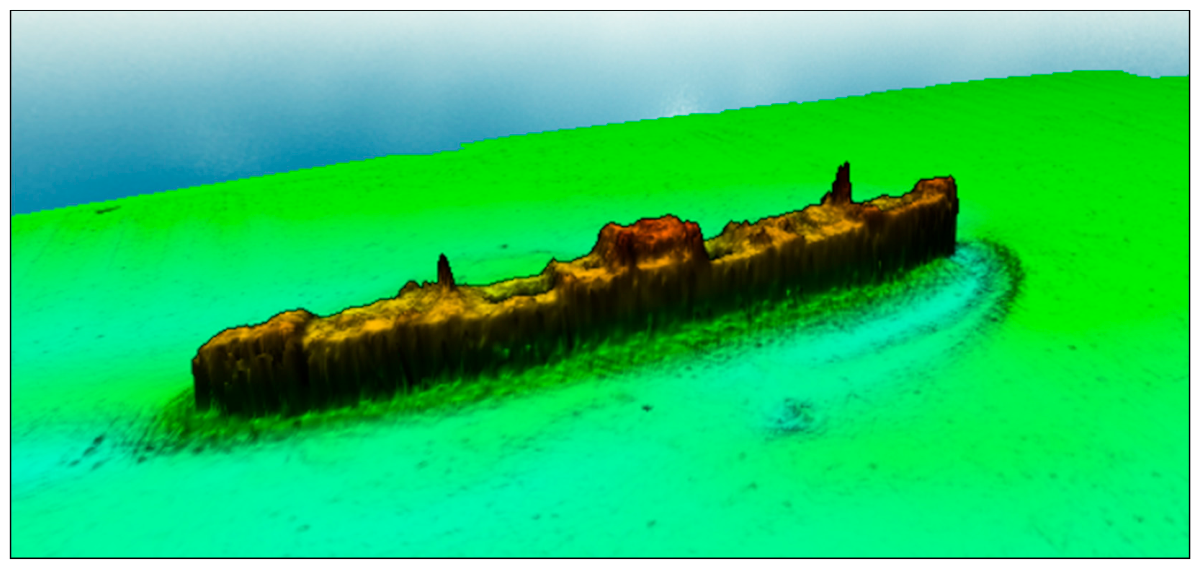
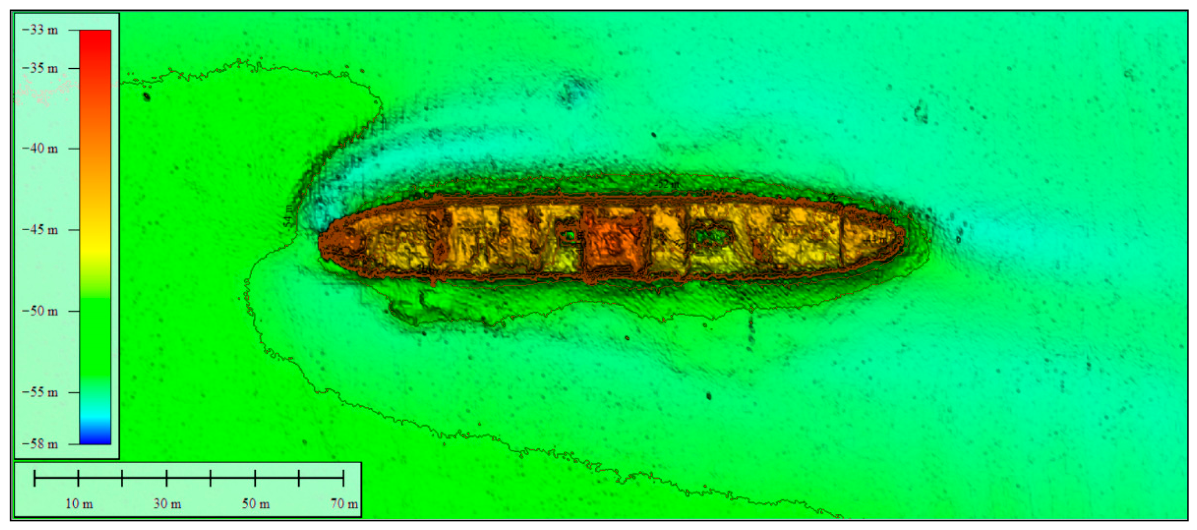
The 2025 SS Tilden Underwater Survey aimed to provide a first, comprehensive inventory of this submerged wreck site, near the port of Bari. The survey area encompassed Bari Harbour north to Nuovo Molo Foraneo and to the north–east of the main Bari port. Moderate weather conditions, including rough winds, currents, and waves, reduced some survey activities, thus the focus was on covering the largest areas and revealing as much as possible of the site. The wreck site was then recorded by a combination of diving and a hull-mounted MBES sonar, and this investigation provided new data on the conservation and value of both wreck and site (
Figure 5) [
24,
25,
26]. Both surveys—traditional diving and remote sensing—were non-invasive as agreed with the Soprintendenza Archeologia, Belle Arti e Paesaggio della Città Metropolitana di Bari, and no finds, elements of material culture, human remains, or debris materials were collected by divers. The study has been combined with research of archival records, including Allied maps, photos, and reports that supported research on the
Tilden wreck site, and helped to locate main features of the history of the German air raid on Bari.
The 15-day survey in July–August 2025 exploited the good weather window, characterised by gentle breeze and moderate tides, in the southern Adriatic, thereby increasing the number of productive survey days. However, adaptations were made to the main MBES, ROV, and conventional diving operations to suit the campaign to the weather and sea conditions. The survey tools were a hull-mounted Kongsberg EM 2040 MKII wide-band high-resolution MBES, aboard
Astrea, and ROVs and SCUBA diver data acquisition, with selected finds captured using cameras and video systems to provide real-time and high-resolution 3D photomosaics. The MBES survey was performed the week before the diving surveys, covering up to 200 km
2/day (
Figure 6).
The search model, applied here for locating, identifying, and documenting the wreck and its cultural and memorial landscape, mirrored the ‘
find,
fix,
finish’ targeting protocol largely adopted in defence and conflict archaeology [
27,
28,
29]. In this sense, the ‘
find’ phase involved a wide-area survey using MBES to detect the wreck site. Consistent coverage was achieved by operating with sonar at 500 kHz at a range of 75 m, altitude of 5–10 m, and lane spacing of 60 m/30 m. This provided complete seafloor coverage but also allowed two 180° opposing views of the entire area, ensuring no anomalies were missed. The process emphasised high-resolution data collection to identify and reject non-targets like geological features or debris. The ‘
fix’ phase employed further high-frequency MBES sonar, 600–700 kHz, for detailed imaging, which was then processed with Global Mapper Pro, v. 23.1 software (64-bit), a GIS application developed by Blue Marble Geographics. ROVs and SCUBA divers then verified sonar targets. In the ‘
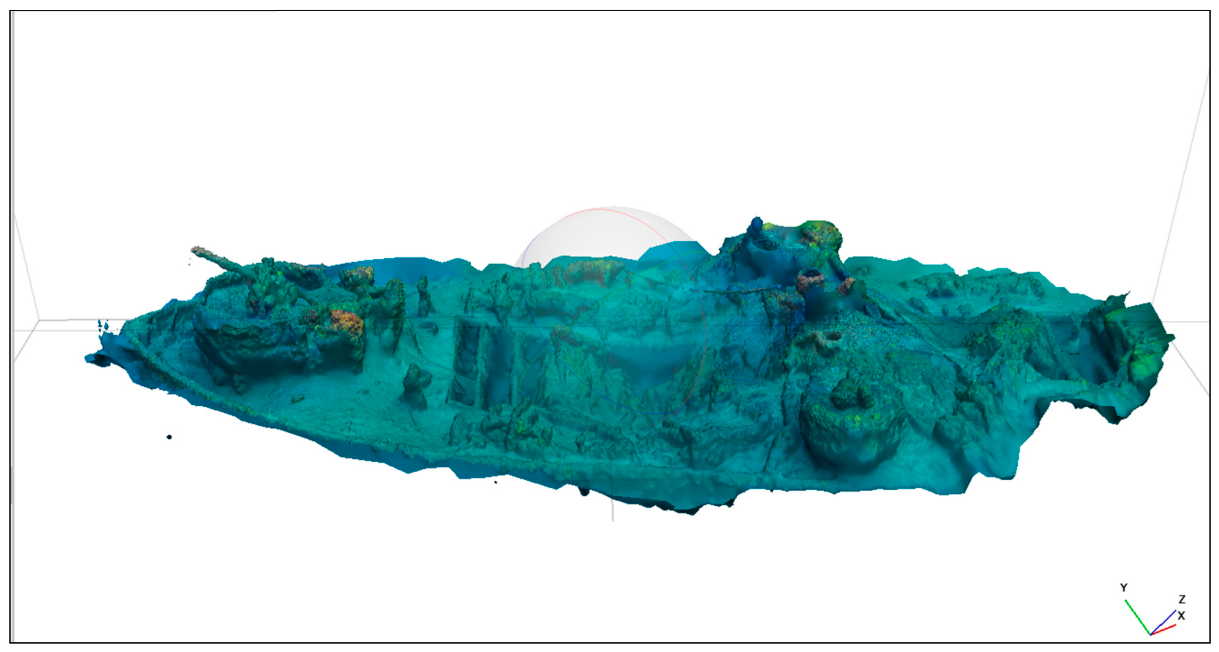
finish’ phase, the identified wreck was documented using methods suited to its characteristics, mostly by SCUBA diver survey. The whole wreck site was mapped with MBES, while selected features were captured by means of high-resolution GoPro cameras (HERO8 and HERO10) and documented through 3D photomosaics and renderings via structure from motion (
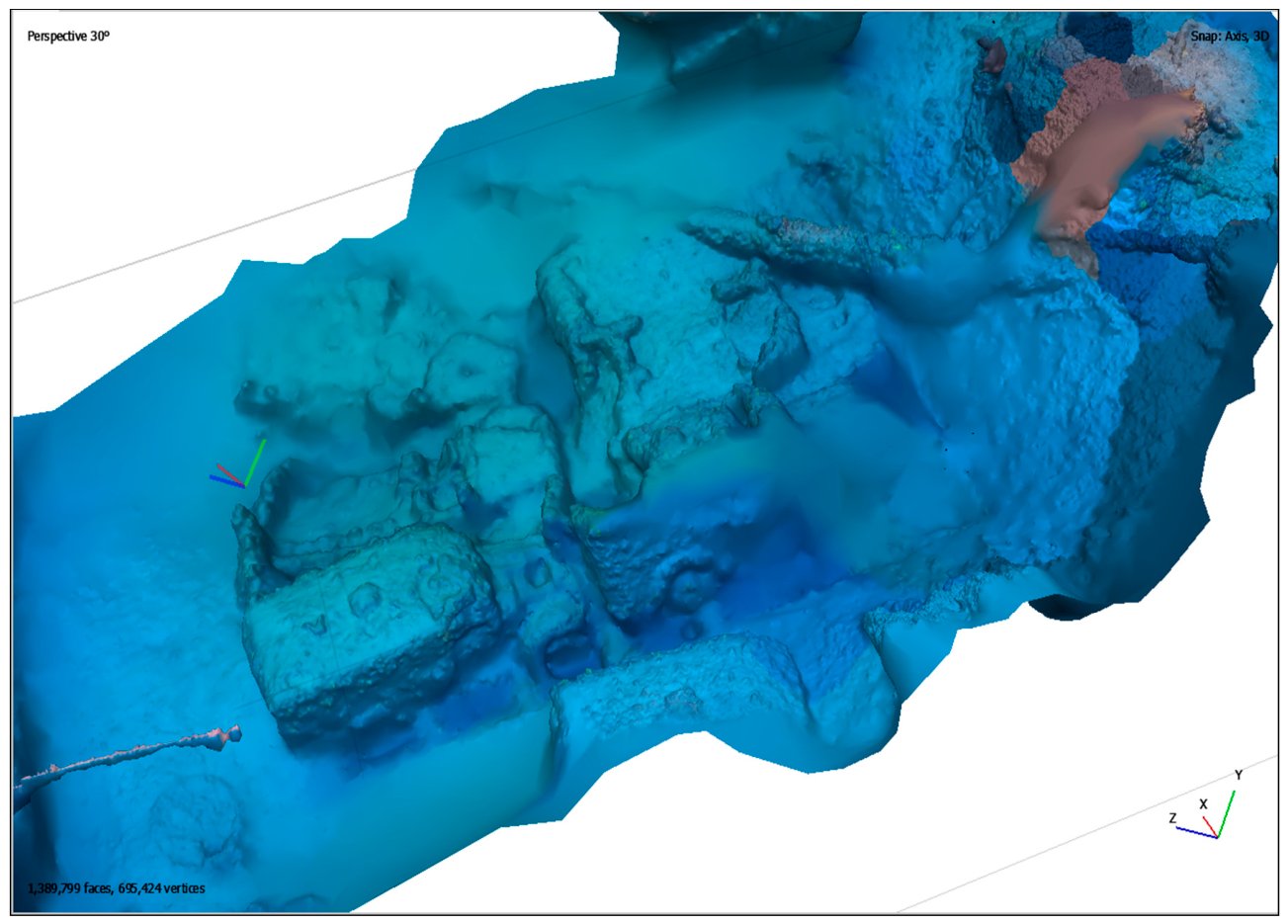
Figure 7) [
30]. No further interventions were applied to the generated acoustic and optical models, as these were already clear and interpretable.
During the diving survey, the port of Bari served as a logistics base for team members and survey equipment. Two dinghies (CC-55-02-S and CC-72-02-S) and a patrol vessel,
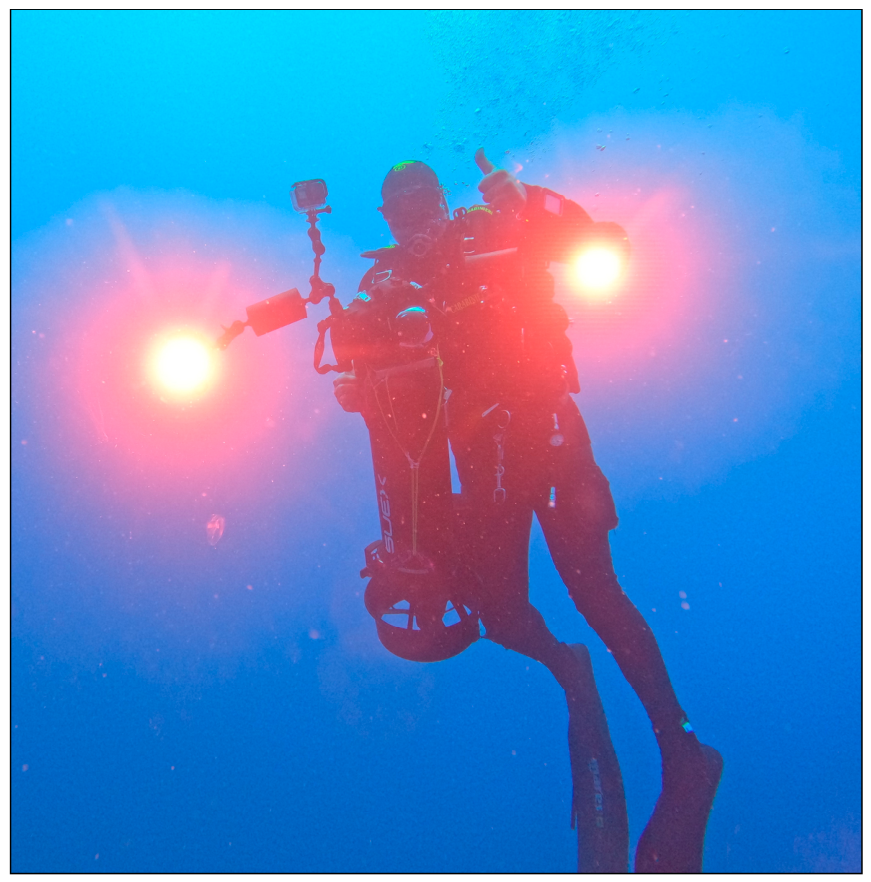
Ganci (N813), were used as means of maritime transport. The first was intended for exclusive use by the divers, while the second was used as a support vessel and data processing onboard laboratory. SCUBA divers also benefited from a SUEX underwater towed vehicle to facilitate underwater movements and, thanks to the presence of lights, to improve visibility in a rather dark environment (
Figure 8). Two surface marker buoys (SMBs) anchored to the bow and stern of the wreck were used to establish the diving survey area. The survey focused on three key sectors of the wreck, which were selected for identification to understand the maritime cultural and memorial landscape of the wreck, namely bow, stern, and bridge, each selected for their key contributions to identifying and documenting the wreck and its underwater site. These sectors were then the target of separate photogrammetric surveys, in order to generate datasets for each of these sectors, and to generate complete models. The models were processed entirely on board the patrol vessel
Ganci, where researchers acquired and processed data, using Agisoft Metashape Professional 2.2 software to generate models. This integrated approach guaranteed valid documentation and analysis of the wreck, thus improving coverage, reliability, and resolution while adapting to the Bari port environment.
4. Results
Tilden received massive damage during the air raid on Bari, on 2 December 1943, and then was scuttled by friendly fire in 1944, causing heavy damage to the stern and bow and determining its fate. However, the crew’s intervention and its subsequent sinking appear to have indirectly preserved the integrity of the ship despite its total loss.
The wreck now lies on a seabed composed of regular and fine sand, within the infra-littoral zone of the Murge continental shelf (ca. 20–80 m depth), that extends to the ‘Bari Canyon’ continental shelf, a depression located ca. 17 nautical miles off the port of Bari [
31]. From a biological–geological perspective, this underwater landscape is composed of coastal muds and a scattered coralligenous habitat with
matte formations, including
Posidonia oceanica and
Zostera marina dead root and rhizome formations [
32,
33,
34]. In this environment, high-speed marine hydrodynamics is a key factor that favours post-depositional modifications and processes that alter the wreck site. In this case, the hydrodynamic conditions of the area are influenced significantly by north–south currents and waves and by surface anthropogenic maritime traffic [
31,
32].
As examined in the Methods Section, the survey of the
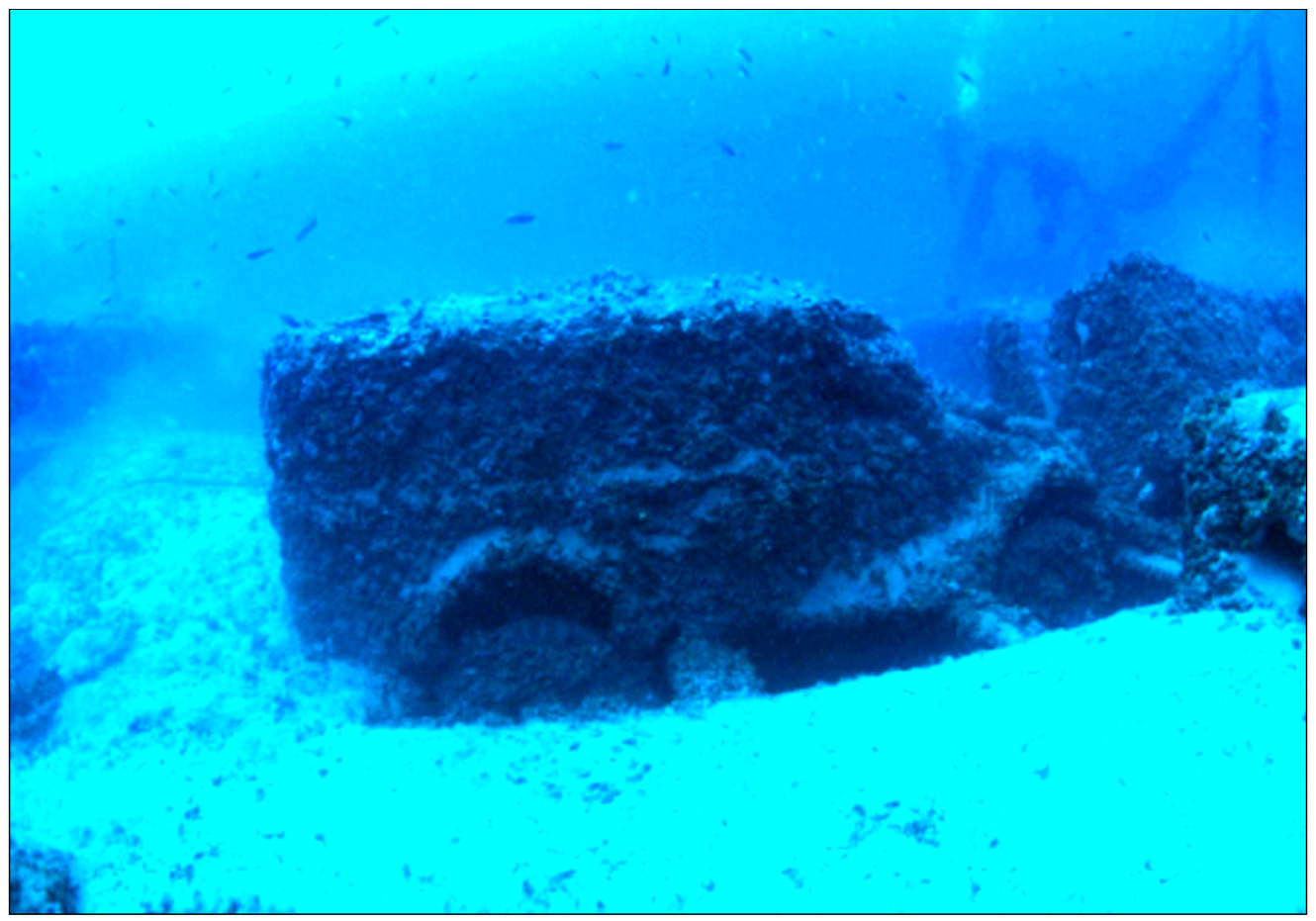
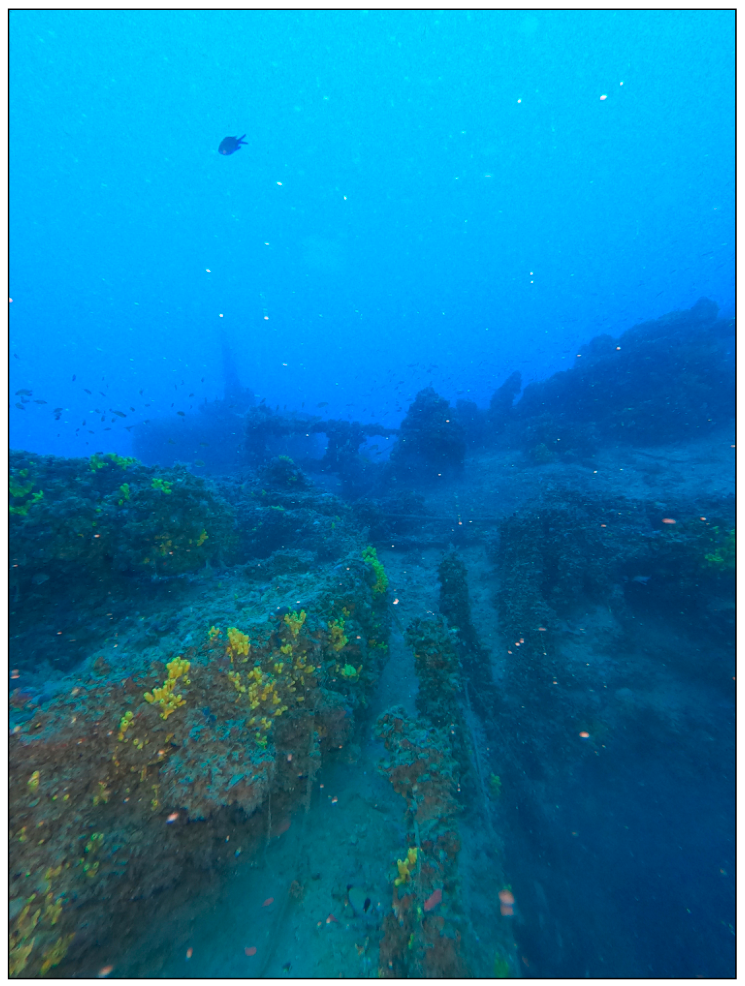
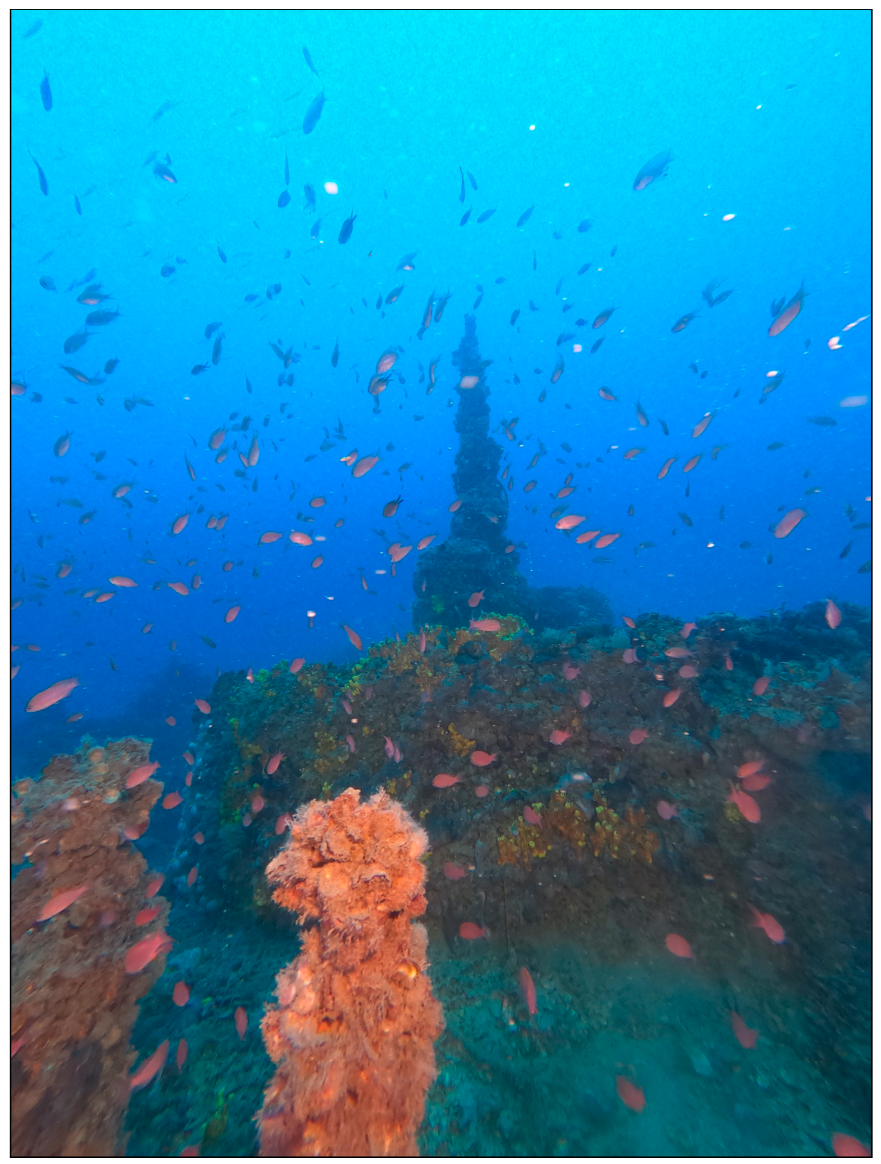
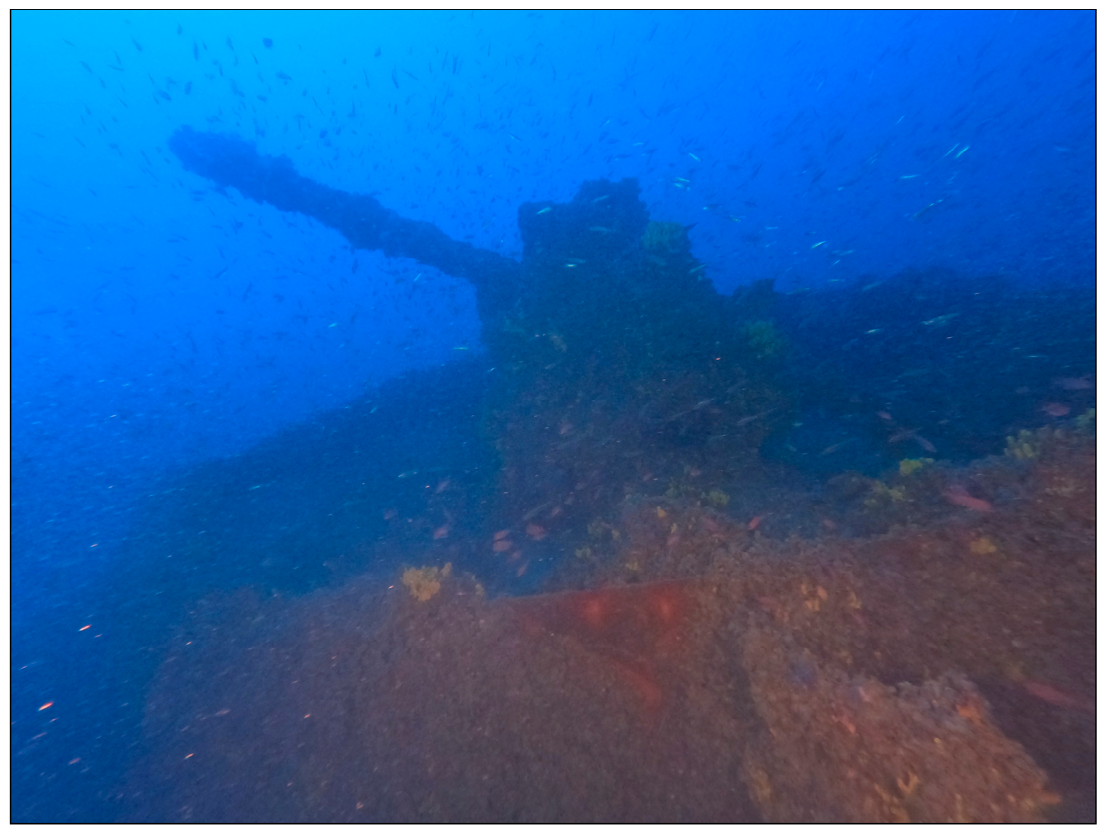
Tilden stern, bow, and deck tower employed MBES, ROVs, and SCUBA diving documentation to locate, investigate and document the wreck site. The quality of the resulting models was consistently moderate. Moreover, the models mainly captured flat areas of the wreck, albeit with numerous irregularities. This made it possible for the software to create more easily readable models during the processing phase. The brightness factor also facilitated the processing, given that the surfaces were generally flat and relatively well exposed to sunlight, being at ca. 40–45 m depth. Their visual quality, while not entirely clear or complete, provided a moderately high level of readability that proved functional for the analysis of the remains of the shipwreck. These also include the biological colonisation of the wreck. Indeed, the metallic surfaces of the wreck host a stratified marine ecosystem typical of the infra-littoral zone, e.g., yellow sponges. The whole wreck was found almost intact and listing on its left side, and was located on a sandy and flat seafloor; it was populated by photophilic algae, black and yellow sponges, various species of echinoderms and polychaetes, and rockfish. Sponges, for example, are easily identifiable by observing the patterns thanks to their bright yellow colour, which is highly concentrated in some sectors (
Figure 9). There is also plenty of lumpy–muddy material and other amorphous or unidentified material. Anthropogenic elements also play a role in post-depositional processes, as, for example, fishing trawl nets were found entangled on the masts and on the hull (
Figure 10) [
35,
36,
37,
38].
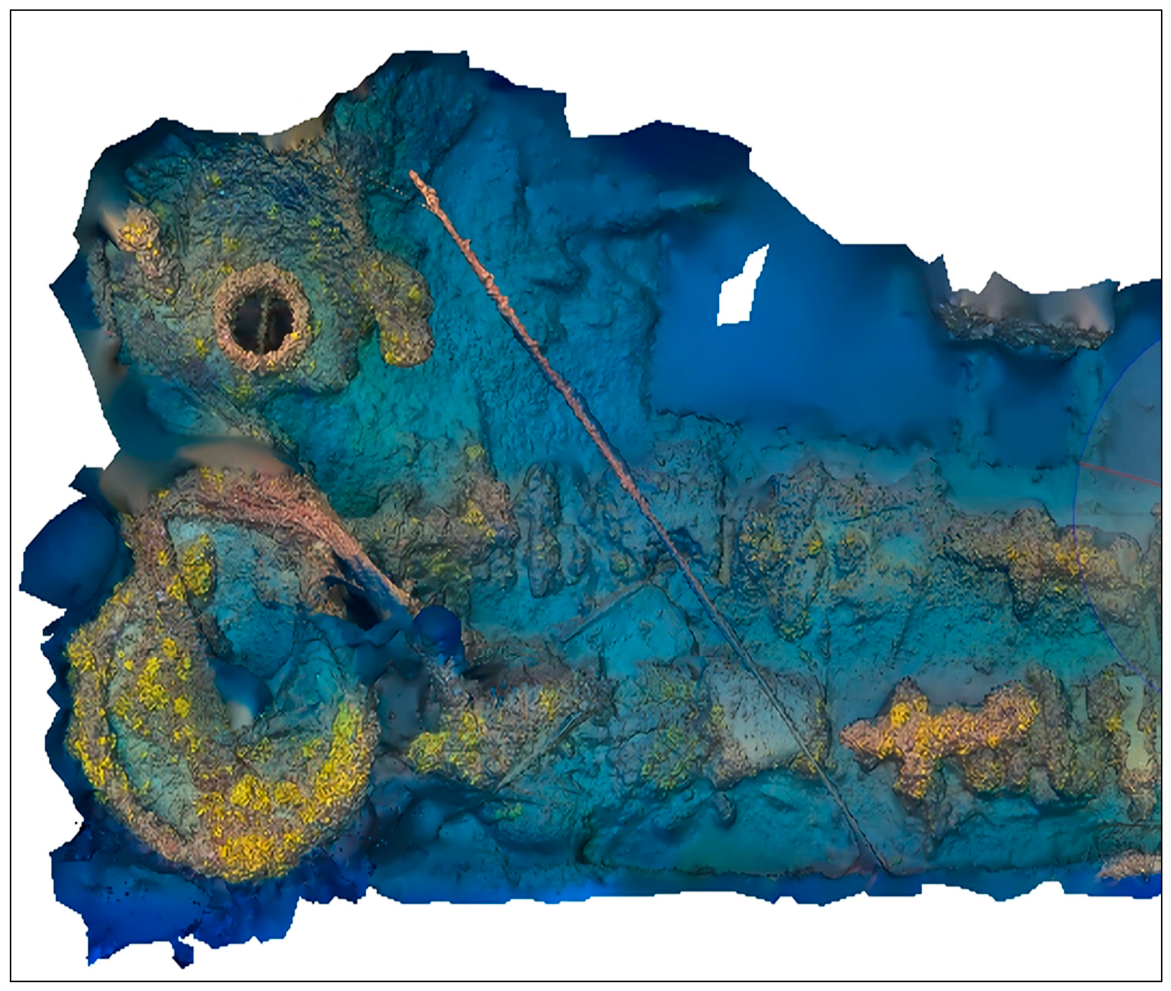
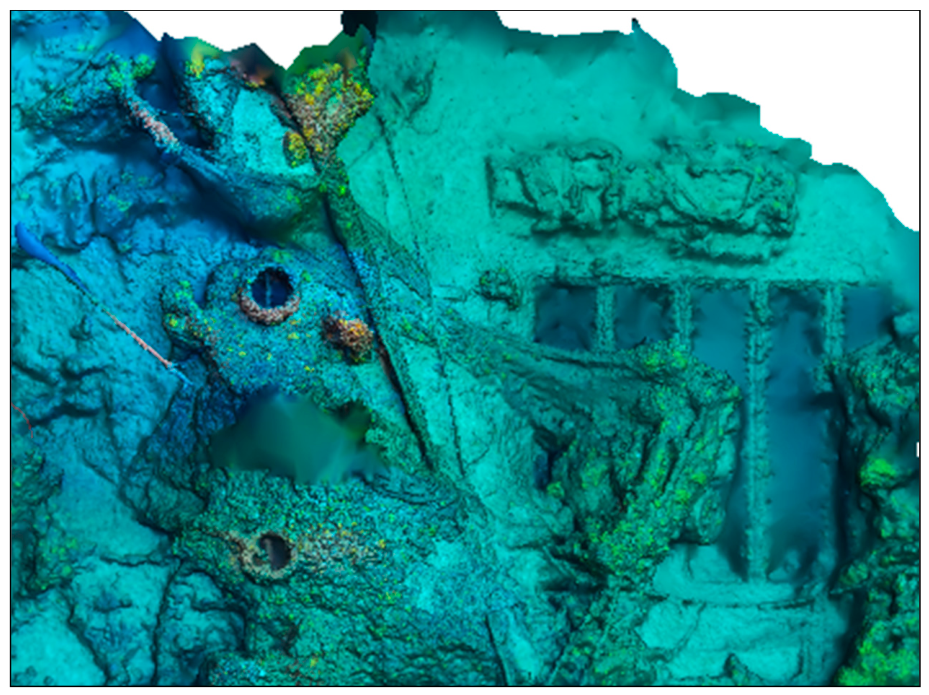
The stern and bow structure remained largely visible and almost intact (
Figure 11). In fact, signs of multiple breaks are not clearly visible. Findings include the deck gun, tower, open crew quarters hatch, and both port and starboard depth charge racks with several charges that appear to remain intact (i.e., archival records attribute the explosion to German bombs striking near the bow and the port shaft or propeller, causing critical structural failures that led the stern to break away and sink) [
8,
12,
15,
16]. On the stern deck there are still several motor vehicles, including ambulances, undisturbed since the sinking (
Figure 12 and
Figure 13). The model of the bow deck is particularly detailed. It shows a bowl-shaped depression in the centre of the image, located between the machine gun, likely a 20 mm Oerlikon that the Liberty-class ships were equipped with, and an irregular lumpy mass (
Figure 14). This may perhaps relate to the impact crater formed by the German bomb explosions. There is plenty of debris on the bridge, which is still difficult to identify. Only a more targeted future operation on these could bring them to new light.
Both MBES and photomosaic models indicate that the wreck looks slightly inclined on its port gunwale. The
Tilden’s slope was perhaps caused by an imbalance in weight distribution during the wreck site formation [
39]. There are no other remains or anomalies in the surrounding area that could lead to the Tilden or other vessels sunk in this area, but these models reveal a further anomaly within the surrounding environment. Specifically, an alteration of the sandy seabed is visible along the starboard side of the bow. In the MBES model, this feature is visible in the colour change, which shifts from the bright ‘fluorescent’ green of the shallower seabed to the more pronounced green of the depression (
Figure 15). By overlaying the bathymetric profile, we can see that this depression reaches a maximum depth of 55 m, which is deeper than the sedimentary level on the port side of the wreck (ca. 50 m). One hypothesis is that this anomaly resulted from current action. The current, impacting the wreck from the port side, likely caused sediment accumulation on that side, thereby changing the bathymetry, while simultaneously scouring the seabed on the starboard side of the bow, creating this depression.
The
Tilden wreck was then identified in the location where avocational divers and Carabinieri Diving Unit noticed it in 2011, and where Allies Forces scuttled the cargo ship in 1944 [
40]. The wreck debris and material site indicated the explosion and the scuttling of the cargo ship, due to depth charges and torpedoes ensuring full sinking of the ship. Large sectors of the stern and the bow, as well as the bridge, remain almost intact, though the deck tower has slightly rolled downslope. The hull, in particular, remains well exposed to the high-energy hydrodynamics that characterised the waters of the port of Bari, and this, through time, deepened and accelerated the process of degradation, also exposing the contents of the wreck.