


Abstract
The study addresses the research gap concerning the role of traditional media and social networks in the promotion and perceived preservation of Serbia’s material and intangible cultural heritage, with particular emphasis on digitalization and digital infrastructure. The study is based on a survey of 323 respondents and an expert panel of three experts. Linear regression and fuzzy multi-criteria decision-making methods are combined to identify and prioritize factors relevant to cultural heritage promotion and preservation. FAHP is employed to account for the subjectivity, uncertainty, and imprecision inherent in expert judgments when assessing the relative importance of qualitative and digitalization-related factors, while the analysis of different optimism-index values enables the stability of expert priorities to be examined under varying levels of uncertainty. The results indicate that digitalization and the implementation of modern technologies within strategic planning frameworks are perceived as highly important. In the AHP analysis, YouTube received the highest weight (0.2655), followed by Instagram and Facebook (0.1557 each). Across the FAHP scenarios, YouTube consistently ranked first, followed by Instagram and Facebook, while the relative ordering of the main sub-criteria remained stable across different optimism-index values. These findings reflect respondents’ perceptions and experts’ relative priorities rather than direct evidence of causal preservation effects or statistical significance. The results may inform cultural heritage management and digital transformation initiatives by highlighting perceived priorities for the use of digital media, while providing a basis for further research.
1. Introduction
Cultural heritage is recognized as one of the most important elements in the strategic development of a given area, as it is considered a significant driver of economic growth, value creation, and job generation [1]. In this context, Todorova–Ekmekci [2] emphasizes the necessity of making cultural and historical heritage accessible and attractive in order to ensure its protection and sustainability, noting in particular that digitally presented and media-promoted cultural assets are far more visible, frequently visited, and appealing to investors.
Media promotion of cultural heritage is grounded in accurate, comprehensive, timely, and impartial interpretation aimed at highlighting both tangible and intangible values, as noted by Sančanin and Penjišević [3]. They further stress that media discourse should take into account legal, economic, social, technological, and increasingly environmental determinants of cultural heritage, as well as its spatial setting and real contextual framework. Loc and Duy [4] point out that the media not only raise public awareness of cultural heritage but also stimulate cultural tourism and facilitate intergenerational knowledge transfer, while identifying key obstacles to effective cultural promotion in limitations of digital infrastructure, inadequate policy coordination, and insufficient levels of media literacy.
By developing a prototype multimedia web platform for the promotion of industrial heritage, with the aim of increasing knowledge and awareness of this form of heritage, Wang et al. [5] demonstrated that traditional media are preferred during the initial stages of information seeking, whereas the integration of dynamic content can substantially increase overall user engagement and willingness to adopt new digital tools. The study further demonstrated that a specialized multimedia platform designed on the basis of user preferences is more effective than conventional search methods in disseminating knowledge and raising awareness of cultural heritage.
Tišma et al. [6] have identified several relevant trends in the evaluation of cultural heritage, including the involvement of a broad range of stakeholders in its valorization, preservation, and management; the development of long-term, evidence-based, and society-oriented heritage policies; the implementation of new governance schemes and innovative business models; as well as a shift from a preservation-oriented approach toward a value-based approach.
In the digital era, social networks have become a key platform for communicating cultural values and presenting heritage to the public. Septianingrum et al. [7] emphasize the importance of aligning digital communication practices with audience preferences and expectations, thereby enabling the optimal positioning of cultural heritage. Although the body of research on cultural communication is extensive, Yang and Ke [8] contend that it lacks a systematic integration of two fundamental dimensions: the underlying mechanisms of media transmission and the pathways through which innovations diffuse across intercultural contexts. The authors note that most studies adopt a single disciplinary perspective or focus on specific time periods, attempting to connect these dimensions within temporal and spatial frameworks, particularly in relation to communication transformations driven by digital technologies. They further highlight that this research gap is especially pronounced in the period from 2019 to 2024.
Chang [9] examined the complex challenges associated with the digitization of intangible cultural heritage through the use of advanced media technologies, highlighting a broad range of opportunities while simultaneously drawing attention to potential challenges related to decision-making under conditions of uncertainty, particularly with regard to cultural appropriateness, technological change, and funding constraints. Similarly, Li and Chen [10] investigated the growing public awareness of the significance of intangible cultural heritage as societies and educational systems continue to develop. Their study focused on the Chinese technique of porcelain inlay, a form of architectural ornamentation that emerged under specific cultural, historical, and spatial conditions in the provinces of Fujian and Guangdong. By employing targeted visual analyses followed by textual analyses of social media data, the authors demonstrated the value of these digital sources for understanding public perceptions of intangible cultural heritage. They further emphasized the importance of introducing adjustments in response to negative feedback, thereby providing a practical means of improving heritage-related activities and identifying new approaches to raising public awareness of cultural heritage.
Investigating the relationship between cultural heritage conservation and urban accessibility in historic urban cores, Serrano-Estrada et al. [11] combine insights derived from social media with spatial accessibility analysis. Their findings indicate that spatial accessibility is relevant not only to the preservation of cultural and historical identity but also to the capacity of historically significant sites to attract public attention. The authors emphasize that improving accessibility and integrating social media data with traditional research methods can contribute to the development and enhancement of more effective cultural heritage conservation strategies.
In their study of the cultural ecosystem services provided by 12 major urban parks on the Macau Peninsula, Liu et al. [12] developed a six-dimensional assessment framework based on social media data, while also examining the potential implications of their findings for cultural heritage conservation and landscape design optimization. The study confirmed the effectiveness of social media data for the quantitative assessment of cultural ecosystem services. The parks performed particularly well in the dimensions of aesthetic appreciation and landscape experience. However, their performance was comparatively weaker in terms of scientific education and cultural heritage-related functions, suggesting the need to incorporate multimedia interaction technologies to strengthen these dimensions.
This study has been designed to evaluate the impact of traditional media and social networks on the promotion and preservation of cultural heritage through the application of multi-criteria decision-making methods. Additionally, the influence of various factors, including education and gender, has been analyzed. Multiple linear regression analysis was employed to examine the impact of the digitalization process on the promotion and preservation of Serbia’s cultural heritage.
Various multi-criteria decision analysis methods that can be used to solve multi-criteria decision problems are the Analytic Hierarchy Process (AHP), Fuzzy AHP (FAHP), TOPSIS, VIKOR and other similar ones. The applicability of these methods will depend on the structure of the decision problem, the type of criteria and the extent to which the problem has uncertainty and subjectivity due to expert evaluation. In cases of decision making with respect to heritage, for instance, the criteria can have both quantitative and qualitative aspects, whereas the expert evaluations may be characterized by linguistic evaluations and uncertainty. In this regard, the methods with the ability to handle uncertainty have more advantages than those relying entirely on precise numerical evaluation.
Within this context, FAHP was chosen for use in the current study since it uses the hierarchy and clarity of the decision structure of AHP but includes fuzzy numbers to capture the uncertainty and subjectivity of expert evaluations. In the case of this study, the inclusion of this aspect is necessary since the criteria evaluations will require the use of expert assessment, which does not necessarily result in the use of exact numbers.
The primary research was structured to test the following hypotheses:
H1.
The perceived importance of digitalization and the application of modern technologies is positively associated with respondents’ perceptions of the contribution of digitalization and modern technologies to the preservation of cultural heritage.
H2.
The importance attributed to the promotion of cultural heritage through digitization and modern technologies is greater than that attributed to traditional media.
H3.
The ranking of criteria using the FAHP method indicates that modern technology-related criteria are perceived by experts as having the highest priority for the preservation of cultural heritage.
Hypothesis H1 was operationalized using questionnaire items Q13 (“The digitization process is important for the promotion and preservation of Serbia’s cultural heritage”) and Q14 (“In your opinion, what will the digitization of cultural heritage contribute most to?”). Item Q13 measures respondents’ perceived importance of the digitization process for the promotion and preservation of Serbia’s cultural heritage on a seven-point Likert scale. Item Q14 measures respondents’ perceptions of the primary contribution of cultural heritage digitization. The response category “Preservation of the national identity and cultural diversity of the national communities in our region” was used as an indicator of the perceived contribution of digitization to cultural heritage preservation.
A Kruskal–Wallis test was conducted to determine whether statistically significant differences existed in the ratings of the importance of cultural heritage digitization (measured on a 7-point scale, Q13) according to respondents’ perceptions of its primary contribution (Q14).
Hypothesis H2 was operationalized using questionnaire items measured with different variables and response formats. Item Q13 measures the perceived importance of digitization for the promotion and preservation of cultural heritage on a seven-point Likert scale. In contrast, Q15 (“Which of the above, in your opinion, contributes the most to the promotion of cultural heritage?”) assesses respondents’ perceptions of which type of media contributes most to the promotion of cultural heritage. Item Q16 further assesses the perceived contribution of individual social media platforms to the promotion of cultural heritage using a seven-point scale. Thus, Q16 captures respondents’ perceptions of the contribution of social media platforms to cultural heritage promotion, including their recognition of social media in relation to traditional media as a medium contributing to the promotion of cultural heritage.
Variable Q15 was analyzed as a nominal variable using frequency and percentage distributions, supplemented by an appropriate statistical test for nominal data. Variable Q16 was analyzed separately as a seven-point measure of the perceived contribution of individual social media platforms to the promotion of cultural heritage.
The rest of the manuscript is organized as follows: Section 2 deals with the data collection and expert selection, linear regression model and Fuzzy AHP theory, followed by Section 3 devoted to the results presentation. After that, in Section 4, discussion of the obtained results is performed, with Conclusion as a final Section.
2. Materials and Methods
In the next subsection, data collection and expert selection will be presented.
2.1. Data Collection and Expert Selection
Data were collected electronically using the Google Forms platform. A convenience sampling method was employed, targeting residents of the Republic of Serbia. Participants were recruited through social media, professional networks, and email, with eligibility restricted to individuals aged 18 years or older who were residents of Serbia. Prior to completing the questionnaire, all participants were presented with an introductory statement detailing the purpose of the study, the voluntary nature of their participation, and their right to withdraw at any time without consequence. To ensure participants’ anonymity and confidentiality, no personally identifiable information (such as names, IP addresses, or email addresses) was collected or stored. The study protocol was conducted in full compliance with ethical guidelines for internet-mediated research and the ethical principles of the Declaration of Helsinki.
Before the main study, a pilot study was conducted with a sample of 40 respondents to assess the content validity of the measurement instruments. No missing data were recorded, as all questionnaire items were designated as mandatory, and the questionnaire could not be submitted until all required fields had been completed. Based on the results and feedback obtained during the pilot study, items that were considered unclear were slightly revised or simplified. This process resulted in the final version of the questionnaire, which is provided as Supplementary Materials to the study. The main phase of the research was carried out in June 2026 on a new sample of 323 respondents (n = 323).
To assess perceptions of the importance of digitization and the promotional role of digital tools in the cultural heritage context, a composite scale comprising seven items was constructed. The scale includes one item measuring the perceived overall importance of the digitization process (rated on a seven-point Likert scale ranging from 1 = Strongly disagree to 7 = Strongly agree) and six items assessing the perceived contribution of specific social media platforms—Facebook, Instagram, Twitter, YouTube, TikTok, and LinkedIn—to cultural heritage promotion (rated on a seven-point scale ranging from 1 = No contribution to 7 = Very high contribution).
These items were considered within a common conceptual framework because they address respondents’ perceptions of the role of digital technologies and specific online platforms in the preservation and promotion of cultural heritage. To assess the internal consistency of the instrument, Cronbach’s alpha coefficient was calculated using data from a sample of 323 respondents. The analysis yielded a Cronbach’s alpha coefficient of 0.830, indicating good internal consistency. This result suggests that the items demonstrate a satisfactory degree of coherence and may be considered for aggregation into a composite score for subsequent statistical analyses, provided that their conceptual coherence and dimensionality are also adequately supported.
The first section of the questionnaire contained general demographic information. In the second section, for the purposes of the study, respondents assessed, on a Likert scale (1 = I do not agree at all, 7 = I completely agree), the extent to which specific variables influence and contribute to the preservation of cultural heritage. These variables included traditional media (group X1) (X11 = print media, X12 = radio, X13 = television), social networks (group X2) (X21 = YouTube, X22 = Instagram, X23 = Facebook, X24 = TikTok, X25 = Twitter, X26 = LinkedIn), the importance of digitalization for cultural heritage preservation, the extent to which modern technologies are represented in digitalization plans, as well as the media discourse of traditional platforms and social networks in the context of the affirmation and promotion of cultural heritage.
Experts were carefully selected to ensure a high level of competence and relevance to the subject matter of the study. The selection process was based on their academic qualifications, professional background, and demonstrated expertise in fields directly related to the research topic. As a minimum requirement, all experts possessed at least five years of relevant professional or academic experience. Particular attention was given to assembling a panel that combined both theoretical knowledge and practical insights, thereby ensuring a comprehensive understanding of the decision problem. To enhance the diversity and credibility of the evaluation process, the expert panel included representatives from different sectors, including academia, industry, and public institutions. This multidisciplinary composition allowed for the incorporation of a broad range of perspectives, experiences, and areas of expertise, contributing to a more balanced and well-informed assessment [13]. Furthermore, all participants were required to disclose any potential conflicts of interest prior to their involvement in the study. This measure was implemented to maintain the objectivity, transparency, and integrity of the expert evaluation process and to minimize the risk of bias in the obtained results. Basic information about the experts involved in the evaluation process is presented in Table 1.
Table 1.
The basic information on the experts.
The selection of criteria, sub-criteria and their rankings was conducted through several rounds of expert consultation. During this process, experts evaluated the importance of each sub-criterion using predefined factors such as its relevance to the media discourse, measurability, and suitability for the cultural heritage context. Each sub-criterion was assigned to a corresponding evaluation dimension and evaluated according to its contribution to instructional quality. All sub-criteria in this study are defined as benefit-type criteria, meaning that higher values correspond to higher-quality heritage content. This assumption is consistent with the AHP and FAHP frameworks, in which criteria are evaluated according to their relative contribution to the overall evaluation goal [14,15]. The resulting expert selections were then used in combination with the AHP and FAHP-derived weights to calculate the final ranking of criteria using formula . The individual rankings assigned by the experts to the evaluated criteria were aggregated using the arithmetic mean. For each criterion, the individual rankings were summed and divided by the total number of experts participating in the evaluation. The resulting mean rank was then rounded to the nearest integer to obtain the final group ranking, enabling the final decision matrix creation.
This approach provided a systematic means of consolidating individual expert assessments into a single group ranking. The arithmetic mean ensured that each expert’s ranking contributed equally to the aggregated result, while rounding facilitated the interpretation and presentation of the final rankings. Given the small number of experts, the resulting FAHP weights should not be interpreted as statistically representative estimates of the wider expert population. Rather, they represent a structured synthesis of the judgments provided by the participating experts.
Part of the data was processed using the IBM SPSS software package (version 27), while the AHP and FAHP analyses were conducted using Microsoft Excel.
2.2. Multiple Linear Regression Model
Multiple linear regression represents a fundamental econometric and statistical approach that enables the quantification of the direction, magnitude, and statistical significance of the relationship between a single continuous dependent variable and multiple independent (predictor) variables [16].
In order to identify the factors that exert a statistically significant influence on respondents’ attitudes regarding the importance of the digitalization process for the promotion and preservation of the cultural heritage of the Republic of Serbia, Multiple Linear Regression analysis was employed. The dependent variable (Y) was operationalized through the statement: “The digitization process is important for the promotion and preservation of Serbia’s cultural heritage,” measured using a seven-point Likert scale, where a value of 1 indicated complete disagreement and a value of 7 indicated complete agreement with the statement.
The model incorporated as independent variables both the socio-demographic characteristics of respondents, namely Gender and Level of Education, as well as variables related to perceptions of the cultural heritage digitalization process. These included attitudes regarding the adequacy of the representation of modern technologies in digitalization plans (“Are modern technologies adequately represented in the digitalization plans of Serbia’s cultural heritage”), the assessment of the domain in which digitalization is expected to achieve the greatest contribution (Preservation of the national identity and cultural diversity of the national communities of our climate; improving the position of the Republic of Serbia on the global level; scientific research work and application in science and education; building a knowledge-based society), perceptions of the media channels that contribute most to the promotion of cultural heritage (printed media, radio, television, social networks), as well as the perceived impact of social networks (Impact of social networks).
The application of this model enabled the assessment of the relative contribution of each of the aforementioned predictors in explaining the variability of respondents’ attitudes regarding the importance of digitalization for the promotion and preservation of the cultural heritage of the Republic of Serbia.
The primary predictors in this study (gender, attitudes toward the adequacy of technologies in digitalization plans, perceptions of the most influential media for promotion, and level of education) are, by their nature, categorical variables. In order to incorporate qualitative data of this type into a linear regression model, it was necessary to transform them into artificial, i.e., dummy variables [17].
In its general form, the multiple linear regression equation with k predictors is expressed as follows:
where
Y = β0 + β1X1 + β2X2+ … + βkXk + ε
Y—Dependent variable.
β−Constant (Intercept).
β1, β2, …, βk—Independent variables (dummy variables and the social networks rating).
ε—Random error term of the model (residual).
The reference categories specified in the model were as follows: male gender (for the Gender variable), the response “Yes” regarding the adequacy of the representation of contemporary technologies in digitalization plans, social media as the medium perceived to contribute most significantly to the promotion of cultural heritage, secondary education (for the Level of Education variable), and Building a Knowledge-Based Society as the domain in which digitalization is expected to generate the greatest contribution.
2.3. Fuzzy Set Theory and Fuzzy AHP Method
Over the past five decades, fuzzy set theory has become one of the most prominent mathematical models used to describe the uncertainty and imprecision that exist in humans’ judgments and linguistic assessments. Fuzzy set theory is applied as a means to enable decision-making that is based on insufficient, ambiguous or hard-to-quantify data [18]. As a further development of classical set theory, fuzzy set theory serves as a framework to build up mathematical models of linguistic variables and their subjective evaluation [19]. In contrast to classical set theory, which implies a binary relation between elements belonging to a set and those that do not belong to it, fuzzy set theory makes use of the degree-of-membership concept. The degree of membership of every element in a particular fuzzy set can be determined by means of a membership function (MF), denoted usually by μ, which defines the value from the interval [0, 1] for each element of the universe of discourse. In case the value equals 0, an element does not belong to a given set at all; when the value equals 1, an element belongs to the set completely. Intermediate values indicate partial membership to the set. This approach allows fuzzy sets to capture gradual transitions between membership and non-membership, making them particularly suitable for representing real-world phenomena and processes where category boundaries are not sharply defined. Consequently, fuzzy set theory has found extensive applications in decision support systems, intelligent control, artificial intelligence, engineering optimization, risk assessment, and numerous other domains where decisions must be made based on uncertain, vague, or subjective information.
Let all fuzzy sets defined on the set of real numbers ℝ be denoted as FS (ℝ). The number G ∈ FS (ℝ) is a fuzzy number if there exists x0 ∈ ℝ so it holds μG(x0) = 1 and for every λ ∈ [0, 1], is a closed interval [20].
The basic part of a triangular fuzzy number (TFN) is its membership function, describing how each real value is associated with a degree of membership. This function is defined as follows [20]:
where inequality l ≤ m ≤ u holds. Numbers l, m and u represent the lower, middle, and upper values of G respectively. For a TFN to become a crisp number, l = m = u, must hold. The usual notation of the triangular fuzzy number can be expressed as
The basic arithmetic operations with TFNS G1 = (l1, m1, u1) and G2 = (l2, m2, u2) and scalar k > 0, k ∈ ℝ were given below:
Addition: = (l1, m1, u1) ⨁ (l2, m2, u2) = (l1 + l2, m1 + m2, u1 + u2),
Subtraction: = (l1, m1, u1) ⊖ (l2, m2, u2) = (l1 − u2, m1 − m2, u1 − l2),
Scalar multiplication: k⋅ = k⋅ (l1, m1, u1) = (k ⋅ l1, k ⋅ m1, k ⋅ u1),
Multiplication: ,
Inverse: .
The left and right sides of the membership function μTFN(x) of TFN , and are defined as = and = . Their corresponding inverse functions and are defined as .
Their combination provides the formula for the total integral value [21]:
with λ representing the attitude of an expert during the decision-making process (an optimism index).
When a pessimistic attitude is used (λ = 0), , while for the value λ = 1, the optimistic point of view is given, and . The most common value of λ is λ = 0.5, representing the balanced (moderate) attitude of the decision-maker, where
The values λ = 0.25 and λ = 0.75 are used to represent the semi-pessimistic and semi-optimistic attitudes, thereby enabling a more comprehensive and nuanced interpretation of uncertainty by capturing not only the magnitude of potential variability in the results, but also the underlying sources and patterns of uncertainty. This approach facilitates a deeper understanding of the confidence that can be placed in the findings and supports more informed decision-making by acknowledging the complexity and multifaceted nature of uncertainty inherent in the analyzed system.
Triangular fuzzy numbers (TFNs) are commonly applied to represent expert judgments because they provide a straightforward yet powerful framework for addressing uncertainty in decision-making problems. Their main advantage lies in the fact that they can effectively translate qualitative, linguistic evaluations into a quantitative form, which is particularly useful when precise numerical assessments are difficult to obtain. Each expert judgment is expressed as a triplet (l, m, u), where l denotes the lower bound of the possible evaluation, m represents the most plausible or central value, and u indicates the upper bound, thereby capturing the full spectrum of possible interpretations of a given assessment. This representation is especially suitable in situations where ambiguity, vagueness, and subjectivity are inherent in human reasoning. Instead of forcing experts to provide exact values, TFNs allow them to express their opinions in a more natural and flexible way, while still enabling mathematical processing and analysis. As a result, different types of uncertainty embedded in expert evaluations can be systematically incorporated into the decision model. Moreover, TFNs are highly effective in group decision-making environments, where multiple experts contribute their opinions. In such contexts, it is common for judgments to vary due to differences in experience, background knowledge, and personal perspective. TFNs facilitate the aggregation of these diverse opinions while preserving the uncertainty associated with each individual assessment. This leads to a more balanced and representative collective evaluation.
The use of FAHP in this study is motivated by the subjective and potentially imprecise nature of expert judgments involved in evaluating the relative importance of factors related to the promotion and perceived preservation of cultural heritage. The evaluated factors include qualitative and digitalization-related aspects whose relative importance cannot always be expressed through precise numerical values. Therefore, conventional AHP alone may not fully capture the uncertainty and ambiguity associated with expert assessments.
FAHP extends the conventional AHP framework by allowing expert judgments to be represented using fuzzy numbers rather than single crisp values. This enables a more flexible representation of uncertainty and imprecision in pairwise comparisons and is particularly appropriate when assessments involve qualitative perceptions and expert experience. In the present study, FAHP is therefore used to complement the conventional AHP analysis and to examine whether the resulting priorities remain stable under different levels of uncertainty. The use of different optimism-index values further enables sensitivity to the decision-maker’s degree of optimism to be examined. The stability of the resulting rankings across these scenarios provides an additional perspective on the robustness of the identified priorities. Thus, FAHP is not used merely as an alternative calculation procedure (see Algorithm 1), but as a methodological extension that allows the uncertainty inherent in expert-based prioritization to be explicitly considered.
Below, the steps of the Fuzzy Analytic Hierarchy Process (FAHP) are summarized [20,22].
| Algorithm 1. The Fuzzy Analytic Hierarchy Process (FAHP) Algorithm |
| Step 1: Establishing the main goal and hierarchical appearance of criteria. |
| Step 2: Setting the matrix in terms of triangular fuzzy numbers. |
| Step 3: Matrix consistency calculation. |
| Step 4: The fuzzification process. |
| Step 5: The defuzzification process |
| Step 6: Vector normalization and calculation of criteria weight. |
Step 1: Establishing the main goal and hierarchical appearance of criteria.
The hierarchical structure is arranged in a top-down manner, with the overall objective placed at the highest level as the central focus of the decision-making process. The intermediate levels consist of criteria and, when necessary, sub-criteria that represent the factors influencing the achievement of the main objective. These elements decompose the decision problem into smaller and more manageable components, allowing for a systematic evaluation of the factors involved. At the lowest level of the hierarchy are the decision alternatives, which are assessed and compared based on their performance with respect to the defined criteria and sub-criteria. Such a hierarchical organization facilitates a clear representation of the relationships among decision elements, enhances the transparency of the evaluation process, and supports a structured and consistent analysis of complex decision-making problems.
Step 2: Setting the matrix in terms of triangular fuzzy numbers.
Criteria and sub-criteria are used during the pairwise comparisons, enabling the creation of matrix . The total of n(n − 1)/2 comparisons of elements from a higher level with elements from a lower level are made. Using triangular fuzzy numbers (TFNs), the hierarchy and comparison are given, where the fuzzy value is used to represent the relative importance of one criterion to another. Comparing criteria to itself, and for i ≠ j.
Explanations of TFNs used to perform pairwise comparisons are given below:
TFN : “Two criteria are equally important”.
TFN : “One criterion is slightly more important than another”.
TFN : “One criterion is strongly more important than another”.
TFN : “One criterion is very strongly more important than another”.
TFN : “One criterion is absolutely strongly more important than another”.
The intermediate values , , , and are used when compromise is needed.
The graphic representation of the used FAHP scale with lower, median, and upper values is presented in Figure 1.
Figure 1.
Graphic representation of triangular fuzzy numbers.
Step 3: Matrix consistency calculation.
For matrix we calculate the consistency index CI and consistency ratio CR using formulas
where λmax represents the maximal eigenvalue of the matrix H. The random index RI determined by the matrix size and corresponding value is shown as
RI = {(2, 0), (3, 0.58), (4, 0.9), (6, 1.24)}.
The value CR < 0.1 verifies the matrix H consistency; otherwise, the reason for inconsistency should be determined, and all calculations are redone.
Step 4: The fuzzification process.
Applying formulas
and
on triangular fuzzy numbers from the matrix , the Chang synthetic fuzzy number , is obtained [23].
Step 5: The defuzzification process.
Applying the formula
on obtained TFNs , , the total integral value is calculated.
Step 6: Vector normalization and calculation of criteria weight.
The weight vector is normalized using the formula
After this, criteria ranking is performed.
In order to apply quantitative analysis, the subjective opinions expressed by the experts have been transformed into numeric equivalents based on a certain linguistic scale. In particular, very low, low, medium, high, and very high evaluations have been assigned numeric equivalents in the range between 1 and 9, respectively. Thus, it was possible to include subjective opinions about the importance of criteria in an equation-based system for further calculations. In case several experts took part in rating the significance of different criteria, the average of all their individual estimates was taken as the final one. Thus, the opinion of the entire group of experts became the basis for further calculations while decreasing the effect of individual subjectivity.
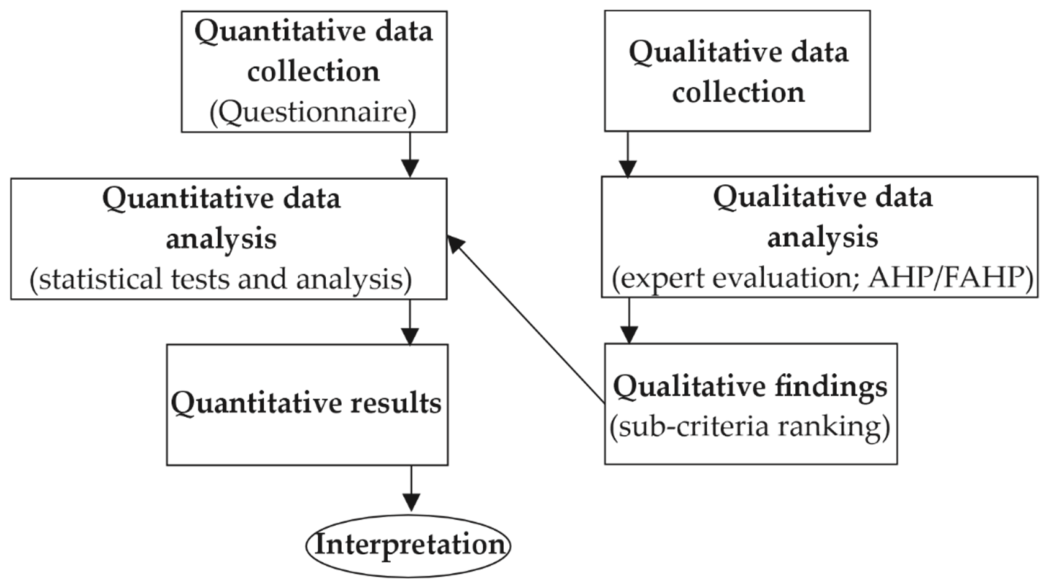
The study employed a modified exploratory sequential research design. The qualitative phase involved expert evaluation and ranking of the sub-criteria using the AHP/FAHP method. In the quantitative phase, data collected through the questionnaire were analyzed separately using appropriate statistical methods, while a subset of the collected data was used to establish an independent ranking of the sub-criteria. The resulting rankings were subsequently compared with those derived from the expert evaluation, enabling an assessment of the degree of correspondence between the qualitative and quantitative findings (see Figure 2).
Figure 2.
The flowchart of the methodology.
3. Results
The study included 323 respondents, of whom 46.4% were male and 53.6% female. The largest proportion of respondents had a high-school level of education—41.2%, followed by 32.5% with a college degree, 12.4% holding a Doctor of Science (PhD) degree, 11.5% holding a Master of Science (MSc) degree, and 2.5% with higher education. The average age of respondents was 36.39 years, with a median of 38 years. The mean age of male respondents was 33.92 years, with a median of 30 years, while female respondents had a higher mean age of 38.55 years and a median of 39 years. Regarding the adequate representation of contemporary technologies in digitalization plans, the largest proportion of respondents (45.2%) selected “Not enough”, 18.9% selected “No”, 26.9% selected “I do not know”, and 9.0% selected “Yes.”
The Chi-square test revealed a statistically significant association between gender and attitudes toward the adequacy of contemporary technologies in digitalization plans, χ2(3, n = 323) = 11.875, p = 0.008, phi = 0.192.
Regarding the response category “No,” 26% of Males selected this option (higher than expected, with an Adjusted Residual of −3), whereas 12.7% of females selected it (lower than expected, with an adjusted residual of −3). For the response “Not enough,” 38% of Males selected this option (Adjusted Residual = −2.4), while 51.4% of Females selected it (Adjusted Residual = 2.4).
The Chi-square test did not reveal a statistically significant association between educational level and attitudes toward the adequacy of contemporary technologies in digitalization plans. However, it is noteworthy that as many as 75% of respondents with a Doctor of Science (PhD) degree selected either “No” or “Not enough” as their responses regarding the adequate representation of contemporary technologies in digitalization plans. The highest proportion of respondents selecting “Yes” was observed among those with a high-school level of education (14.3%).
The importance of the digitalization process for the promotion and preservation of Serbia’s cultural heritage was rated by respondents with a mean score of 5.76. The mode was 7, and the median was 6. The distribution exhibited a strong negative skewness (Skewness = −1.071) and relatively low variability (CV = 26.18%). Nearly identical mean scores were reported by both males and females, with identical values for mode and median (7 in both cases).
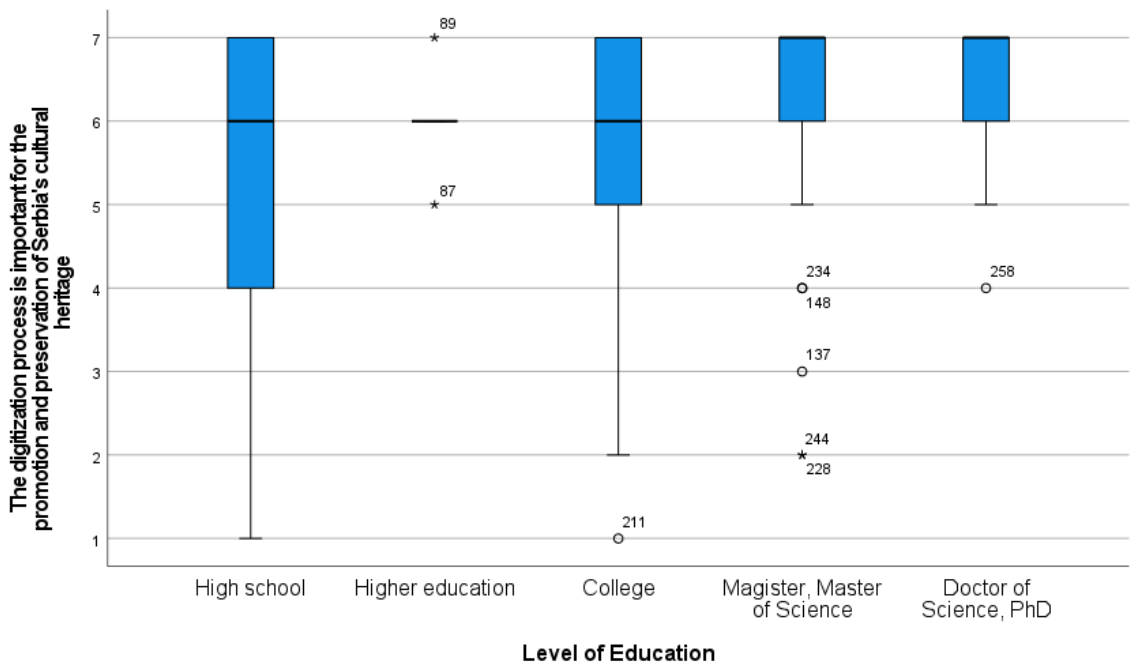
The Kruskal–Wallis test revealed a statistically significant difference in attitudes (see Figure 3) toward the adequate representation of contemporary technologies in digitization plans across the five educational groups (Gp1, n = 133: High school; Gp2, n = 8: Higher education; Gp3, n = 105: College; Gp4, n = 37: Master of Science; Gp5, n = 40: Doctor of Science/PhD), H = 16.206, p = 0.003. Respondents holding a master’s degree and those holding a doctoral degree (PhD) reported higher median scores (Median = 7) than the other educational groups, while respondents holding a doctoral degree (PhD) had the highest mean rank (Mean Rank = 207.35).
Figure 3.
Assessment of the Adequacy of Technology Integration in Digitalization Plans in Relation to Educational Attainment (* and circle are extreme values, out of 1.5IQR interval).
A Kruskal–Wallis H test was carried out to further examine the relationship between the perceived importance of digitalization and respondents’ perspectives in terms of the highest form of contribution to cultural heritage. The analysis showed that the perception of digitalization was significantly different in the four response categories of Q14 (H = 9.320, df = 3, p = 0.025). According to the mean rank, the highest (174.72) was given by the respondents who opted for preservation of national identity and cultural diversity as their primary contribution, while the second highest (168.42) was given by the respondents who opted for development of a knowledge-based society. Nonetheless, Bonferroni-adjusted post hoc comparisons did not find any statistically significant pairwise differences between the groups (all adjusted p > 0.05). Consequently, the overall test indicates differences across the four groups, but the pairwise comparisons reveal no statistically significant differences between particular categories.
According to the respondents’ perceptions, the process of cultural heritage digitalization contributes most significantly to the preservation of national identity and the cultural diversity of national communities in our region (47.1%). The next most important areas identified were scientific research and the application of results in science and education (19.2%), the improvement of the position of the Republic of Serbia at the global level (17.0%), and the development of a knowledge-based society (16.7%).
The analysis of responses by gender and educational level reveals certain differences in perceptions of the importance of specific contributions of cultural heritage digitalization. Specifically, a slightly higher proportion of female respondents compared to male respondents believe that digitalization significantly contributes to the development of a knowledge-based society. Similarly, respondents with the highest level of education, i.e., Doctor of Science (PhD), to a greater extent recognize the contribution of digitalization in this domain, indicating a more pronounced awareness of its role in fostering and advancing a knowledge-based society.
Among media channels, respondents identified Social networks as making the greatest contribution to the promotion of cultural heritage (68.1%), followed by TV (24.5%), Printed media (6.2%), and Radio (1.2%).
With regard to the perceived role of traditional media, the findings indicate that less than one-third of respondents (31.9%) recognize print media, radio, and television as primary channels for the promotion of cultural content. This perception is shared by respondents of both genders and across all educational levels.
When considering Social networks, respondents assigned the highest mean score for contribution to cultural heritage promotion to YouTube (5.54), followed by Instagram (5.09), Facebook (4.84), TikTok (4.28), Twitter/X (4.07), and LinkedIn (3.80).
The Mann–Whitney U test revealed a statistically significant gender difference in the evaluation of LinkedIn’s contribution to the promotion of cultural heritage between Male respondents (Me = 3.0, n = 150) and female respondents (Me = 4.0, n = 173), U = 10,205.50, z = −3.349, p = 0.001. The calculated effect size indicates a small magnitude of effect [24].
Female respondents demonstrated a significantly higher level of agreement with the statement that LinkedIn contributes to the promotion of cultural heritage. Although both groups acknowledged the presence and visibility of cultural content on professional networking platforms, female respondents were more likely to perceive LinkedIn as a credible and effective channel for cultural heritage promotion, particularly through its potential for professional networking, knowledge exchange, and the dissemination of cultural initiatives and projects.
The analysis of respondents’ perceptions regarding the areas in which the digitalization process can generate the greatest impact indicates that nearly half of the respondents (47.1%) consider its most significant contribution to be the preservation of national identity and the cultural diversity of national communities within our region (Preservation of the national identity and cultural diversity of the national communities of our climate). The next most prominent areas identified were scientific research and the application of research outcomes in science and education (Scientific research work and application in science and education), cited by 19.2% of respondents, followed by improving the position of the Republic of Serbia at the global level (Improving the position of the Republic of Serbia on the global level) with 17.0%, and fostering the development of a knowledge-based society (Building a knowledge-based society) with 16.7%.
When analyzed by gender, male respondents identified scientific research and its application in science and education as the second most important contribution of digitalization (22.0%). In contrast, female respondents attached greater importance to improving the position of the Republic of Serbia at the global level and to fostering the development of a knowledge-based society, with both categories receiving nearly identical levels of support (approximately 18%). Despite these differences, respondents of both genders consistently recognized the preservation of national identity and cultural diversity as the most important contribution of the digitalization process.
Regarding respondents’ perceptions of the most influential media for the promotion of cultural heritage (Q15), social networks emerged as the predominant choice, selected by 68.1% of respondents (n = 220), compared with 31.9% (n = 103) who selected traditional media (television, printed media, and radio). A binomial test was conducted to determine whether the proportion of respondents selecting social networks differed significantly from the hypothesized proportion of 0.50. The results revealed a statistically significant difference (p < 0.001), indicating that social networks were selected significantly more frequently than traditional media. These findings provide empirical support for the hypothesis concerning the predominant perceived role of social networks in the promotion of cultural heritage.
The analysis according to educational attainment revealed certain differences across respondent groups. In addition to emphasizing the preservation of national identity and cultural diversity as a key outcome of digitalization, respondents holding a Doctor of Science (PhD) degree also identified the development of a knowledge-based society as one of its most significant contributions. This pattern was not observed among respondents with lower levels of educational attainment, suggesting that the most highly educated participants possess a distinct perception of the broader societal benefits of cultural heritage digitalization, particularly with regard to knowledge creation and dissemination.
3.1. Linear Regression Results
Multiple linear regression analysis was conducted using the Enter method. The dependent variable was an item measured on a seven-point Likert scale assessing the degree of agreement with the statement: “The digitalization process is important for the promotion and preservation of Serbia’s cultural heritage.” The model included 20 predictors and was estimated based on data from 323 respondents.
The model explained 22.1% of the variance in the dependent variable (R2 = 0.221), while the adjusted R2 was 0.169. The overall regression model was statistically significant, F(20, 302) = 4.274, p < 0.001. However, these indicators were not considered sufficient evidence of model stability, and additional diagnostic procedures were therefore performed. The Durbin–Watson statistic was 2.013, indicating no evidence of first-order autocorrelation in the residuals. The multicollinearity analysis also did not indicate a serious problem. Tolerance values ranged from 0.262 to 0.860, while VIF values ranged approximately from 1.16 to 3.82.
The Collinearity Diagnostics table was also examined. The maximum Condition Index was 22.108. Although this value represents a relatively elevated index, it was not accompanied by a pattern of variance proportions indicative of severe multicollinearity among multiple predictors. This finding was also consistent with the VIF and Tolerance results.
Heteroscedasticity was assessed using the Breusch–Pagan test. The auxiliary regression of squared residuals on the original set of 20 predictors yielded an R2 of 0.126. The resulting test statistic was statistically significant (BP = 40.698, df = 20, p = 0.004), indicating evidence of heteroscedasticity. Consequently, the conventional OLS standard errors may not provide fully reliable statistical inference, and the use of heteroscedasticity-consistent standard errors was considered as an additional robustness procedure.
Potentially influential observations were assessed using Cook’s Distance. The values ranged from 0.000 to 0.035, indicating that no individual observation exerted a disproportionately large influence on the regression model estimates.
Residual analysis identified three observations with an absolute standardized residual greater than 3 (cases 45, 211, and 228), with values of −3.035, −3.117, and −3.213, respectively. These observations were therefore examined further as potentially extreme cases. However, given the very low maximum Cook’s Distance value (0.035), there was no evidence that these observations exerted a disproportionate influence on the overall model estimates. Consequently, they were not excluded from the analysis solely on the basis of the magnitude of their residuals.
Residual plots were also examined to assess assumptions related to the distribution and variance of the residuals. Taken together, the diagnostic results did not indicate serious problems associated with multicollinearity, autocorrelation, or individual influential observations.
The model was estimated using 323 observations and 20 predictors, corresponding to approximately 16.15 observations per predictor. Thus, the number of observations was substantially greater than the number of predictors, while model complexity was additionally considered through the reporting of the adjusted R2 and the diagnostic analyses performed.
As an additional robustness check, bootstrap resampling with 2000 samples and 95% bias-corrected and accelerated (BCa) confidence intervals was also attempted. However, SPSS did not produce valid bootstrap estimates for the complete model specification. Therefore, the bootstrap estimates were not used in the interpretation of the results and were not presented as evidence of model stability.
Based on the above findings, model stability was assessed through a combination of model fit indicators, adjusted R2, residual analysis, multicollinearity diagnostics, the Durbin–Watson statistic, and the analysis of influential observations.
The resulting regression equation is as follows:
As an additional sensitivity analysis, ordinal logistic regression was considered because the dependent variable was measured on a seven-point Likert scale. The model included the same explanatory variables as the primary linear regression analysis. The overall model was statistically significant (χ2(20) = 78.933, p < 0.001). The assessment of YouTube as a medium for cultural heritage promotion remained positively and statistically significantly associated with the dependent variable (Estimate = 0.436, SE = 0.104, p < 0.001).
However, the test of parallel lines was statistically significant (χ2(100) = 199.317, p < 0.001), indicating a violation of the proportional odds assumption. Furthermore, the SPSS output indicated that the general model did not achieve convergence within the specified iteration procedure, making the validity of this test uncertain. The distribution of the dependent variable was also markedly concentrated in the highest response category, with 48.3% of respondents selecting category 7, while only 11 respondents selected categories 1 or 2 combined.
Consequently, the ordinal logistic regression results were treated as supplementary exploratory findings rather than as a definitive sensitivity test. The multiple linear regression model was retained as the primary analytical approach, with its suitability assessed through the reported regression diagnostics and residual analyses.
Digitalization of cultural heritage does not appear to be a gender-dependent issue, suggesting that awareness of the importance of preserving cultural identity through contemporary technologies is relatively evenly distributed across genders. Furthermore, the importance of cultural heritage digitalization is recognized across all educational levels, indicating that the need for digital transformation extends beyond academic and research communities. For respondents with a PhD degree, the obtained p-value was 0.064, which slightly exceeds the conventional significance threshold of 0.05. Although this result does not indicate statistical significance at the 5% level, it may suggest a discernible tendency toward stronger support for cultural heritage digitalization among respondents with the highest level of education compared with respondents from other educational groups. This tendency may be associated with the greater exposure of PhD holders to open-access scientific and cultural databases, digital archives, and international research and knowledge-sharing practices. Such experience may provide them with a deeper understanding of the practical and methodological value of digitalization and its potential to improve access to, preservation of, and dissemination of cultural heritage.
As cultural heritage is inherently visual in nature, encompassing historical monuments, museum exhibits, works of art, and traditional crafts, YouTube, as a primarily video-oriented platform, enables the visual and audio presentation of heritage in a way that text-based media or radio cannot achieve. Furthermore, YouTube functions as a widely accessible medium, allowing users to encounter cultural content through documentaries, virtual museum tours, educational channels, and projects created by independent content creators, which directly contributes to raising awareness of the importance of digitalization. The positive effect on the dependent variable suggests that respondents who recognize the importance of YouTube in promoting heritage also tend to assess the digitalization process itself more strongly as a key tool for preserving cultural identity.
The findings further suggest that the digitalization process is considerably constrained by the insufficient integration of digital technologies into cultural heritage digitalization strategies (Unstandardized Coefficients B = 0.408). Conversely, the variable reflecting the motivation to preserve national identity and cultural diversity did not demonstrate a statistically significant partial effect on the dependent variable.
Although the model has certain methodological limitations, such as its cross-sectional design and reliance on the subjective views of respondents, it nevertheless provides a stable and statistically relevant insight into the key factors shaping society’s attitude toward the digitalization of cultural heritage. Explaining more than one-fifth of the variance (22.1%) with high overall significance, the analysis confirms that visual platforms such as YouTube play a crucial role in raising awareness and promoting heritage, while traditional media such as radio, being peripheral to the main objectives and findings of the study, are falling behind contemporary audience needs. The obtained results provide a solid empirical basis for developing more effective cultural and media policies, directing institutions toward modern, interactive communication channels that can have a stronger impact on the preservation of national identity.
3.2. Fuzzy AHP Analysis Results
This part of the section is devoted to an application of the FAHP algorithm. Five degrees of optimism in the FAHP case were obtained for different values of an optimism index (pessimistic, λ = 0; semi-pessimistic, λ = 0.25; balanced, λ = 0.5; semi-optimistic, λ = 0.75; and optimistic, λ = 1), and crisp AHP are used to compare the obtained results and variables/sub-criteria ranking. Three experts from the fields of Journalism, IT, and Art expressed their opinions based on the meaning of TFNs presented in Figure 1. The expert assessments obtained were combined using the first step of the suggested algorithm. Combining these assessments helped to unite expert judgments in ranking criteria in one common system of estimation since all points of view of involved experts were considered. Thus, as a result of this step, a set of consensus estimates was derived, on the basis of which the following steps would be performed. In addition, such an approach helped to improve the consistency of the entire process and reduce possible biases of any particular expert.
The weights of the main criteria groups X1 and X2 were determined according to the expert’s evaluation. In the sequel, their weights were presented: wAHP(X1) = 0.2, and wAHP(X2) = 0.8; in the balanced FAHP case, their weights are w(X1) = 0.199 and w(X2) = 0.801, while average weights for all FAHP cases are 0.799936 and 0.200064, respectively.
The ranking of sub-criteria is performed in the same manner as the ranking of the main criteria, and fuzzy comparison matrices and corresponding weights are given in Table 2, Table 3, Table 4 and Table 5 and Figure 4, Figure 5 and Figure 6.
Table 2.
Fuzzy comparison matrix for the sub-criteria from group X1 (CI = 0.009, CR = 0.016, λmax = 3.018).
Table 3.
The weights for the sub-criteria from group X1 in the AHP and FAHP cases.
Table 4.
Fuzzy comparison matrix for the sub-criteria from group X2 (CI = 0.007, CR = 0.006, λmax = 6.034).
Table 5.
The weights for the sub-criteria from group X2 in the AHP and FAHP case.
Figure 4.
The weights for the sub-criteria from group X2.
Figure 5.
Triangular fuzzy numbers for the sub-criteria related to group X2.
Figure 6.
The final ranking of all sub-criteria.
As can be seen in Table 3, according to the expert-based prioritization, the leading sub-criteria from the Legacy media group deals with TV (X13) with a corresponding weight equal w(X13) = 0.653 in the AHP case, with the highest and lowest values of 0.642 and 0.6, respectively (FAHP; λ = 0 and λ = 1), and an averaged weight in all FAHP cases w(X11) = 0.617. Printed media (X11) is ranked second, with weight equal to 0.251 (AHP) and 0.273 and 0.295 in the semi-pessimistic and semi-optimistic cases of FAHP, while X12, representing radio, is at the bottom of the first group, being 6.8, 6.1, 6.13, and 6.15 times less important than the leading sub-criteria (AHP and FAHP: λ = 0, λ = 0.5, and λ = 1).
Some calculations regarding sub-criteria from the group X1 weights and matrix consistency check were given below.
In the AHP case, the sums of the columns corresponding to the comparison matrix equal 1.5, 4.33, and 10, while dividing each element of the matrix by the sum of the column elements allows the following triplets to be obtained: (0.667, 0.692, 0.6), (0.222, 0.231, 0.3), and (0.111, 0.077, 0.1). Using the average values of the coordinates of the triplets, the matching weights are obtained. Also, the maximal eigenvalue and index CR are calculated as follows:
For the FAHP case, according to TFNs and , the sums of the corresponding coordinates li, mi, and ui are equal: 7, 2.2, 1.343 for li, 10, 4.33, 1.5 for mi, and 13, 7, 2.2 for ui, while the corresponding inverses are equal to 0.045, 0.063, and 0.095, respectively. Synthetic fuzzy numbers are (0.315, 0.632, 1.233), (0.099, 0.274, 0.664), and (0.06, 0.095, 0.209). After these calculations, using Equation (6), defuzzified values are obtained.
Regarding the criteria X21–X26, the experts provided their individual rankings as ordered 6-tuples (X21, X22, X23, X24, X25, X26): (1, 2, 3, 3, 2, 4), (2, 1, 2, 4, 3, 4) and (1, 2, 2, 3, 4, 3). Using the arithmetic mean of the rankings rounded to the nearest integer, the final ranking (1, 2, 2, 3, 3, 4) is obtained.
The fuzzy comparison matrix corresponding to the sub-criteria from the social networks group is given in Table 4, while their weights are presented in Figure 4.
The leading sub-criteria from the second group, in accordance with expert priorities, are linked to YouTube with weights of 0.332 (AHP) and 0.309, 0.301, and 0.298 in the pessimistic, balanced, and optimistic FAHP cases, respectively. Equally ranked, according to the grades given by the experts, are Instagram and Facebook (X22 and X23) with equal weights wAHP(X22) = wAHP(X23) = 0.195 in the AHP case. In FAHP cases, the weights of these two sub-criteria, due to the fuzzy number showing mentioned equality, (1, 1, 3), fuzzy representation, aggregation, and defuzzification of the corresponding TFNs, differ (see Figure 5 and Table 5): wλ=0 (X22) = 0.198 and wλ=0 (X23) = 0.192; wλ=0.25 (X22) = 0.203 and wλ=0.25 (X23) = 0.191; wλ=0.75 (X22) = 0.208 and wλ=0.75 (X23) = 0.19. In the division of fifth and sixth place with the same AHP score equal 0.108 are Tik Tok and Twitter (X24 and X25), with highest values wλ=1 (X24) = 0.127 and wλ=0 (X25) = 0.113 and averaged FAHP weights 0.124 and 0.11. At the bottom of the ladder lies LinkedIn, with 5.2 (AHP), and 4.61, 4.43, and 4.37 times less weight (FAHP: λ = 0, λ = 0.5, and λ = 1) than the leading sub-criteria of this group. The stability of the rankings across the considered values of the optimism index indicates that the relative ordering of the sub-criteria is not substantially altered by this parameter within the analyzed range.
Speaking of the final ranking of sub-criteria, in all six different ways, as can be seen in Figure 6, YouTube, Instagram and Facebook are still ranked highest, while in fourth place lies X13 (TV). In the classical AHP case, X22 and X23 share the second position, while X24 and X25 share the fifth position due to their identical weights. In the FAHP cases, these ties are differentiated, with X22 ranked second and X23 third, and X24 ranked fifth and X25 sixth. All the remaining sub-criteria from group X2 are ranked sixth and seventh (X25 and X26, respectively, in the FAHP cases), while X26 is ranked sixth in the AHP case. The difference in the rankings is at the lower positions, where X26 has a higher weight than X11 in all six cases. In the case of radio, this sub-criterion remains at the bottom in all six cases.
It has been proven that there are some effective sub-criteria in the evaluation model, namely X21 and X22, which have turned out to be the most important in the analysis conducted. They have, according to expert assessments, consistently been assigned higher weights than the rest of the sub-criteria by various experts, using either the AHP or FAHP approach. The consistency of the results across the AHP and FAHP approaches indicates that the relative importance assigned to these sub-criteria remains similar across the two methodological approaches. In addition, it has been identified that changes in the weights assigned to X21 and X22 may cause some differences in the ranking results. This indicates that variations in the weights assigned to these sub-criteria can affect the resulting ranking and highlights their relative importance within the assessment model. Within the specified weighting scenarios, X21 and X22 are associated with relatively higher weights and consequently contribute substantially to the resulting ranking. The prominent status of these sub-criteria reflects their substantial contribution to the assessment model and highlights their perceived relevance and practical significance in the aggregated assessment. The consistency of the results across the different evaluation methods indicates that X21 and X22 remain among the most important sub-criteria regardless of the methodological approach applied. Consequently, decision-makers should pay particular attention to these factors when conducting evaluations, allocating resources, or developing improvement strategies, as changes in these areas are likely to have the greatest impact on the final assessment results.
In addition, a recently developed surface fuzzy AHP approach [25] offers an alternative for addressing similar decision-making problems. Unlike conventional approaches based on spherical representations, this method employs a predefined surface, thereby providing decision-makers with greater flexibility in representing preferences and uncertainty. Furthermore, the application of advanced mathematical concepts, such as tensor calculus and conformal mappings, provides additional possibilities for modeling and solving complex decision-making problems, as discussed in [26,27].
To assess the robustness of the results obtained, a sensitivity analysis was conducted across all six analyzed scenarios. The normalized weights of the leading criteria (the highest-ranked one) of each group were systematically increased and decreased within a predefined range of ±5–20%; the differences in the other criteria from the corresponding group relative to their significance/weights, normalized, and the obtained changes in the final ranking were examined. The results indicate that the overall ranking remains stable under moderate variations in the leading criteria, as can be seen in Figure 7 and Table 6 (AHP case) and Figure 8 and Table 7 (FAHP case), with only minor changes observed among closely ranked sub-criteria. This suggests that the proposed model demonstrates a satisfactory level of robustness despite the simplified treatment of uncertainty.
Figure 7.
The sensitivity analysis of the criteria under weight variations (AHP case).
Table 6.
The sensitivity analysis of final weights for the criteria final ranking, AHP case.
Figure 8.
The sensitivity analysis of the criteria under weight variations (FAHP, λ = 0.5 case).
Table 7.
The sensitivity analysis of final weights for the criteria final ranking, balanced FAHP case.
Figure 7 presents the changes in the ranking positions of the criteria, taking into account groups of criteria with equal weights, under different perturbation scenarios ranging from −20% to +20%. The results reveal a generally stable ranking structure, particularly with regard to the most and least important criteria. Criterion X21 consistently maintains the first position, whereas X12 remains in the ninth position across all scenarios, indicating that their relative importance is not affected by the weight variations examined.
Similarly, the group comprising criteria X22 and X23 retains its second position throughout the scenarios from −20% to +10%. However, when the weight variation reaches +20%, this group moves to the third position, while criterion X13 advances from fourth to second place. In contrast, the group consisting of X24 and X25 maintains its fifth position throughout the entire sensitivity analysis, demonstrating a high degree of ranking stability. The most notable changes in the lower part of the hierarchy concern criteria X11 and X26, which exchange their relative positions between the negative perturbation scenarios and the baseline scenario. Specifically, X11 moves from seventh to eighth position, while X26 moves from eighth to seventh position. This indicates that the relative ordering of these two criteria is more sensitive to changes in their weights, which may be attributed to the relatively small difference between their initial weight values.
Overall, the graphical results indicate that the ranking hierarchy is largely preserved under the examined perturbations. The observed changes are concentrated in a limited number of criteria and primarily affect the relative positions of criteria or groups with relatively close weights. The consistent positions of X21 and X12, together with the stability of the X24–X25 group, provide further evidence of the robustness of the AHP-derived criterion hierarchy.
The outcomes of sensitivity analysis through the FAHP method under the optimistic scenario are illustrated in Figure 9. In sum, we can see that the overall criterion hierarchy is stable; many criteria have the same ranking position as their initial value at all perturbation levels. X21 is in the first position and X12 in the ninth position, in particular. Moreover, throughout the entire exercise, X22 and X25 have registered second and sixth positions, respectively. There is a noticeable change in ranking position between the upper and lower parts, especially for X13. Criterion X13 transitions from the fifth to the fourth position as its weight is adjusted upward from the −20% perturbation level to the −10% perturbation level, and it remains in the fourth position up to the +10% perturbation level. Under the scenario where the increase is 20% higher than planned, it reaches third place. On the other hand, as the weight is increased by 20%, X23 proceeds from third to fourth place only up to the +10% scenario. Criterion X24 ranks fourth under the −20% scenario while it ranks fifth in all other scenarios. These changes indicate that the relative positions of criteria in the middle of the hierarchy are more sensitive to variations in their weights than those of the highest- and lowest-ranked criteria. In the lower part of the hierarchy, criteria X11 and X26 exchange their positions around the baseline scenario. Specifically, X11 maintains seventh position up to the baseline scenario, whereas X26 occupies eighth position. Following a positive perturbation of 5% or more, their positions are reversed, with X26 moving to seventh and X11 to eighth place.
Figure 9.
The sensitivity analysis of criteria ranking in all six base cases.
Overall, the findings demonstrate that the FAHP-derived ranking under the optimistic scenario is robust to the examined variations in criterion weights. Although some changes in the relative positions of individual criteria are observed, they are limited in scope and do not substantially alter the overall hierarchy. The consistent ranking of X21 and X12 further supports the stability of the identification of the most and least important criteria.
The differences between base (no changes) AHP and FAHP approaches, as can be seen in Figure 9, are limited to three ranking positions. In the AHP case, criteria X22 and X23 have equal weights and share second place, whereas FAHP distinguishes between them (X22 ranks second and X23 third). Similarly, FAHP differentiates between criteria X24 and X25, which share fifth place in the AHP case (X24 ranks fifth and X25 sixth). The only actual reversal in the relative ordering occurs between criteria X11 and X26: in the AHP case, X26 ranks seventh and X11 eighth, whereas the opposite ordering is observed in all FAHP cases. This reversal can be attributed to the very similar weights of these two criteria, with the difference being less than 0.003 in all cases. All five FAHP cases produce identical rankings (Spearman’s rank correlation coefficient = 1.000), indicating that changes in the optimism index λ do not affect the relative ordering of the criteria. The agreement between the AHP and FAHP rankings is also high (rs = 0.975). These findings confirm the robustness of the proposed model with respect to the choice of method and the decision-maker’s attitude.
The findings obtained by this study can be considered congruent with other recent studies that highlight the increased significance of digital platforms in the process of cultural heritage promotion, recording, and preservation. In particular, recent research that was dedicated to analyzing audience engagement and its implications for cultural heritage communication on Facebook, Instagram, and YouTube revealed certain platform-specific differences in engagement and the need to adapt communication strategies for each specific platform [28]. Moreover, recent studies dedicated to digital heritage preservation, which involved the analysis of selected forms of intangible heritage and their recording and promotion on YouTube, Facebook, and Instagram, revealed high levels of activity on YouTube, while levels on Facebook and Instagram were relatively low [29]. This provides some context for the relatively high priority attributed to YouTube in the current AHP–FAHP analysis. Nevertheless, the recent literature notes that the contribution of digital platforms should be considered in the broader context of technological, institutional, and social factors, such as issues of unequal access, dependency on platforms, and data availability [30].
It should be emphasized that FAHP is used in this study as a structured expert-prioritization technique, not as a statistical validation procedure. The resulting weights reflect the aggregated judgments of the three participating experts and are therefore interpreted as context-specific priorities rather than general population estimates.
The survey and FAHP analyses serve complementary purposes. The survey captures respondents’ perceptions regarding the importance of digitalization-related aspects, whereas FAHP provides a structured prioritization of the evaluation criteria based on expert judgments. Therefore, the FAHP results are not interpreted as an independent statistical validation of the survey findings.
4. Discussion
Based on the research results obtained, a conceptual model can be developed, as illustrated in Figure 10. The model examines the influence of two types of media and communication approaches on the preservation of cultural heritage, namely: Digitalization and Contemporary Technologies (Social Networks) as an independent variable, Legacy Media (radio, television, and print media) as an independent variable, and Protection and Preservation of Cultural Heritage as the dependent variable. The relationship between digitalization and contemporary technologies and legacy media is bidirectional, indicating that these two systems are not entirely separate but can both complement and compete with one another in the process of promoting and safeguarding cultural heritage. In practical terms, this implies that traditional media utilize content generated through digital platforms, while digital media disseminate or reinterpret content originating from traditional media; together, both systems shape the visibility and promotion of cultural heritage. From a statistical perspective, this relationship can be defined as a correlation between the independent variables.
Figure 10.
Conceptual model.
The relationship between Digitalization and Contemporary Technologies (Social Networks) and the Protection and Preservation of Cultural Heritage is represented by a solid arrow (indicating an expected strong effect). In practical terms, this signifies that the digitalization of cultural content, the use of advanced information and communication technologies, active presence on social media platforms, and the digital accessibility of cultural assets make a substantial contribution to the documentation, promotion, accessibility, and long-term preservation of cultural heritage.
In contrast, the relationship from Legacy Media to Protection and Preservation of Cultural Heritage is depicted by a dashed arrow, indicating a comparatively weaker influence relative to digital technologies. This implies that the effect of digitalization on cultural heritage preservation surpasses the impact of traditional media such as radio, television, and print. Nevertheless, this does not preclude the continued relevance of traditional media; they still contribute to heritage preservation, albeit to a lesser extent than digitalization and contemporary technological solutions.
This conceptual model posits that digitalization and the application of contemporary technologies, particularly through the use of social media, exert a predominant influence on the preservation of cultural heritage. At the same time, traditional media continue to contribute to the heritage preservation process. However, their impact is expected to be comparatively weaker than that of digital technologies. Accordingly, the model enables the testing of both the direct effect of digitalization on cultural heritage preservation (H1) and the comparative strength of influence between digital and traditional media (H2).
In the empirical part of the study, a distinction is made between the perceived importance of digitalization and the perceived contribution of digitalization to the preservation and promotion of cultural heritage. This distinction is important because, although these concepts are related, they do not represent the same phenomenon.
In the empirical part of the study, a clear conceptual and methodological distinction was established between the perceived importance of digitization and respondents’ perceptions of its contribution to the preservation and promotion of cultural heritage. Although these concepts are closely related, they represent distinct dimensions of public perceptions of digitization and should therefore be examined separately. The perceived importance of digitization reflects the extent to which respondents consider digitization to be a significant process in the cultural heritage context, whereas the perceived contribution of digitization concerns the specific areas in which respondents believe its benefits are most pronounced.
Within this framework, variable Q13 measures respondents’ perceived importance of cultural heritage digitization on a seven-point Likert scale ranging from 1—“Strongly disagree” to 7—“Strongly agree, while variable Q14 identifies the area that respondents consider to be the primary contribution of digitization. The latter variable captures respondents’ prioritization of a particular perceived benefit, rather than providing a comprehensive or direct measure of the overall contribution of digitization to cultural heritage preservation. Consequently, the selection of preservation of national identity and cultural diversity as the primary benefit should be interpreted as an indication of the relative importance respondents assign to this particular aspect of digitization, rather than as evidence of its objectively measured preservation outcomes.
On this basis, Hypothesis H1 was operationalized by examining the relationship between Q13 and Q14. Specifically, the analysis investigates whether the perceived importance of digitization differs according to the primary contribution that respondents attribute to it, with particular attention to the preservation of national identity and cultural diversity. This approach enables an assessment of whether respondents who prioritize preservation-related benefits assign a different level of importance to digitization than those who identify other primary benefits, such as the development of a knowledge-based society, the advancement of scientific research and education, or the improvement of the Republic of Serbia’s position at the global level. It is important to emphasize, however, that this hypothesis does not examine the causal effect of digitization on cultural heritage preservation, nor does it directly measure the actual effectiveness of digitization in preserving cultural assets. Rather, it examines the association between the perceived importance of digitization and respondents’ prioritization of its perceived benefits. The findings should therefore be interpreted in terms of differences in perceptions and priorities, without drawing causal conclusions or making claims about objectively verified preservation outcomes.
The second hypothesis (H2) addresses a different analytical dimension, focusing on the perceived contribution of communication channels to the promotion of cultural heritage. Unlike H1, which concerns the perceived importance of digitization and the prioritization of its perceived benefits, H2 examines respondents’ perceptions of the role of digital and traditional media in communicating and promoting cultural heritage. This distinction is important because the promotion of cultural heritage through communication channels and the preservation of cultural heritage are related but conceptually different processes. Promotion primarily concerns increasing visibility, facilitating access to information, and reaching broader audiences, whereas preservation concerns the safeguarding and continuity of cultural heritage over time.
In this context, variable Q15 examines which communication medium respondents consider contributing most to cultural heritage promotion, thereby capturing their comparative assessment of the perceived contribution of different media. Variable Q16 further operationalizes the digital dimension of promotion by examining respondents’ perceptions of digital media and platforms in this context. Together, these variables provide the empirical basis for investigating preferences regarding communication channels and the perceived role of digital technologies in promoting cultural heritage. Accordingly, H2 focuses on the perceived contribution of digital and traditional communication channels to cultural heritage promotion, rather than on their objectively measured performance or effectiveness.
The distinction between perceived contribution and actual effectiveness is particularly relevant to the interpretation of the results. Respondents’ preferences and evaluations provide valuable insights into public perceptions of communication channels, but they do not, in themselves, establish which channels generate greater audience engagement, reach larger audiences, increase cultural participation, or produce measurable improvements in the visibility of cultural heritage. Such outcomes would require additional indicators, such as audience reach, engagement metrics, participation rates, or comparative assessments of promotional campaign performance. Therefore, the findings related to H2 are interpreted as evidence of respondents’ perceptions and preferences regarding cultural heritage promotion, rather than as a direct empirical assessment of the effectiveness of digital or traditional media.
Taken together, the operationalization of H1 and H2 ensures a clearer alignment between the conceptual framework, the questionnaire items, the statistical analyses, and the interpretation of the findings. H1 examines the relationship between the perceived importance of digitization and the primary benefit respondents associate with it, with particular relevance to preservation-related perceptions. H2, in turn, focuses on the perceived contribution of digital and traditional communication channels to cultural heritage promotion. This distinction establishes clearer analytical boundaries between the two hypotheses and reduces the risk of conflating perceptions of importance, the prioritization of perceived benefits, and the effectiveness of preservation or promotional activities. It also provides a more transparent basis for interpreting the empirical results and identifying directions for future research.
Furthermore, the conceptual framework of this study suggests several important theoretical implications for the development of cultural tourism. The effective preservation, digitization, and promotion of cultural heritage may create new opportunities for local development by increasing the visibility of cultural assets, facilitating access to cultural information, and strengthening the connection between heritage institutions, local communities, and potential visitors. In this regard, digital technologies may serve as an important instrument for presenting cultural heritage to broader audiences, including individuals who may not otherwise have direct access to particular cultural sites, collections, or heritage resources. By expanding the reach of cultural heritage beyond its immediate geographical context, digitalization may also contribute to raising awareness of local cultural identities and strengthening the appeal of destinations with distinctive cultural and historical characteristics.
From a cultural tourism perspective, the increased digital visibility of cultural heritage may provide opportunities for destinations to develop more diverse cultural experiences, improve the dissemination of information about heritage sites and institutions, and complement traditional forms of cultural tourism promotion. Digital platforms and communication channels may facilitate the discovery of lesser-known cultural attractions, support the presentation of local traditions and historical narratives, and encourage potential visitors to explore cultural destinations. These developments could, in turn, create opportunities for local communities, cultural institutions, tourism organizations, and small businesses to strengthen their cooperation and integrate cultural heritage more effectively into local and regional development strategies. In the longer term, such processes may offer potential pathways for supporting cultural participation, diversifying tourism products, and strengthening the relationship between heritage preservation and sustainable tourism development.
Nevertheless, these implications for cultural tourism should be understood exclusively as theoretical and developmental implications of the present study, rather than as empirically verified effects. Although the conceptual framework provides a basis for considering the potential relationship between cultural heritage digitization, digital promotion, and tourism development, the empirical analysis did not directly measure tourism-related outcomes. Specifically, the study did not include indicators such as visitor numbers, tourist expenditure, length of stay, employment, investment, or tourism-generated revenue. Consequently, the findings do not provide sufficient empirical evidence to conclude that digitization directly increases tourist arrivals, generates additional tourism income, or produces measurable employment and investment benefits.
Instead, the results provide a basis for considering the potential role of digitization and digital promotion in increasing the visibility and accessibility of cultural heritage and facilitating its integration into cultural tourism development strategies. The distinction between these potential implications and demonstrated empirical outcomes is essential, as increased digital visibility does not necessarily translate into increased physical visitation, higher tourist expenditure, or measurable economic benefits. Such outcomes may depend on a broader range of factors, including the attractiveness and accessibility of destinations, the quality of tourism infrastructure, the availability of visitor services, the effectiveness of destination management, and the capacity of local stakeholders to translate digital engagement into actual tourism experiences.
Future research could examine these relationships directly by incorporating indicators of tourist arrivals, visitor profiles, destination attractiveness, tourist expenditure, length of stay, and engagement with digital cultural heritage resources. Longitudinal studies could further investigate whether changes in the digital visibility and promotion of cultural heritage are associated with subsequent changes in visitation patterns and tourism-related economic outcomes. Comparative studies across destinations or cultural heritage institutions could also help identify the conditions under which digitalization contributes most effectively to cultural tourism development. In addition, mixed-methods approaches combining quantitative tourism data with interviews involving cultural heritage professionals, tourism stakeholders, and local communities could provide a more comprehensive understanding of the mechanisms connecting digital cultural heritage initiatives with local development.
By addressing these questions, future research could move beyond the conceptual proposition that digitization may support cultural tourism and establish a more robust empirical understanding of the conditions under which such benefits may emerge. This would also enable a more comprehensive assessment of how digital cultural heritage initiatives can be incorporated into sustainable development strategies while maintaining a clear distinction between the objectives of heritage preservation, cultural promotion, and tourism-driven economic development.
5. Conclusions
The growing relevance of media for continuous audience development, the enhancement of interactive promotion of digitalized discourse within virtual environments, and the deconstruction of elitist models of cultural consumption have created substantial opportunities for the affirmation and promotion of cultural heritage. The implementation of innovative approaches to mapping the needs of target groups enables media organizations to make a significant contribution to improving access for vulnerable and marginalized populations through the active advocacy of inclusive policies and practices. The transformation of cultural heritage into digital formats, particularly its presentation and dissemination through social media platforms, generates profound social and cultural changes that necessitate new forms of coexistence within virtual environments. These developments require the harmonization of tangible and intangible heritage with evolving processes of presentation and interpretation, as well as the alignment of rapid technological advancements with the digital representation of cultural heritage across social media ecosystems.
The findings indicate a high level of perceived importance of digitalization among respondents. Specifically, the importance of digitalization for the promotion and preservation of the cultural heritage of the Republic of Serbia received a high mean score of 5.76 on a seven-point scale, with a mode of 7 and negative skewness (Skewness = −1.071), indicating a concentration of responses toward the higher end of the scale. Furthermore, 47.1% of respondents identified the preservation of national identity and cultural diversity as the area in which digitalization contributes most substantially. At the same time, 45.2% of respondents assessed the current level of technological integration as insufficient by selecting the response Not enough. In addition, the regression results indicate that dissatisfaction with existing digitalization plans is significantly associated with variation in respondents’ attitudes toward cultural heritage digitalization. Taken together, these findings indicate that respondents generally perceive digitalization and the application of modern technologies as important for cultural heritage preservation and perceive them as contributing to its preservation. Therefore, the findings are consistent with Hypothesis H1, which proposes that the perceived importance of digitalization and the application of modern technologies is positively associated with respondents’ perceptions of their contribution to the preservation of cultural heritage.
The results further point out the dominant role of digital platforms over traditional channels of information dissemination. Specifically, 68.1% of respondents identified social networks as the medium making the greatest contribution to the promotion of cultural heritage, whereas all traditional media combined (television, print media, and radio) accounted for the remaining 31.9%. Within the regression model, YouTube emerged as the strongest and highly statistically significant positive predictor (β = 0.336, t = 4.435, p < 0.001), while reliance on radio as a source of information exhibited a statistically significant negative effect (p = 0.016). The coefficient associated with radio should be interpreted with caution, as only 1.2% of respondents selected this medium. Although the regression results indicate an association with the dependent variable, the small number of observations limits the reliability and generalizability of the estimate. Therefore, this finding should not be interpreted as broad evidence of radio’s effectiveness in promoting and preserving cultural heritage. Nevertheless, the conclusion regarding the predominance of social media over traditional communication channels should be interpreted primarily in the context of the media affirmation and visibility of cultural heritage. More specifically, the measurement instrument employed in the second section of the study assessed respondents’ perceptions of the importance of different media for cultural heritage preservation and the related media discourse. The findings indicate that respondents perceive digitalization and modern technologies as more important for cultural heritage preservation than traditional media, which is consistent with Hypothesis H2.
Overall, the findings indicate that the experts included in the study perceive digitalization-related factors as relevant to heritage preservation, with X21 and X22 receiving comparatively high weights across the analyzed AHP and FAHP scenarios. These findings should be interpreted within the context of the selected sample, expert panel, criteria, and methodological assumptions of the study.
The high level of similarity among the rankings obtained across different levels of the optimism index suggests that the resulting criterion priorities are relatively stable with respect to changes in this parameter, as the relative ordering of the criteria remains largely unchanged. Thus, despite the varying degree of optimism that may be present within the environment used for making decisions, it does not result in substantial changes in the preference order between the criteria, and a high level of consistency is achieved through the process of evaluation. In turn, the consistency of the criterion rankings across different values of the optimism index suggests that the FAHP-derived priorities are relatively stable with respect to variations in this parameter. As was mentioned previously, the optimism index characterizes the level of confidence included in the fuzzy judgments made by the DMs. If a major change in the ranking of the criteria takes place upon changing the optimism index, it would mean a highly dependent result. Moreover, the consistency of the rankings across different values of the optimism index indicates that the resulting criterion priorities are not highly sensitive to variations in the defuzzification process. The low influence of their change confirms that the chosen evaluation structure correctly reflects all the dependencies between sub-criteria without letting any nuances of experts’ opinions affect the results. This should be especially emphasized when making decisions using multiple criteria since it is difficult to exclude some level of vagueness from the process due to subjective judgments of experts. Methodologically, these outcomes demonstrate the high applicability and reliability of the presented approach based on the FAHP method. Firstly, the ability of the model to produce stable rankings across different optimism degrees suggests that the resulting criterion priorities are relatively robust to changes in the optimism parameter. Such a feature is very valuable because decision-makers can be sure that the conclusions made according to the model will remain stable even with slight changes in initial data or experts’ opinions. Overall, the consistency of the ranking outcomes across varying optimism index values confirms the stability and effectiveness of the proposed MCDM framework. The results indicate that the model is capable of producing reliable and dependable evaluations while accommodating uncertainty through fuzzy logic principles. Consequently, the proposed approach can be regarded as a robust and trustworthy tool for supporting complex decision-making processes in situations characterized by incomplete information and subjective expert judgments. In the third phase of the study, the application of the Fuzzy Analytic Hierarchy Process (FAHP) revealed that contemporary technological elements exert a statistically dominant influence on the preservation of cultural heritage, based on the expert panel evaluation, thereby providing empirical support for H3.
The contribution of this study can be considered at empirical, methodological, and practical levels. Empirically, the study provides insight into how respondents perceive the role of traditional media, social networks, and digitalization in the promotion and perceived preservation of Serbia’s material and intangible cultural heritage. The findings indicate that digitalization and modern technologies are perceived as important components of contemporary heritage-related strategies, while the AHP–FAHP analysis identifies differences in the relative priorities assigned to individual digital platforms and other criteria. Methodologically, the study demonstrates the complementary use of LR and AHP–FAHP: LR is used to examine the influence of the selected criteria, whereas AHP–FAHP is used to determine their relative weights while explicitly considering uncertainty and imprecision in expert judgments. The sensitivity analysis further shows how changes in criterion weights affect the resulting ranking and indicates that the main priority structure remains relatively stable, although some changes occur among criteria with similar weights. From a practical perspective, these findings may provide a basis for considering digital media and technological infrastructure within cultural heritage promotion and management strategies. However, the results should be interpreted within the scope of the study, as they represent respondents’ perceptions and experts’ relative priorities and do not establish direct causal effects of digital media on heritage preservation.
While this study proposes a comprehensive MCDM evaluation framework for assessing cultural heritage promotion on social media applying the linear regression model and fuzzy AHP methodology, several limitations should be acknowledged. First, although the expert panel was composed of professionals with substantial experience in cultural heritage, media, IT, and art, potential bias in expert judgment cannot be fully excluded. Despite their extensive knowledge and expertise in these fields, individual perspectives, professional backgrounds, and personal experiences may have influenced the evaluation process to some extent. As with any expert-based assessment, a certain degree of subjectivity is inherent and should be acknowledged when interpreting the results. A limitation of the FAHP component is the relatively small expert panel, consisting of three experts. Although expert-based MCDM approaches can be conducted with a limited number of knowledgeable participants, a three-expert panel does not provide a basis for generalizing the resulting weights to the broader population of experts. Consequently, the FAHP results should be interpreted as context-specific expert prioritization rather than as statistically generalizable estimates. Future studies could strengthen the robustness of the expert assessment by involving a larger and more diverse panel of experts and by examining the stability of the resulting weights under alternative expert compositions and methodological assumptions.
Also, one important limitation of this study is the specificity of the sampled population, which may not fully represent the broader demographic spectrum. The sample primarily consisted of residents of the Republic of Serbia, which may introduce a degree of selection bias associated with the specific socio-cultural context of the Western Balkans. Consequently, the findings should be interpreted with caution, as their generalizability to other populations may be limited. Although the study provides valuable insights within the examined context, the results may not be directly applicable to populations with different cultural, social, or demographic characteristics. Future research should therefore apply the proposed methodology to more diverse samples across different Western Balkan countries, as well as to populations from other geographical regions, in order to assess the robustness, consistency, and external validity of the findings.
Supplementary Materials
The following supporting information can be downloaded at: https://www.mdpi.com/article/10.3390/heritage9110460/s1.
Author Contributions
Conceptualization, A.P., B.S. and D.J.S.; methodology, A.P. and D.J.S.; software, A.P. and D.J.S.; validation, N.O.V., B.M.R. and M.M.; formal analysis, B.S., N.O.V., B.M.R. and M.M.; investigation, B.S., M.M. and B.M.R.; resources, A.P., B.S. and D.J.S.; data curation, A.P. and D.J.S.; writing—original draft preparation, D.J.S., A.P. and N.O.V.; writing—review and editing, M.M. and B.M.R.; visualization, N.O.V., B.S. and A.P.; supervision, B.M.R. and N.O.V.; project administration, D.J.S., M.M. and B.S.; funding acquisition, B.S. All authors have read and agreed to the published version of the manuscript.
Funding
This research was partially funded by the Provincial Secretariat for Culture, Public Information and Relations with Religious Communities of the Republic of Serbia under Grant No. 003044962 2026 80252 005 001 681 020 04 001, dated 25 June 2026.
Institutional Review Board Statement
The research was conducted in accordance with the principles of scientific research ethics and the protection of the rights of respondents, in accordance with the Law on Science and Research (“Official Gazette of RS”, No. 49/2019 and 108/2025), especially the principles from Art. 4 and 5 of this law, as well as with the provisions of the Law on the Protection of Personal Data (“Official Gazette of RS”, No. 87/2018), which refer to the processing of data for the purposes of scientific research. The research was of a non-invasive nature and was carried out through a voluntary survey, without interventions from the respondents. The data were collected and processed in a way that does not allow the identification of individual respondents, that is, in accordance with the principles of data minimization and protection of the rights and freedoms of the persons to whom the data refer, in the sense of Article 92 of the Law on the Protection of Personal Data. The current regulations of the Republic of Serbia do not establish a general obligation to first obtain the opinion of the ethics board or ethics committee of the higher education institution for any noninvasive social research conducted through anonymous surveys. Such an obligation exists when it is stipulated by a special law for a certain type of research or when it results from the appropriate general act of a specific scientific research or higher education institution. Bearing in mind the character, method and subject of this research, as well as the fact that it is a voluntary and anonymous survey without medical or other physical intervention on the respondents, the research was not subjected to the procedure of previously obtaining the opinion of the ethics committee, since such an obligation for this type of research is not prescribed by the relevant republican law.
Informed Consent Statement
Before participating in the study, all participants were informed about the purpose and objectives of the research, the voluntary nature of their participation, the intended use of the data collected, and the procedures for data protection and storage. Participants were informed that the questionnaire was anonymous and that no personally identifiable information was collected. The collected data were used exclusively for research purposes and were analyzed and reported in aggregate form. Participants were also informed that participation involved no physical intervention and no anticipated risks beyond those ordinarily encountered in everyday activities. They were free to decline participation or discontinue completing the questionnaire at any time without any consequences. By proceeding with and submitting the completed questionnaire after receiving this information, participants provided their informed and voluntary consent to participate in the study.
Data Availability Statement
The original contributions presented in this study are included in the article. Further inquiries can be directed at the corresponding author.
Acknowledgments
Authors wish to thank anonymous referees for their times involved in estimating the scientific quality of results presented in this research.
Conflicts of Interest
The authors declare no conflicts of interest.
References
- Prados-Peña, M.B.; Crespo-Almendros, E.; Porcu, L. How Online Sales Promotions via Social Networks Affect the Brand Equity of a Heritage Destination. Heritage 2022, 5, 2547–2564. [Google Scholar] [CrossRef] [Scilit]
- Todorova-Ekmekci, M. Presenting and promoting cultural heritage with digital media, marketing approaches and methods. Good examples. KIN J. 2021, 7, 259–266. [Google Scholar] [CrossRef] [Scilit]
- Sančanin, B.; Penjišević, A. Media promotion in the function of preserving cultural heritage from the UNESCO list: Statistical findings and analysis. In The Importance of Media Interpretation for the Promotion of Cultural Heritage; Center for Culture, Education and Media “Akademac”–Faculty of Management: Sremski Karlovci, Serbia, 2023; Volume 4, pp. 11–34. [Google Scholar] [CrossRef] [Scilit]
- Loc, T.T.; Duy, T.P. The Role of Media in Promoting Local Culture: The Case of Kien Giang Province, Vietnam. Dev. Sci. Technol. Innov. New Time 2025, 473, 473–498. [Google Scholar]
- Wang, B.; Dane, G.; de Vries, B.; Arentze, T. Design and Test of a Multi-Media Web Platform Prototype Based on People’s Preferences to Increase Cultural Heritage Awareness. Sustainability 2024, 16, 10065. [Google Scholar] [CrossRef] [Scilit]
- Tišma, S.; Uzelac, A.; Jelinčić, D.A.; Franić, S.; Mileusnić Škrtić, M. Overview of Social Assessment Methods for the Economic Analysis of Cultural Heritage Investments. J. Risk Financ. Manag. 2022, 15, 327. [Google Scholar] [CrossRef] [Scilit]
- Septianingrum, H.; Soewardikoen, D.W.; Arief, A.N. Communicating Urban Heritage Through Social Media in Tegal City. Int. J. Humanit. Soc. Sci. Bus. 2026, 5, 26–37. [Google Scholar]
- Yang, W.; Ke, Y. A Systematic Review of Media Transmediation and Innovation Diffusion of Nanjing Dabao’en Temple Pagoda in the Context of Cross-Cultural Communication. Asian J. Arts Cult. 2026, 26, e108. [Google Scholar] [CrossRef] [Scilit]
- Chang, H. Decision Algorithm for Digital Media and Intangible-Heritage Digitalization Using Picture Fuzzy Combined Compromise for Ideal Solution in Uncertain Environments. Symmetry 2025, 17, 443. [Google Scholar] [CrossRef] [Scilit]
- Li, Y.; Chen, Y. Analysis of Cultural Perceptions of the Intangible Cultural Heritage of Chinese Porcelain Inlay: An Investigation Based on Social Media Data. Information 2025, 16, 124. [Google Scholar] [CrossRef] [Scilit]
- Serrano-Estrada, L.; Martí, P.; Bernabeu-Bautista, Á.; Huskinson, M. Mapping Heritage Engagement in Historic Centres Through Social Media Insights and Accessibility Analysis. Land 2024, 13, 1972. [Google Scholar] [CrossRef] [Scilit]
- Liu, K.; Wang, P.; Liu, J. Evaluation of Cultural Ecosystem Services in the Urban Parks of Macau from a Cultural Heritage Perspective. Appl. Sci. 2025, 15, 3946. [Google Scholar] [CrossRef] [Scilit]
- Vinod, V.; Sarkar, S.; Roy, S. From Heritage Valuation to Evidence-Based Computational Heritage Town Planning: Methodological Development and Application of the Cultural Heritage Town Development Index. Urban Sci. 2025, 9, 514. [Google Scholar] [CrossRef] [Scilit]
- Qasim Derhem Dammag, B.; Jian, D.; Dammag, A.Q. Cultural Heritage Sites Risk Assessment and Management Using a Hybridized Technique Based on GIS and SWOT-AHP in the Ancient City of Ibb, Yemen. Int. J. Archit. Herit. 2025, 19, 1537–1572. [Google Scholar] [CrossRef] [Scilit]
- Malpas, J. Cultural Heritage in the Age of New Media. In New Heritage: New Media and Cultural Heritage; Kalay, Y.E., Kvan, T., Affleck, J., Eds.; Routledge: London, UK, 2007; pp. 13–26. [Google Scholar]
- Wooldridge, J.M. Introductory Econometrics: A Modern Approach, 7th ed.; Cengage Learning: Independence, KY, USA, 2020. [Google Scholar]
- Field, A. Discovering Statistics Using IBM SPSS Statistics, 6th ed.; SAGE Publications: Thousand Oaks, CA, USA, 2023. [Google Scholar]
- Zadeh, L.A. The Concept of a Linguistic Variable and Its Application to Approximate Reasoning—II. Inf. Sci. 1975, 8, 301–357. [Google Scholar] [CrossRef] [Scilit]
- Zadeh, L.A. The Concept of a Linguistic Variable and Its Application to Approximate Reasoning—I. Inf. Sci. 1975, 8, 199–249. [Google Scholar] [CrossRef] [Scilit]
- Sančanin, B.; Penjišević, A.; Simjanović, D.J.; Ranđelović, B.M.; Vesić, N.O.; Mladenović, M. A Fuzzy AHP and PCA Approach to the Role of Media in Improving Education and the Labor Market in the 21st Century. Mathematics 2024, 12, 3616. [Google Scholar] [CrossRef] [Scilit]
- Kulak, O.; Durmuşoğlu, M.B.; Kahraman, C. Fuzzy Multi-Attribute Equipment Selection Based on Information Axiom. J. Mater. Process. Technol. 2005, 169, 337–345. [Google Scholar] [CrossRef] [Scilit]
- Zhao, J.; Bao, Q.; Huang, Z.; Zhang, R. A Multidimensional Evaluation-Based Reinterpretation of the Cultural Heritage Value of Blue-and-White Porcelain Patterns in Contemporary Design. Heritage 2025, 8, 250. [Google Scholar] [CrossRef] [Scilit]
- Chang, D.-Y. Applications of the Extent Analysis Method on Fuzzy AHP. Eur. J. Oper. Res. 1996, 95, 649–655. [Google Scholar] [CrossRef] [Scilit]
- Cohen, J. Statistical Power Analysis for the Behavioral Sciences, 2nd ed.; Lawrence Erlbaum Associates: Hillsdale, NJ, USA, 1988. [Google Scholar]
- Simjanović, D.J.; Vesić, N.O.; Ignjatović, J.M.; Ranđelović, B.M. A novel surface fuzzy analytic hierarchy process. Filomat 2023, 37, 3357–3370. [Google Scholar] [CrossRef] [Scilit]
- Randjelović, B.M.; Simjanović, D.J.; Vesić, N.O.; Djurišić, I.; Vlahović, B.D. On (, m)-Conformal Mappings. Axioms 2025, 14, 652. [Google Scholar] [CrossRef] [Scilit]
- Vesić, N.; Djurišić, I.; Simjanović, D. (, m)-Conformal Mappings and Their Geodesic Extension. Axioms 2026, 15, 446. [Google Scholar] [CrossRef] [Scilit]
- Baitalik, A. Can Social Media Pave the Way for the Preservation and Promotion of Heritage Sites? Preserv. Digit. Technol. Cult. 2025, 54, 51–64. [Google Scholar] [CrossRef] [Scilit]
- Pradhan, R.S.; Goswami, A. Navigation of Cultural Heritage in the Digital Age: The Role of Social Media Platforms in the Preservation of Selected Folk Performances of Odisha. Preserv. Digit. Technol. Cult. 2025, 54, 237–250. [Google Scholar] [CrossRef] [Scilit]
- Ginzarly, M.; Teller, J. Leveraging Social Media for Resilient Cultural Heritage: A People-Centred Conceptual Framework for Community Engagement and Crisis Response. Built Herit. 2025, 9, 40. [Google Scholar] [CrossRef] [Scilit]
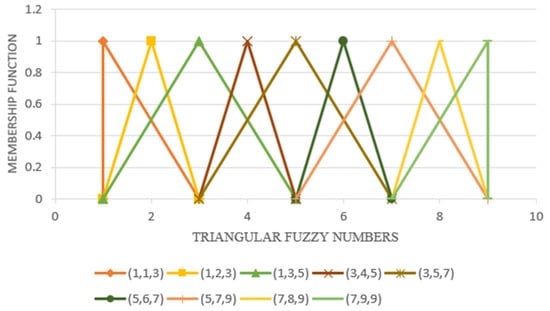
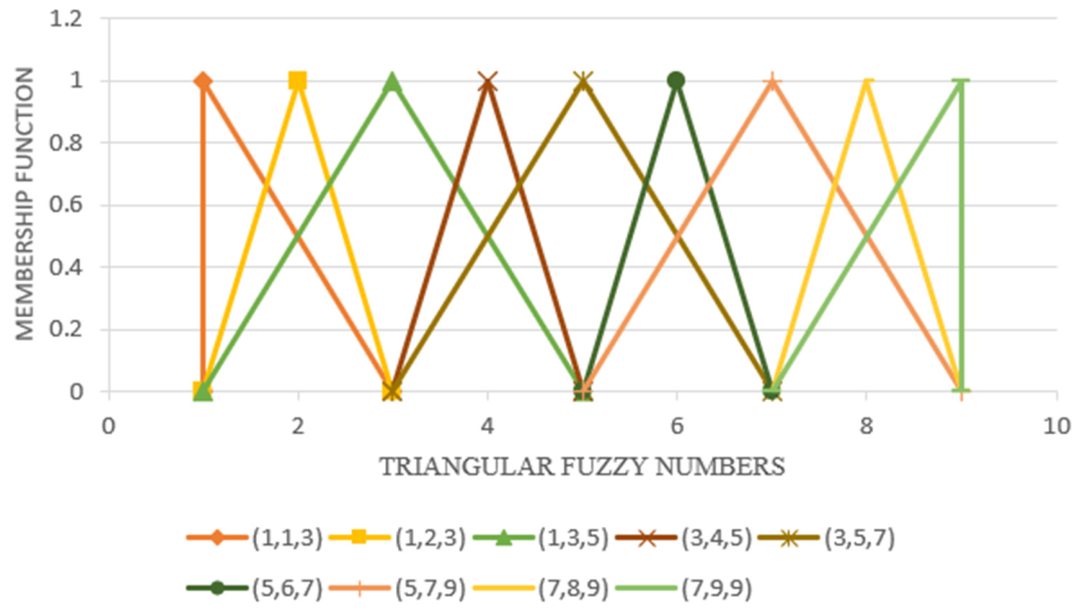
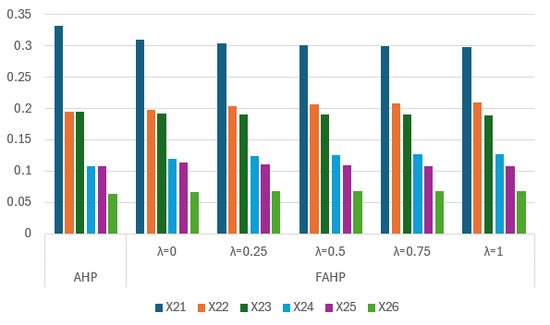
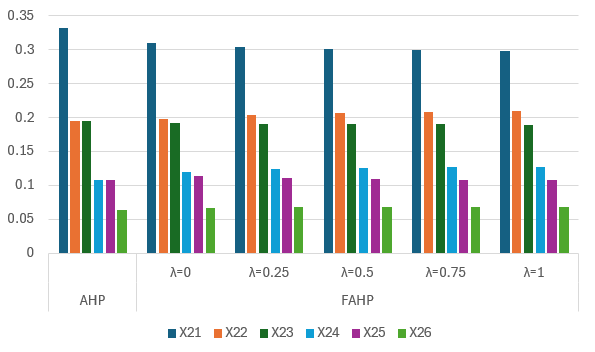
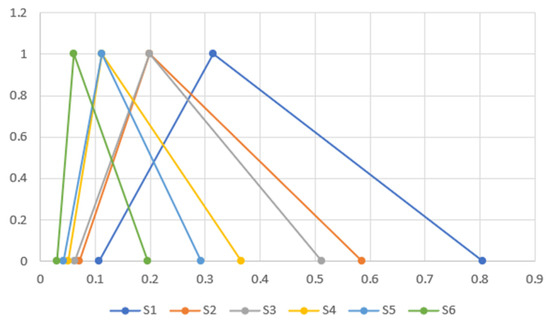
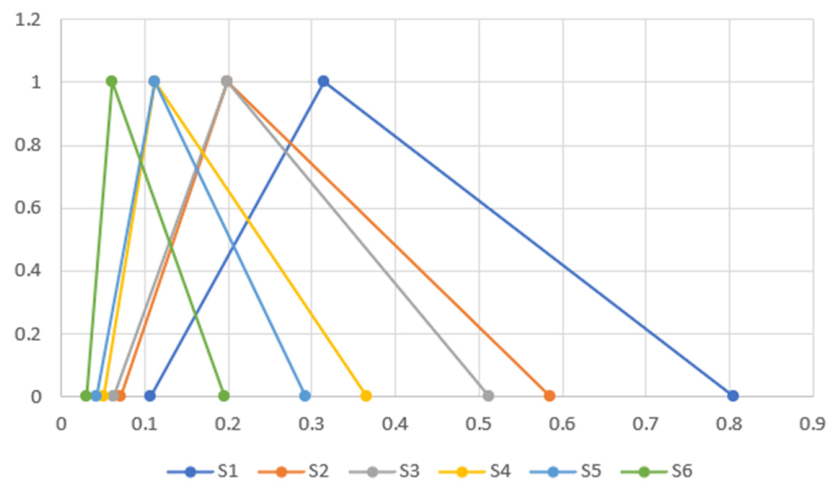
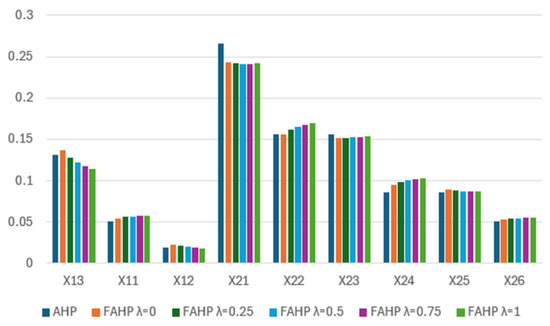
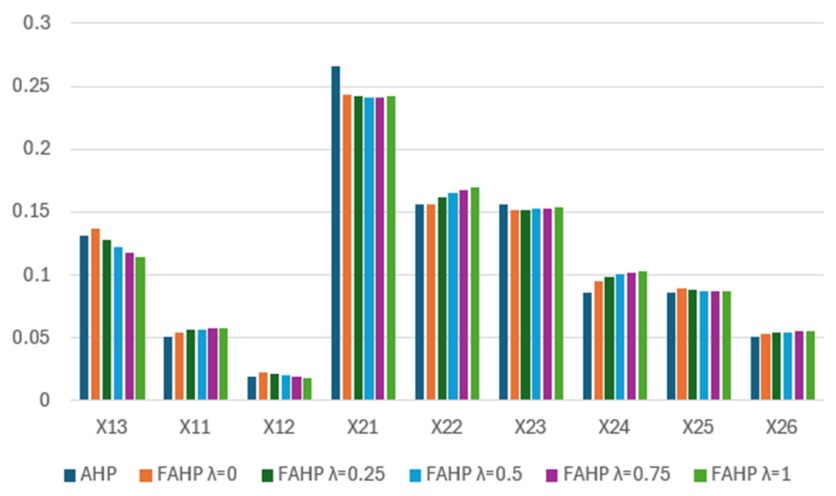
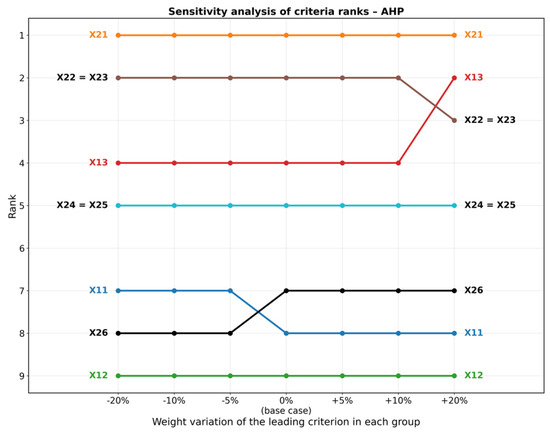
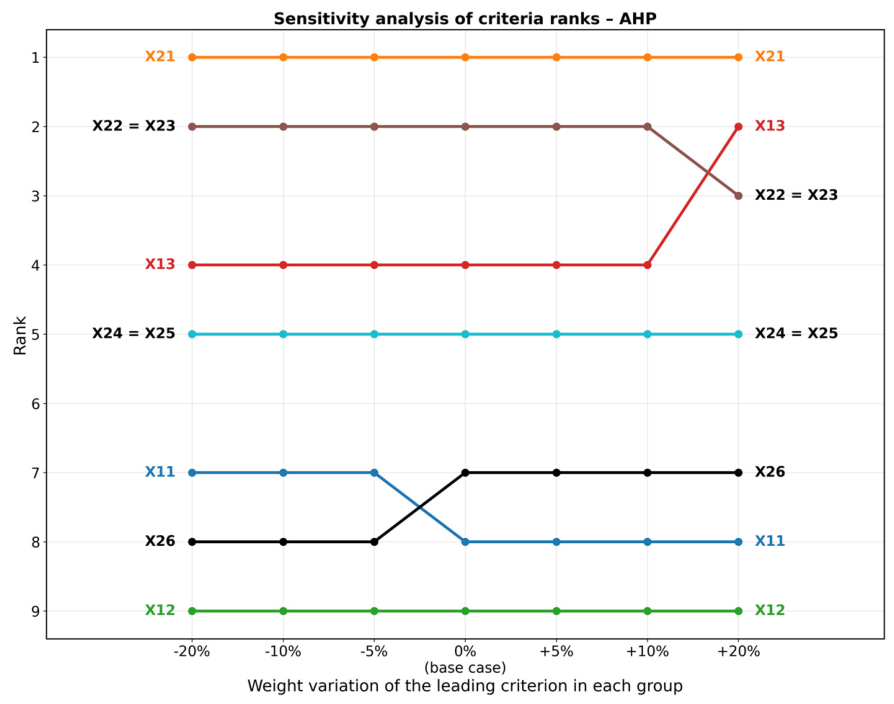
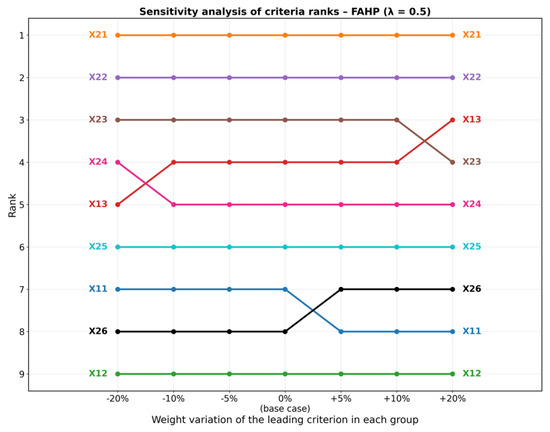
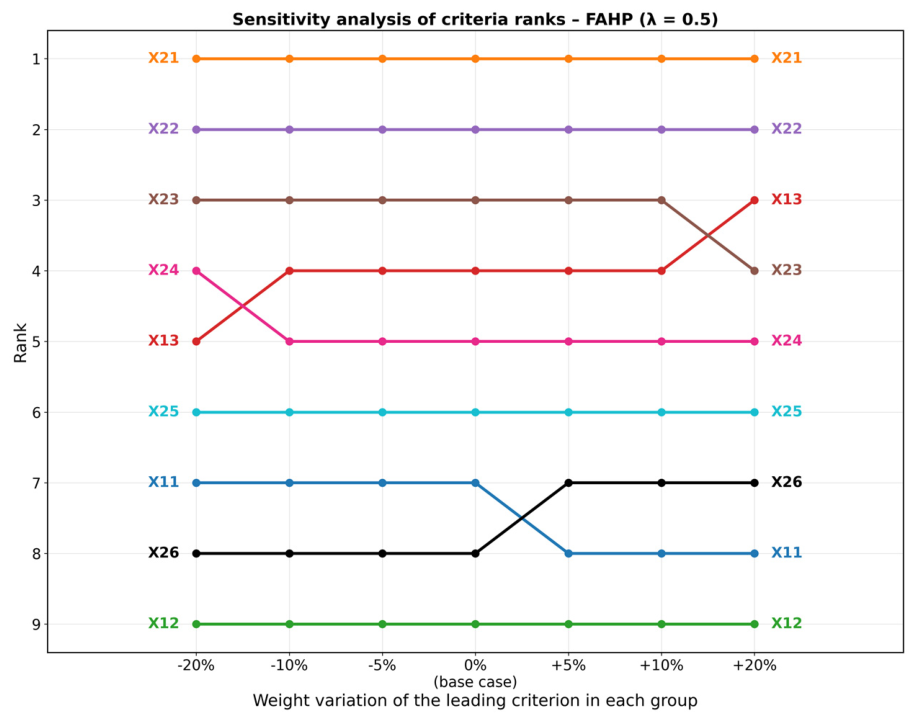
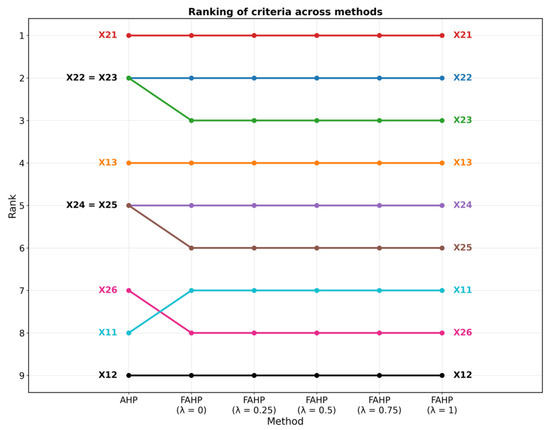
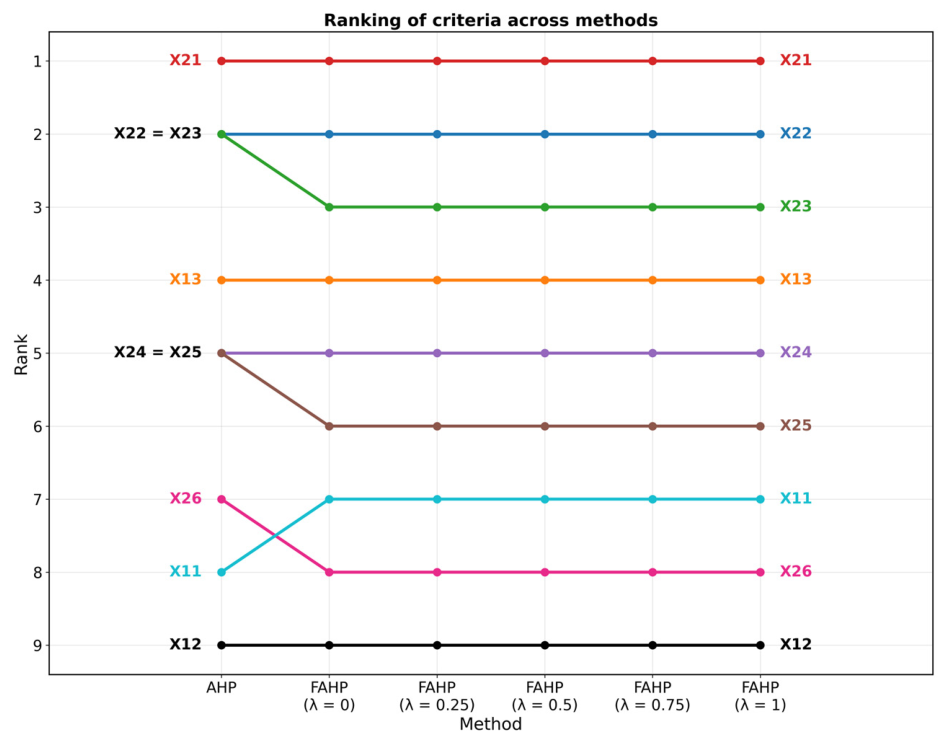
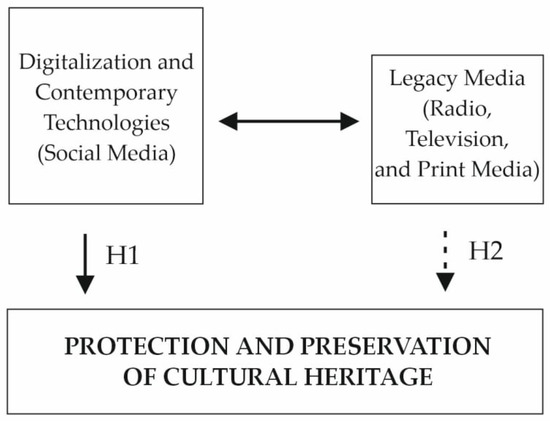
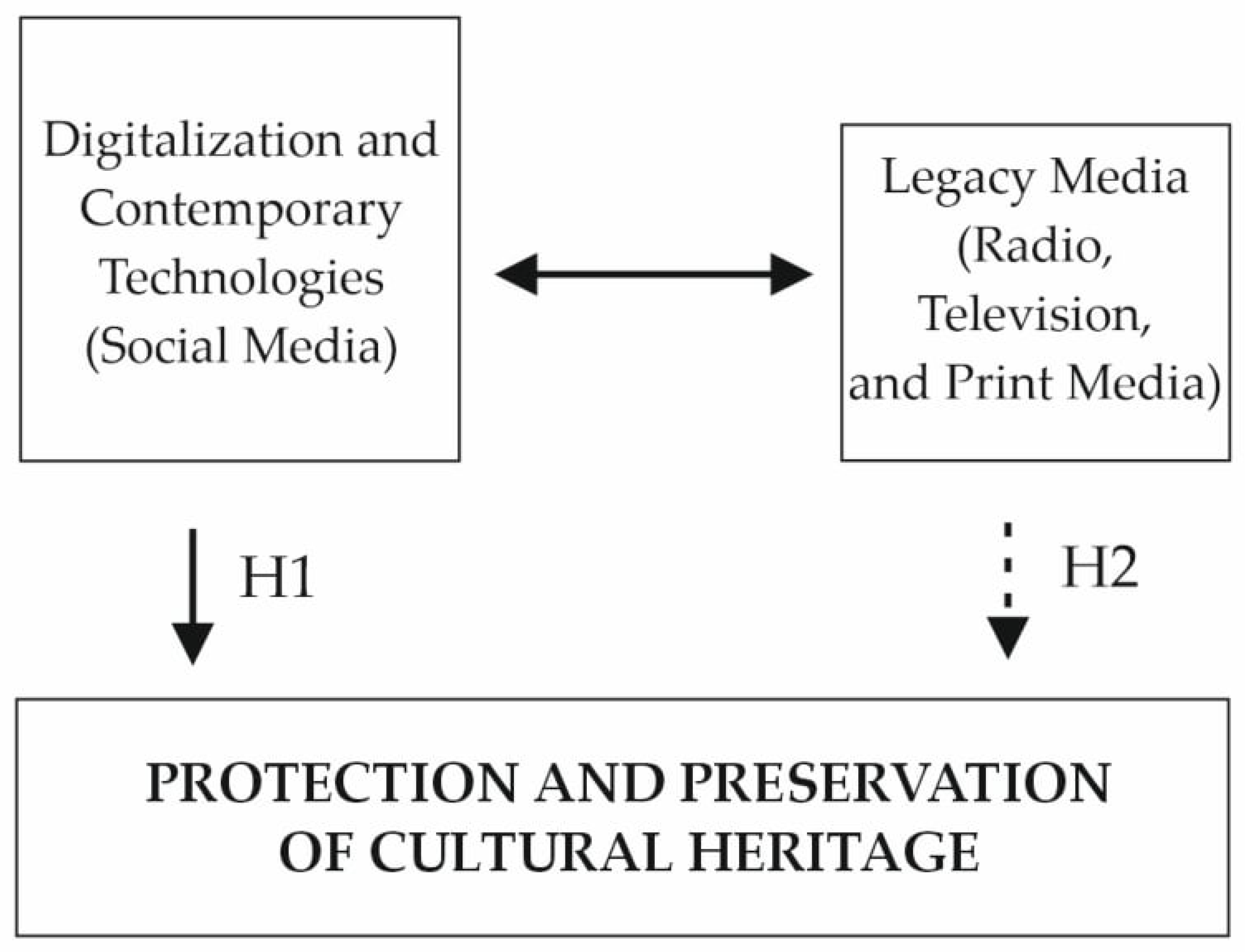

Disclaimer/Publisher’s Note: The statements, opinions and data contained in all publications are solely those of the individual author(s) and contributor(s) and not of MDPI and/or the editor(s). MDPI and/or the editor(s) disclaim responsibility for any injury to people or property resulting from any ideas, methods, instructions or products referred to in the content. |
© 2026 by the authors. Licensee MDPI, Basel, Switzerland. This article is an open access article distributed under the terms and conditions of the Creative Commons Attribution (CC BY) license.